Reimagining Business Processes Through ERP Platforms

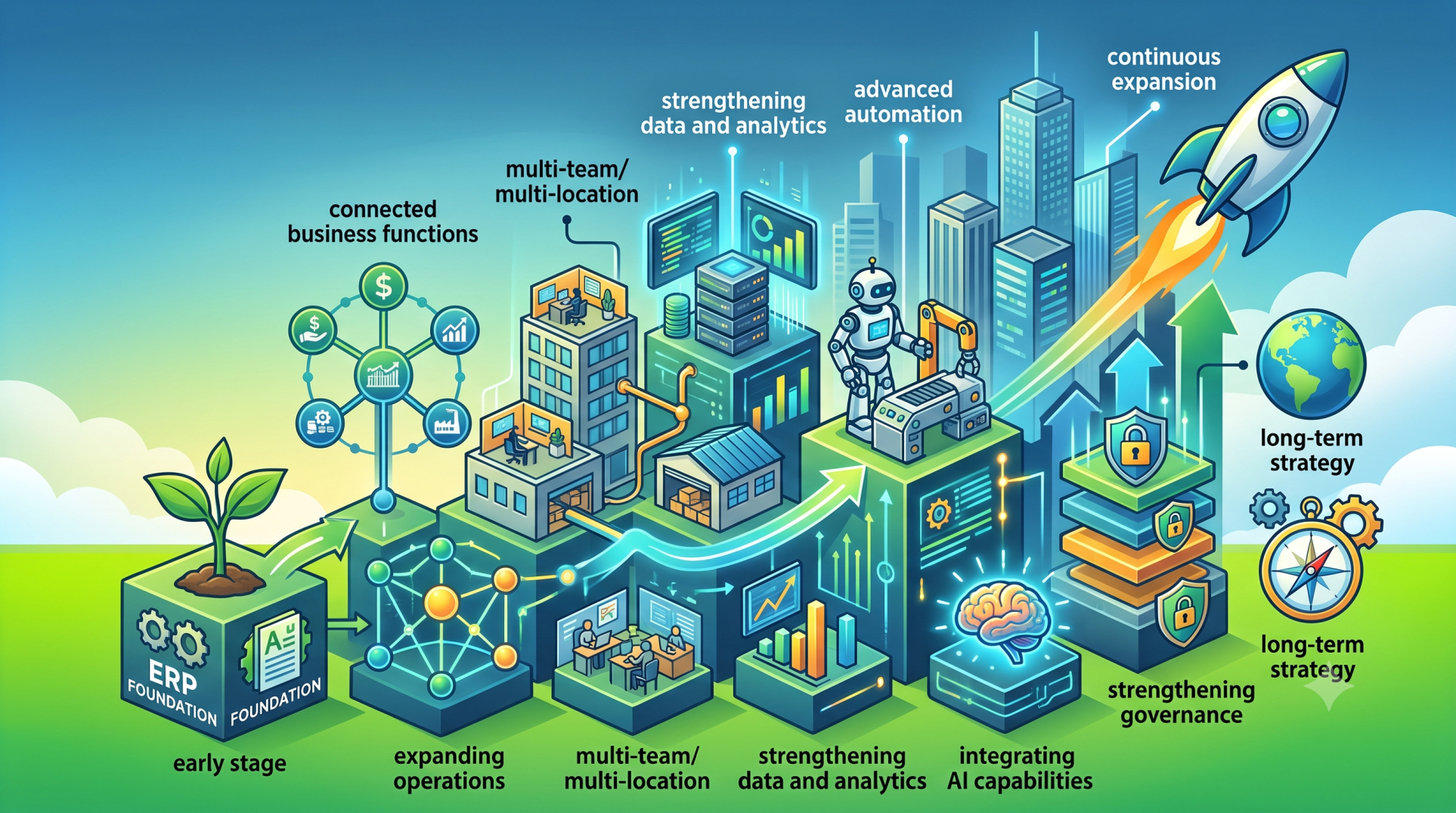
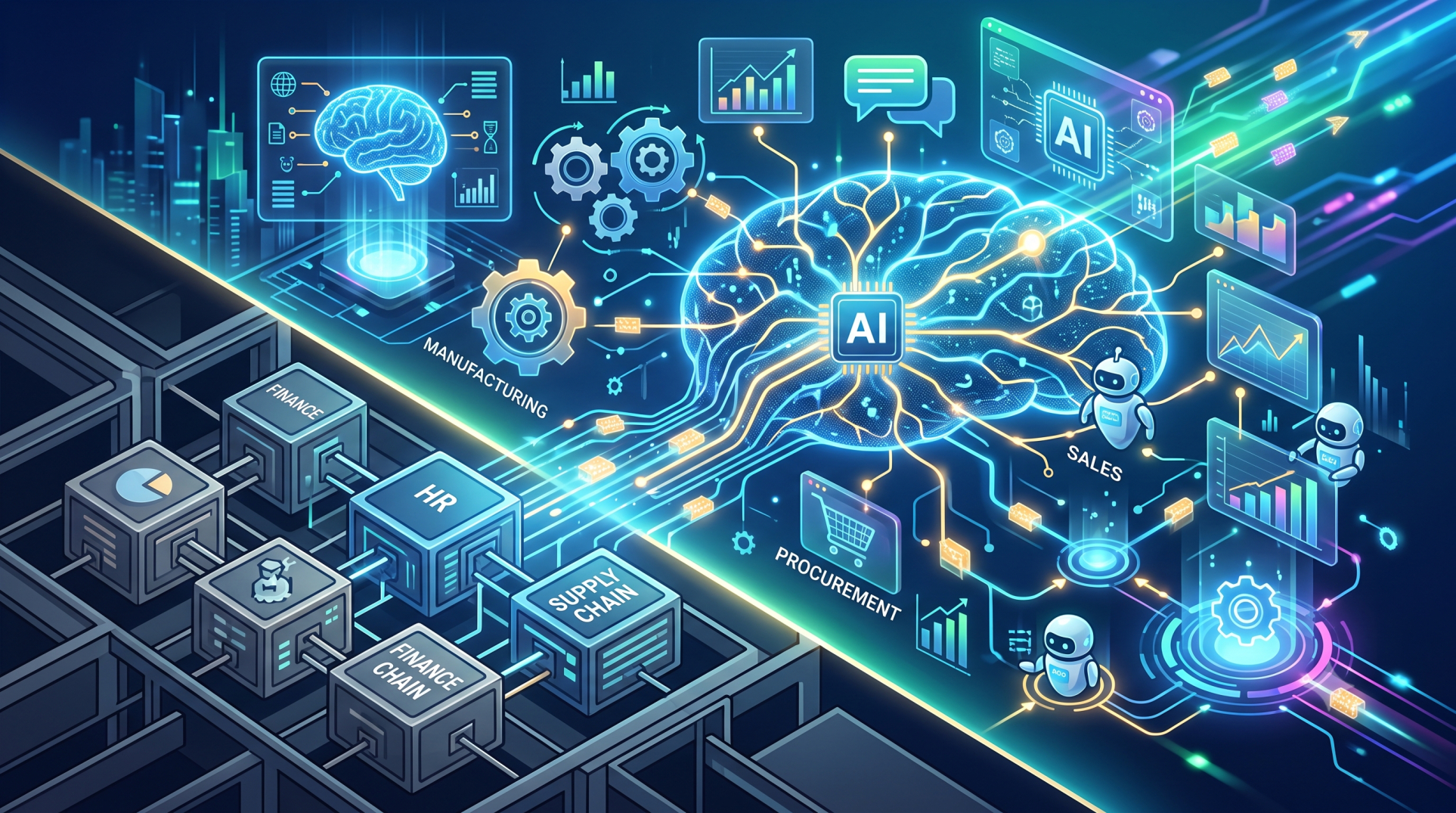
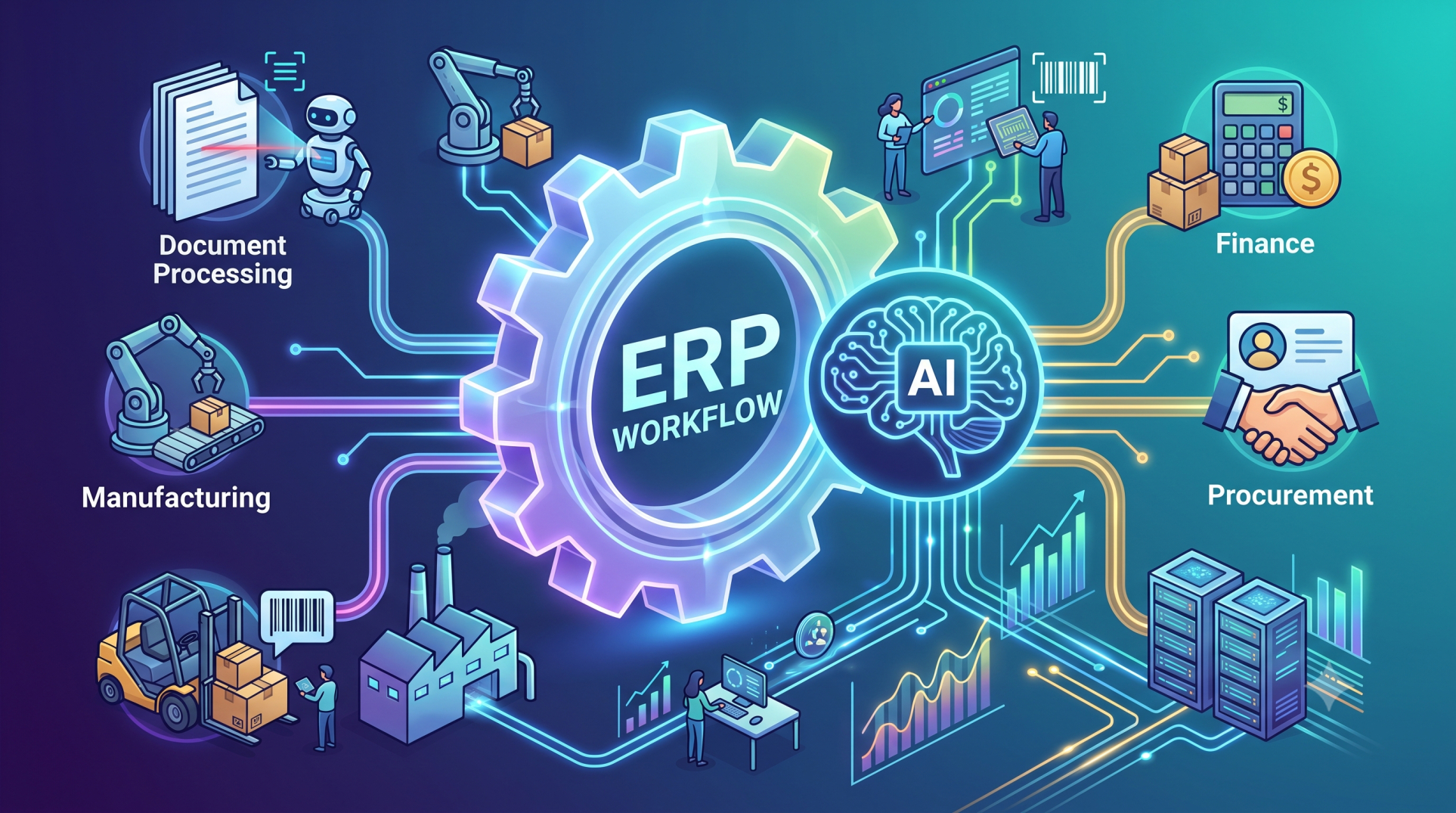
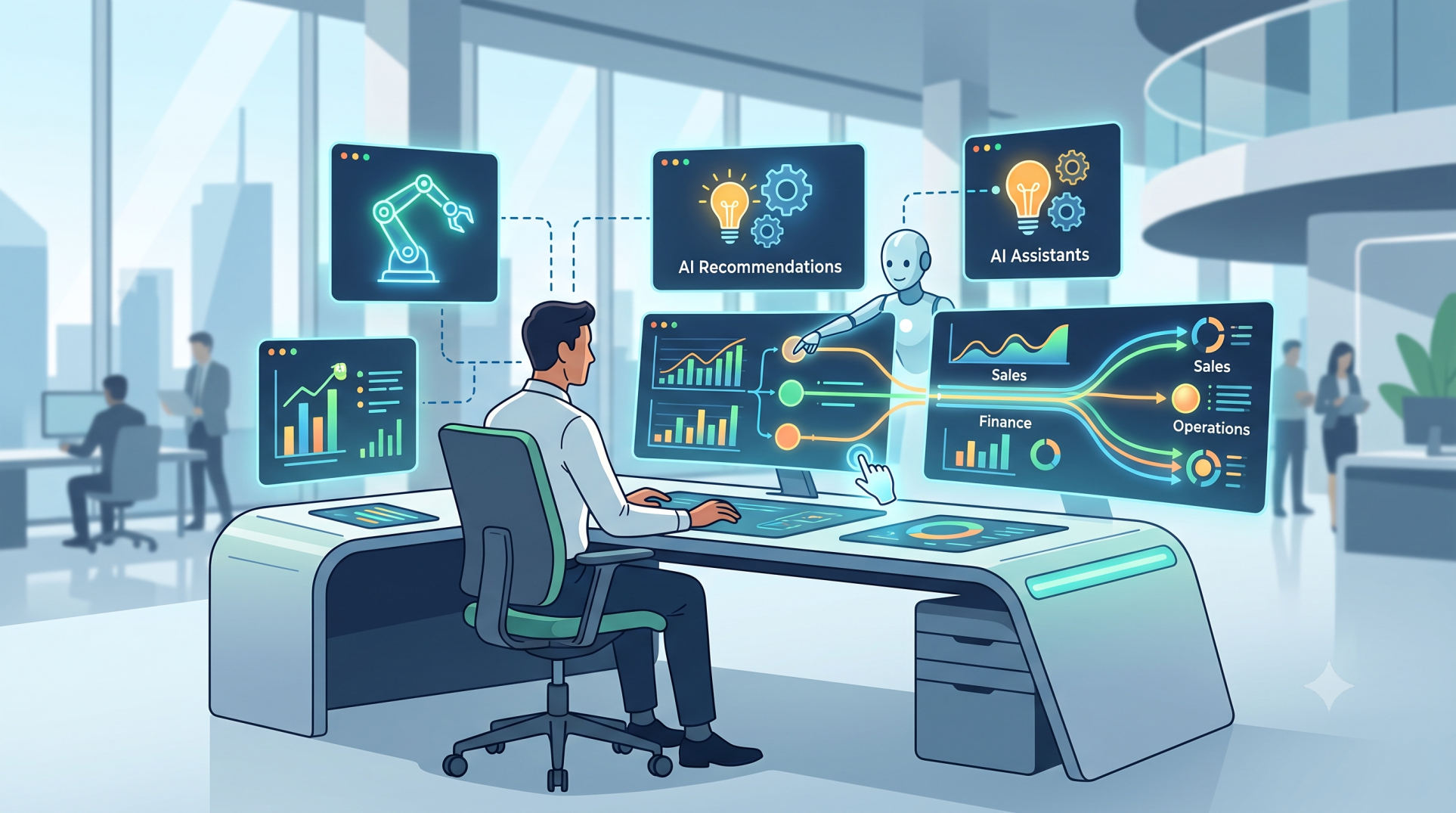
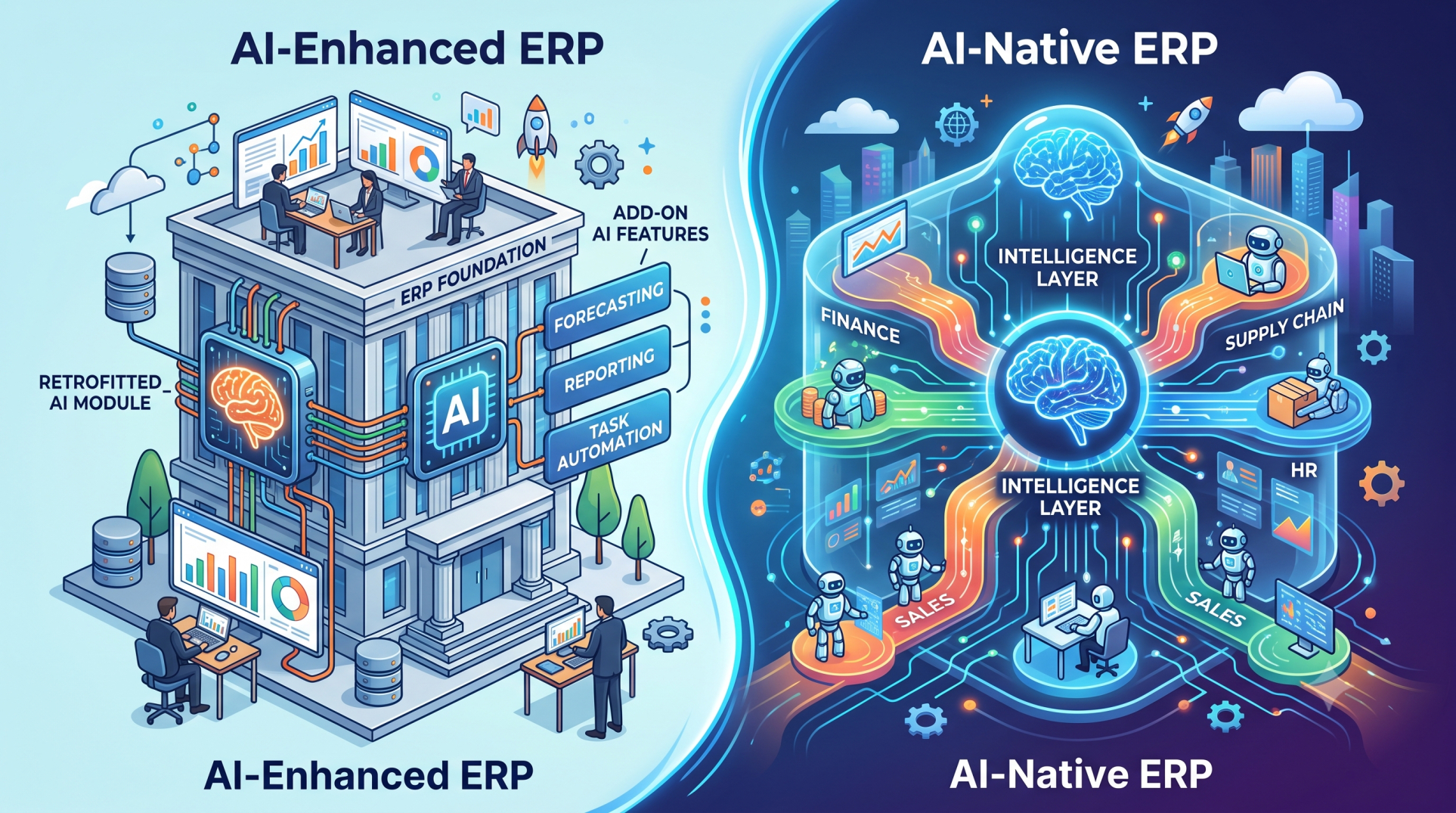
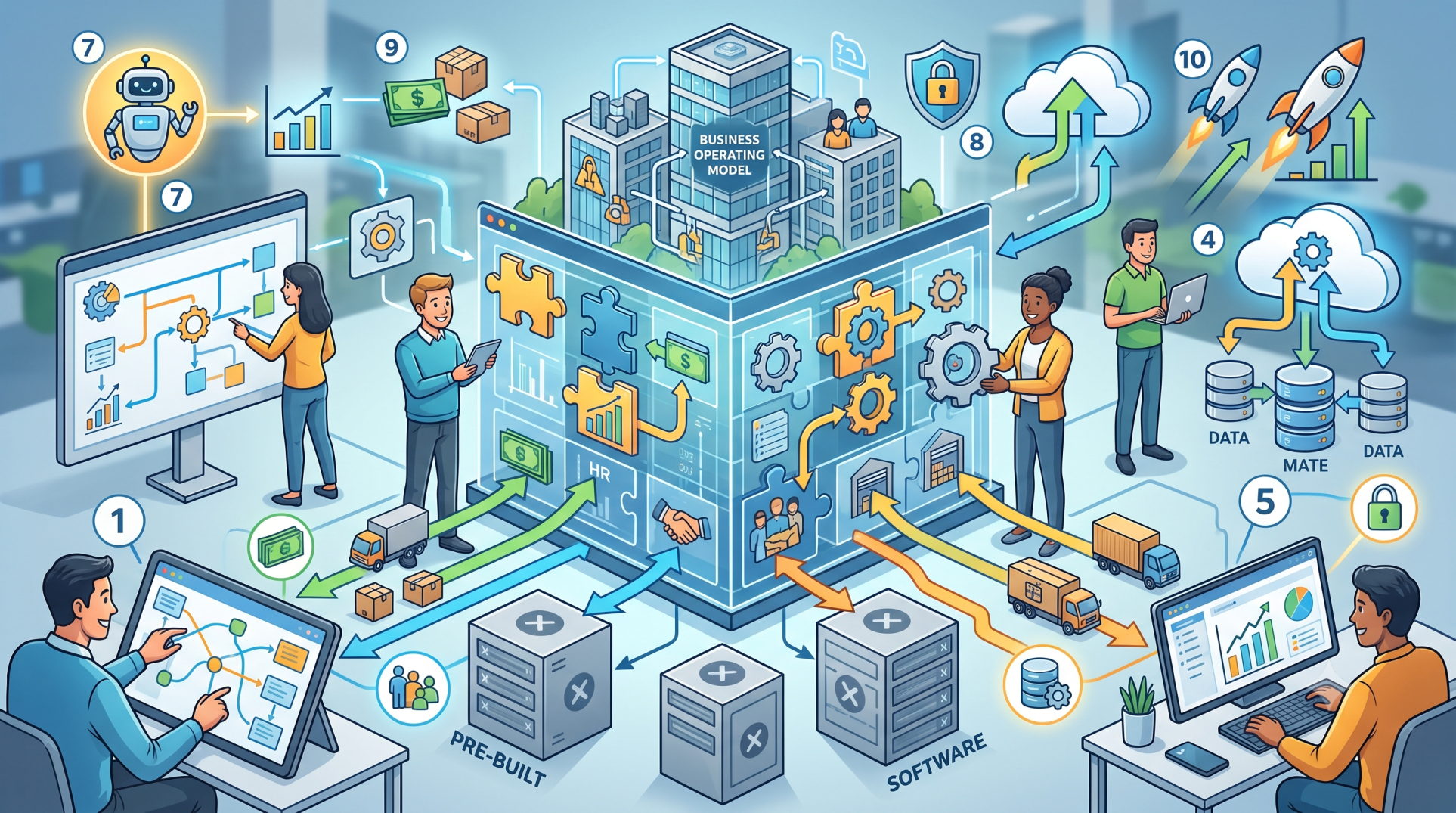
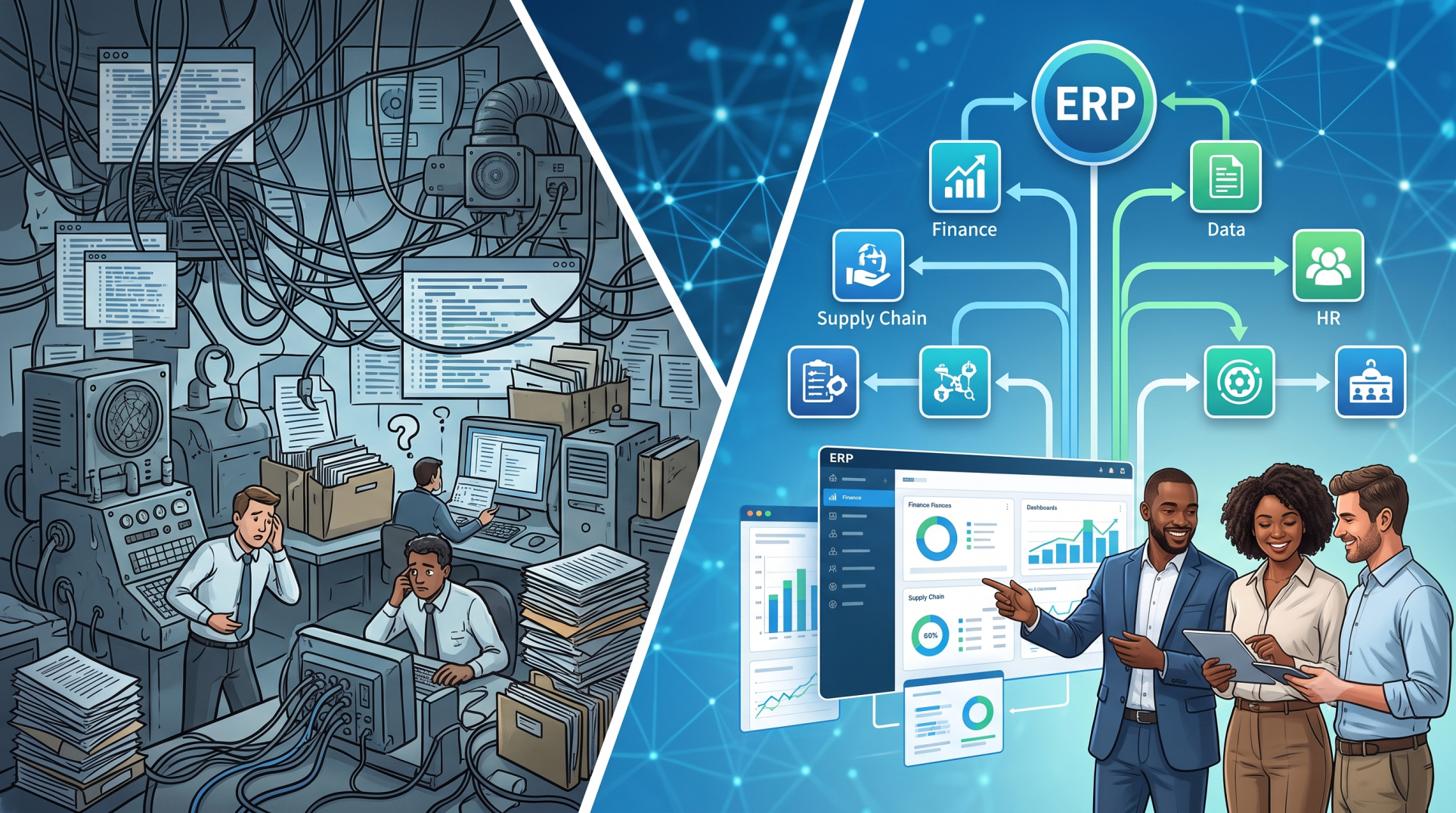
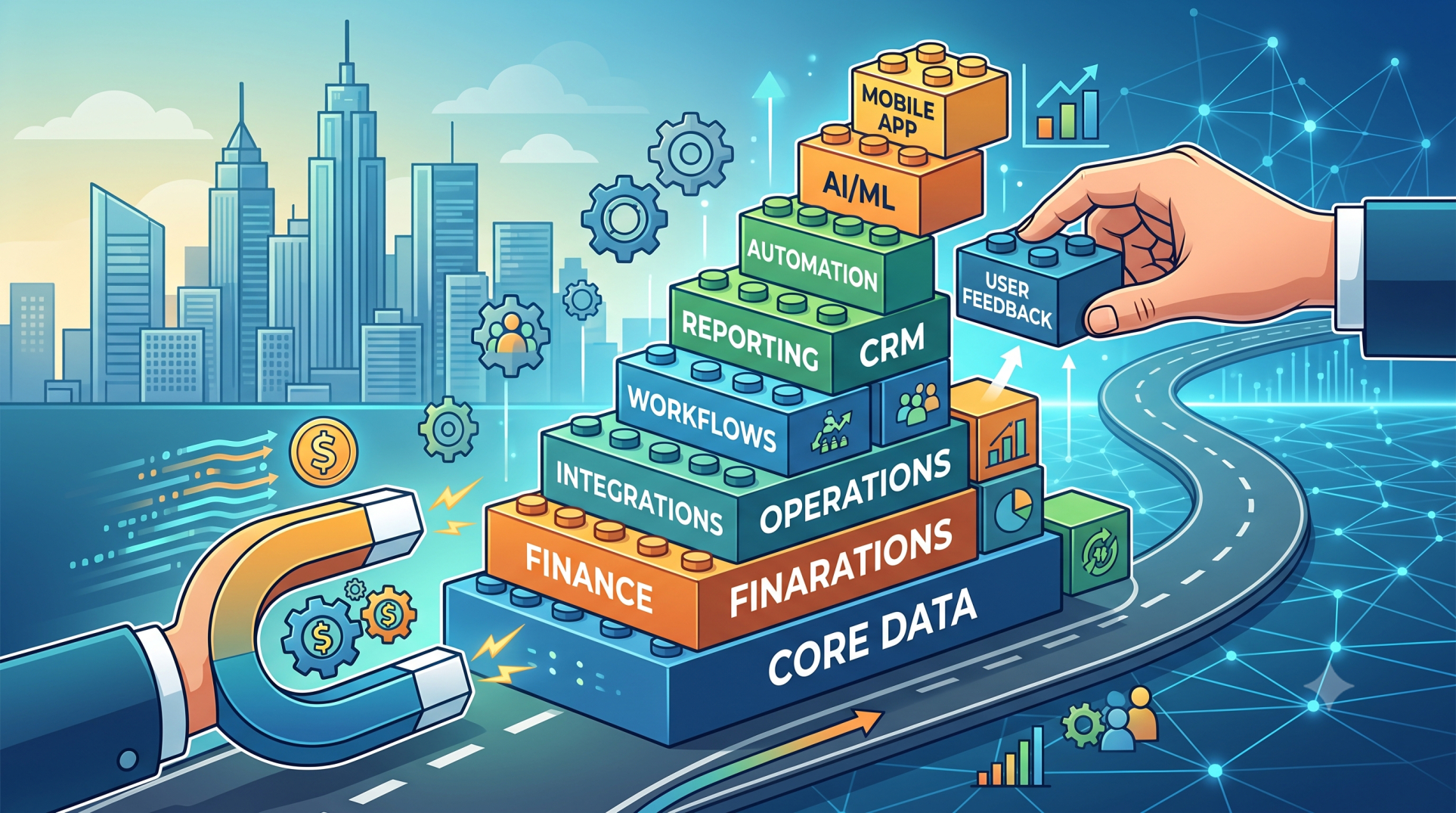
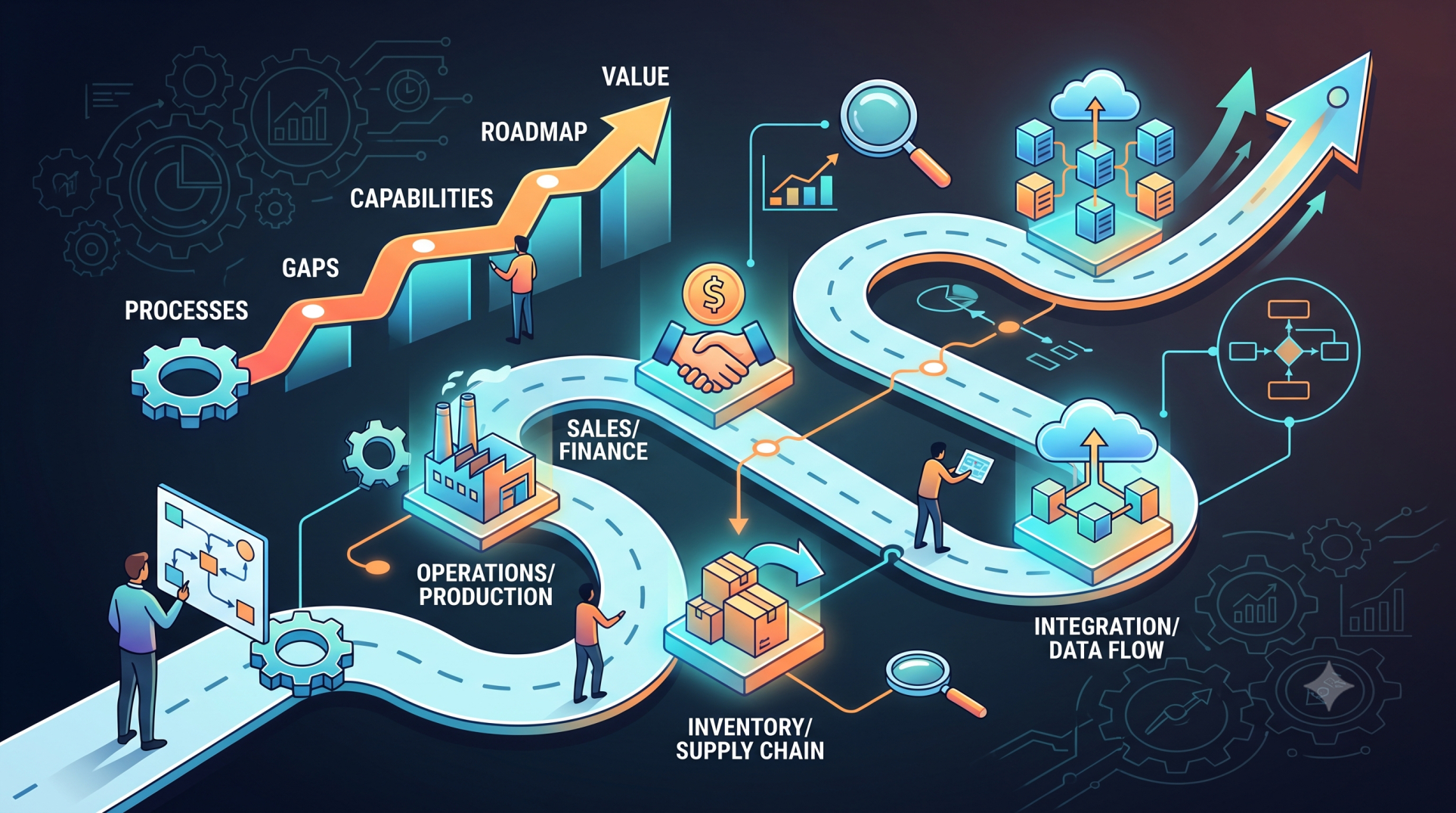
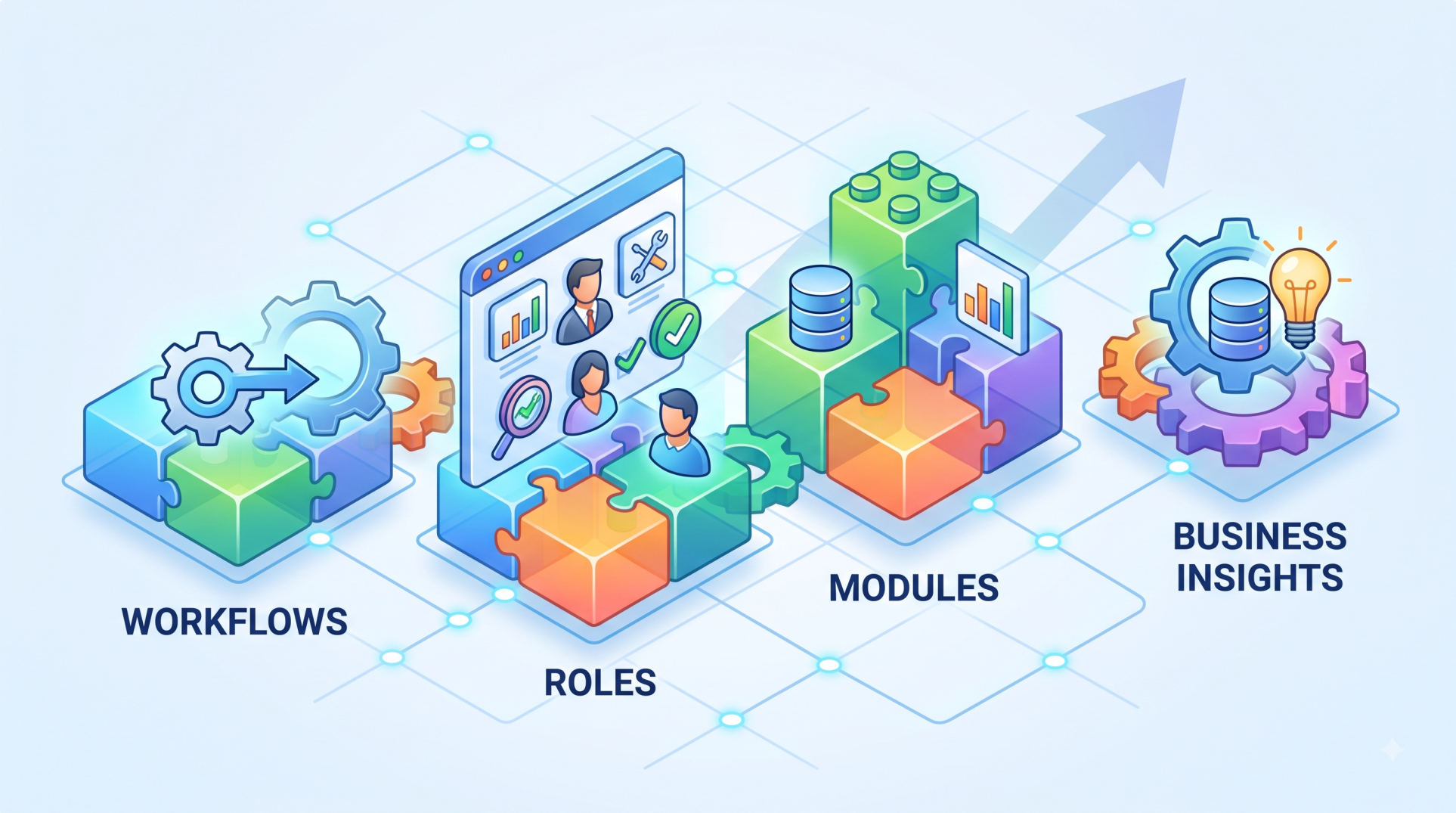
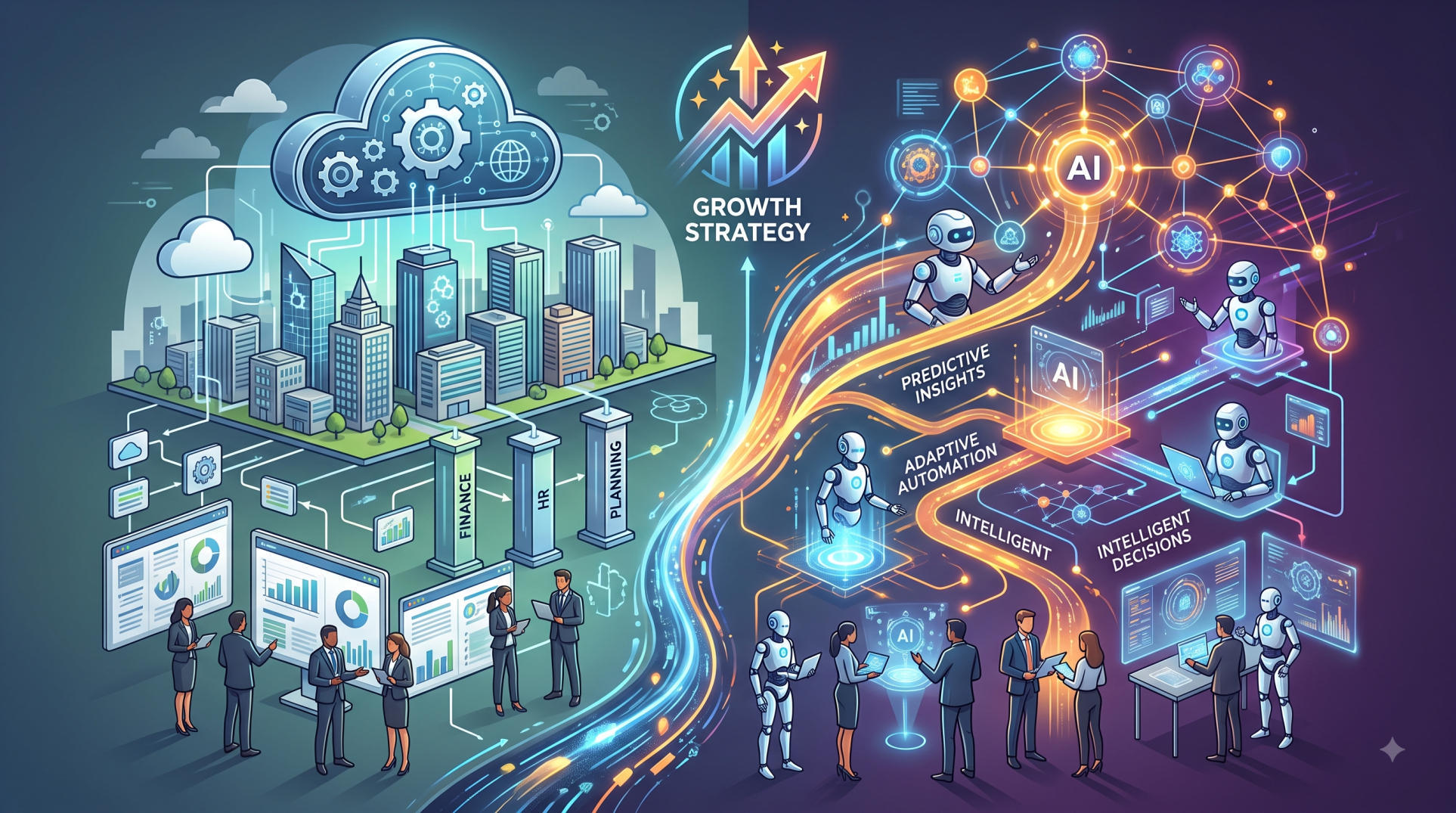
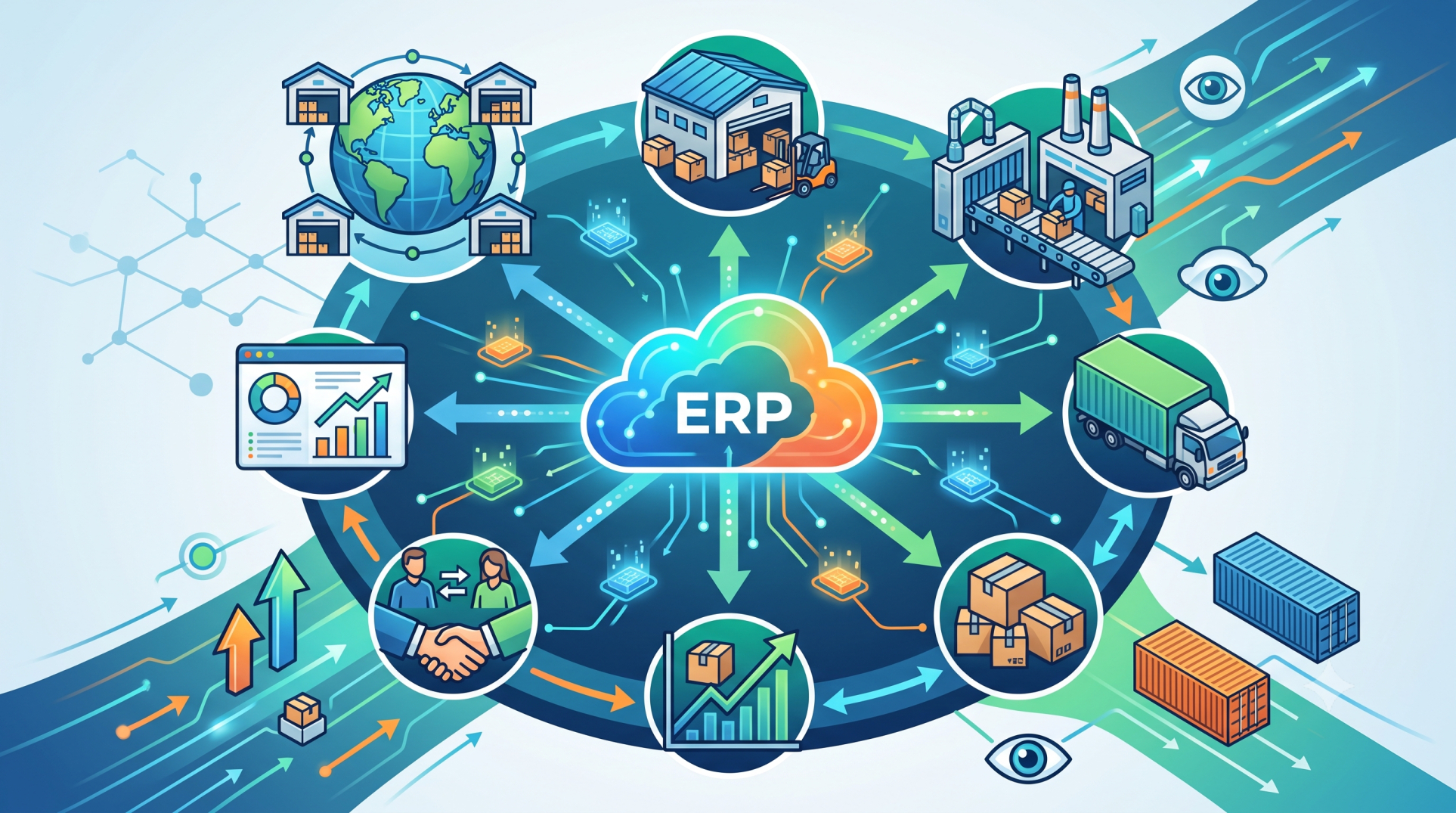
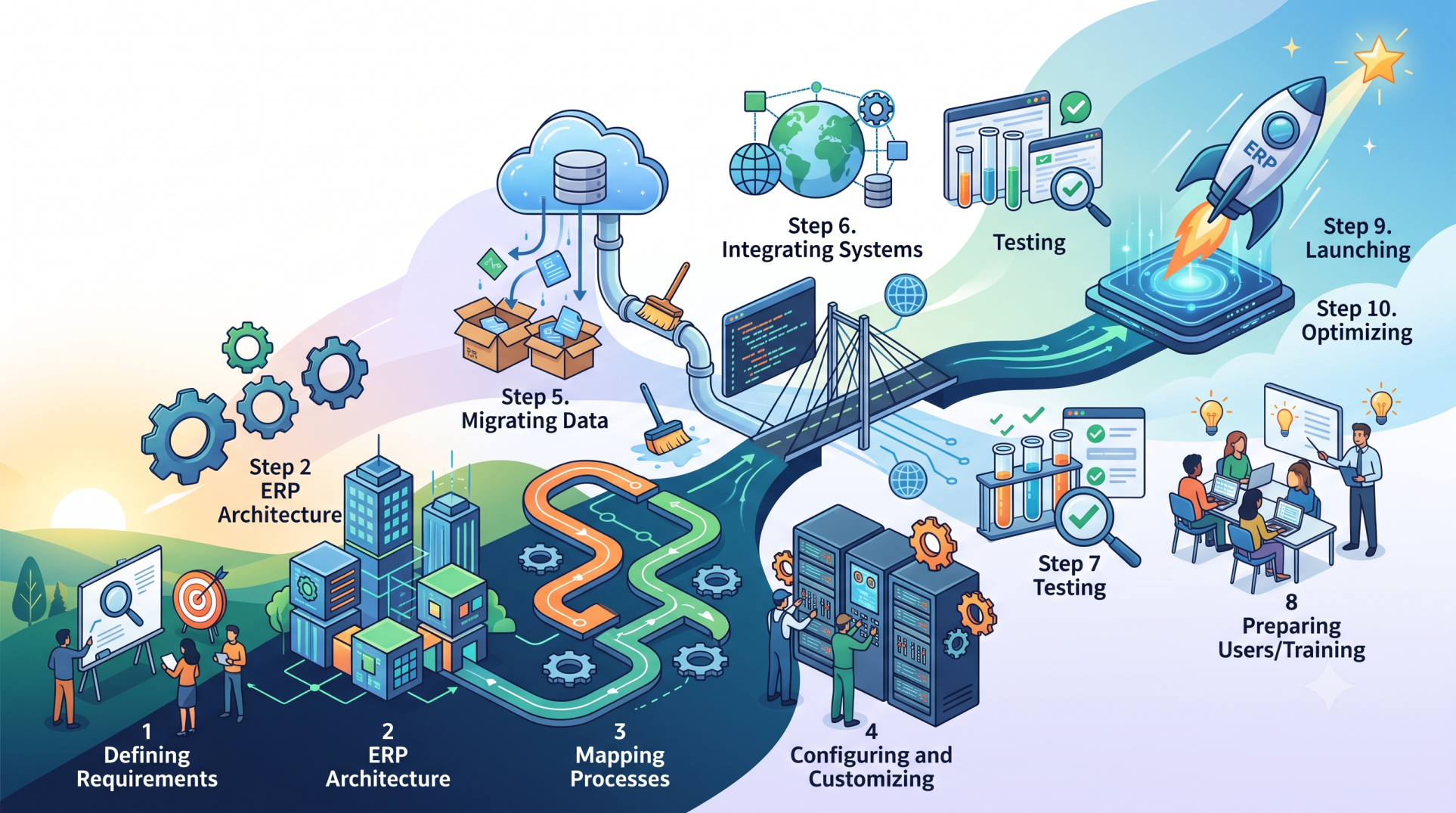
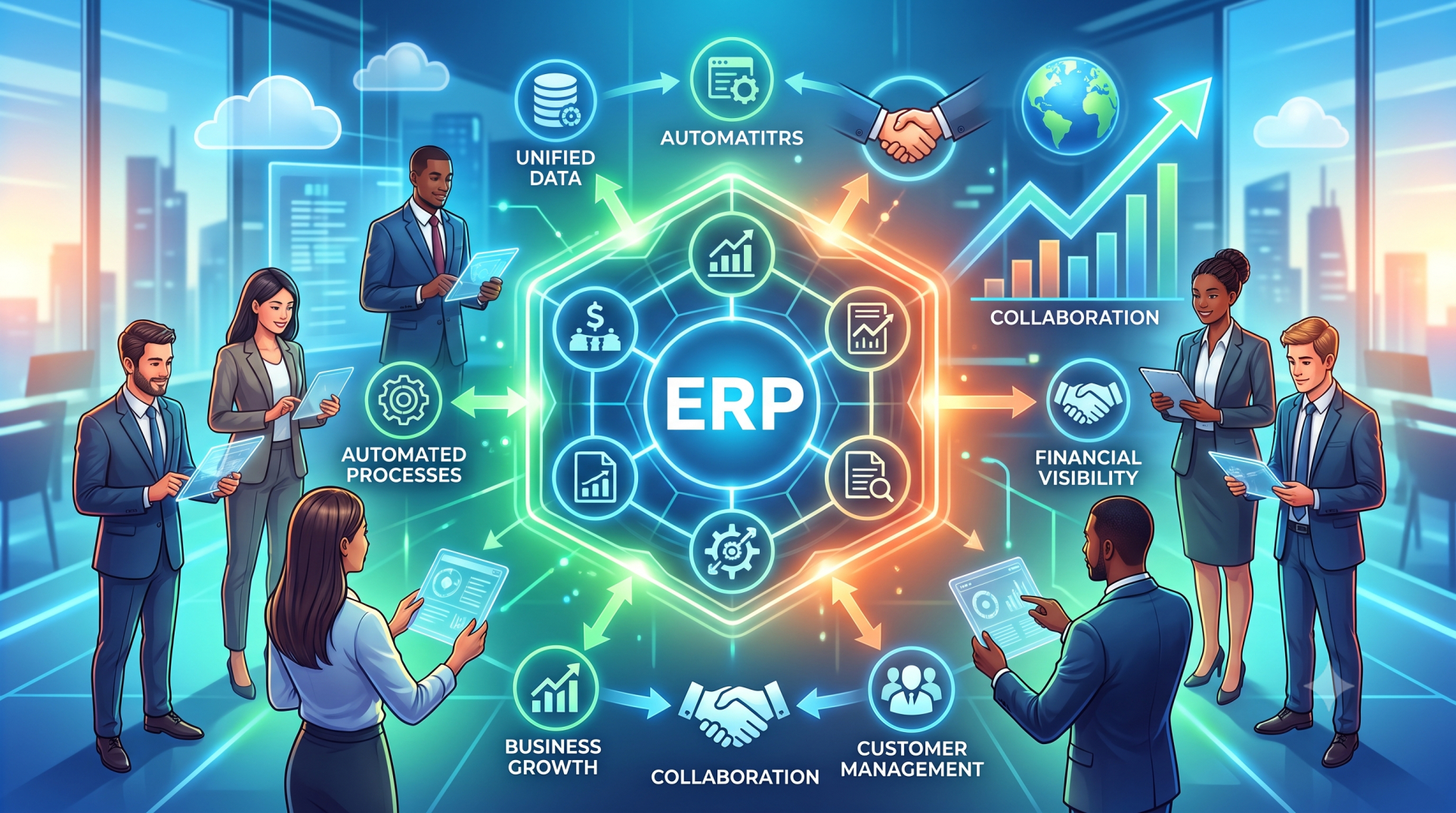
Enterprise Resource Planning (ERP) systems are no longer just tools for managing transactions—they have evolved into strategic platforms that reshape how organizations operate. By rethinking traditional workflows and embedding intelligence into core operations, ERP platforms enable businesses to streamline processes, enhance visibility, and drive continuous improvement. This transformation allows organizations to move from fragmented operations to fully integrated, data-driven ecosystems.
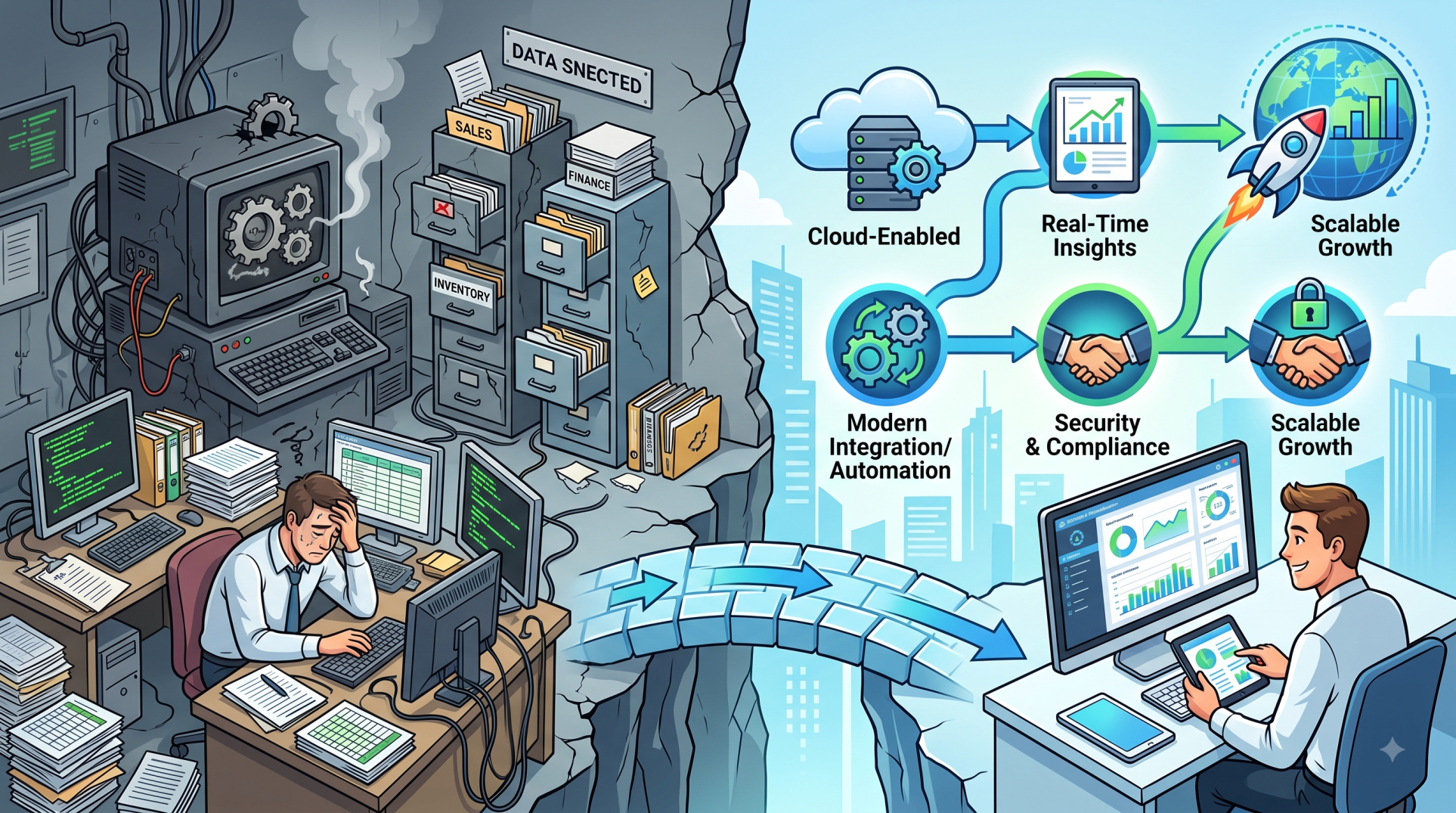
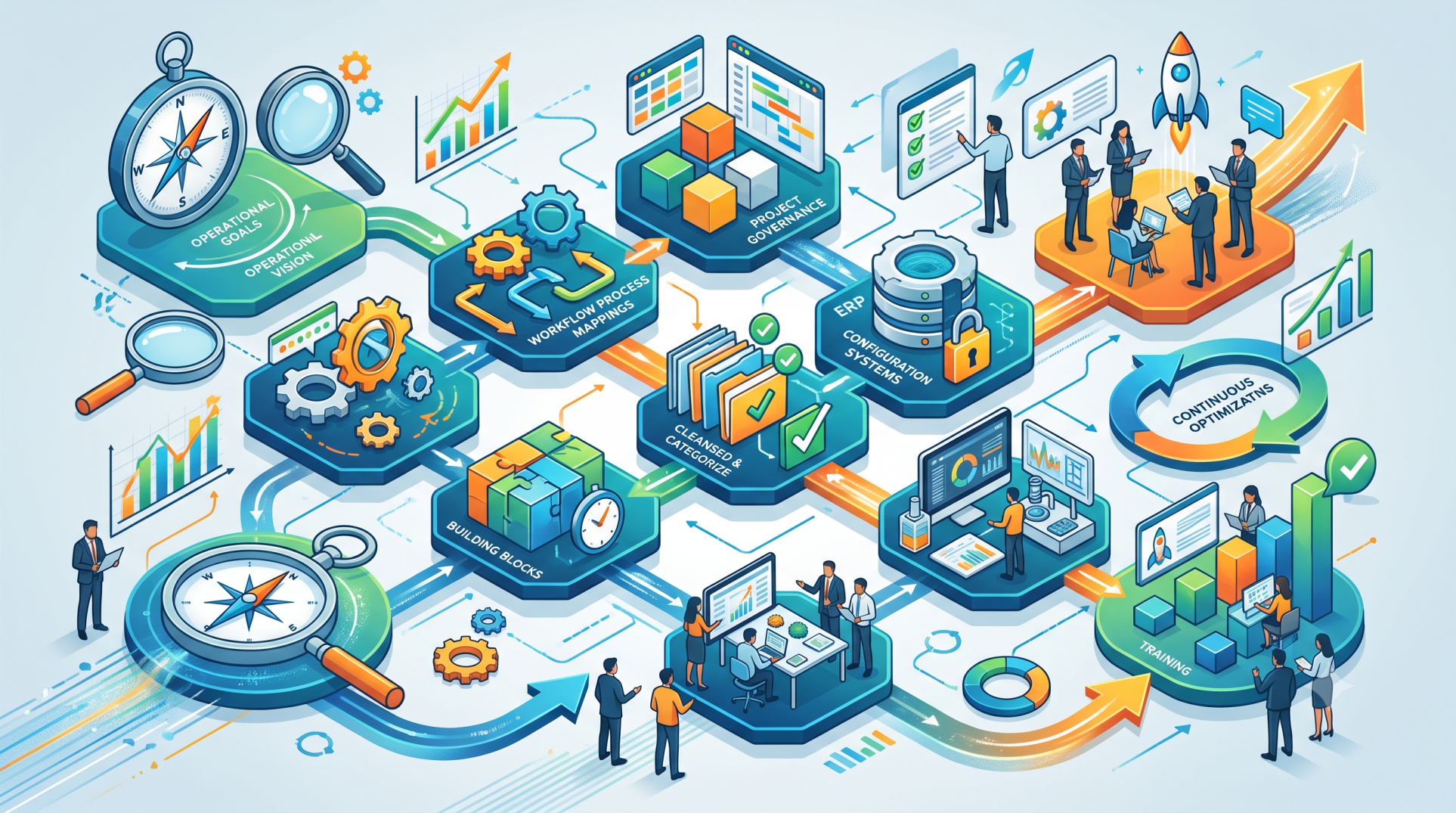
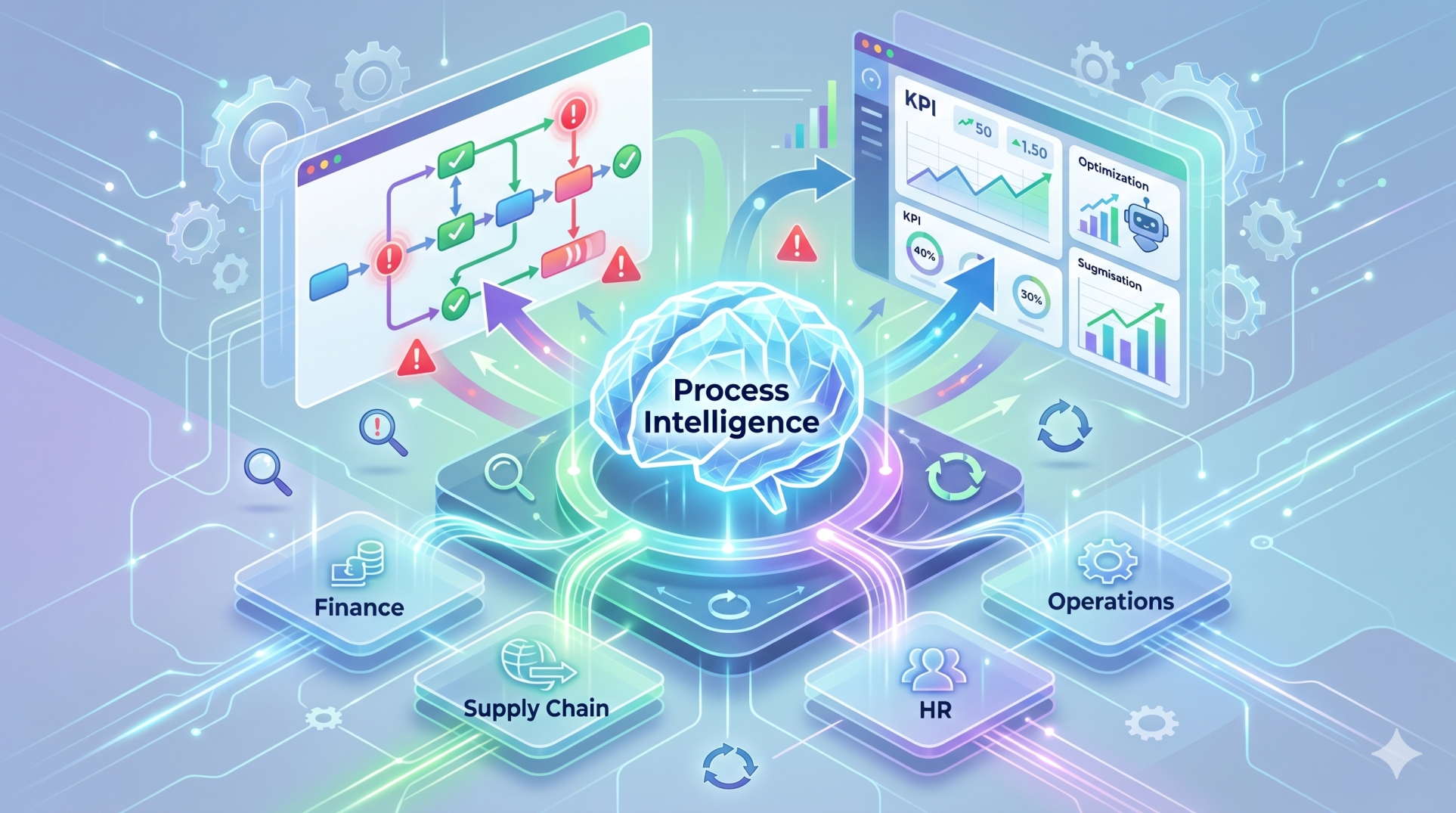
Step 1: Rethinking Traditional Workflows 🔄
• Identify inefficiencies and redundancies in existing processes 🔍
• Replace manual workflows with automated, system-driven operations ⚙️
• Align processes with modern business requirements and goals 📊
• Eliminate silos between departments and functions 🚫
• Focus on end-to-end process optimization rather than isolated tasks 🎯
Step 2: Process Standardization and Optimization ⚙️
• Define standardized workflows across departments and regions 📂
• Ensure consistency in execution and data handling ✅
• Reduce process variation and operational errors ⚖️
• Enable repeatable and scalable business operations 📈
• Continuously refine workflows based on performance insights 🔄
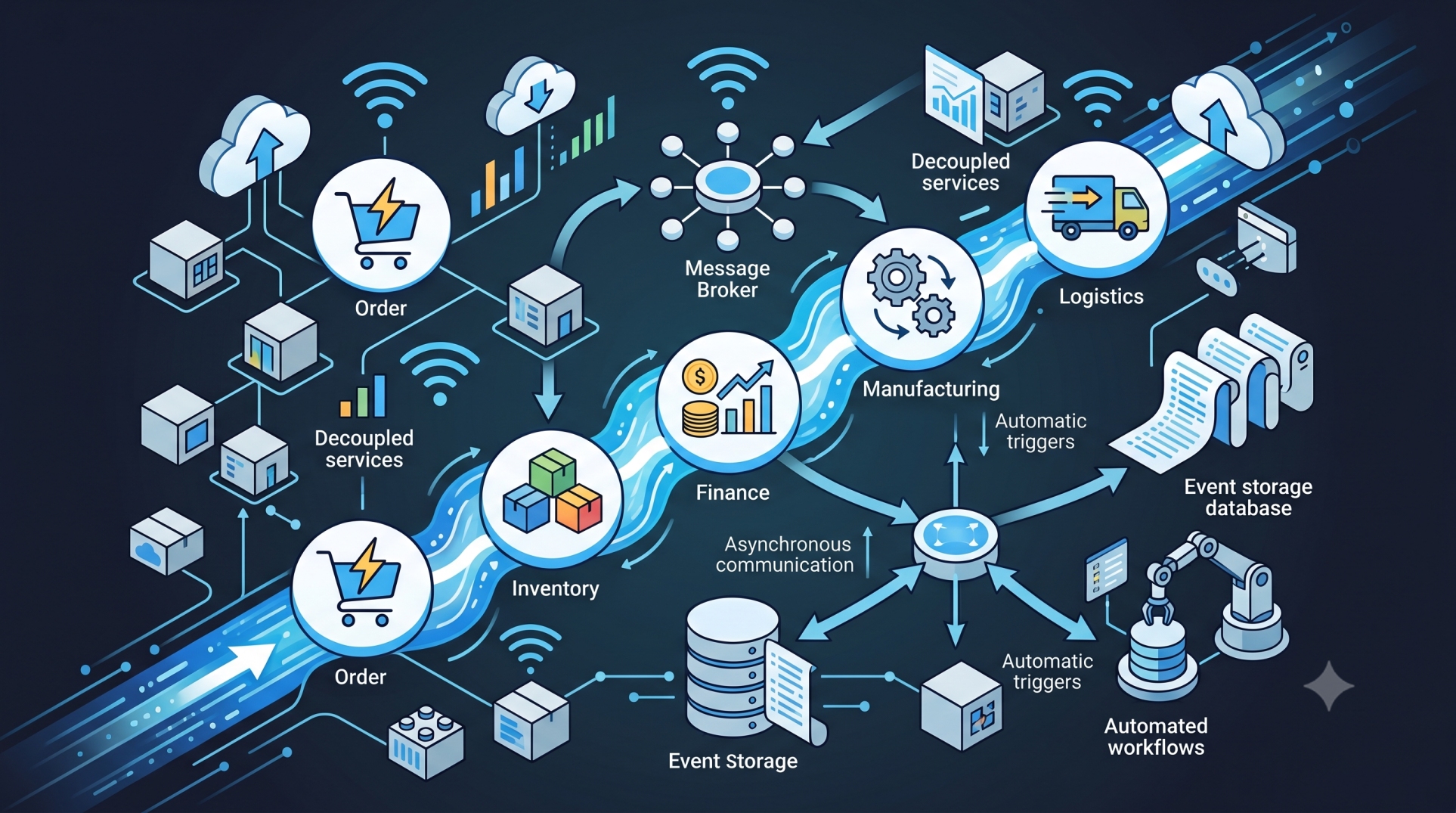
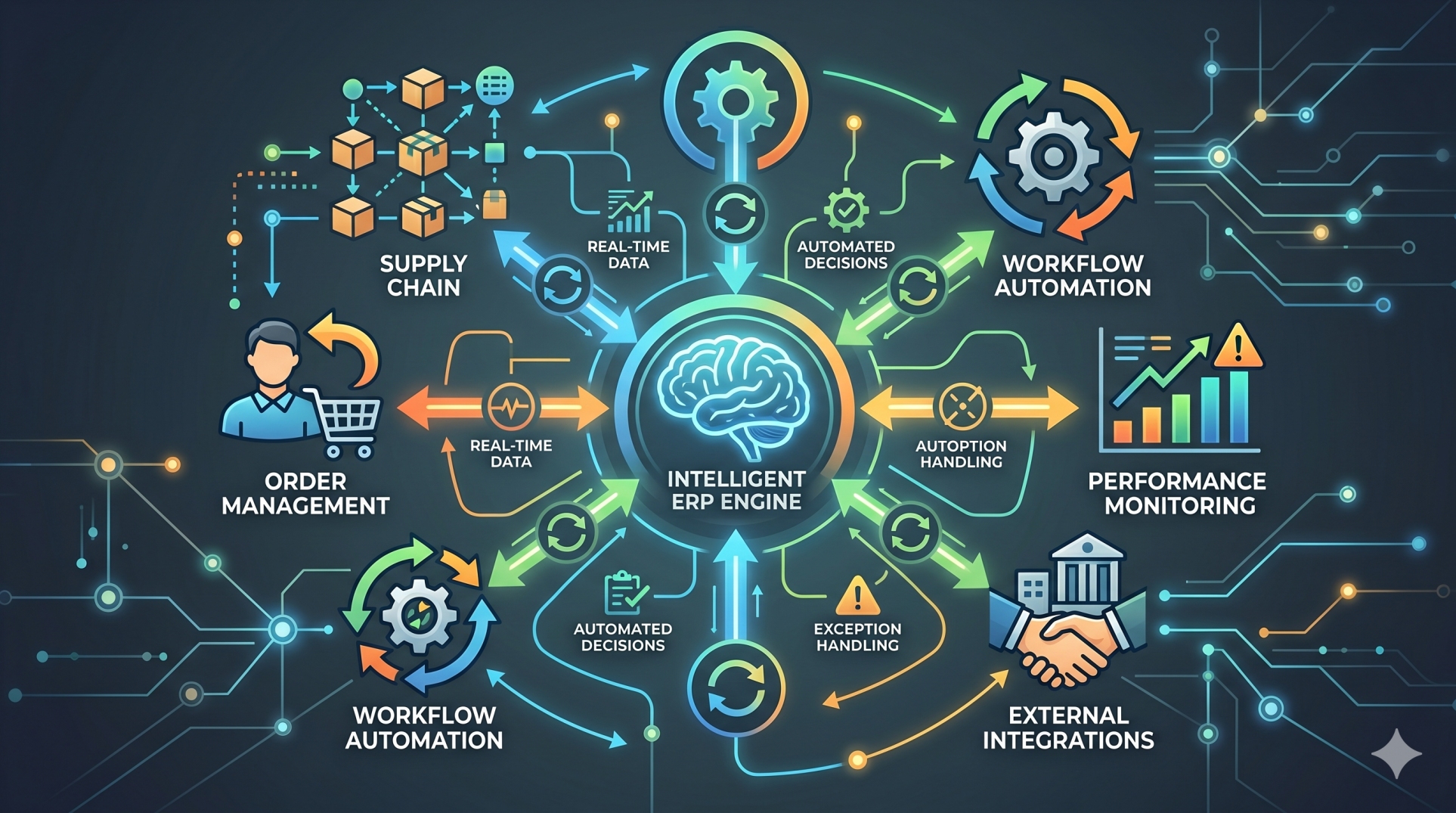
Step 3: Embedding Automation into Core Operations 🤖
• Automate routine tasks such as approvals, reporting, and data entry ⚡
• Reduce manual intervention and human error 🧠
• Accelerate process execution and turnaround times ⏱️
• Enable rule-based decision-making within workflows 📜
• Free up resources for higher-value strategic activities 🚀
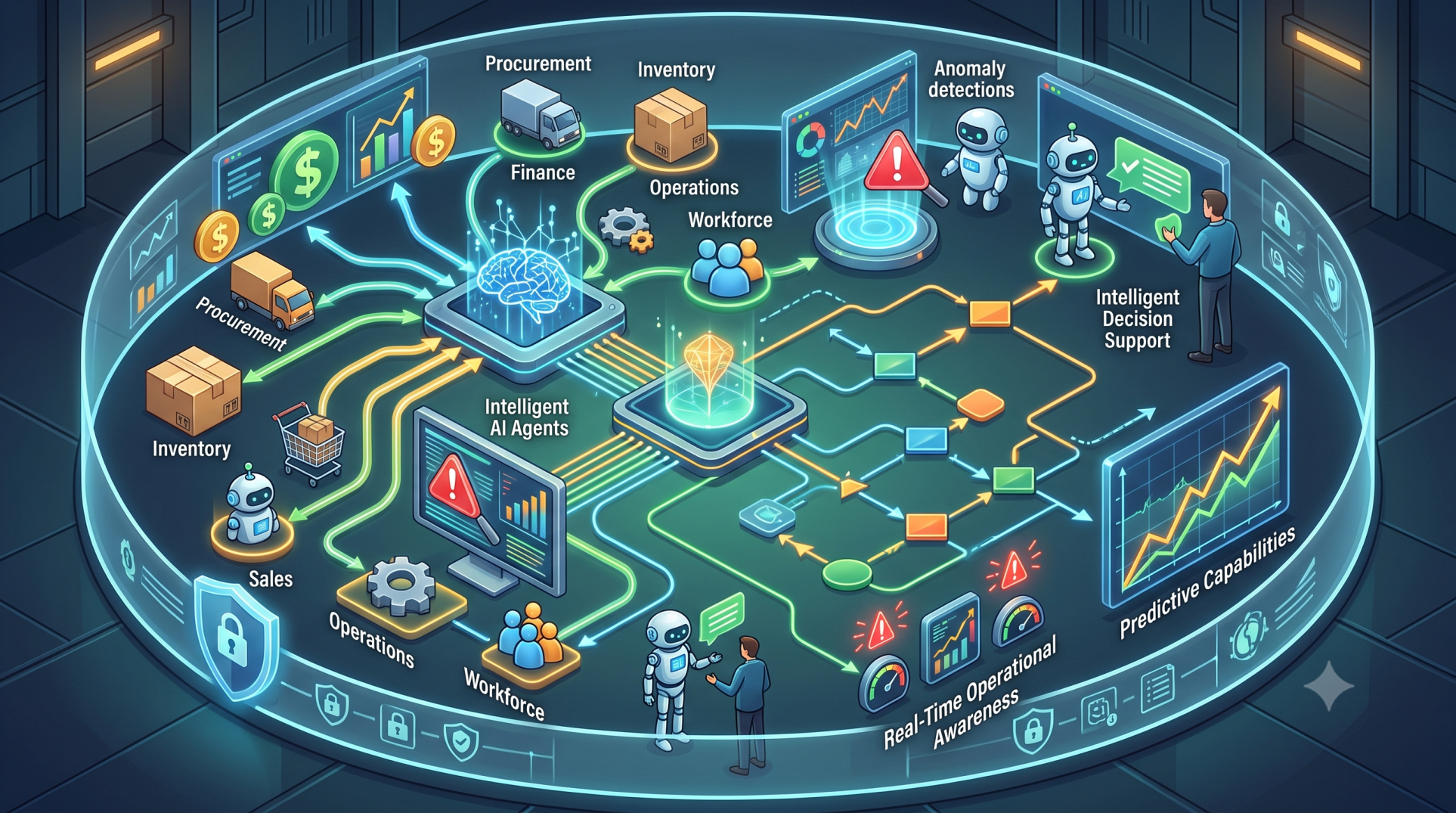
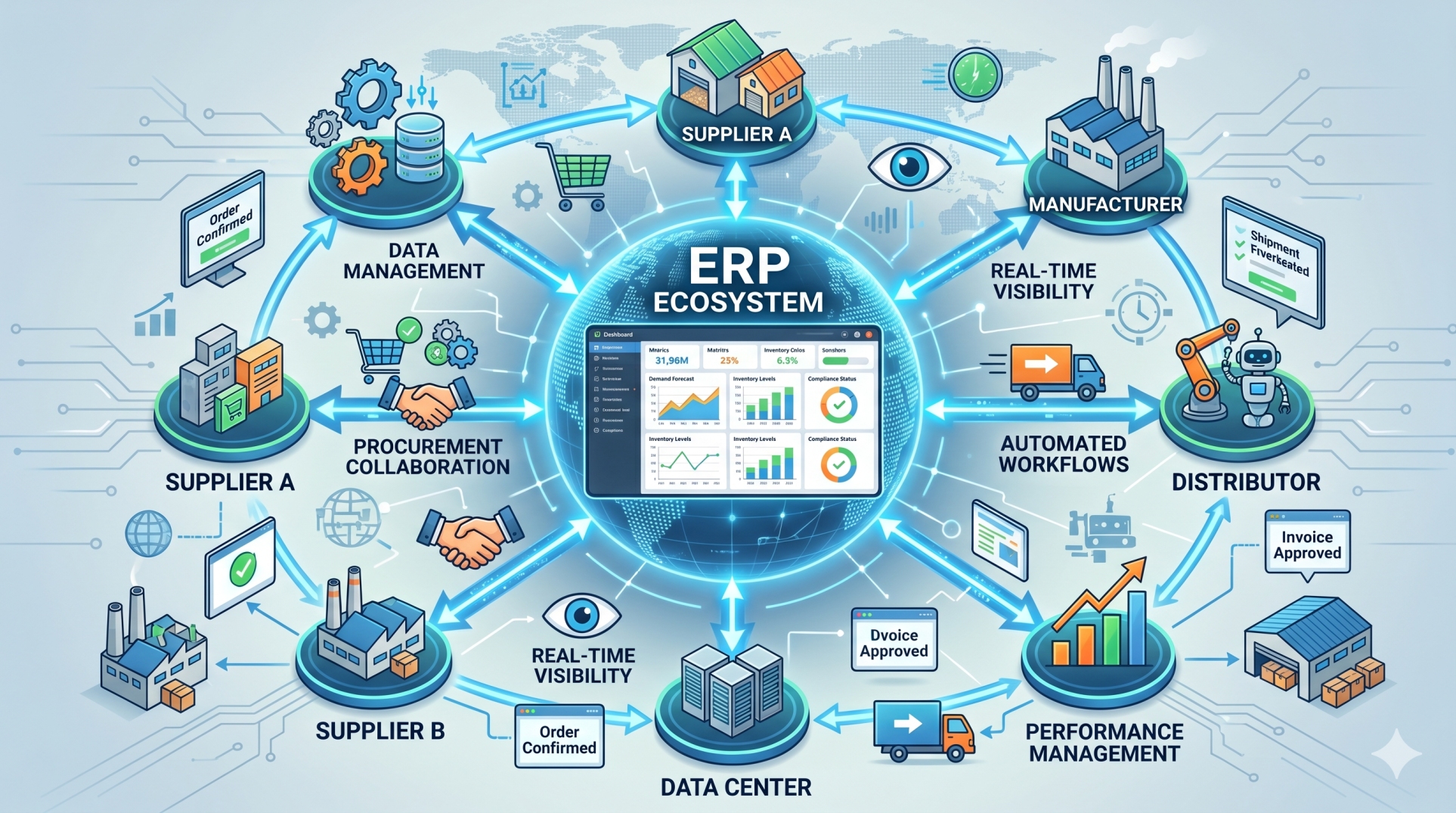
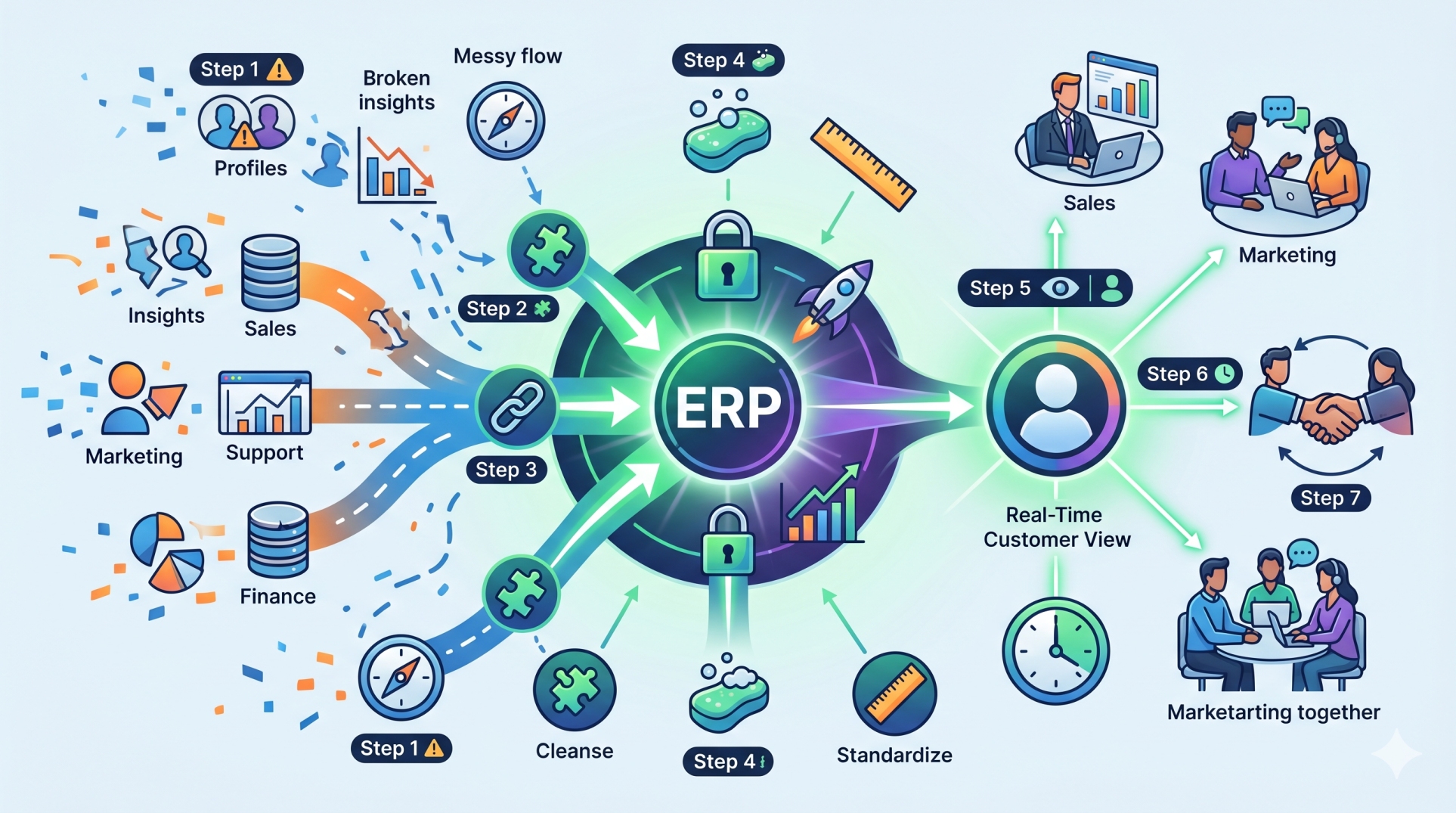
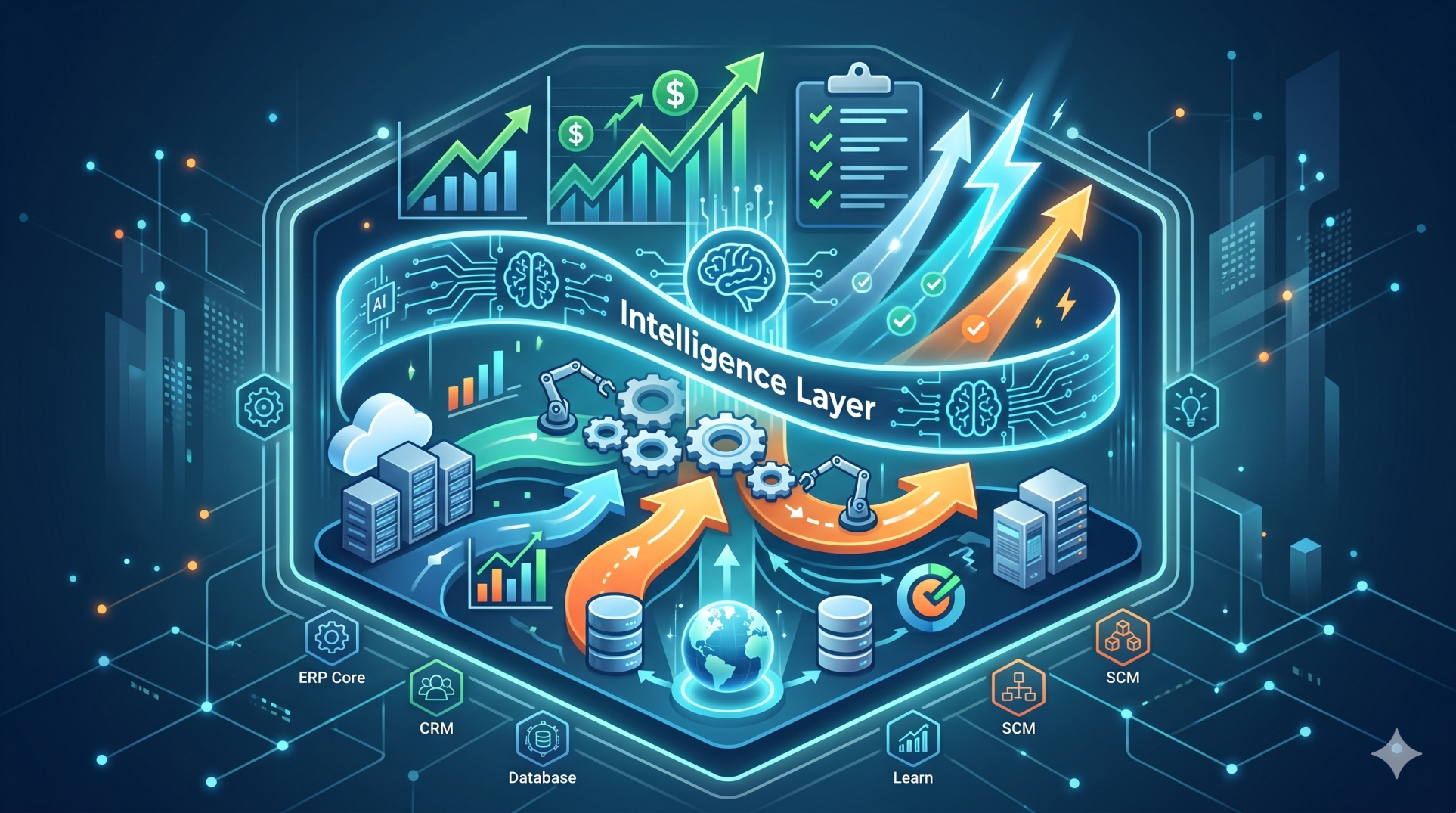
Step 4: Real-Time Data Visibility and Insights 📊
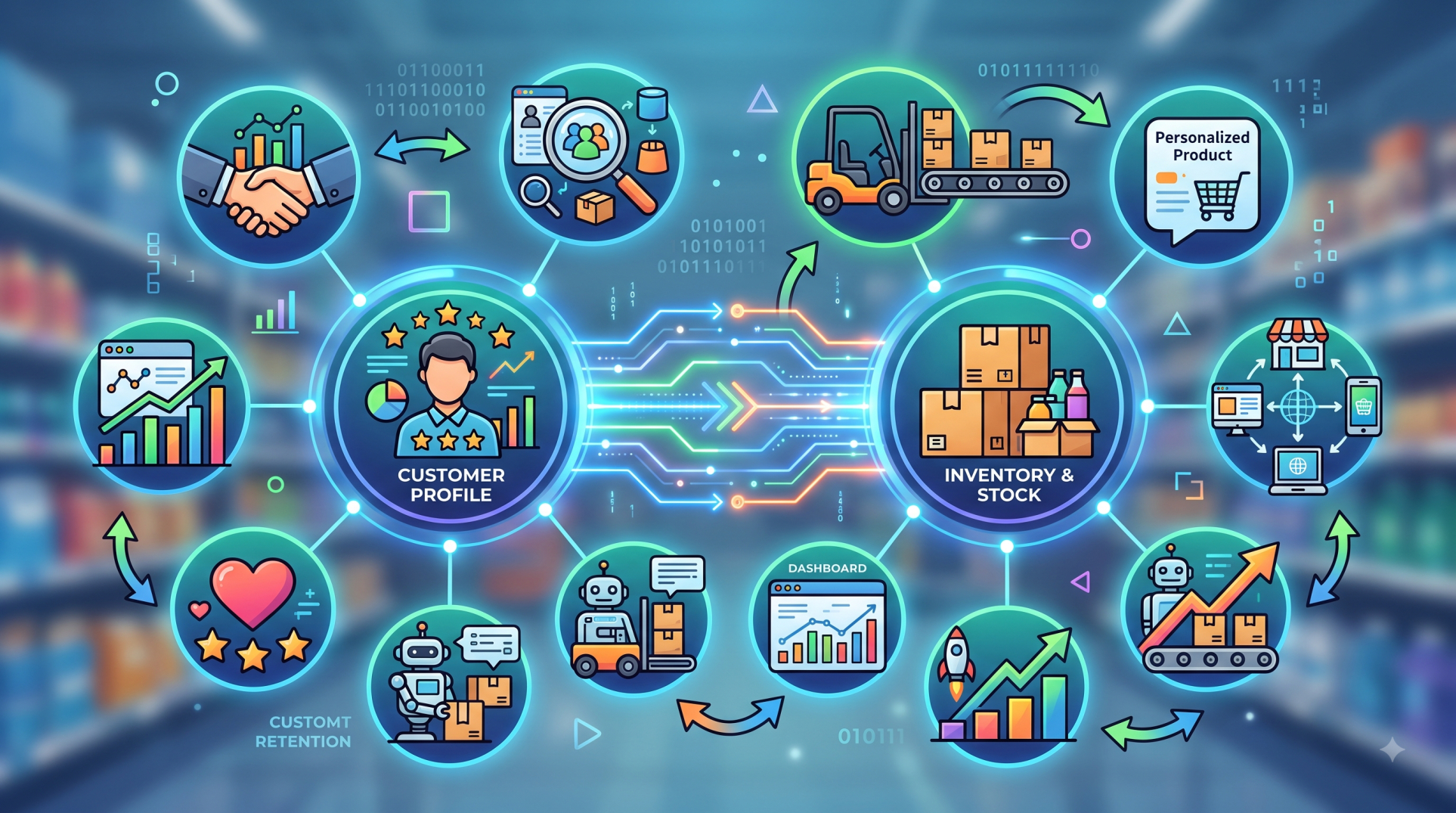
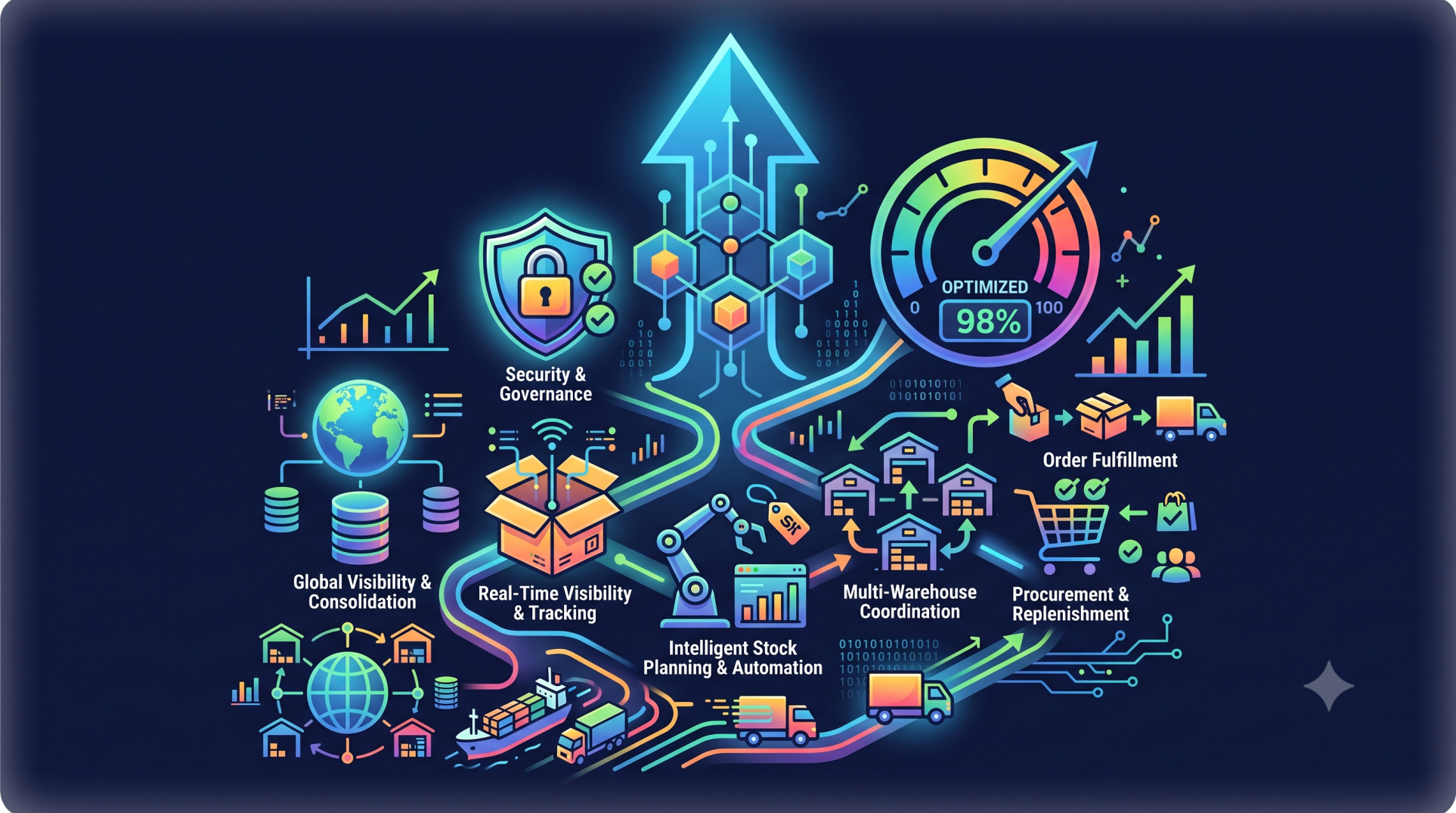
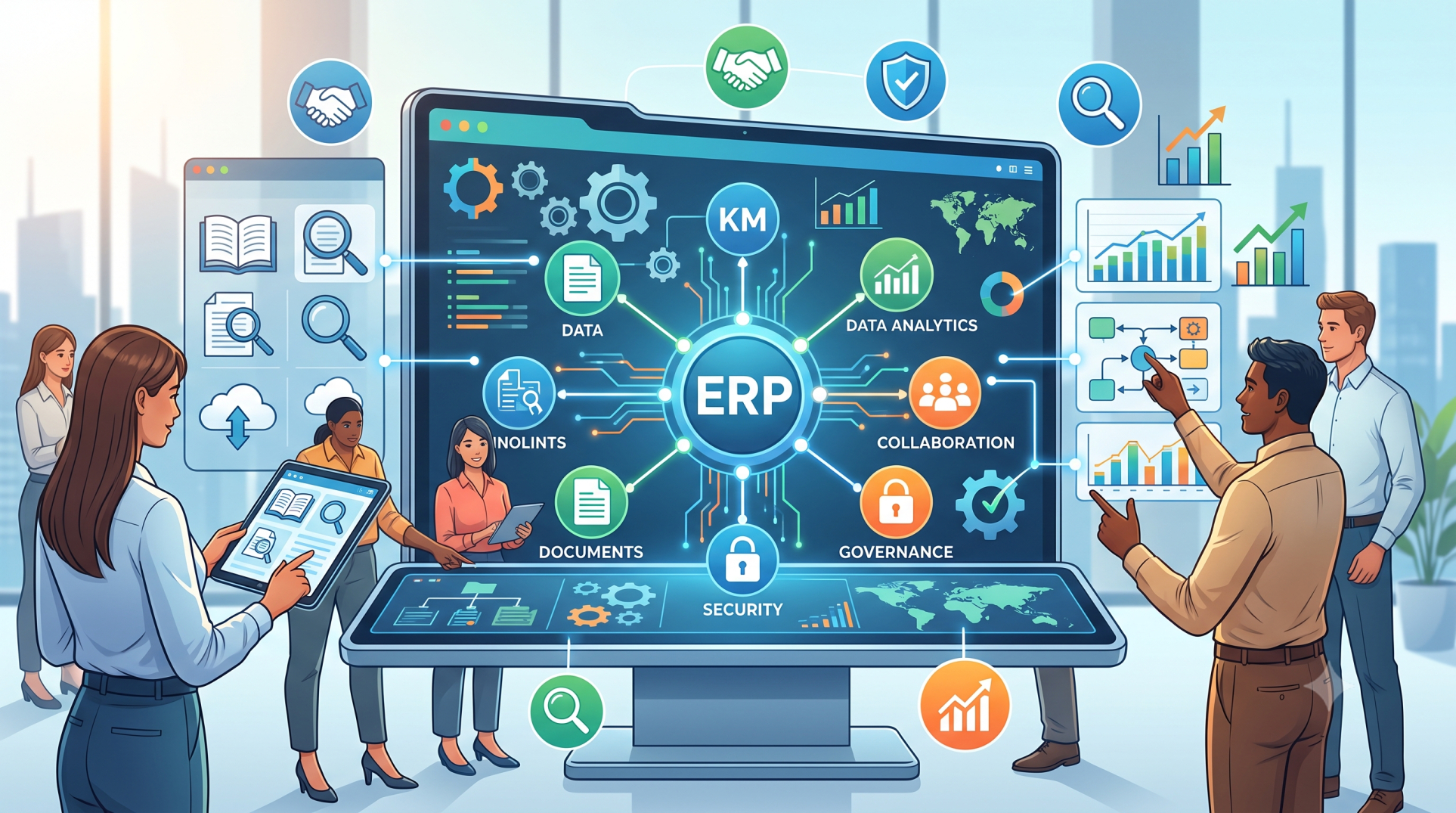
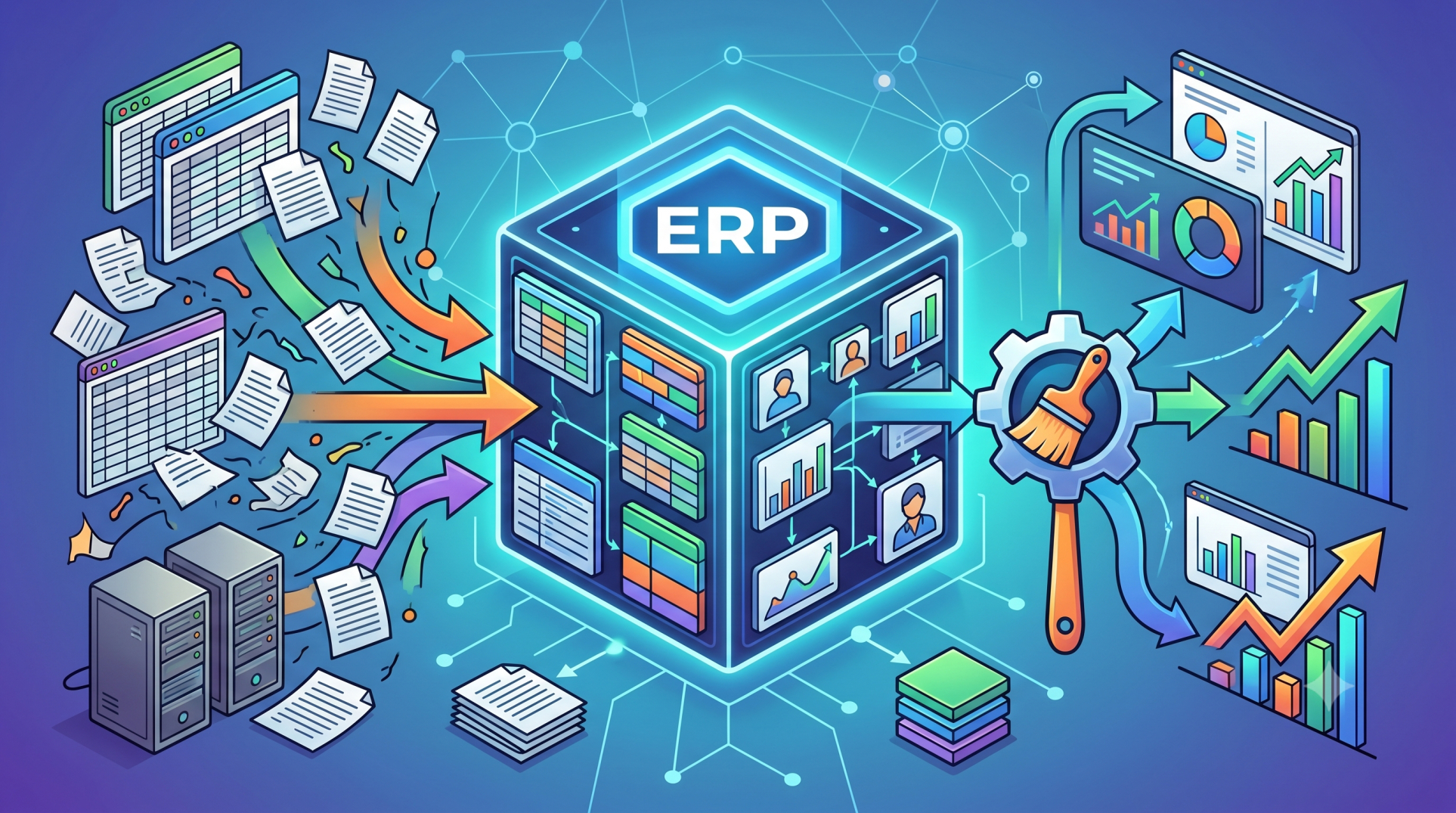
• Provide a unified view of business data across all functions 👁️
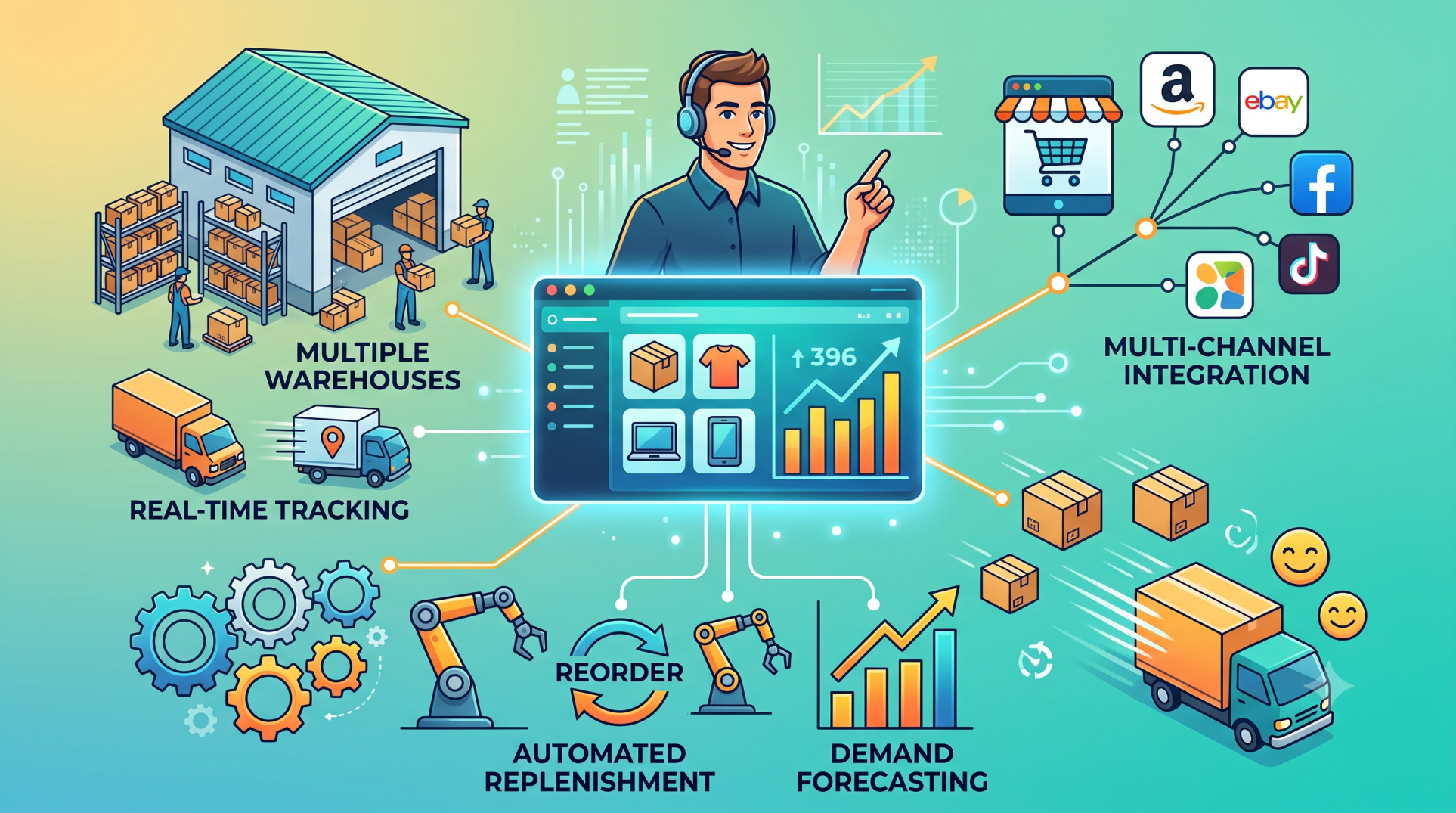
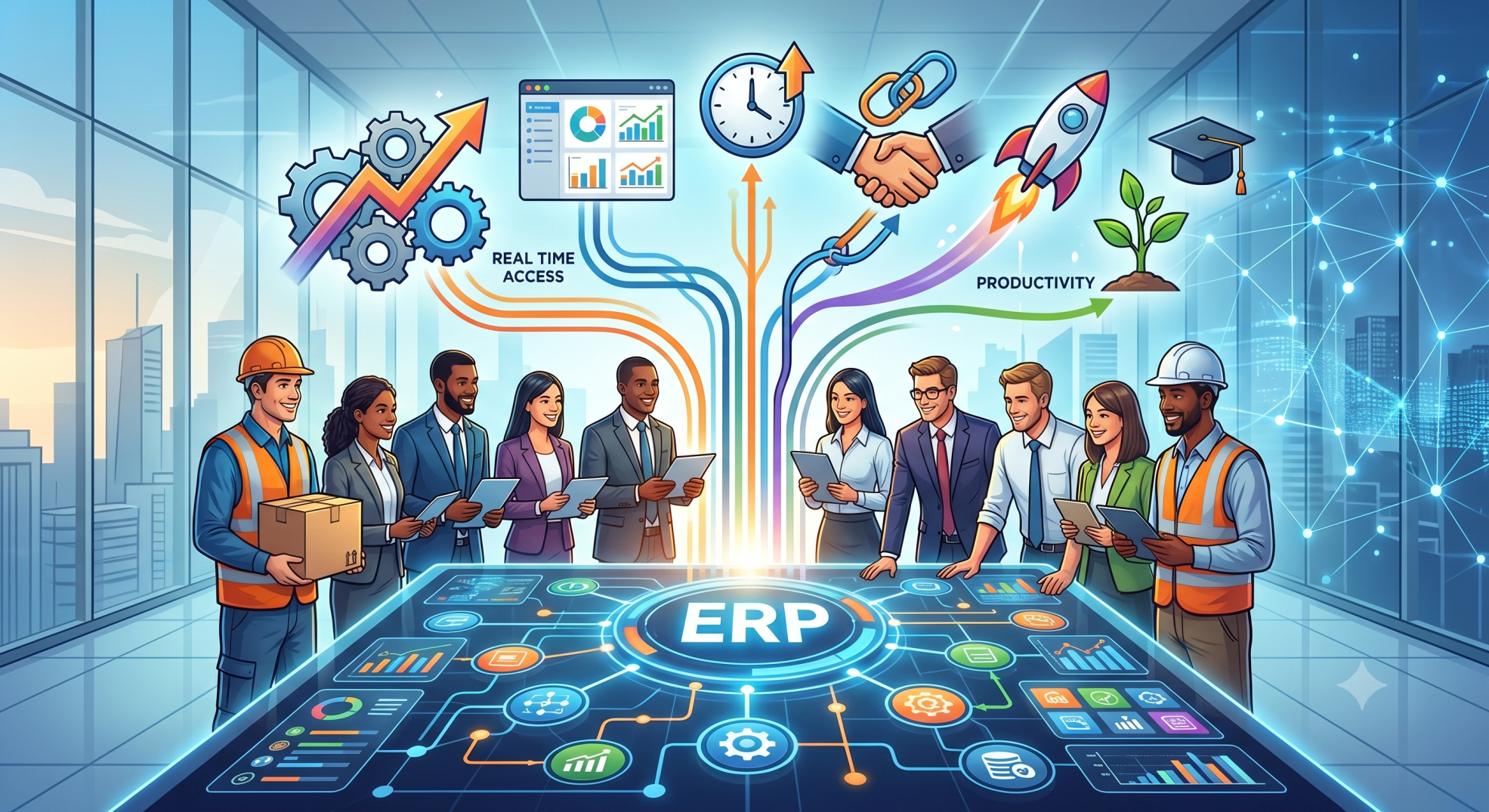
• Enable real-time monitoring of operations and performance ⏱️
• Support data-driven decision-making at every level 📈
• Identify trends, bottlenecks, and opportunities quickly 🔍
• Improve transparency across the organization 📂
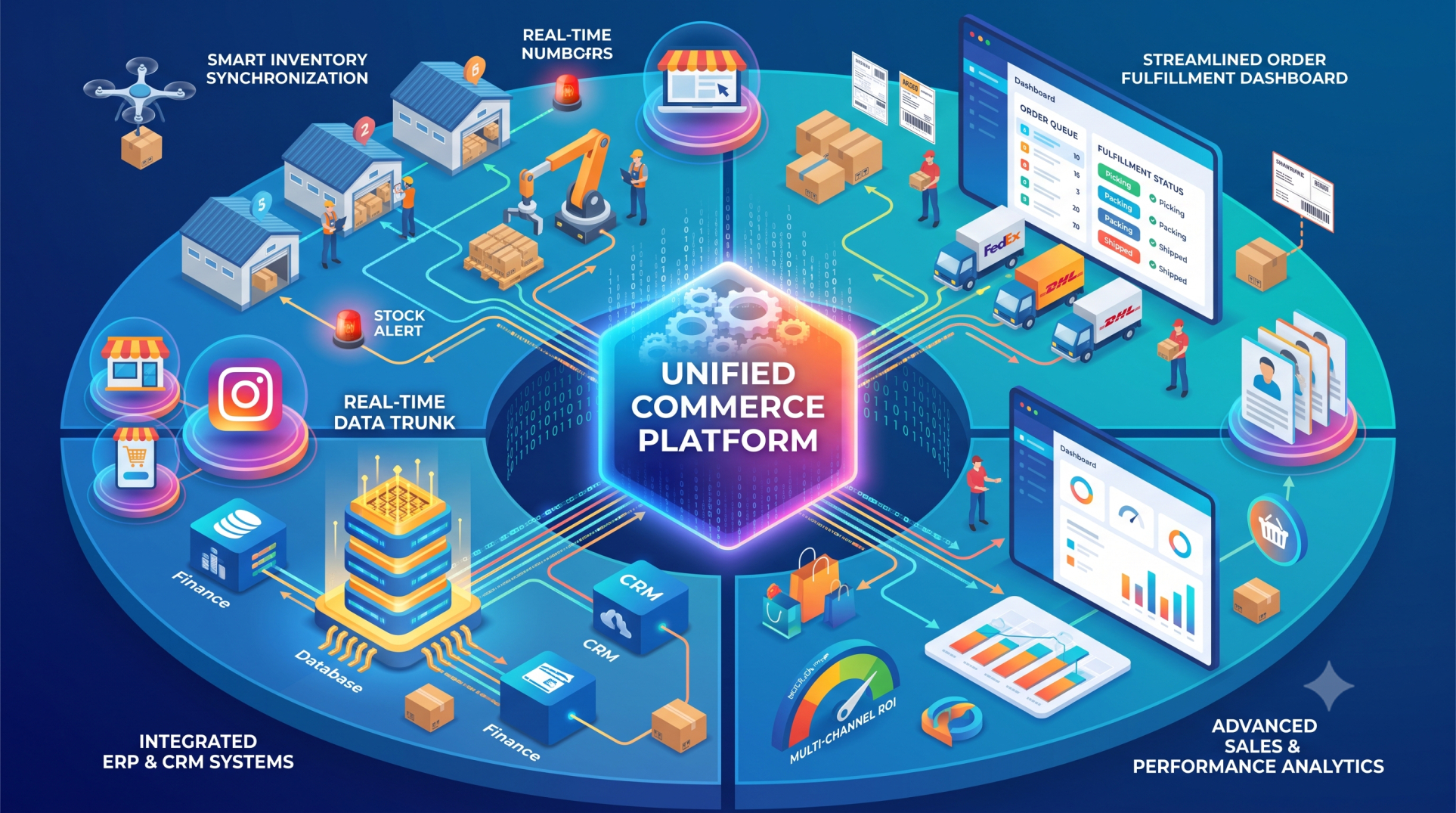
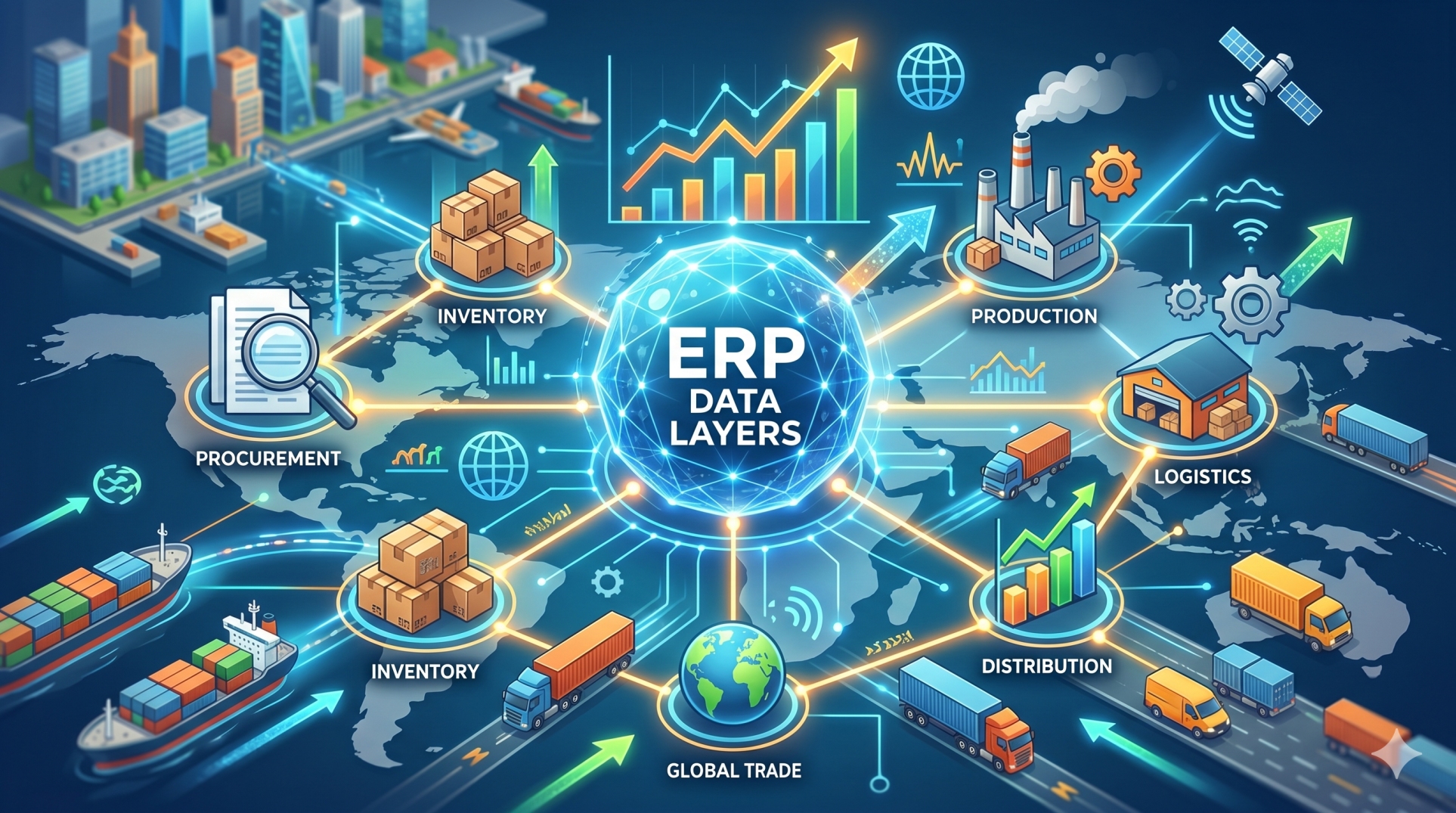
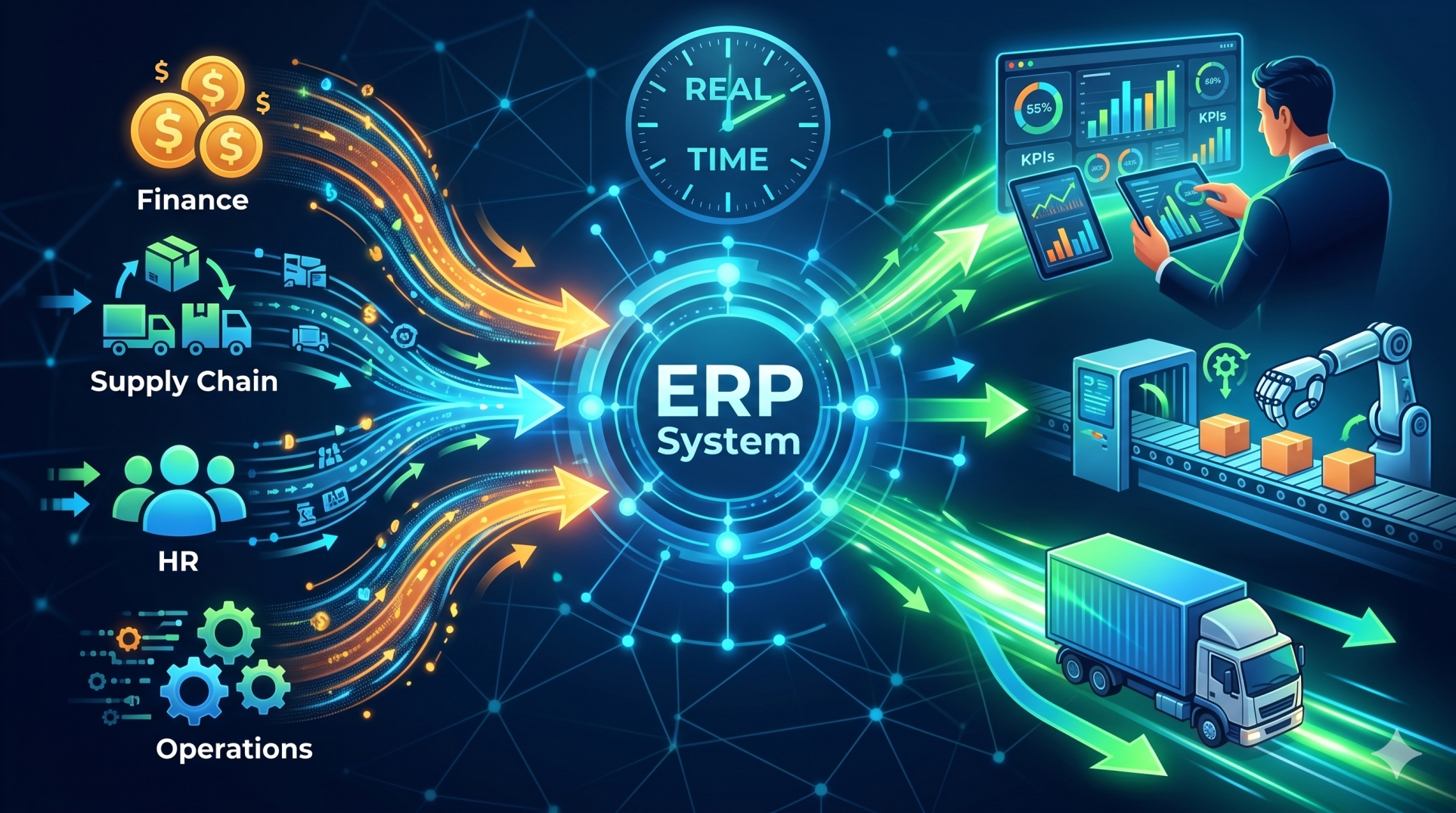
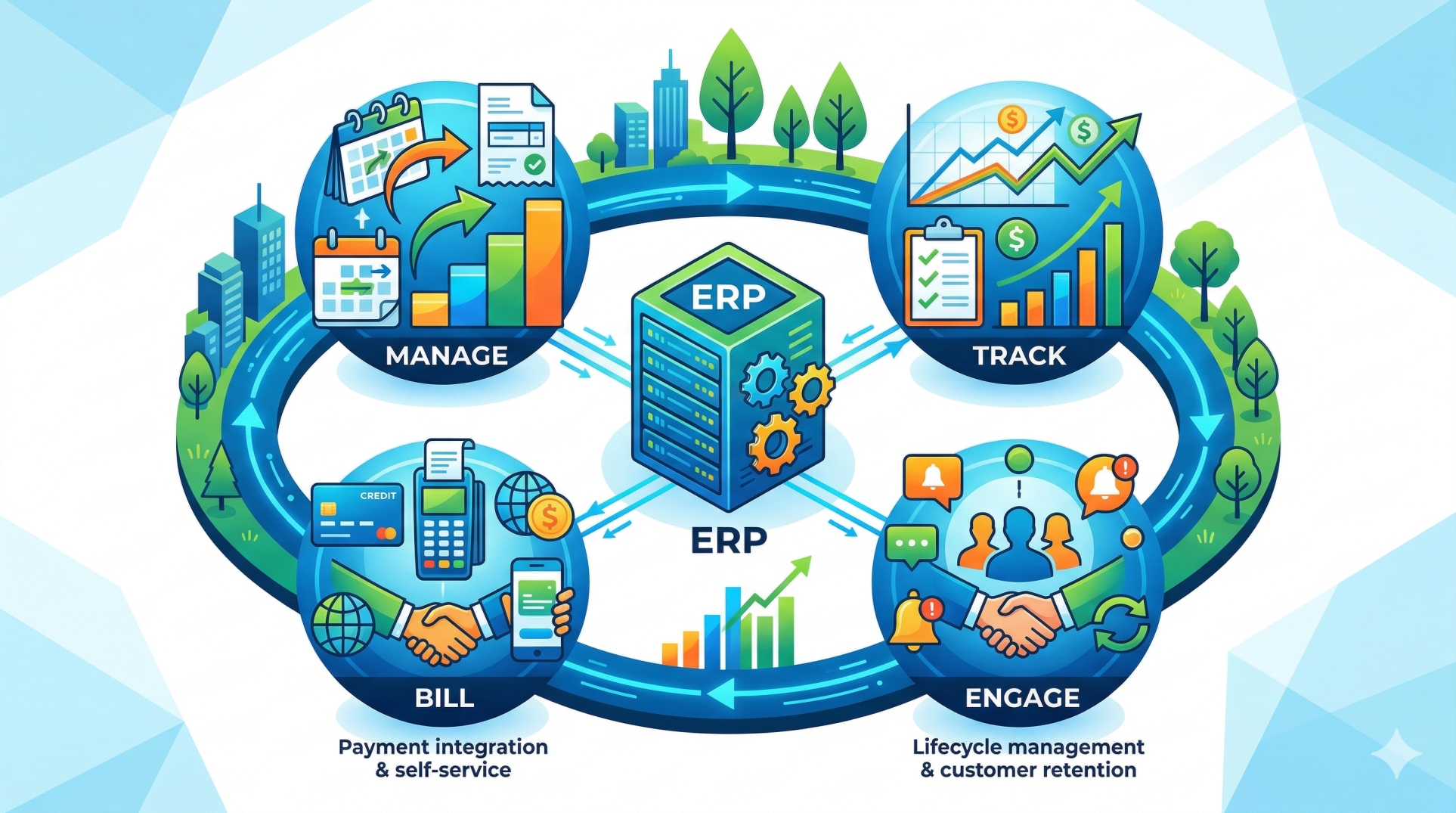
Step 5: Cross-Functional Integration 🔗
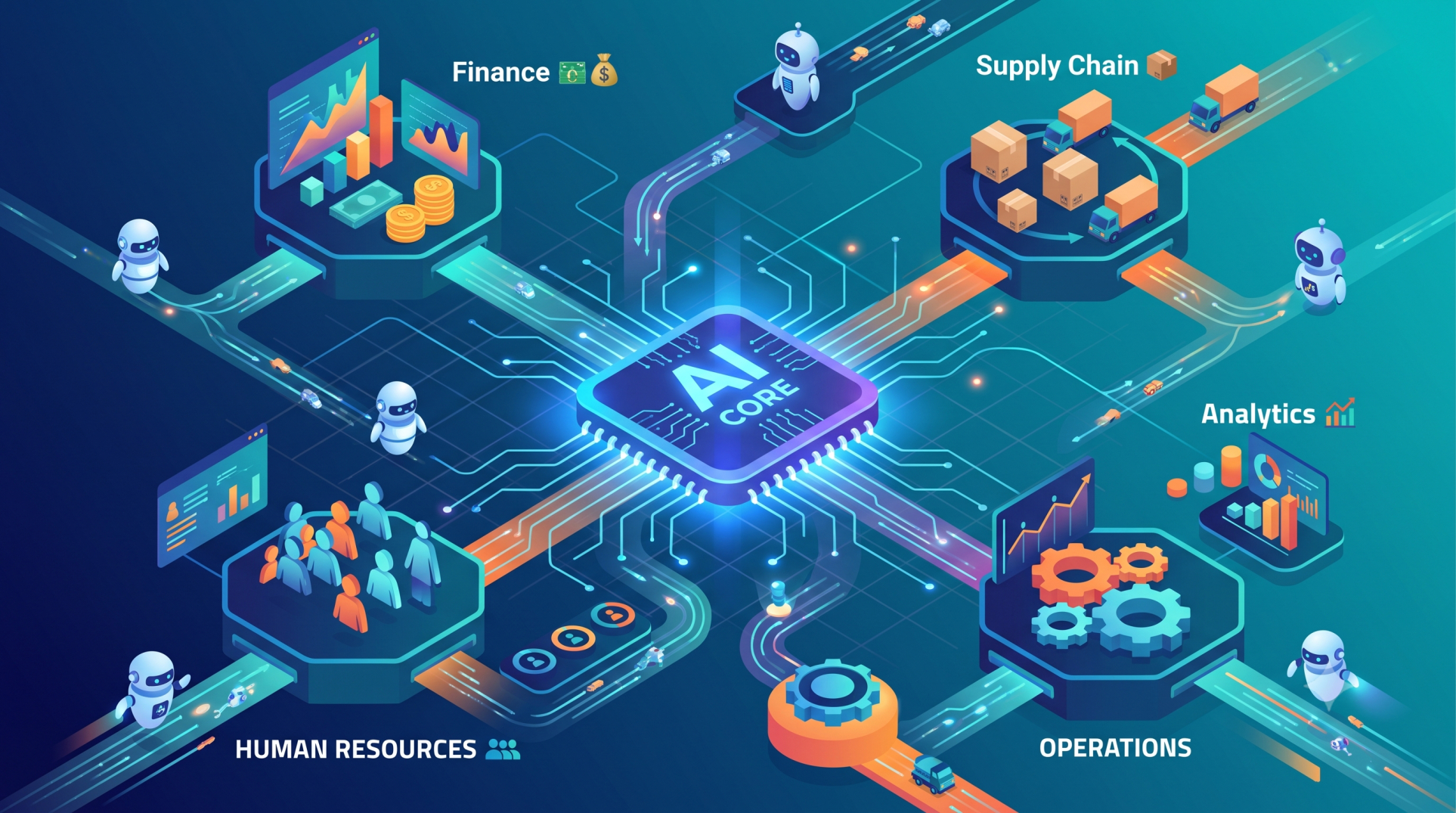
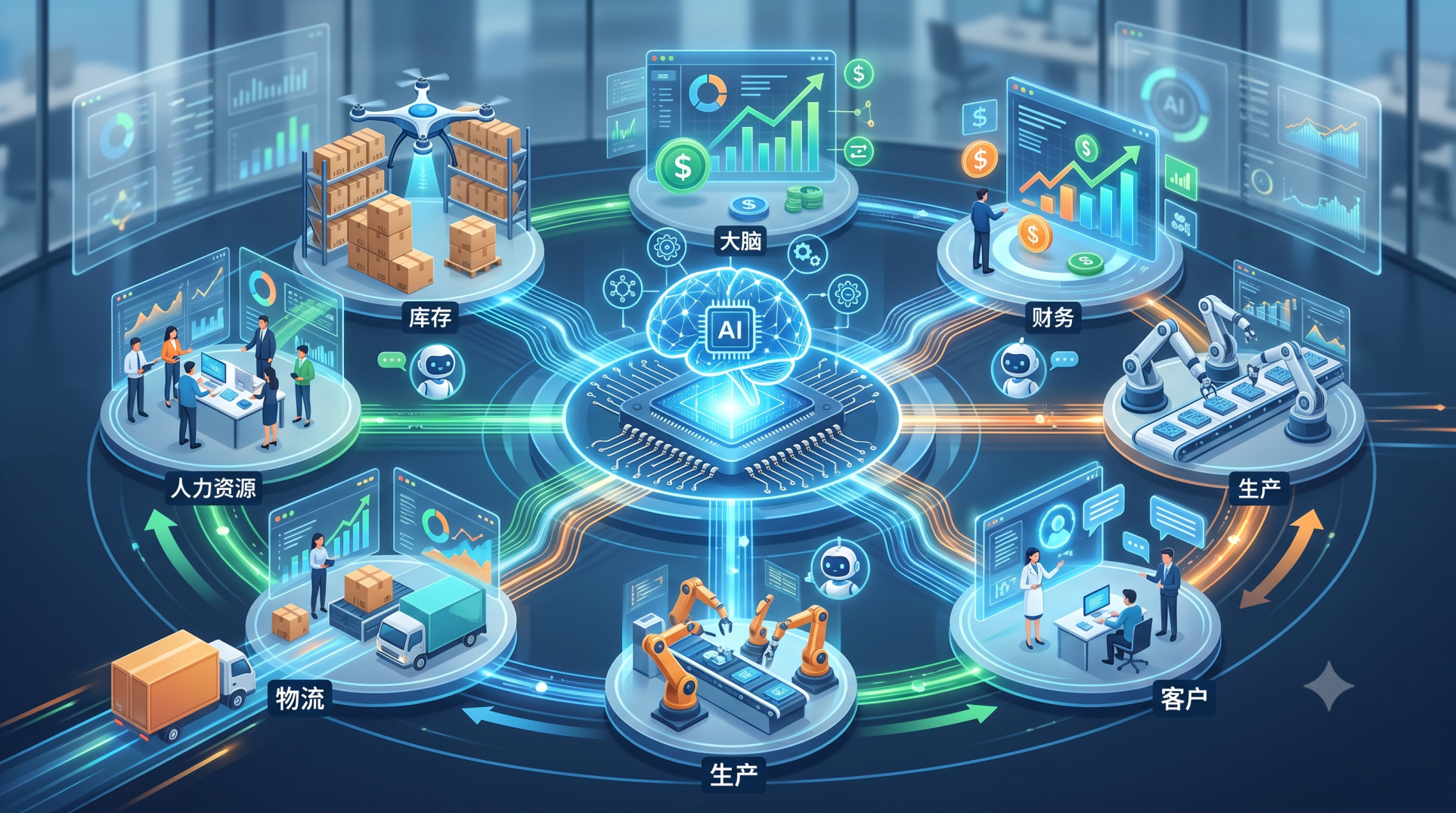
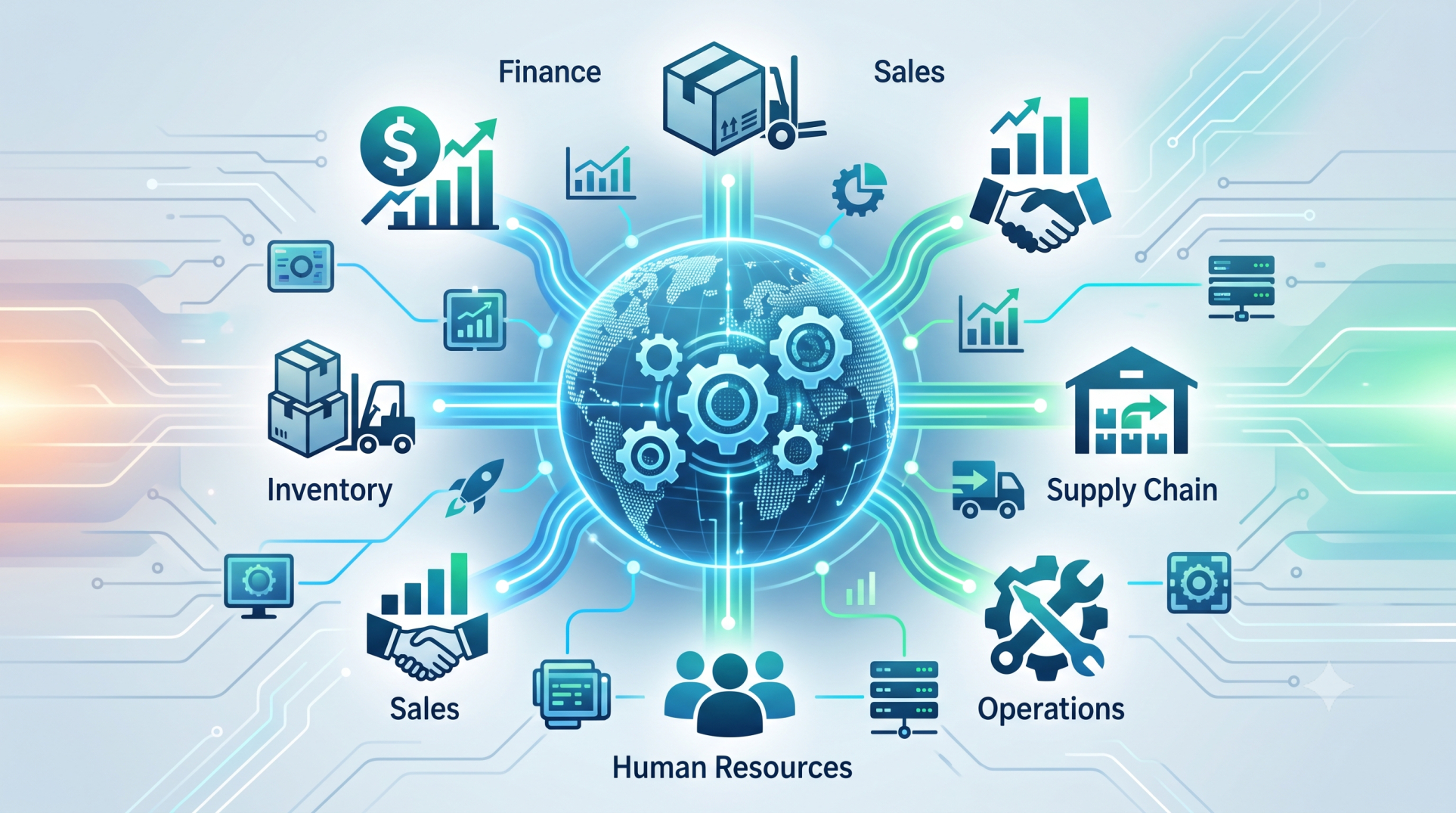
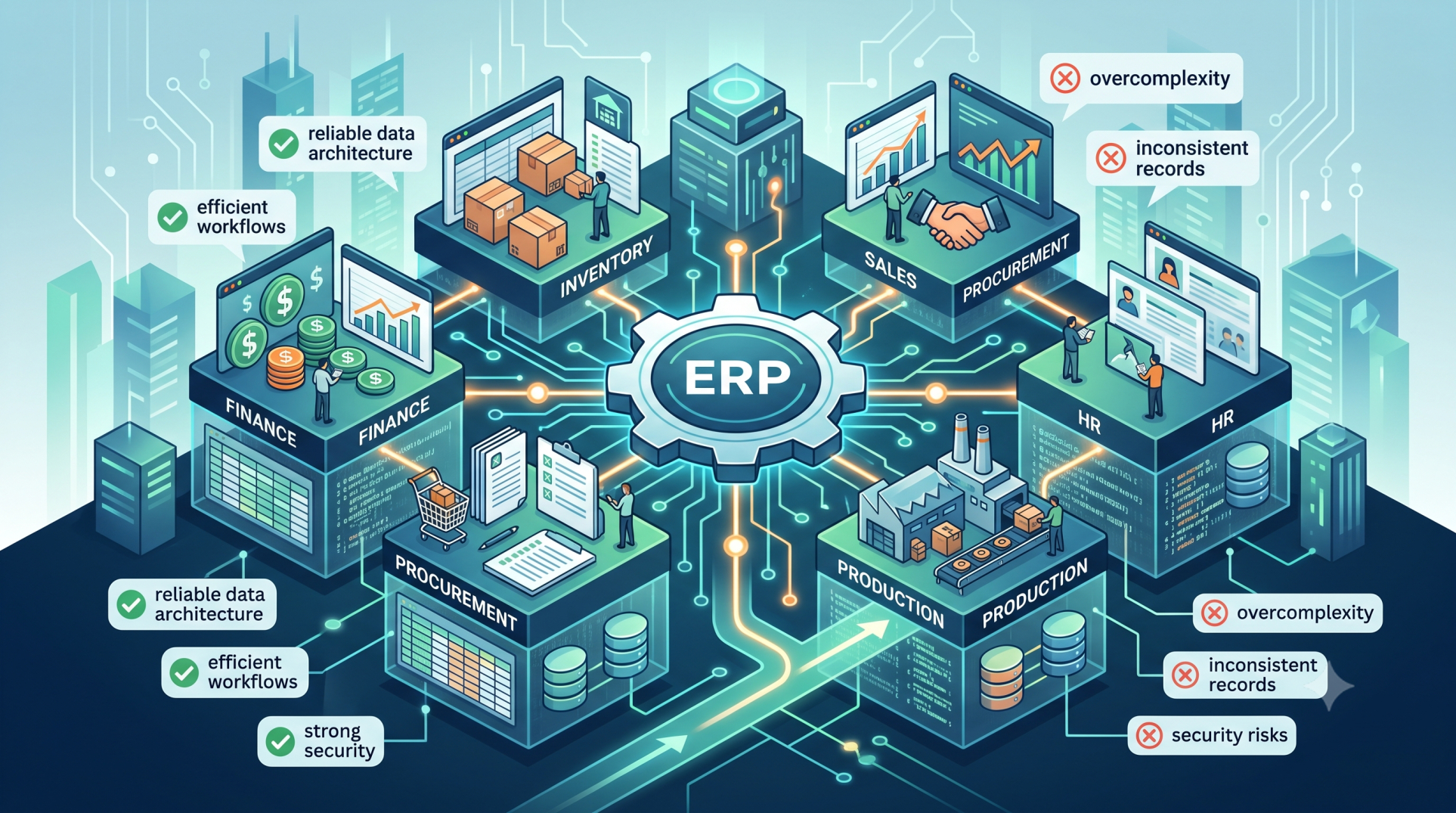
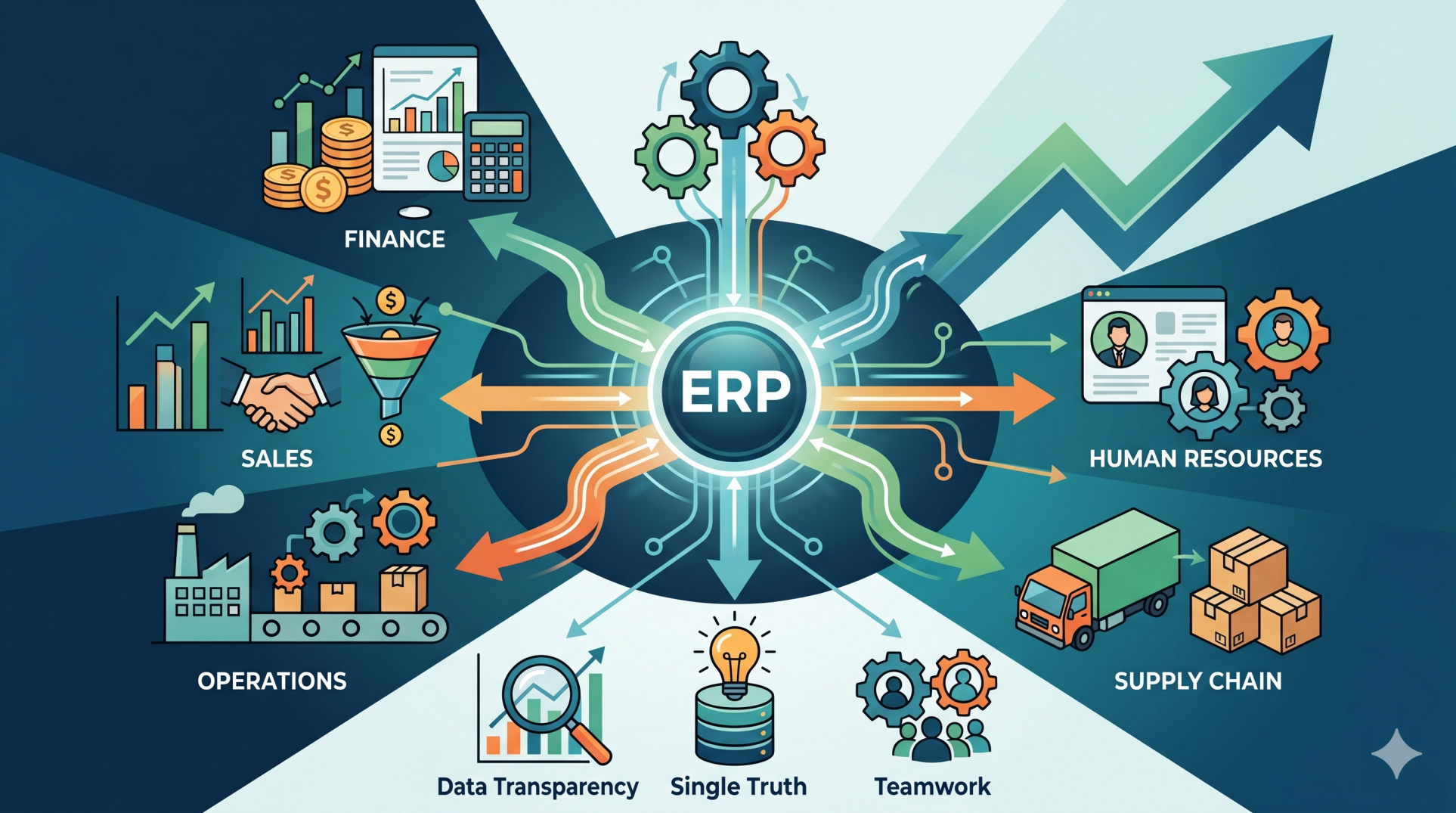
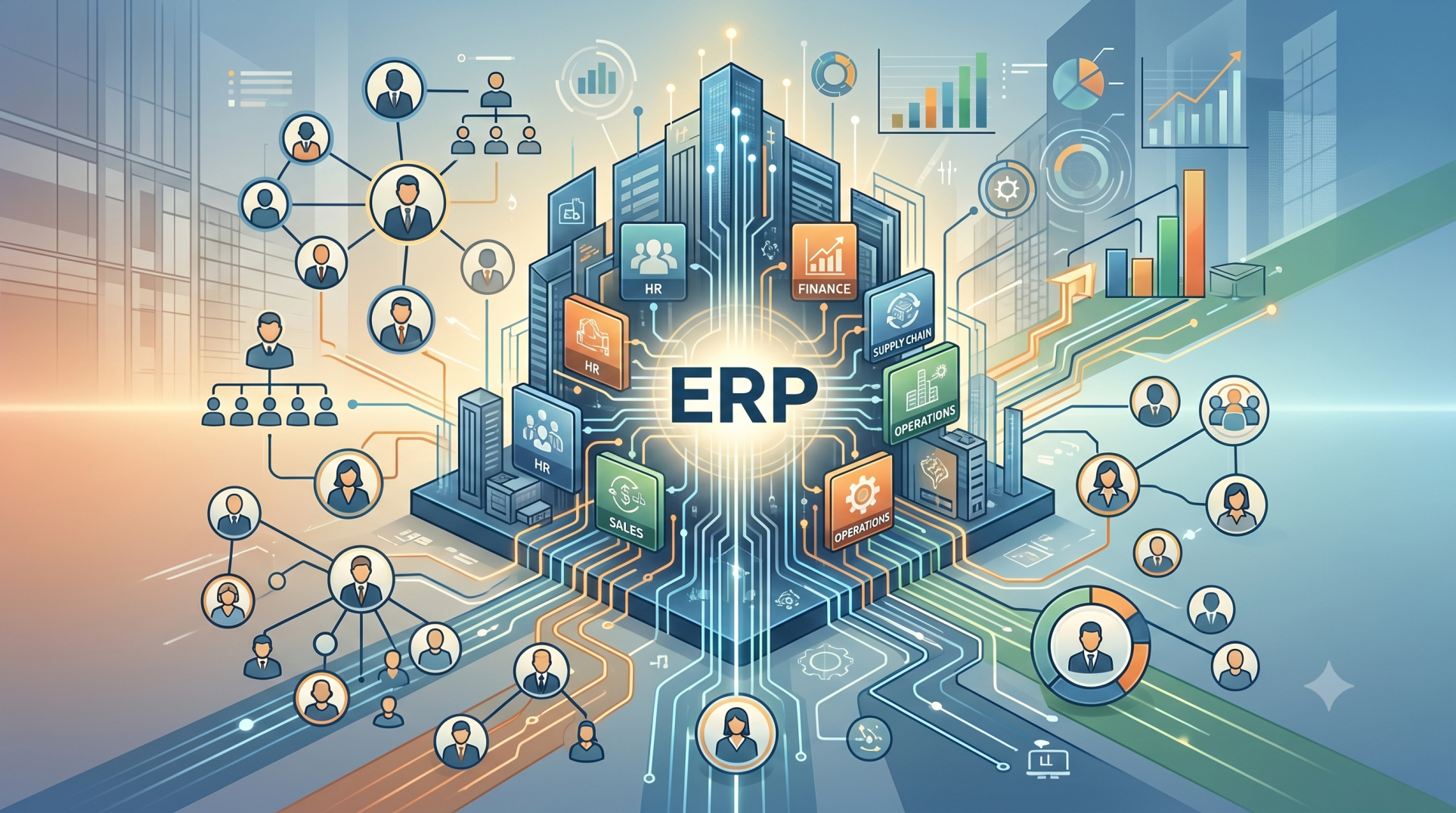
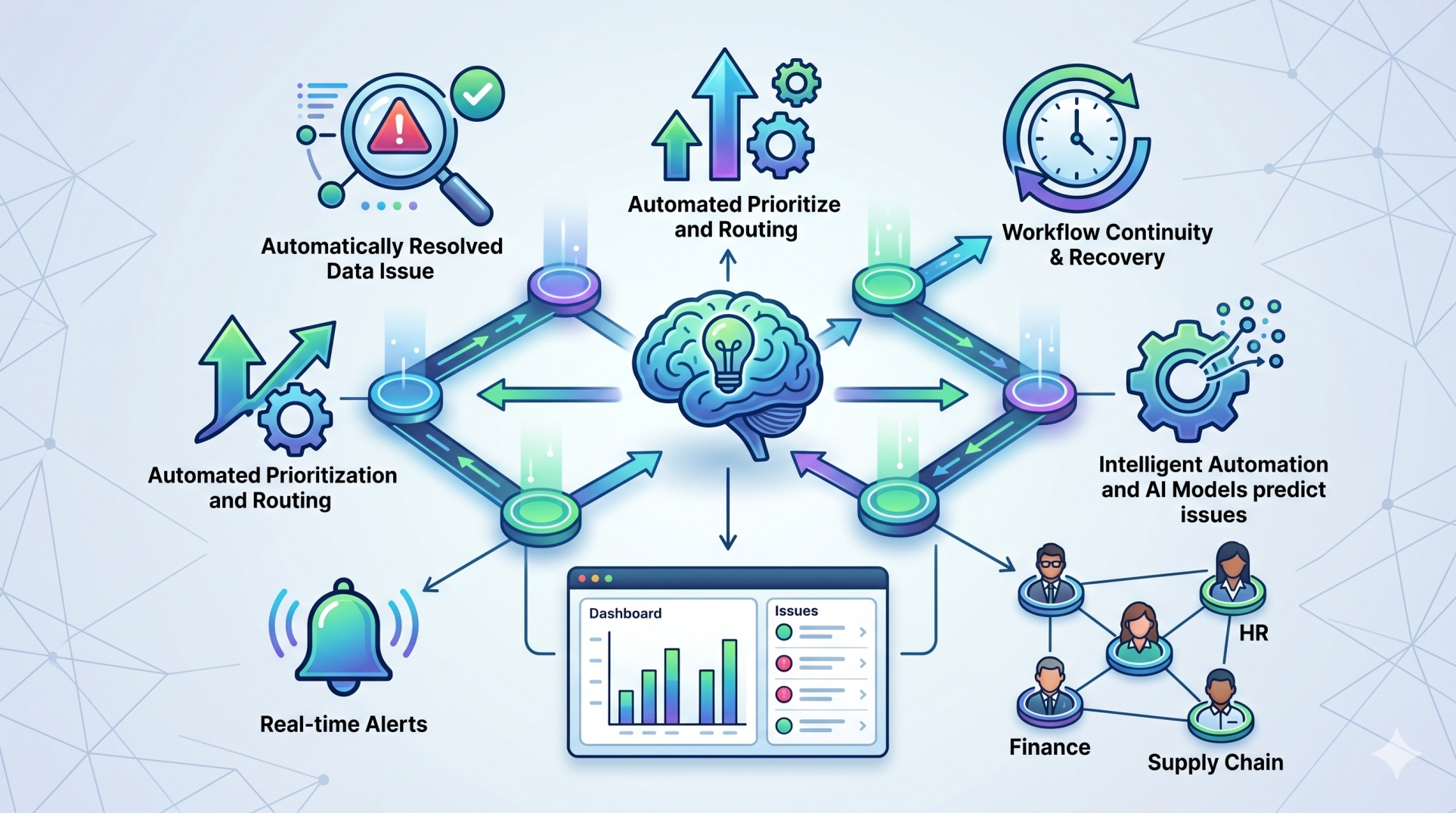
• Connect finance, HR, supply chain, and operations seamlessly 🔗
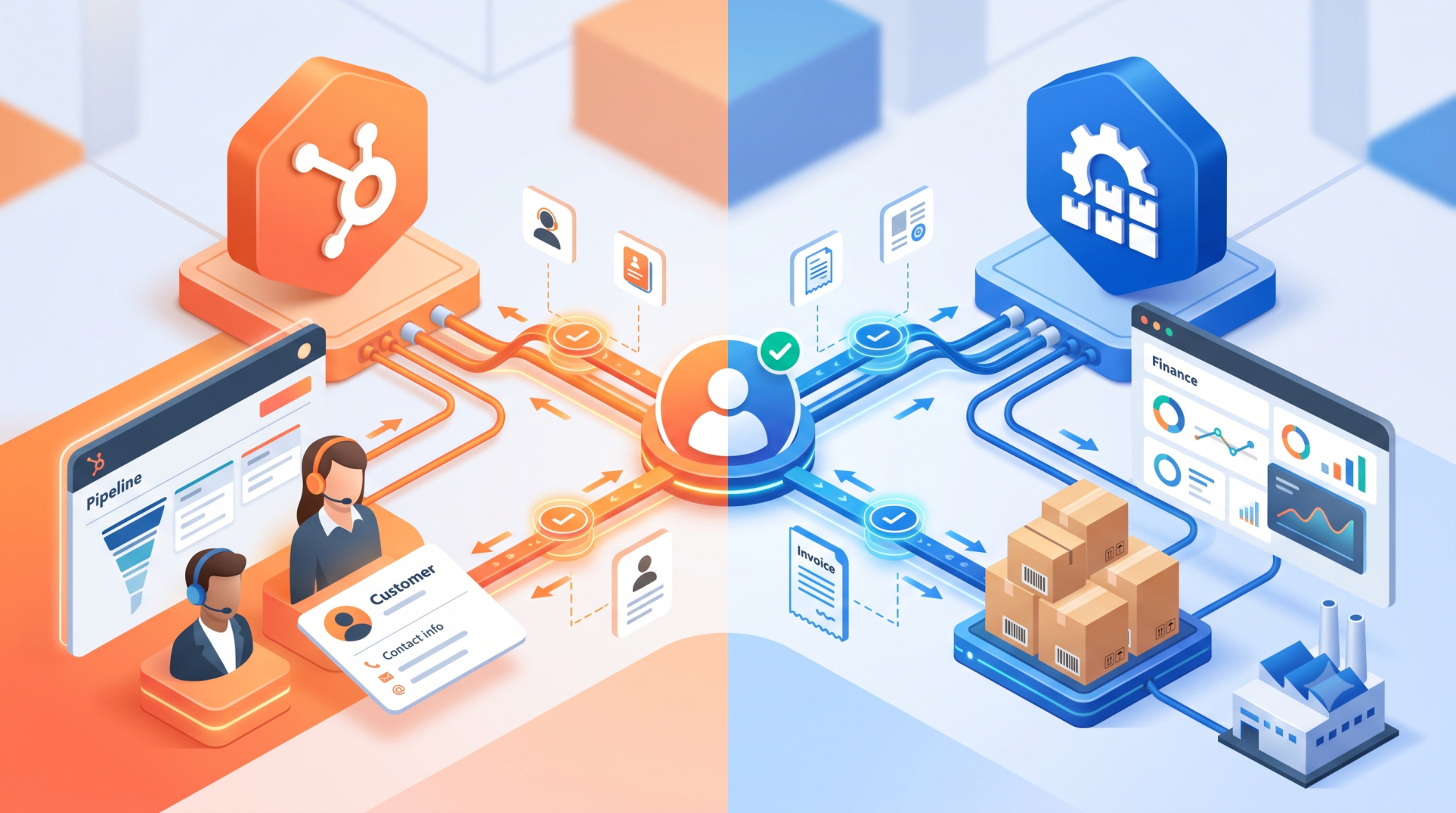
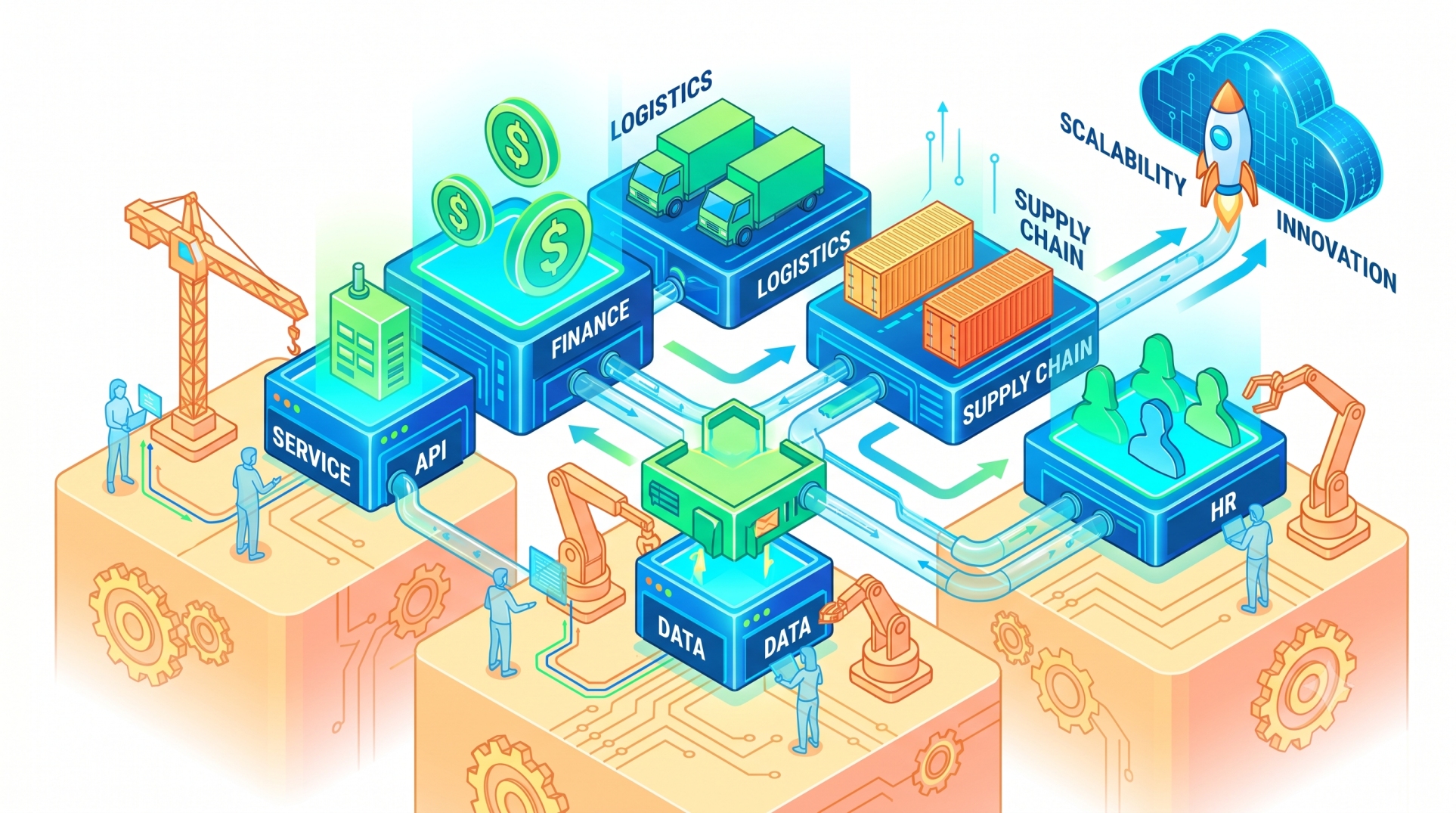
• Enable smooth data flow across departments 📡
• Improve collaboration and coordination between teams 🤝
• Eliminate data duplication and inconsistencies 🚫
• Create a unified operational ecosystem 🧩
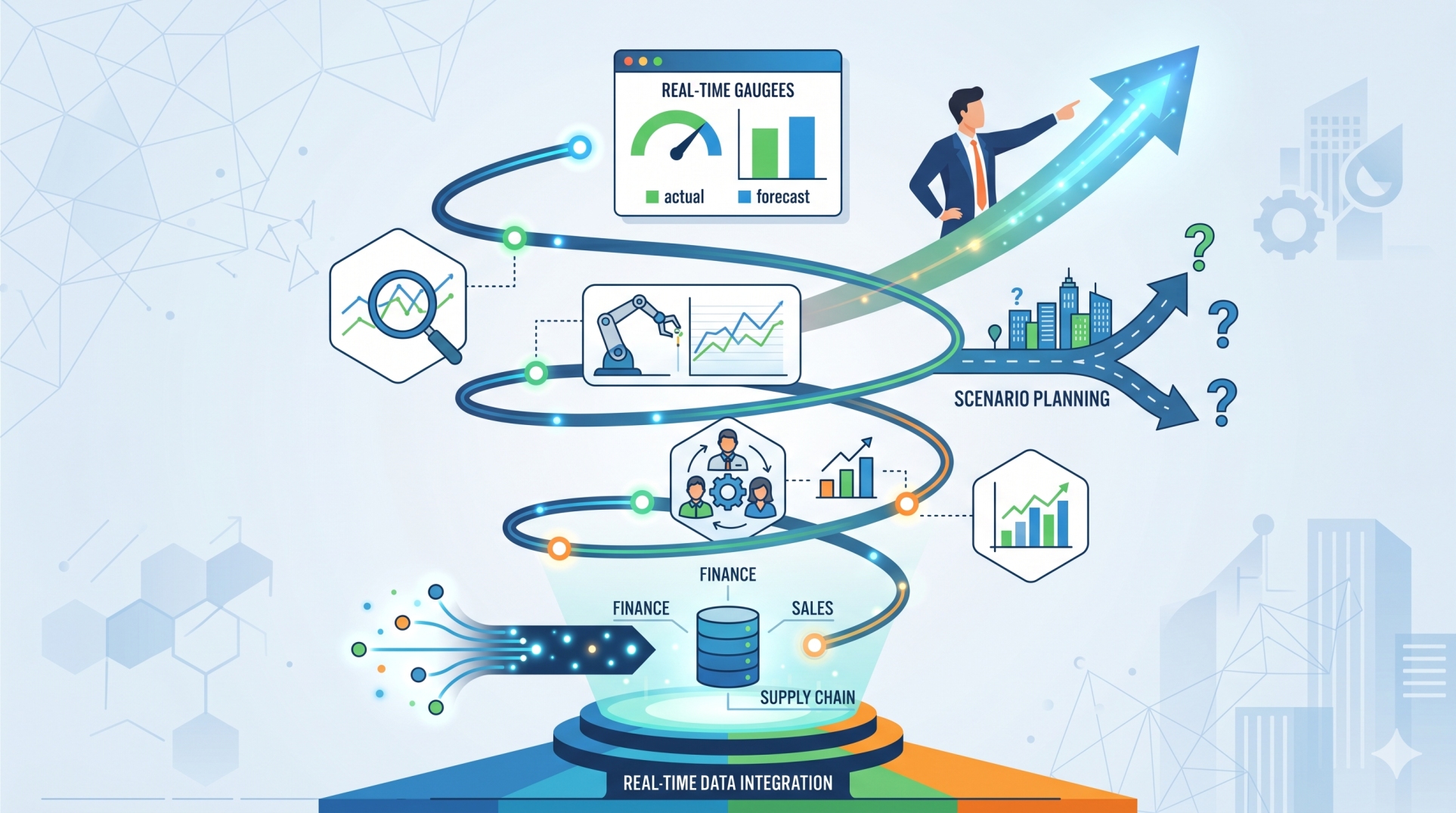
Step 6: Enhancing Decision-Making Capabilities 🧠
• Leverage analytics and reporting tools for actionable insights 📊
• Support predictive and scenario-based decision-making 🔮
• Enable faster response to changing business conditions ⚡
• Provide role-based dashboards for targeted insights 🎯
• Improve strategic planning and execution 📈
Step 7: Adapting to Dynamic Business Environments 🌐
• Enable flexibility to adjust workflows as business needs evolve 🔄
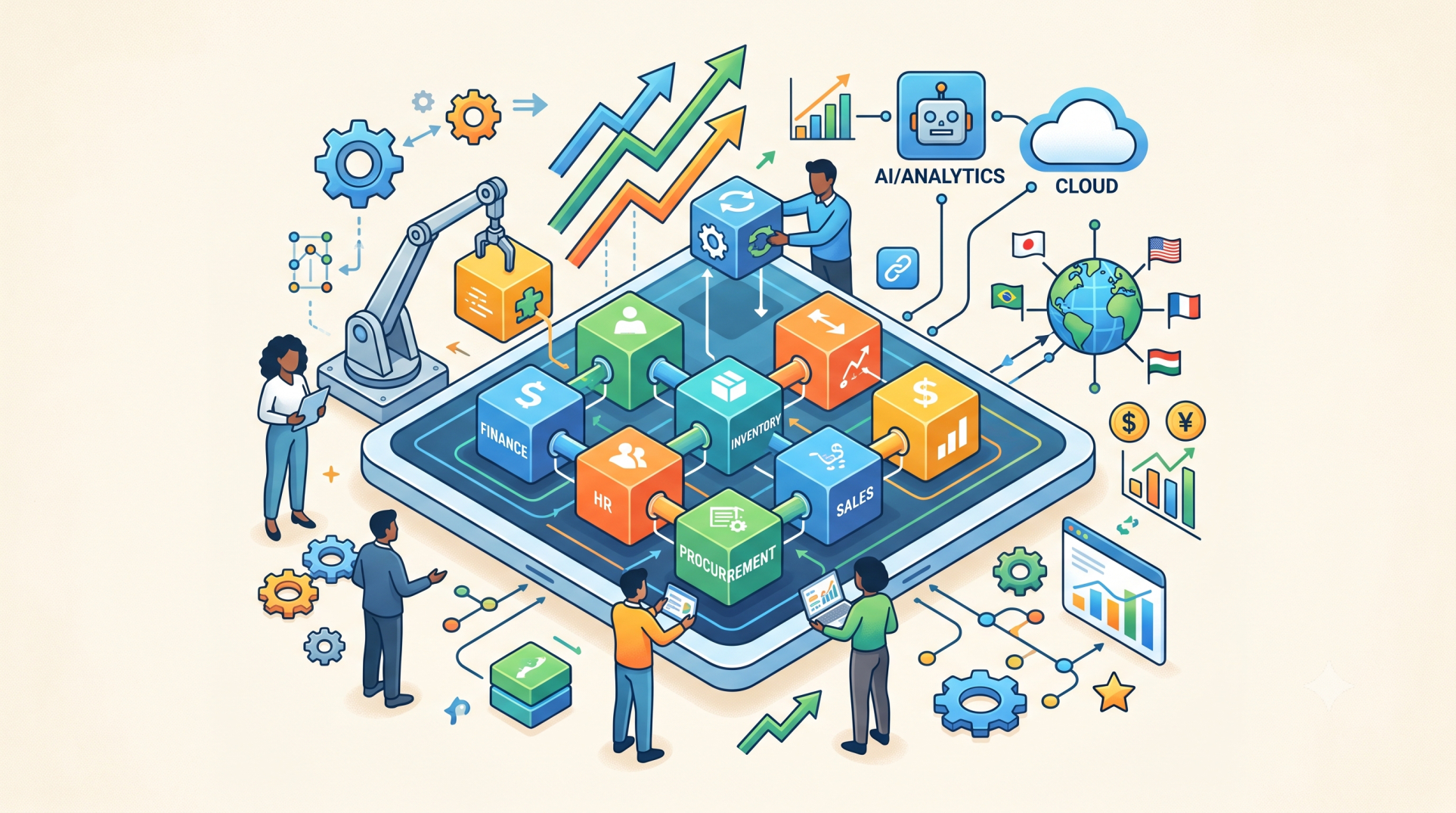
• Support rapid scaling and operational changes 📦
• Respond quickly to market shifts and customer demands 📊
• Maintain agility in competitive environments 🚀
• Ensure systems evolve alongside organizational growth 📈
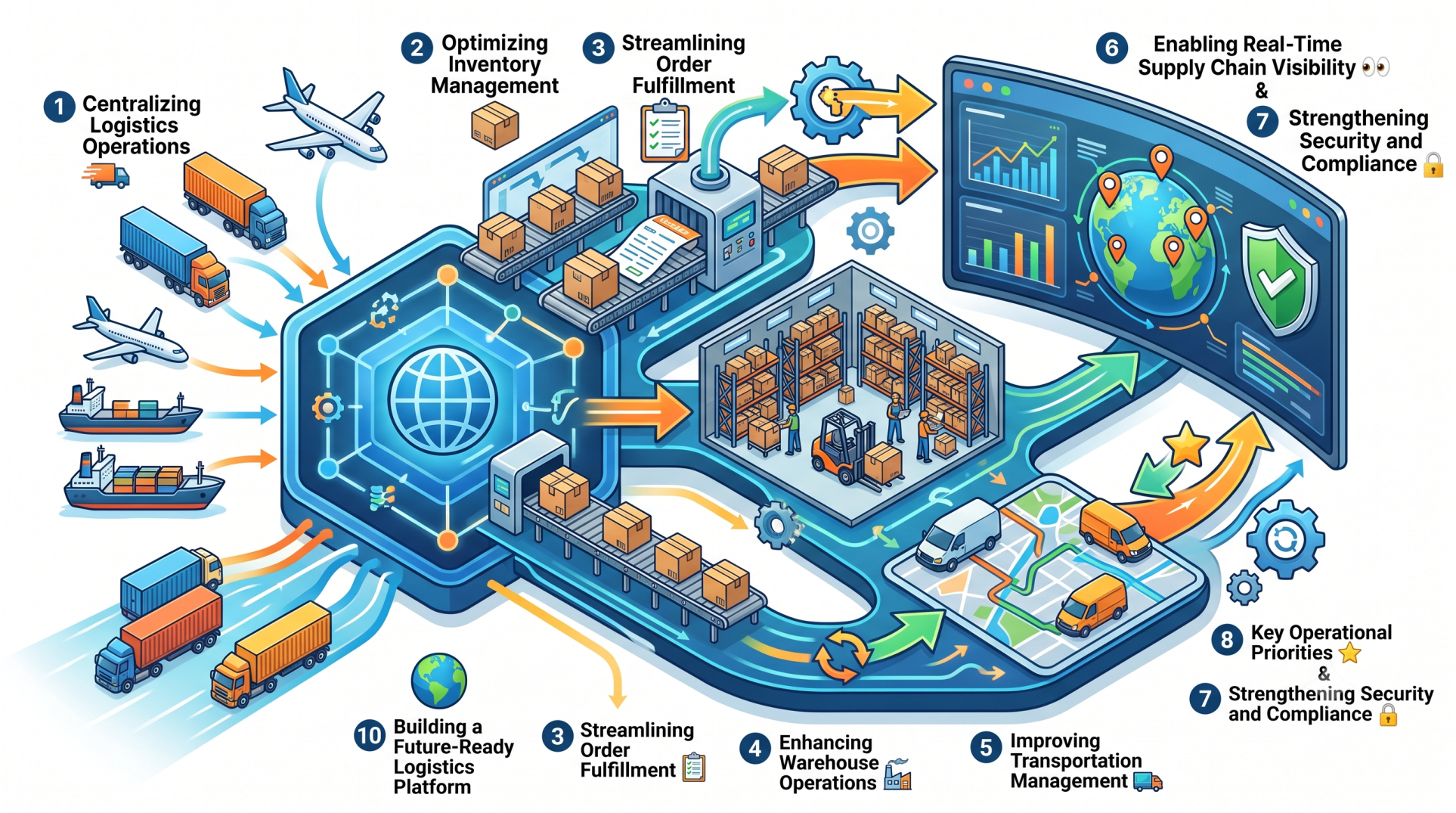
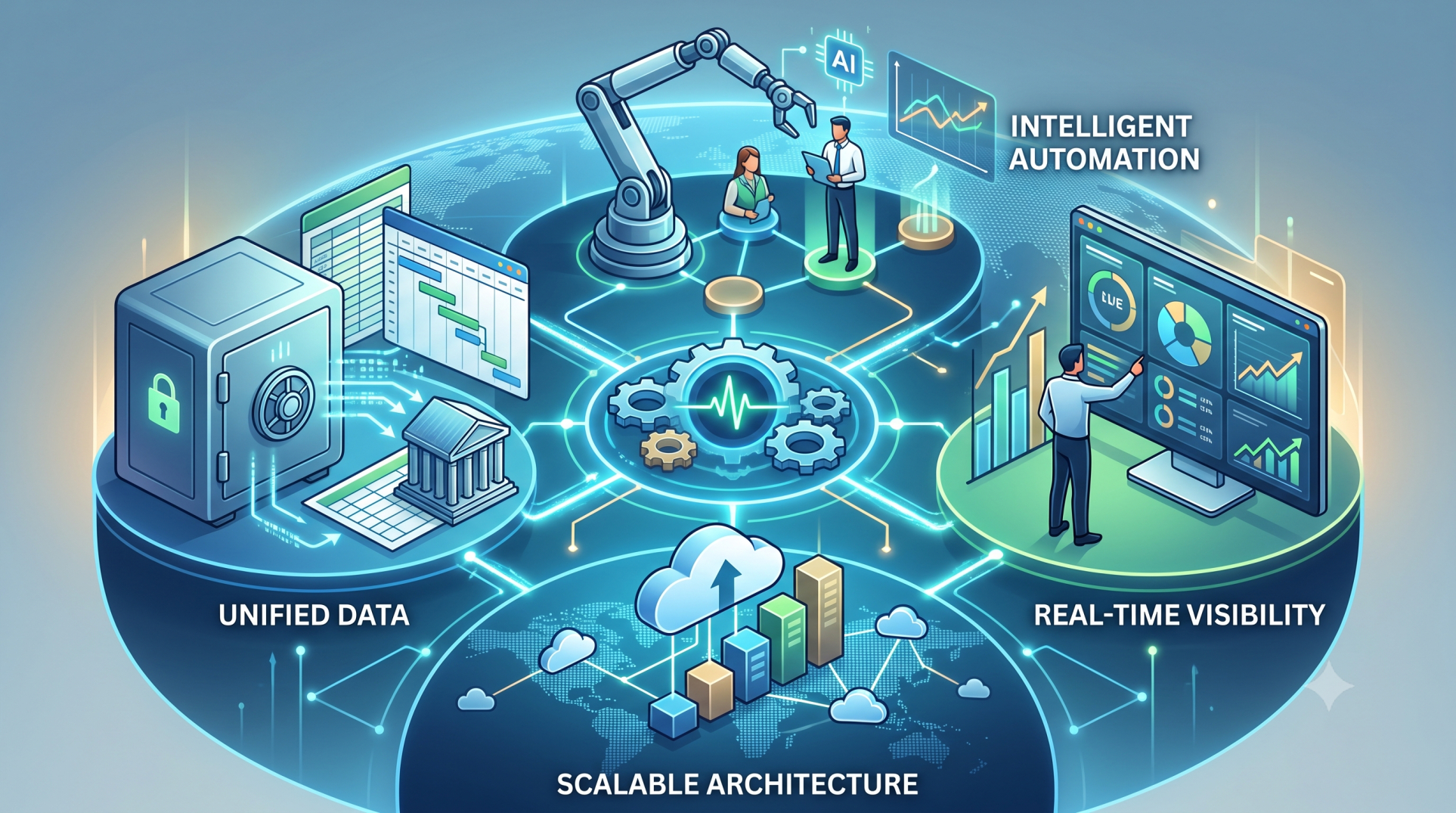
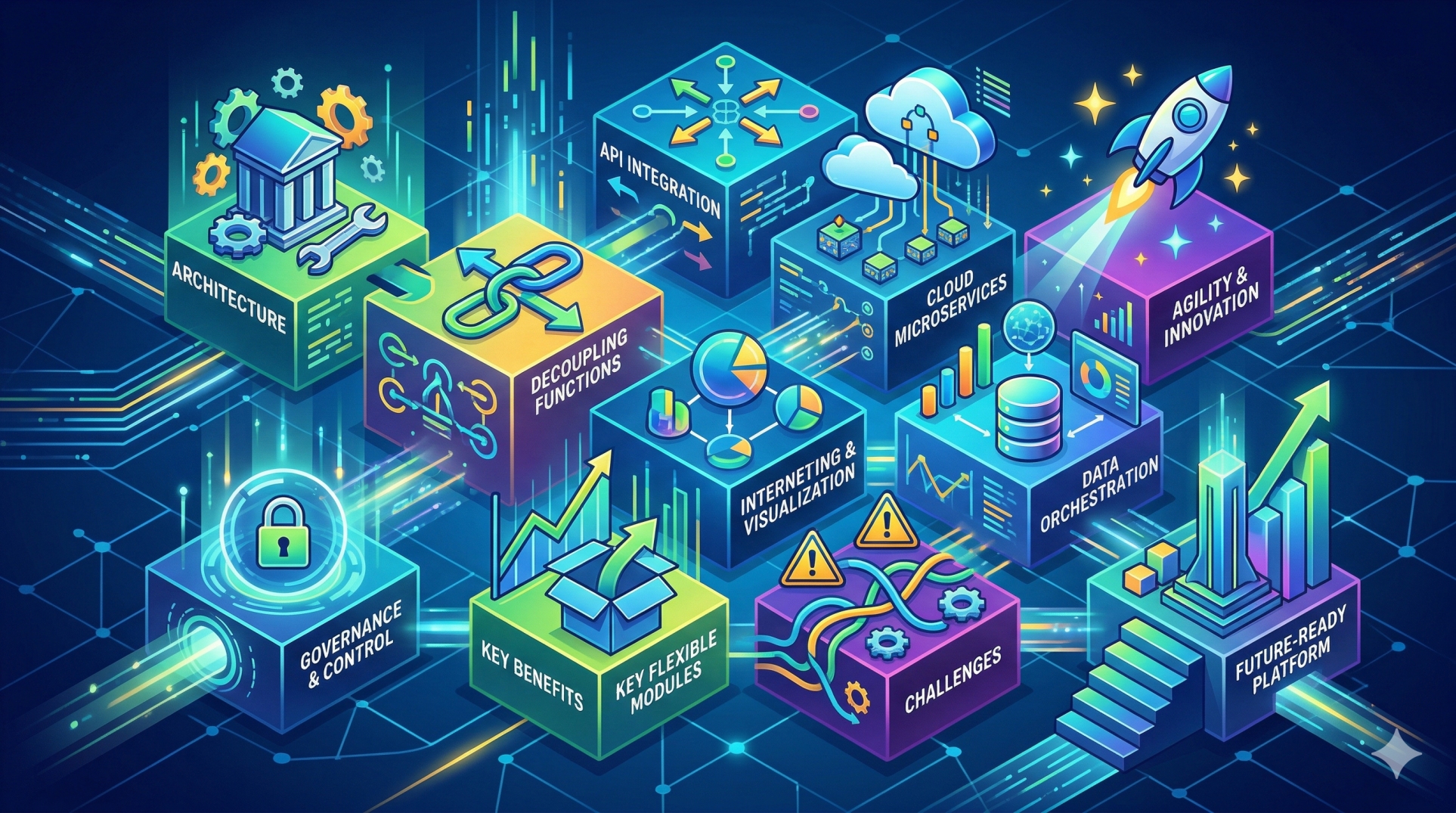
Step 8: Key Transformation Priorities 📌
• End-to-end process visibility and control 👁️
• Automation-driven efficiency and accuracy ⚙️
• Integrated and collaborative workflows 🤝
• Scalable and adaptable system architecture 🚀
Step 9: Managing Change and Organizational Alignment 👥
• Align stakeholders around new process structures 🤝
• Provide training and support for ERP adoption 🎓
• Address resistance to change with clear communication 📢
• Encourage a culture of continuous improvement 🔄
• Monitor adoption and refine processes over time 📊
Step 10: Building a Continuous Improvement Framework 🔧
• Establish feedback loops for ongoing process enhancement 🔄
• Use performance metrics to identify improvement areas 📈
• Continuously optimize workflows and system configurations ⚙️
• Integrate new technologies as they emerge 🤖
• Maintain long-term operational excellence 🎯
Conclusion
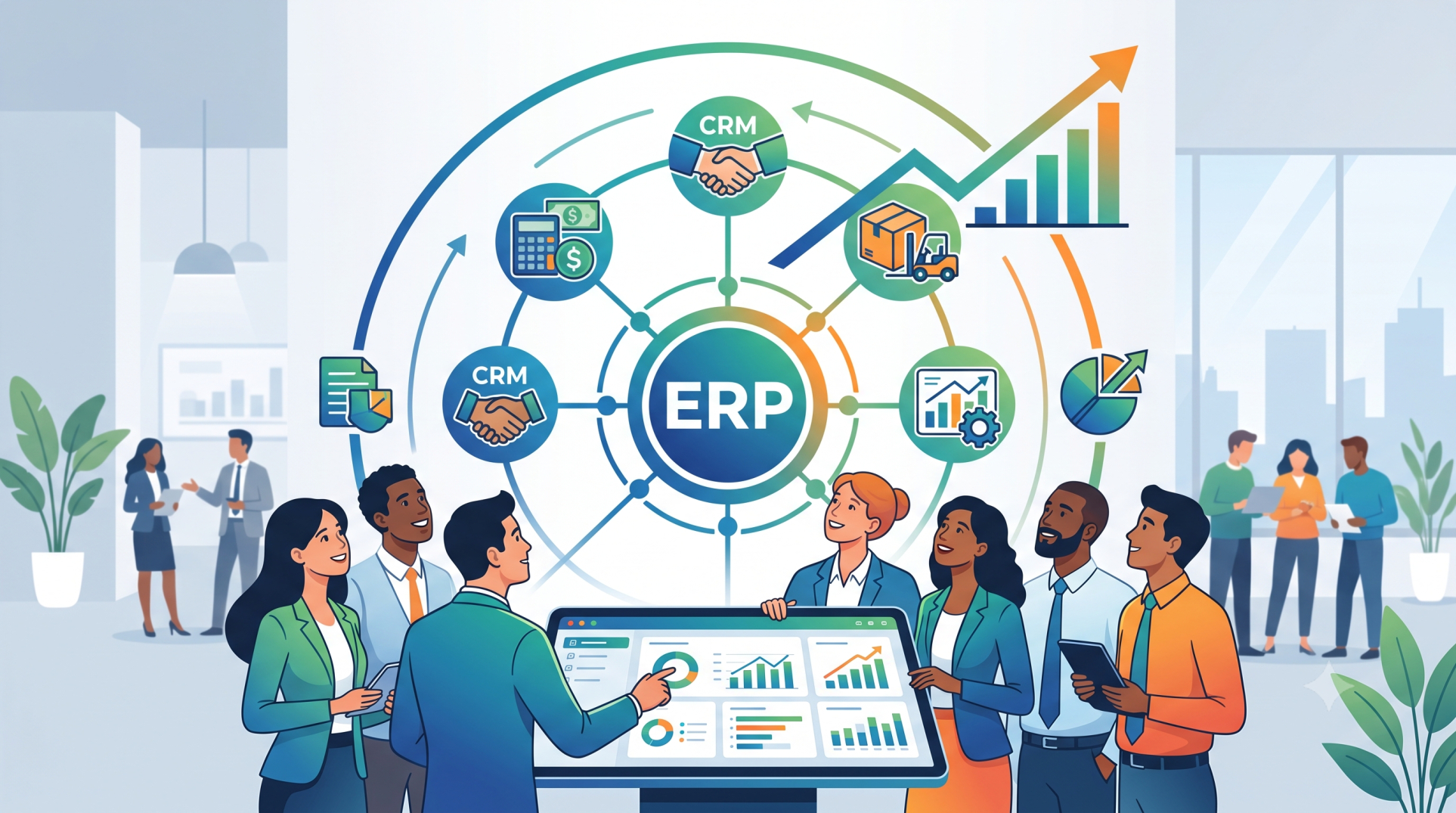
Reimagining business processes through ERP platforms enables organizations to move beyond traditional operational limitations and embrace a more integrated, intelligent way of working. By combining automation, real-time data, and cross-functional collaboration, ERP systems become powerful drivers of efficiency and innovation. This transformation not only improves current performance but also equips businesses to adapt and thrive in an ever-evolving landscape.
See more blogs
You can all the articles below