Decision Automation Through ERP Intelligence Layers

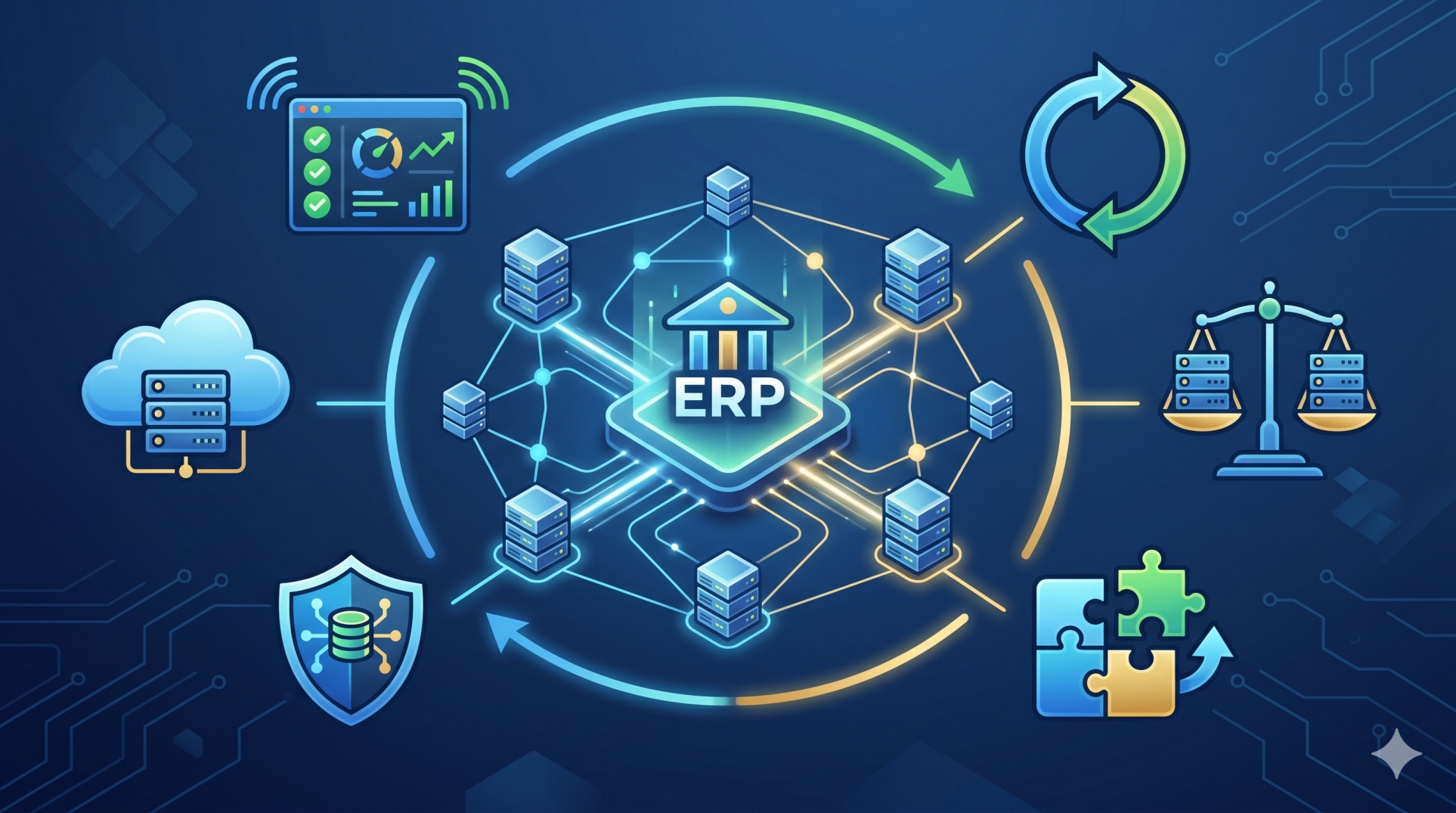
Decision Automation Through ERP Intelligence Layers
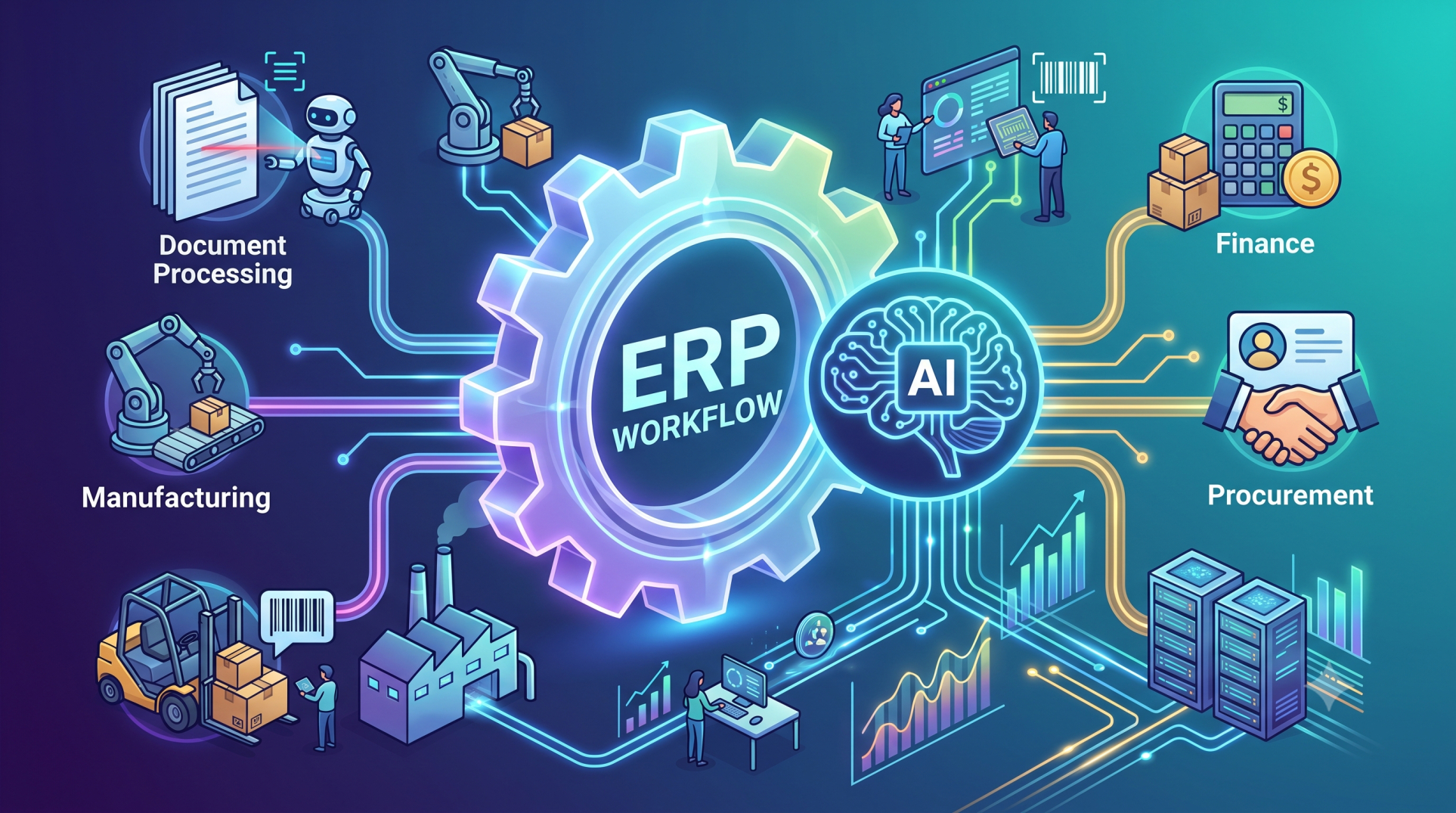
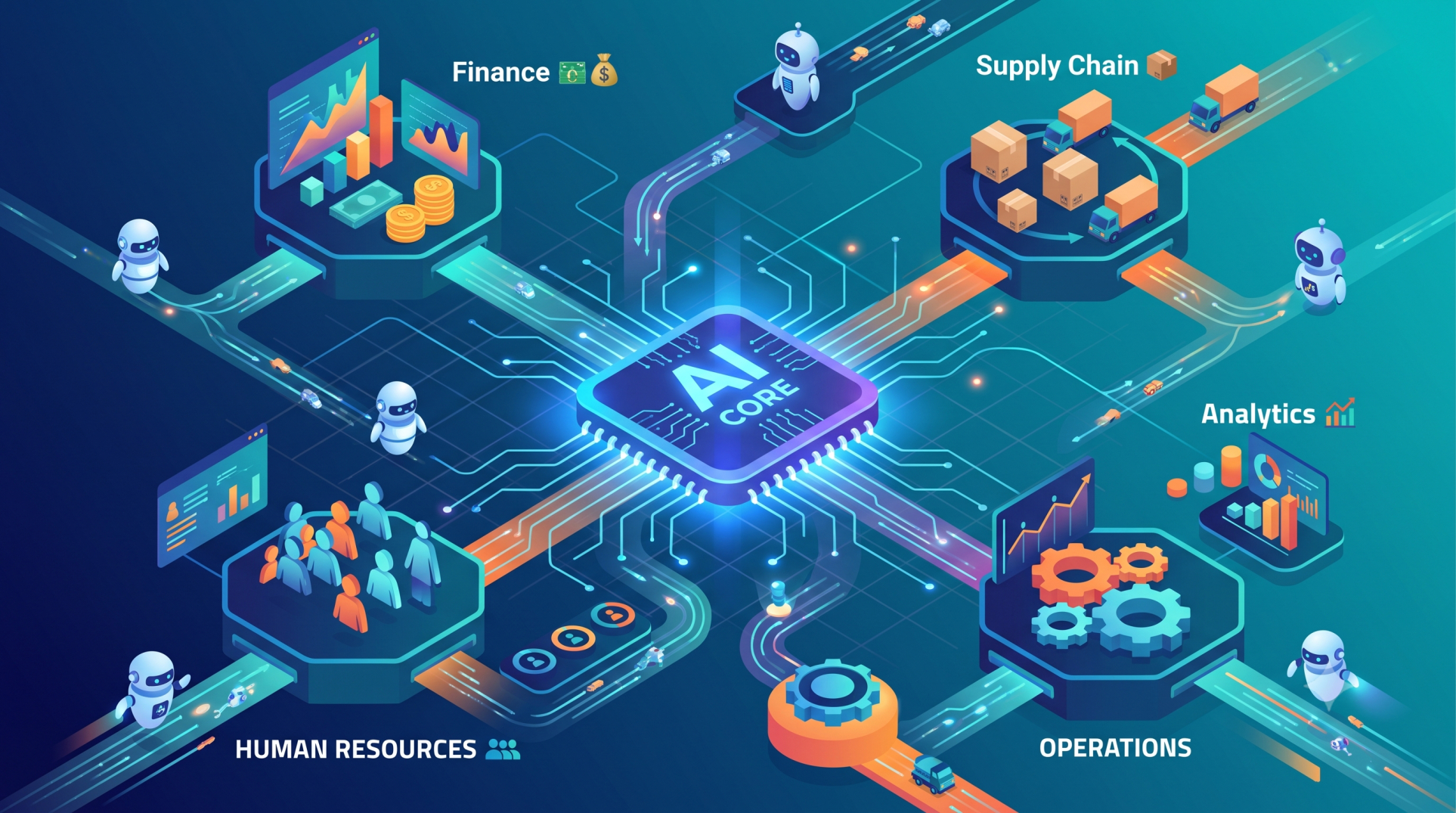
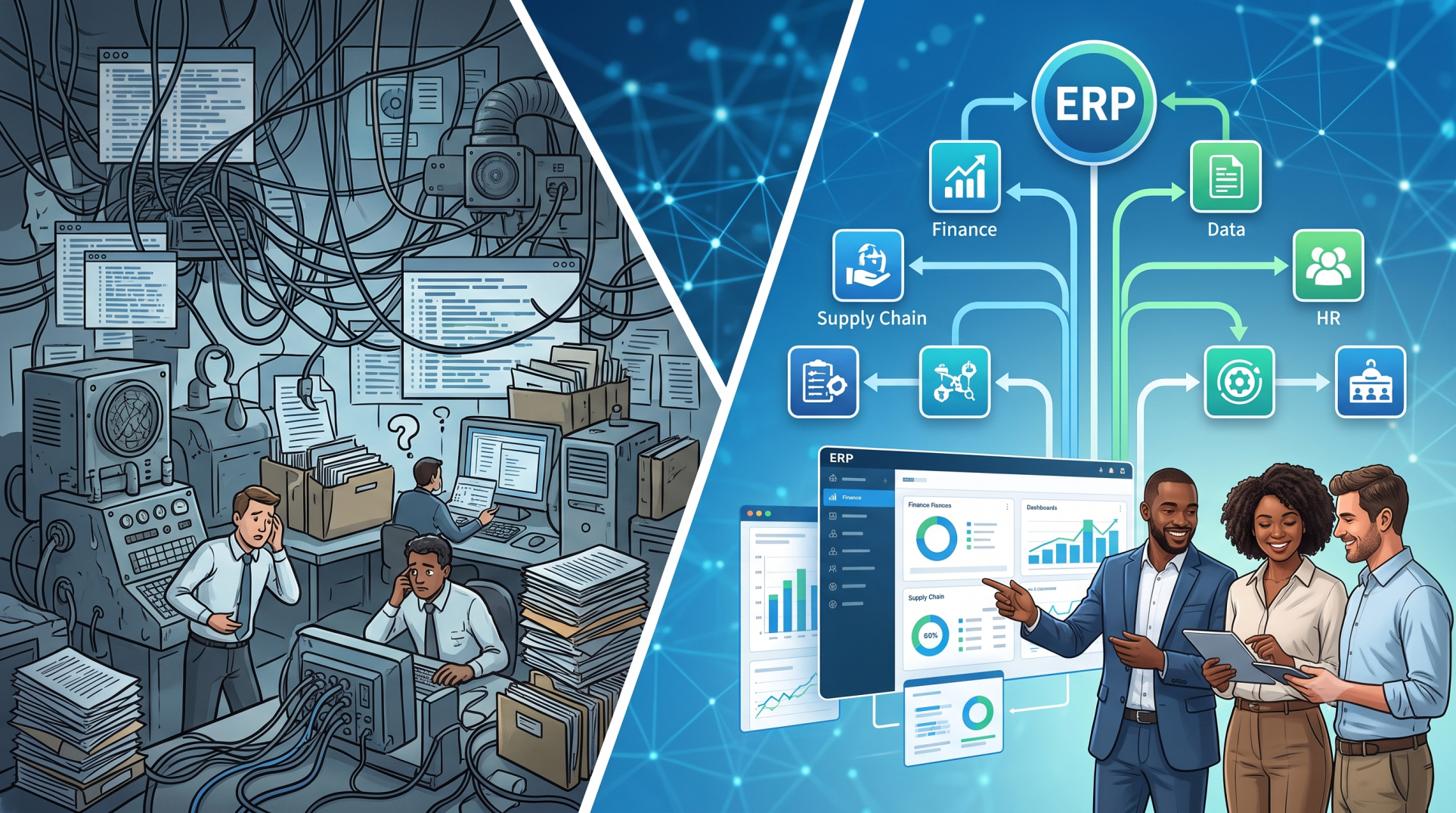
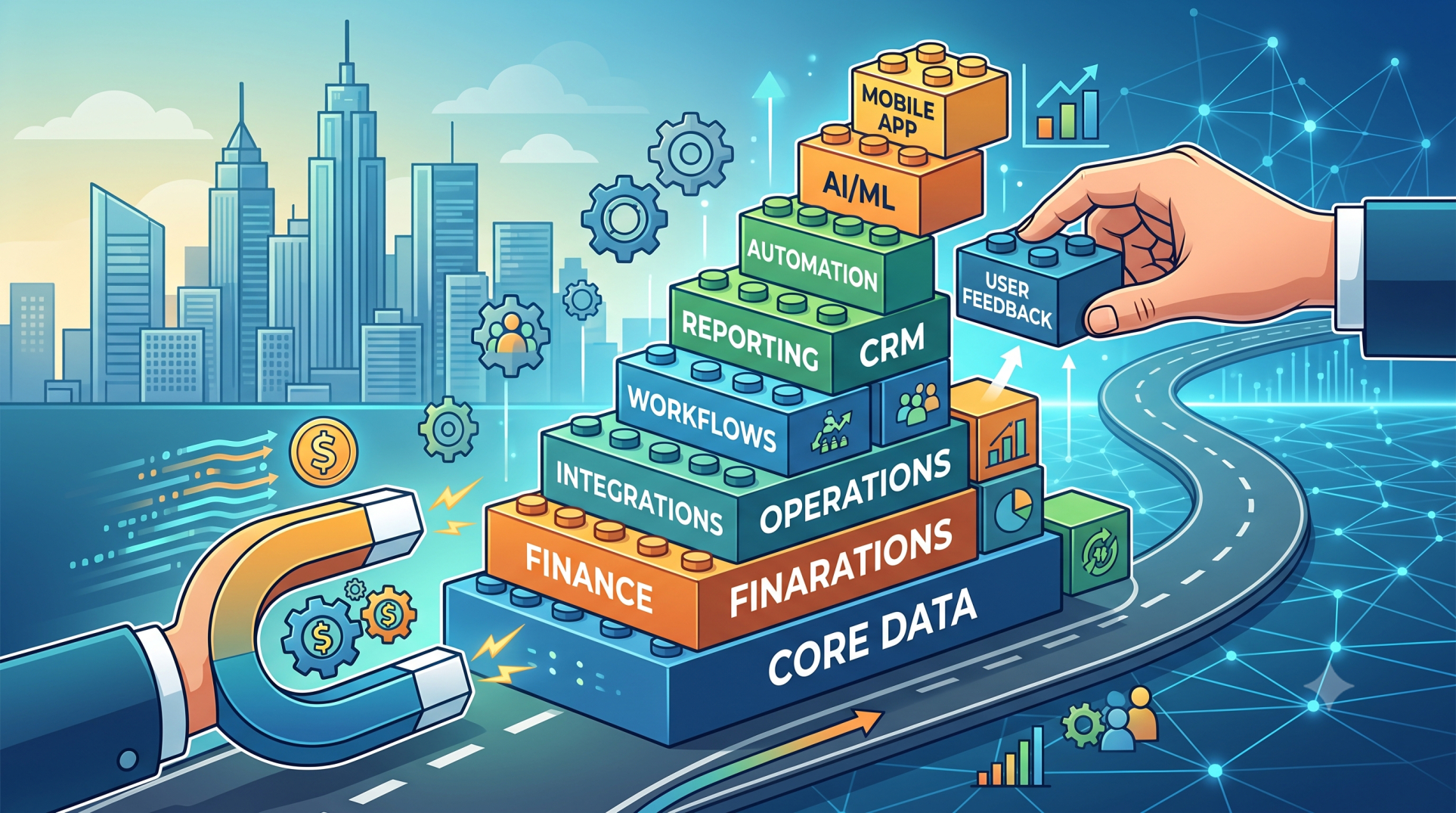
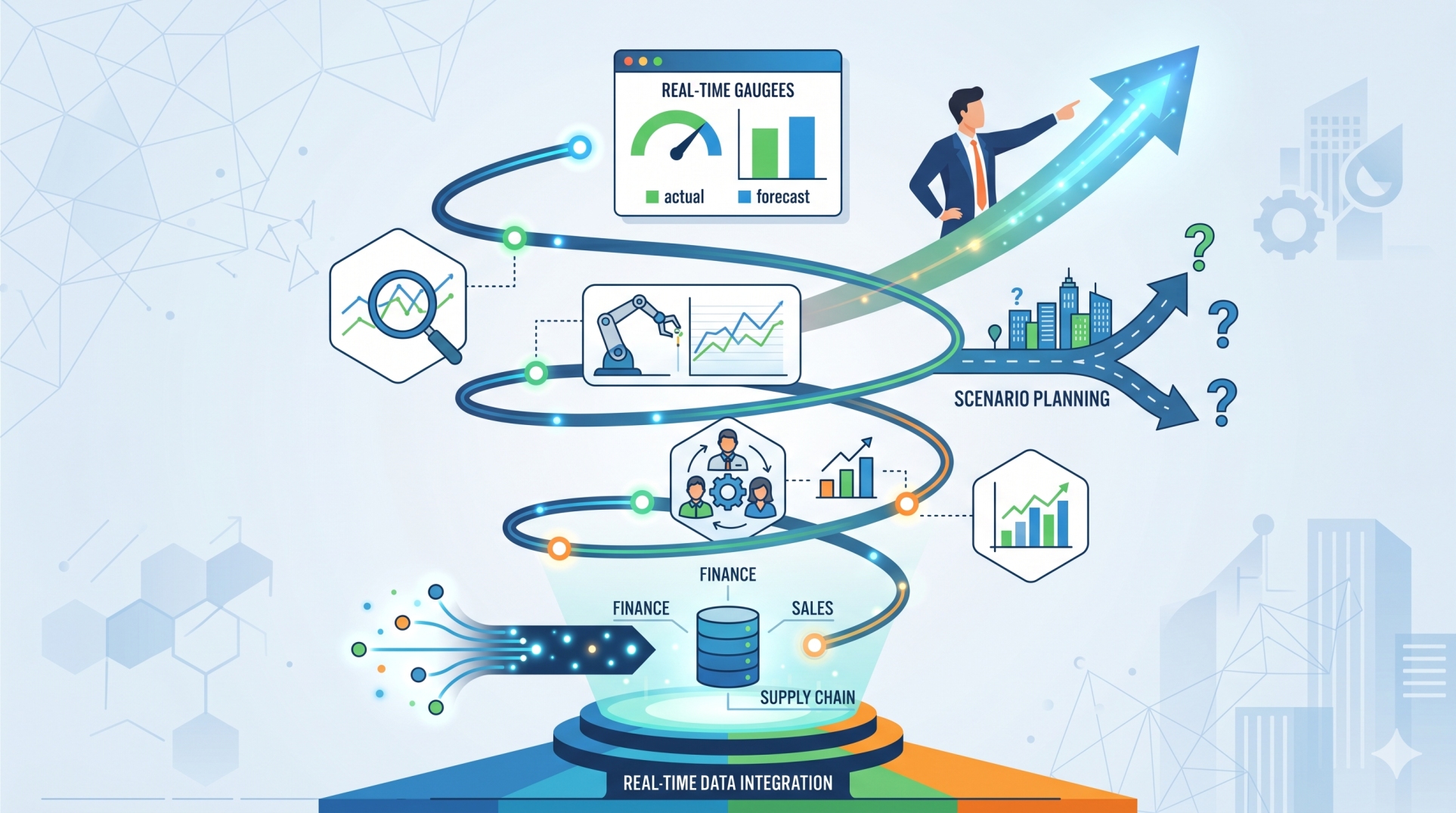
As enterprises generate increasing volumes of operational data, the ability to convert that data into timely, actionable decisions has become a competitive advantage. Traditional ERP systems focus on recording and managing transactions, but modern organizations require systems that can also interpret data and drive automated decision-making. ERP intelligence layers introduce advanced analytics, rules engines, and AI capabilities on top of core ERP systems, enabling faster, smarter, and more consistent decisions across the enterprise.
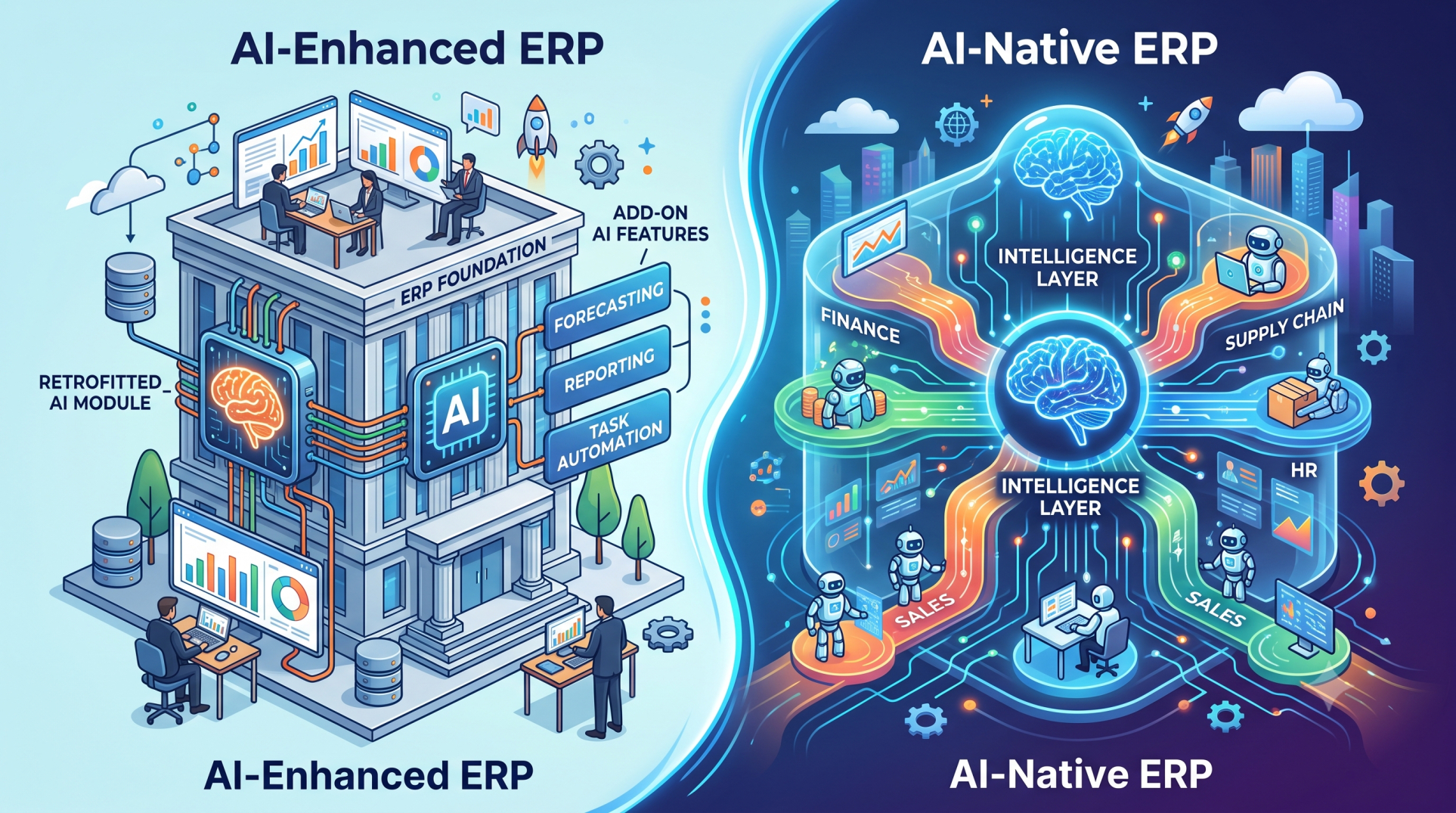
Step 1: Understanding ERP Intelligence Layers 🧠
• Add an intelligence layer above core ERP transaction systems 🧠
• Combine data processing, analytics, and decision logic ⚙️
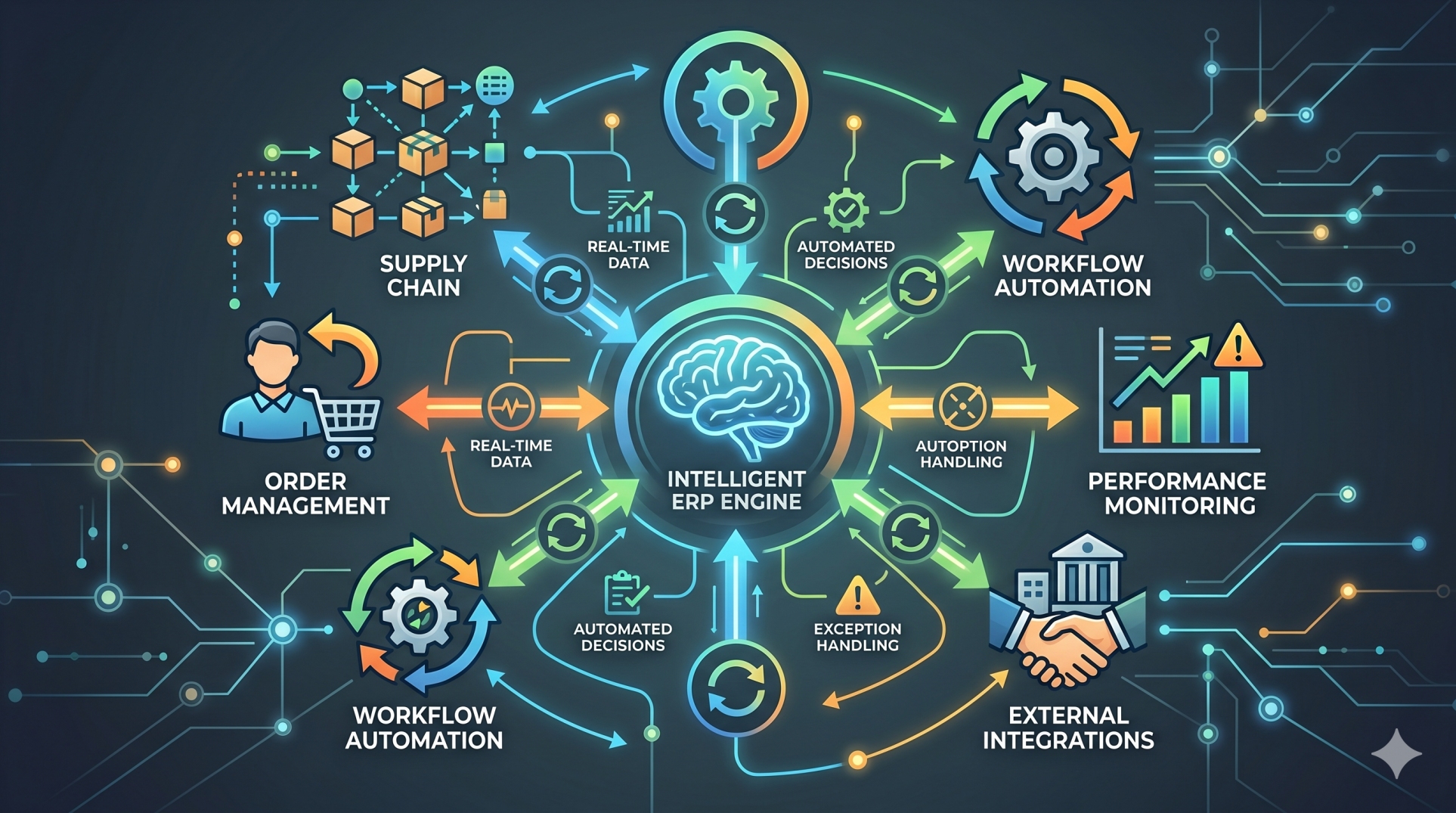
• Transform ERP from a passive system into an active decision engine 🔄
• Enable automated and assisted decision-making 📊
• Bridge the gap between data and action 🚀
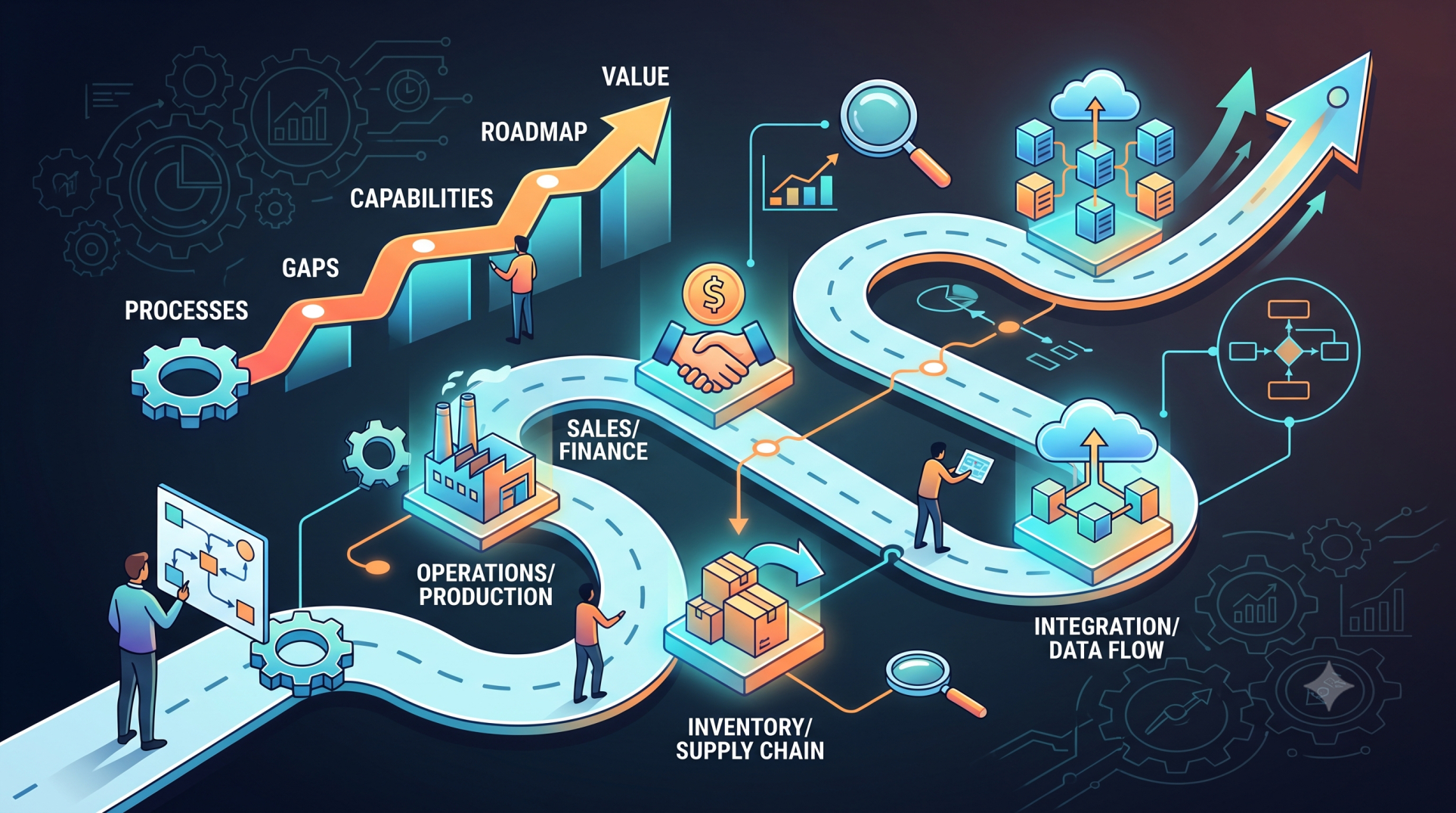
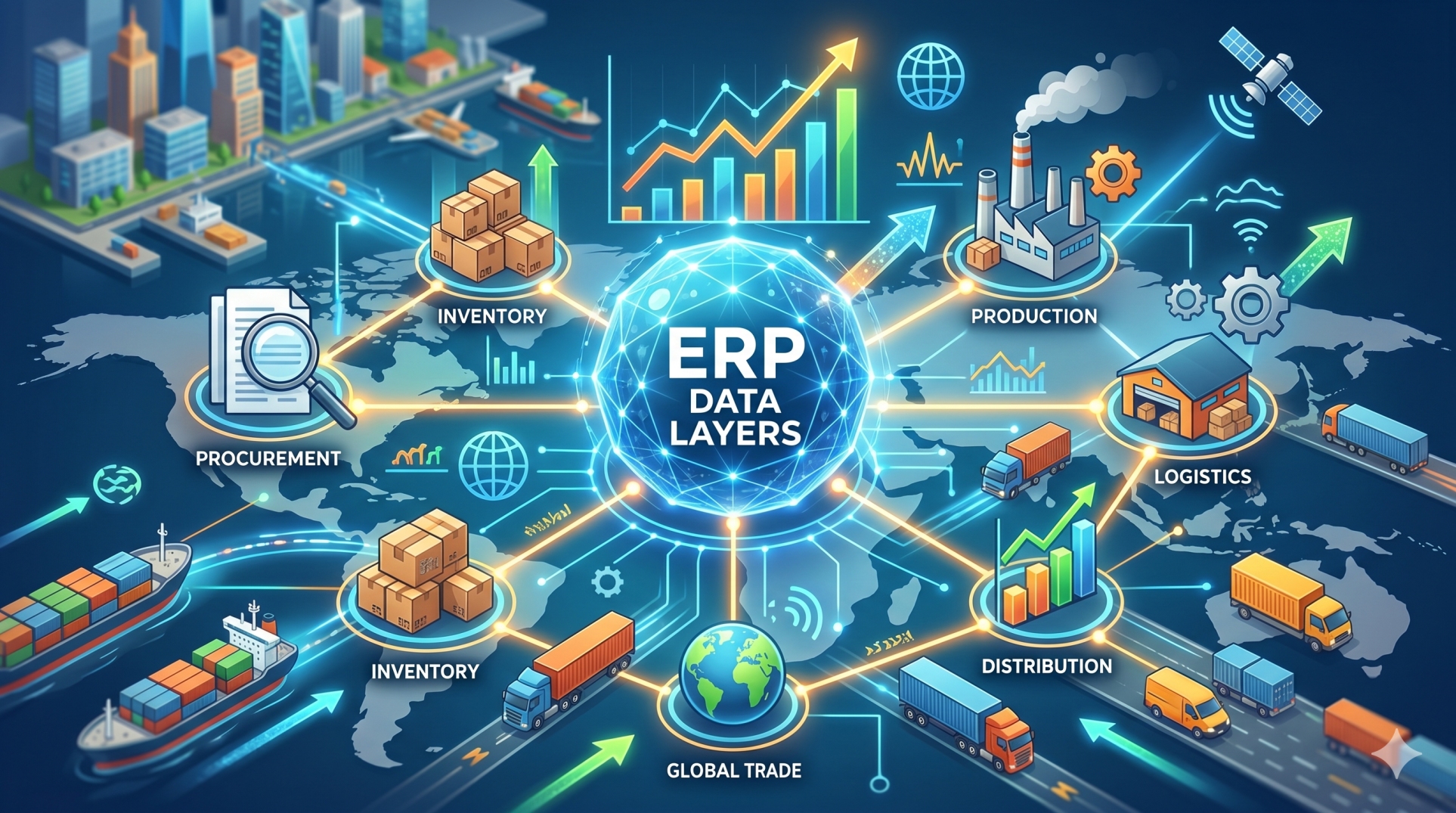
Step 2: Integrating Data Across Enterprise Systems 🔗
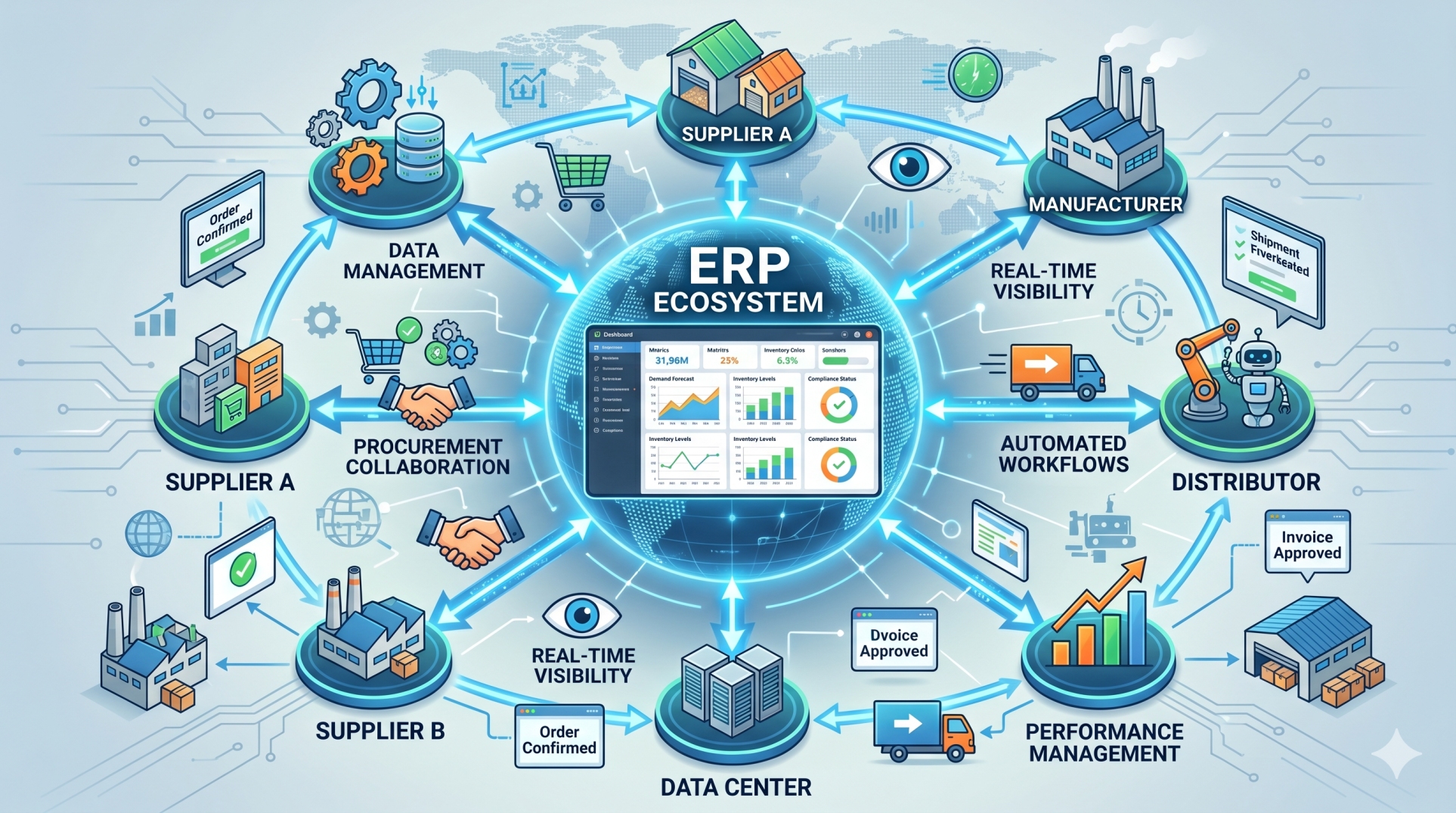
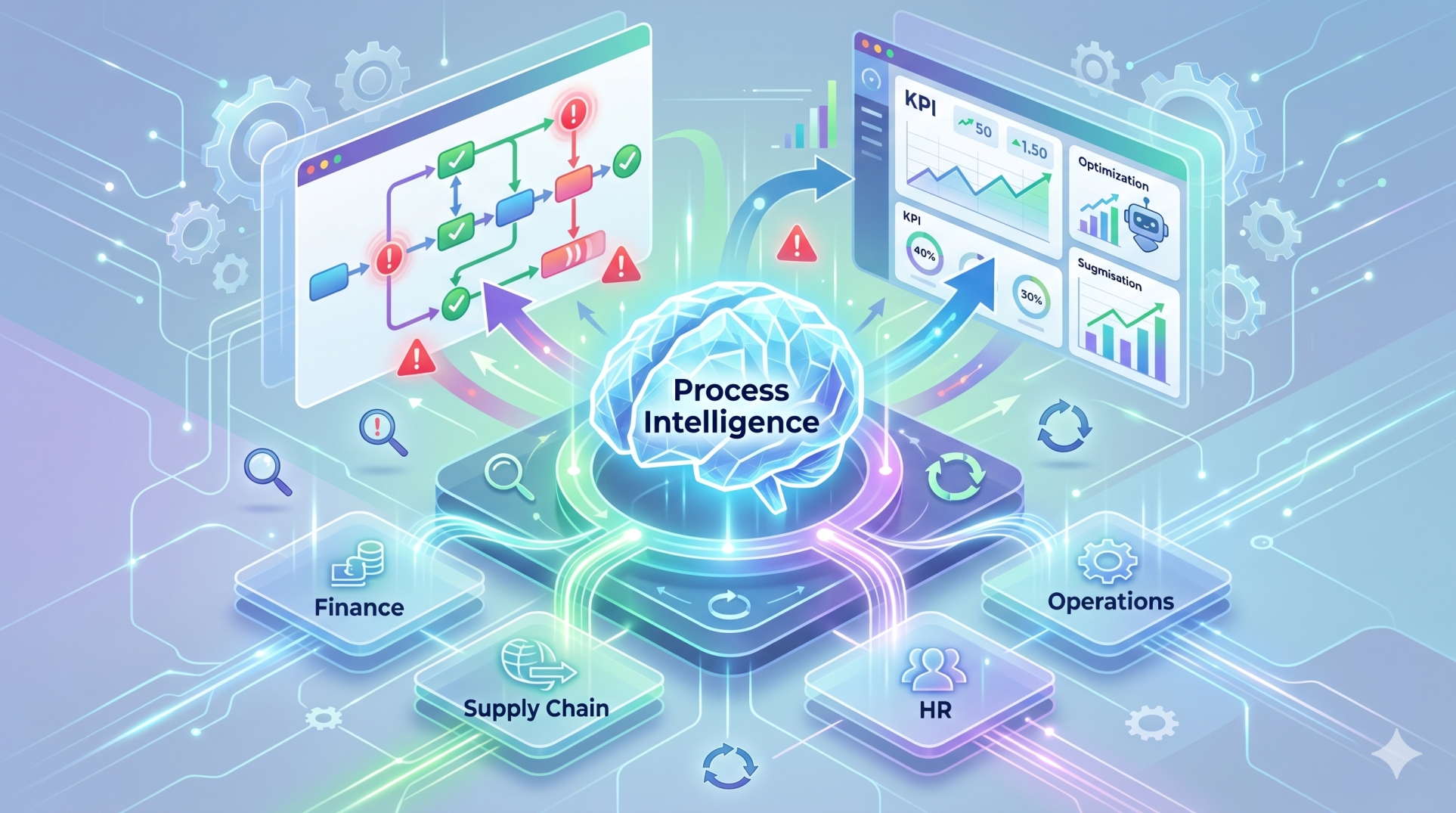
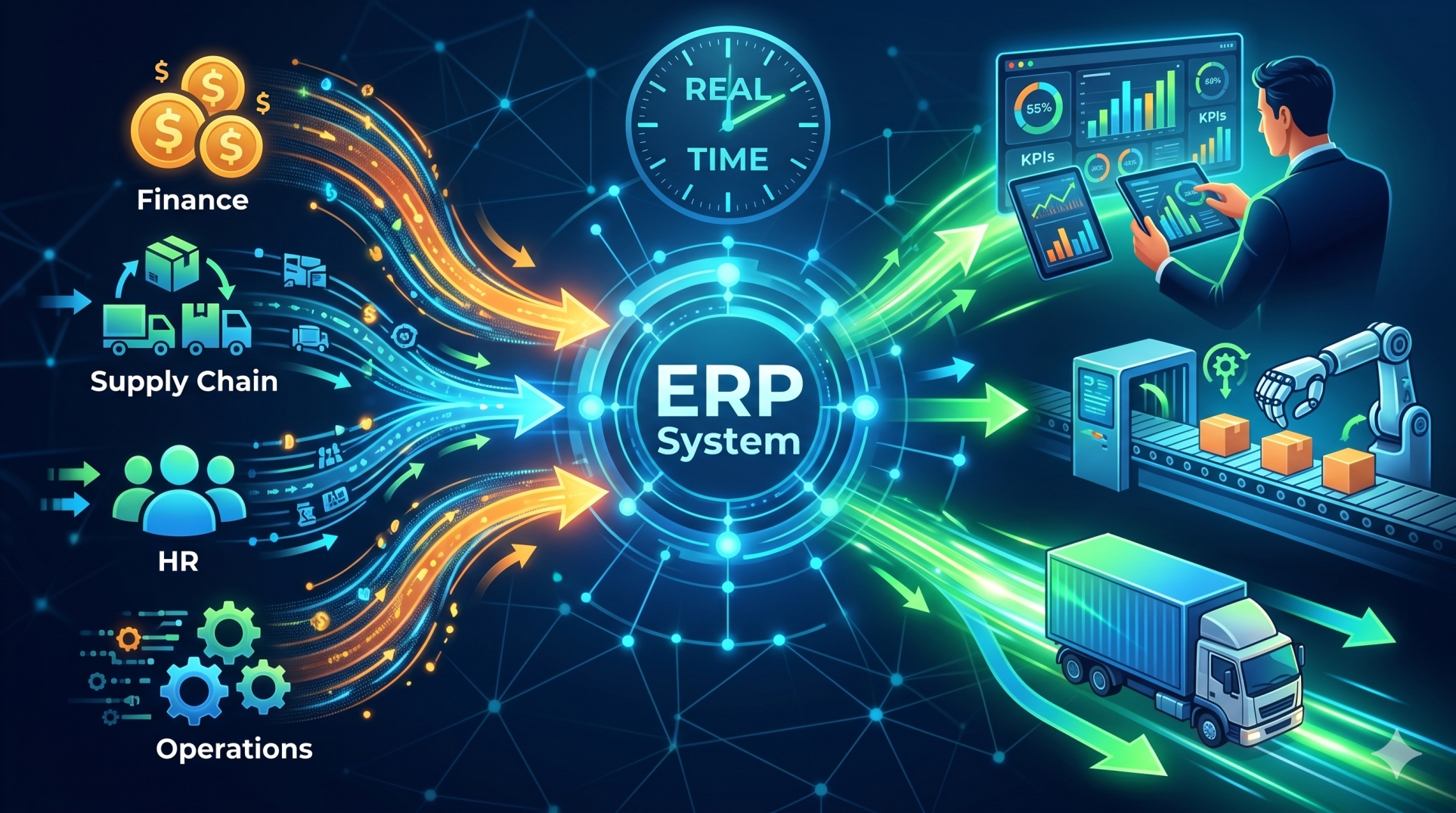
• Aggregate data from ERP, CRM, supply chain, and external sources 📡
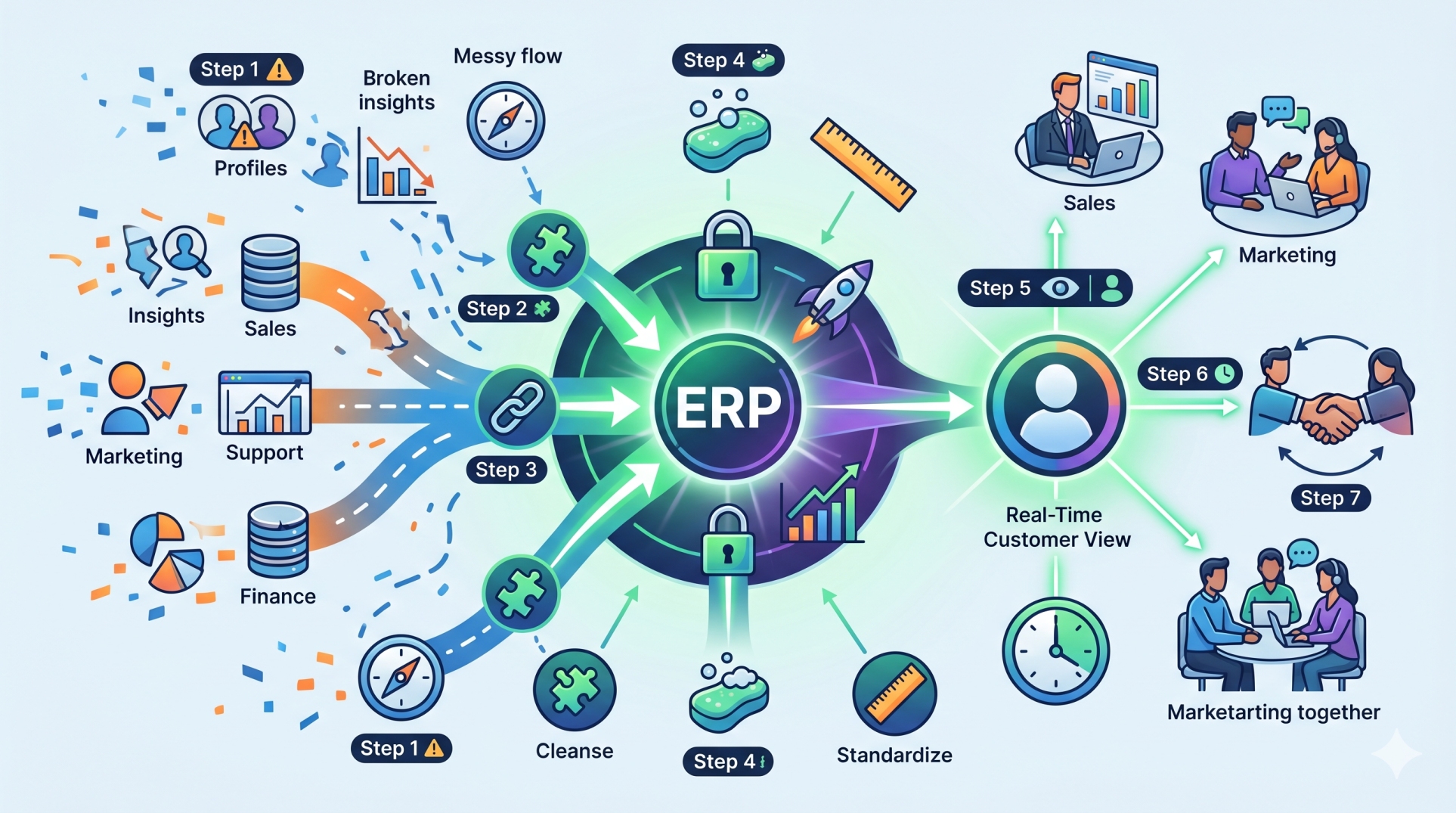
• Create a unified data foundation for decision-making 📂
• Ensure real-time data synchronization across systems ⏱️
• Eliminate silos and improve data accessibility 🚫
• Support cross-functional insights and coordination 🌐
Step 3: Implementing Rules Engines for Automation ⚙️
• Define business rules for routine decision-making 📜
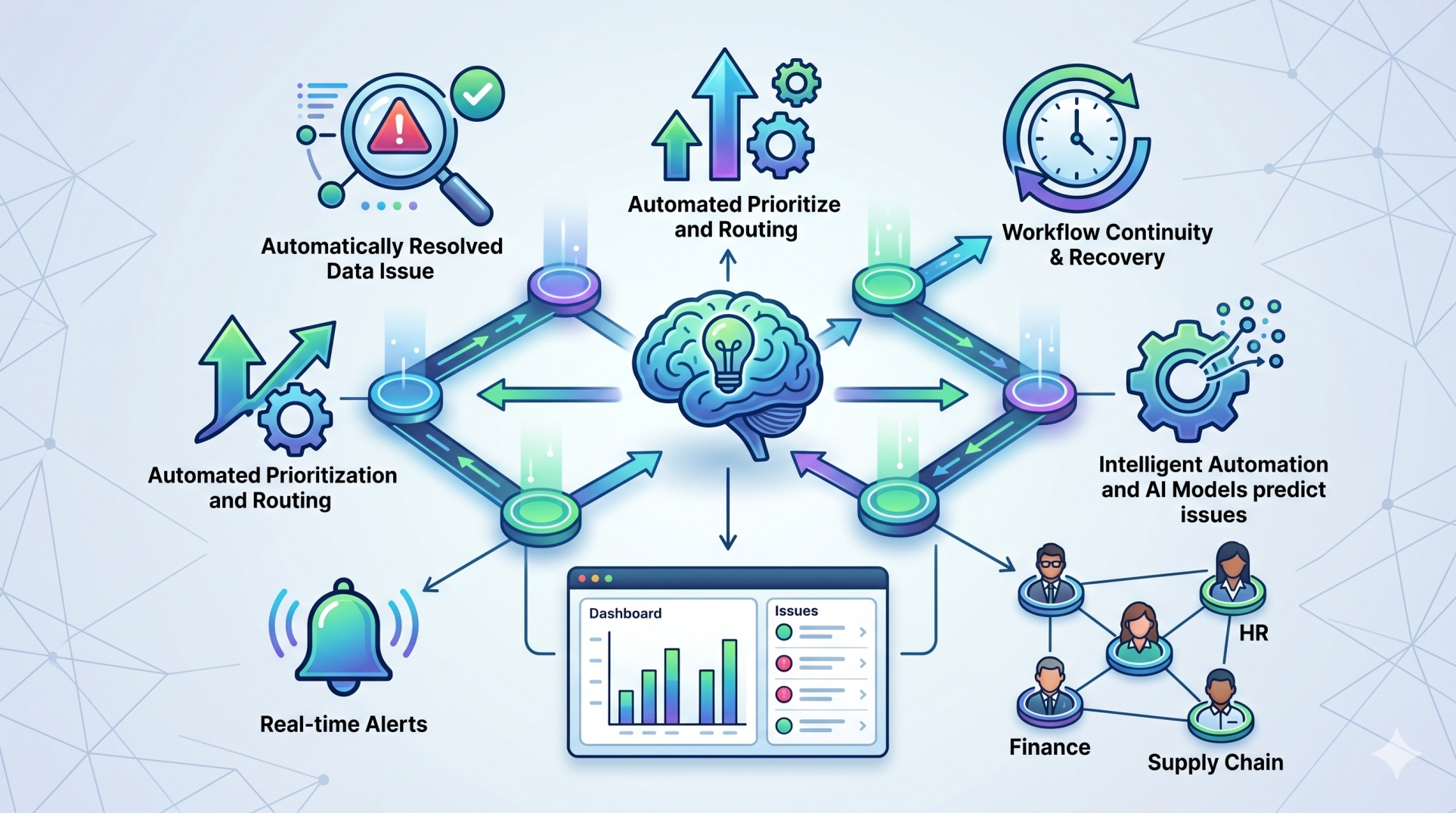
• Automate approvals, routing, and exception handling 🔄
• Ensure consistency in operational decisions ⚖️
• Reduce manual intervention in repetitive processes 🤖
• Enable rapid updates to decision logic as policies evolve 🔧
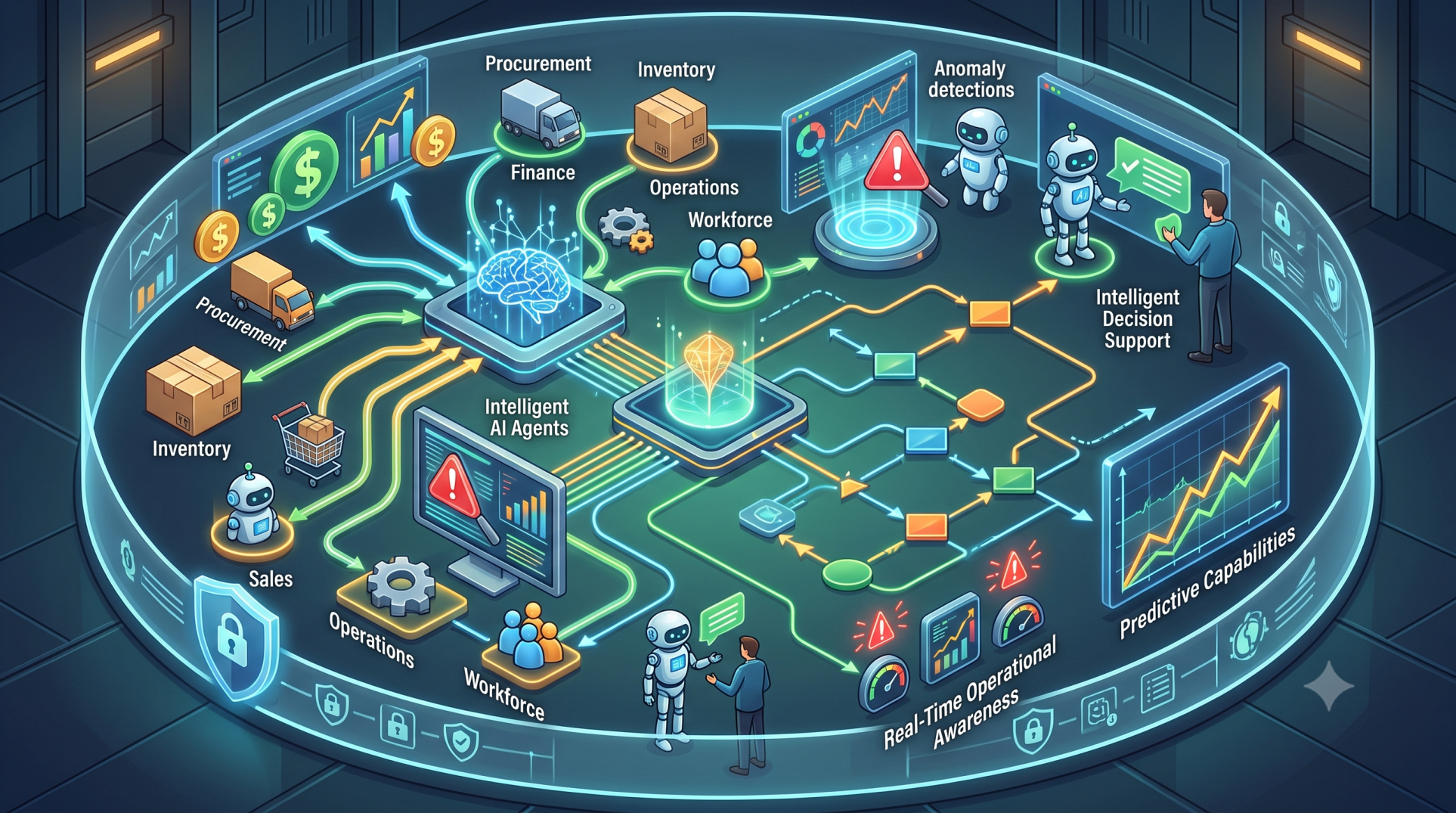
Step 4: Leveraging AI and Predictive Analytics 🤖
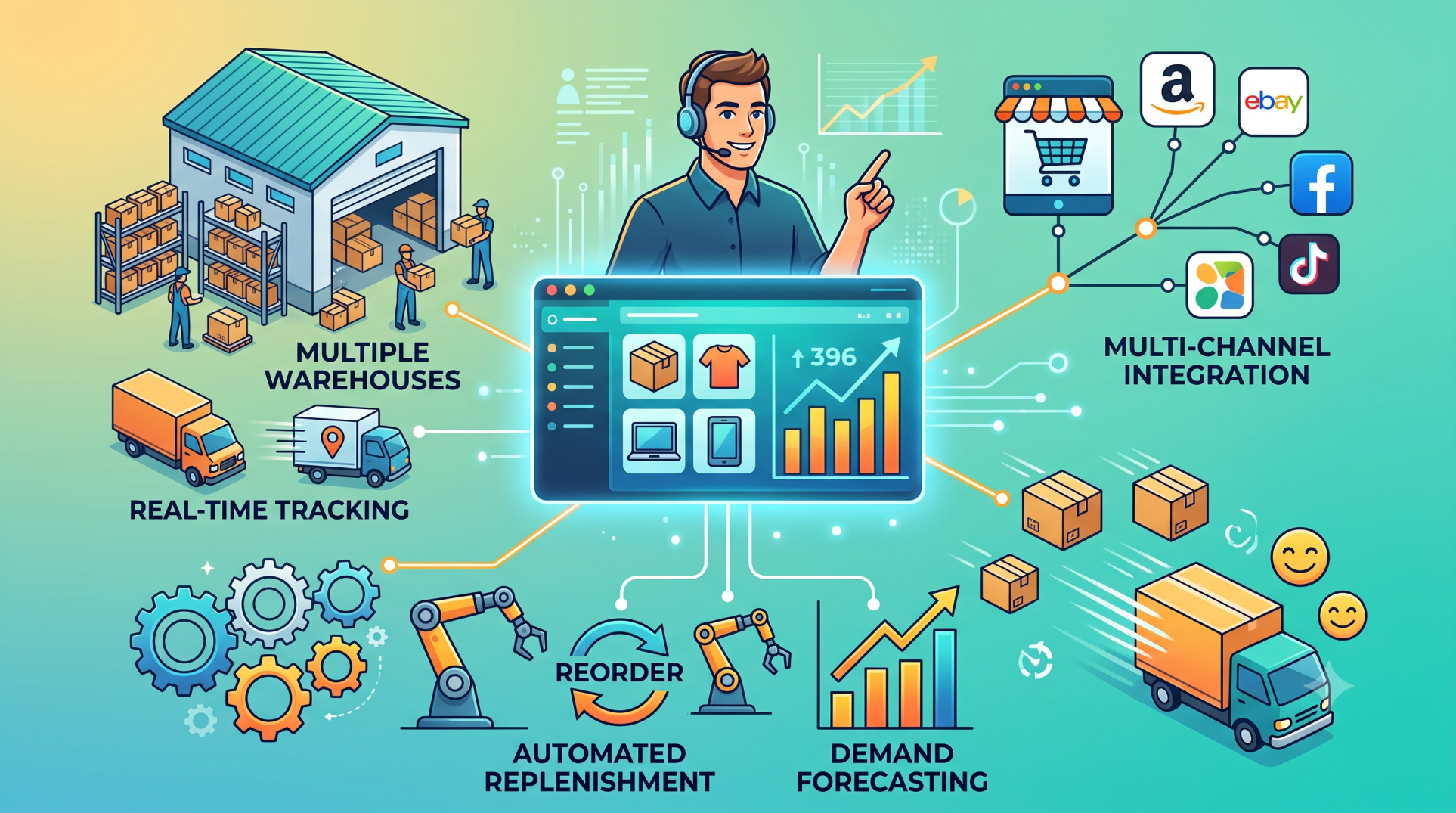
• Use AI models to predict demand, risks, and outcomes 📈
• Enable data-driven forecasting and planning 🔮
• Identify patterns and anomalies in real time 🔍
• Enhance decision accuracy through machine learning 🧠
• Support proactive rather than reactive operations ⚡
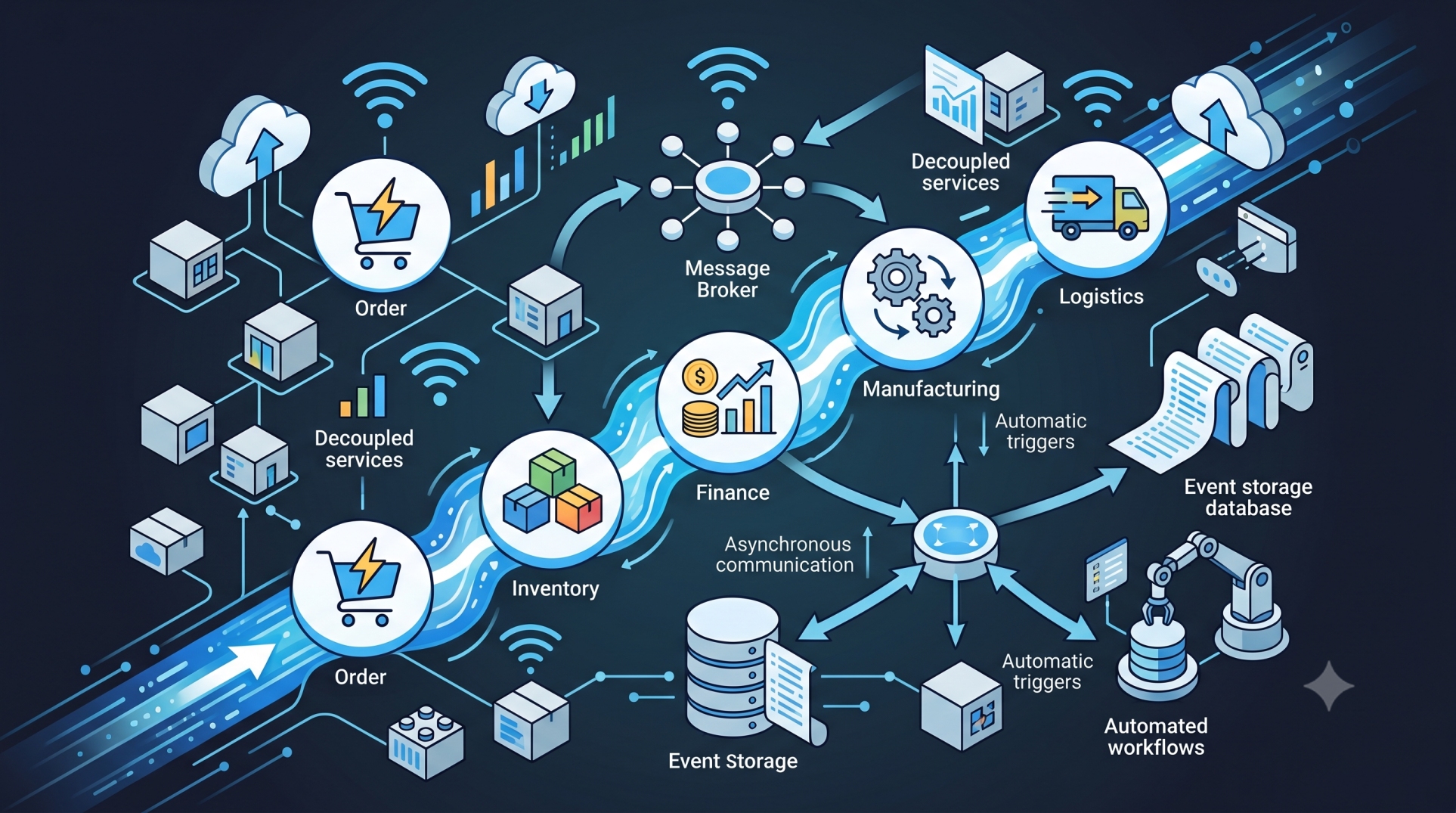
Step 5: Real-Time Decision Execution ⏱️
• Trigger automated actions based on live data inputs 📡
• Enable instant responses to operational changes ⚡
• Reduce delays in approvals and process flows ⏳
• Support event-driven workflows across the enterprise 🔄
• Improve responsiveness and agility in operations 🚀
Step 6: Context-Aware Decision Making 🌐
• Incorporate contextual data such as location, demand, and constraints 🌍
• Adapt decisions based on current operational conditions 🔄
• Support dynamic prioritization of tasks and resources 📊
• Enable smarter, situation-specific responses 🧠
• Improve overall operational efficiency 🎯
Step 7: Monitoring and Continuous Optimization 📊
• Track decision outcomes and system performance 📈
• Measure accuracy and effectiveness of automated decisions 🔍
• Identify areas for improvement and optimization ⚙️
• Continuously refine rules and AI models 🔄
• Ensure alignment with business objectives 🎯
Step 8: Key Benefits of ERP Intelligence Layers 📌
• Faster and more consistent decision-making ⚡
• Reduced operational overhead through automation 🤖
• Improved accuracy with data-driven insights 📊
• Enhanced agility and responsiveness 🚀
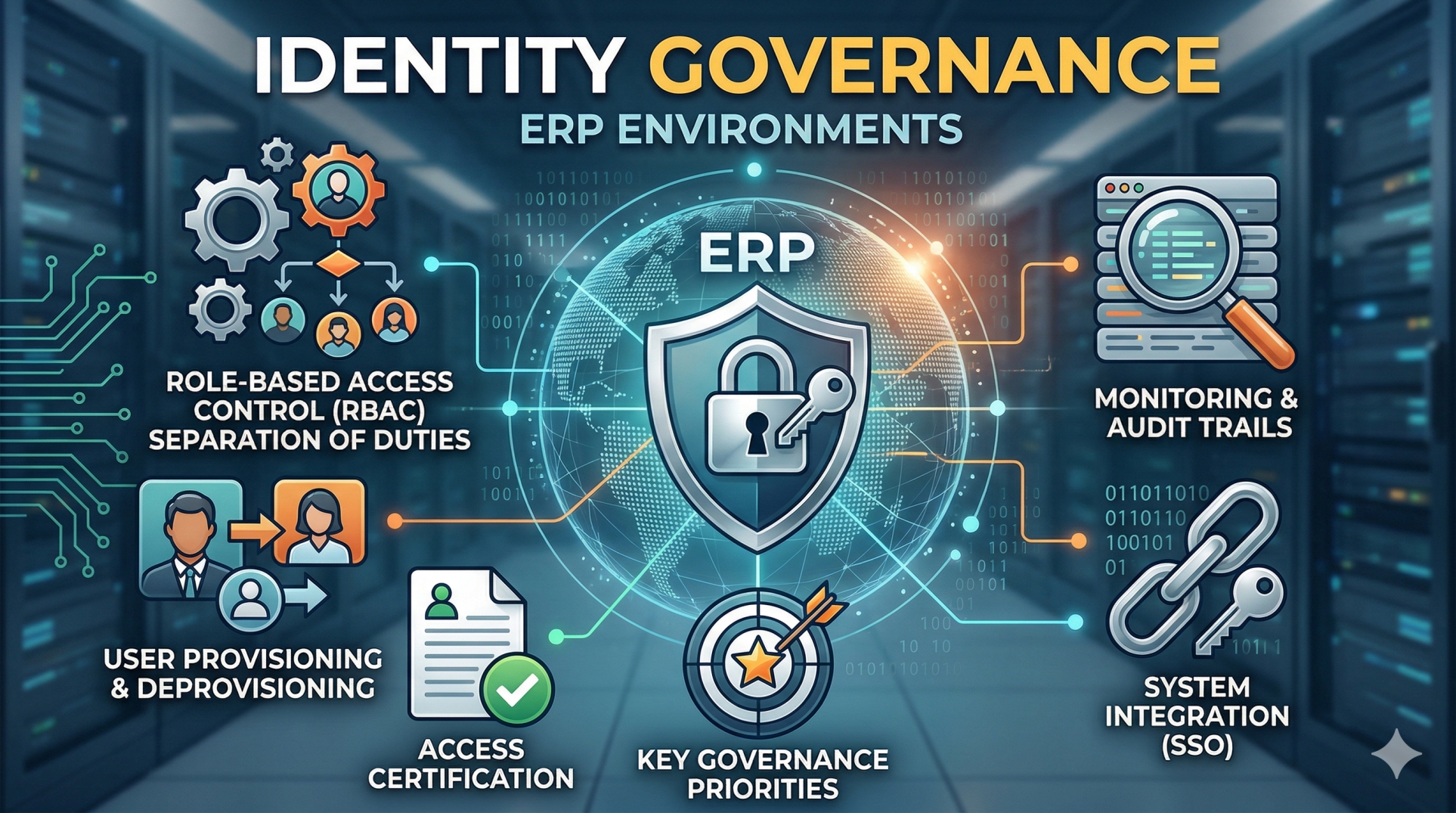
Step 9: Managing Risks and Governance ⚠️
• Ensure transparency in automated decision processes 🔍
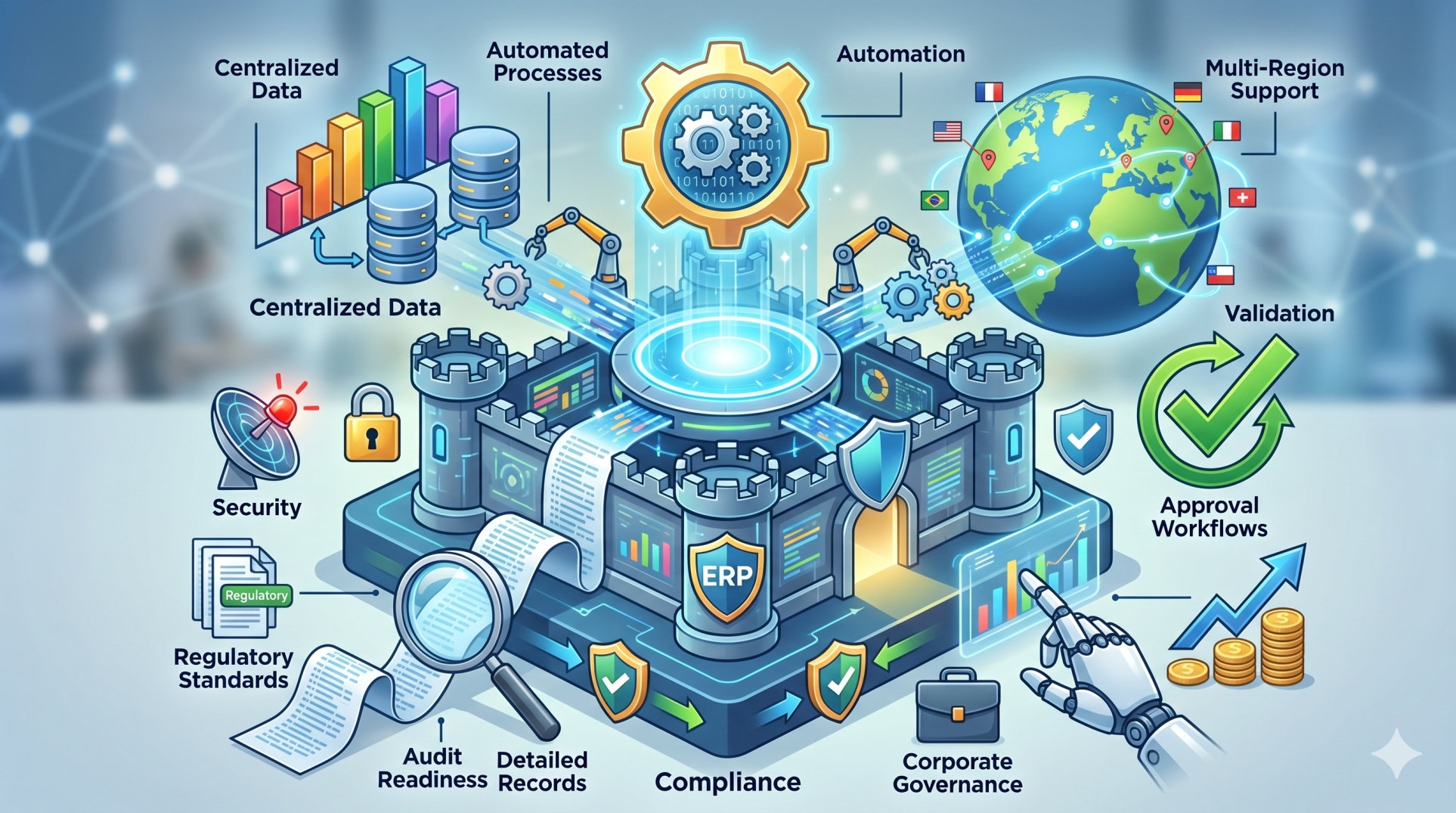
• Maintain audit trails for compliance and accountability 📜
• Define clear governance policies for AI and automation 🏛️
• Mitigate risks of incorrect or biased decisions ⚖️
• Balance automation with human oversight 🤝
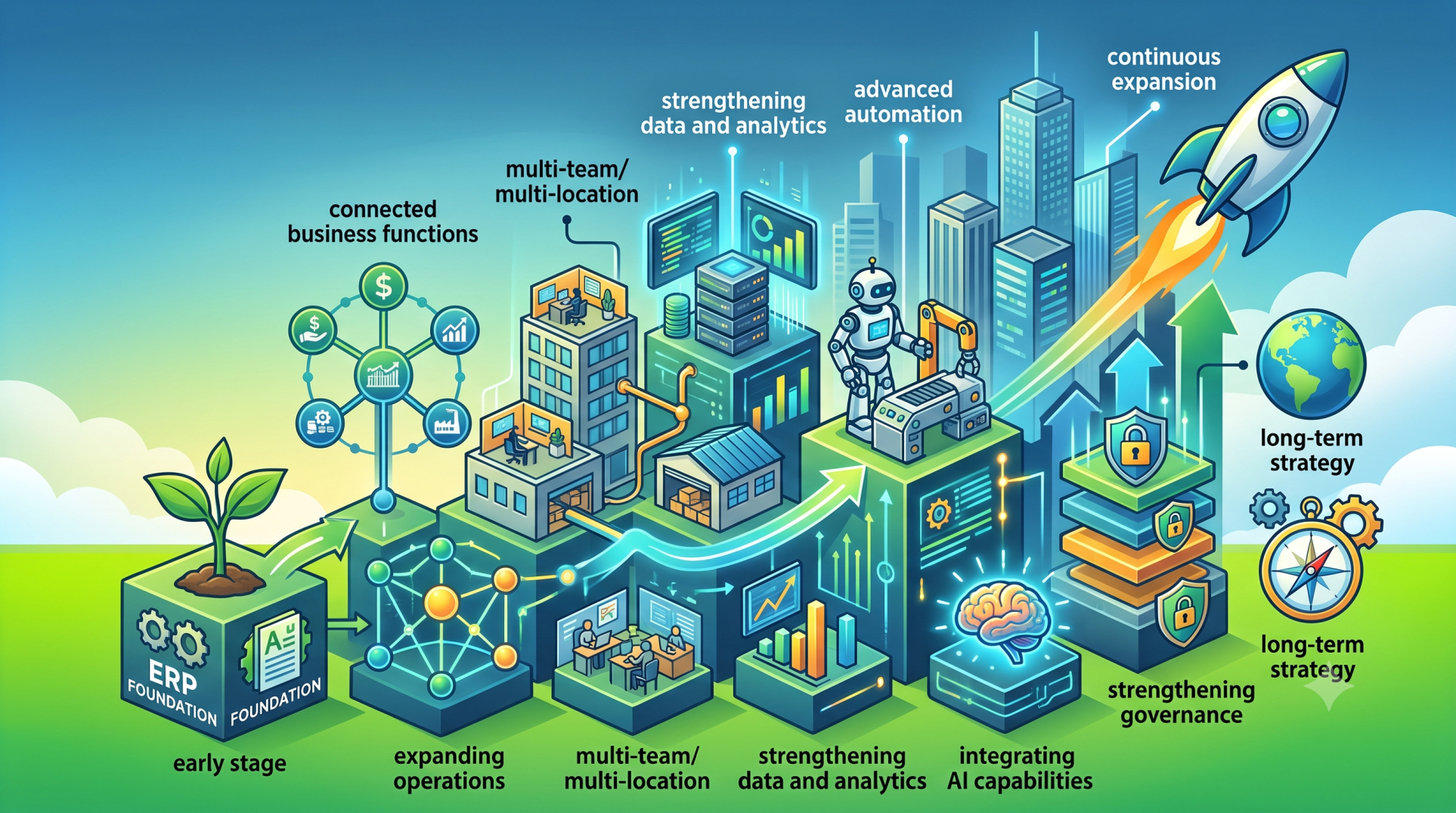
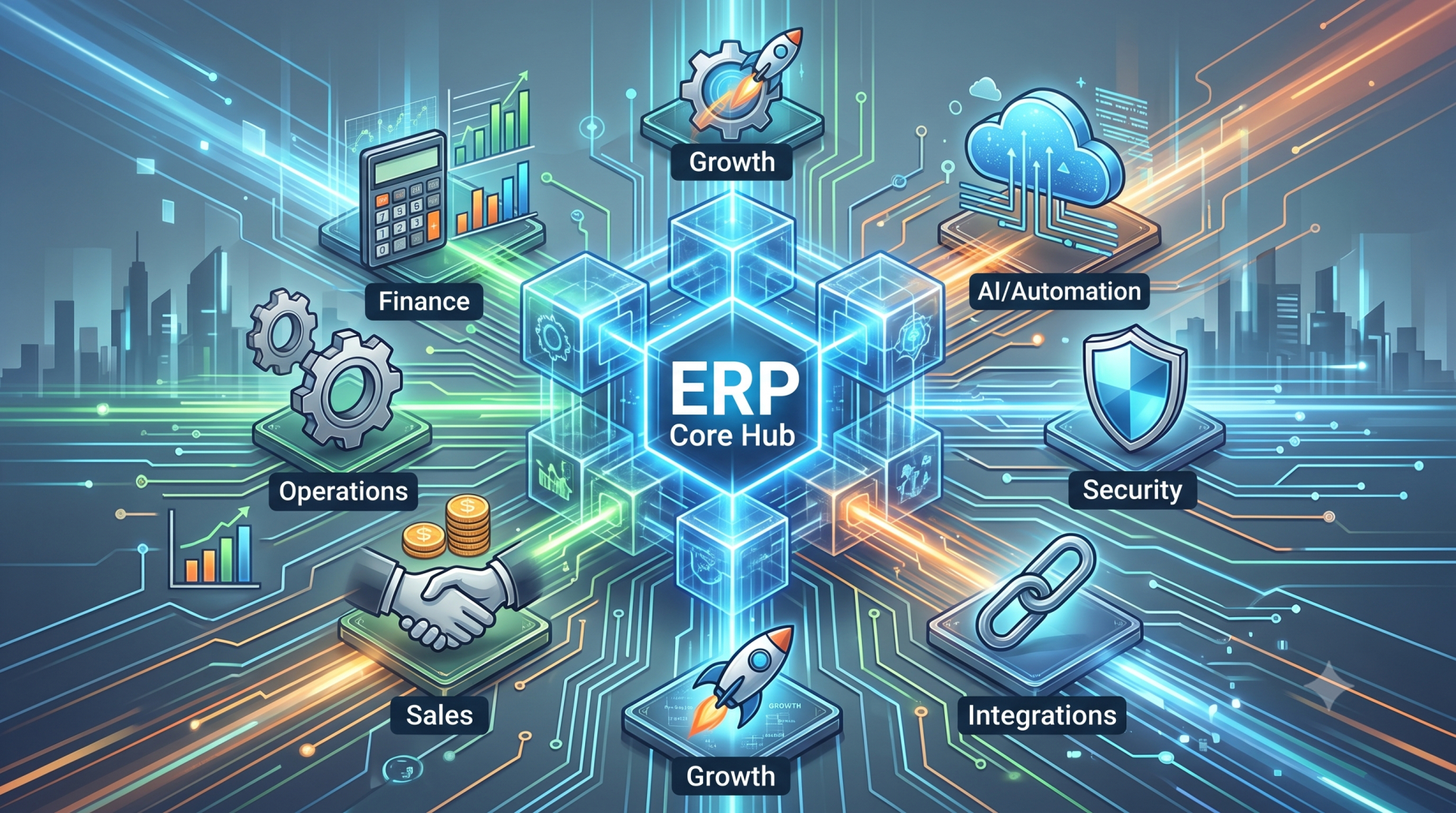
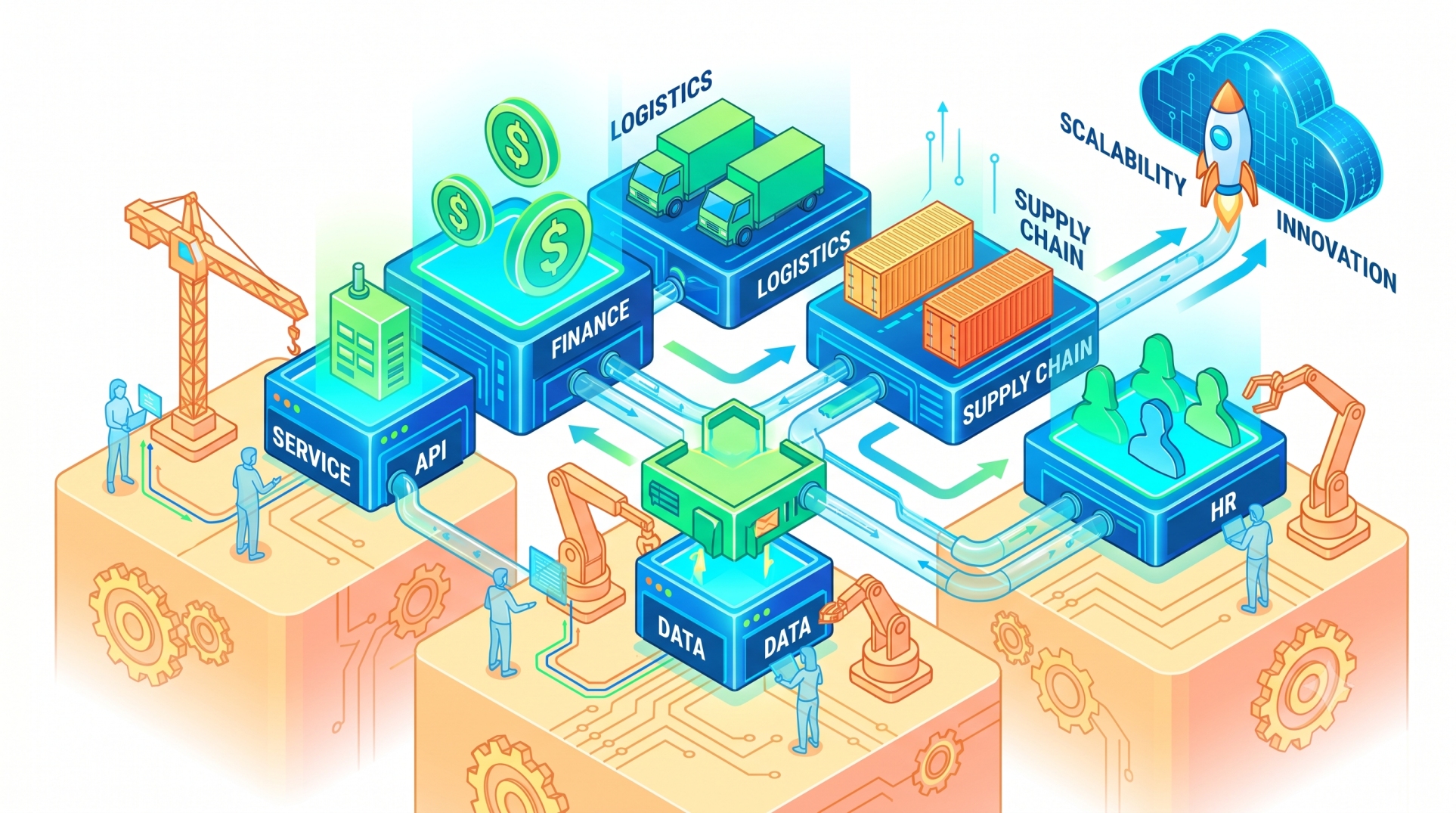
Step 10: Building an Intelligent Enterprise Ecosystem 🏗️
• Integrate intelligence layers seamlessly with ERP systems 🔗
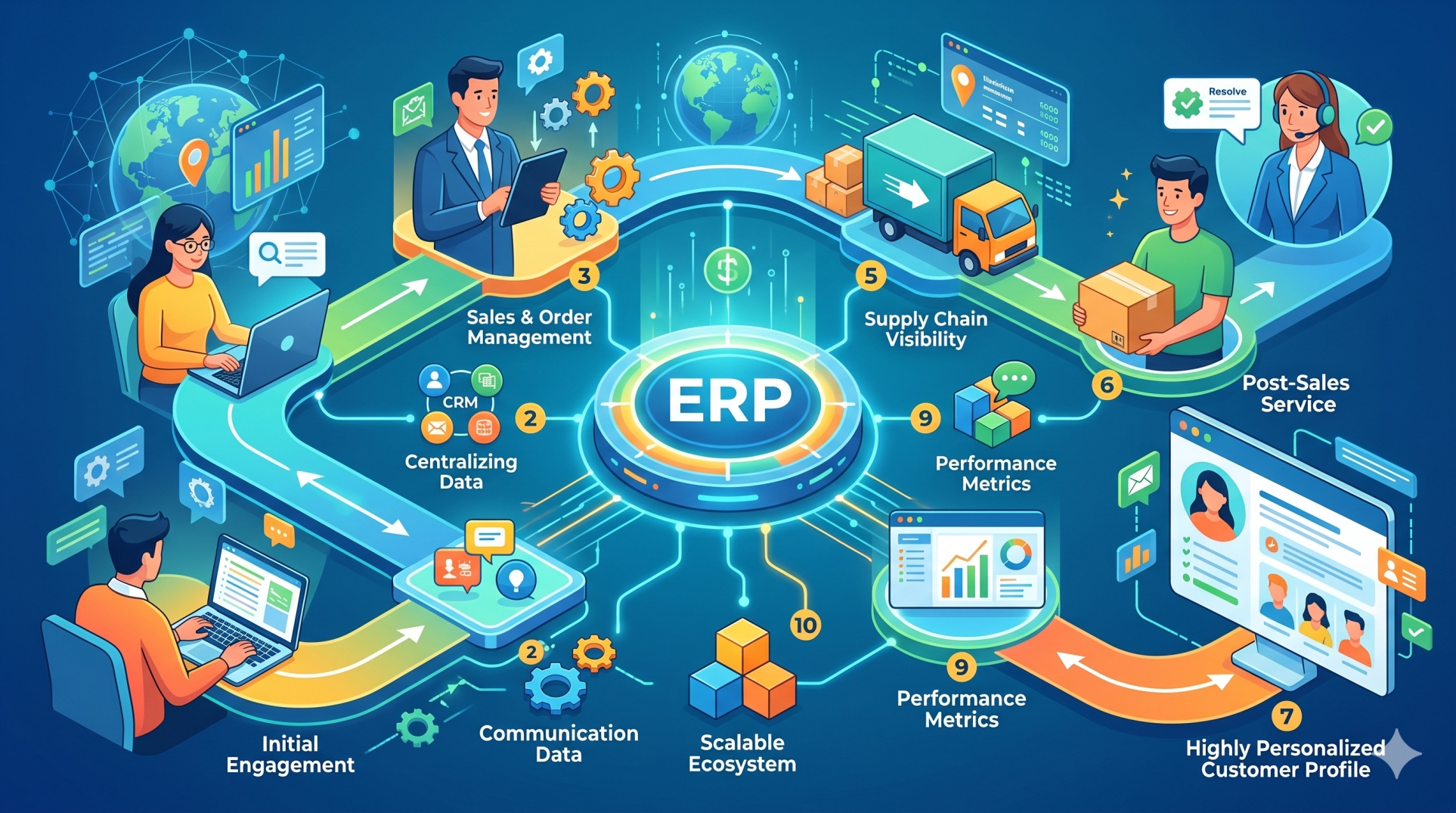
• Enable scalability for growing data and decision complexity 📦
• Support continuous innovation through AI and analytics 🚀
• Align decision automation with strategic business goals 📈
• Create a future-ready, intelligent enterprise platform 🧠
Conclusion
Decision automation through ERP intelligence layers represents a significant evolution in enterprise systems. By combining real-time data integration, rules-based automation, and AI-driven insights, organizations can transform their ERP platforms into intelligent decision engines. This not only improves operational efficiency but also enables faster, more accurate, and scalable decision-making, positioning businesses for success in an increasingly data-driven world.
See more blogs
You can all the articles below