Continuous ERP Improvement Strategies
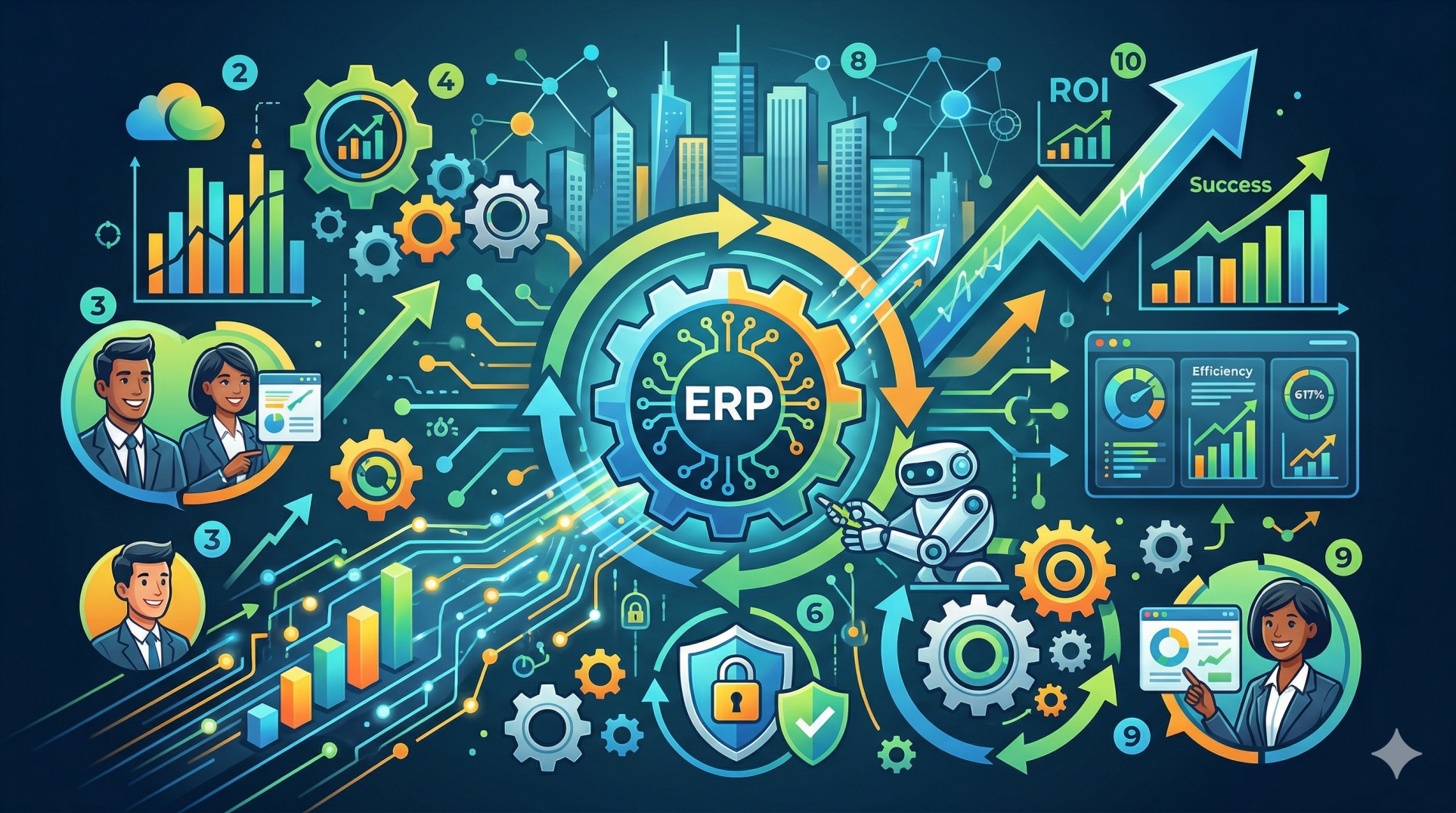
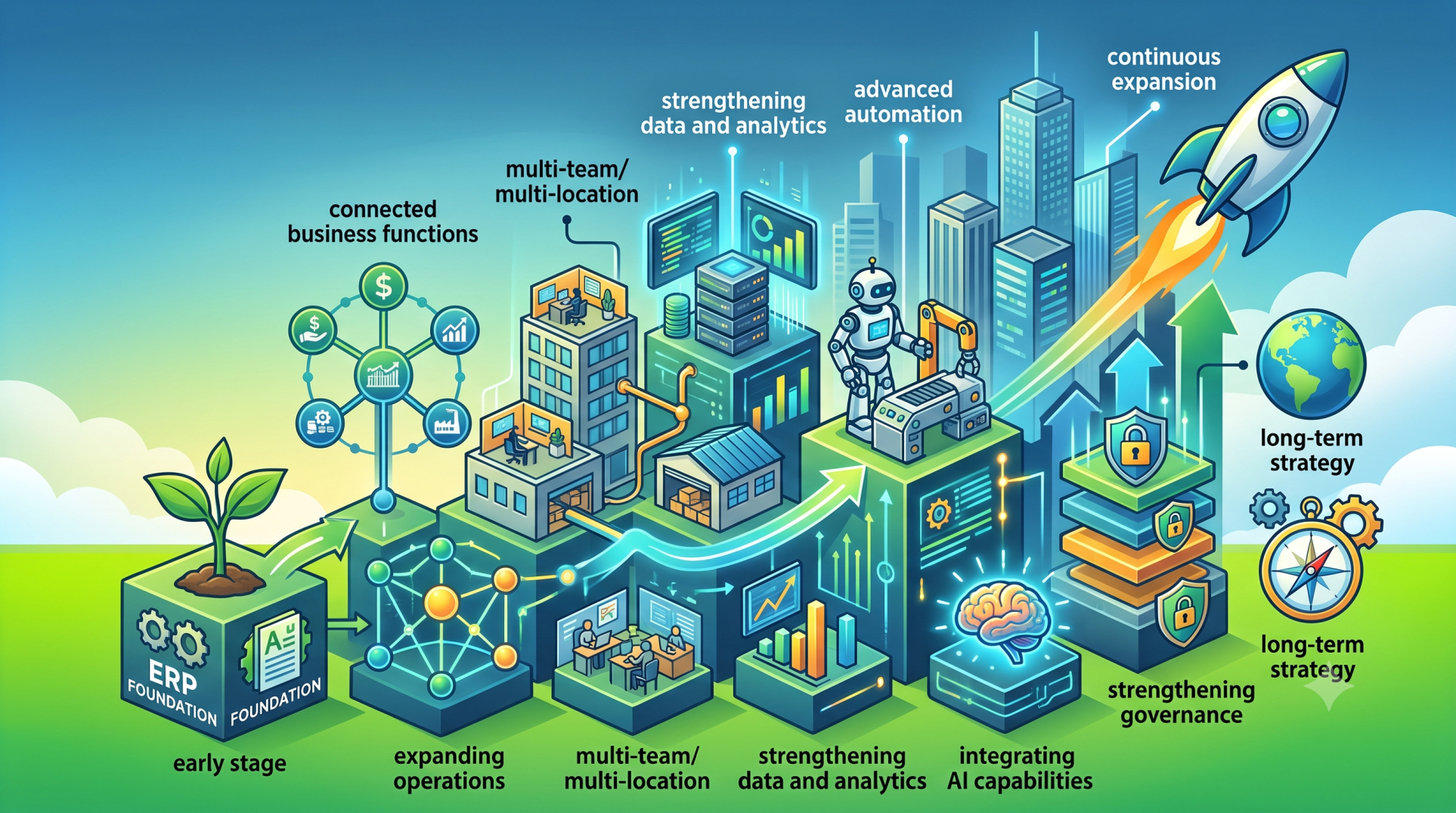
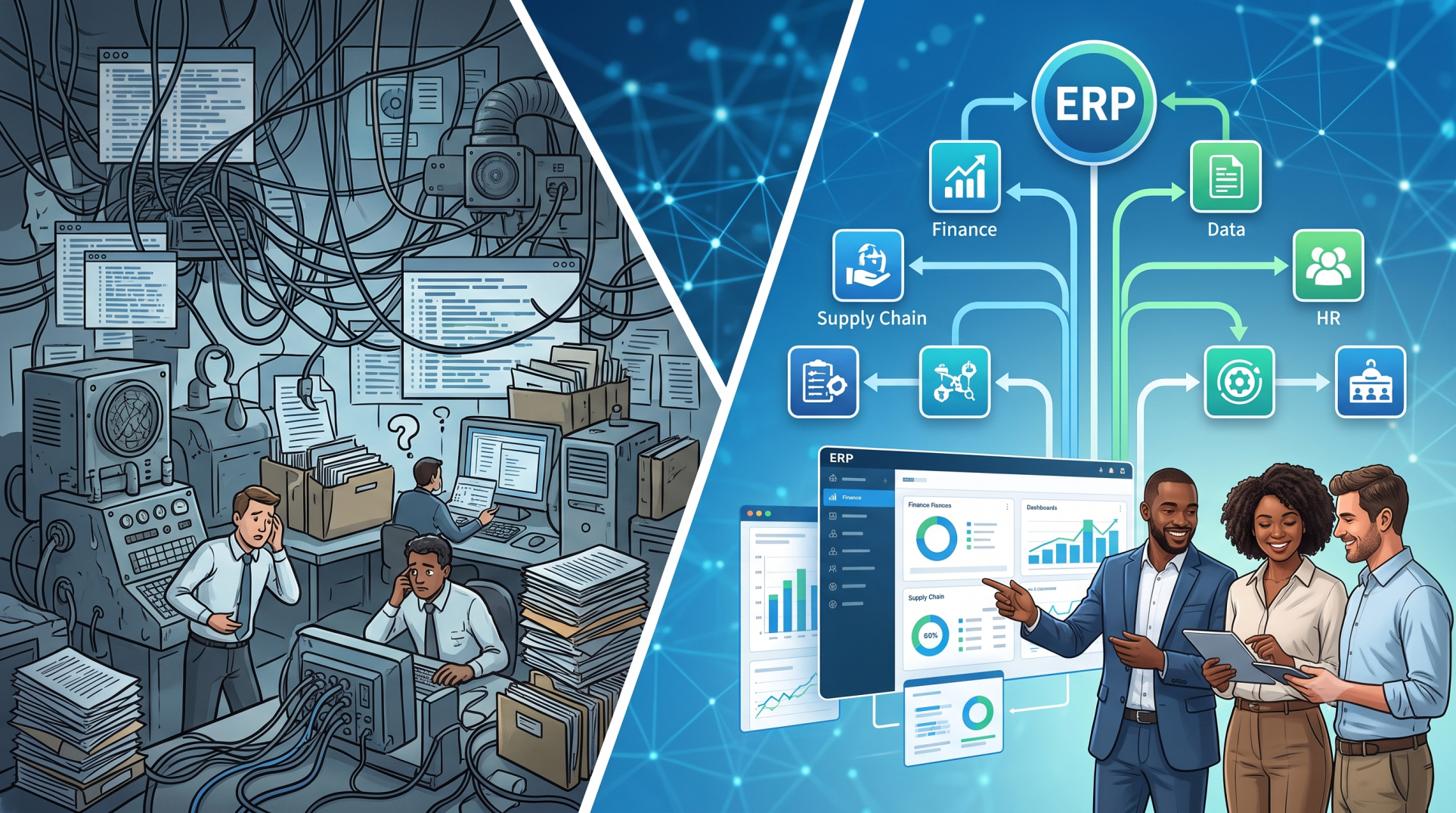
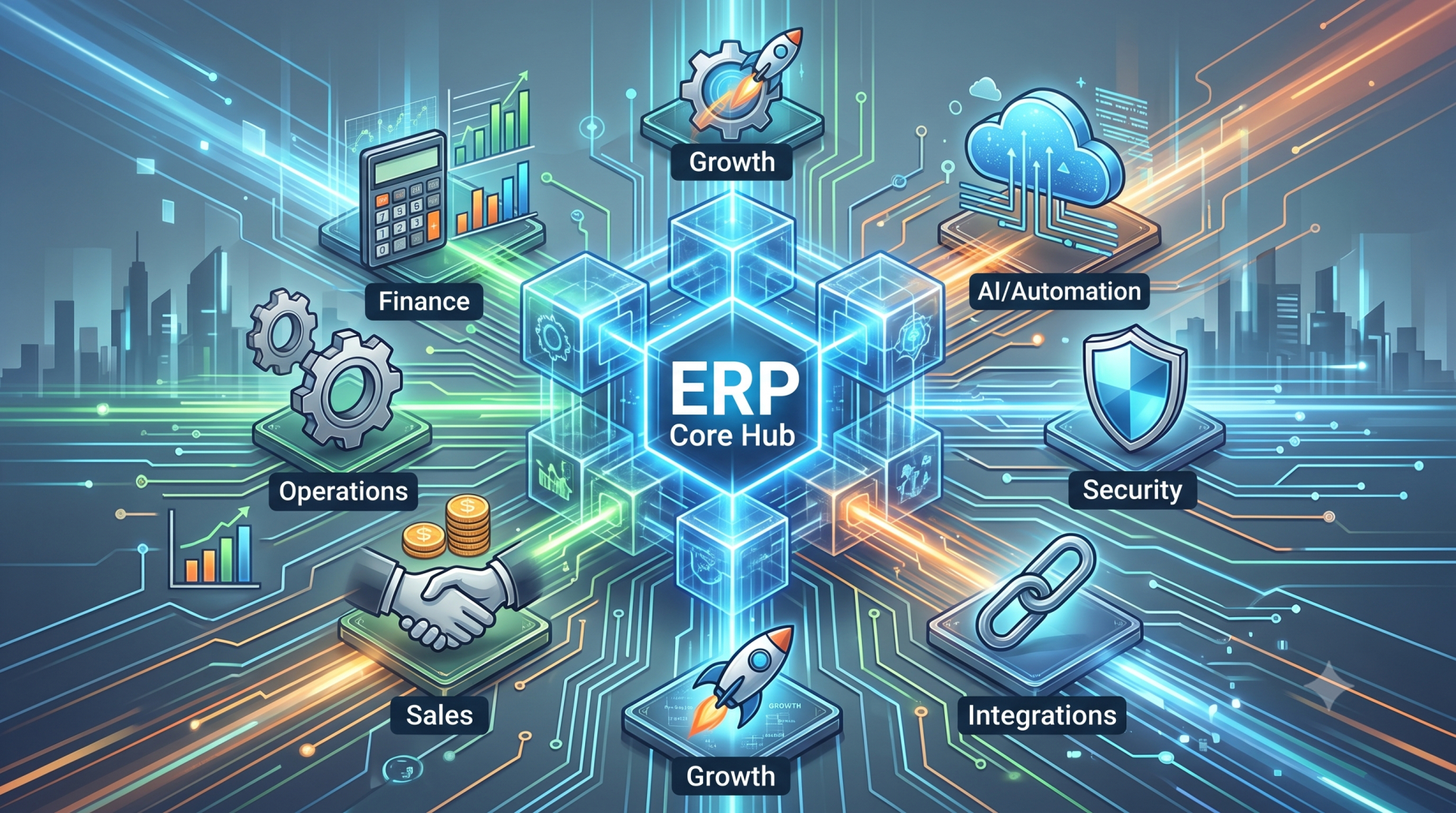
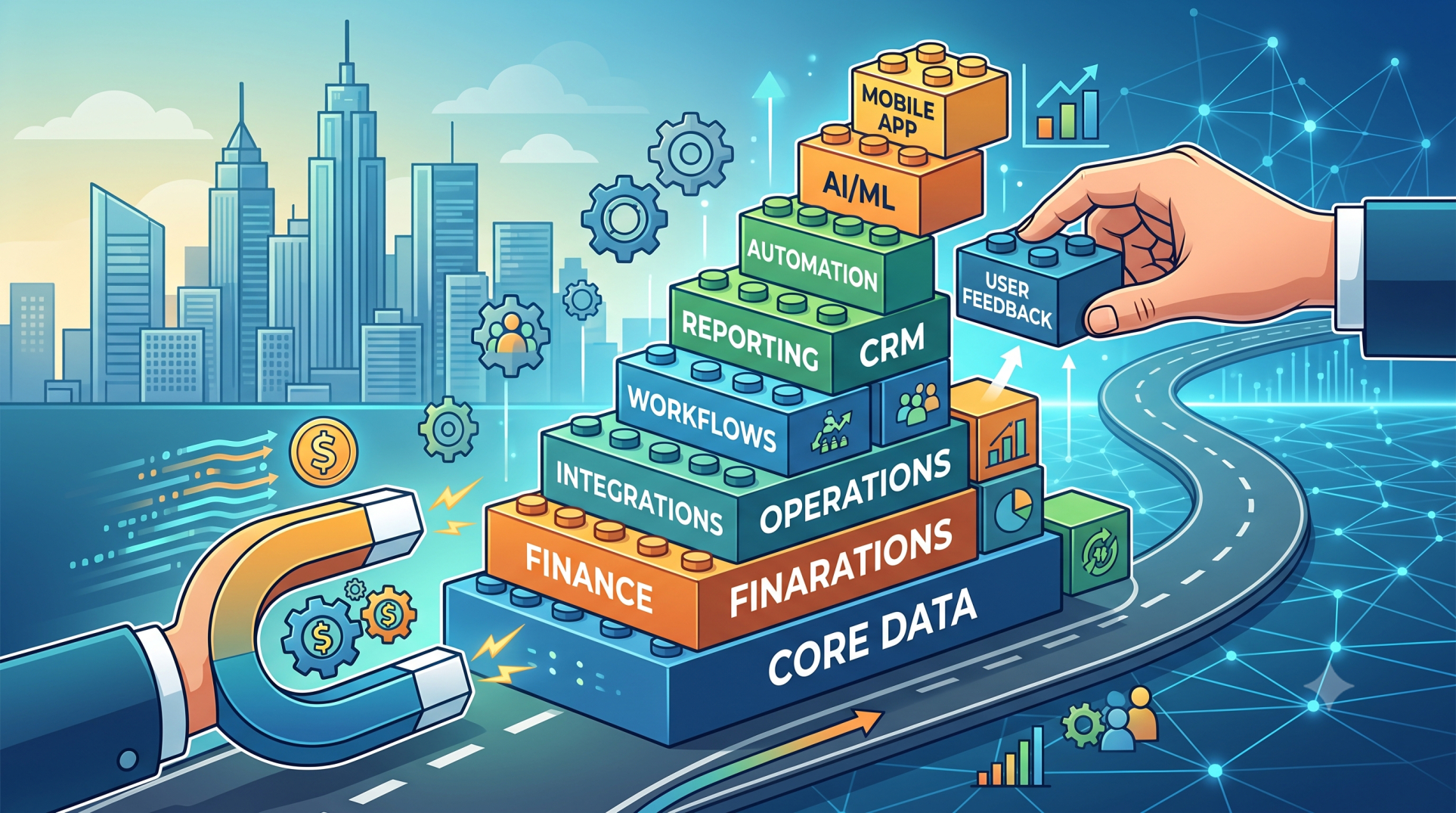
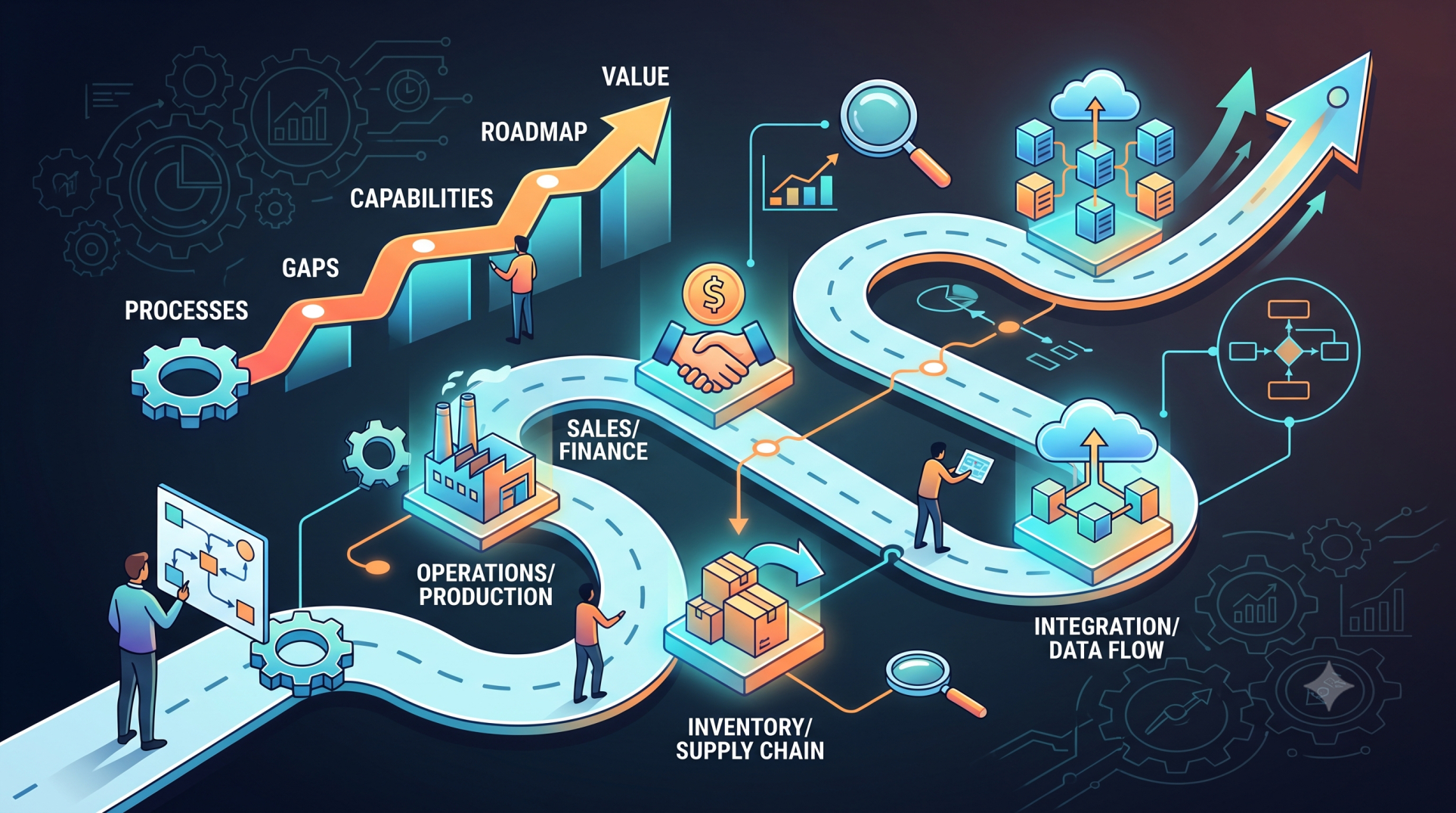
Enterprise Resource Planning (ERP) systems are not static implementations—they require continuous refinement to keep pace with evolving business needs, technologies, and market conditions. Ongoing improvement ensures that ERP platforms remain efficient, relevant, and aligned with organizational goals. A proactive approach to ERP optimization helps organizations maximize ROI, enhance user adoption, and maintain operational excellence.
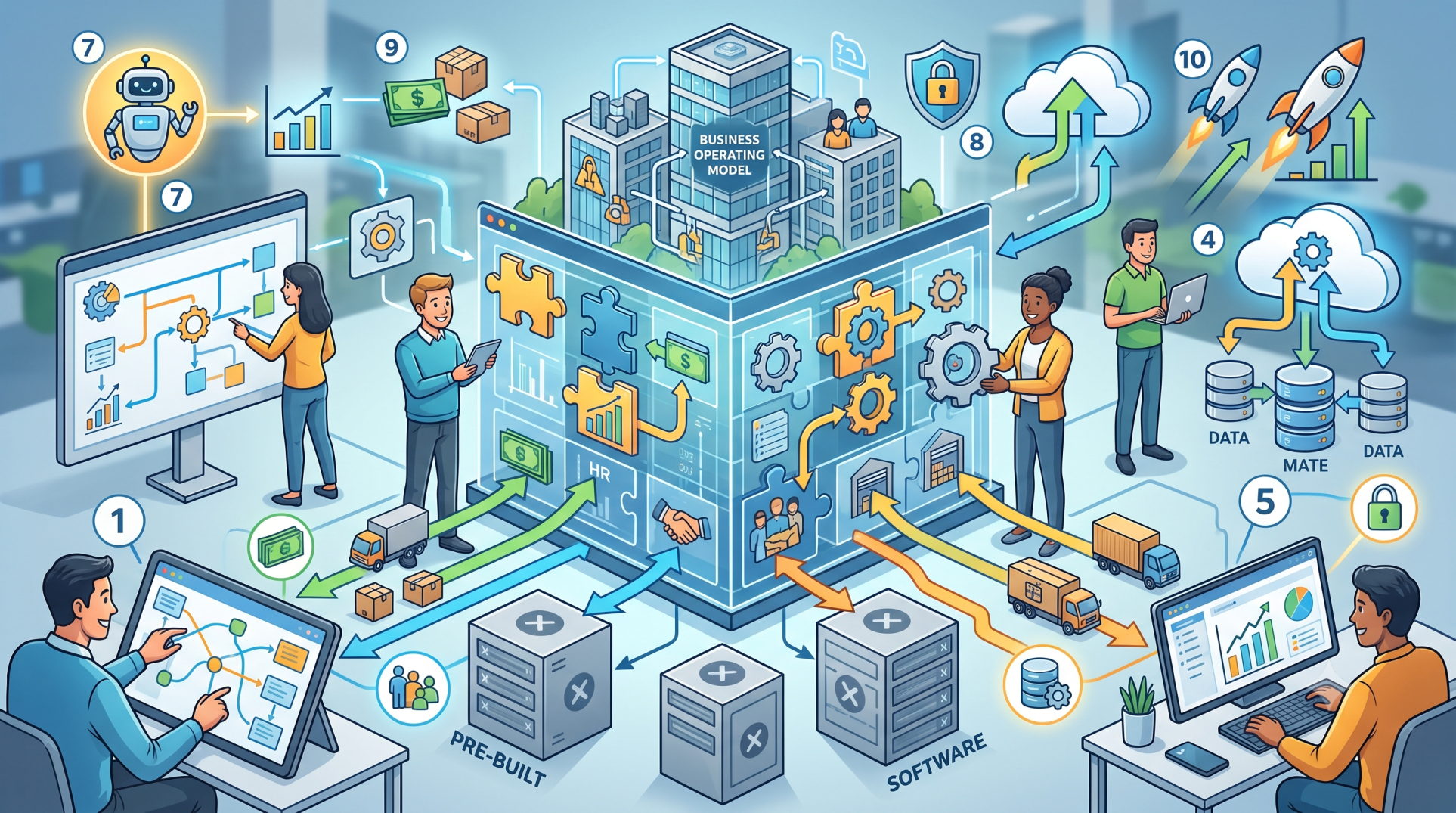
Step 1: Establishing a Continuous Improvement Framework 🔄
• Define a structured approach for ongoing ERP evaluation and enhancement 🔄
• Align improvement initiatives with business objectives and KPIs 🎯
• Create governance models to manage updates and changes 🏛️
• Encourage cross-functional collaboration for system improvements 🤝
• Build a culture of continuous optimization and innovation 💡
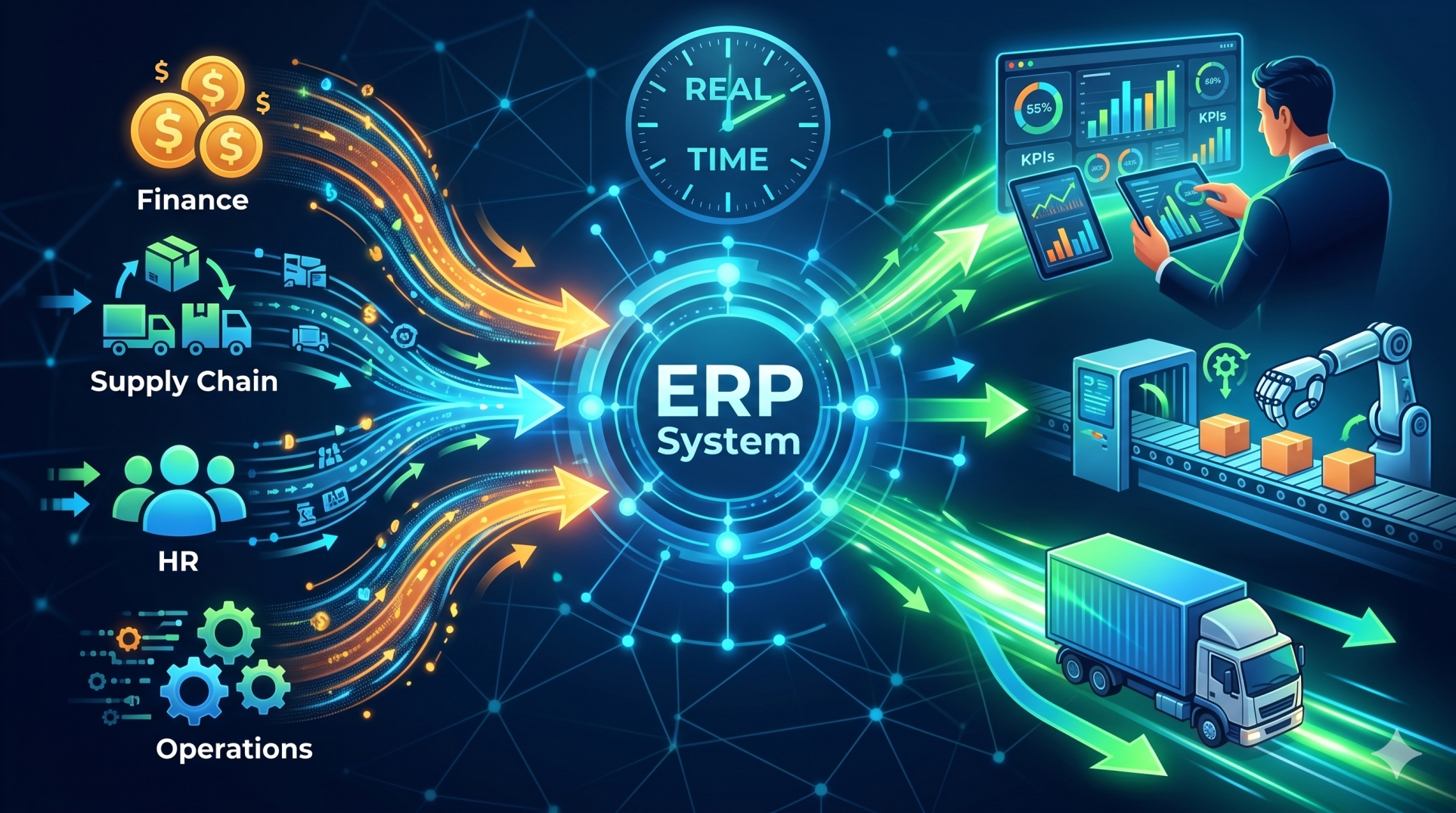
Step 2: Monitoring System Performance and Usage 📊
• Track system performance metrics such as response time and uptime ⏱️
• Analyze user activity and system utilization patterns 📈
• Identify underused features and optimization opportunities 🔍
• Monitor transaction volumes and processing efficiency 📦
• Use insights to guide performance improvements 📊
Step 3: Leveraging User Feedback 👥
• Collect feedback from end-users across departments 🗣️
• Identify pain points and usability challenges ⚠️
• Prioritize enhancements based on user impact 📌
• Improve workflows to match real operational needs 🛠️
• Foster user engagement in the improvement process 🤝
Step 4: Optimizing Business Processes ⚙️
• Continuously review and refine ERP-driven workflows 🔄
• Eliminate inefficiencies and redundant steps 🚫
• Align processes with evolving business strategies 📈
• Standardize best practices across departments 📘
• Ensure processes remain scalable and adaptable ⚖️
Step 5: Keeping the System Updated 🔧
• Apply regular software updates and patches 🔄
• Upgrade modules to access new features and capabilities 🧩
• Ensure compatibility with evolving technologies 🌐
• Reduce technical debt through proactive maintenance 🛠️
• Maintain system stability and security 🛡️
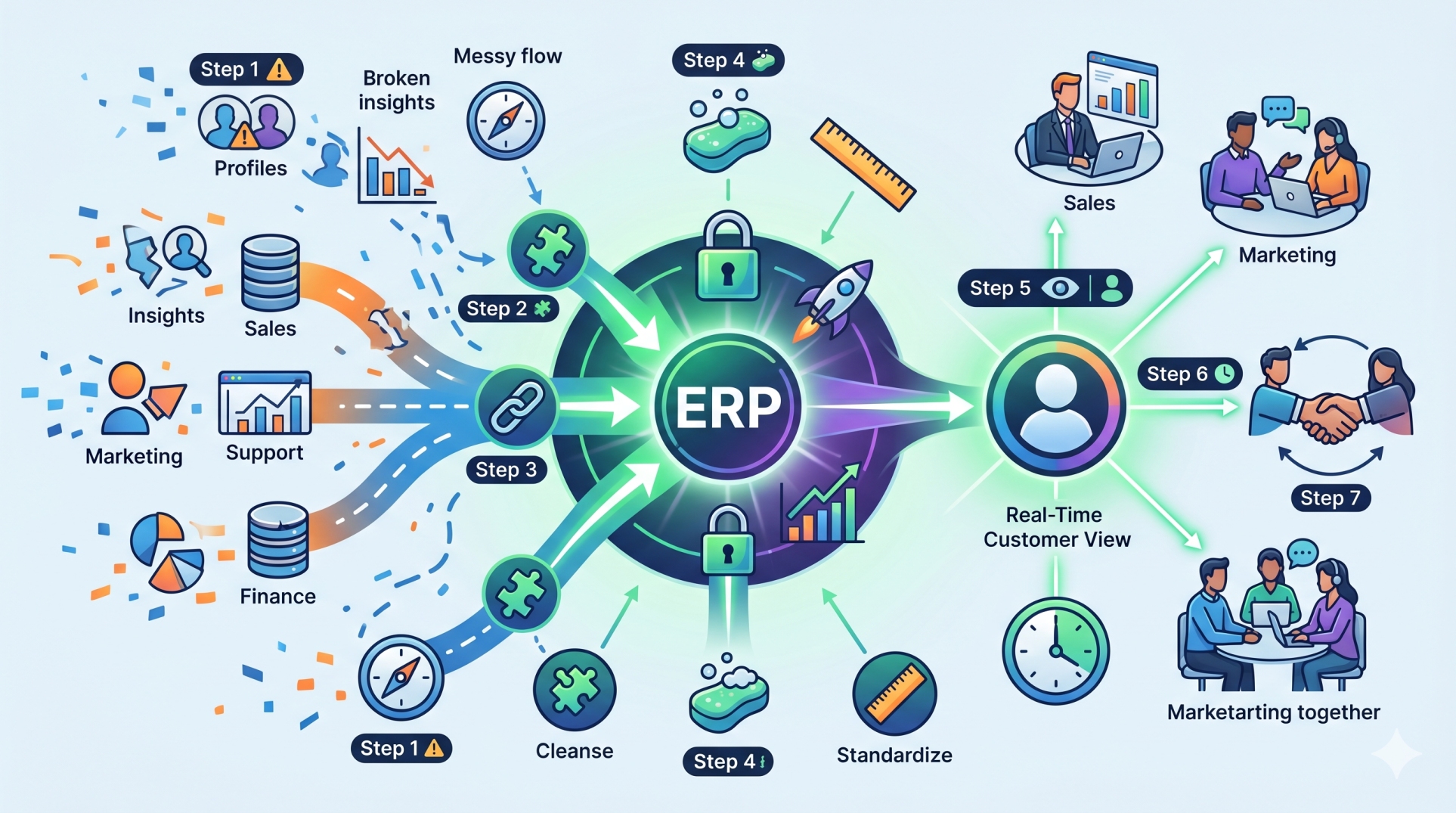
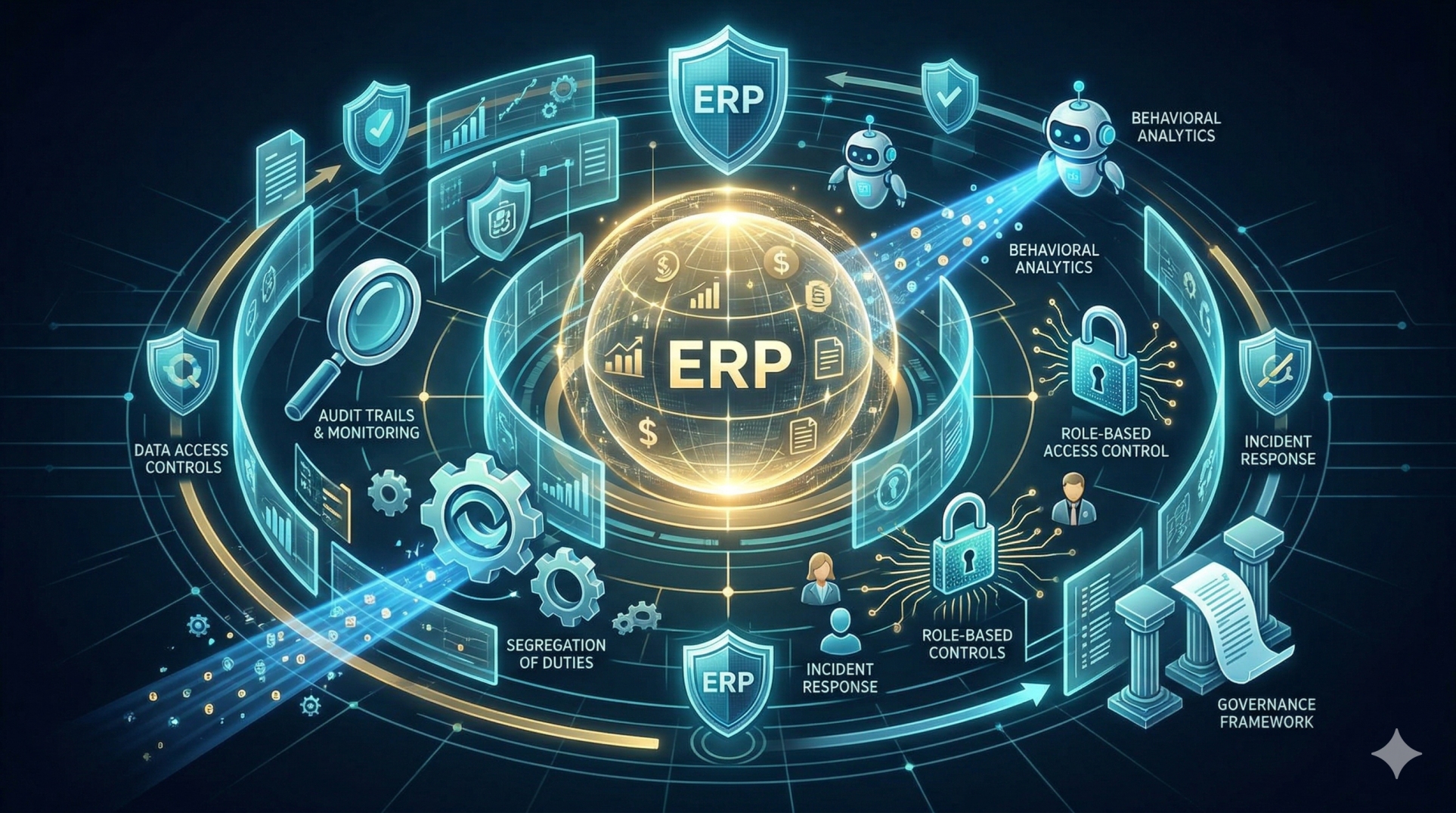
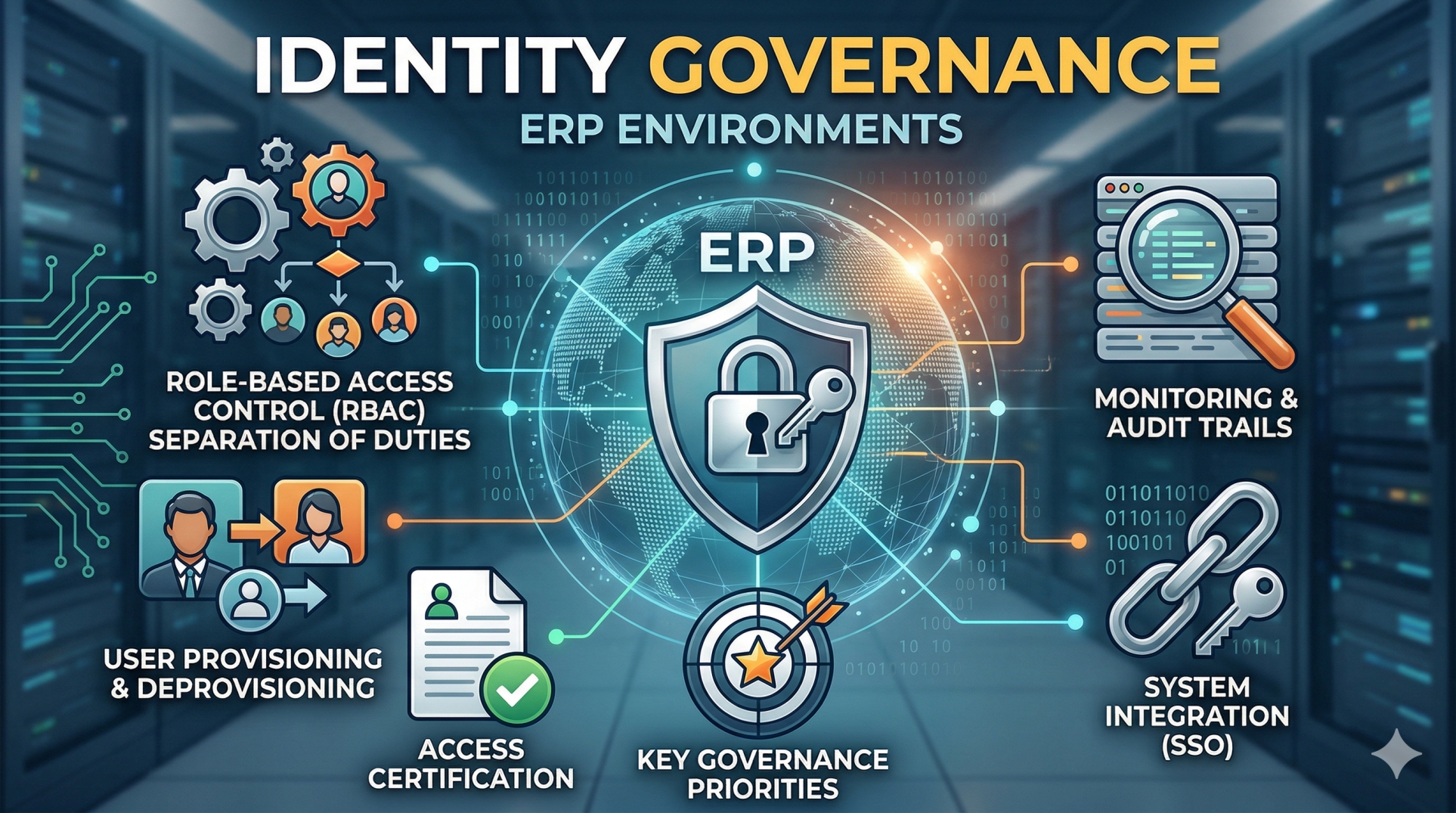
Step 6: Enhancing Data Quality and Governance 🔐
• Implement strong data governance policies 🔐
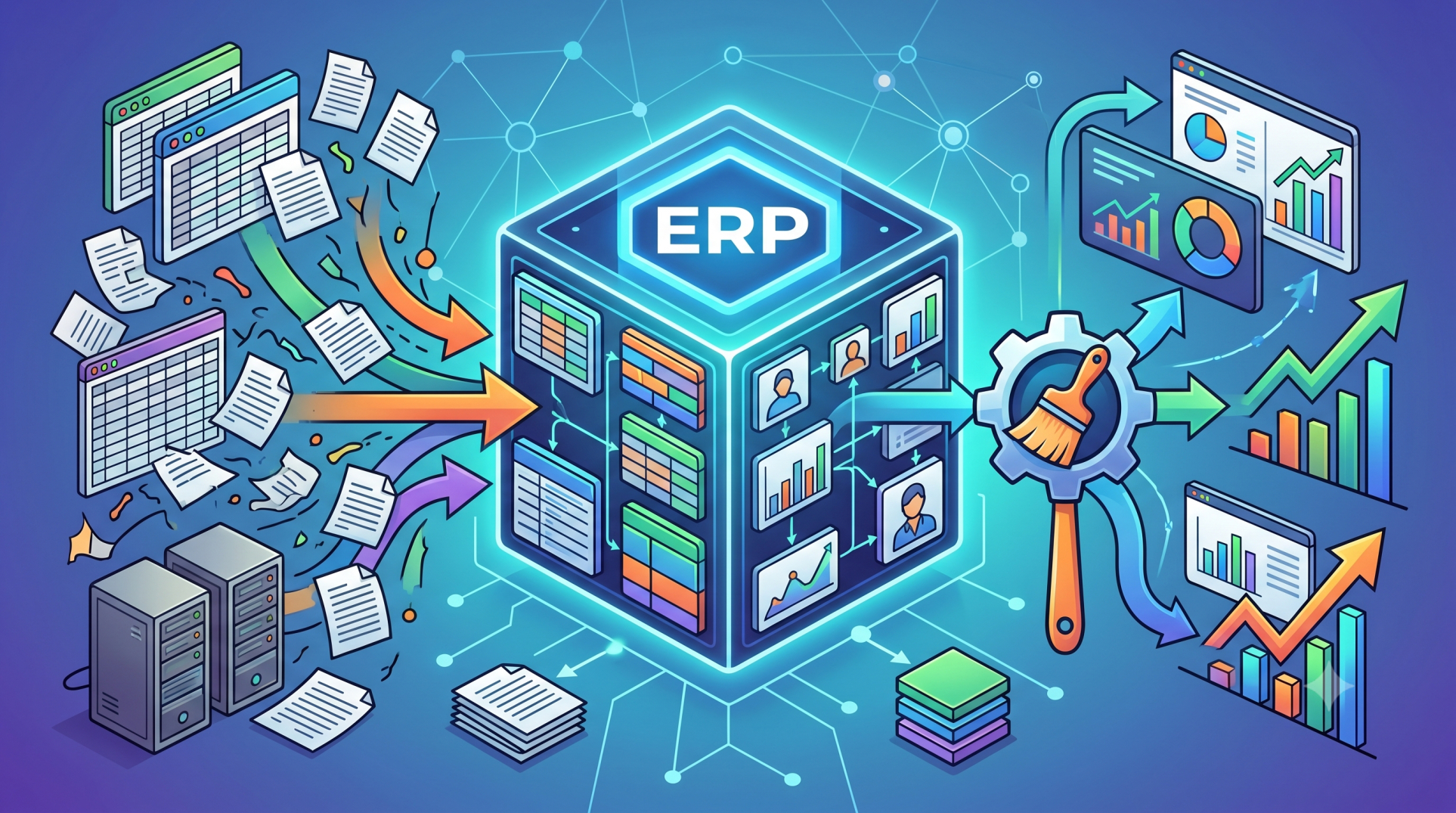
• Regularly clean and validate system data 🧹
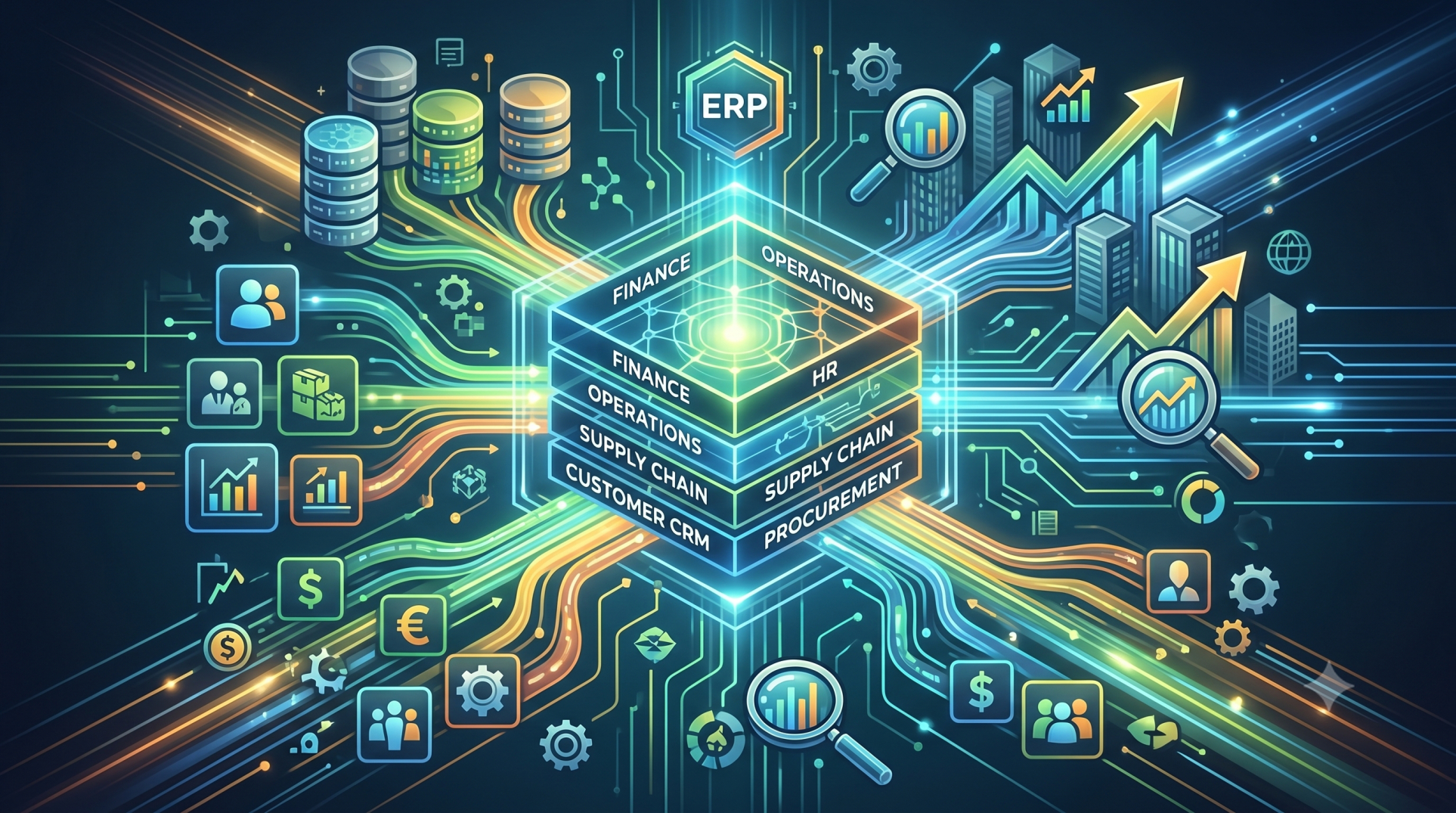
• Ensure consistency across all ERP modules 📊
• Define clear data ownership and accountability 👤
• Improve decision-making through accurate data insights 📈
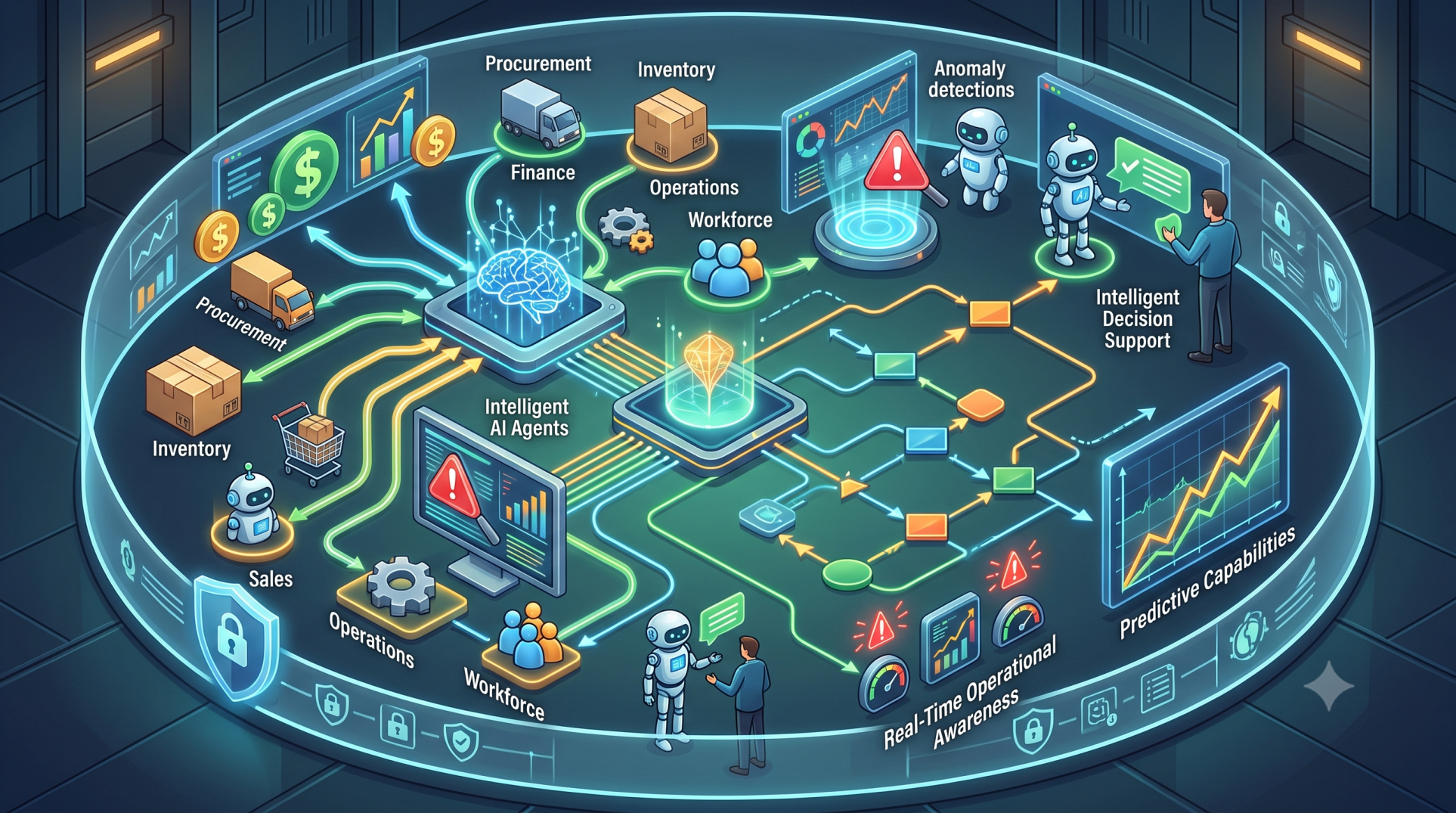
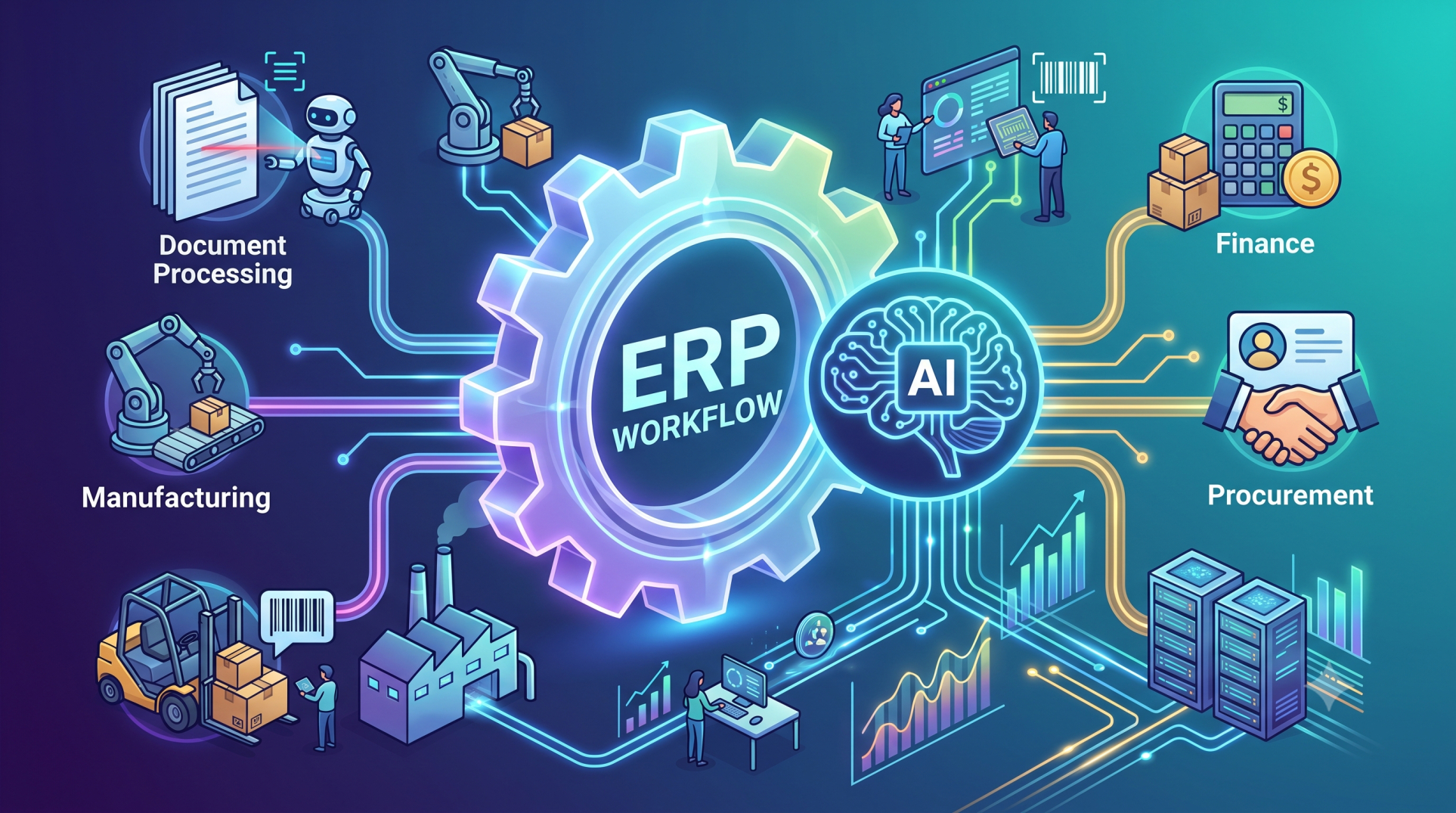
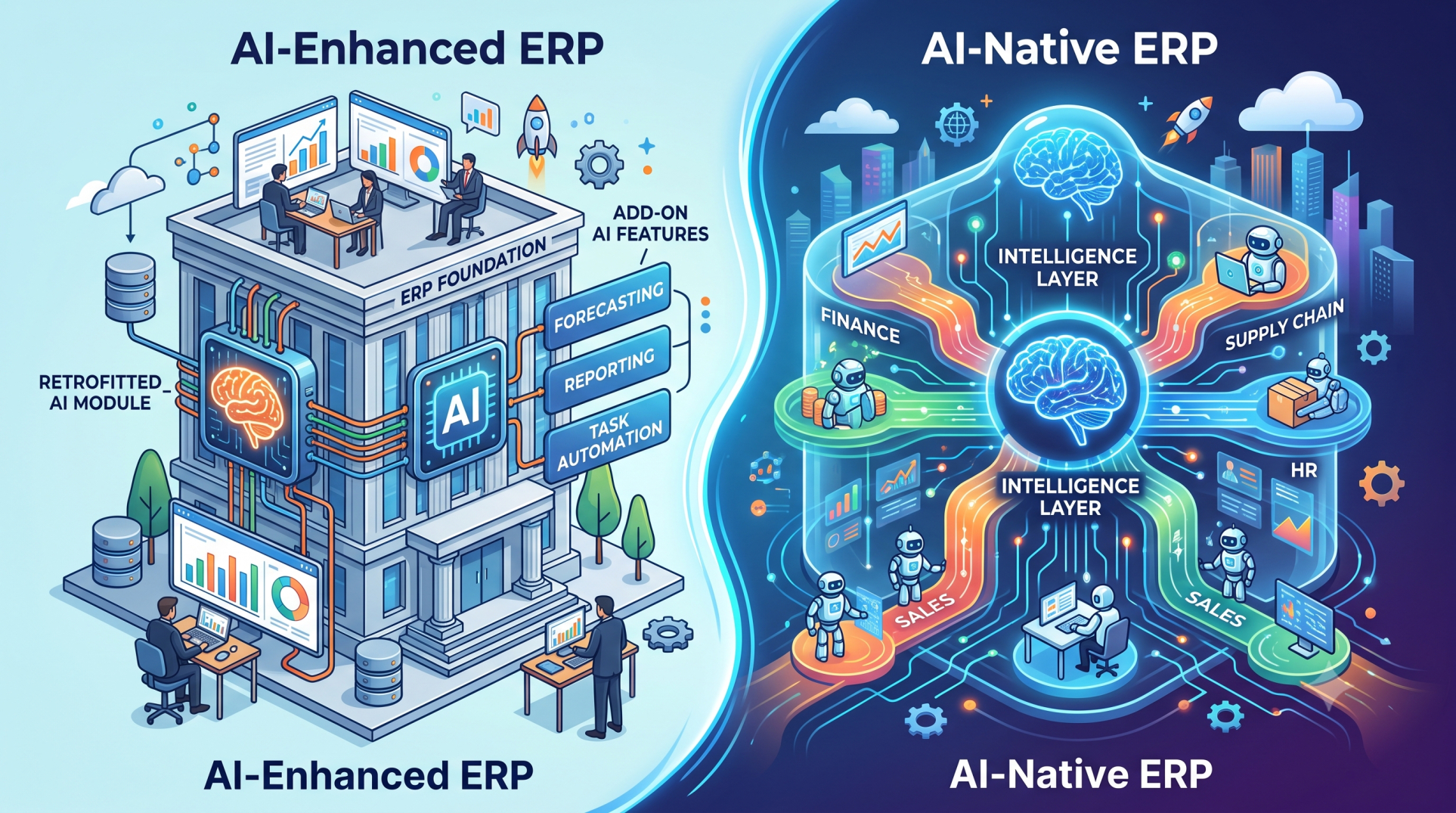
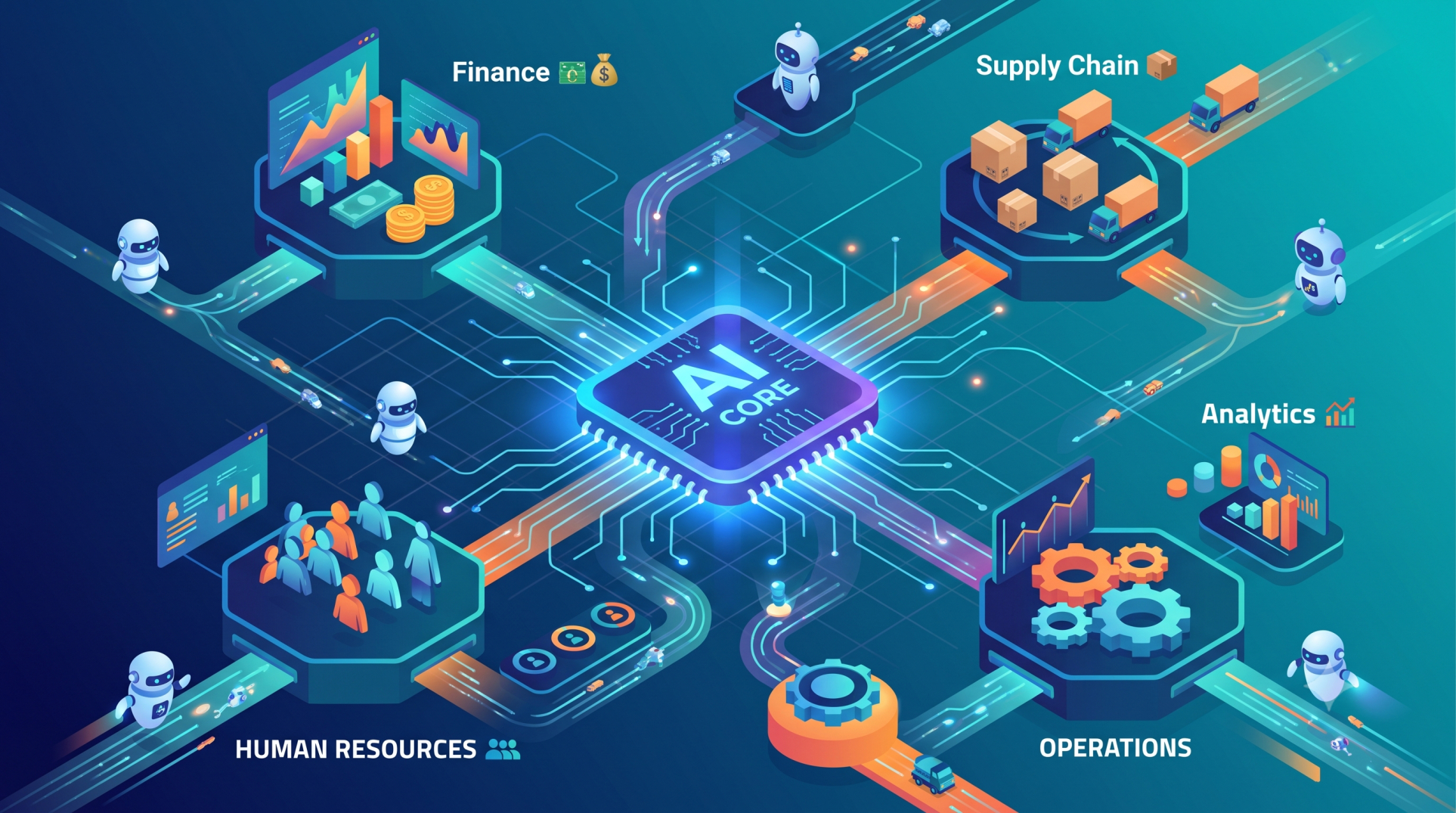
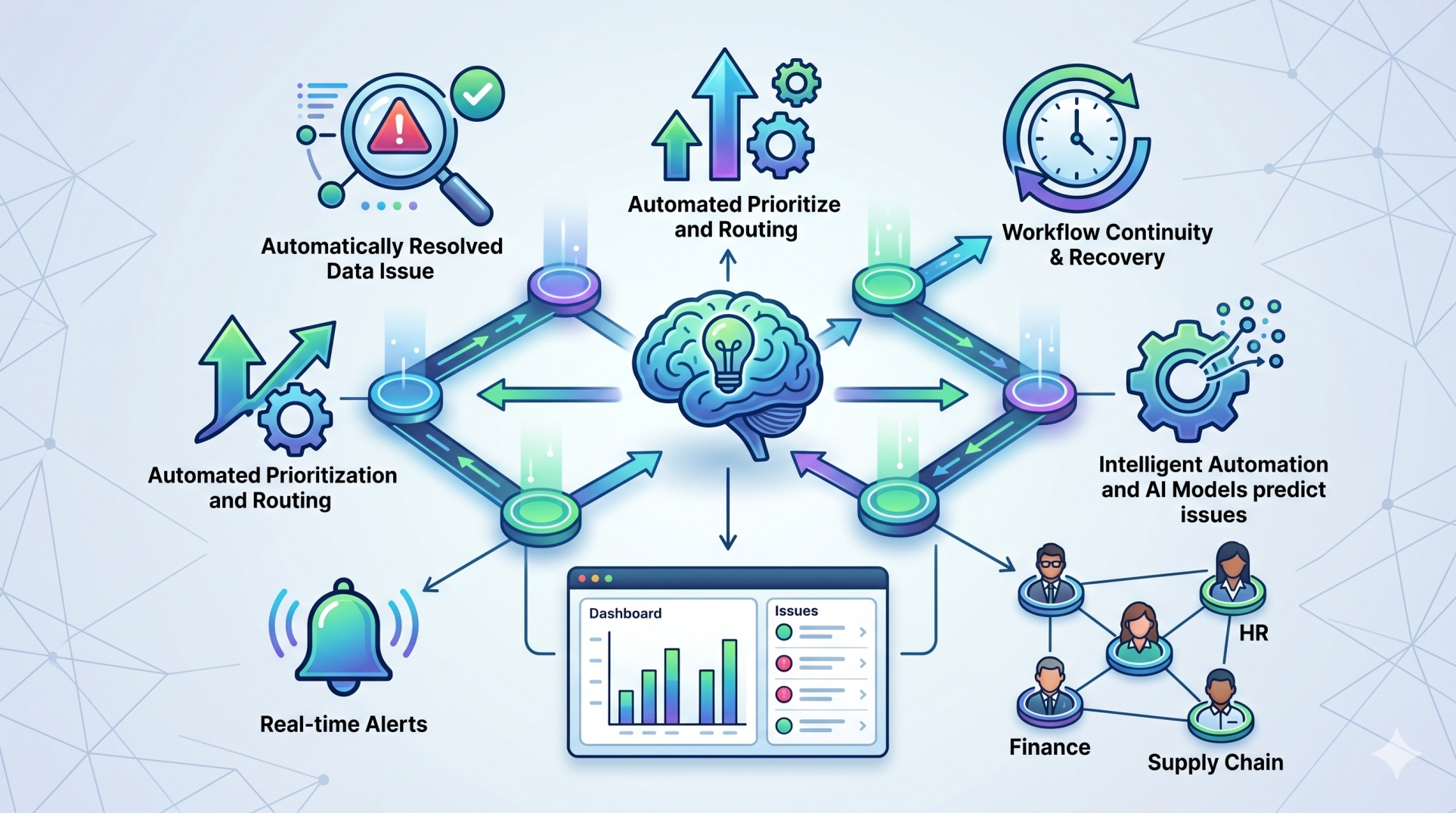
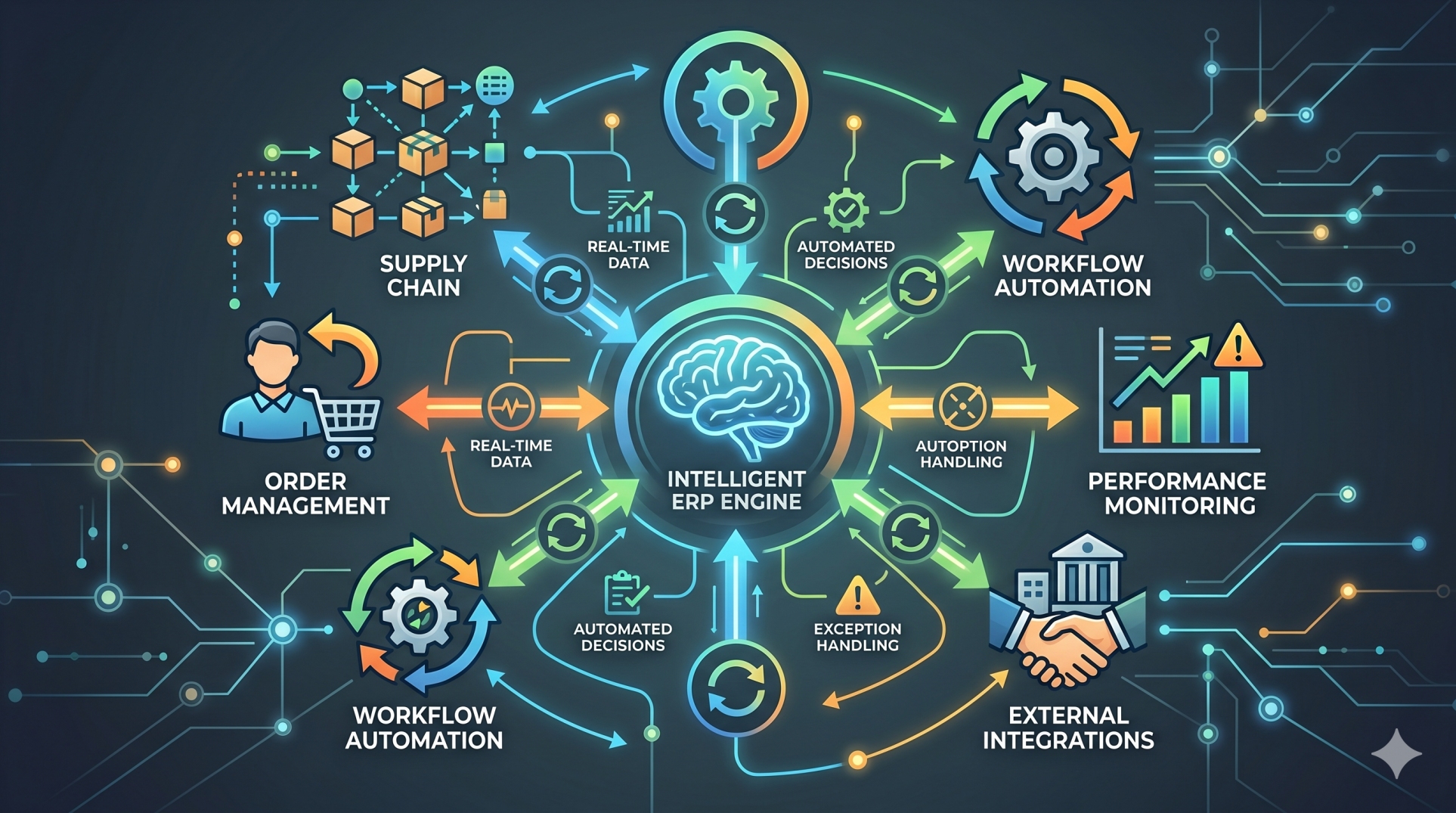
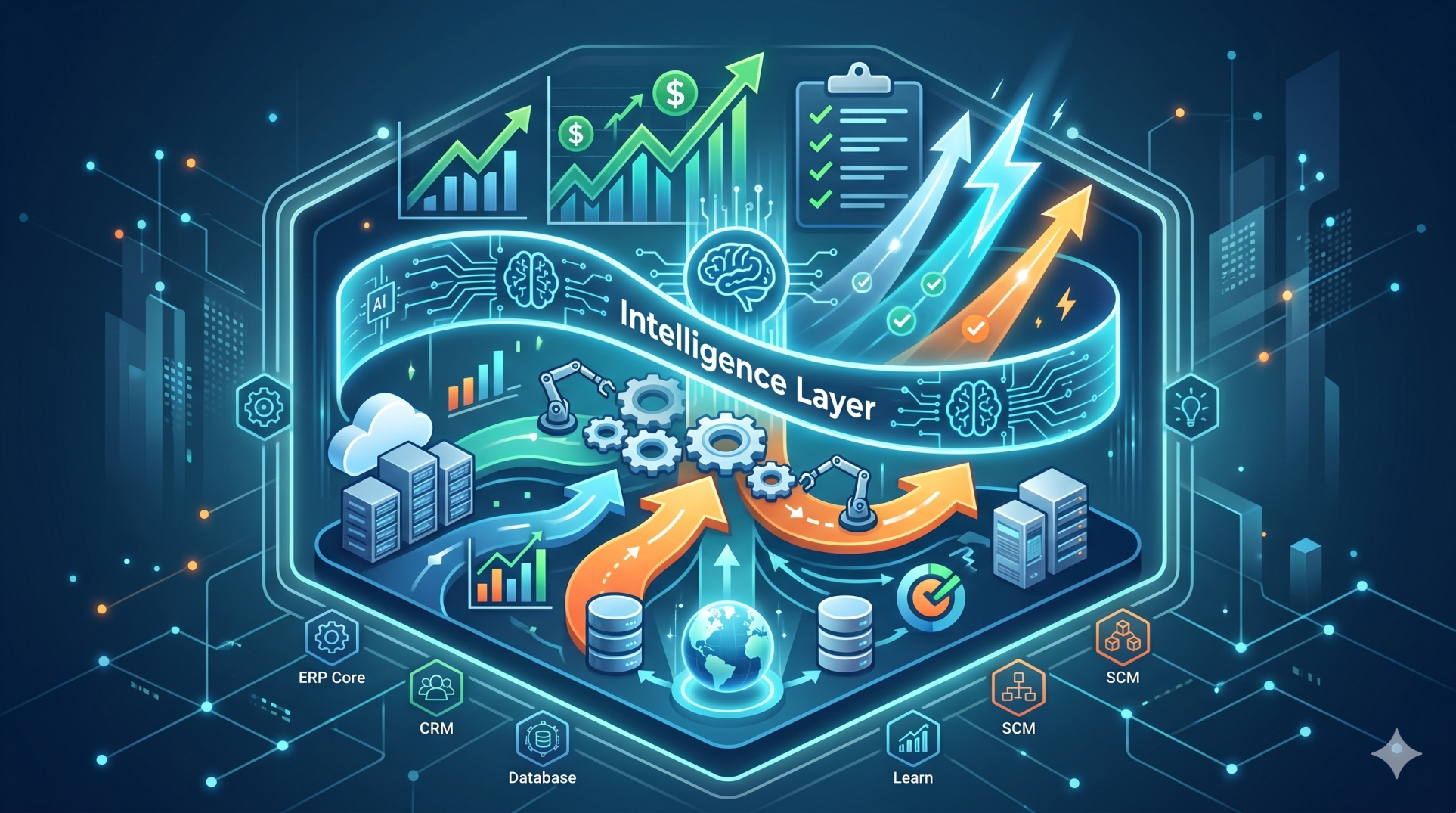
Step 7: Expanding Automation and Intelligence 🤖
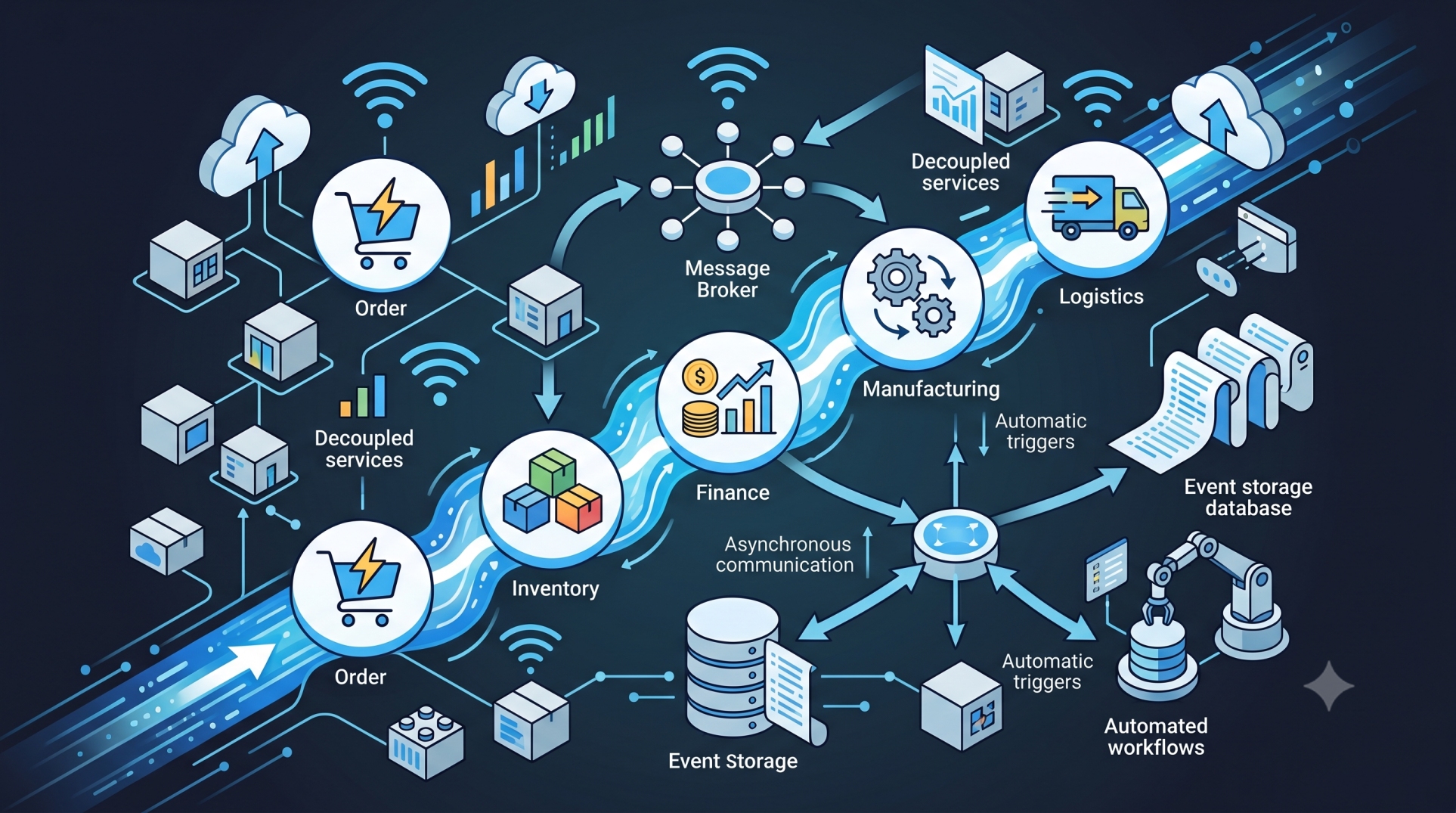
• Introduce automation to reduce manual tasks 🤖
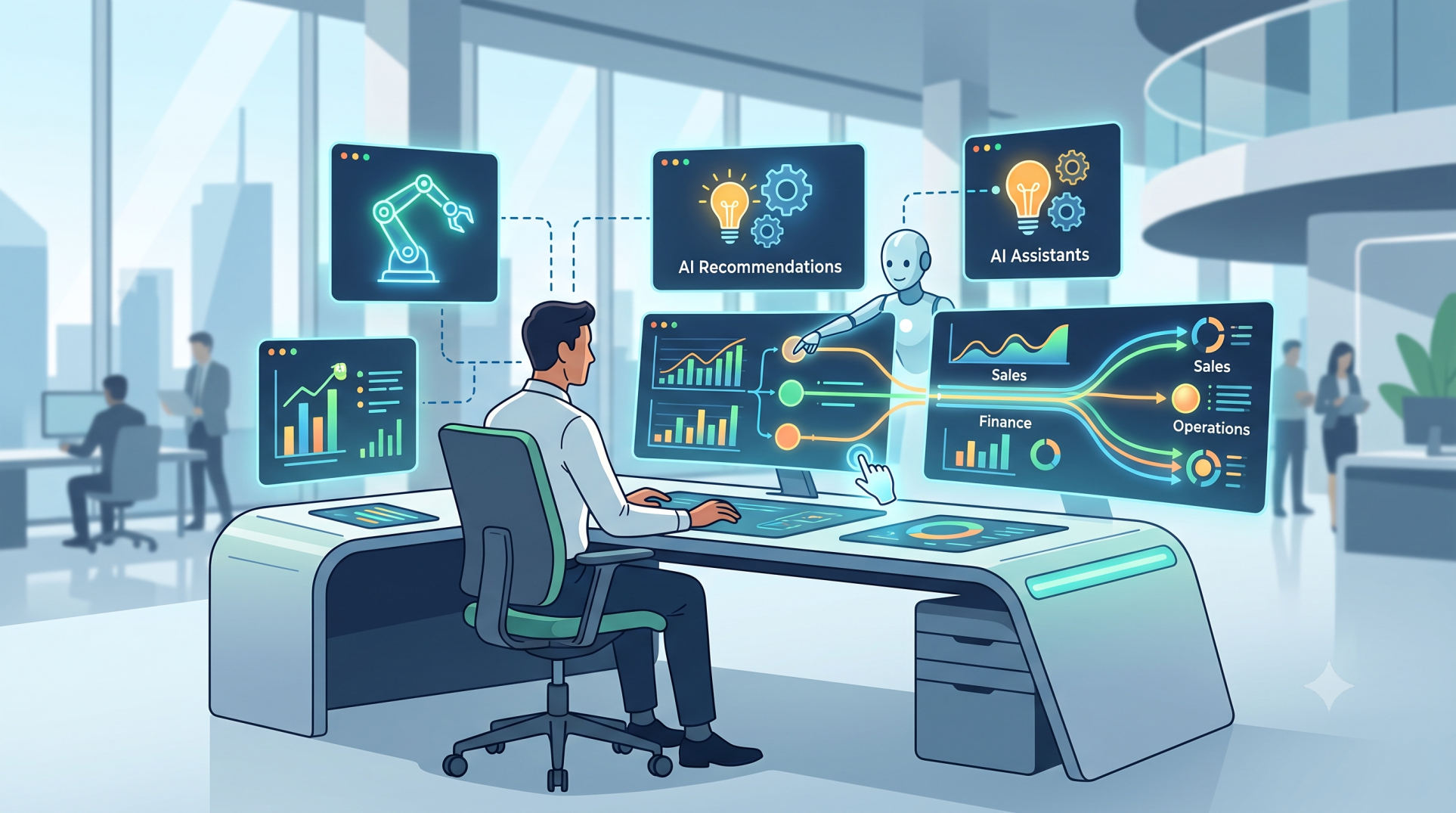
• Leverage AI and analytics for predictive insights 📊
• Streamline repetitive processes for efficiency ⚡
• Enhance decision-making with real-time intelligence 🧠
• Continuously explore new automation opportunities 🚀
Step 8: Key Improvement Priorities 📊
• Ongoing performance optimization and system reliability ⚙️
• High user adoption and satisfaction levels 👥
• Strong data accuracy and governance 🔐
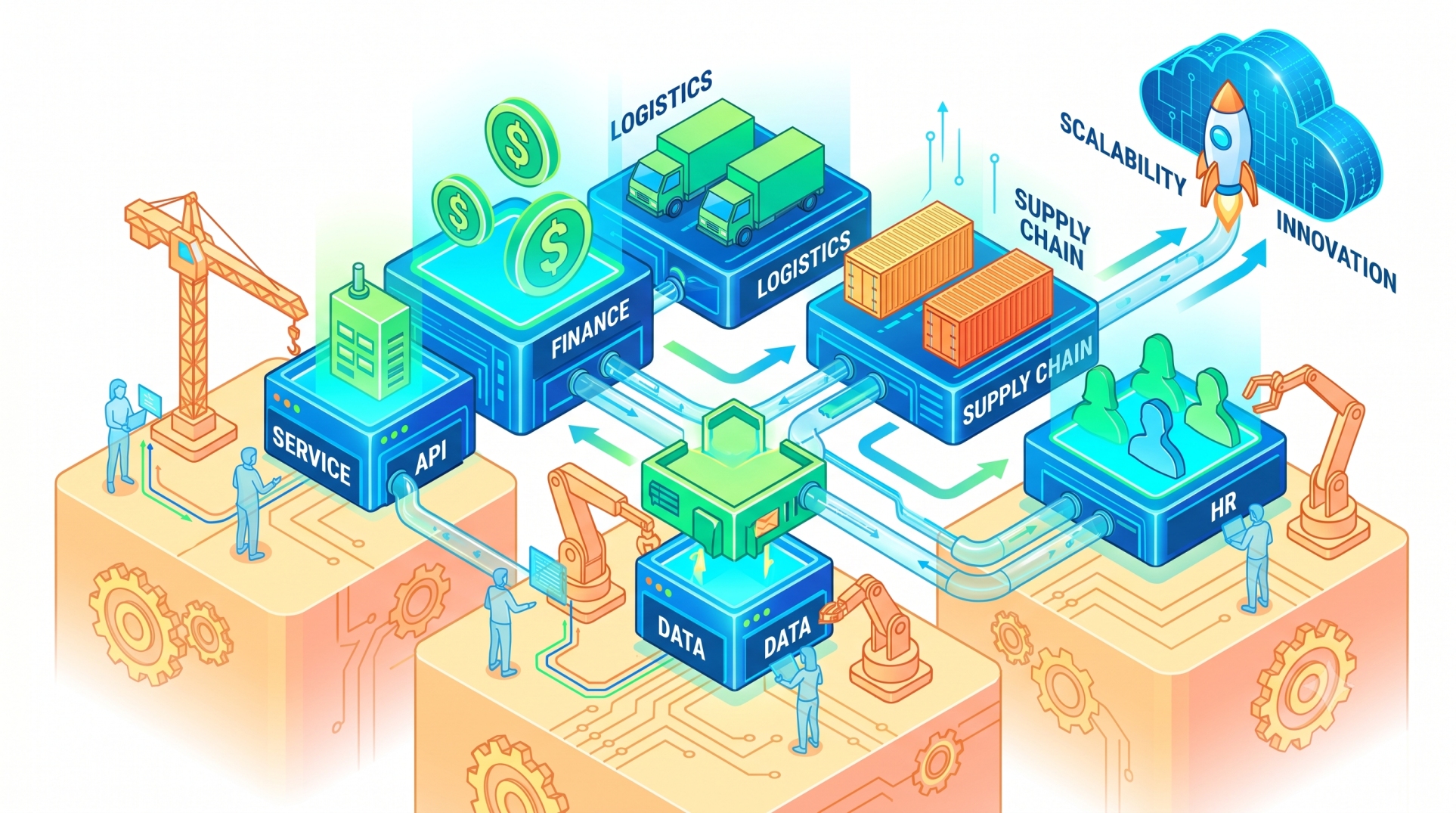
• Scalable architecture to support growth 🚀
Step 9: Training and Skill Development 🎓
• Provide continuous training for ERP users 🎓
• Update teams on new features and functionalities 🆕
• Develop internal expertise and system ownership 👨💻
• Encourage knowledge sharing across departments 🤝
• Improve productivity through better system understanding 📈
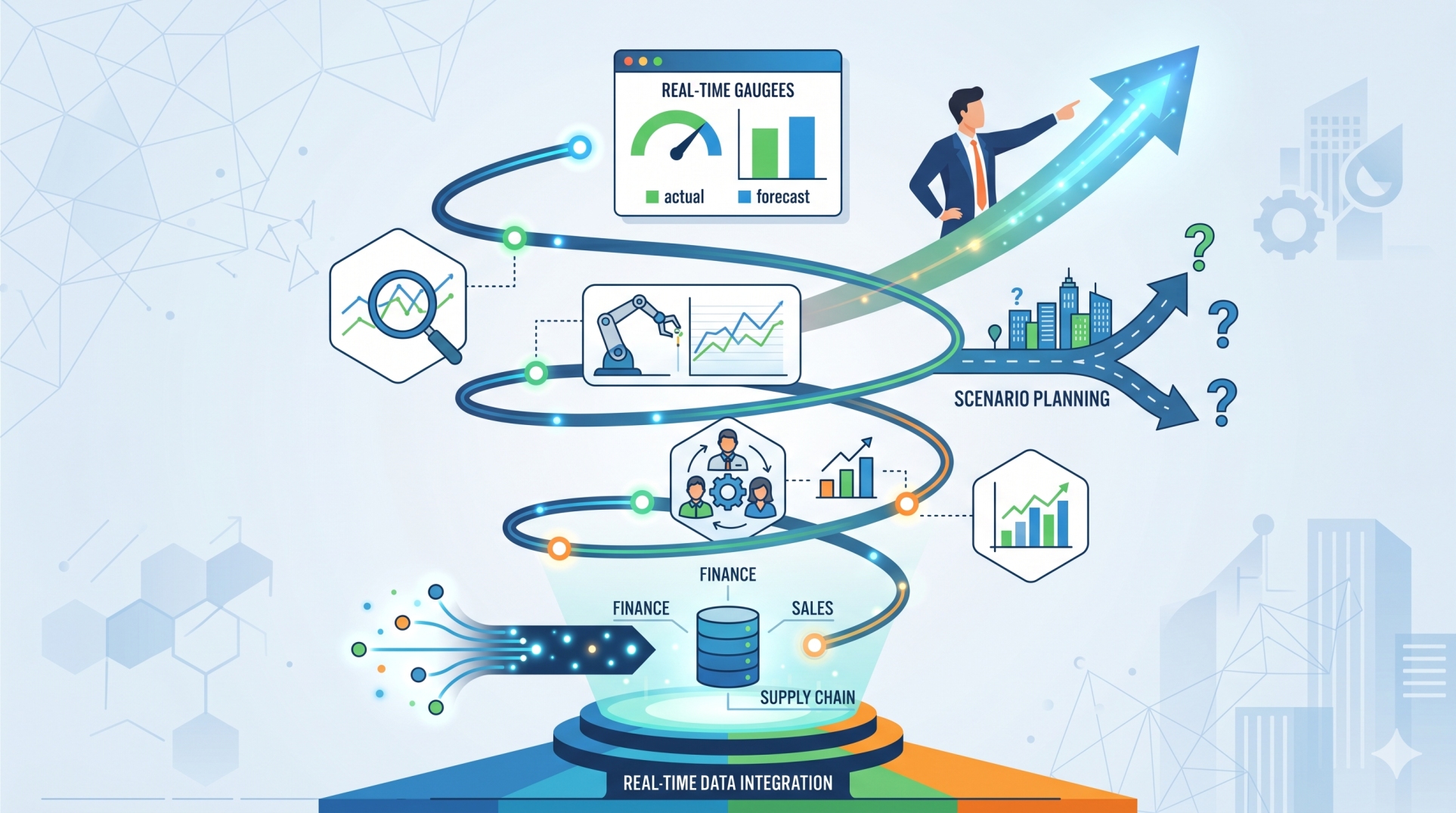
Step 10: Measuring and Refining Outcomes 📈
• Track the impact of improvements on business performance 📊
• Measure ROI from ERP optimization initiatives 💰
• Adjust strategies based on performance insights 🔄
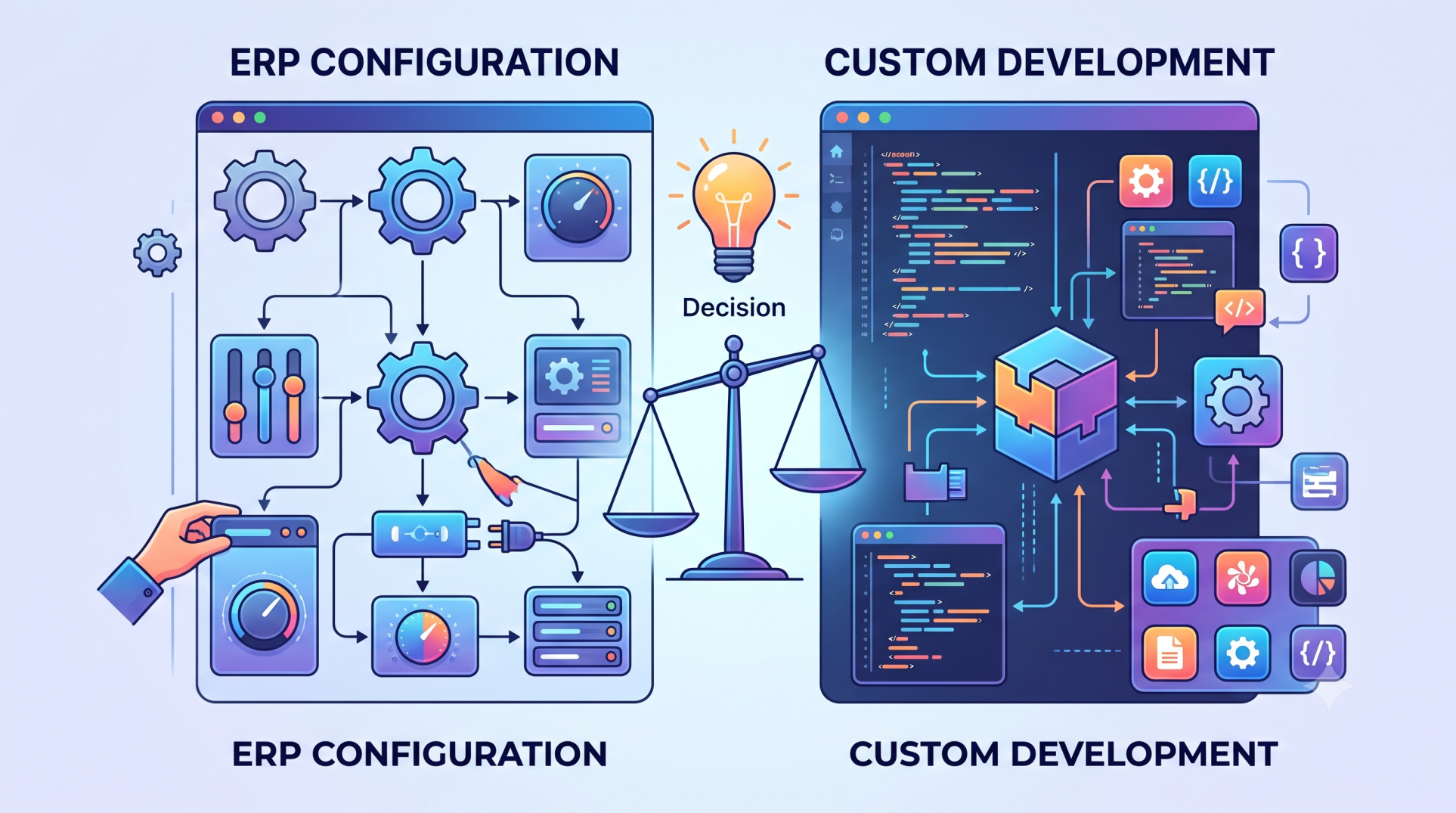
• Continuously refine processes and system configurations 🛠️
• Maintain alignment with long-term business goals 🎯
Conclusion
Continuous ERP improvement is essential for maintaining system relevance and maximizing business value. By regularly evaluating performance, incorporating user feedback, and adopting new technologies, organizations can ensure their ERP systems evolve alongside their operations. A commitment to ongoing optimization not only enhances efficiency but also strengthens the foundation for sustained growth and innovation.
See more blogs
You can all the articles below