Composable ERP: The Future of Enterprise Flexibility
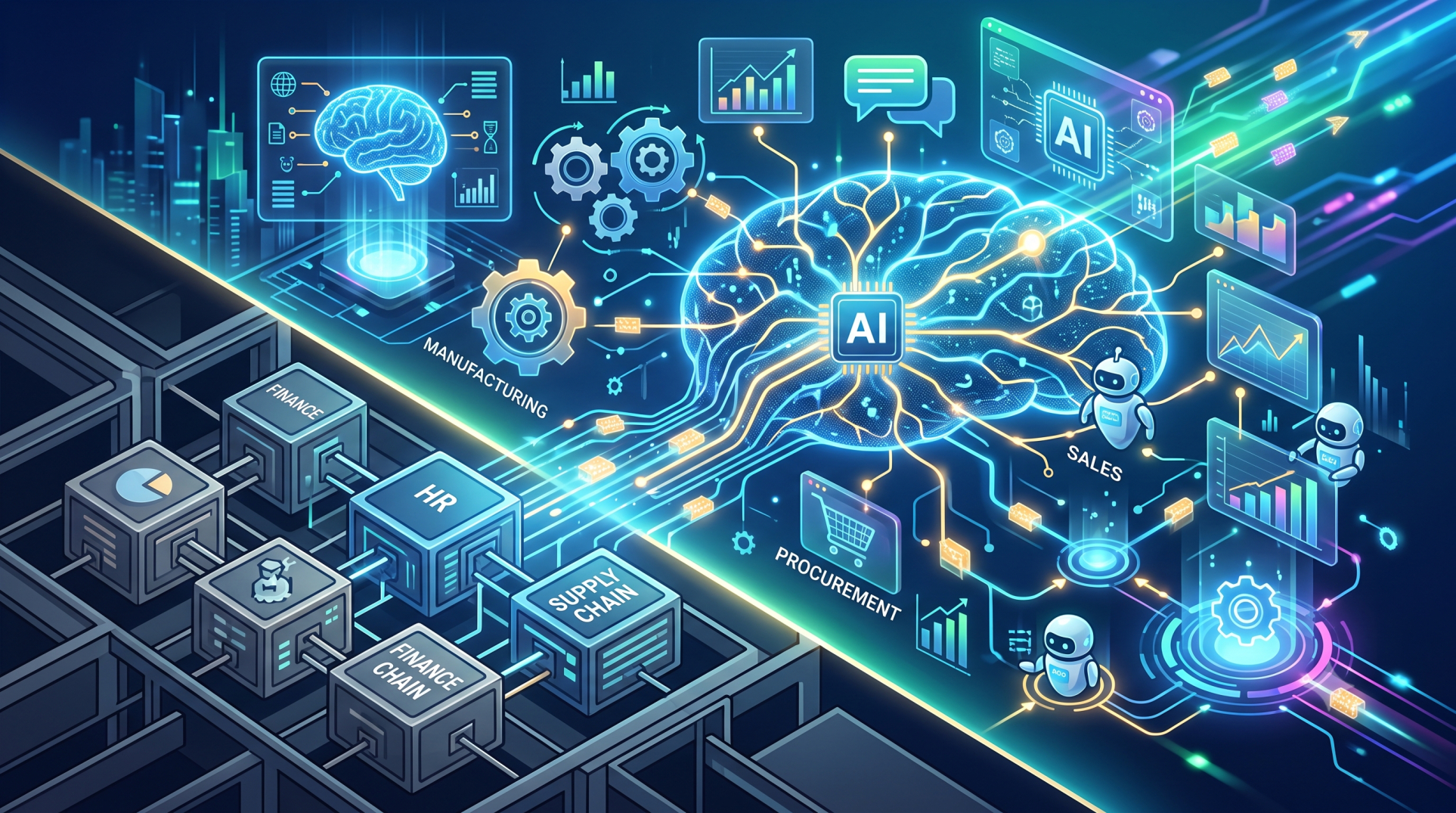
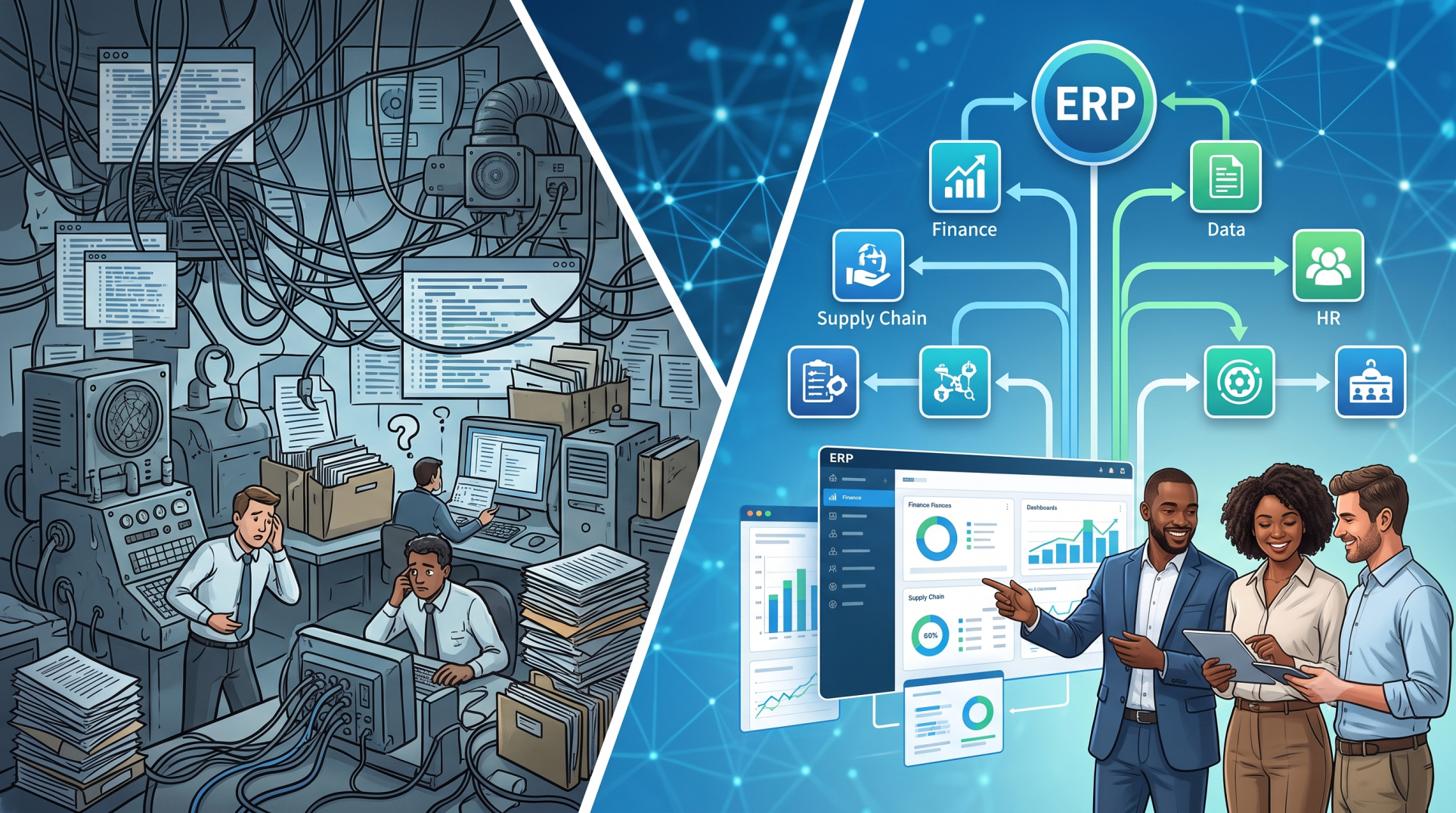
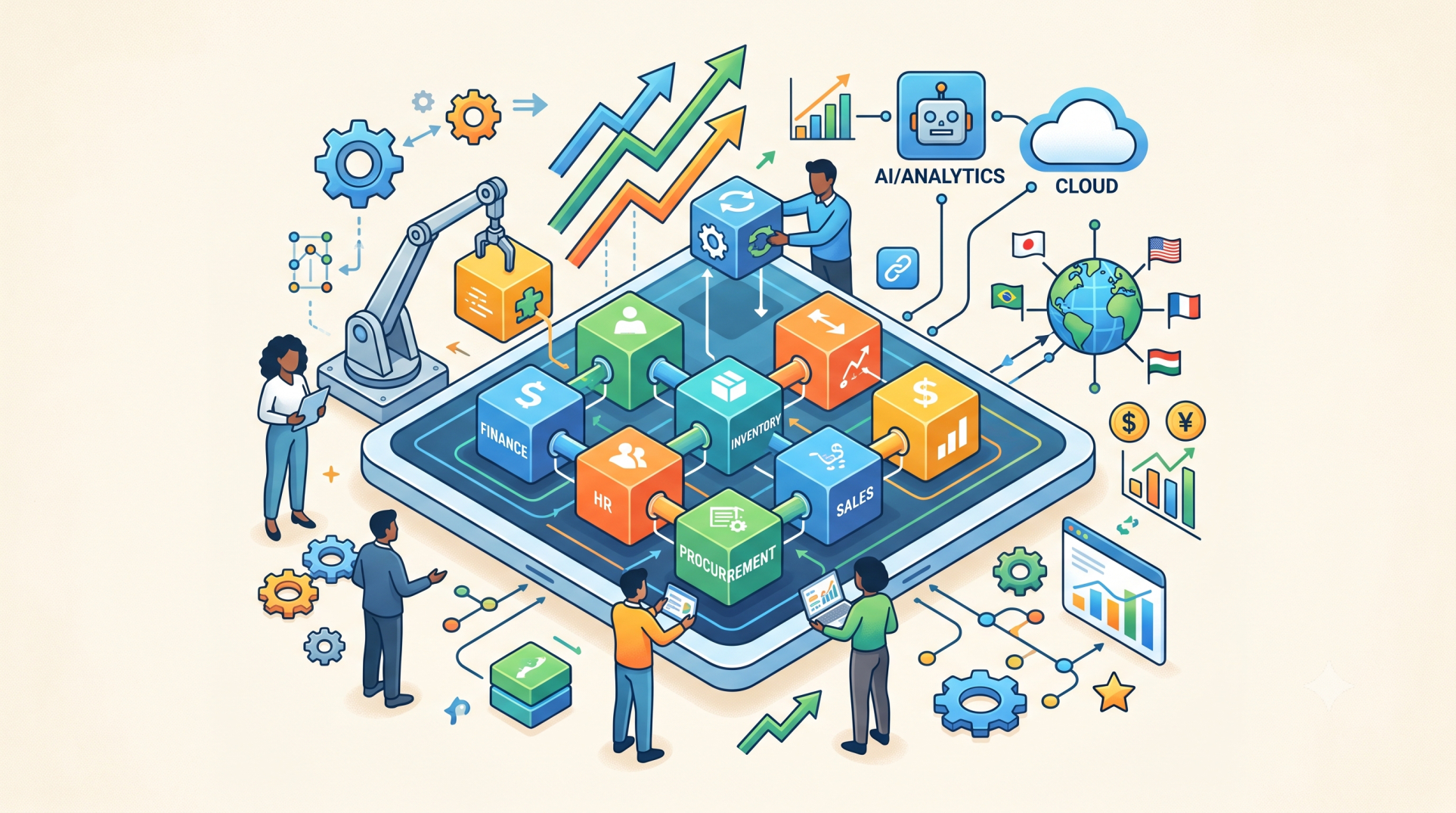
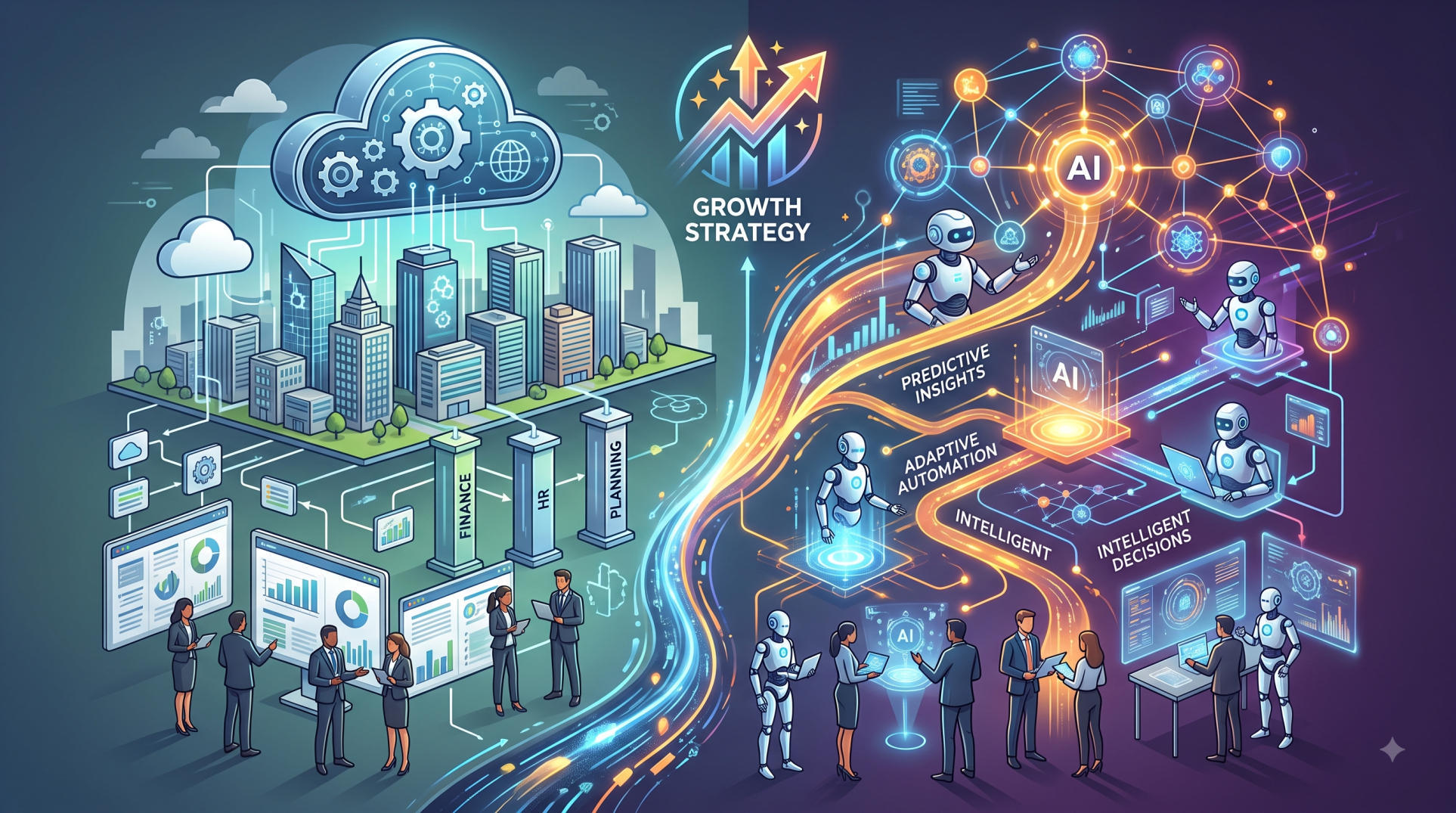
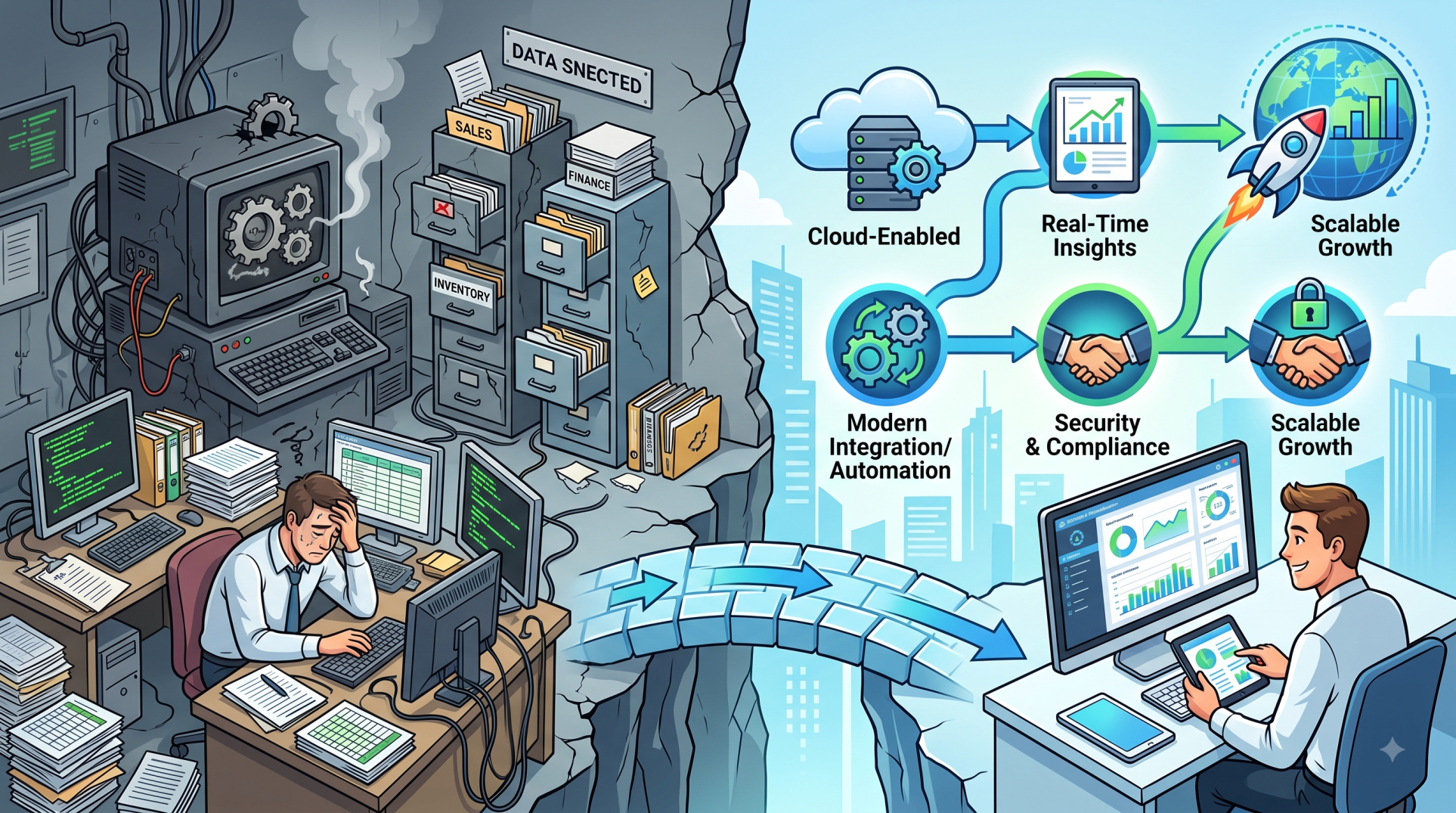
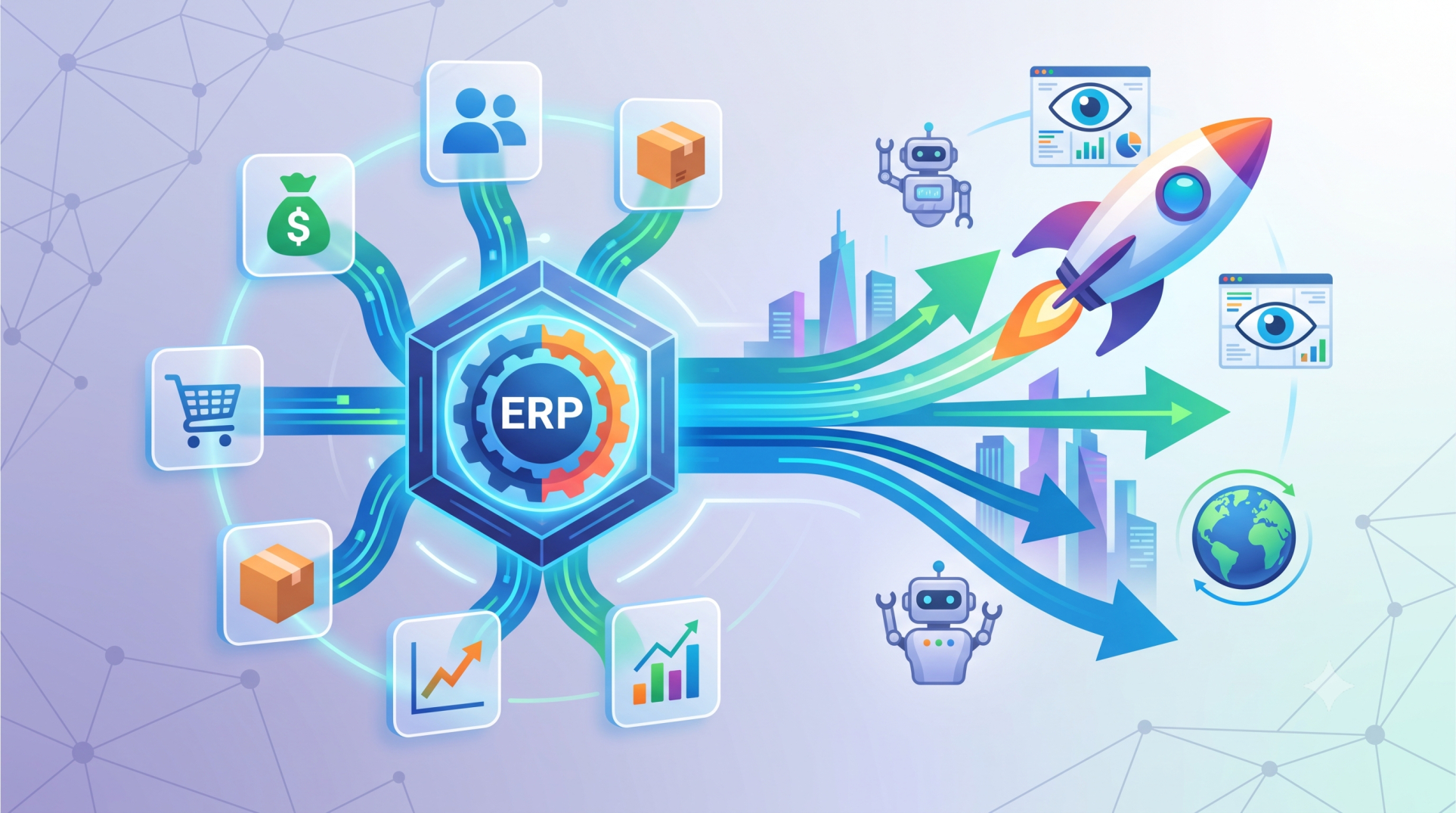
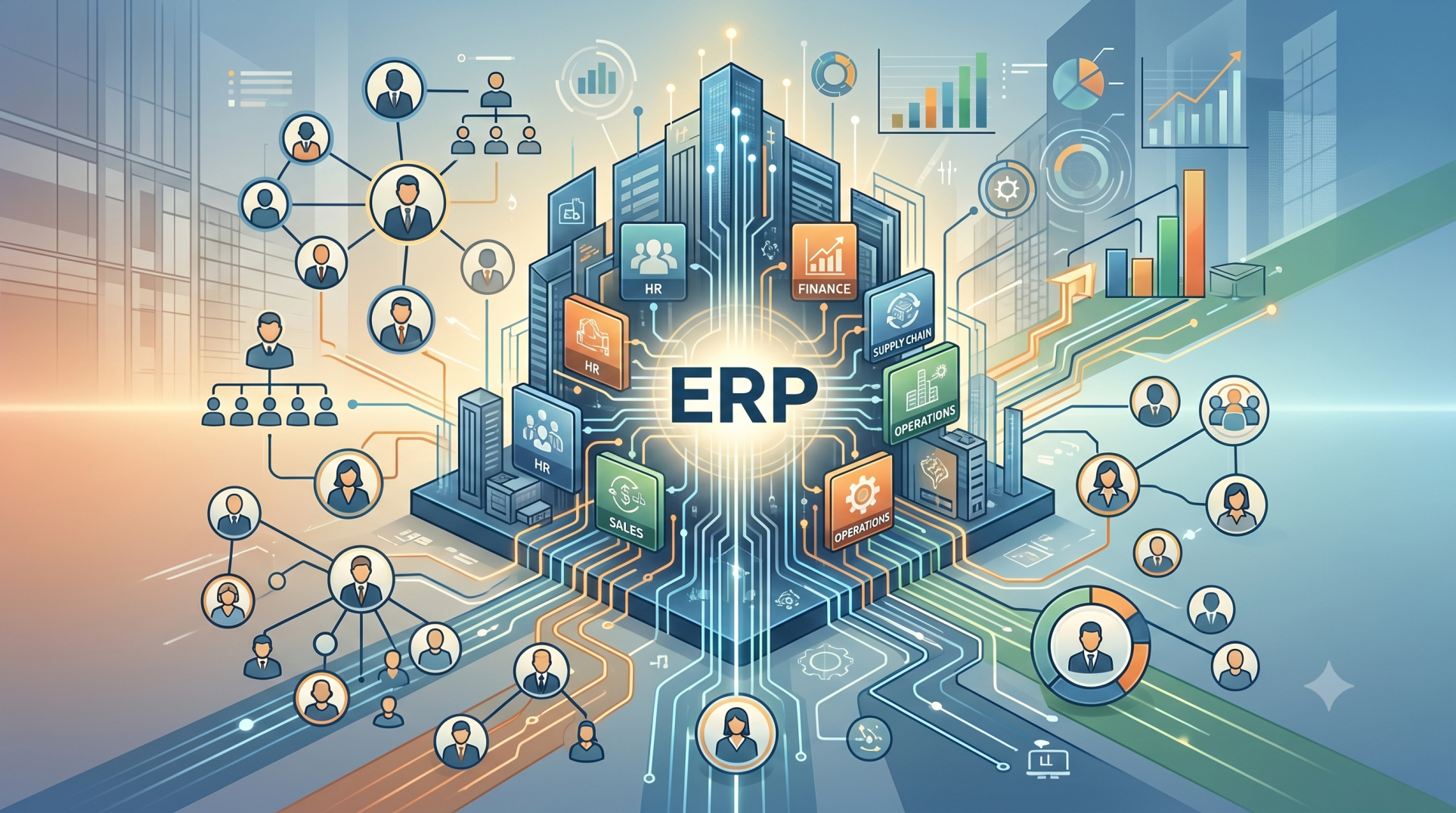
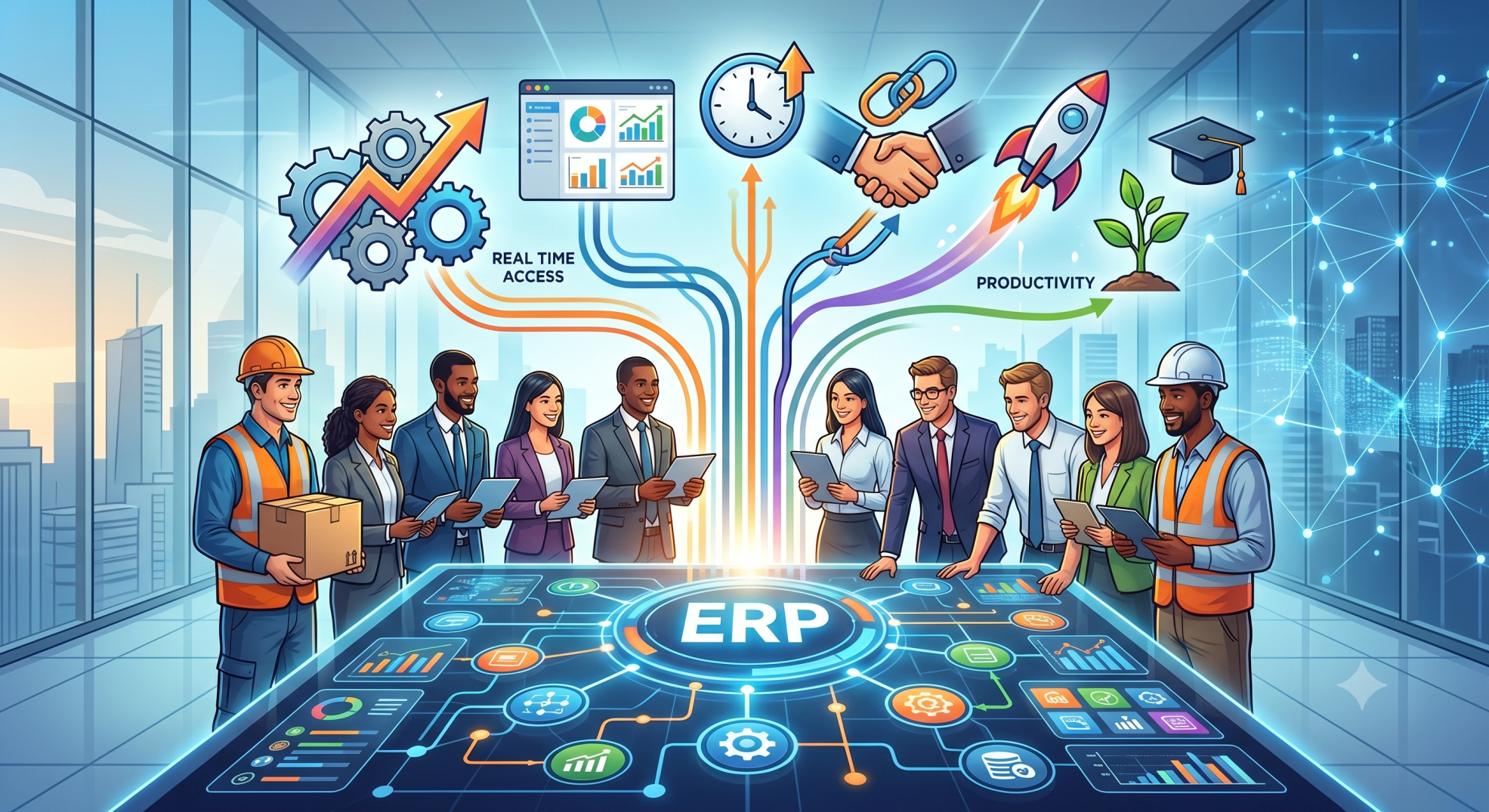
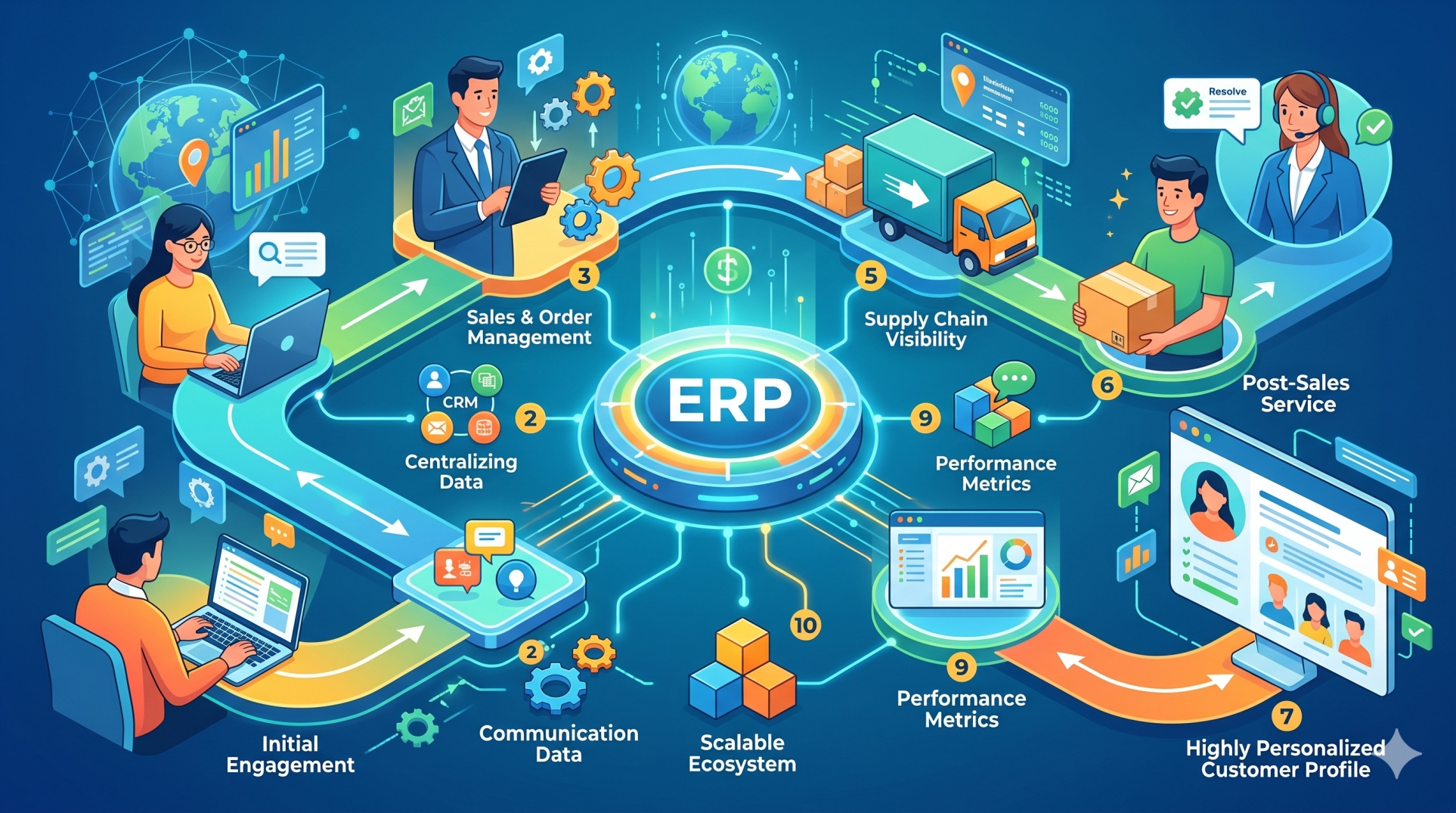
Traditional ERP systems were designed as monolithic platforms, where all functionalities were tightly integrated into a single system. While effective in the past, these rigid architectures struggle to keep up with today’s rapidly changing business environments. Composable ERP introduces a modular approach, allowing organizations to assemble, scale, and adapt their systems based on evolving needs. This shift enables greater agility, faster innovation, and improved resilience in enterprise operations.
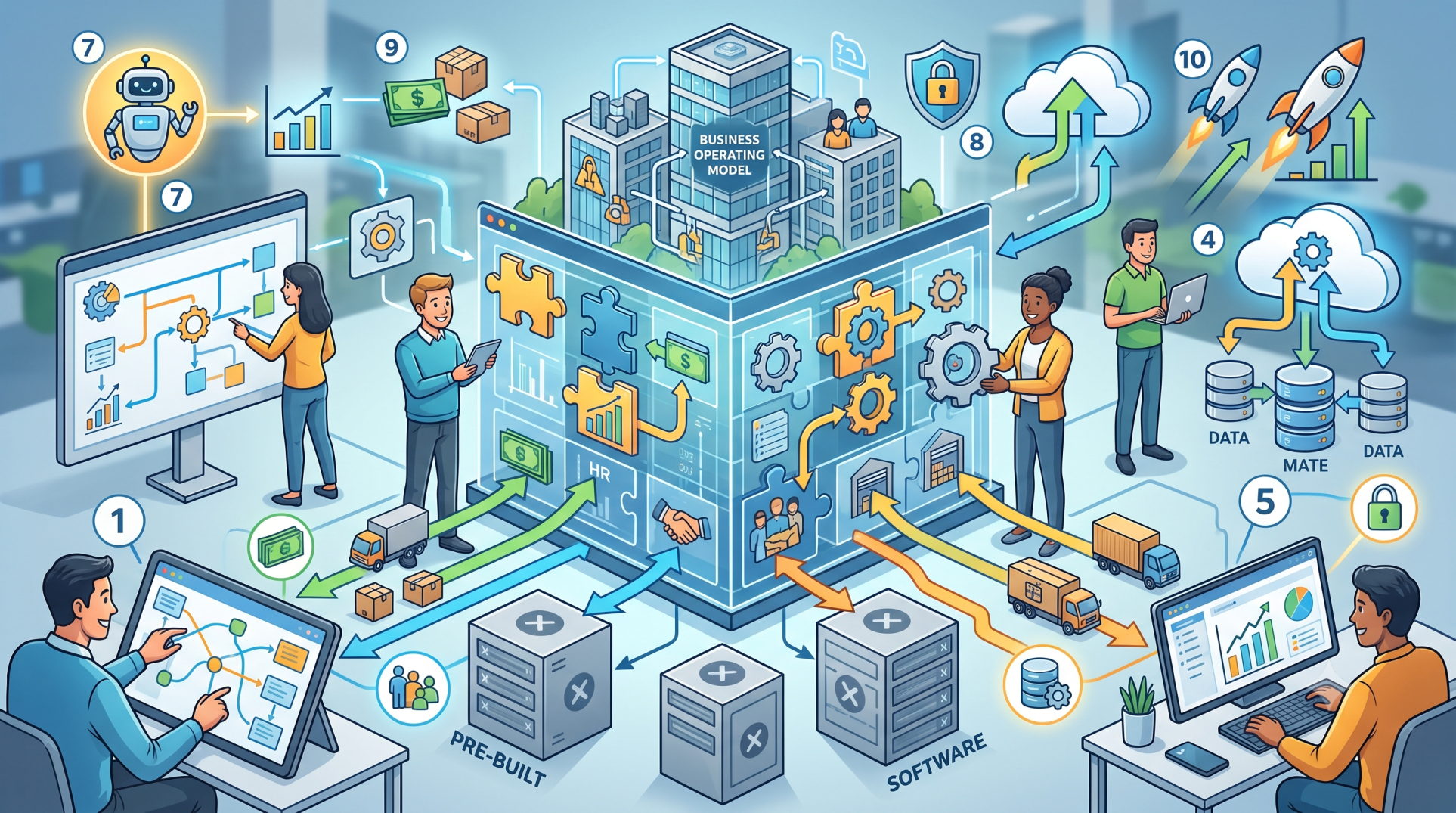
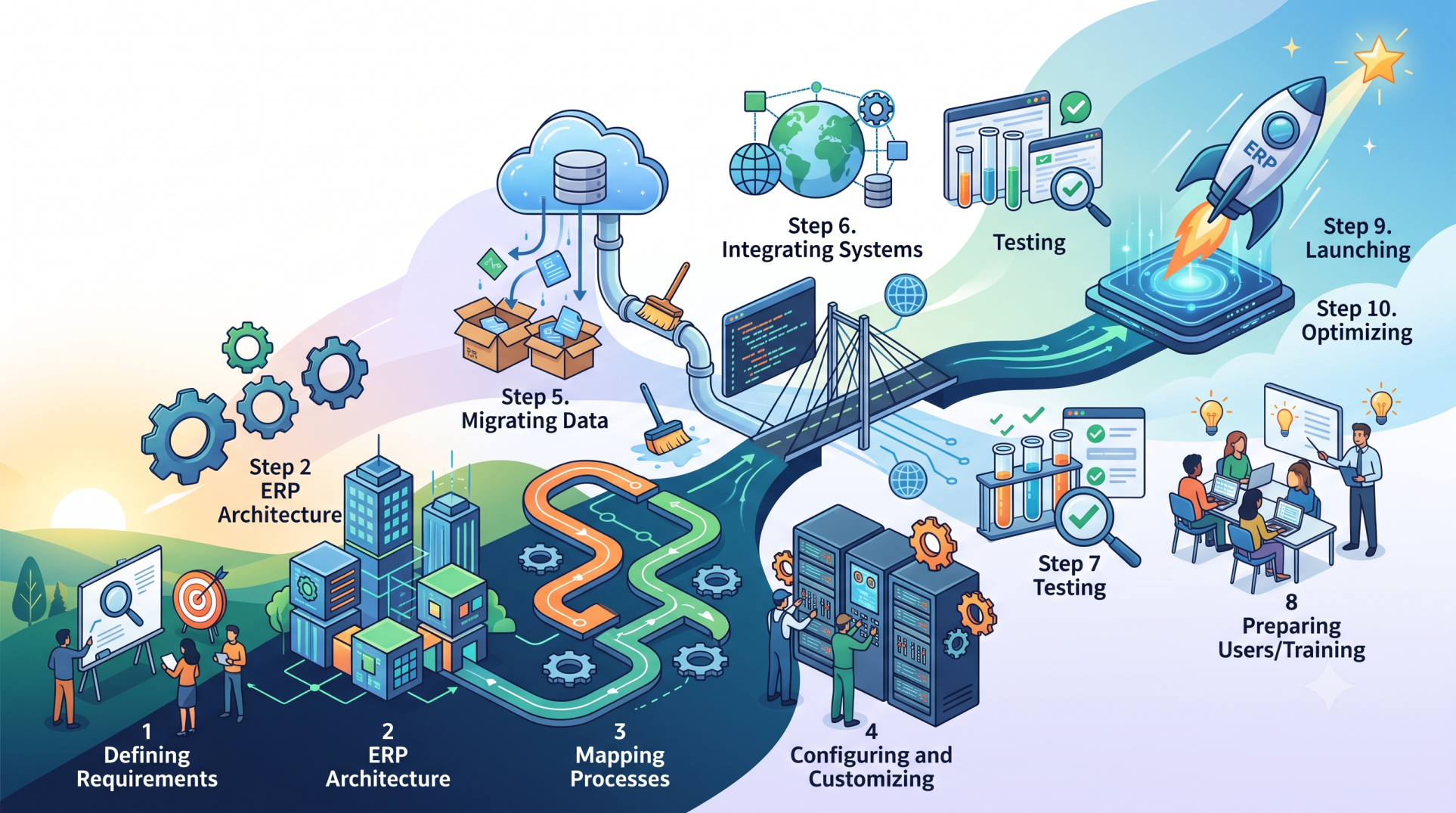
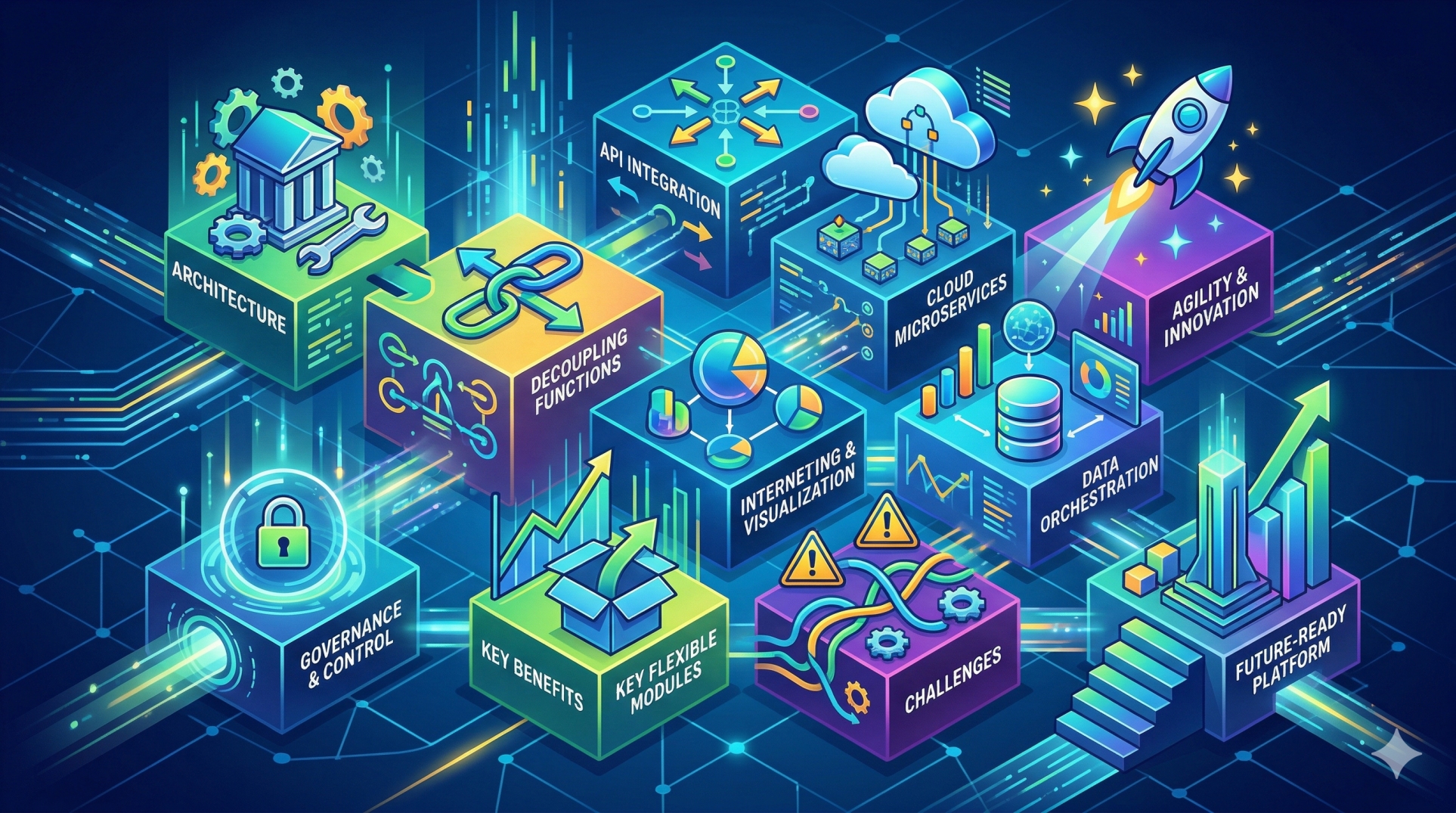
Step 1: Understanding Composable ERP Architecture 🧩
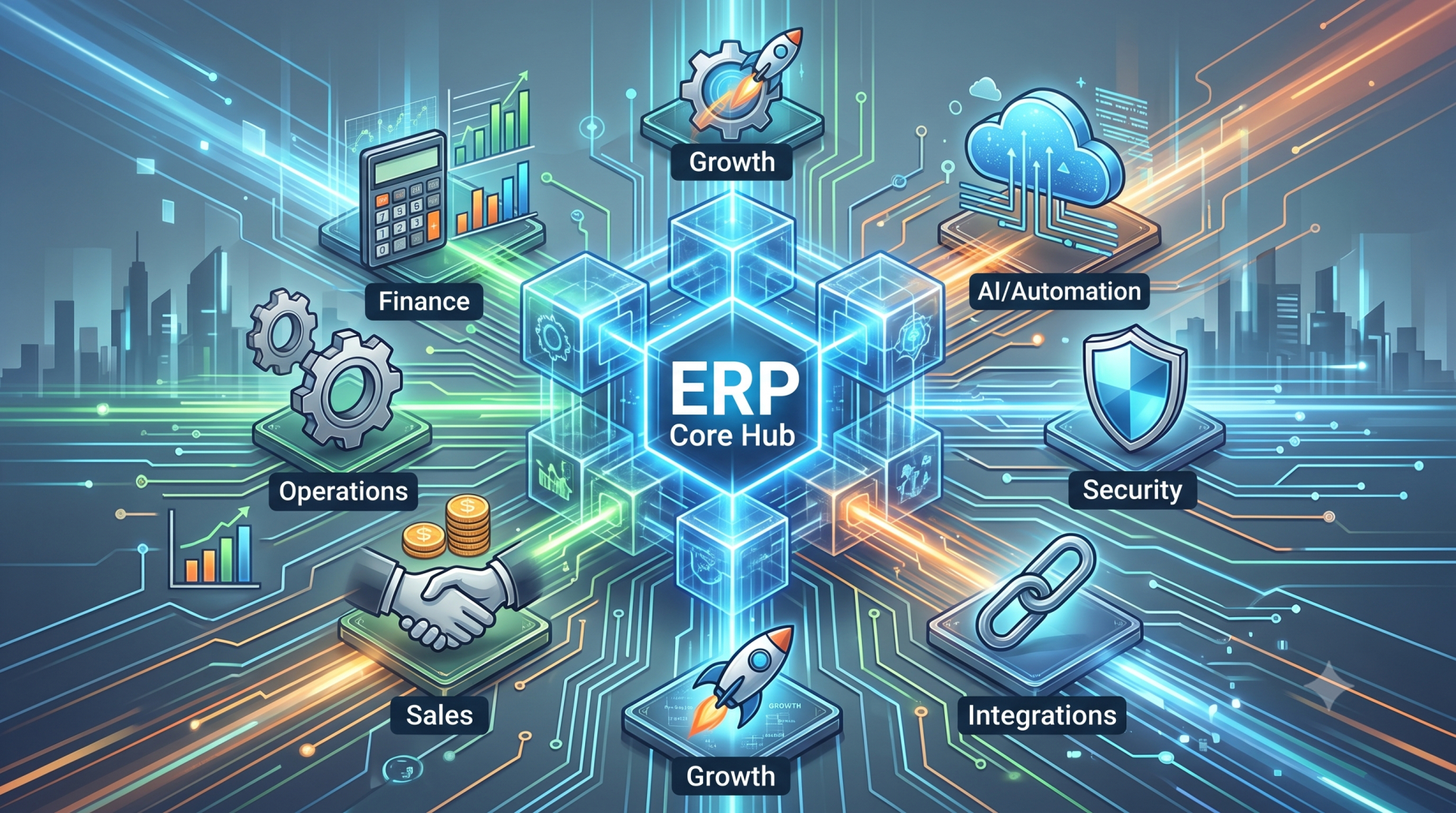
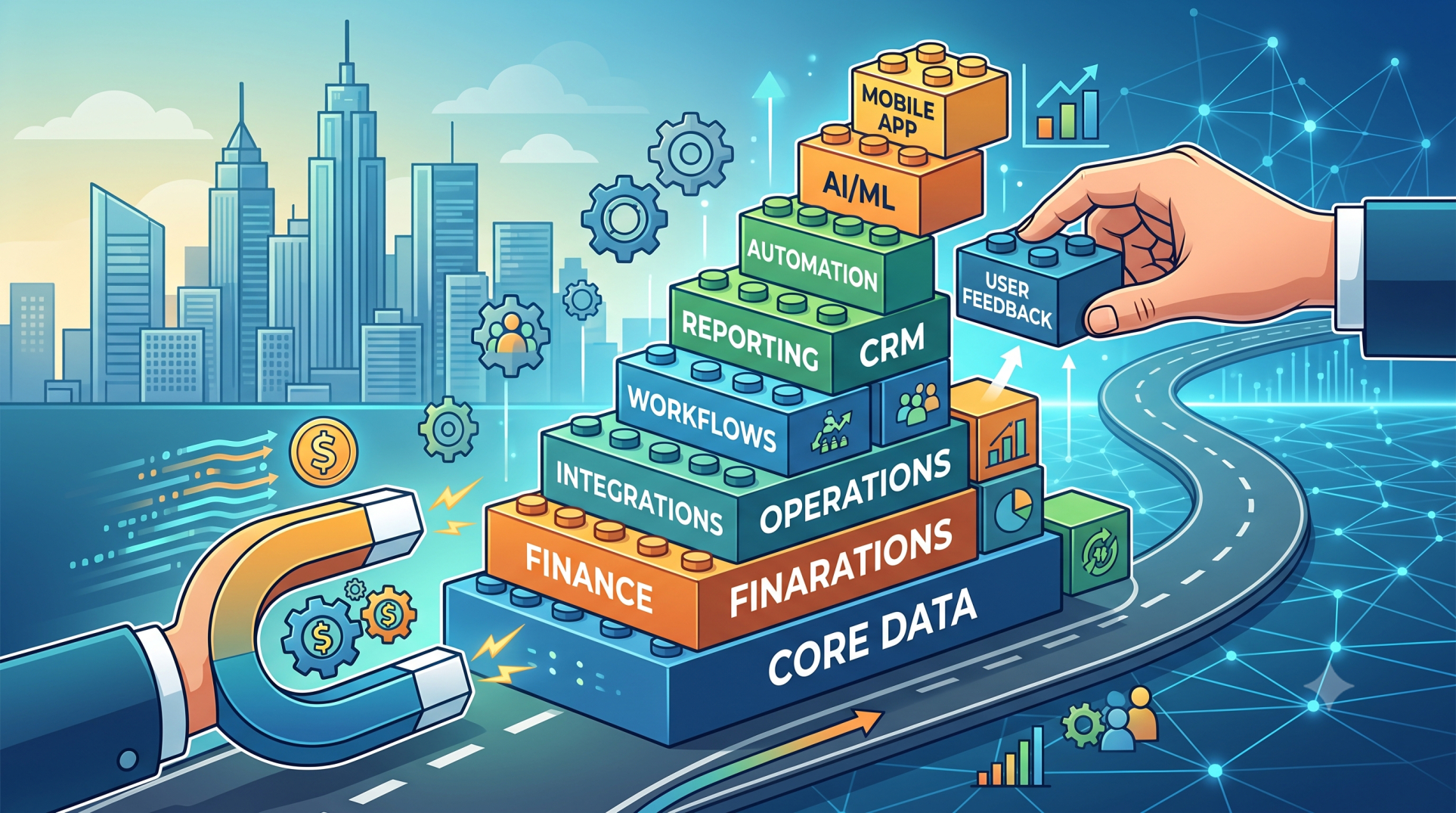
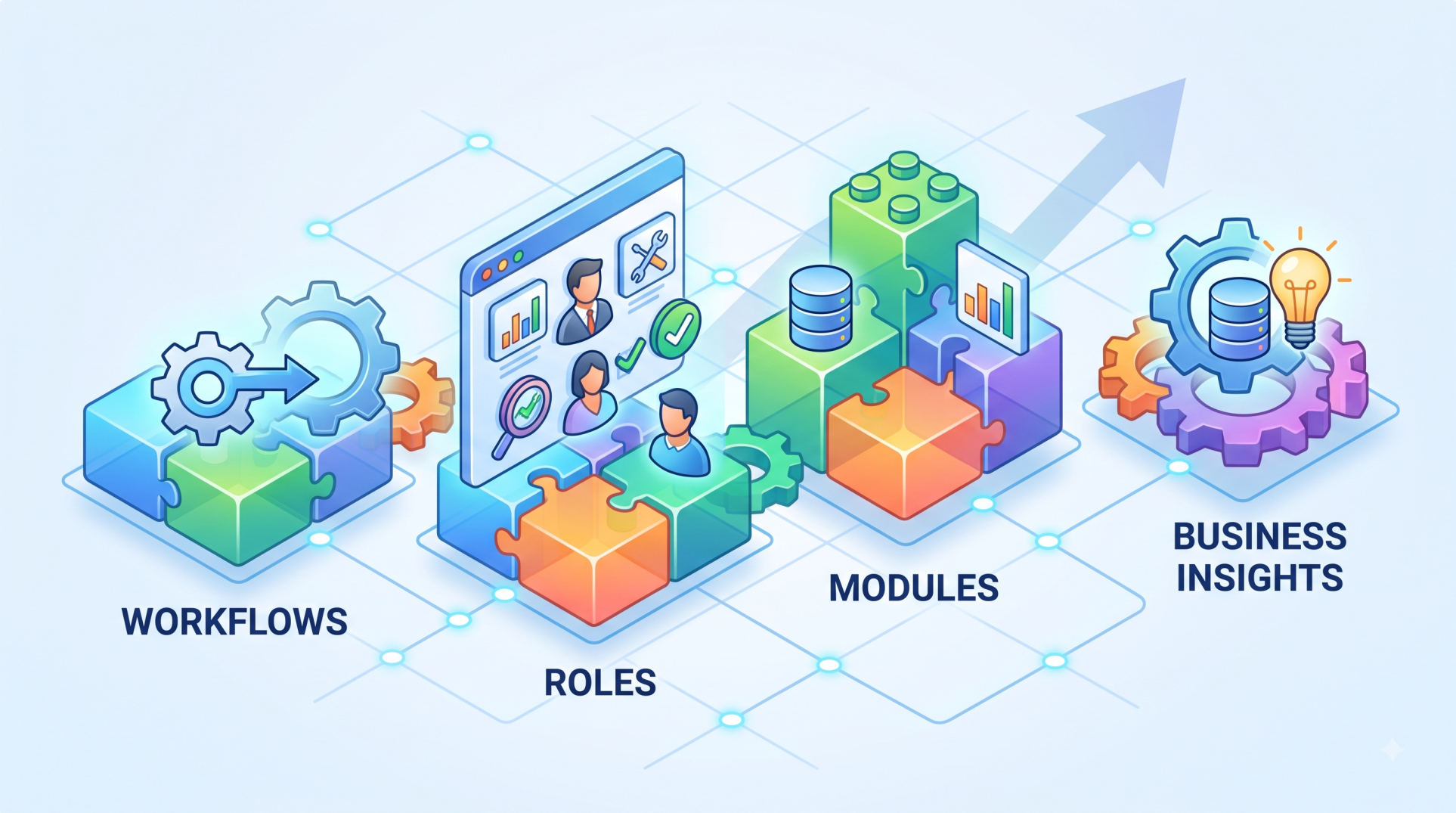
• Break down ERP into modular, independent components 🧩
• Each module delivers a specific business capability ⚙️
• Components can be developed, deployed, and updated independently 🔄
• Enables flexible system design instead of rigid structures 🏗️
• Supports faster innovation and customization 🚀
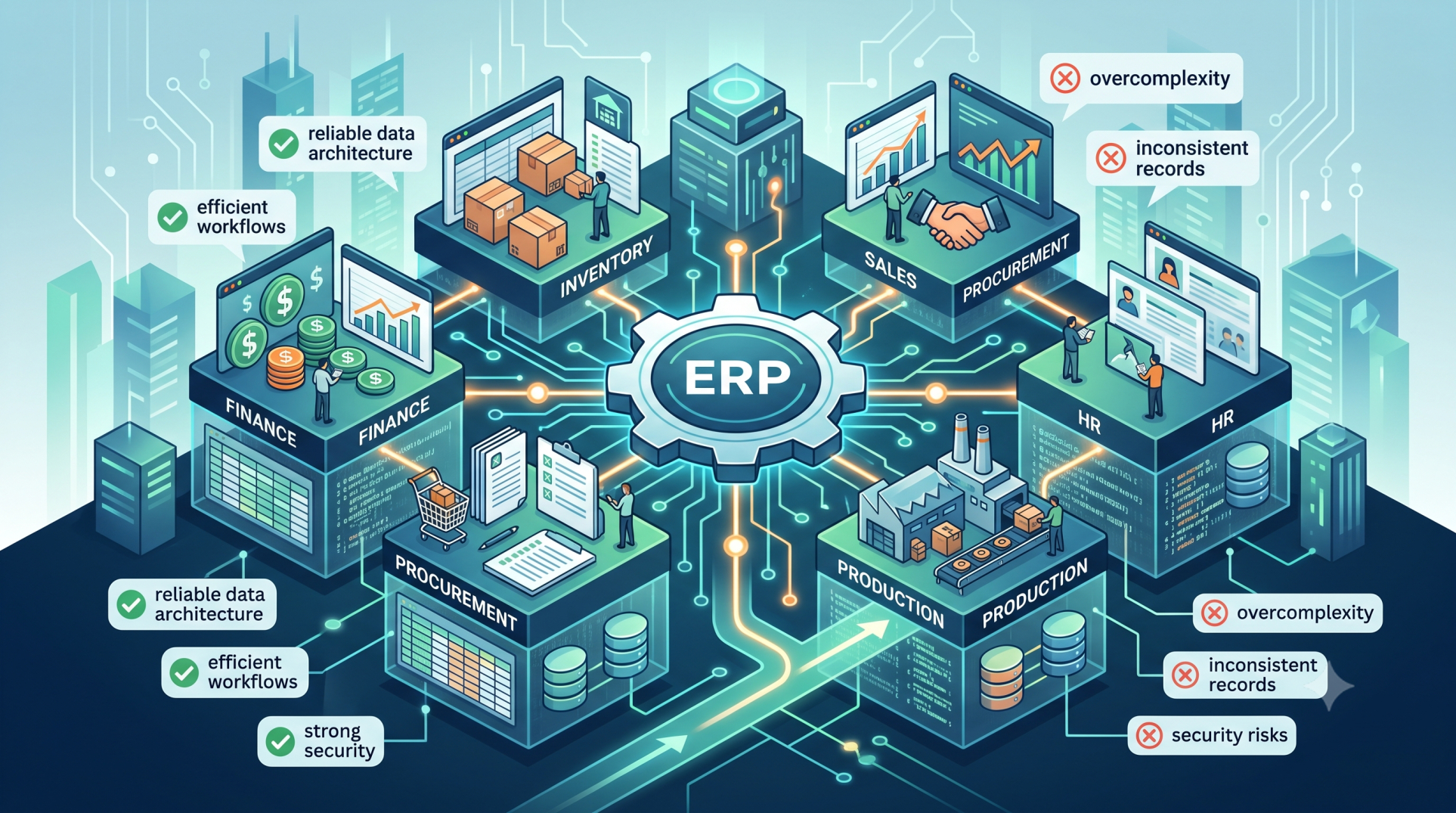
Step 2: Decoupling Core Business Functions 🔗
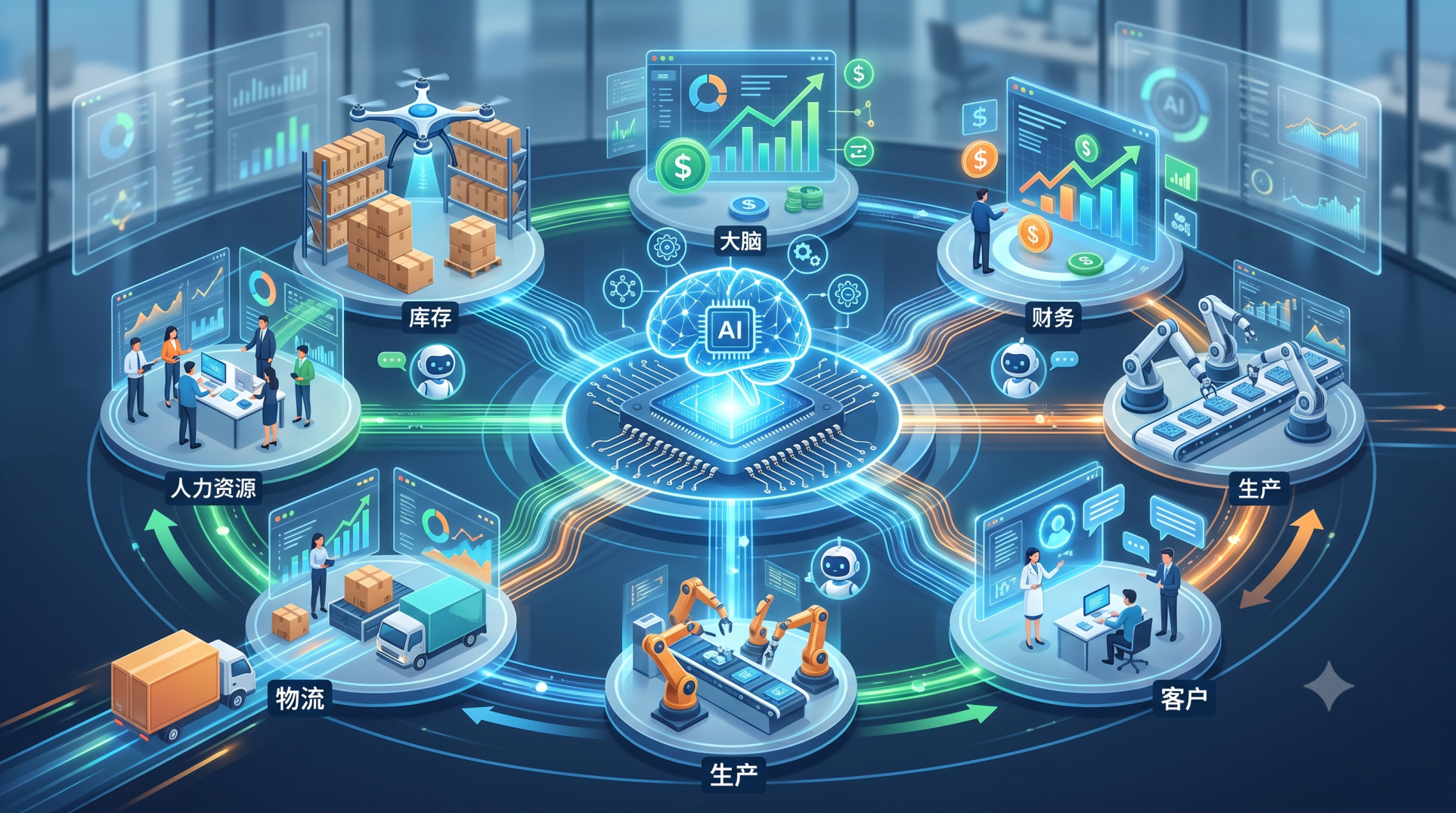
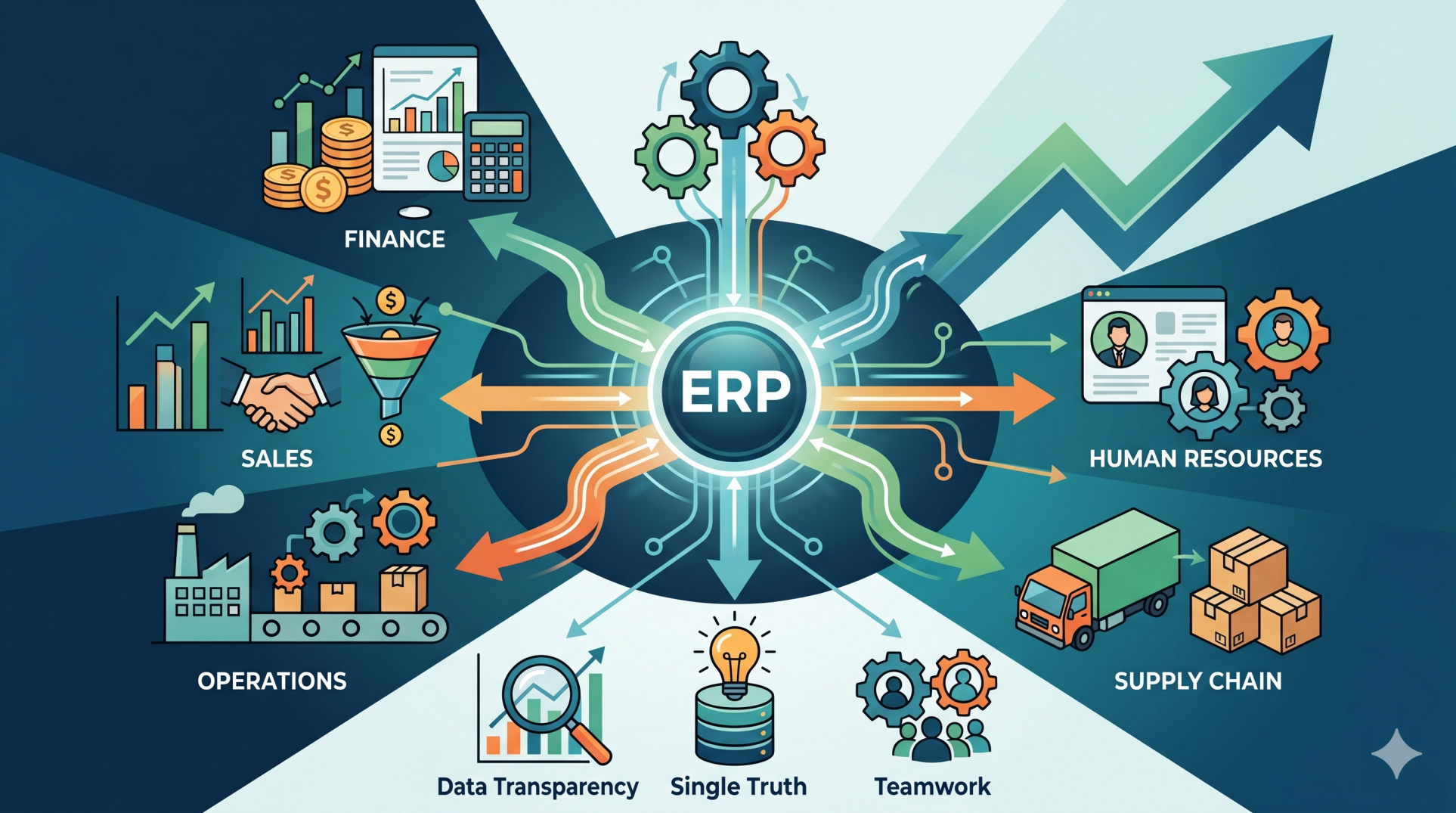
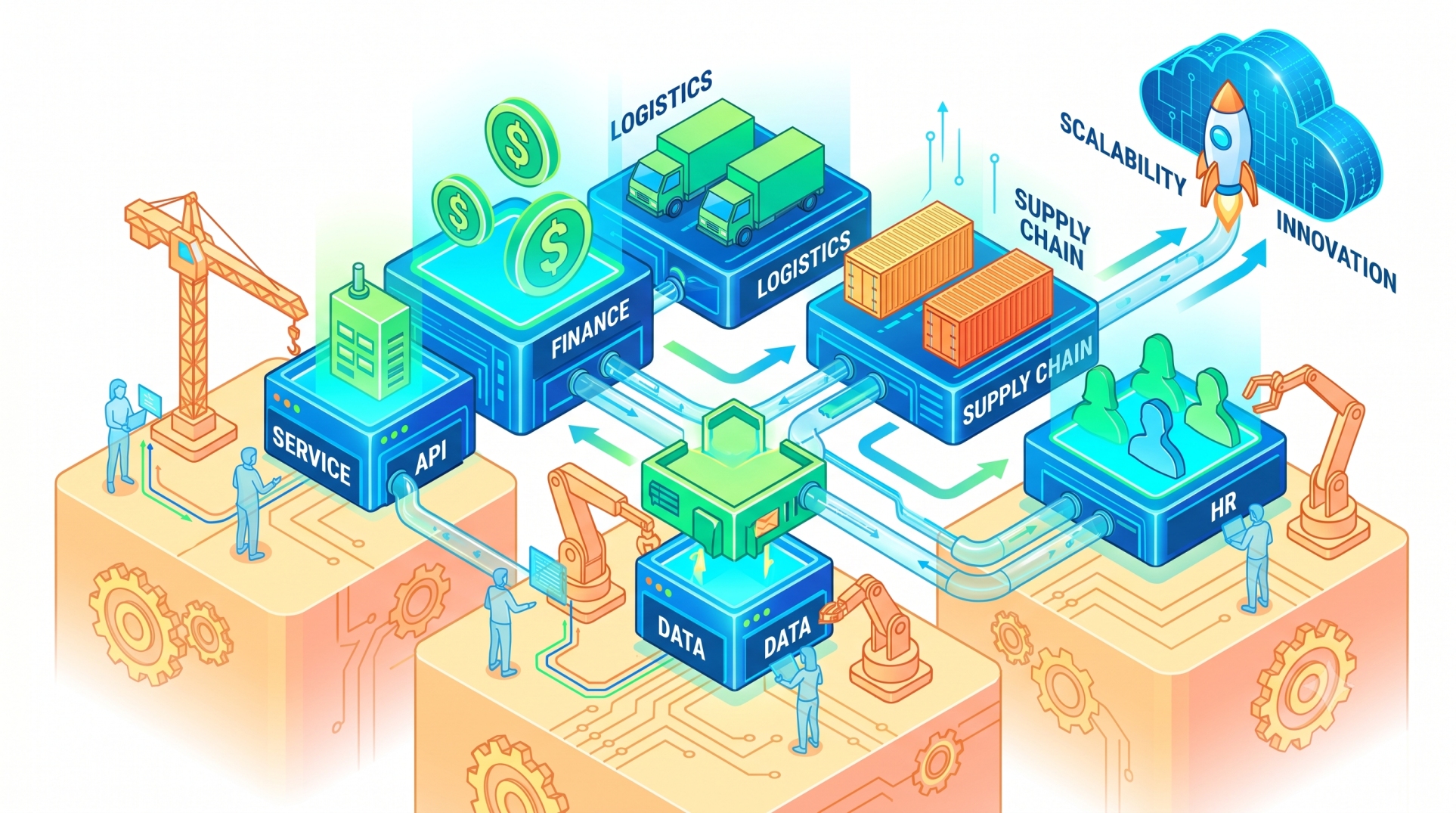
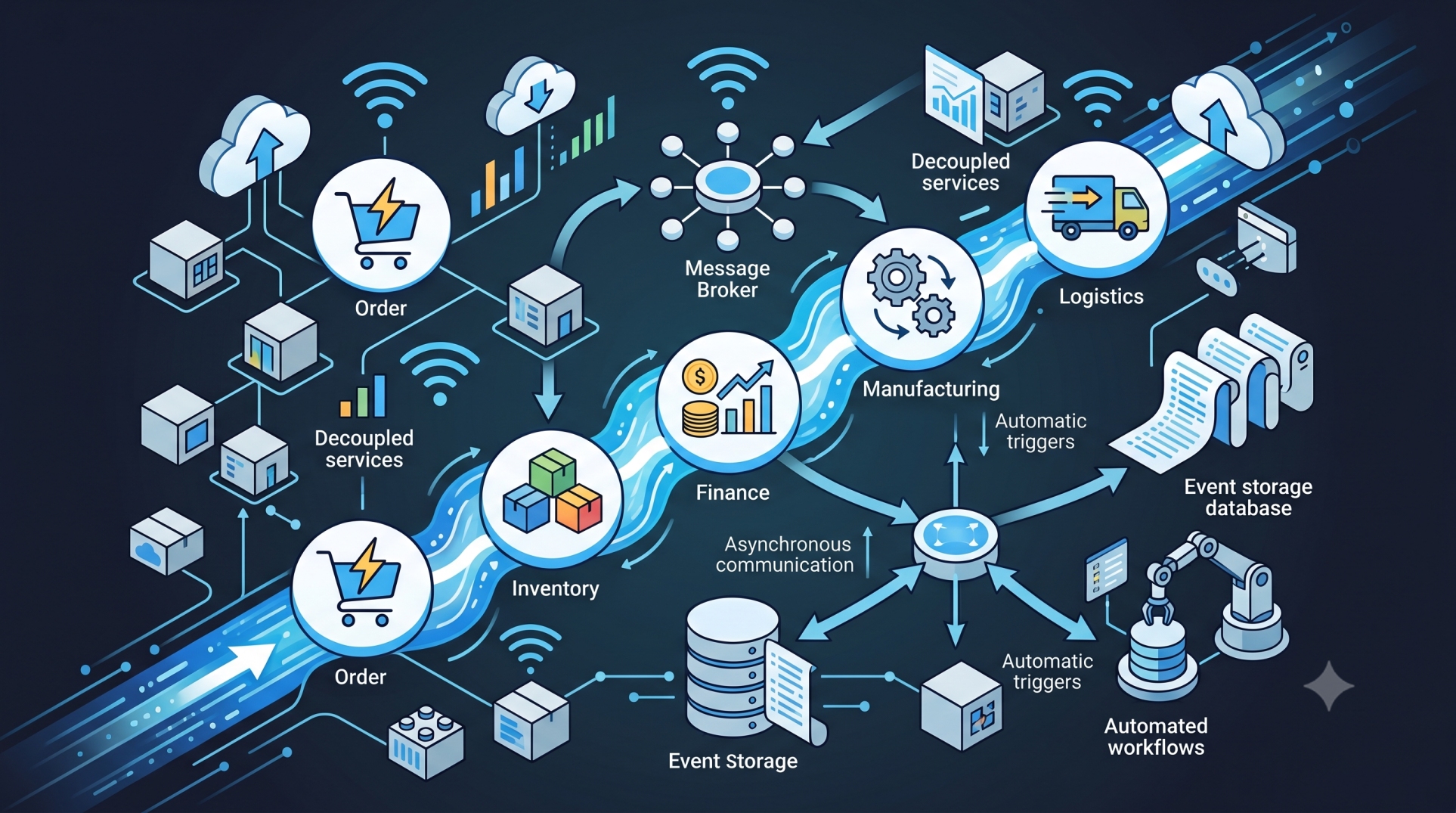
• Separate finance, HR, supply chain, and CRM into distinct services 📊
• Reduce dependencies between different system components 🔄
• Enable independent scaling of critical business functions 📈
• Improve system resilience and fault isolation 🛡️
• Allow faster updates without impacting the entire system ⚡
Step 3: API-First Integration Strategy 🌐
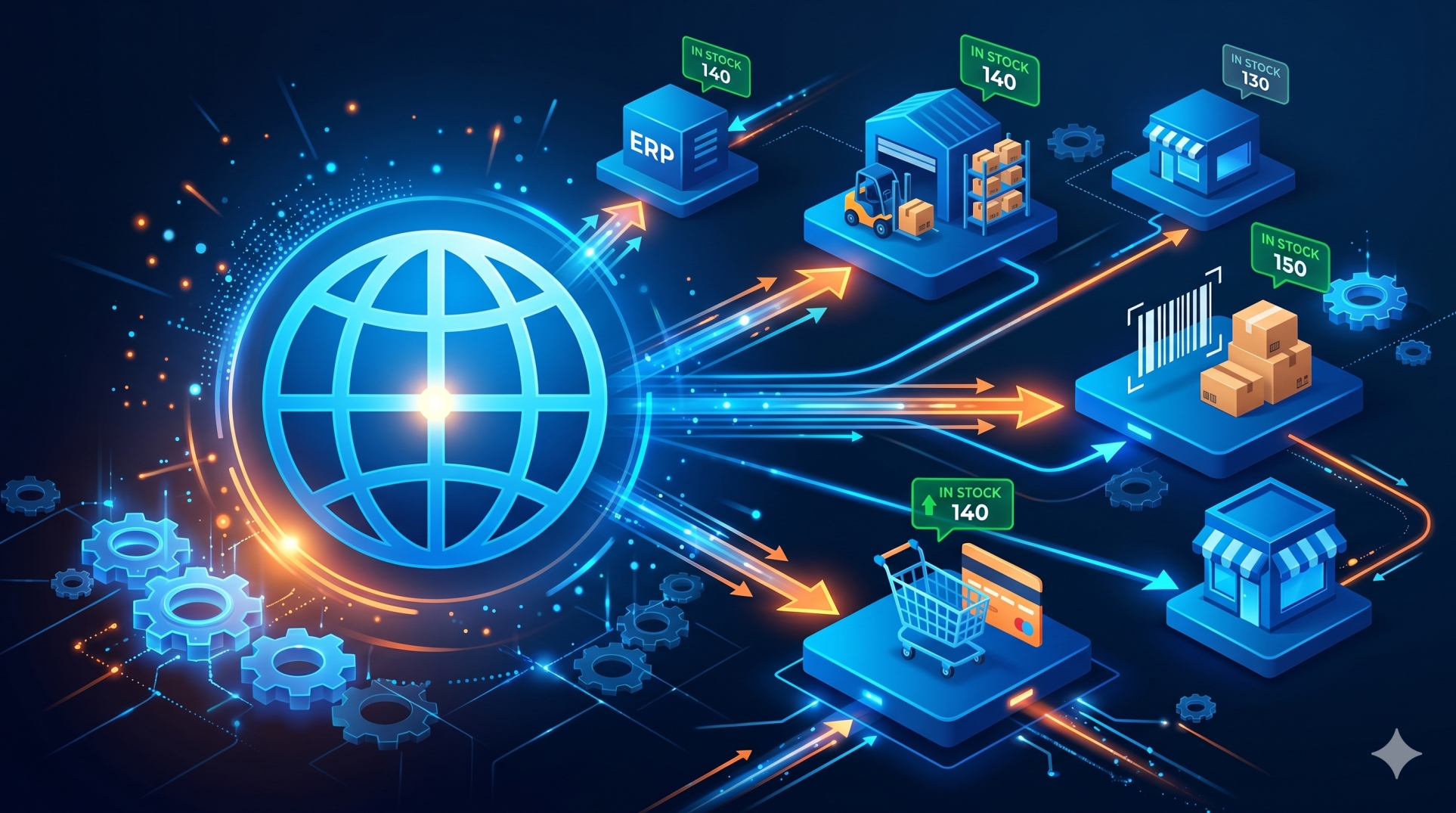
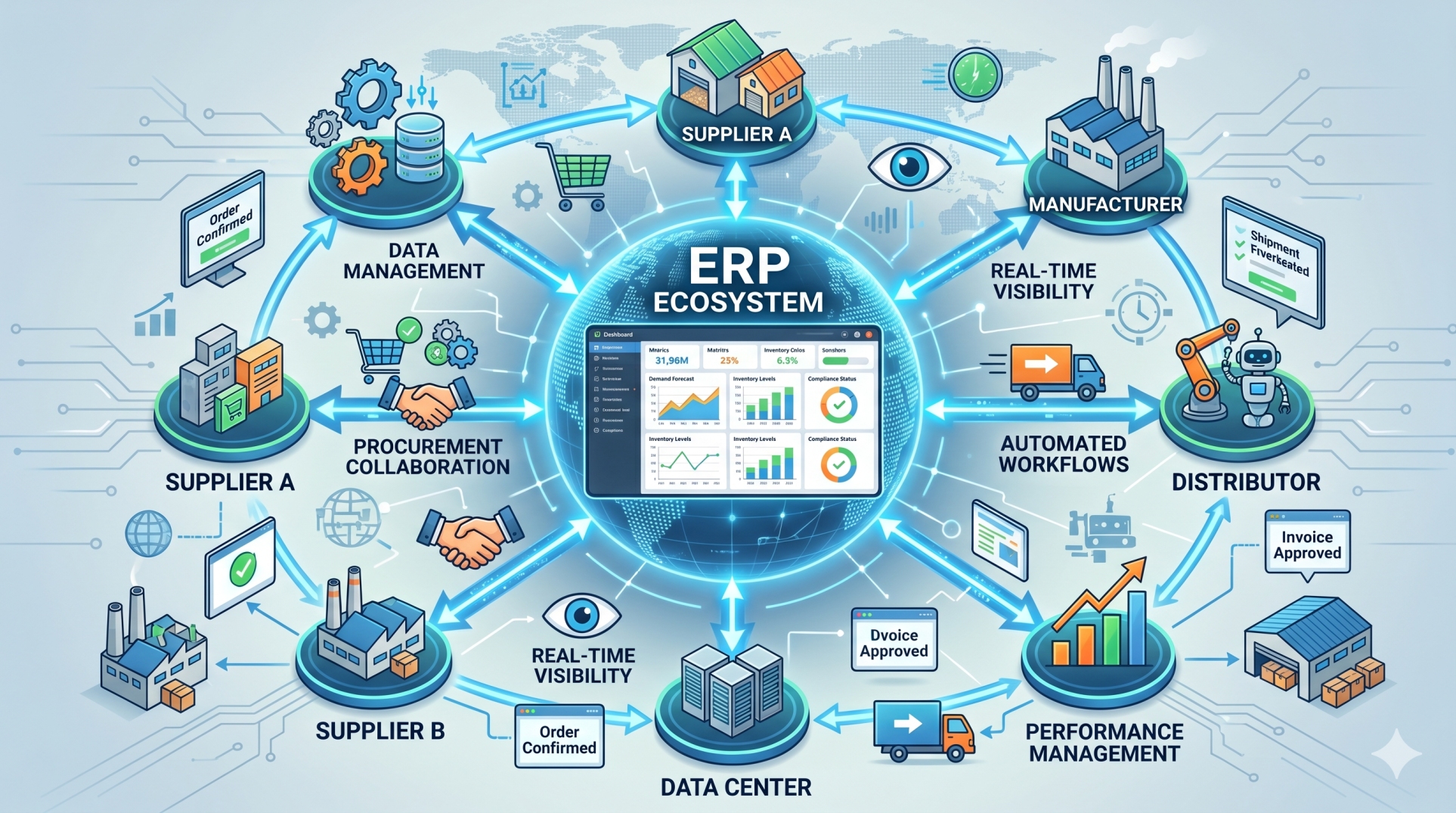
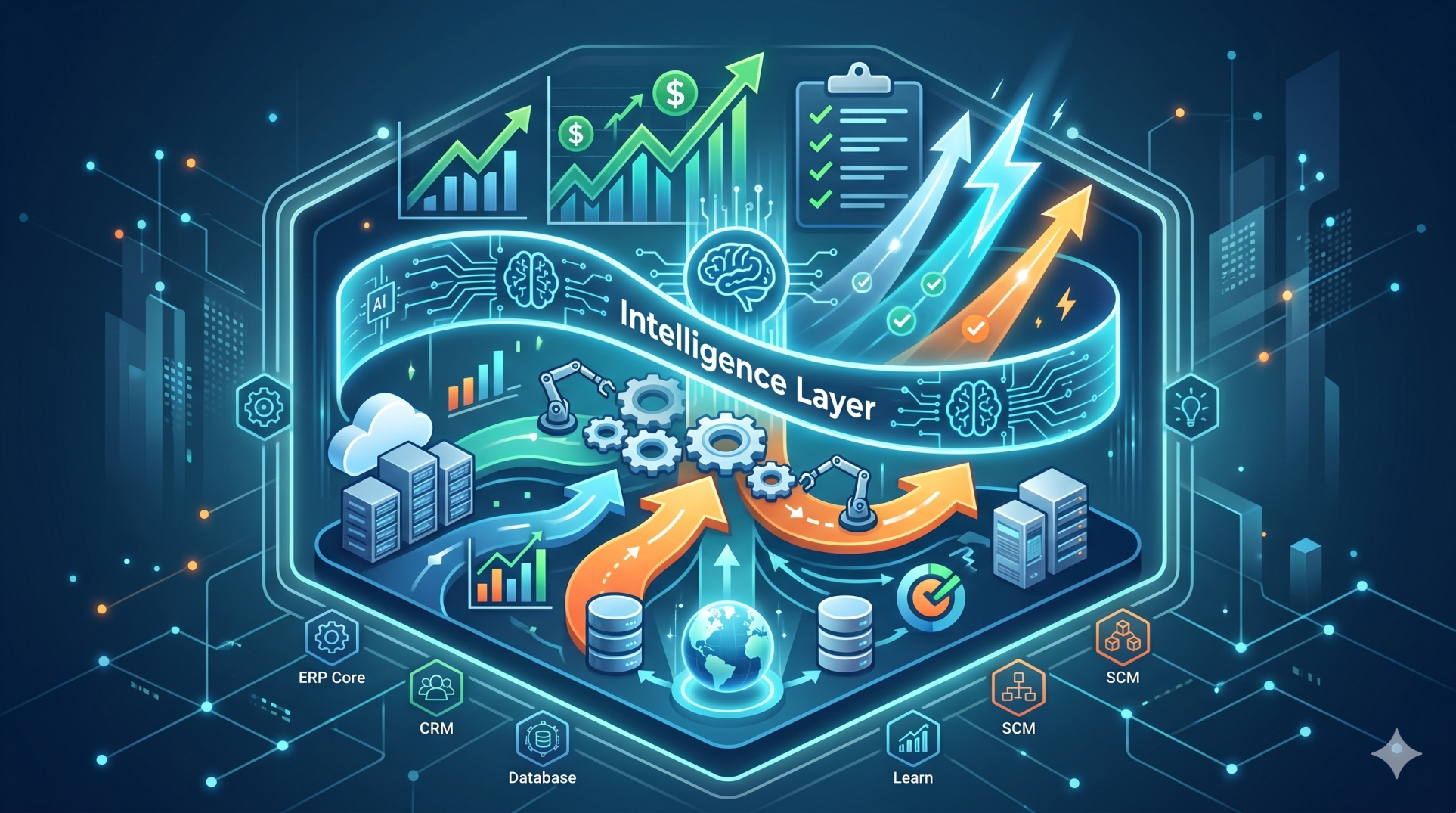
• Use APIs to connect modules and external systems 🔗
• Enable seamless data exchange across platforms 📡
• Support interoperability with third-party applications 🧠
• Simplify integration of new tools and services 🧩
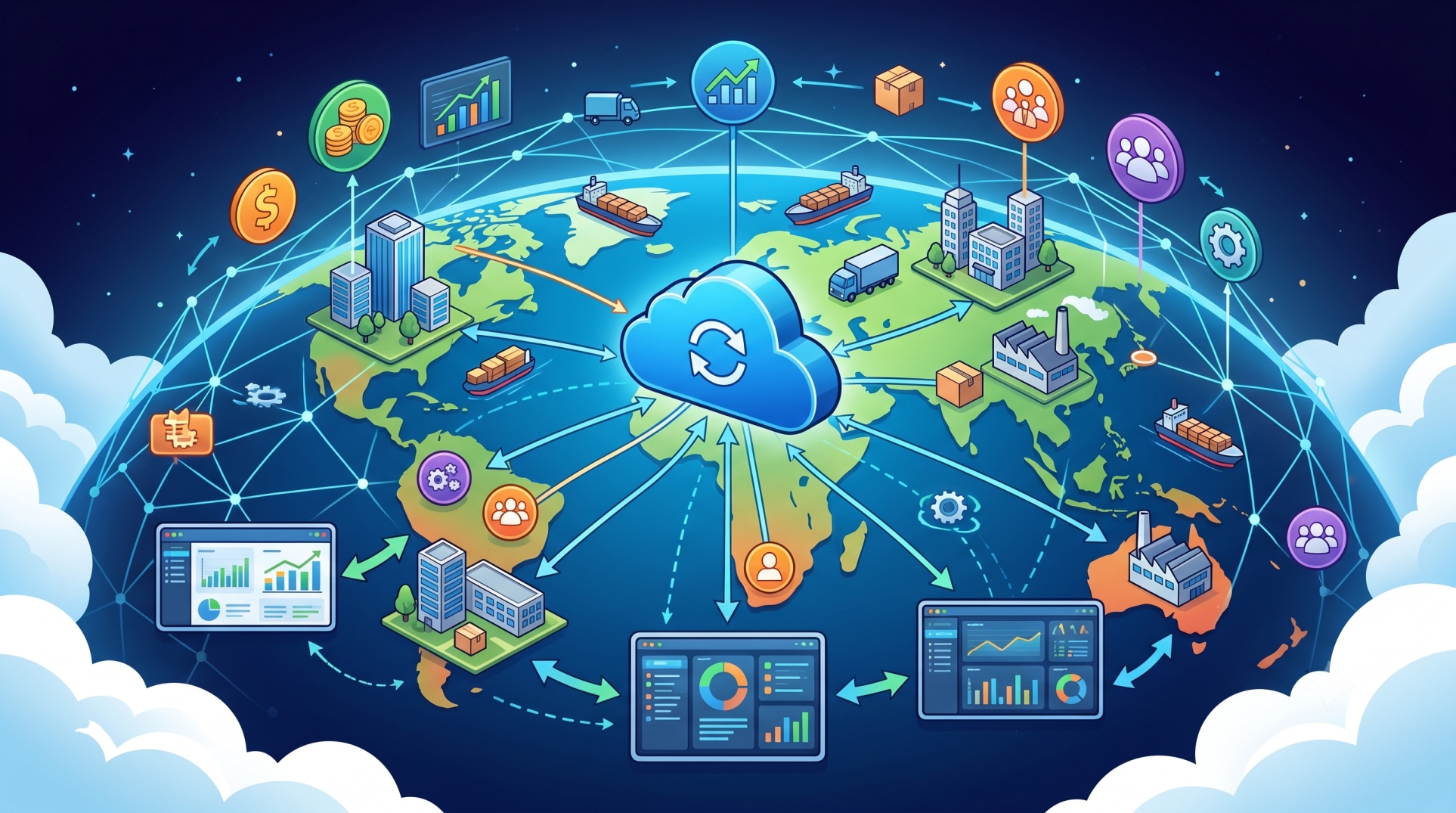
• Build a connected and extensible enterprise ecosystem 🌍
Step 4: Leveraging Microservices and Cloud Infrastructure ☁️
• Deploy ERP components as microservices for flexibility ⚙️
• Use cloud platforms for scalability and availability ☁️
• Enable on-demand resource allocation based on usage 📦
• Improve system performance and reliability ⚡
• Support continuous deployment and updates 🔄
Step 5: Enhancing Business Agility and Innovation 🚀
• Rapidly introduce new features or business capabilities ⚡
• Experiment with new tools without disrupting core systems 🧪
• Adapt quickly to market changes and customer demands 📊
• Empower teams to innovate independently 🧠
• Reduce time-to-market for new initiatives ⏱️
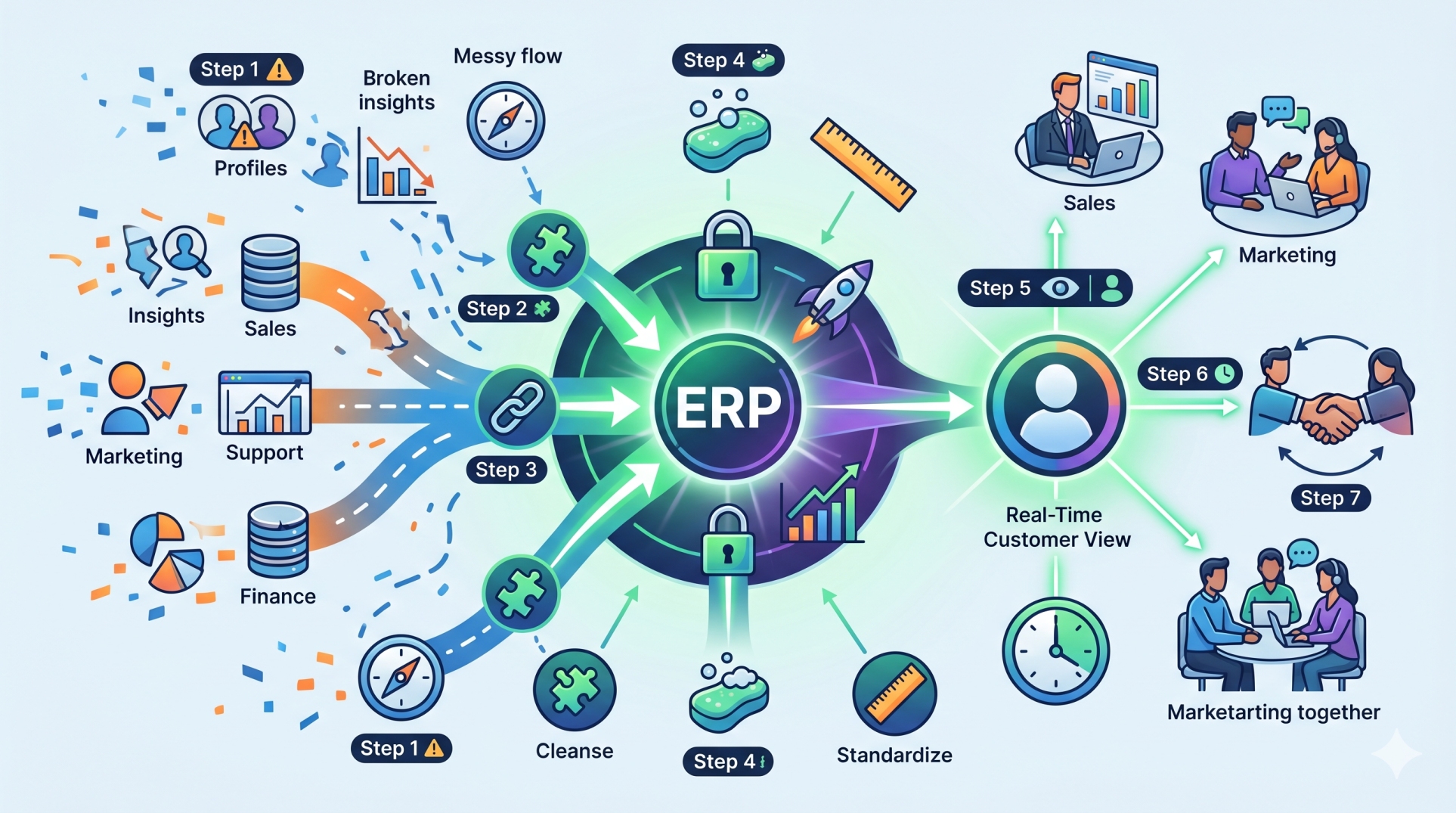
Step 6: Data Orchestration and Consistency 📊
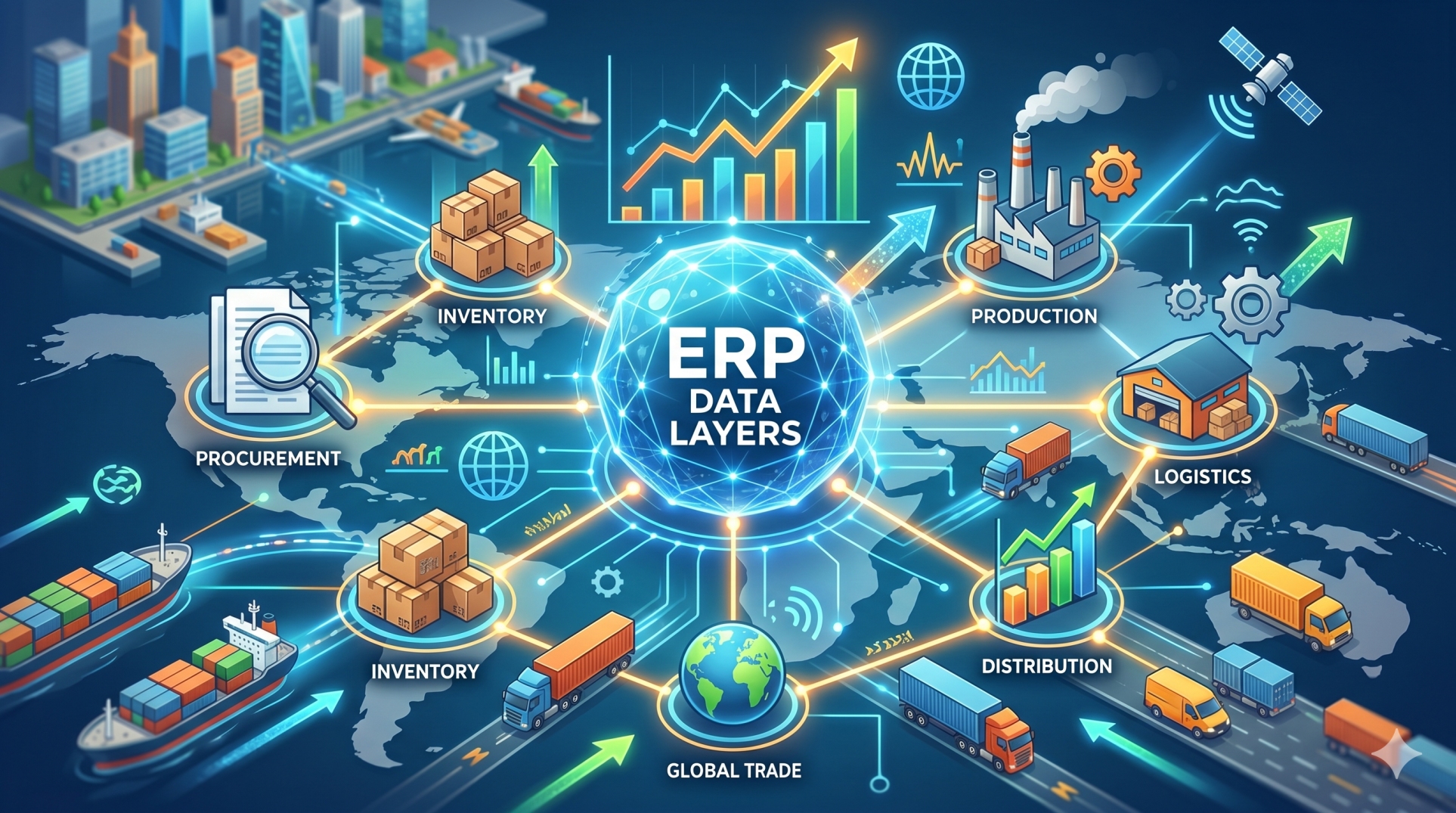
• Maintain a unified data model across distributed modules 📂
• Ensure data consistency and synchronization 🔄
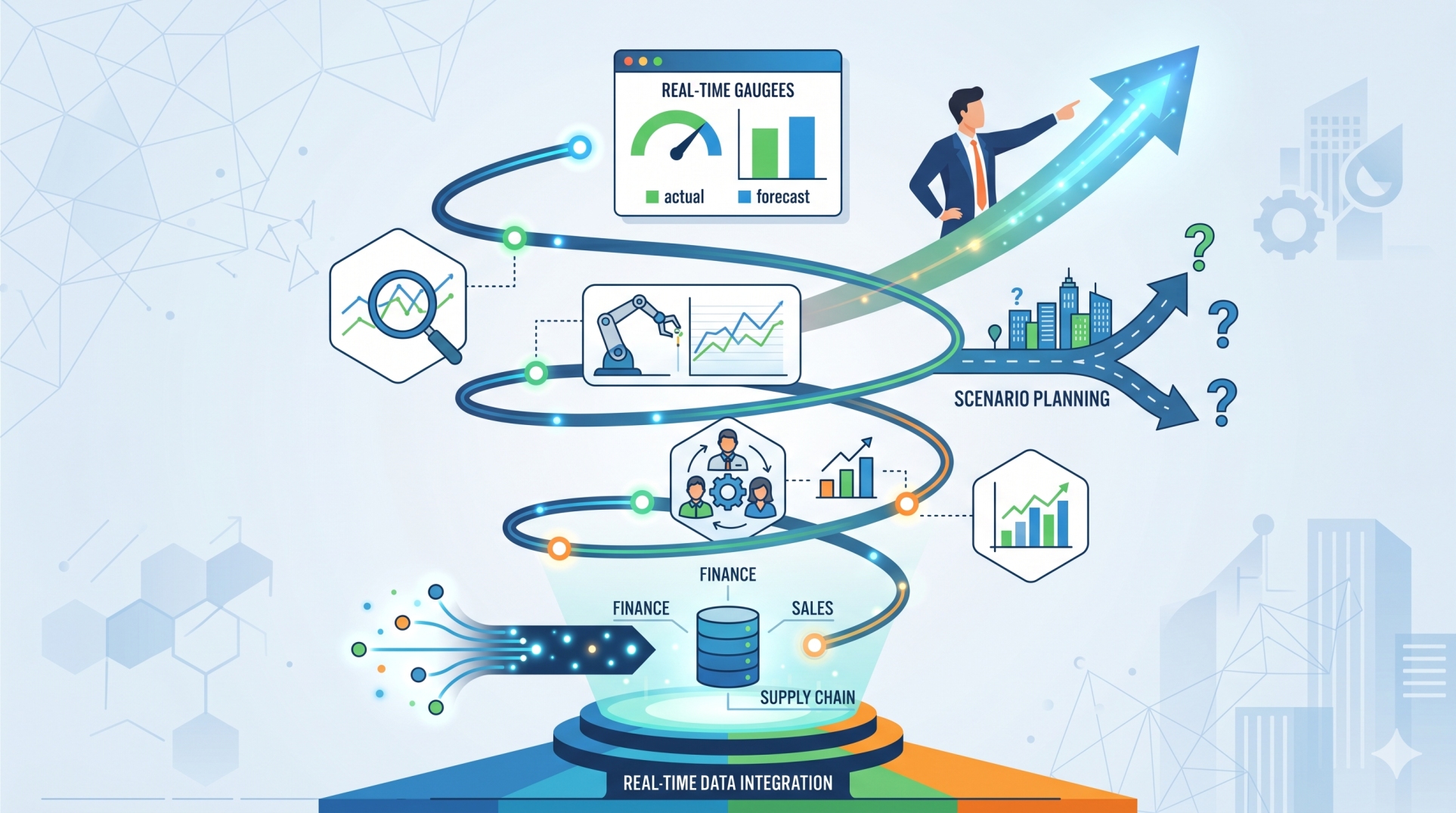
• Enable real-time data sharing between services ⏱️
• Avoid data silos in modular environments 🚫
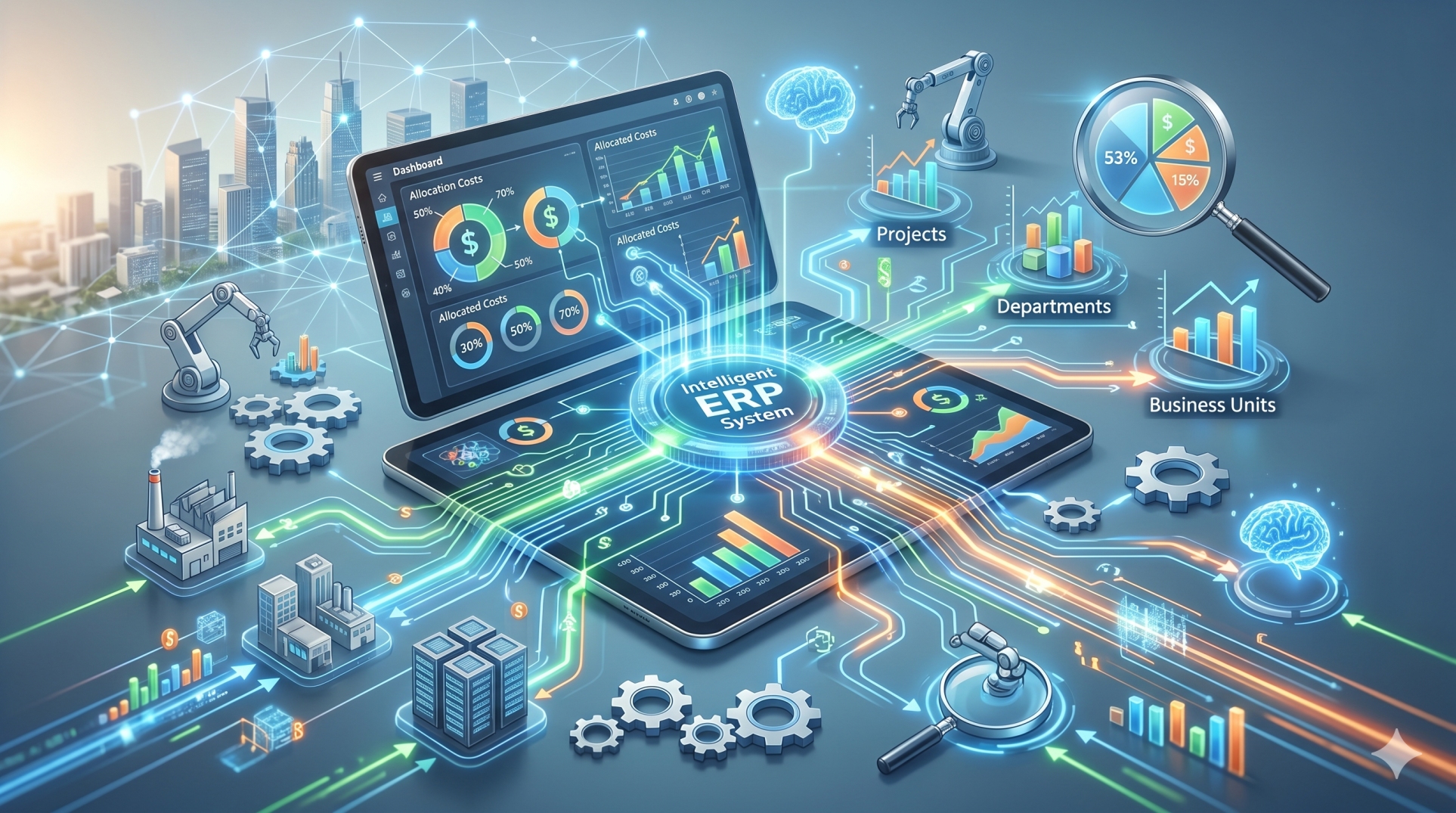
• Support advanced analytics and decision-making 📈
Step 7: Governance and Control in a Modular Ecosystem 🔐
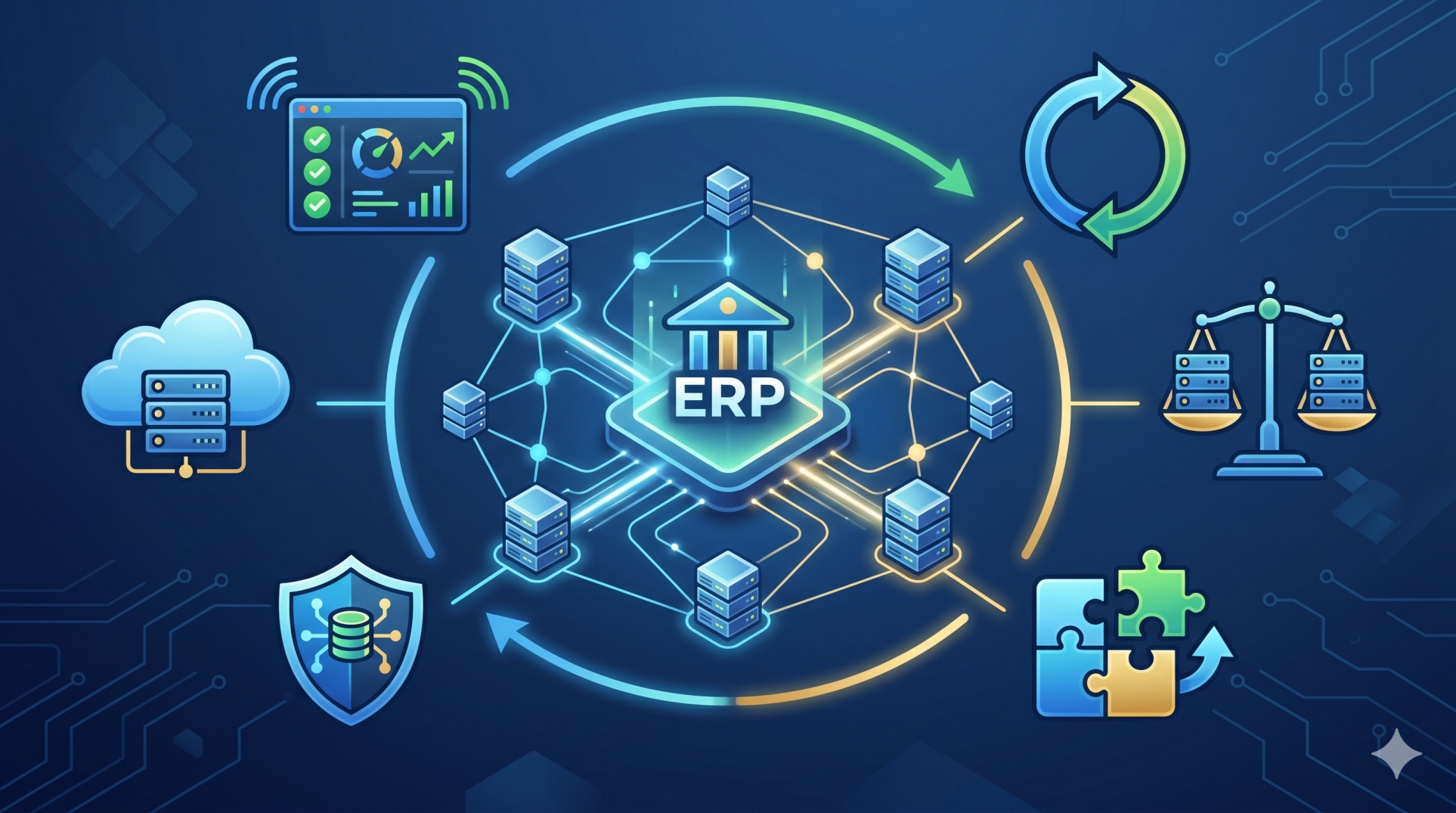
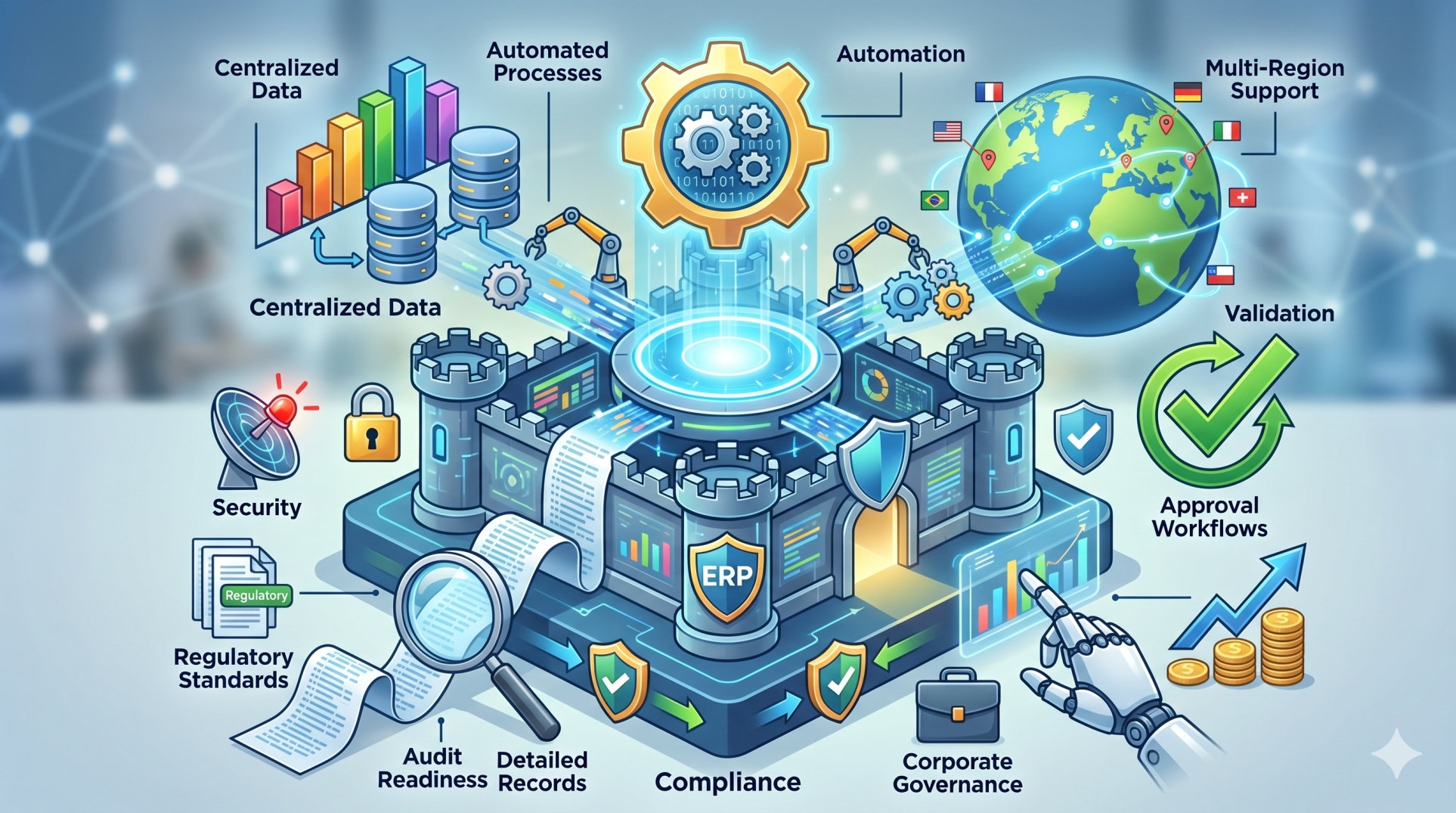
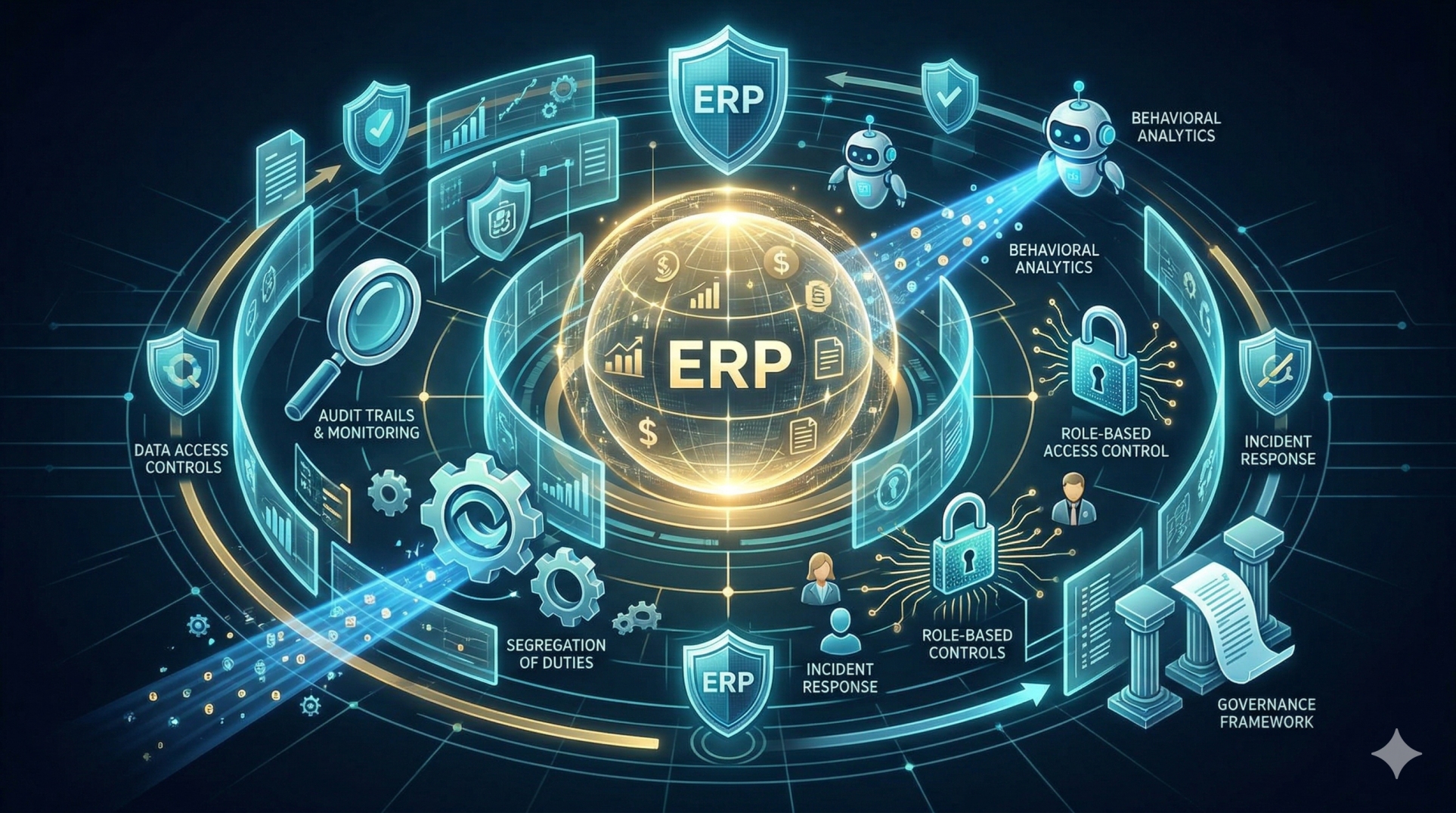
• Define clear governance policies for module integration 📜
• Ensure security and access control across services 🛡️
• Monitor system performance and service dependencies 🔍
• Maintain compliance with industry standards 🏛️
• Balance flexibility with centralized oversight ⚖️
Step 8: Key Benefits of Composable ERP 📌
• Increased flexibility and adaptability 🔄
• Faster deployment and innovation cycles ⚡
• Improved scalability and performance 📈
• Reduced risk through modular isolation 🛡️
Step 9: Managing Complexity and Integration Challenges ⚠️
• Address integration complexity across multiple services 🔗
• Ensure consistent communication between modules 📡
• Manage dependencies and version compatibility 🔄
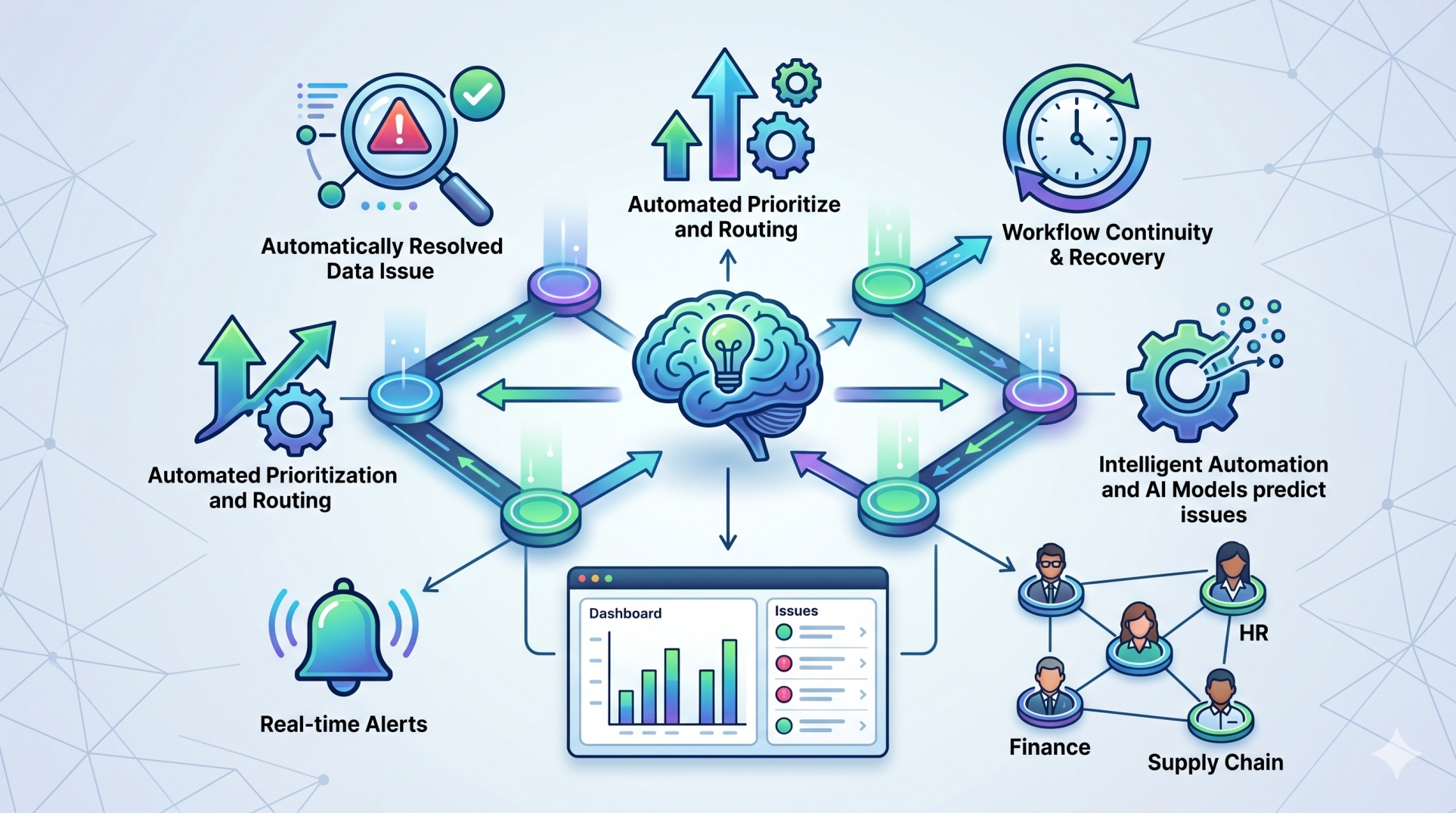
• Monitor system health across distributed environments 🔍
• Implement strong orchestration and monitoring tools 🧠
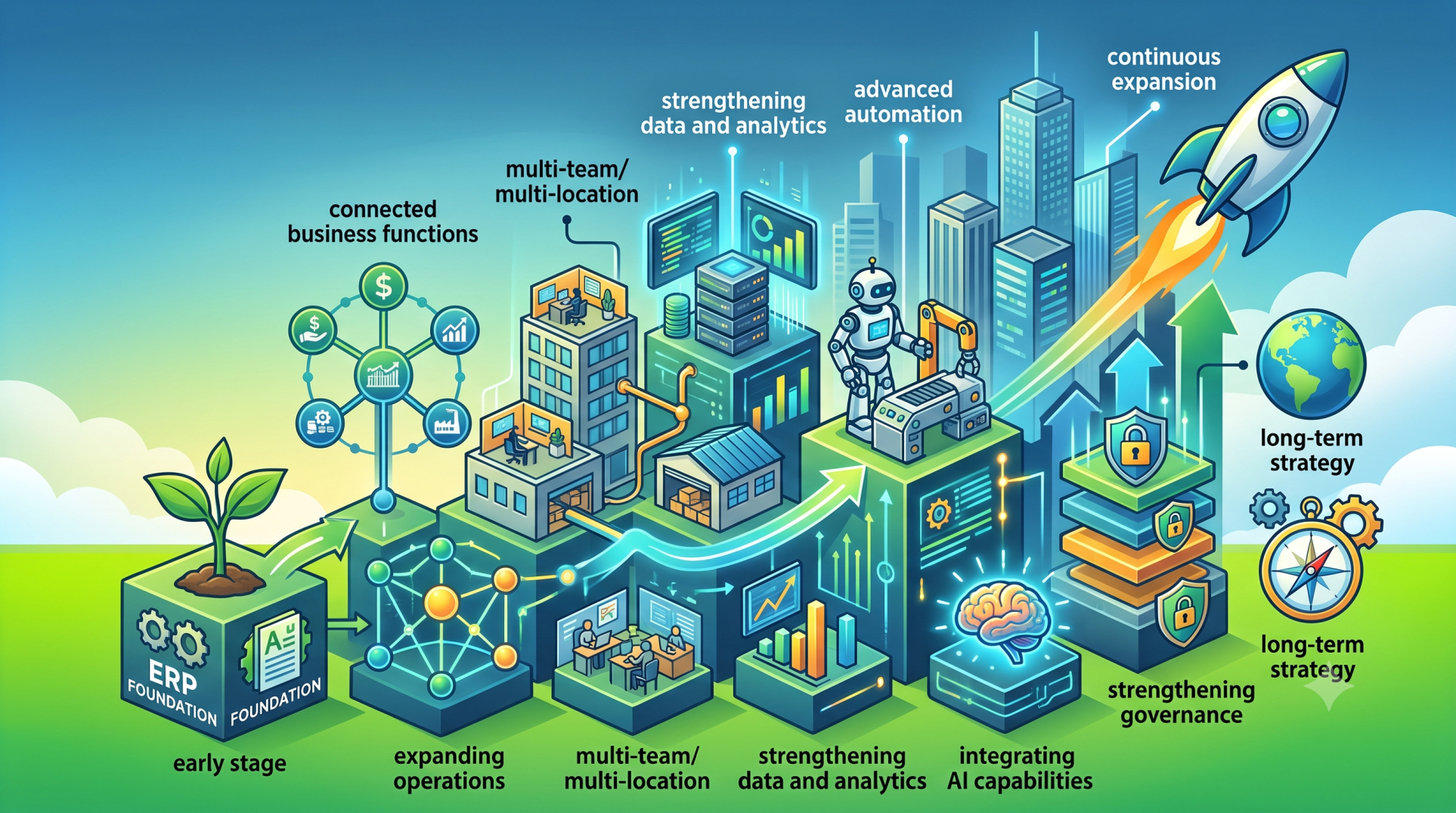
Step 10: Building a Future-Ready Enterprise Platform 🏗️
• Design ERP systems that evolve with business needs 🔄
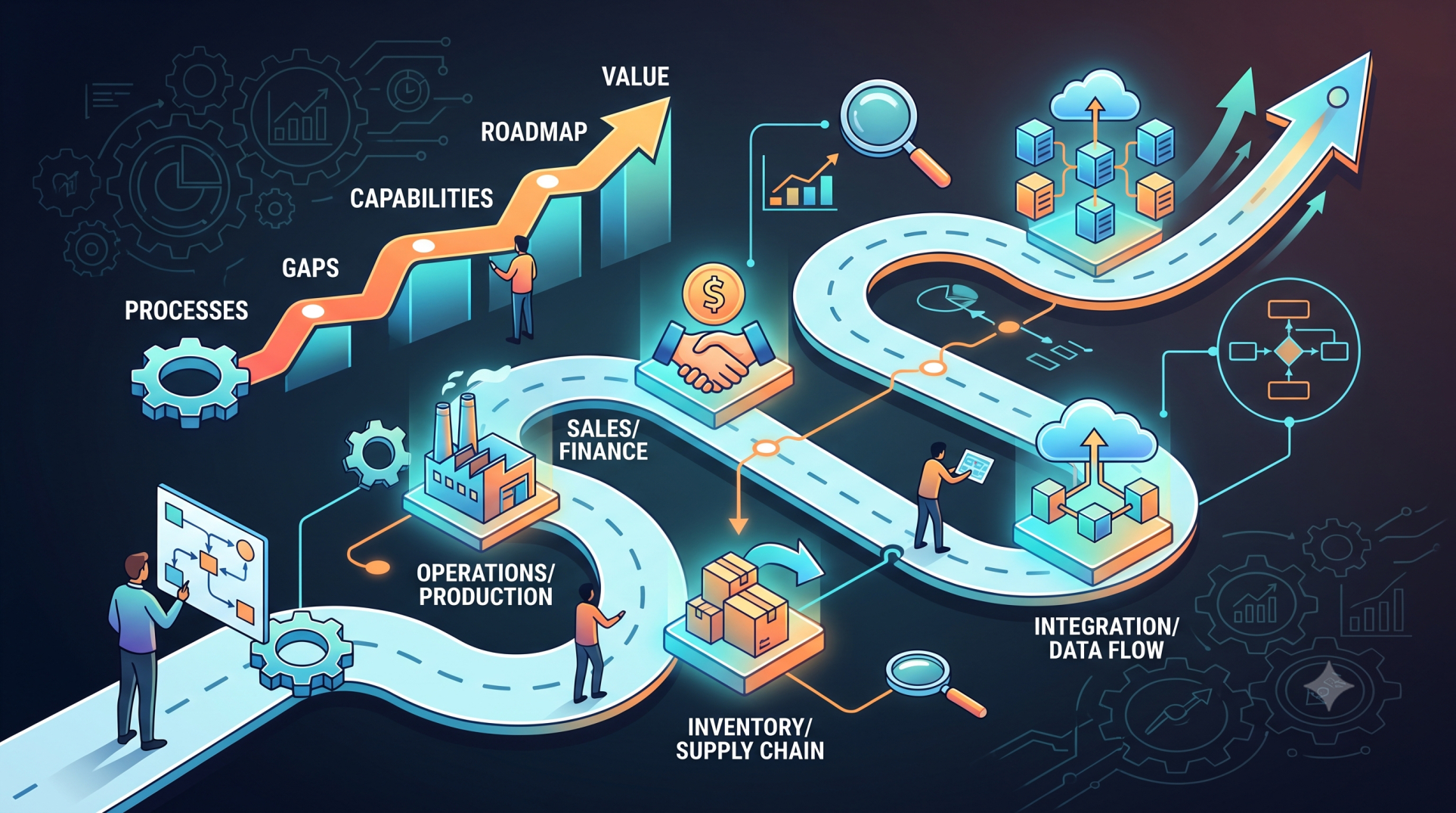
• Adopt a phased approach to transitioning from monolithic systems 🧩
• Invest in scalable and flexible infrastructure ☁️
• Encourage a culture of continuous improvement and innovation 🚀
• Future-proof enterprise systems for long-term growth 📈
Conclusion
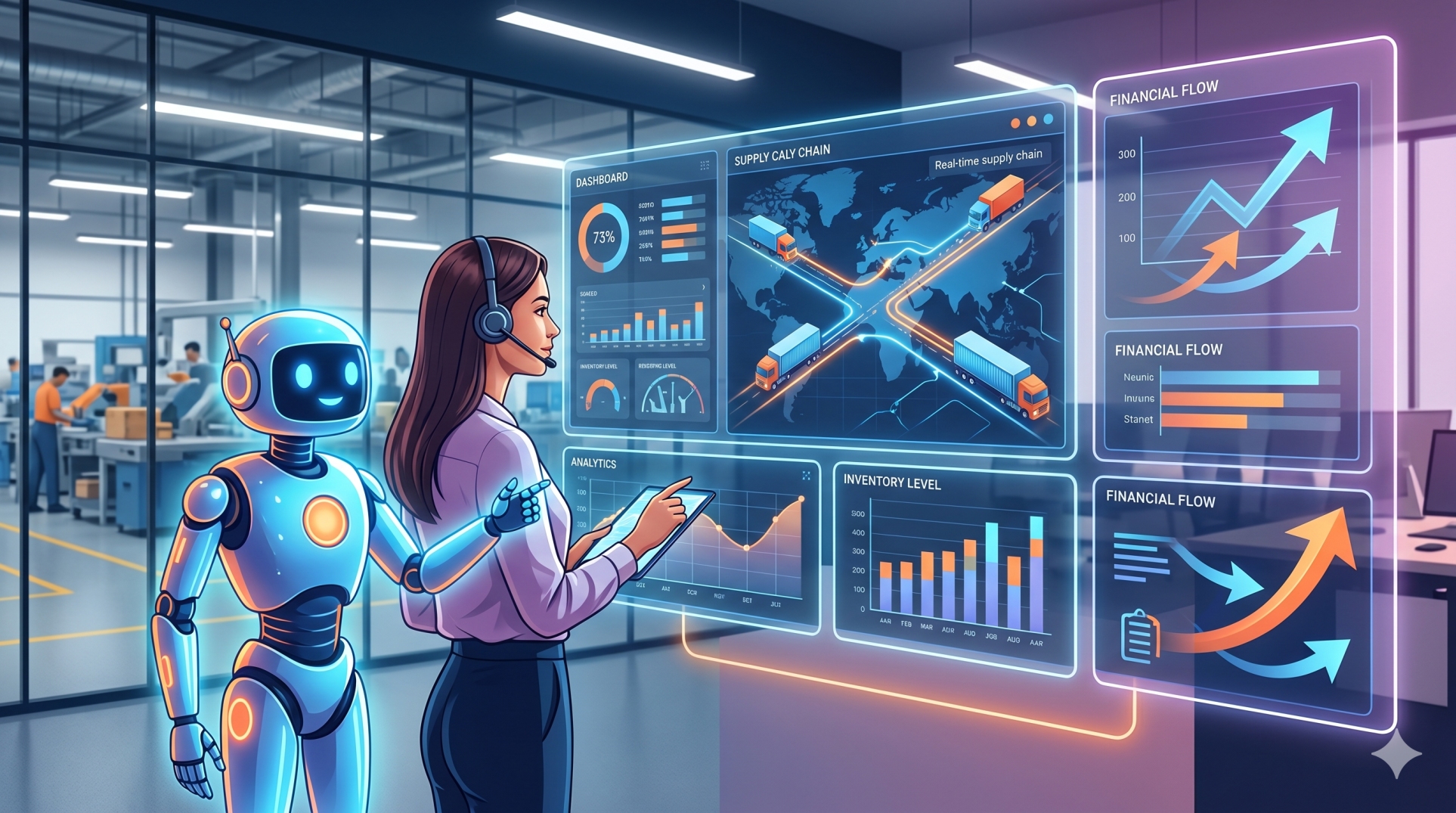
Composable ERP represents a fundamental shift in how enterprise systems are designed and deployed. By embracing modular architectures, API-driven integration, and cloud-native technologies, organizations can achieve unprecedented flexibility and agility. This approach not only enhances operational efficiency but also empowers businesses to adapt quickly in an ever-changing digital landscape, making composable ERP a key foundation for the future of enterprise technology.
See more blogs
You can all the articles below