AI-Augmented Decision Frameworks Inside ERP

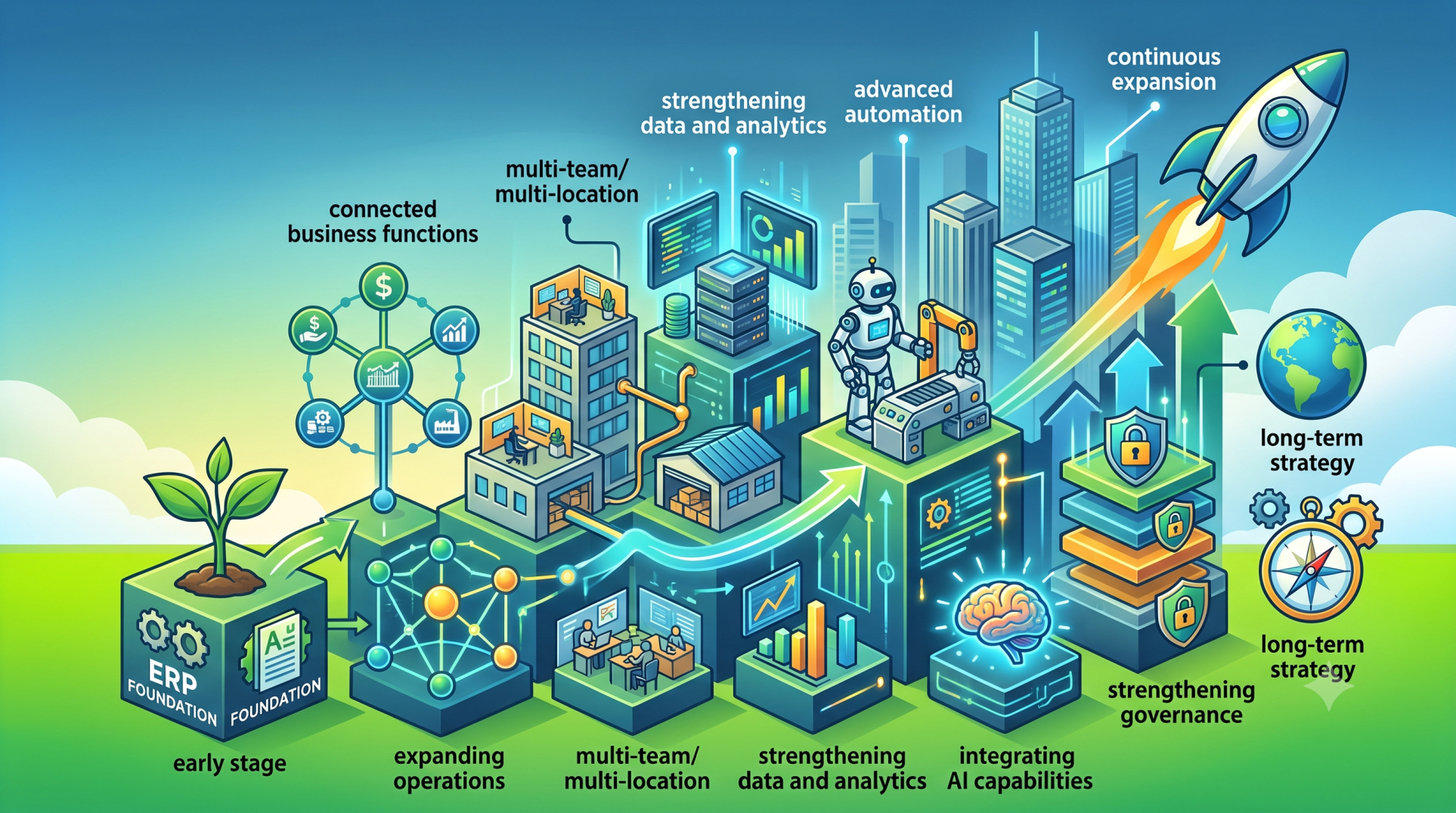
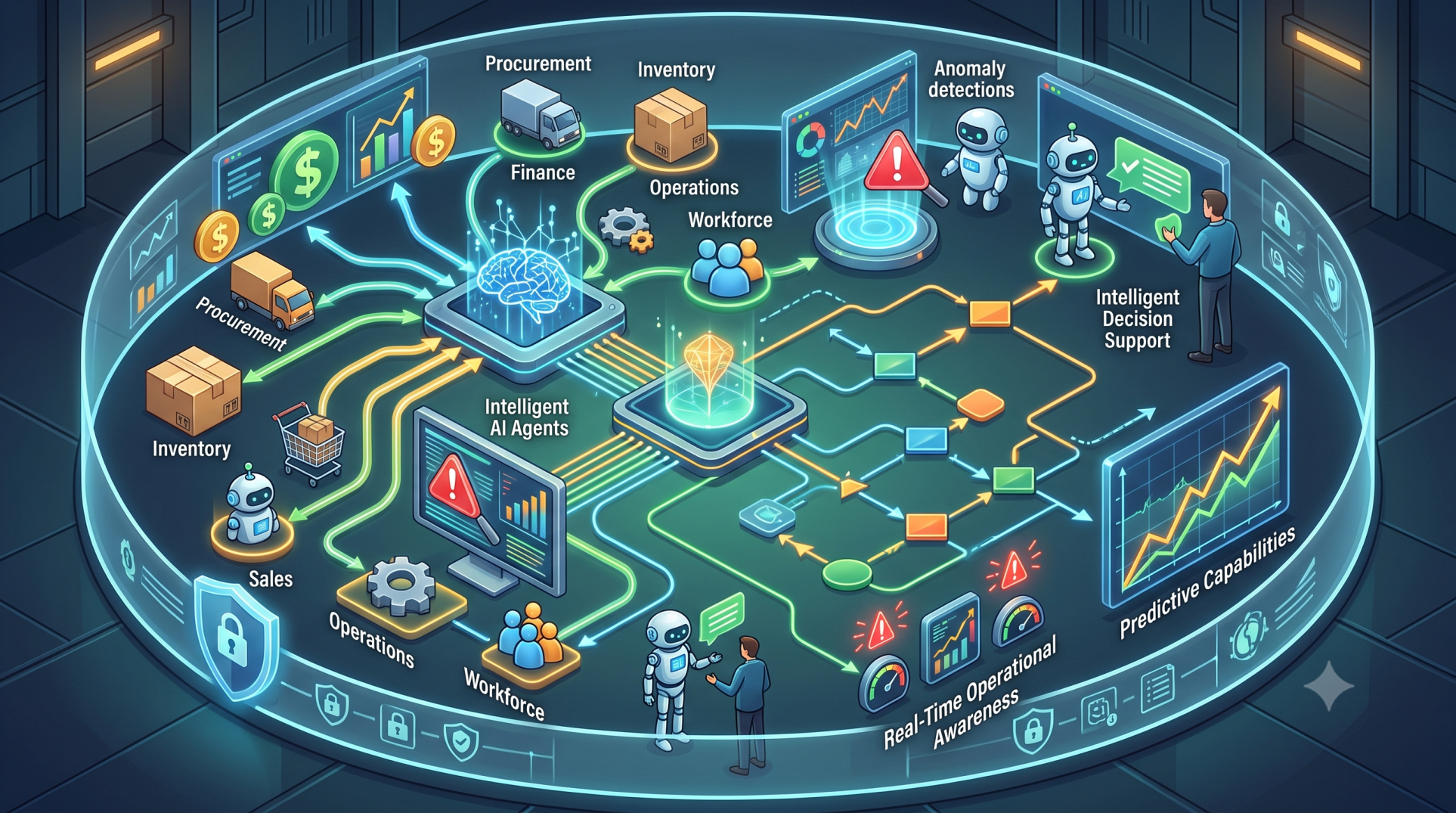
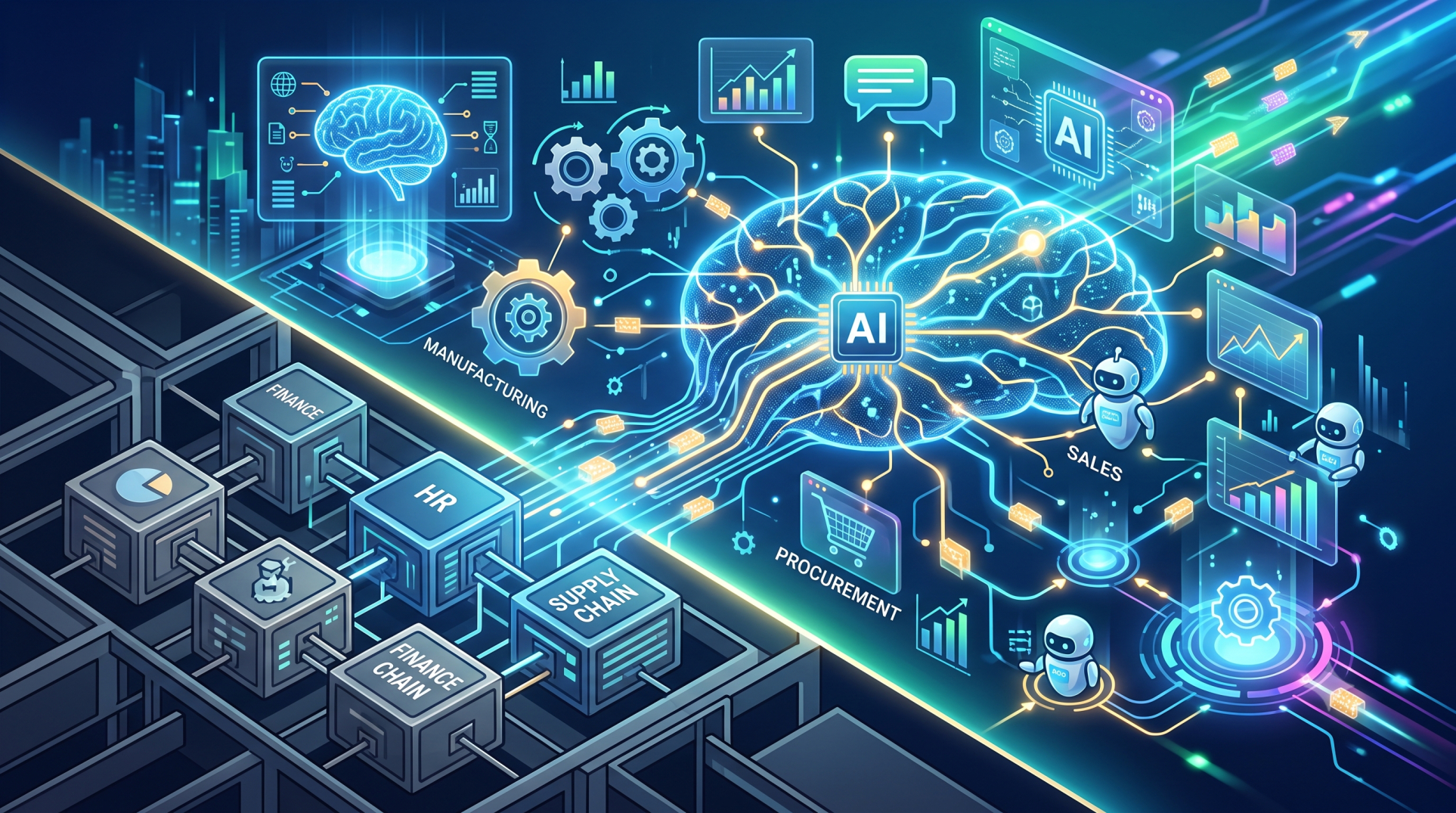
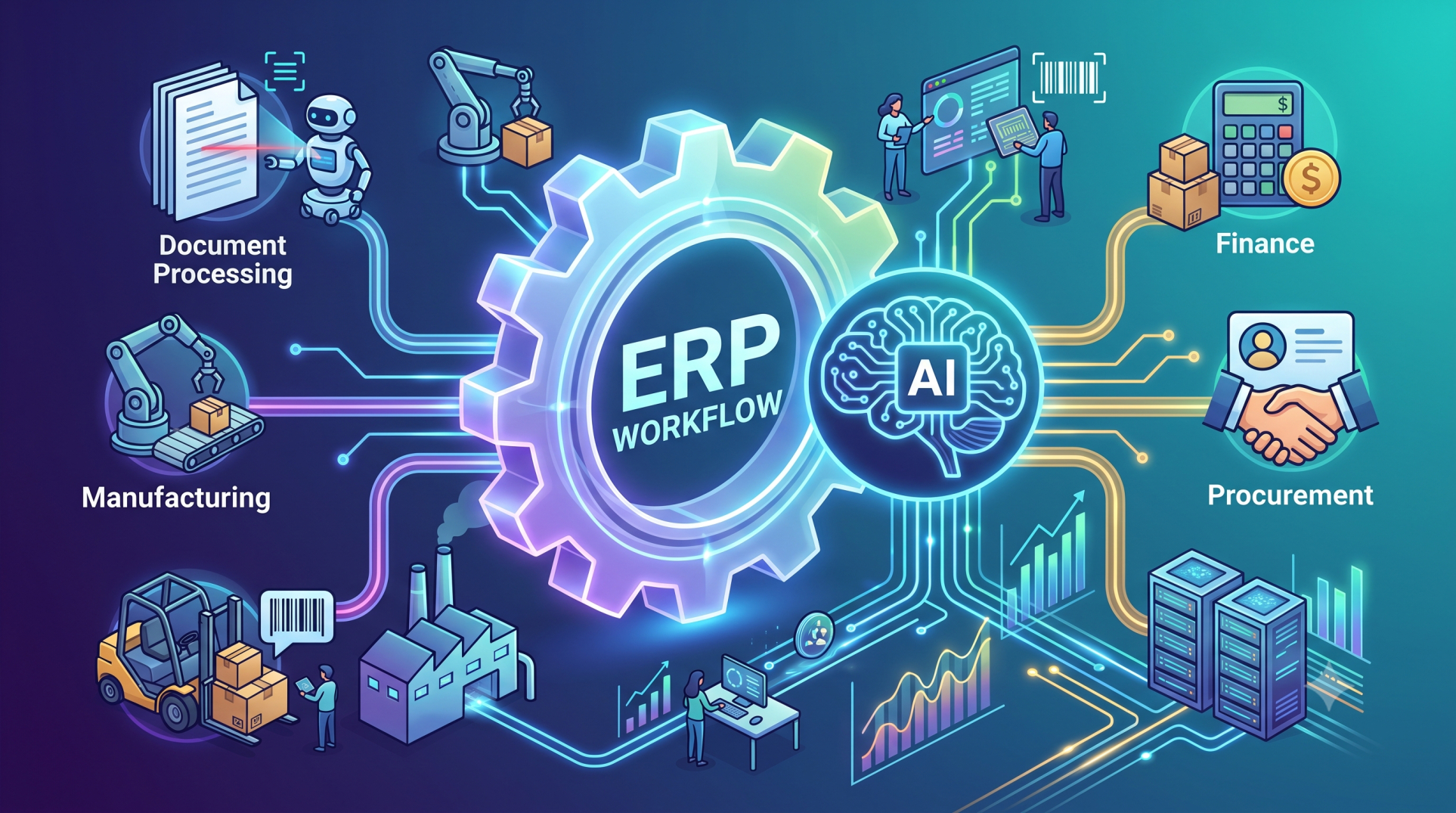
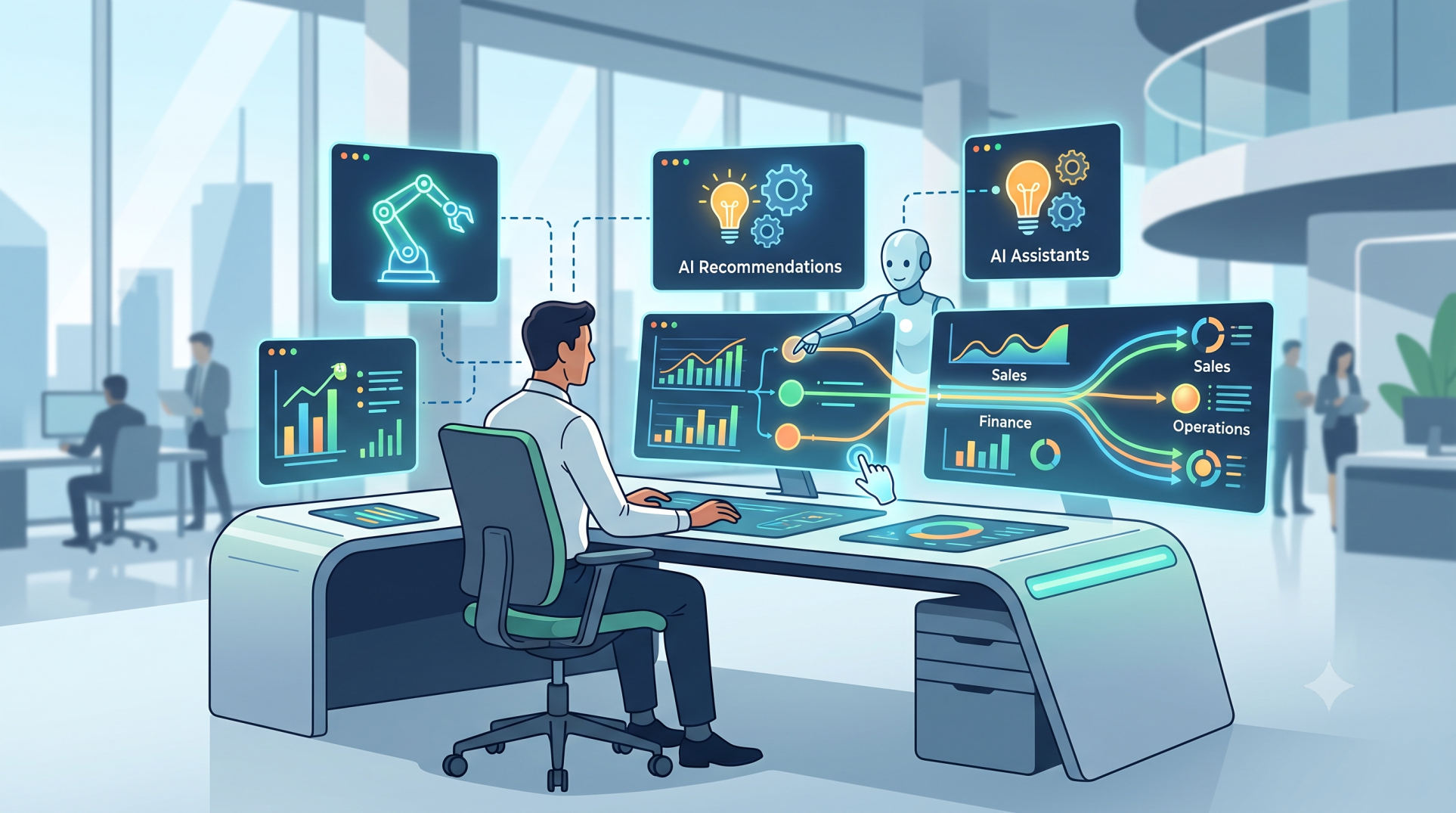
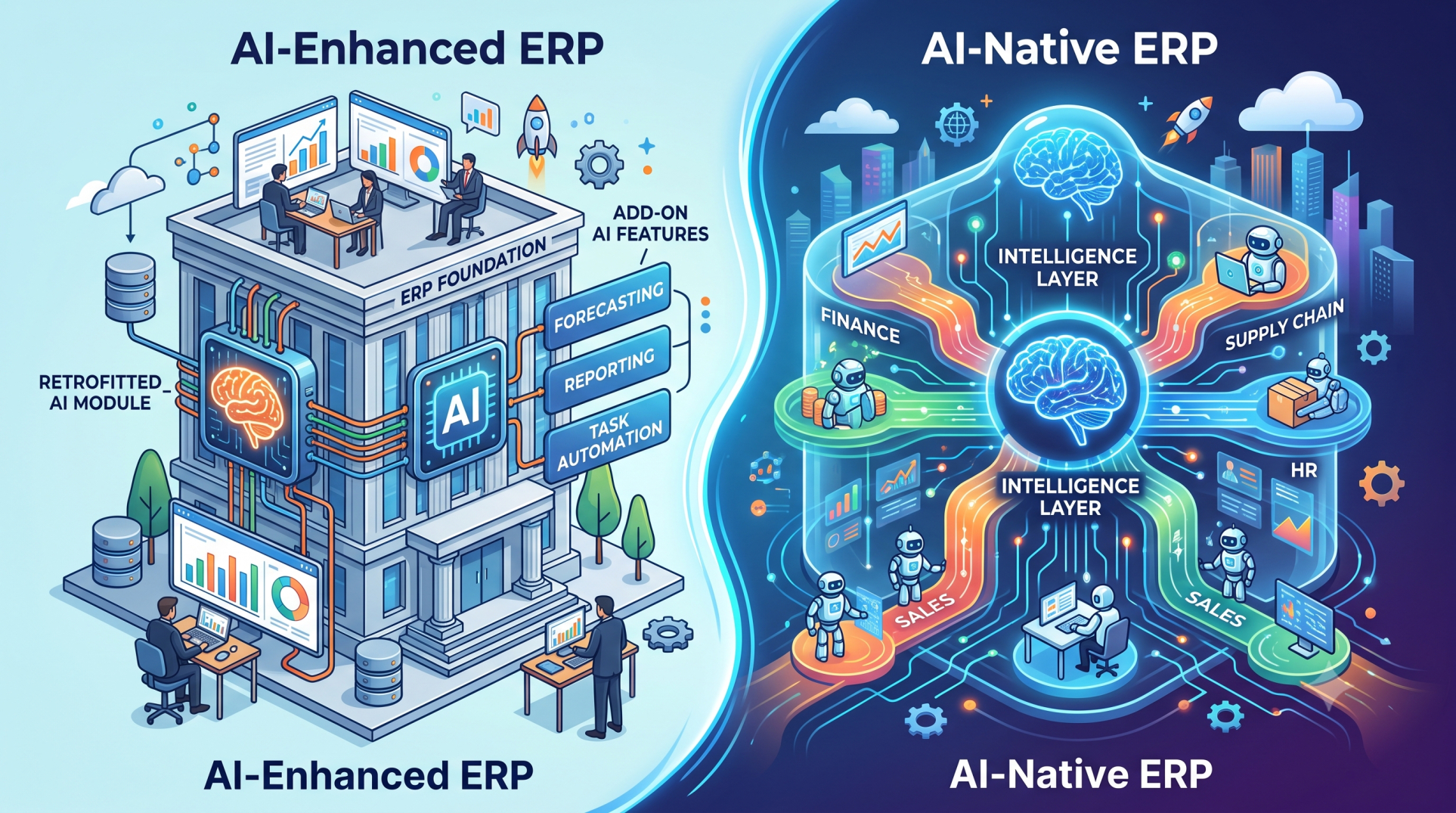
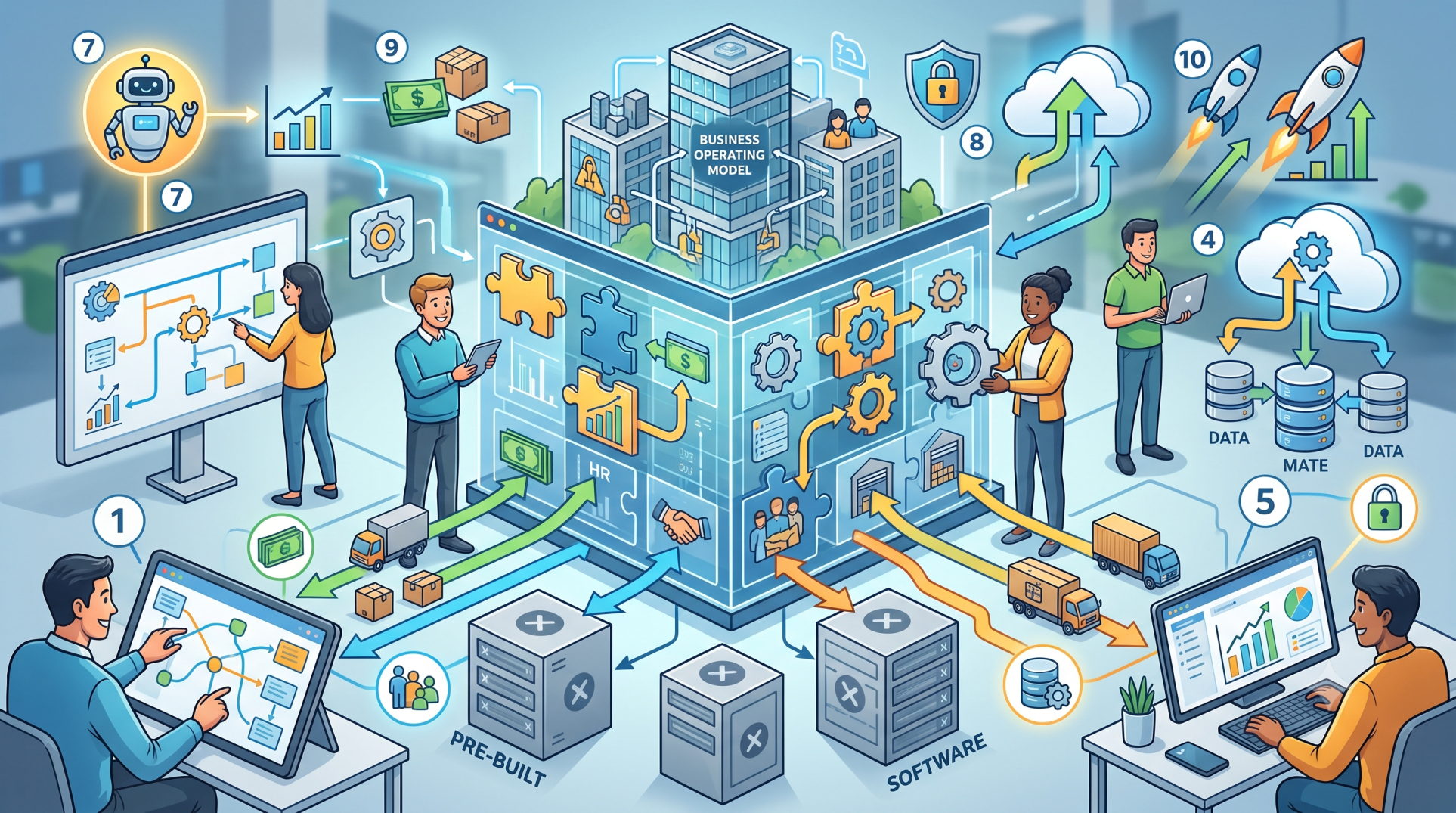
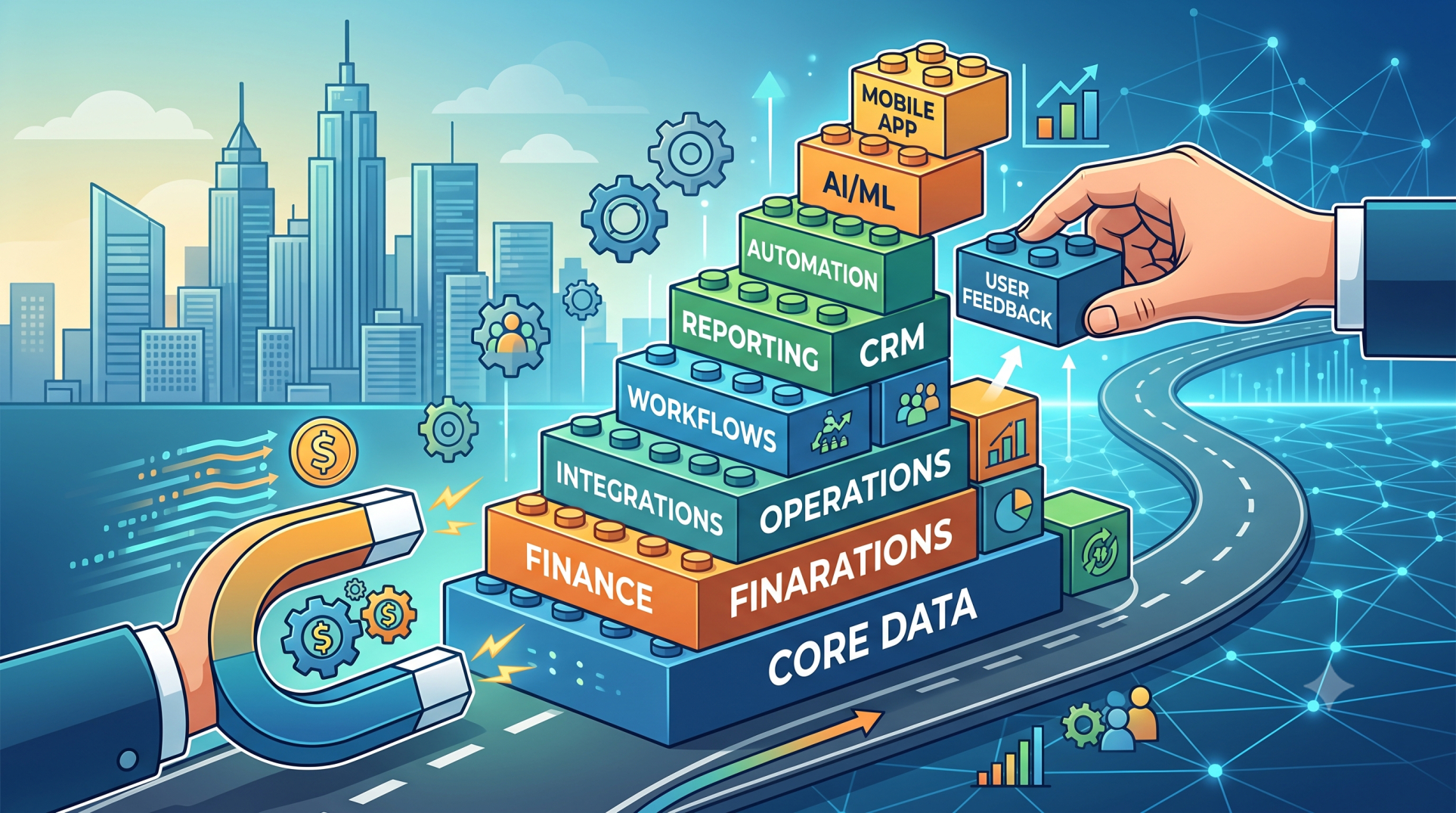
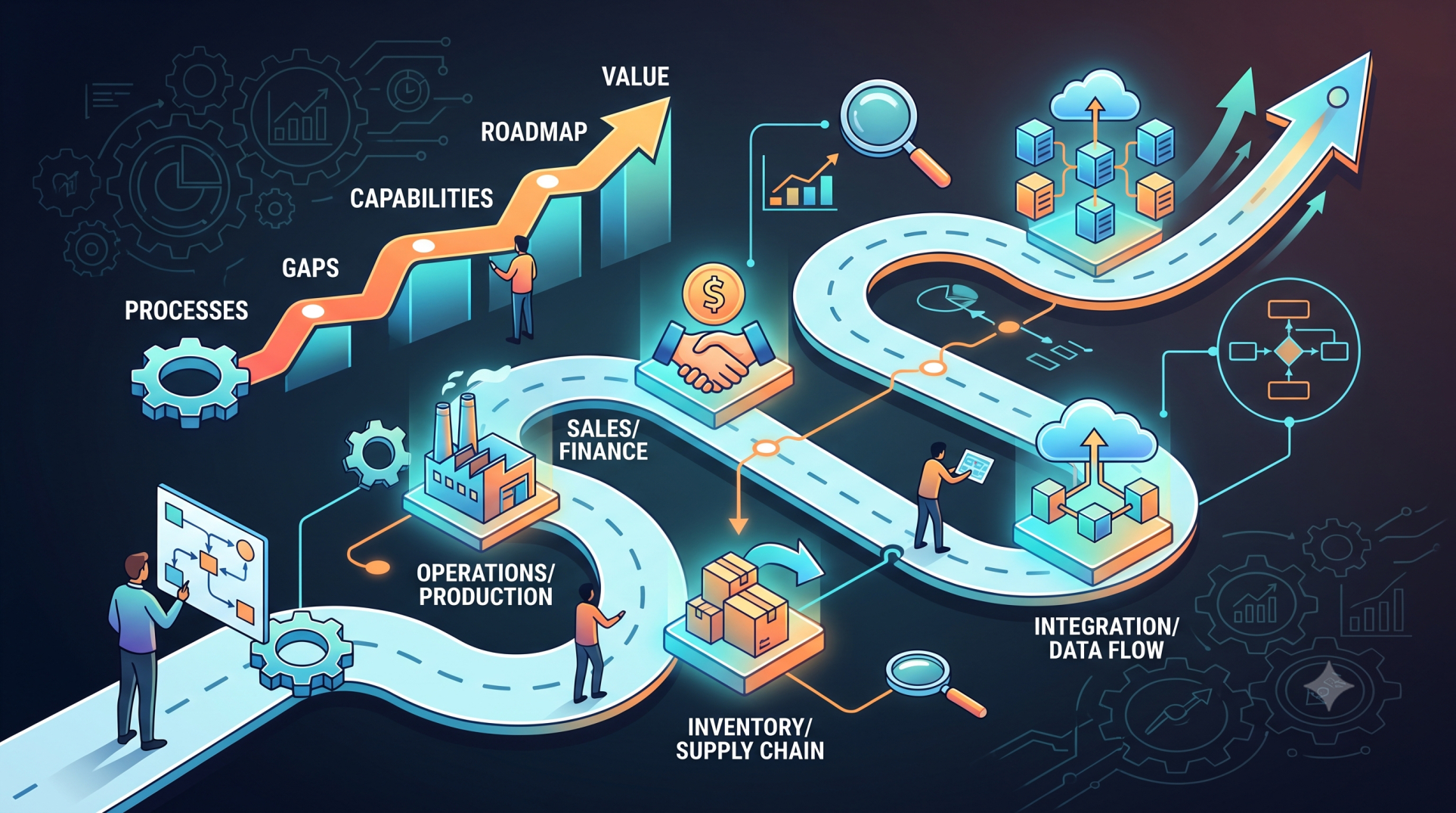
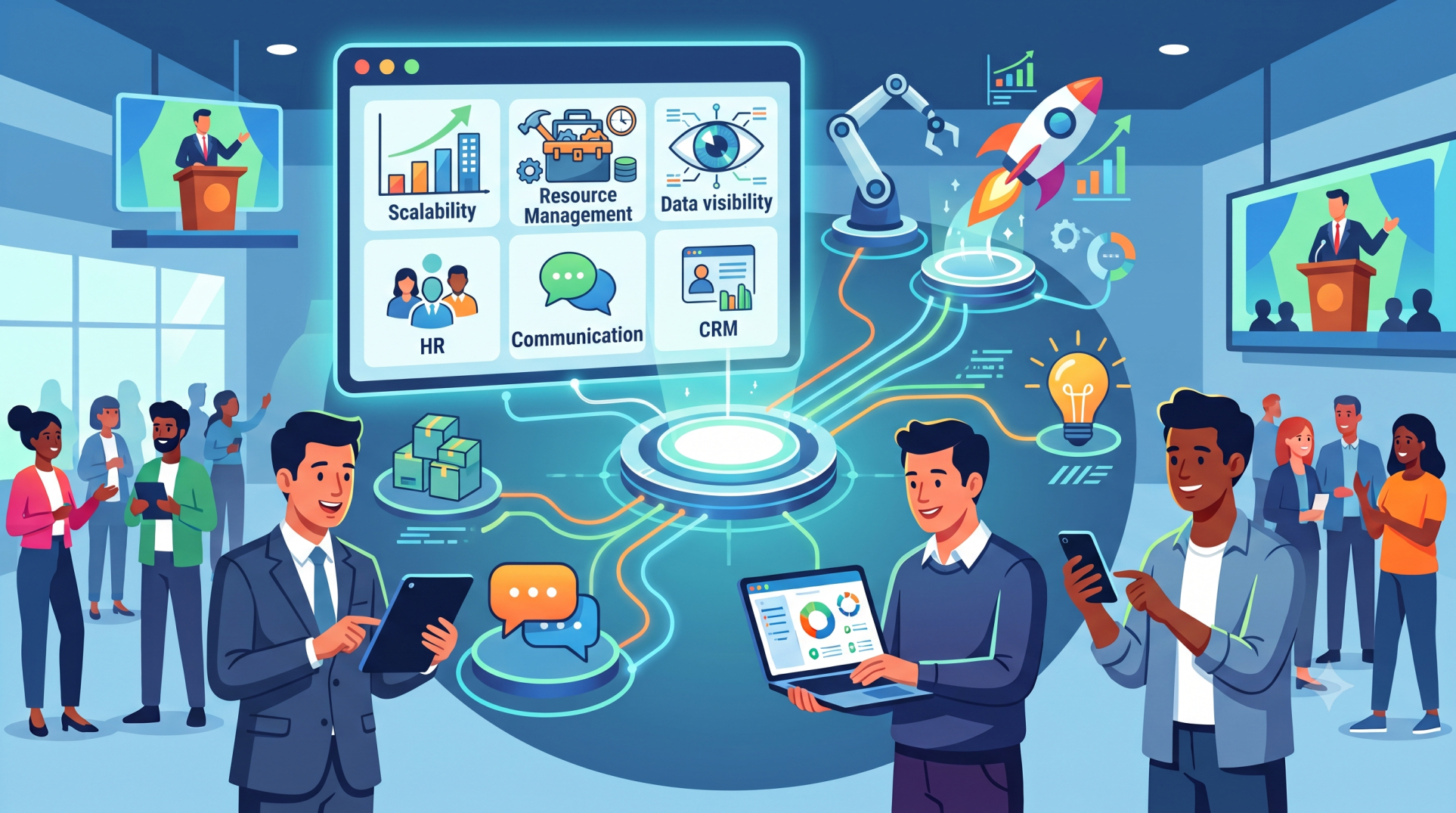
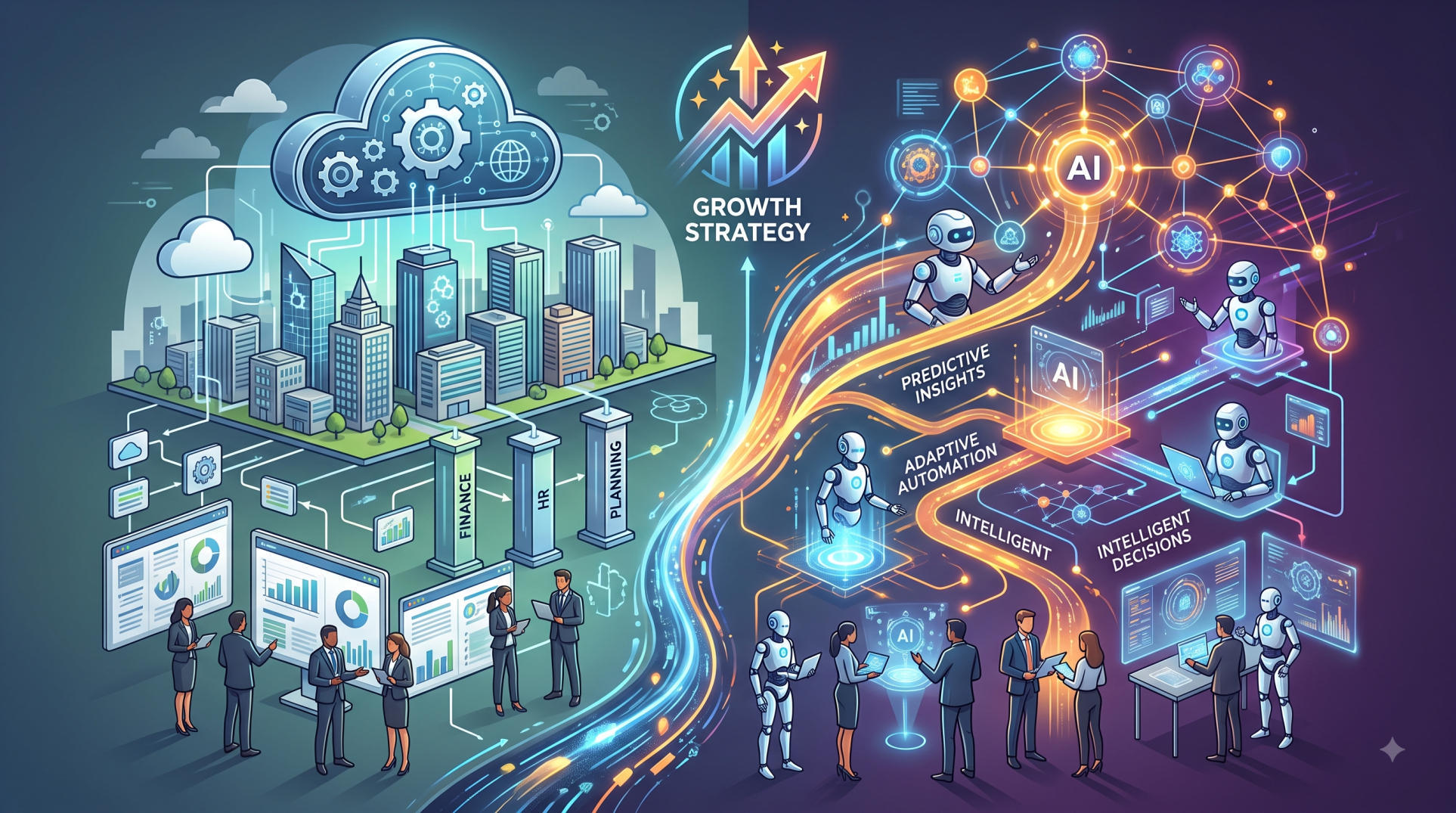
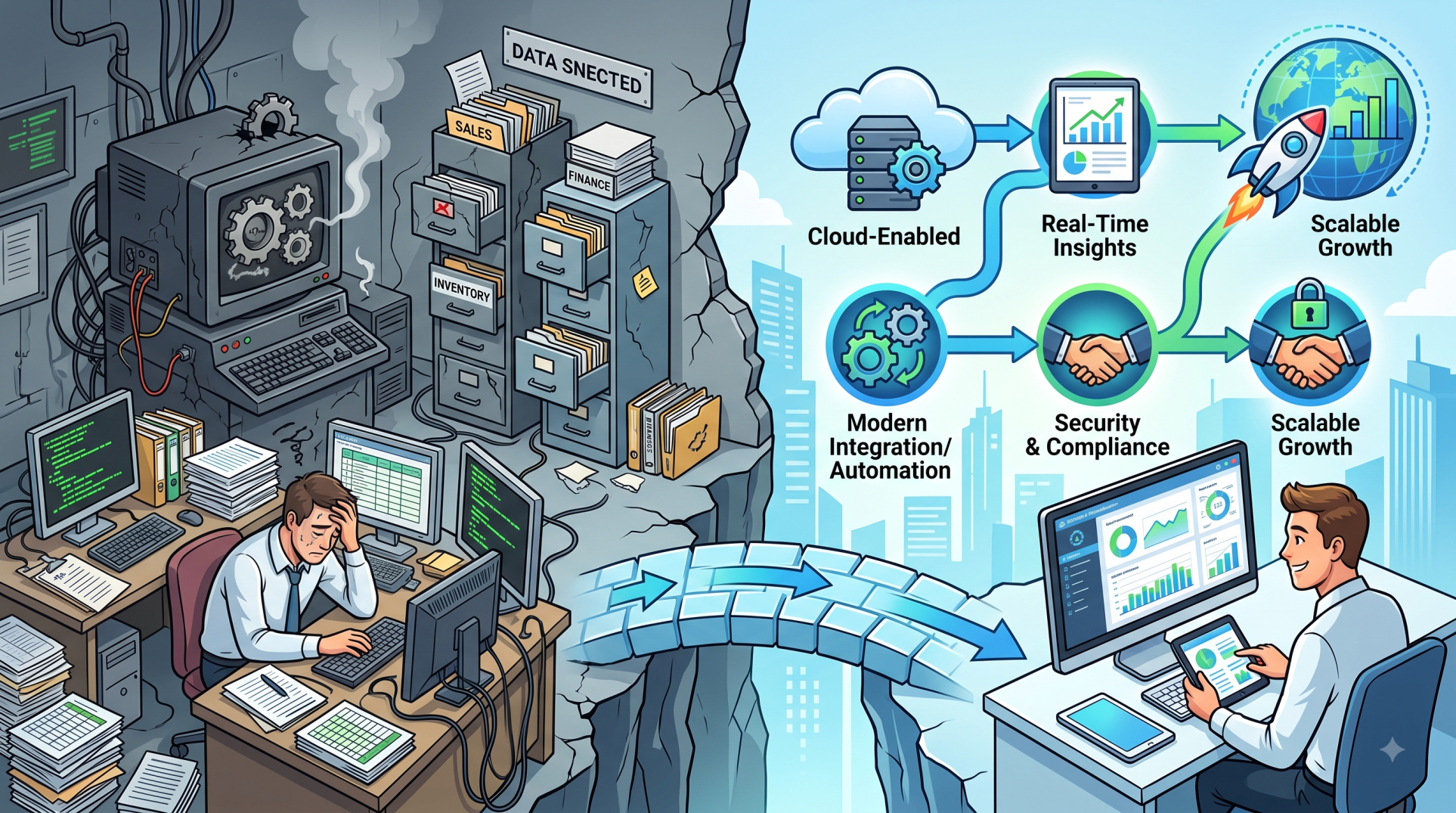
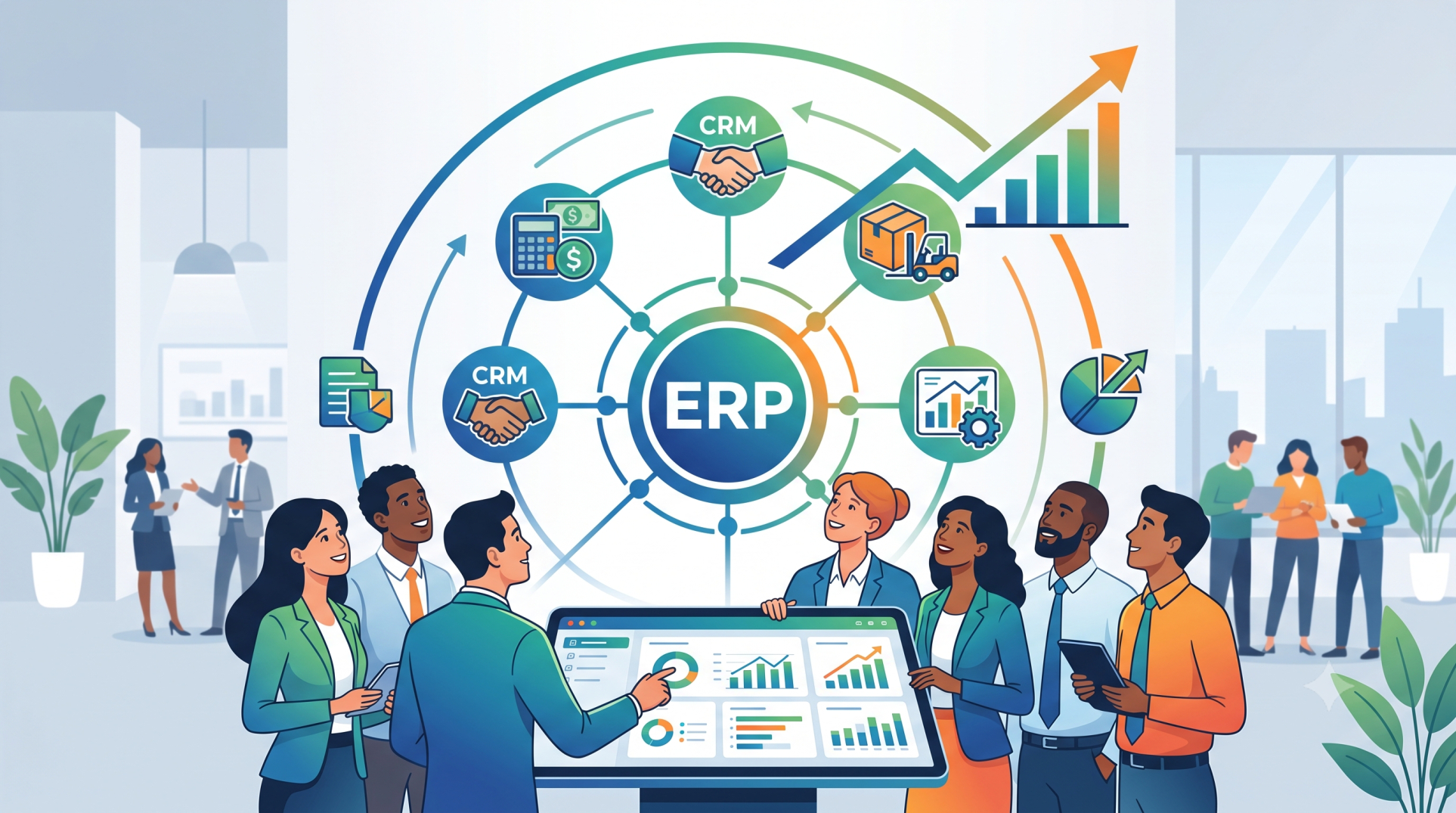
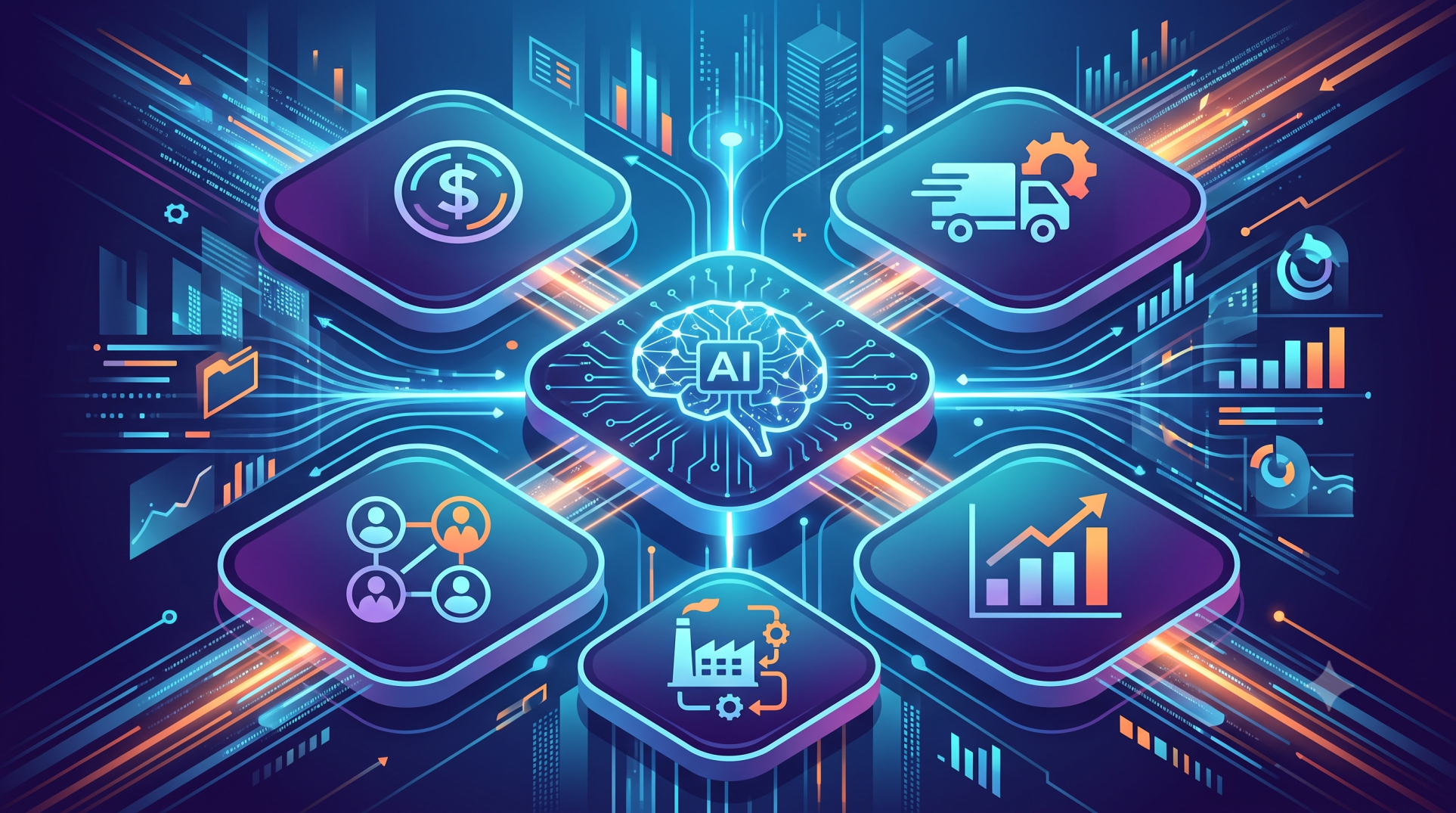
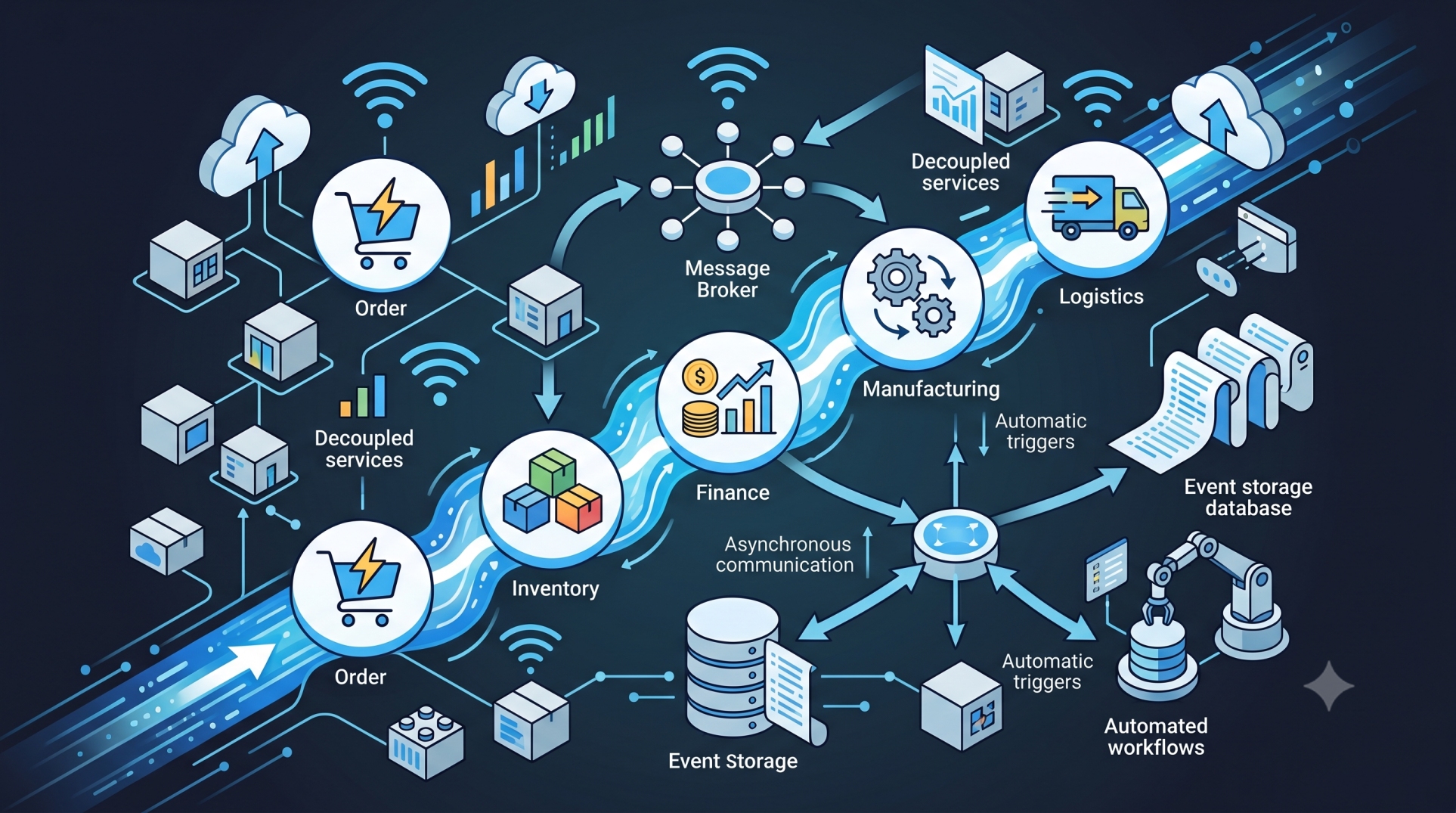
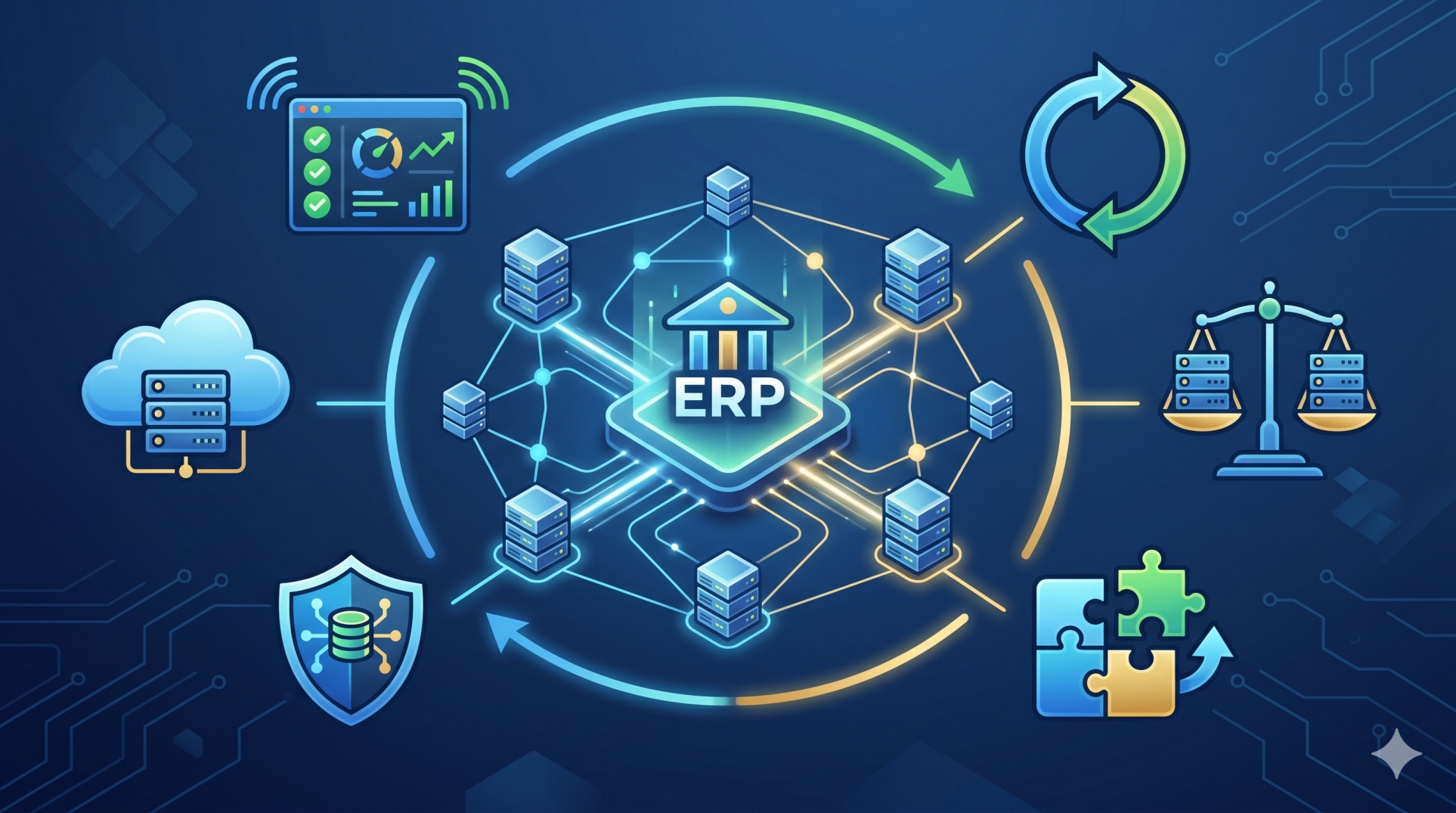
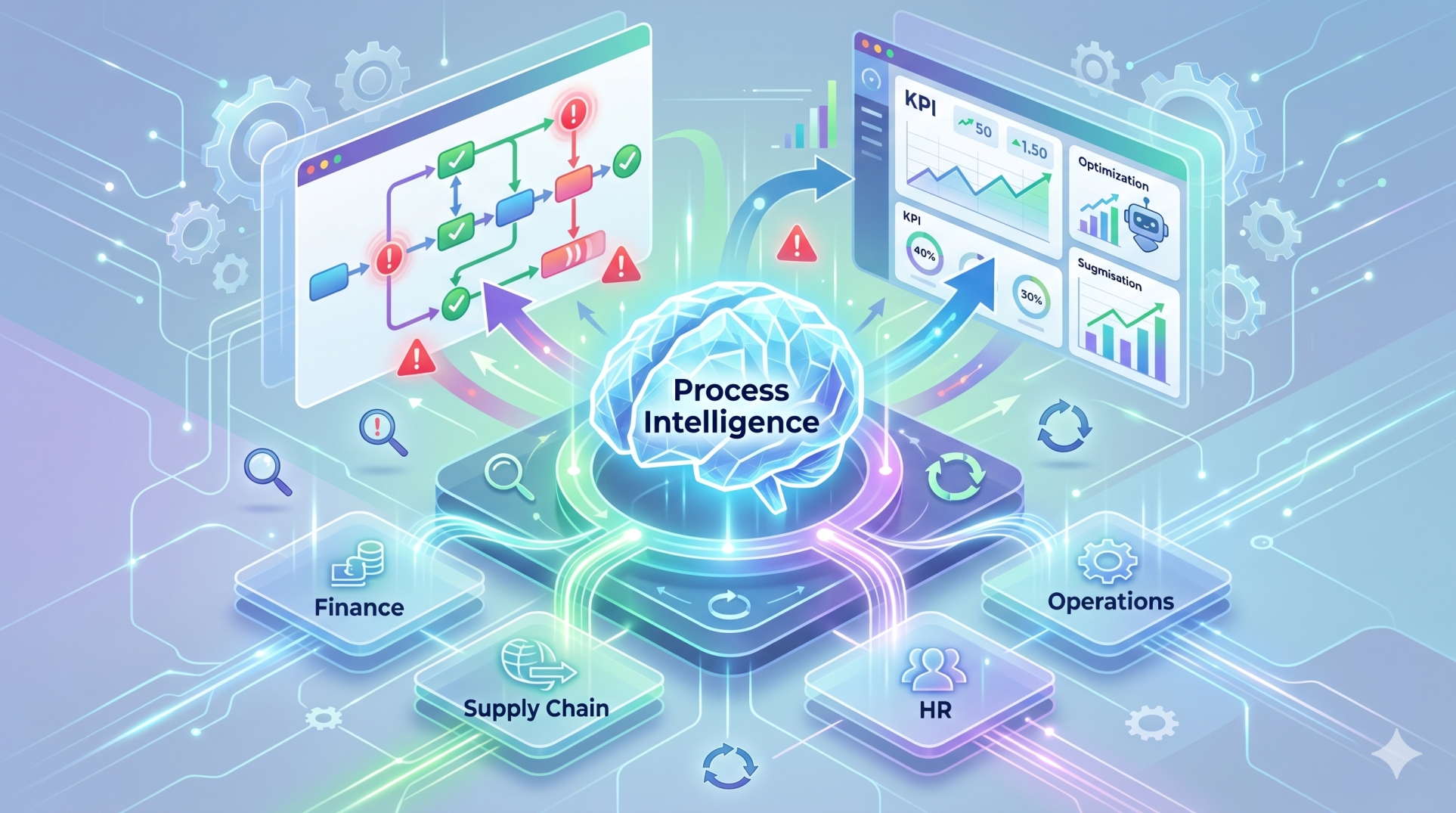
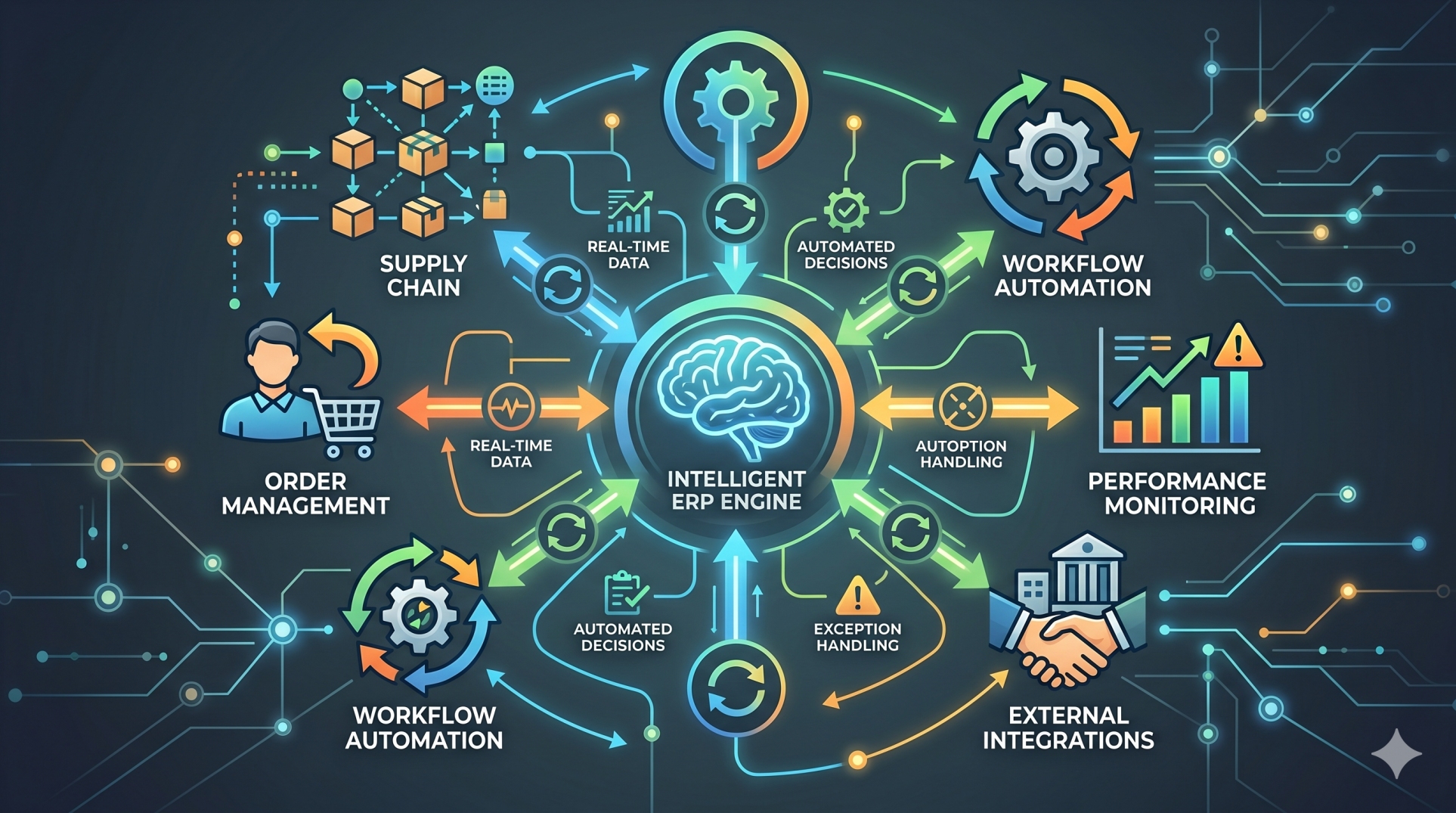
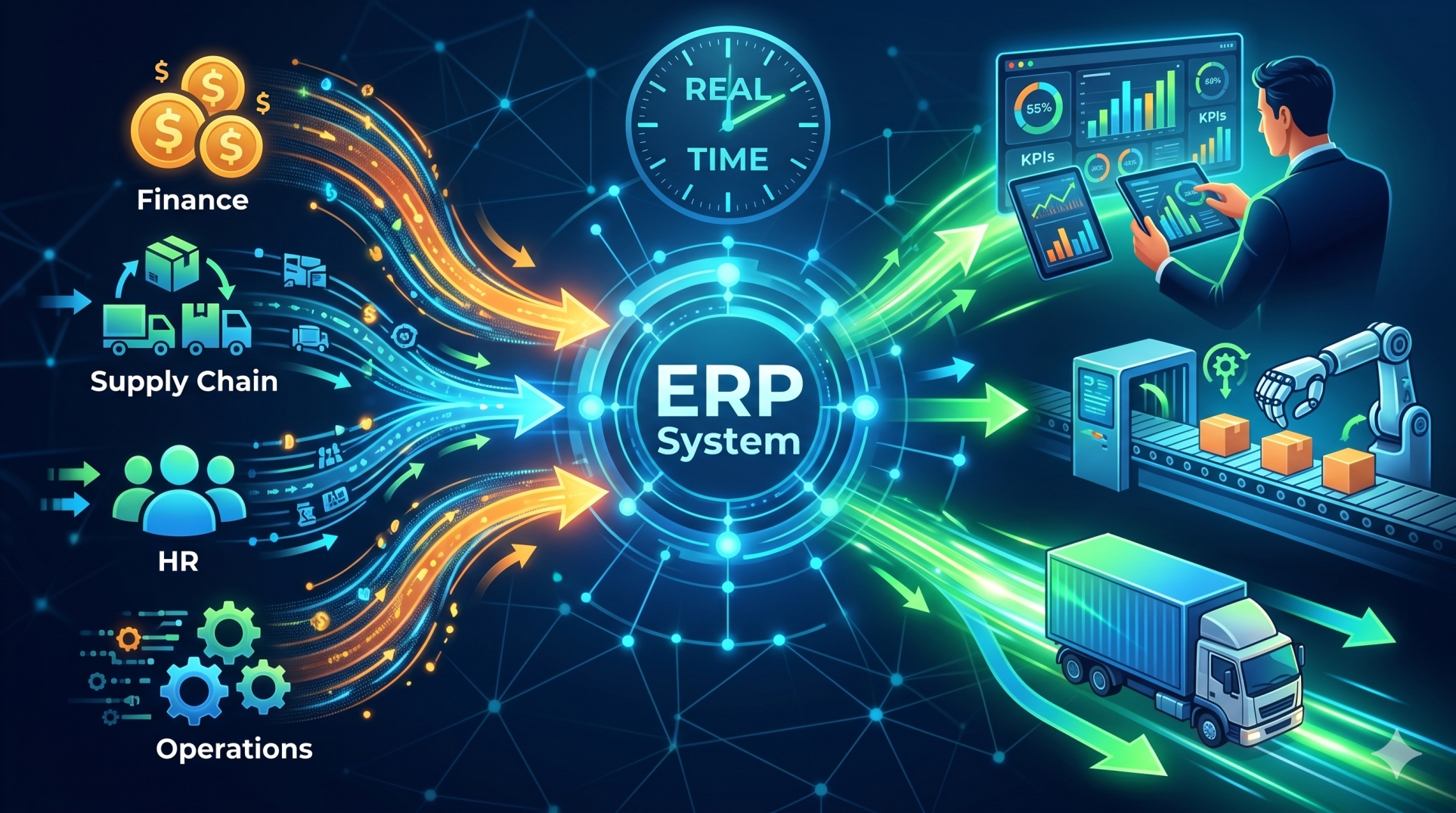
As Enterprise Resource Planning (ERP) systems evolve beyond transactional platforms, they are increasingly becoming intelligent decision engines. By embedding AI-driven capabilities directly into ERP workflows, organizations can move from reactive reporting to proactive and predictive decision-making. AI-augmented decision frameworks enable faster insights, improved accuracy, and more strategic control across business operations.
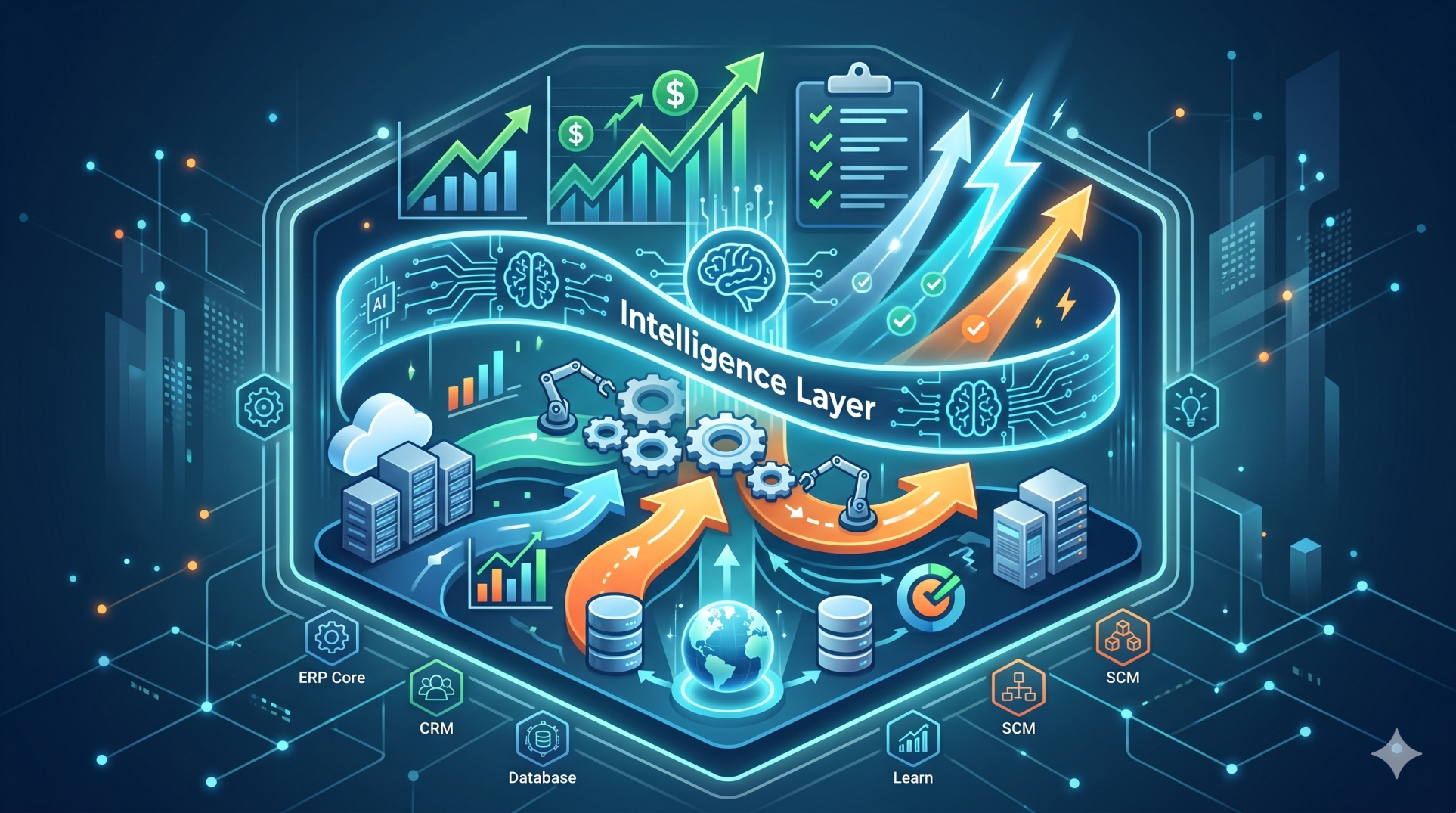
Step 1: Embedding AI into Core ERP Workflows 🤖
• Integrate AI models directly into finance, supply chain, and operations workflows ⚙️
• Enable real-time decision support within existing processes ⏱️
• Automate routine decision-making tasks using intelligent rules 🔄
• Enhance ERP functionality without disrupting core operations 🧩
• Provide contextual insights at the point of action 📊
Step 2: Leveraging Predictive Analytics for Planning 📈
• Use historical and real-time data to forecast trends 📊
• Predict demand, inventory needs, and financial outcomes 🔮
• Improve planning accuracy across departments 📉
• Reduce uncertainty in strategic decision-making ⚖️
• Enable proactive responses to market changes 🚀
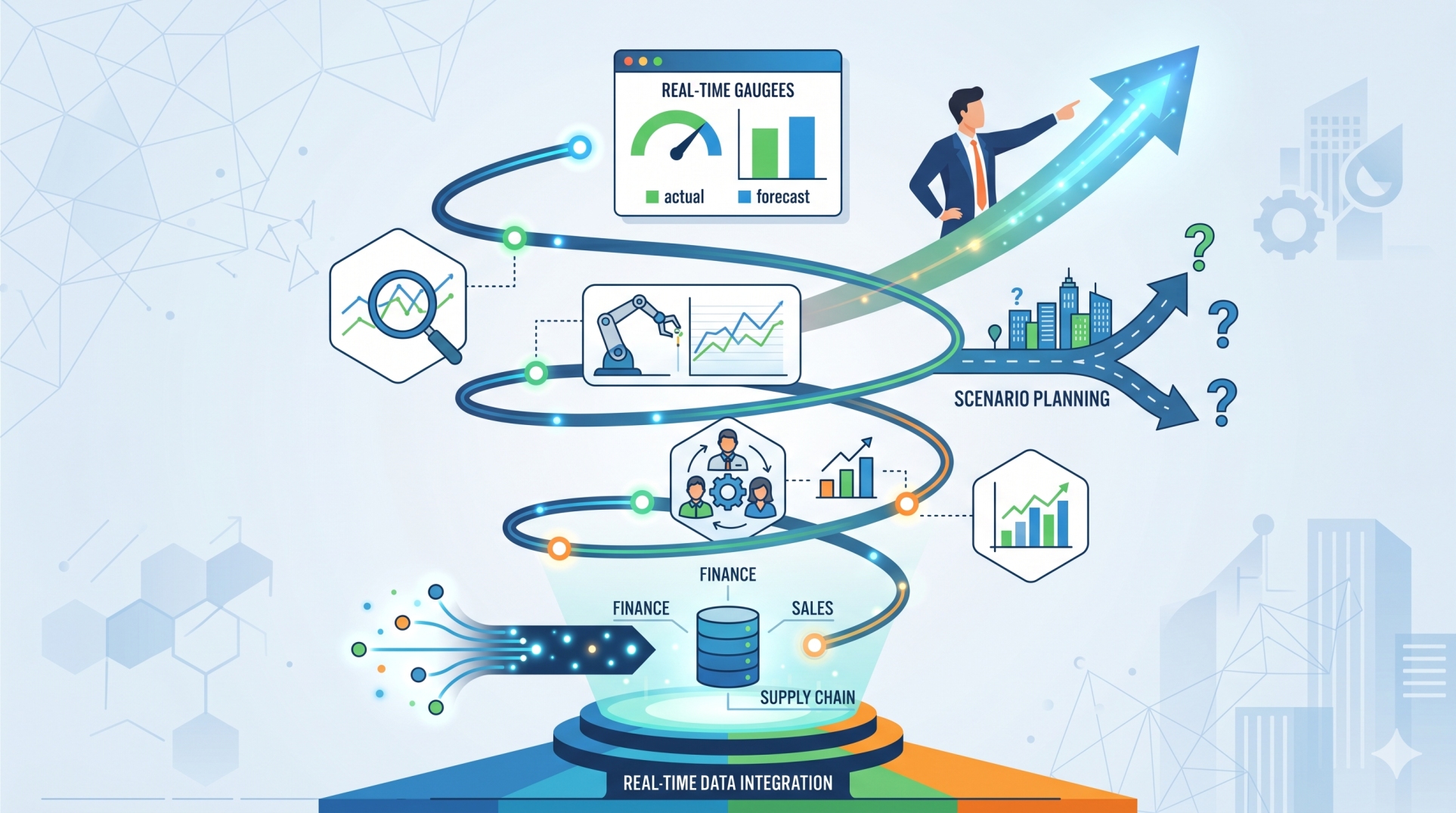
Step 3: Real-Time Data Processing and Insights ⚡
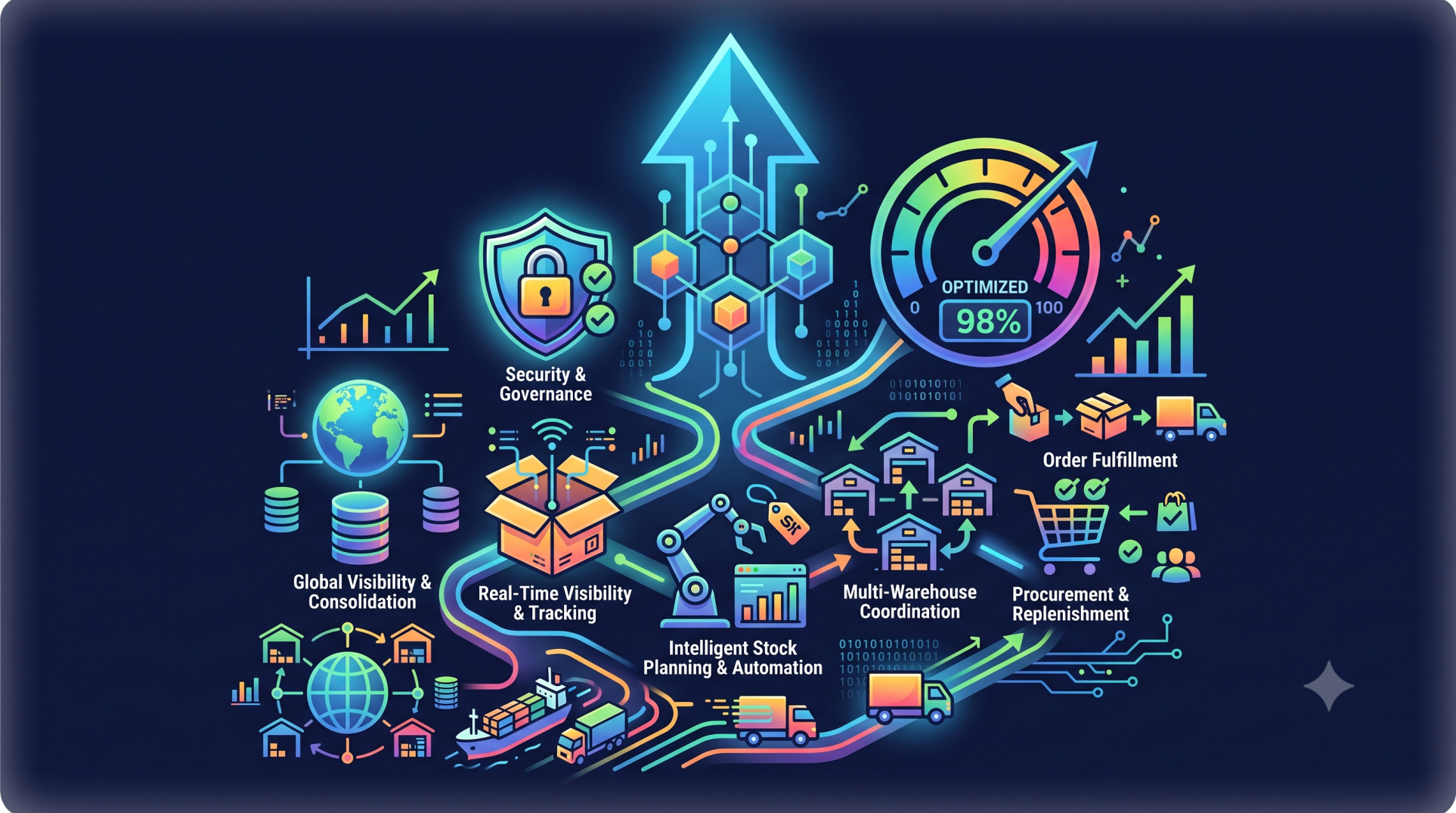
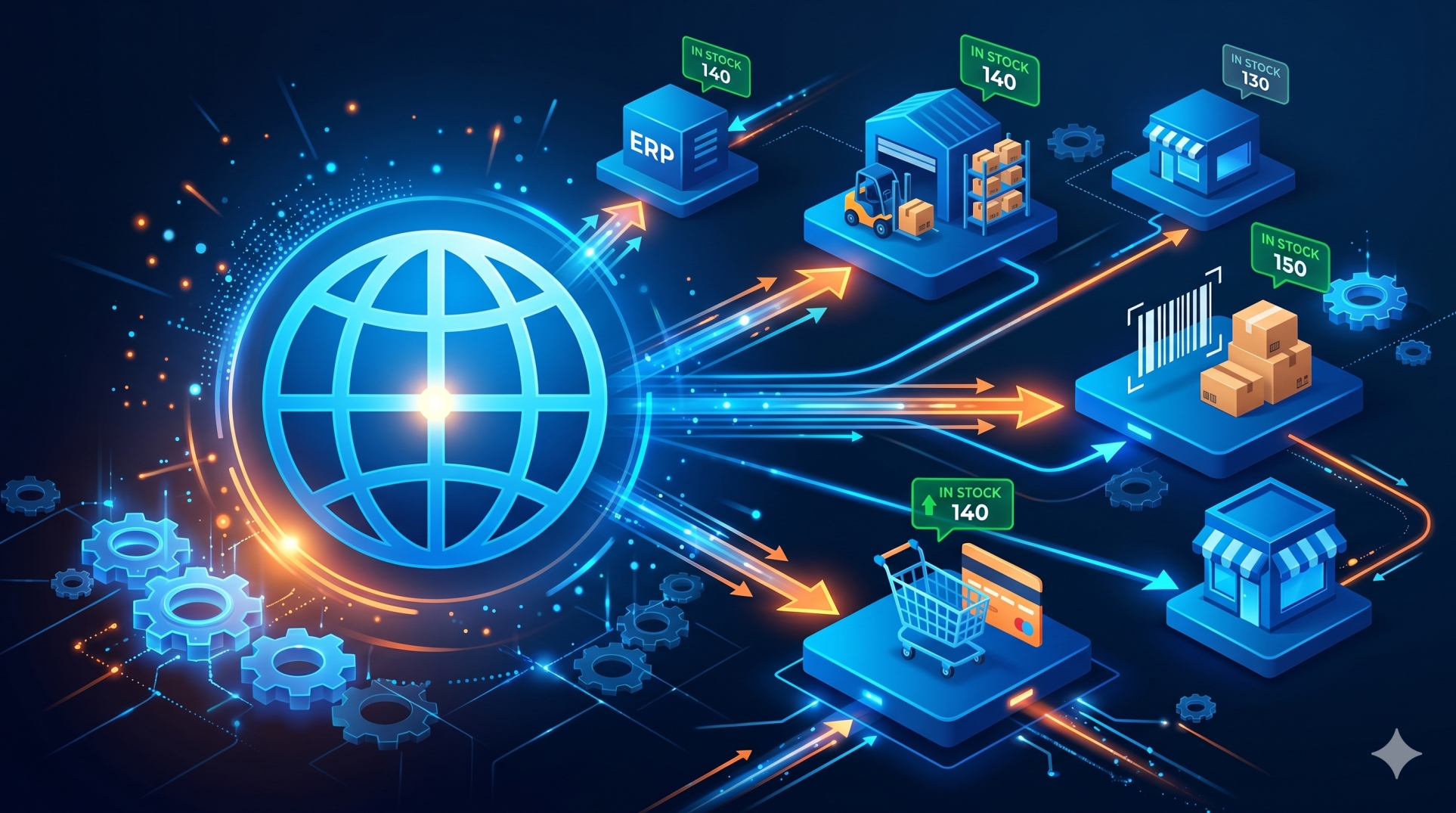
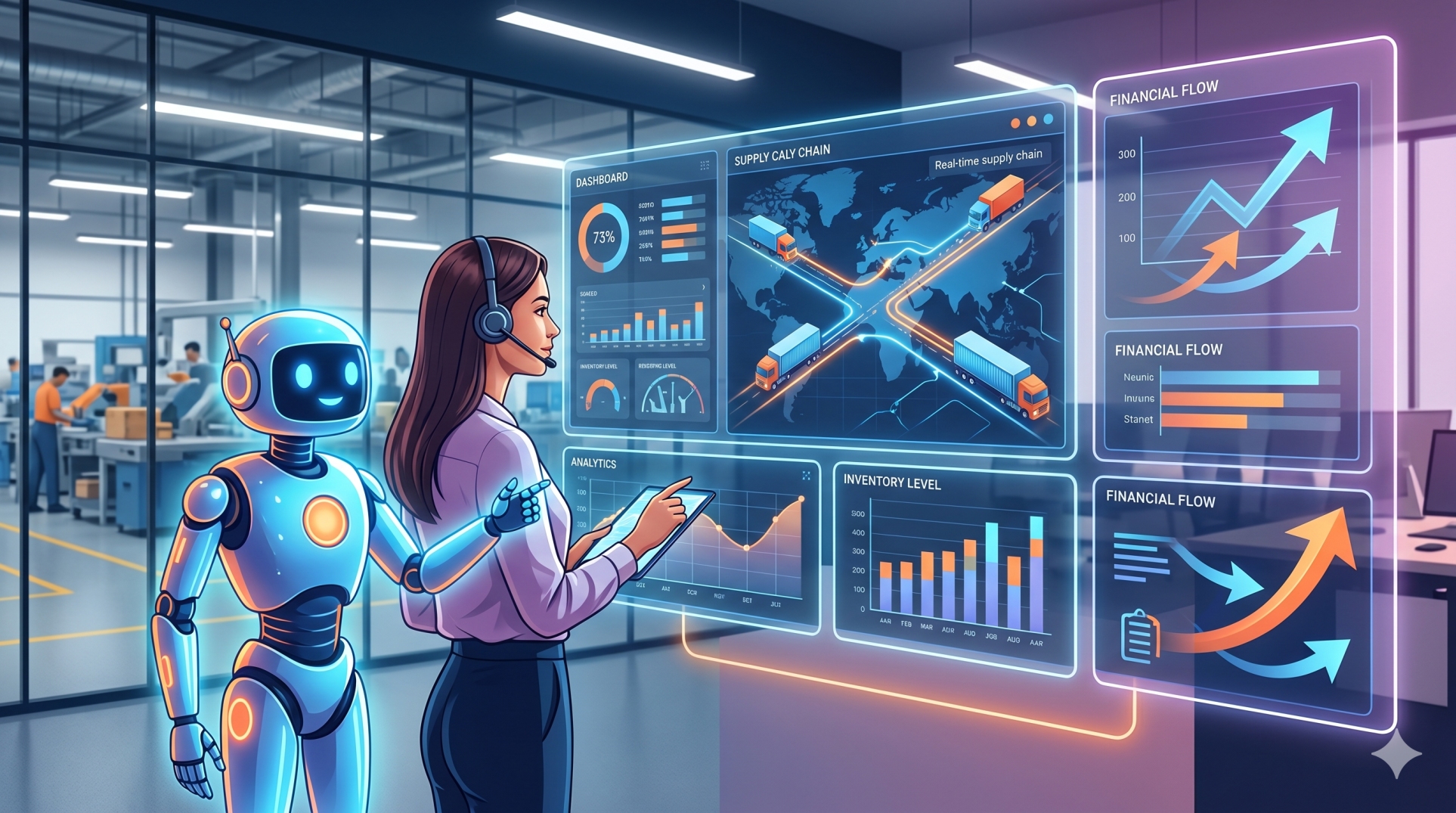
• Process large volumes of data instantly within ERP systems ⏱️
• Deliver actionable insights in real time 📊
• Enable faster response to operational changes 🔄
• Reduce latency between data collection and decision-making ⚡
• Support dynamic, data-driven workflows 🧠
Step 4: Intelligent Recommendations and Automation 💡
• Provide AI-generated recommendations for business actions 📌
• Suggest optimal inventory levels, pricing, or resource allocation 📦
• Automate approvals and routine workflows 🤖
• Enhance decision quality with data-backed insights 📊
• Reduce manual intervention in repetitive decisions 🔁
Step 5: Context-Aware Decision Support 🎯
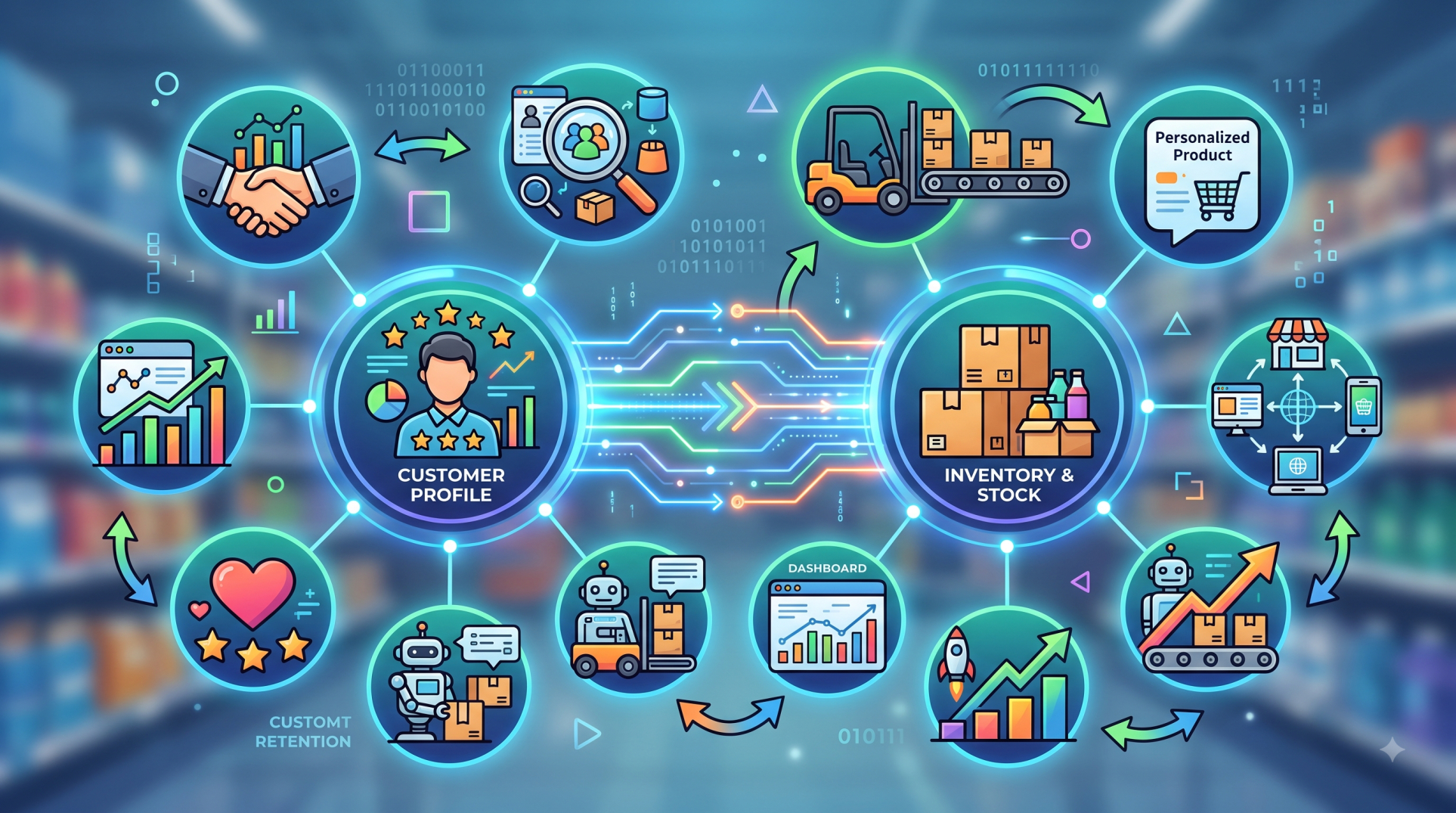
• Deliver insights based on user roles and business context 👤
• Customize recommendations for different departments 🏢
• Align decisions with organizational goals and KPIs 📈
• Provide relevant data at the right time ⏰
• Improve user productivity and decision confidence 👍
Step 6: Continuous Learning and Model Improvement 🔄
• Train AI models using ongoing ERP data inputs 📊
• Improve accuracy through continuous feedback loops 🔁
• Adapt to changing business conditions dynamically 🌍
• Refine decision models over time 🧠
• Enable self-improving enterprise systems 🚀
Step 7: Governance, Transparency, and Trust 🔐
• Ensure explainability of AI-driven decisions 🔍
• Maintain audit trails for automated actions 📜
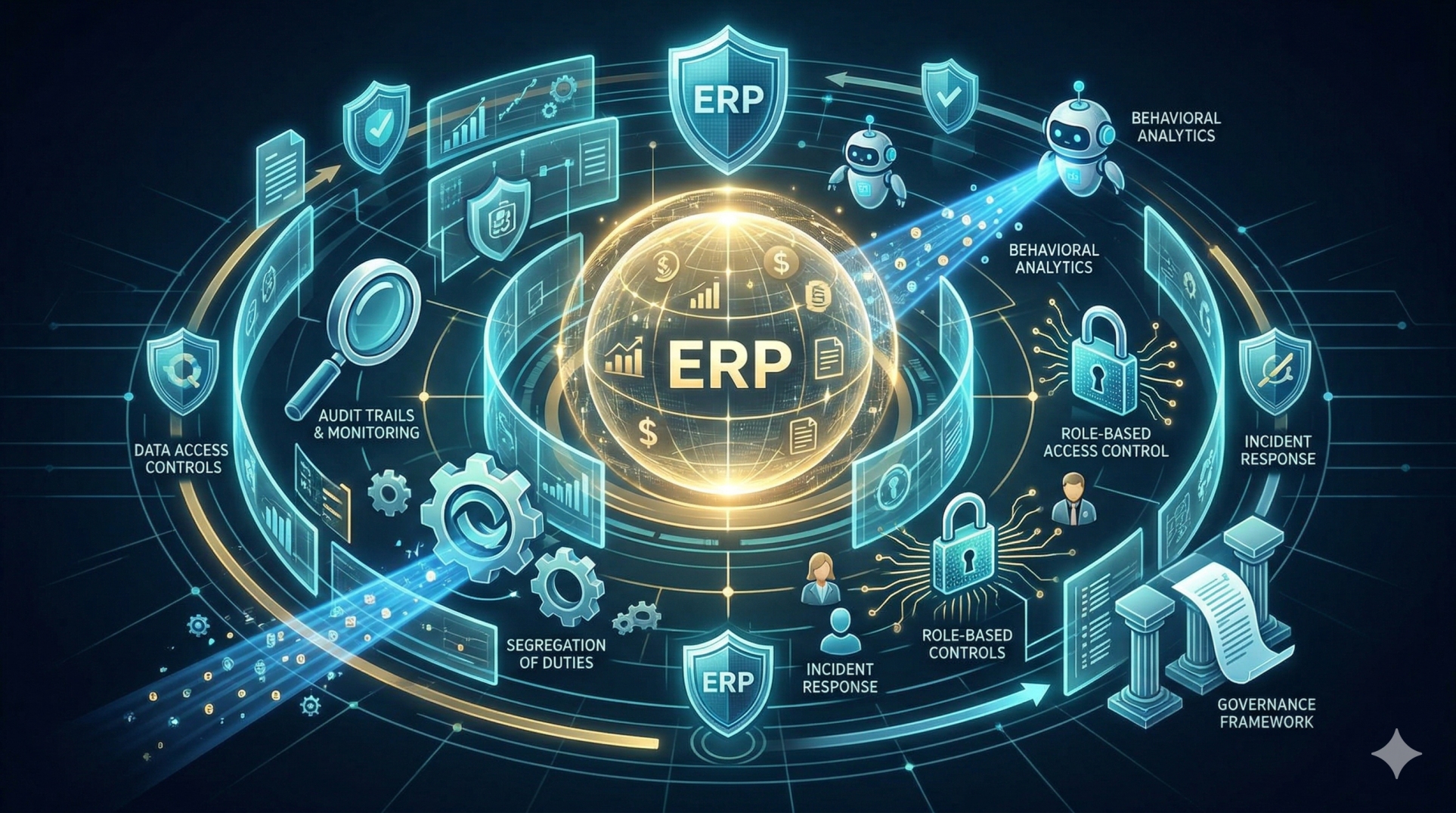
• Define governance frameworks for AI usage 🏛️
• Address bias and ensure fairness in decision-making ⚖️
• Build trust among users and stakeholders 🤝
Step 8: Key Capabilities of AI-Augmented ERP 📊
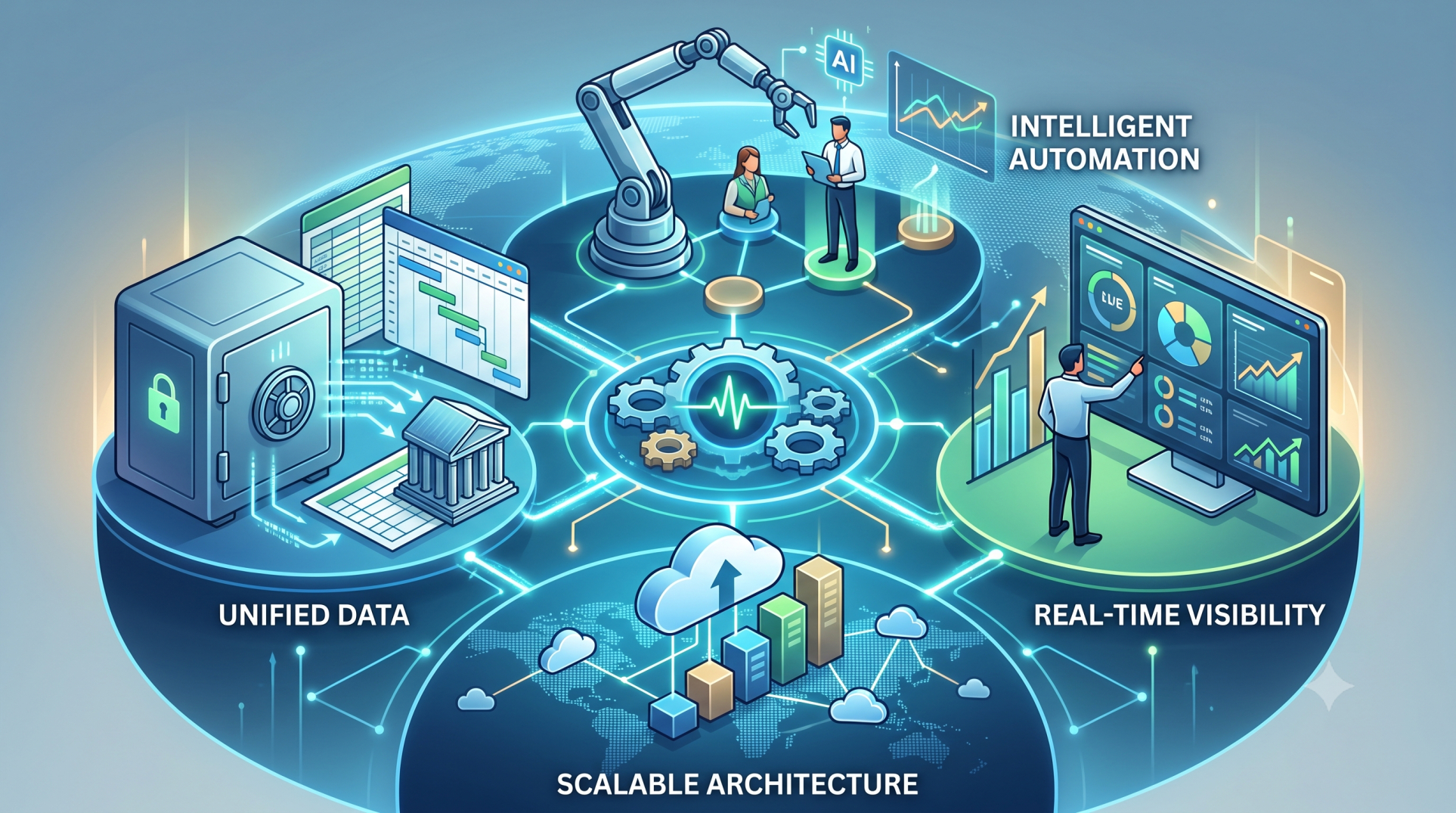
• Real-time predictive and prescriptive insights 🔮
• Intelligent automation of decision workflows 🤖
• Enhanced accuracy and reduced human error ✅
• Scalable decision-making across the enterprise 🌍
Step 9: Handling Exceptions and Uncertainty ⚠️
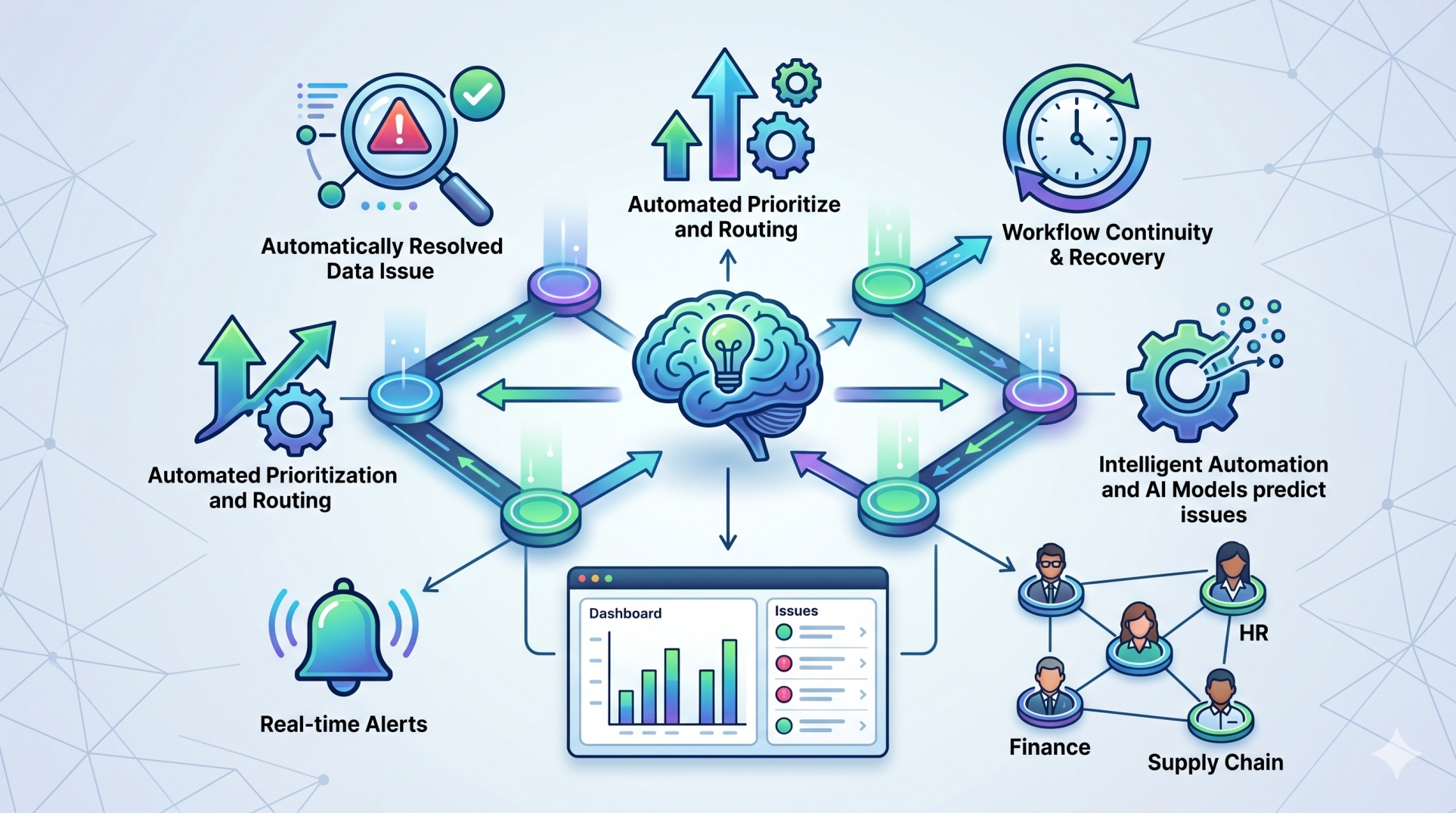
• Detect anomalies and unexpected patterns in data 🔍
• Trigger alerts for critical decision points 🚨
• Allow human intervention for complex scenarios 👤
• Adjust recommendations based on evolving conditions 🔄
• Maintain resilience in uncertain environments 🛡️
Step 10: Building an Intelligent Enterprise Ecosystem 🚀
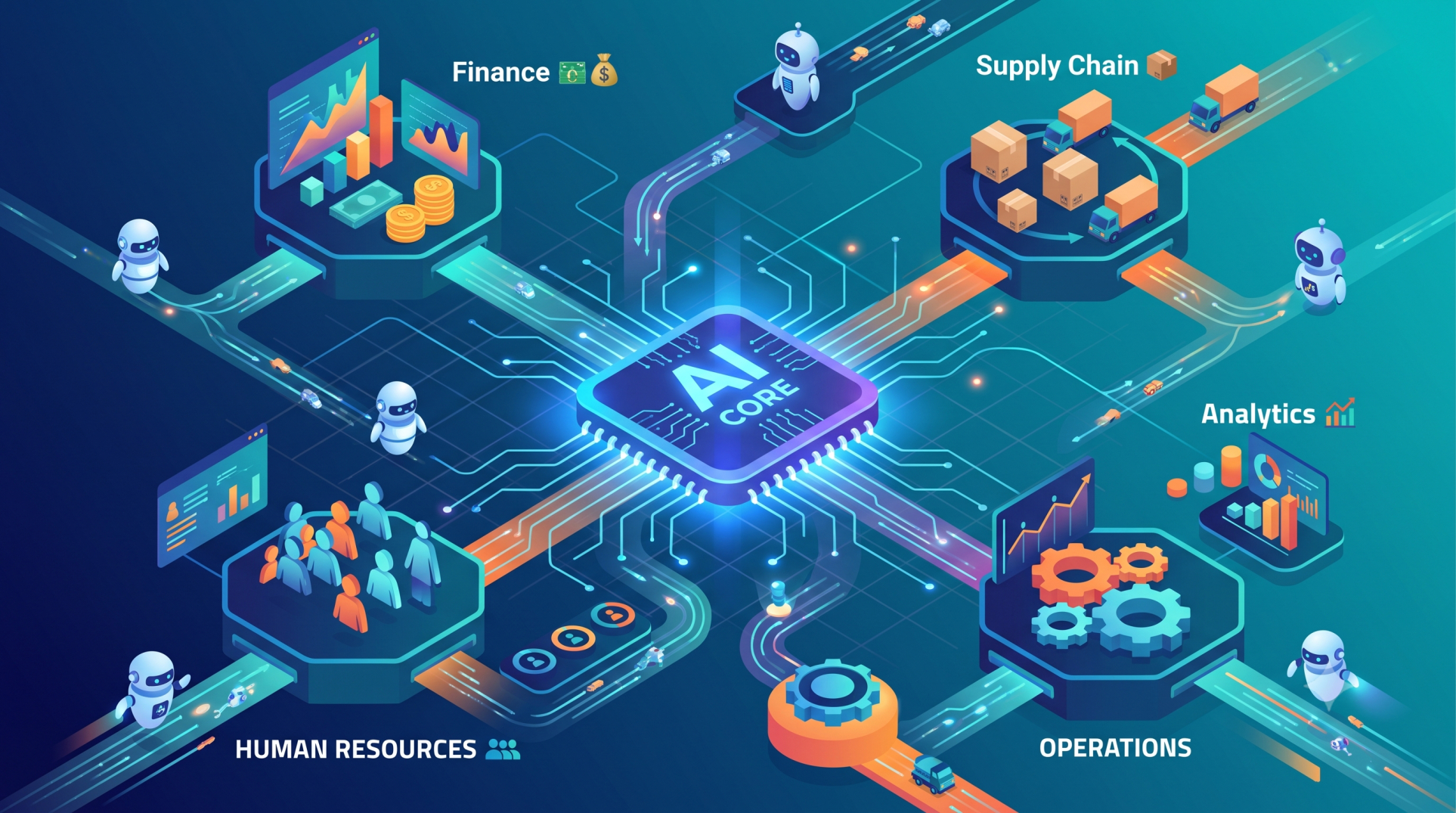
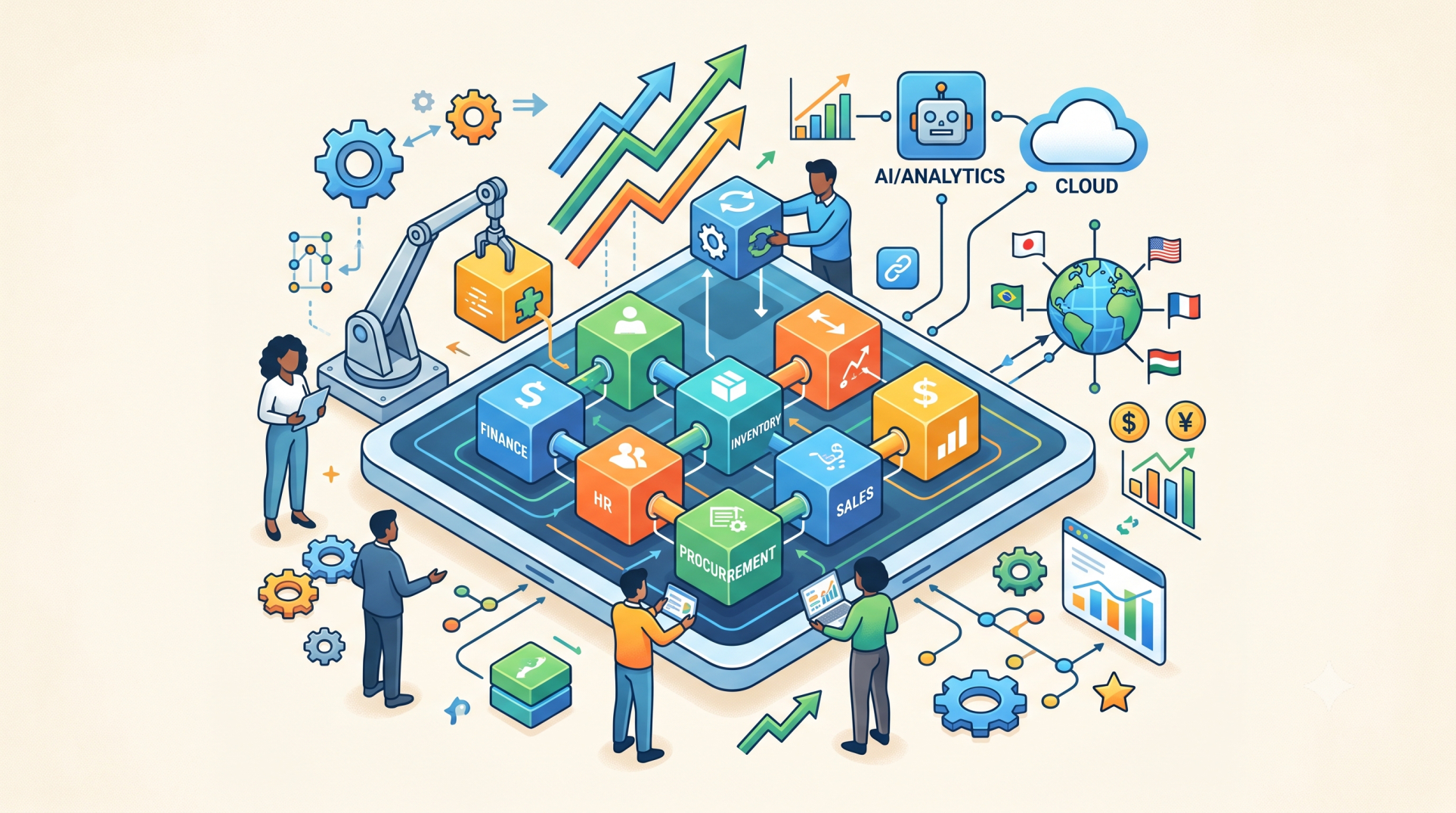
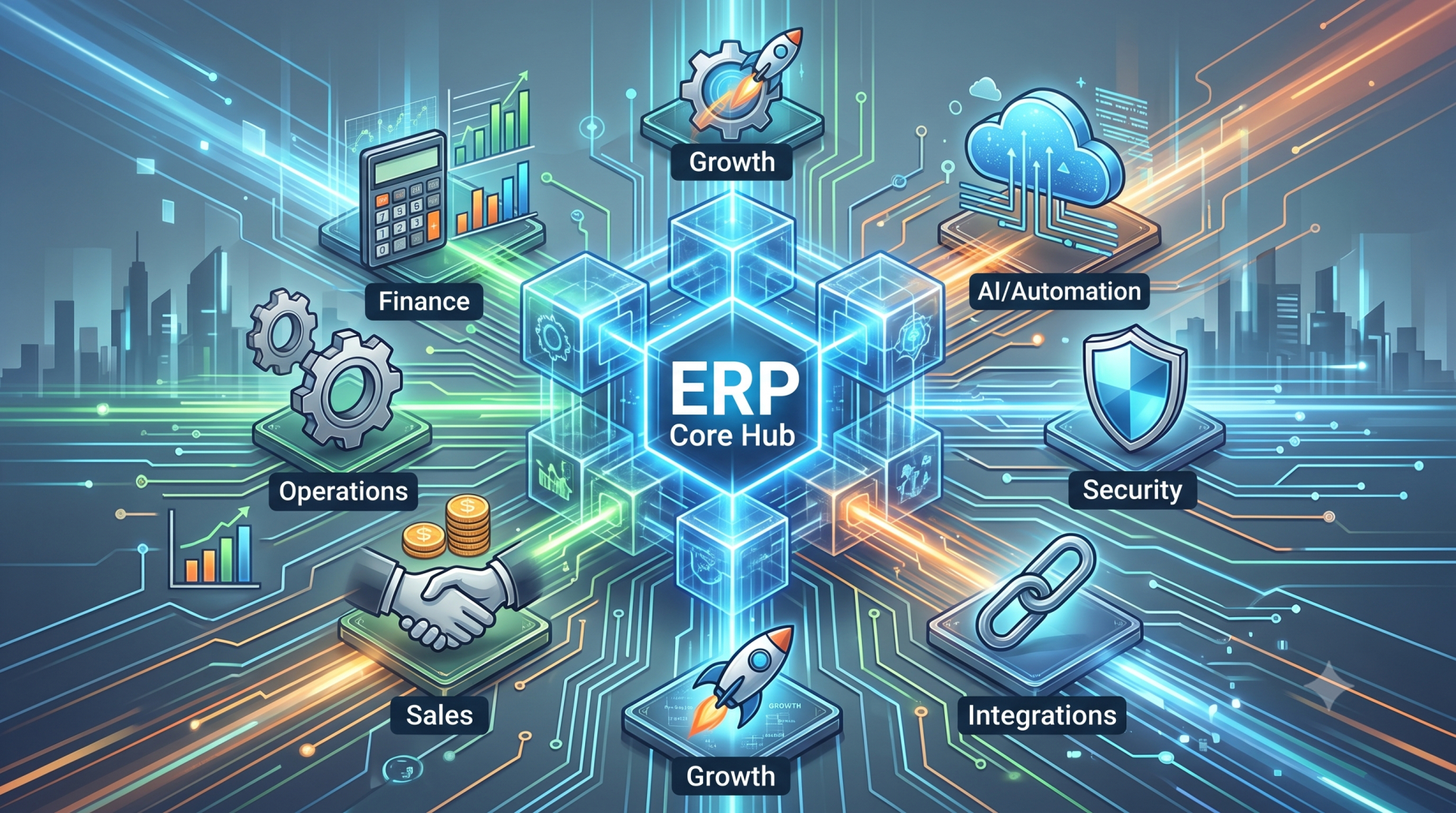
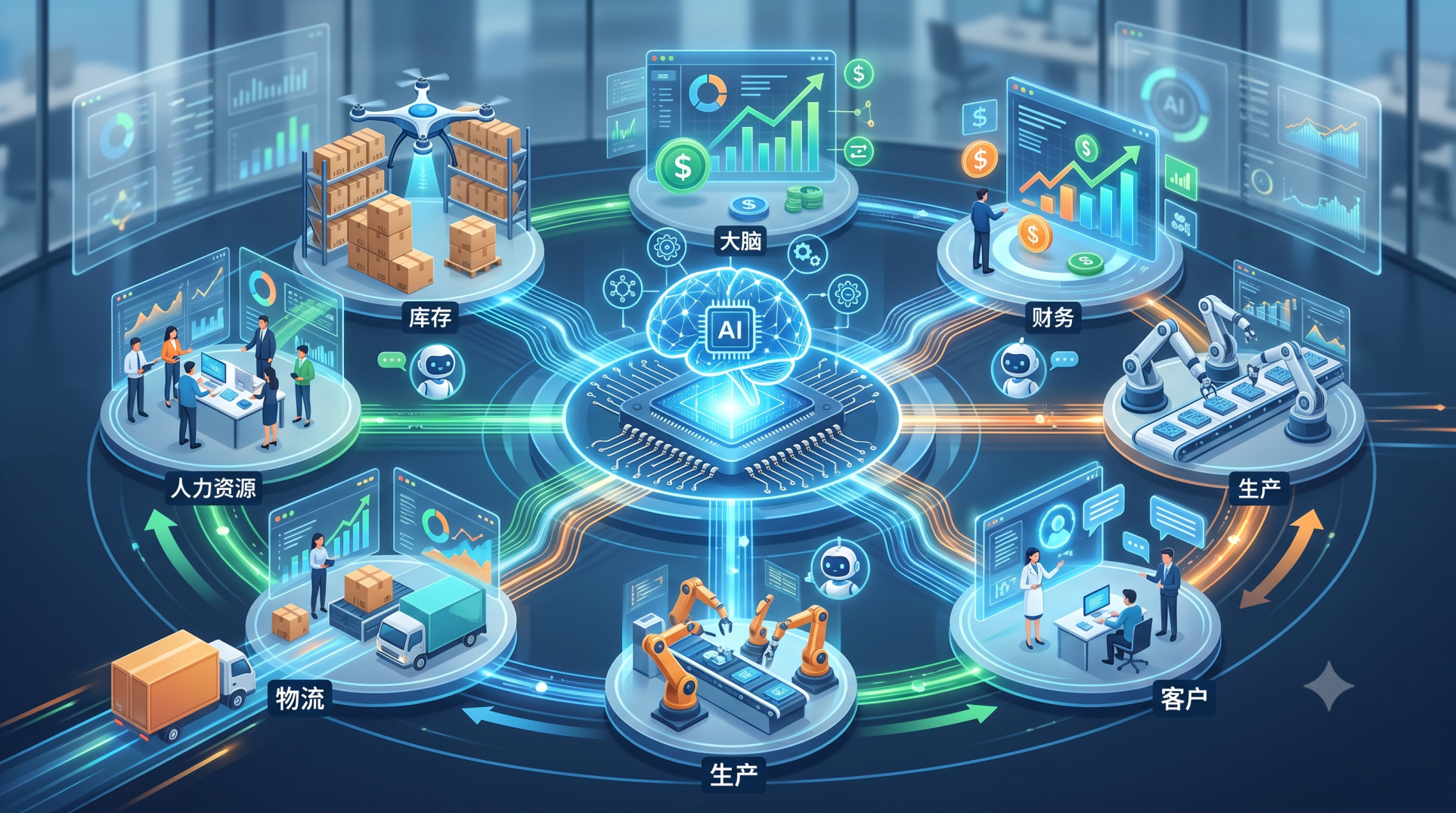
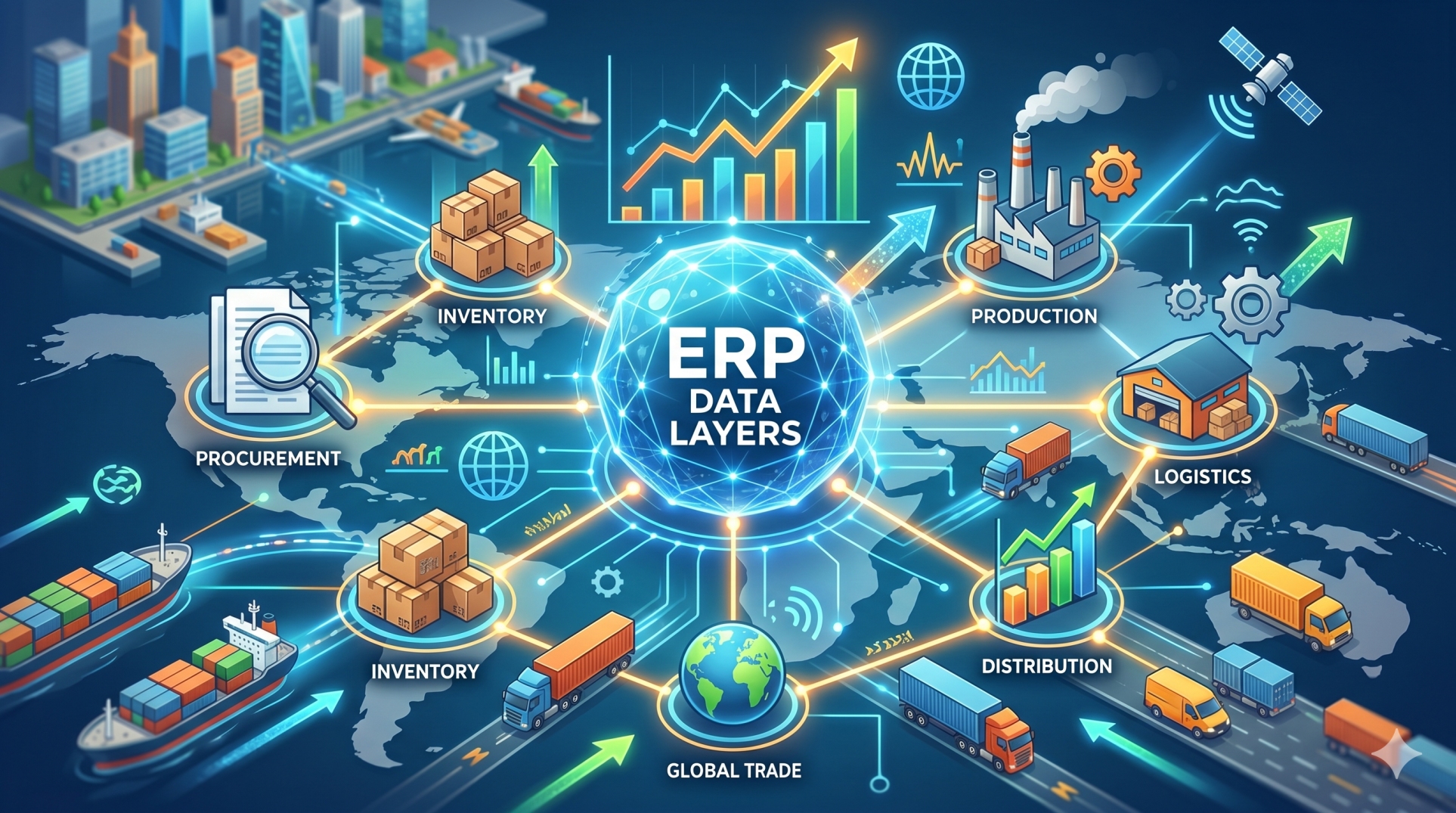
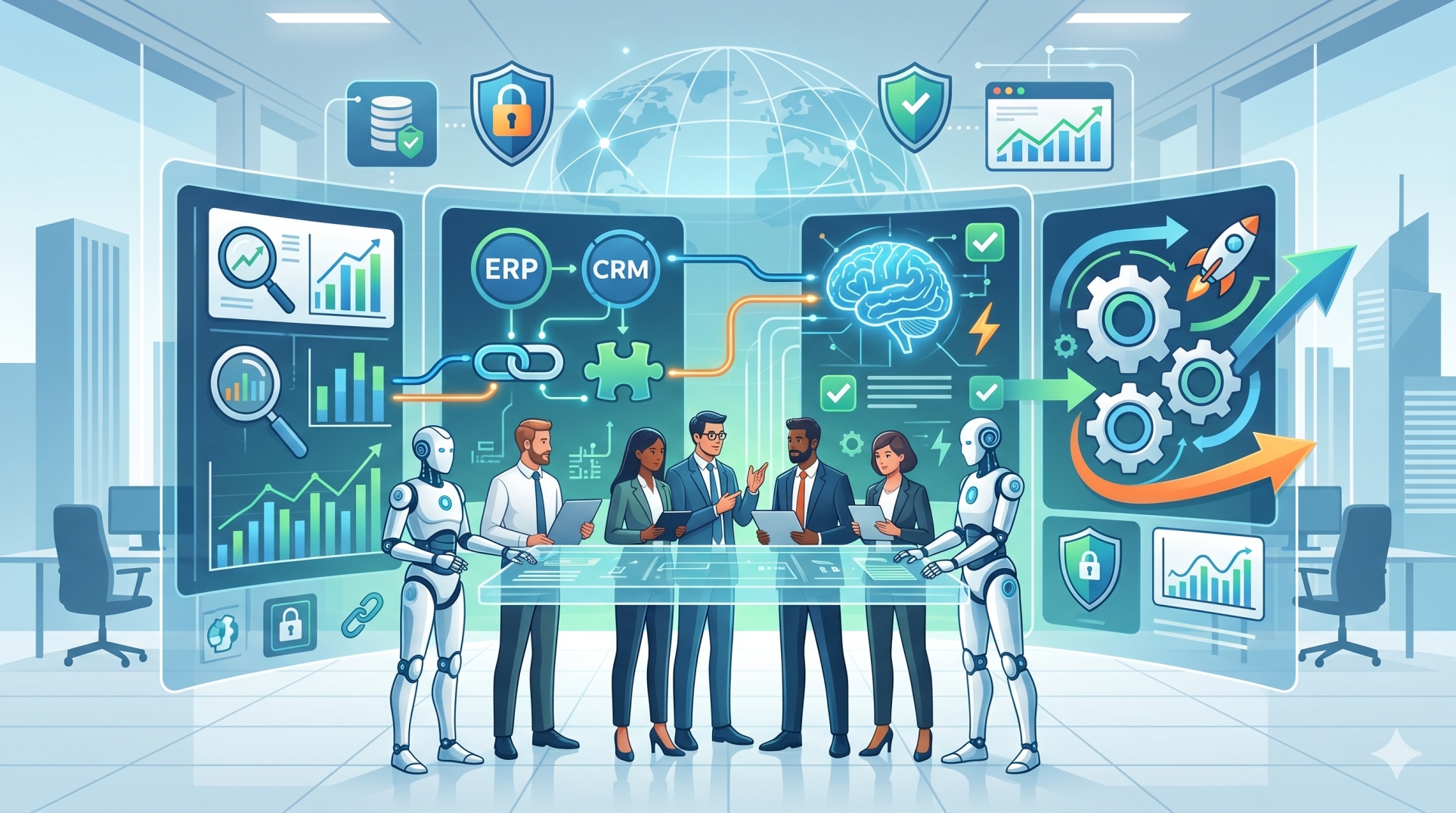
• Integrate AI across all ERP modules for unified intelligence 🧩
• Connect with external data sources for enriched insights 🌐
• Enable cross-functional decision-making capabilities 🔗
• Support strategic and operational decision layers 📊
• Continuously evolve with advancements in AI technologies 🤖
Conclusion
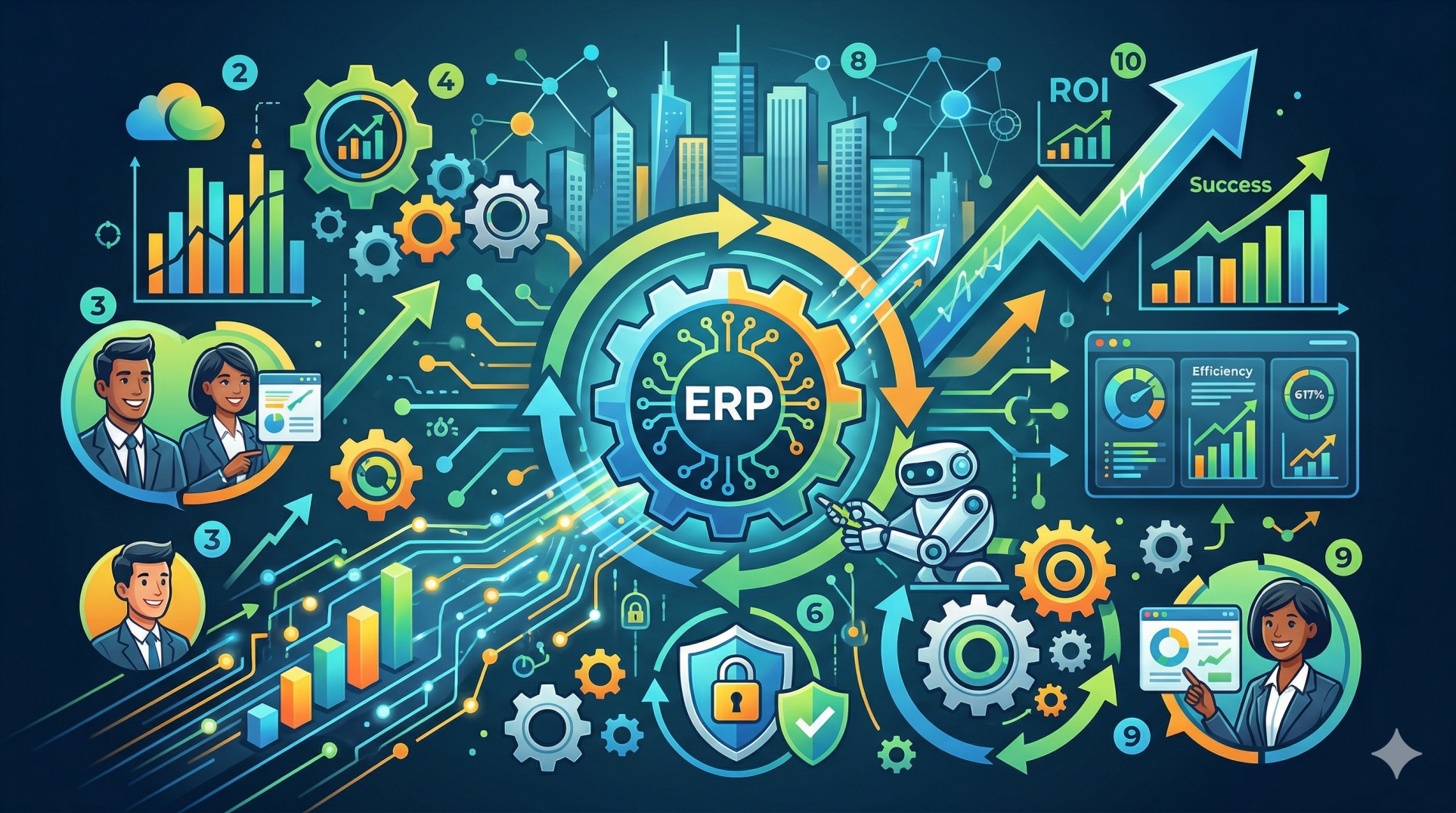
AI-augmented decision frameworks are transforming ERP systems into intelligent platforms that drive smarter, faster, and more strategic business decisions. By embedding AI into core workflows and enabling real-time, context-aware insights, organizations can unlock new levels of efficiency and agility. As businesses continue to navigate complex and dynamic environments, AI-powered ERP systems will play a critical role in shaping the future of enterprise decision-making.
See more blogs
You can all the articles below