AI-Assisted Process Optimization in ERP Systems
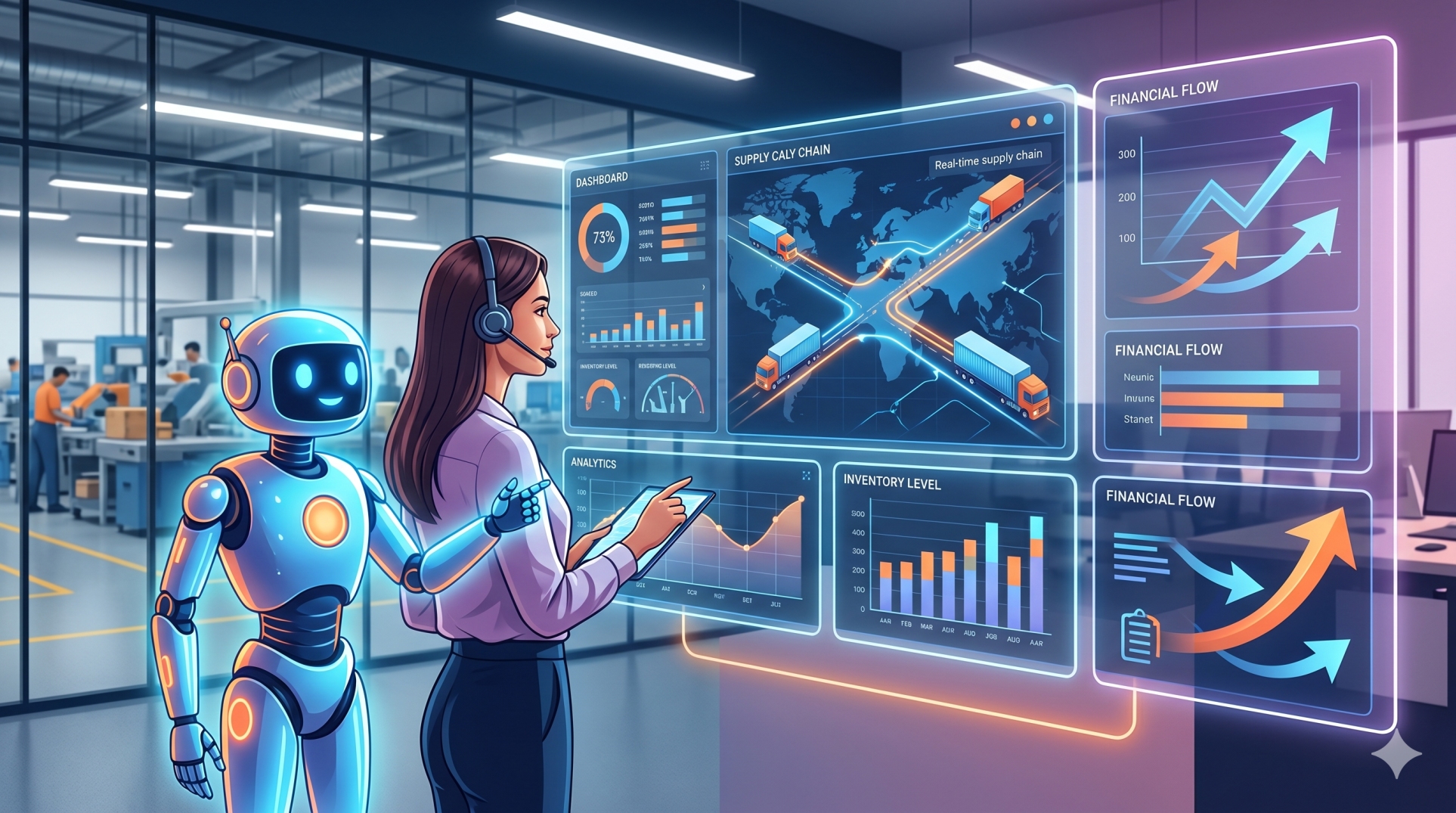
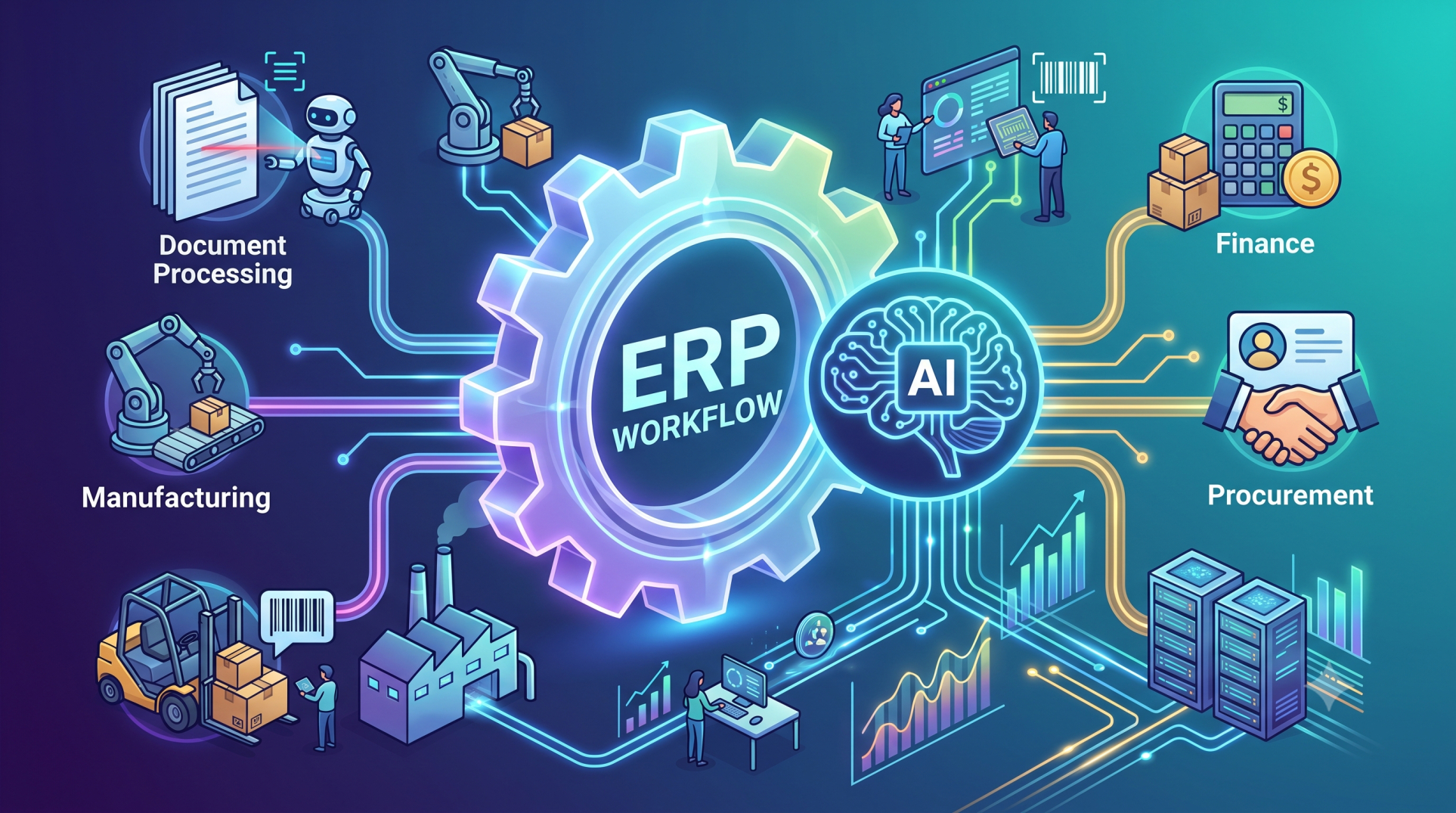
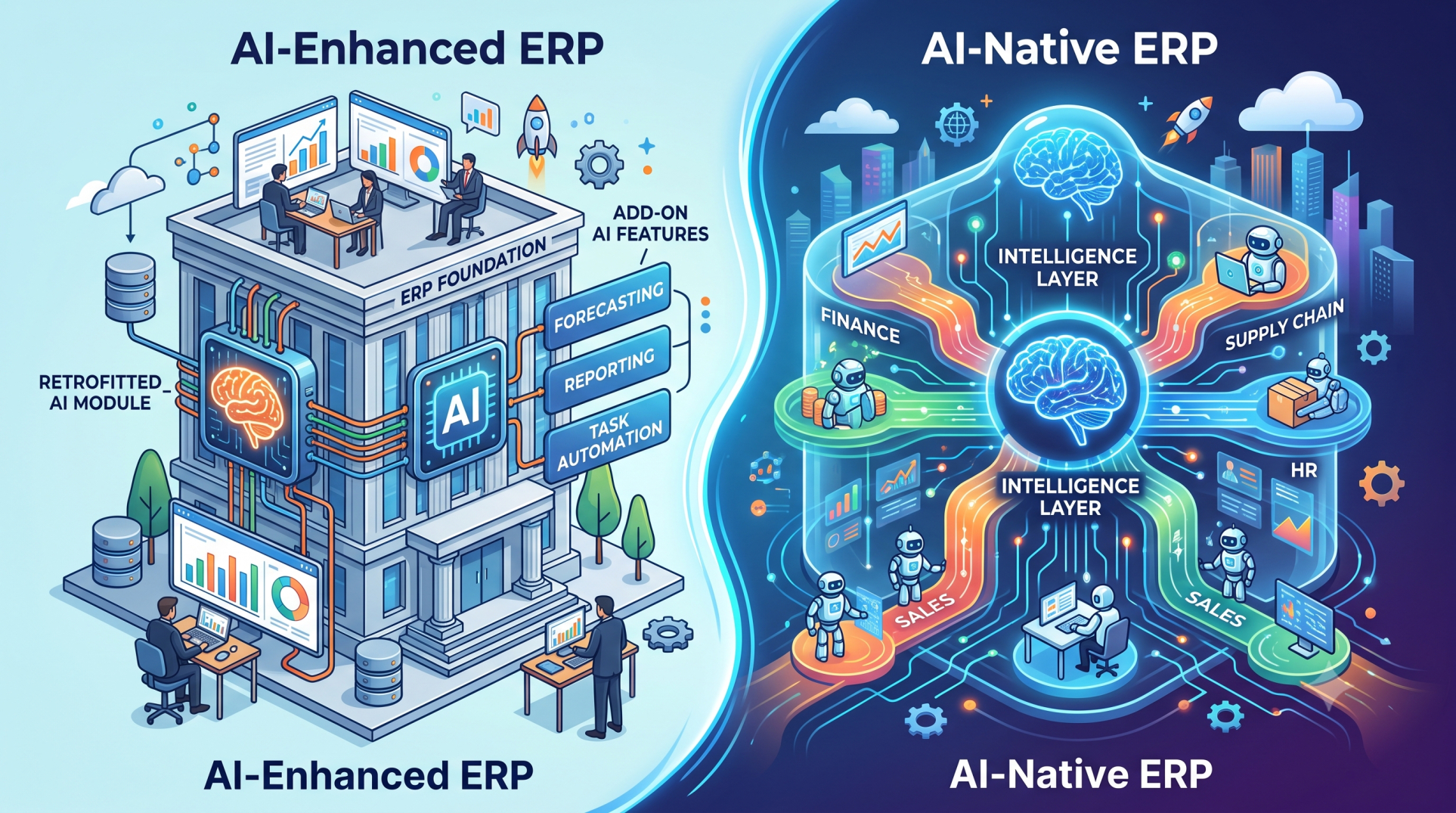
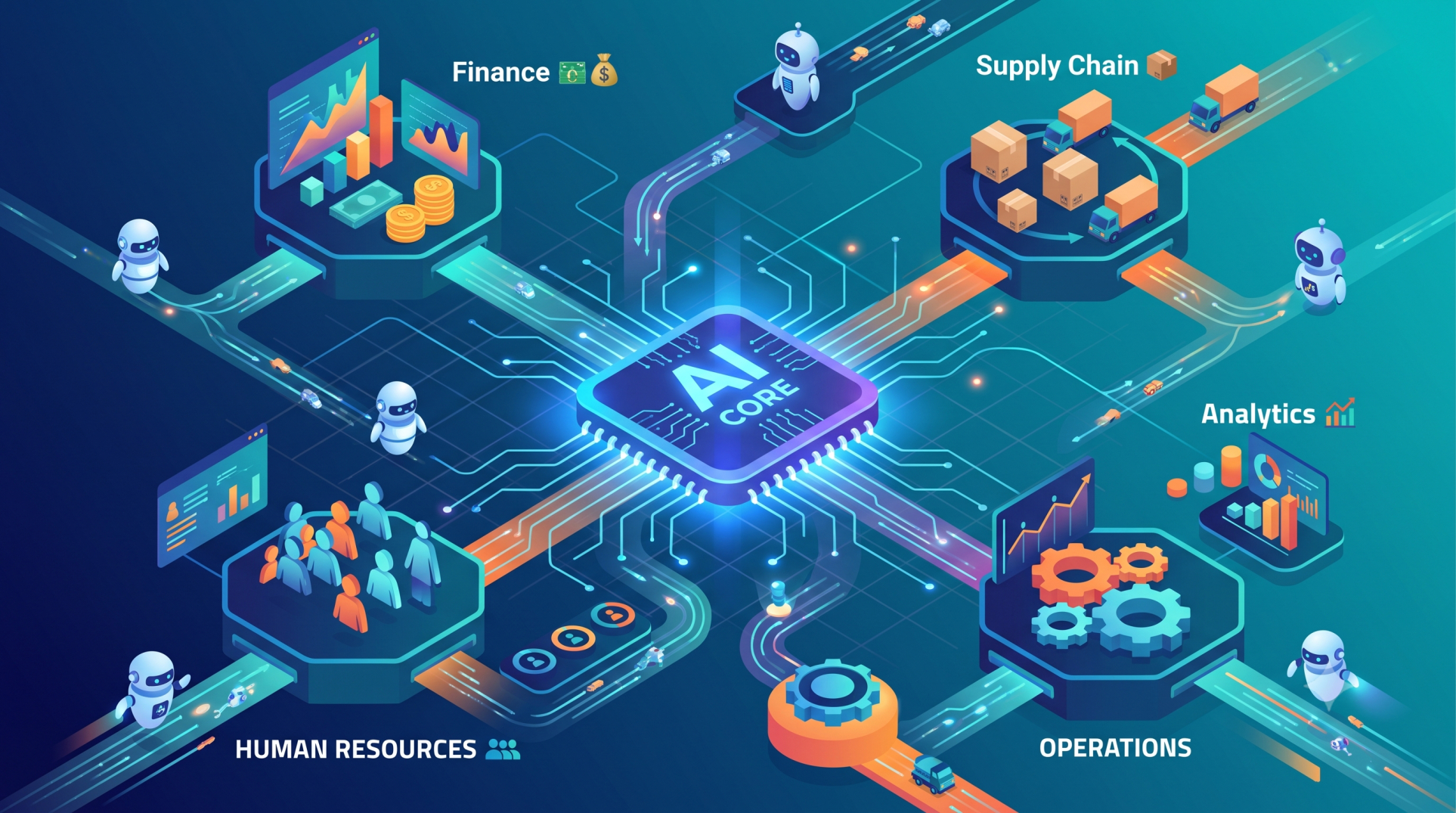
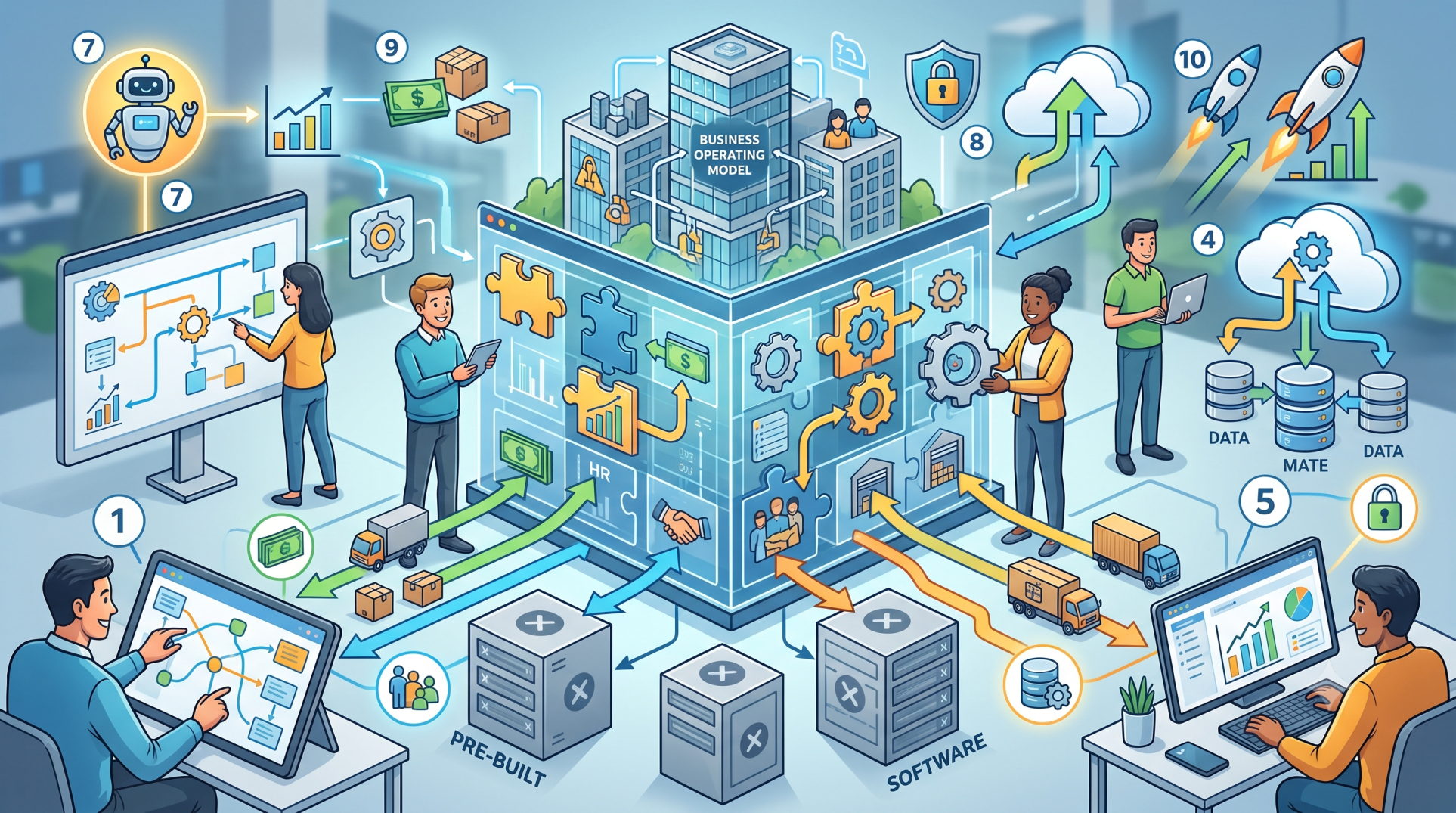
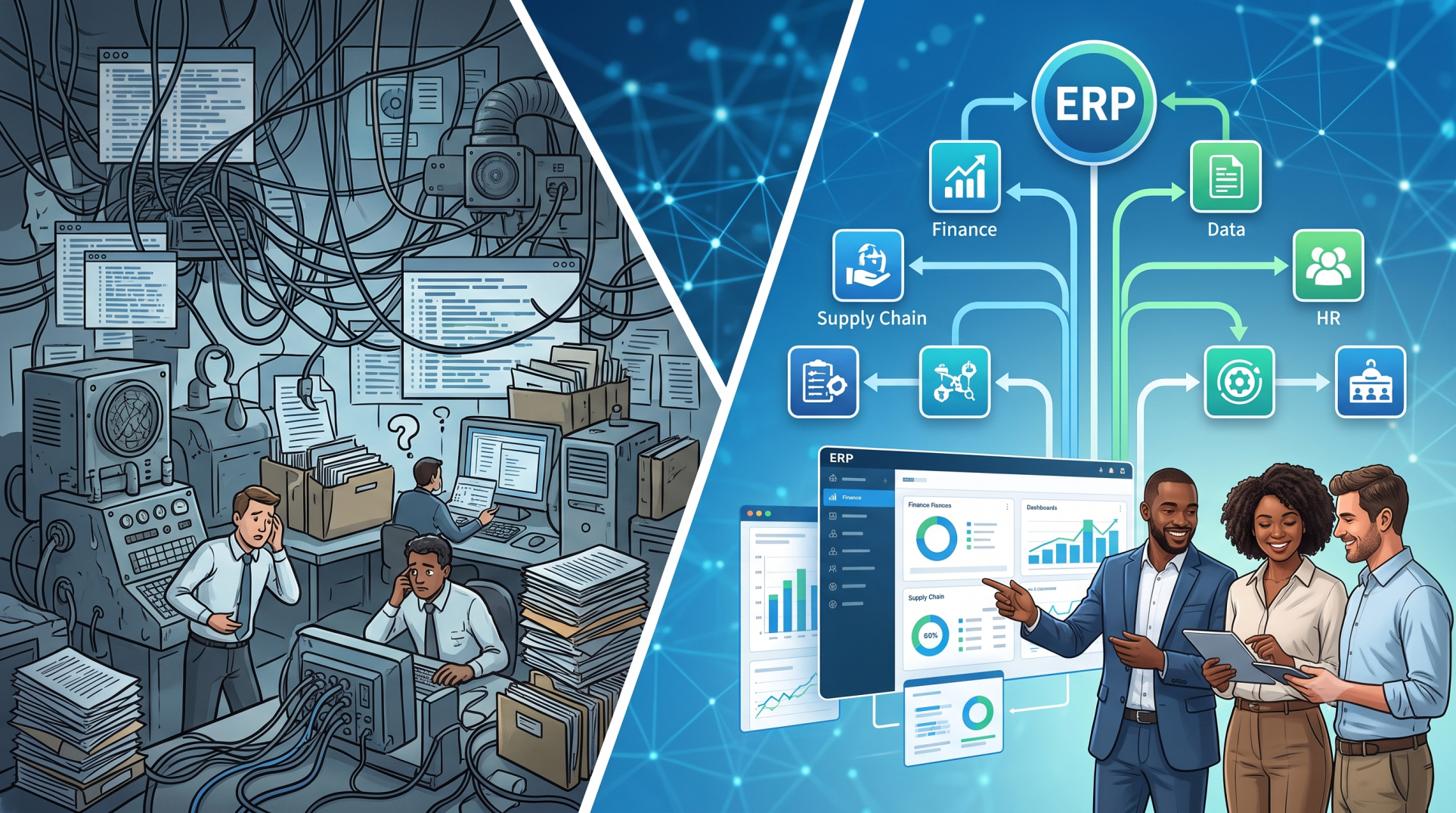
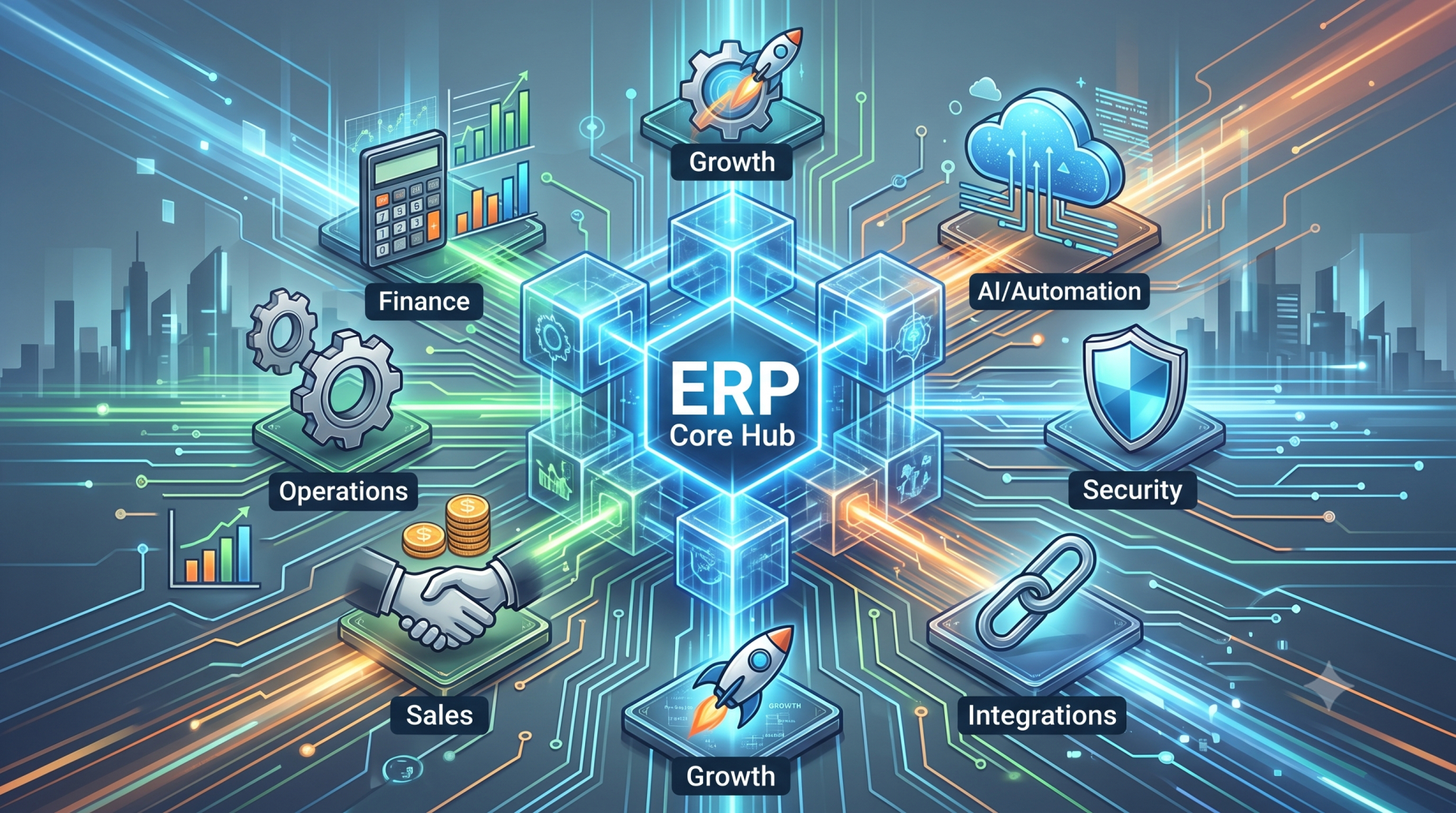
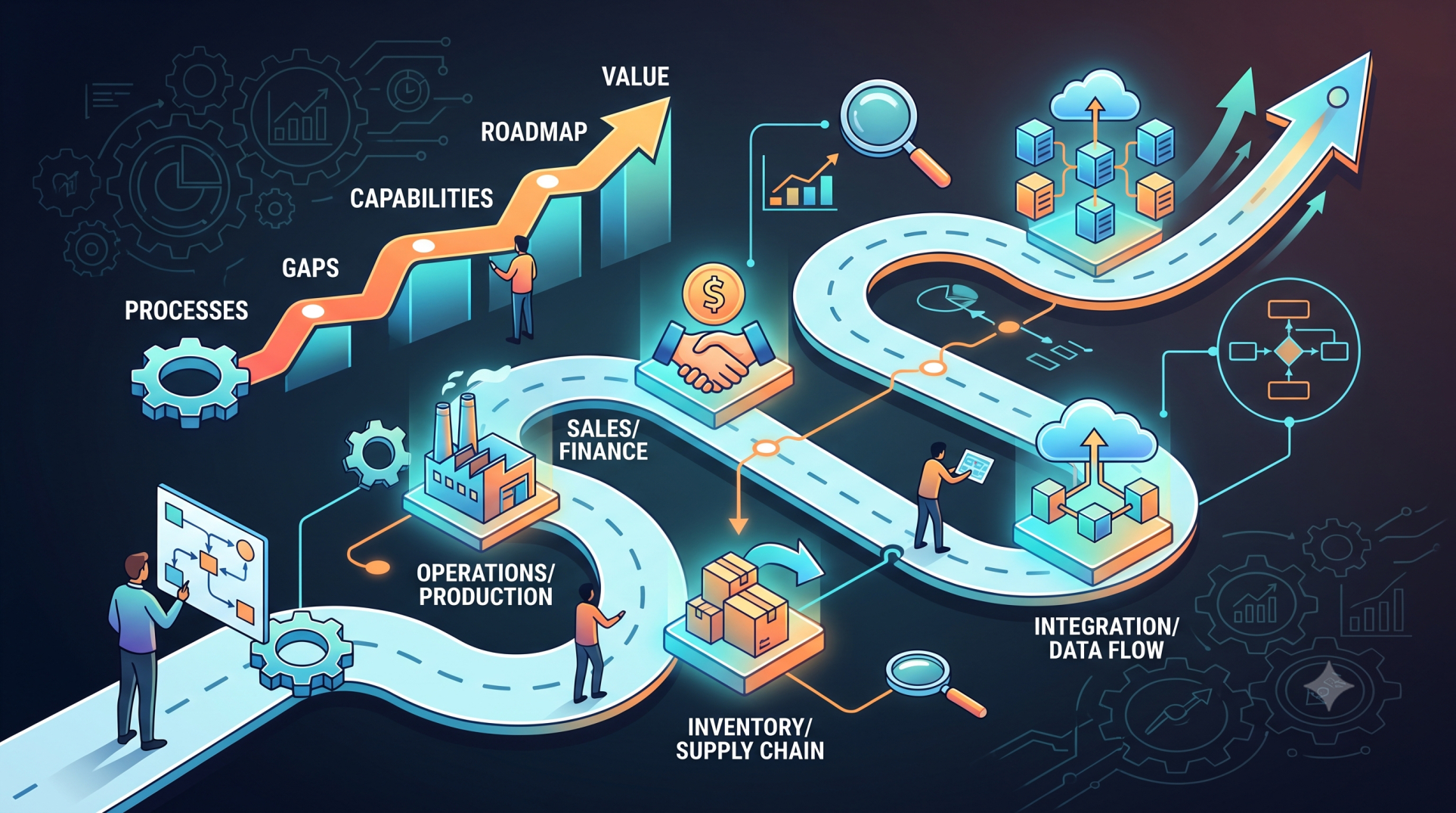
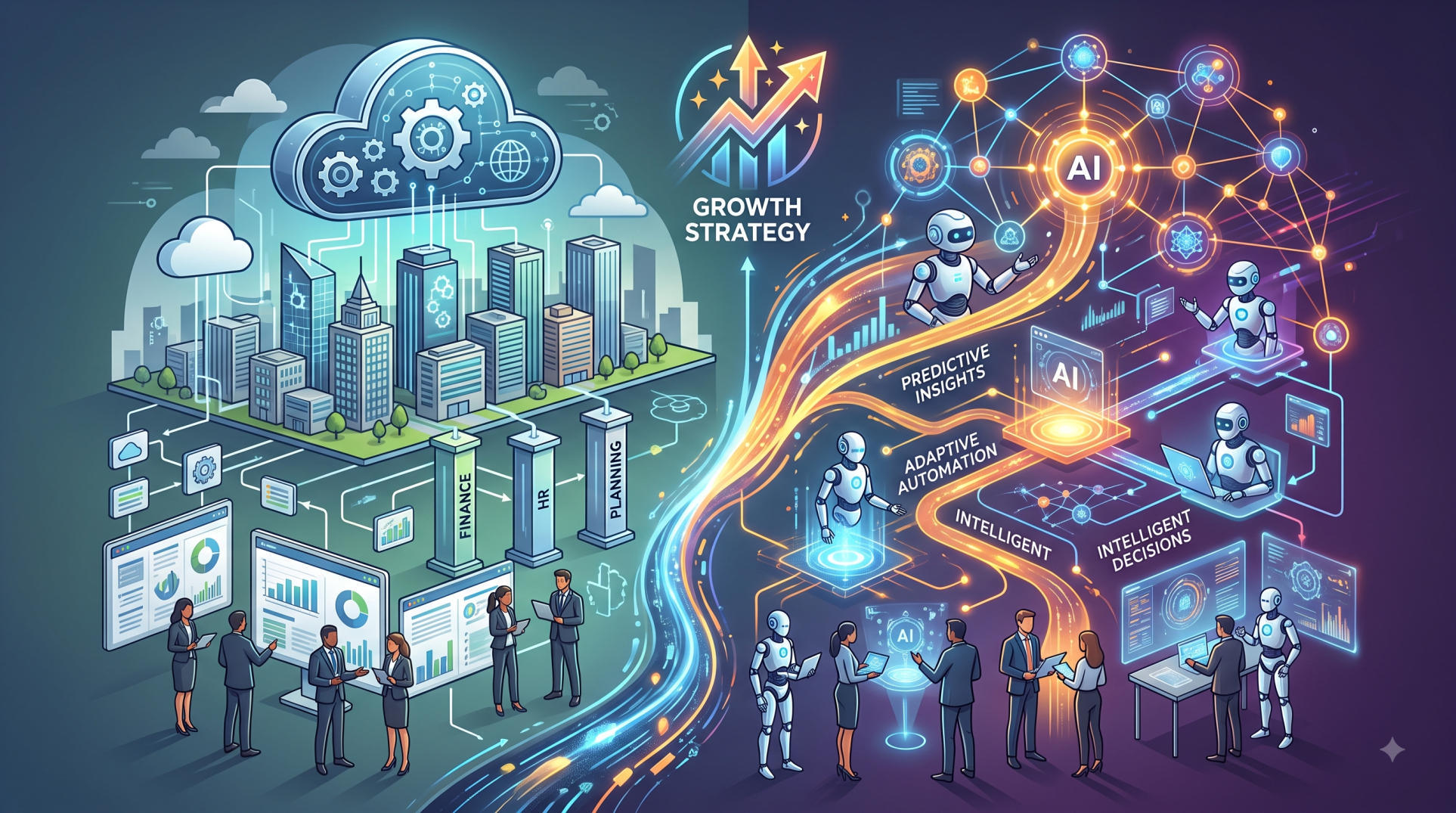
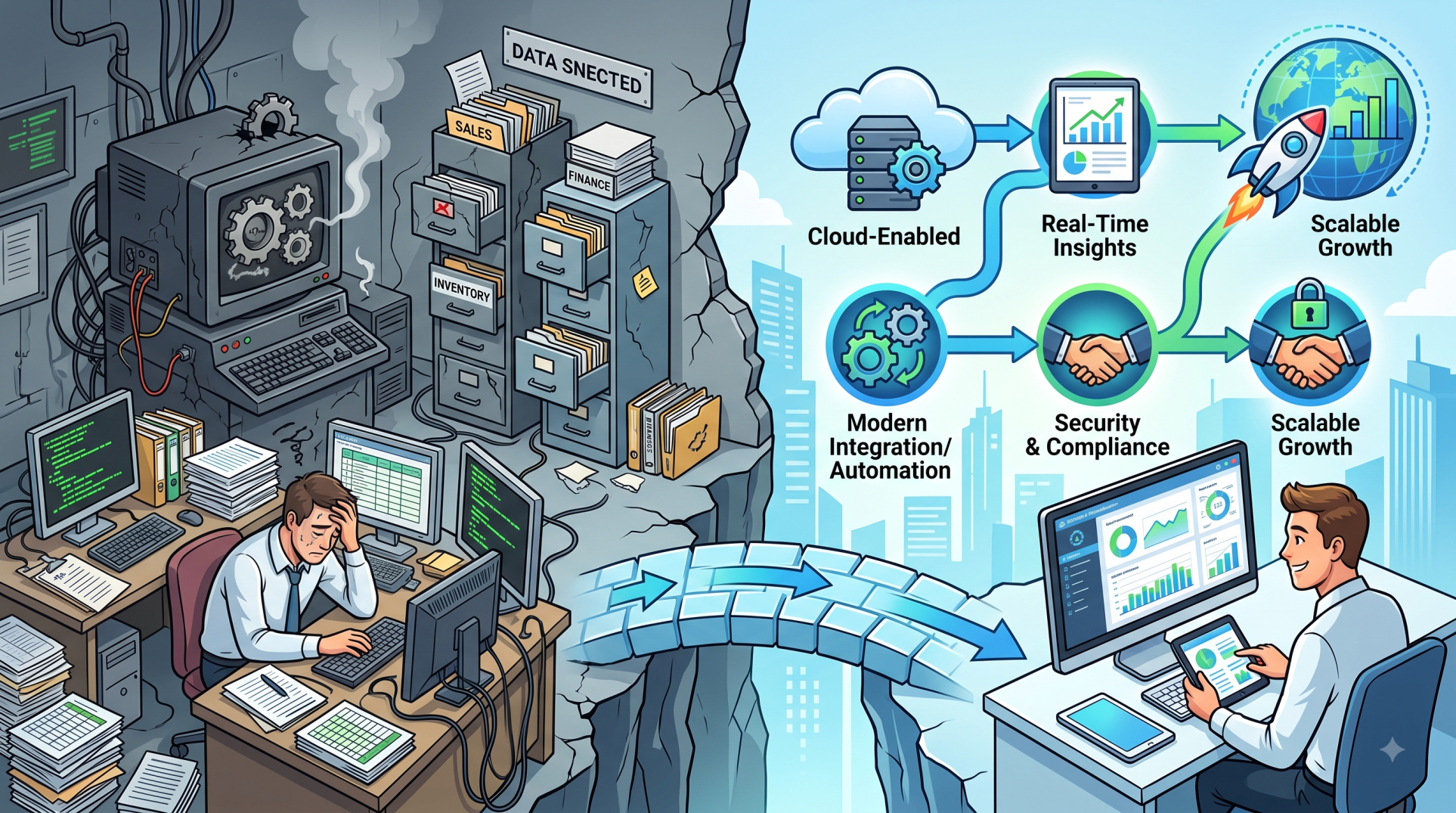
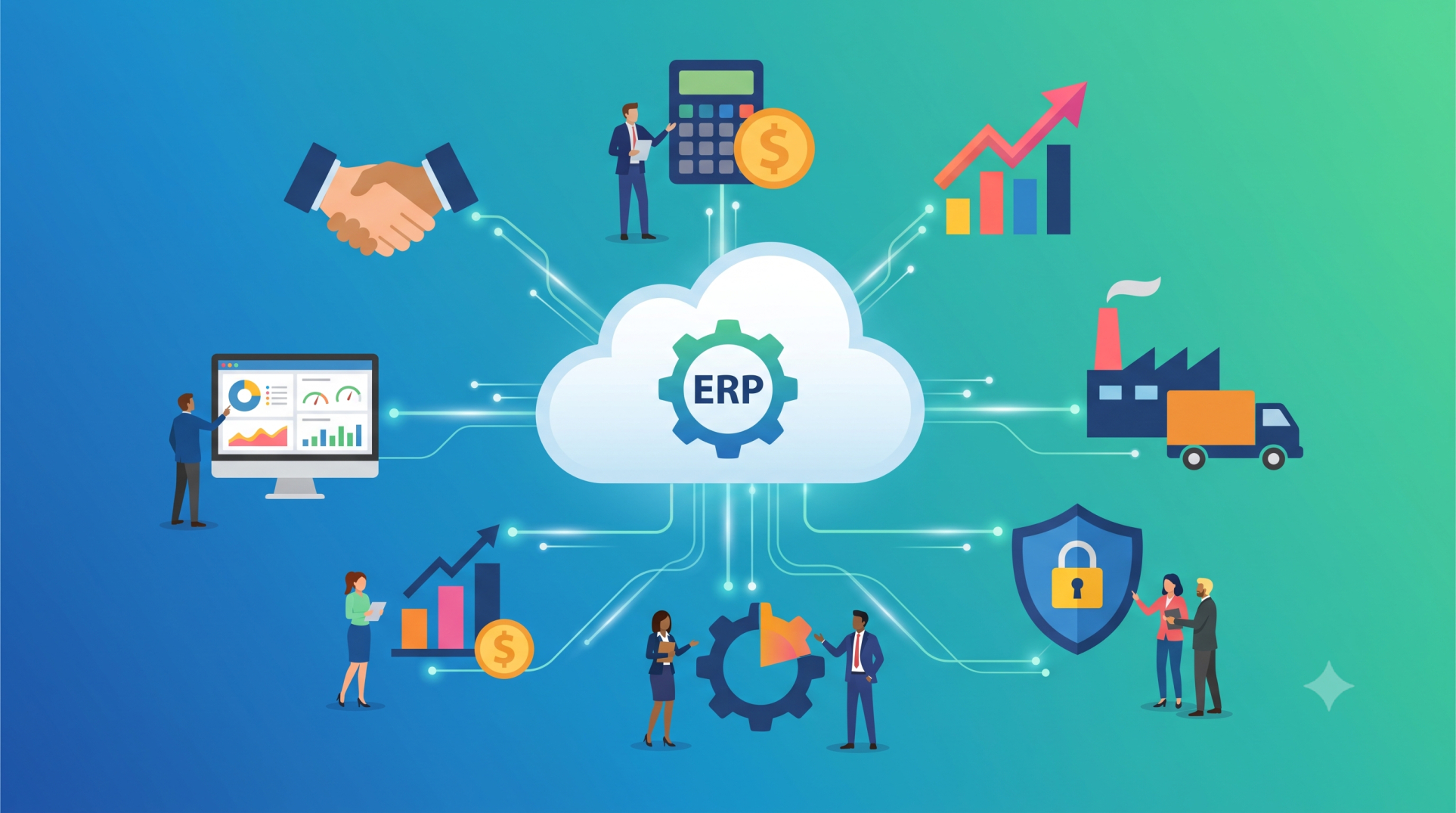
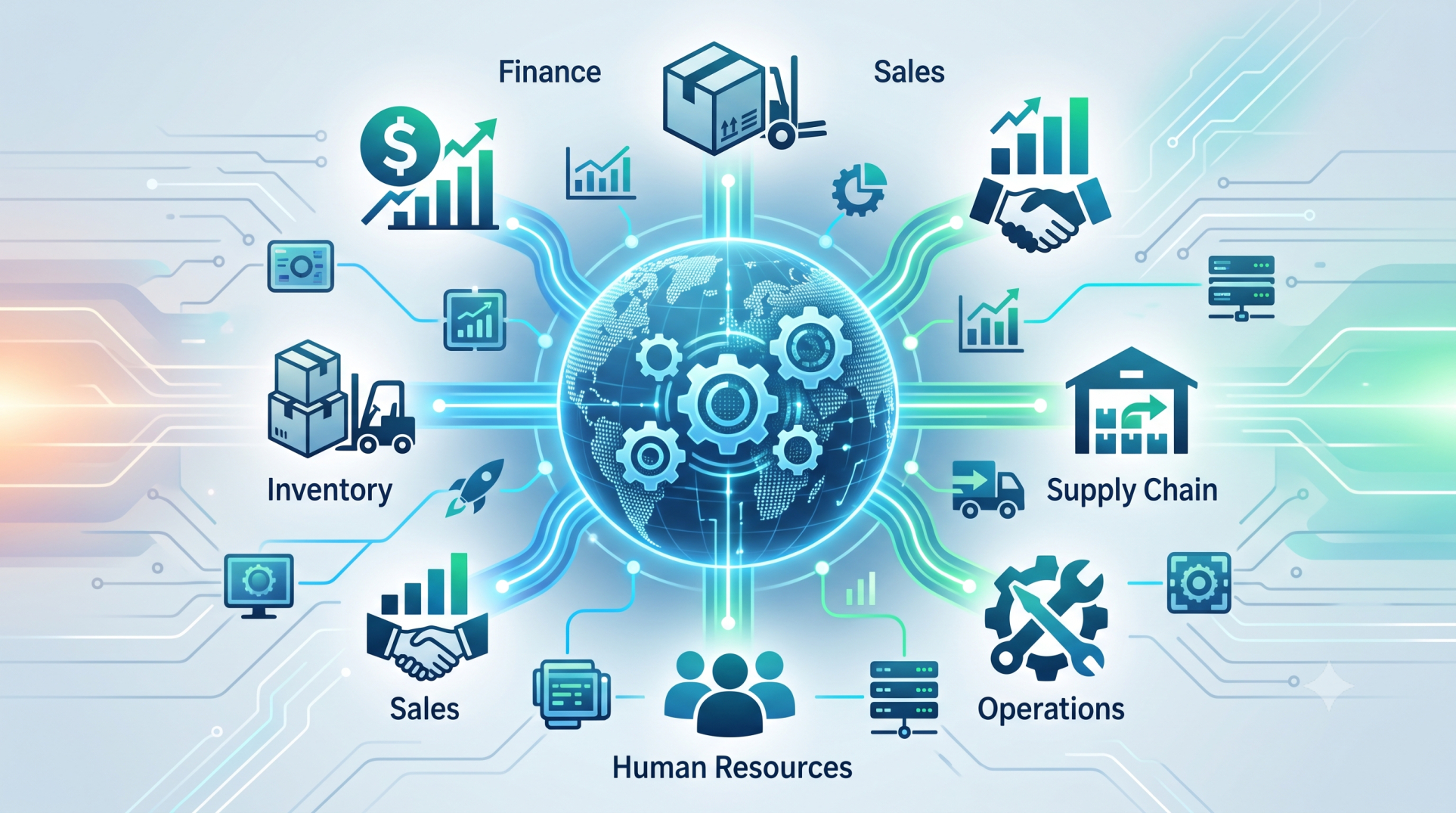
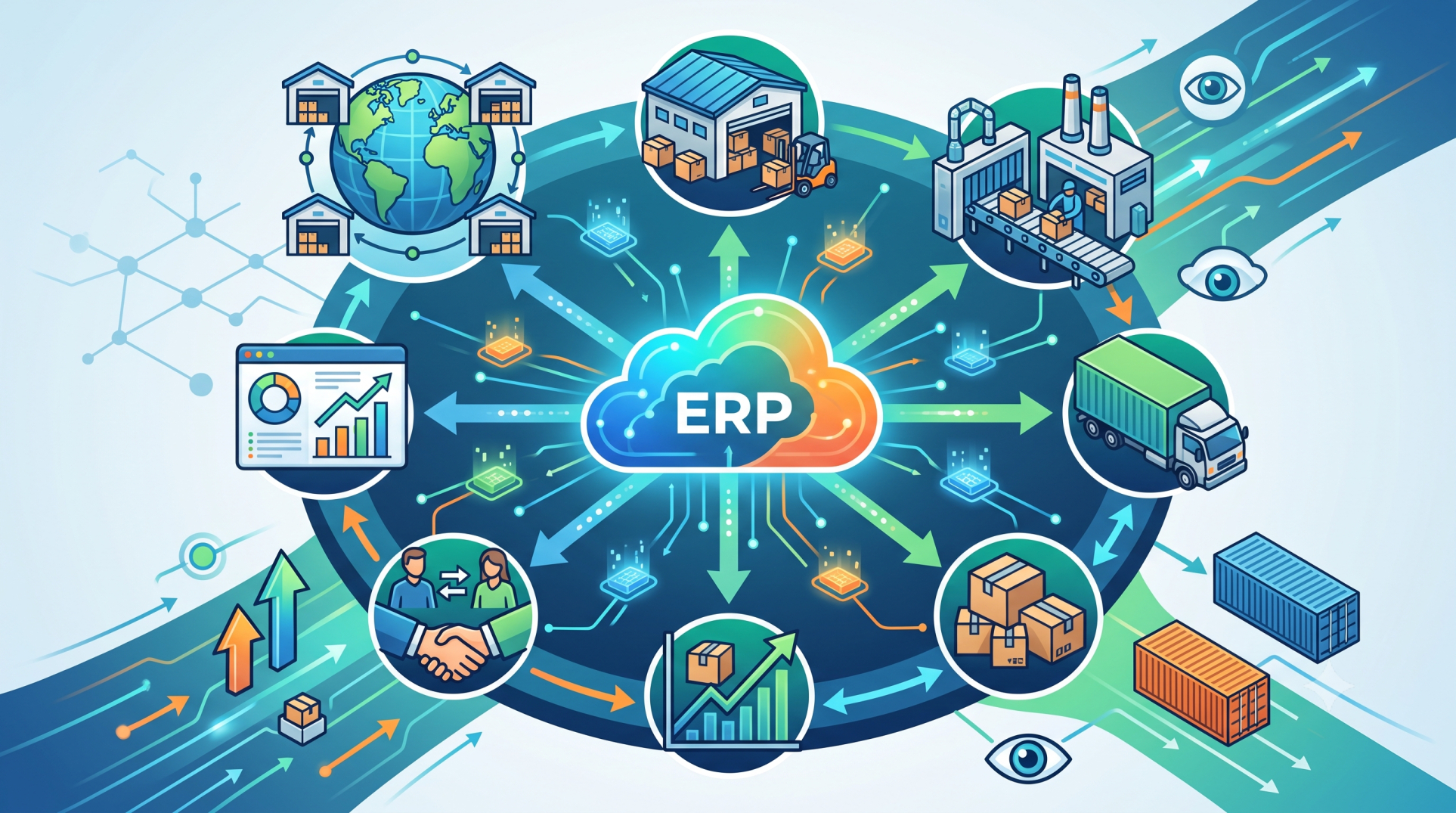
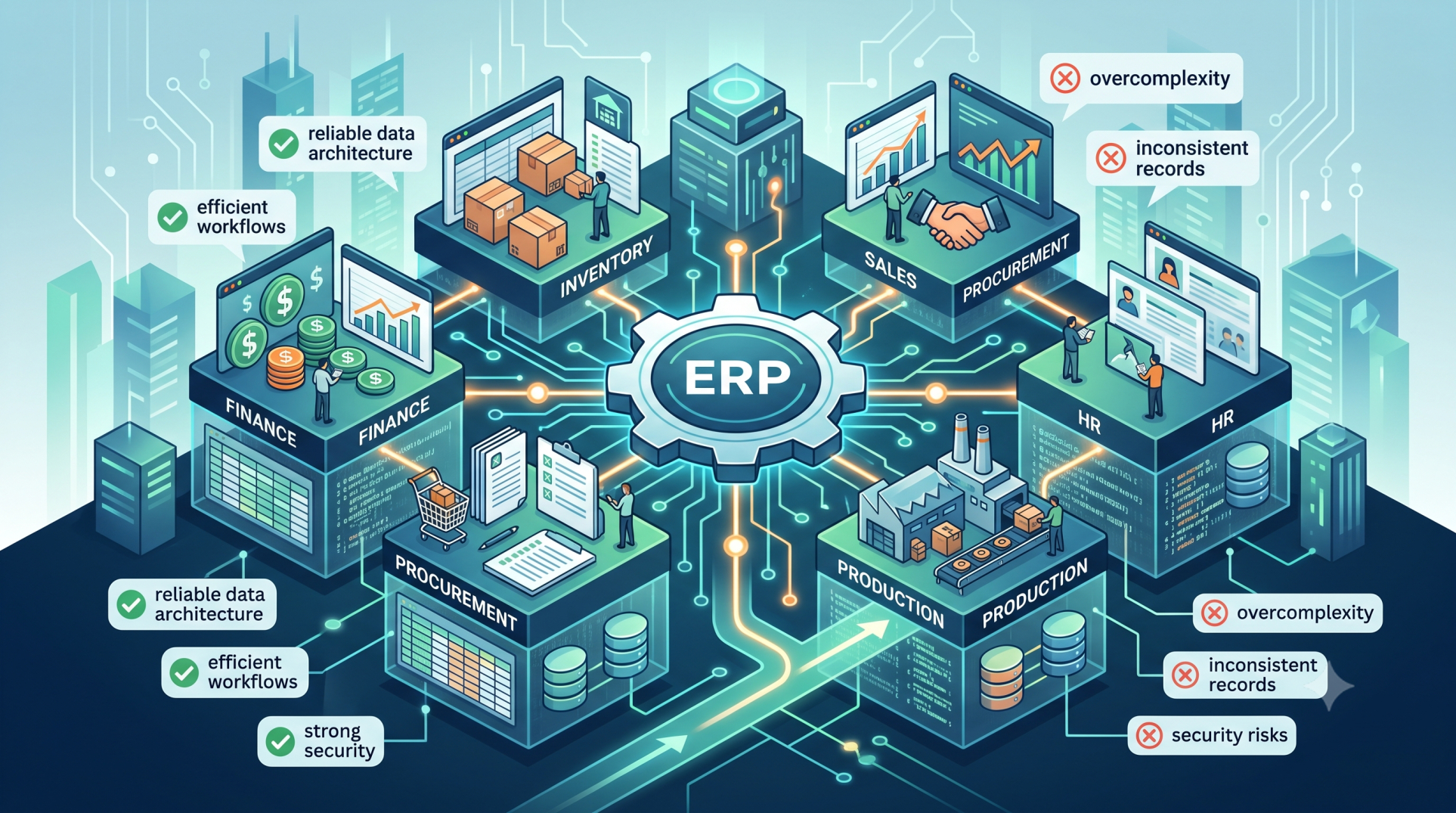
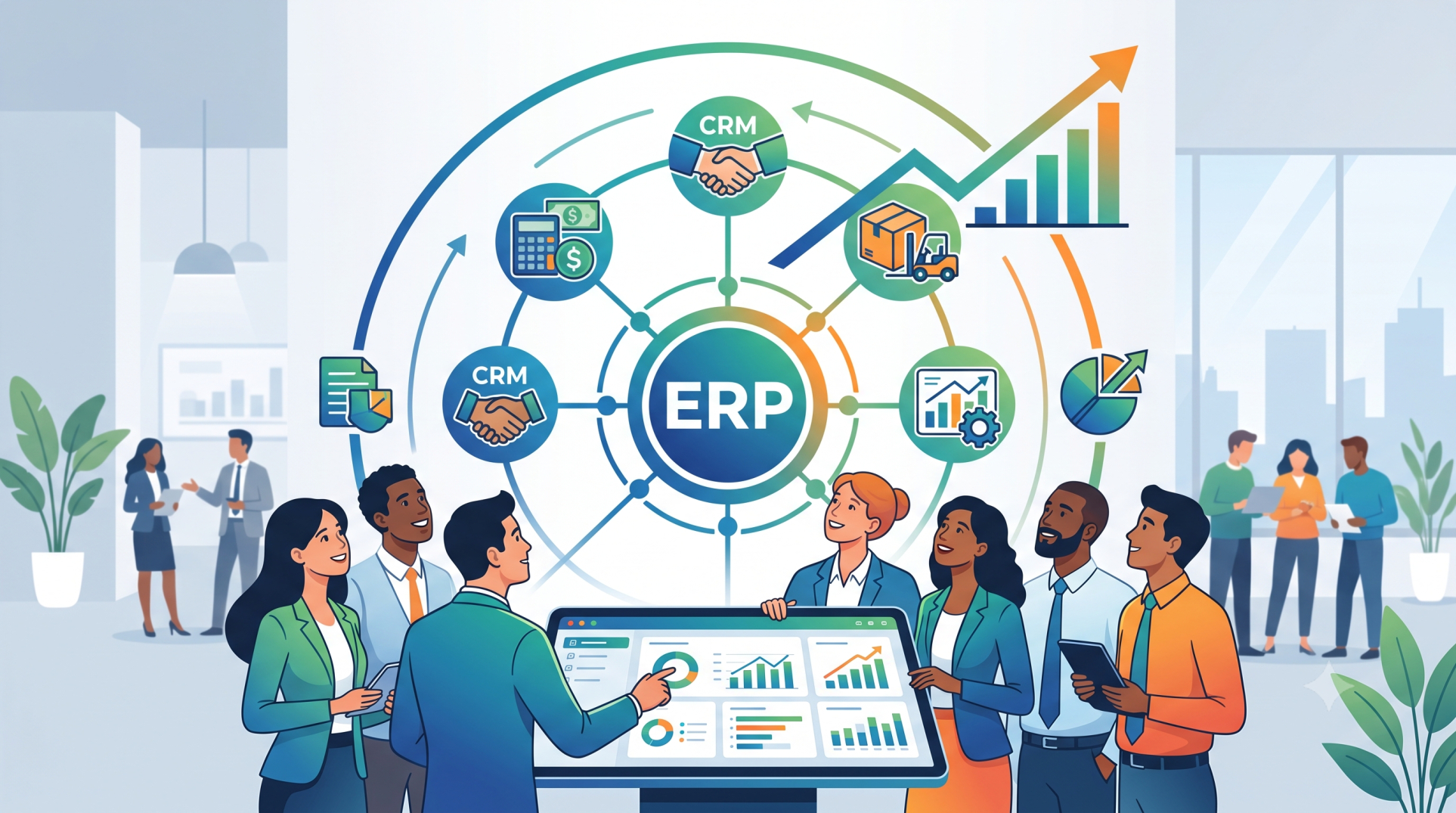
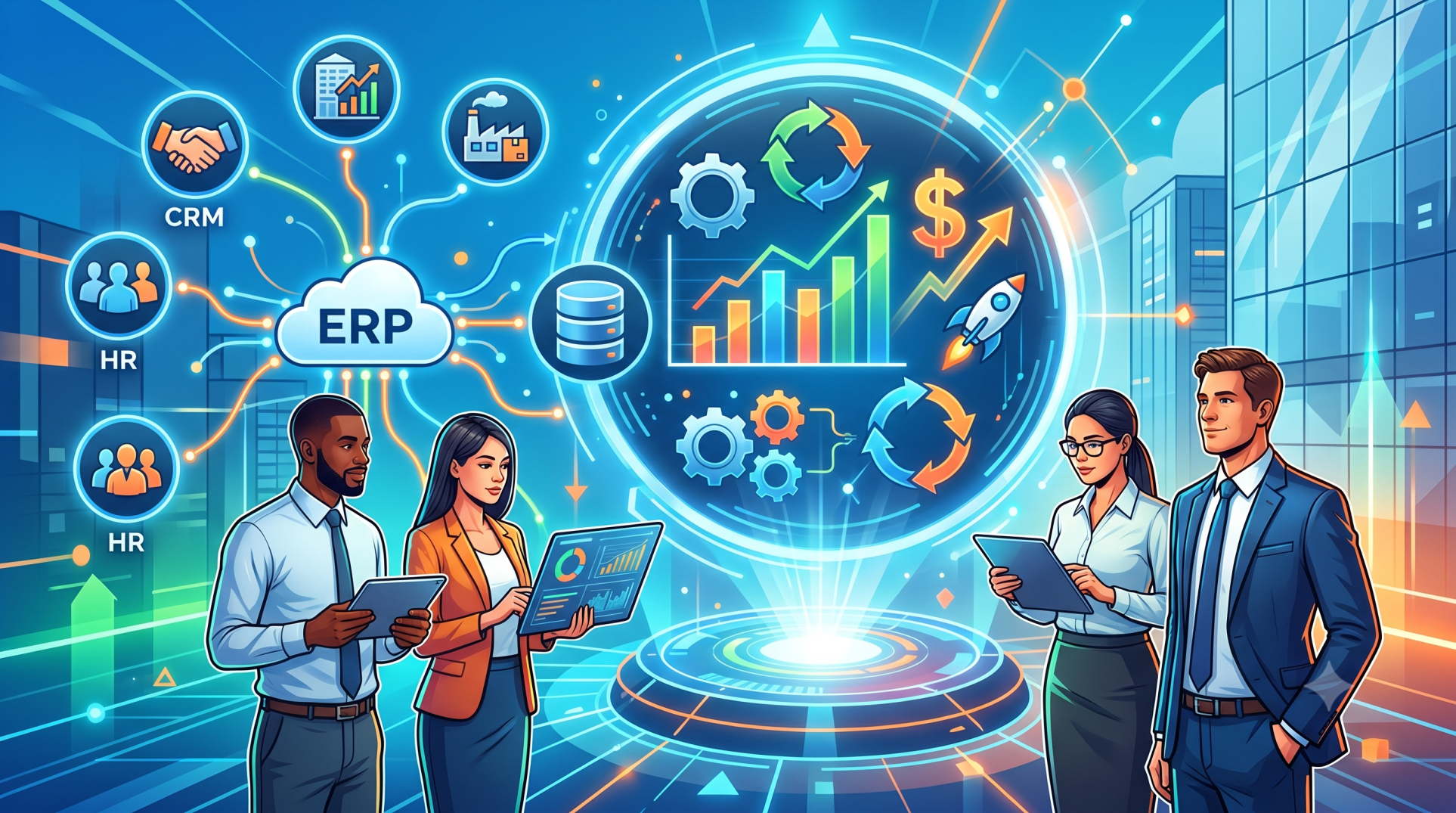
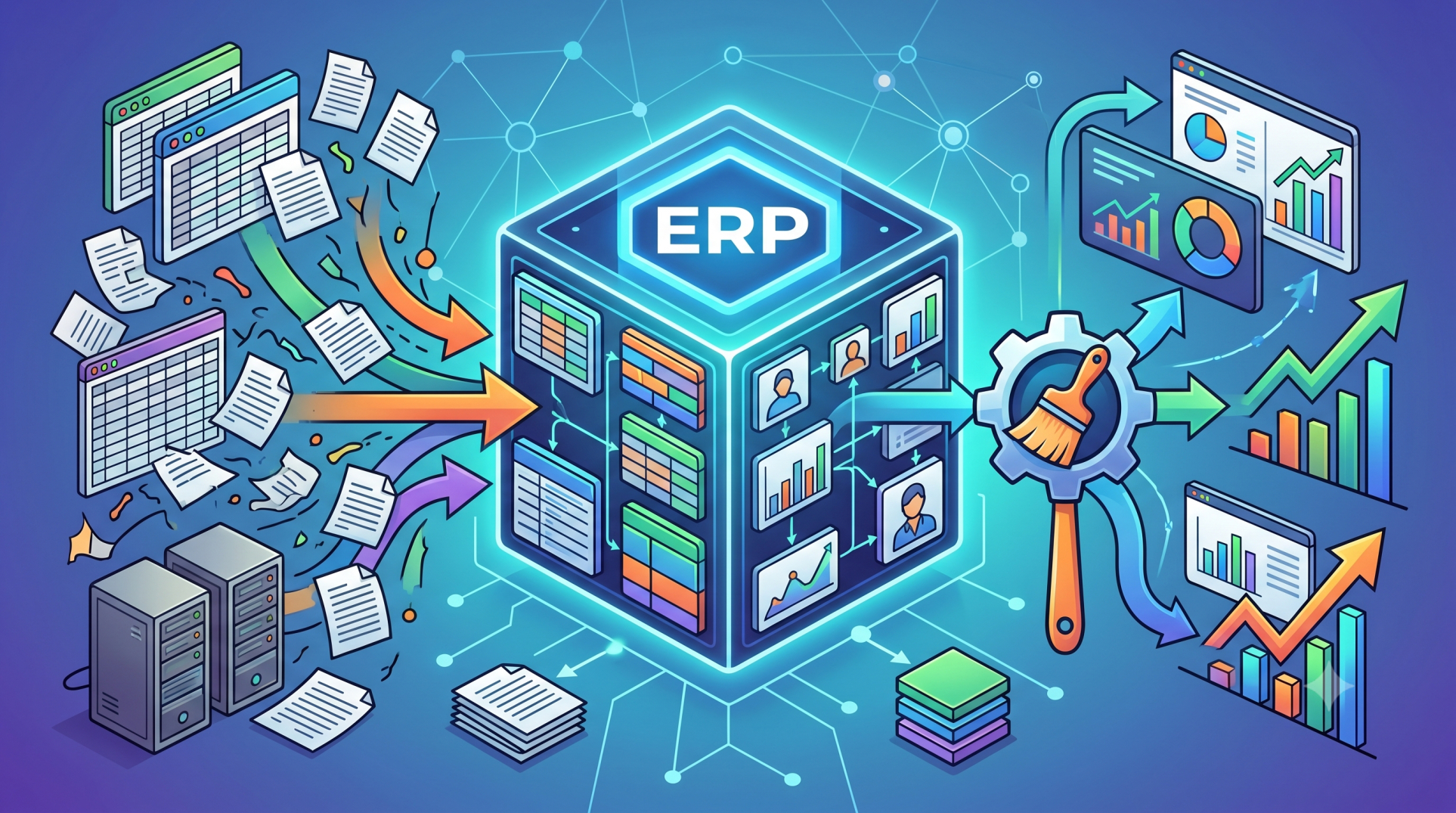
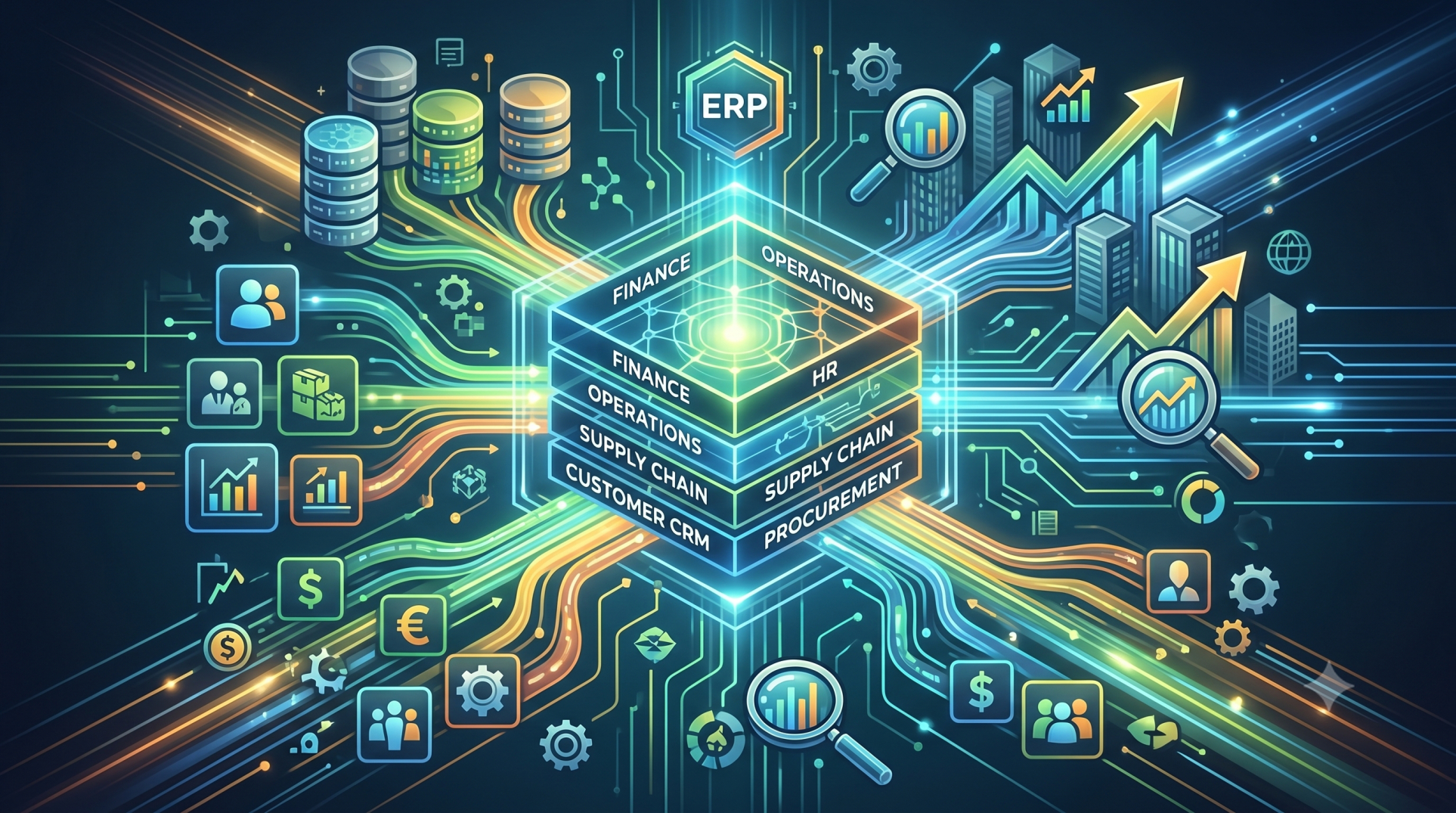
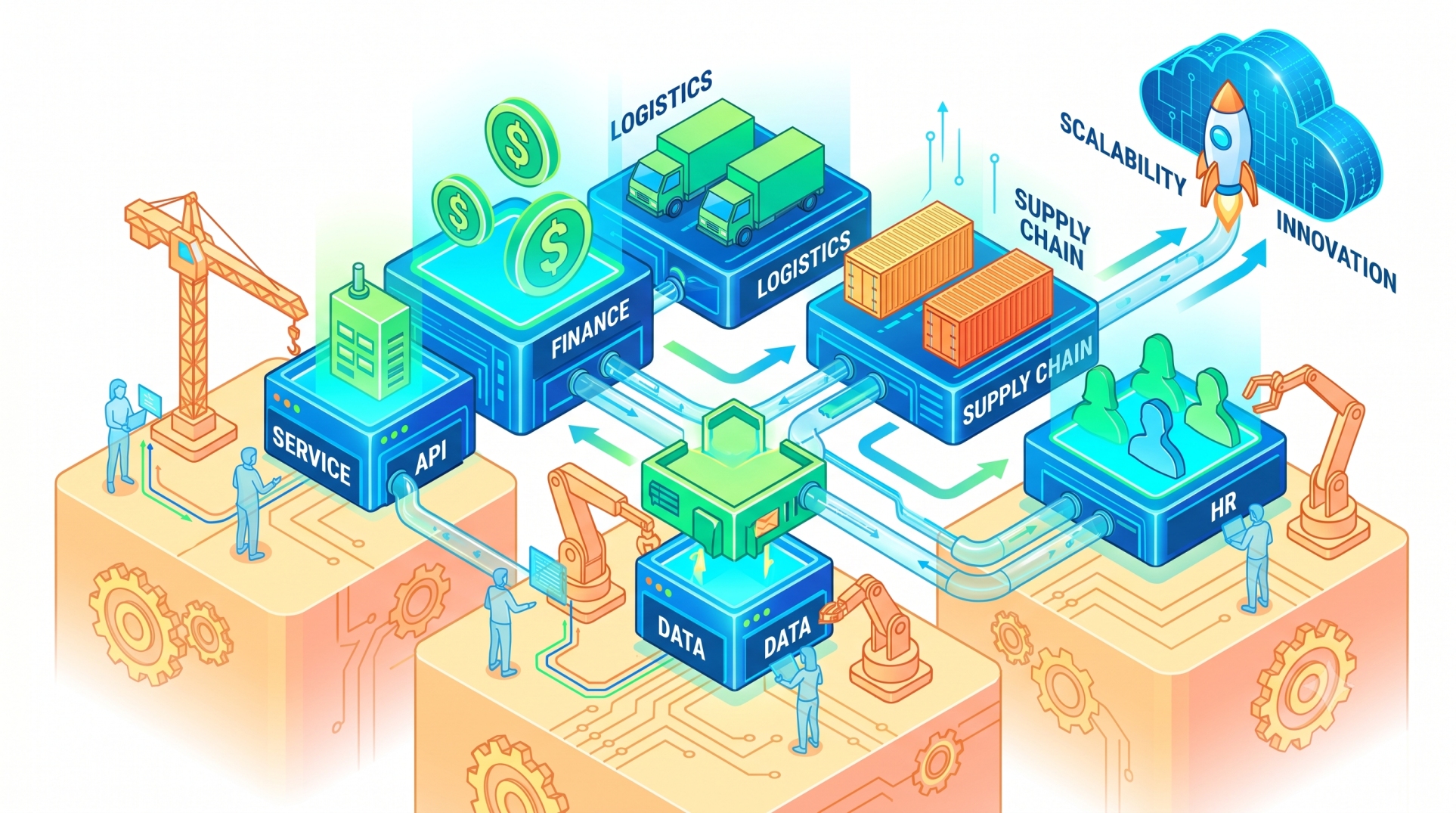
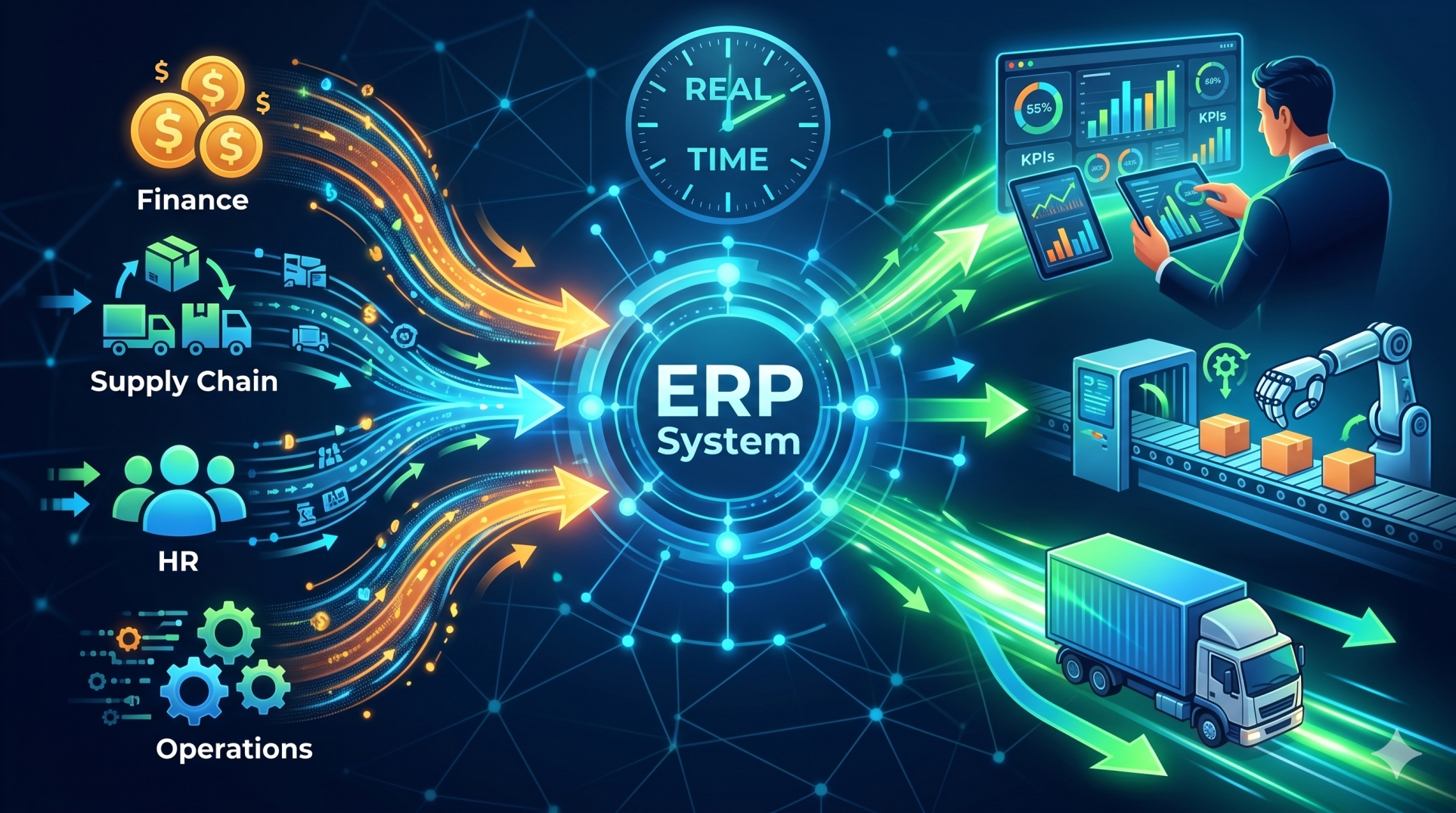
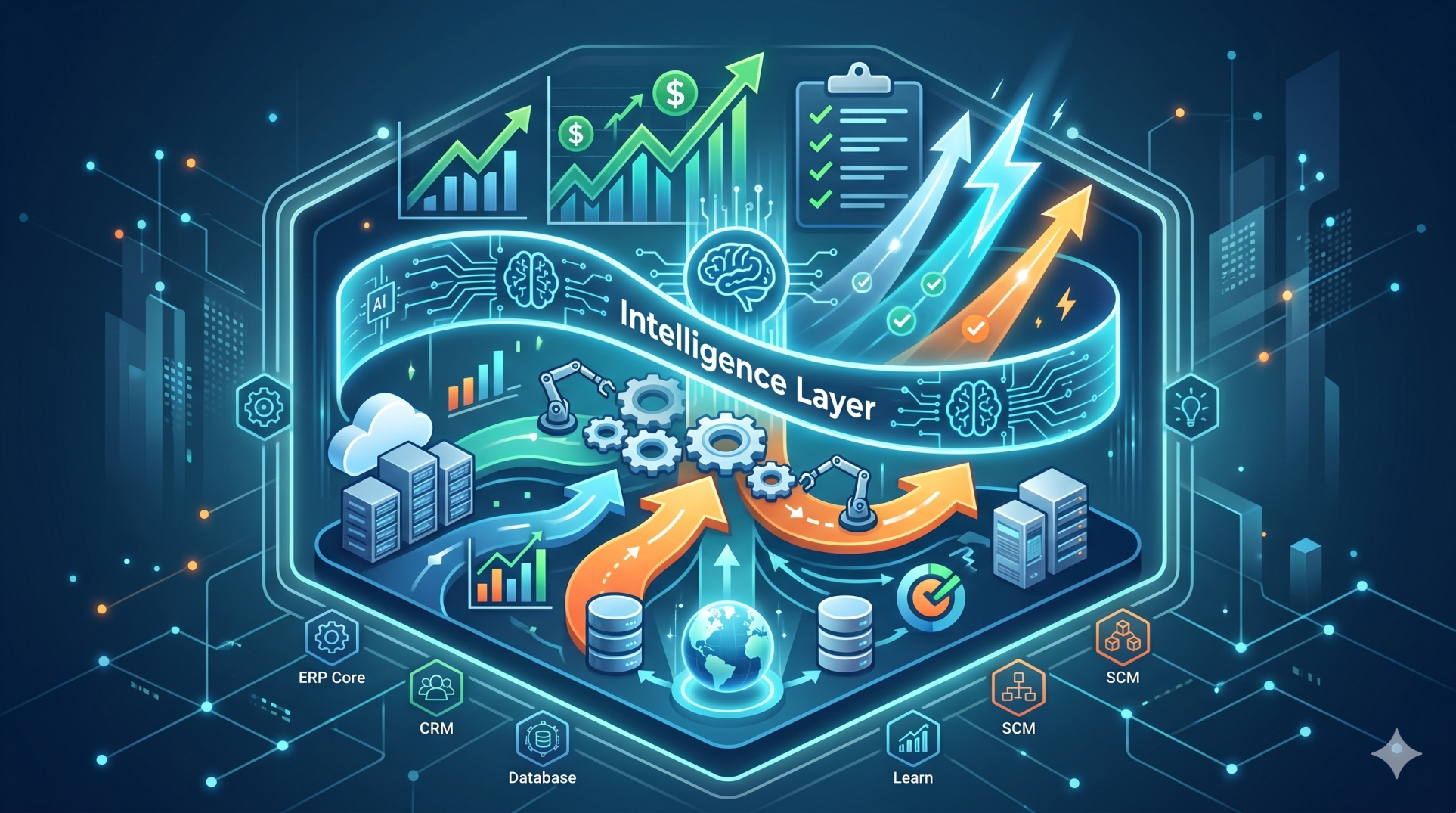
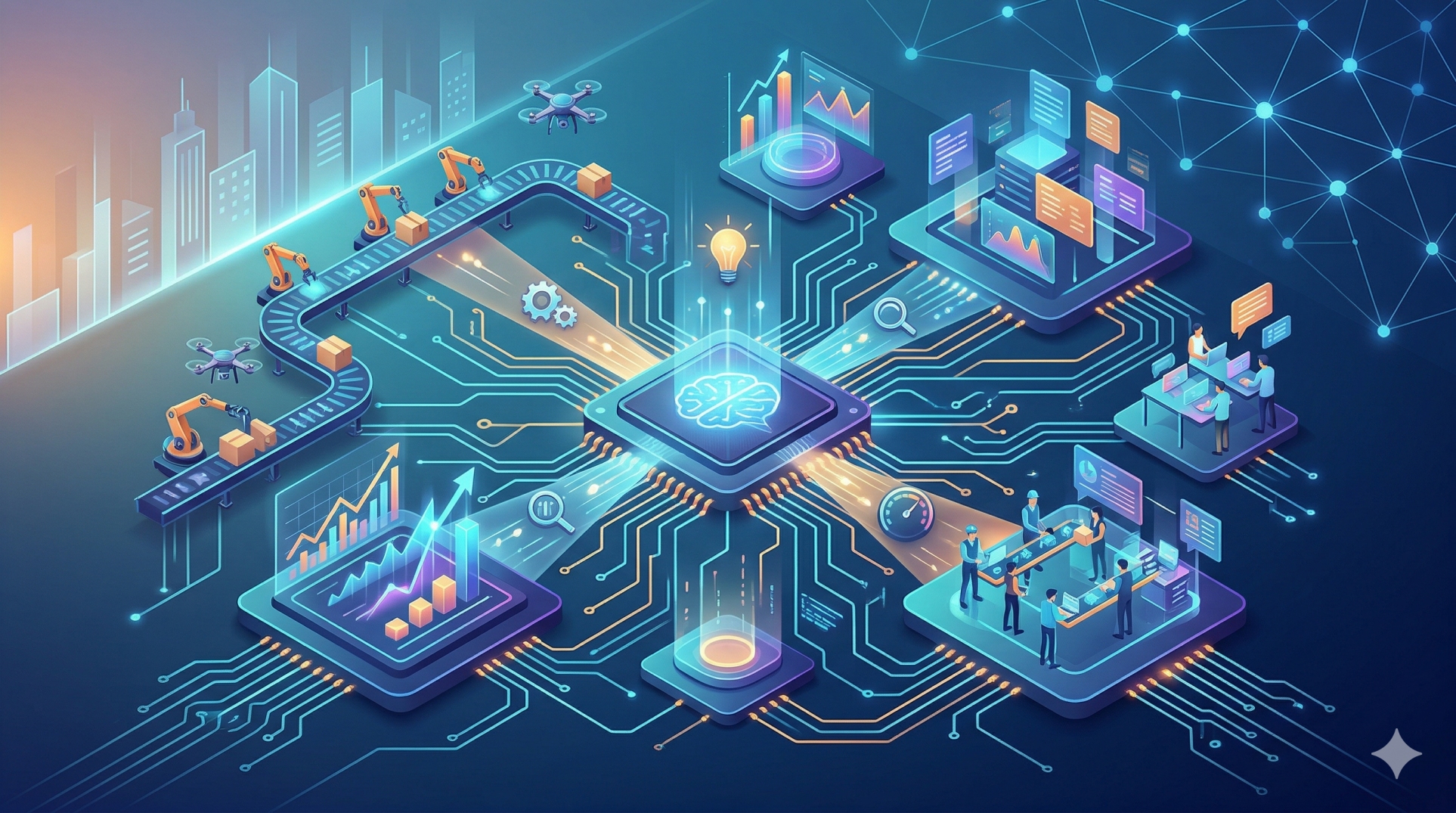
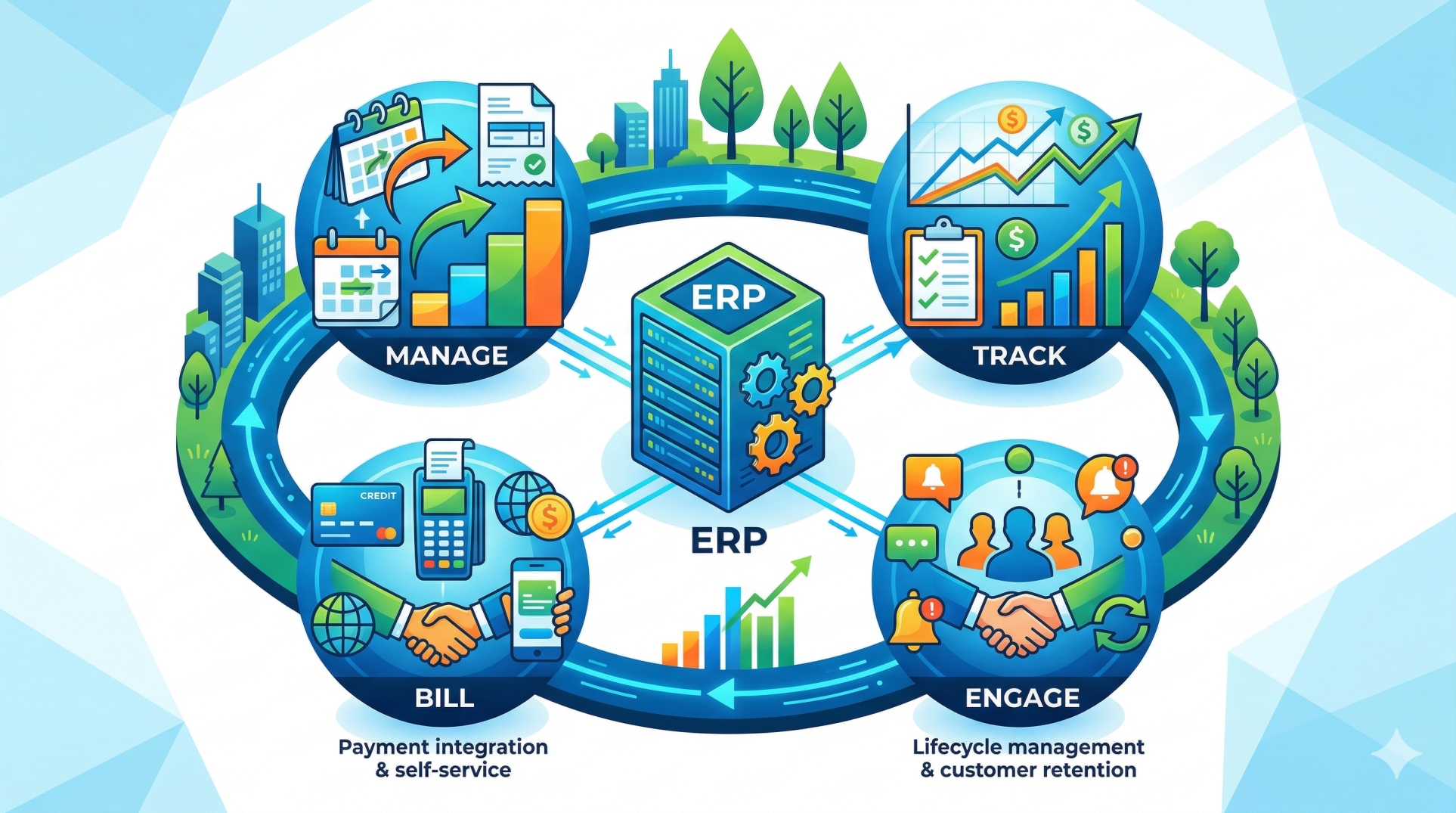
Modern organizations rely on ERP systems to manage finance, operations, supply chains, and workforce activities. As business environments become more complex, traditional ERP workflows often struggle to keep pace with growing data volumes and changing demands. AI-assisted process optimization enhances ERP systems by improving efficiency, automating decisions, and uncovering opportunities for continuous improvement.
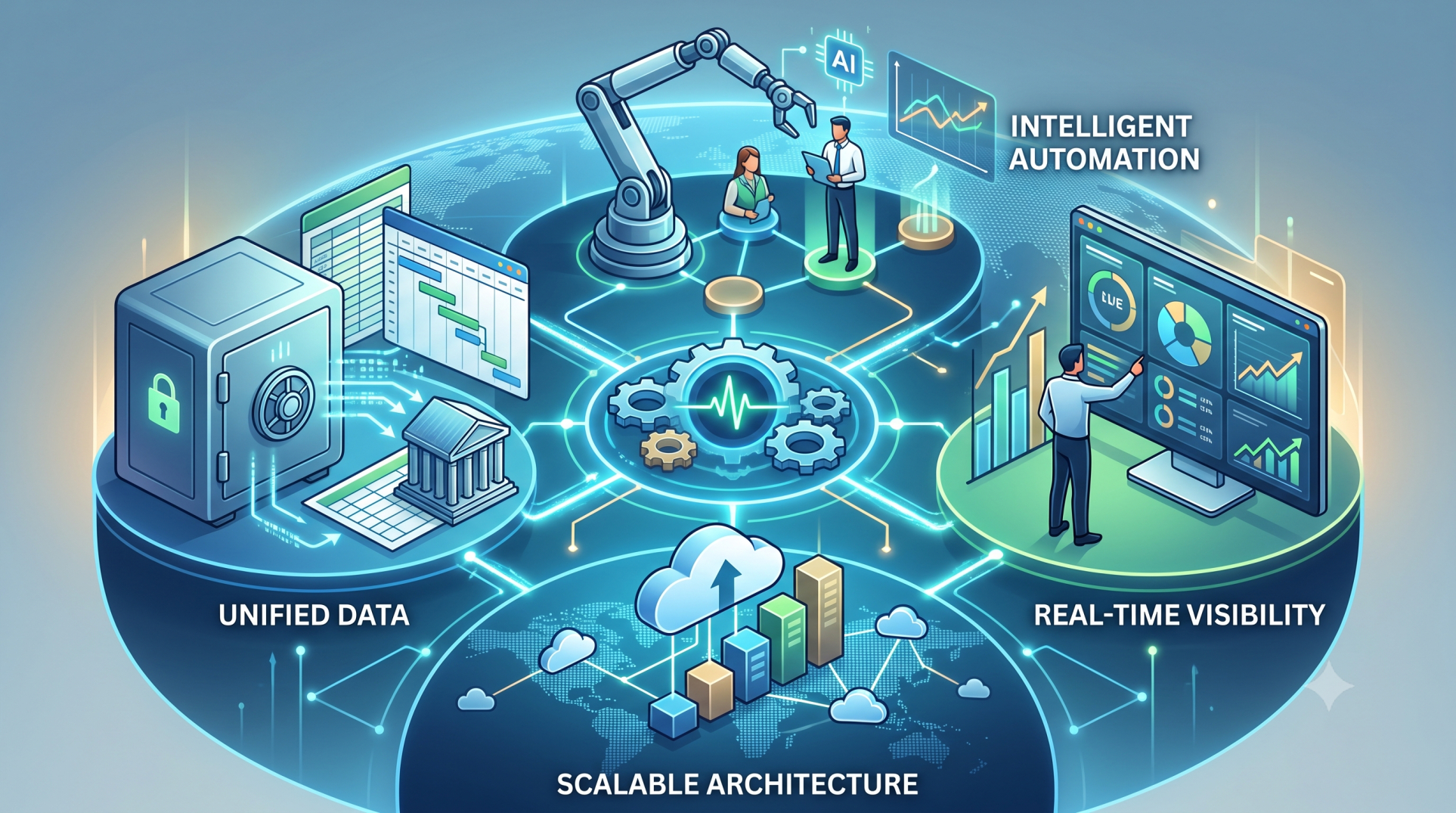
Step 1: Understanding AI in ERP Environments 🤖
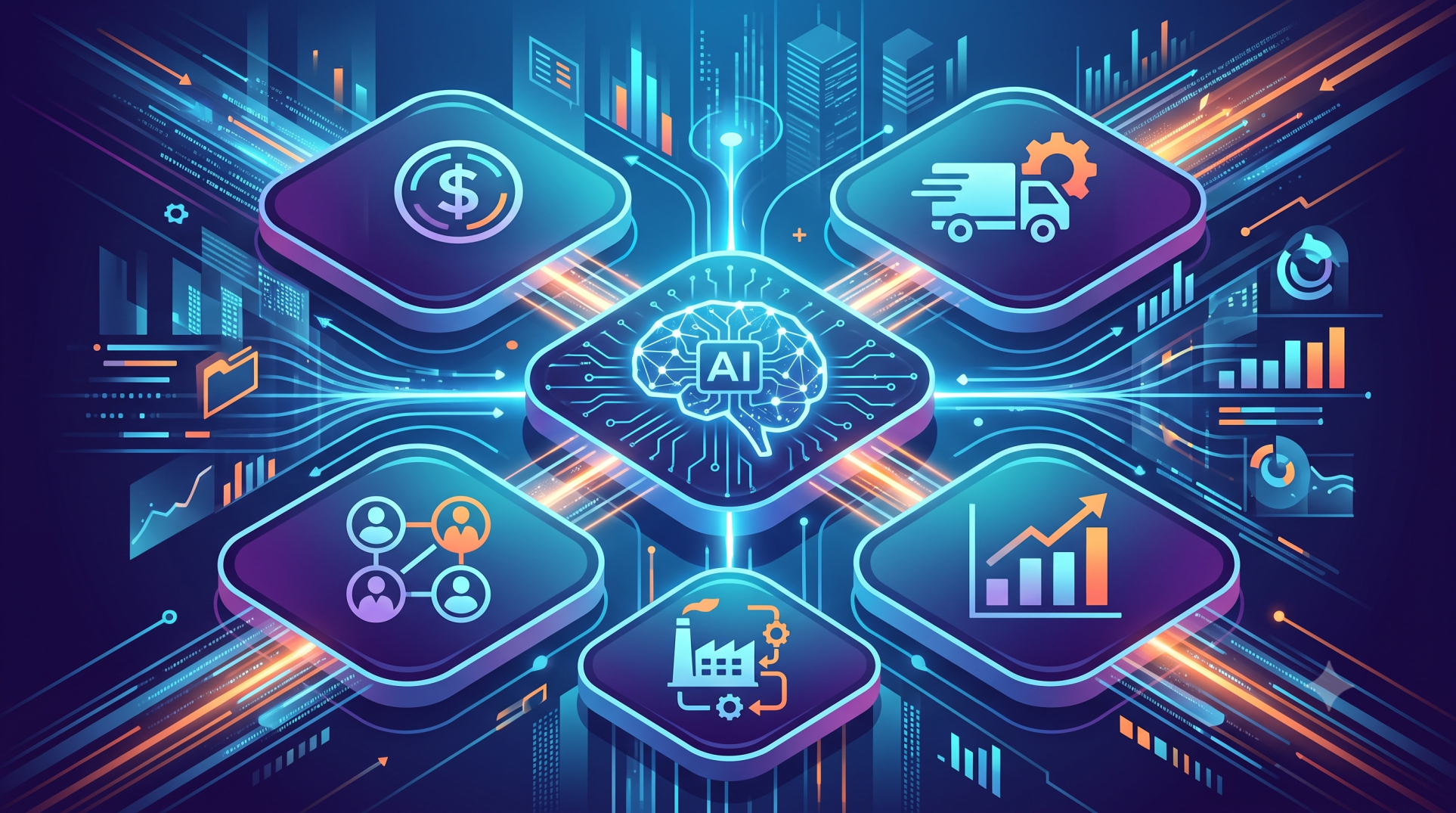
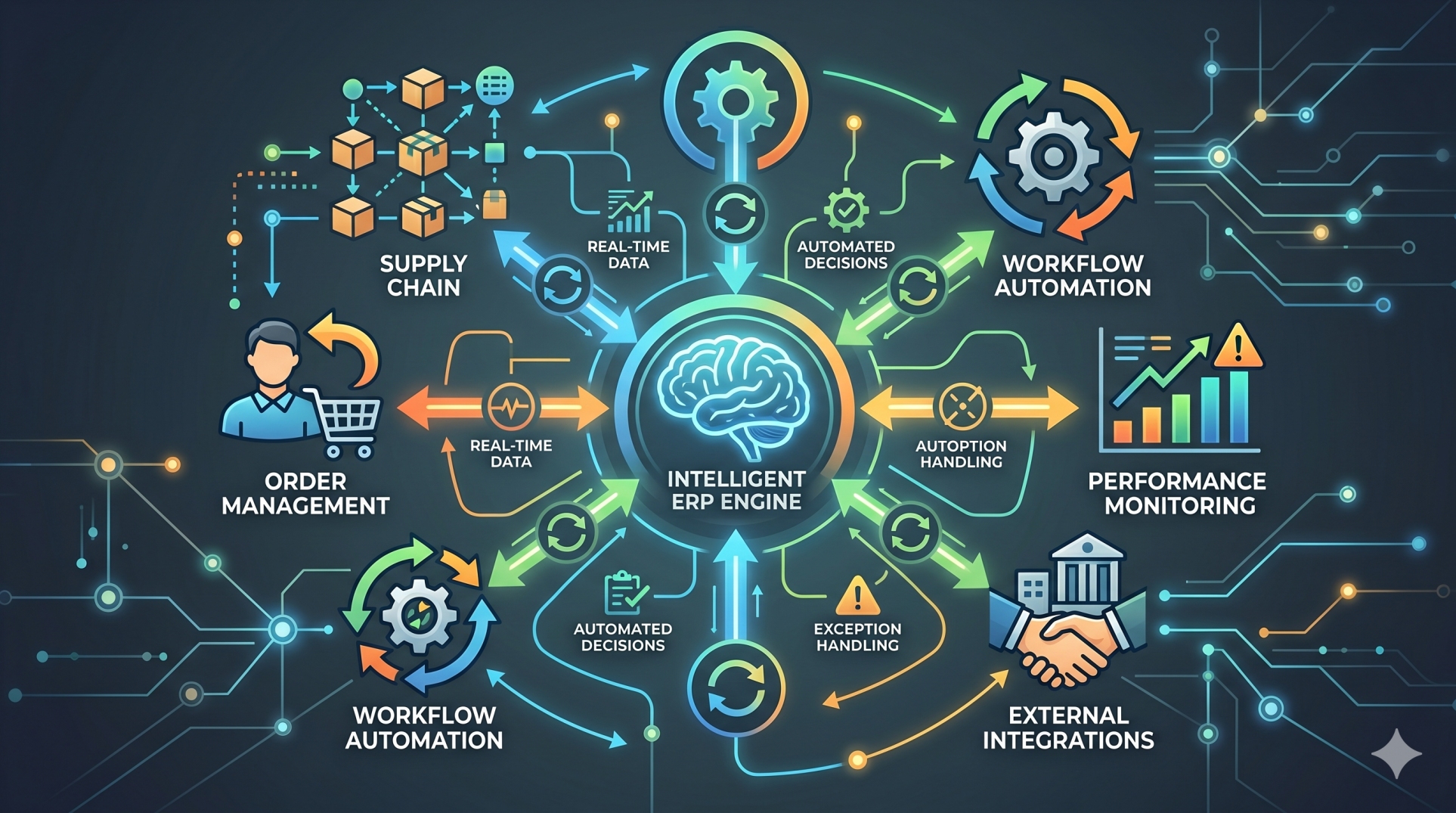
• AI enhances ERP systems through automation, prediction, and intelligent insights 🤖
• Machine learning helps identify patterns across operational data 📊
• Natural language tools improve interaction with ERP platforms 💬
• AI supports faster decisions with data-driven recommendations ⚡
• Intelligent systems reduce manual effort across departments 🔄
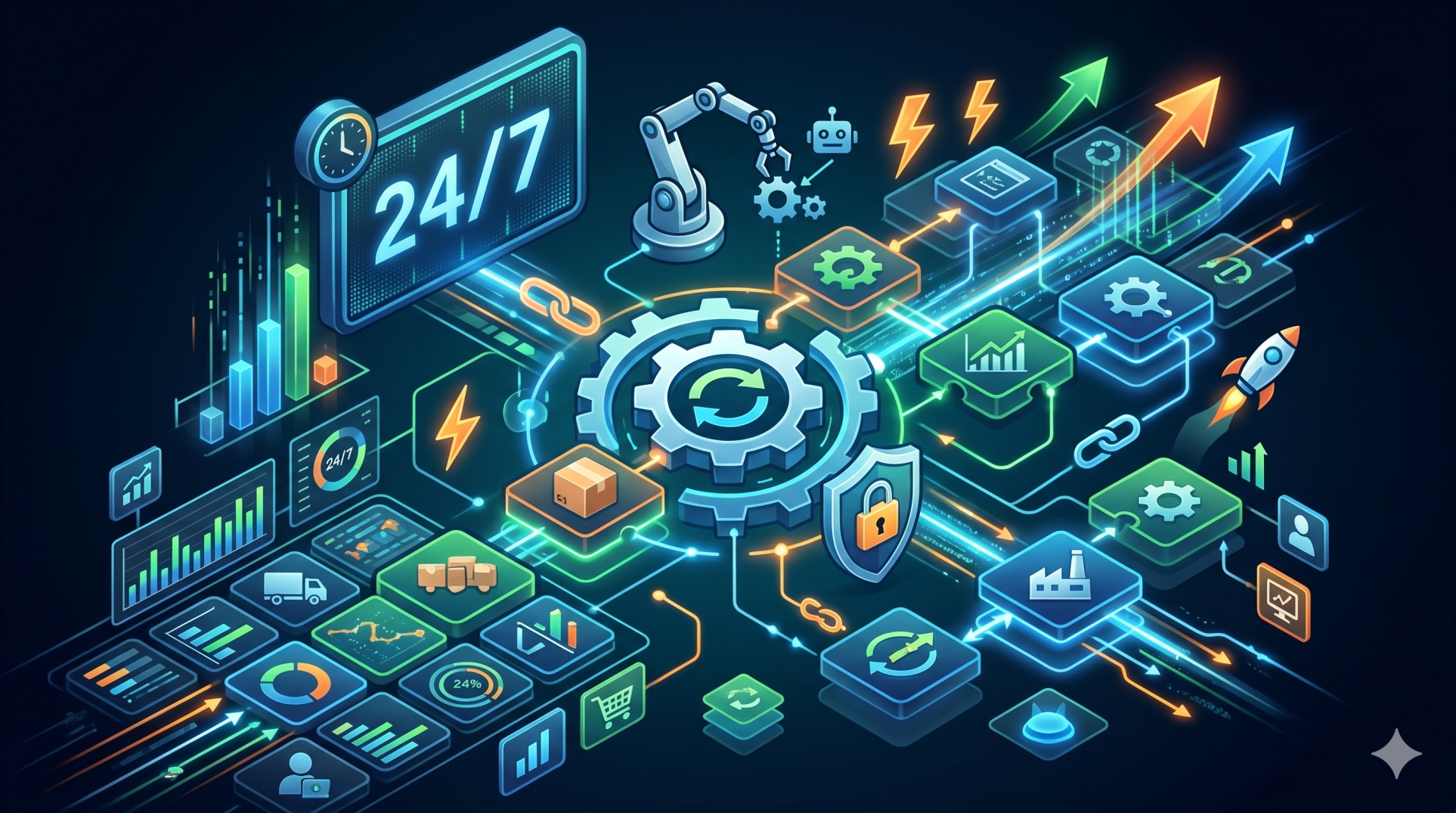
Step 2: Automating Repetitive Business Processes ⚙️
• Automate invoice processing, approvals, and data entry tasks 📄
• Reduce human errors in routine administrative workflows ✅
• Speed up transaction handling across departments ⏱️
• Free employees to focus on higher-value activities 🚀
• Improve consistency in recurring operational processes 🔁
Step 3: Intelligent Demand and Resource Planning 📈
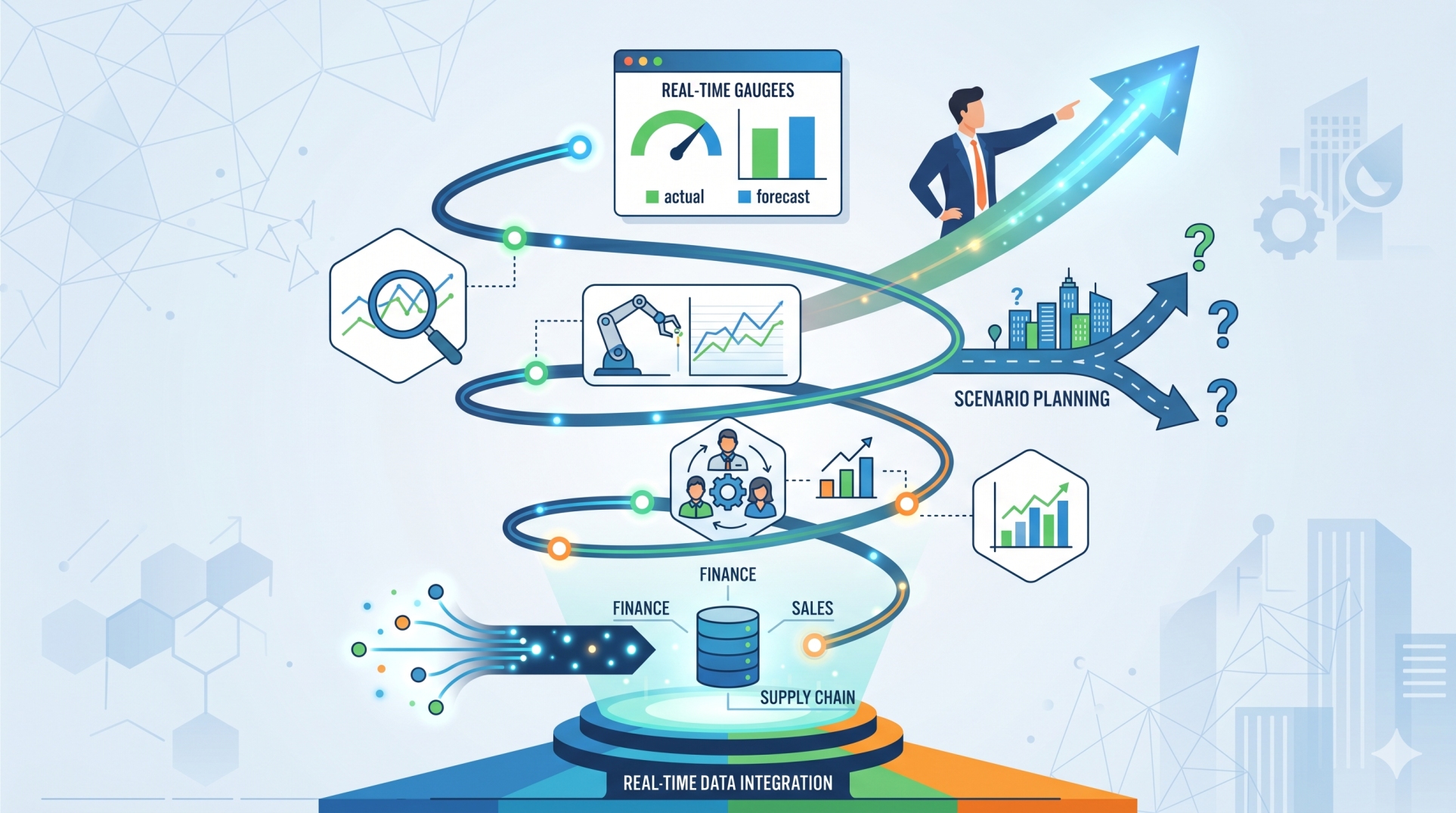
• Forecast demand using historical and real-time business data 📈
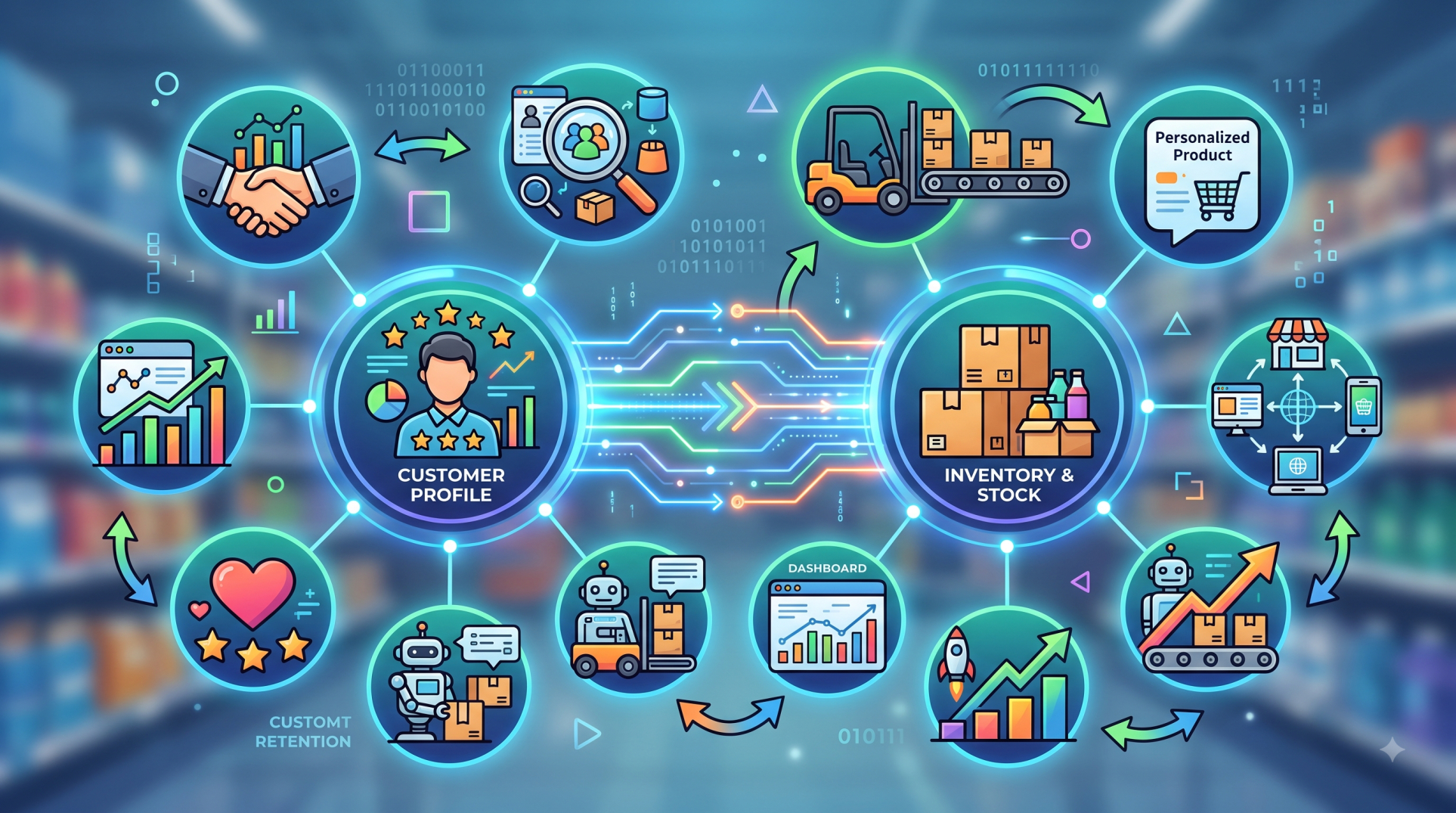
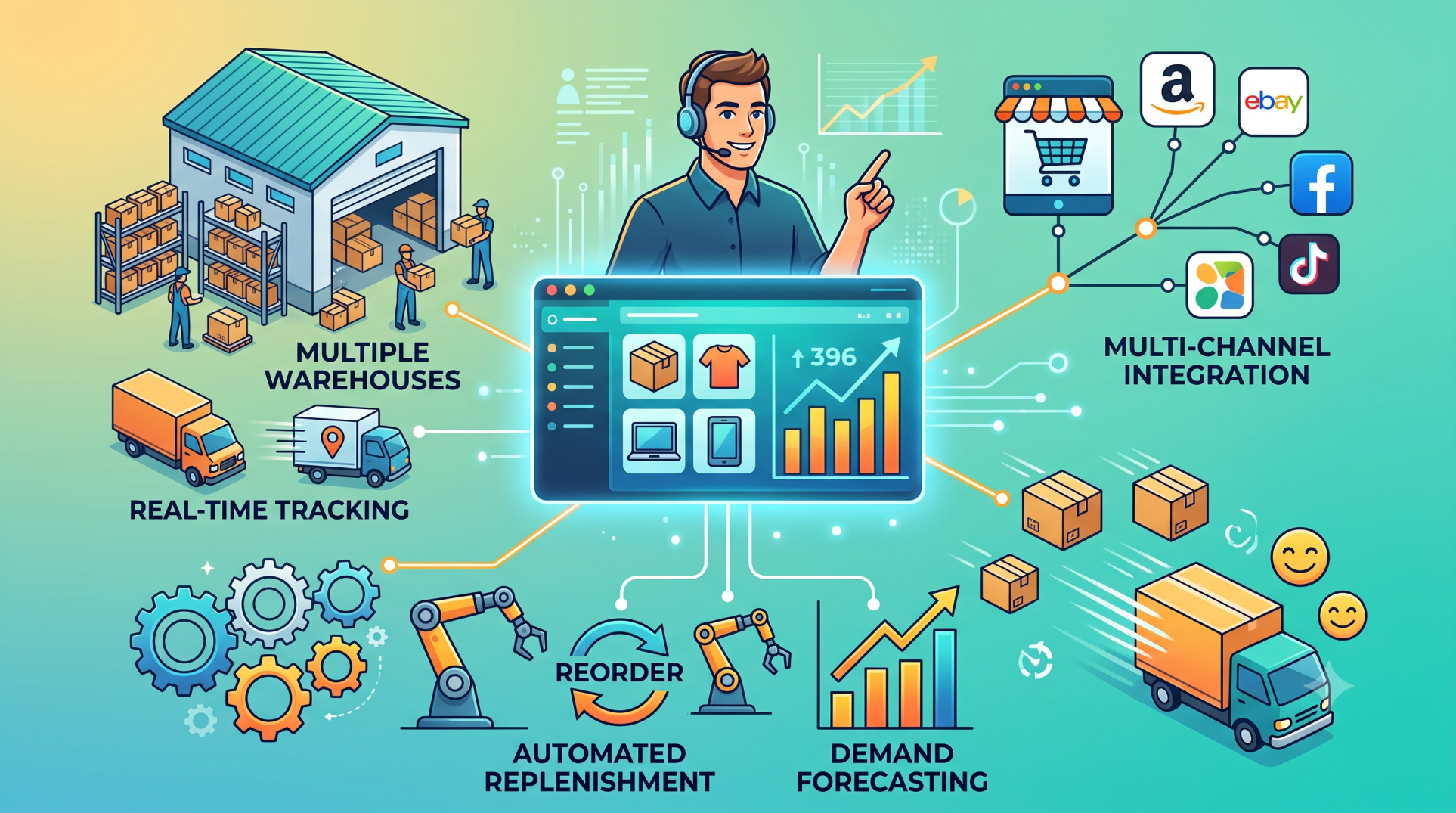
• Optimize inventory levels to reduce shortages and overstock 📦
• Improve workforce scheduling based on demand trends 👥
• Align procurement decisions with predictive insights 🛒
• Support smarter capacity planning across operations 🏭
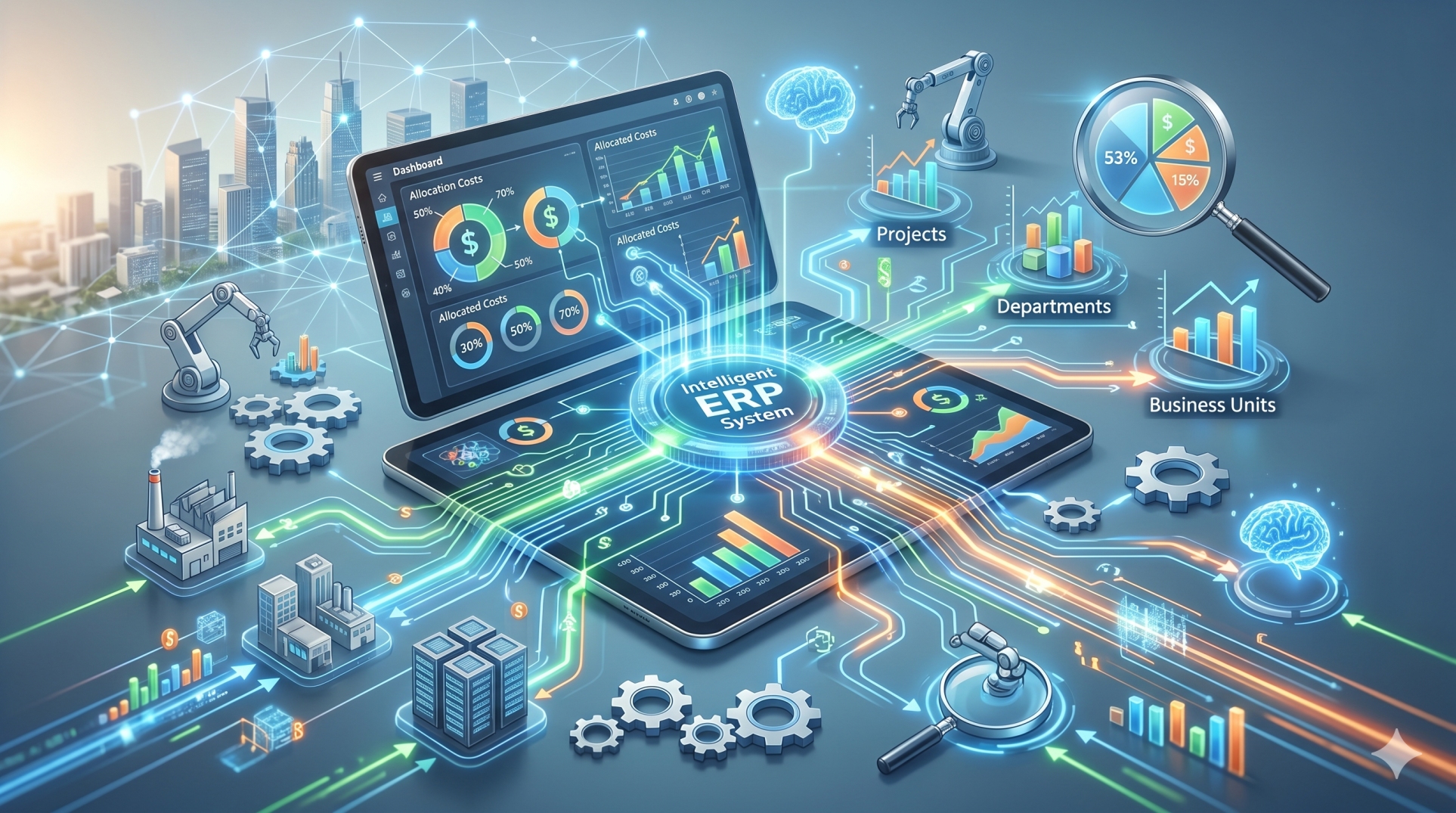
Step 4: Enhancing Financial Operations 💰
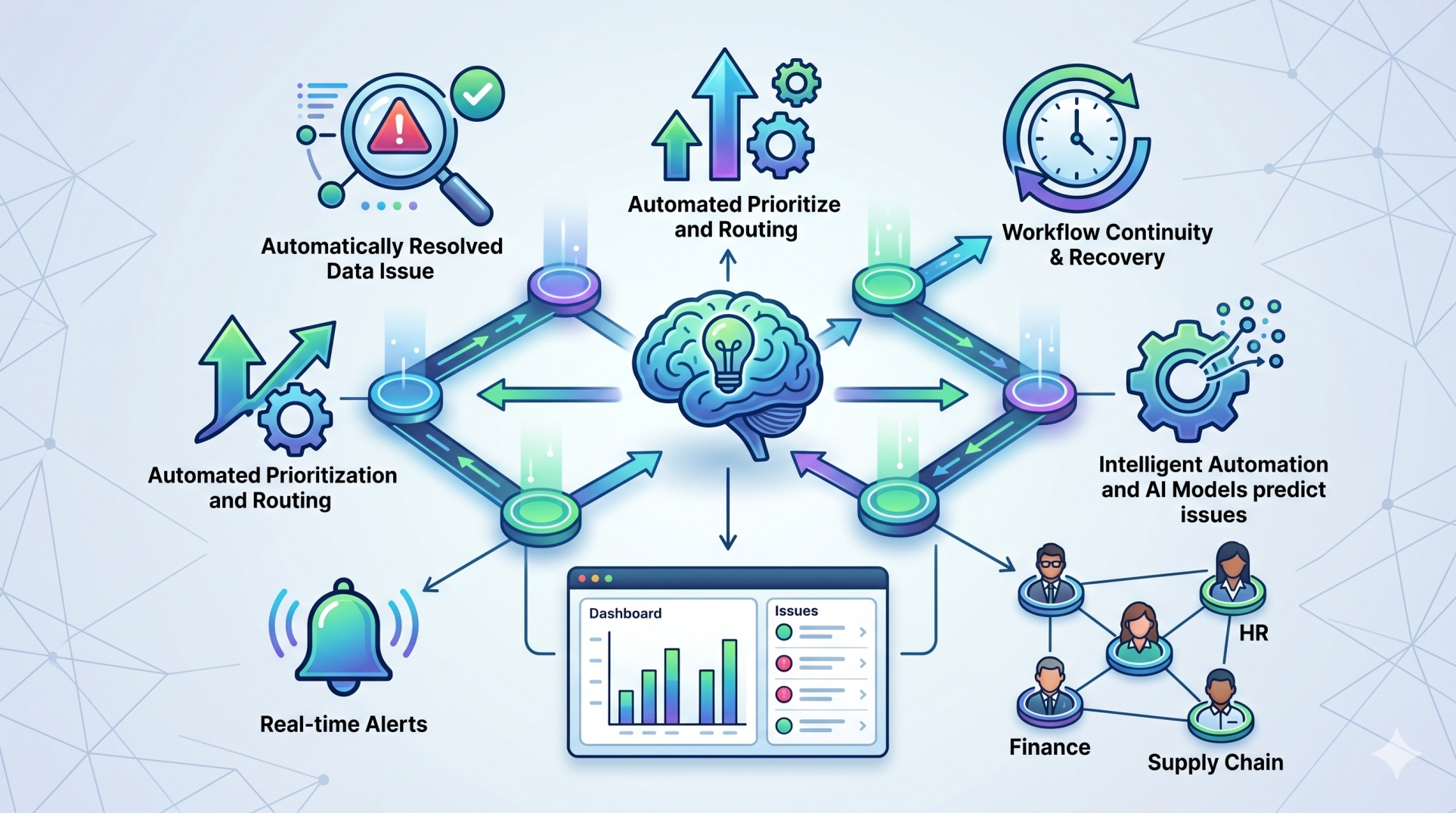
• Detect unusual transactions and spending anomalies 🔍
• Improve cash flow forecasting with predictive models 💰
• Automate reconciliation and reporting tasks 📊
• Accelerate month-end and year-end close processes 📅
• Strengthen financial control through continuous monitoring 🛡️
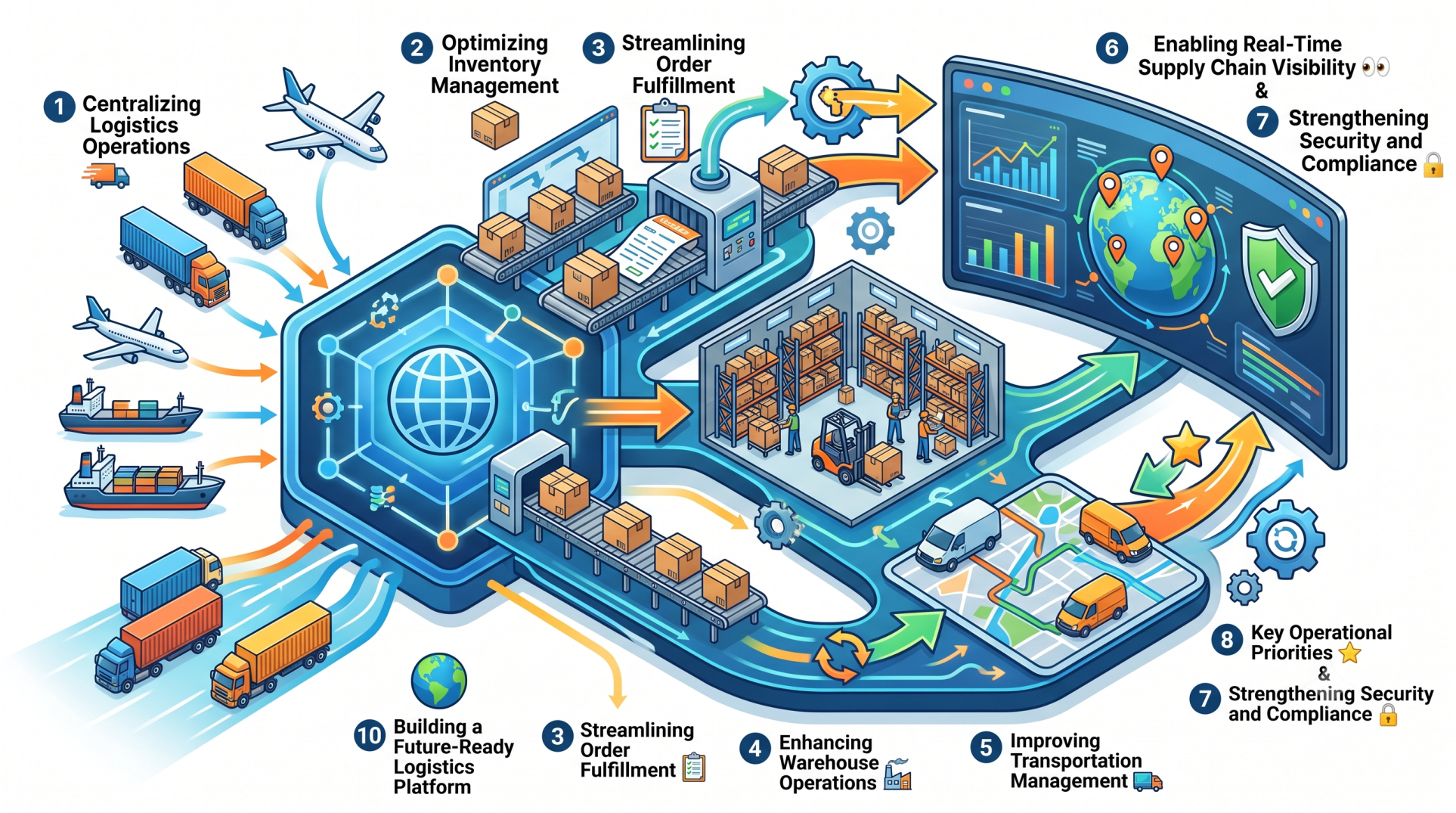
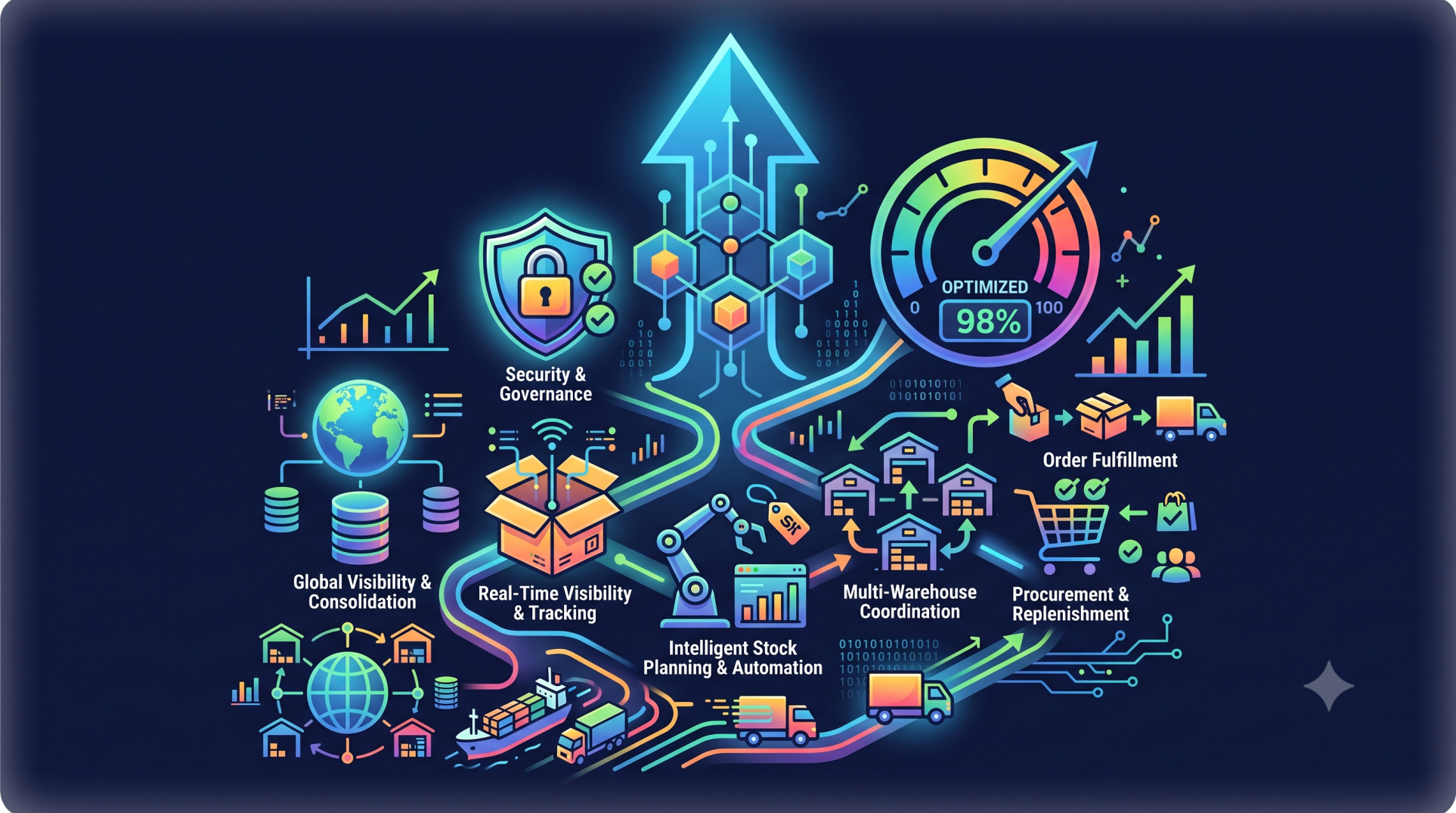
Step 5: Optimizing Supply Chain Performance 🚚
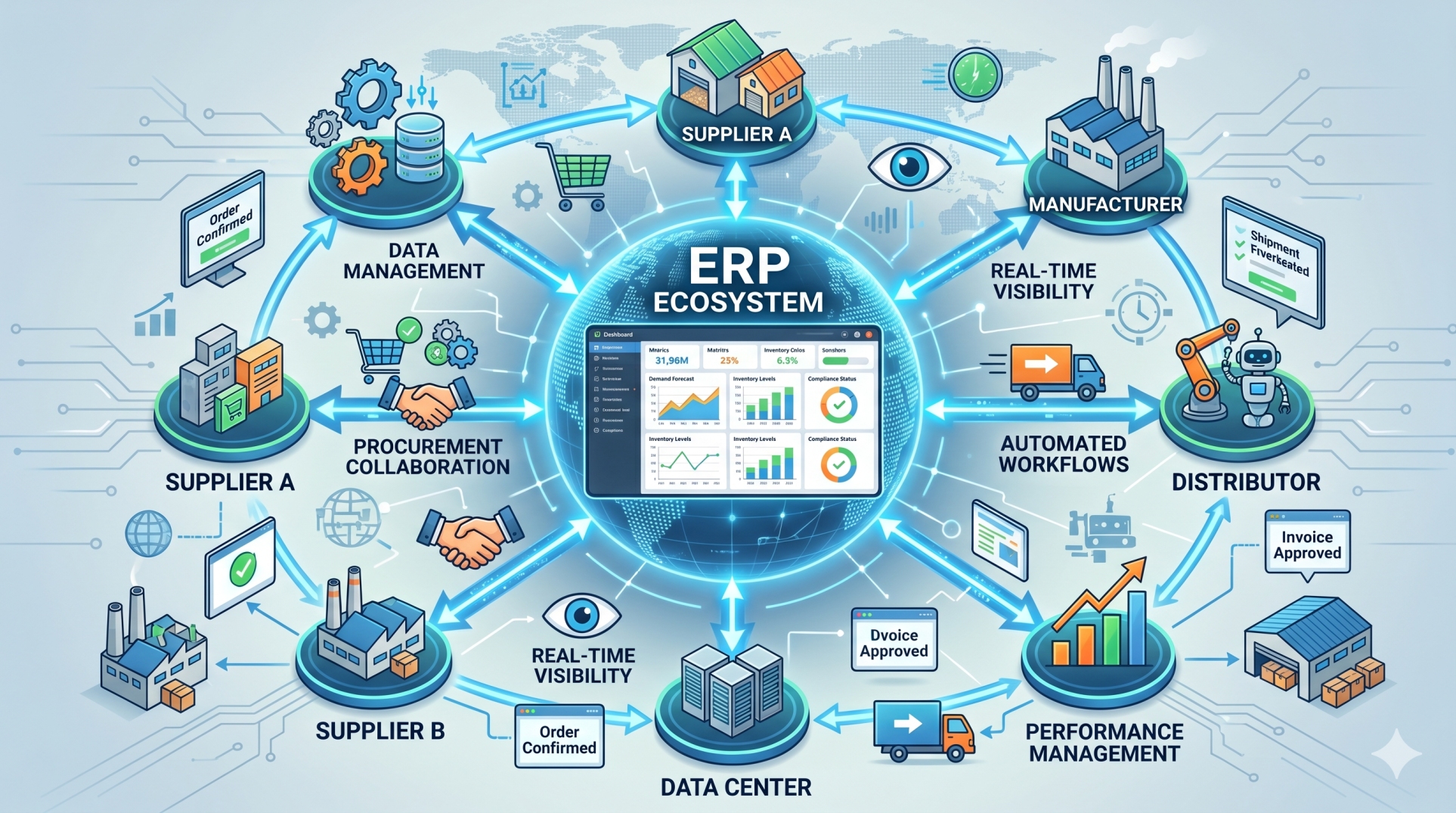
• Predict supplier delays and logistics disruptions 🚚
• Recommend alternate sourcing options when risks arise 🔄
• Improve warehouse movement and fulfillment efficiency 📦
• Optimize transportation routes and delivery schedules 🗺️
• Increase end-to-end supply chain visibility 👁️
Step 6: Improving User Experience and Productivity 💡
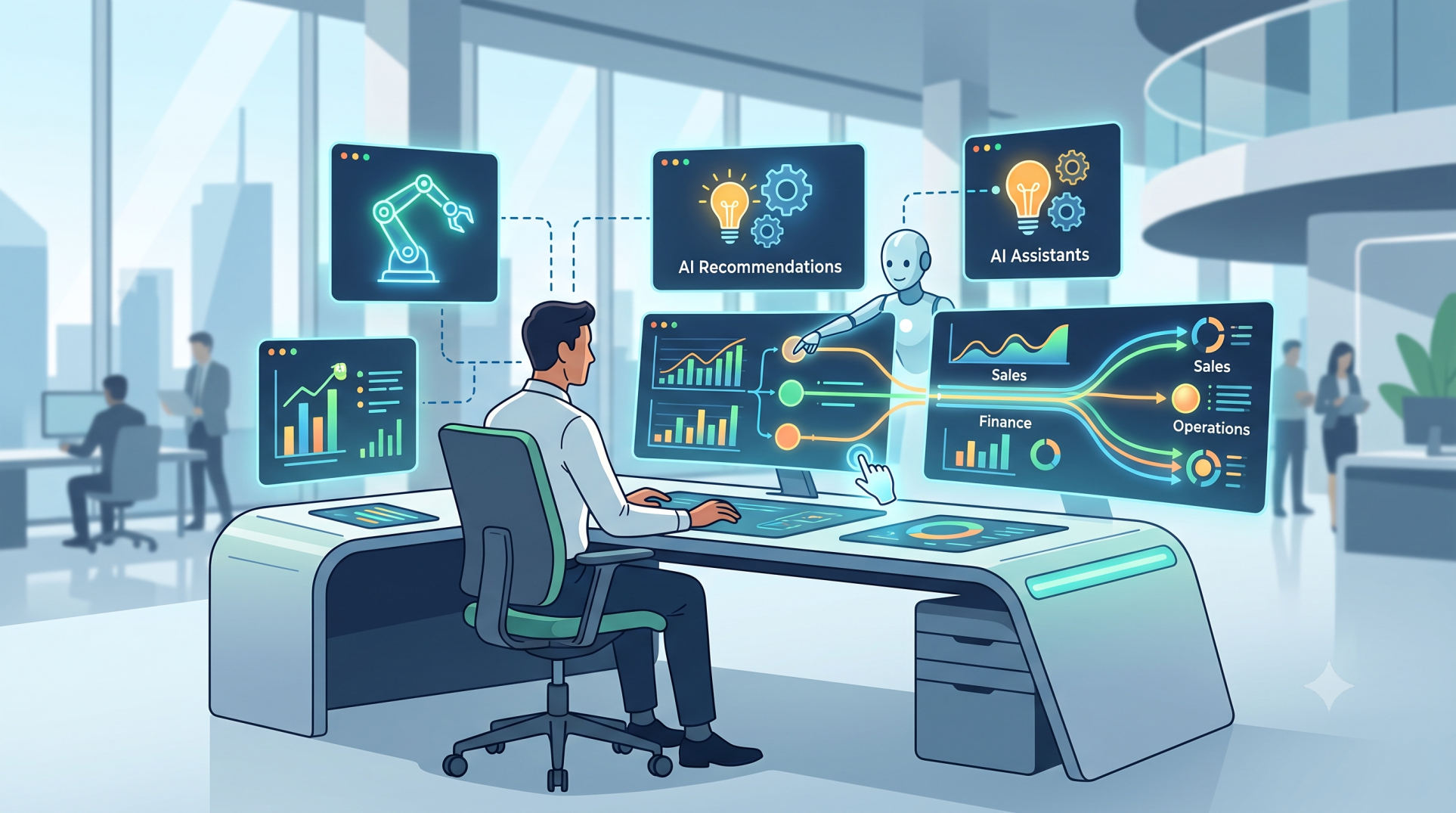
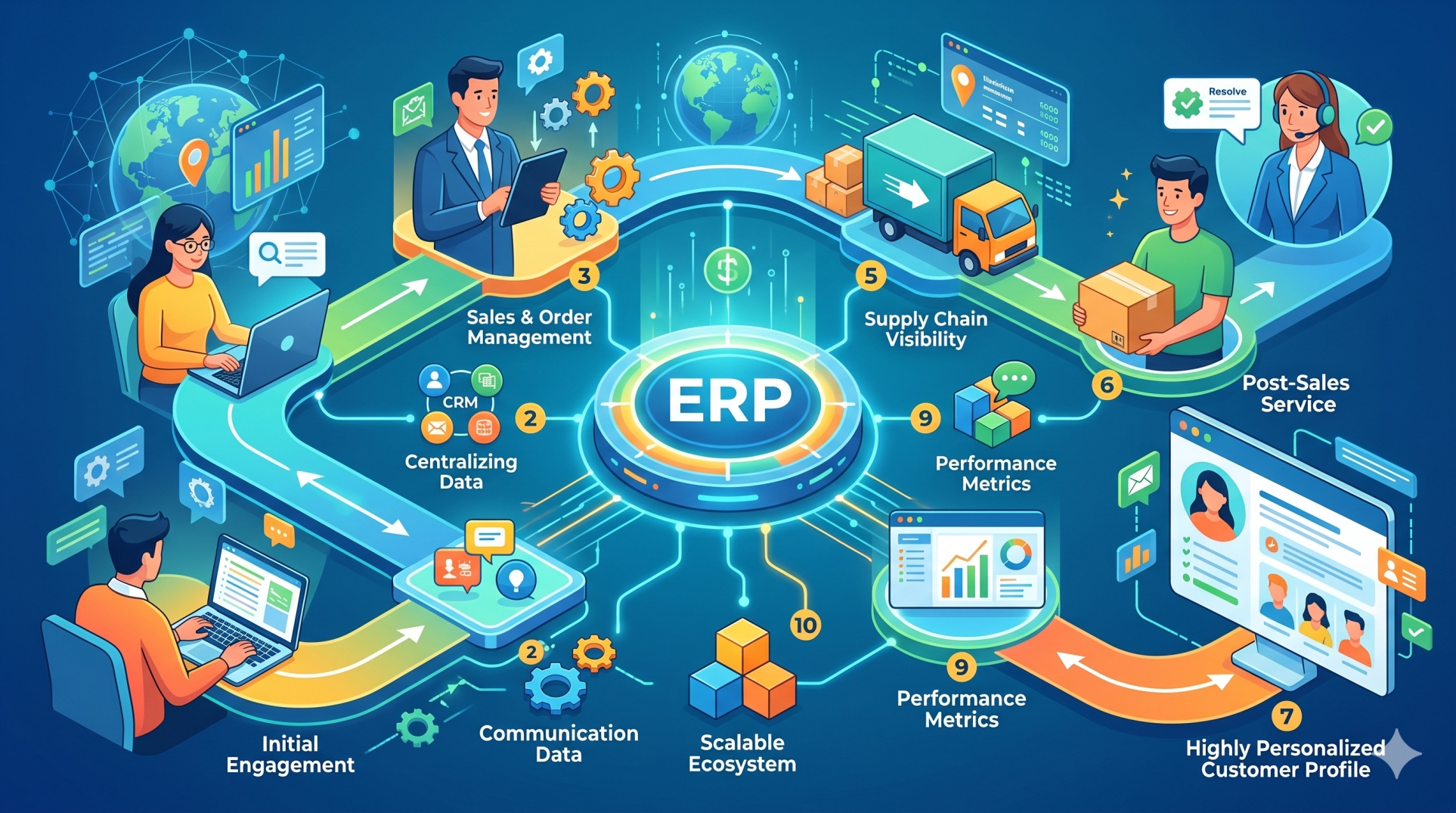
• Use AI assistants for faster ERP navigation and support 💬
• Provide smart search across modules and records 🔎
• Recommend next-best actions based on user roles 🎯
• Deliver personalized dashboards with relevant insights 📊
• Reduce training time through intuitive AI guidance 📘
Step 7: Continuous Monitoring and Process Improvement 📊
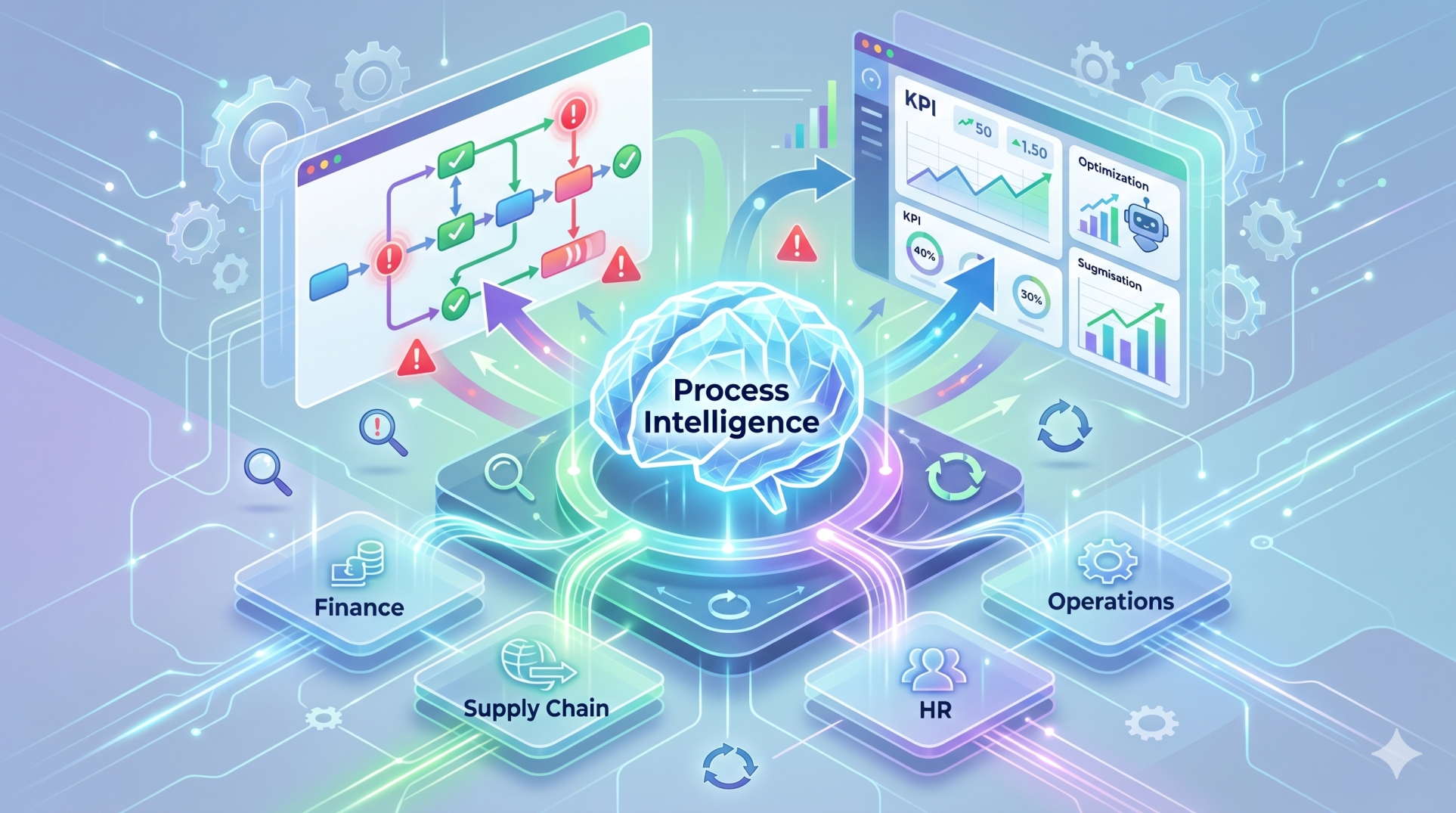
• Track process bottlenecks in real time ⏱️
• Identify delays, waste, and underused resources 🔍
• Recommend workflow adjustments automatically 🔄
• Measure KPI improvements after optimization changes 📈
• Enable ongoing operational refinement 📌
Step 8: Key Optimization Priorities 🎯
• Faster workflows with reduced manual intervention ⚡
• Higher accuracy across business operations ✅
• Better forecasting and planning decisions 📈
• Scalable automation across ERP functions 🚀
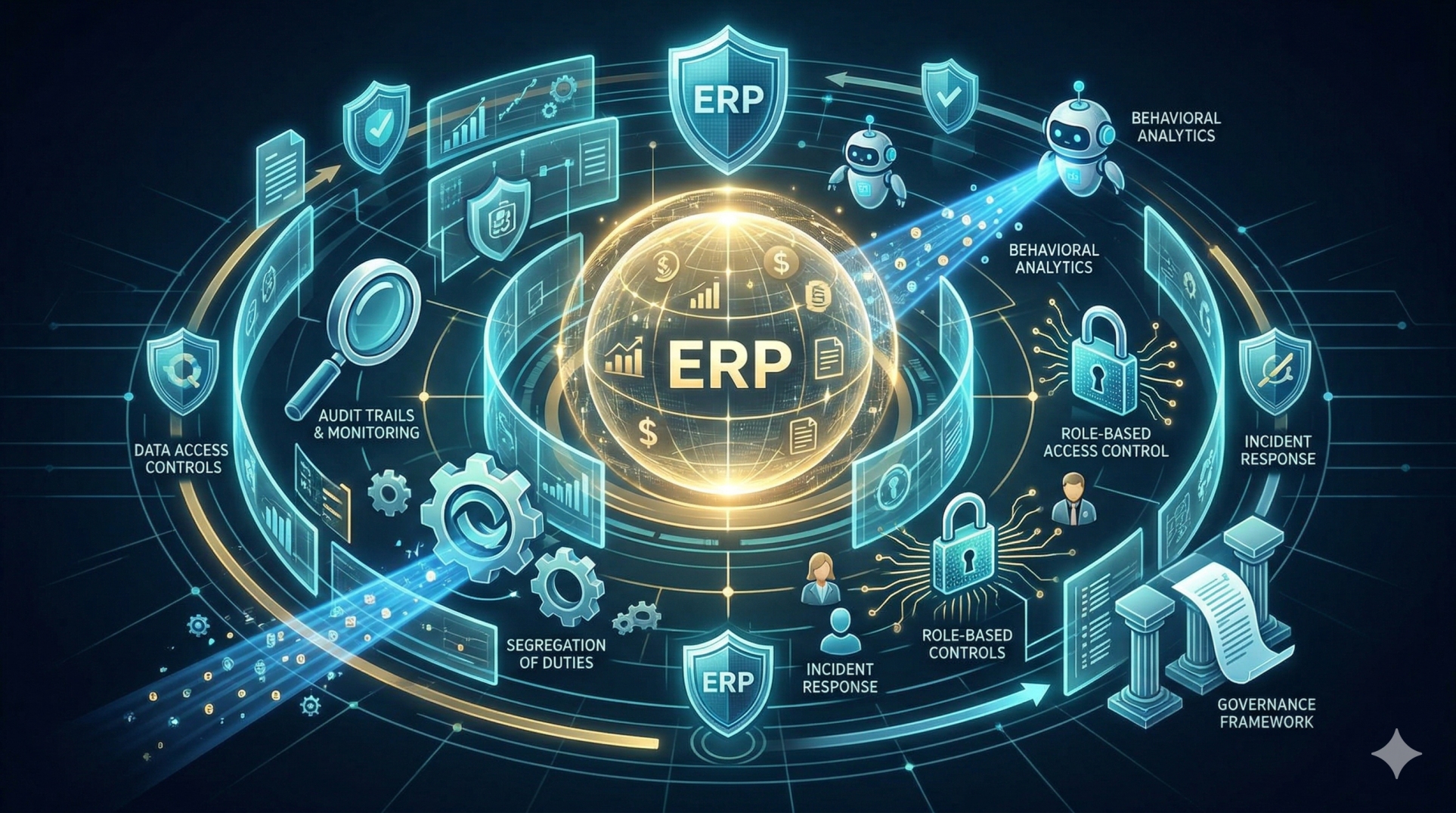
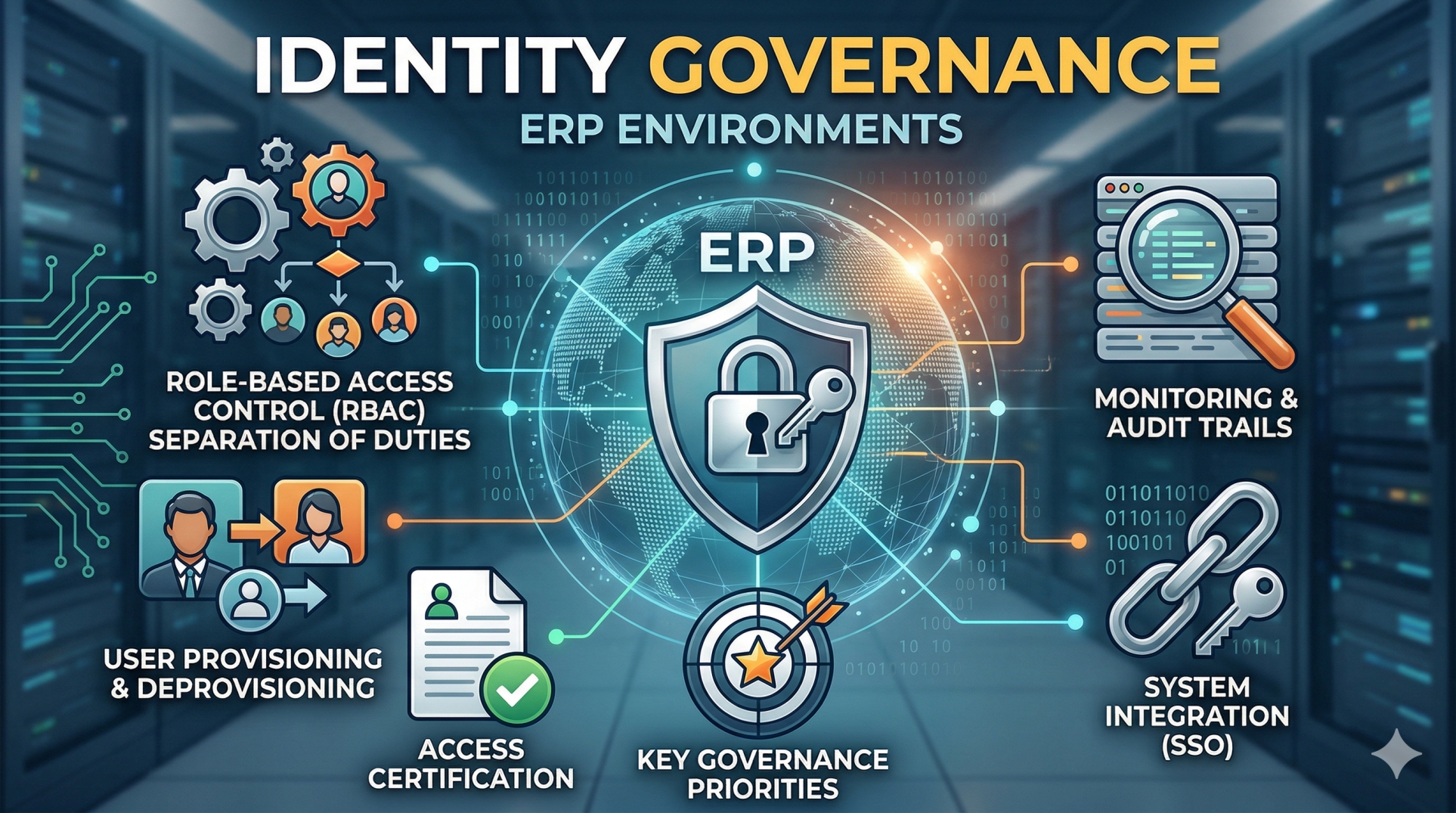
Step 9: Governance, Security, and Trust 🔐
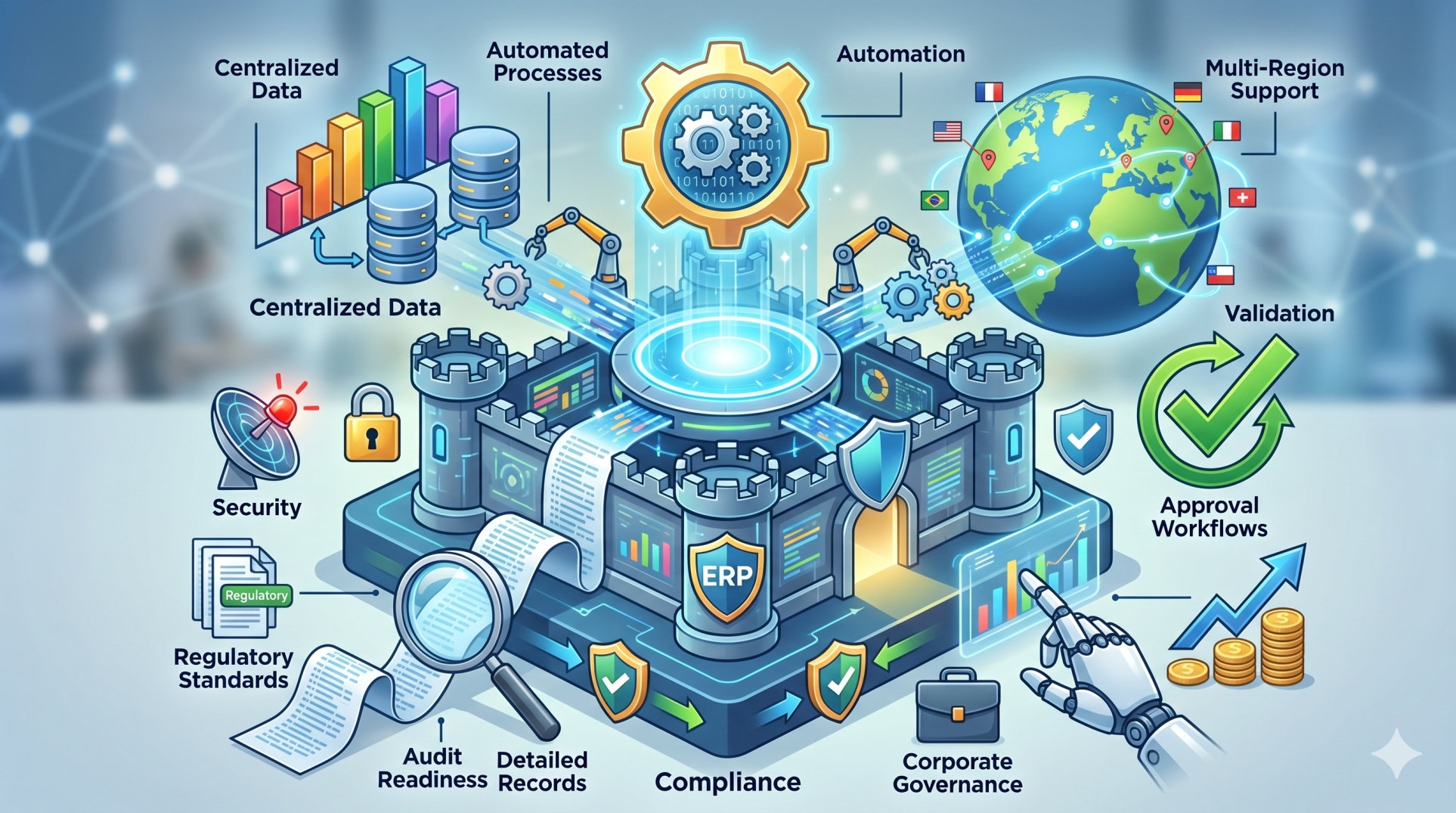
• Protect sensitive ERP data used by AI models 🔐
• Maintain audit trails for AI-driven decisions 📜
• Apply role-based access controls across systems 👤
• Validate AI outputs before critical execution ✅
• Ensure compliance with internal and external standards 🏛️
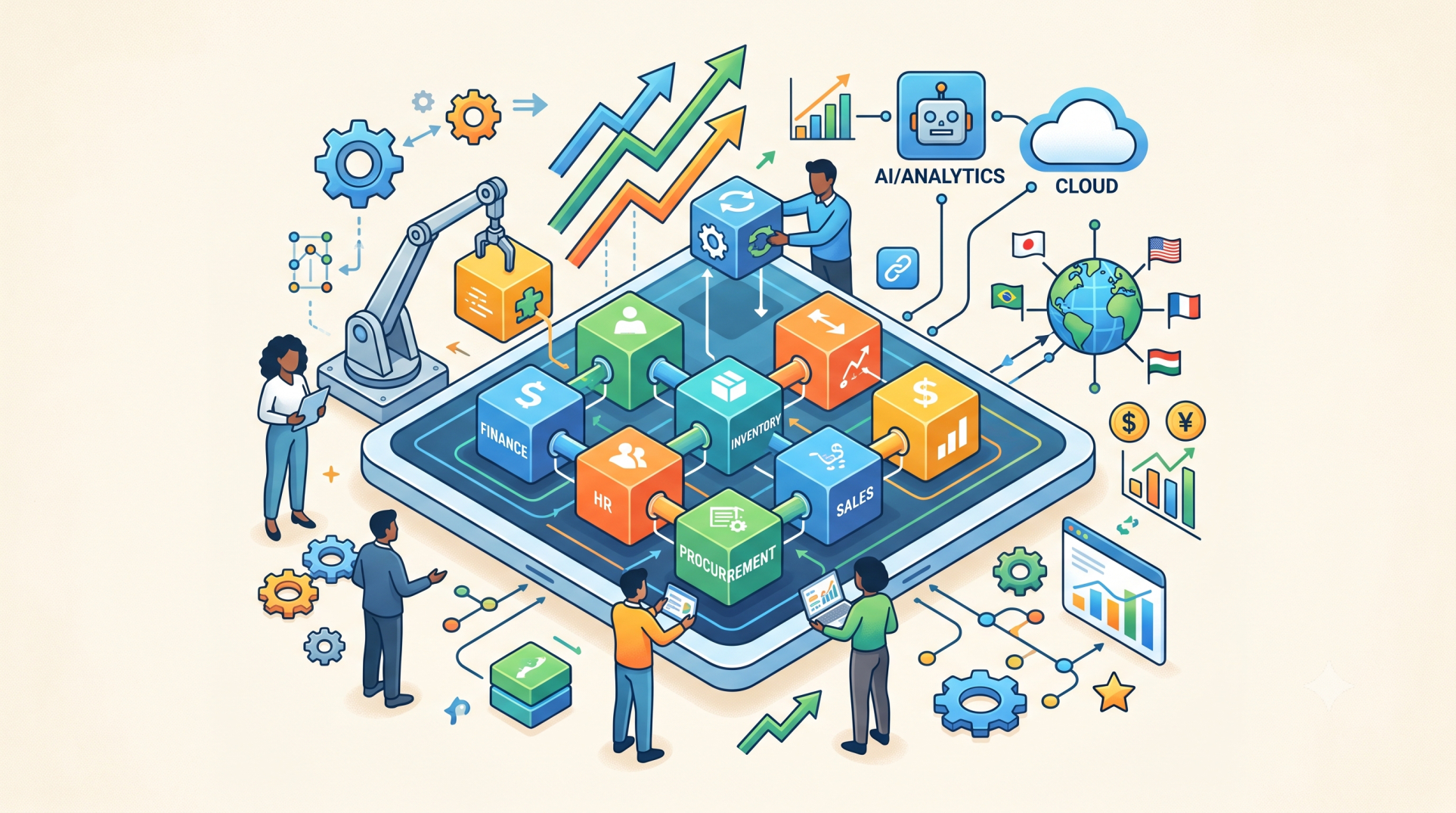
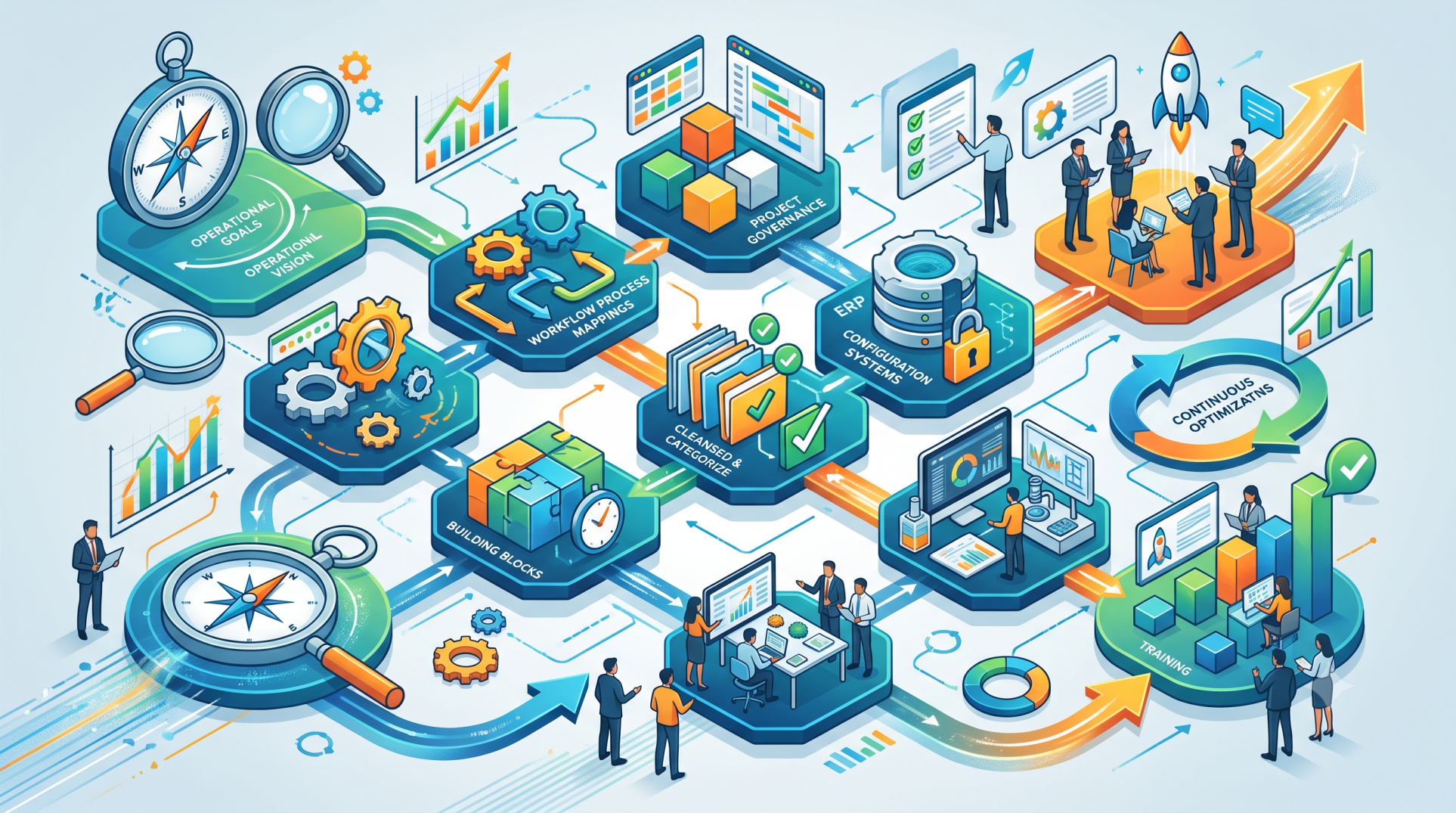
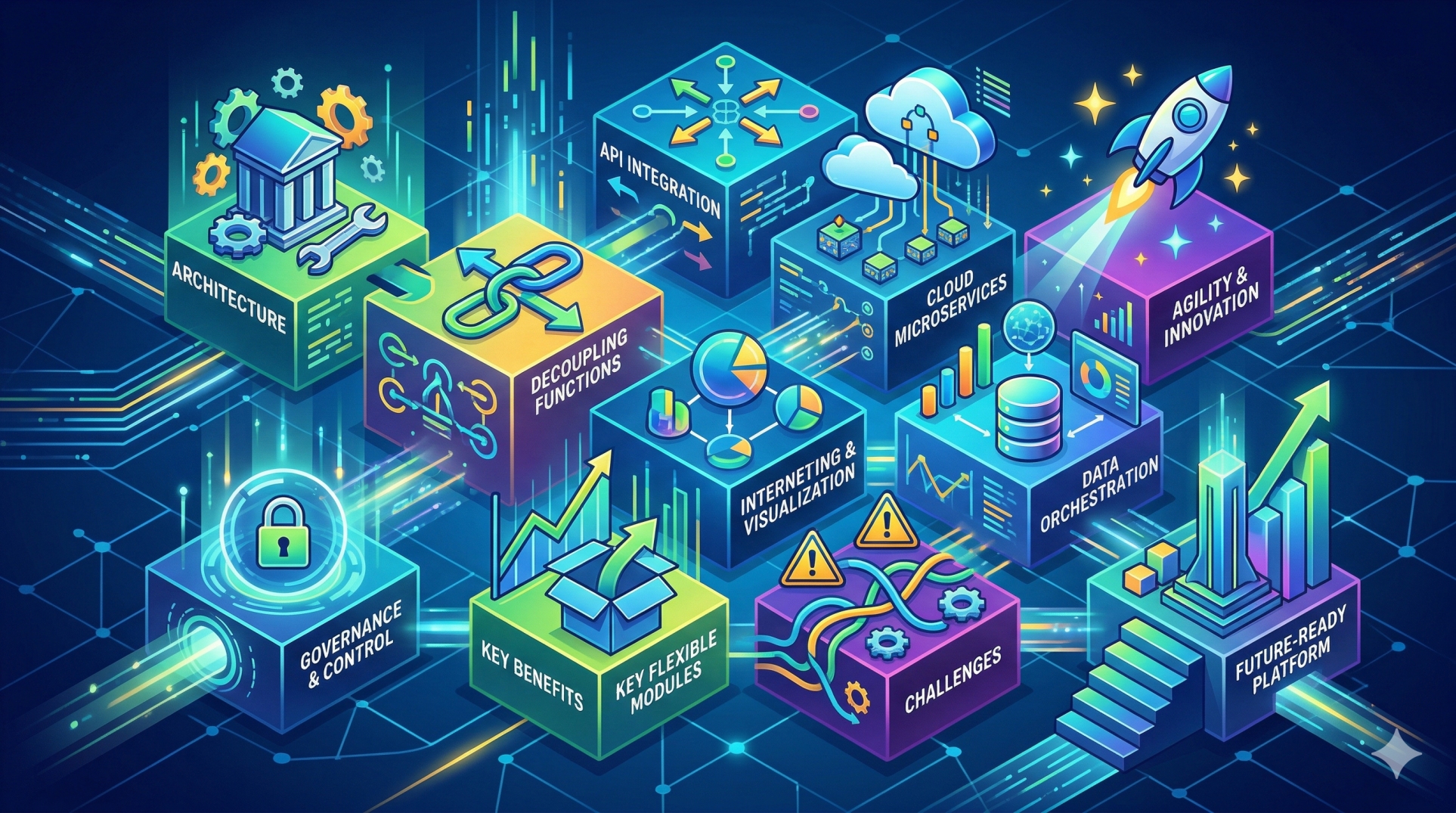
Step 10: Building a Future-Ready Intelligent ERP Ecosystem 🚀
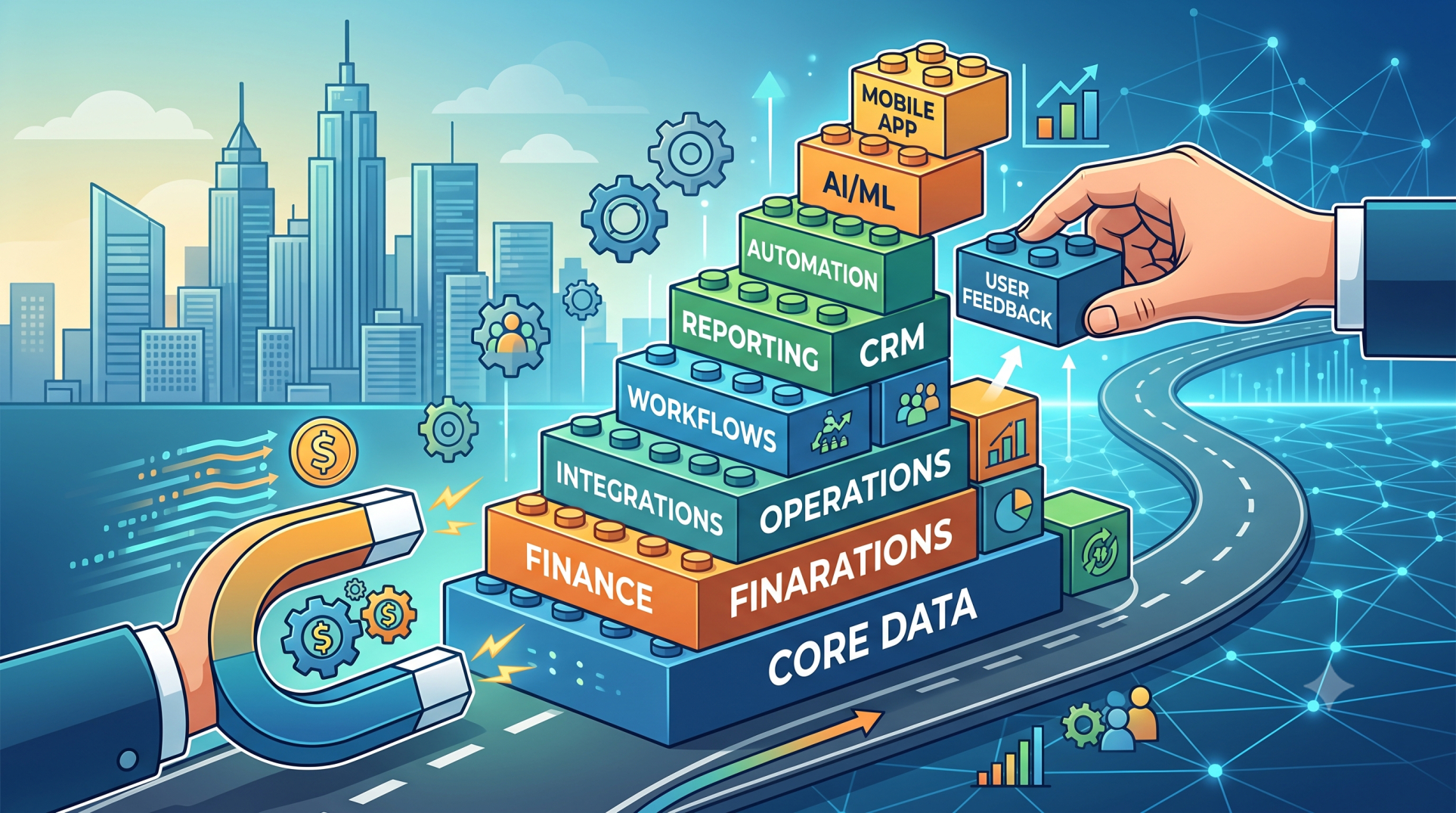
• Expand AI use cases gradually across departments 🌍
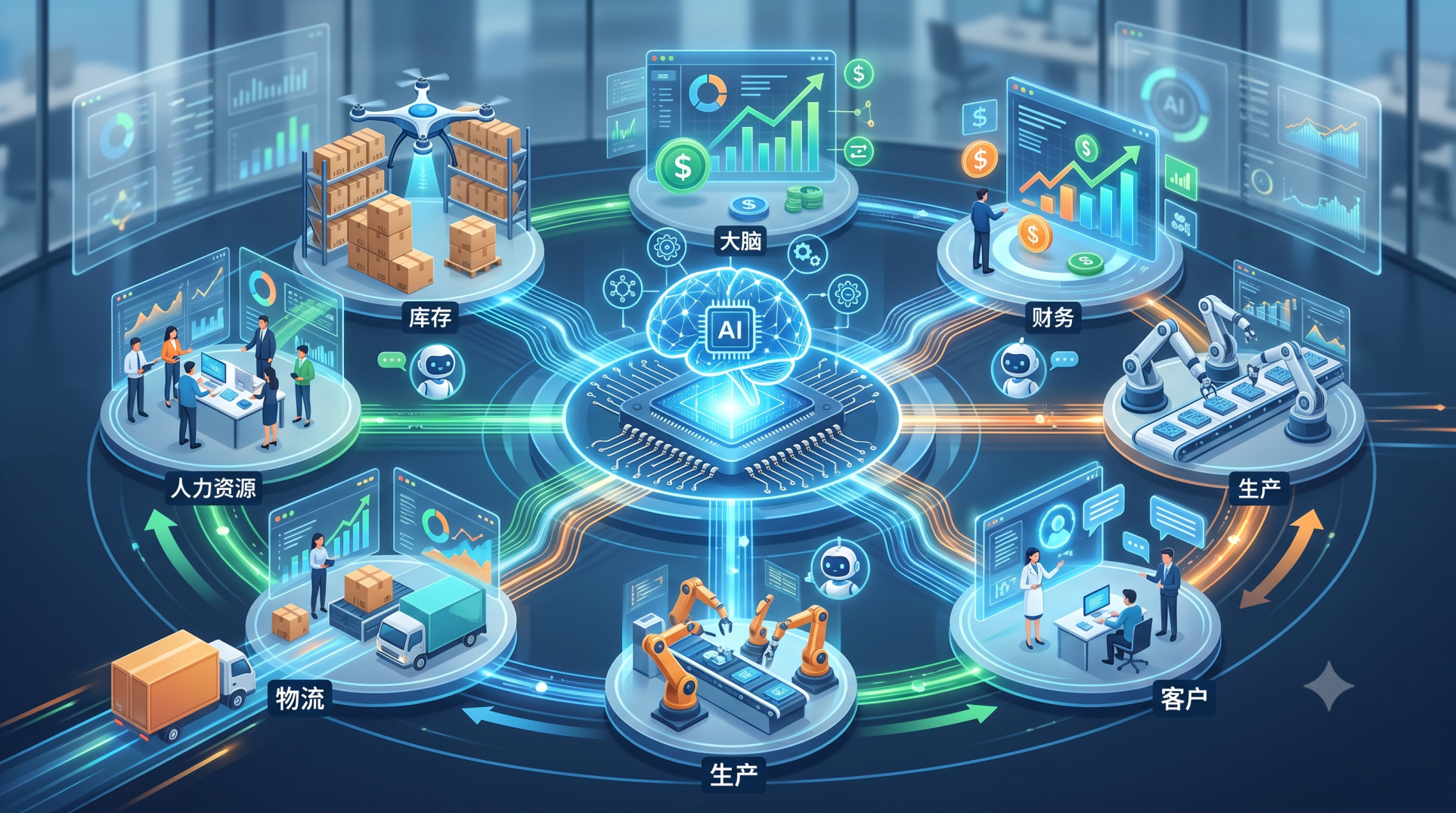
• Integrate automation, analytics, and predictive tools 🤖
• Support changing business models with adaptive workflows 🔄
• Continuously retrain models using updated business data 📊
• Create a smarter ERP foundation for long-term growth 📈
Conclusion
AI-assisted process optimization is transforming ERP systems from transactional platforms into intelligent business engines. By automating routine tasks, improving forecasting, and enabling continuous optimization, organizations can increase efficiency and agility across operations. Businesses that integrate AI into ERP strategically gain stronger decision-making capabilities and a scalable advantage for future growth.
See more blogs
You can all the articles below