Customer Insights Generated from ERP Data Systems

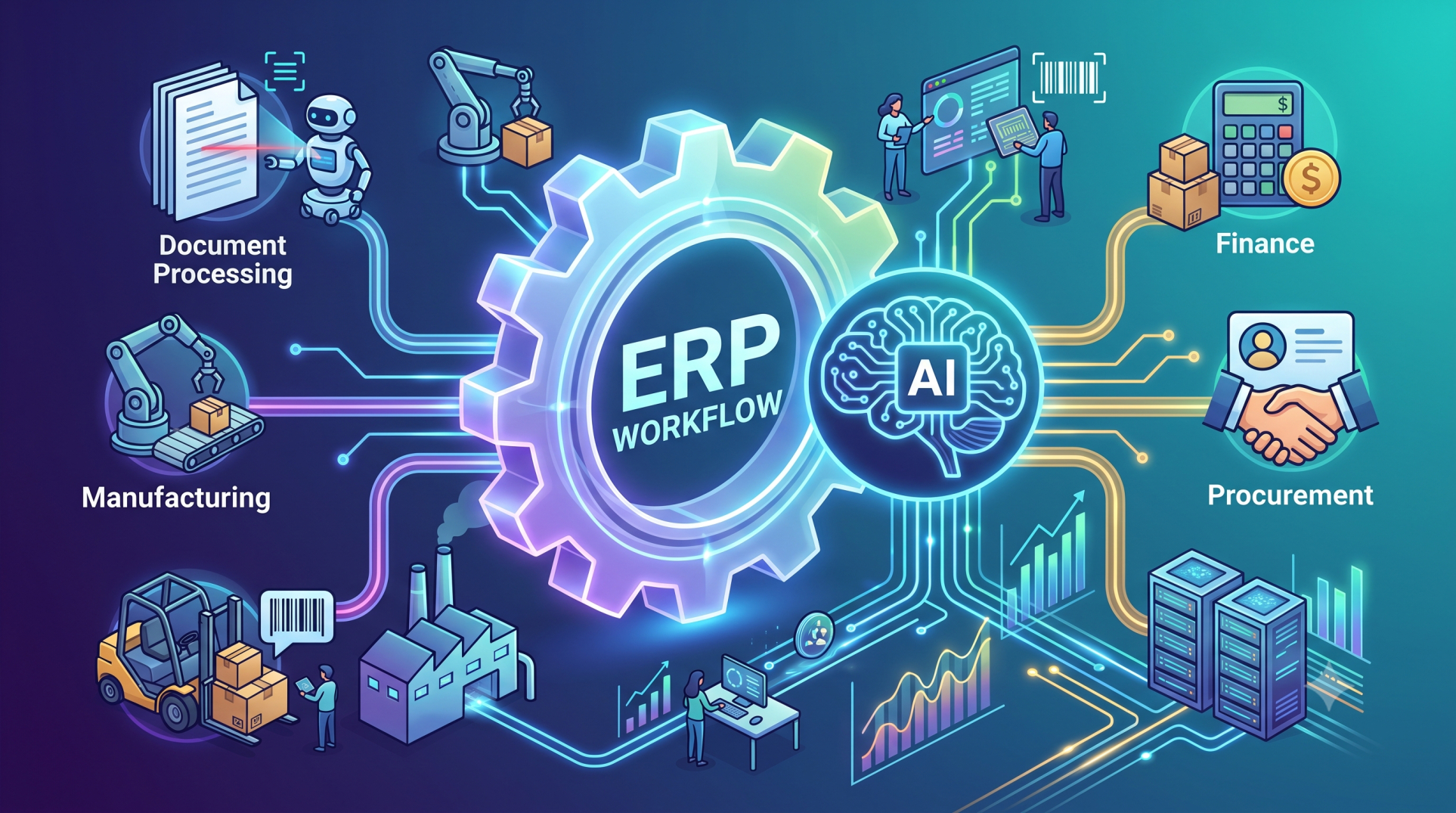
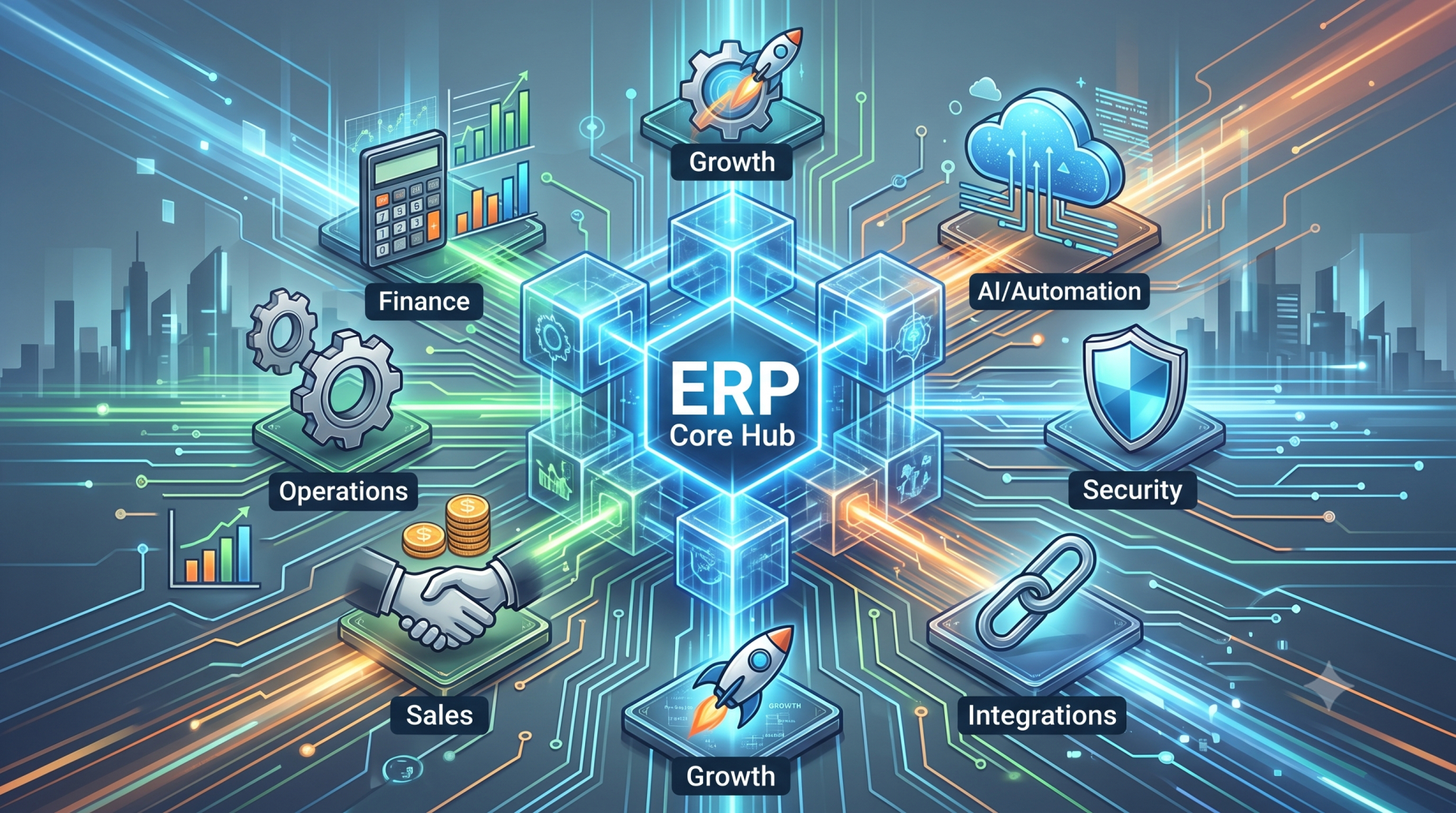
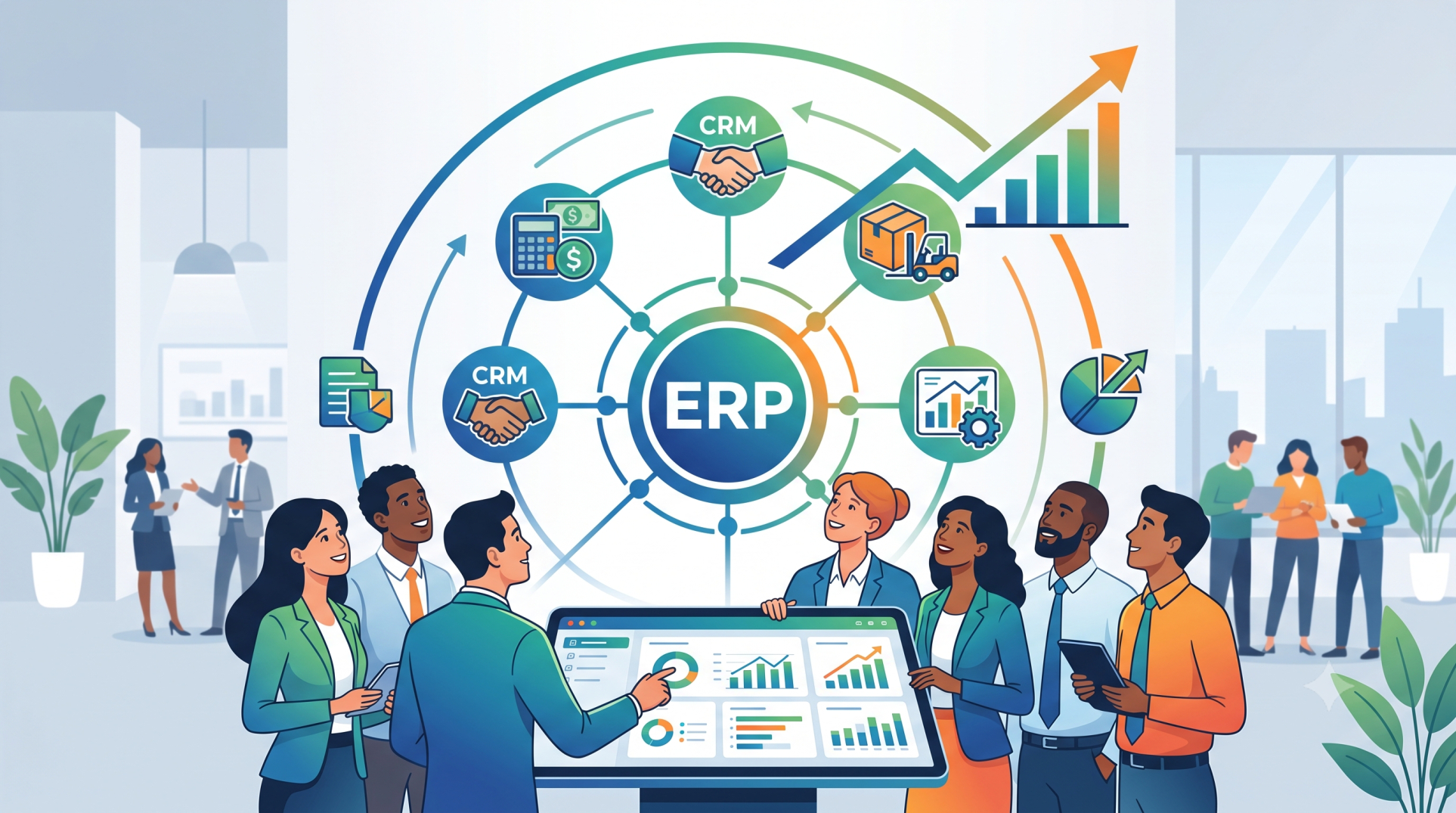
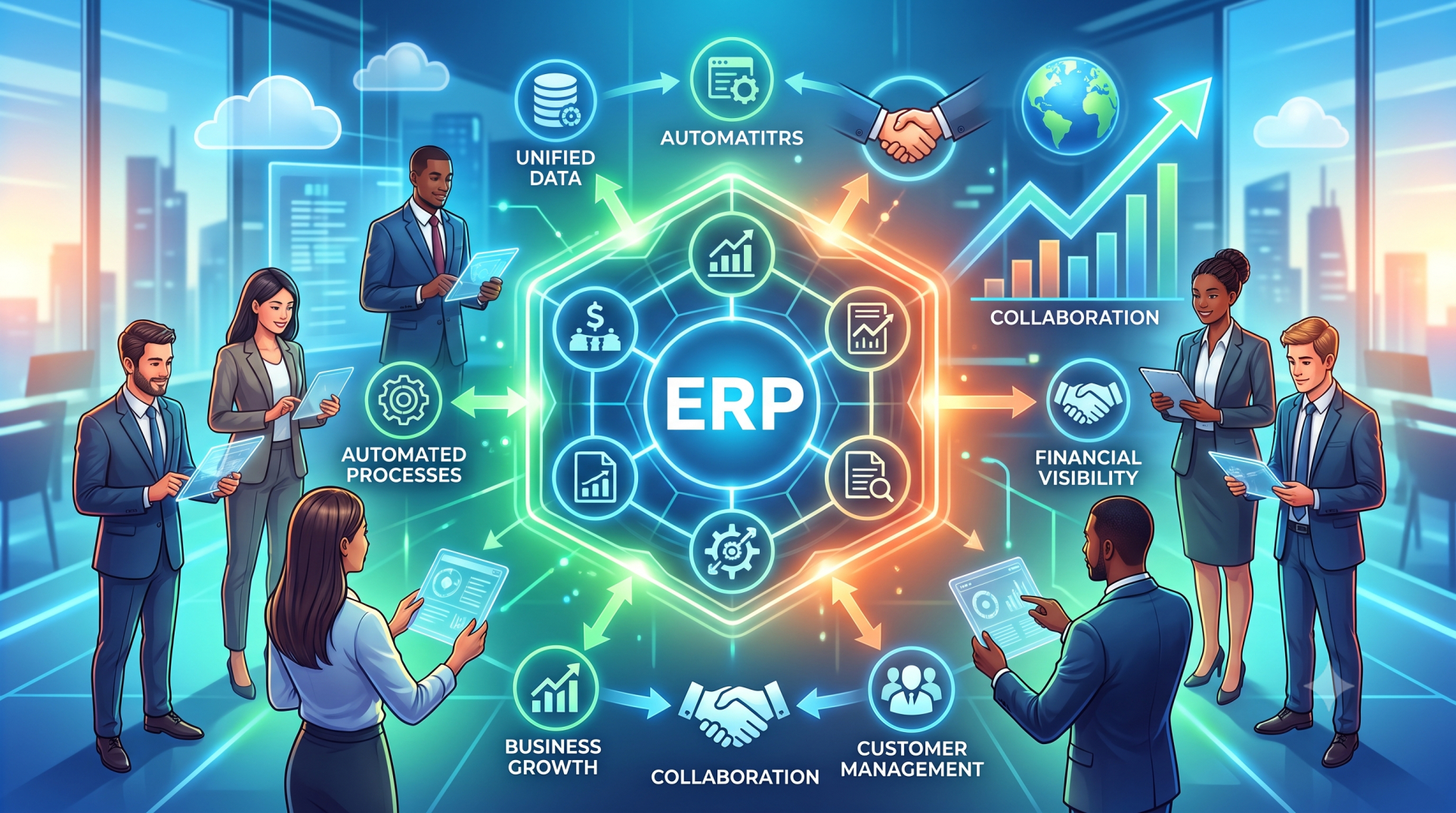
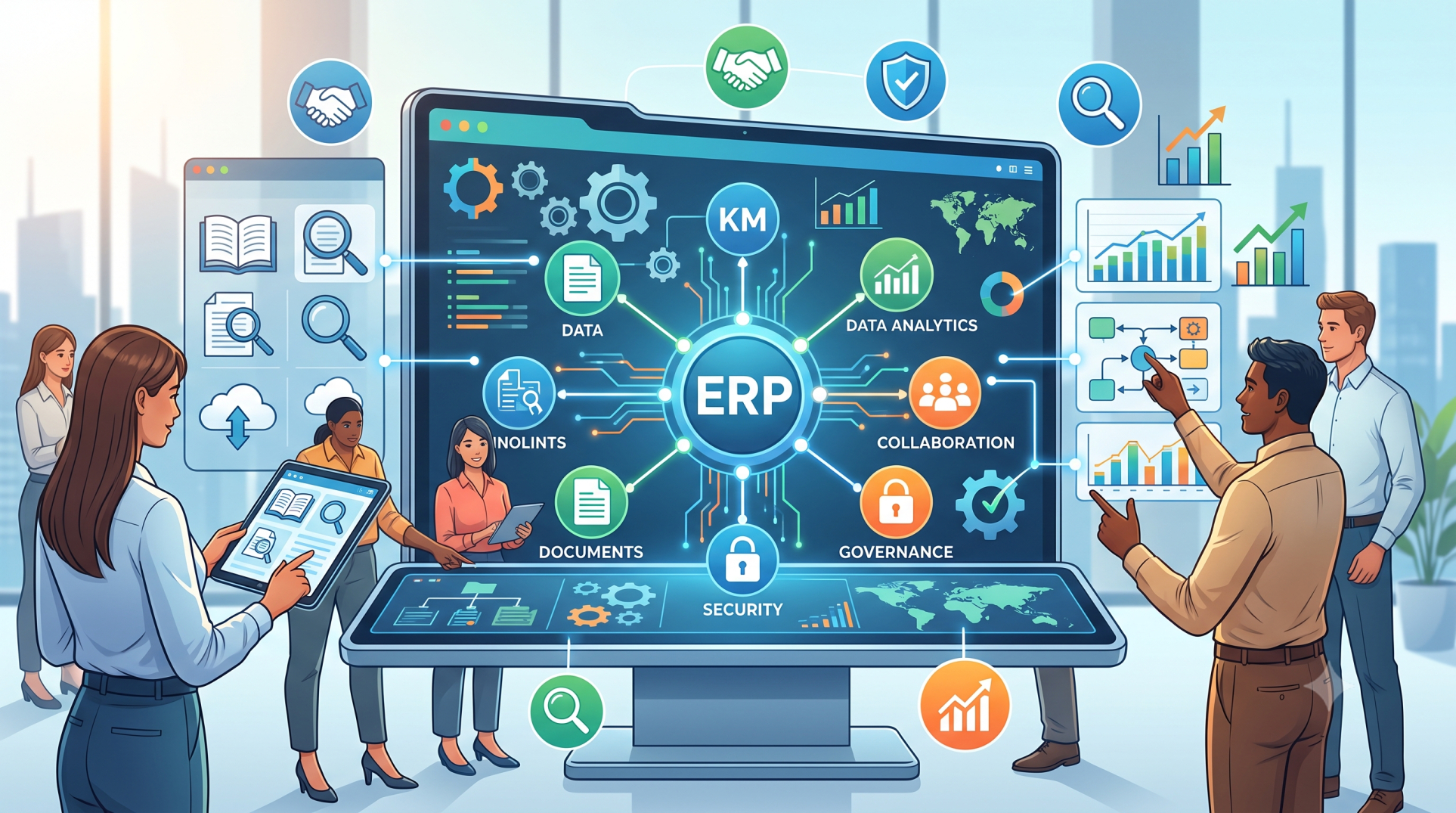
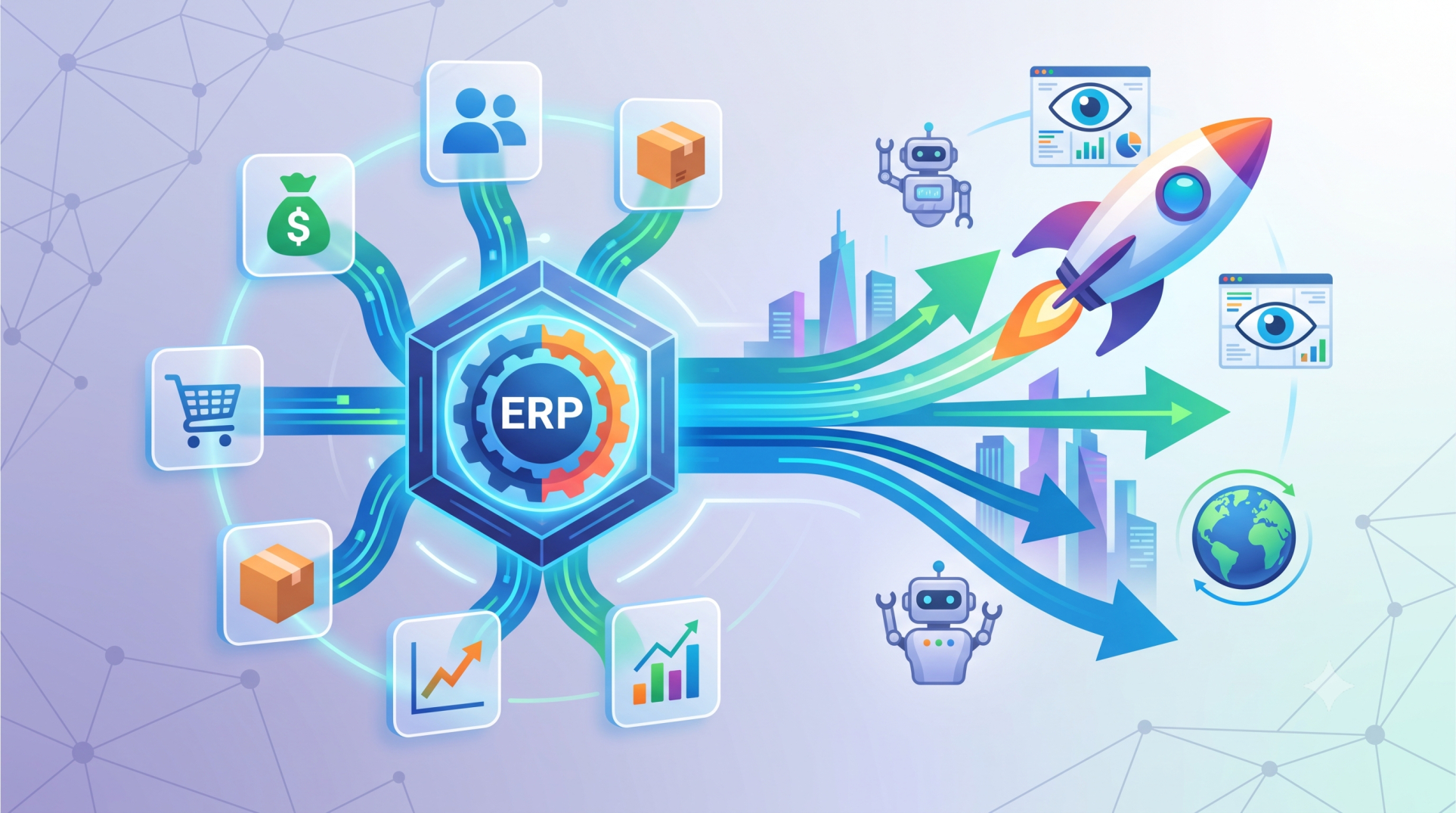
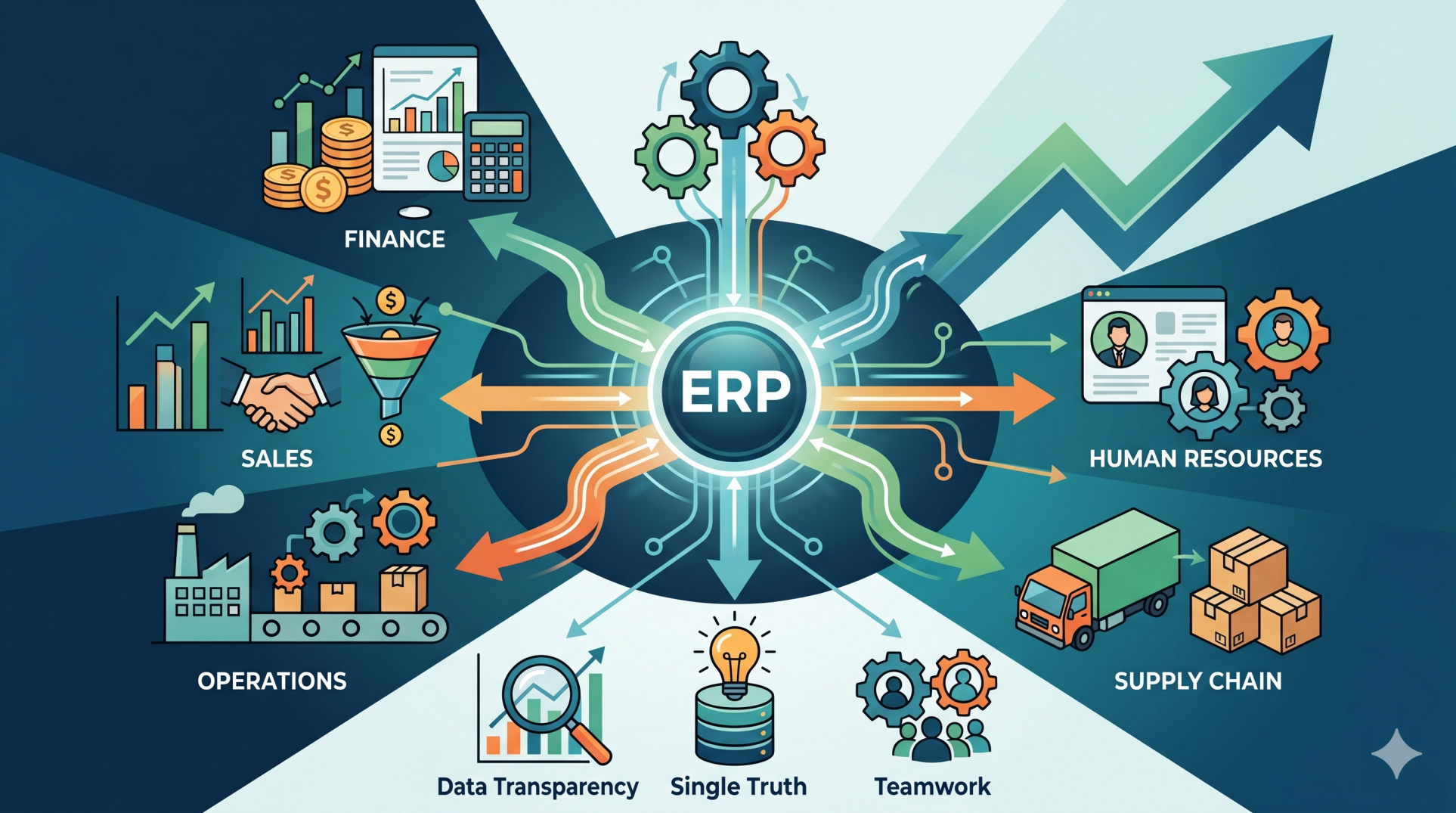
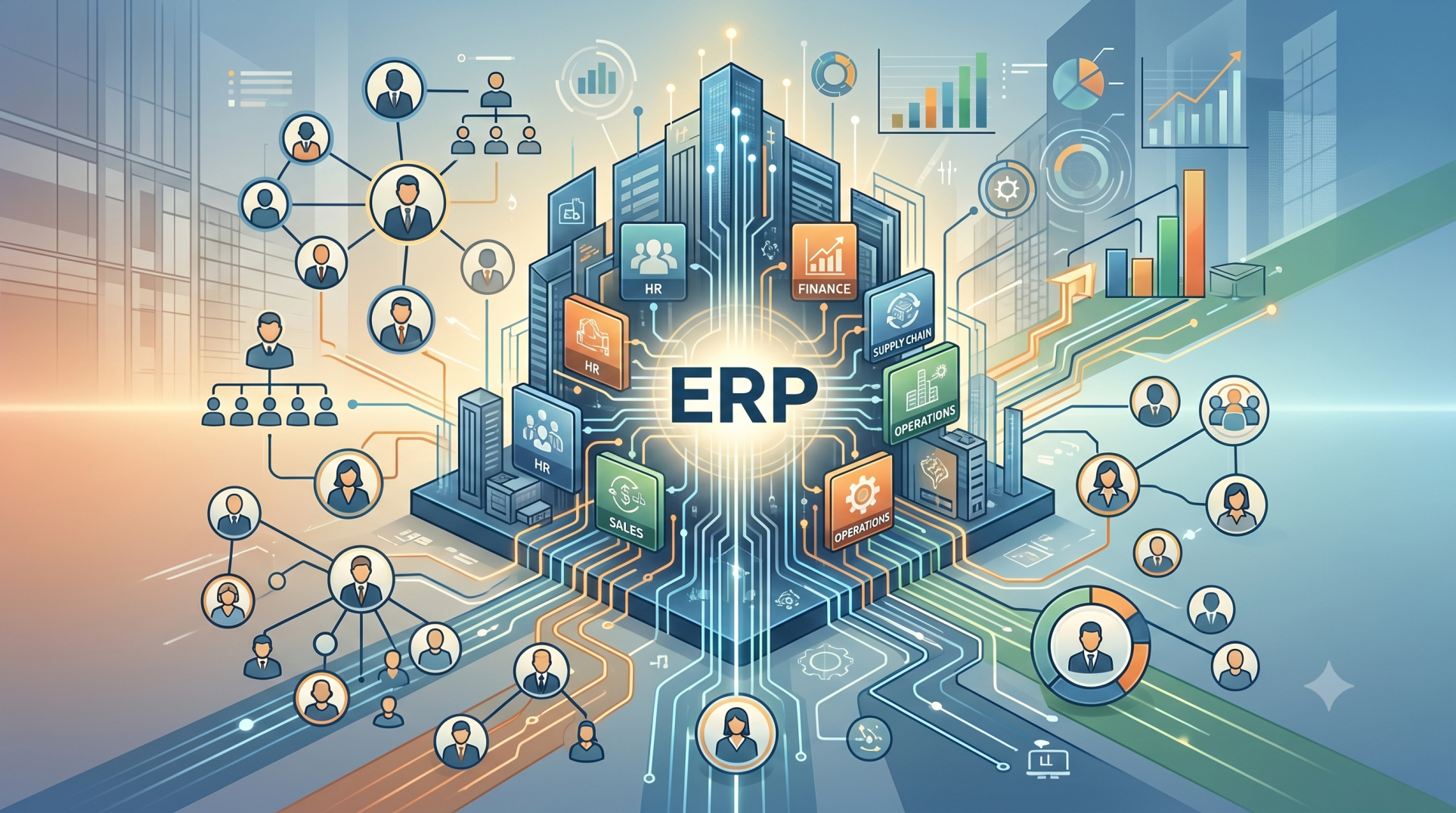
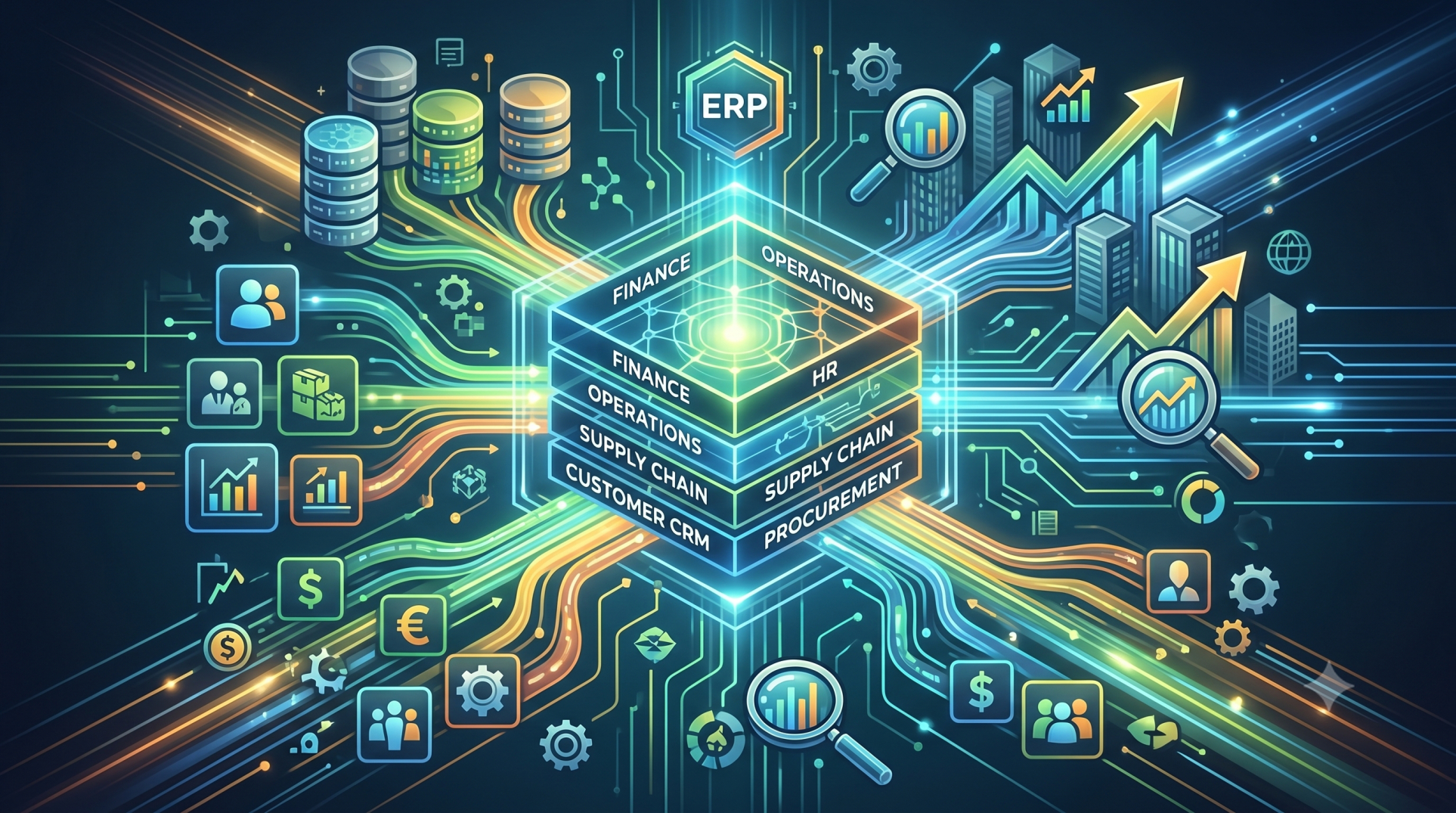
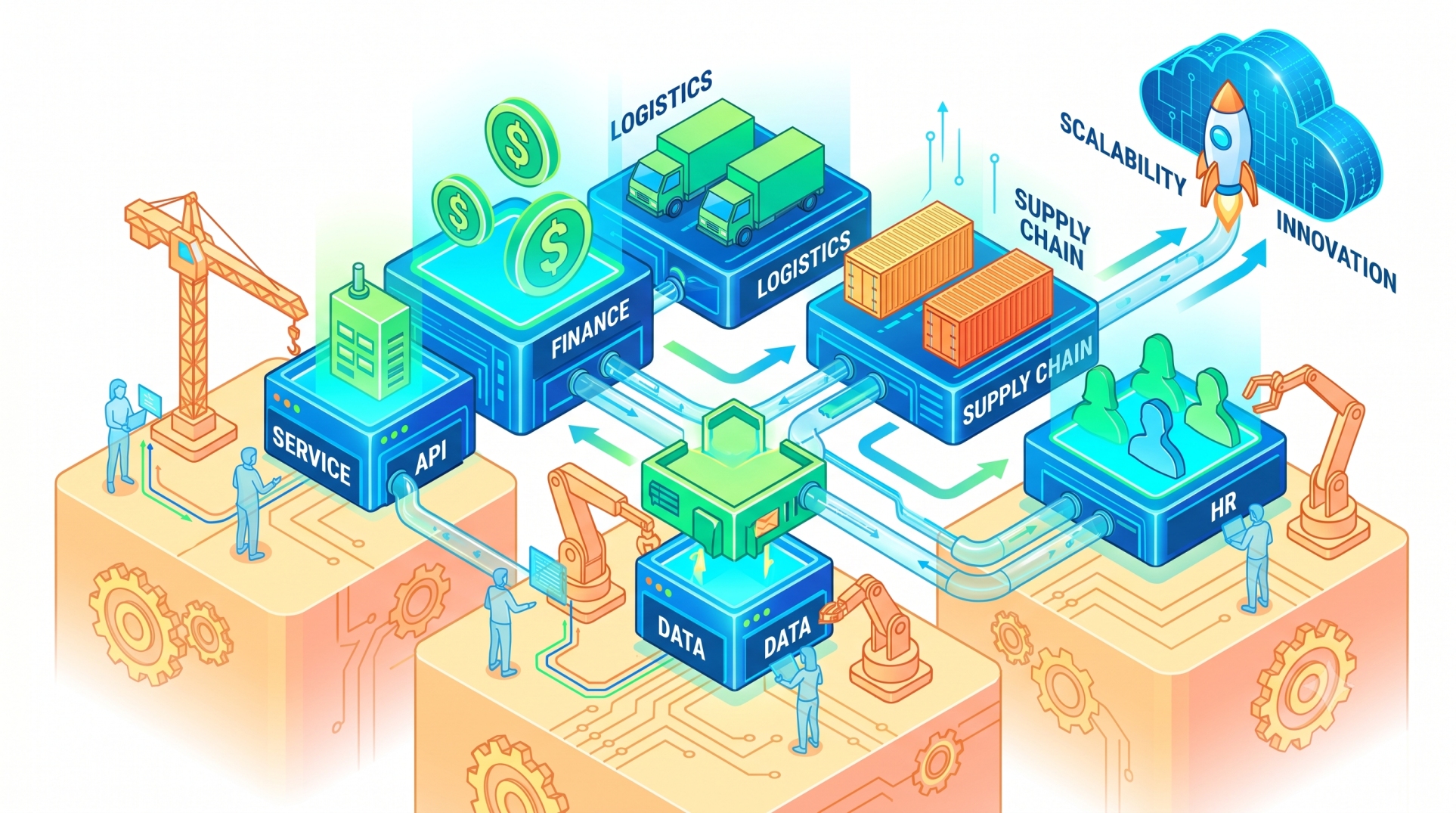
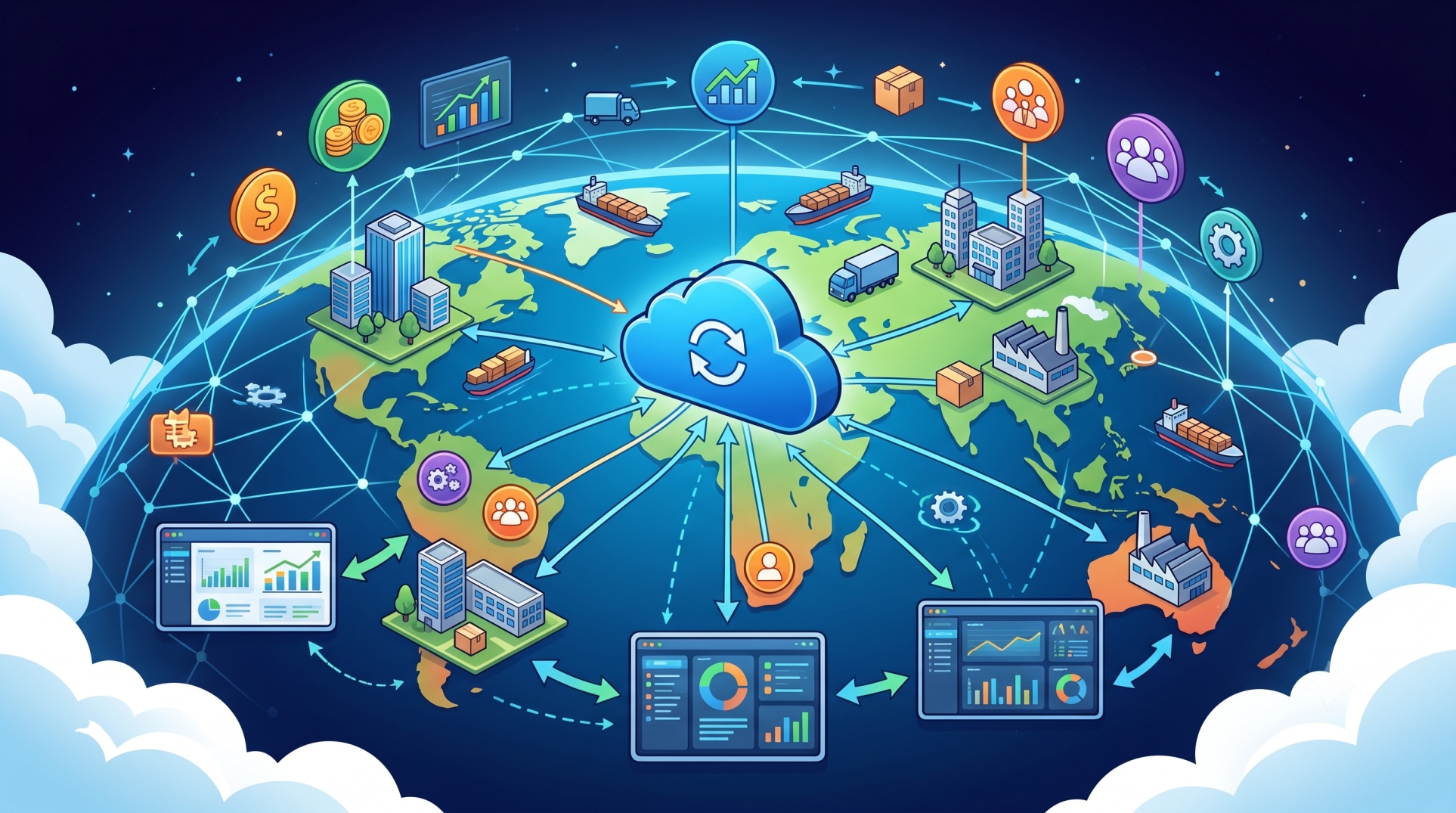
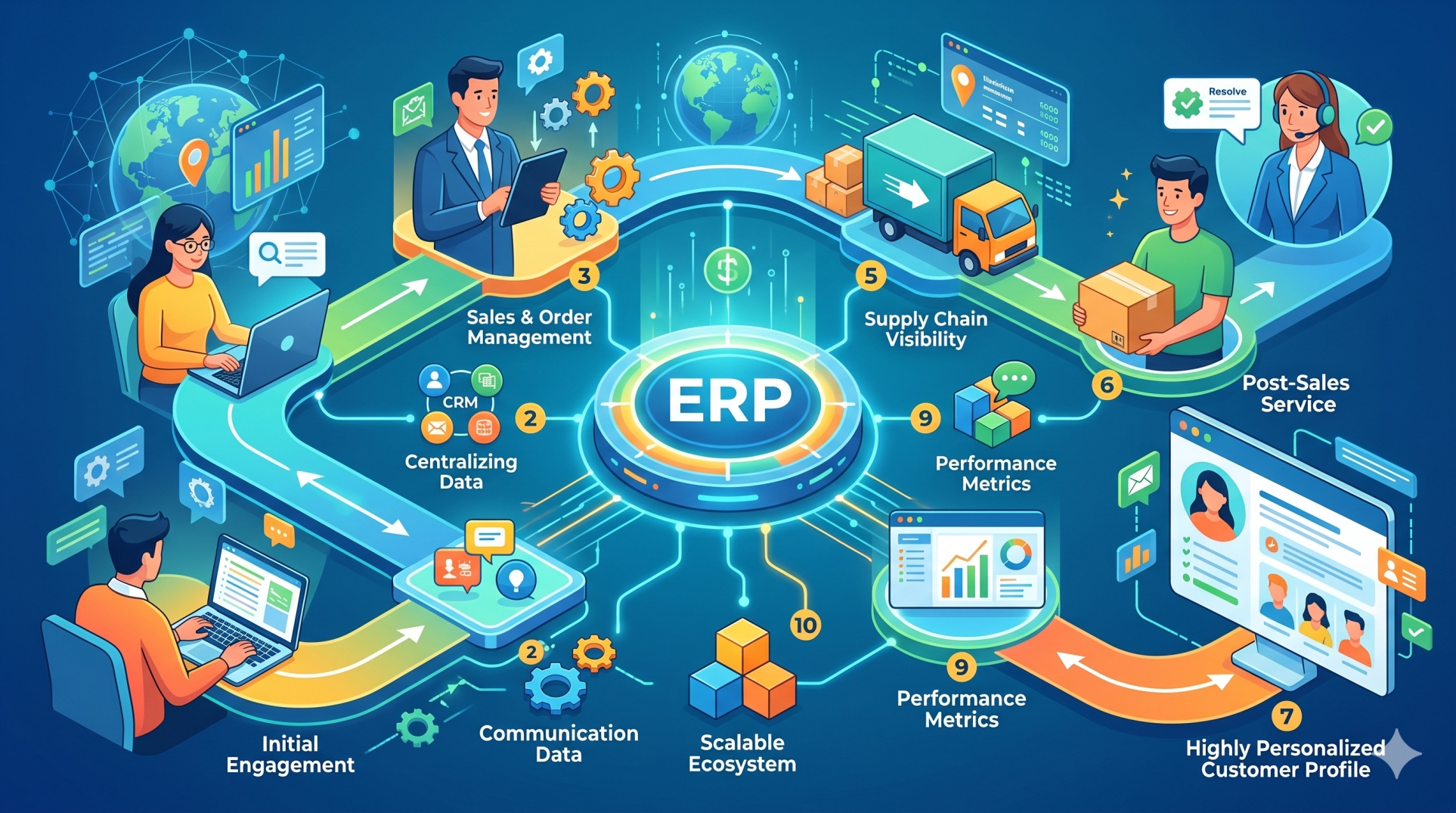
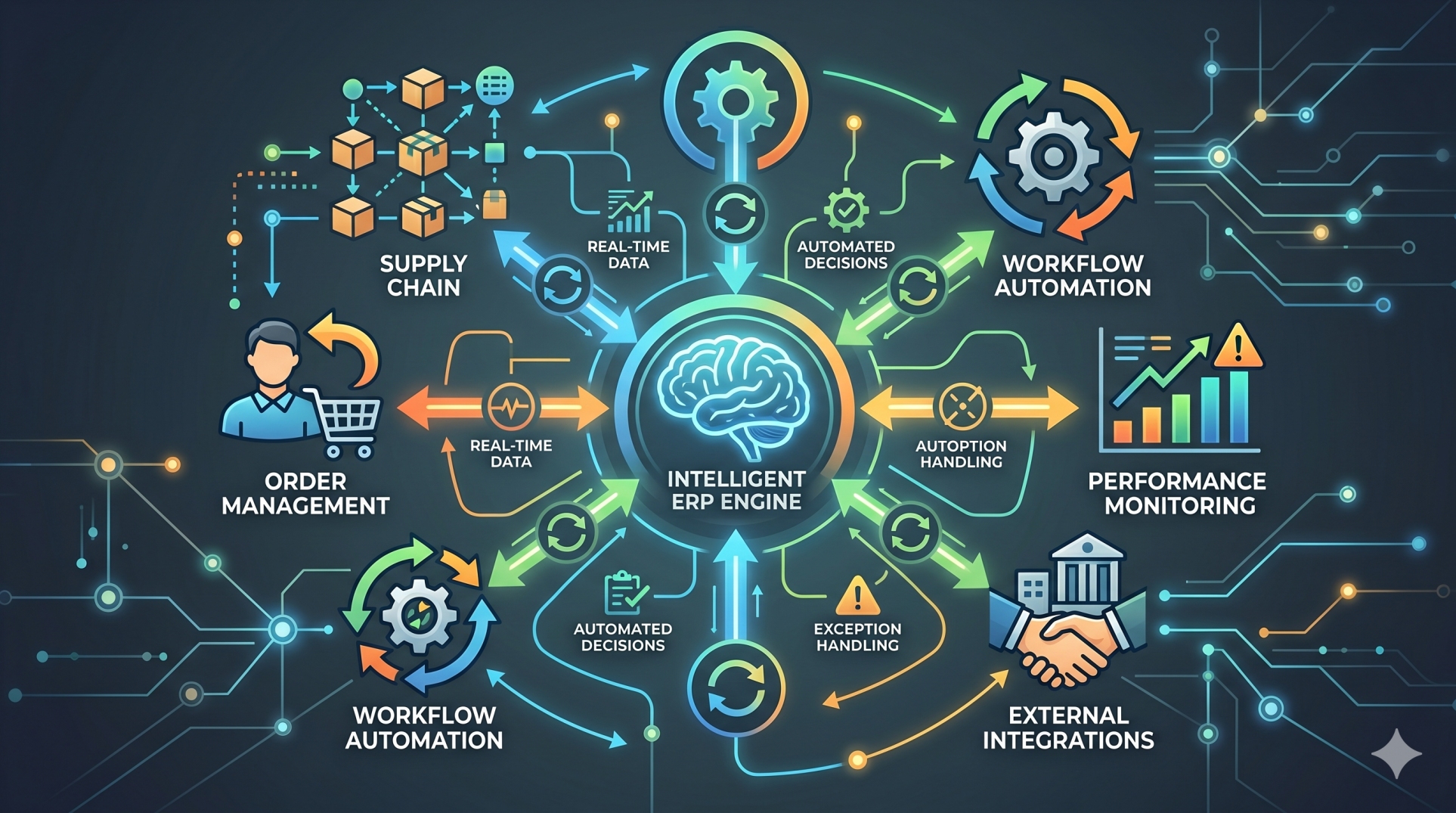
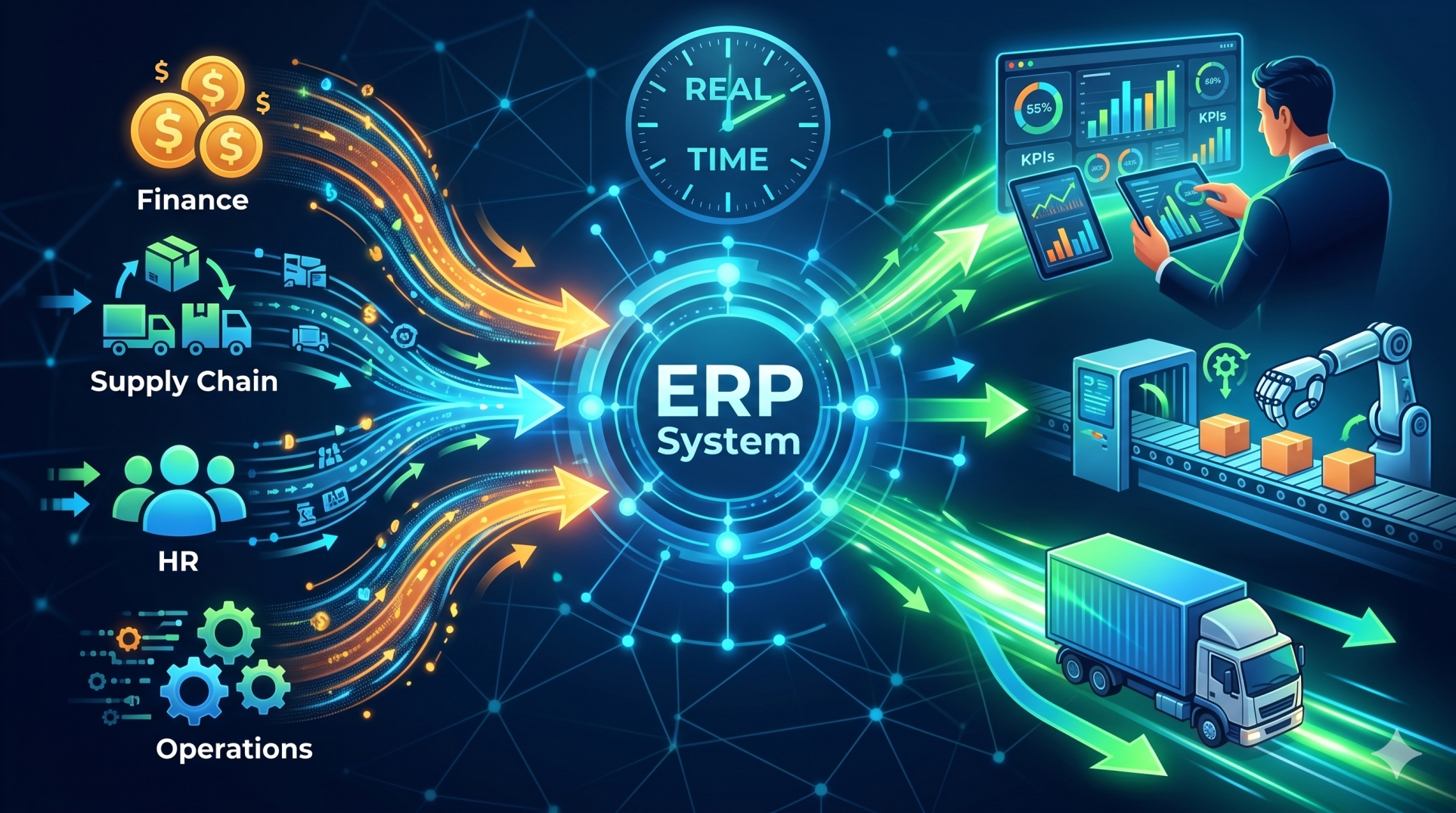
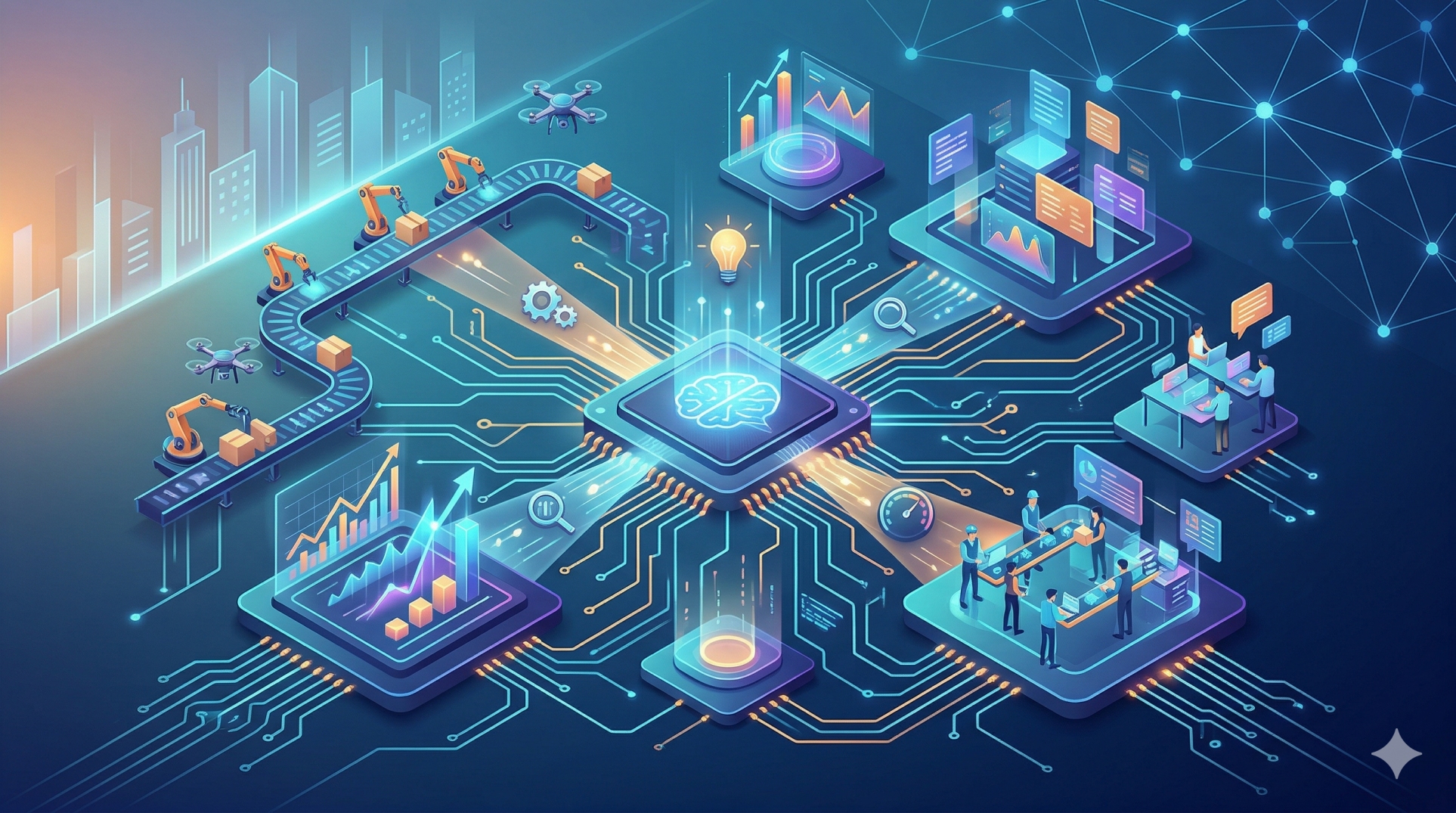
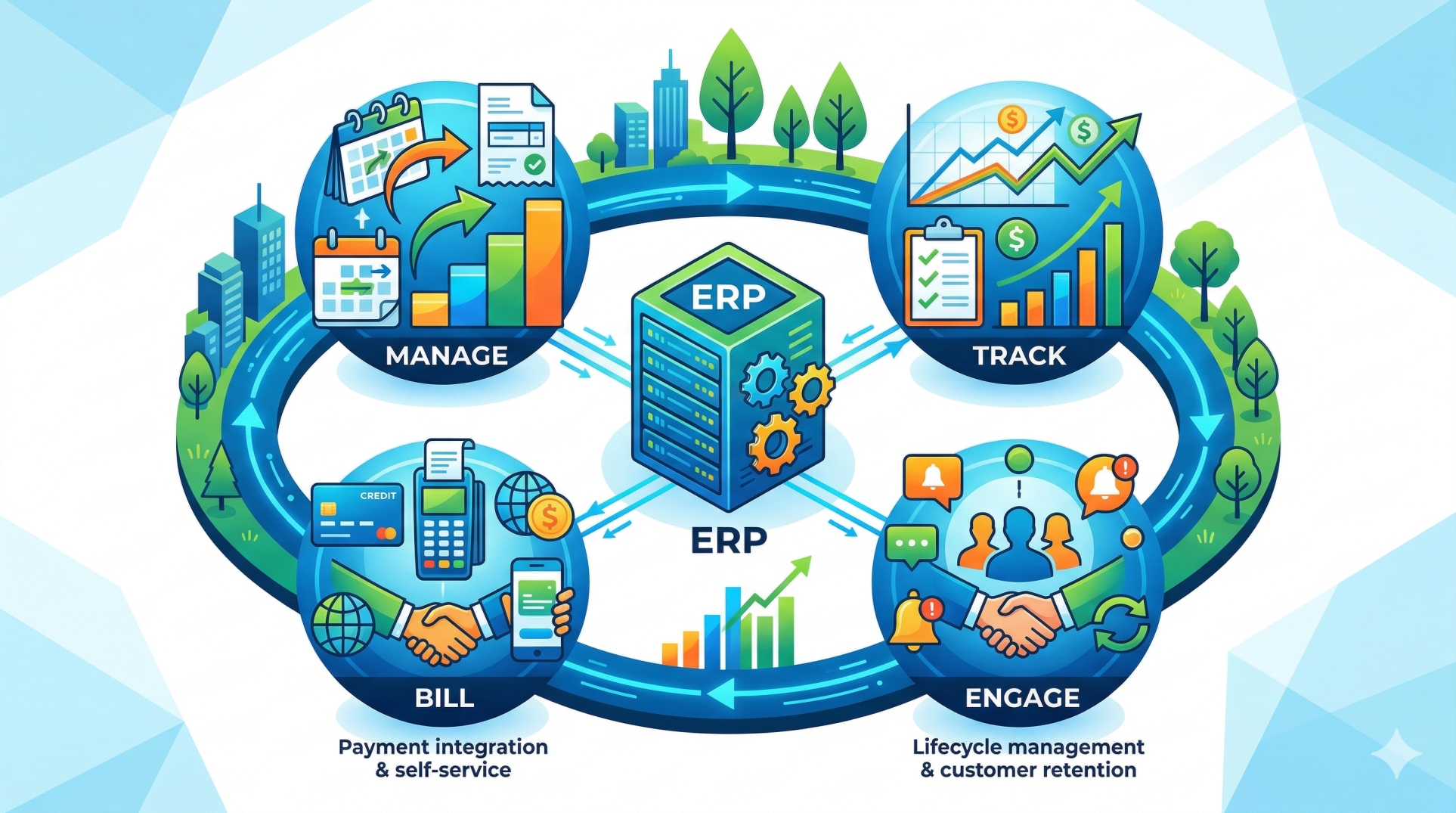
Modern ERP systems do more than manage operations and business processes. They also serve as valuable sources of customer intelligence by consolidating data across sales, finance, supply chain, service, and support functions. By transforming operational data into actionable insights, organizations can better understand customer behavior, improve decision-making, and deliver more personalized experiences. ERP-driven customer insights help businesses strengthen relationships, increase retention, and drive long-term growth.
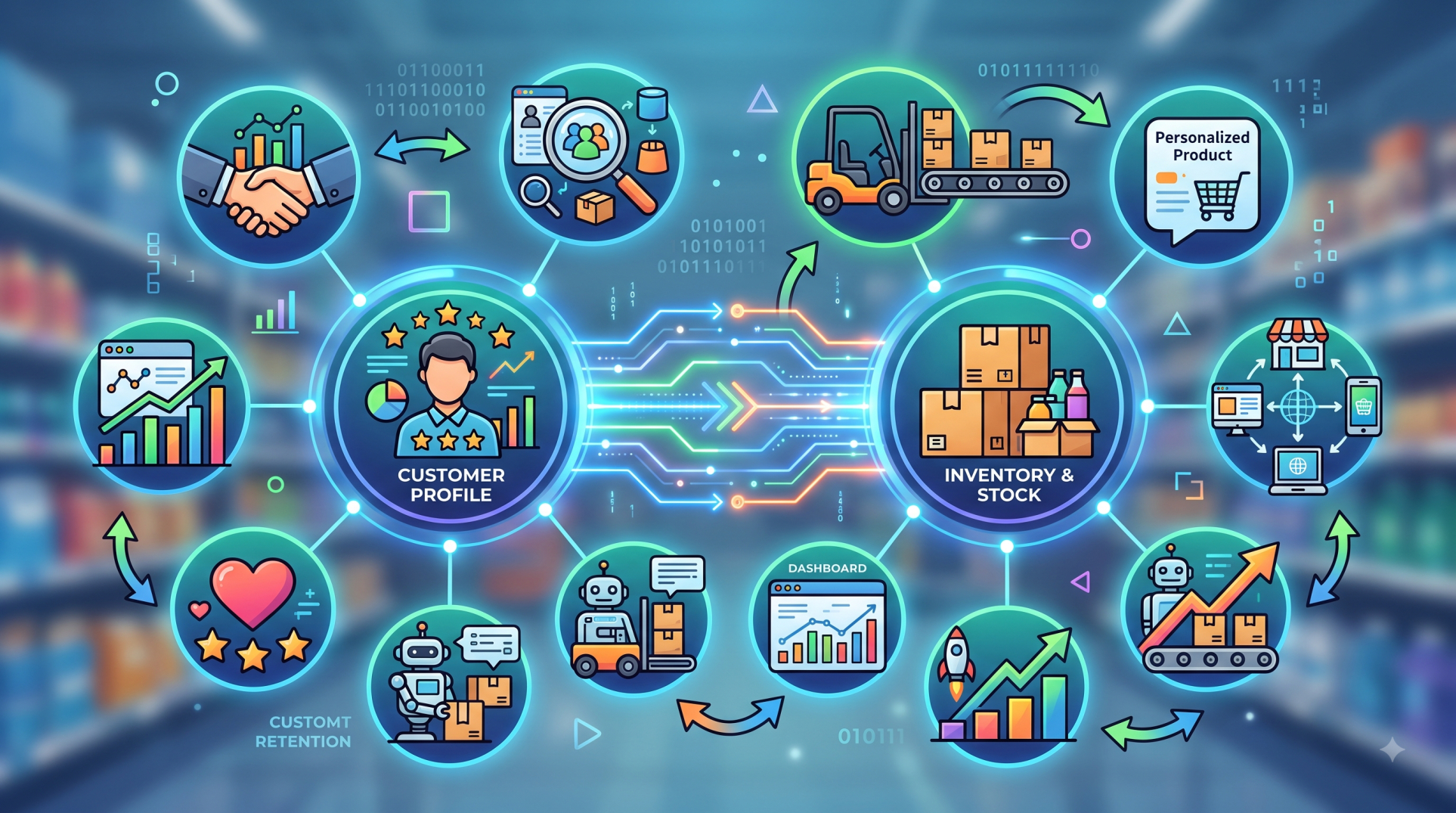
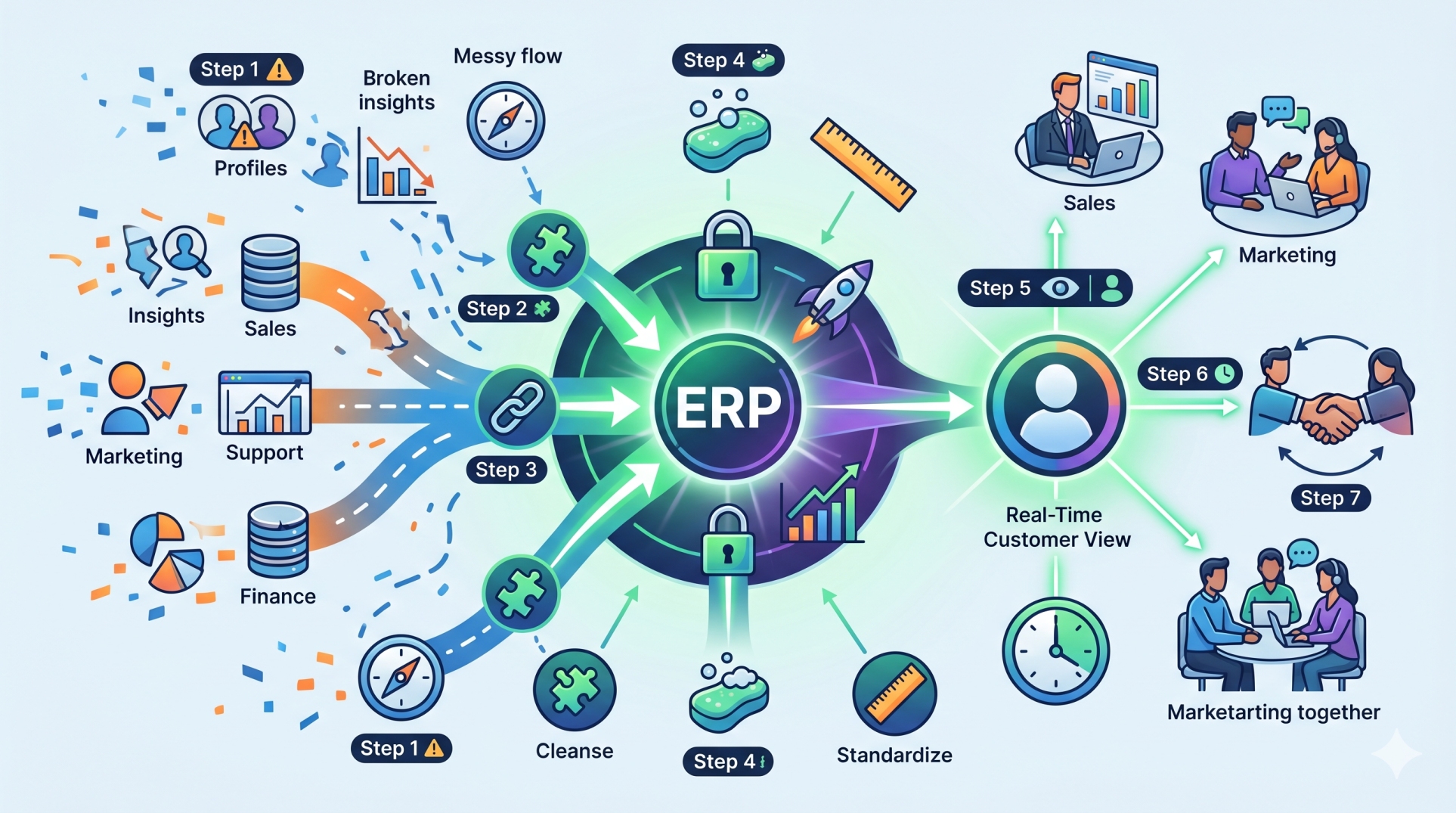
Step 1: Centralizing Customer Data 📊
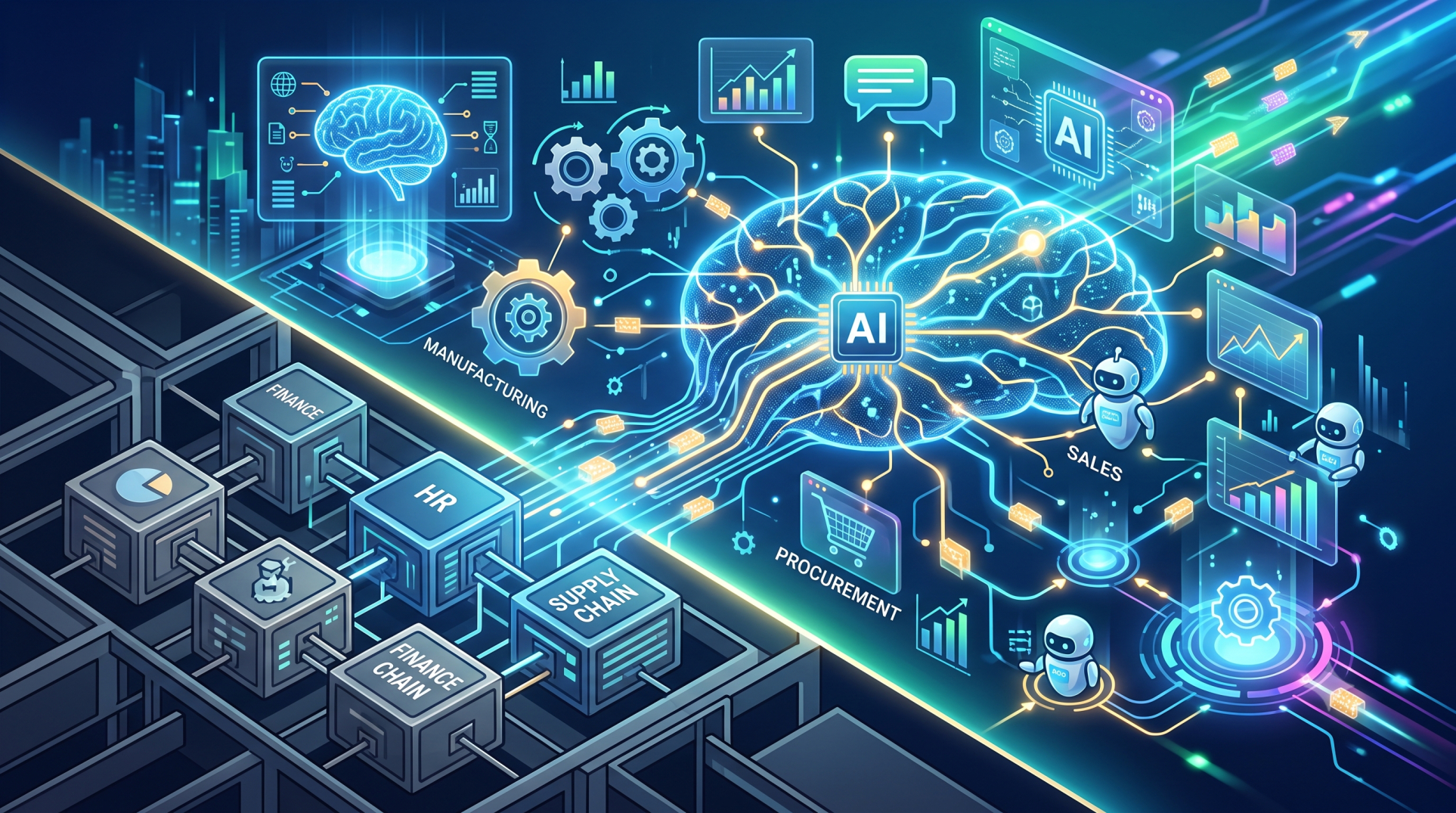
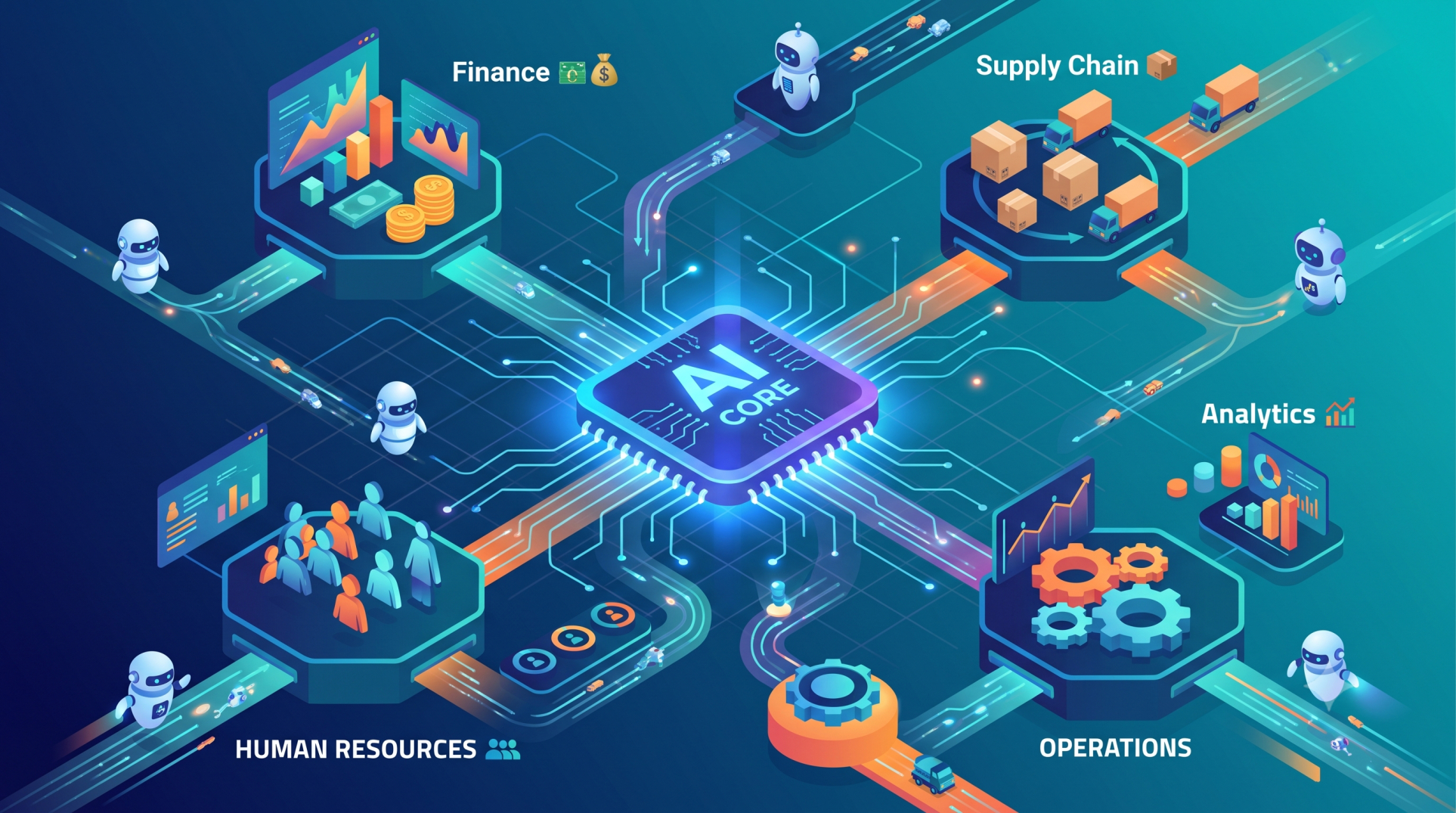
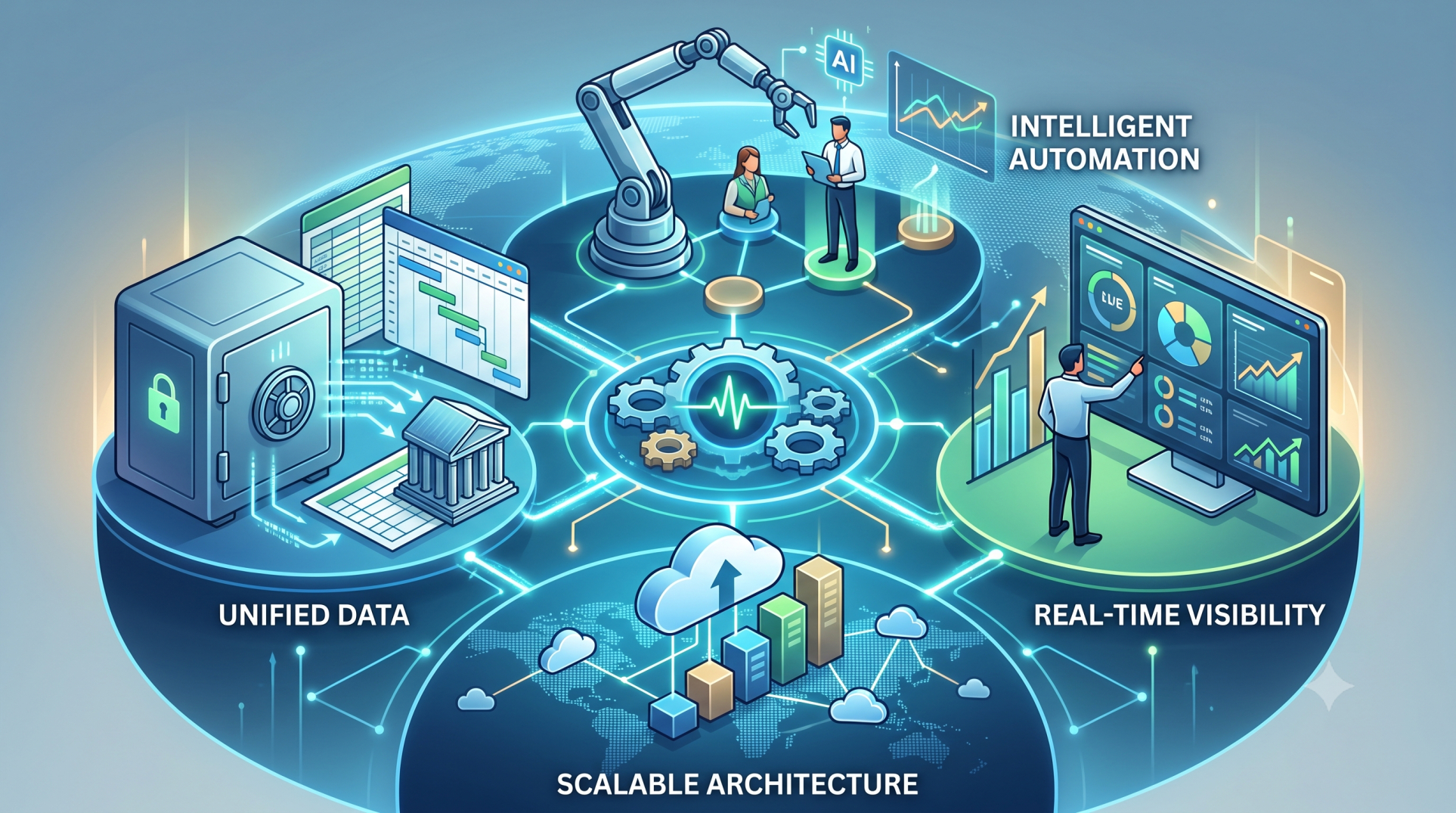
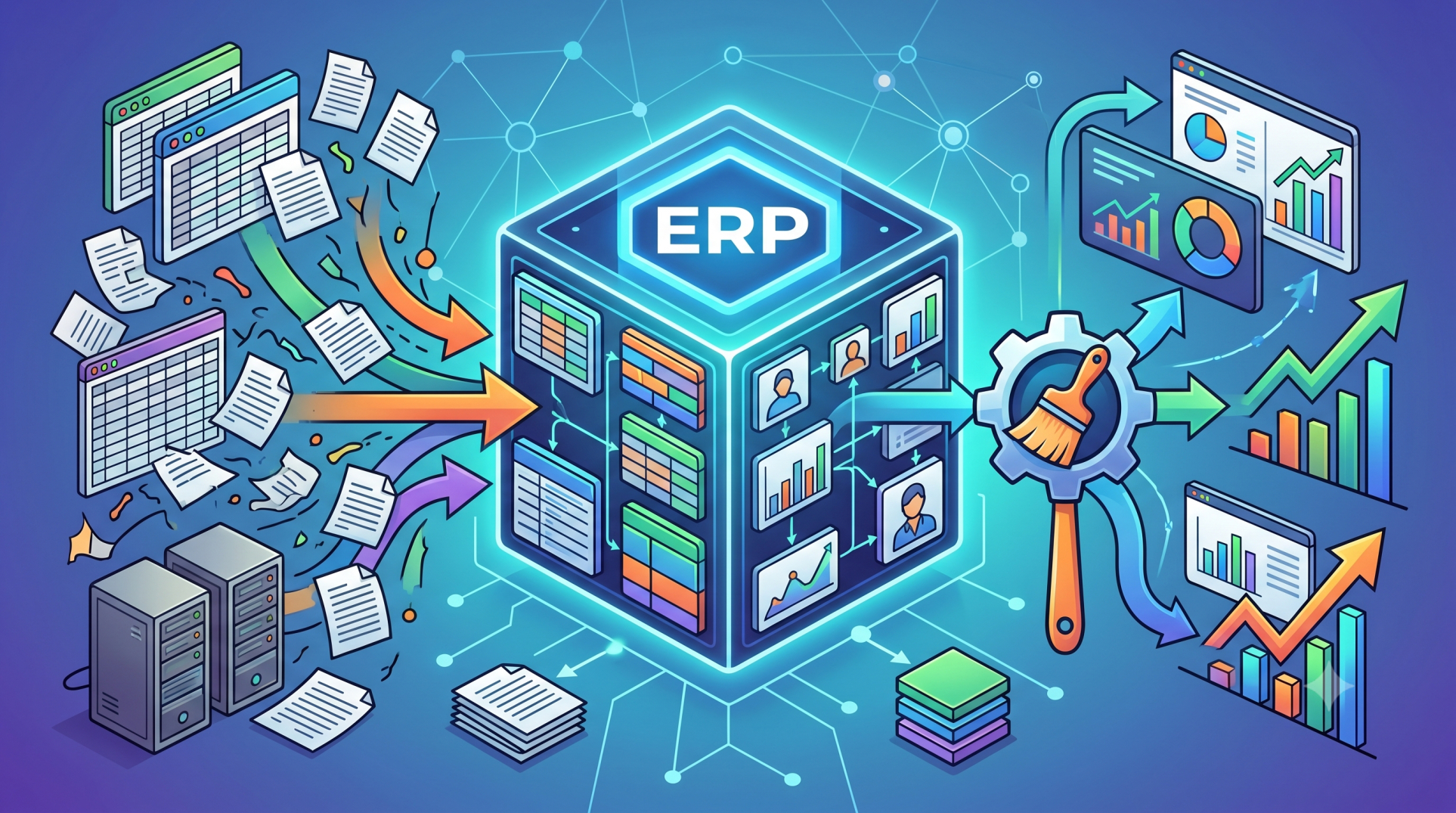
• Consolidate customer information from multiple business functions into a unified system 🔗
• Create a single source of truth for customer interactions and transactions 📂
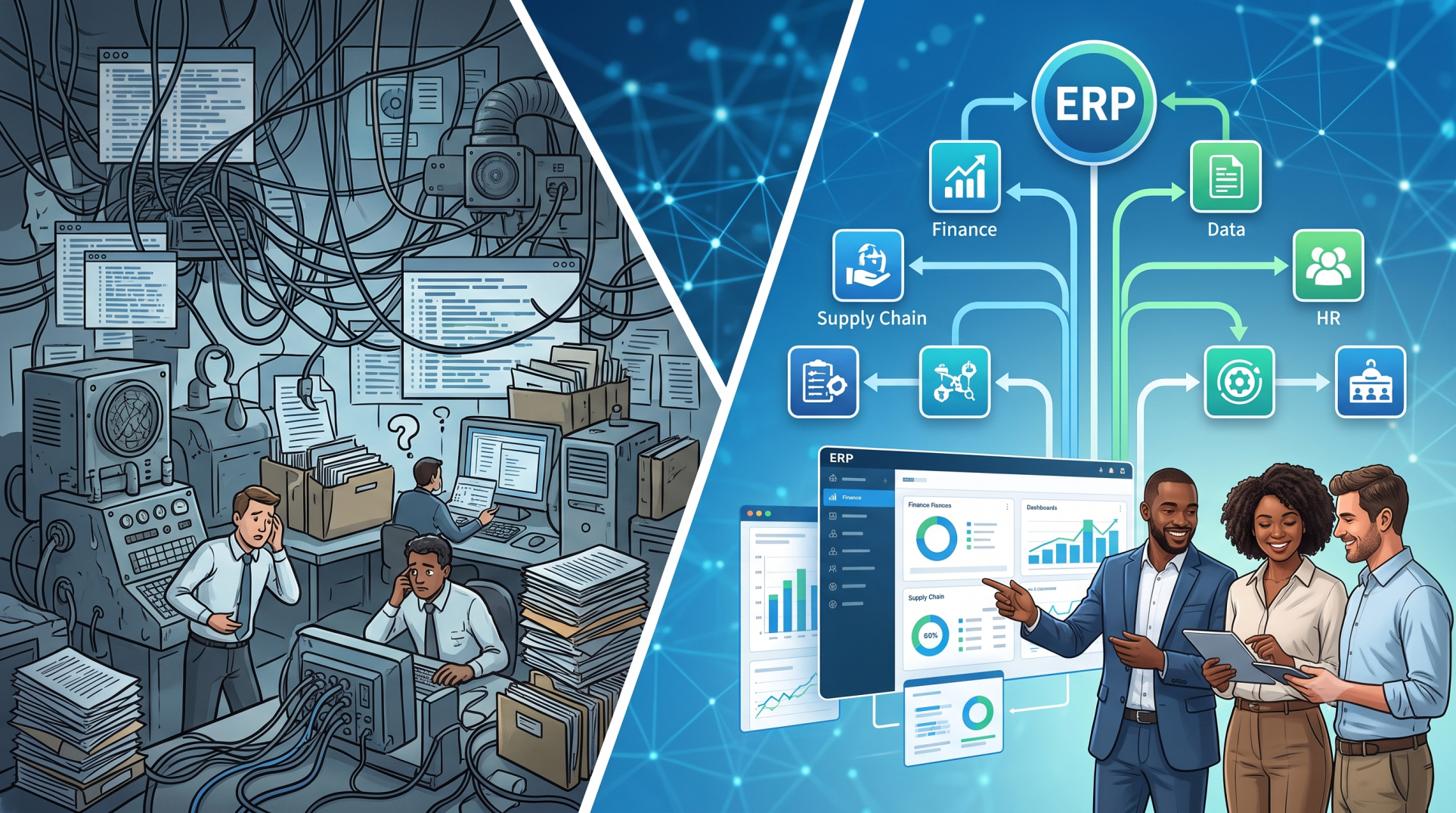
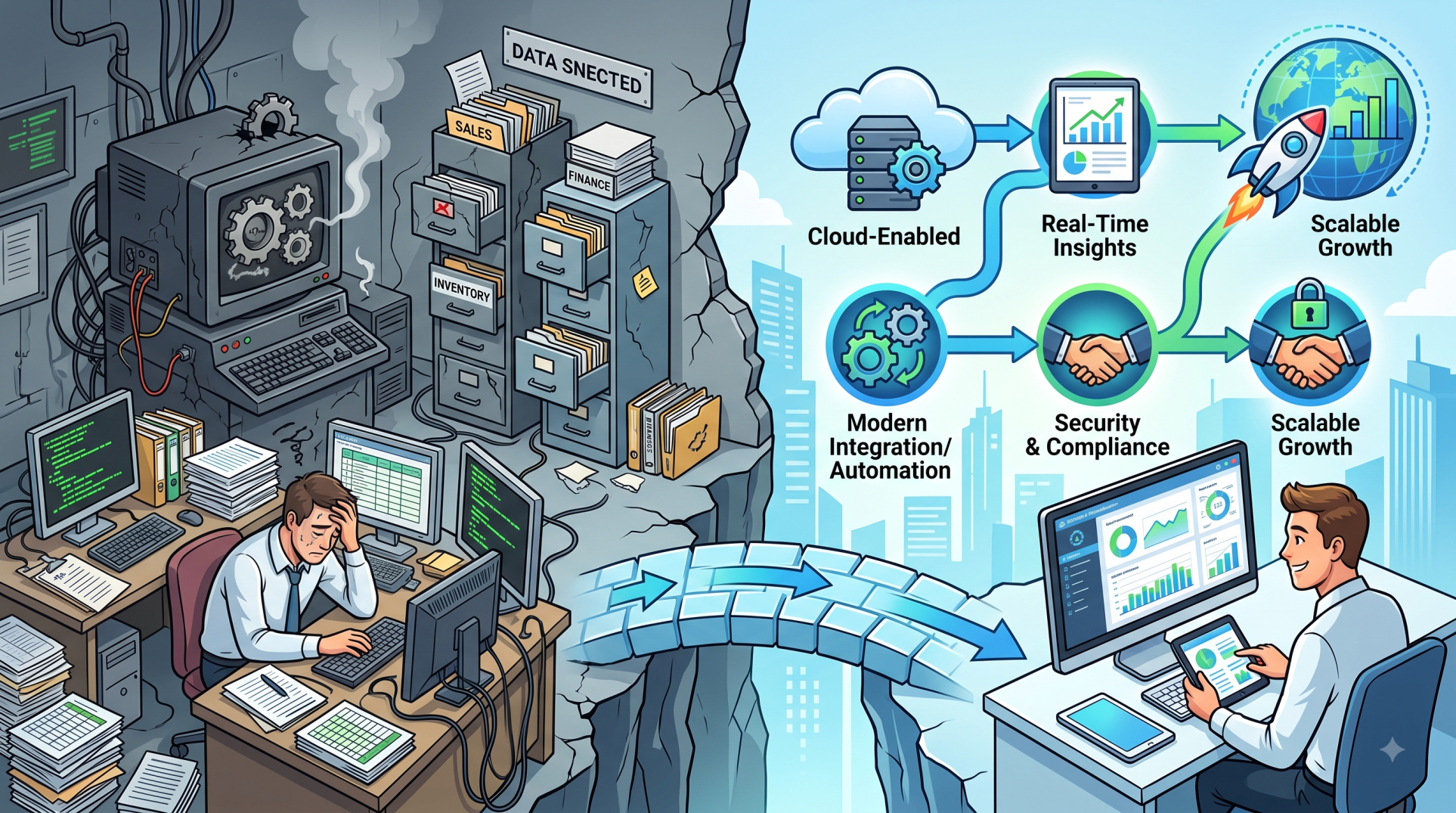
• Eliminate fragmented data across departments and platforms 🧩
• Improve visibility into customer activity and purchasing behavior 👁️
• Enable more accurate reporting and analysis across the organization 📈
Step 2: Understanding Customer Purchasing Patterns 🛒
• Analyze order history to identify buying trends and preferences 📦
• Monitor seasonal demand fluctuations and recurring purchasing cycles 📅
• Detect high-value customers based on transaction frequency and volume 💰
• Identify cross-selling and upselling opportunities 🔄
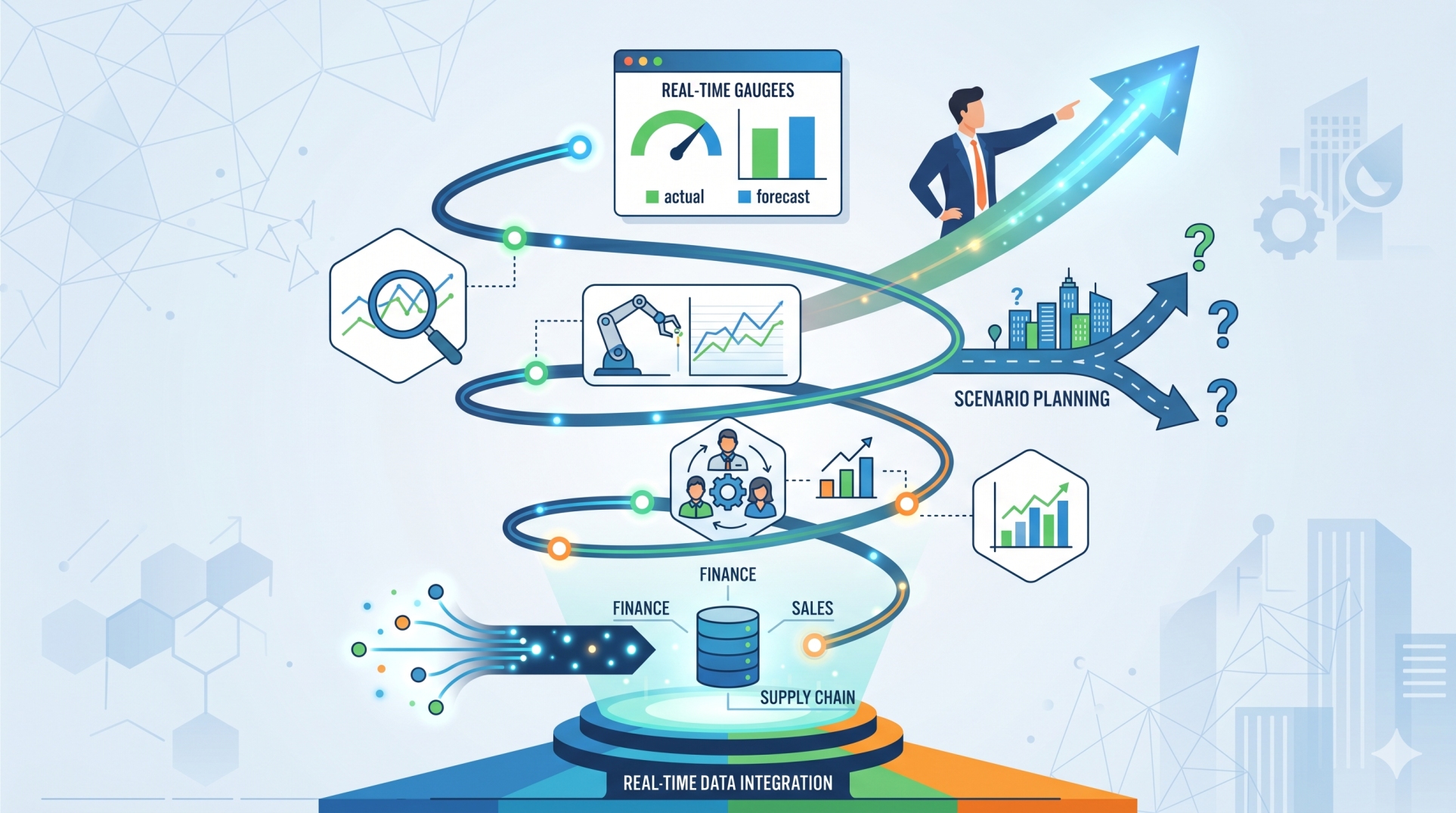
• Use historical data to forecast future customer demand 📊
Step 3: Enhancing Customer Segmentation 🎯
• Group customers based on industry, geography, behavior, or purchasing patterns 🌍
• Develop targeted strategies for different customer segments 🧠
• Personalize communication and service experiences ✉️
• Improve marketing effectiveness through data-driven segmentation 📢
• Align sales strategies with customer-specific needs 🤝
Step 4: Improving Customer Service Visibility ☎️
• Track customer inquiries, complaints, and service history in one system 📋
• Provide support teams with real-time access to customer information ⏱️
• Reduce response times through centralized data access ⚡
• Identify recurring service issues and operational bottlenecks 🔍
• Improve customer satisfaction through informed support interactions 😊
Step 5: Leveraging Financial and Payment Insights 💳
• Monitor payment history and outstanding balances accurately 📊
• Identify customers with consistent payment behavior ✅
• Detect financial risks and delayed payment trends ⚠️
• Support credit management and financial planning processes 🏦
• Strengthen customer relationships through proactive financial engagement 🤝
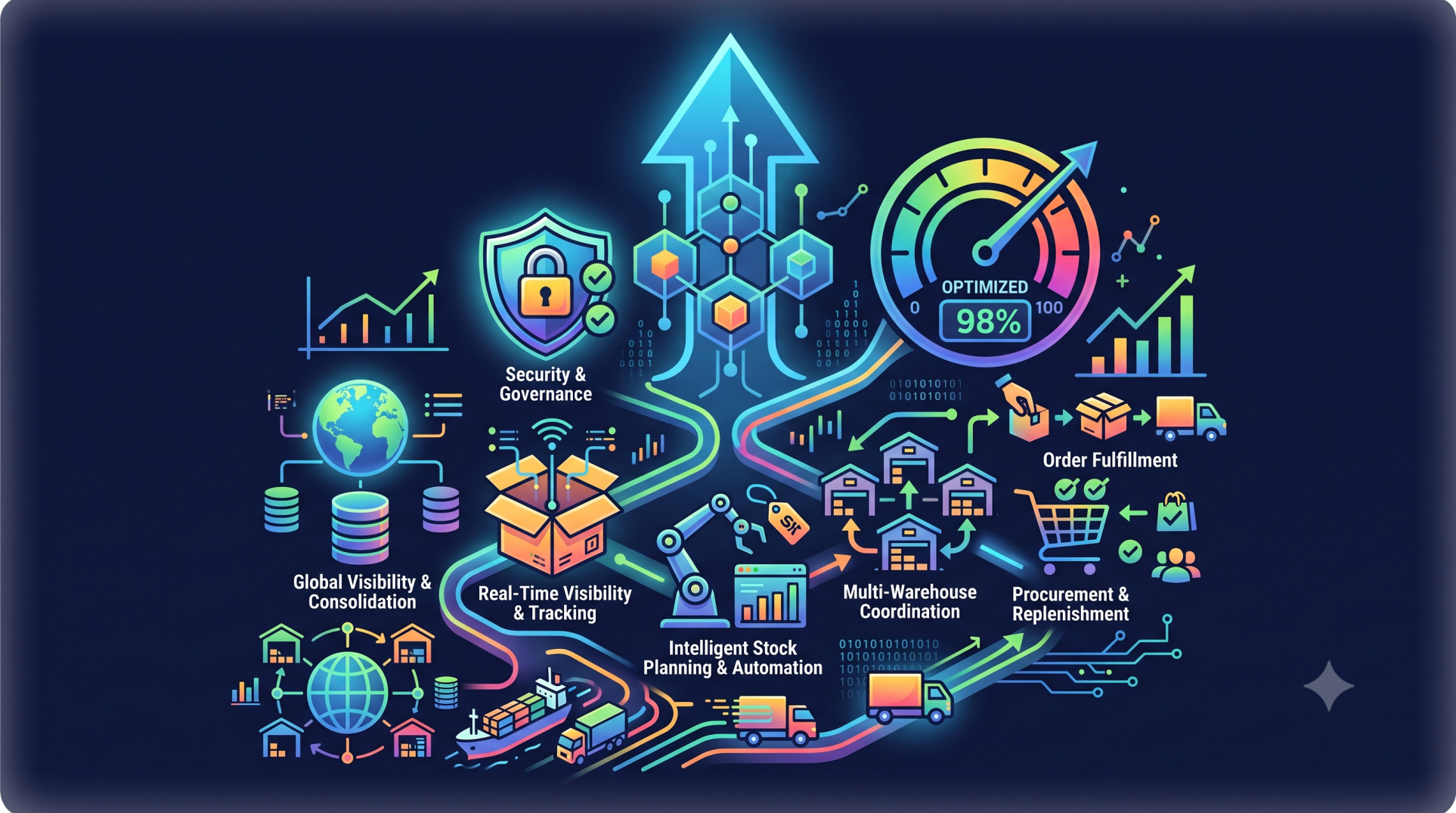
Step 6: Integrating Sales and Supply Chain Data 🔗
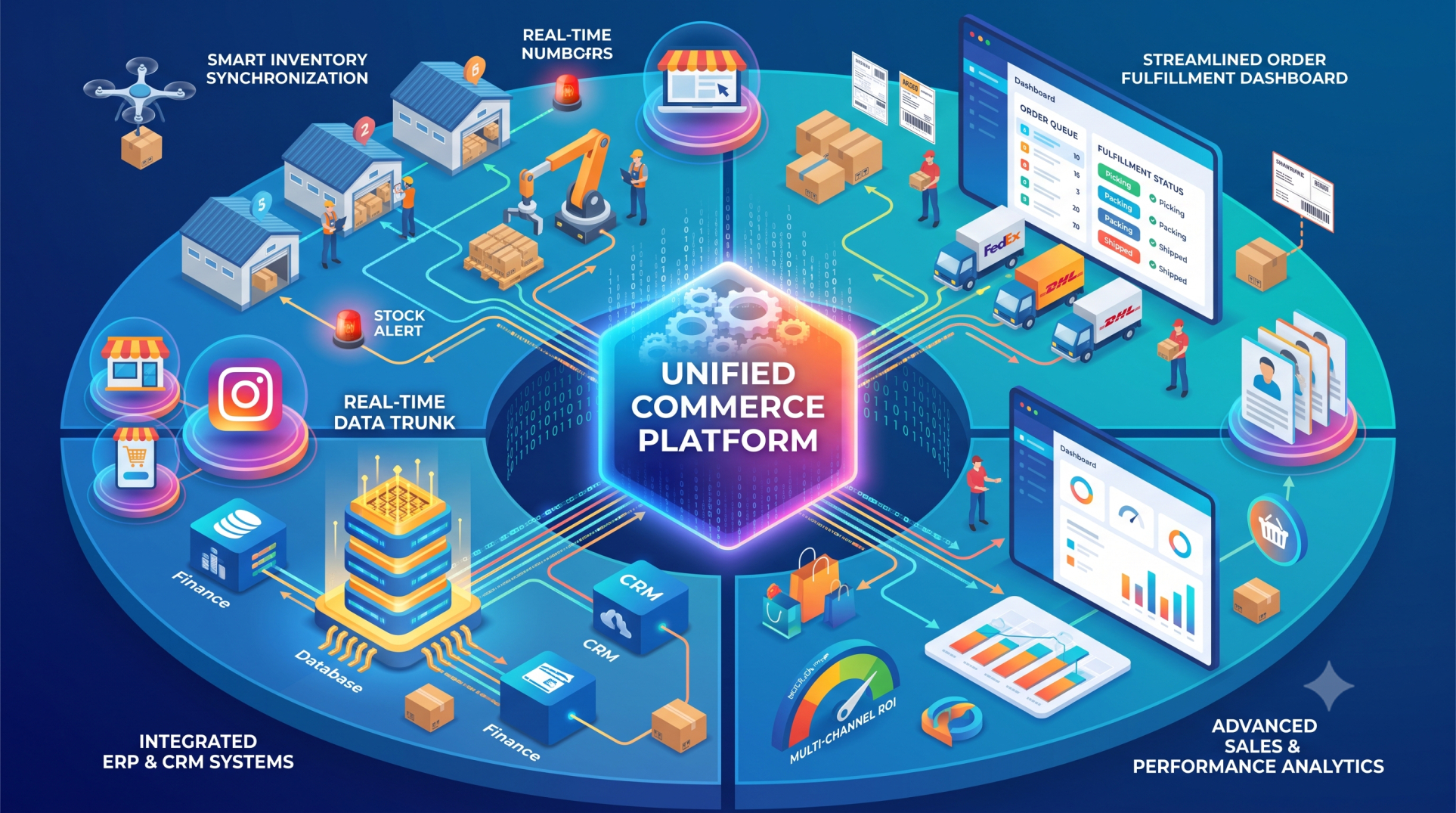
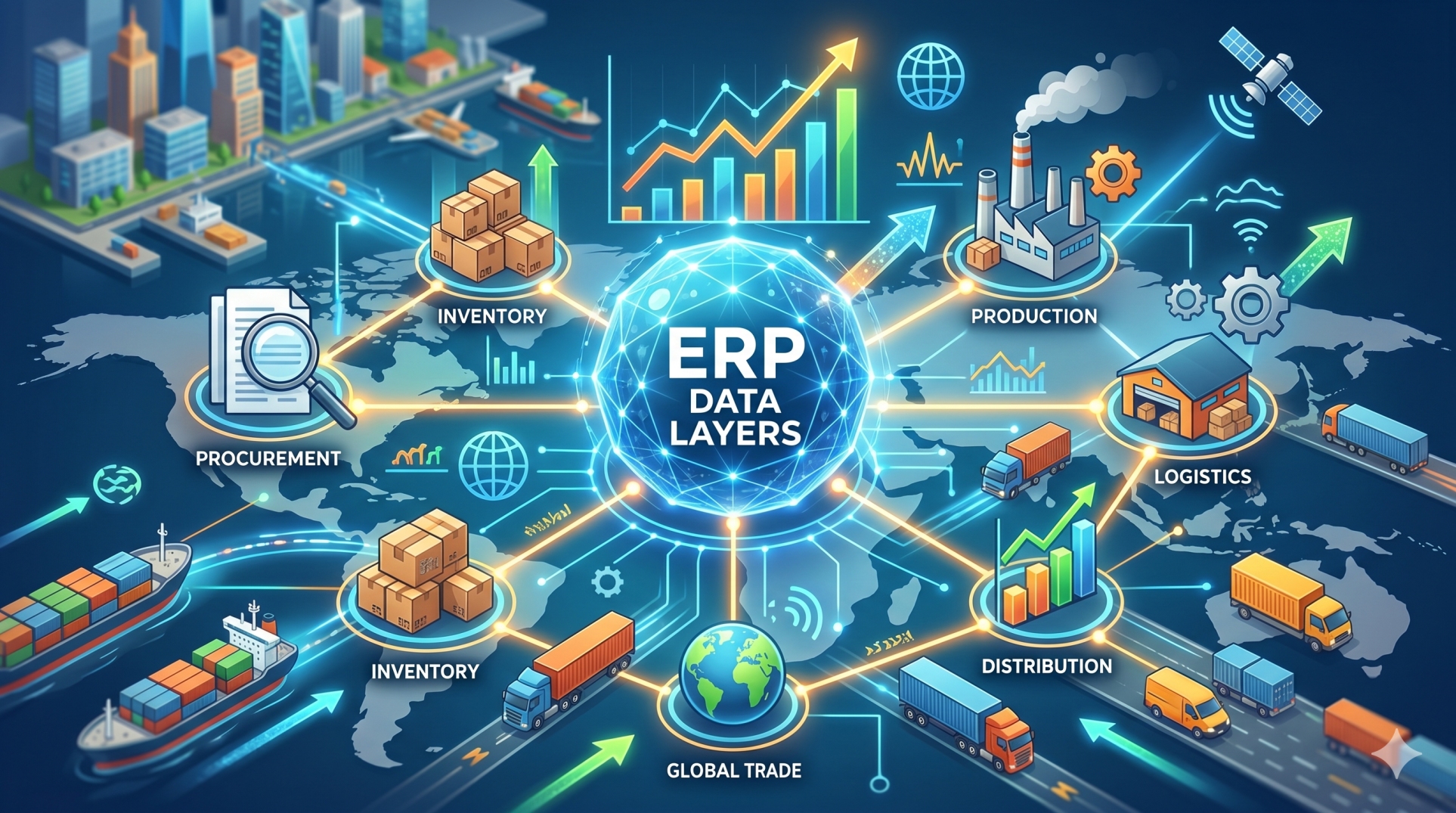
• Connect customer demand with inventory and supply chain operations 📦
• Improve delivery reliability through accurate demand forecasting 🚚
• Identify products with the highest customer demand 📈
• Minimize stock shortages and fulfillment delays ⚙️
• Align operational planning with customer expectations 🎯
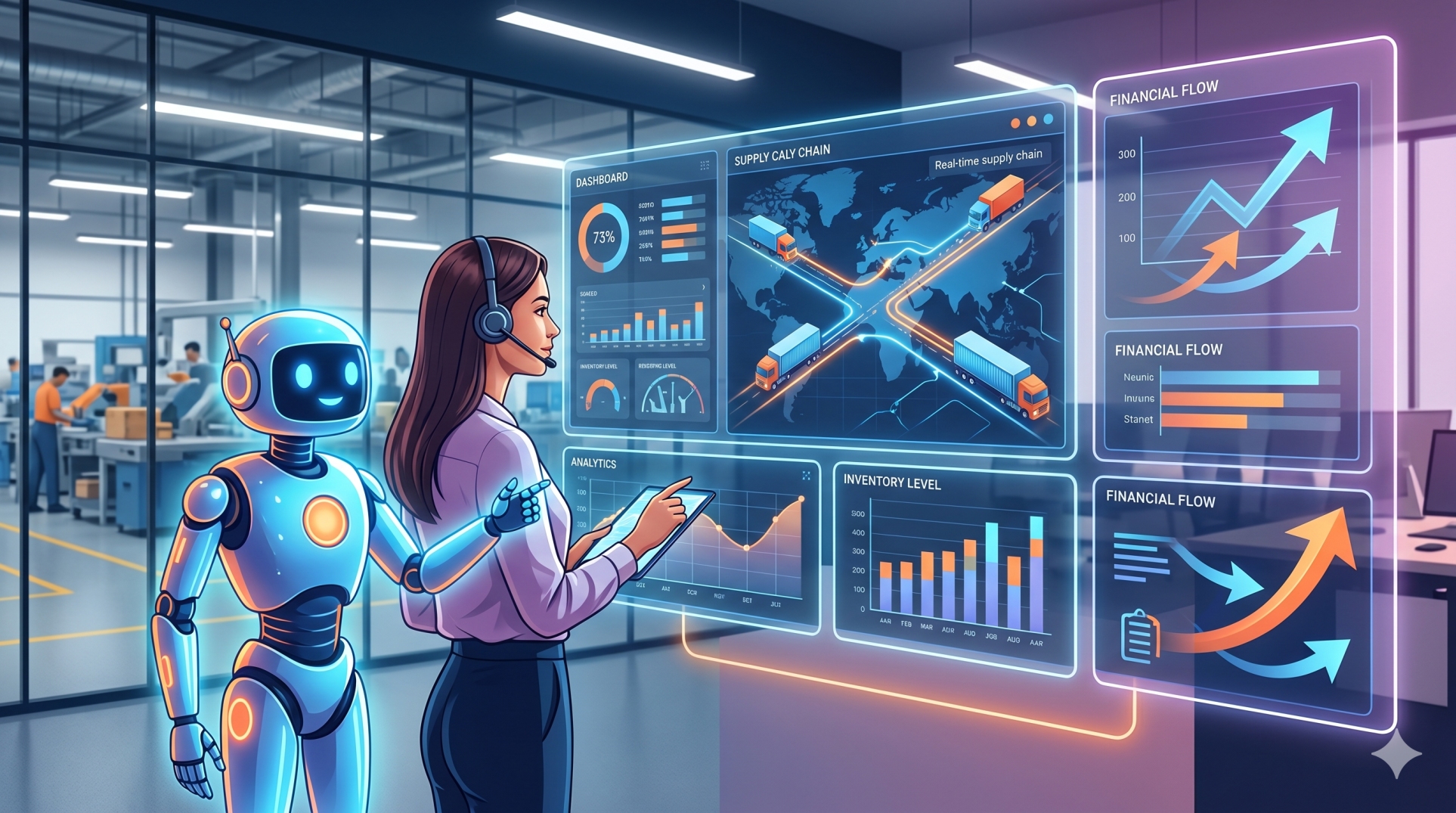
Step 7: Real-Time Reporting and Analytics 📡
• Generate dashboards with live customer and operational data 📊
• Monitor key performance indicators related to customer behavior 👁️
• Enable faster decision-making with real-time visibility ⚡
• Identify emerging trends before they impact operations 🔍
• Improve strategic planning through accurate analytics 🧠
Step 8: Key Insight Priorities 📌
• Unified visibility into customer interactions and transactions 👁️
• Data-driven personalization and engagement 🎯
• Improved forecasting and operational alignment 📈
• Faster, more informed business decisions ⚡
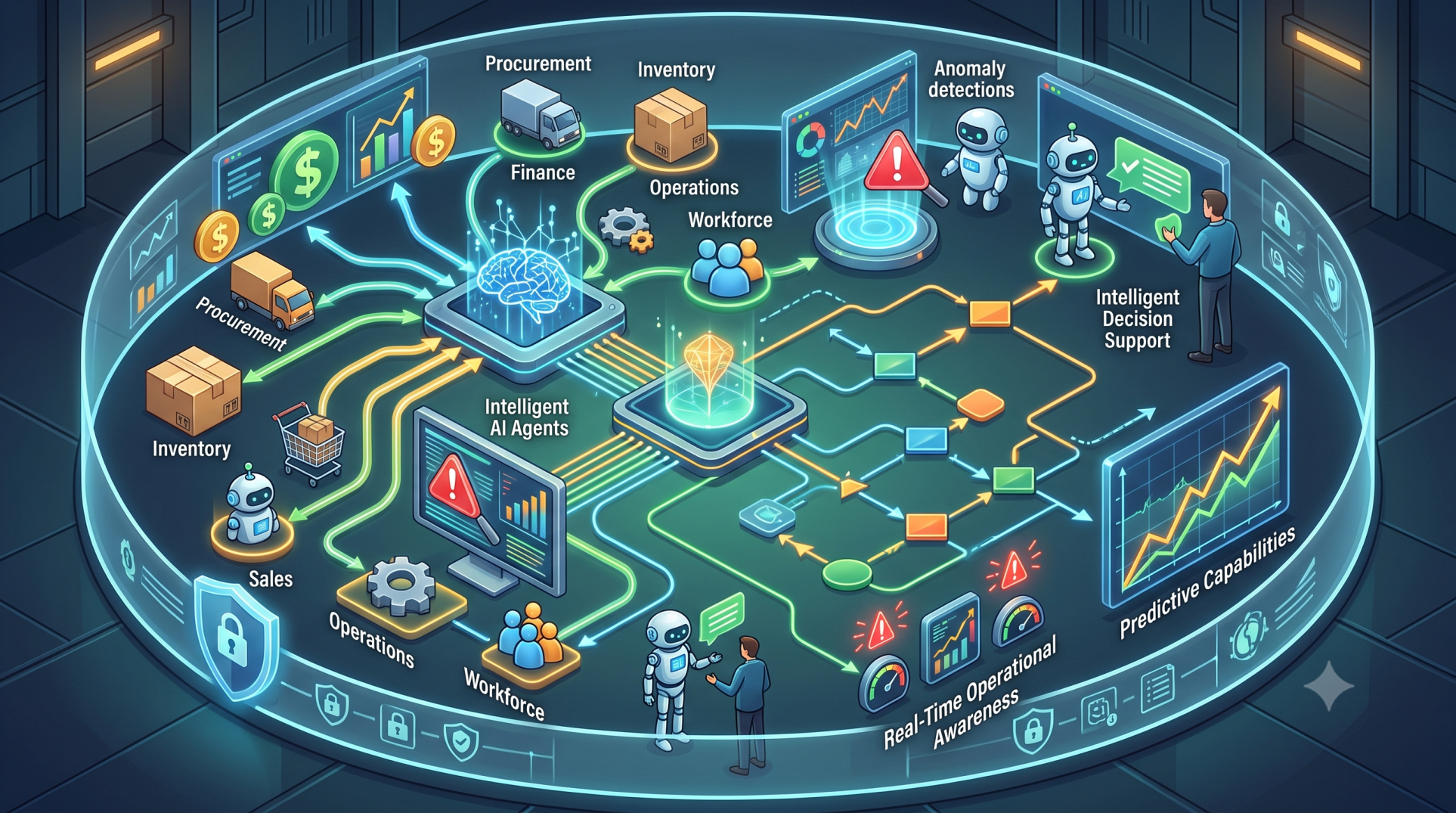
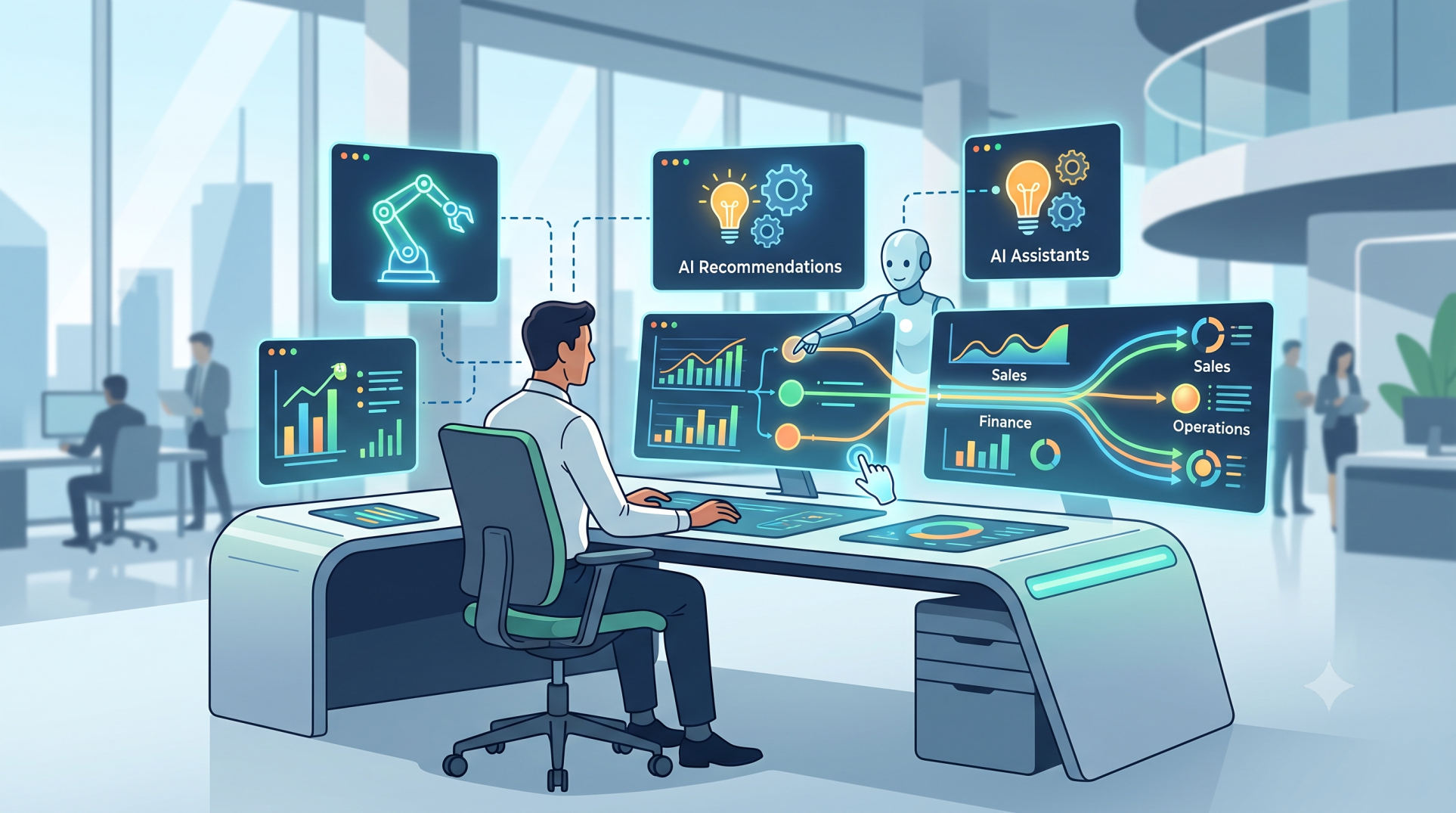
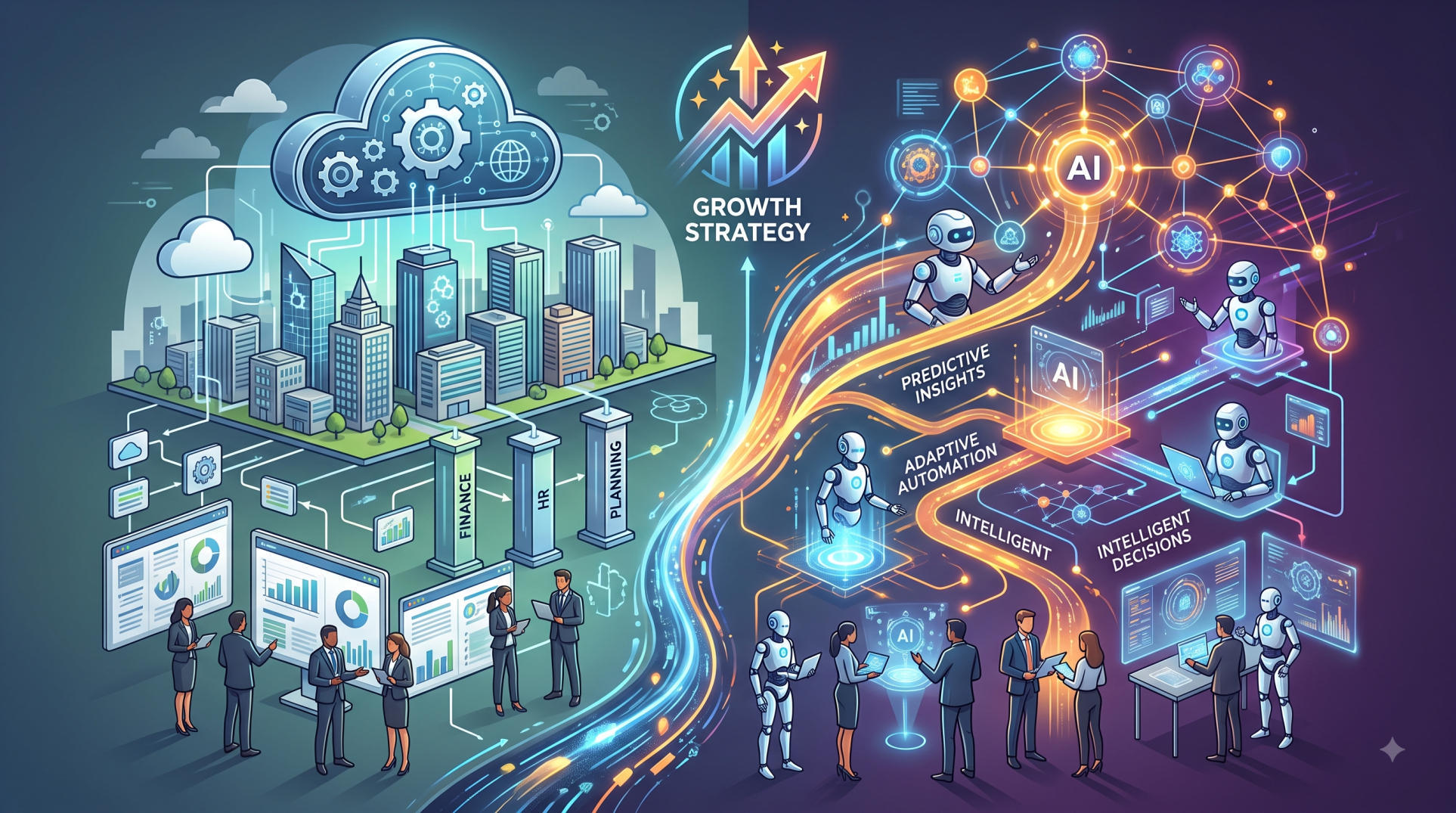
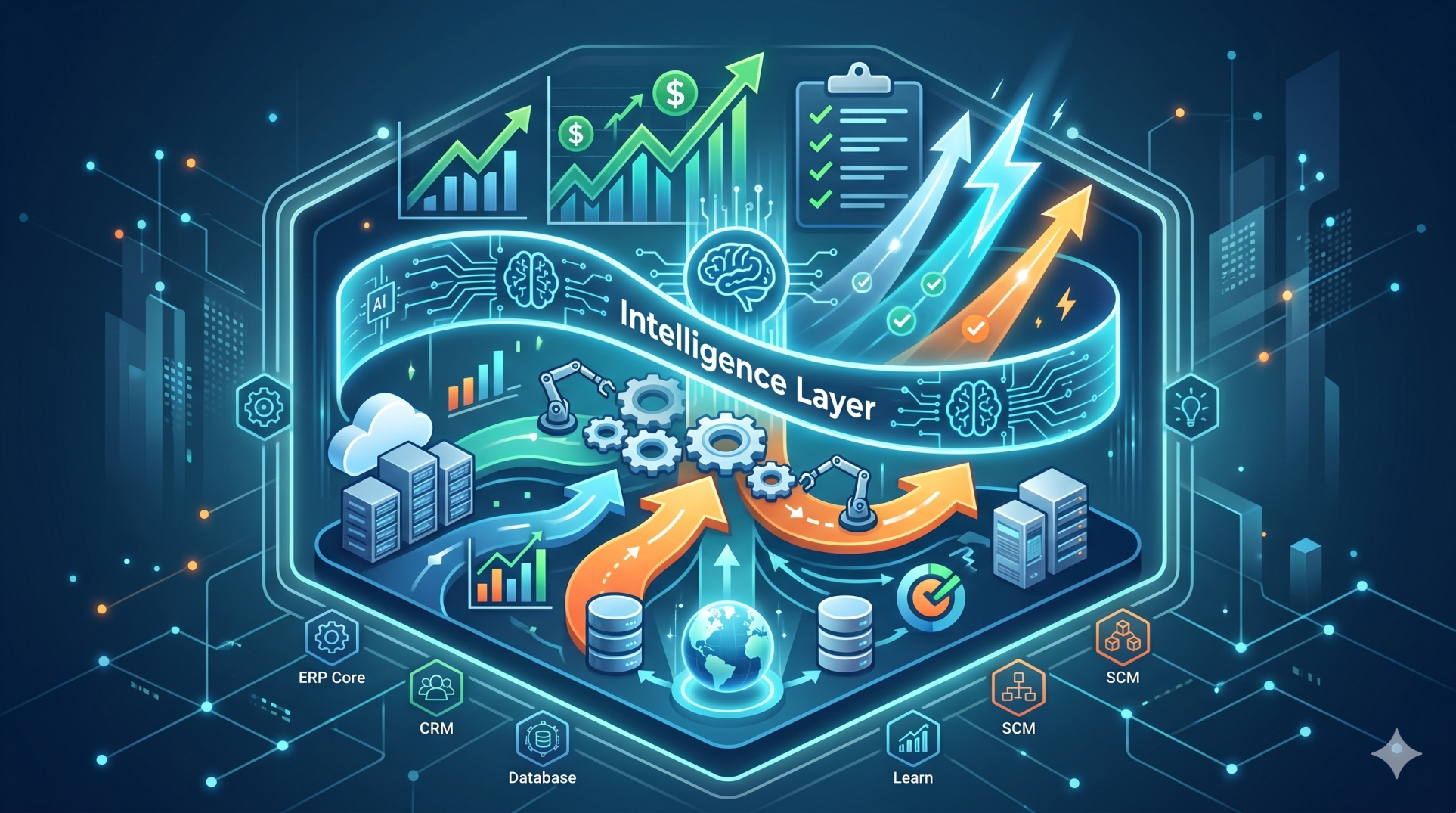
Step 9: Predictive and AI-Driven Customer Insights 🤖
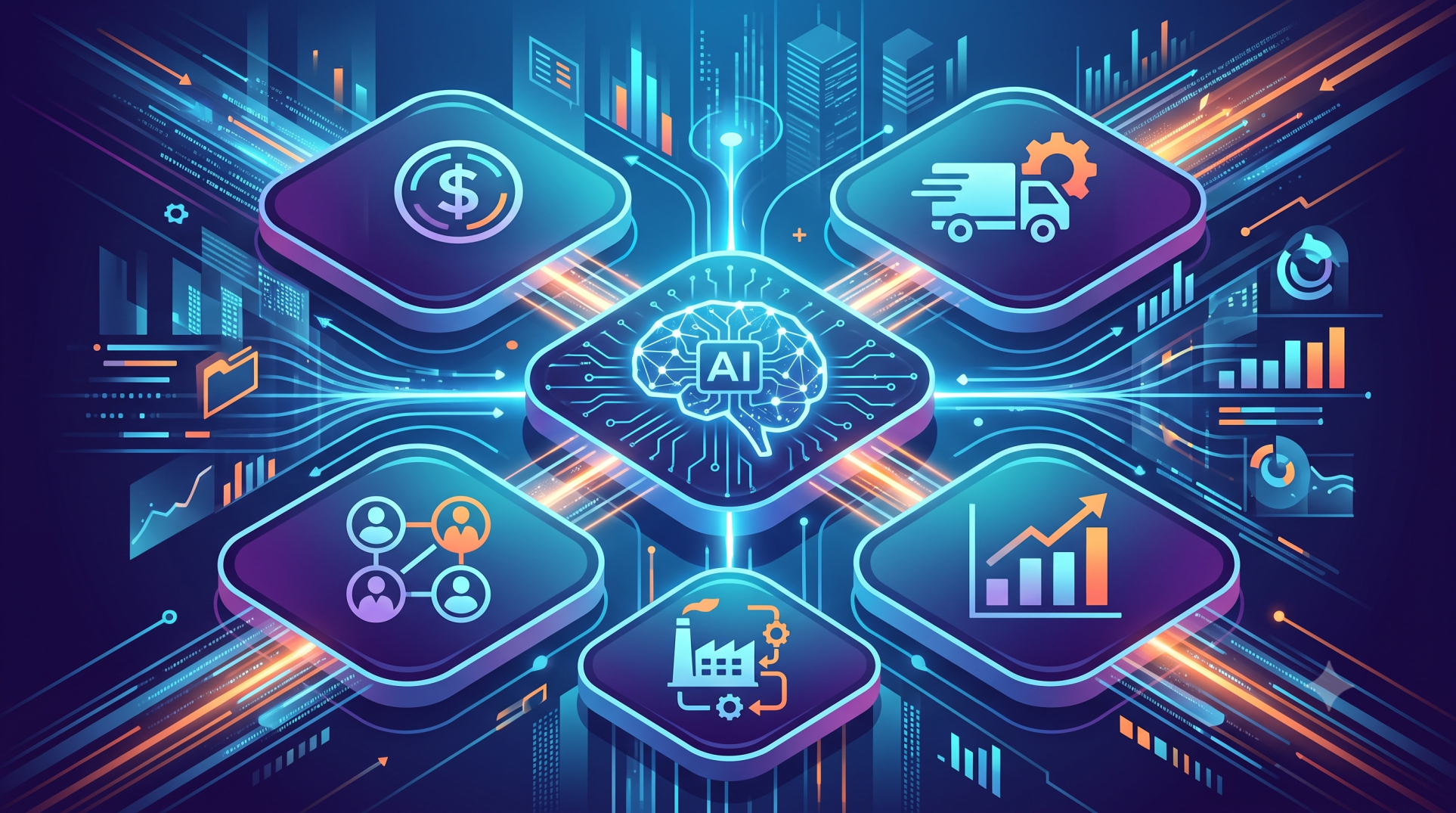
• Use AI tools to predict customer demand and purchasing behavior 🧠
• Identify churn risks and retention opportunities early ⚠️
• Automate recommendations for sales and customer engagement 🔄
• Enhance forecasting accuracy with machine learning models 📊
• Support proactive business strategies through predictive analytics 🚀
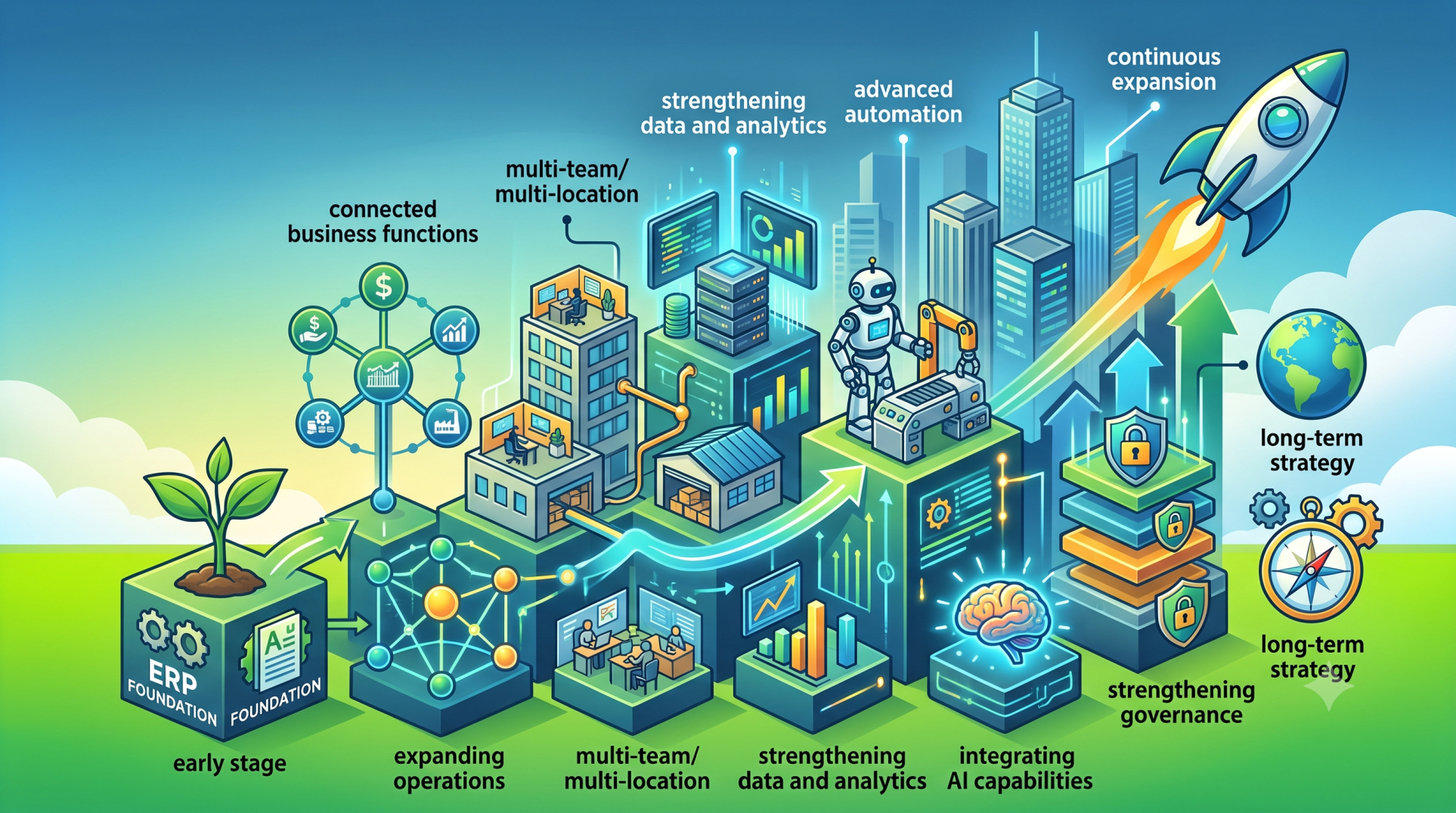
Step 10: Building a Customer-Centric ERP Strategy 🚀
• Align ERP systems with long-term customer experience goals 🎯
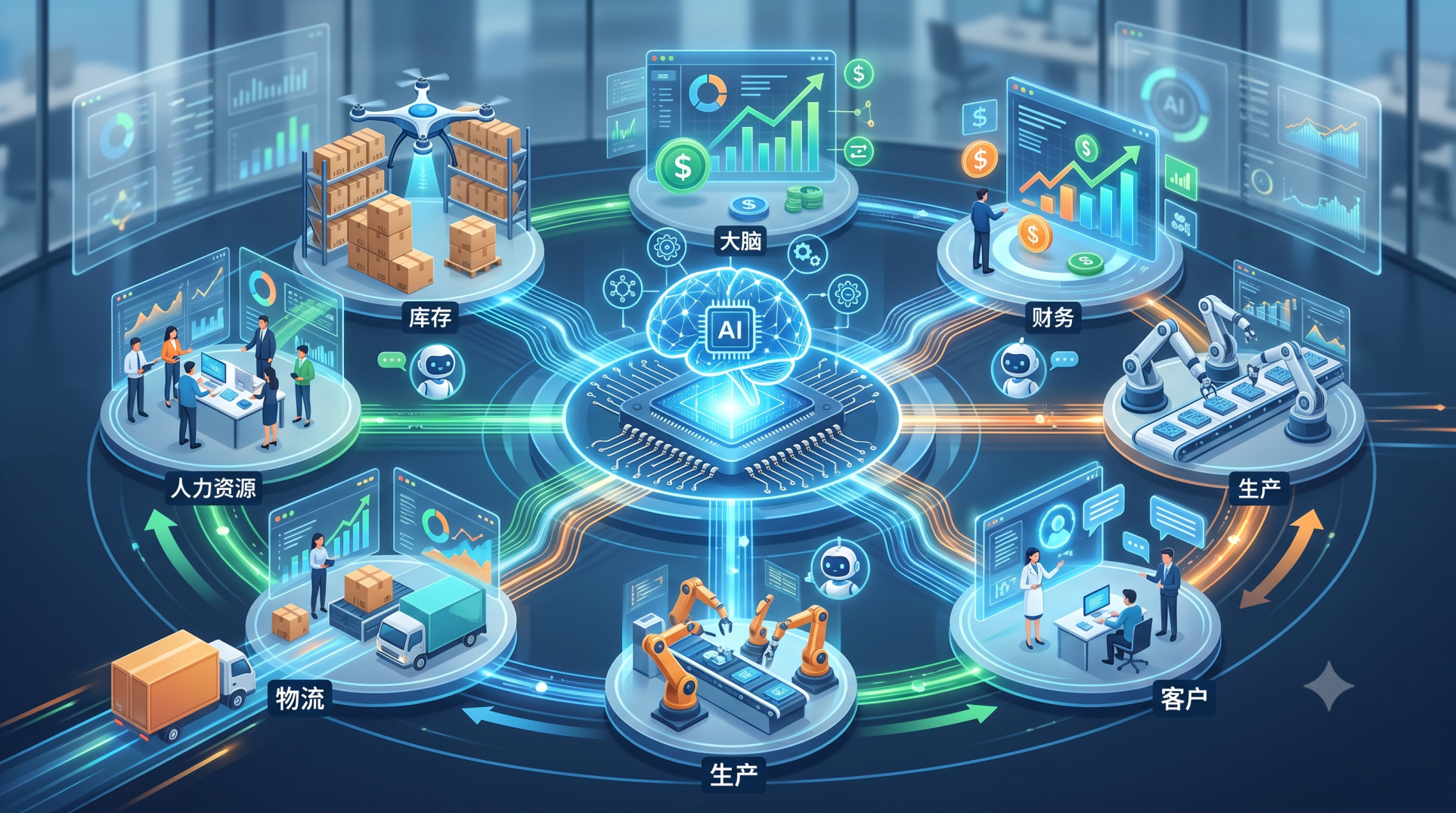
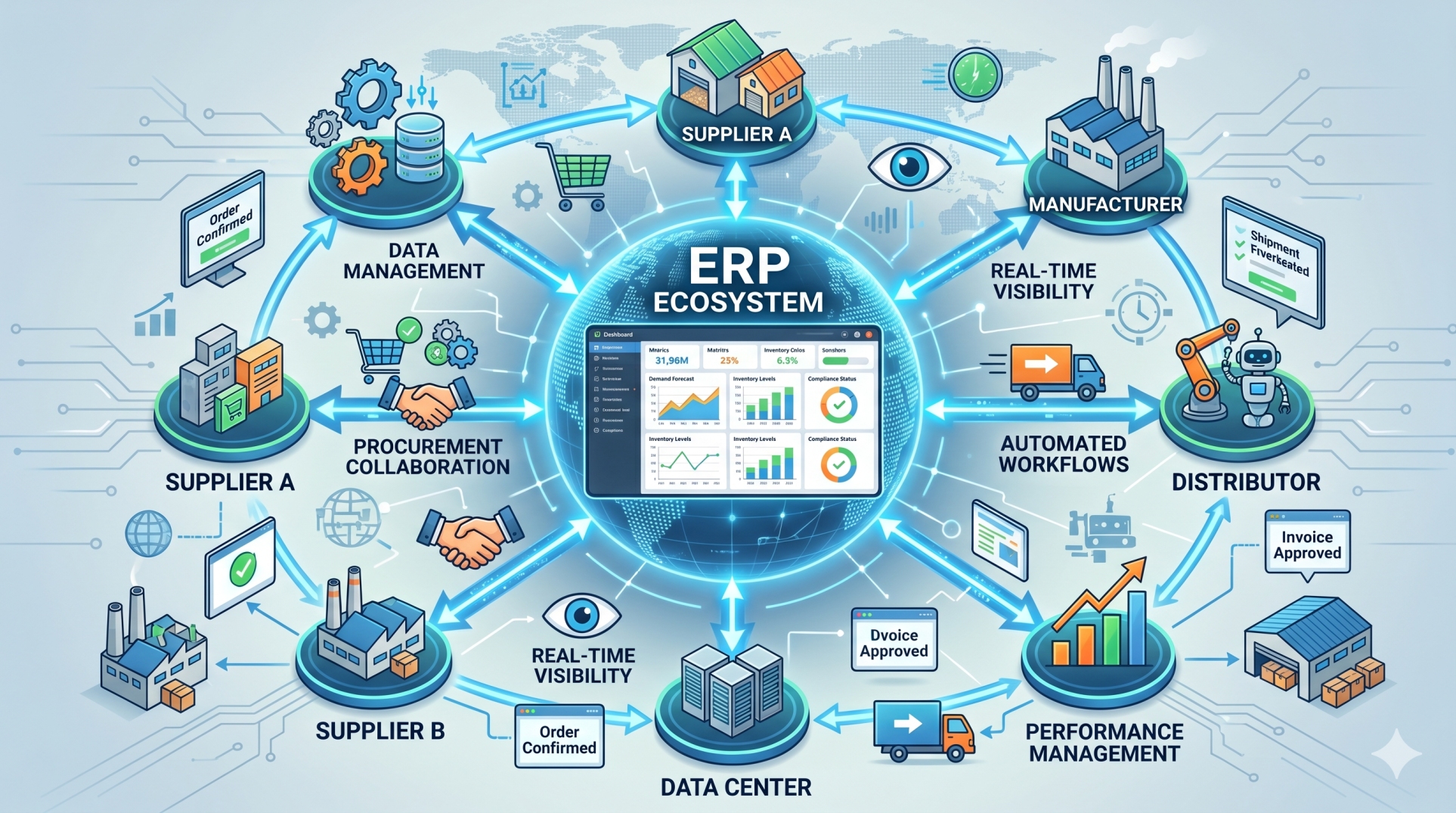
• Encourage collaboration between departments using shared data 🤝
• Continuously refine insights through ongoing analysis 🔄
• Scale analytics capabilities as customer data grows 📈
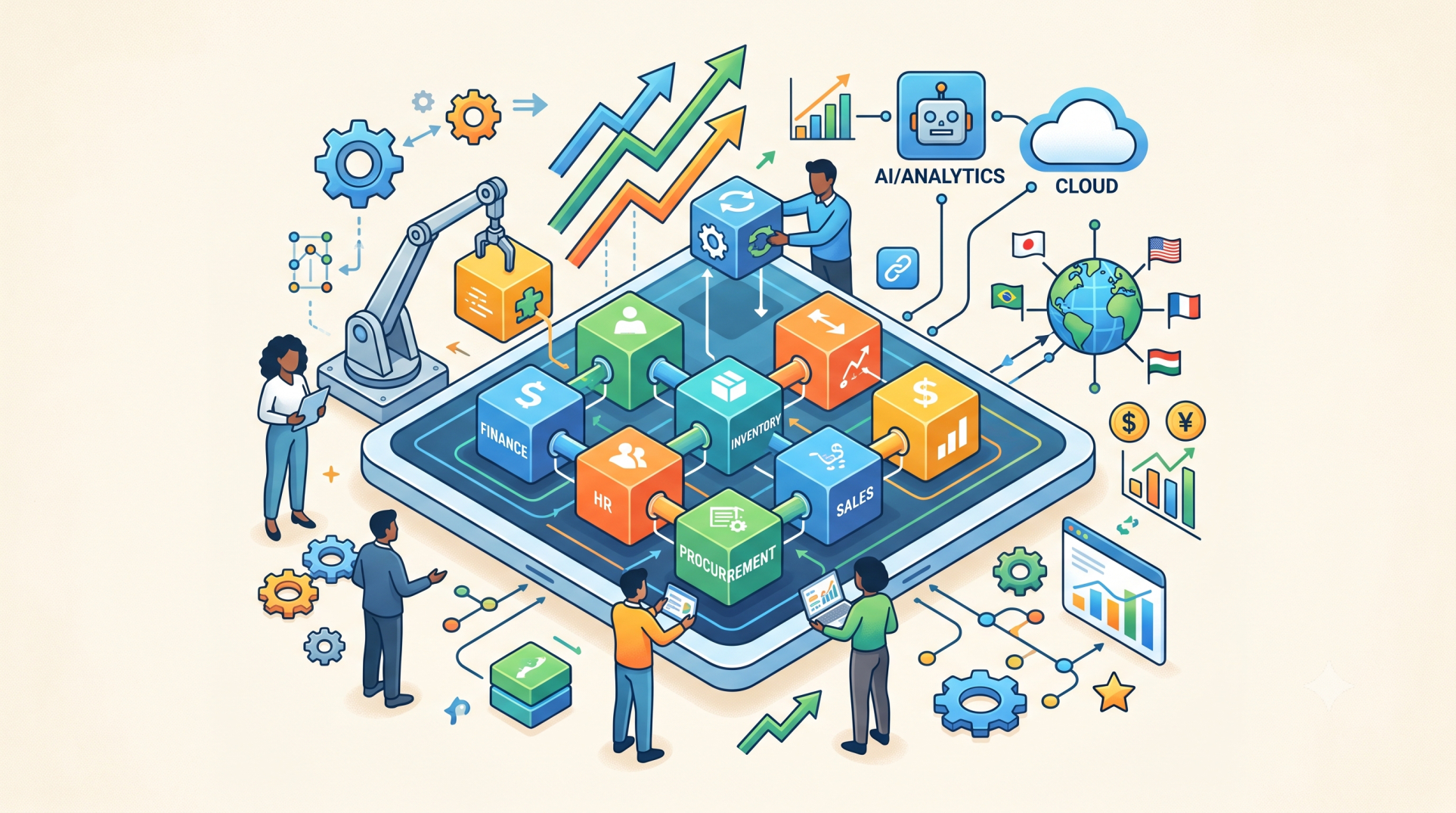
• Create a flexible foundation for future digital transformation 🌐
Conclusion
Customer insights generated from ERP data systems provide organizations with a deeper understanding of customer behavior, operational trends, and business performance. By centralizing and analyzing data across departments, businesses can improve service quality, strengthen customer relationships, and make more informed strategic decisions. A customer-centric ERP approach not only enhances operational efficiency but also supports sustainable growth in increasingly competitive markets.
See more blogs
You can all the articles below