API Marketplaces Within ERP Ecosystems
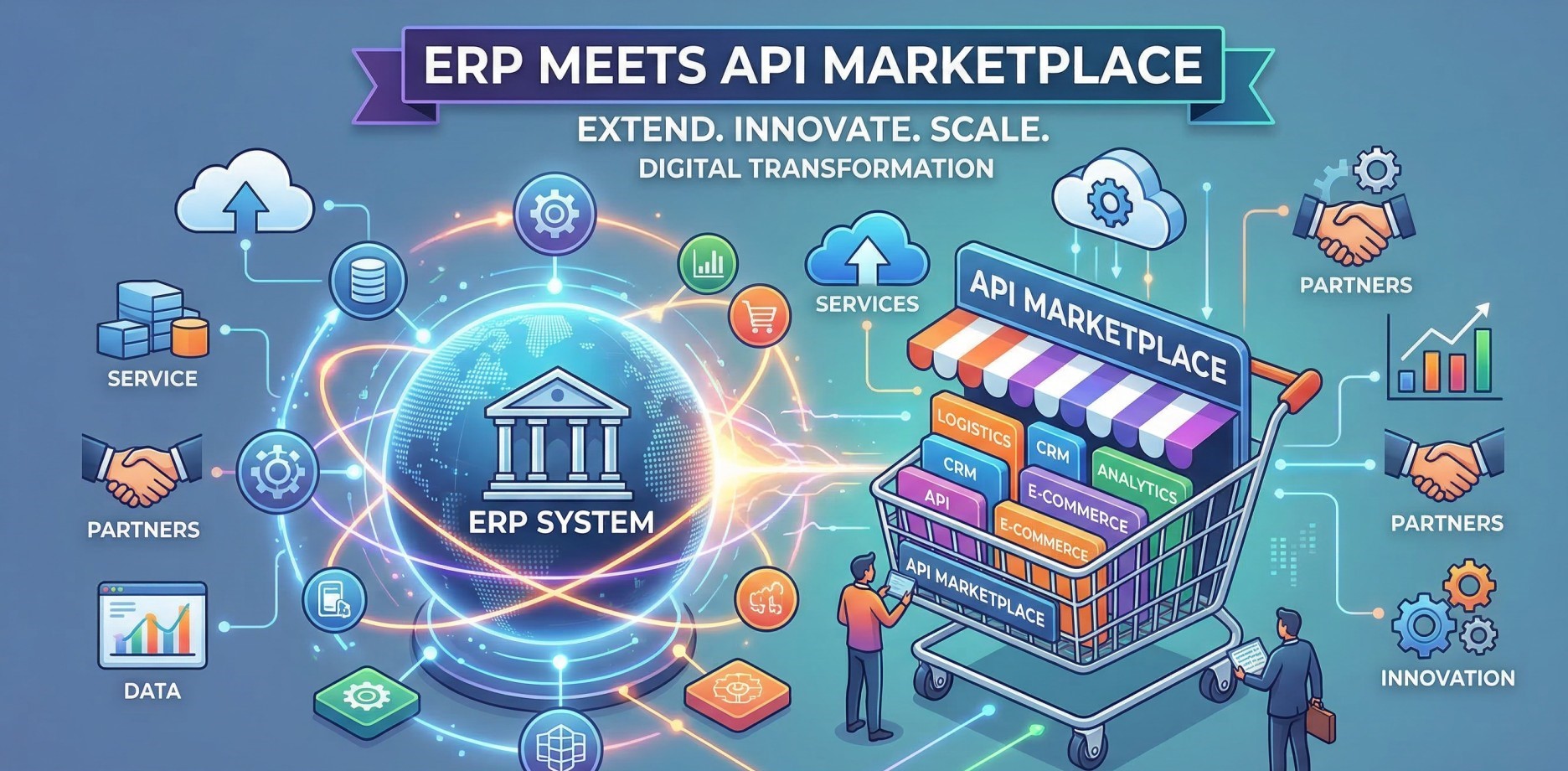
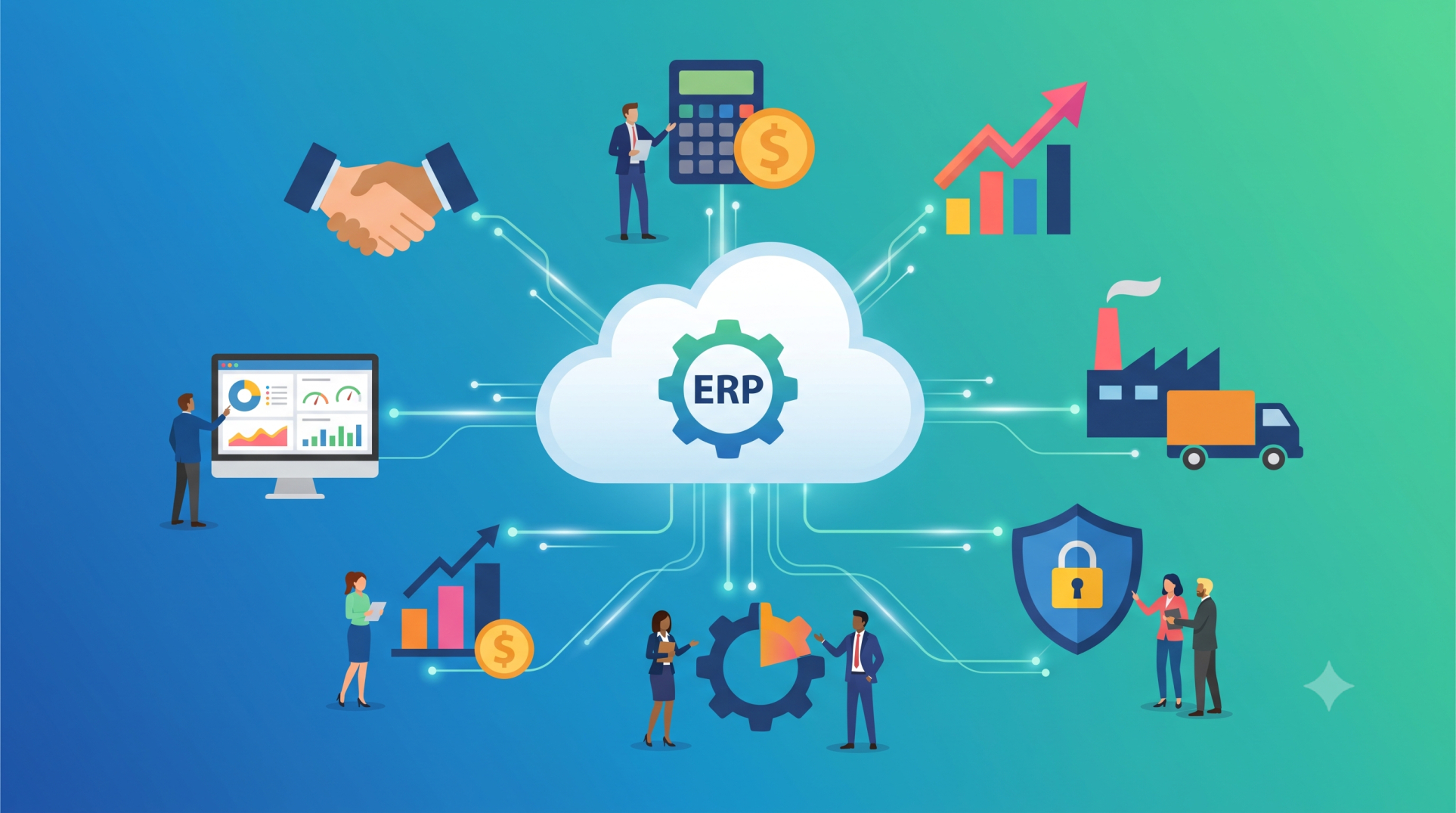
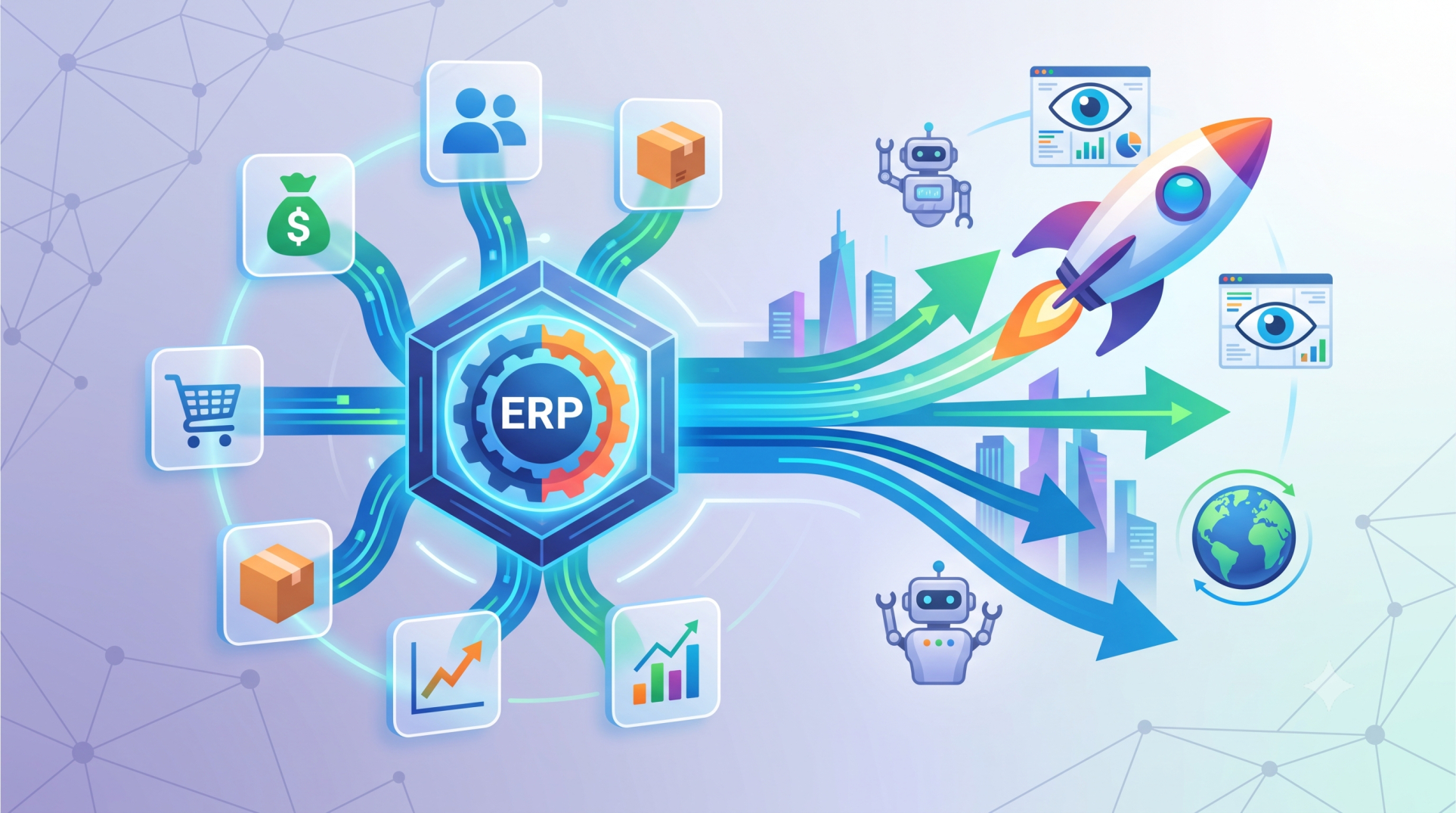
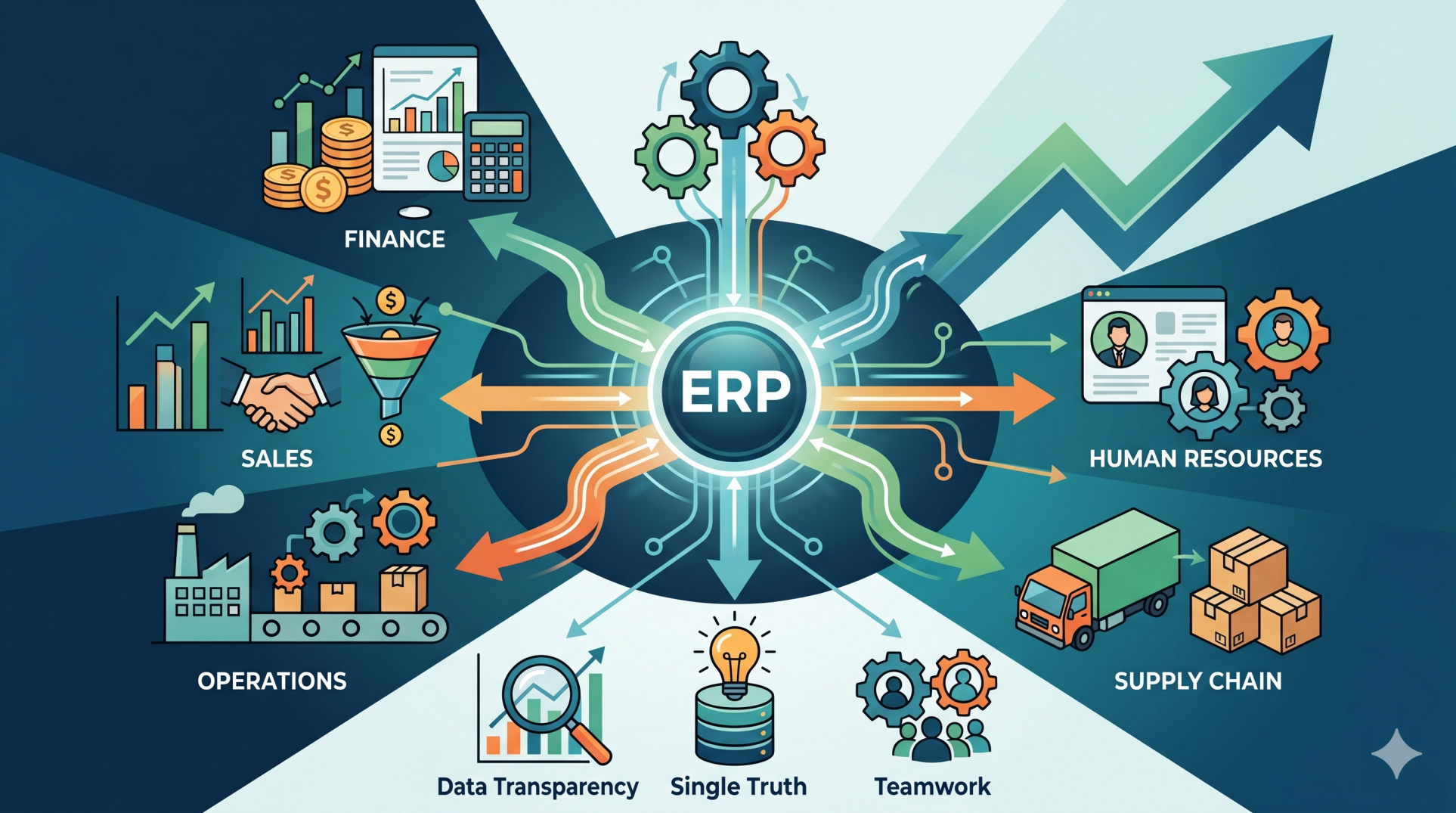
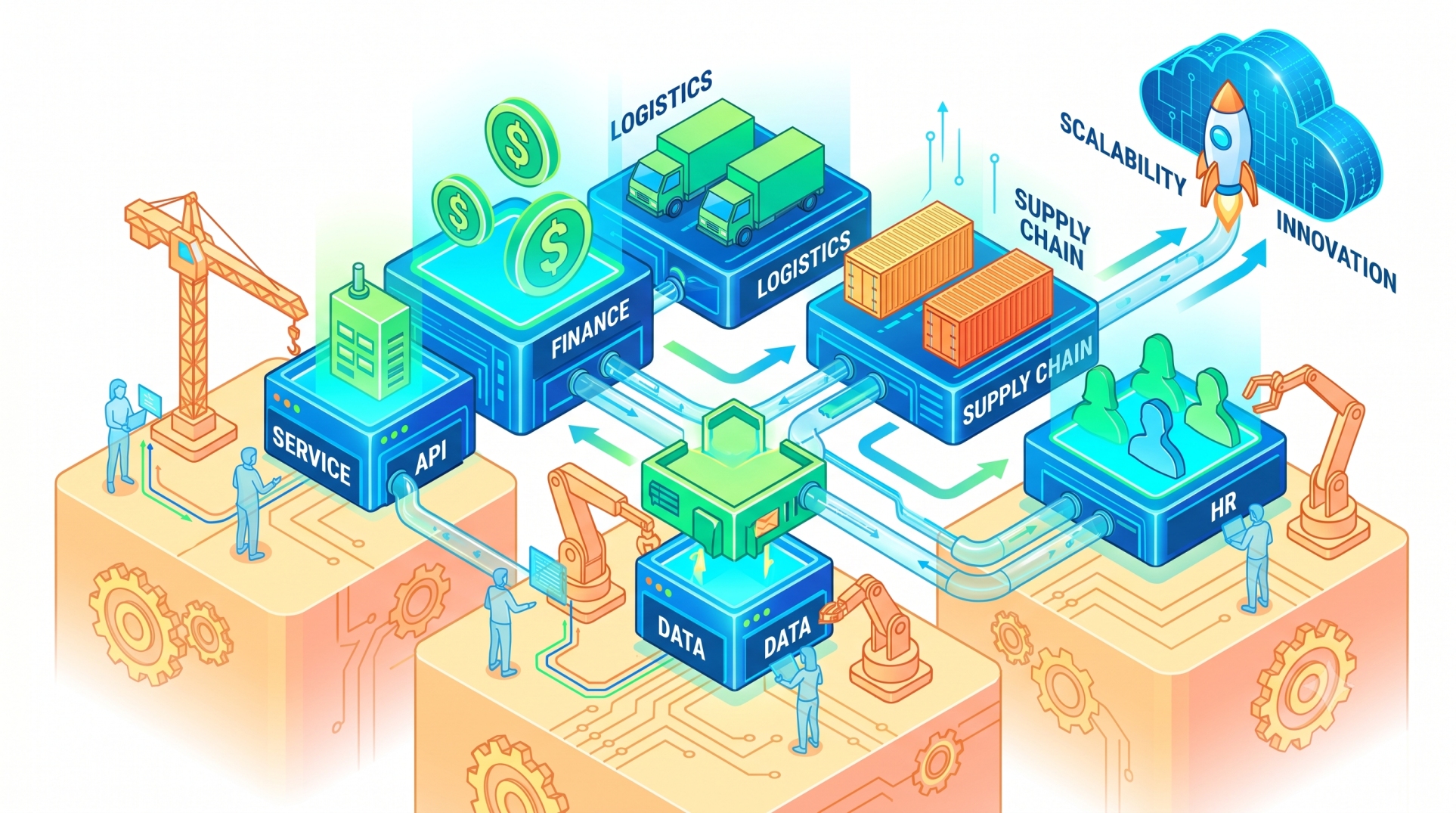
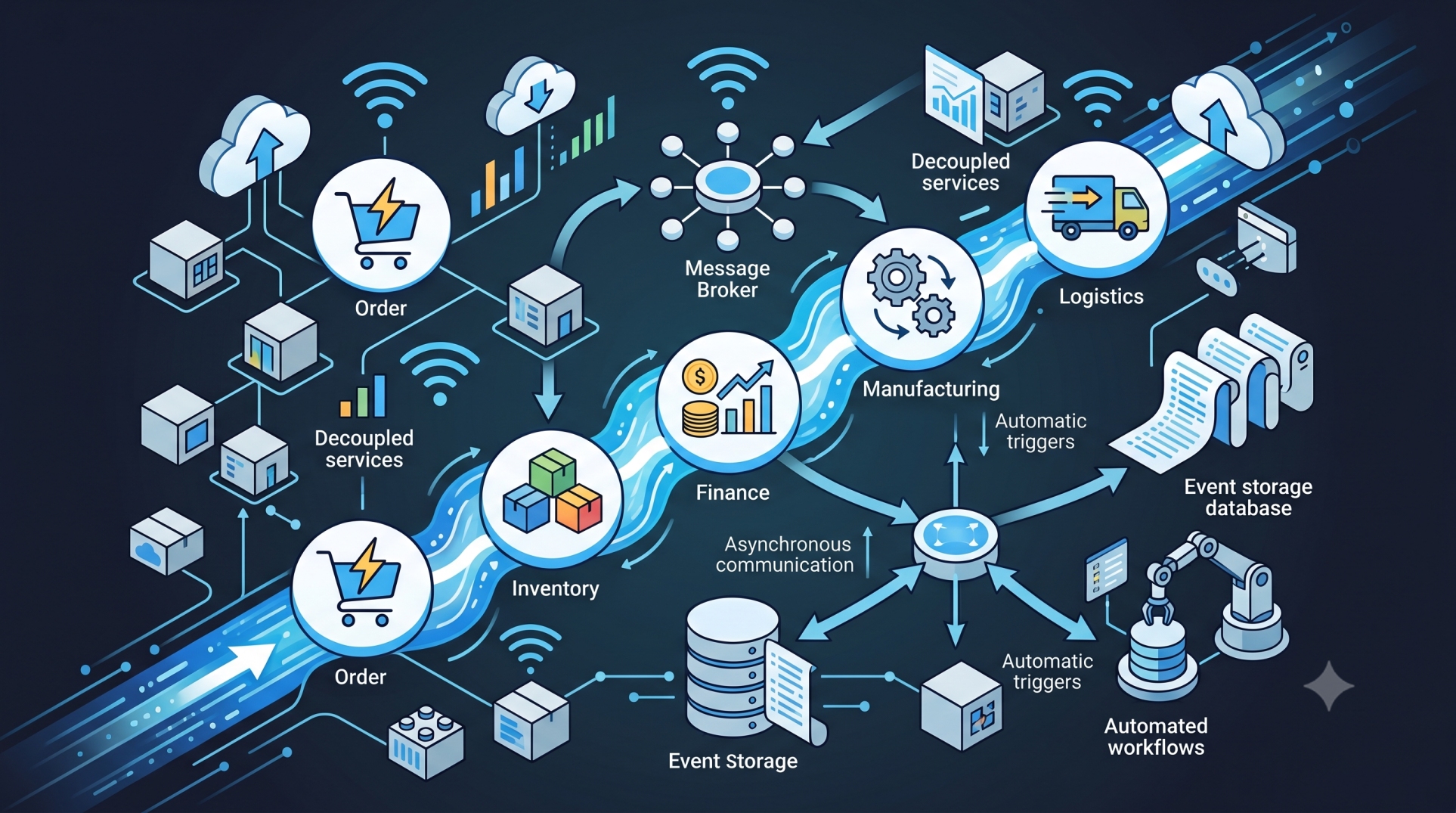
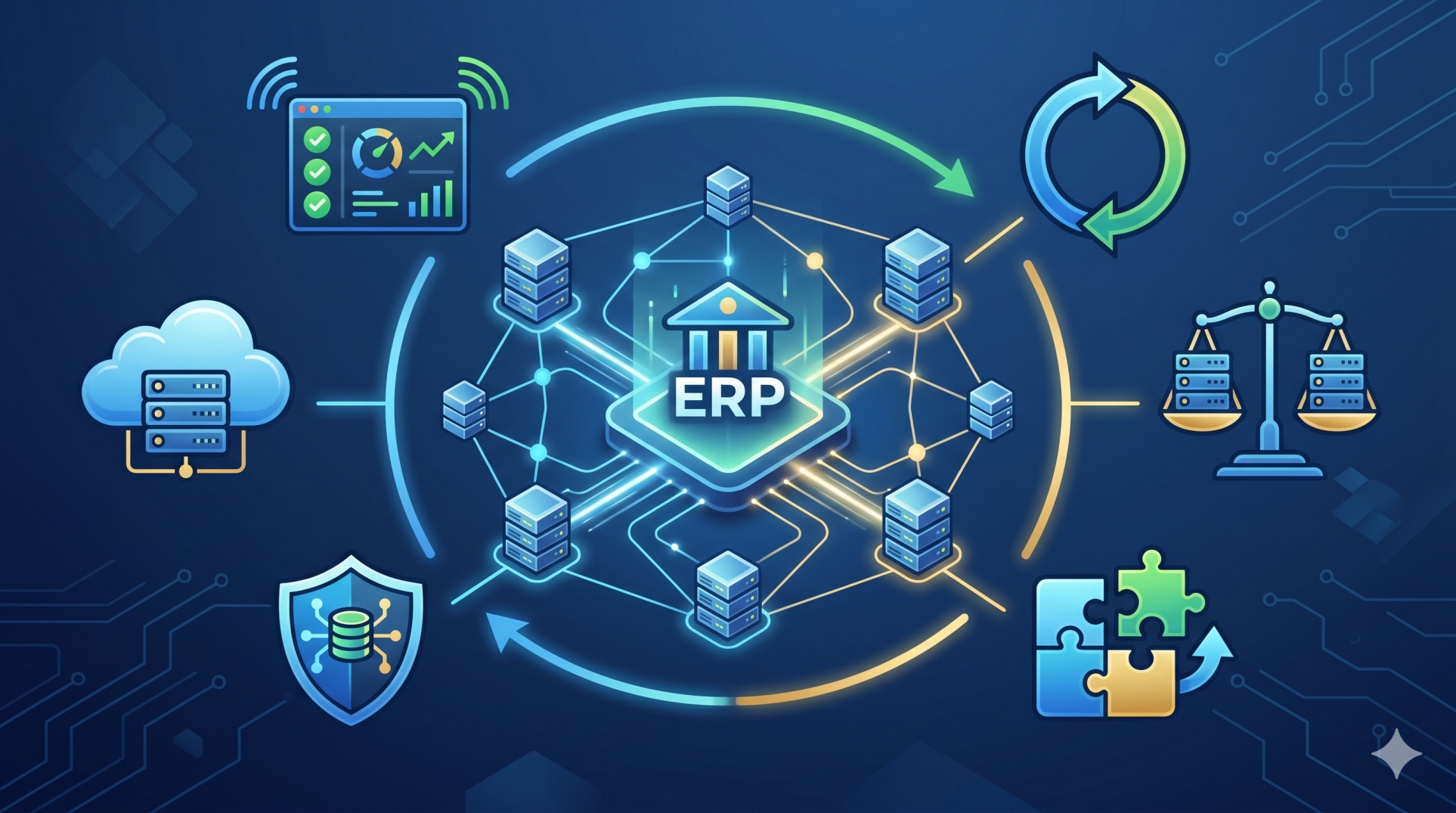
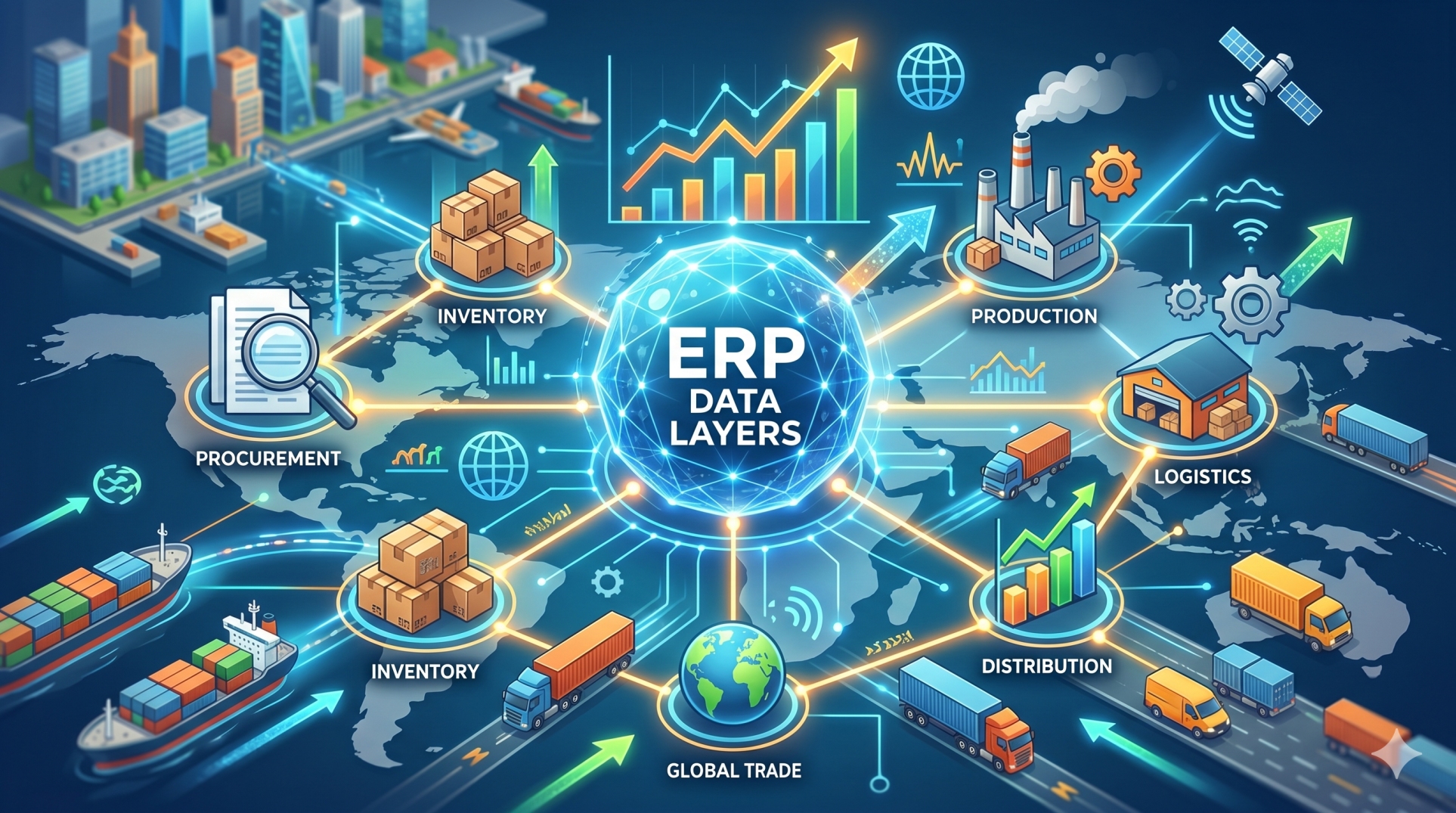
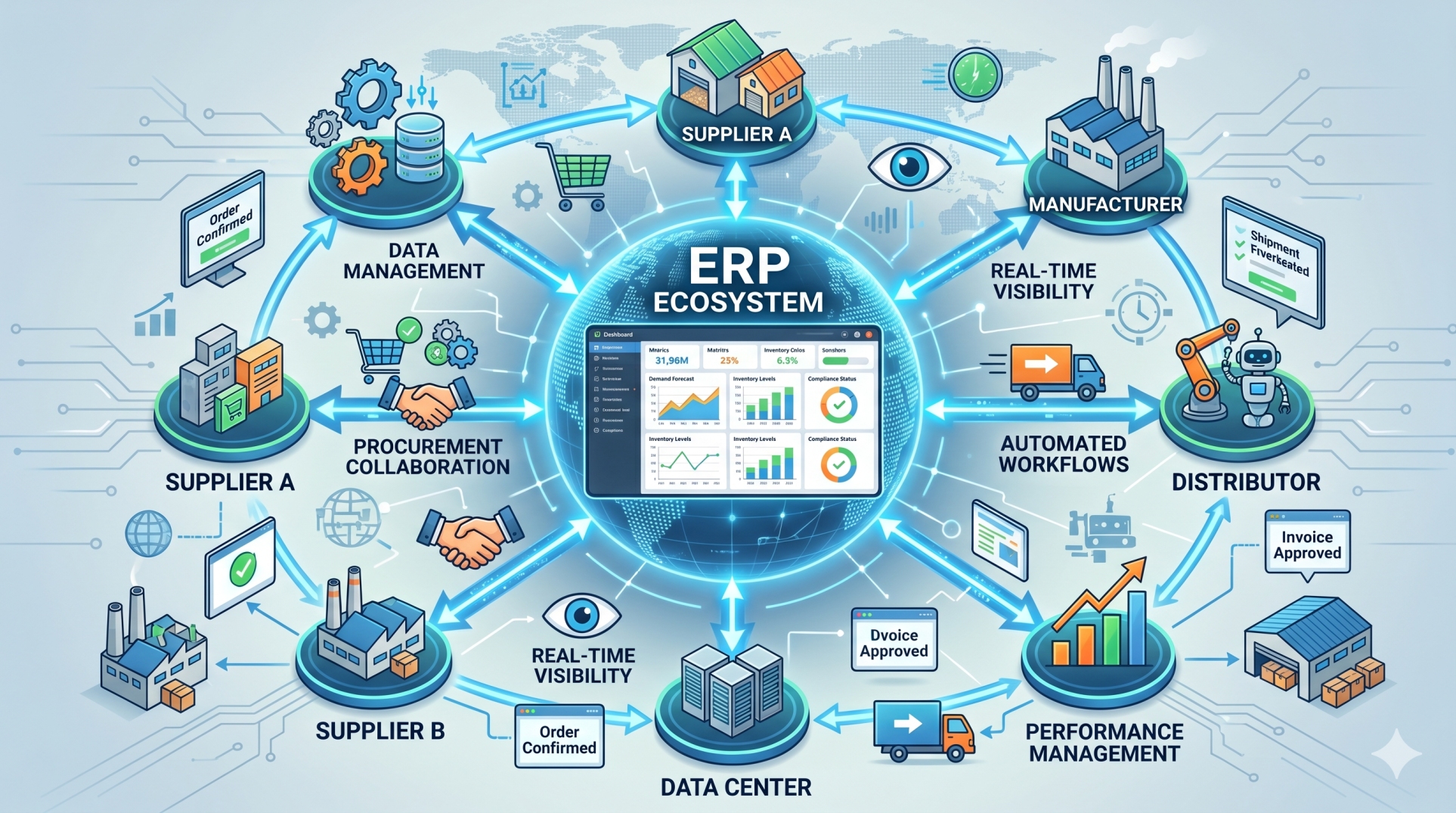
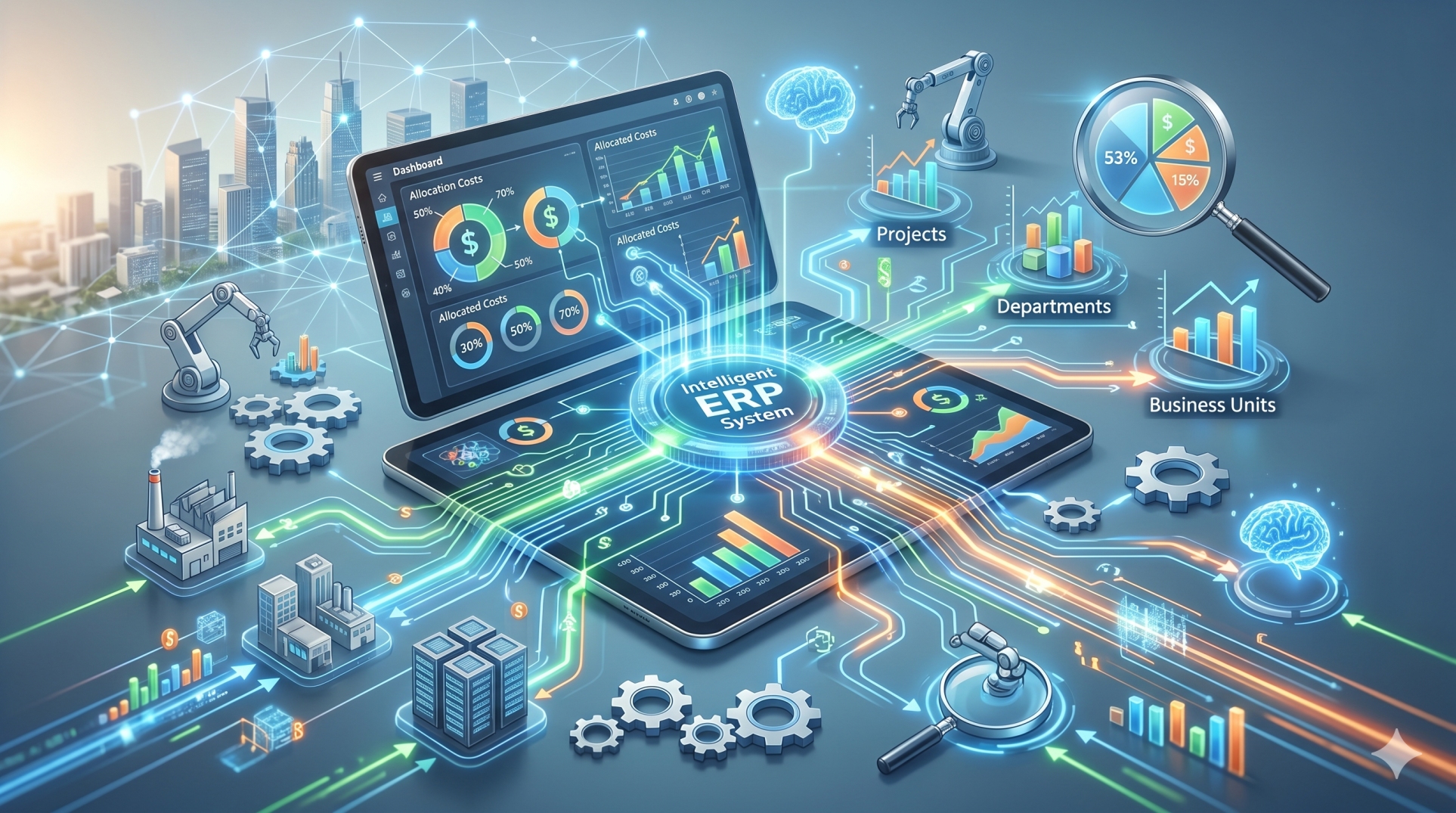
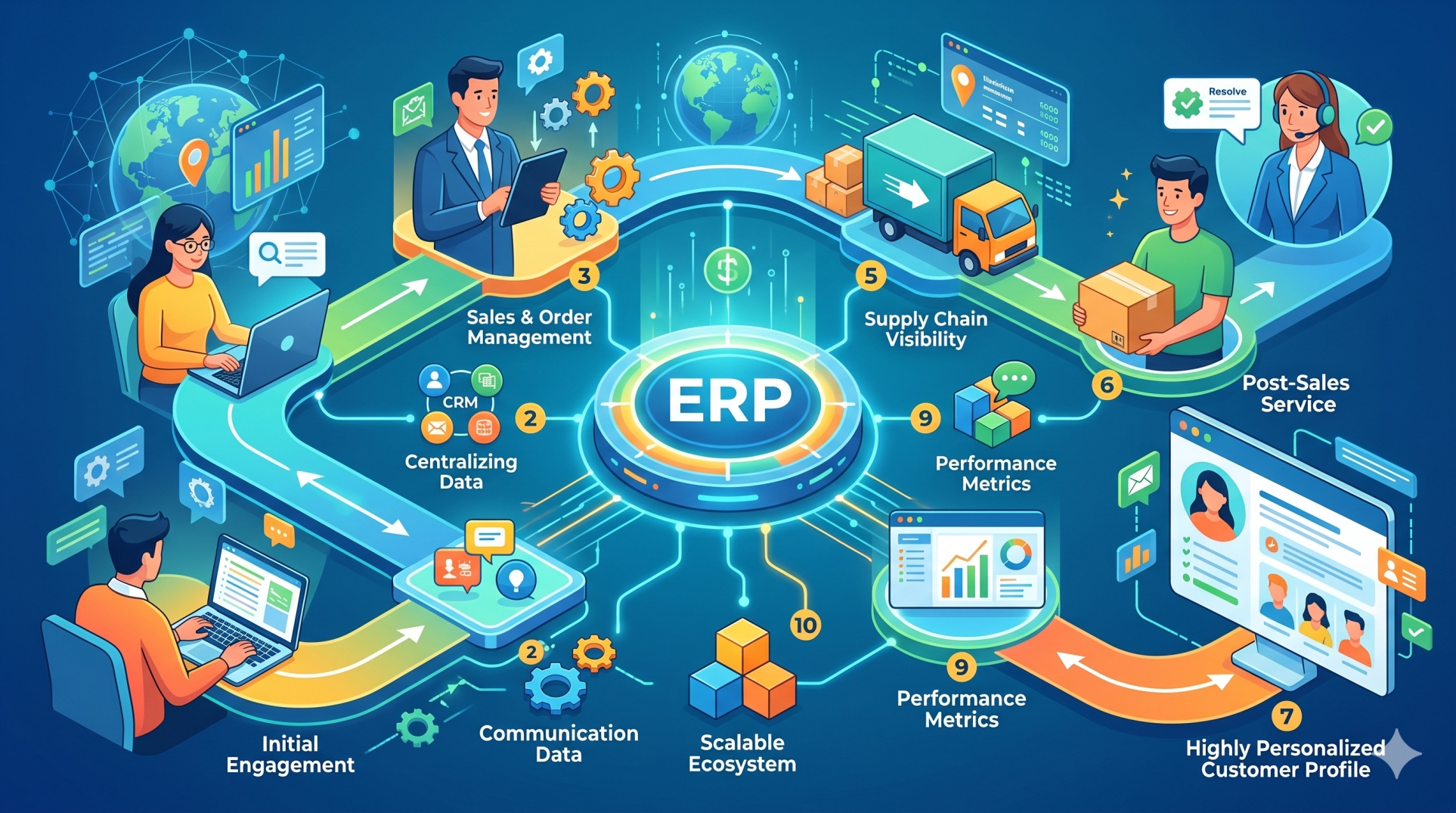
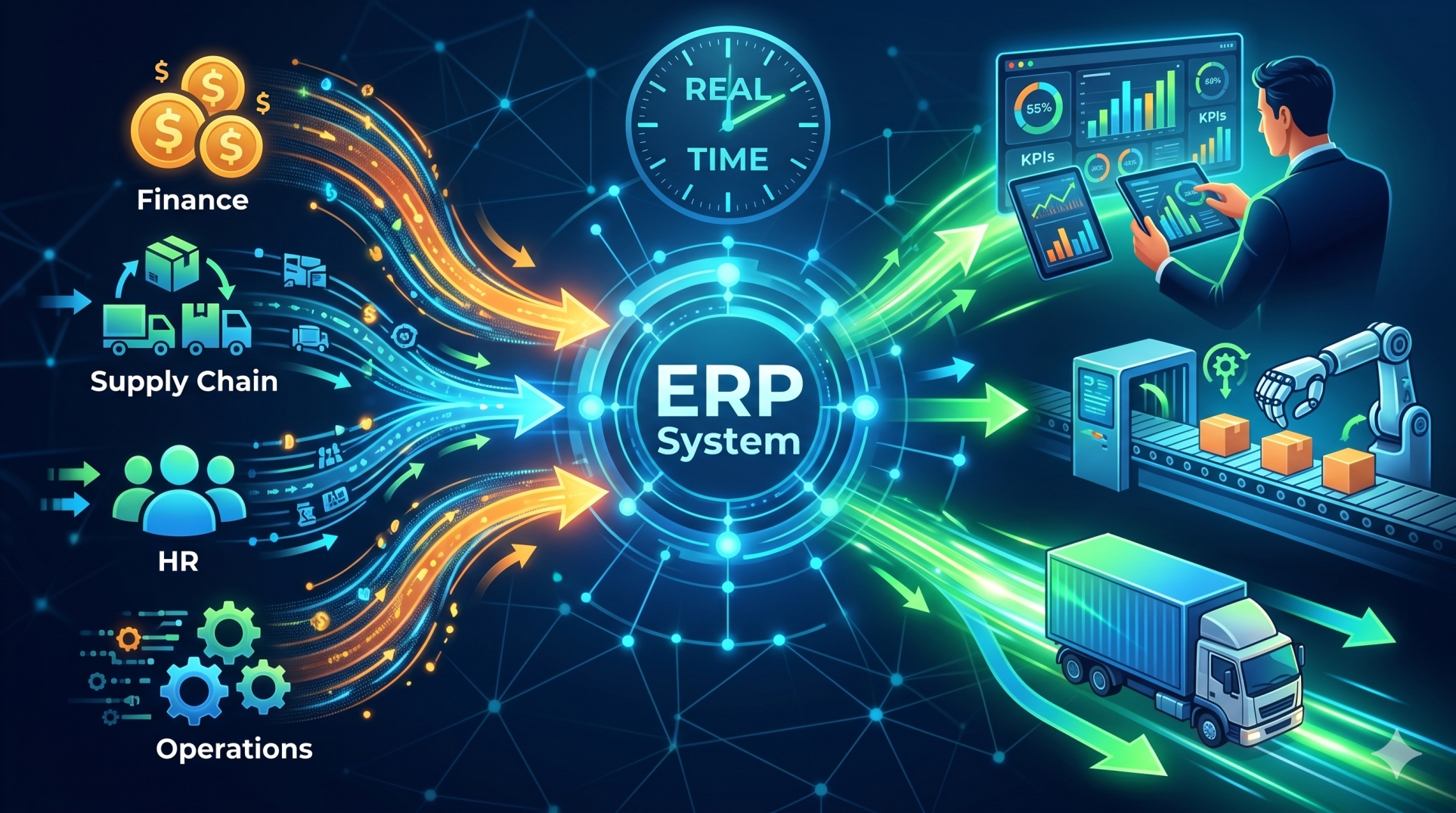
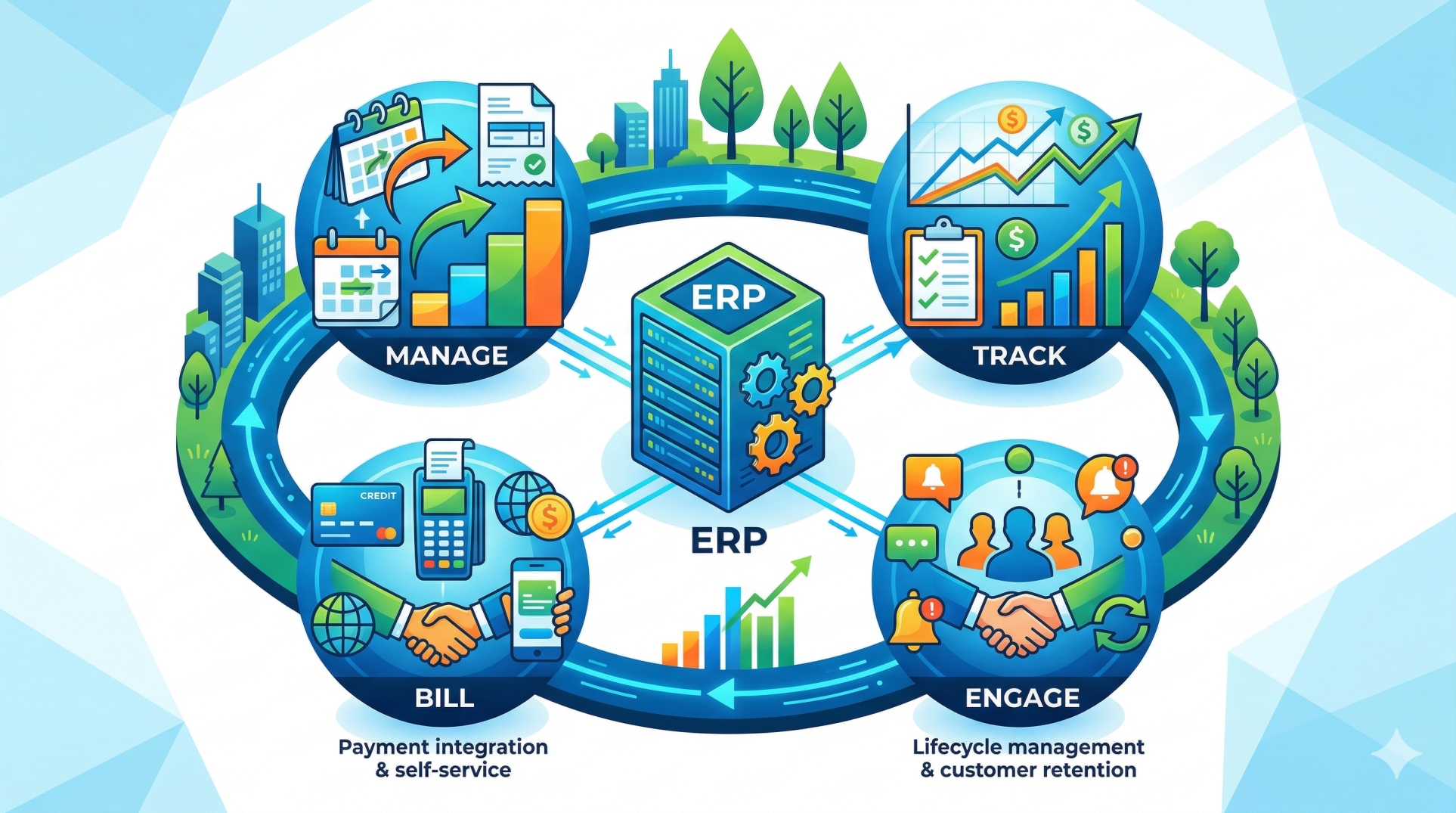
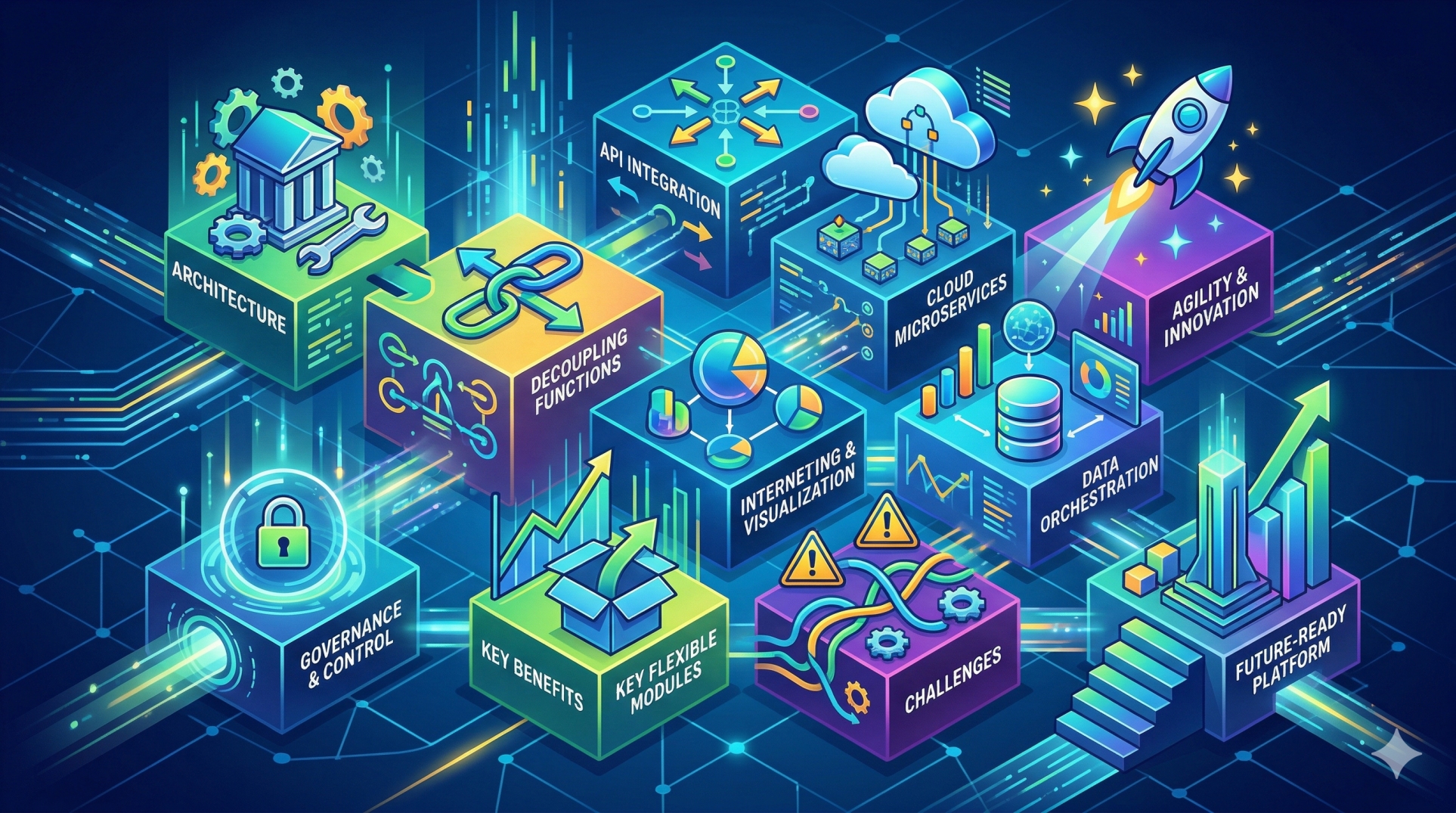
As ERP systems continue to evolve into flexible digital platforms, API marketplaces are emerging as a key enabler of integration, scalability, and innovation. Rather than building every capability in-house, organizations can leverage API ecosystems to extend functionality, connect services, and accelerate transformation initiatives. Within ERP environments, API marketplaces empower businesses to move faster while maintaining strong control over data, processes, and governance.
Step 1: Understanding API Marketplaces in ERP 🔍📦
• API marketplaces act as centralized platforms for discovering and consuming APIs 🧭📘
• Provide controlled access to ERP functionalities for internal teams and partners 🔐🤝
• Establish standardized methods for exposing and integrating services ⚙️📏
• Support modular and composable system architectures 🧩🏗️
• Encourage reuse of existing services across business units 🔄📊
Step 2: Extending ERP Beyond Core Functionality 🚀🧩
• Enable seamless integration with third-party tools and external services 🌐🔗
• Allow rapid addition of new capabilities without modifying core ERP systems ⚡🛠️
• Support industry-specific extensions and custom modules 🏭📦
• Reduce reliance on large-scale ERP upgrades ⛔📉
• Promote flexible and scalable architecture design 📈⚙️
Step 3: Accelerating Development and Innovation ⚡💡
• Developers can easily discover and consume ready-to-use APIs 🔍👨💻
• Minimize effort required to build integrations from scratch 🛠️⏳
• Encourage experimentation and fast prototyping 🧪🚀
• Enable parallel development across multiple teams 👥🔄
• Speed up delivery of new products and features 📦⚡
Step 4: Standardization and Governance 🏛️📏
• Define consistent API design and implementation standards 📐📘
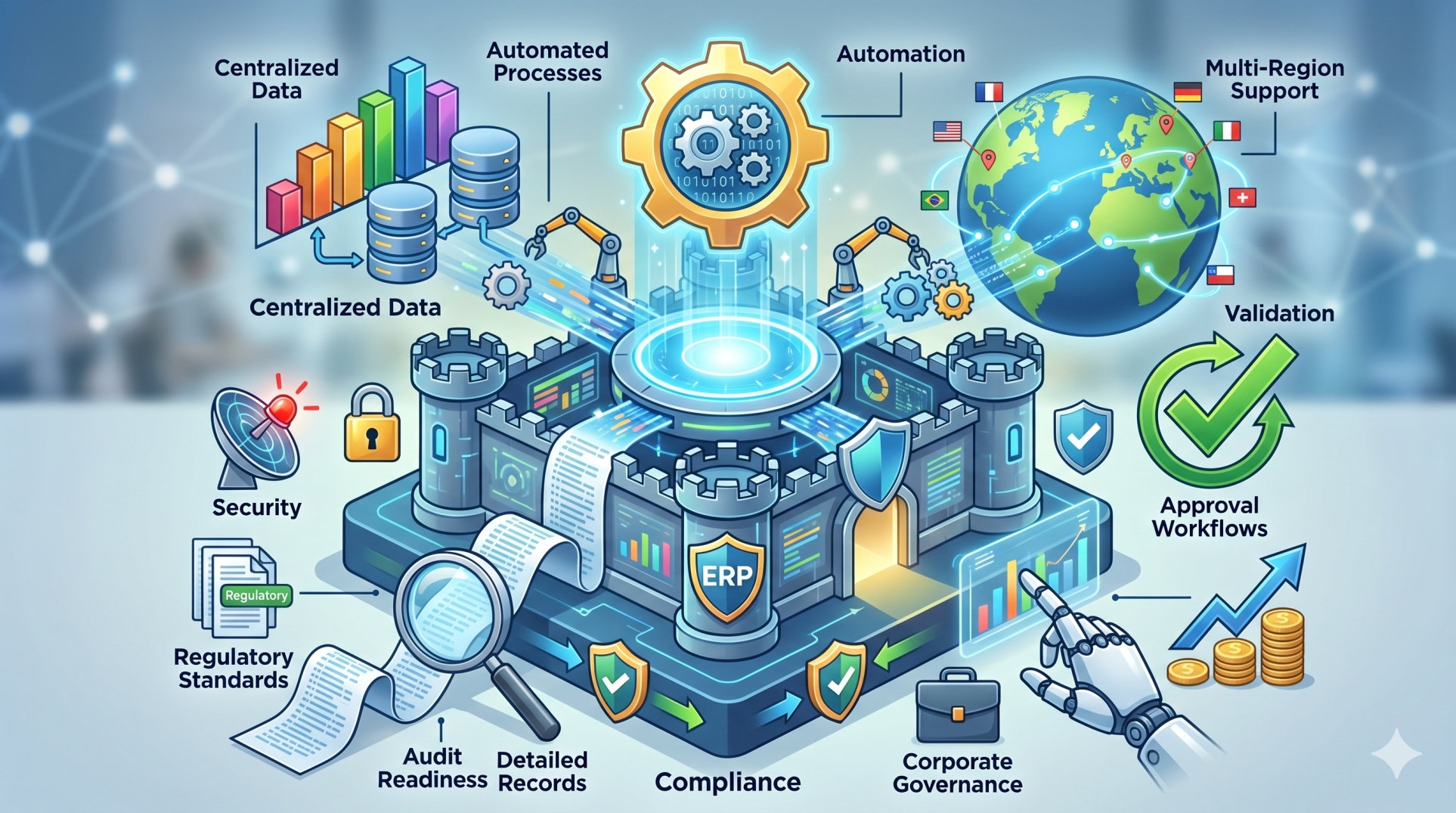
• Ensure secure access through authentication and authorization mechanisms 🔐✔️
• Provide monitoring and usage analytics across APIs 📊👀
• Maintain versioning and lifecycle management 🔄📅
• Reduce integration inconsistencies and operational risks ⚠️🧩
Step 5: Enabling Partner and Ecosystem Collaboration 🤝🌐
• Open ERP capabilities to partners, vendors, and developers 🔓👥
• Support collaborative solution development within the ecosystem 🧩💼
• Drive innovation through marketplace participation 🚀📦
• Expand business reach via integrations and partnerships 🌍🔗
• Strengthen partner engagement and value creation 🤝📈
Step 6: Monetization Opportunities Through APIs 💰📊
• Package and offer API-driven services as commercial products 📦💼
• Unlock new revenue streams from ERP capabilities 💡💵
• Support usage-based and subscription pricing models 📊🔄
• Enable tiered access levels for different customer segments 🪜👥
• Position ERP as a revenue-generating platform 🏢🚀
Step 7: Improving Integration Efficiency 🔗⚙️
• Simplify connectivity between ERP and external applications 🌐🔄
• Reduce dependency on custom point-to-point integrations ❌🔧
• Improve interoperability across systems and platforms 🧩📡
• Enhance performance through optimized API interfaces ⚡📈
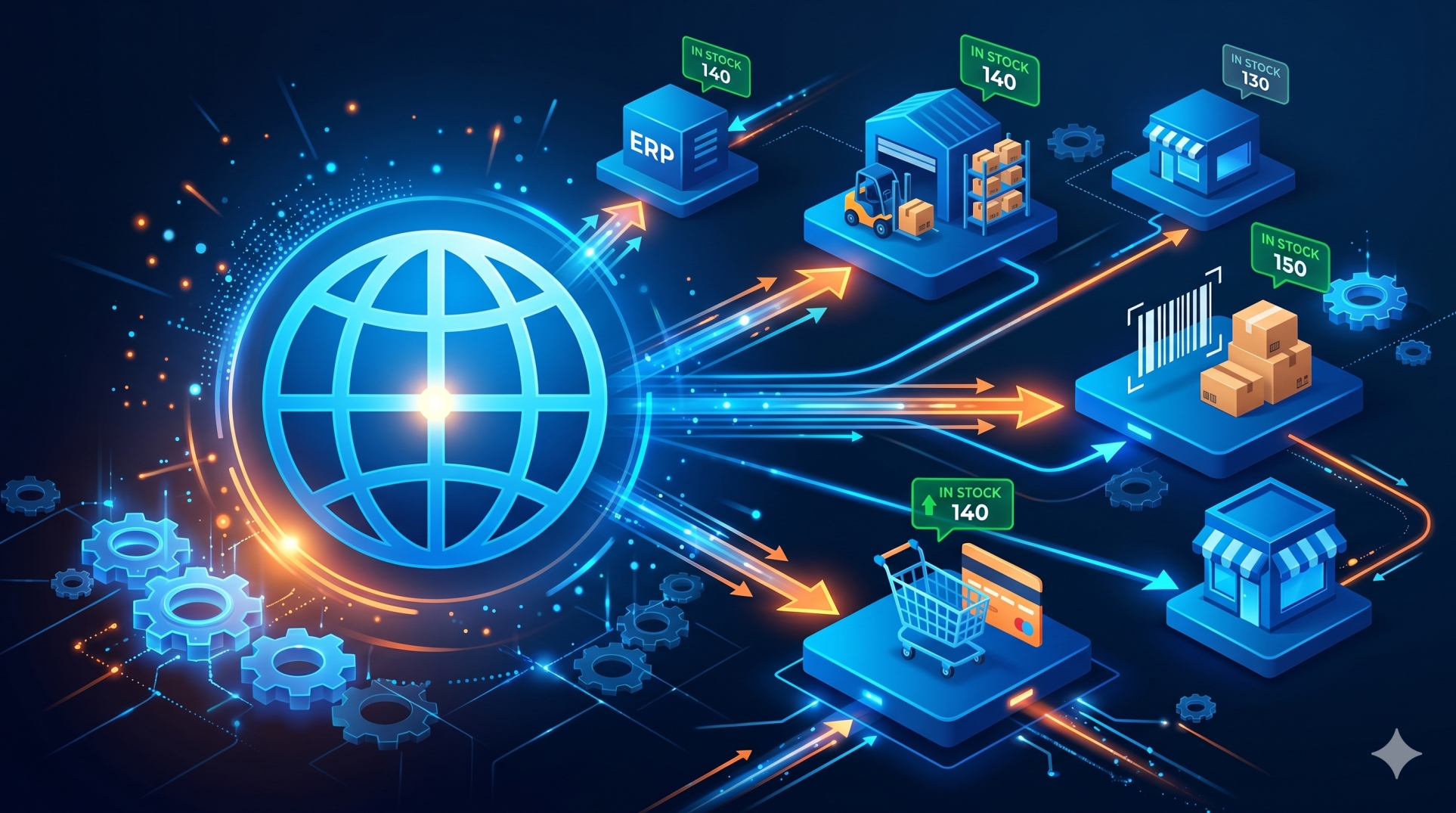
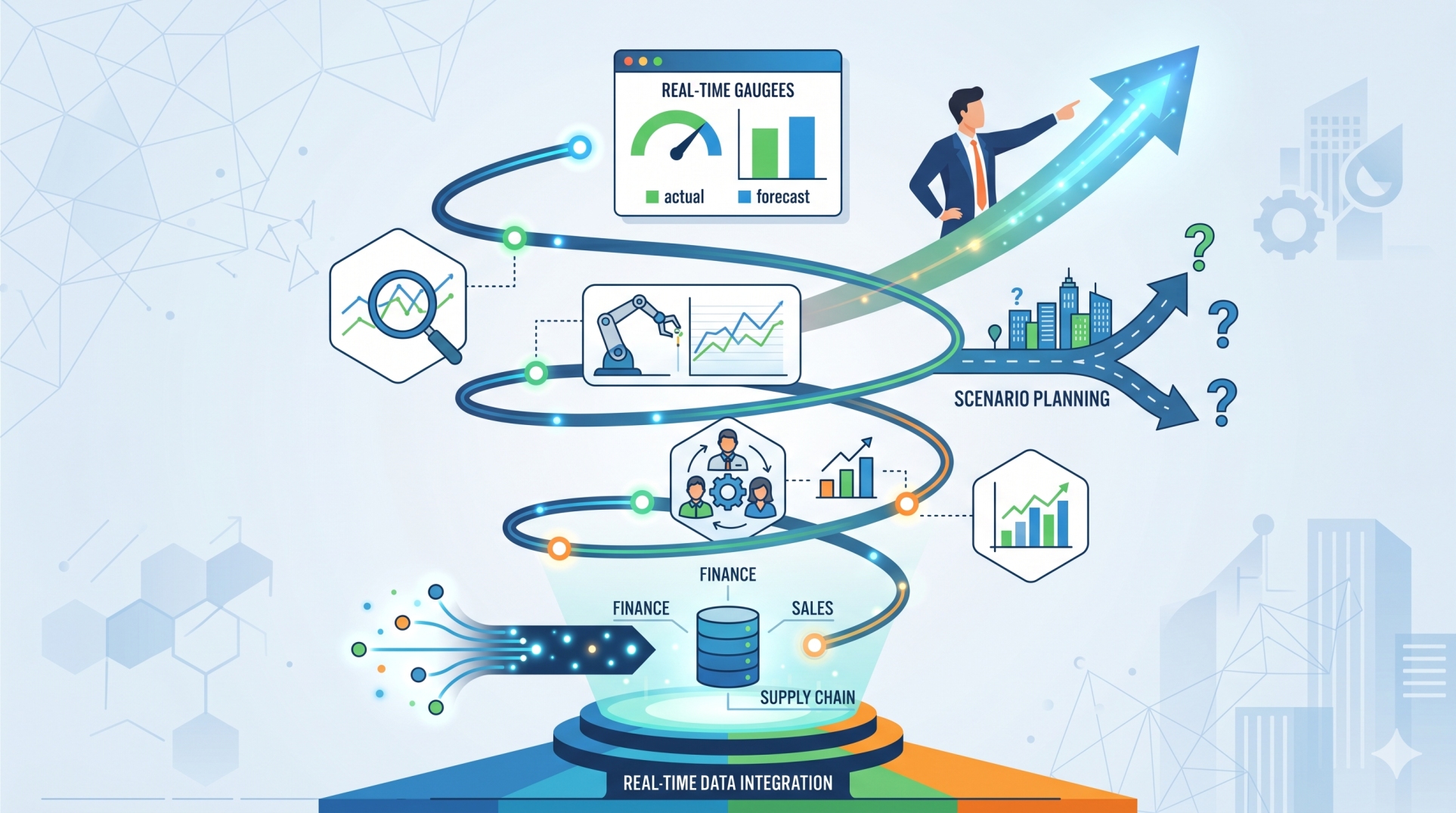
• Enable real-time data exchange across business systems ⏱️📊
Step 8: Key Strategic Benefits 📈🏆
• Accelerate time-to-market for new capabilities ⏳🚀
• Lower development and integration costs 💸📉
• Strengthen partner ecosystems and collaboration 🤝🌱
• Increase system flexibility and scalability 📊⚙️
• Unlock new business models and revenue opportunities 💡💰
Step 9: Security and Access Control 🔐🛡️
• Implement role-based and token-based authentication mechanisms 👤🔑
• Protect sensitive ERP data through controlled exposure 🛡️📂
• Monitor API usage for anomalies and potential threats 🚨👀
• Ensure compliance with data protection and regulatory standards ⚖️✔️
• Maintain detailed audit trails for all API activities 📜🔍
Step 10: API Marketplaces as a Platform Strategy 🧠🏗️
• Transform ERP into an open, extensible digital platform 🔓📦
• Support long-term digital transformation initiatives 🌐🚀
• Encourage innovation through external developer contributions 👨💻💡
• Align technology capabilities with evolving business needs 🎯📊
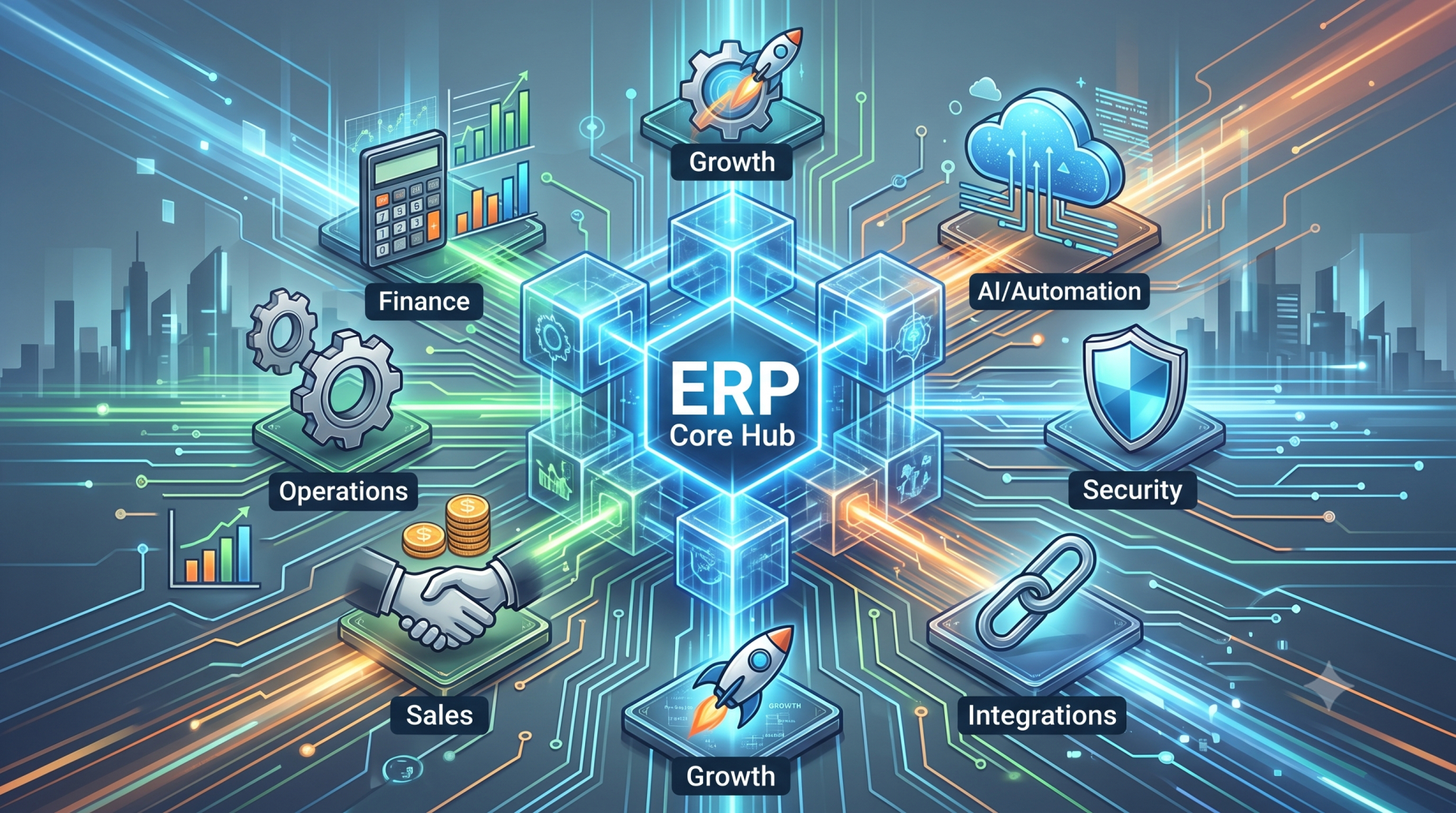
• Establish ERP as the central hub of the enterprise ecosystem 🏢🔗
Conclusion
API marketplaces are reshaping how ERP systems function by enabling openness, flexibility, and faster innovation. By exposing capabilities through well-governed APIs, organizations can extend their systems, collaborate more effectively with partners, and unlock new opportunities for growth. As platform-based strategies continue to gain momentum, API marketplaces will play a defining role in the future of ERP ecosystems.
See more blogs
You can all the articles below