Intelligent Demand Sensing Using ERP Platforms

In rapidly changing markets, traditional forecasting methods are often too slow to respond to real-time demand fluctuations. Intelligent demand sensing using ERP platforms enables organizations to analyze live operational data, customer behavior, and market signals to make faster and more accurate decisions. By combining ERP systems with advanced analytics and AI-driven insights, businesses can improve forecasting accuracy, optimize inventory, and respond proactively to shifting demand patterns.
Step 1: Understanding Intelligent Demand Sensing 📊
• Demand sensing uses real-time data to improve forecast accuracy ⚡
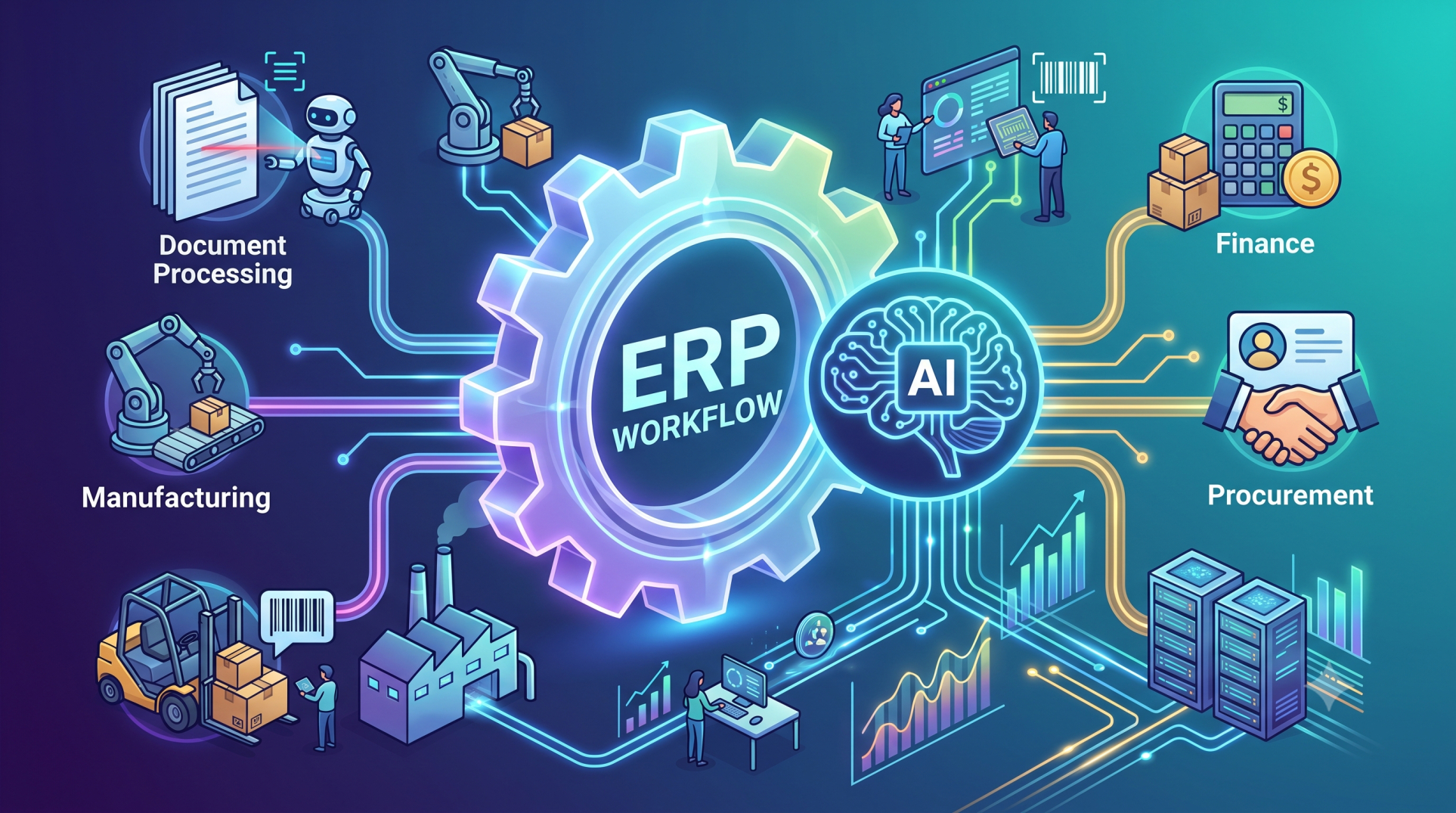
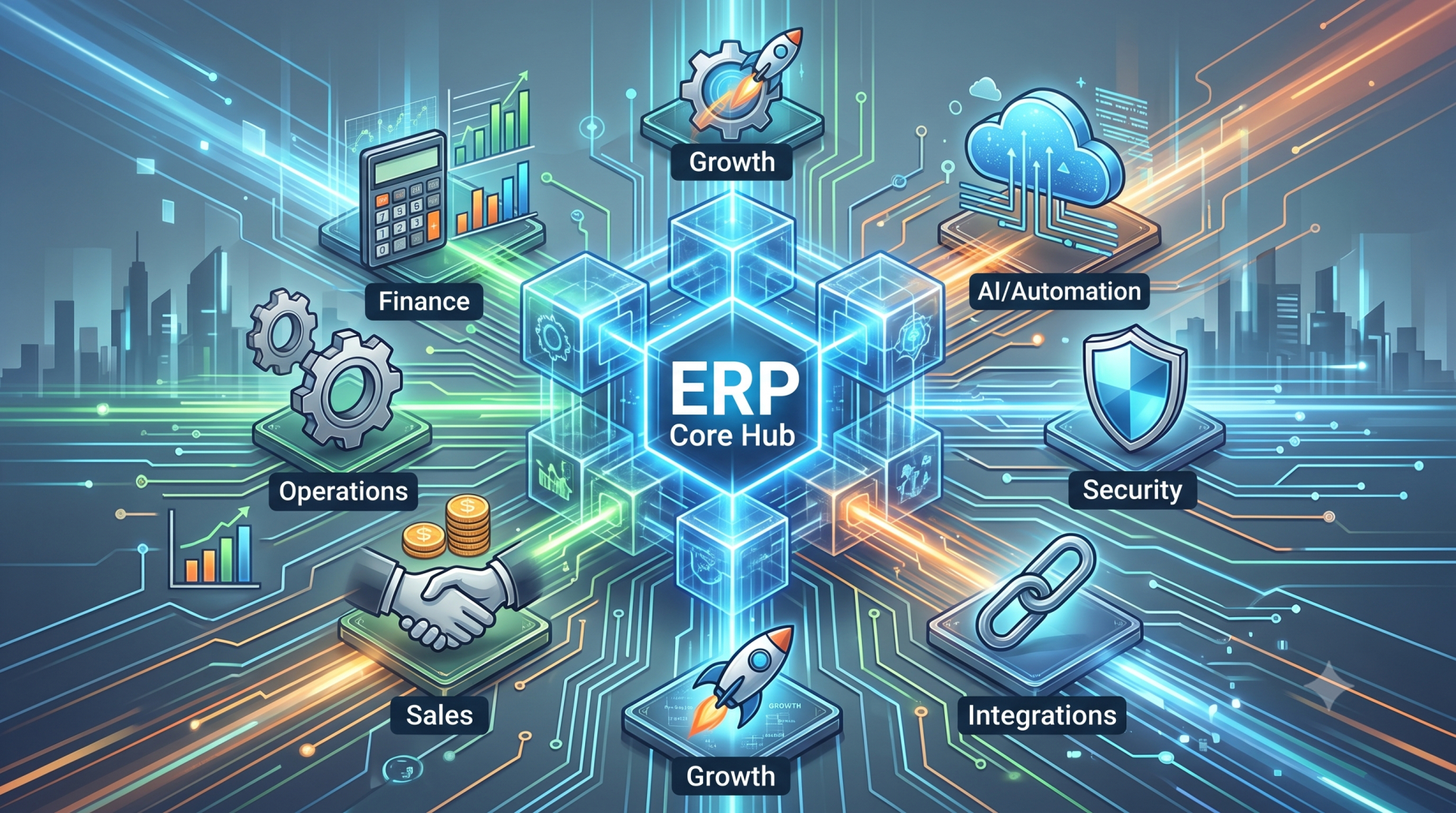
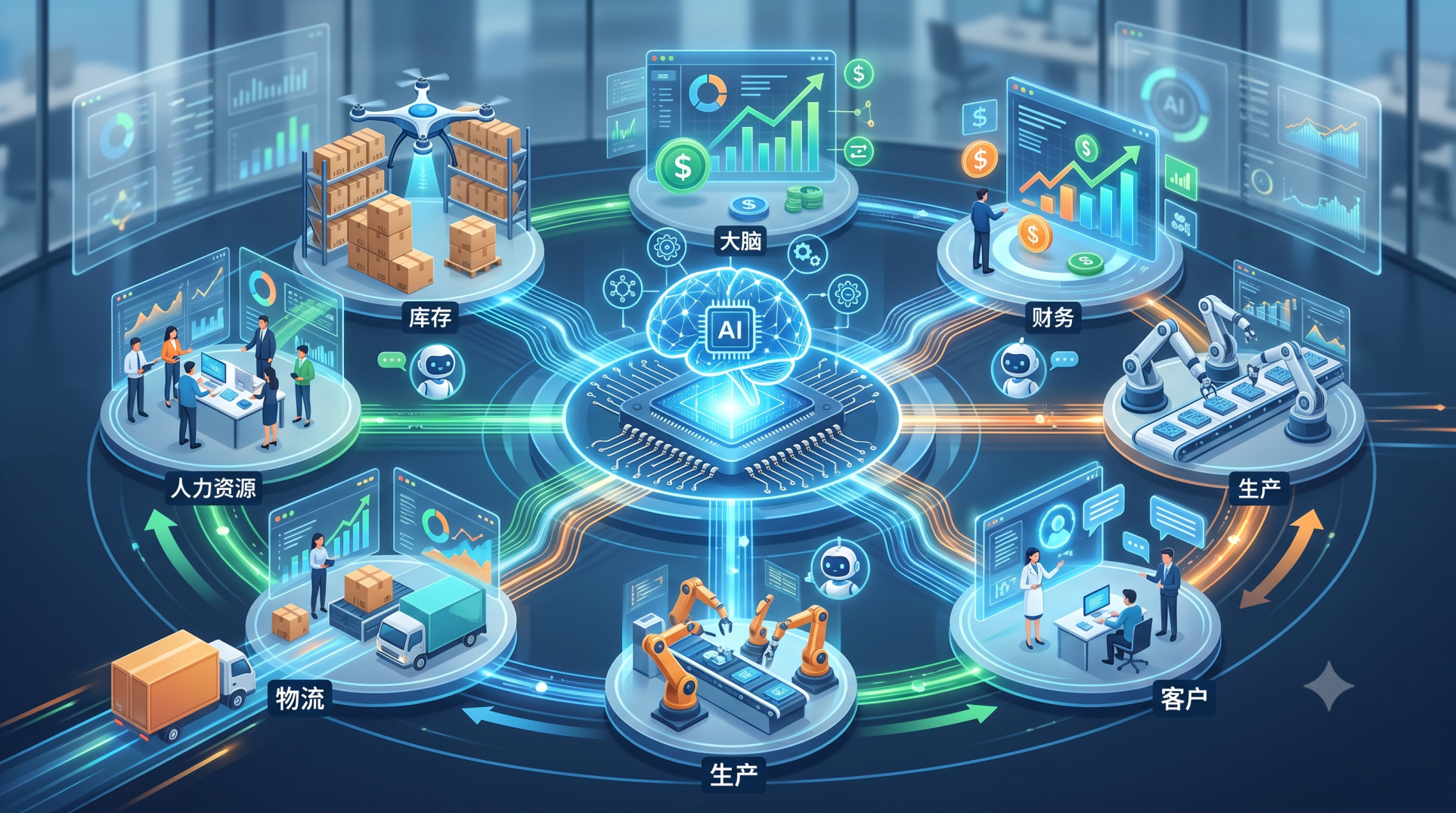
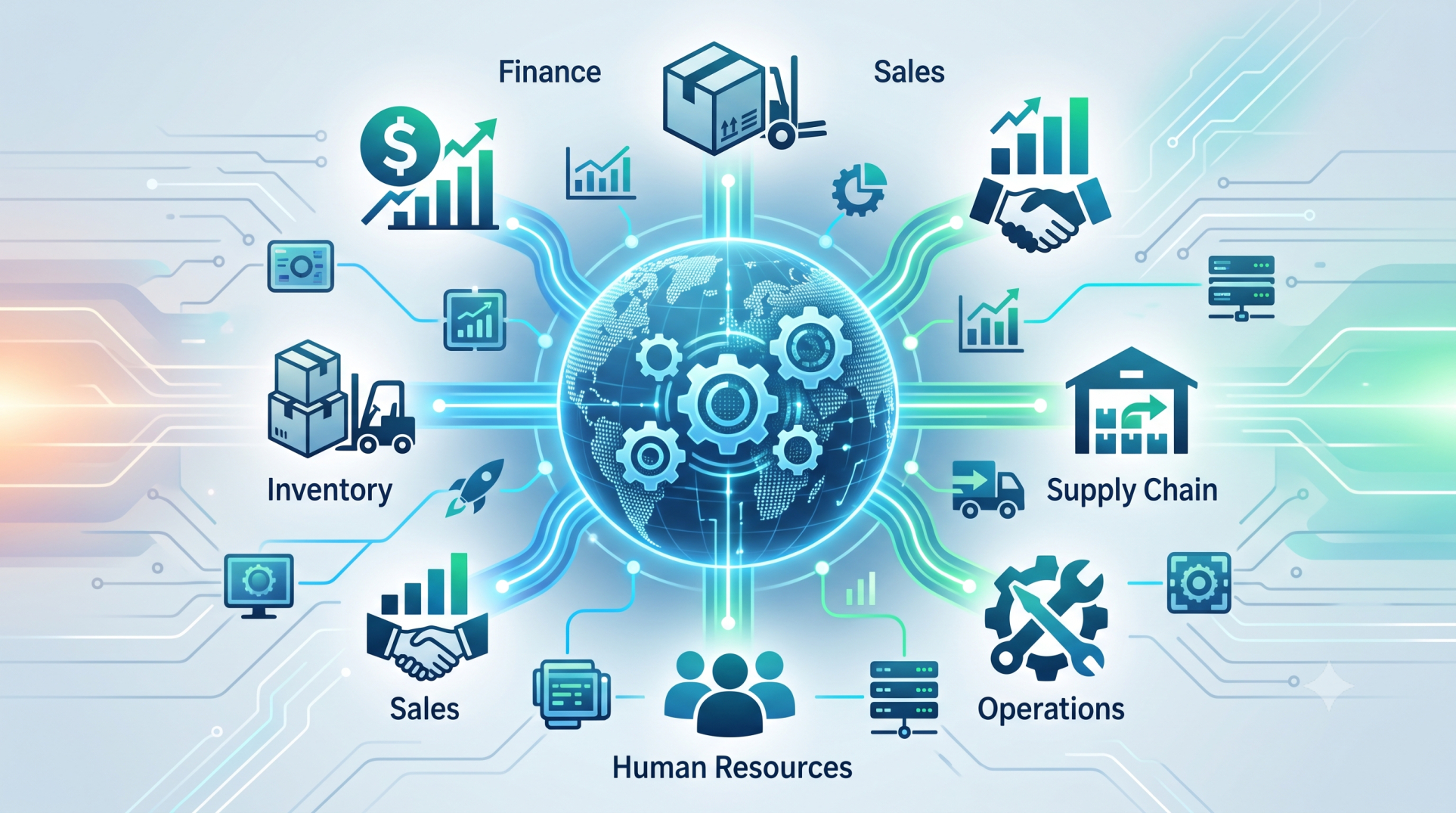
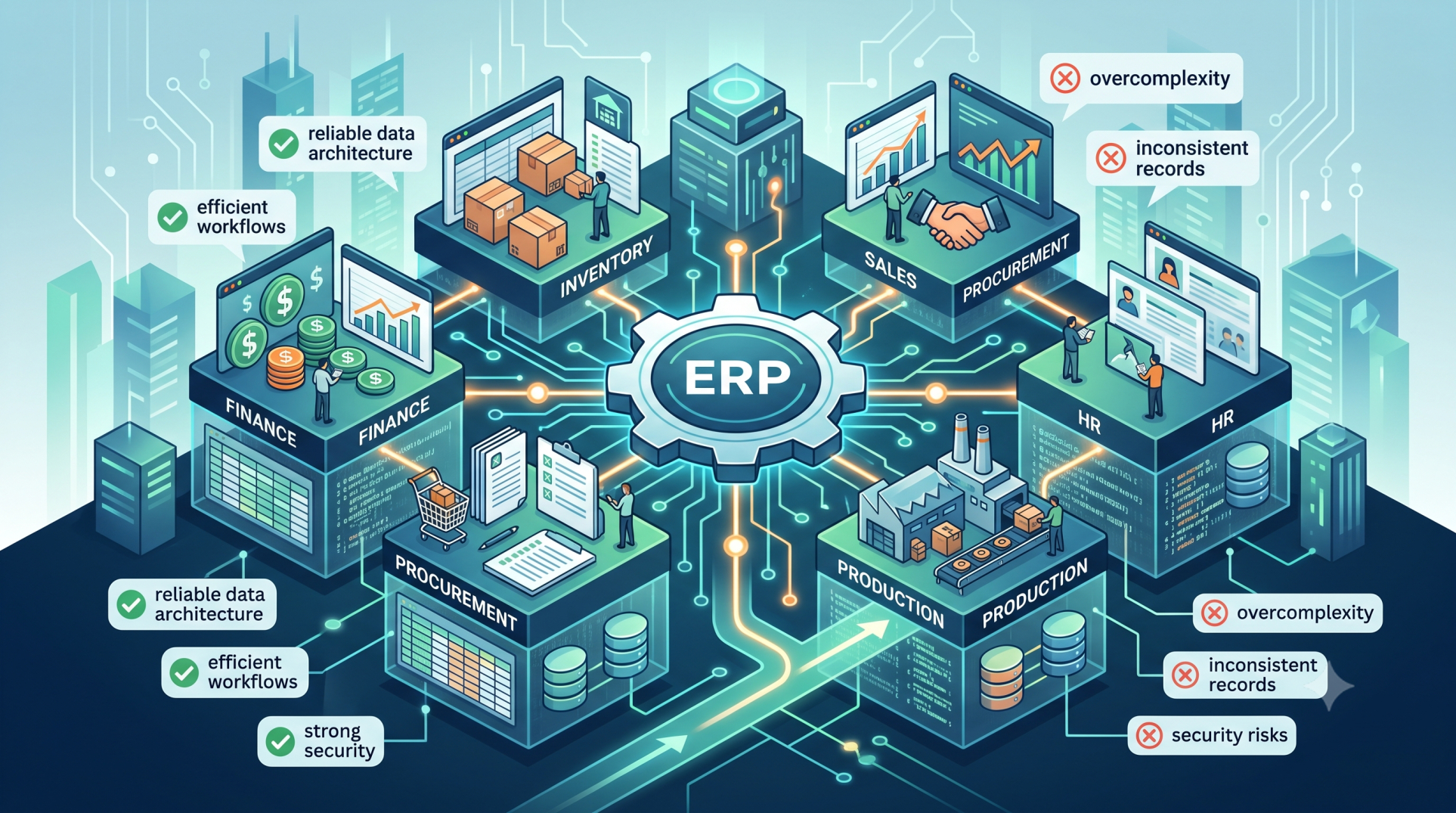
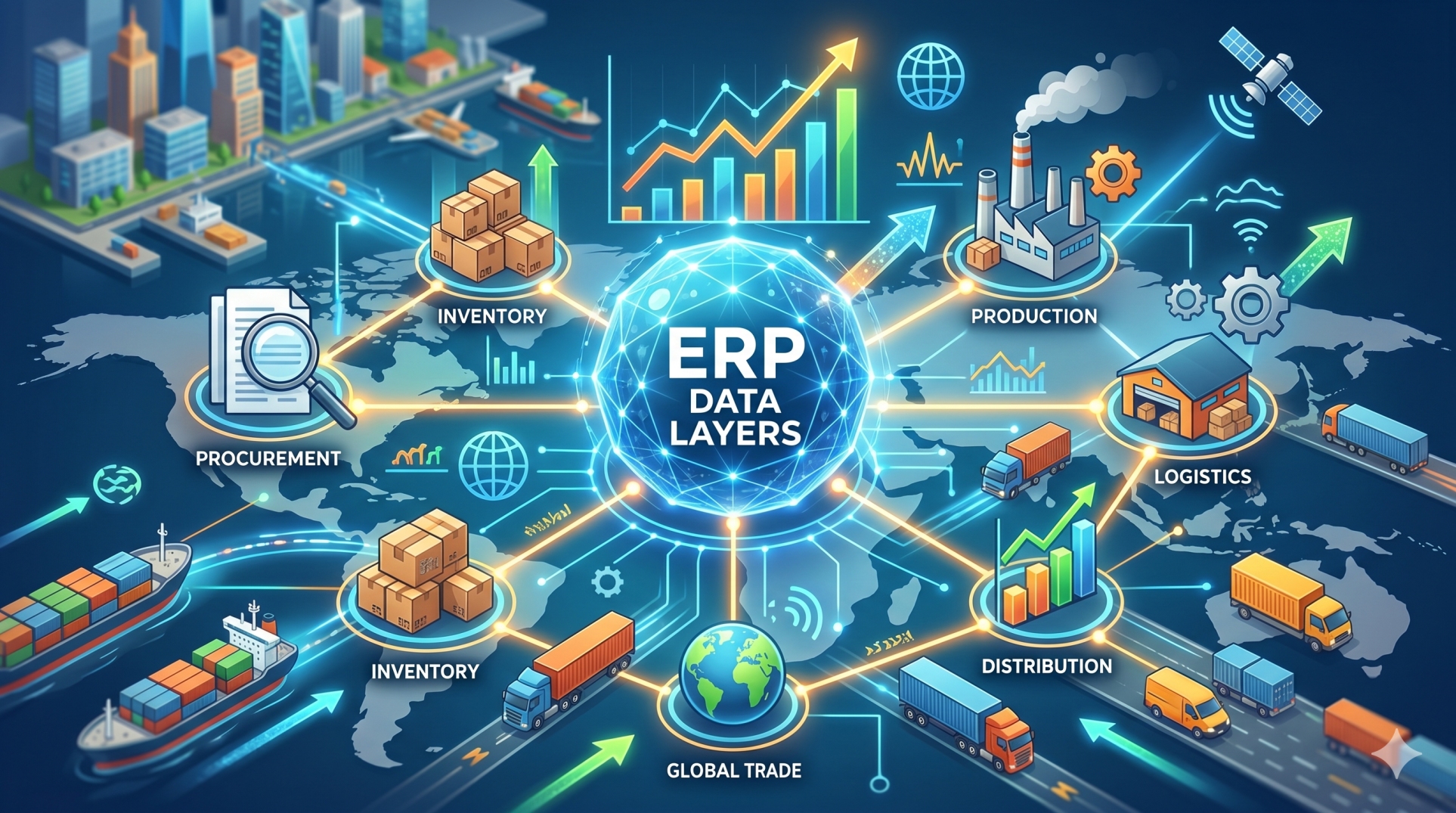
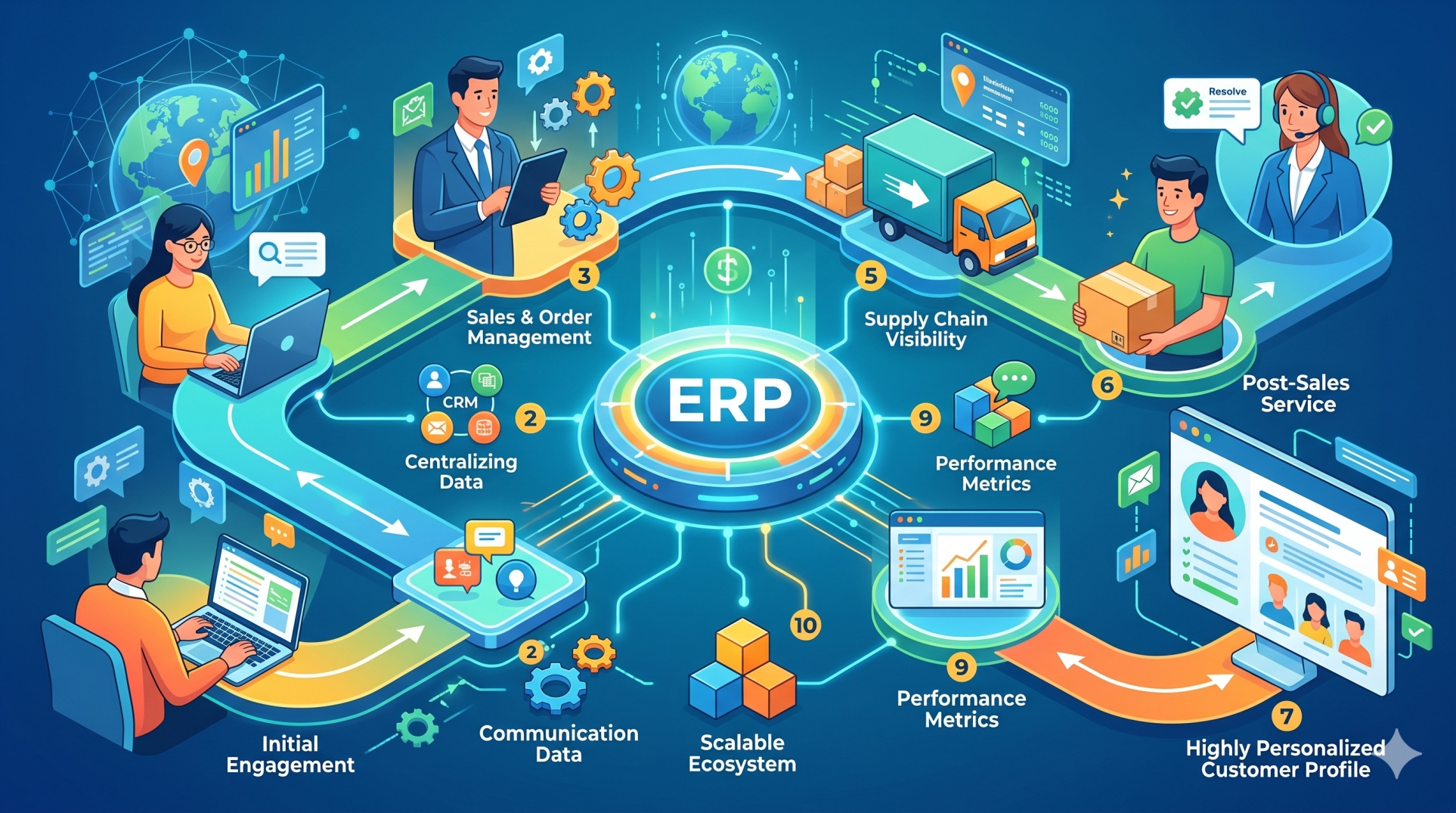
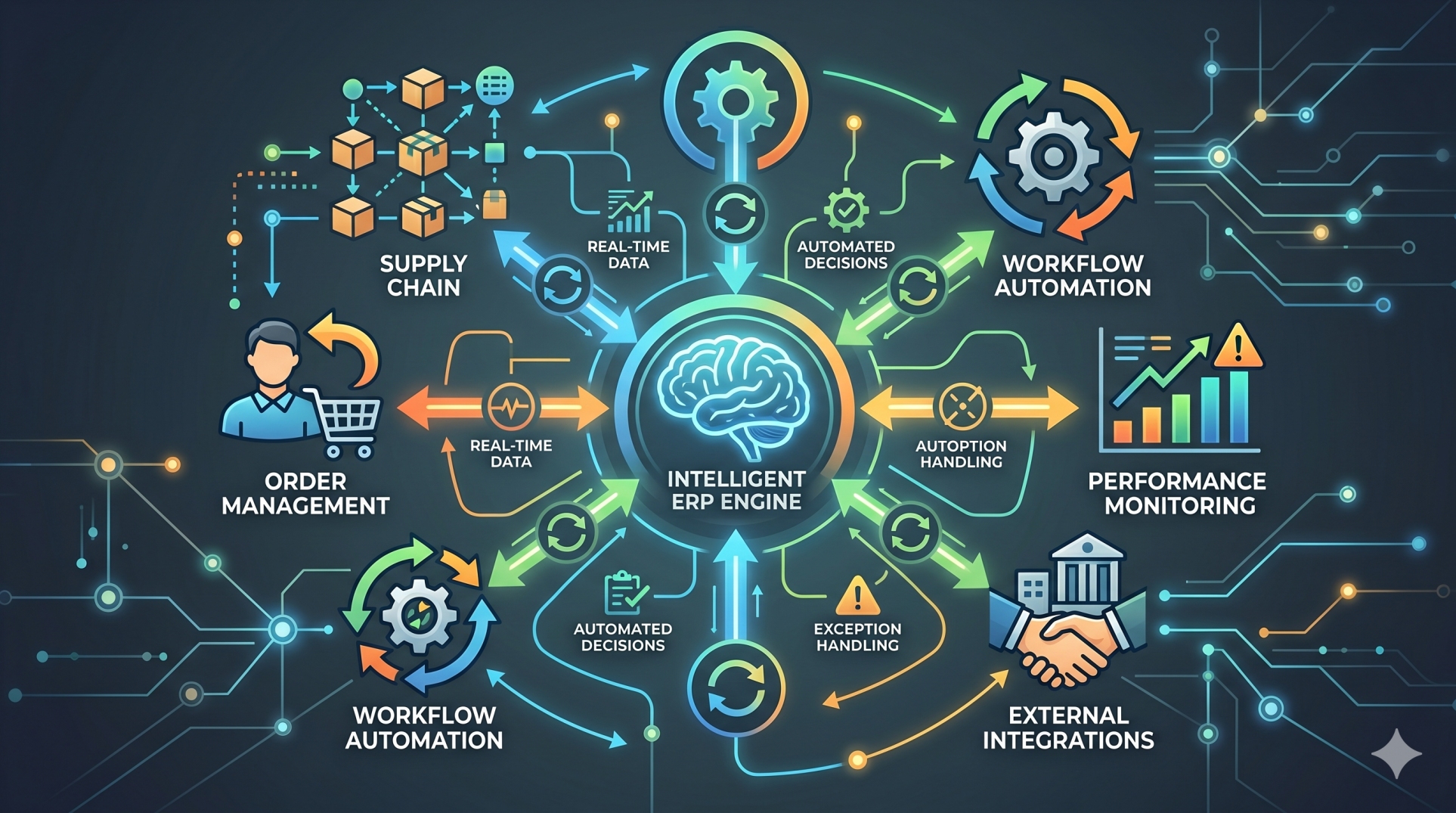
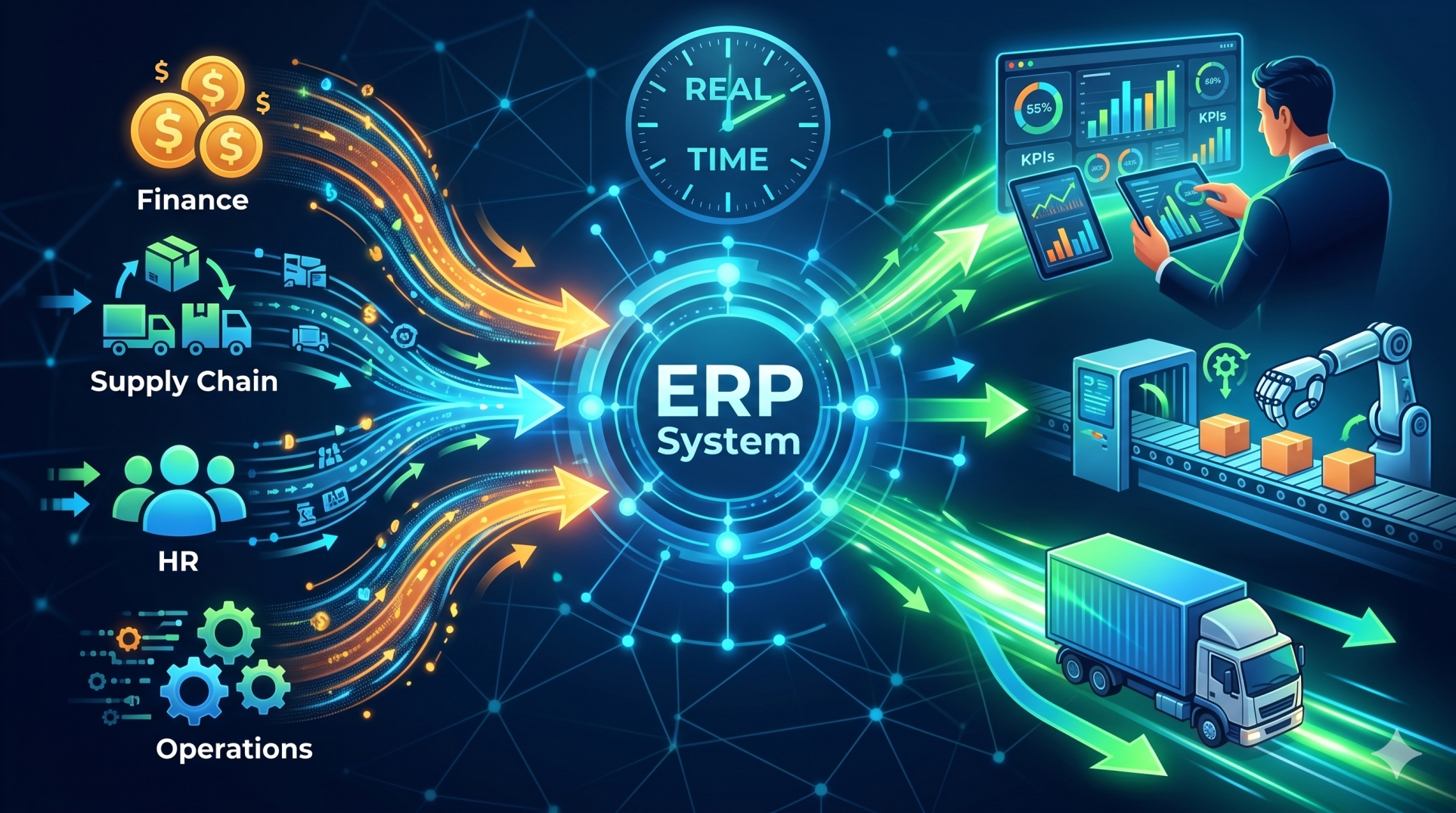
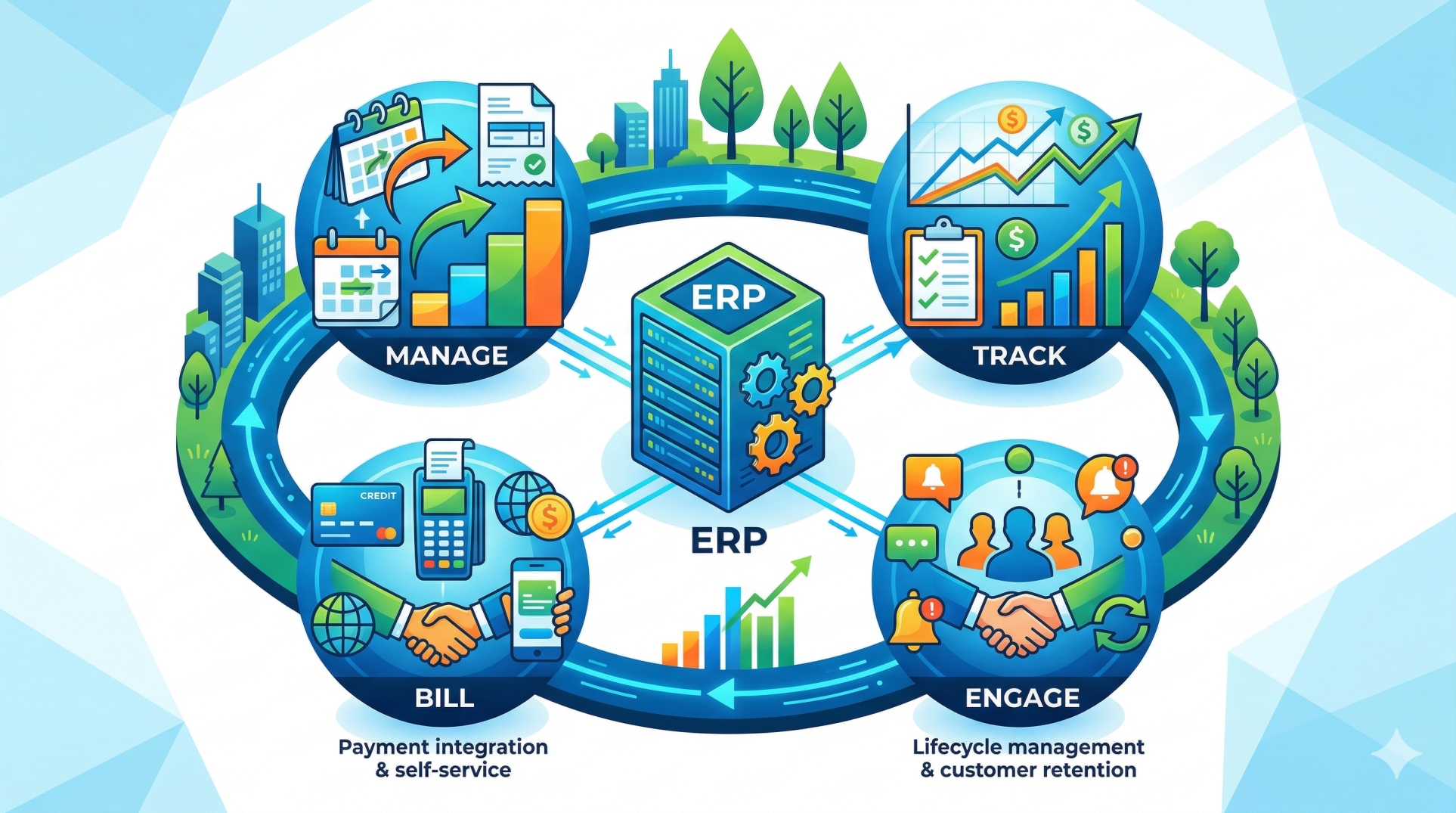
• ERP platforms act as centralized hubs for operational intelligence 🧠
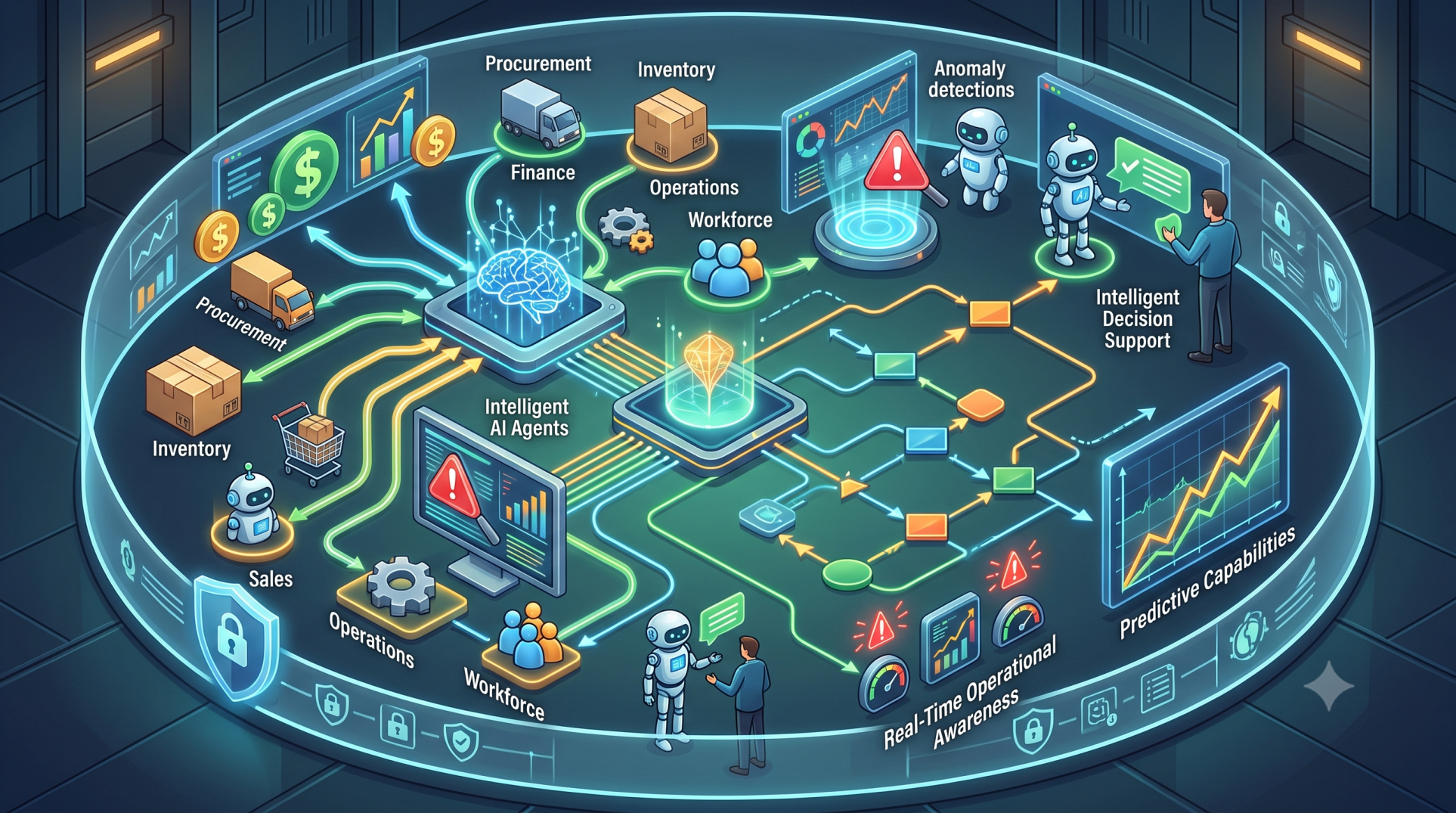
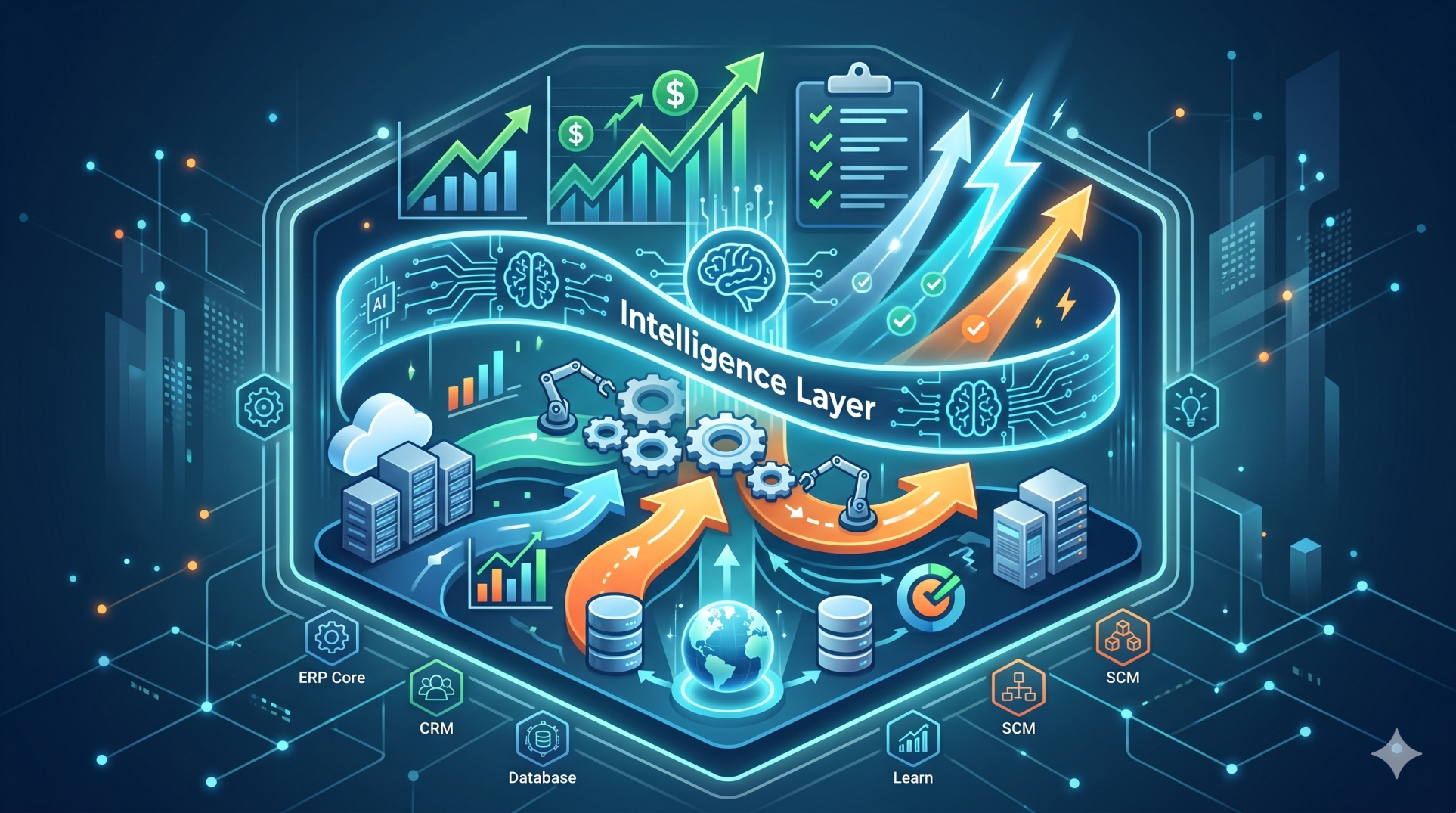
• AI and analytics help detect short-term demand fluctuations 🤖
• Businesses can respond faster to market changes and disruptions 🔄
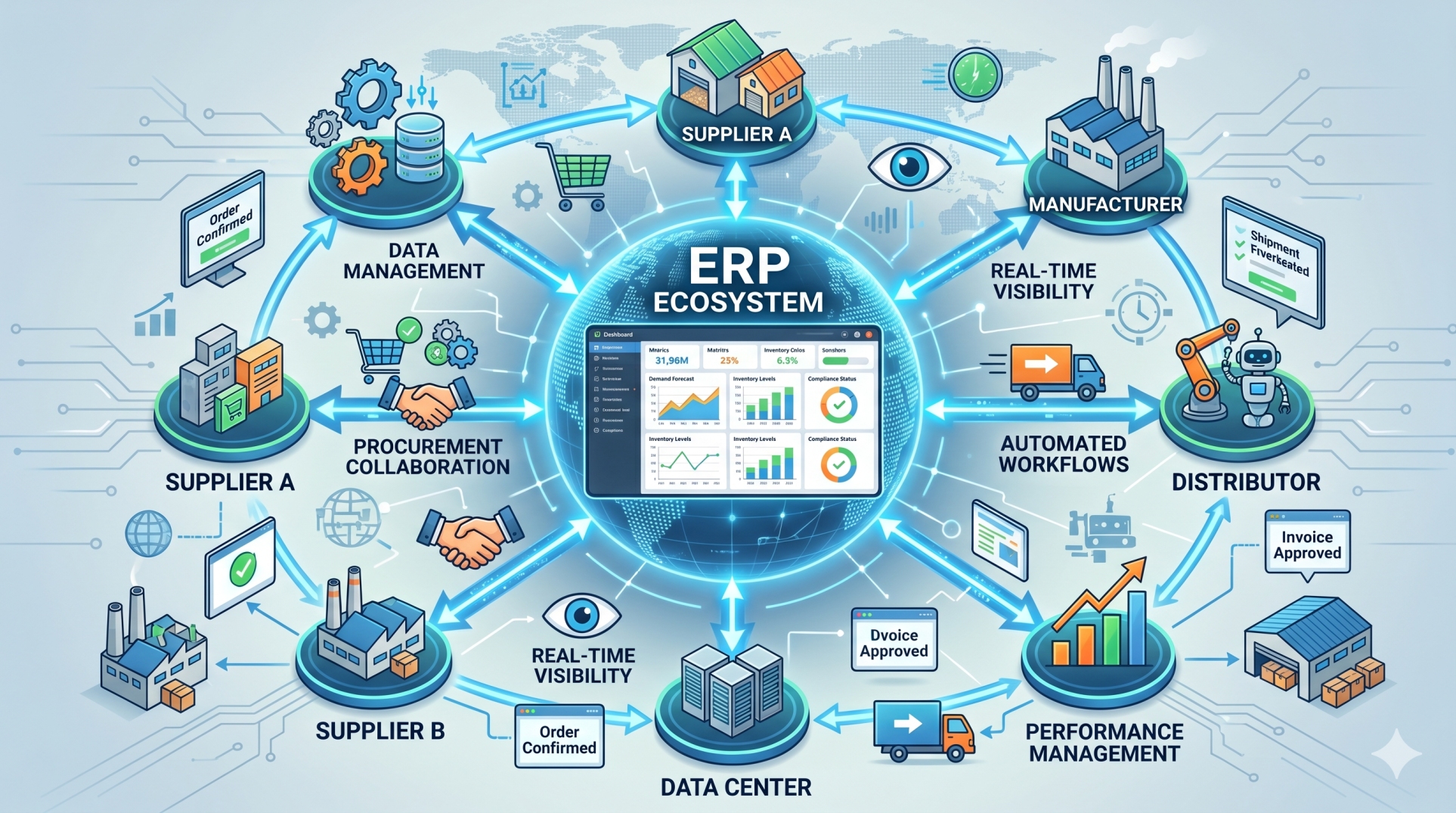
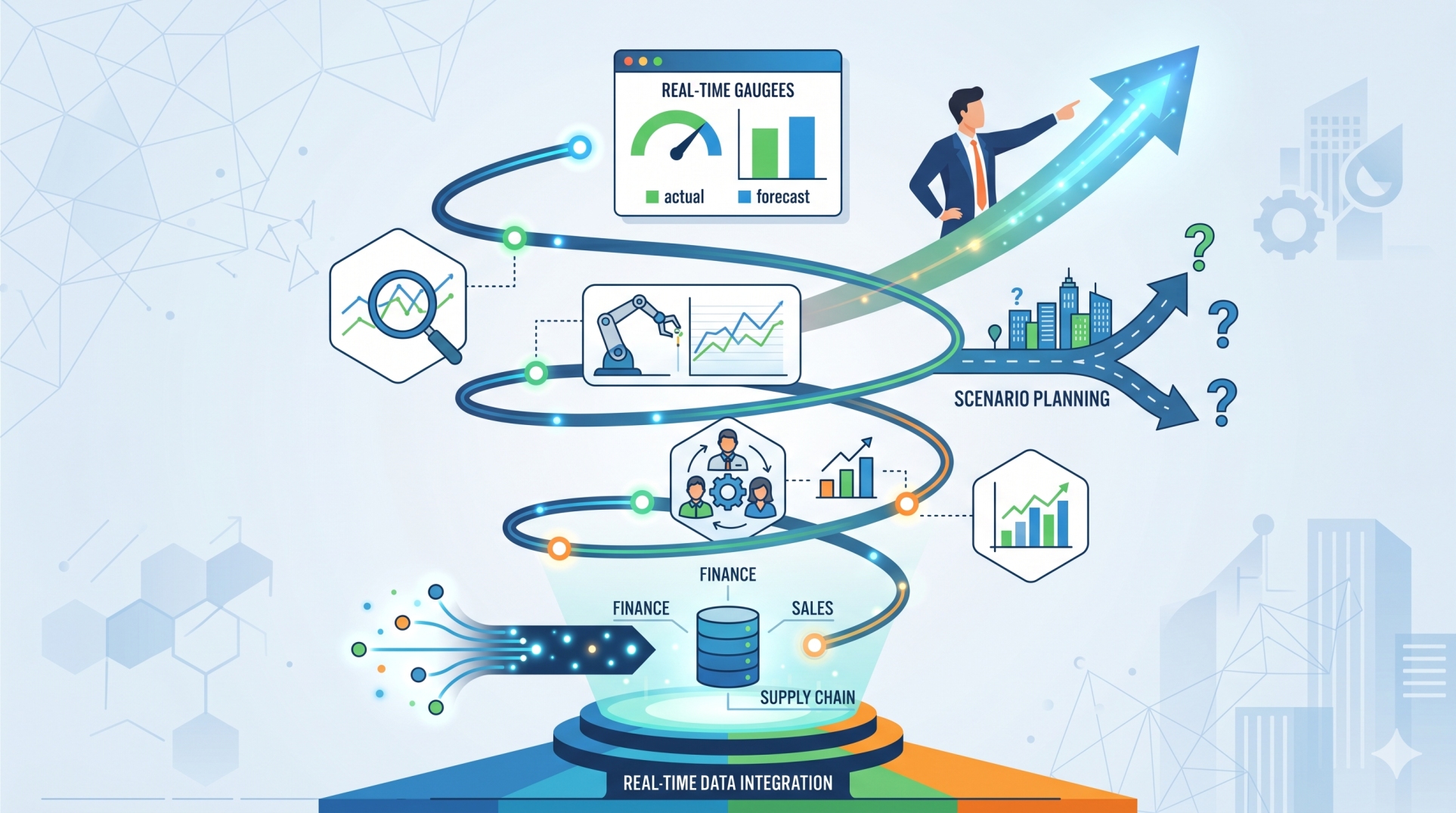
• Real-time visibility improves planning and decision-making 👁️
Step 2: Integrating Real-Time Data Sources 🔗
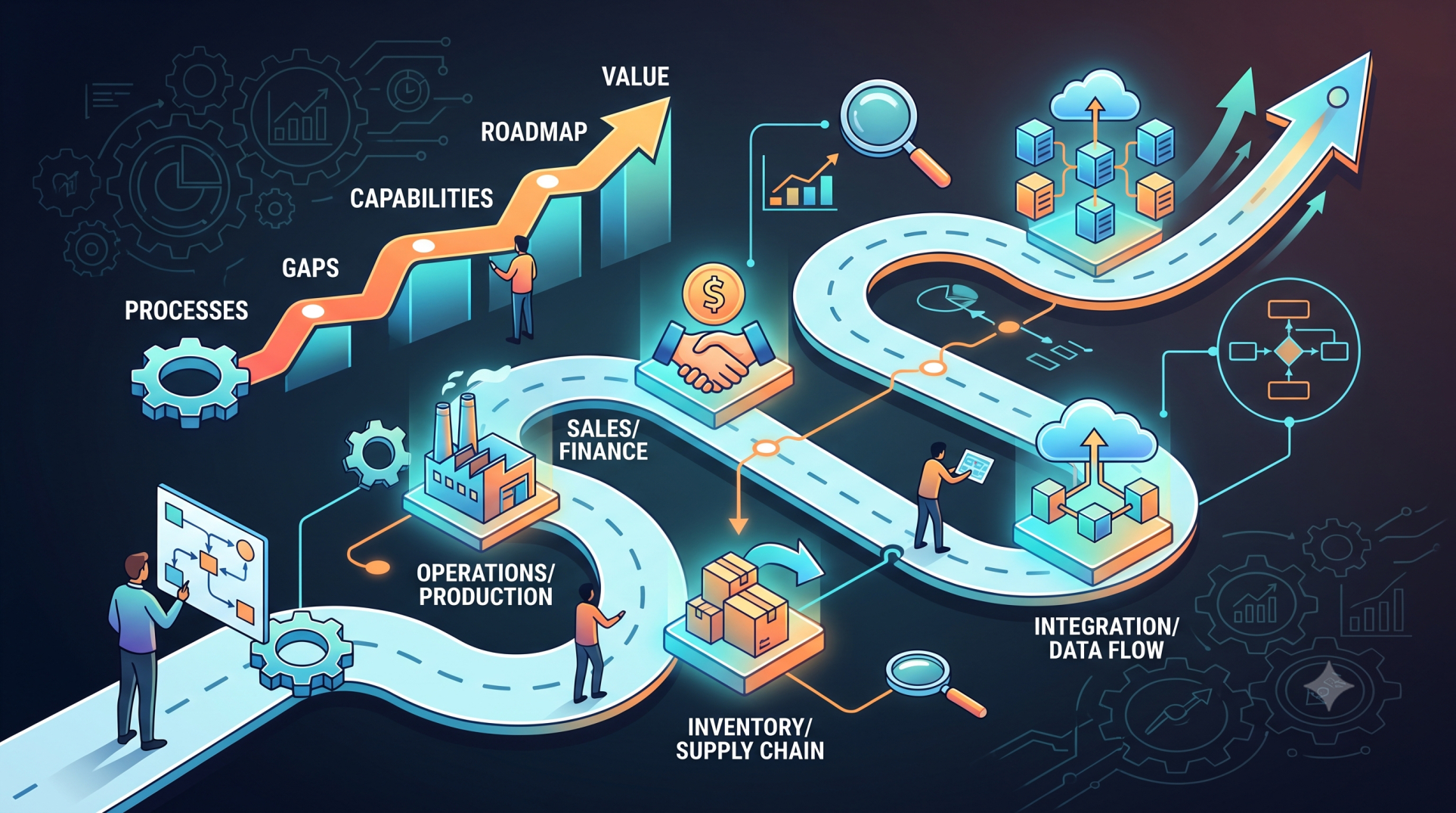
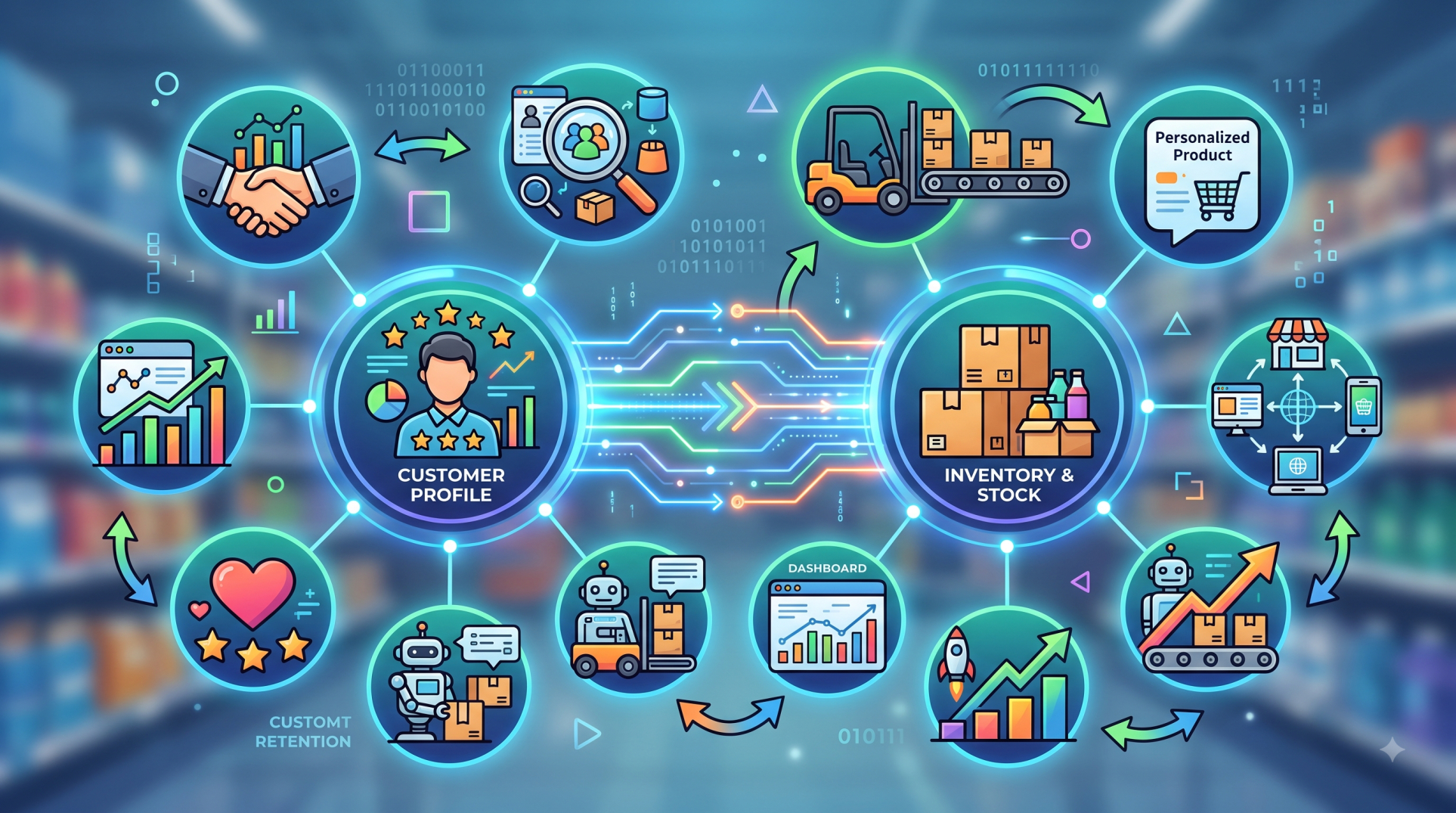
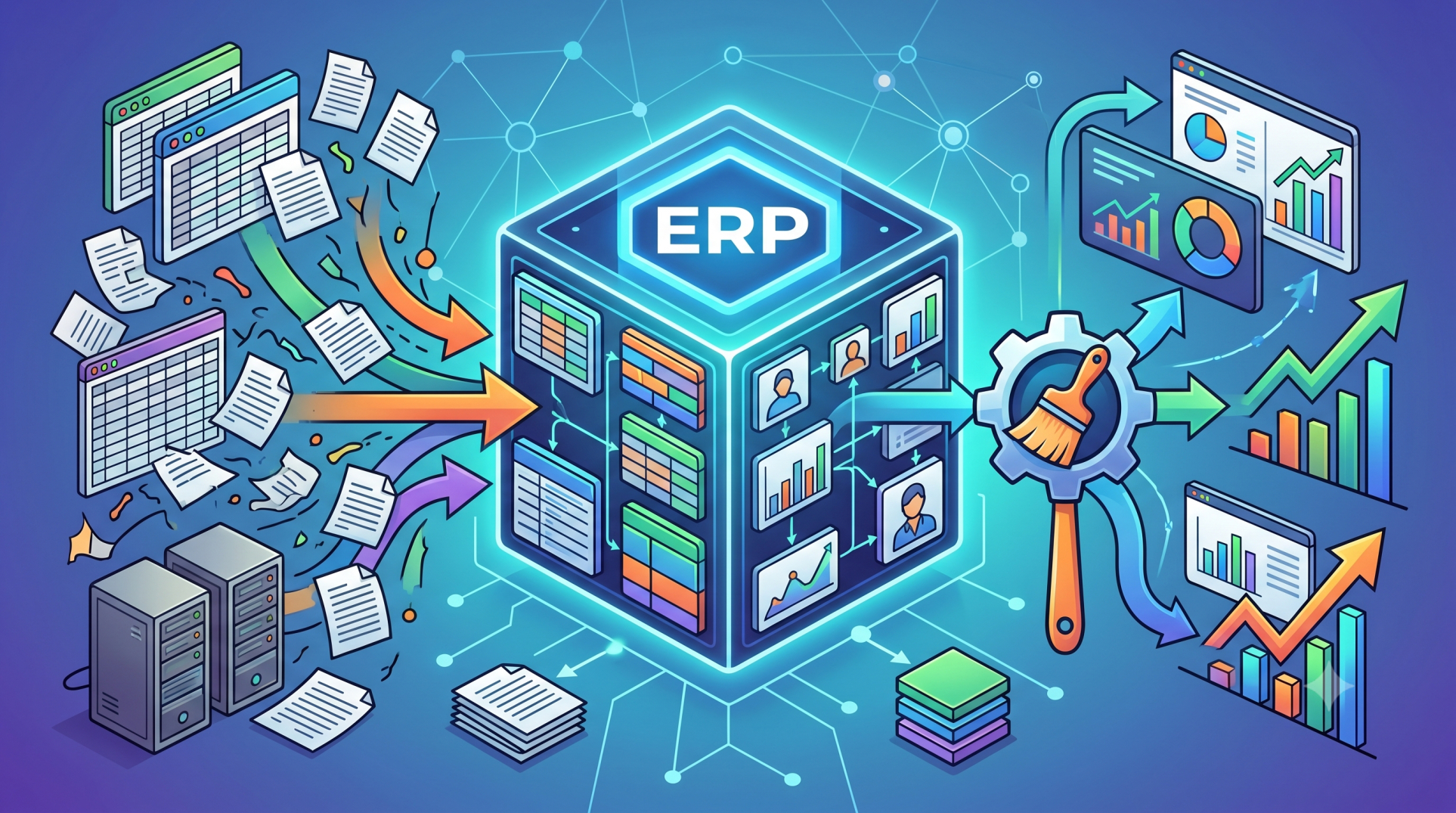
• Connect ERP systems with sales, inventory, and supply chain data 📦
• Incorporate customer behavior and purchasing trends 🛒
• Integrate external market signals and seasonal demand patterns 🌐
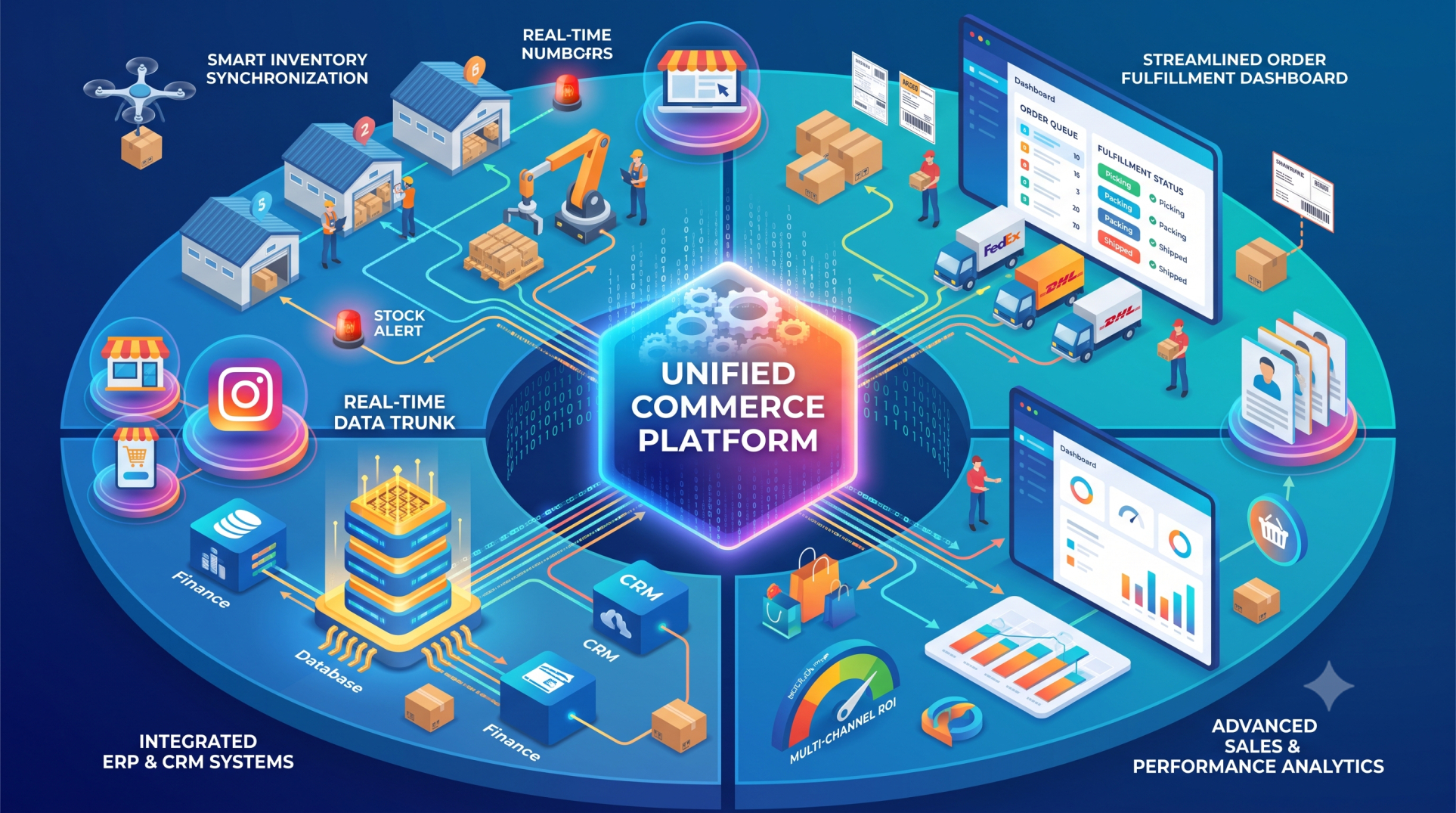
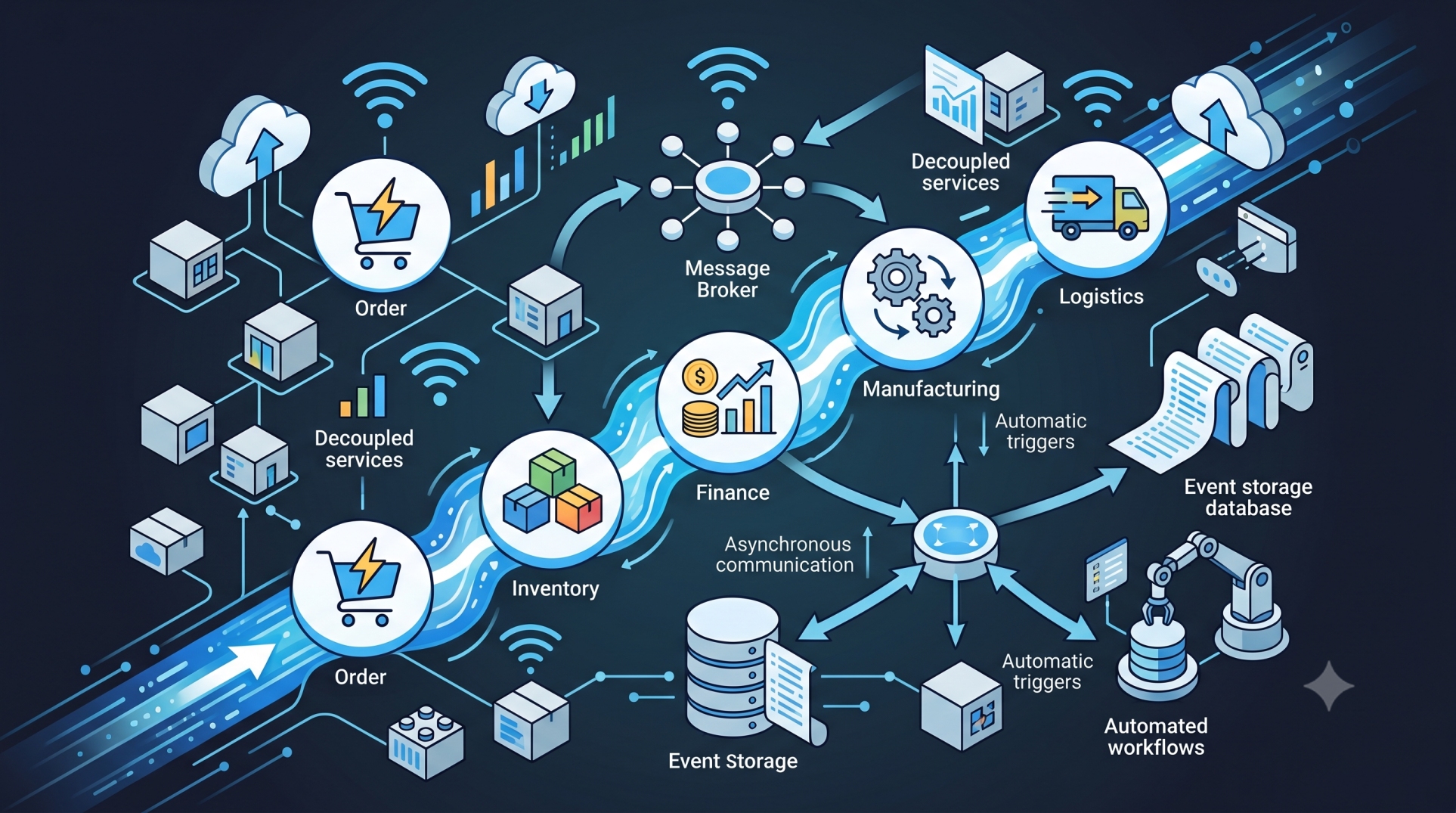
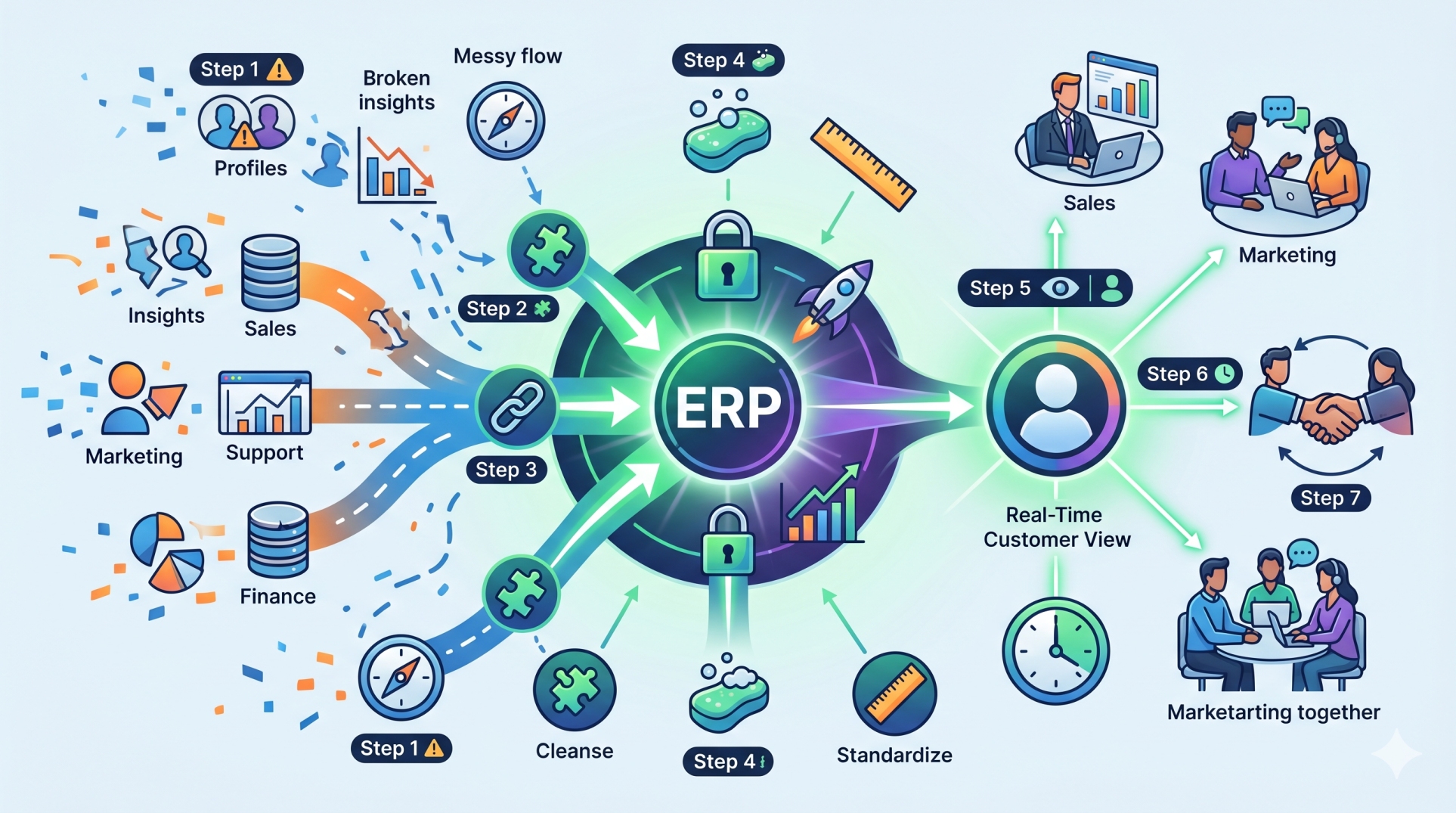
• Ensure continuous data synchronization across systems 🔄
• Maintain accurate and consistent data flows for analysis ✅
Step 3: Enhancing Forecast Accuracy 📈
• Use AI models to identify emerging demand patterns 🤖
• Detect sudden spikes or declines in customer demand ⚠️
• Improve short-term forecasting with real-time insights ⏱️
• Reduce forecasting errors caused by outdated data 📉
• Continuously refine predictions based on live operational inputs 🔍
Step 4: Optimizing Inventory Management 📦
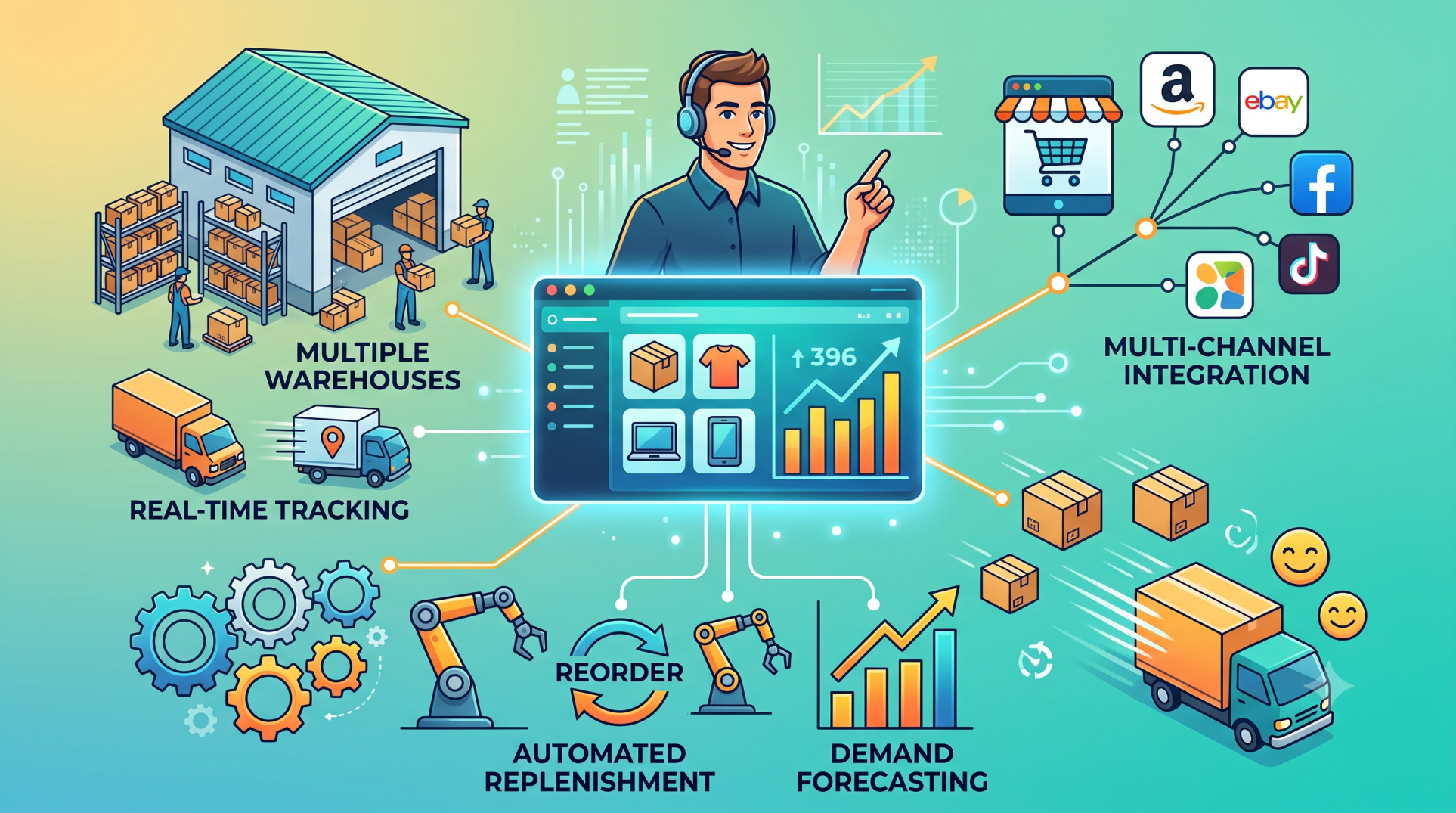
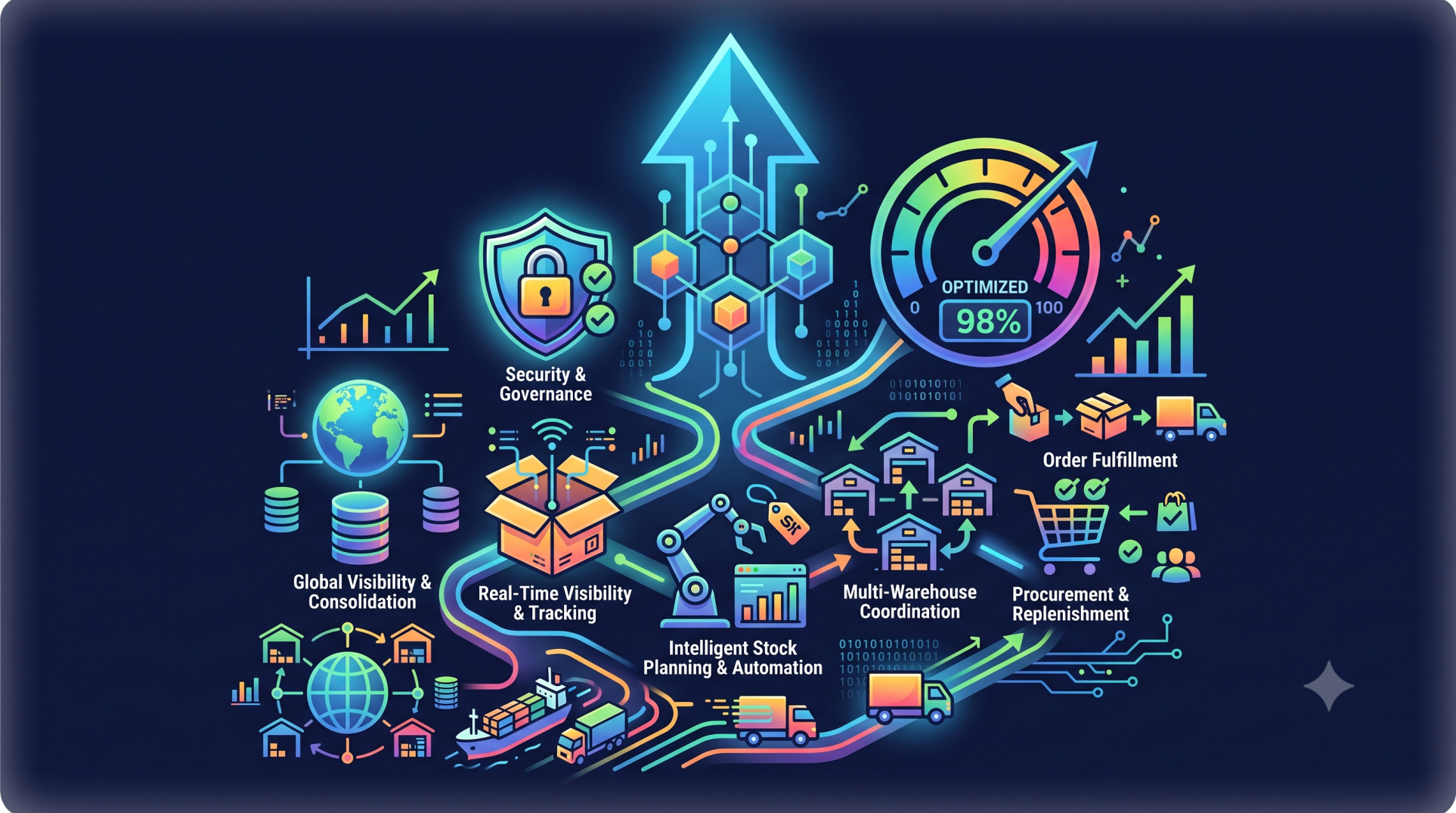
• Align inventory levels with actual demand signals 📊
• Prevent overstocking and stock shortages ⚖️
• Improve replenishment planning through predictive insights 🔄
• Reduce excess inventory carrying costs 💰
• Maintain product availability across locations 🏭
Step 5: Improving Supply Chain Responsiveness 🚚
• Enable faster reaction to disruptions and changing demand 🚨
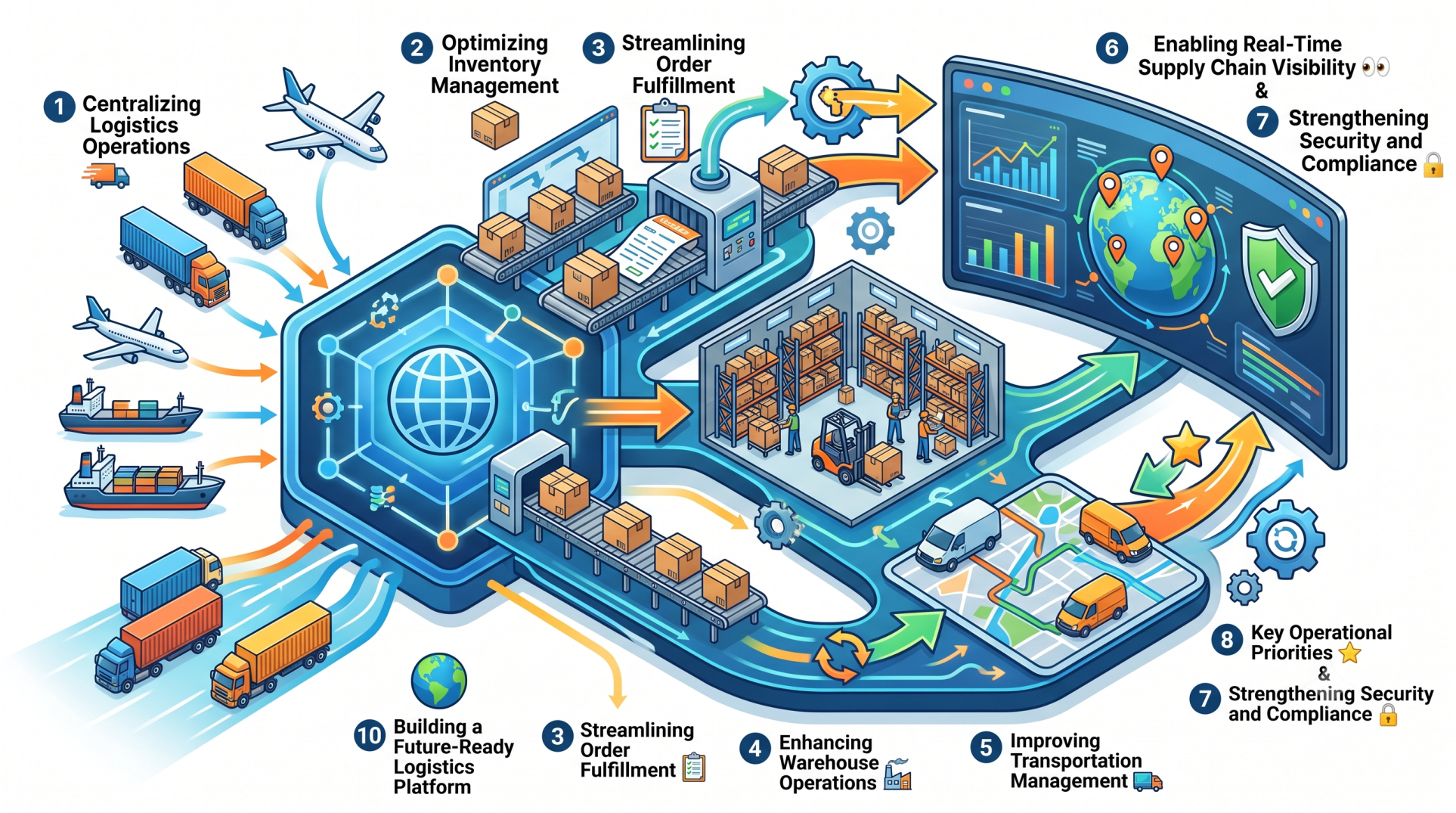
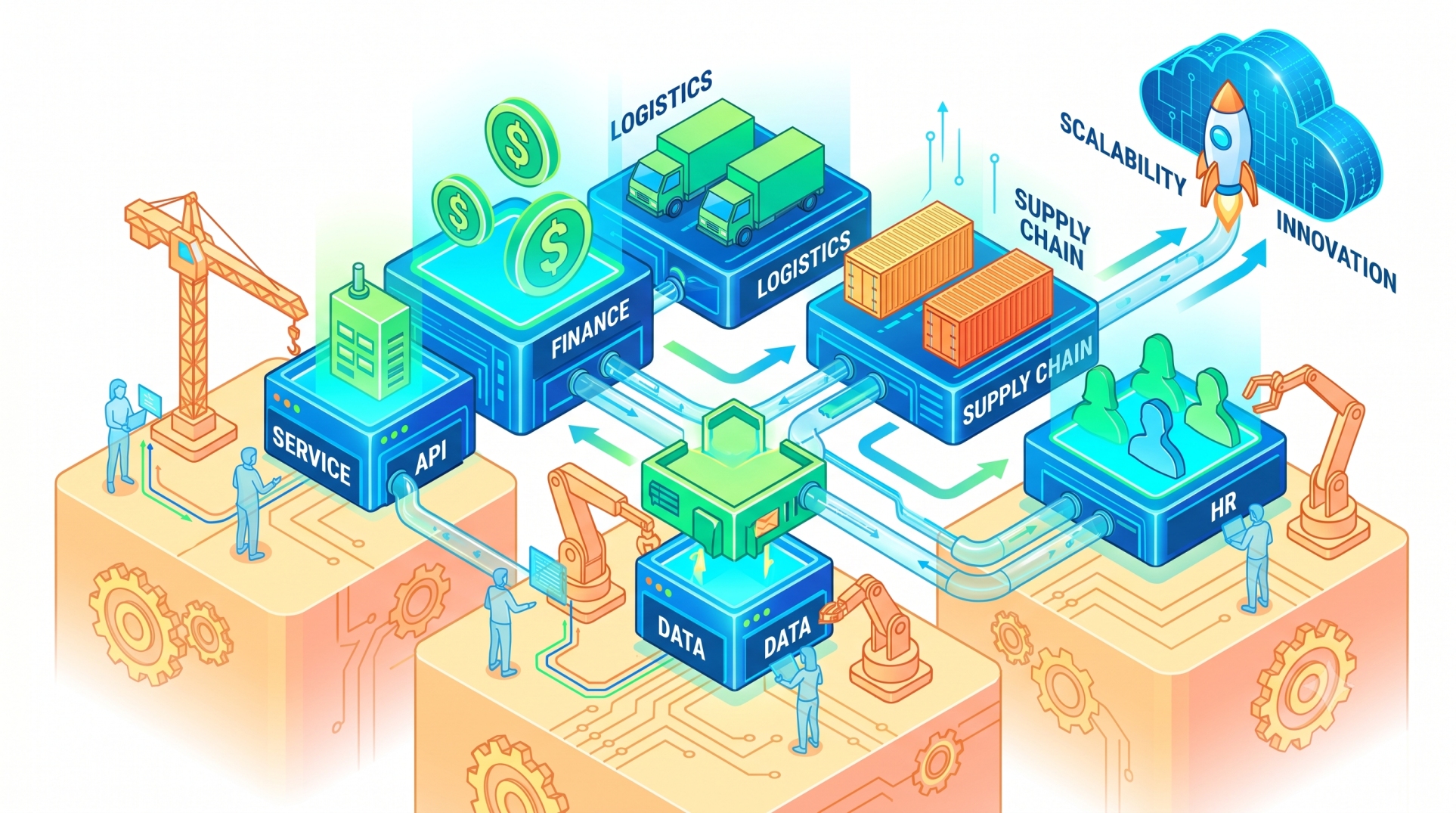
• Coordinate suppliers, warehouses, and distribution centers efficiently 🔗
• Adjust procurement and production plans dynamically ⚙️
• Improve fulfillment speed and delivery reliability 📦
• Minimize delays caused by inaccurate forecasting ⏱️
Step 6: Leveraging AI and Advanced Analytics 🤖
• Apply machine learning models to identify demand trends 🧠
• Analyze historical and real-time ERP data simultaneously 📊
• Generate predictive recommendations for planners 💡
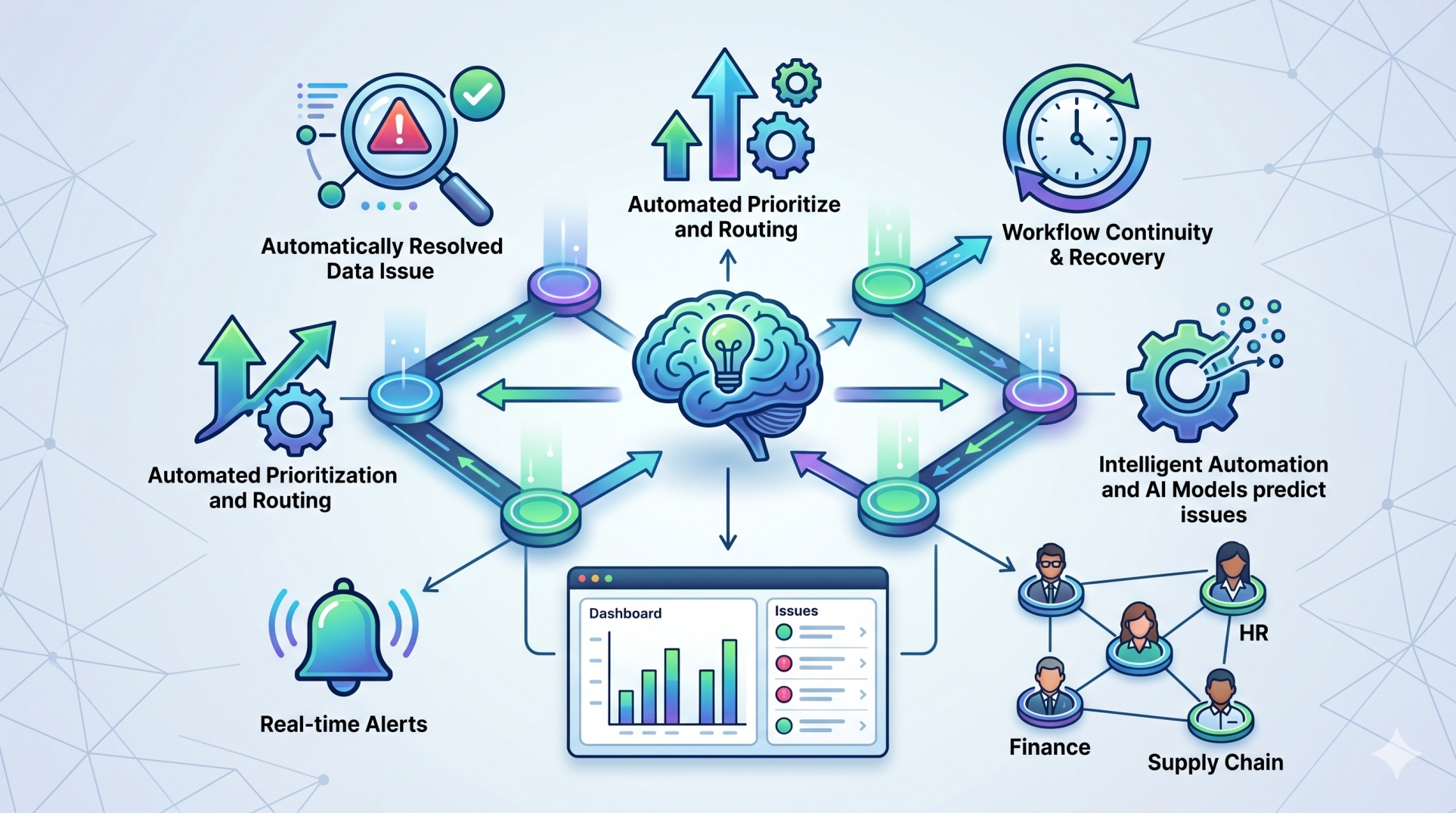
• Detect anomalies and unusual purchasing behaviors 🔍
• Support data-driven decision-making across departments 📈
Step 7: Enabling Cross-Department Collaboration 🤝
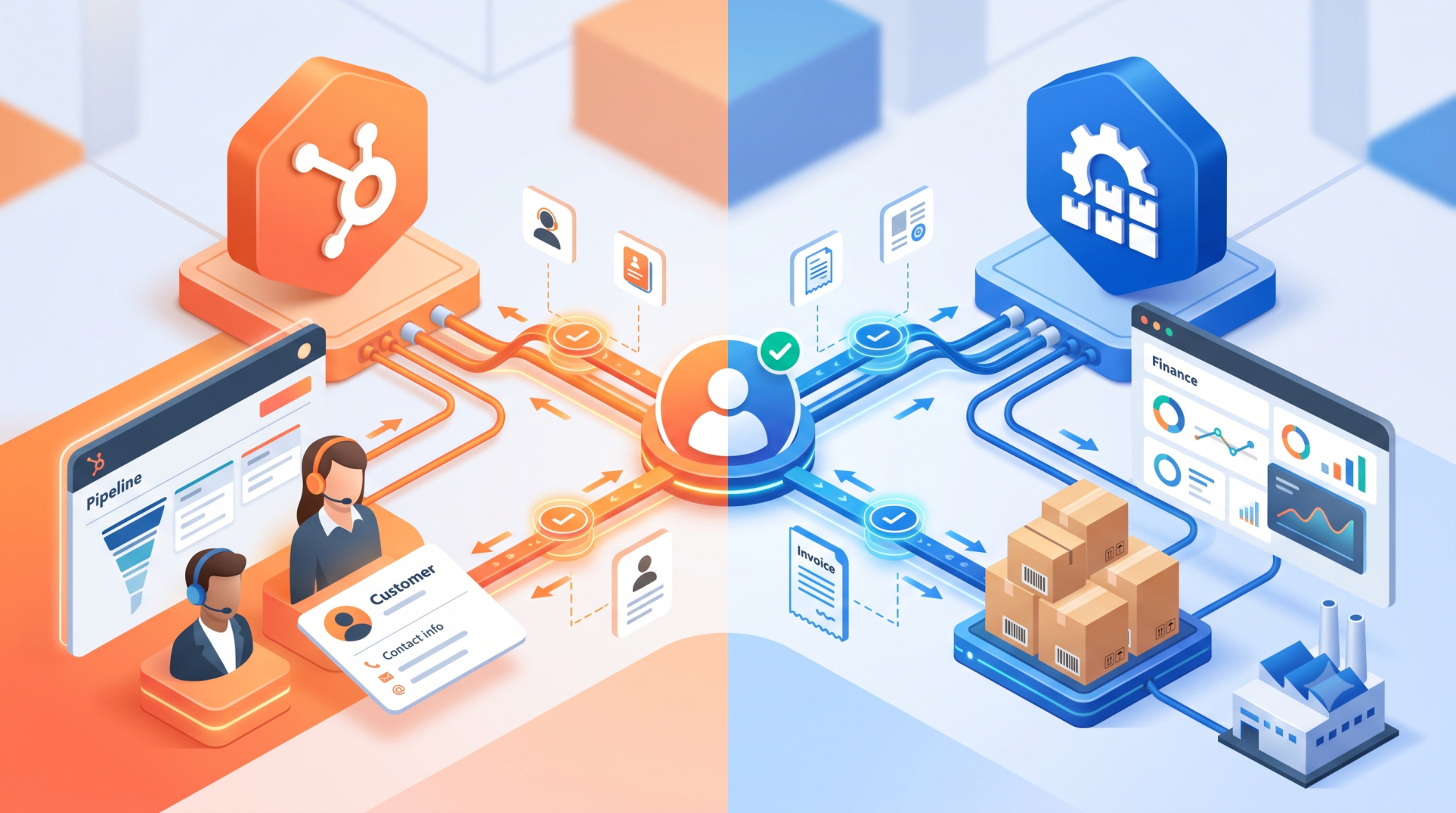
• Share demand insights across sales, operations, and finance 📂
• Align planning teams around a unified demand forecast 🎯
• Improve communication between procurement and inventory teams 🔄
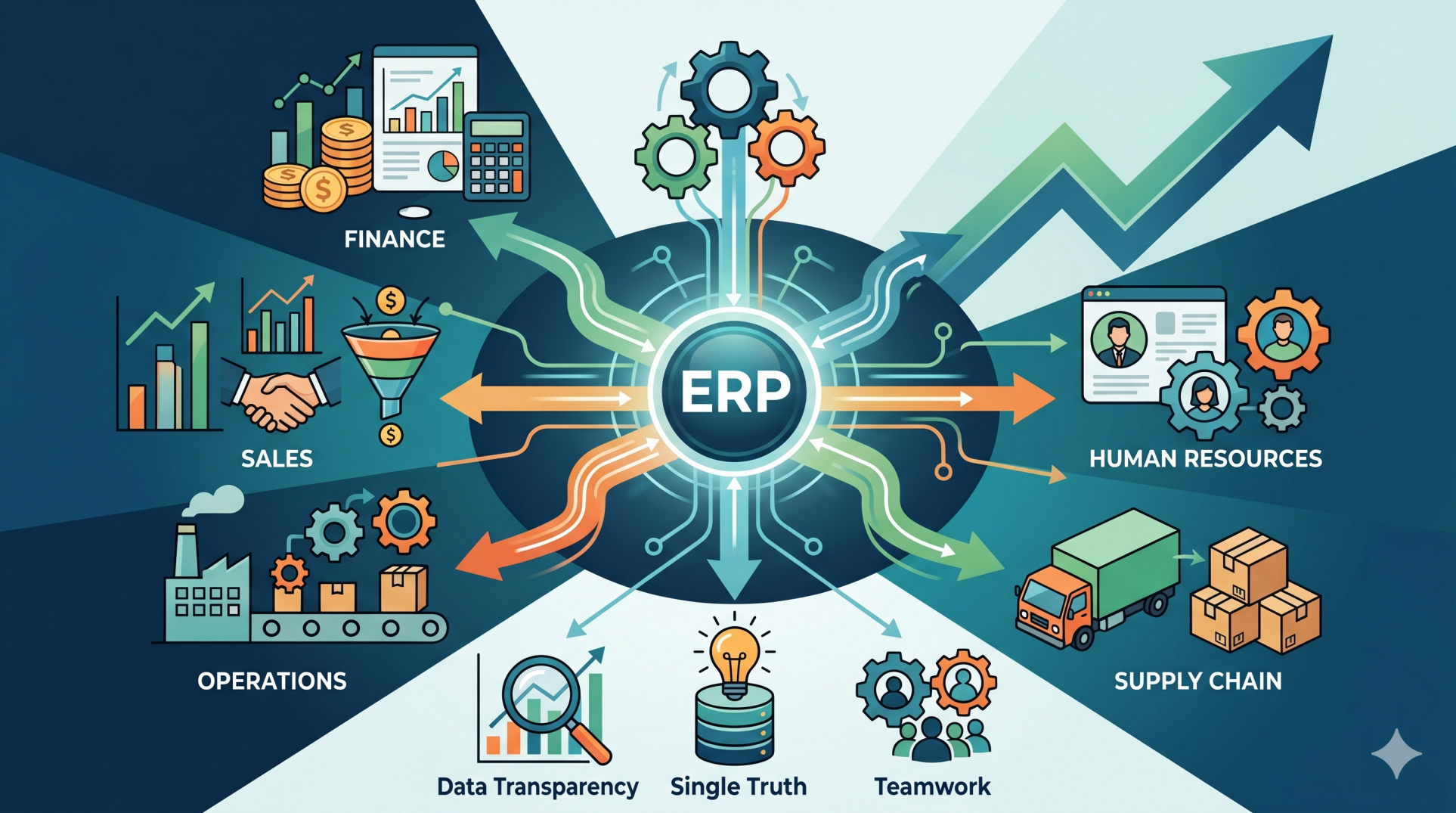
• Reduce silos through centralized ERP visibility 🌐
• Support faster and more coordinated business responses ⚡
Step 8: Key Demand Sensing Priorities 📌
• Real-time visibility into demand fluctuations 👁️
• Accurate forecasting powered by AI and analytics 🤖
• Responsive inventory and supply chain management 📦
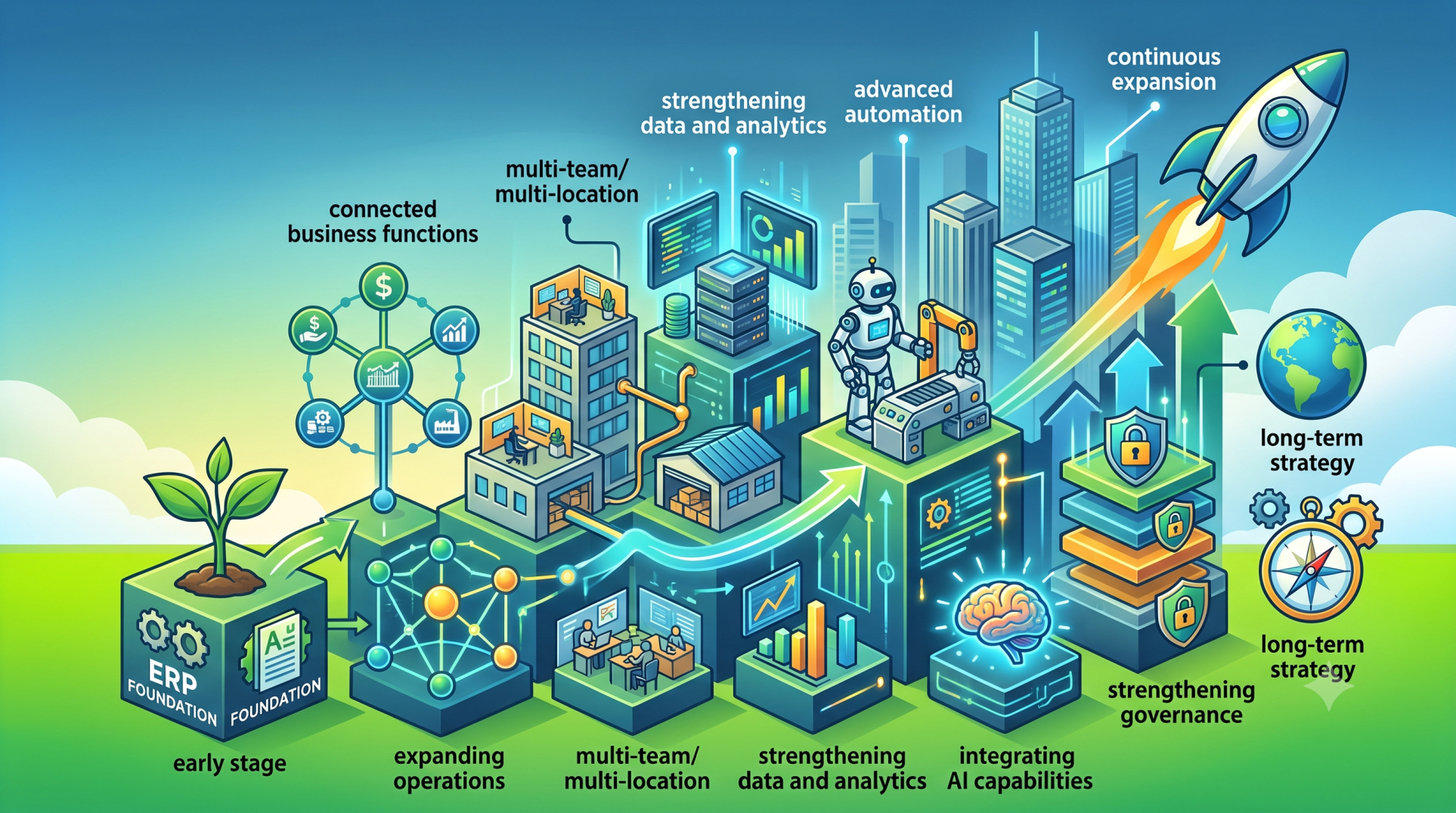
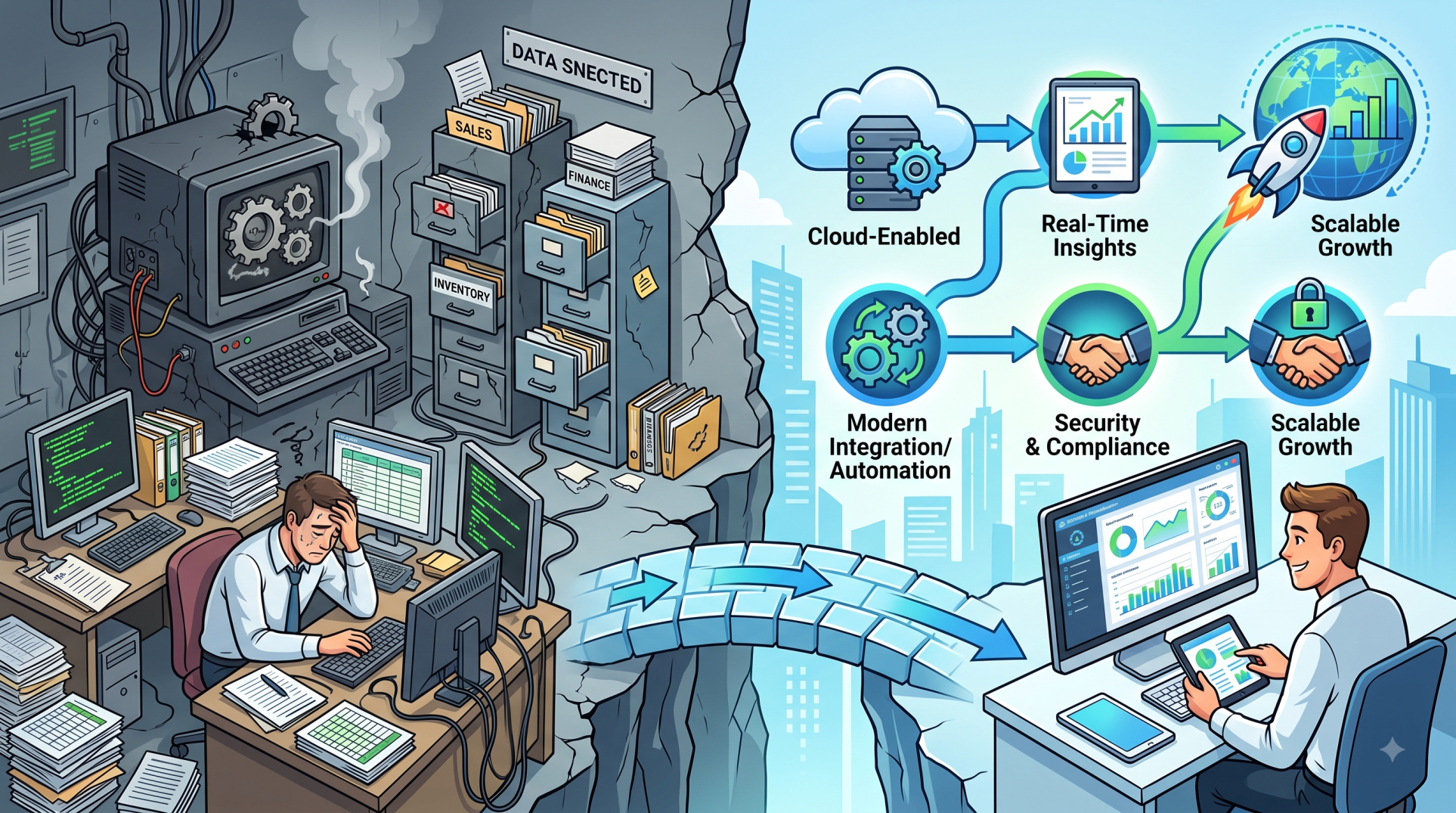
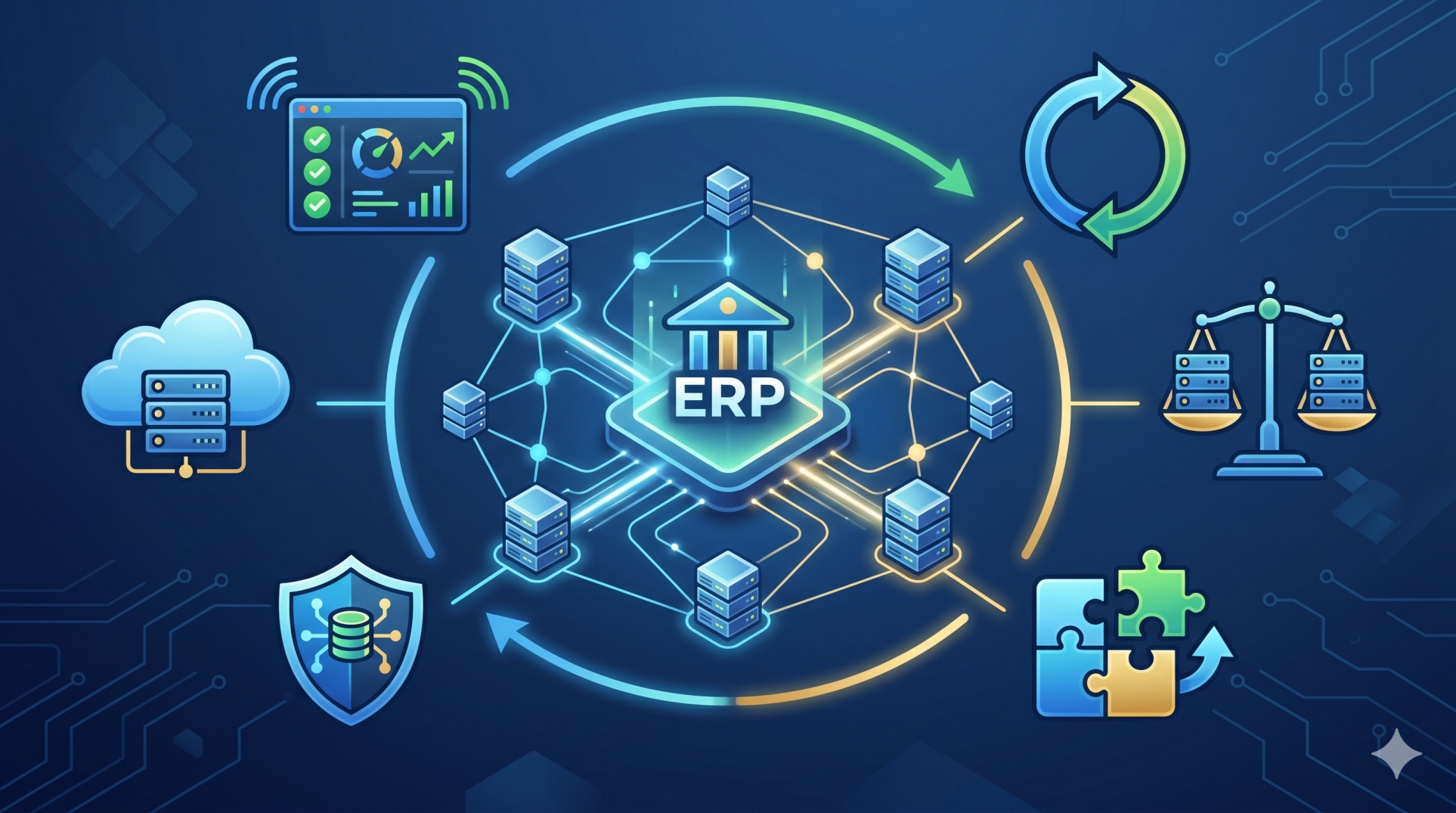
• Scalable ERP infrastructure for continuous growth 🚀
Step 9: Managing Demand Variability and Risks ⚠️
• Detect unexpected market shifts early 🔍
• Prepare contingency plans for demand volatility 📋
• Adjust operational strategies based on live insights 🔄
• Reduce risks associated with inaccurate forecasting 🛡️
• Maintain agility during peak demand periods 📈
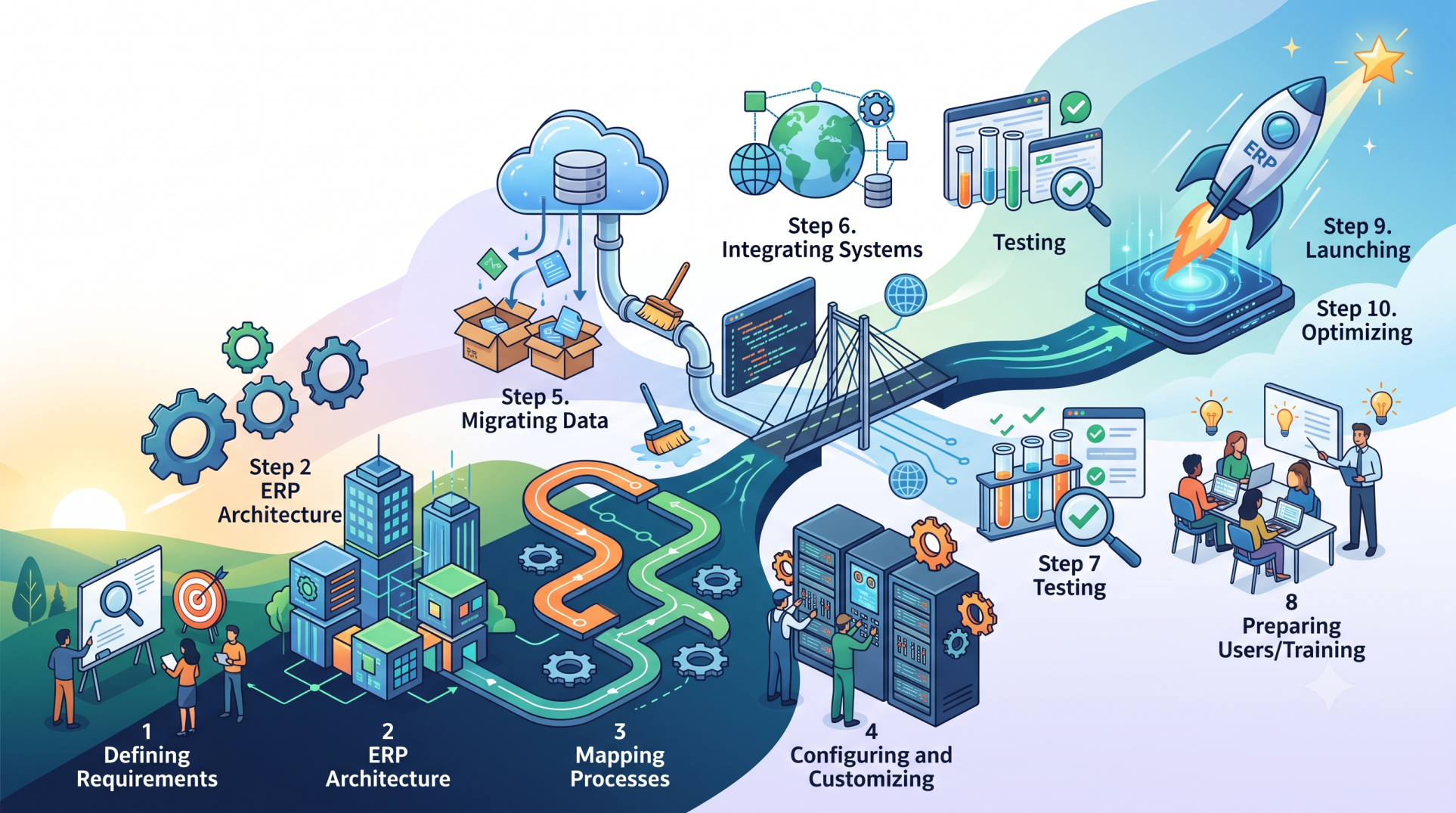
Step 10: Building a Smarter ERP-Driven Enterprise 🚀
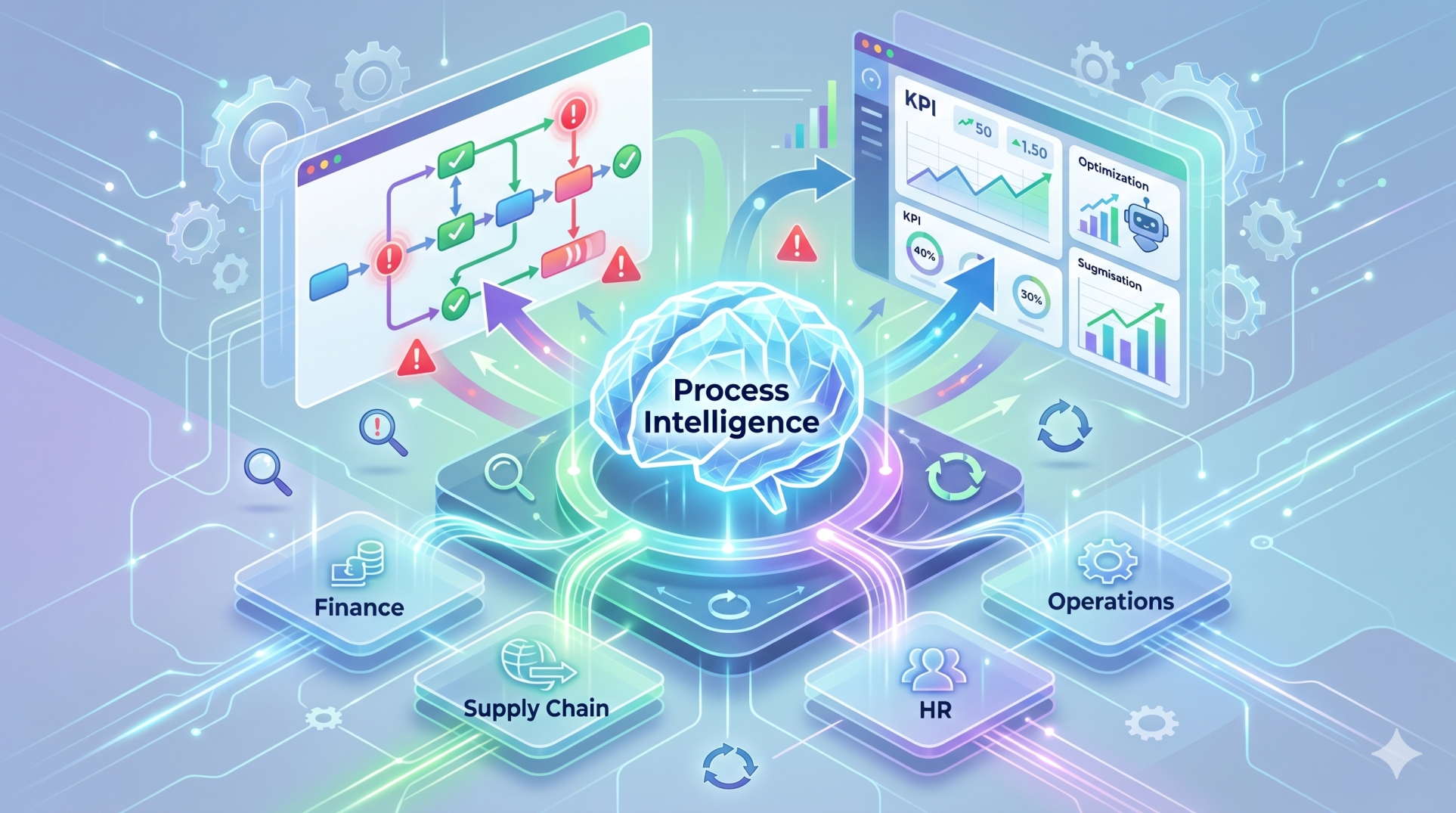
• Create intelligent workflows powered by real-time data ⚙️
• Expand analytics capabilities across the organization 📊
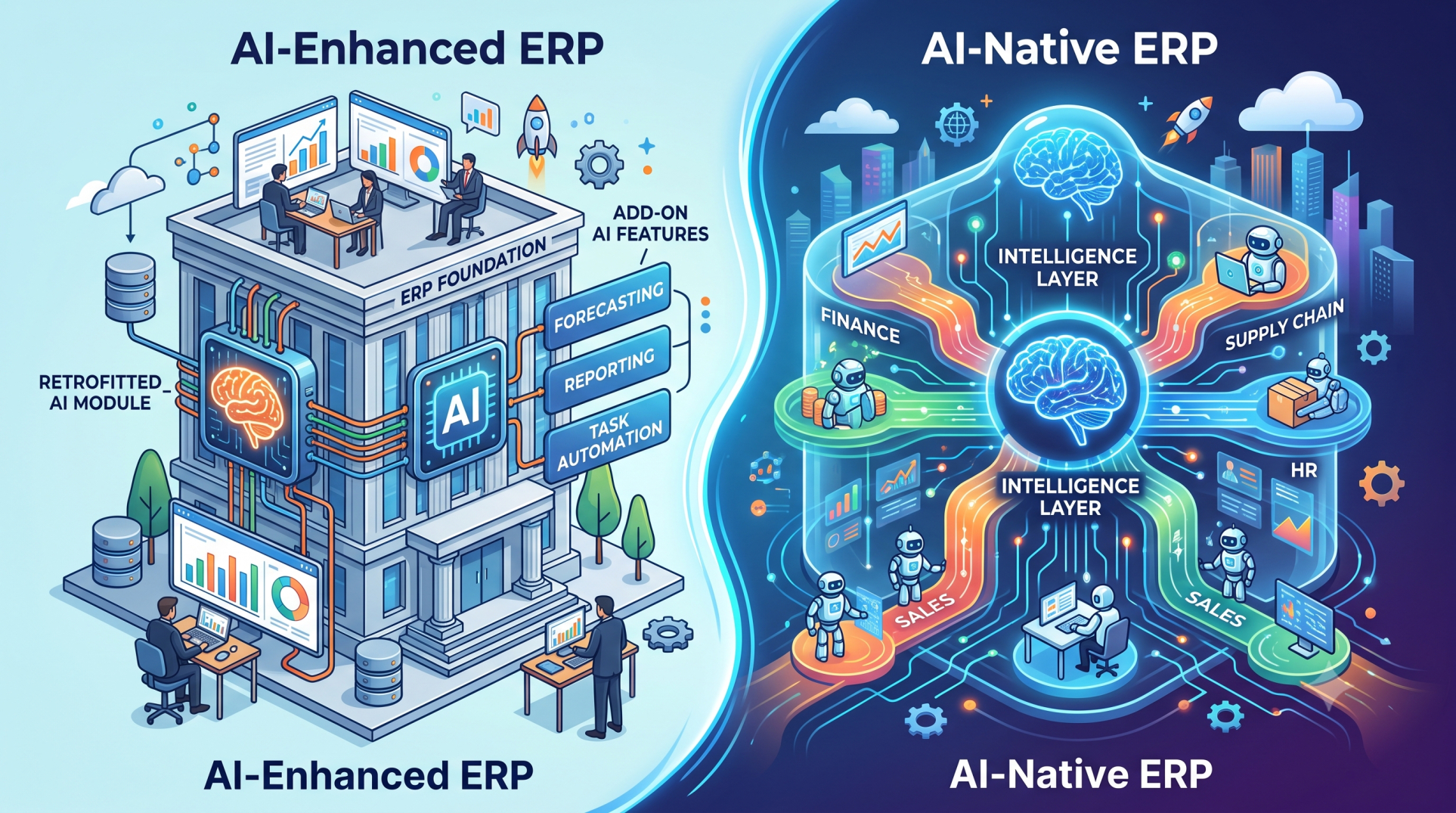
• Integrate automation into planning and forecasting processes 🤖
• Continuously optimize demand sensing models 🔄
• Future-proof operations through scalable ERP innovation 🌍
Conclusion
Intelligent demand sensing using ERP platforms enables organizations to move beyond static forecasting and adopt a more responsive, data-driven approach to planning. By leveraging real-time insights, AI-powered analytics, and integrated operational data, businesses can improve forecast accuracy, optimize inventory, and strengthen supply chain responsiveness. A well-executed demand sensing strategy not only enhances operational efficiency but also helps organizations remain agile in rapidly evolving markets.
See more blogs
You can all the articles below