Event-Driven Architectures in ERP Systems
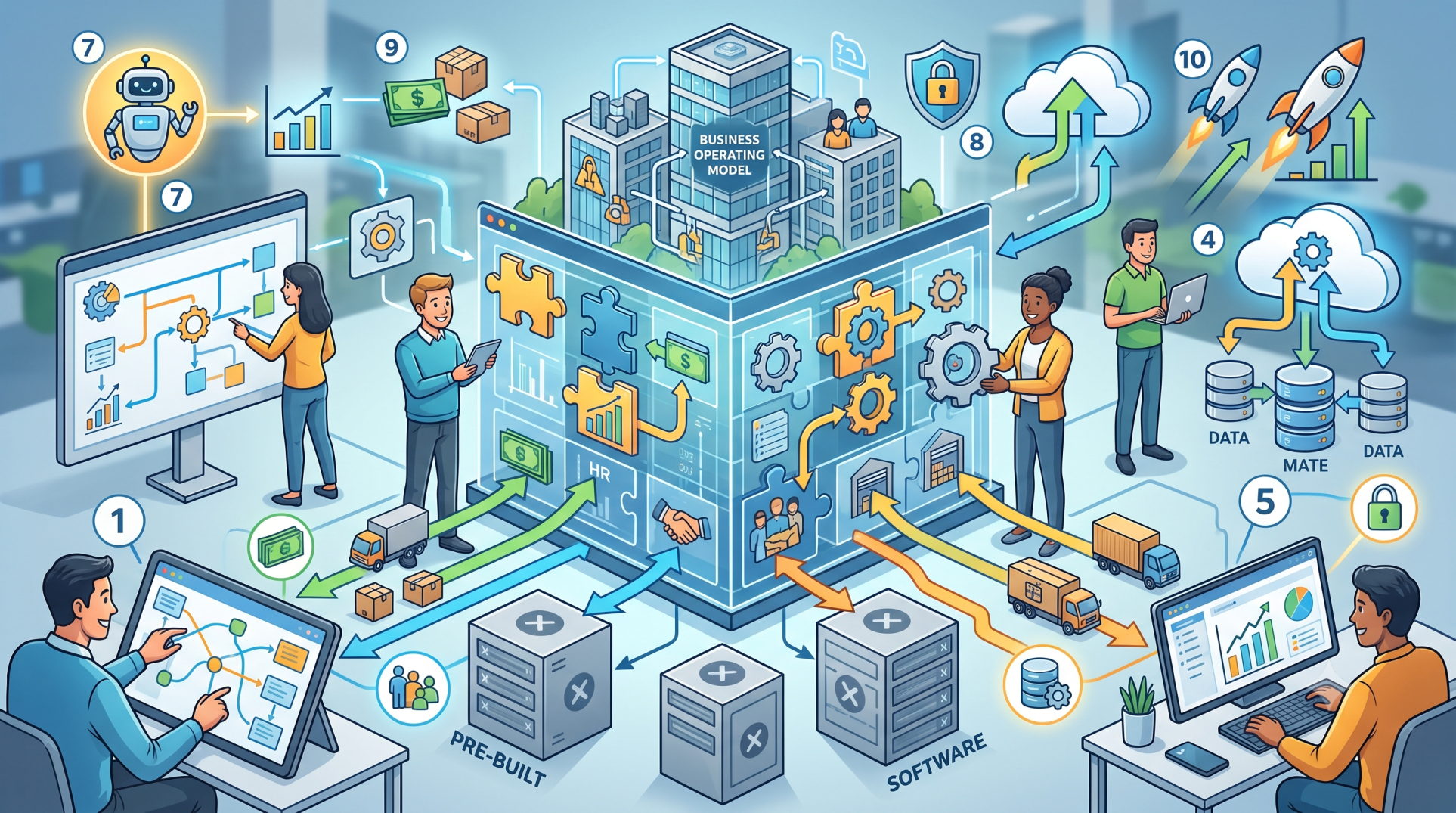
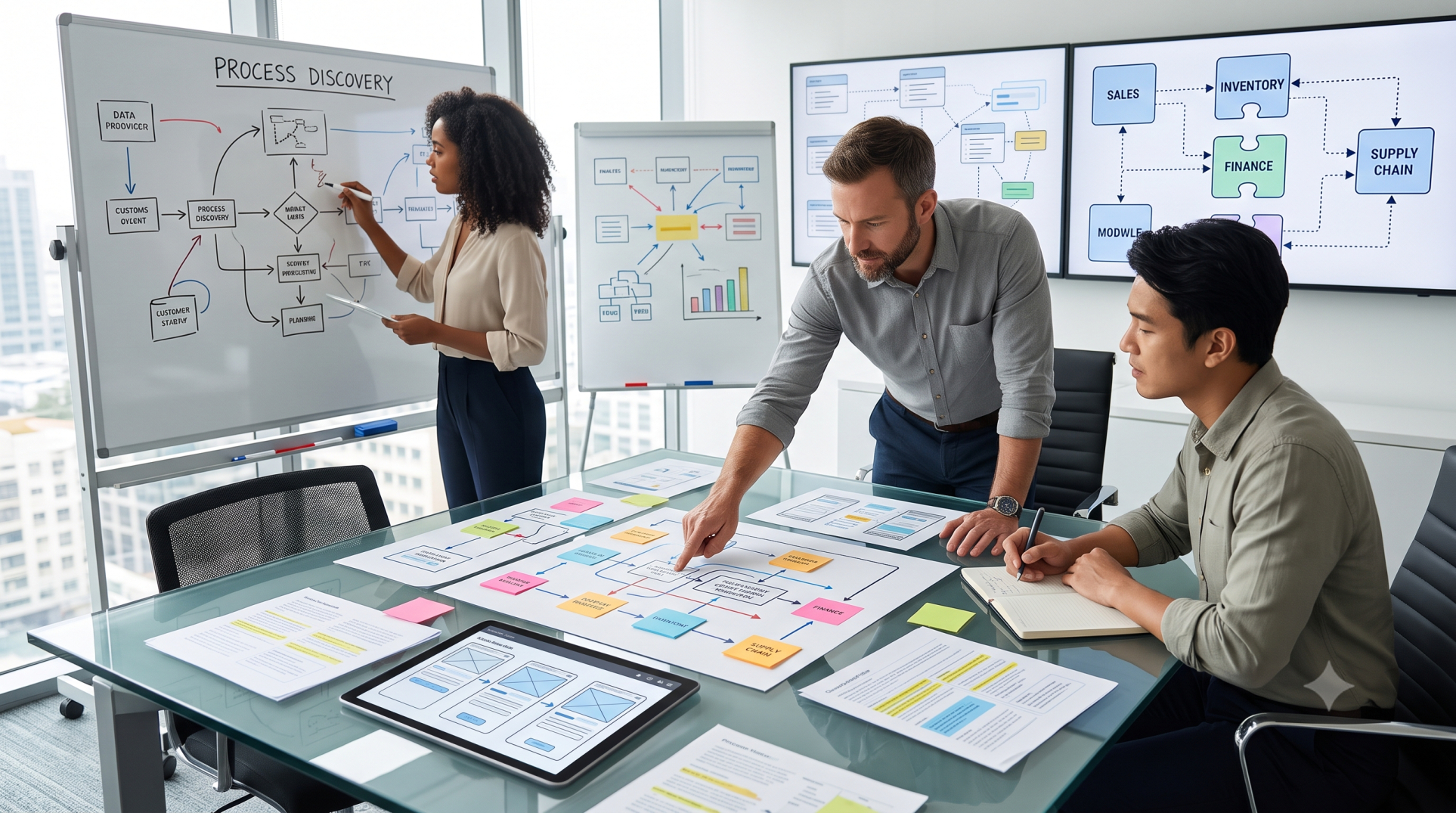
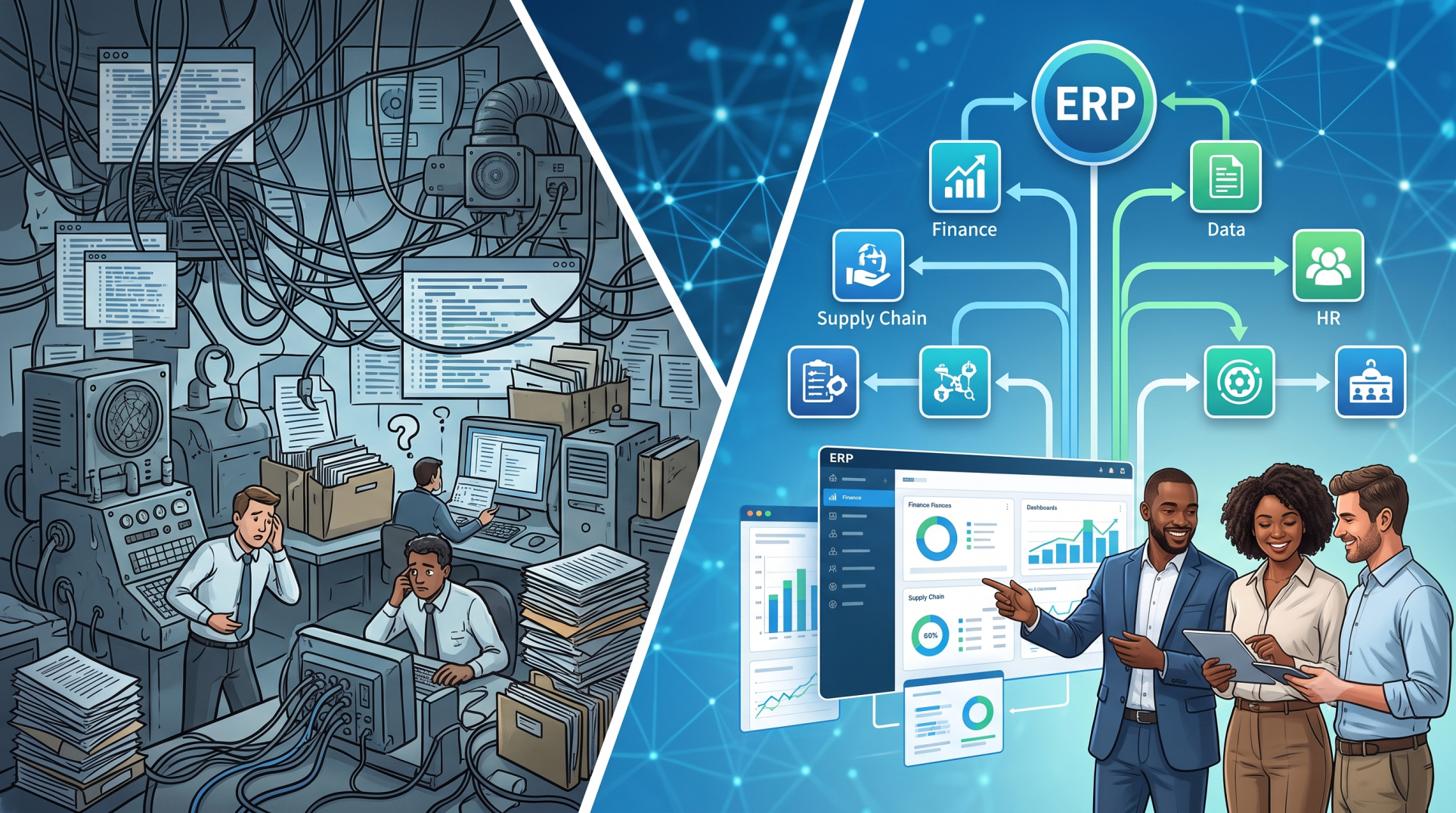
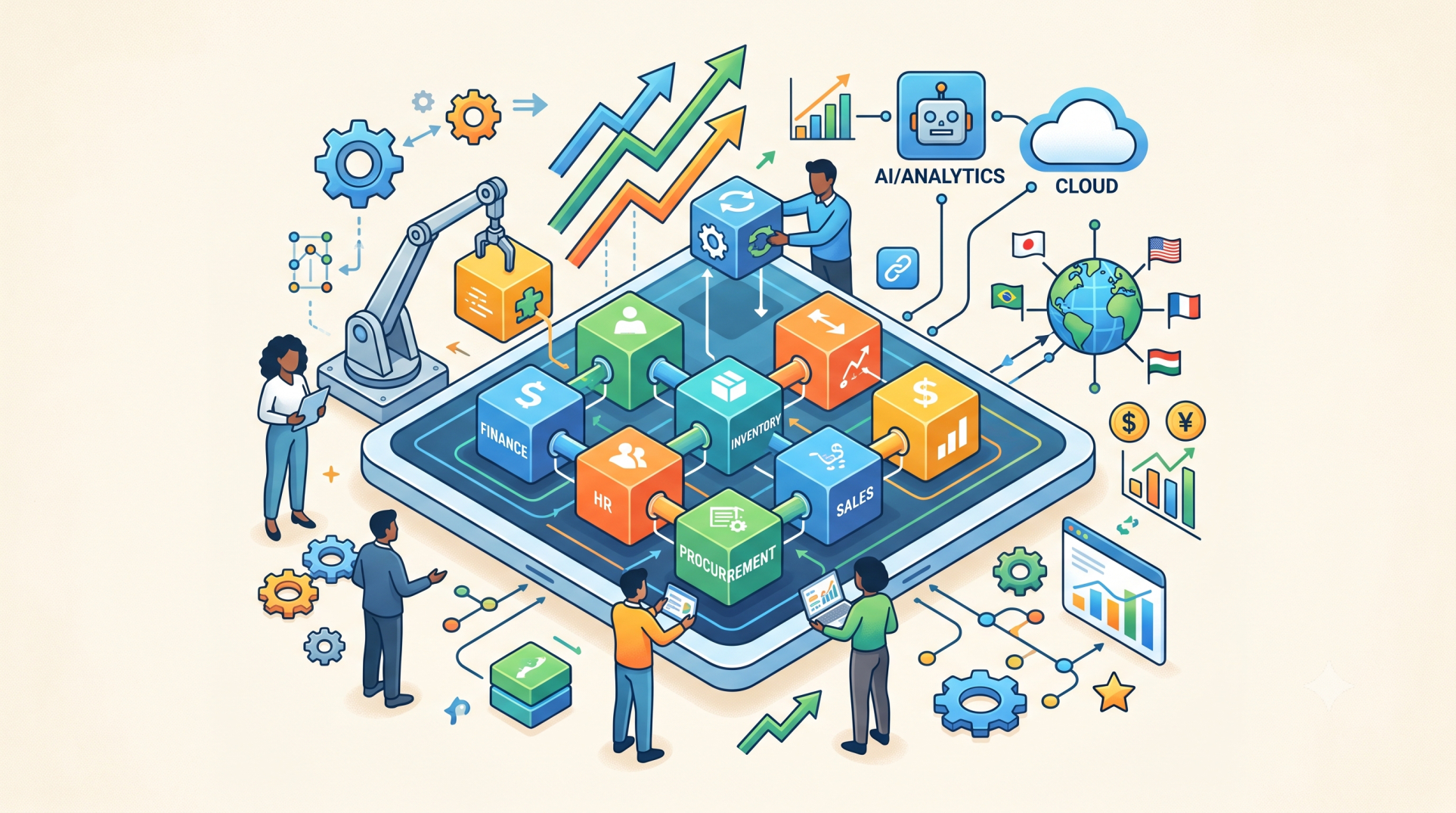
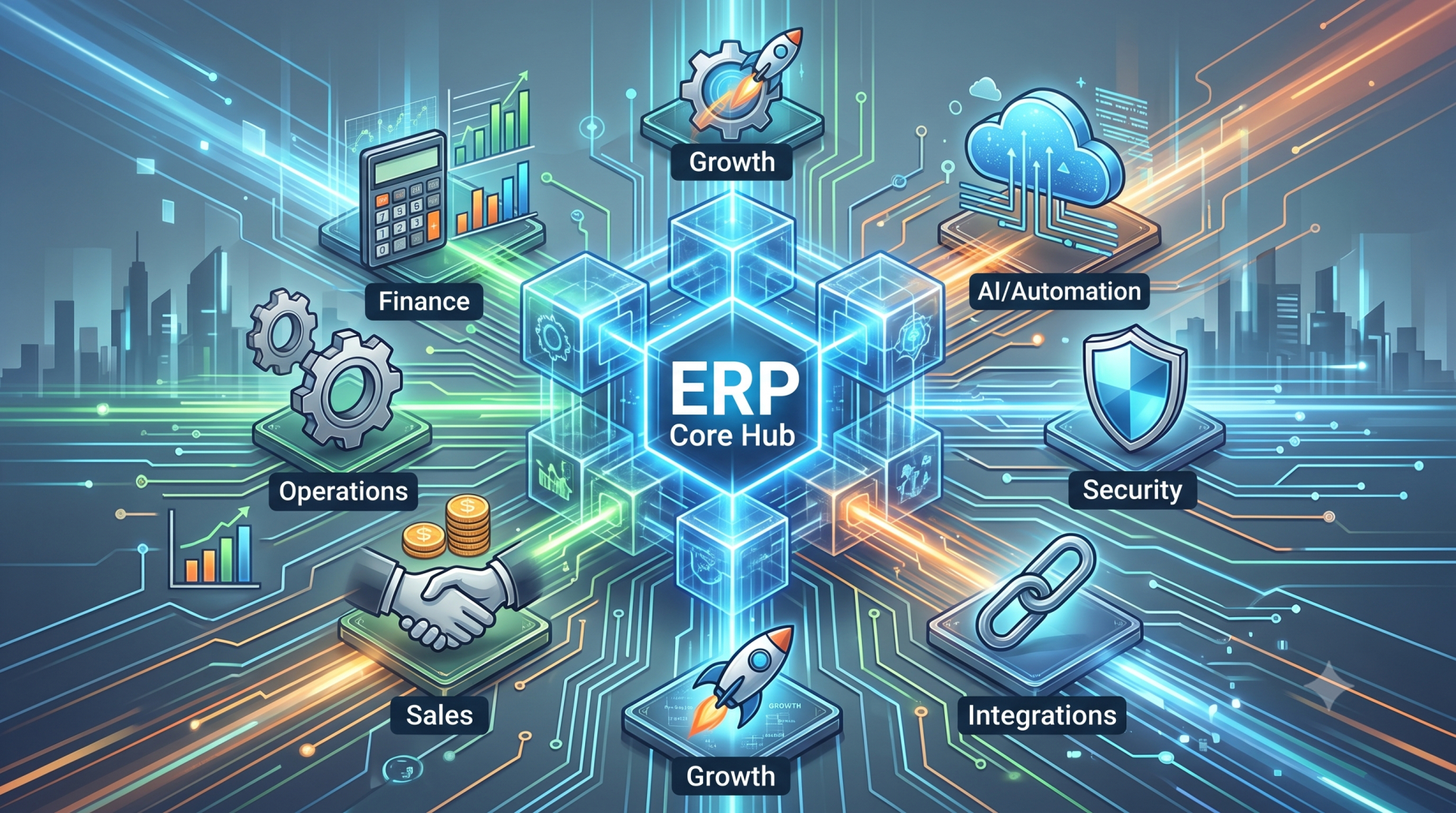
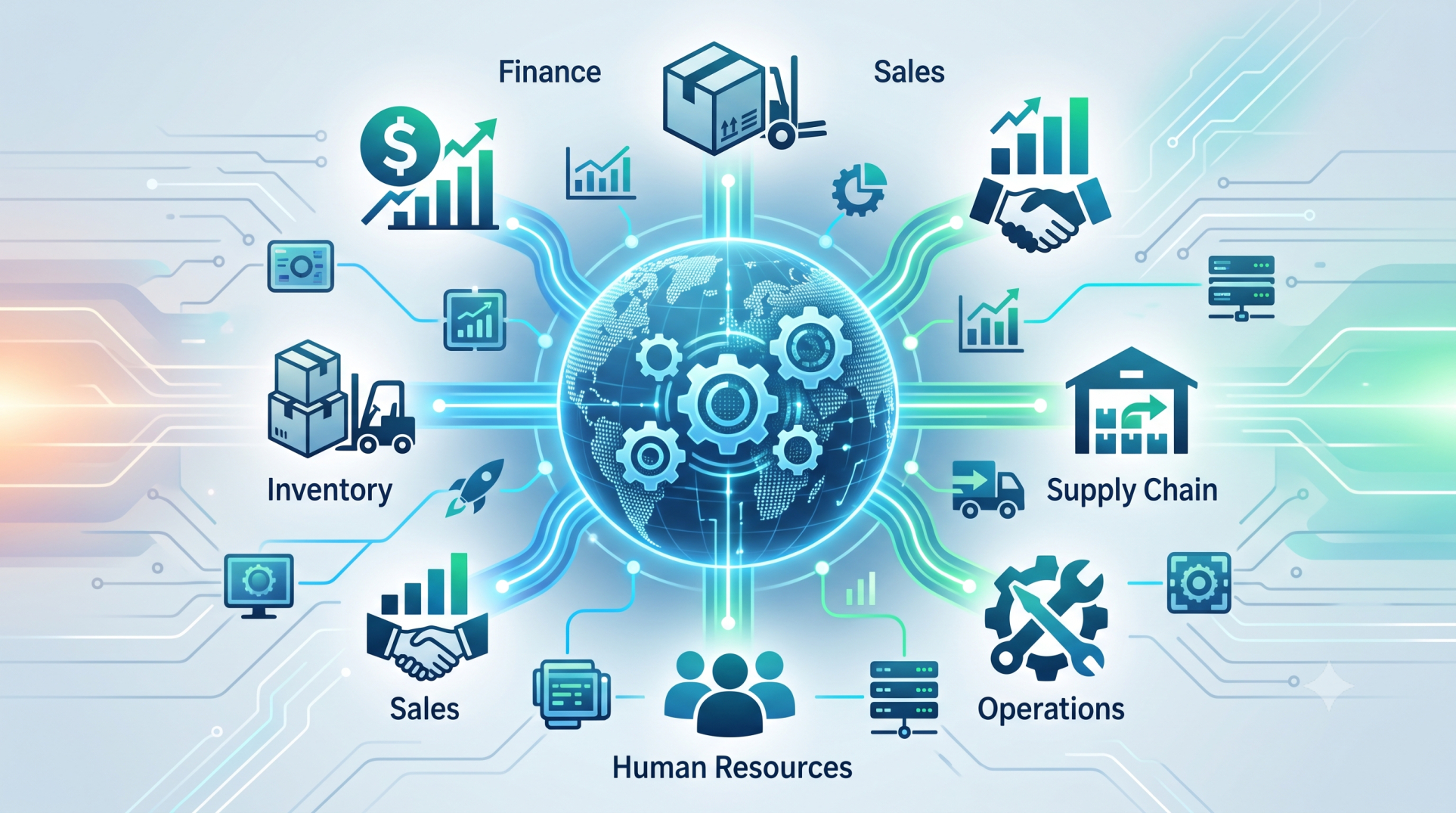
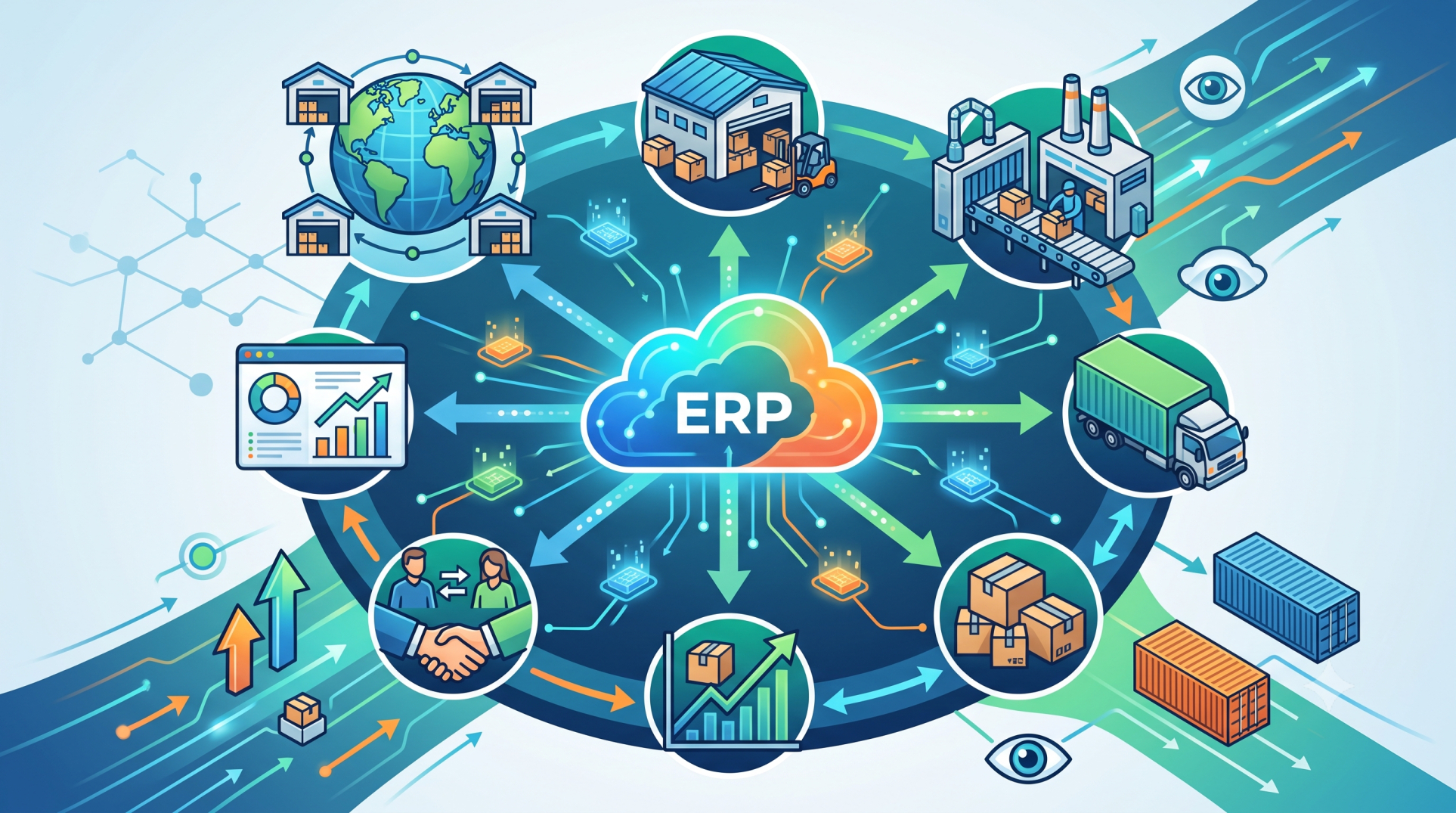
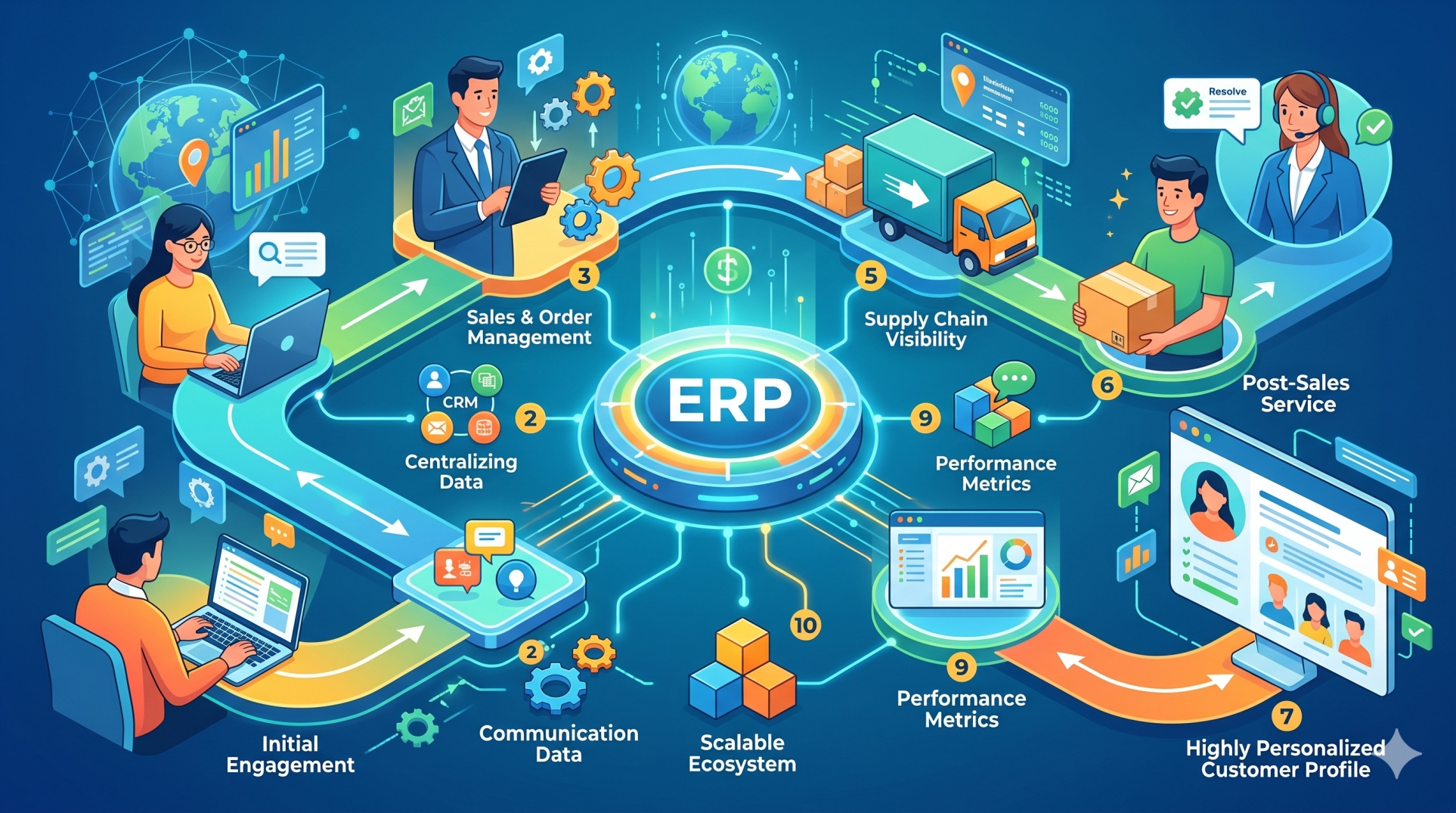
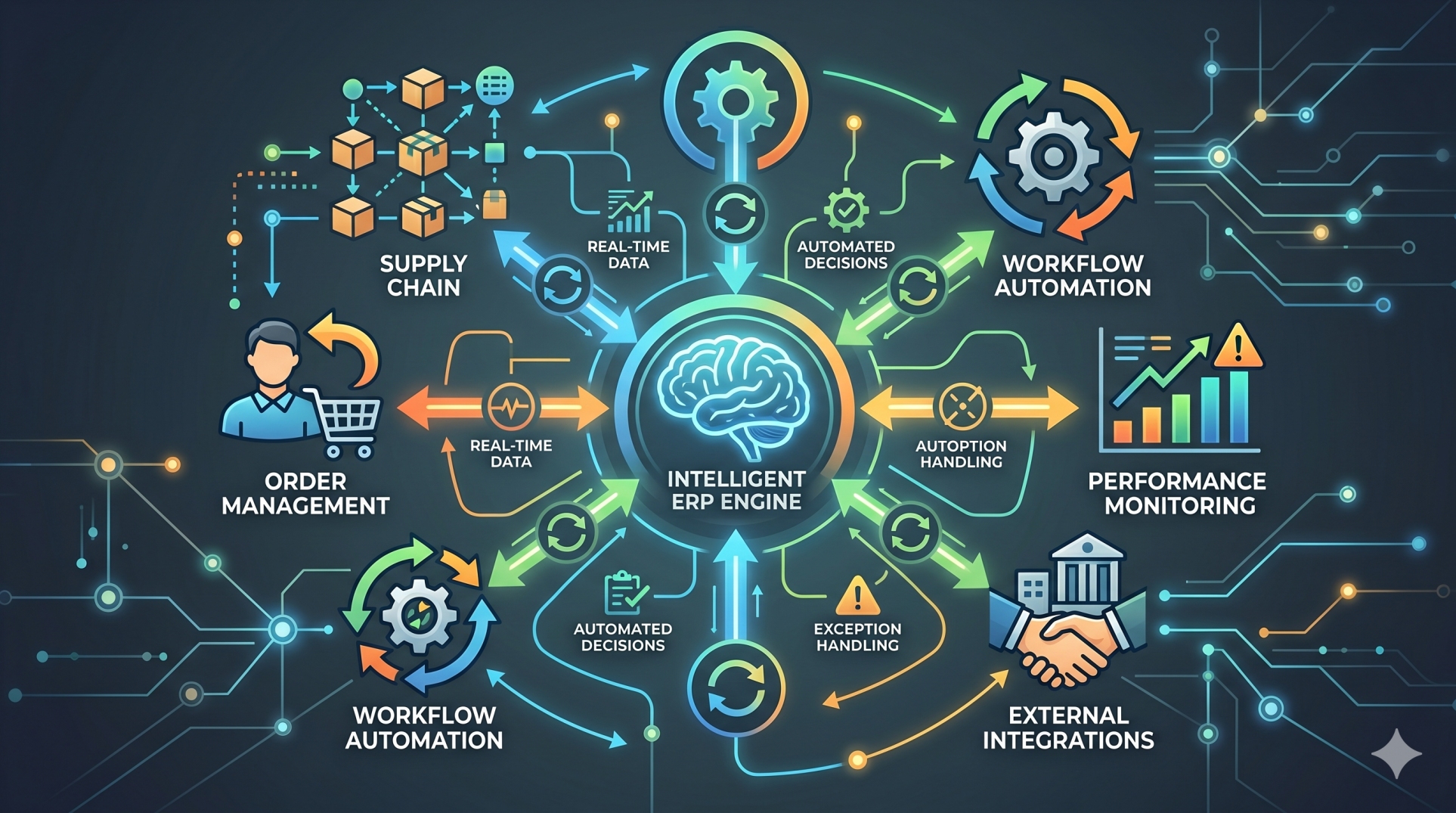
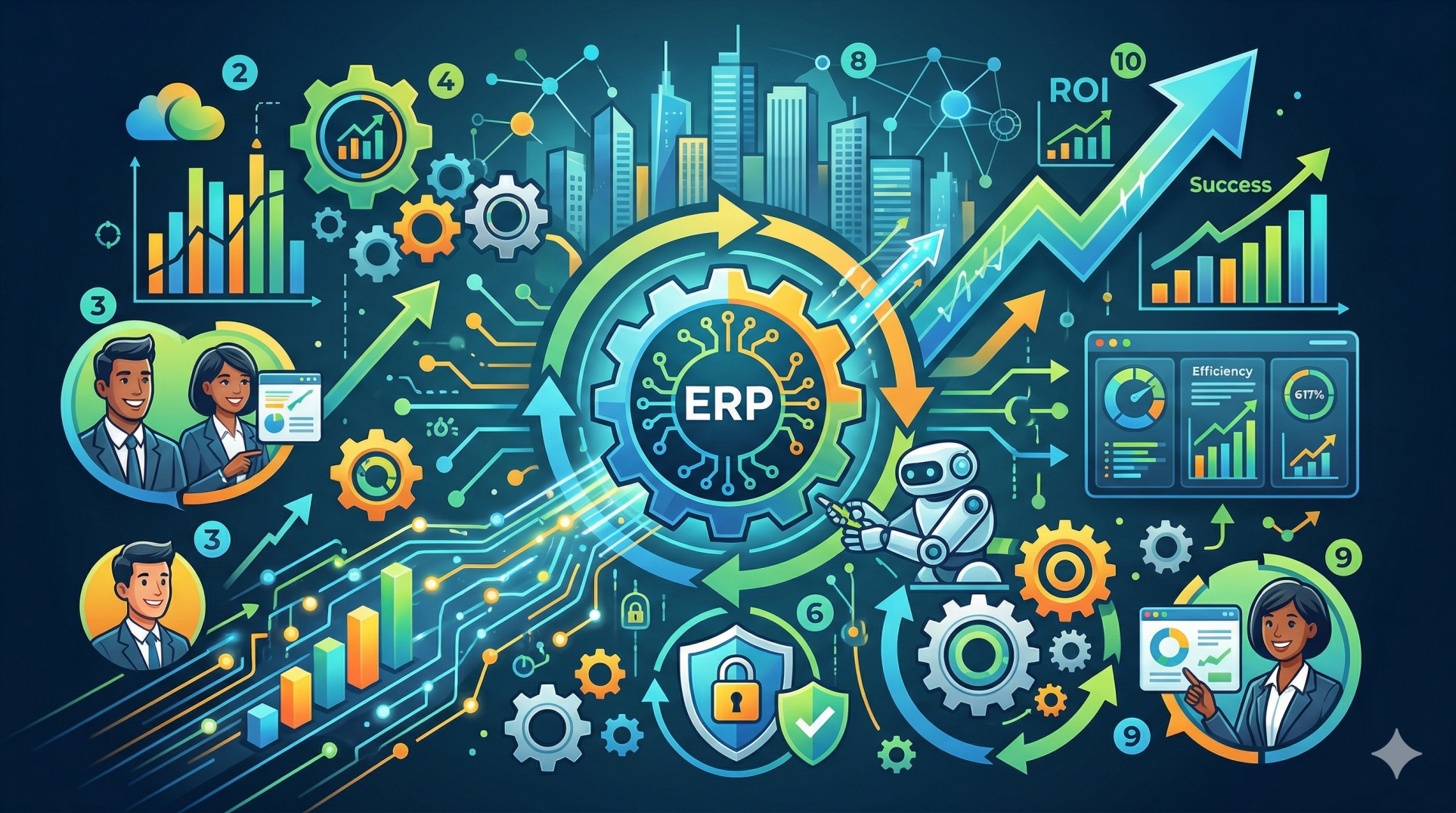
Modern Enterprise Resource Planning (ERP) systems are evolving beyond rigid, monolithic platforms into highly responsive and interconnected ecosystems. Event-Driven Architecture (EDA) enables ERP platforms to react to business events in real time, improving agility, scalability, and operational efficiency. By allowing systems, services, and applications to communicate through events, organizations can streamline workflows, accelerate decision-making, and create more adaptive enterprise environments.
Step 1: Understanding Event-Driven Architecture ⚡
• Event-Driven Architecture enables systems to respond automatically to business events 🔄
• Events represent significant actions such as orders, inventory updates, or payments 📦
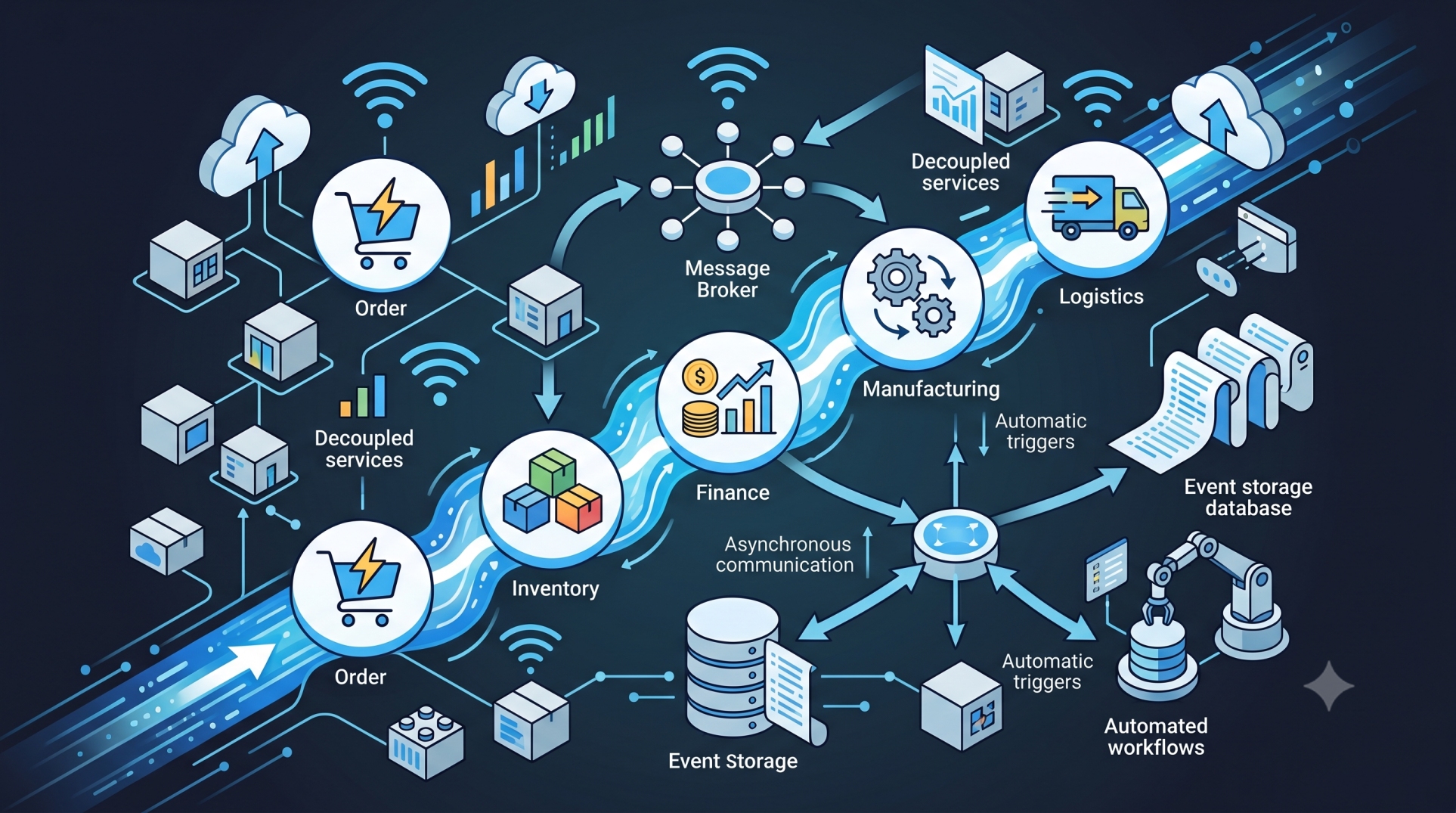
• ERP modules communicate asynchronously through event streams 📡
• Reduces dependency between tightly coupled systems 🧩
• Improves responsiveness across enterprise operations 🚀
Step 2: Core Components of Event-Driven ERP Systems 🏗️
• Event producers generate and publish business events 📤
• Event consumers process and react to incoming events 📥
• Message brokers manage event distribution across services 🔗
• Event channels enable scalable communication between systems 🌐
• Event storage supports tracking, replay, and auditing 🗂️
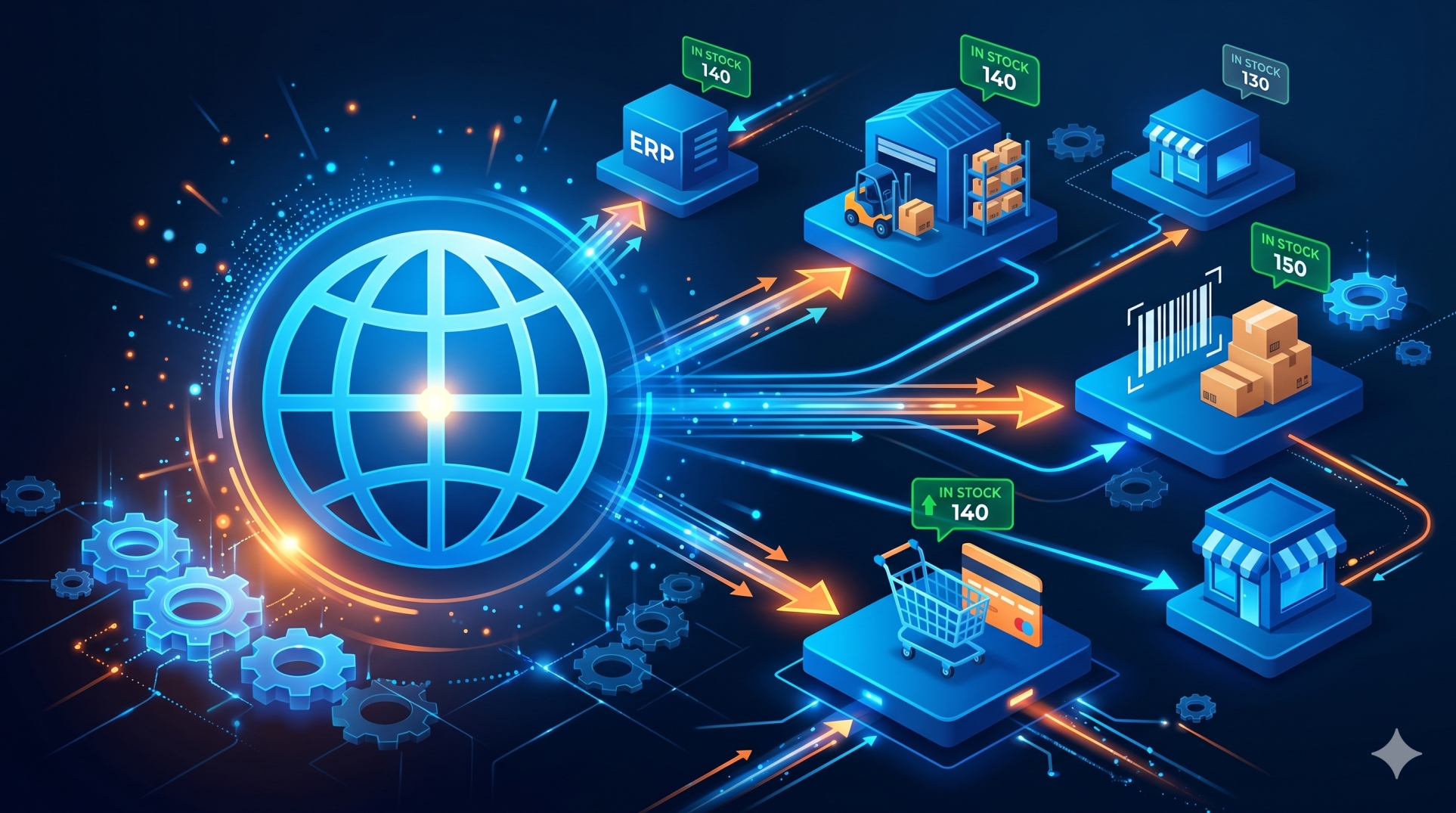
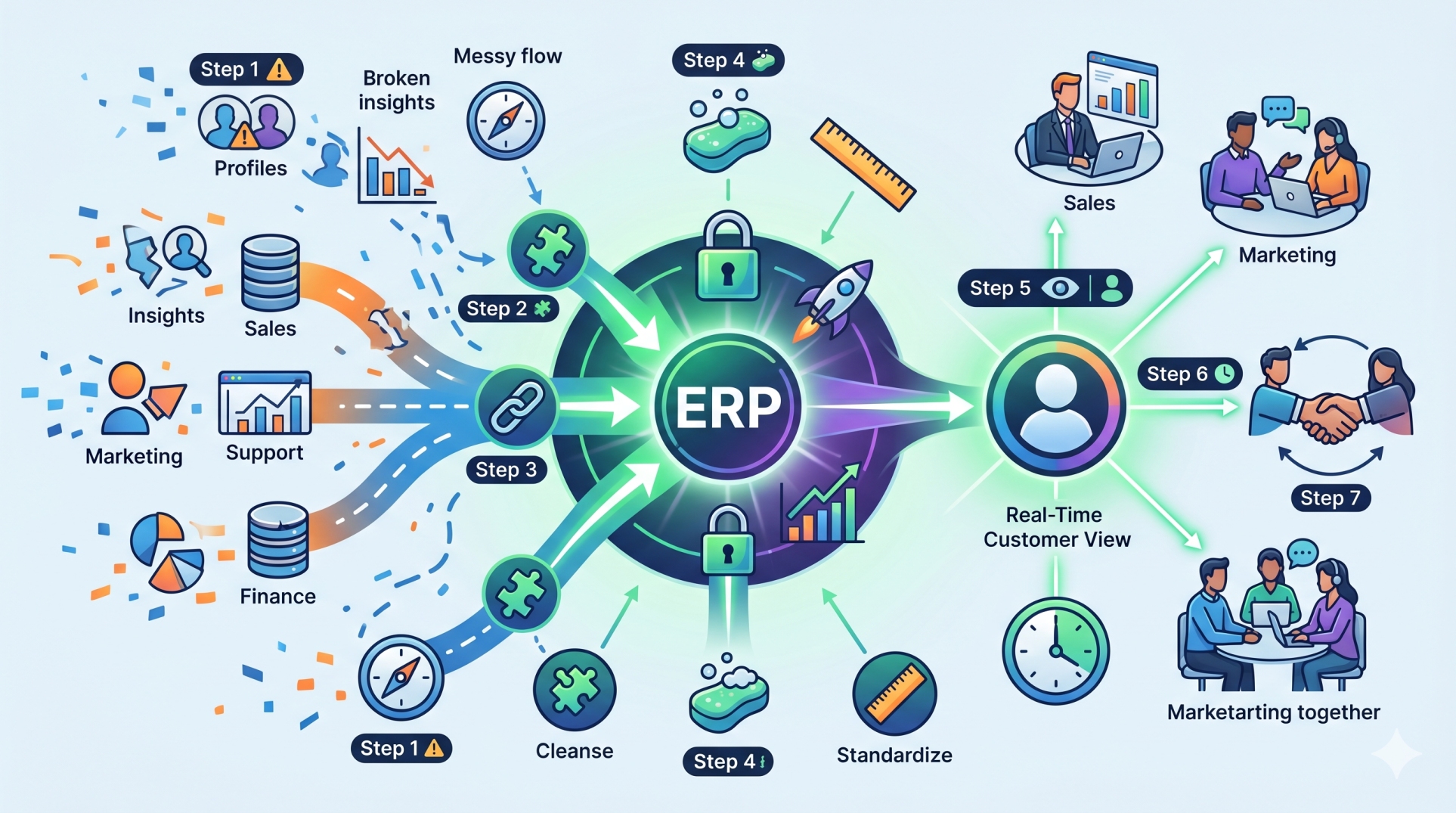
Step 3: Real-Time Data Synchronization 🔄
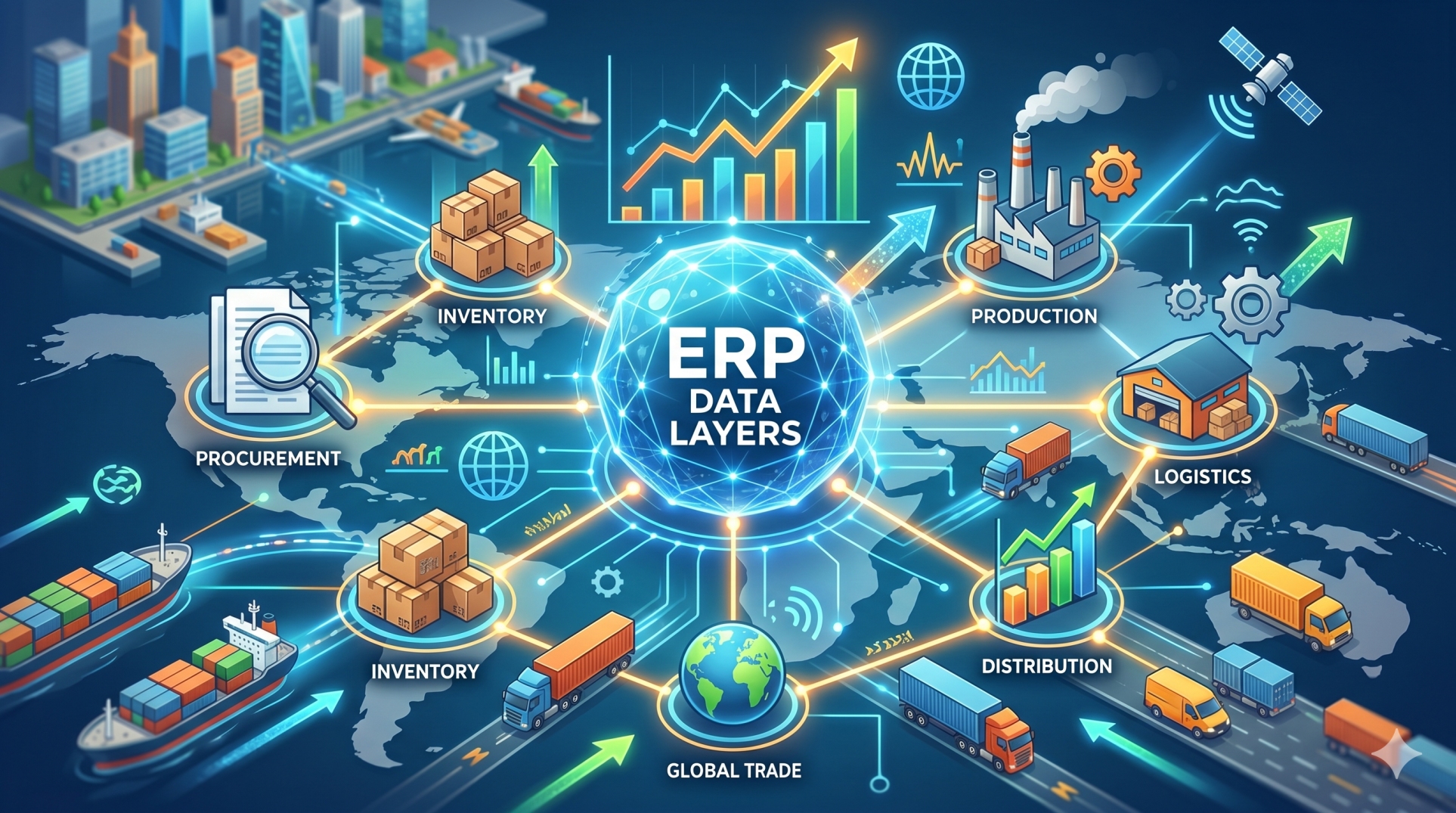
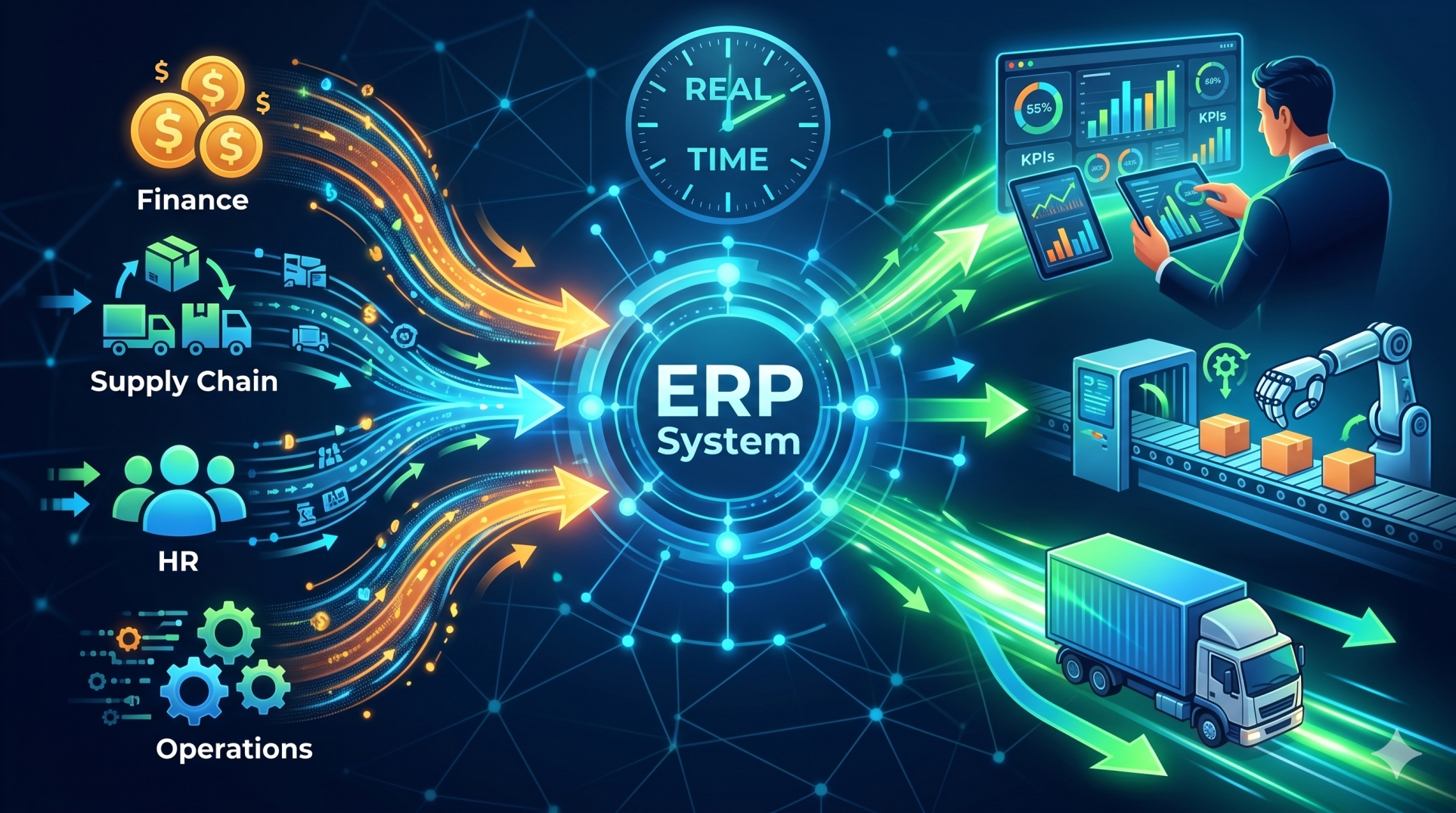
• Synchronize ERP modules instantly through event streams ⚙️
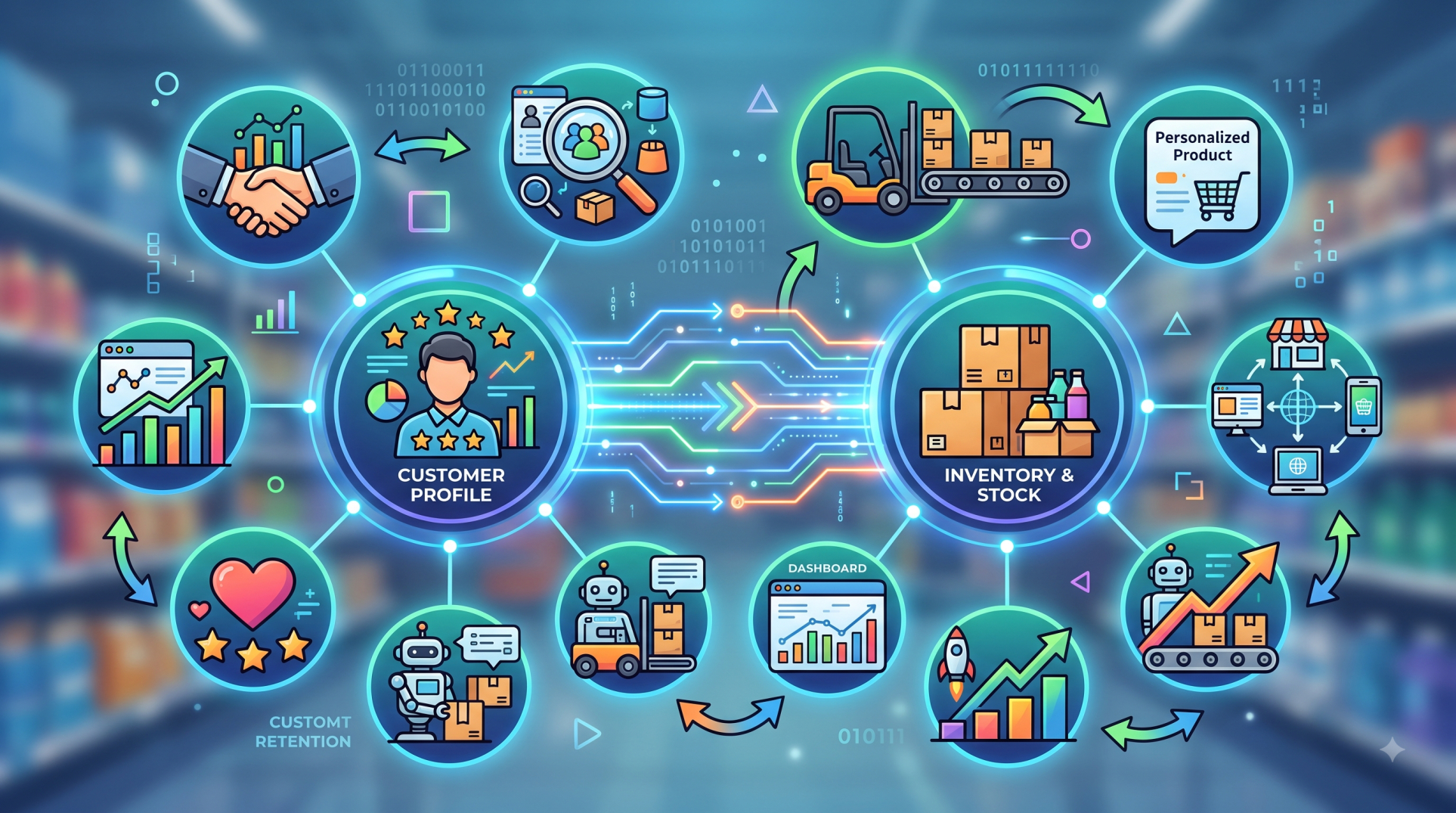
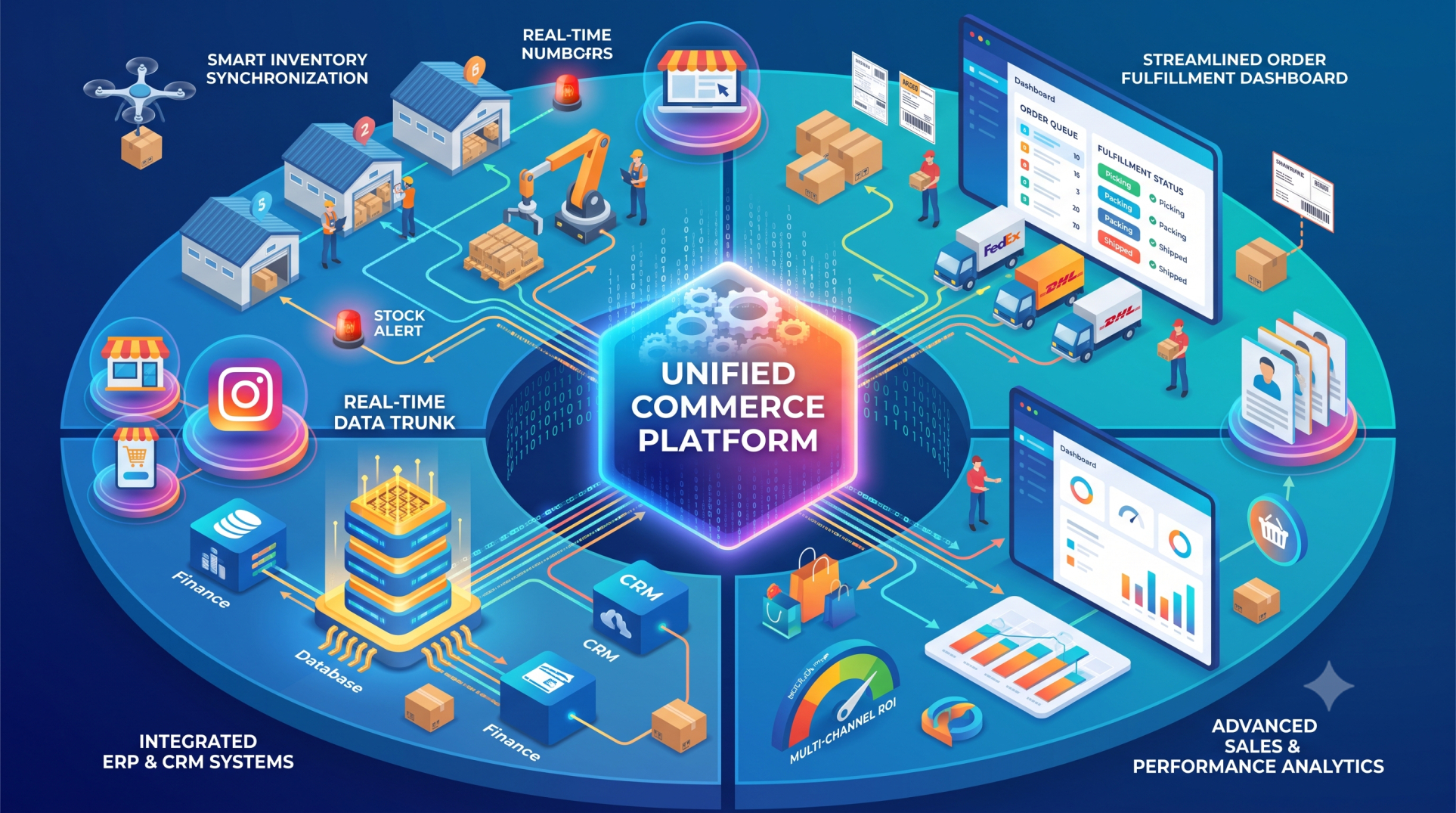
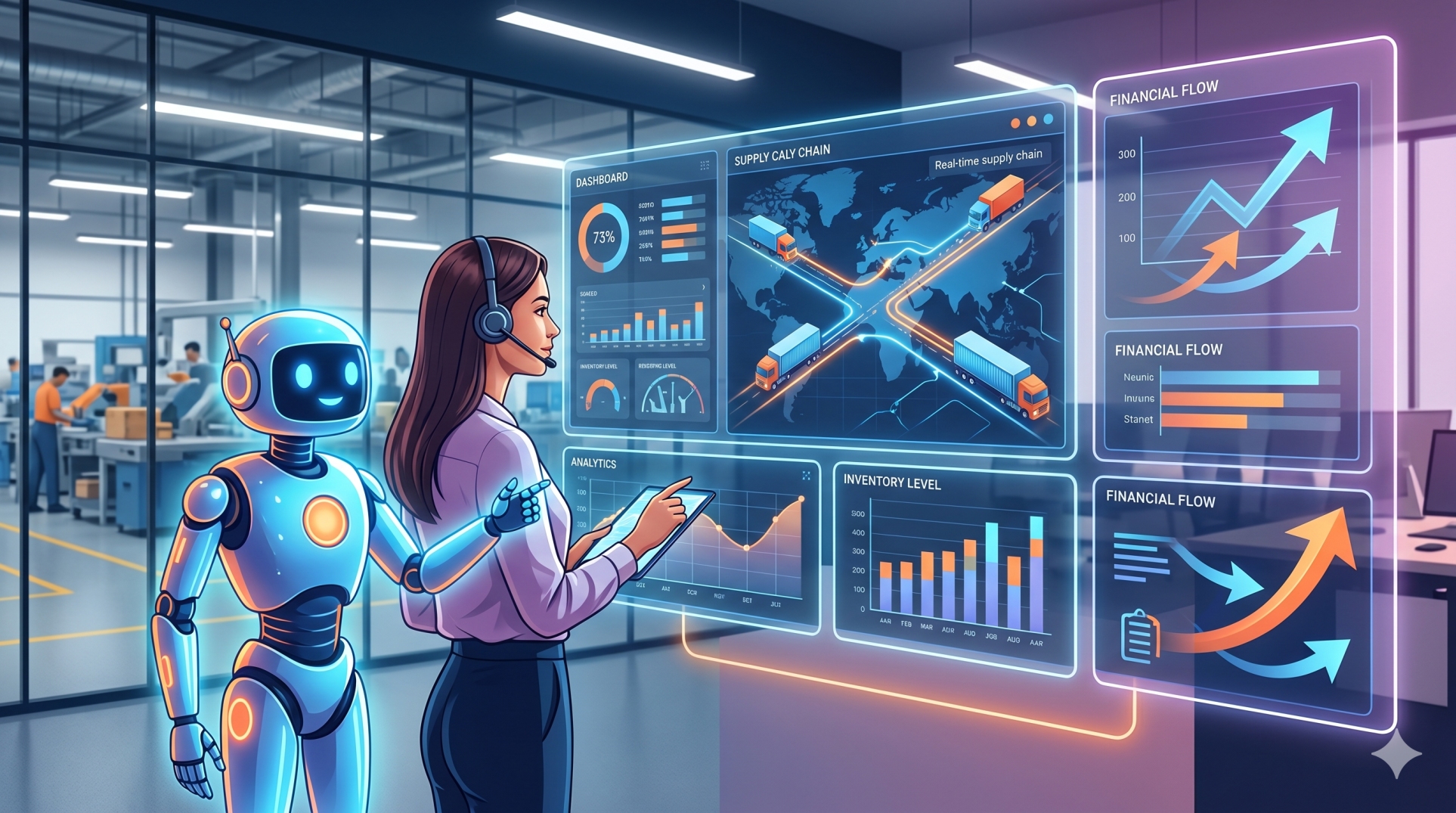
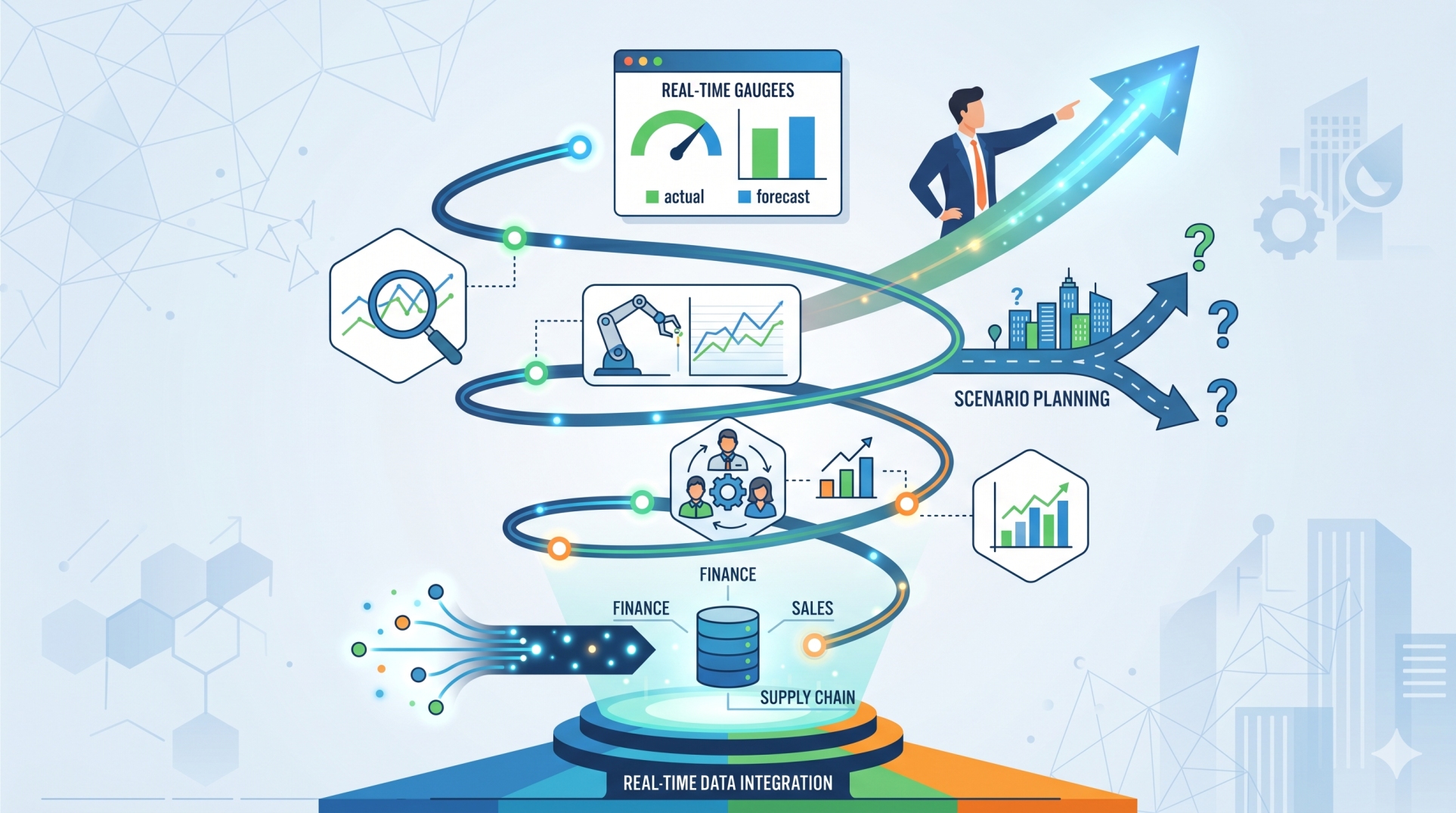
• Update inventory, finance, procurement, and logistics in real time 📊
• Eliminate delays caused by batch processing ⏱️
• Ensure consistent data visibility across departments 👁️
• Improve operational accuracy with immediate updates ✅
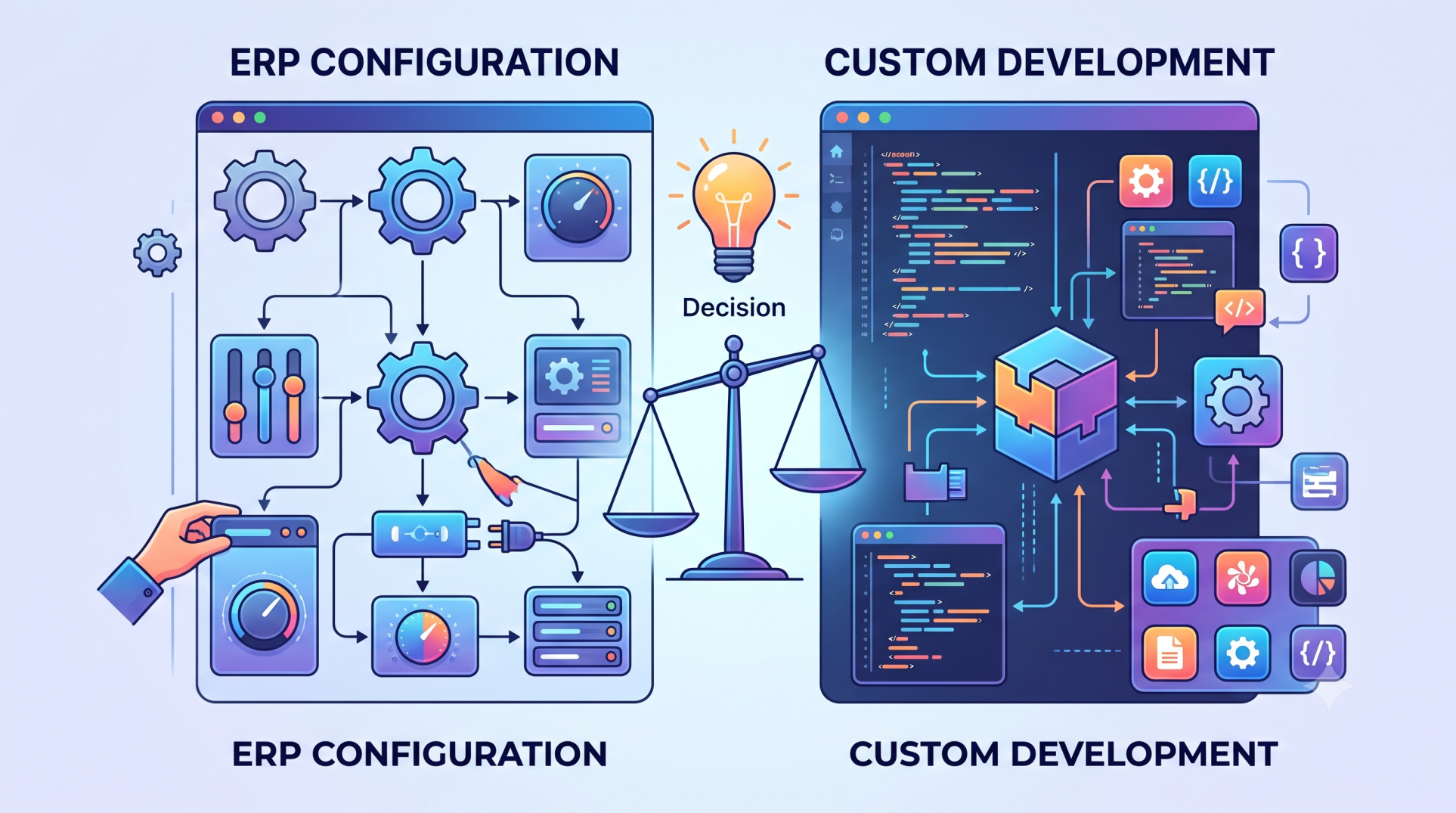
Step 4: Decoupling ERP Services 🧩
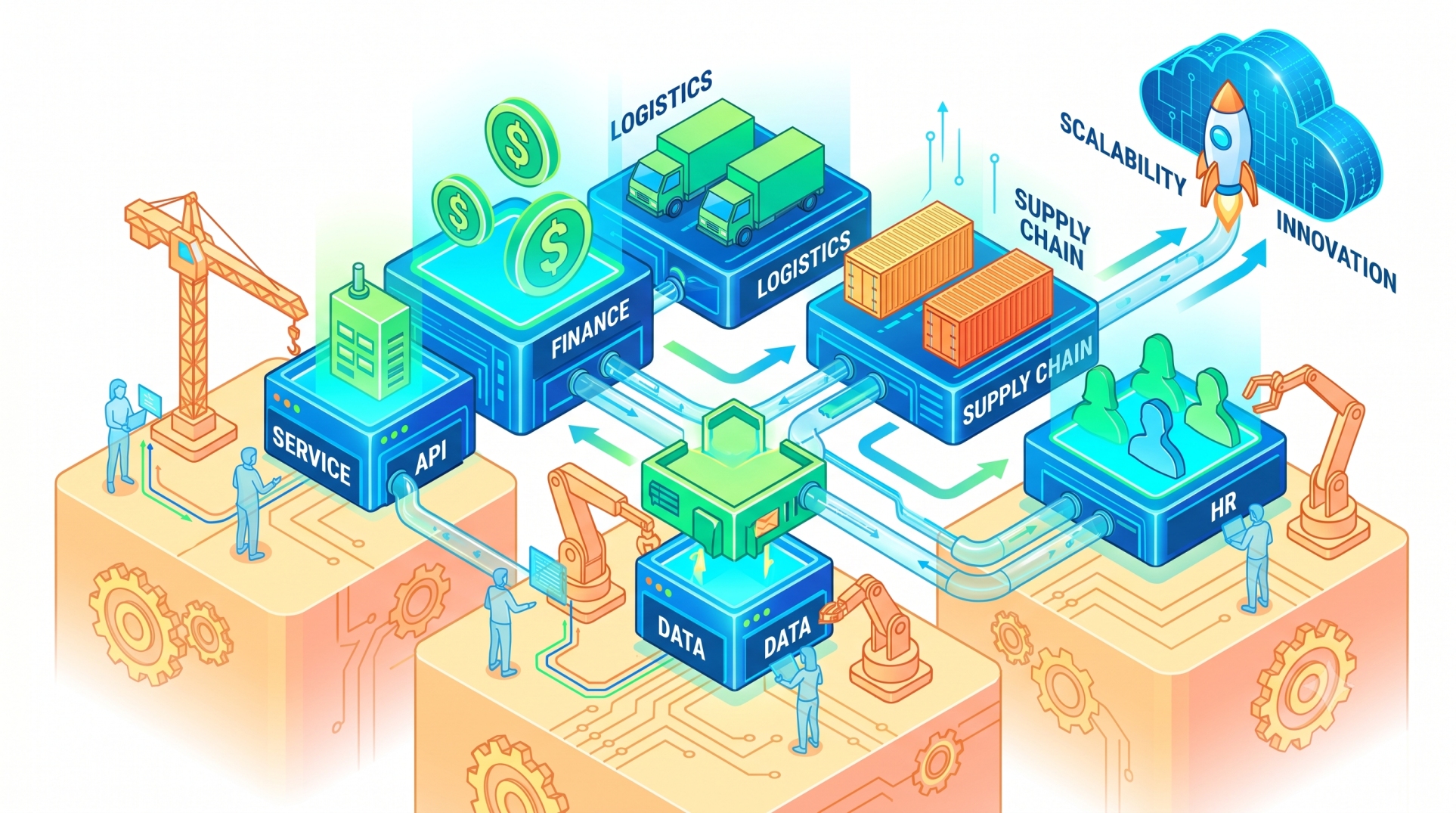
• Separate services to improve system flexibility ⚡
• Enable independent scaling of ERP components 📈
• Reduce the impact of failures across connected modules 🛡️
• Simplify integration with third-party platforms 🔌
• Accelerate development and deployment cycles 🚀
Step 5: Workflow Automation Through Events 🤖
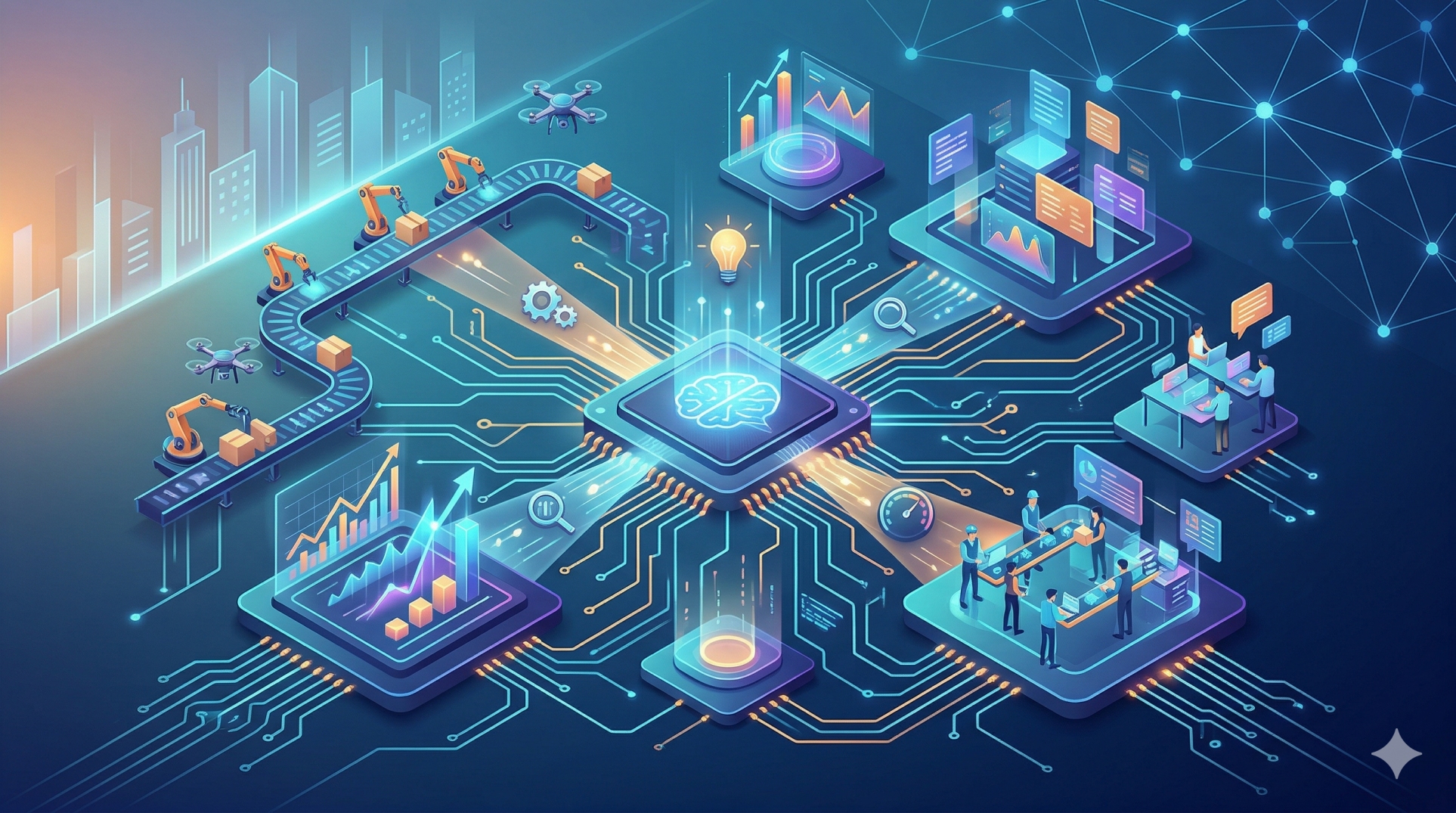
• Trigger automated workflows based on business activities ⚙️
• Launch approvals, notifications, or transactions automatically 📨
• Reduce manual intervention across enterprise operations 🏢
• Improve efficiency through intelligent process orchestration 🔄
• Enable faster response to operational changes ⚡
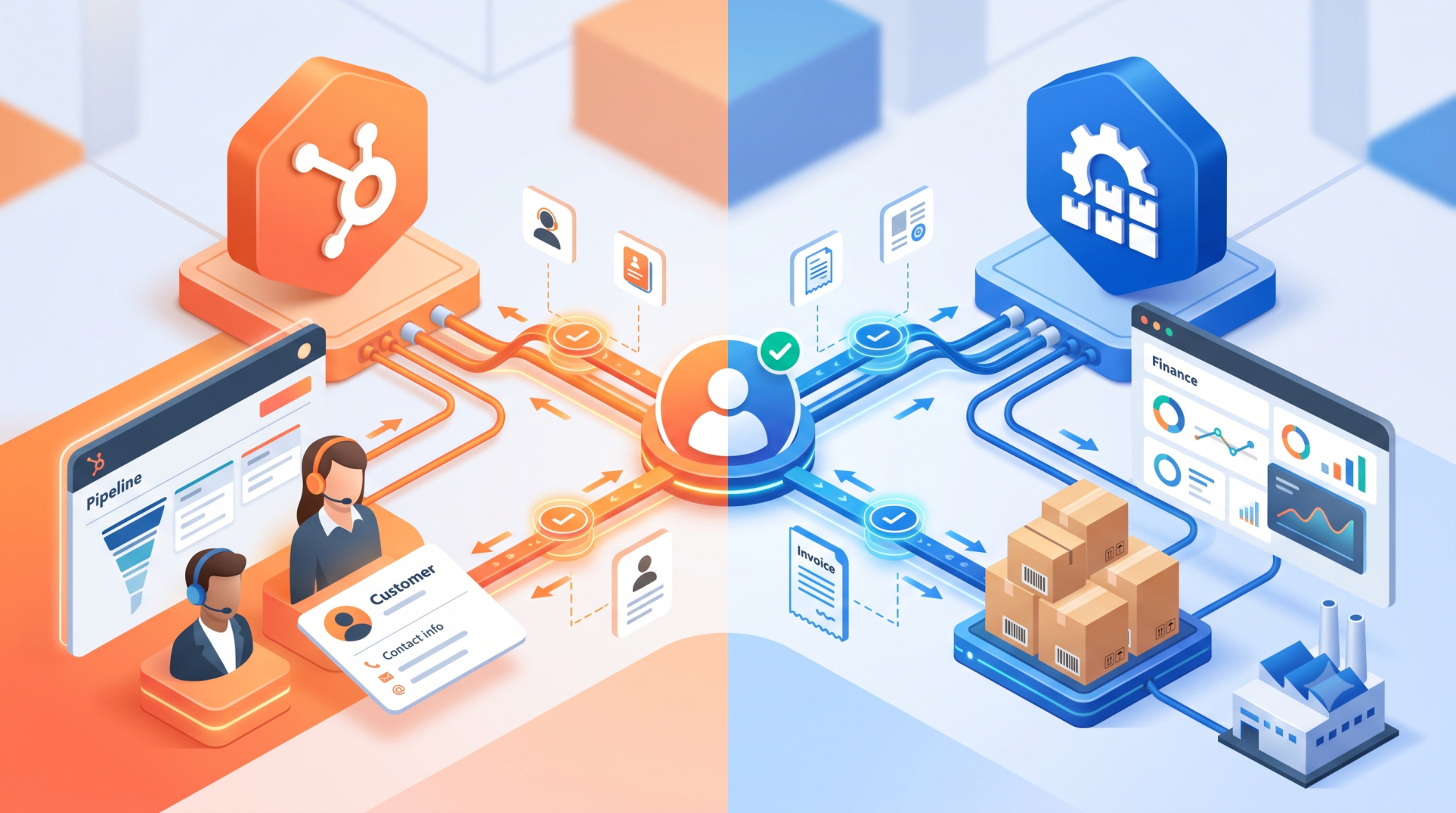
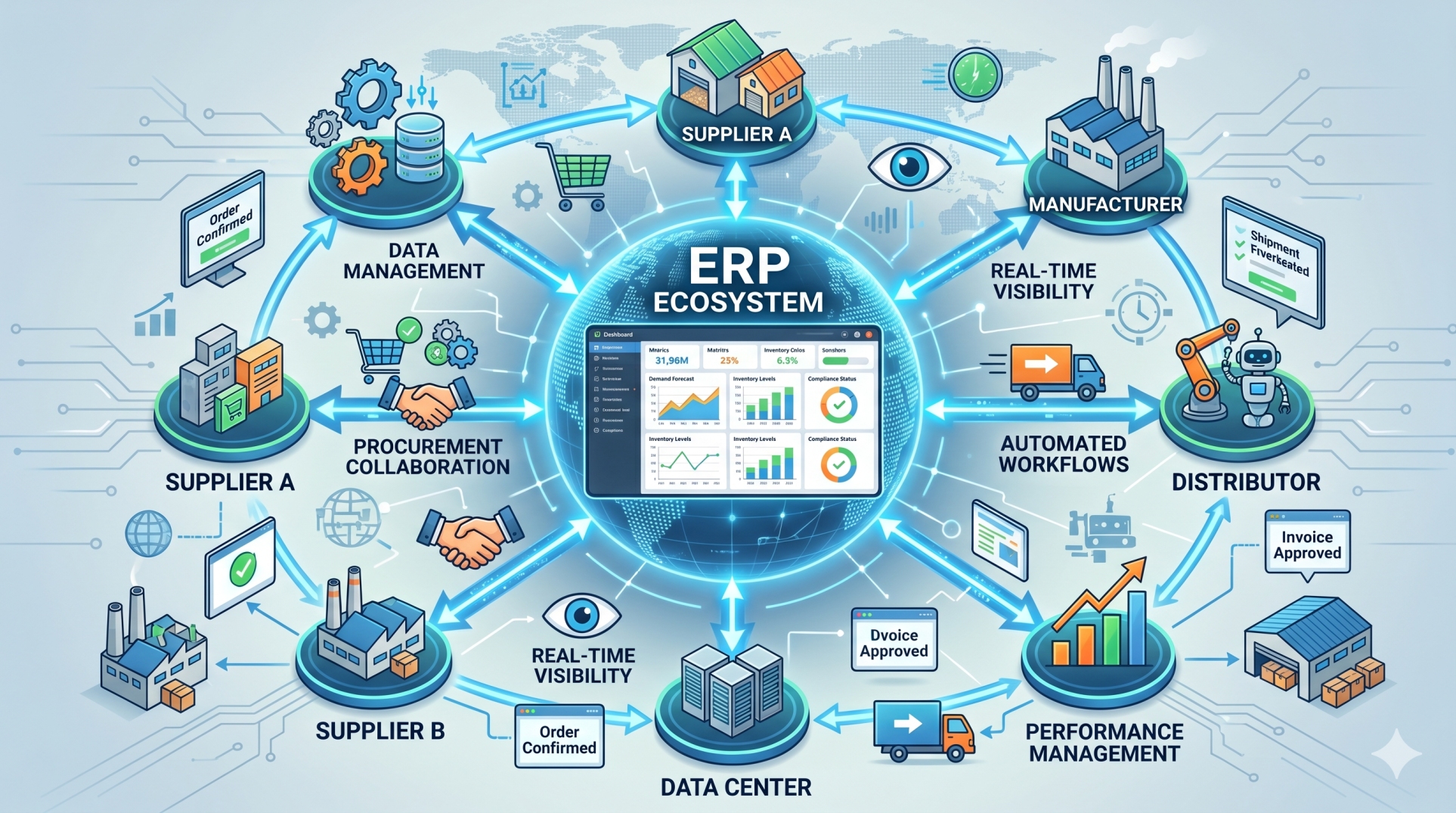
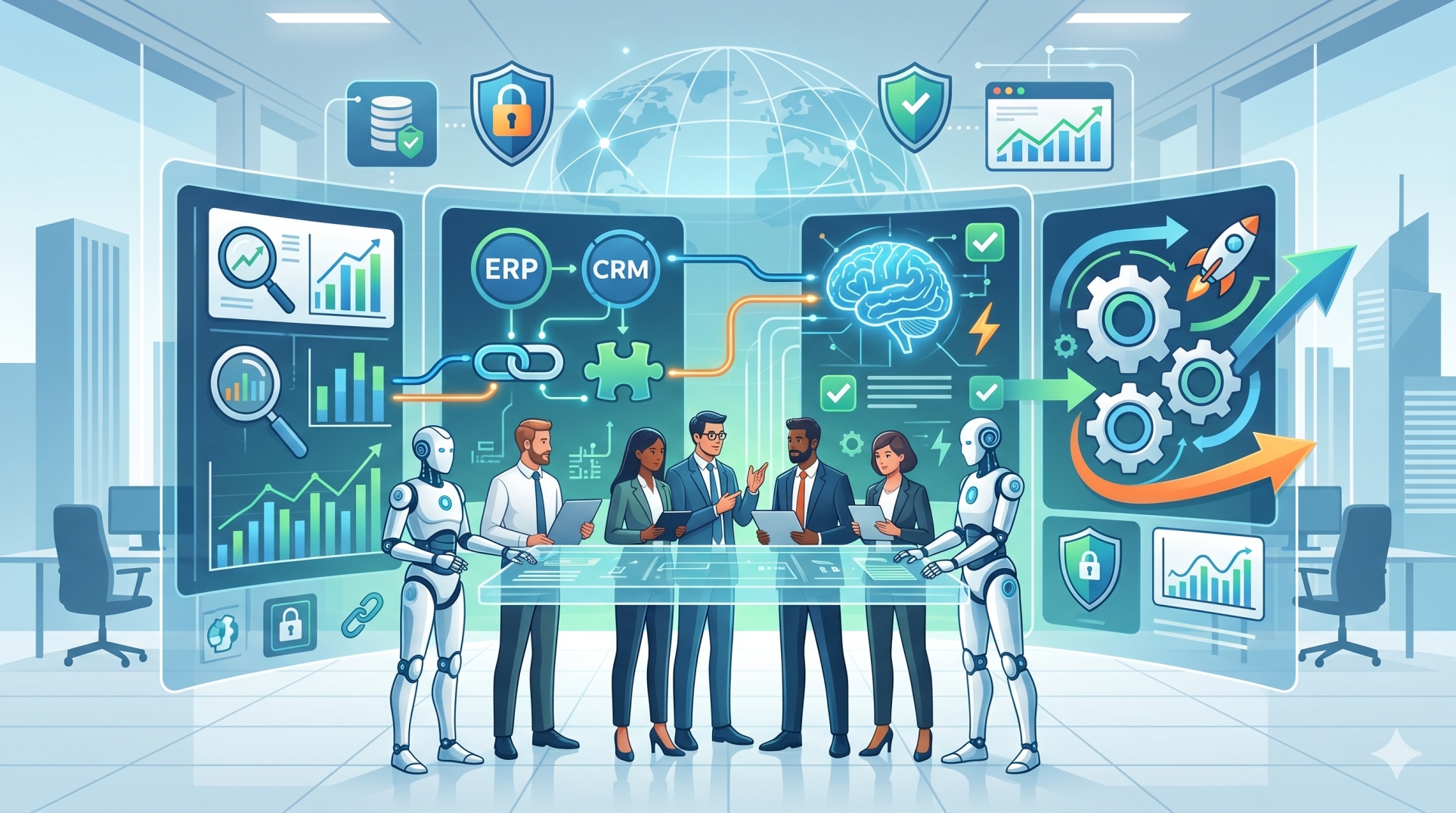
Step 6: Integrating External Systems 🌐
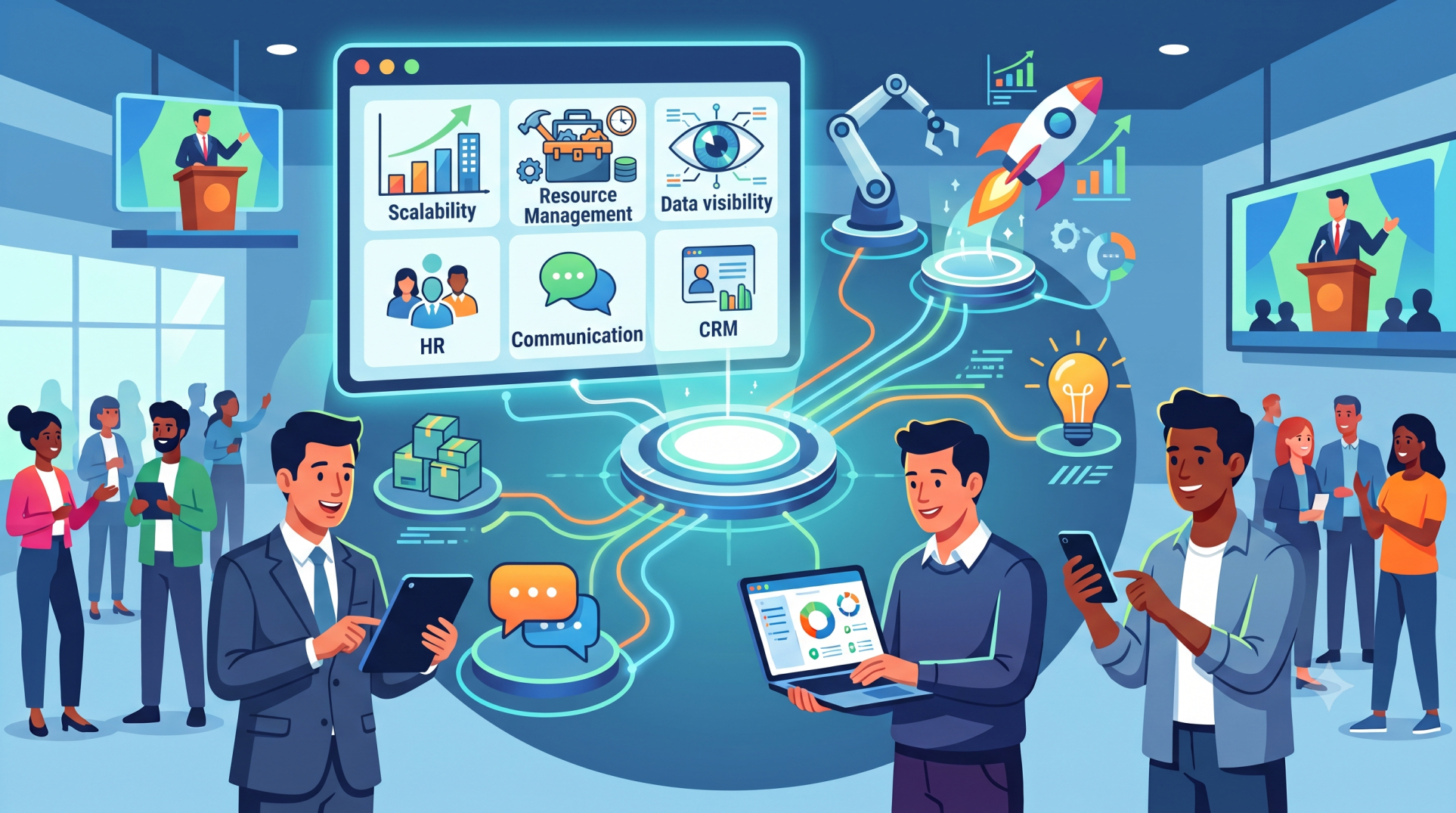
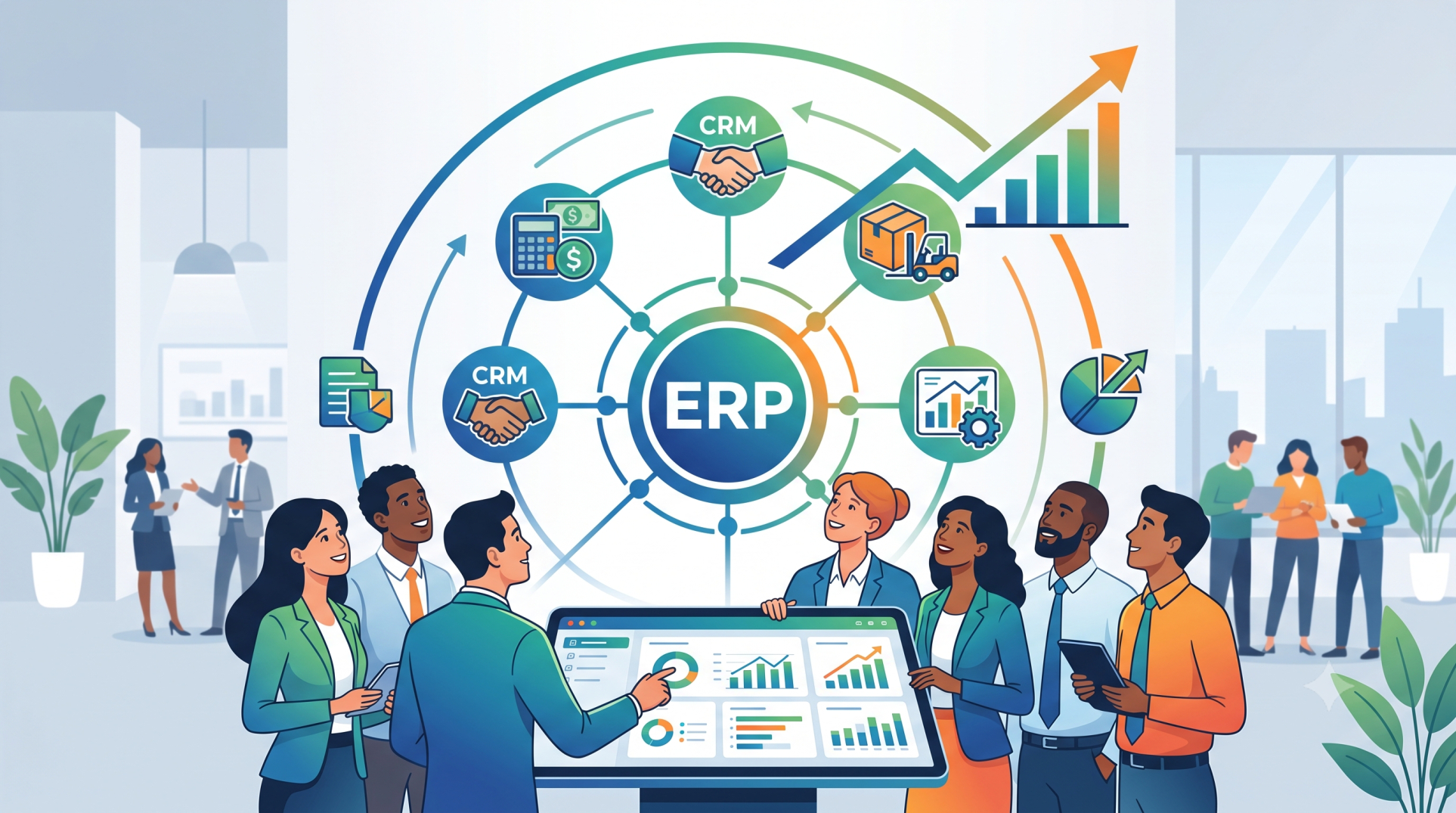
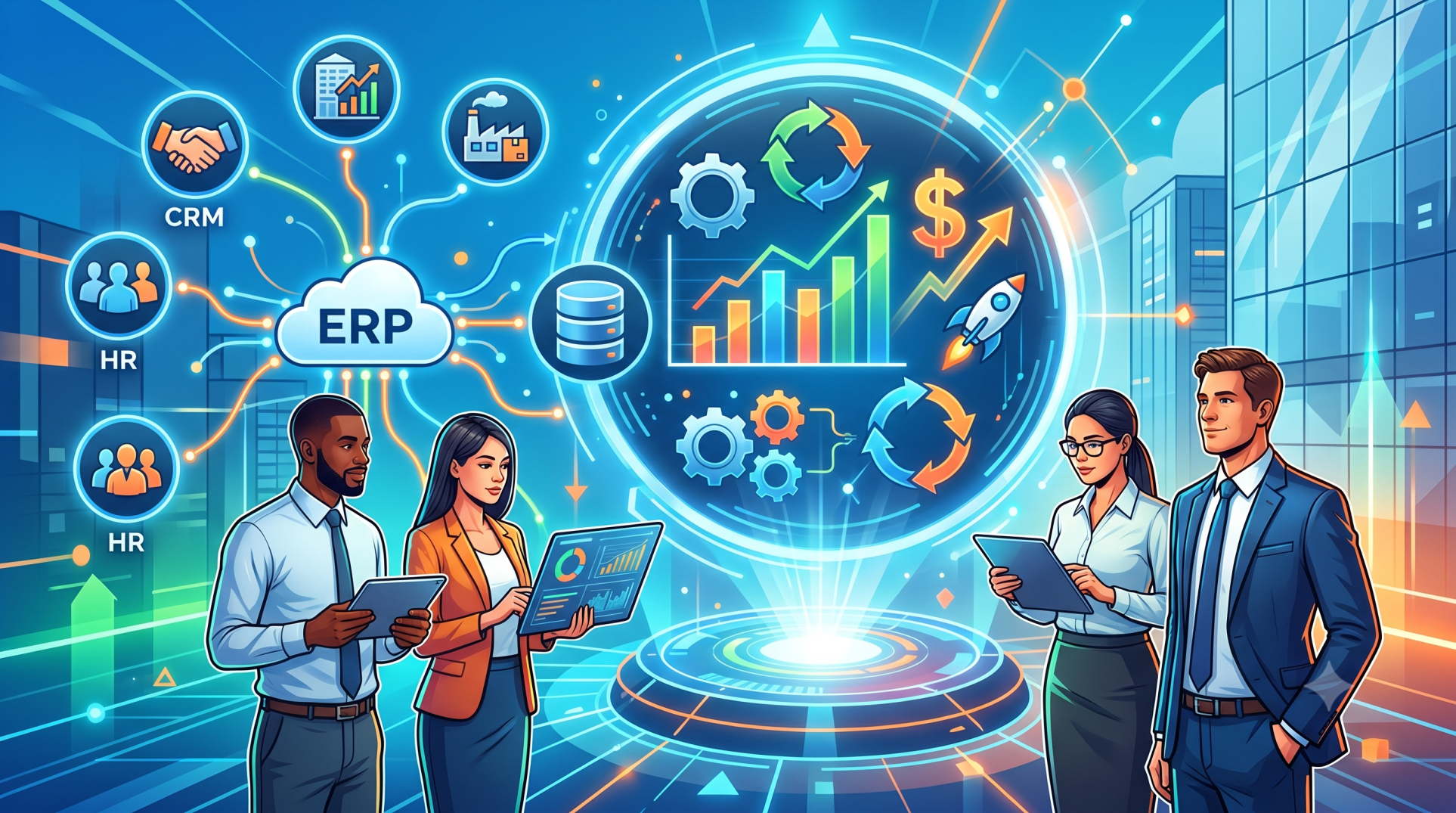
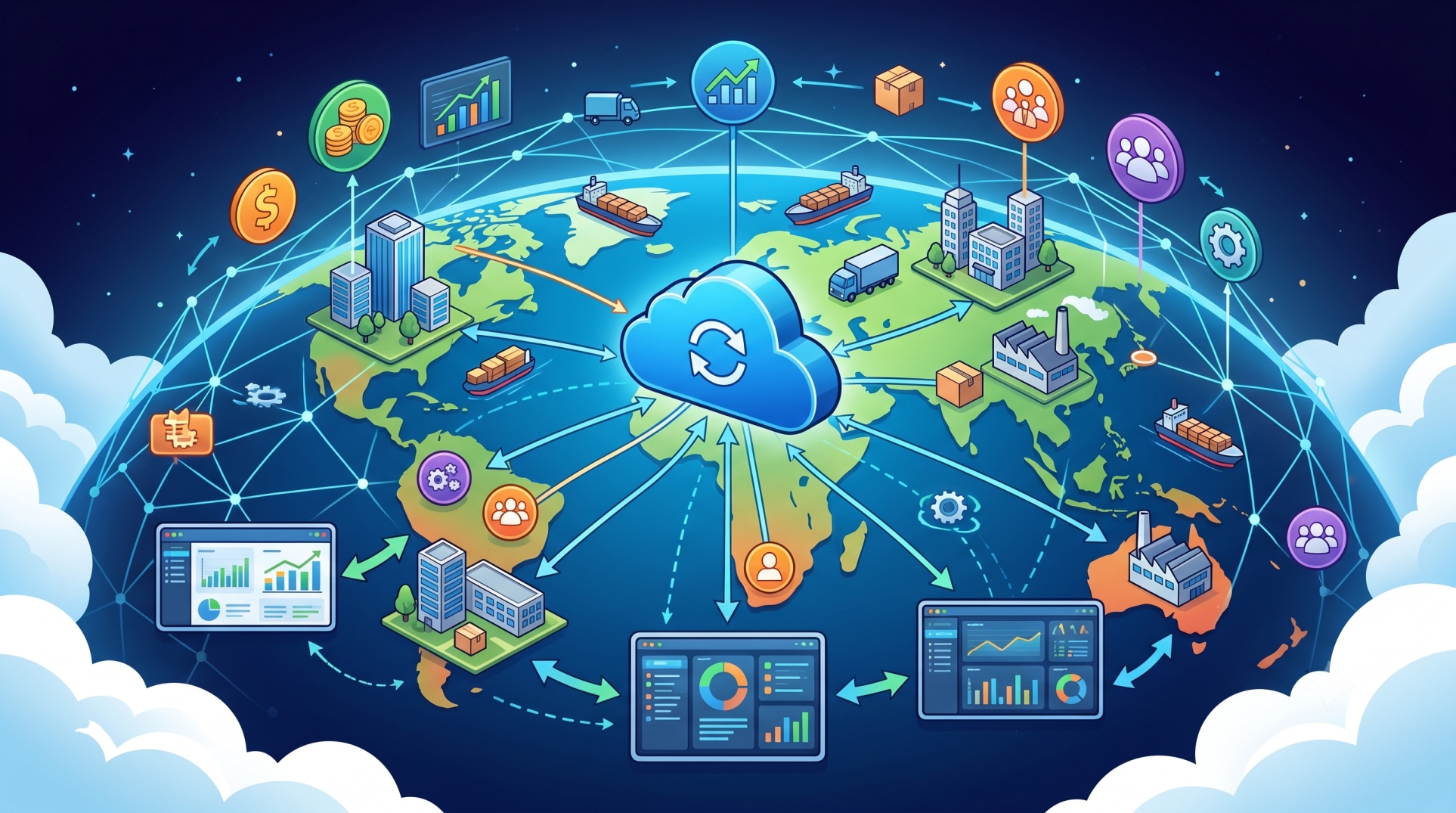
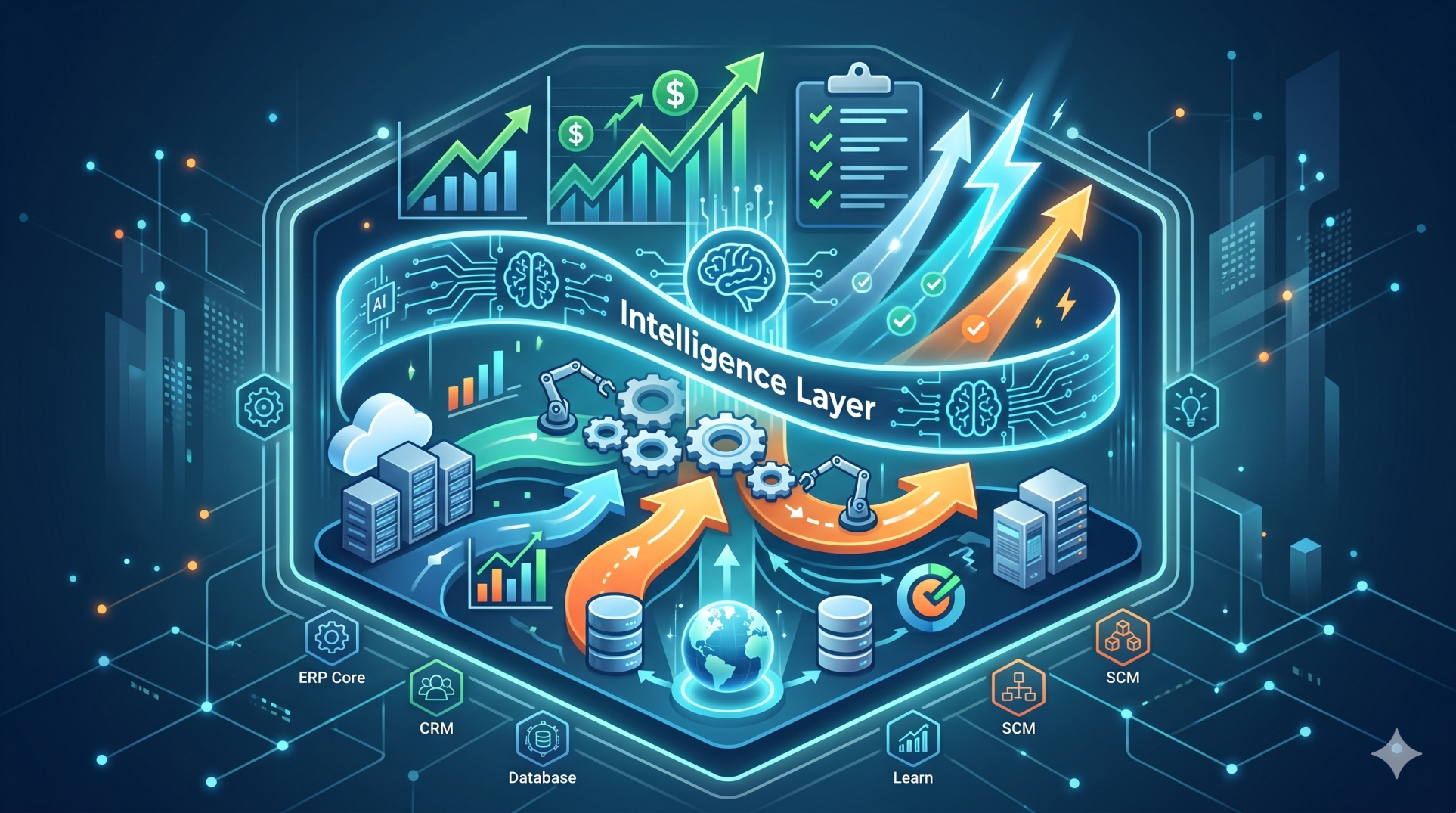
• Connect ERP systems with CRM, SCM, HR, and analytics platforms 🔗
• Exchange information seamlessly through event-based communication 📡
• Support cloud-native and hybrid enterprise environments ☁️
• Enable real-time collaboration between applications 🤝
• Improve enterprise-wide visibility and coordination 👀
Step 7: Scalability and Performance Optimization 📈
• Scale event processing independently based on workload ⚙️
• Handle large volumes of transactions efficiently 🚀
• Distribute workloads across multiple services 🔄
• Optimize system performance during peak operations ⚡
• Maintain responsiveness as business demands grow 📊
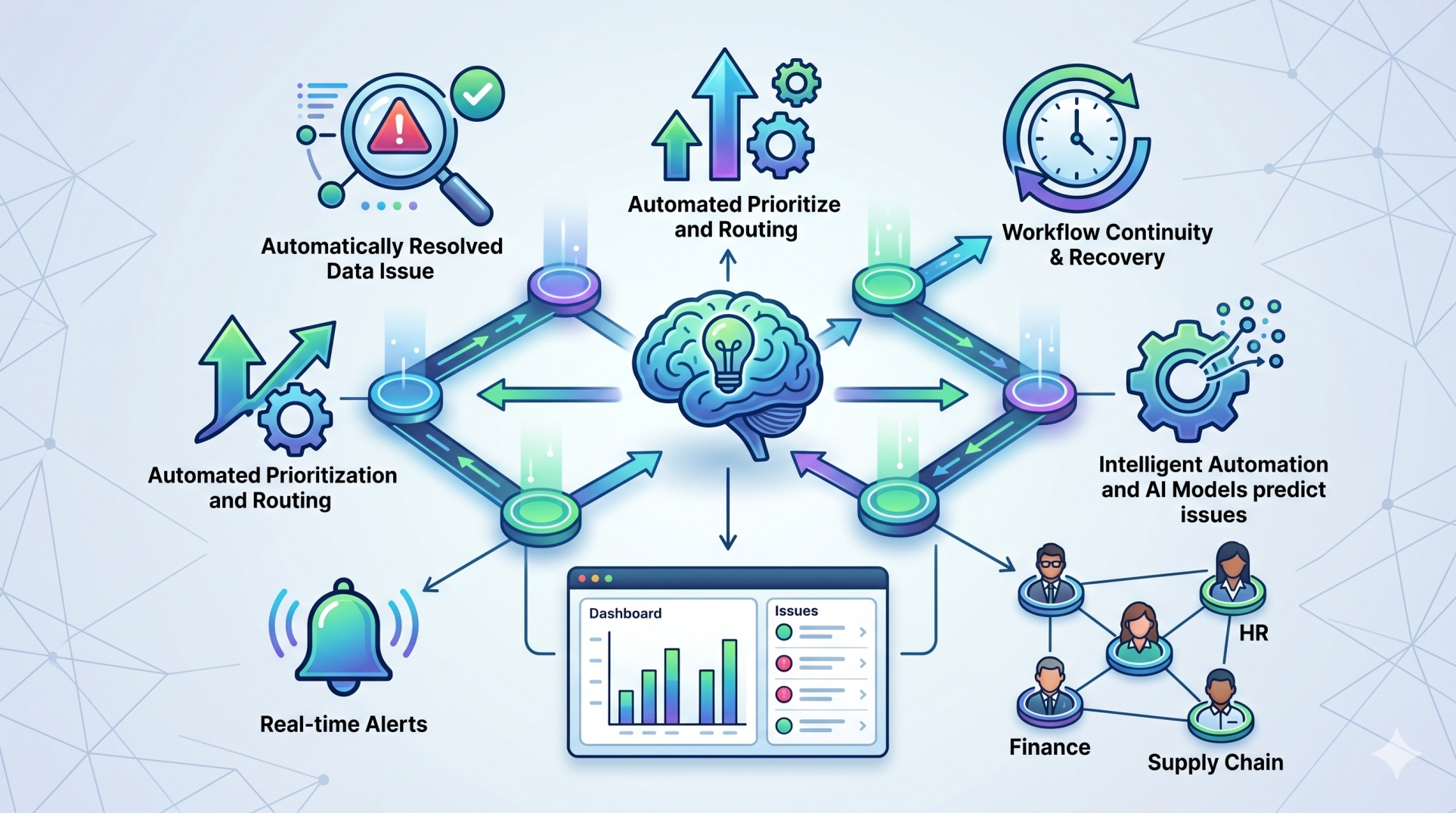
Step 8: Monitoring and Event Observability 🔍
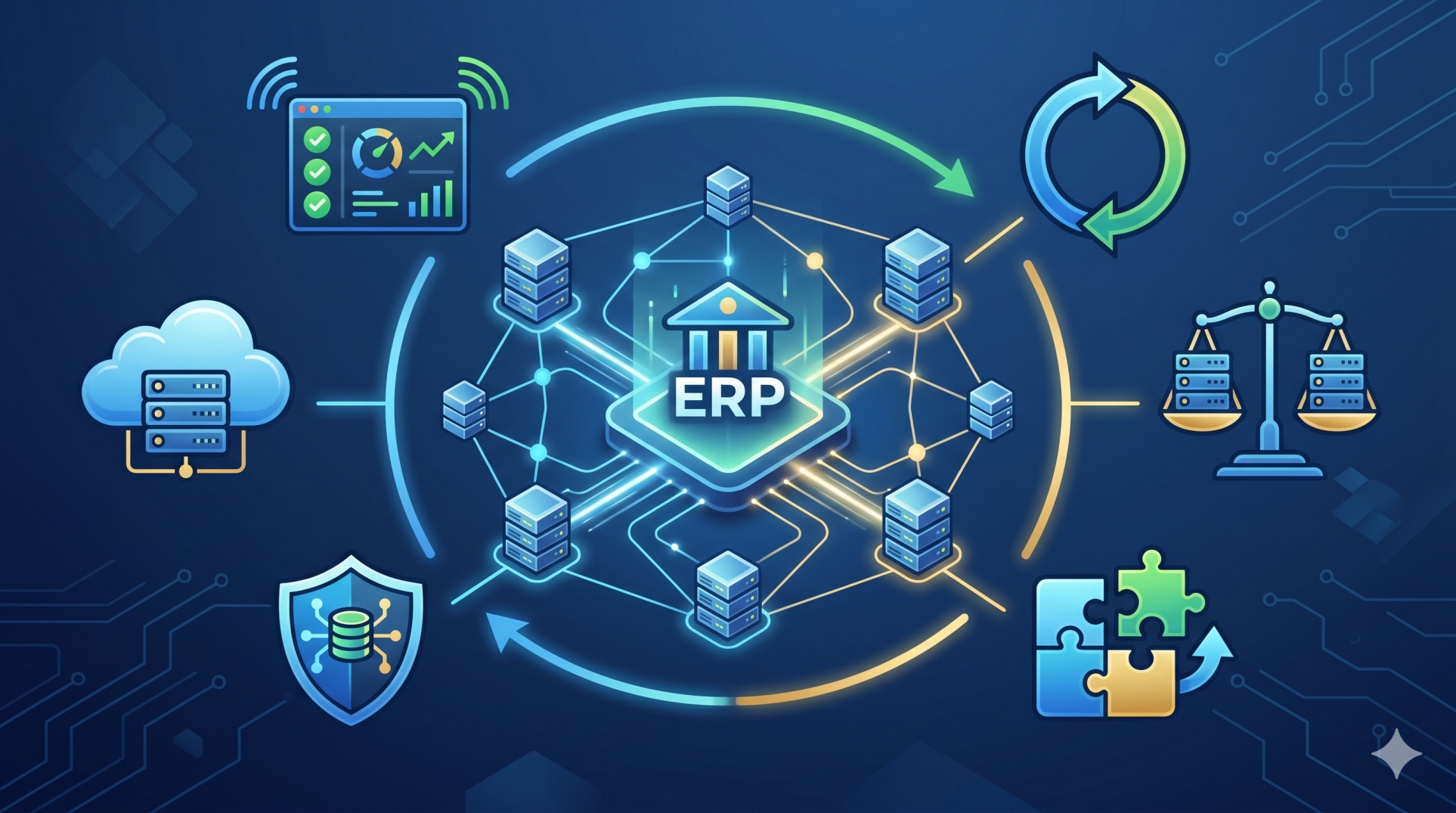
• Track event flows across ERP services in real time 📡
• Monitor system health and processing performance 🛠️
• Detect failures, delays, or bottlenecks quickly 🚨
• Maintain audit logs for compliance and troubleshooting 📜
• Improve operational transparency through observability 👁️
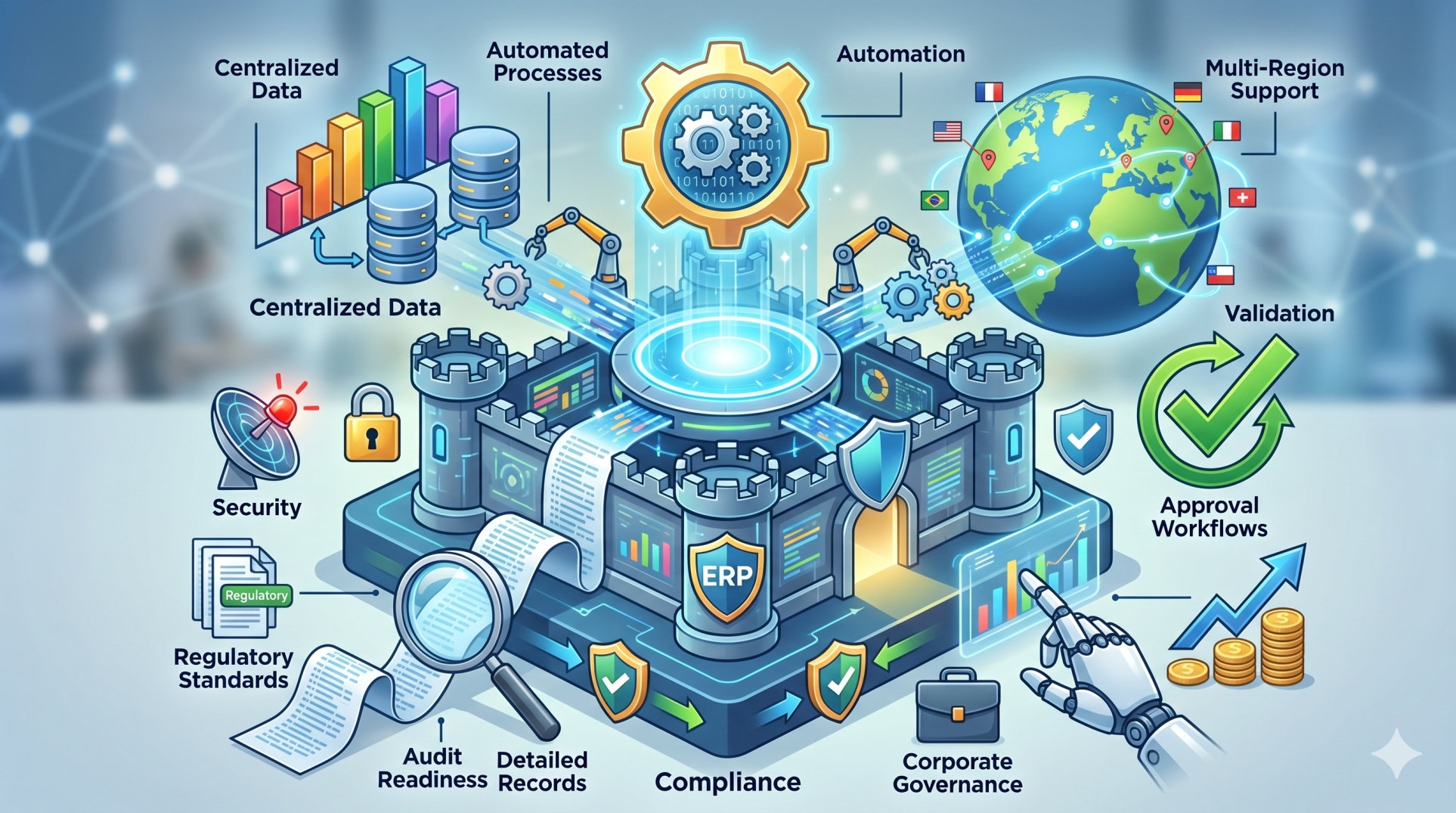
Step 9: Security and Reliability 🔐
• Secure event communication through encryption protocols 🛡️
• Validate event authenticity before processing ✔️
• Prevent duplicate or unauthorized event execution 🚫
• Ensure reliable message delivery across services 📬
• Maintain compliance with enterprise governance standards ⚖️
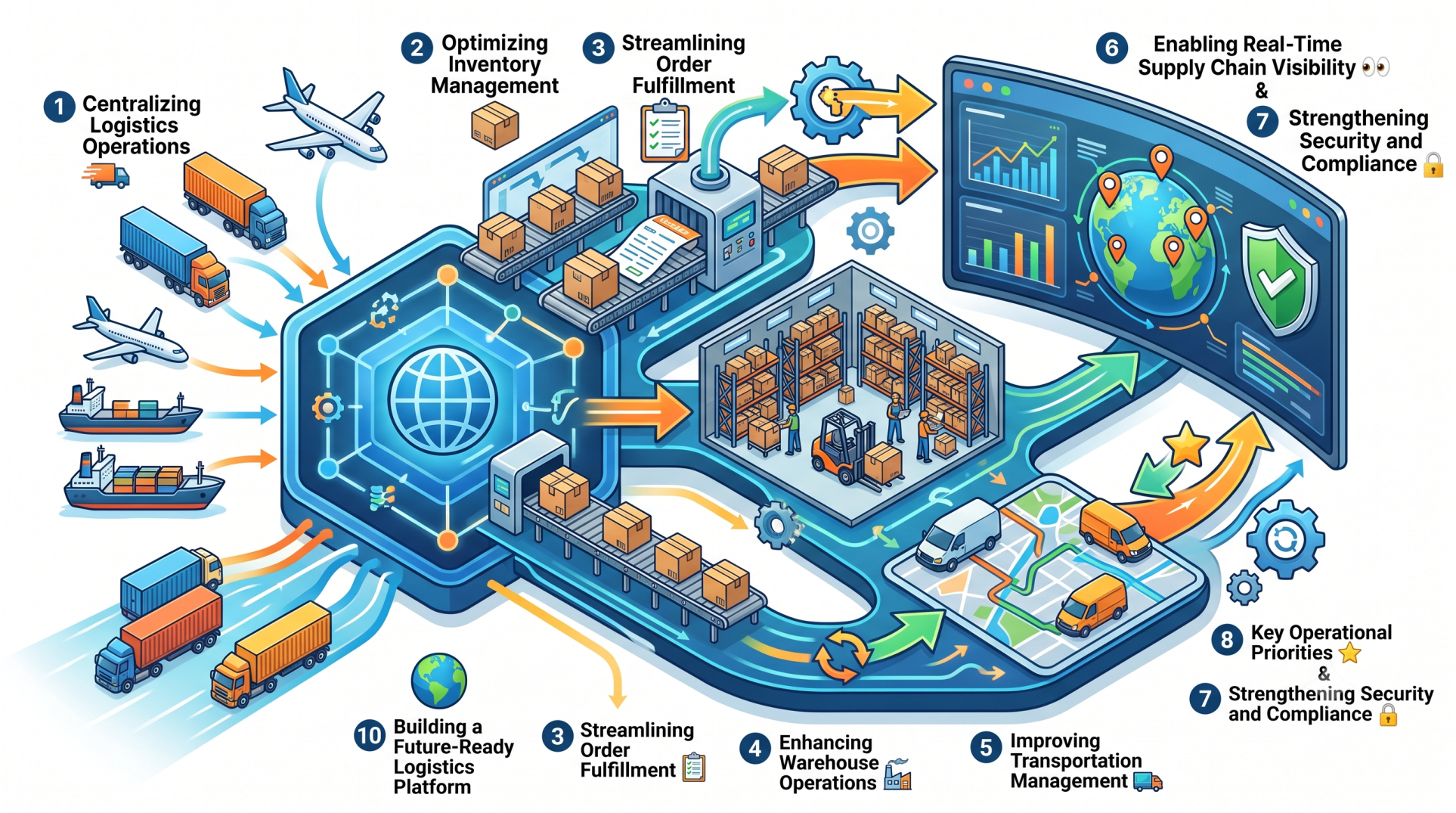
Step 10: Building Future-Ready ERP Ecosystems 🌟
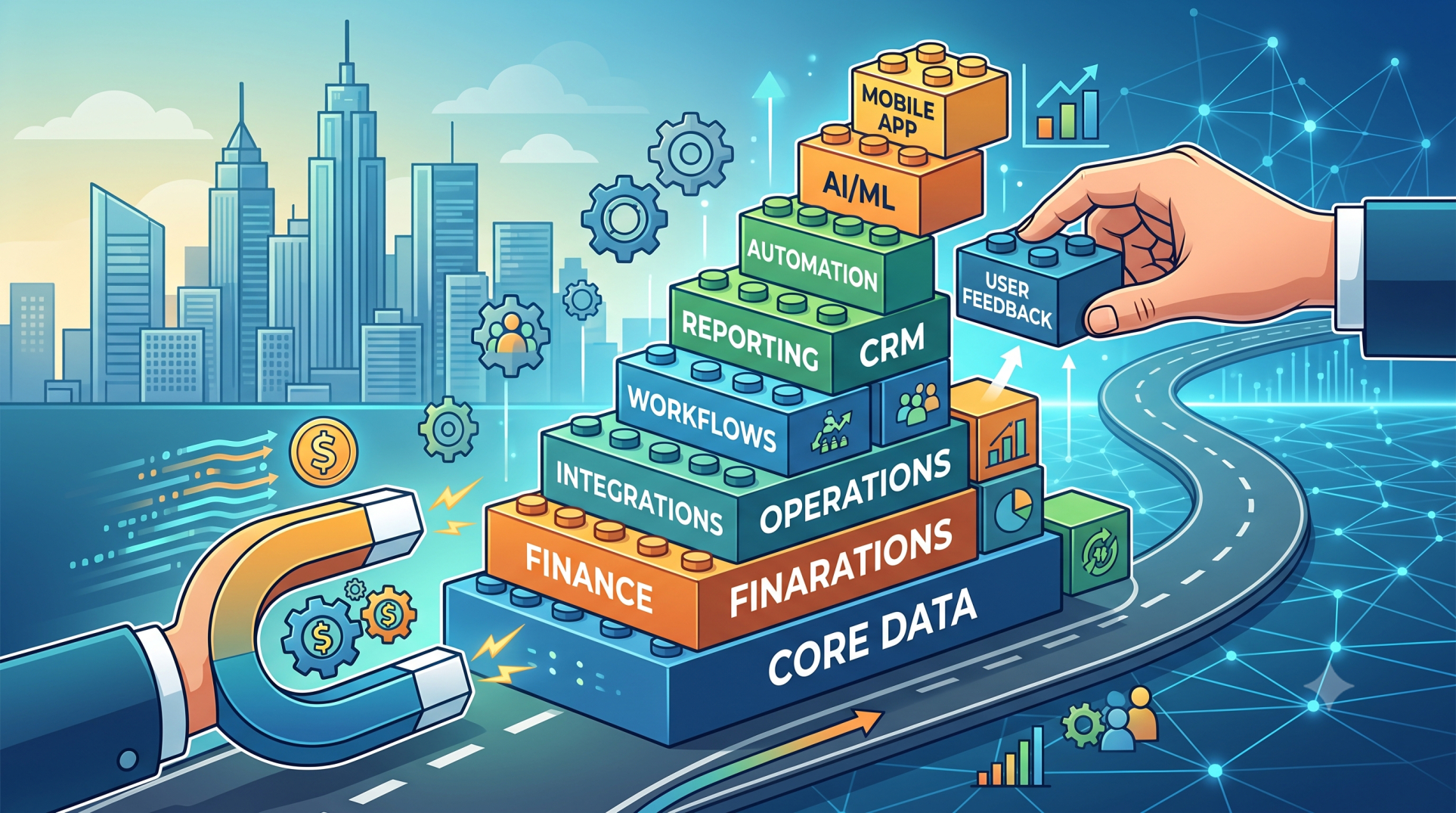
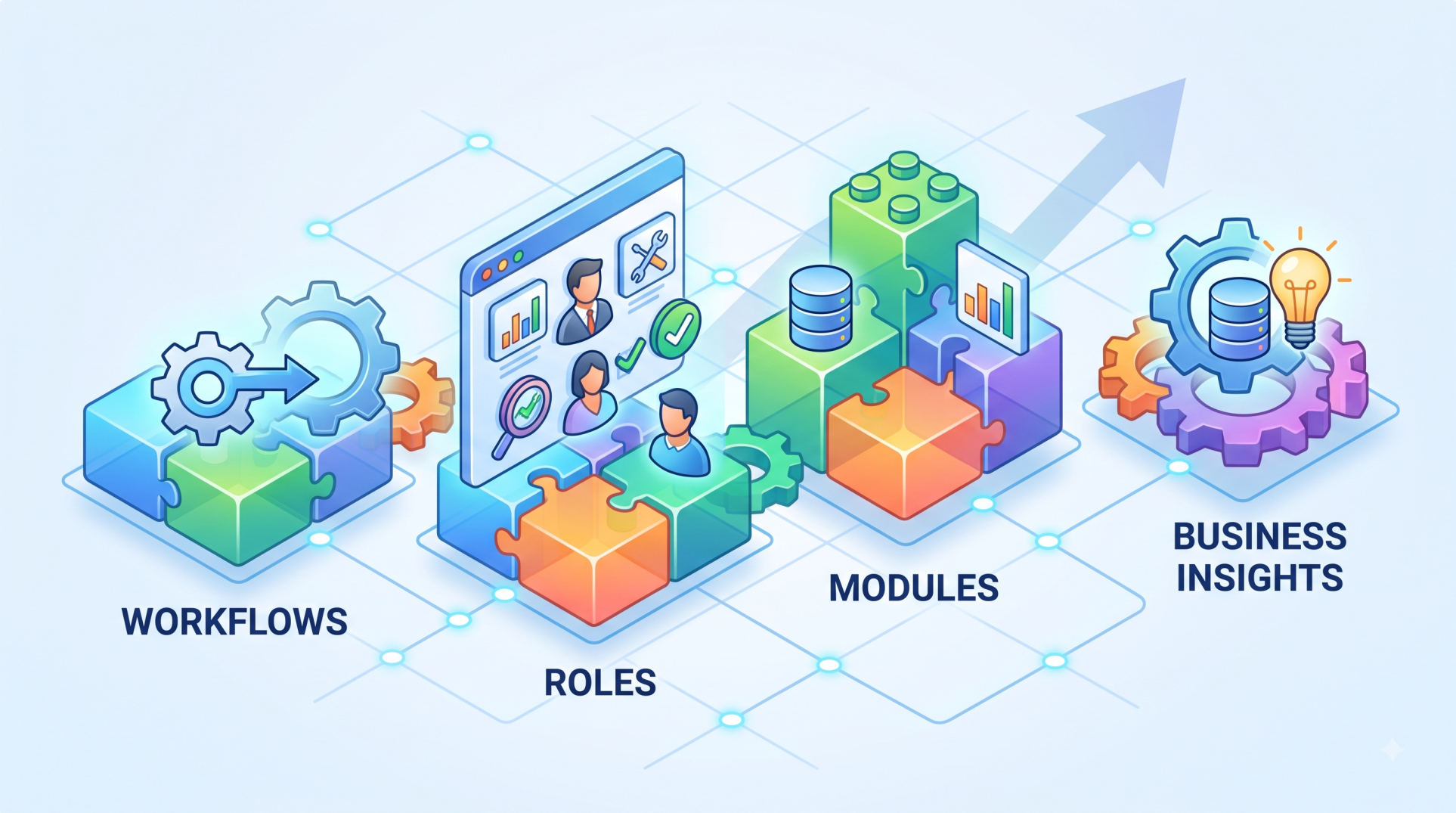
• Design modular ERP environments powered by event streams 🧩
• Support rapid integration of new services and technologies 🔄
• Enable adaptive workflows for evolving business needs 📈
• Improve resilience through distributed architecture 🏗️
• Future-proof enterprise systems for long-term scalability 🚀
Conclusion
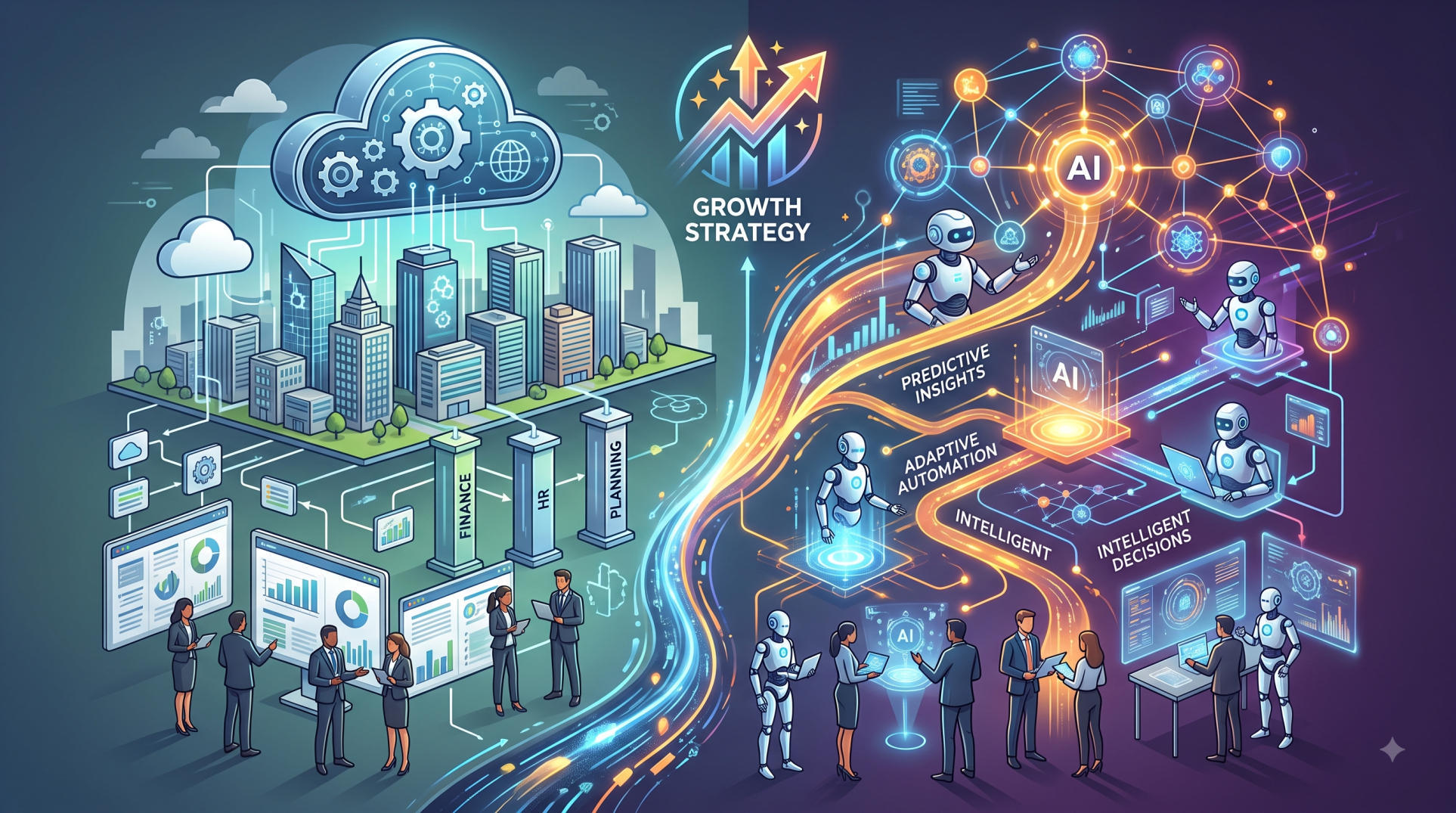
Event-Driven Architectures are transforming ERP systems into agile, scalable, and intelligent enterprise platforms. By enabling real-time communication between services and applications, organizations can streamline operations, automate workflows, and respond faster to changing business conditions. A well-designed event-driven ERP ecosystem improves flexibility, enhances operational visibility, and supports long-term digital transformation initiatives.
See more blogs
You can all the articles below