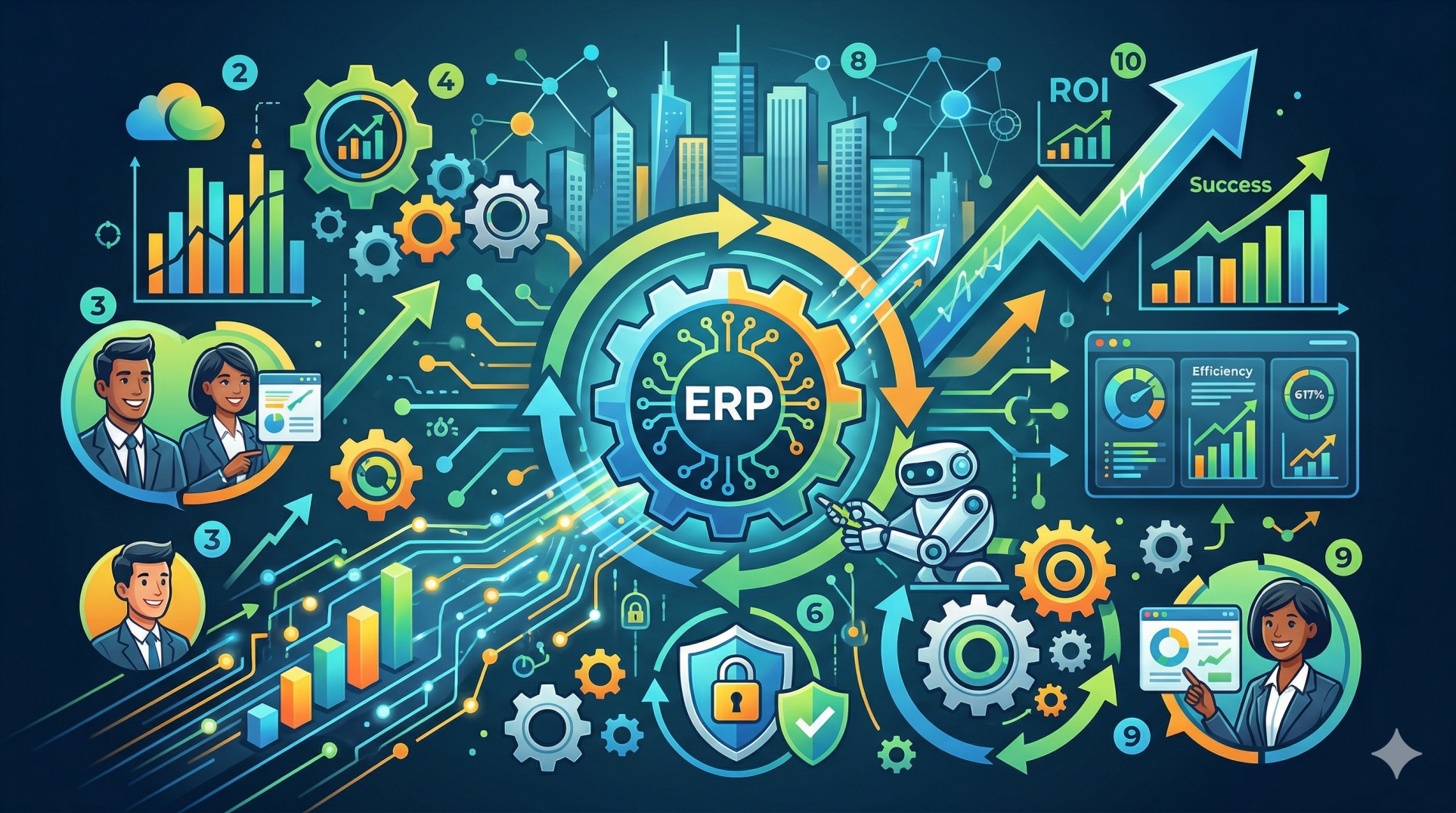
Supply Chain Visibility Powered by ERP Data Layers
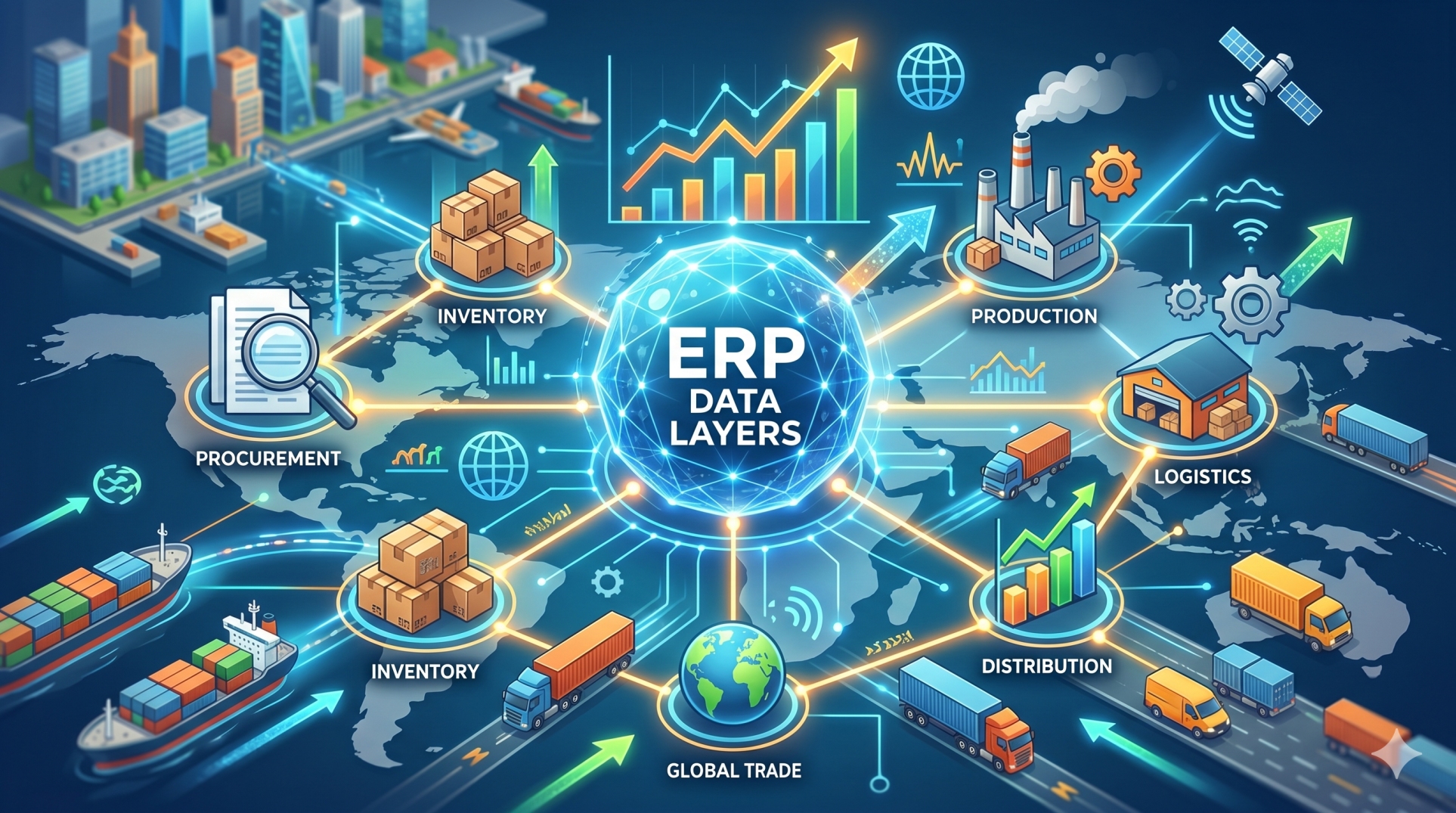
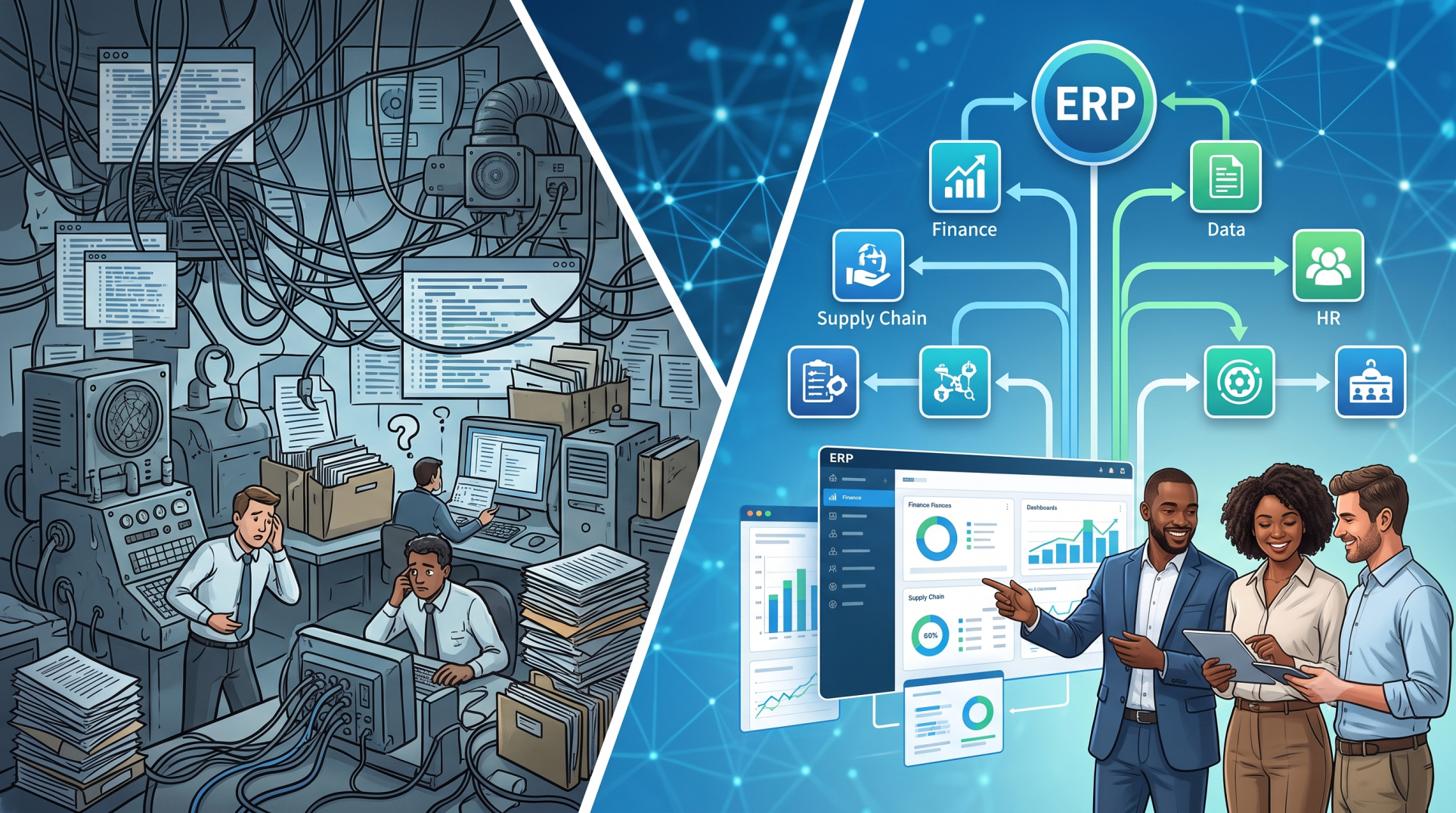
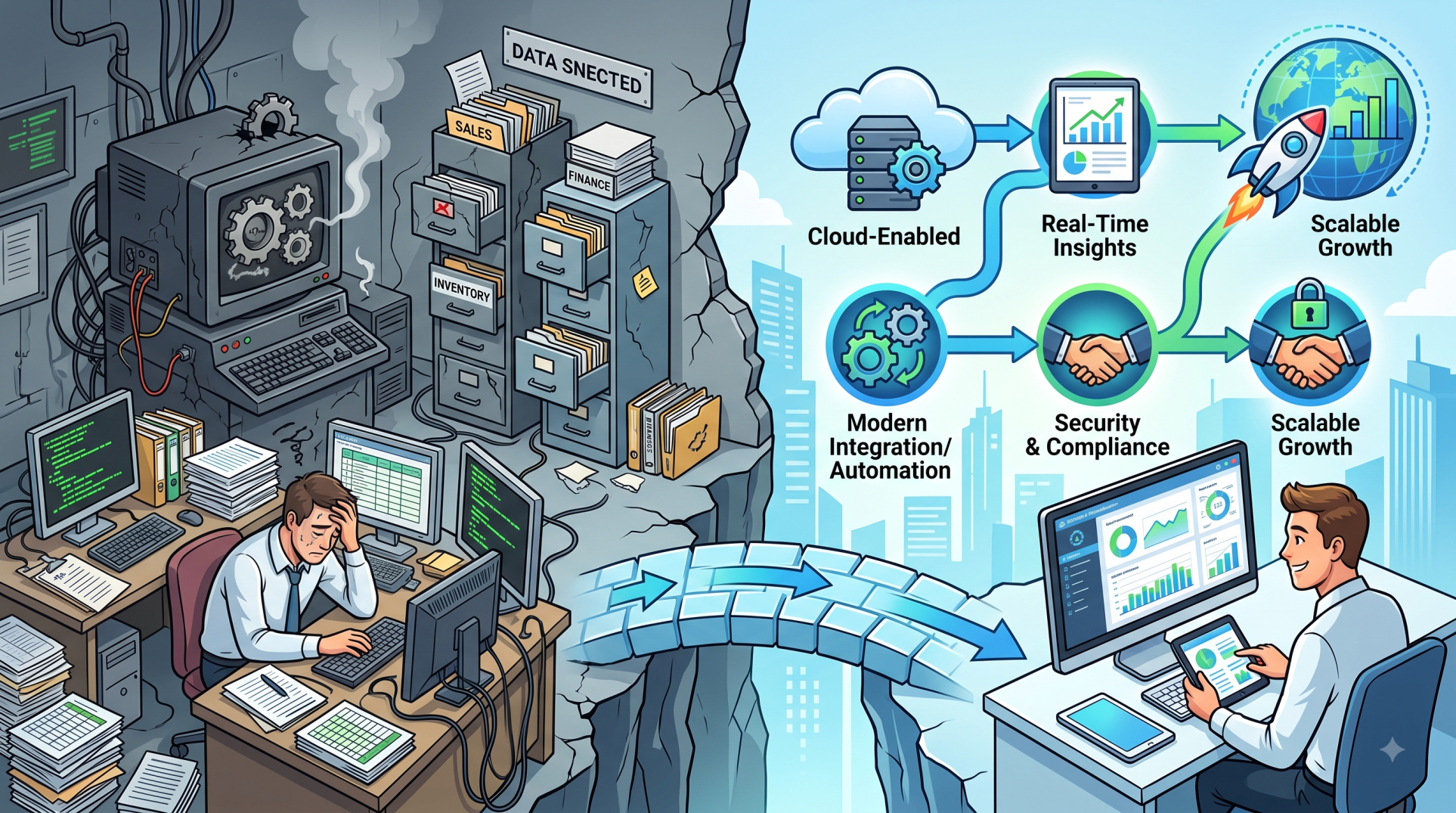
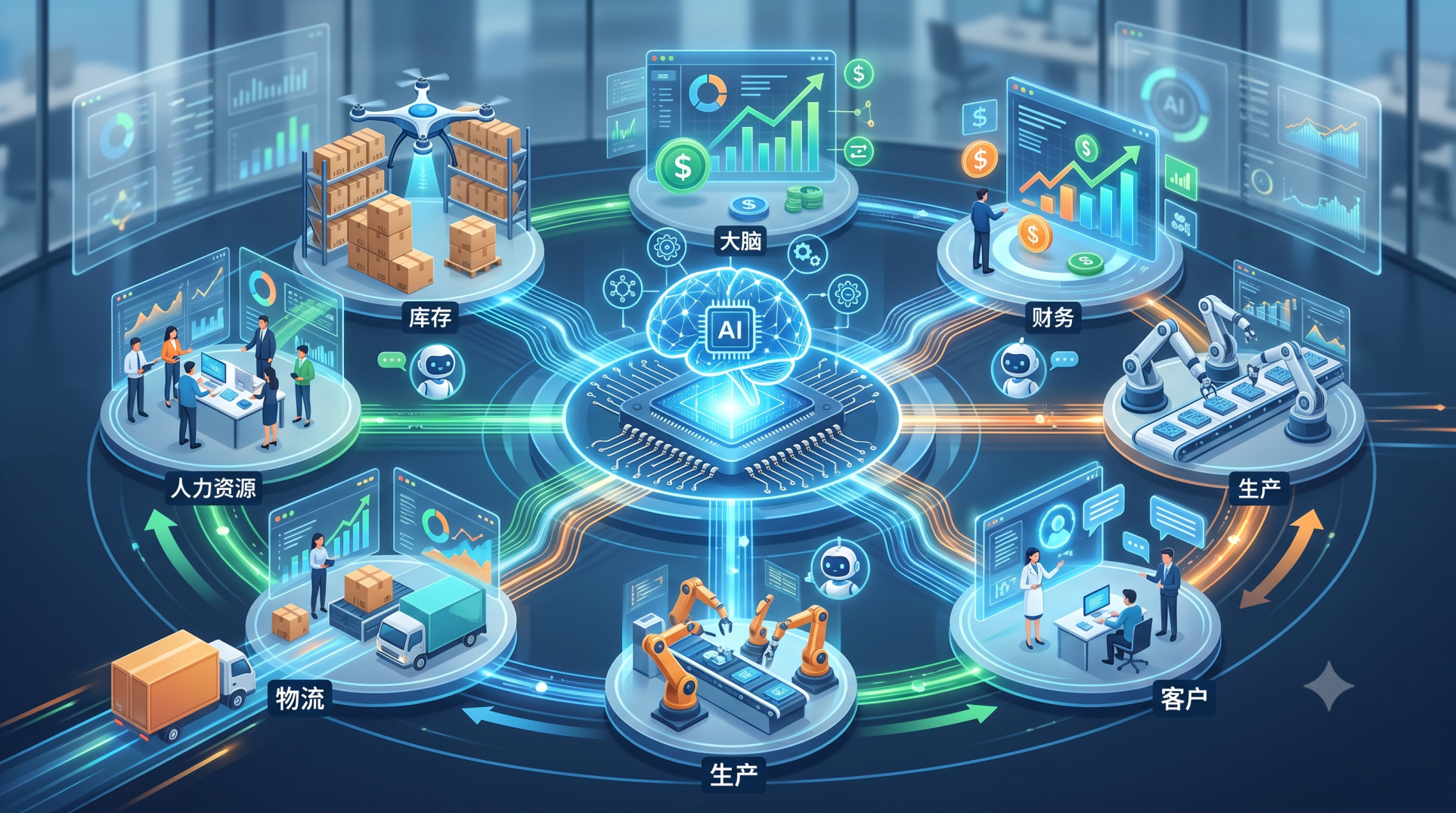
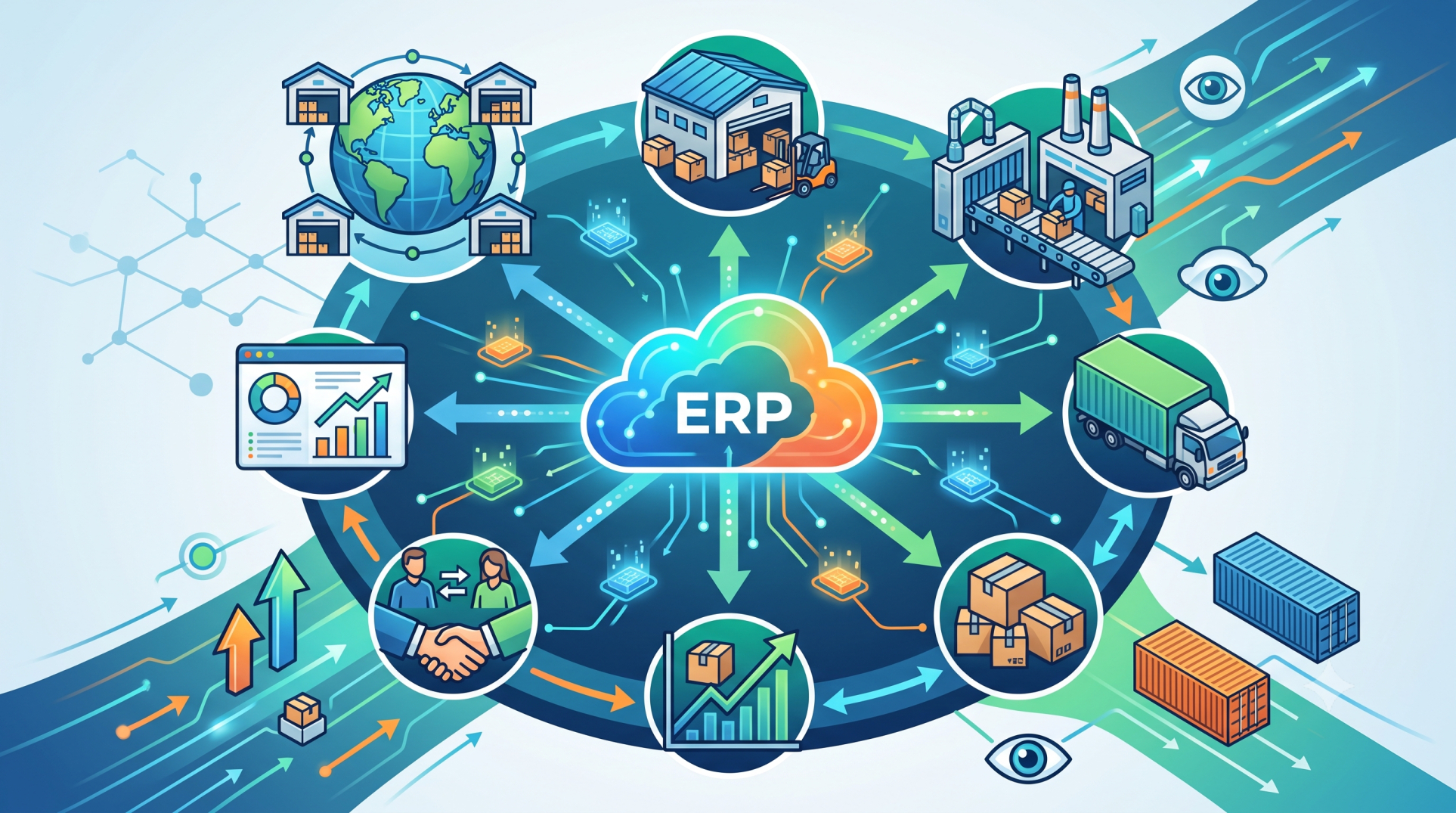
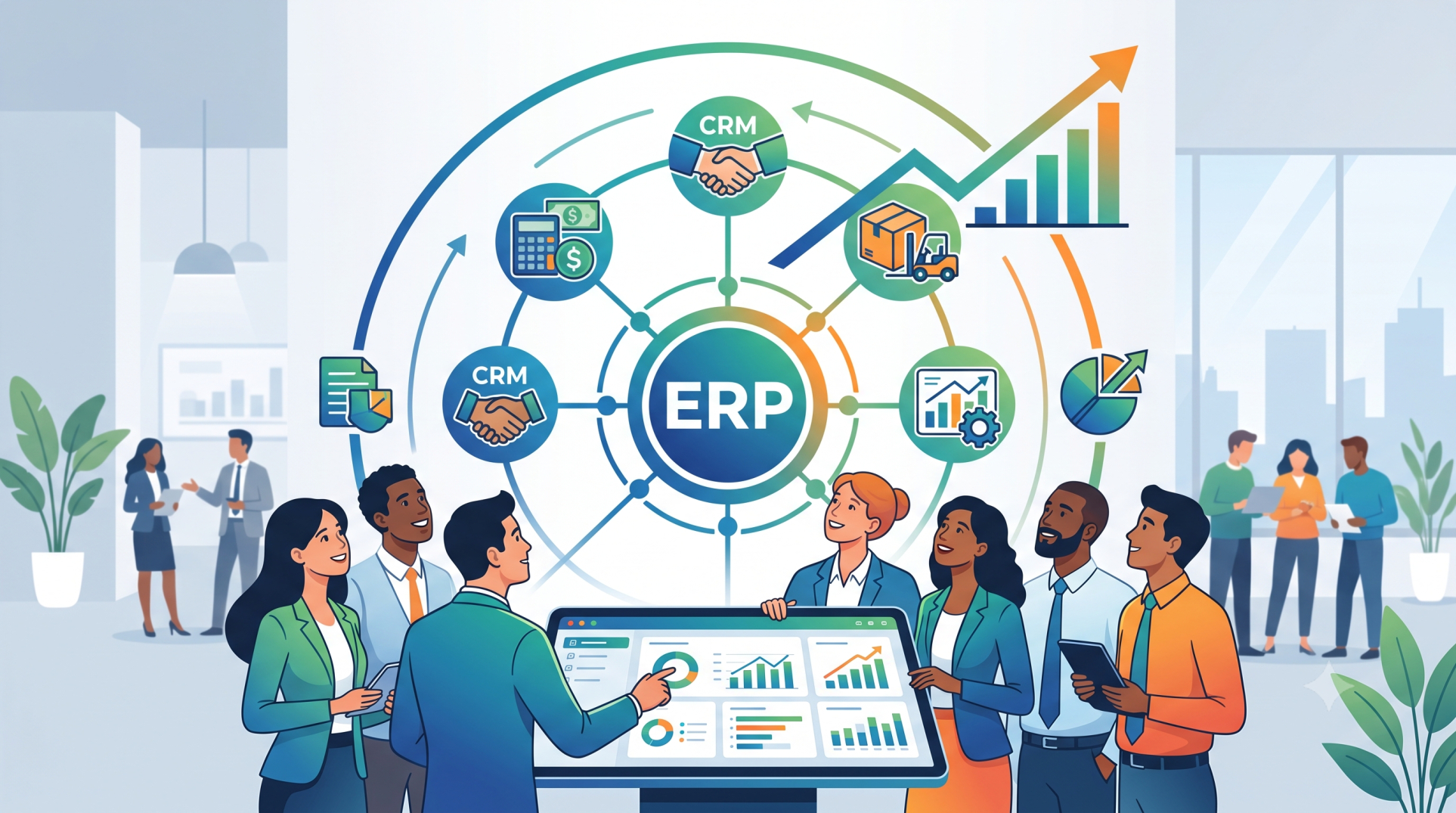
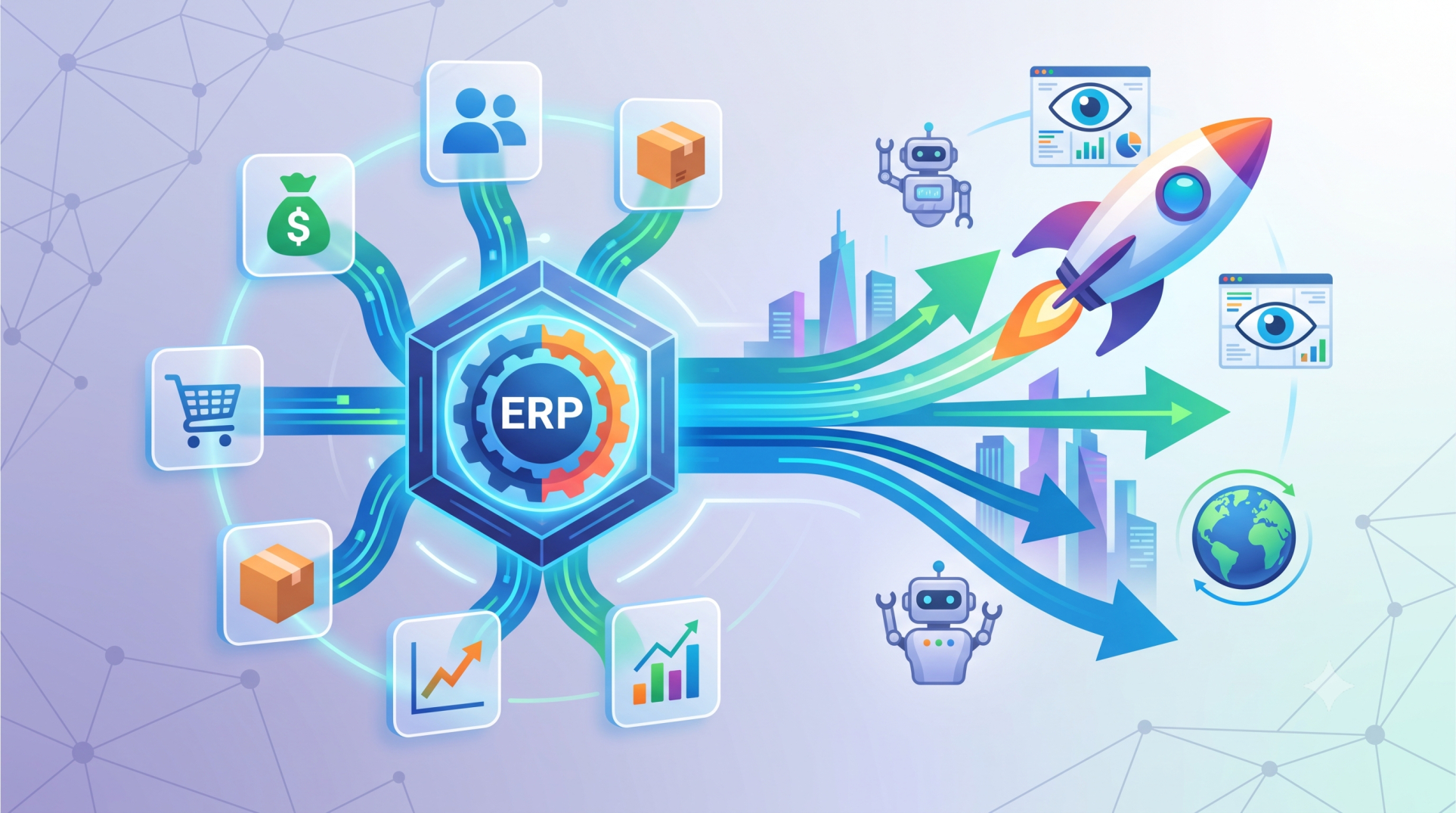
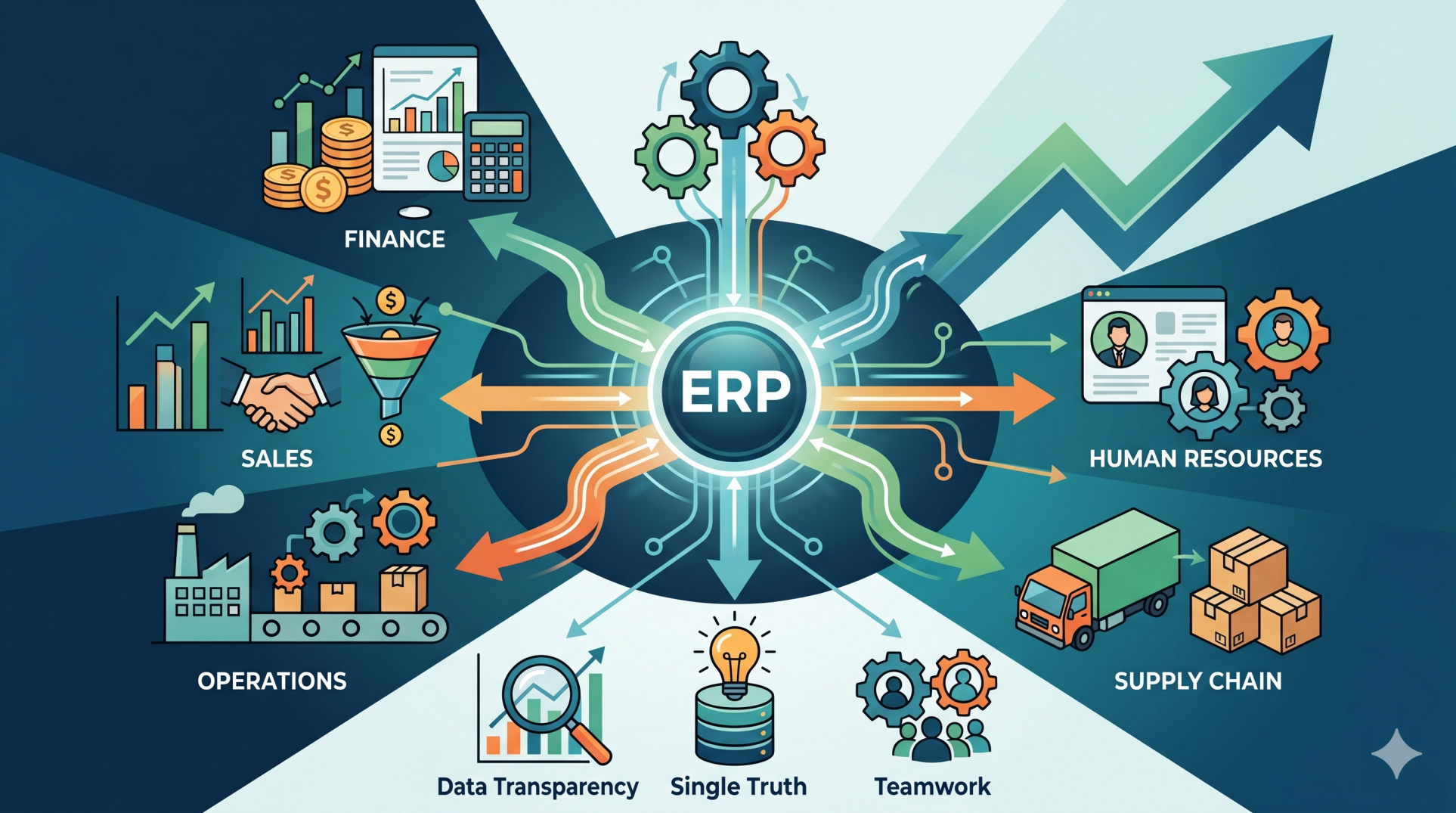
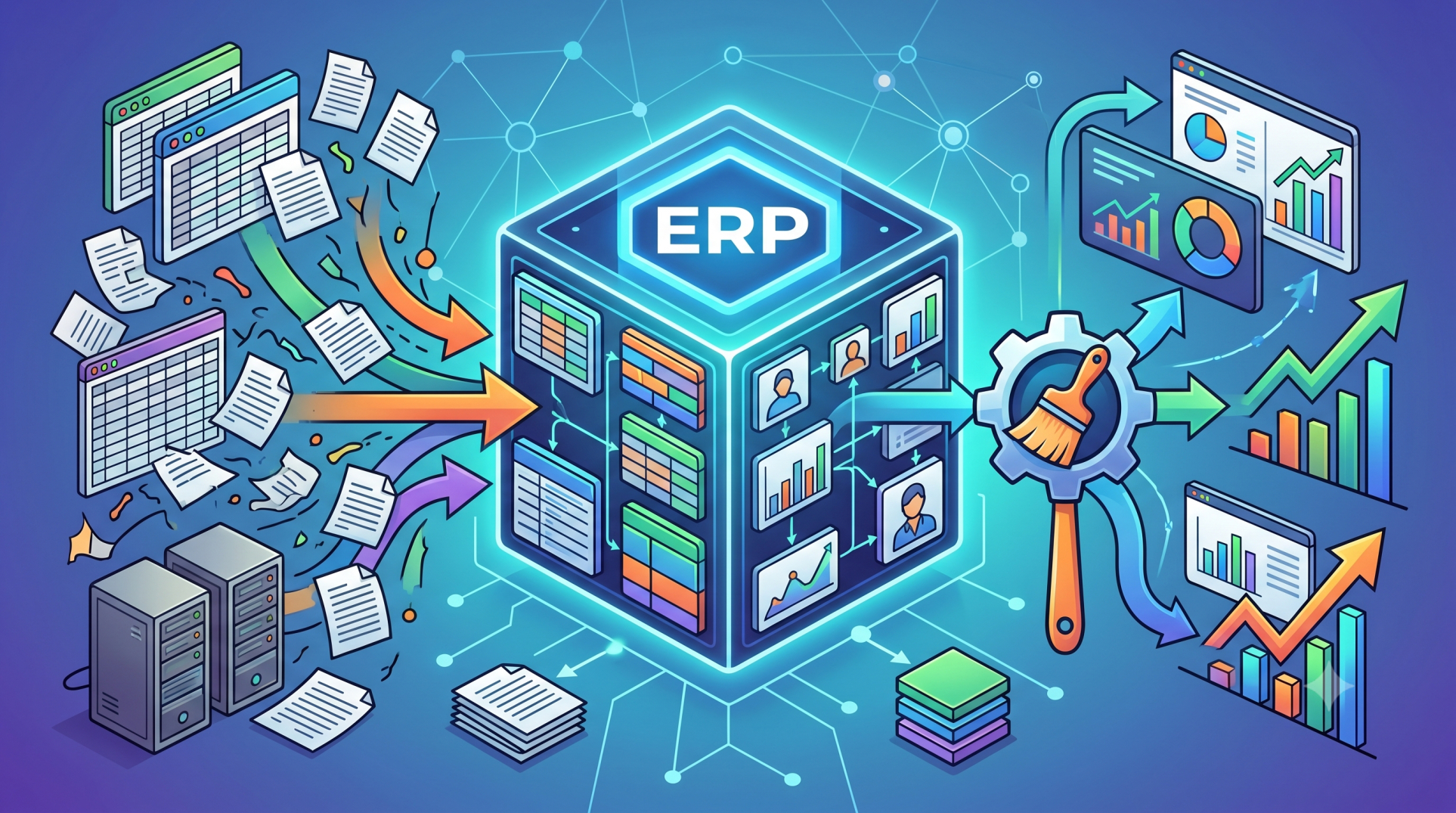
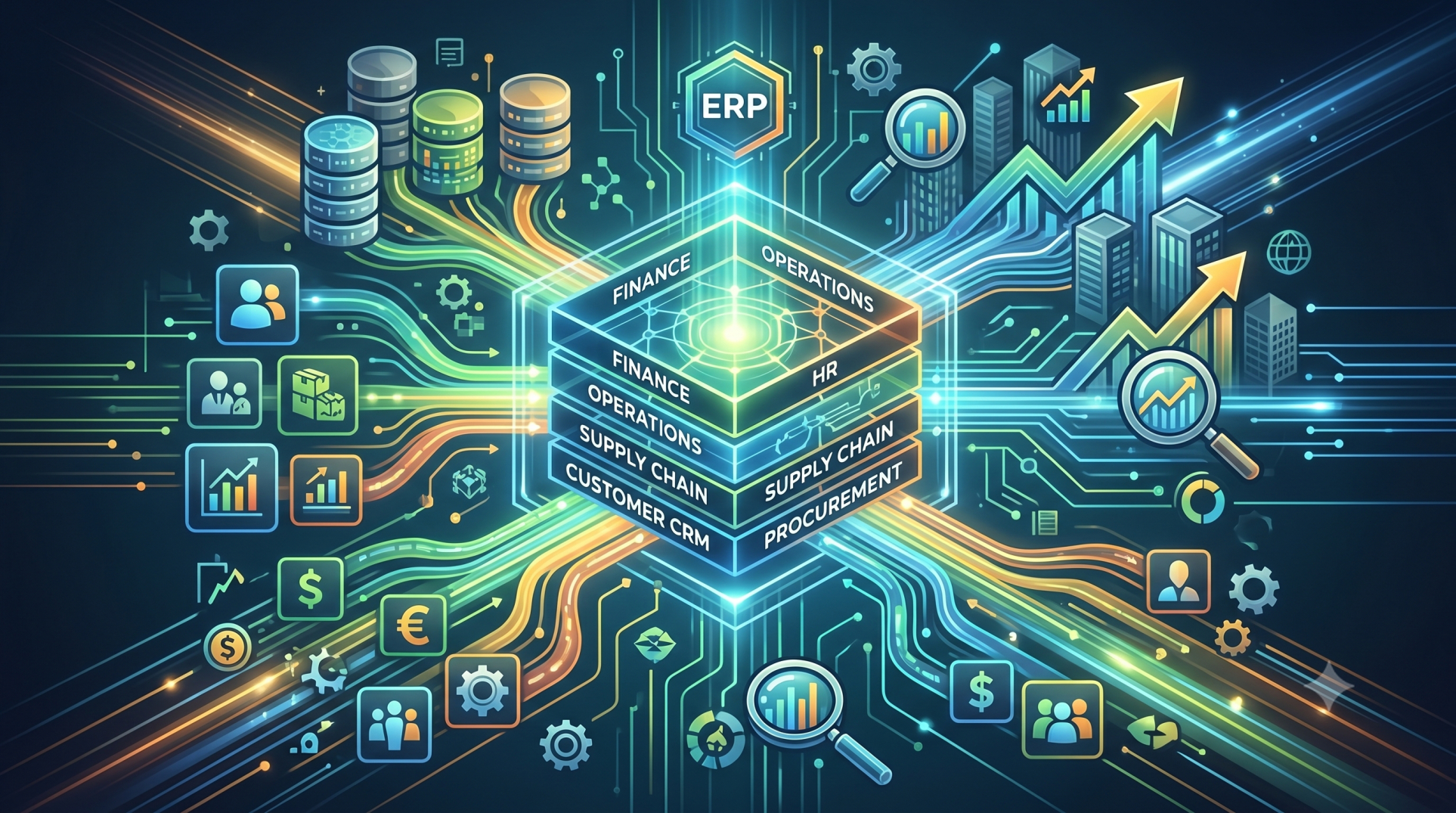
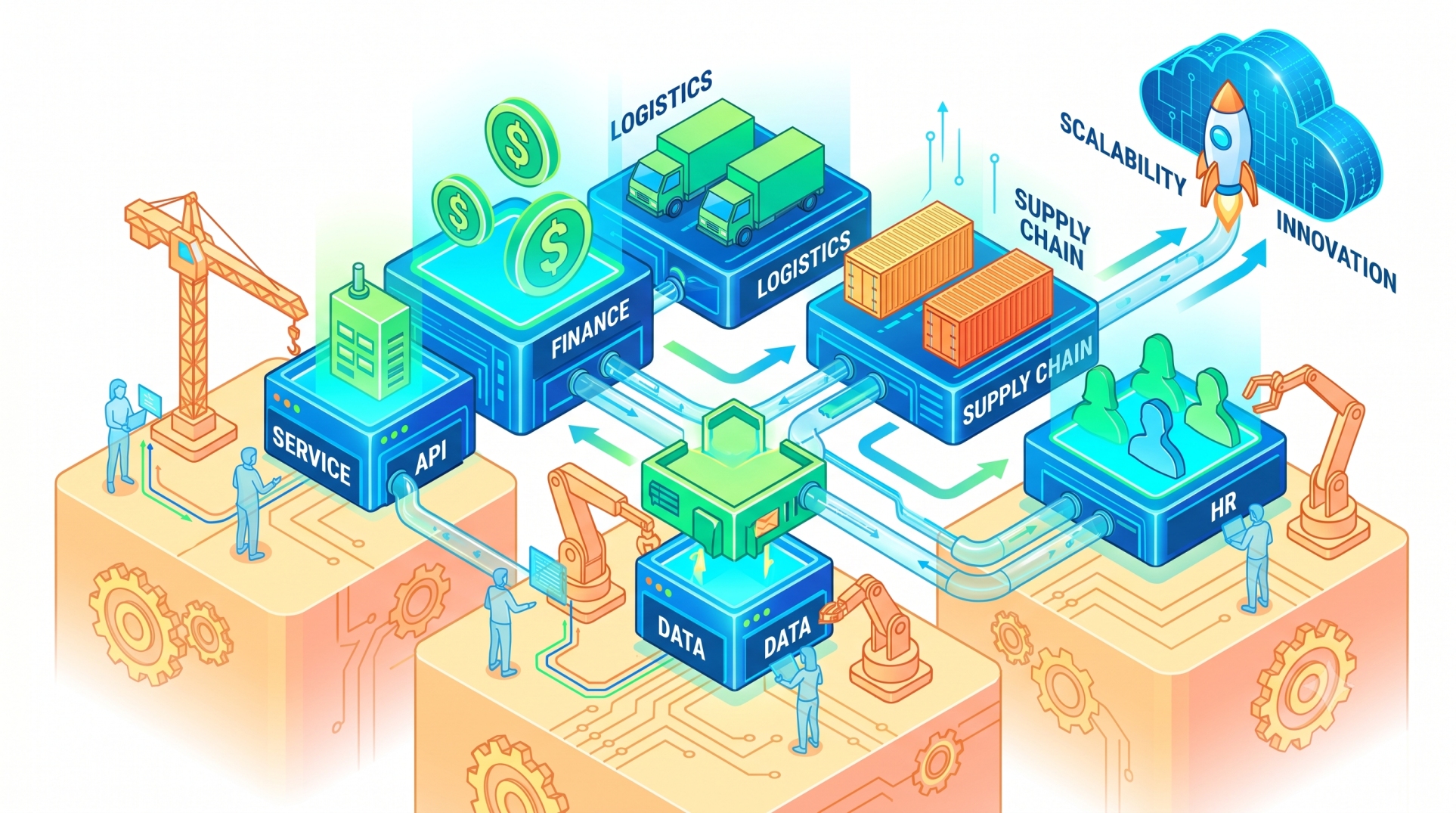
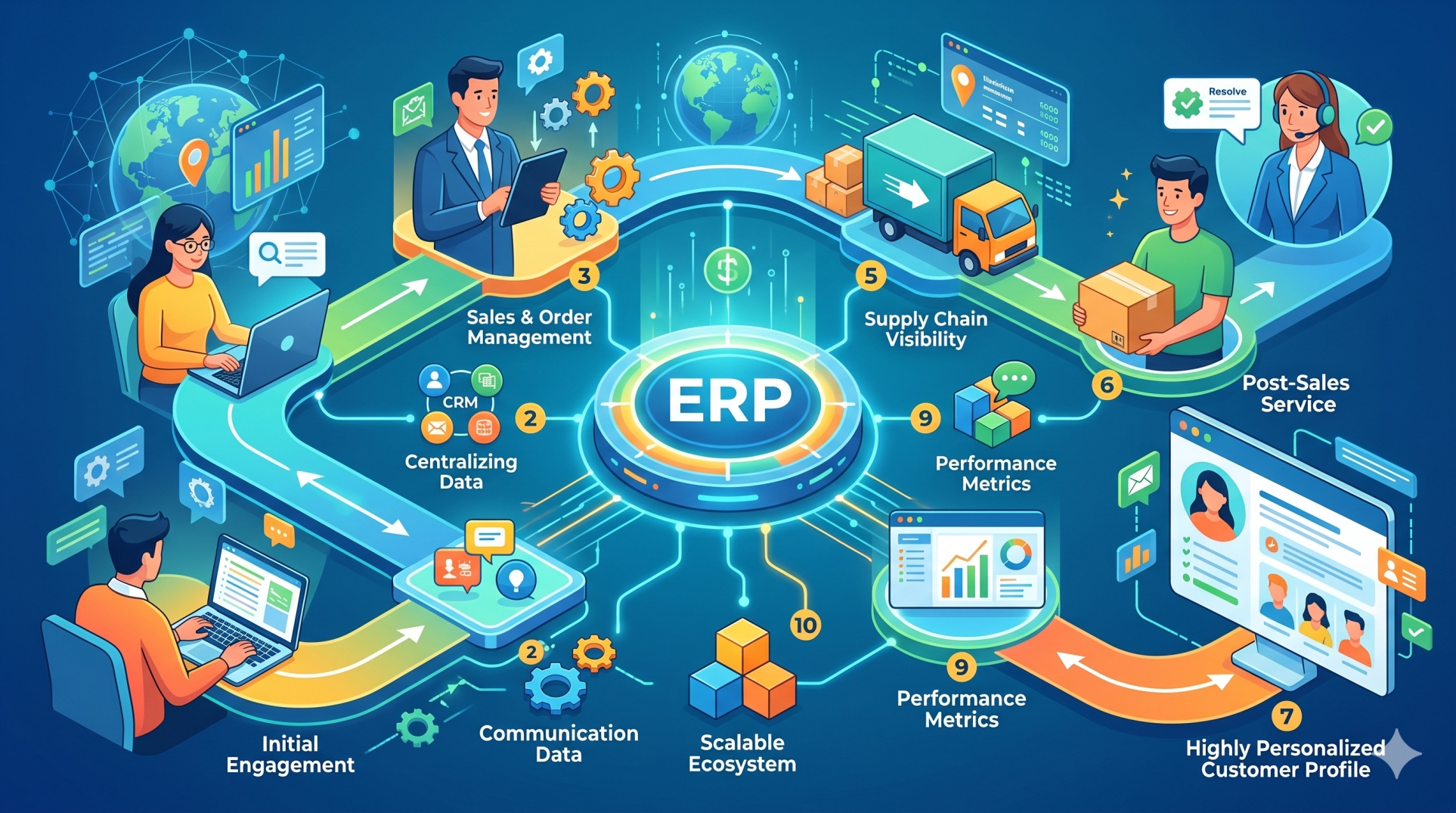
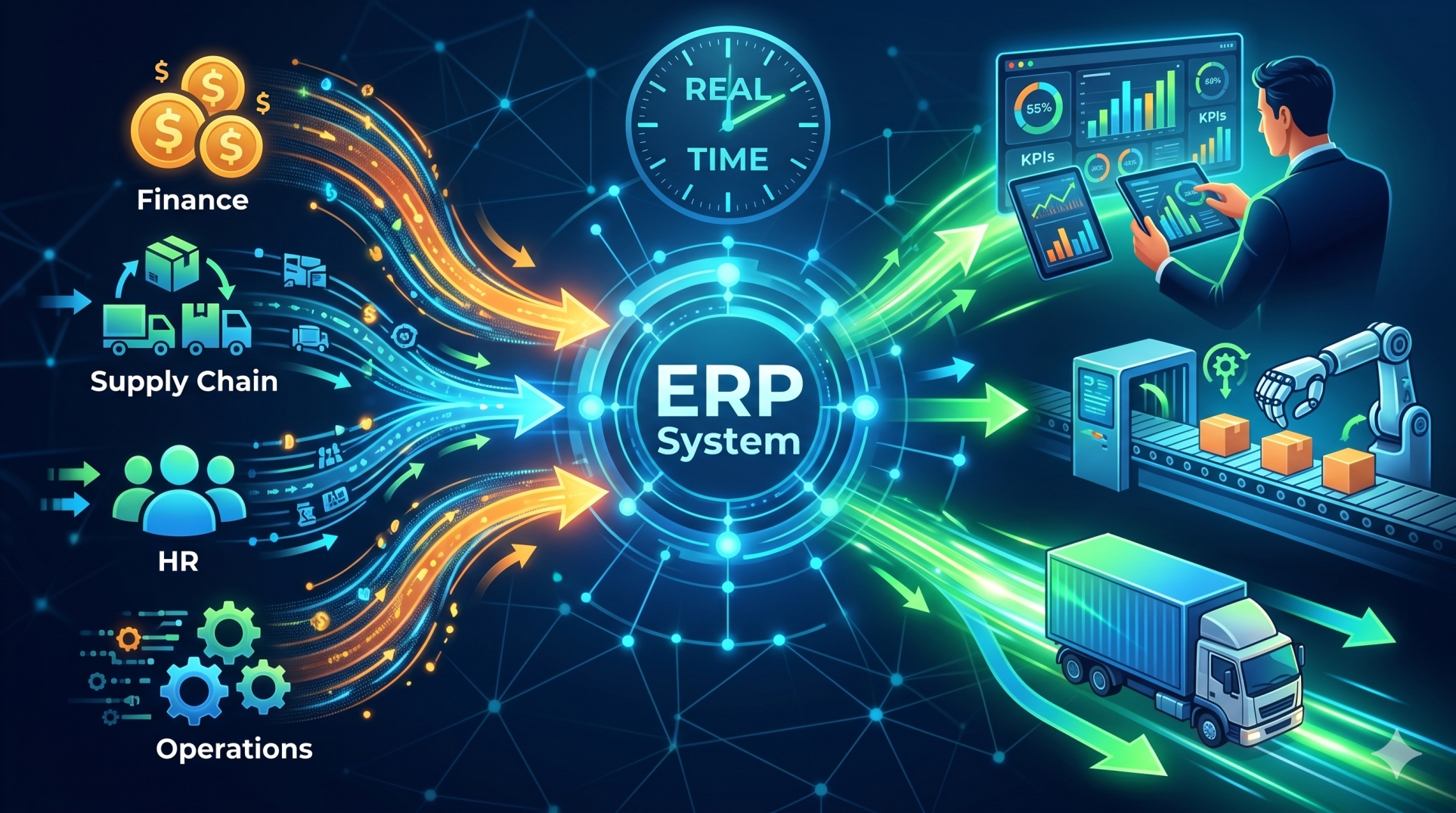
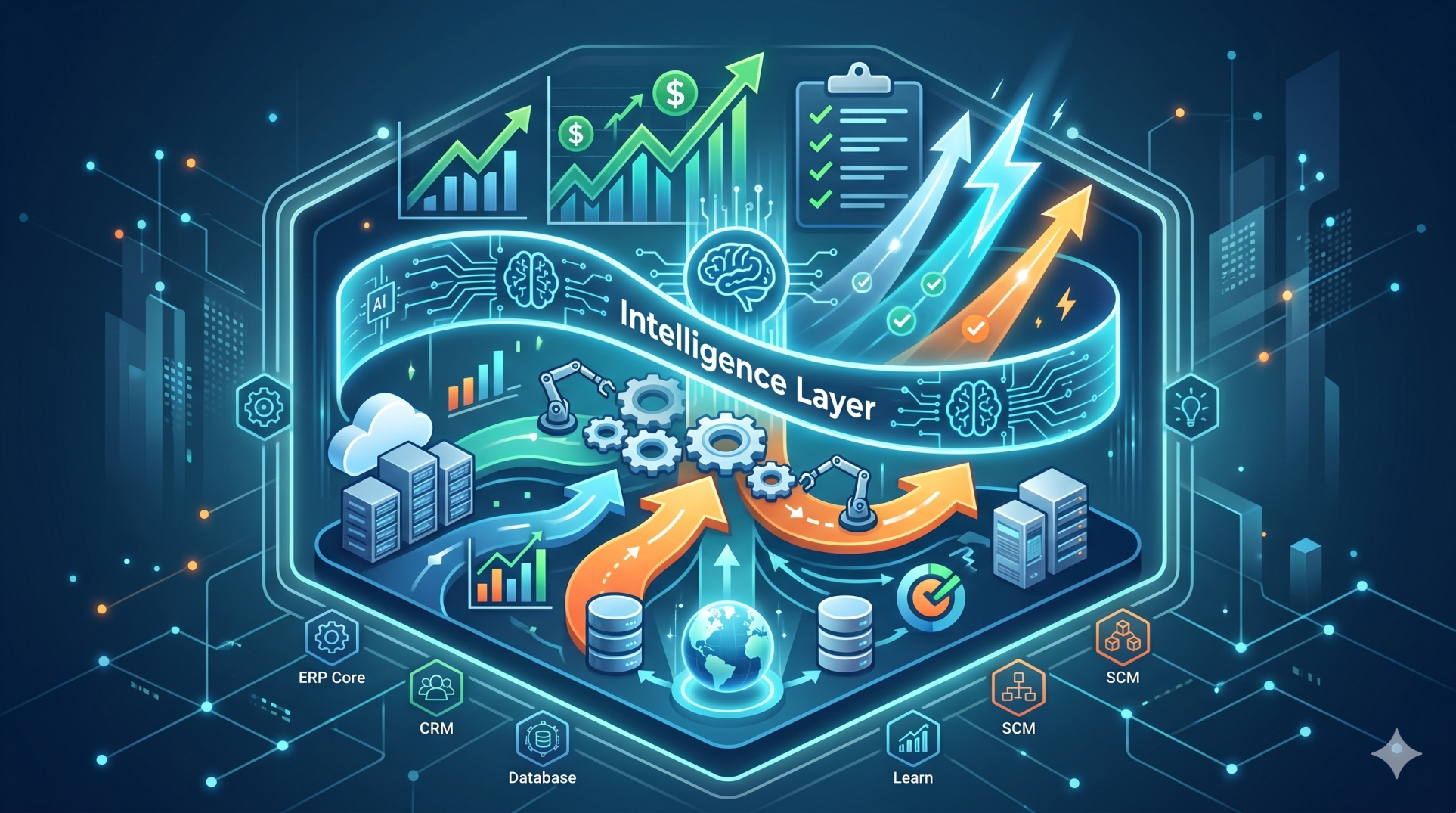
Modern supply chains generate massive amounts of operational data across procurement, inventory, production, logistics, and distribution. Without centralized visibility, organizations struggle to respond quickly to disruptions, delays, and shifting demand patterns. ERP data layers provide a unified foundation that connects fragmented systems, enabling real-time supply chain visibility, better decision-making, and more efficient operations across the entire network.
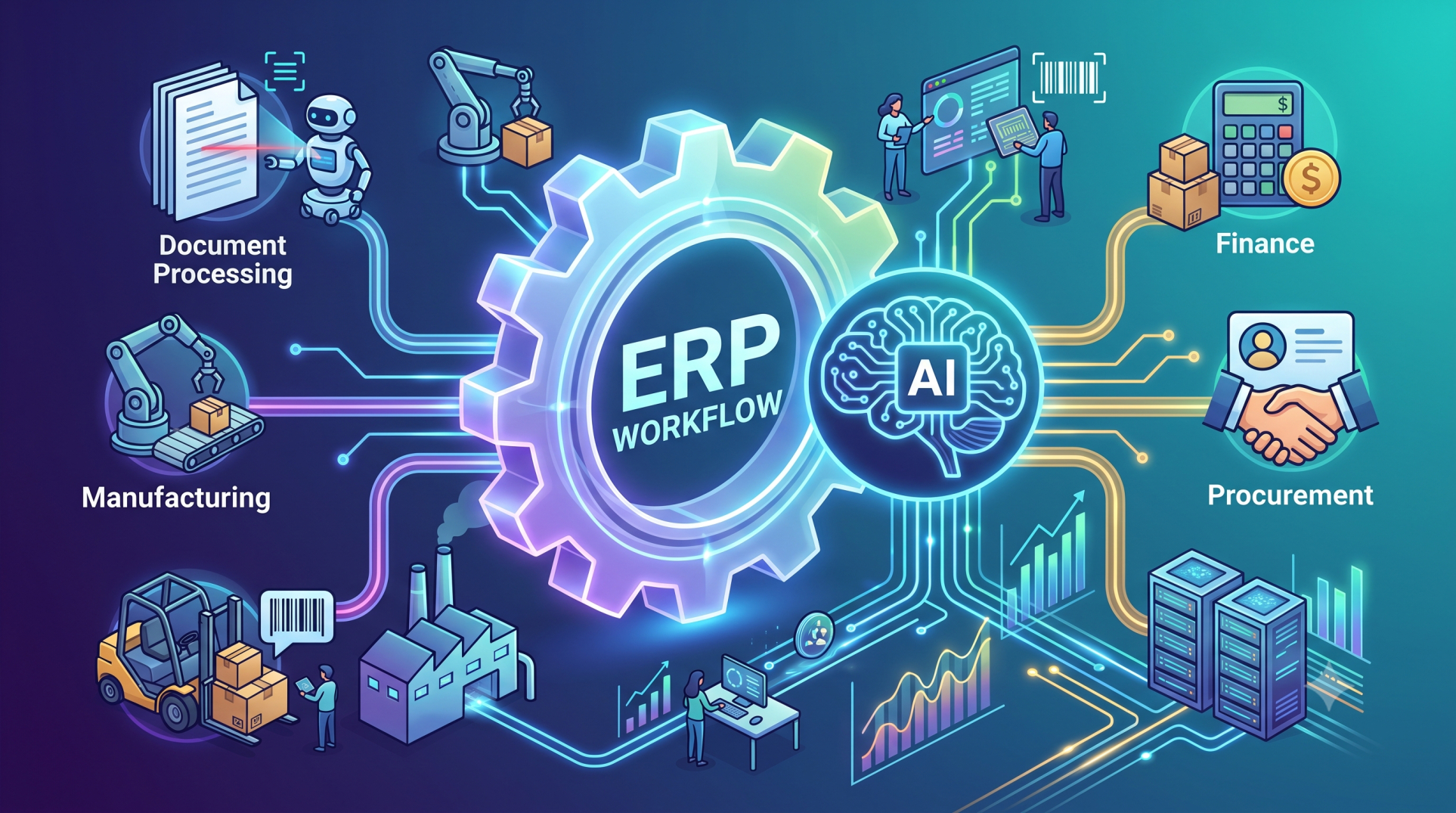
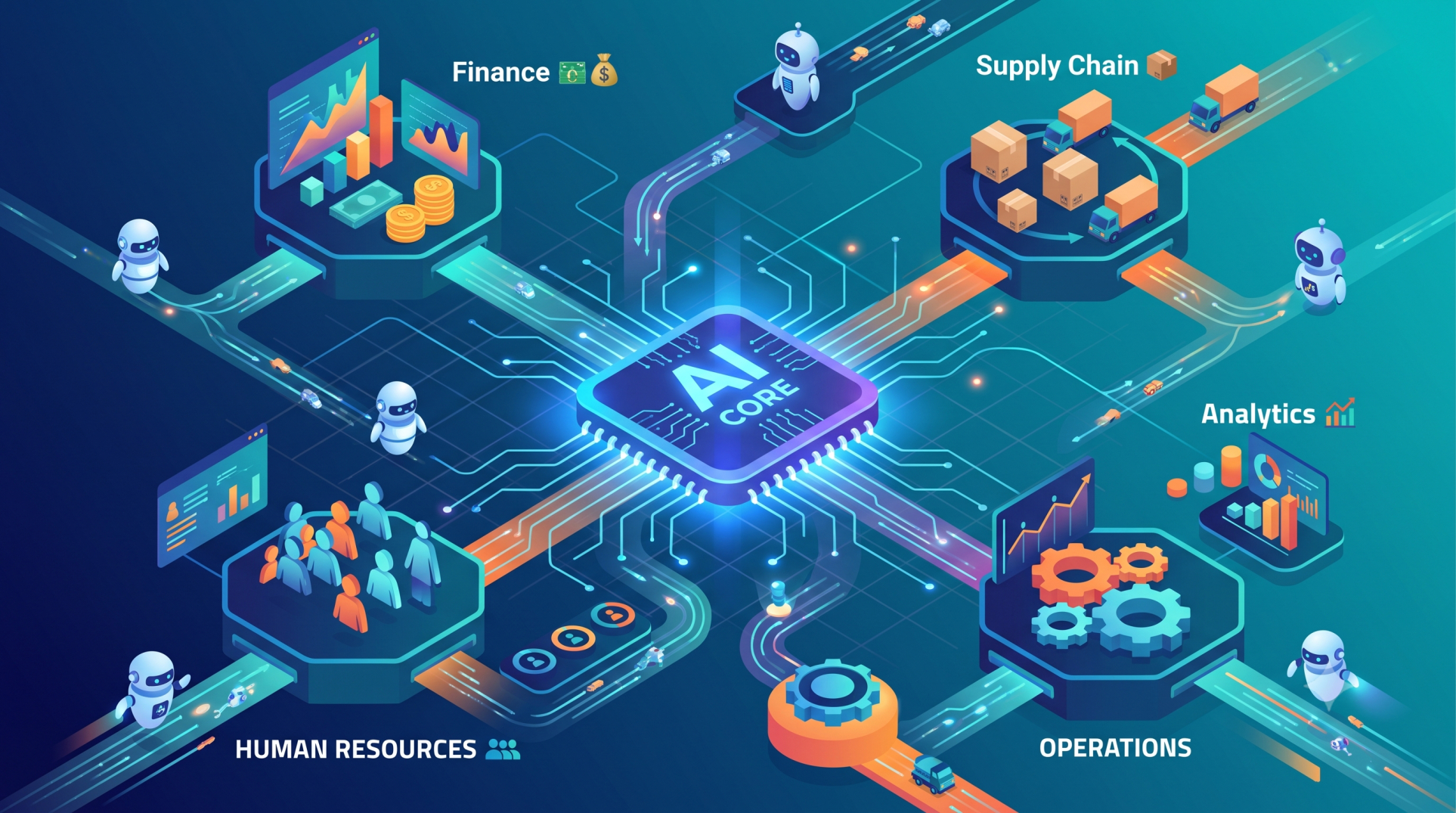
Step 1: Understanding ERP Data Layers 📊
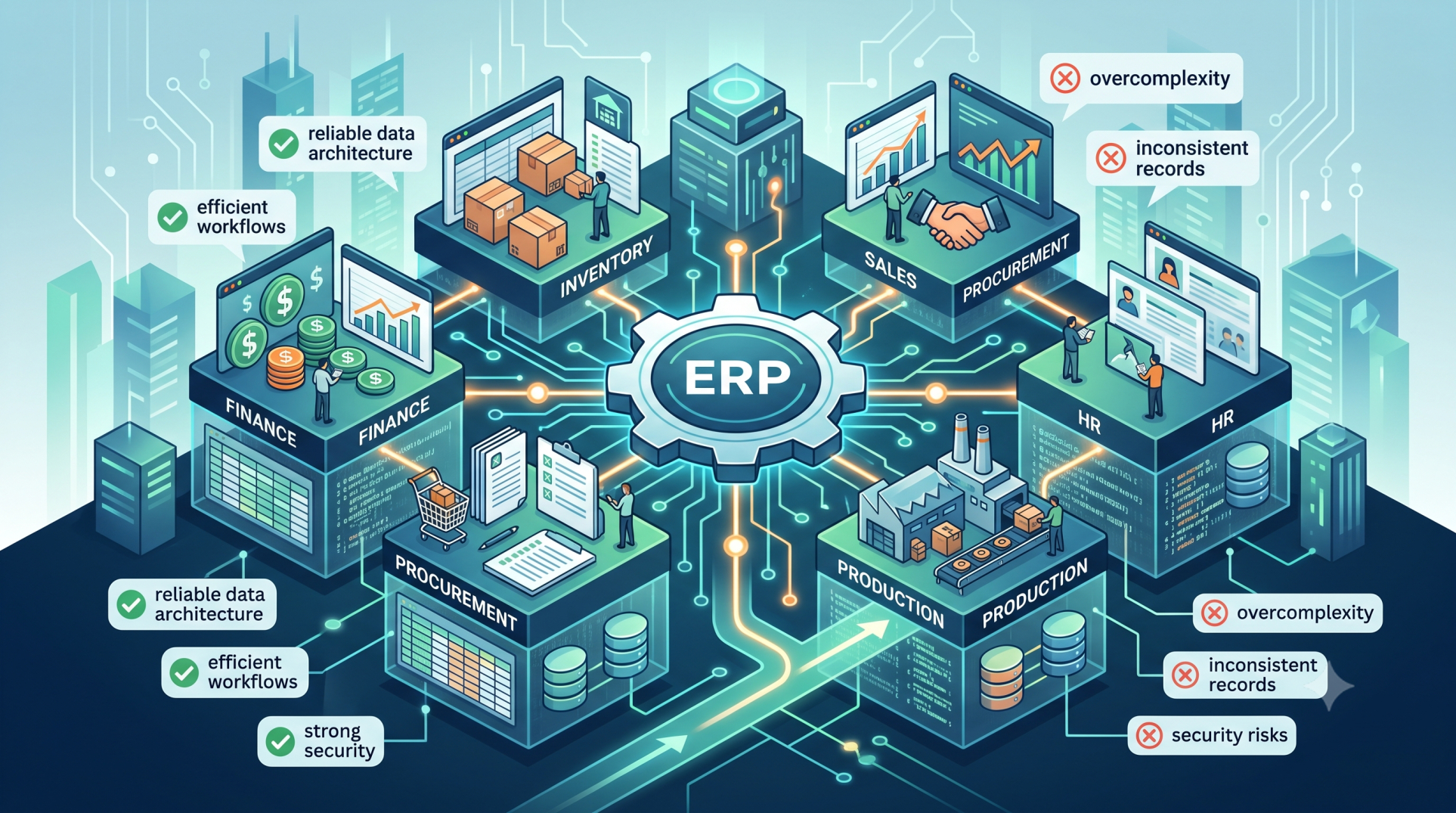
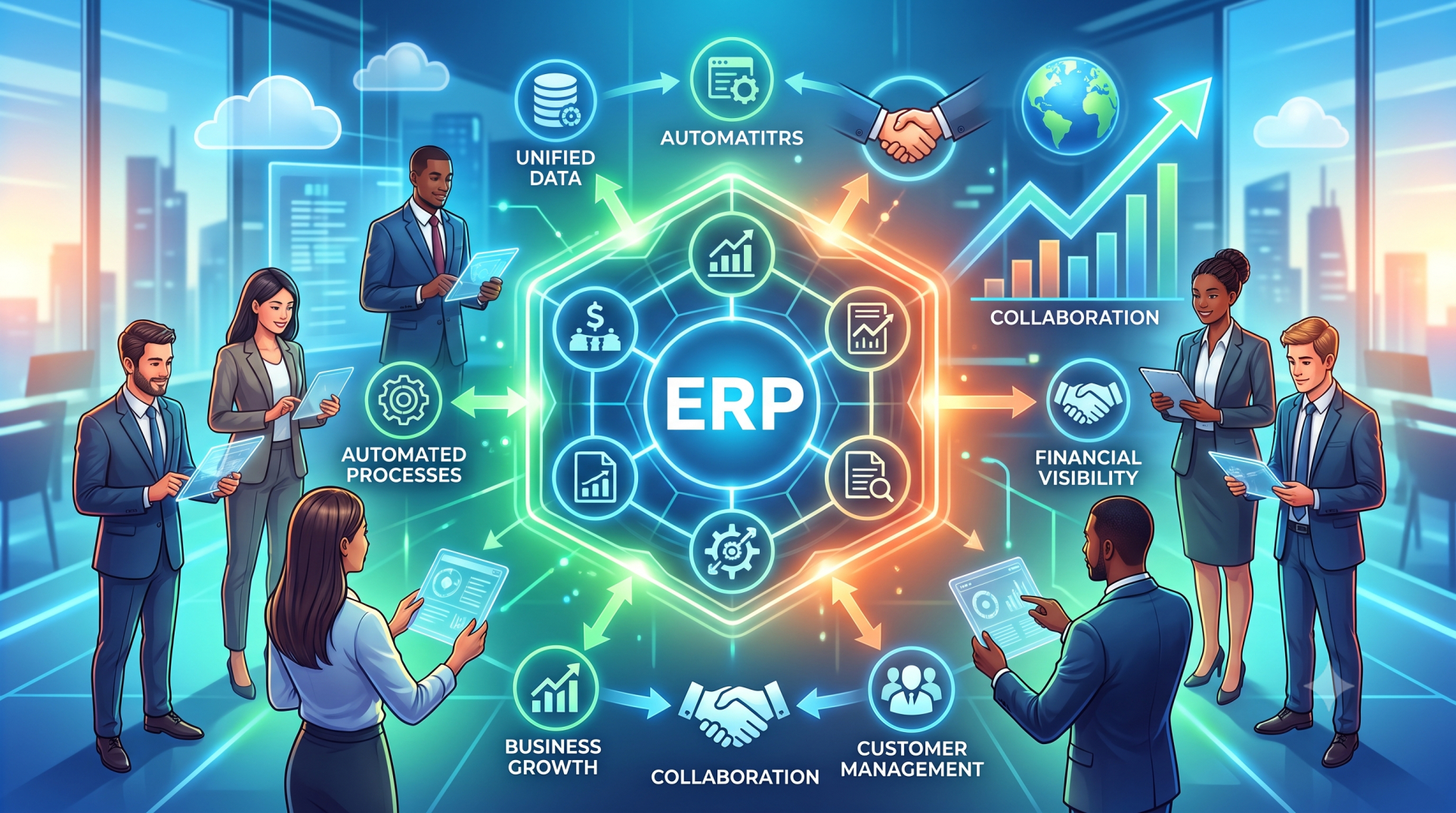
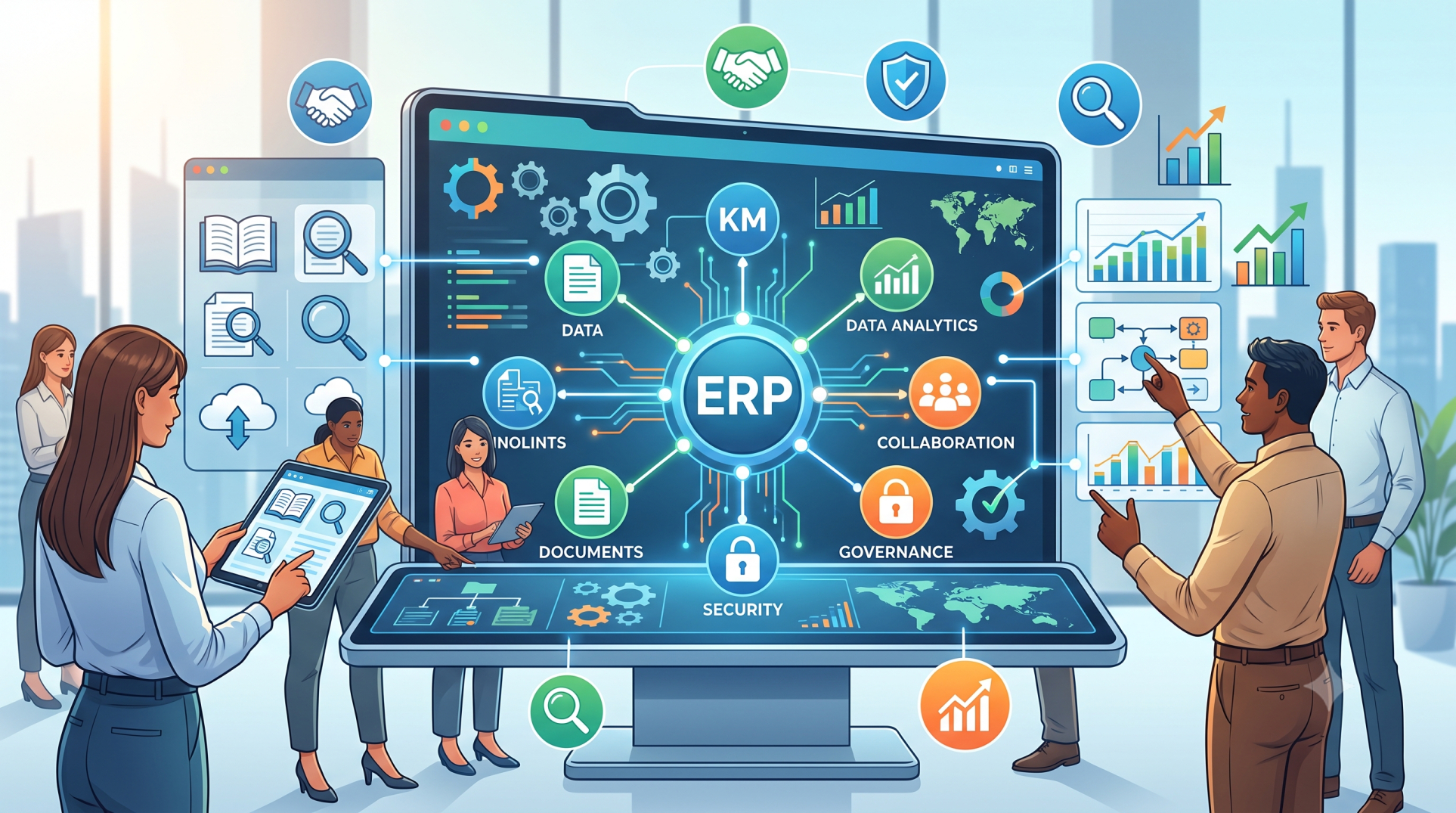
• ERP data layers centralize operational information from multiple business functions
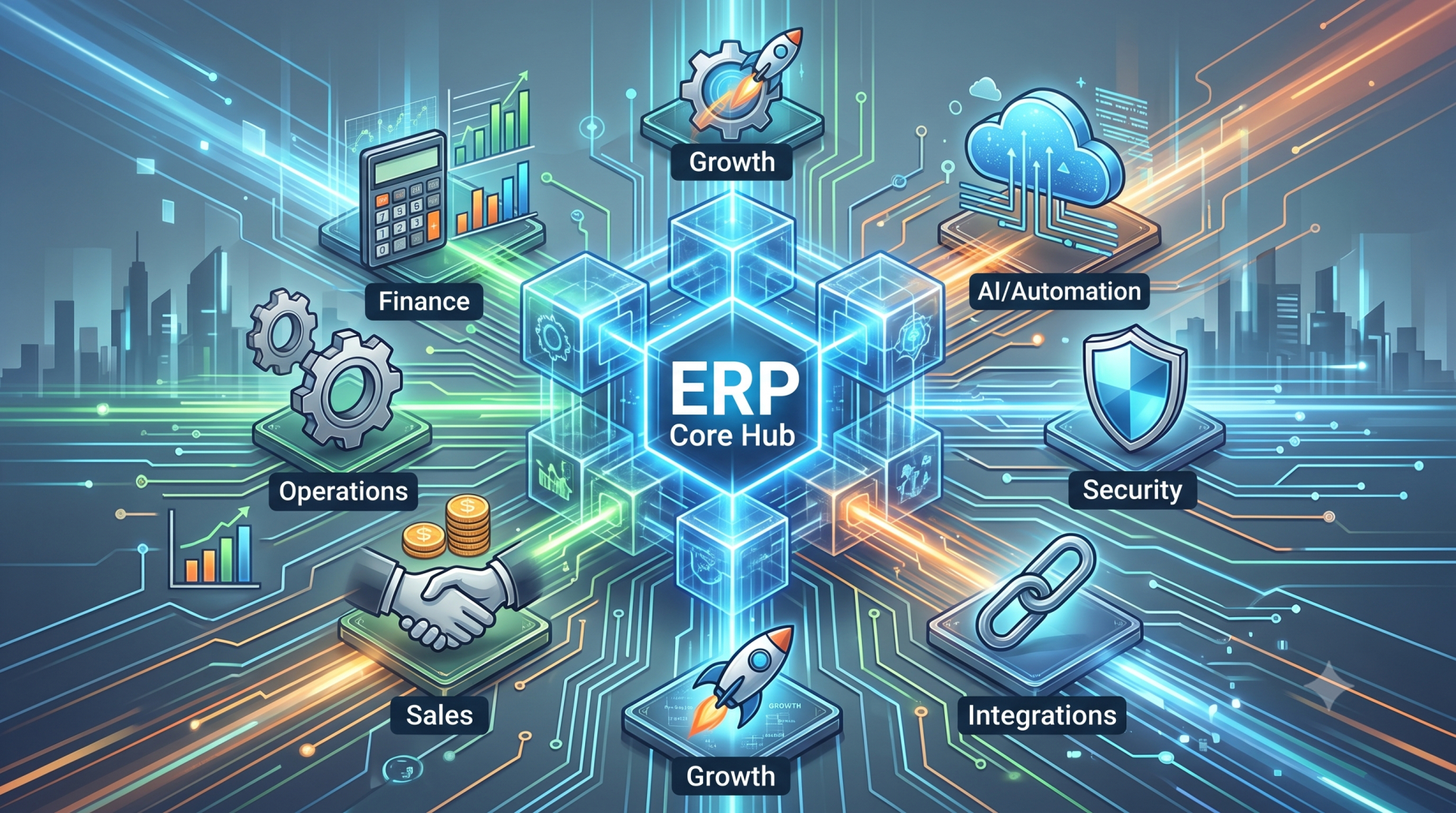
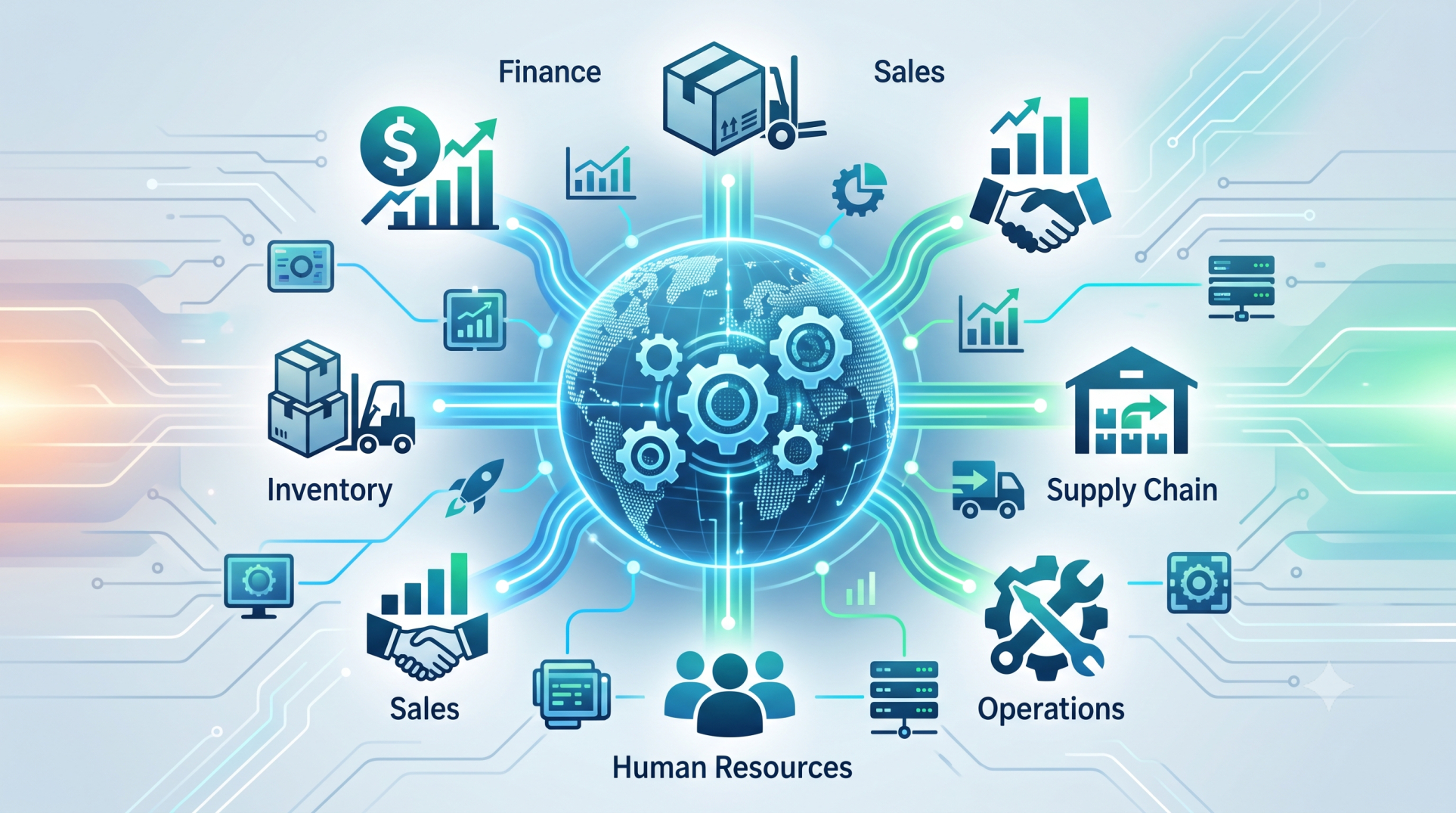
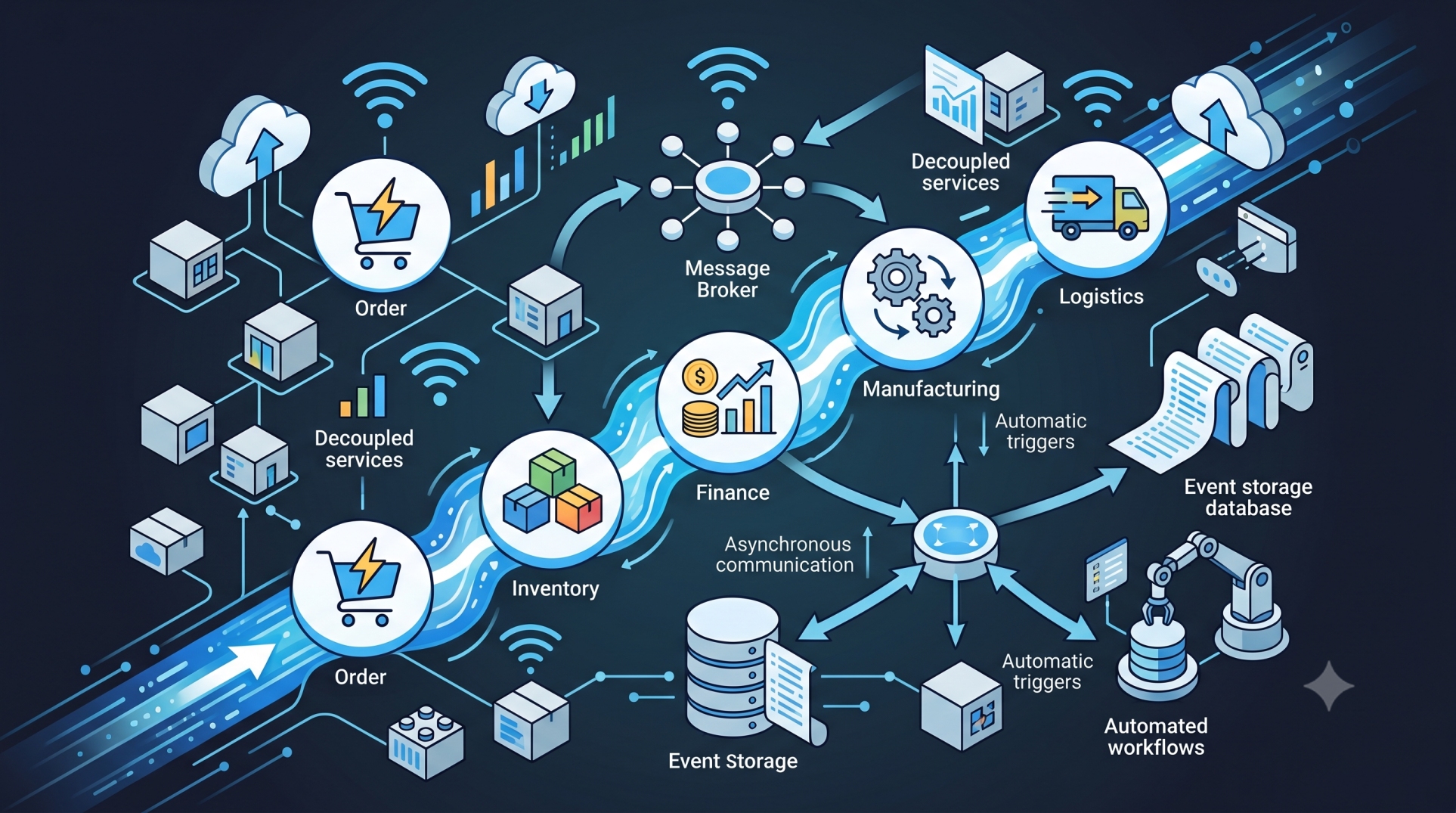
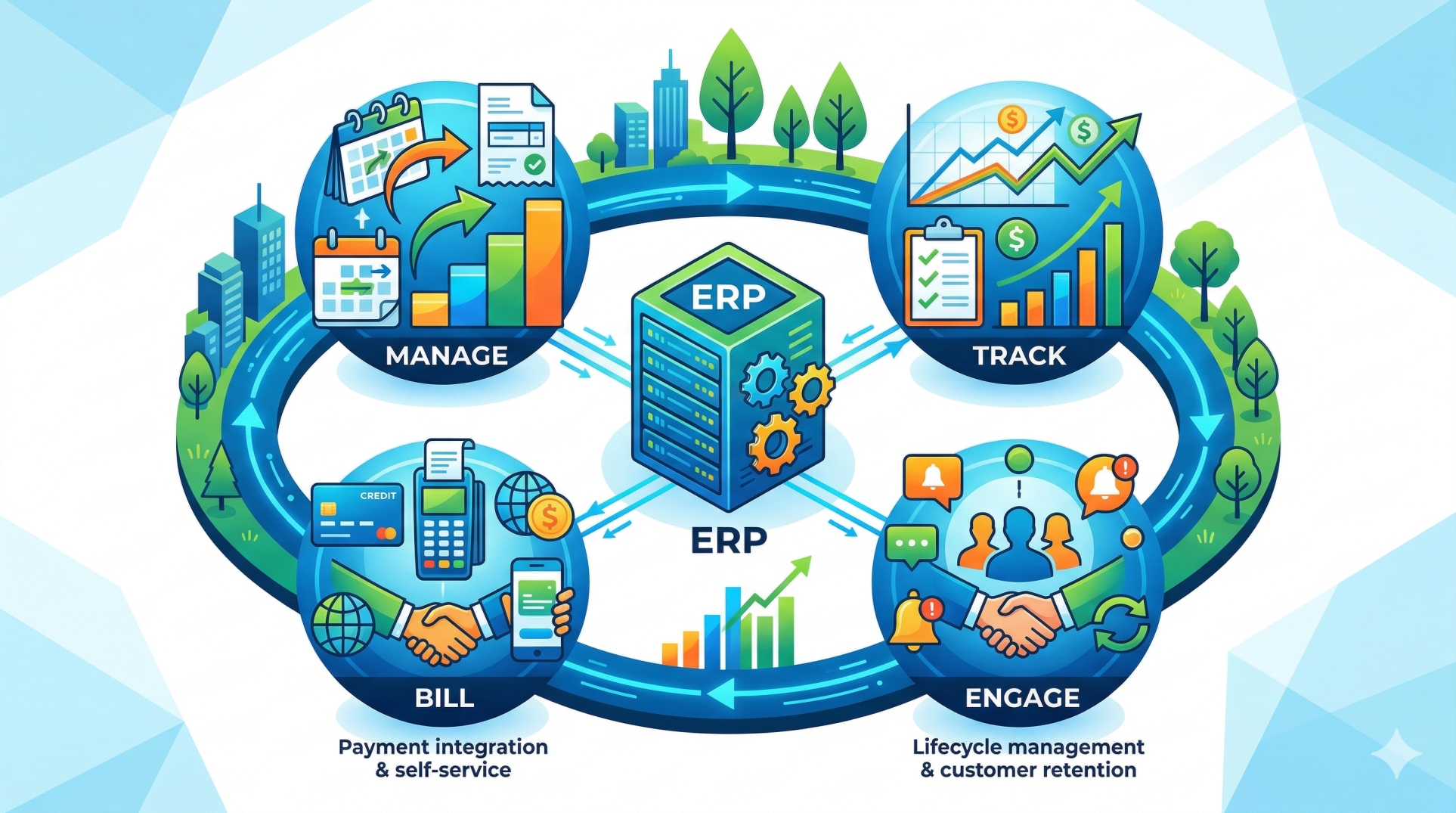
• They connect procurement, inventory, manufacturing, logistics, and finance systems
• Data layers create a unified view of supply chain activities
• Real-time synchronization improves operational transparency
• Centralized data supports faster and more informed decisions
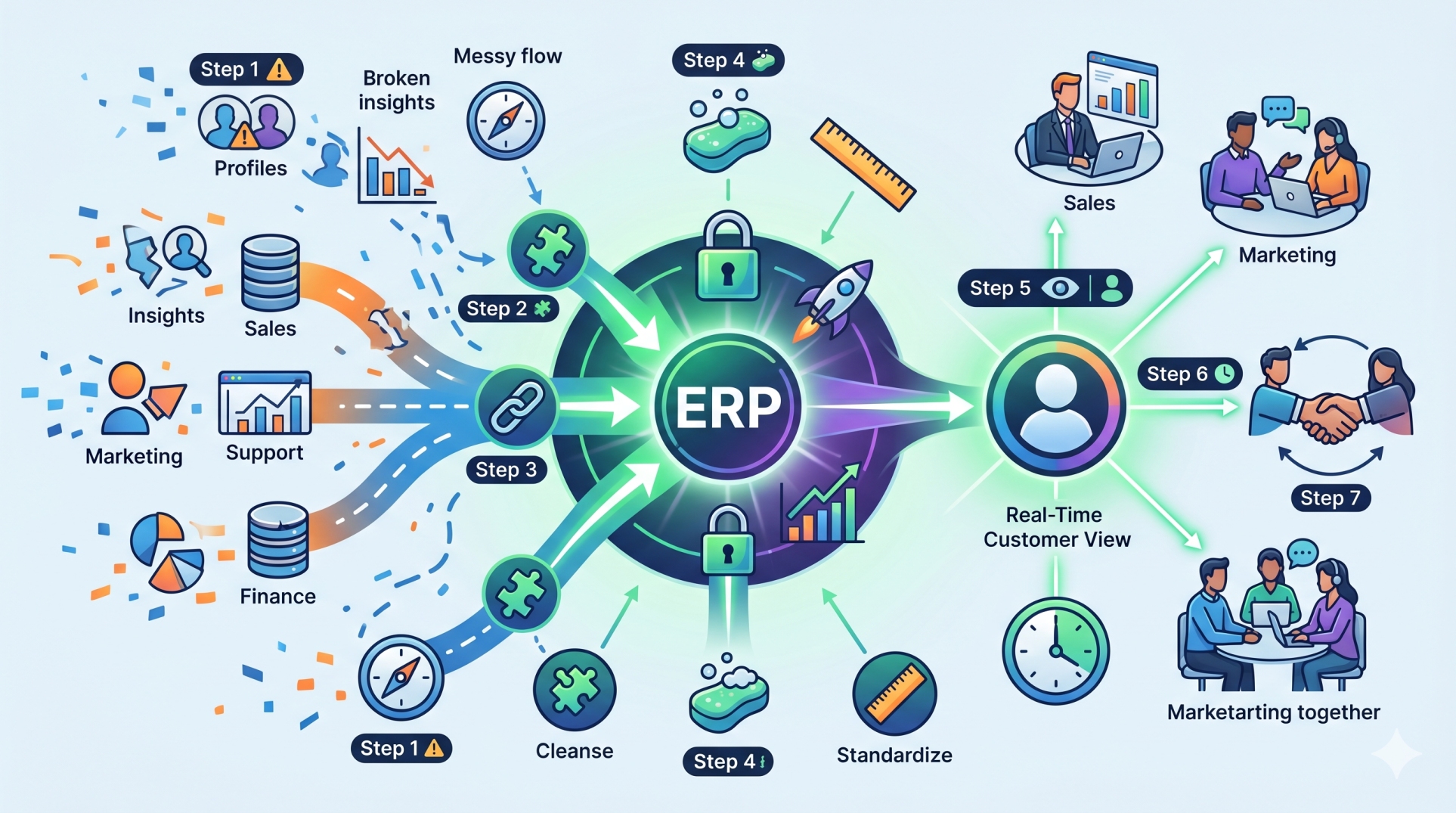
Step 2: Consolidating Data Across the Supply Chain 🔗
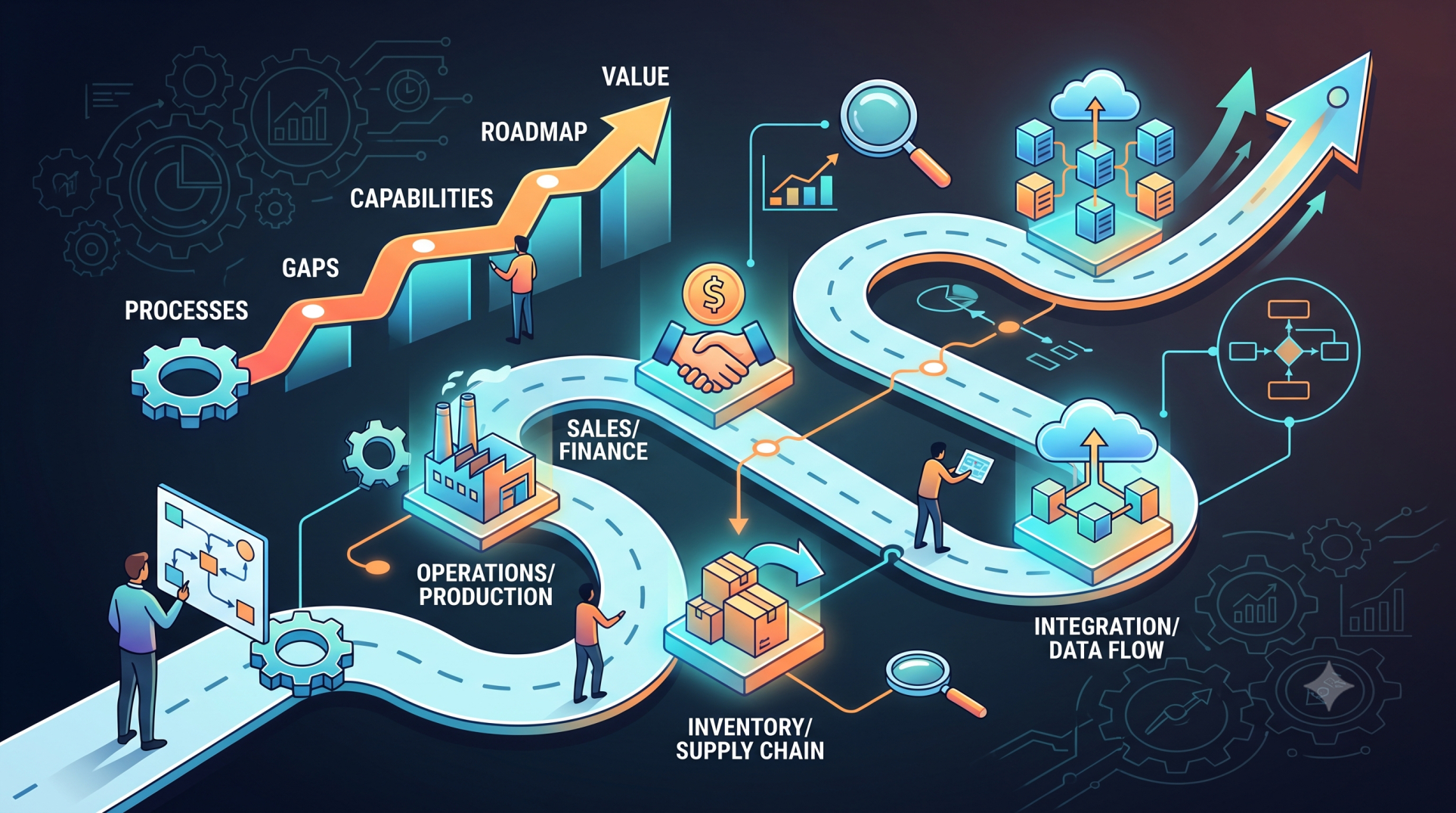
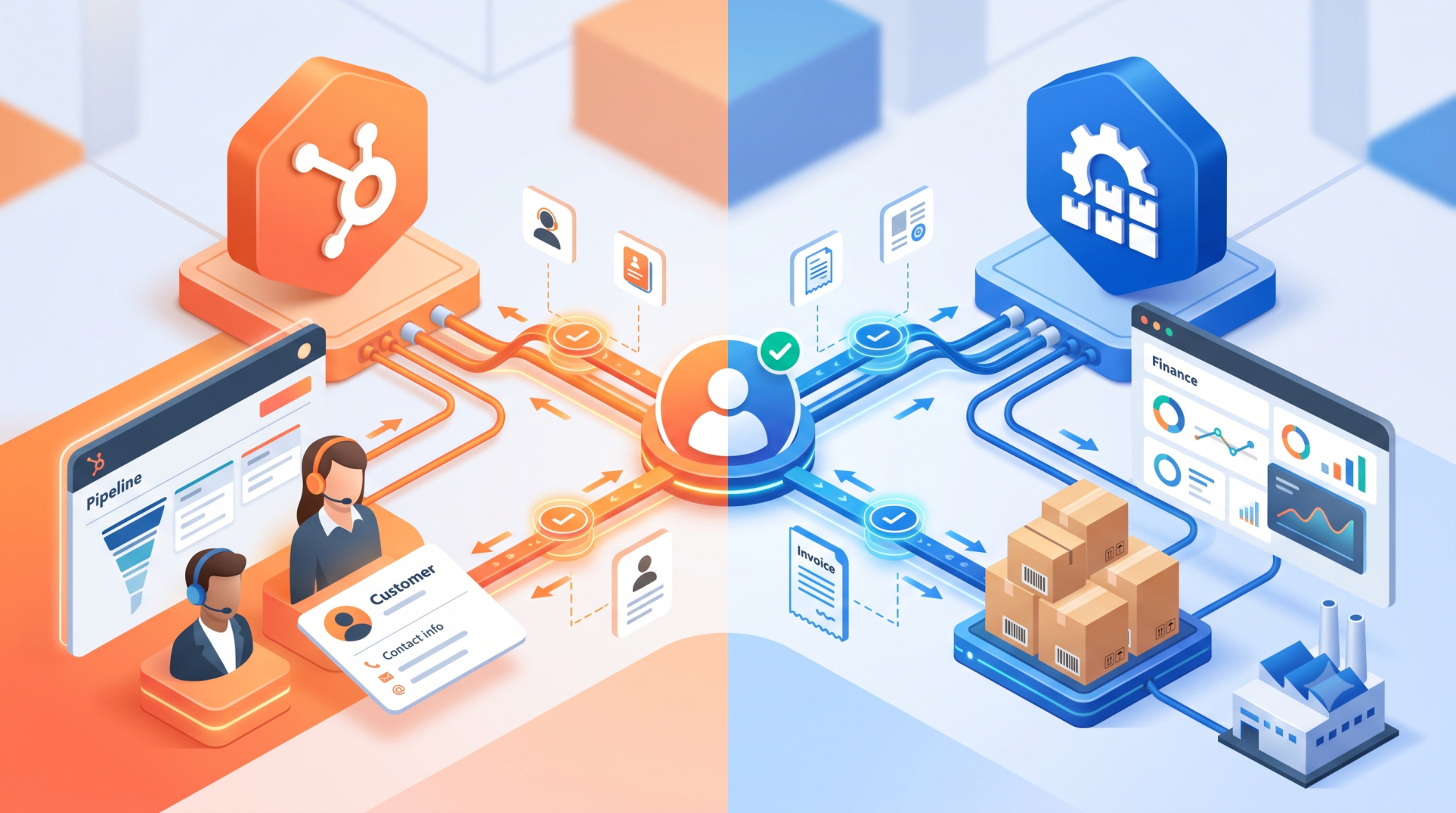
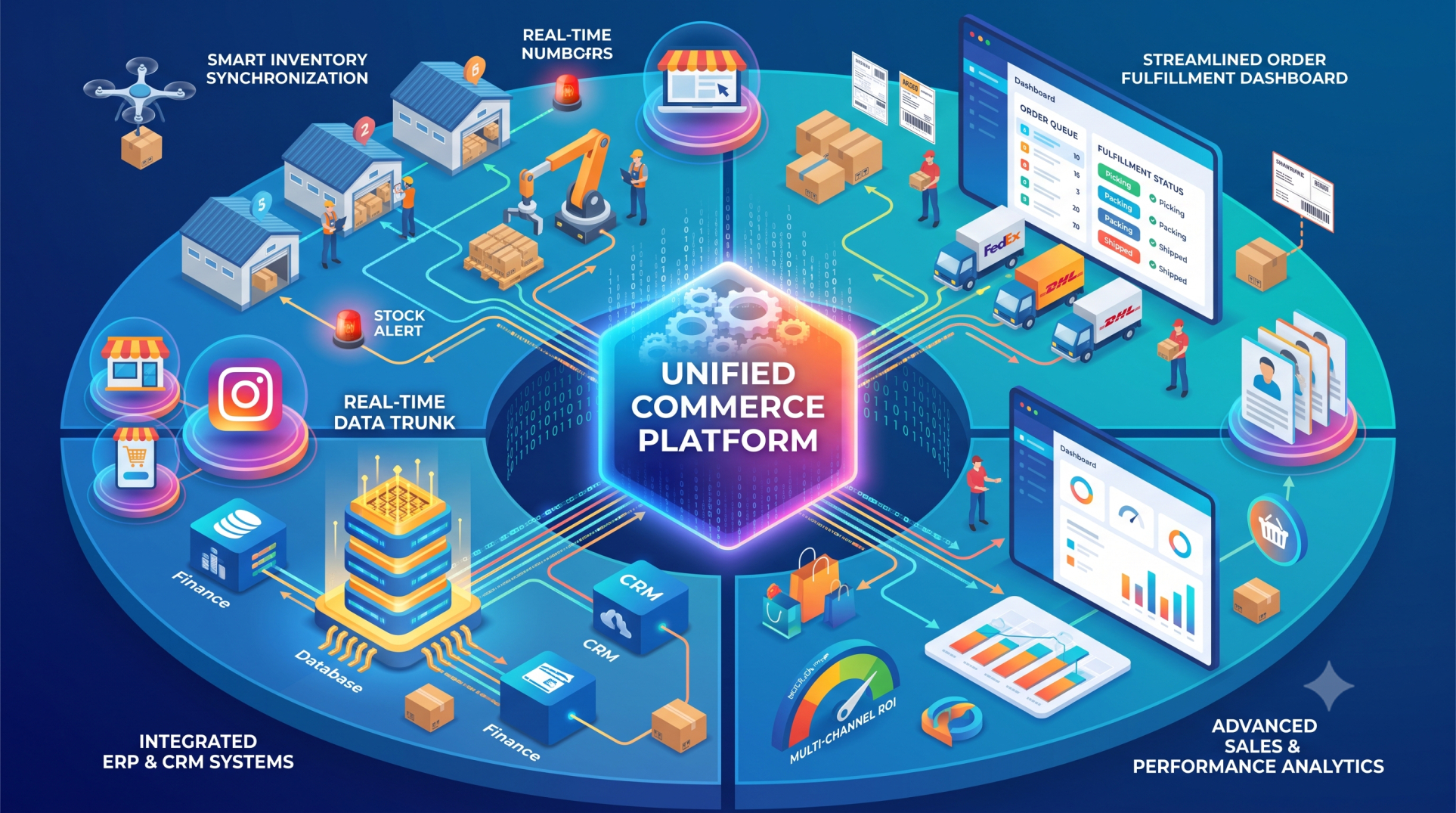
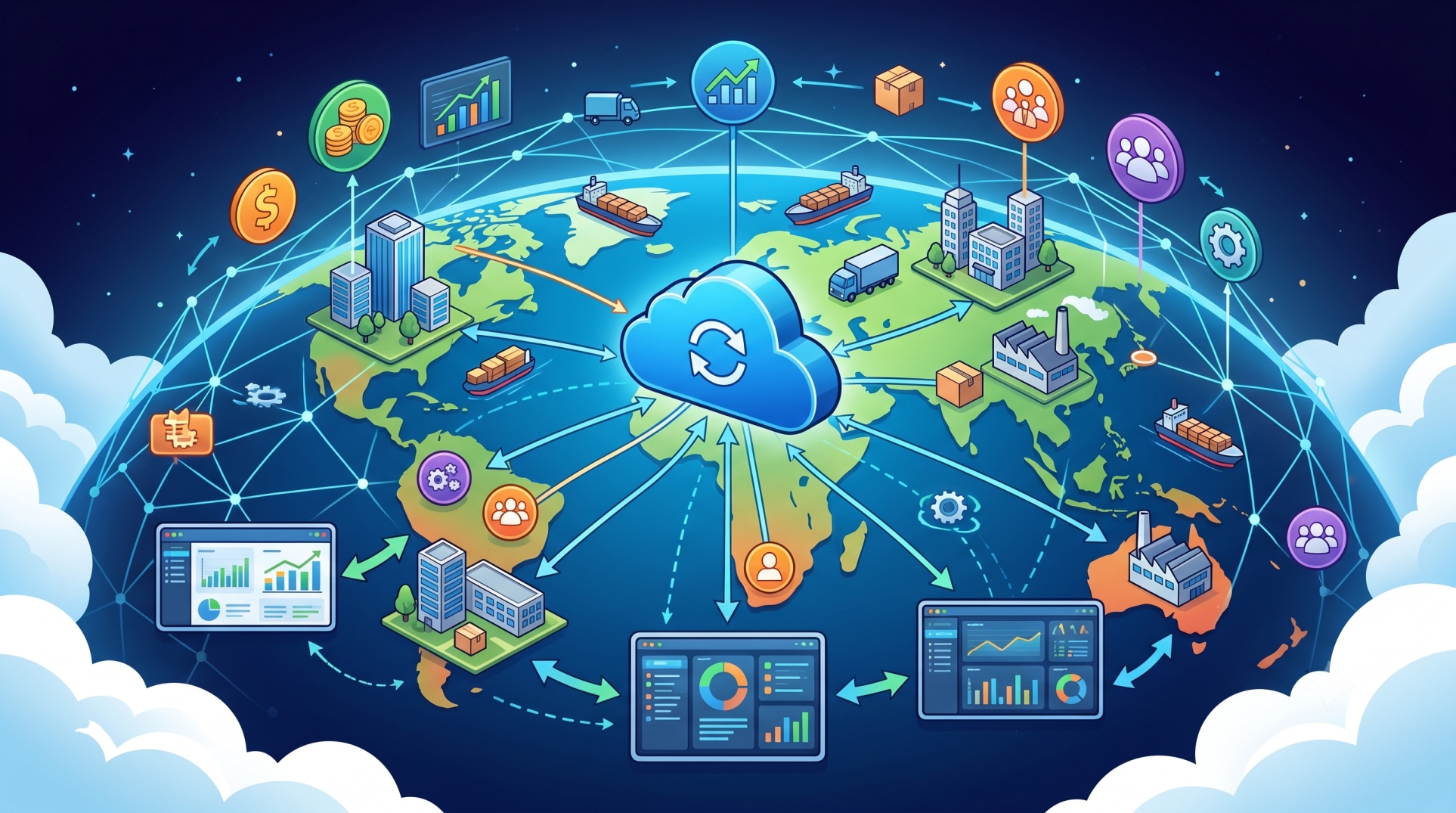
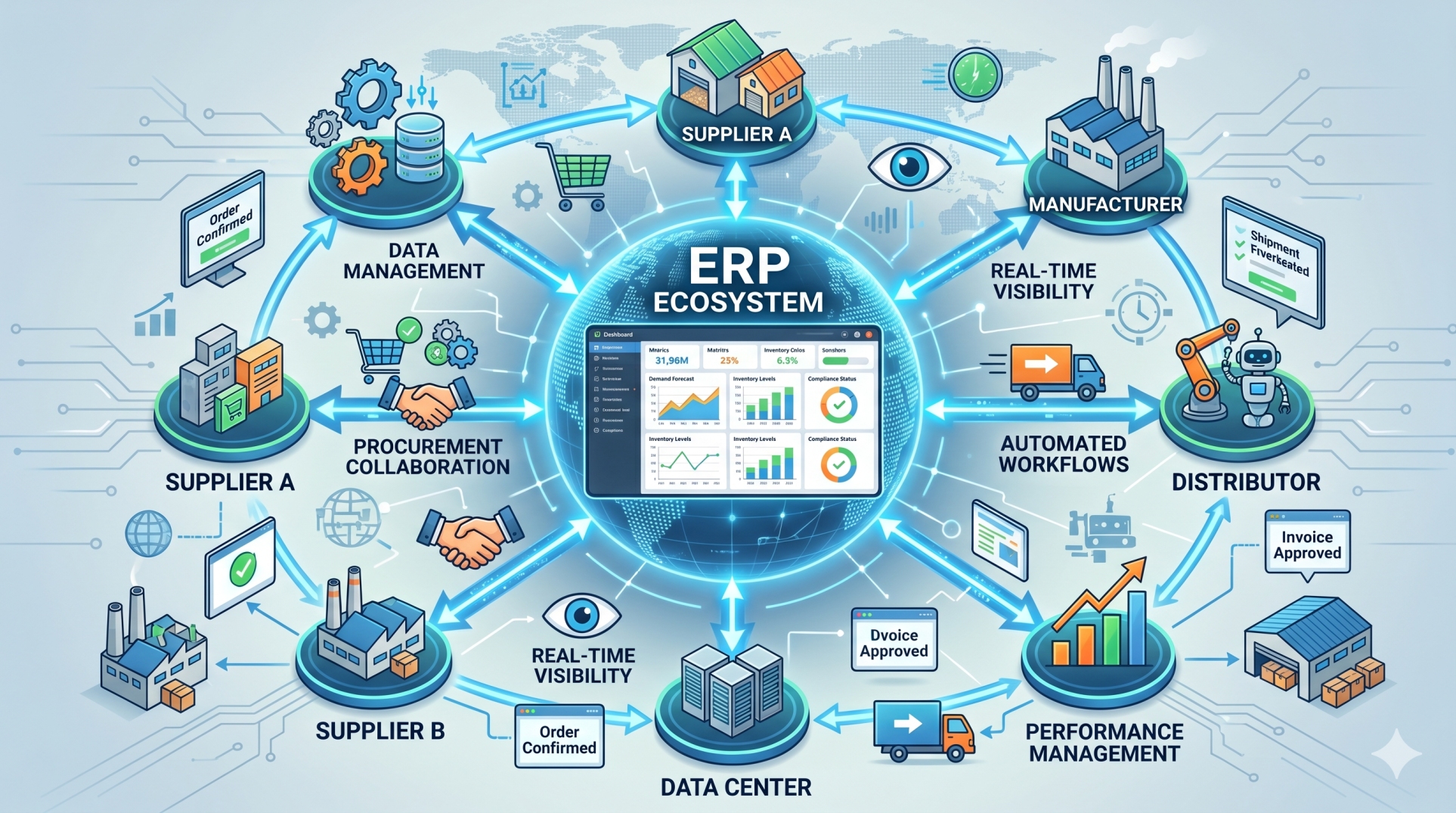
• Integrate data from warehouses, suppliers, transportation, and production systems
• Eliminate silos between departments and operational platforms
• Standardize data structures for consistency and accuracy
• Enable seamless information flow across global operations
• Create a single source of truth for supply chain management
Step 3: Enabling Real-Time Operational Visibility 👁️
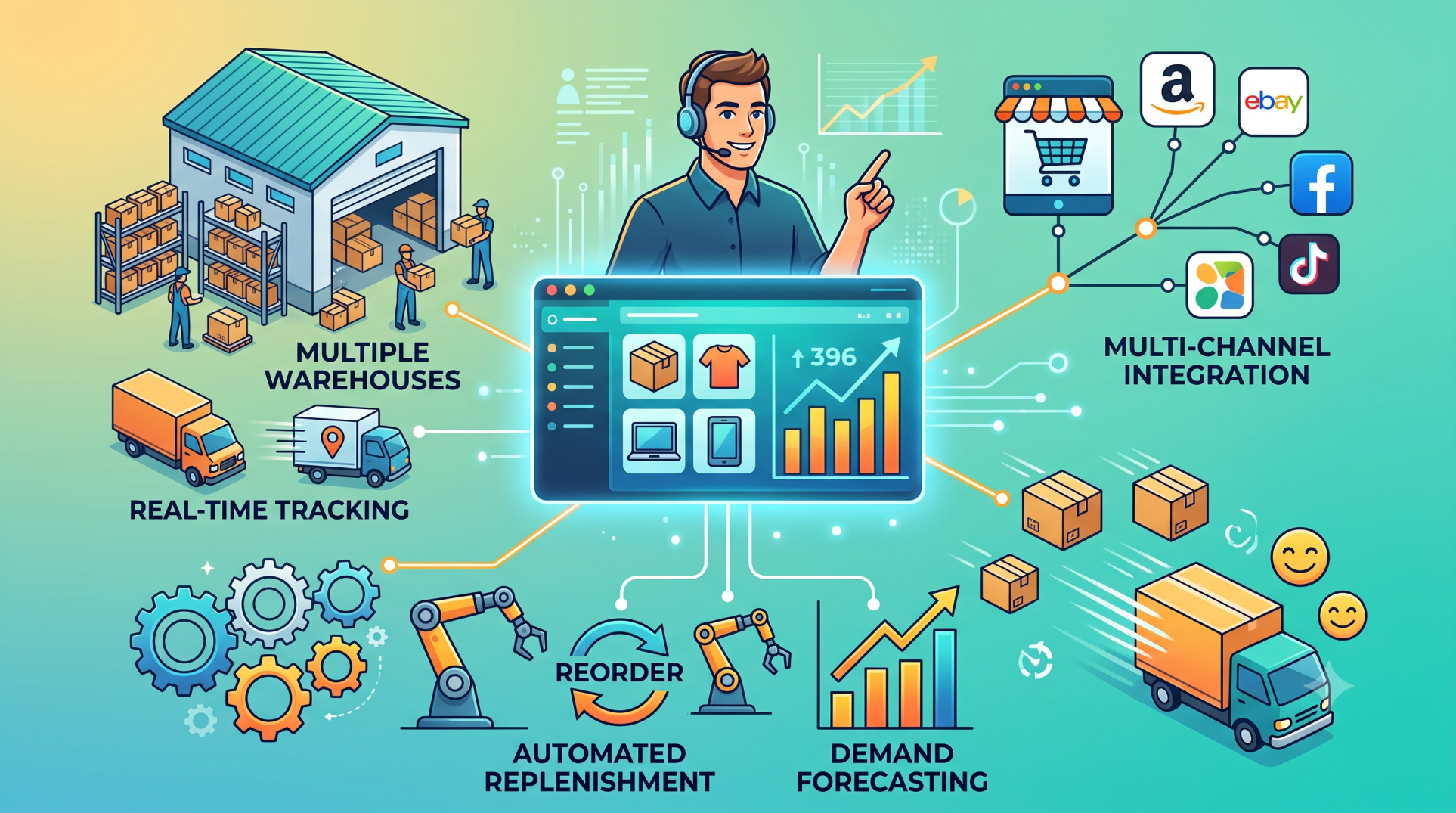
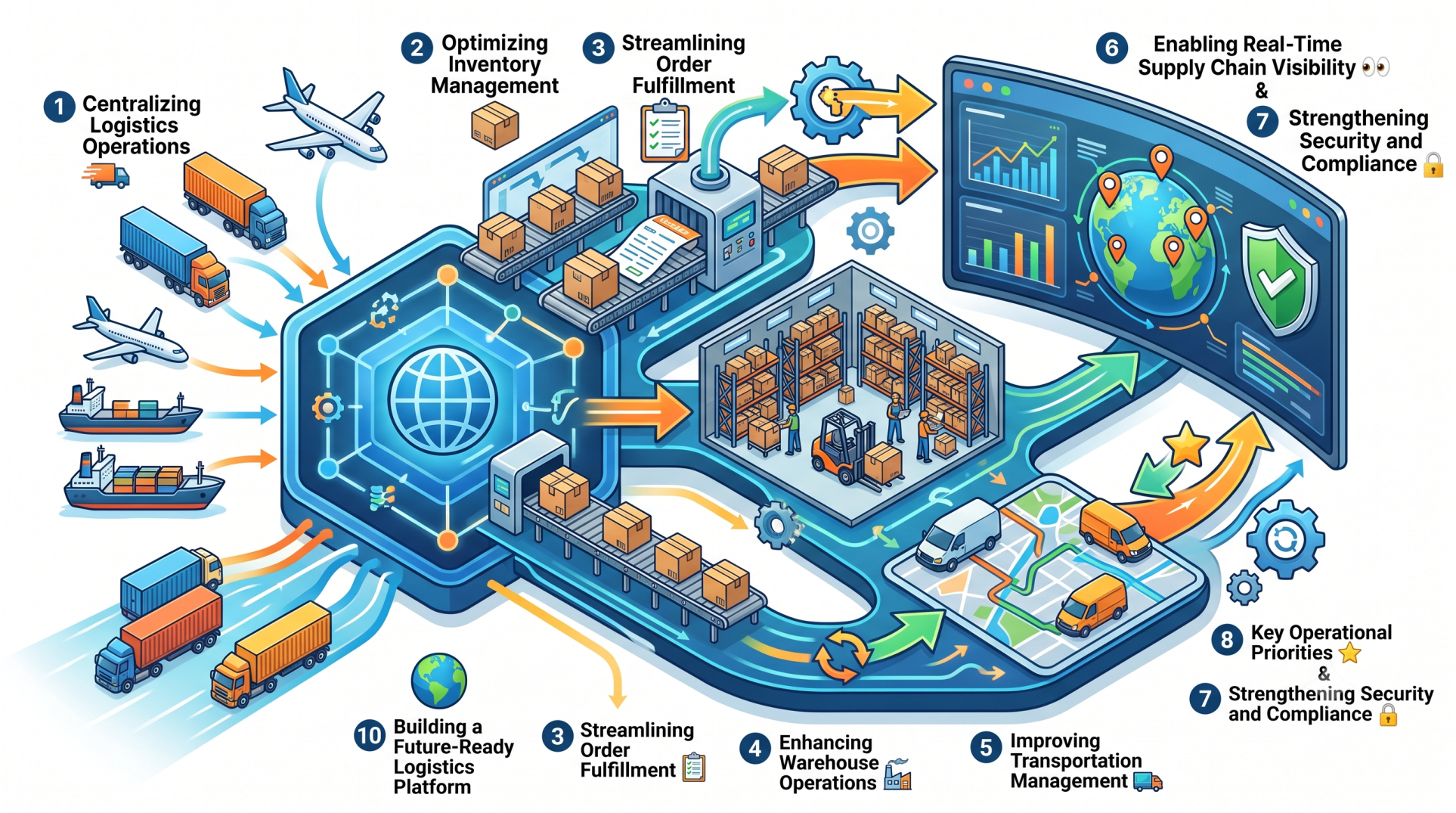
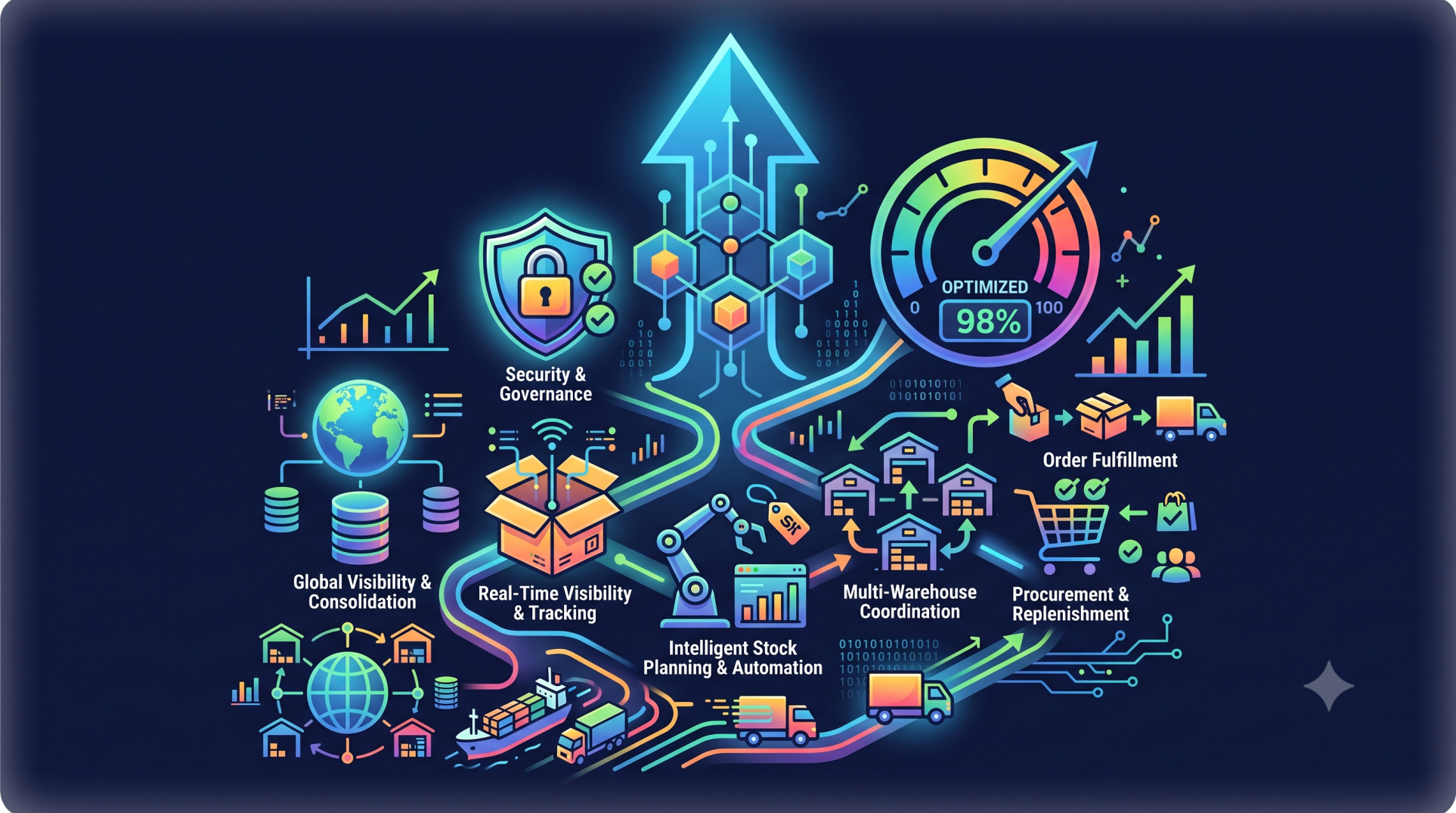
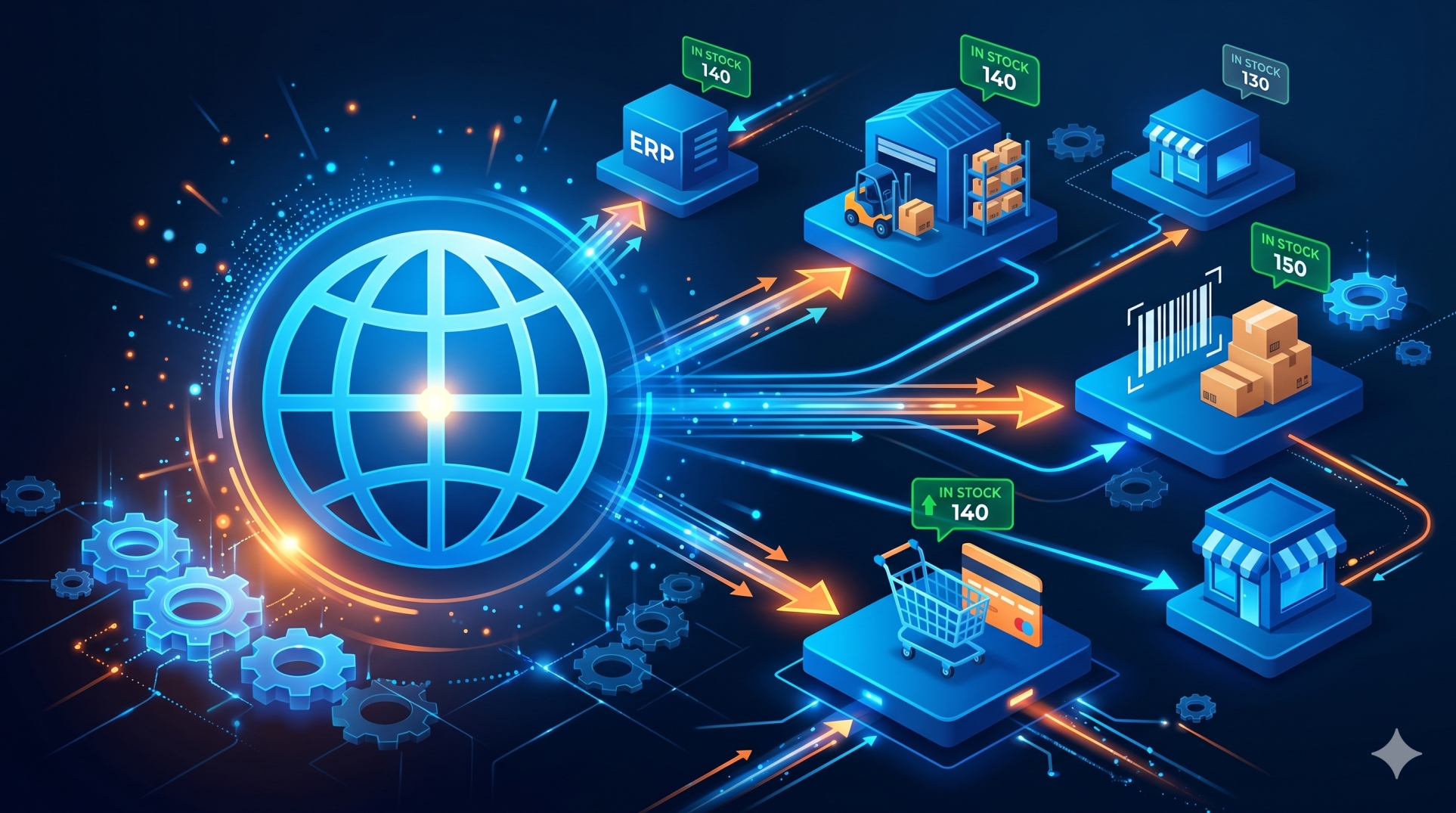
• Monitor inventory levels across multiple facilities in real time
• Track order status, shipments, and fulfillment activities continuously
• Detect disruptions, delays, and bottlenecks as they occur
• Improve responsiveness through live operational insights
• Enhance coordination between supply chain stakeholders
Step 4: Improving Inventory Intelligence 📦
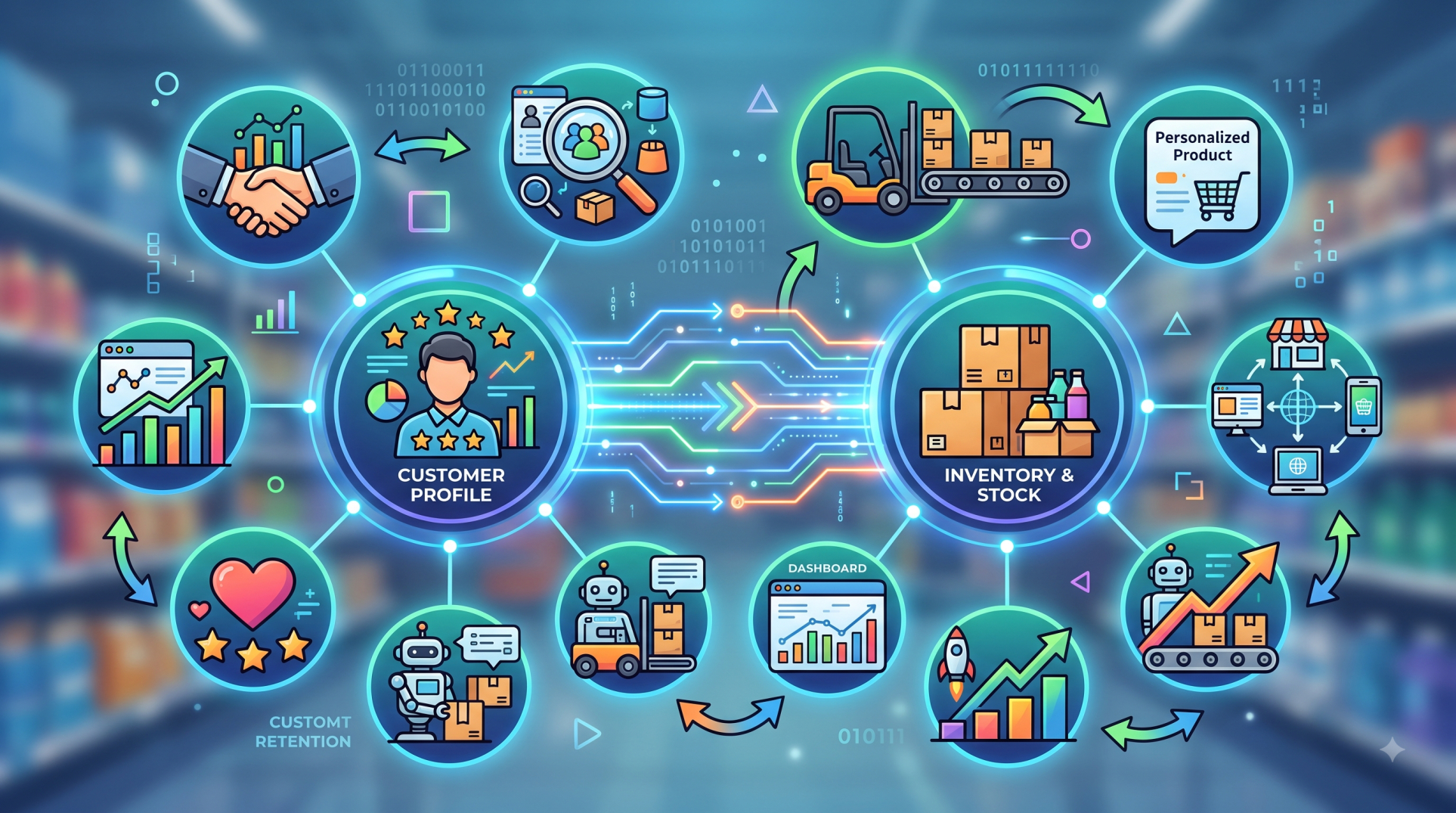
• Analyze stock levels across warehouses and distribution centers
• Reduce overstocking and stock shortages through accurate forecasting
• Monitor inventory movement and replenishment cycles
• Optimize safety stock based on demand patterns
• Increase inventory accuracy across the network
Step 5: Strengthening Supplier and Vendor Visibility 🚚
• Track supplier performance and delivery timelines
• Monitor procurement activities from purchase order to fulfillment
• Identify supply risks and vendor-related delays early
• Improve communication with suppliers through shared visibility
• Support proactive supplier management strategies
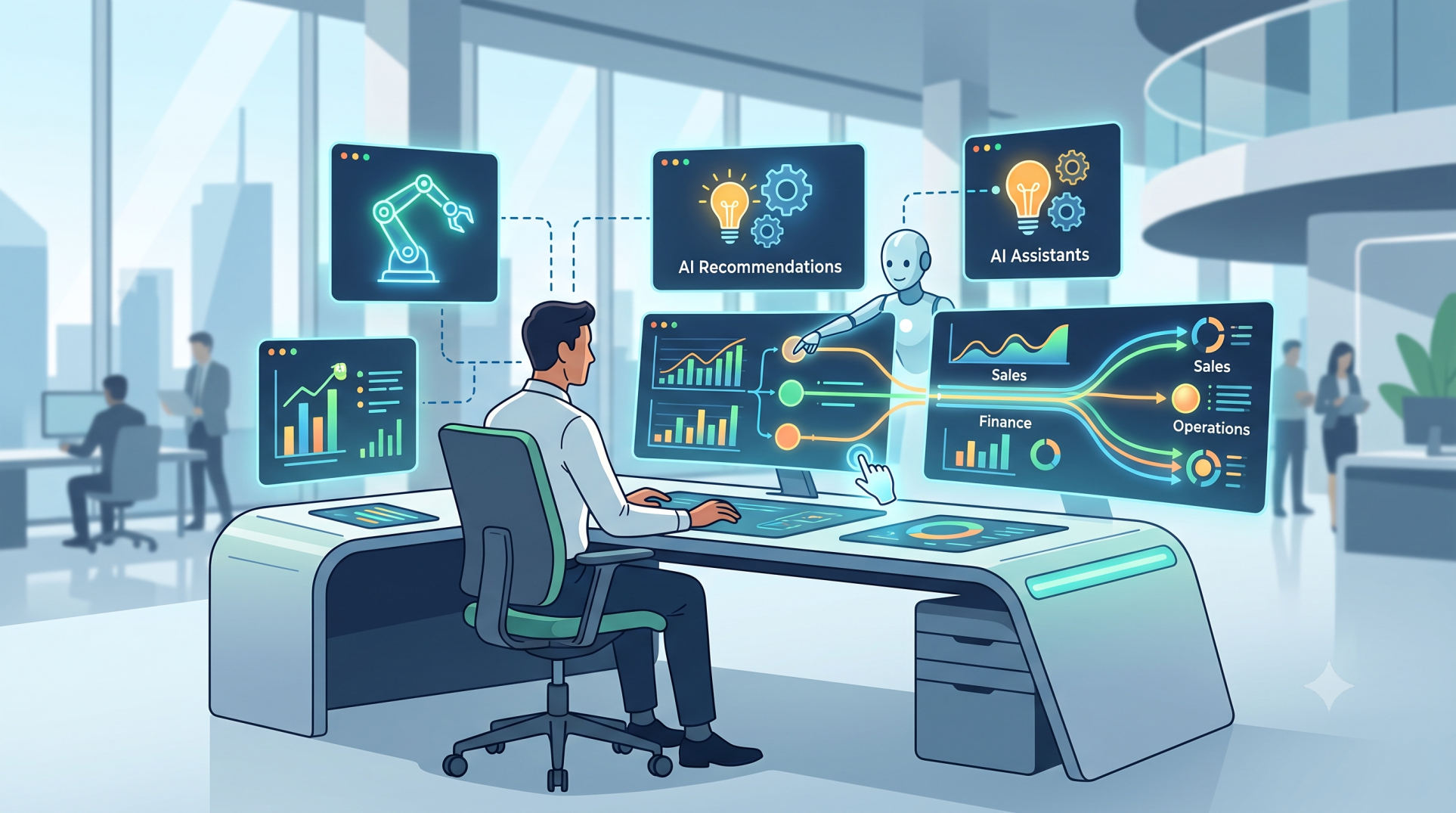
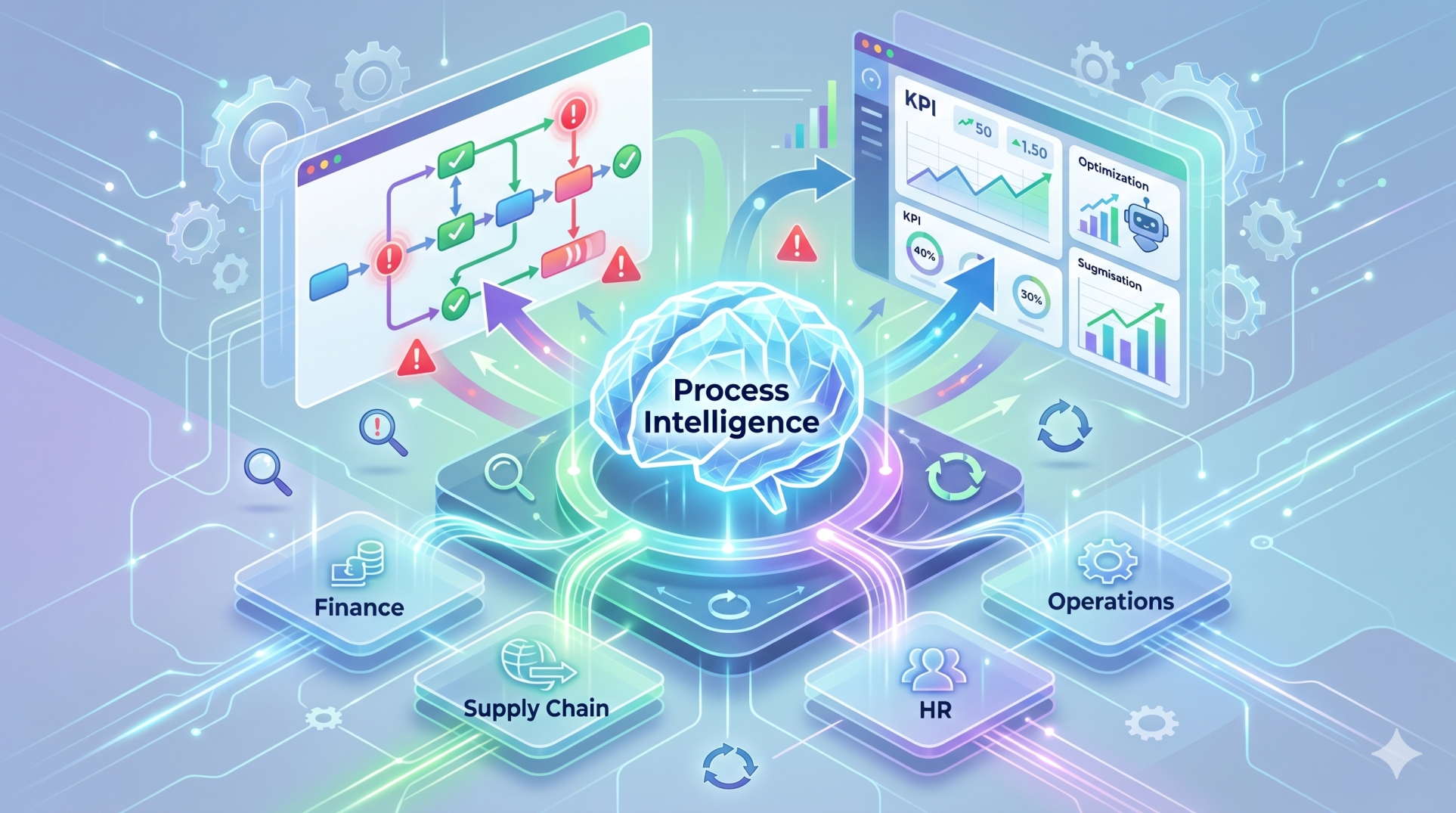
Step 6: Supporting Predictive and Data-Driven Decisions 🤖
• Use ERP data layers to support forecasting and predictive analytics
• Identify trends, demand fluctuations, and operational inefficiencies
• Improve planning accuracy through centralized historical data
• Enable proactive responses to changing market conditions
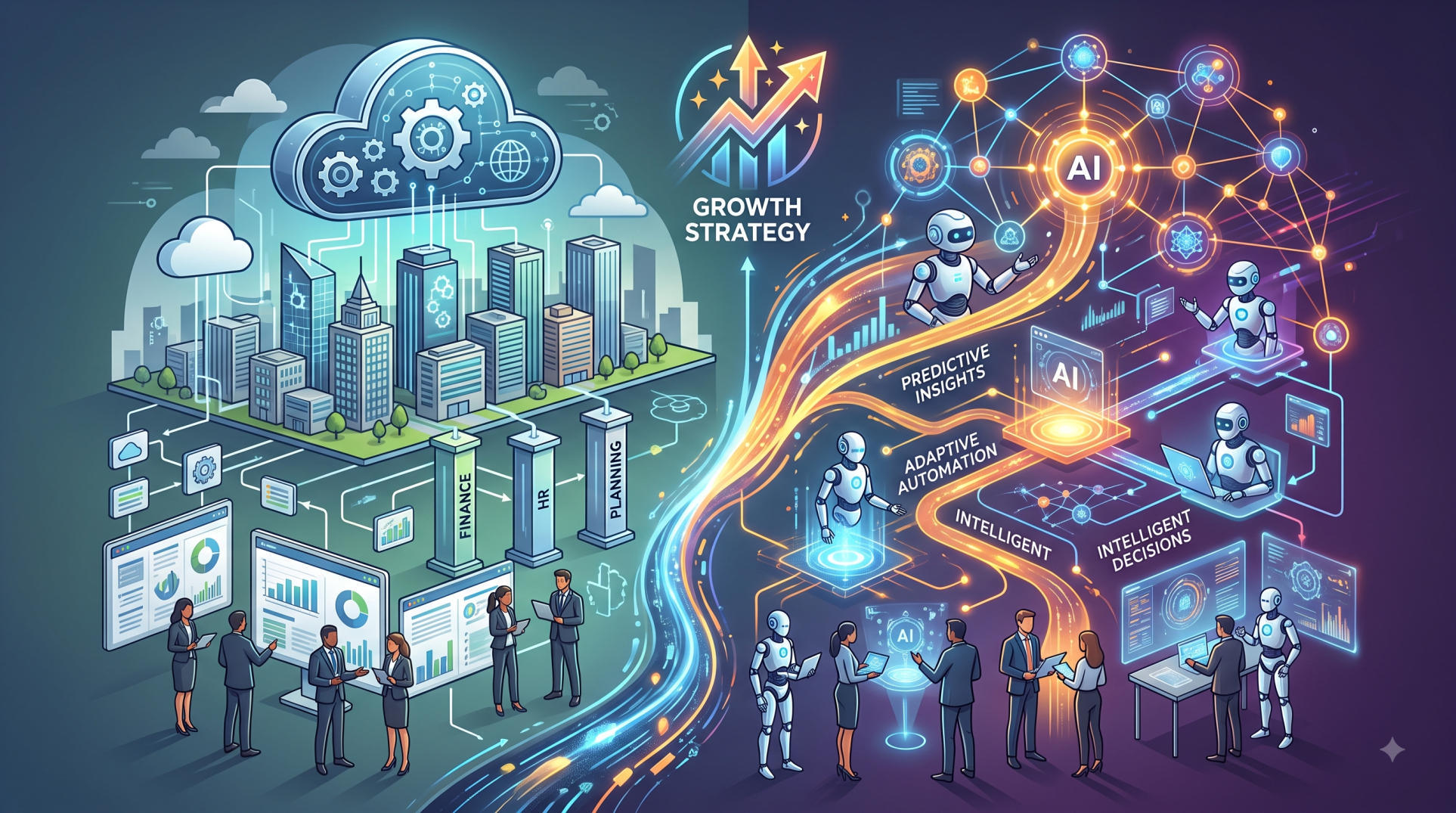
• Support AI-driven optimization across supply chain processes
Step 7: Enhancing Logistics and Transportation Monitoring 🚛
• Track shipment movement across transportation networks
• Monitor delivery performance and transit times
• Improve route planning through integrated operational data
• Increase visibility into carrier and logistics performance
• Reduce delays through real-time coordination and alerts
Step 8: Key Visibility Priorities 📈
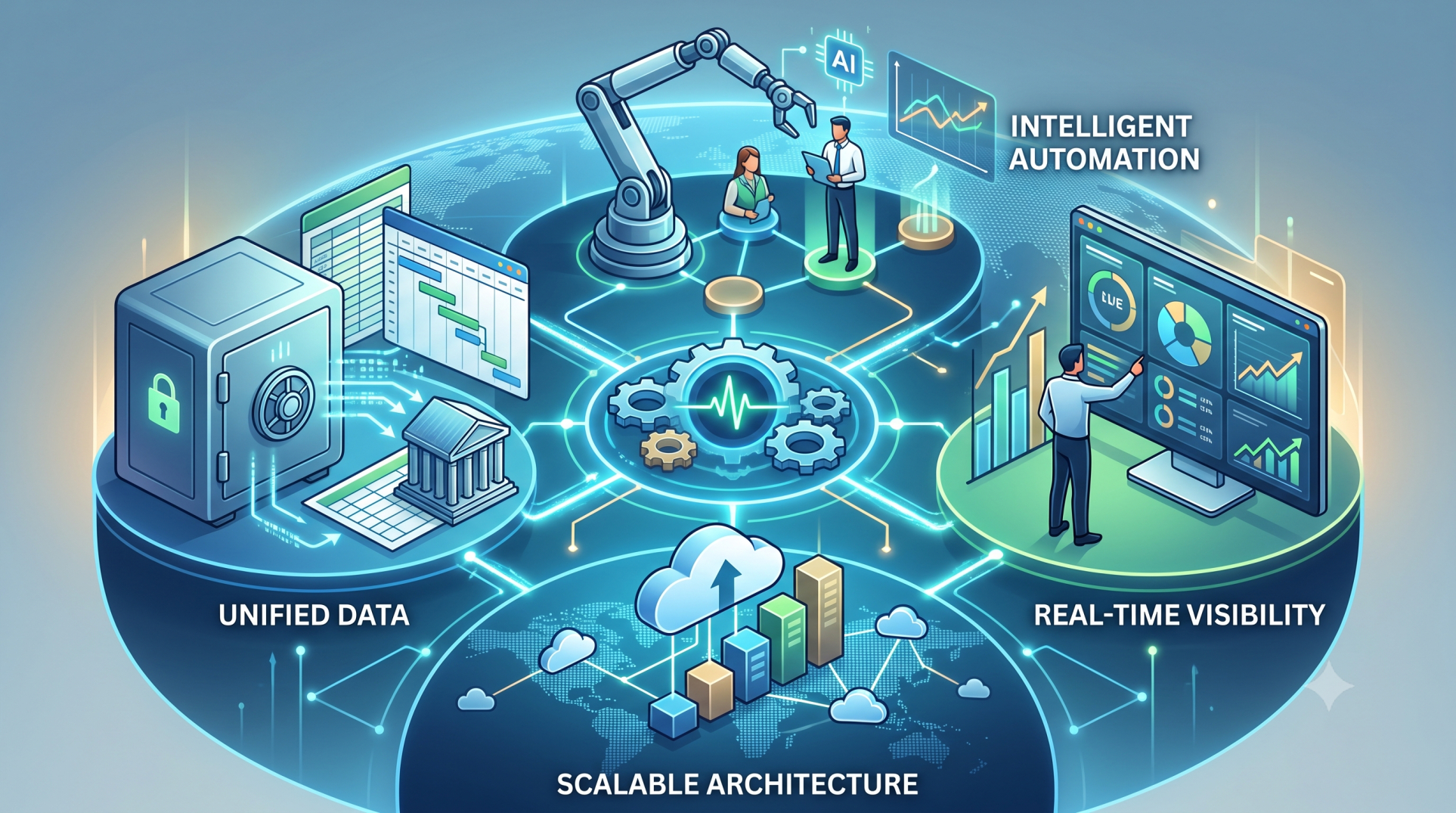
• Unified supply chain data across all operational systems
• Real-time monitoring of inventory, logistics, and procurement
• Faster identification of disruptions and bottlenecks
• Scalable architecture for expanding supply chain networks
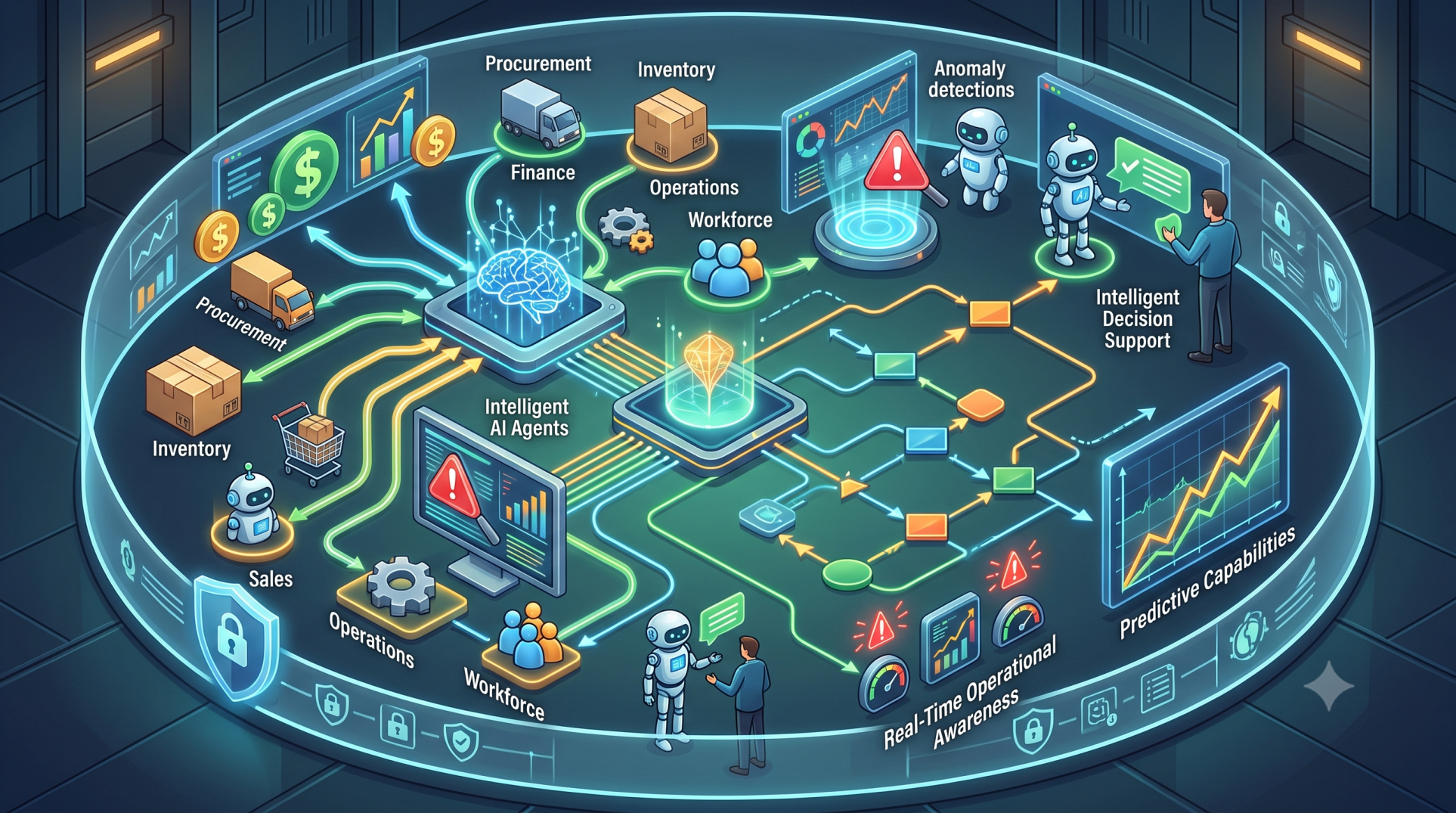
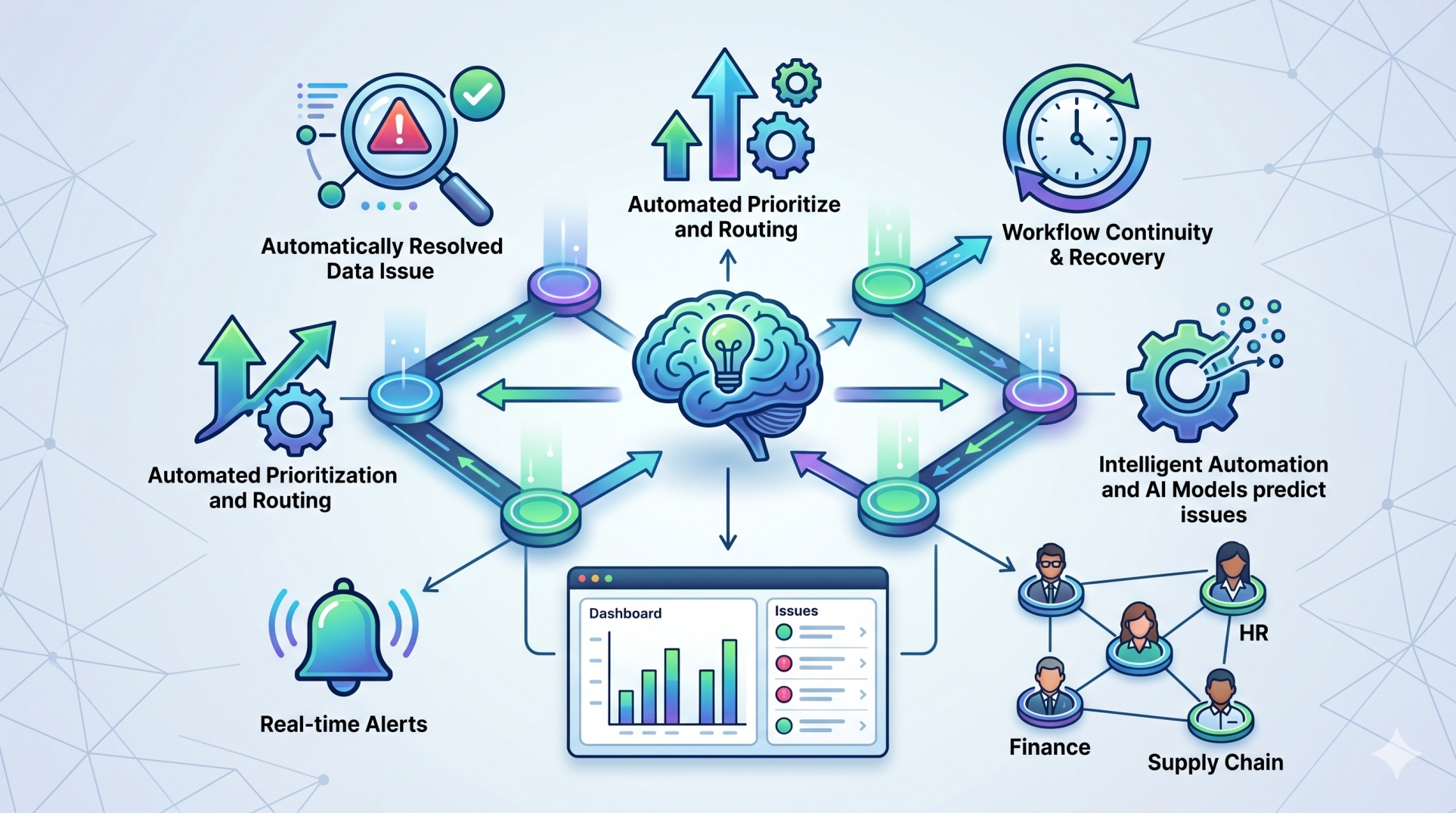
Step 9: Managing Exceptions and Operational Risks ⚠️
• Detect anomalies and supply chain disruptions quickly
• Enable automated alerts for delays, shortages, or system issues
• Improve response time during unexpected operational events
• Support contingency planning through predictive insights
• Maintain continuity during periods of high demand or disruption
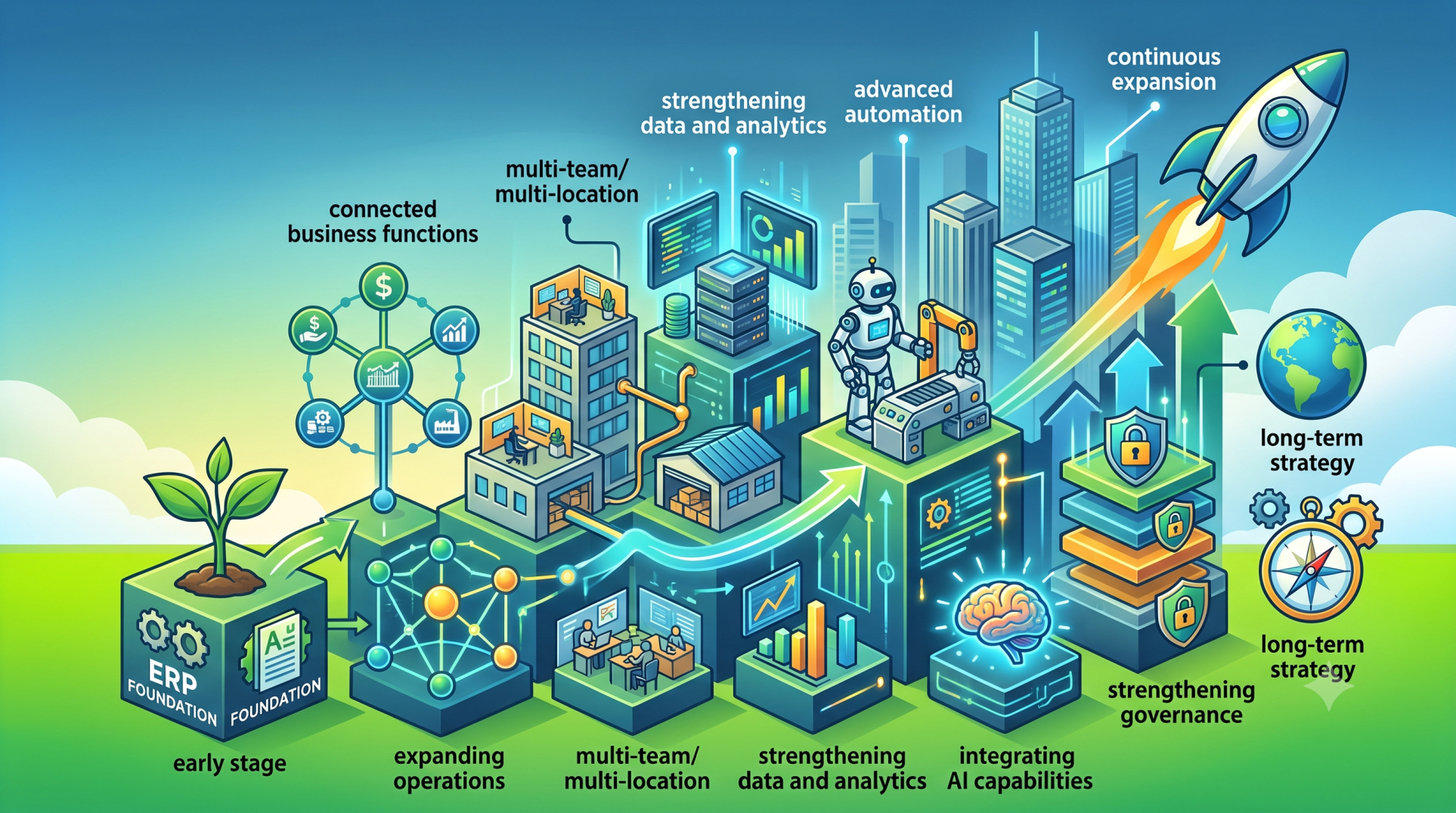
Step 10: Building a Scalable Visibility Ecosystem 🌐
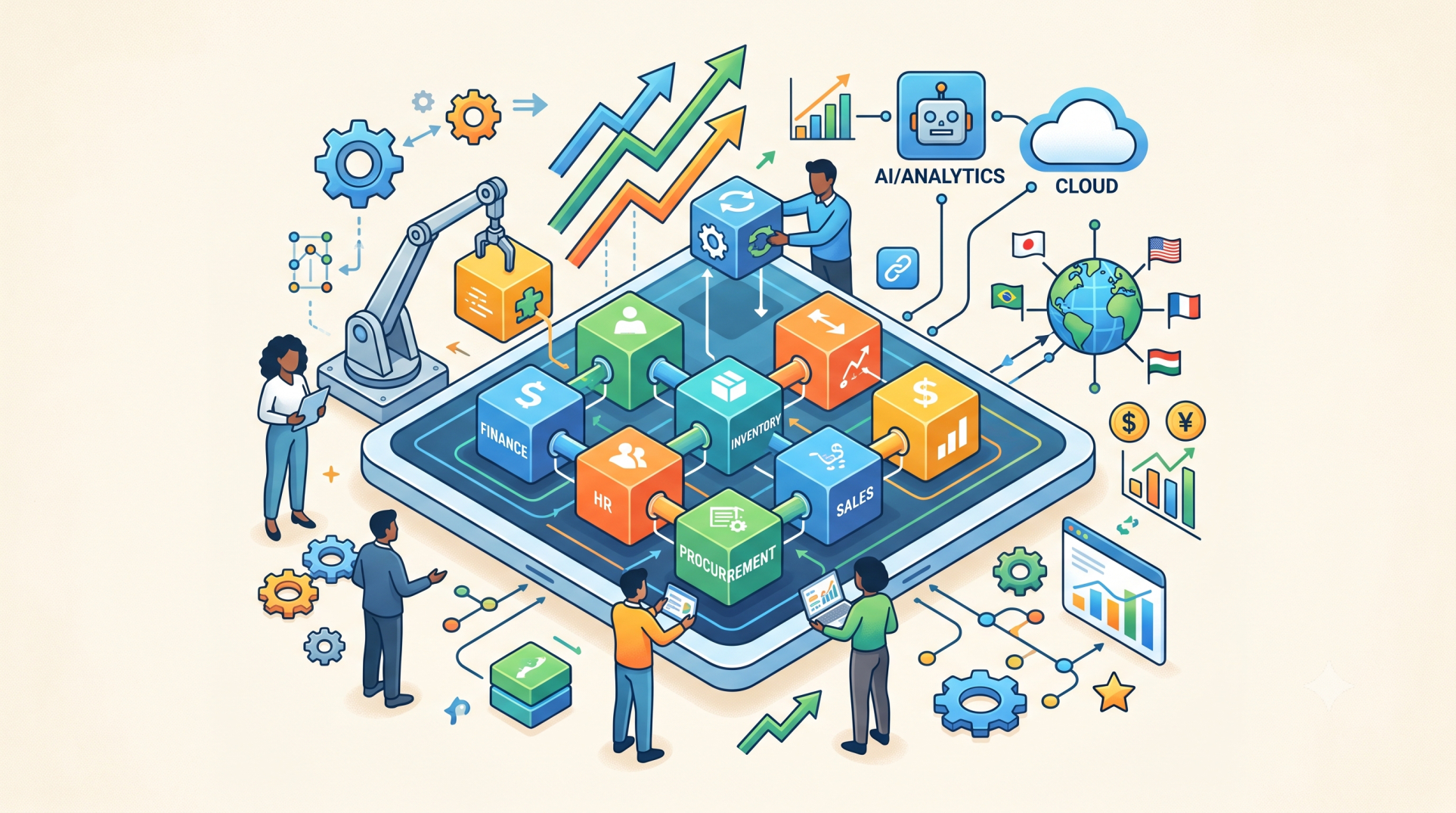
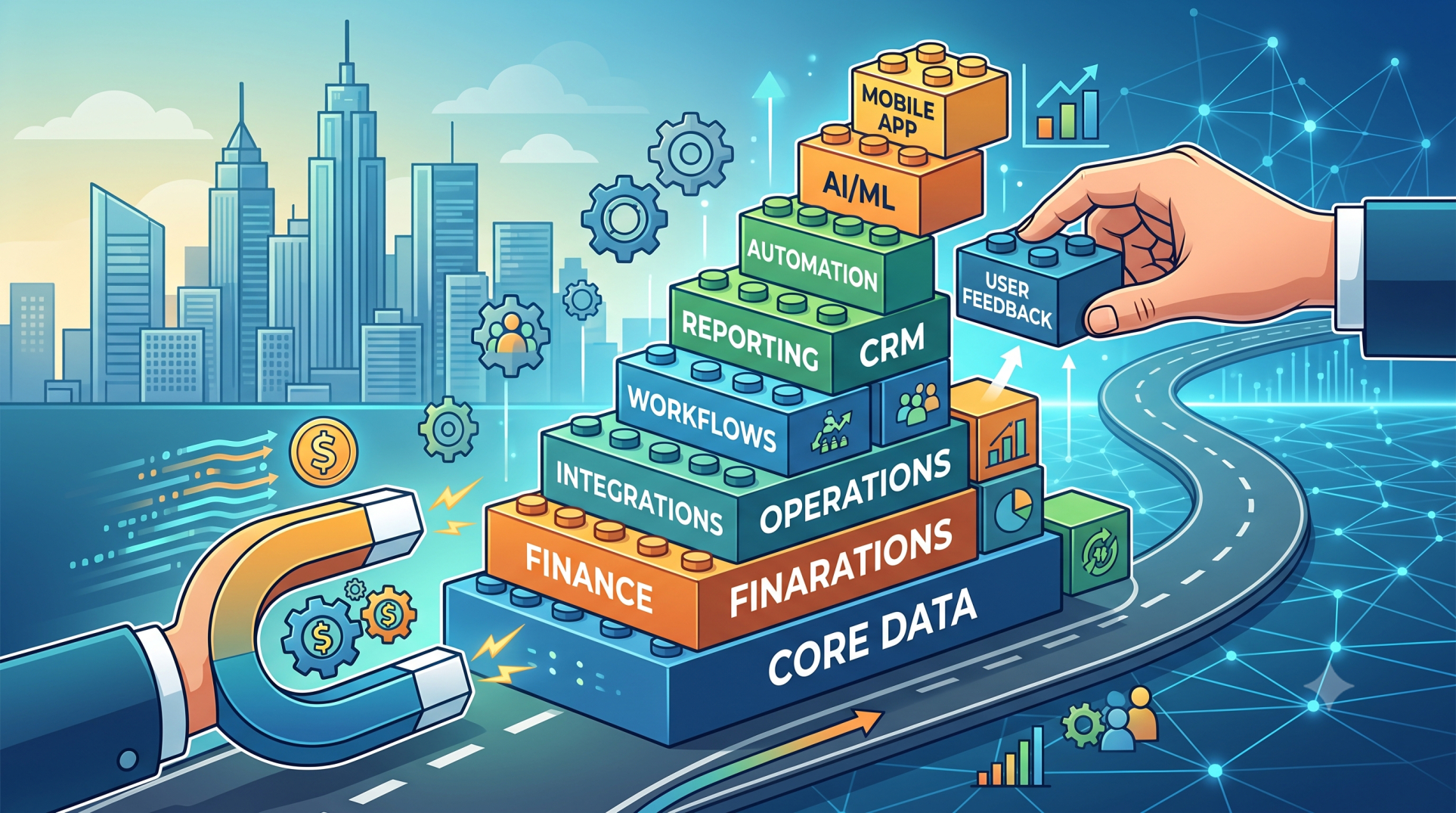
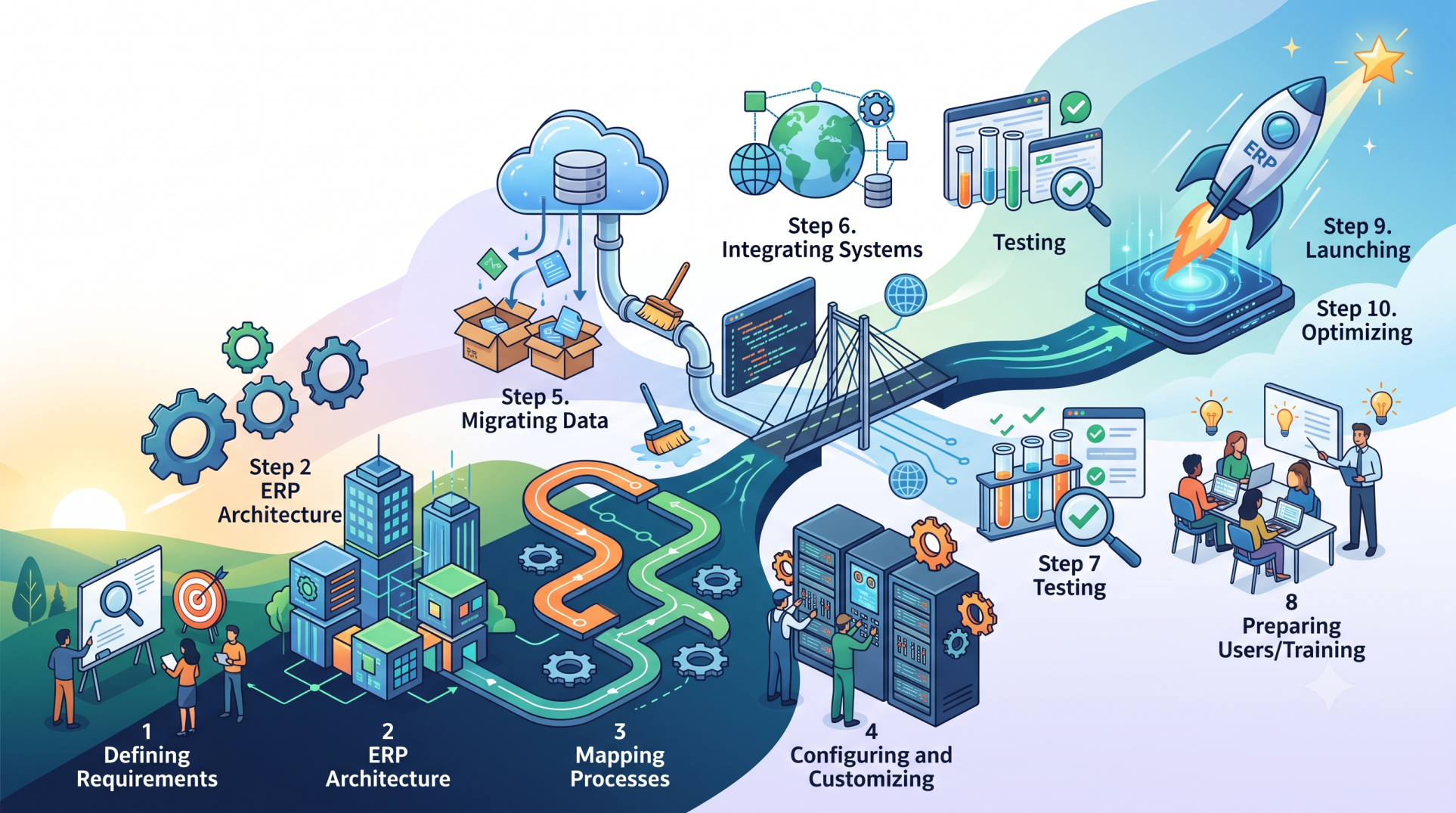
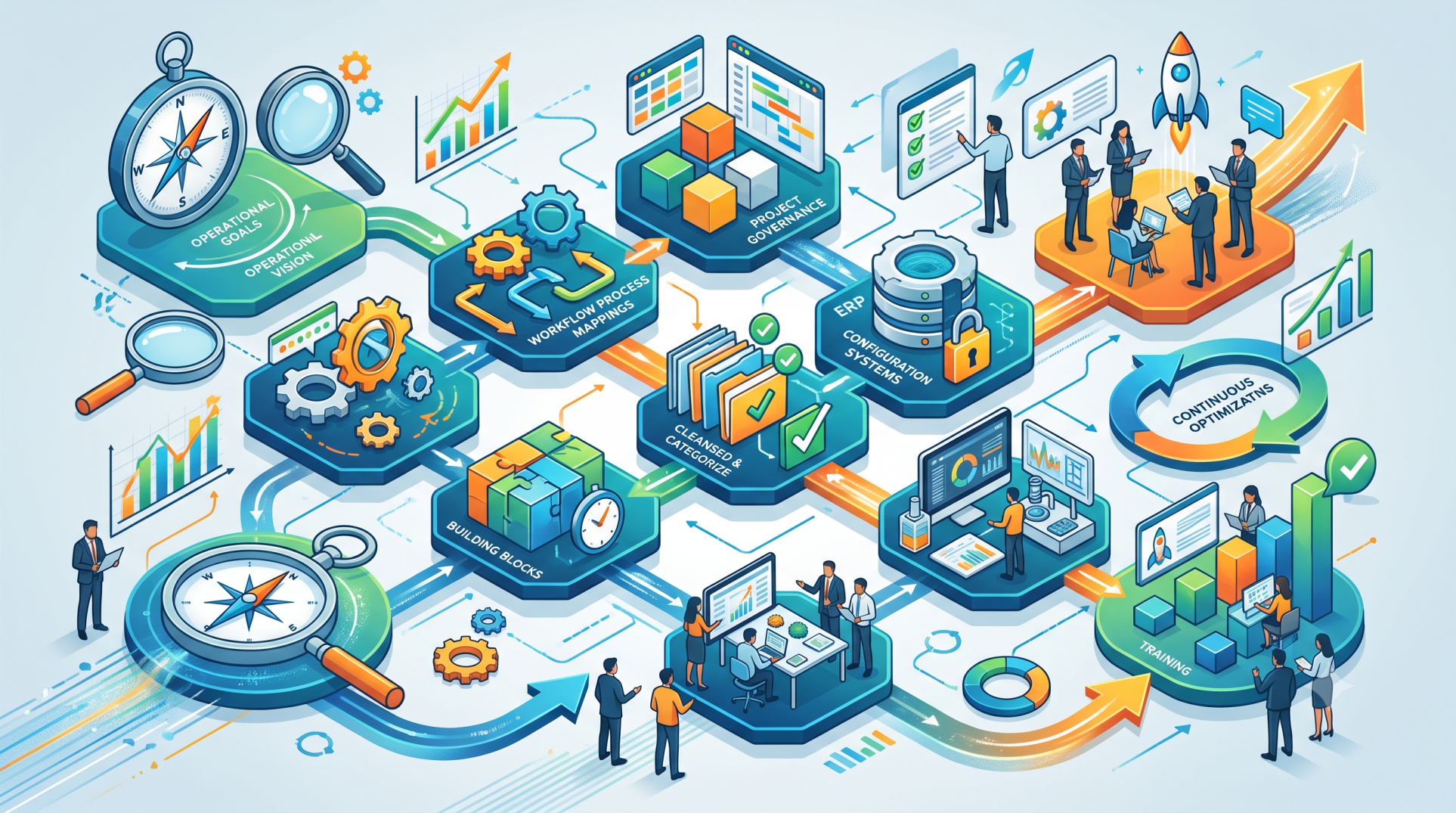
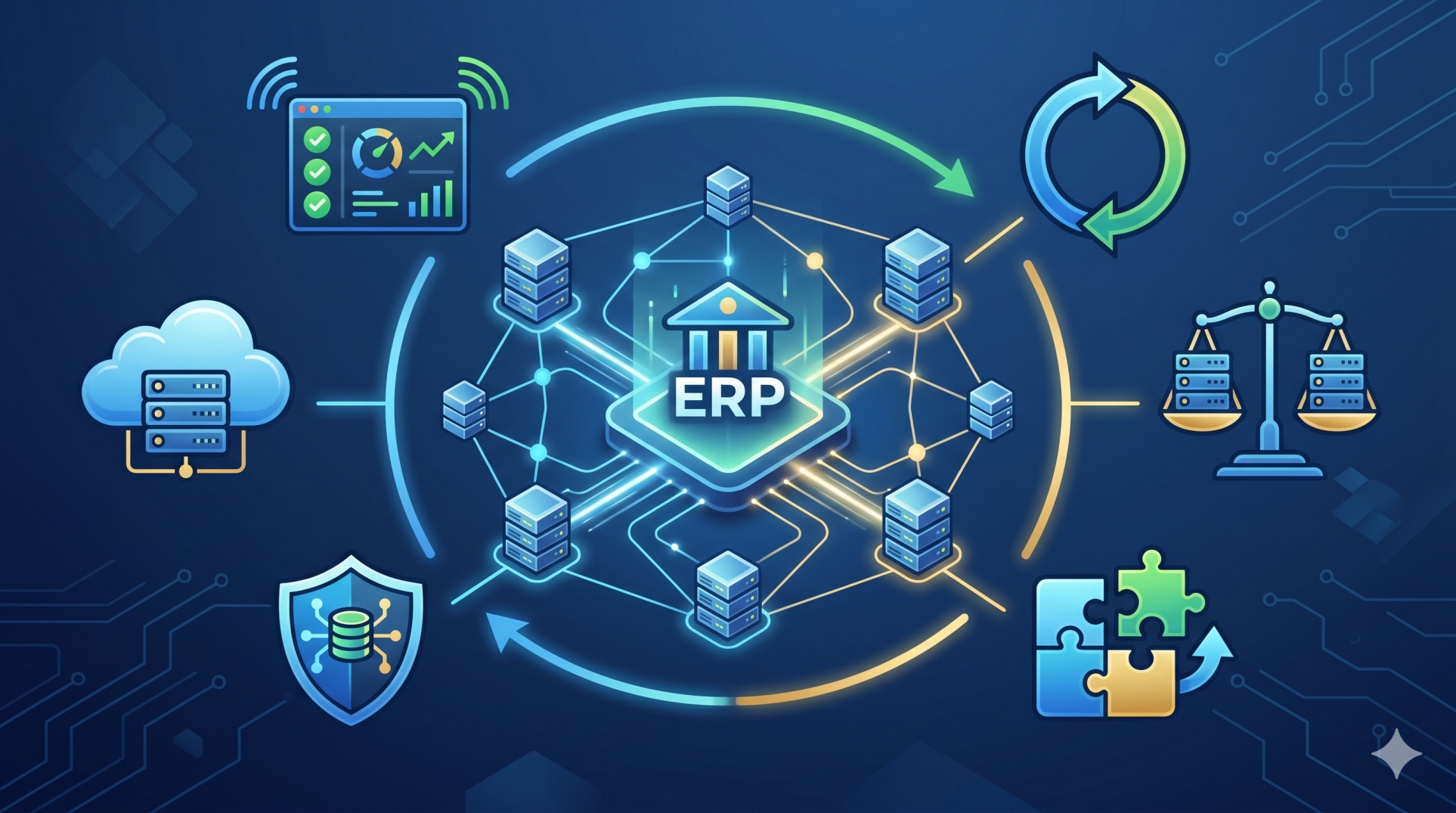
• Design ERP data architecture for long-term scalability
• Integrate new facilities, suppliers, and systems efficiently
• Maintain flexibility to support evolving supply chain models
• Enable continuous optimization through analytics and automation
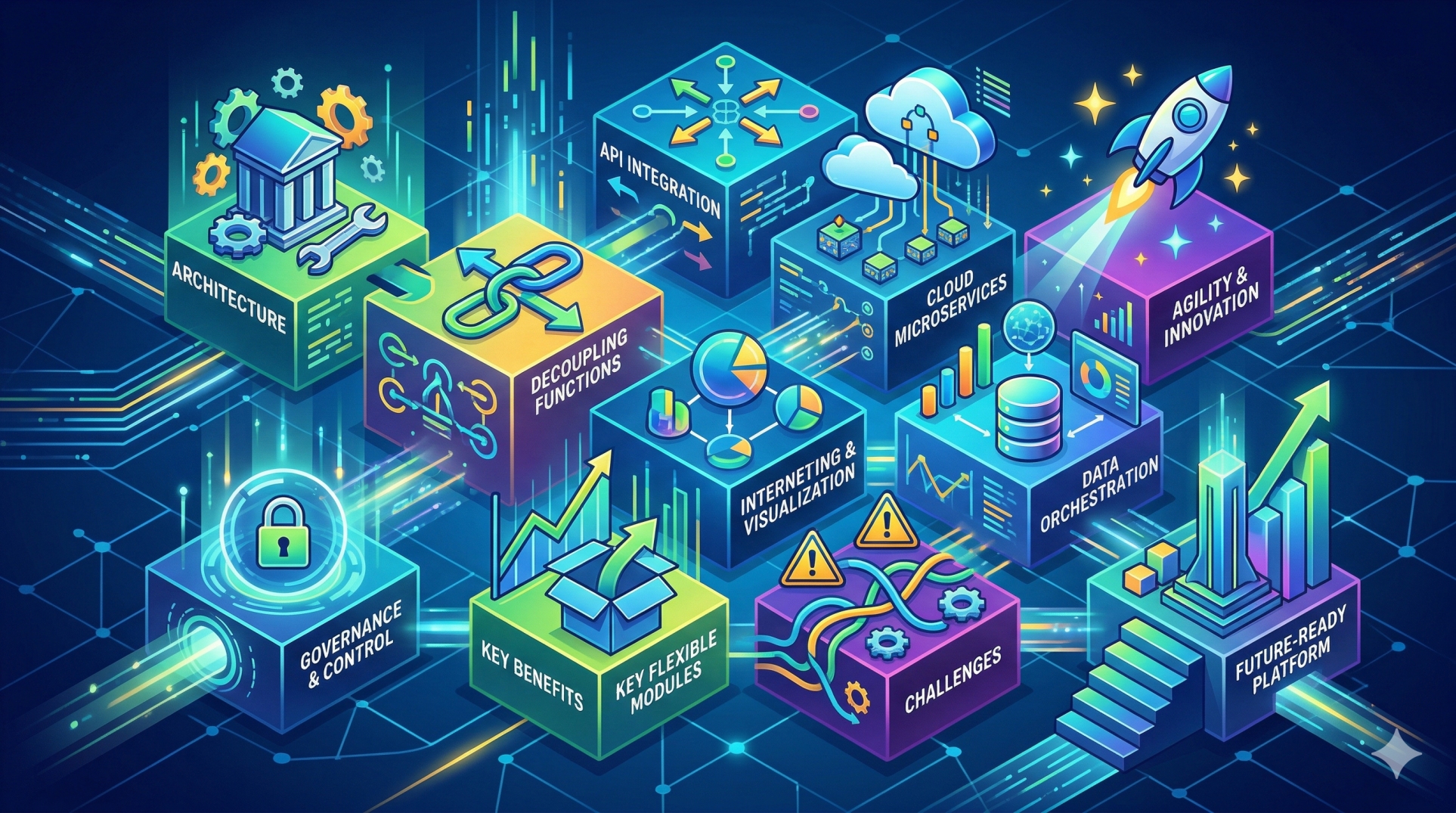
• Future-proof operations with modular and adaptable infrastructure
Conclusion
Supply chain visibility powered by ERP data layers enables organizations to operate with greater transparency, agility, and control. By connecting operational systems into a unified data environment, businesses can monitor performance in real time, improve decision-making, and respond faster to disruptions. A strong ERP-driven visibility strategy not only enhances current supply chain efficiency but also prepares organizations for future operational complexity and growth.
See more blogs
You can all the articles below