Real-Time Inventory Synchronization Across ERP Systems

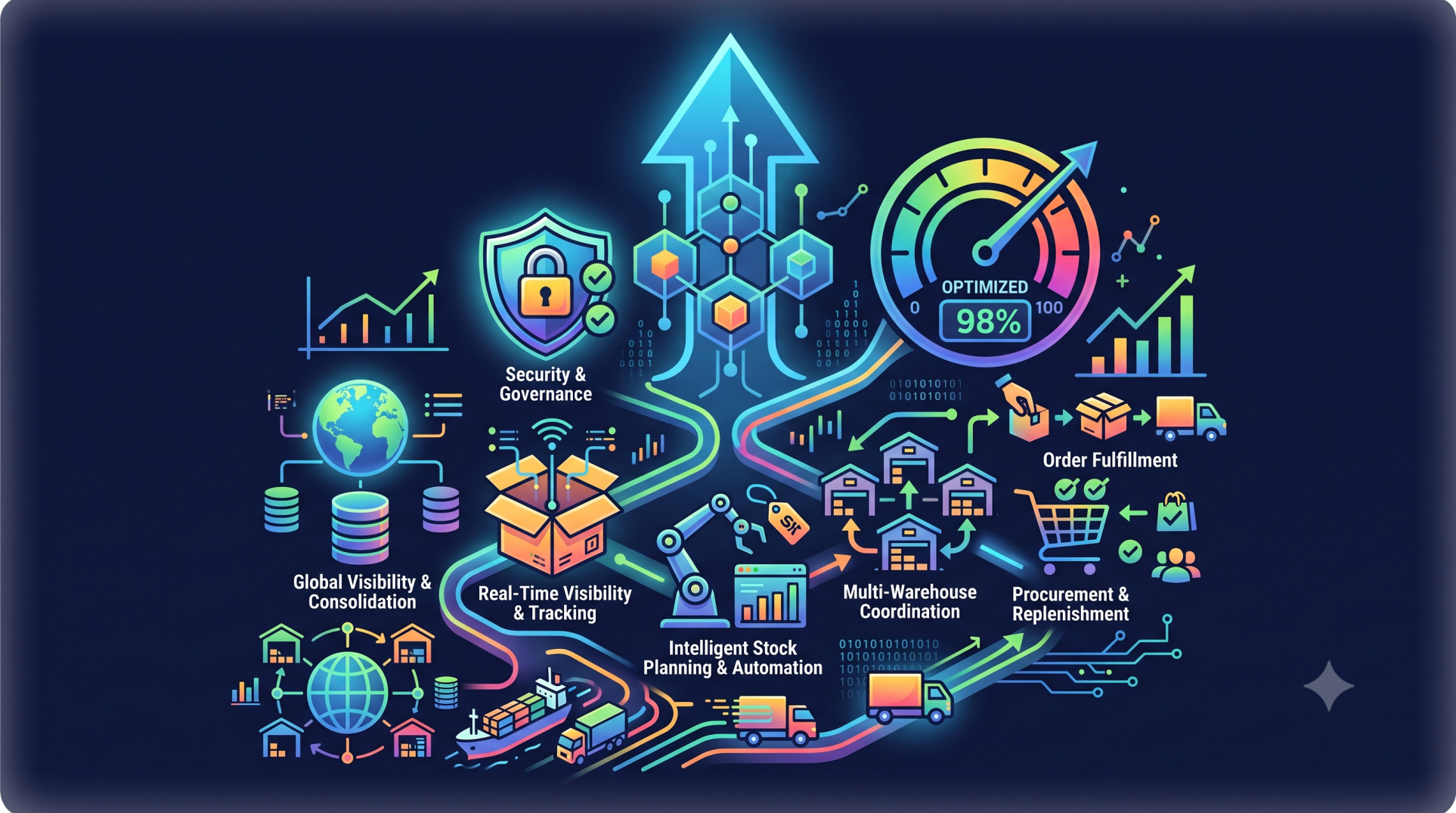
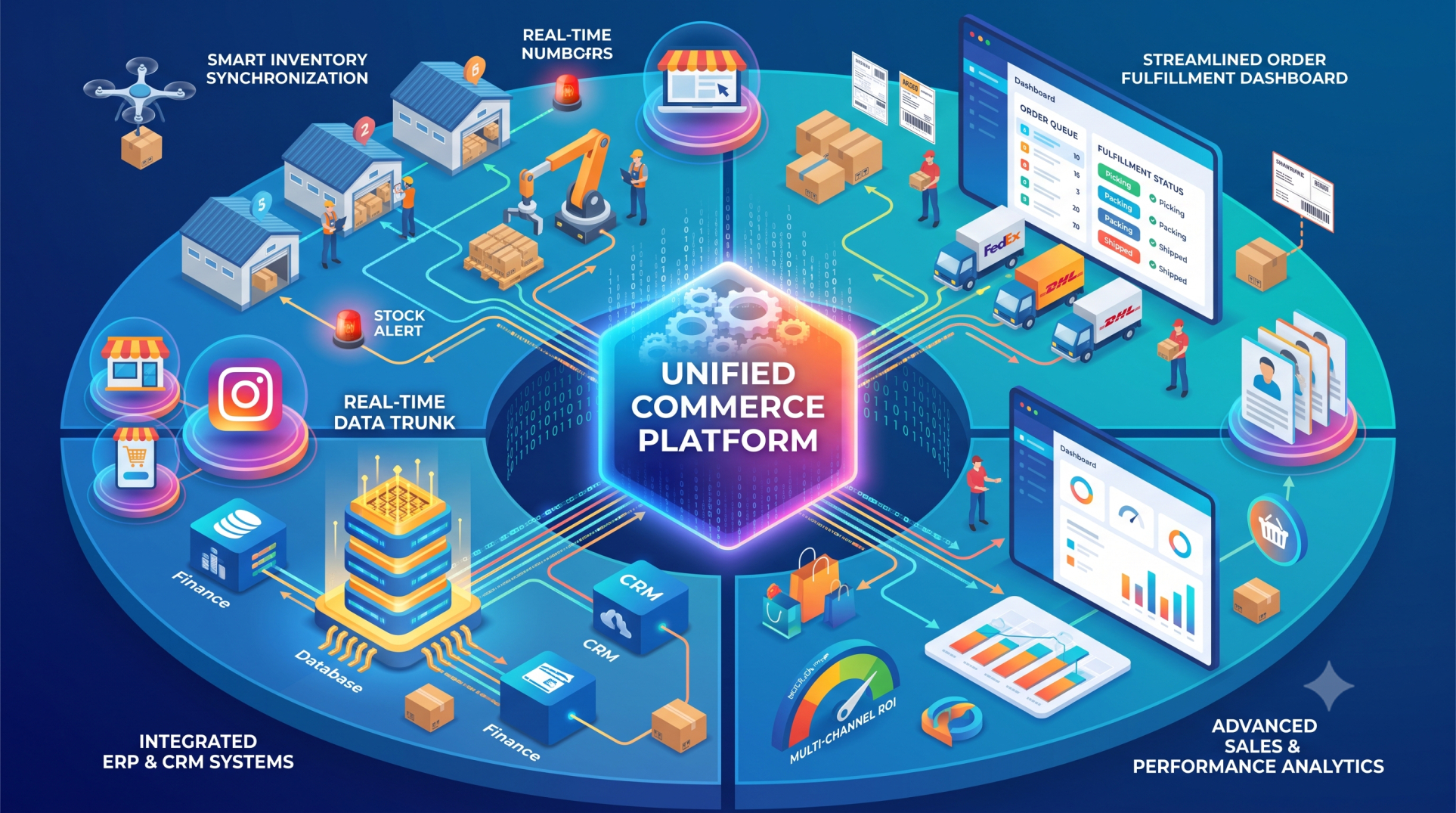
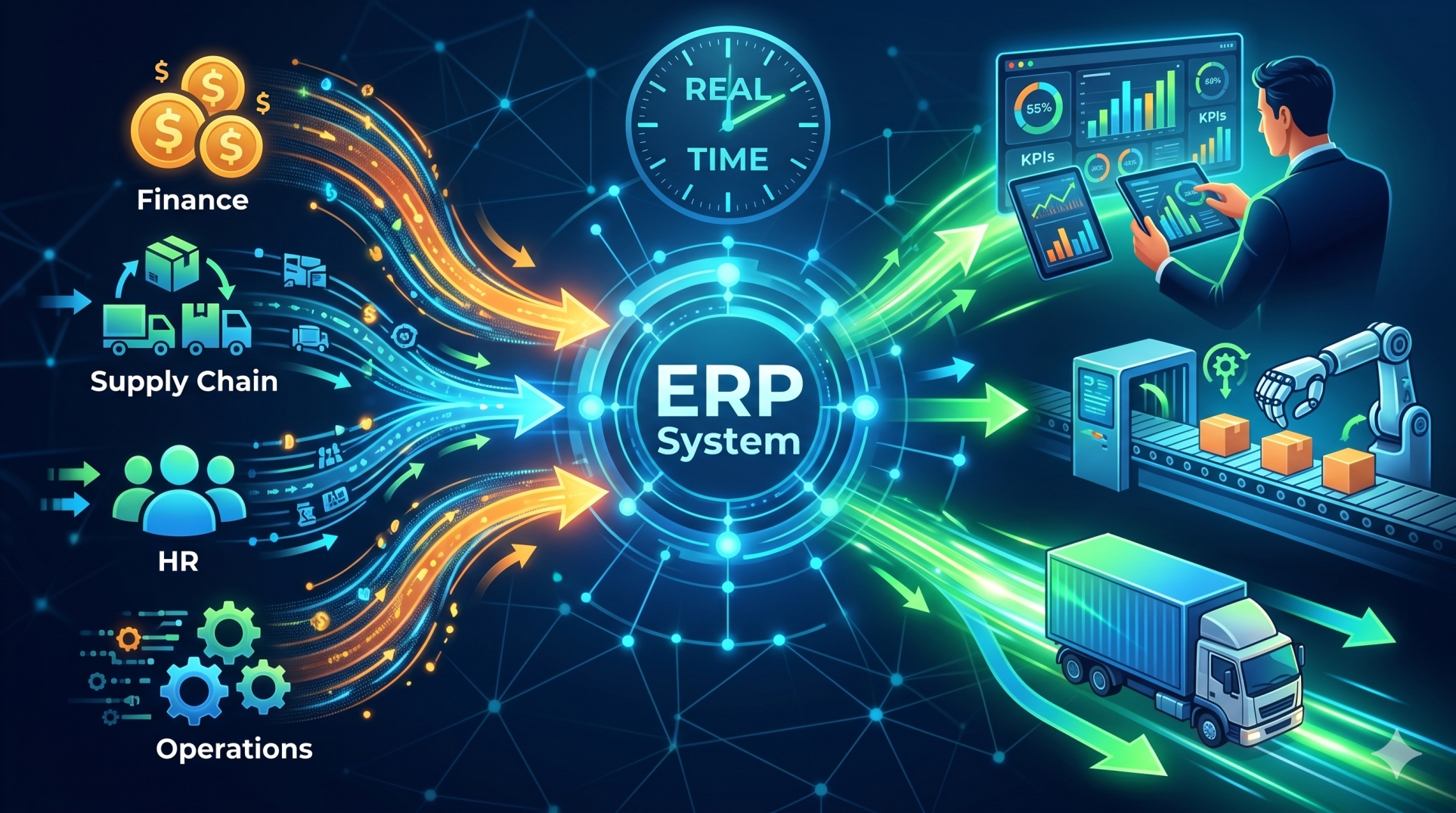
As businesses expand across multiple locations, warehouses, and digital platforms, maintaining accurate inventory data becomes increasingly complex. Real-time inventory synchronization across ERP systems ensures that stock information remains consistent, updated, and accessible across the entire organization. By enabling continuous data alignment, businesses can reduce errors, improve operational efficiency, and support faster decision-making in dynamic supply chain environments.
Step 1: Understanding the Importance of Inventory Synchronization 📦
• Ensure inventory data remains consistent across all ERP systems 🔄
• Eliminate discrepancies caused by delayed updates or manual processes ❌
• Improve visibility into stock levels across locations 👁️
• Support faster and more accurate operational decisions ⚡
• Enhance coordination between warehouses, procurement, and sales 🤝
Step 2: Establishing a Centralized Data Strategy 🗂️
• Create a unified inventory data framework across systems 🌐
• Define standardized product identifiers and data formats 🏷️
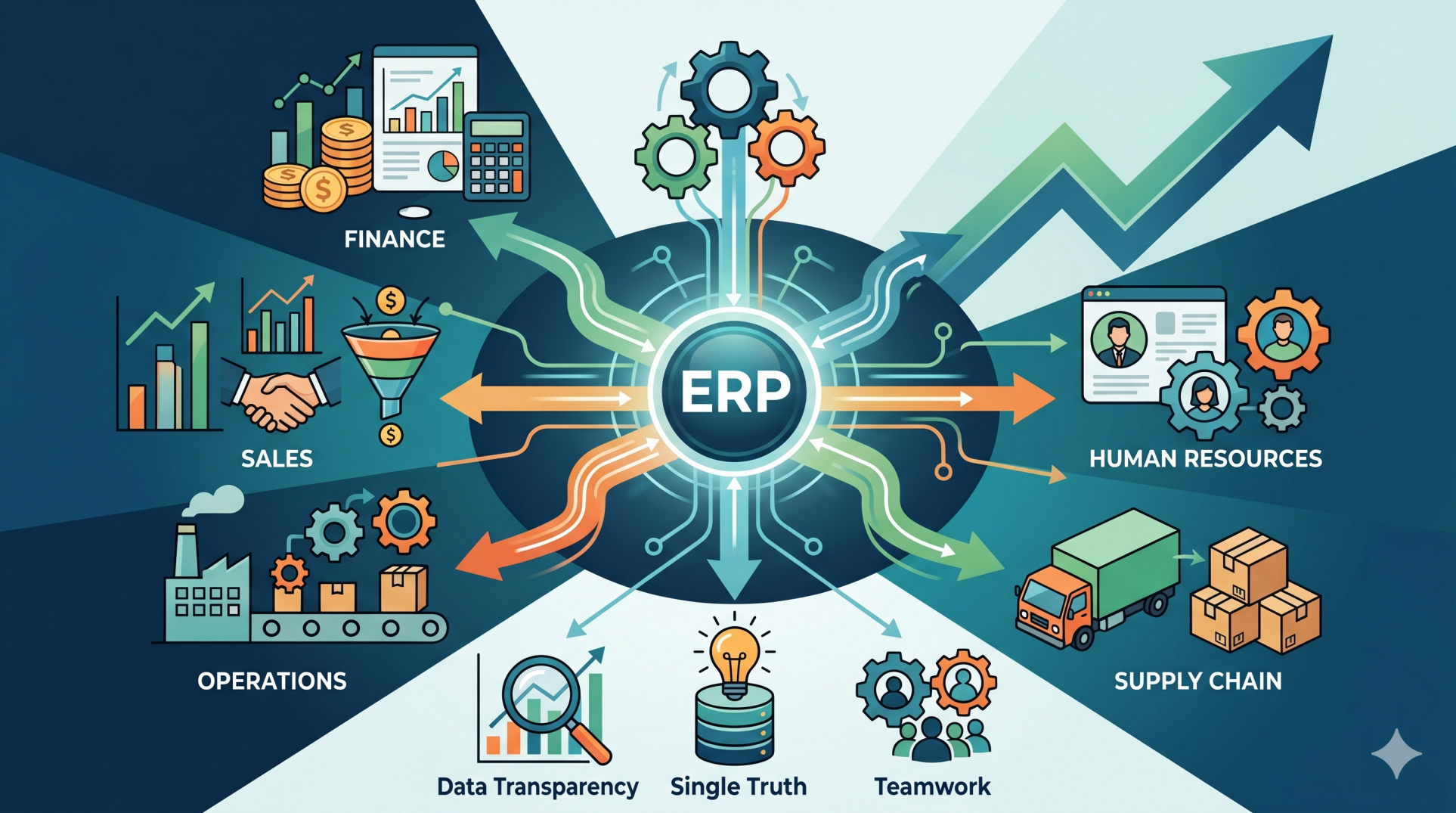
• Maintain a single source of truth for inventory records 📊
• Reduce duplicate or conflicting inventory information 🔍
• Ensure consistency across global operations 🌍
Step 3: Enabling Real-Time Data Exchange 🔗
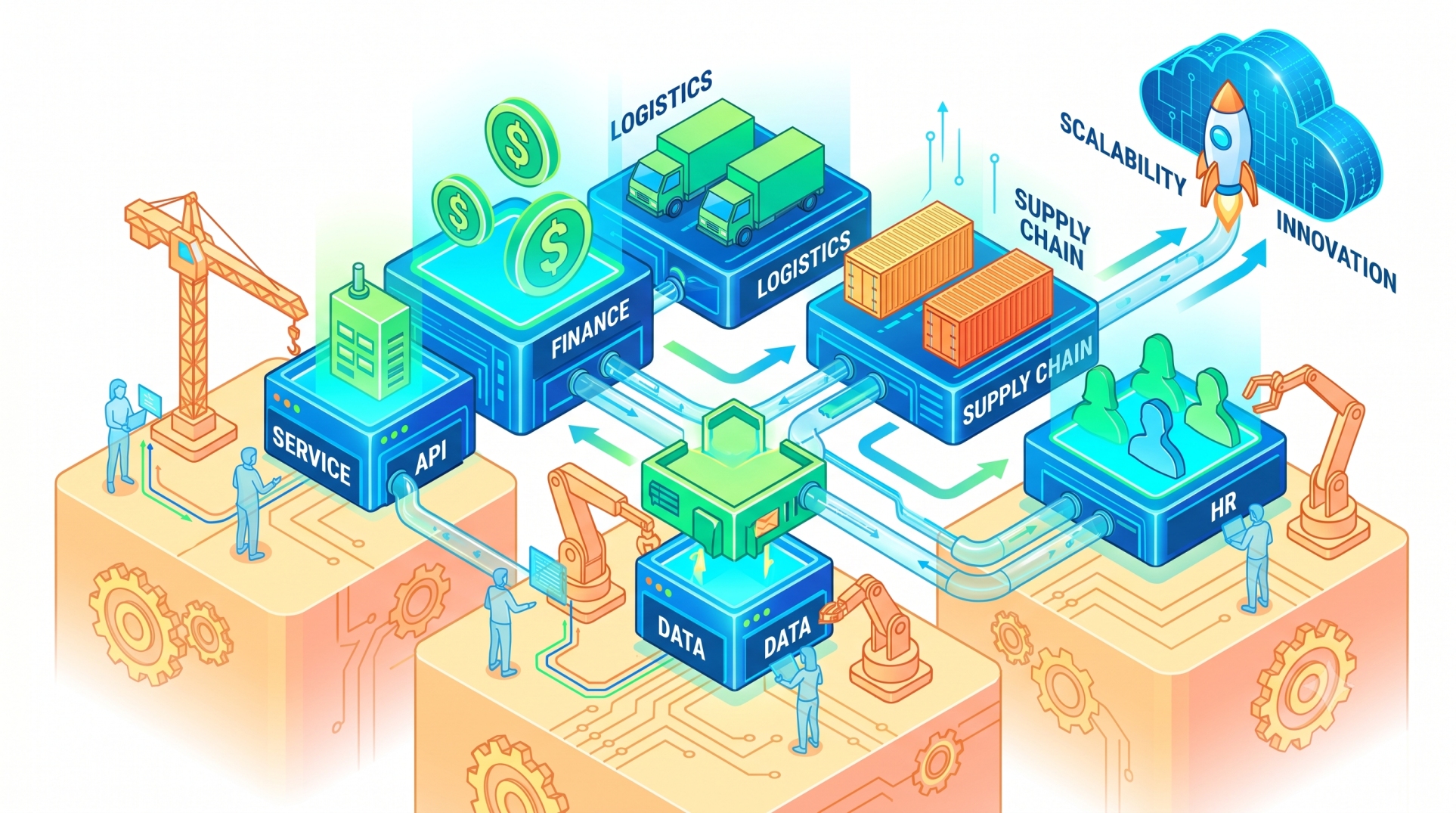
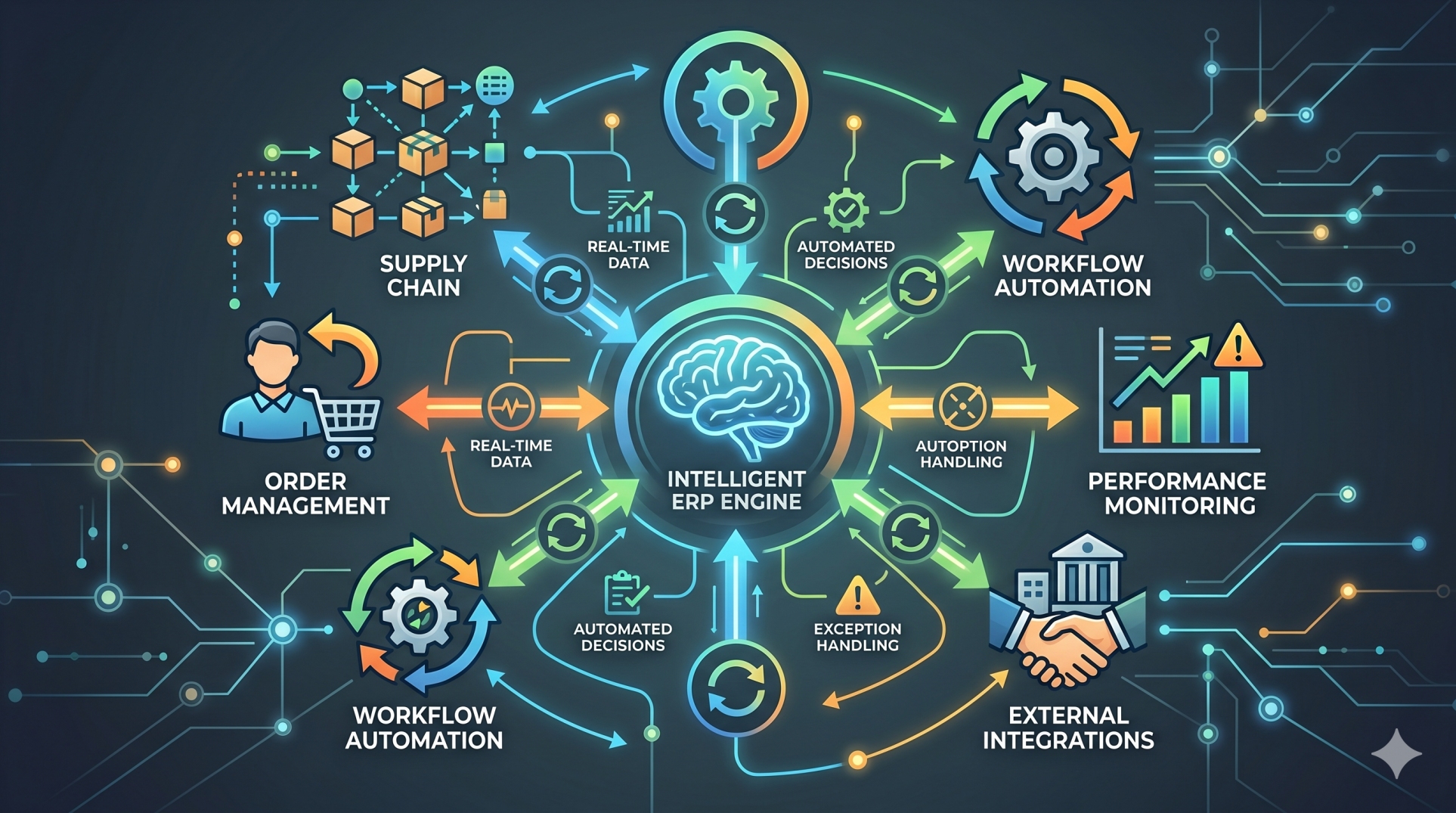
• Integrate ERP platforms through APIs or middleware solutions 🔄
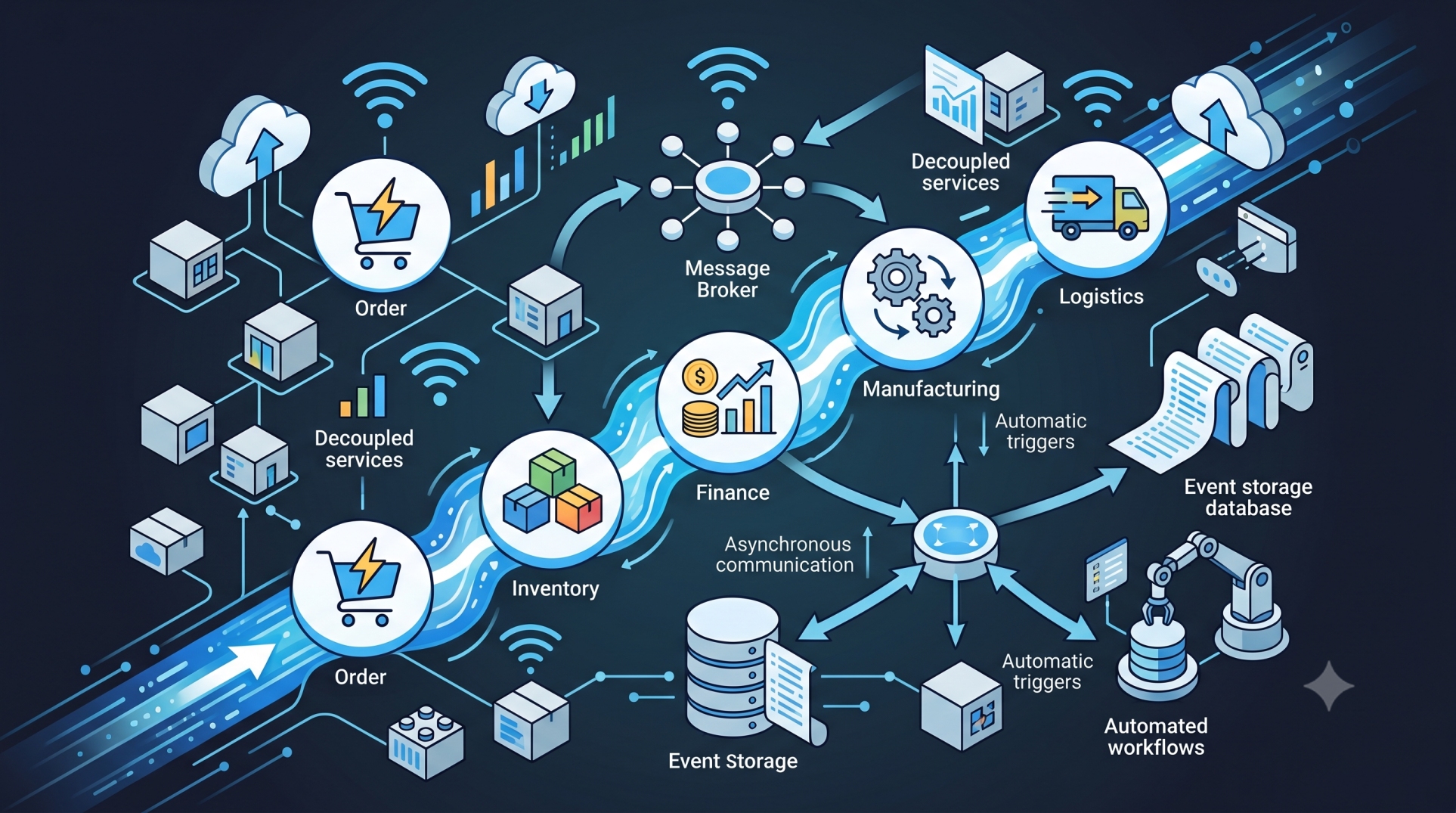
• Enable continuous synchronization of inventory transactions ⏱️
• Share updates instantly across warehouses and business units 📡
• Minimize latency between inventory events and system updates ⚡
• Ensure uninterrupted communication between connected systems 🧠
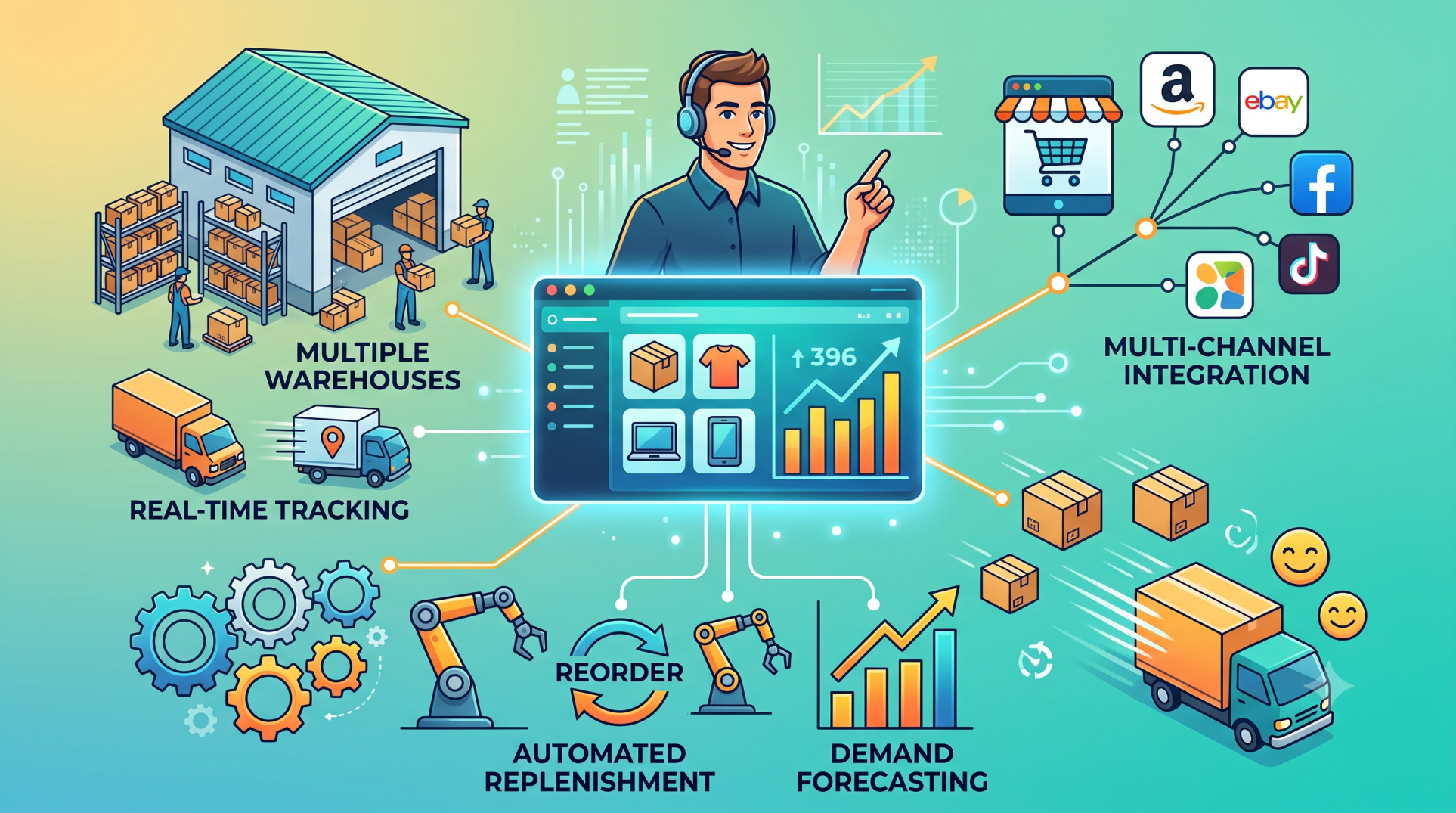
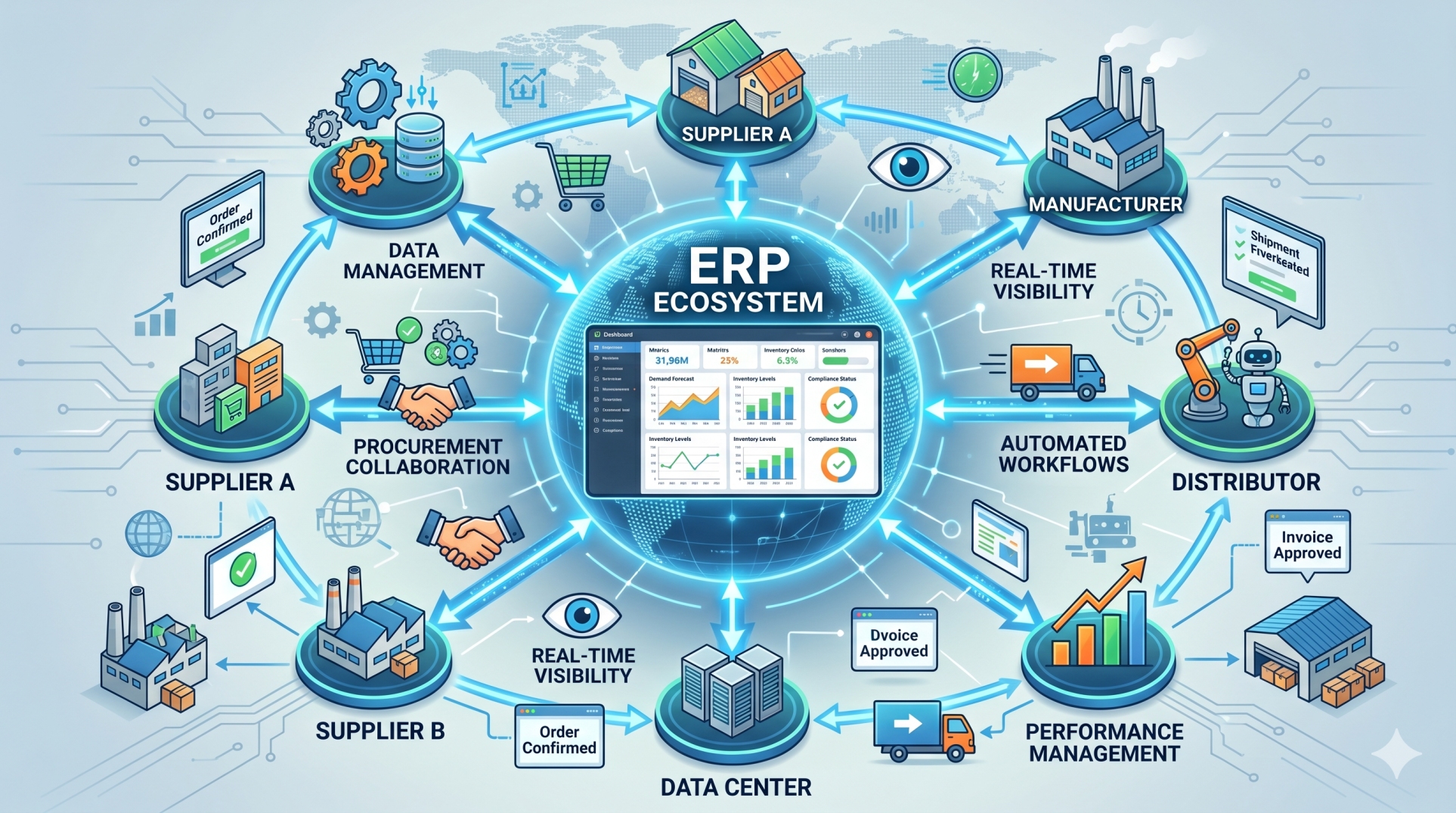
Step 4: Managing Multi-Warehouse Visibility 🏭
• Track inventory levels across multiple storage locations 📦
• Enable real-time stock visibility for regional operations 👀
• Improve allocation and replenishment decisions 📈
• Reduce overstocking and stock shortages ⚖️
• Coordinate inventory movement across facilities efficiently 🚚
Step 5: Synchronizing Order and Fulfillment Operations 📋
• Align inventory updates with order processing workflows 🔄
• Automatically adjust stock levels during fulfillment 📦
• Prevent overselling caused by outdated inventory data 🚫
• Improve coordination between sales and warehouse teams 🤝
• Enable accurate order tracking and delivery timelines ⏳
Step 6: Supporting Omnichannel Operations 🛒
• Synchronize inventory across eCommerce, retail, and distribution channels 🌐
• Provide accurate stock availability to customers 🧾
• Enable seamless buy-online and pickup workflows 🏪
• Improve customer experience through reliable inventory visibility ⭐
• Maintain consistency across all sales platforms 🔄
Step 7: Enhancing Accuracy Through Automation 🤖
• Reduce manual inventory reconciliation processes 📉
• Automate stock adjustments and transfer updates 🔁
• Improve inventory accuracy with barcode and RFID integration 🏷️
• Detect discrepancies quickly through automated monitoring 🚨
• Increase operational efficiency with minimal manual intervention ⚙️
Step 8: Key Synchronization Priorities 📊
• Real-time inventory visibility across all ERP systems 👁️
• Reliable and accurate stock data synchronization 🔗
• Scalable architecture for growing operations 🚀
• Seamless integration between warehouses and business platforms 🌐
Step 9: Handling Exceptions and Inventory Disruptions ⚠️
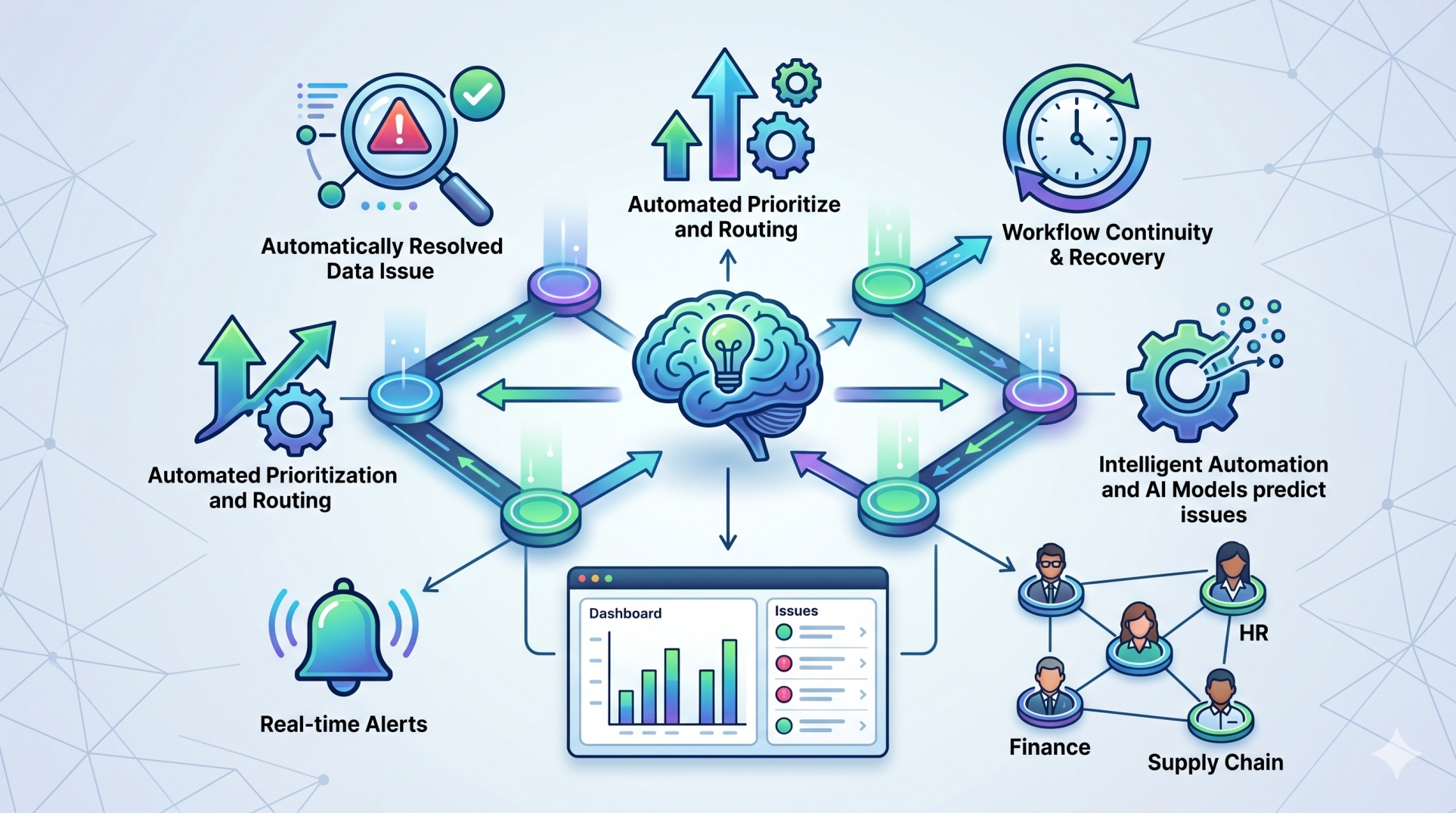
• Detect synchronization failures and delayed updates quickly 🚨
• Implement fallback mechanisms for communication interruptions 🔄
• Resolve inventory mismatches through automated validation ✔️
• Maintain operational continuity during system outages 🛡️
• Enable rapid recovery from unexpected disruptions ⚡
Step 10: Building a Scalable Inventory Ecosystem 🚀
• Design synchronization frameworks that support future growth 📈
• Integrate new warehouses and ERP platforms efficiently 🔗
• Maintain flexibility for evolving business models 🔄
• Support advanced analytics and forecasting capabilities 📊
• Future-proof inventory operations through modular architecture 🧩
Conclusion
Real-time inventory synchronization across ERP systems is essential for maintaining operational accuracy and efficiency in modern supply chains. By enabling continuous visibility, automated updates, and seamless coordination between systems, organizations can reduce inventory errors, improve fulfillment performance, and support scalable growth. A well-integrated synchronization strategy creates the foundation for agile, data-driven inventory management across global operations.
See more blogs
You can all the articles below