Designing ERP Platforms for High Availability
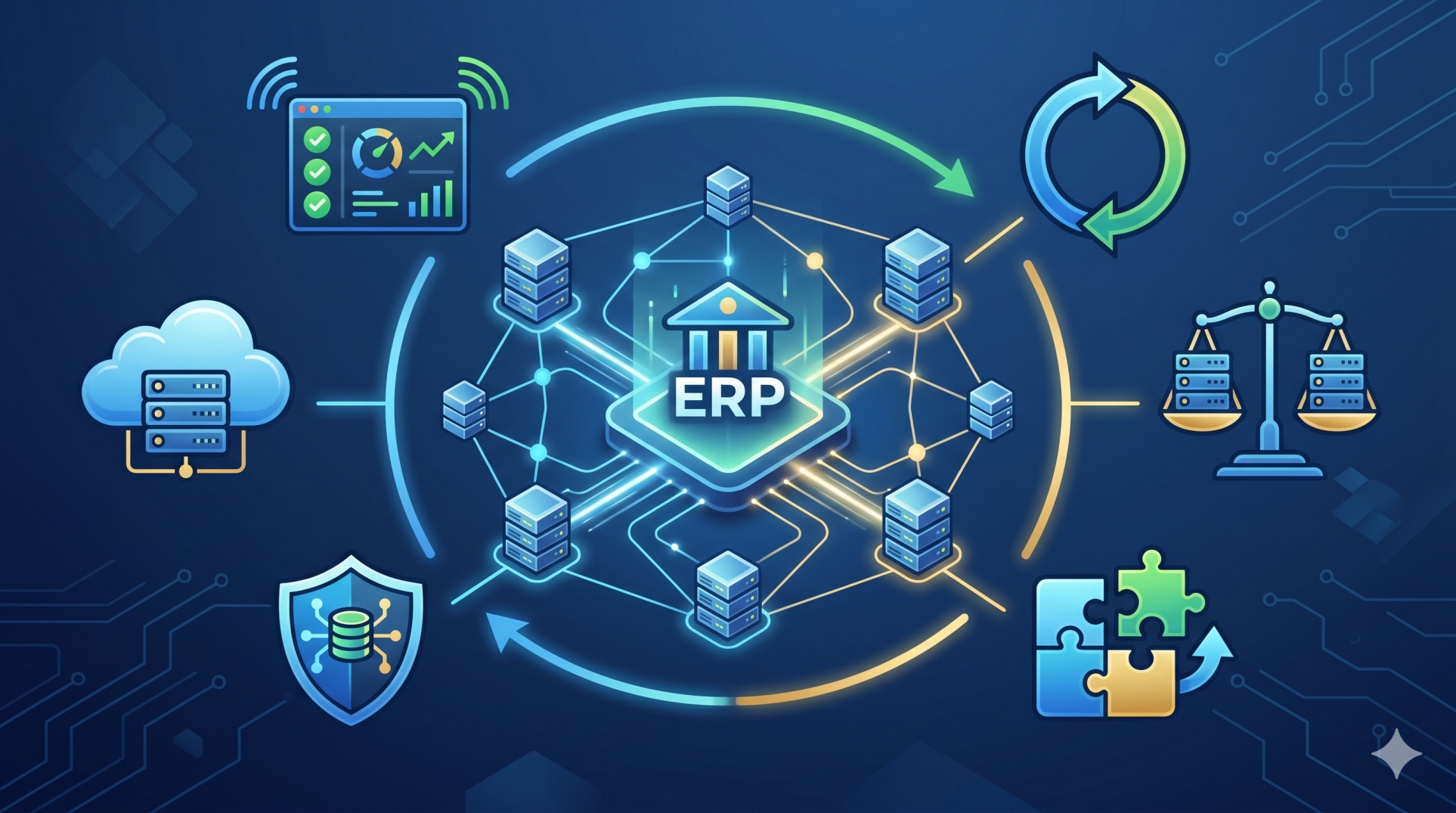
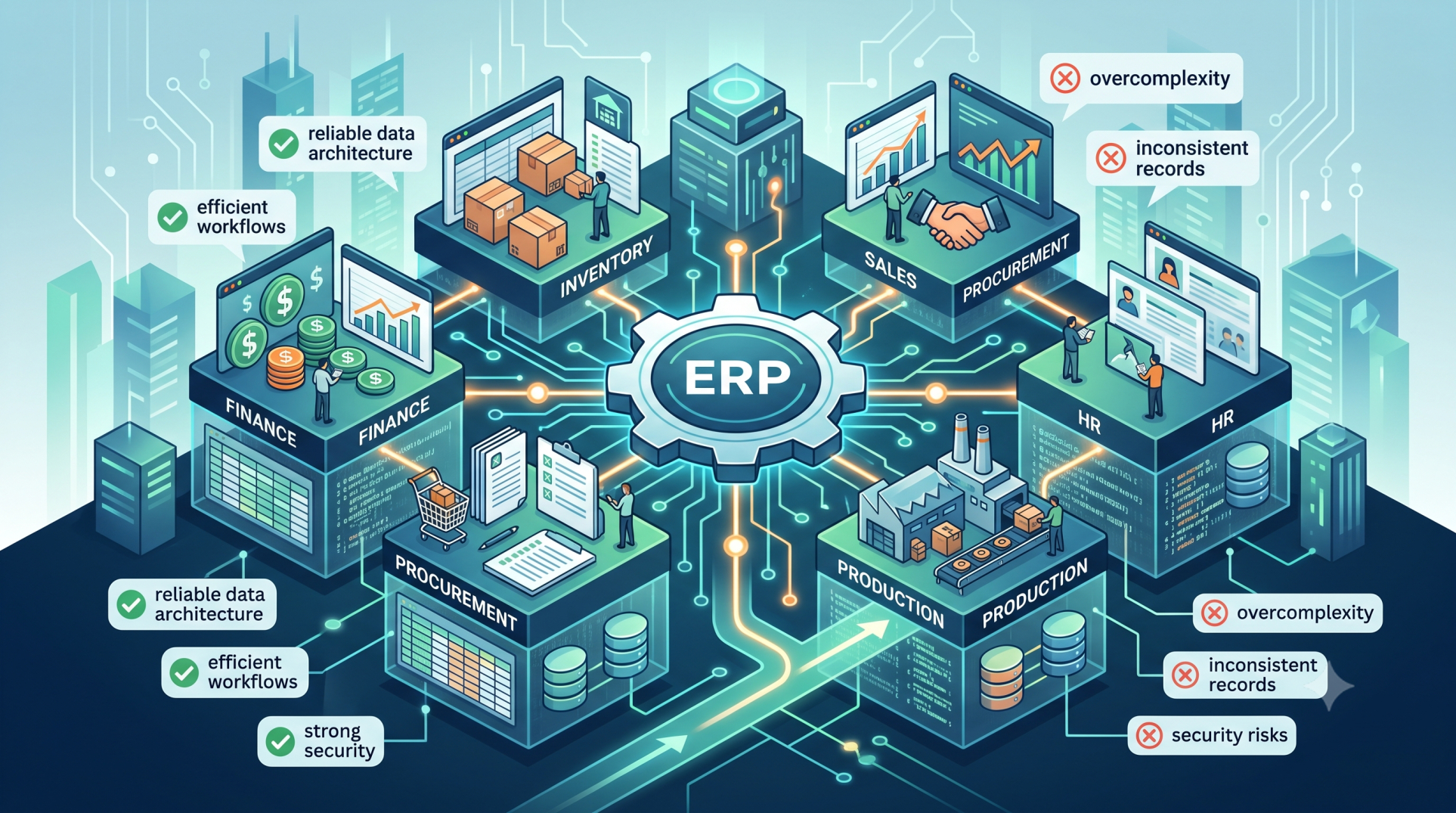
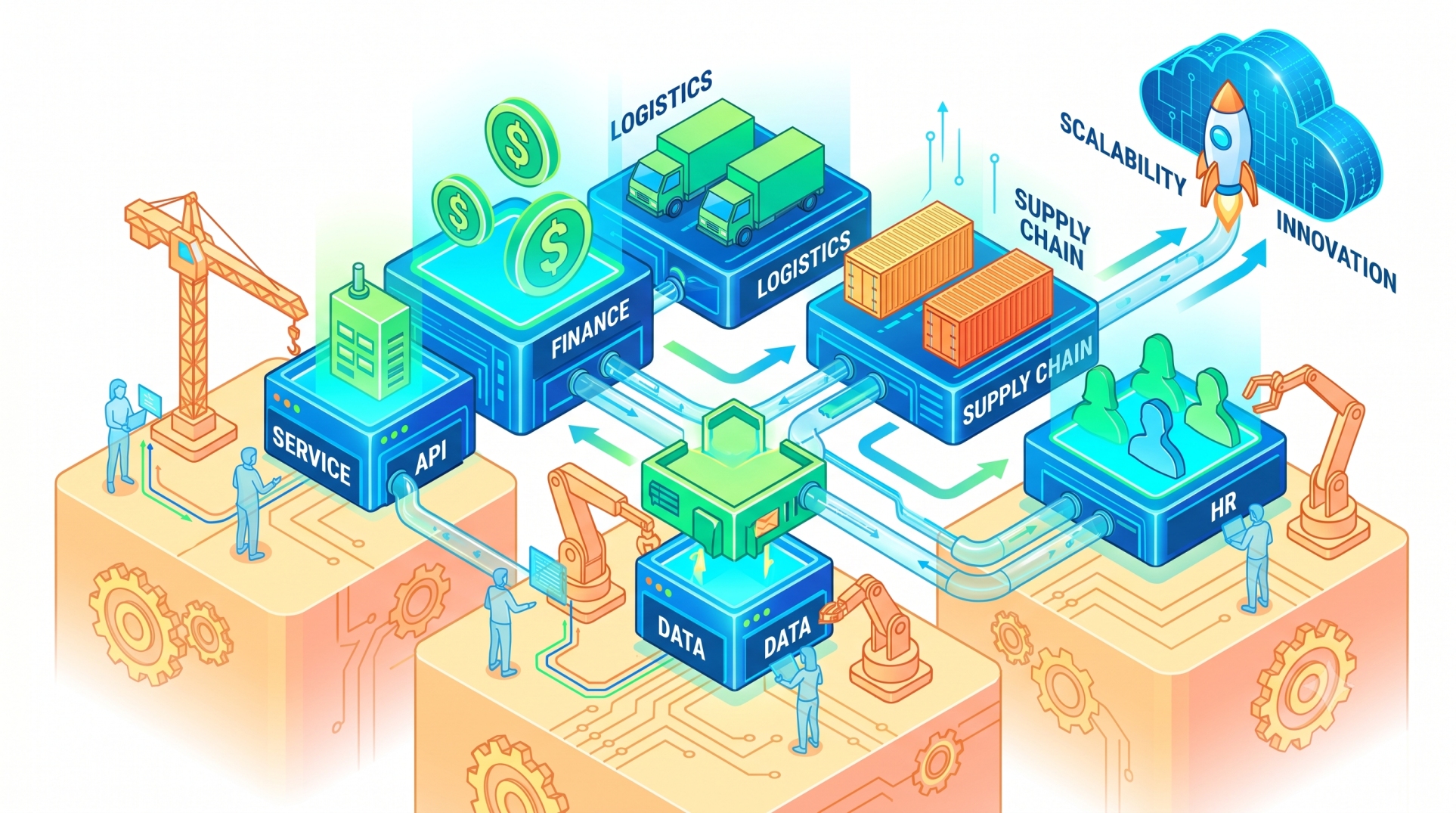
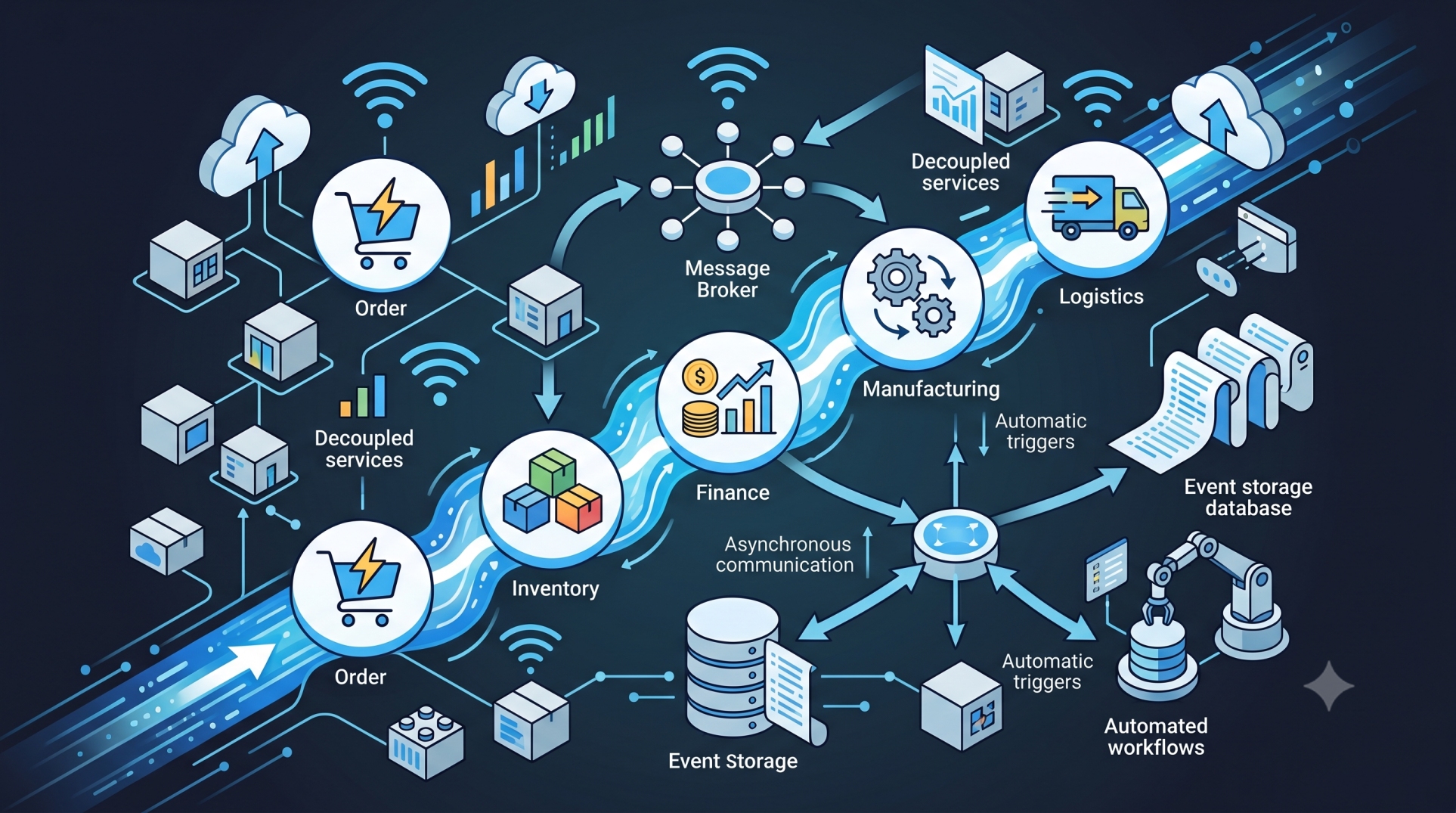
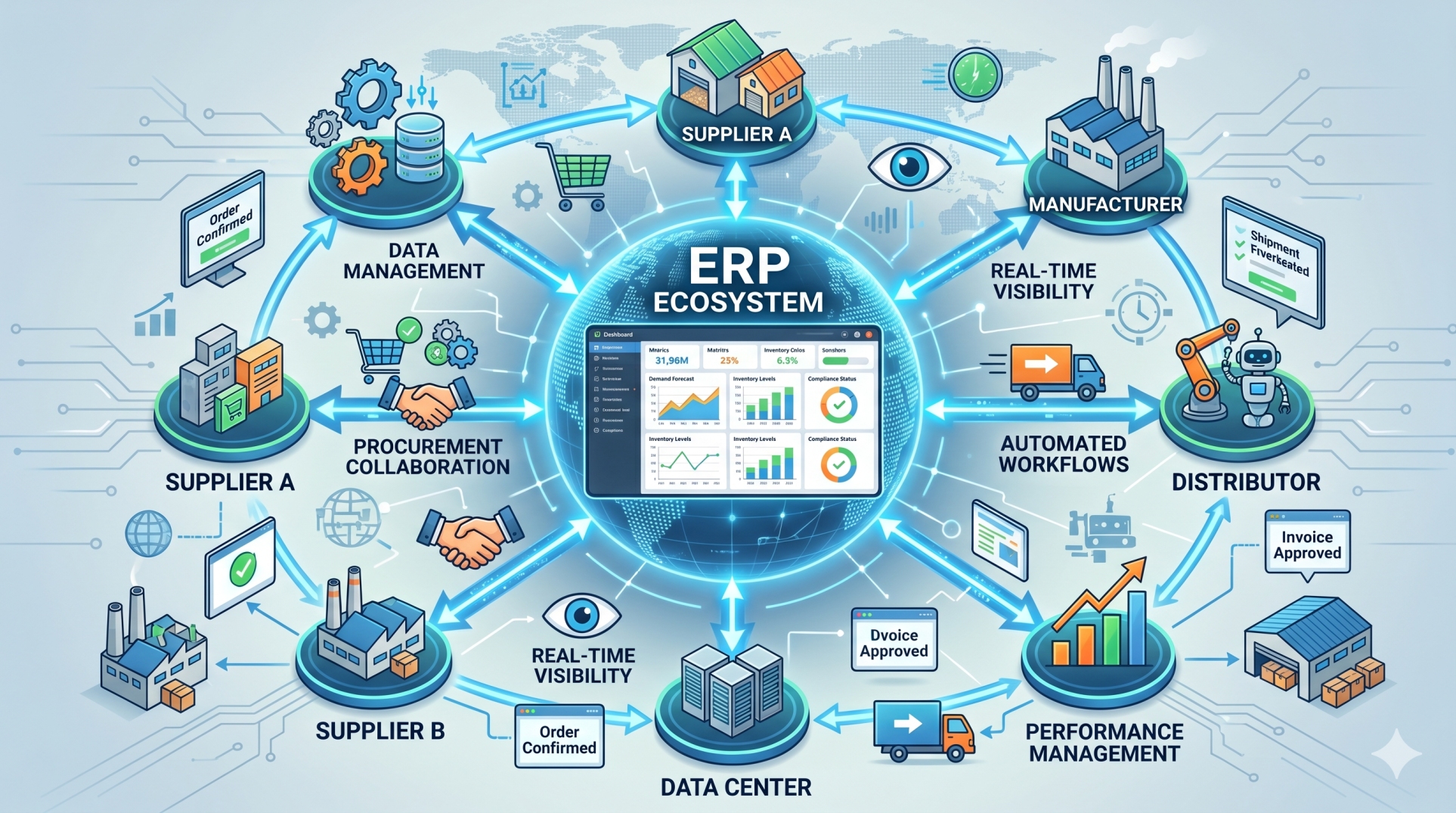
Modern enterprises depend on ERP platforms to manage critical operations across finance, supply chain, manufacturing, human resources, and customer management. Any downtime can disrupt productivity, delay transactions, and impact business continuity. Designing ERP platforms for high availability ensures systems remain reliable, resilient, and continuously accessible even during failures, maintenance, or unexpected disruptions.
Step 1: Understanding High Availability Requirements 🏗️
• Define acceptable downtime and recovery objectives
• Identify mission-critical ERP functions and dependencies
• Analyze operational risks that may affect system availability
• Establish performance and reliability expectations
• Align infrastructure planning with business continuity goals
Step 2: Building Redundant Infrastructure 🔄
• Deploy redundant servers, databases, and network components
• Eliminate single points of failure across the environment
• Use failover mechanisms to maintain uninterrupted operations
• Distribute workloads across multiple infrastructure layers
• Ensure backup systems remain synchronized and operational
Step 3: Implementing Load Balancing ⚖️
• Distribute traffic evenly across ERP application servers
• Prevent overload conditions during peak operational periods
• Improve response times through intelligent traffic routing
• Maintain stable performance under varying workloads
• Support seamless scaling as user demand increases
Step 4: Designing Resilient Database Architecture 🗄️
• Use database replication to ensure data availability
• Implement clustering for automatic failover support
• Maintain real-time synchronization across database nodes
• Protect transactional integrity during disruptions
• Optimize database performance for high-volume operations
Step 5: Ensuring Disaster Recovery Preparedness 🛡️
• Develop comprehensive disaster recovery strategies
• Maintain geographically distributed backup environments
• Automate data backup and restoration processes
• Conduct regular recovery testing and validation
• Minimize recovery time during unexpected outages
Step 6: Monitoring System Health Continuously 📡
• Track infrastructure, application, and database performance
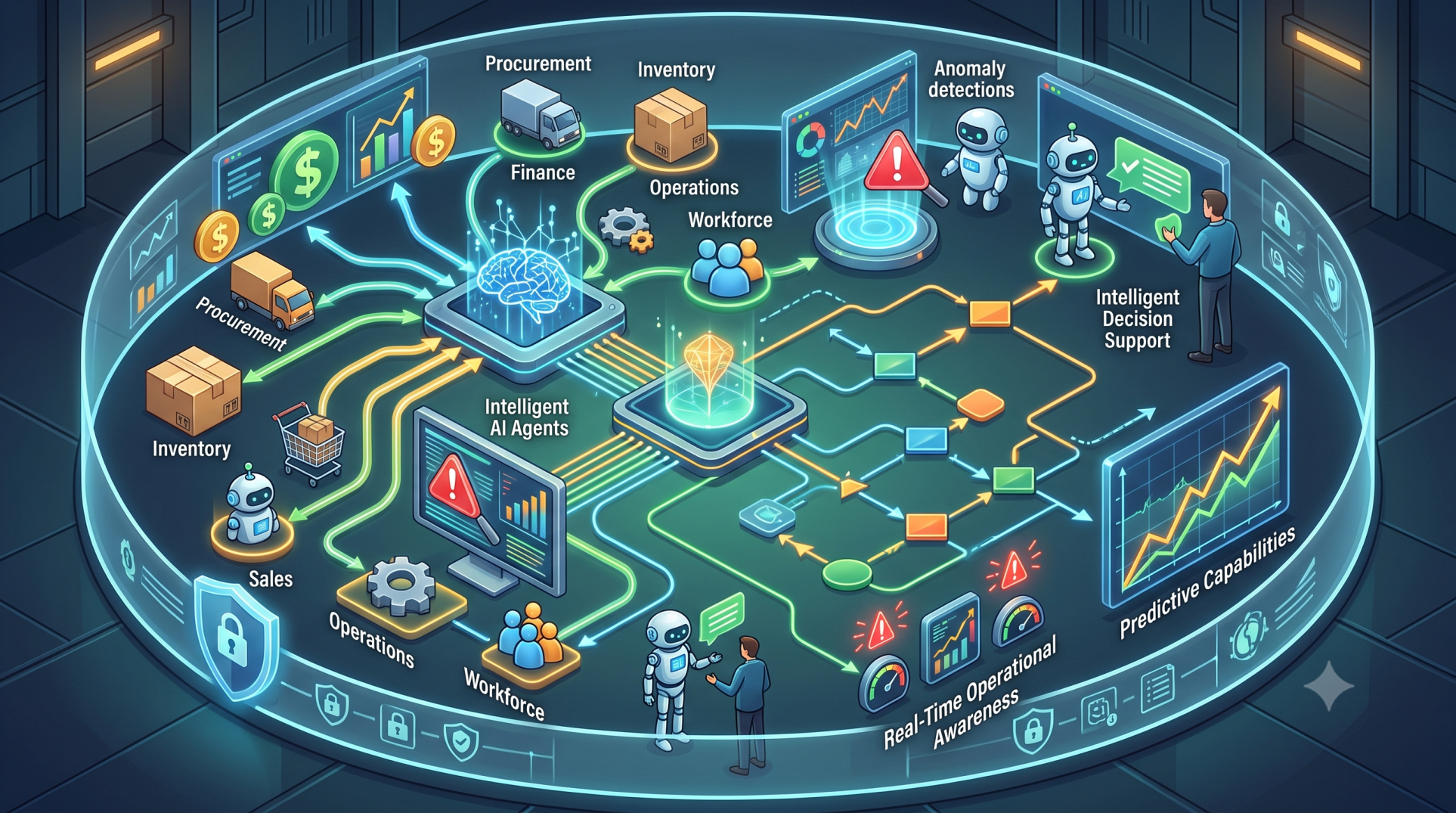
• Detect failures and anomalies in real time
• Use automated alerts for rapid incident response
• Analyze system trends to prevent future disruptions
• Maintain visibility across the entire ERP ecosystem
Step 7: Supporting Scalable Cloud and Hybrid Environments ☁️
• Design ERP systems for cloud-native scalability
• Support hybrid deployments across on-premise and cloud platforms
• Enable dynamic resource allocation based on demand
• Improve resilience through distributed infrastructure models
• Maintain operational consistency across environments
Step 8: Key High Availability Priorities 📊
• Minimal downtime across business-critical operations
• Fast failover and recovery capabilities
• Continuous monitoring and proactive maintenance
• Scalable infrastructure supporting future growth
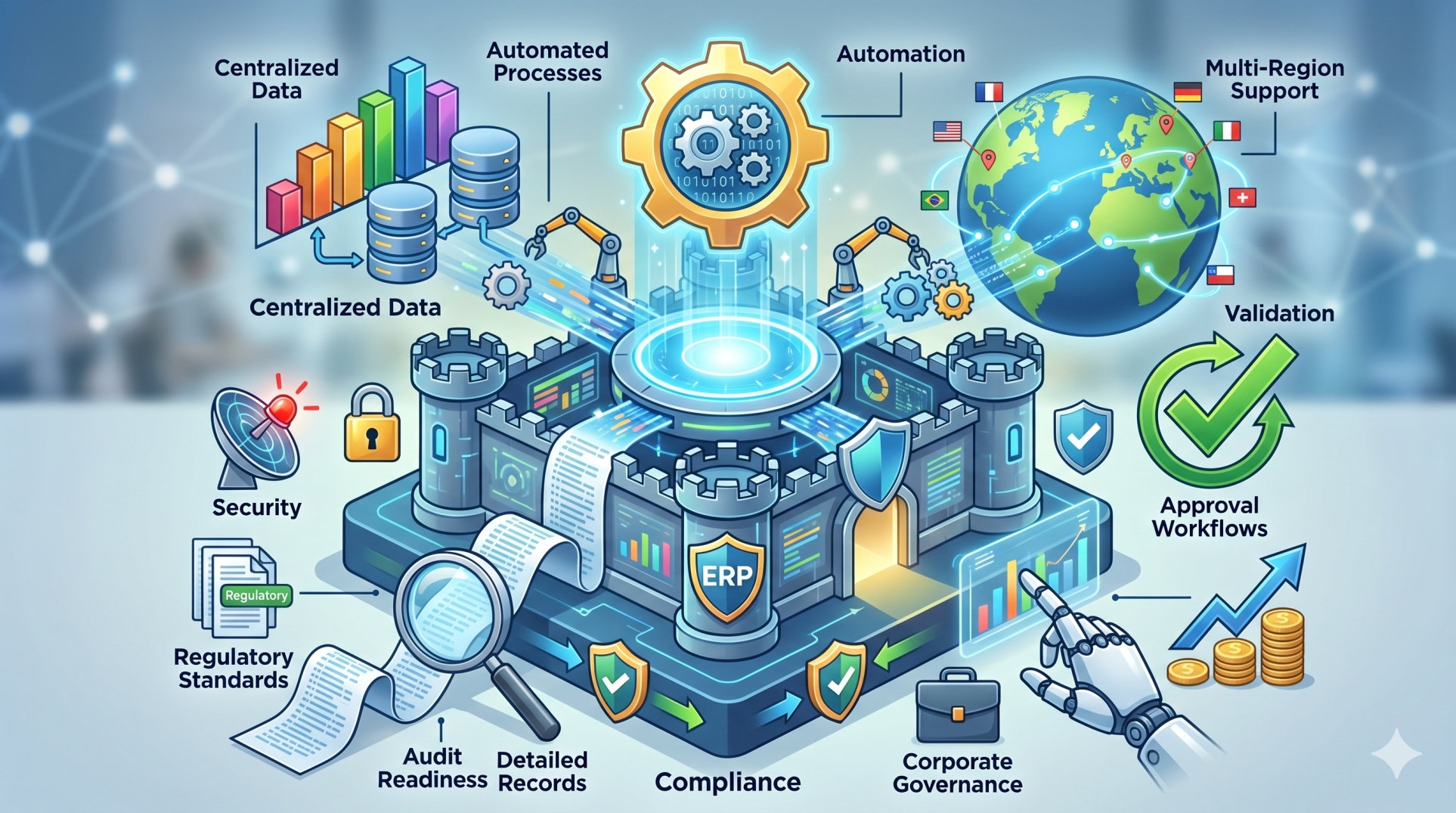
Step 9: Securing ERP Availability Against Cyber Threats 🔐
• Protect ERP systems against ransomware and cyberattacks
• Implement access controls and network segmentation
• Use continuous security monitoring and threat detection
• Maintain secure backup and recovery mechanisms
• Ensure compliance with security and governance standards
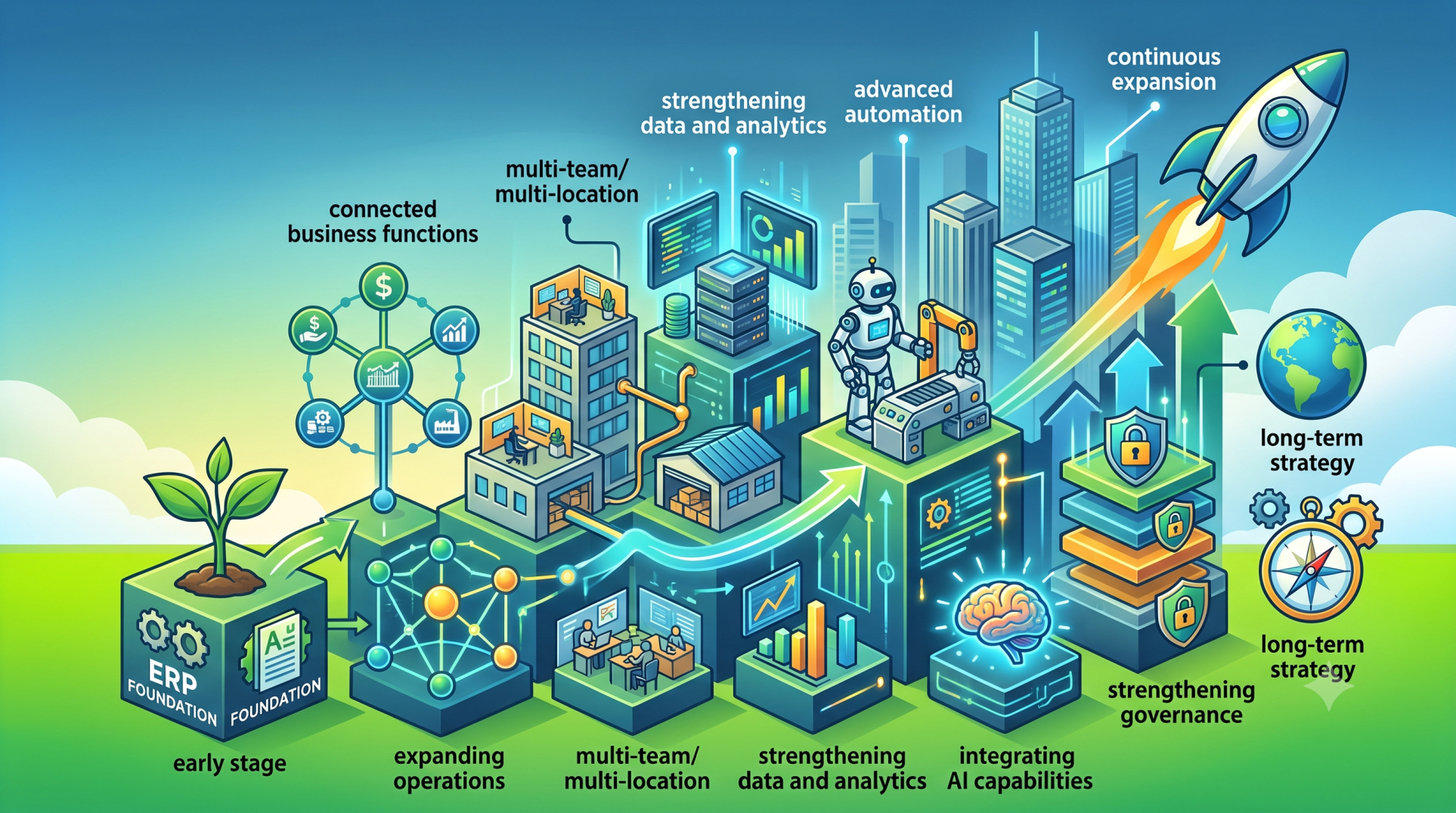
Step 10: Creating a Future-Ready ERP Architecture 🚀
• Design modular systems for easier upgrades and expansion
• Incorporate automation to reduce operational risk
• Enable integration with emerging technologies and services
• Continuously optimize system resilience and efficiency
• Prepare infrastructure for evolving business requirements
Conclusion
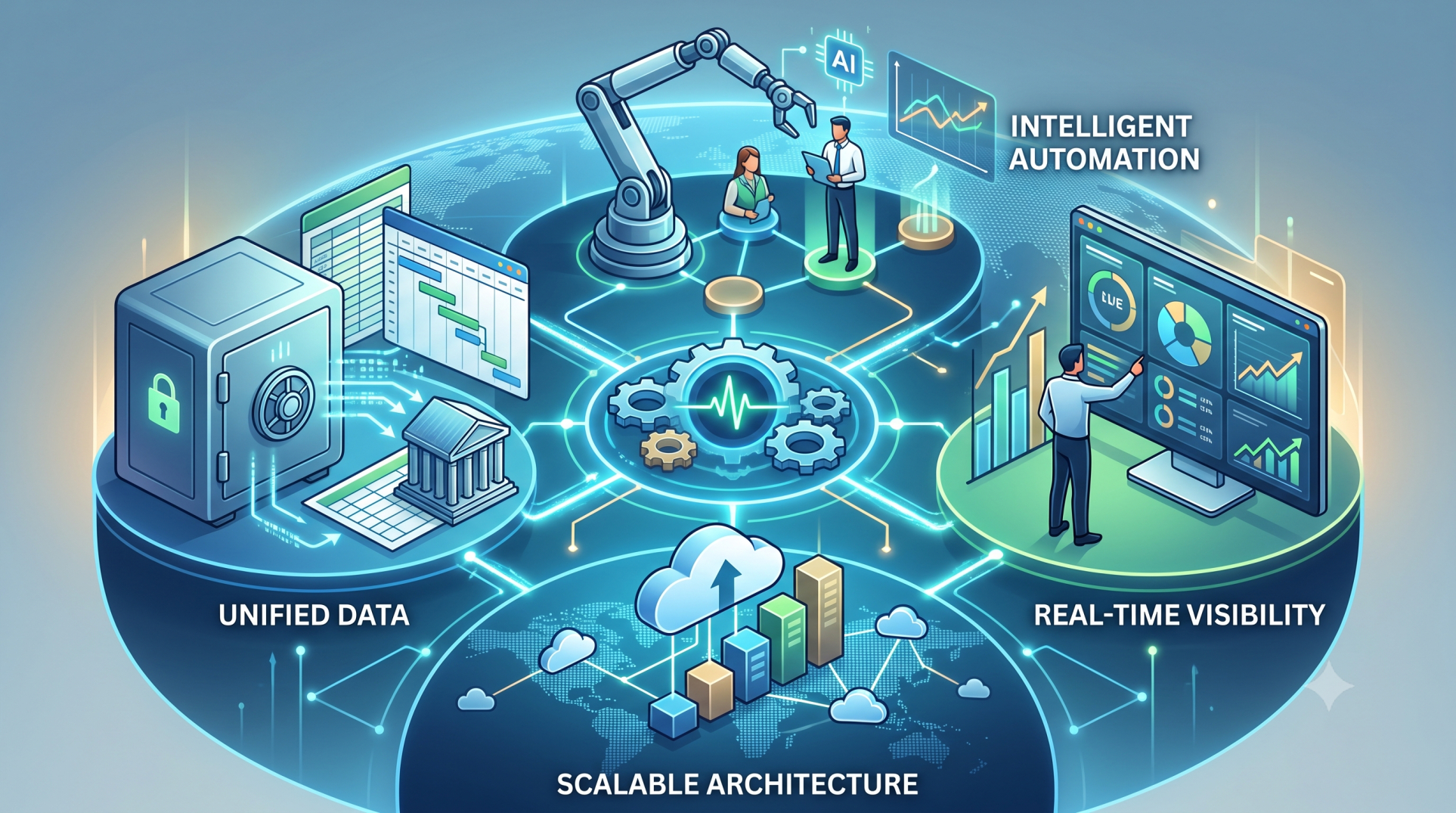
Designing ERP platforms for high availability is essential for maintaining operational continuity in modern enterprises. By combining resilient infrastructure, intelligent failover mechanisms, continuous monitoring, and scalable architecture, organizations can ensure reliable access to critical business systems. High-availability ERP environments not only reduce downtime but also strengthen long-term operational stability, performance, and business resilience.
See more blogs
You can all the articles below