Supplier Collaboration Through ERP Ecosystems
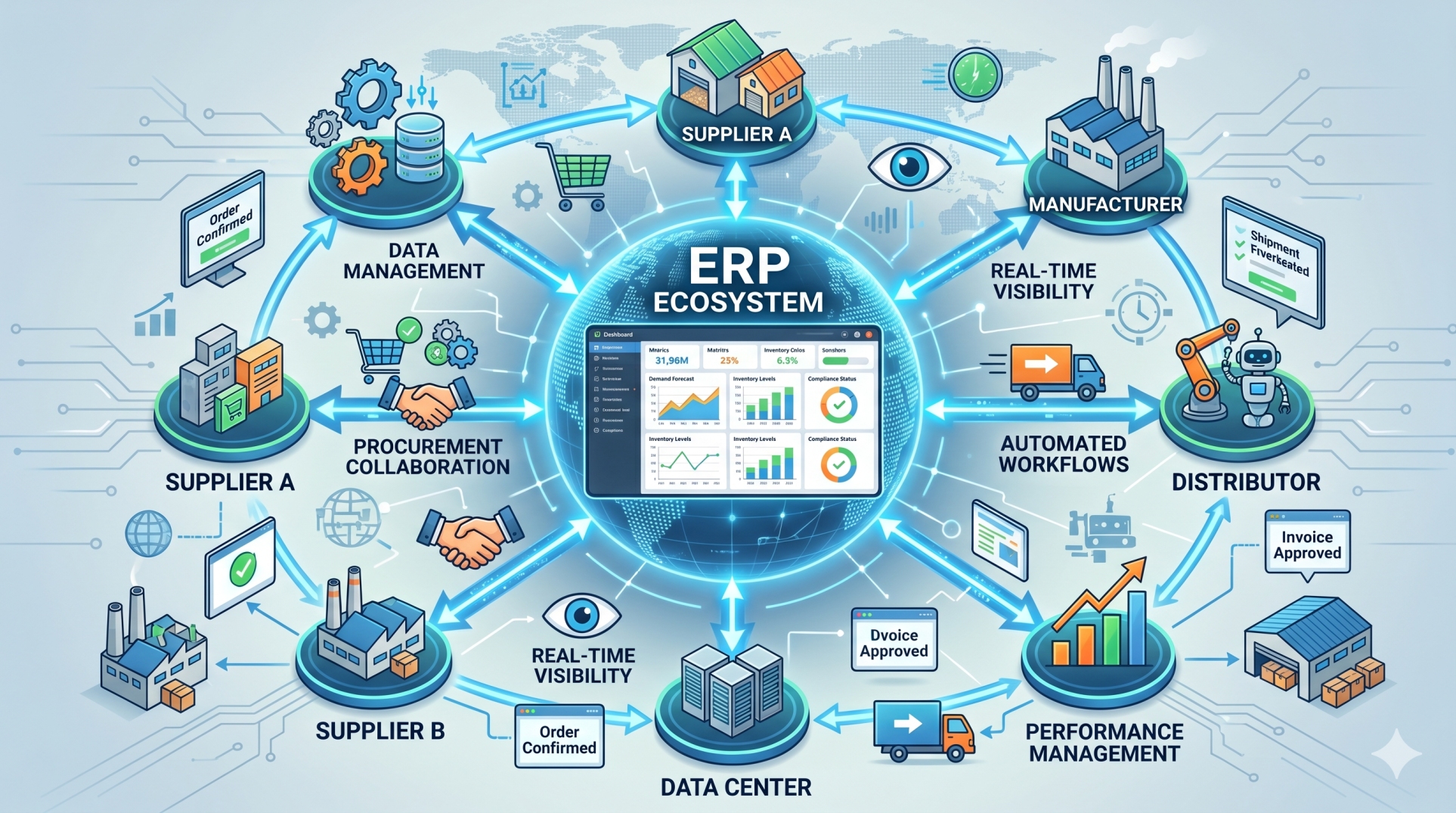
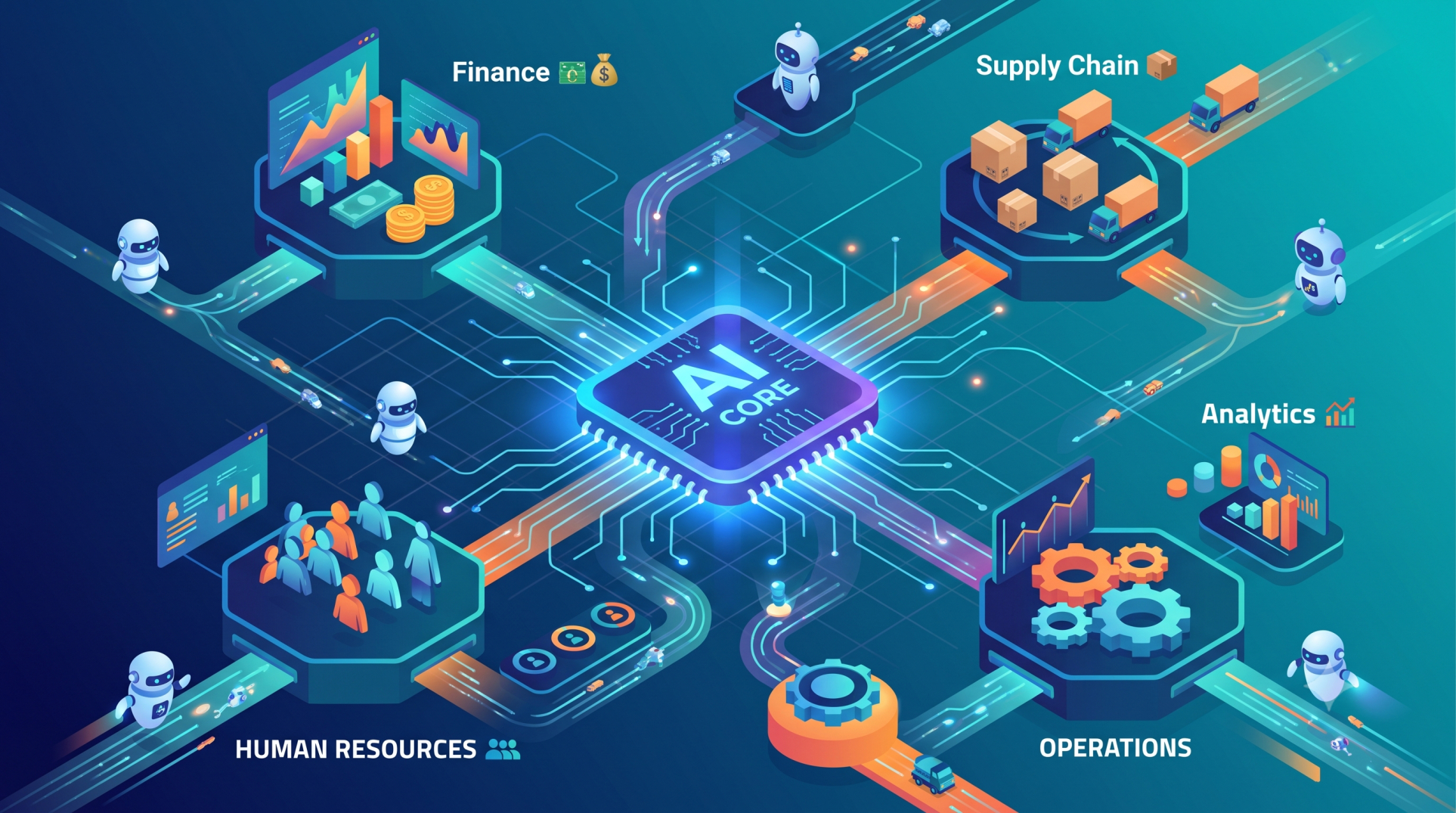
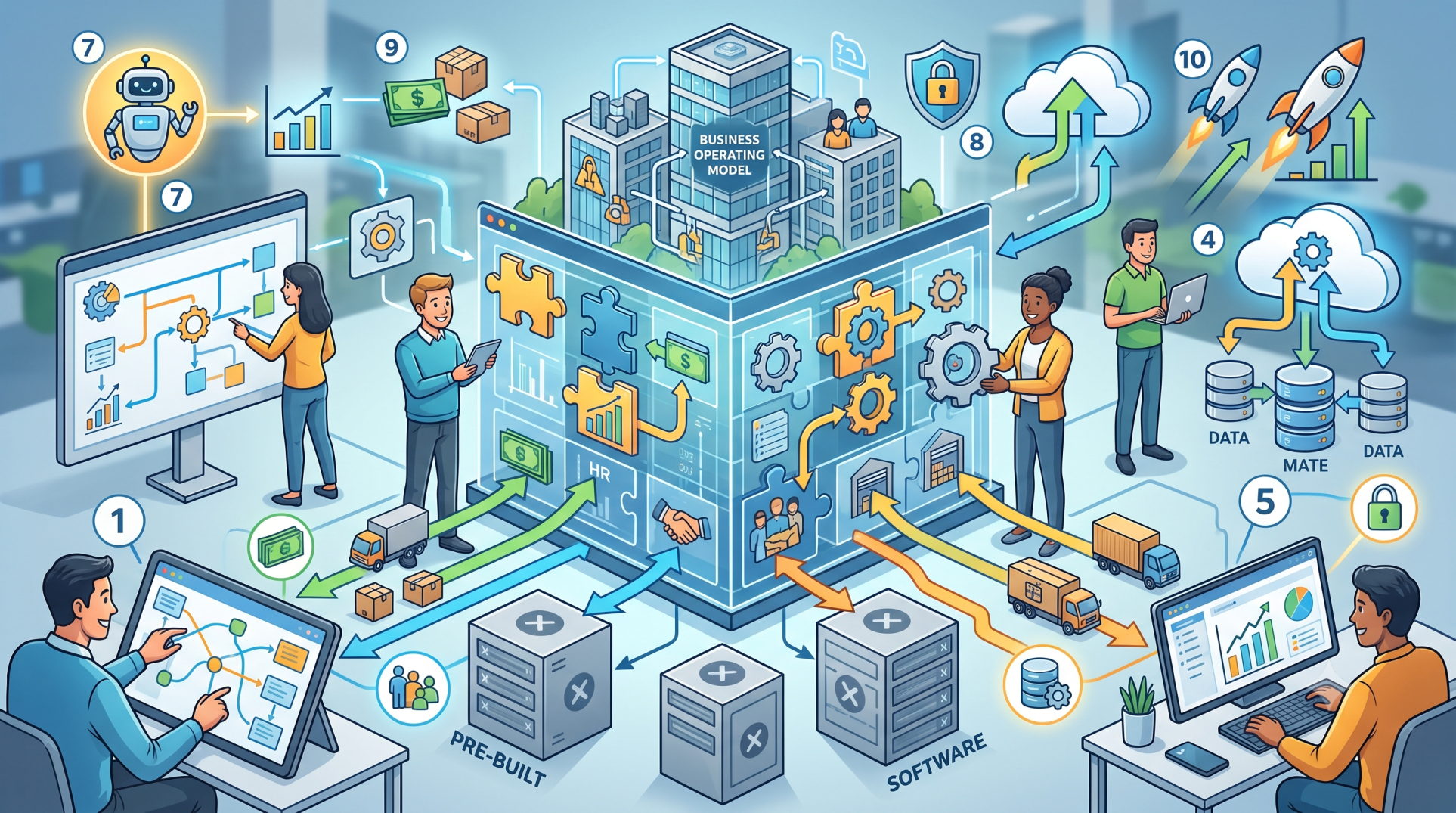
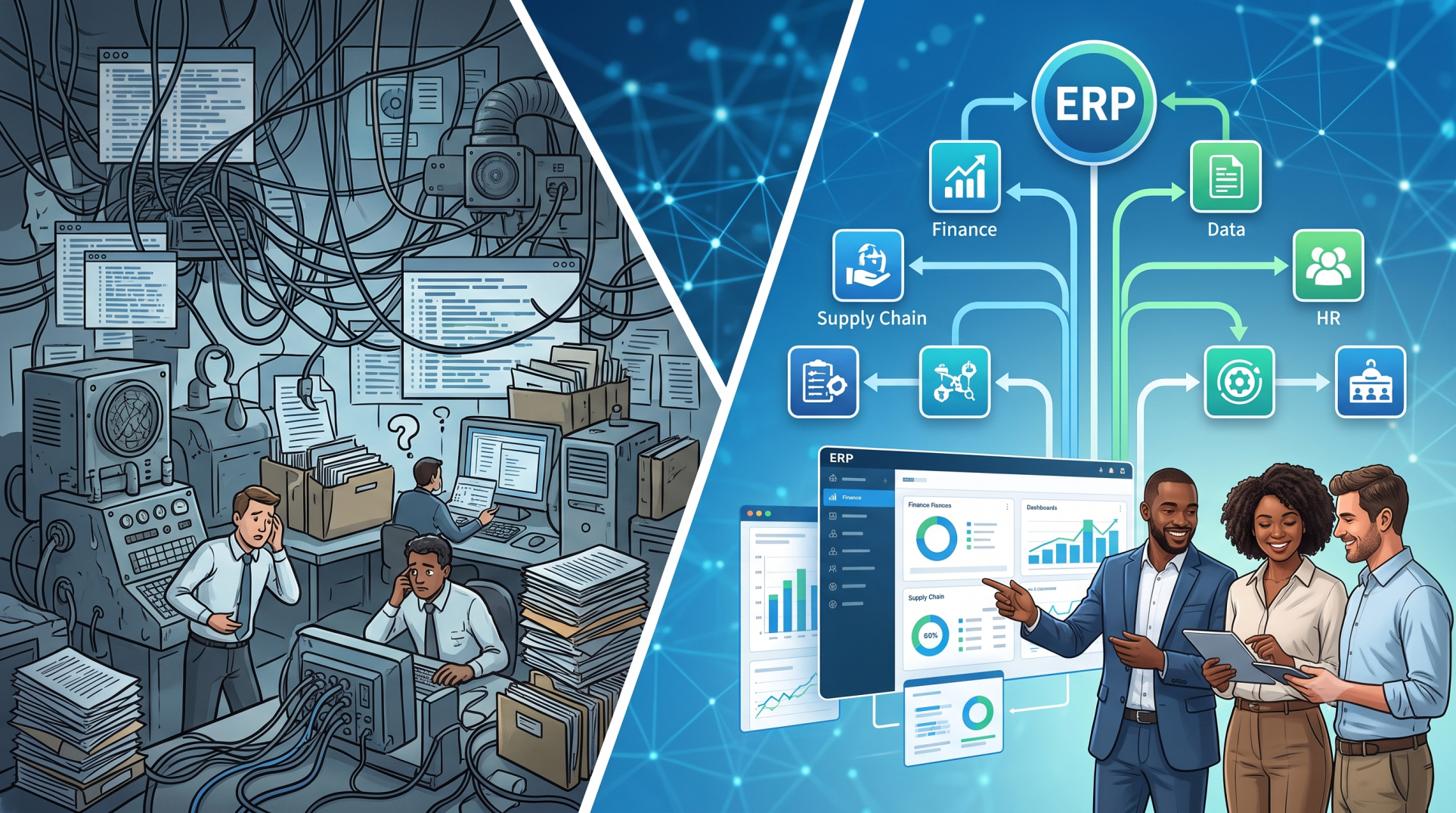
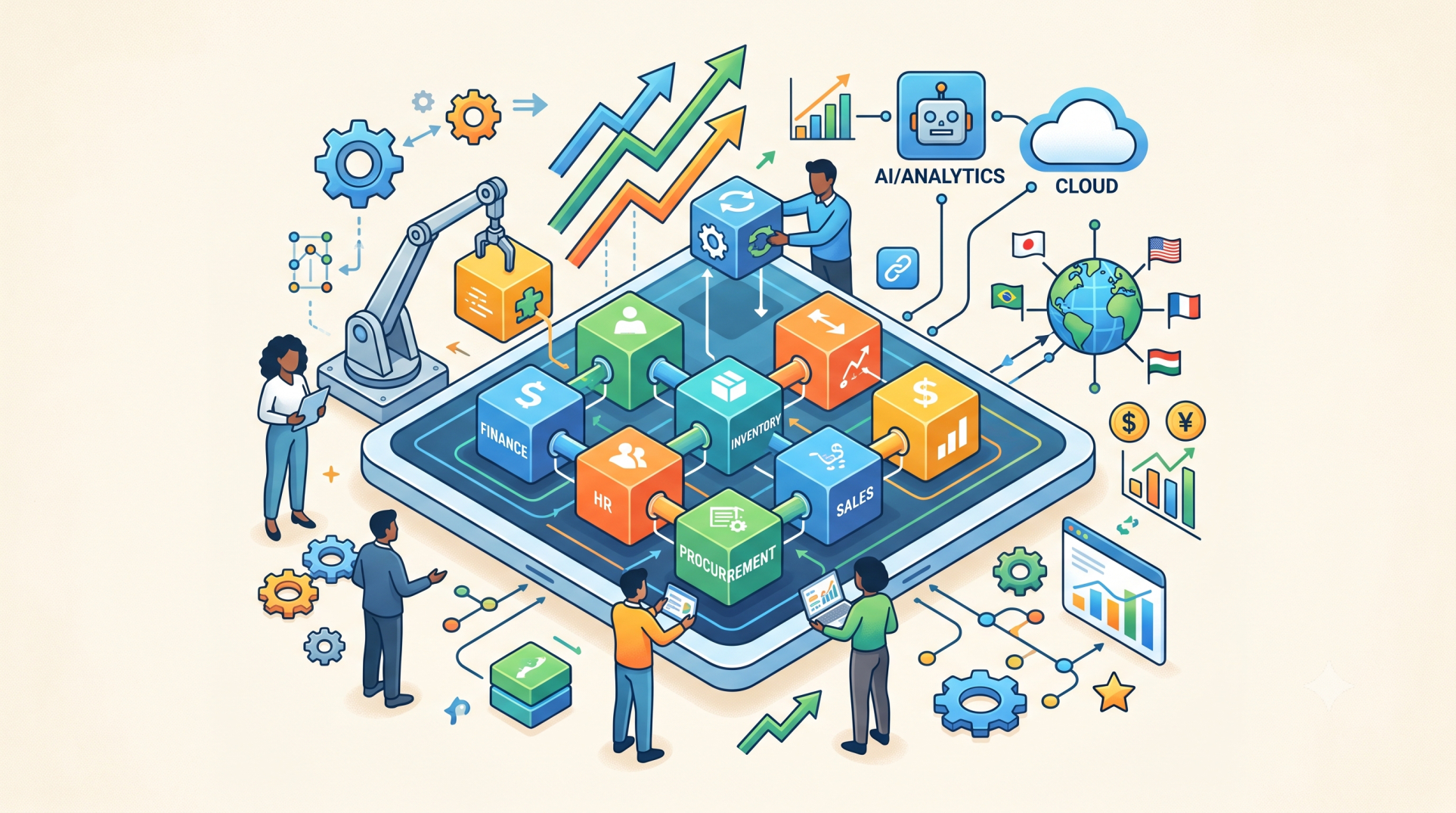
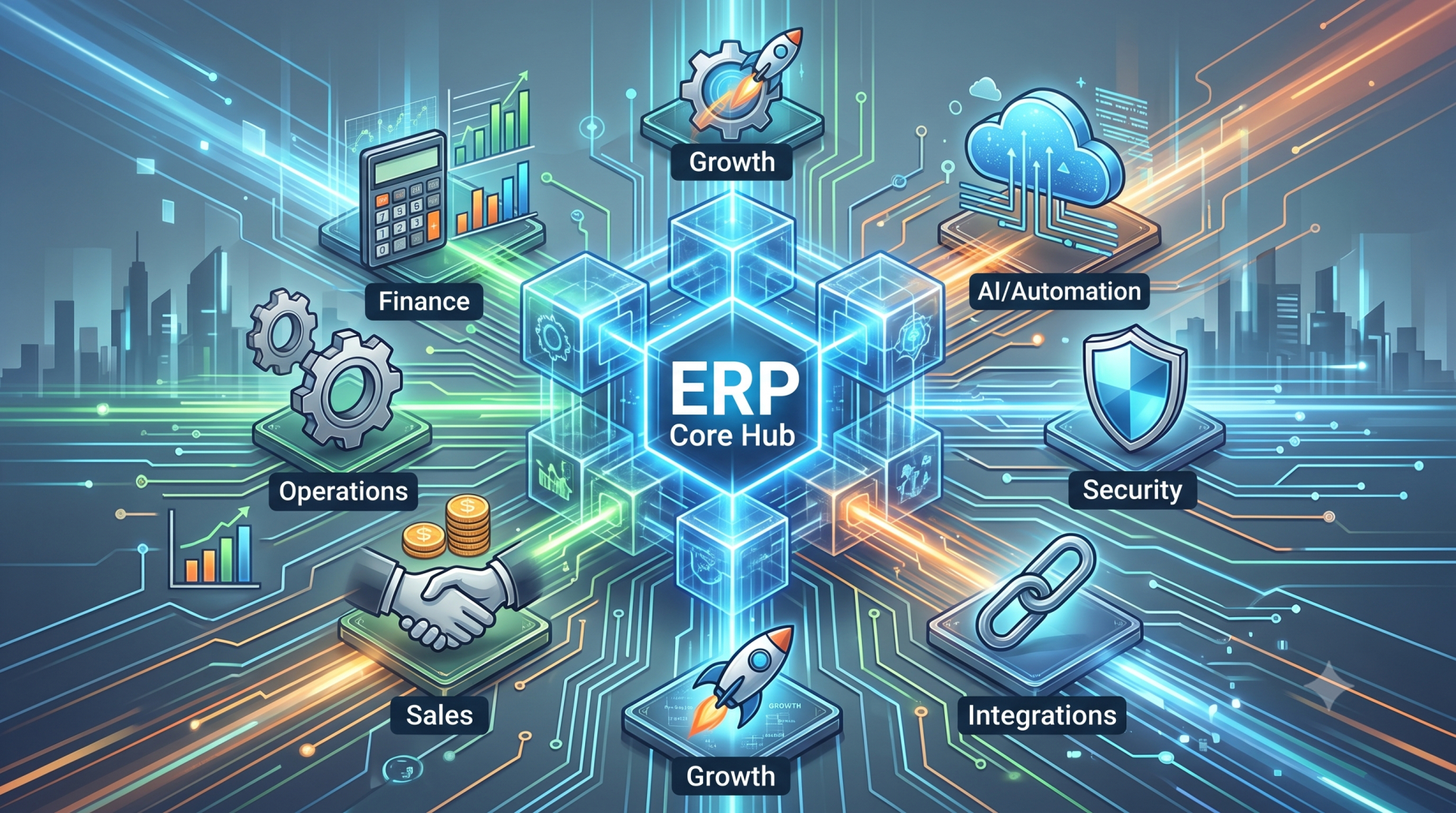
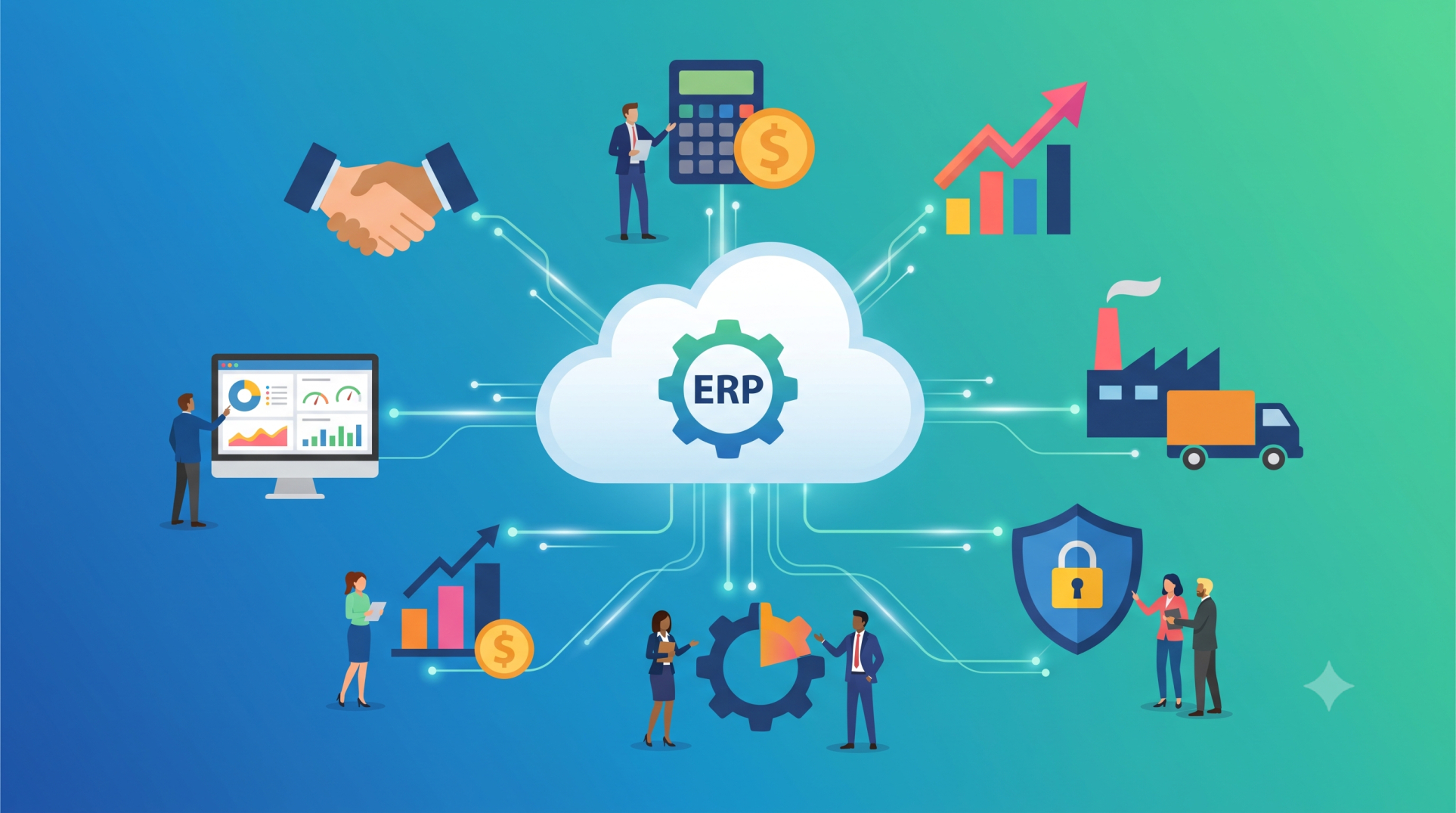
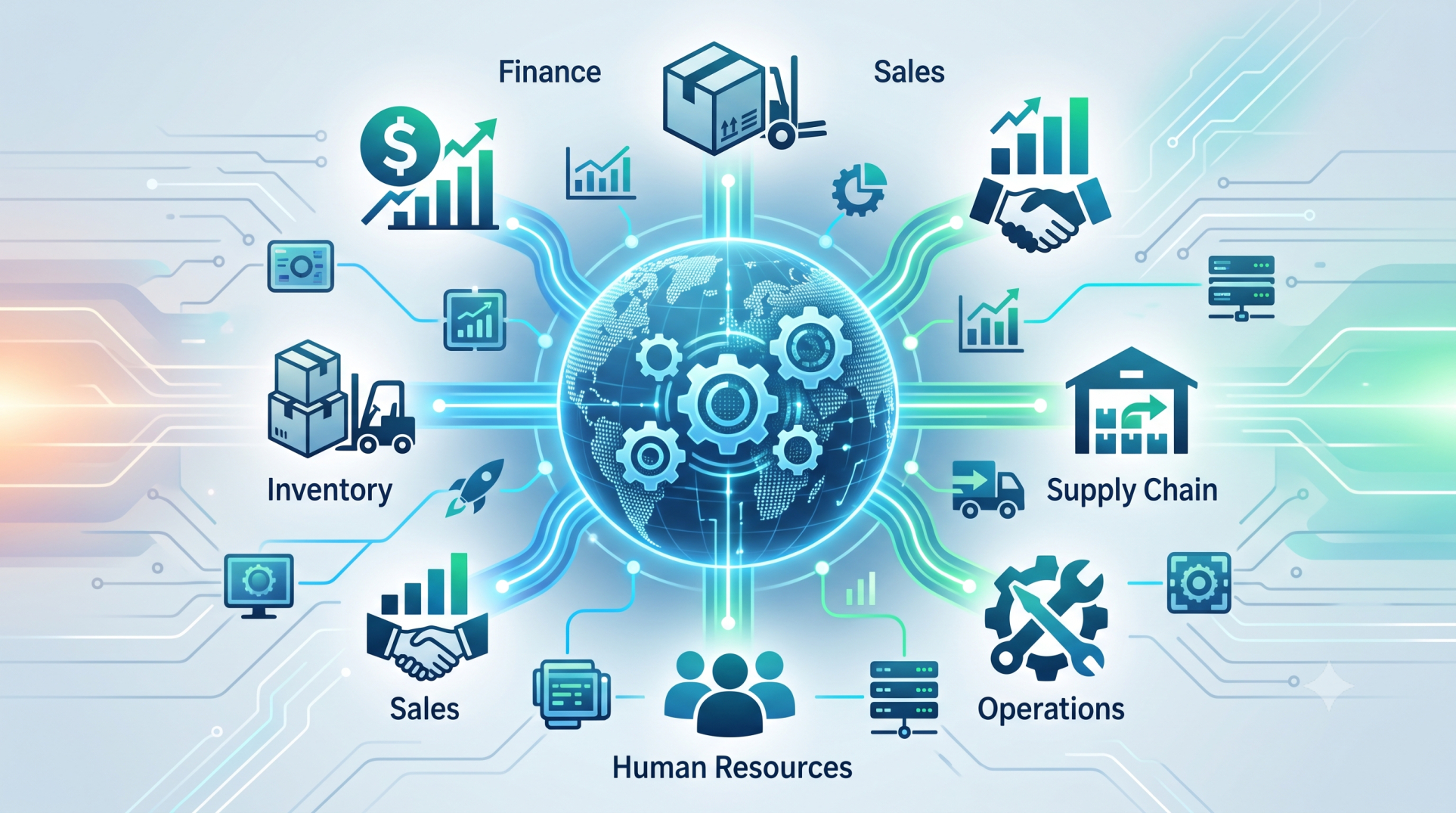
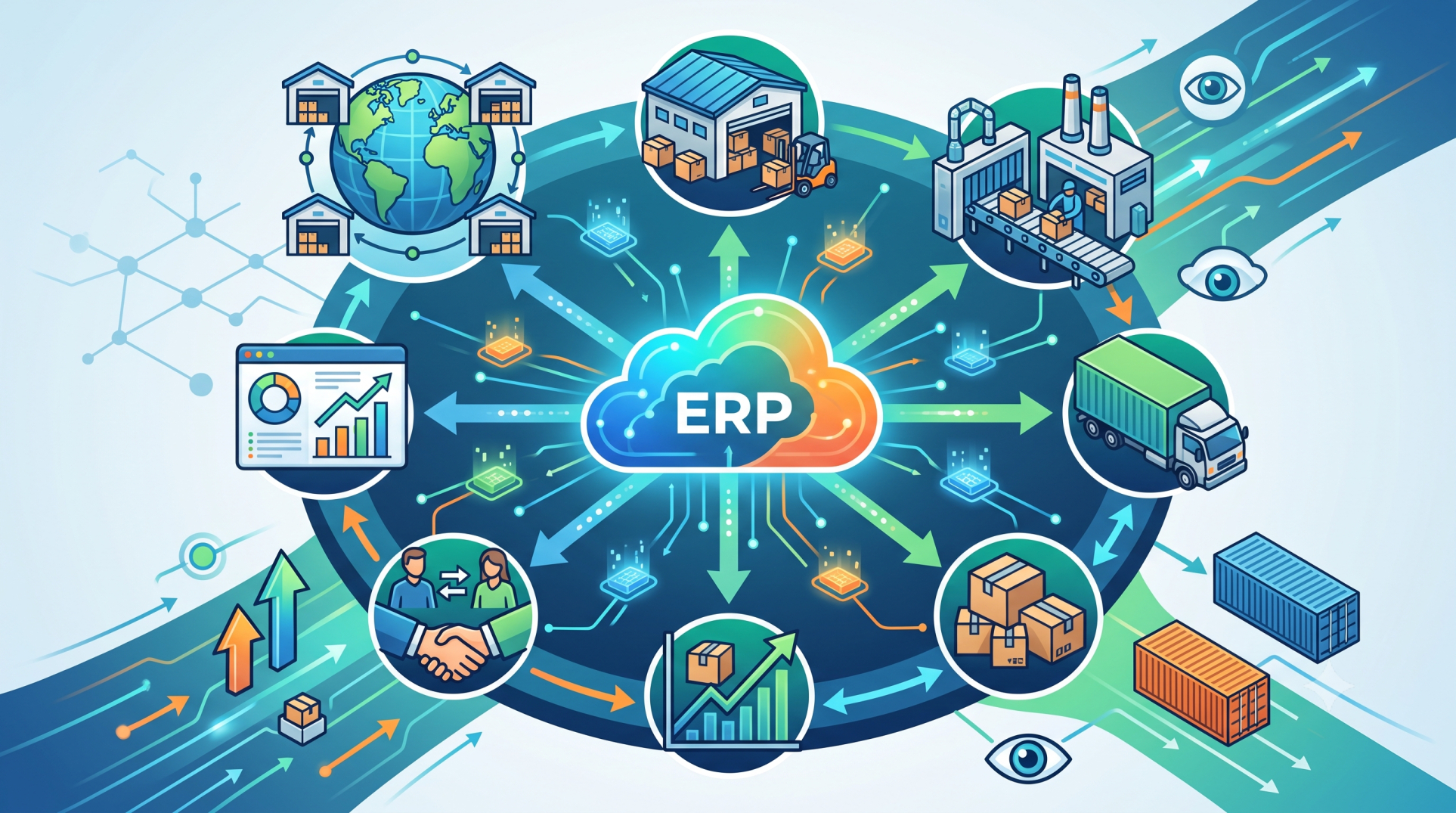
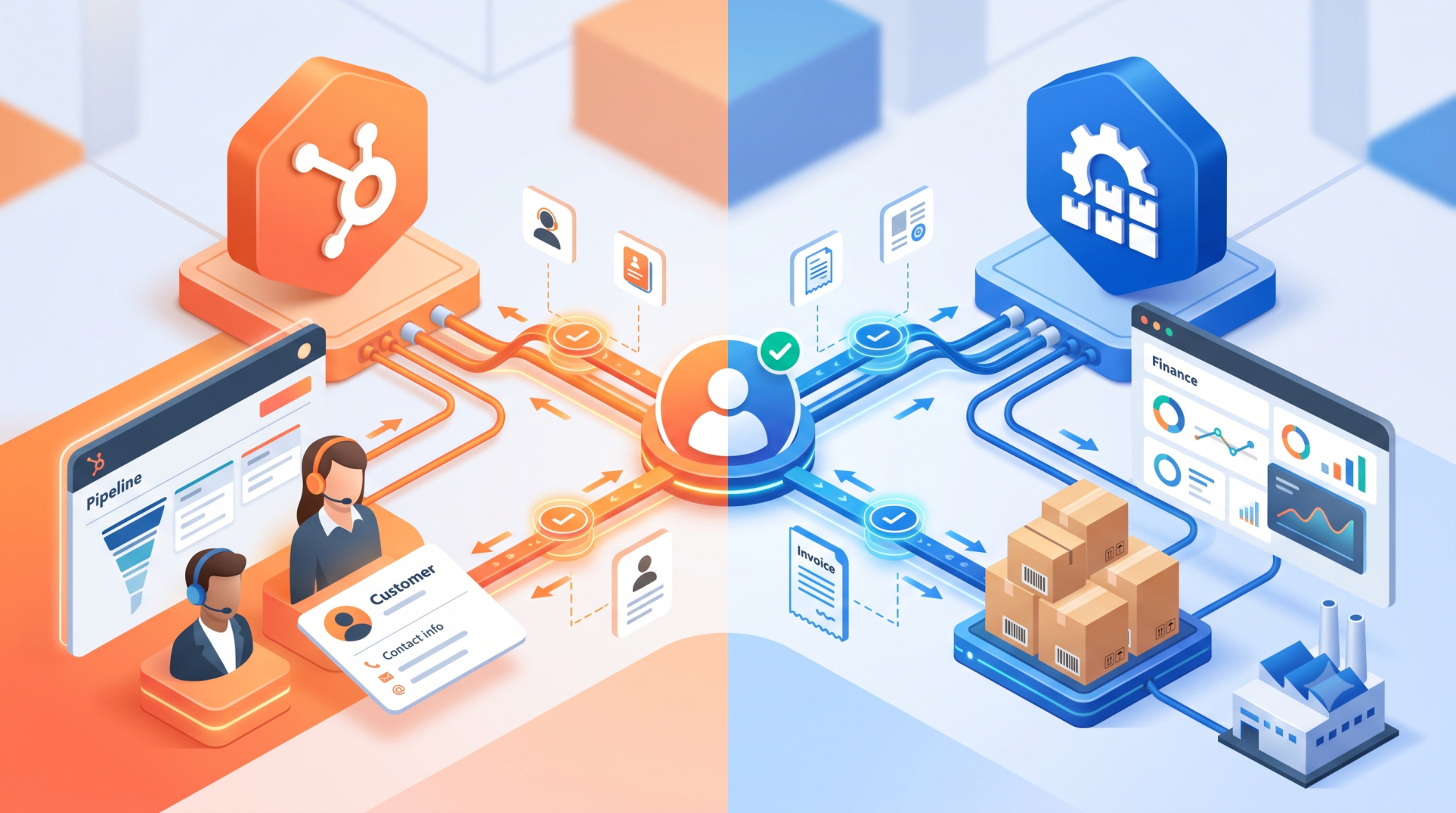
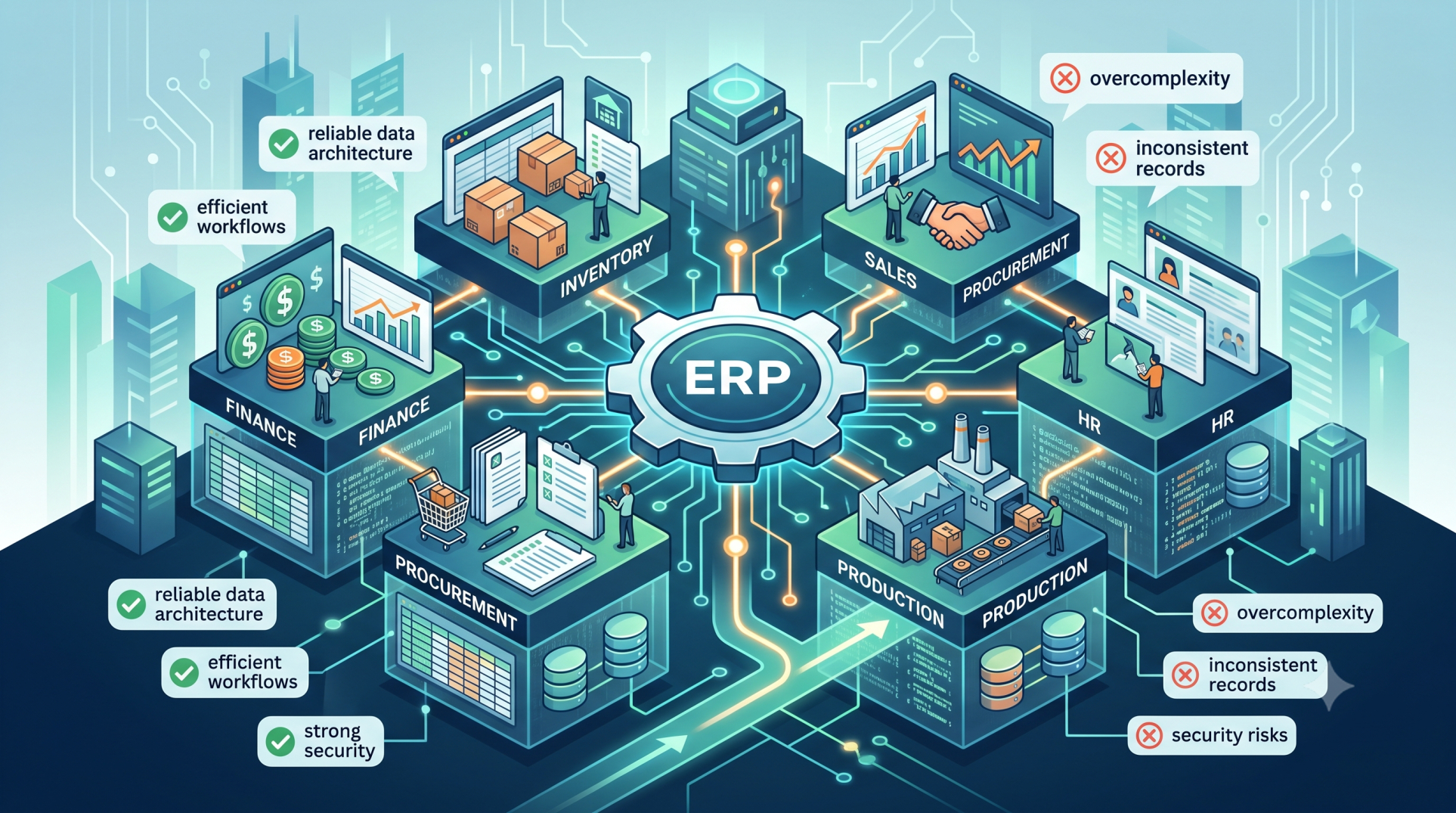
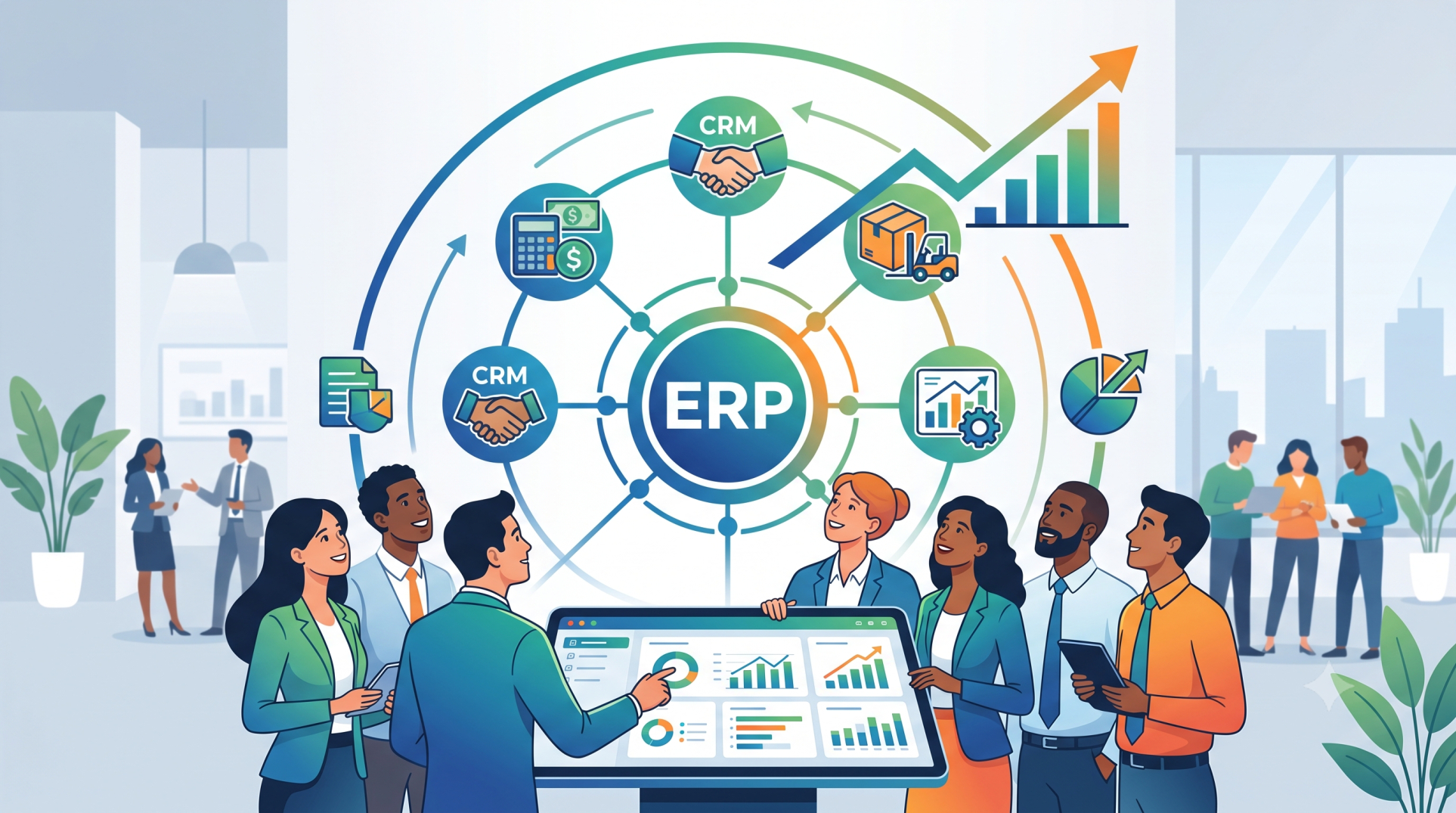
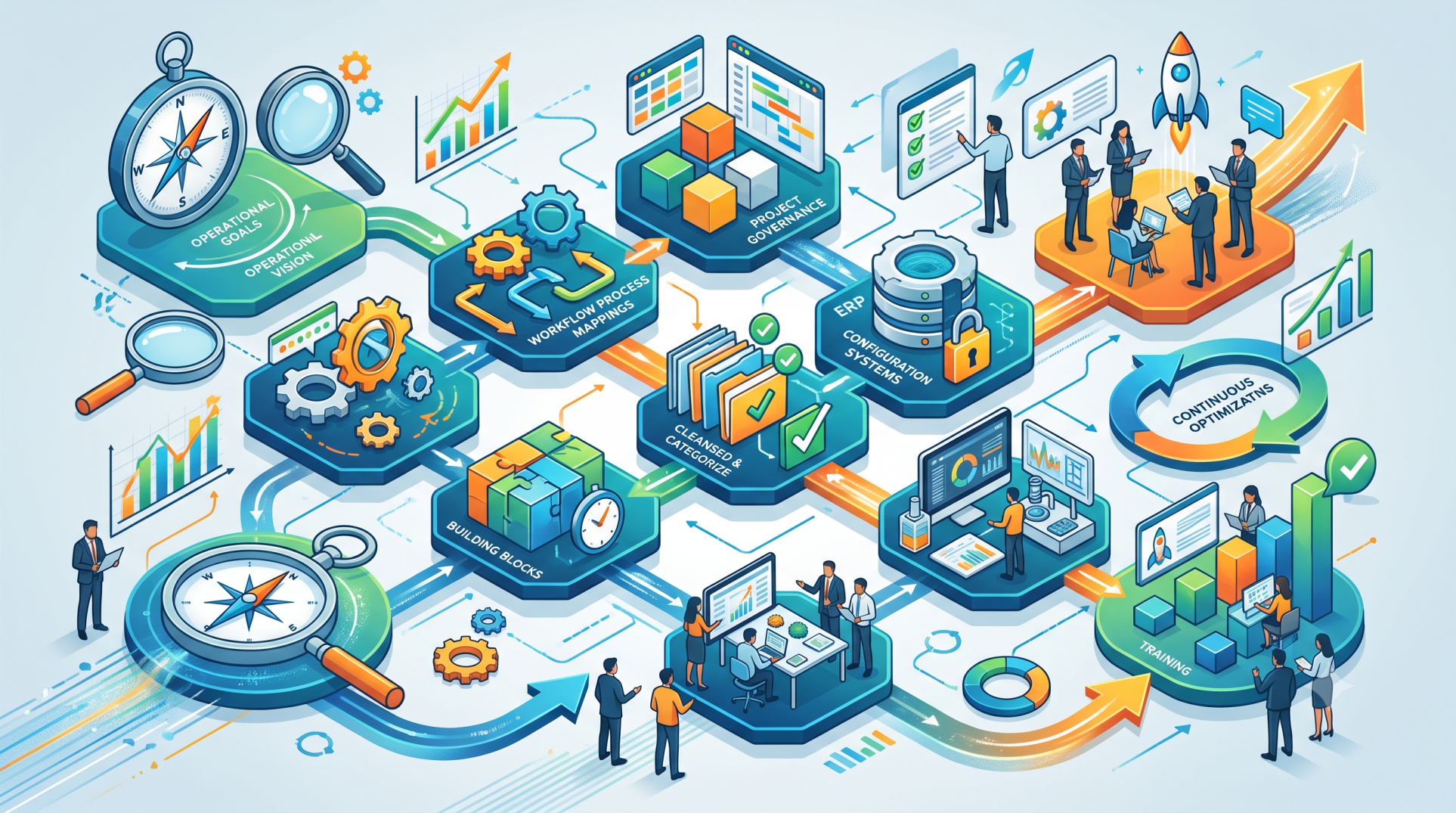
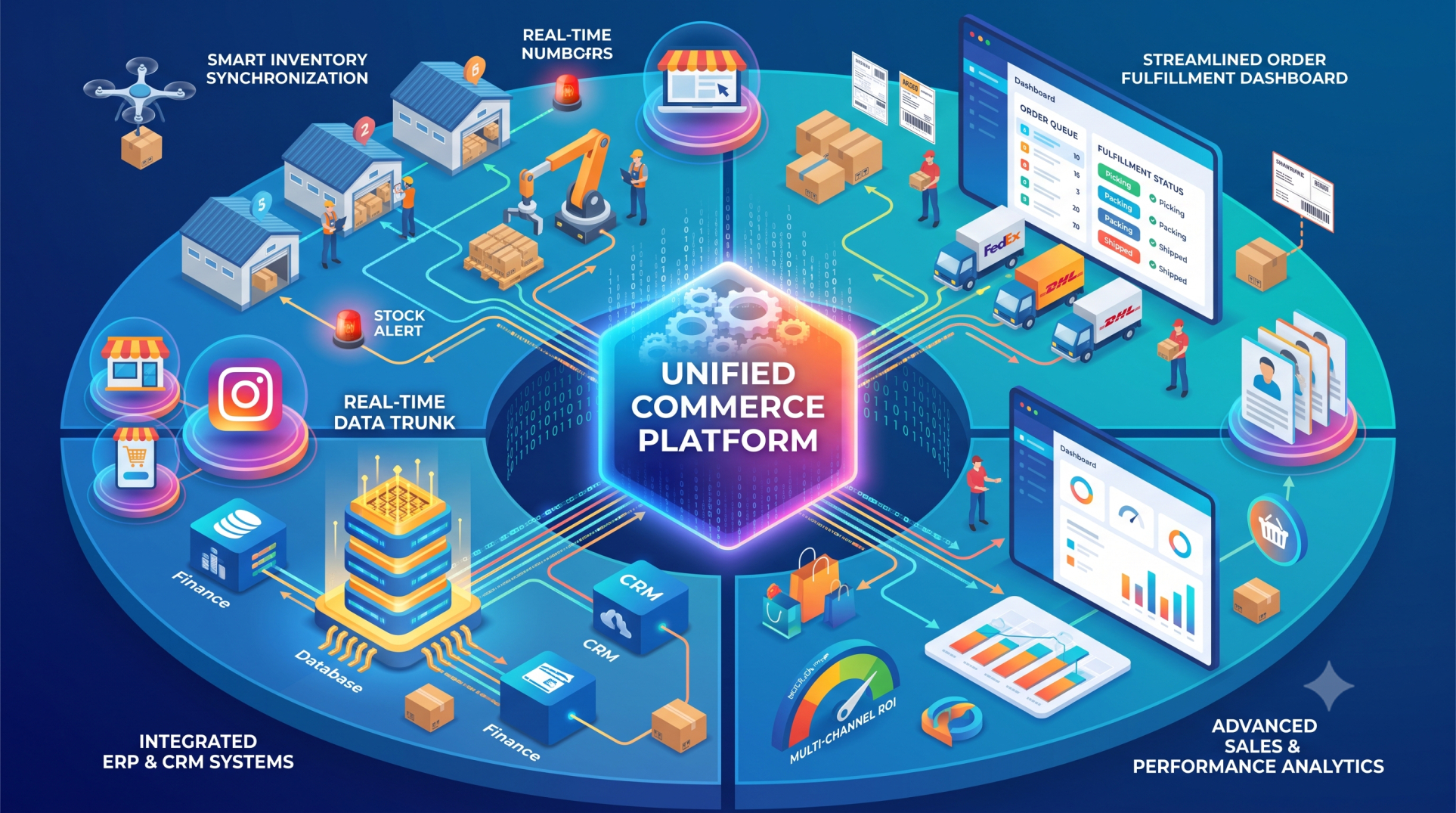
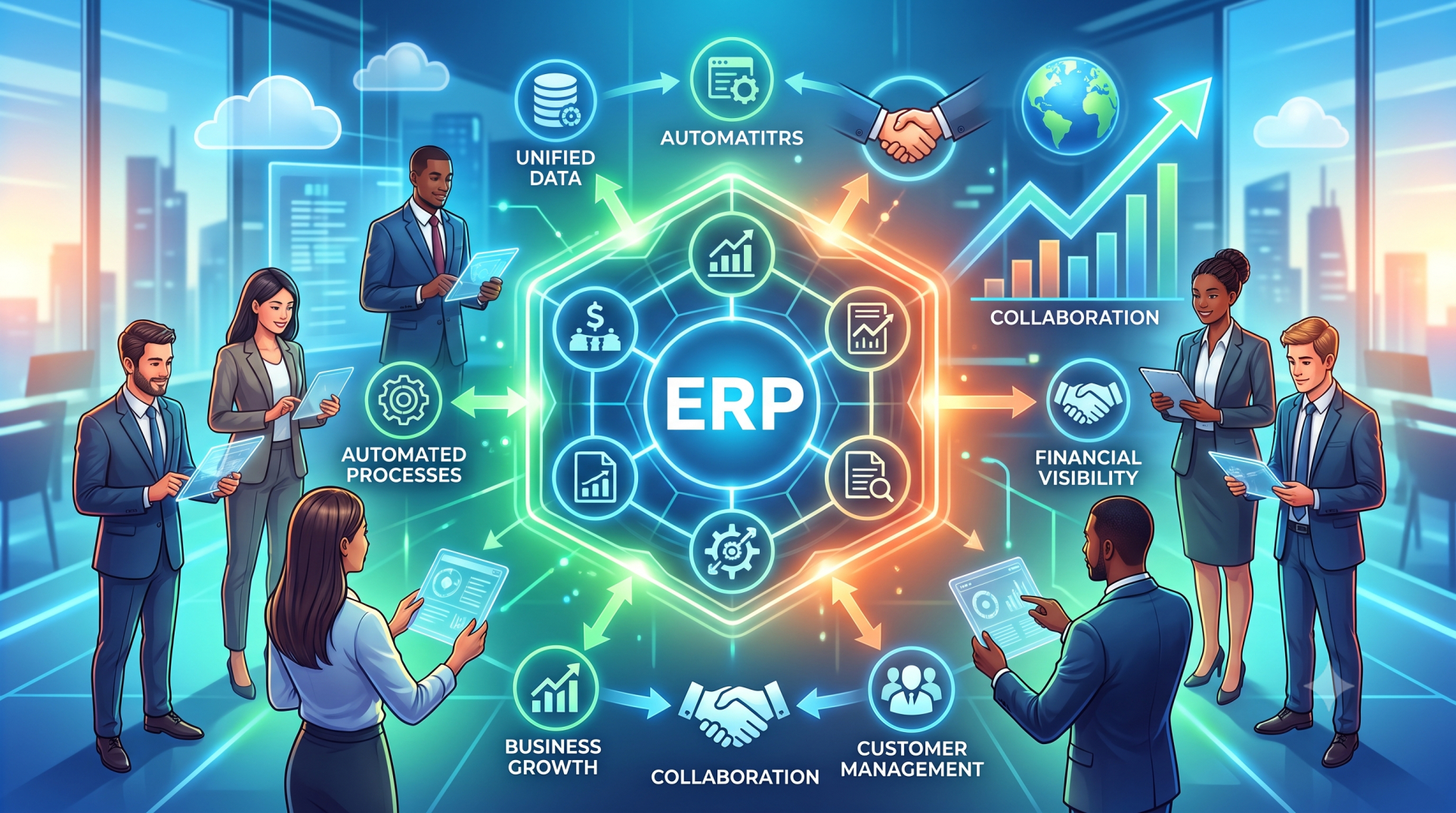
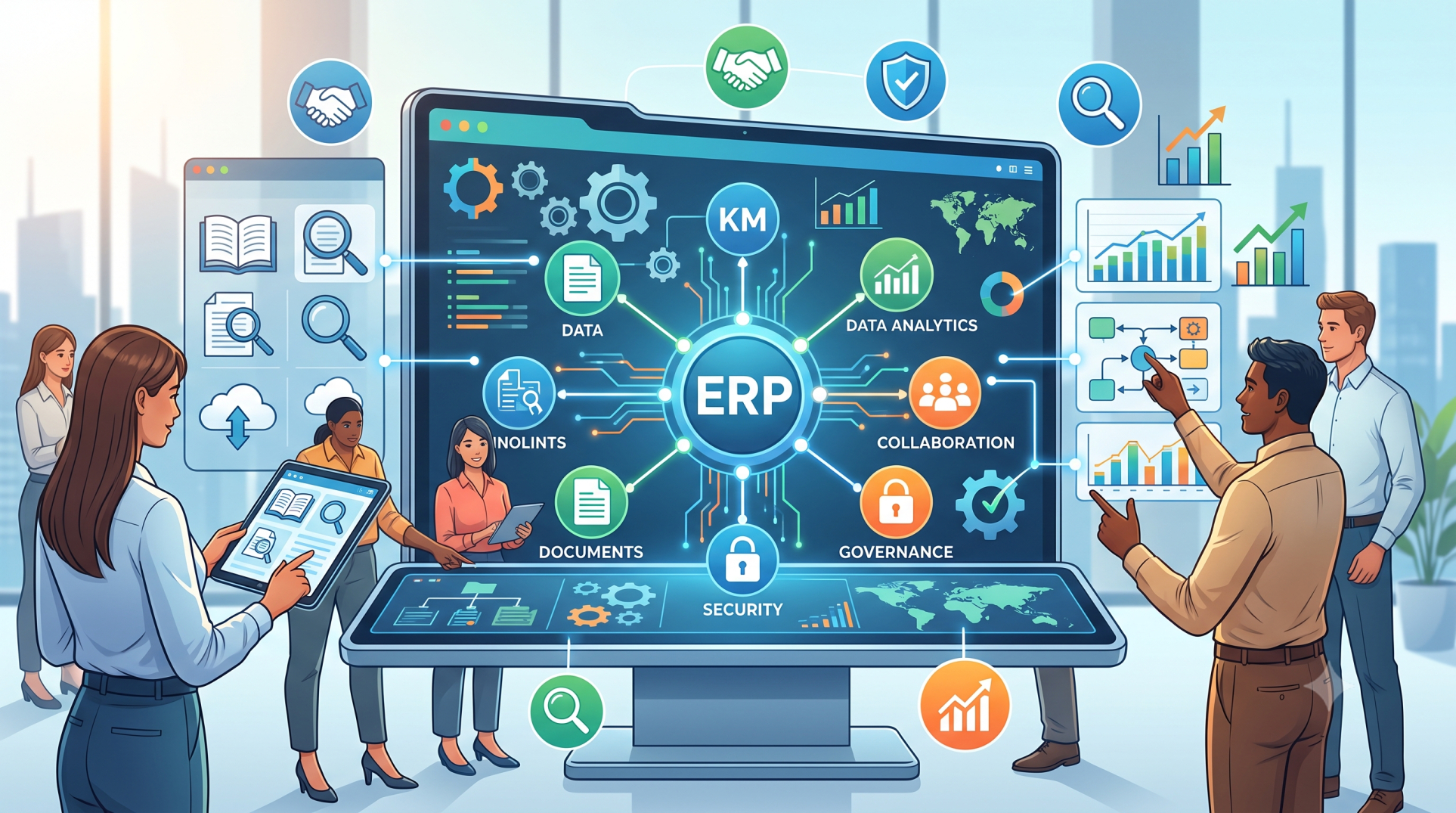
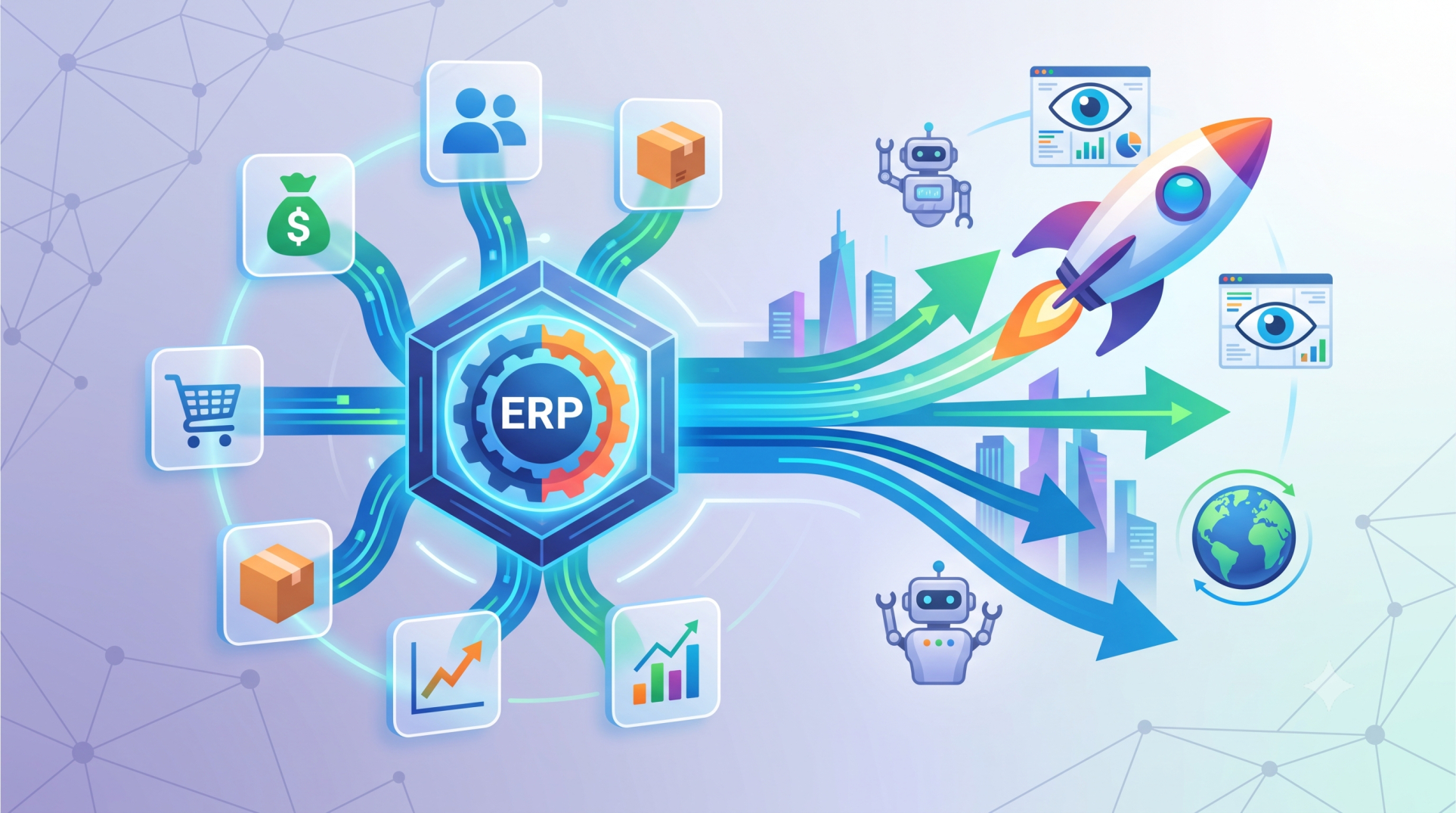
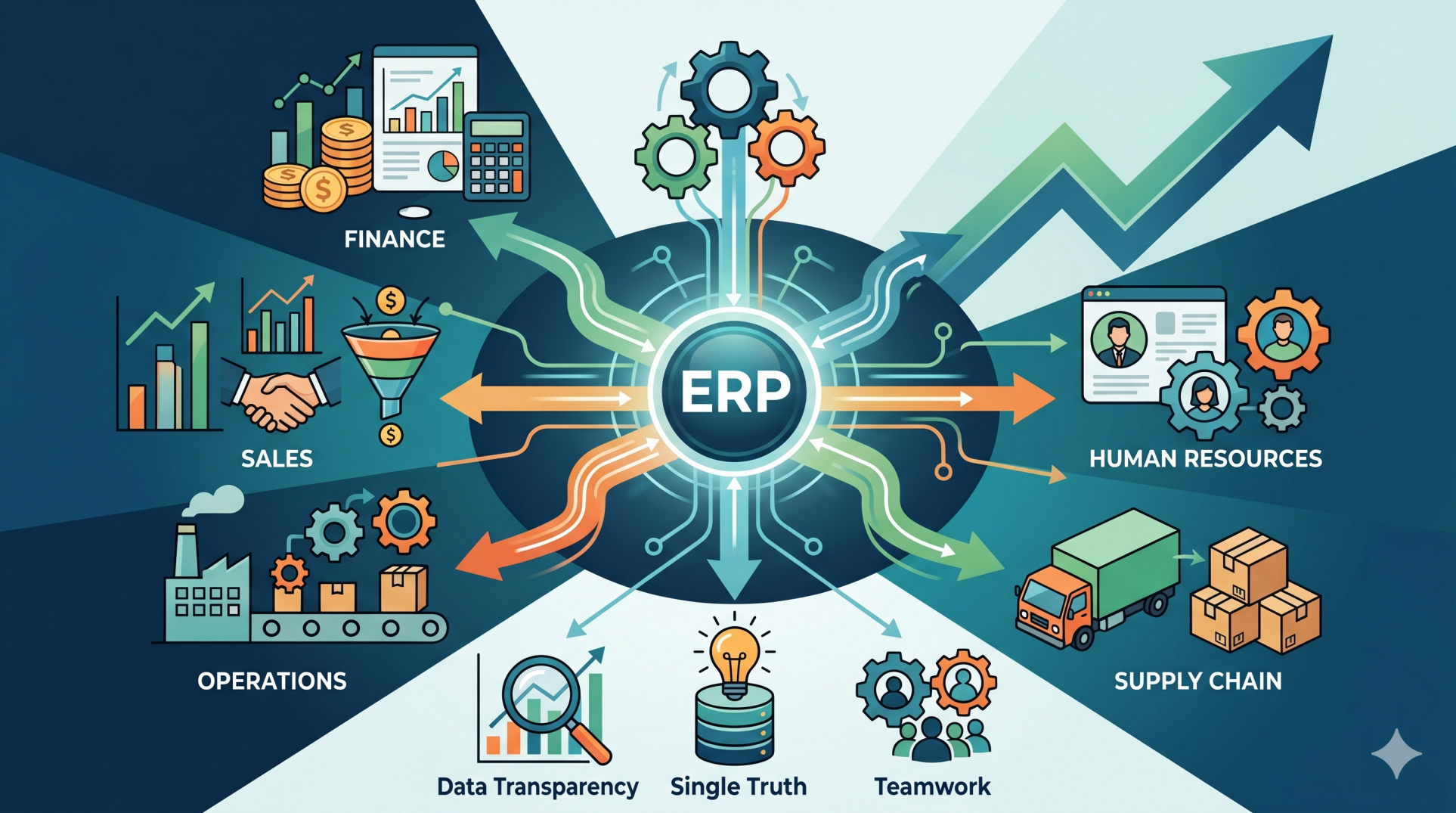
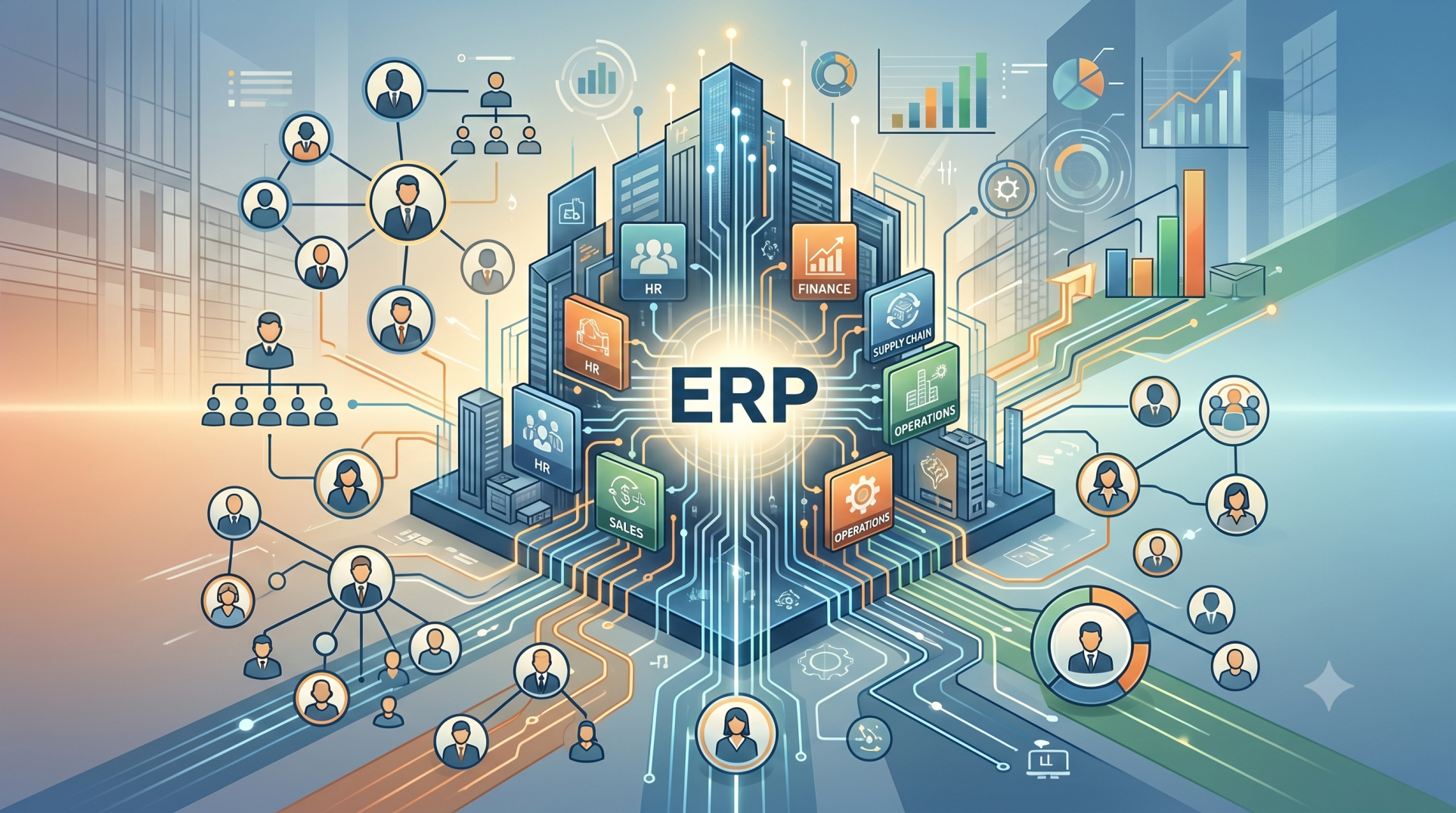
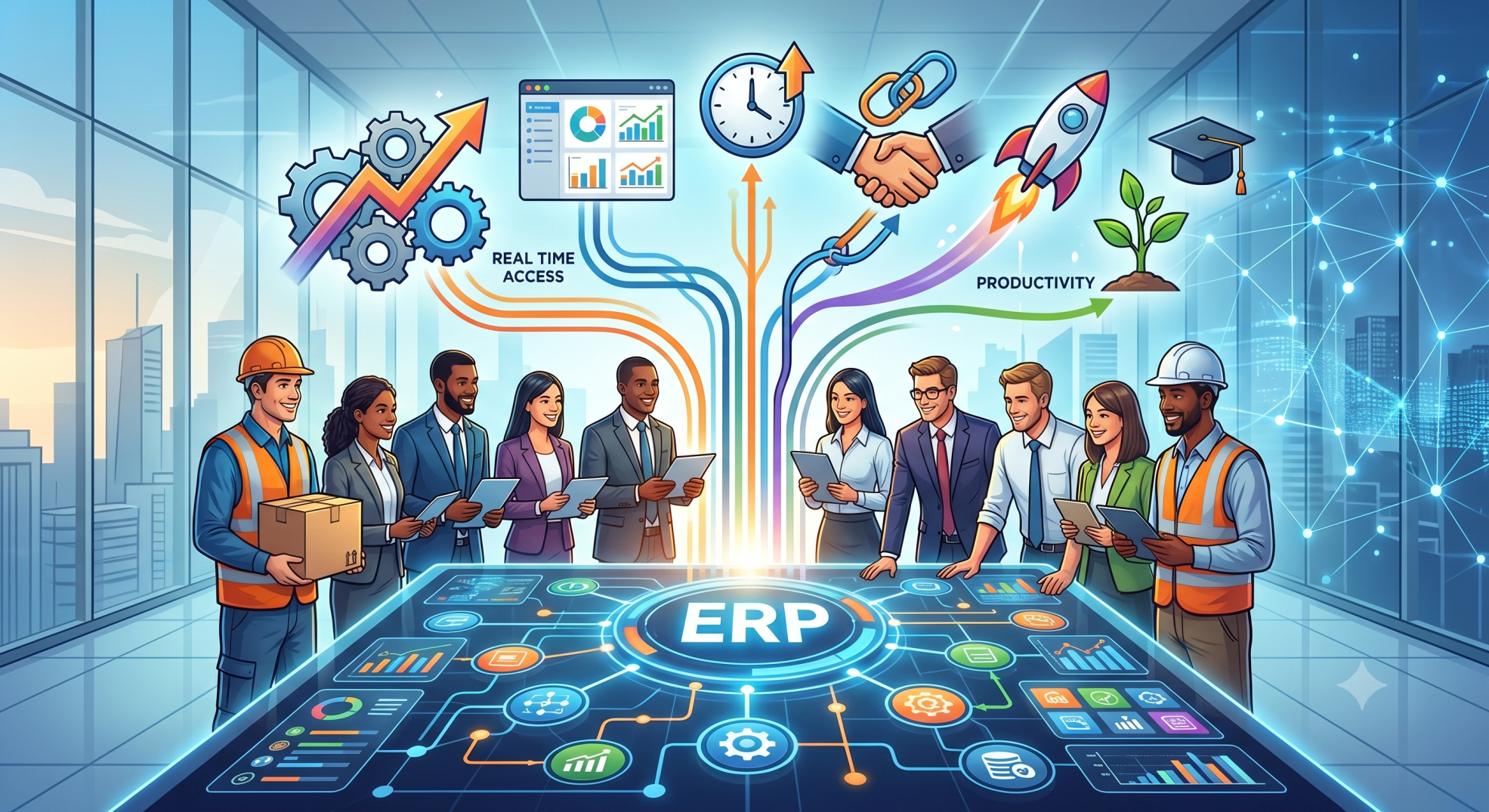
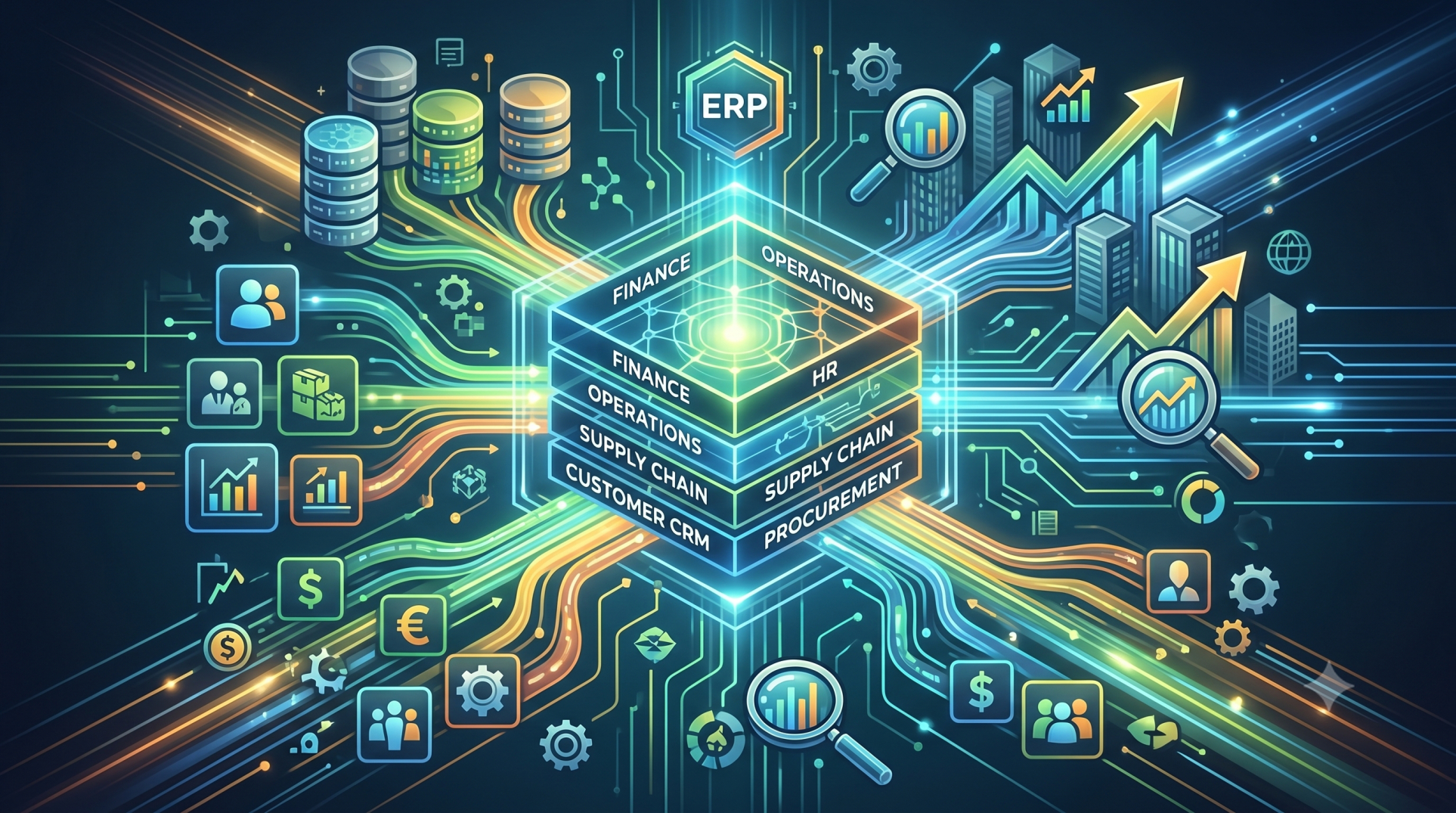
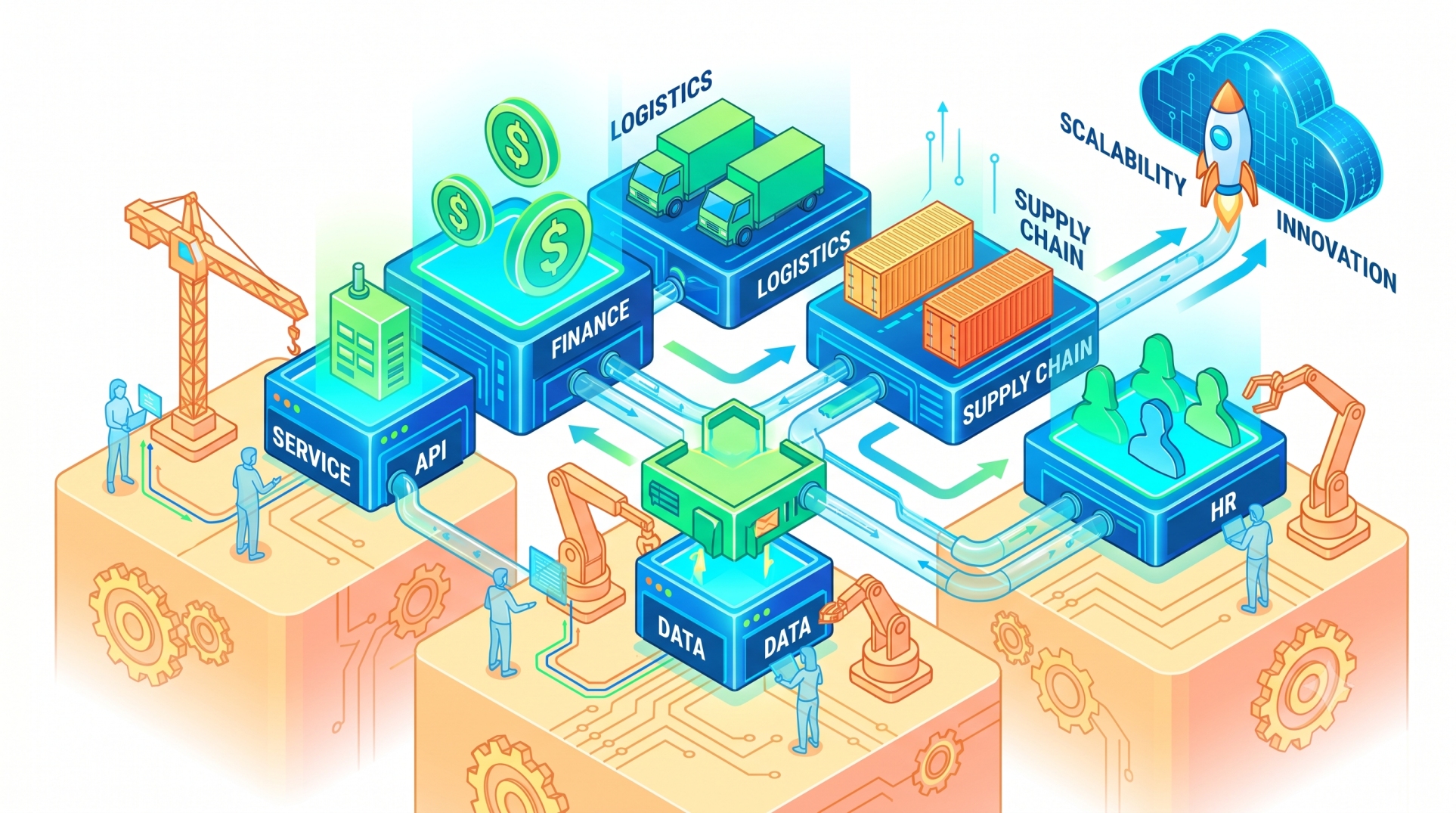
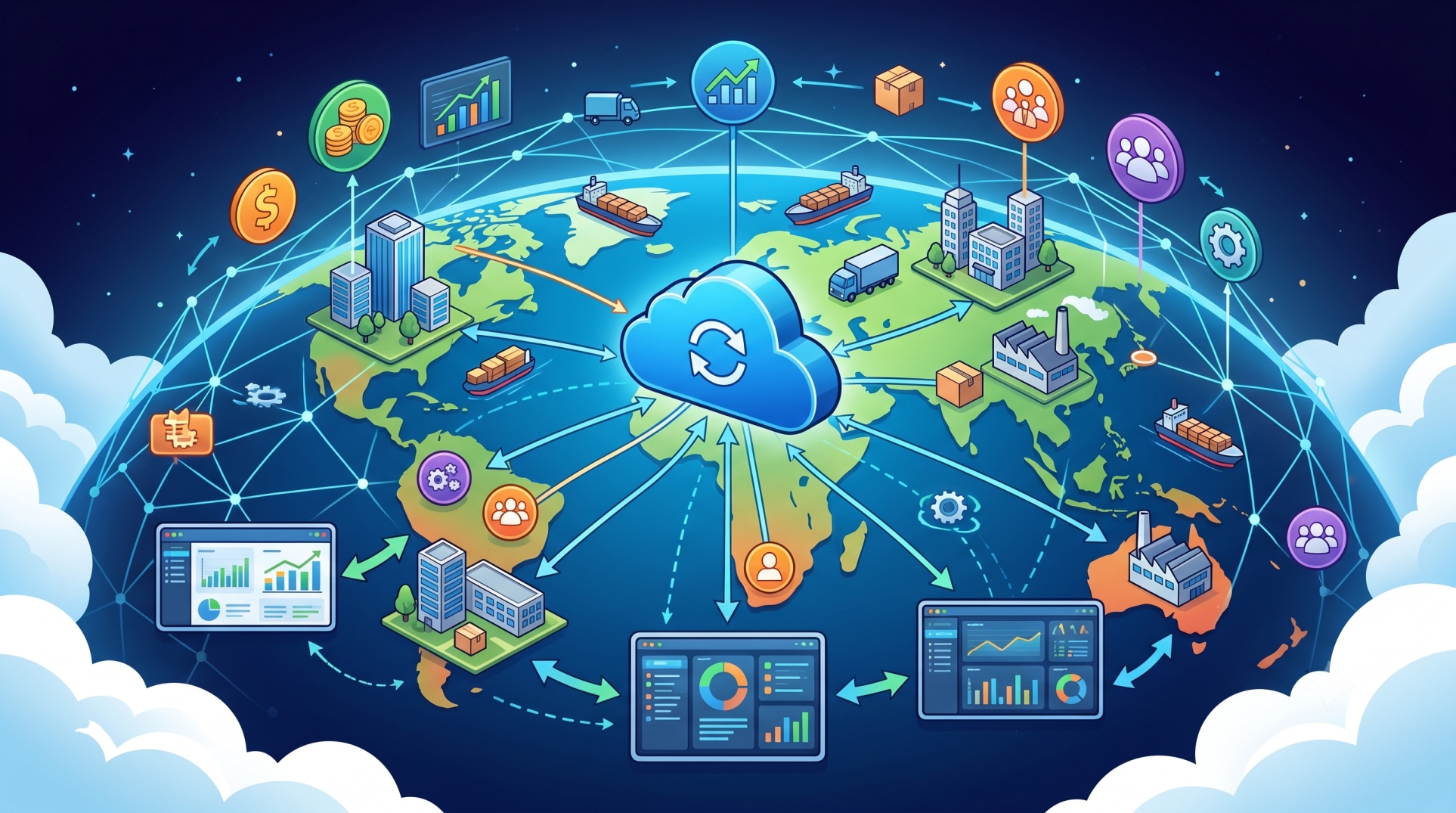
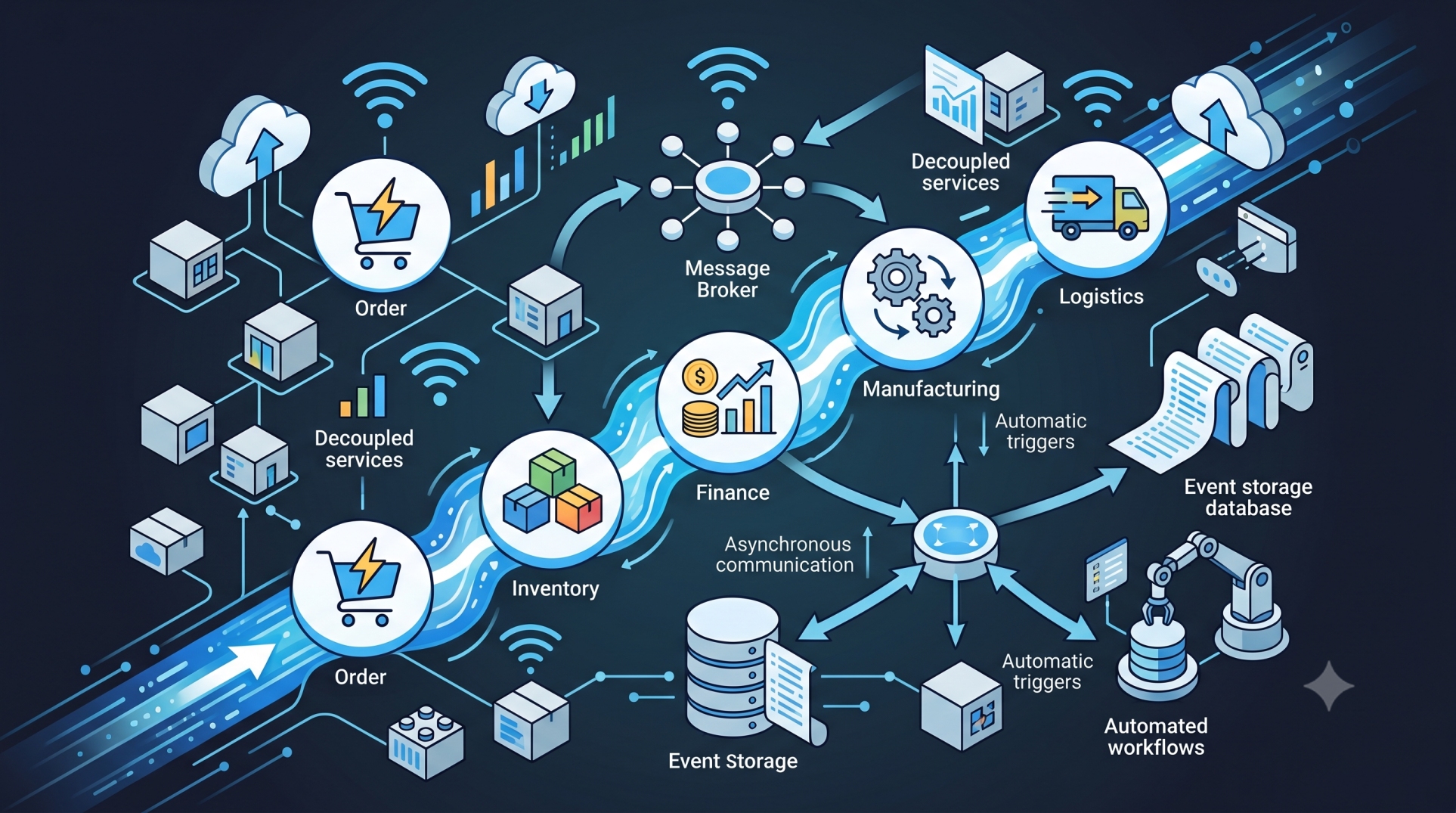
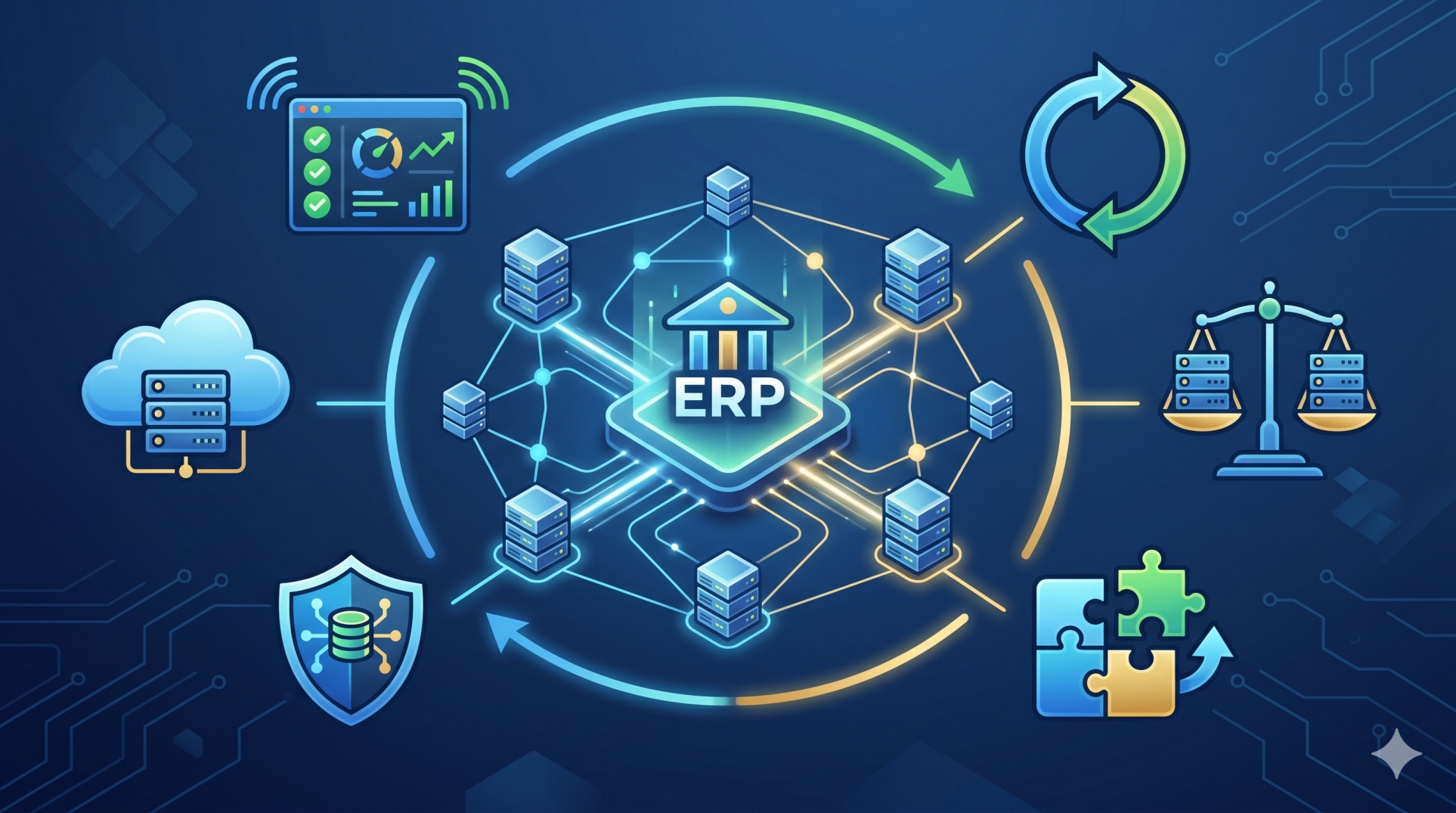
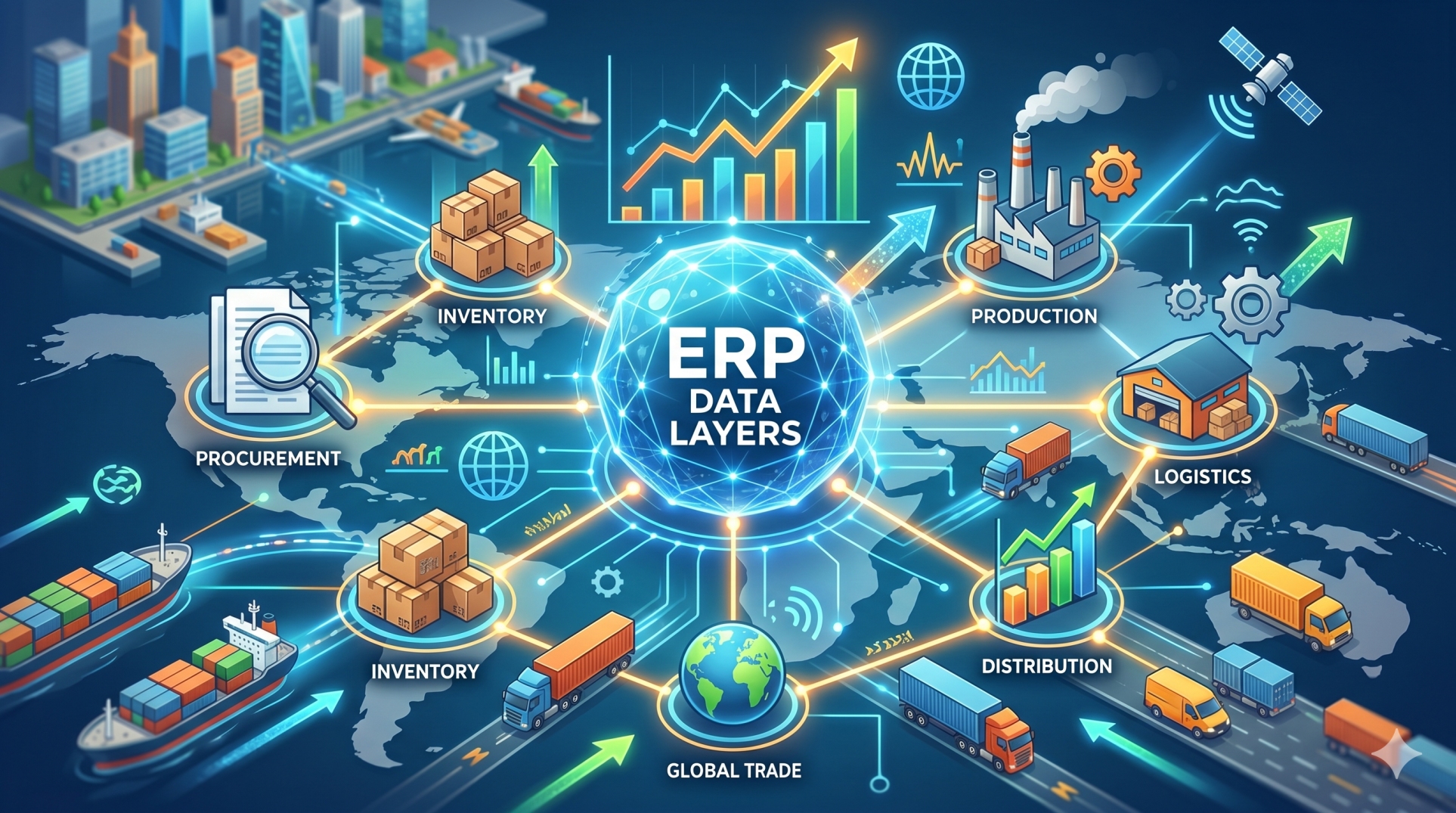
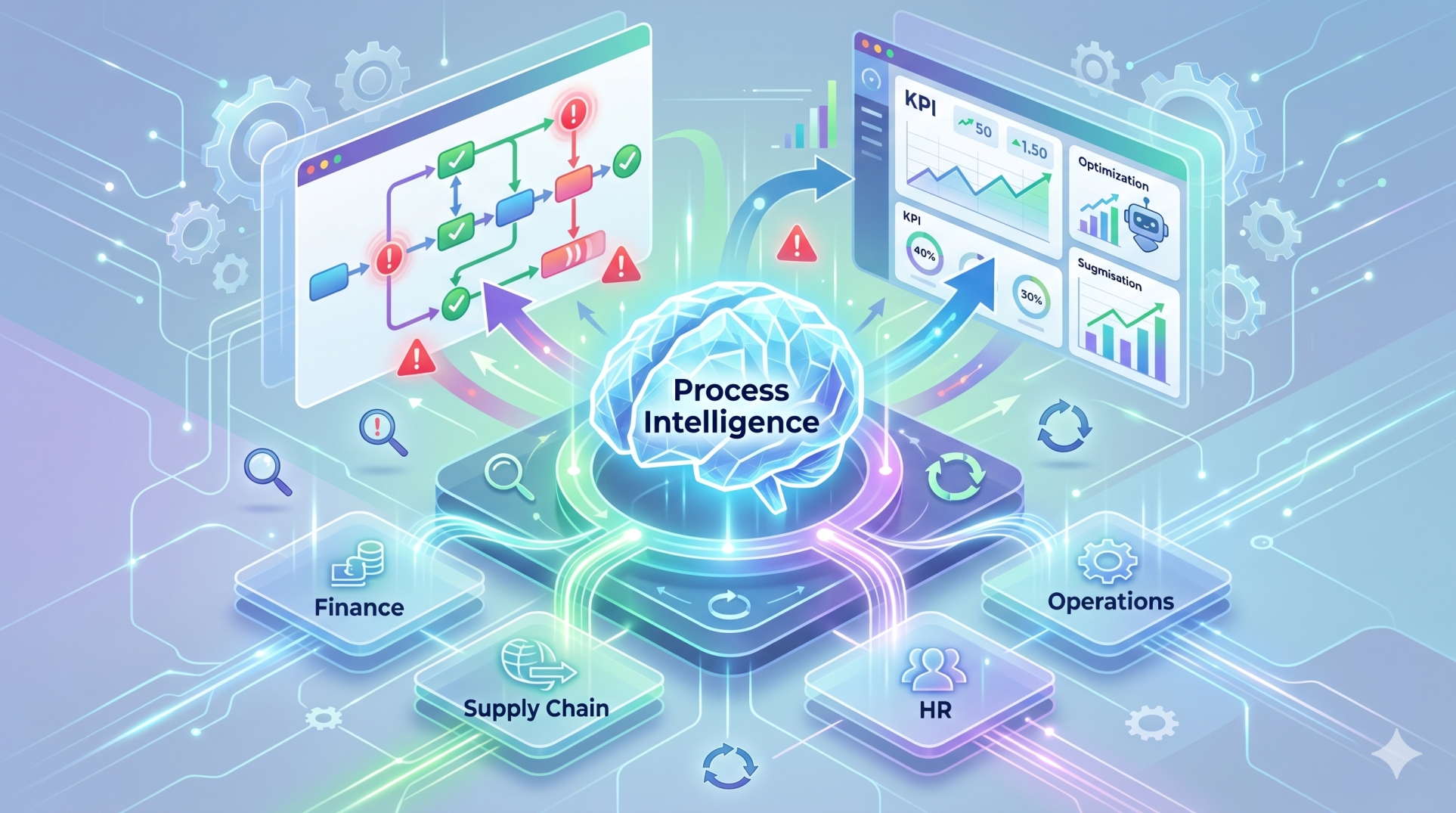
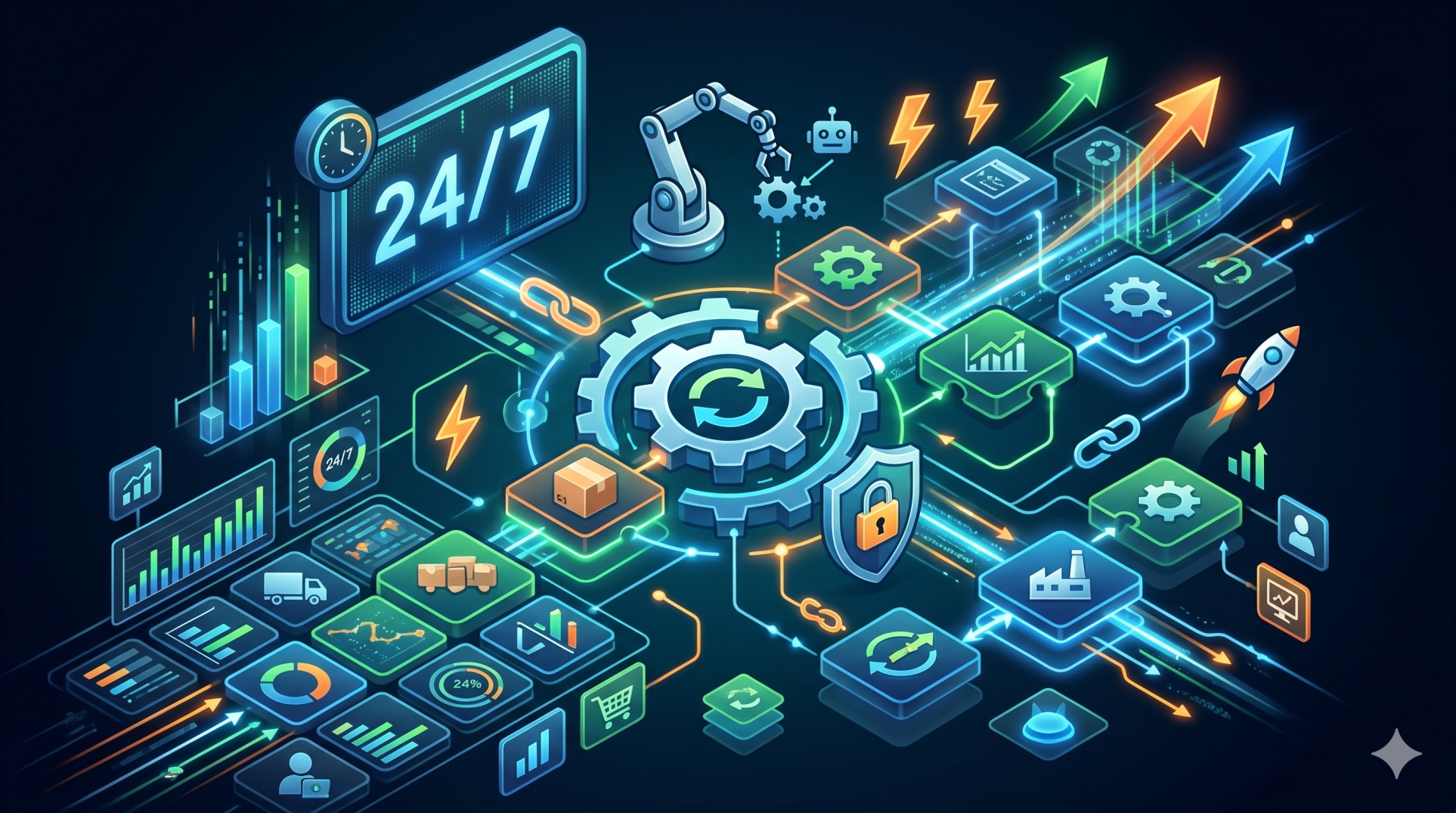
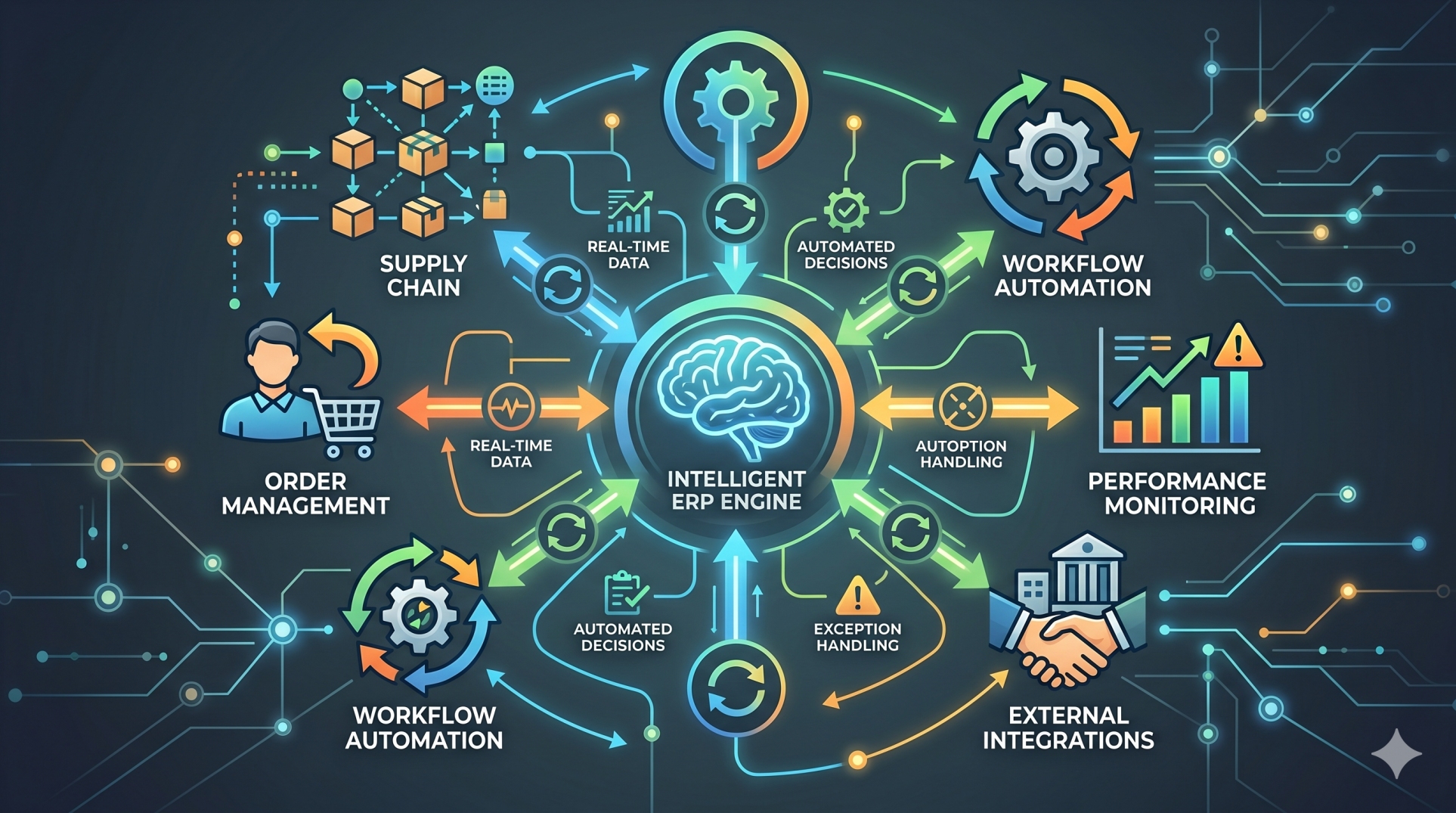
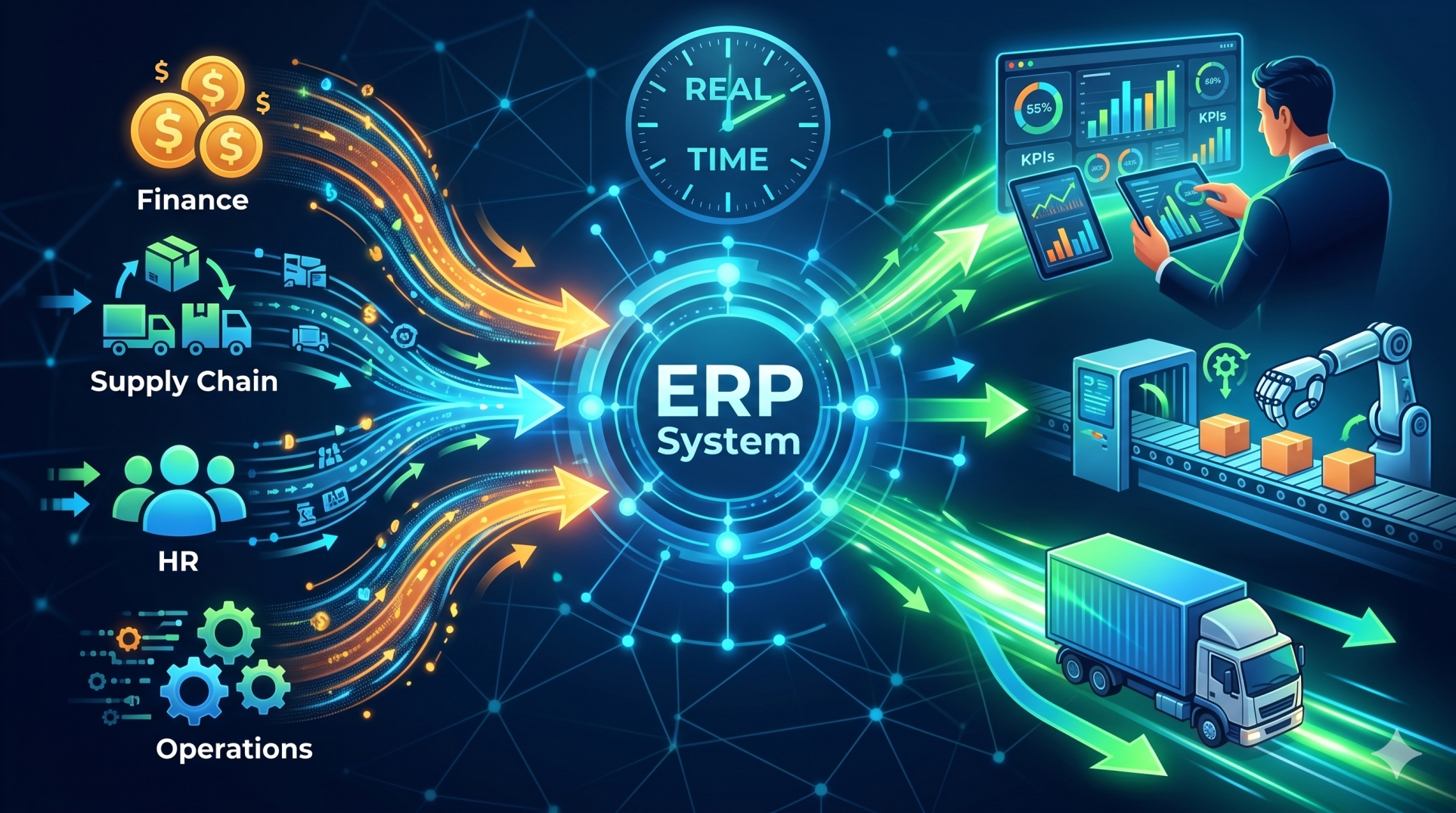
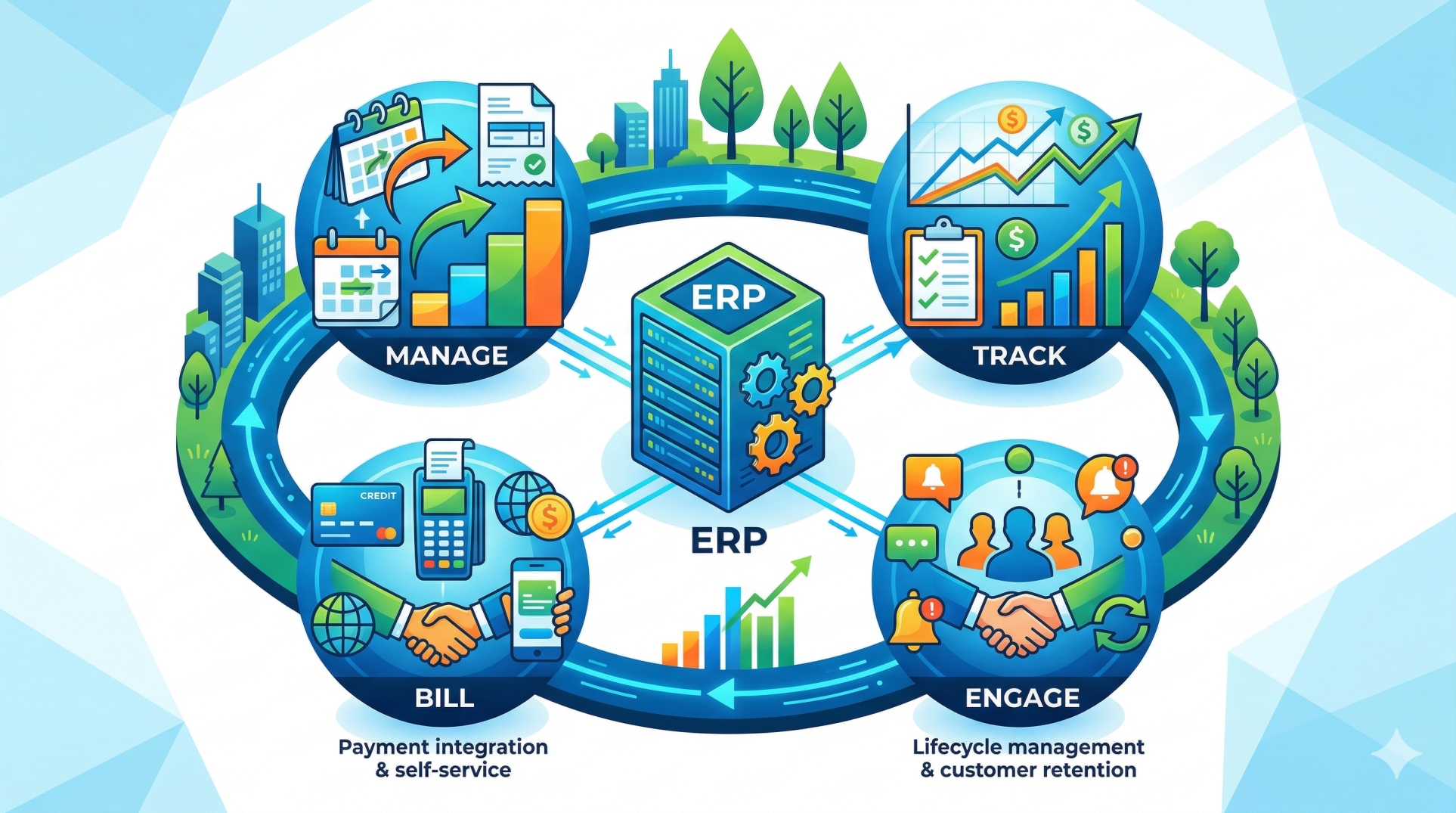
Modern supply chains rely heavily on strong collaboration between organizations and their suppliers. ERP ecosystems play a critical role in enabling seamless communication, data sharing, and operational coordination across supplier networks. By connecting suppliers through integrated ERP platforms, businesses can improve visibility, reduce delays, enhance decision-making, and build more resilient supply chain operations.
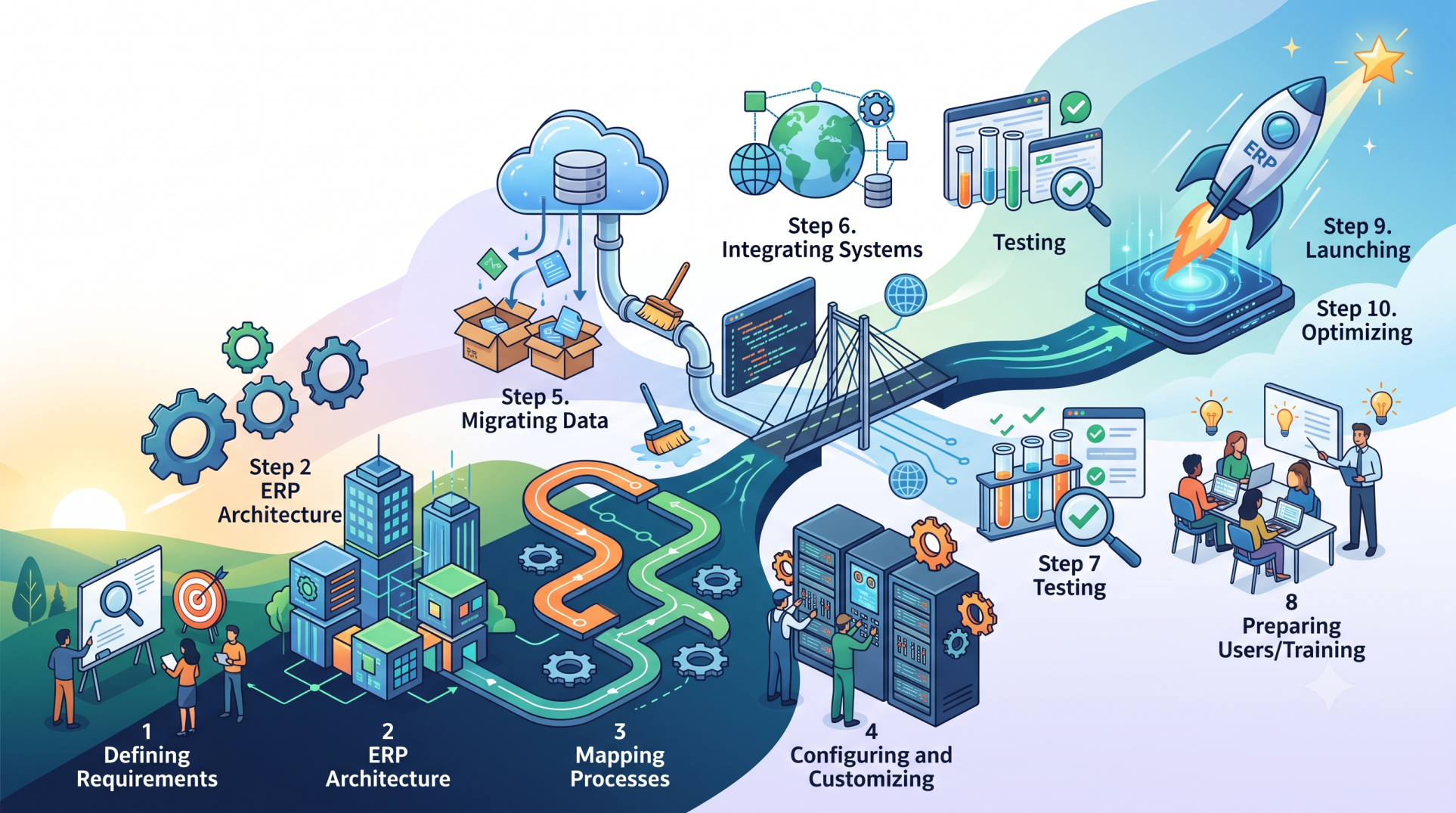
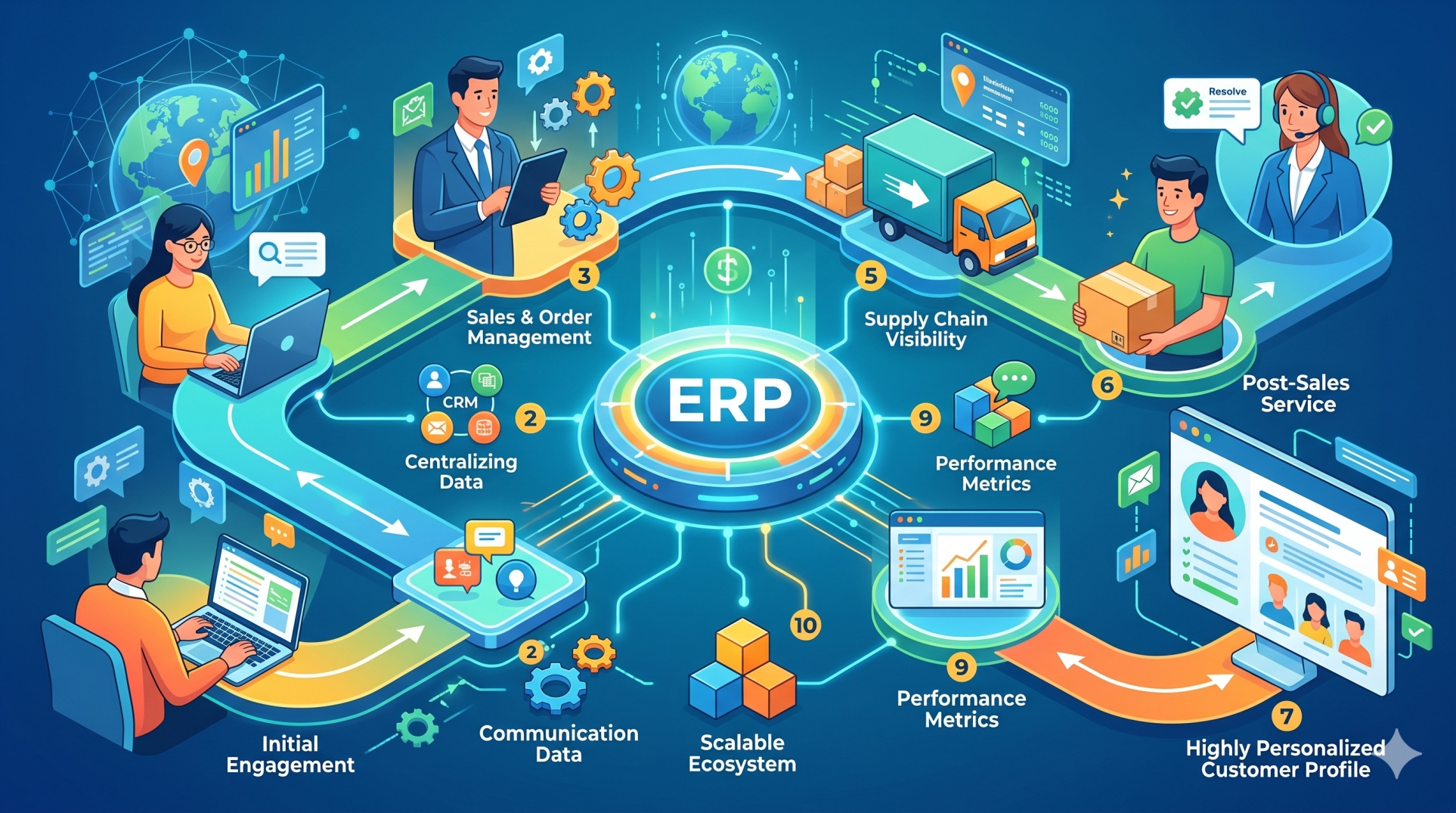
Step 1: Establishing a Connected Supplier Network 🌐
• Create centralized ERP platforms that connect suppliers and internal teams 🔗
• Enable secure communication and information sharing across the ecosystem 🛡️
• Improve transparency throughout procurement and supply chain operations 👁️
• Strengthen coordination between suppliers, manufacturers, and distributors 🤝
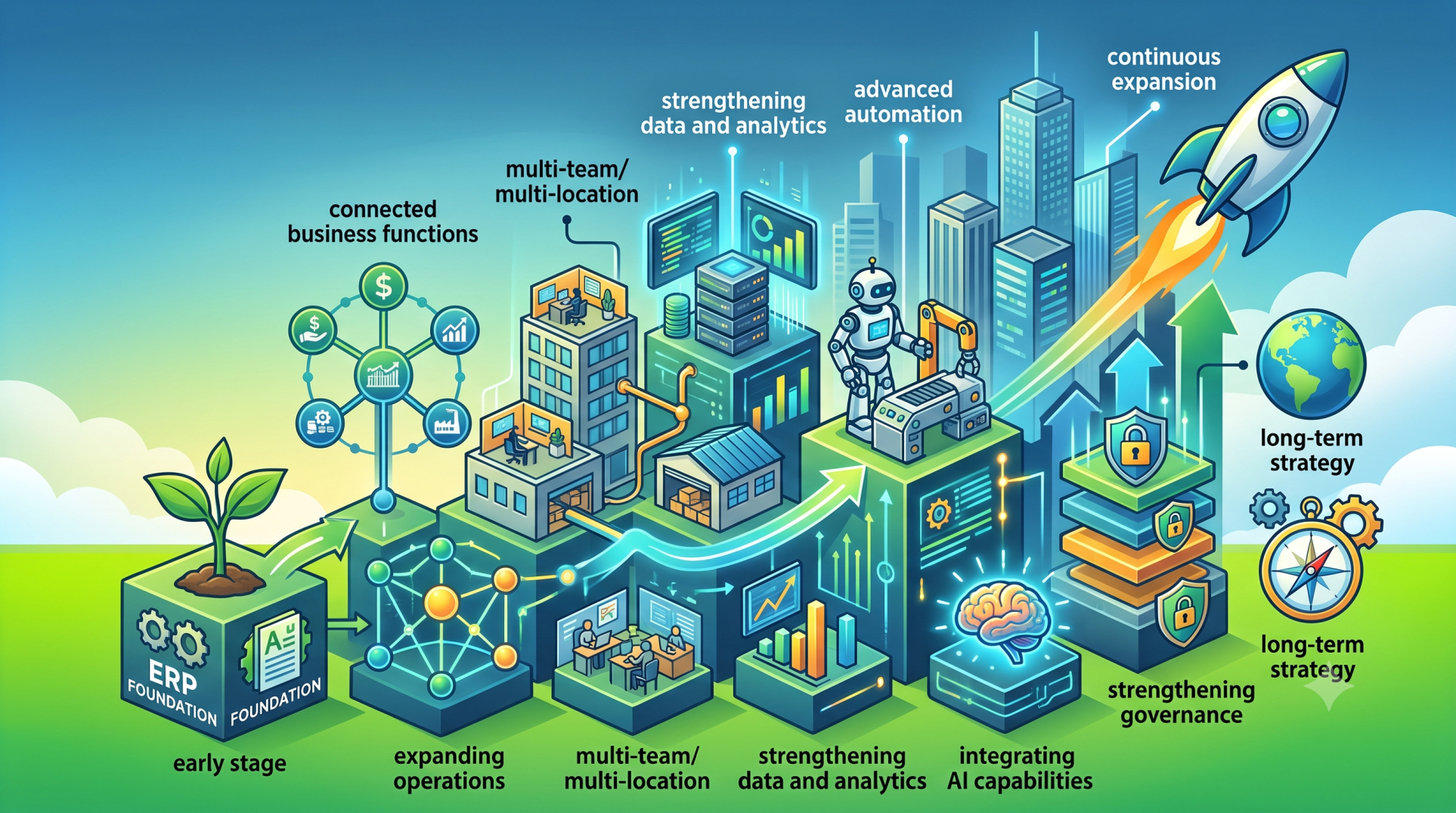
• Support scalable collaboration as supplier networks expand 📈
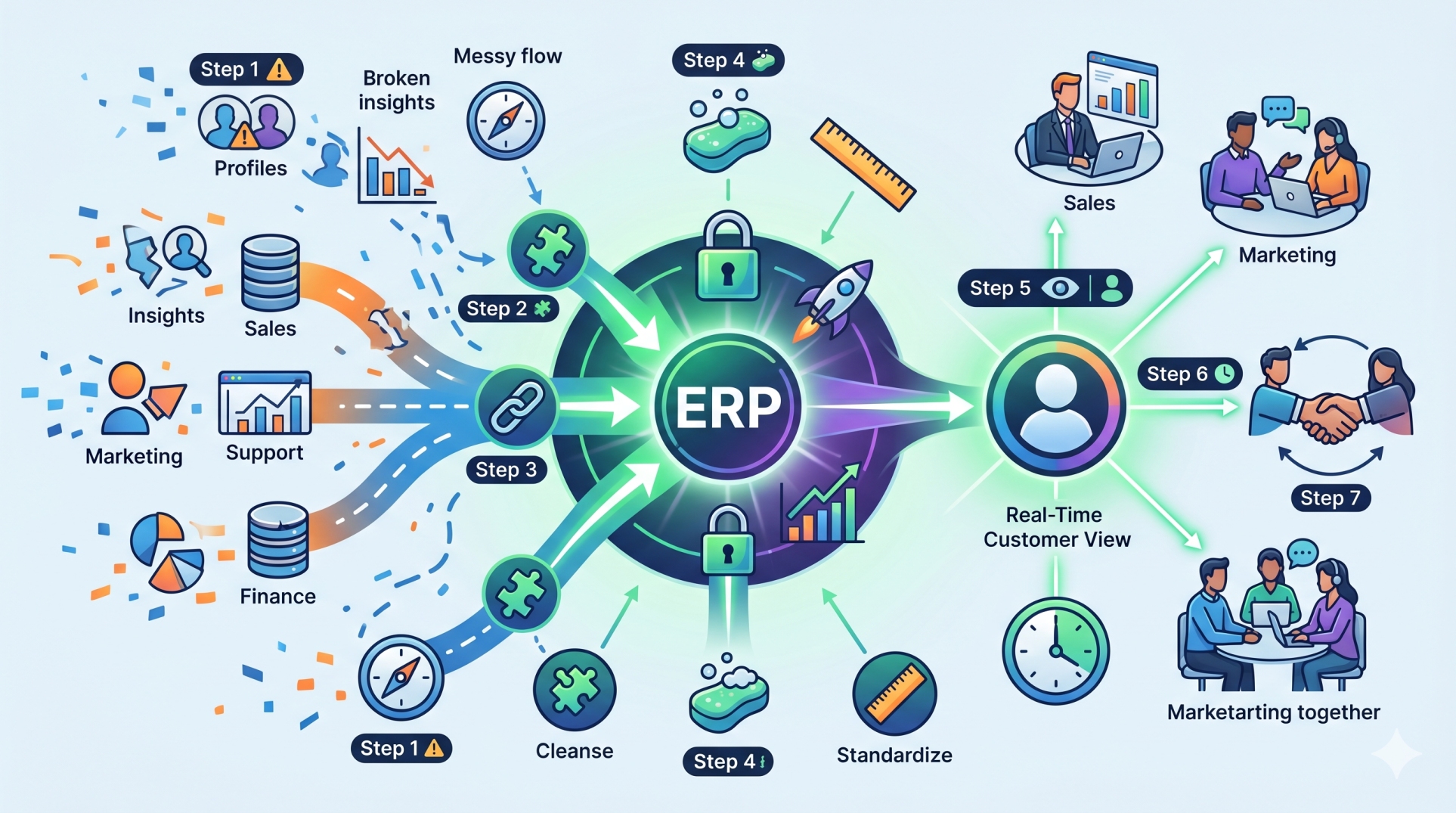
Step 2: Centralizing Supplier Data Management 📂
• Maintain unified supplier records within the ERP system 📊
• Standardize supplier information across departments and regions ⚙️
• Improve data accuracy and reduce duplication issues ✅
• Enable real-time access to supplier profiles and performance metrics ⏱️
• Ensure consistent data governance across the supply chain 🔐
Step 3: Enhancing Procurement Collaboration 🛒
• Streamline purchase order creation and approval workflows 📑
• Enable suppliers to access order details and delivery schedules 🚚
• Improve communication regarding inventory levels and demand forecasts 📈
• Reduce procurement delays through automated workflows 🤖
• Strengthen supplier responsiveness and operational alignment 🔄
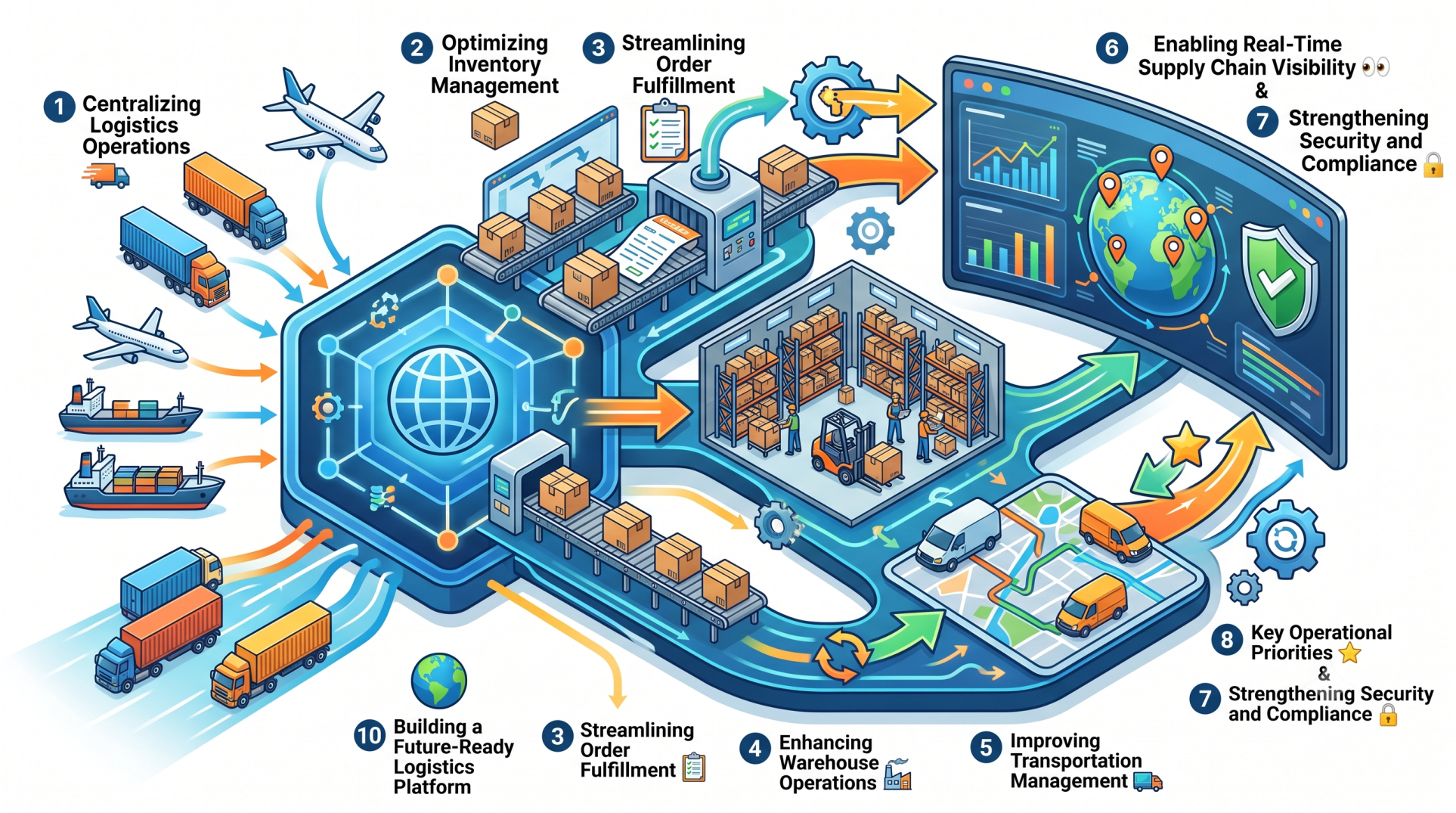
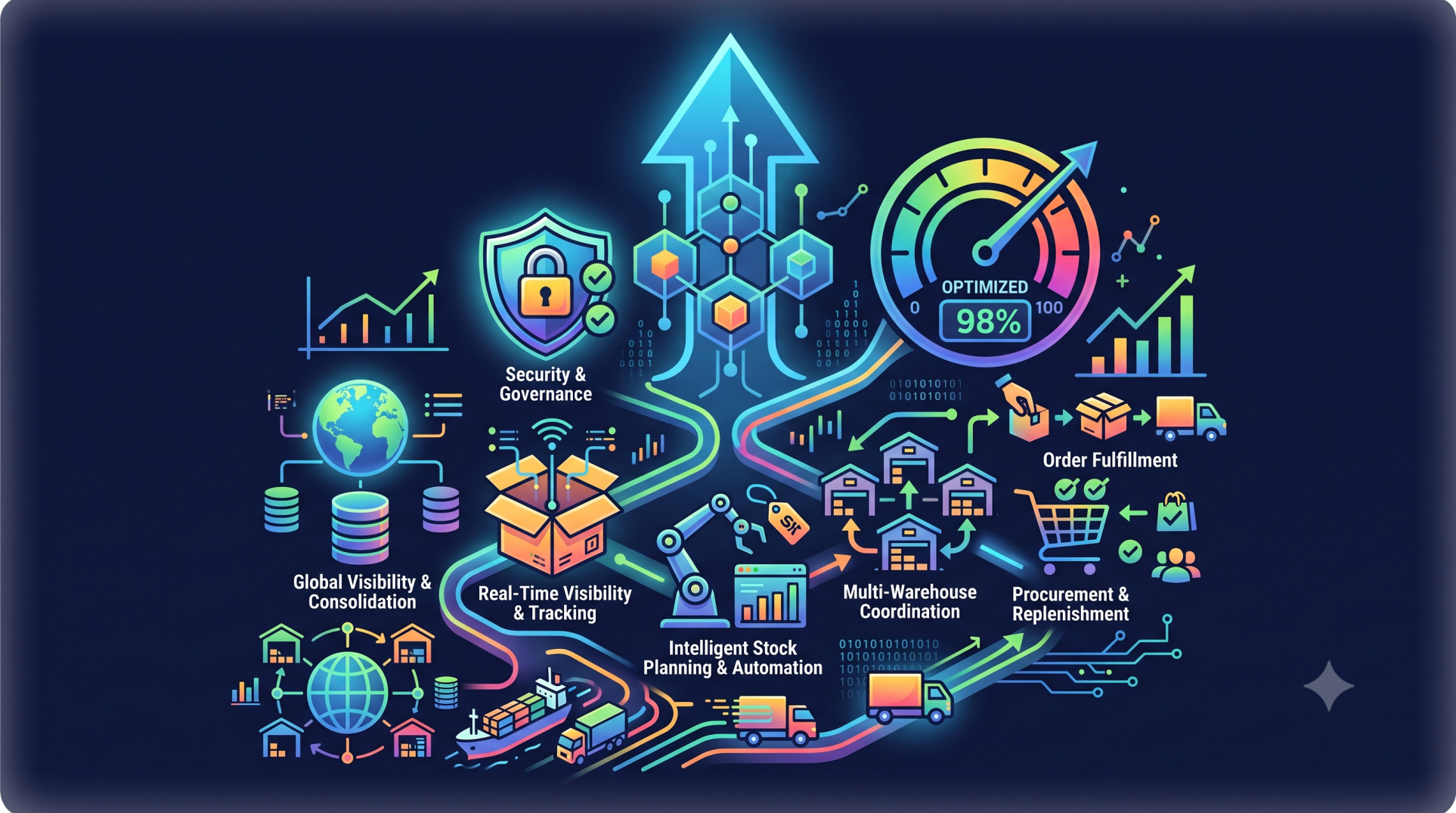
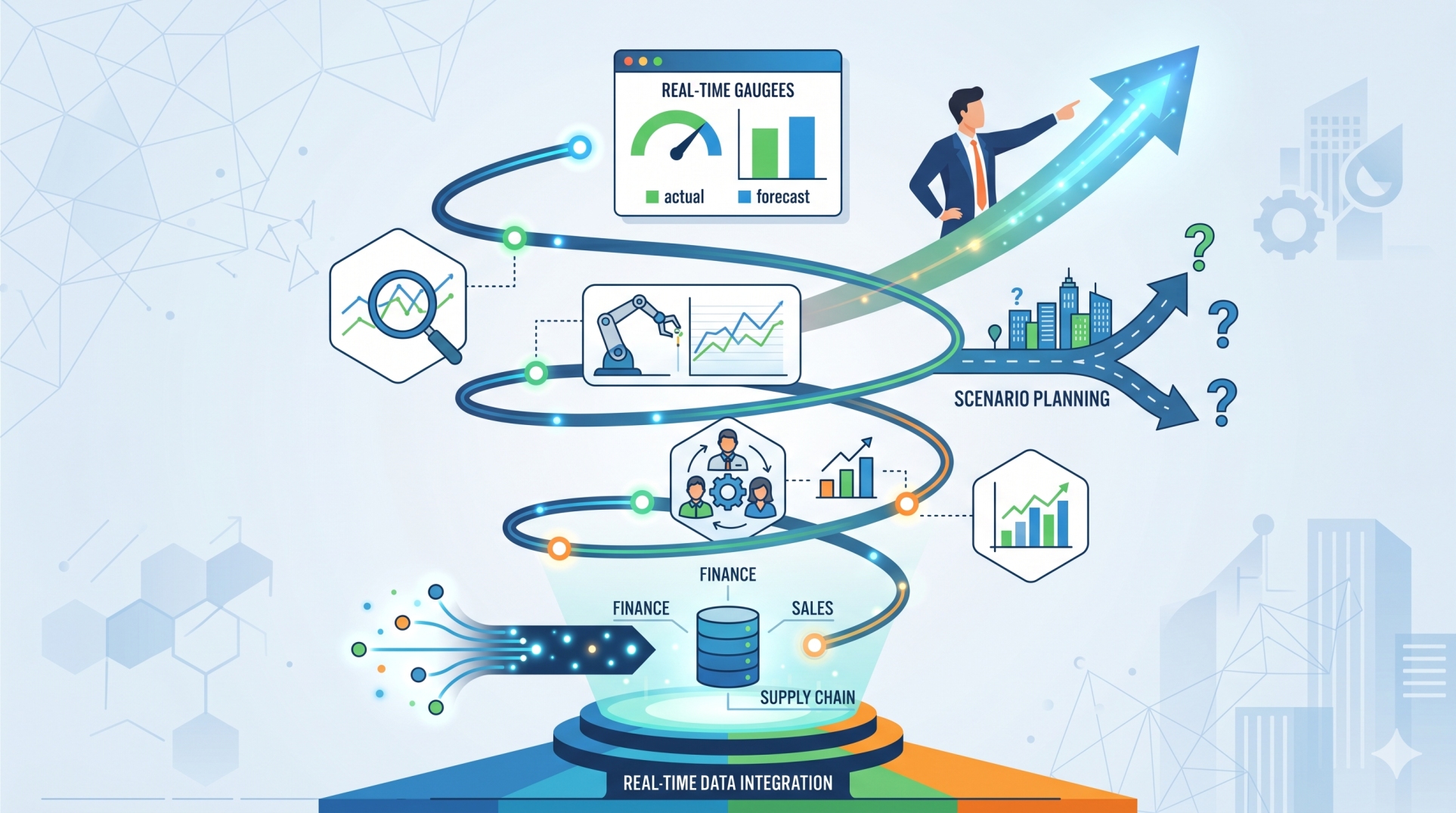
Step 4: Real-Time Visibility Across the Supply Chain 👁️
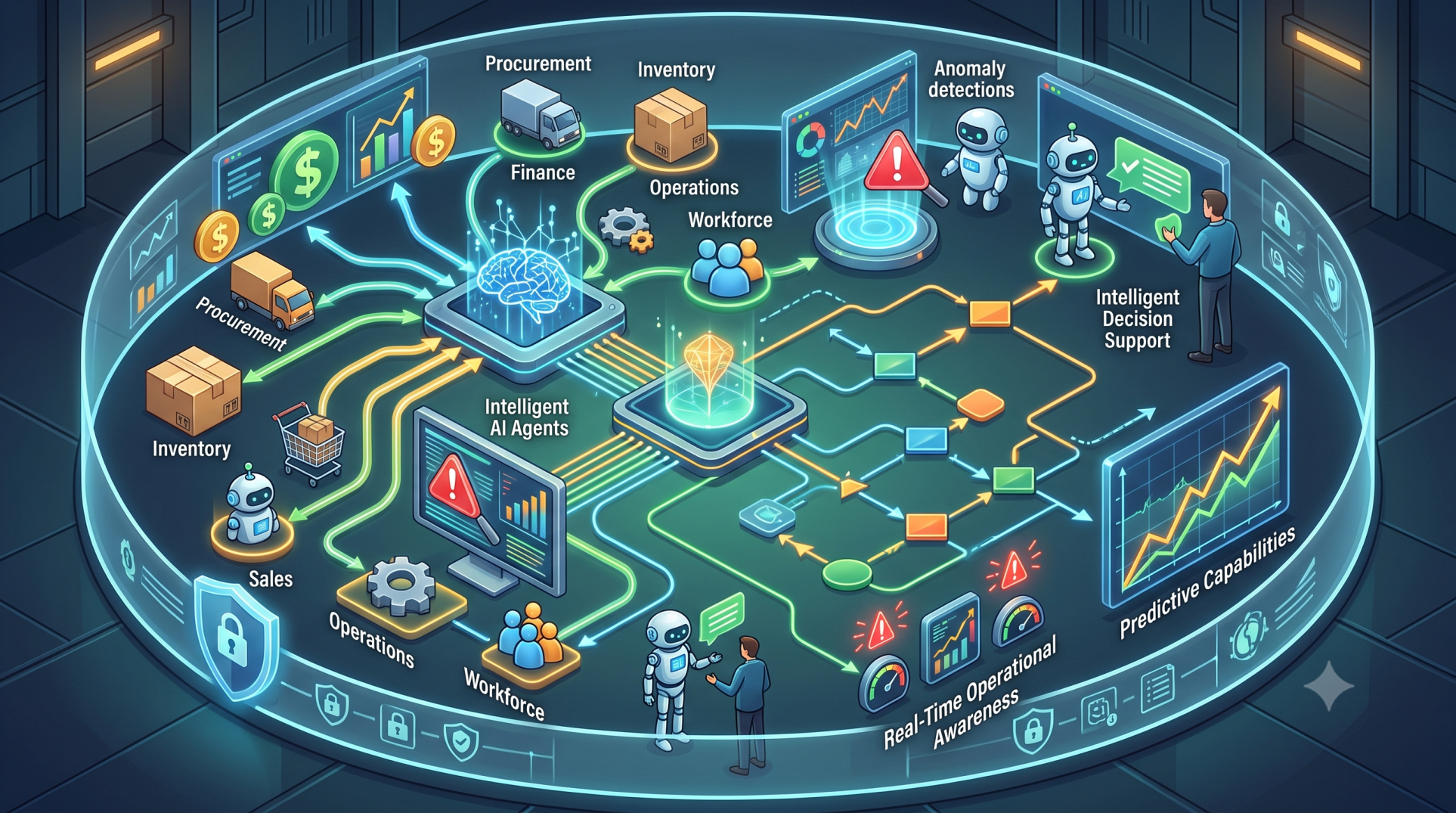
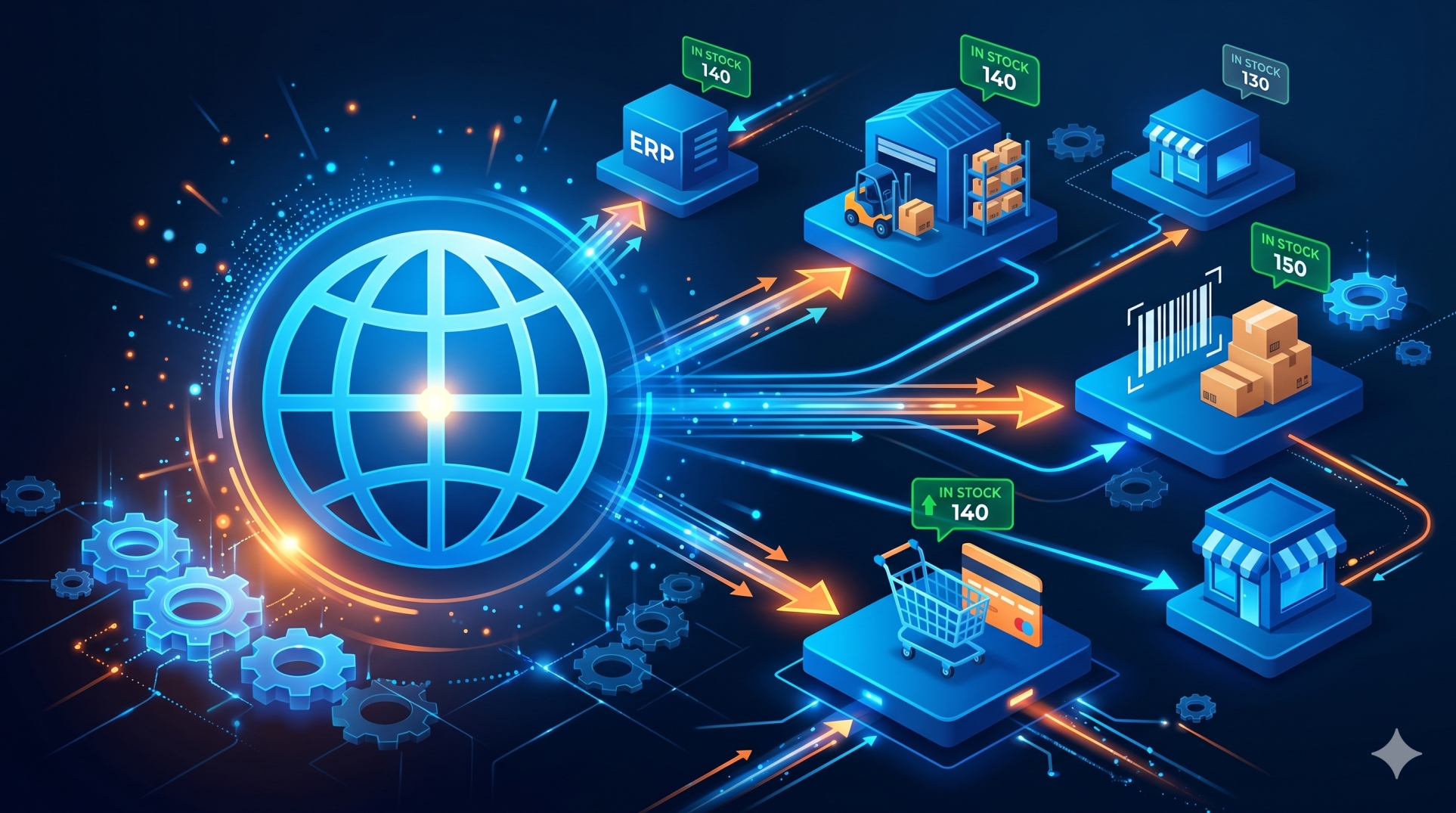
• Monitor supplier activity and order status in real time ⏱️
• Track shipments, inventory availability, and delivery timelines 🚛
• Improve forecasting accuracy through shared operational data 📊
• Identify potential disruptions before they impact operations ⚠️
• Enhance decision-making with end-to-end visibility 🌍
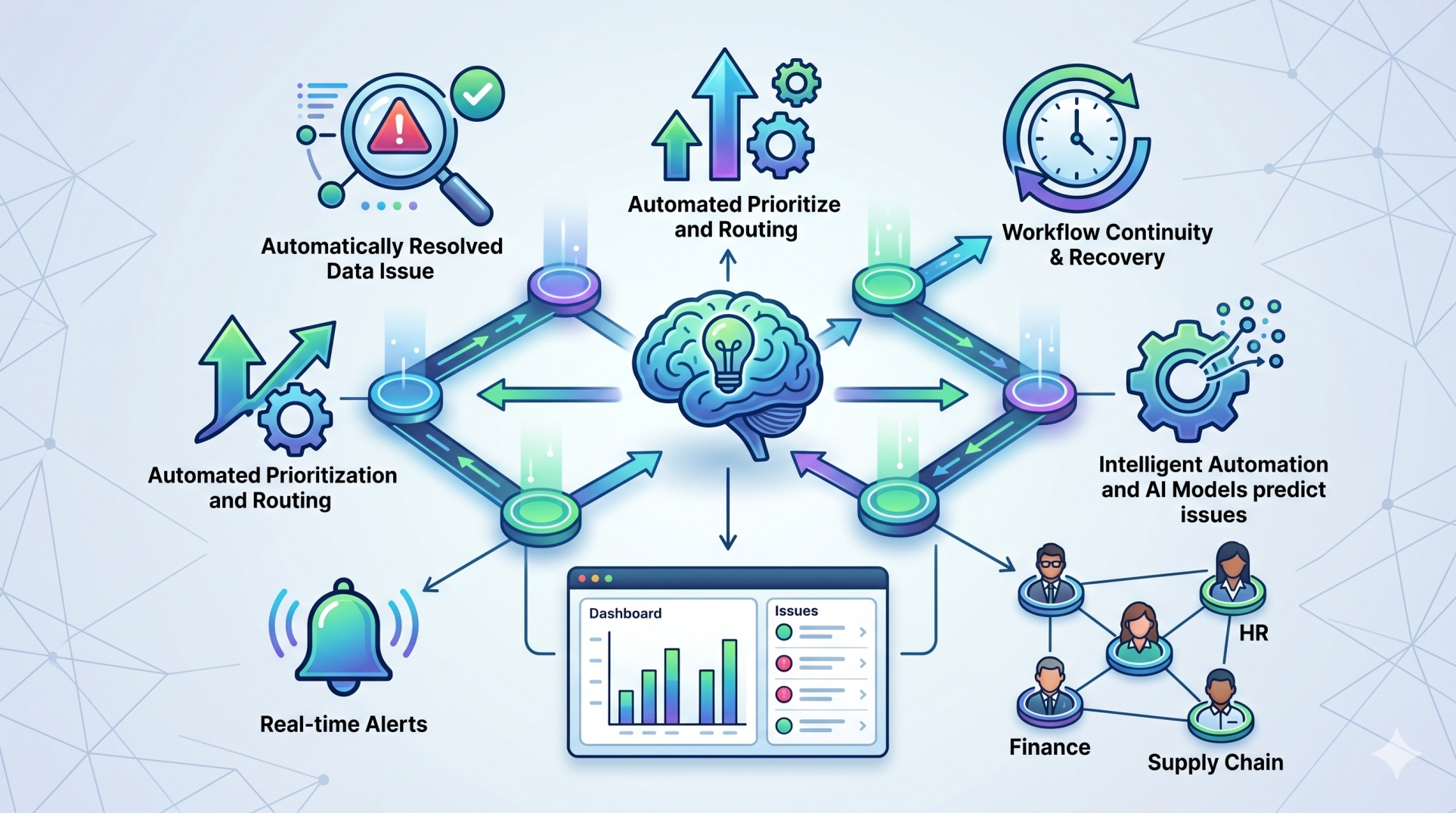
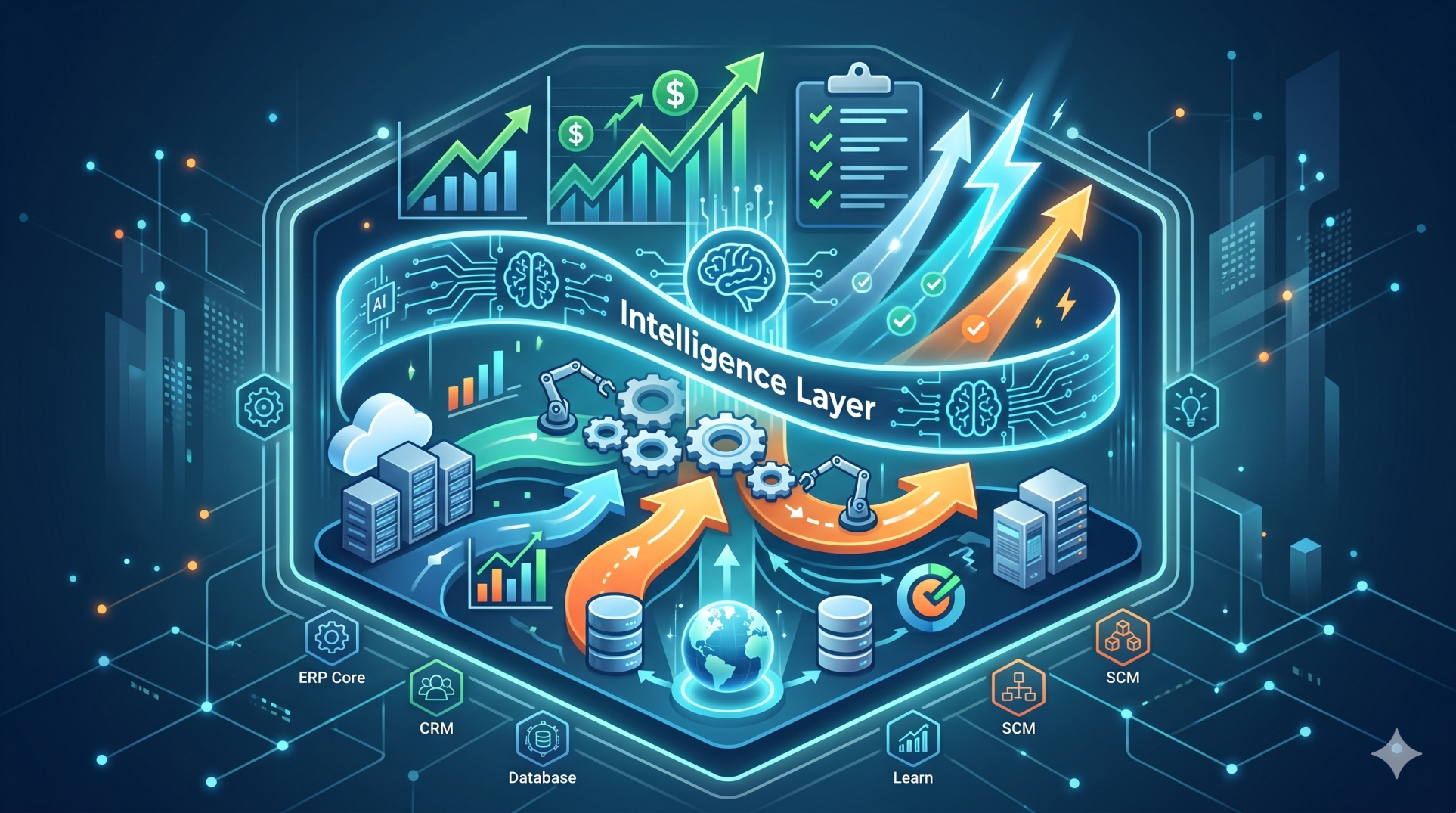
Step 5: Automating Supplier Workflows 🤖
• Automate invoice processing and payment approvals 💳
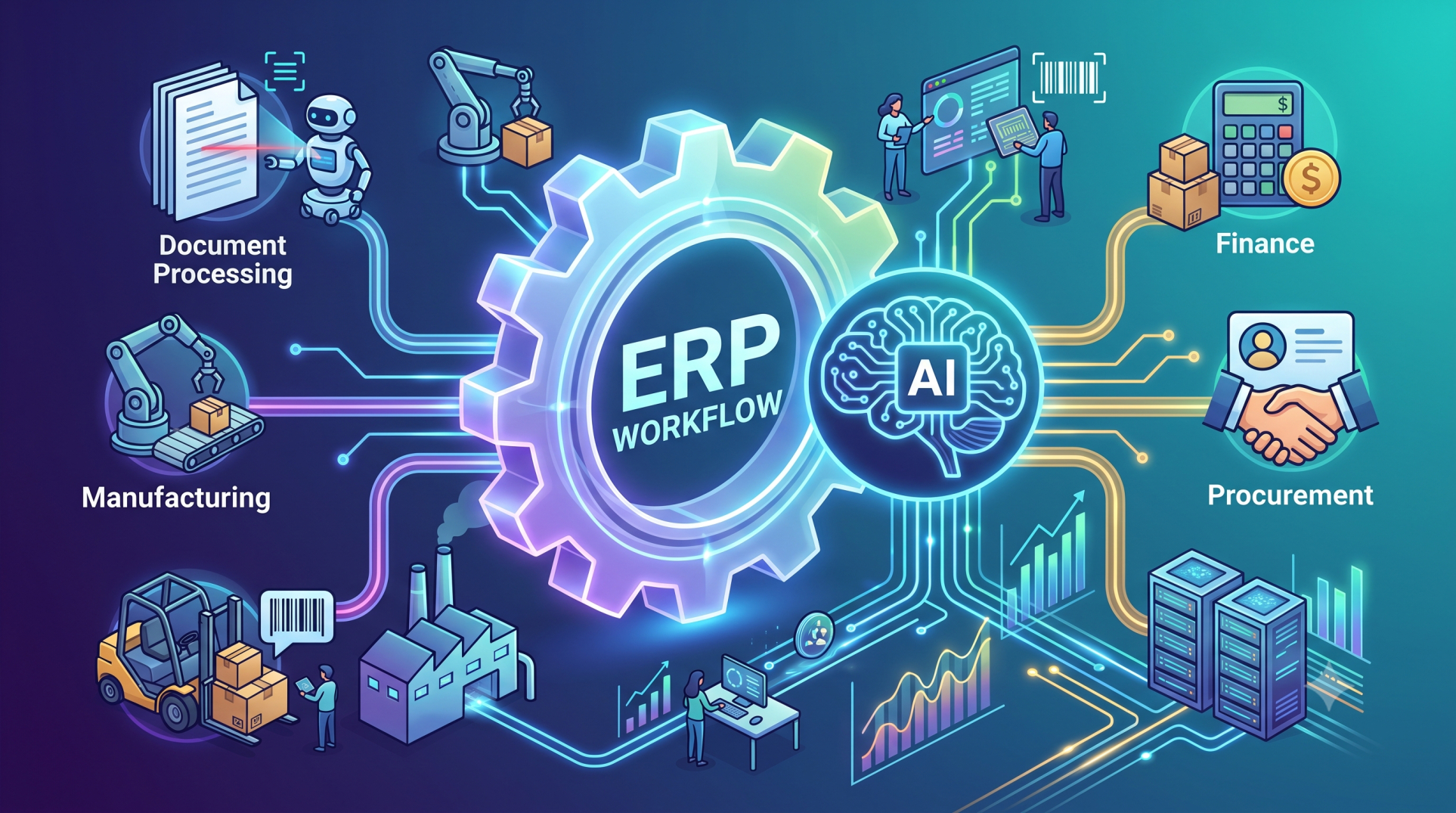
• Reduce manual communication through workflow automation 🔄
• Enable automated alerts for delays, shortages, or compliance issues 🚨
• Improve efficiency in supplier onboarding and documentation 📂
• Minimize administrative overhead across procurement operations ⚙️
Step 6: Strengthening Supplier Performance Management 📈
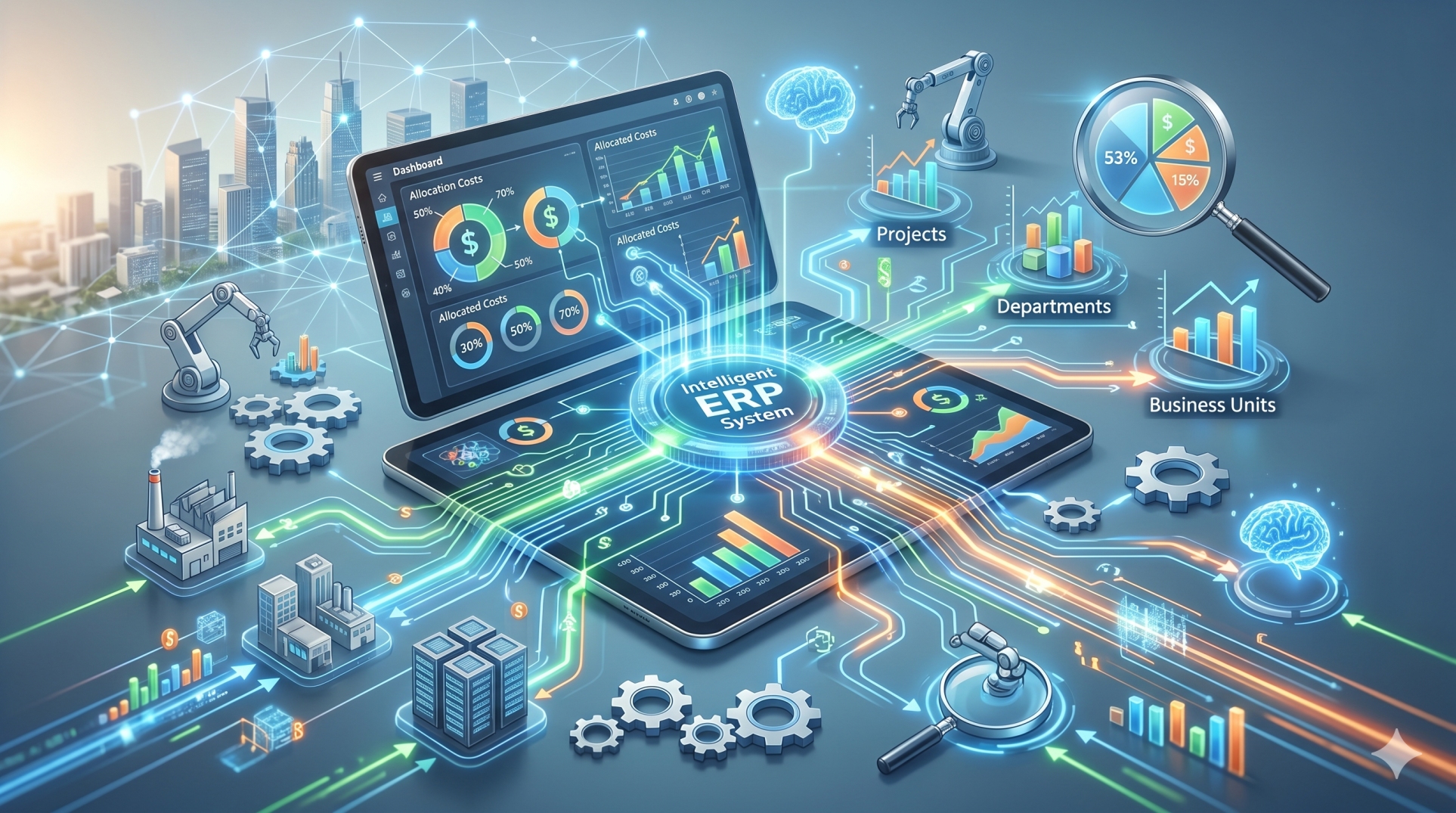
• Track supplier KPIs such as delivery accuracy and lead times 📊
• Analyze supplier reliability and operational efficiency 🔍
• Enable continuous improvement through performance insights 🚀
• Support data-driven supplier evaluations and negotiations 🤝
• Improve accountability across supplier relationships ✅
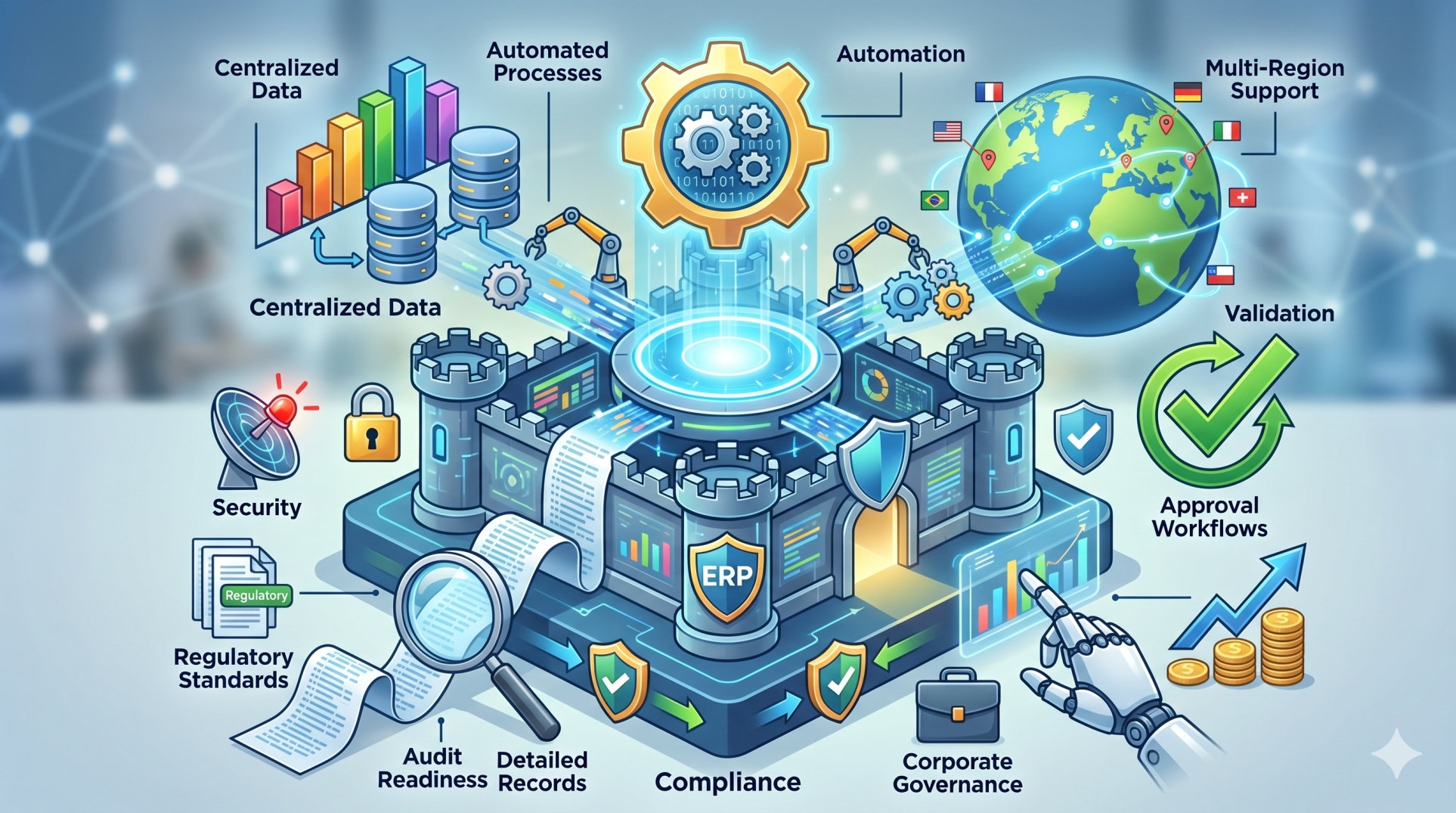
Step 7: Supporting Compliance and Risk Management 🛡️
• Ensure suppliers meet regulatory and contractual requirements 📜
• Monitor compliance documentation and certifications 🔐
• Identify supply chain risks through ERP analytics ⚠️
• Strengthen traceability across sourcing and procurement activities 🌍
• Improve resilience against operational disruptions 🔄
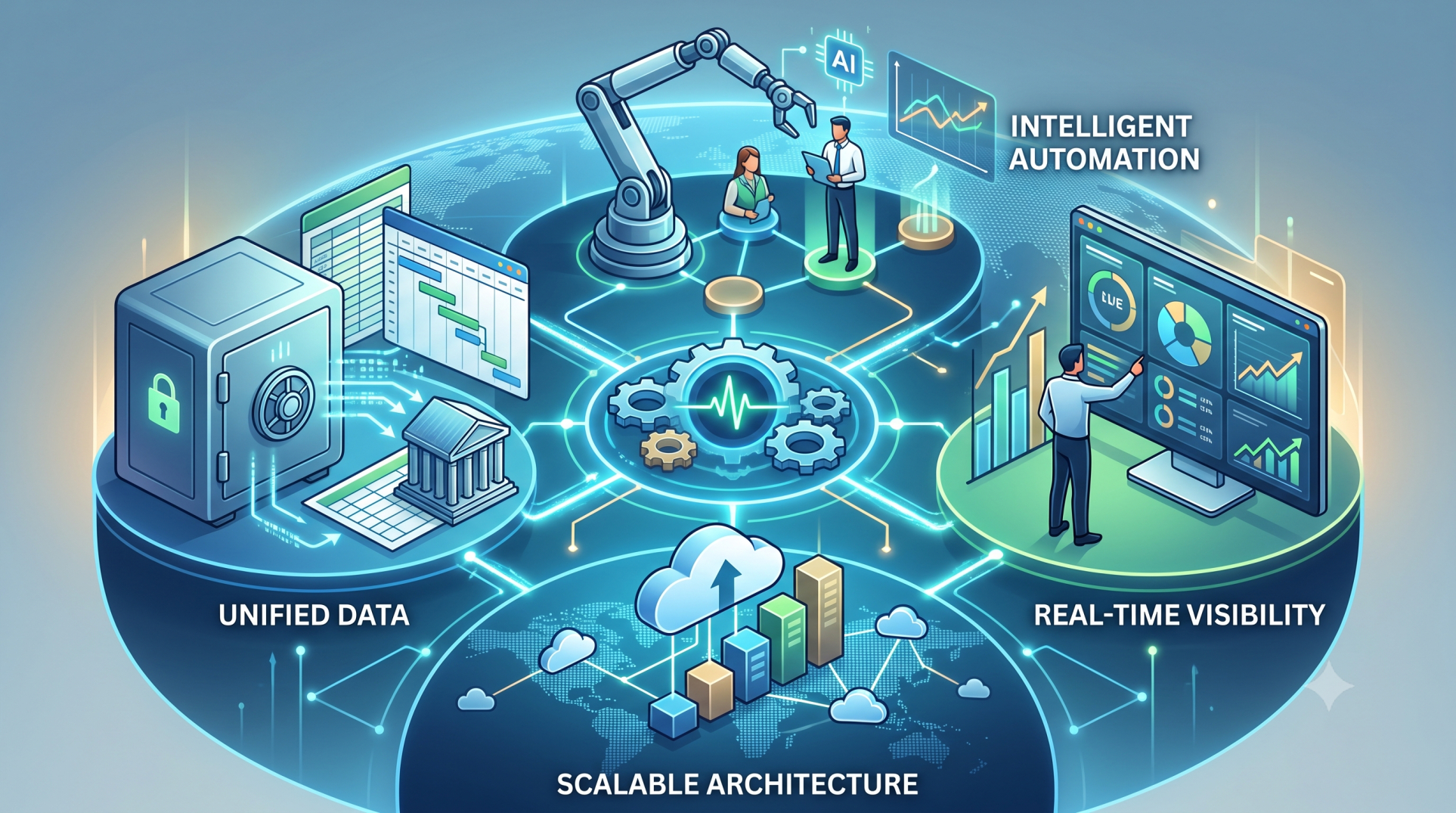
Step 8: Key Collaboration Priorities 🎯
• Real-time supplier communication and visibility 👁️
• Centralized and accurate supplier data management 📂
• Automated procurement and workflow coordination 🤖
• Scalable supplier integration across global operations 🌐
Step 9: Improving Forecasting and Demand Planning 📊
• Share demand forecasts directly with suppliers 📈
• Improve inventory planning and replenishment accuracy 📦
• Reduce stock shortages and overstock situations ⚖️
• Enable proactive production and logistics planning 🚚
• Align supplier capacity with business demand fluctuations 🔄
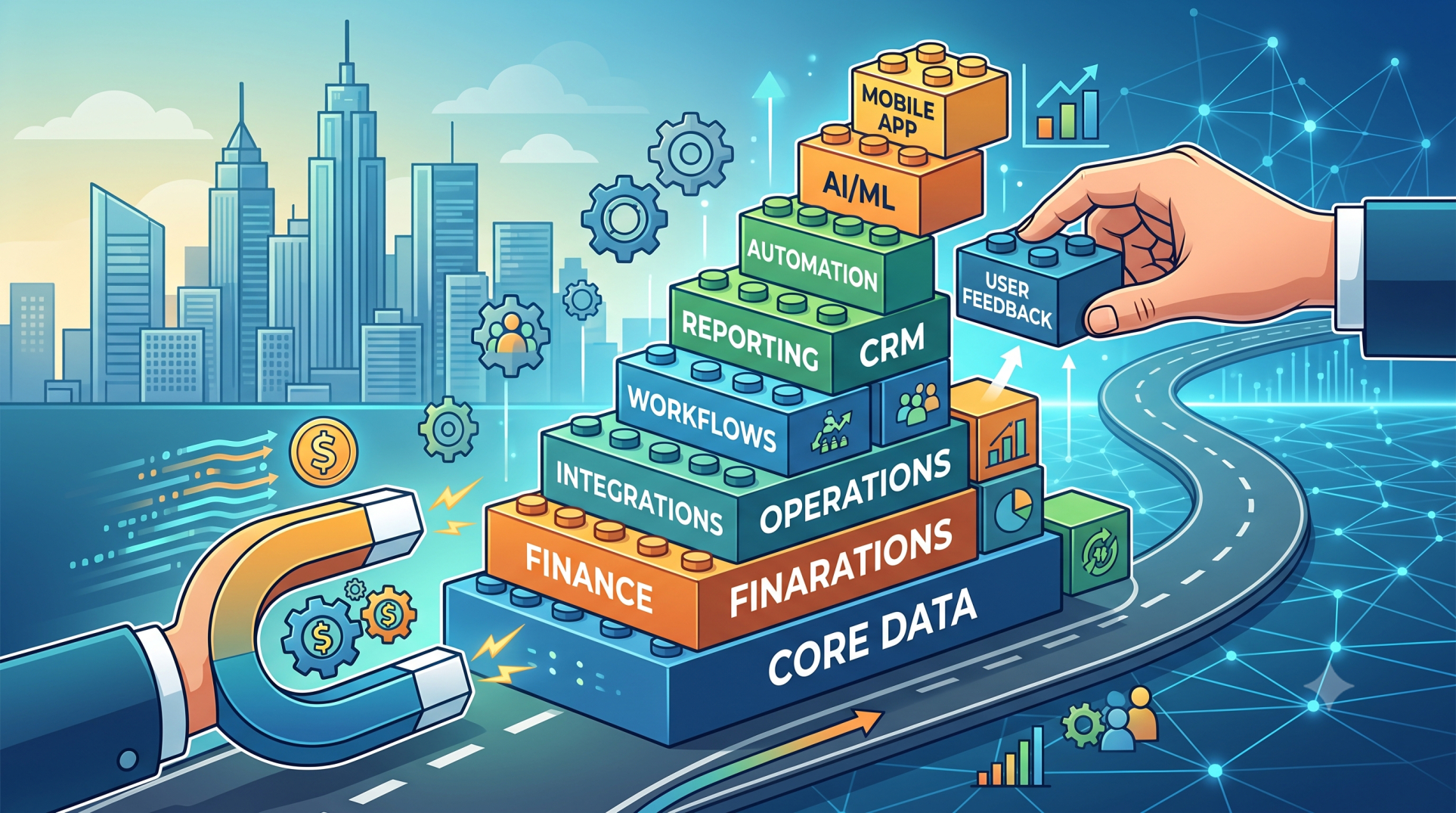
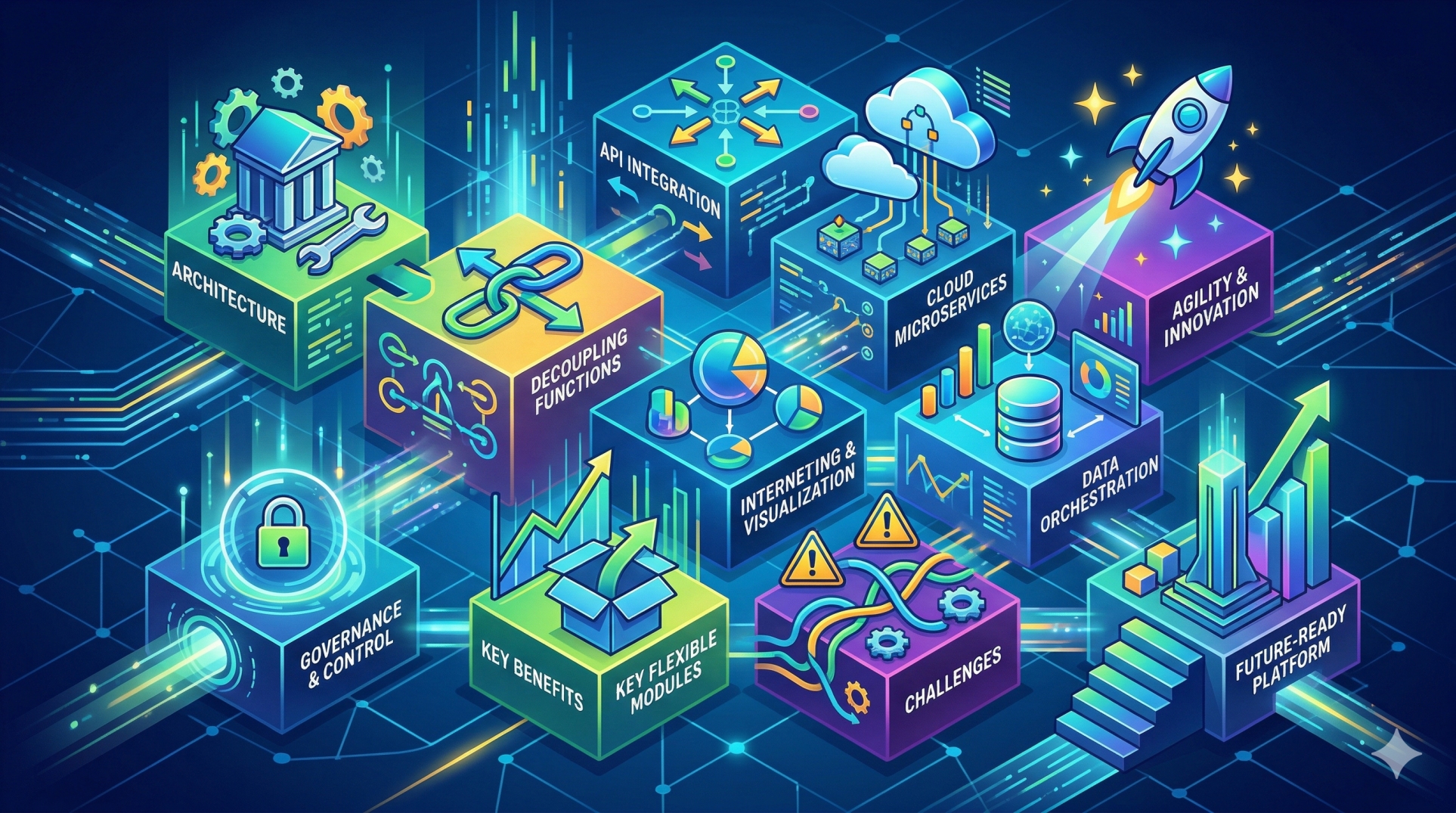
Step 10: Building a Scalable Supplier Collaboration Ecosystem 🚀
• Design ERP ecosystems that support long-term supplier growth 🌍
• Integrate new suppliers with minimal operational disruption 🔗
• Enable flexible collaboration across changing supply chain models 🔄
• Support global operations with scalable infrastructure 📈
• Future-proof supplier relationships through continuous innovation 💡
Conclusion
Supplier collaboration through ERP ecosystems enables organizations to build stronger, more connected, and highly efficient supply chains. By integrating suppliers into centralized ERP platforms, businesses can improve communication, increase operational visibility, and automate critical workflows. A well-connected supplier ecosystem not only enhances current performance but also supports long-term scalability, resilience, and competitive advantage in evolving global markets.
See more blogs
You can all the articles below