Adaptive Supply Planning in ERP Environments

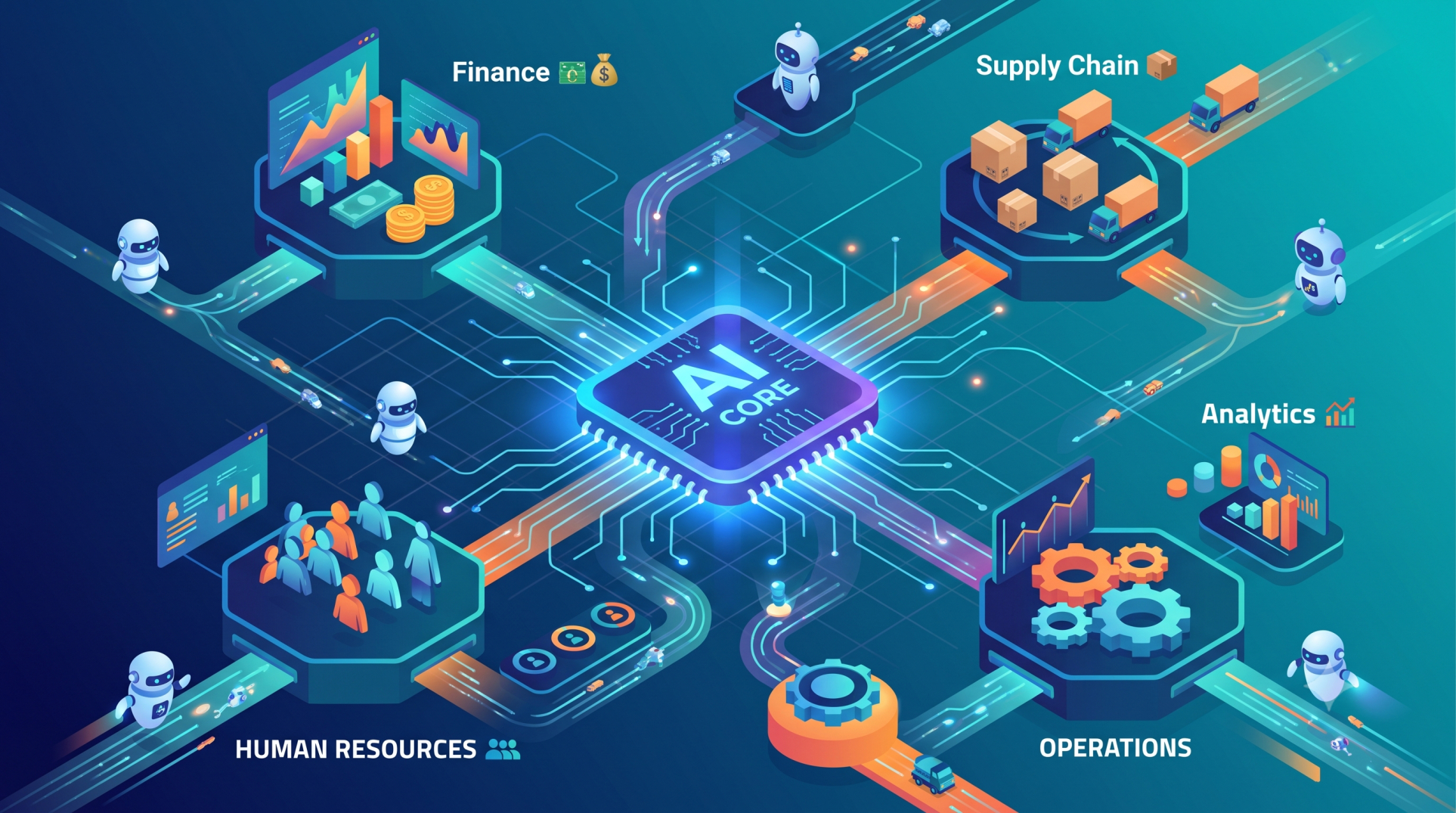
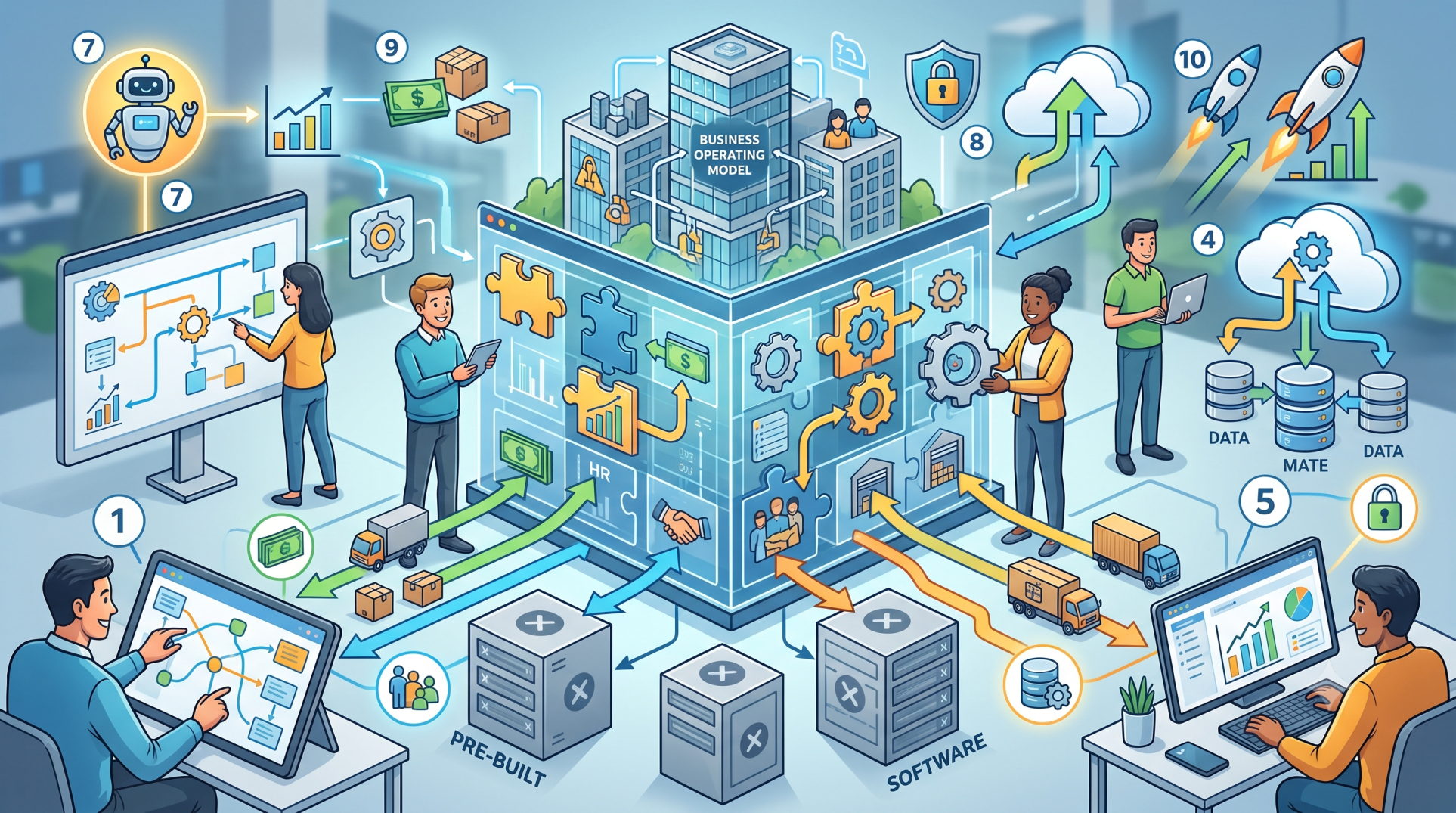
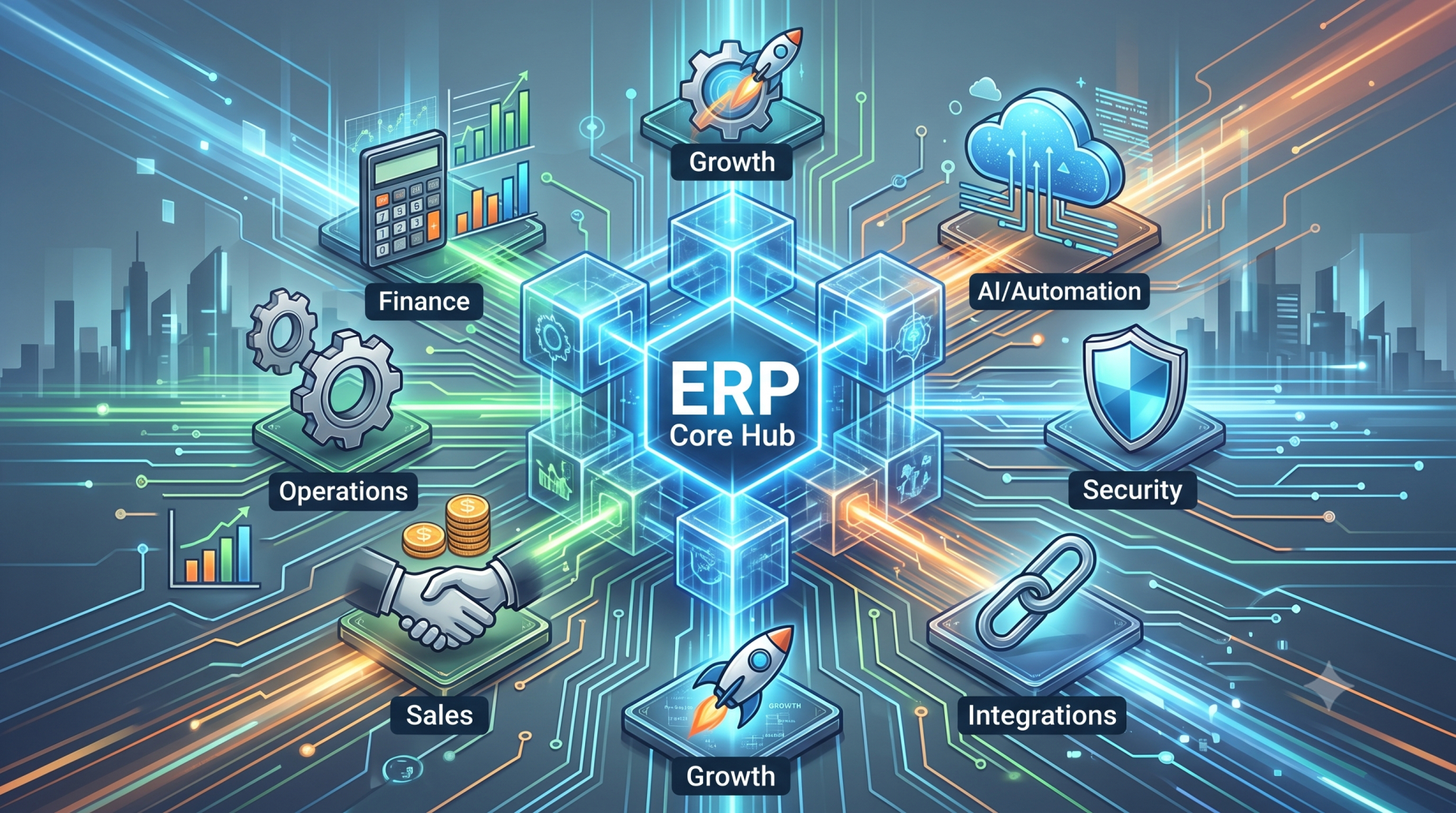
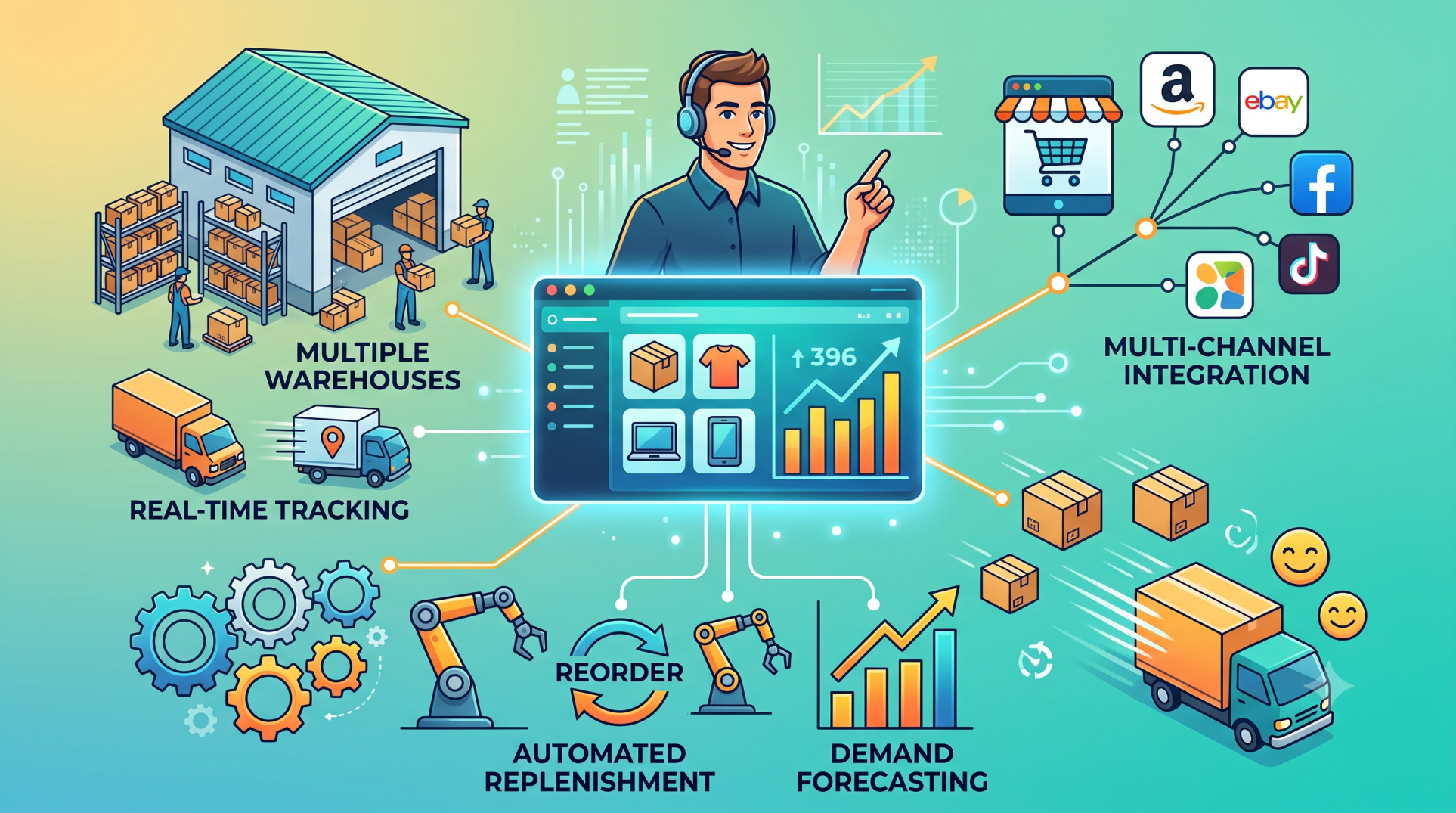
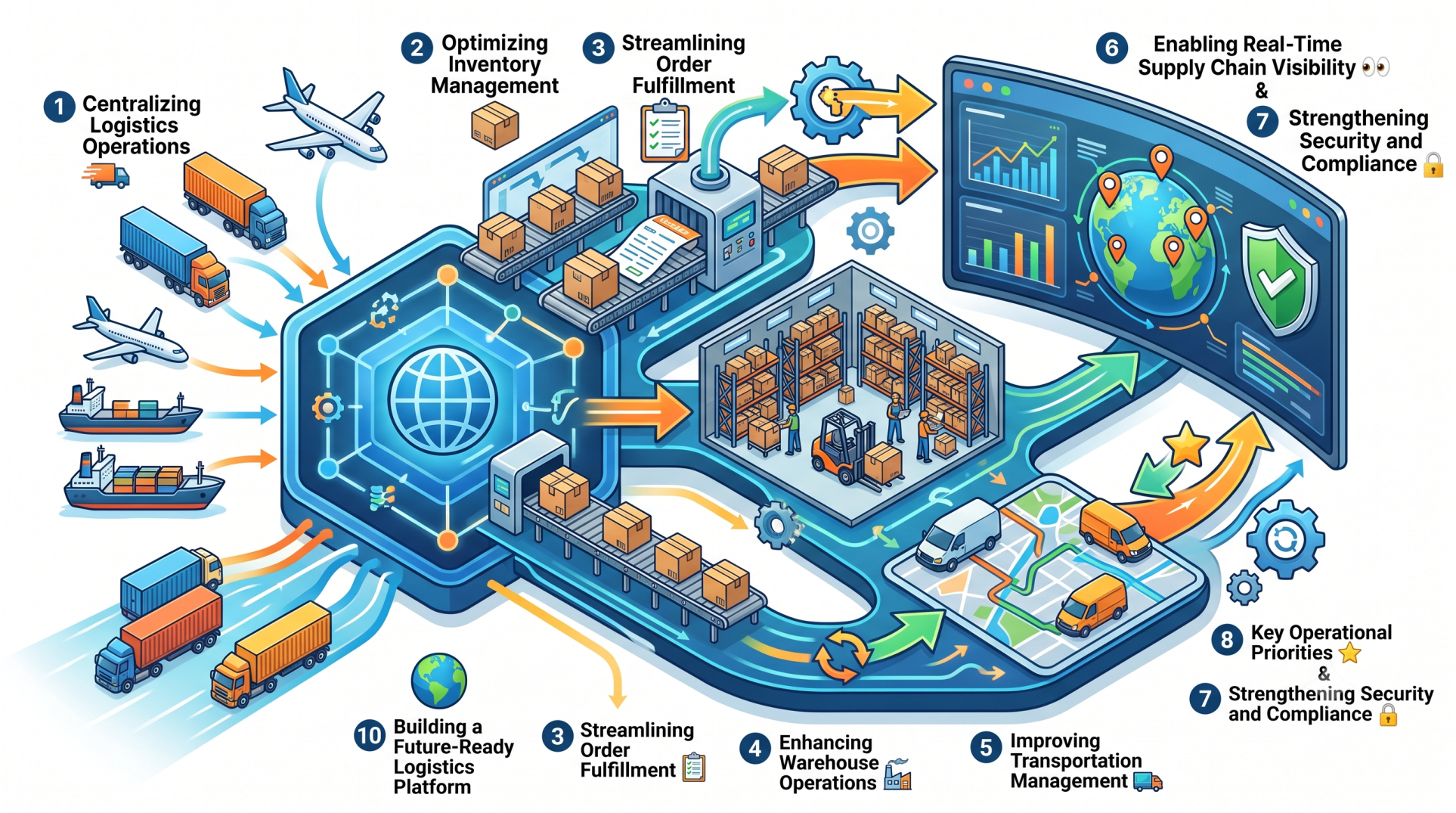
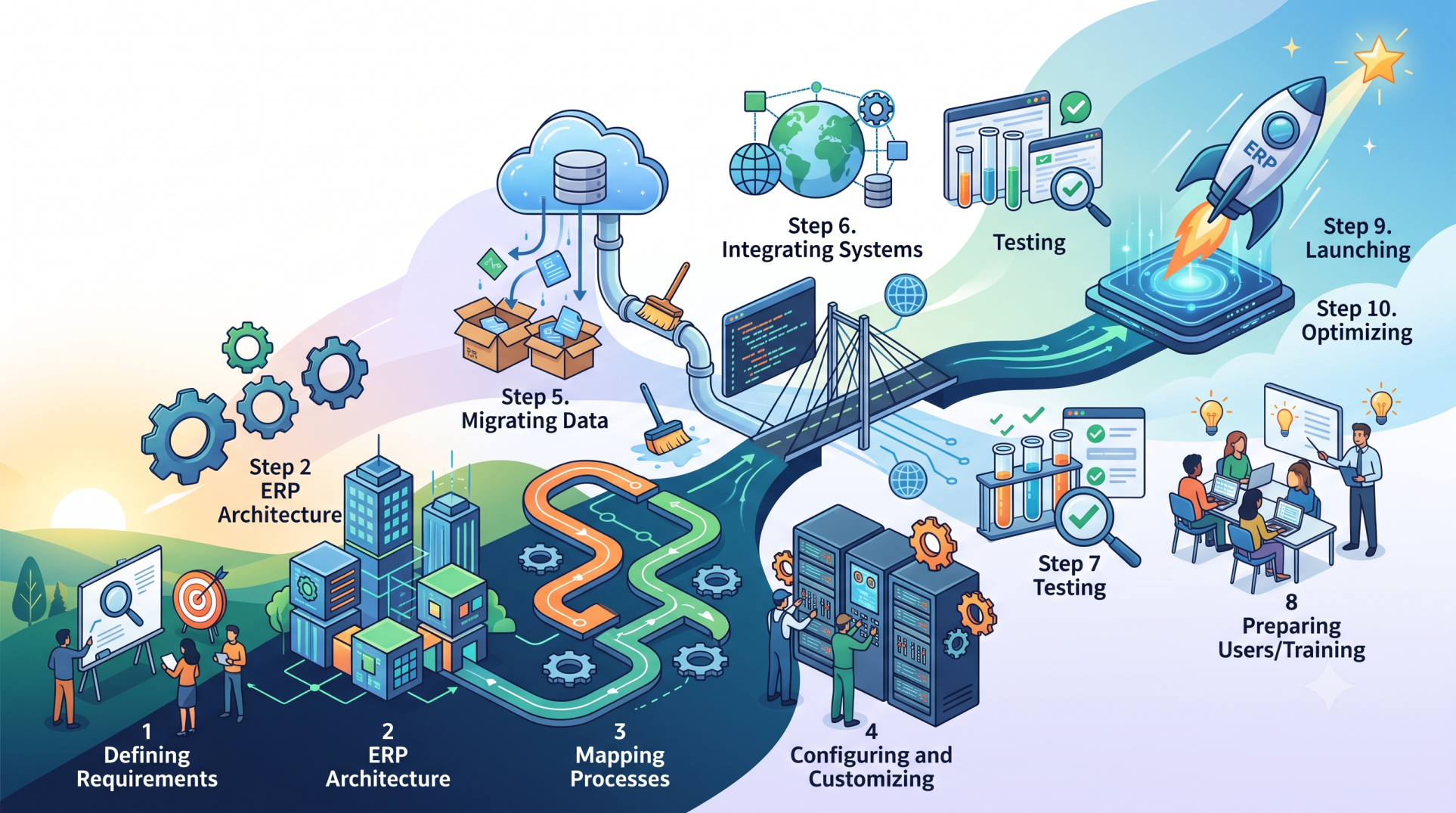
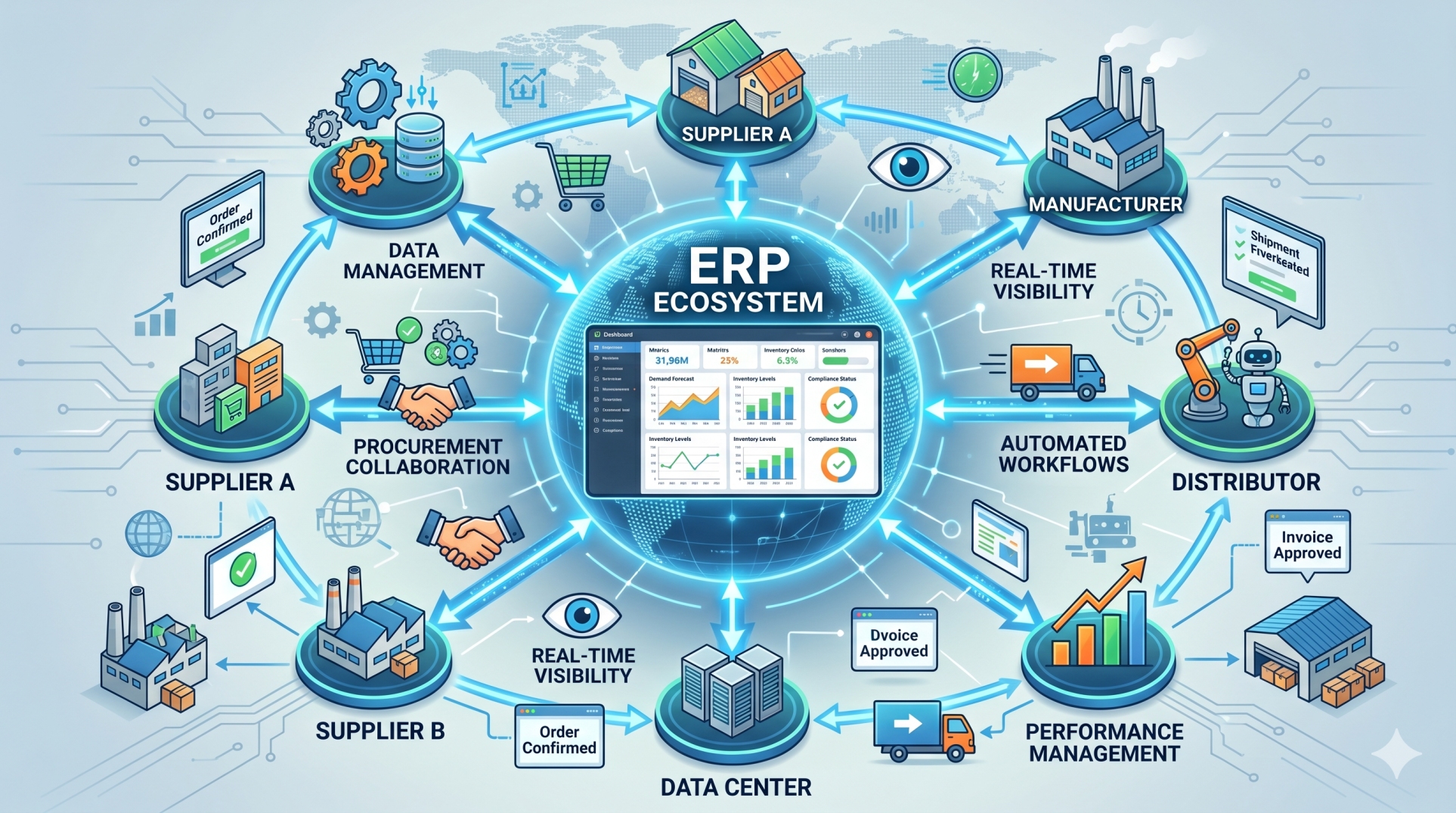
In rapidly changing markets, traditional supply planning methods often struggle to keep pace with fluctuations in demand, supply disruptions, and operational complexity. Adaptive supply planning within ERP environments enables organizations to respond dynamically to changing conditions through real-time data, intelligent forecasting, and connected workflows. By integrating adaptive planning capabilities into ERP systems, businesses can improve resilience, optimize inventory, and maintain efficient supply chain operations.
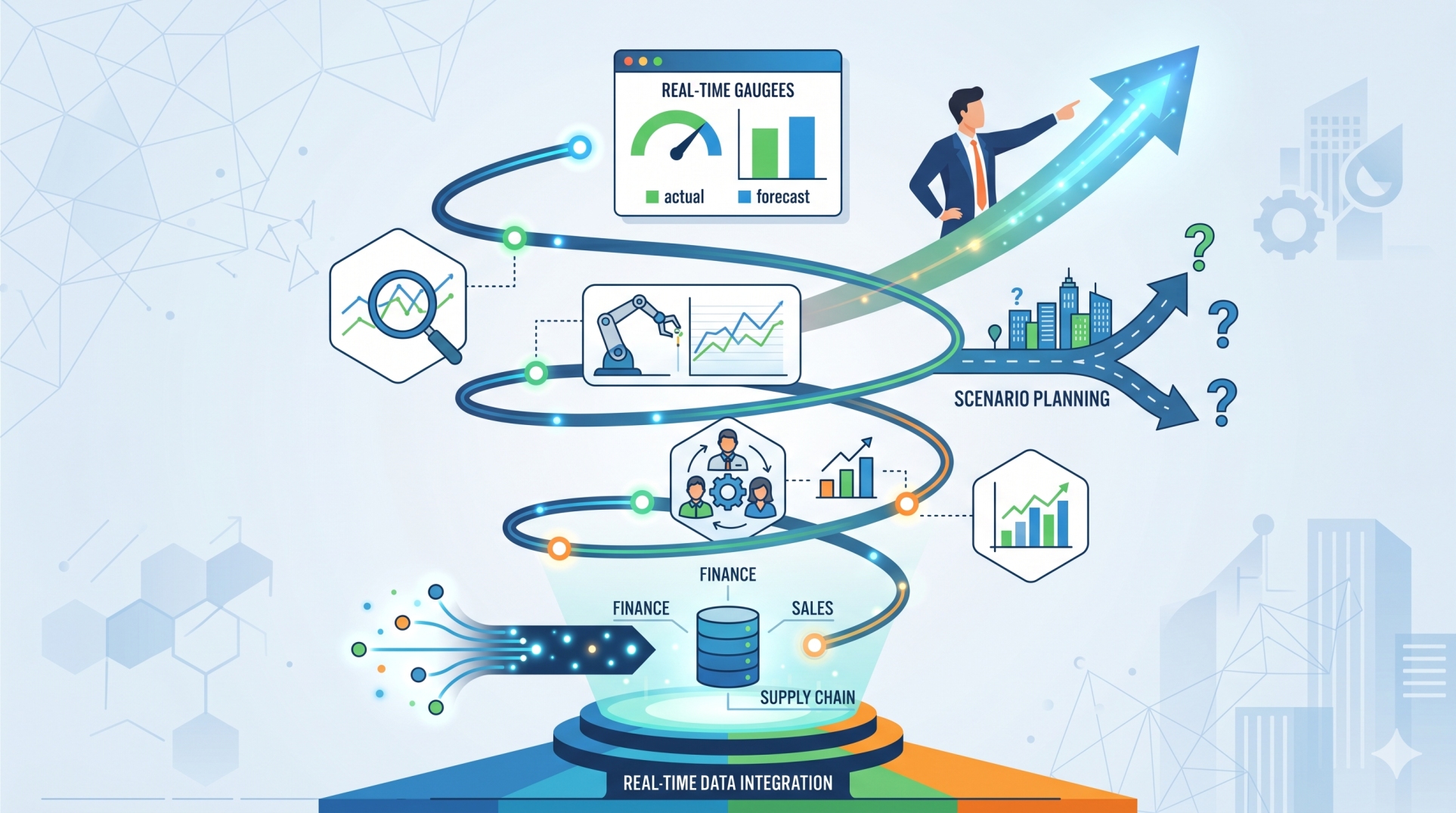
Step 1: Understanding Adaptive Supply Planning 🔄
• Adaptive supply planning enables real-time response to changing market conditions
• ERP systems provide centralized visibility into supply chain operations
• Dynamic planning improves flexibility and operational agility
• Continuous adjustments reduce the impact of disruptions and demand shifts
• Integration supports more informed and proactive decision-making
Step 2: Centralizing Supply Chain Data 📊
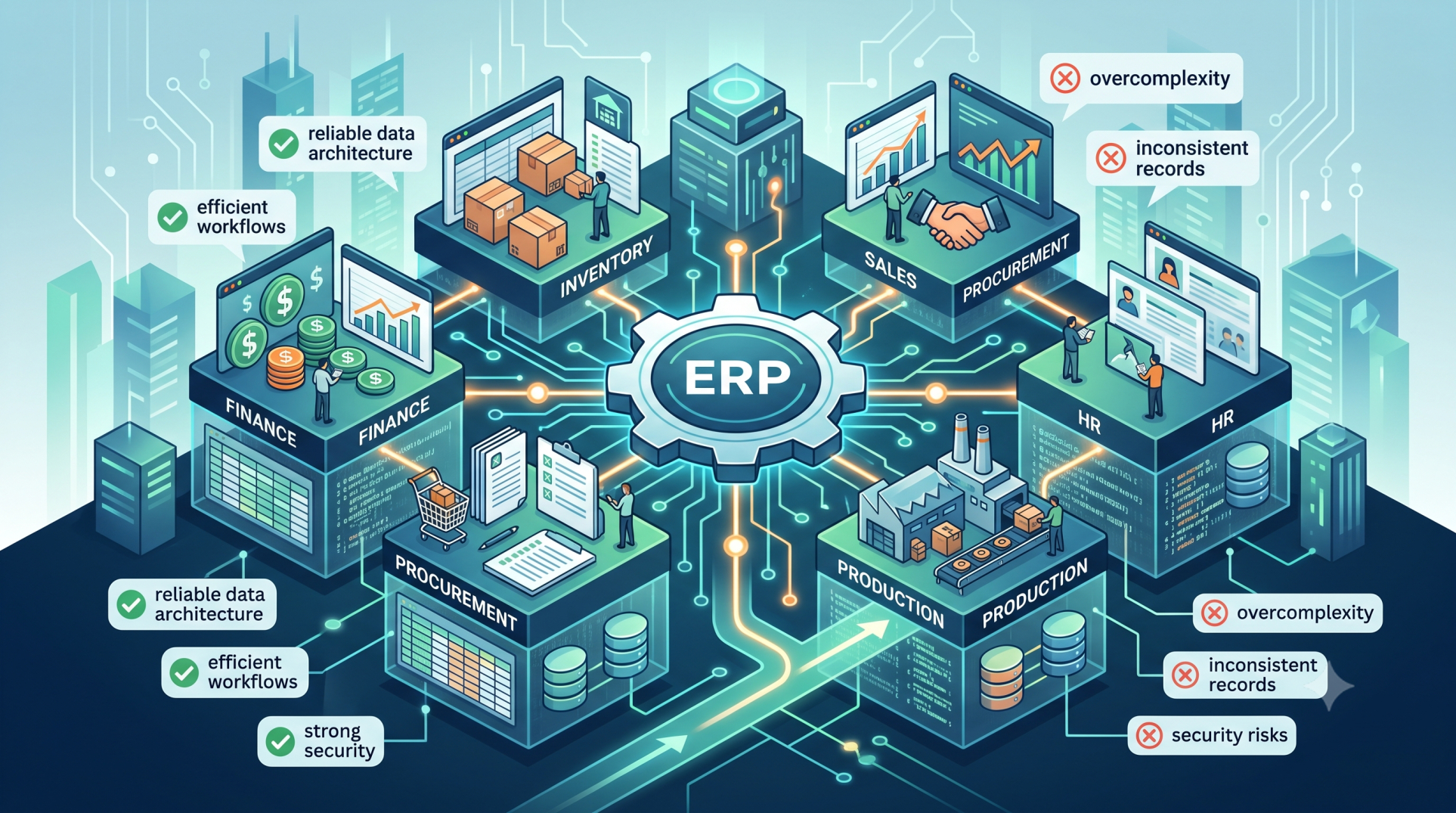
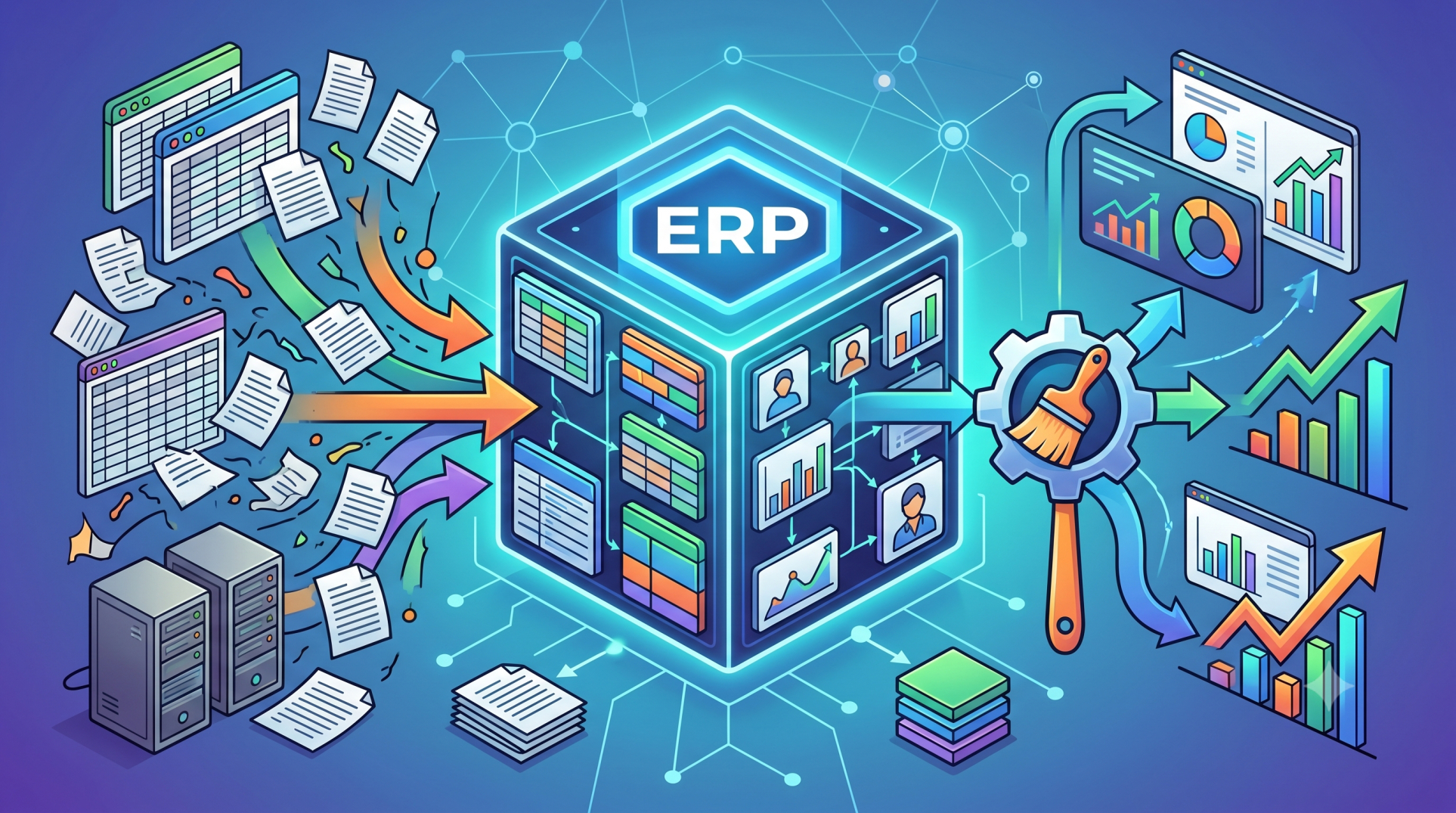
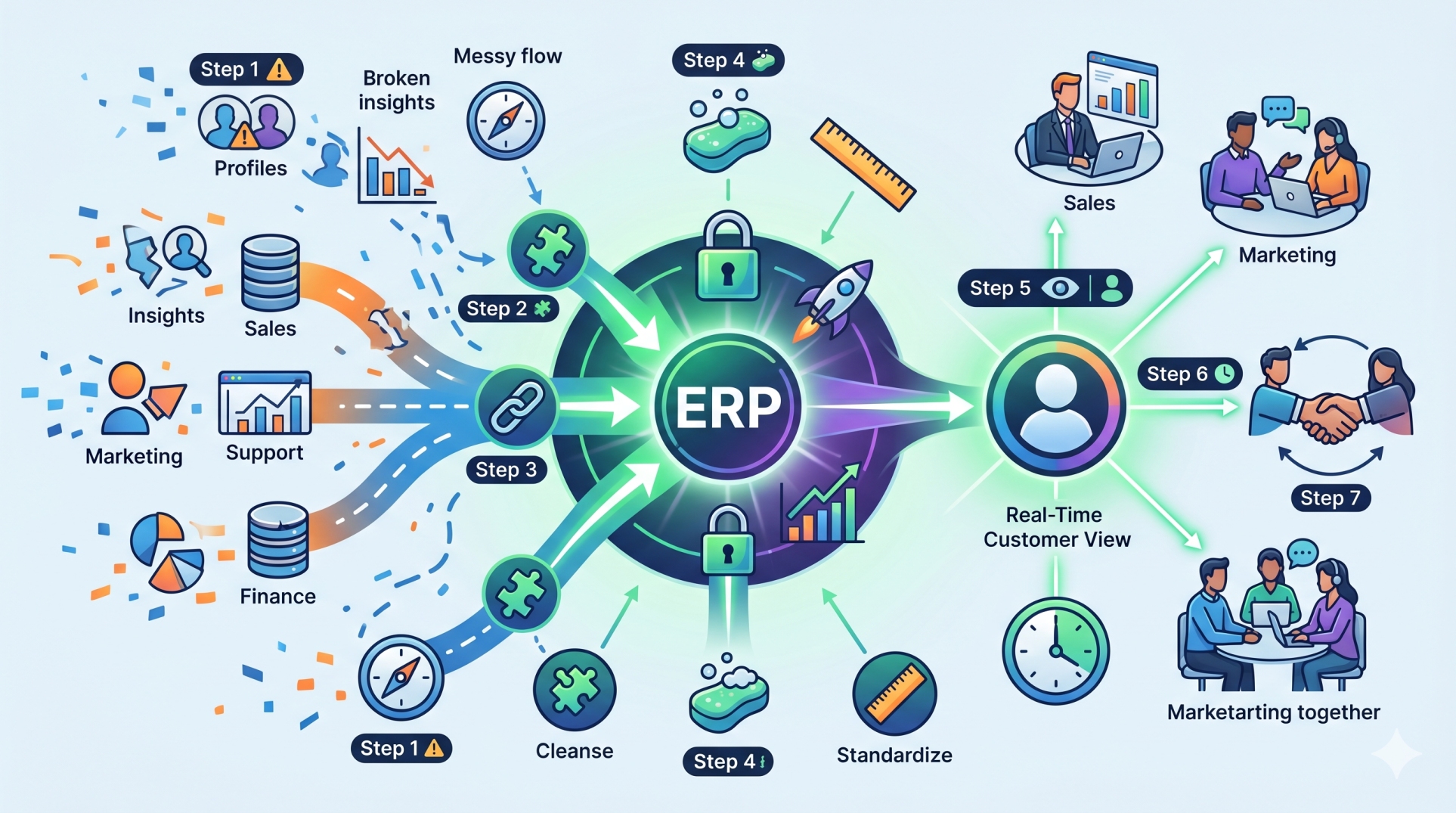
• Consolidate inventory, procurement, production, and demand data within ERP
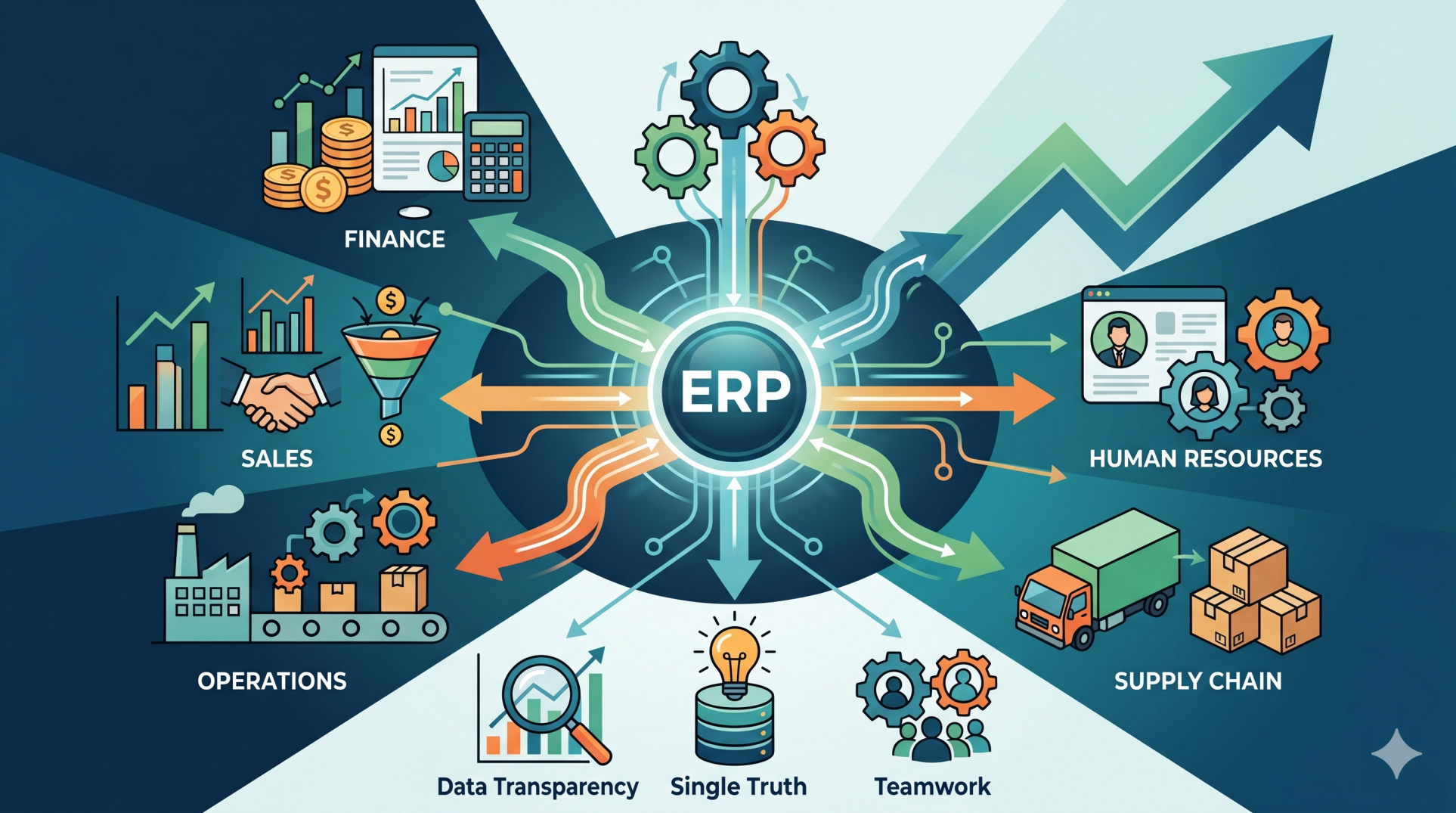
• Create a single source of truth for supply planning activities
• Improve visibility across suppliers, warehouses, and distribution channels
• Reduce inconsistencies caused by disconnected systems
• Enable faster and more accurate planning decisions
Step 3: Real-Time Demand Forecasting 📈
• Use live operational data to improve forecasting accuracy
• Continuously update forecasts based on market and customer changes
• Detect demand fluctuations earlier for faster response
• Support short-term and long-term planning strategies
• Reduce stockouts and excess inventory levels
Step 4: Dynamic Inventory Optimization 📦
• Adjust inventory levels according to real-time demand patterns
• Balance stock availability with carrying costs
• Improve replenishment planning across multiple locations
• Minimize waste caused by overstocking or obsolete inventory
• Ensure materials are available where and when needed
Step 5: Supplier and Procurement Adaptability 🤝
• Monitor supplier performance and material availability continuously
• Adjust procurement strategies based on changing supply conditions
• Identify alternative suppliers during disruptions
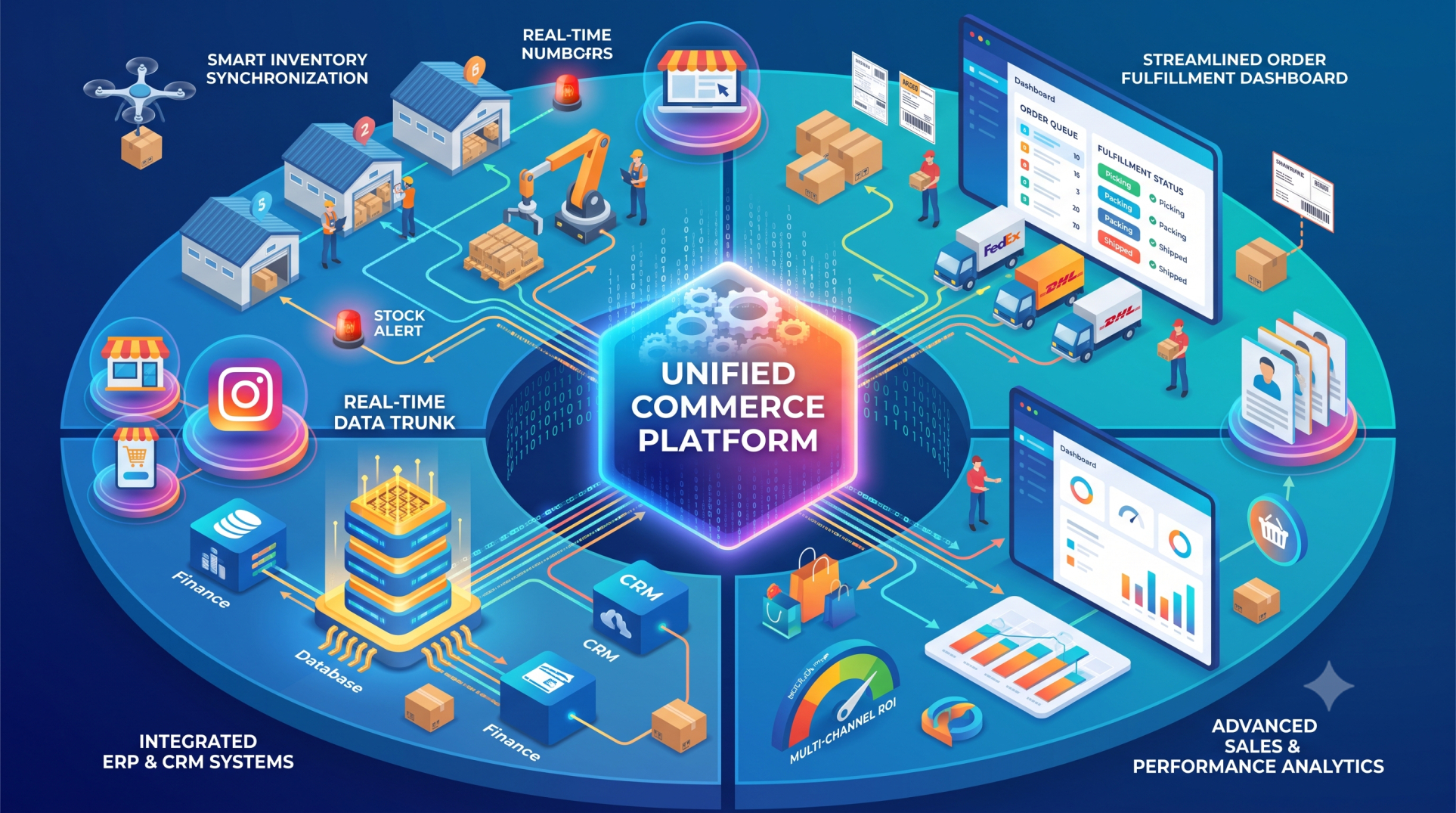
• Improve collaboration through integrated ERP workflows
• Reduce delays caused by supply chain interruptions
Step 6: Production Planning Flexibility 🏭
• Align production schedules with real-time supply and demand conditions
• Quickly adapt manufacturing priorities during disruptions
• Optimize resource utilization across operations
• Reduce downtime caused by material shortages
• Improve responsiveness to changing customer requirements
Step 7: Scenario Planning and Risk Management ⚠️
• Simulate multiple supply chain scenarios within the ERP system
• Evaluate the impact of disruptions before they occur
• Develop contingency strategies for critical operations
• Improve resilience against market uncertainty and delays
• Support proactive decision-making through predictive insights
Step 8: Key Adaptive Planning Priorities 🎯
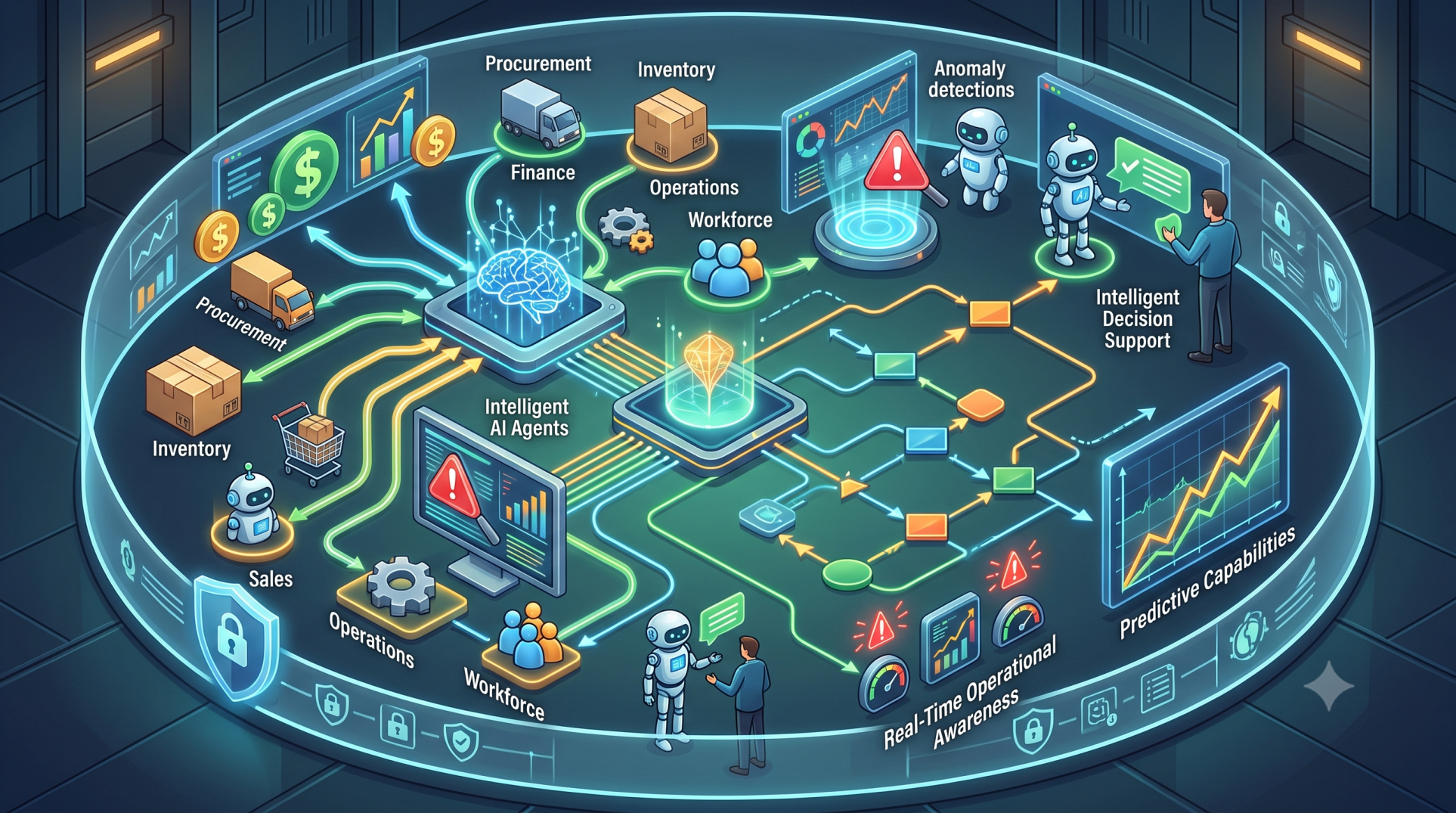
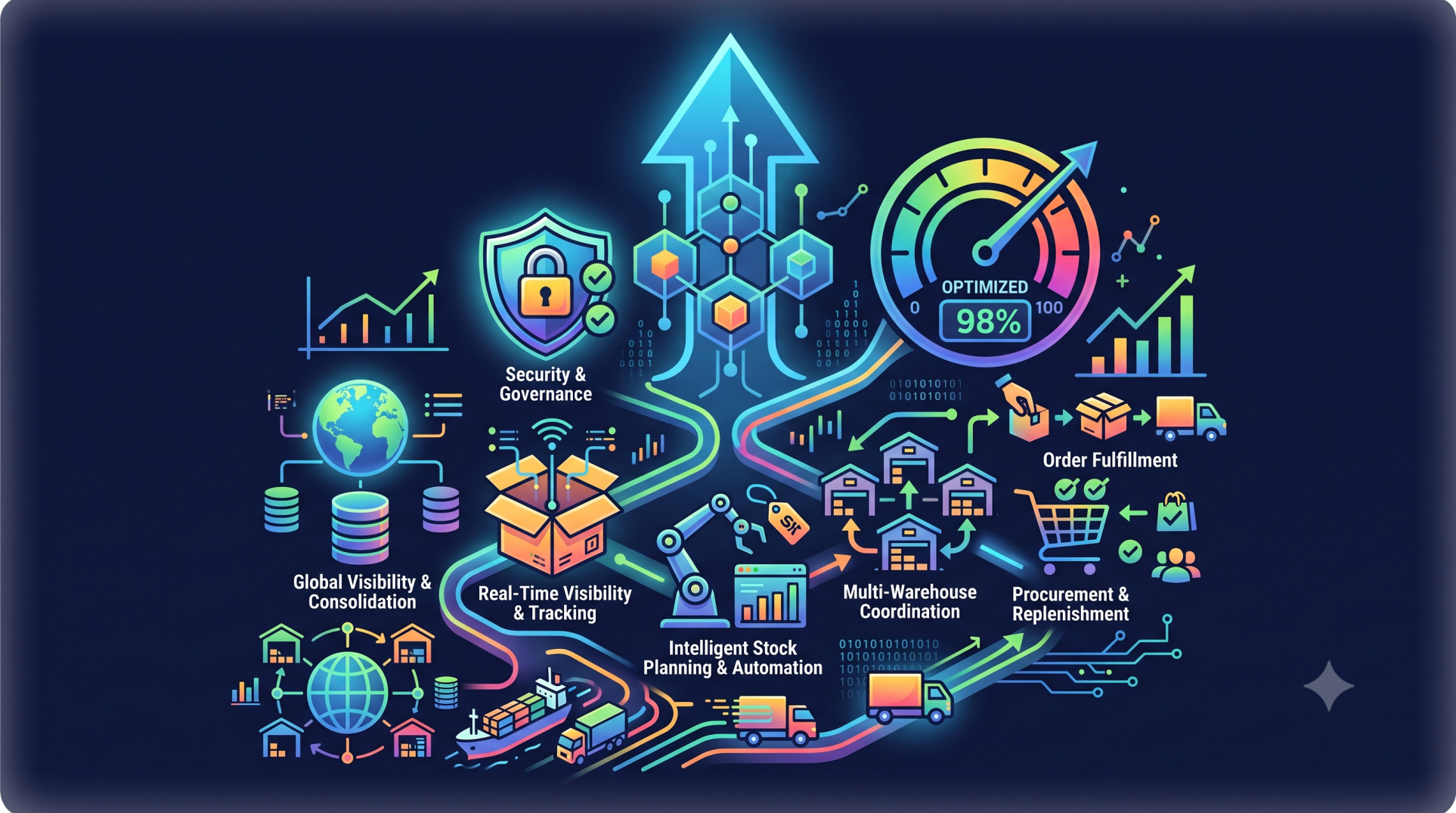
• Real-time visibility across the supply chain
• Flexible and responsive planning capabilities
• Intelligent forecasting and inventory optimization
• Scalable ERP architecture for evolving operations
Step 9: Automation and Workflow Coordination 🤖
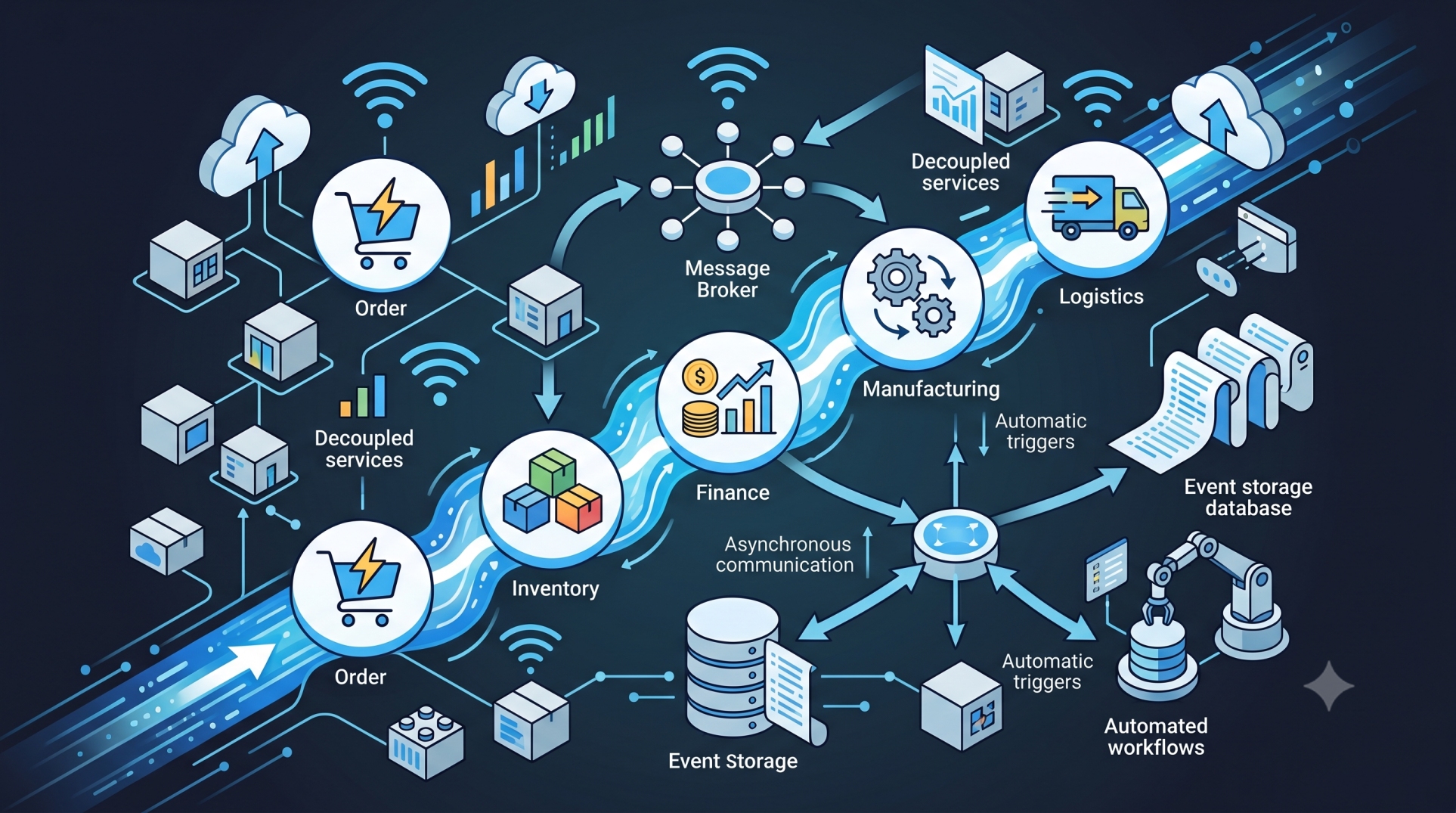
• Automate routine planning and replenishment processes
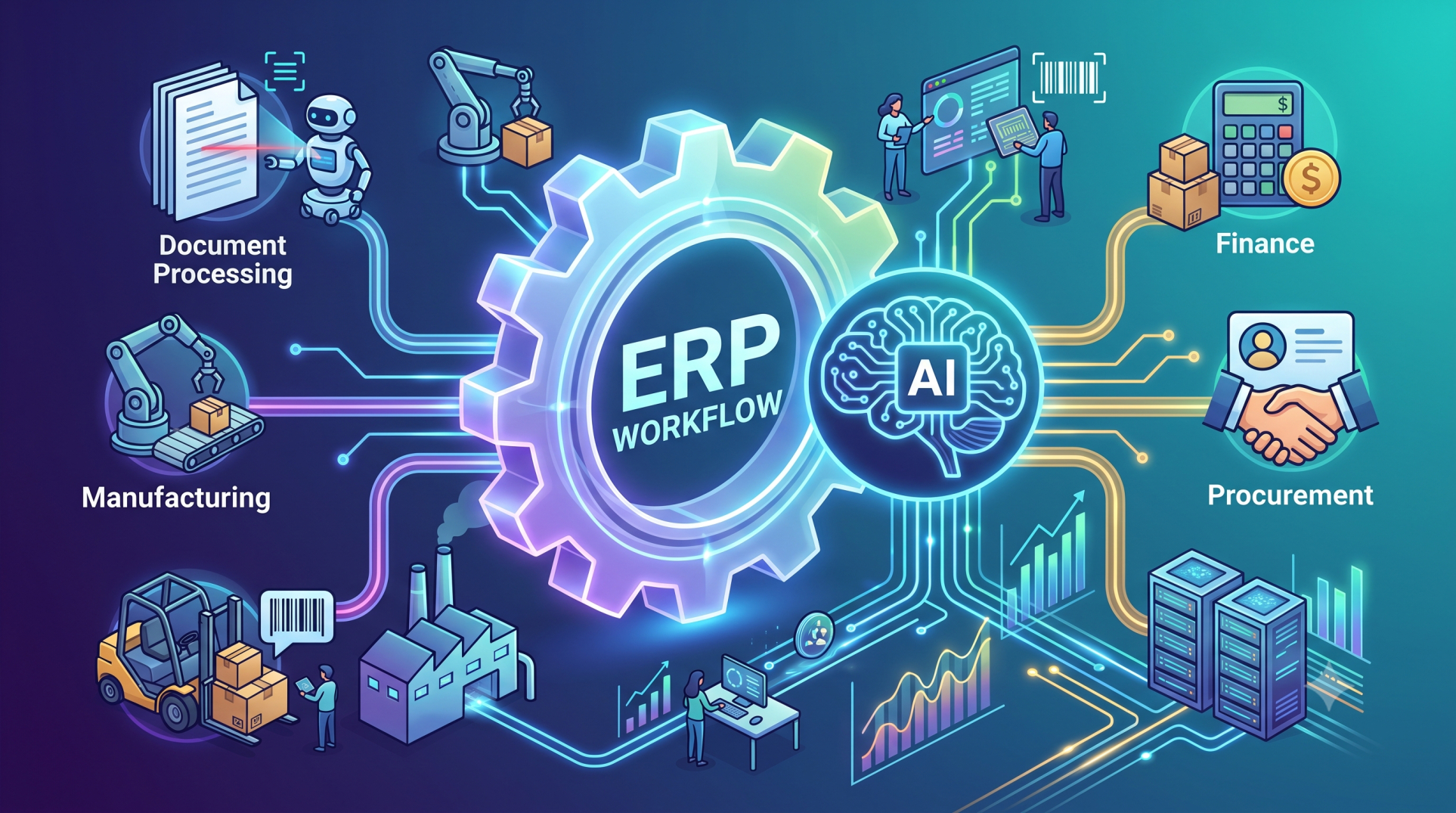
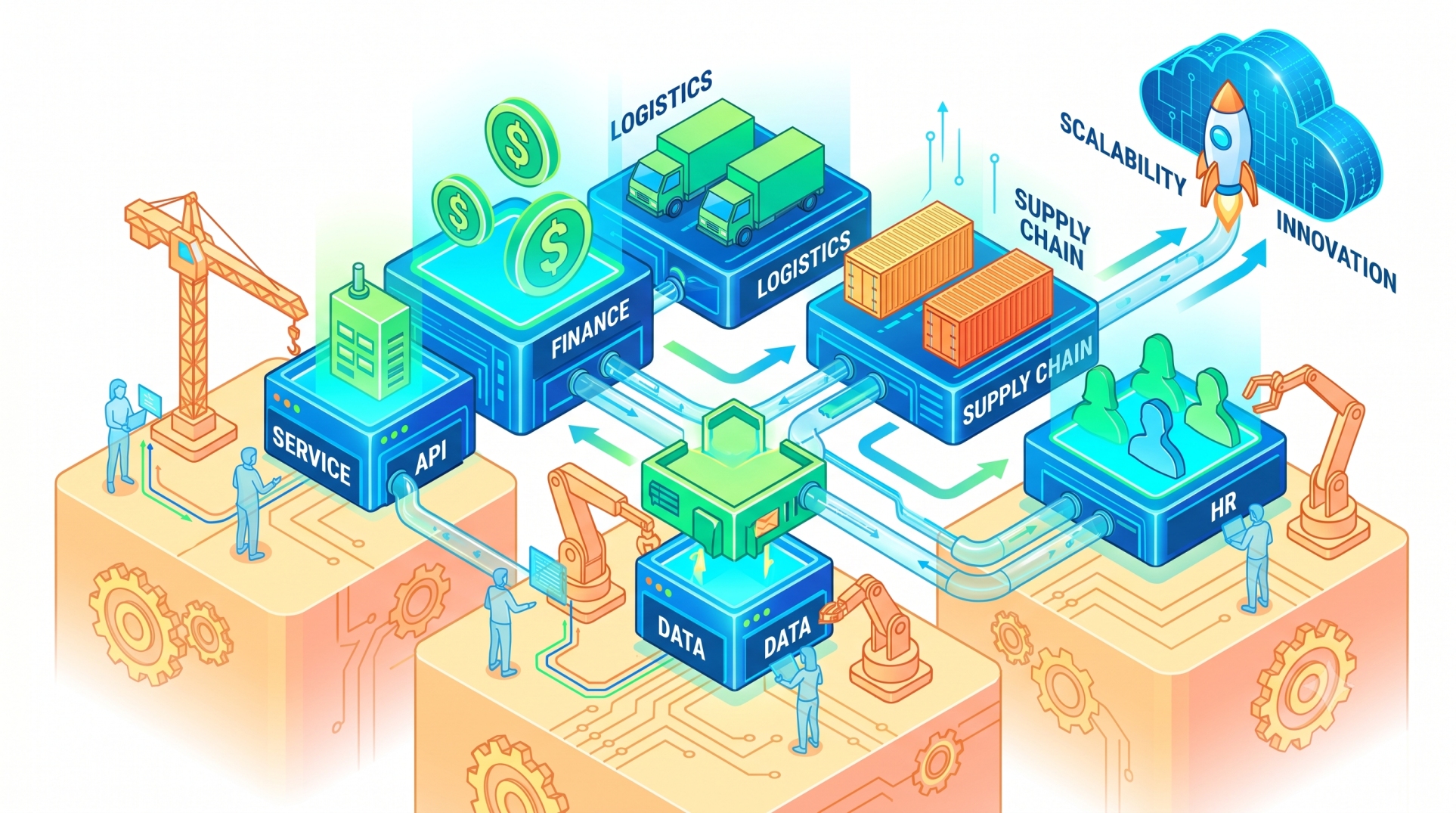
• Coordinate workflows across procurement, logistics, and production
• Reduce manual intervention and planning errors
• Improve operational speed through connected systems
• Enable faster response to changing business conditions
Step 10: Building a Resilient ERP Supply Ecosystem 🚀
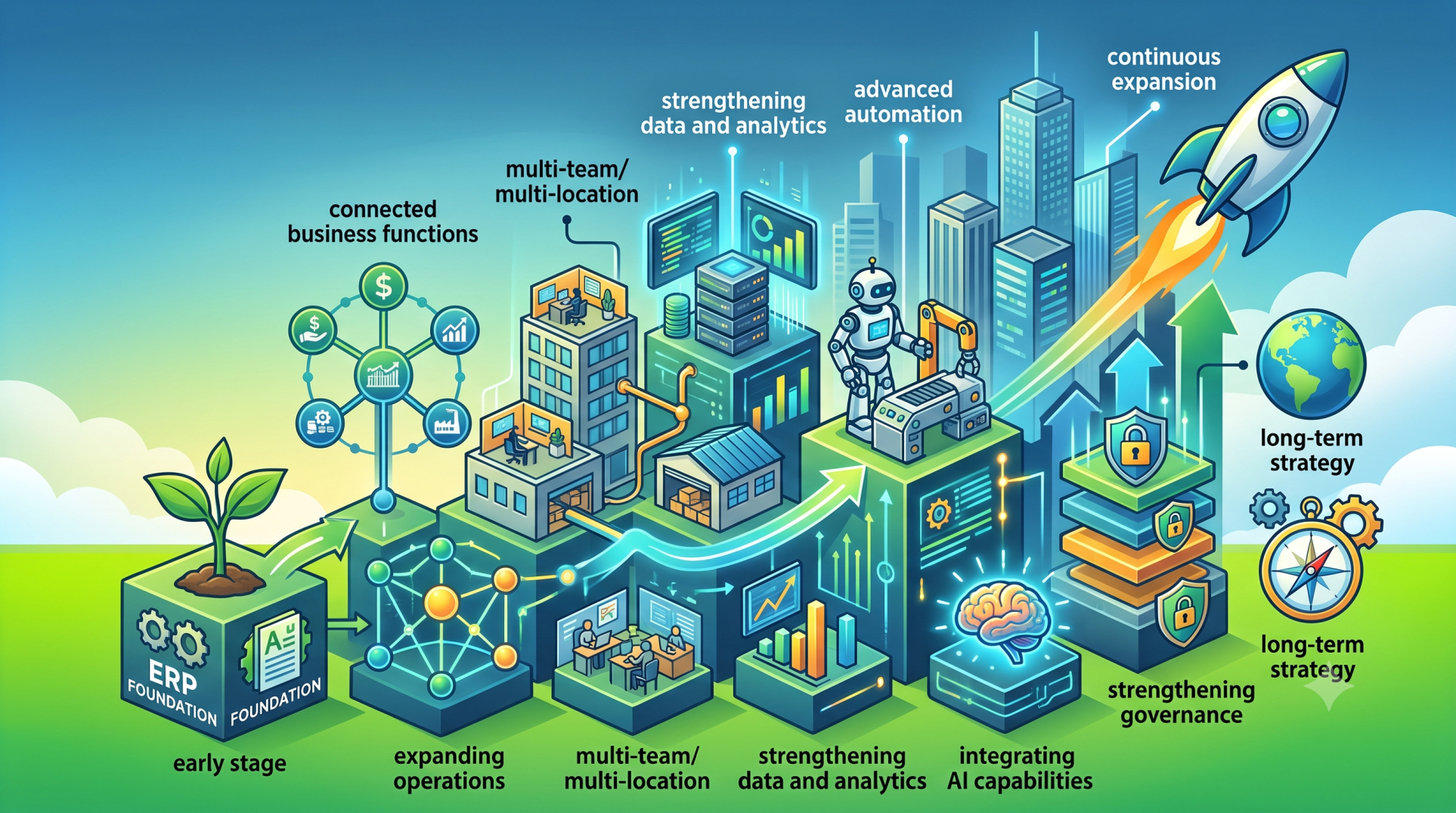
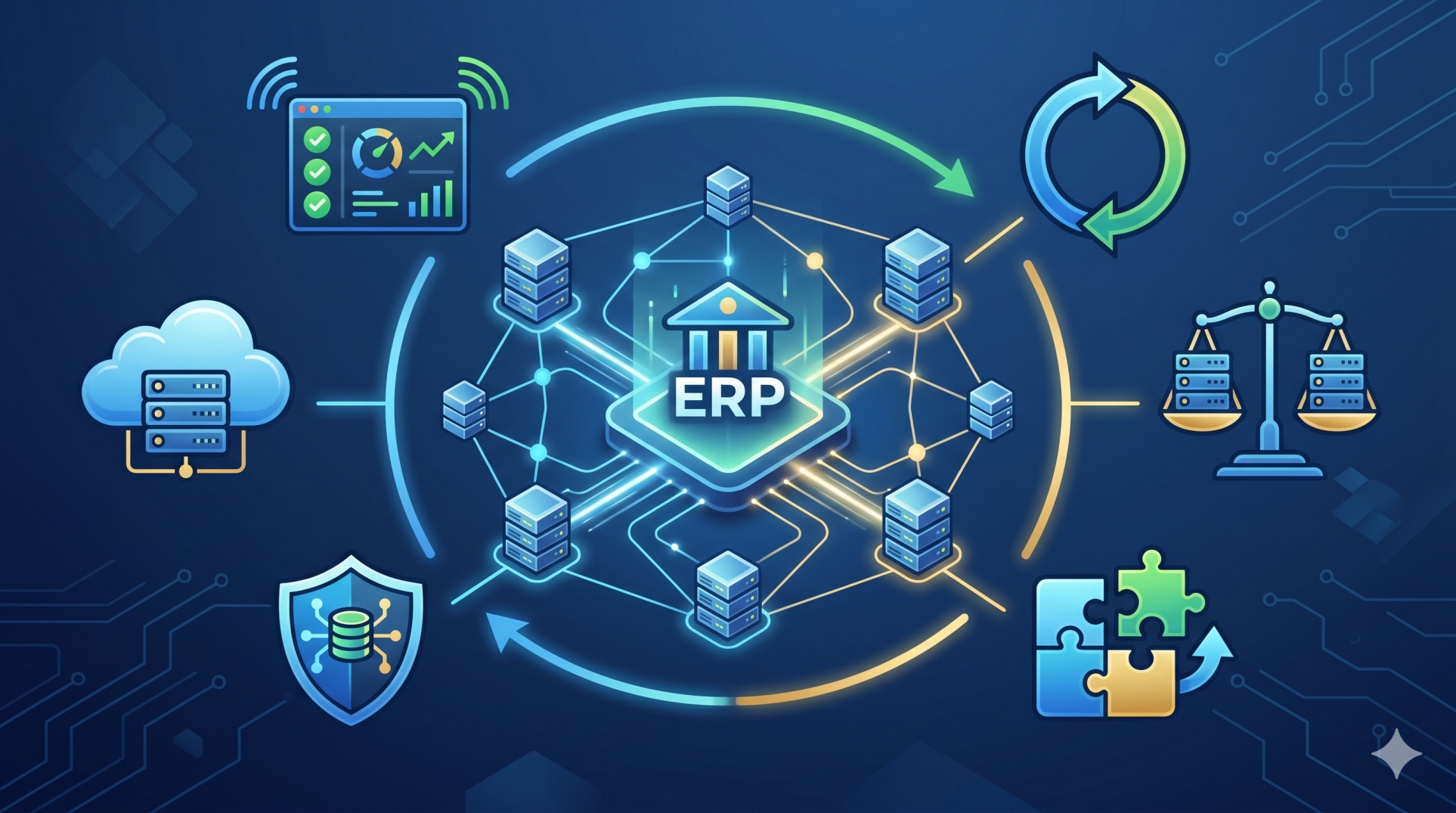
• Design ERP systems to support continuous adaptation and growth
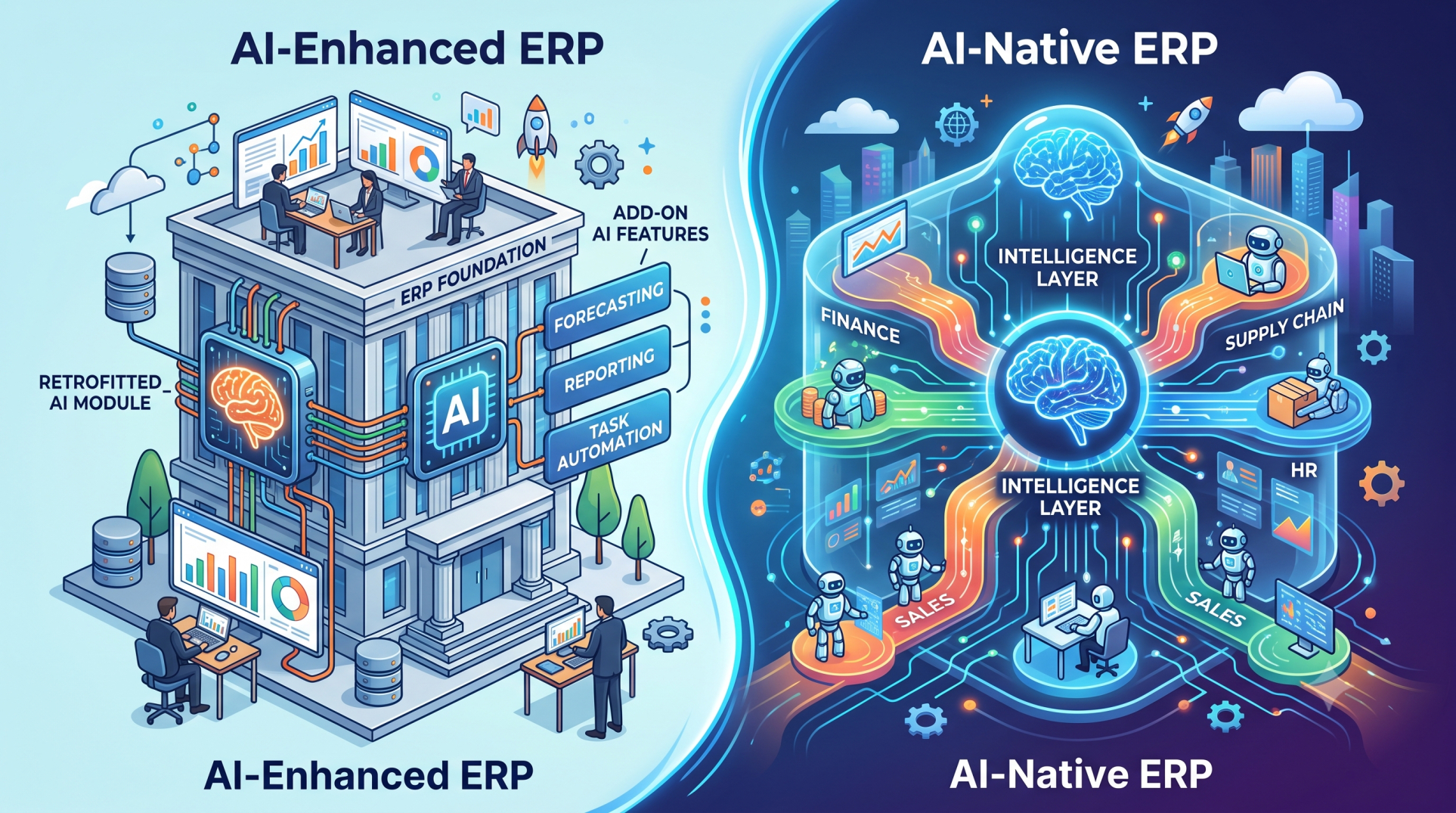
• Integrate advanced analytics and AI-driven planning tools
• Enable scalable operations across global supply networks
• Maintain flexibility for future operational changes
• Continuously optimize planning strategies through performance analysis
Conclusion
Adaptive supply planning in ERP environments helps organizations respond effectively to supply chain complexity and market volatility. By combining real-time visibility, intelligent forecasting, and connected operational workflows, businesses can improve agility, reduce disruptions, and optimize overall performance. A well-integrated adaptive planning strategy not only strengthens current supply chain operations but also prepares organizations for future growth and evolving market demands.
See more blogs
You can all the articles below