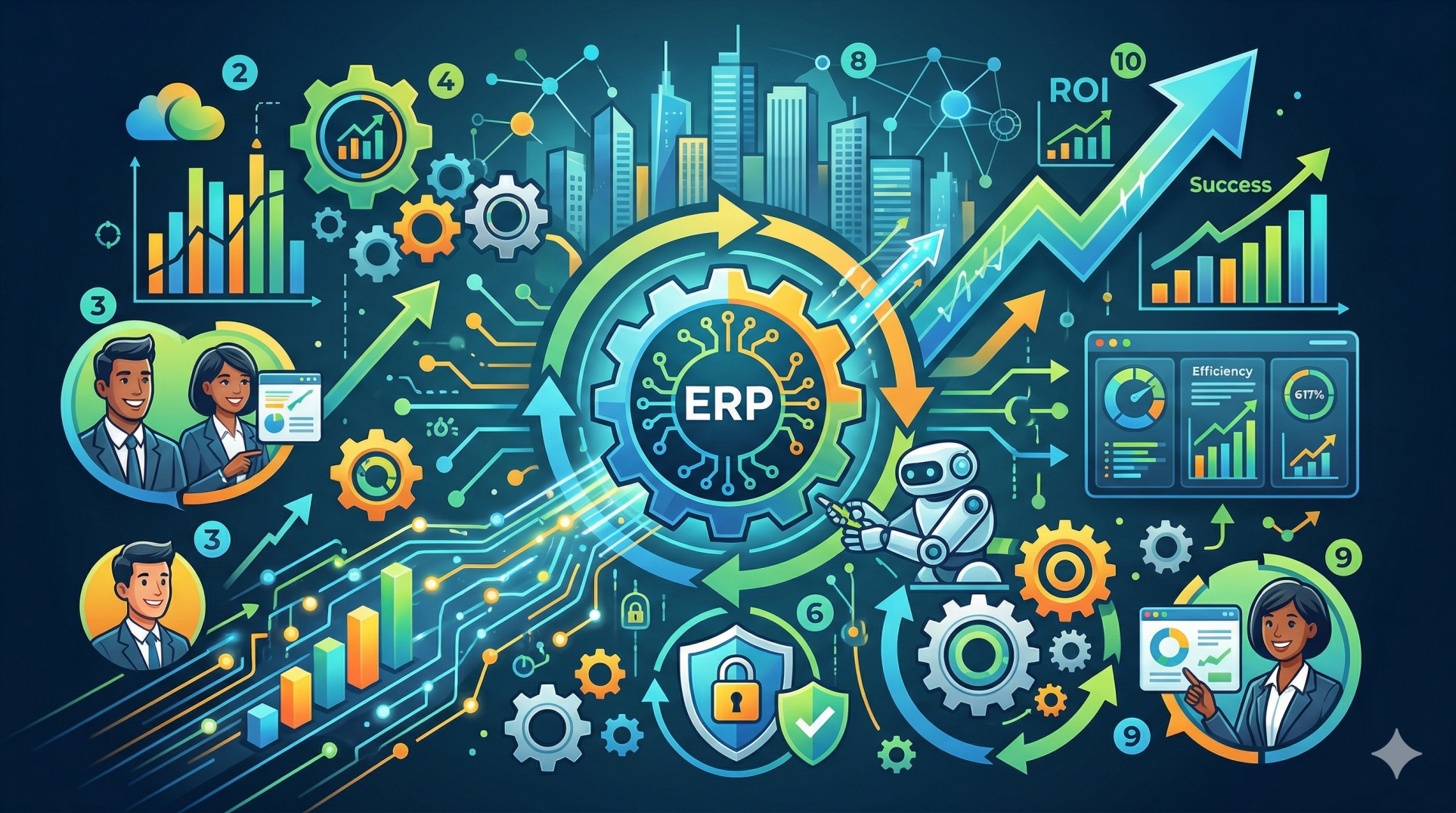
Building Unified Data Models Inside ERP Platforms
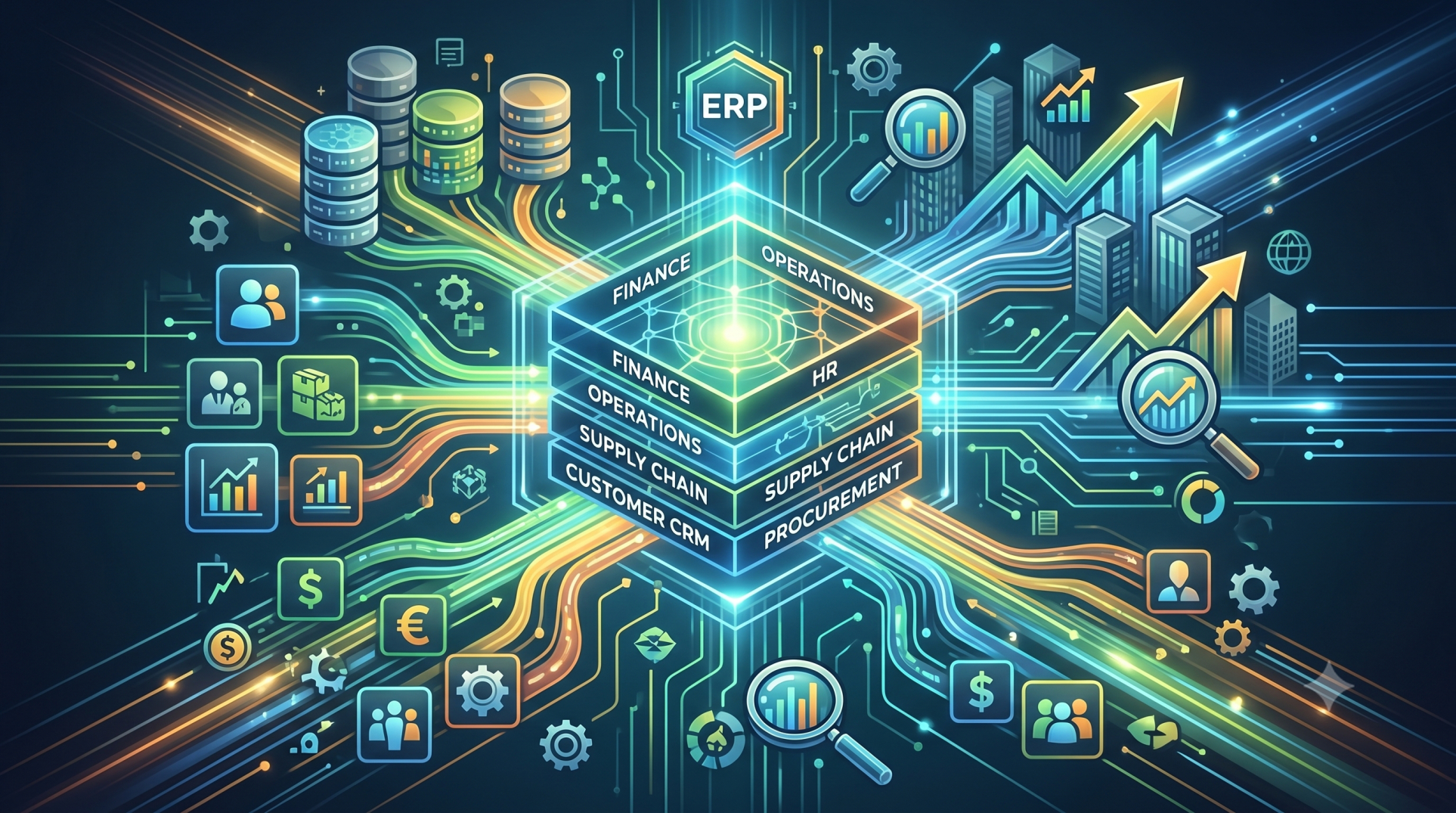
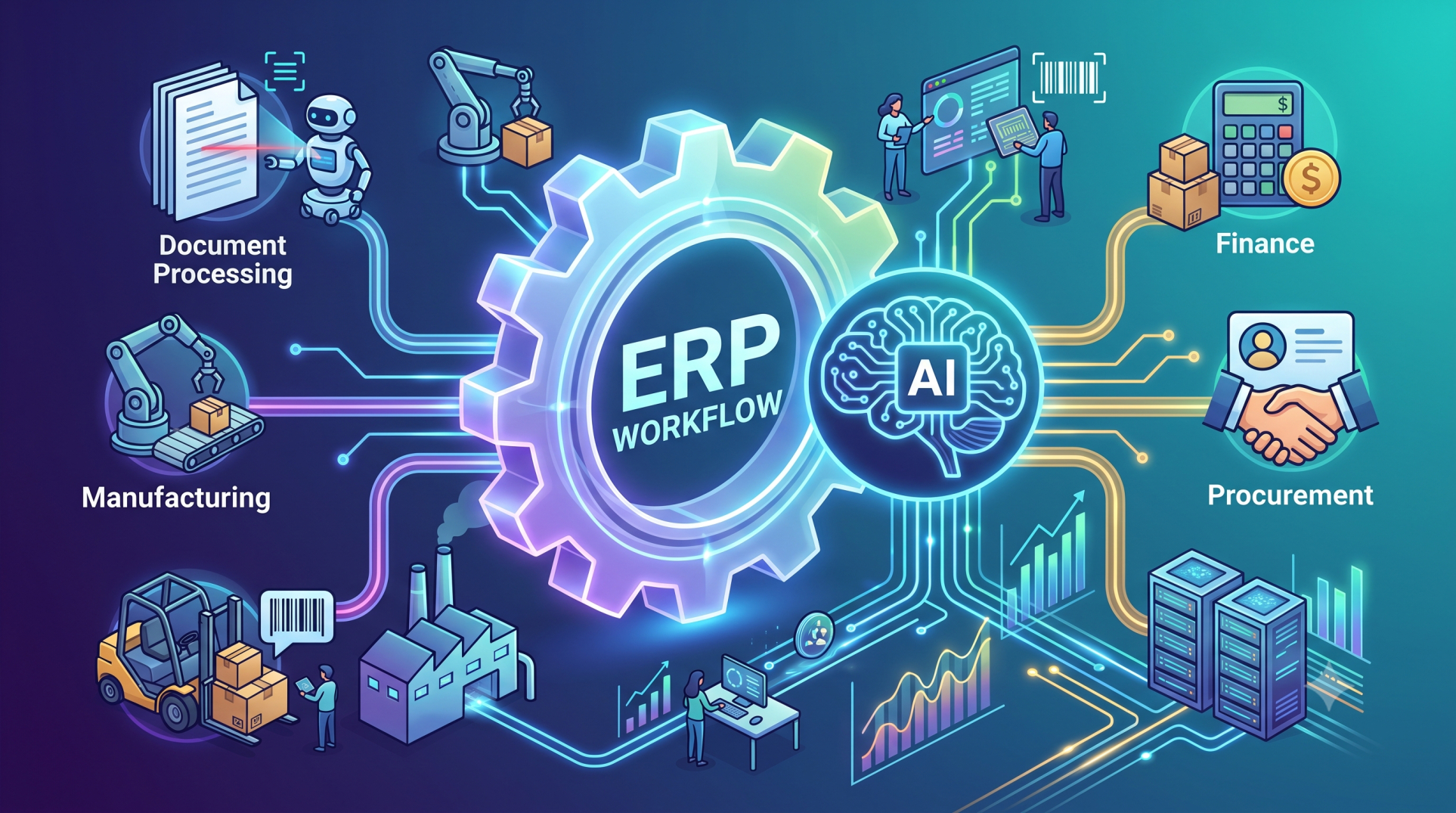
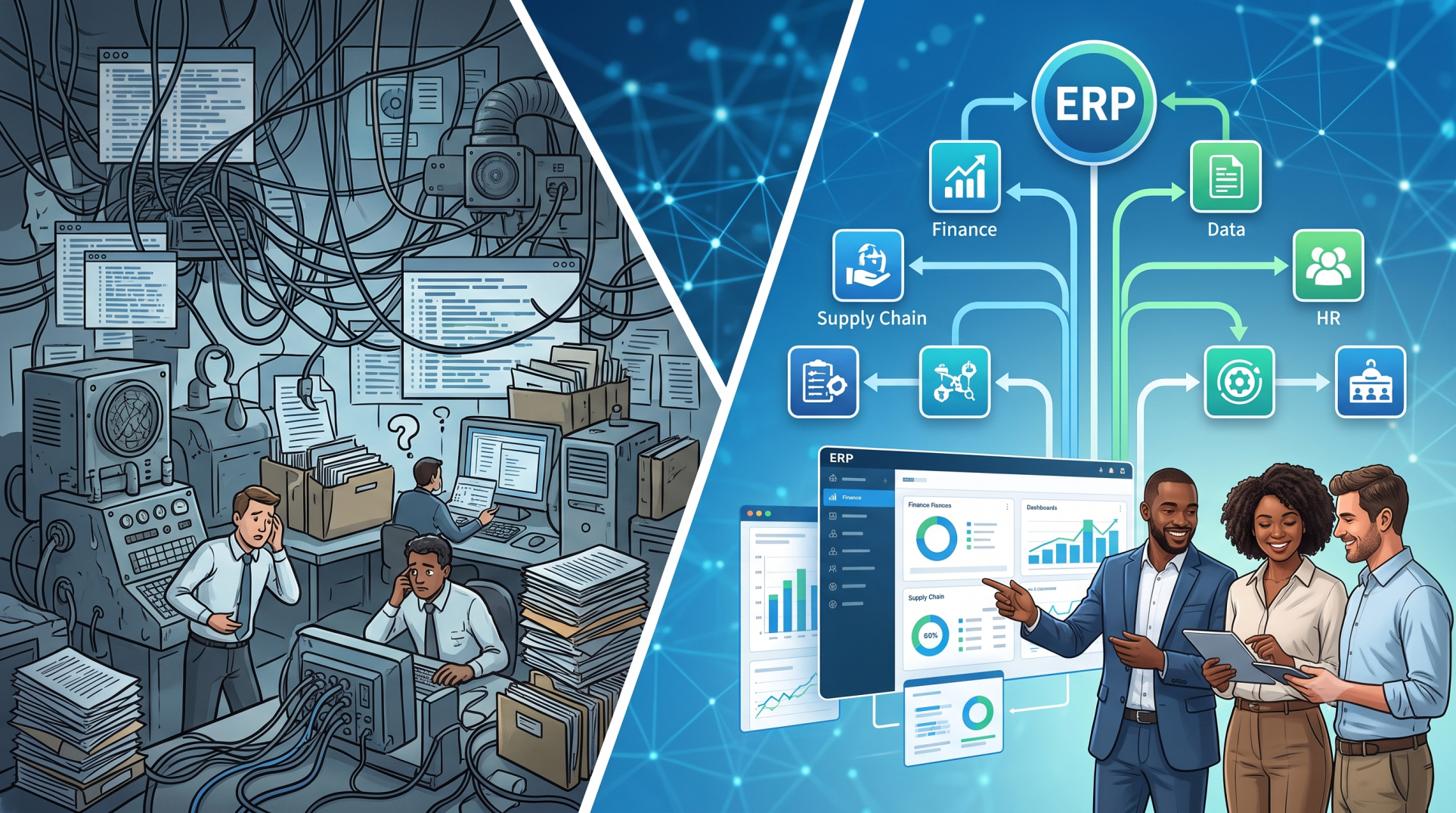
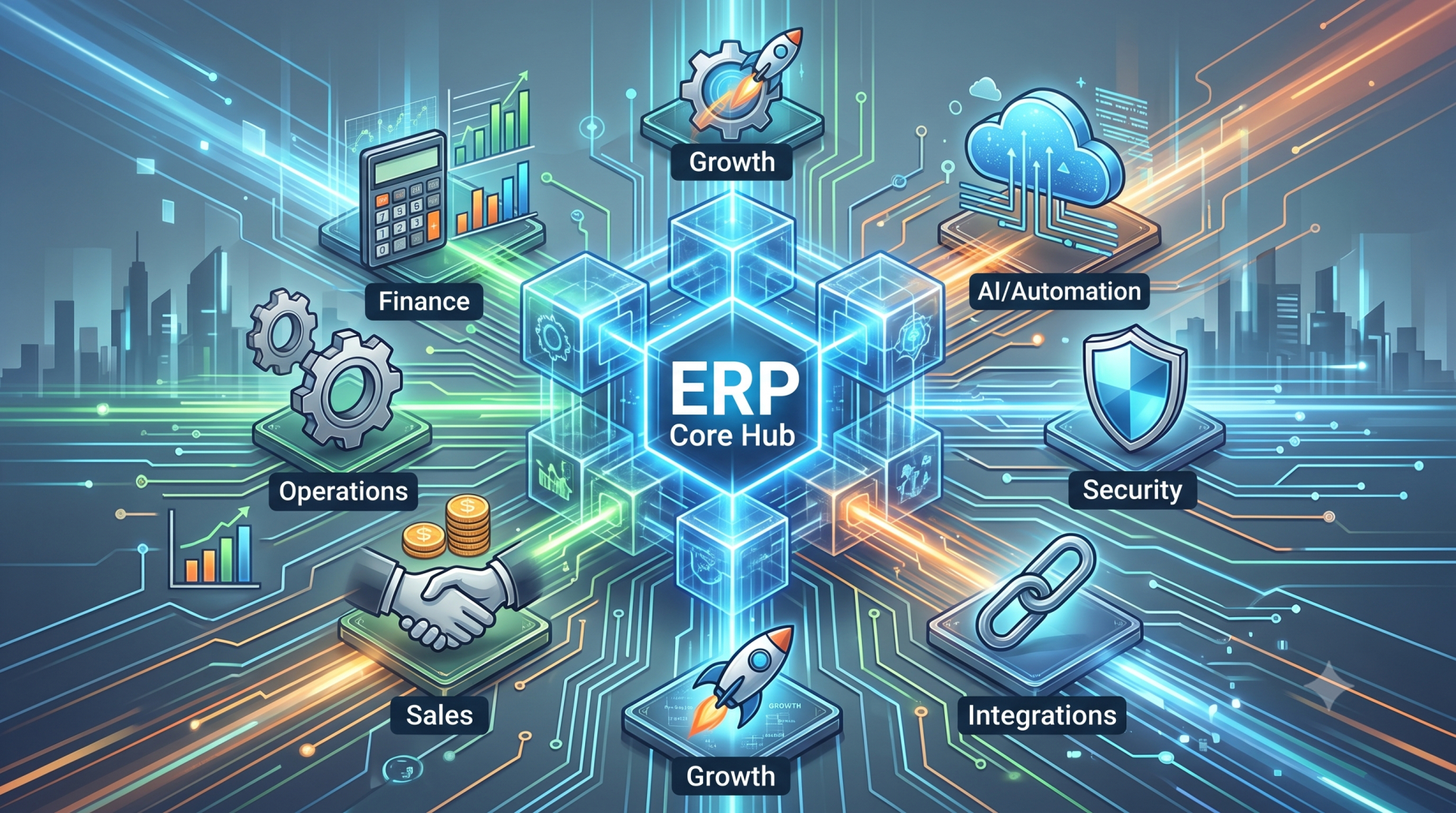
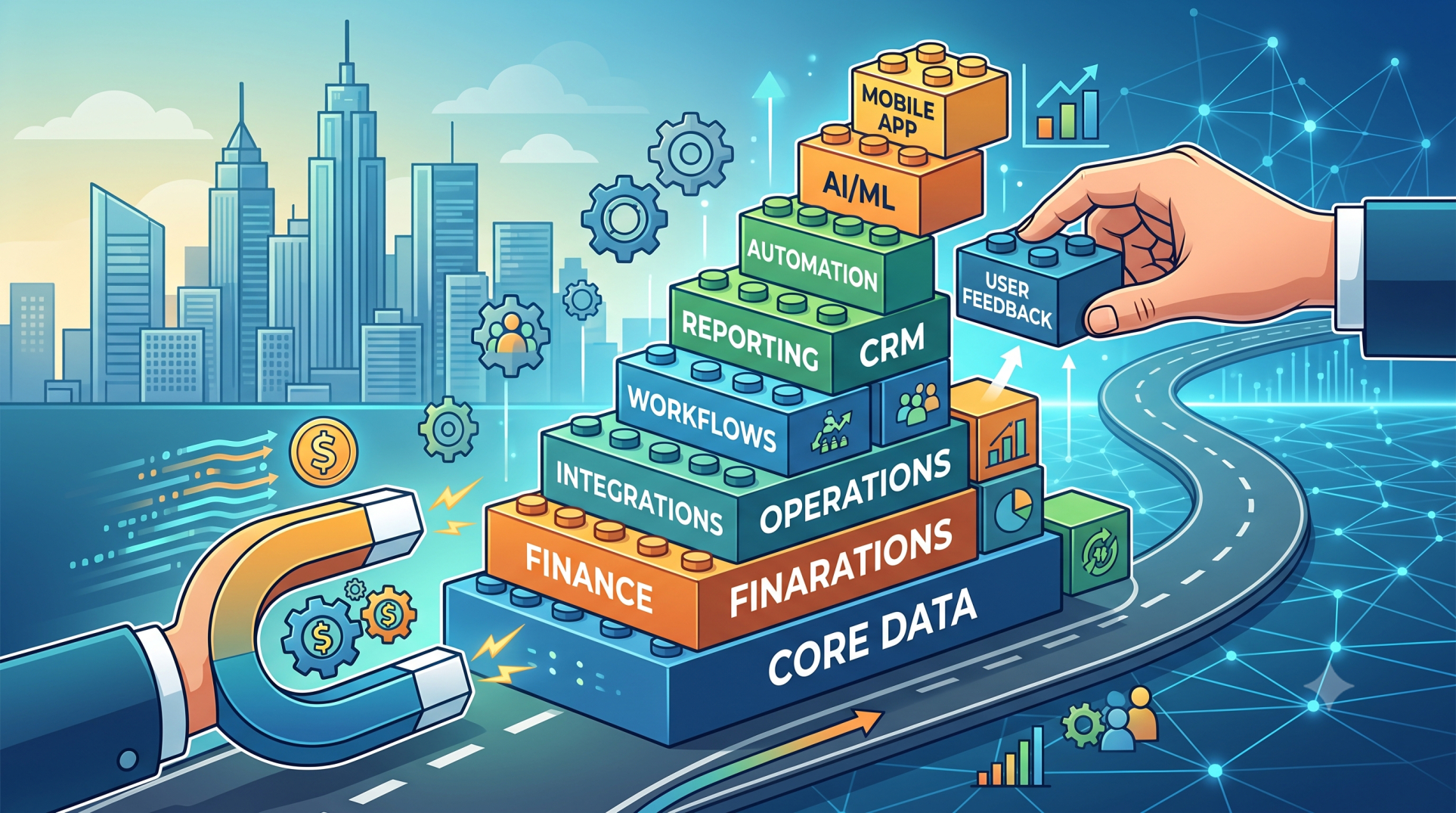
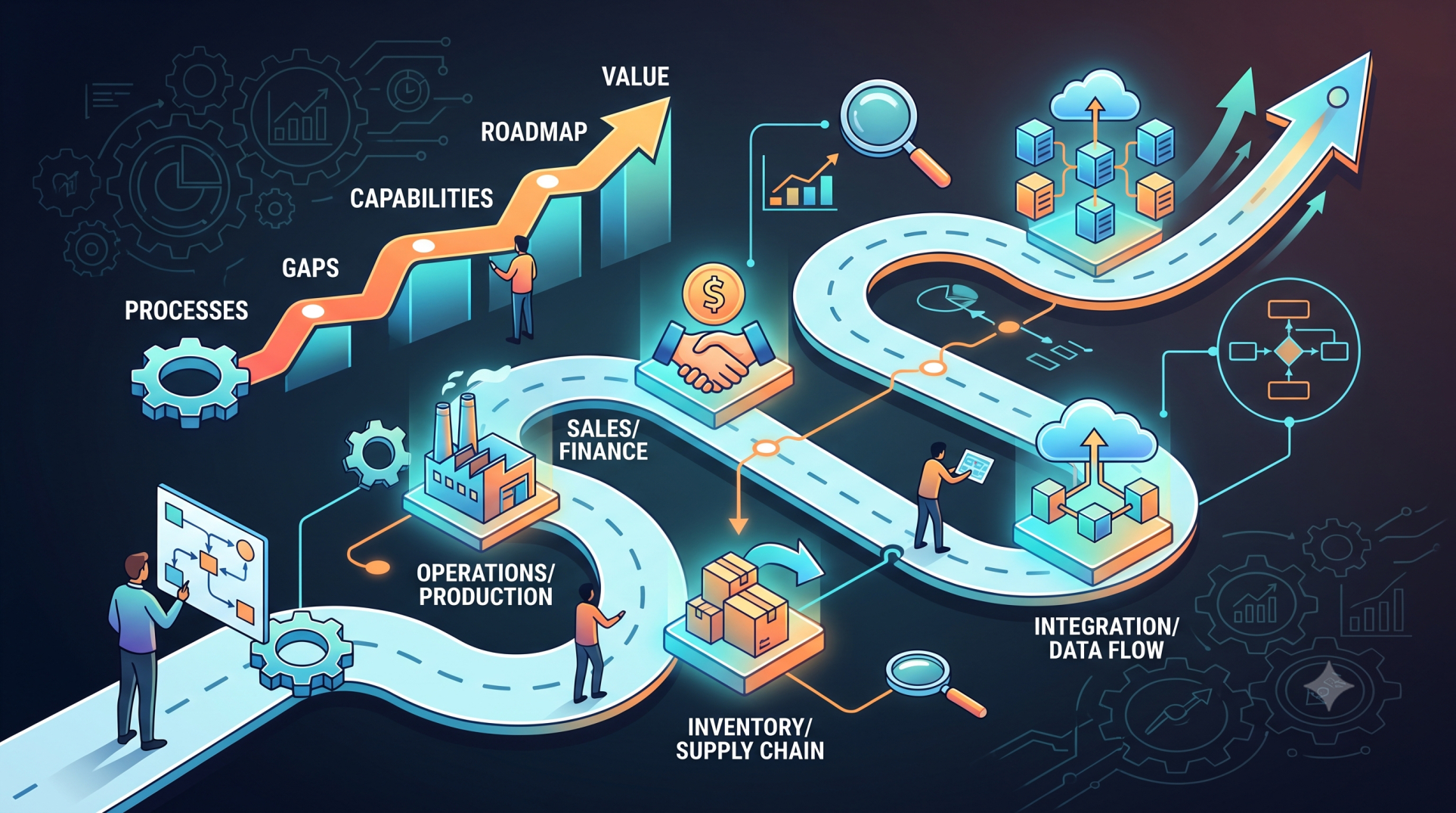
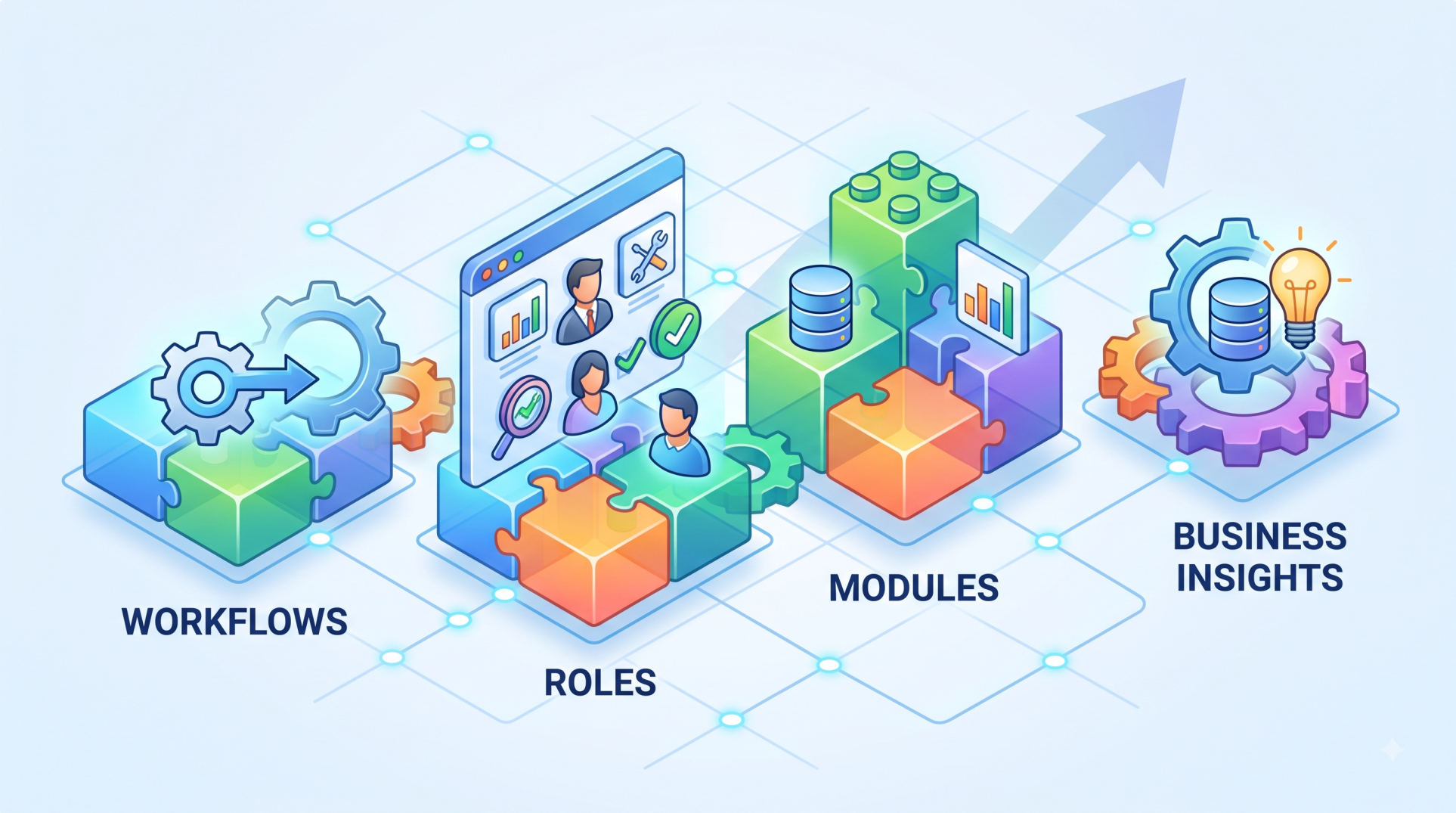
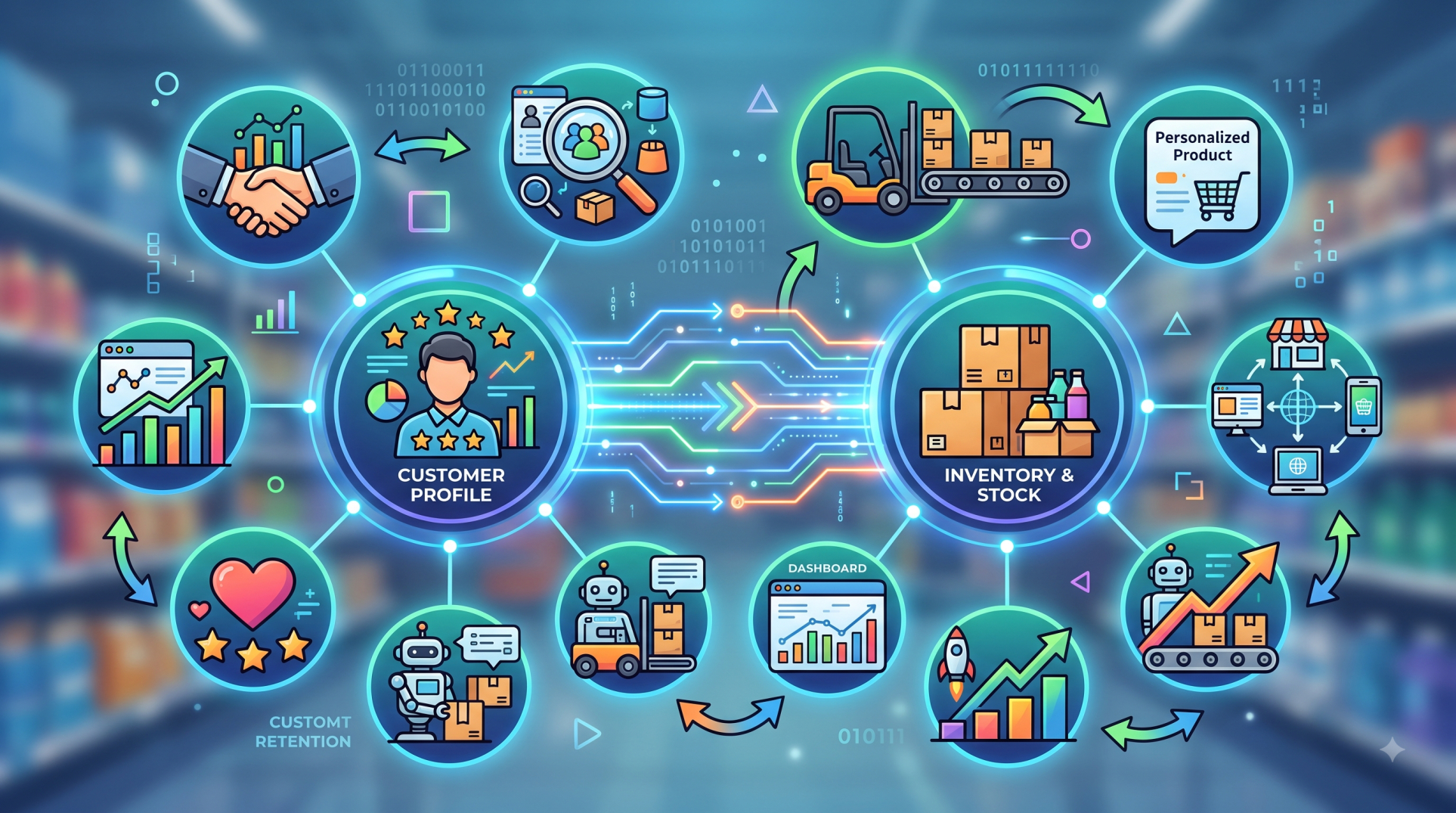
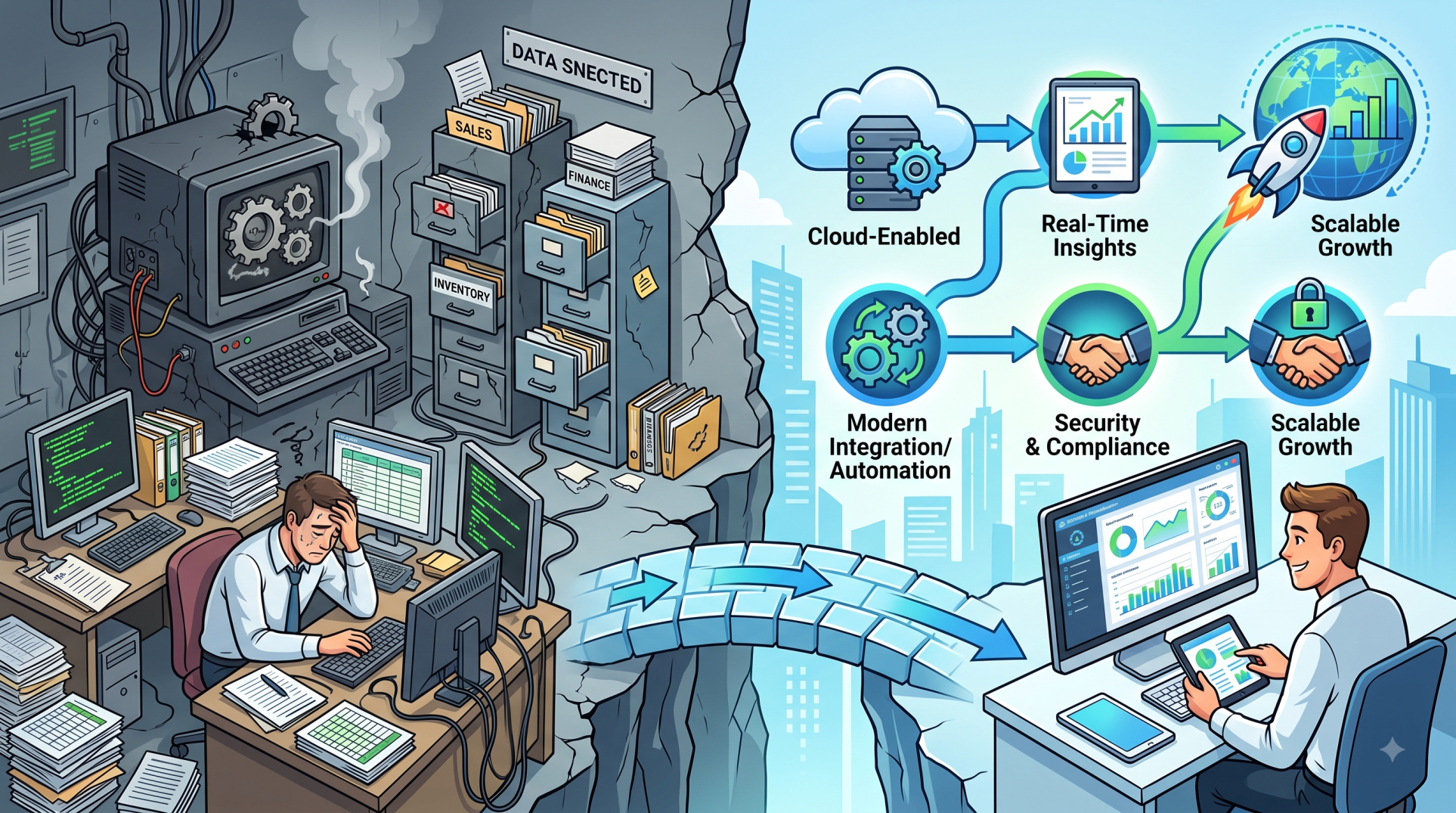
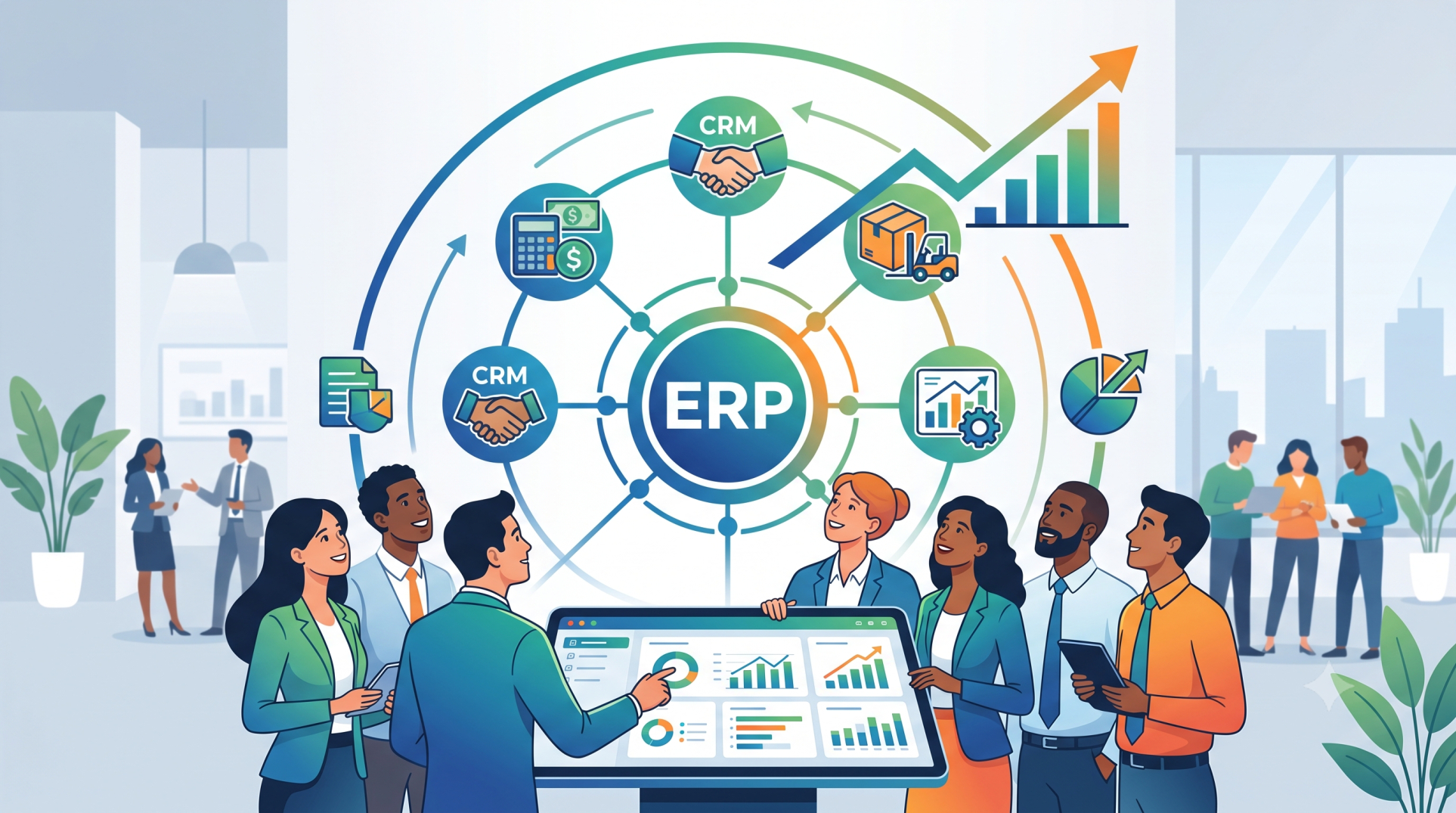
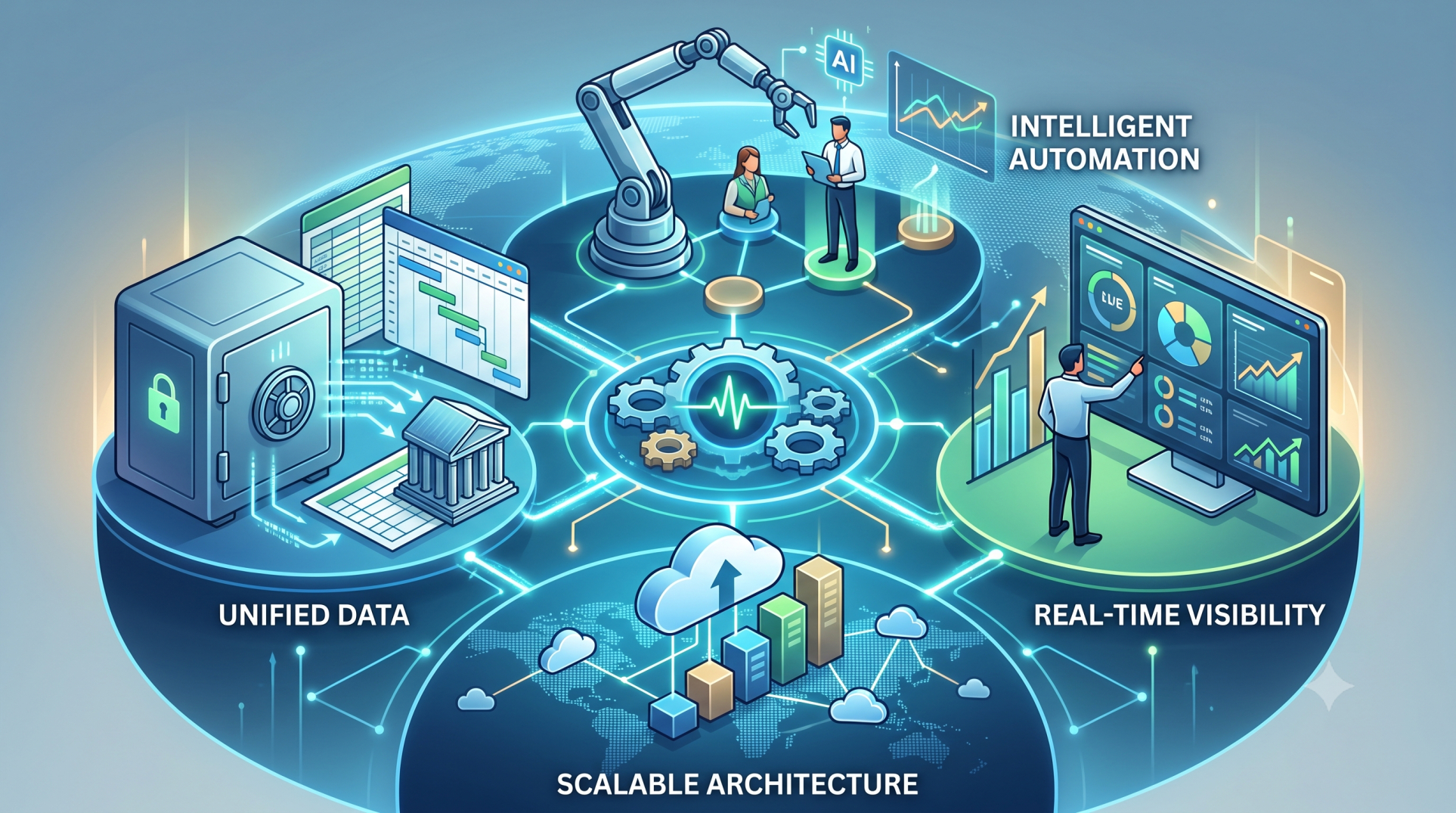
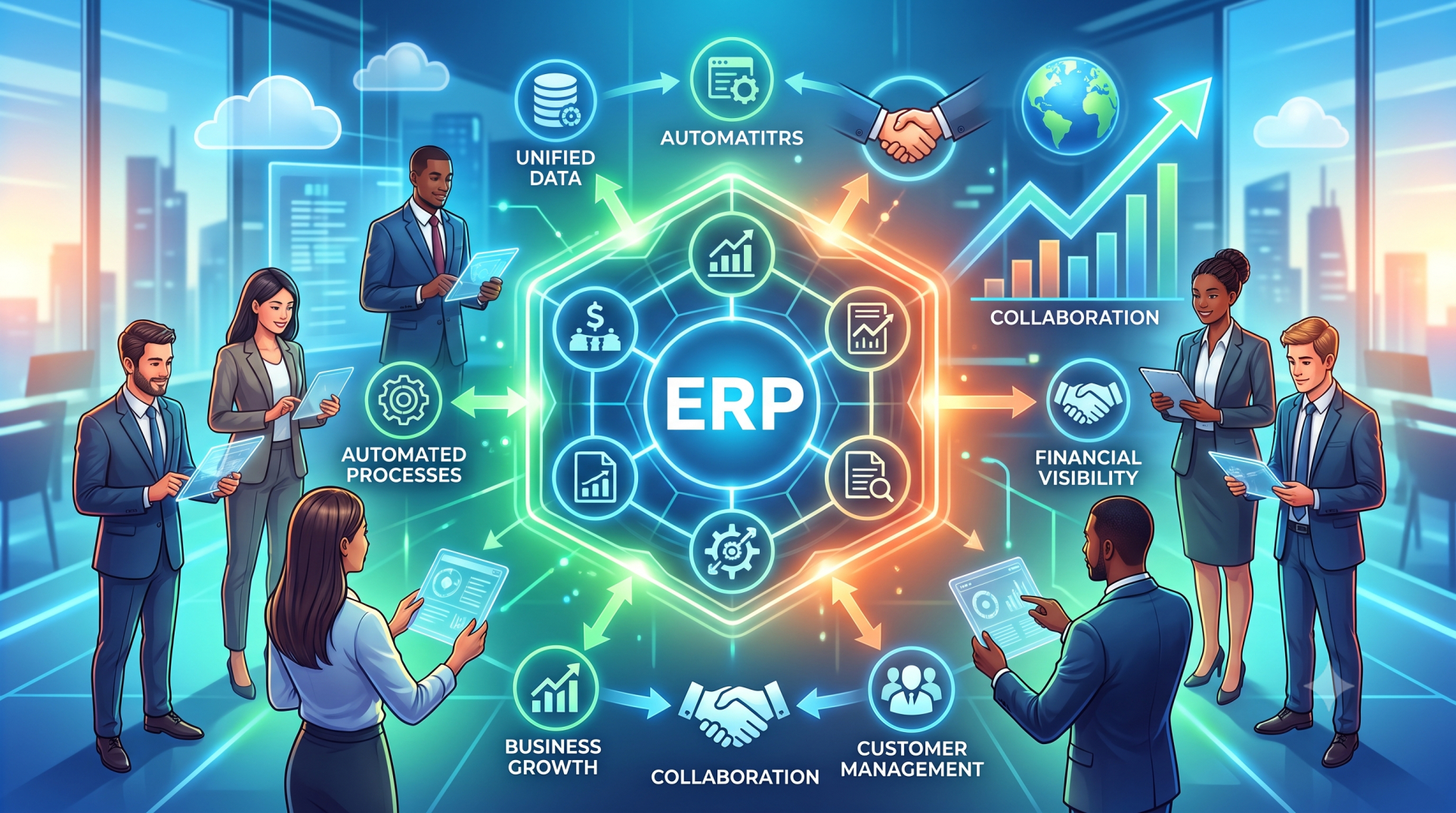
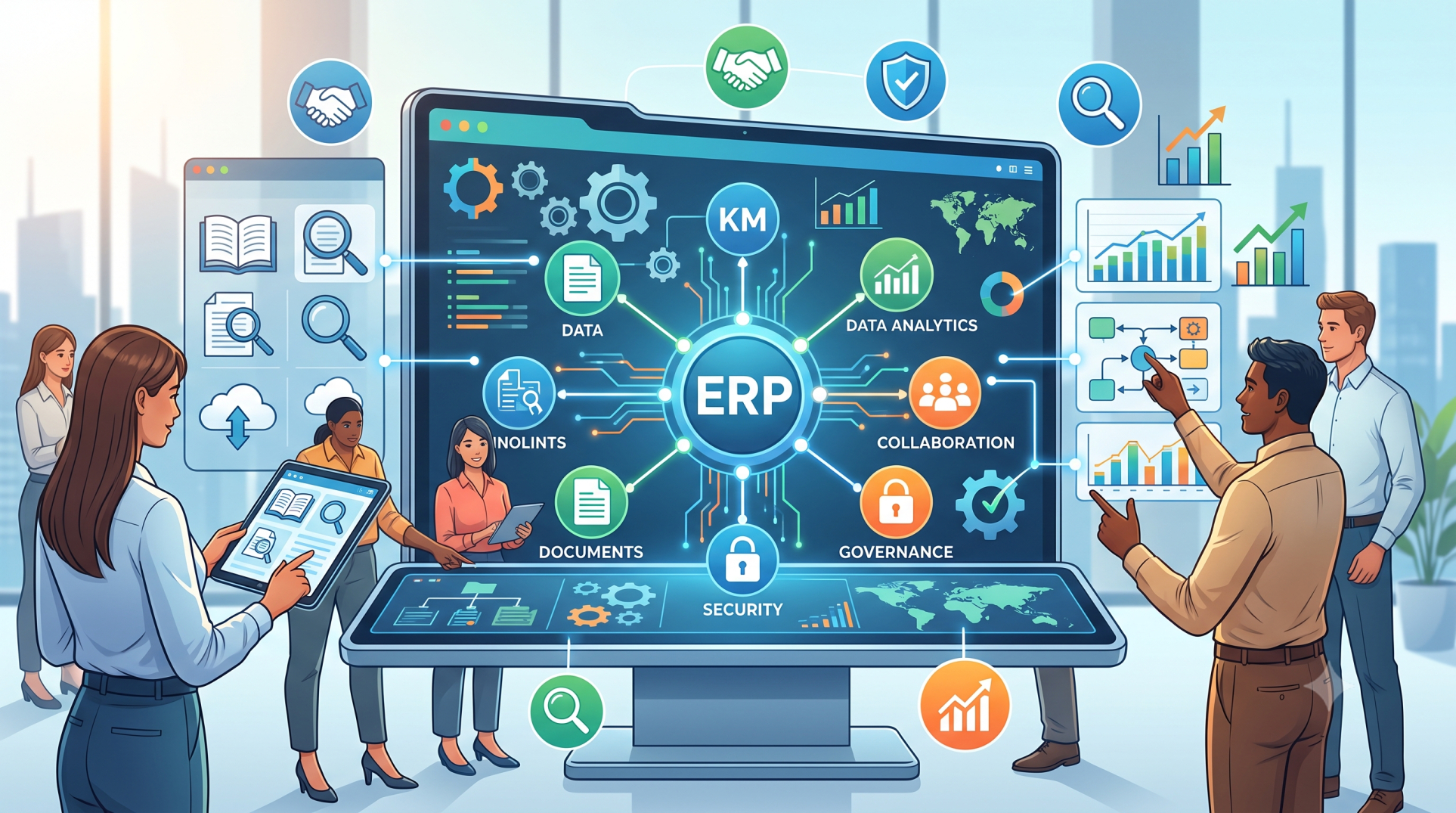
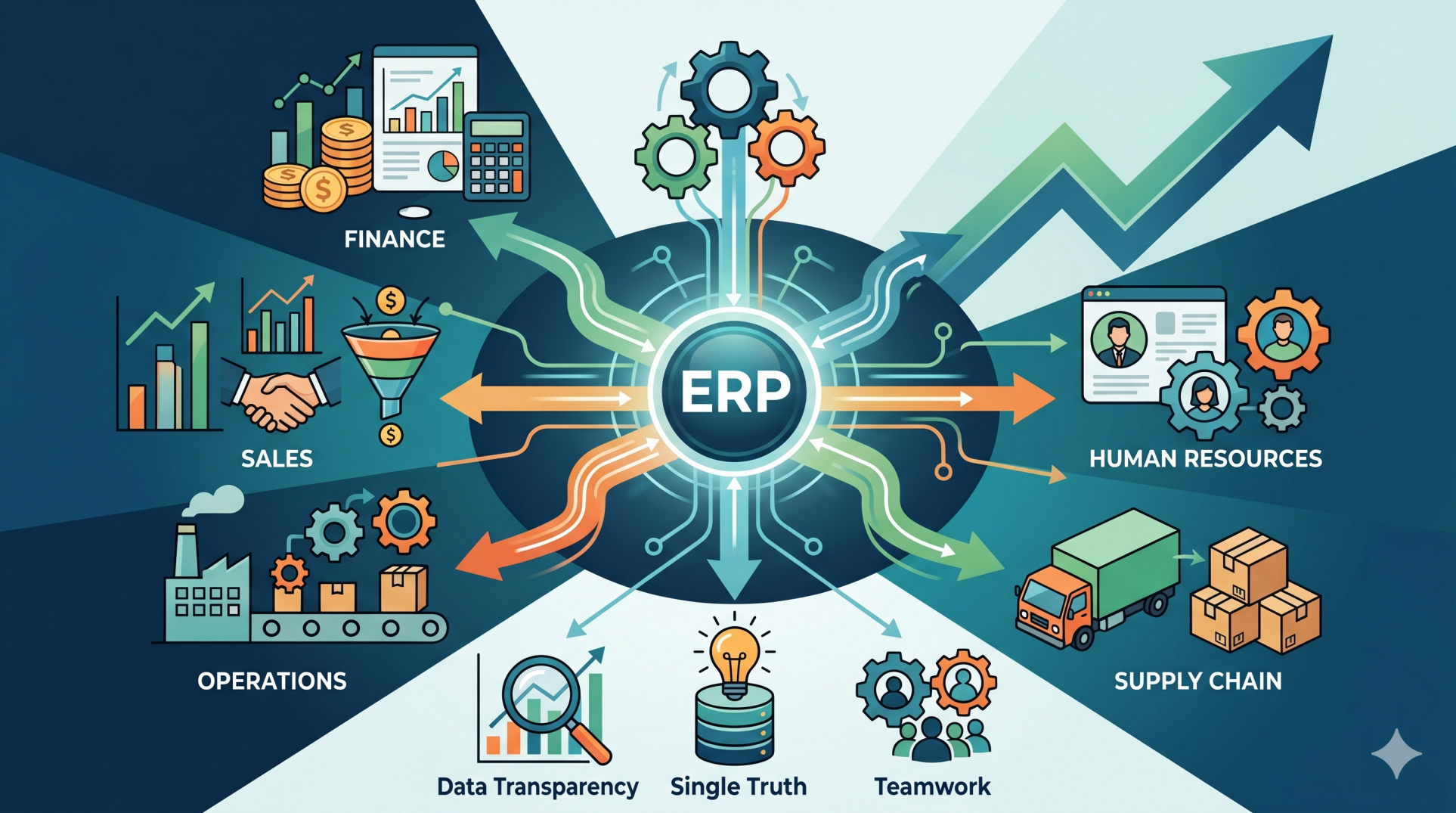
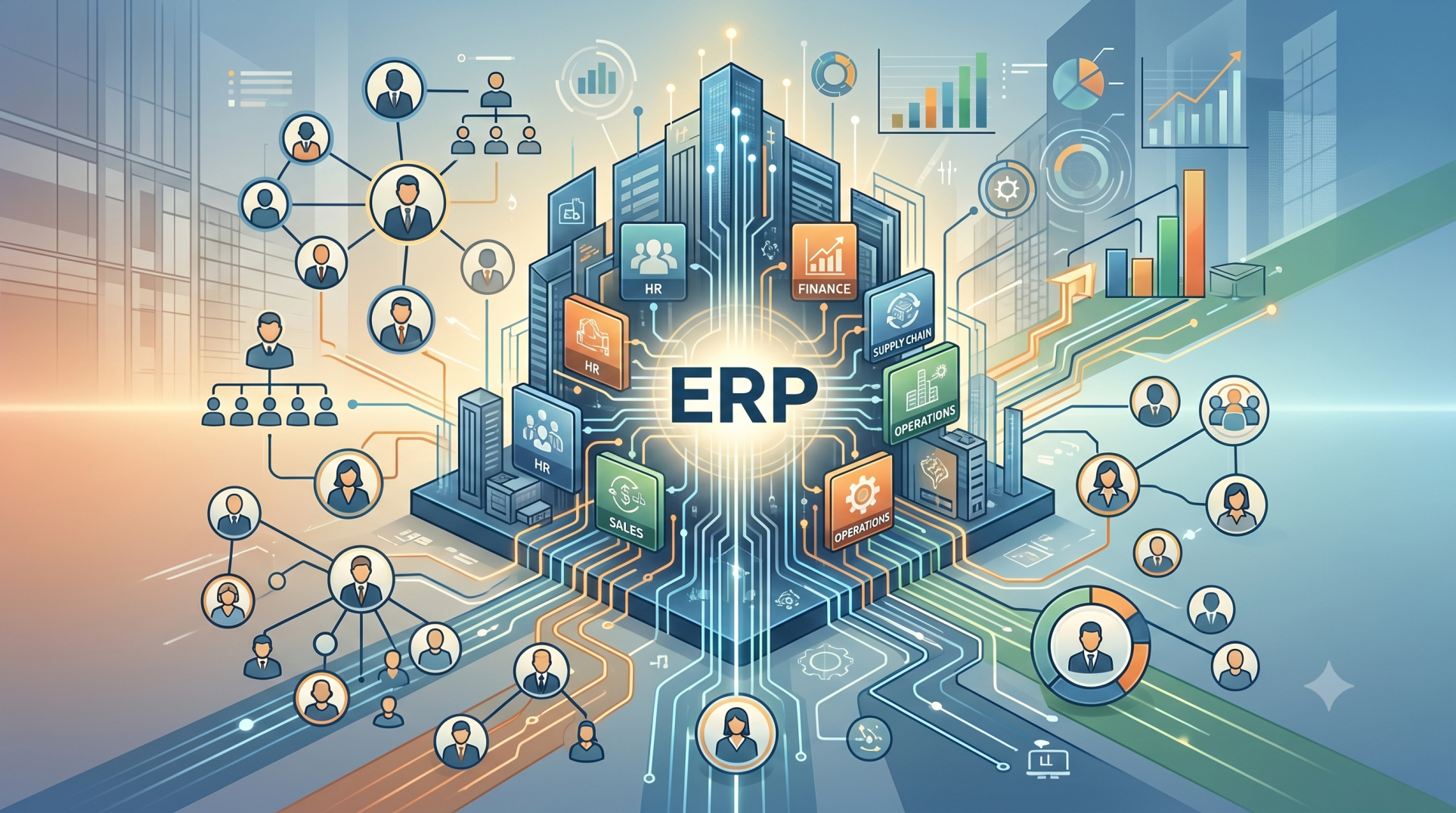
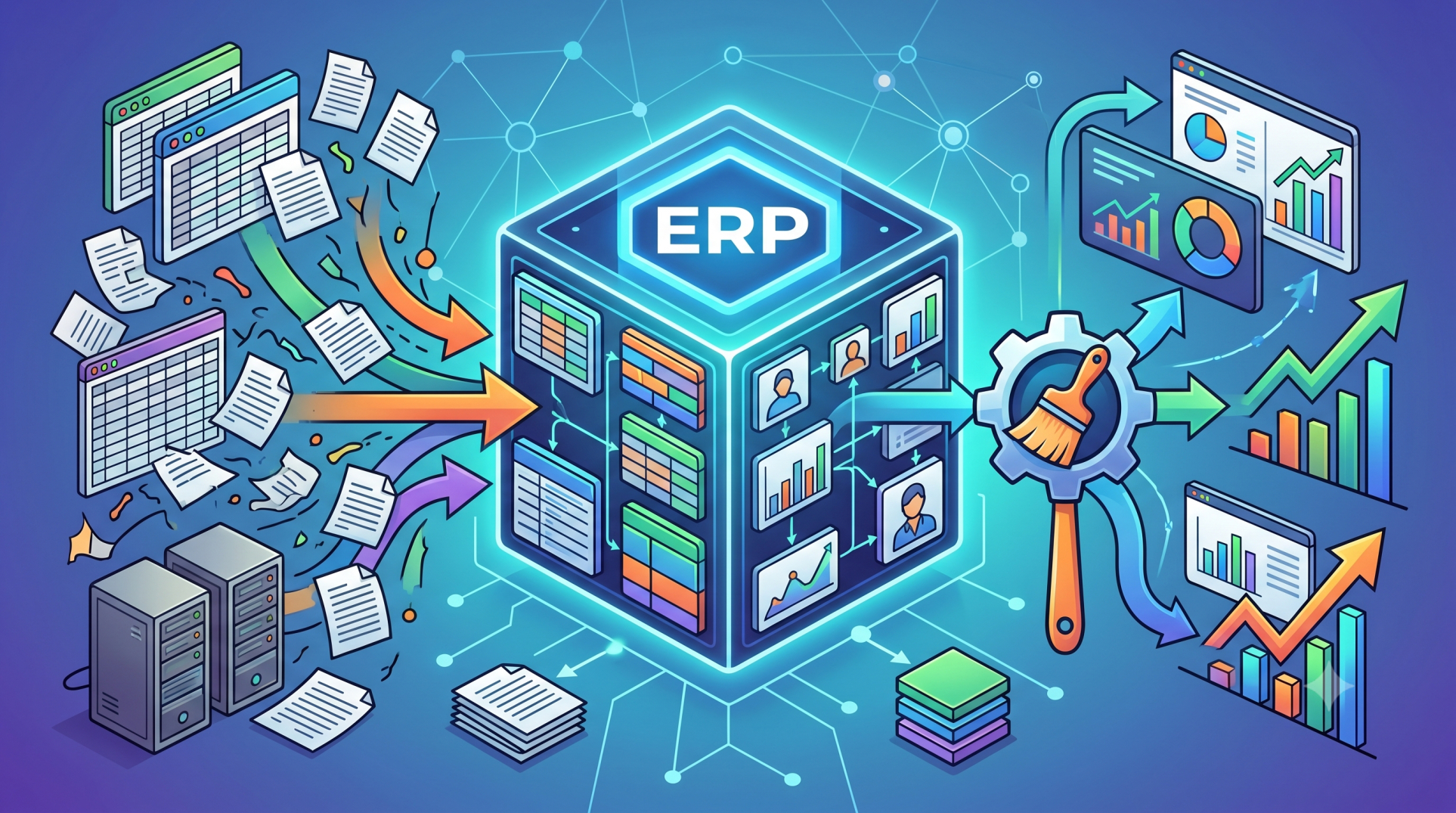
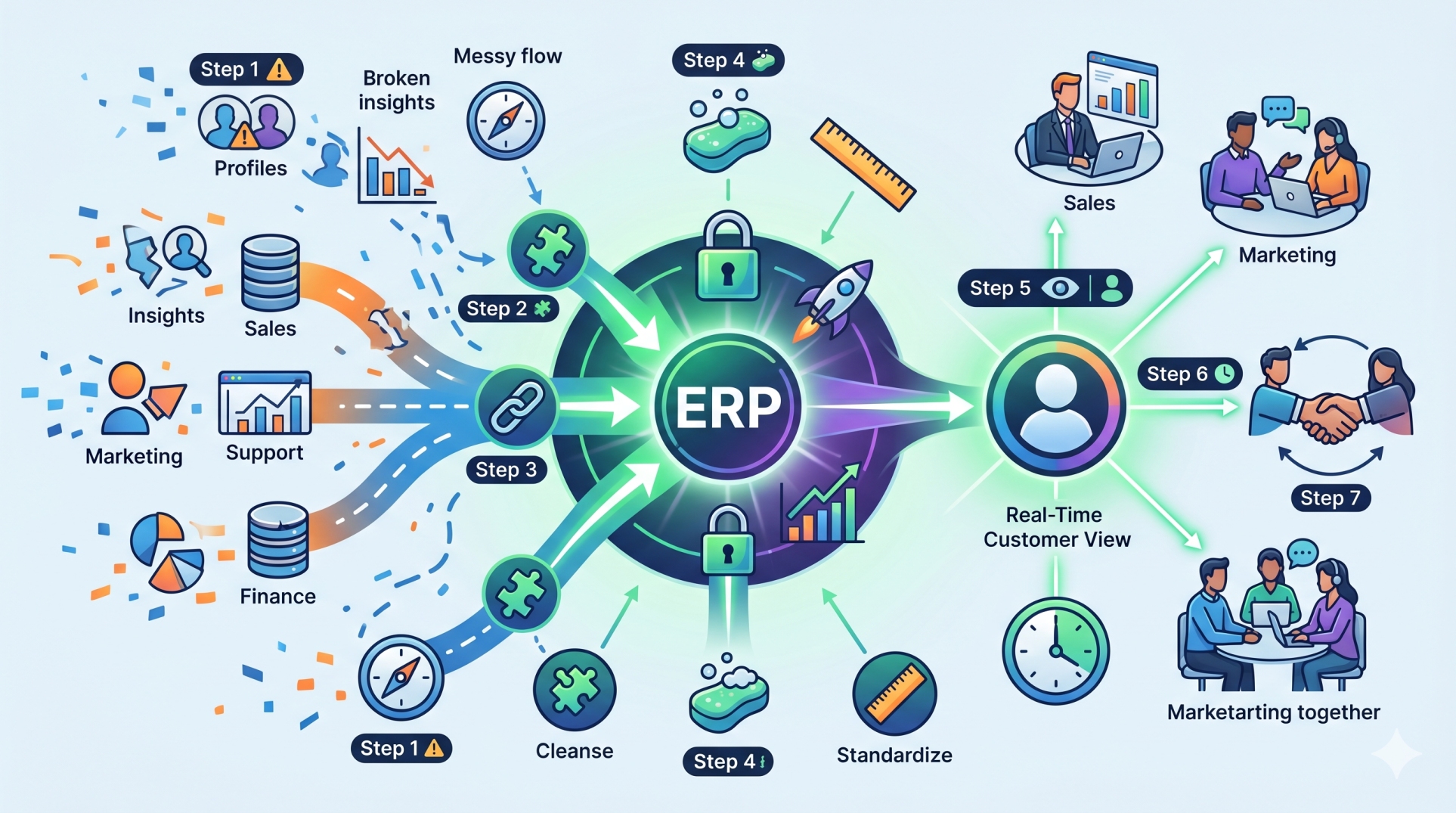
Modern ERP platforms manage information across finance, operations, procurement, inventory, human resources, customer relationships, and more. As organizations grow, data often becomes fragmented across departments and applications. Building a unified data model enables ERP systems to establish a single source of truth, ensuring consistency, accuracy, and seamless collaboration across the enterprise.
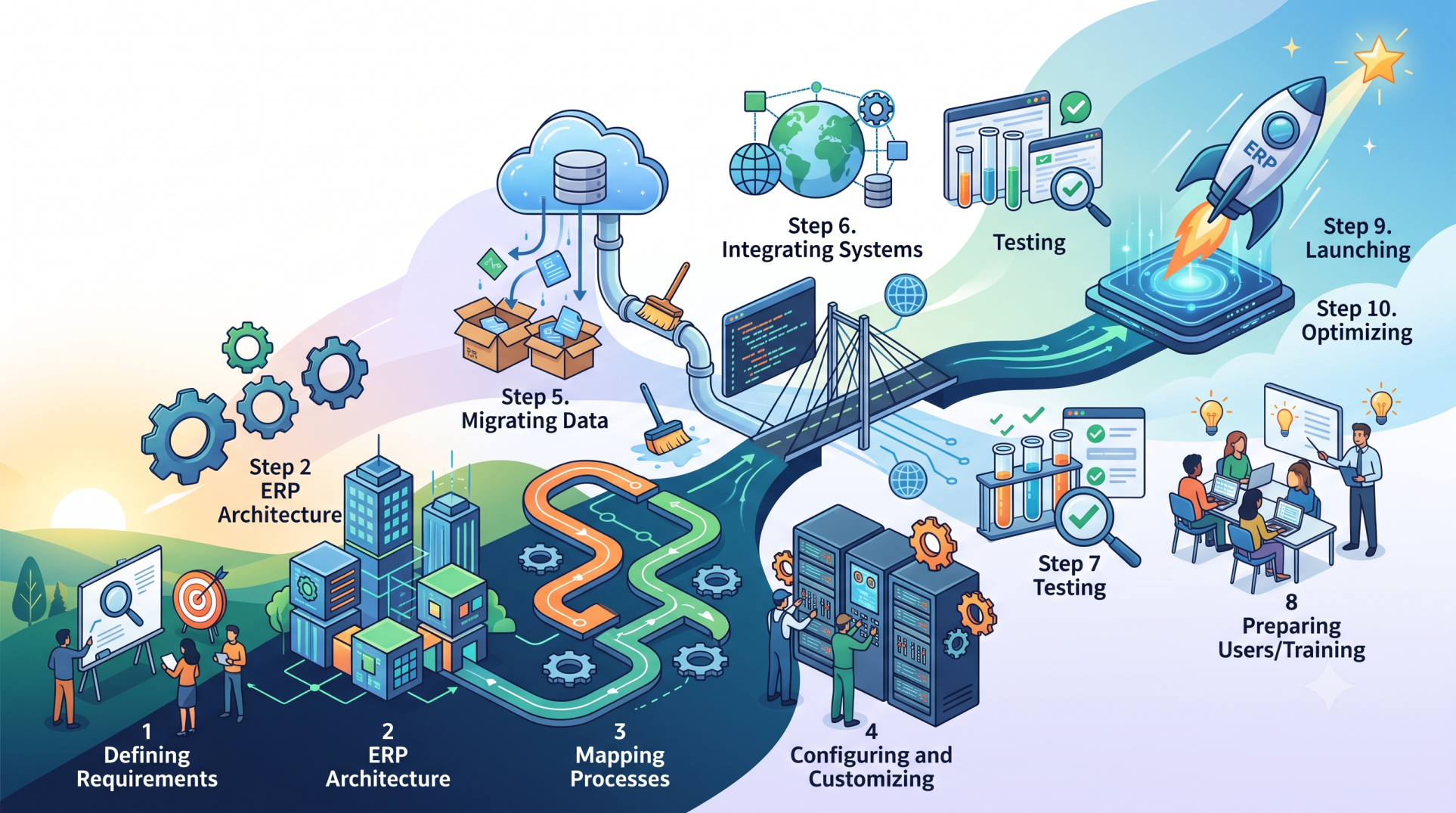
Step 1: Understanding Unified Data Models 🏗️
• A unified data model creates a standardized structure for enterprise information 📊
• It connects data from multiple departments and business functions 🔗
• Eliminates inconsistencies caused by isolated data silos 🚫
• Provides a common framework for reporting and analytics 📈
• Supports enterprise-wide visibility and decision-making 👁️
Step 2: Identifying Core Business Entities 📋
• Define foundational entities such as customers, suppliers, products, and employees 🏢
• Establish consistent attributes for each entity 📝
• Eliminate duplicate records across systems 🔄
• Create standardized naming conventions 📚
• Maintain relationships between interconnected entities 🔗
Step 3: Standardizing Data Structures ⚙️
• Develop common formats for enterprise data 📐
• Align field definitions across departments 🏛️
• Standardize units, currencies, and classifications 💱
• Reduce complexity caused by inconsistent formats 🚀
• Ensure compatibility across ERP modules 🔄
Step 4: Integrating Cross-Functional Data 🌐
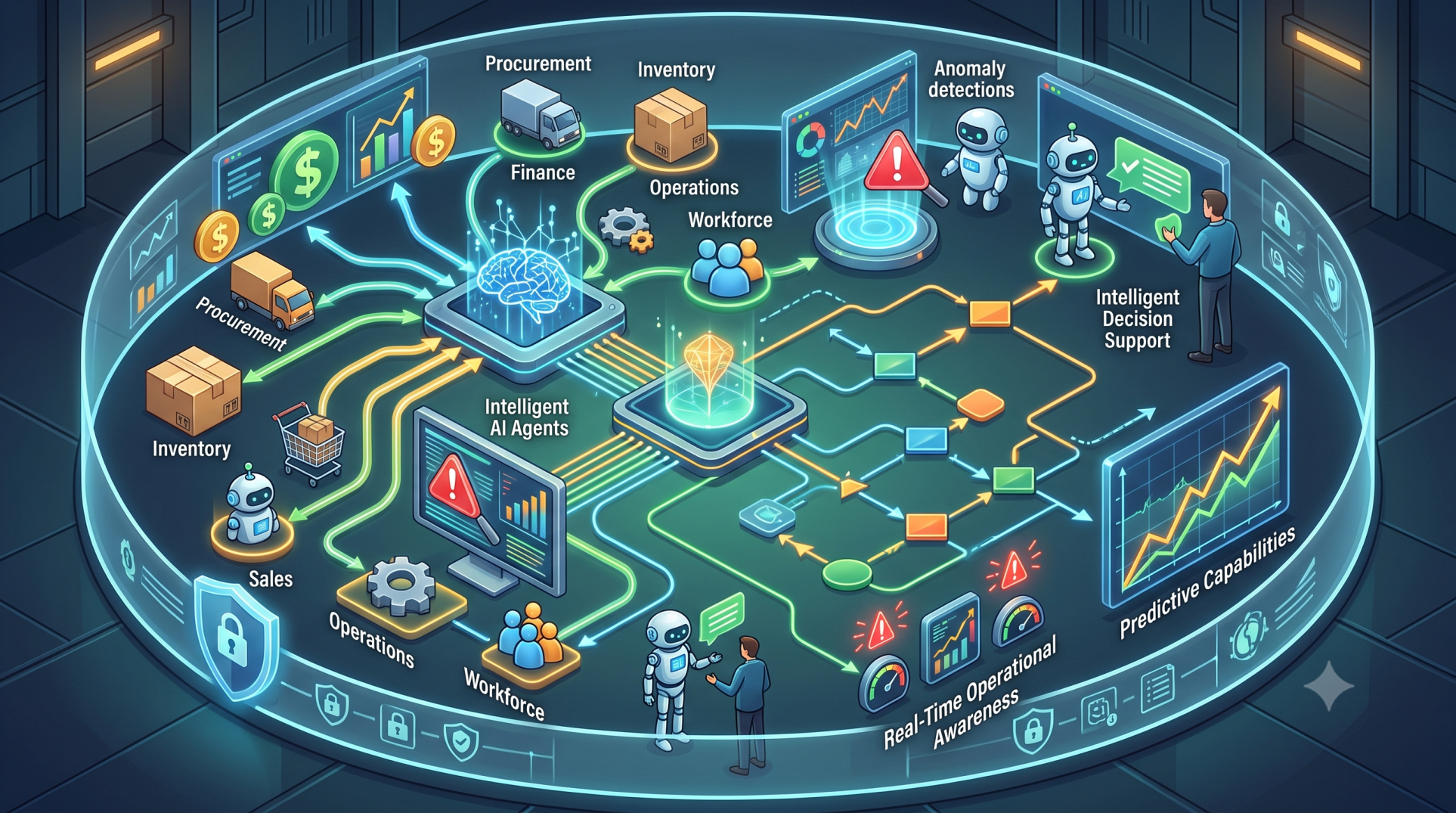
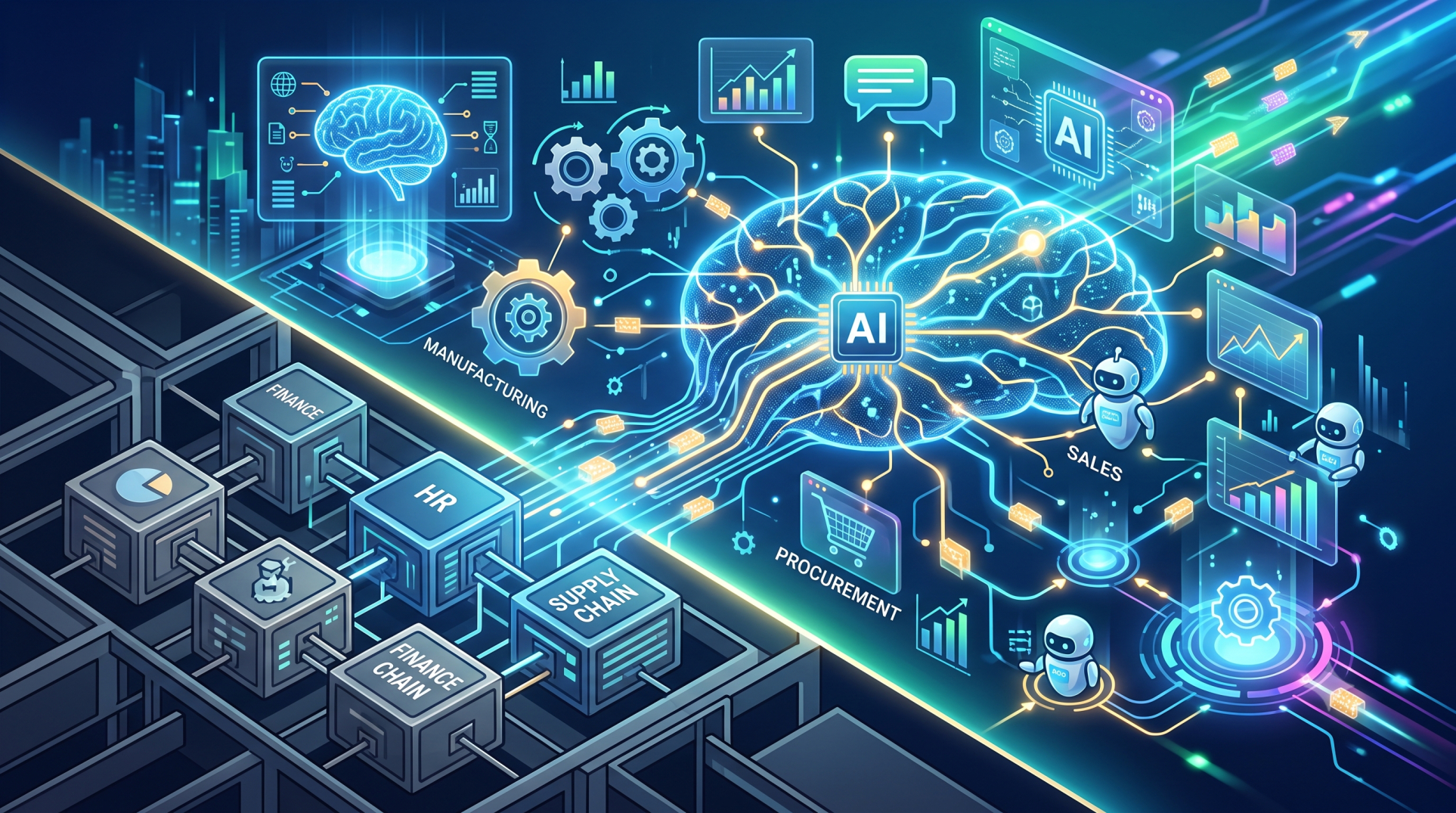
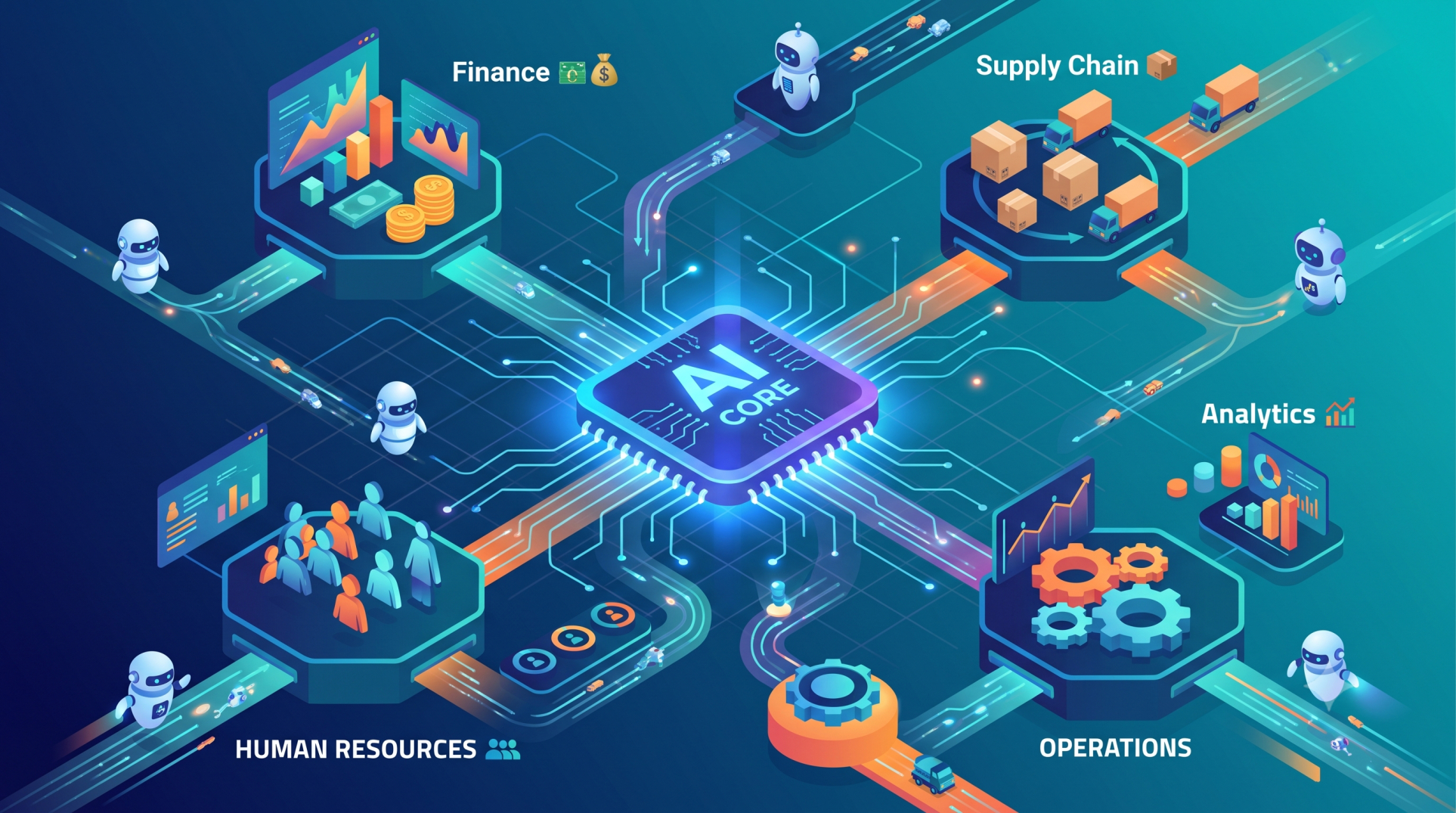
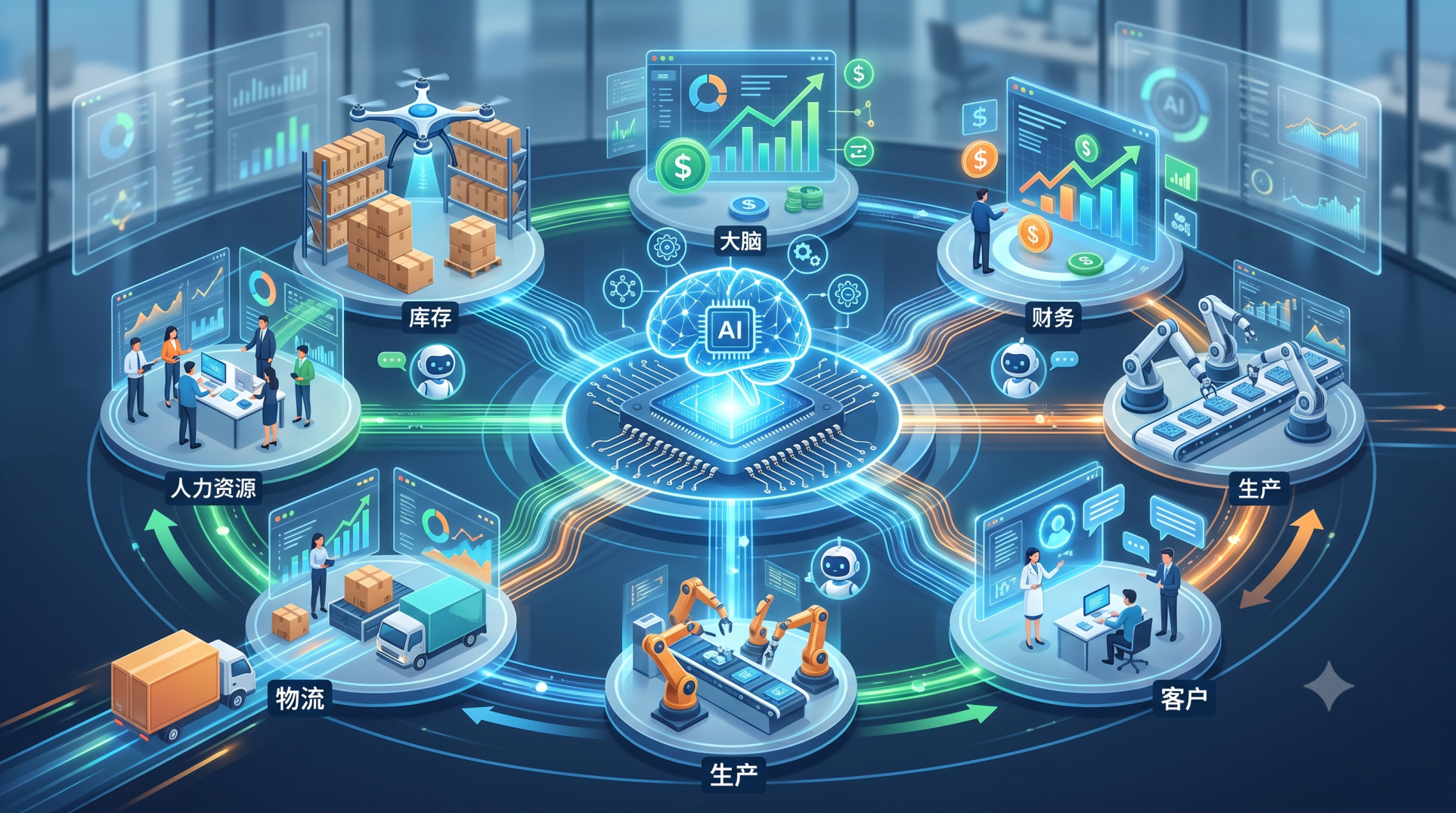
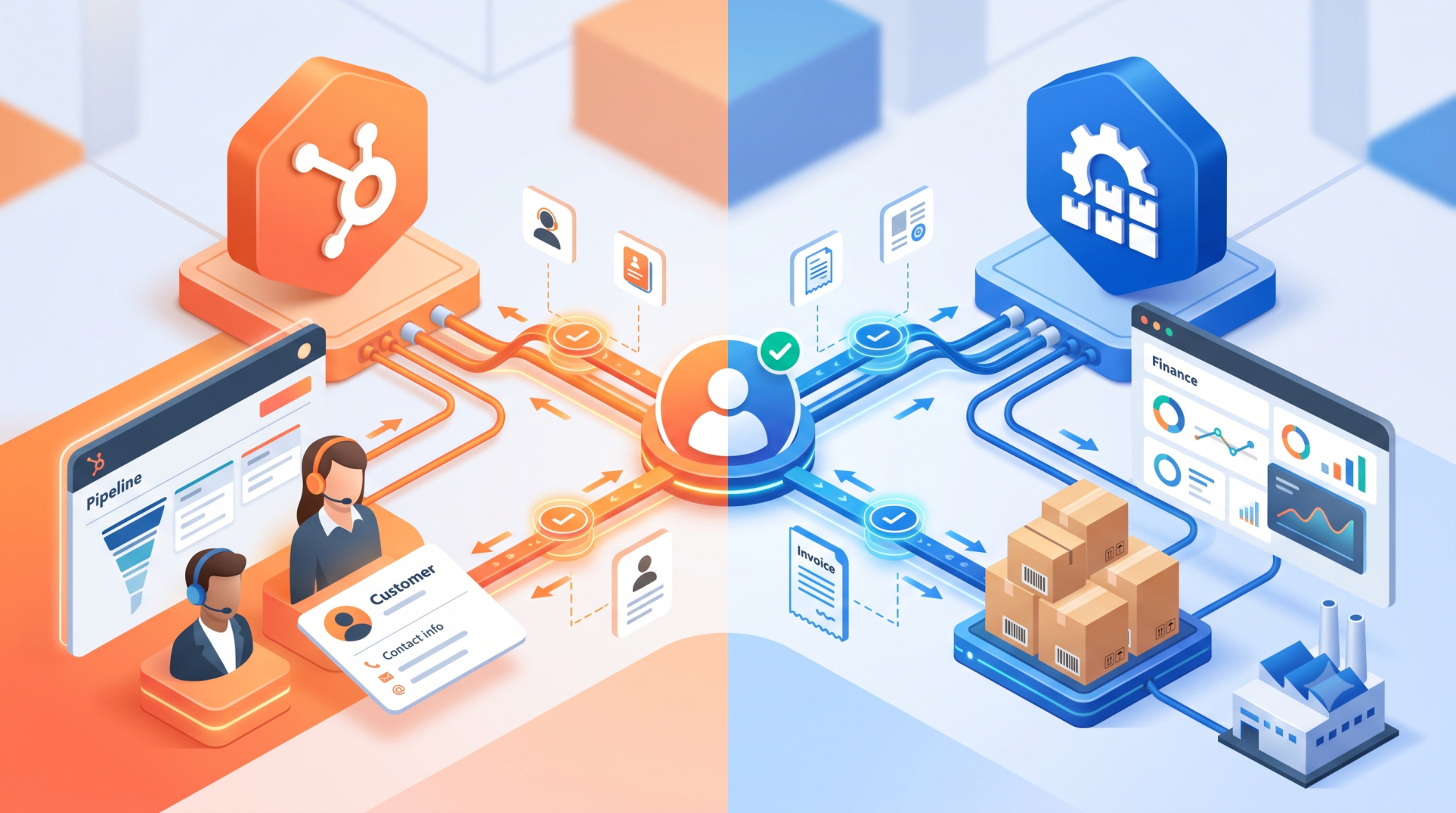
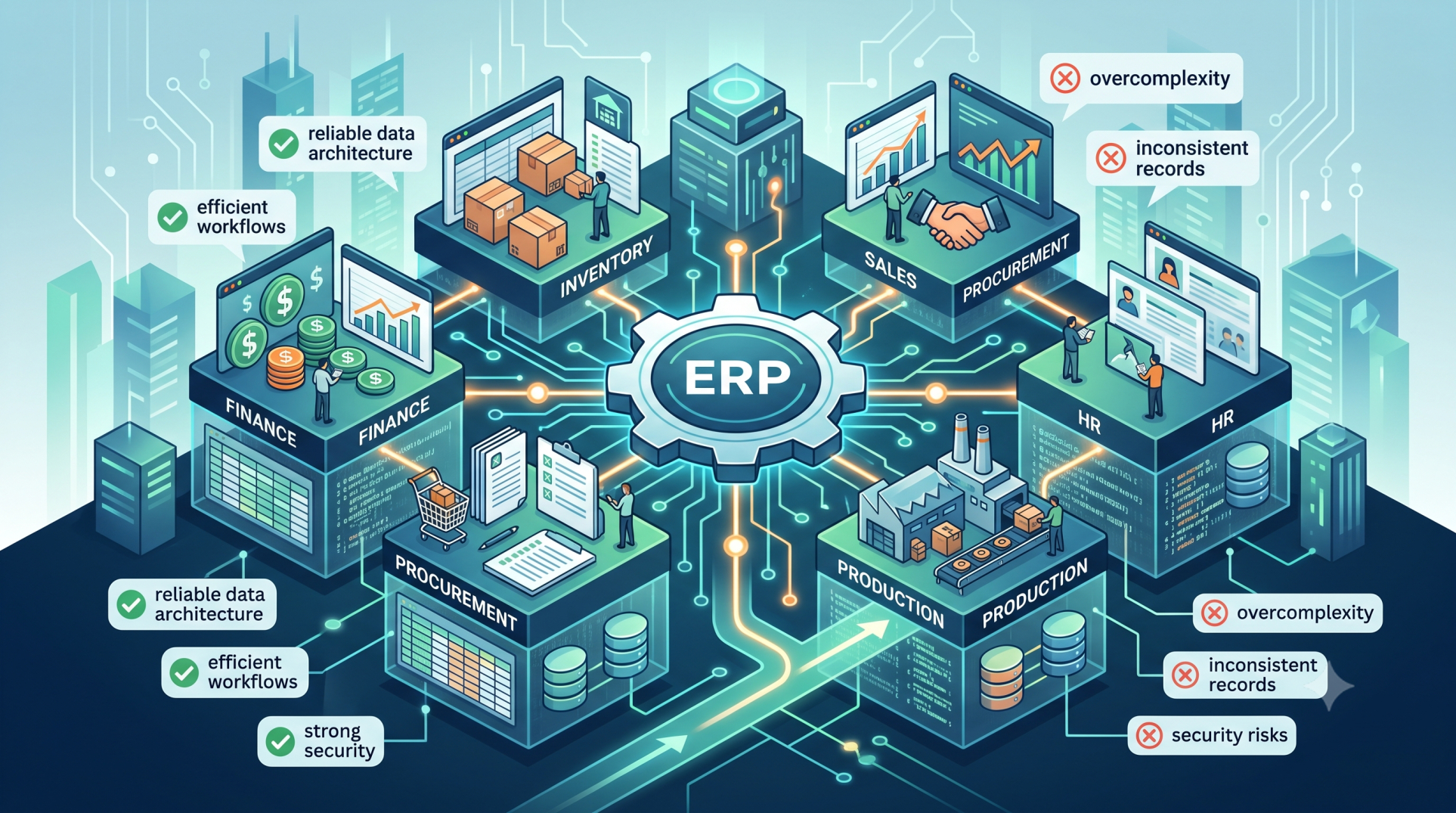
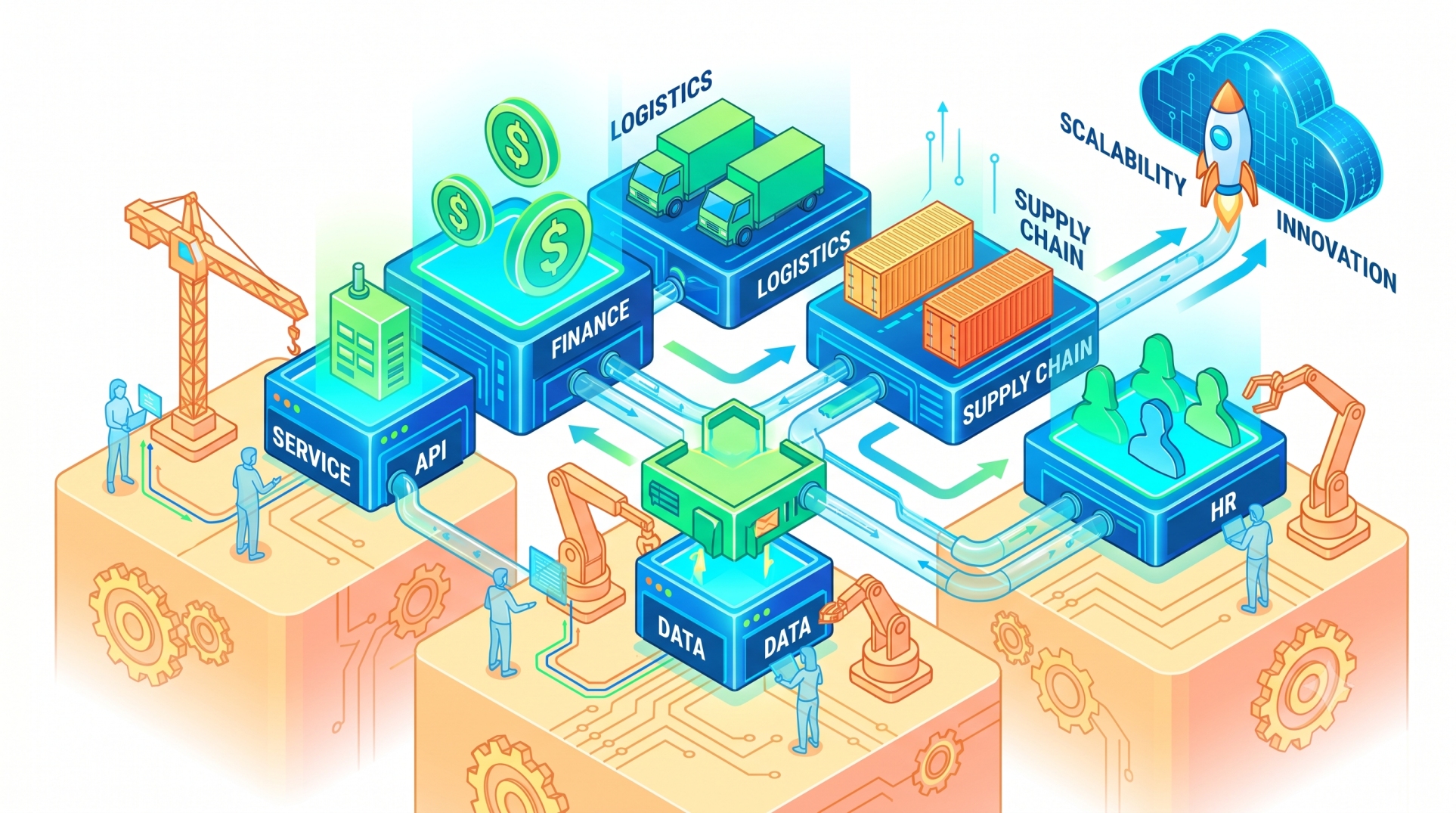
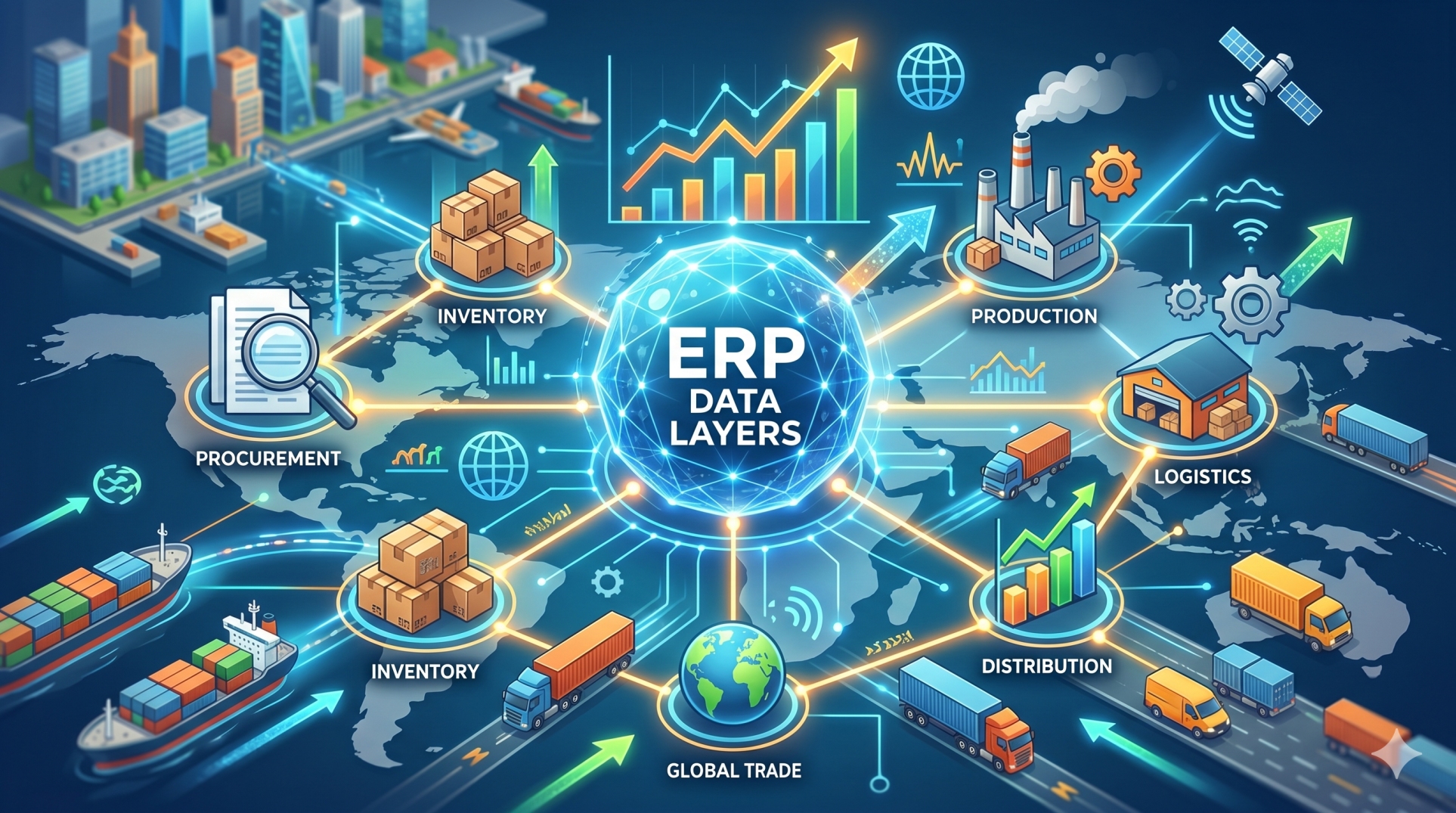
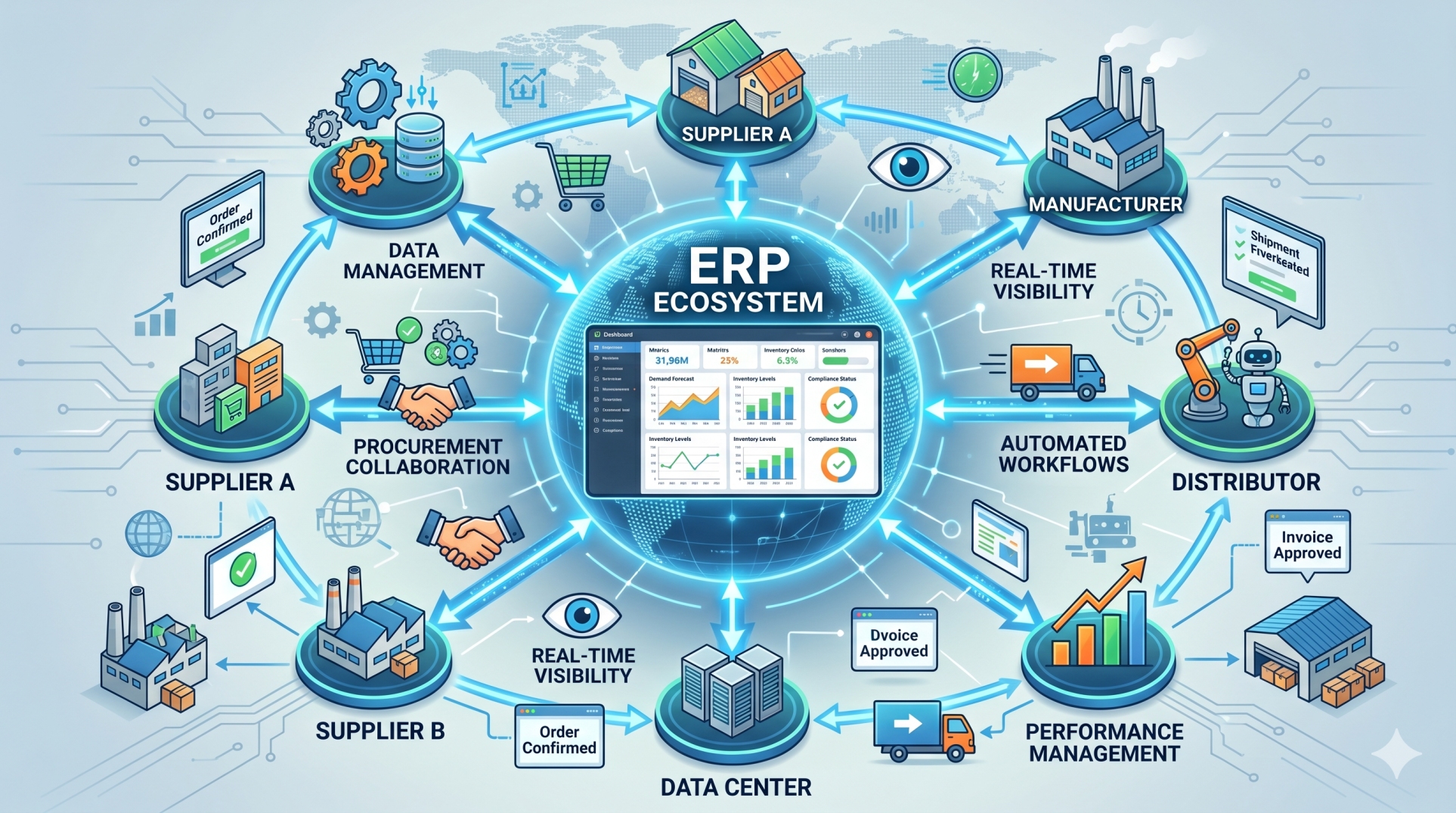
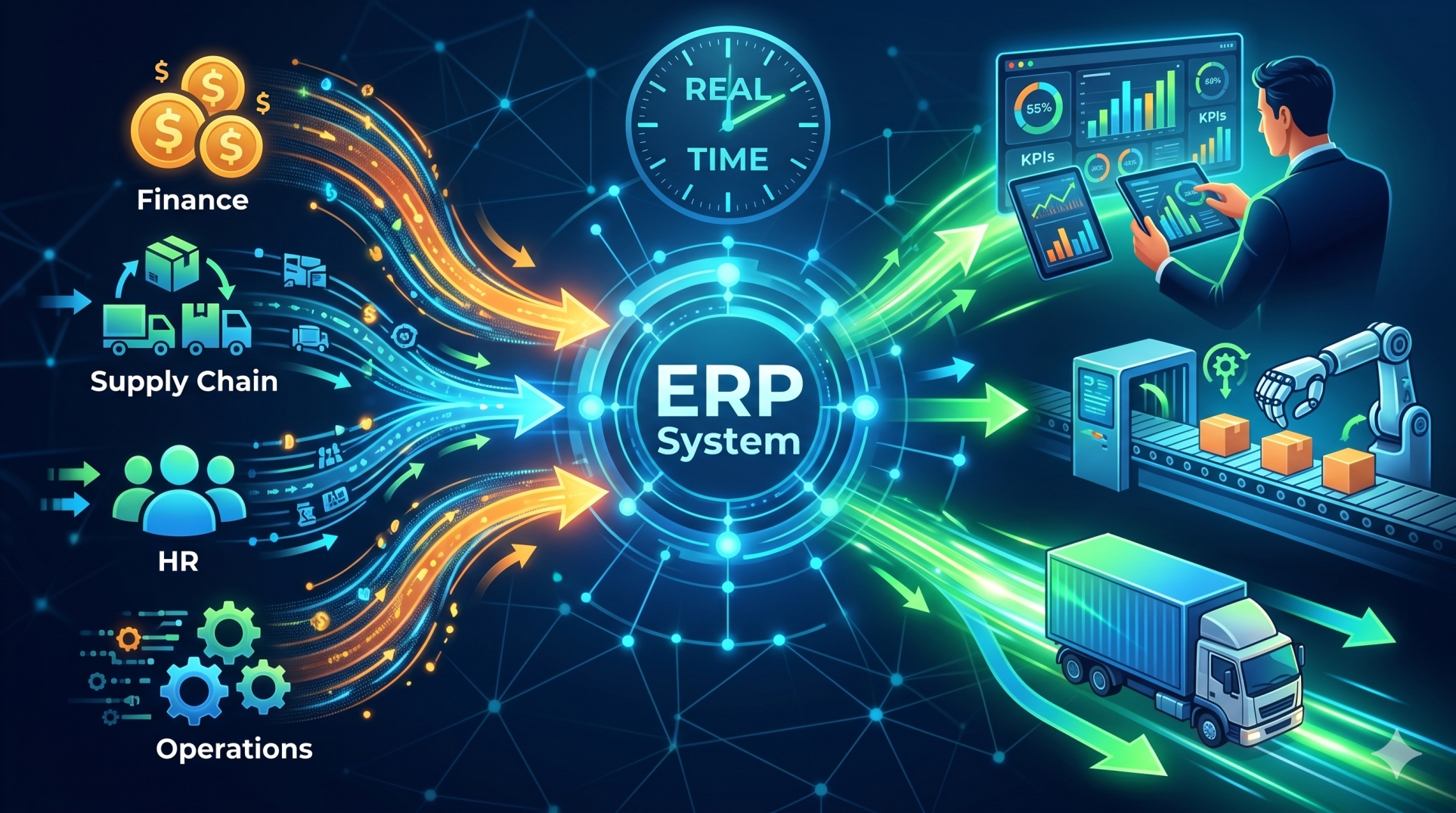
• Connect finance, operations, HR, and supply chain information 🔗
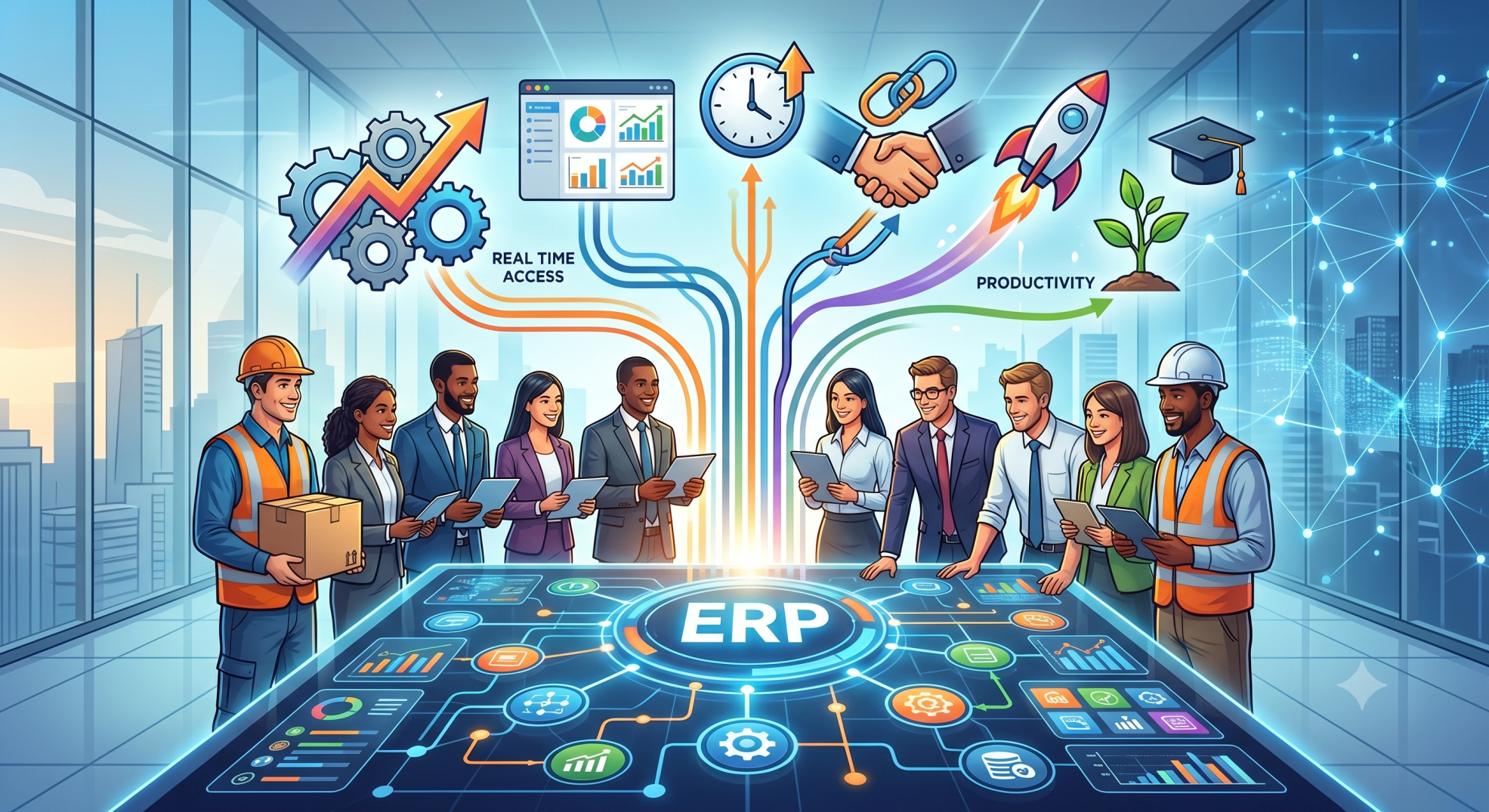
• Enable seamless data sharing between ERP modules 🤝
• Eliminate redundant data entry processes ✍️
• Improve collaboration across business units 🏢
• Maintain consistency throughout workflows ✅
Step 5: Managing Data Relationships 🔍
• Define how entities interact within the ERP ecosystem 🧩
• Map dependencies between business processes 📊
• Support hierarchical and relational data structures 🌳
• Maintain data integrity across transactions ✔️
• Enable comprehensive business analysis 📈
Step 6: Implementing Master Data Management 🗄️
• Establish authoritative records for key business entities 🏆
• Control data creation and modification processes 🔒
• Prevent duplicate or conflicting records 🚫
• Ensure consistency across integrated applications 🔄
• Improve overall data governance standards 📜
Step 7: Supporting Real-Time Data Synchronization ⚡
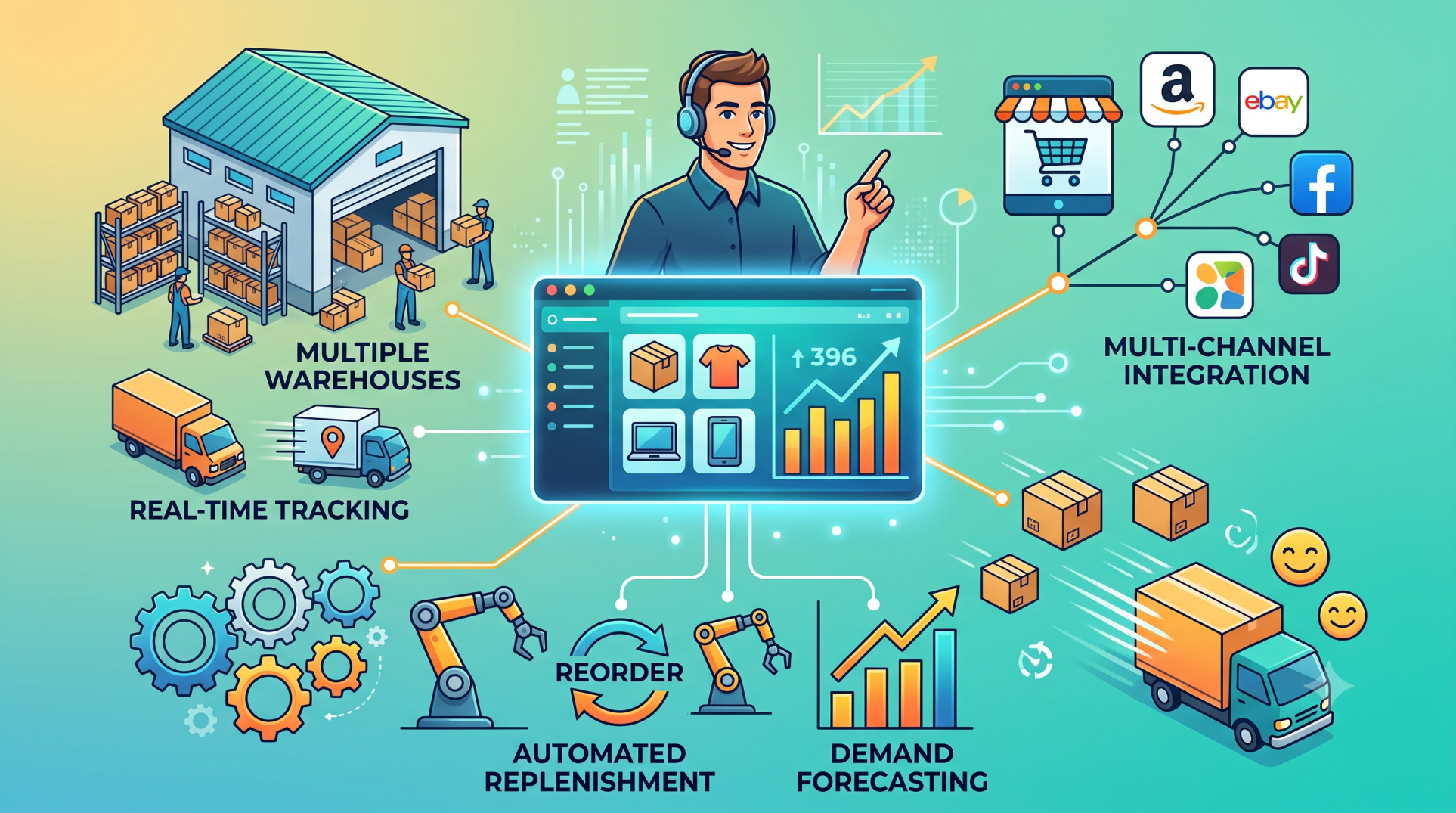
• Keep information updated across all ERP modules 🔄
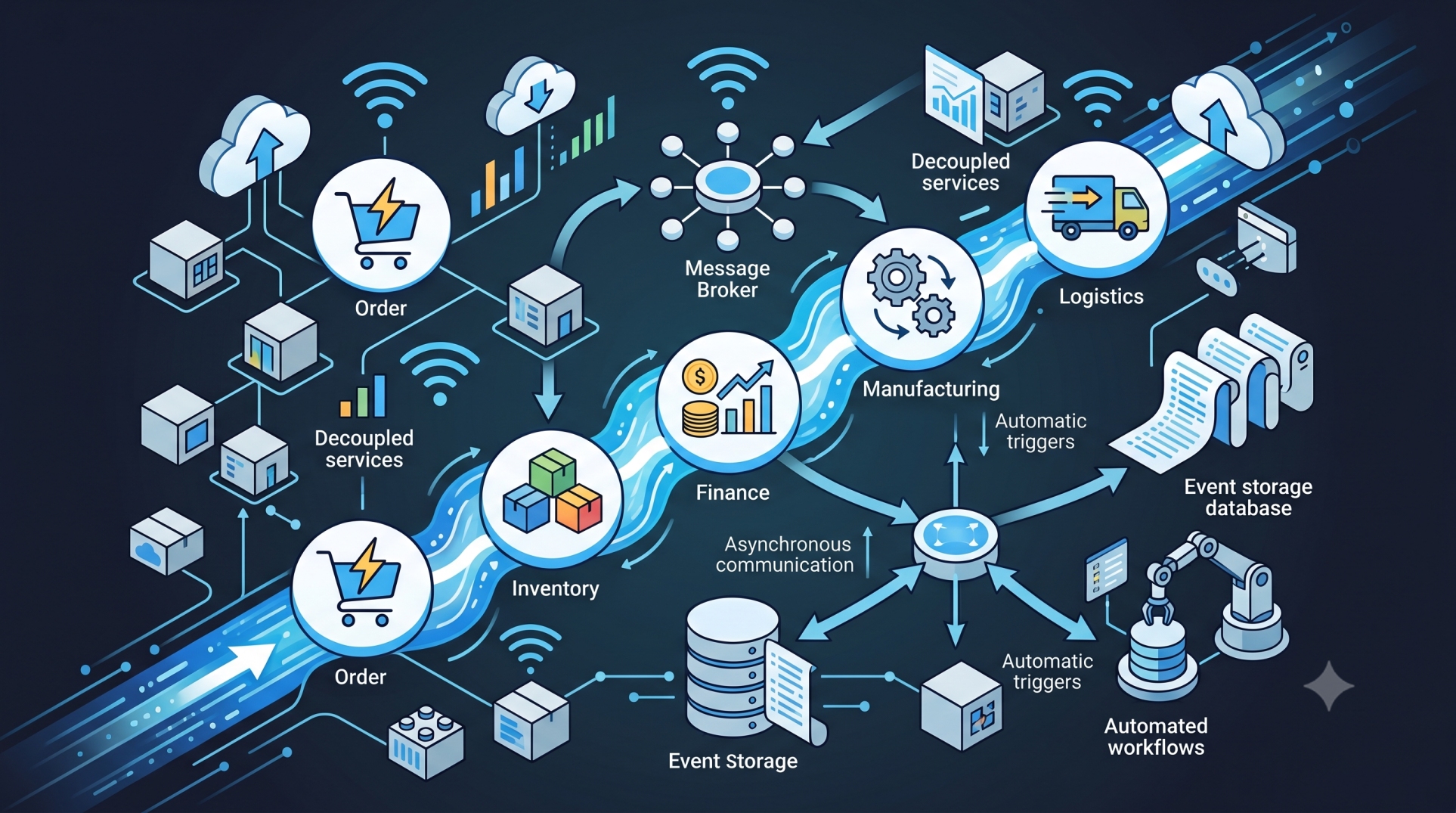
• Synchronize transactions as they occur ⏱️
• Reduce delays caused by batch processing 🚀
• Improve operational responsiveness 📡
• Enable accurate, up-to-date reporting 📊
Step 8: Ensuring Data Quality and Governance 🛡️
• Implement validation rules for incoming data ✔️
• Monitor data accuracy and completeness 🔍
• Establish governance policies and ownership 📋
• Track changes through audit trails 🧾
• Maintain compliance with organizational standards ⚖️
Step 9: Enhancing Analytics and Reporting 📊
• Create a single source of truth for business intelligence 🎯
• Enable consistent reporting across departments 📈
• Improve forecasting and performance analysis 🔮
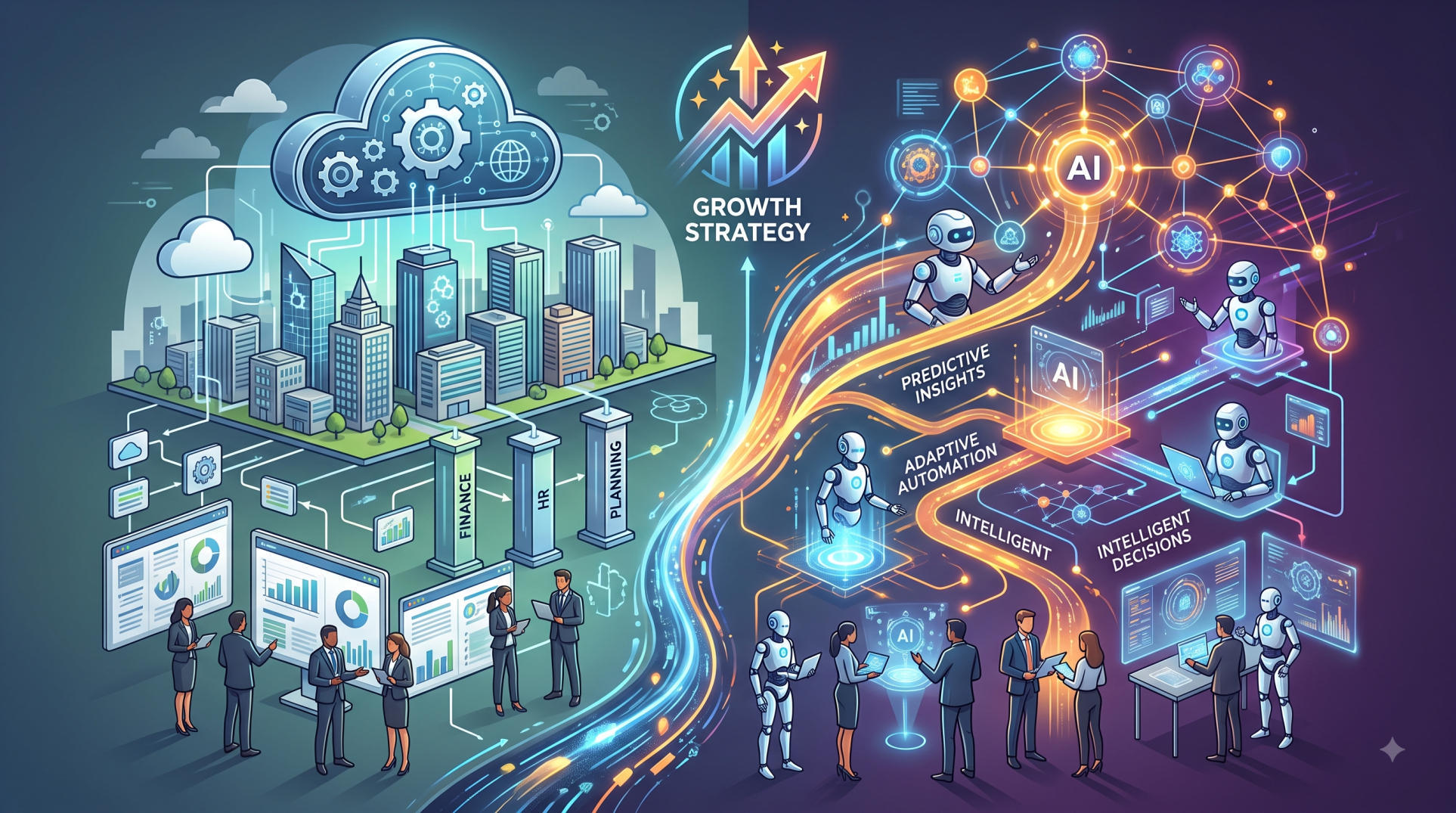
• Support advanced analytics and AI initiatives 🤖
• Deliver actionable insights from unified datasets 💡
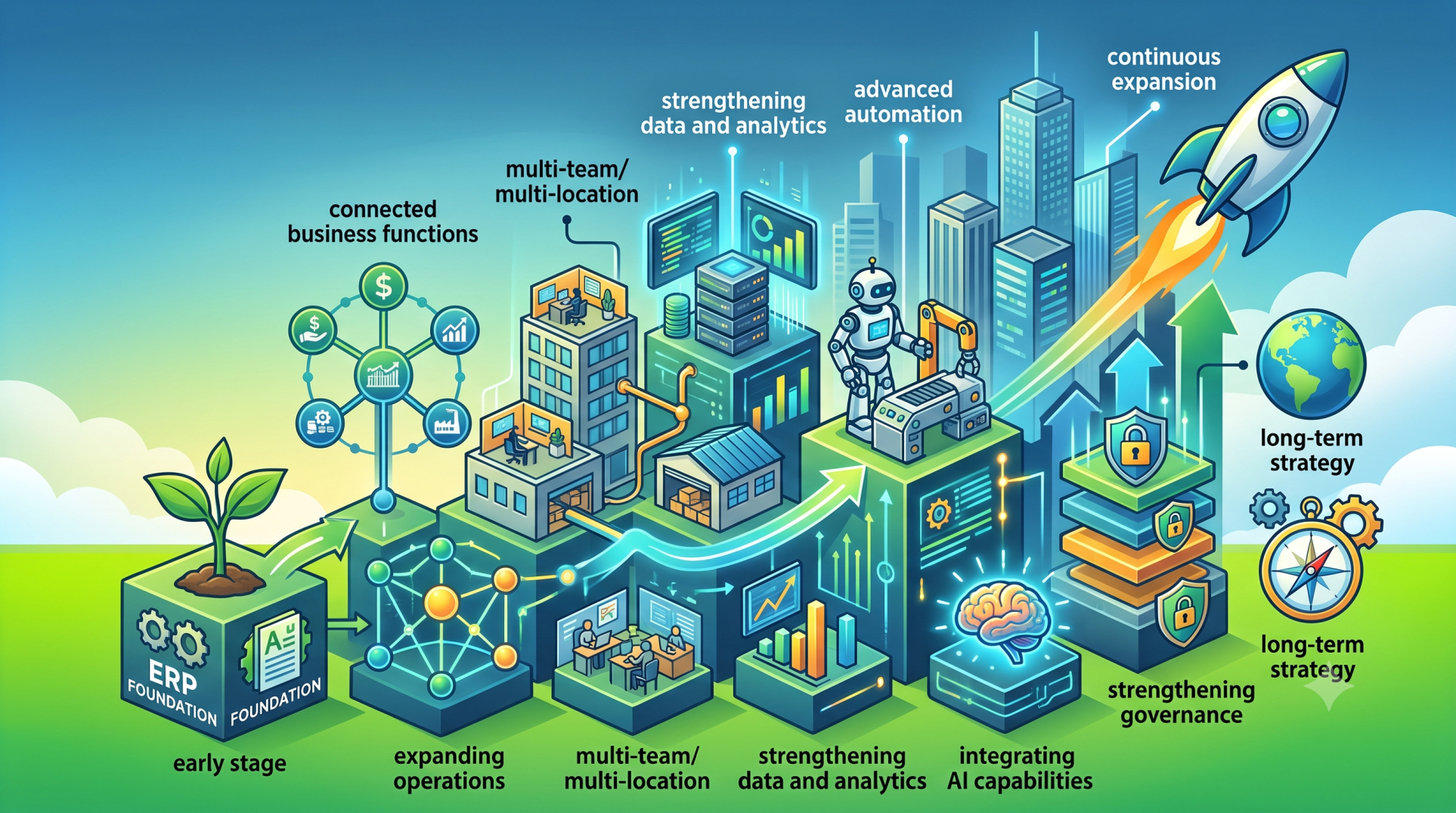
Step 10: Building for Scalability and Future Growth 🚀
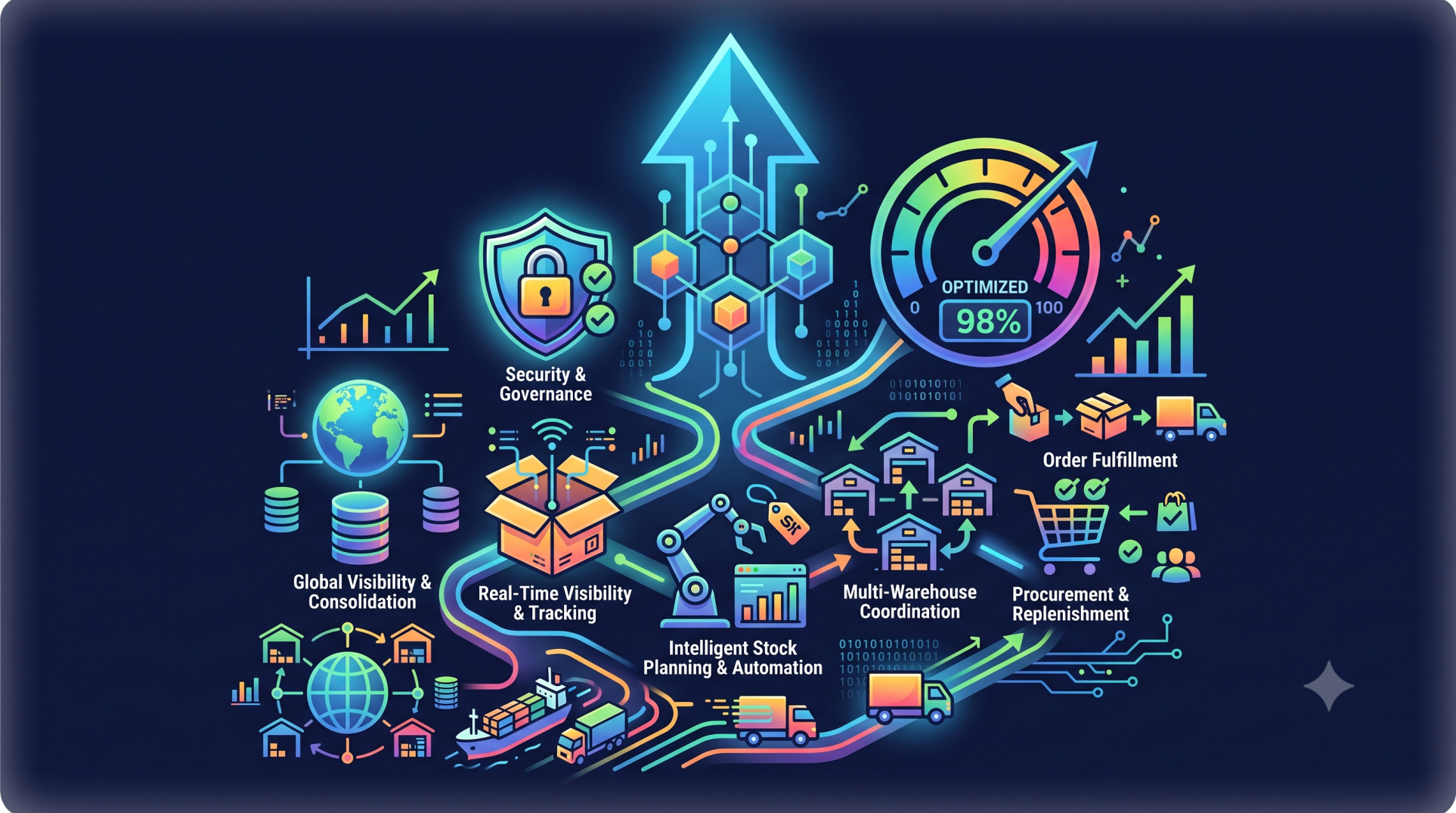
• Design data models that support business expansion 📈
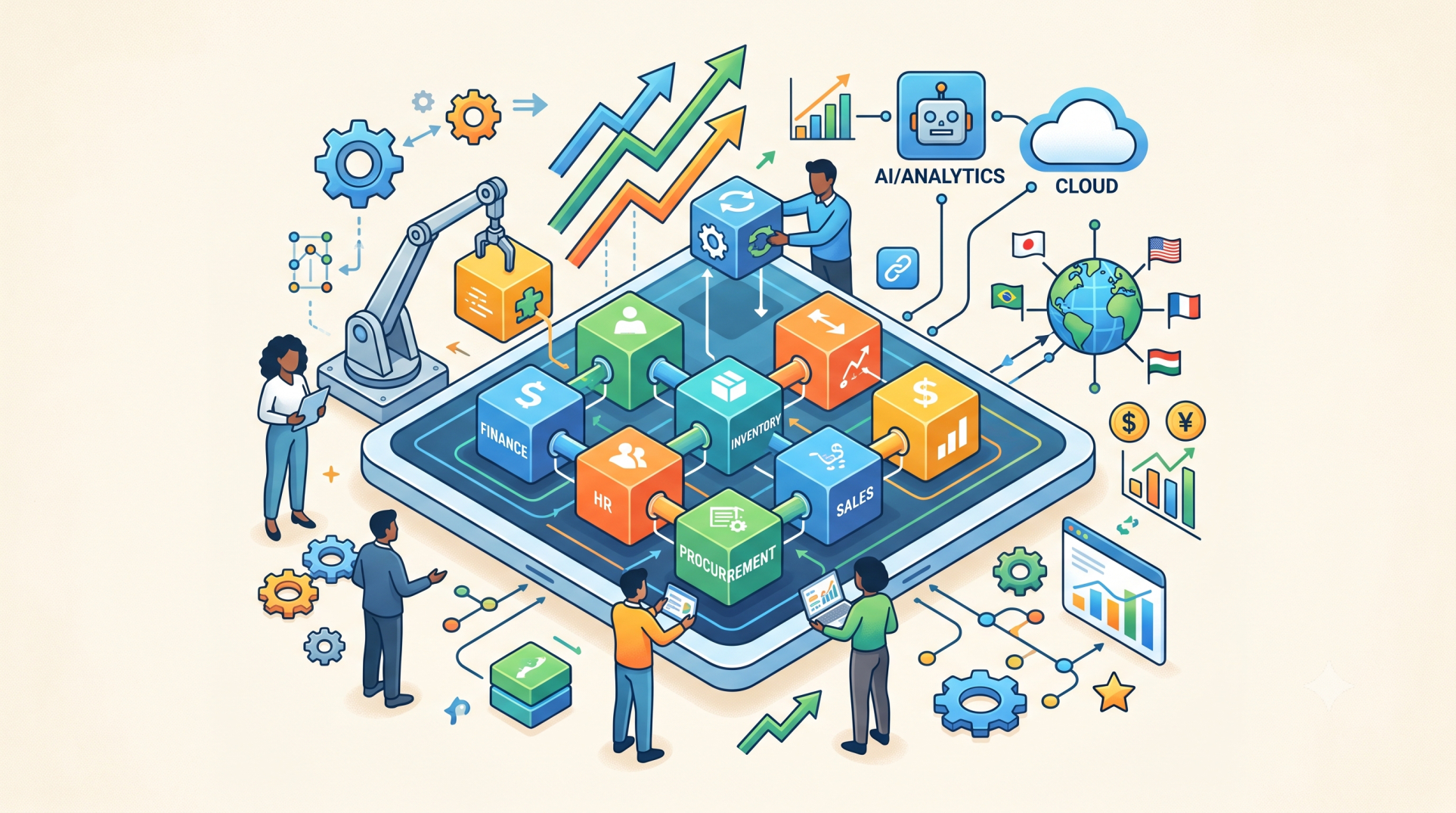
• Accommodate new ERP modules and integrations 🔄
• Maintain flexibility for evolving business processes 🏗️
• Support emerging technologies and automation initiatives 🤖
• Future-proof enterprise data architecture 🌟
Conclusion
Building unified data models inside ERP platforms is essential for creating a connected, efficient, and data-driven enterprise. By standardizing information, managing relationships, and integrating cross-functional processes, organizations can establish a reliable foundation for operations, analytics, and innovation. A well-designed unified data model not only improves current performance but also supports long-term scalability and digital transformation.
See more blogs
You can all the articles below