Cross-Functional Data Visibility Through ERP

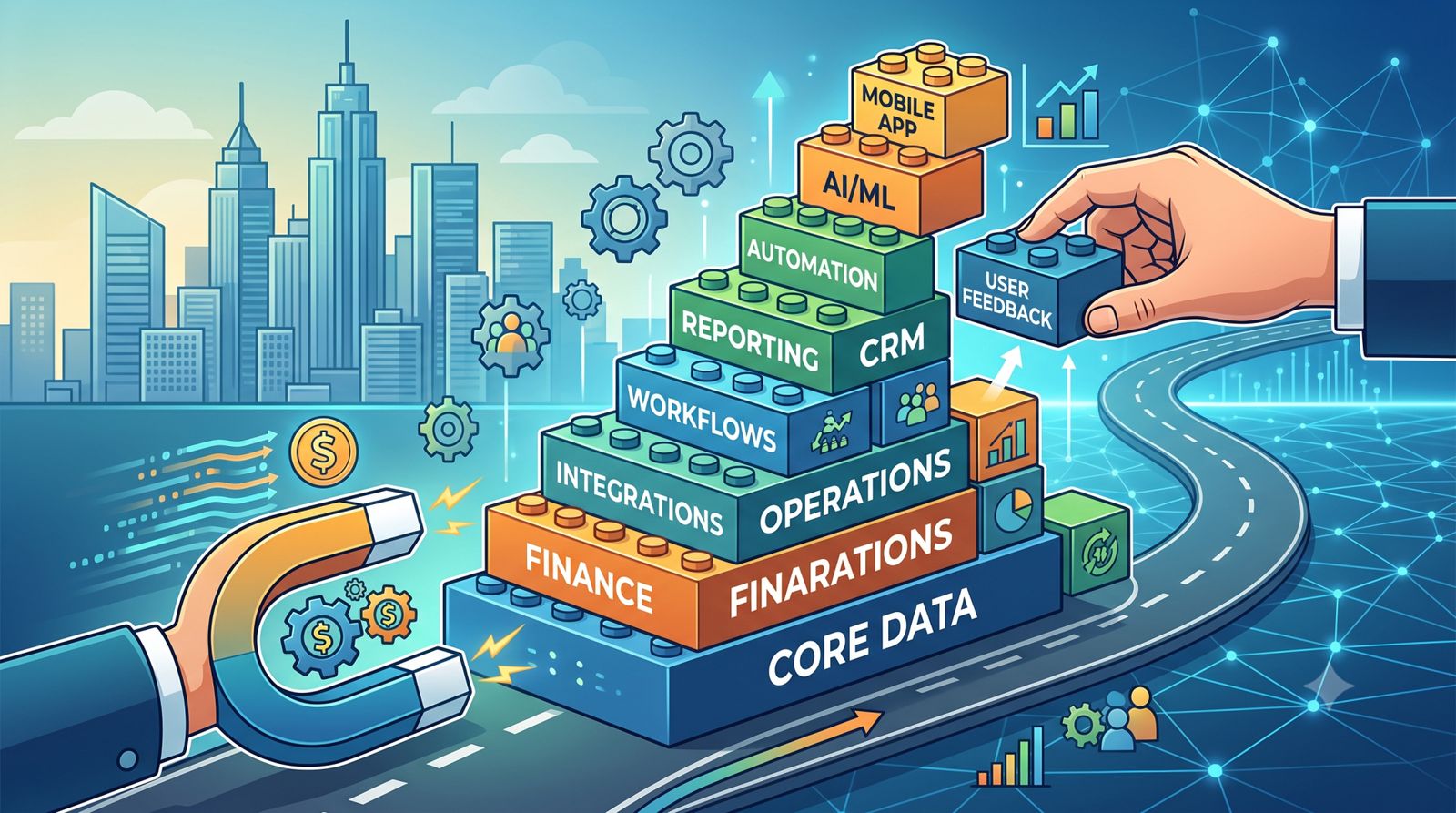
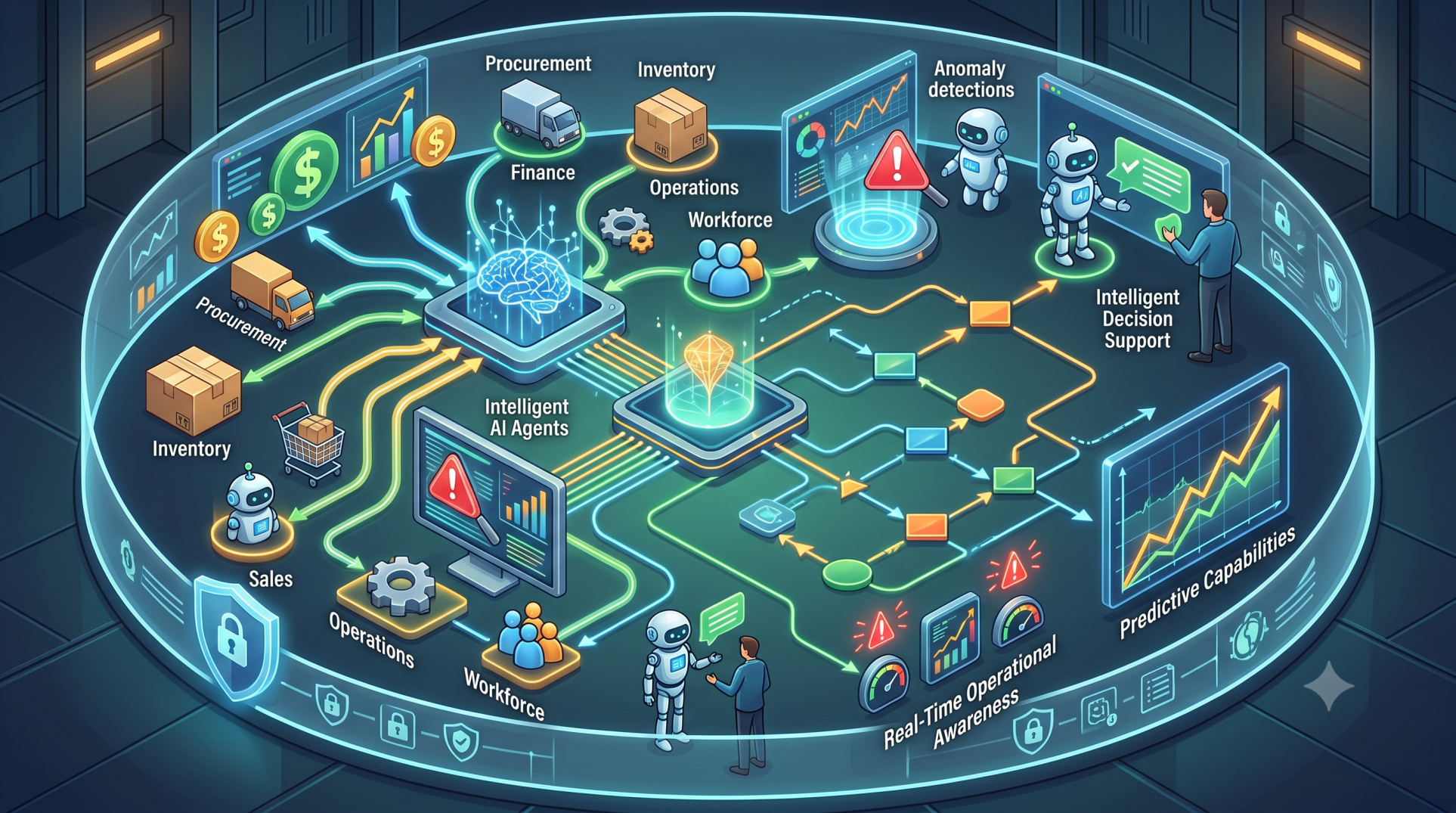
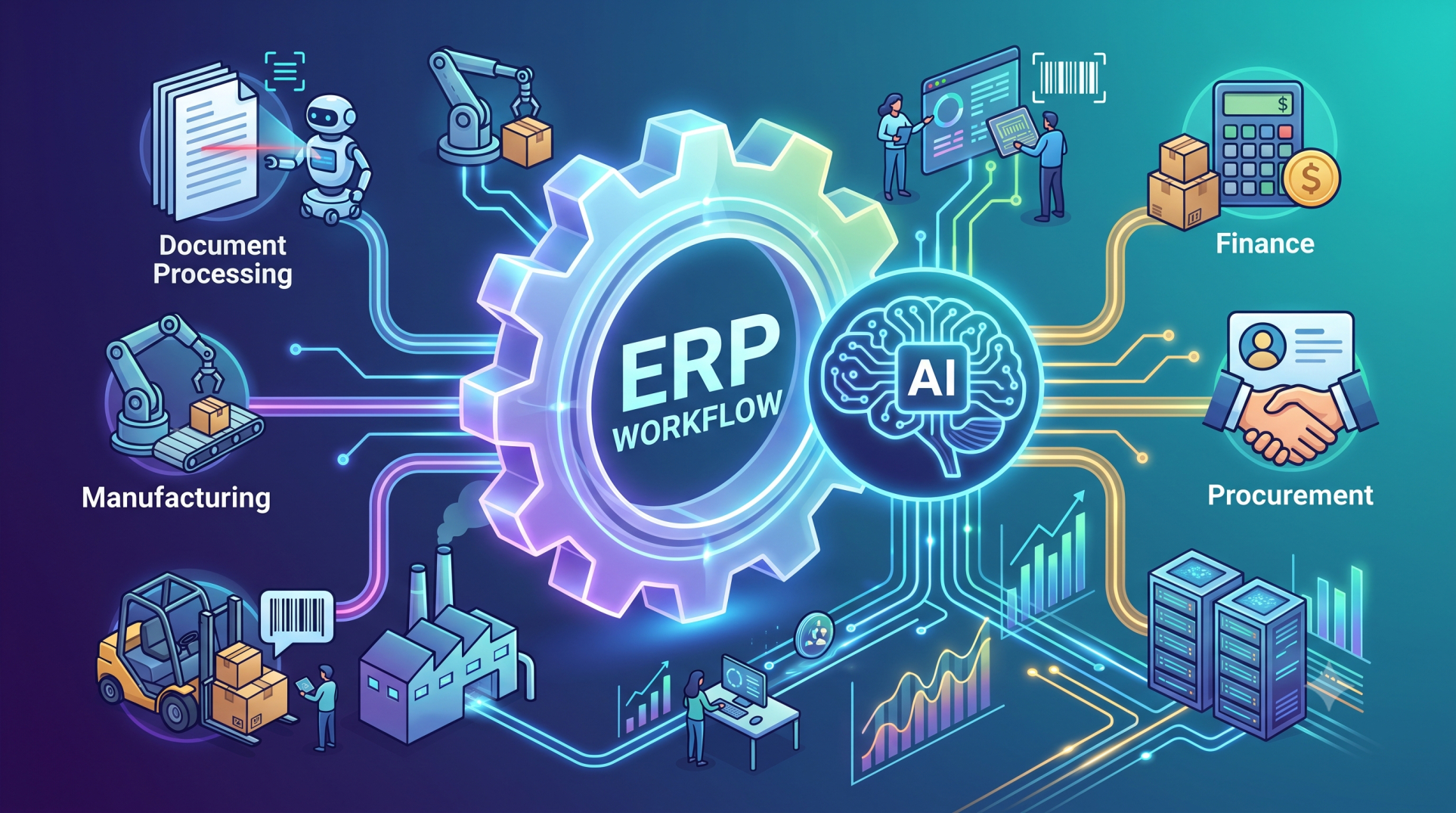
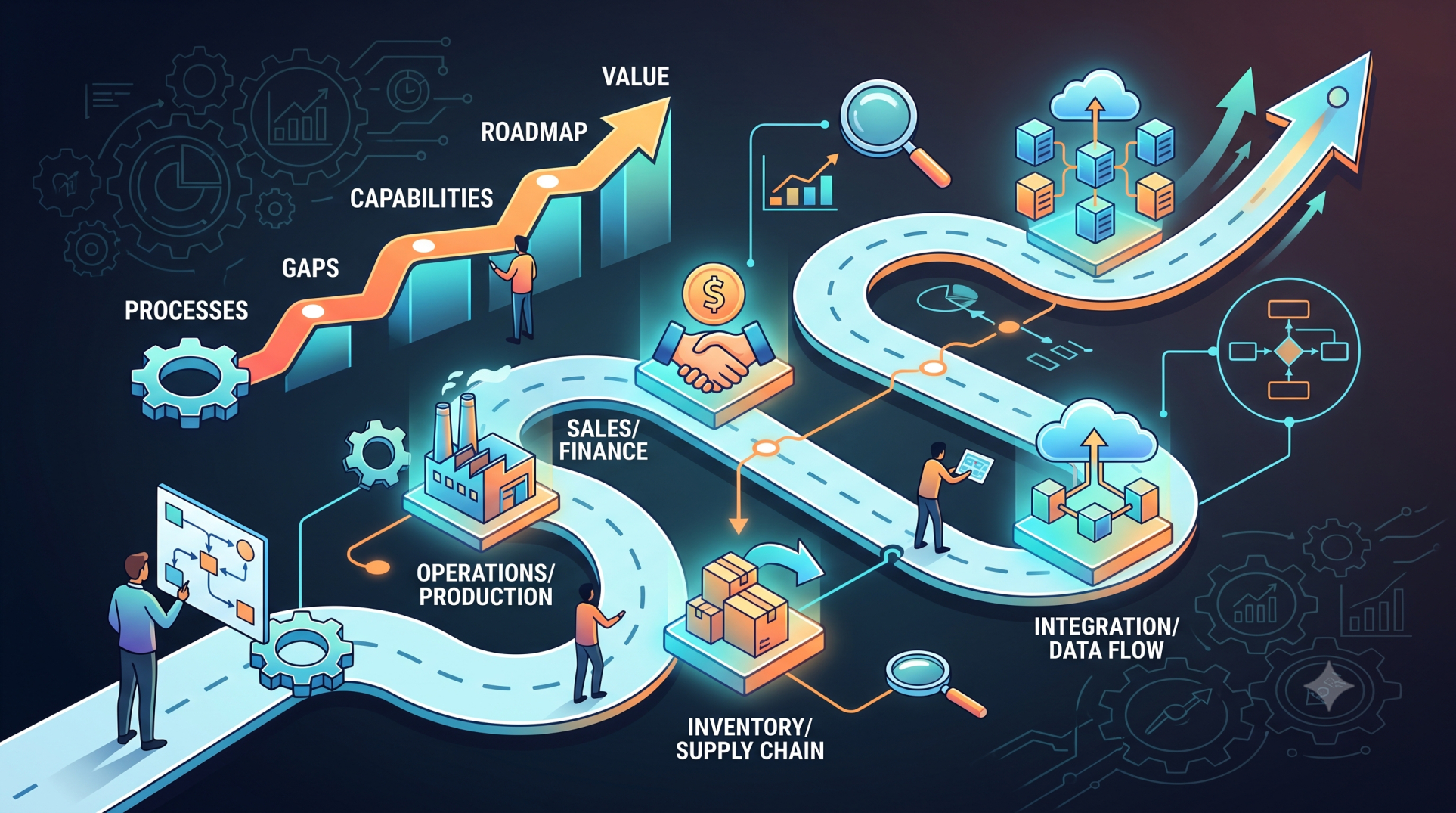
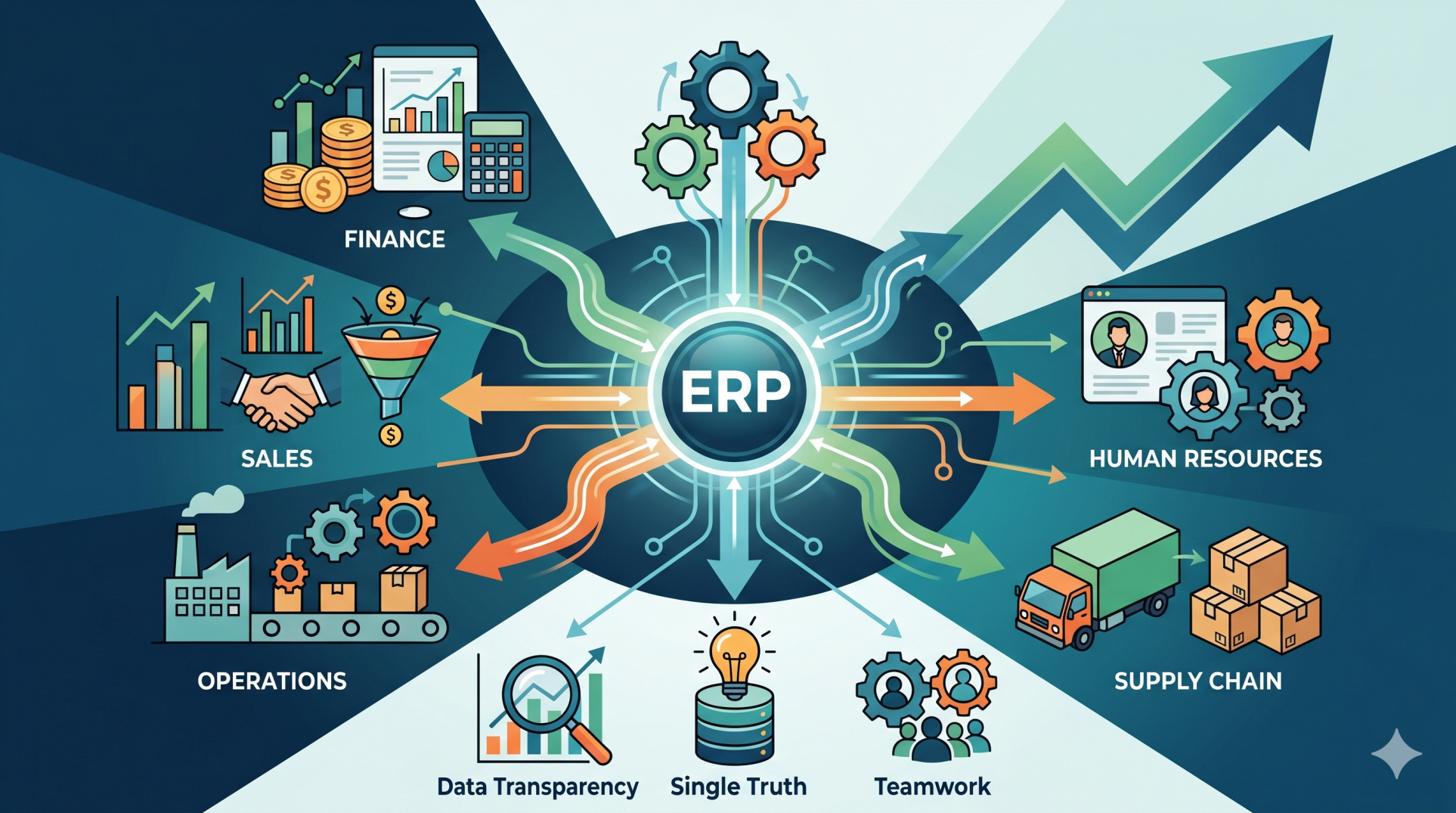
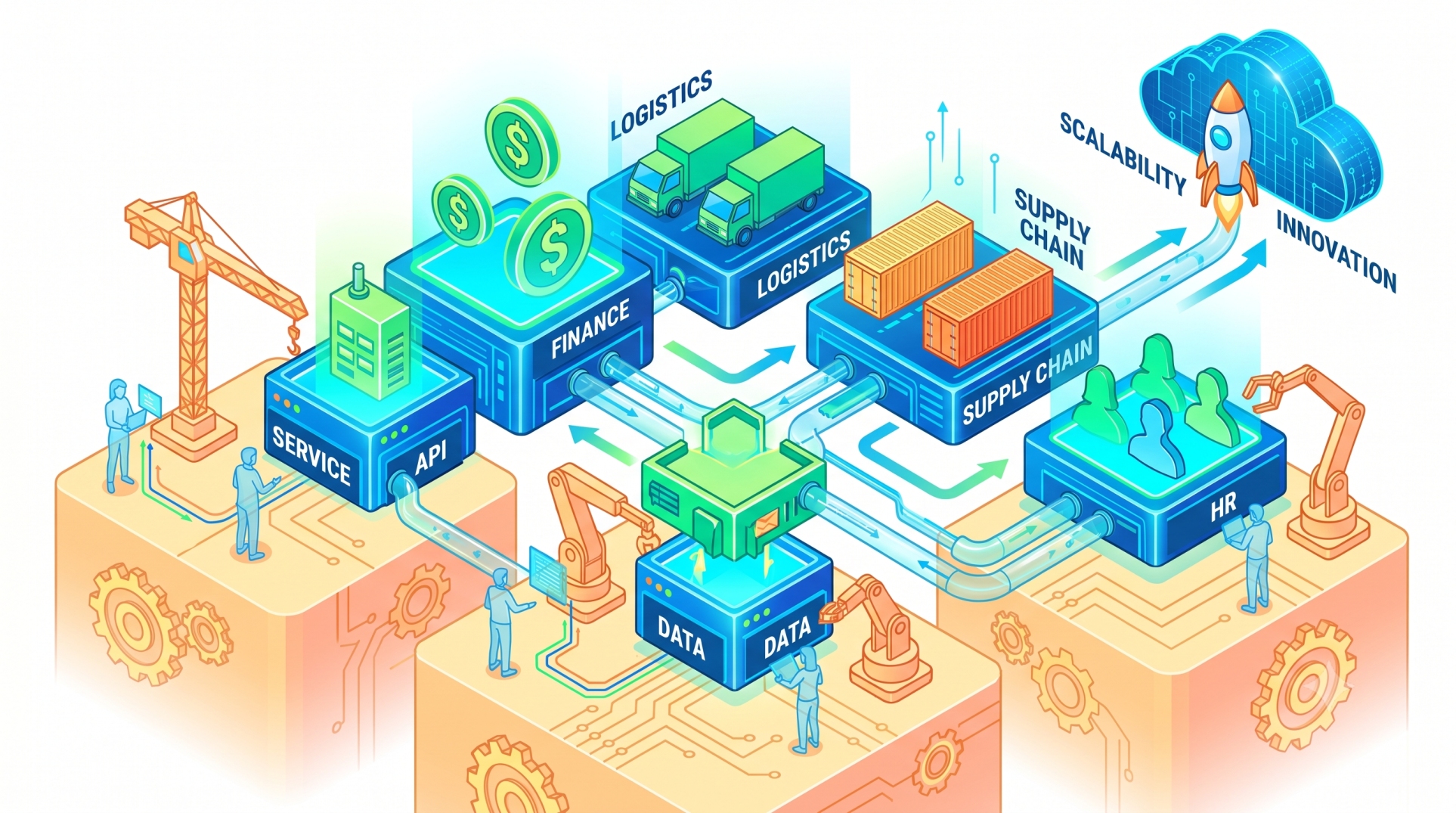
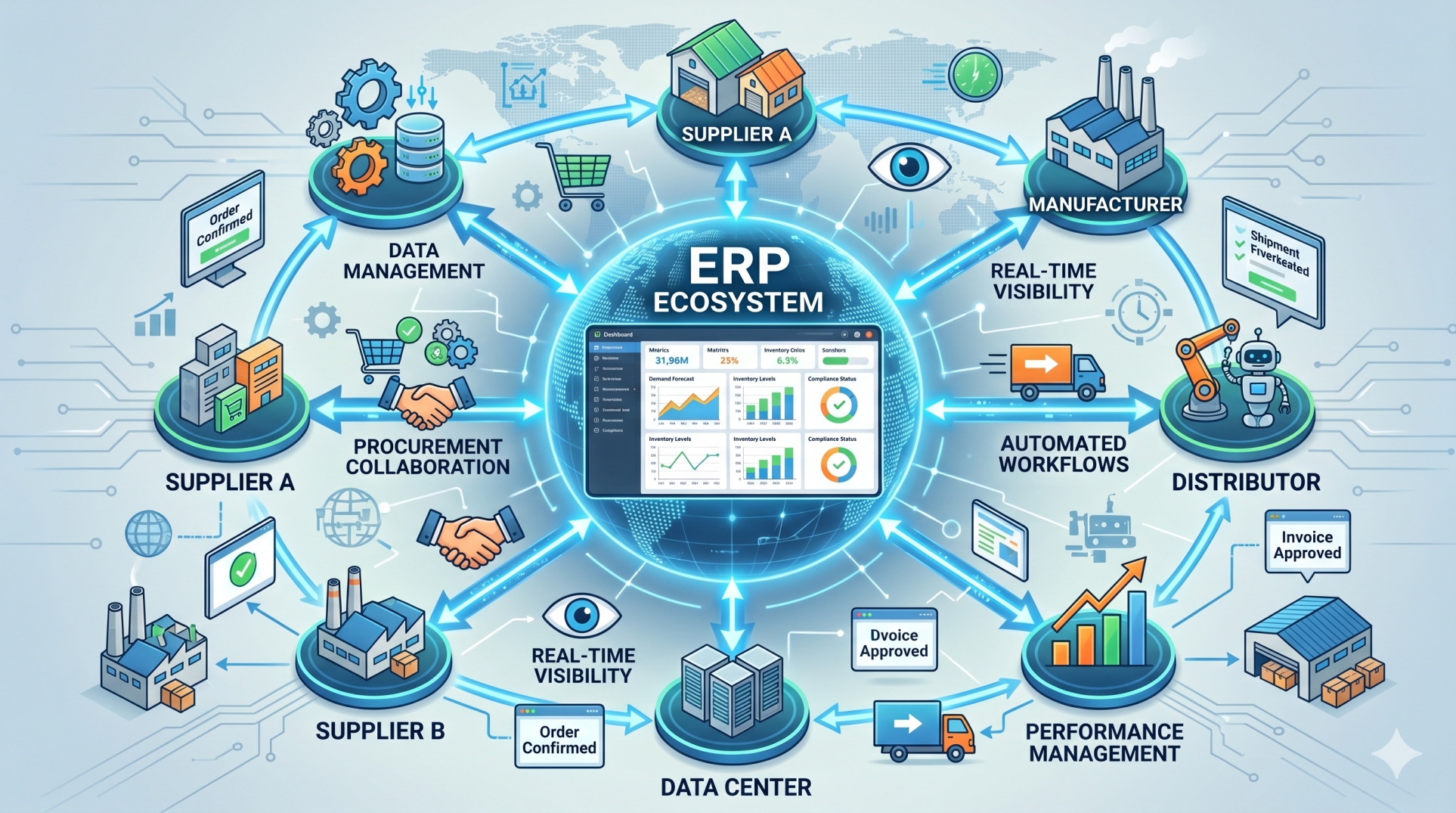
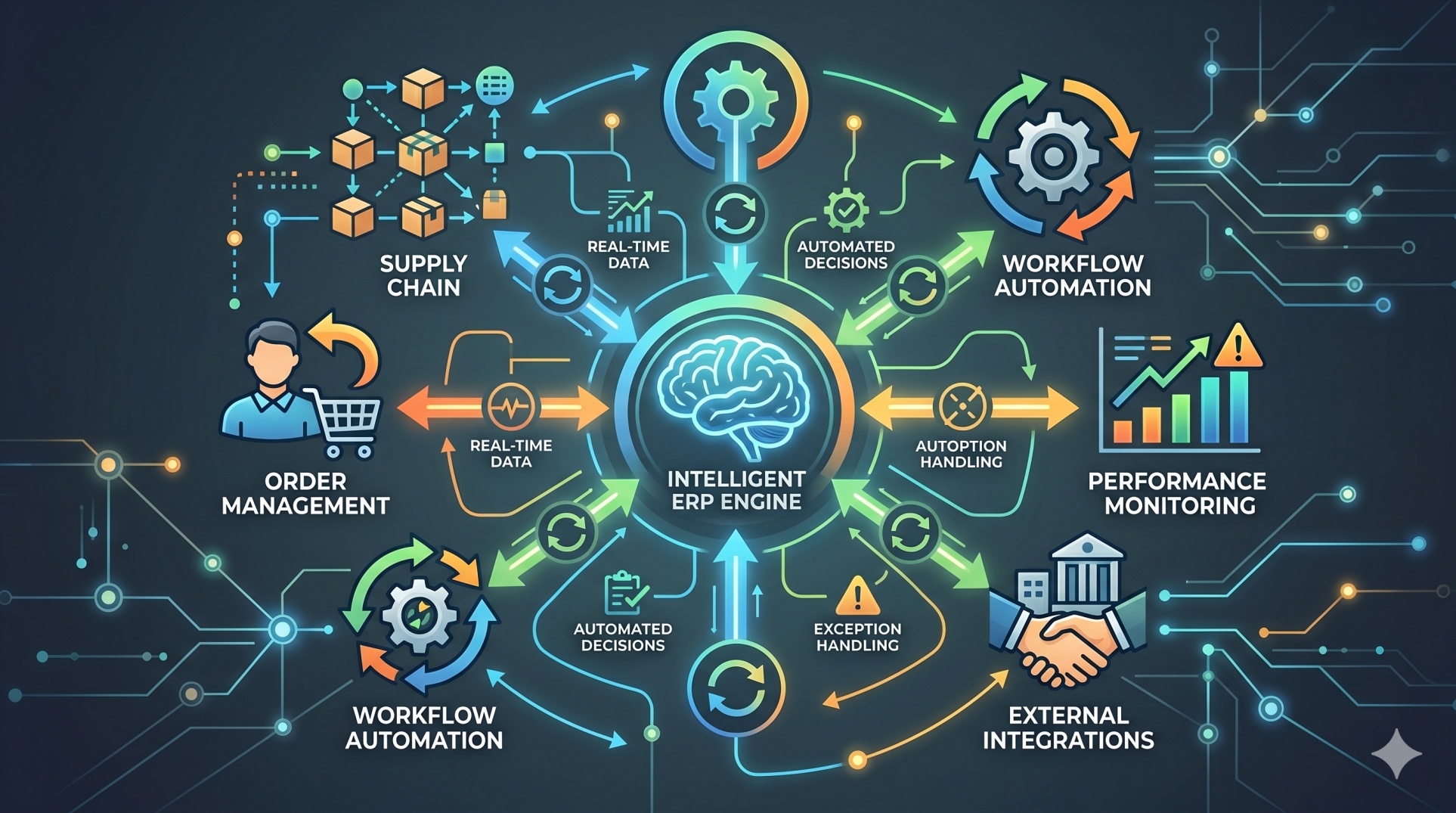
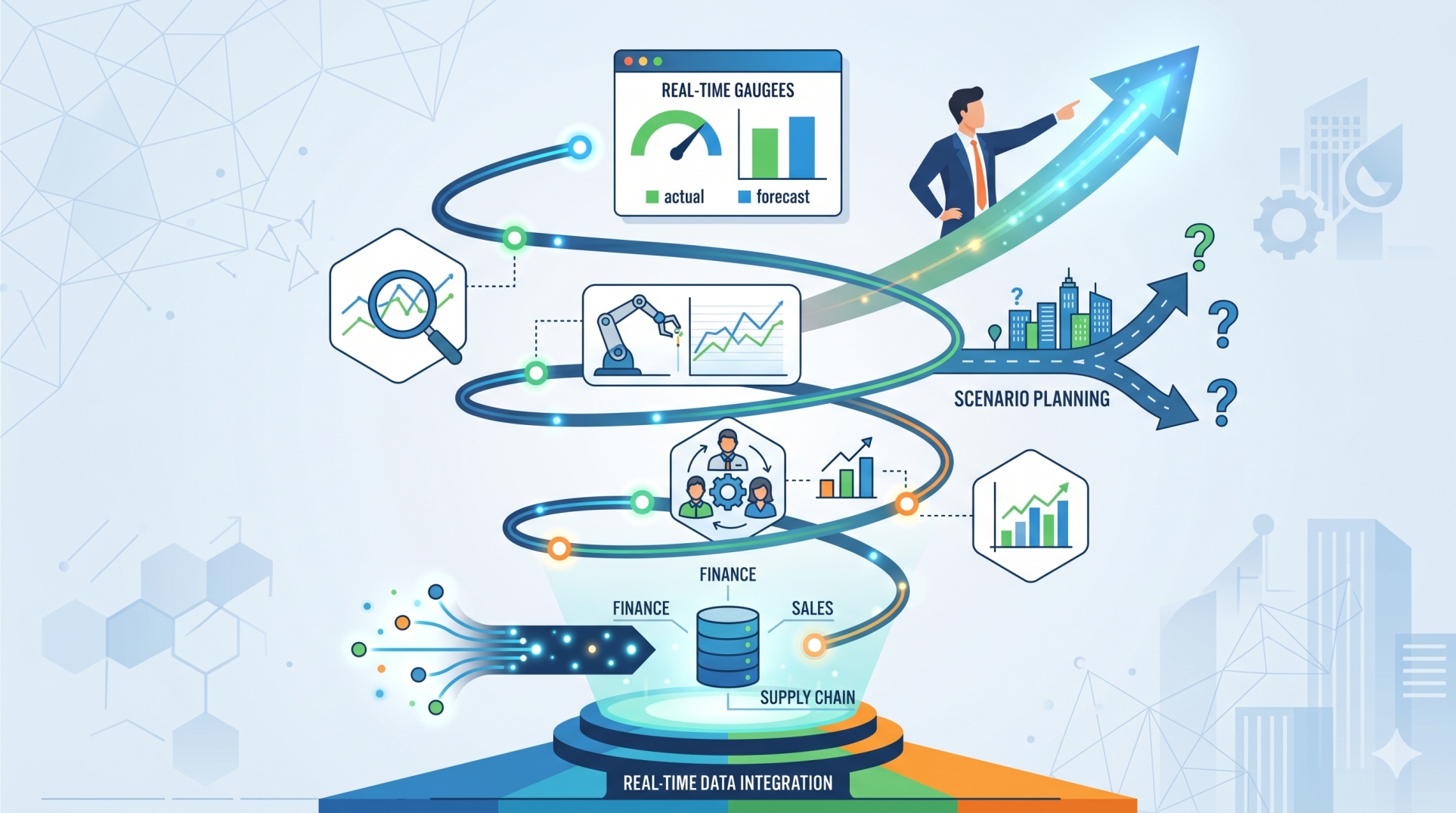
Modern organizations generate data across multiple departments, including finance, operations, sales, procurement, human resources, and customer service. When information remains isolated within individual systems, decision-making becomes slower and less effective. Enterprise Resource Planning (ERP) platforms solve this challenge by creating a unified data environment that enables cross-functional visibility. With centralized access to business information, teams can collaborate more effectively, improve operational efficiency, and make faster, data-driven decisions.
Step 1: Understanding Cross-Functional Data Visibility 👁️
• Cross-functional visibility provides a shared view of information across departments 🔗
• ERP systems centralize data from multiple business functions 🏢
• Teams gain access to accurate and consistent information 📊
• Decision-making improves through organization-wide transparency ✅
• Data silos are eliminated to support collaboration 🤝
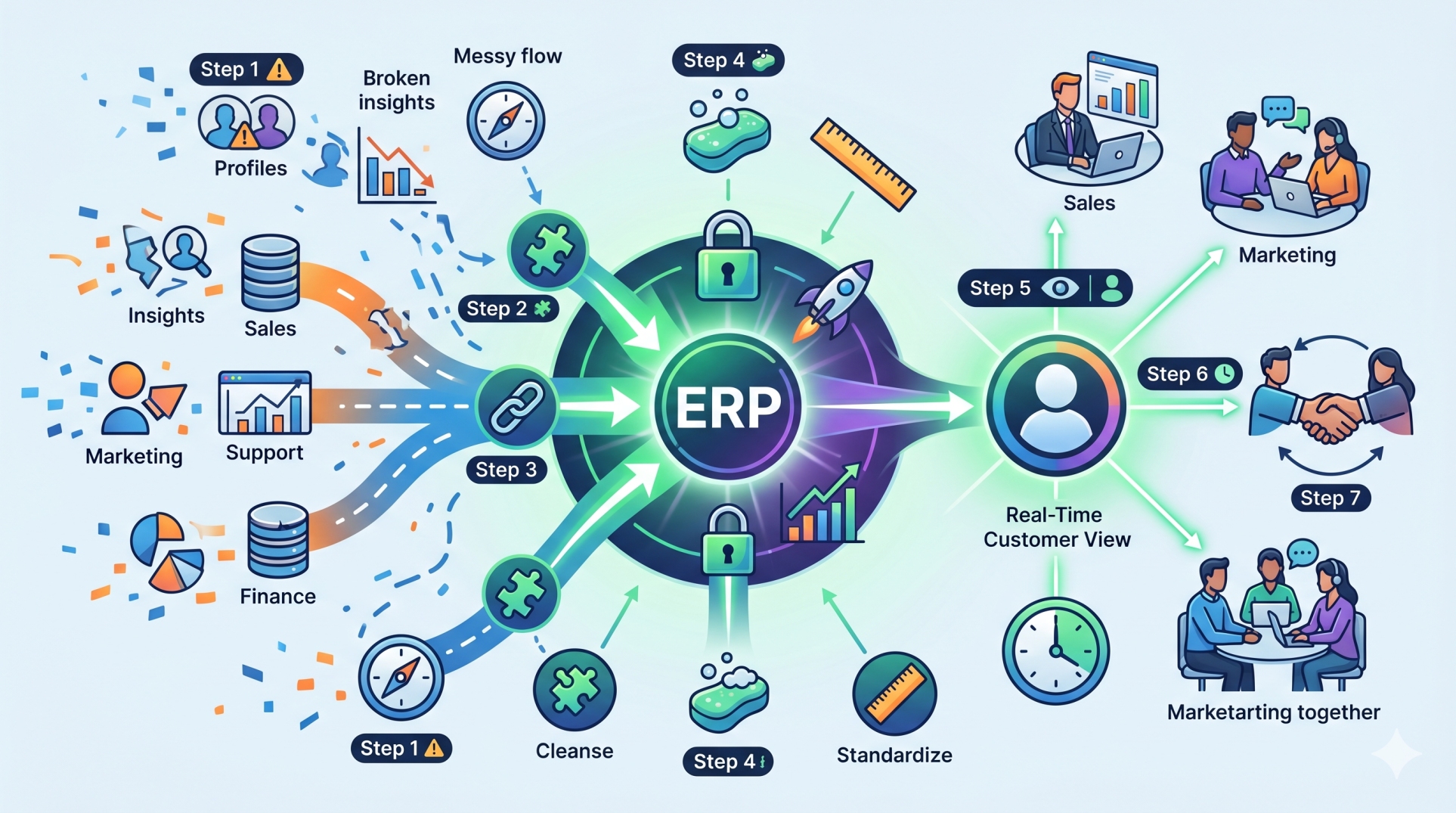
Step 2: Centralizing Business Information 🗄️
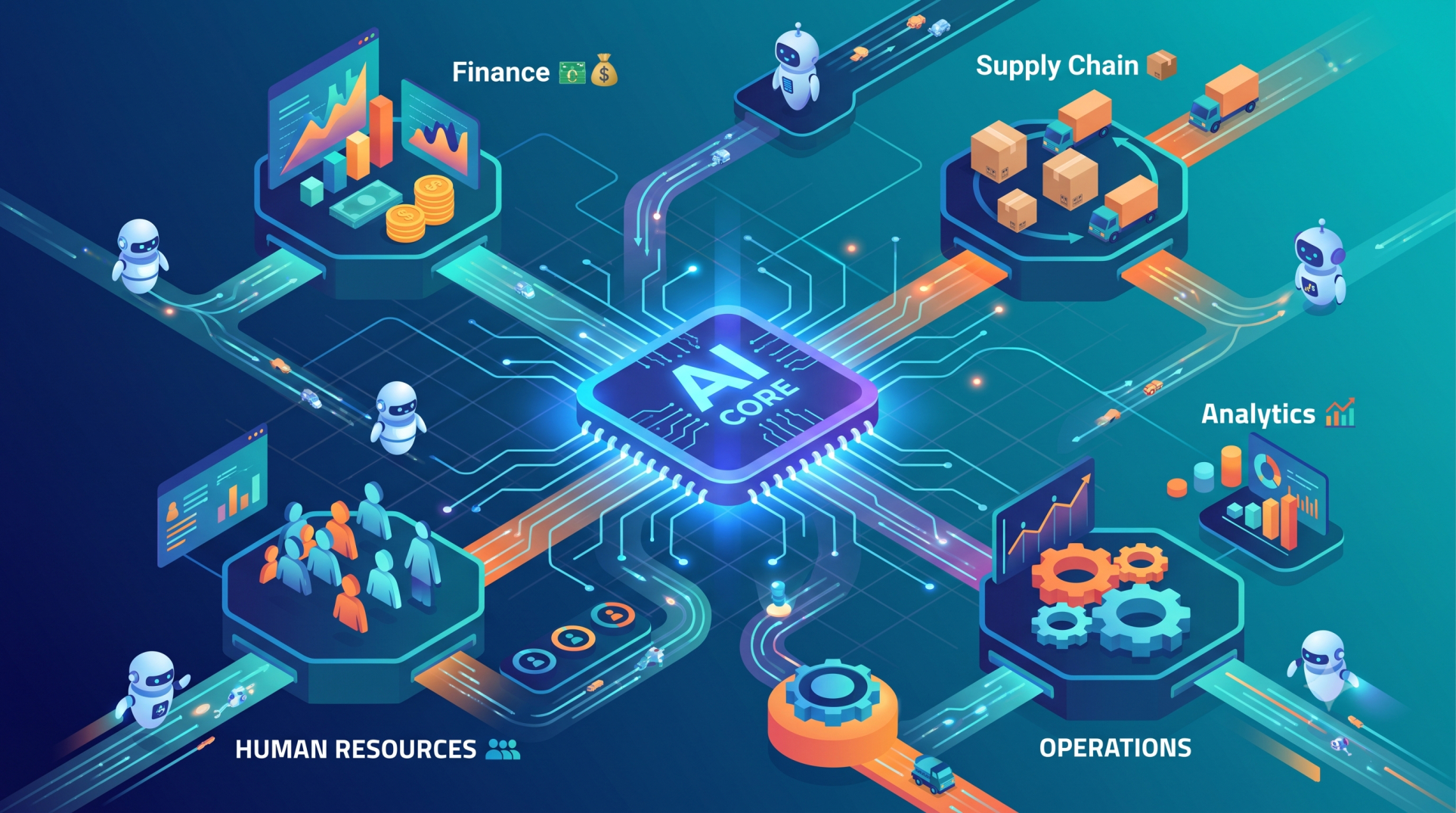
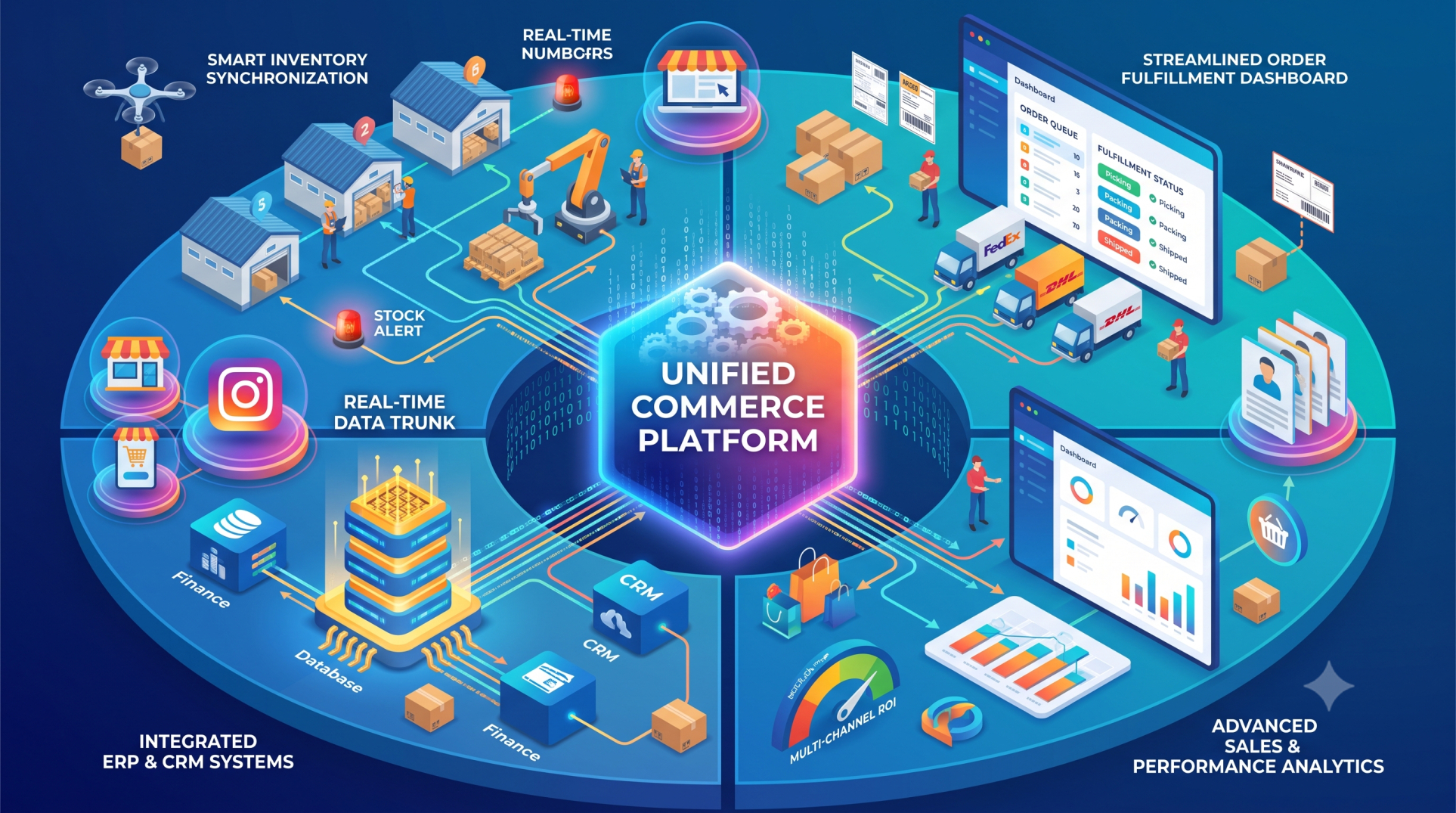
• Consolidate data from finance, sales, inventory, and operations into one platform 📂
• Maintain a single source of truth across the organization 🎯
• Reduce duplicate records and inconsistent reporting ⚡
• Enable real-time access to business information 🌐
• Improve overall data accuracy and reliability ✔️
Step 3: Connecting Departments Through Shared Data 🔄
• Align business functions using common datasets 🤝
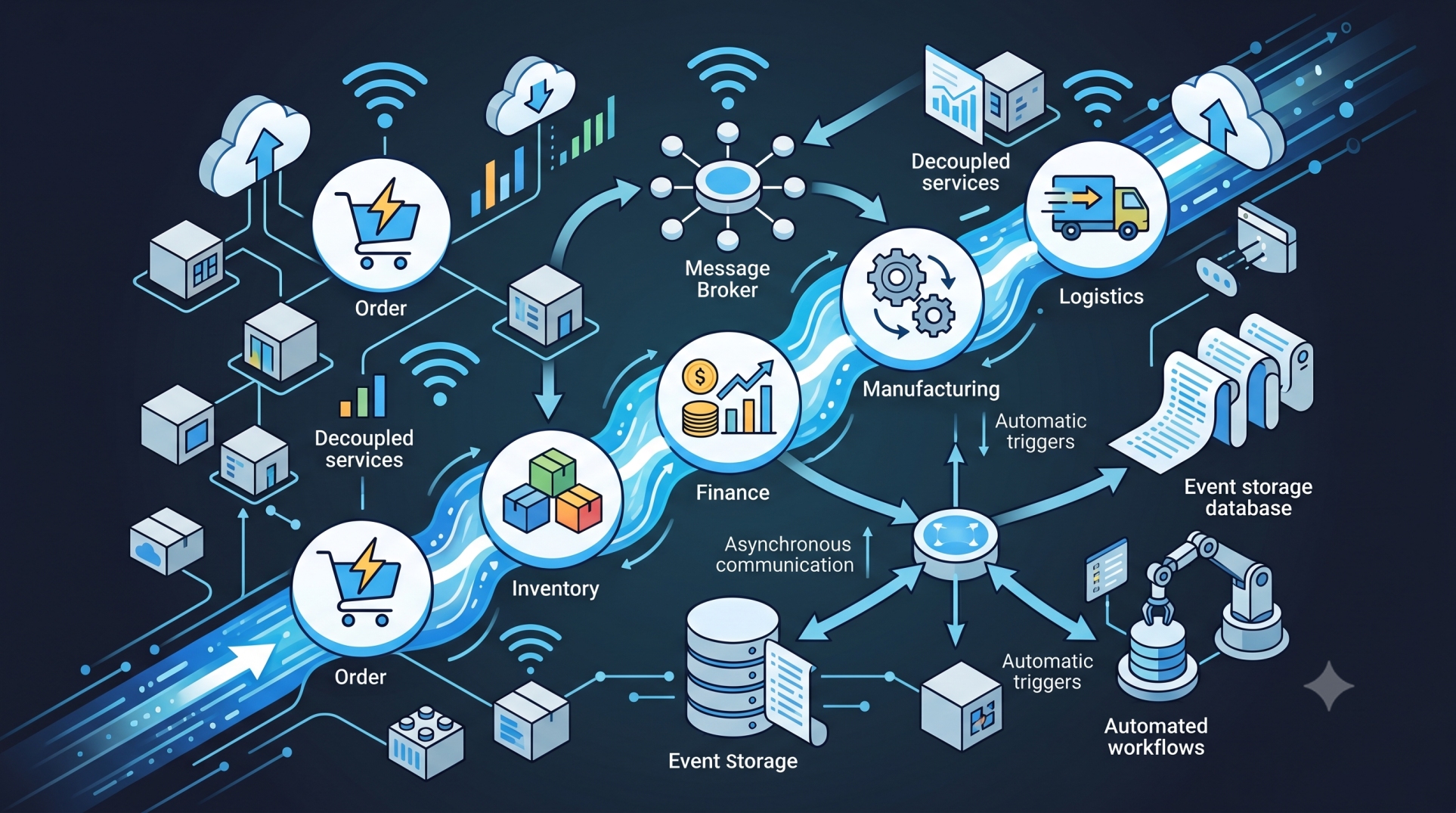
• Enable seamless communication between teams 📢
• Improve coordination across operational workflows ⚙️
• Support collaborative planning and execution 📋
• Reduce delays caused by fragmented information ⏱️
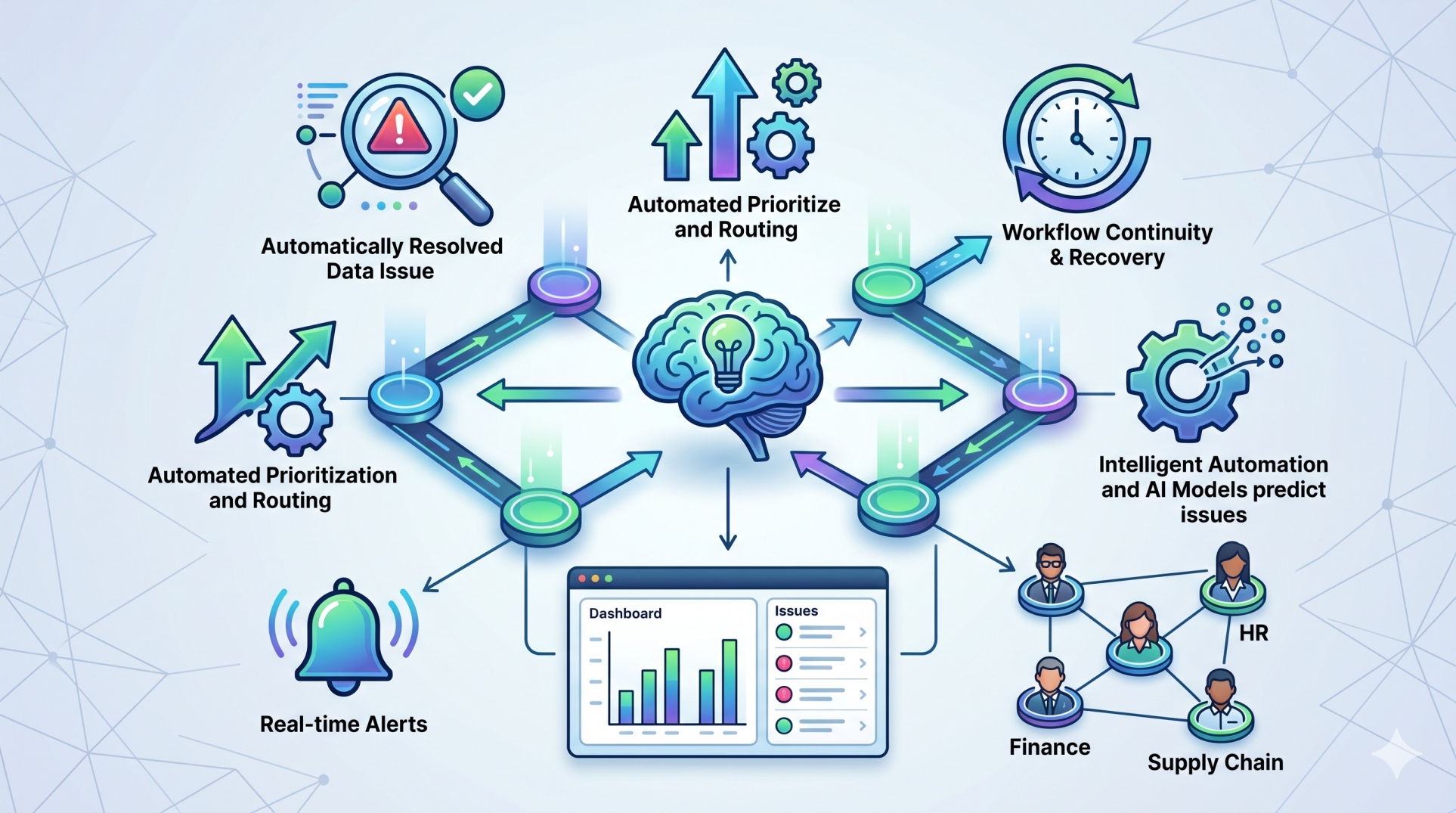
Step 4: Enhancing Decision-Making with Real-Time Insights 📈
• Provide leadership with up-to-date operational visibility 👨💼
• Monitor performance metrics across departments 📊
• Identify trends and opportunities faster 🔍
• Enable proactive rather than reactive decisions 🚀
• Improve strategic planning through accurate reporting 🎯
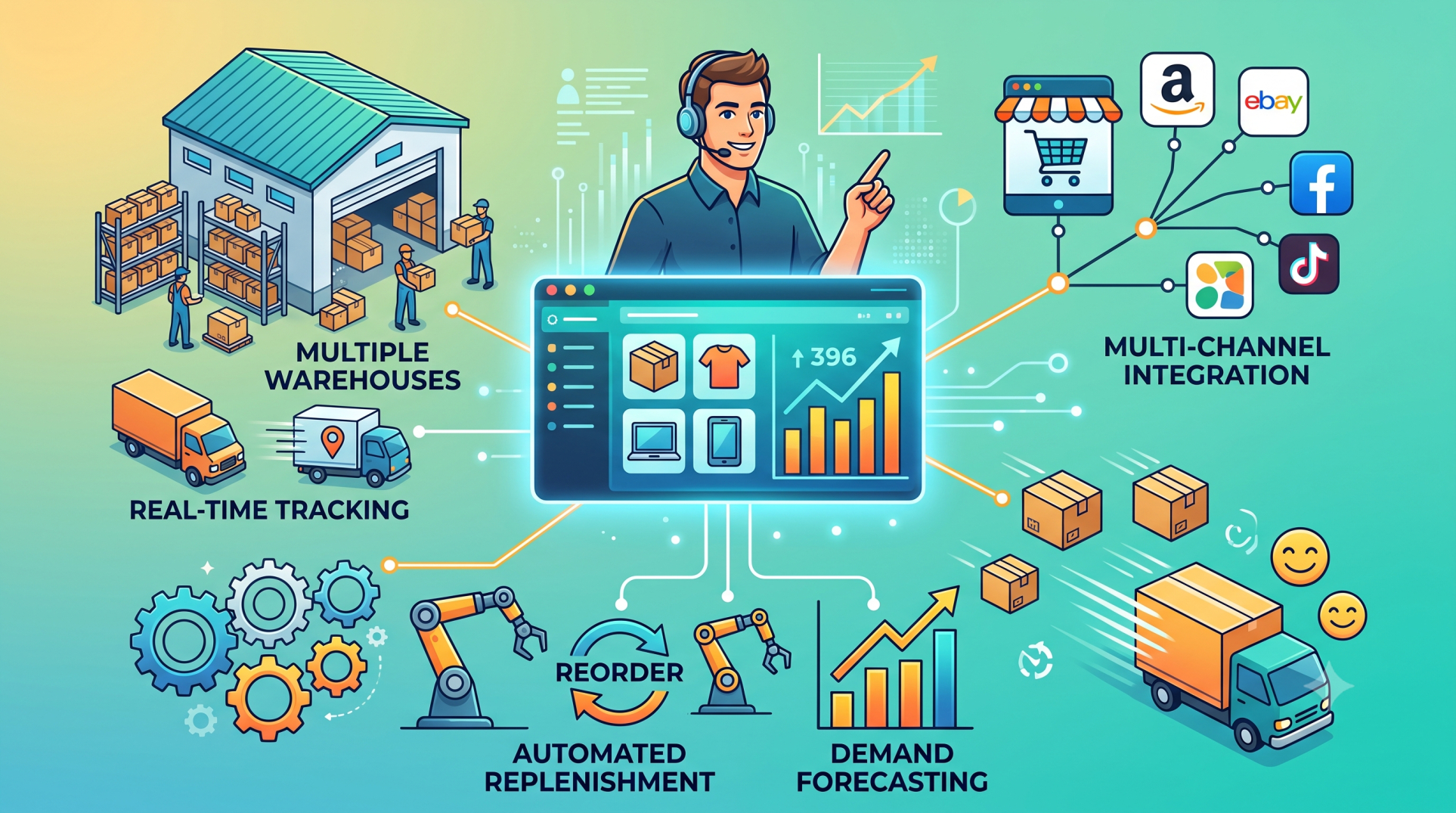
Step 5: Improving Supply Chain and Inventory Visibility 📦
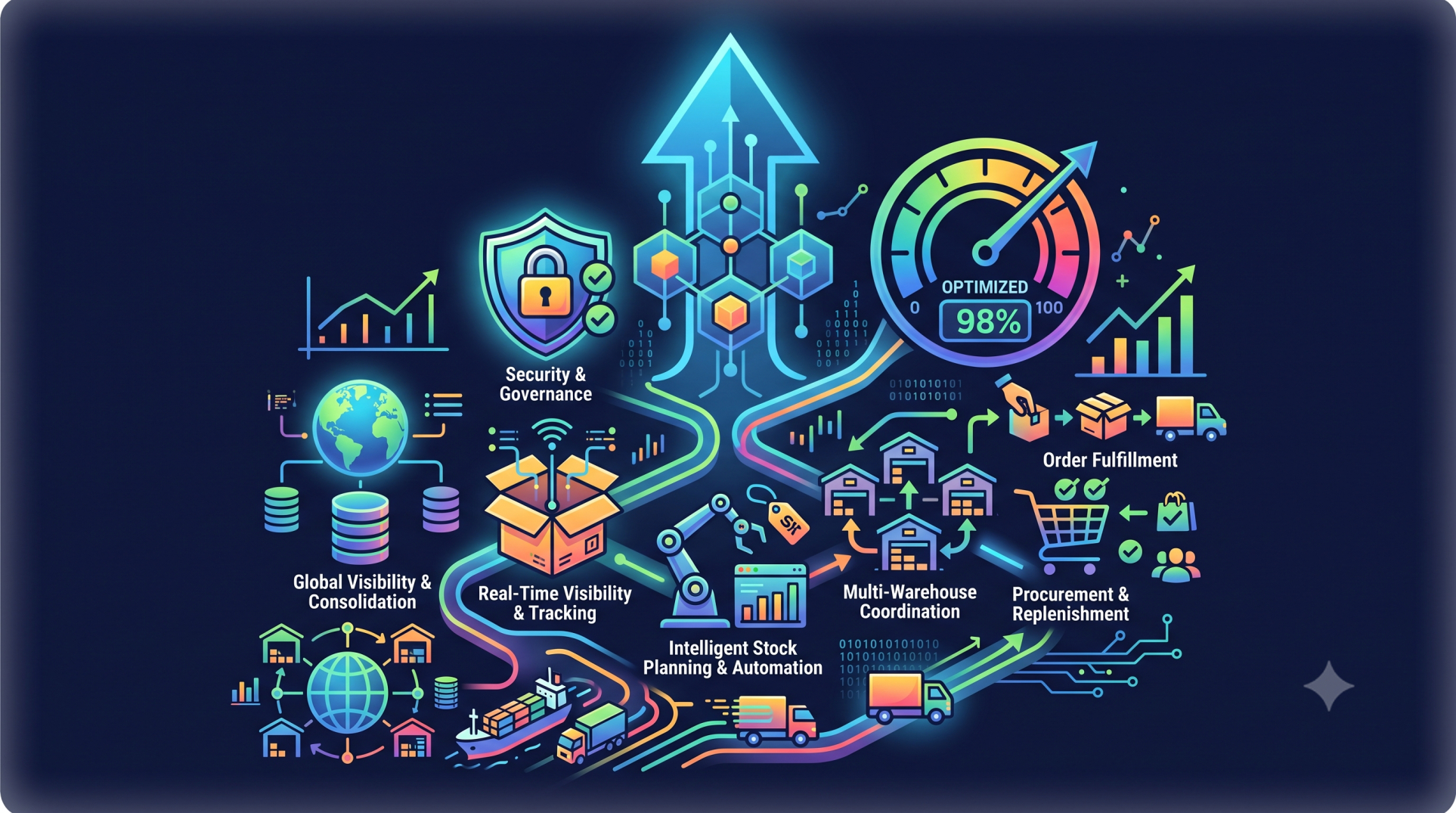
• Track inventory levels across multiple locations 🏭
• Connect procurement, warehousing, and distribution processes 🚚
• Reduce stock shortages and excess inventory ⚖️
• Improve demand forecasting accuracy 📉
• Support efficient inventory management practices ✔️
Step 6: Strengthening Financial Transparency 💰
• Integrate financial data with operational activities 📊
• Improve budget tracking and cost management 📋
• Monitor revenue, expenses, and profitability in real time 📈
• Enable faster financial reporting cycles ⚡
• Support compliance and audit readiness 🧾
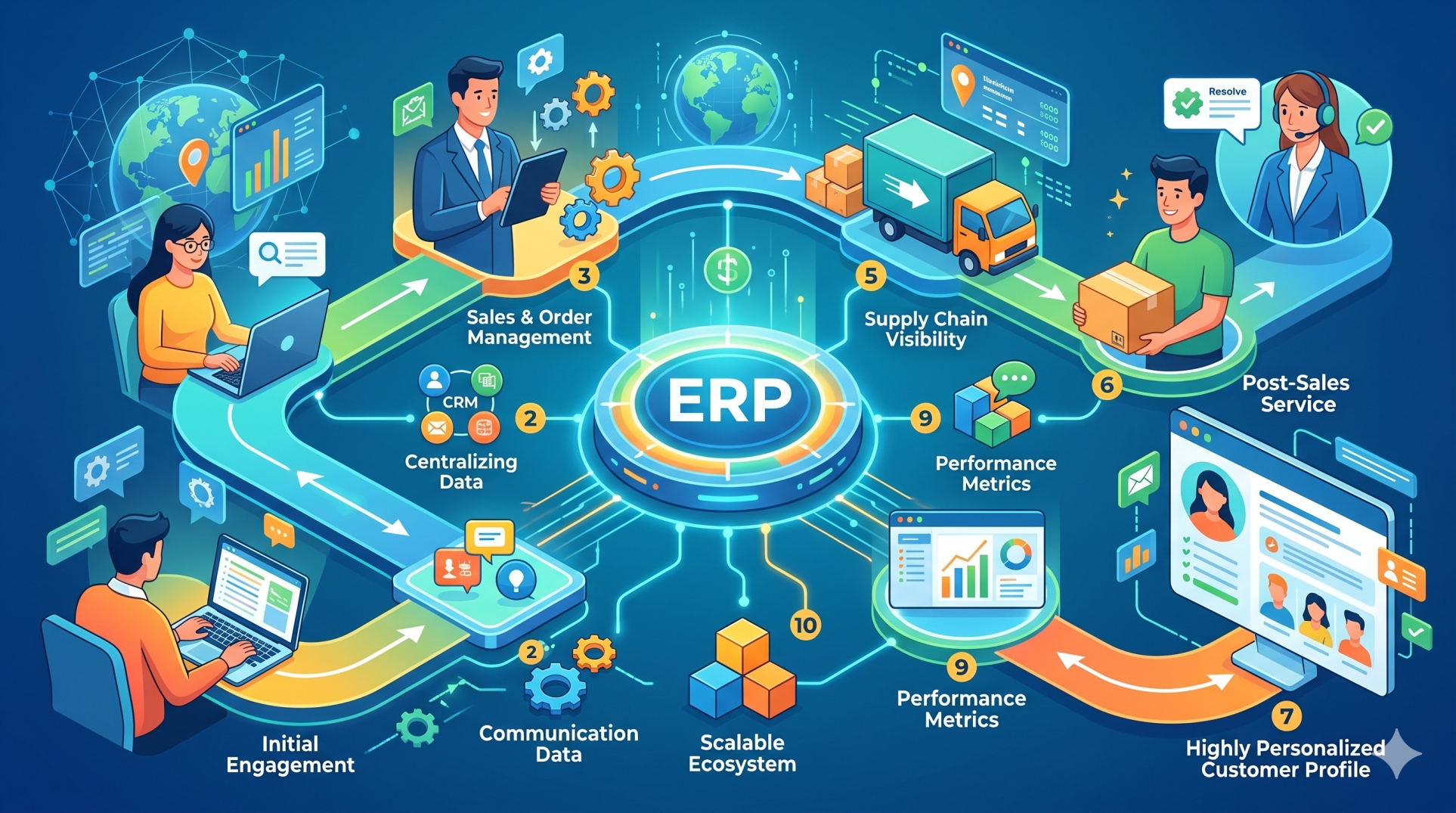
Step 7: Supporting Customer-Centric Operations 🤖
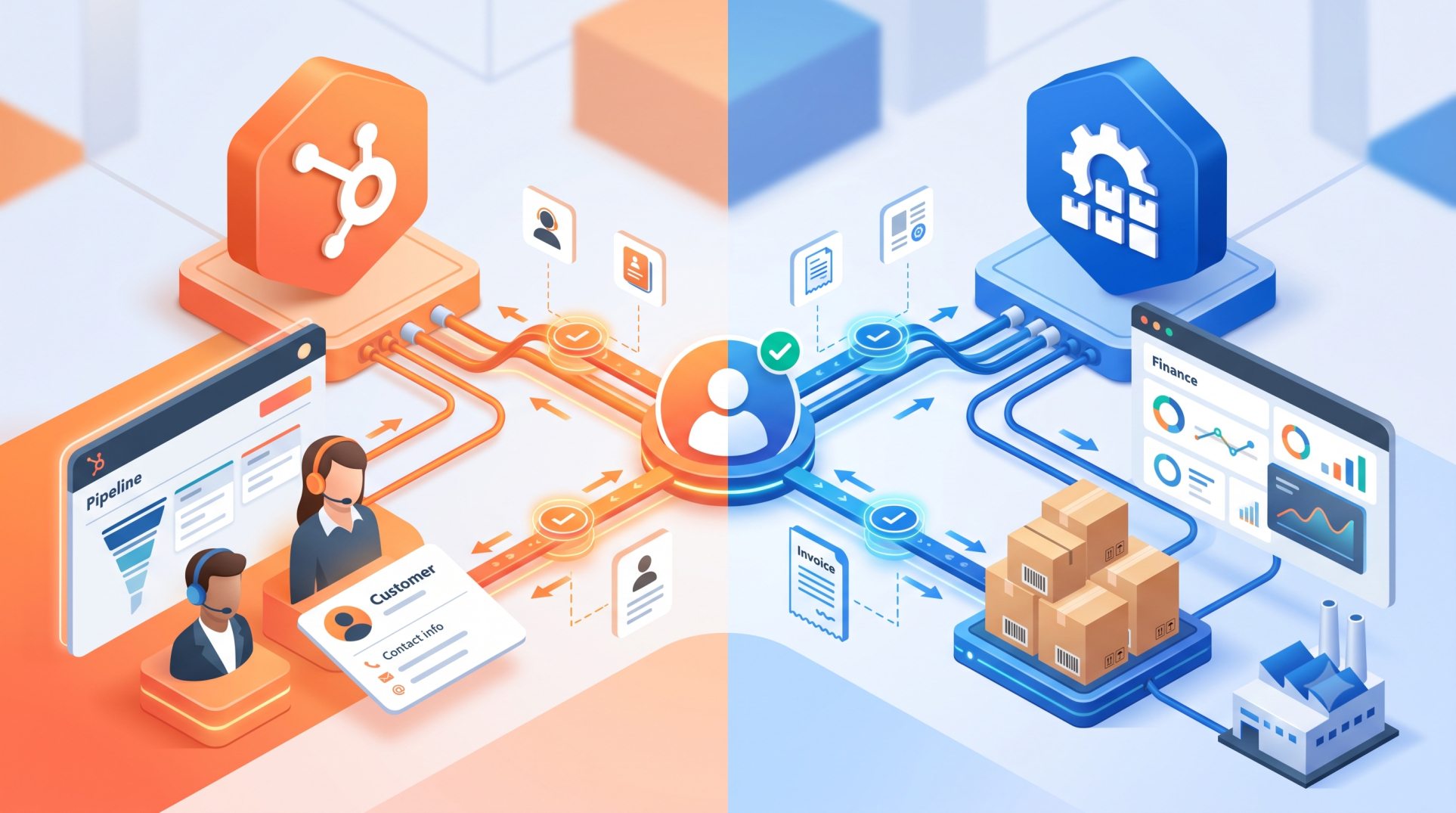
• Connect customer data across sales, service, and support teams 📞
• Provide a complete view of customer interactions 👥
• Improve response times and service quality ⚡
• Enable personalized customer experiences 🎯
• Strengthen customer satisfaction and retention 🌟
Step 8: Key ERP Visibility Priorities 🎯
• Unified access to enterprise-wide information 🔗
• Real-time reporting and analytics capabilities 📊
• Consistent and reliable business data ✔️
• Enhanced collaboration across departments 🤝
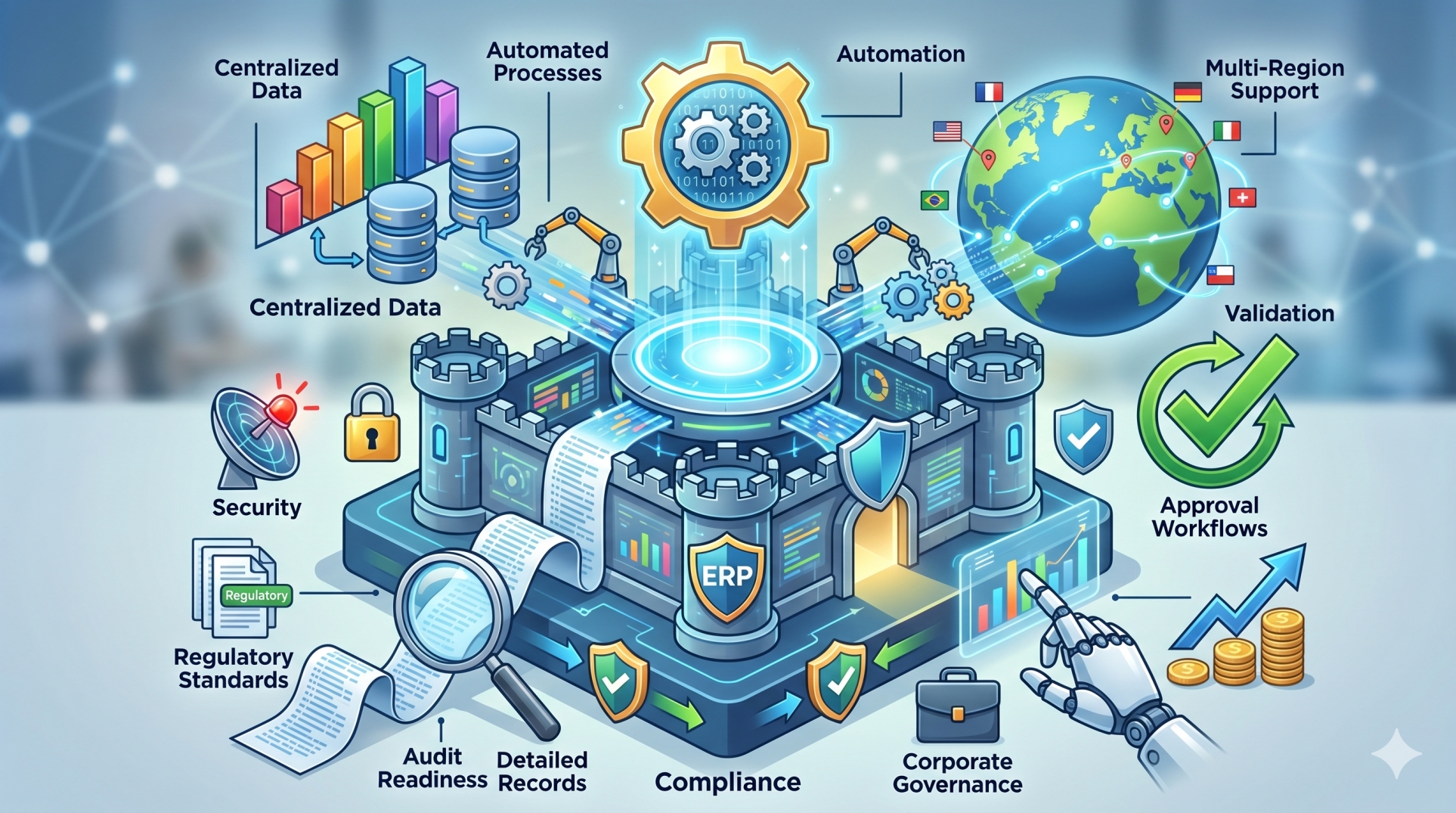
Step 9: Managing Data Governance and Security 🔐
• Define access controls based on user roles 👤
• Protect sensitive information through security policies 🛡️
• Maintain compliance with industry regulations 📜
• Monitor data usage and access activity 🔍
• Ensure information integrity across systems ✔️
Step 10: Building a Data-Driven Organization 🚀
• Foster a culture of transparency and collaboration 🤝
• Empower teams with actionable business insights 📈
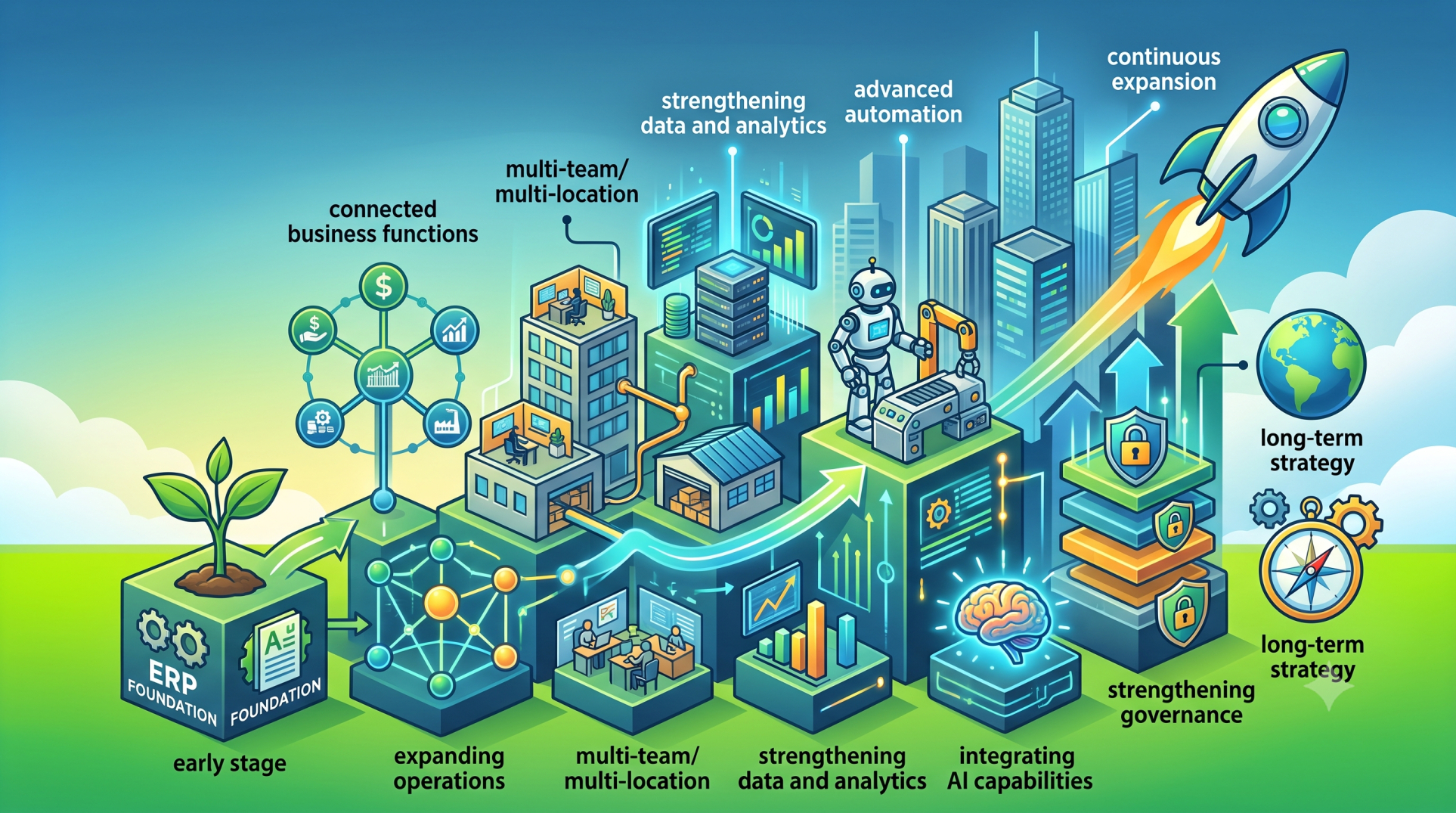
• Scale operations using connected information systems 🌐
• Improve agility in response to market changes ⚡
• Create a foundation for continuous business improvement 📊
Conclusion
Cross-functional data visibility through ERP enables organizations to break down information silos and create a connected business environment. By centralizing data and providing real-time access across departments, ERP systems improve collaboration, enhance decision-making, and increase operational efficiency. Organizations that prioritize enterprise-wide visibility are better positioned to adapt, innovate, and achieve long-term business success.
See more blogs
You can all the articles below