Platform Engineering Principles Applied to ERP
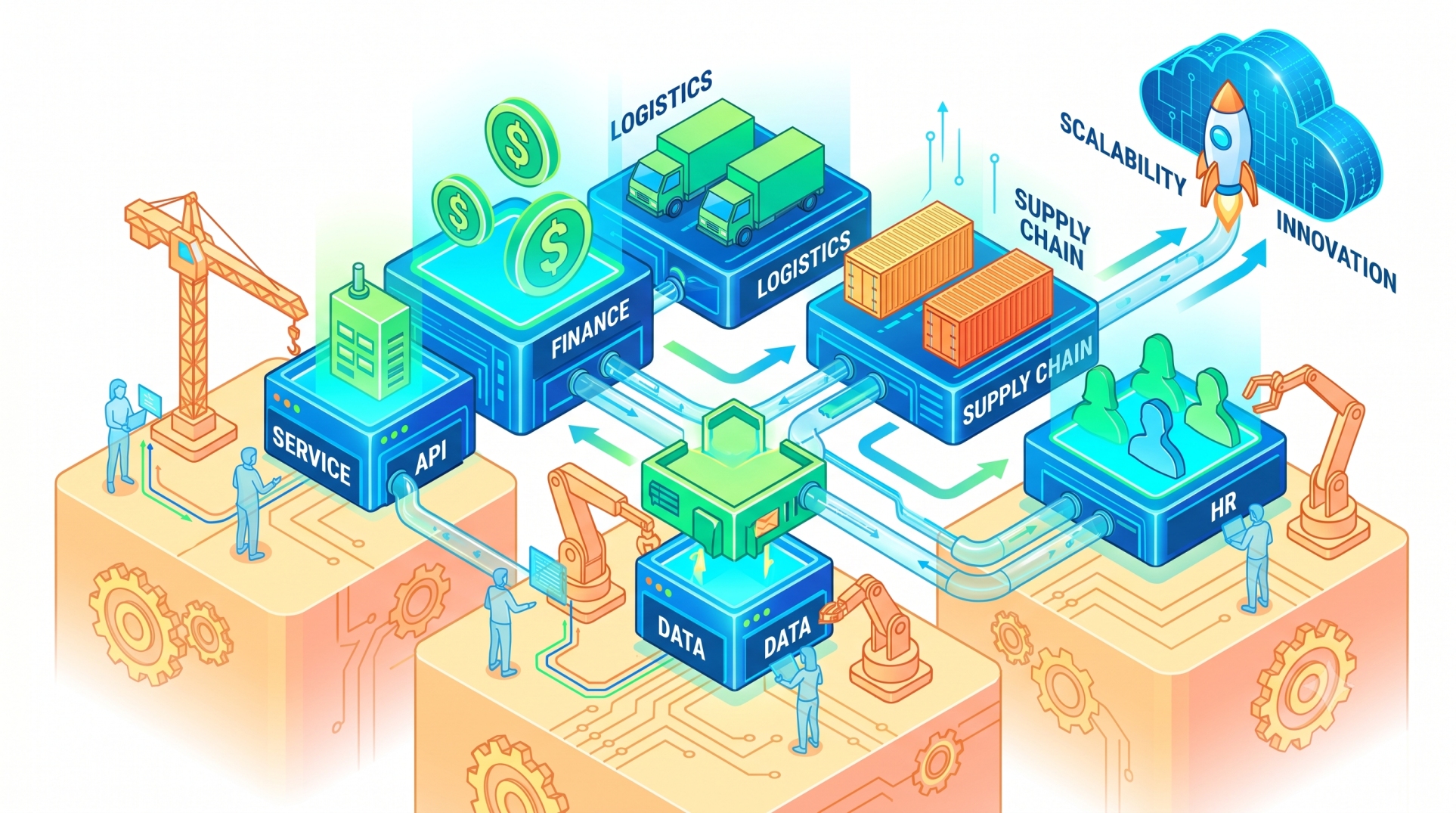
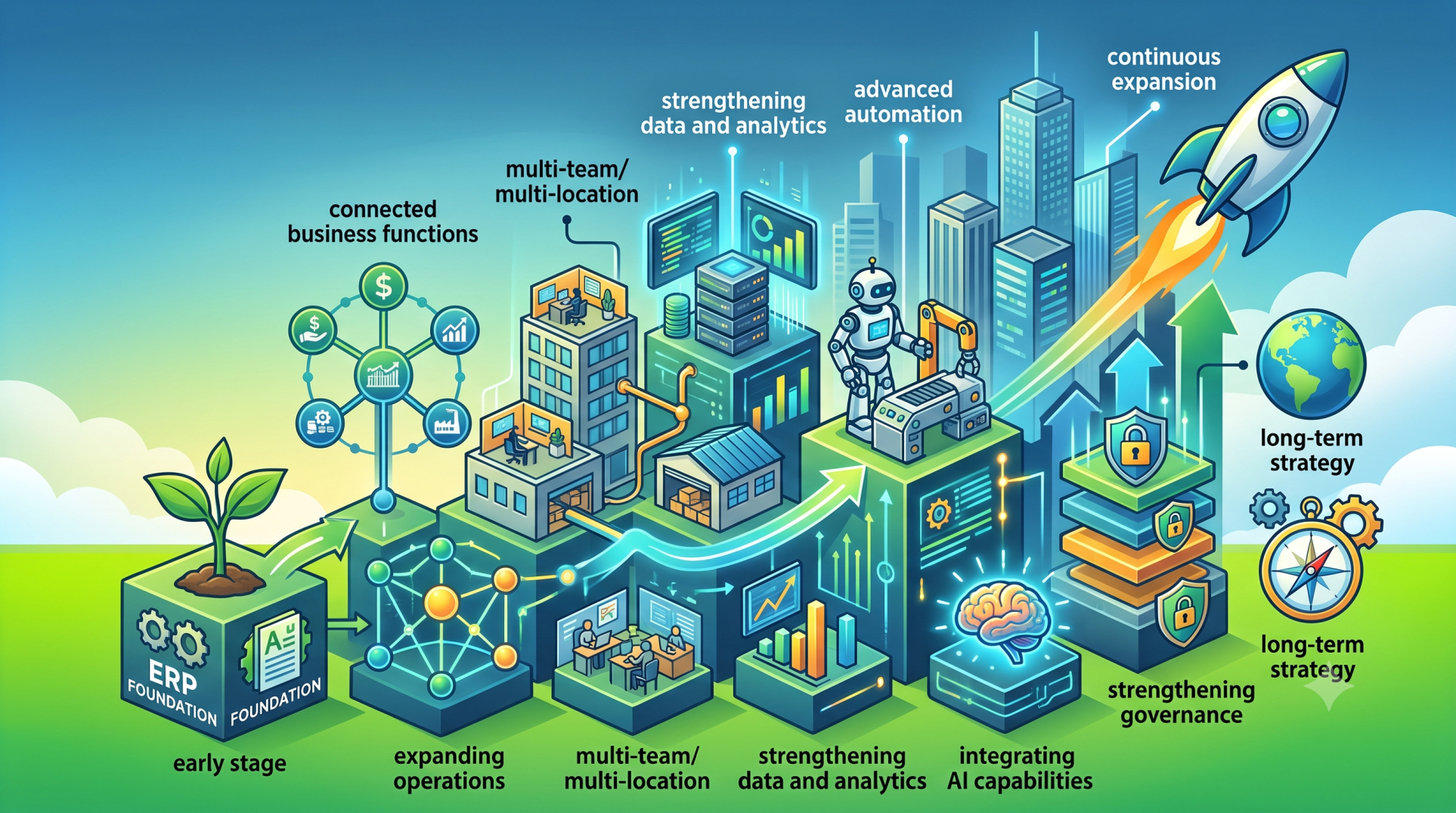
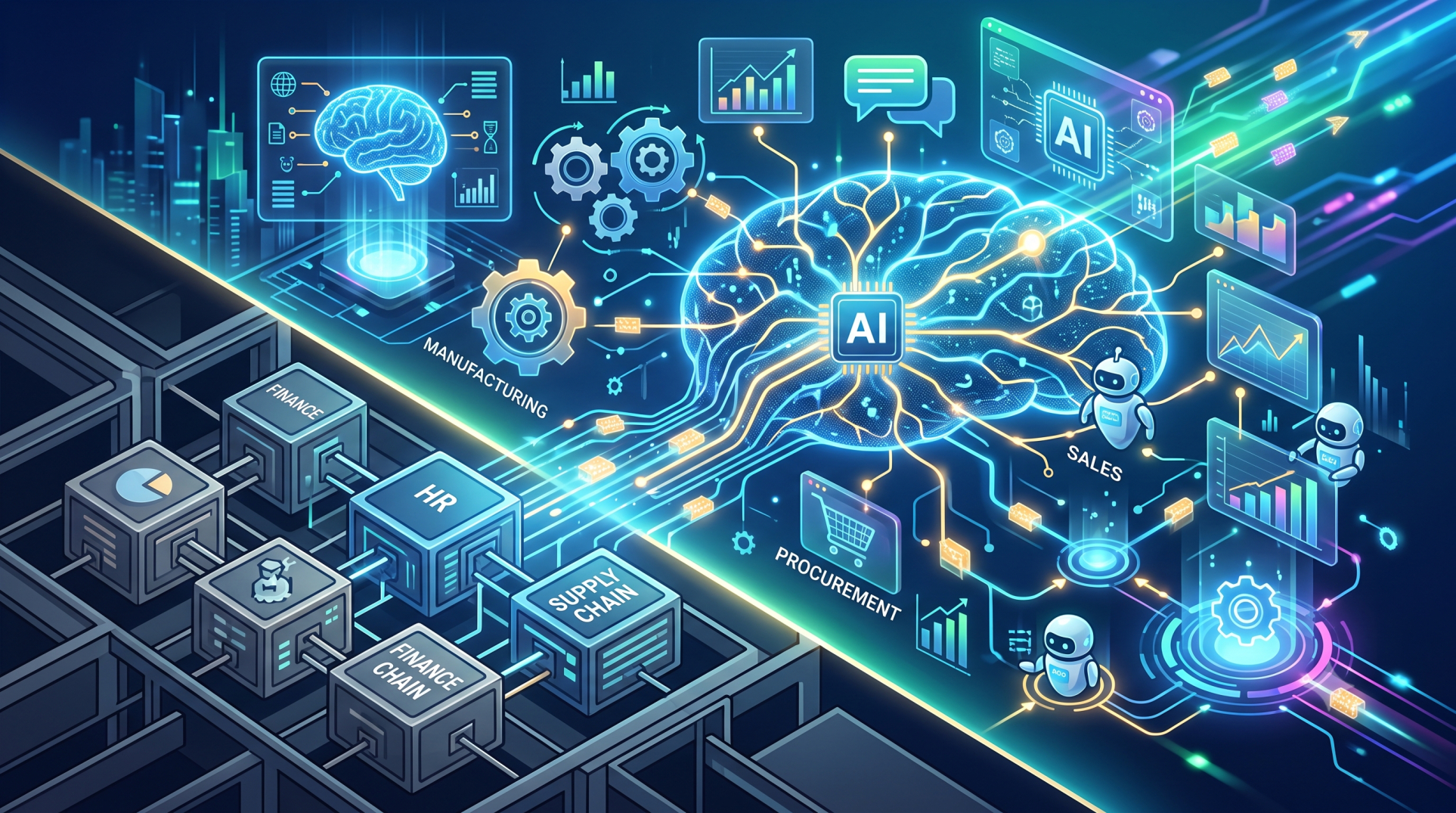
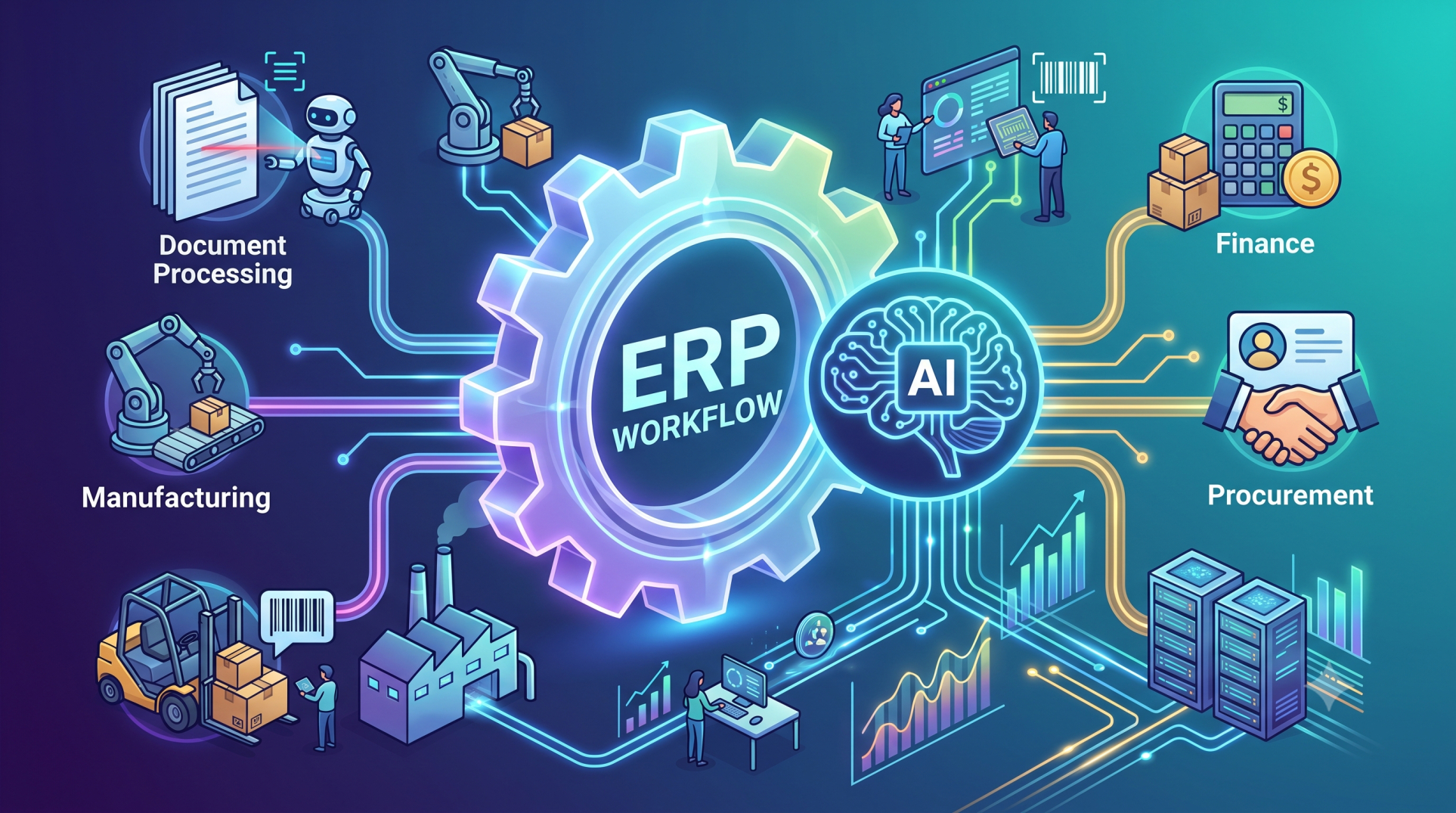
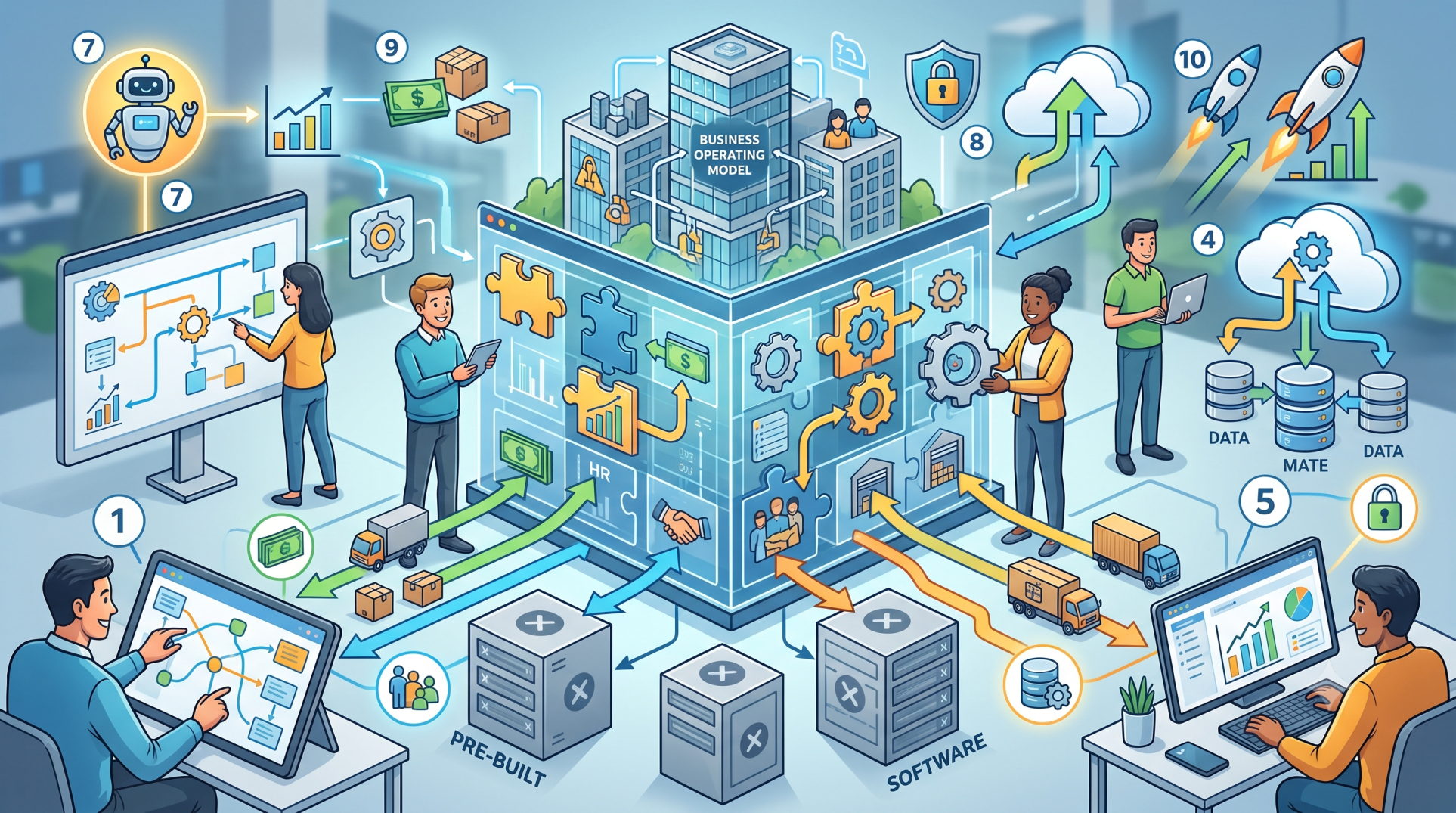
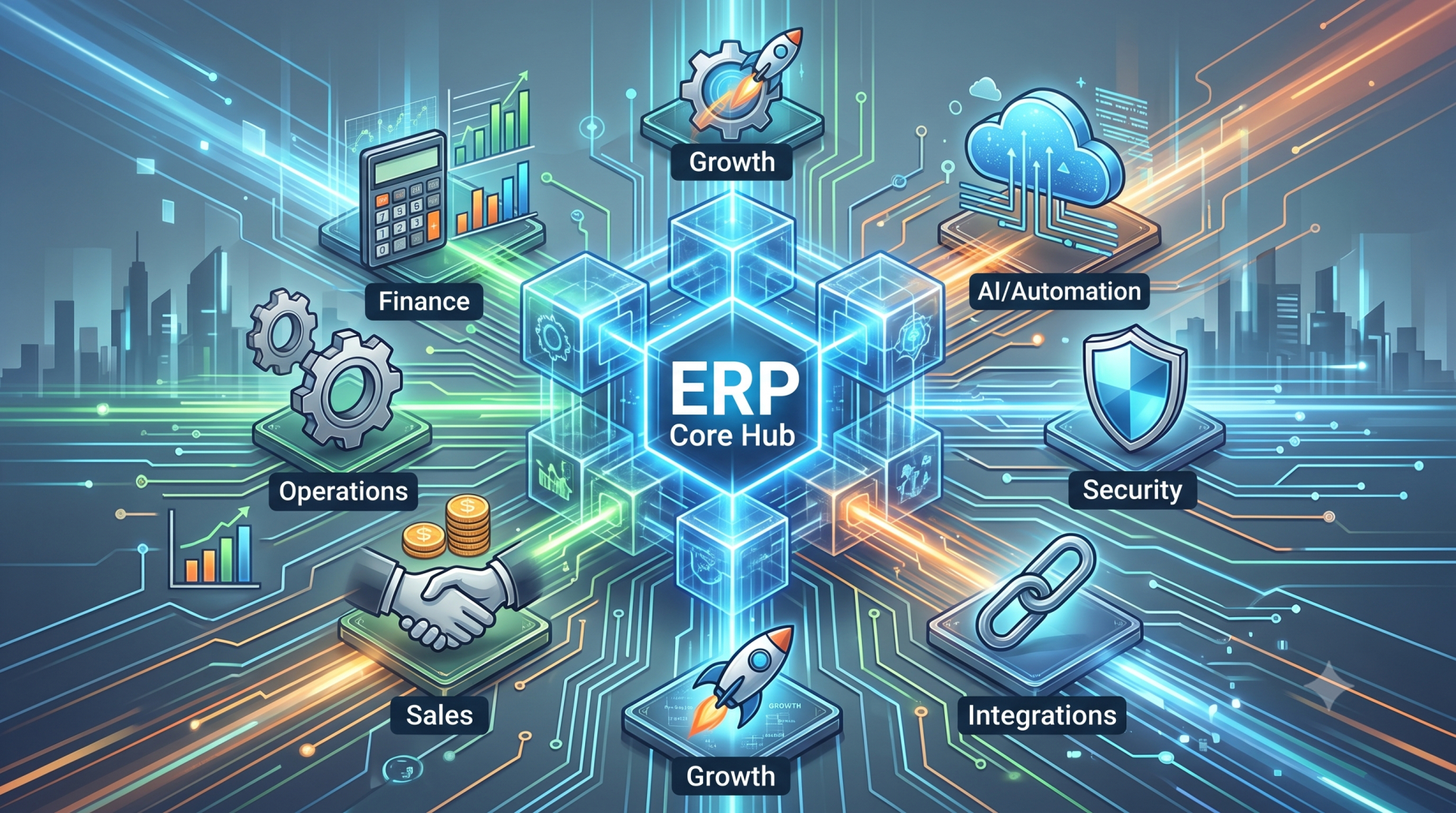
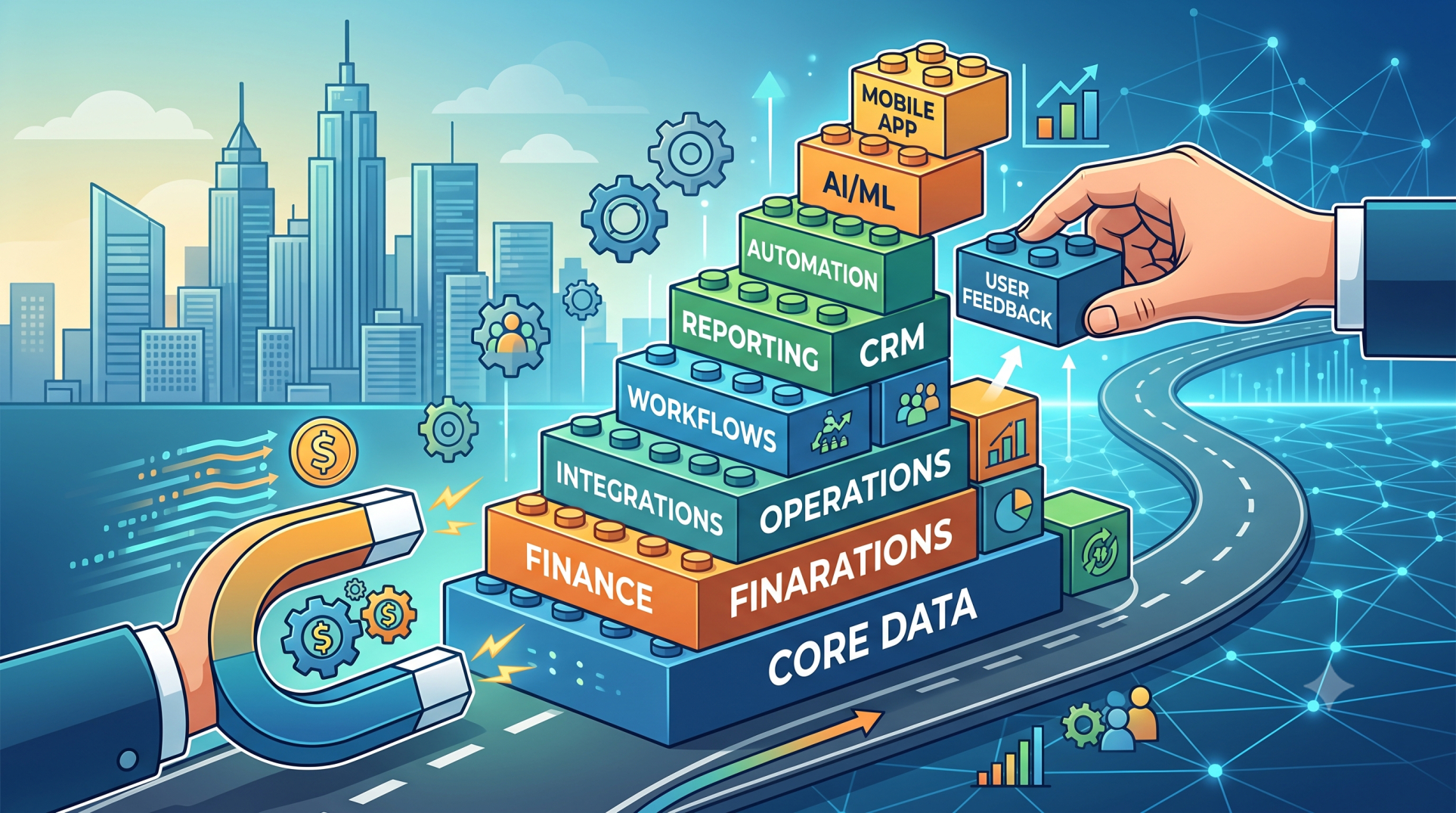
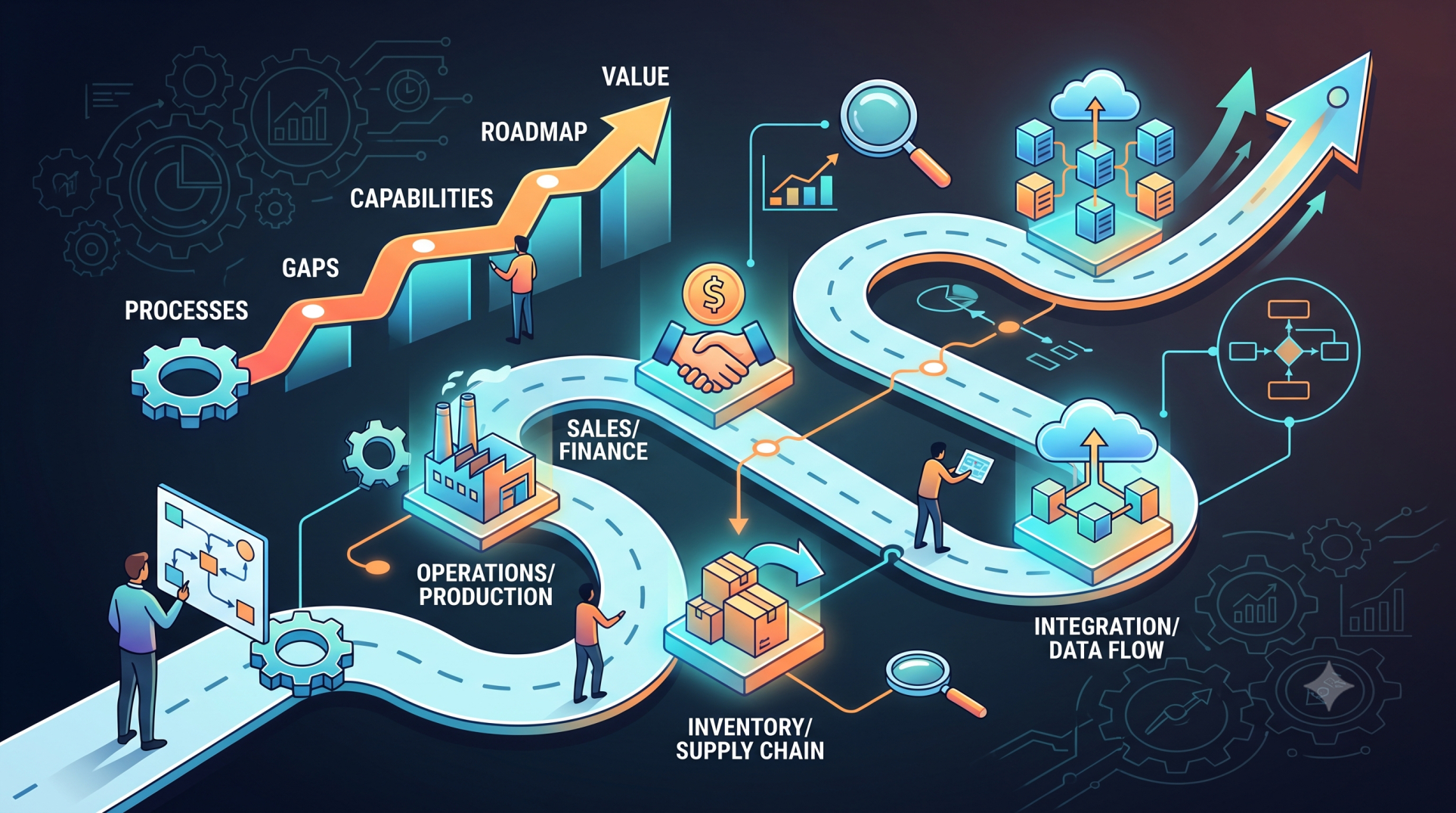
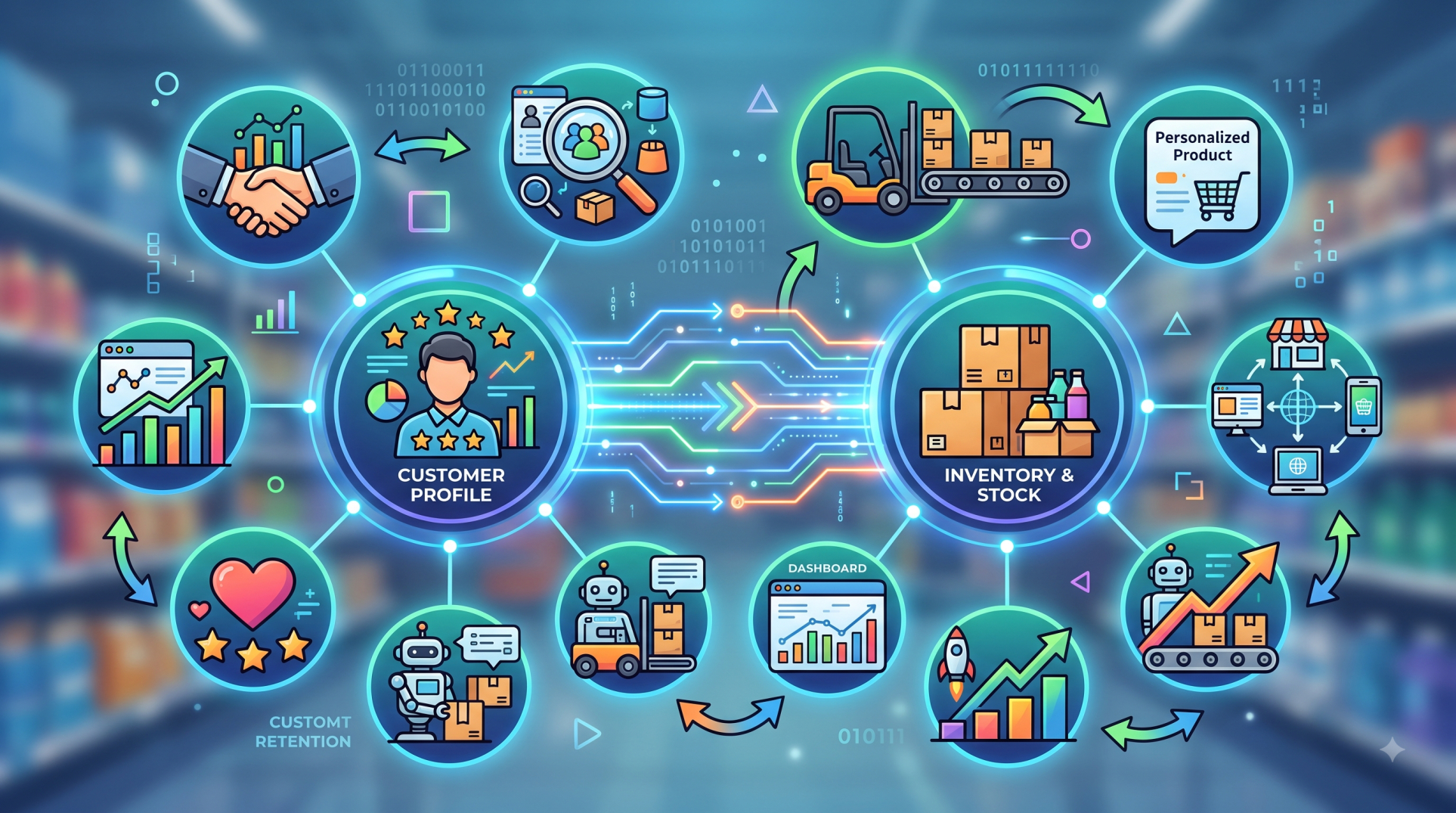
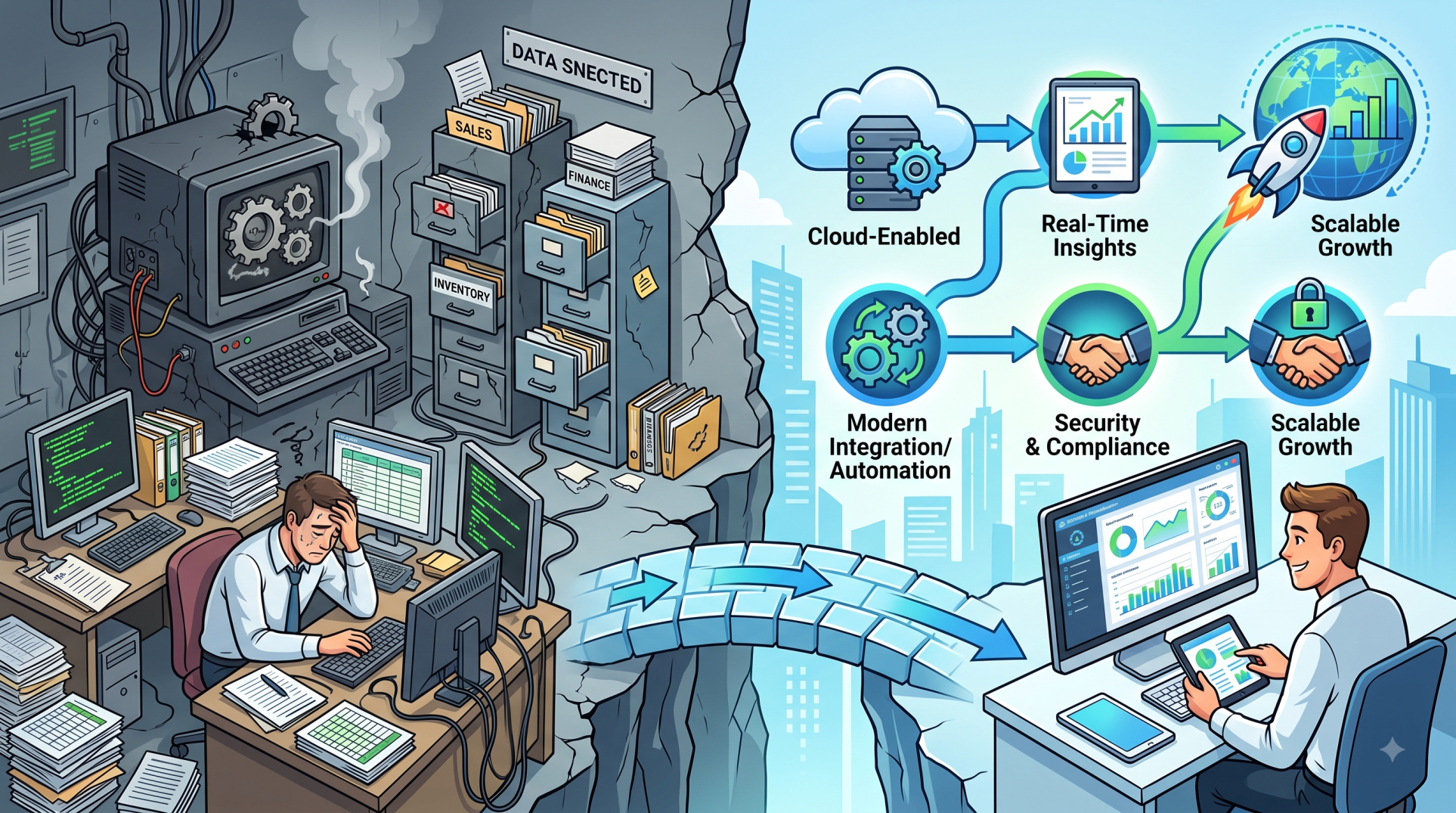
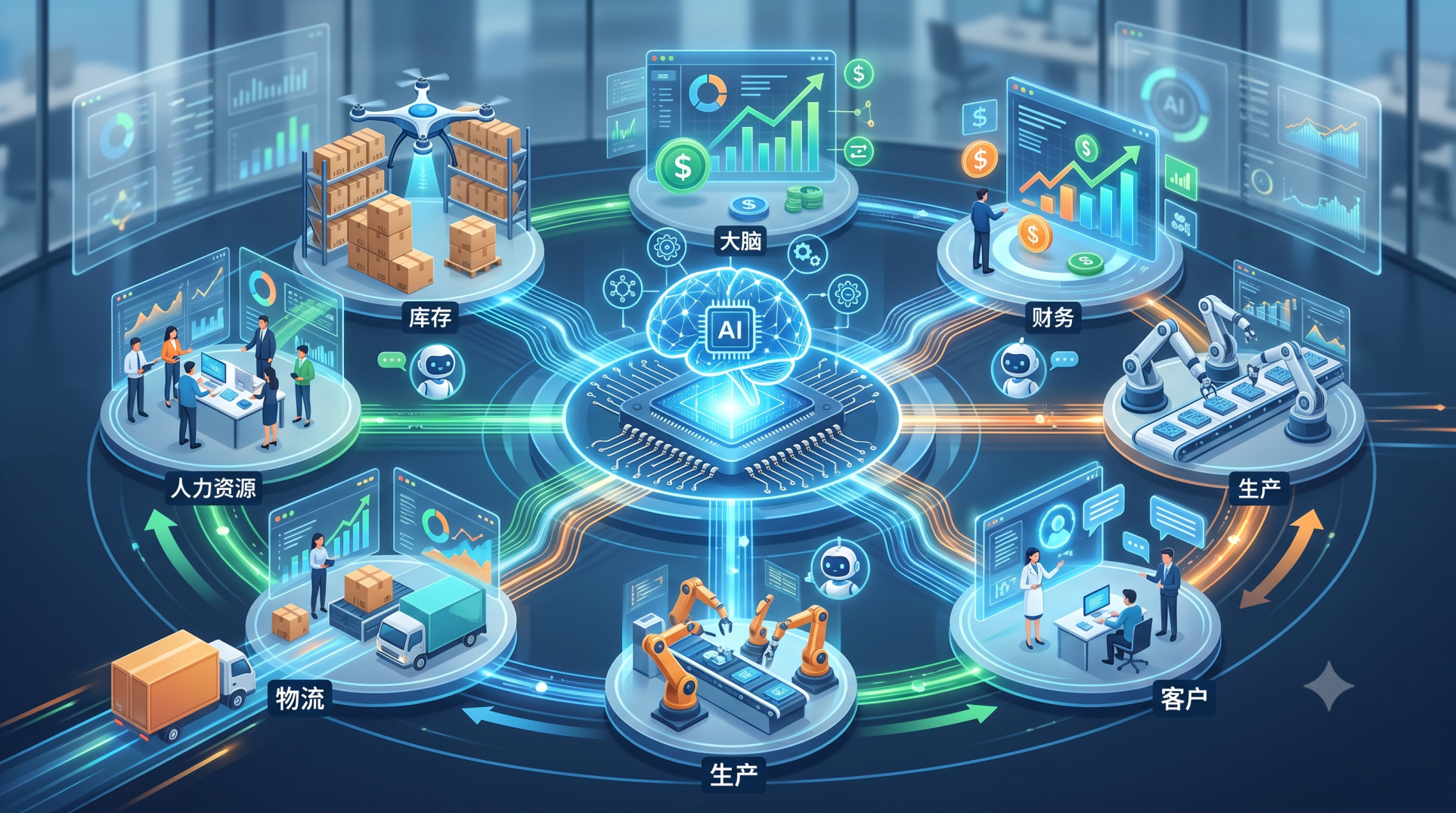
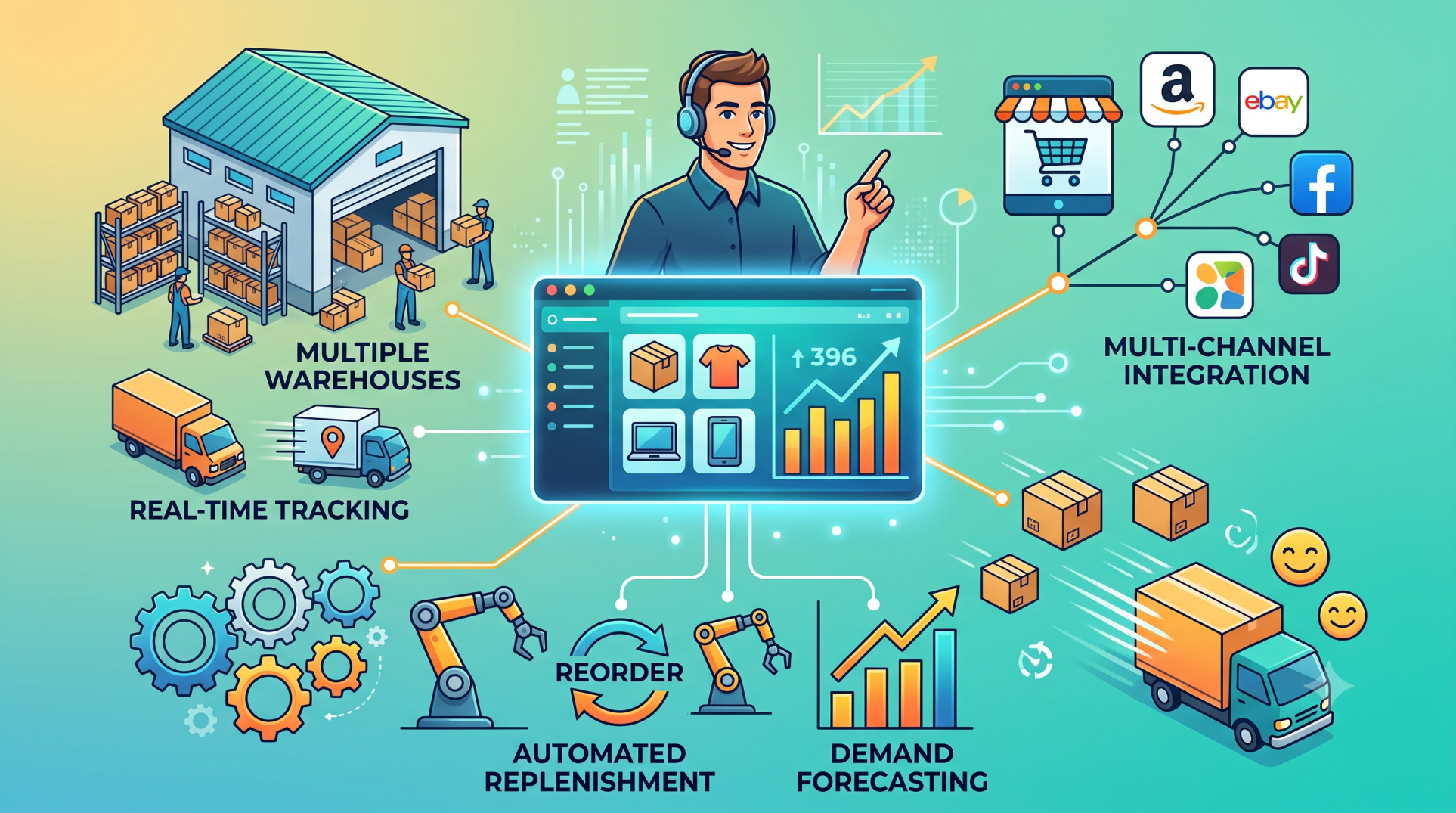
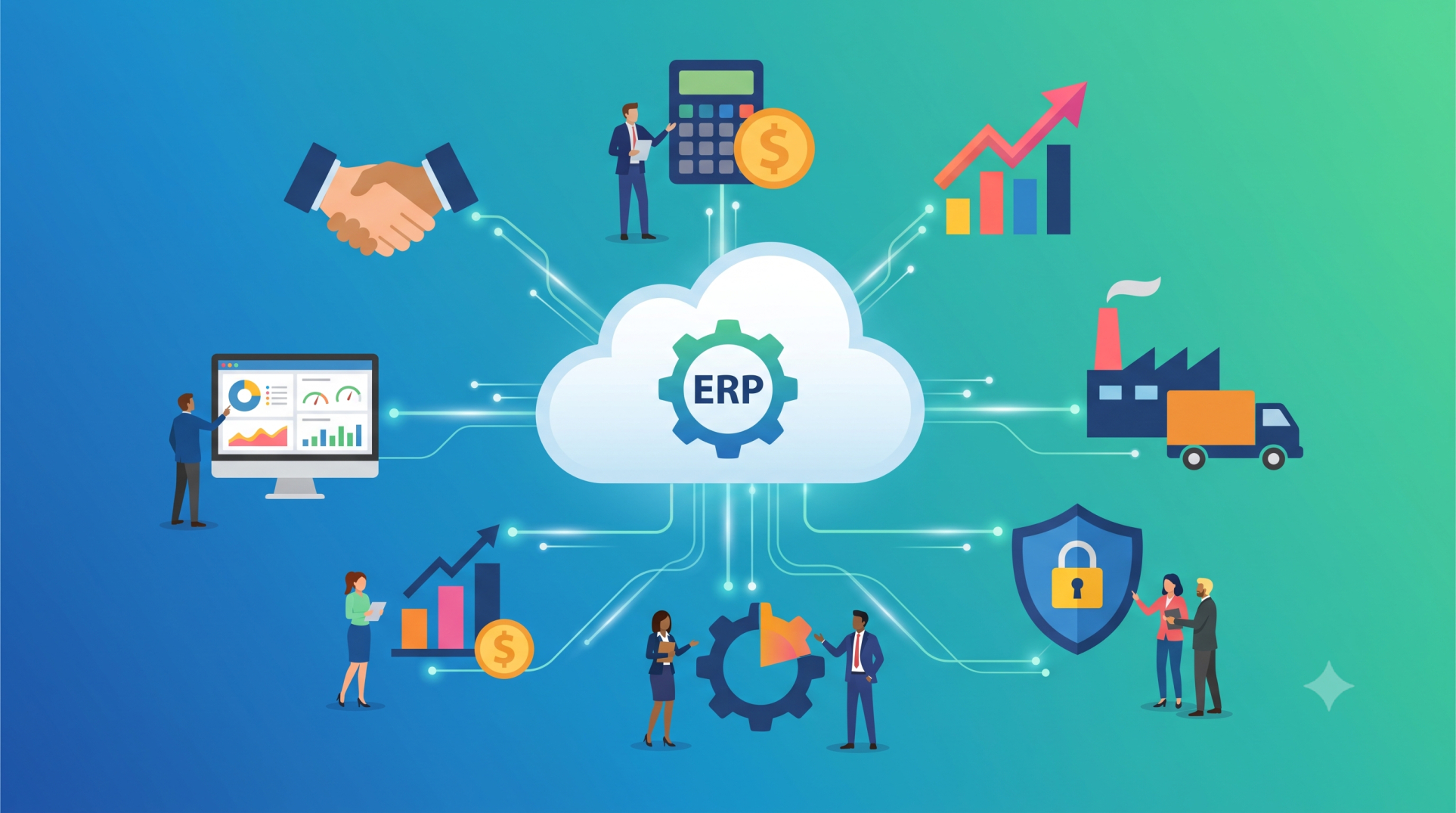
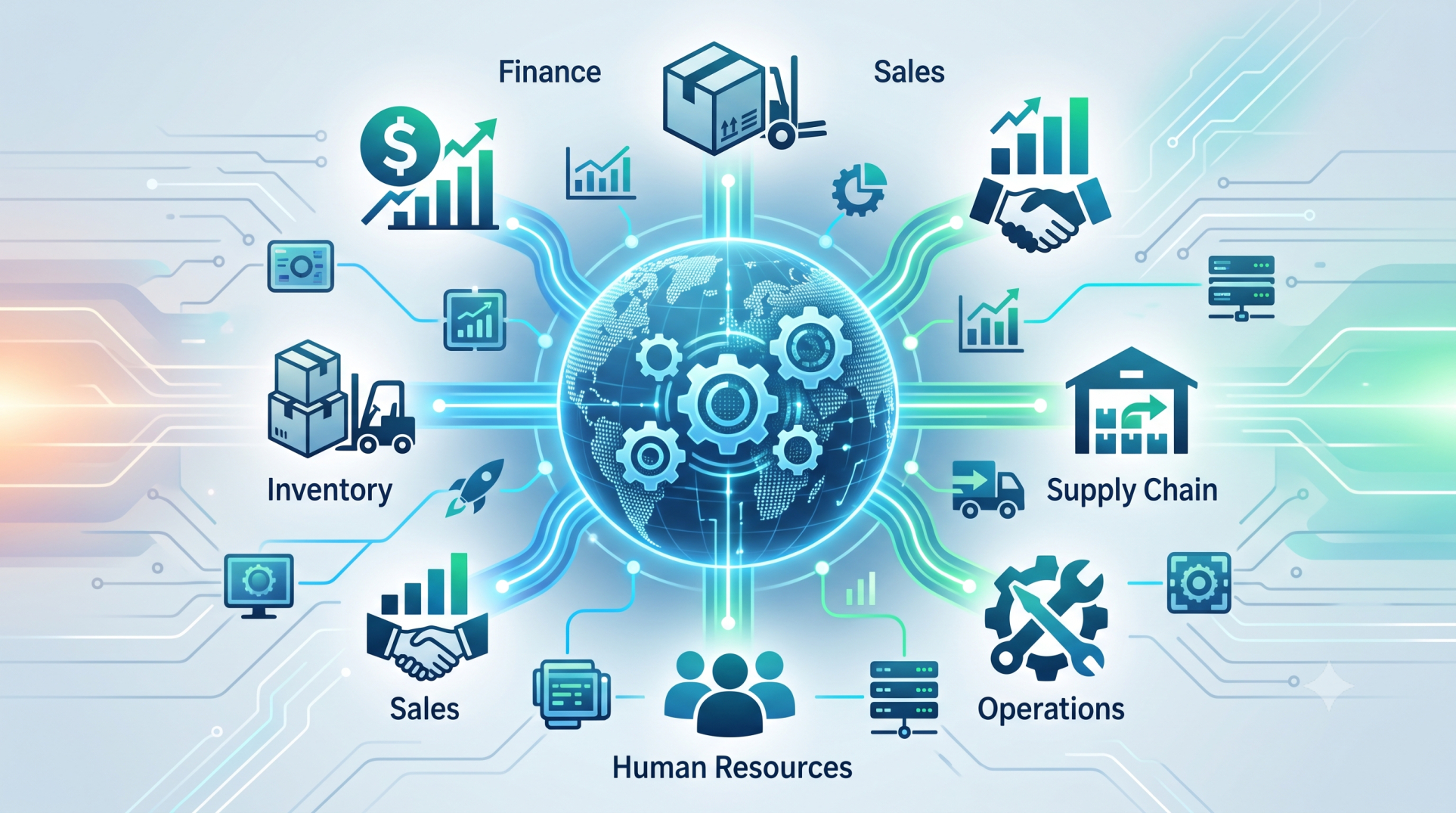
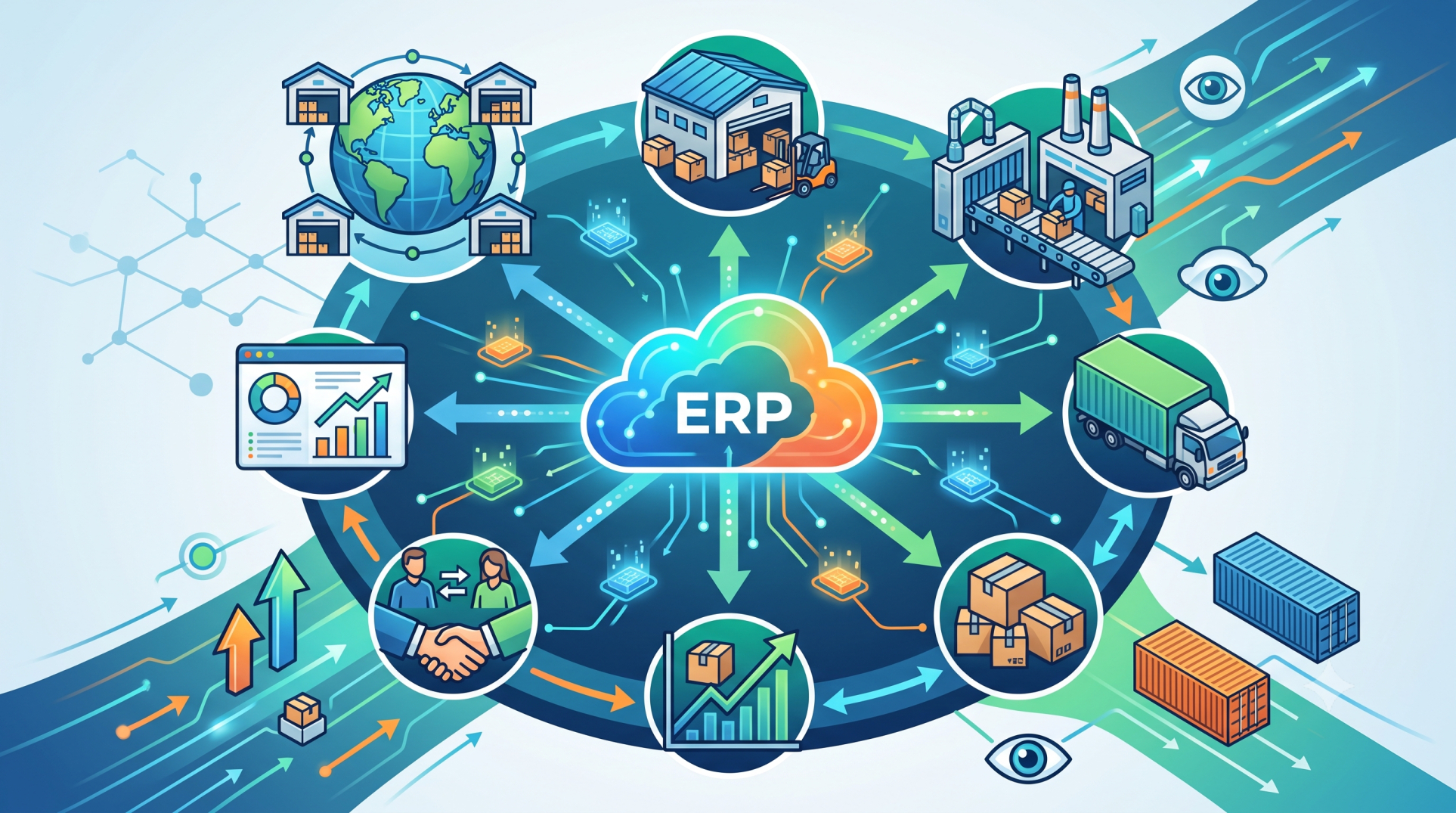
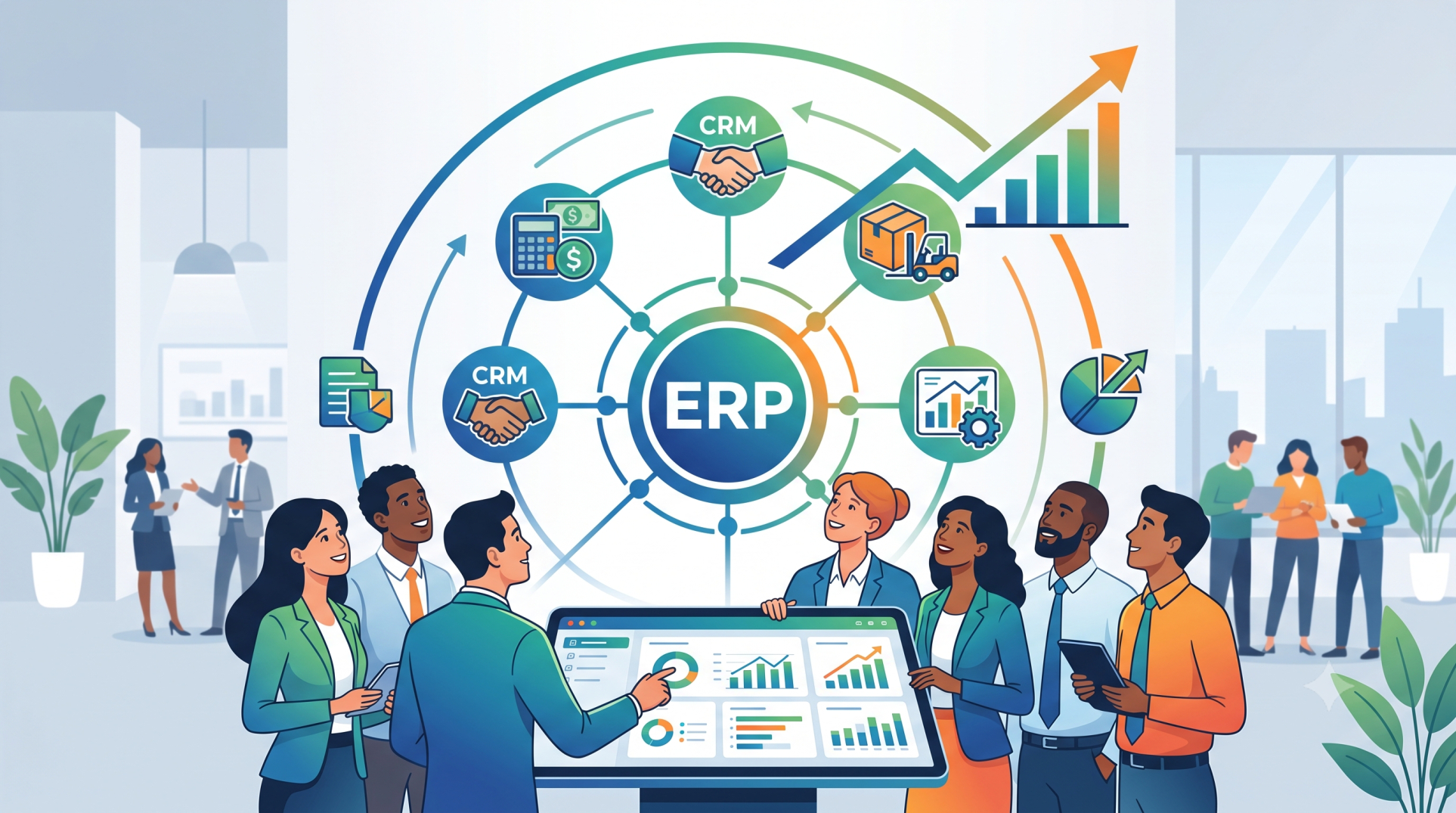
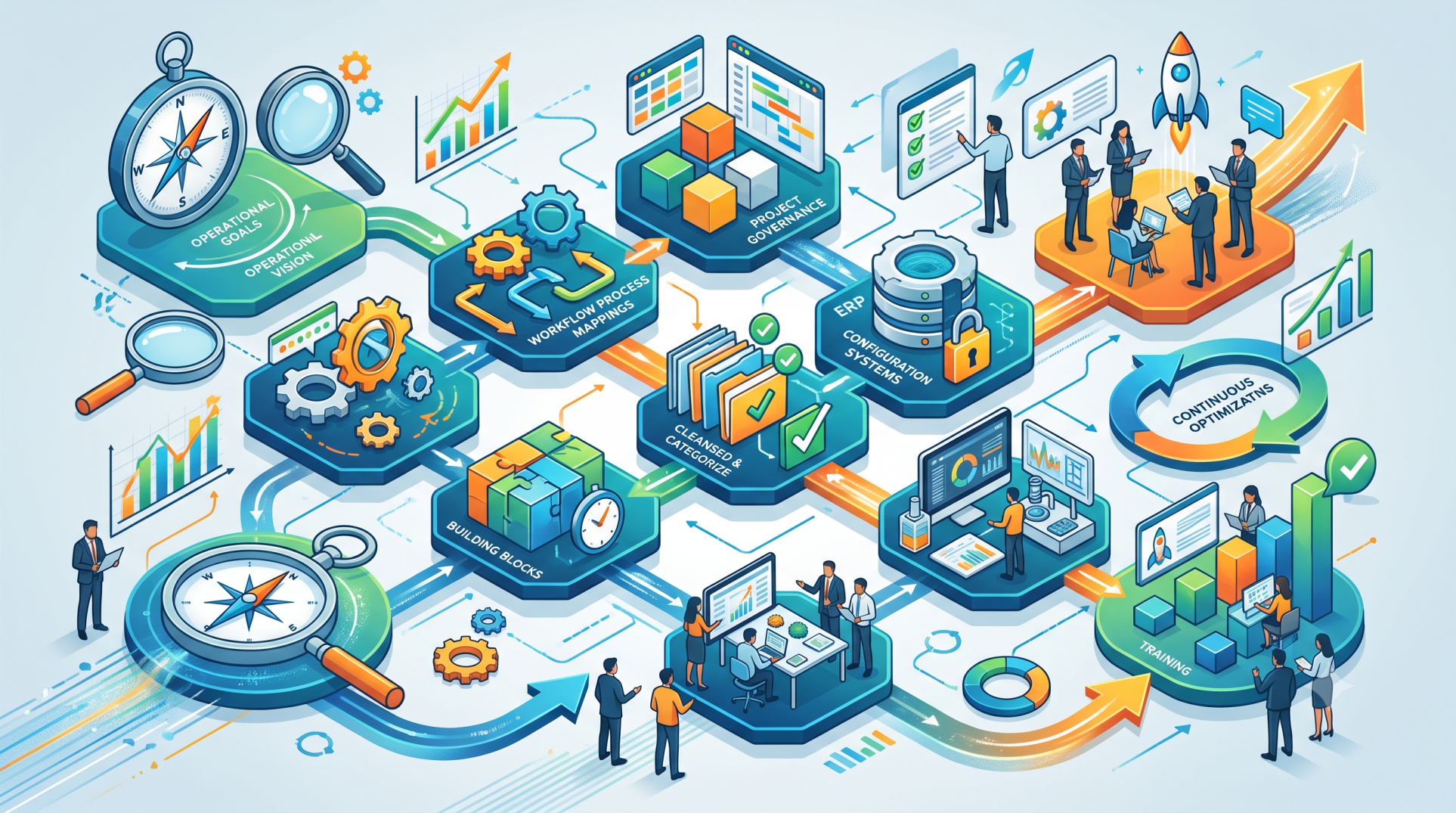
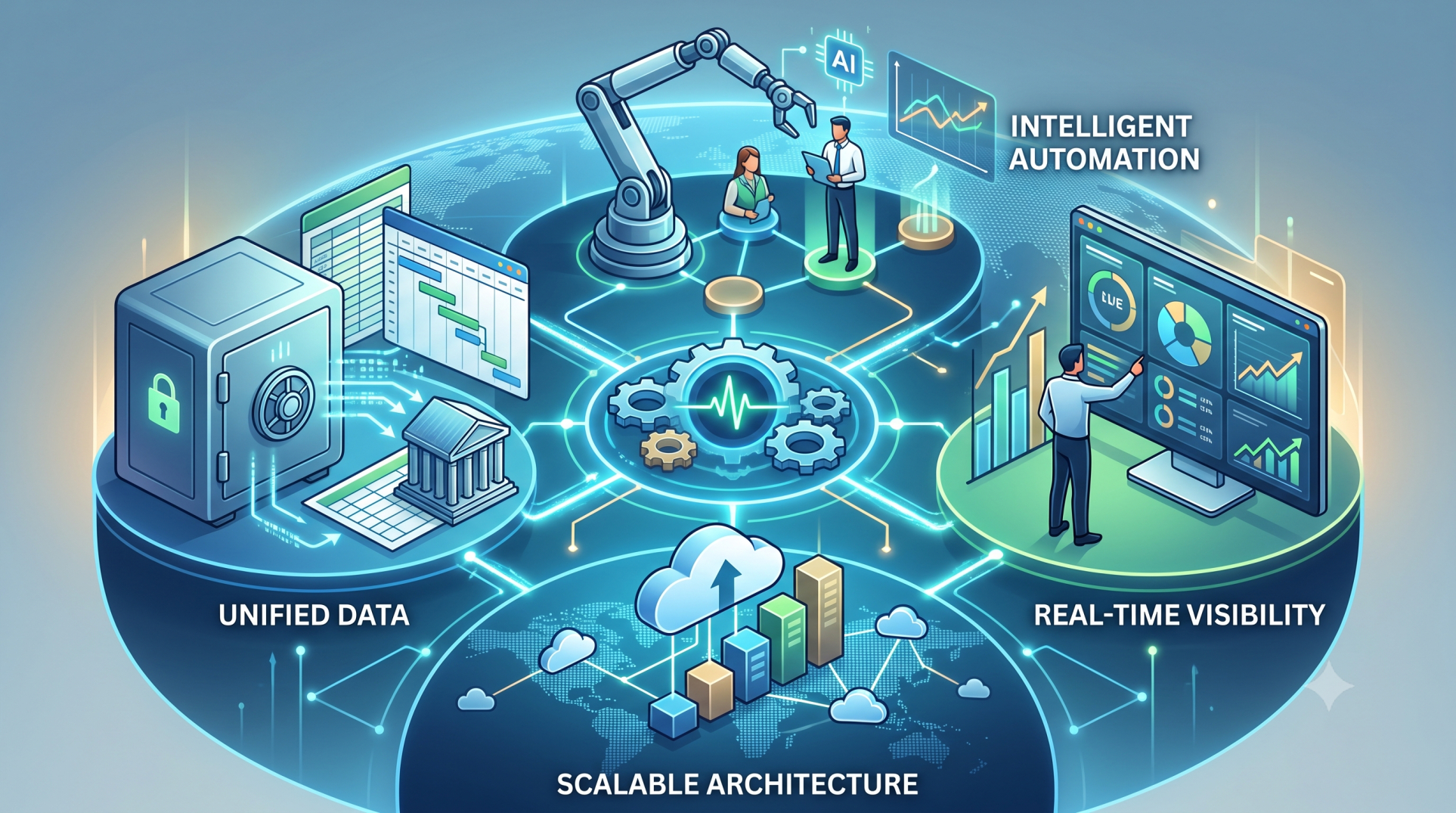
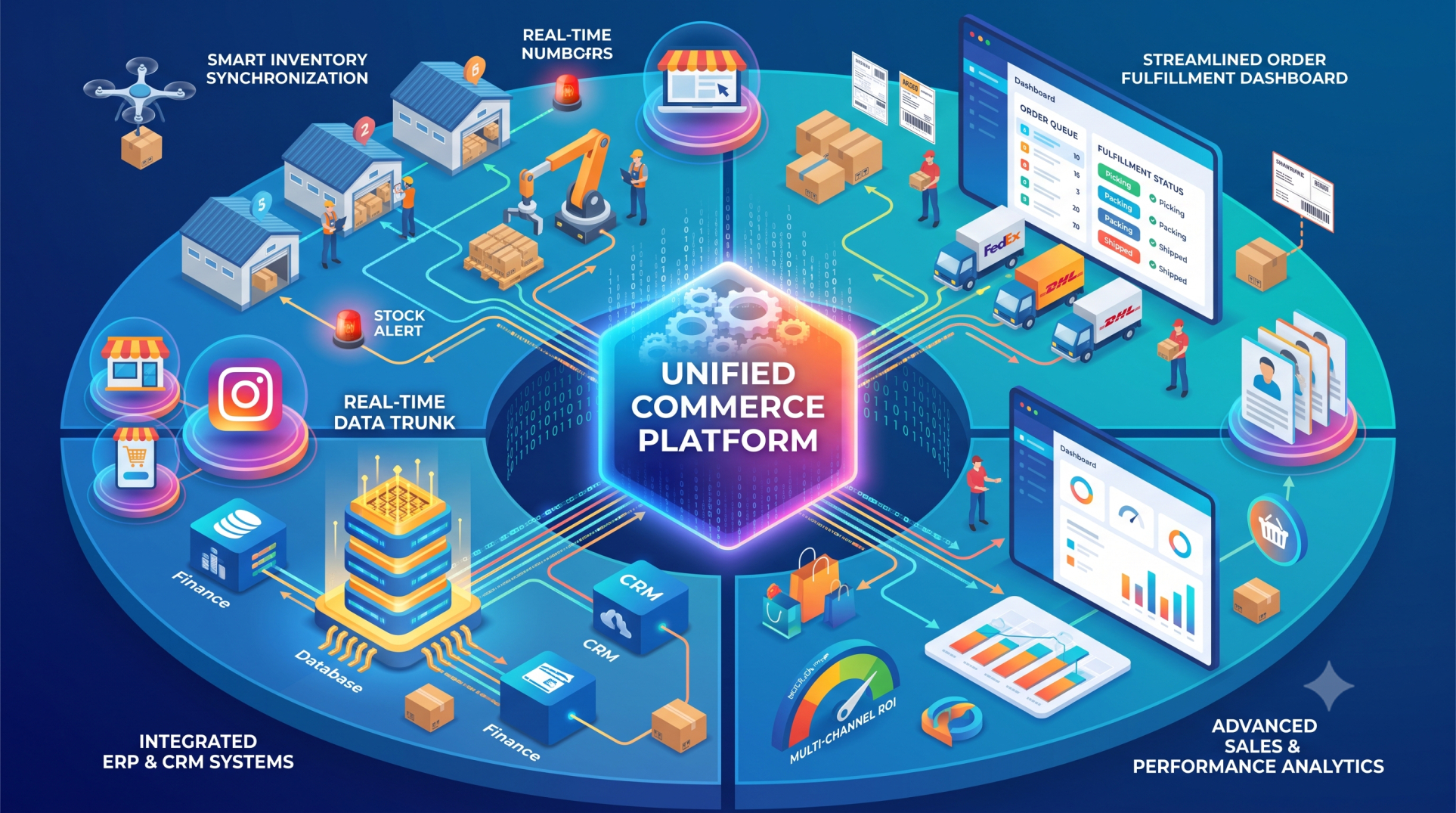
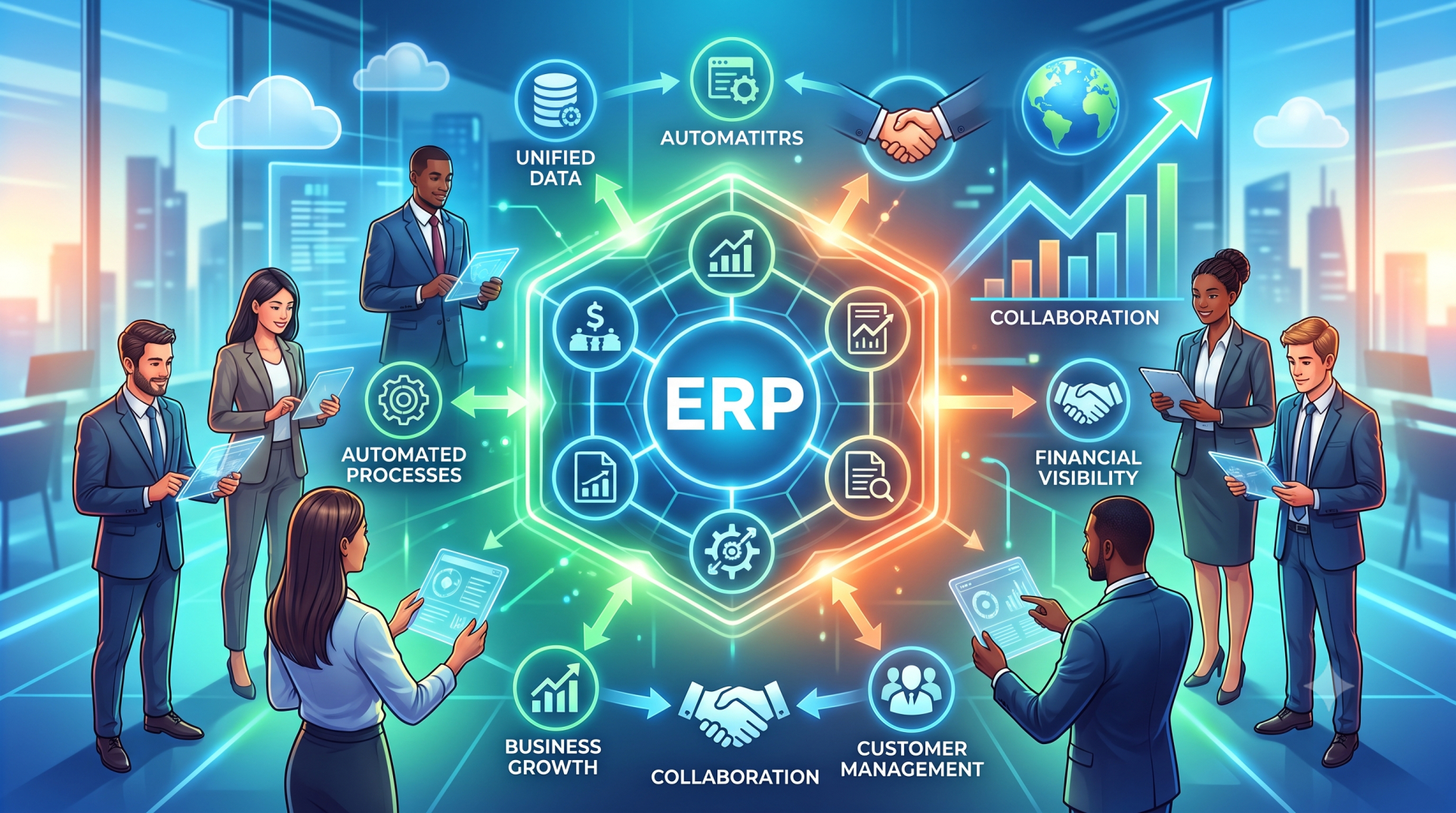
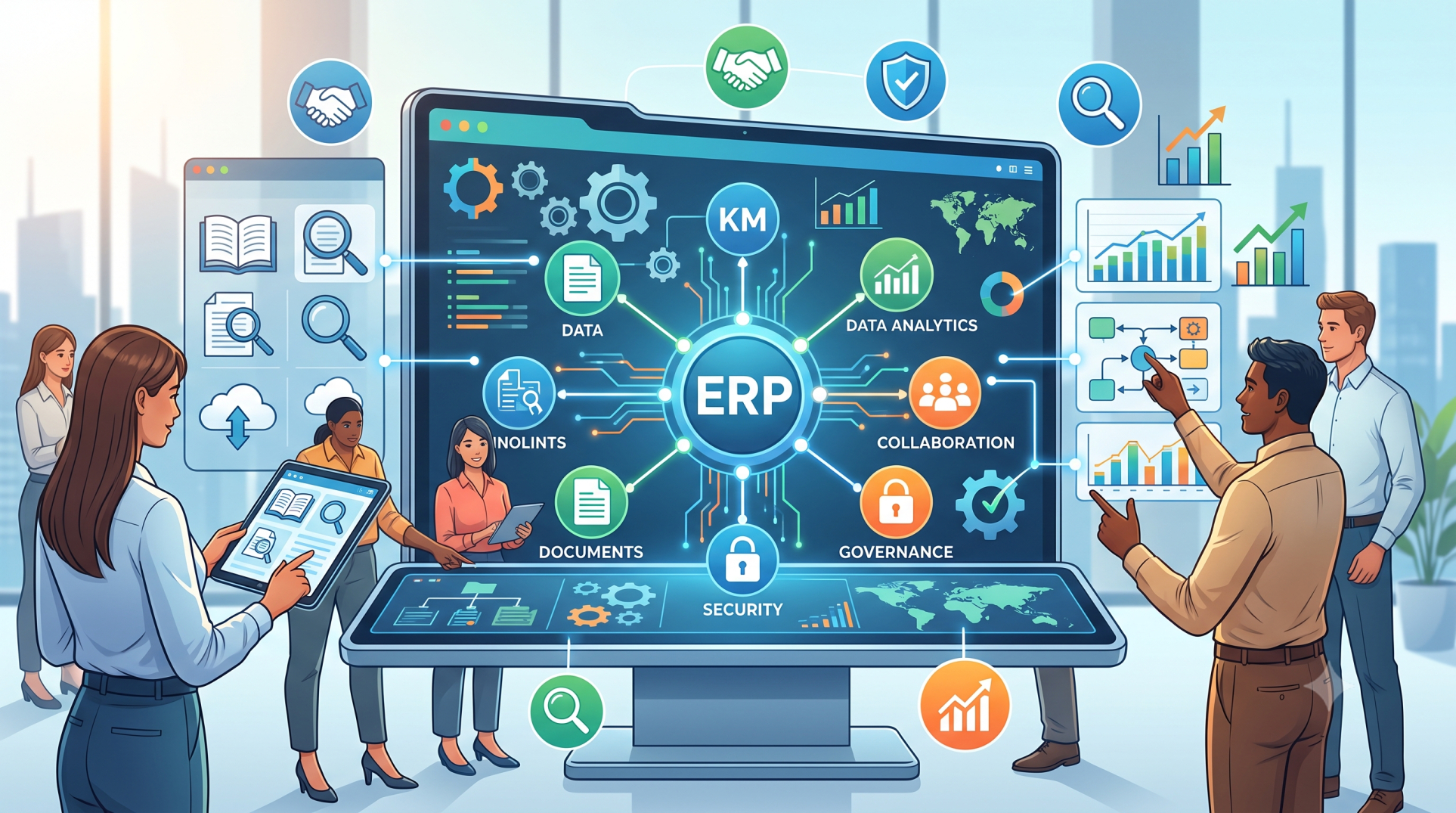
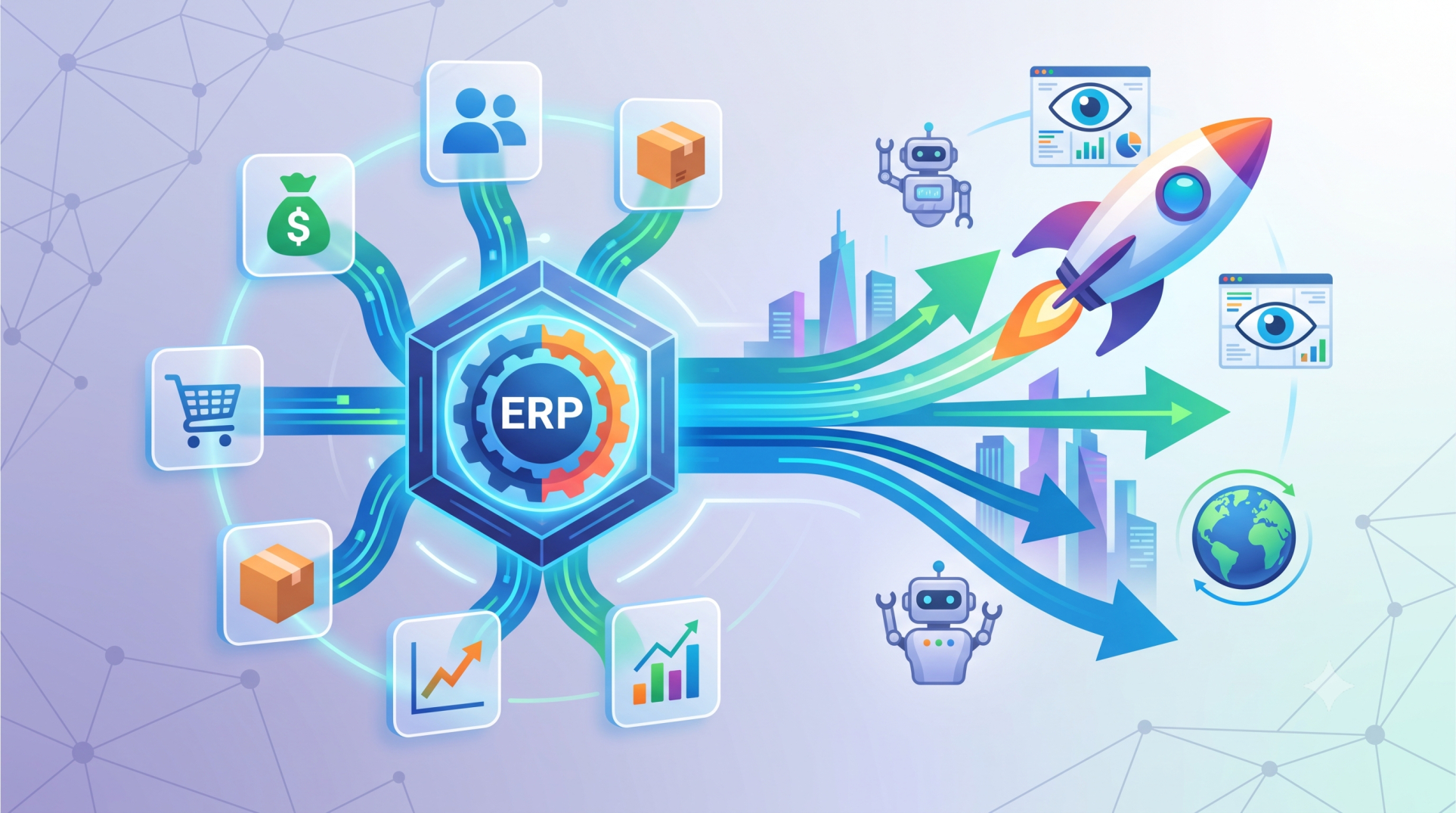
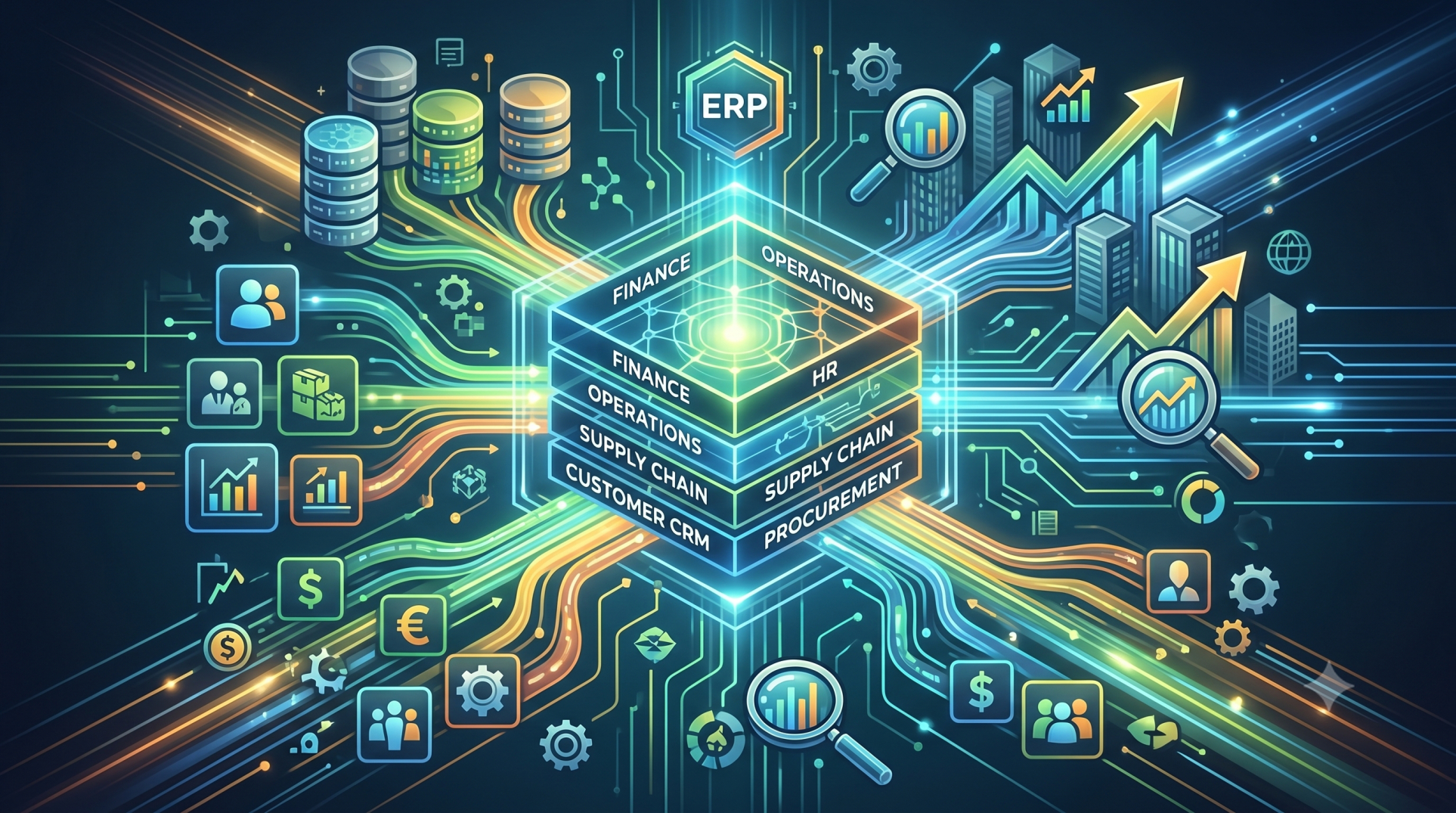
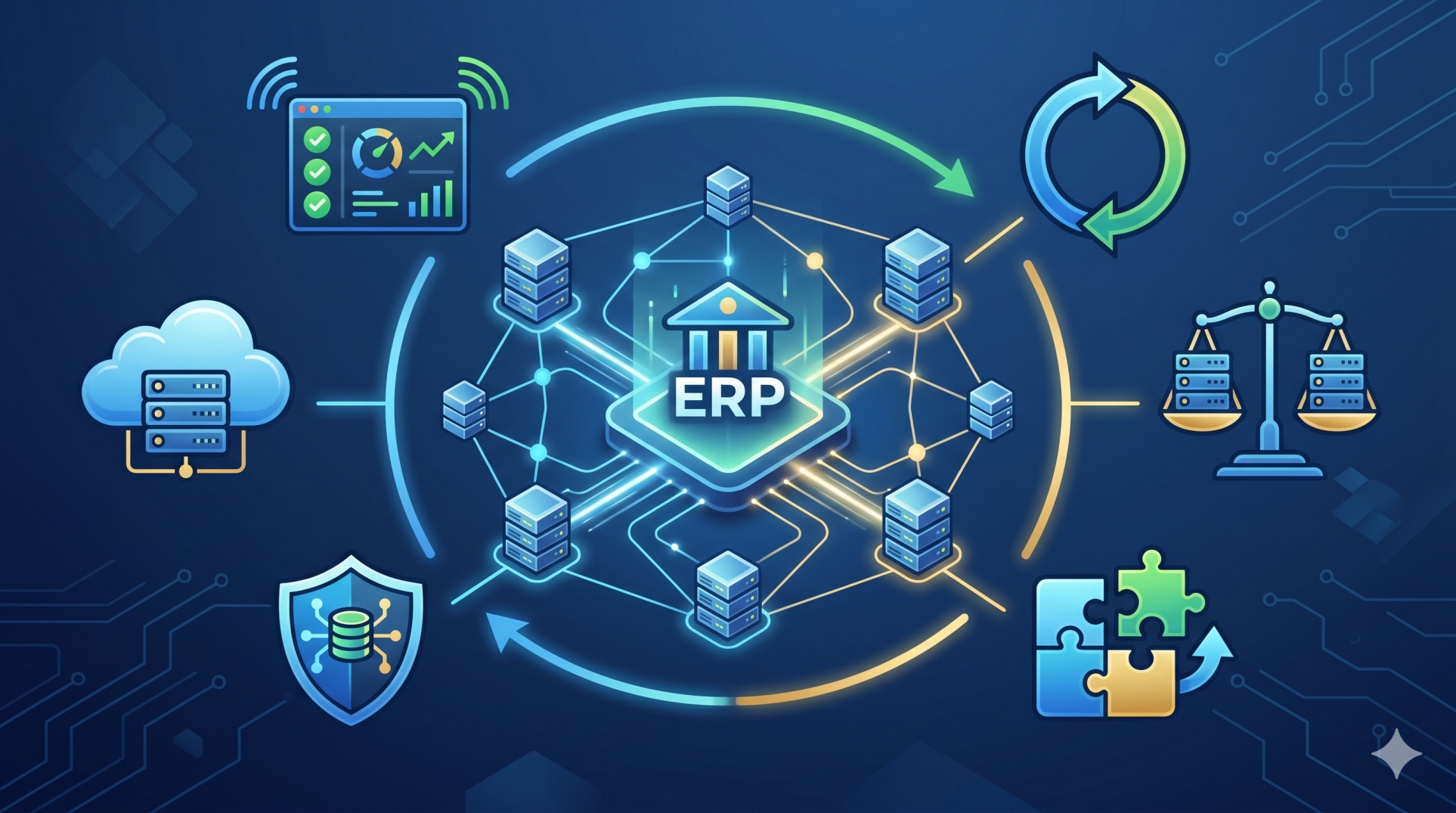
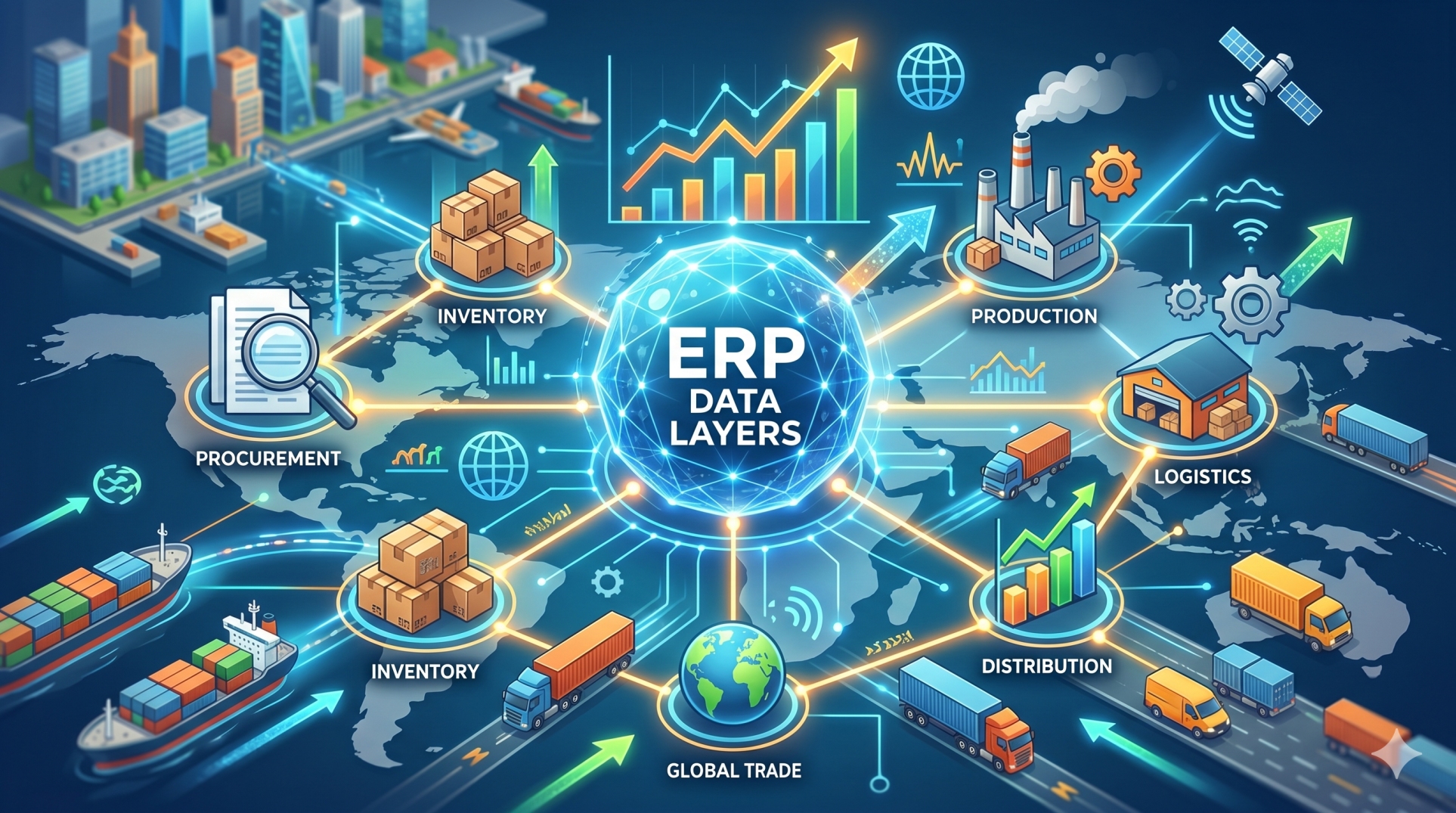
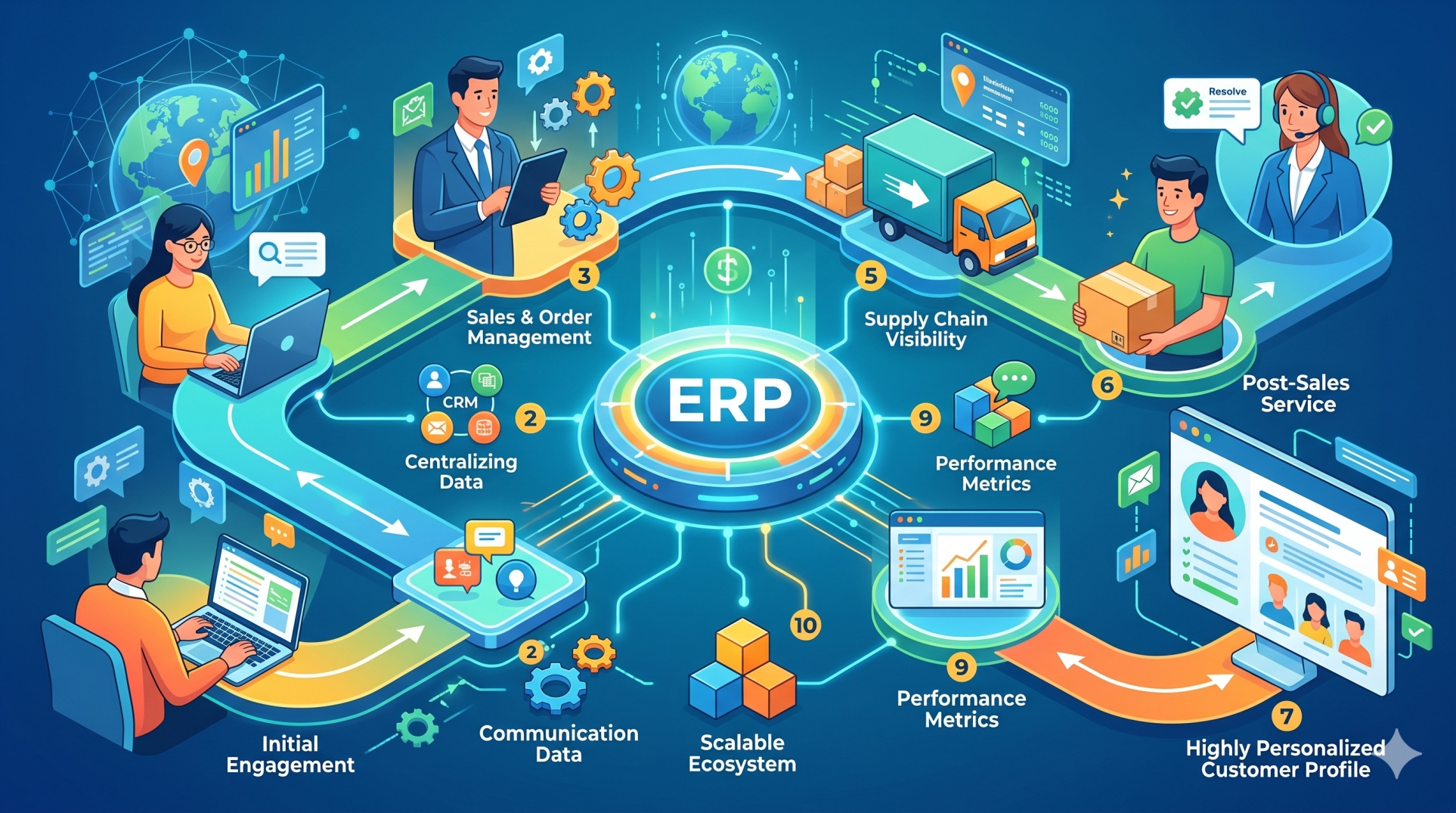
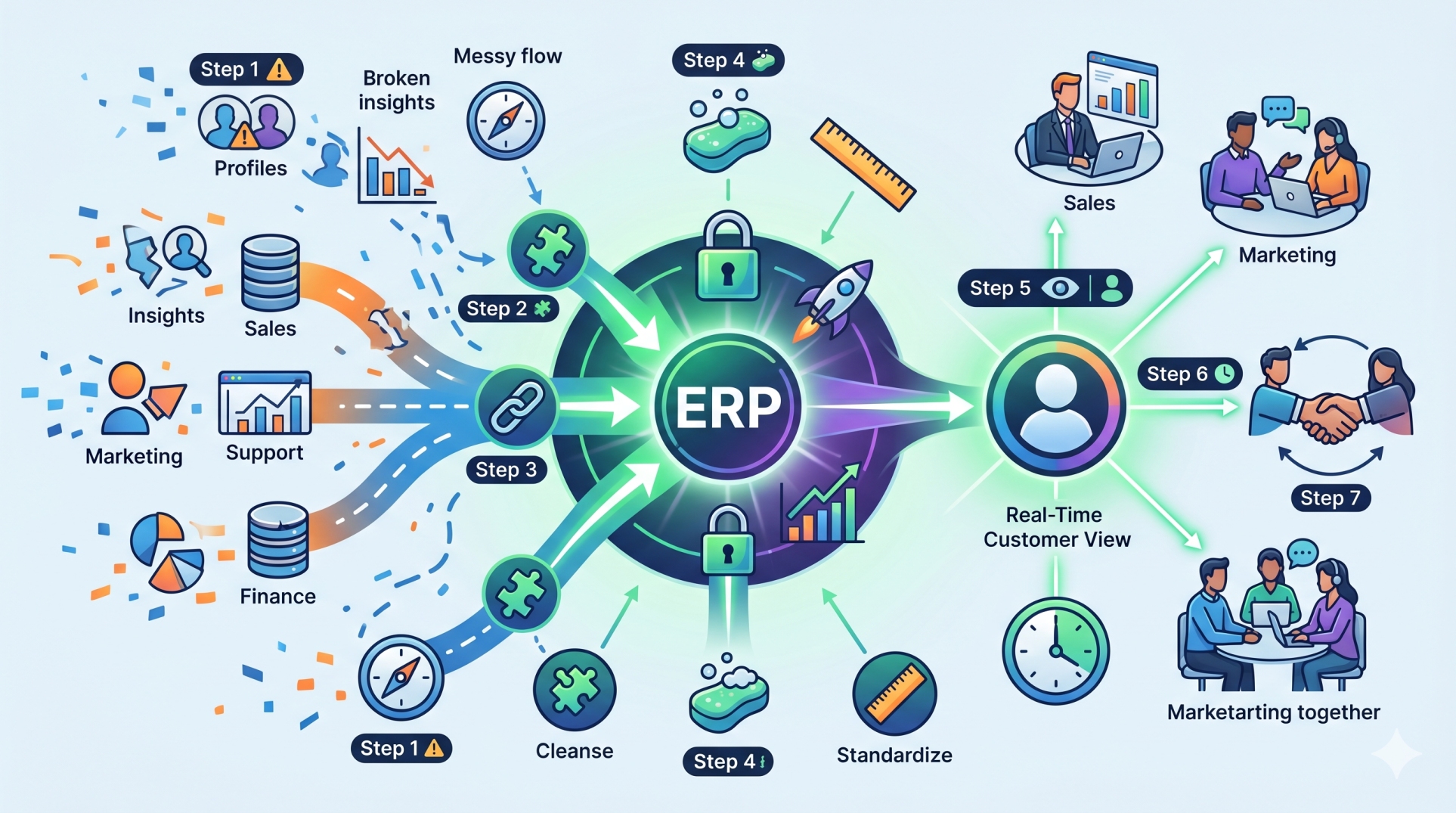
Enterprise Resource Planning (ERP) systems are evolving beyond traditional business applications into comprehensive digital platforms that support innovation, scalability, and operational agility. By applying platform engineering principles to ERP environments, organizations can improve system reliability, streamline development processes, and accelerate the delivery of business capabilities. This approach transforms ERP from a standalone application into a flexible foundation that supports continuous growth and modernization.
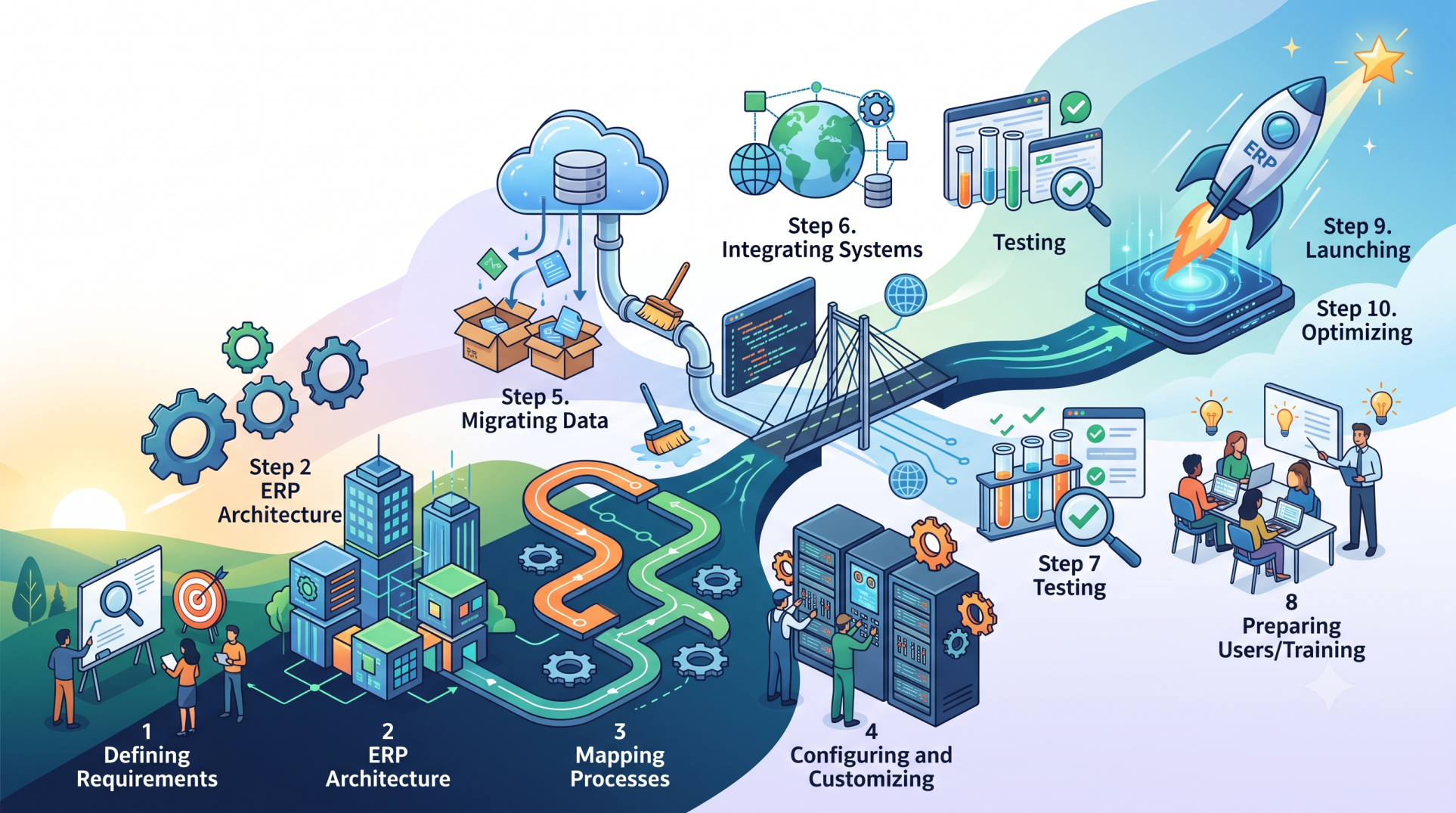
Step 1: Understanding Platform Engineering in ERP 🏗️
• Platform engineering focuses on building reusable and scalable technology foundations 🔧
• ERP systems become platforms that support multiple business functions 📊
• Standardized services simplify development and operations ⚙️
• Teams gain self-service capabilities for faster innovation 🚀
• Platform-based ERP environments improve consistency and governance ✅
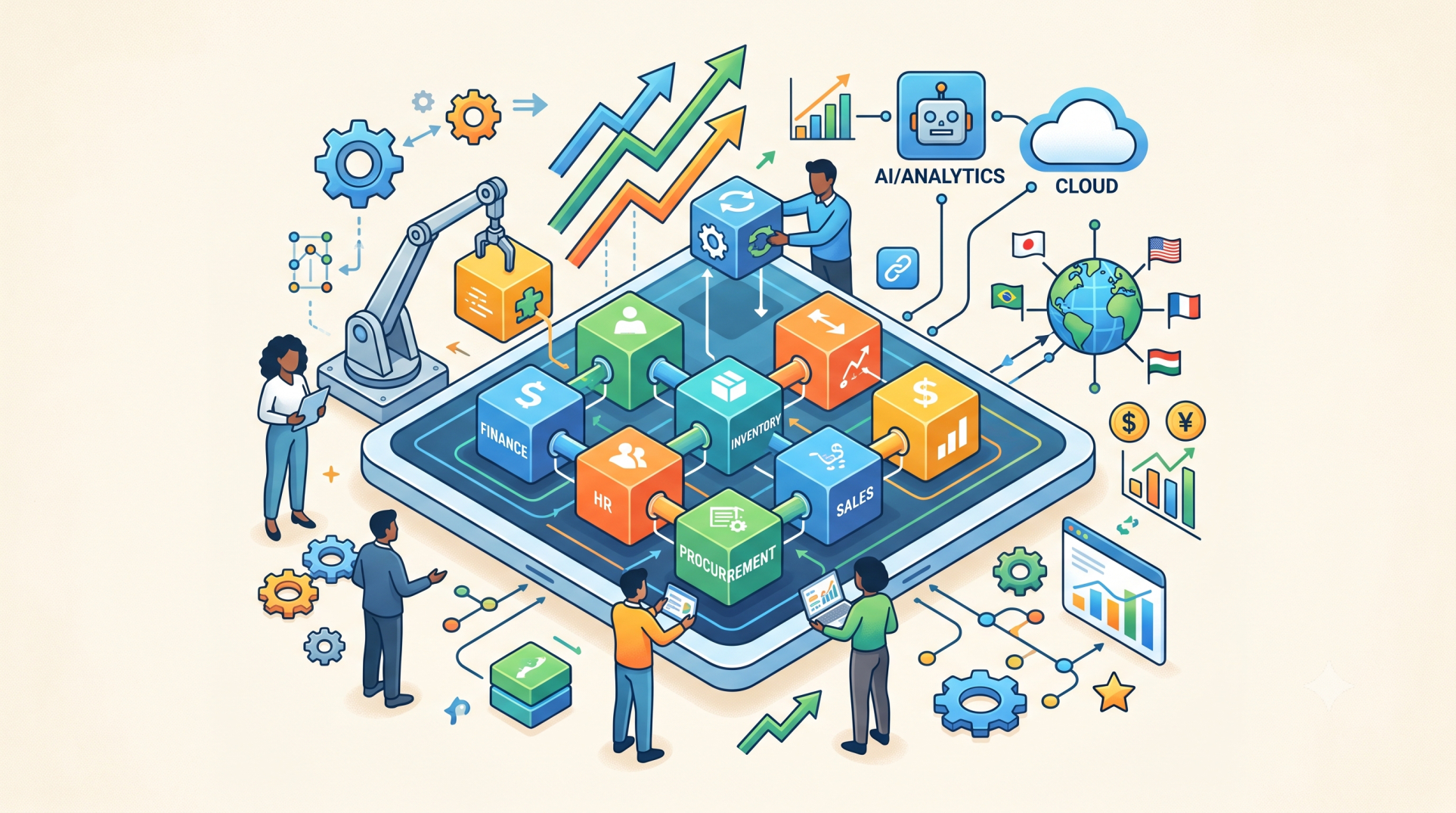
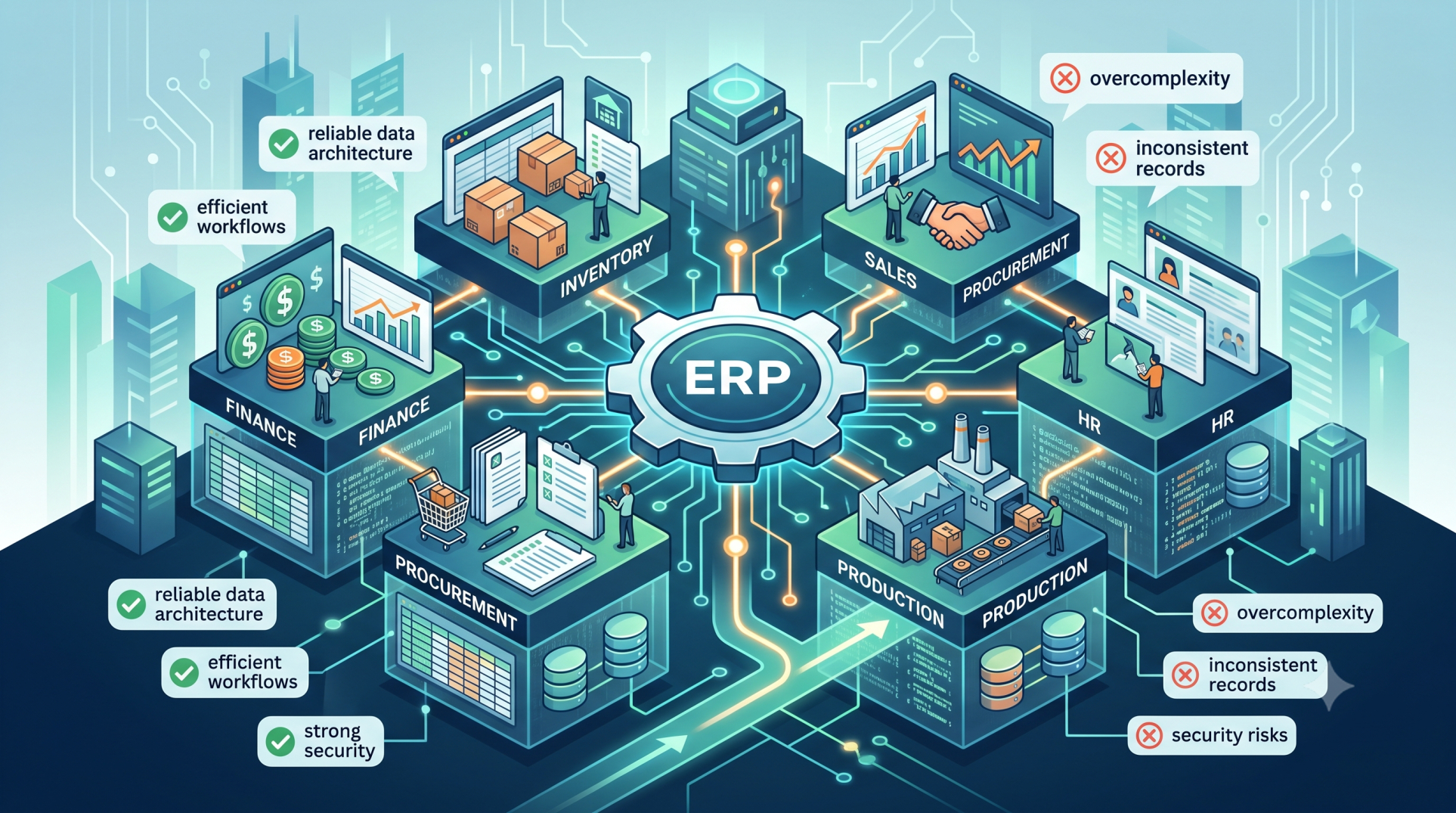
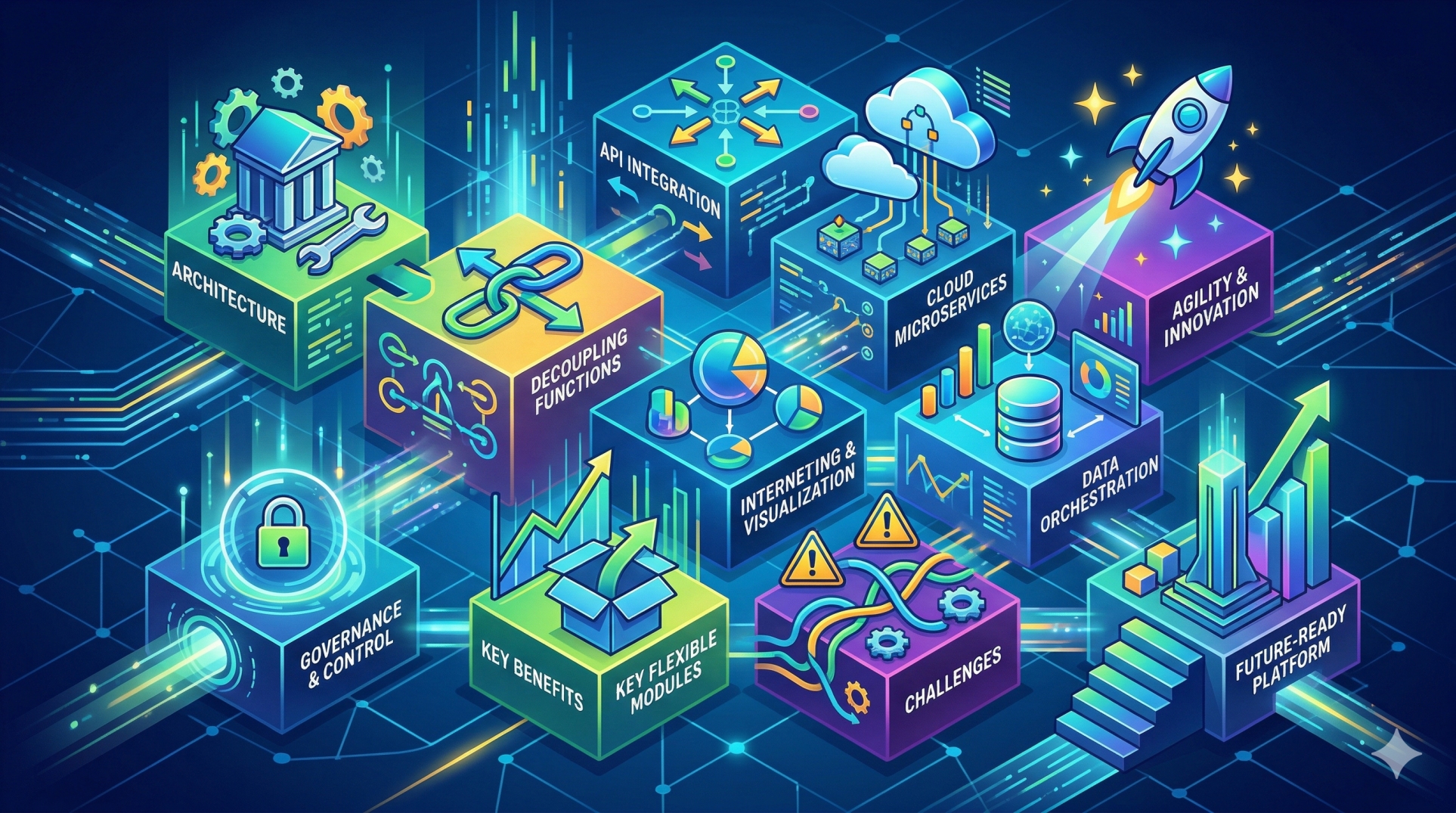
Step 2: Creating a Modular ERP Architecture 🧩
• Break ERP functionality into manageable and independent modules 📦
• Reduce dependencies between business processes 🔗
• Enable faster updates and feature deployment ⚡
• Support integration with external applications seamlessly 🌐
• Improve maintainability through modular design 🛠️
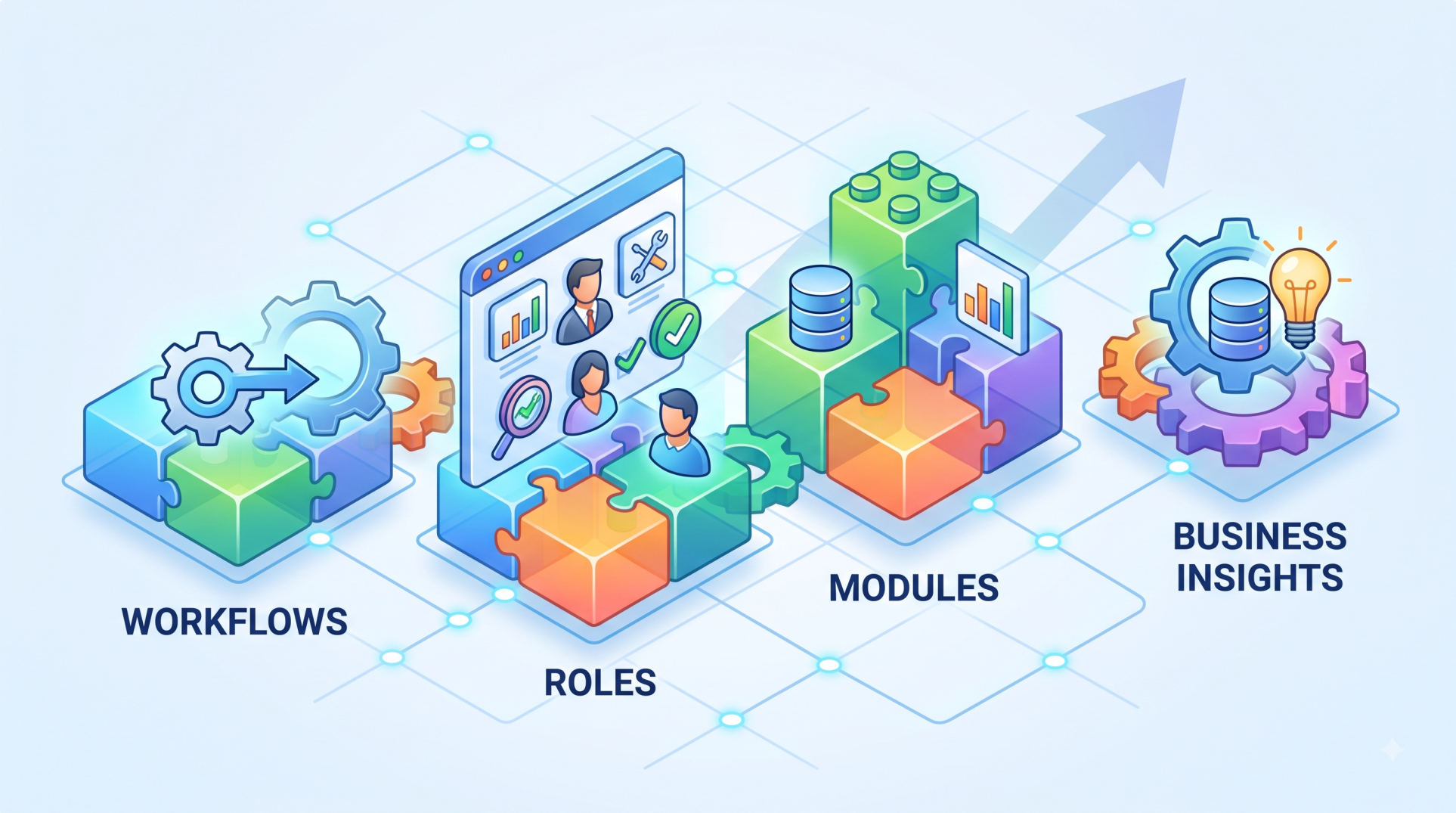
Step 3: Standardizing Development Workflows 🔄
• Establish consistent development and deployment practices 📋
• Implement reusable templates and automation pipelines 🤖
• Reduce manual configuration efforts ⚙️
• Improve collaboration across technical teams 🤝
• Accelerate ERP enhancement delivery cycles 🚀
Step 4: Enabling Self-Service Capabilities 👨💻
• Provide teams with tools to deploy and manage resources independently 🔧
• Reduce operational bottlenecks and support requests 📉
• Simplify access to development and testing environments 🖥️
• Improve productivity across departments 📈
• Encourage innovation through controlled autonomy 🌟
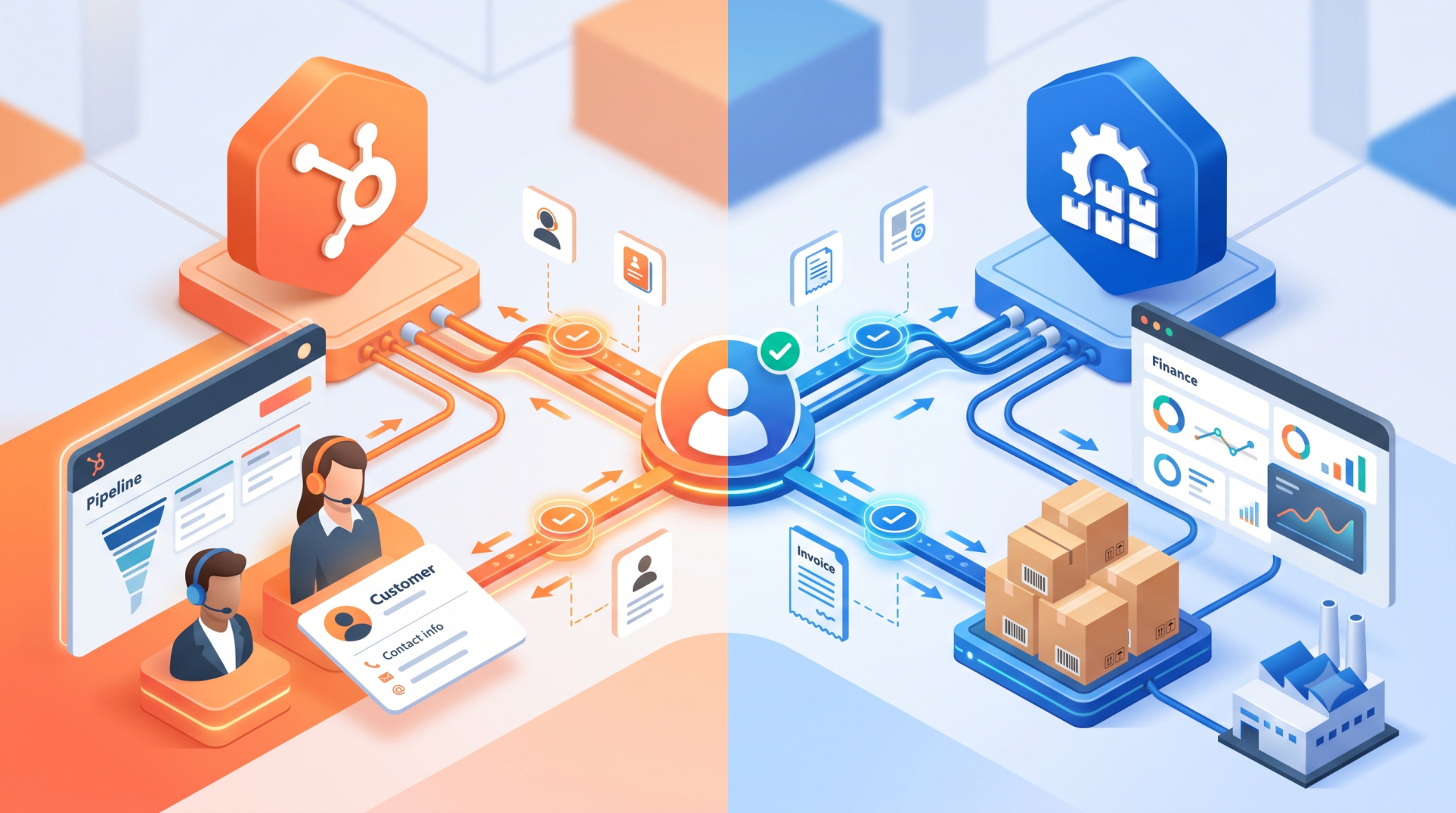
Step 5: Building Strong Integration Frameworks 🔗
• Create standardized APIs for ERP connectivity 🌐
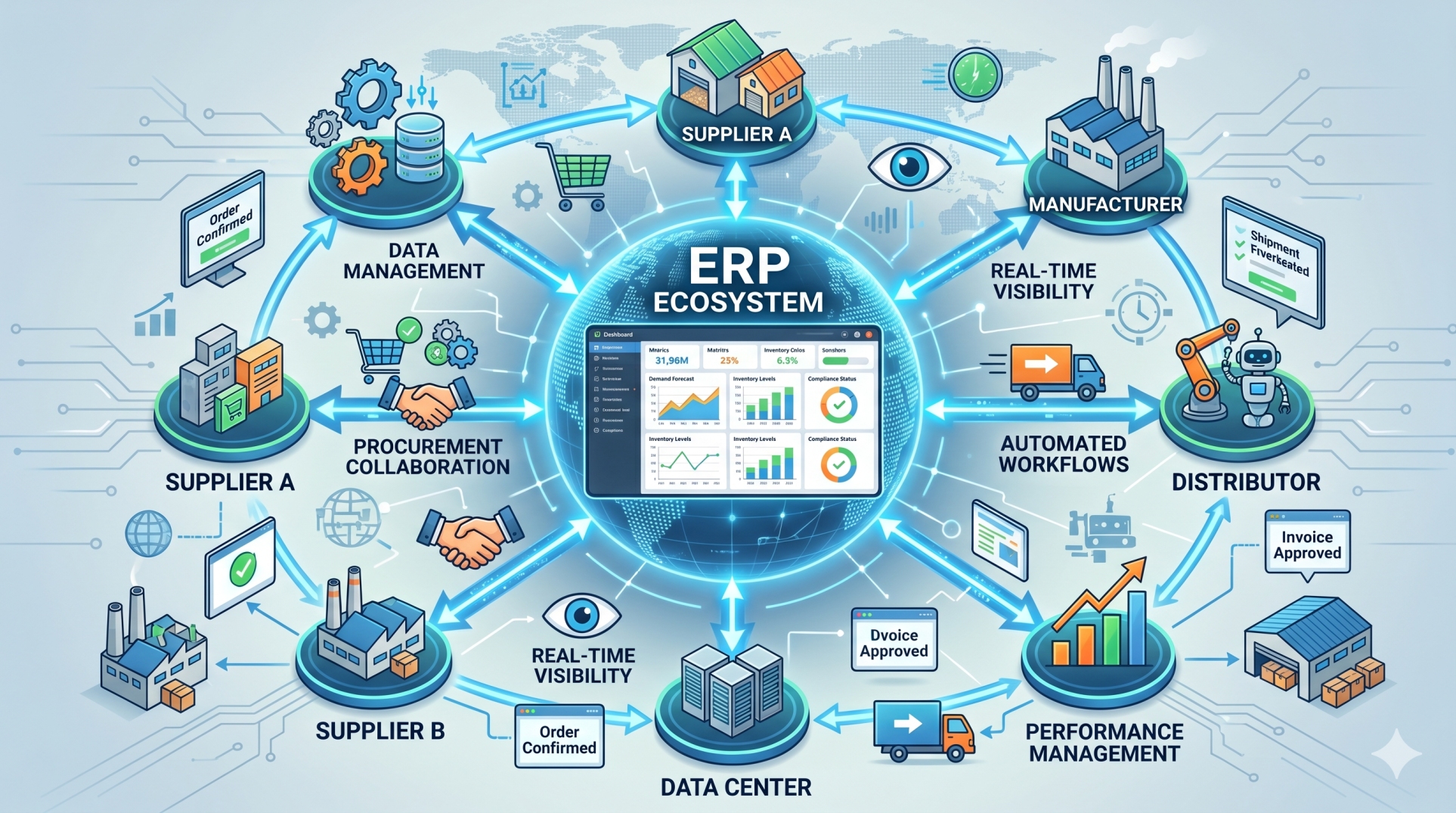
• Simplify communication between internal and external systems 🔄
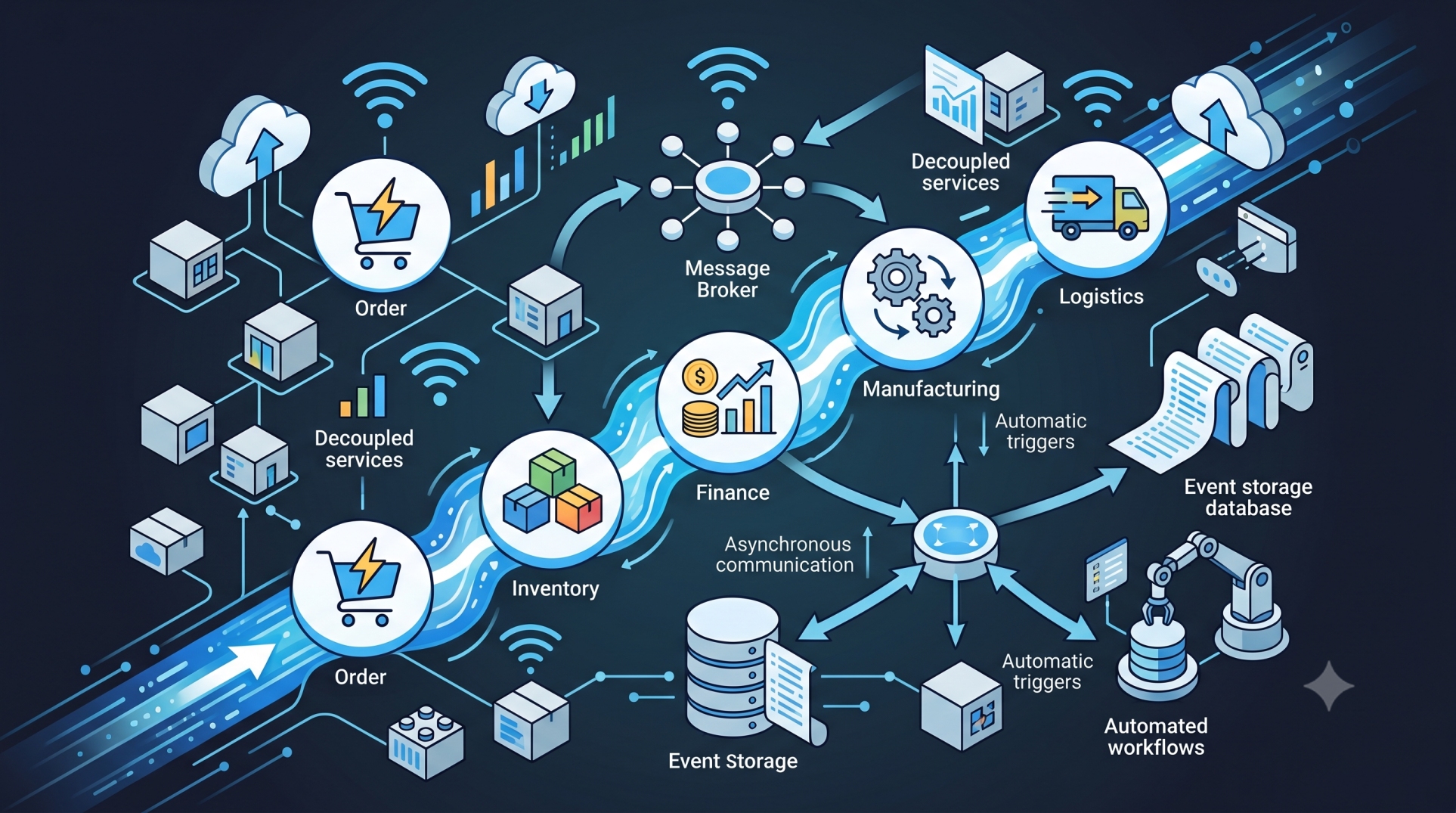
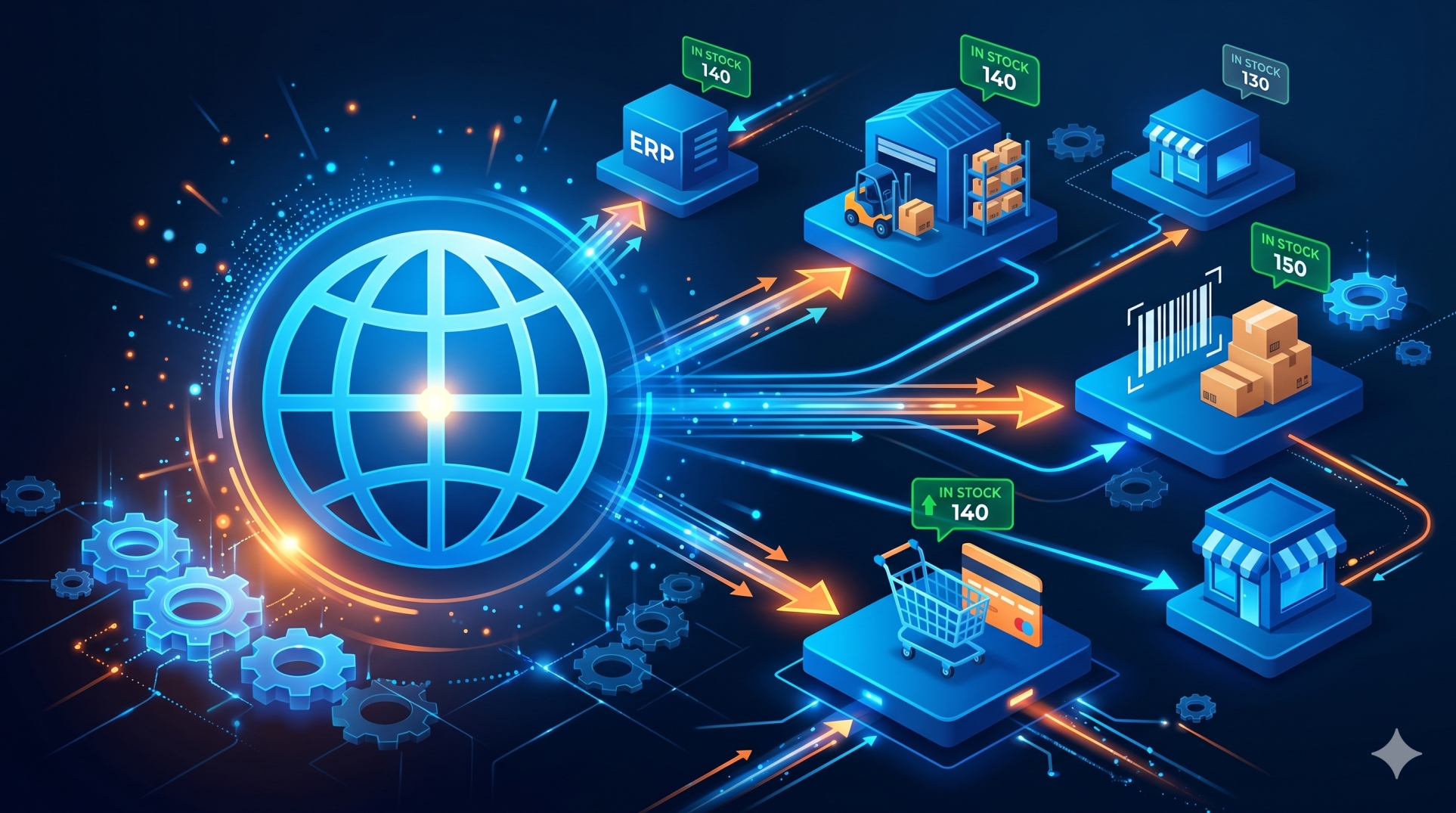
• Enable real-time data exchange across platforms ⚡
• Reduce complexity in system integrations 🏗️
• Support scalable digital ecosystems 📡
Step 6: Automating Infrastructure Management 🤖
• Automate provisioning of ERP environments ⚙️
• Reduce manual setup and maintenance activities 📋
• Ensure consistency across development, testing, and production environments ✅
• Improve operational efficiency and reliability 🚀
• Enable rapid scaling when business demands increase 📈
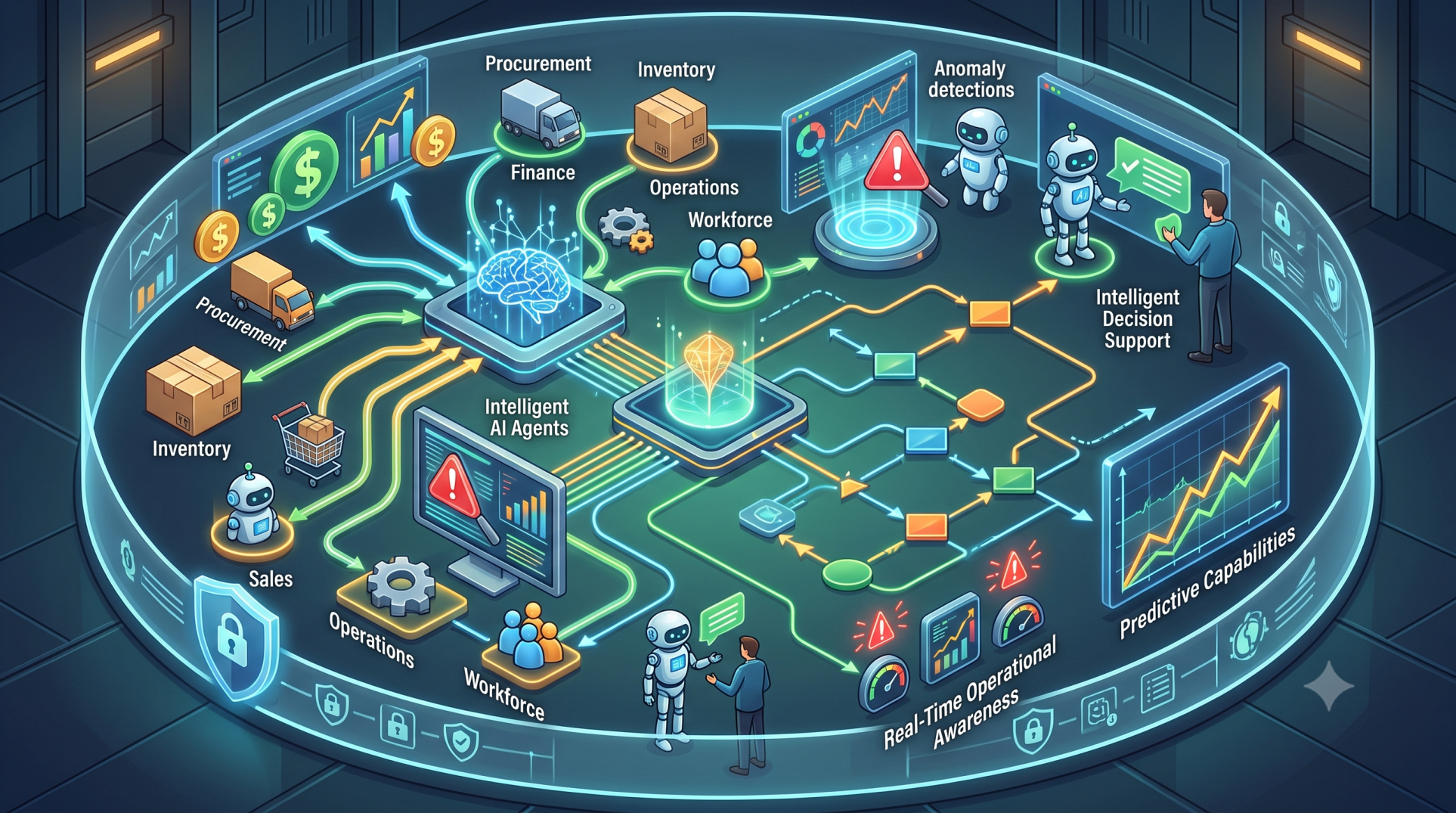
Step 7: Implementing Observability and Monitoring 📊
• Monitor ERP performance continuously 🔍
• Track application health, usage, and system metrics 📈
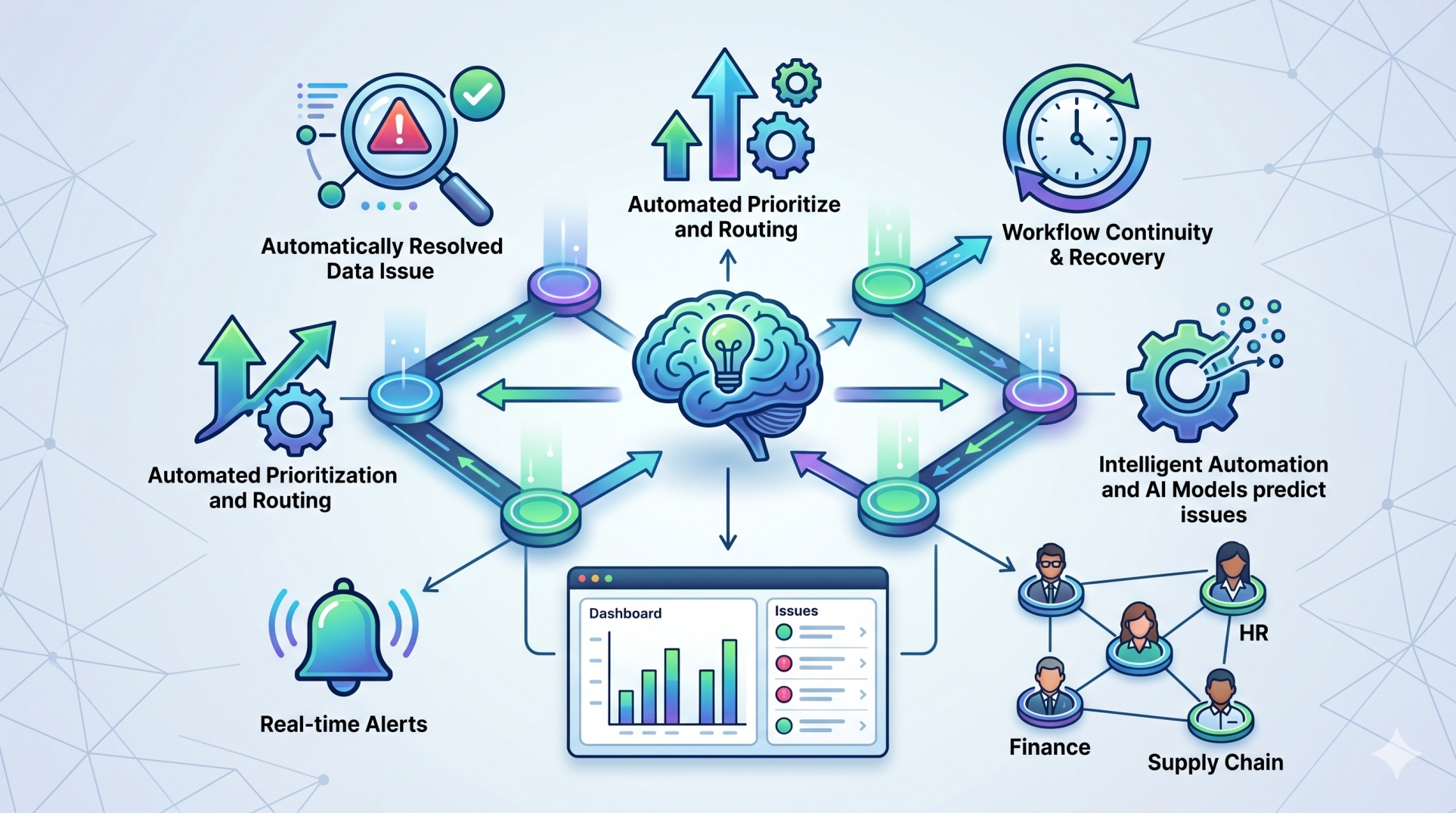
• Detect issues before they impact operations 🚨
• Improve troubleshooting through centralized visibility 👁️
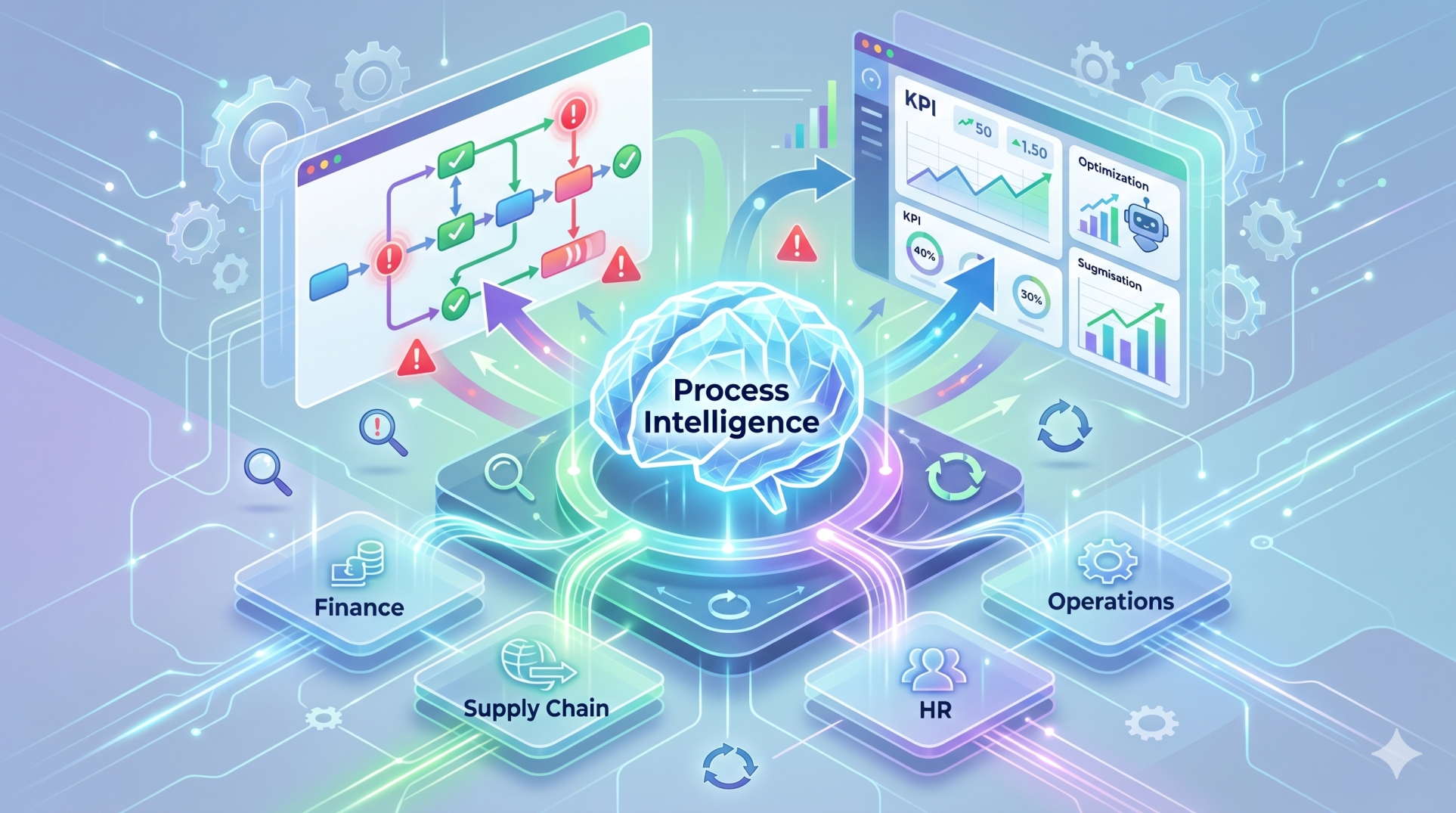
• Support proactive system optimization ⚡
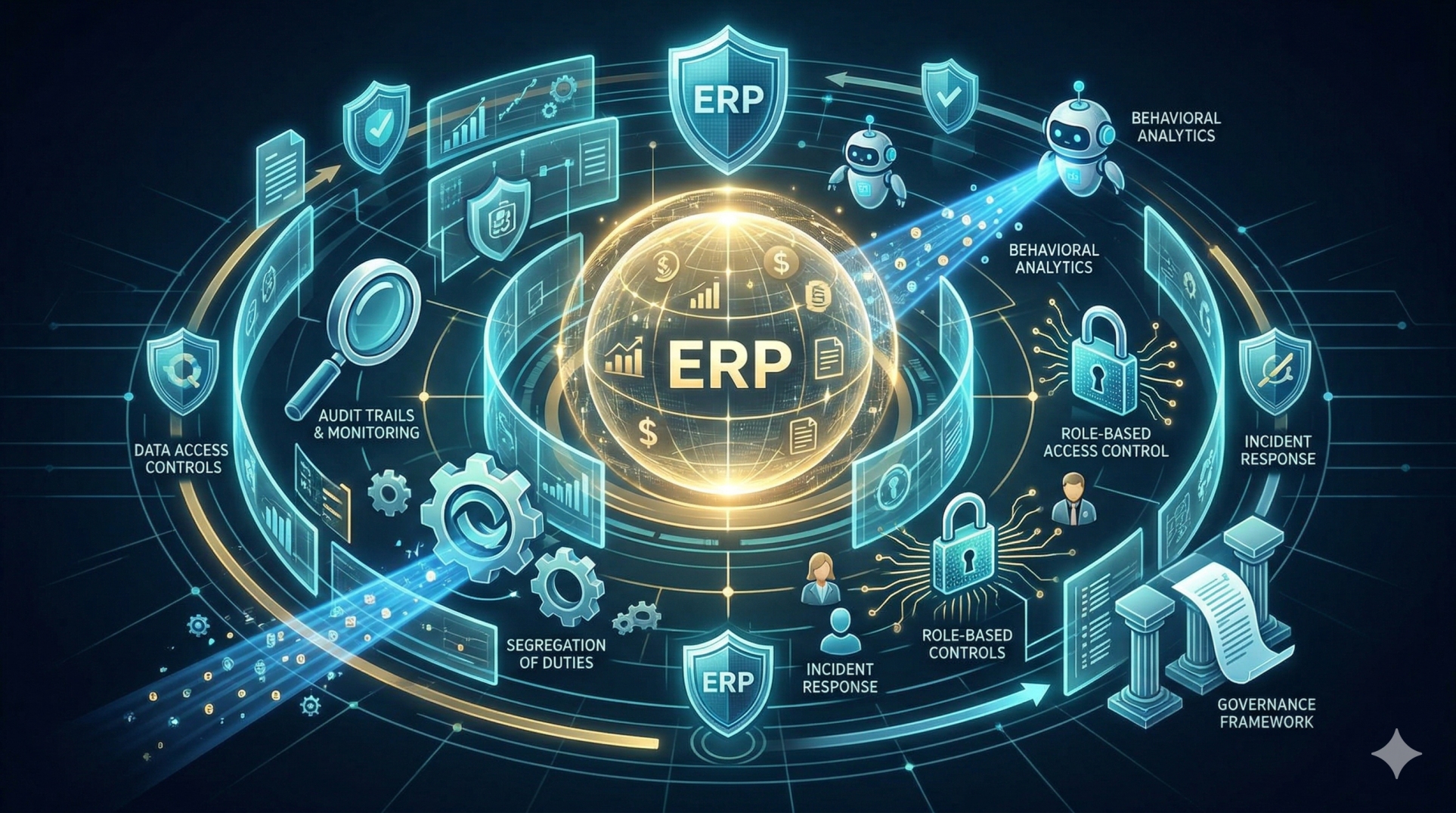
Step 8: Strengthening Security and Governance 🔐
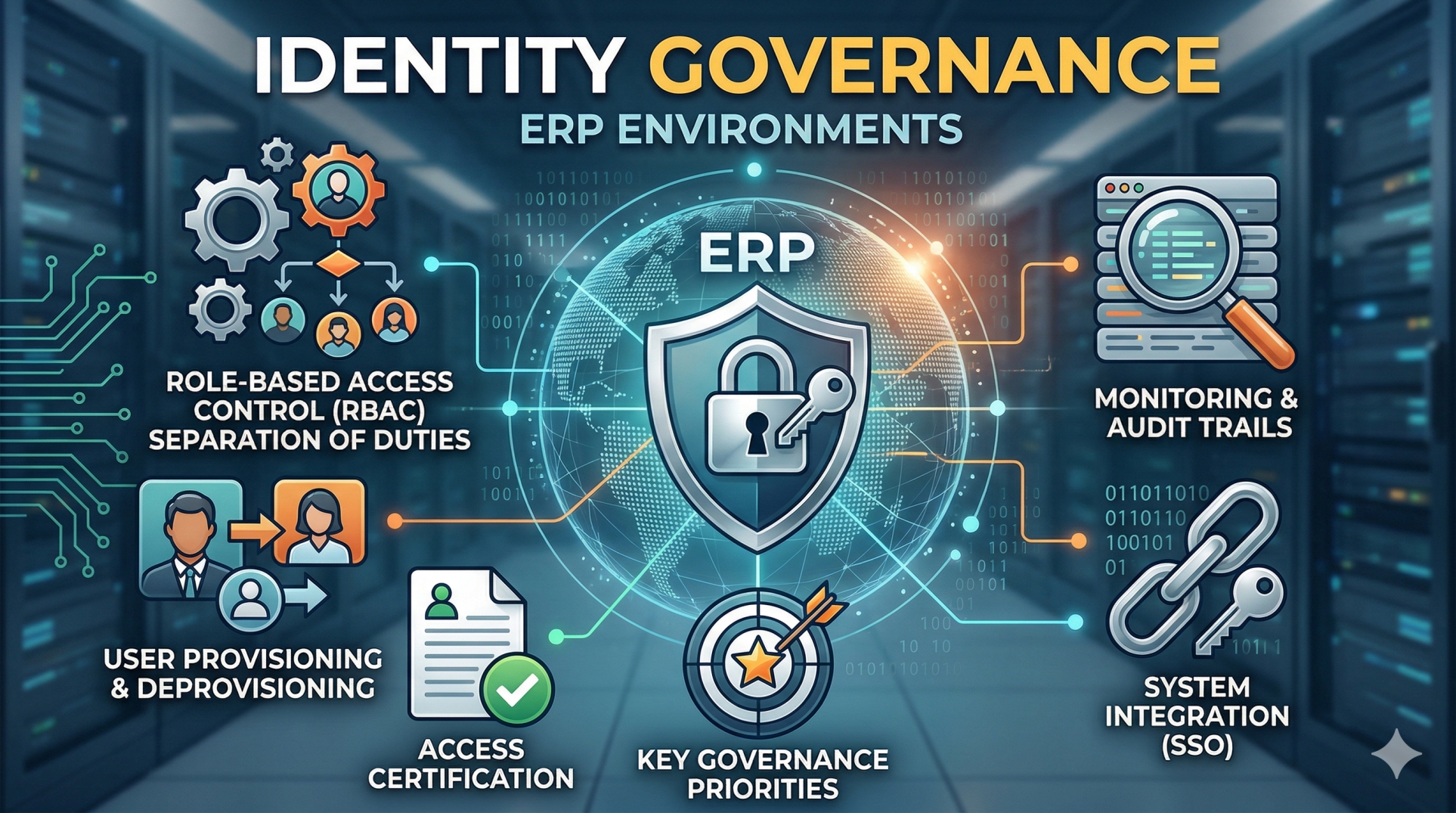
• Implement role-based access controls 👥
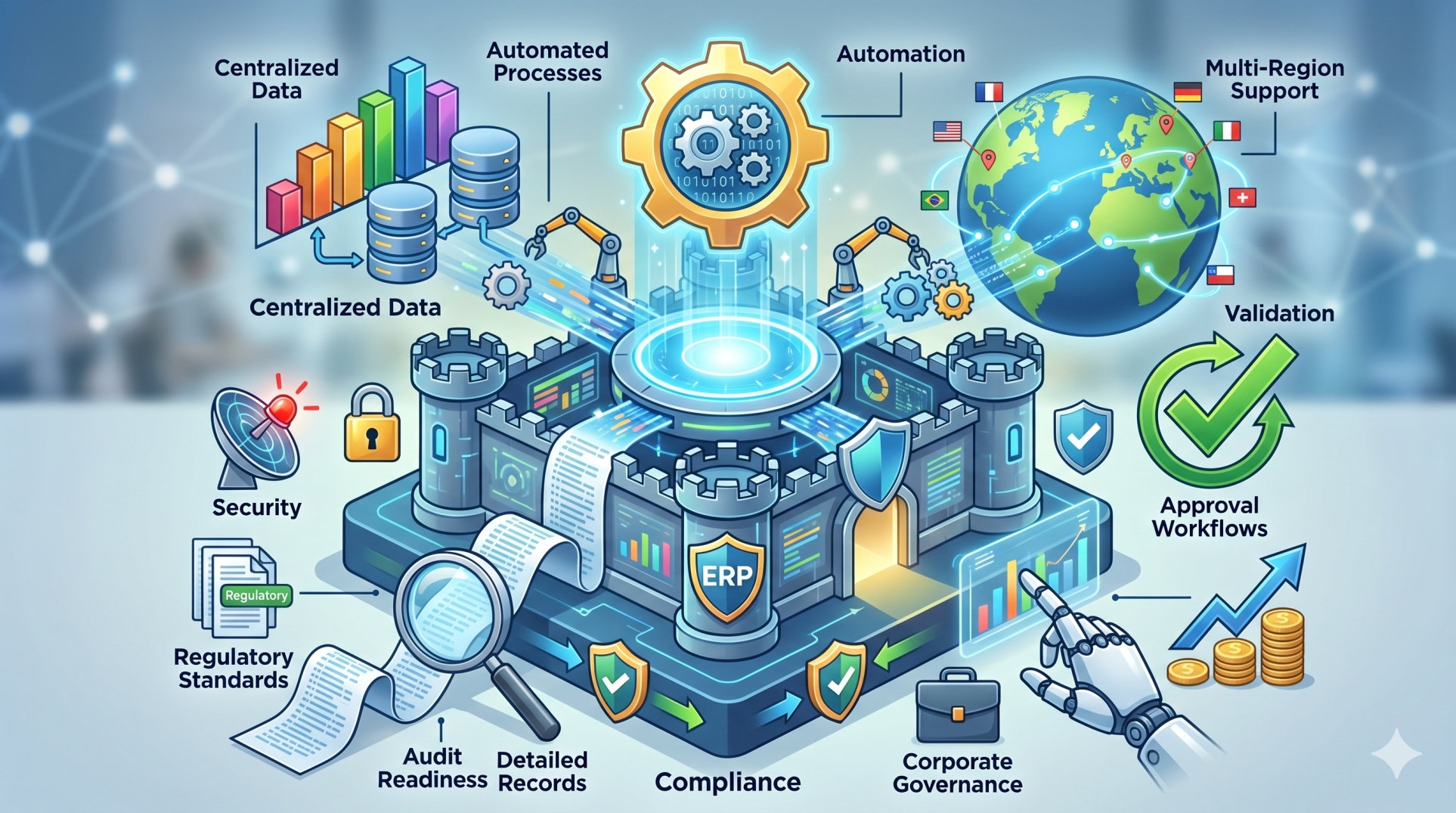
• Standardize security policies across ERP services 🛡️
• Protect sensitive business information 🔒
• Maintain compliance with industry regulations 📜
• Establish governance frameworks for platform usage ⚖️
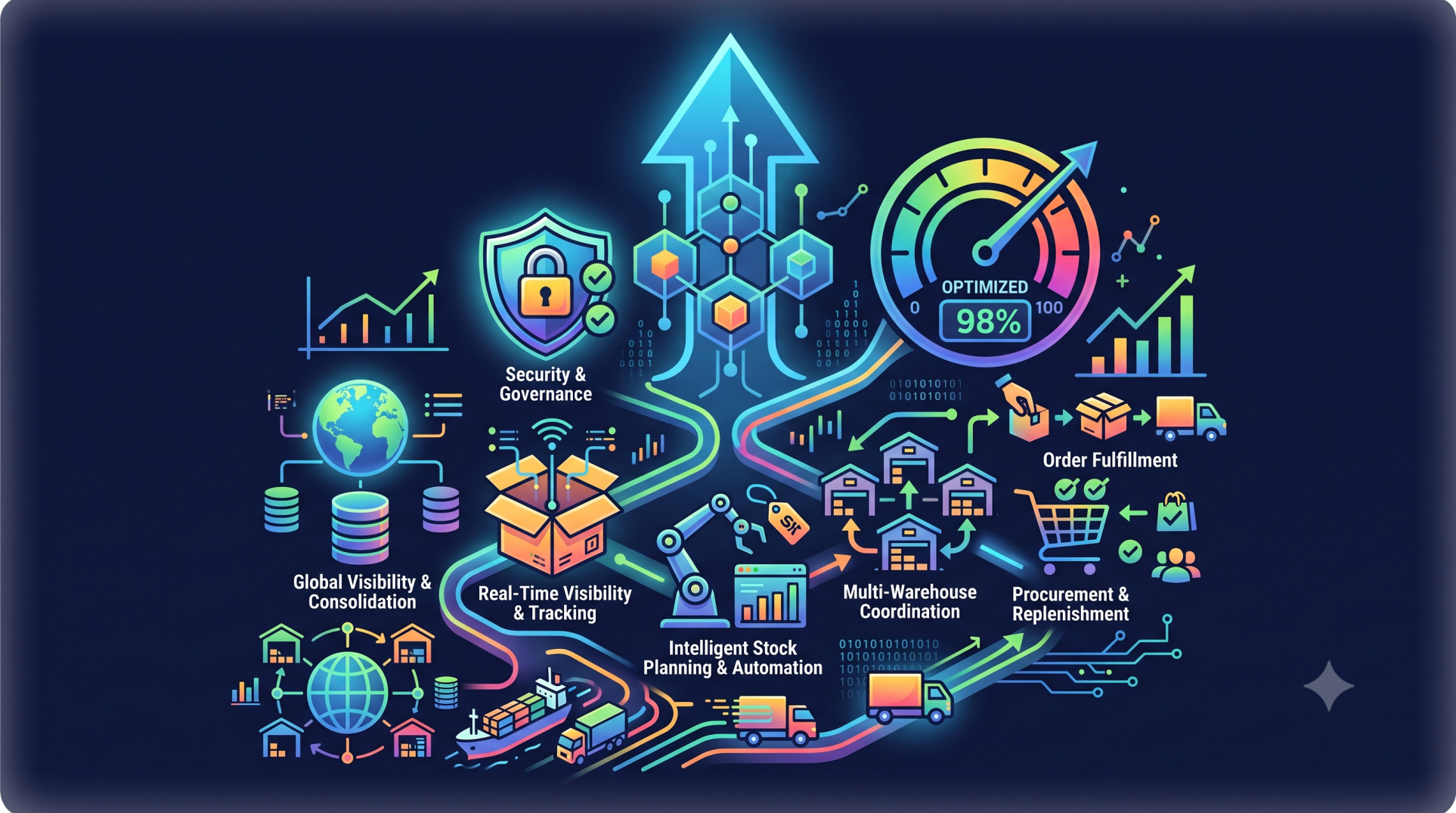
Step 9: Supporting Scalability and Resilience 🌍
• Design ERP platforms to handle growing workloads 📈
• Distribute resources efficiently across services ⚙️
• Minimize downtime through resilient architectures 🏗️
• Support business expansion without major disruptions 🚀
• Enable continuous availability of critical processes ✅
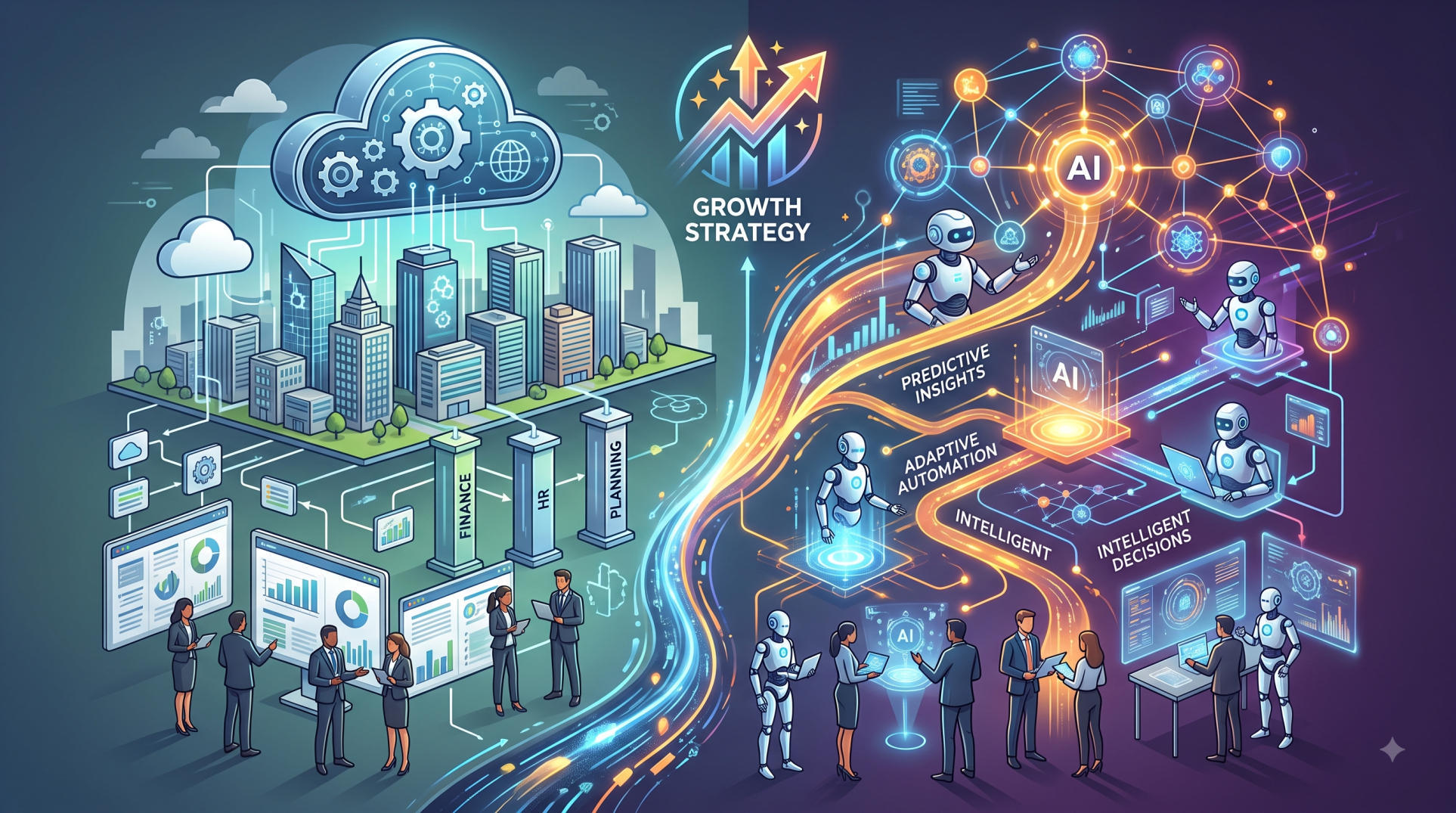
Step 10: Building a Future-Ready ERP Platform 🌟
• Adopt cloud-native and modern platform technologies ☁️
• Support continuous innovation and feature evolution 🔄
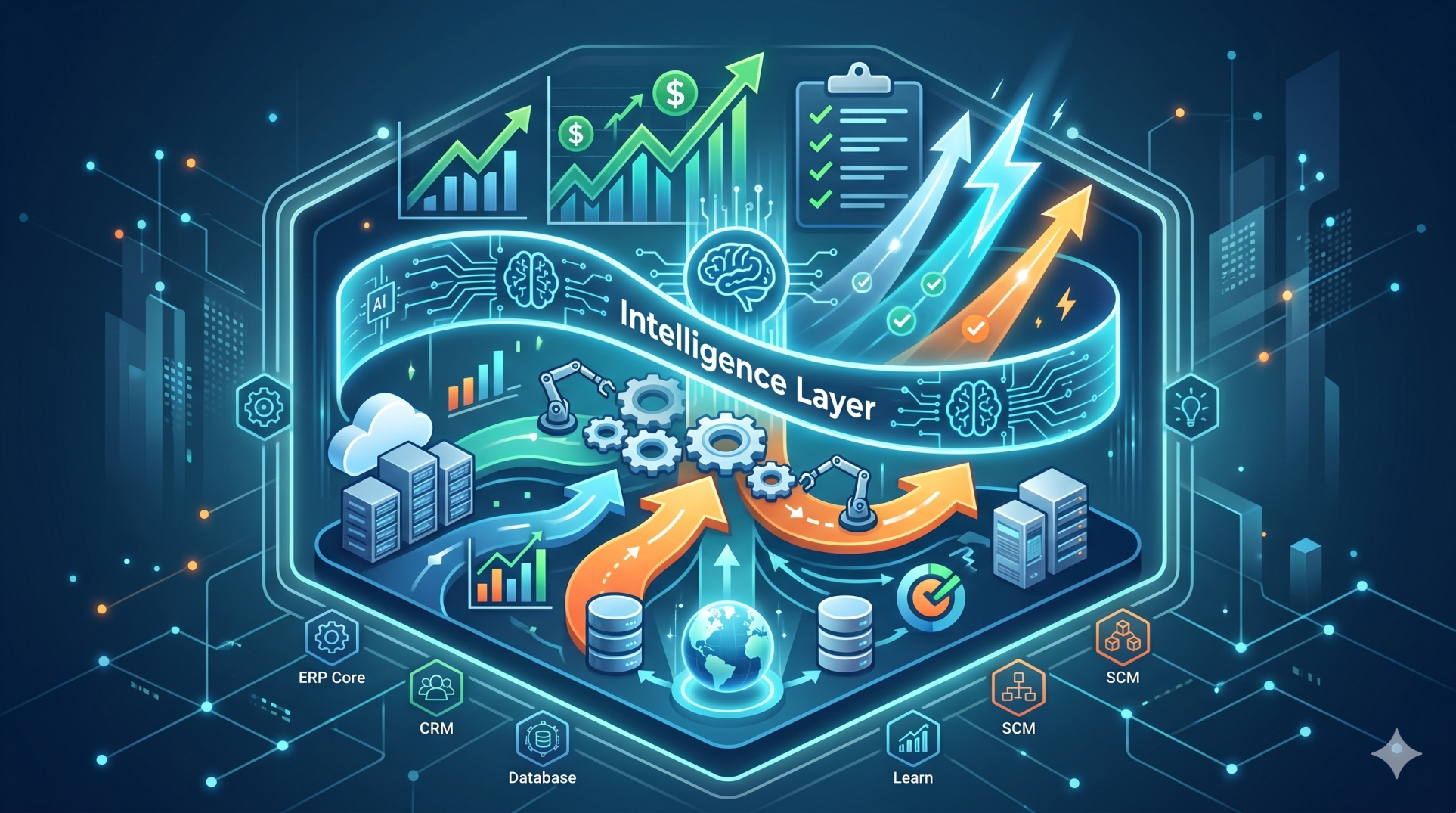
• Enable integration of AI, analytics, and automation tools 🤖
• Adapt quickly to changing business requirements 📊
• Create a foundation for long-term digital transformation 🏆
Conclusion
Applying platform engineering principles to ERP systems helps organizations create scalable, reliable, and adaptable business platforms. Through modular architecture, automation, self-service capabilities, and standardized operations, ERP environments become more agile and efficient. As business demands continue to evolve, platform-engineered ERP systems provide the flexibility and resilience needed to support long-term growth and innovation.
See more blogs
You can all the articles below