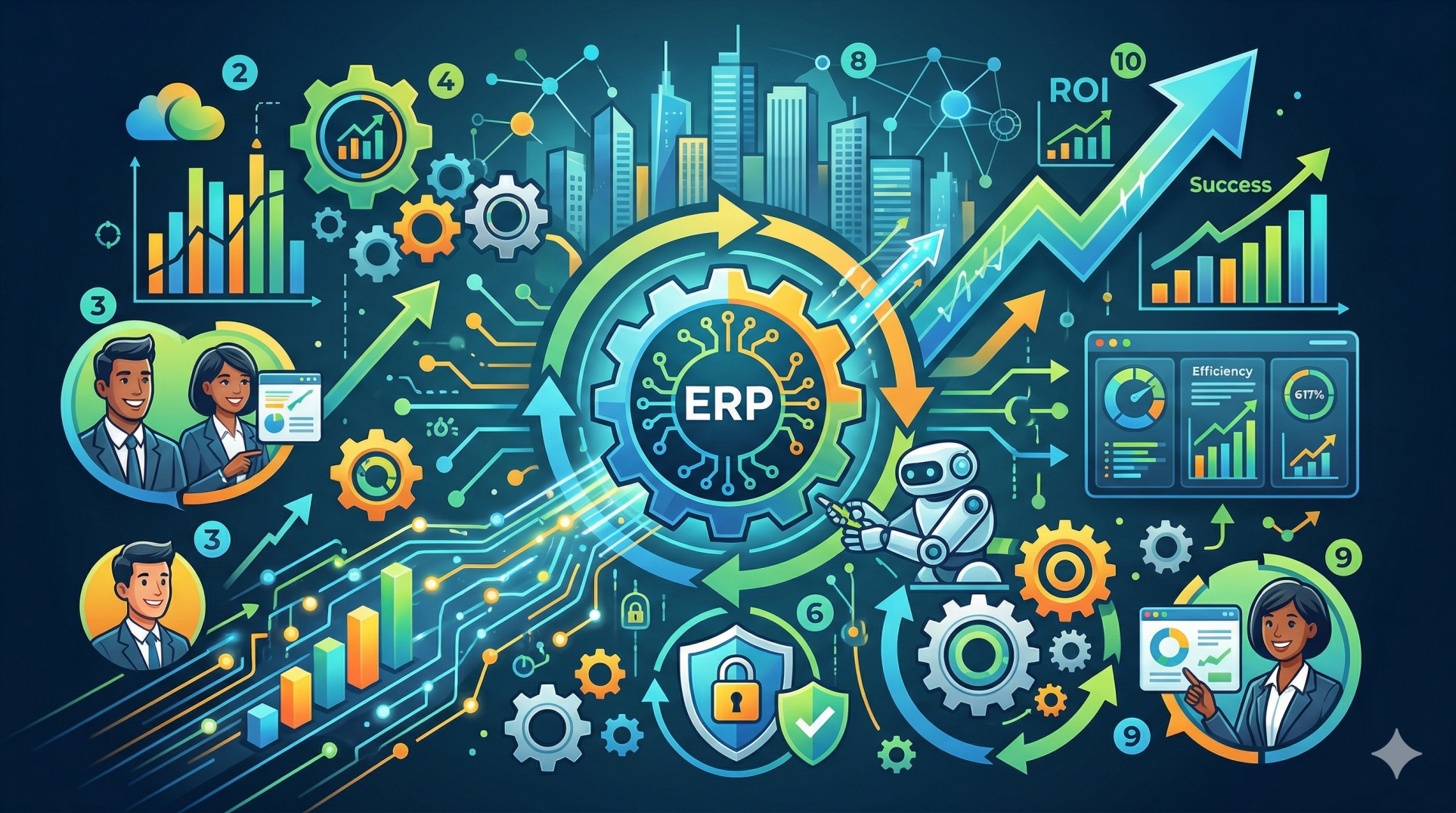
Building Enterprise Agility Through Unified ERP Processes
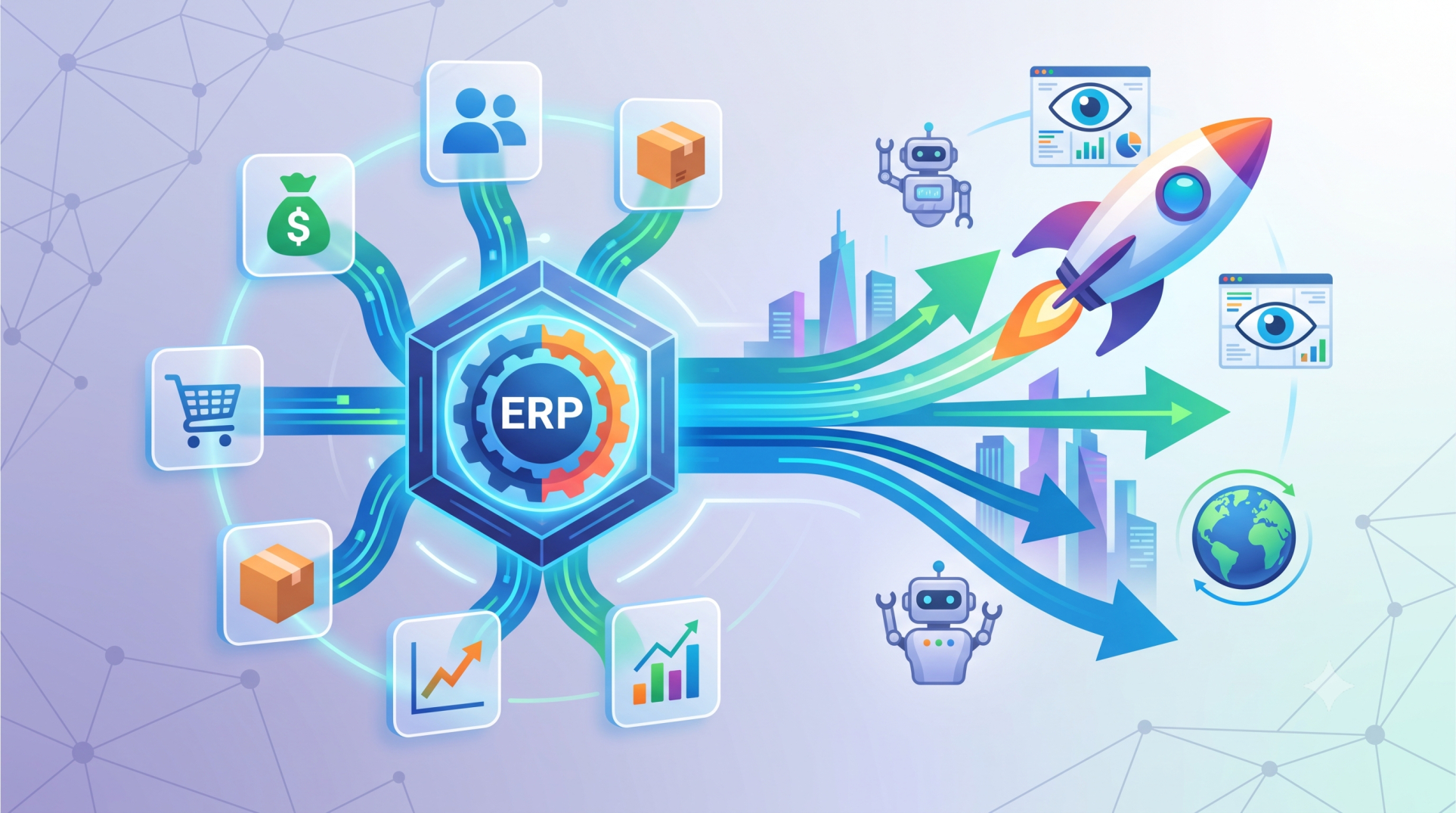
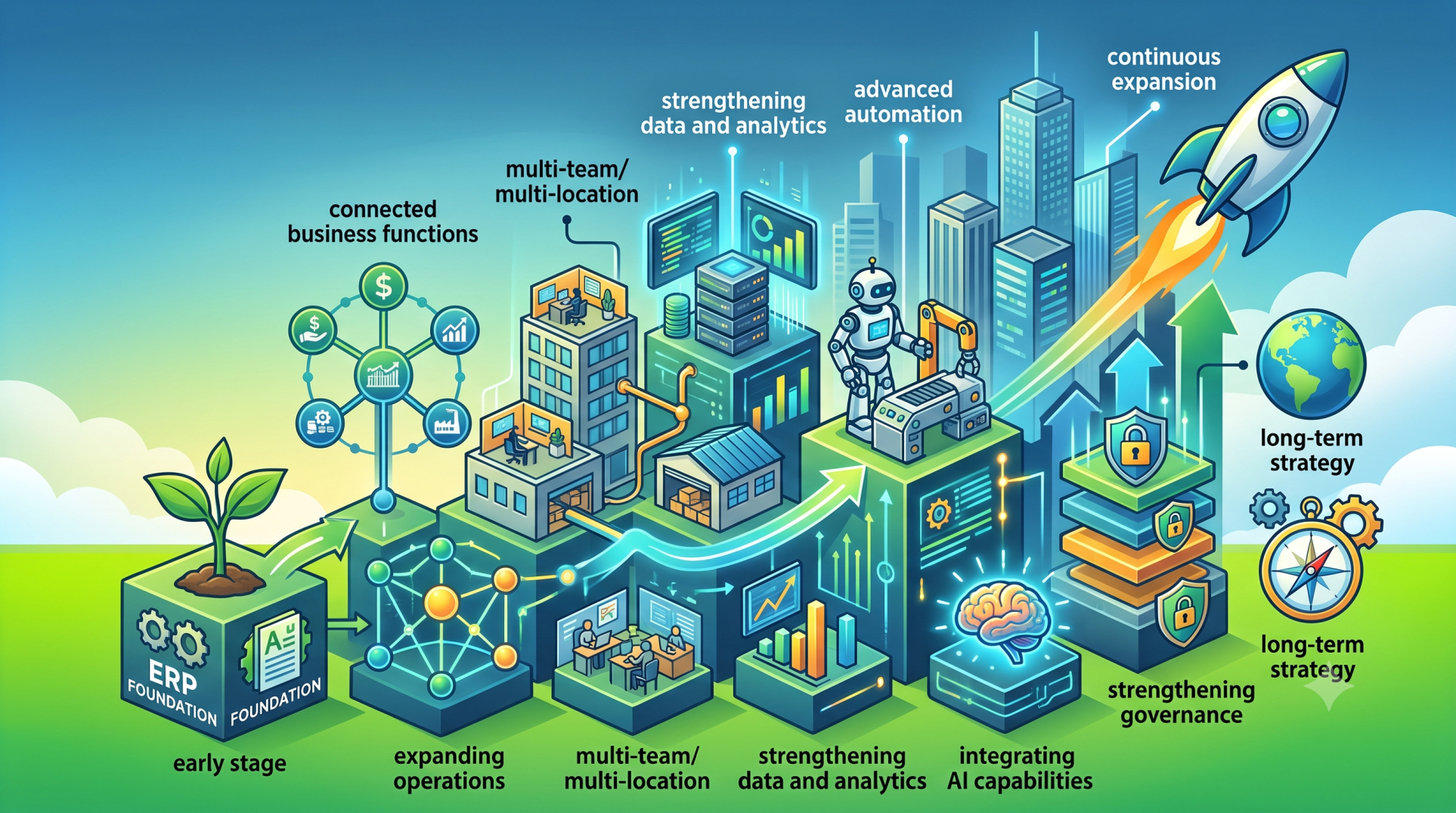
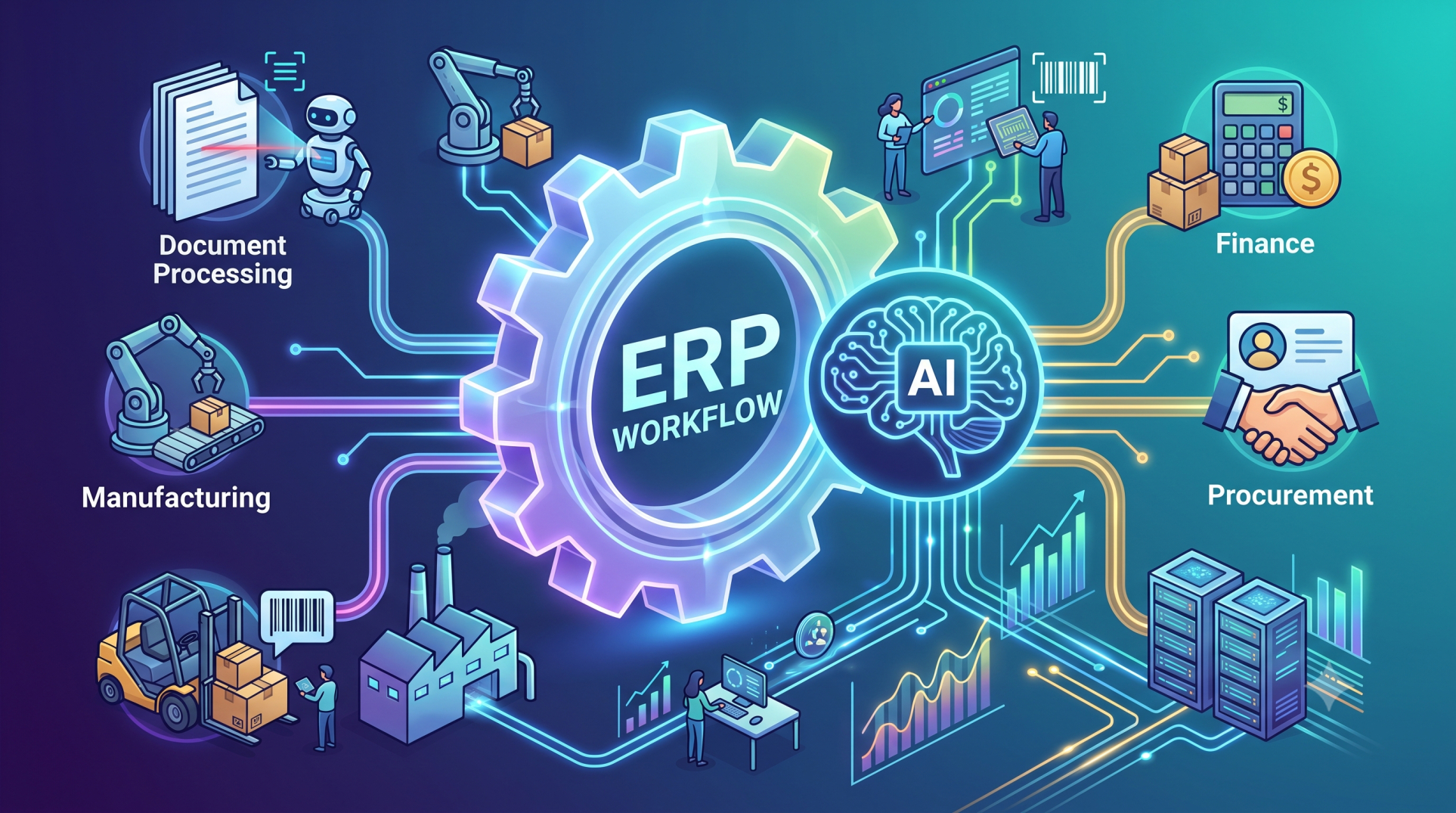
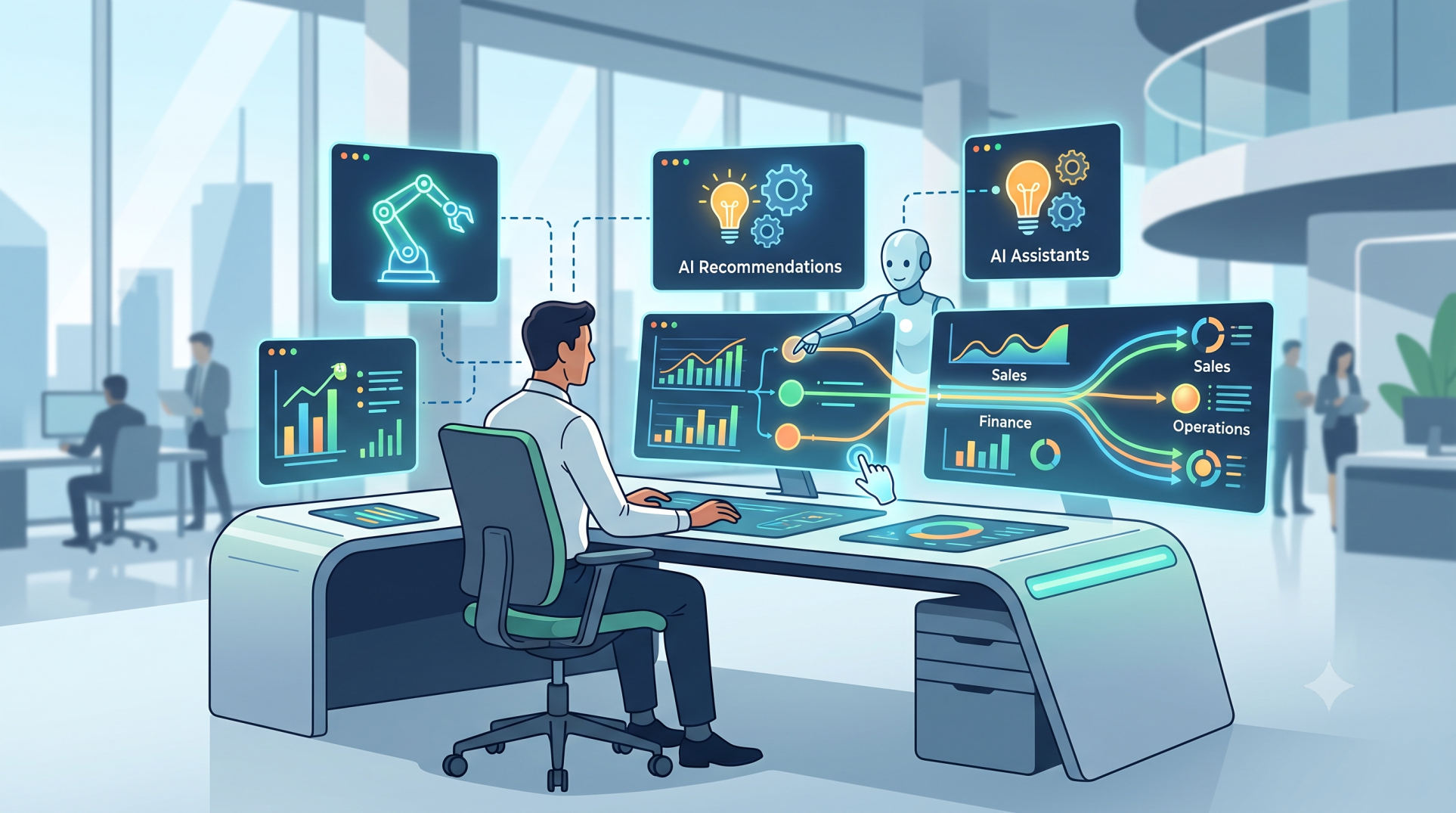
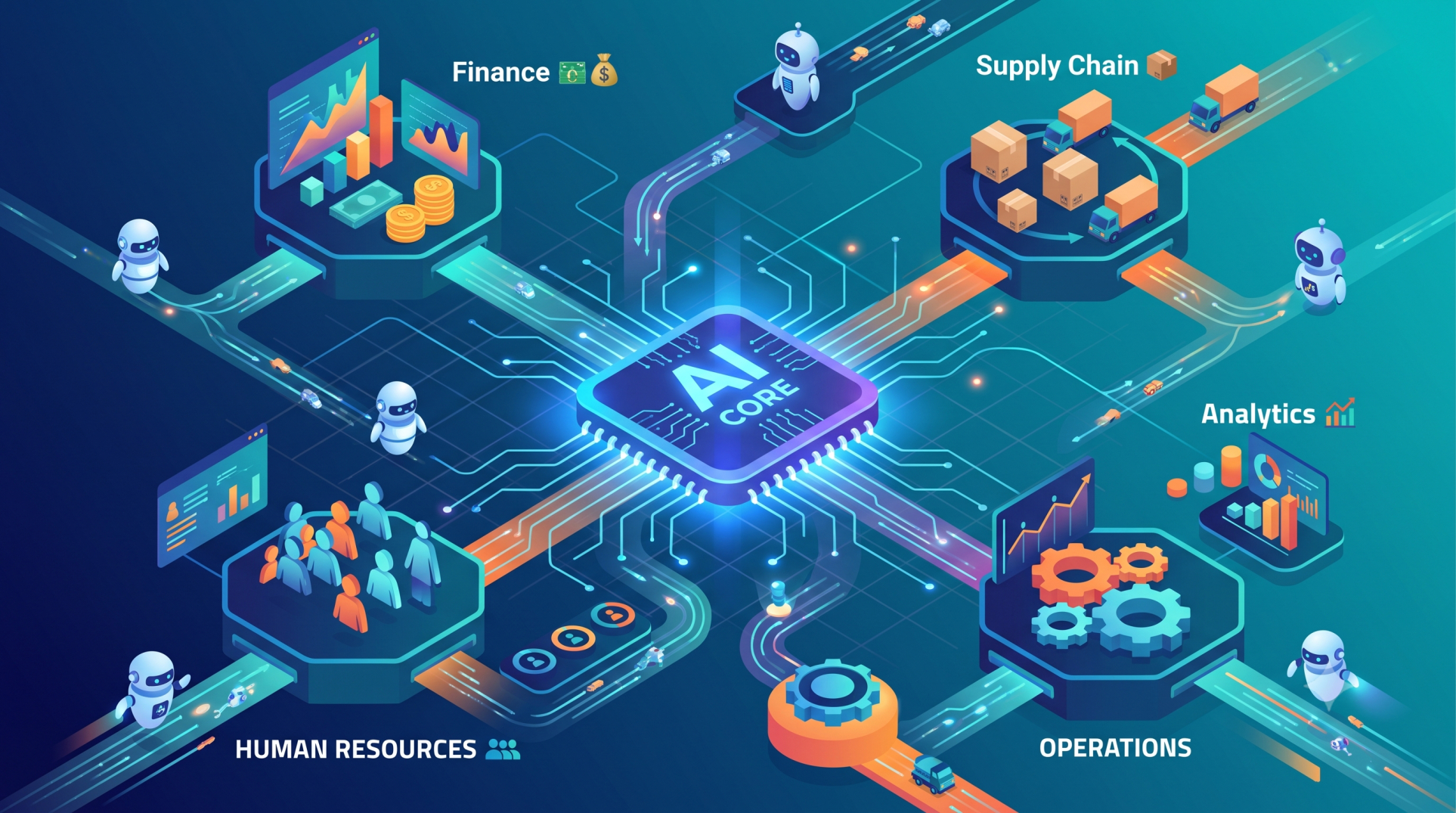
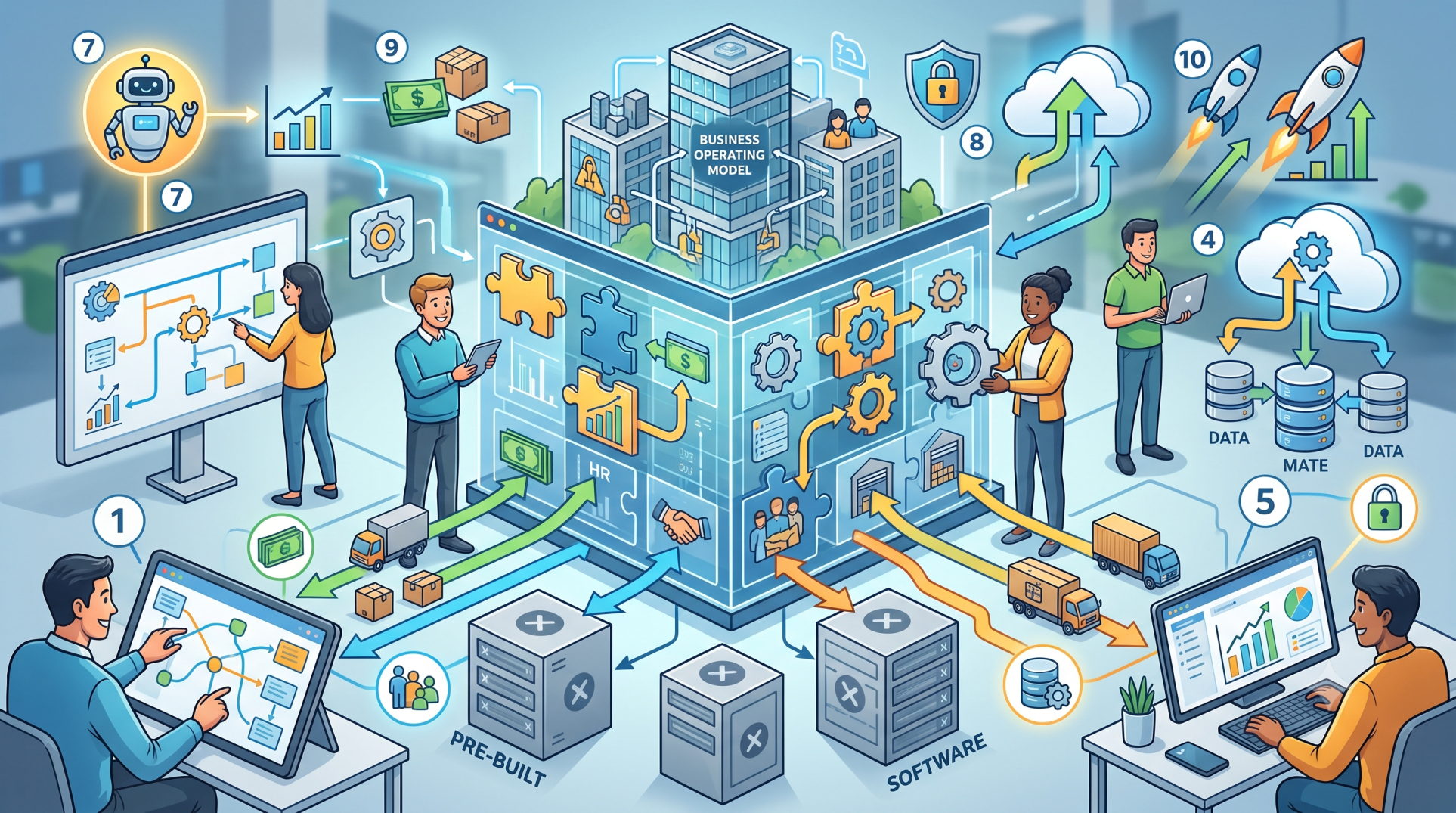
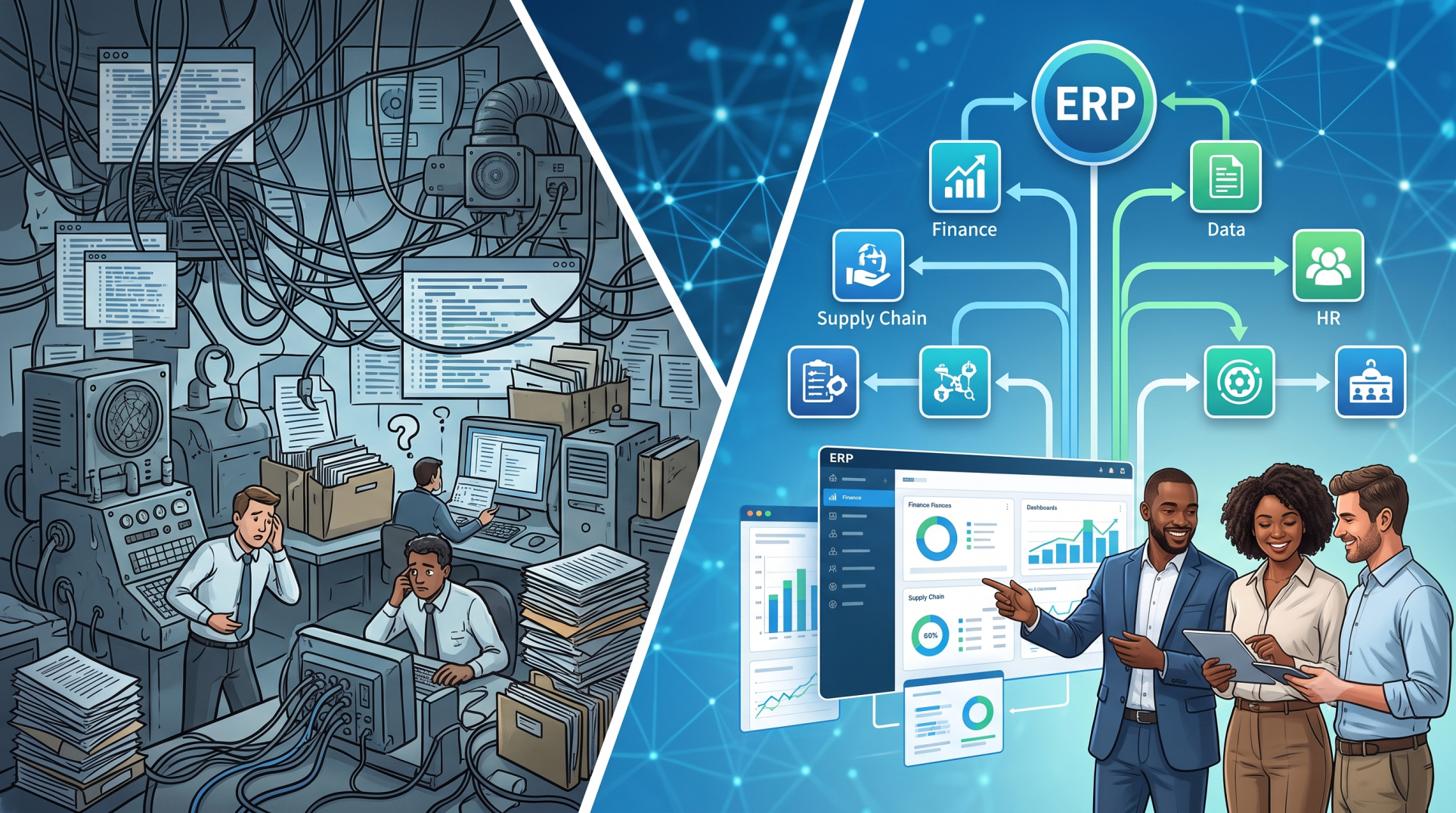
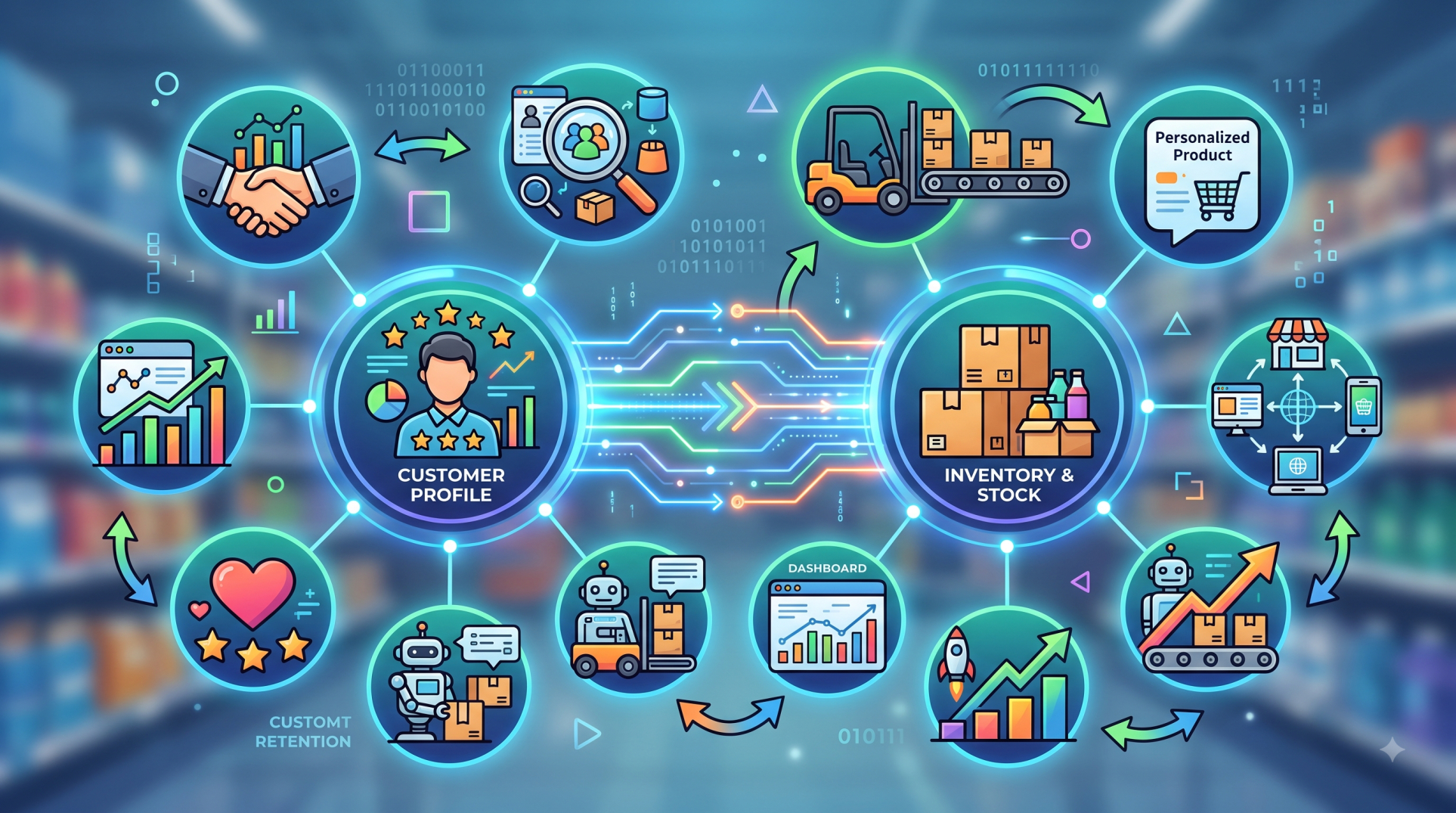
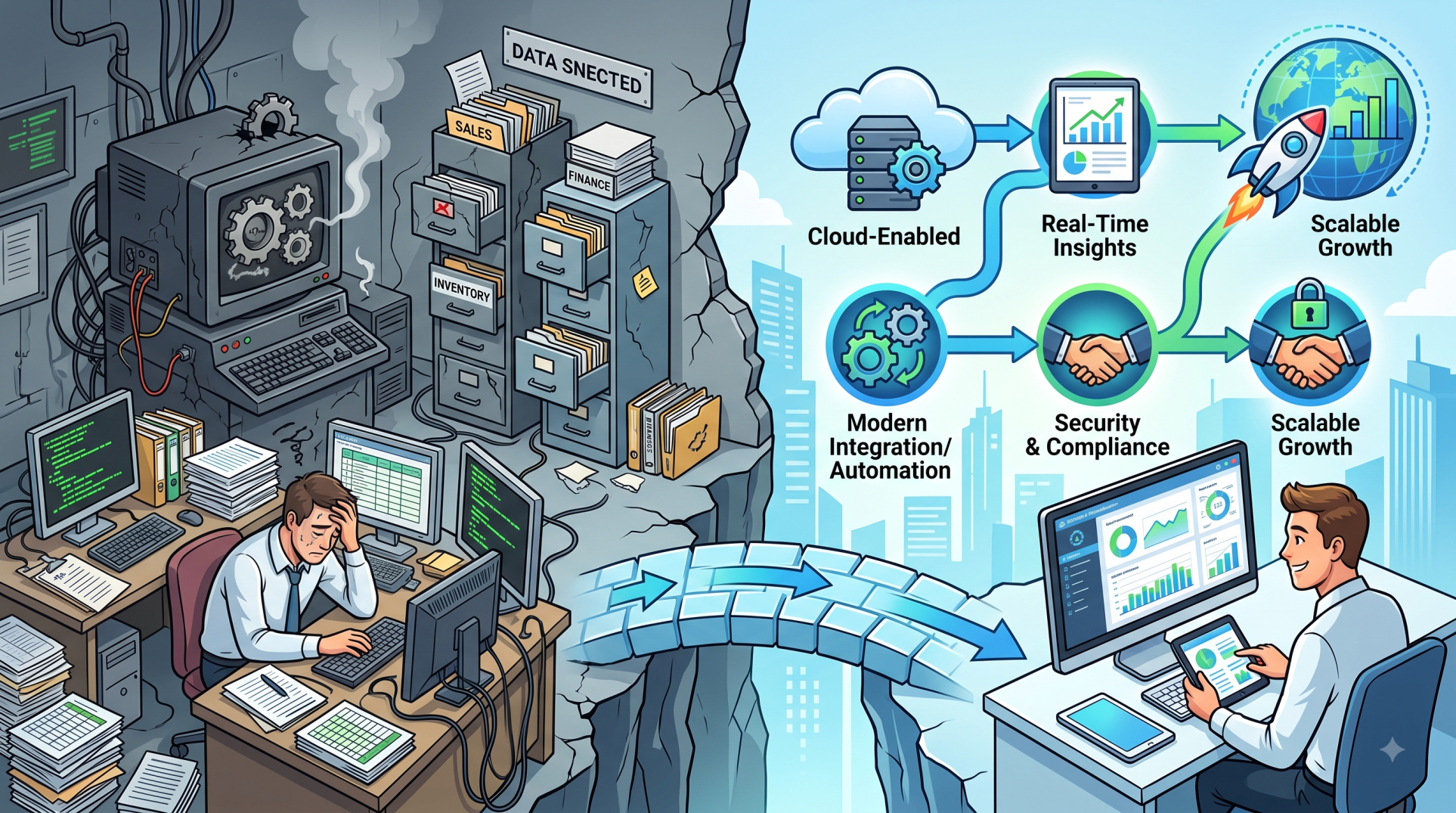
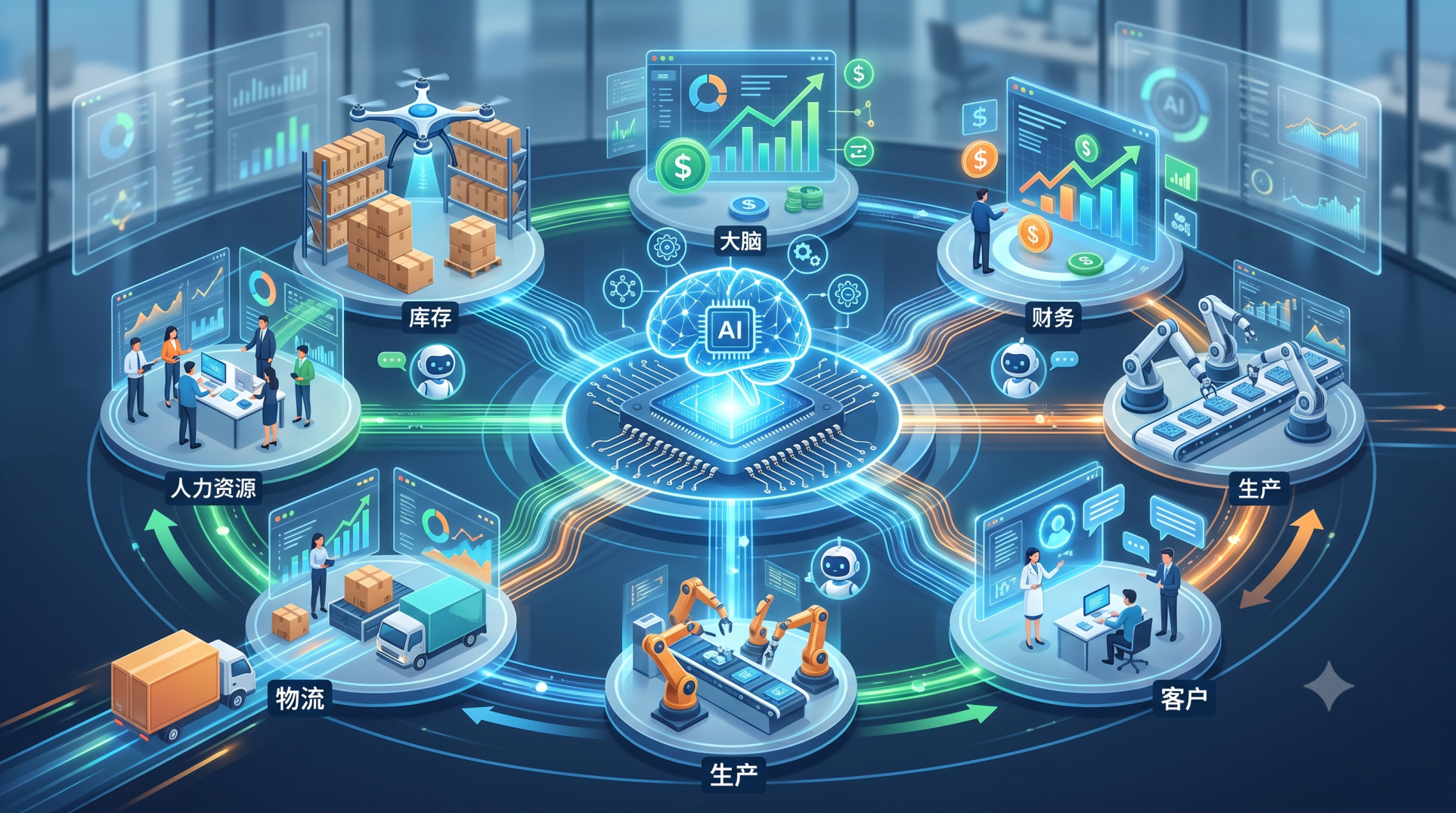
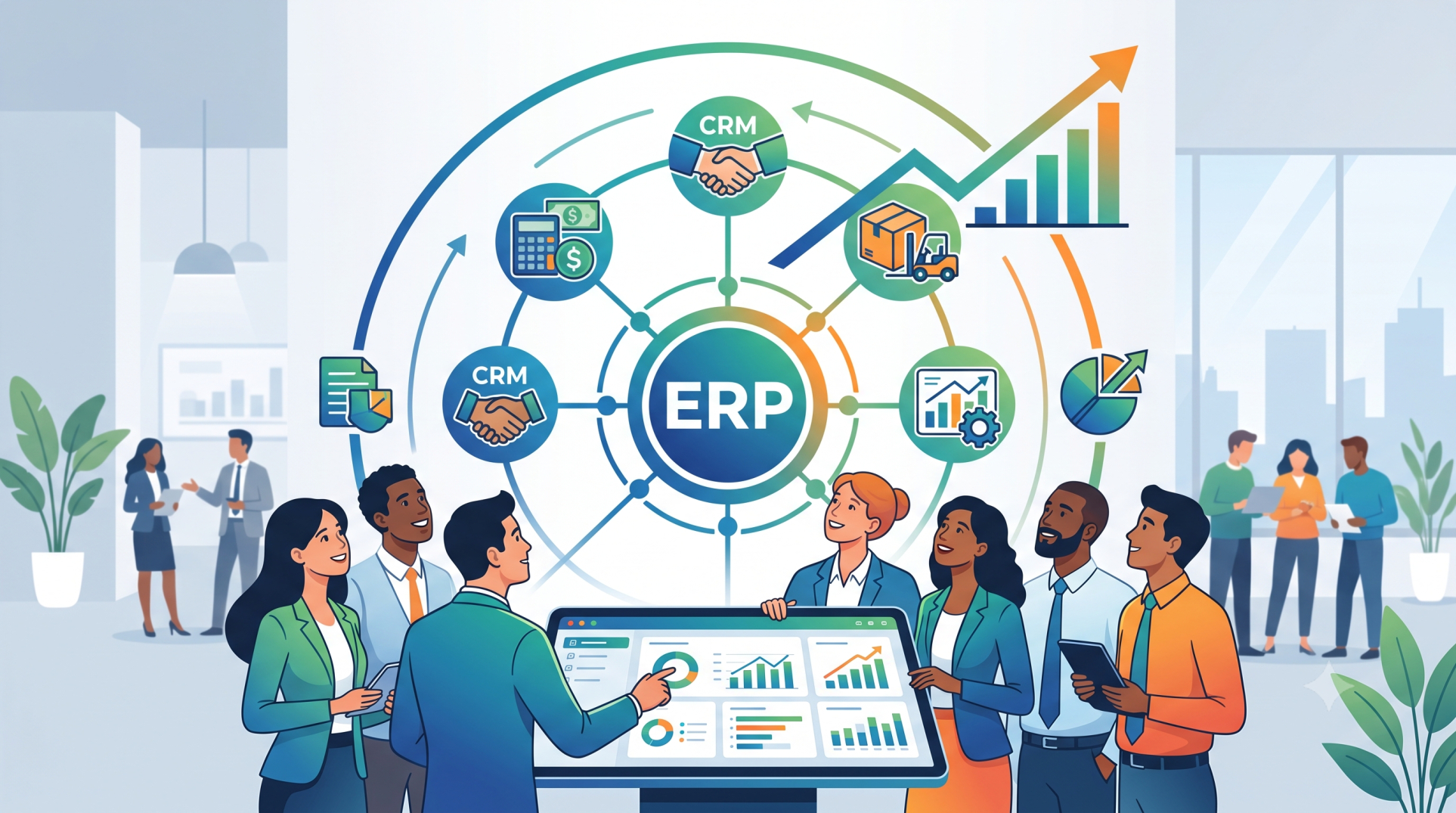
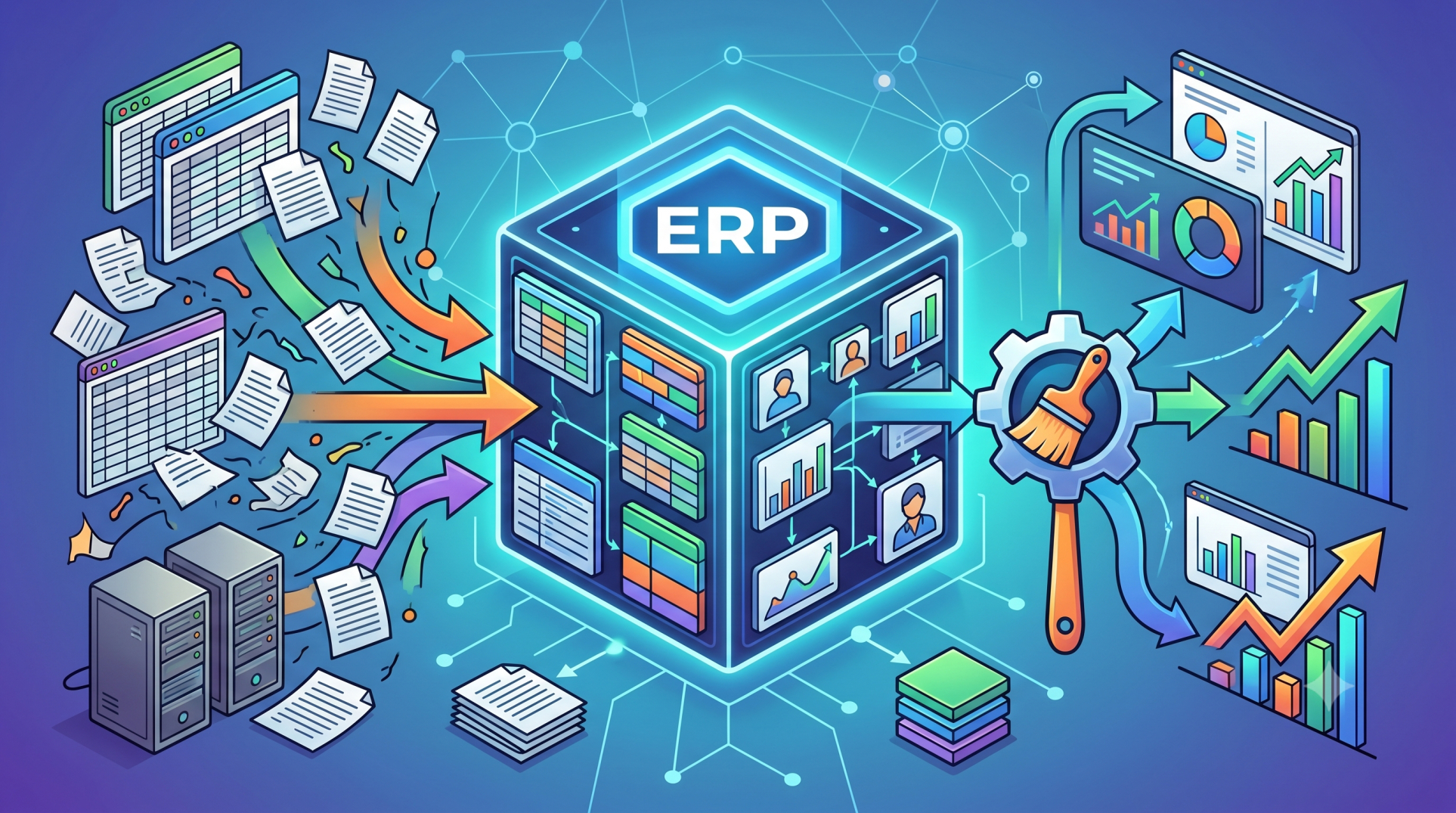
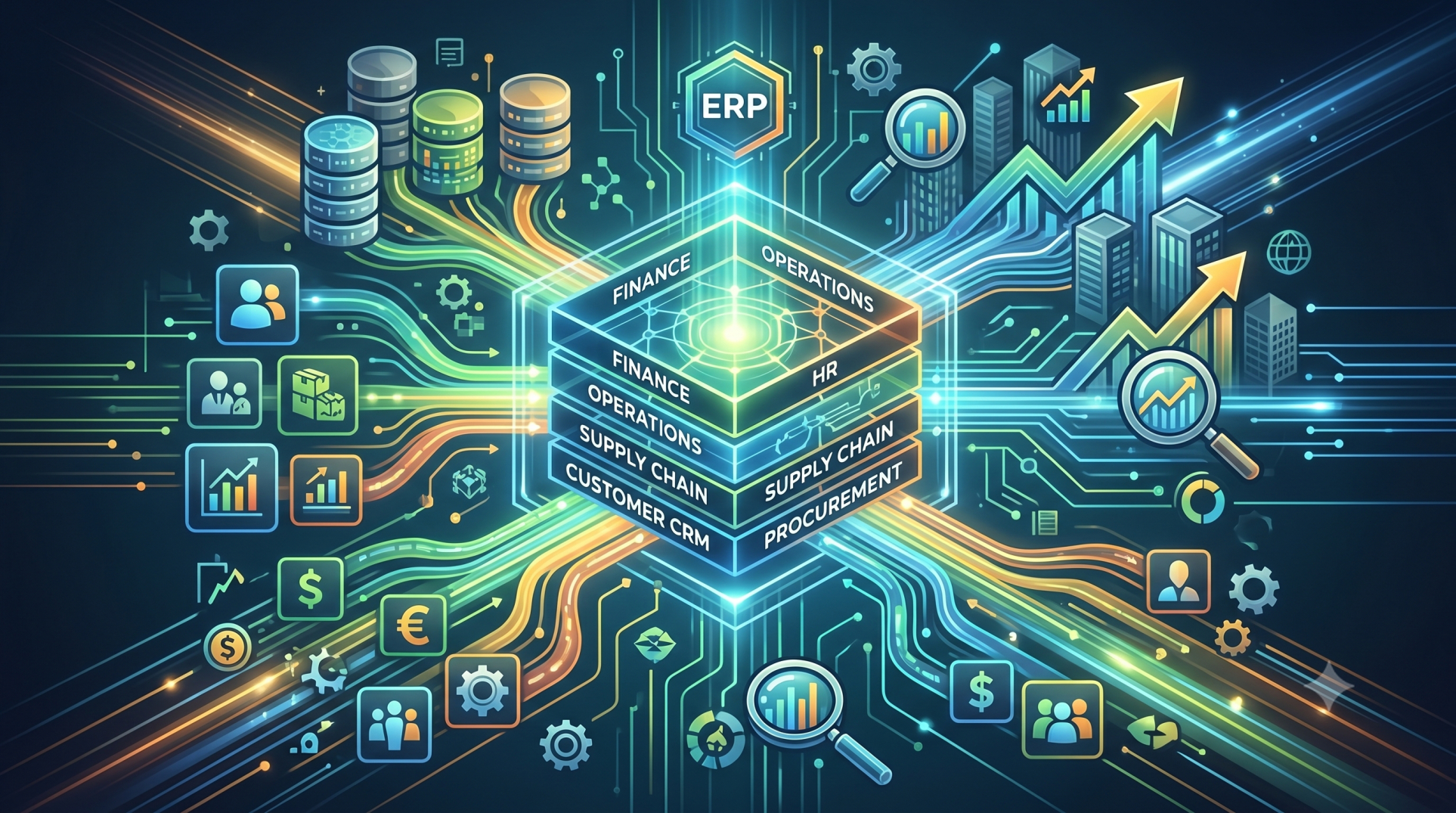
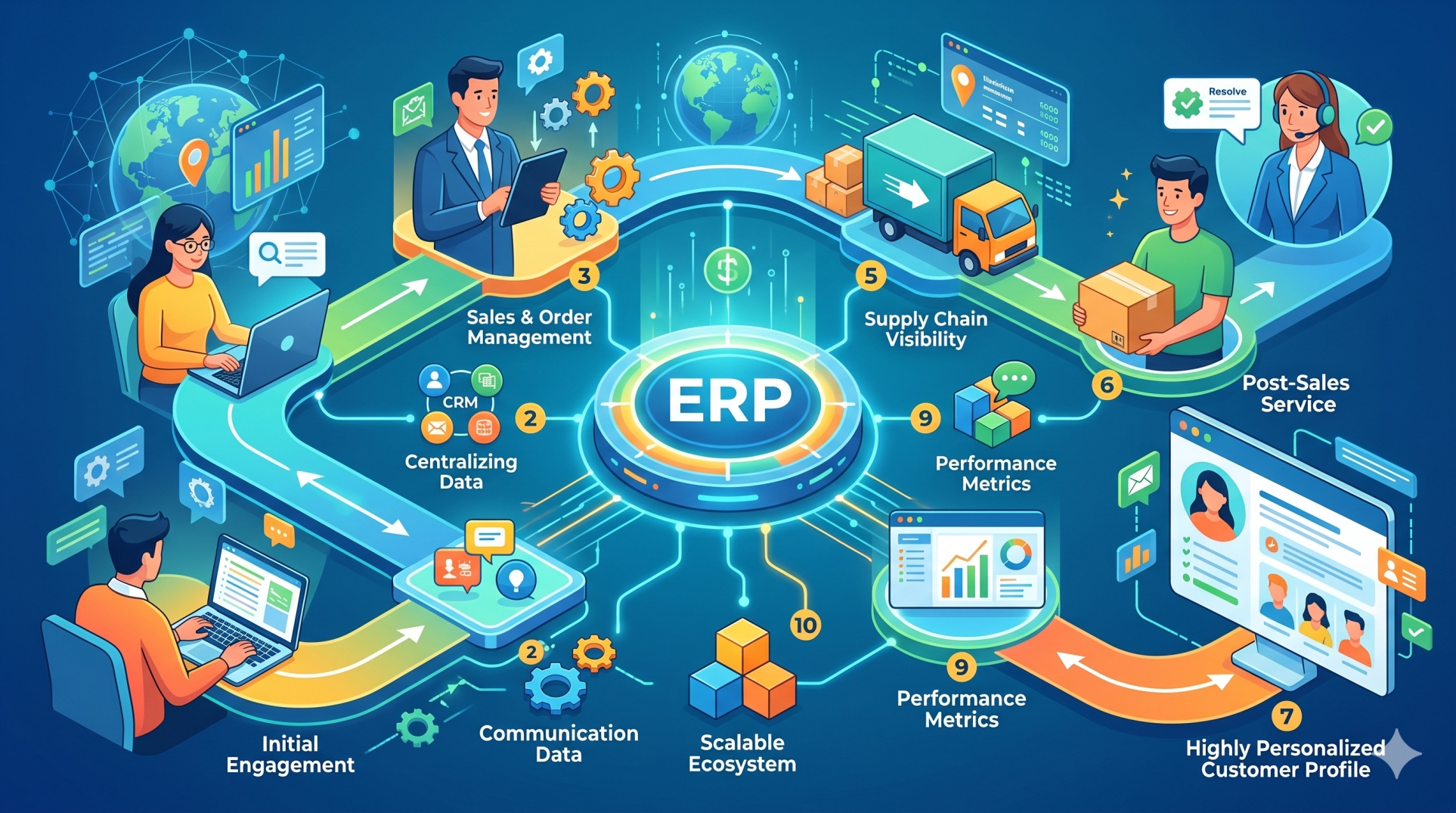
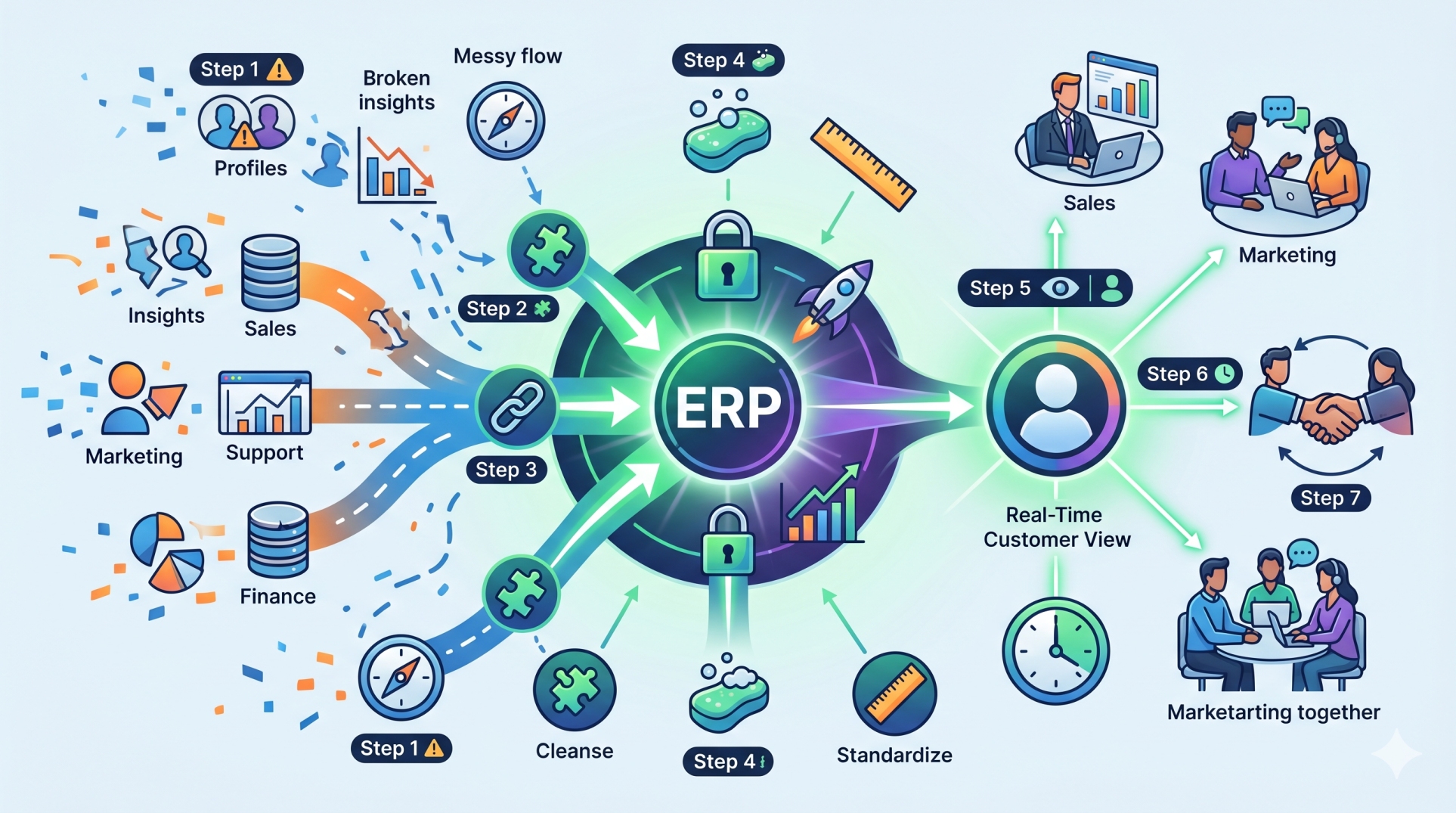
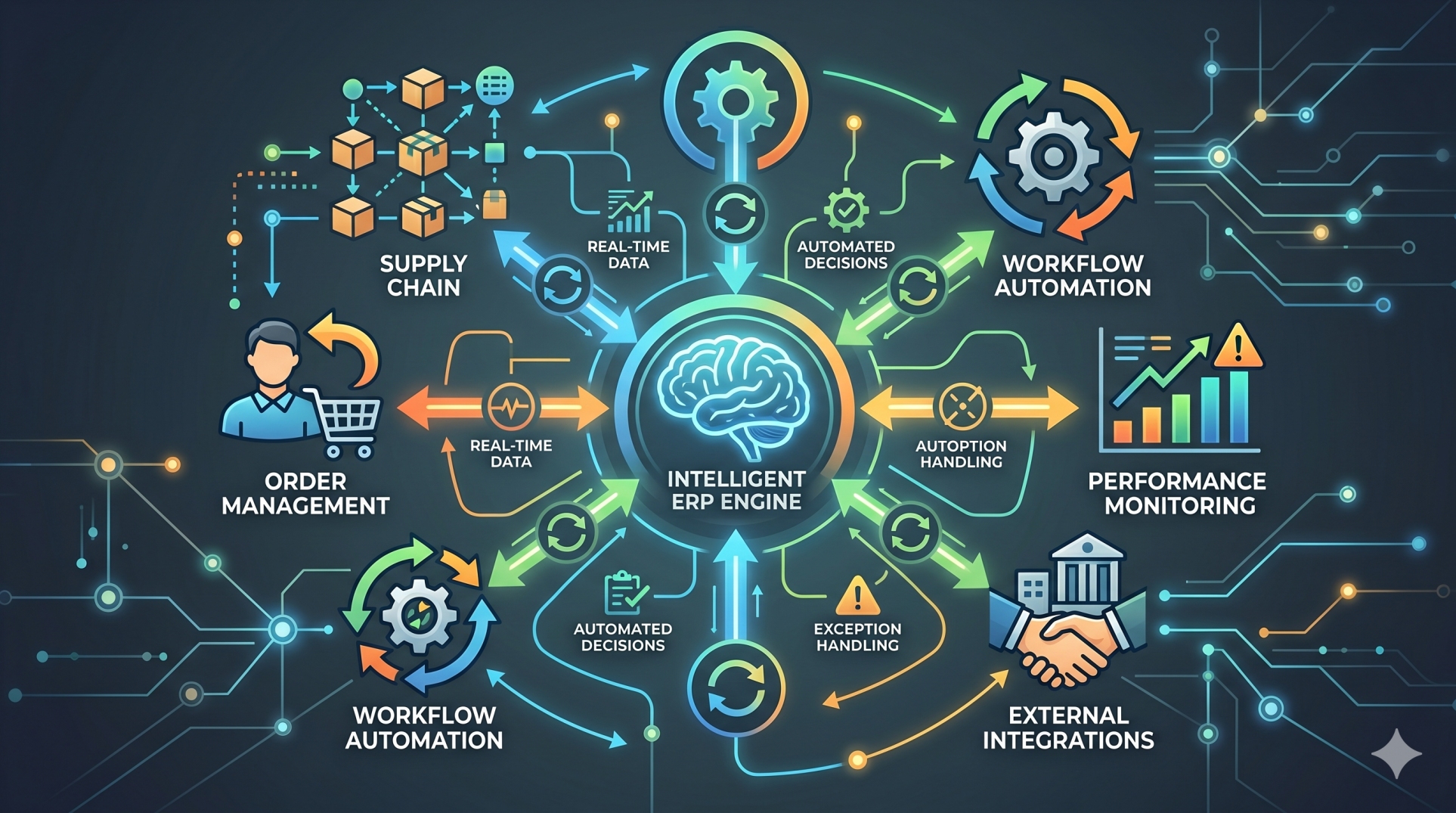
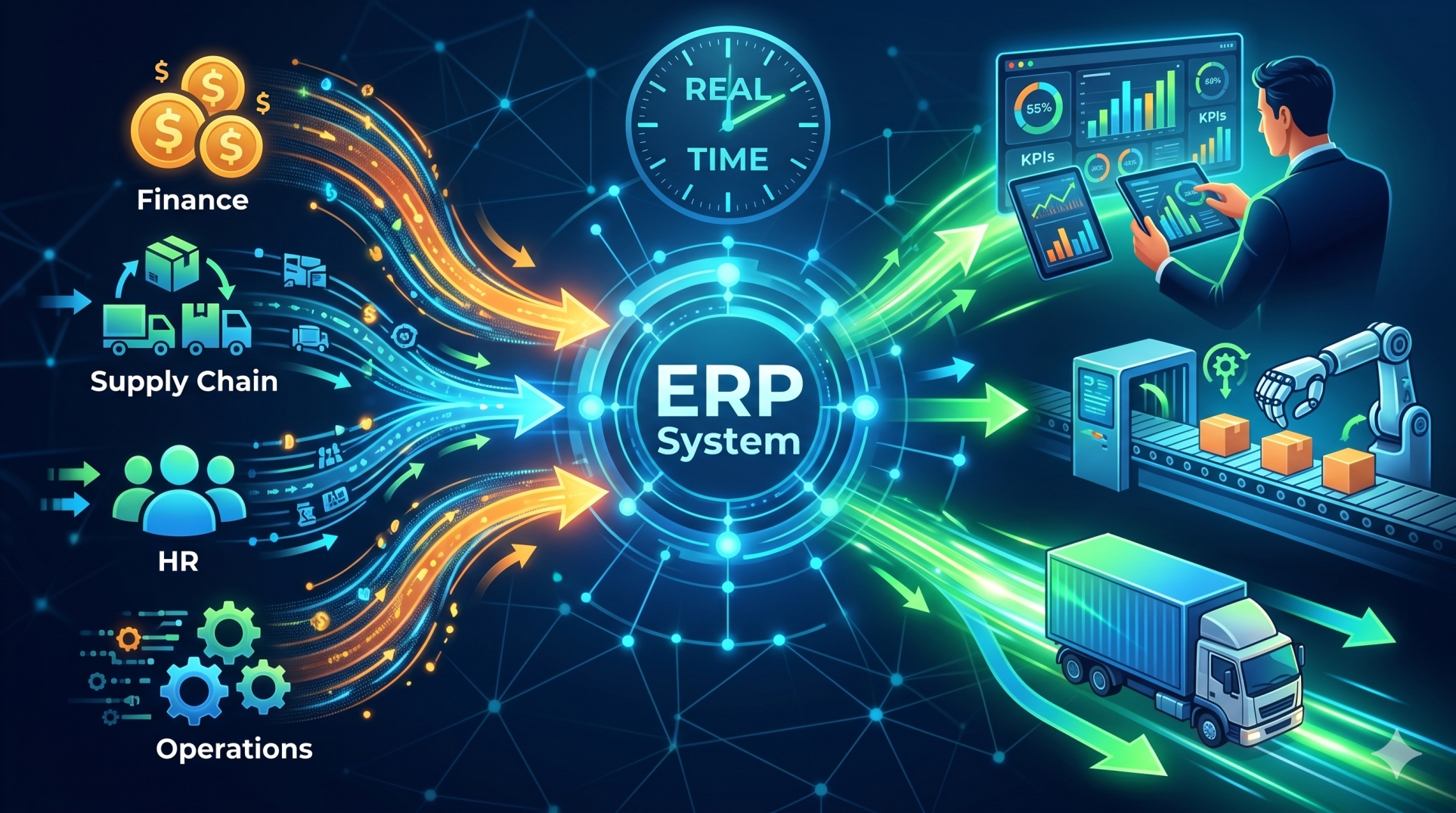
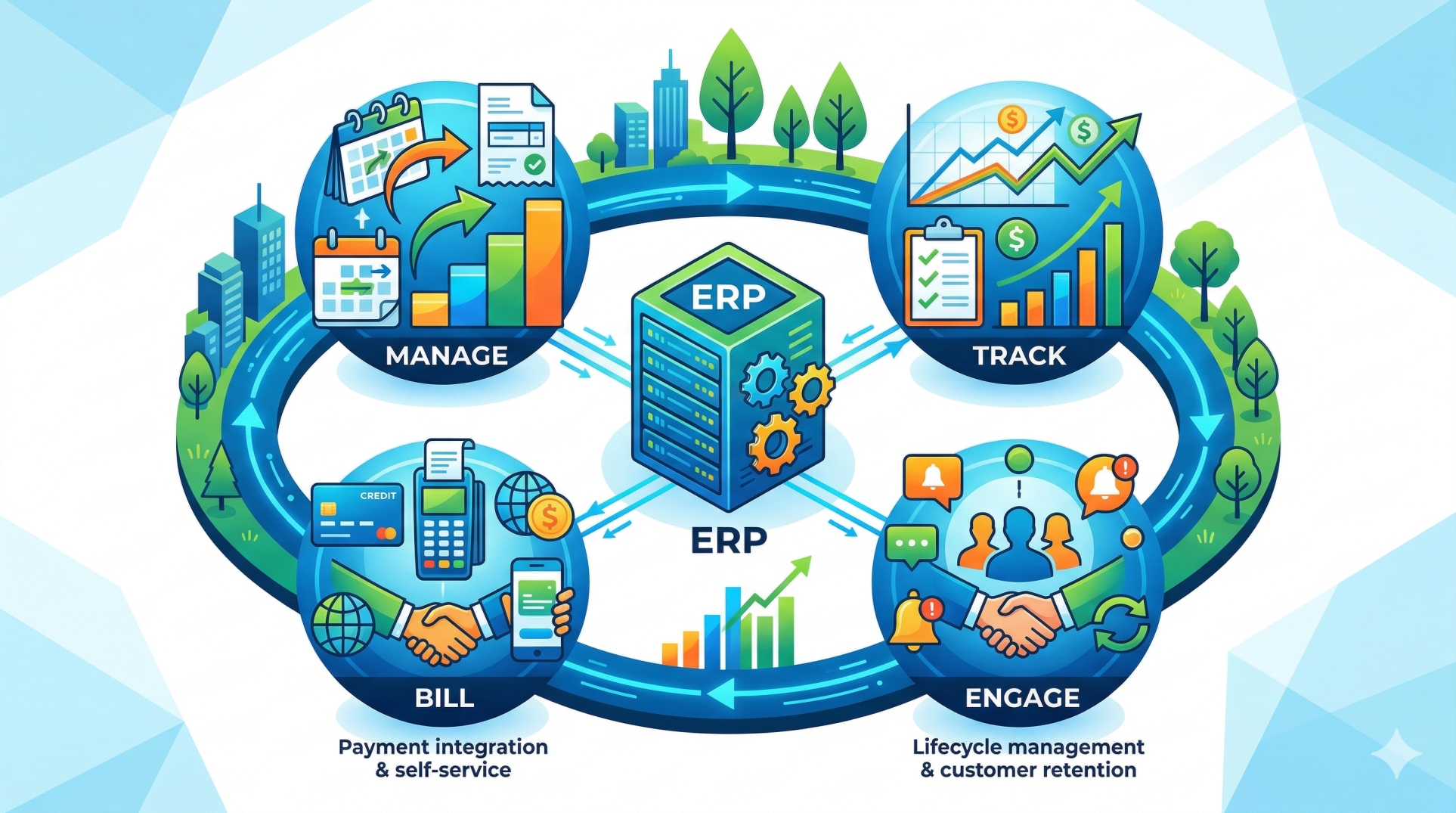
In today's fast-changing business environment, organizations must respond quickly to evolving customer expectations, market shifts, and operational challenges. Unified ERP processes help businesses become more agile by connecting departments, standardizing workflows, and providing real-time access to critical information. With a centralized ERP platform, organizations can improve collaboration, accelerate decision-making, and adapt to change with greater confidence.
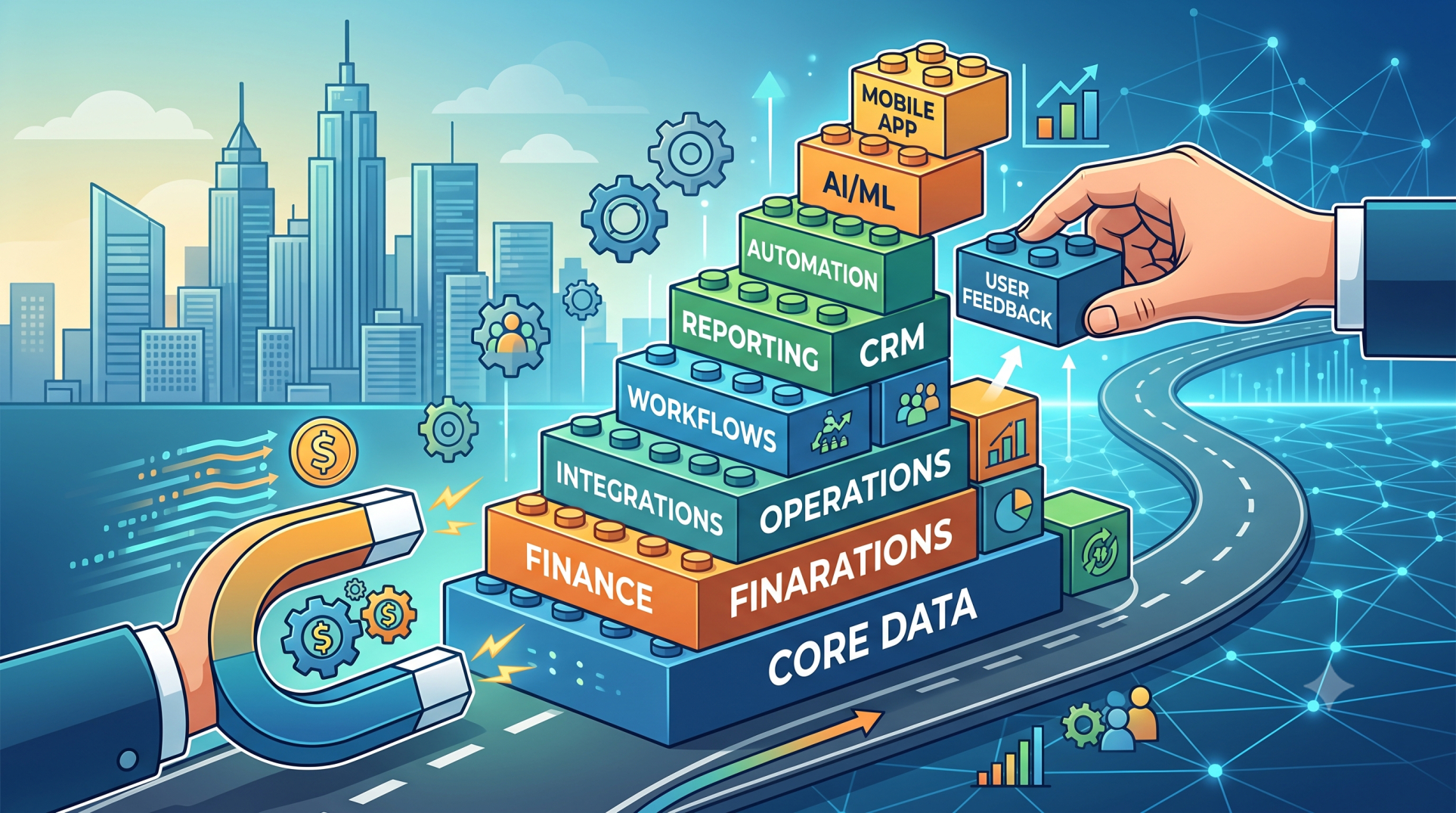
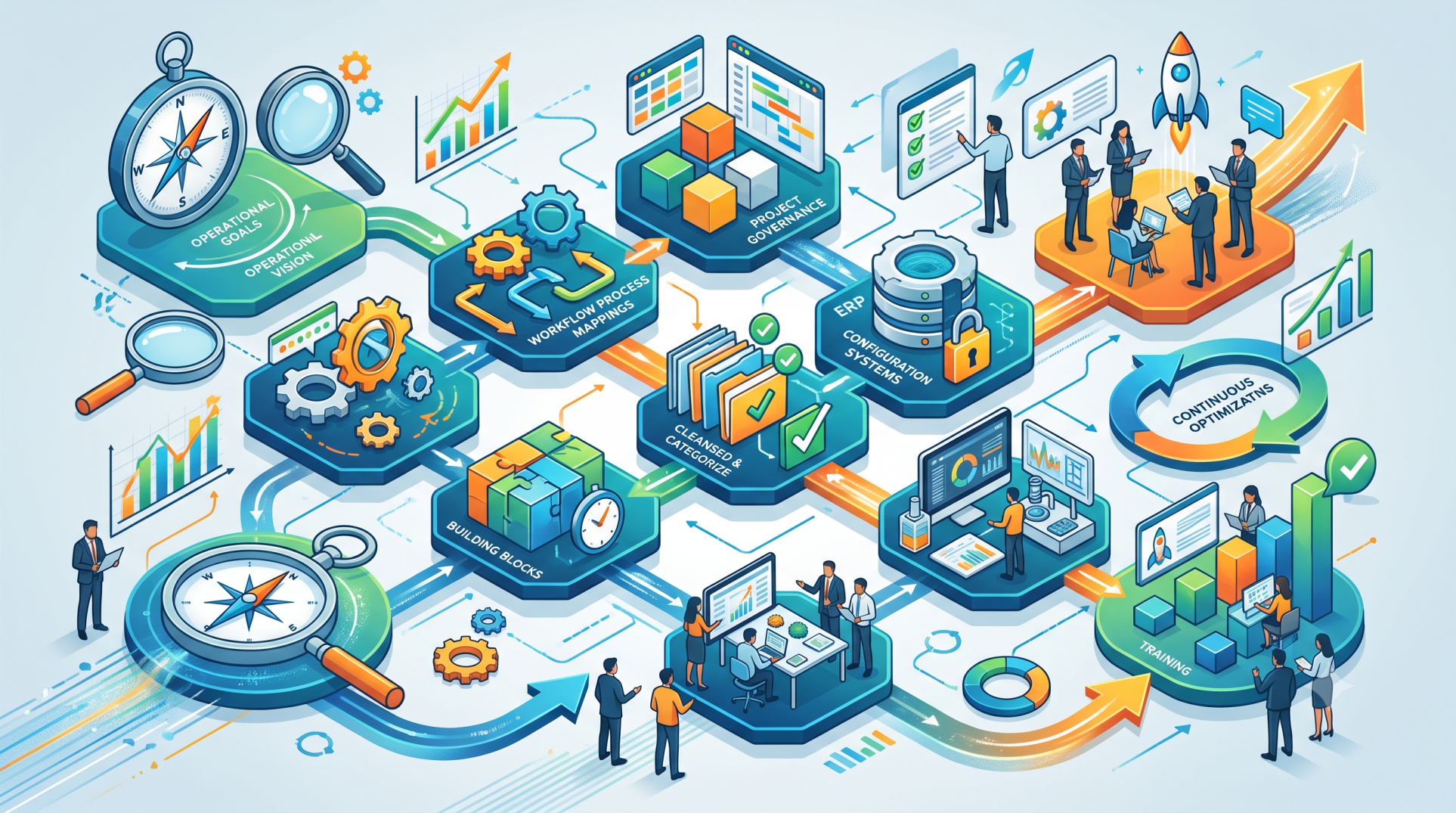
Step 1: Creating a Unified Business Foundation 🏢
• Consolidate core business functions into a single ERP platform 📊
• Eliminate isolated systems and duplicate information 🔄
• Standardize business processes across departments 📋
• Improve data consistency throughout the organization ✅
• Establish a centralized operational framework 🚀
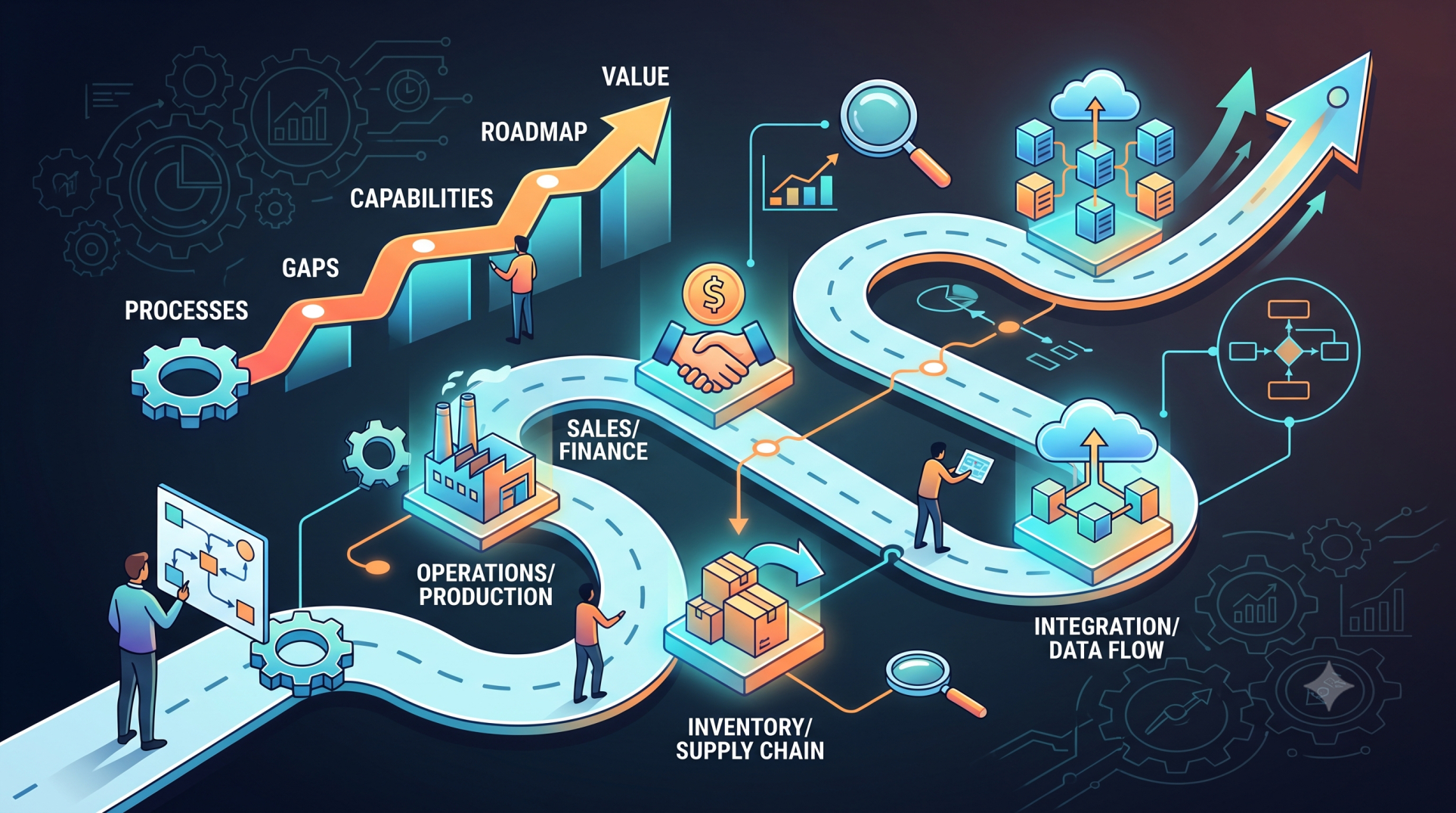
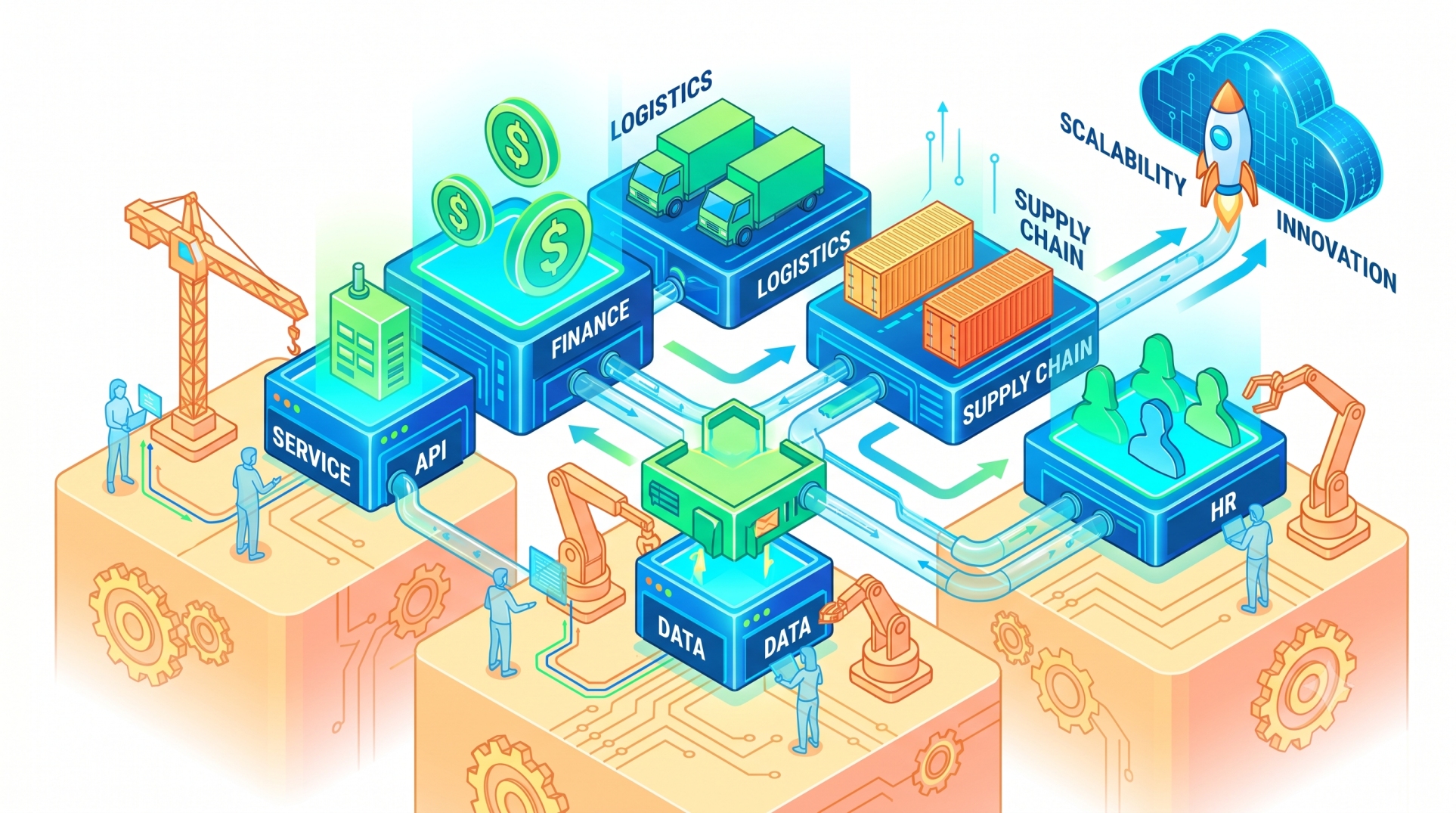
Step 2: Streamlining Cross-Functional Workflows 🔗
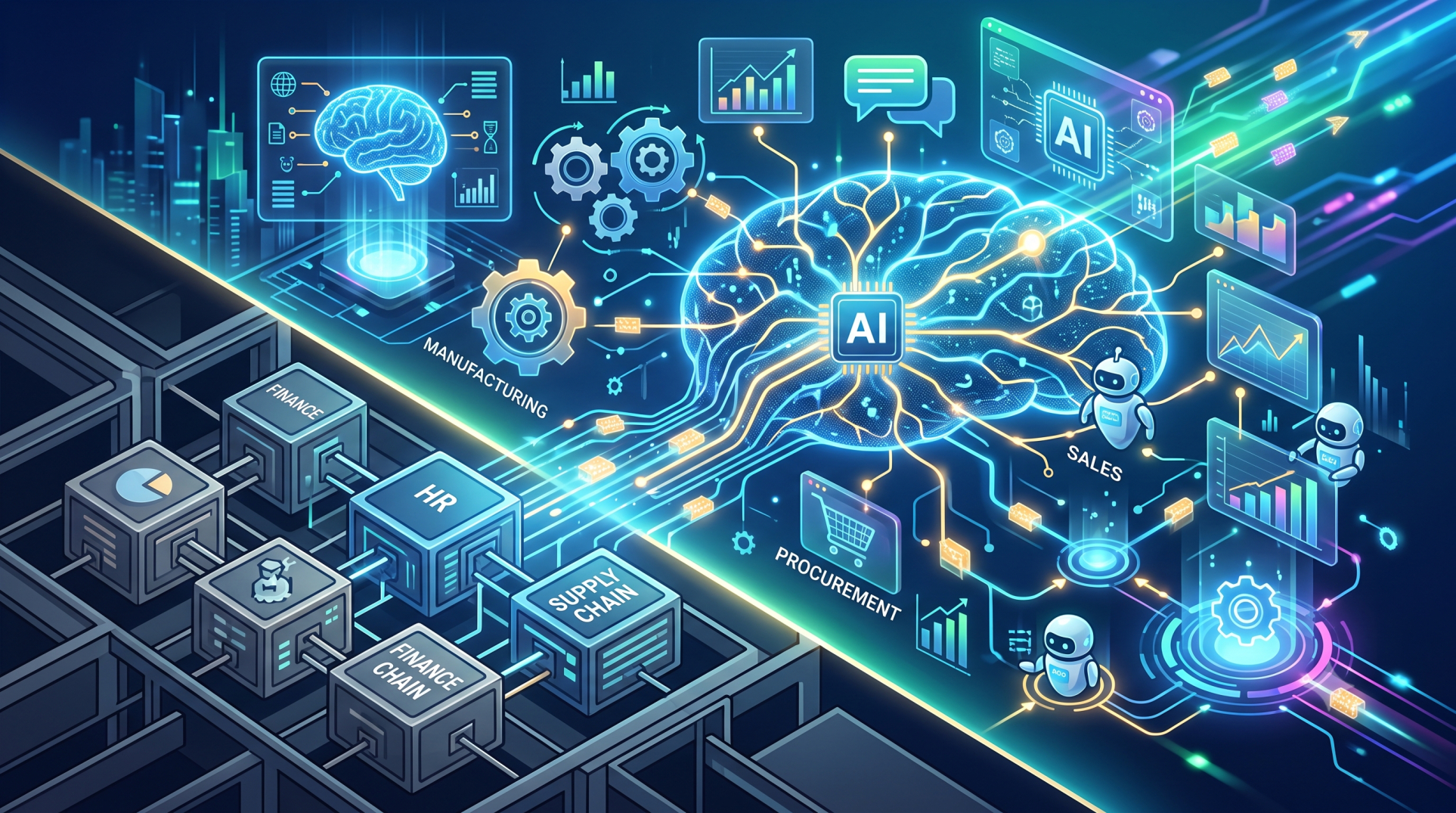
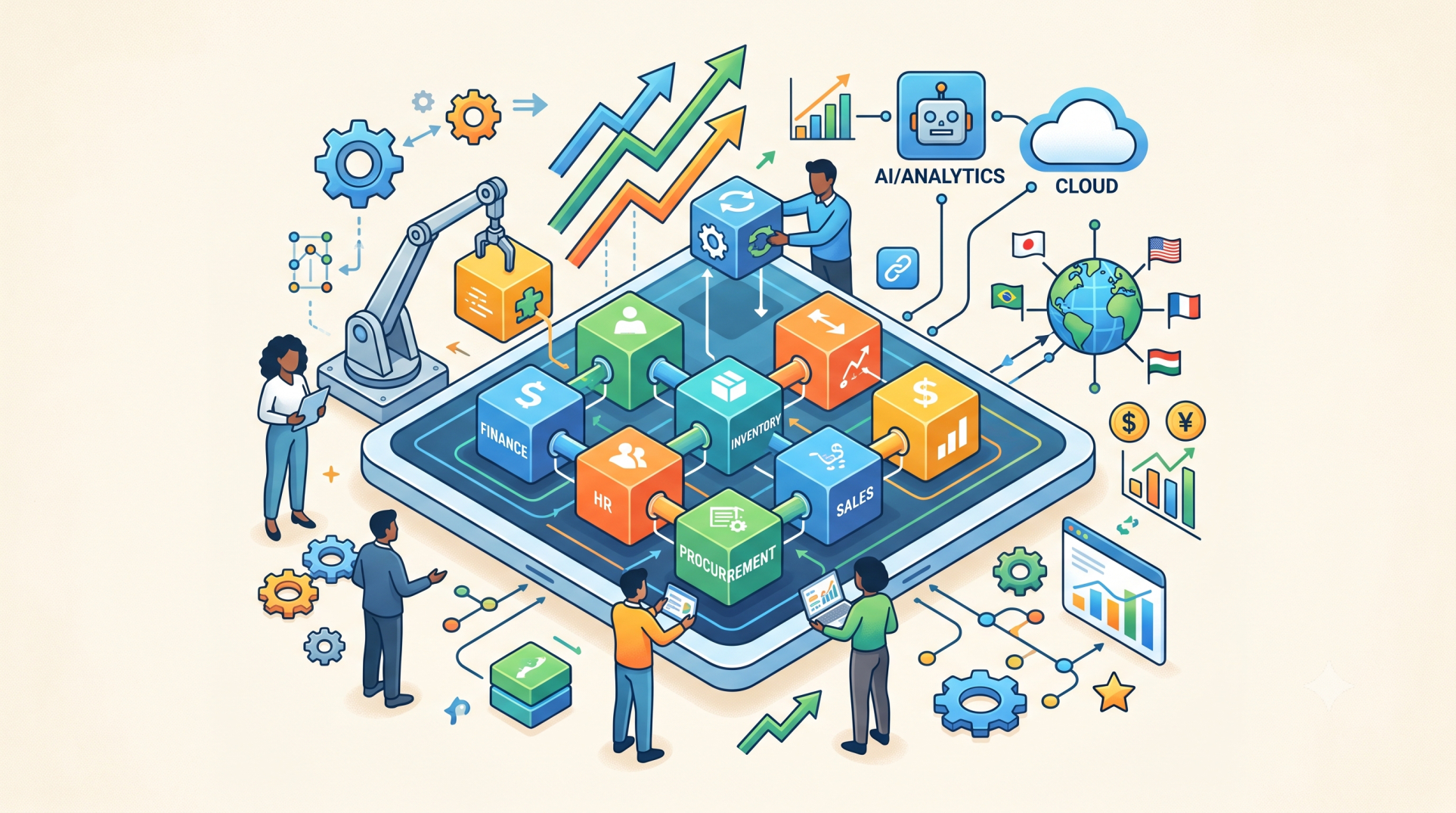
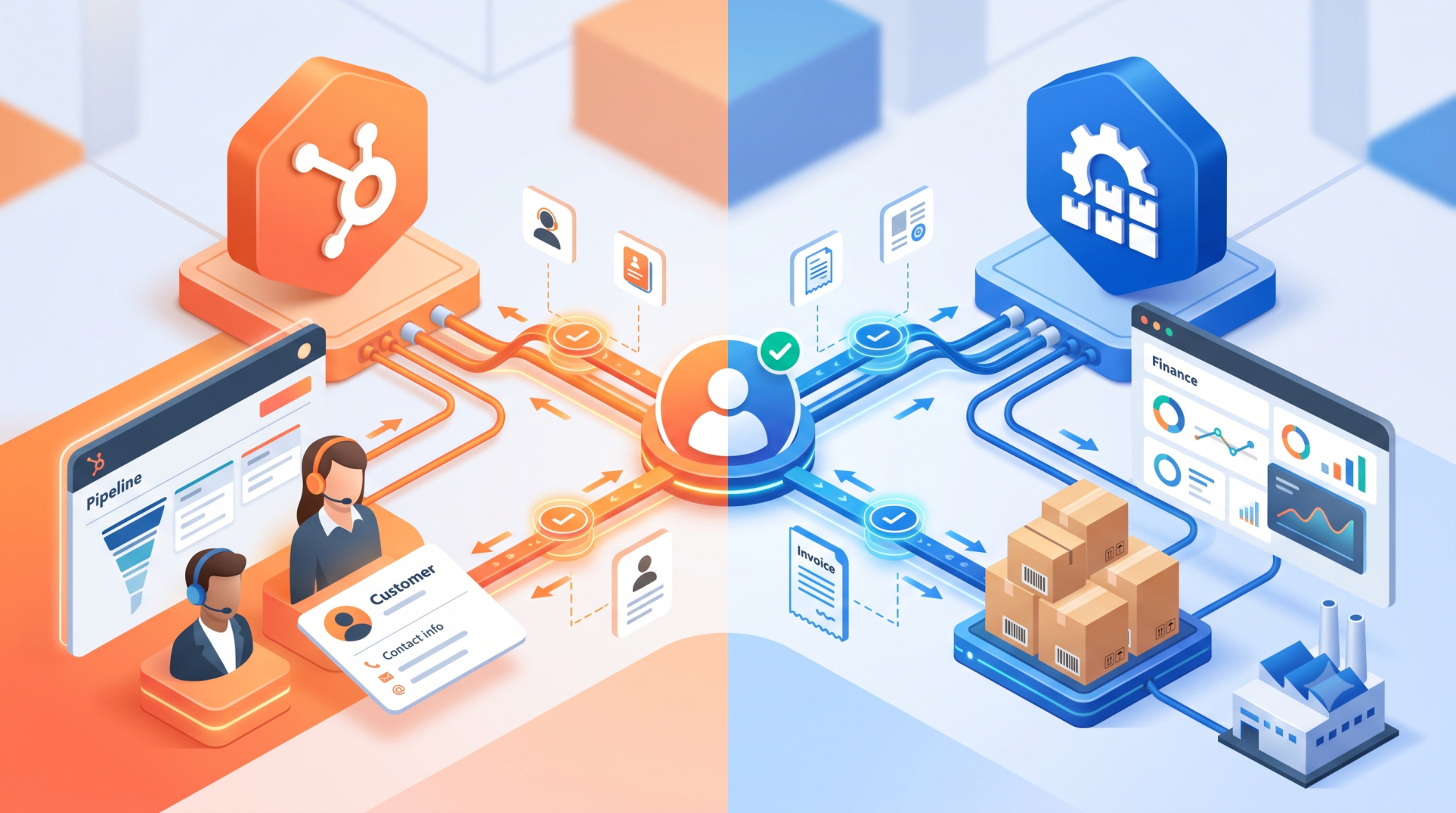
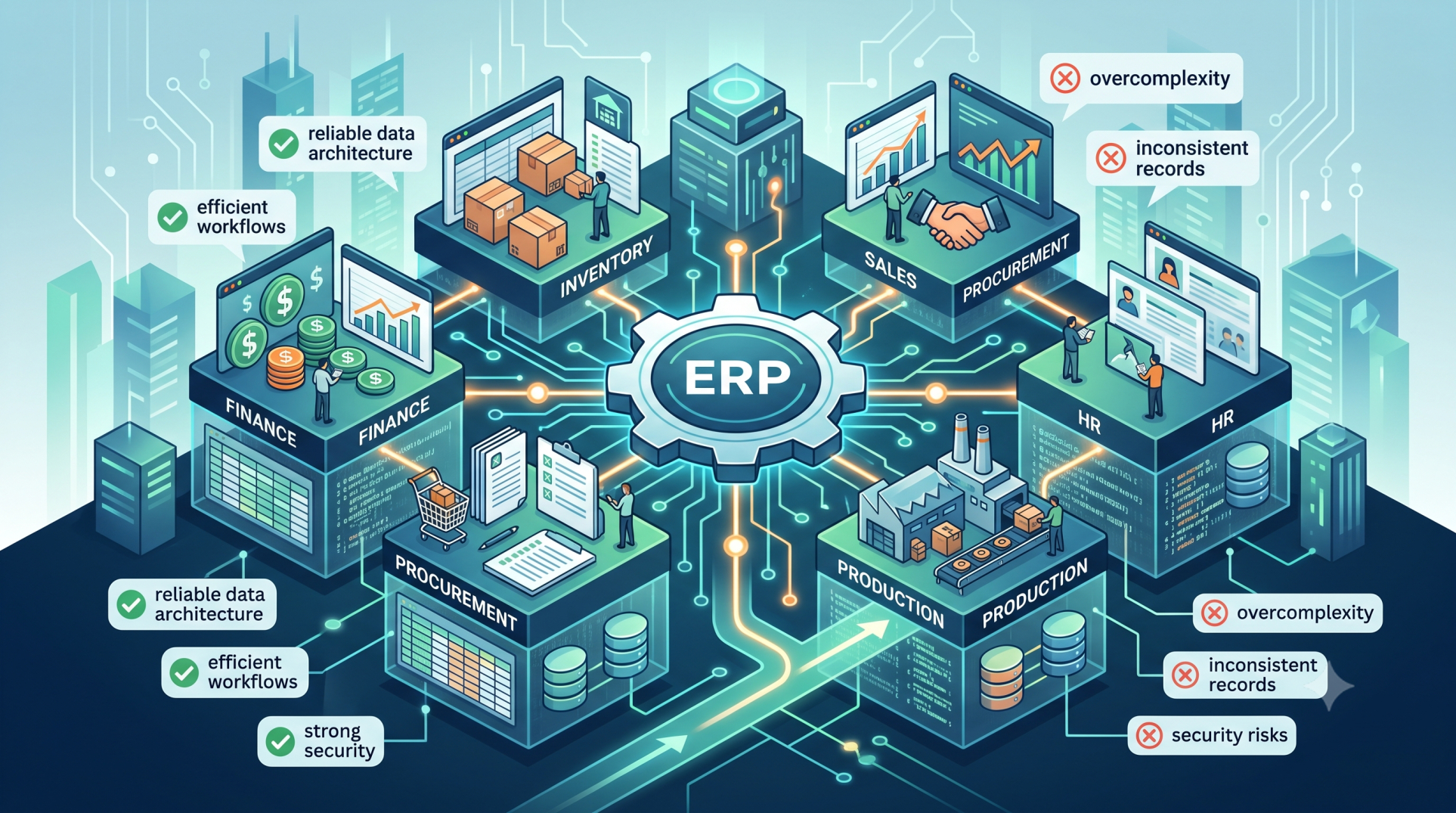
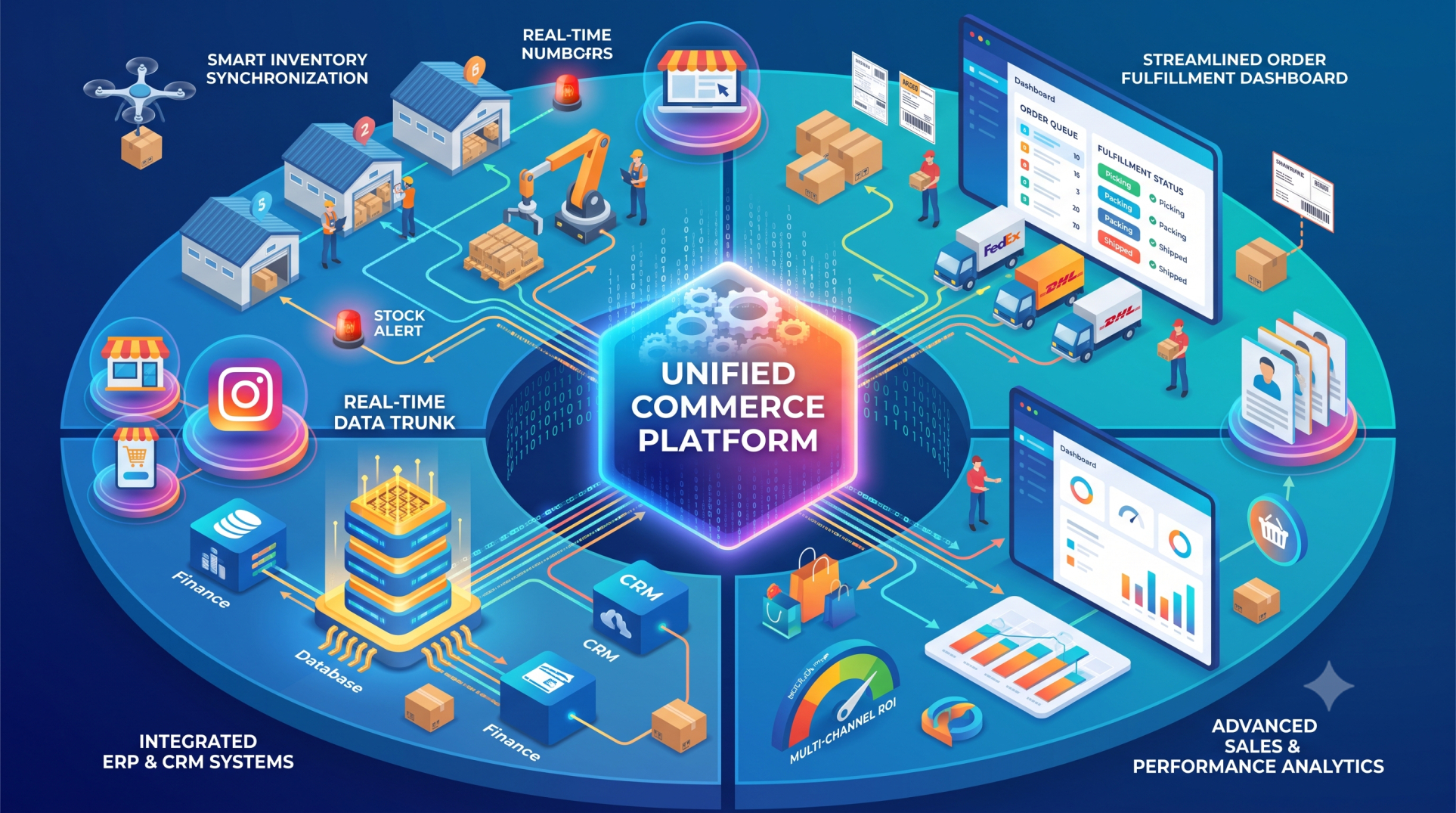
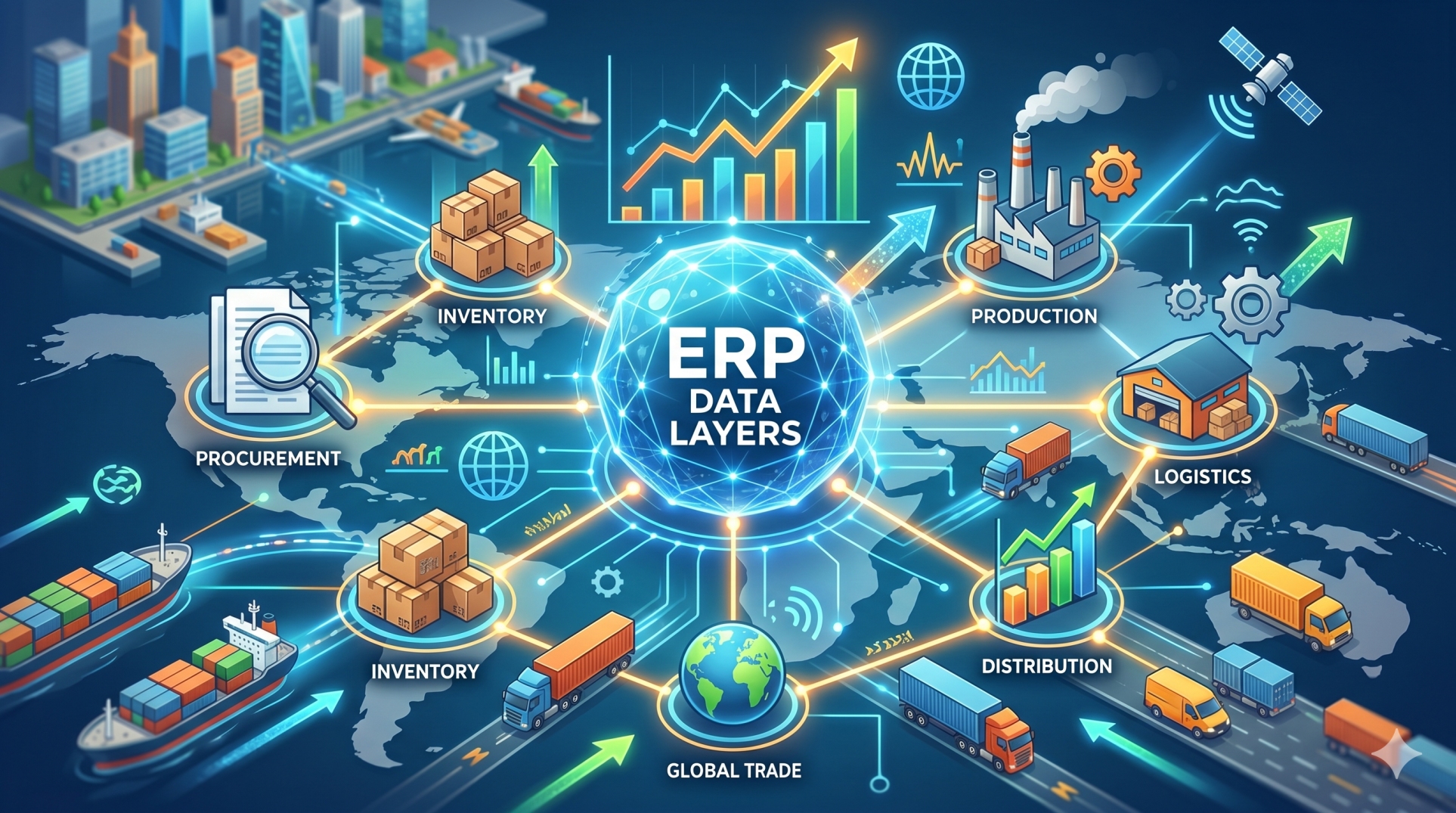
• Connect finance, procurement, HR, inventory, and sales operations 🤝
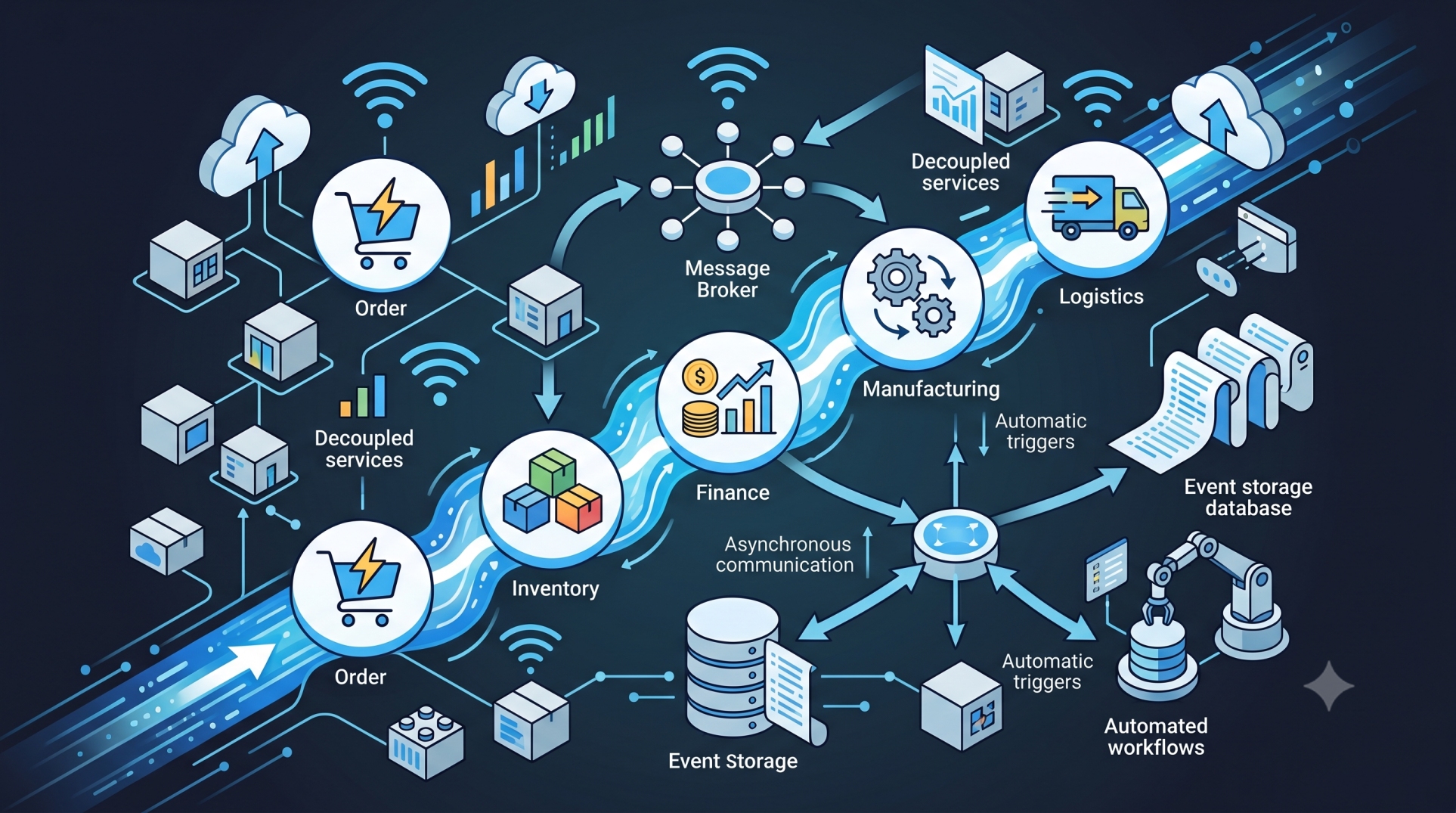
• Automate information flow between business units 📡
• Reduce manual approvals and repetitive tasks ⚙️
• Improve collaboration across teams 🧩
• Enable faster execution of daily operations ⏱️
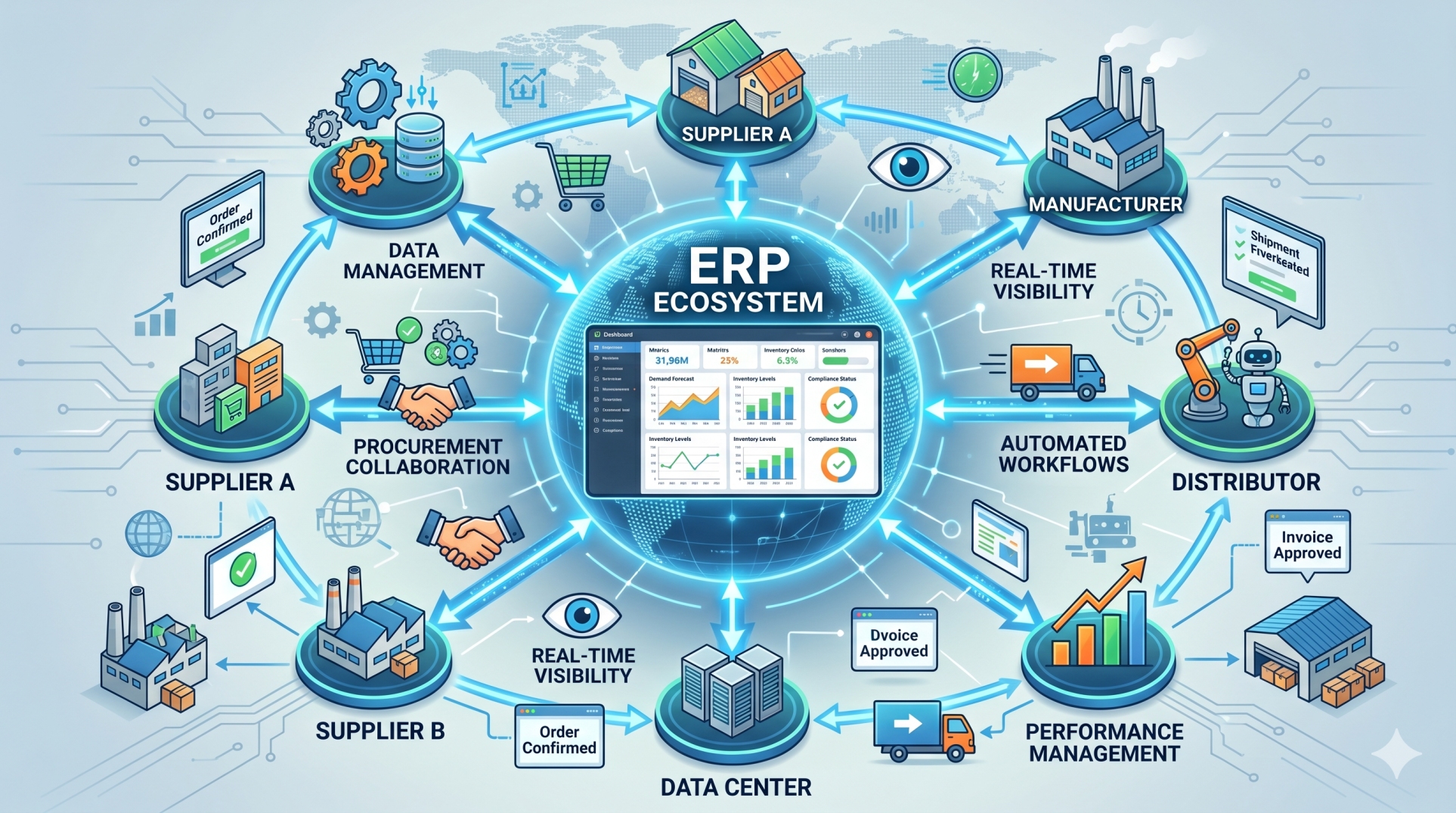
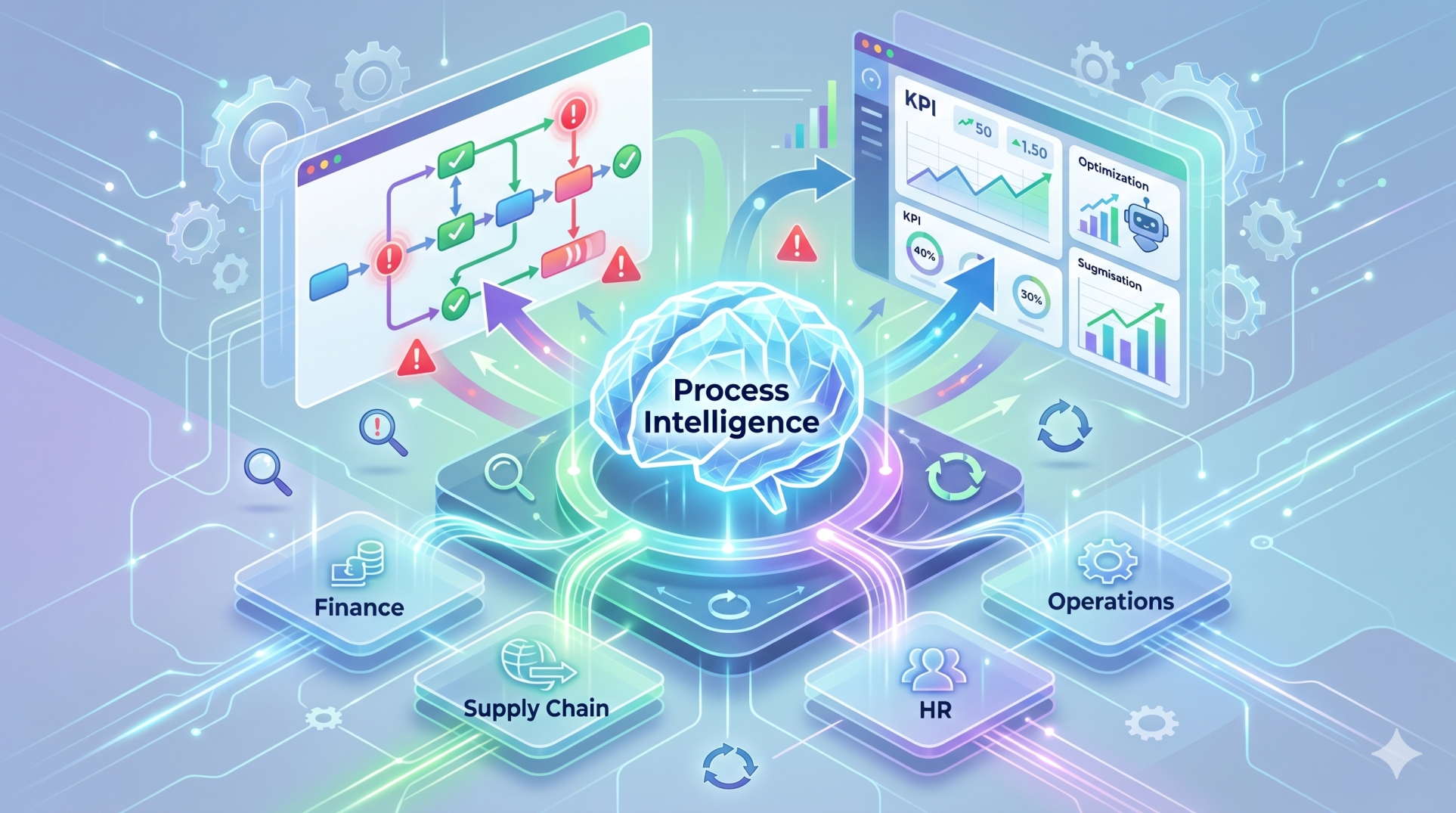
Step 3: Improving Real-Time Business Visibility 👀
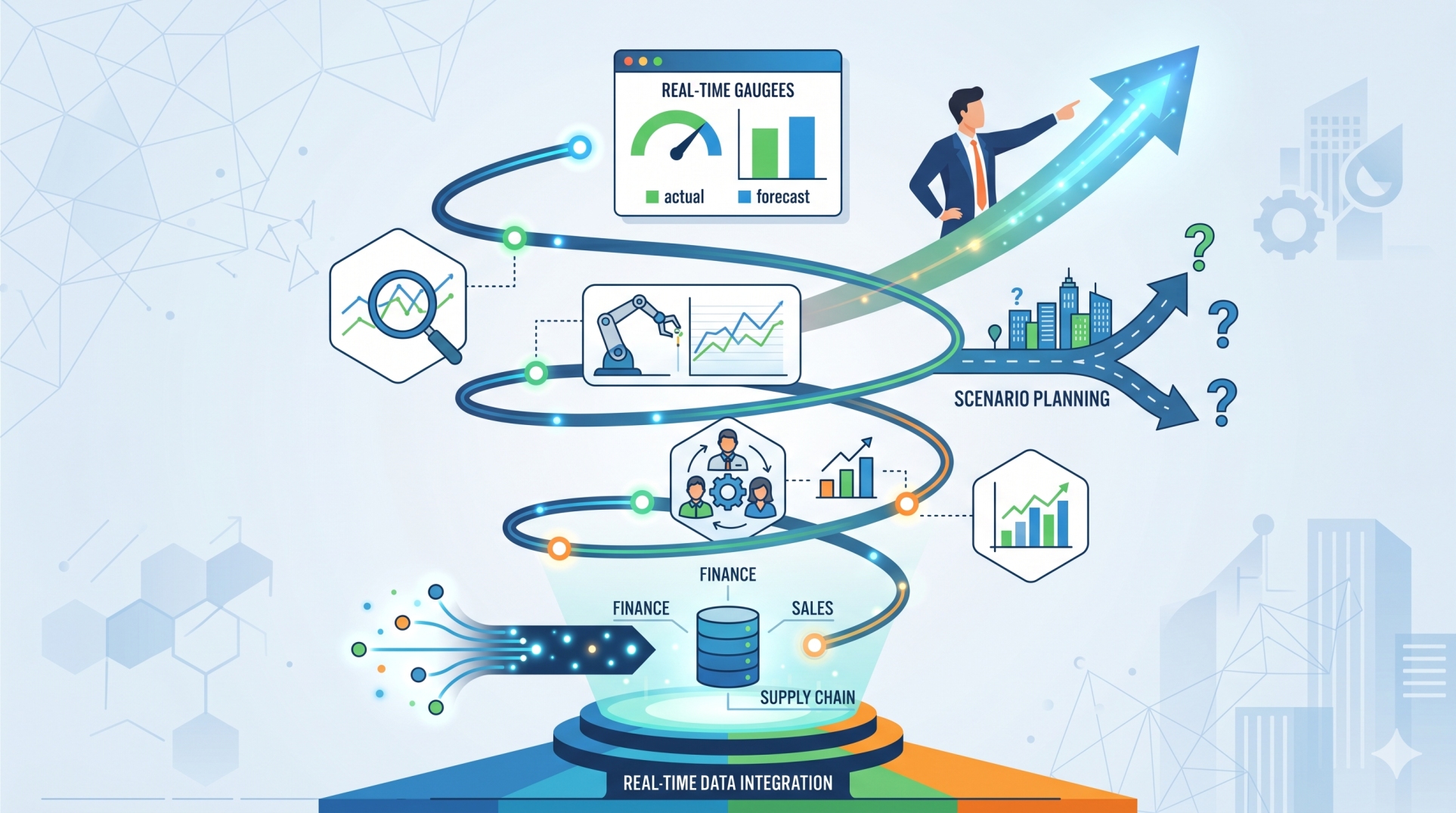
• Access operational data from a centralized dashboard 📈
• Monitor key performance indicators continuously 📊
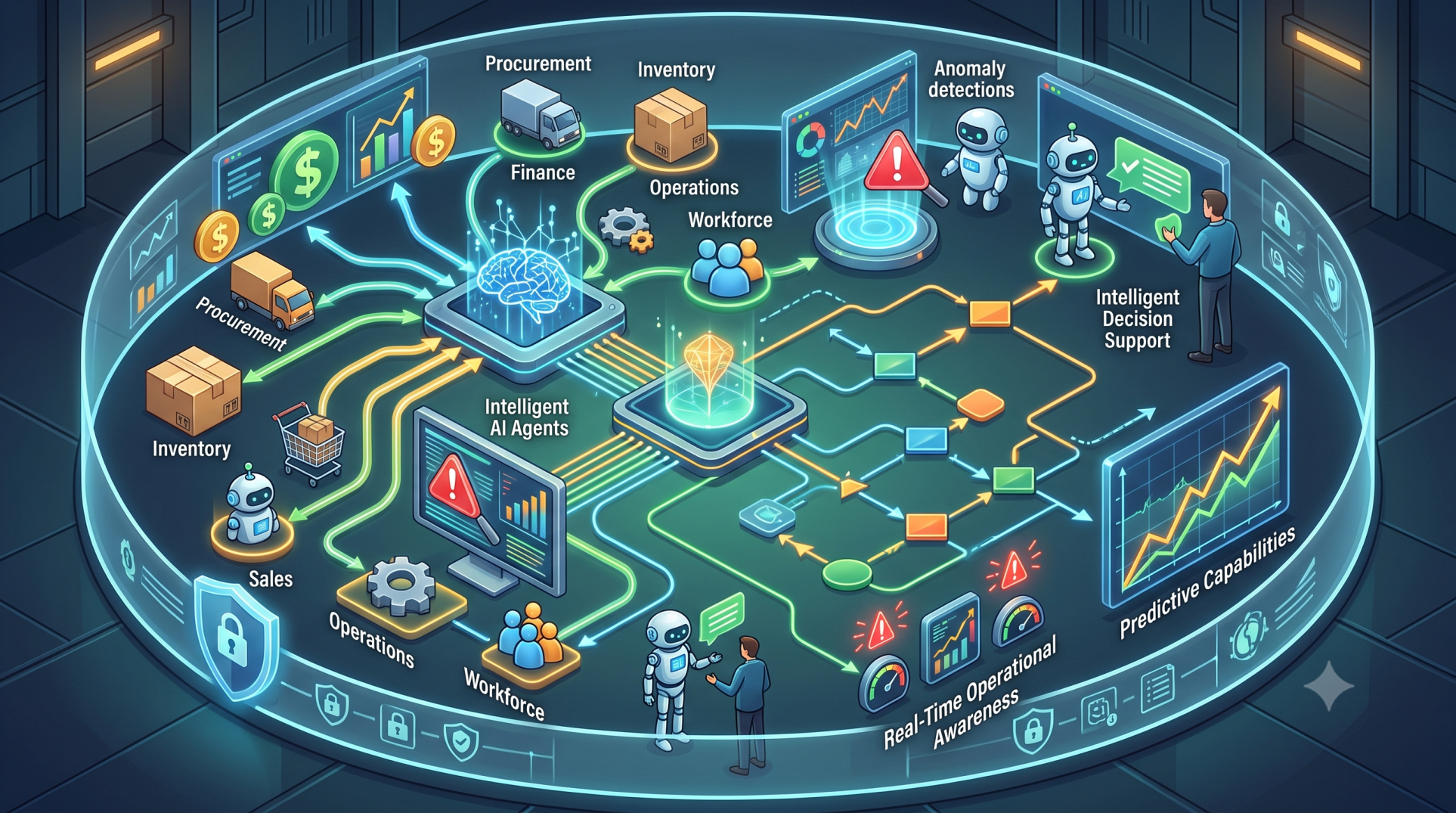
• Identify operational issues before they escalate 🚨
• Improve reporting accuracy across departments 📝
• Support informed business decisions with live insights 💡
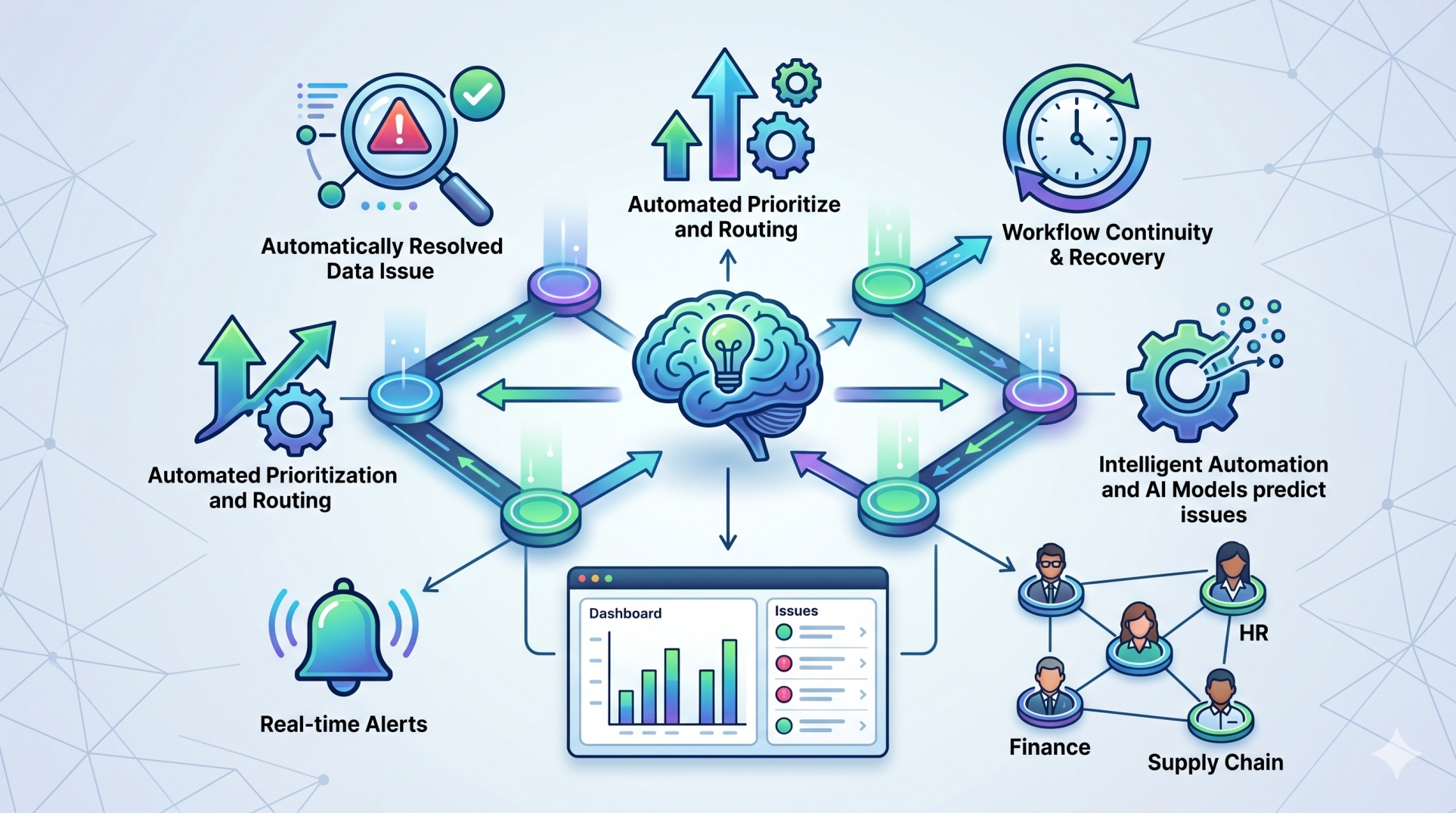
Step 4: Automating Core Business Processes 🤖
• Automate routine administrative and operational workflows ⚙️
• Standardize approvals and business rules ✅
• Reduce manual errors through process automation 🔄
• Increase productivity with intelligent workflow management 📌
• Free employees to focus on strategic initiatives 💼
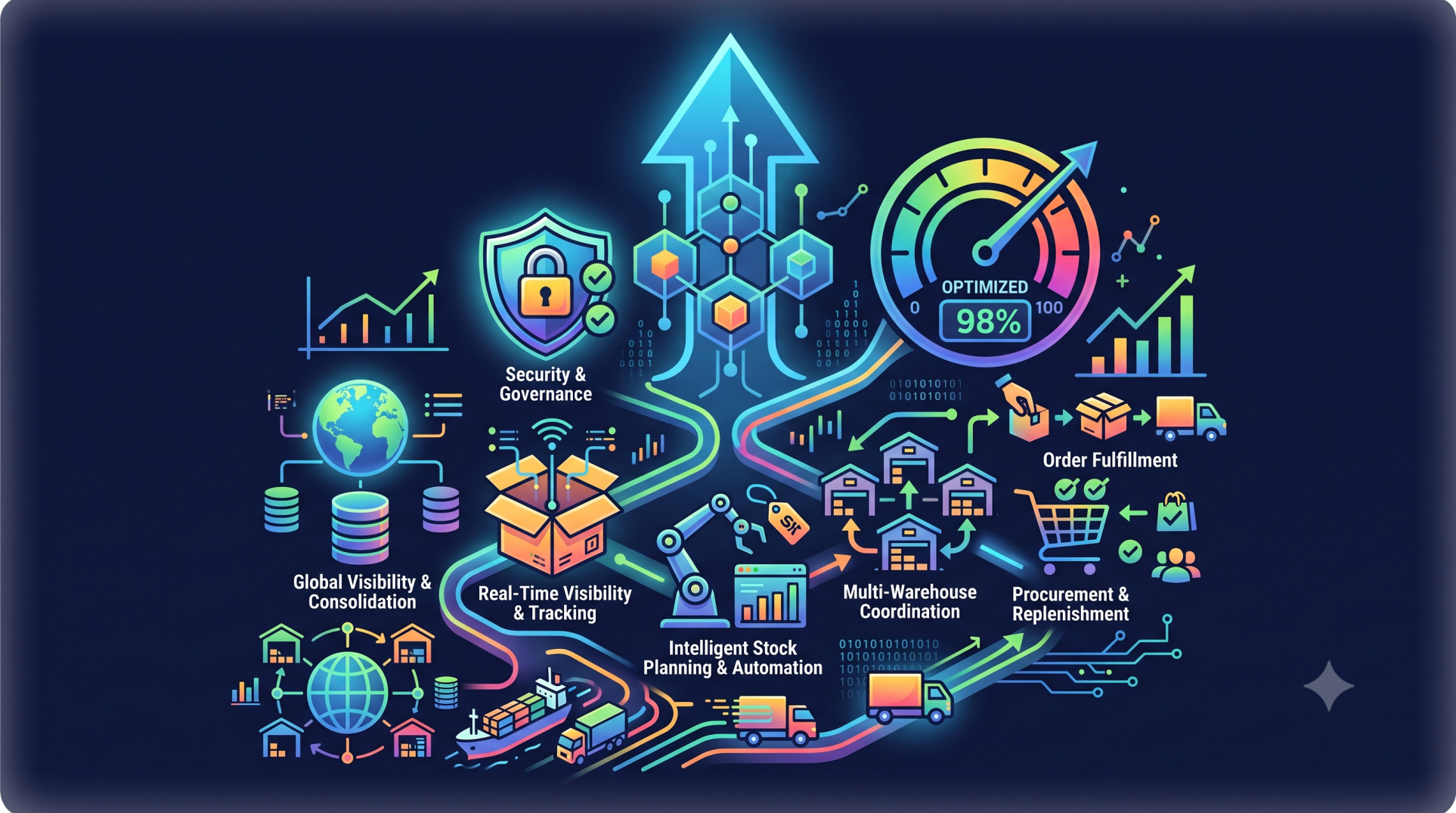
Step 5: Enhancing Resource Planning and Utilization 📦
• Optimize workforce allocation across departments 👥
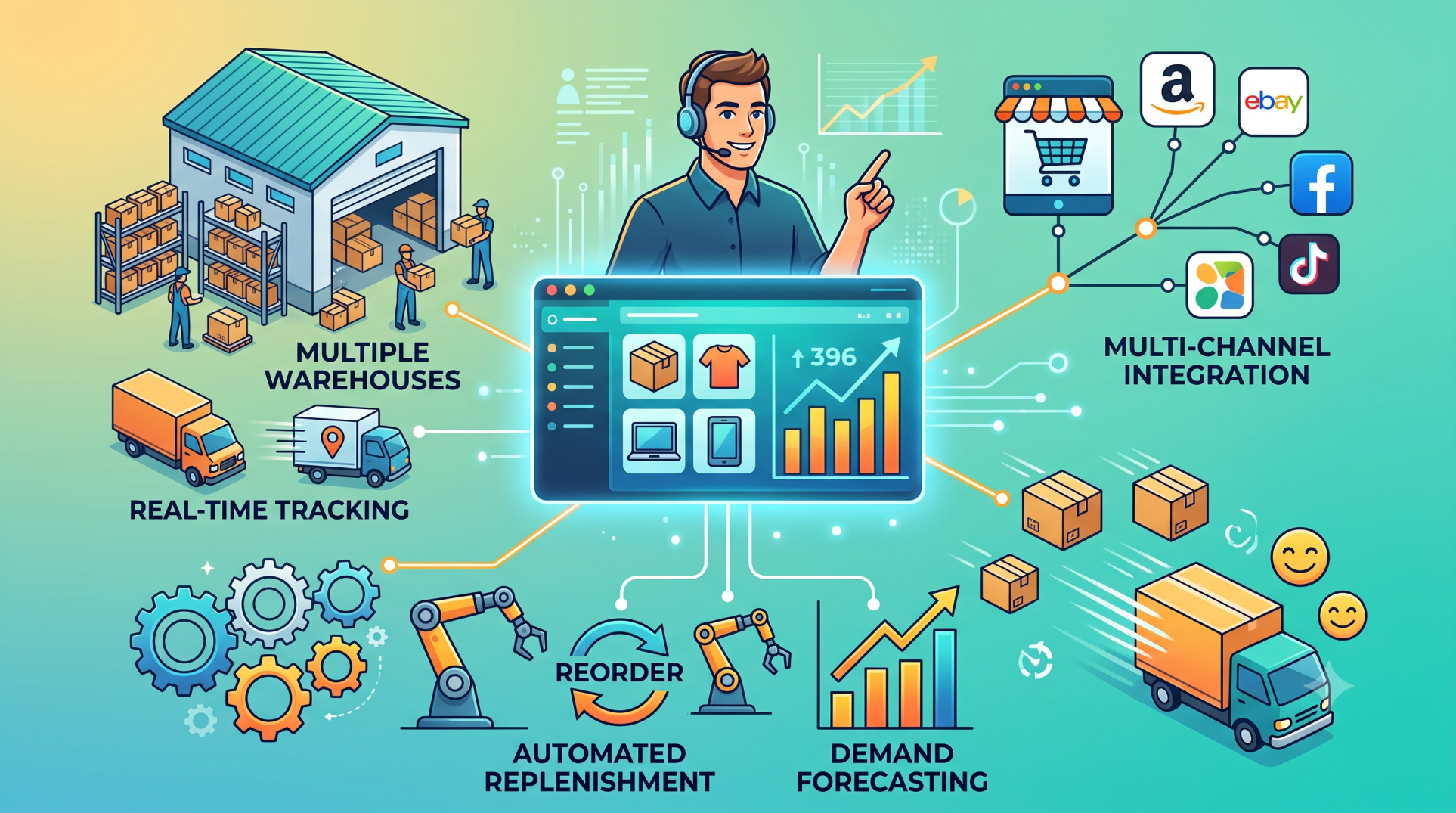
• Improve inventory planning and stock management 📦
• Coordinate procurement and supplier activities 🚚
• Allocate financial resources more effectively 💰
• Maximize operational efficiency across the enterprise 📈
Step 6: Supporting Faster Decision-Making ⚡
• Deliver real-time operational insights to decision-makers 📡
• Enable proactive responses to changing business conditions 🌍
• Improve forecasting using accurate enterprise data 📉
• Support strategic planning with integrated analytics 📊
• Increase organizational responsiveness to new opportunities 🚀
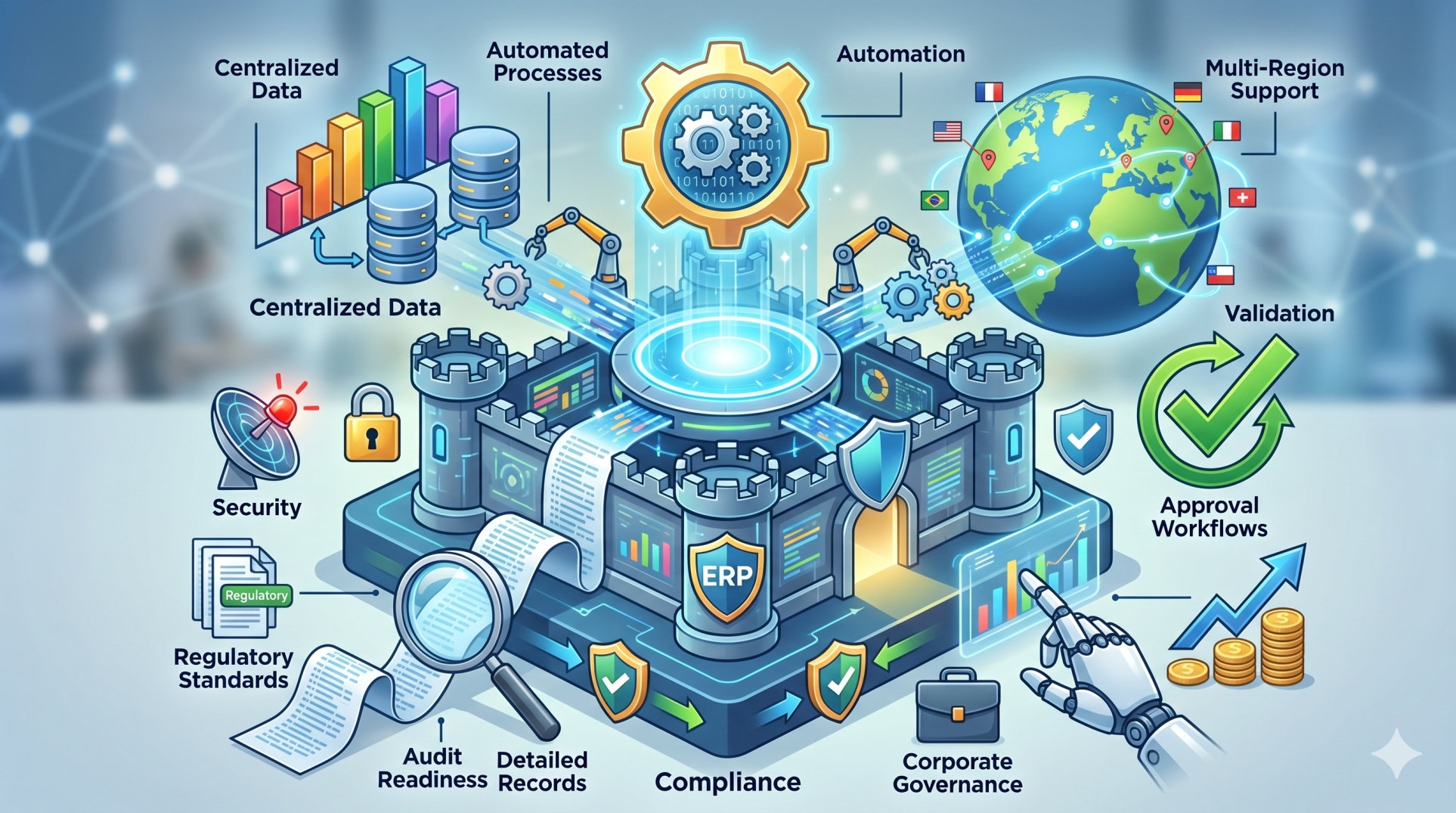
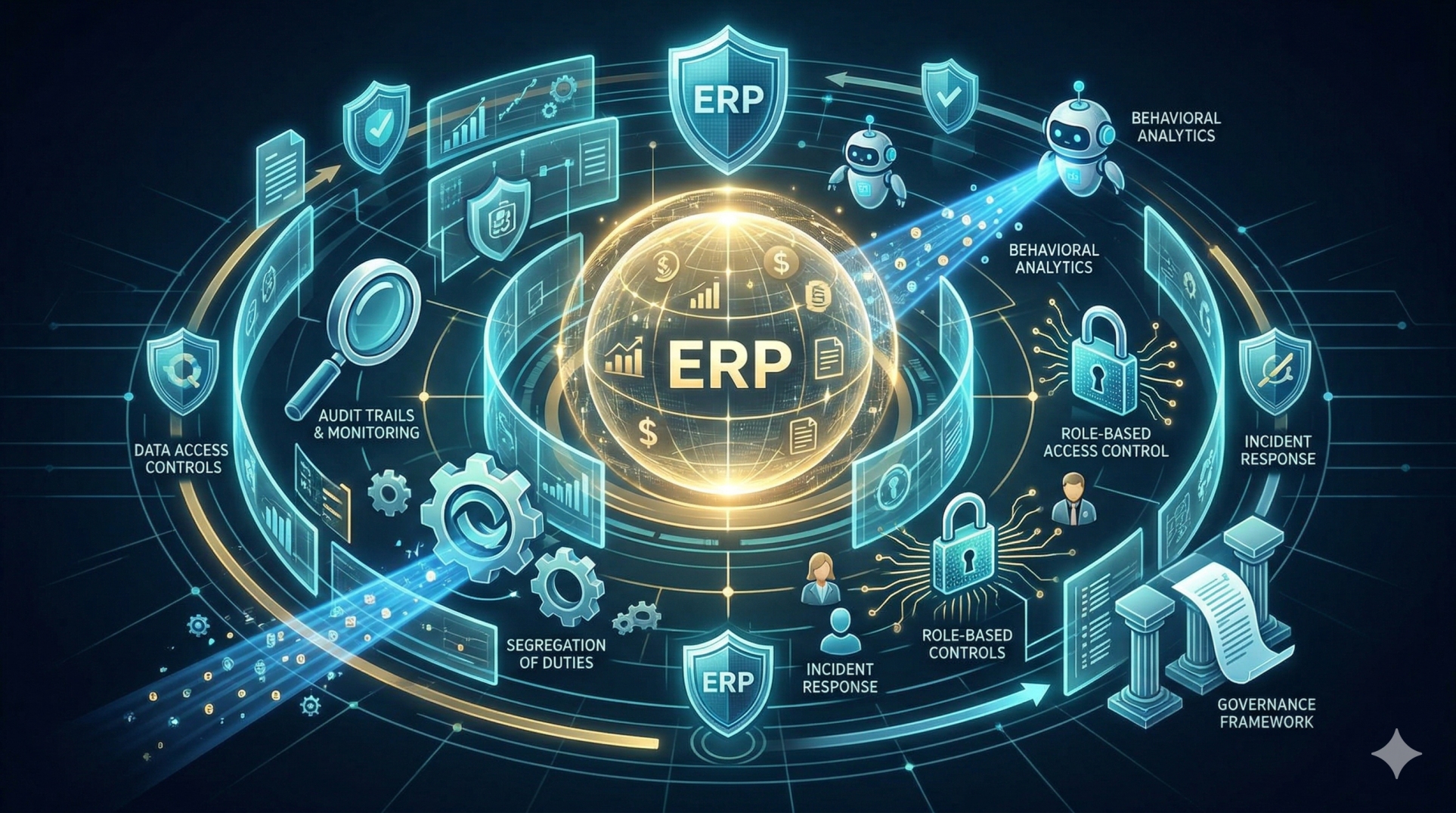
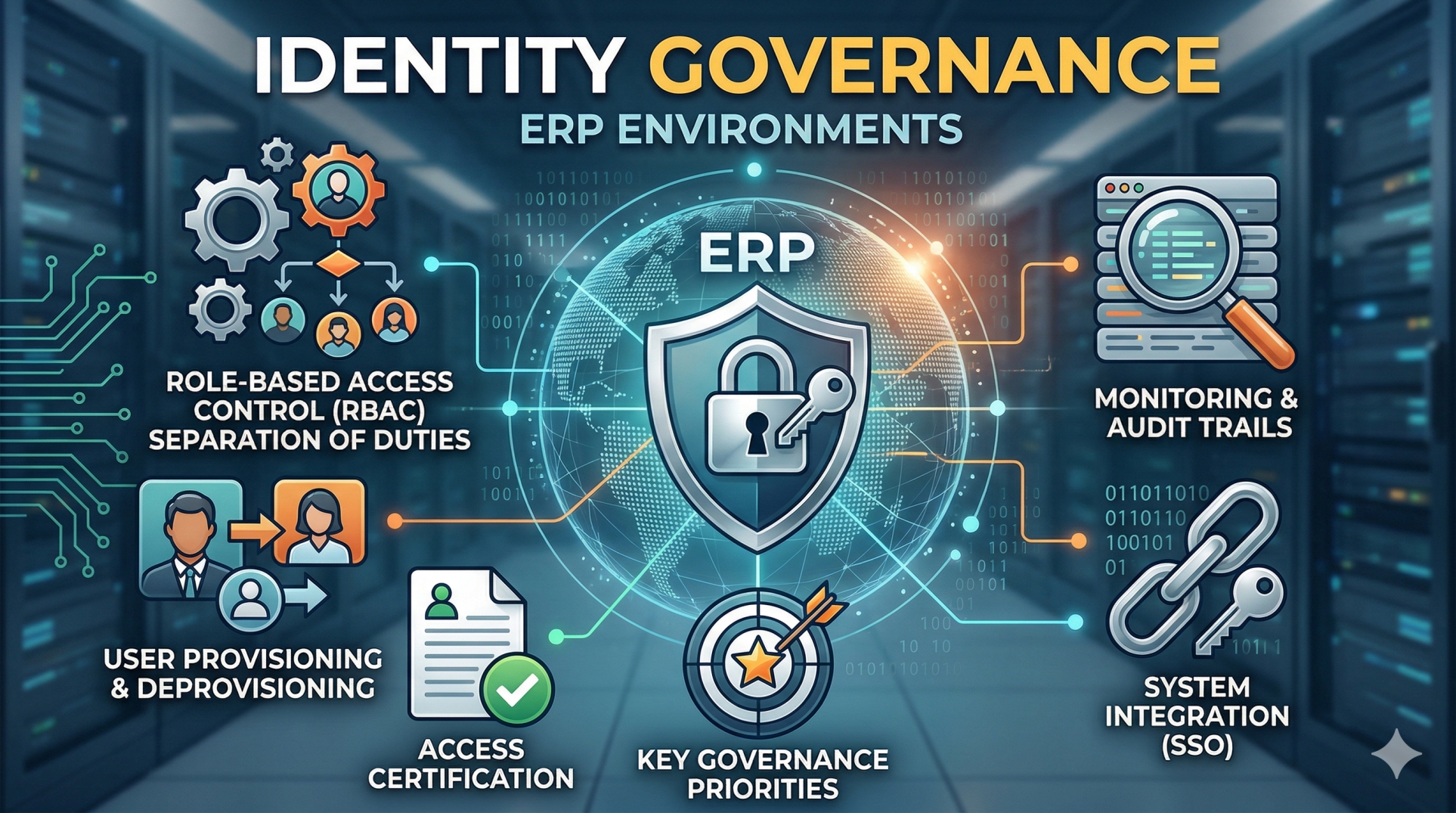
Step 7: Strengthening Governance and Compliance 🛡️
• Apply standardized policies across business operations 📜
• Maintain complete audit trails for business activities 🧾
• Protect sensitive information through role-based access 🔐
• Support regulatory compliance with automated controls ✅
• Improve accountability throughout the organization ⚖️
Step 8: Key ERP Agility Priorities ⭐
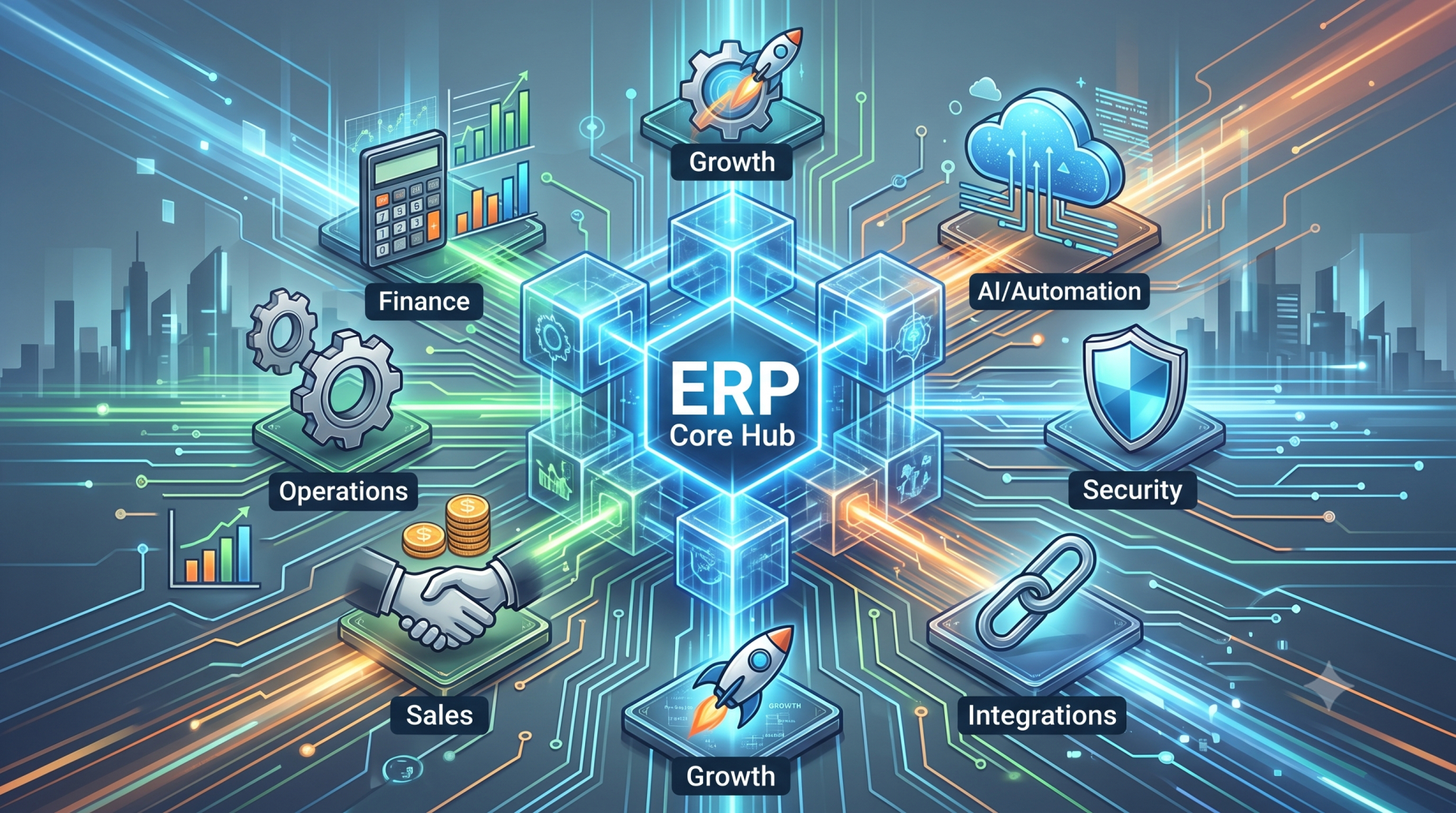
• Unified workflows across all business functions 🤝
• Real-time visibility into enterprise operations 👀
• Intelligent automation that improves efficiency 🤖
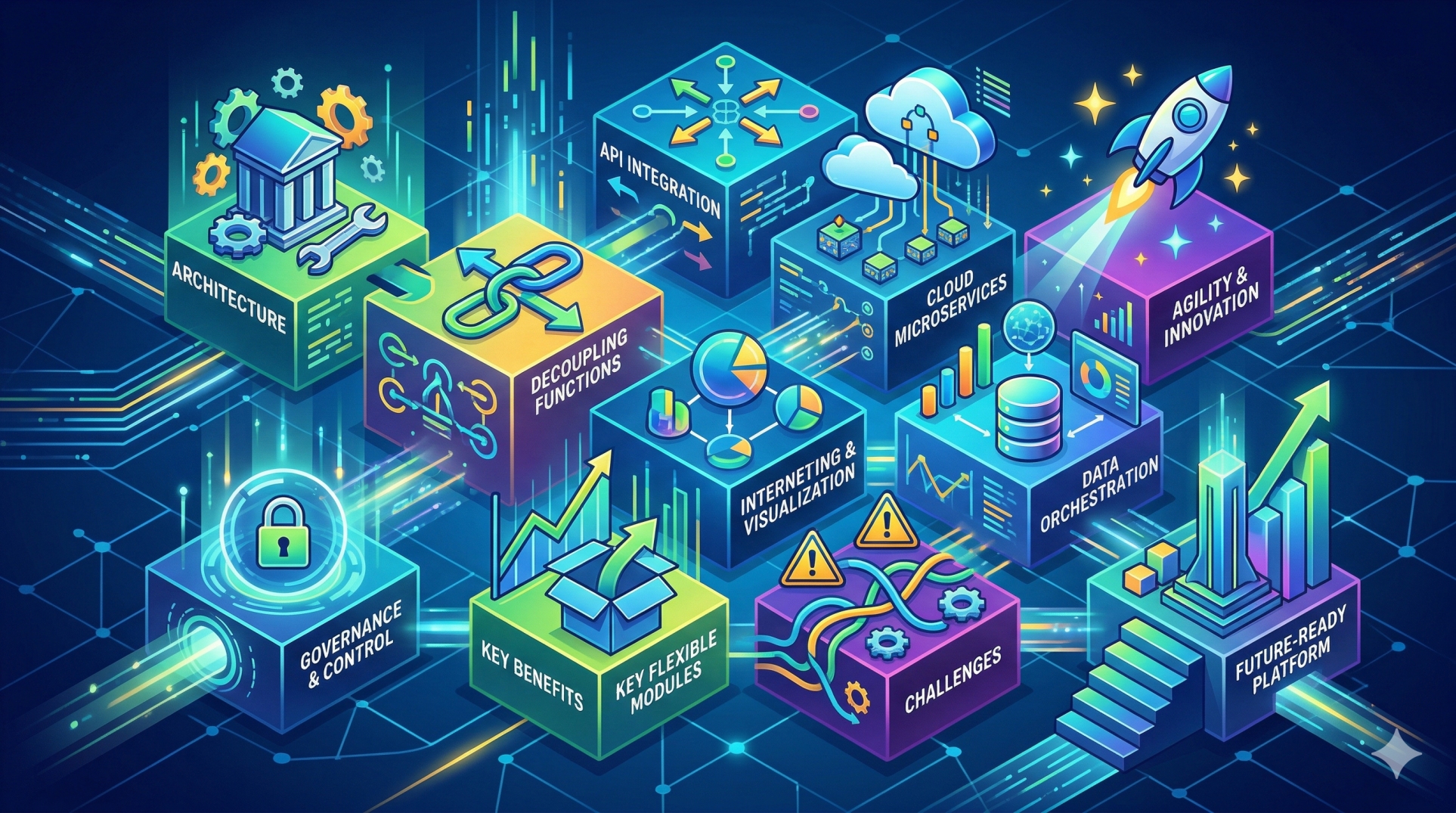
• Flexible architecture that supports continuous growth 📈
Step 9: Adapting to Business Change 🔄
• Modify workflows to support evolving business needs 📋
• Integrate new business units with minimal disruption 🏢
• Support expansion into new markets and locations 🌍
• Respond quickly to customer and industry changes 📈
• Encourage continuous process improvement 💪
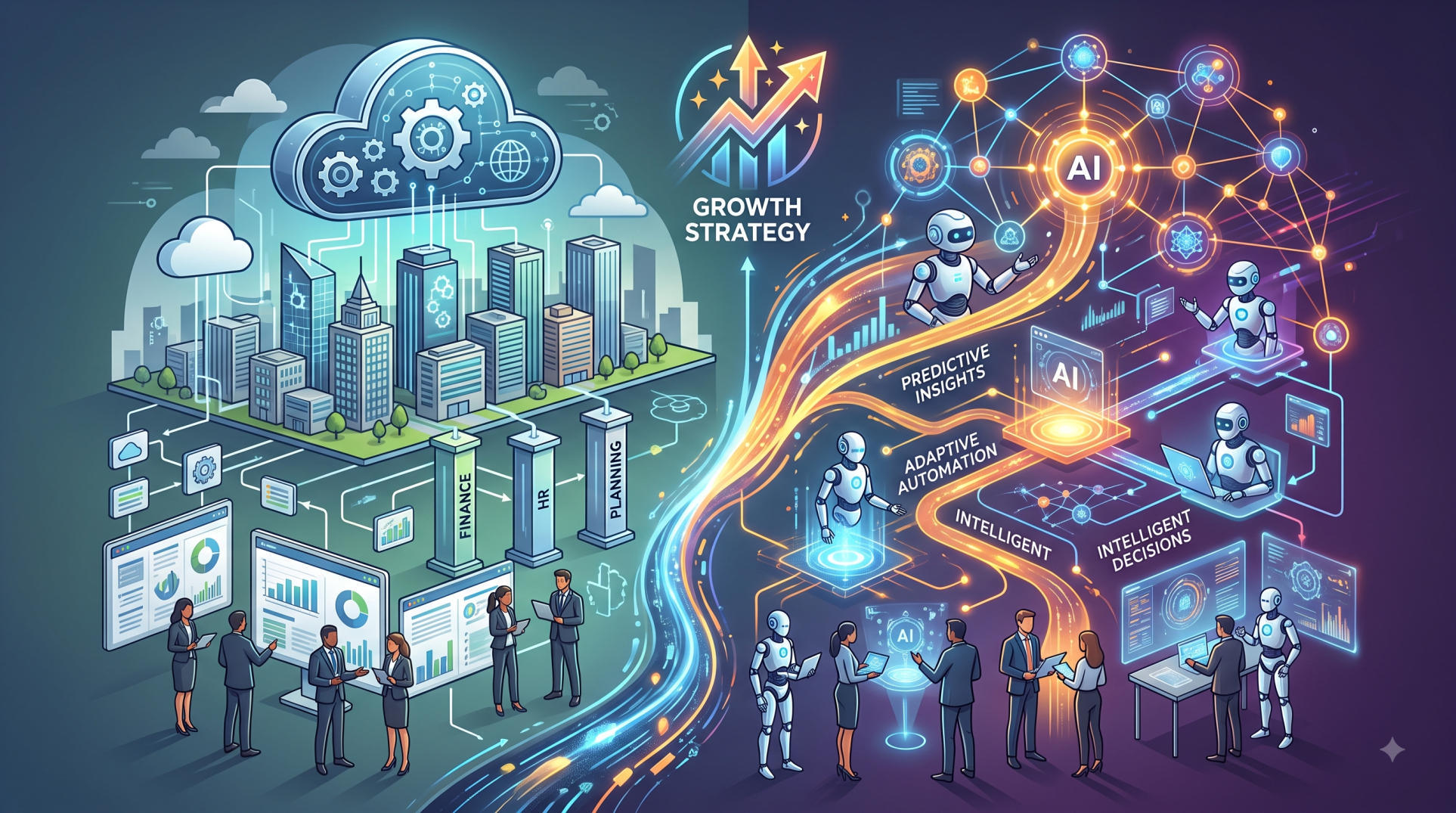
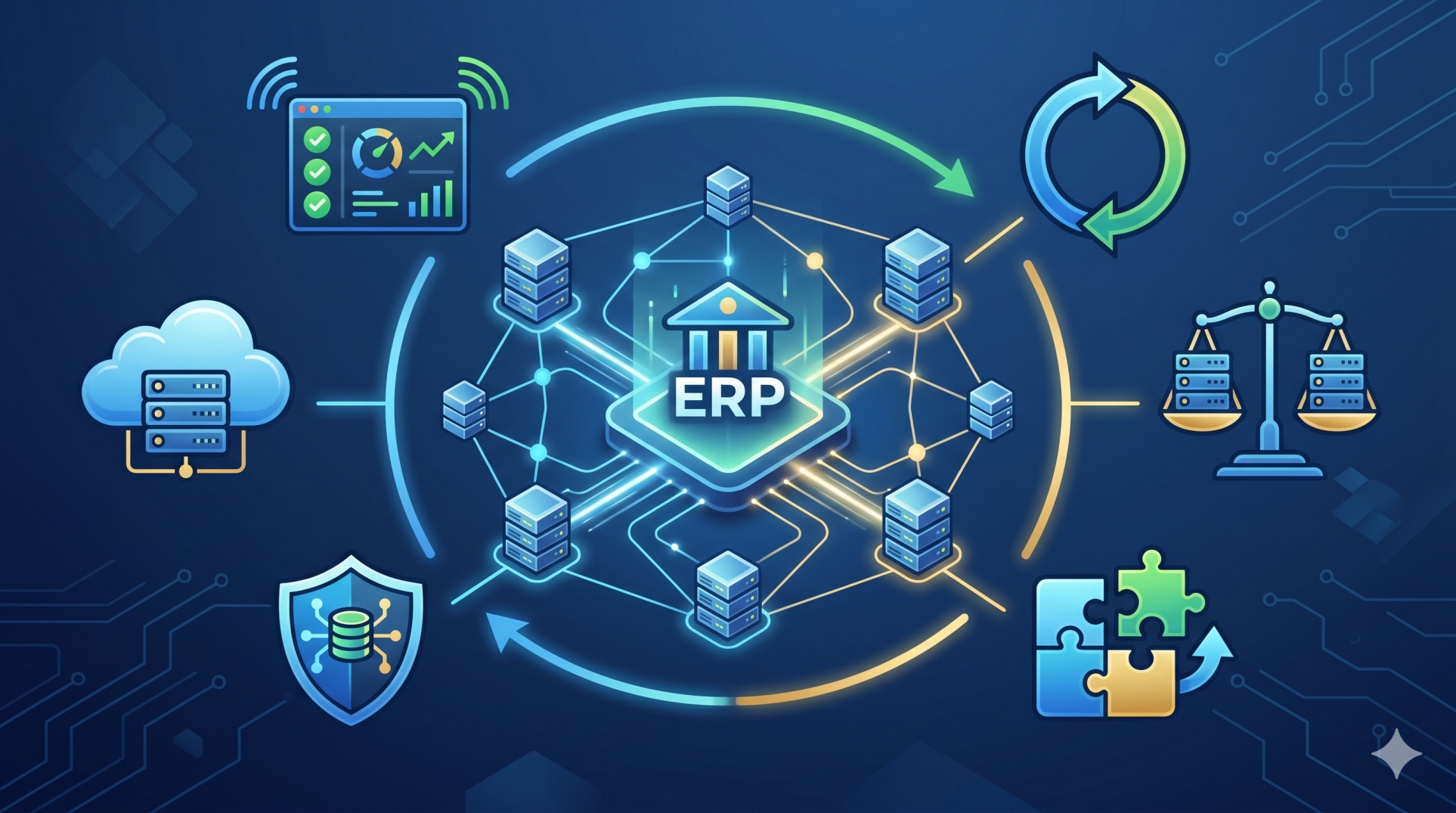
Step 10: Building a Future-Ready Enterprise 🌟
• Design scalable ERP processes for long-term success 🏗️
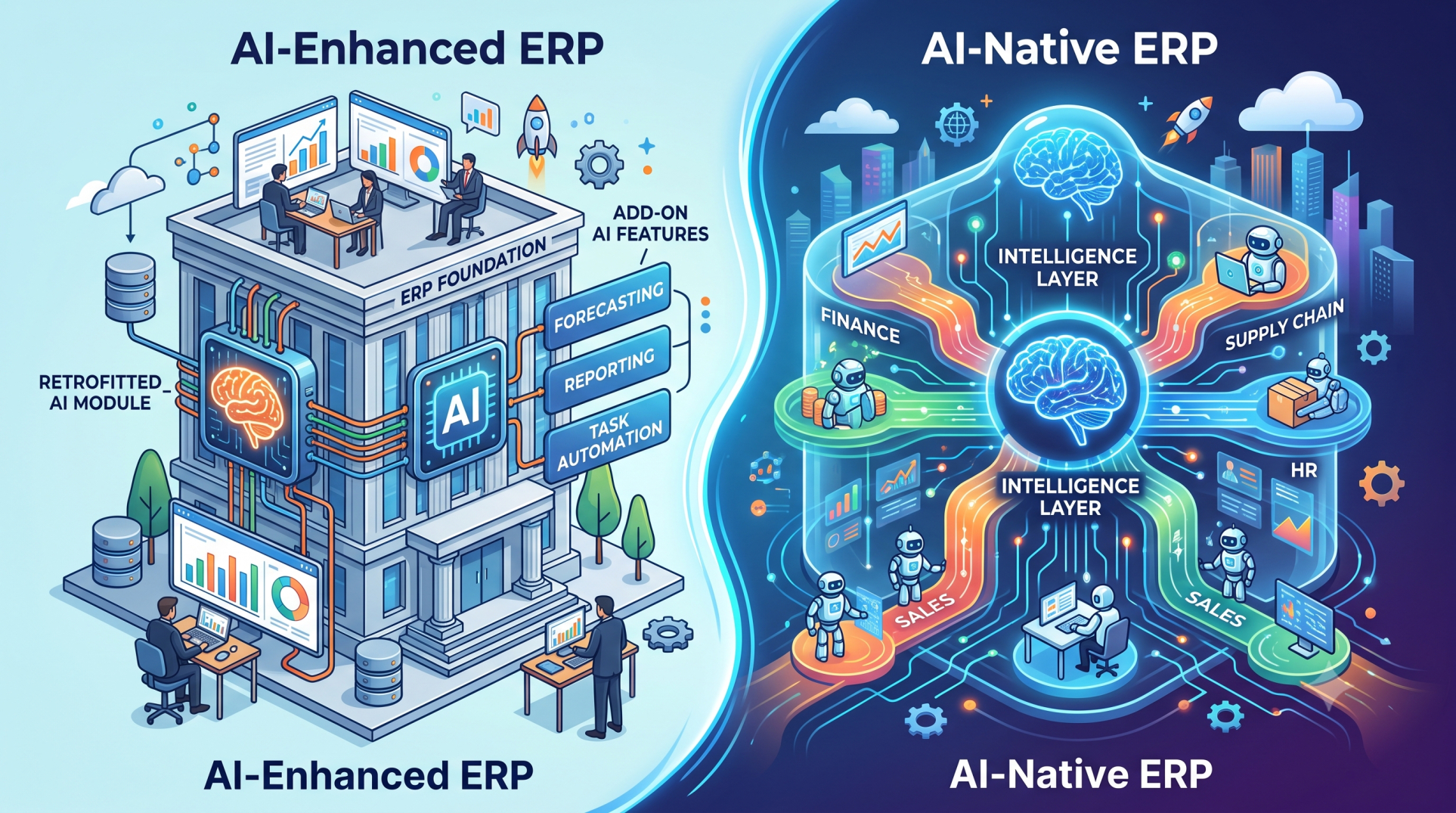
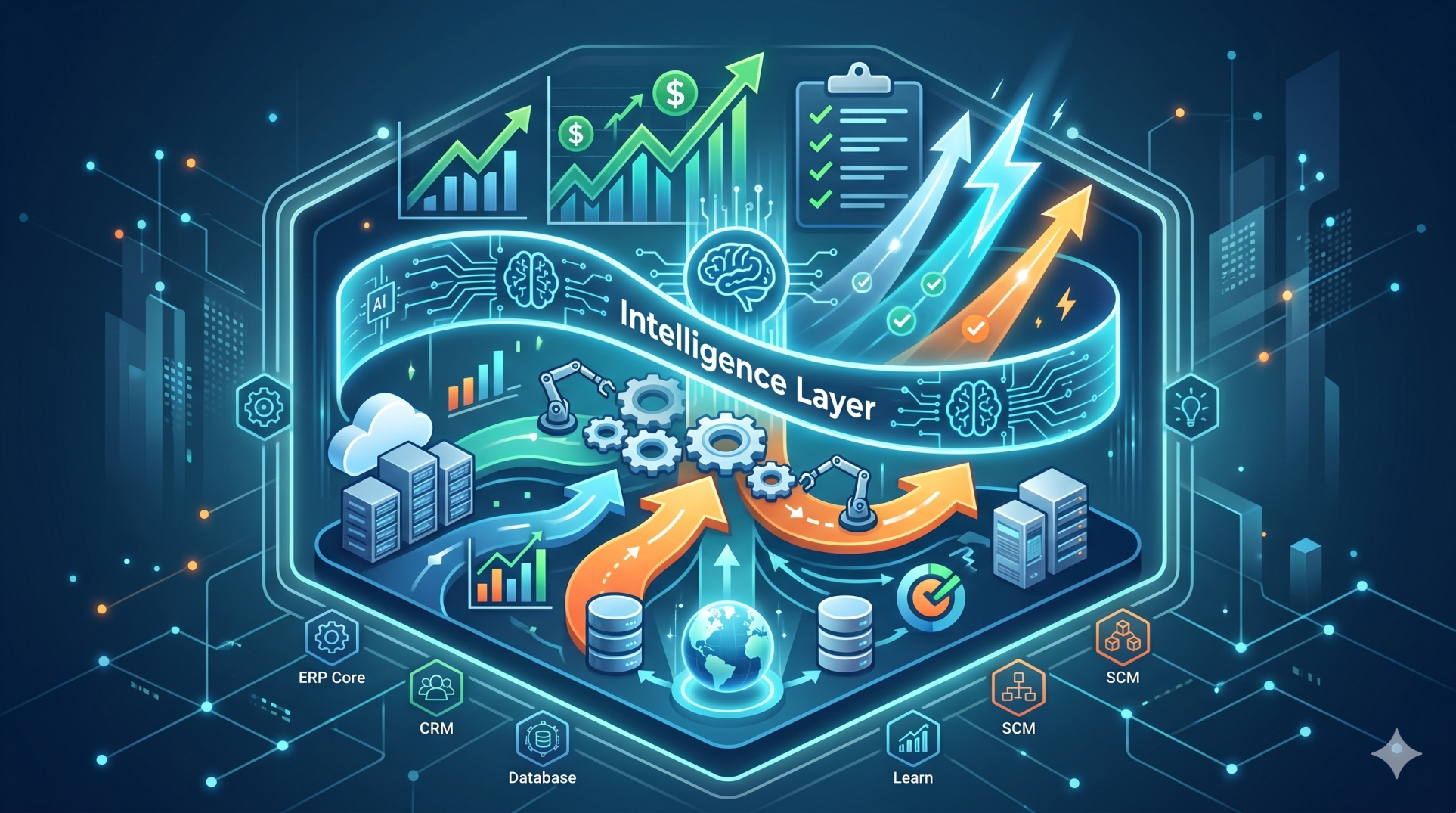
• Integrate AI, analytics, and automation technologies 🤖
• Support cloud and hybrid deployment strategies ☁️
• Enable innovation through connected enterprise systems 🔗
• Prepare the organization for future operational challenges 🚀
Conclusion
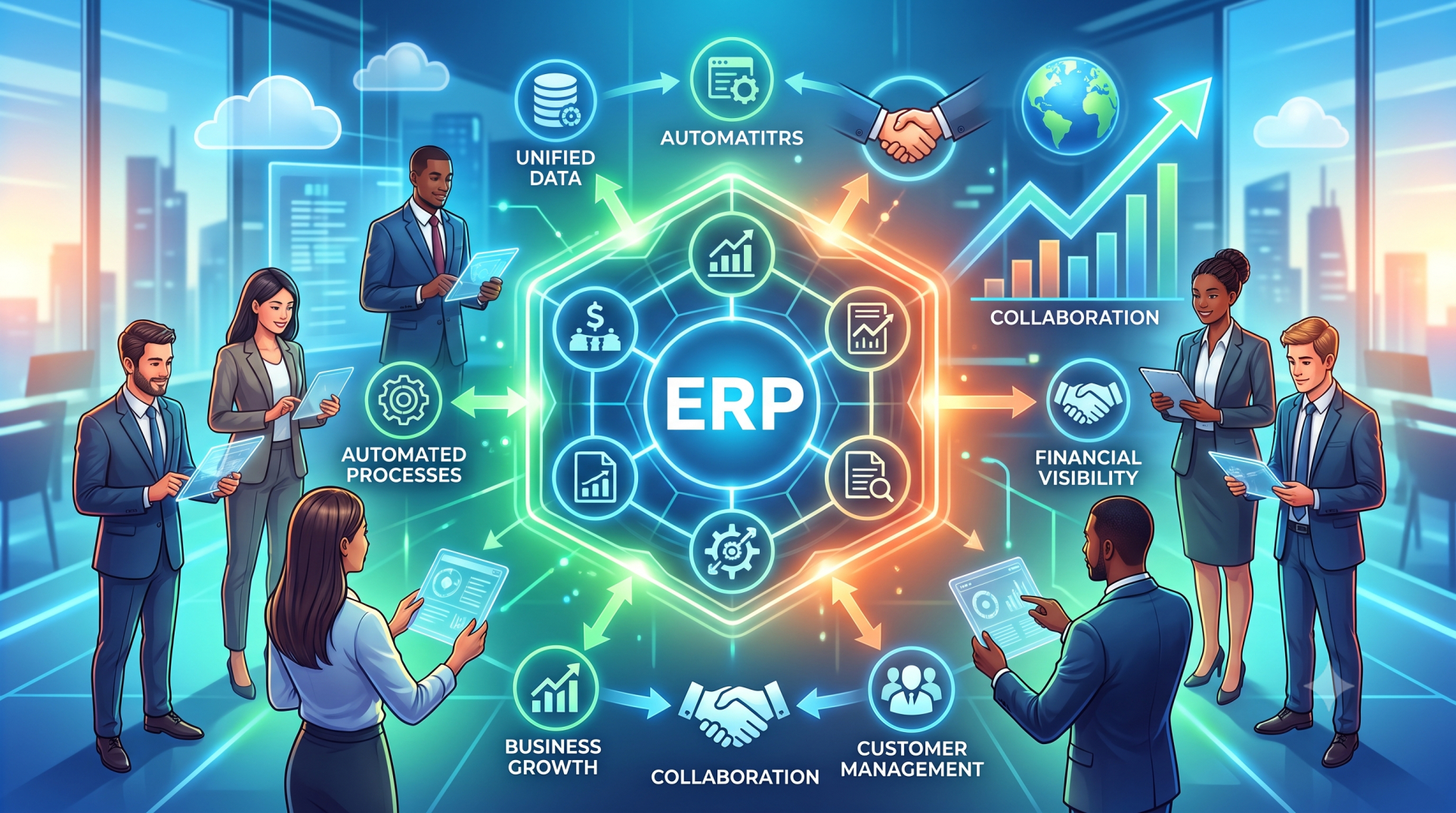
Building enterprise agility through unified ERP processes enables organizations to operate with greater speed, efficiency, and resilience. By connecting business functions, automating workflows, and providing real-time visibility, a unified ERP platform empowers teams to collaborate effectively and respond confidently to changing business demands. As organizations continue to evolve, unified ERP processes provide the flexibility and scalability needed for sustainable long-term growth.
See more blogs
You can all the articles below