ERP as the Foundation of Connected Enterprise Operations

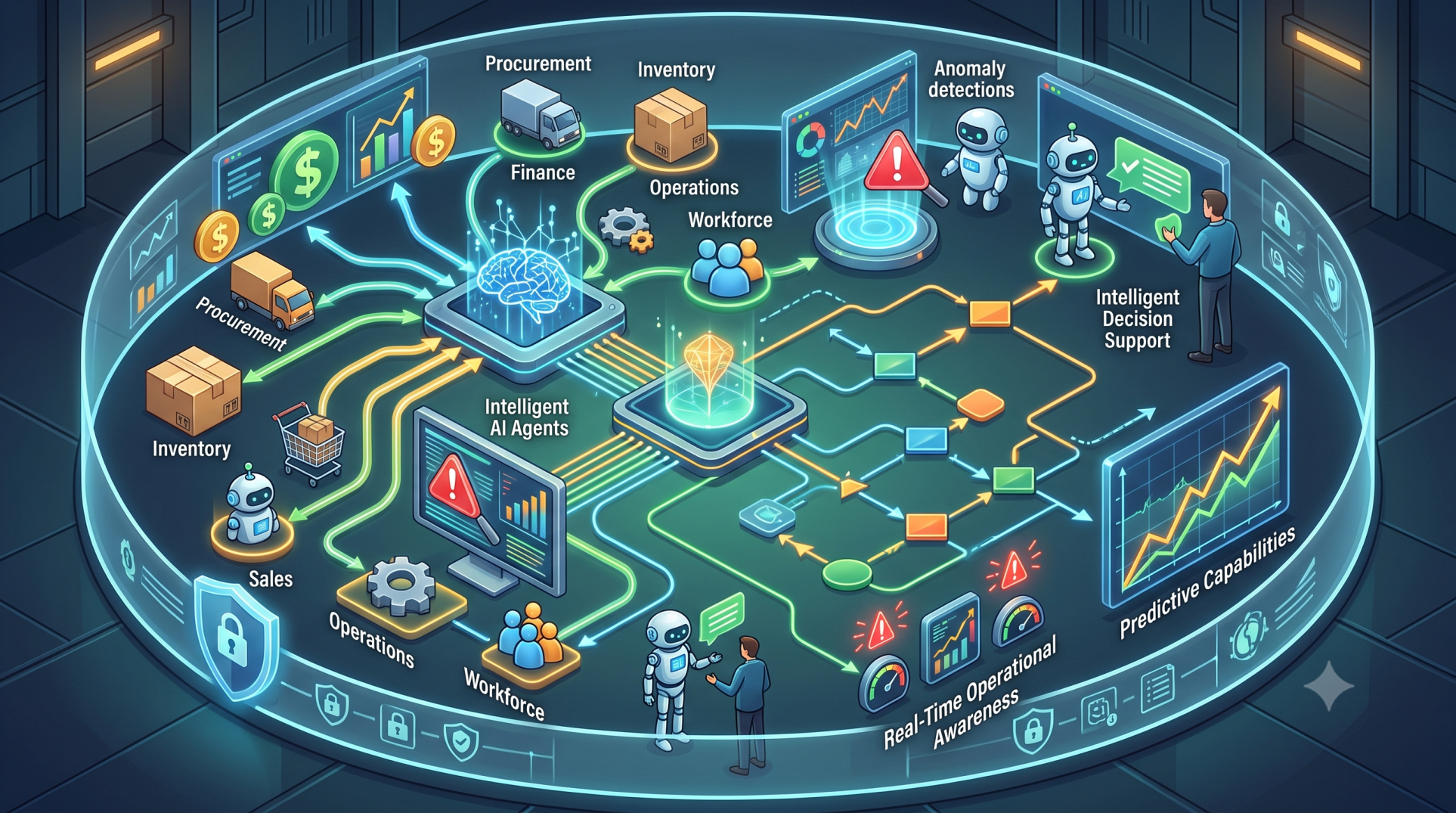
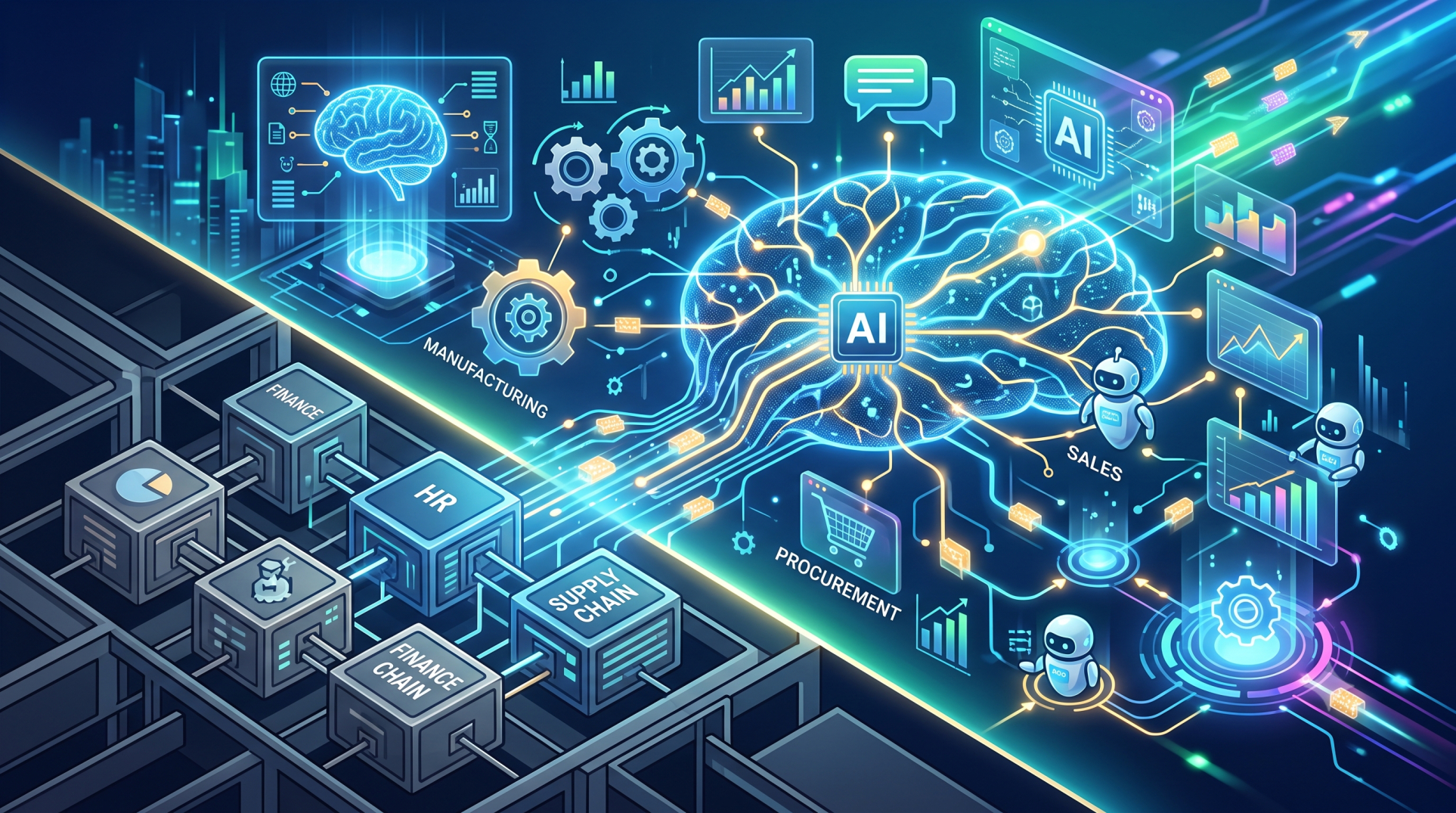
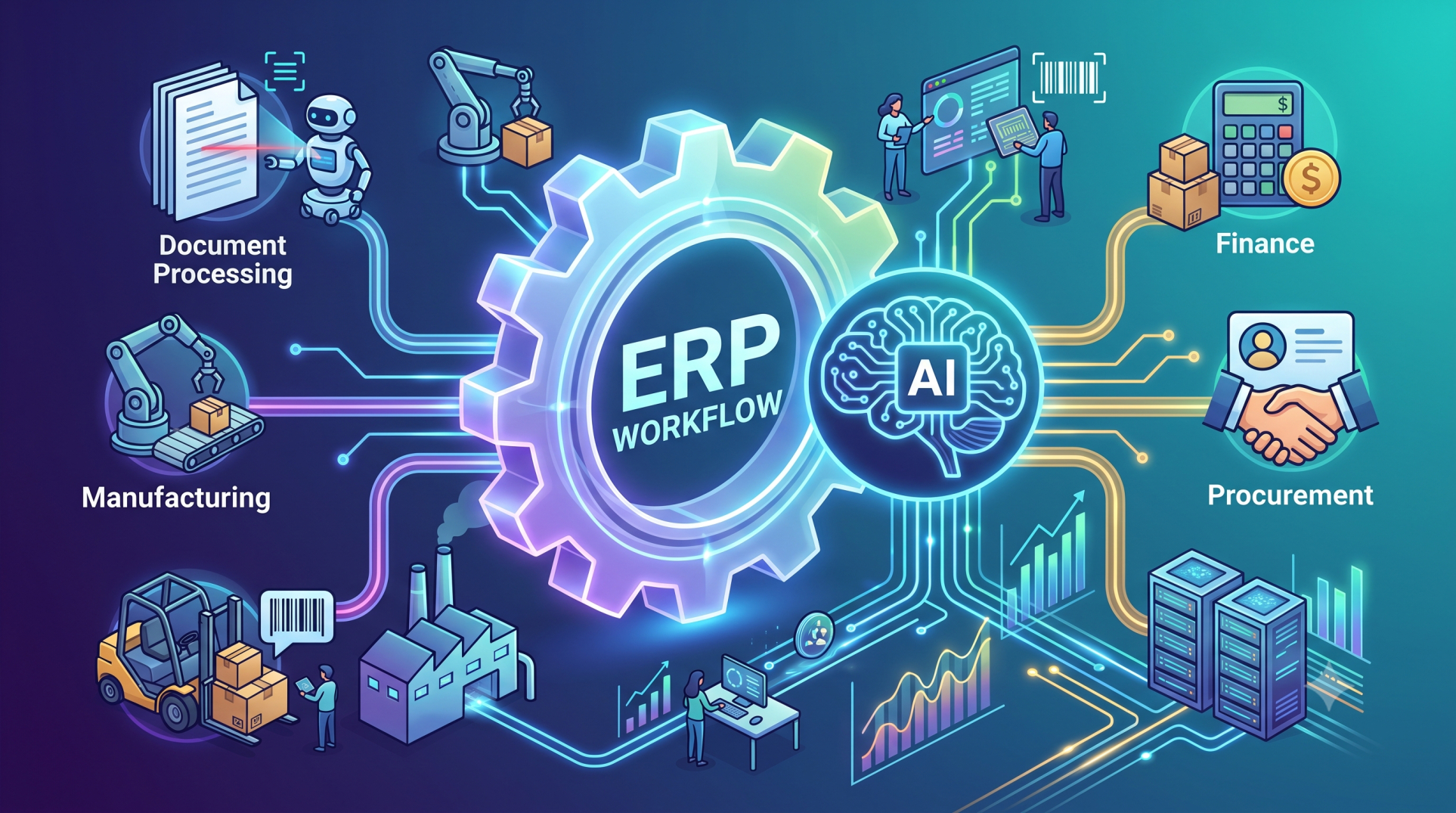
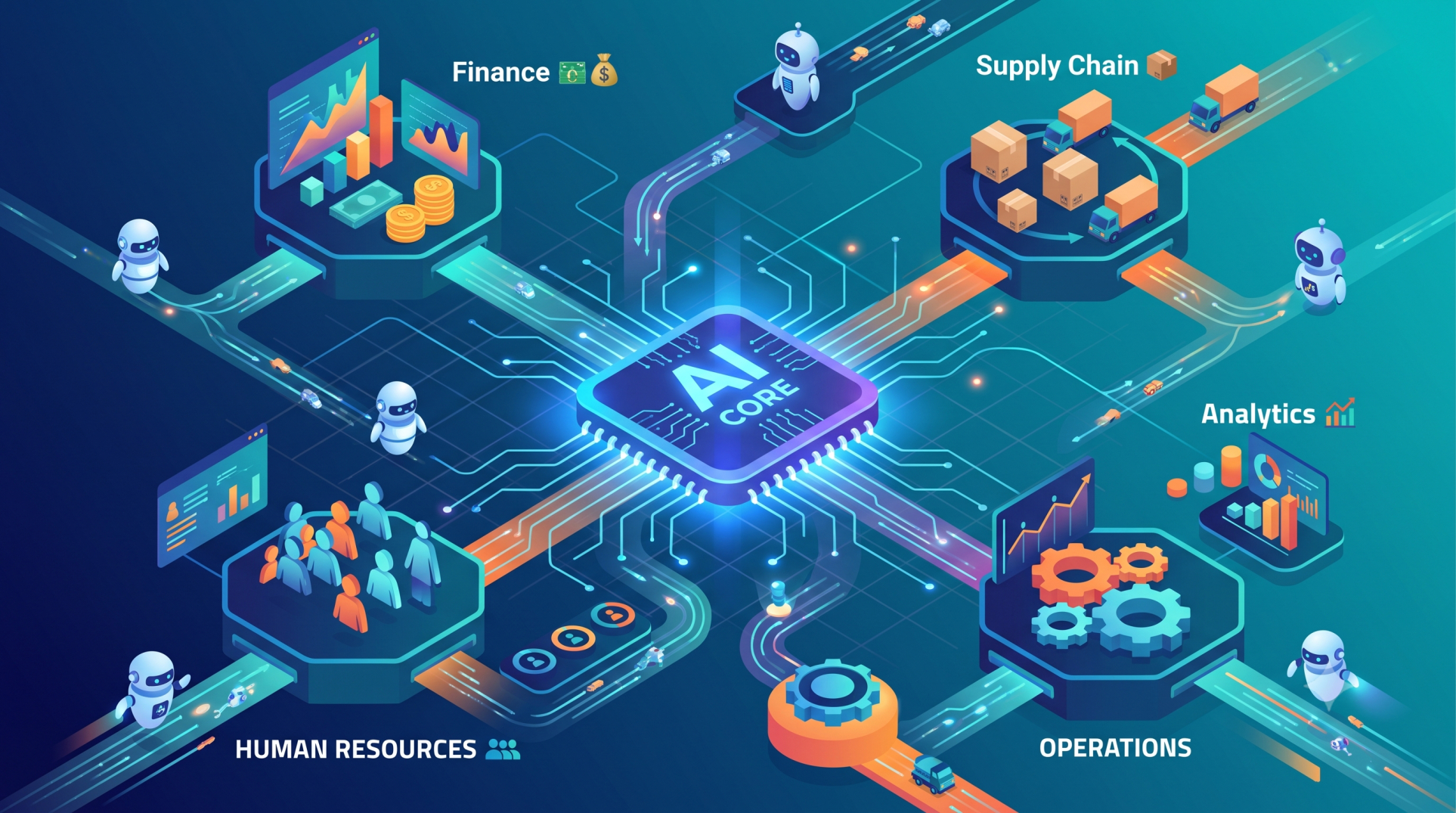
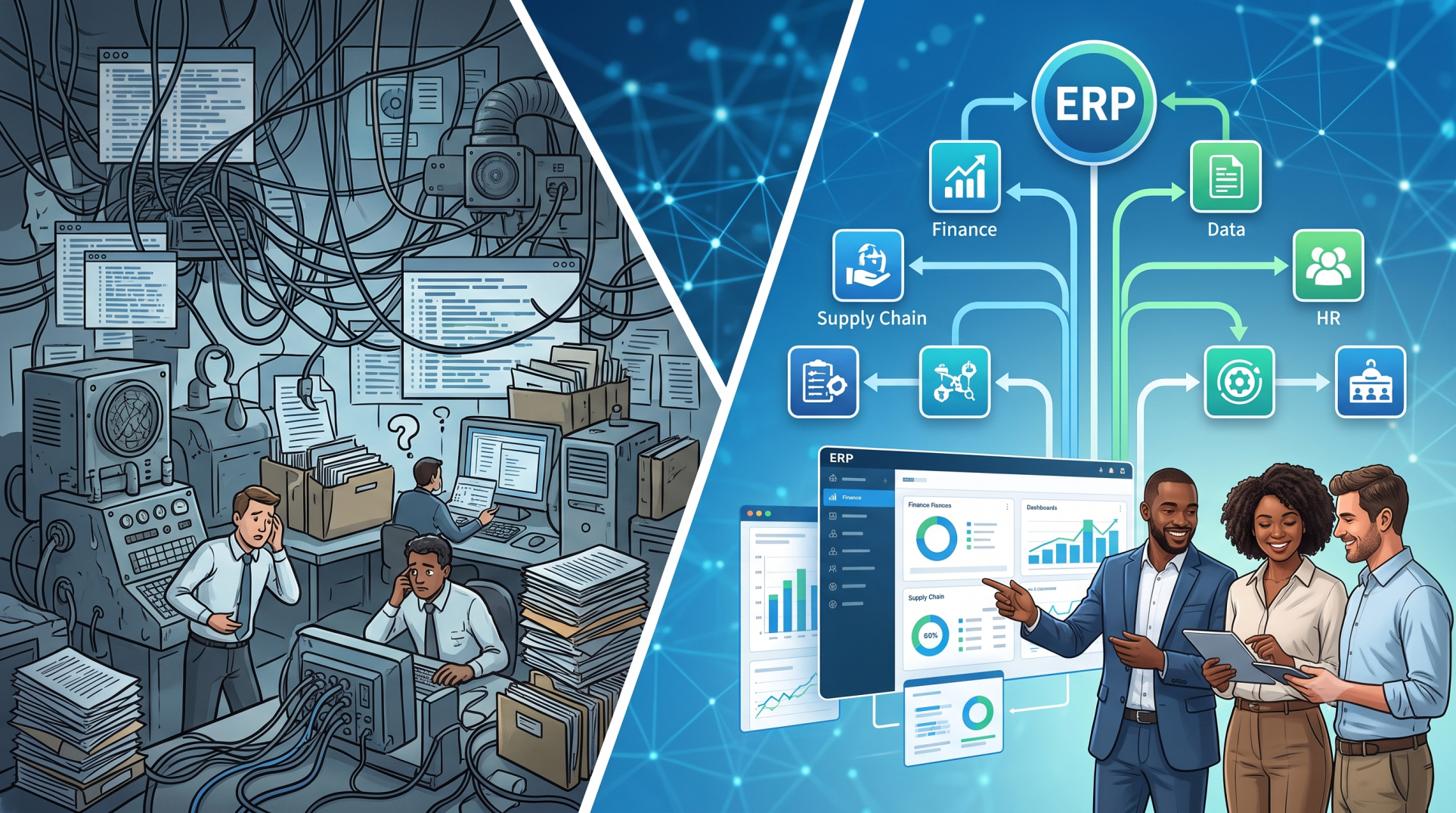
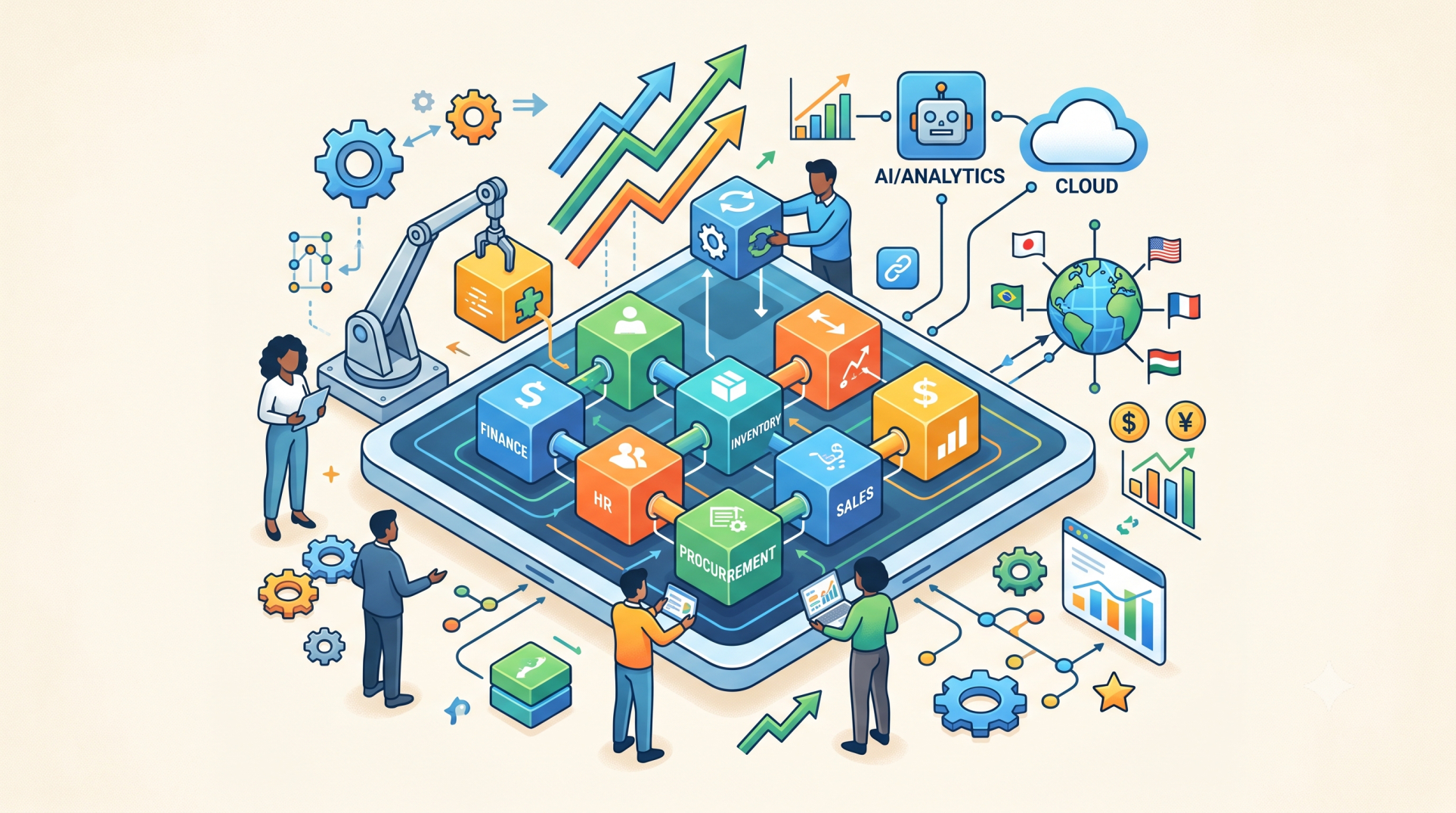
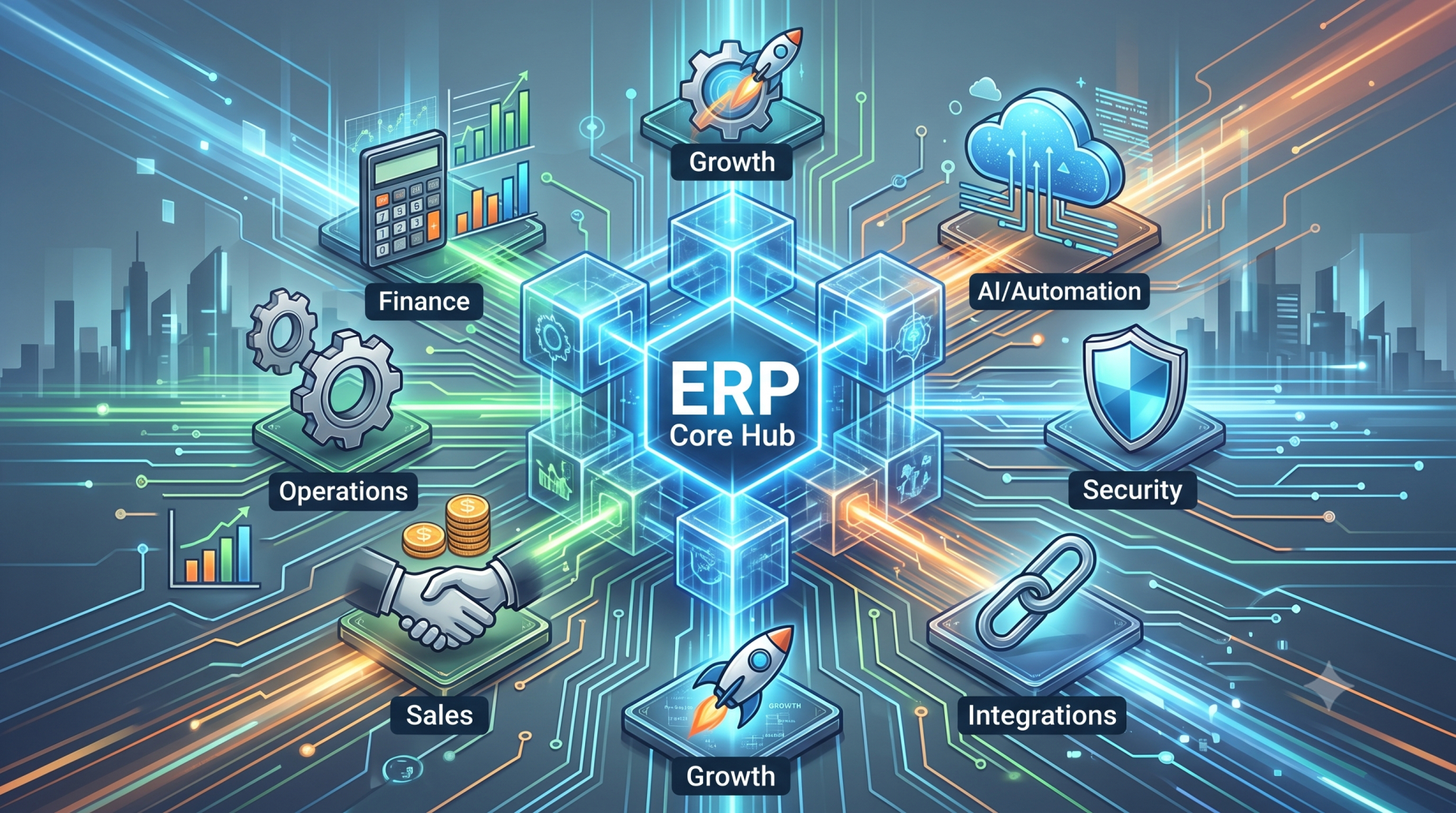
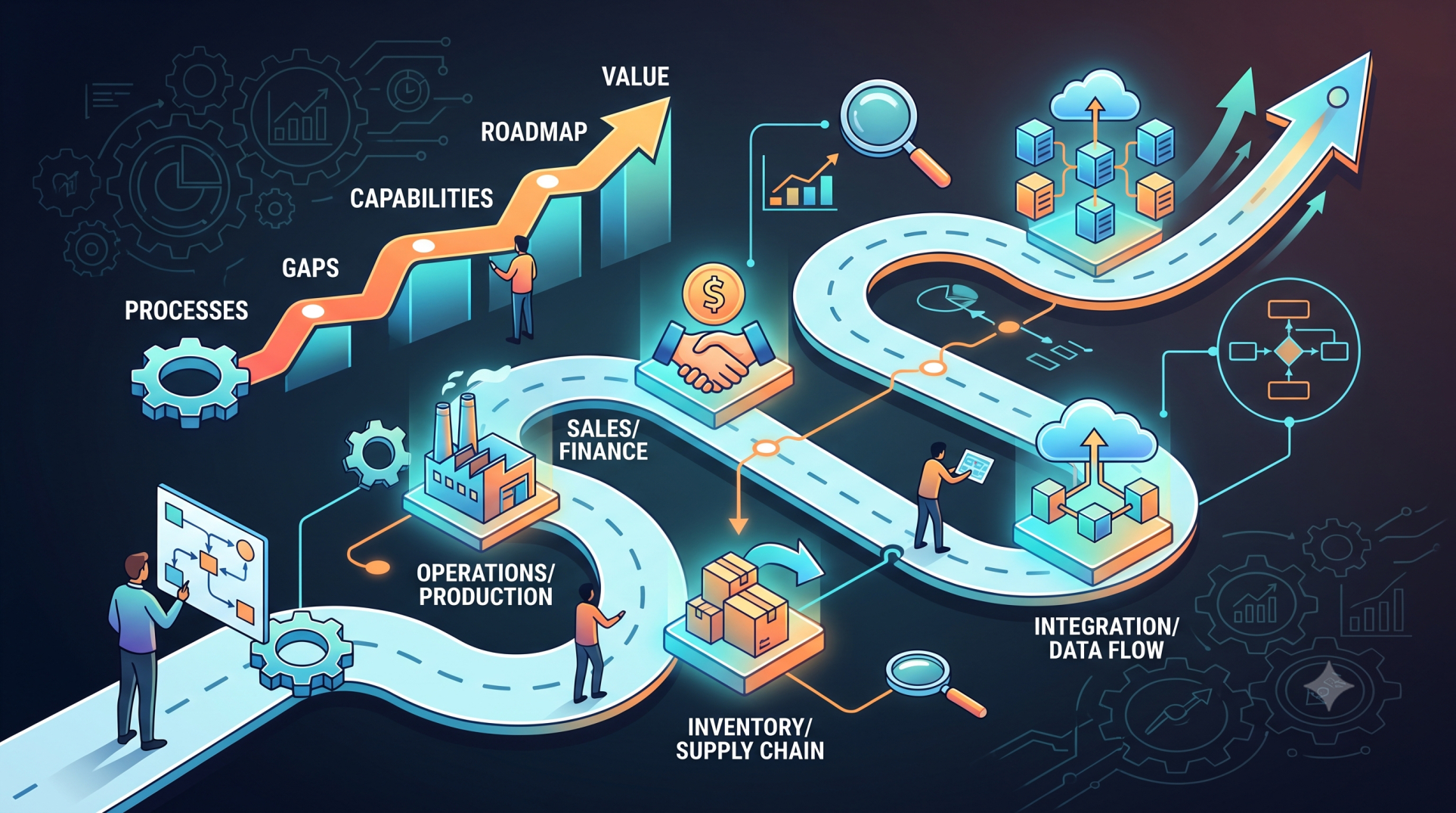
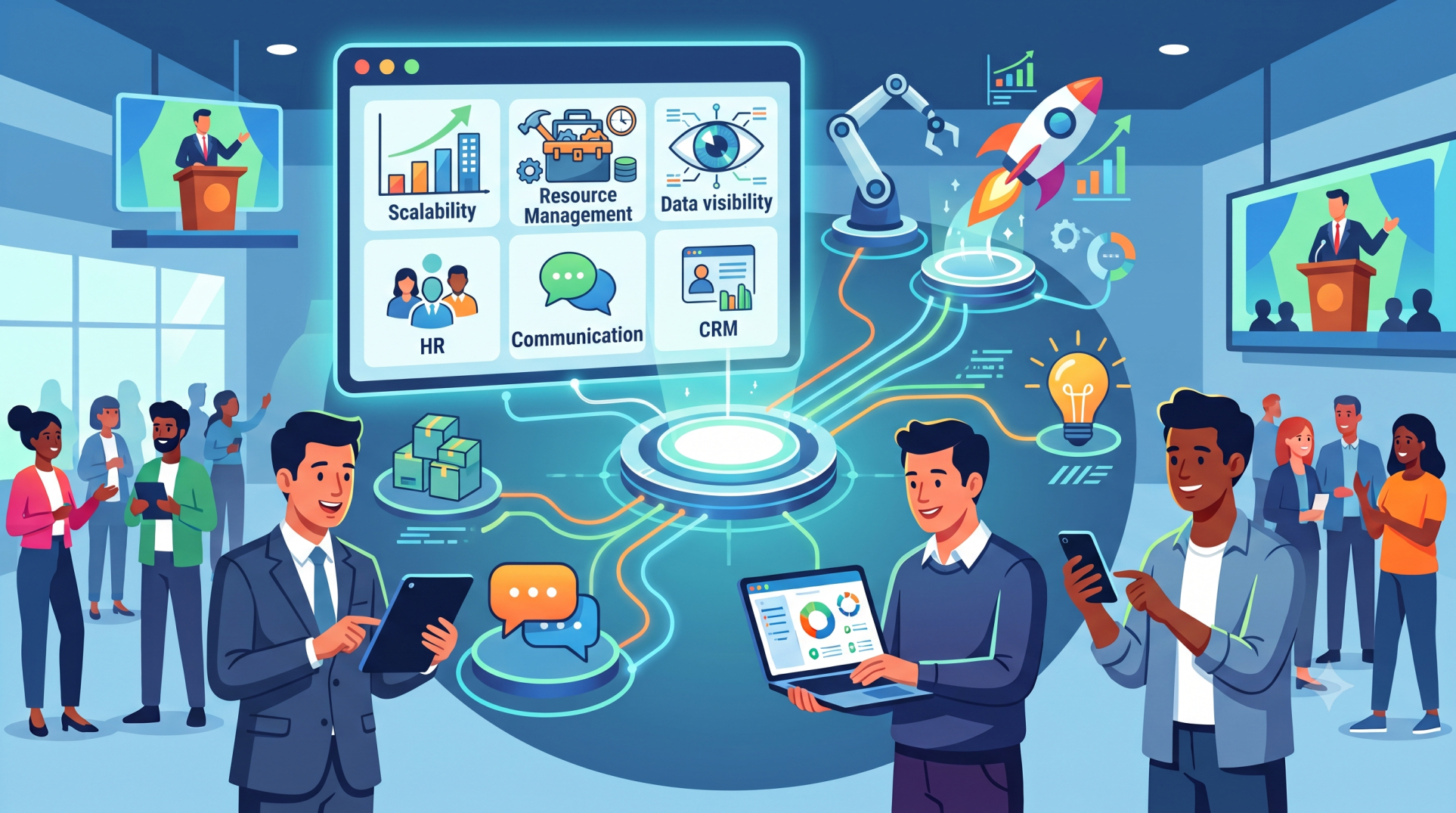
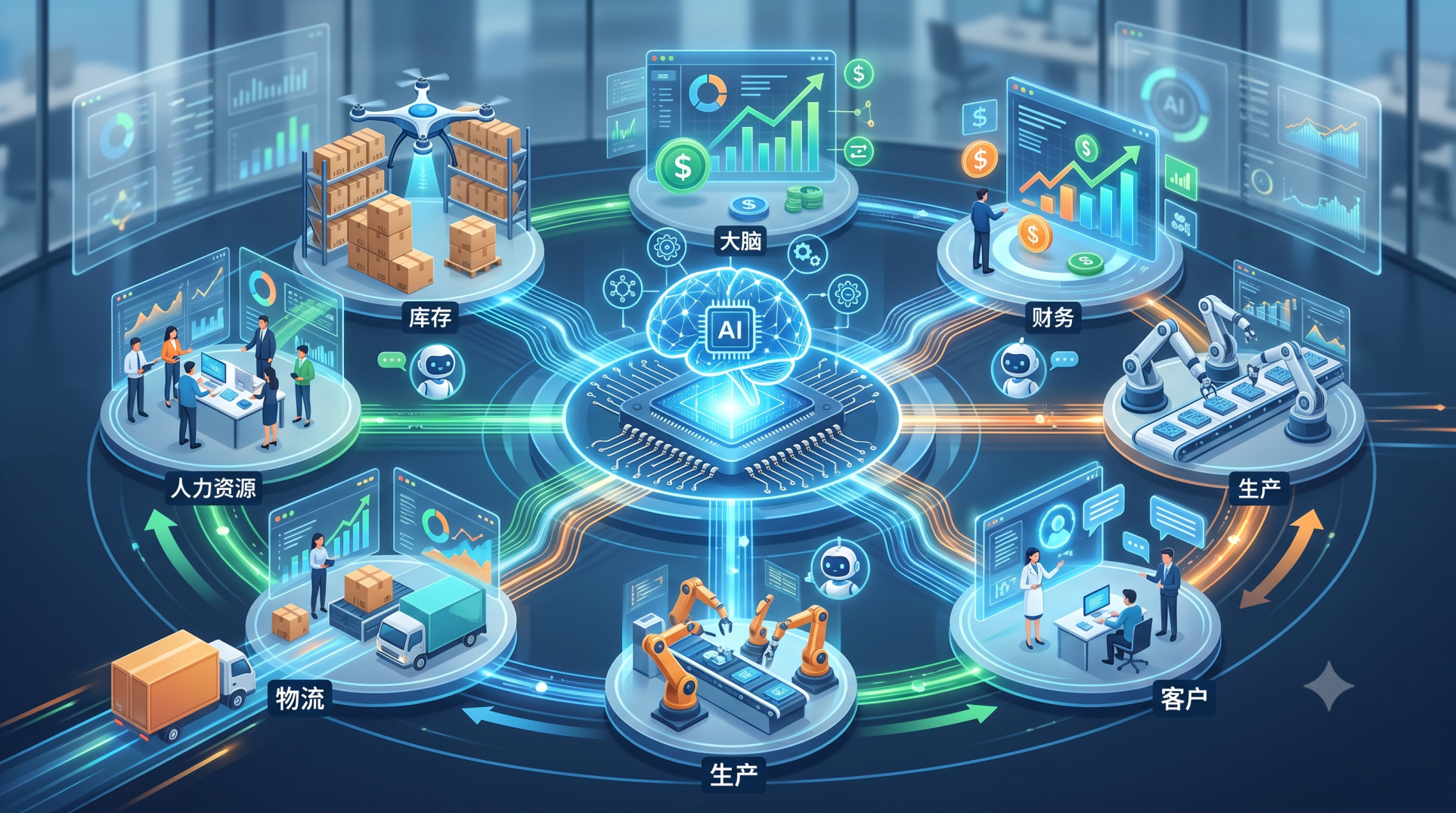
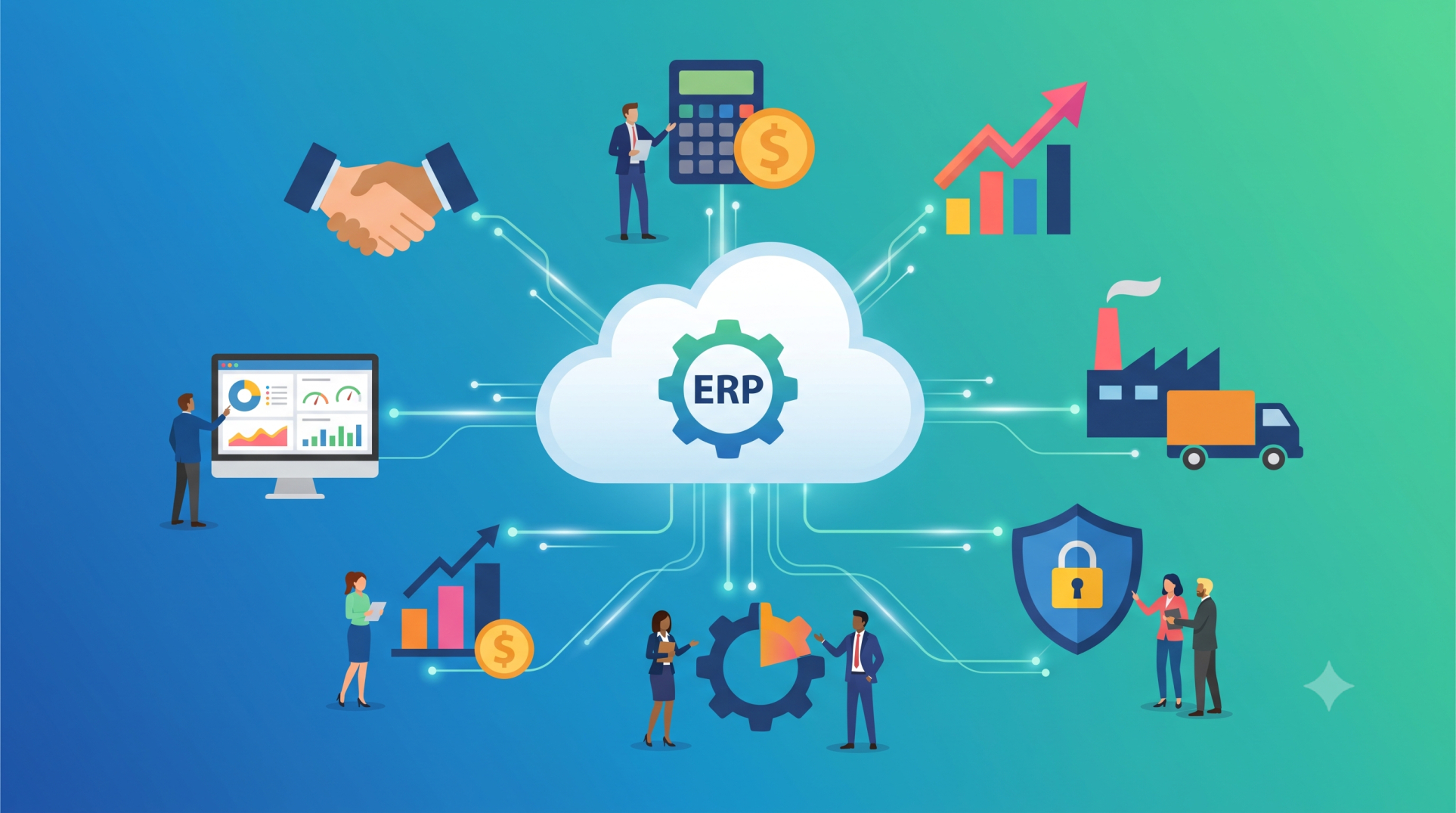
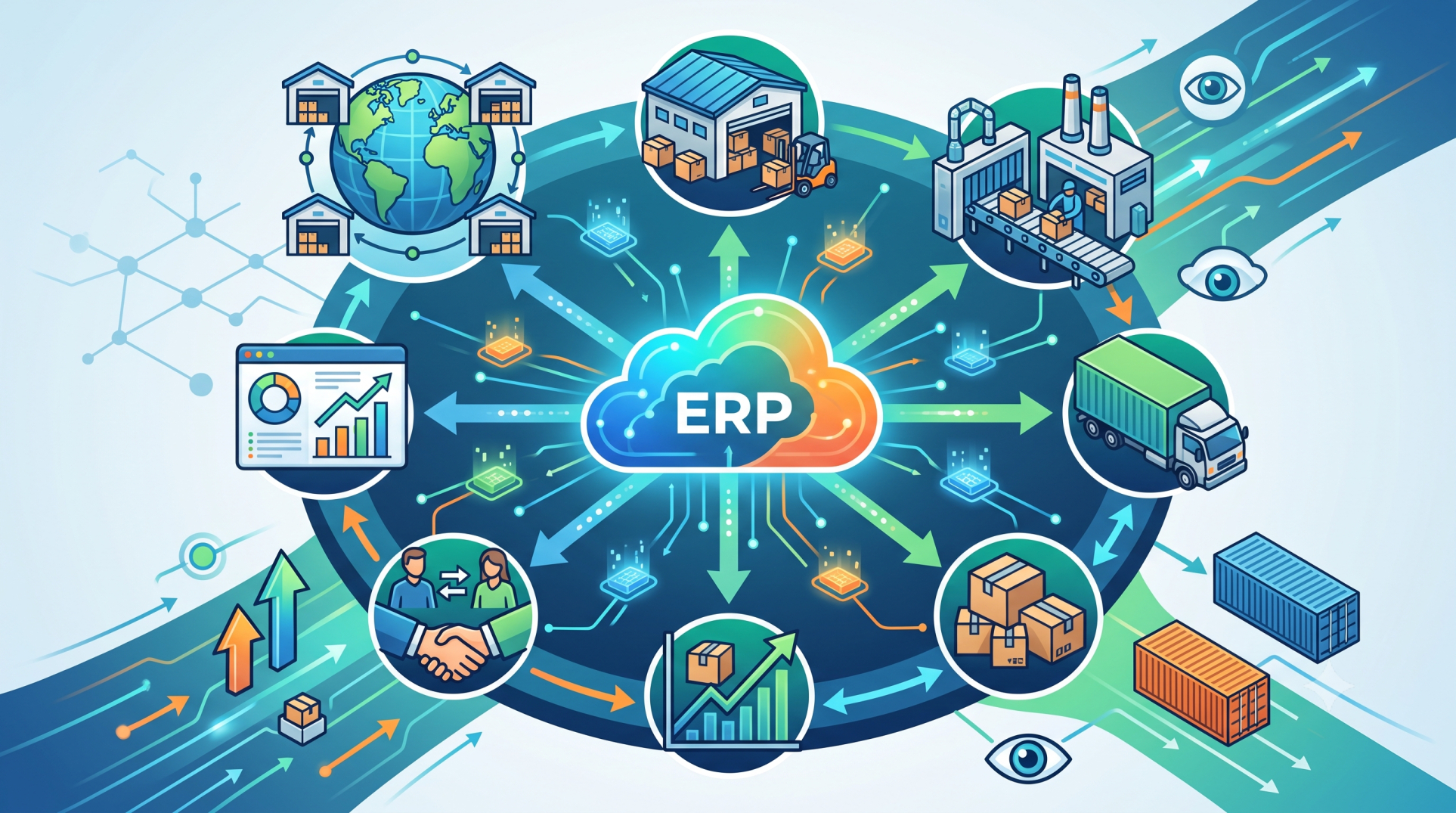
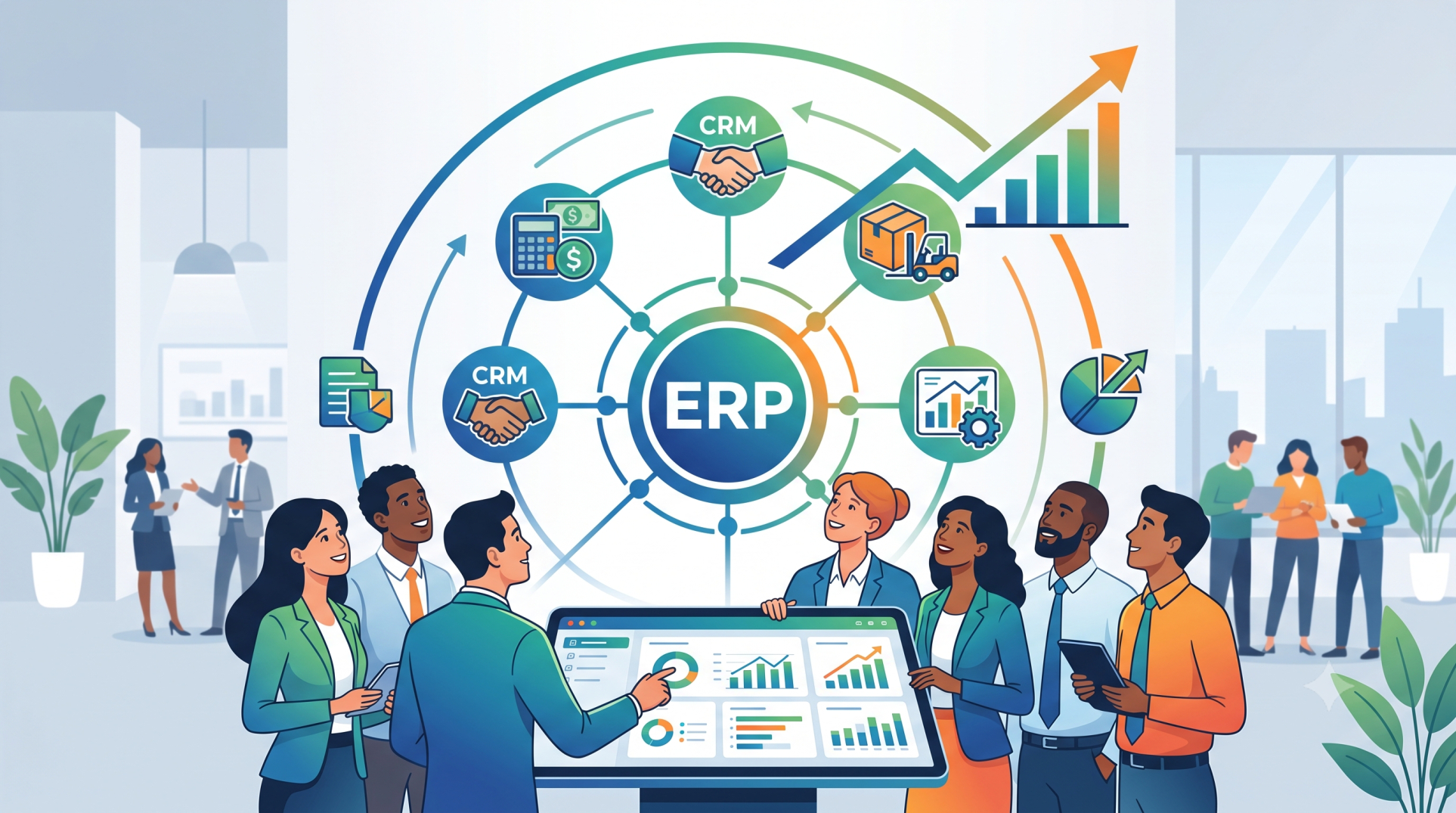
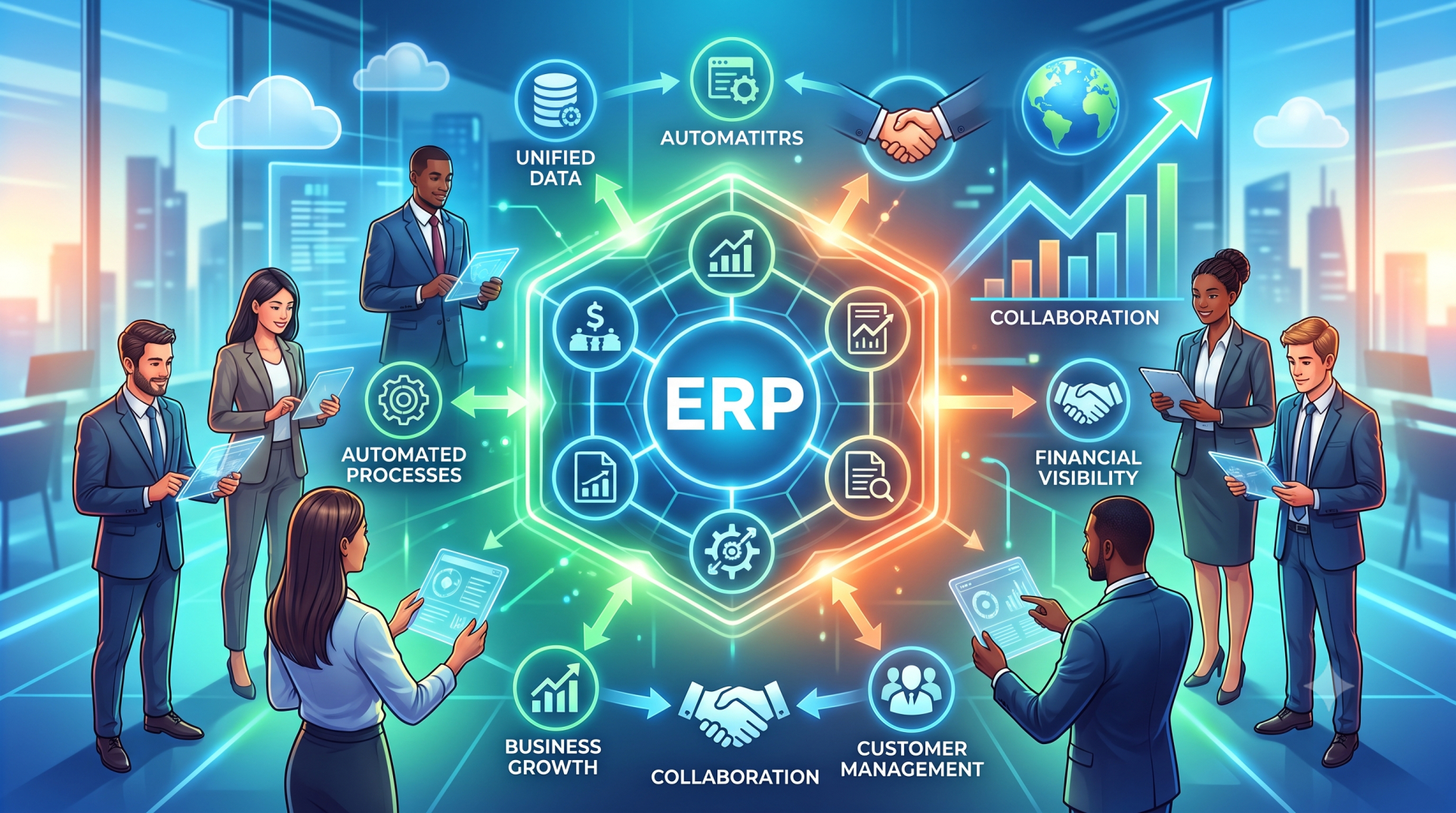
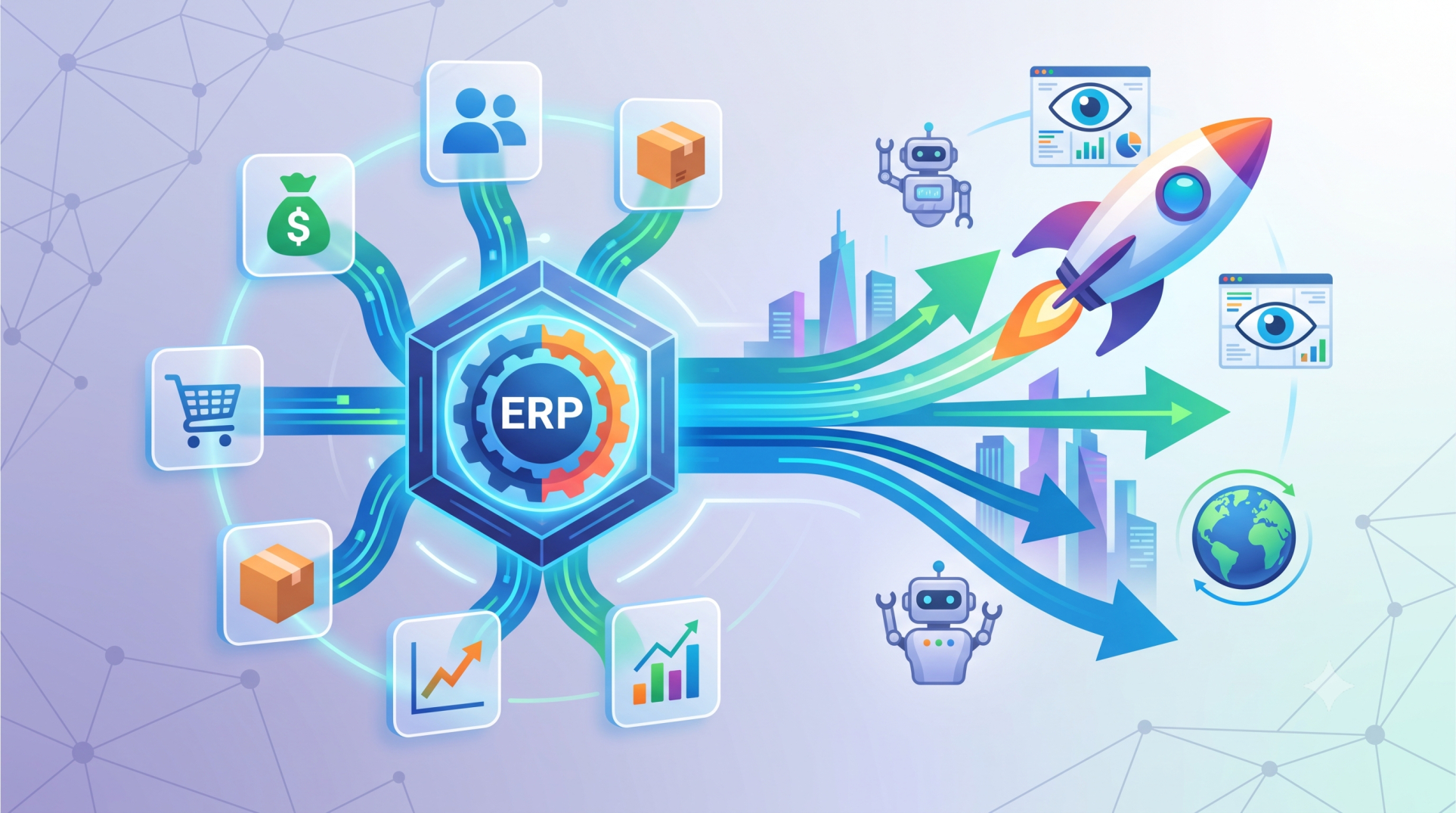
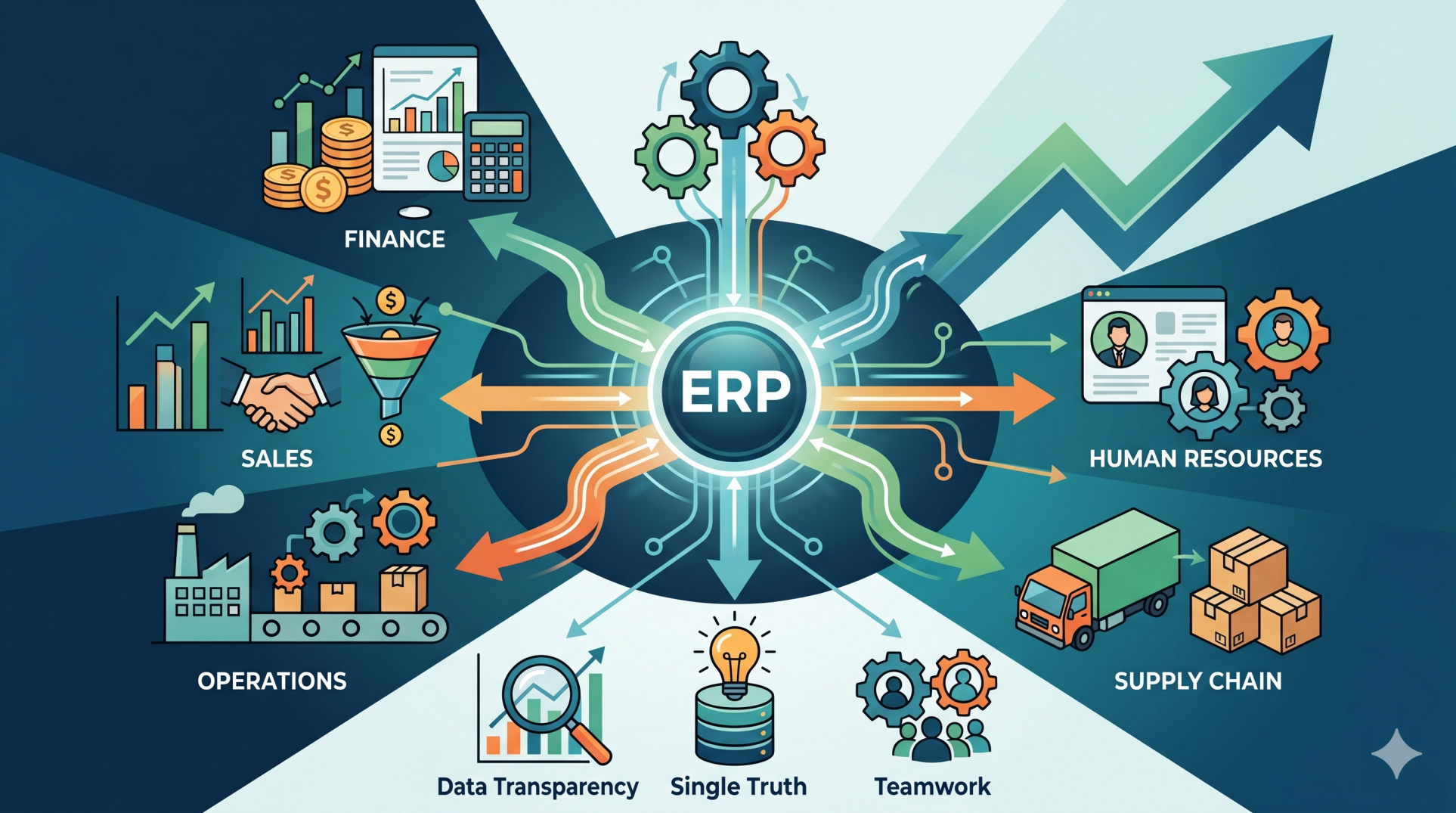
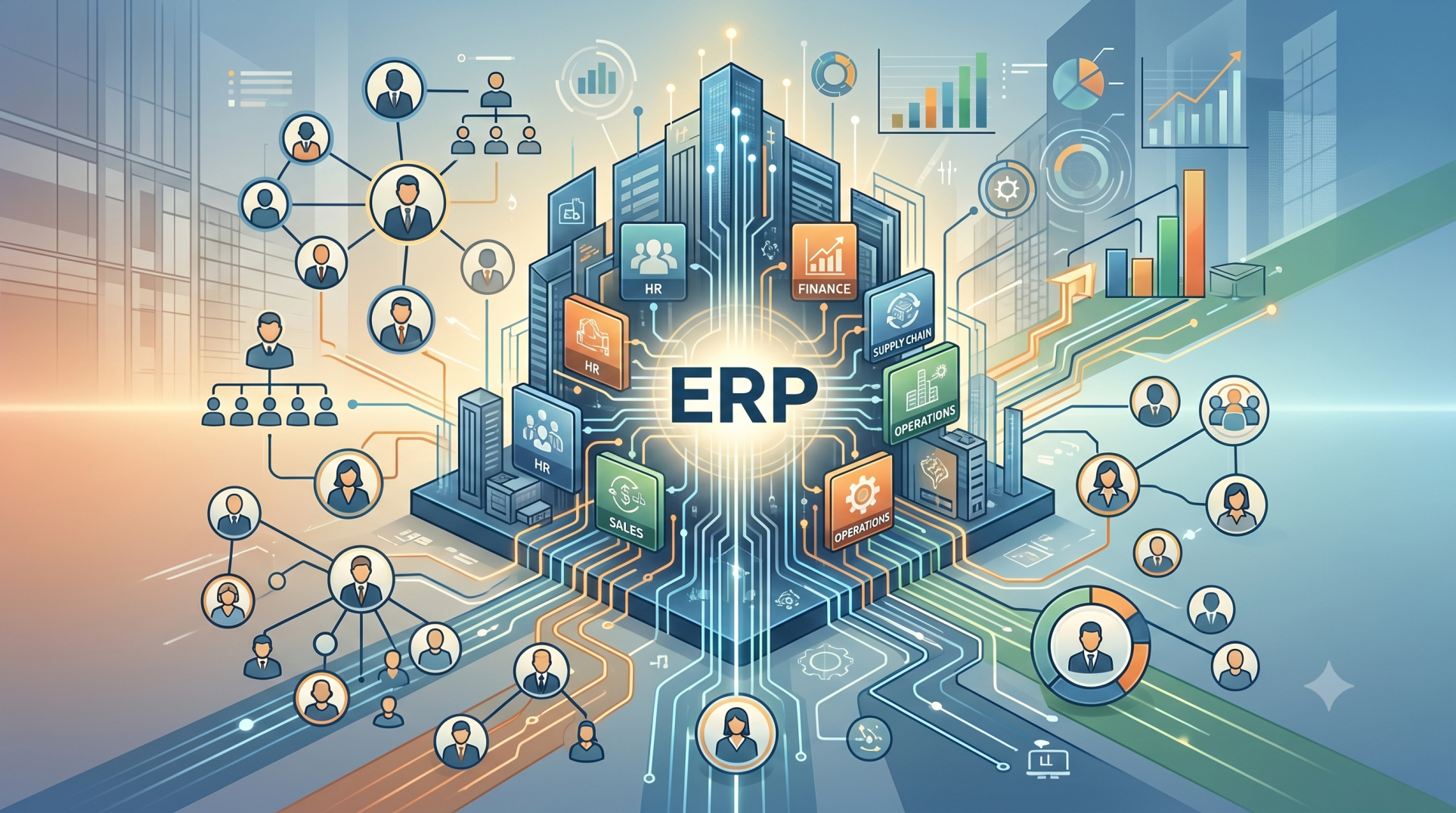
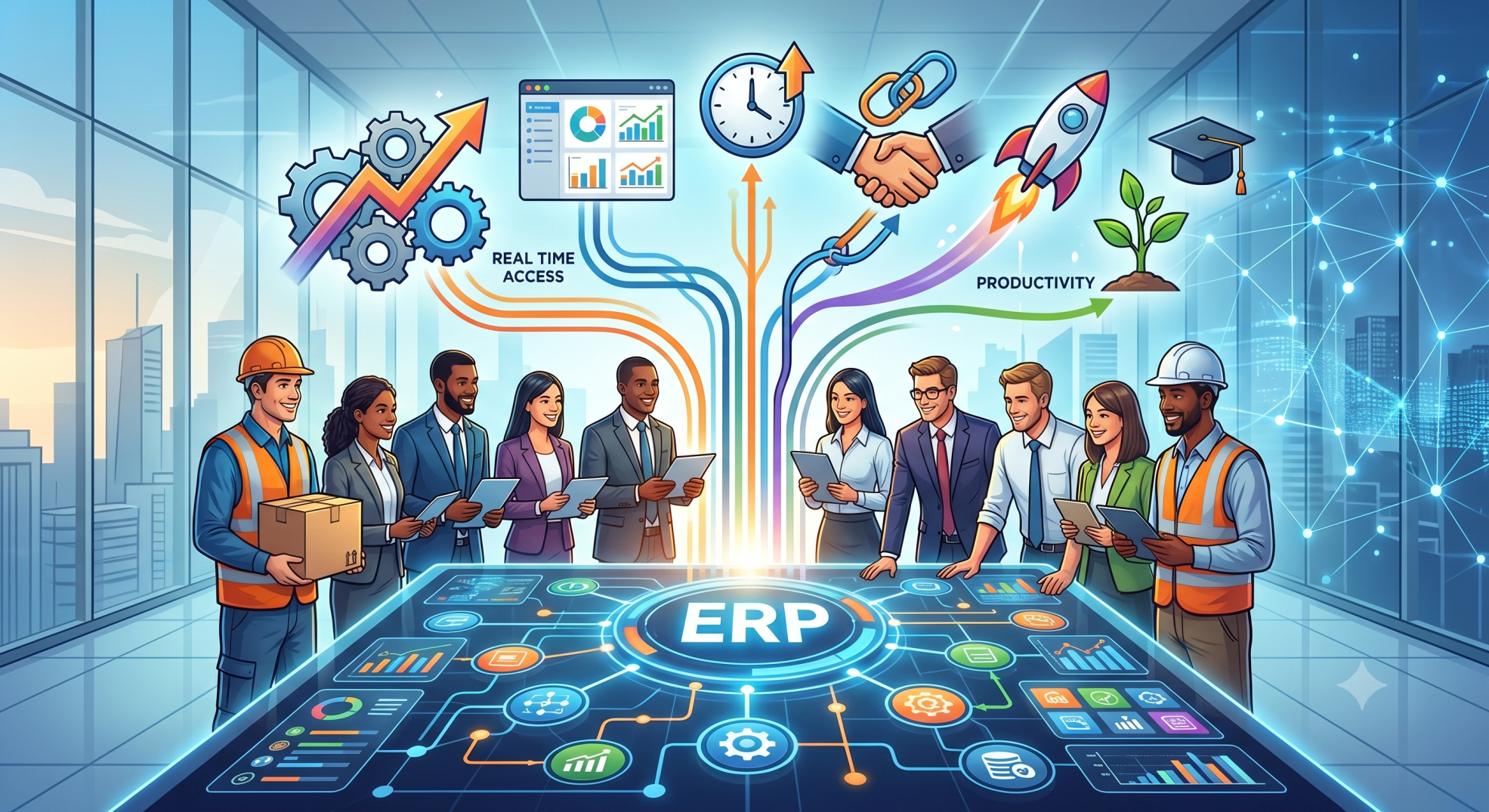
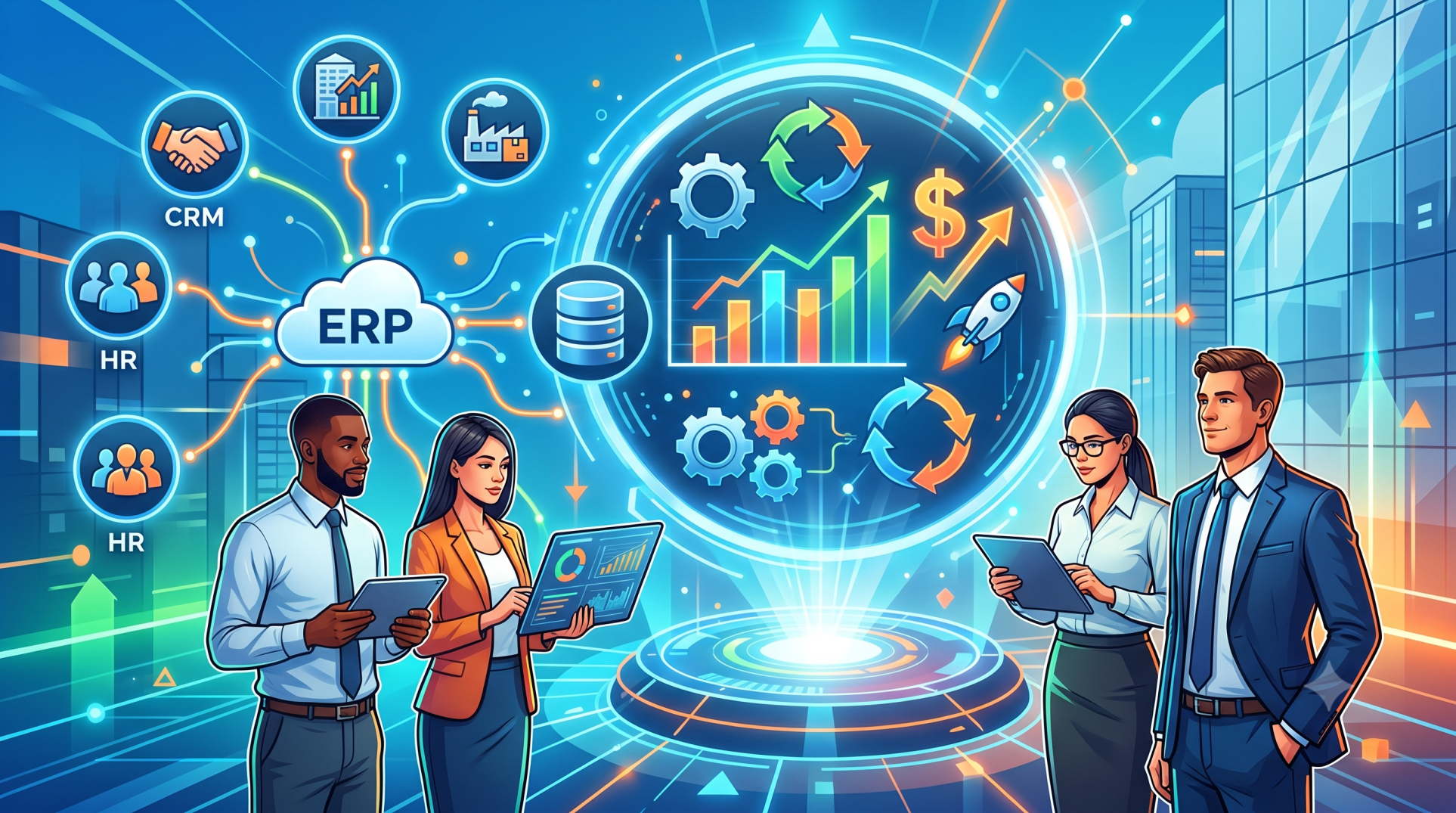
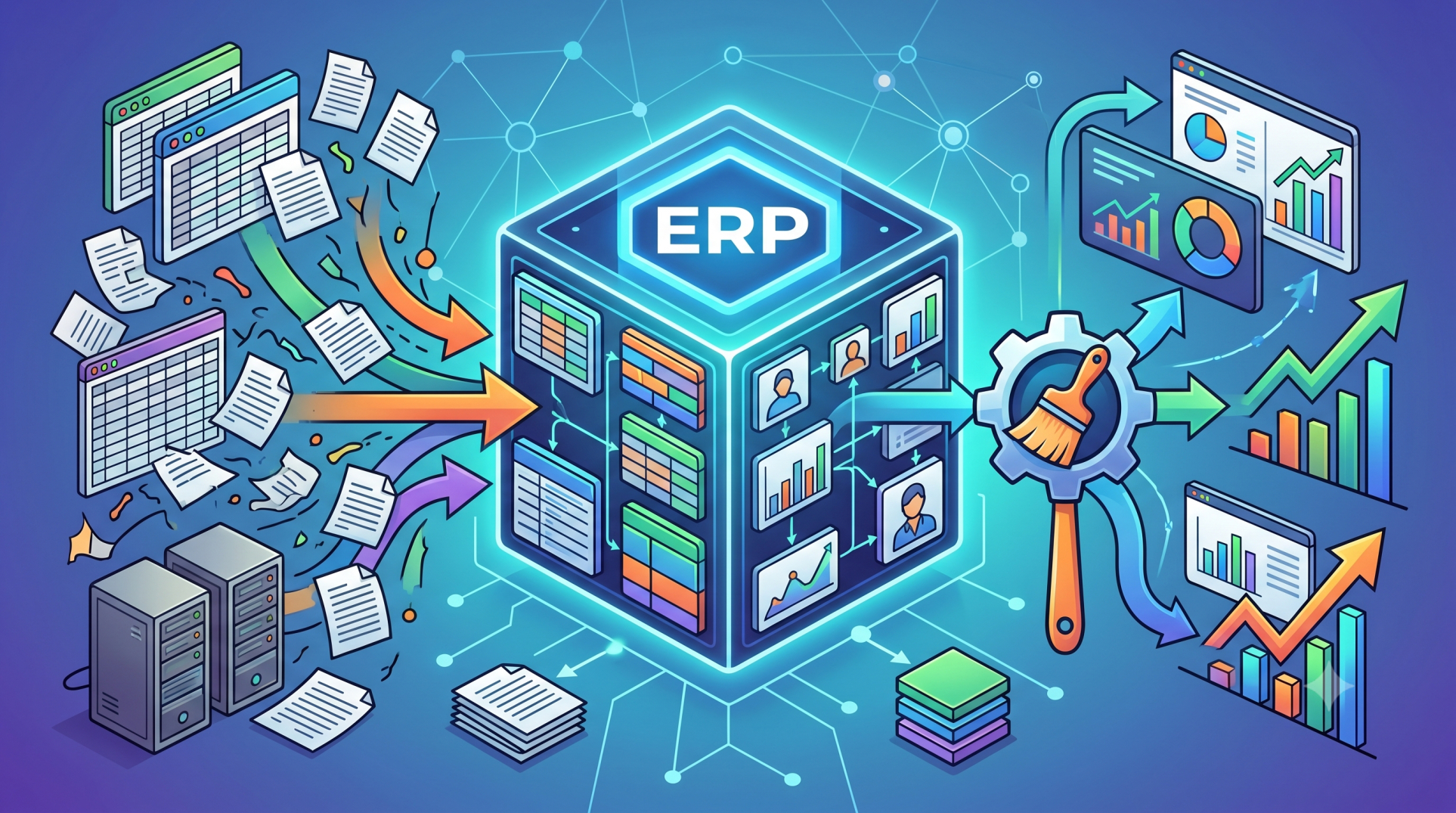
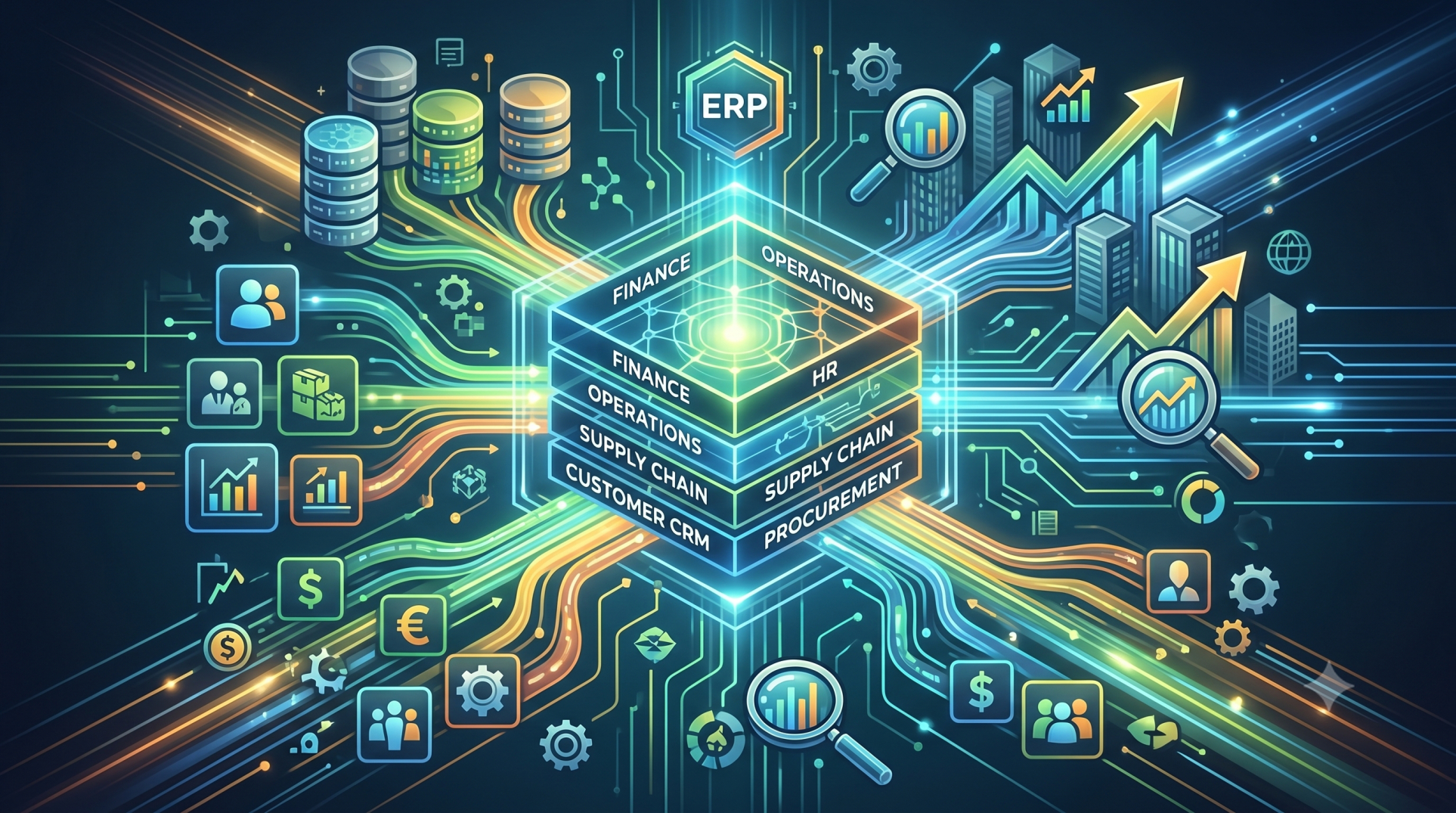
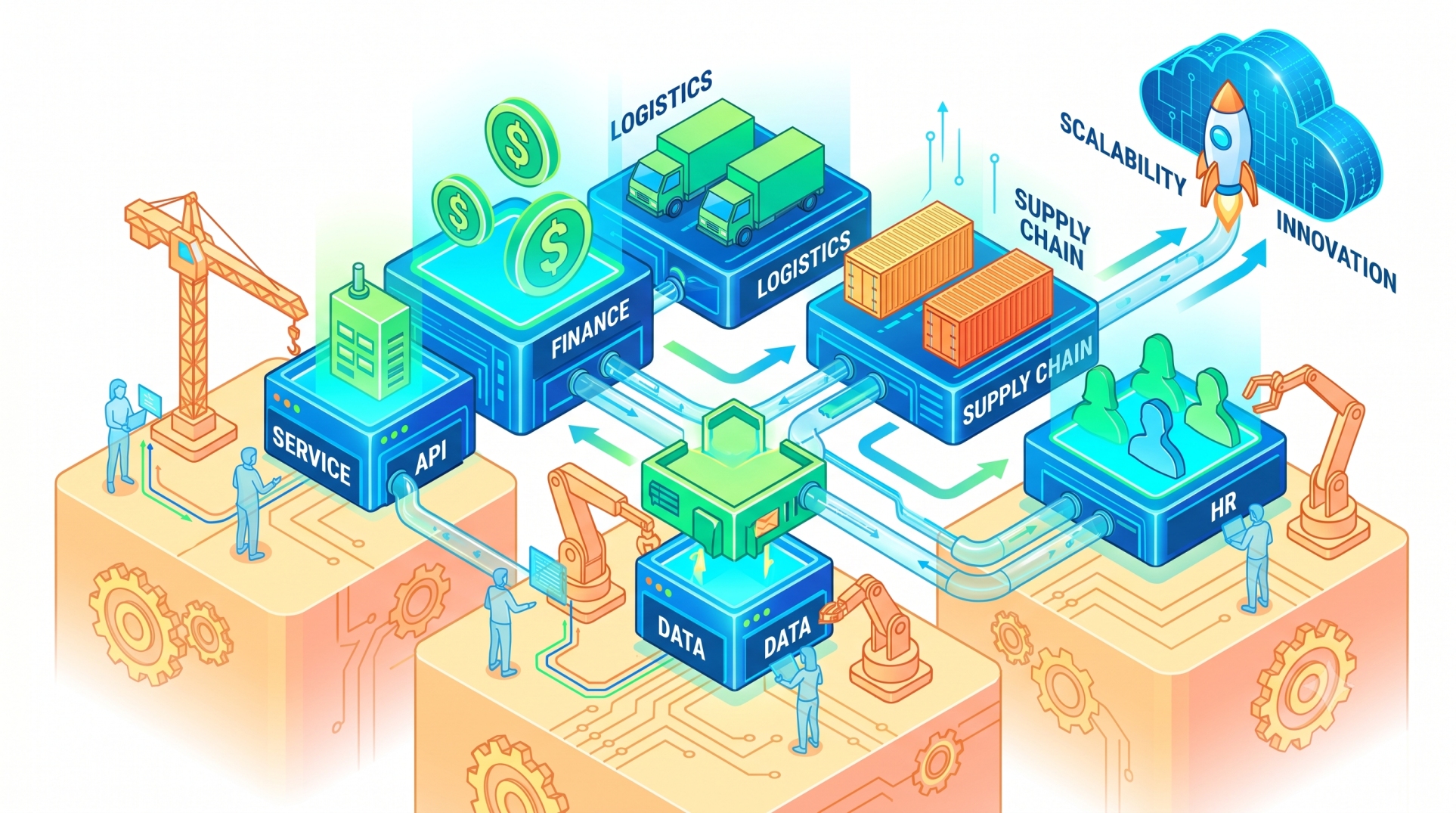
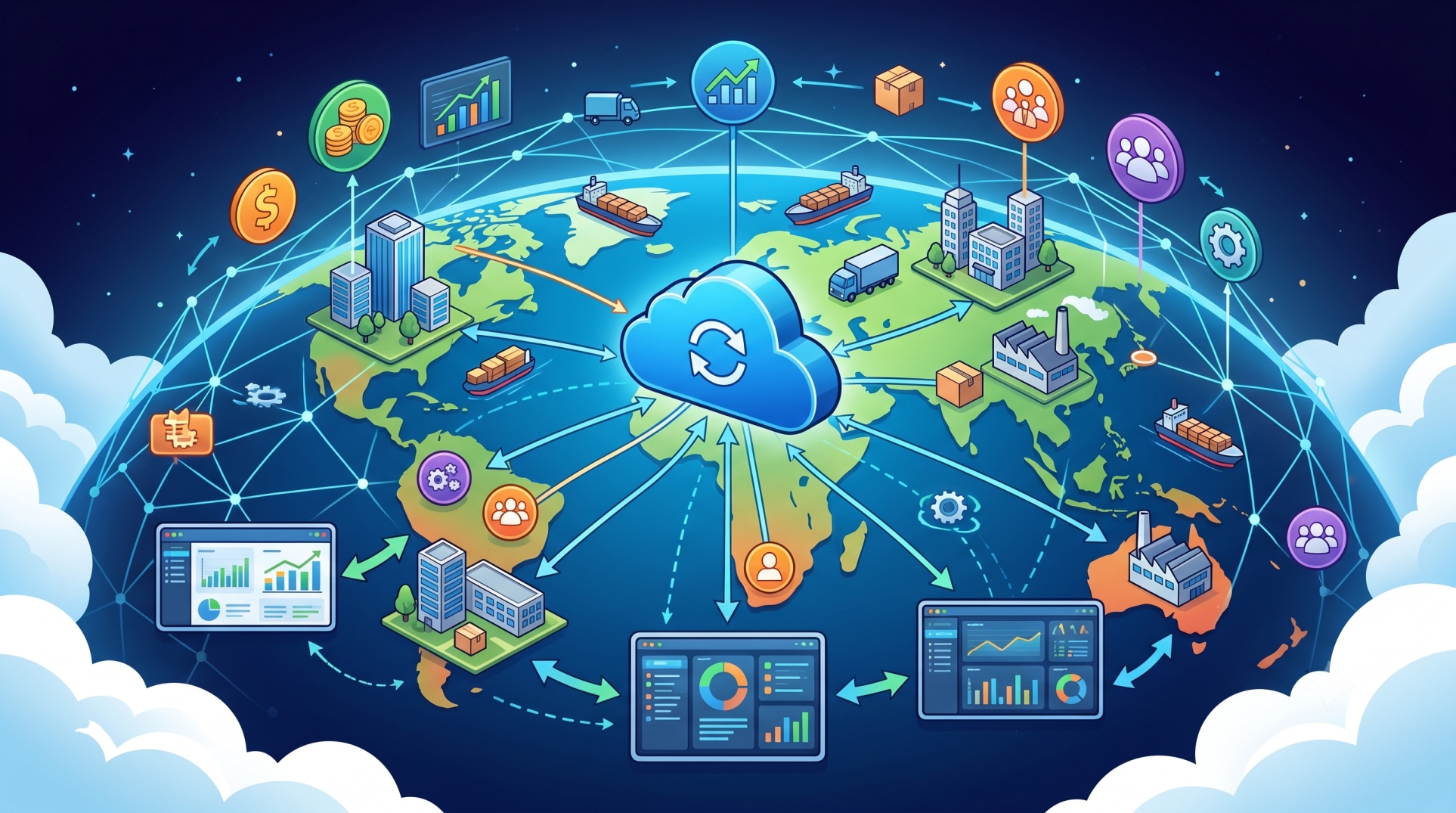
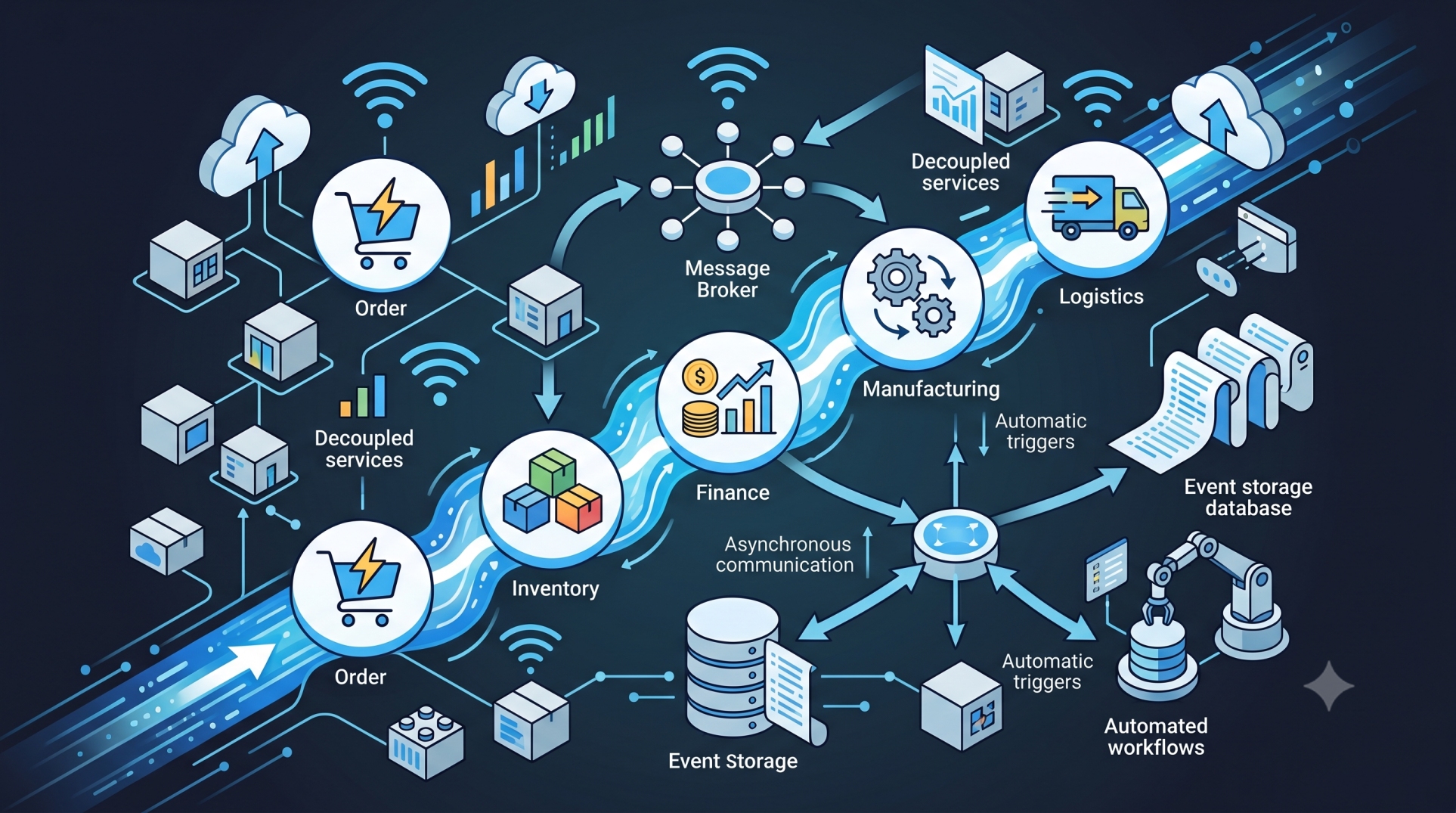
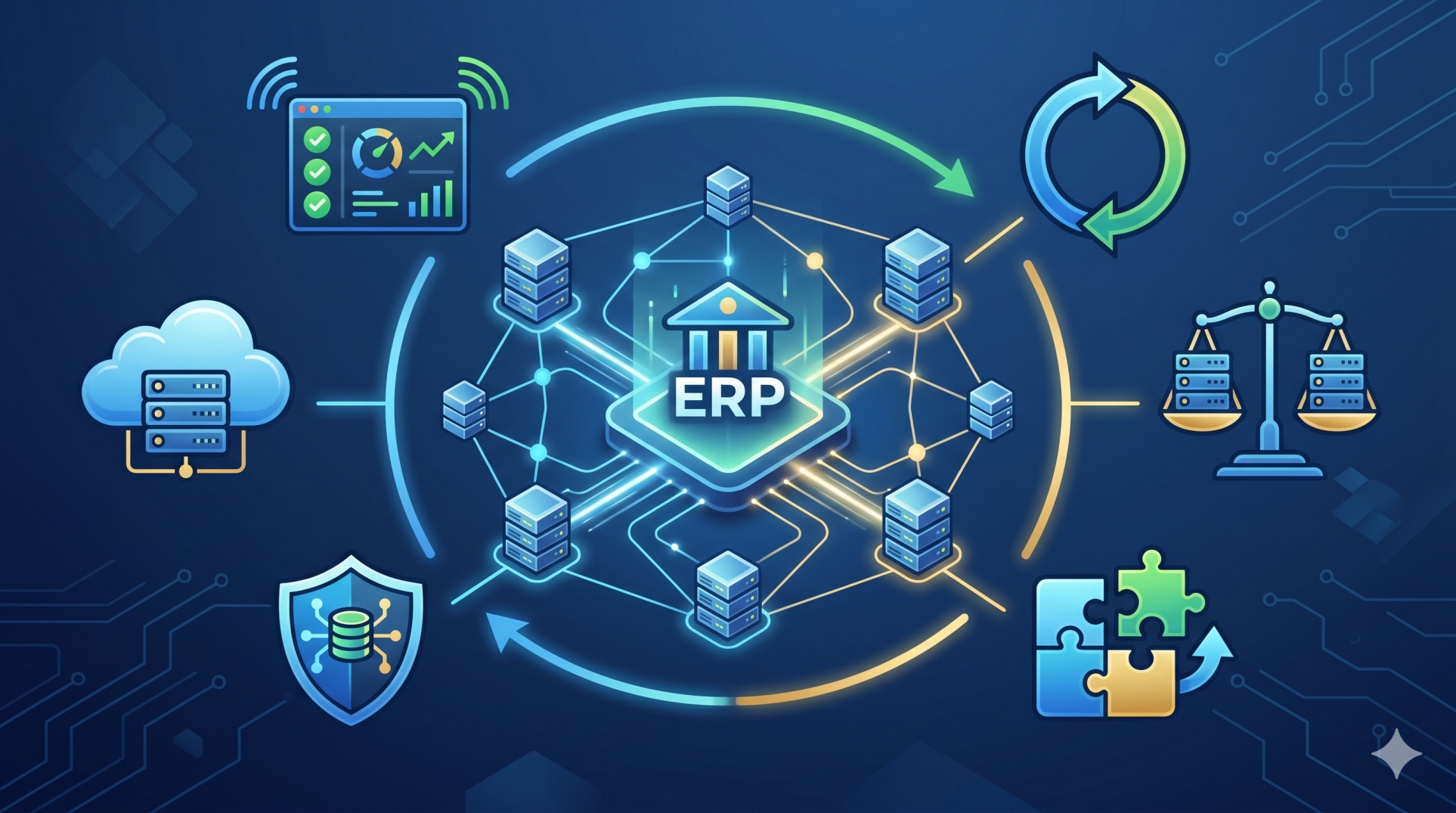
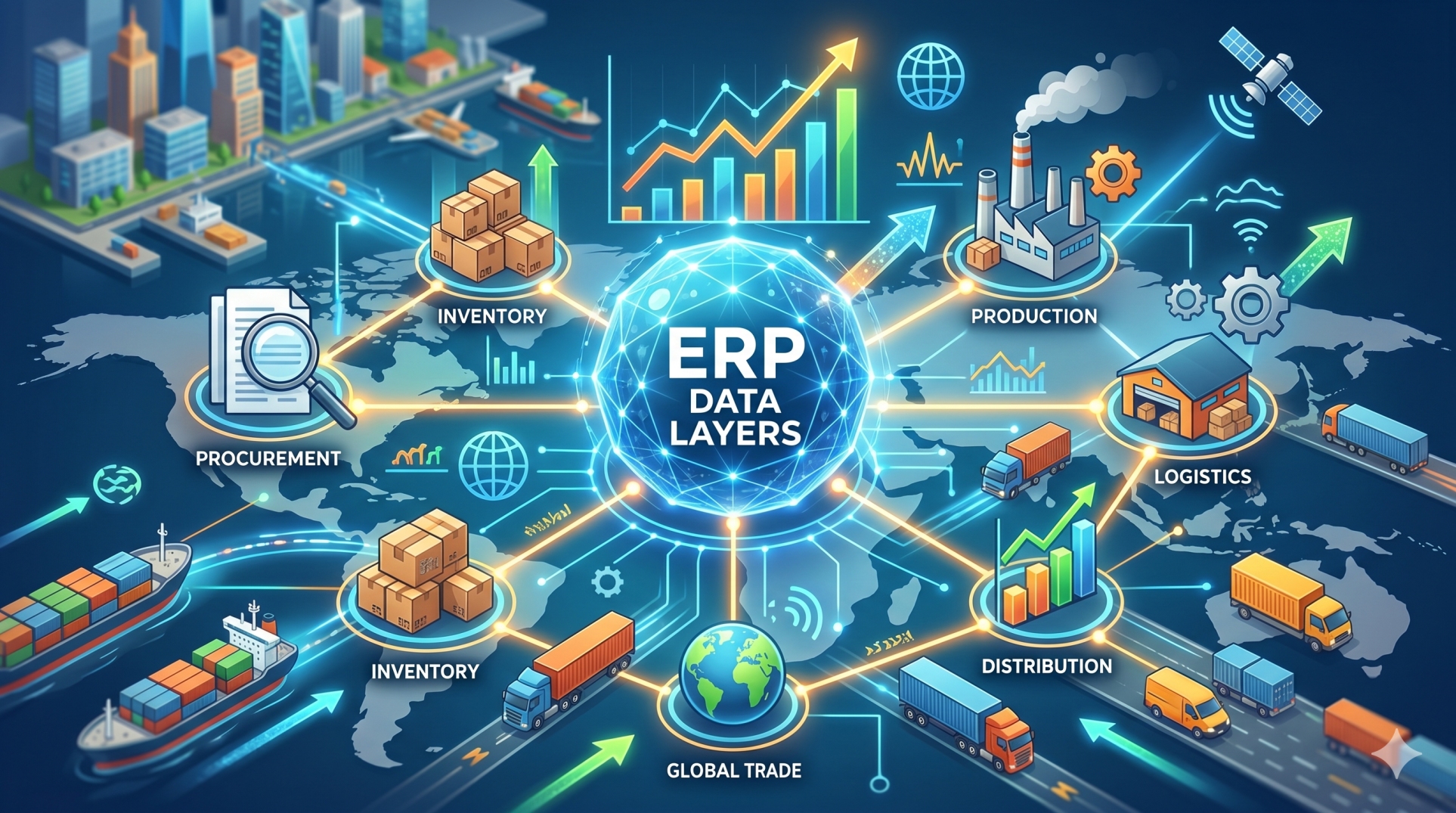
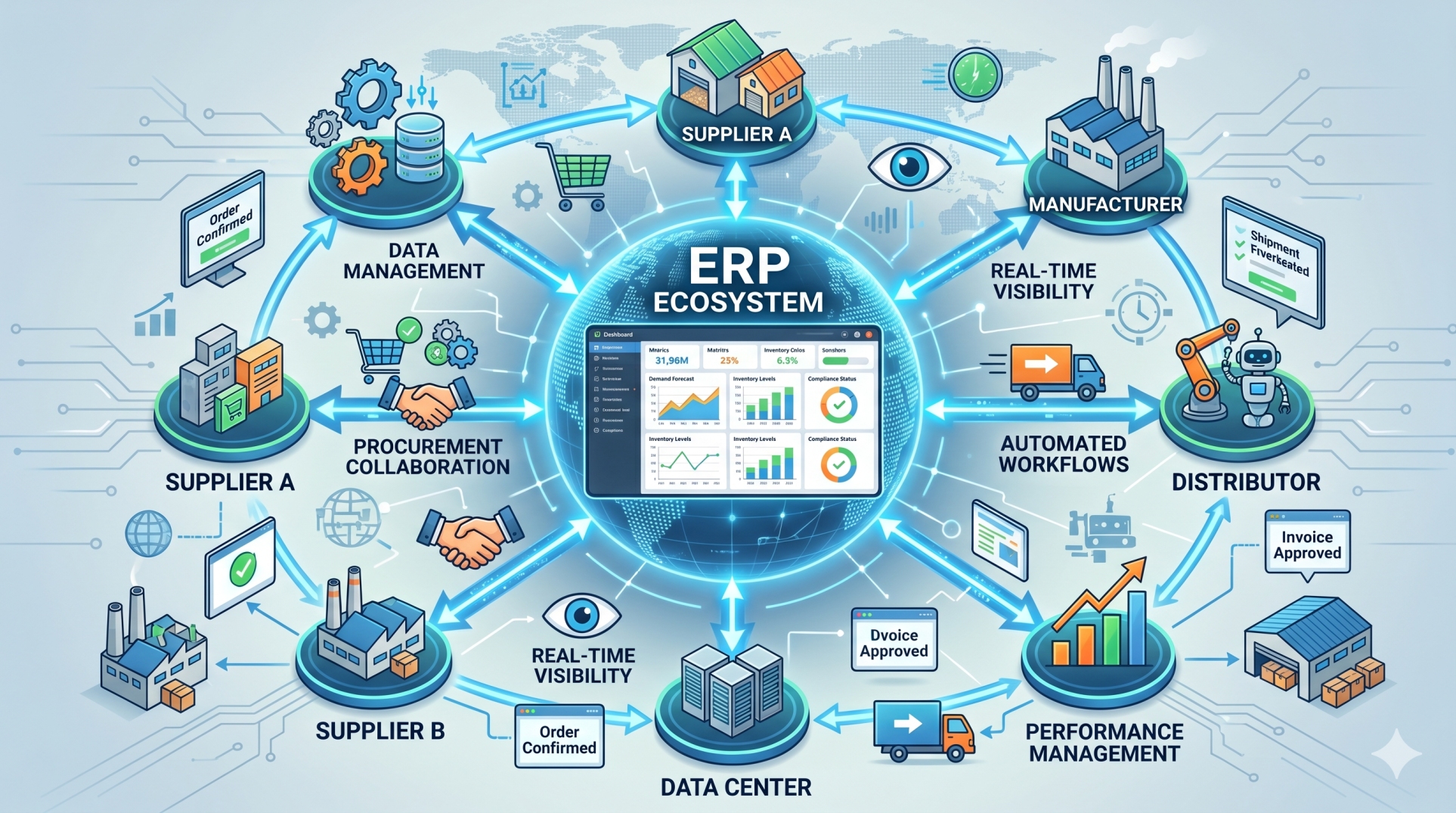
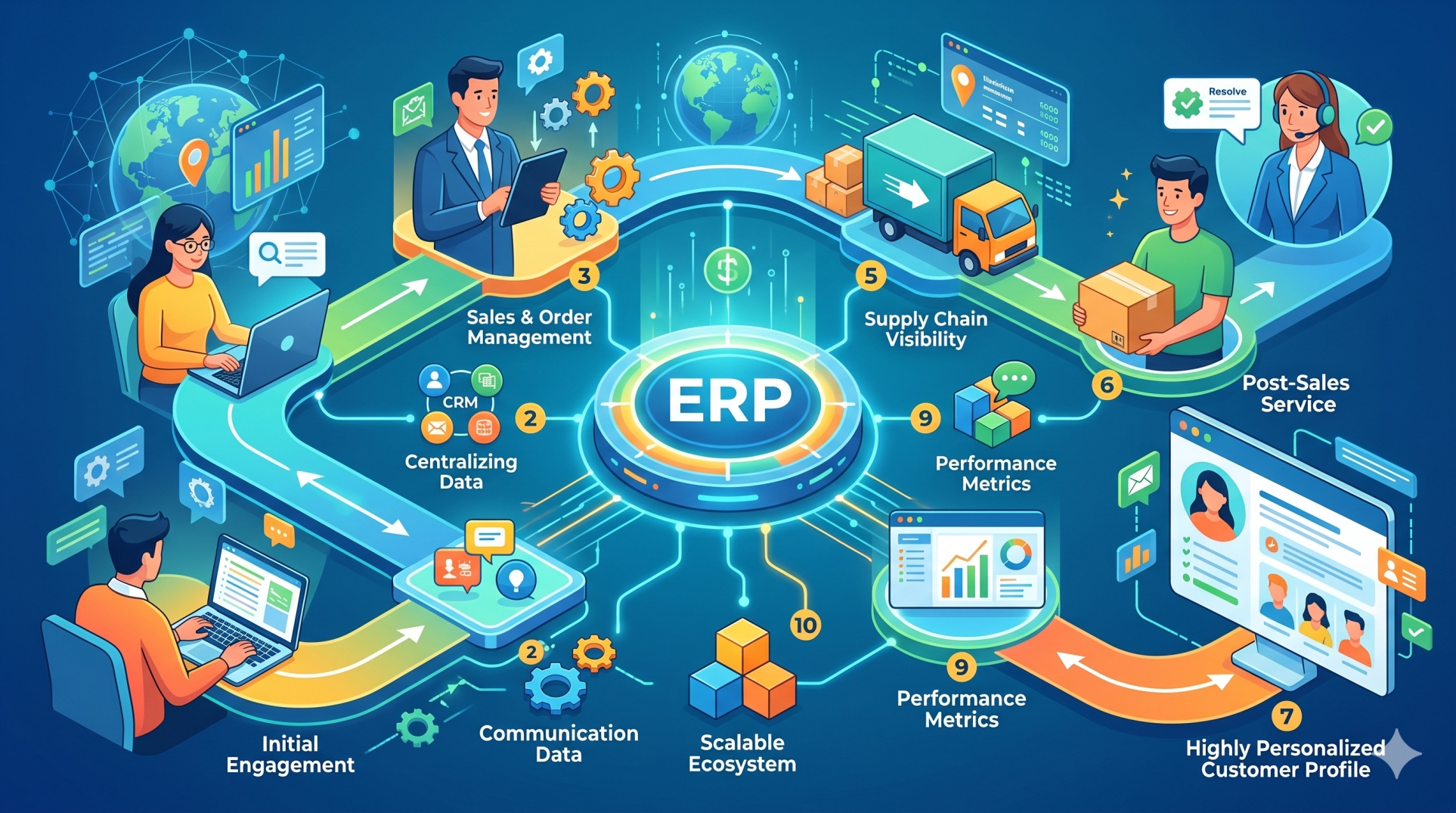
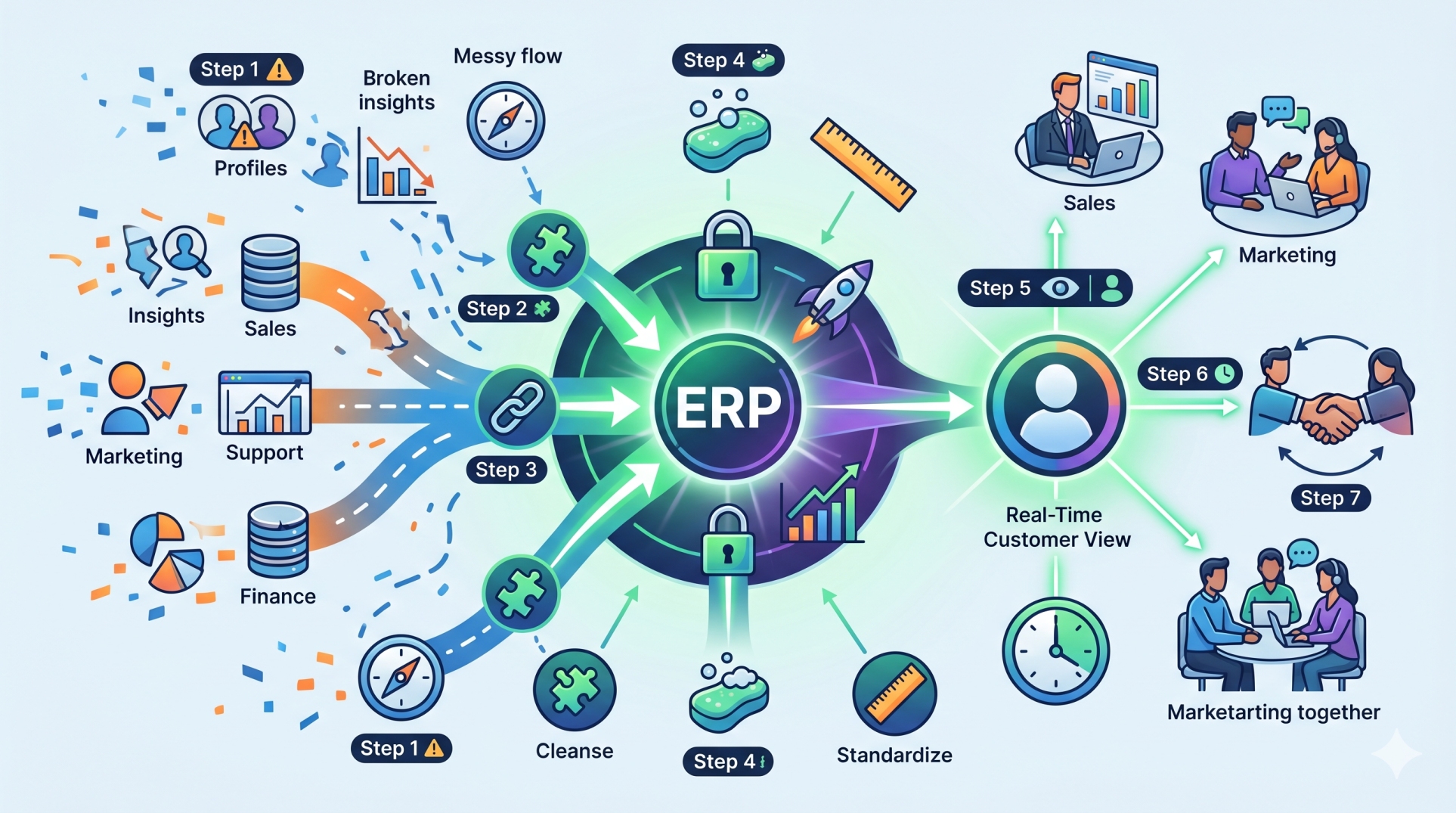
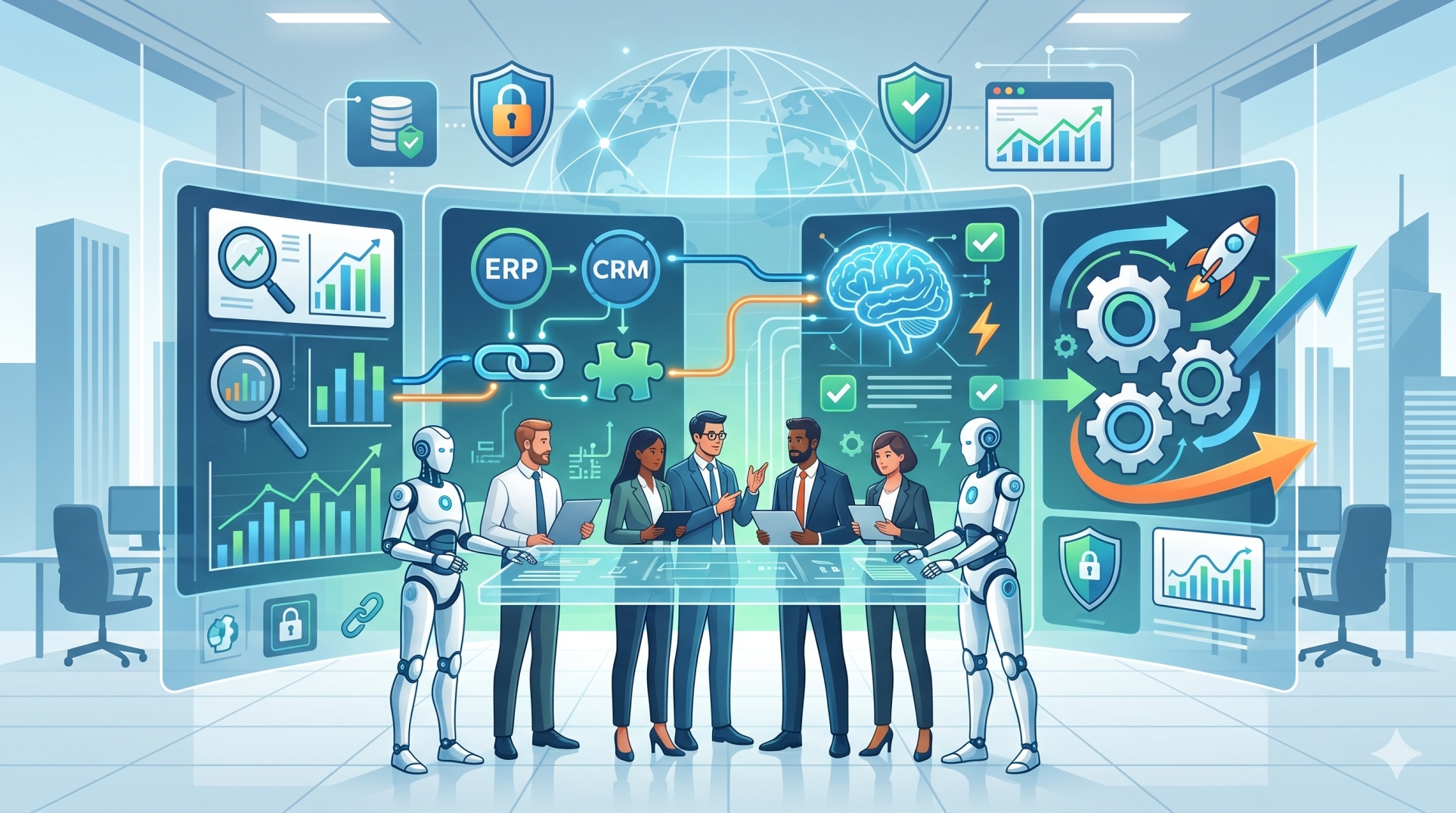
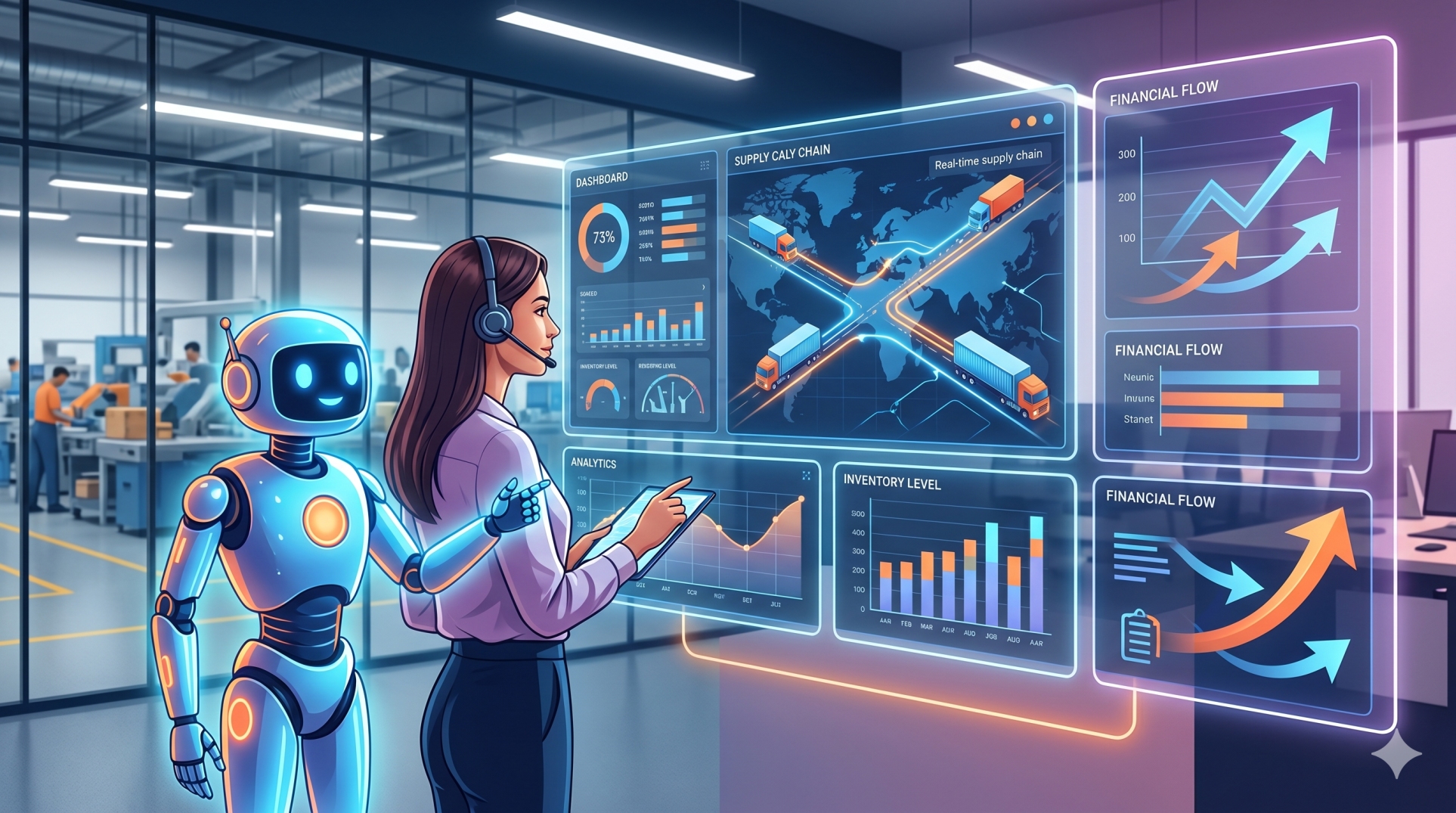
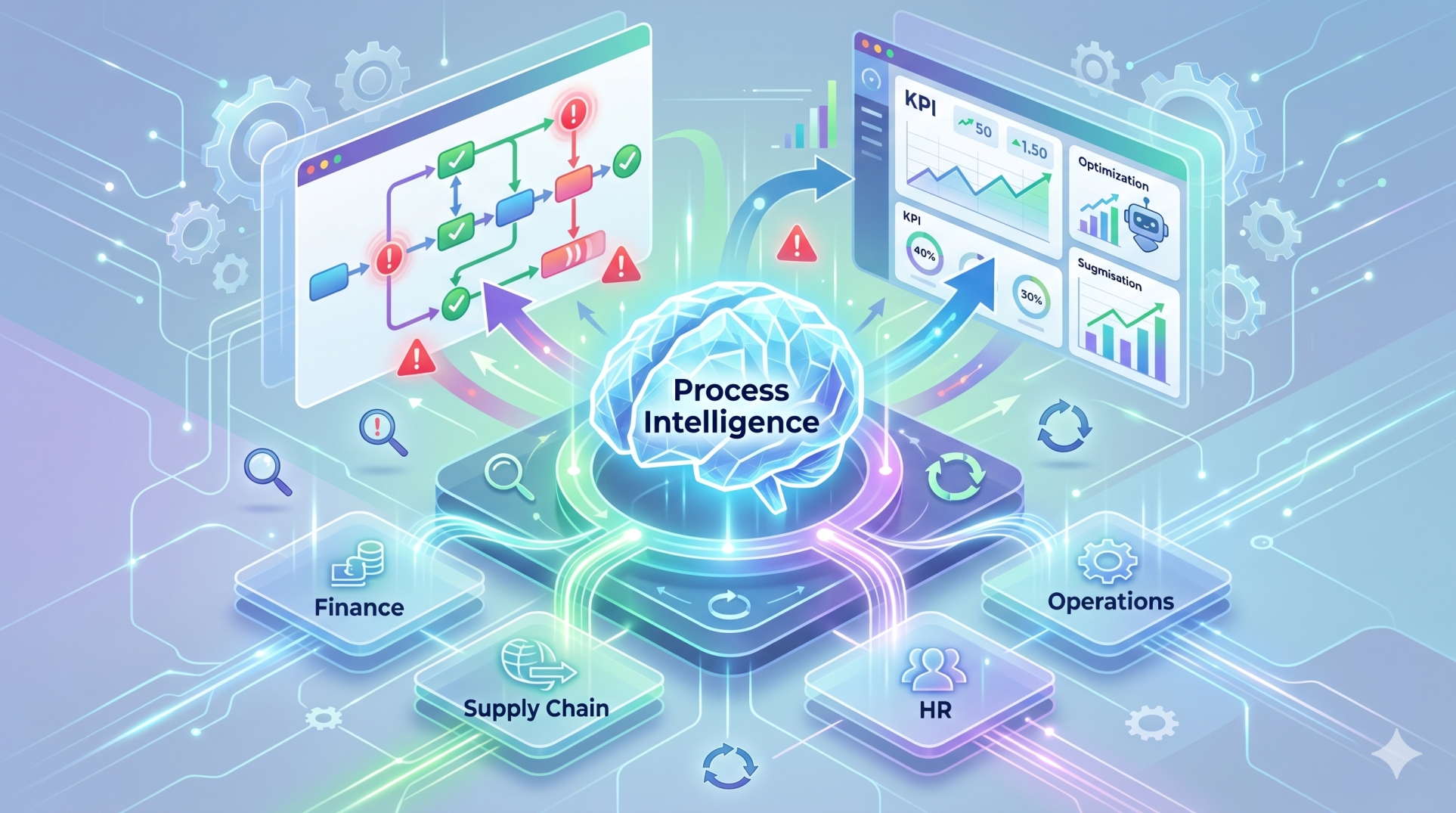
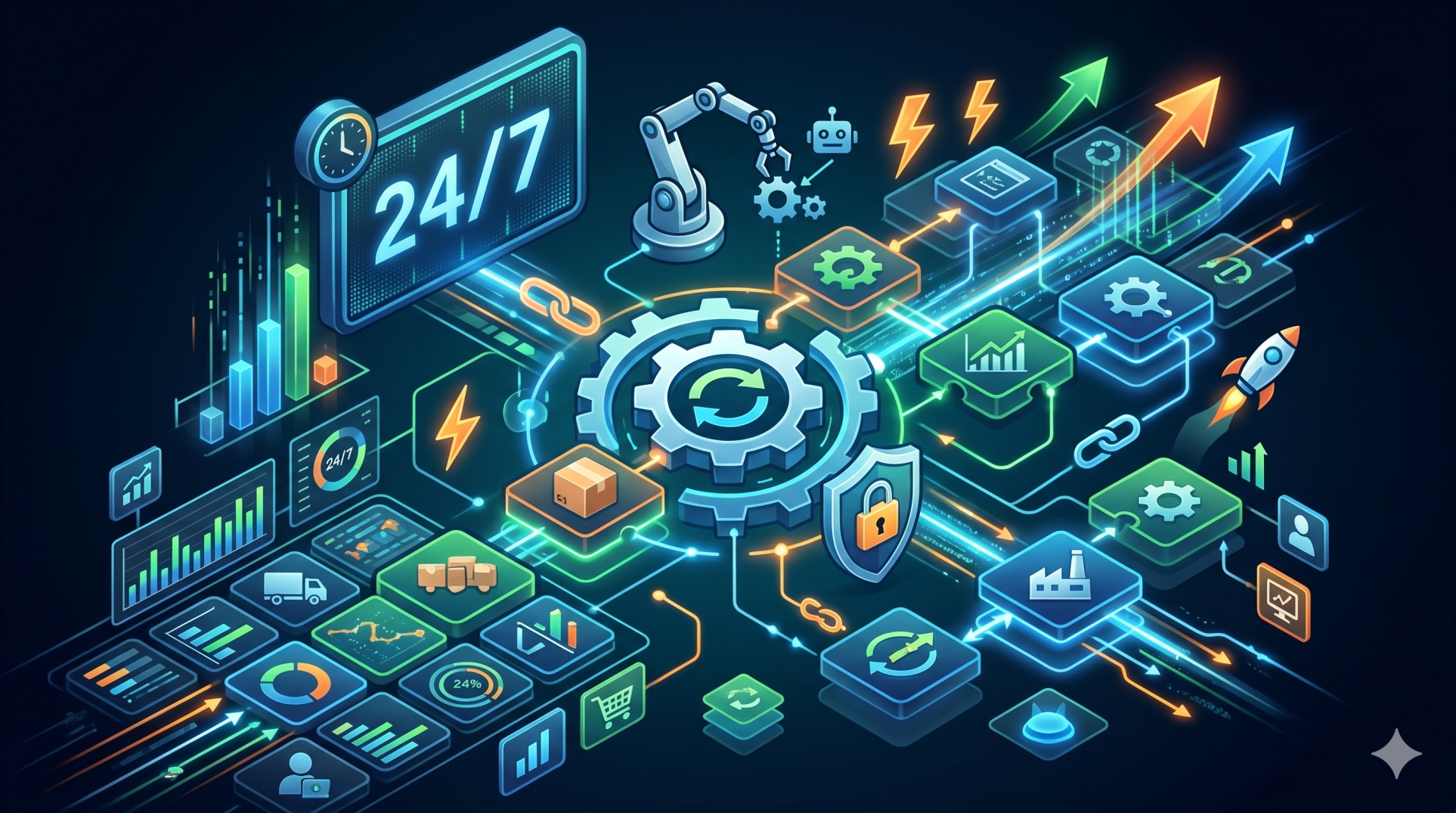
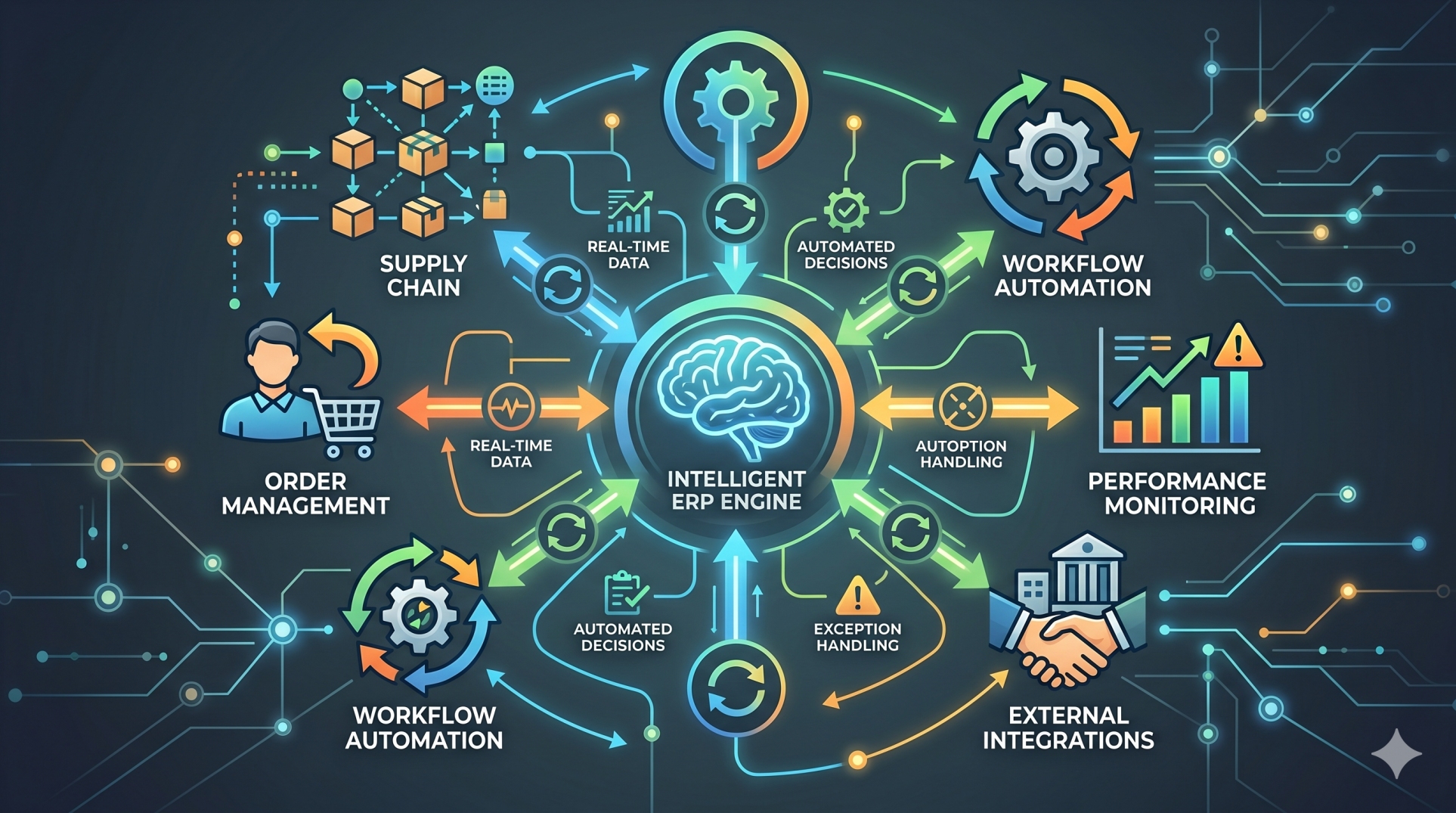
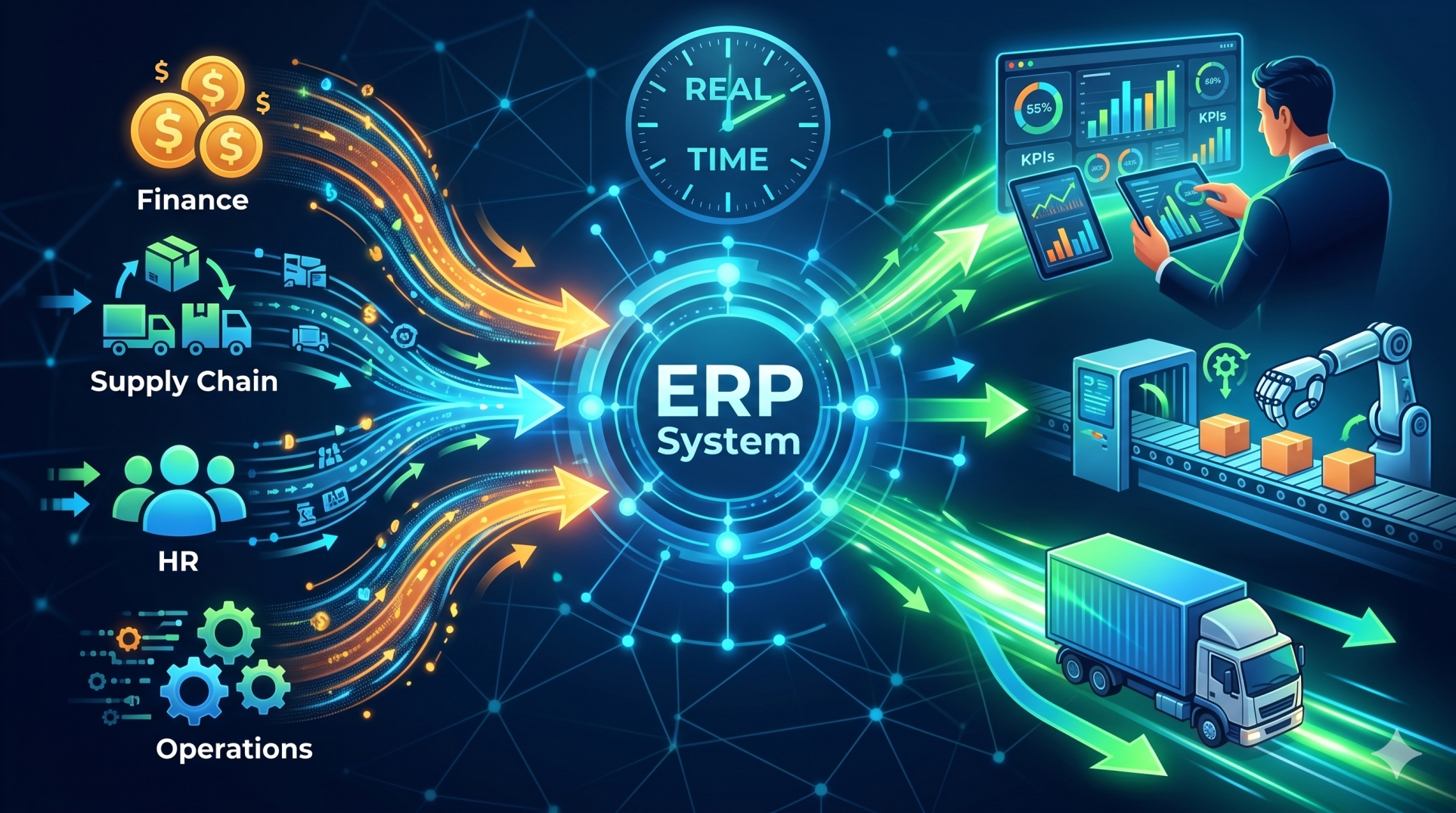
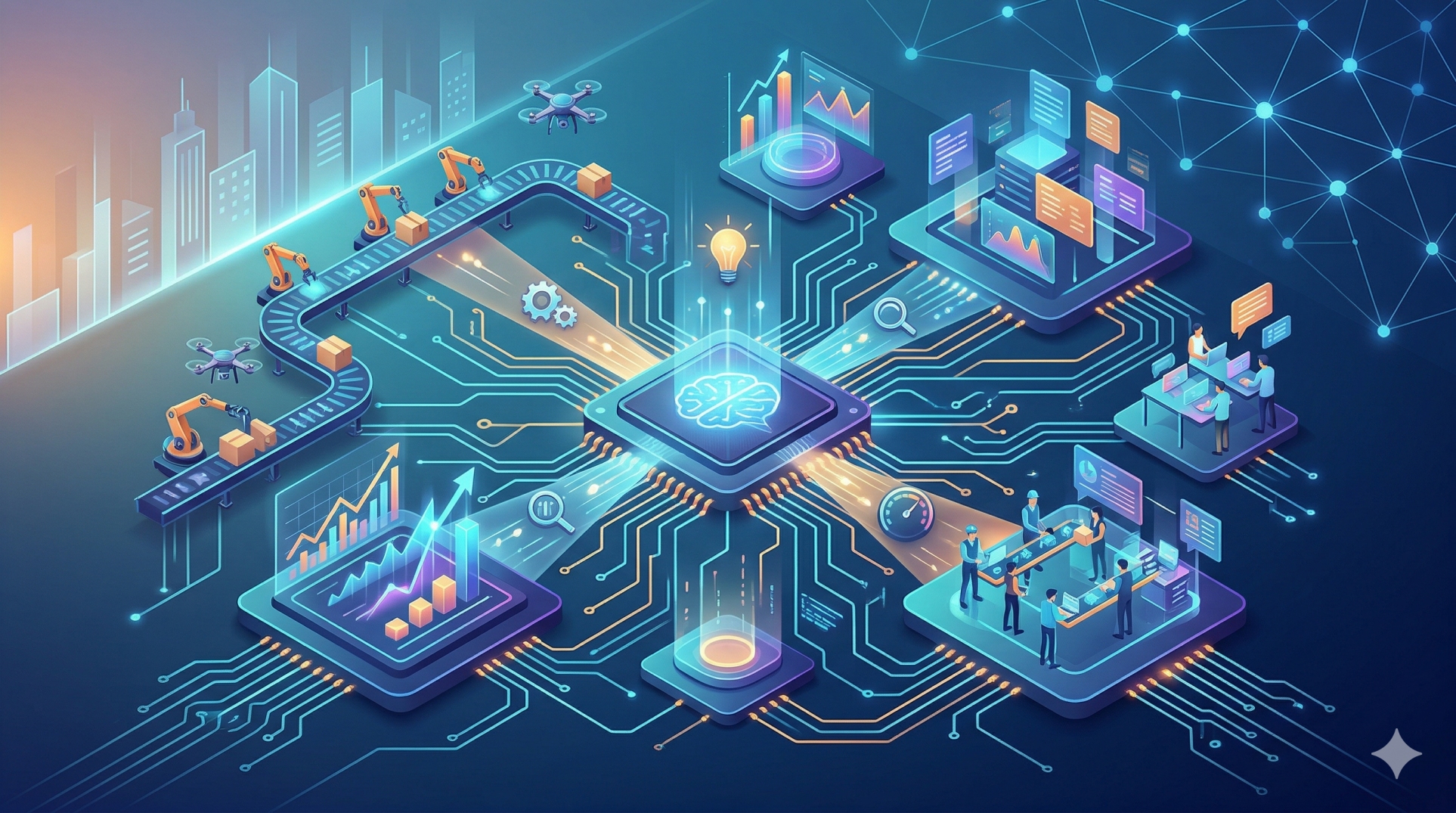
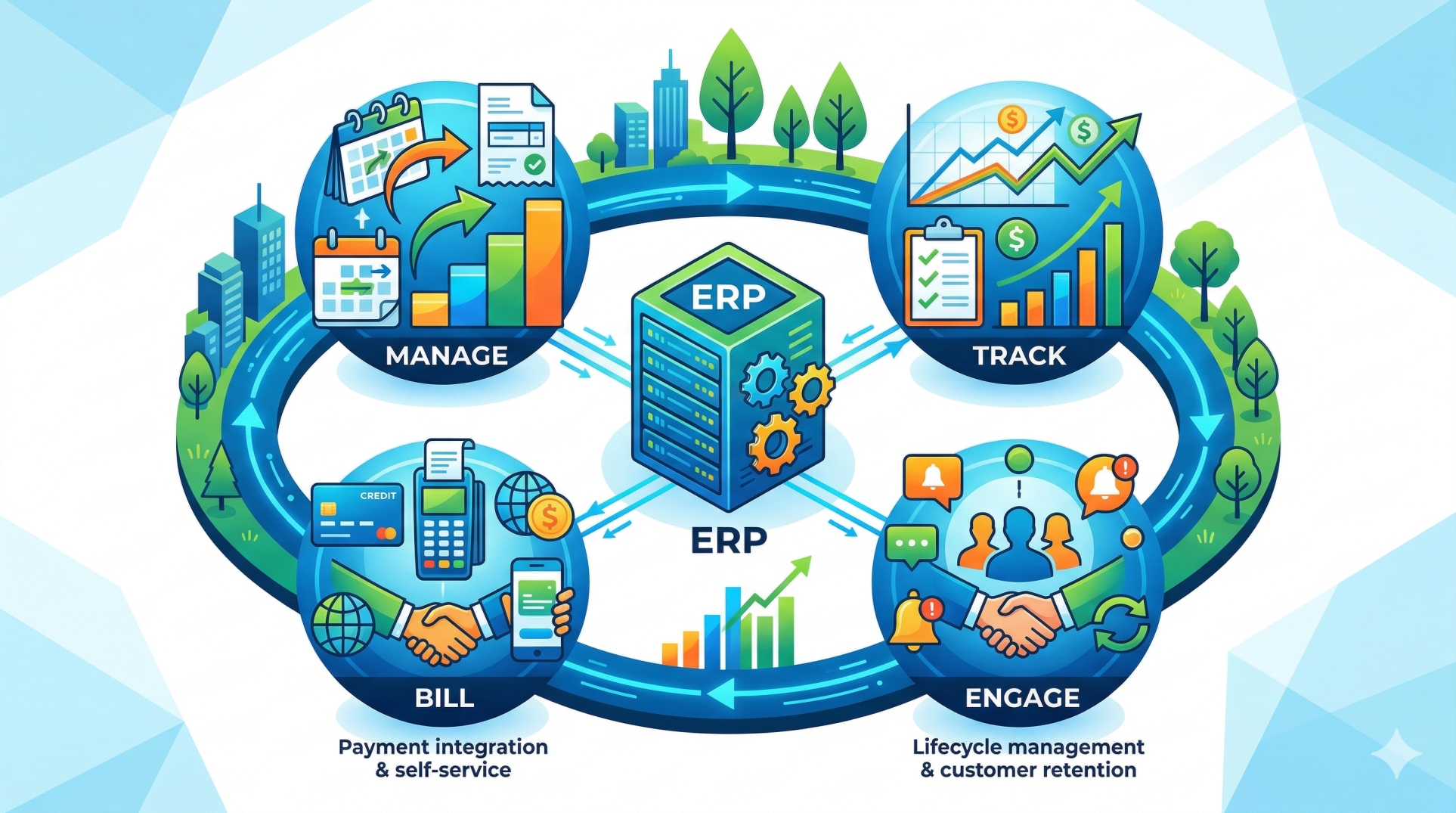
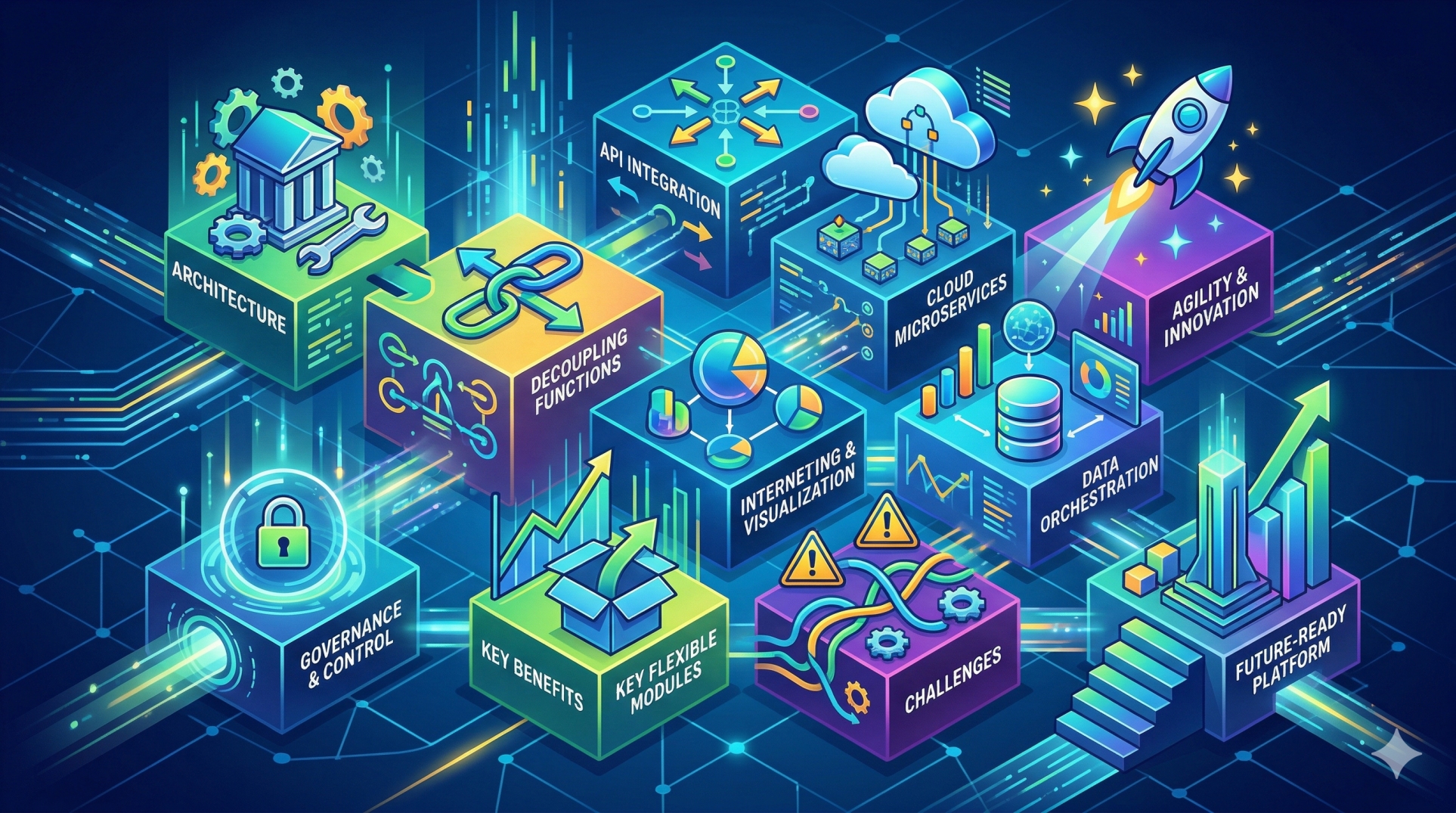
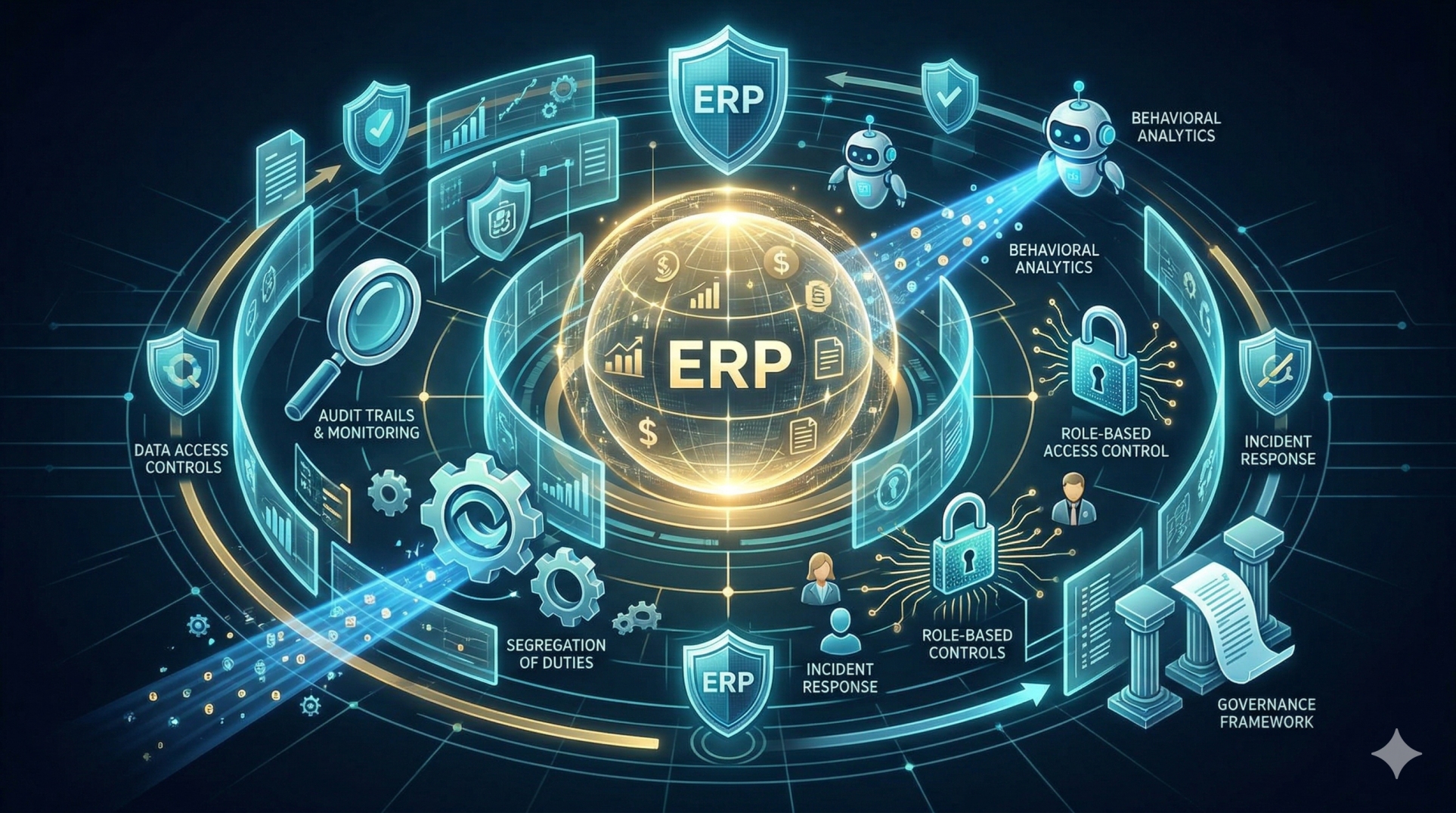
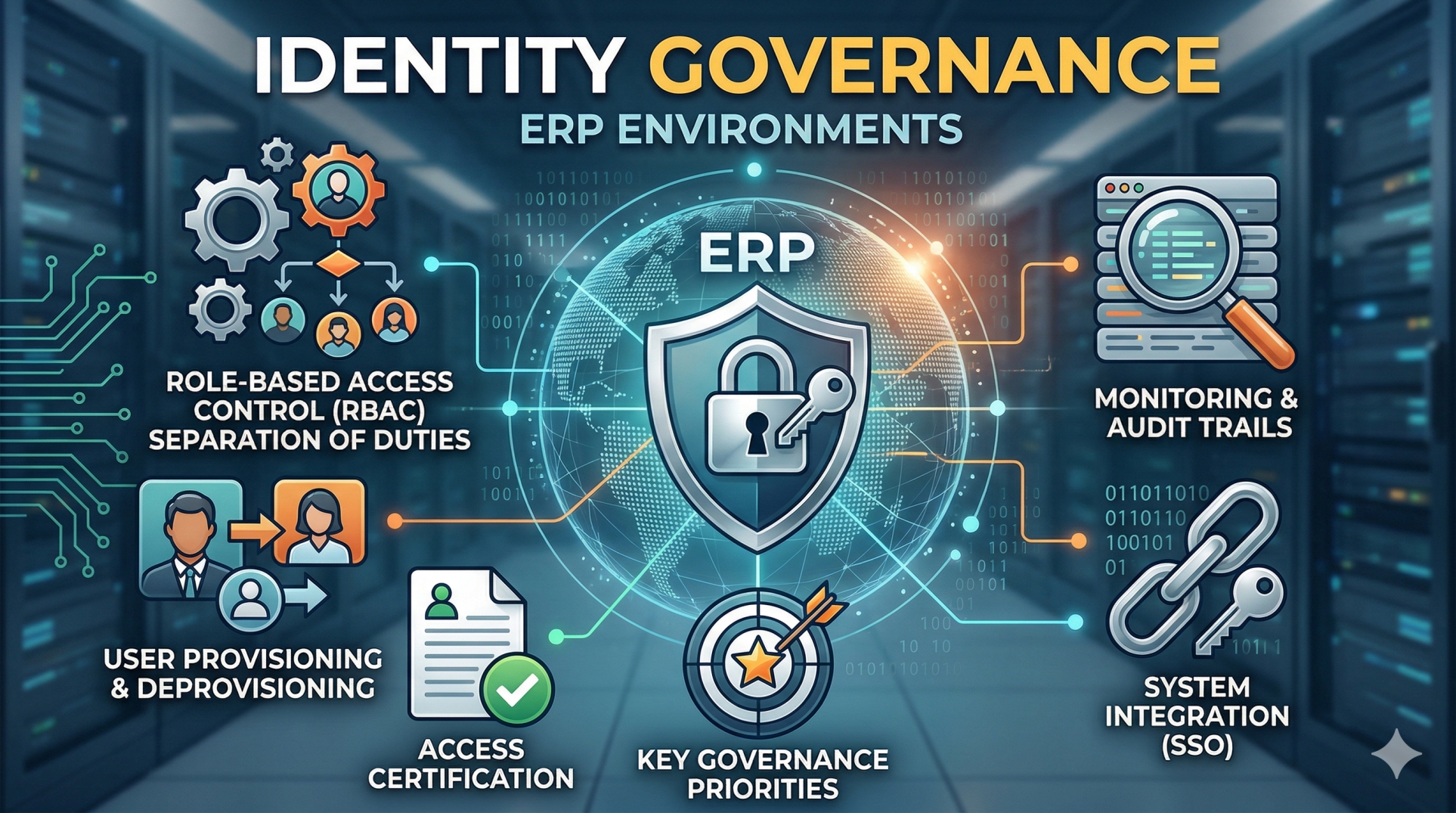
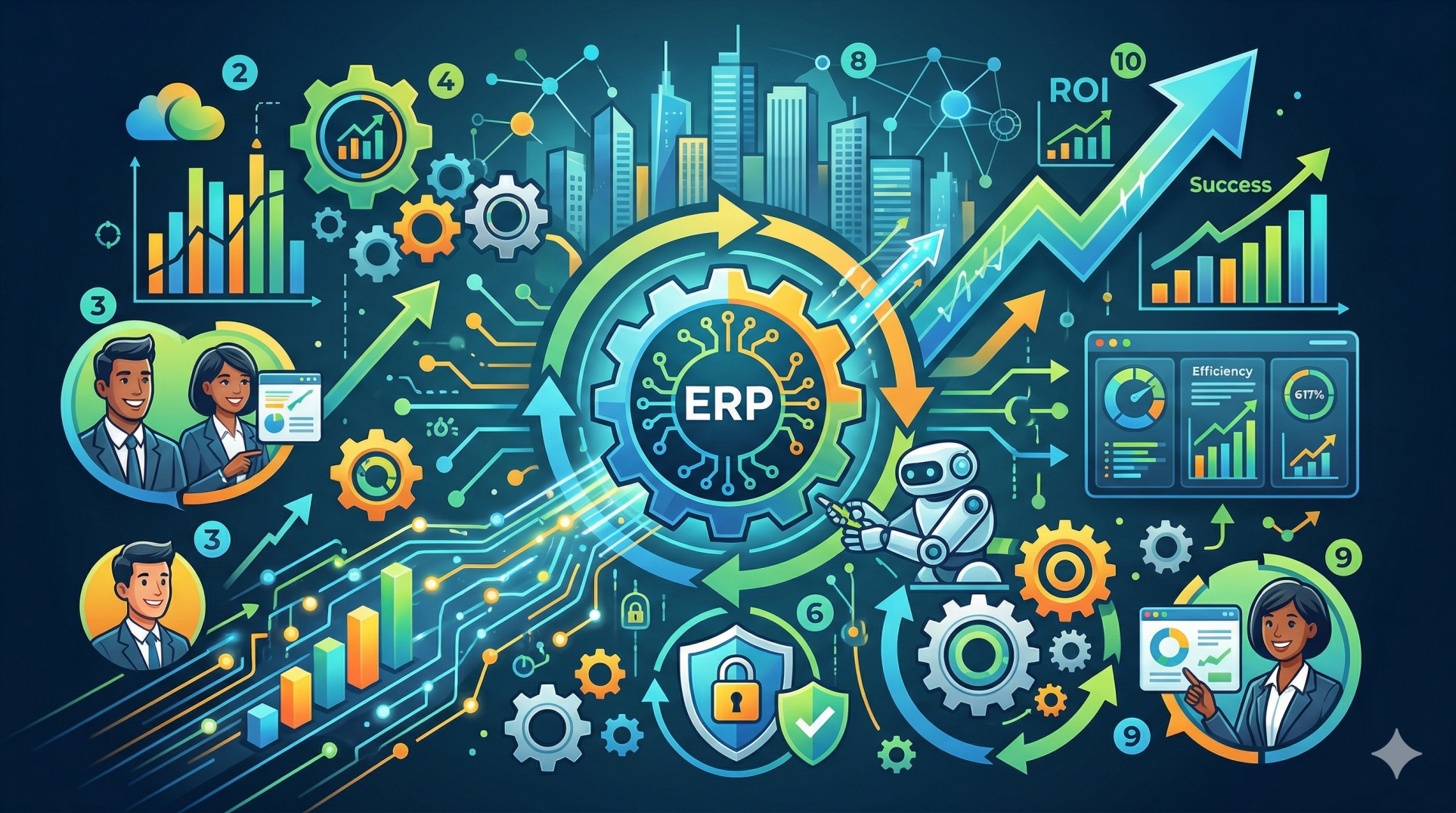
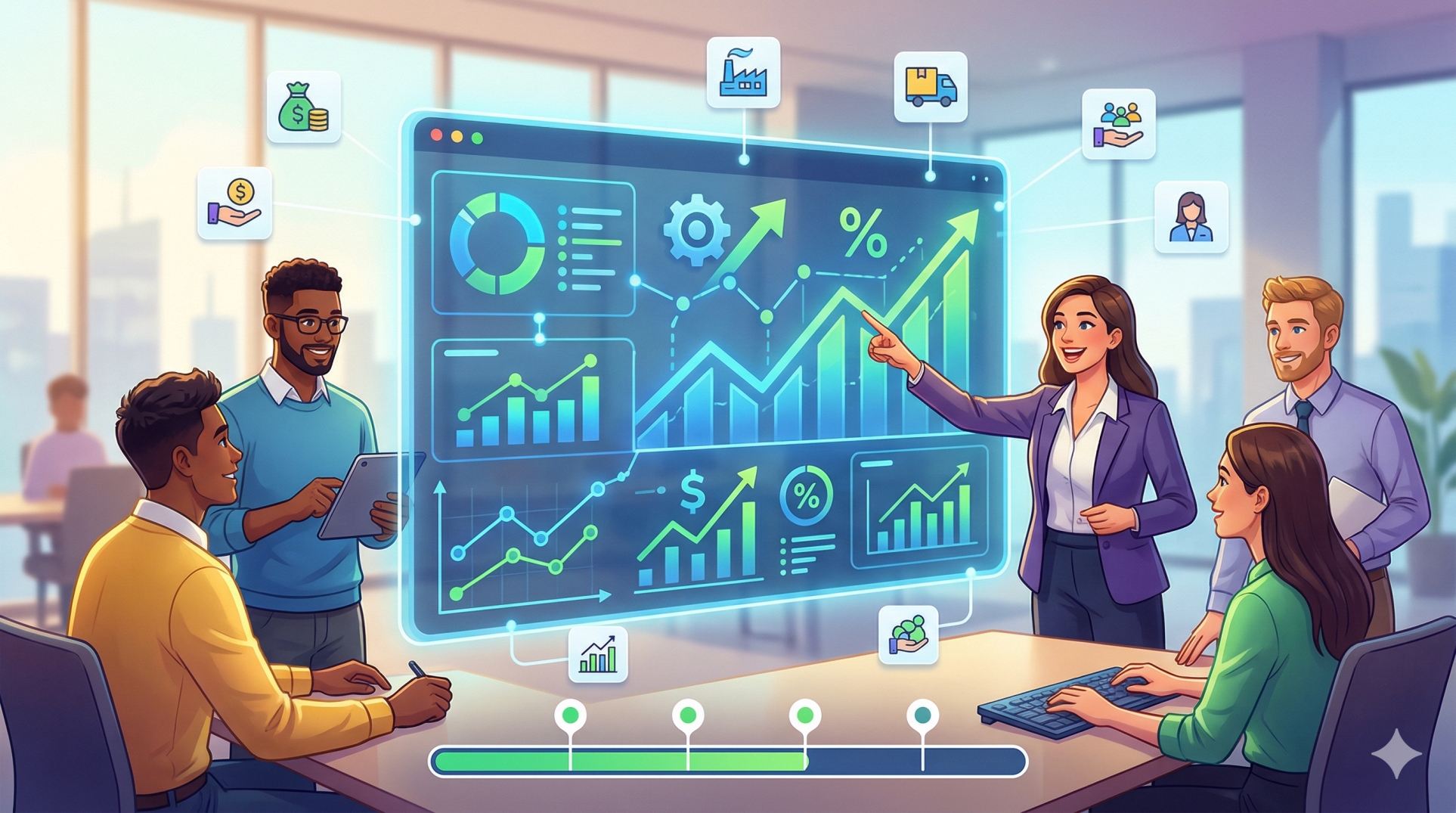
As organizations expand their digital capabilities, the need for a unified operational foundation becomes increasingly important. Enterprise Resource Planning (ERP) systems serve as the central platform that connects departments, processes, and data across the business. By integrating core functions into a single ecosystem, ERP enables organizations to improve visibility, streamline workflows, and support more informed decision-making throughout the enterprise.
Step 1: Understanding ERP's Role in Enterprise Connectivity 🏢
• ERP centralizes business operations within a unified platform 🔗
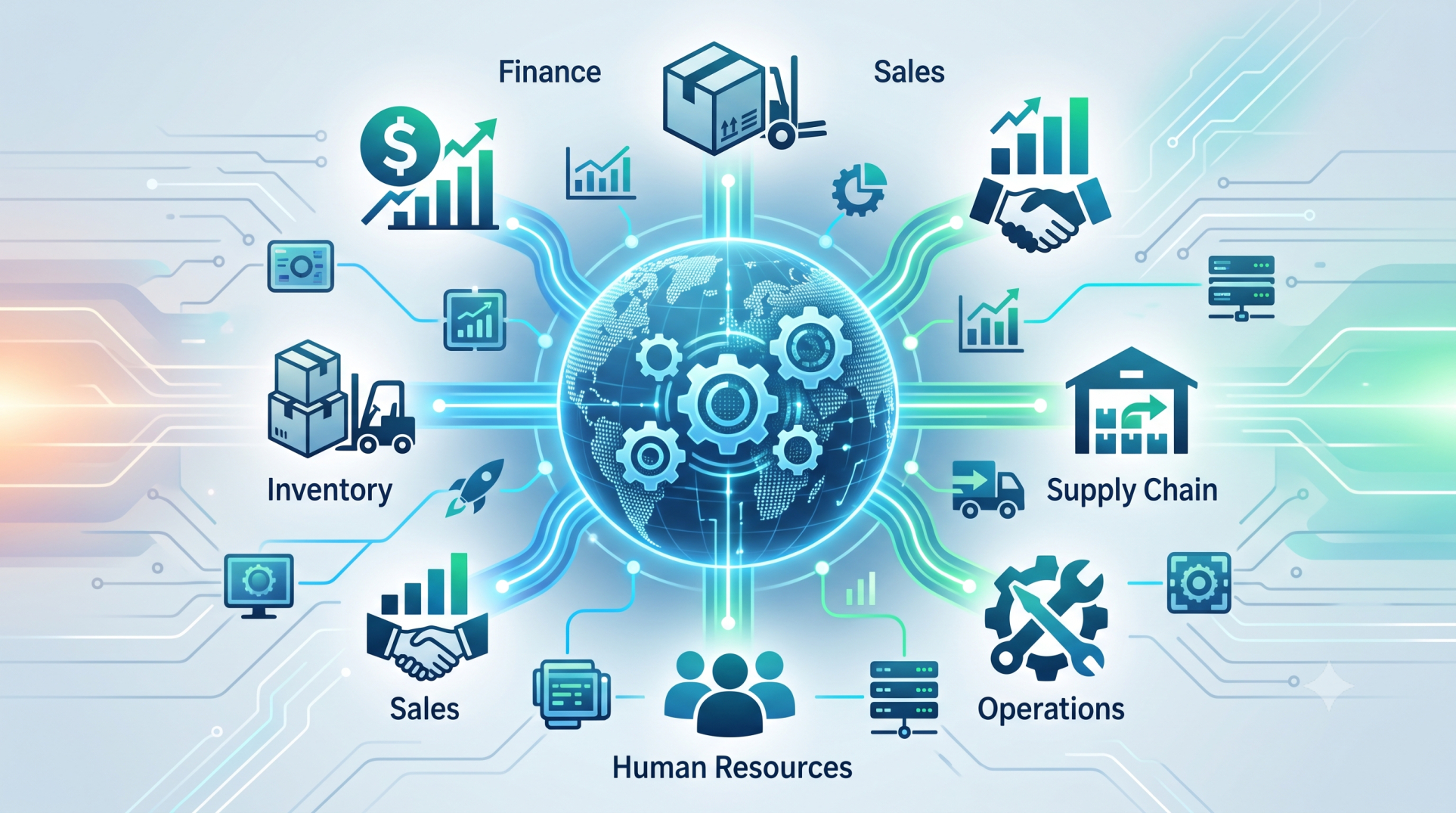
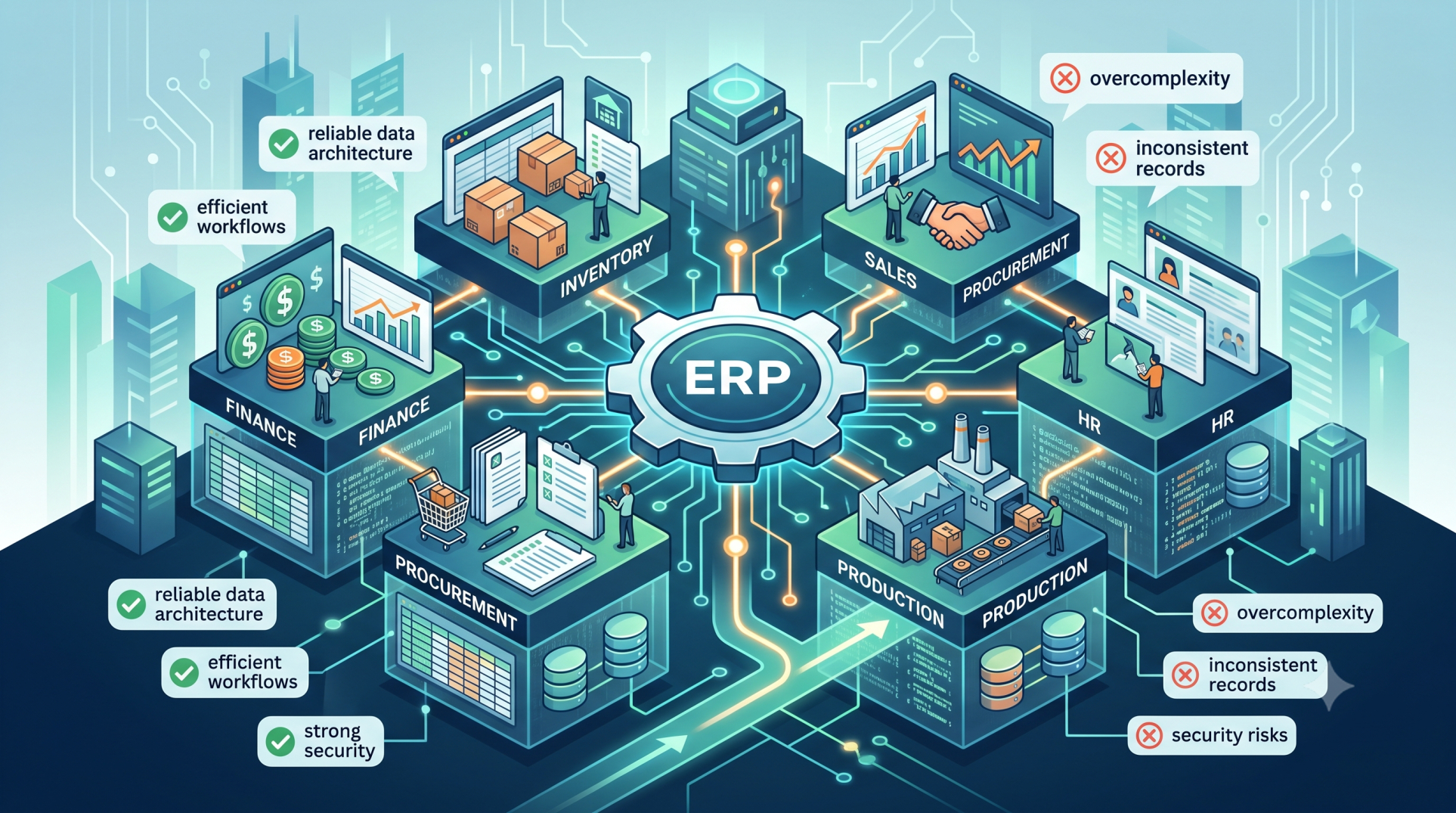
• Connects departments such as finance, HR, procurement, sales, and operations 🤝
• Eliminates information silos across the organization 🚫
• Provides a single source of truth for critical business data 📊
• Supports coordinated decision-making across teams ✅
Step 2: Unifying Business Processes ⚙️
• Standardizes workflows across departments 📋
• Automates routine operational activities 🤖
• Reduces manual data entry and duplication ✍️
• Improves consistency in business processes 🔄
• Enhances operational efficiency throughout the organization 🚀
Step 3: Enabling Real-Time Data Visibility 📈
• Provides immediate access to business information ⏱️
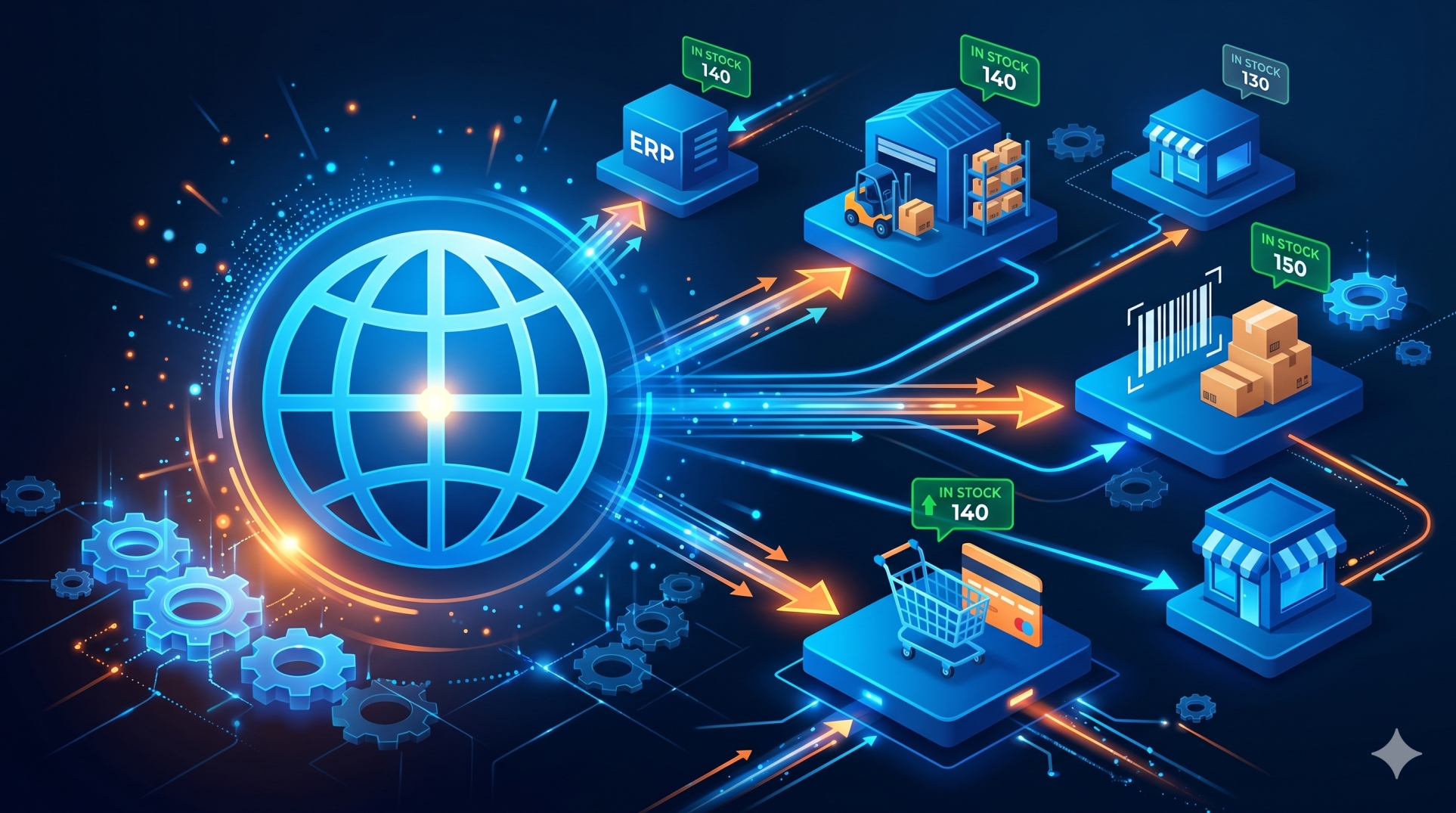
• Consolidates data from multiple functions and locations 🌐
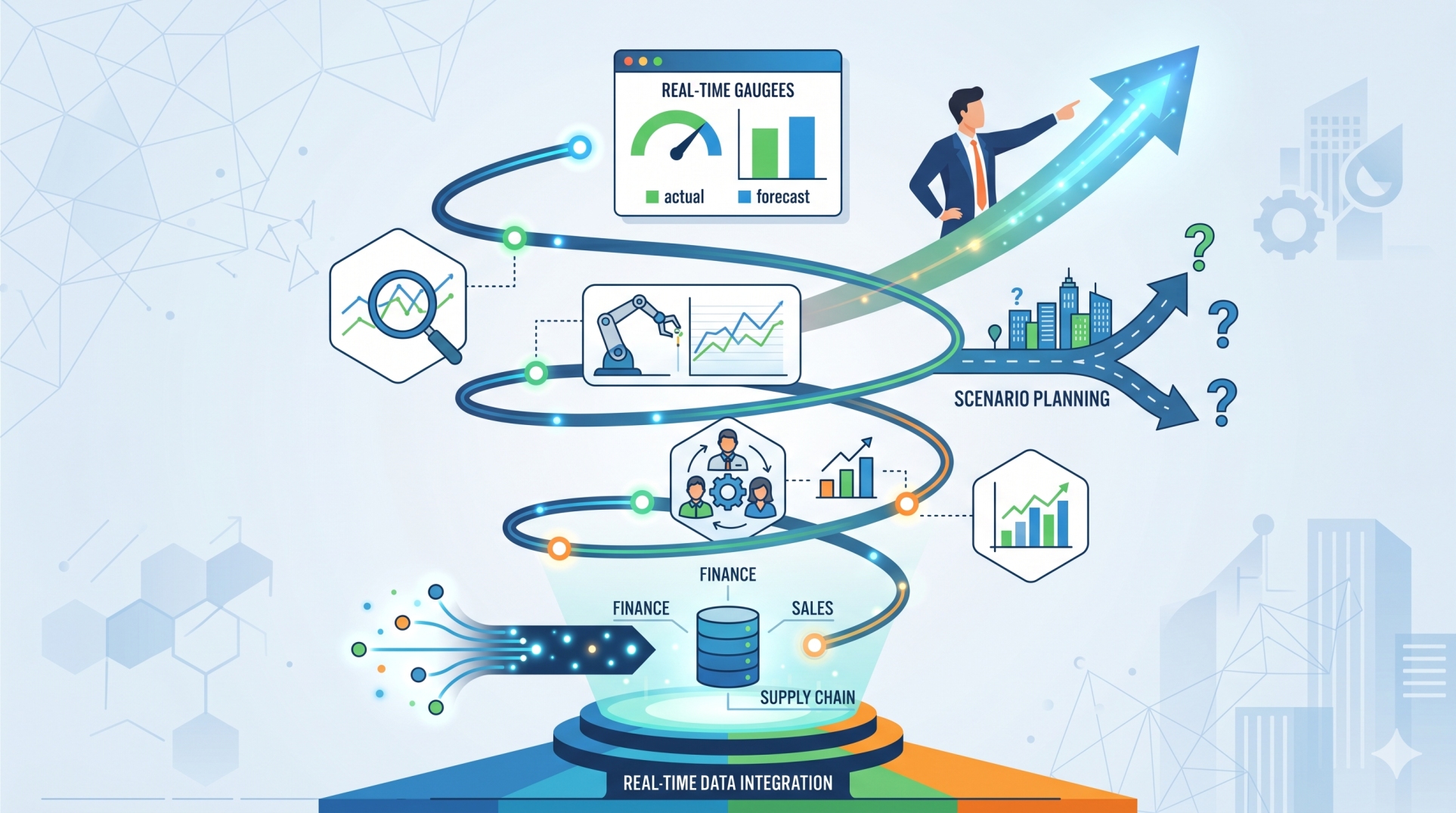
• Supports real-time reporting and analytics 📊
• Improves transparency across operational activities 👀
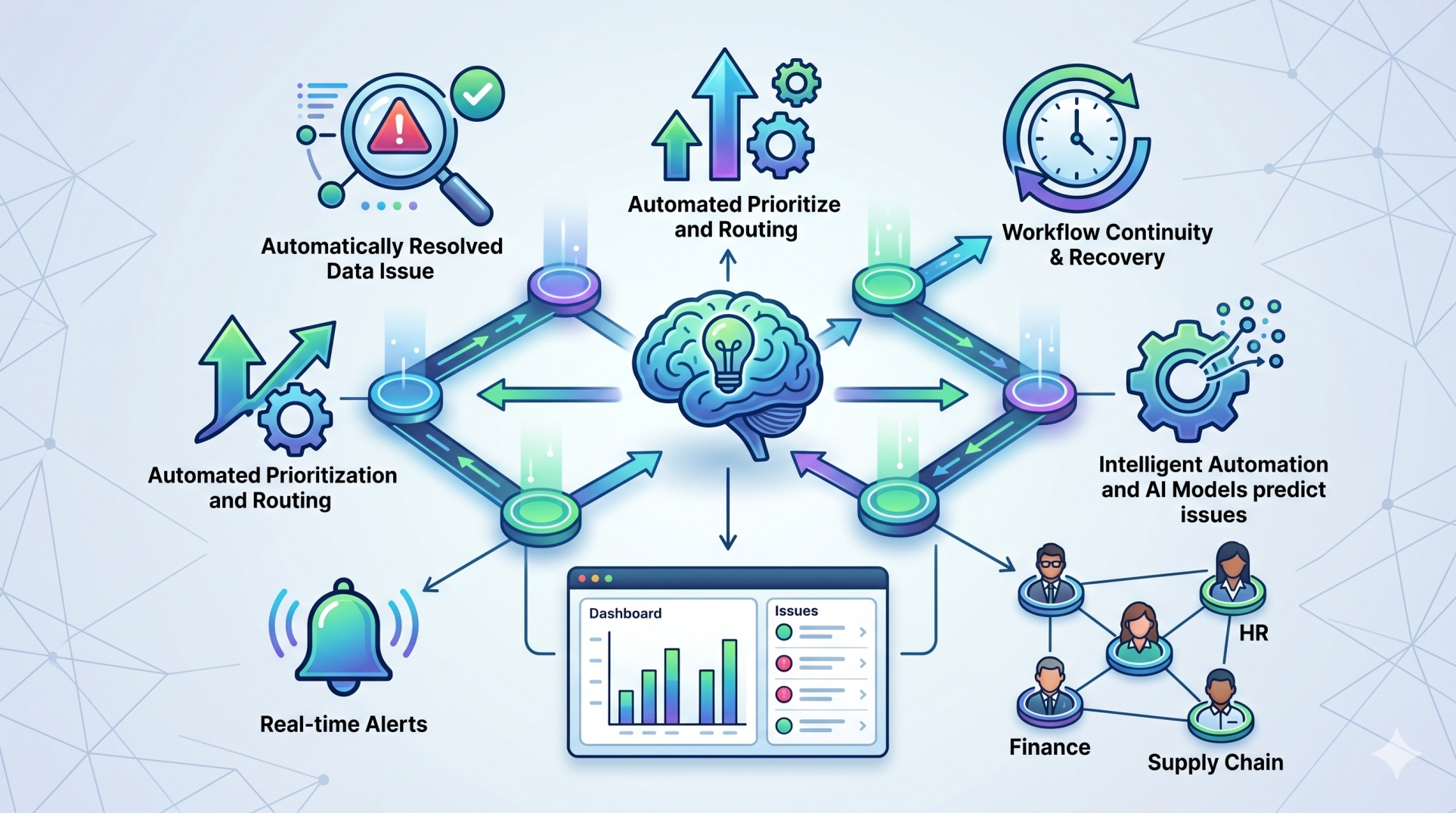
• Helps leaders respond quickly to changing conditions ⚡
Step 4: Strengthening Financial Management 💰
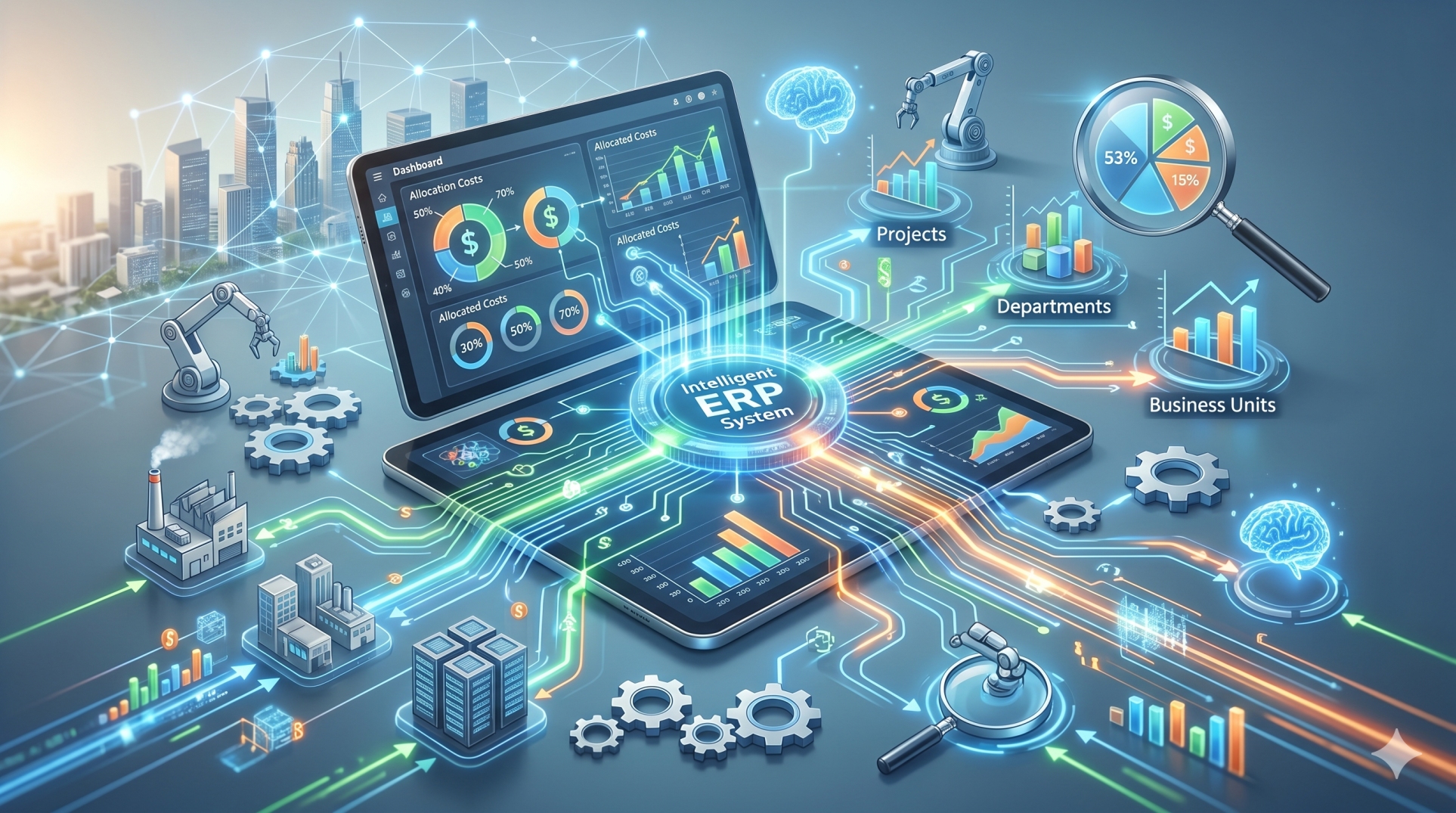
• Integrates accounting, budgeting, and financial reporting 📑
• Improves cash flow monitoring and forecasting 📈
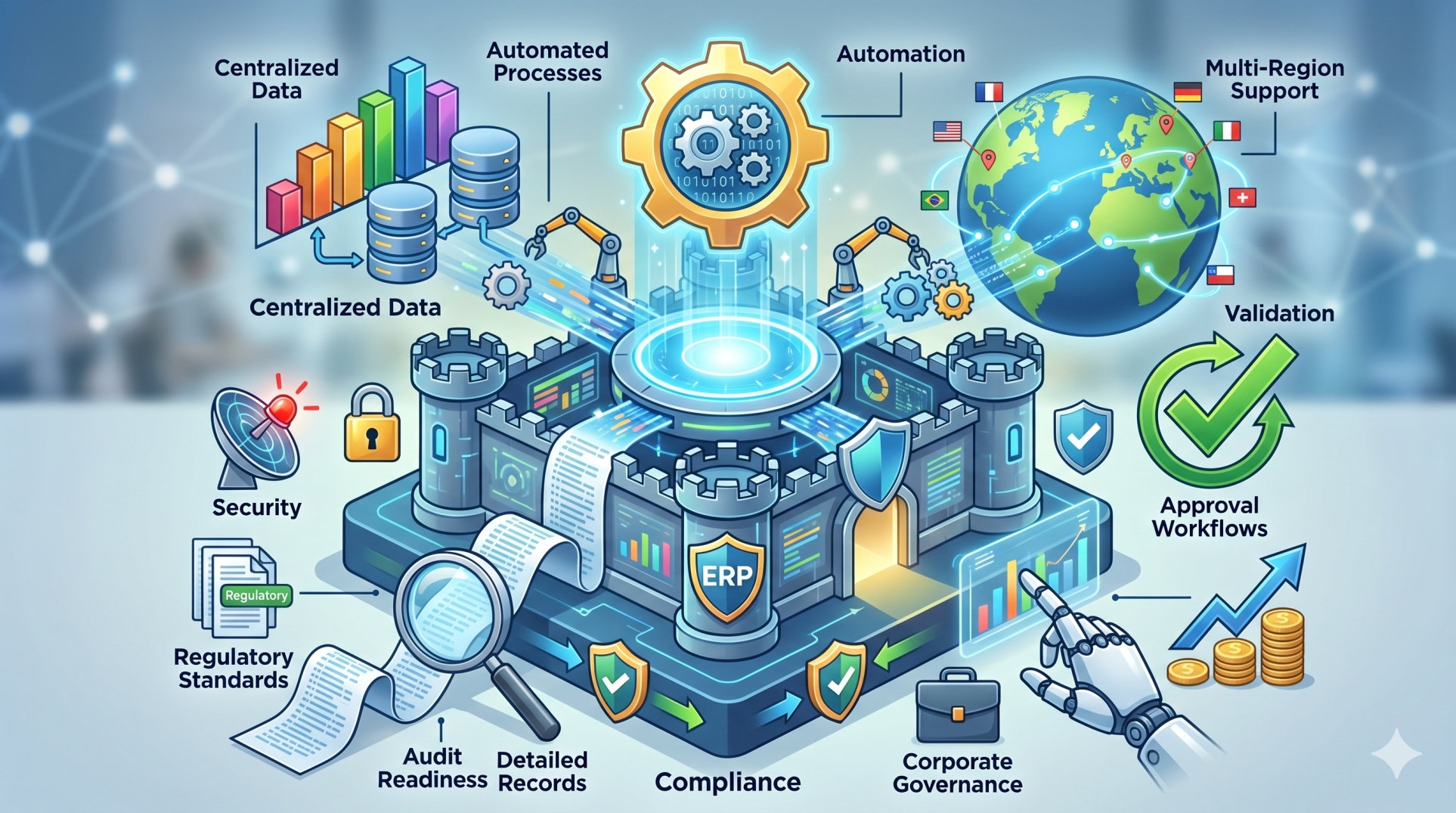
• Enhances financial accuracy and compliance ✔️
• Automates reconciliation and reporting processes 🔄
• Supports strategic financial planning 🎯
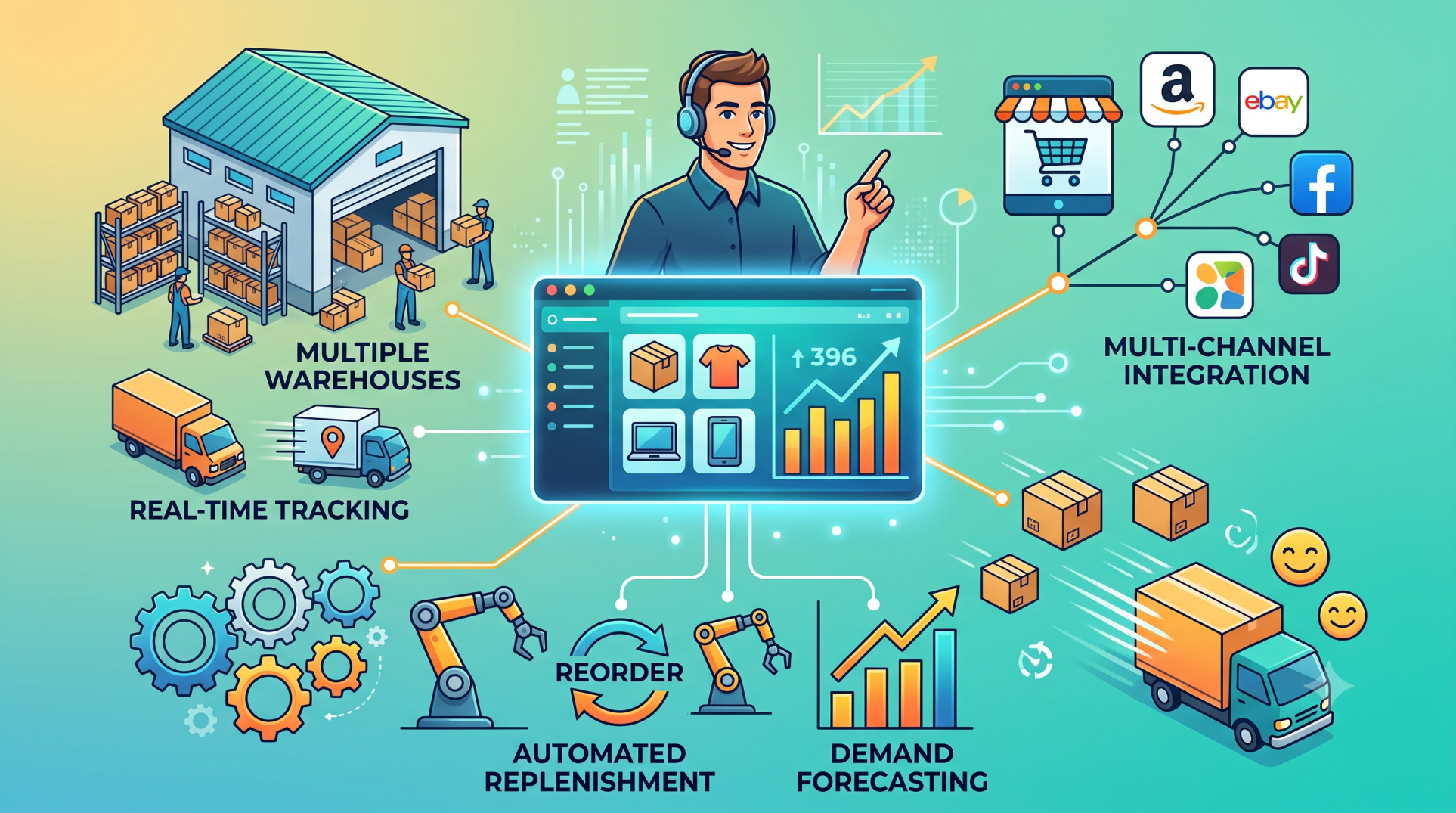
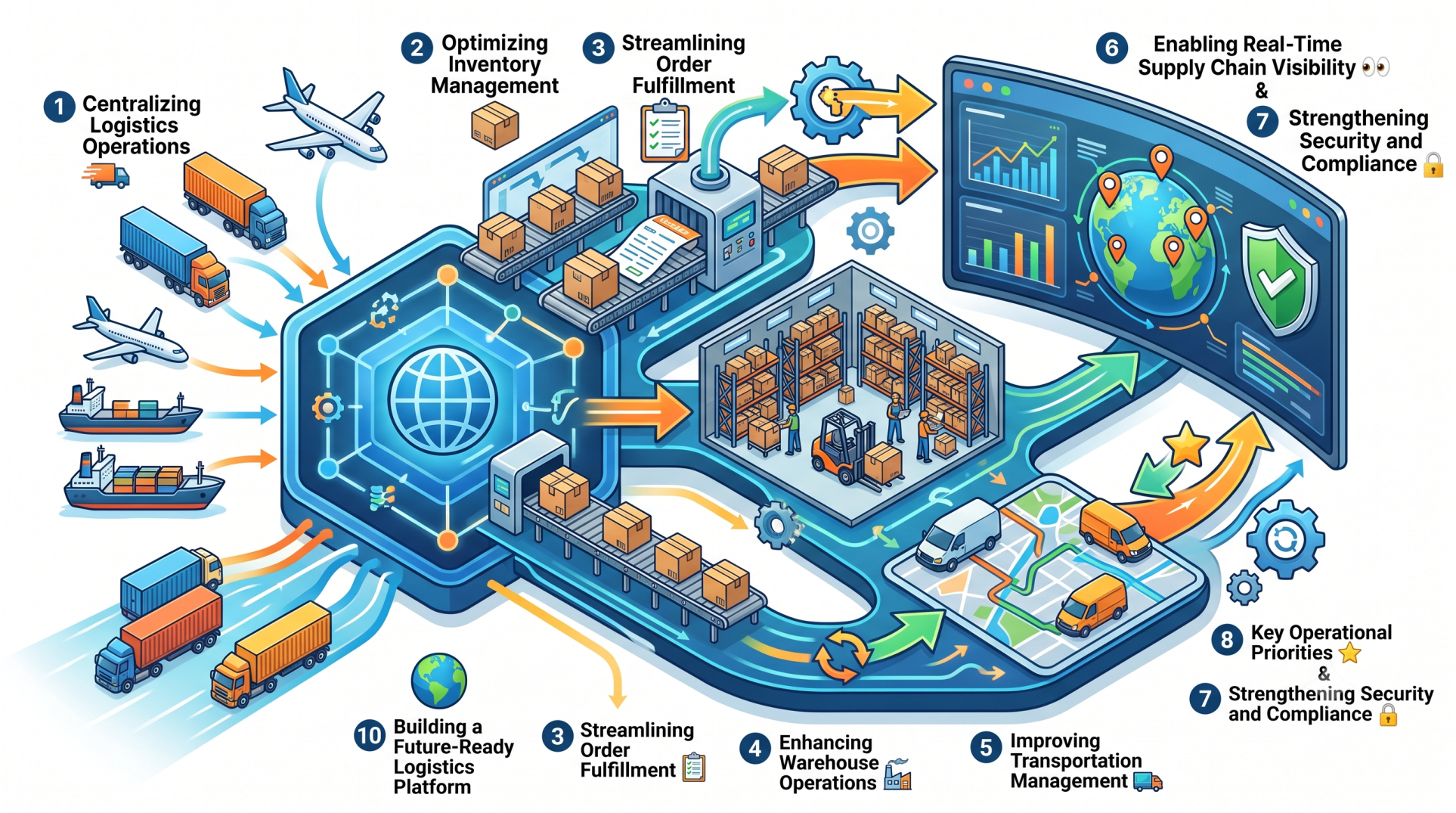
Step 5: Connecting Supply Chain Operations 🚚
• Improves coordination between suppliers and internal teams 🔗
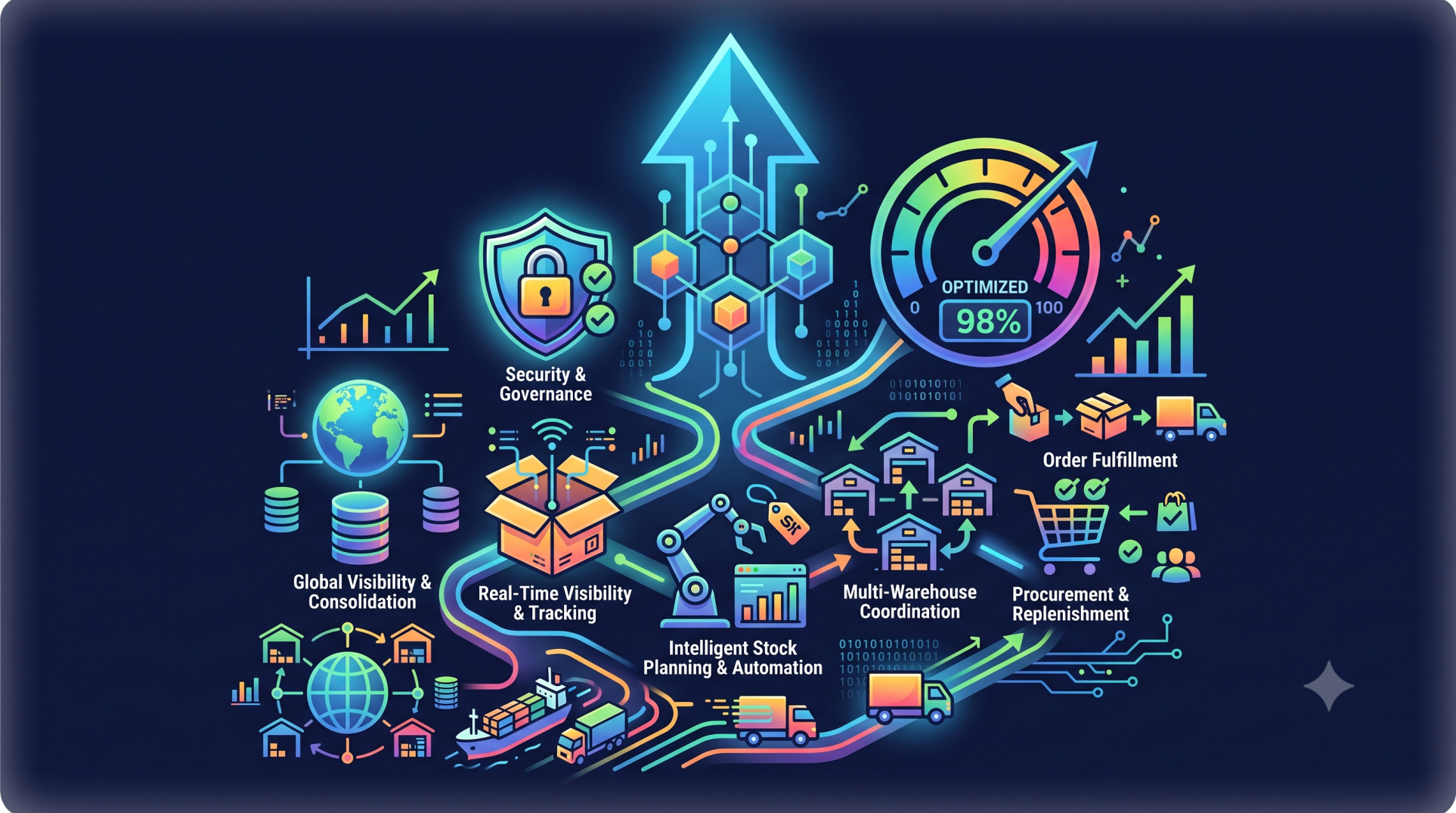
• Enhances inventory visibility and control 📦
• Supports demand planning and procurement optimization 📉
• Reduces delays across supply chain activities ⏳
• Improves order fulfillment efficiency 🚀
Step 6: Enhancing Workforce Management 👥
• Centralizes employee records and workforce data 📂
• Streamlines recruitment, onboarding, and payroll processes 📝
• Supports workforce planning and resource allocation 📊
• Improves collaboration across departments 🤝
• Provides better visibility into organizational performance ⭐
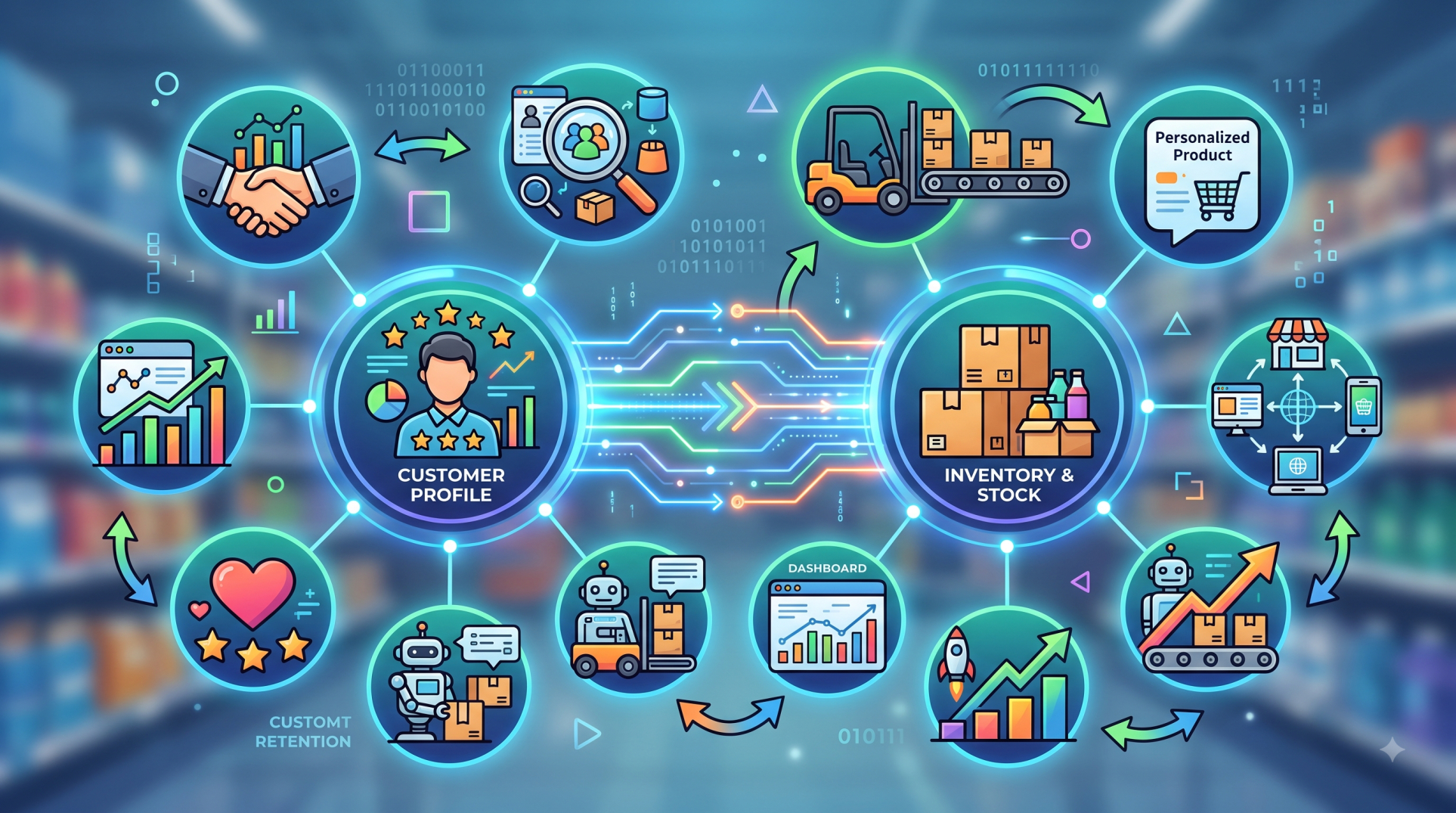
Step 7: Supporting Customer-Centric Operations 🎯
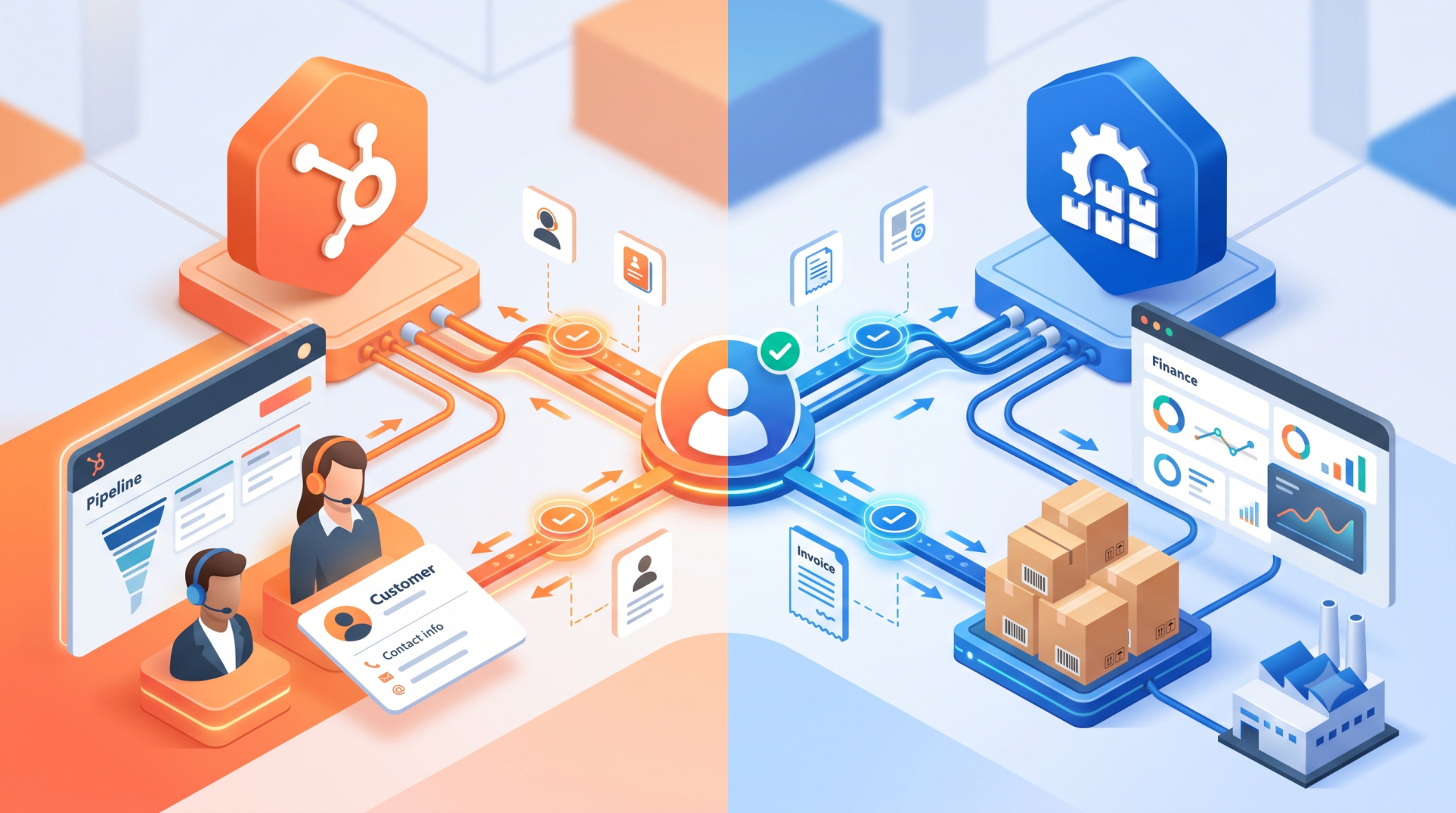
• Connects sales, service, and customer management functions 🤖
• Improves access to customer information 📋
• Enables faster response to customer requests ⚡
• Supports personalized customer experiences 😊
• Strengthens long-term customer relationships 🤝
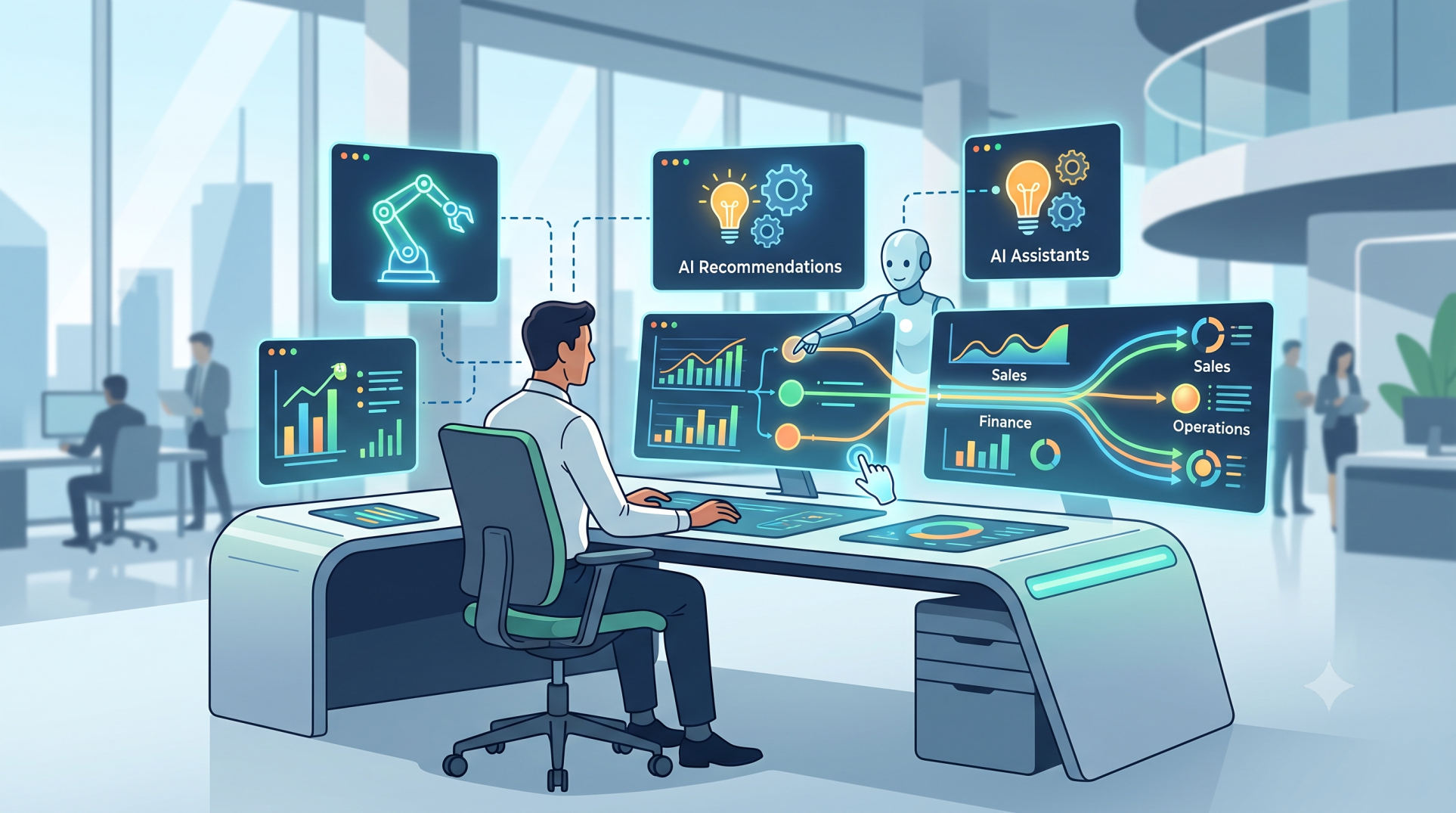
Step 8: Facilitating Data-Driven Decision Making 🧠
• Consolidates enterprise data into actionable insights 📊
• Supports advanced reporting and business intelligence 🔍
• Identifies trends, risks, and opportunities 📈
• Improves planning and forecasting accuracy 🎯
• Enables proactive decision-making across the organization ⚡
Step 9: Building Operational Agility 🔄
• Enables organizations to adapt to changing business conditions 🌍
• Supports process improvements and operational innovation 💡
• Improves responsiveness to market demands 📈
• Facilitates collaboration across business units 🤝
• Creates a flexible foundation for growth 🚀
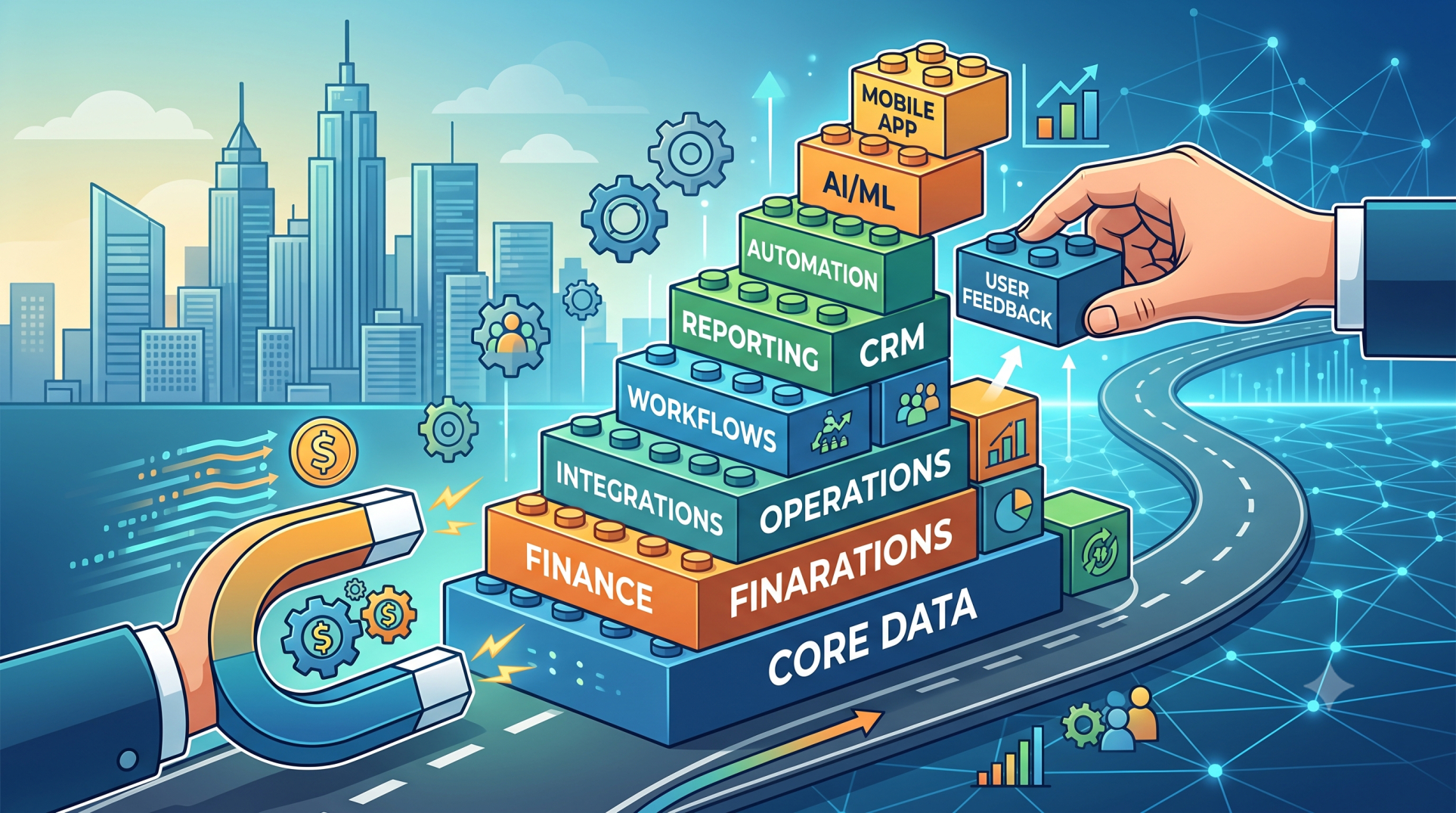
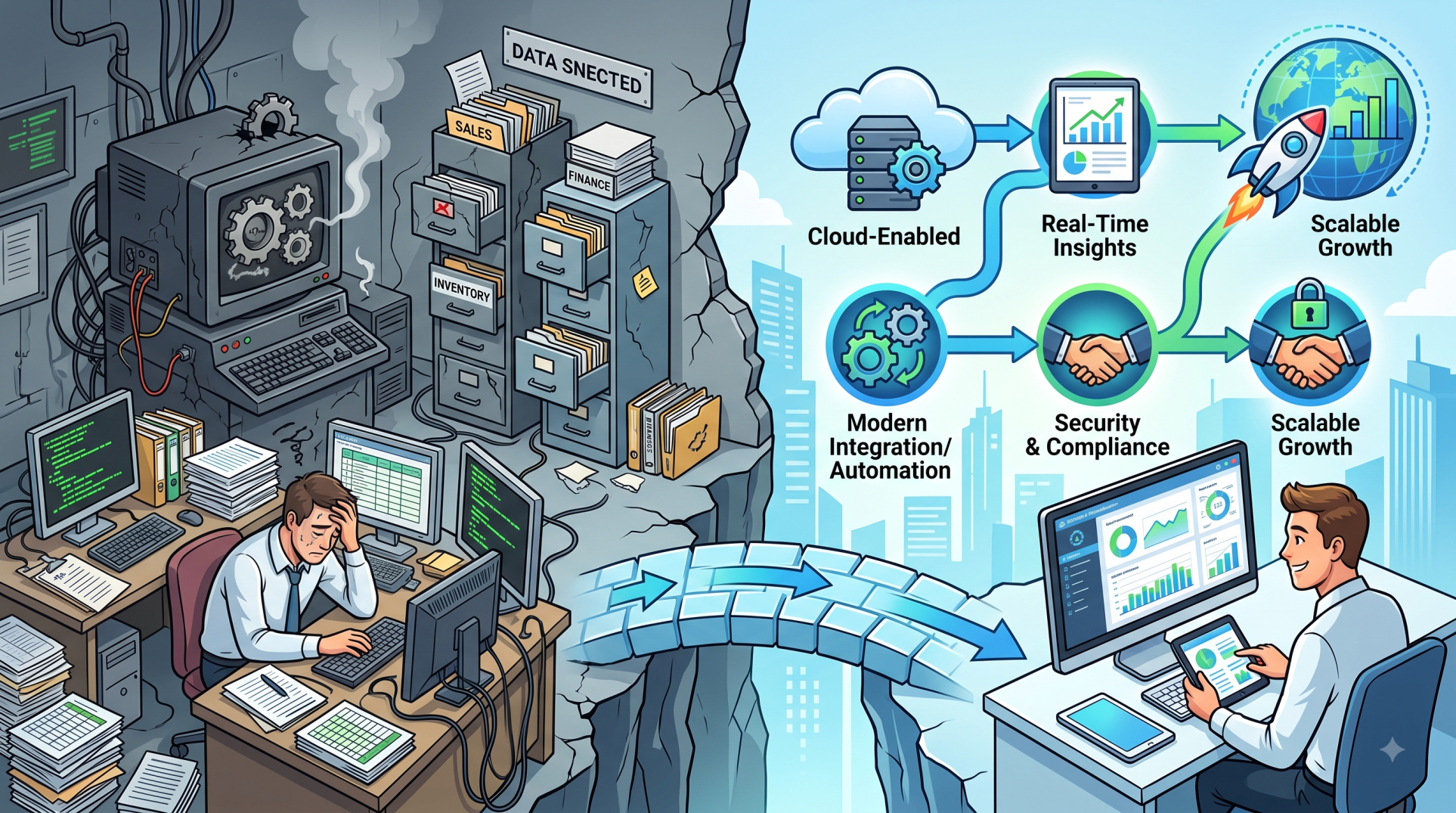
Step 10: Creating a Scalable Digital Enterprise 🌟
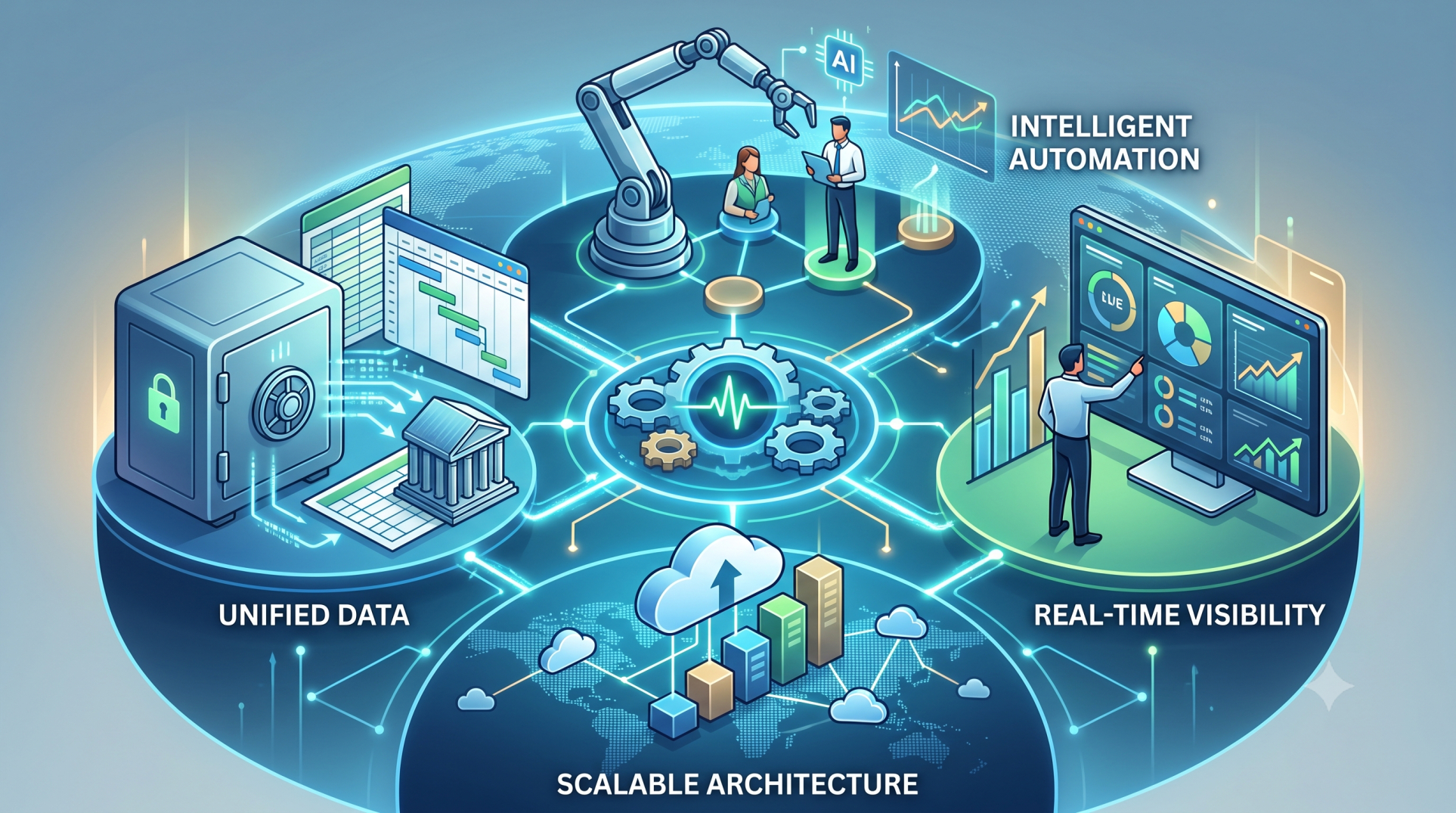
• Supports expansion across locations, teams, and business units 🏗️
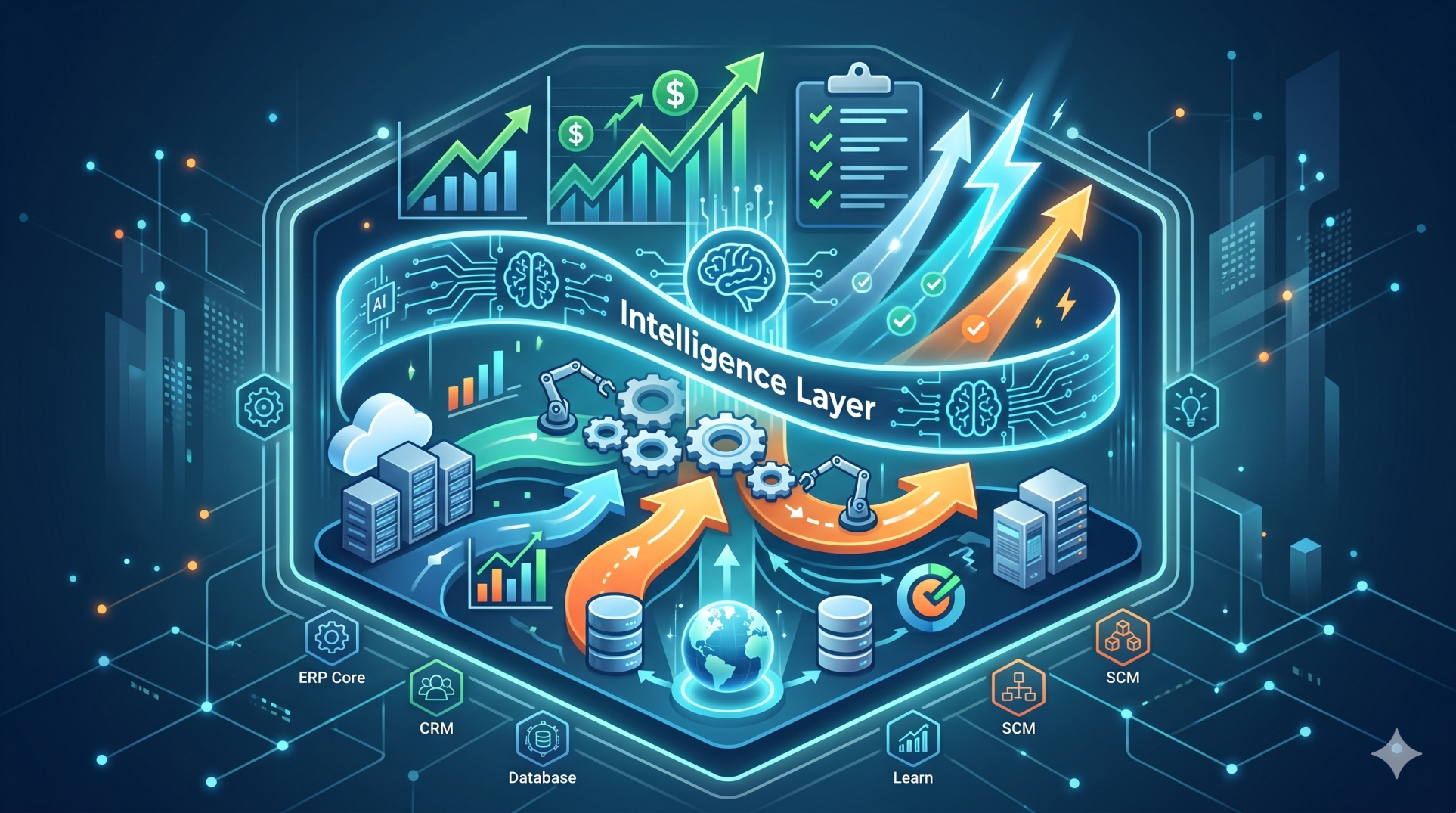
• Integrates emerging technologies and digital initiatives 🔗
• Accommodates increasing operational complexity 📊
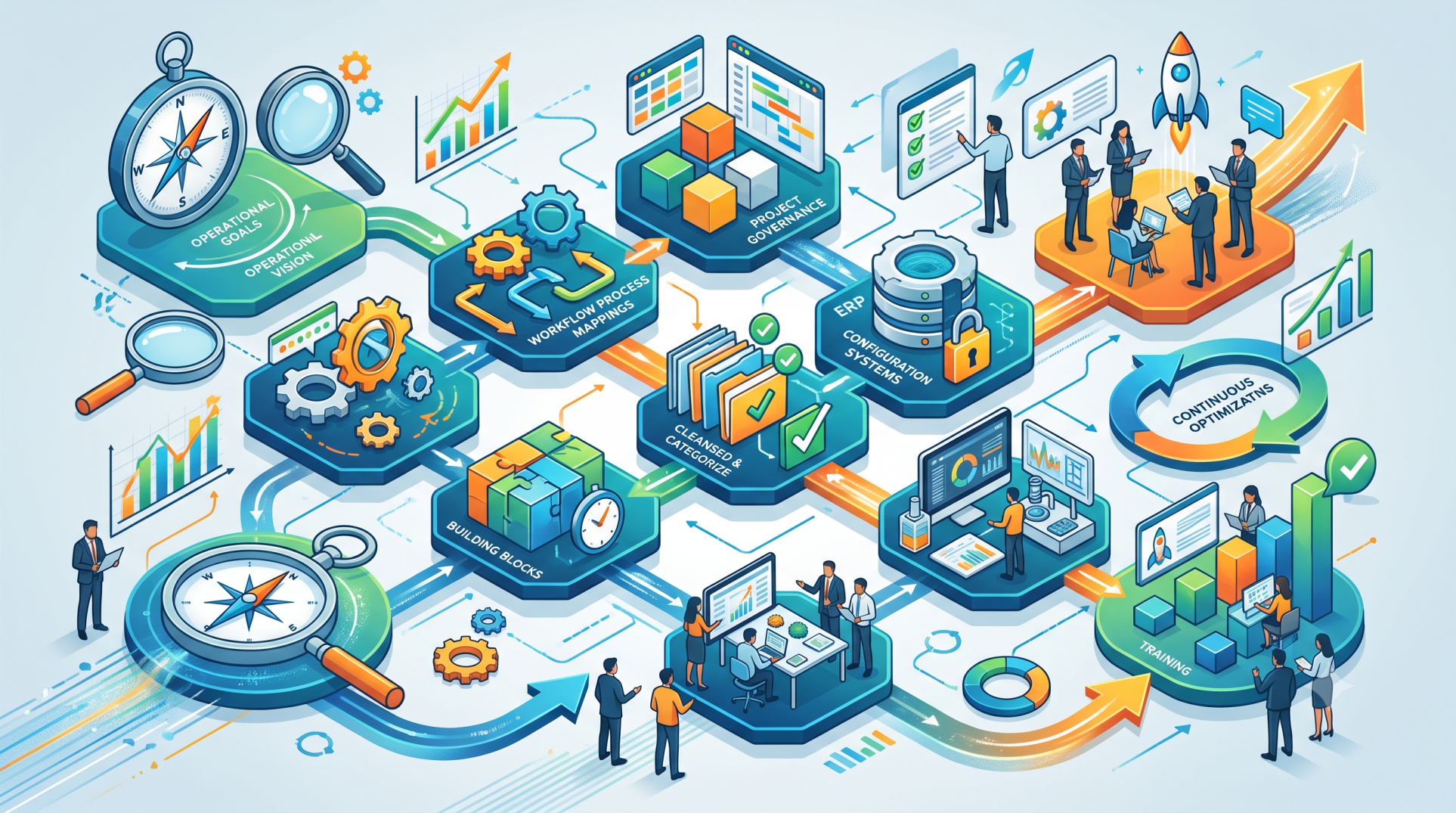
• Enables continuous process optimization ⚙️
• Future-proofs enterprise operations for long-term success 🔮
Conclusion
ERP serves as the foundation of connected enterprise operations by bringing together people, processes, and data within a unified platform. Through enhanced visibility, streamlined workflows, and integrated decision-making, ERP enables organizations to operate more efficiently and respond more effectively to evolving business demands. As enterprises continue their digital transformation journeys, ERP remains a critical component for achieving scalability, agility, and sustainable growth.
See more blogs
You can all the articles below