ERP Systems as Organizational Coordination Engines

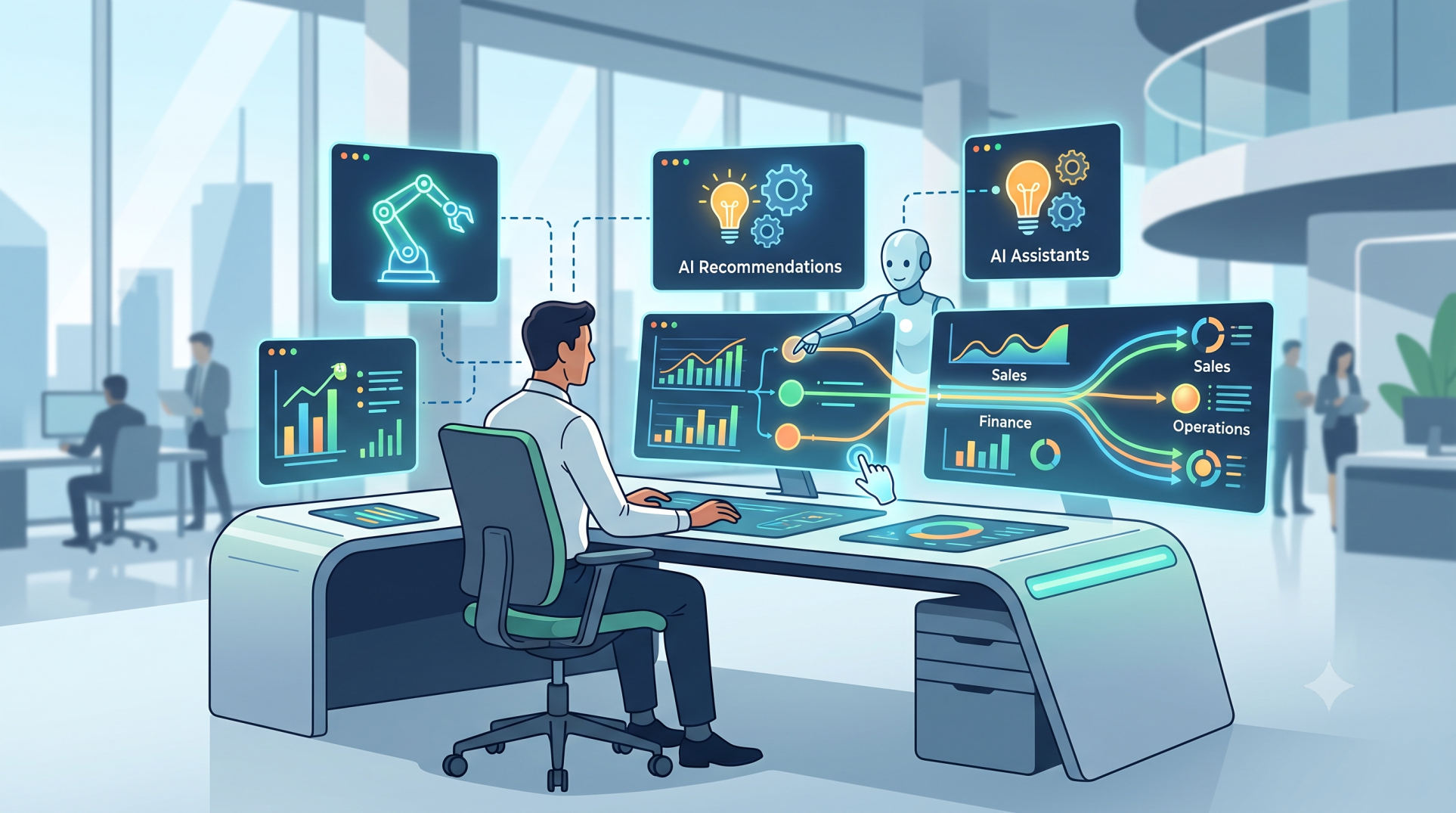
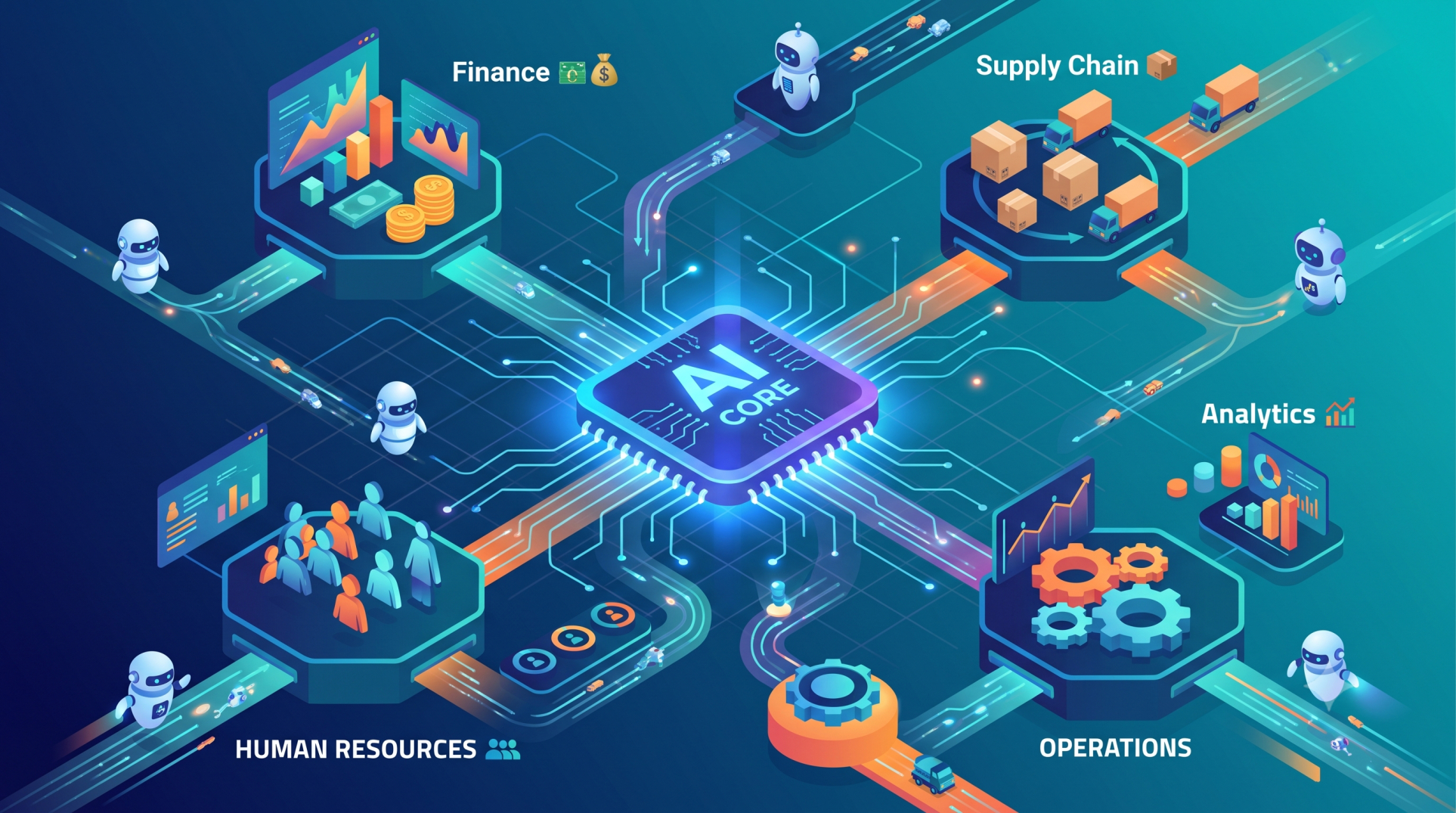
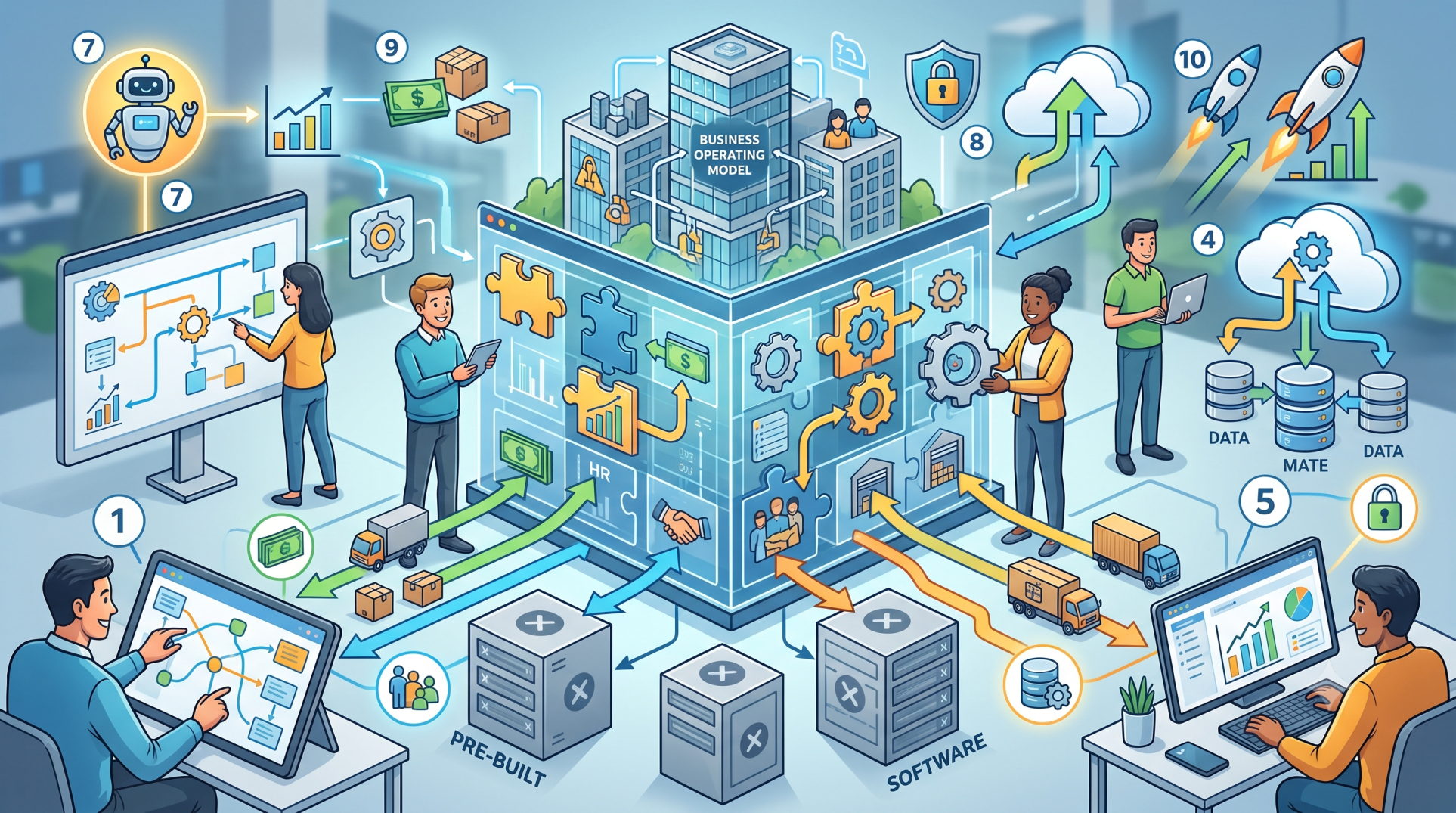
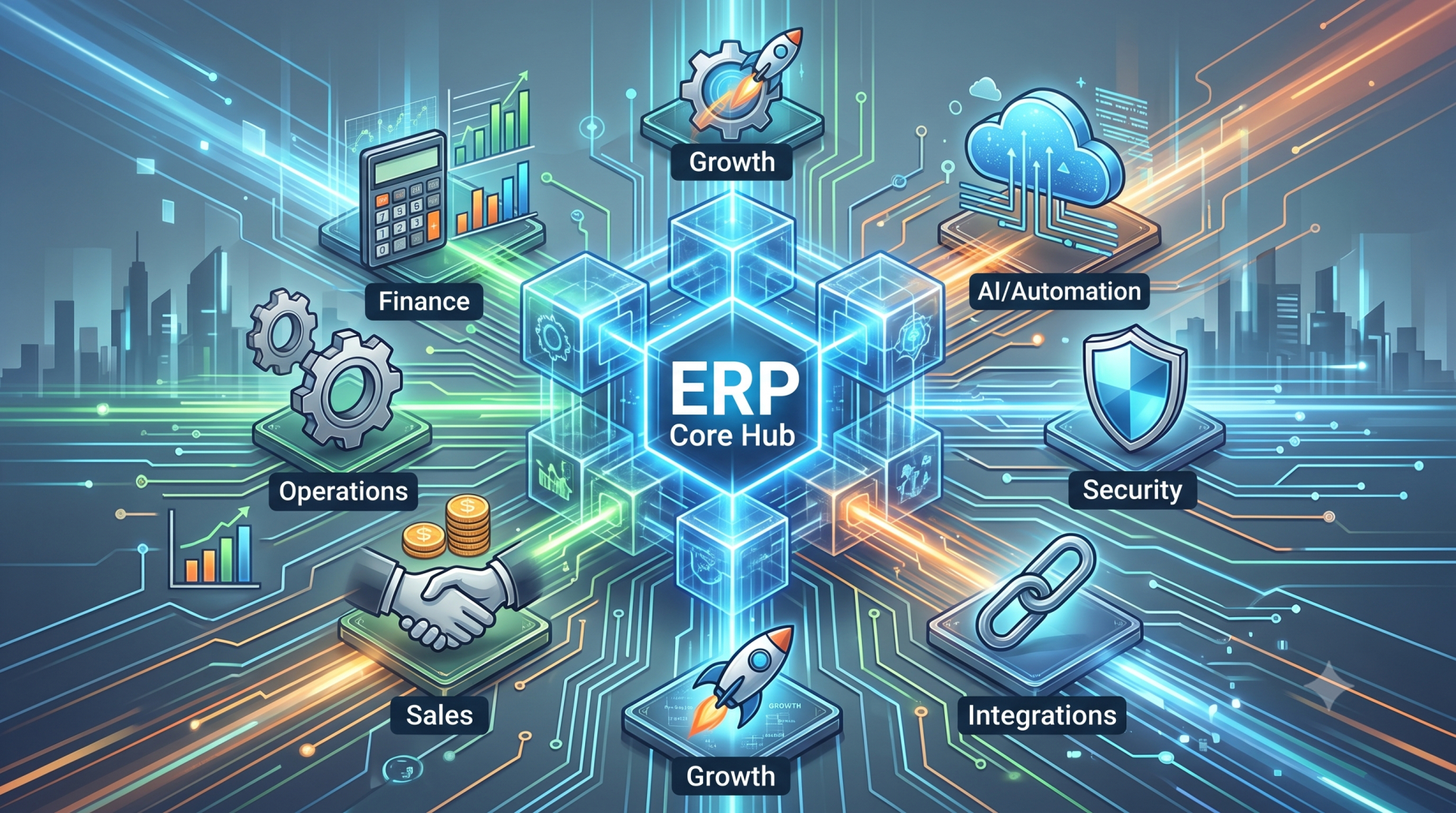
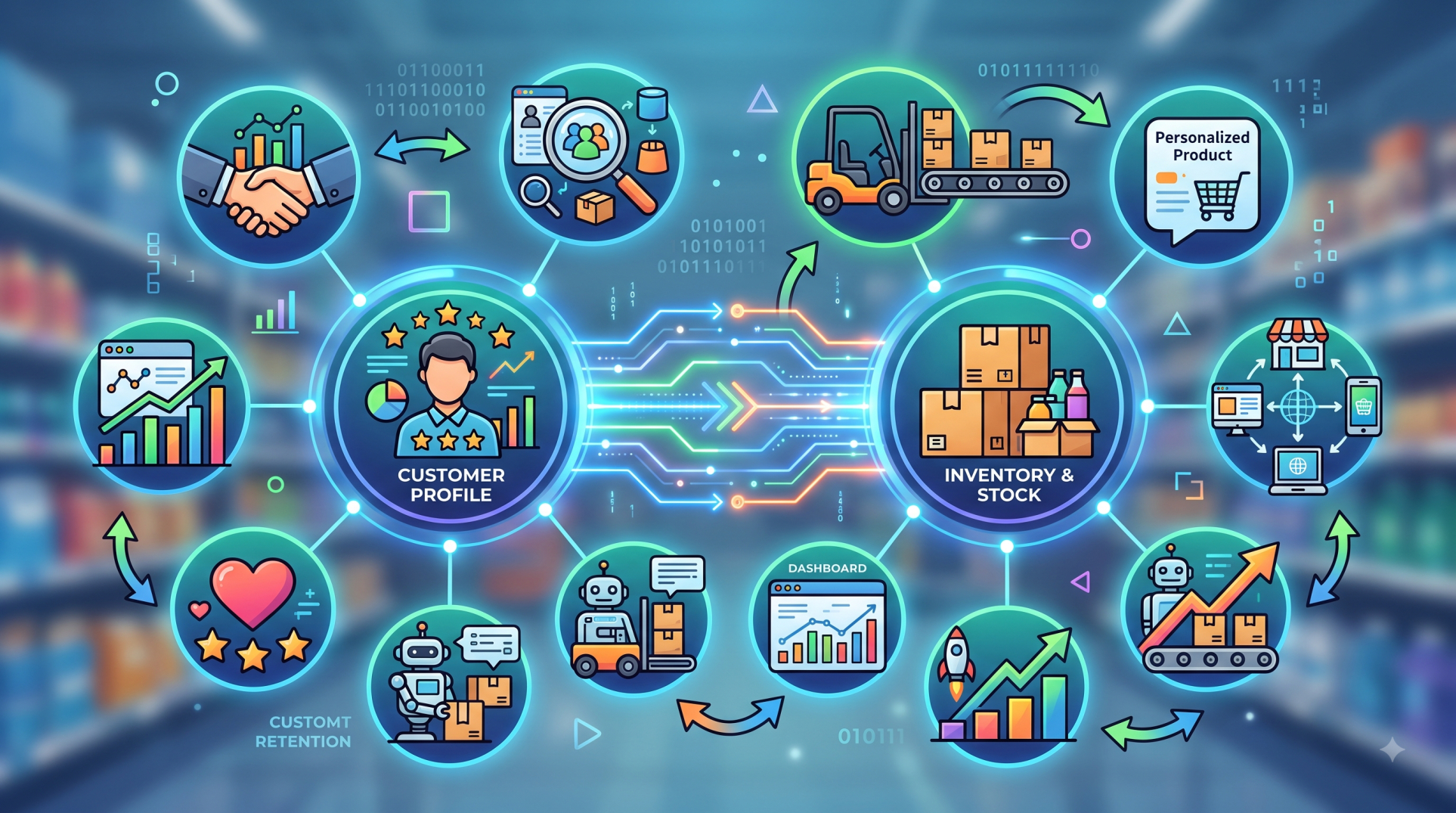
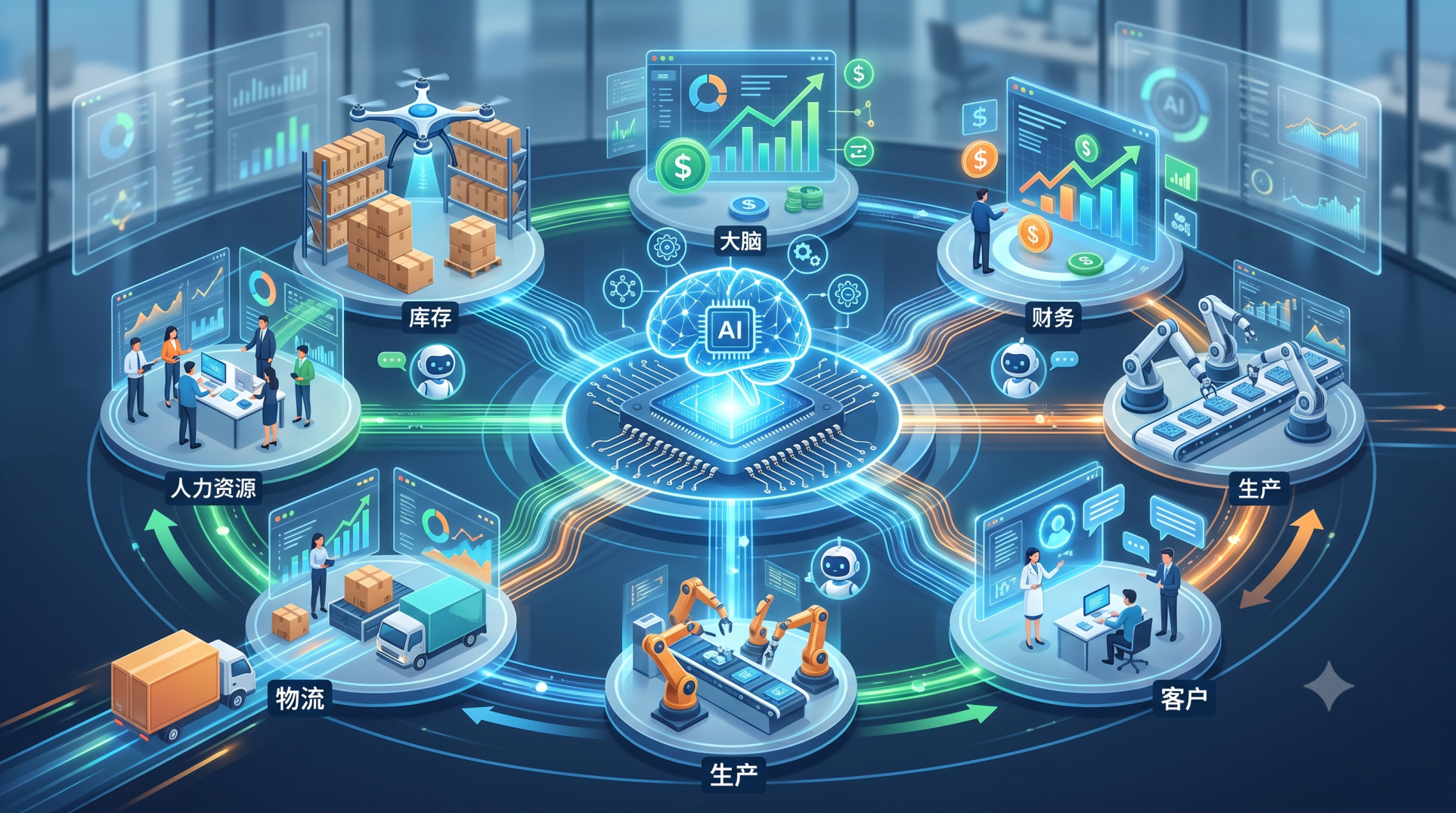
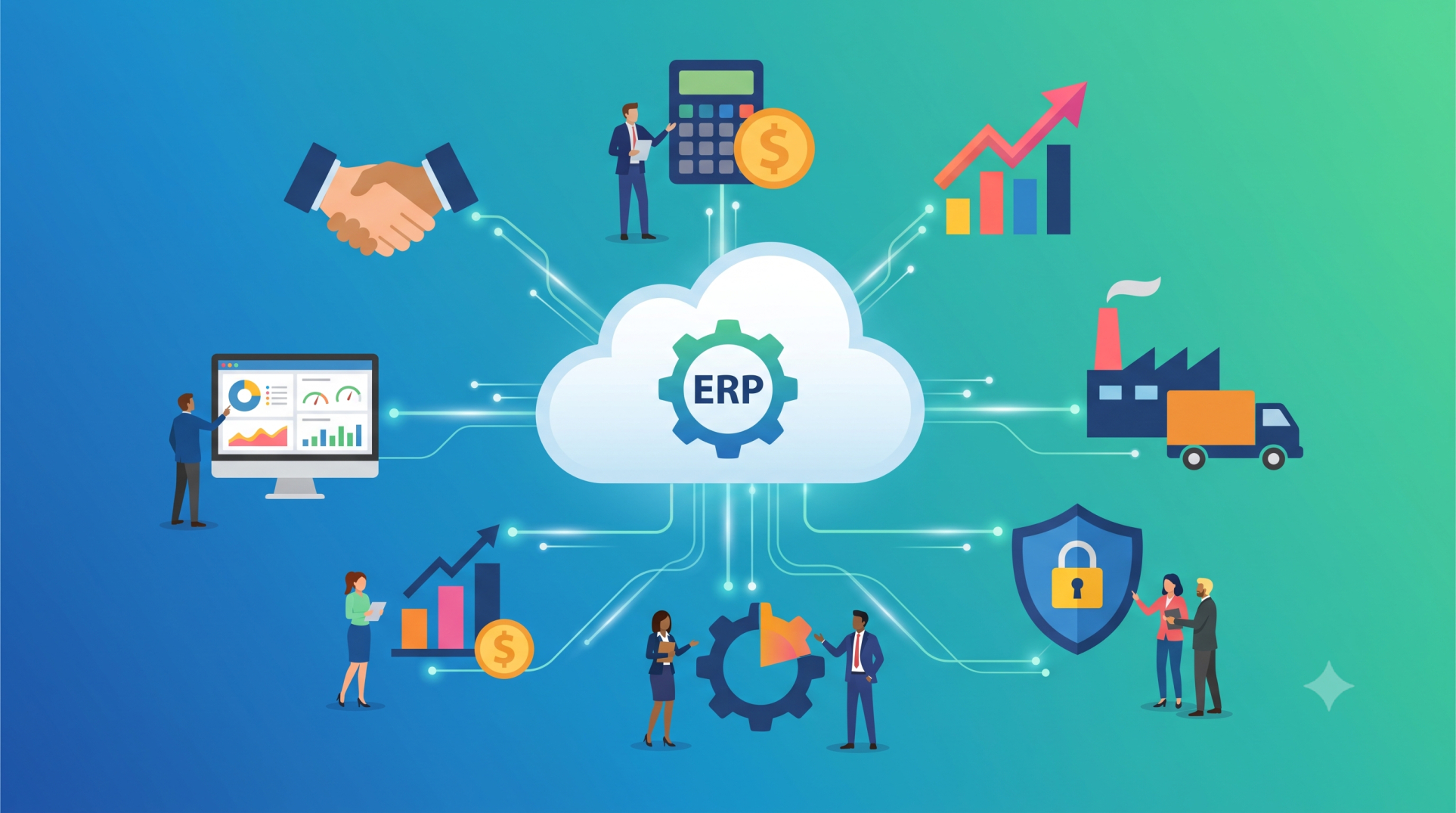
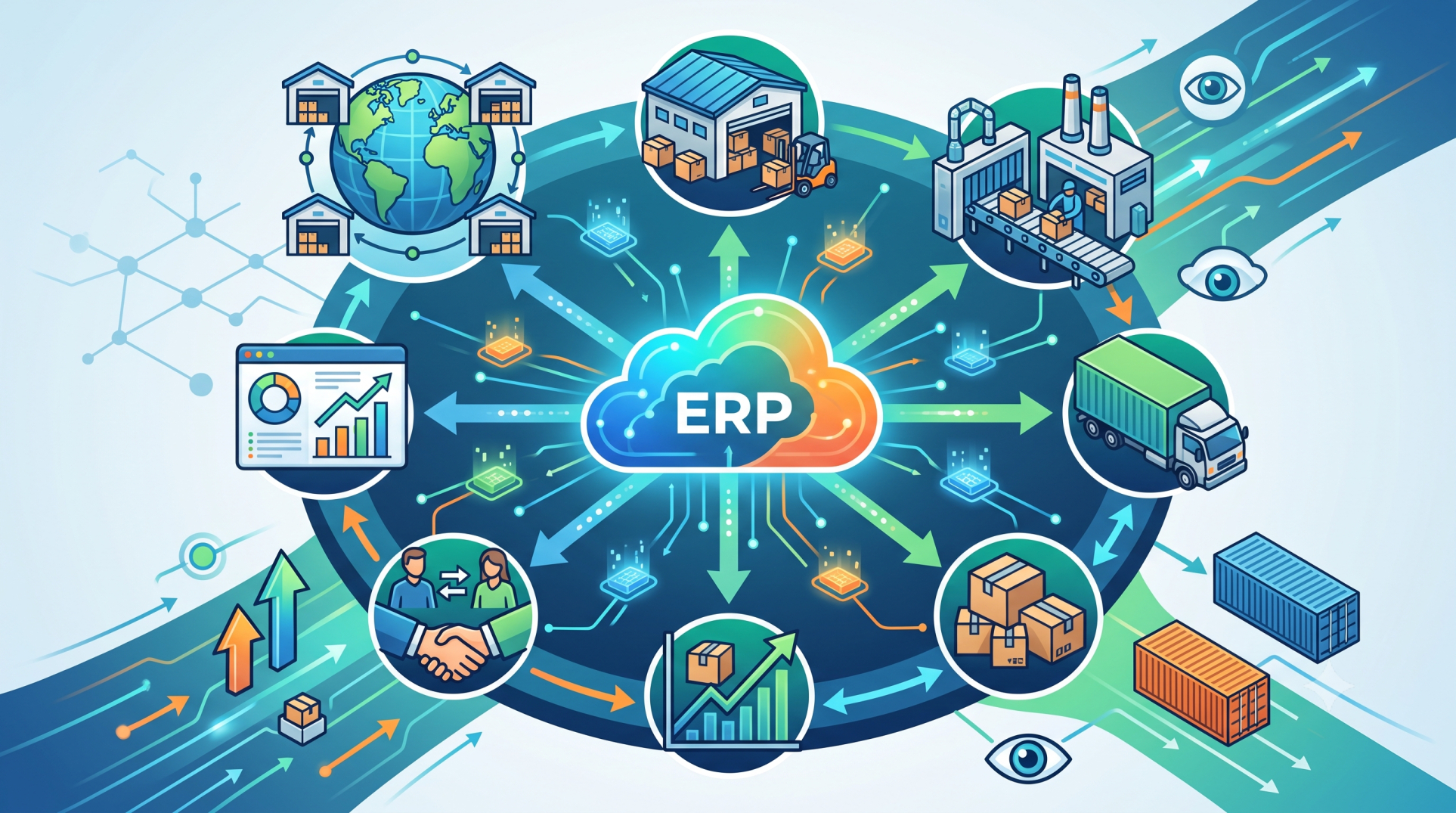
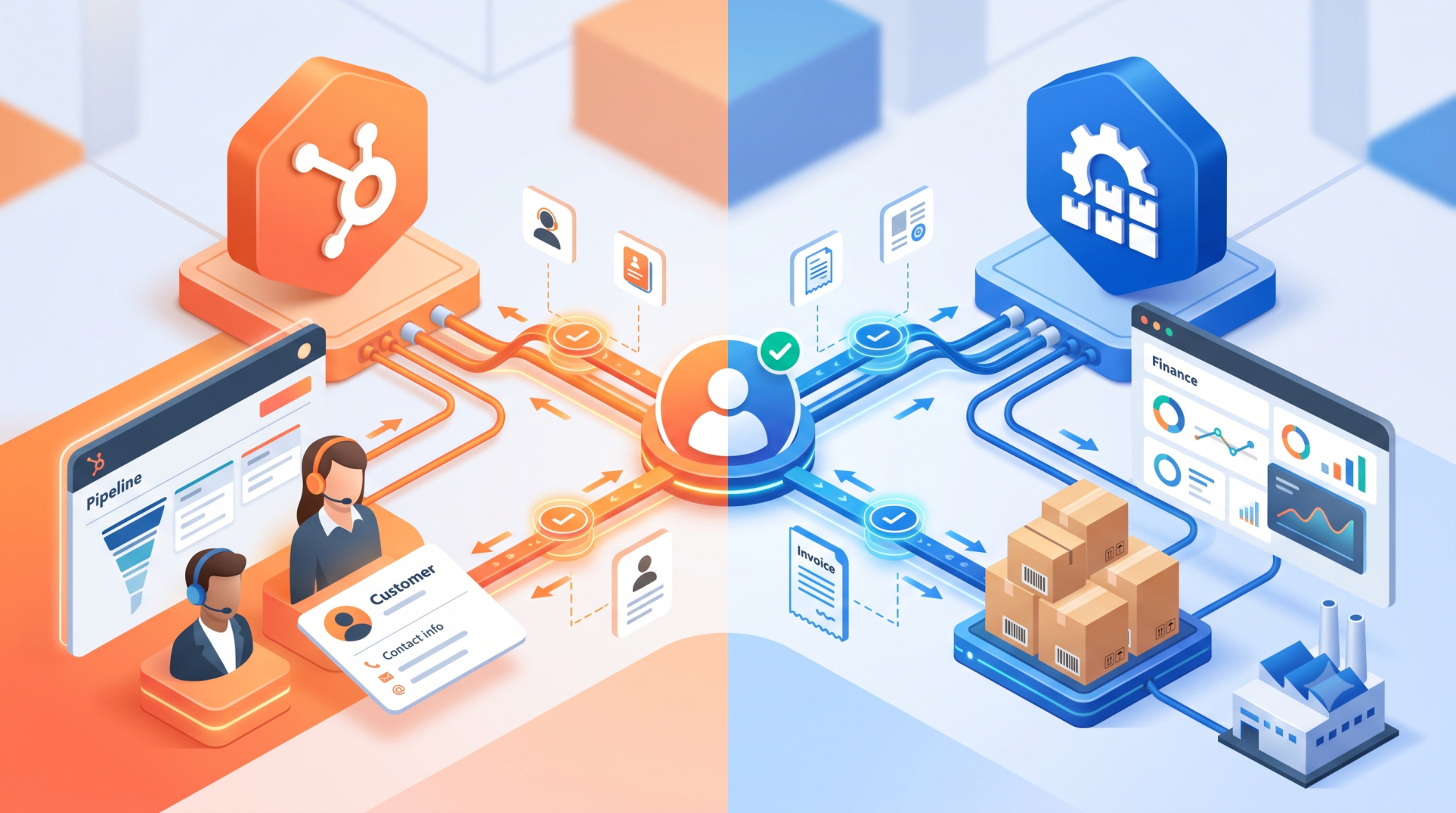
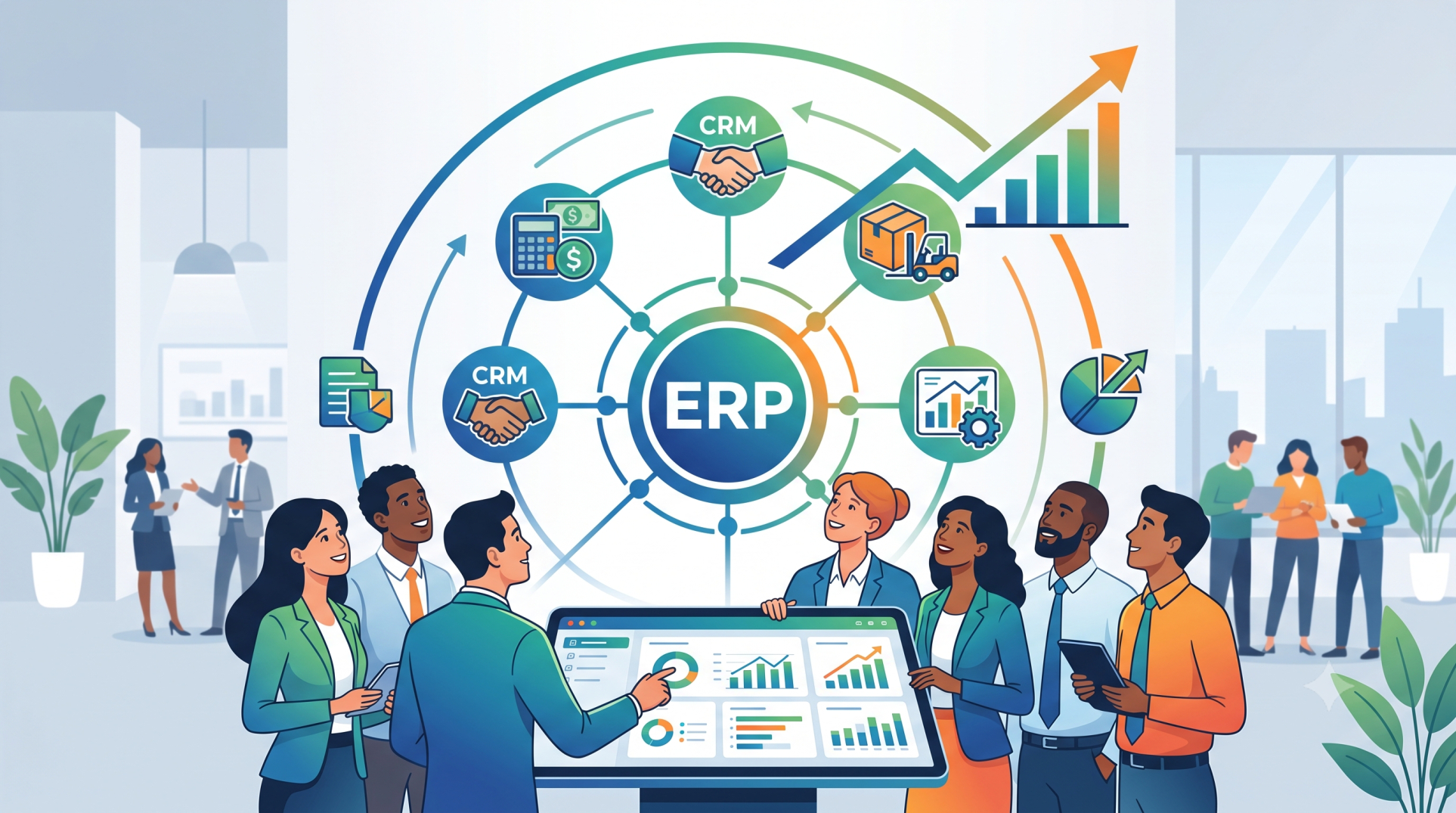
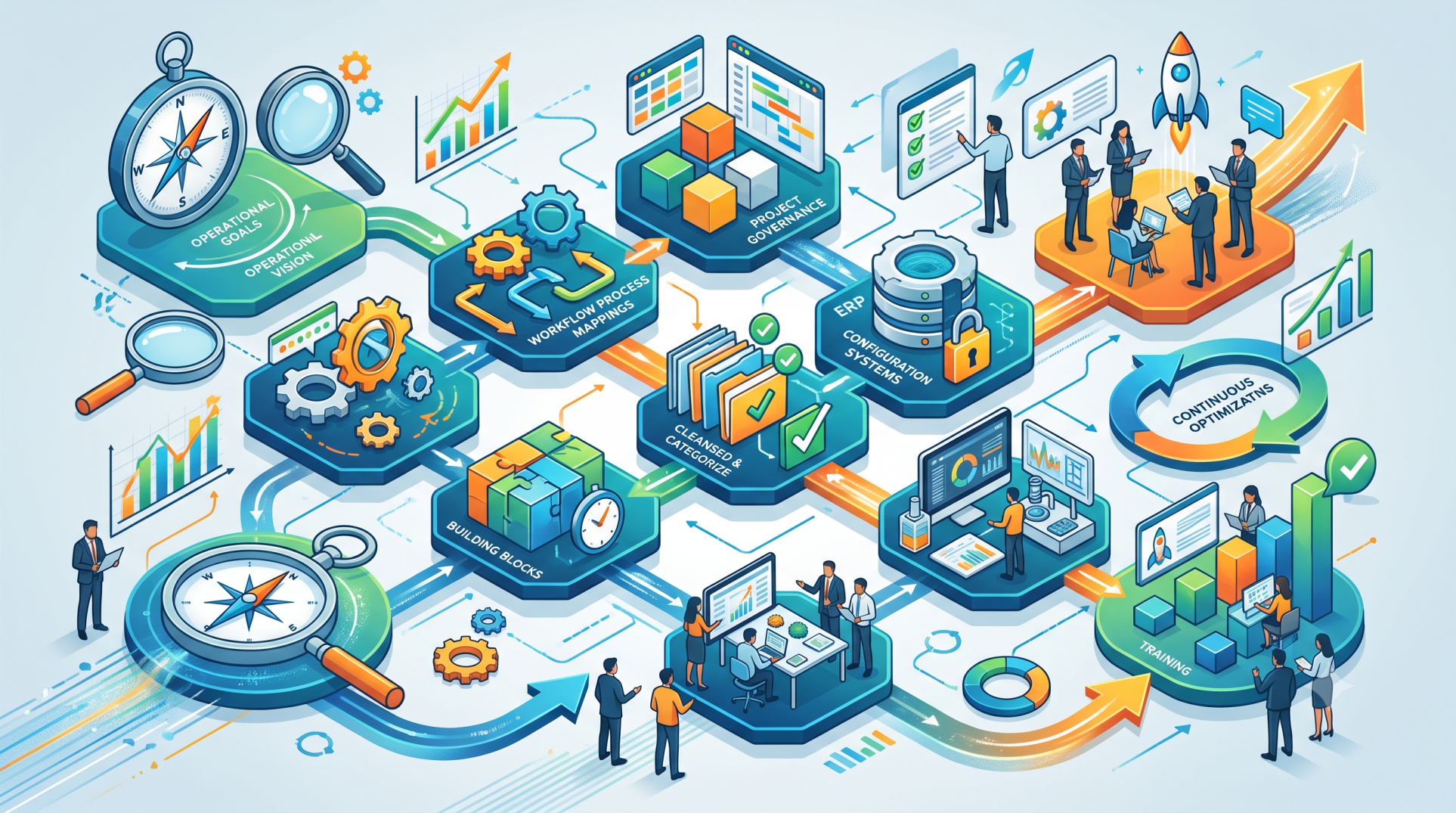
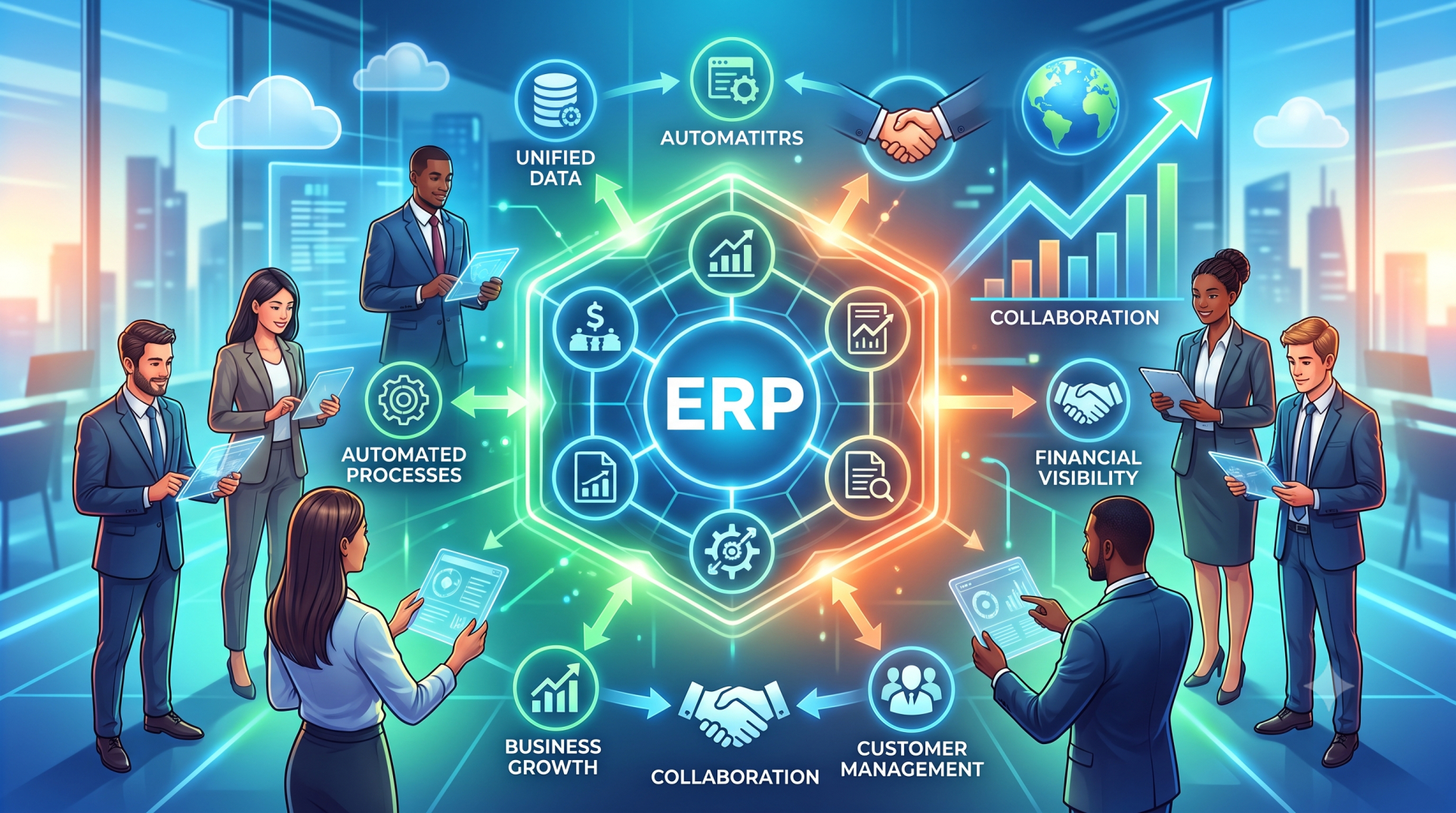
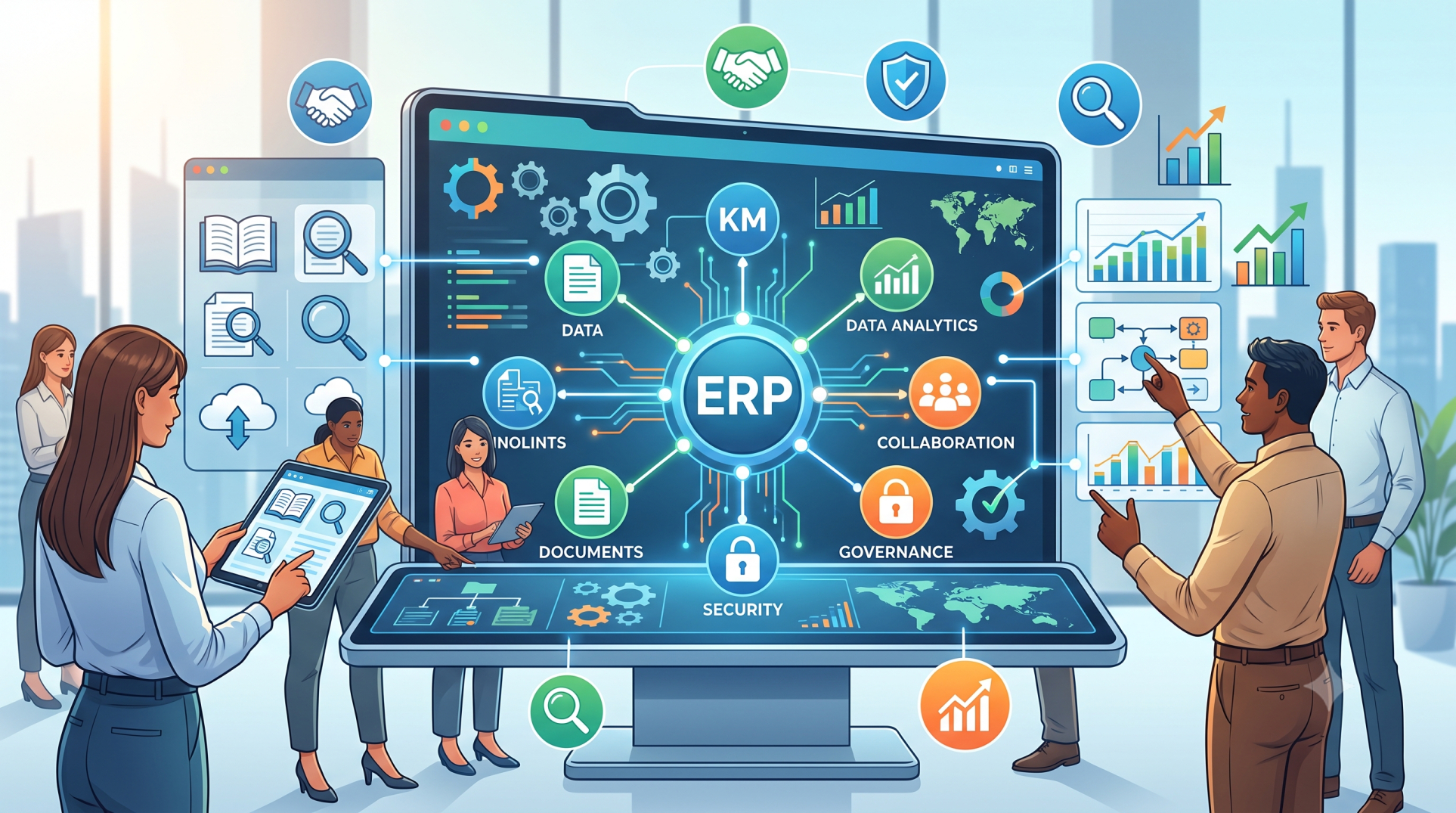
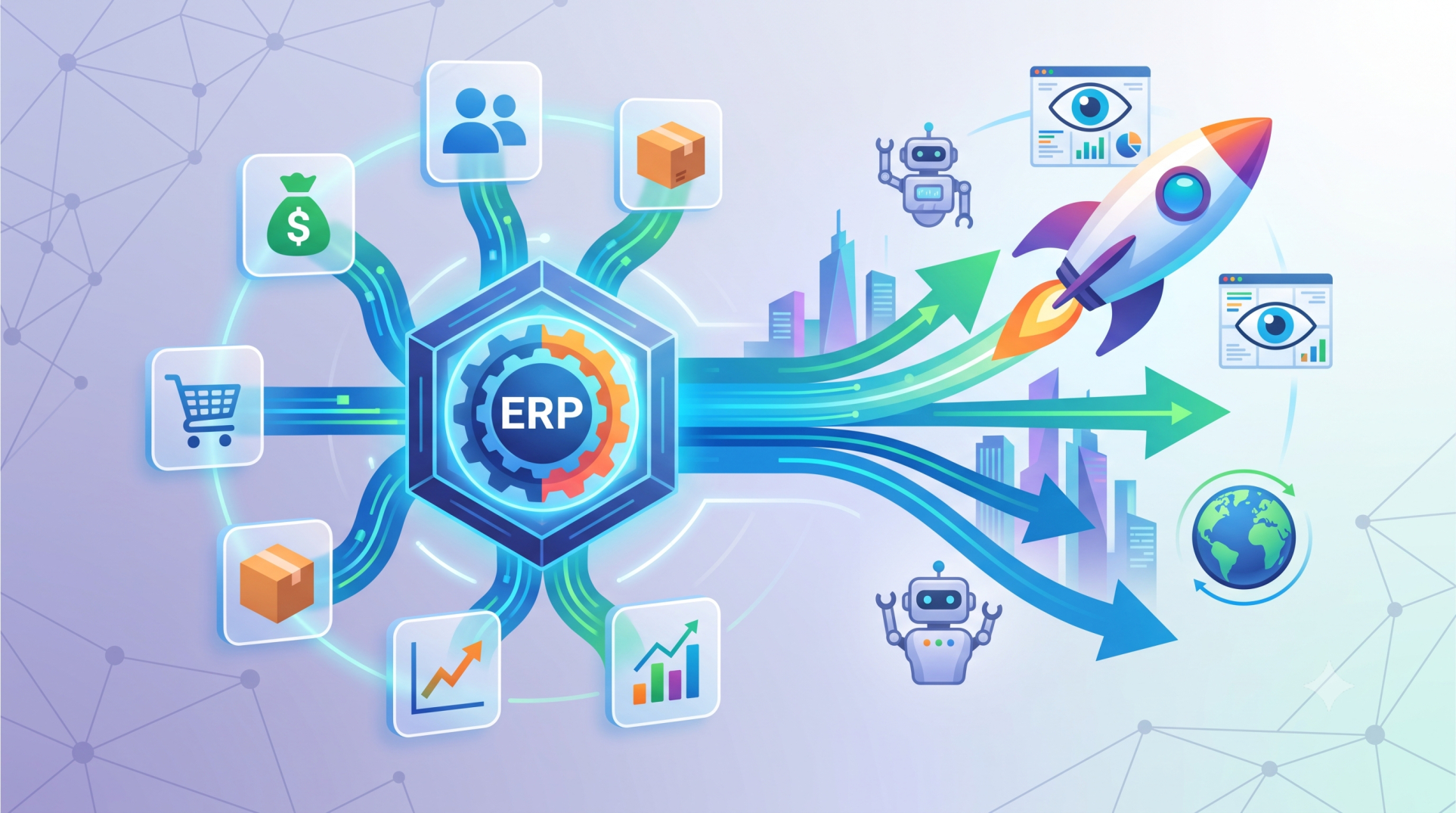
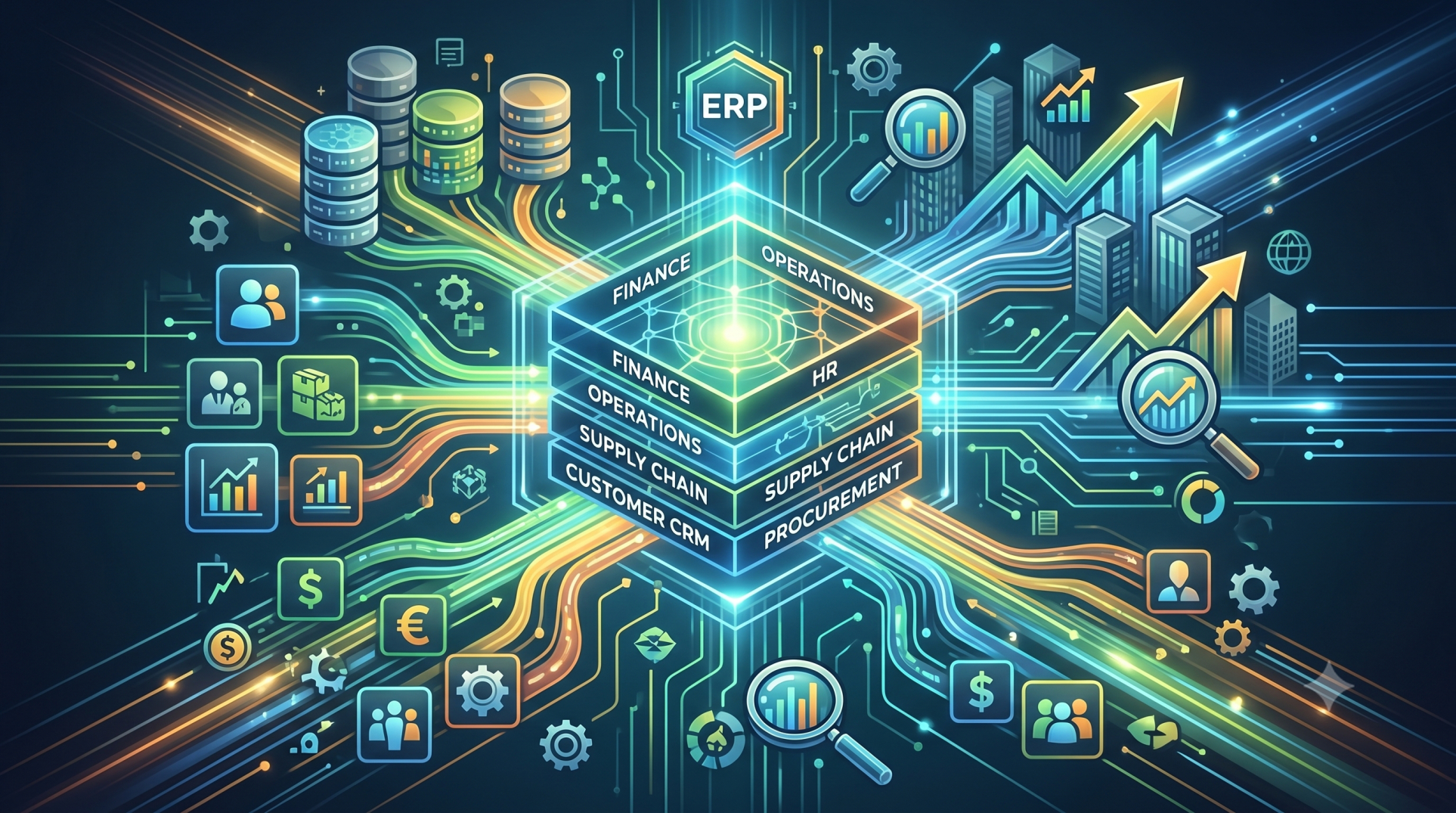
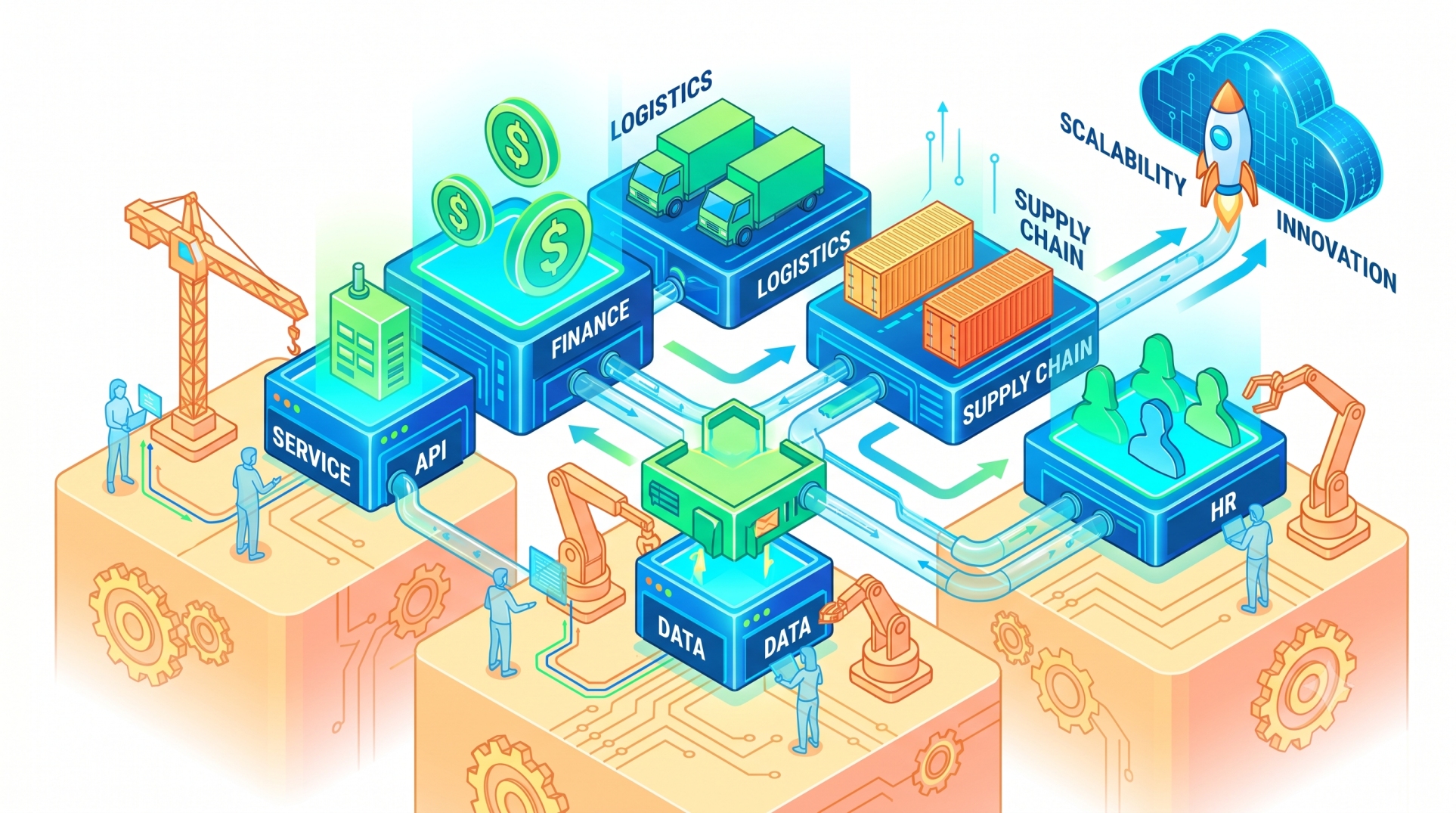
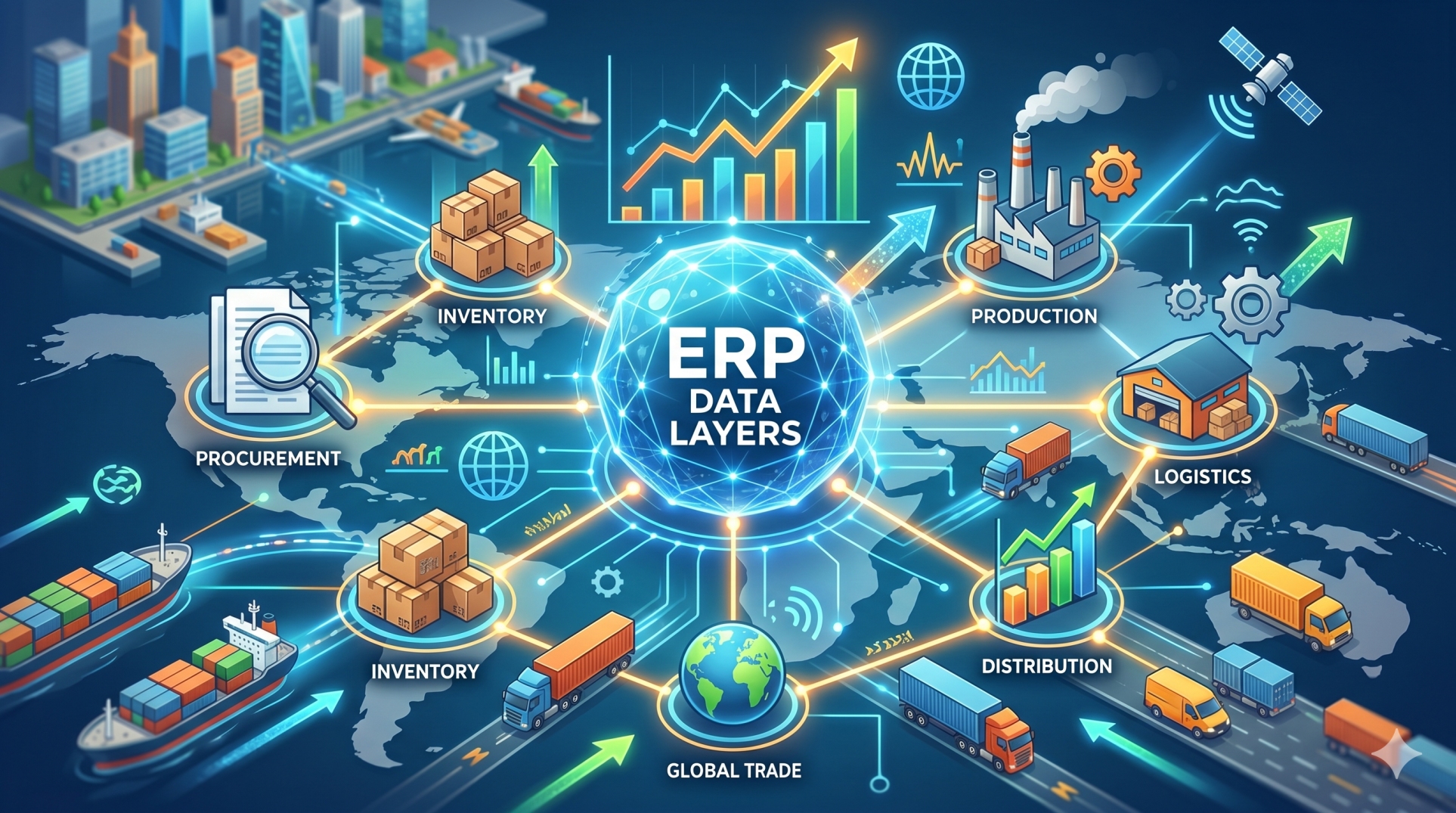
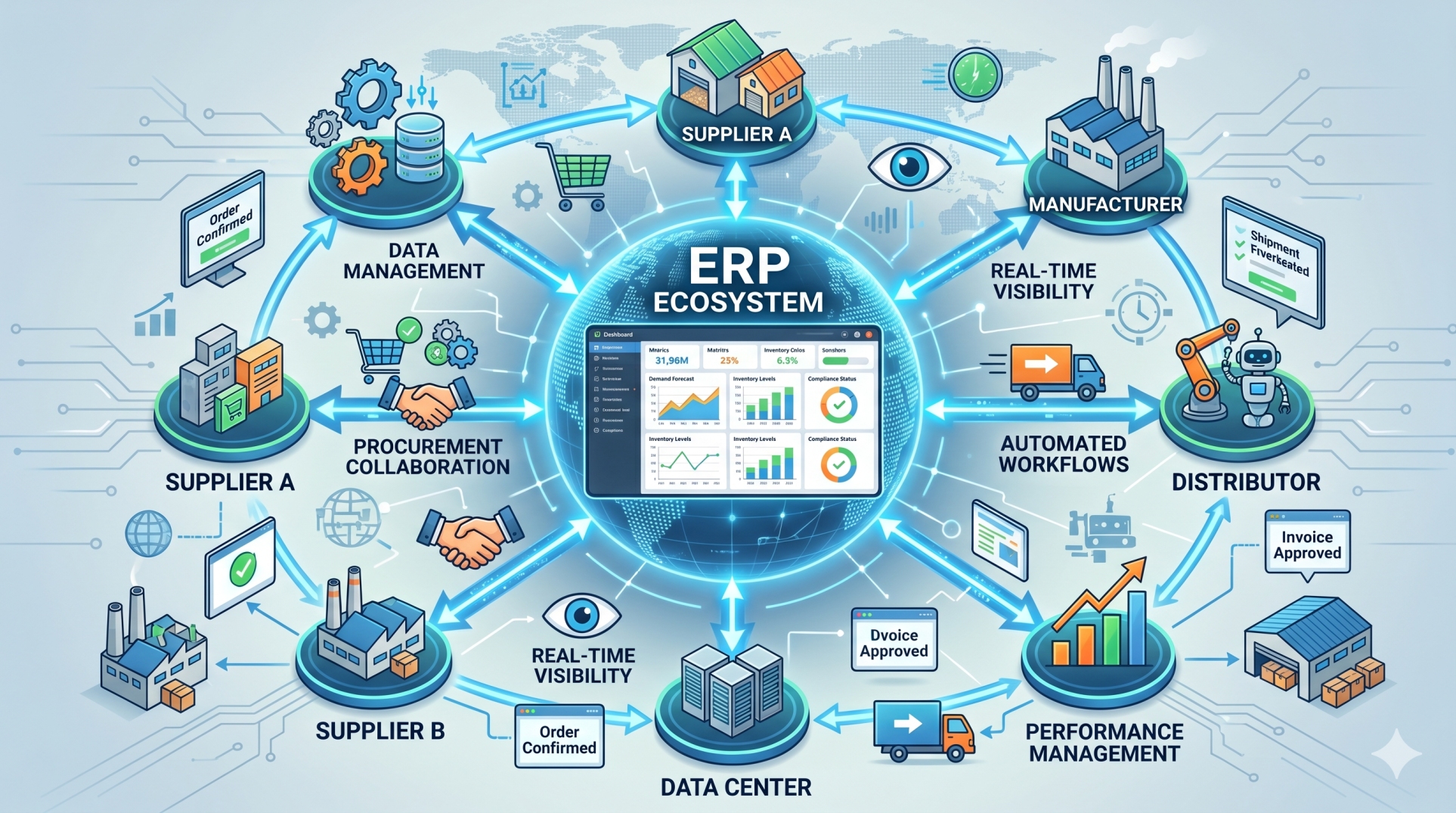
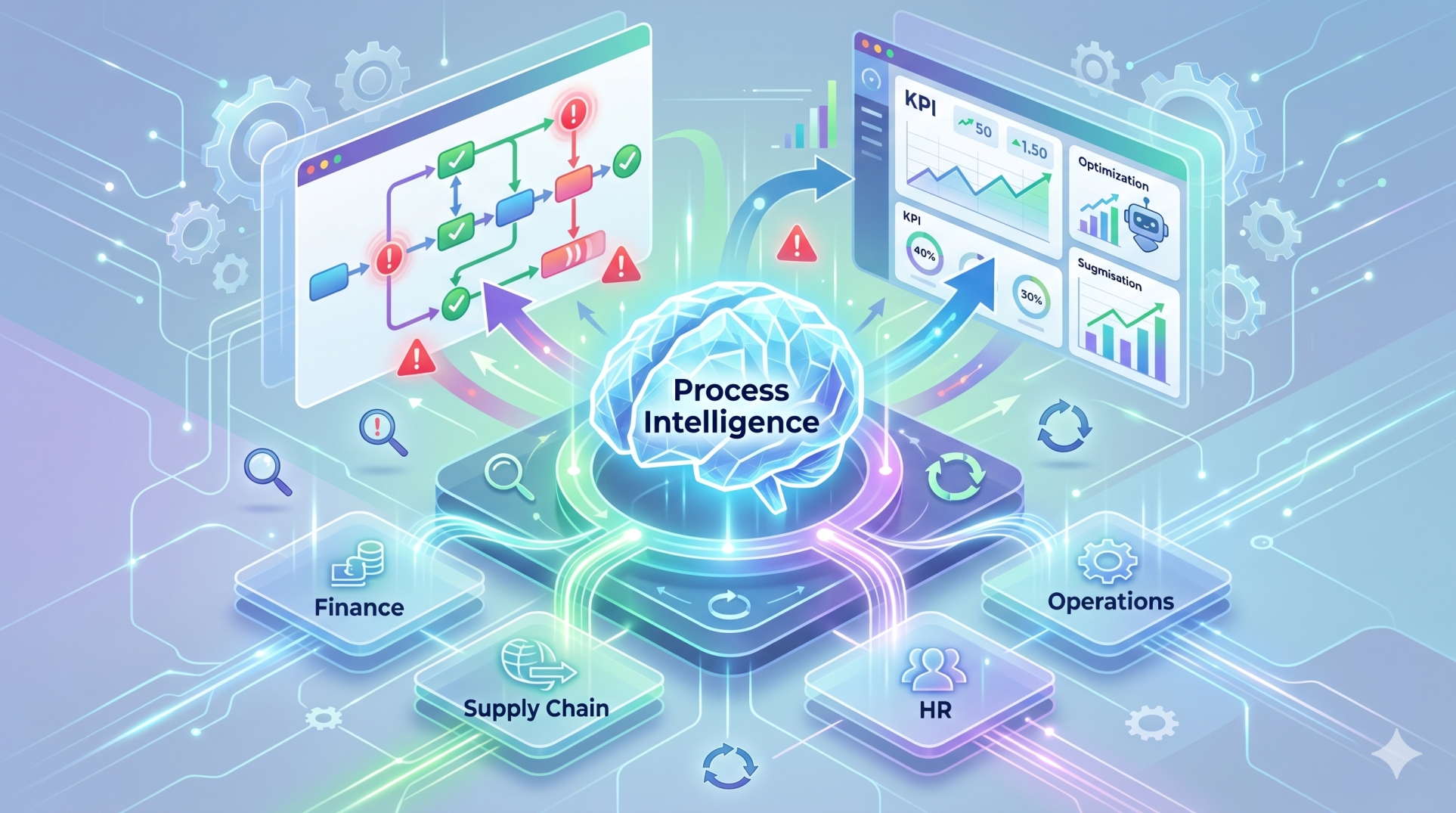
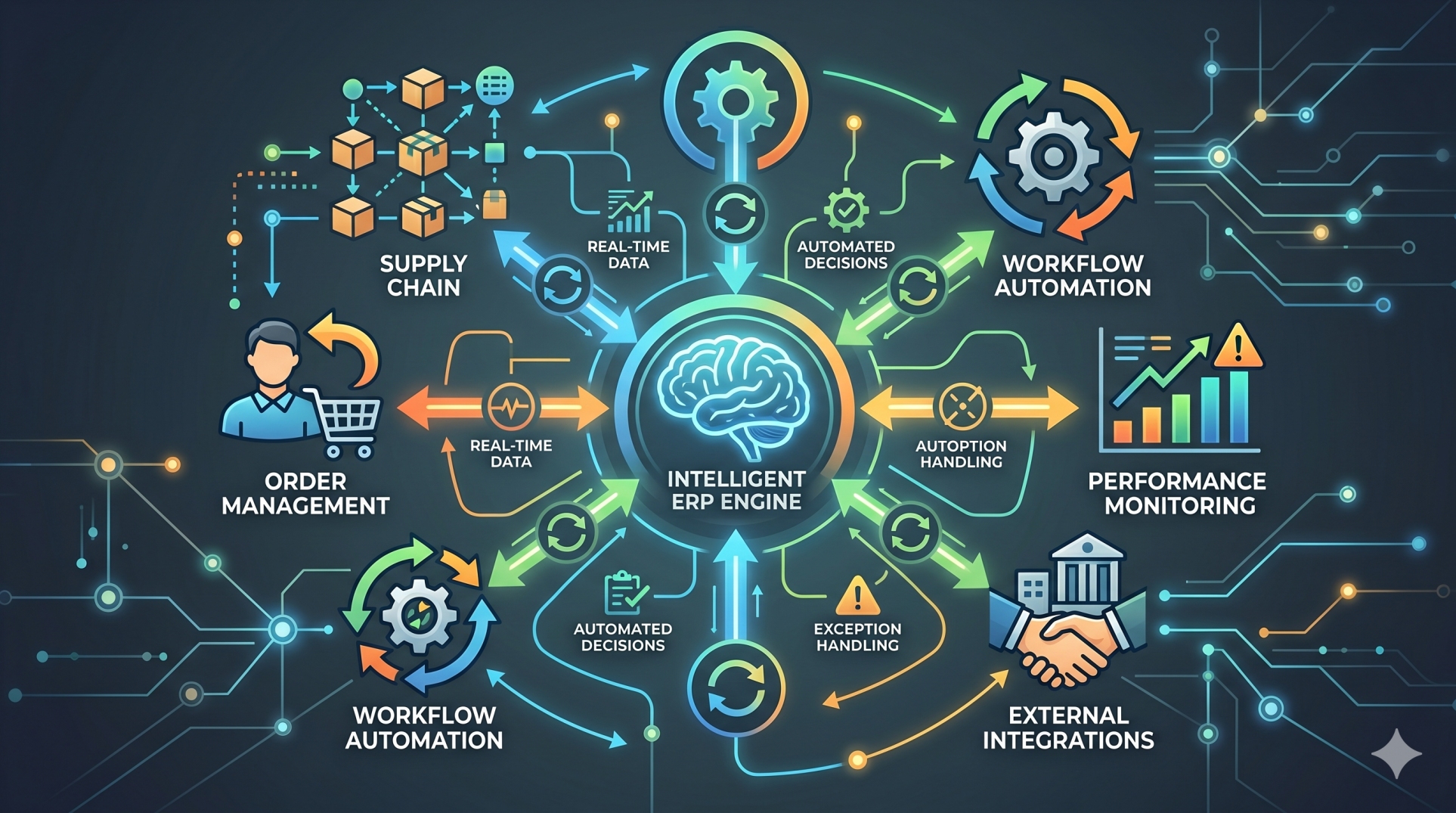
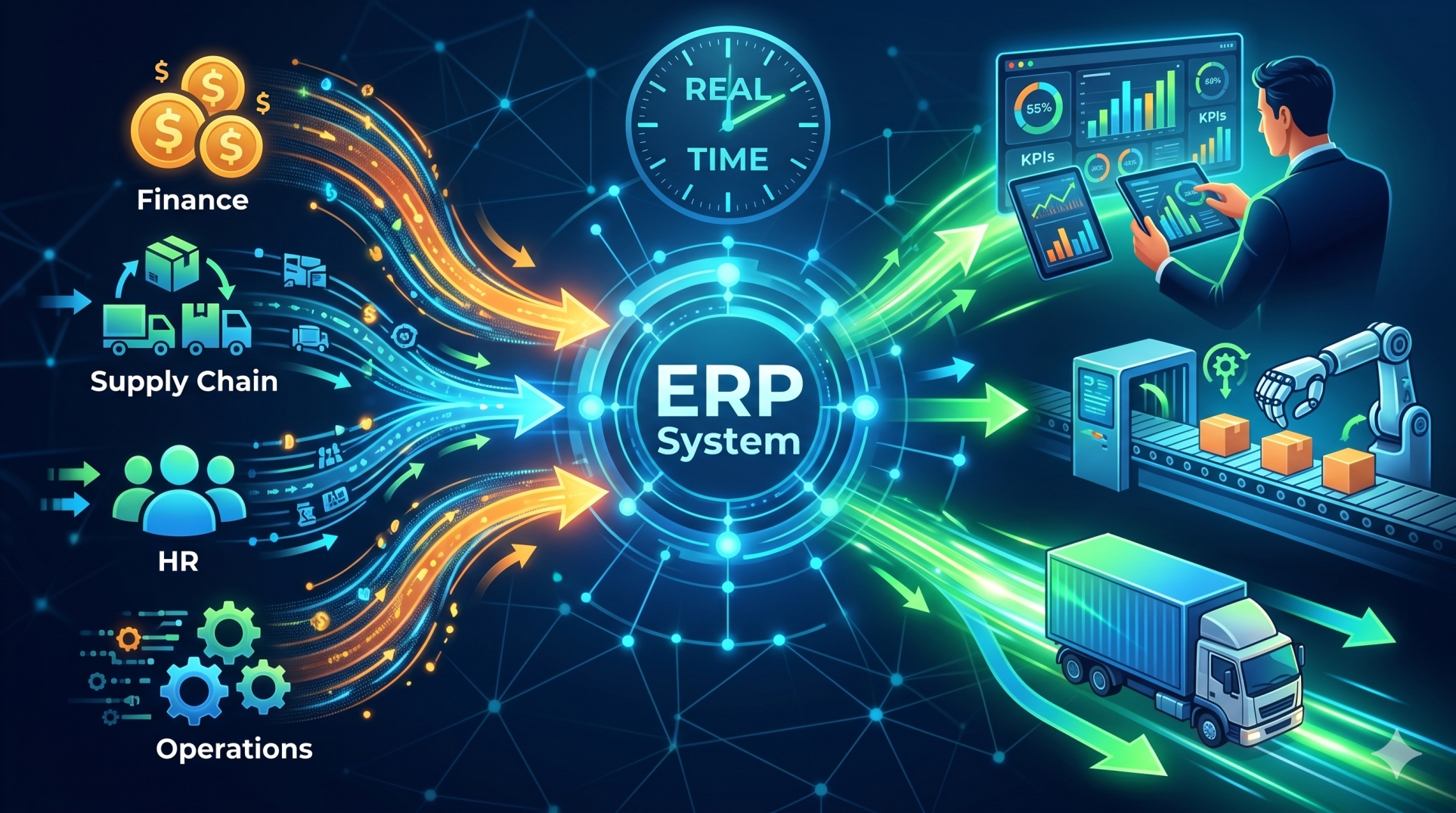
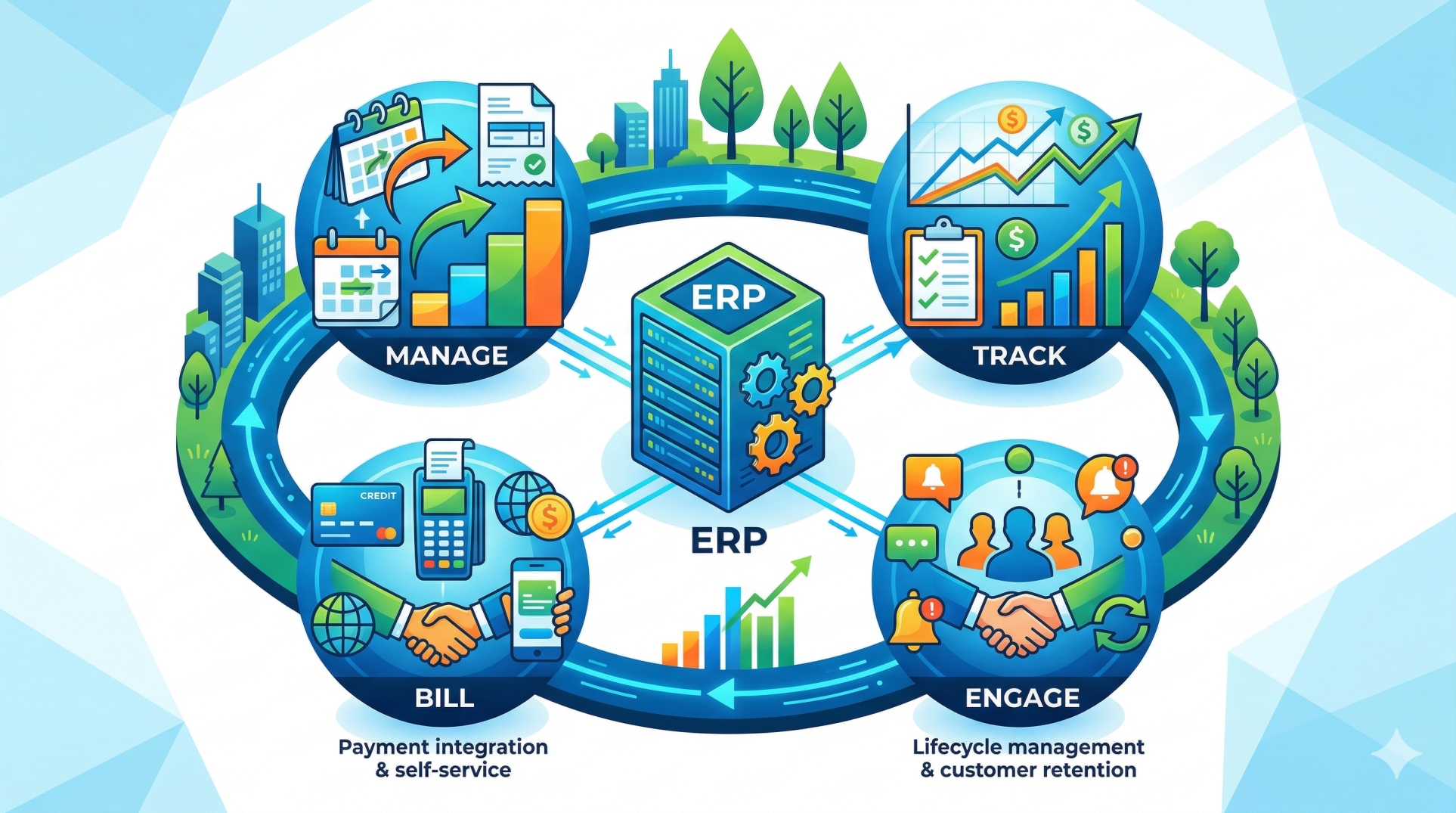
Enterprise Resource Planning (ERP) systems have evolved beyond traditional business management software into powerful organizational coordination engines. By connecting departments, workflows, and business data within a unified platform, ERP systems enable seamless collaboration, improve operational efficiency, and support informed decision-making. A well-integrated ERP system ensures every part of the organization works together toward common business objectives.
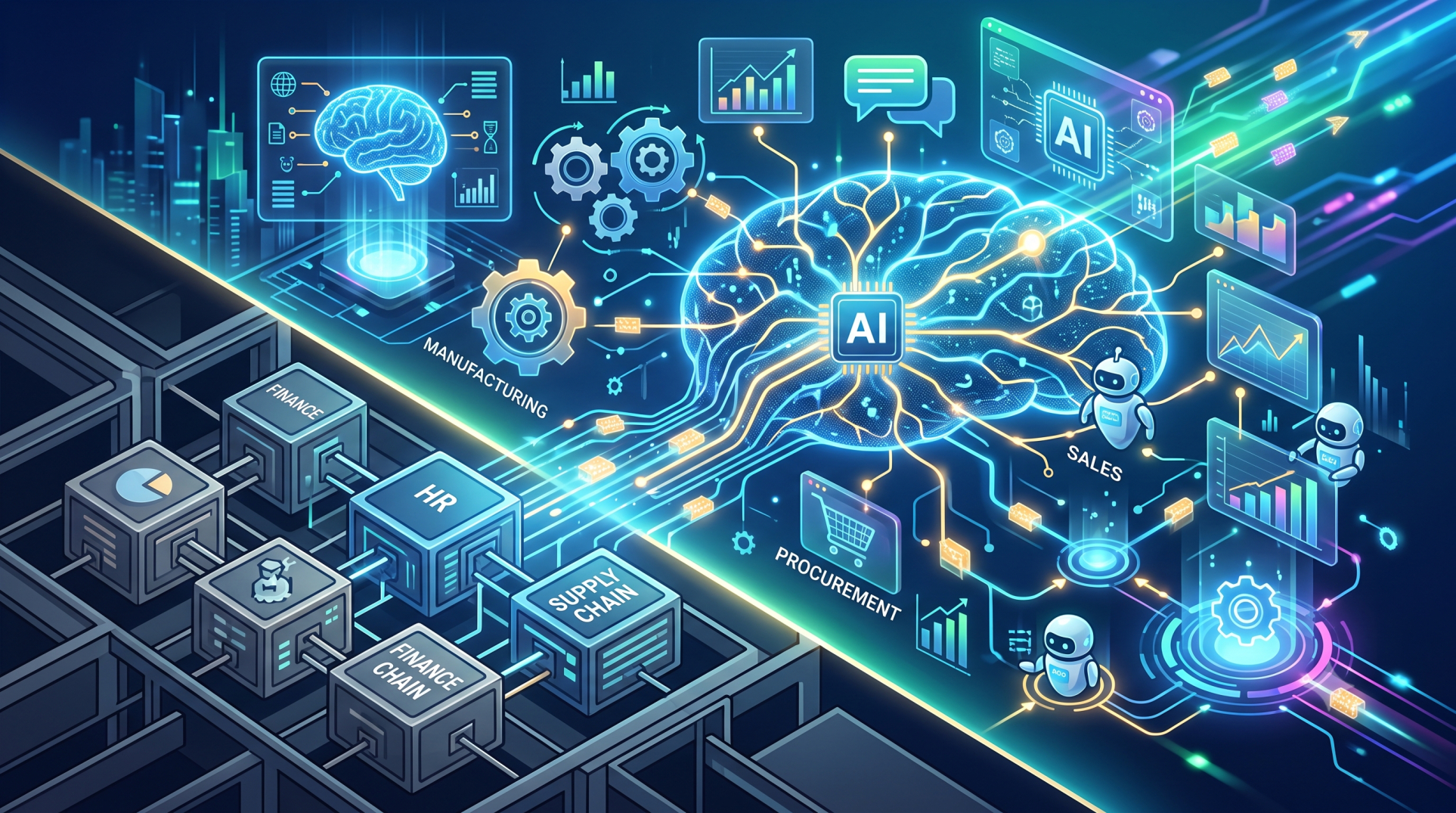
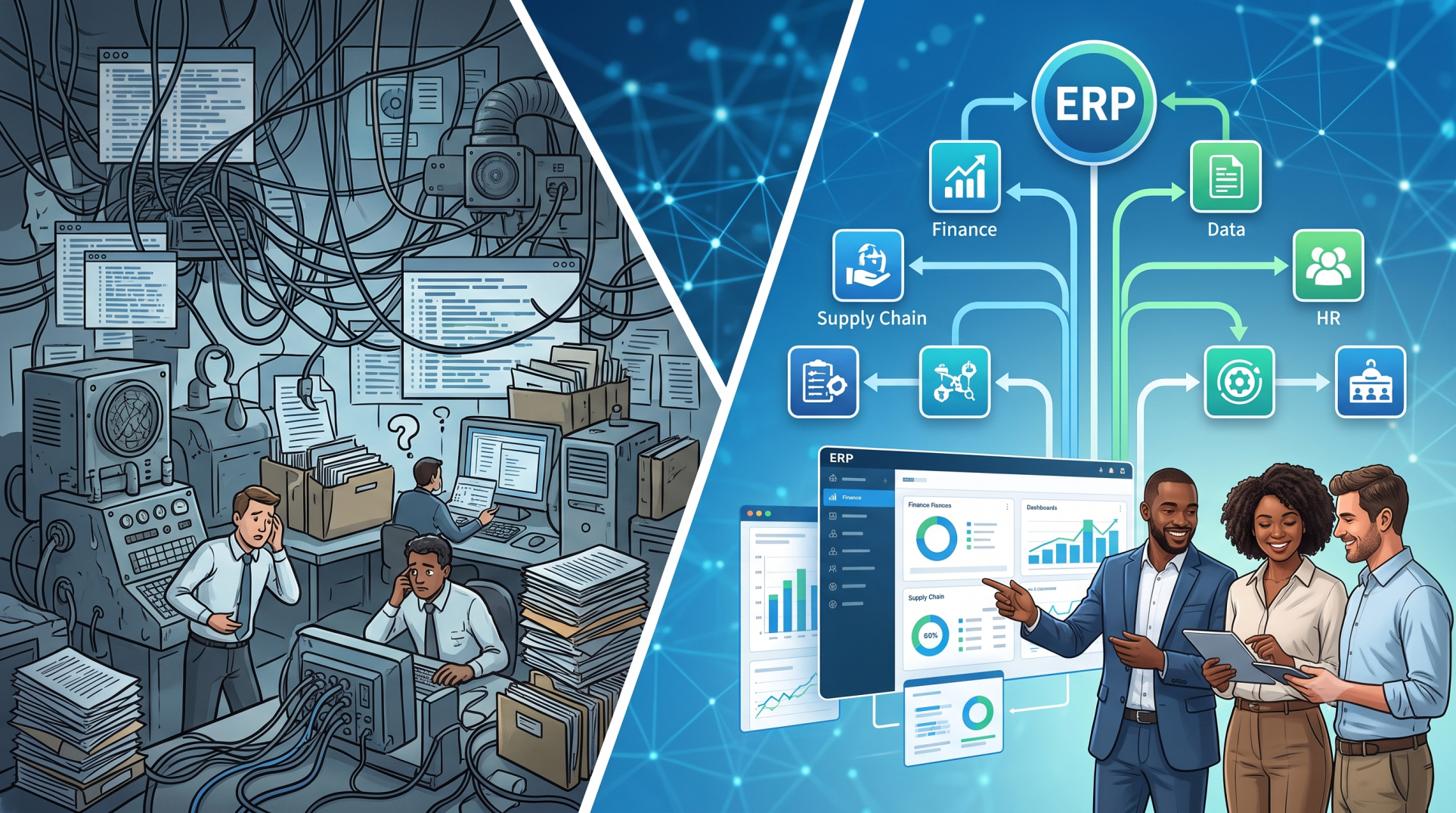
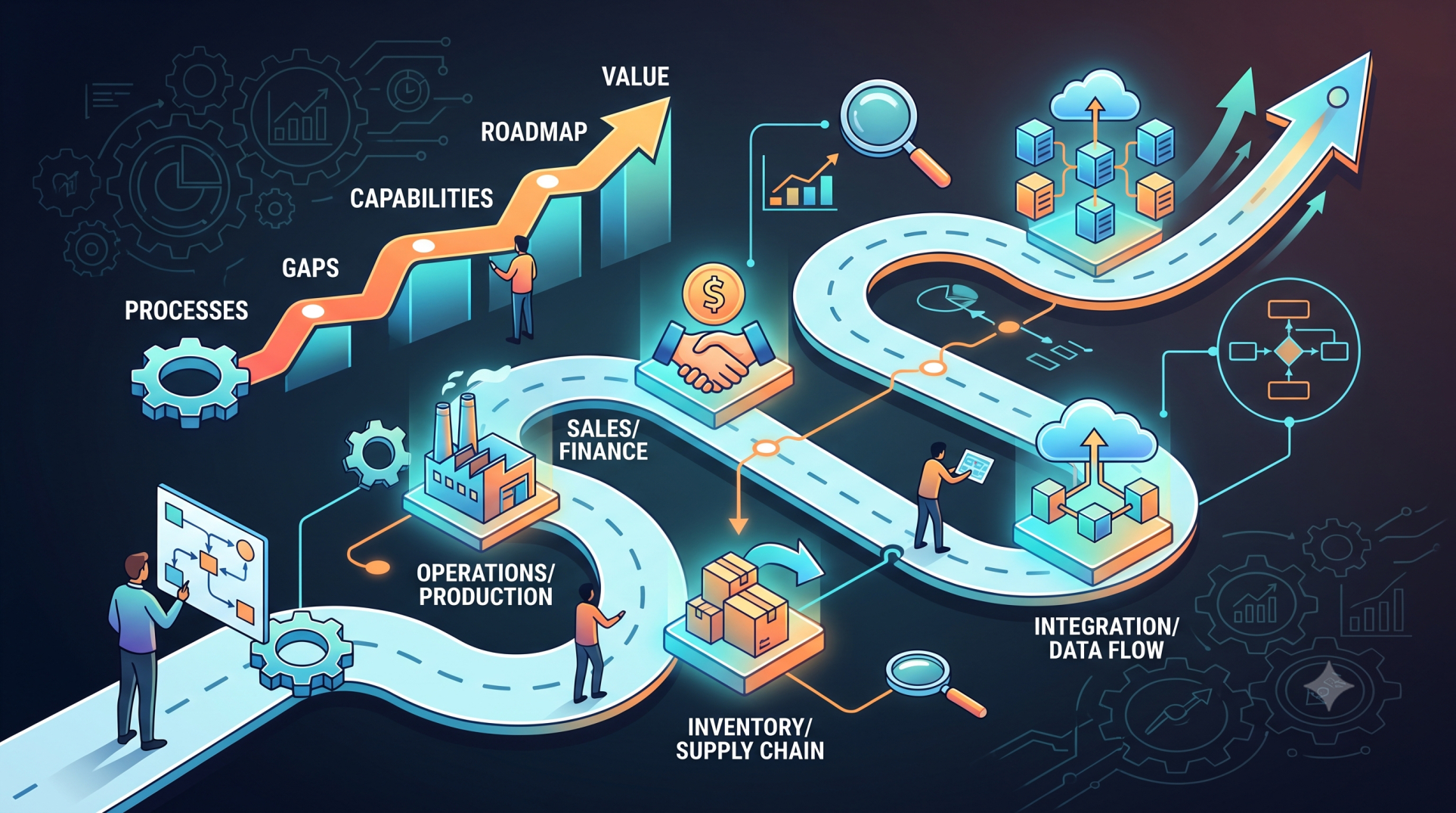
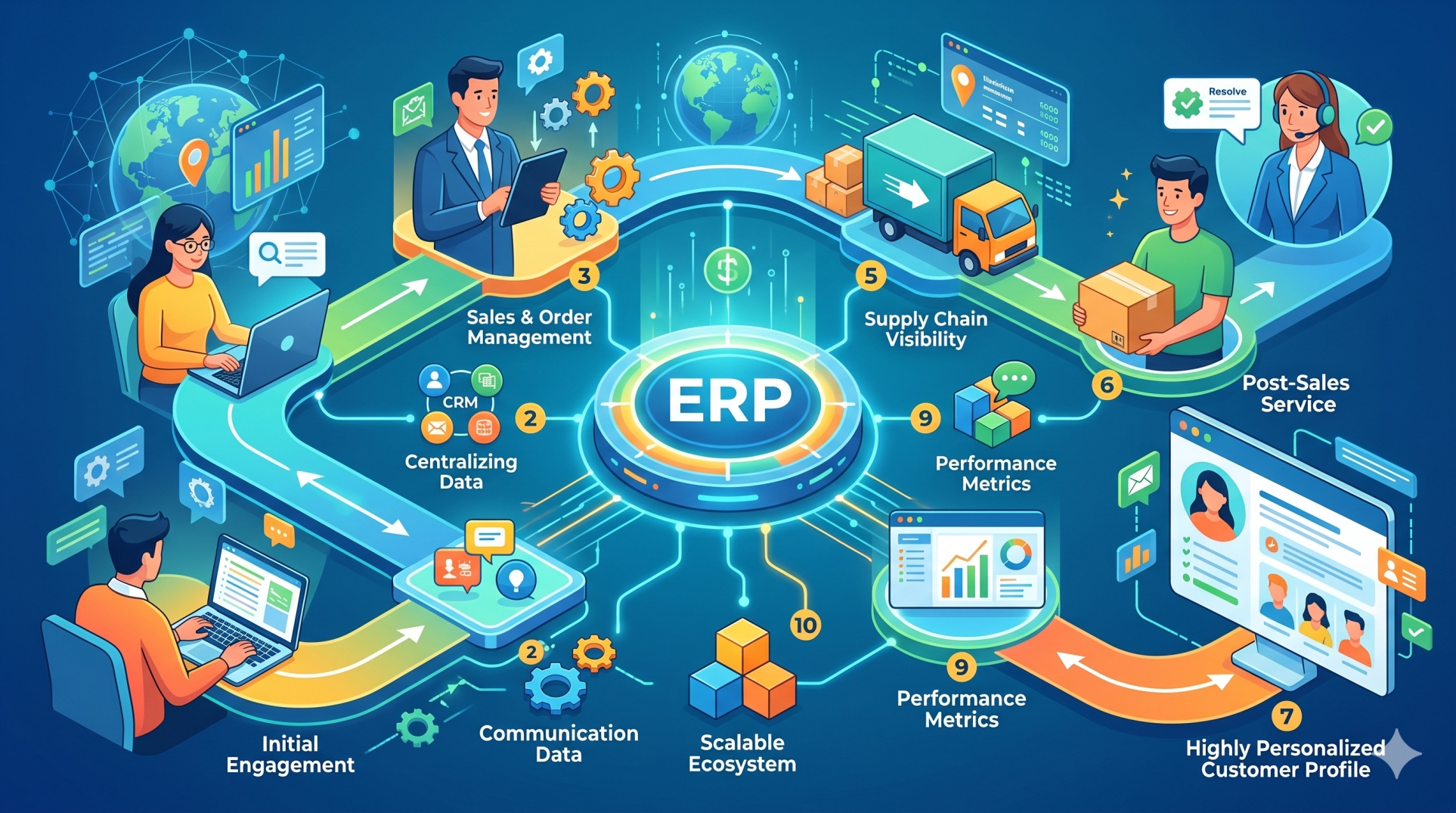
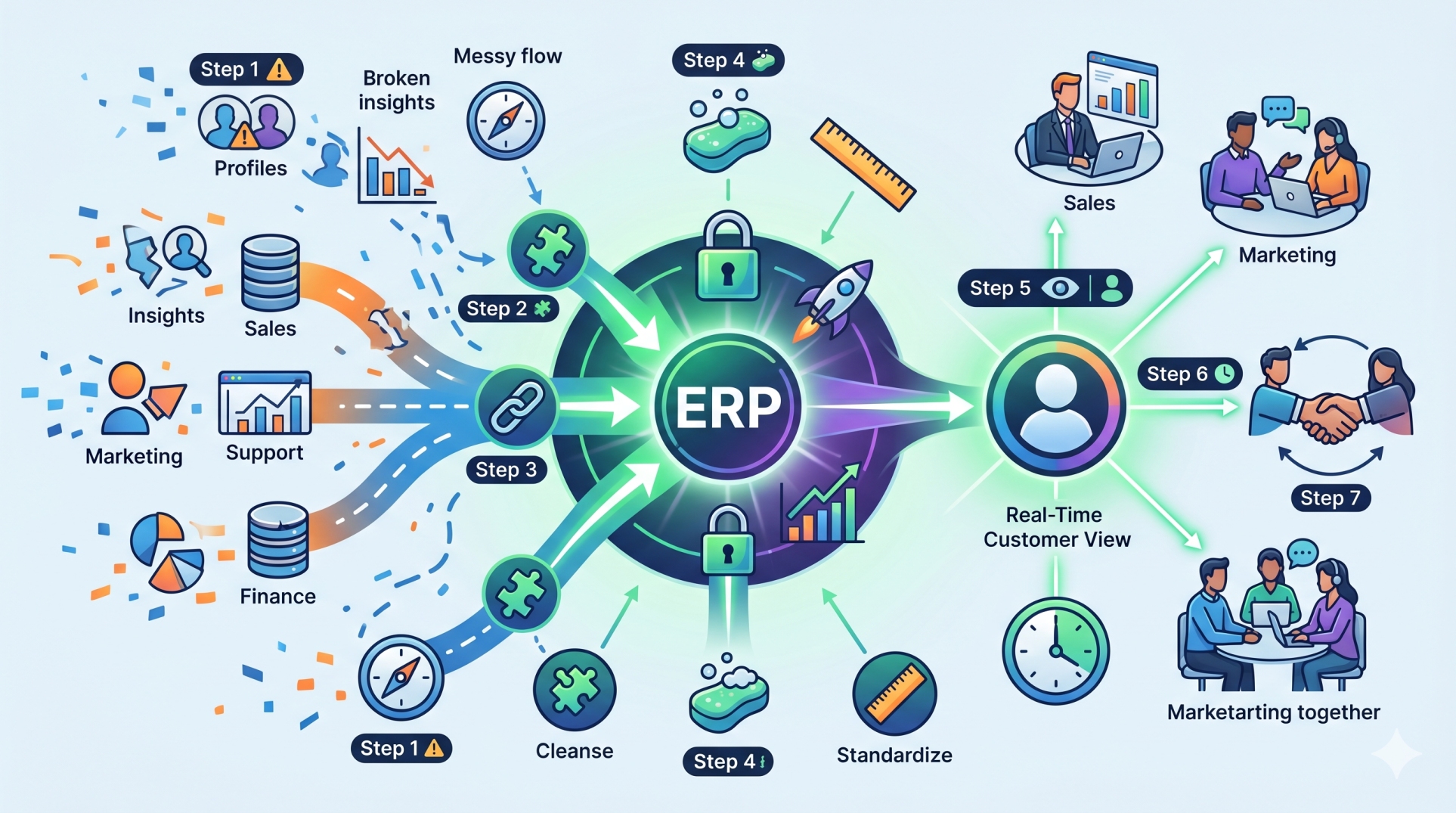
Step 1: Centralizing Business Operations 🏢
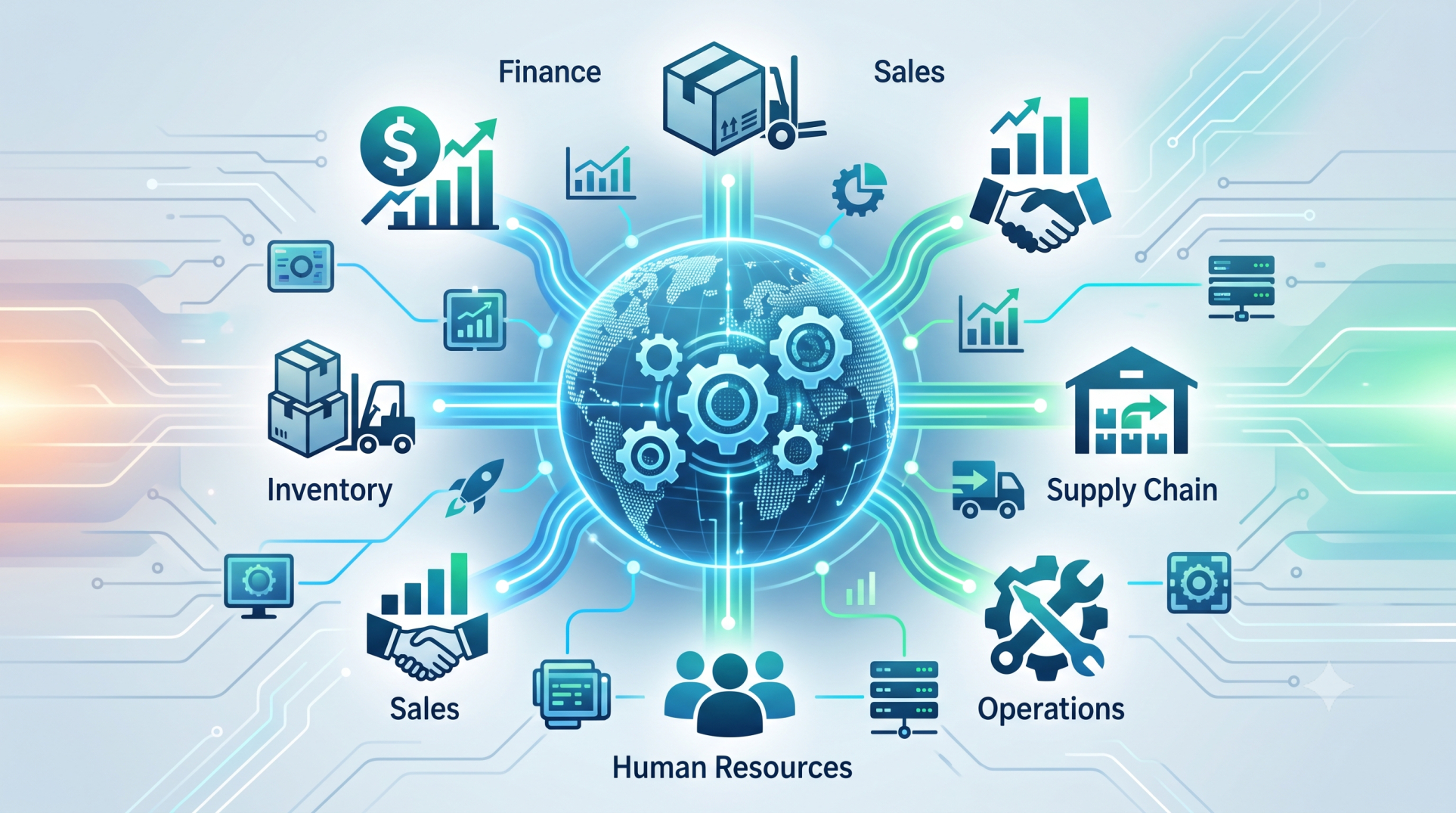
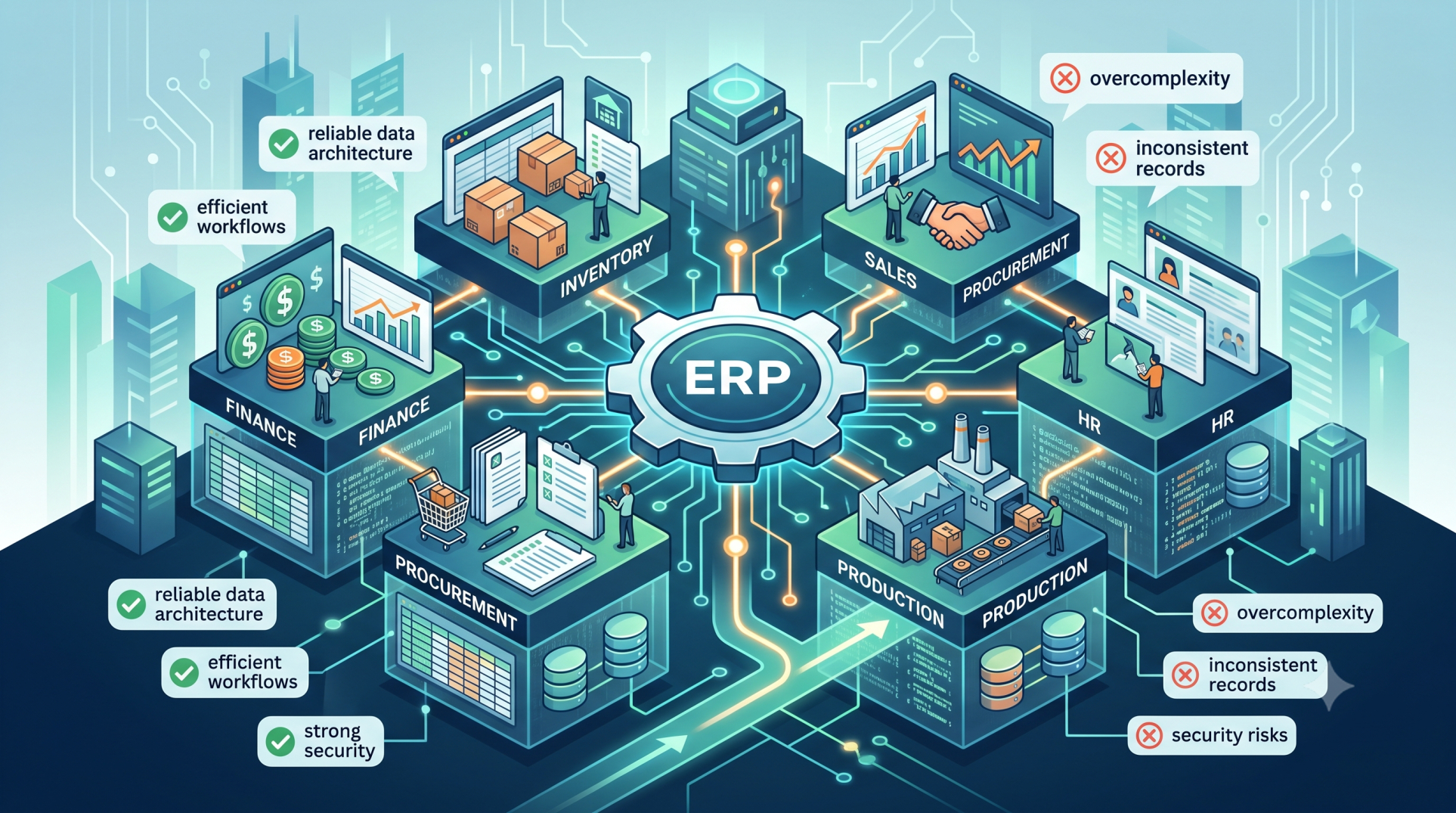
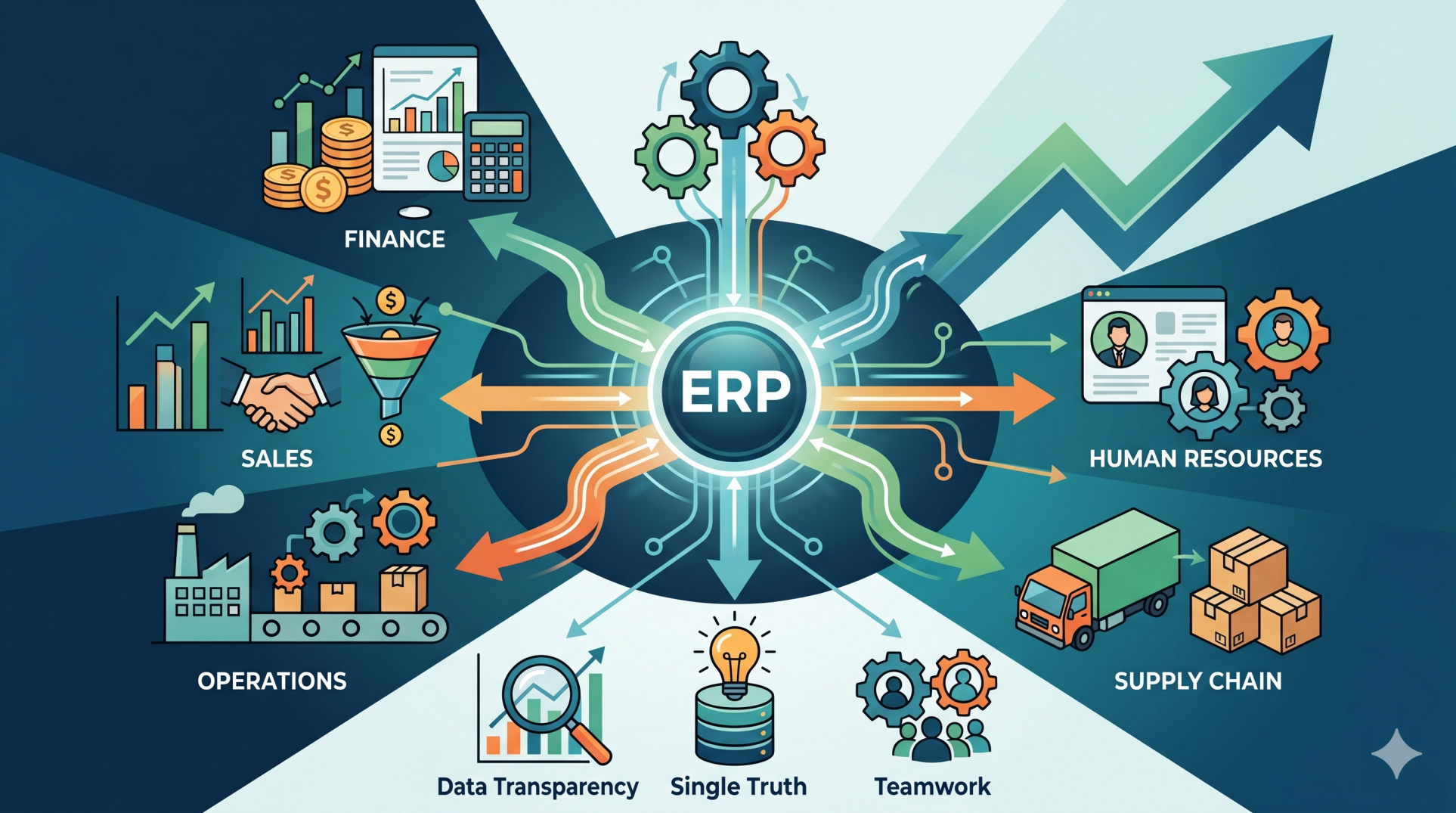
• Consolidate finance, HR, procurement, inventory, and sales into one platform 📊
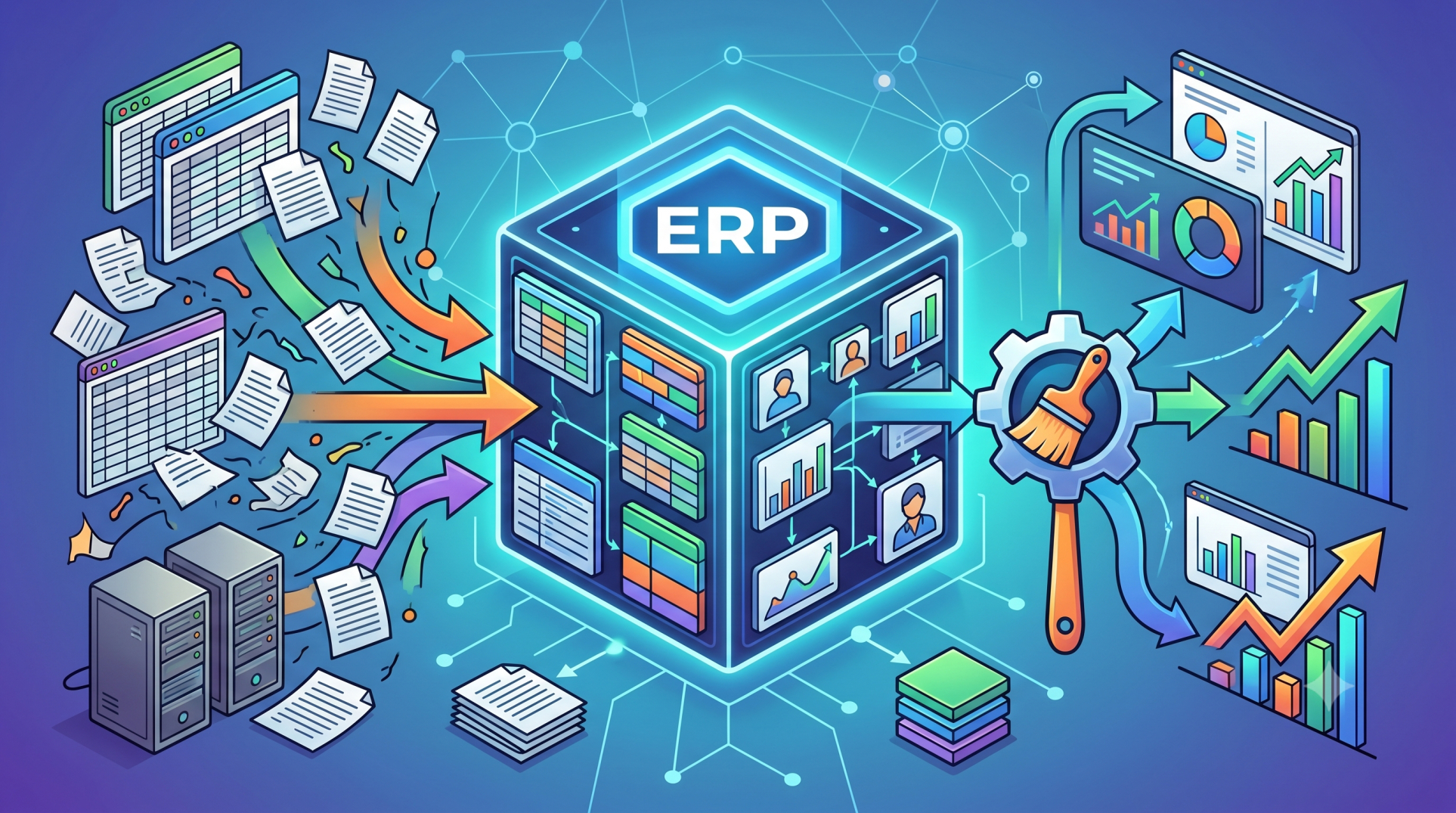
• Eliminate disconnected systems and duplicate data 🔄
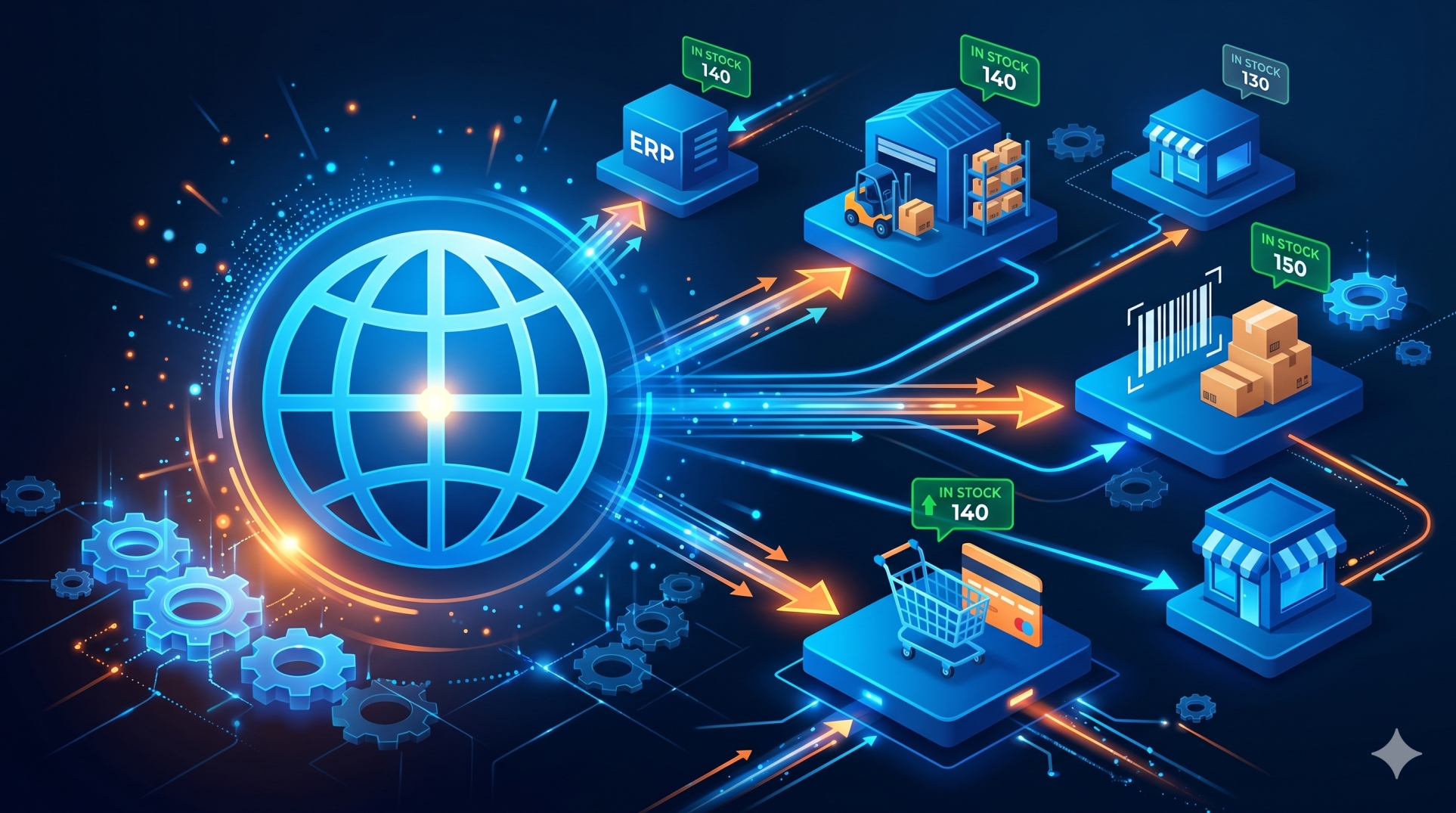
• Create a single source of truth for business information 📁
• Improve visibility across departments 👀
• Simplify daily operations through centralized management ⚙️
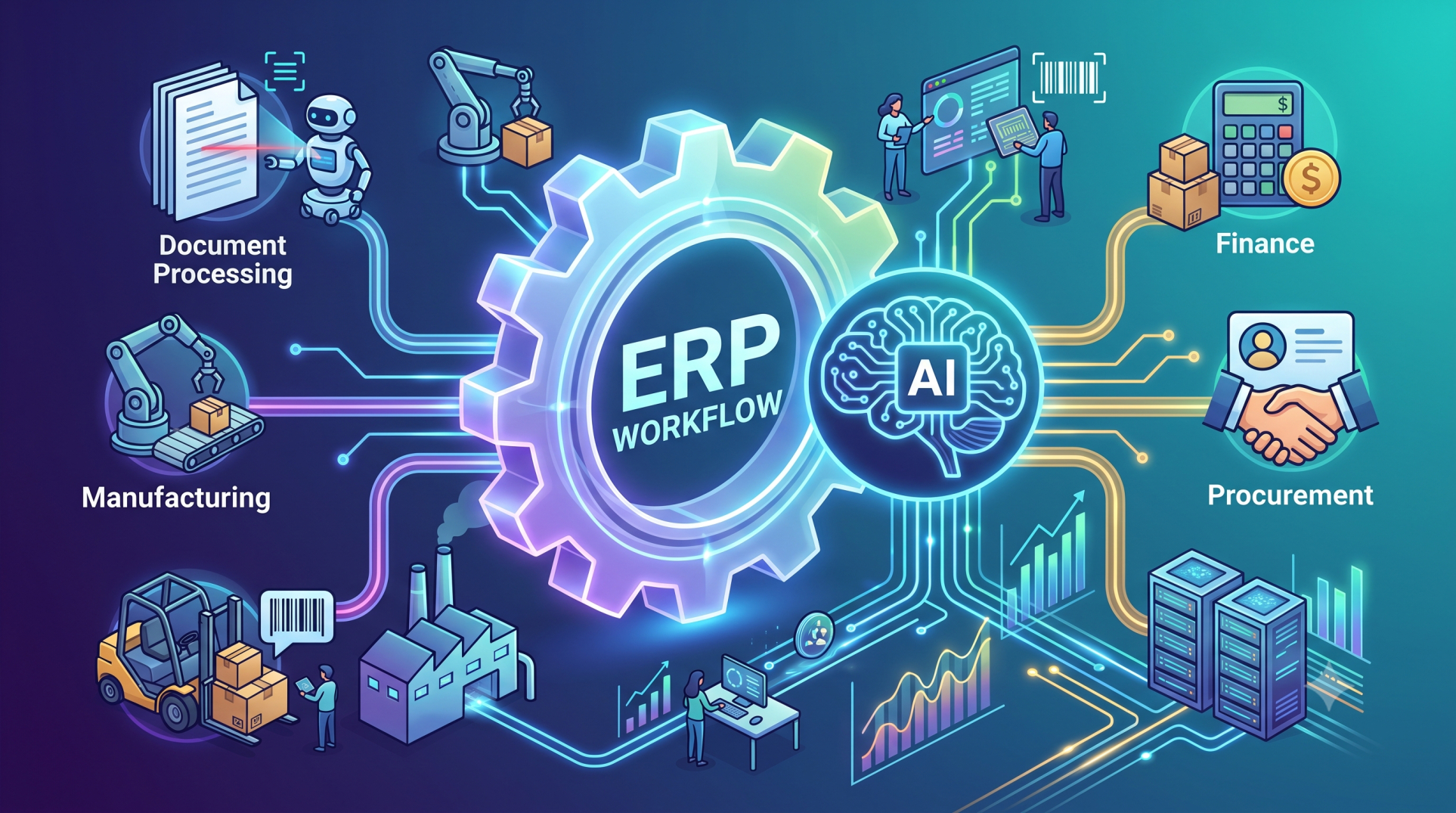
Step 2: Connecting Cross-Department Workflows 🔗
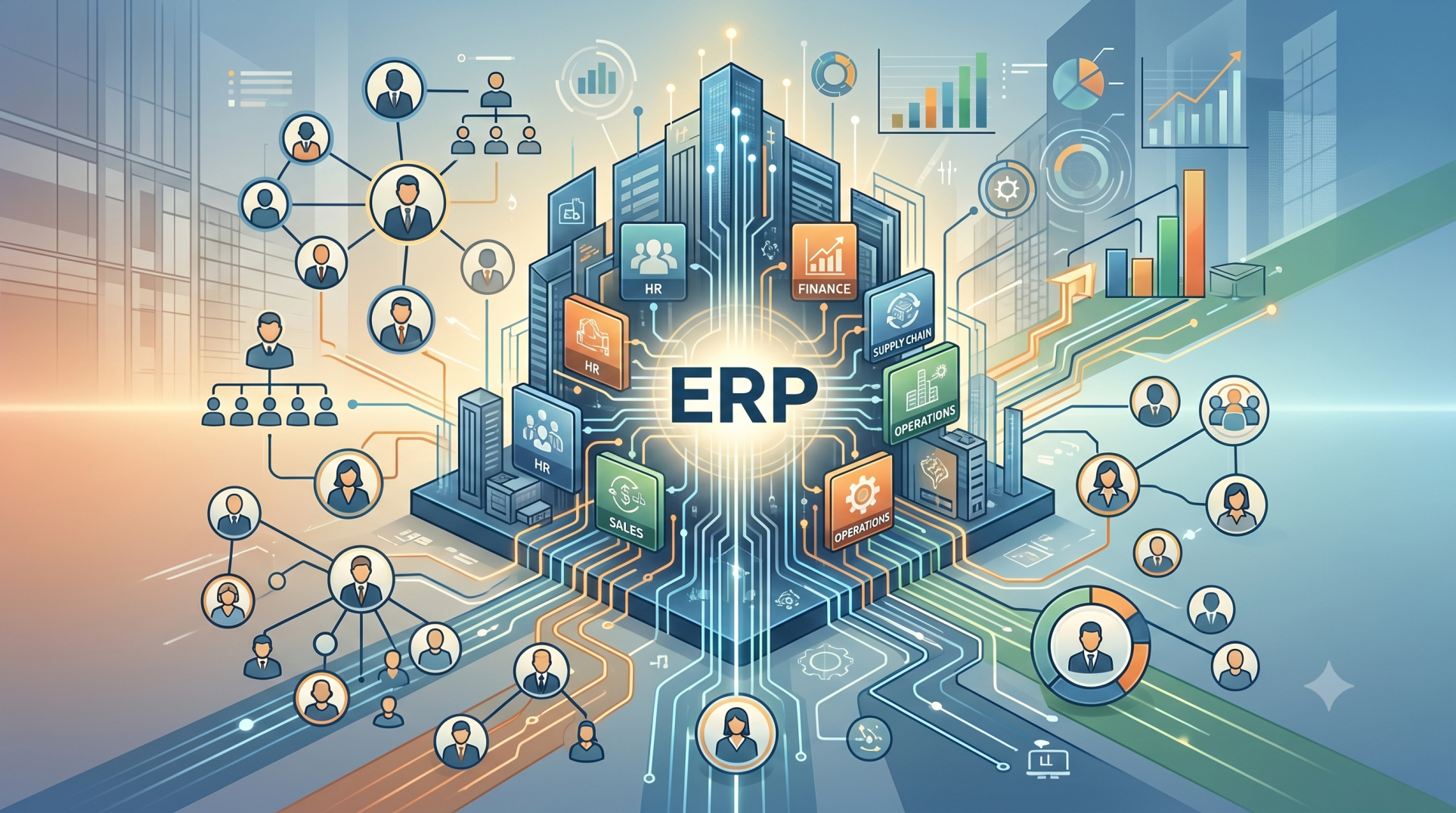
• Enable seamless collaboration between business functions 🤝
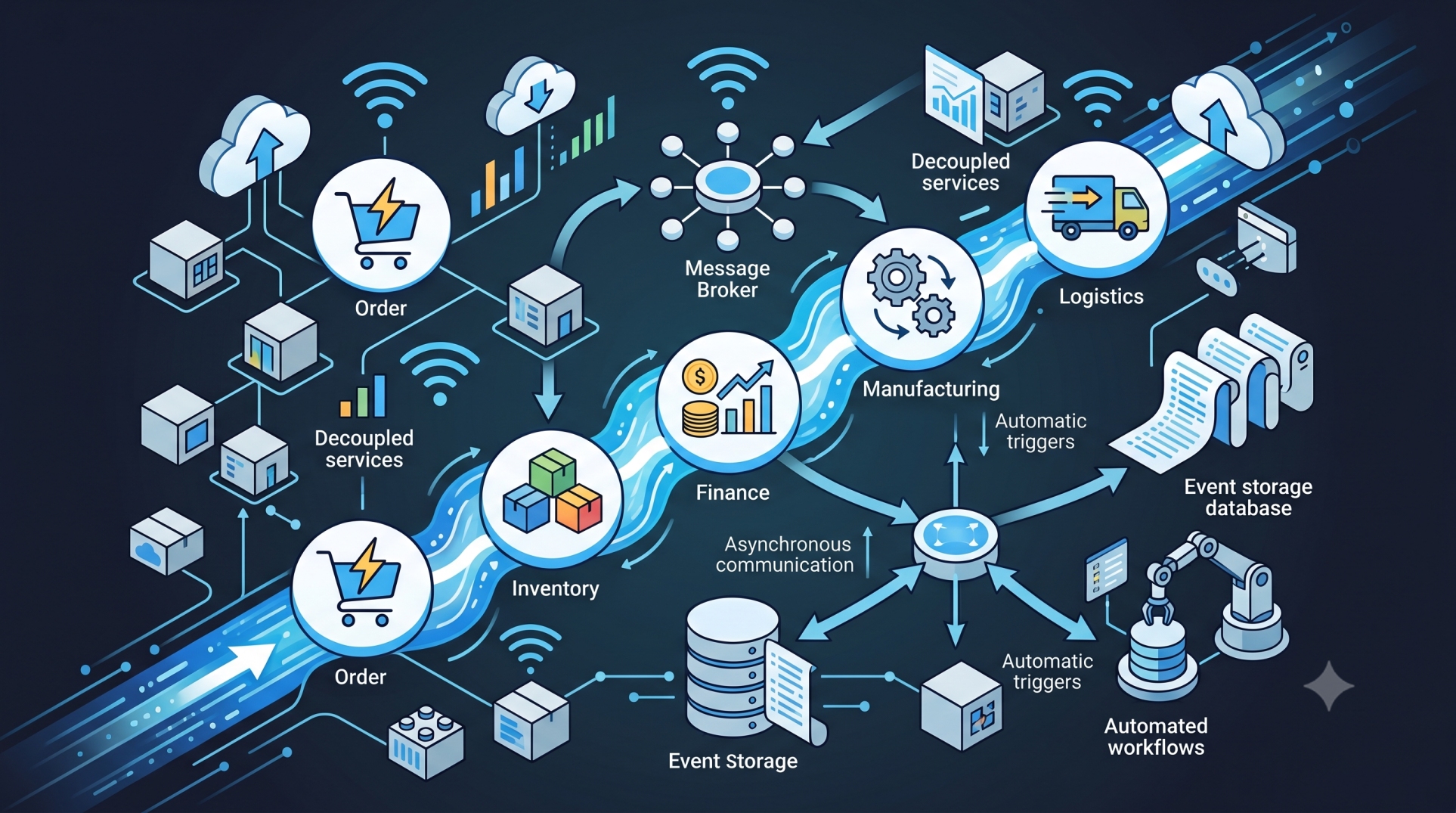
• Automate information flow across departments 📡
• Reduce communication gaps and manual handoffs 📨
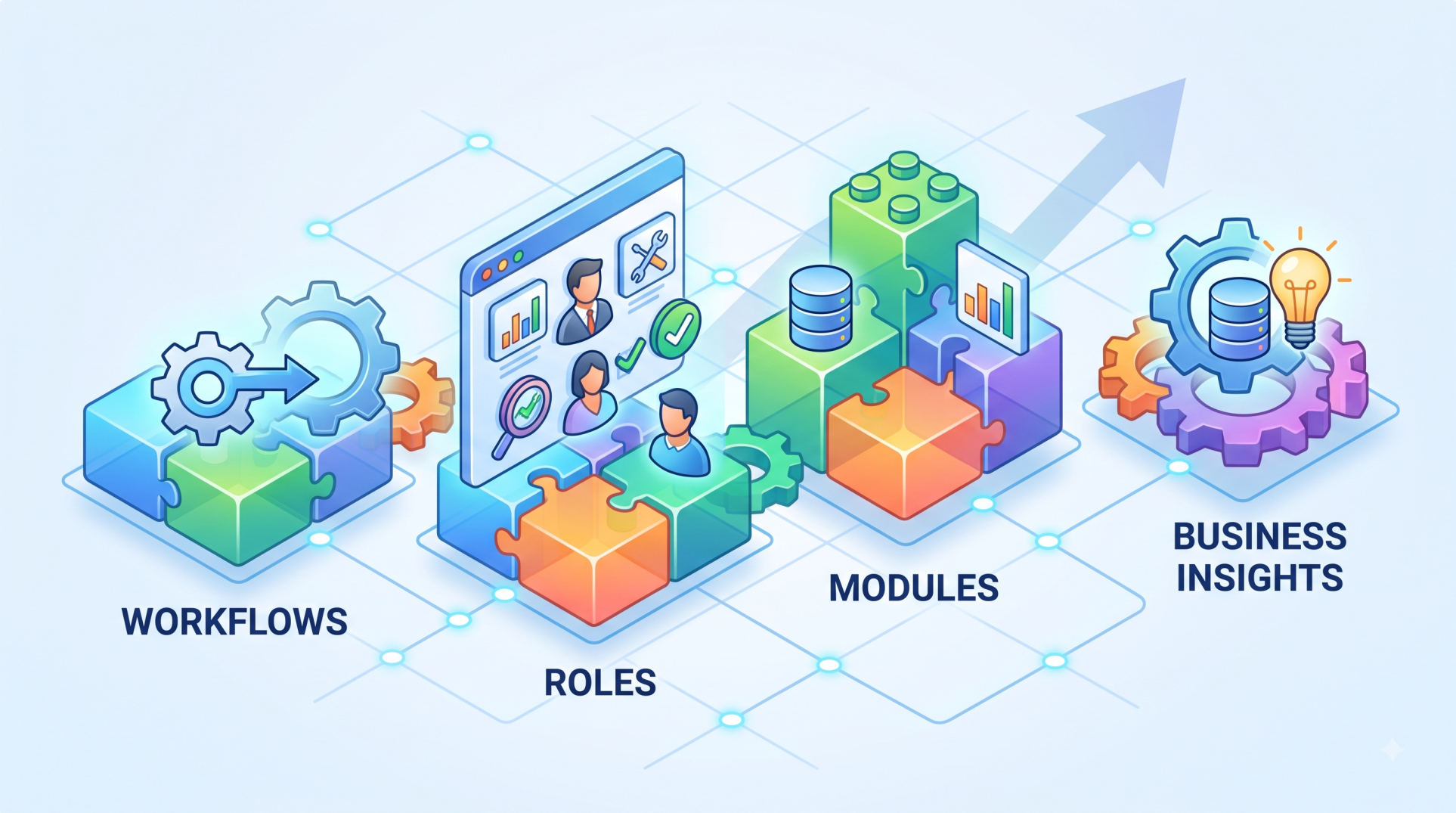
• Standardize business processes throughout the organization 📋
• Improve operational consistency and efficiency 🚀
Step 3: Automating Routine Business Processes 🤖
• Streamline repetitive administrative tasks ⚙️
• Automate approvals, notifications, and workflow routing 📬
• Reduce manual errors through standardized automation ✅
• Accelerate business operations with intelligent workflows ⏱️
• Allow employees to focus on higher-value activities 💼
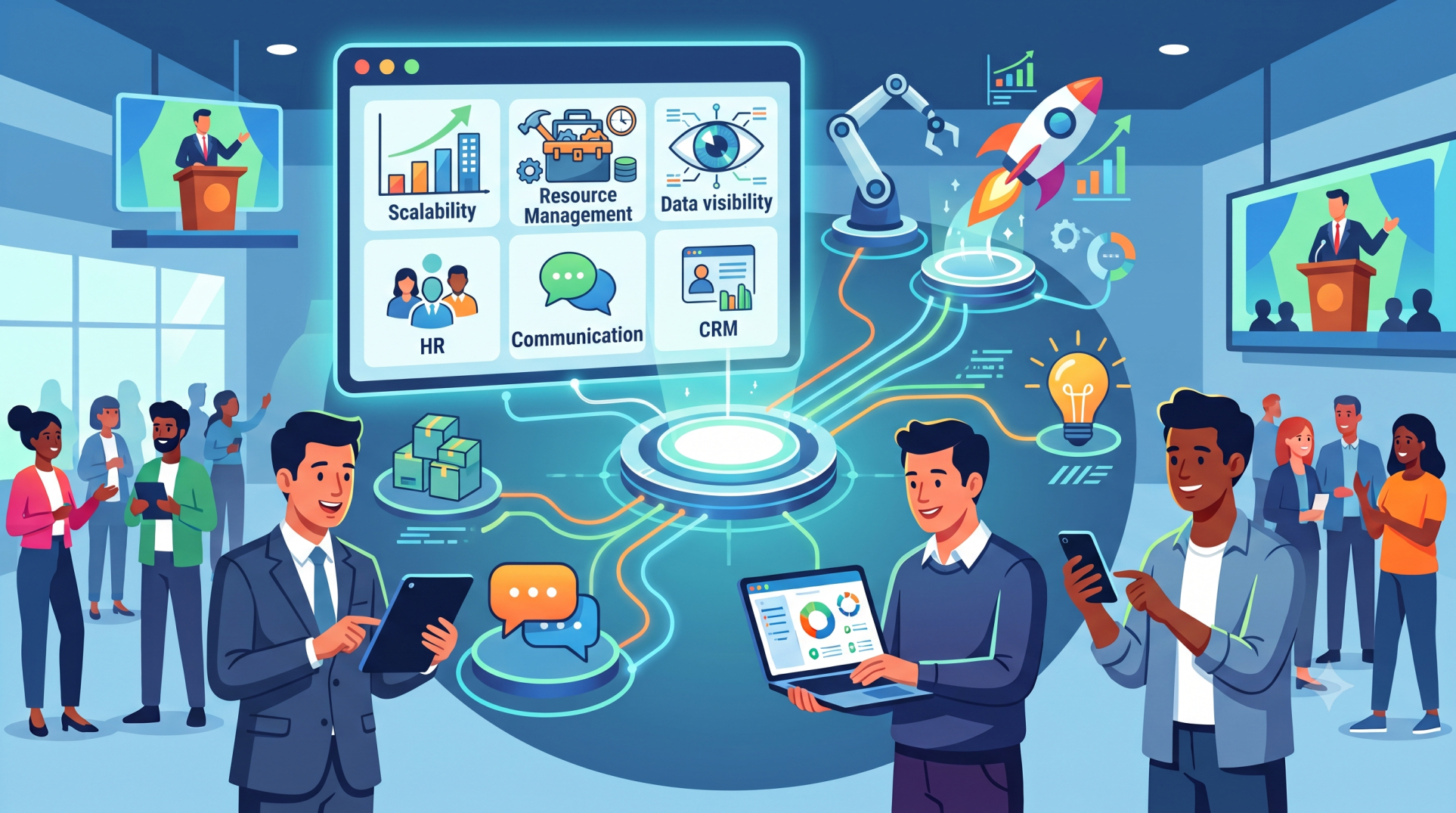
Step 4: Enhancing Data Visibility and Transparency 📈
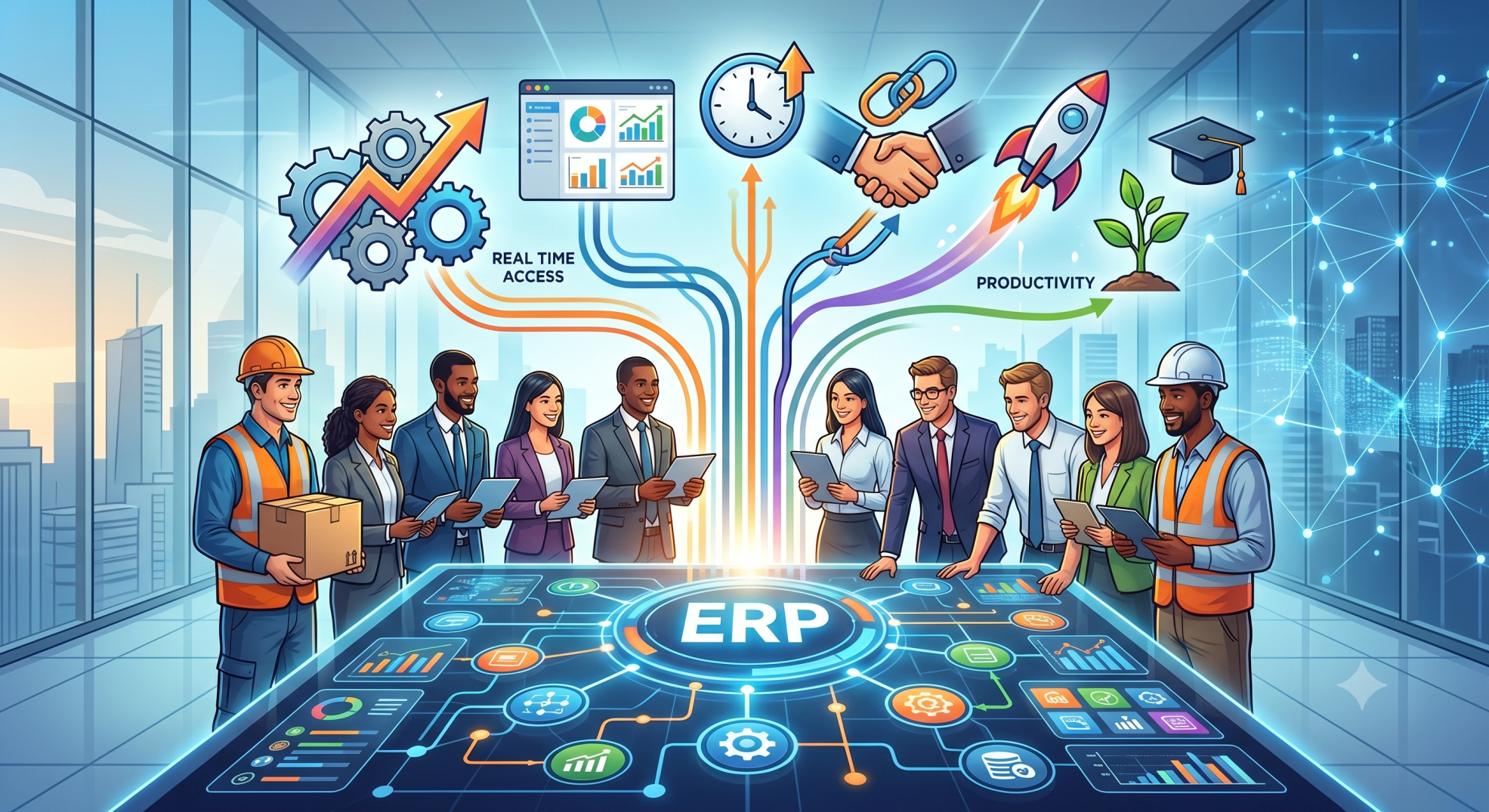
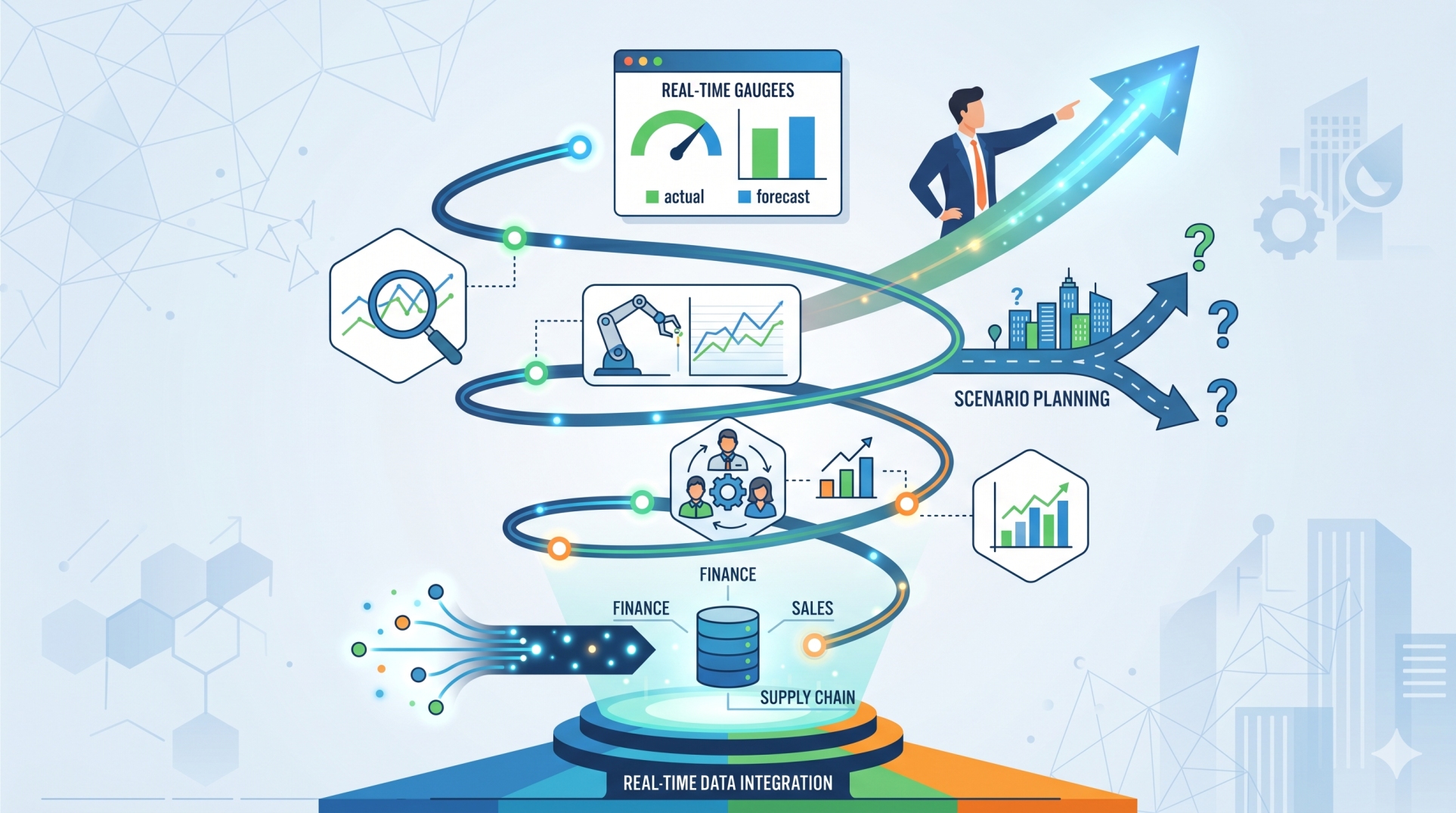
• Provide real-time access to business information 📊
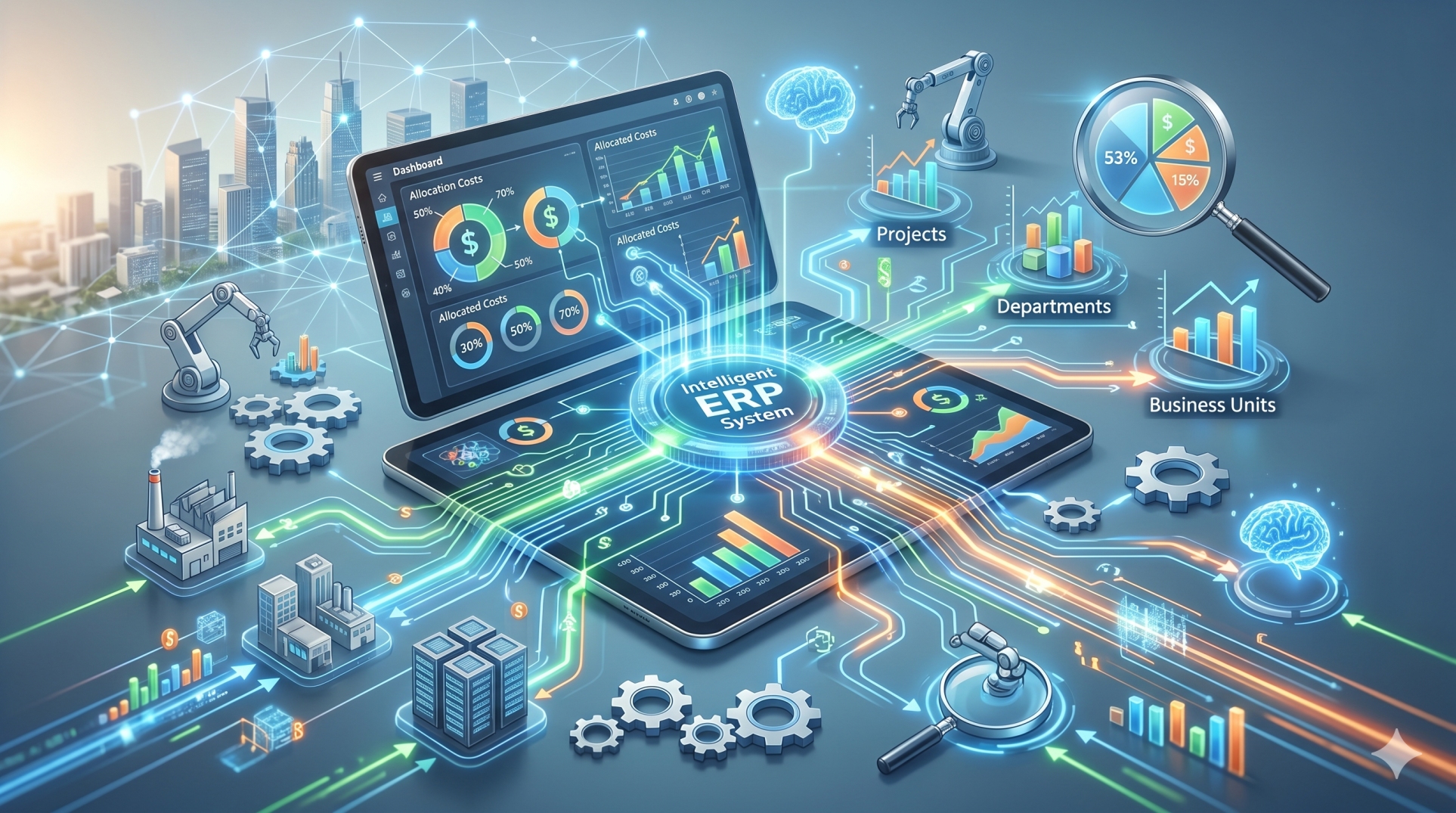
• Monitor operational performance through centralized dashboards 🖥️
• Track key performance indicators across departments 📉
• Improve accountability with transparent reporting 📝
• Support faster, data-driven decision-making 💡
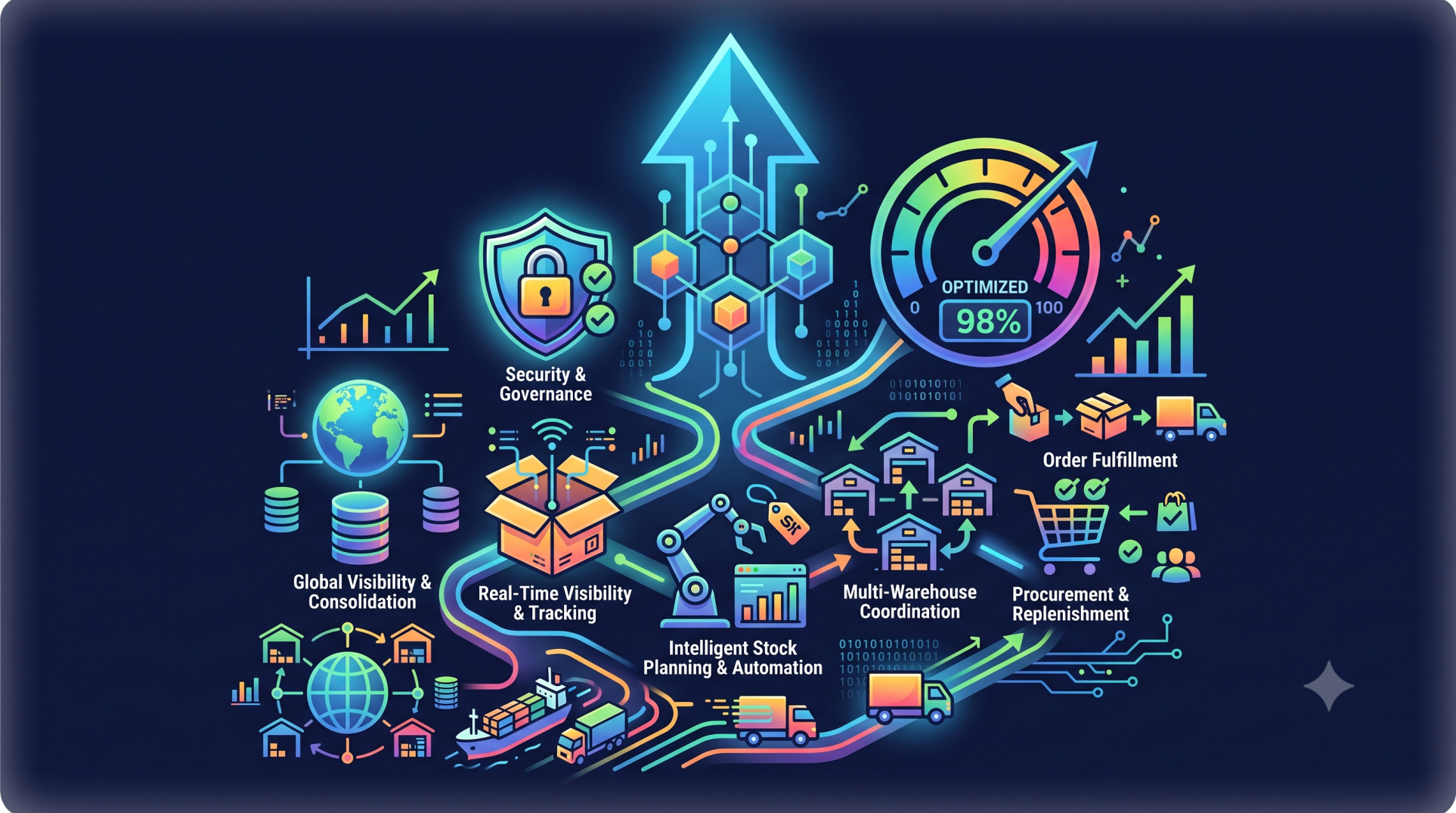
Step 5: Strengthening Resource Coordination 📦
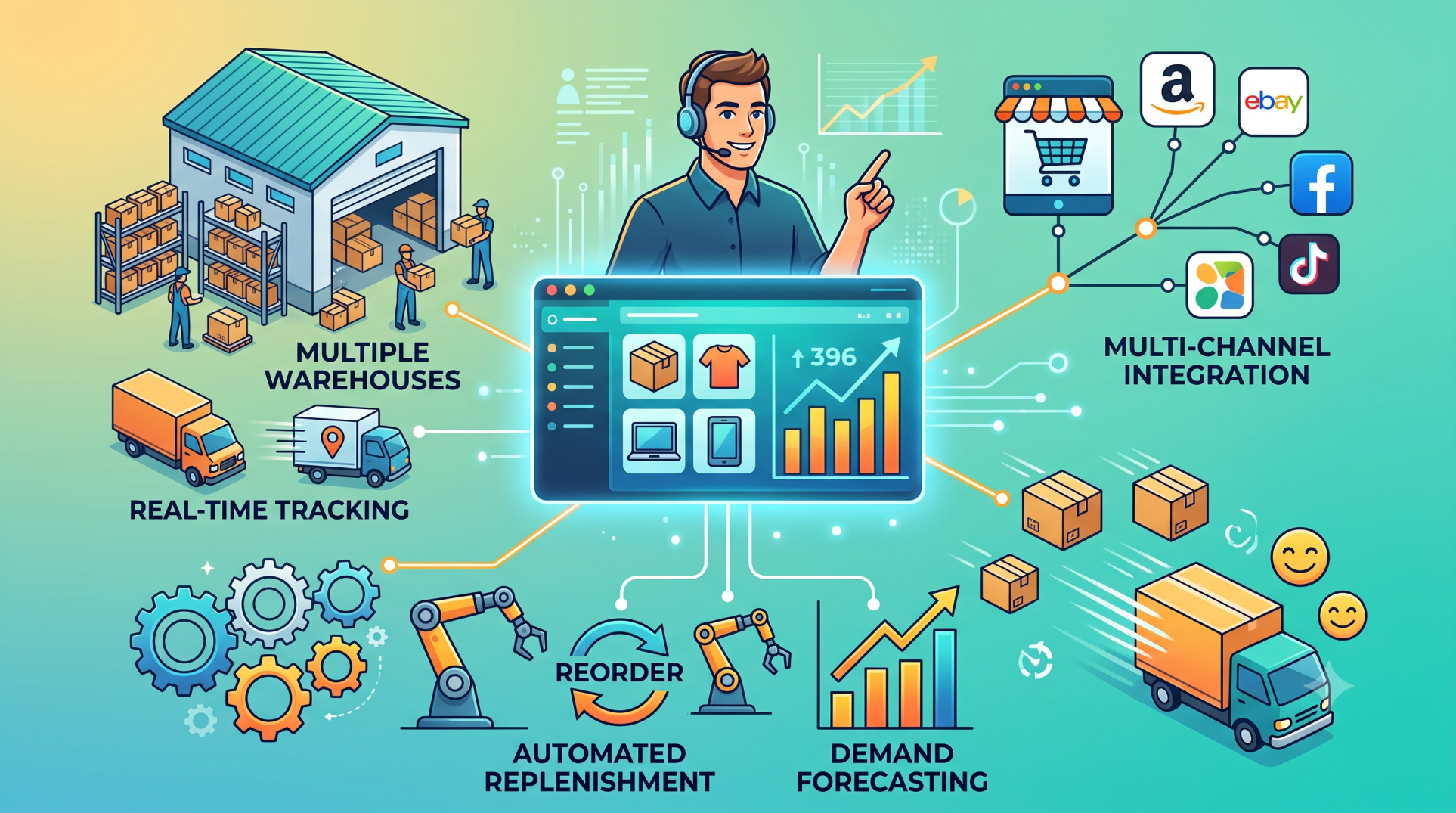
• Optimize workforce, inventory, and financial resources 💰
• Coordinate procurement and supply chain activities 🚚
• Improve production and service planning 🏭
• Balance workloads across teams effectively ⚖️
• Maximize resource utilization throughout the organization 📈
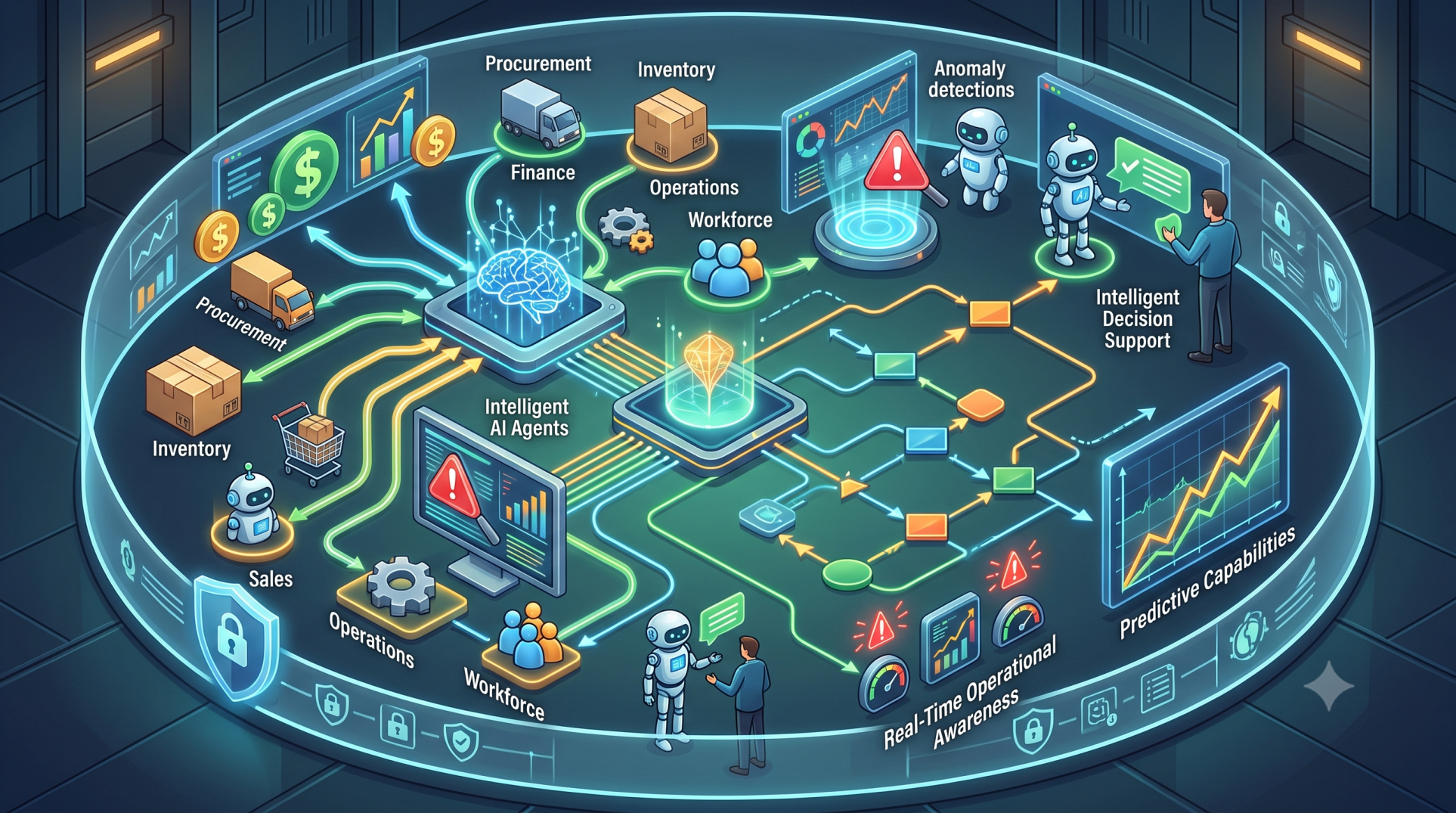
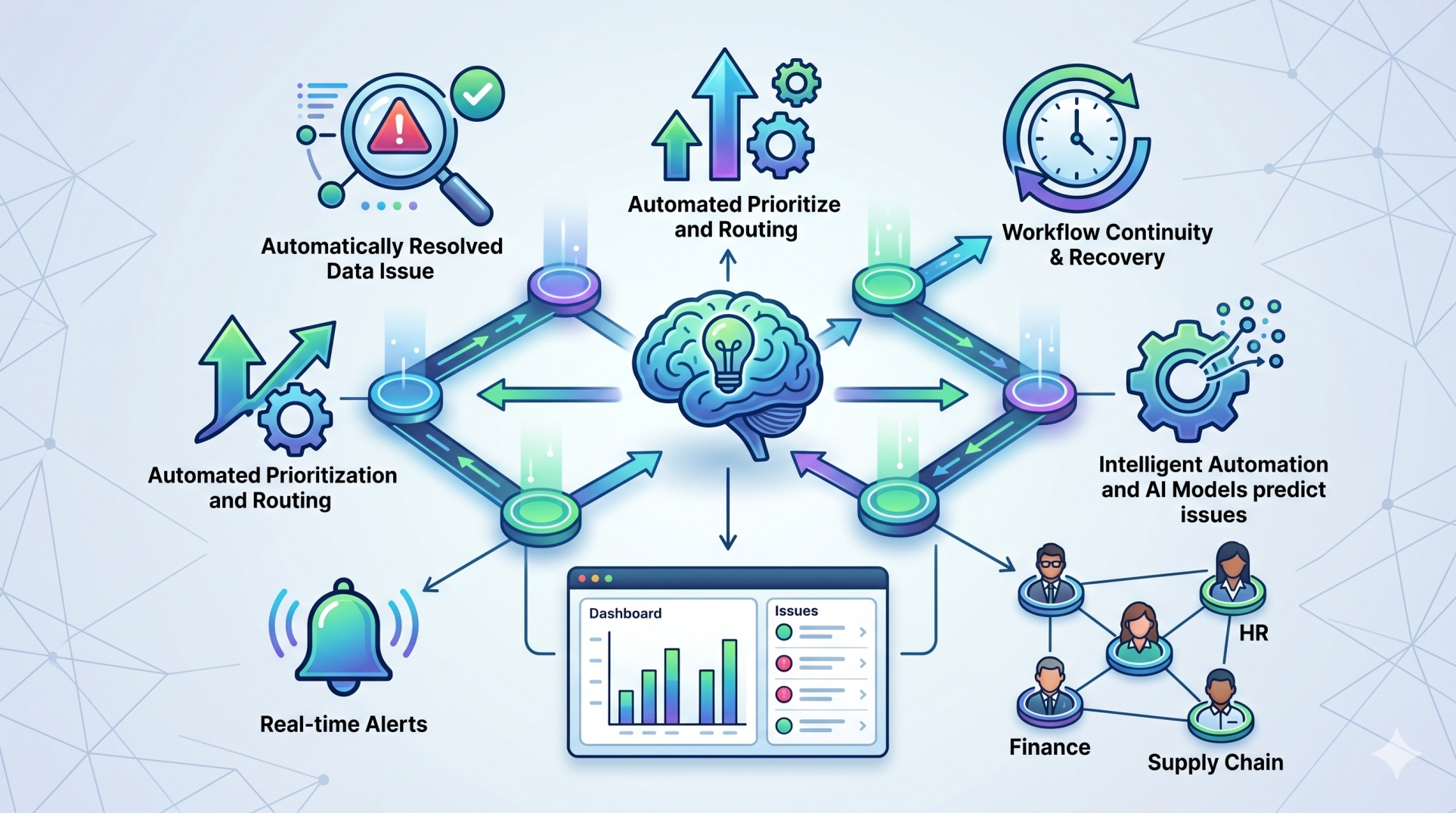
Step 6: Supporting Real-Time Decision Making ⚡
• Deliver live operational insights across the enterprise 📡
• Identify issues before they impact business performance 🚨
• Enable faster responses to changing market conditions 🌍
• Improve forecasting with accurate business data 📊
• Support executives with actionable intelligence 🧠
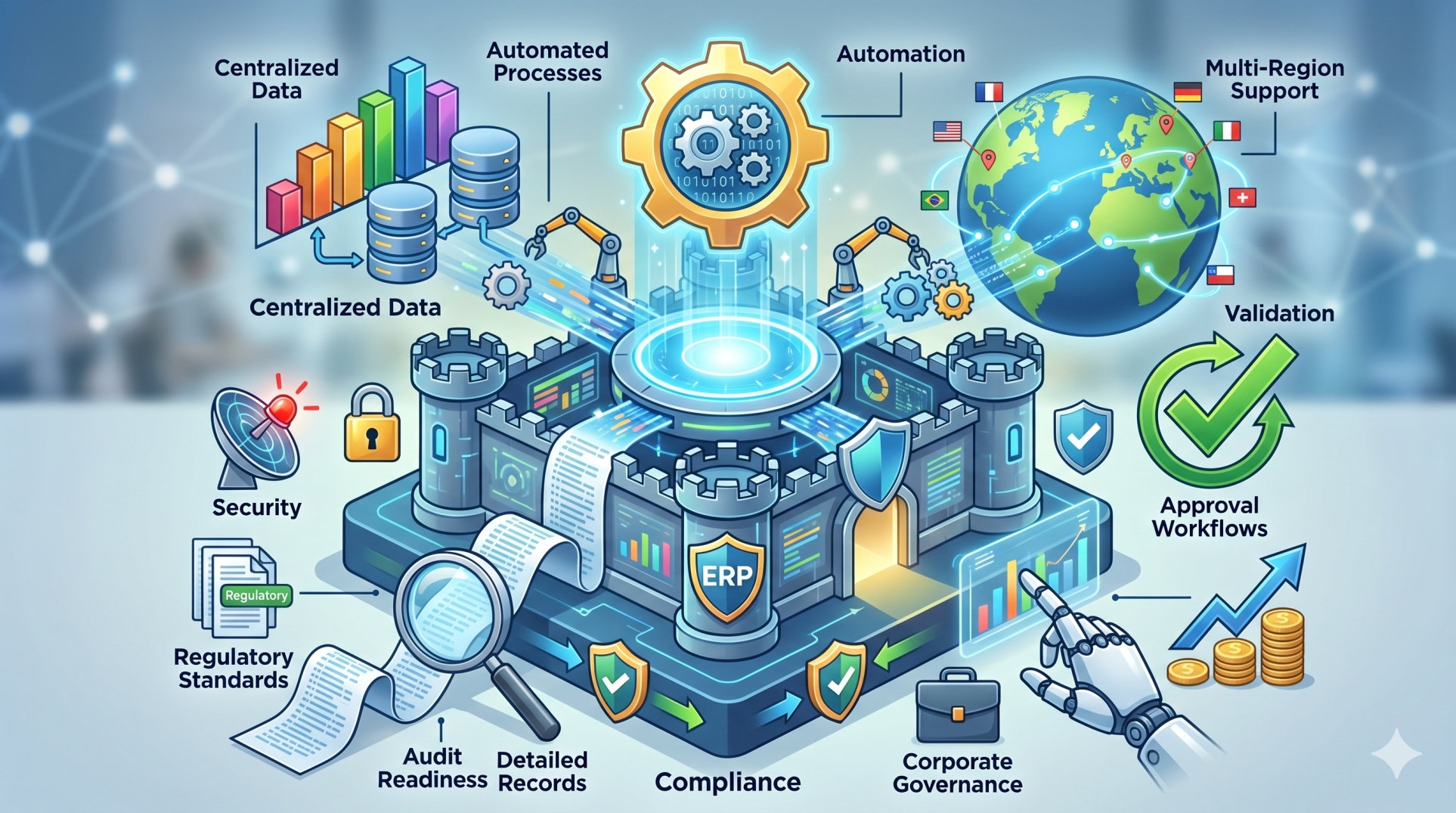
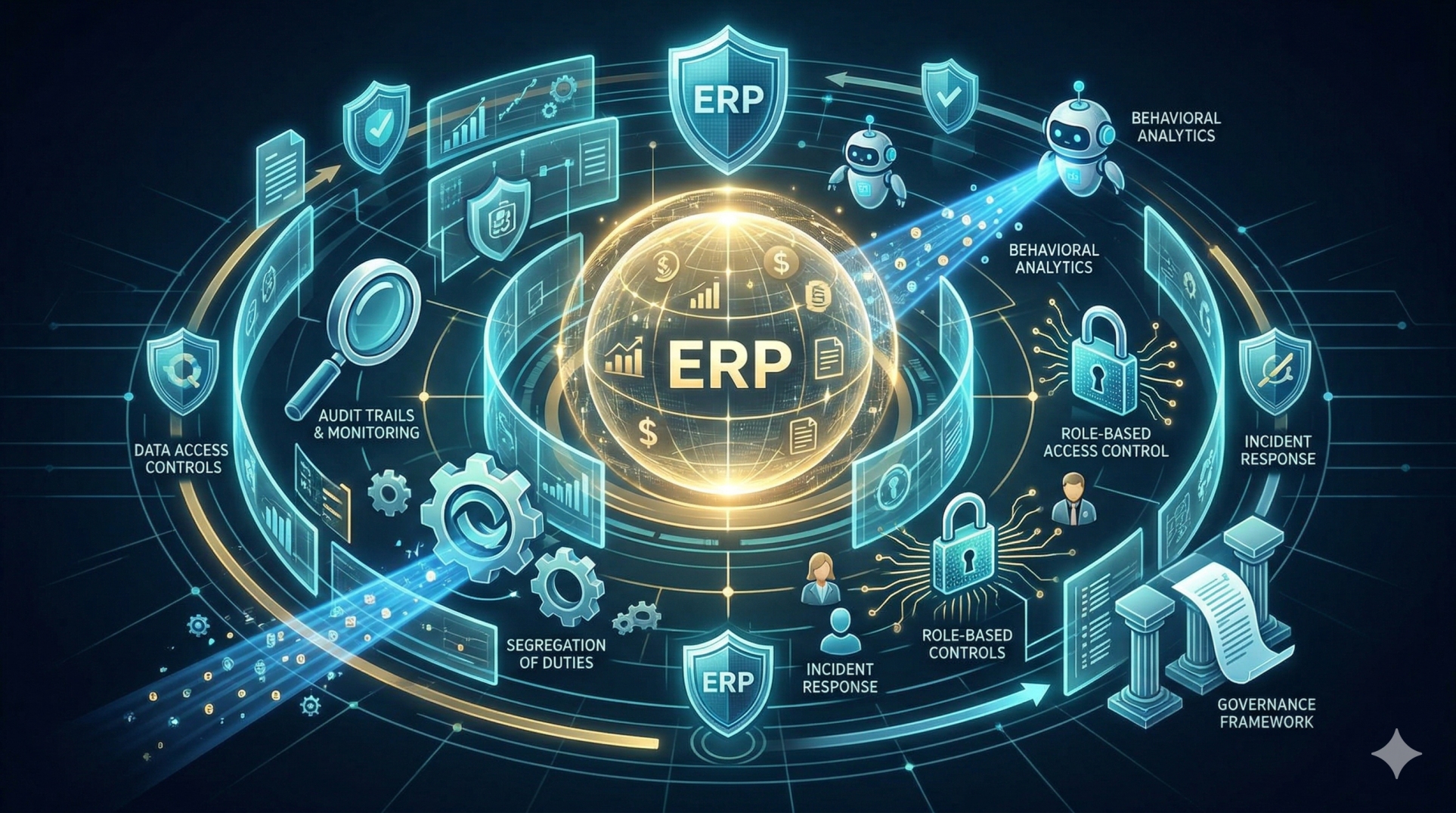
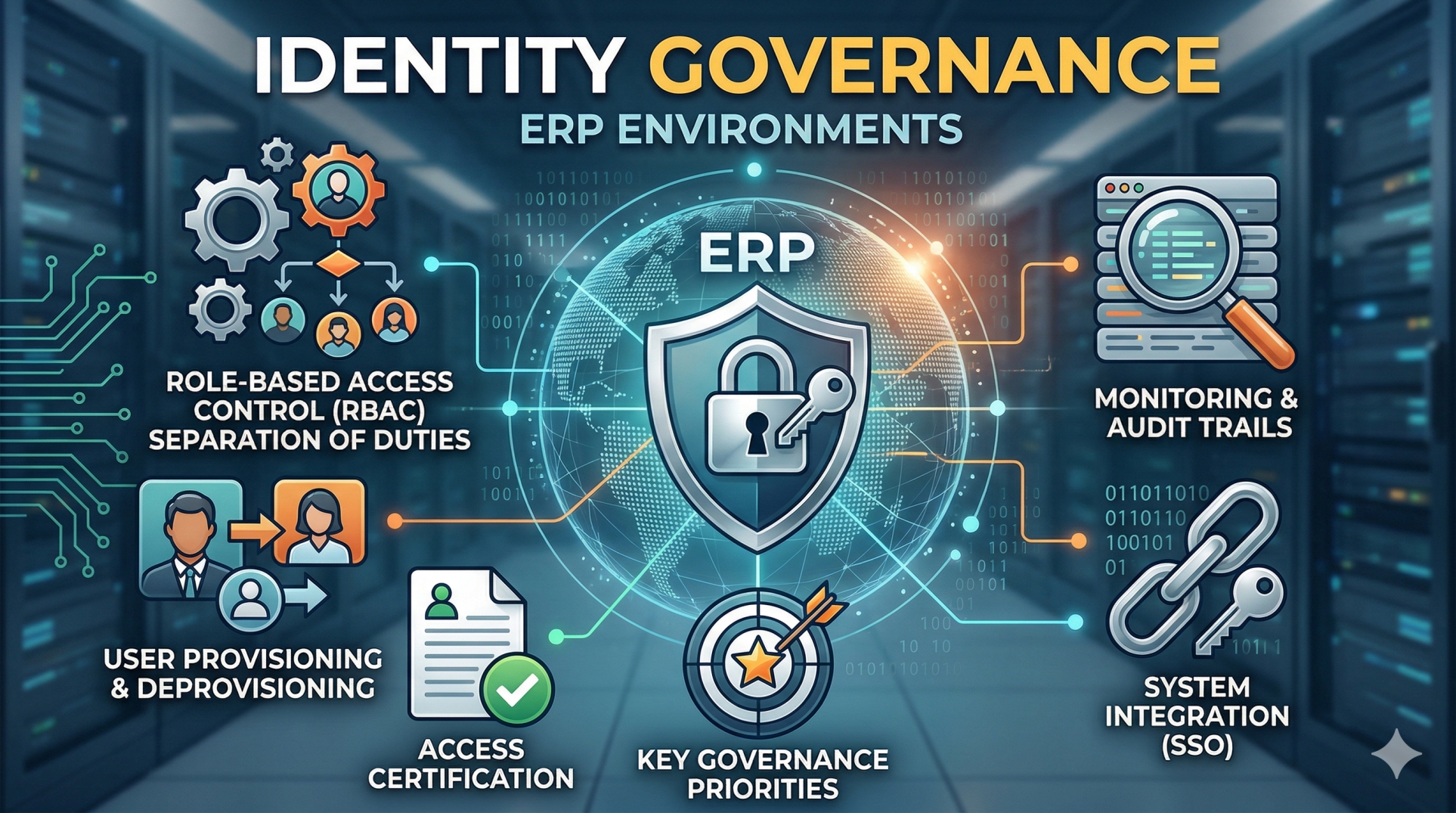
Step 7: Ensuring Governance and Compliance 🛡️
• Standardize policies across business operations 📜
• Maintain accurate audit trails for transactions 🧾
• Support regulatory compliance through automated controls ✅
• Protect sensitive business information with secure access 🔐
• Strengthen organizational governance and accountability ⚖️
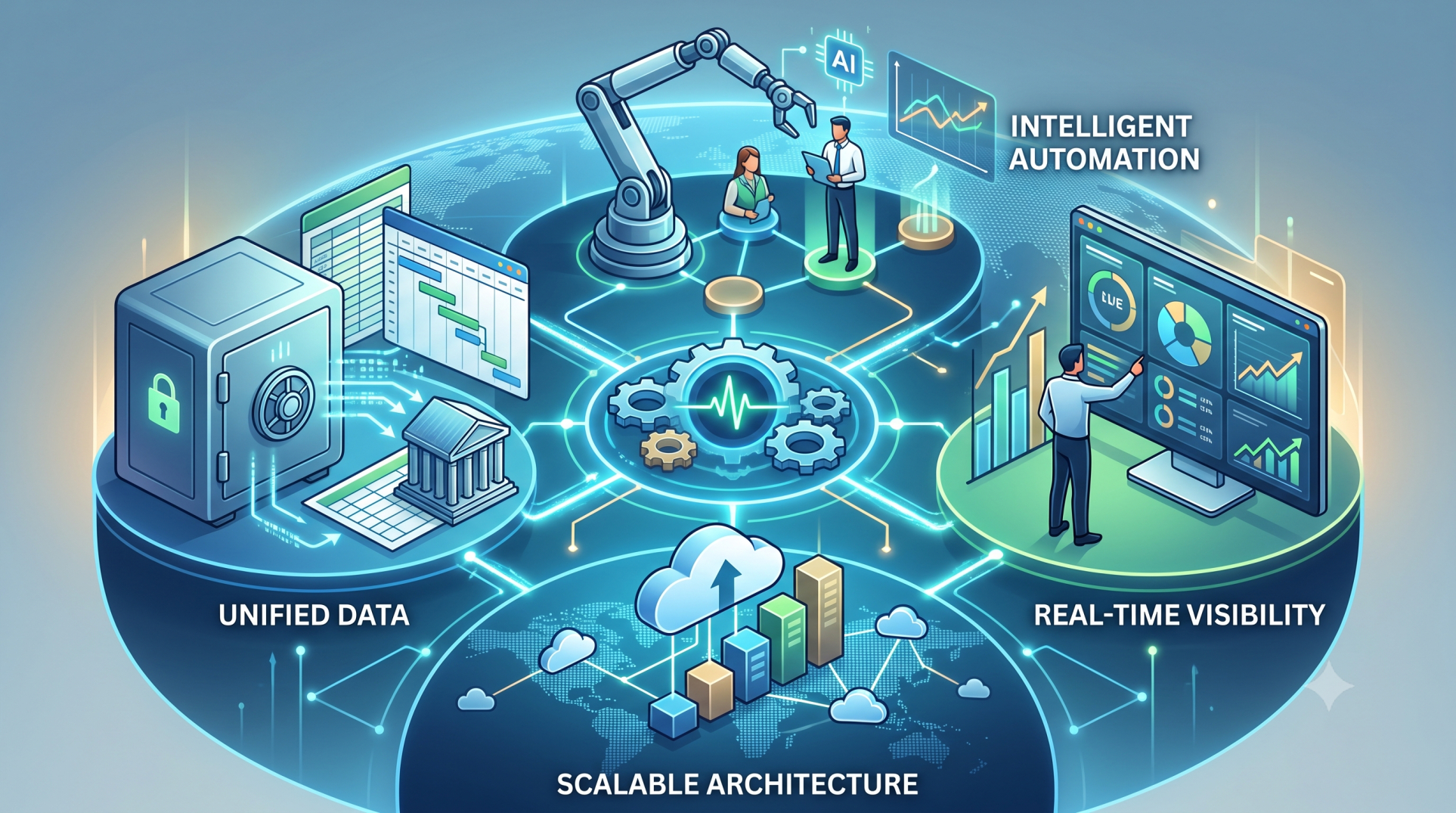
Step 8: Key Coordination Priorities ⭐
• Unified business processes across all departments 🤝
• Real-time operational visibility and reporting 📊
• Automated workflows that improve efficiency ⚙️
• Scalable infrastructure that supports business growth 🚀
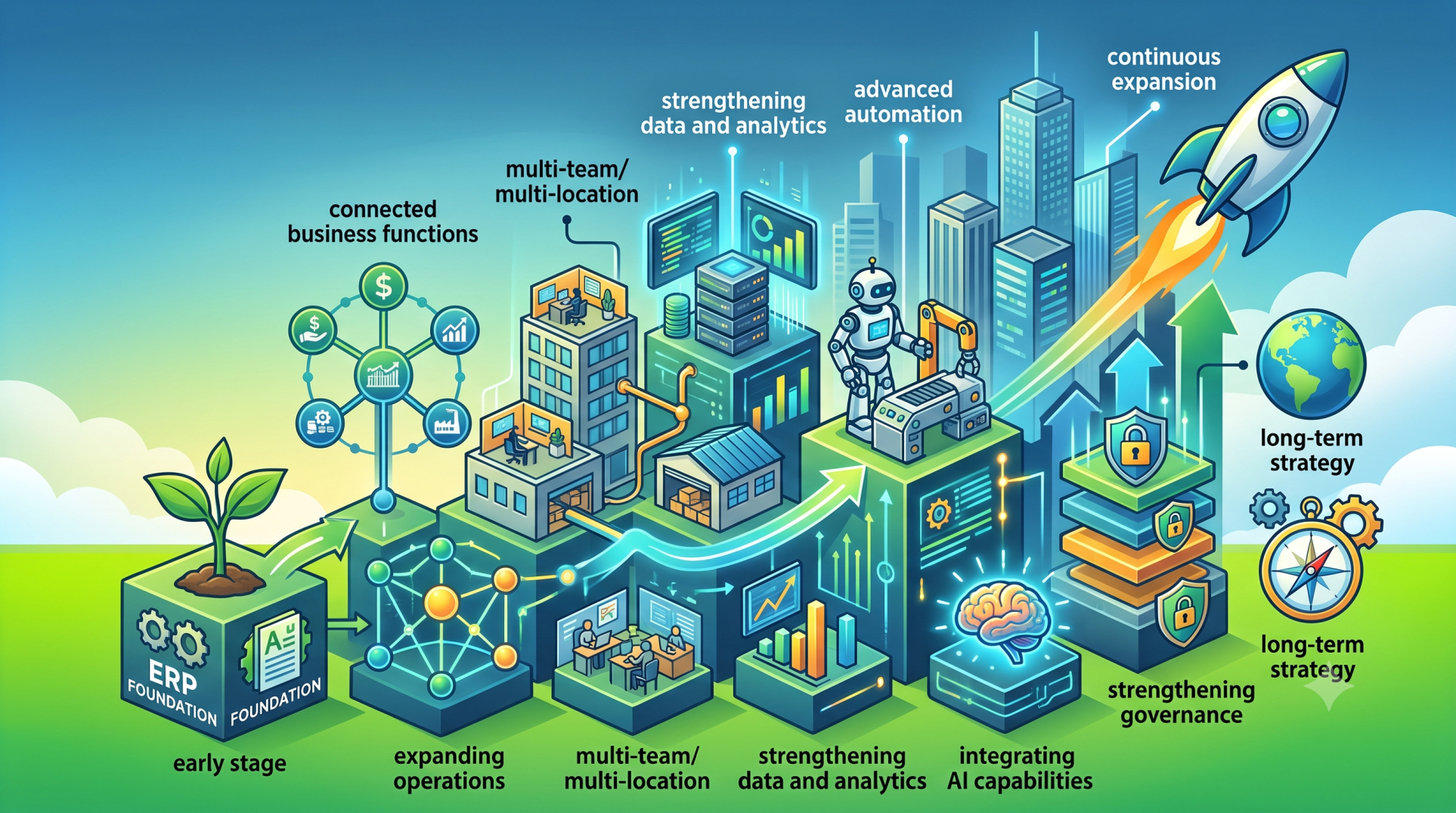
Step 9: Managing Organizational Change 🔄
• Adapt workflows as business requirements evolve 📈
• Integrate new departments, locations, or business units 🏢
• Support mergers, acquisitions, and expansion initiatives 🌍
• Minimize operational disruption during transitions 🔧
• Encourage continuous improvement through process optimization 💪
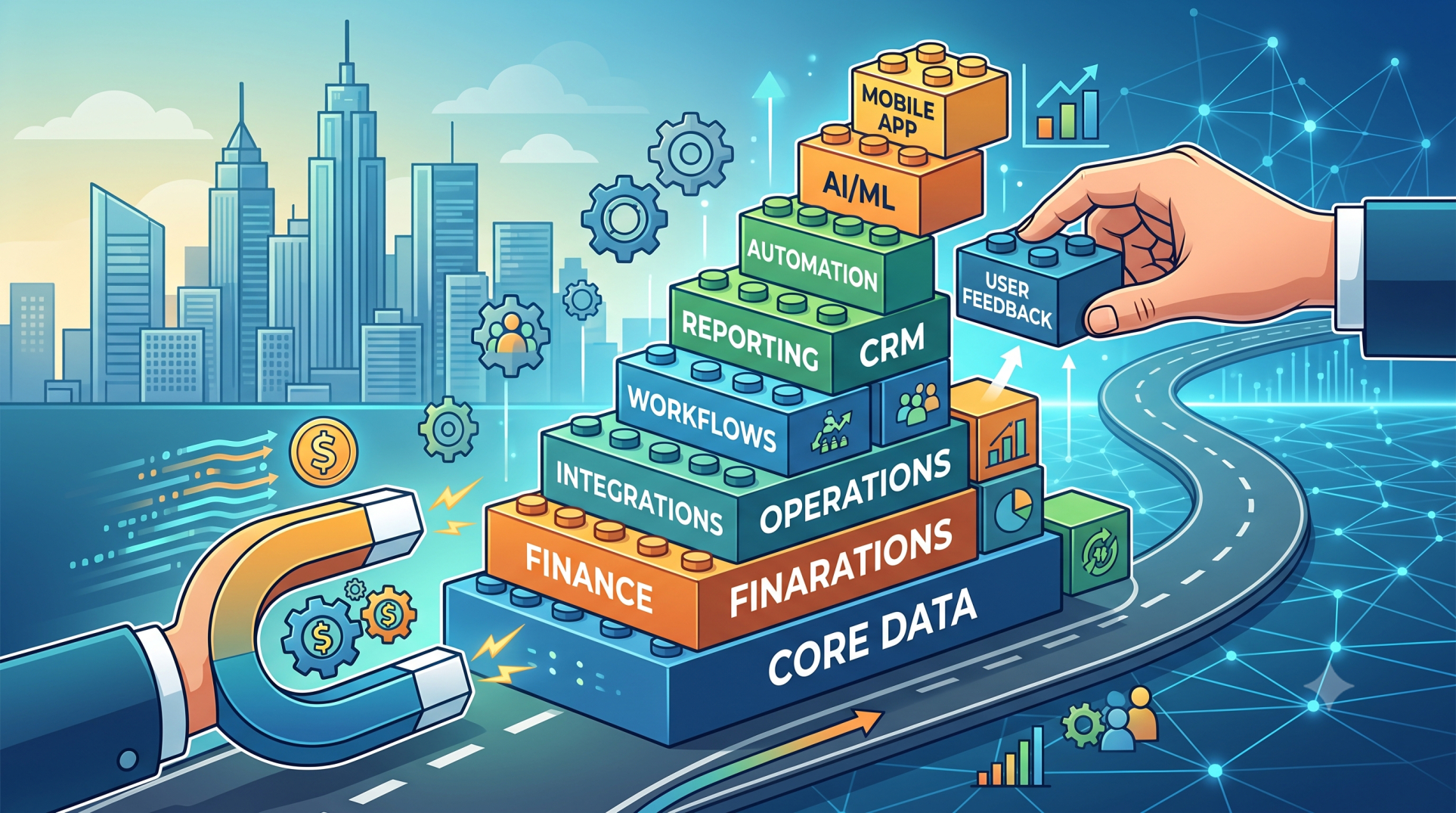
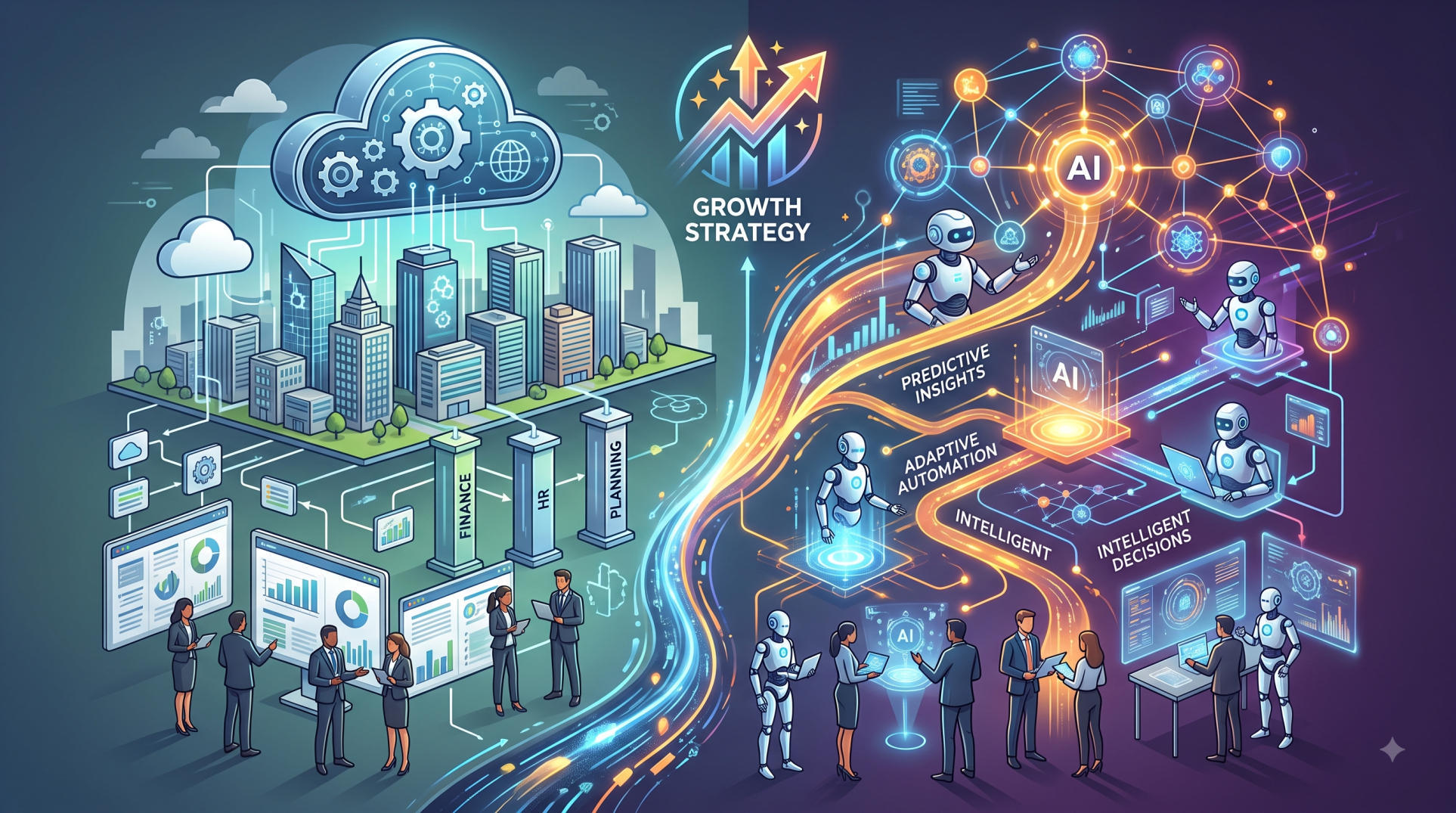
Step 10: Building a Future-Ready Enterprise 🌟
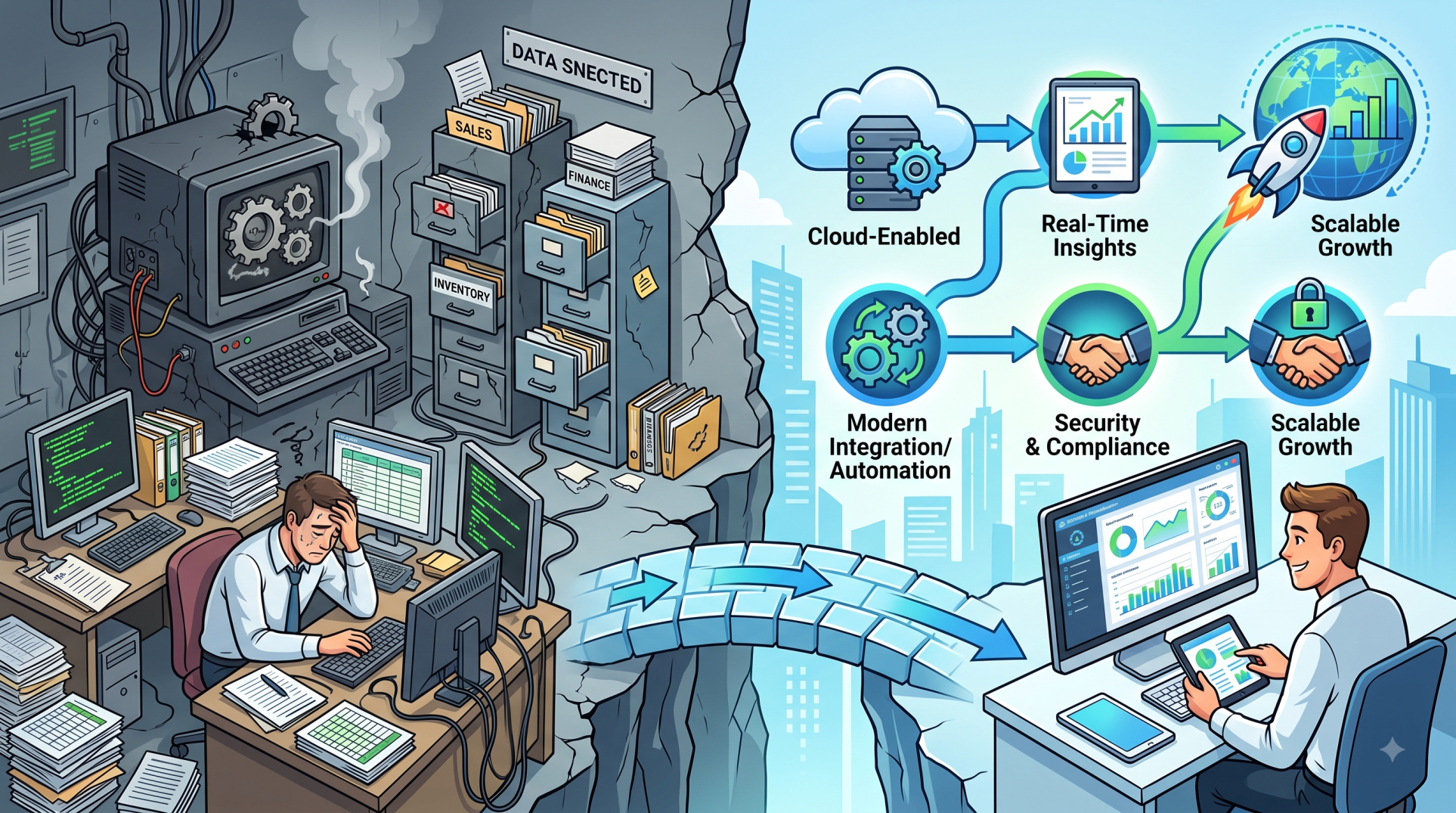
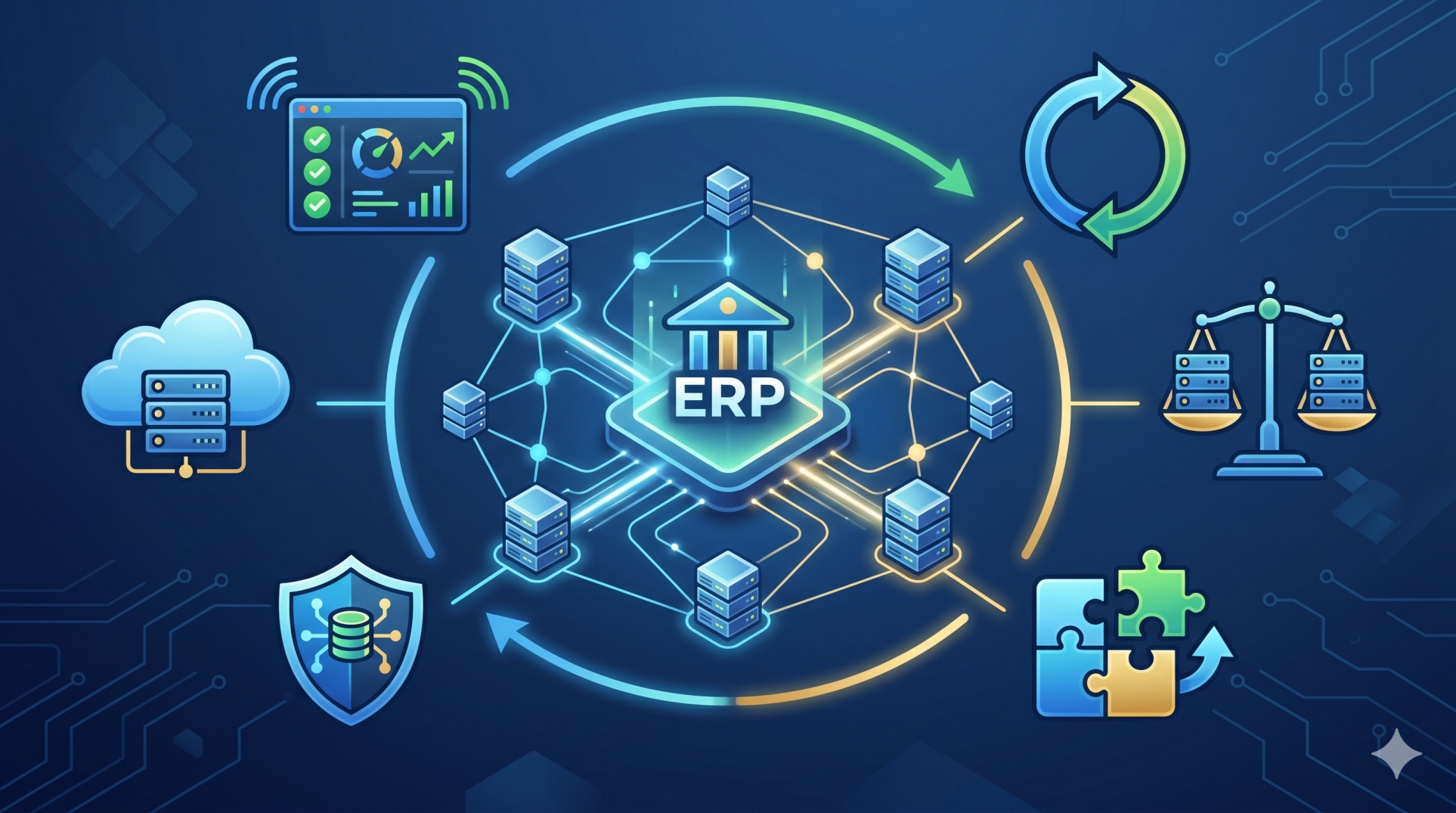
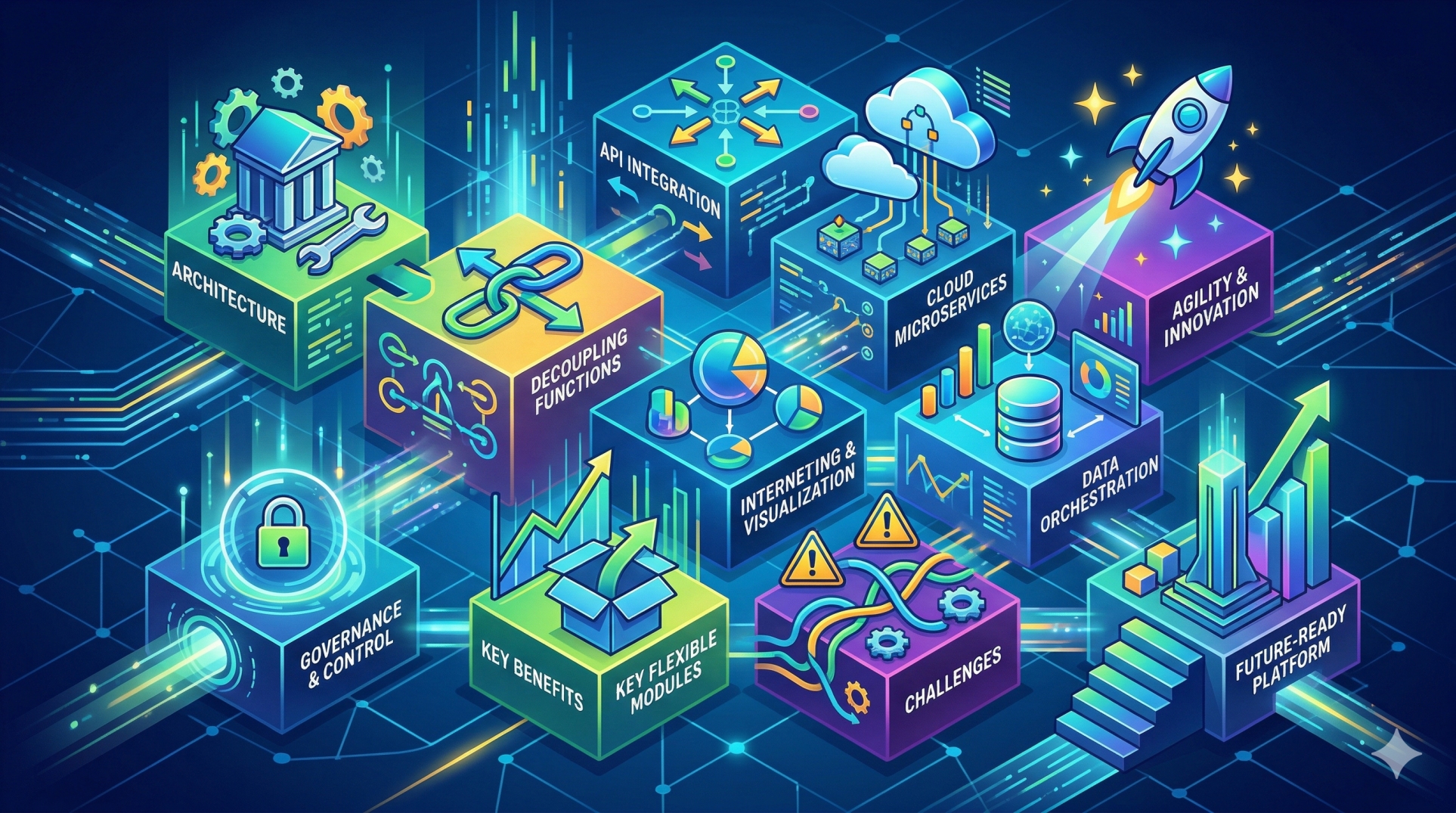
• Design flexible ERP architectures for long-term scalability 🏗️
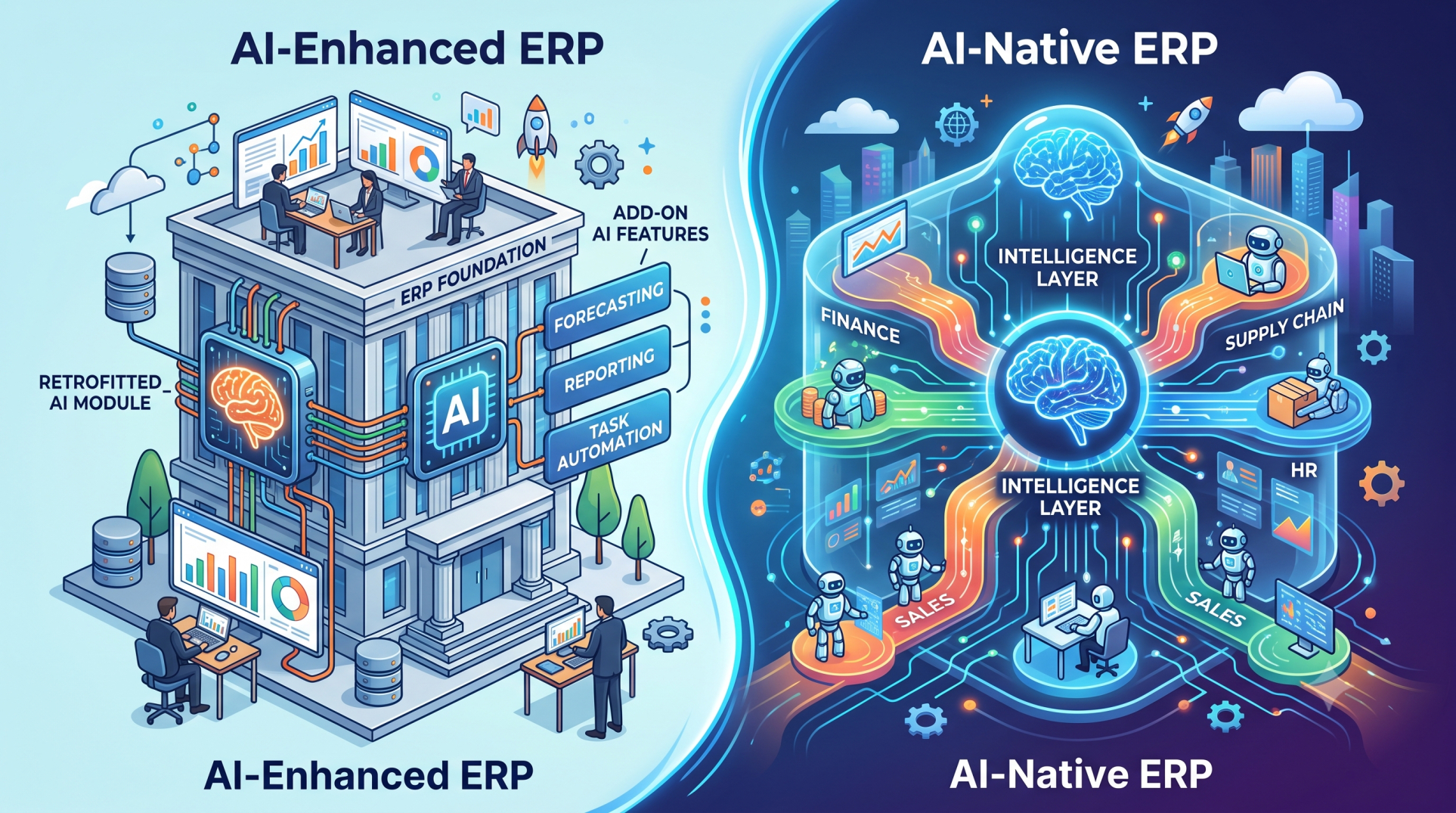
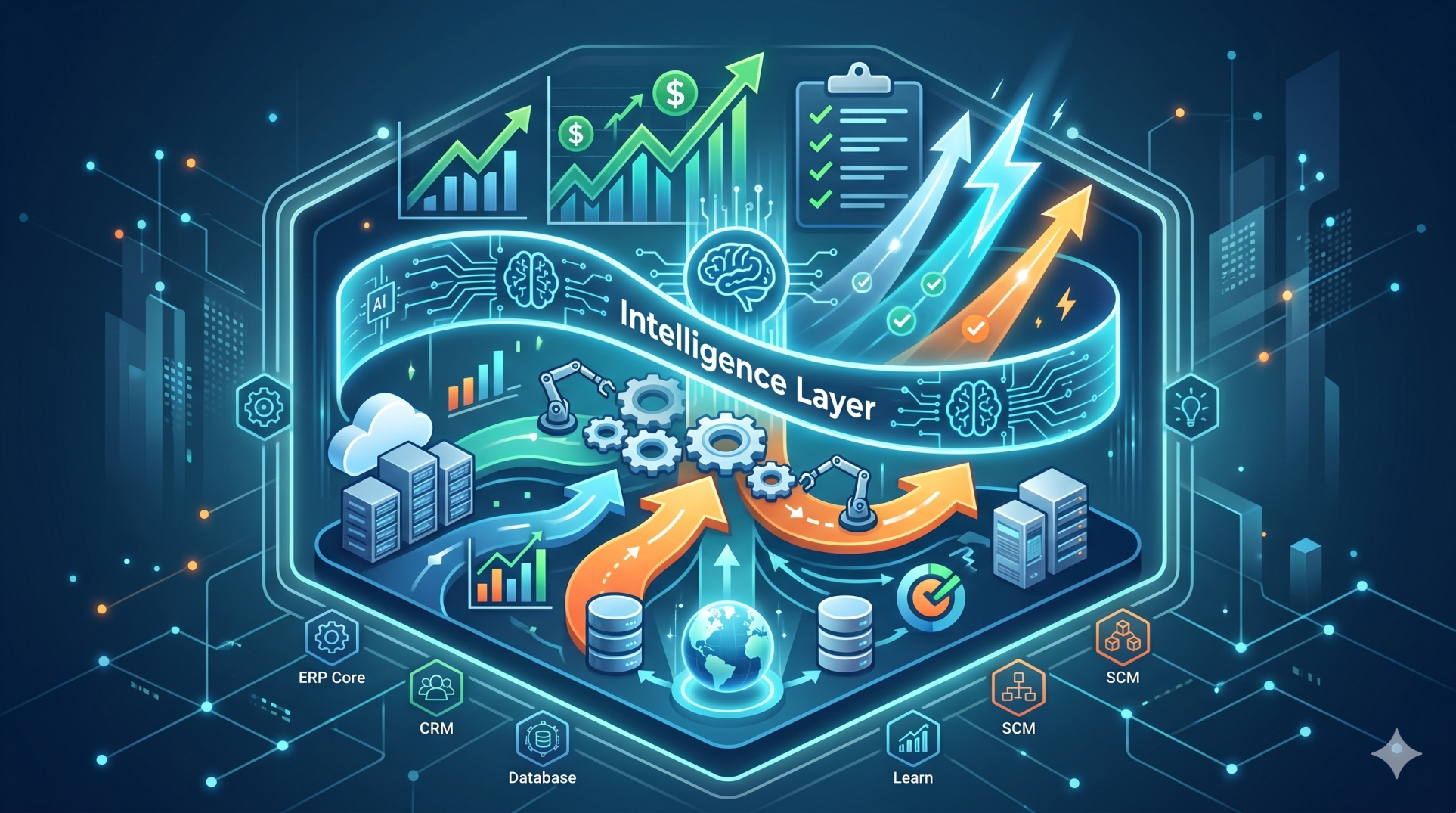
• Integrate AI, automation, and analytics capabilities 🤖
• Support cloud, hybrid, and distributed business environments ☁️
• Enable innovation through connected business systems 🔗
• Prepare the organization for future operational demands 🚀
Conclusion
ERP systems serve as organizational coordination engines by connecting people, processes, and information across the enterprise. Through centralized operations, automated workflows, and real-time visibility, they help organizations improve collaboration, optimize resources, and make informed decisions with confidence. As businesses continue to grow and evolve, a modern ERP system provides the coordination, flexibility, and scalability needed for long-term operational success.
See more blogs
You can all the articles below