Workforce Enablement Through ERP Automation

Workforce Enablement Through ERP Automation
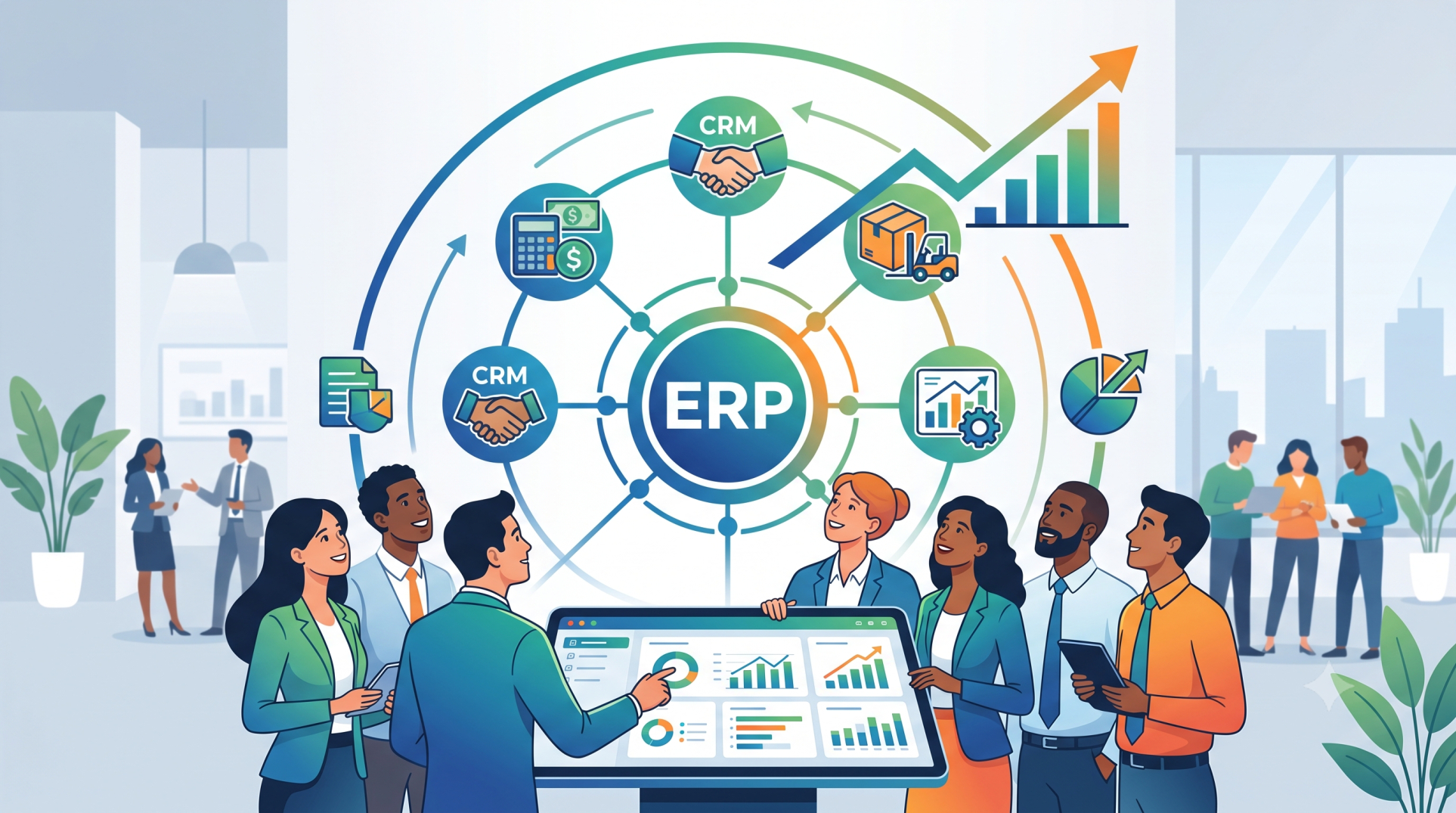
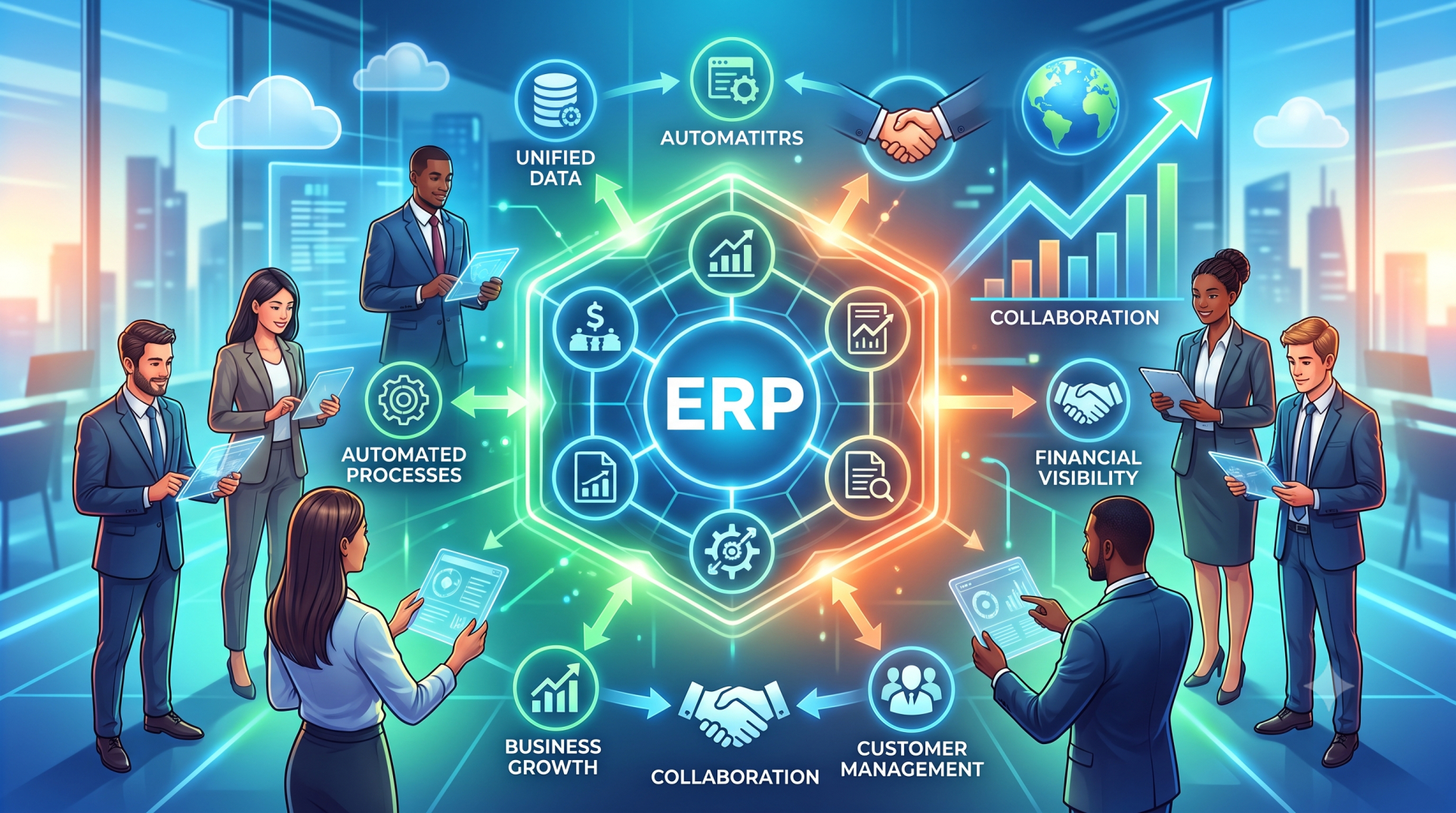
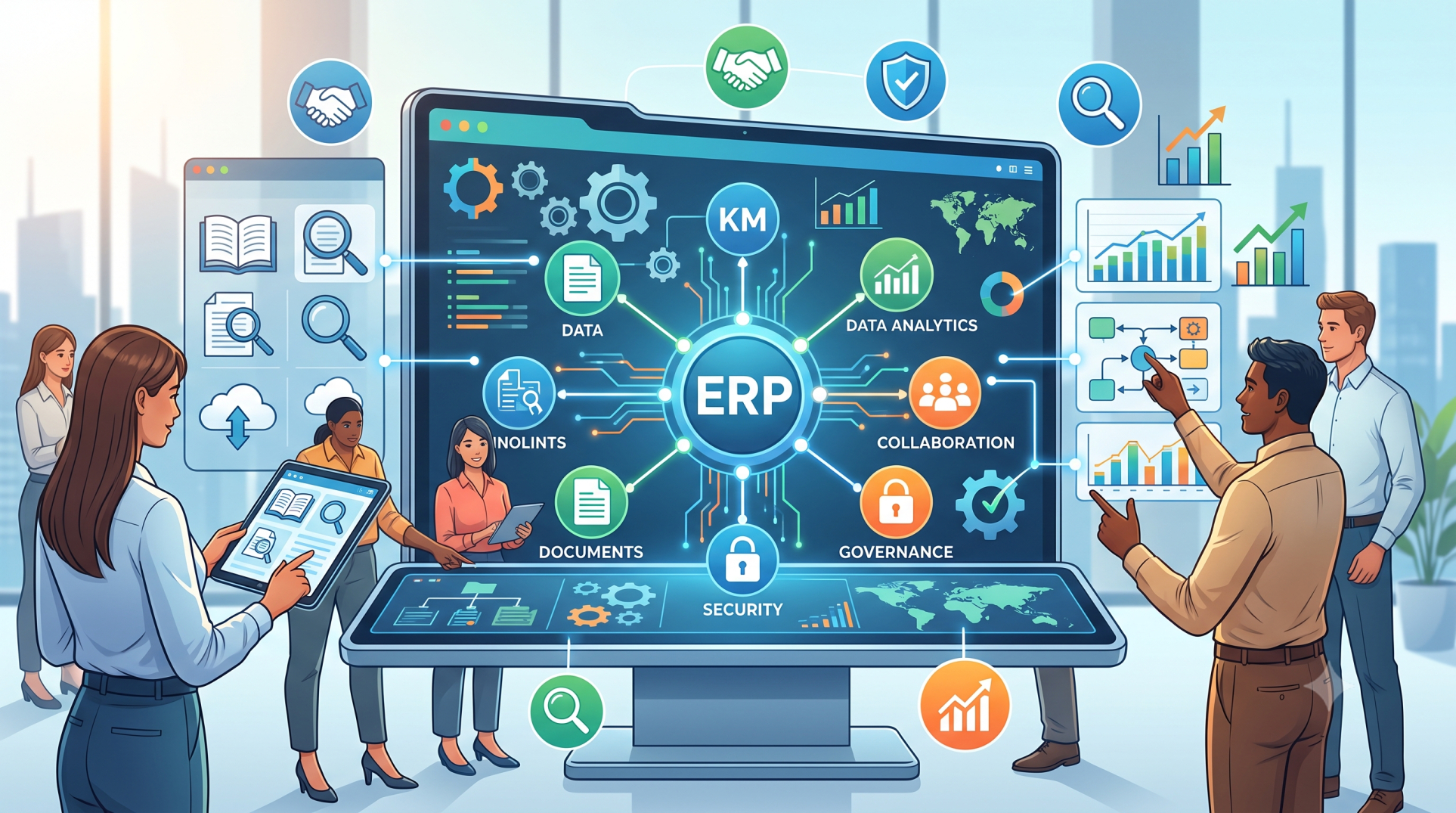
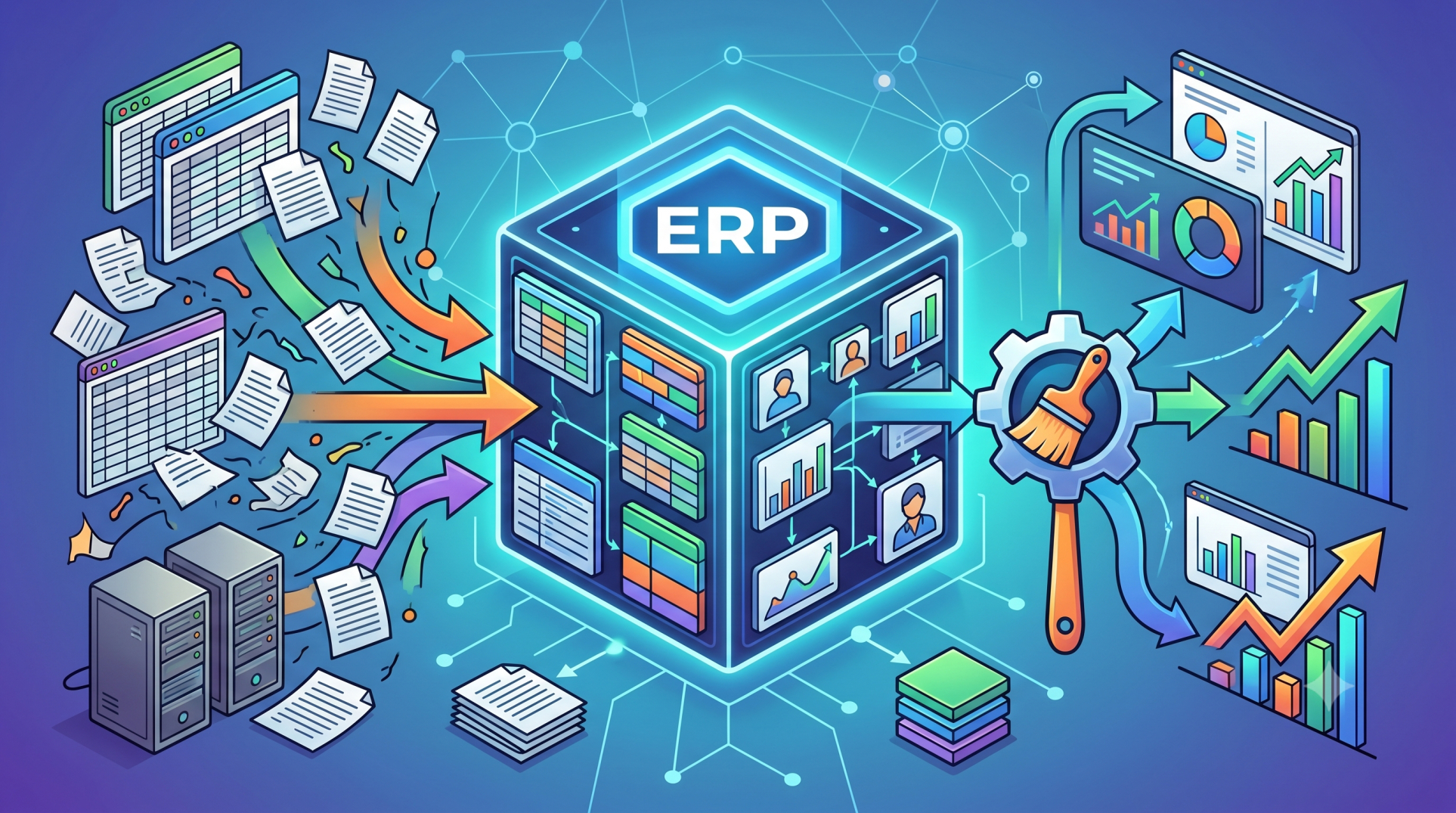
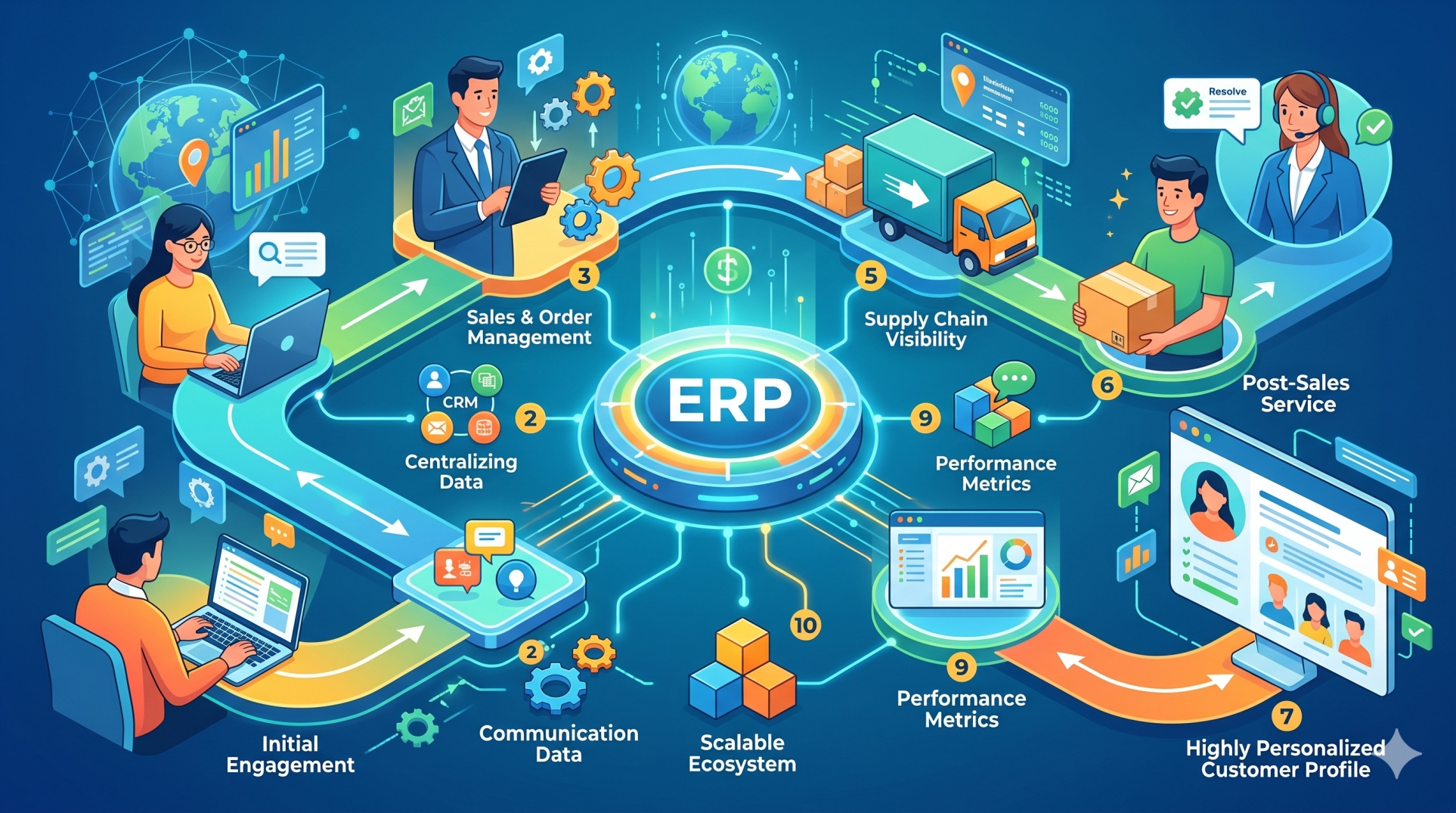
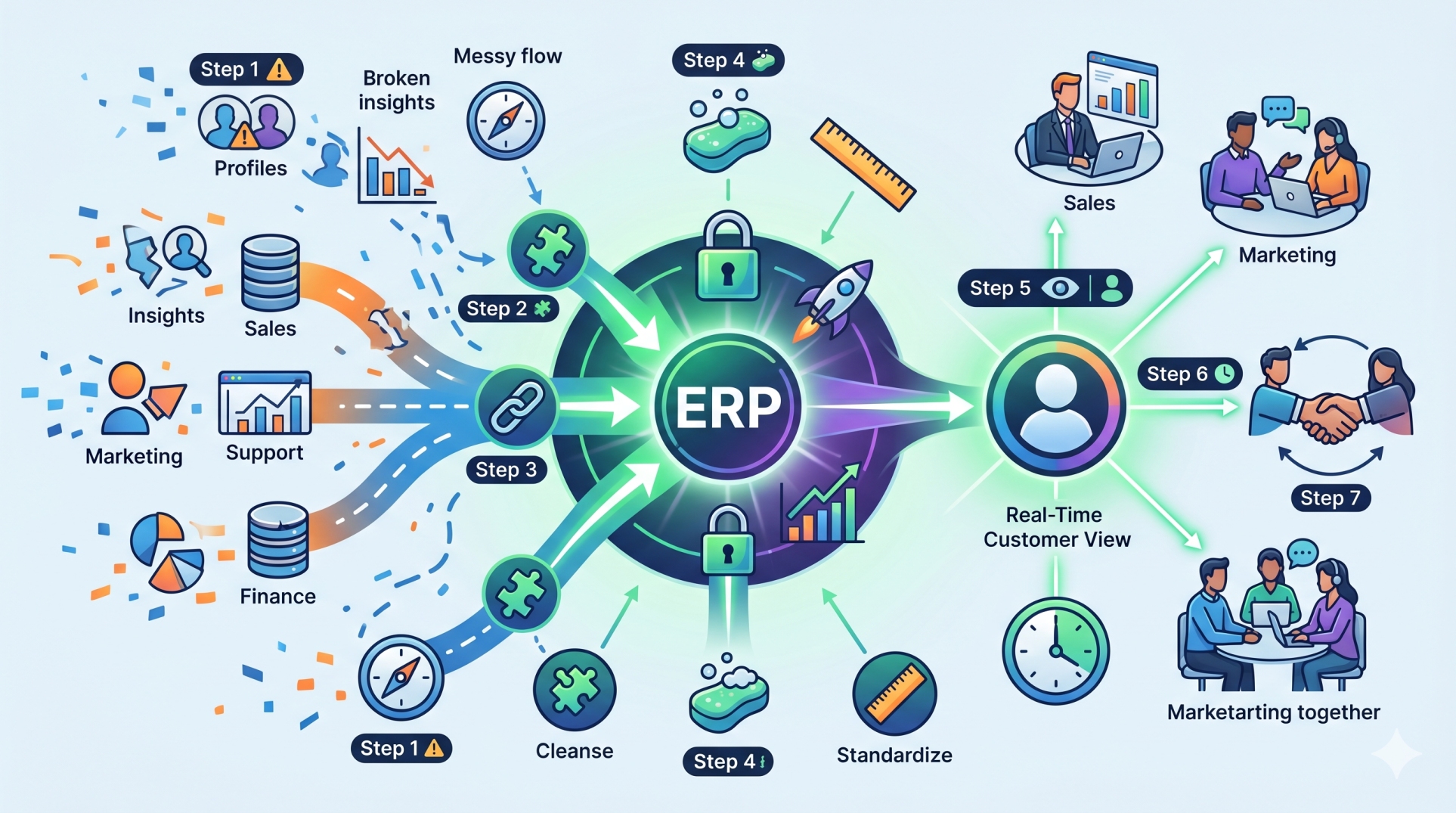
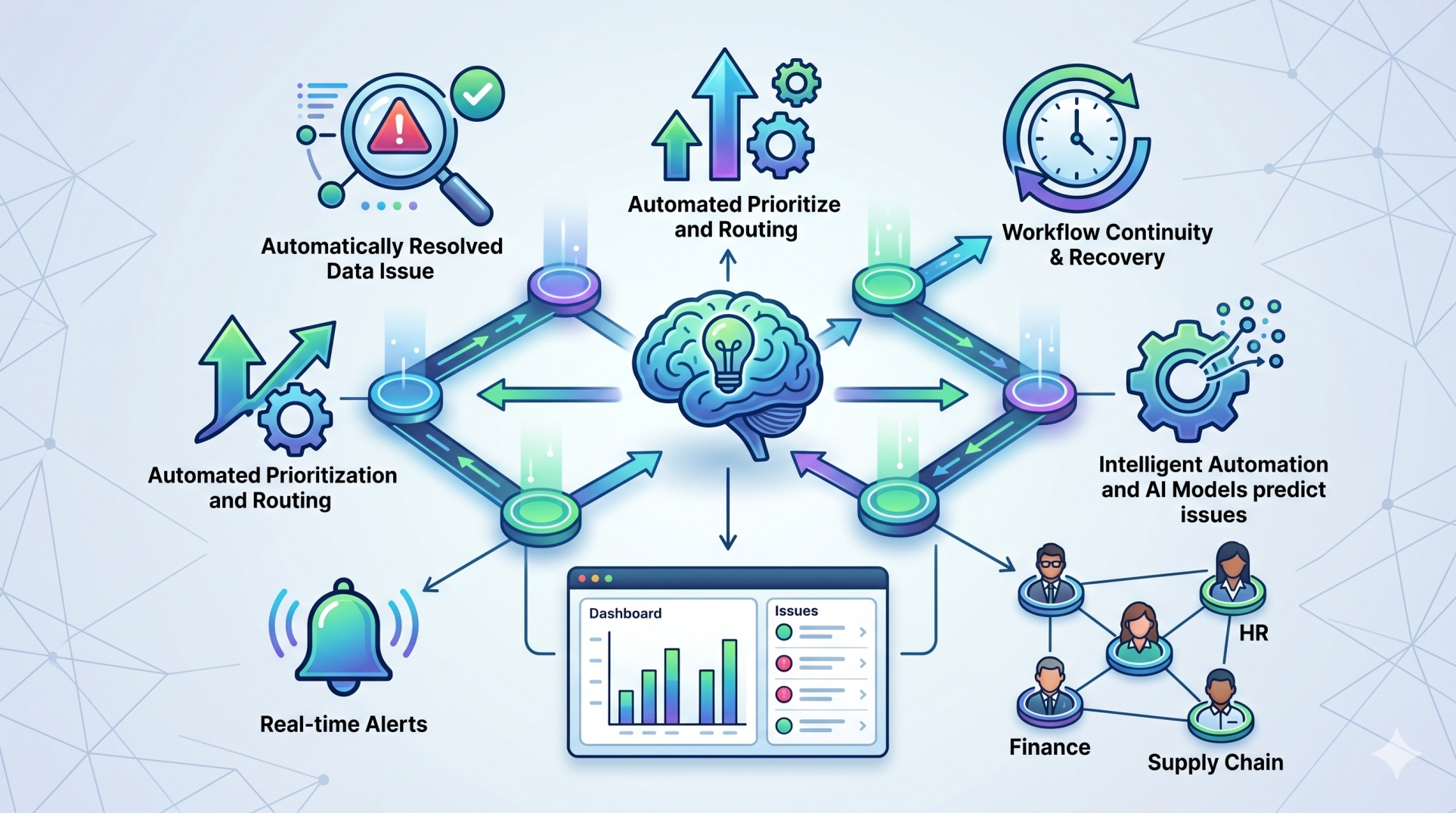
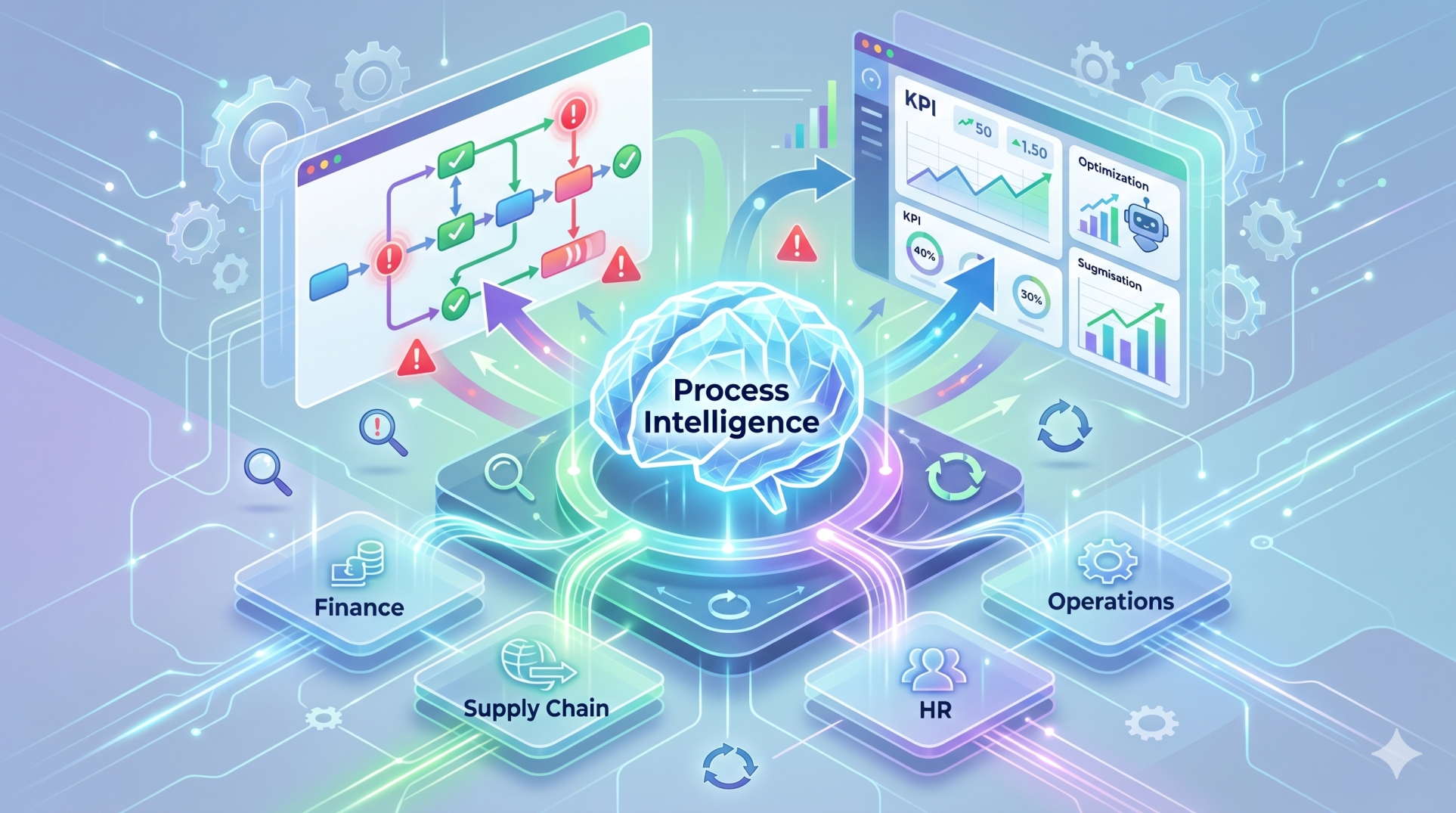
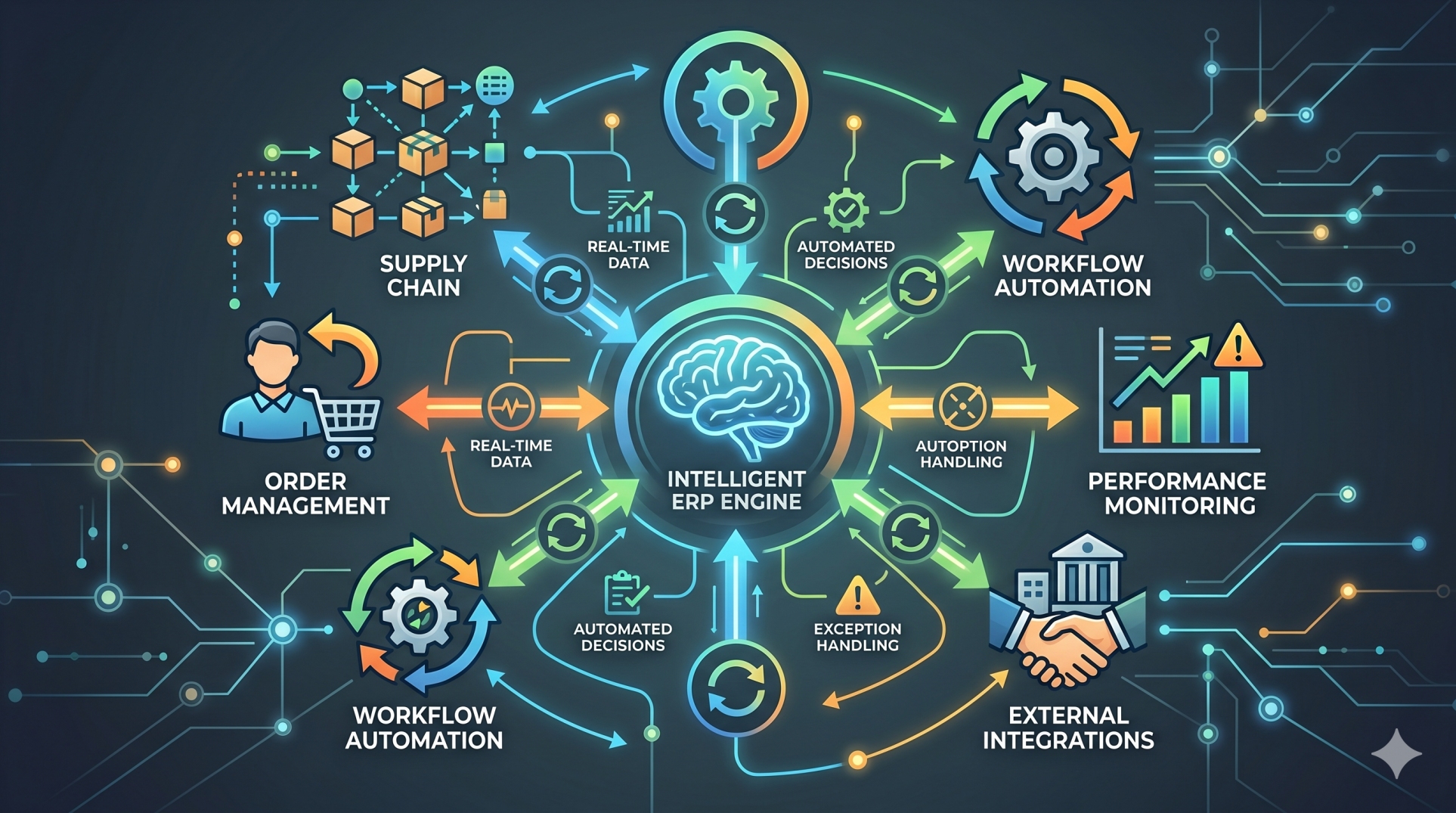
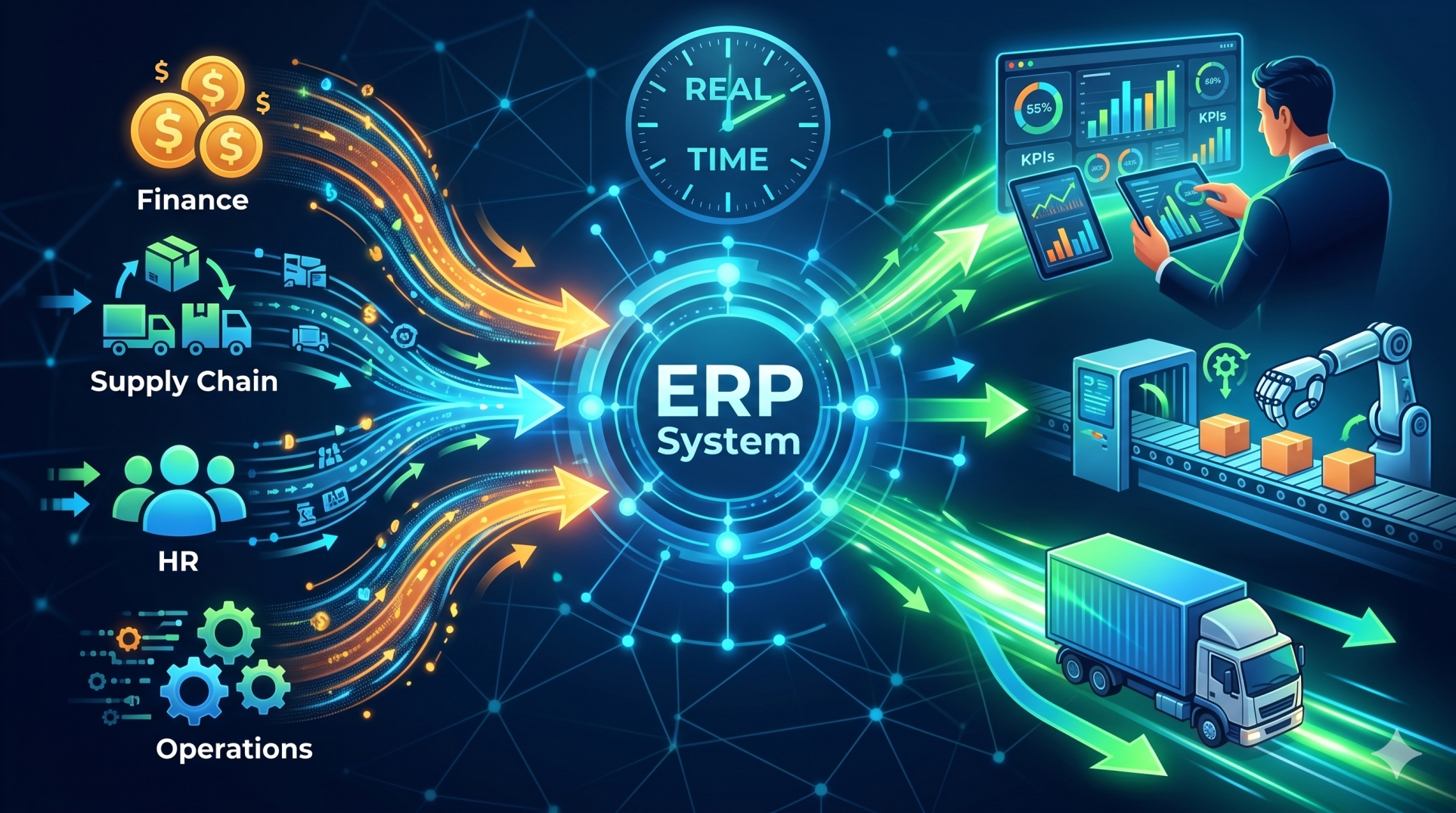
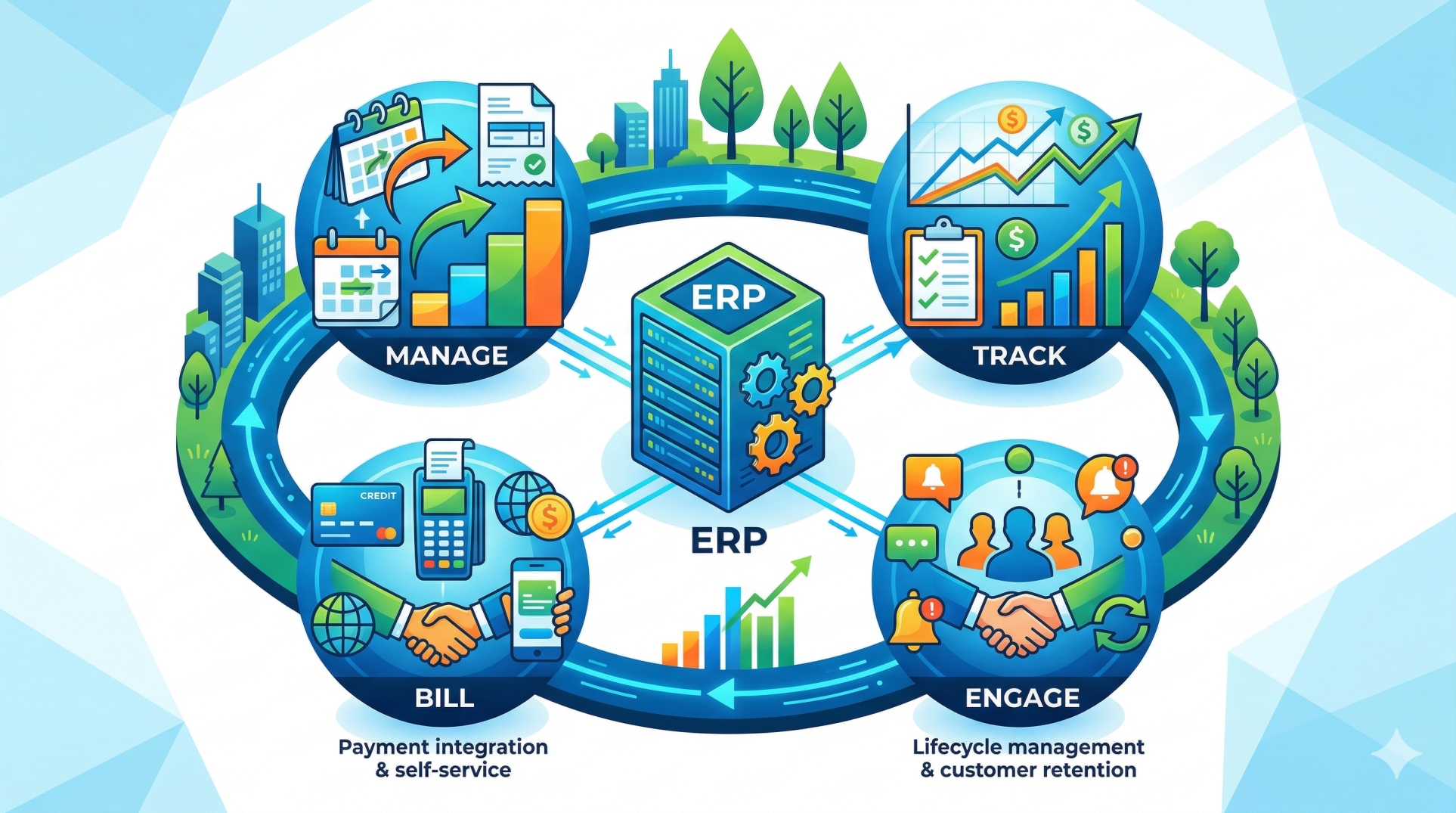
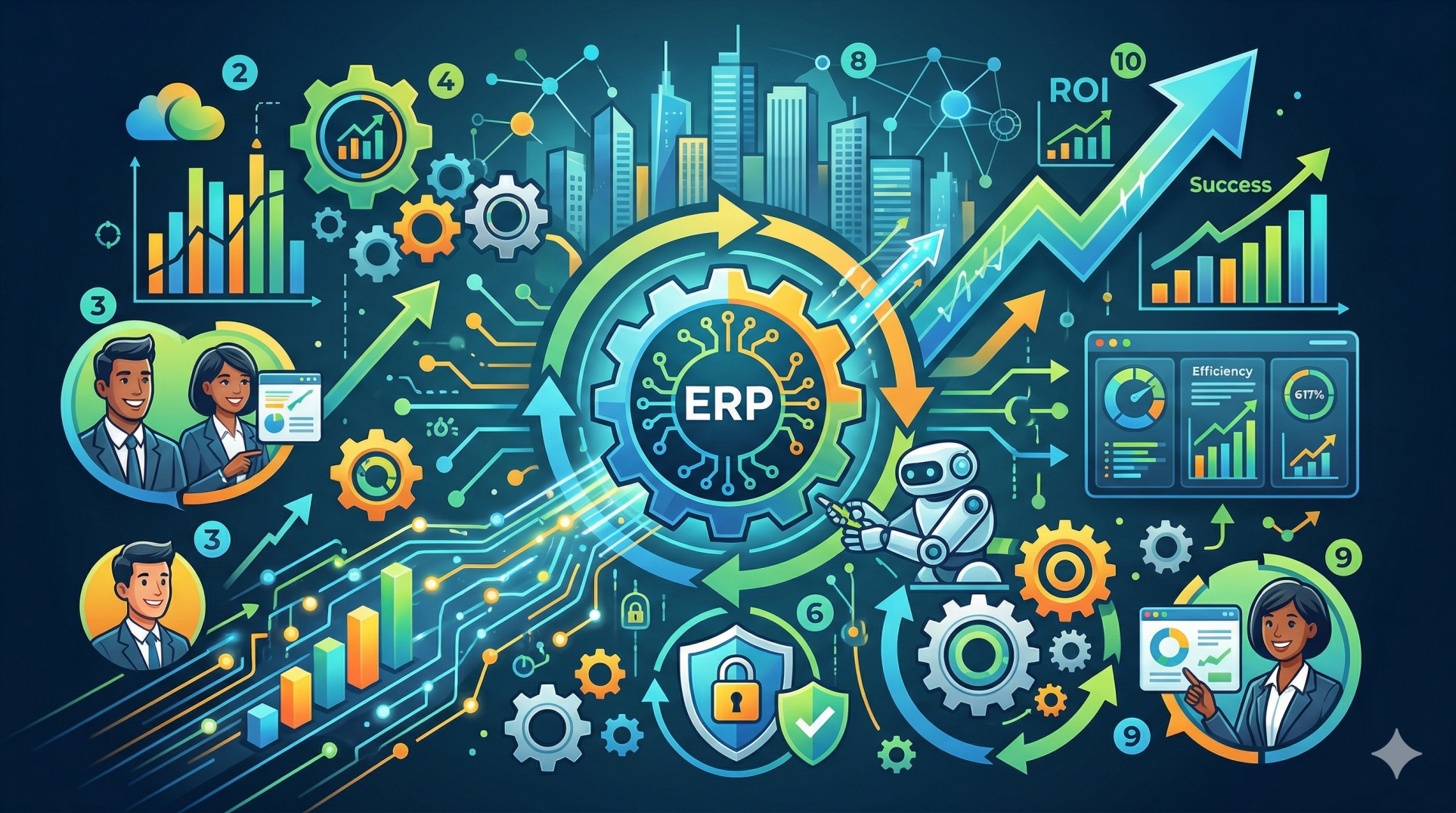
As organizations strive to improve efficiency and remain competitive, Enterprise Resource Planning (ERP) automation has become a key driver of workforce enablement. By automating repetitive tasks, streamlining workflows, and providing real-time access to critical business information, ERP systems empower employees to focus on higher-value activities. The result is a more productive, agile, and engaged workforce capable of supporting organizational growth and innovation.
Step 1: Understanding Workforce Enablement Through ERP Automation 👥
• ERP automation reduces manual effort across business processes ⚙️
• Employees gain faster access to accurate and centralized information 📊
• Routine administrative tasks are automated, freeing time for strategic work ⏱️
• Collaboration improves through integrated workflows 🤝
• Organizations benefit from increased productivity and operational consistency 🚀
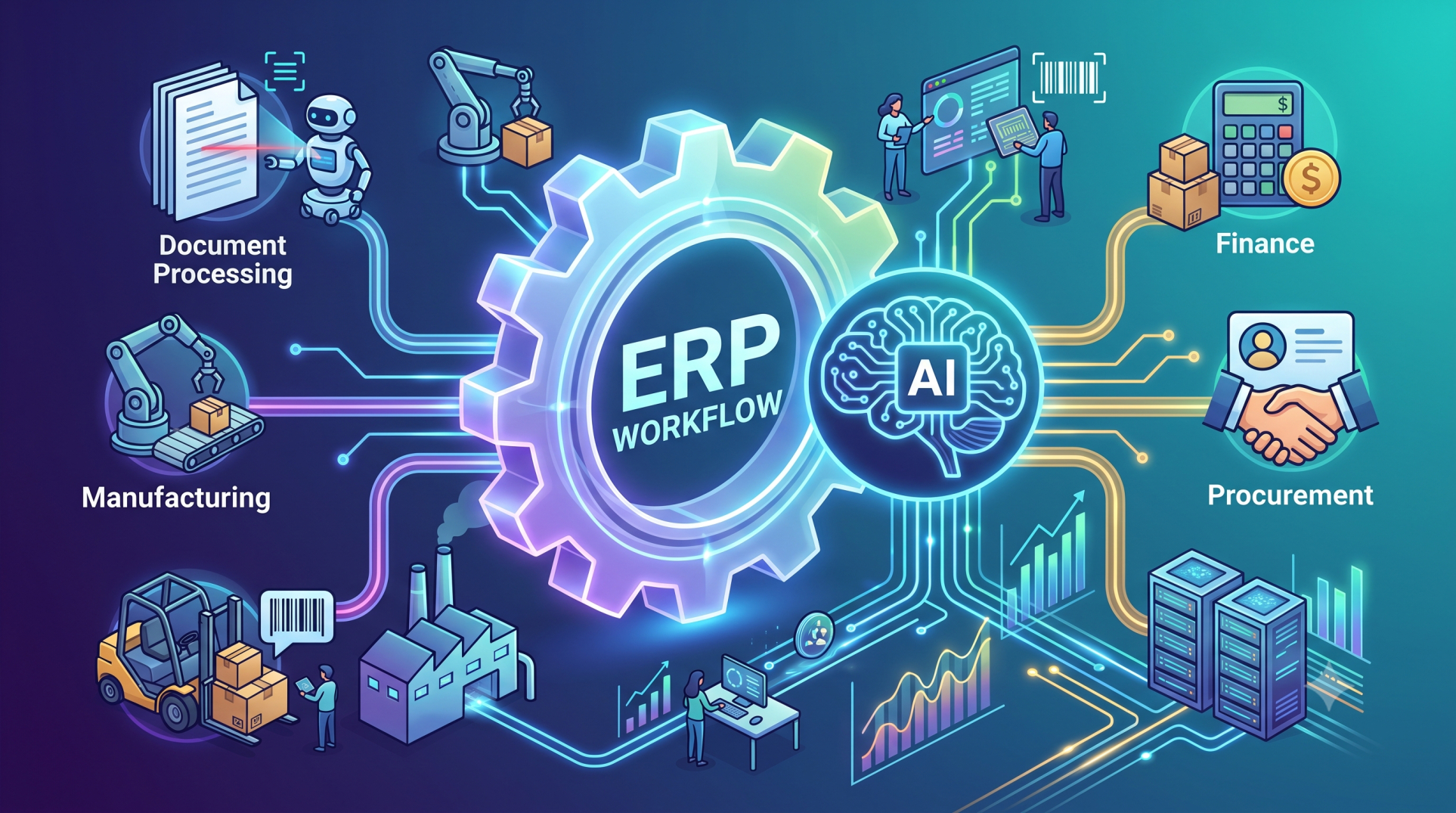
Step 2: Automating Repetitive Business Processes 🔄
• Eliminate manual data entry and duplicate tasks 📝
• Automate approvals, notifications, and workflow routing 📬
• Standardize processes across departments for consistency 📏
• Reduce human error through system-driven execution ✅
• Enable employees to focus on decision-making and innovation 💡
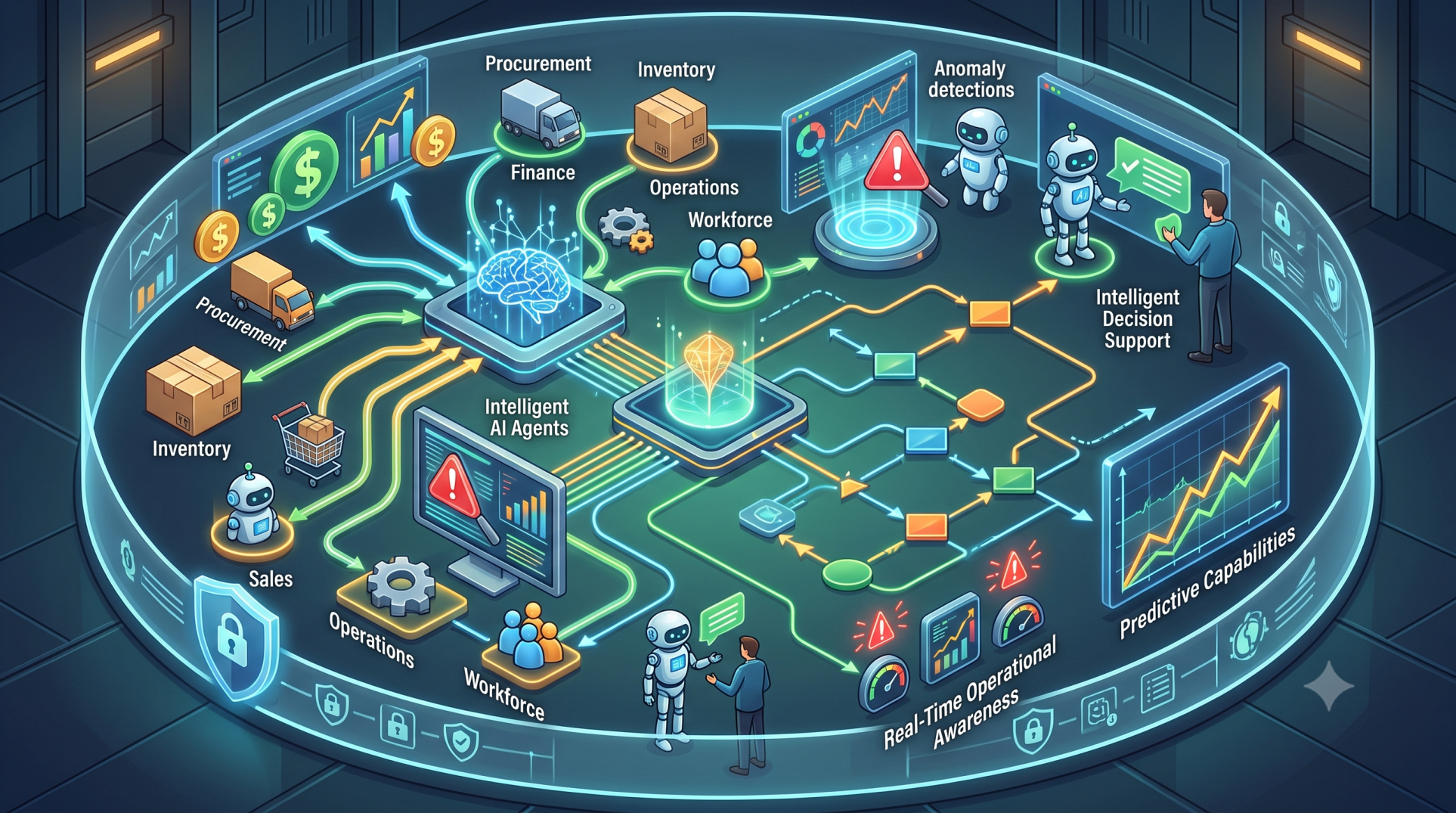
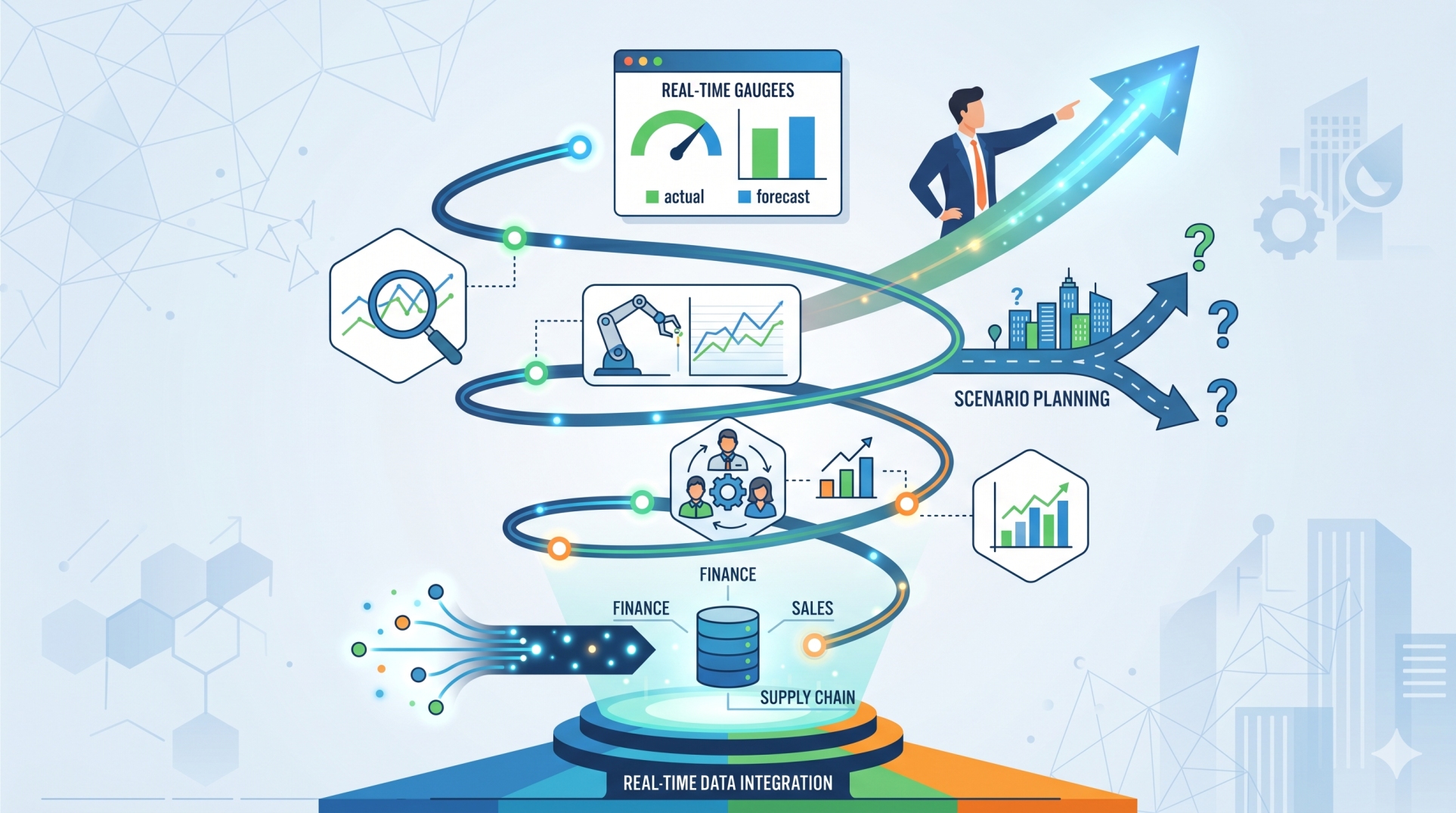
Step 3: Providing Real-Time Data Access 📈
• Deliver accurate business insights through centralized dashboards 📊
• Enable employees to access information when needed ⏰
• Improve decision-making with real-time operational visibility 👀
• Reduce delays caused by disconnected systems 🔗
• Support faster responses to changing business conditions ⚡
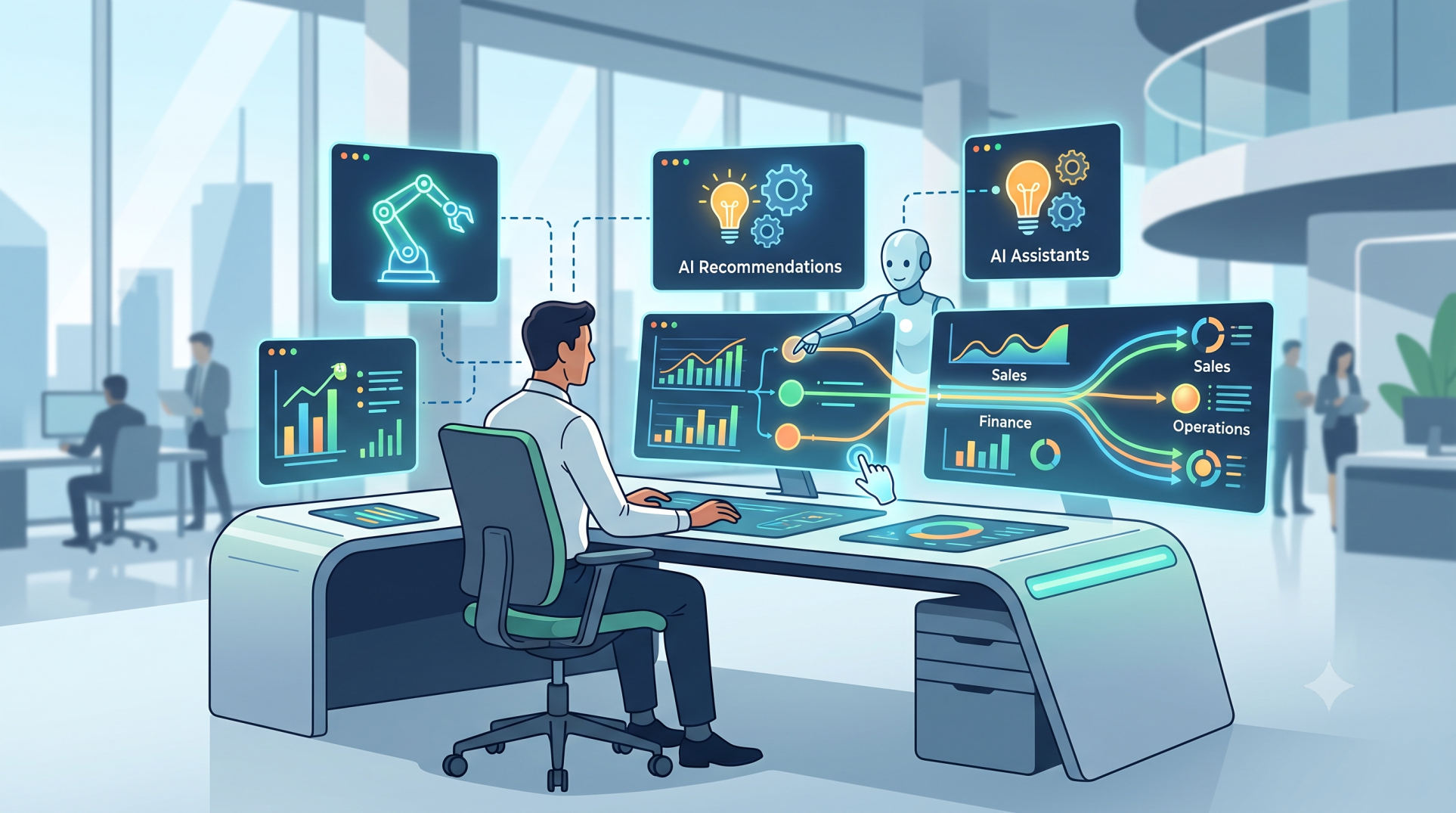
Step 4: Enhancing Employee Productivity 🚀
• Simplify daily tasks through automated workflows ⚙️
• Reduce time spent searching for information 🔍
• Improve task prioritization with intelligent alerts 📢
• Minimize administrative burdens across teams 📋
• Increase efficiency and output across departments 📈
Step 5: Strengthening Collaboration and Communication 🤝
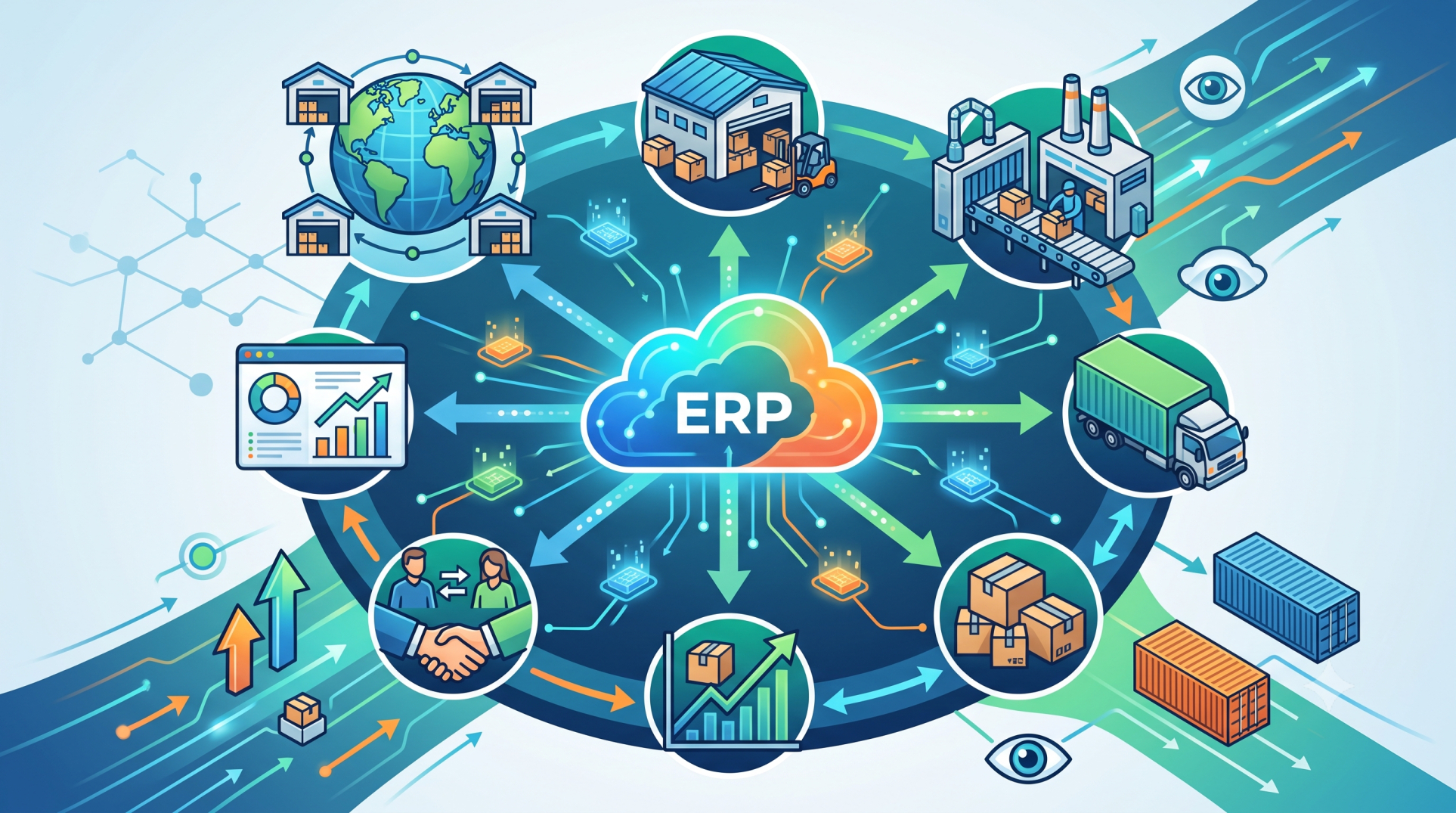
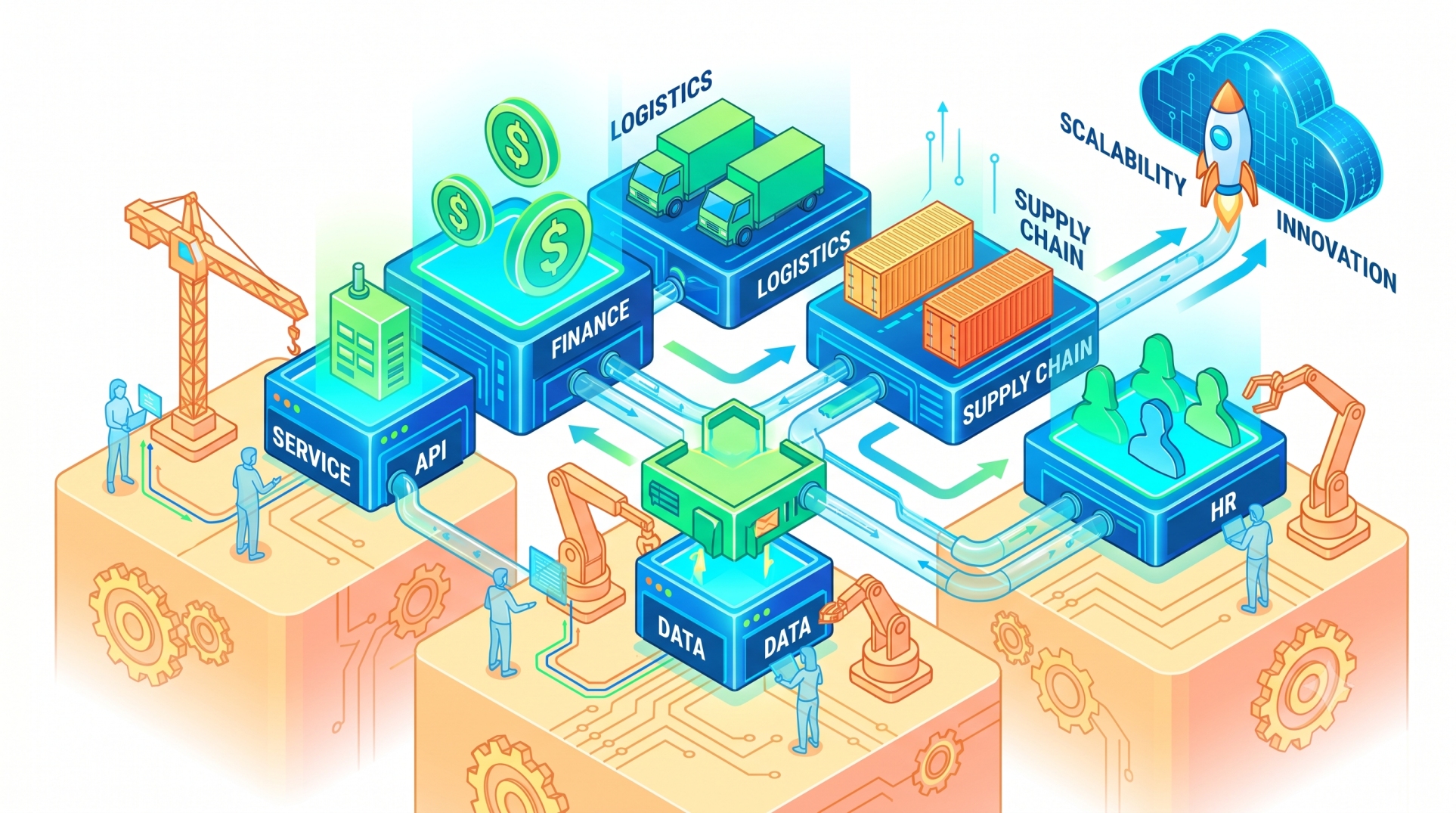
• Connect departments through a unified ERP platform 🌐
• Enable seamless sharing of information across teams 📤
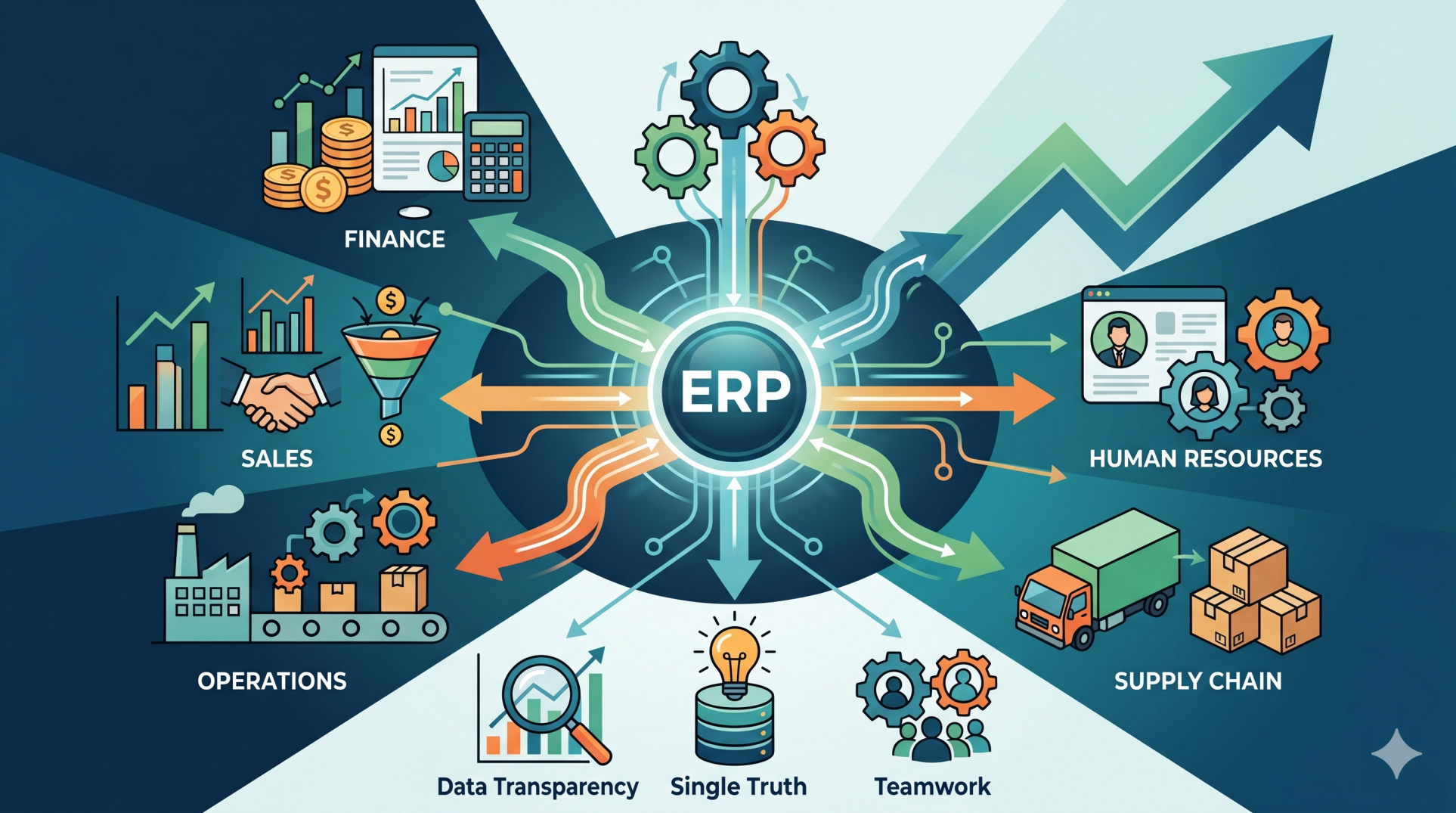
• Improve coordination between operations, finance, HR, and supply chain 🔄
• Reduce communication gaps and process bottlenecks 🚧
• Foster a more collaborative work environment 🏢
Step 6: Supporting Employee Development and Growth 🎓
• Provide access to performance data and learning resources 📚
• Automate training schedules and certification tracking 🗓️
• Identify skill gaps through workforce analytics 🔍
• Support career development initiatives 📈
• Empower employees with tools for continuous improvement 🌱
Step 7: Improving Accuracy and Compliance 🛡️
• Automate compliance-related processes and documentation 📑
• Maintain accurate records and audit trails 🧾
• Reduce risks associated with manual processing ⚠️
• Ensure adherence to organizational policies and regulations ⚖️
• Improve transparency across business operations 🔍
Step 8: Leveraging Analytics for Workforce Insights 📊
• Track productivity metrics and workforce performance 📈
• Analyze workload distribution across teams ⚖️
• Identify opportunities for process improvement 🔧
• Support data-driven workforce planning 🧠
• Enable proactive management decisions 🎯
Step 9: Managing Change and Employee Adoption 🔄
• Provide training and support during ERP implementation 🎓
• Communicate benefits and expectations clearly 📢
• Encourage employee engagement with new tools 🤗
• Address resistance through continuous feedback 🗣️
• Foster a culture of digital transformation 🌟
Step 10: Building a Future-Ready Workforce 🌍
• Equip employees with modern digital tools 💻
• Support hybrid and remote work environments 🏠
• Enable adaptability in changing business conditions 🔄
• Promote innovation through streamlined operations 💡
• Create a workforce prepared for future technological advancements 🚀
Conclusion
Workforce enablement through ERP automation goes beyond improving operational efficiency—it empowers employees to perform at their highest potential. By automating routine tasks, improving access to information, and fostering collaboration, organizations can create a more productive and engaged workforce. A well-implemented ERP automation strategy not only enhances current performance but also builds the foundation for long-term growth, agility, and digital transformation.
See more blogs
You can all the articles below