Designing Enterprise Operating Models Around ERP Platforms
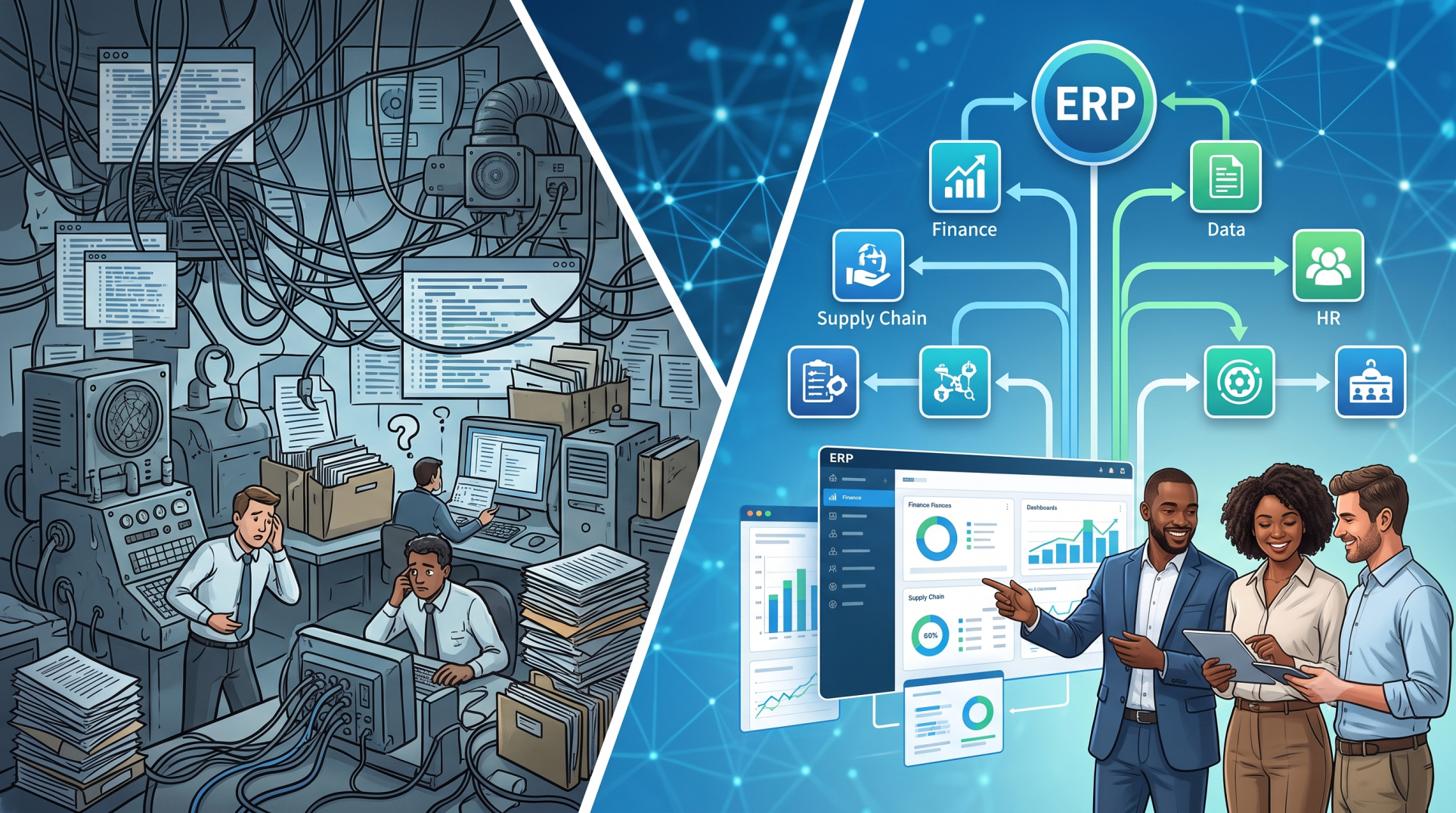
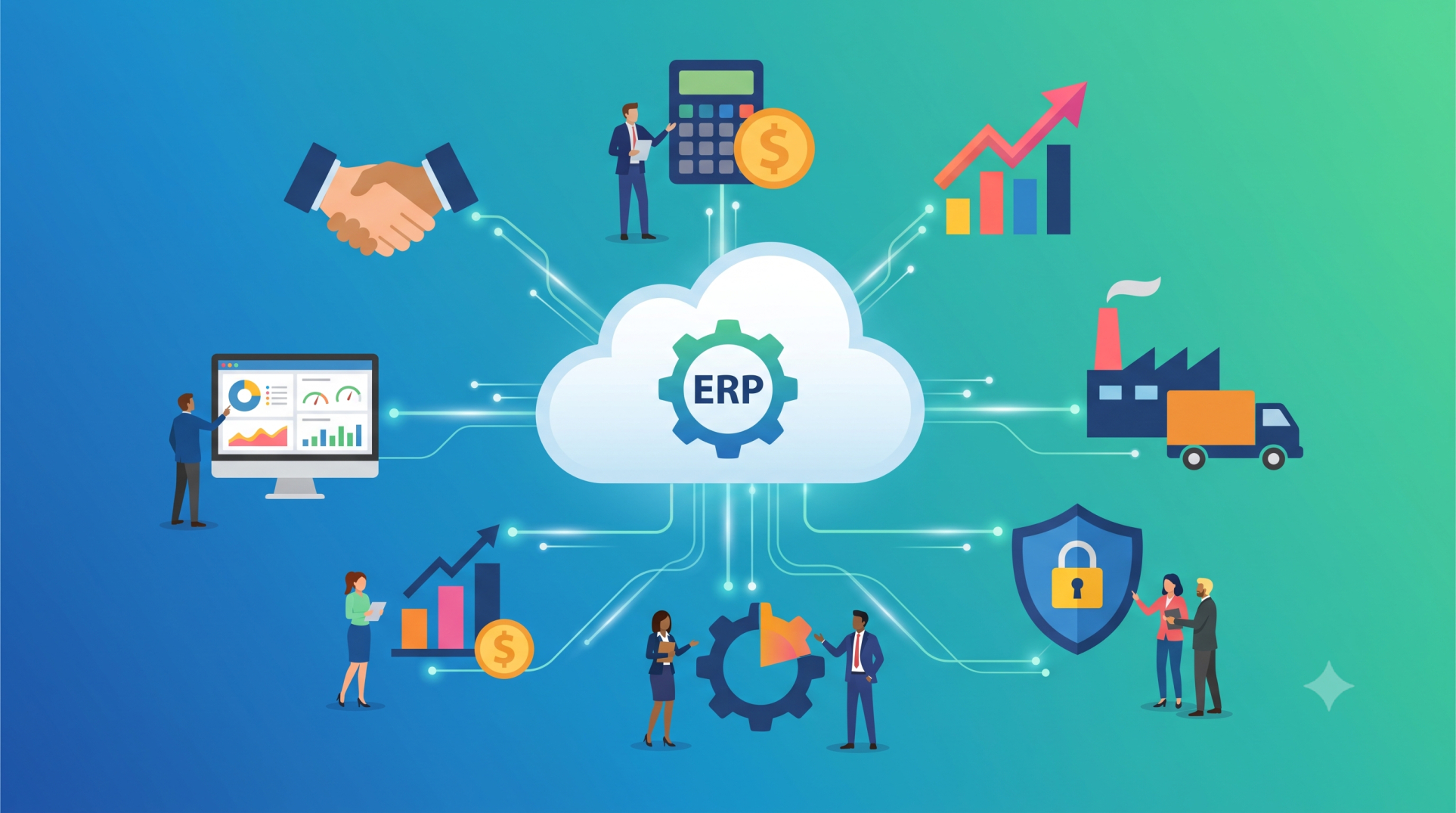
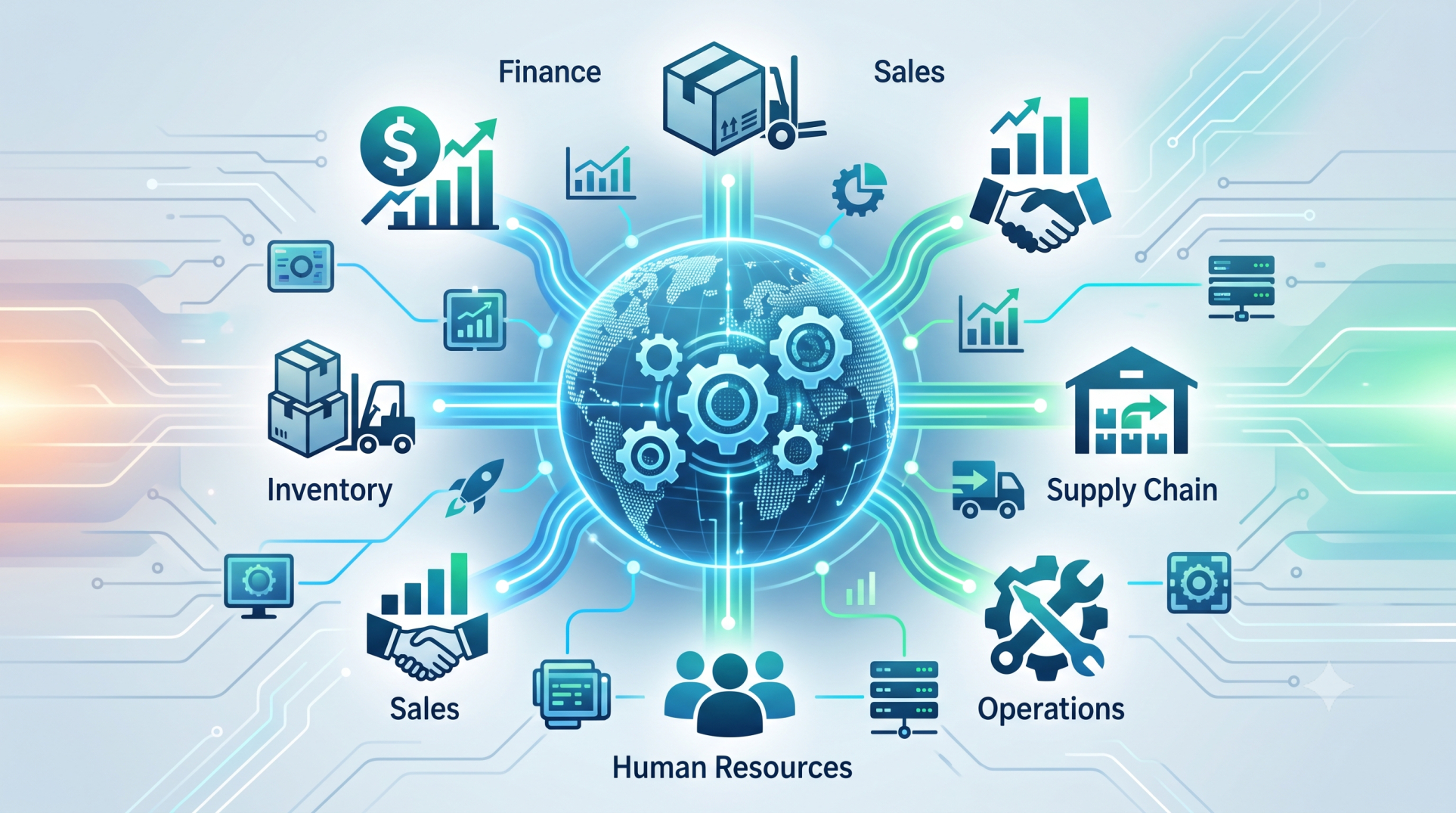
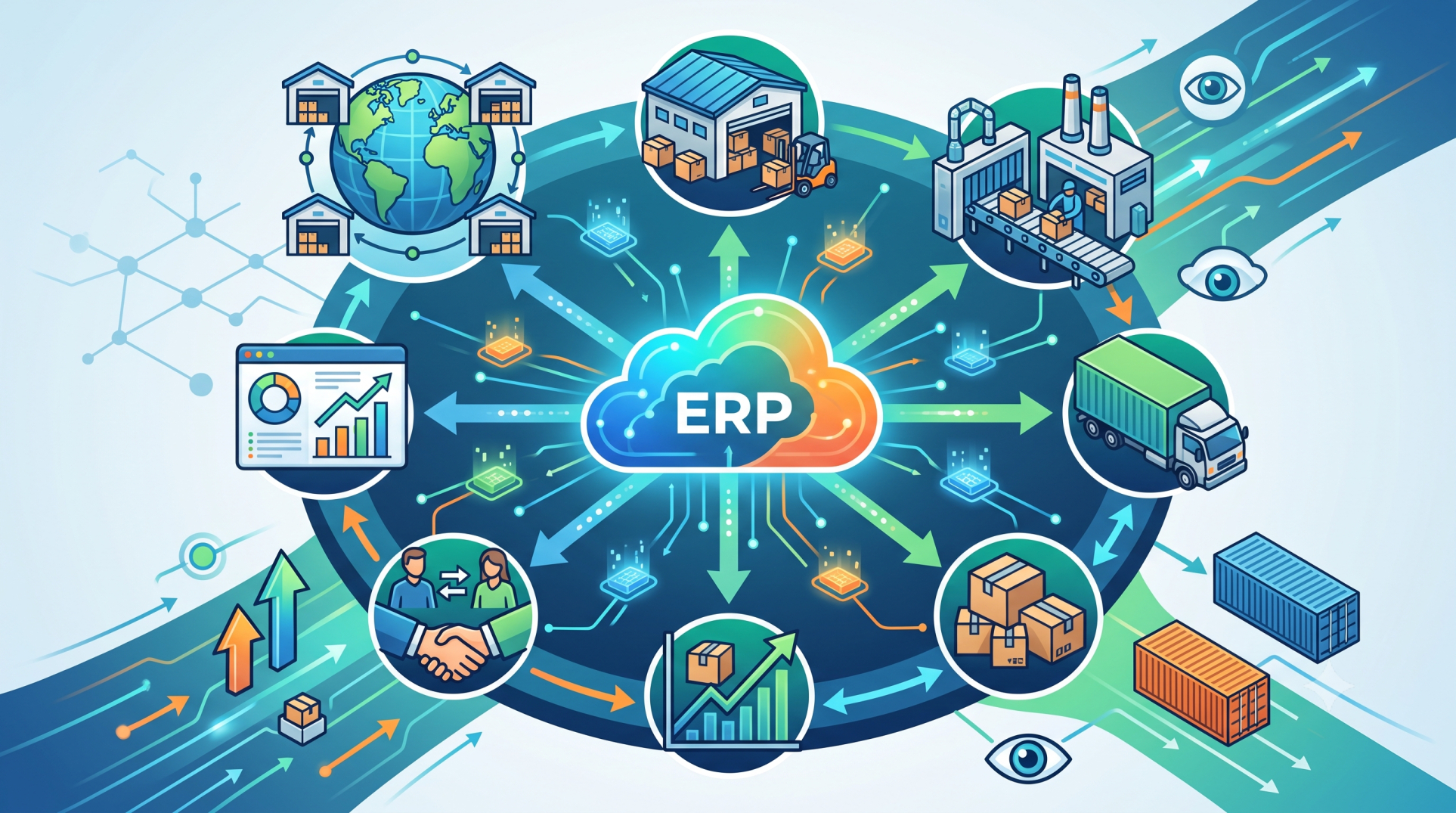
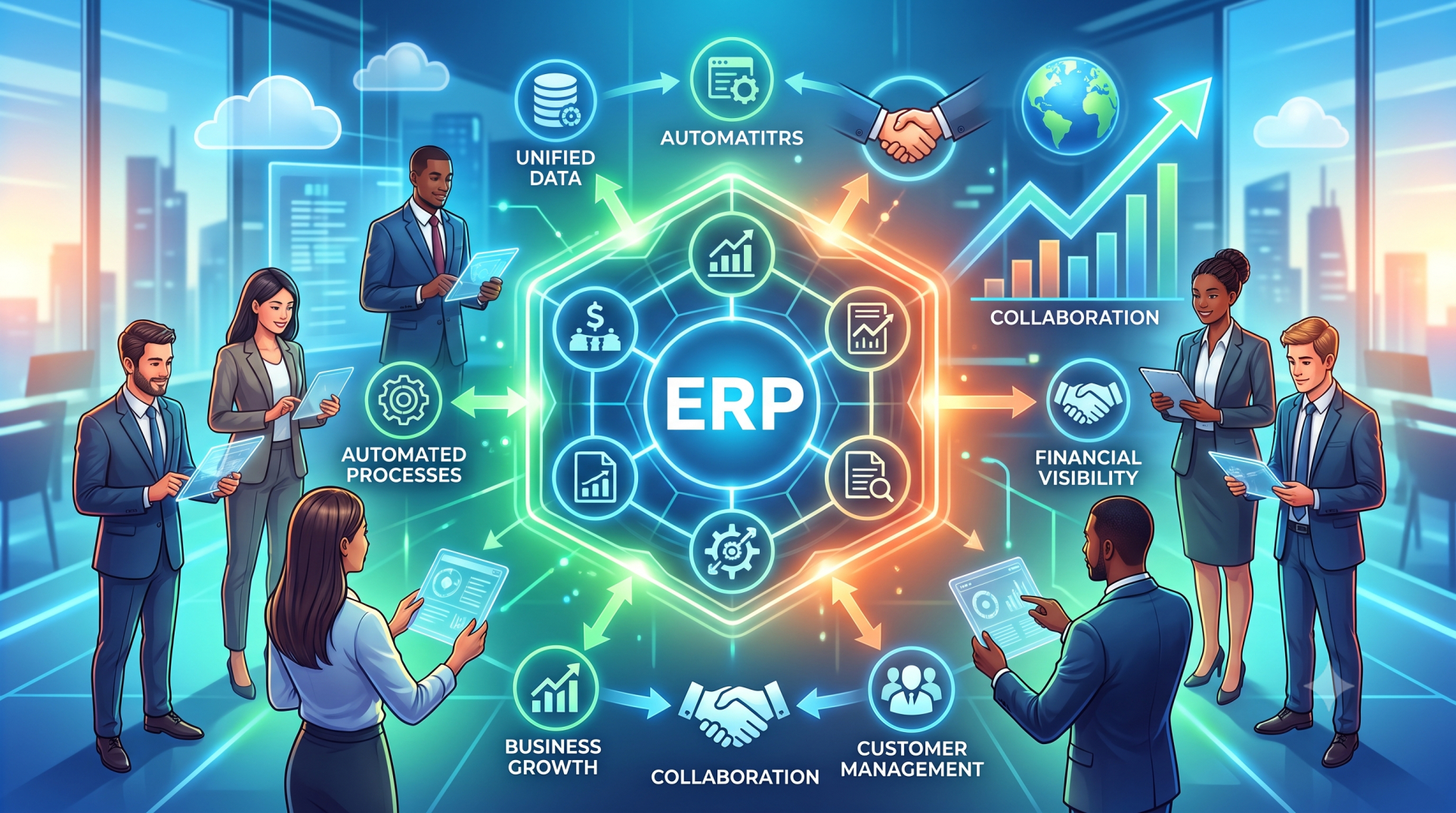
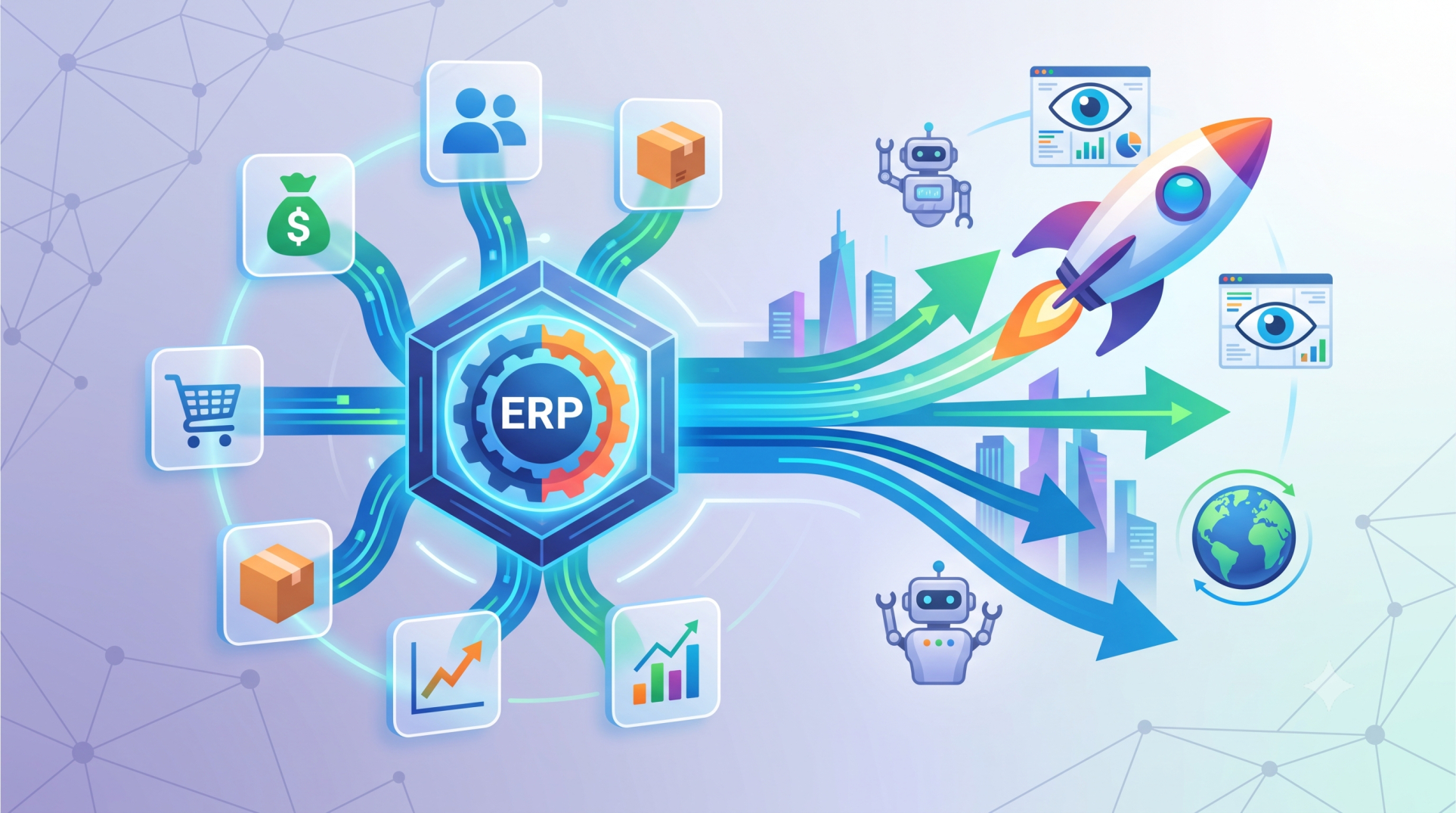
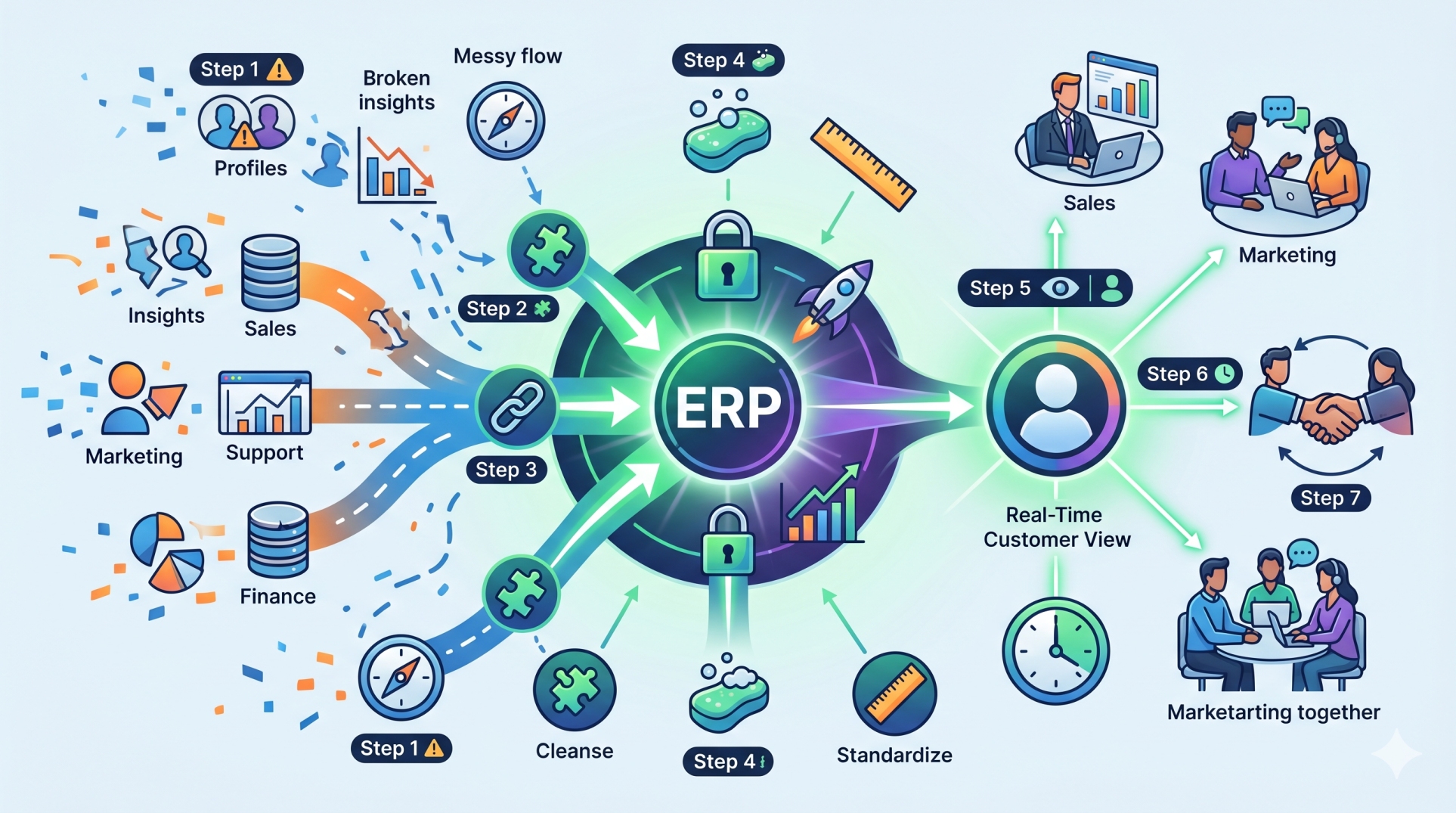
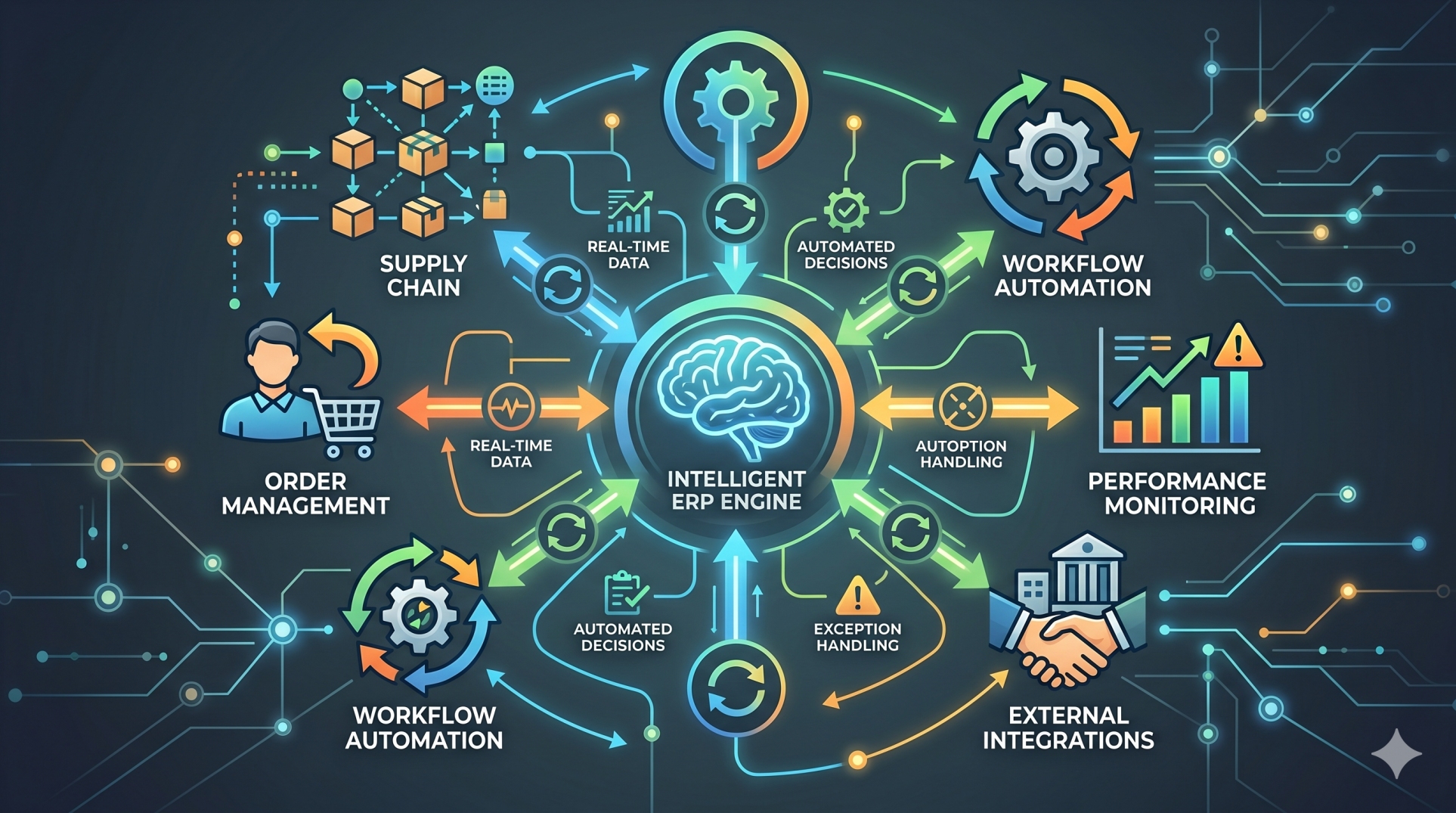
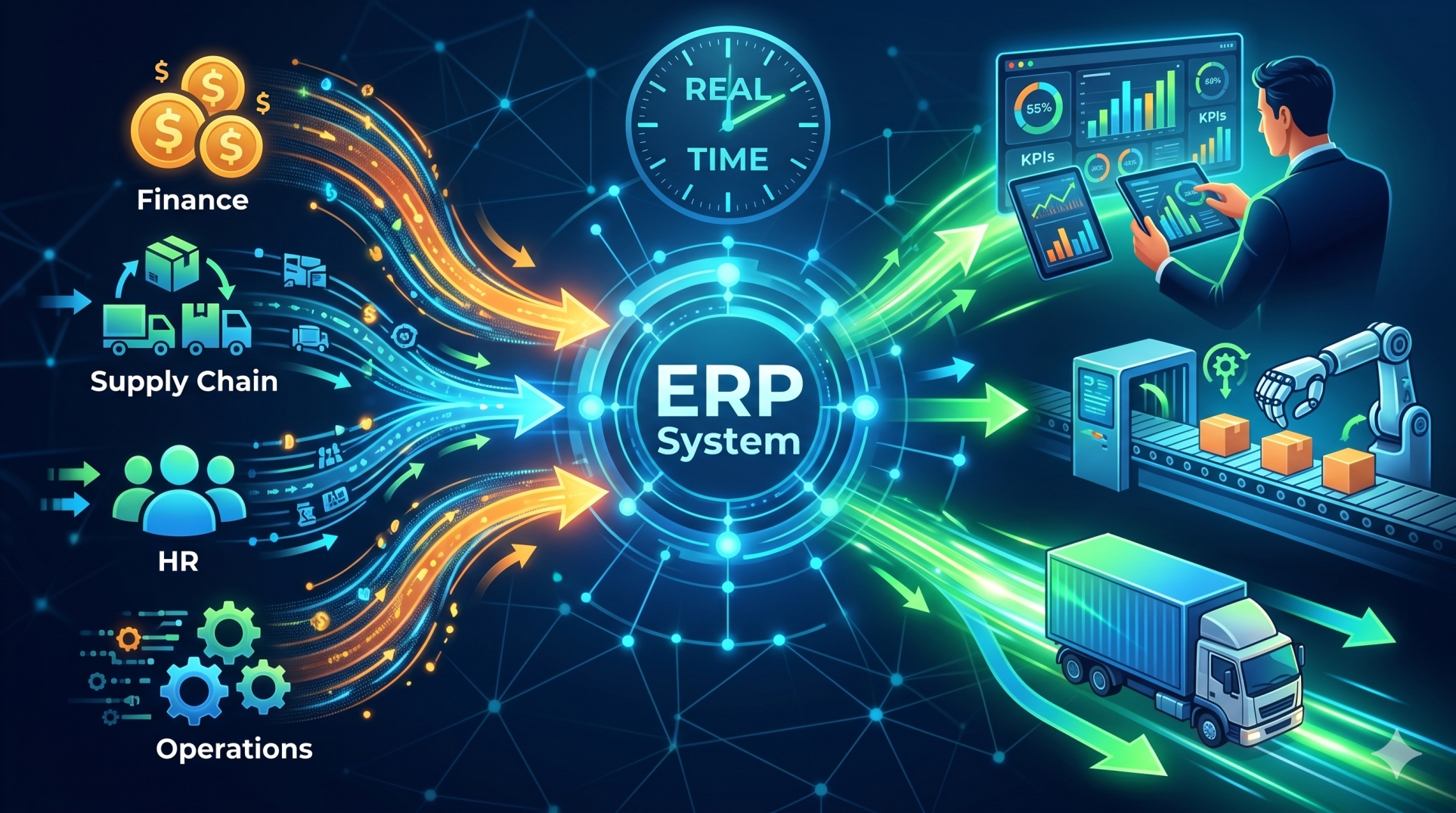
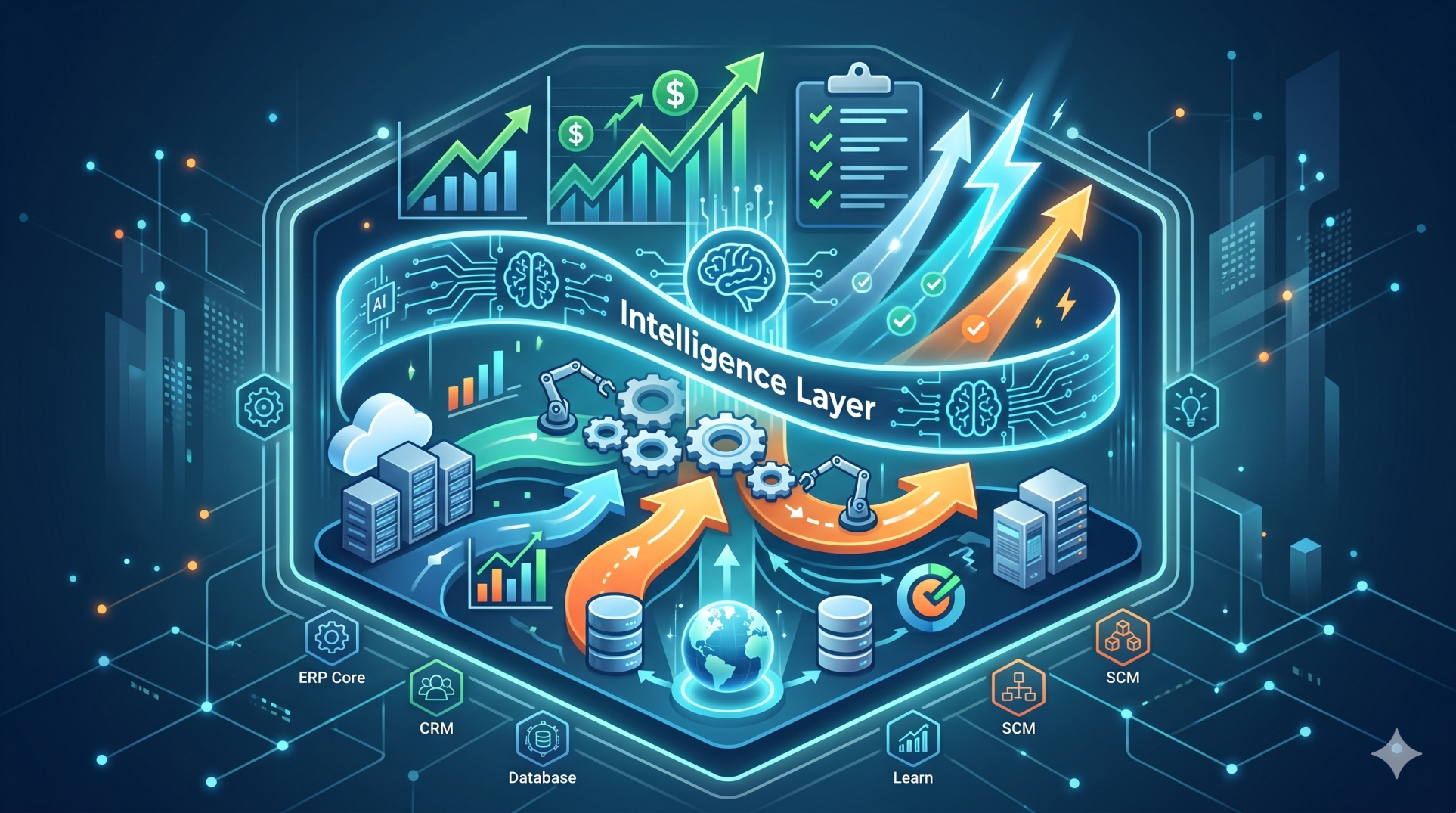
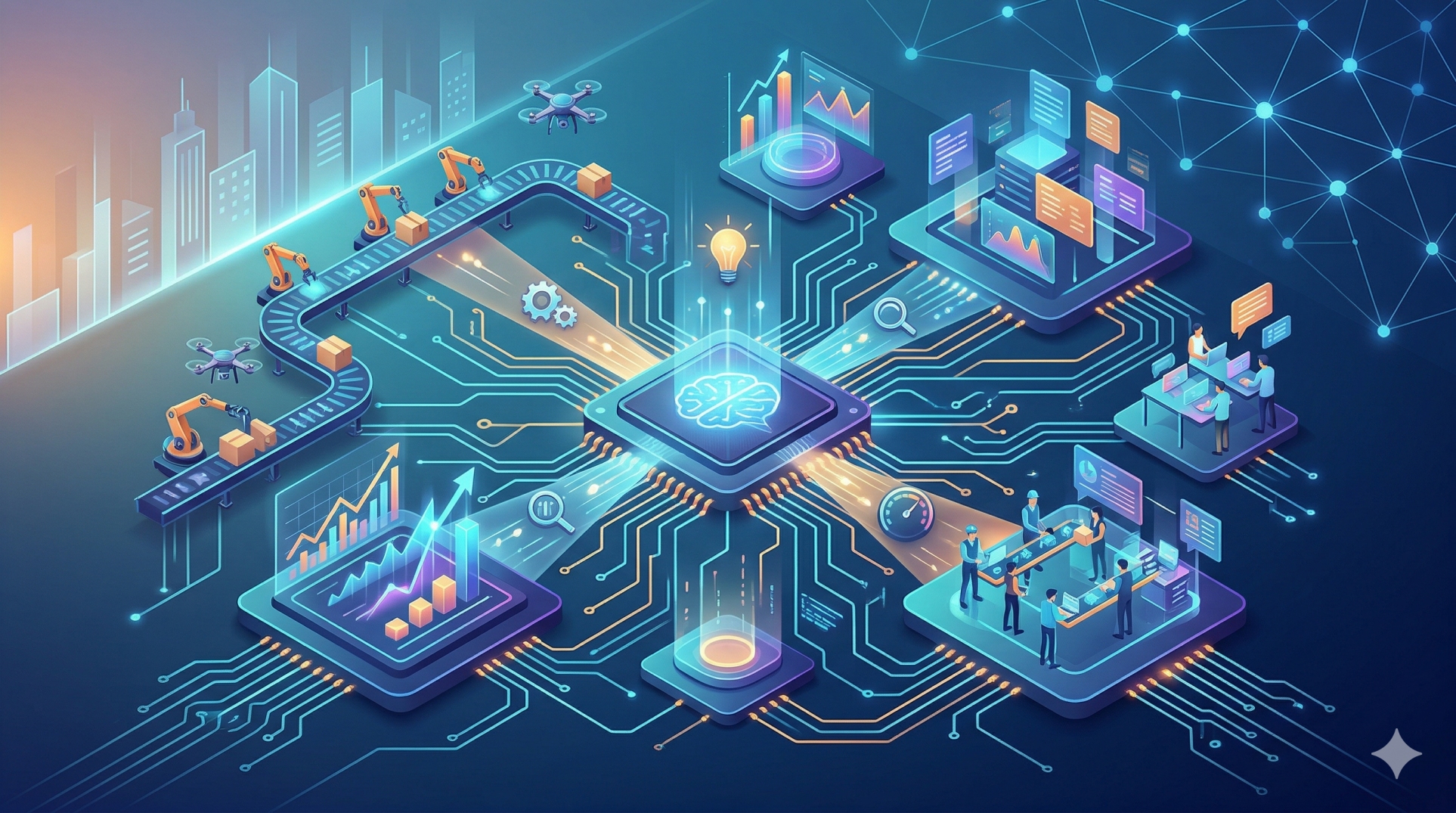
Modern organizations are increasingly using ERP platforms as the foundation for operational excellence, data visibility, and process standardization. Rather than treating ERP as a standalone software system, leading enterprises design their operating models around ERP capabilities to create connected workflows, improve decision-making, and support long-term growth. A well-aligned ERP-driven operating model helps organizations achieve greater efficiency, agility, and scalability.
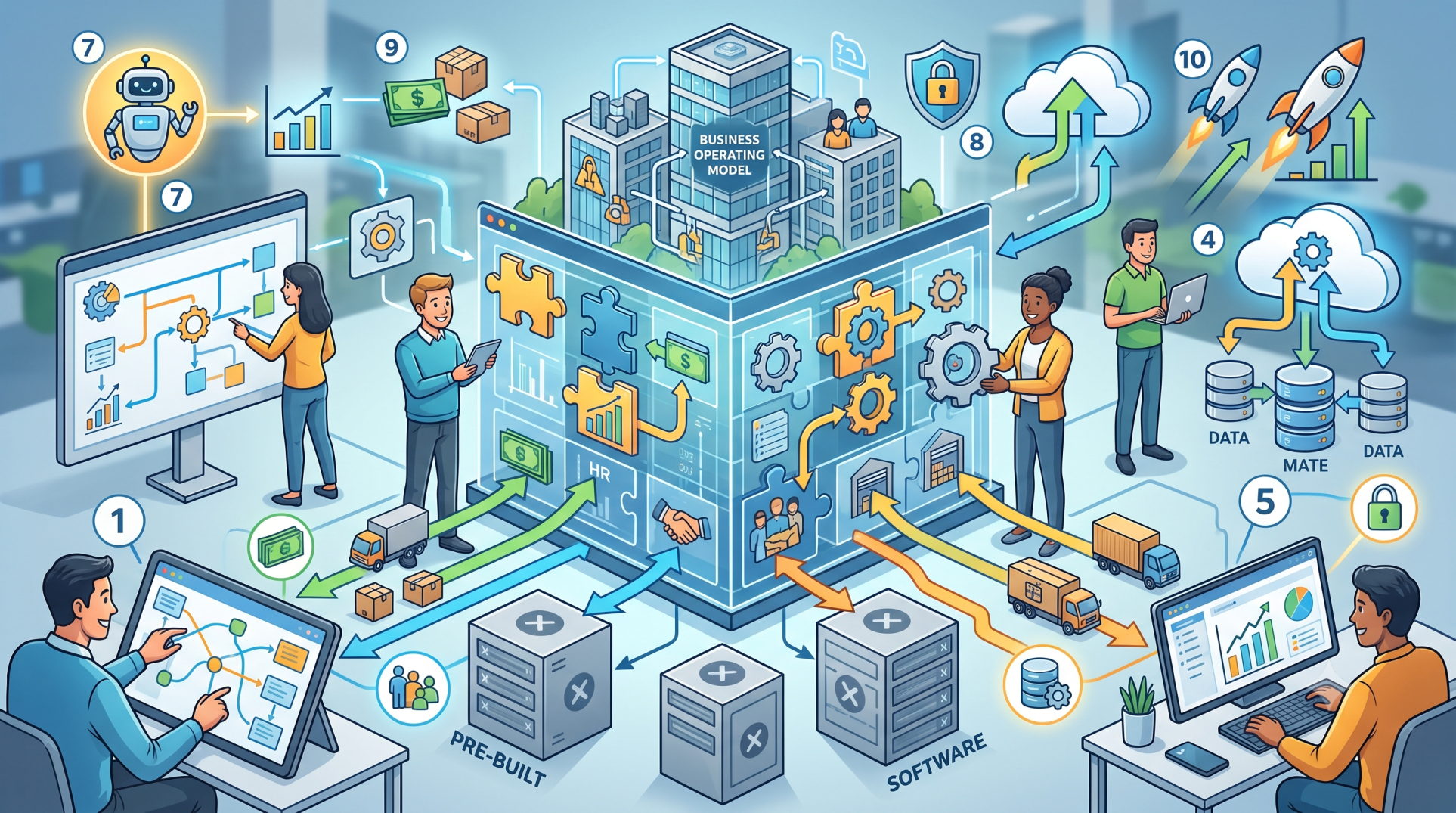
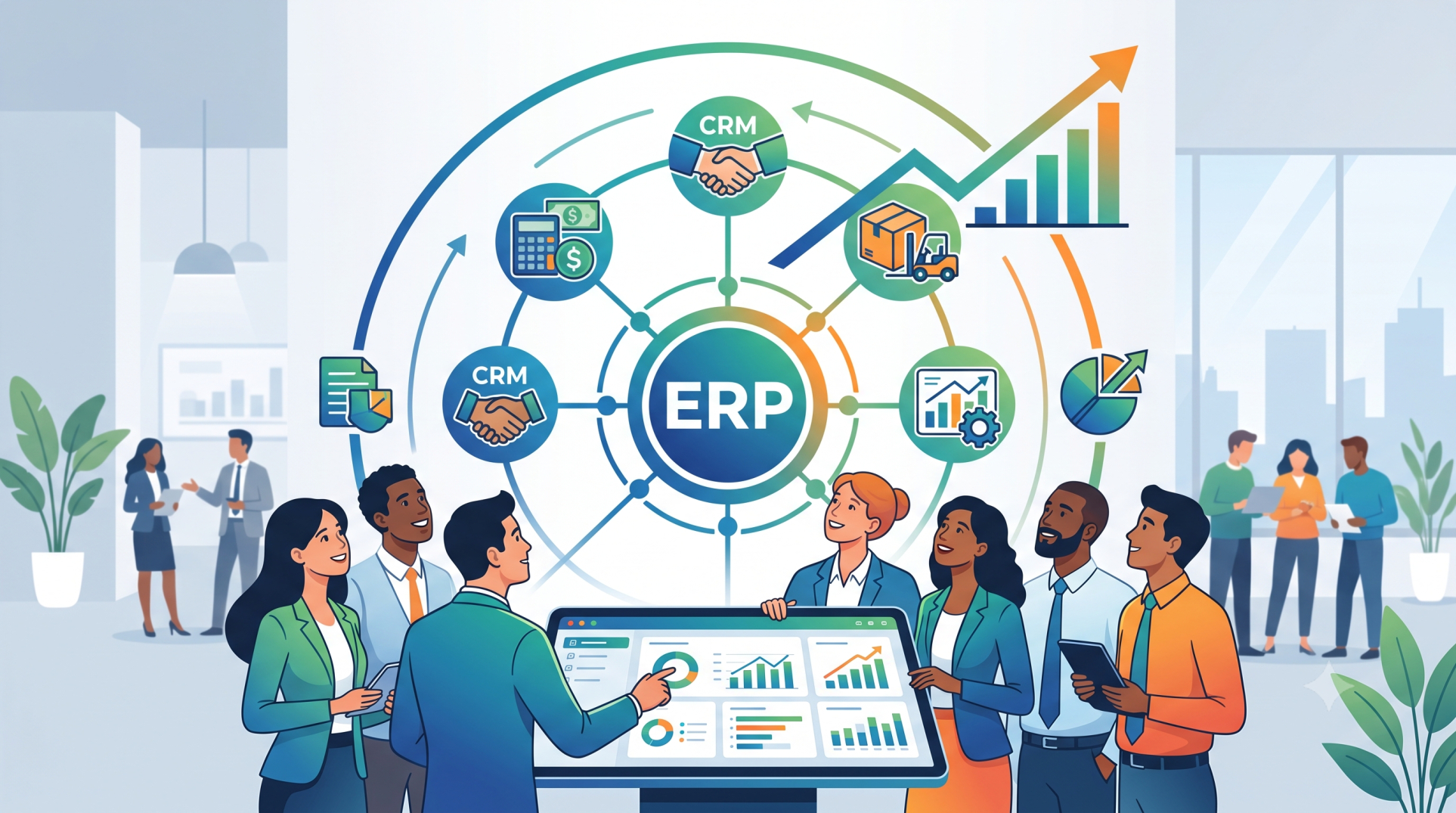
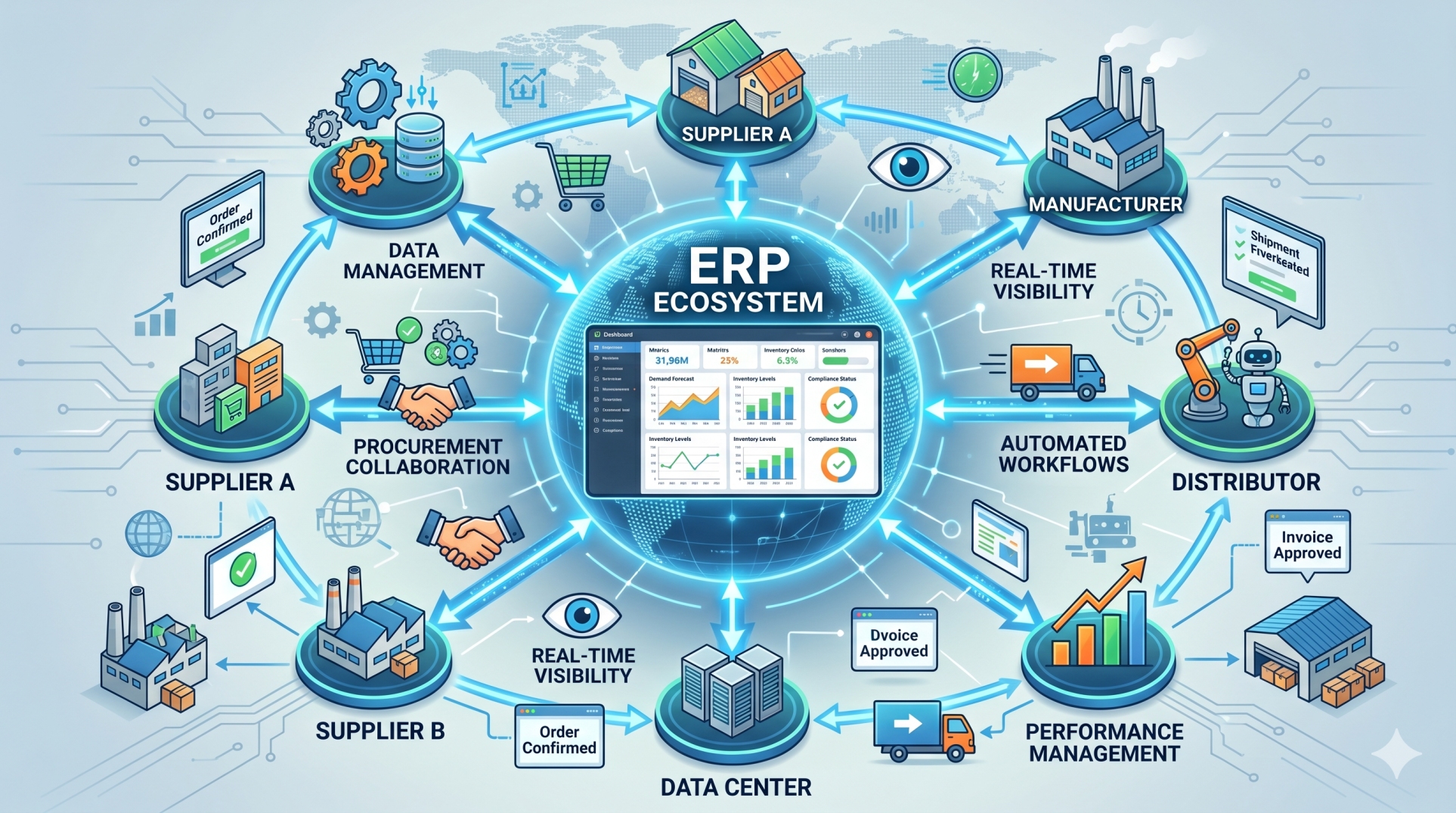
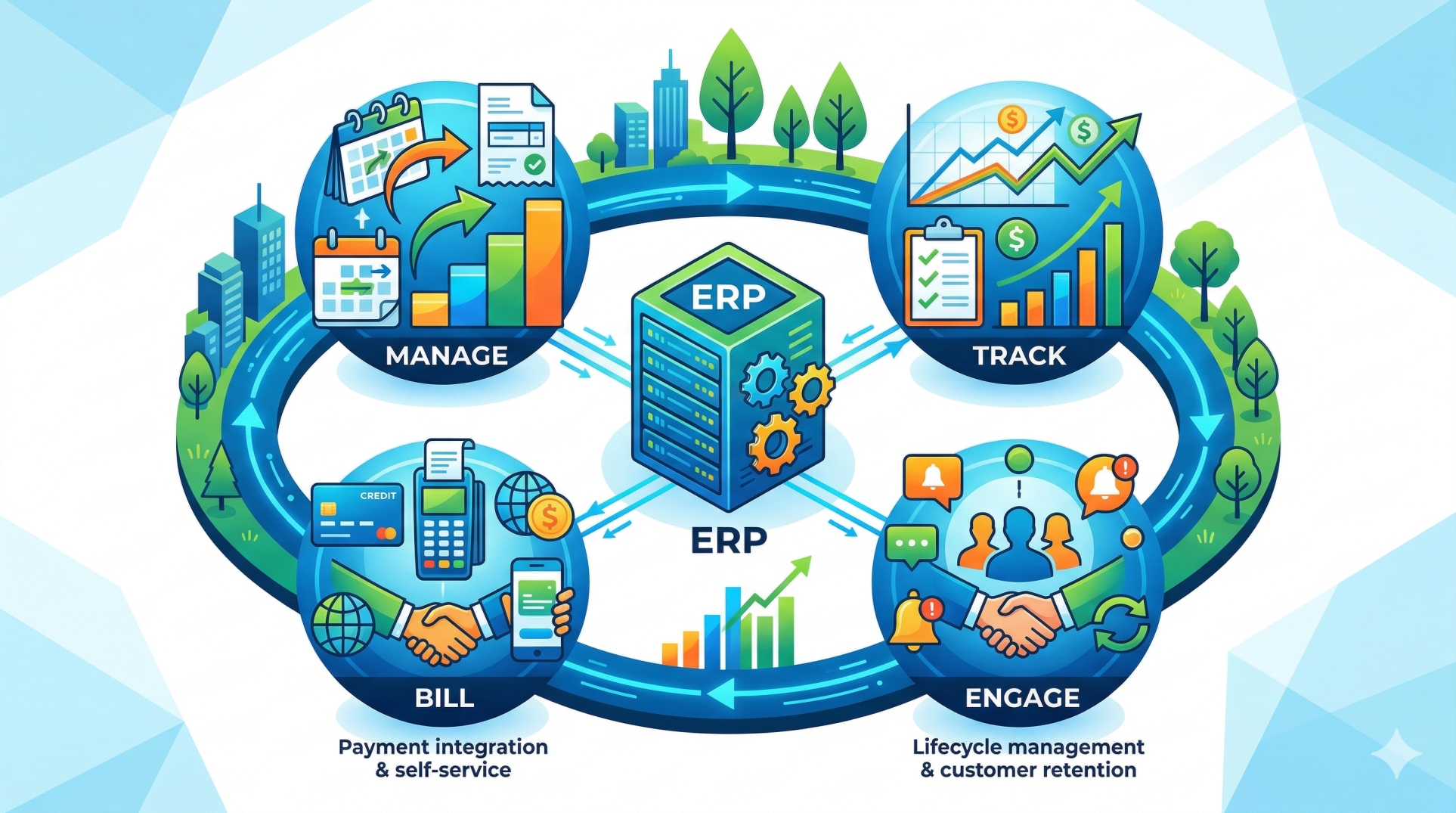
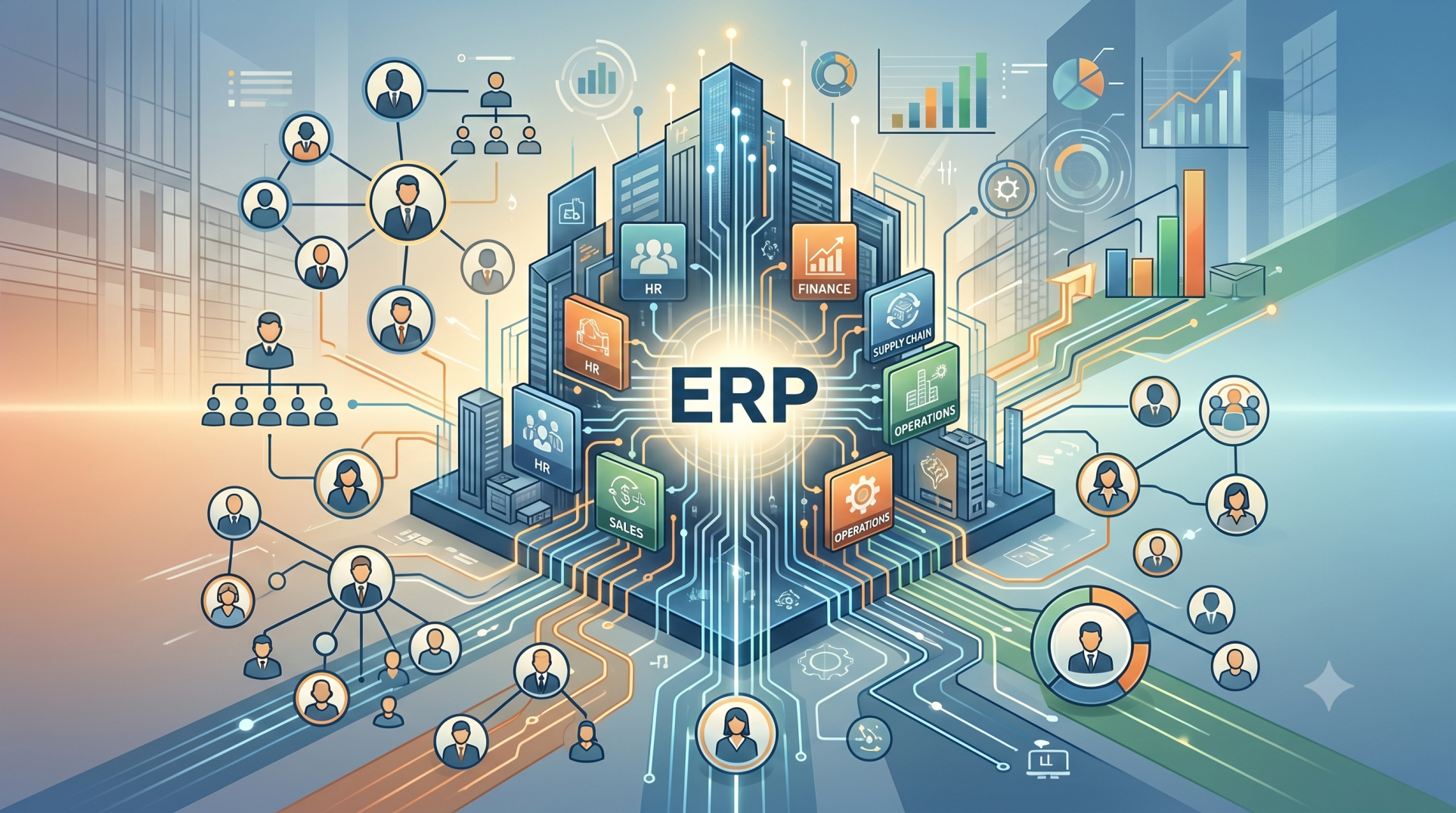
Step 1: Understanding the ERP-Centric Operating Model 🏢
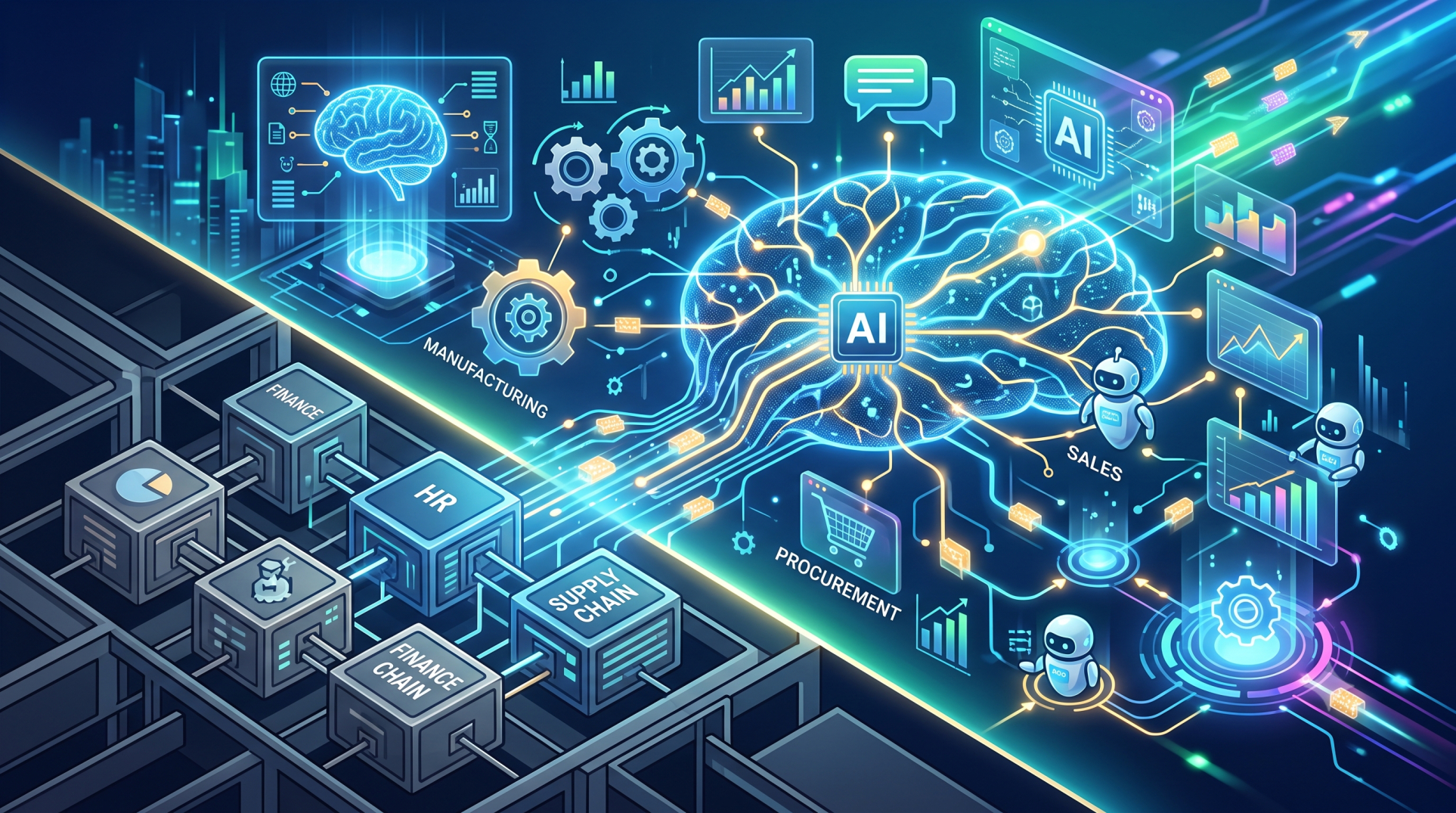
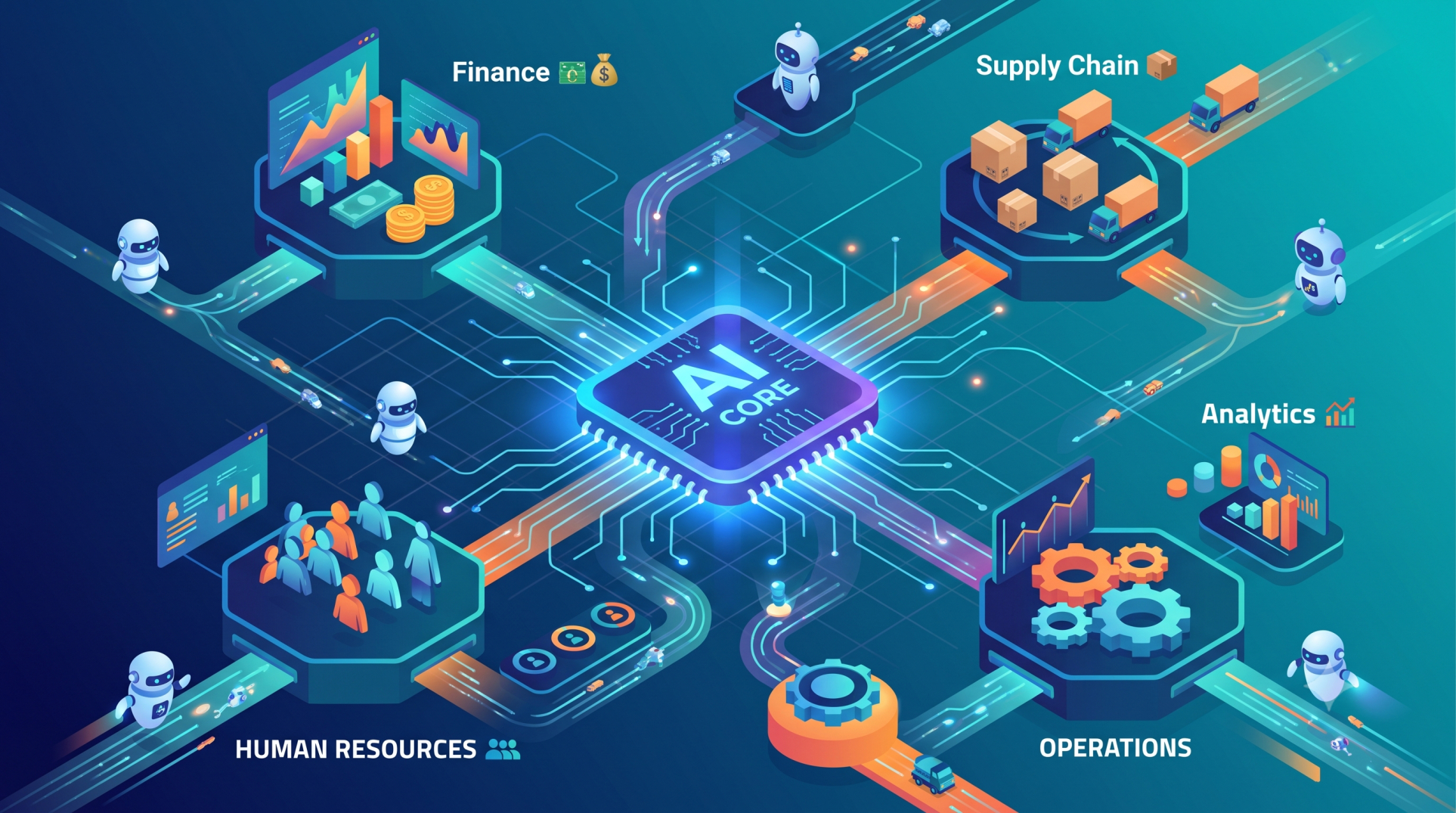
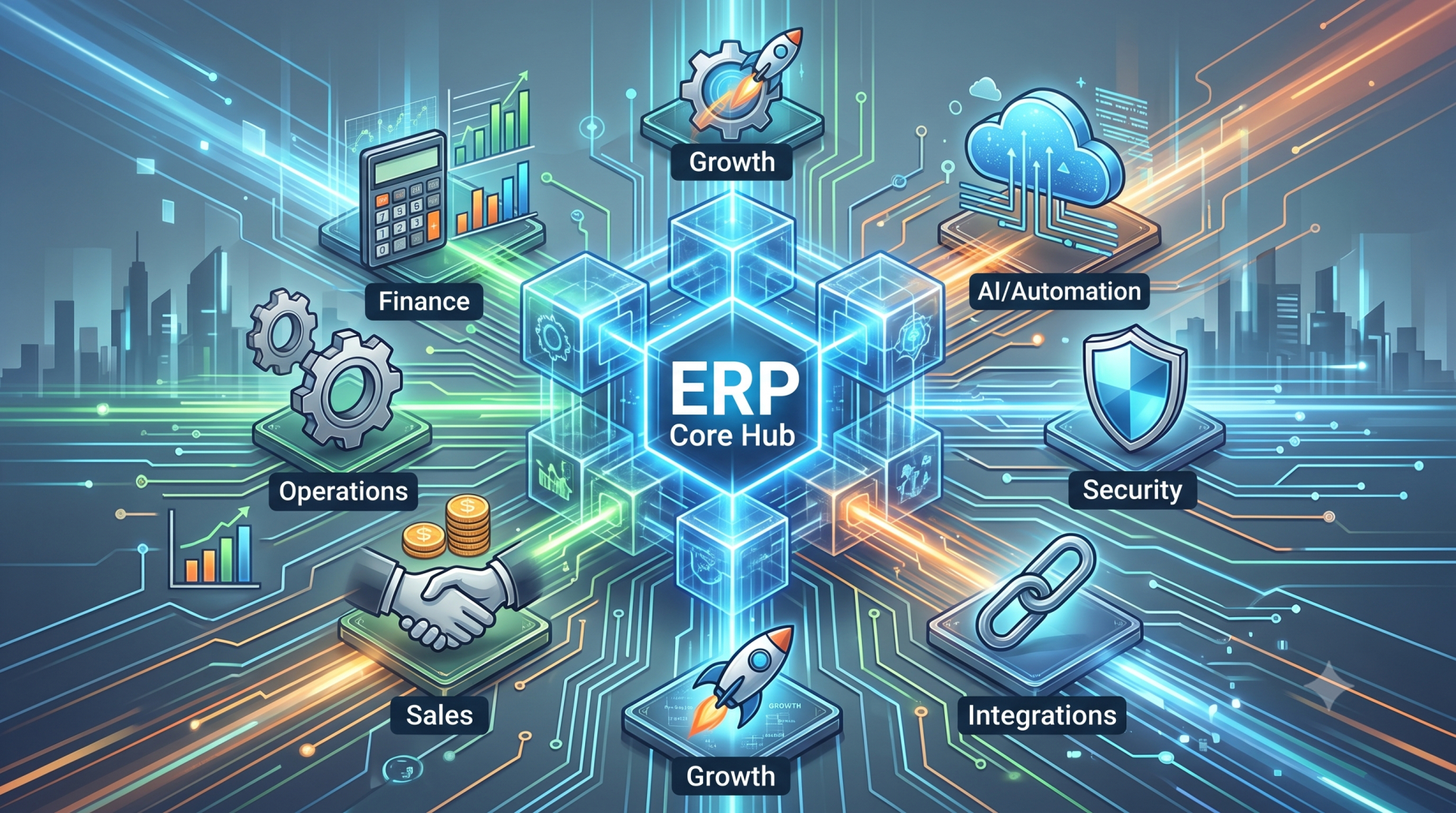
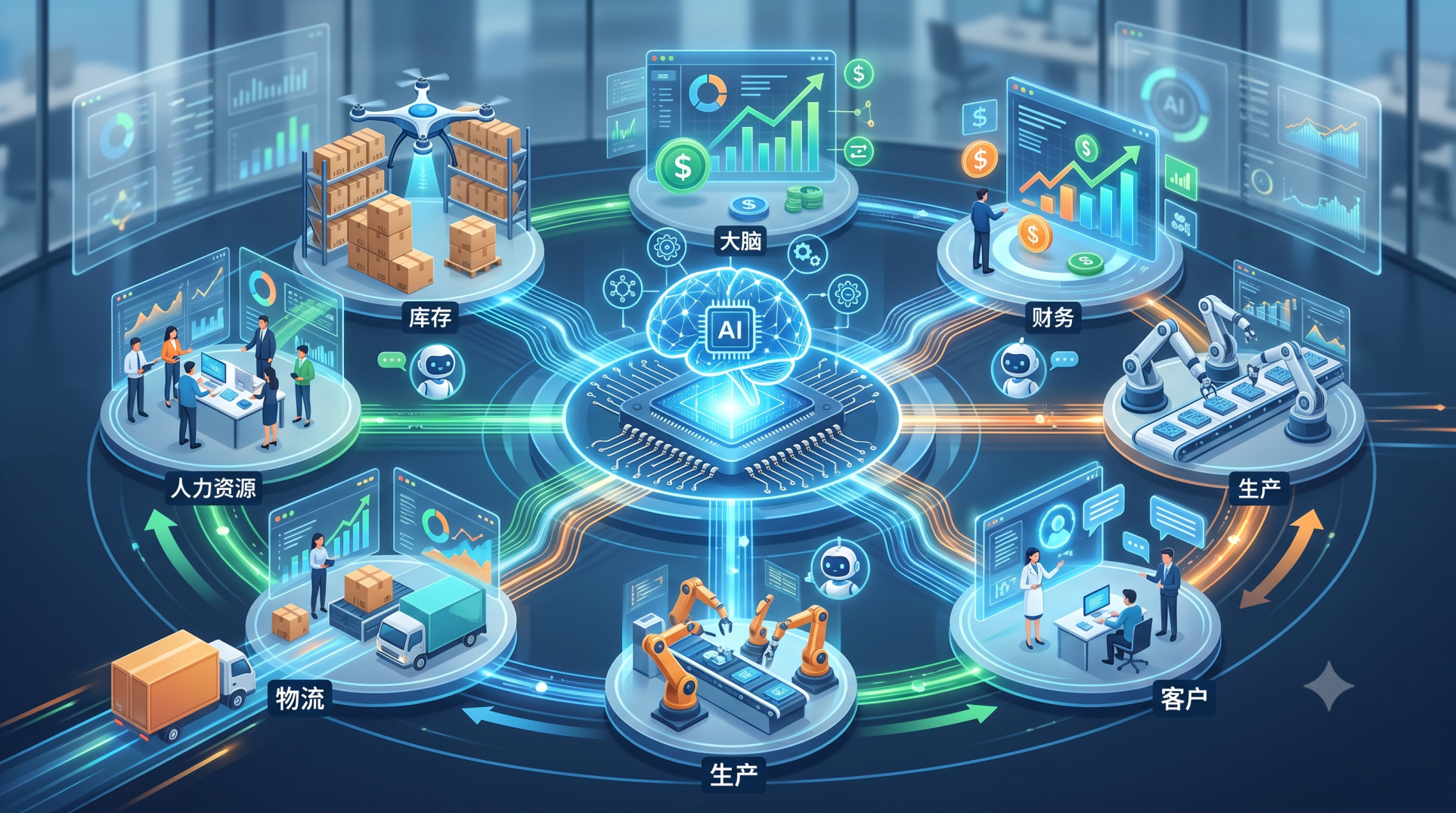
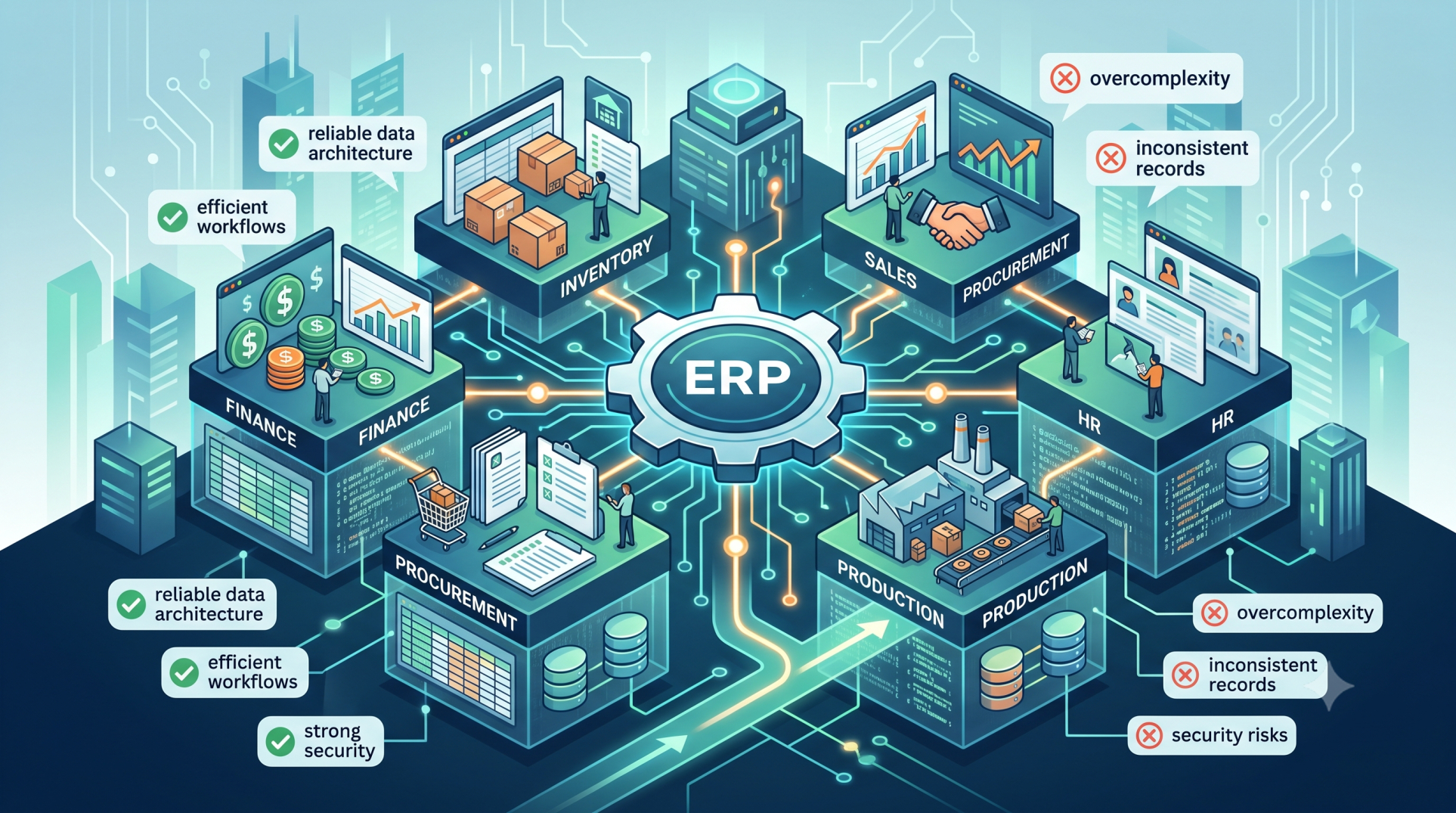
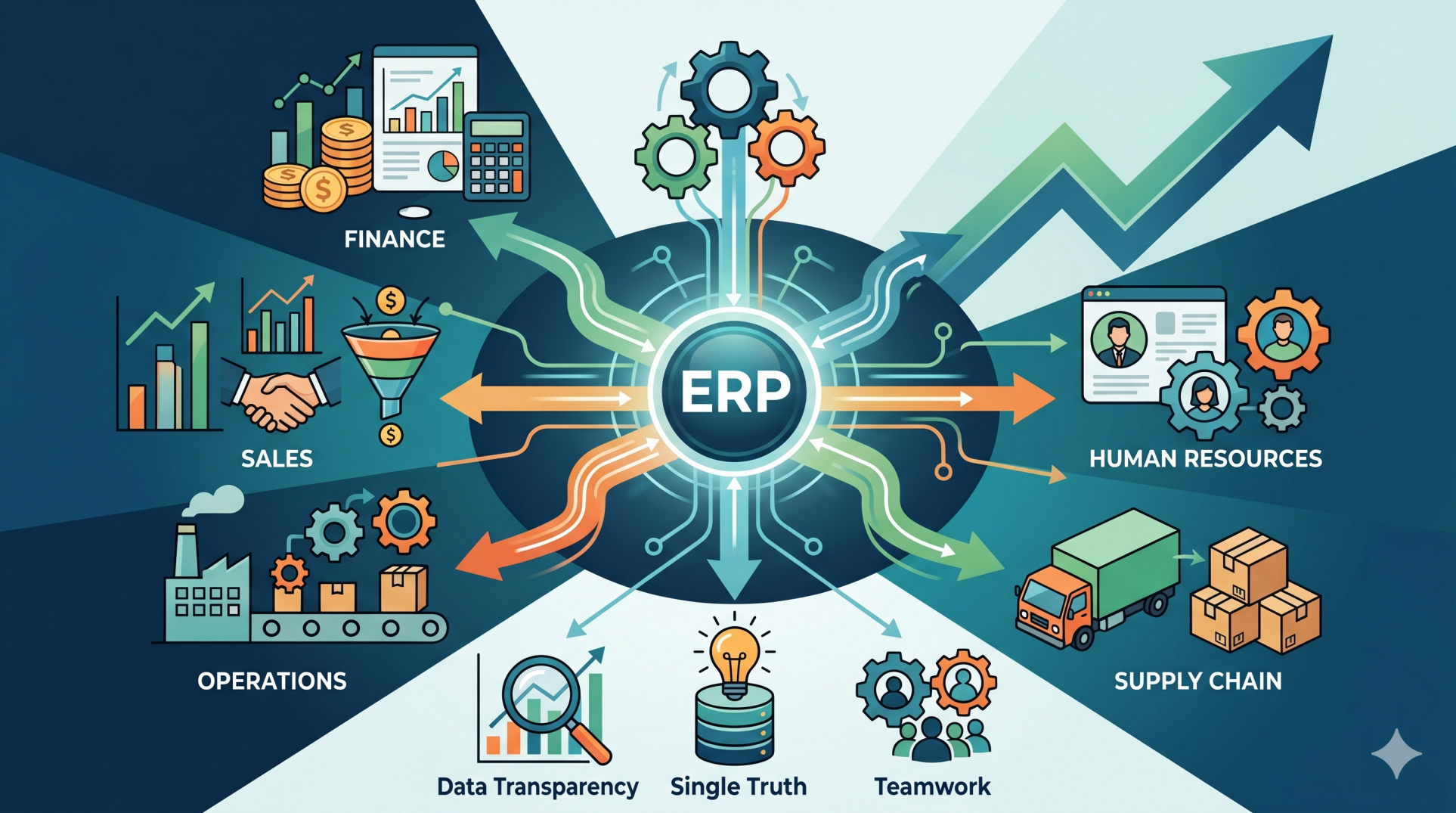
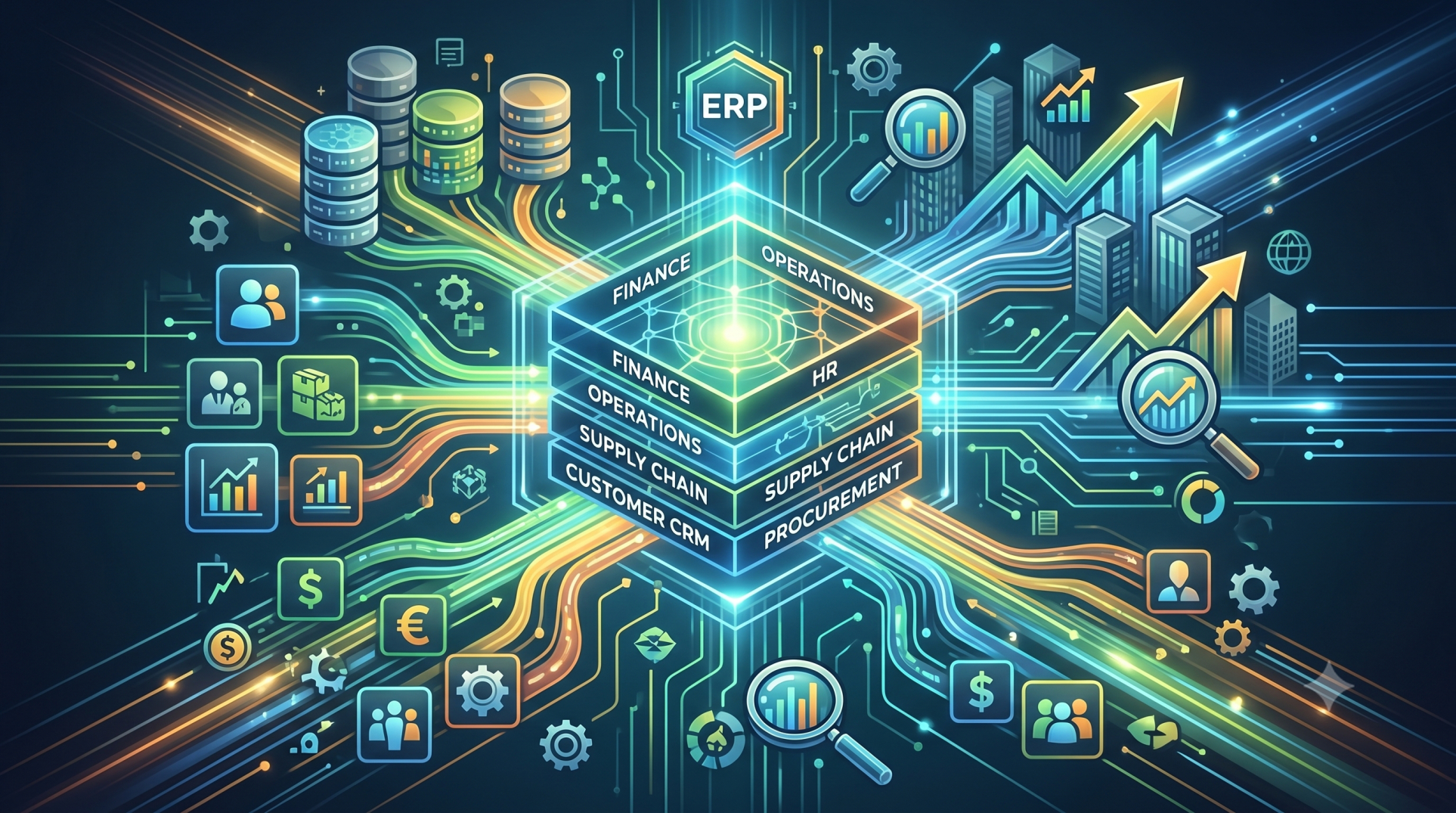
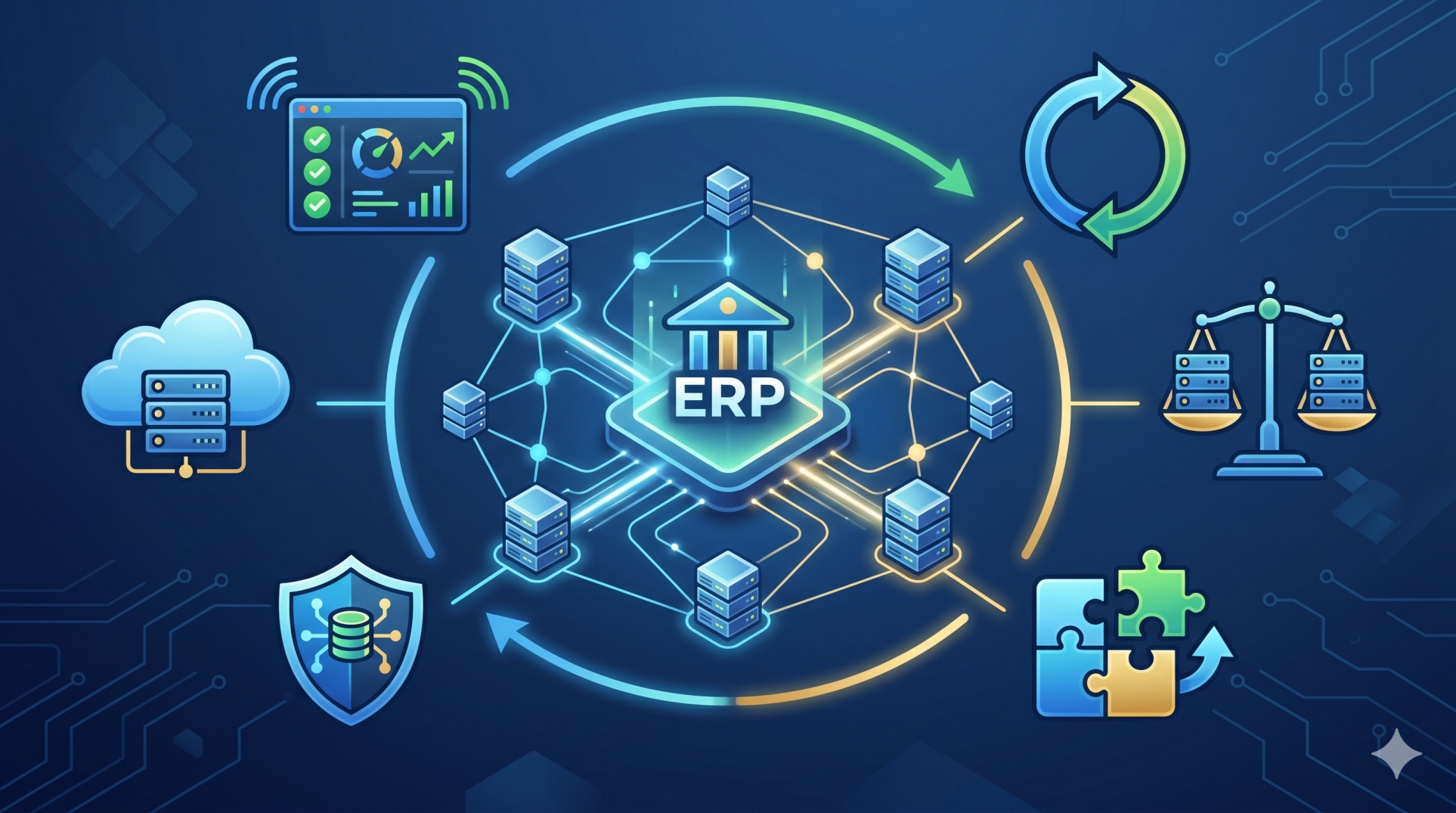
• Position ERP as the central platform for enterprise operations 🔗
• Align business processes with standardized workflows 📋
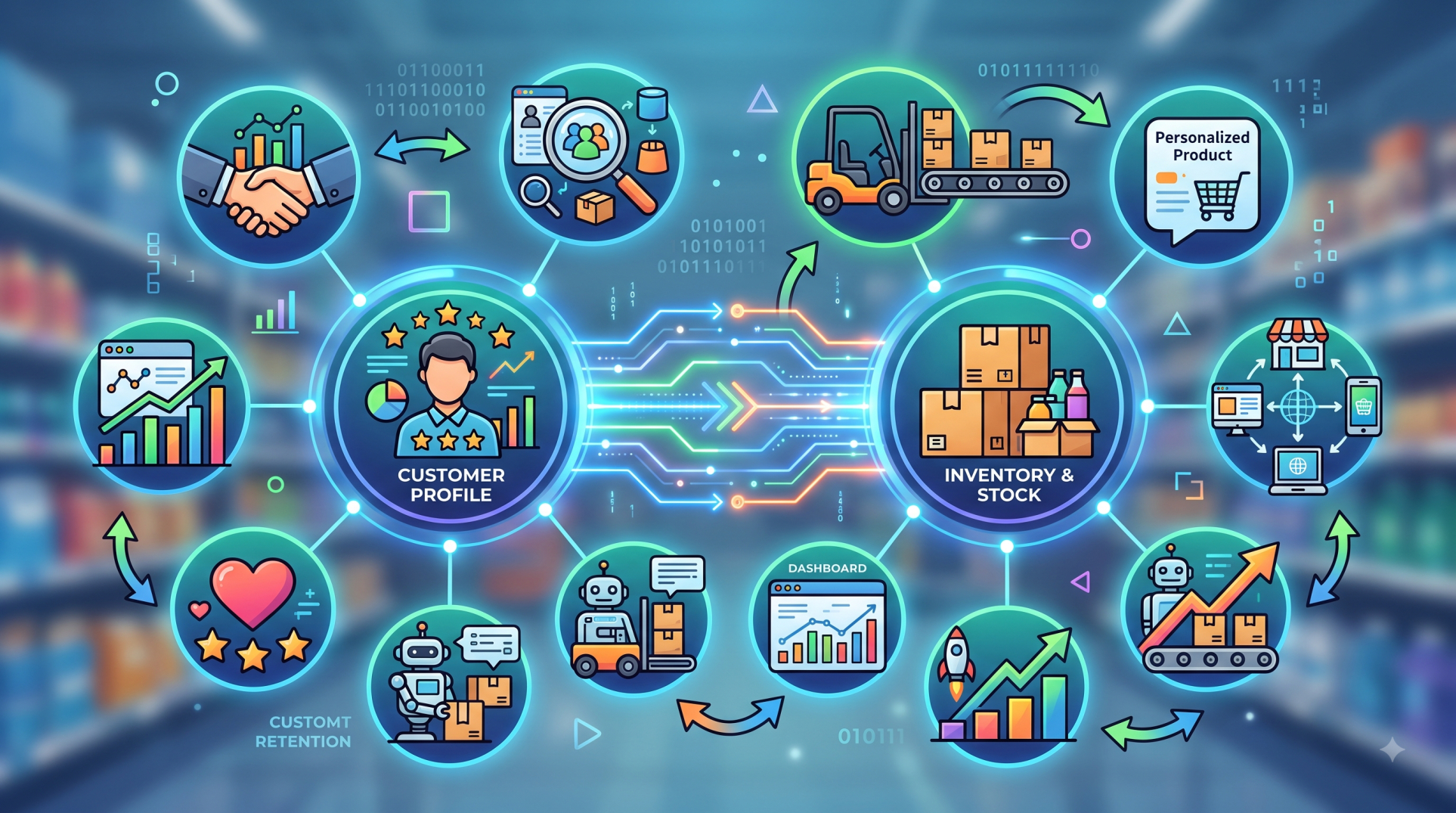
• Create a single source of truth for organizational data 📊
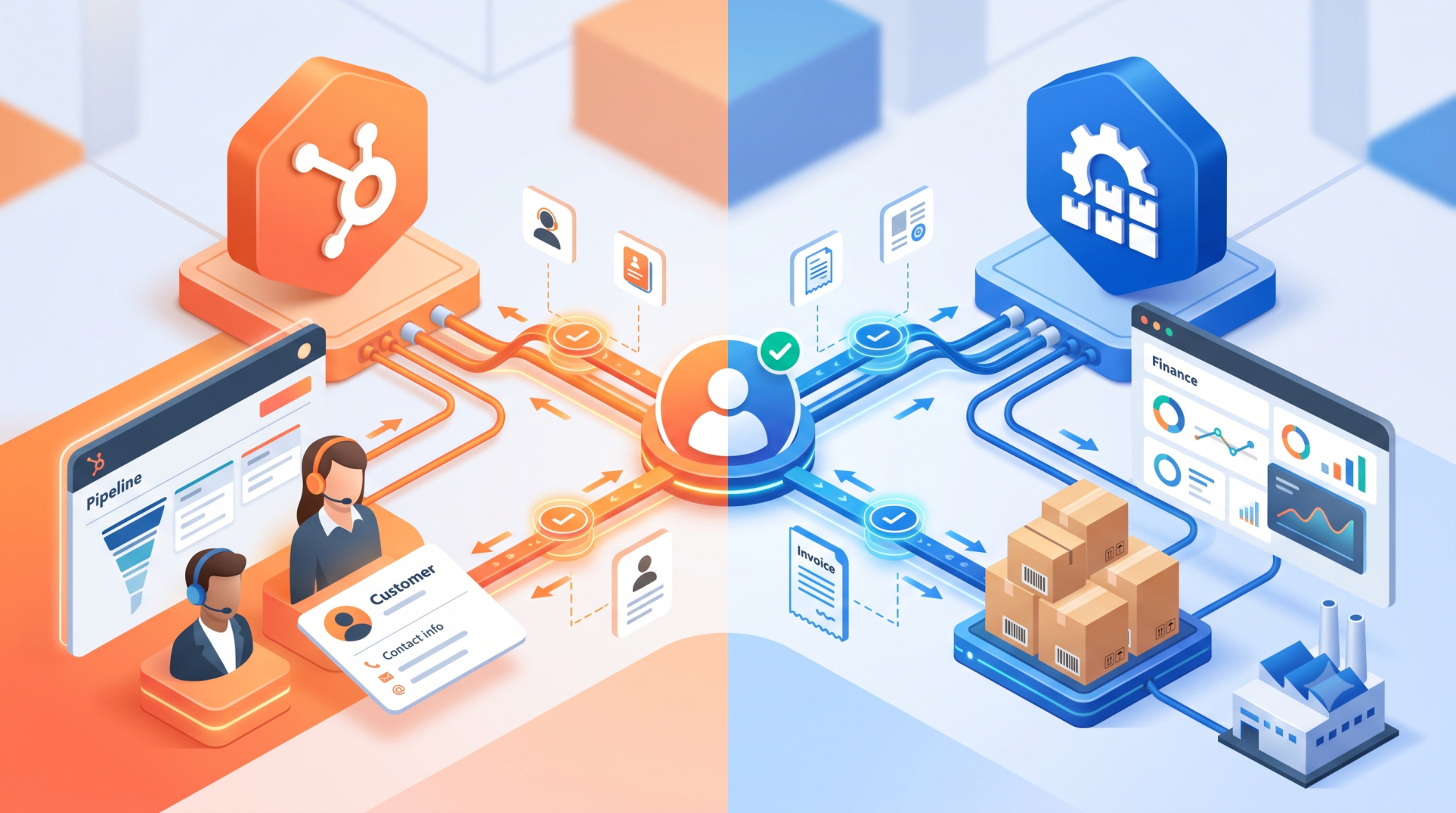
• Connect departments through shared systems and information 🤝
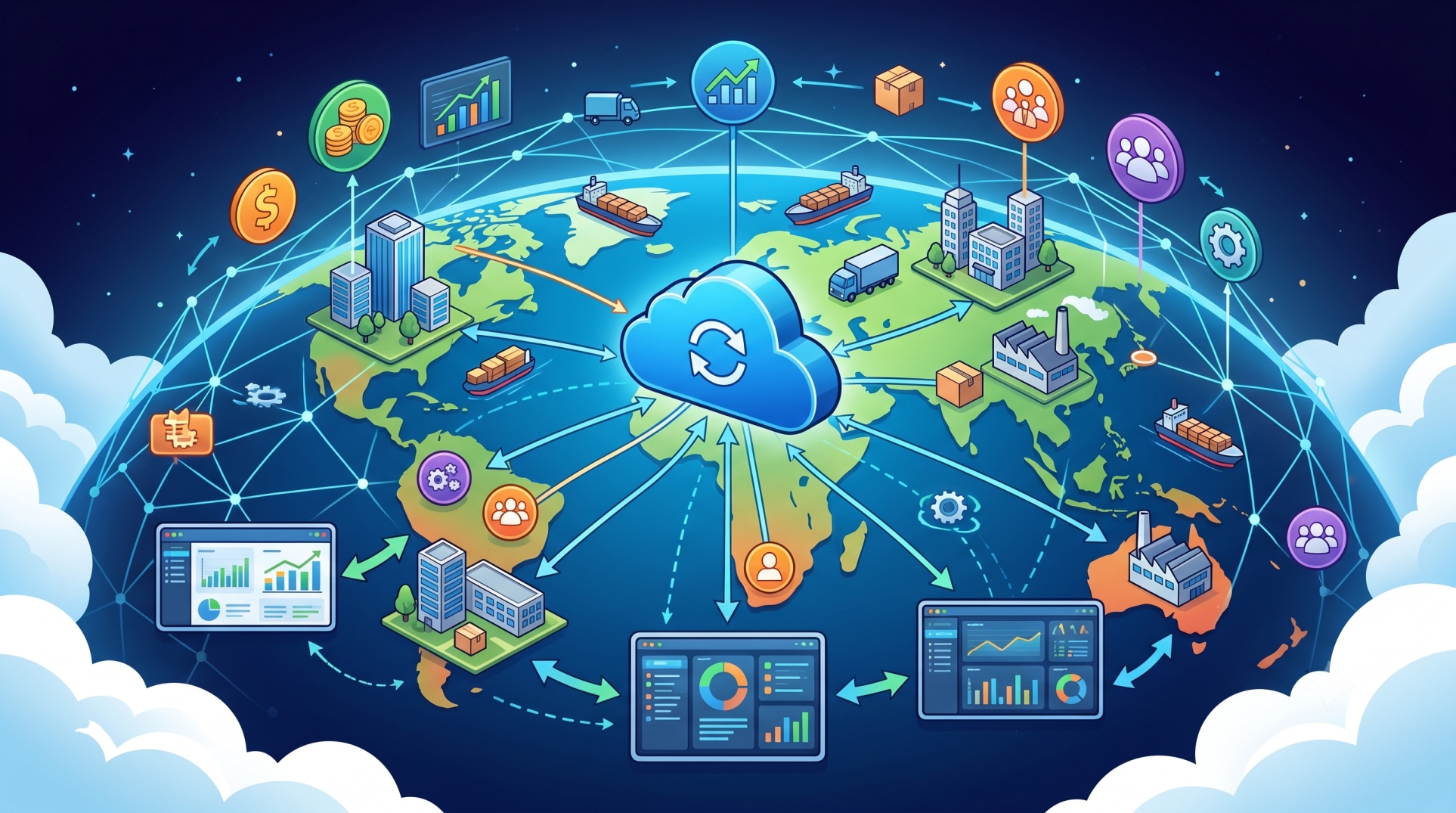
• Support consistency across locations and business units 🌐
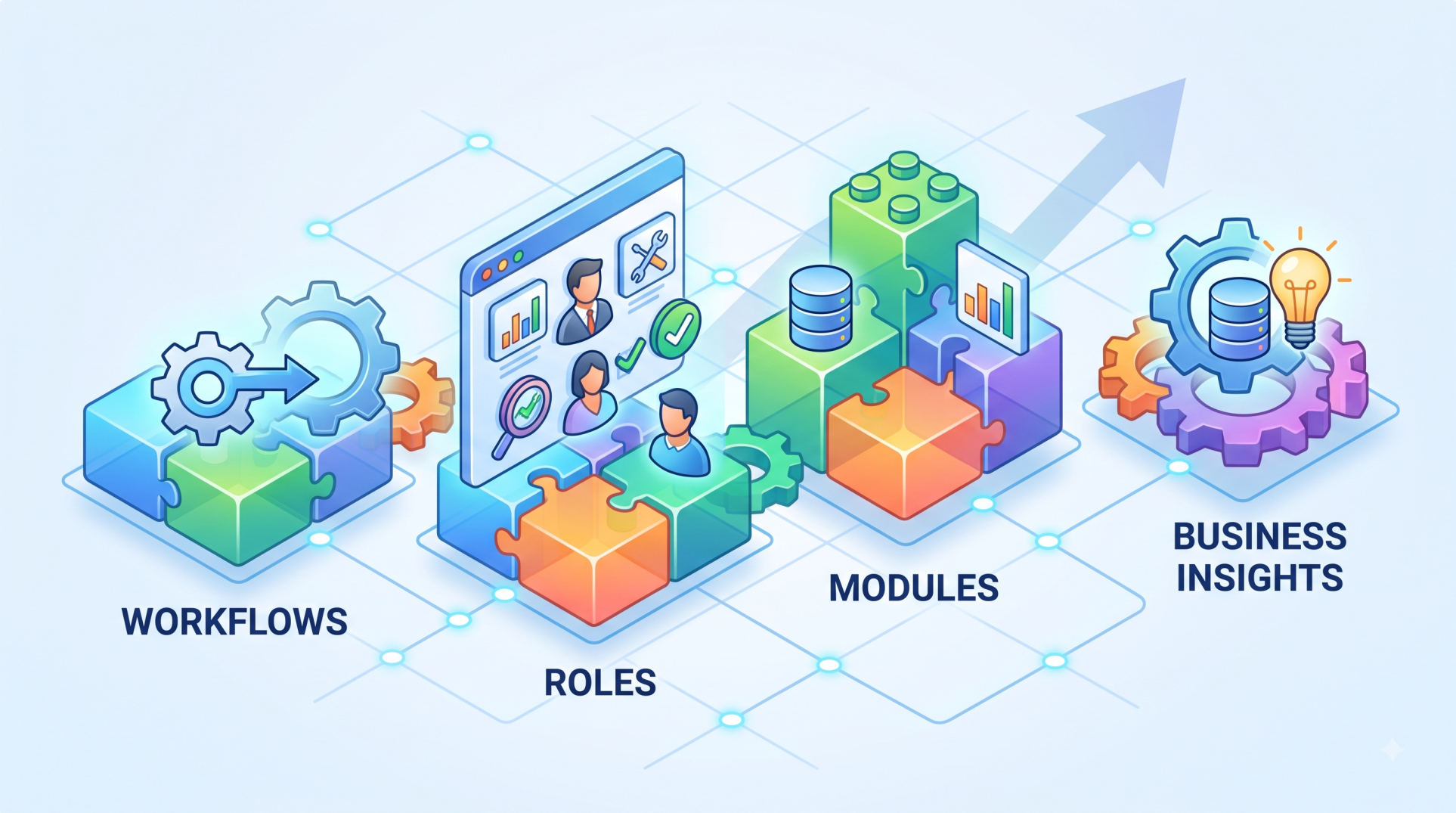
Step 2: Defining Organizational Structure and Roles 👥
• Establish clear ownership for ERP-supported processes 📌
• Define responsibilities across departments and functions 🏗️
• Align teams with operational objectives and workflows 🎯
• Reduce silos through cross-functional collaboration 🔄
• Promote accountability through transparent role definitions ✅
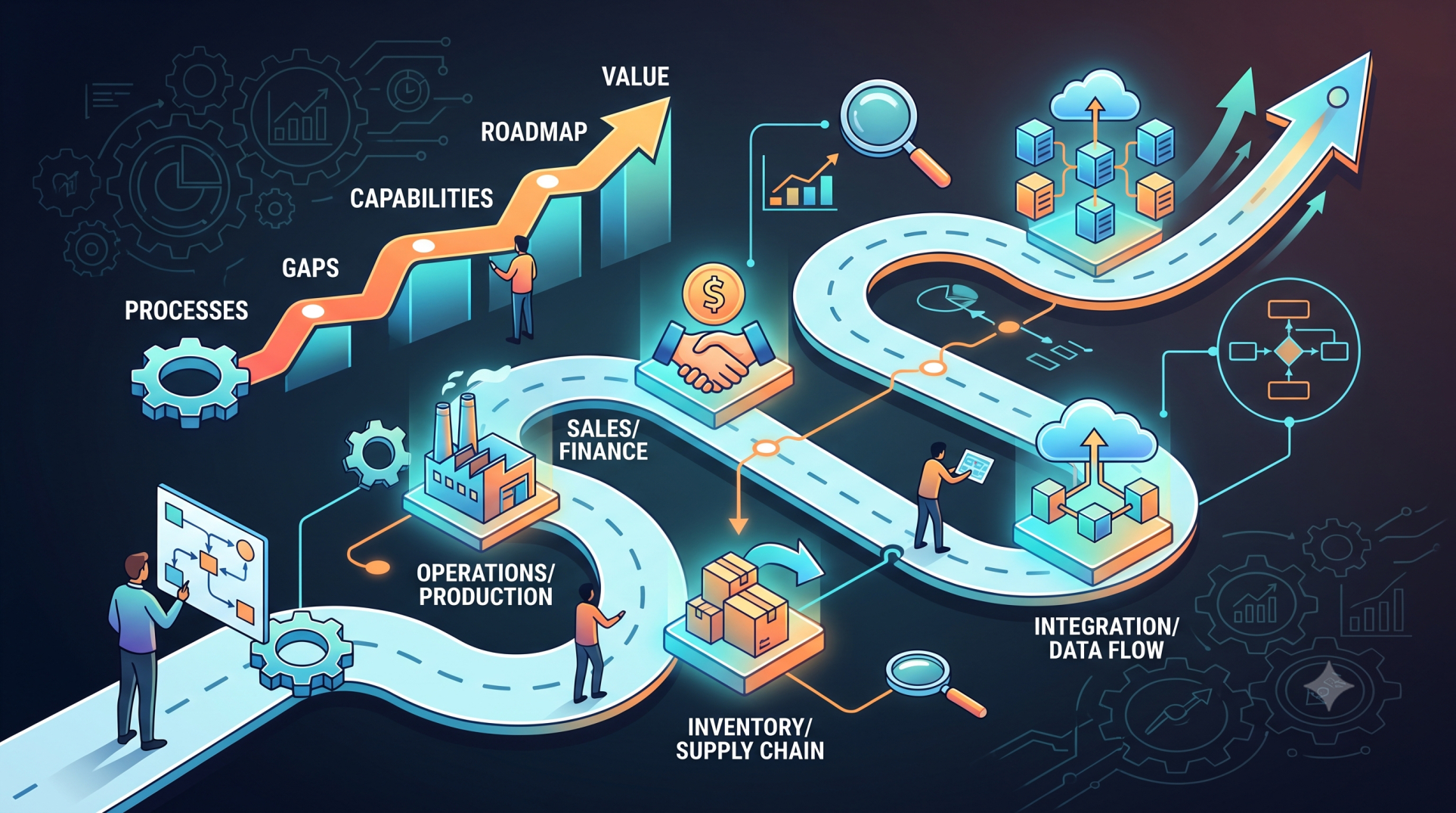
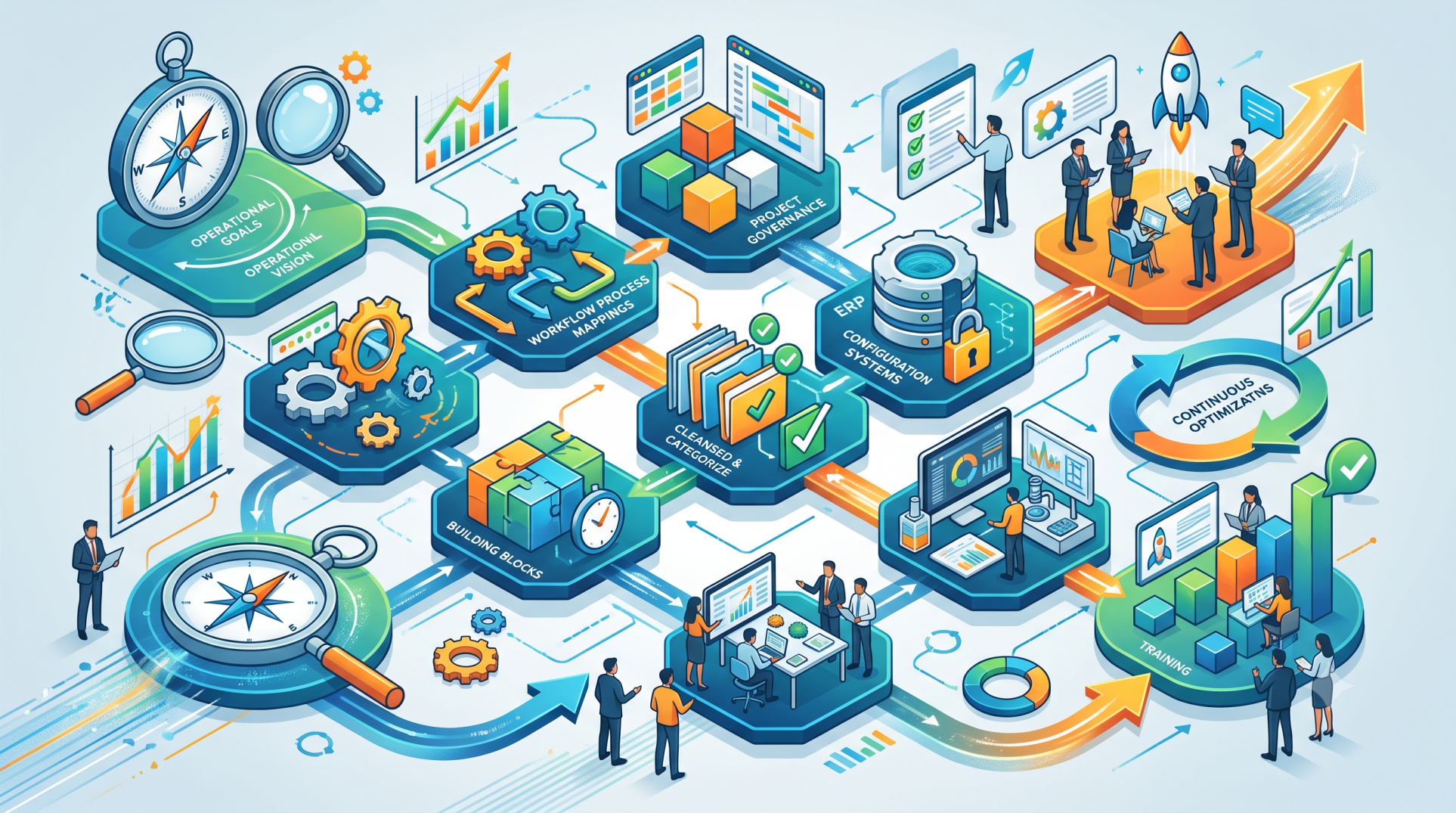
Step 3: Standardizing Core Business Processes ⚙️
• Document and optimize critical operational workflows 📝
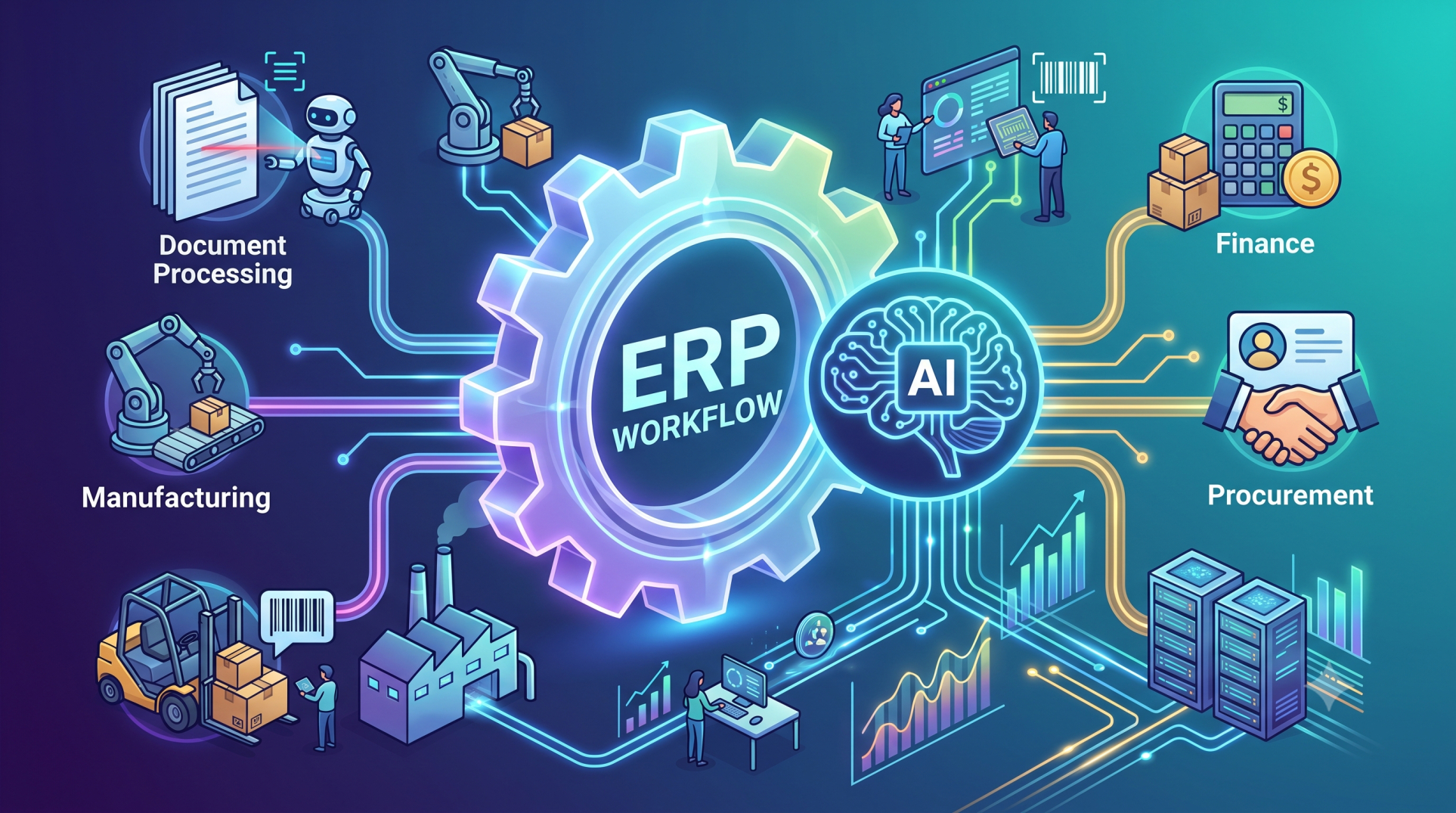
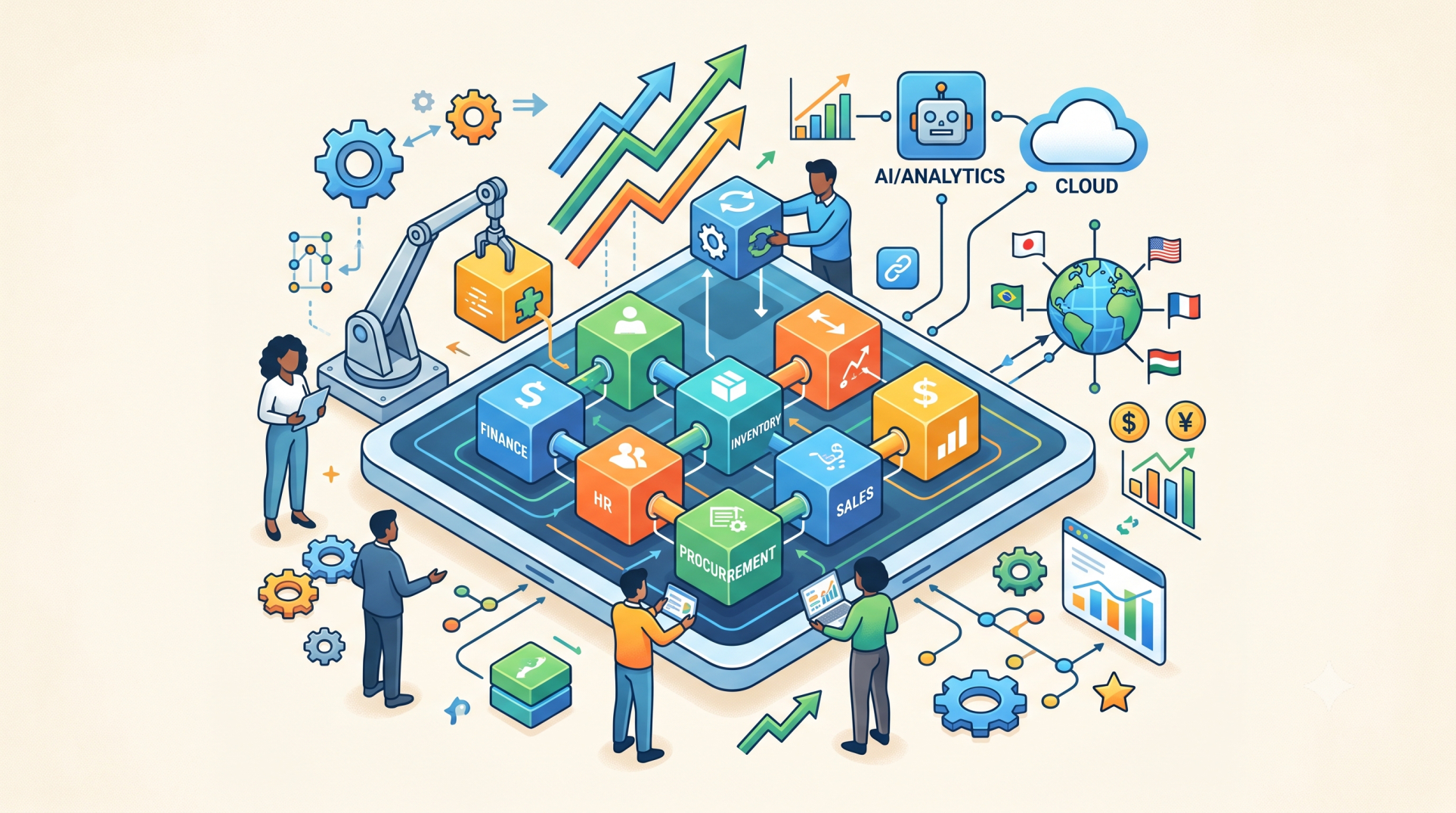
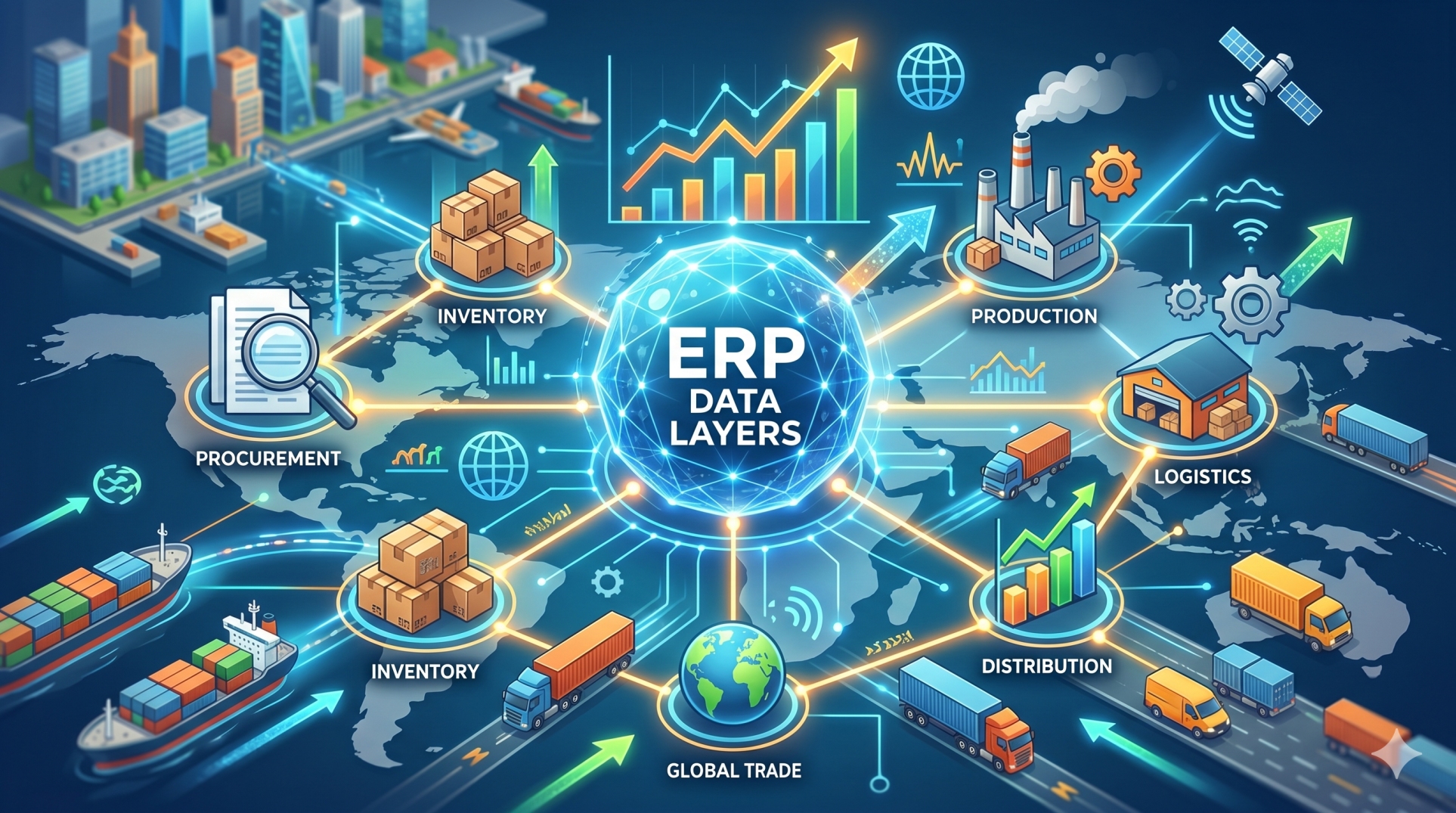
• Standardize finance, procurement, inventory, and HR processes 📦
• Reduce process variation across the organization 🔄
• Improve consistency and compliance through automation ✔️
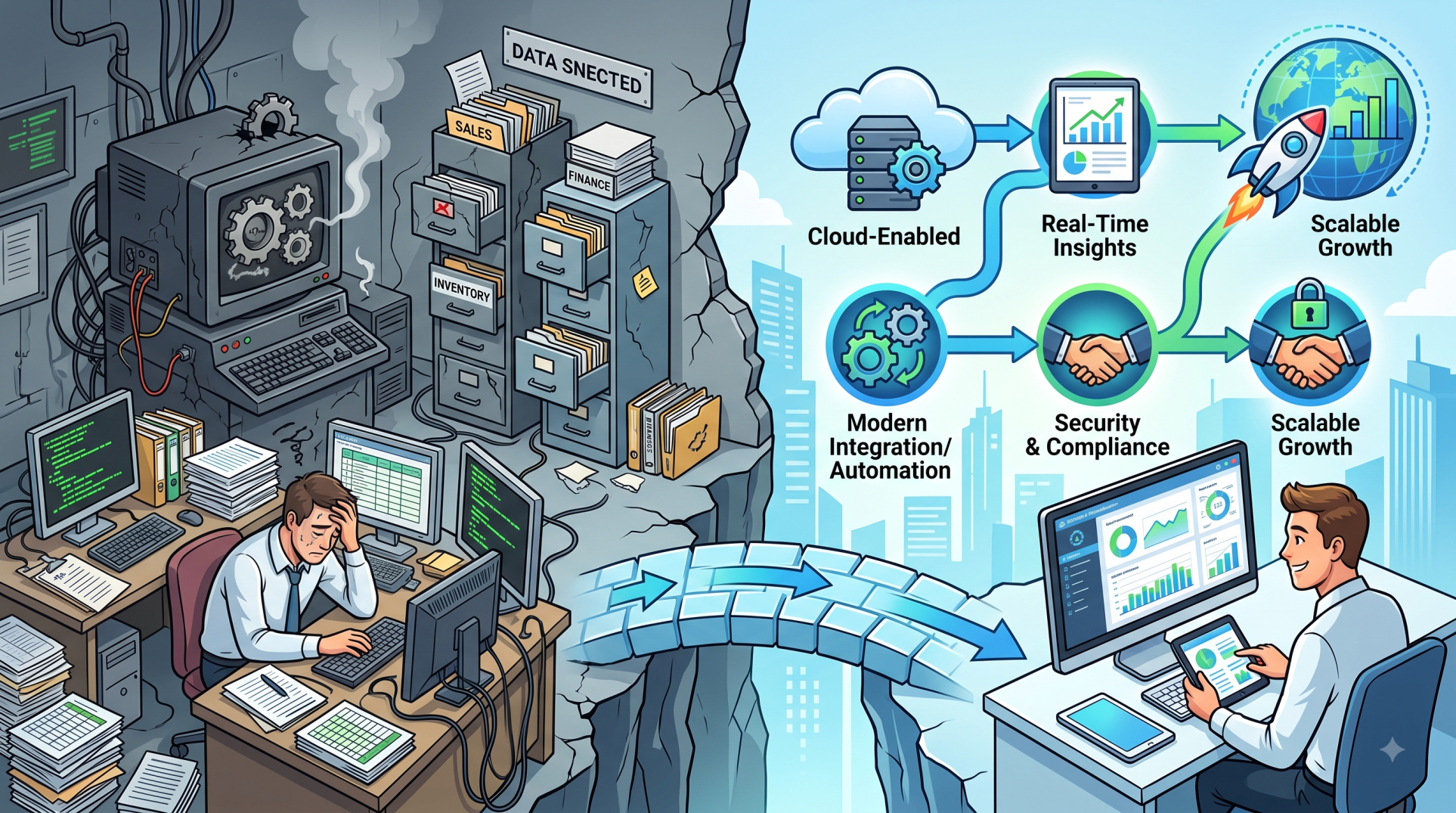
• Enable efficient scaling of operations 📈
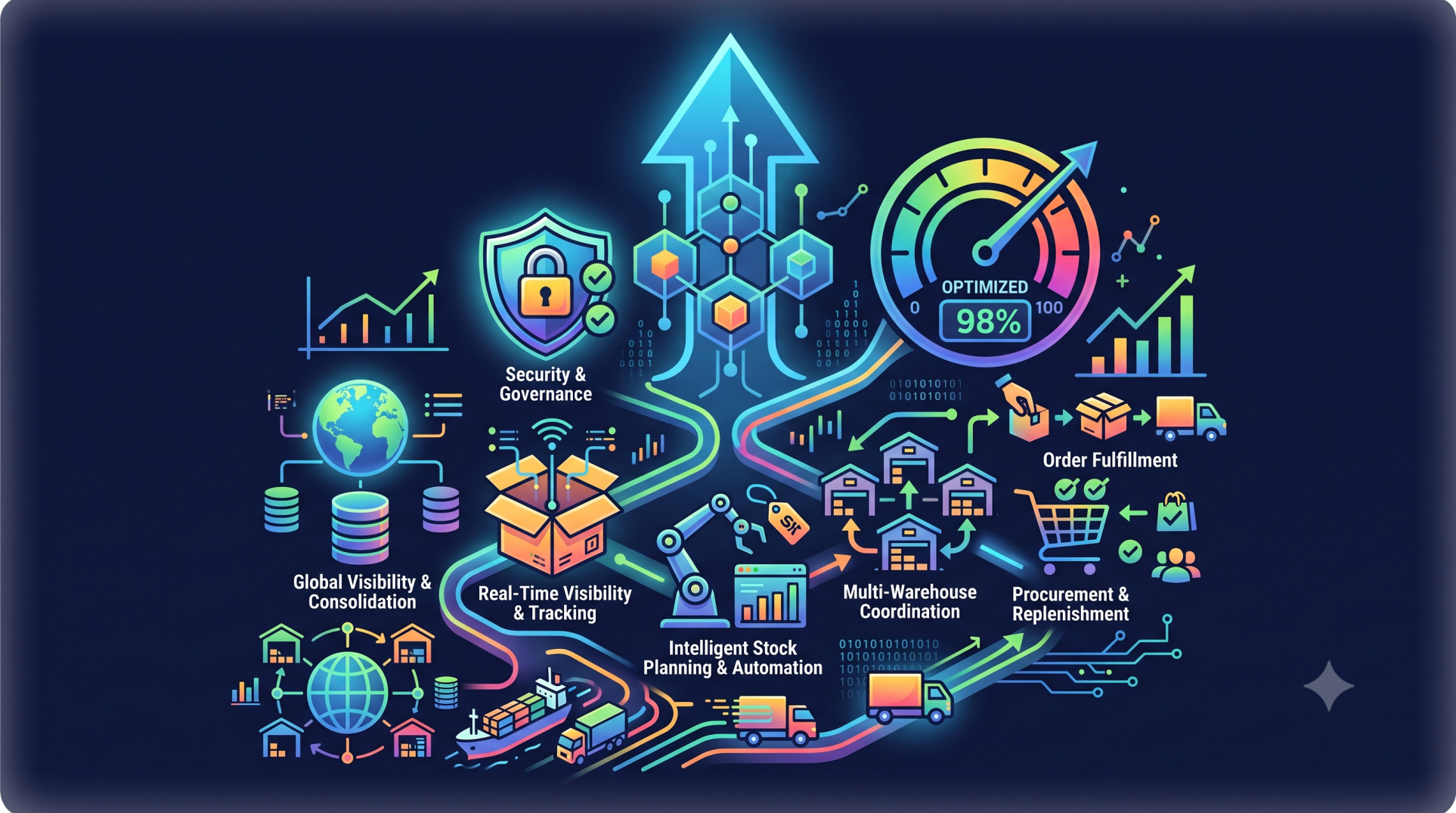
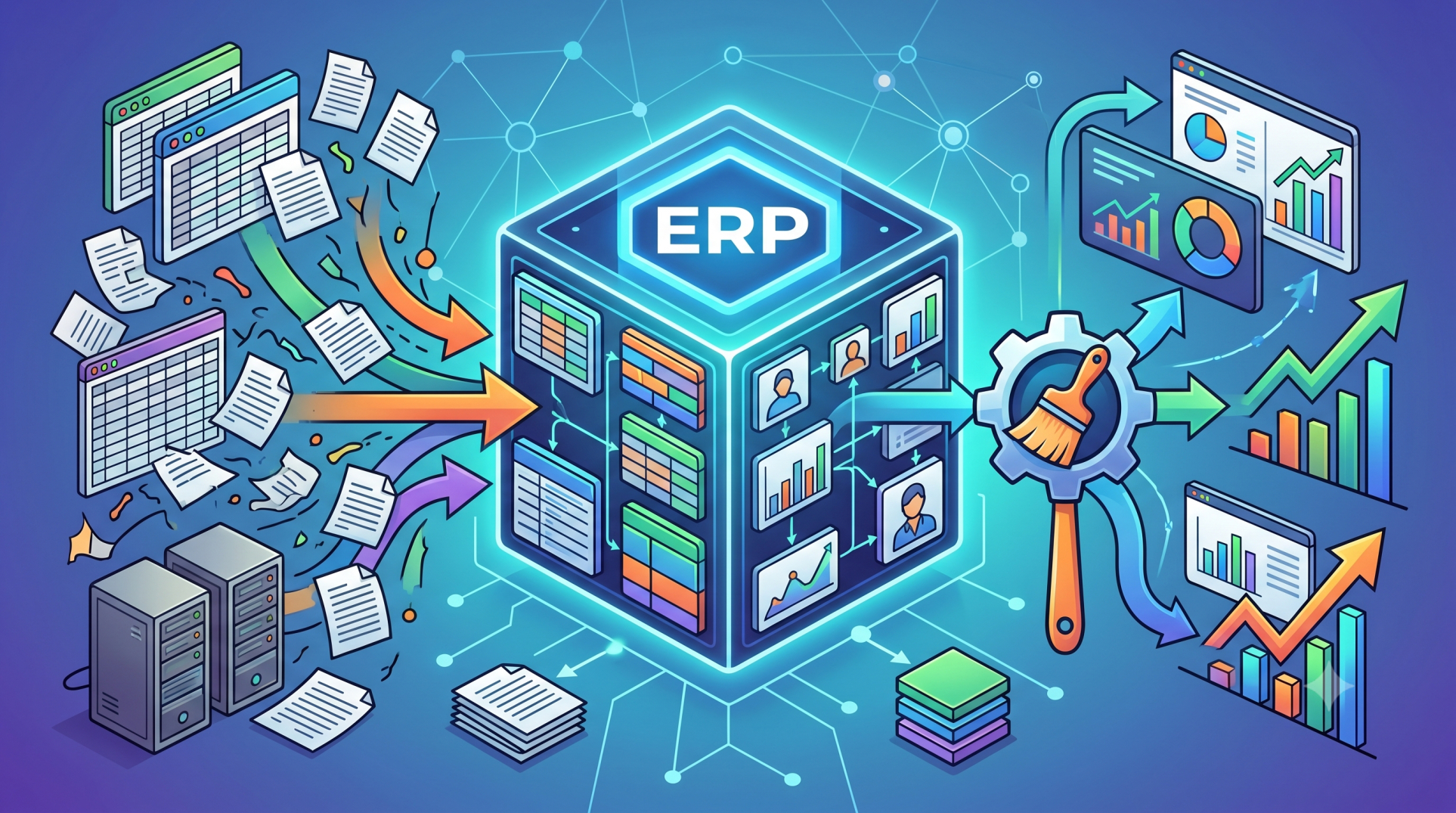
Step 4: Integrating Data Across the Enterprise 📊
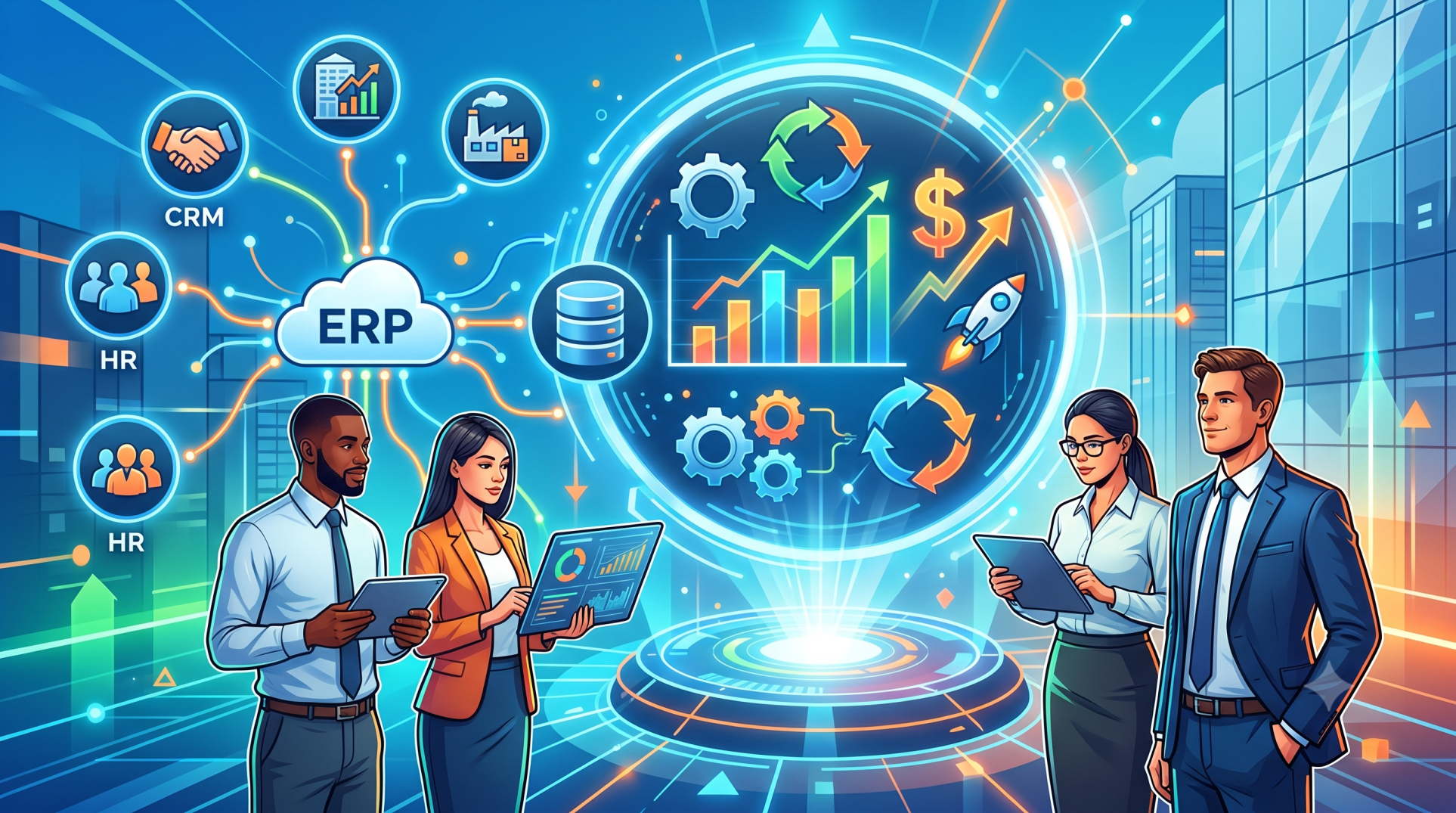
• Consolidate information from multiple business functions 🔗
• Ensure data consistency and accuracy across systems ✔️
• Eliminate duplicate records and fragmented reporting 🚫
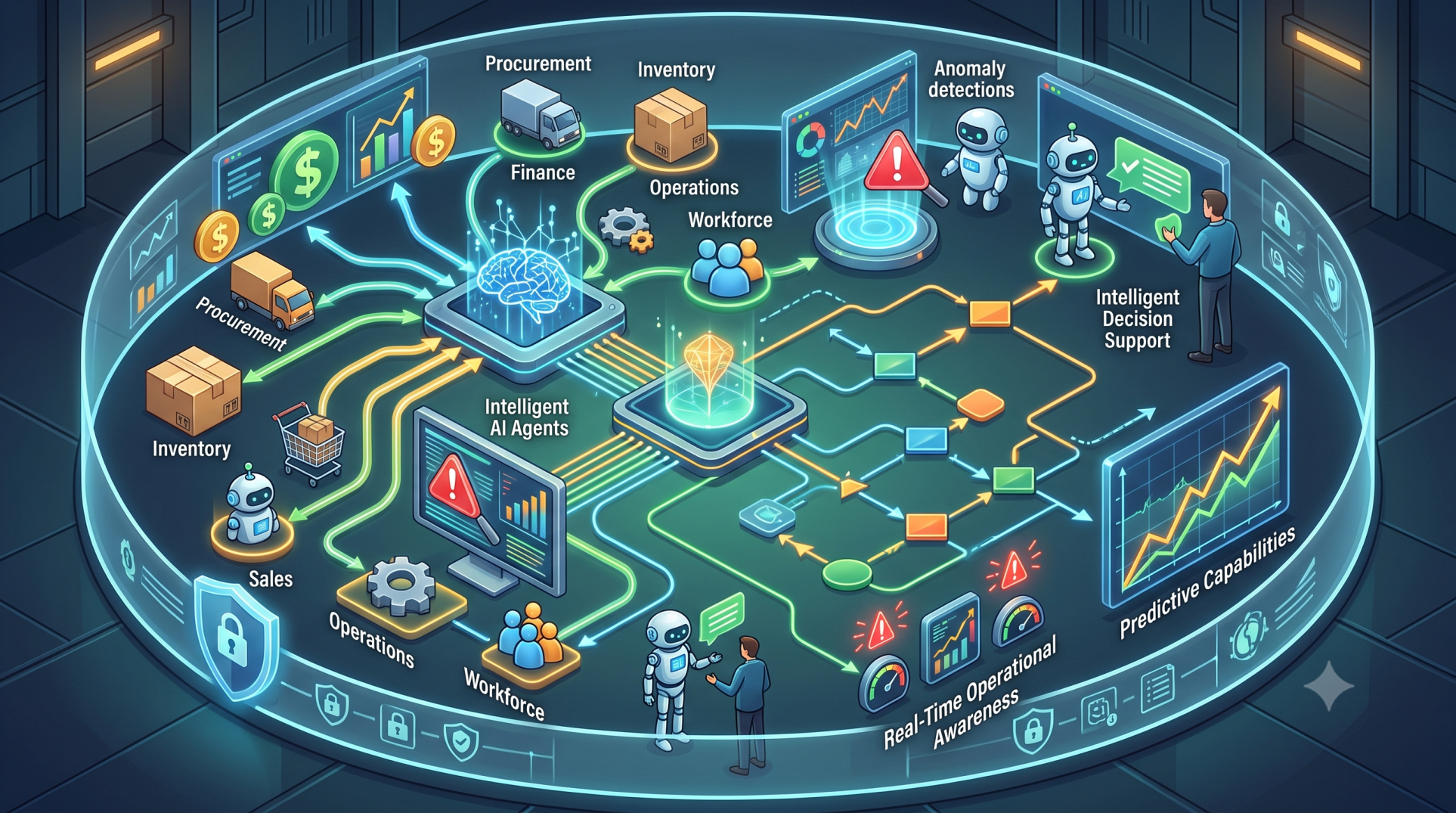
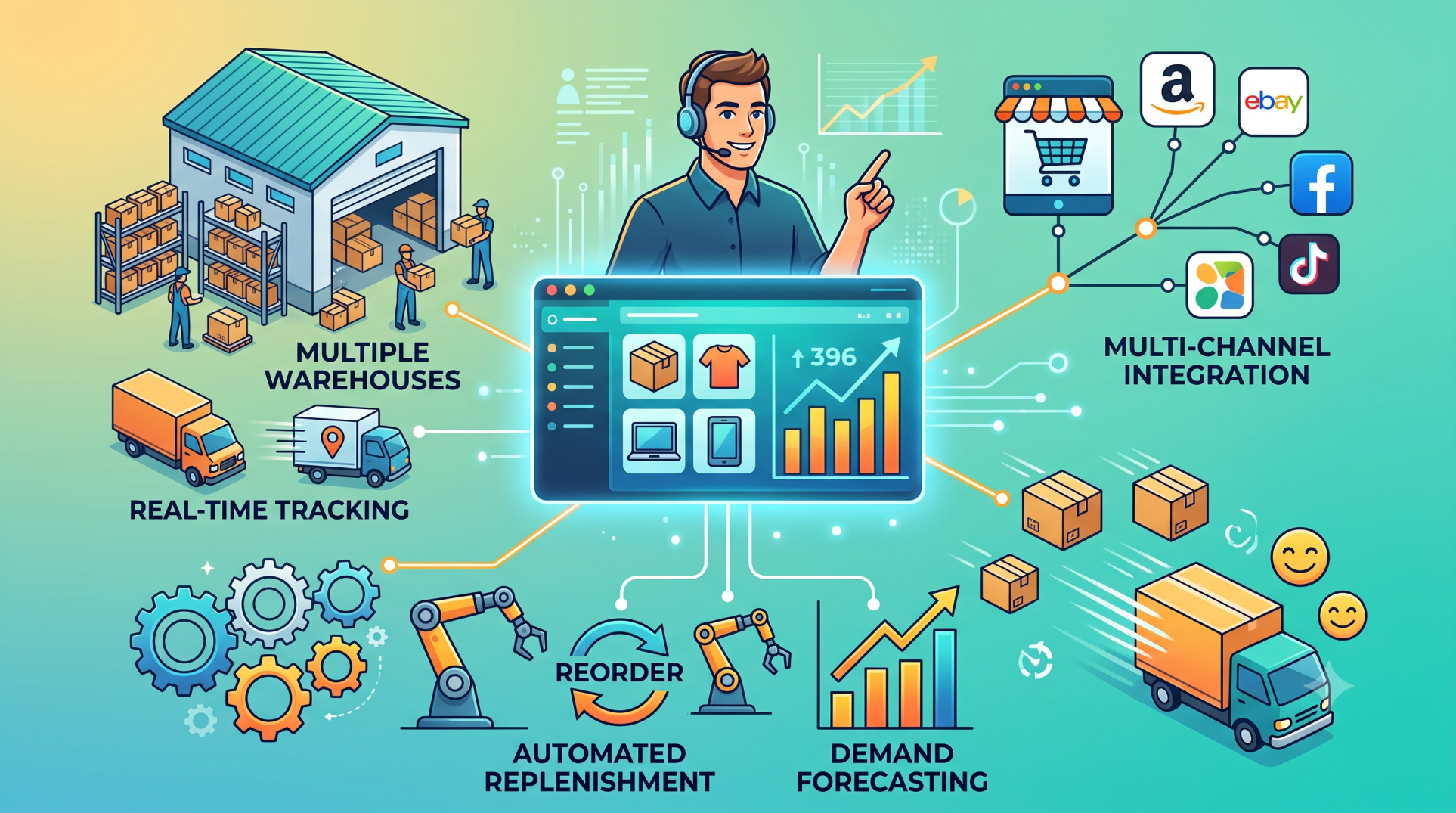
• Enable real-time visibility into operational performance 👀
• Support data-driven decision-making across teams 📈
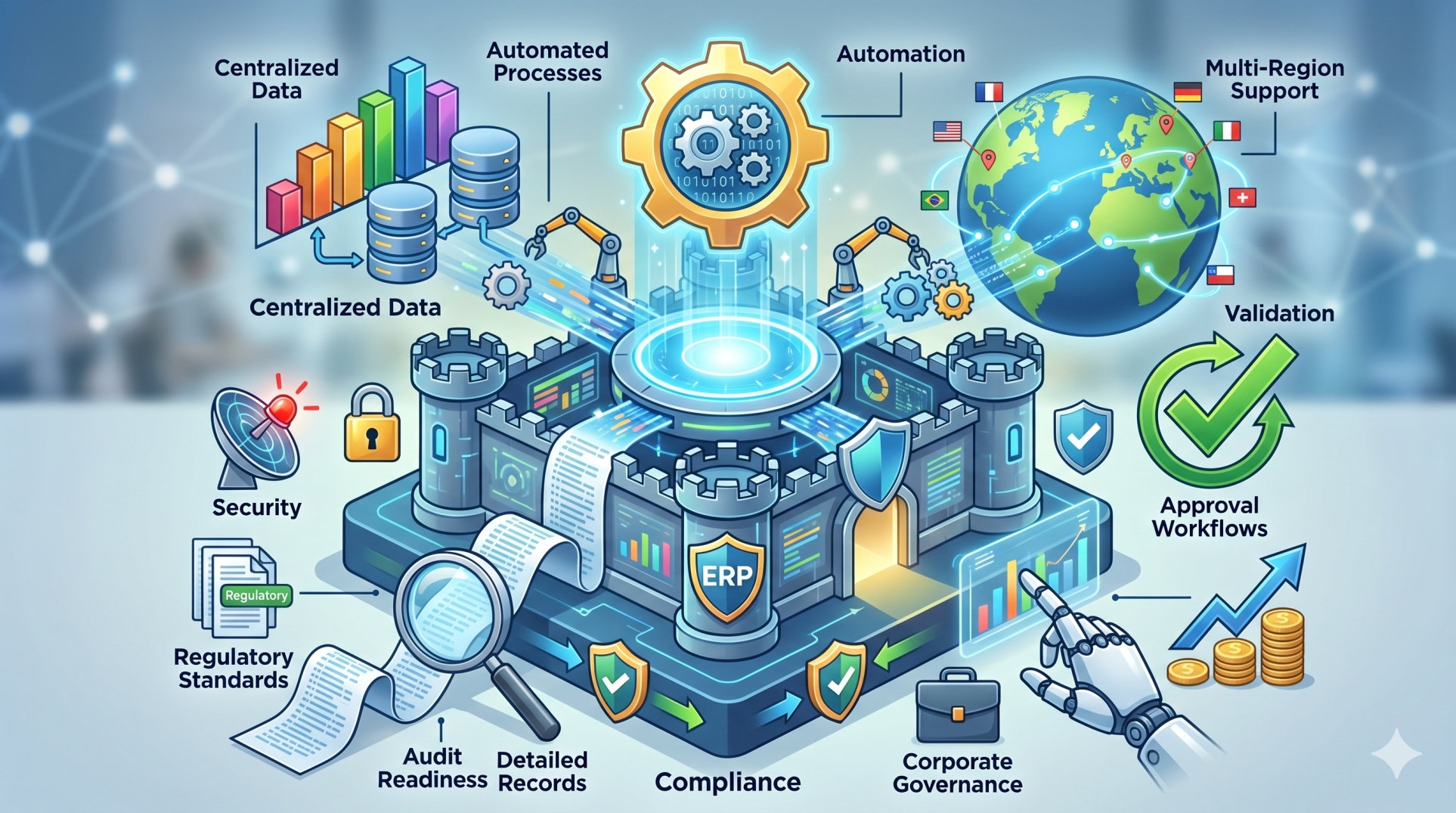
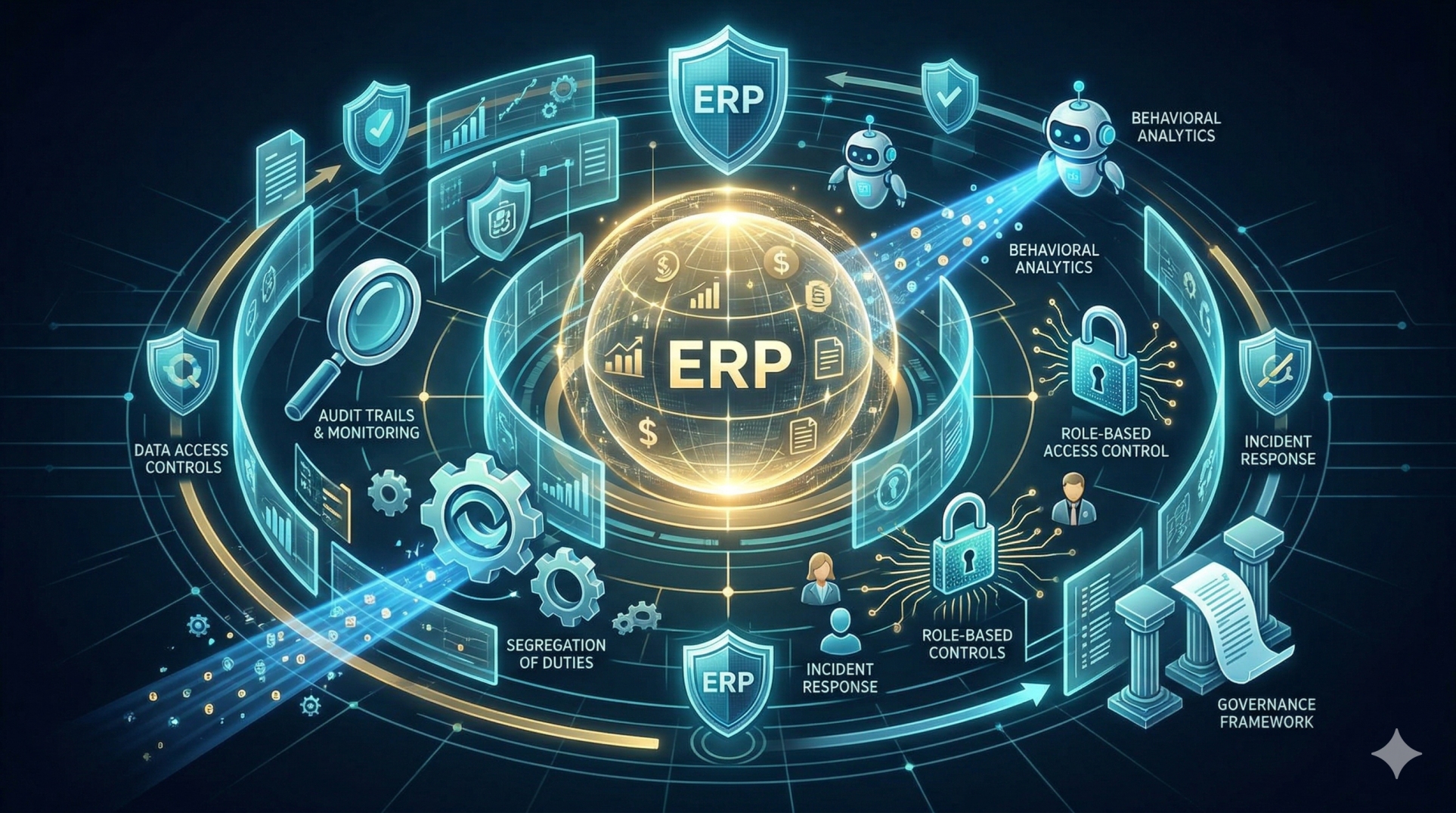
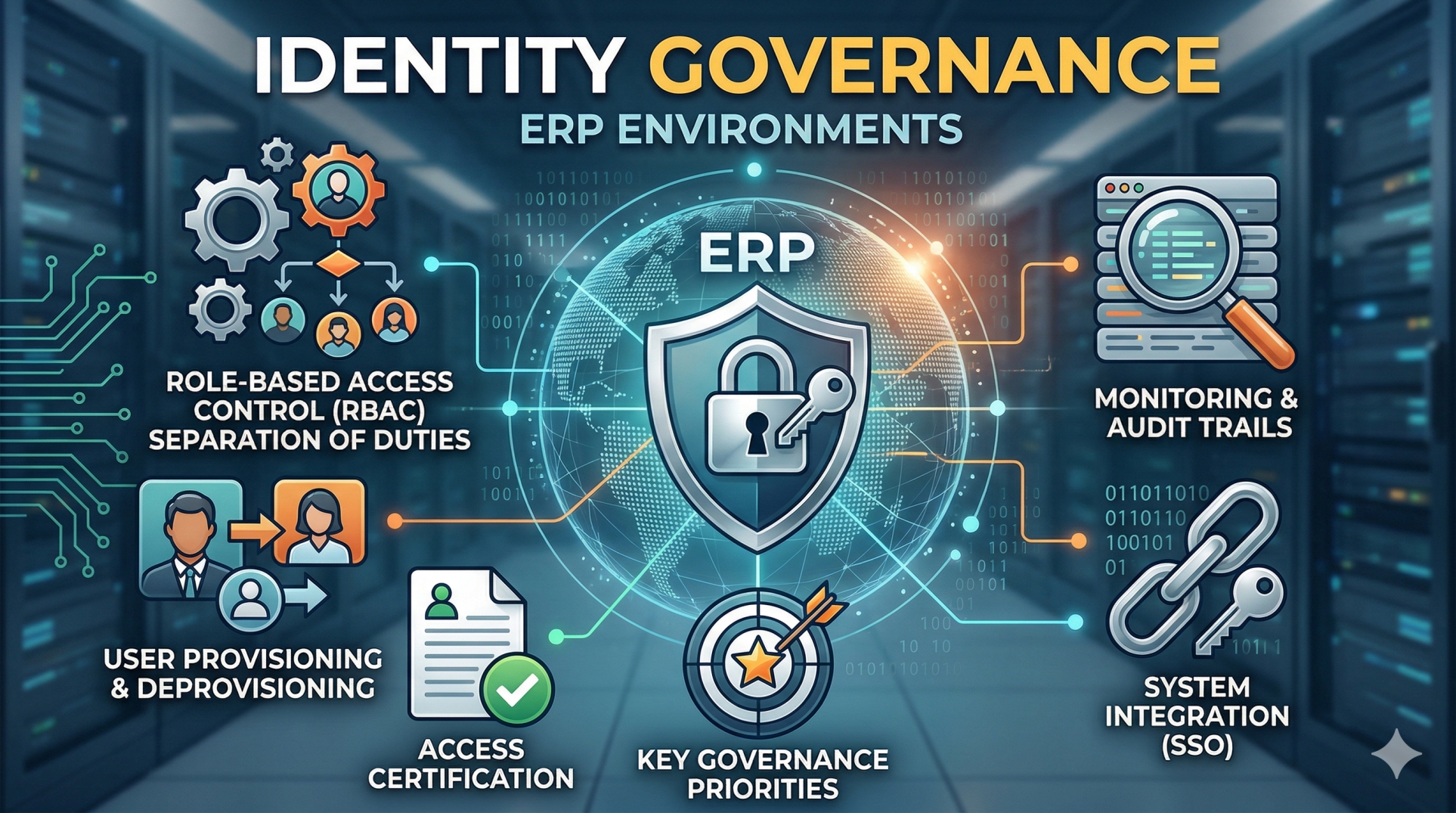
Step 5: Building Governance and Control Frameworks 🛡️
• Establish policies for data management and process execution 📜
• Define approval workflows and authorization structures 🔐
• Monitor compliance with organizational standards ⚖️
• Maintain audit trails for transparency and accountability 🧾
• Support risk management through structured controls 🚨
Step 6: Automating Routine Operations 🤖
• Automate repetitive administrative tasks ⚡
• Streamline approvals, notifications, and reporting workflows 📬
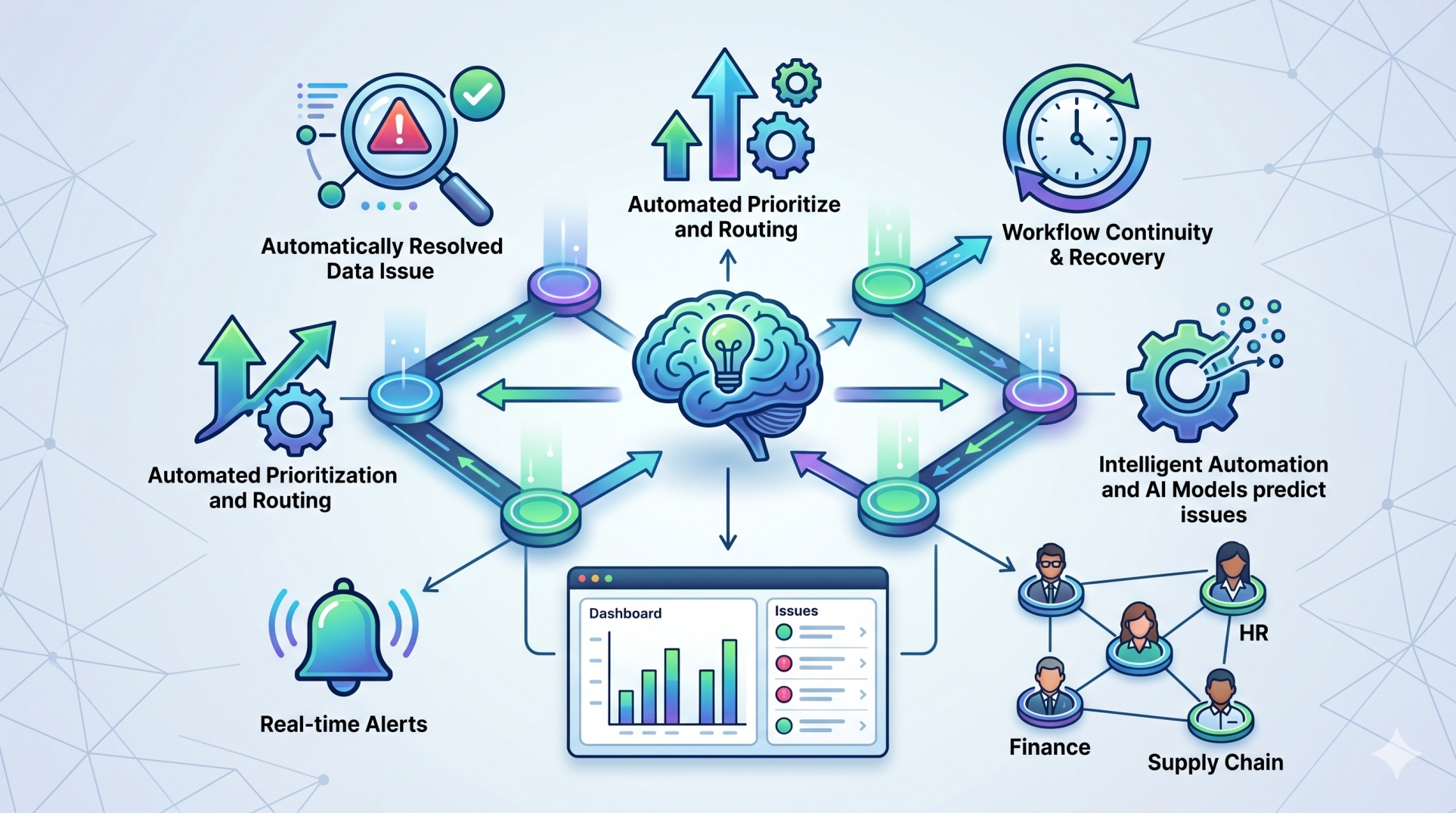
• Reduce manual effort and operational errors ✔️
• Improve process speed and responsiveness 🚀
• Allow employees to focus on higher-value activities 💡
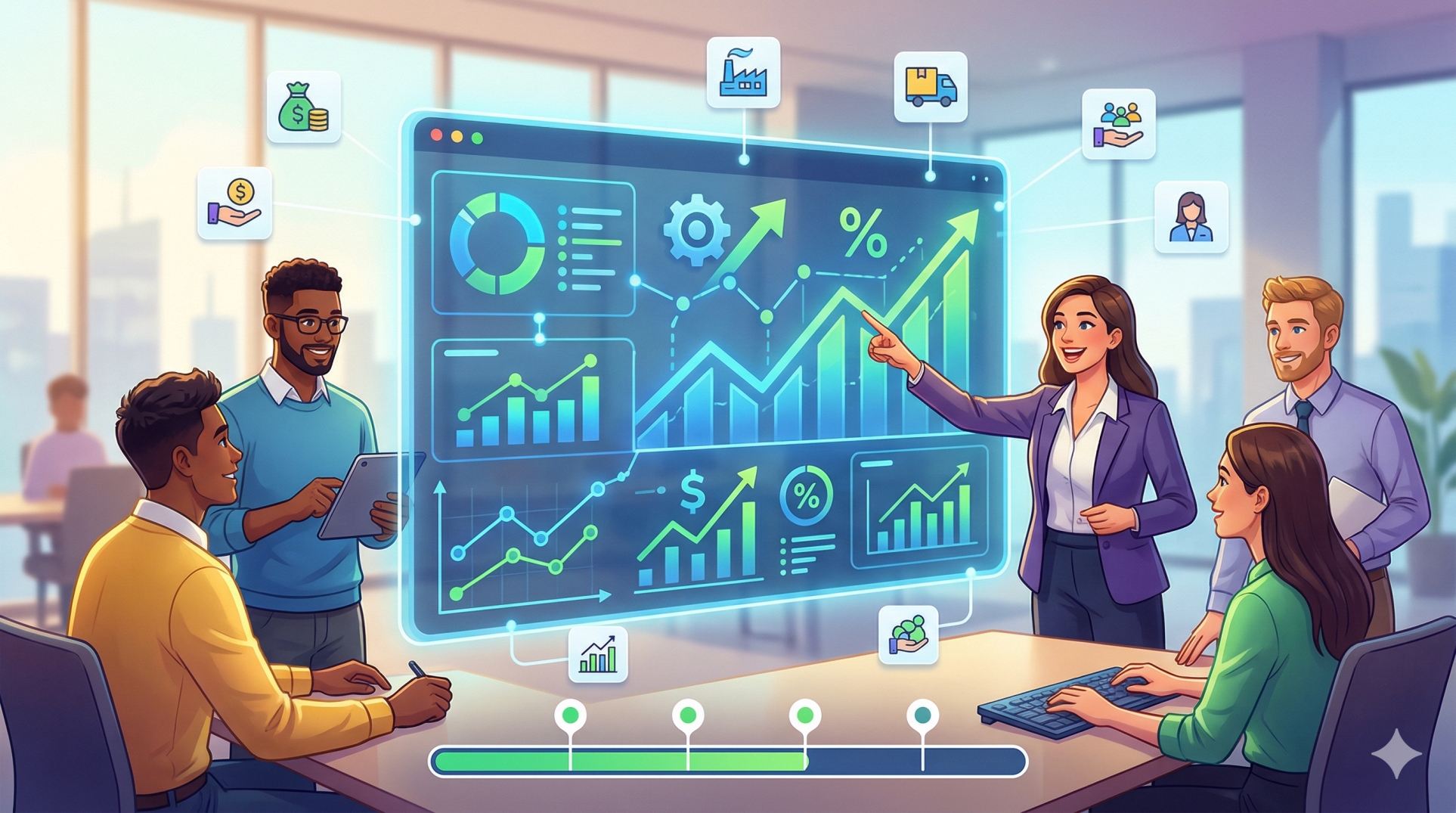
Step 7: Enabling Real-Time Performance Management 📈
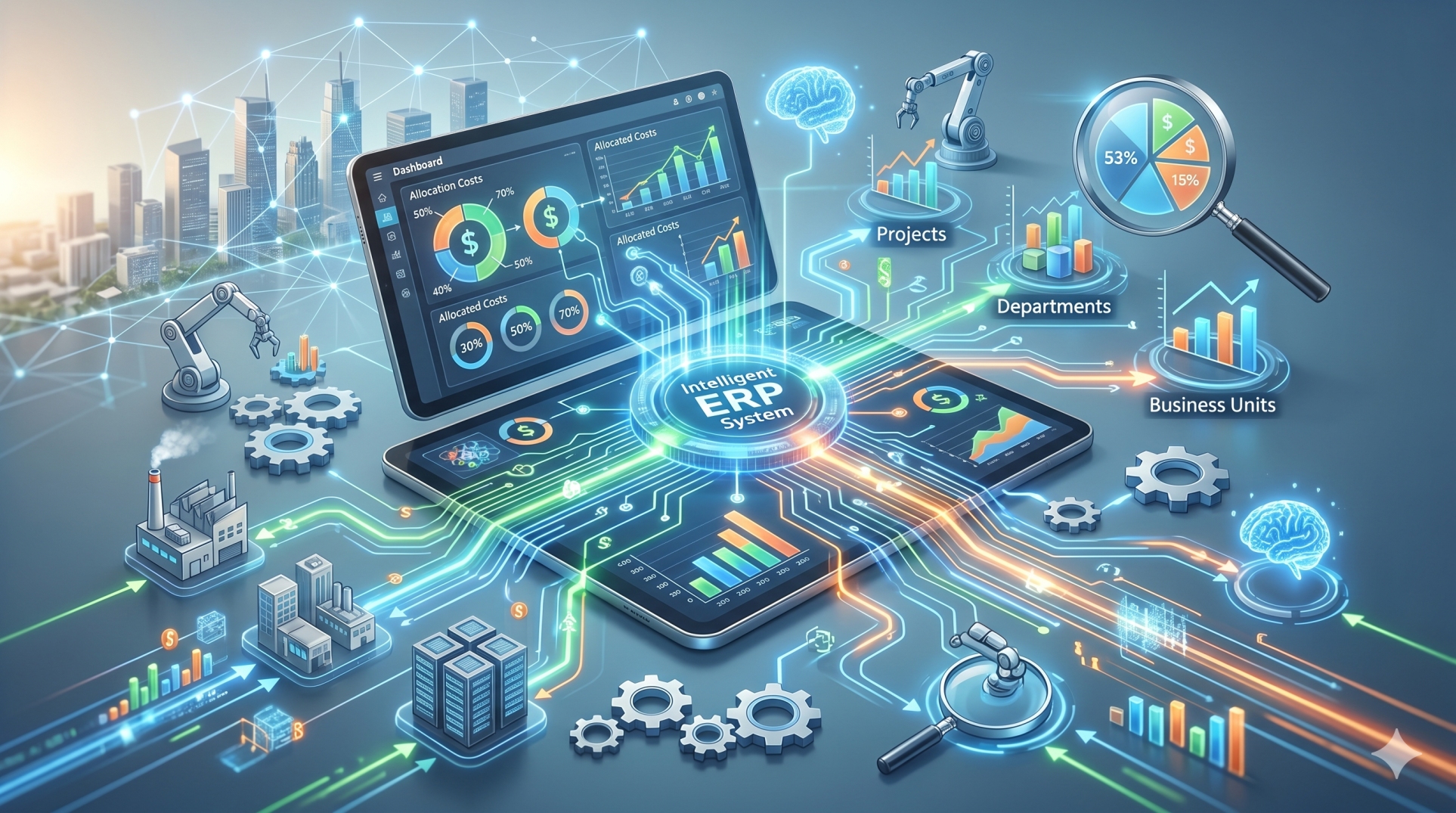
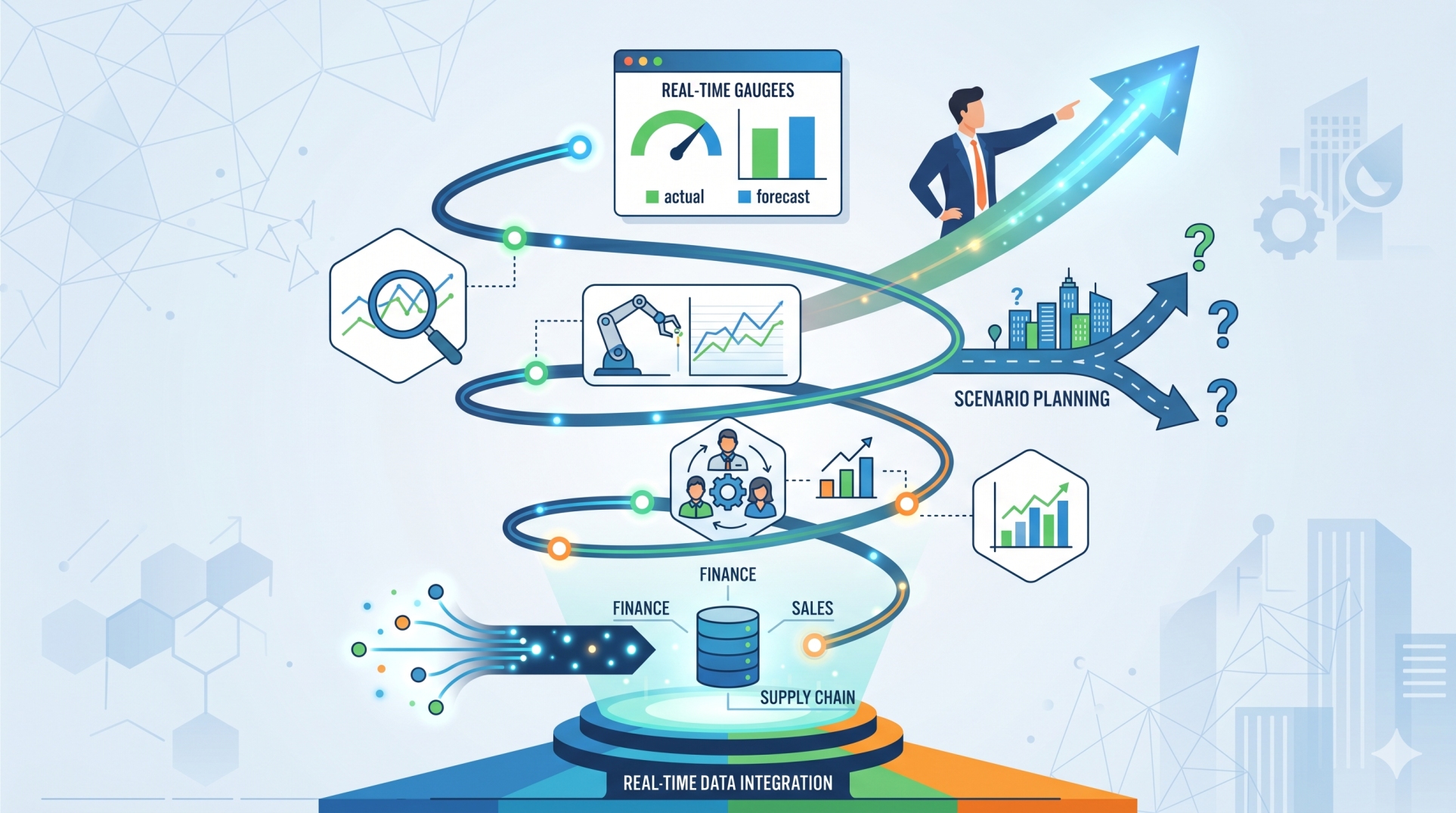
• Monitor key business metrics through centralized dashboards 📊
• Track operational performance across departments 🏭
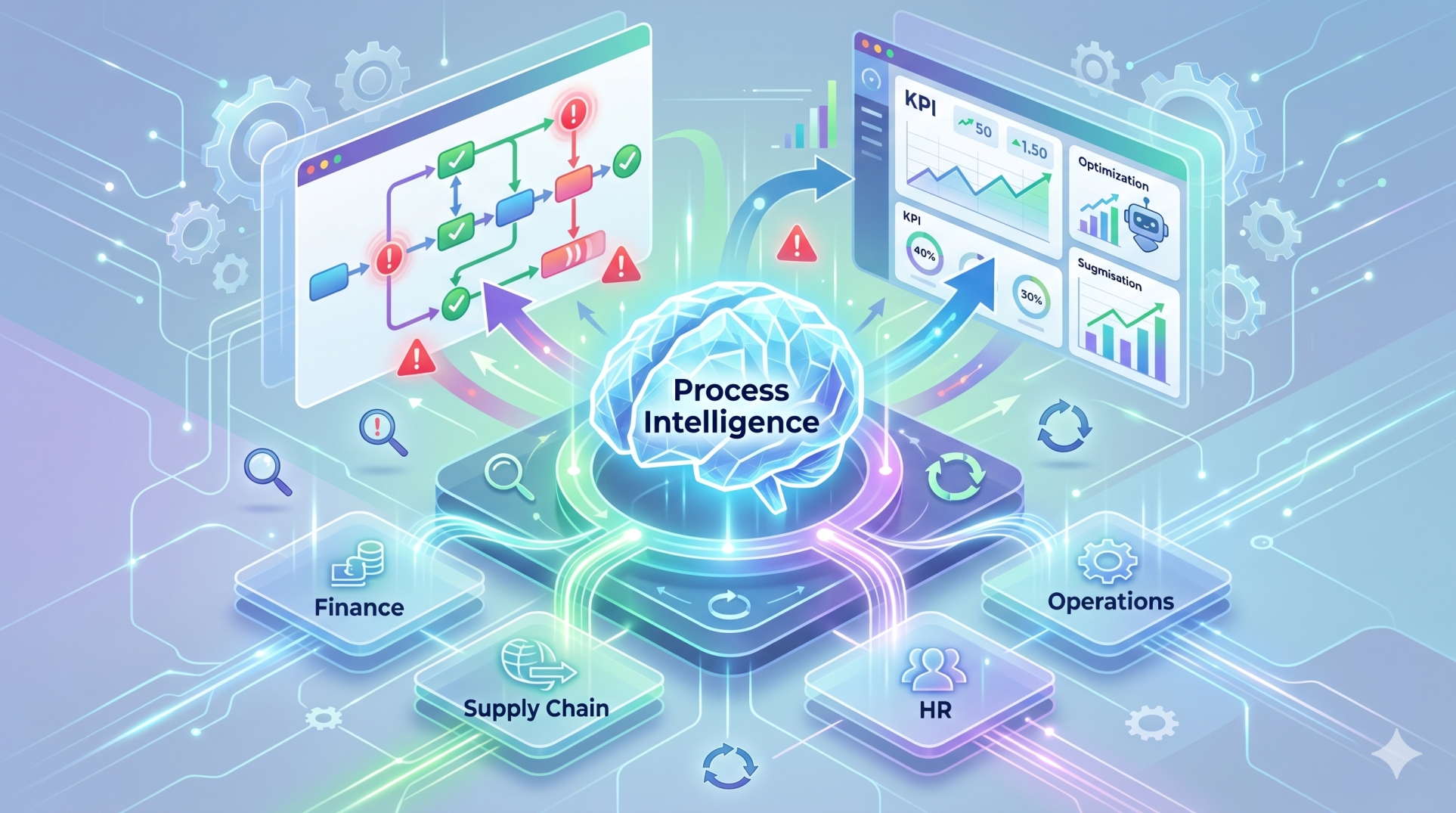
• Identify trends, bottlenecks, and improvement opportunities 🔍
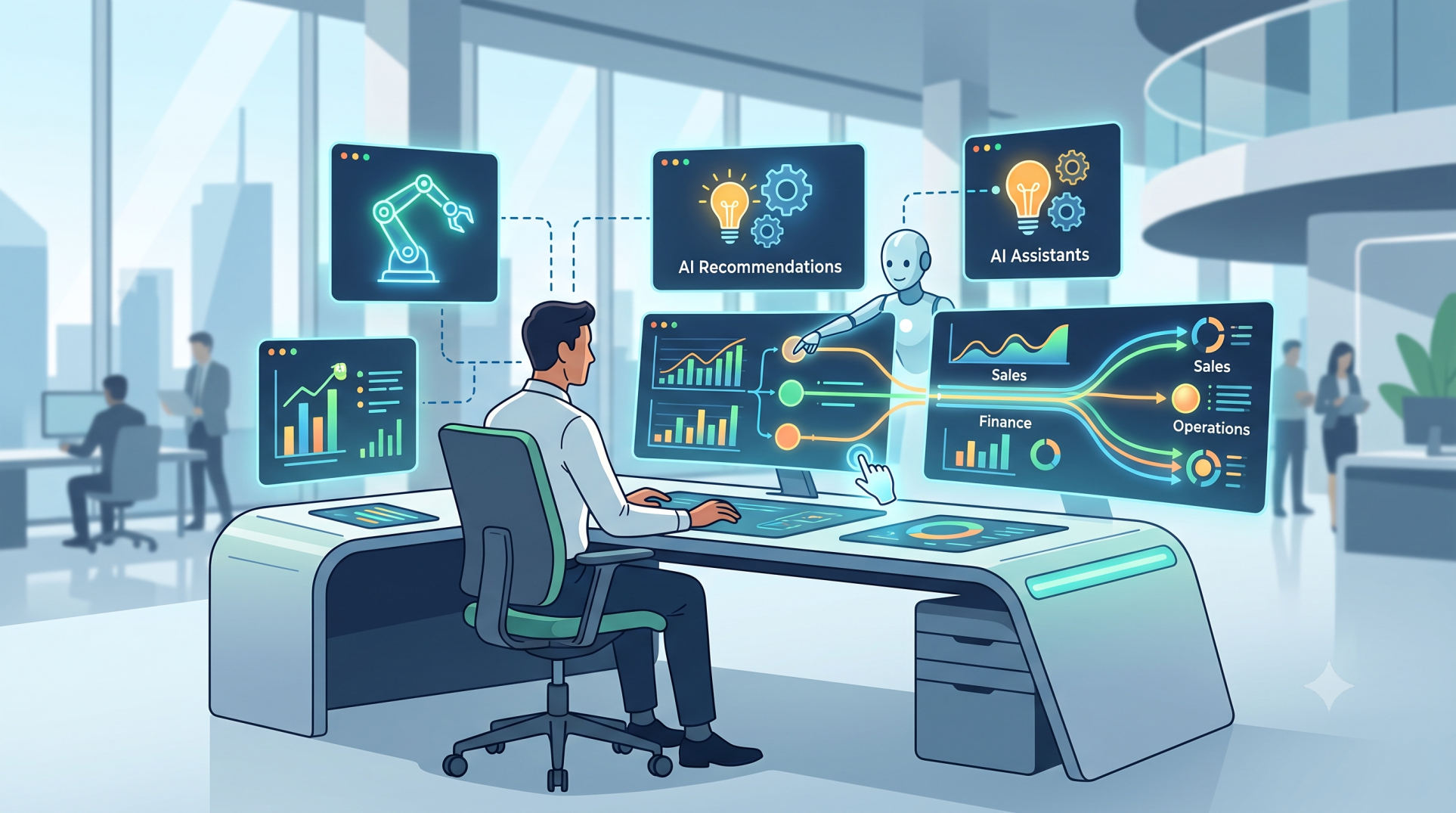
• Support proactive decision-making with live insights ⚡
• Align performance monitoring with strategic goals 🎯
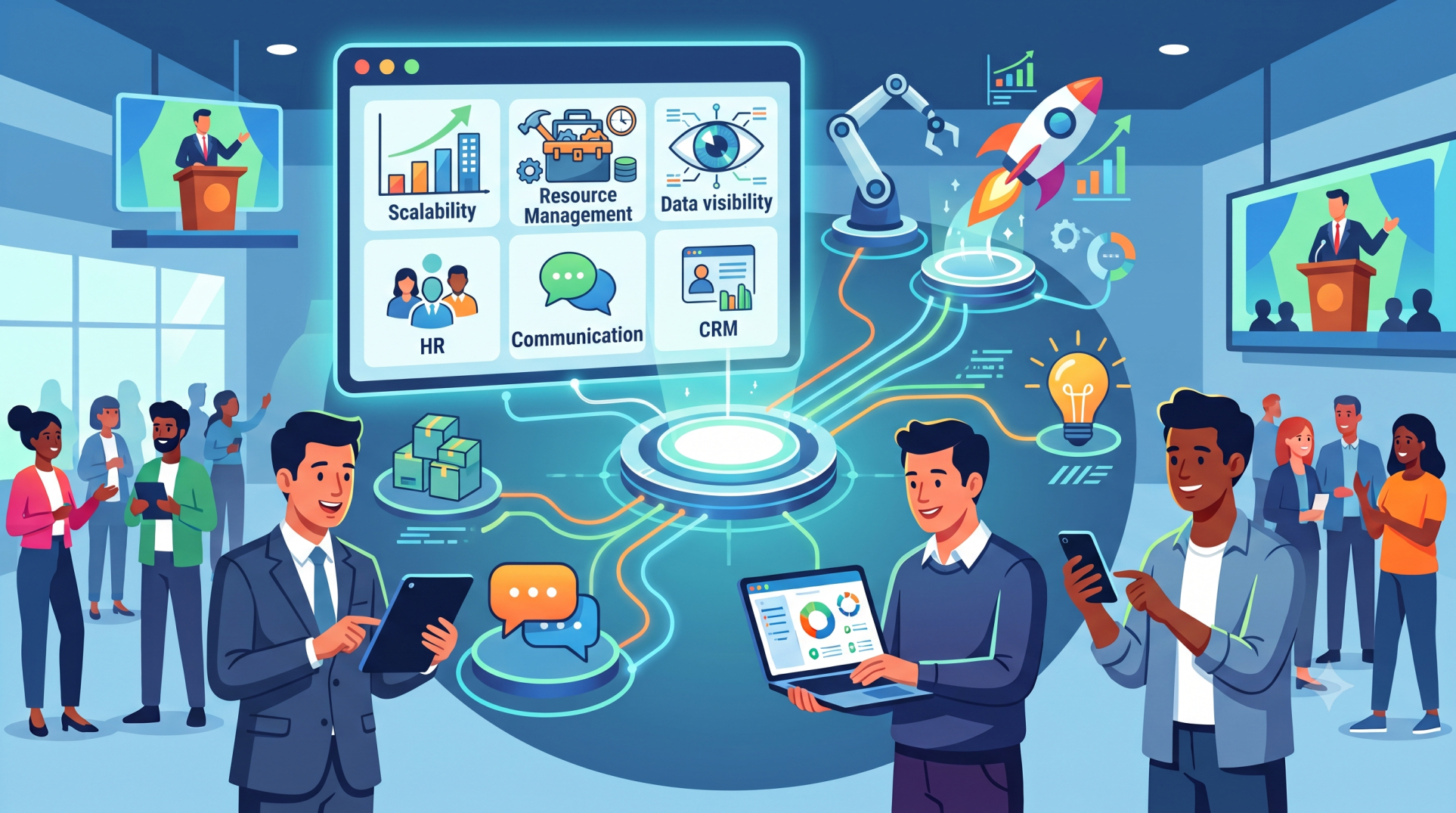
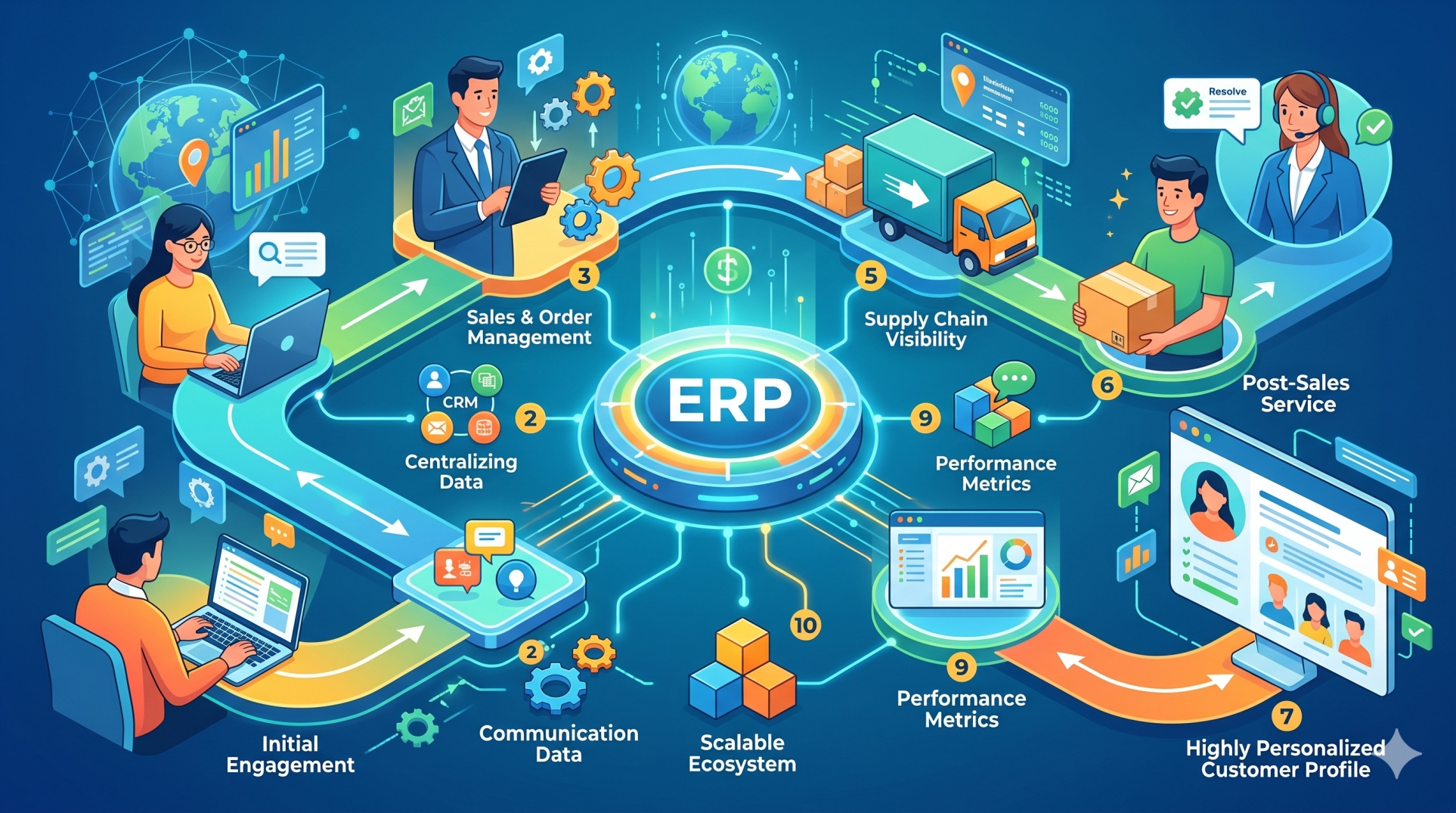
Step 8: Supporting Workforce Collaboration 🤝
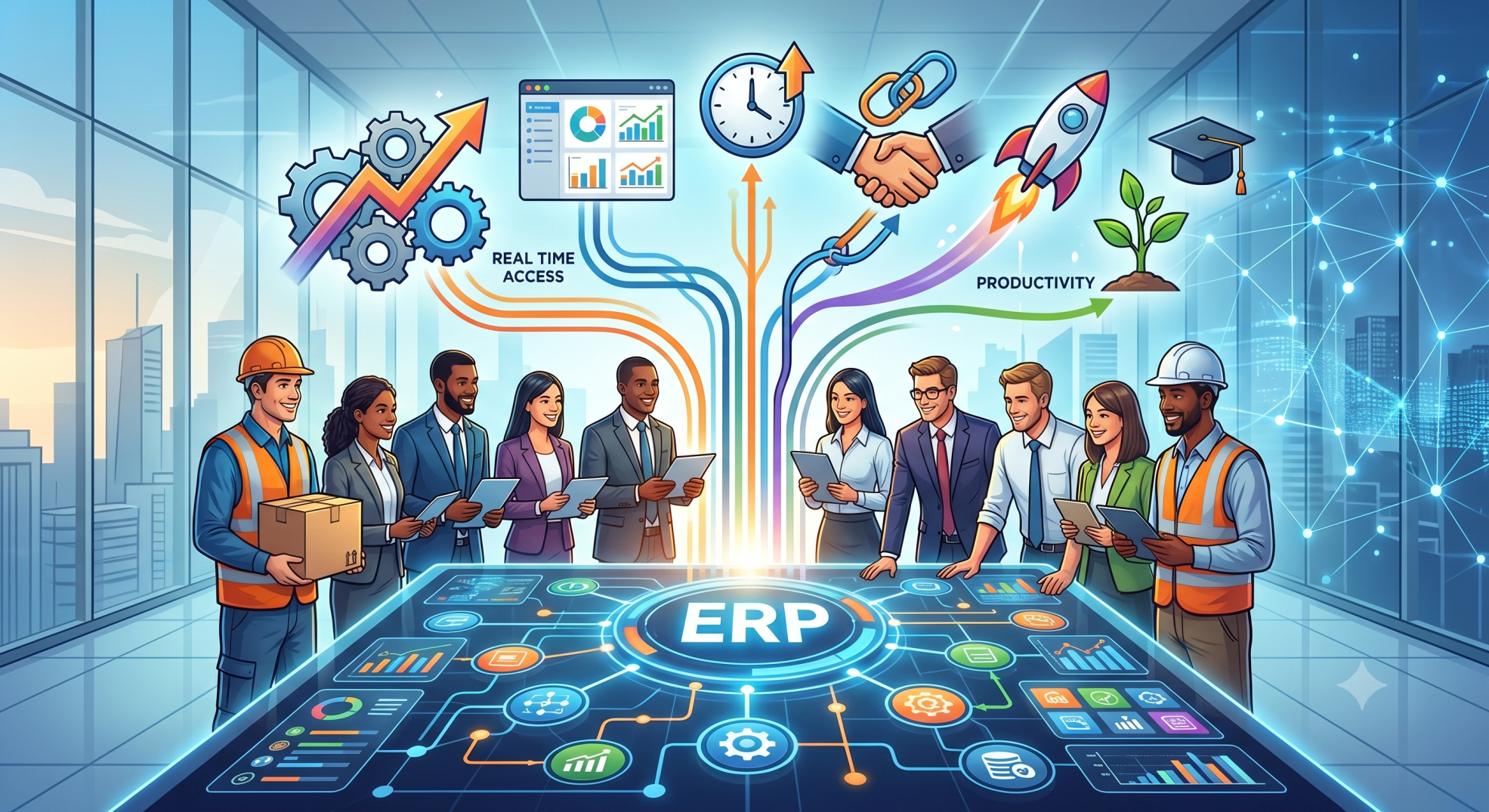
• Provide shared access to business information 📂
• Improve communication across departments 📢
• Enable seamless coordination of activities 🔄
• Support remote and distributed work environments 🌍
• Foster collaboration through integrated workflows 💼
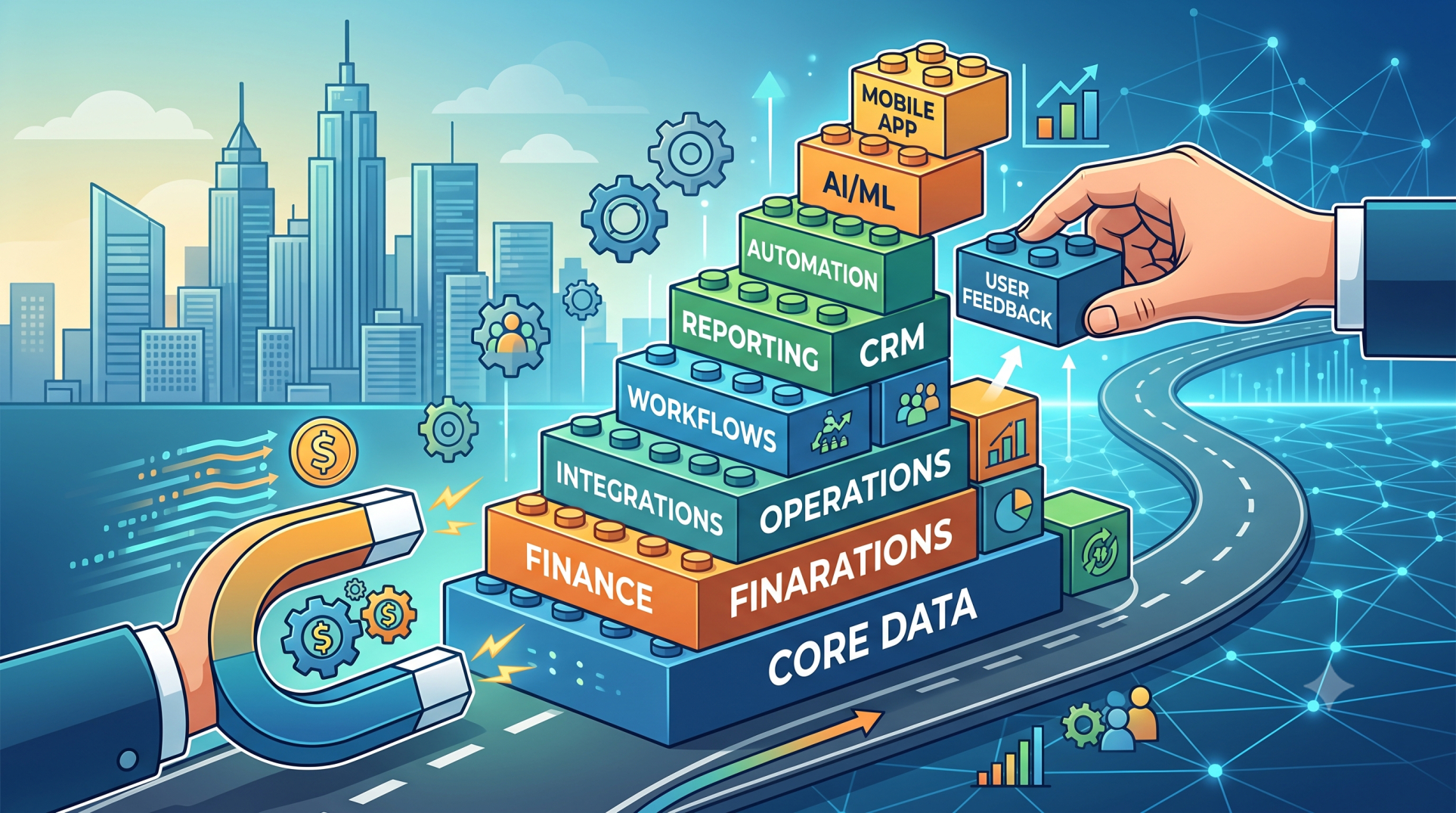
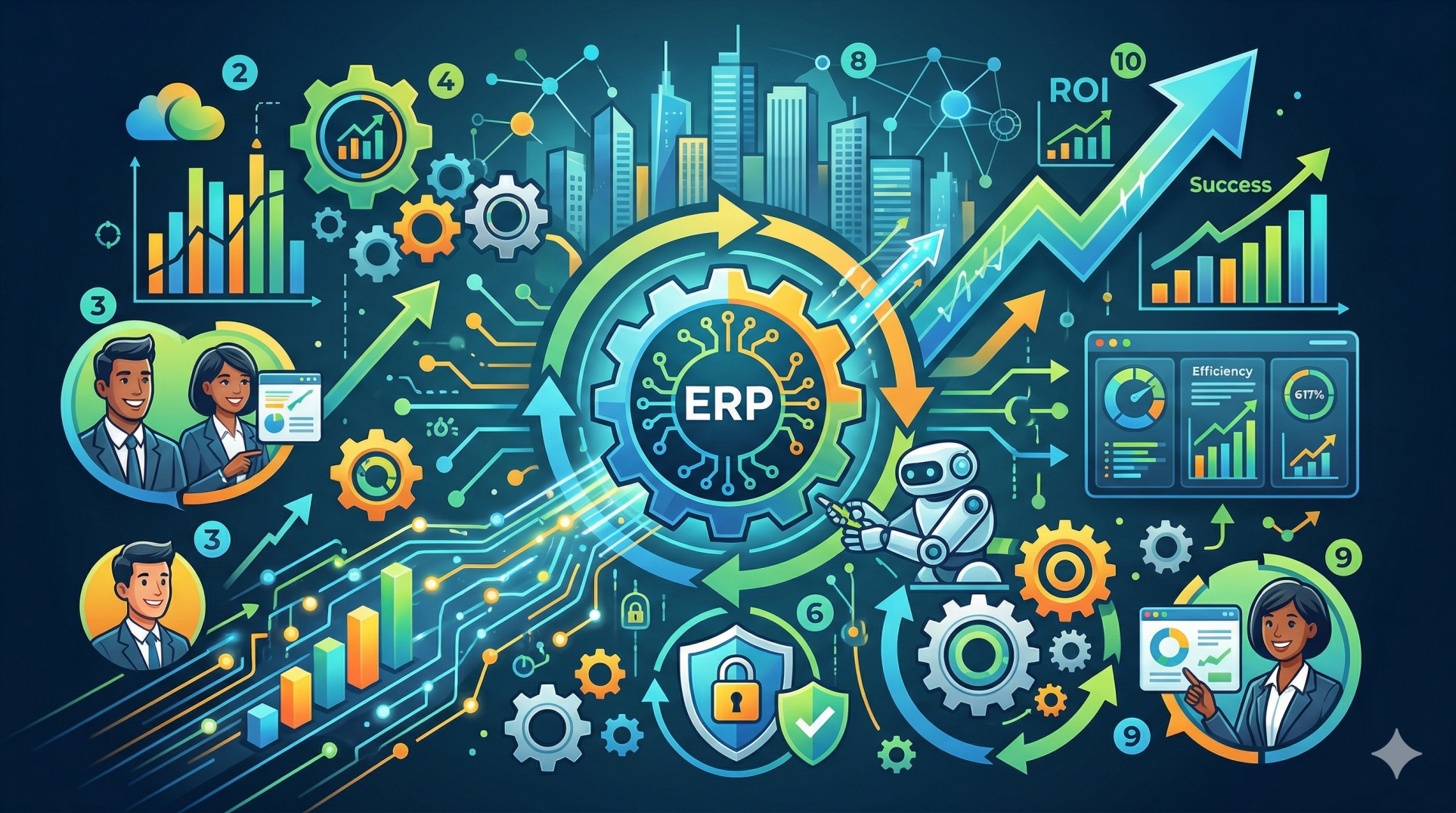
Step 9: Driving Continuous Improvement 🔄
• Analyze operational data to identify optimization opportunities 📊
• Refine workflows based on performance insights 💡
• Adapt processes to changing business requirements 📈
• Encourage innovation while maintaining operational control 🚀
• Build a culture of ongoing improvement and efficiency 🌟
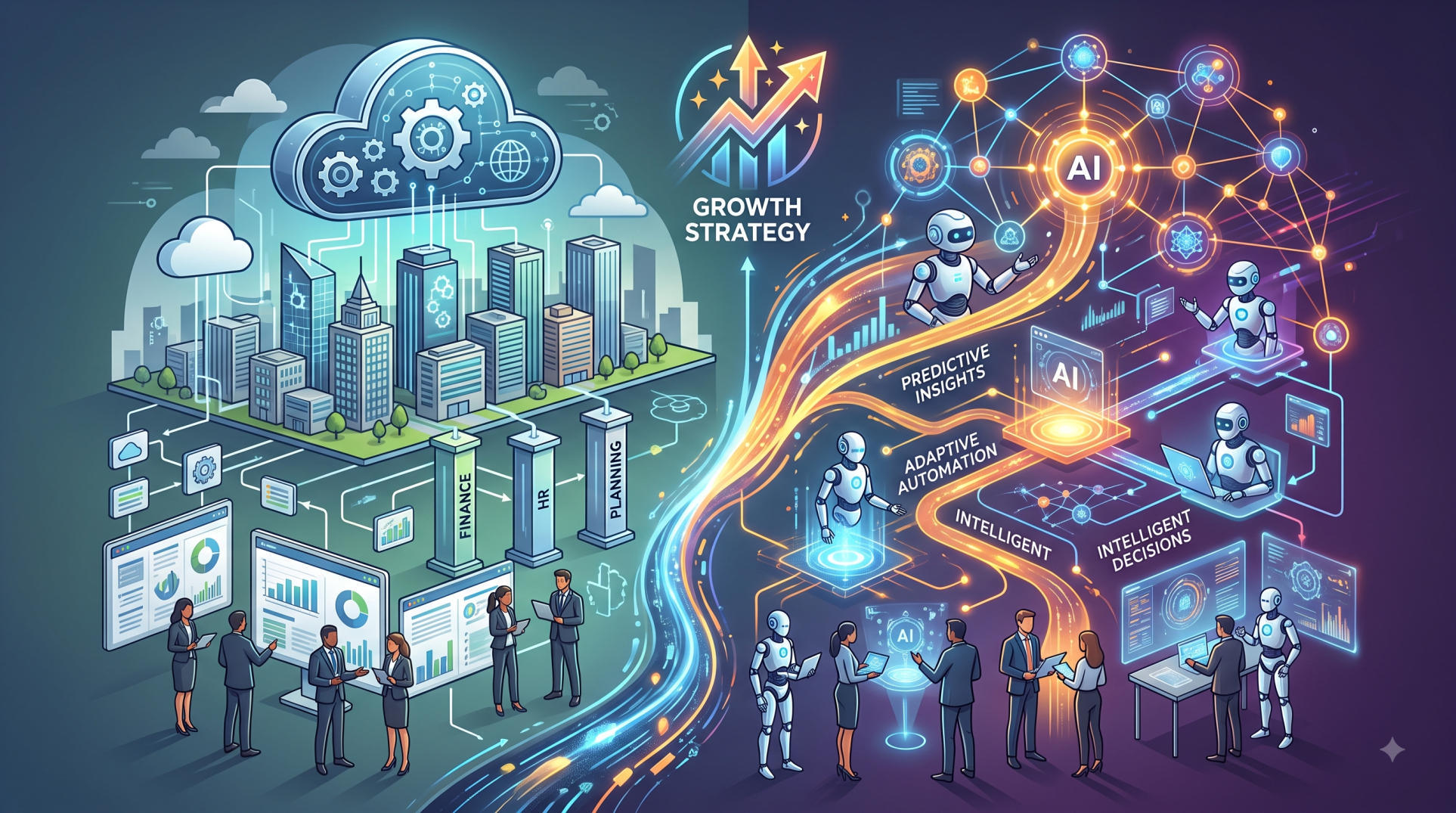
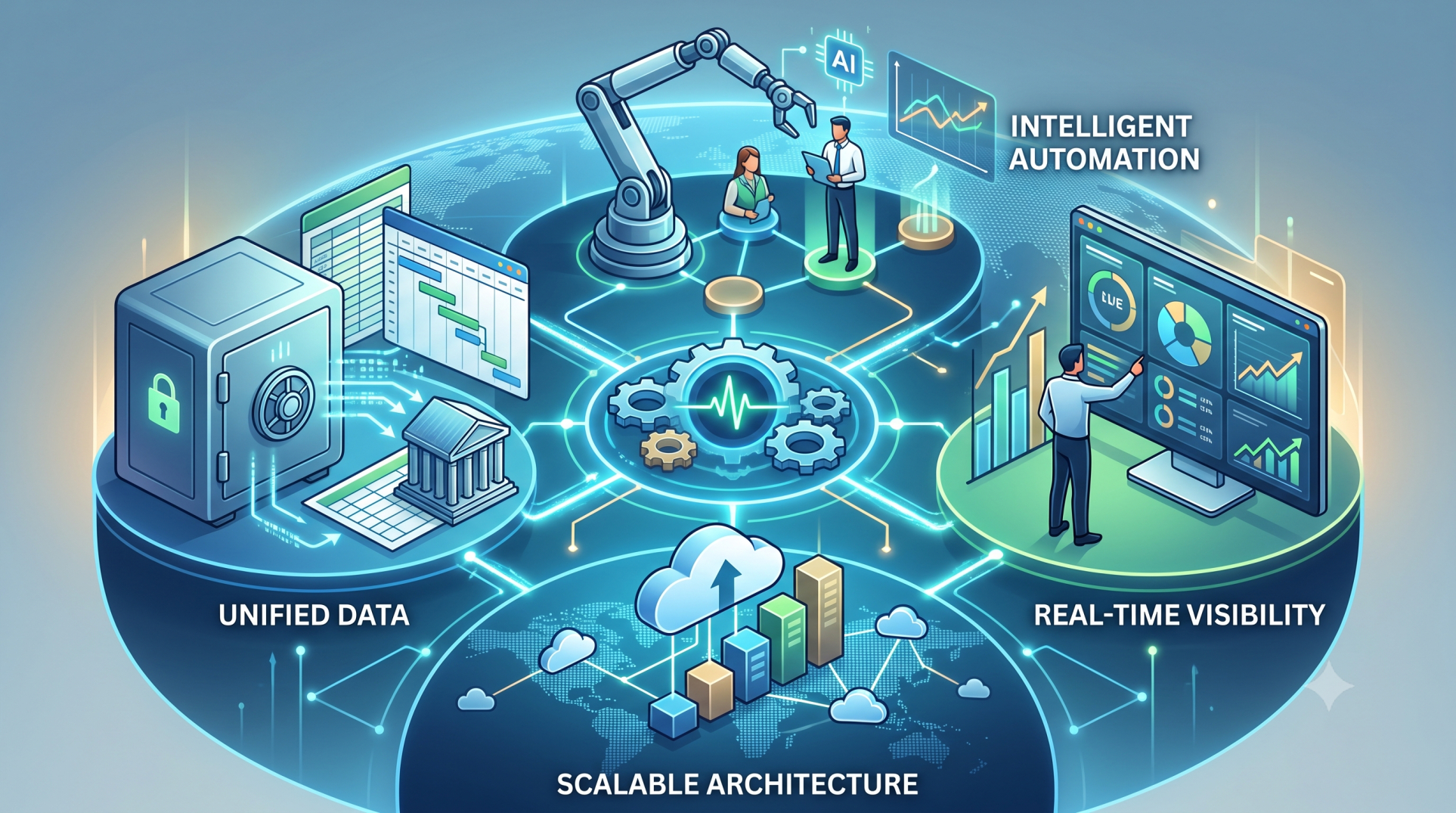
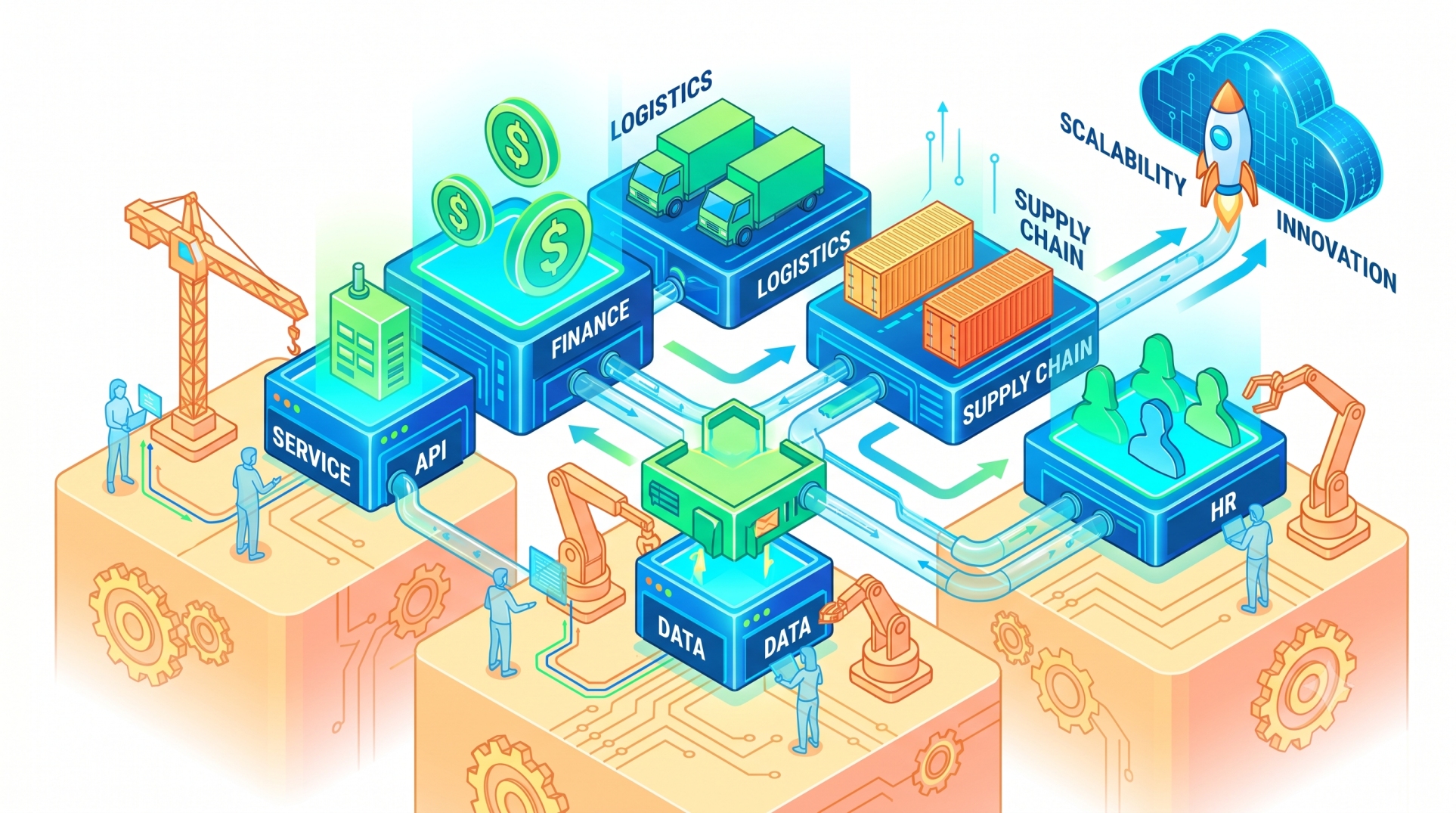
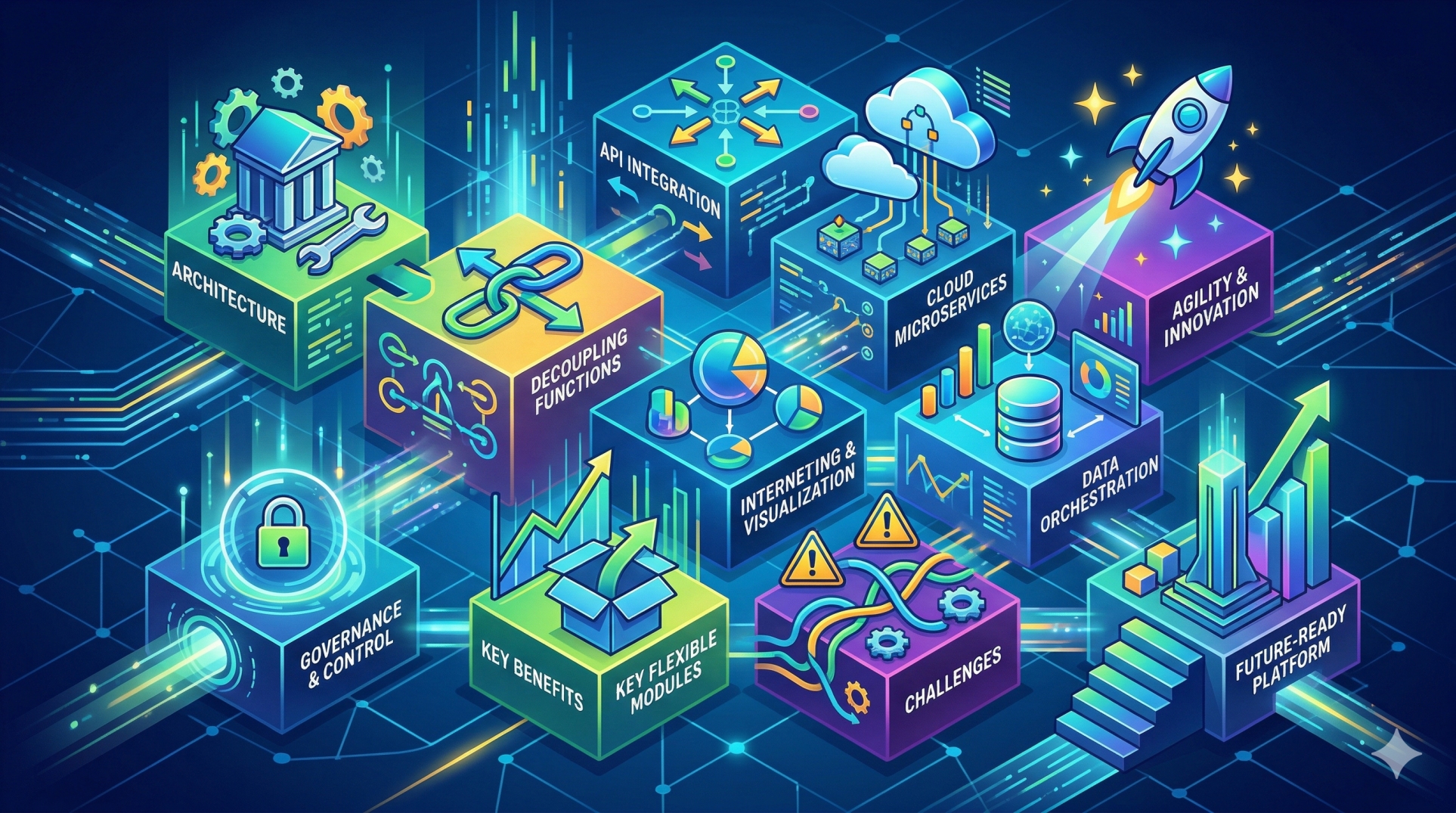
Step 10: Creating a Scalable Enterprise Framework 🌐
• Design processes that support future growth 📈
• Expand ERP capabilities as business needs evolve 🔧
• Integrate new business units and locations efficiently 🏢
• Maintain flexibility while preserving standardization ⚖️
• Future-proof operations through a scalable architecture 🏗️
Conclusion
Designing enterprise operating models around ERP platforms enables organizations to create connected, efficient, and scalable operations. By aligning people, processes, and technology within a unified ERP framework, businesses can improve visibility, enhance decision-making, and streamline execution. An ERP-centric operating model not only strengthens current performance but also provides the foundation for sustainable growth and long-term operational success. 🚀📊🏢
See more blogs
You can all the articles below