How ERP Creates Operational Alignment Across Business Functions
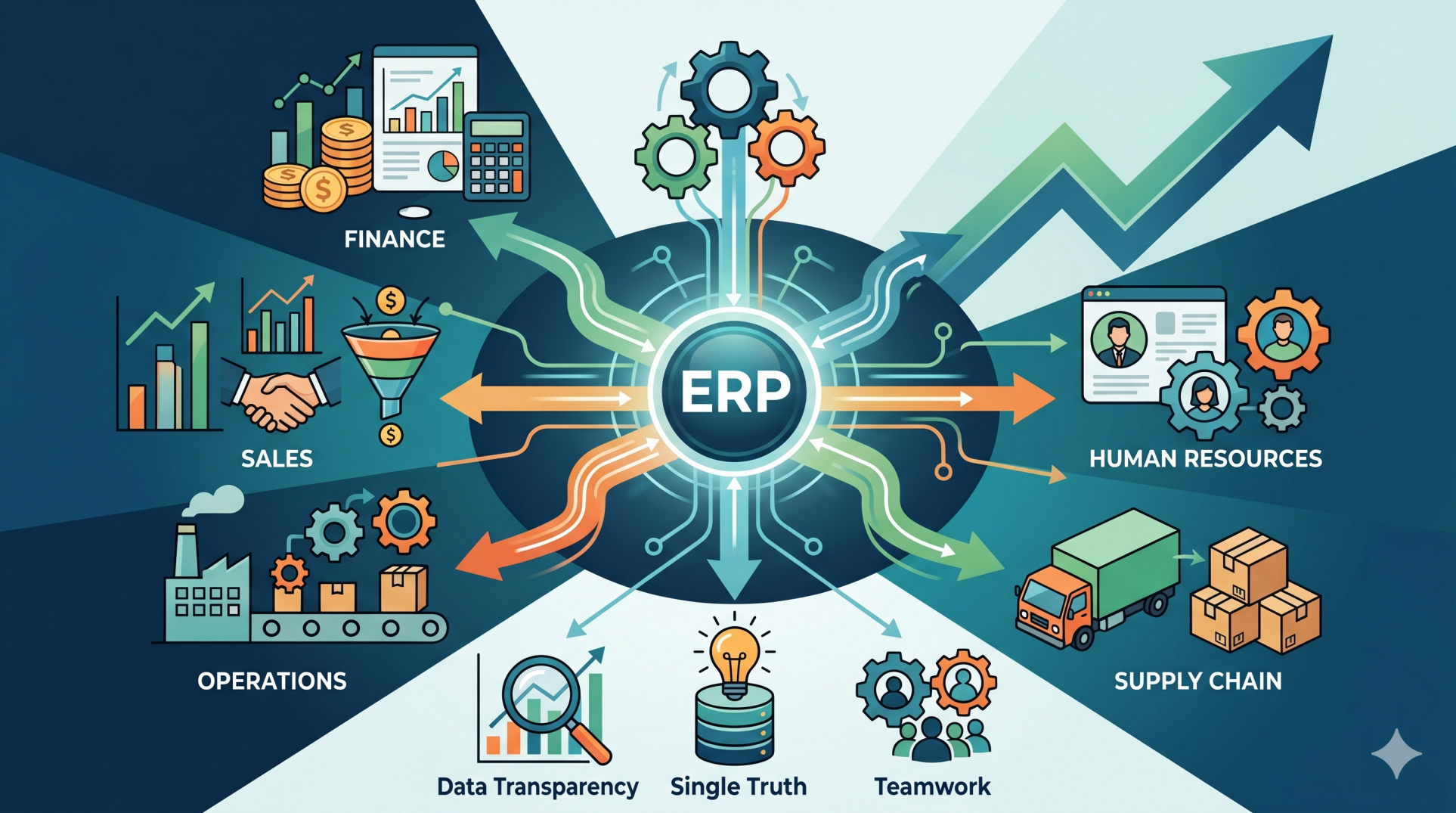
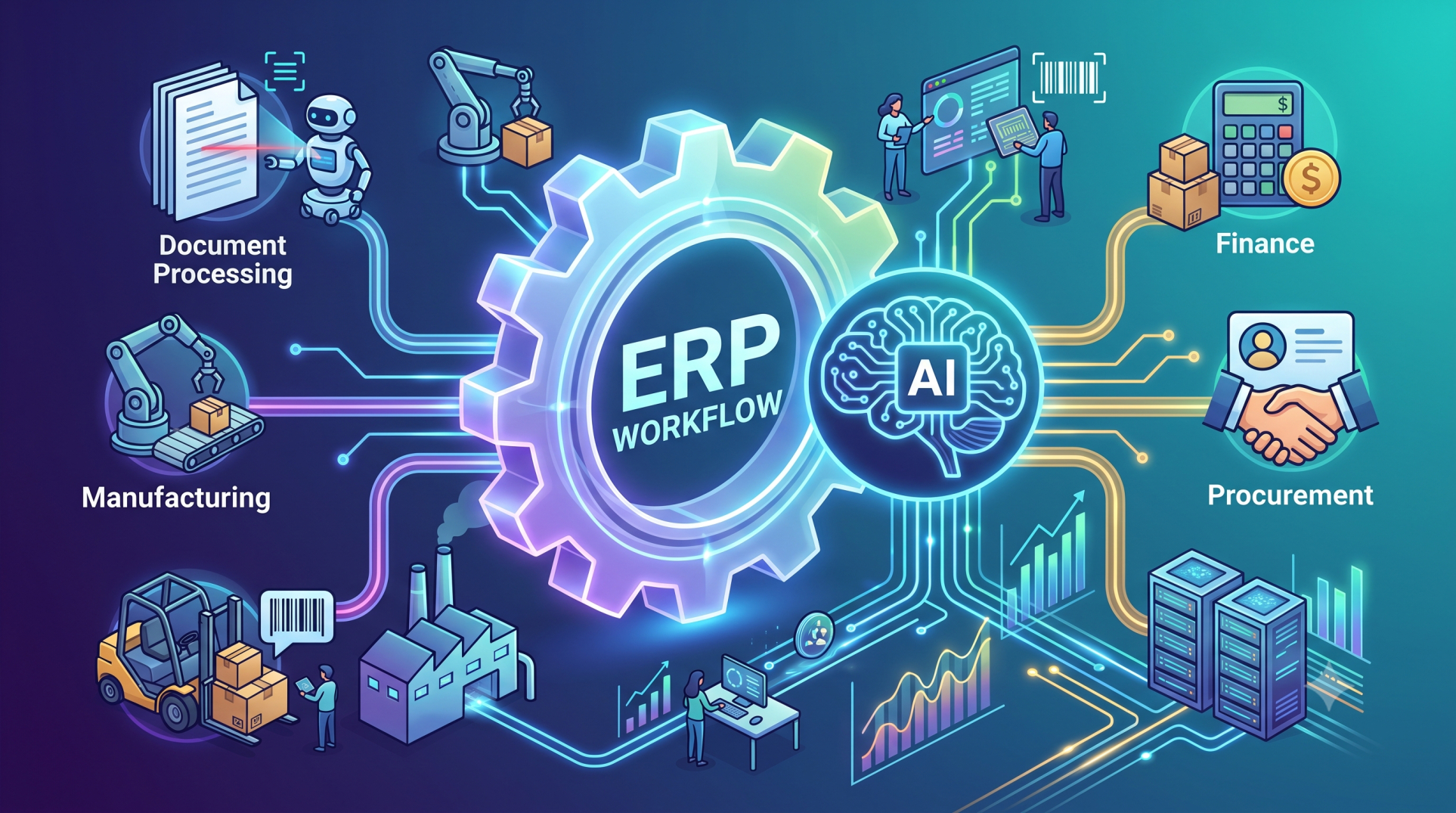
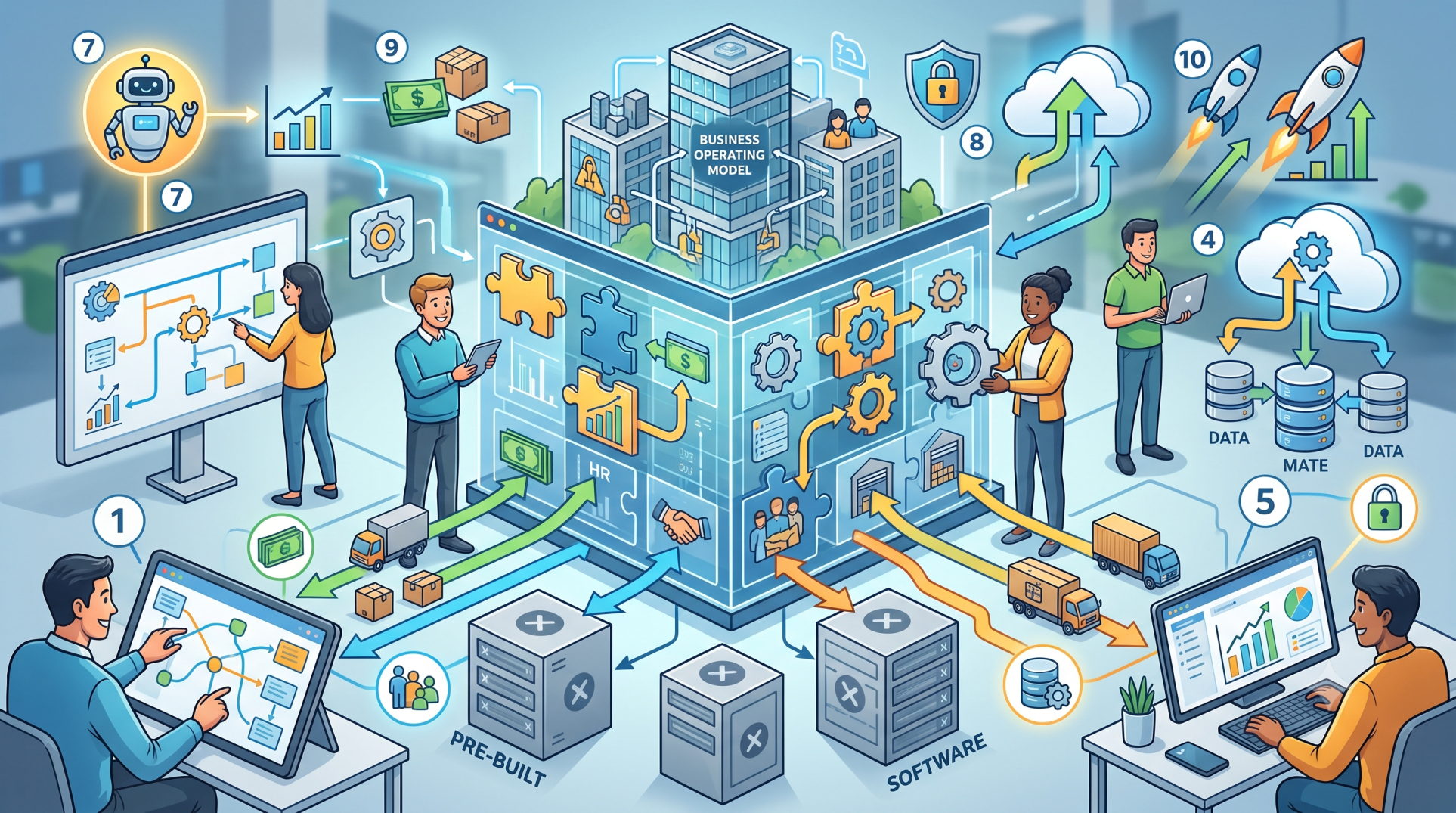
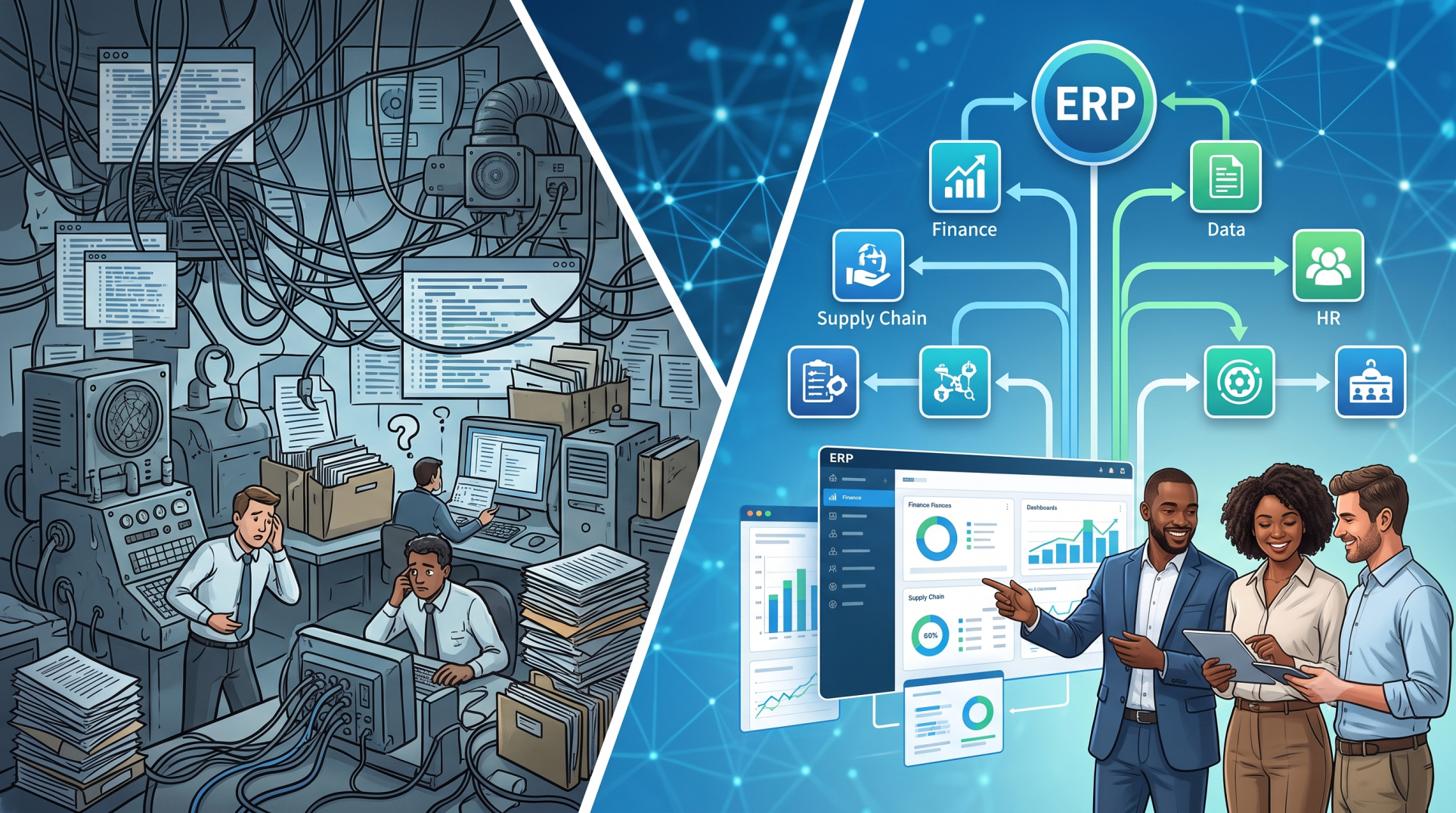
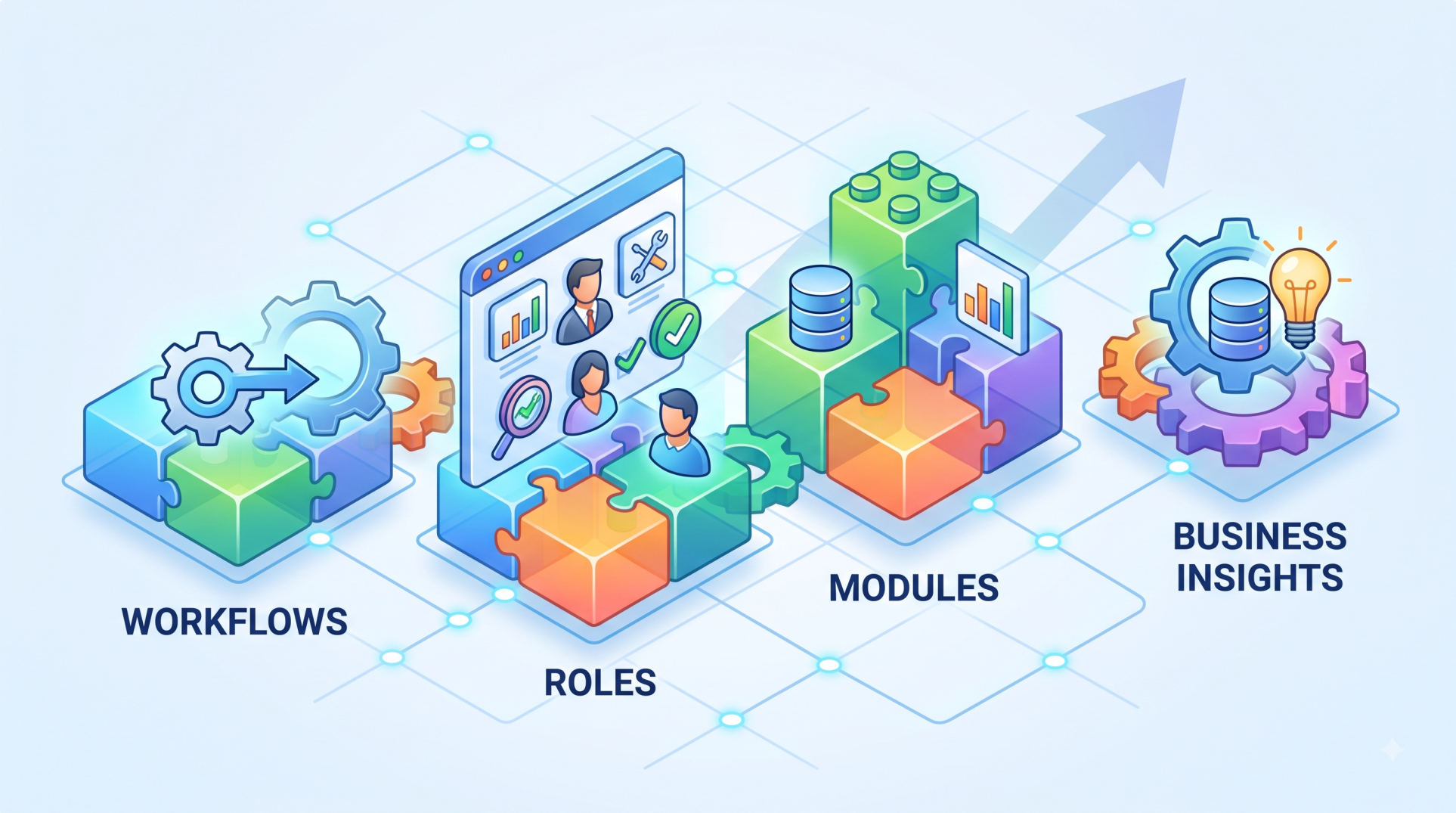
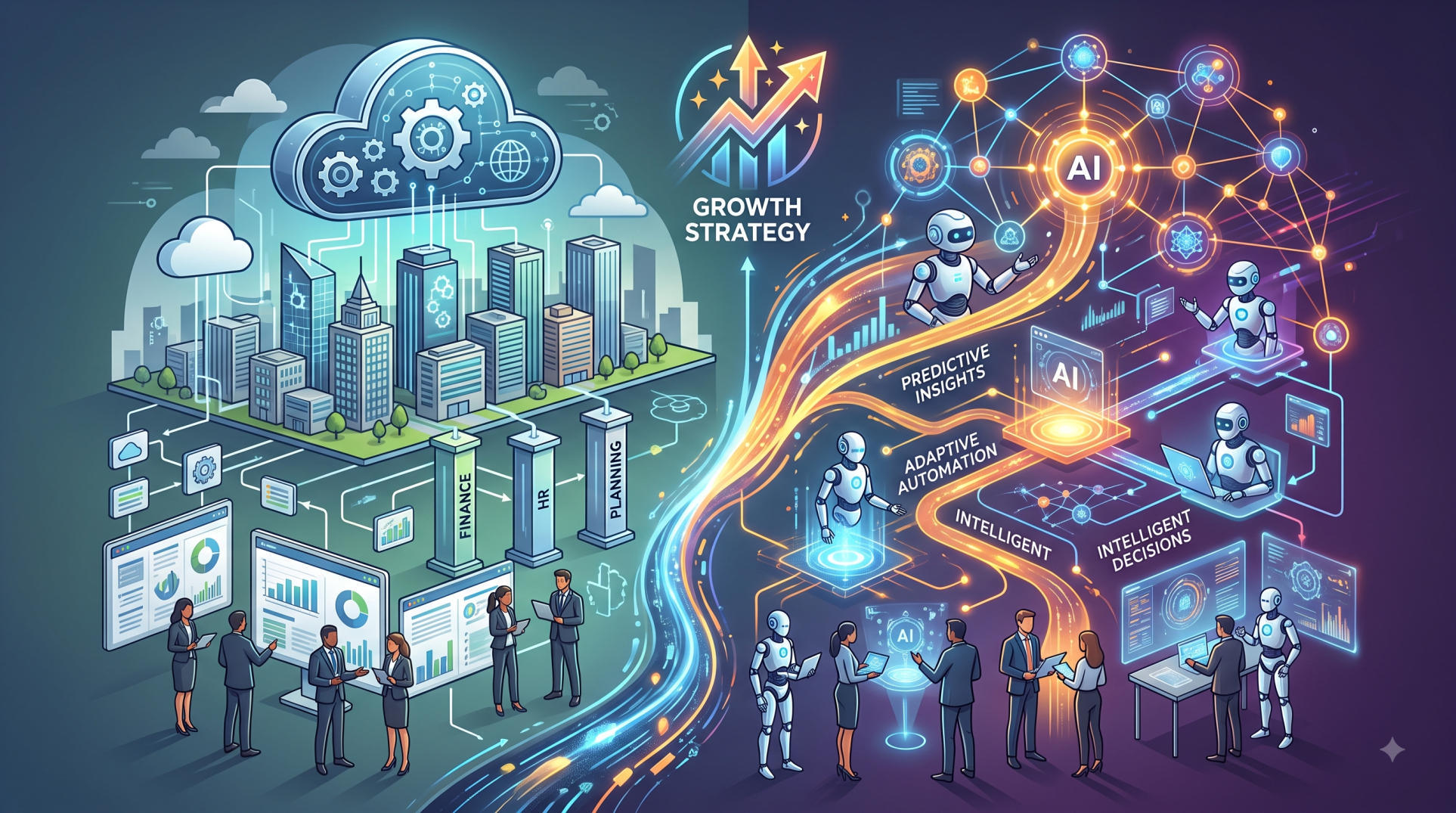
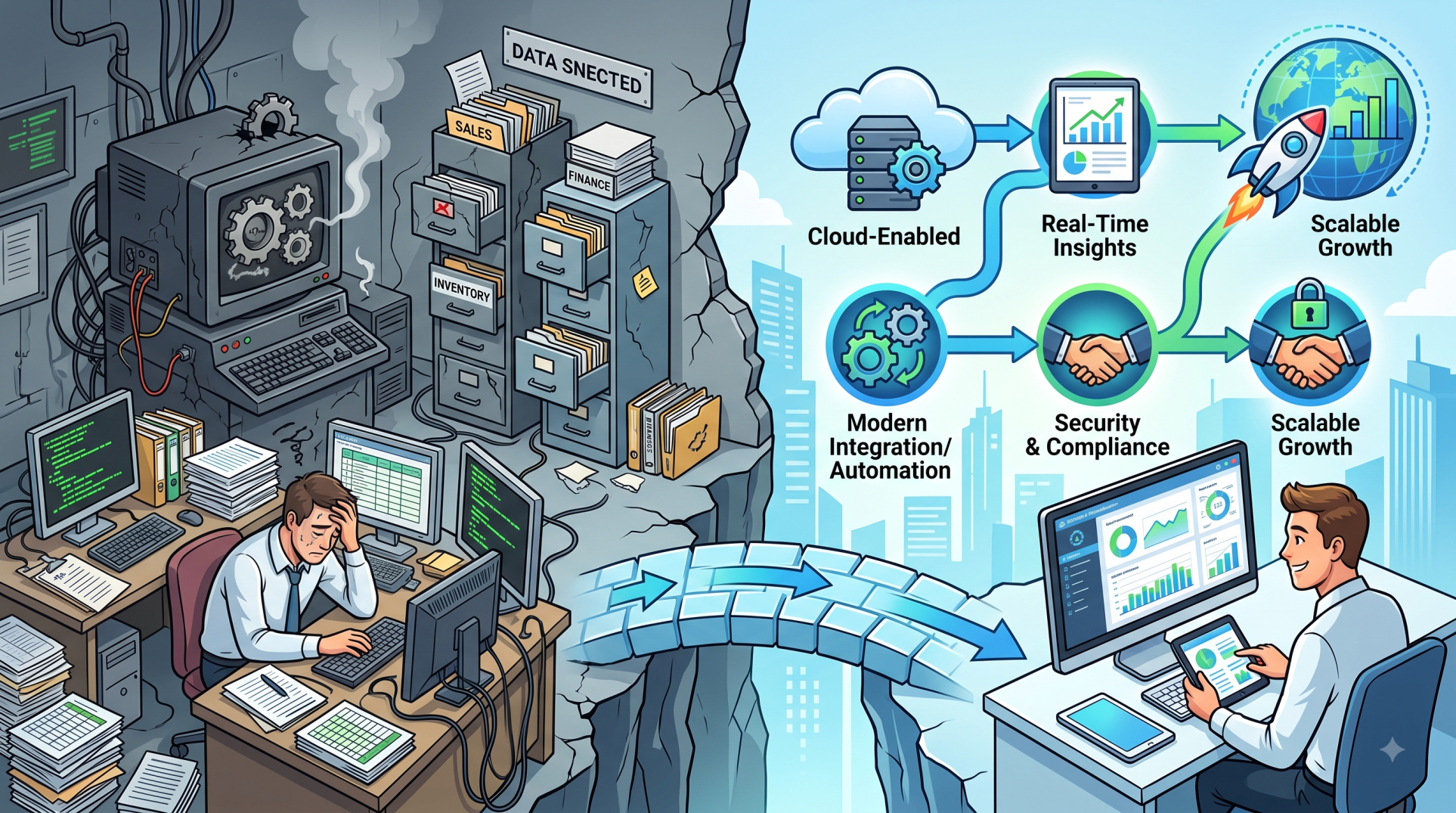
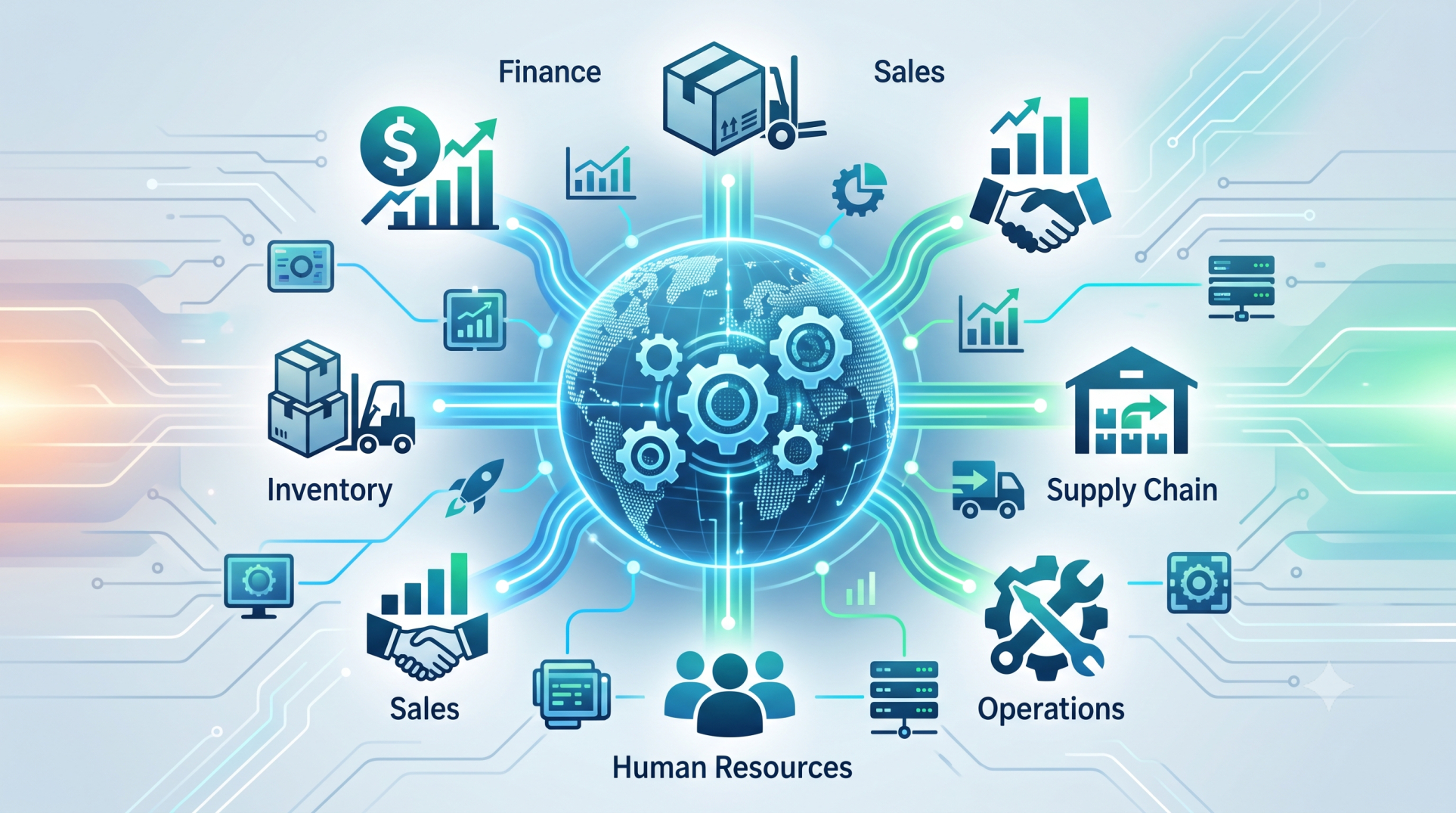
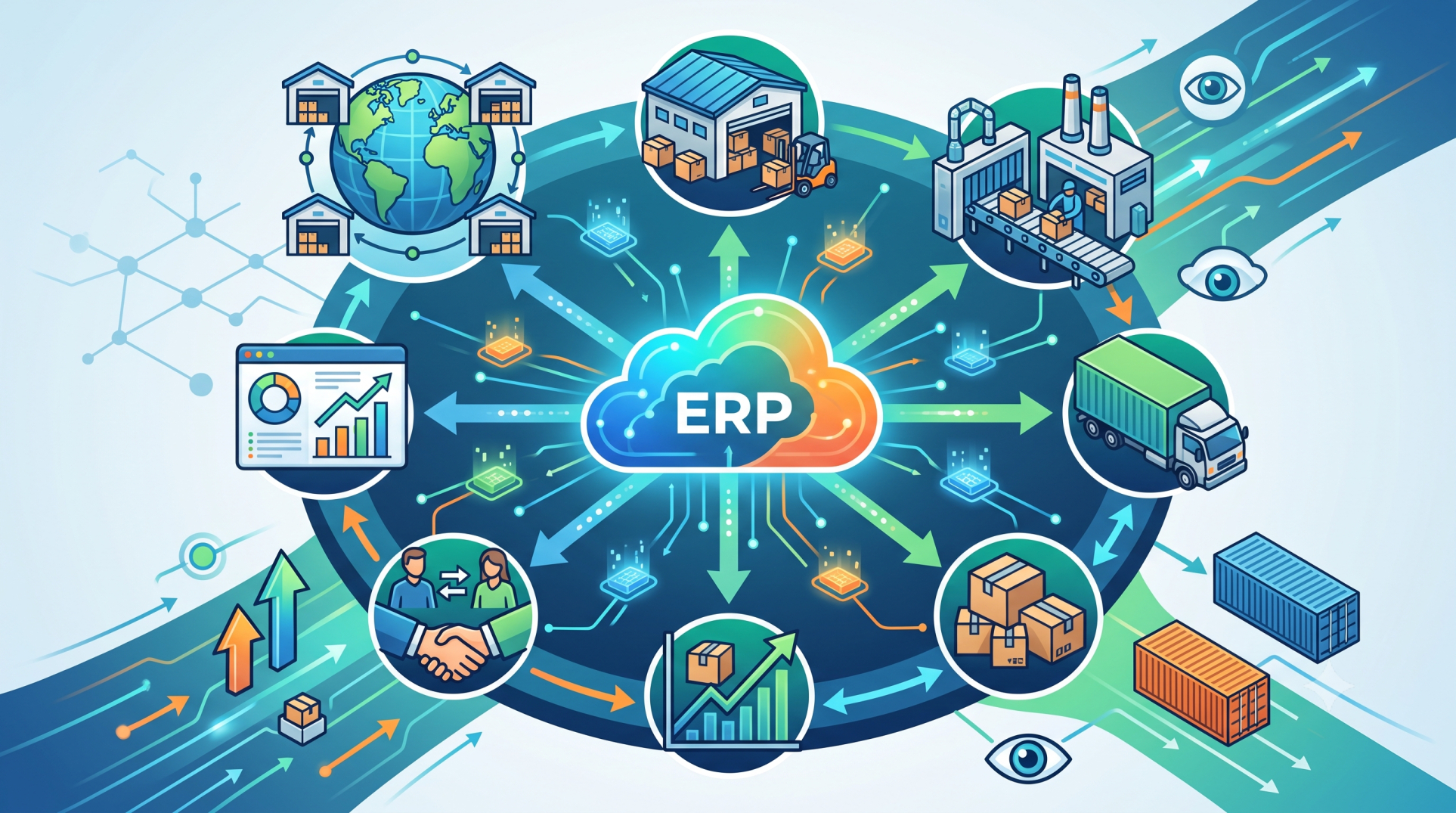
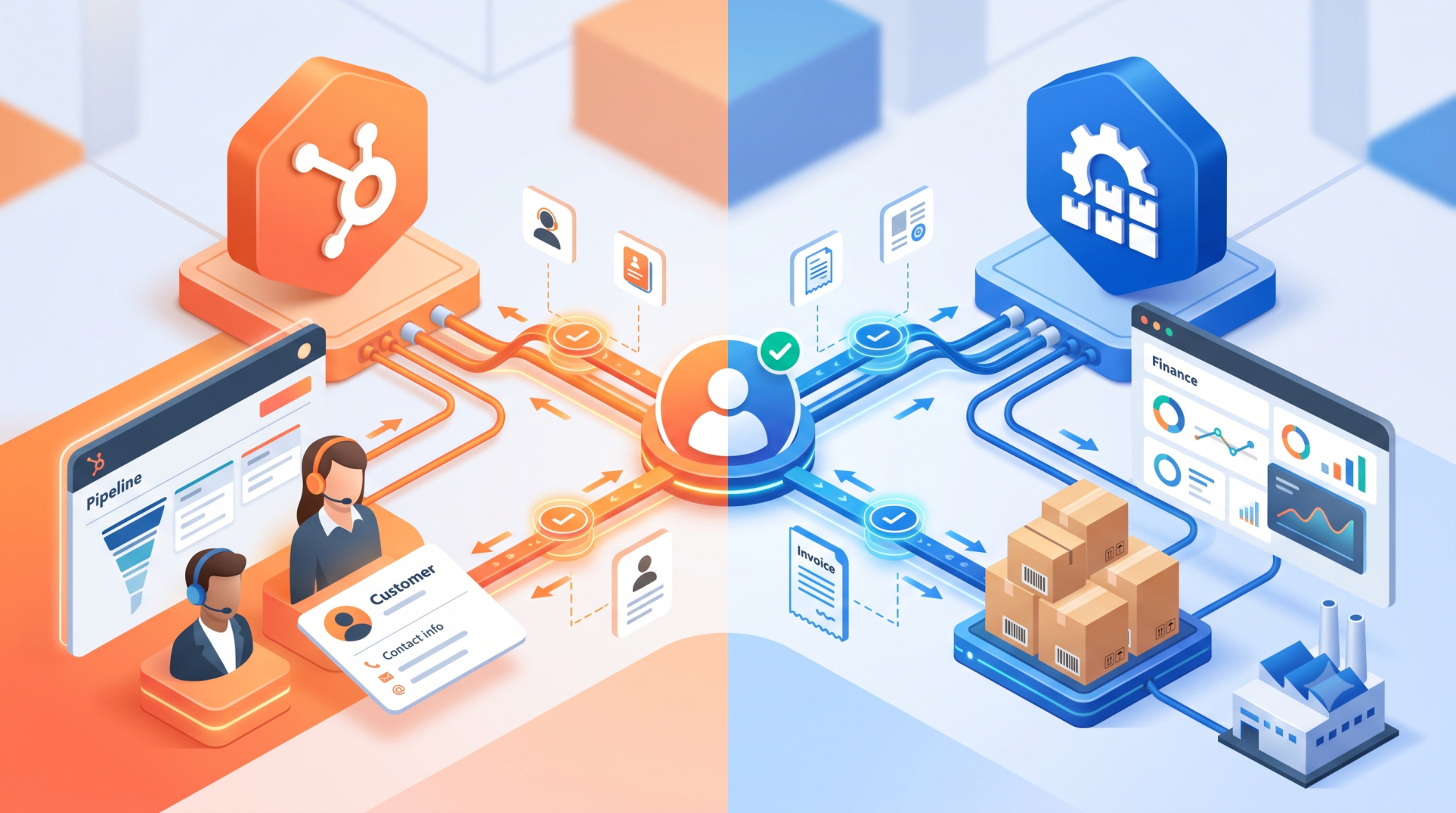
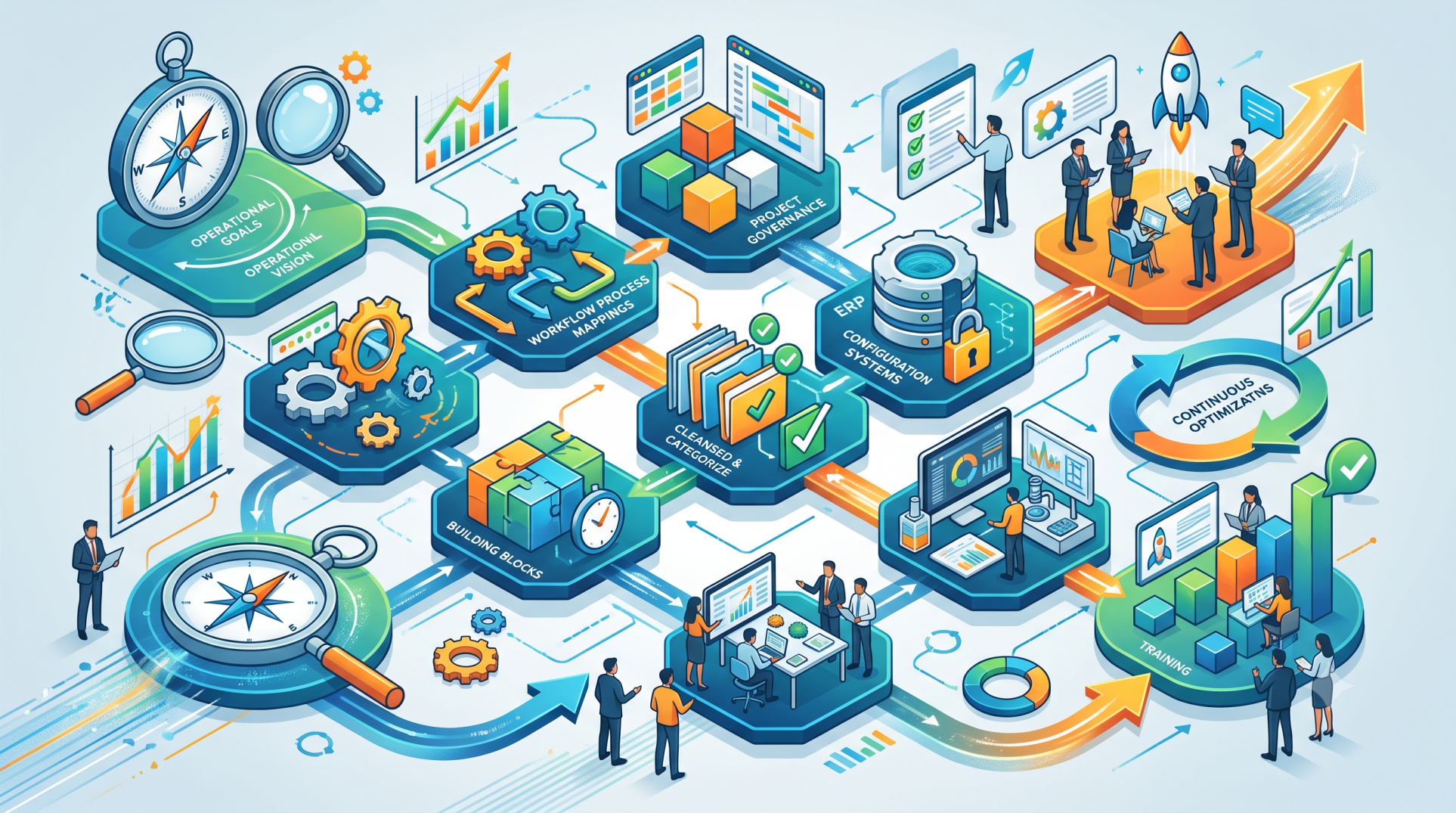
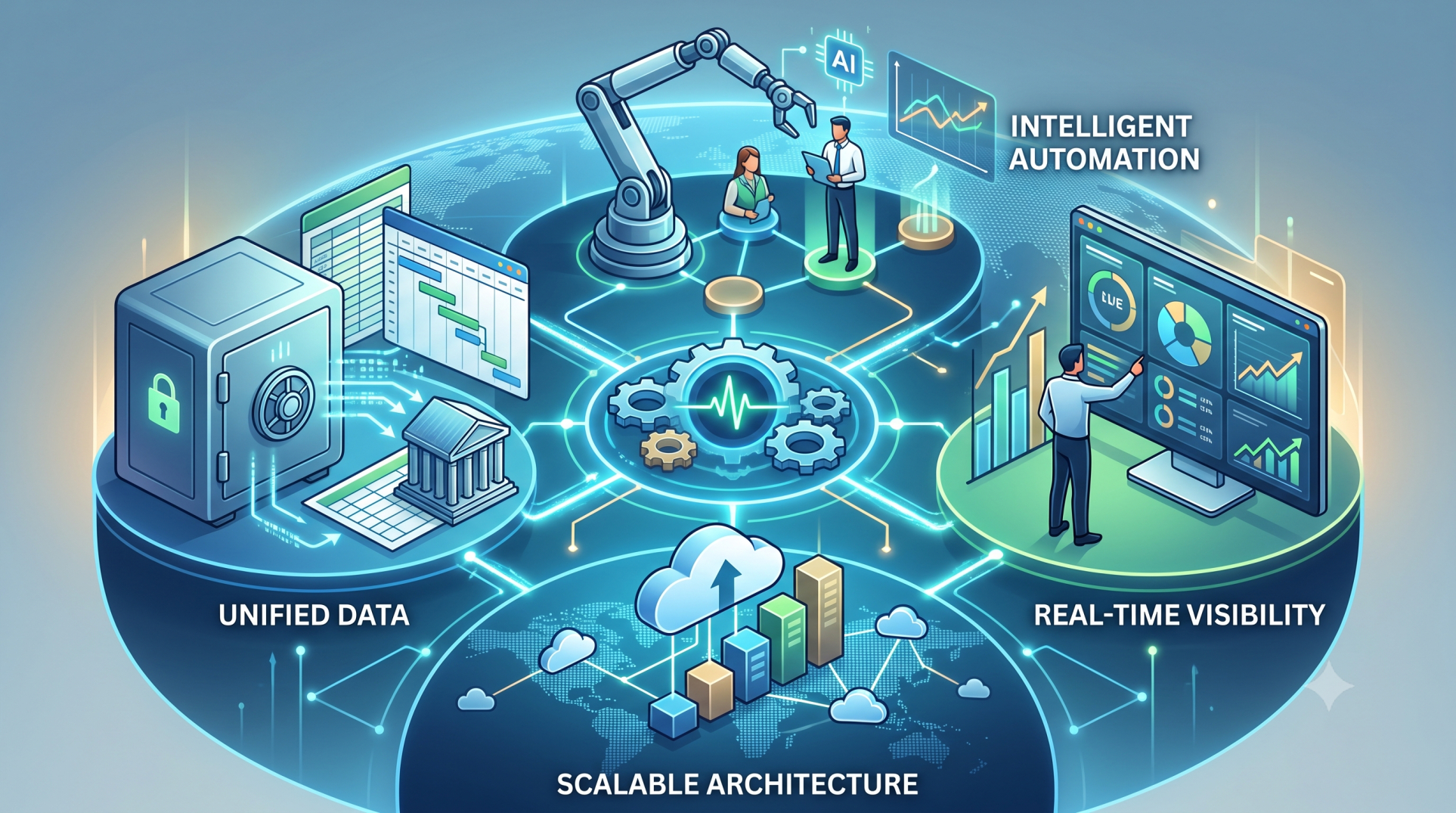
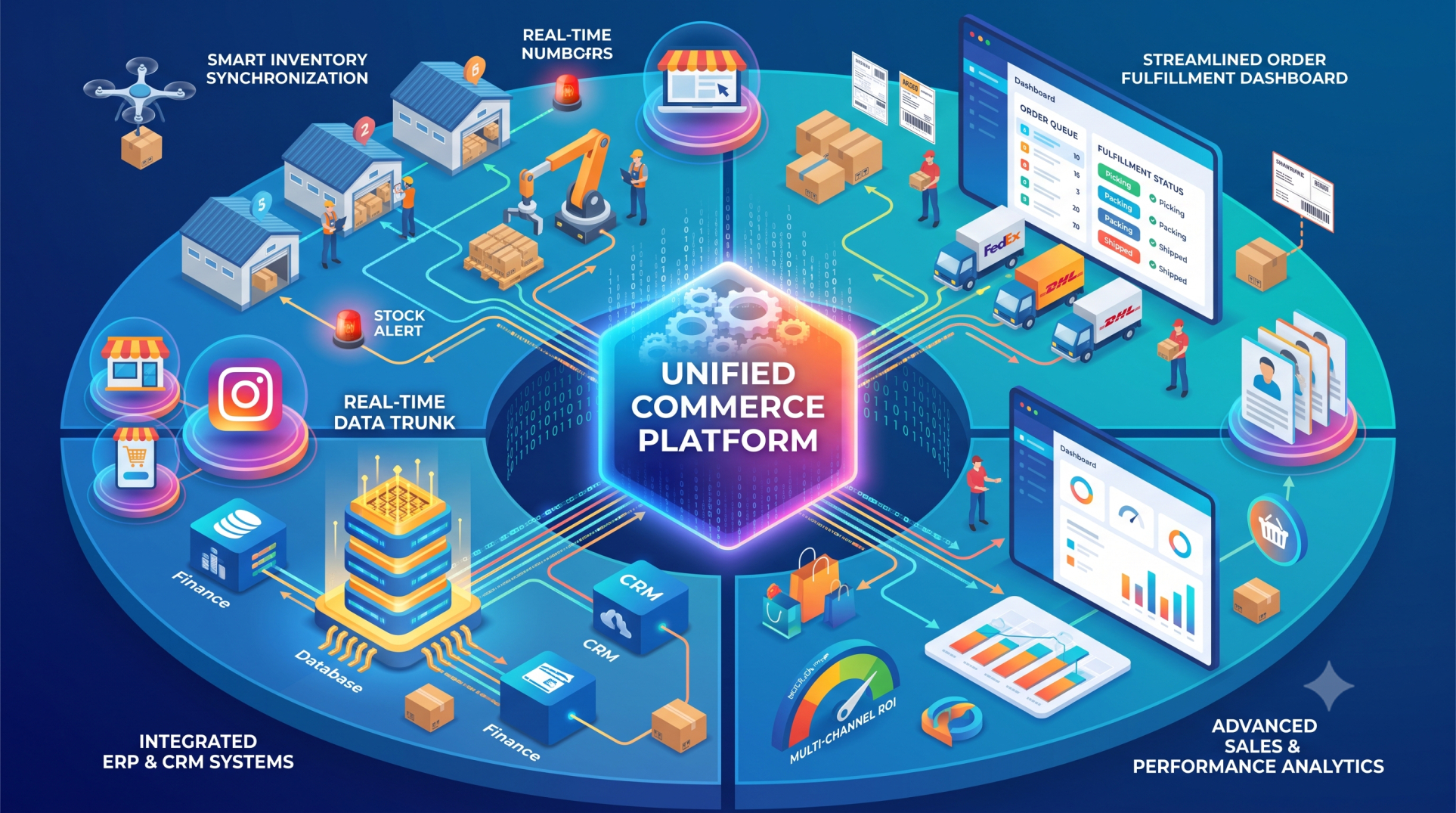
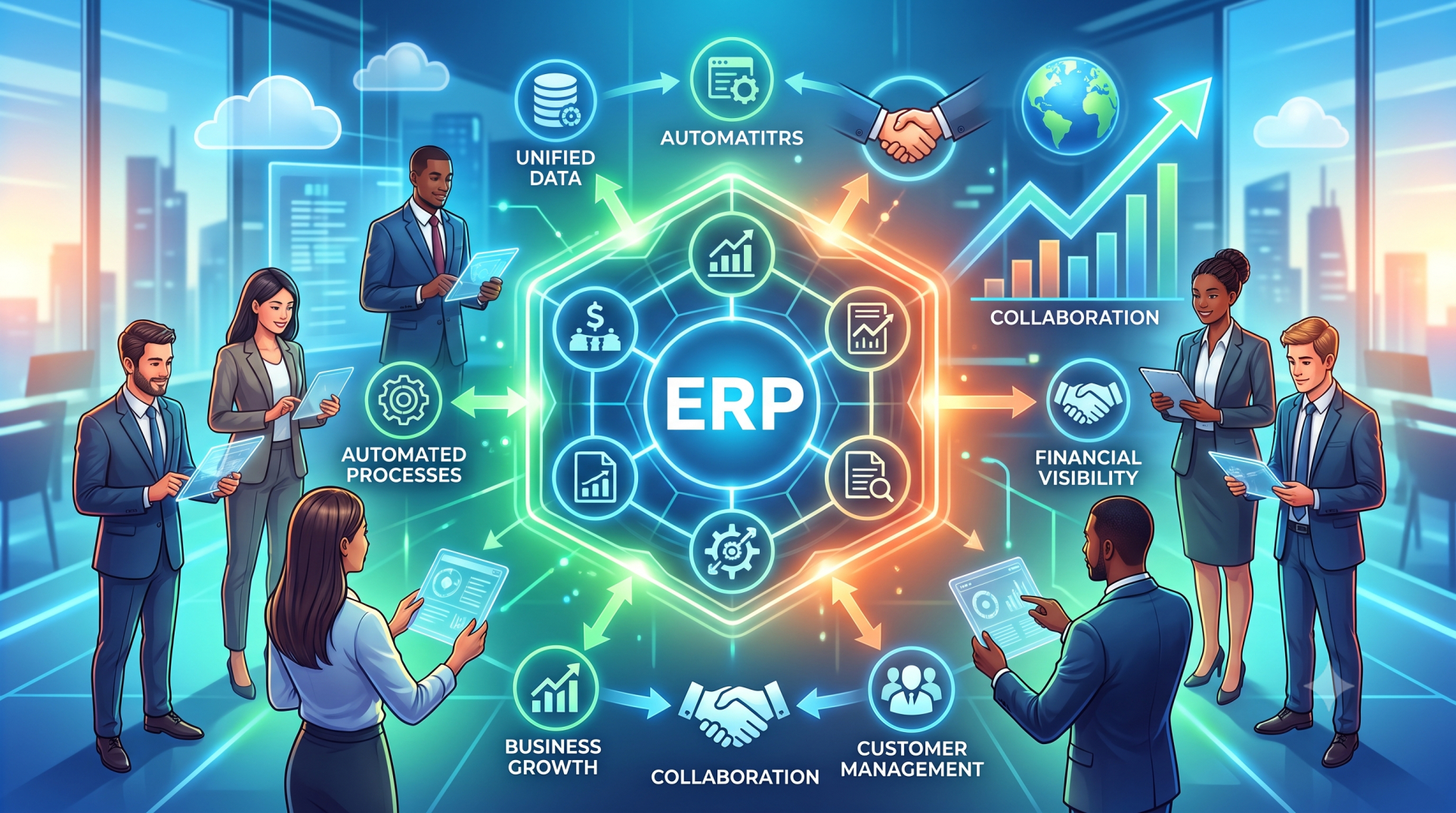
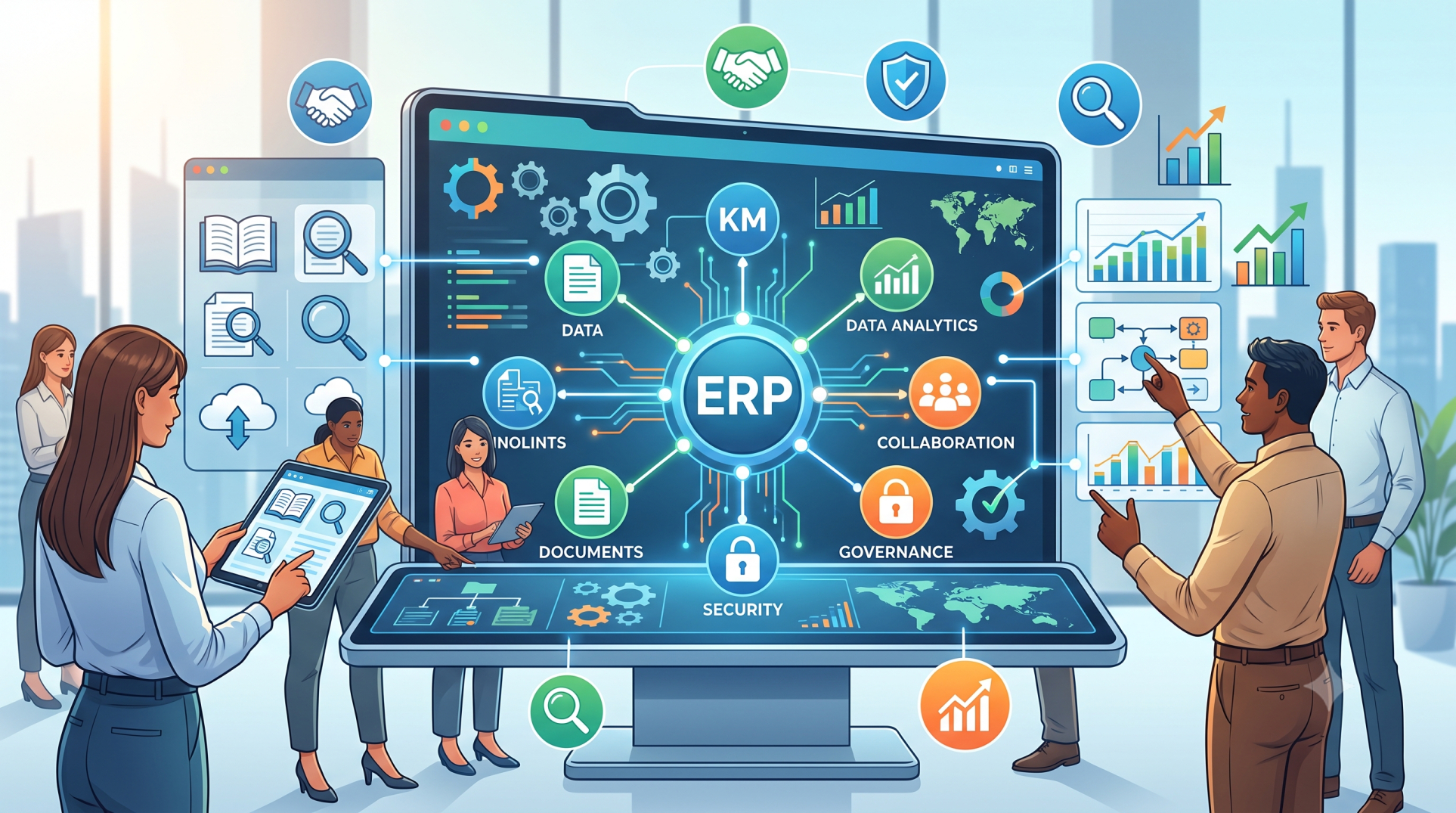
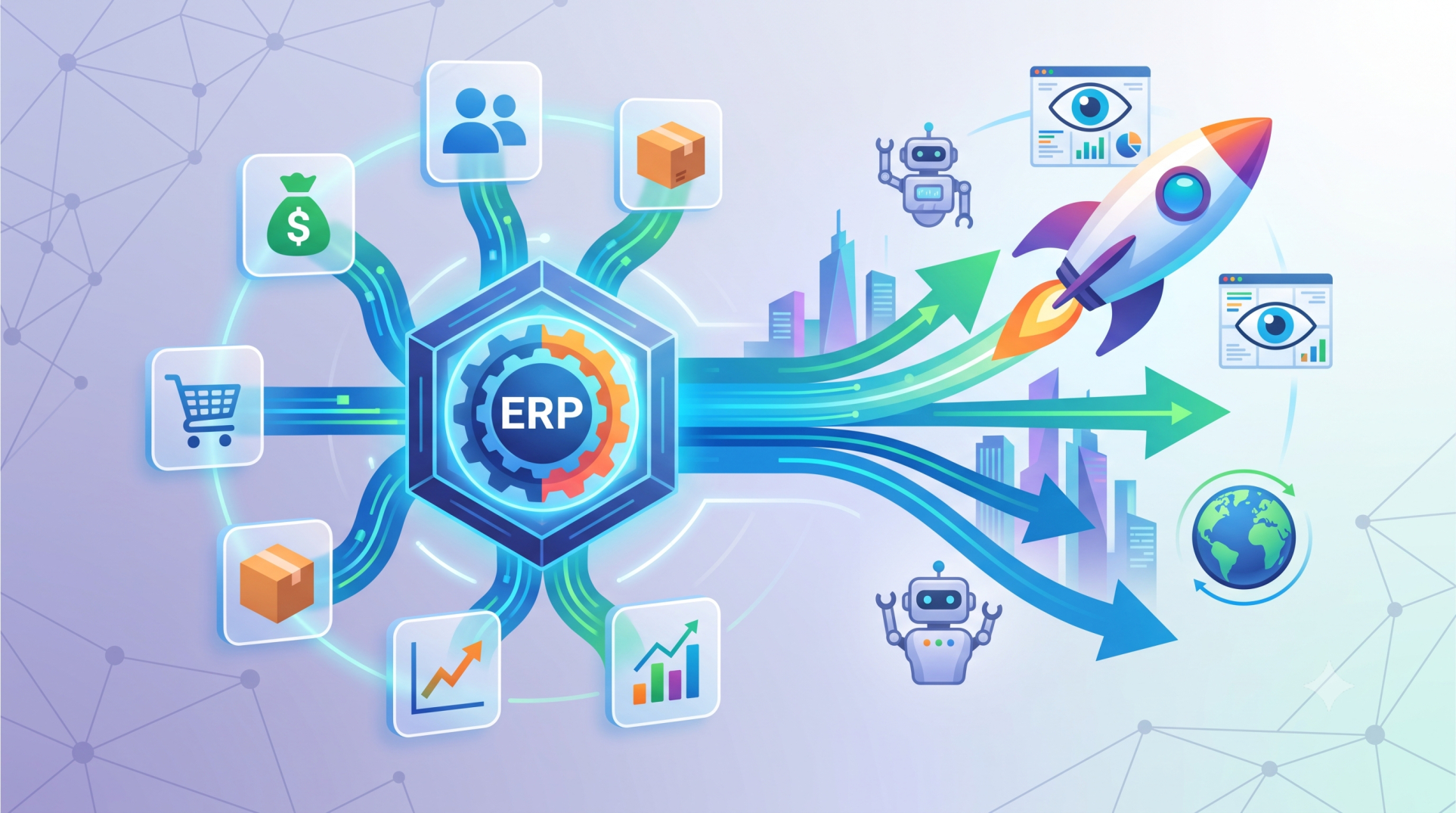
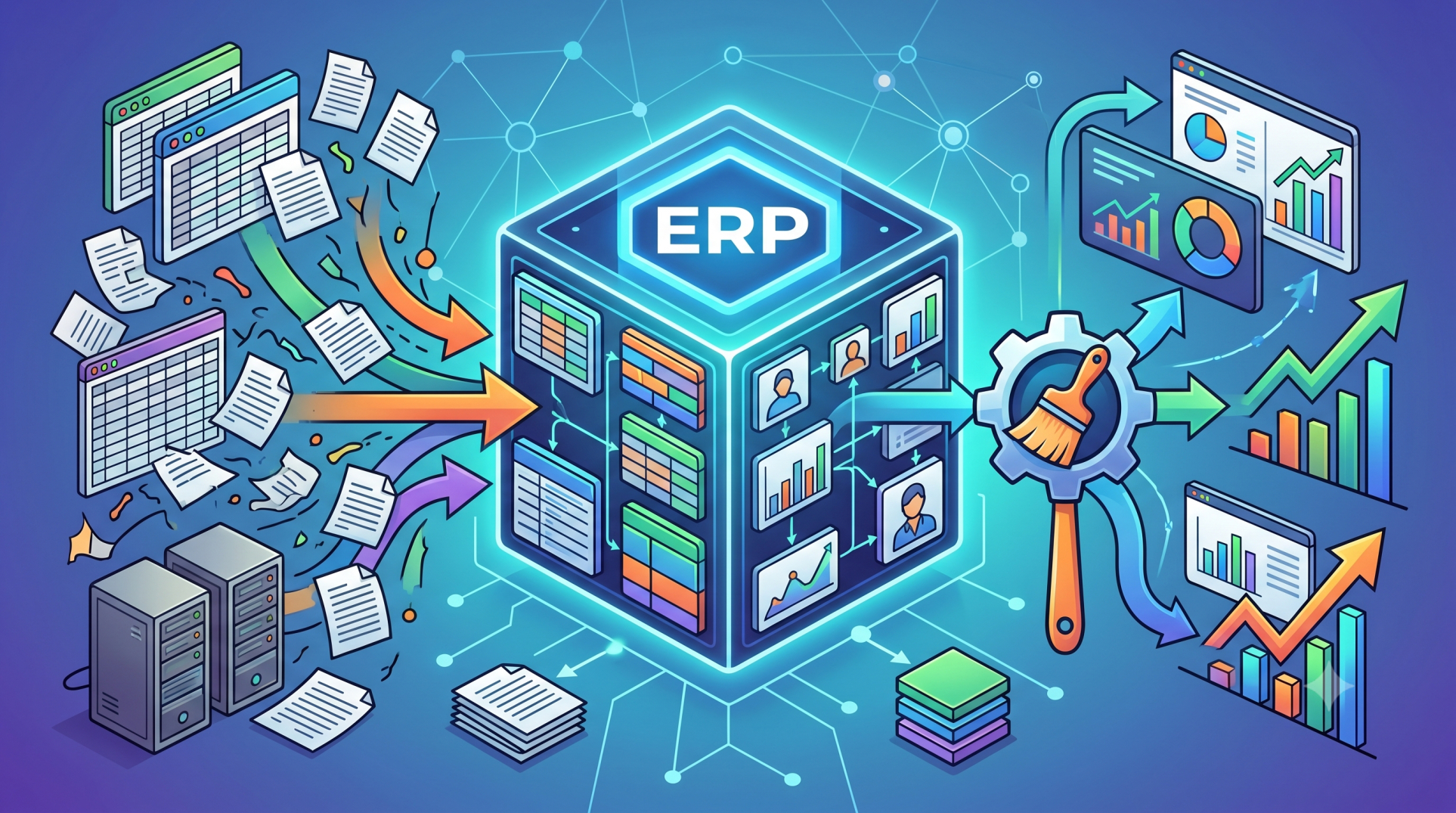
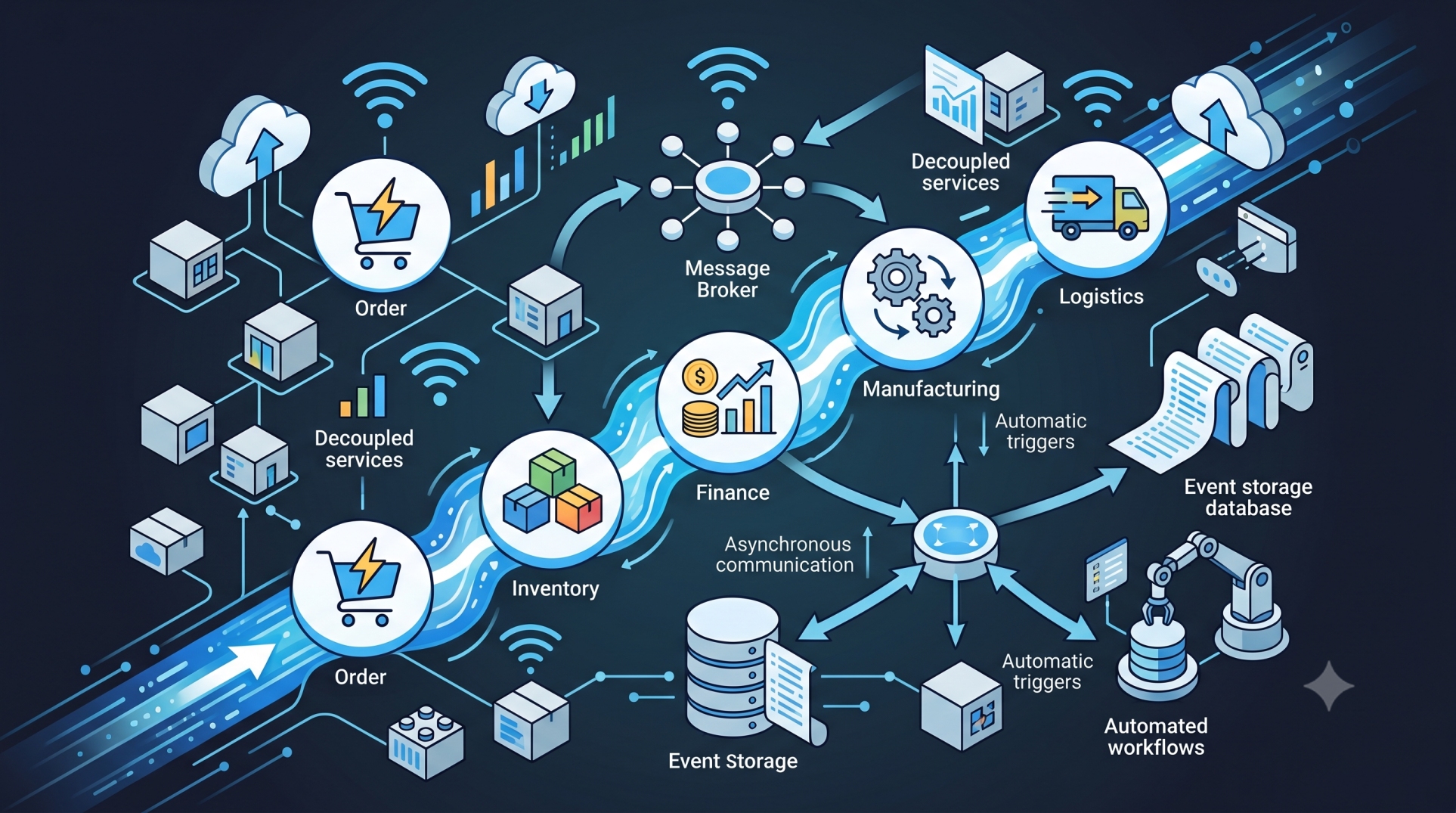
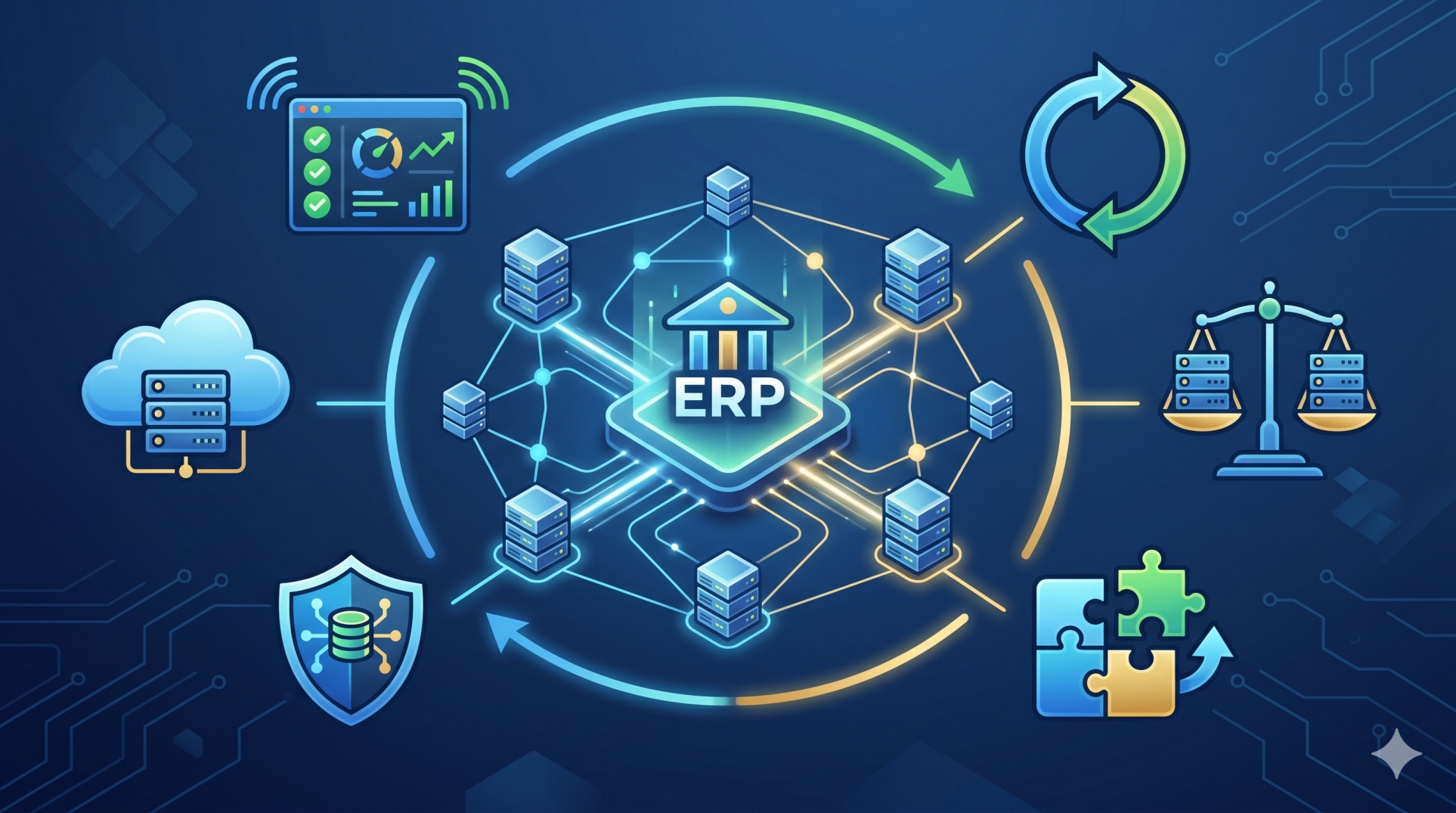
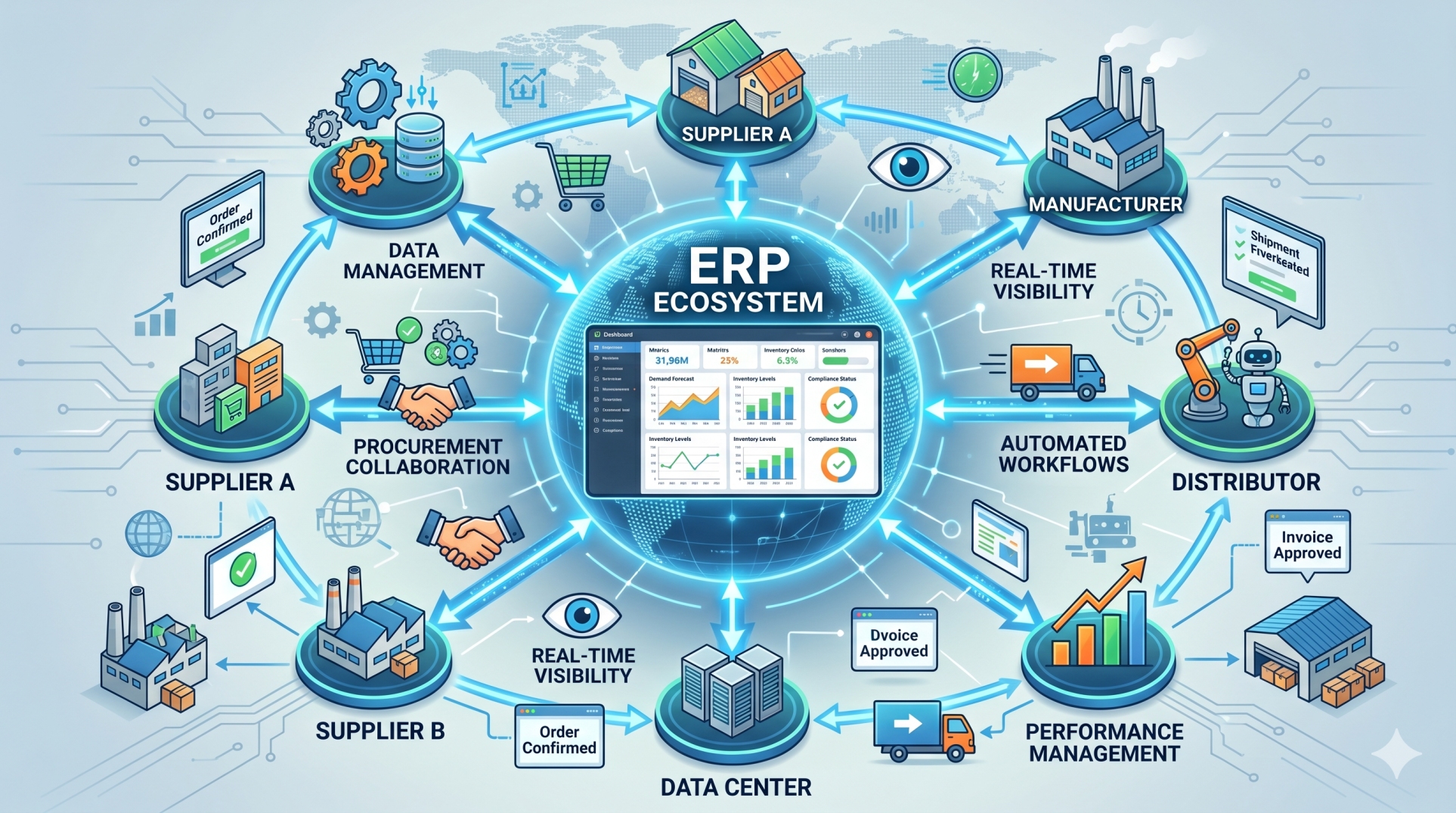
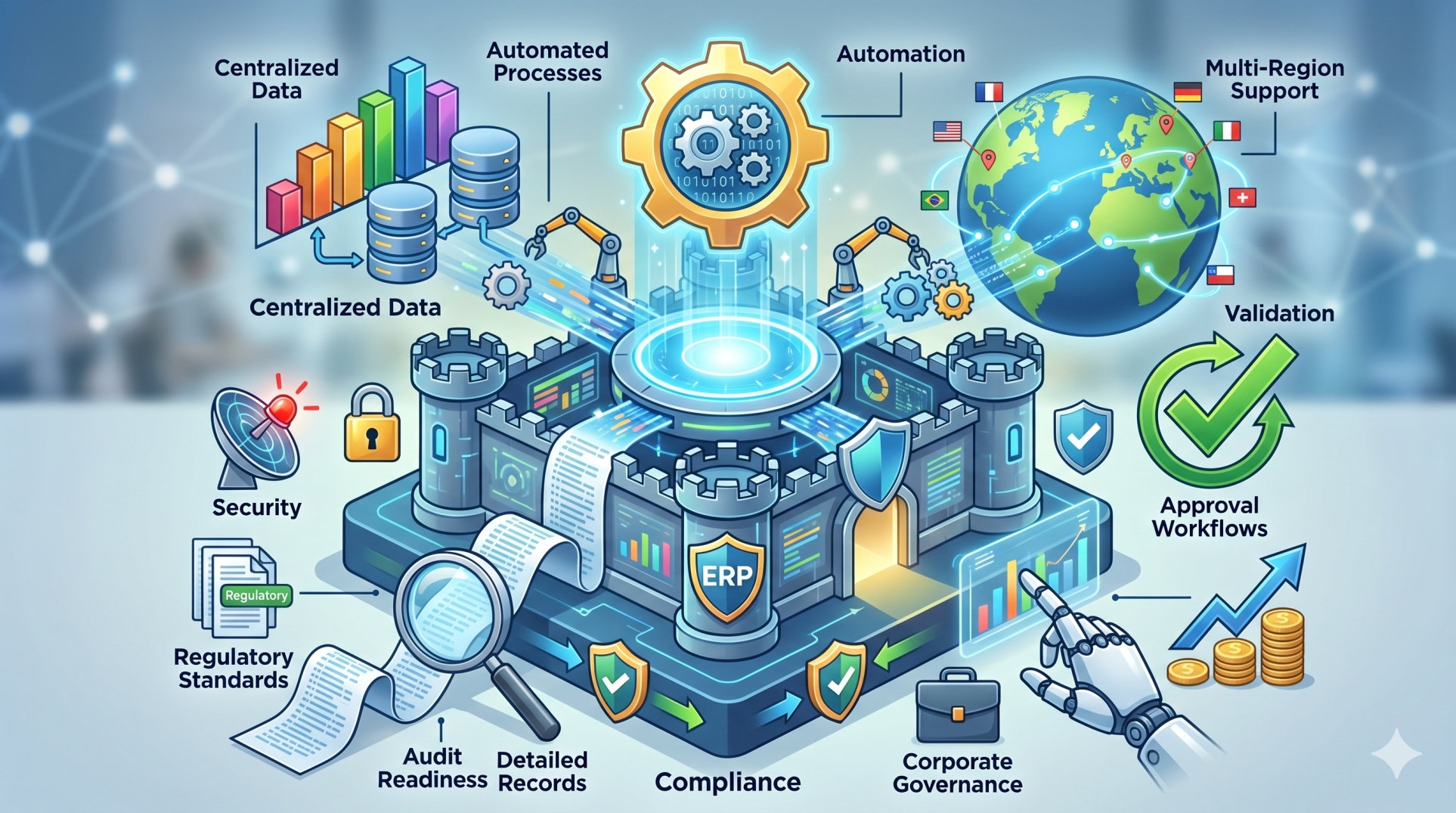
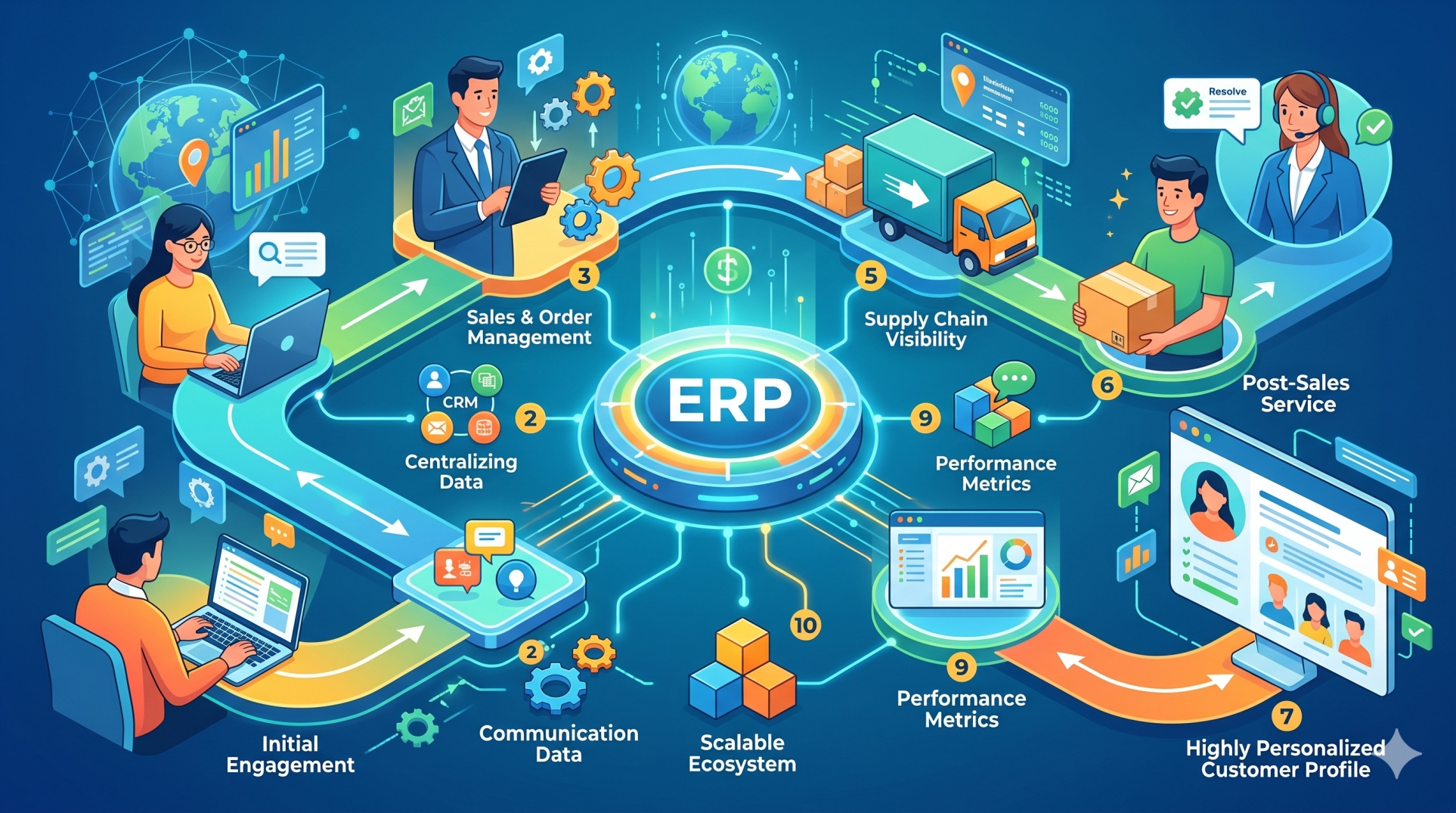
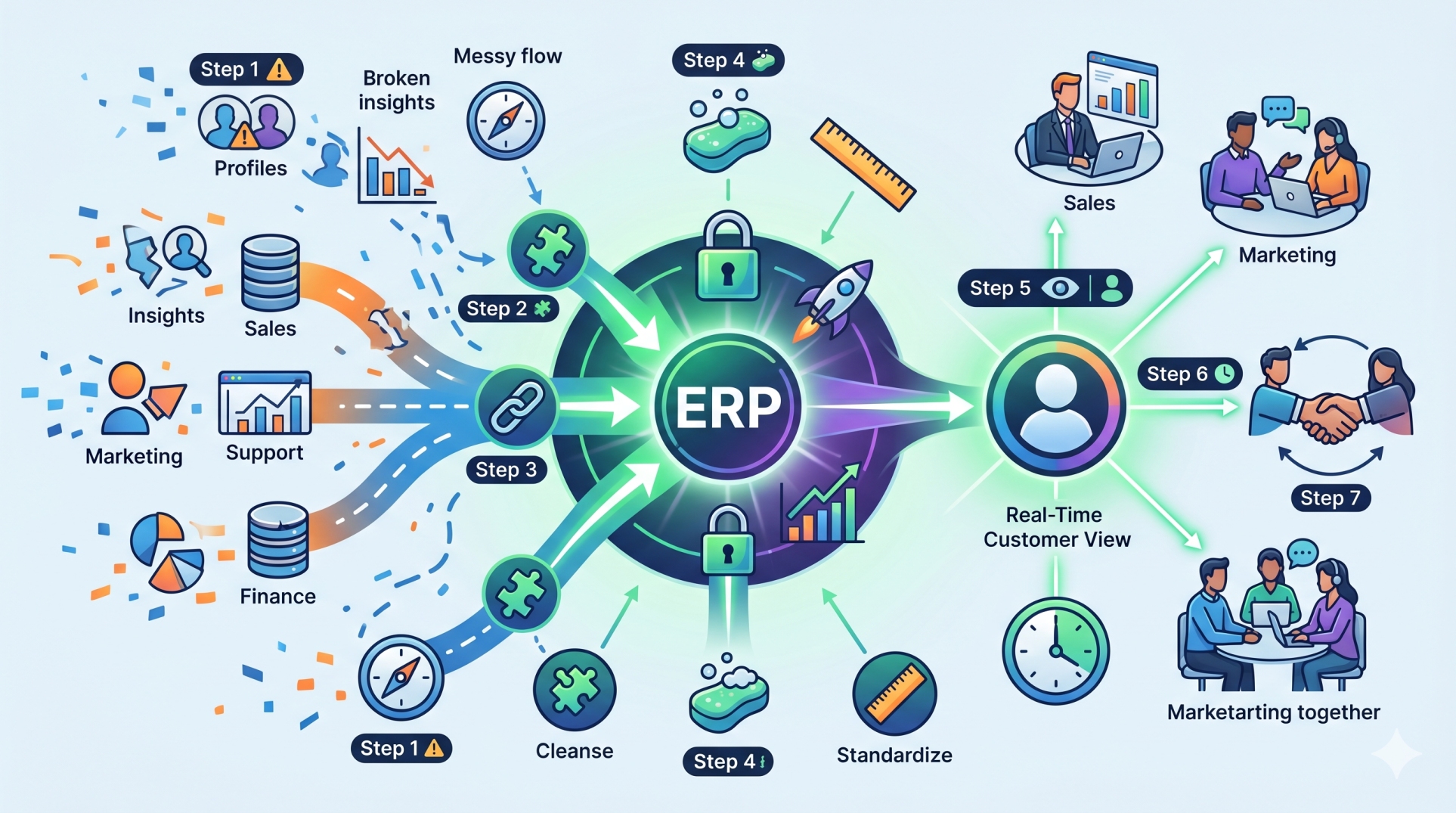
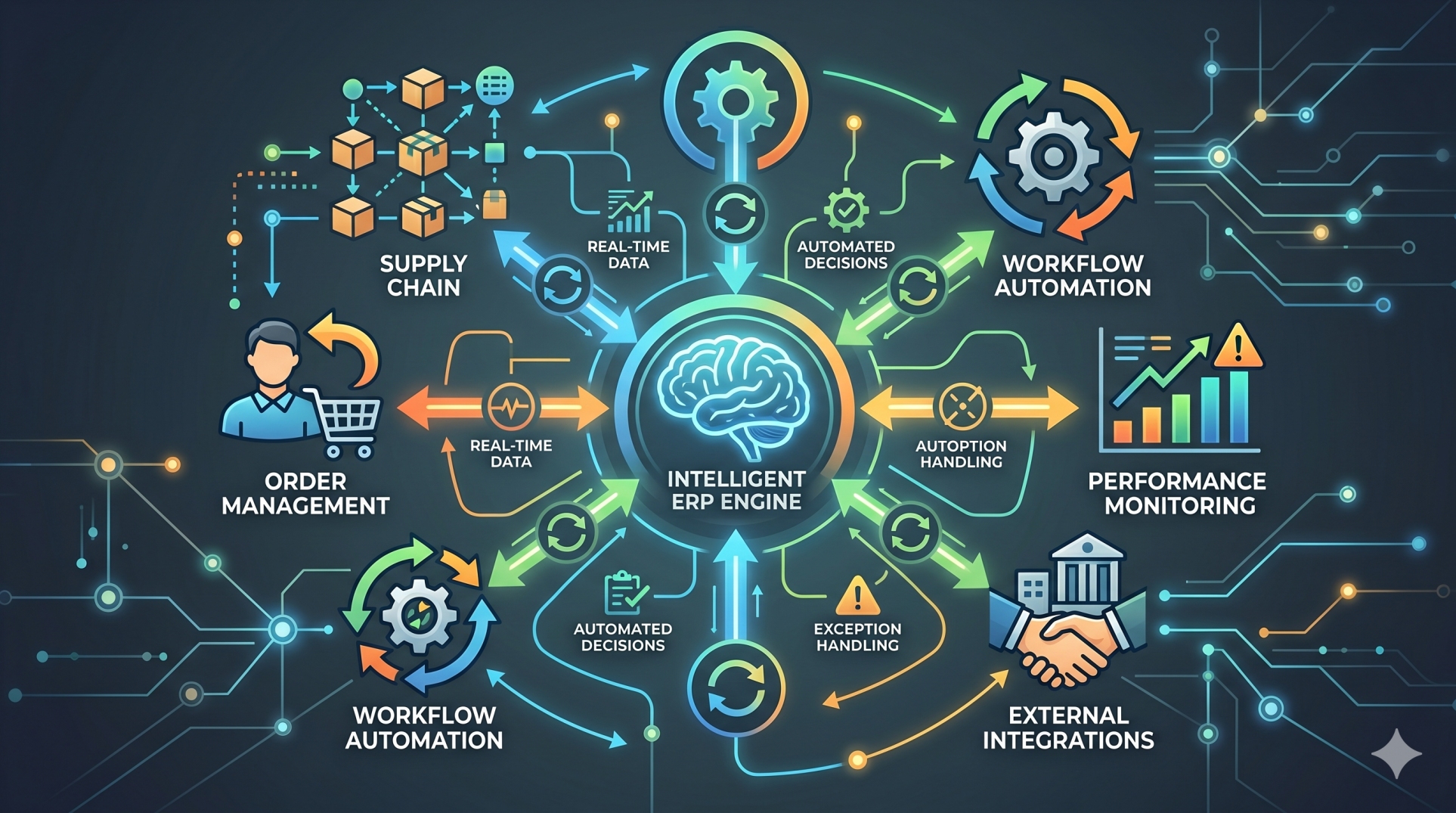
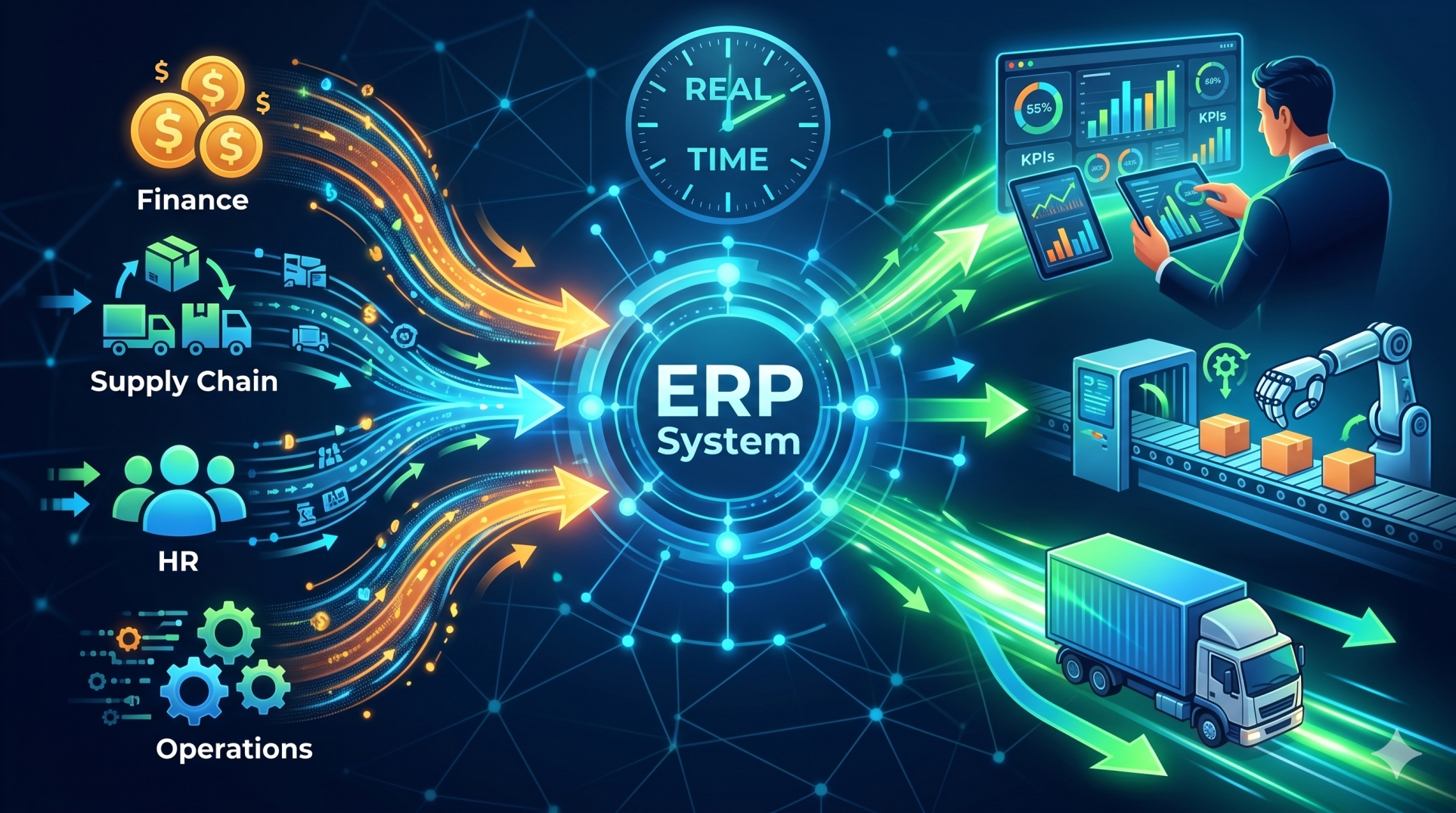
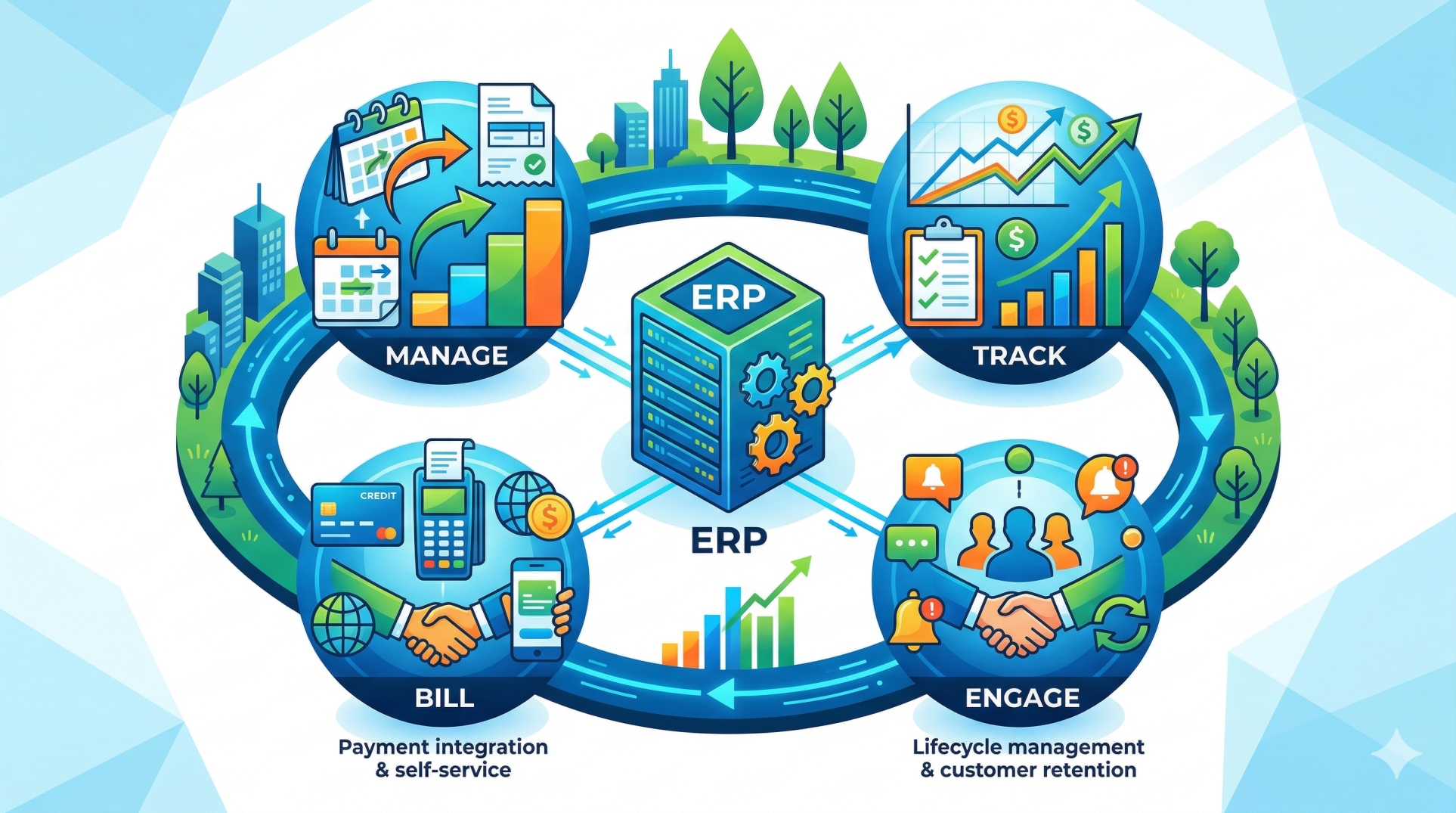
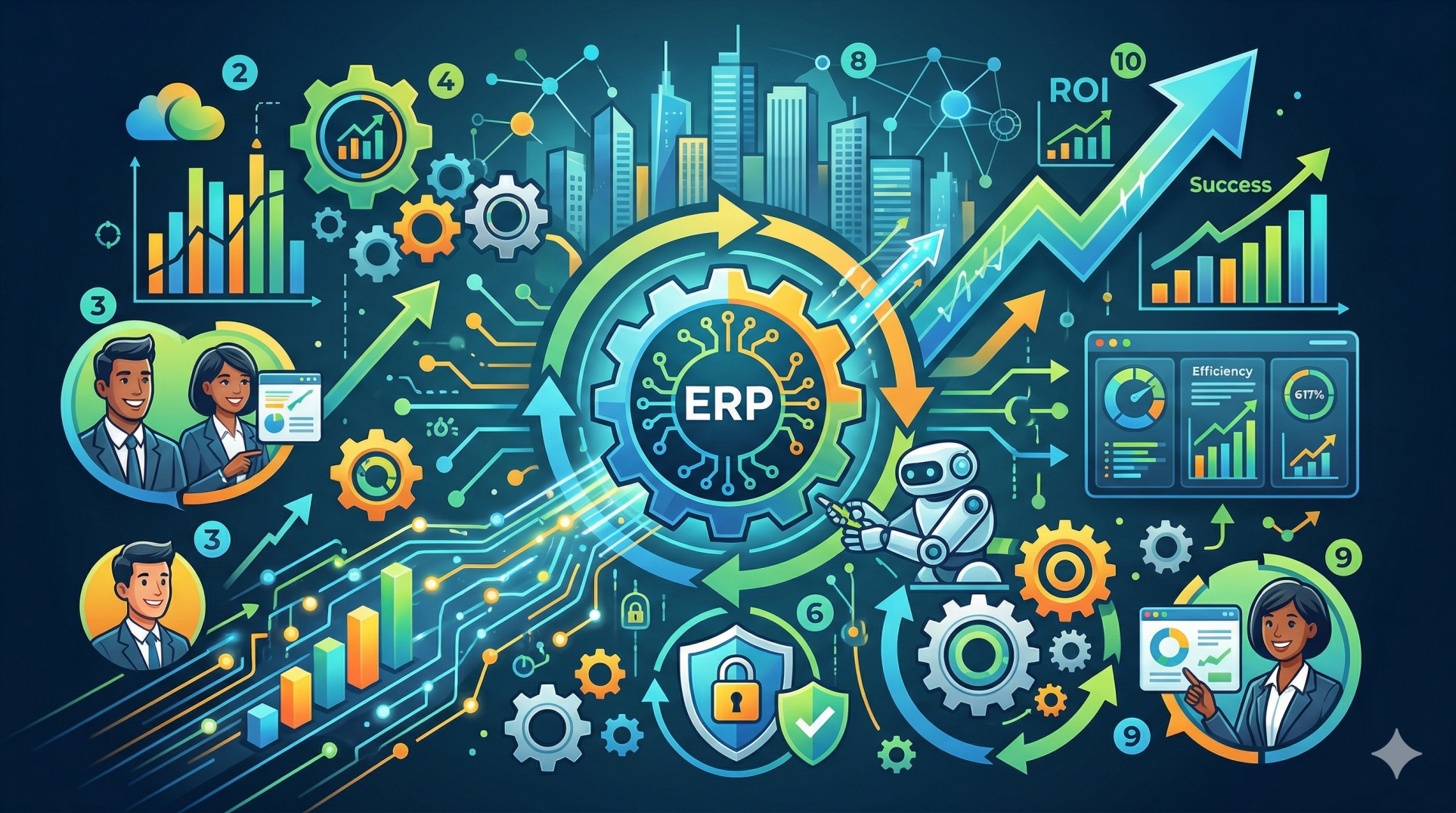
Modern organizations often struggle with disconnected departments, fragmented data, and inconsistent processes. When teams operate in silos, communication gaps emerge, decision-making slows down, and operational inefficiencies increase. Enterprise Resource Planning (ERP) systems address these challenges by creating a unified environment where data, workflows, and business processes are connected across the organization. By aligning departments through a centralized platform, ERP enables greater collaboration, visibility, and operational efficiency.
Step 1: Establishing a Single Source of Truth 📊
• Centralize business data across all departments 🗄️
• Eliminate duplicate records and conflicting information ❌
• Provide consistent access to real-time operational data ⏱️
• Improve data accuracy and transparency ✅
• Enable informed decision-making throughout the organization 🎯
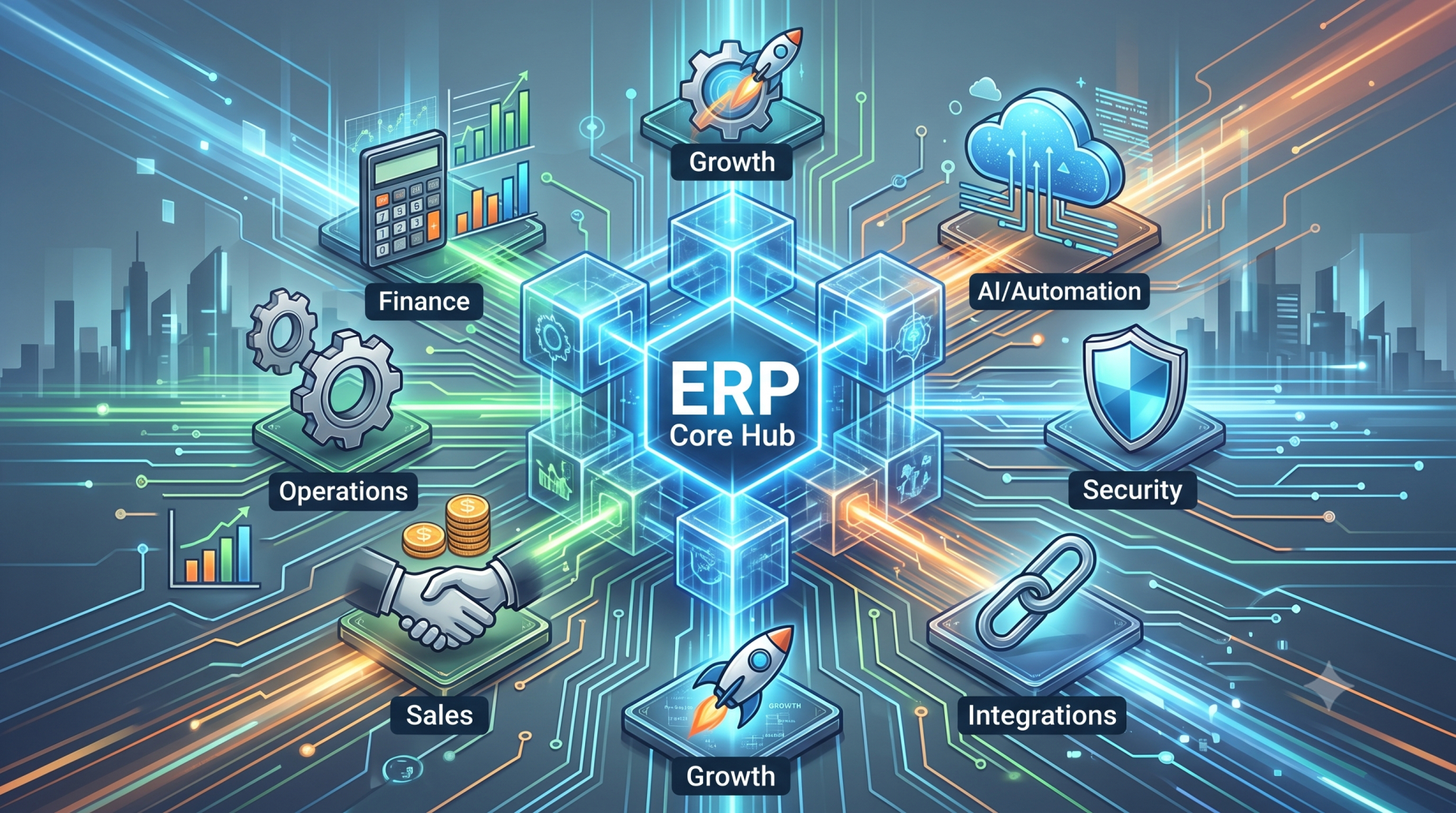
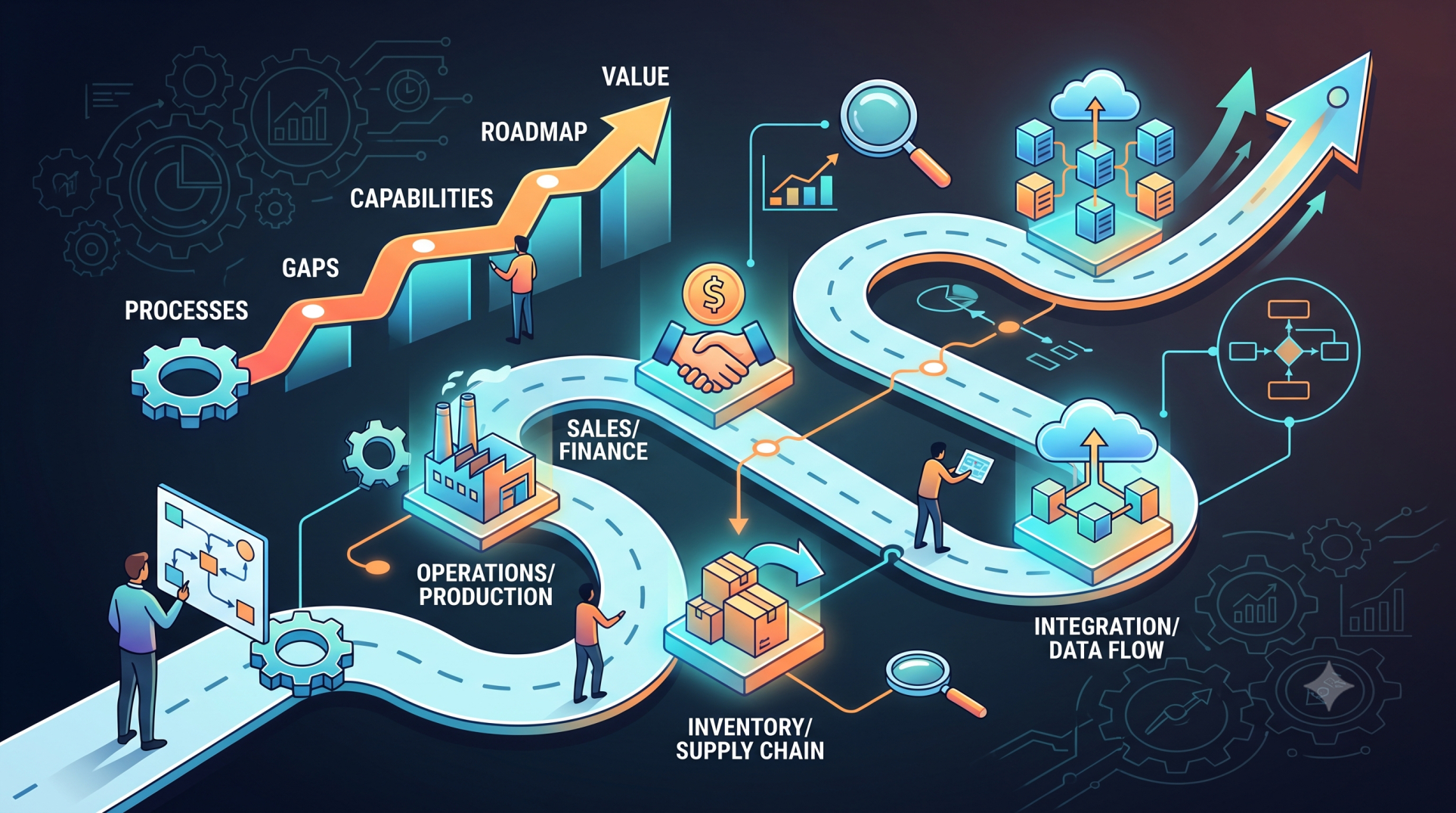
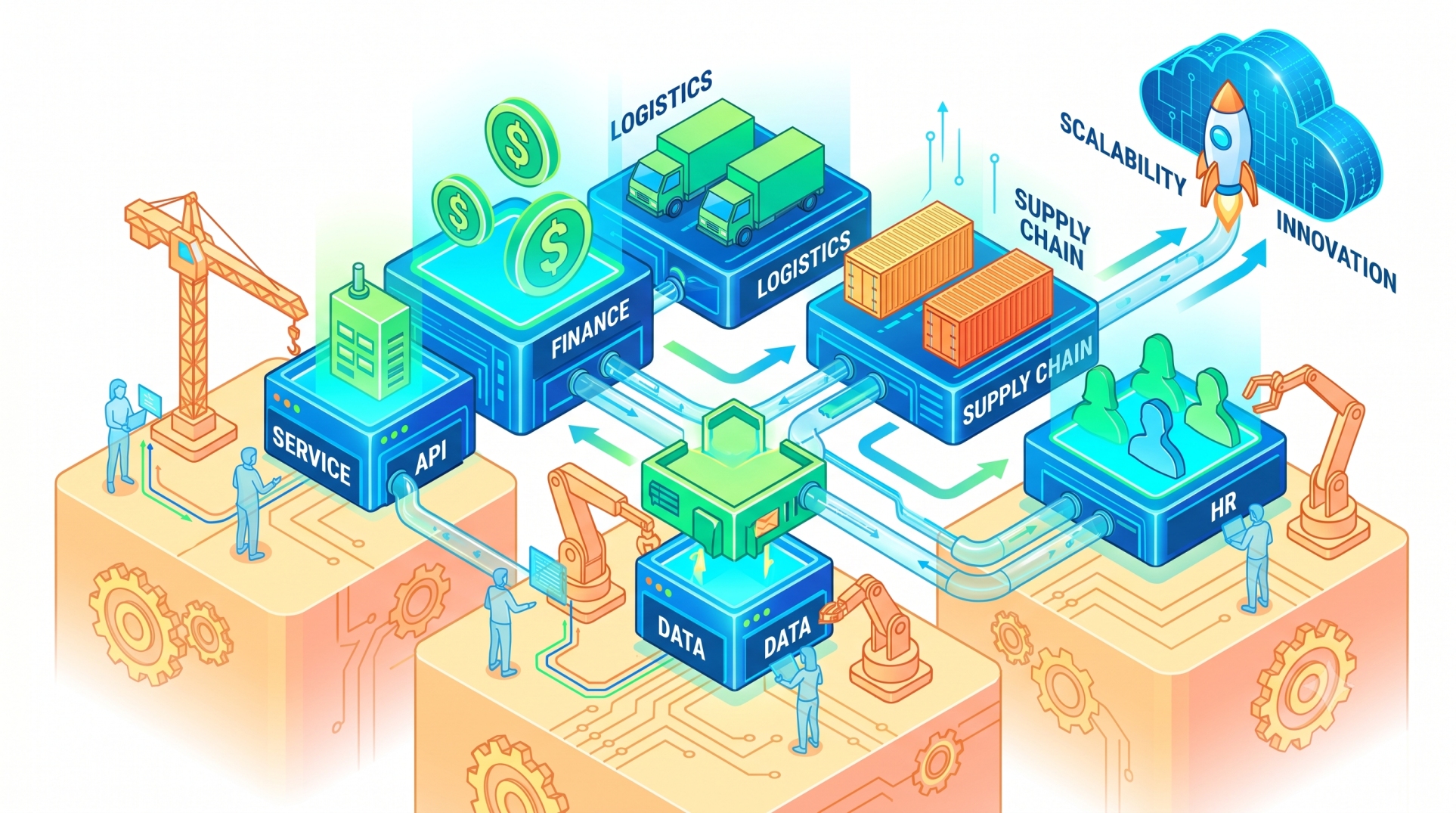
Step 2: Connecting Core Business Functions 🔗
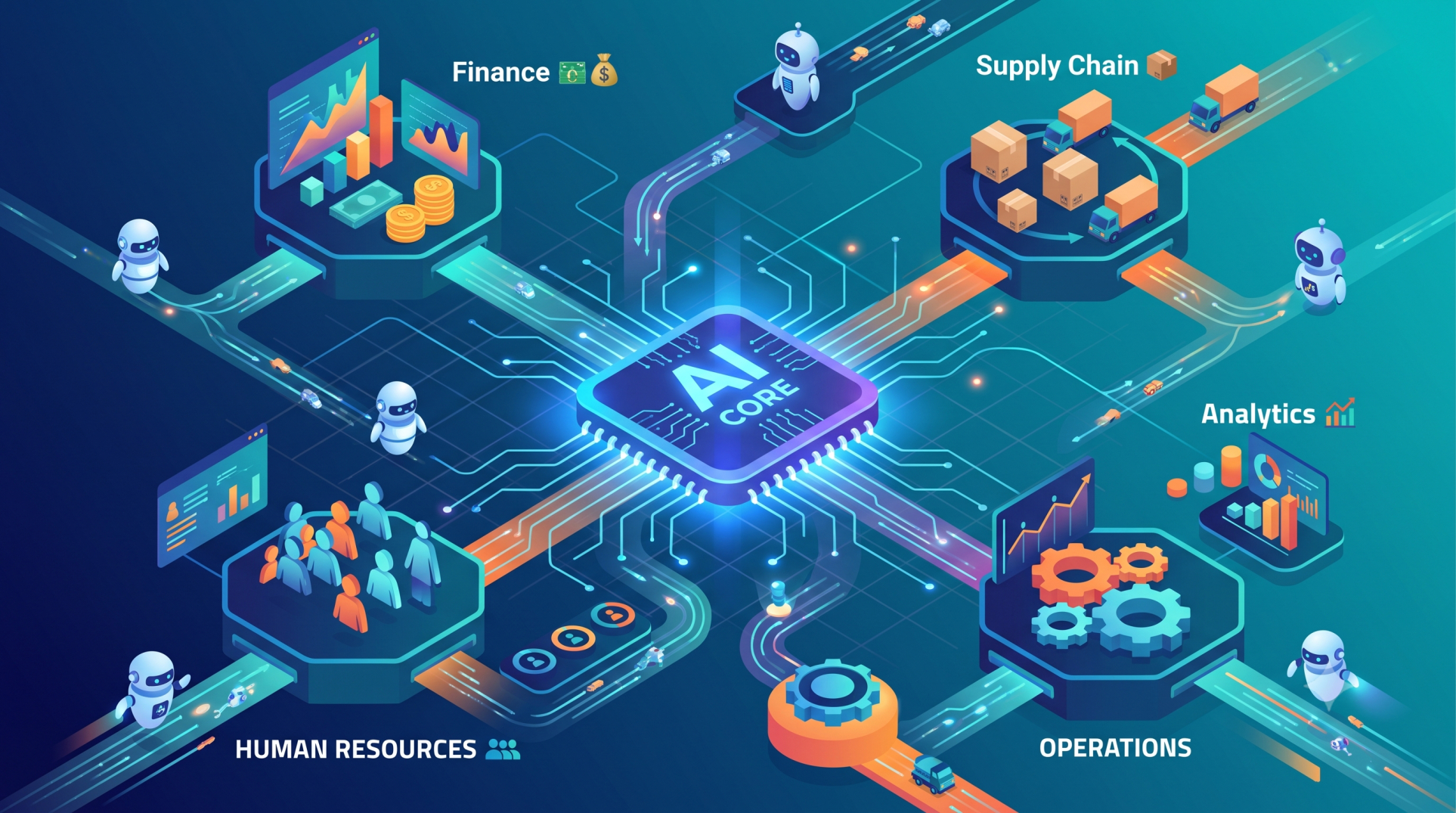
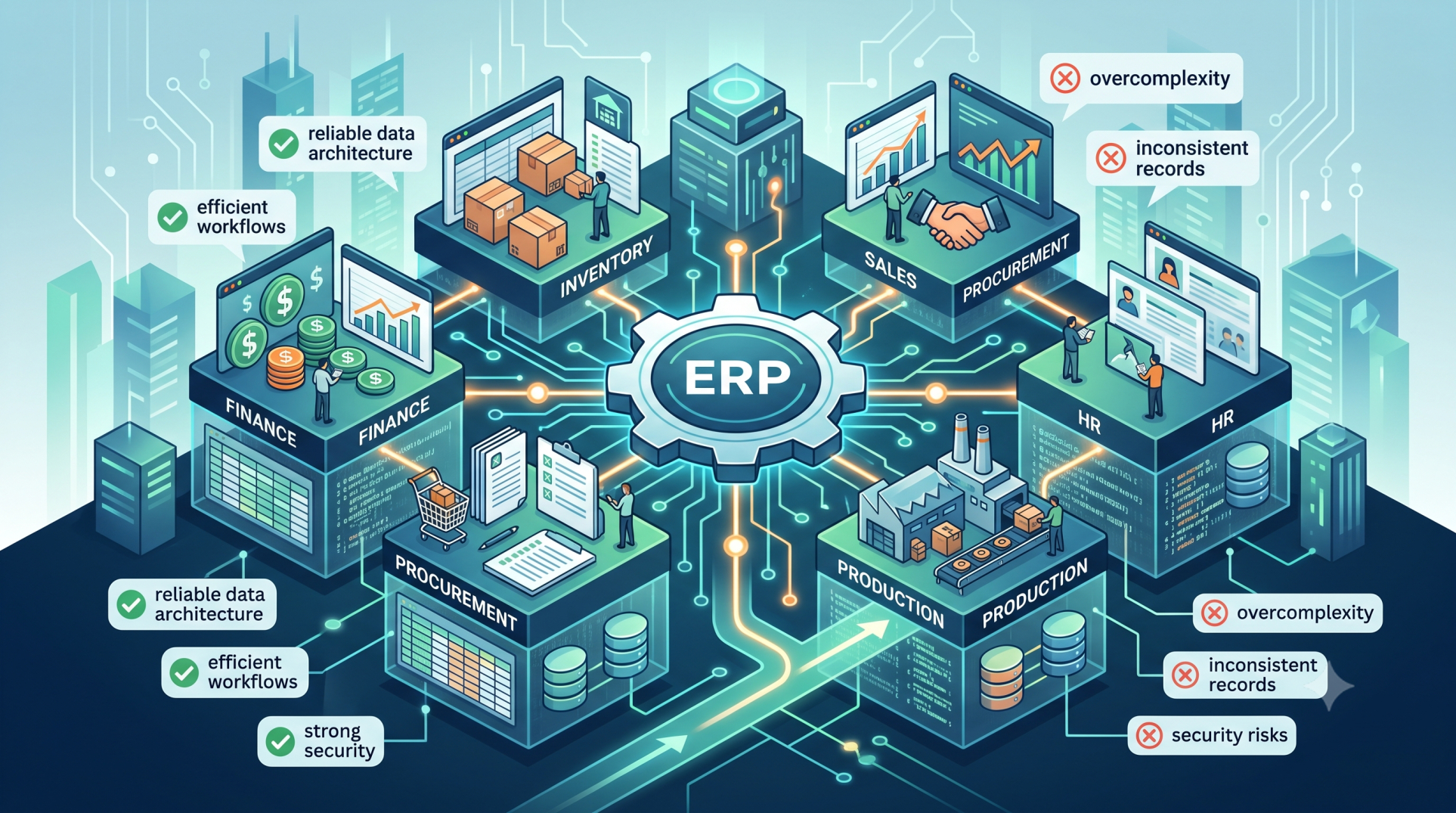
• Integrate finance, sales, operations, HR, and procurement 🤝
• Facilitate seamless information flow between departments 📡
• Reduce manual data transfers and communication delays ⚡
• Ensure teams work from the same information base 📋
• Improve coordination across business processes 🏢
Step 3: Standardizing Business Processes ⚙️
• Create consistent workflows across departments 📑
• Reduce process variations and operational inefficiencies 🚀
• Establish clear approval and escalation procedures ✔️
• Improve compliance with organizational standards 🛡️
• Enhance process visibility and accountability 👀
Step 4: Improving Cross-Department Collaboration 👥
• Enable teams to share information in real time 🔄
• Reduce communication bottlenecks between departments 📞
• Improve project coordination and execution 📈
• Foster collaboration through shared workflows 🤝
• Strengthen alignment around organizational goals 🎯
Step 5: Enhancing Financial and Operational Visibility 💰
• Connect operational activities directly to financial outcomes 📊
• Monitor costs, revenue, and profitability in real time 📈
• Improve budget planning and resource allocation 💡
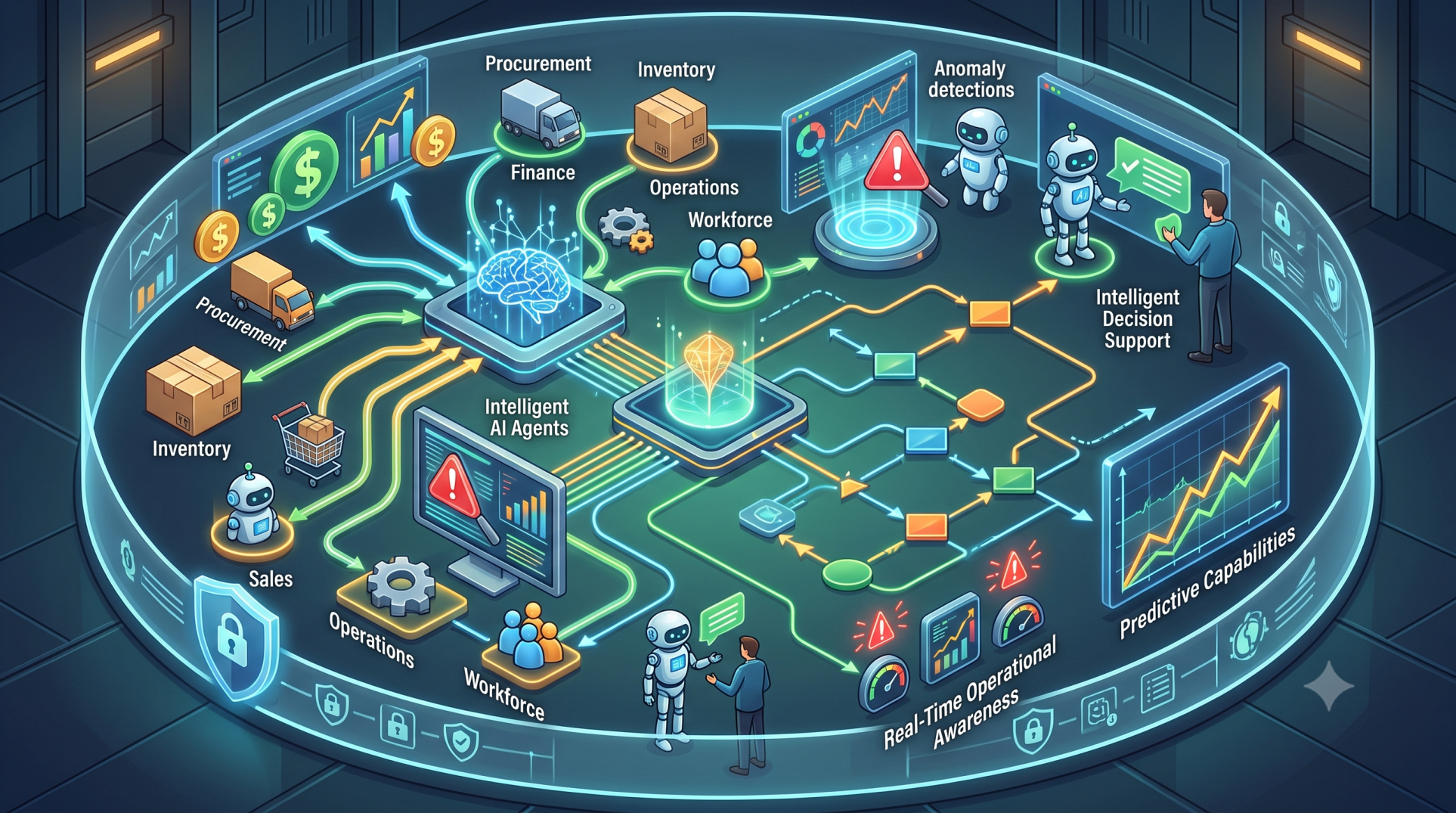
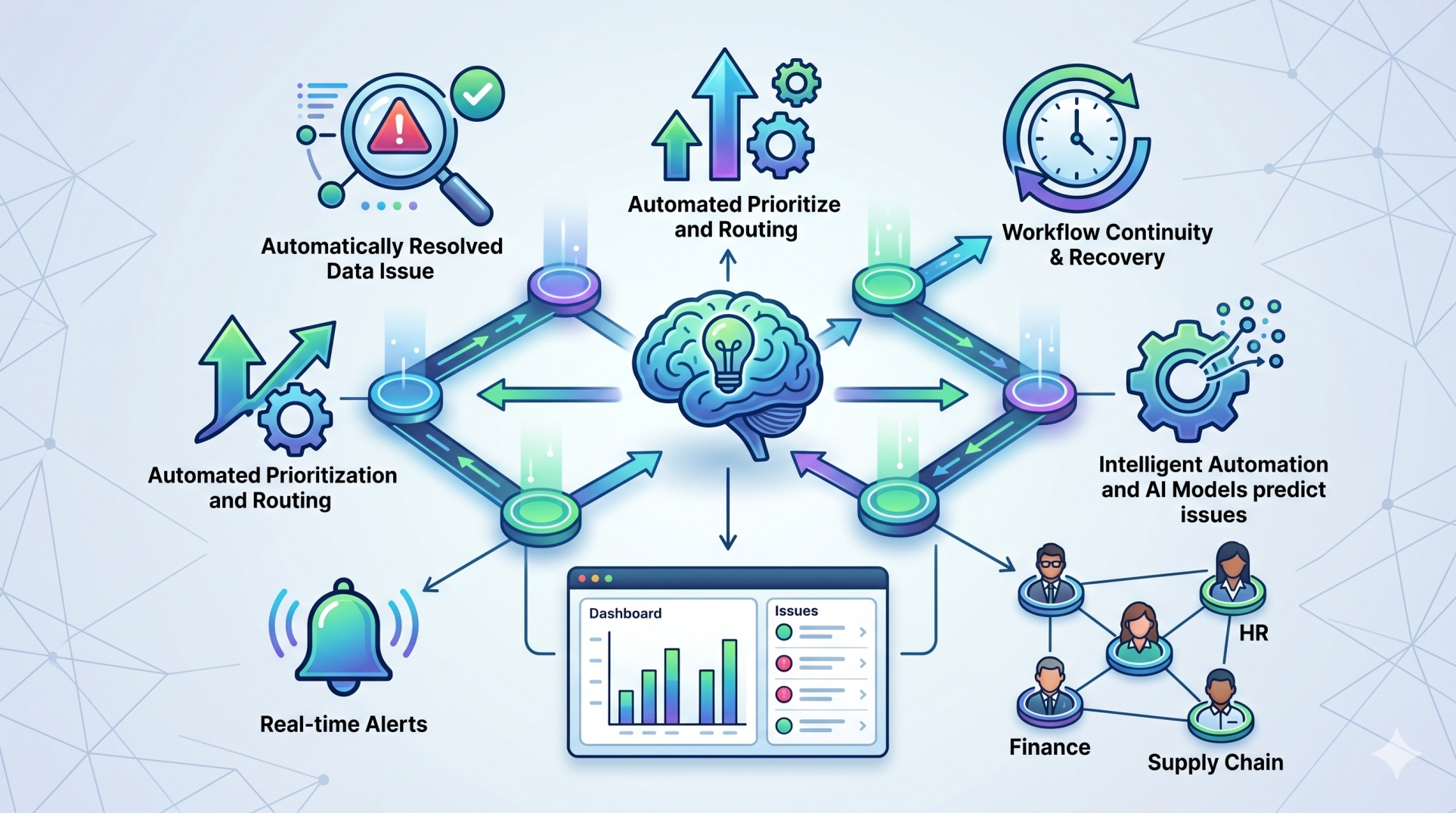
• Enable faster identification of operational issues 🚨
• Support data-driven management decisions 🧠
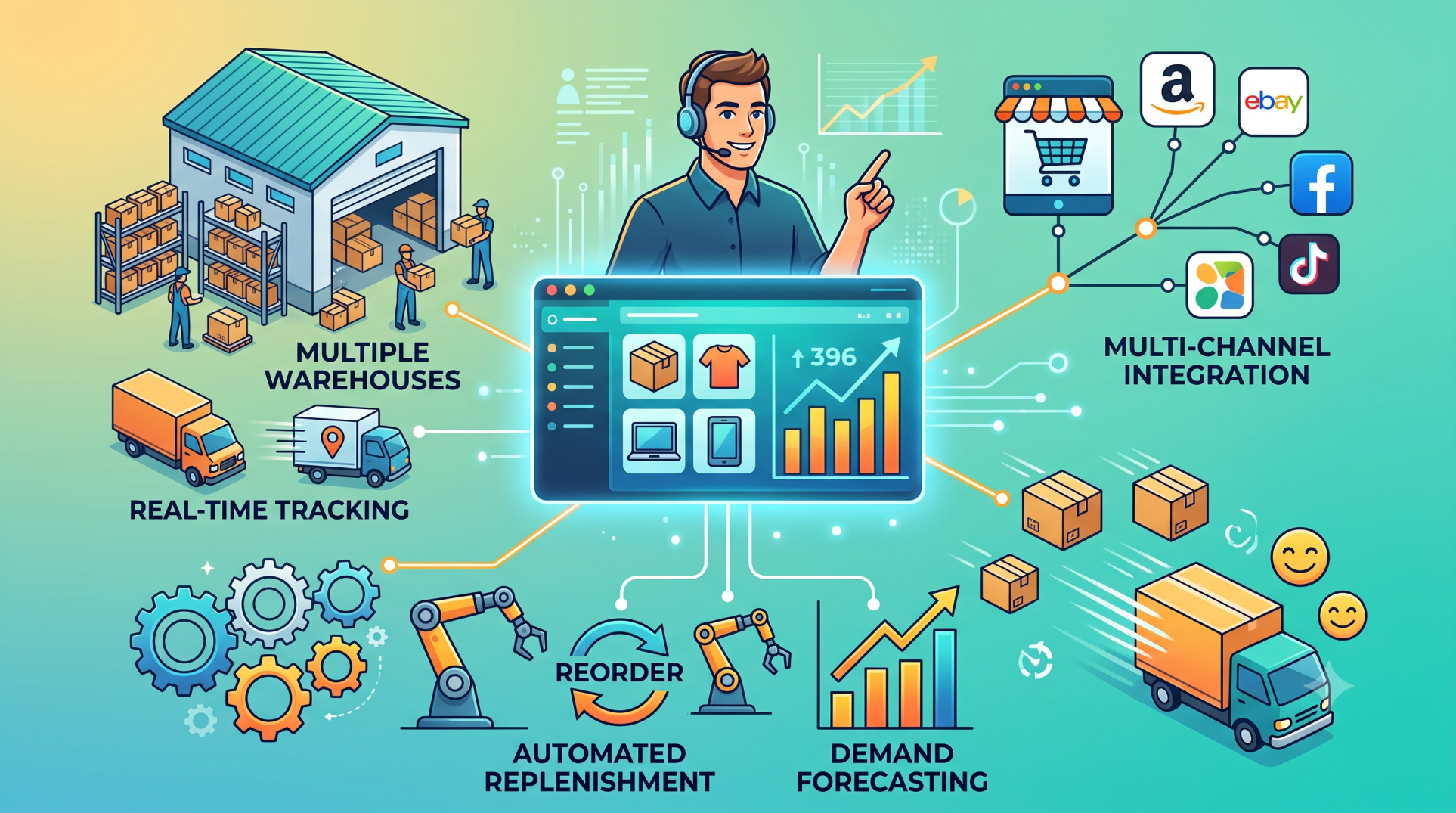
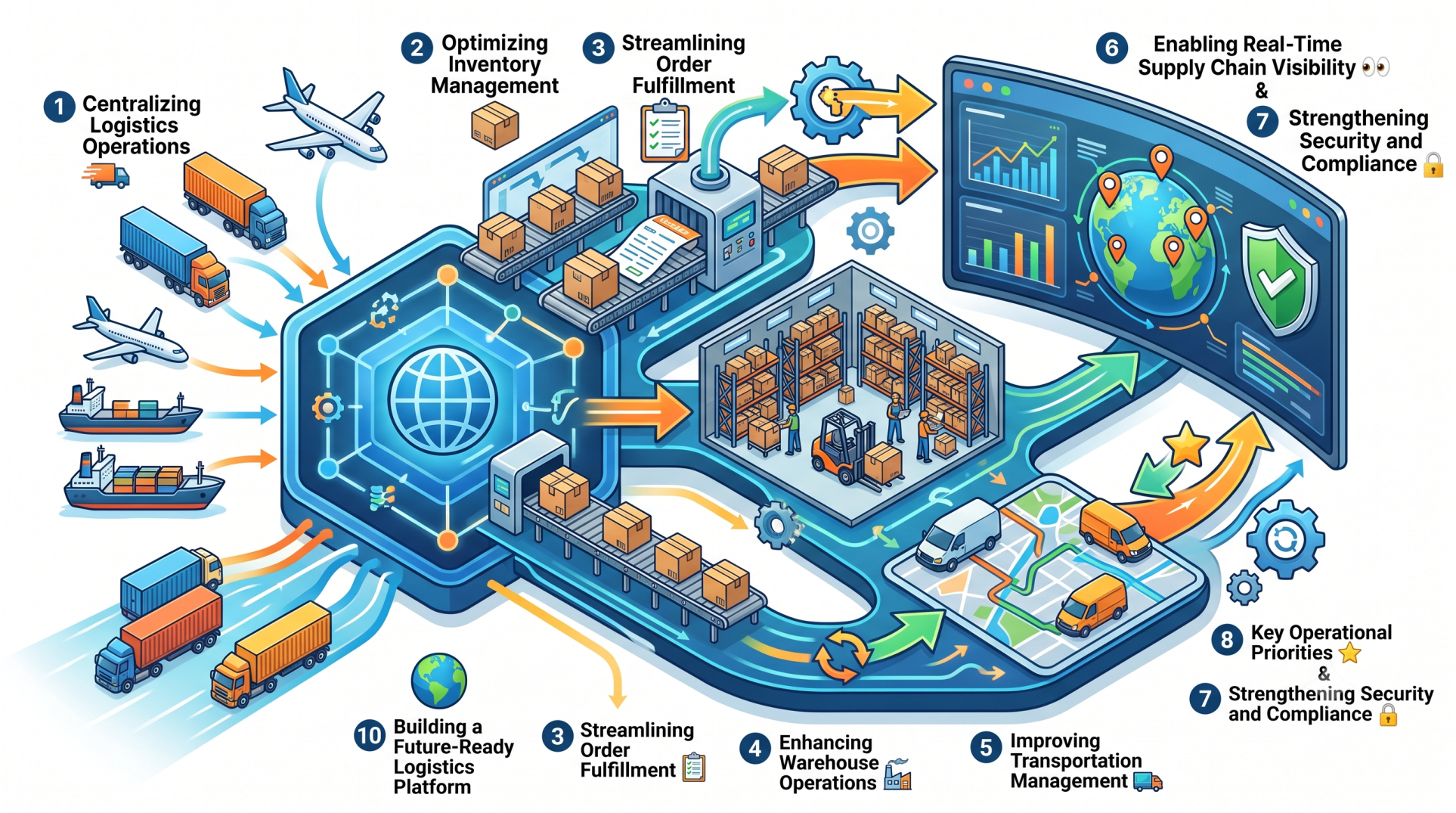
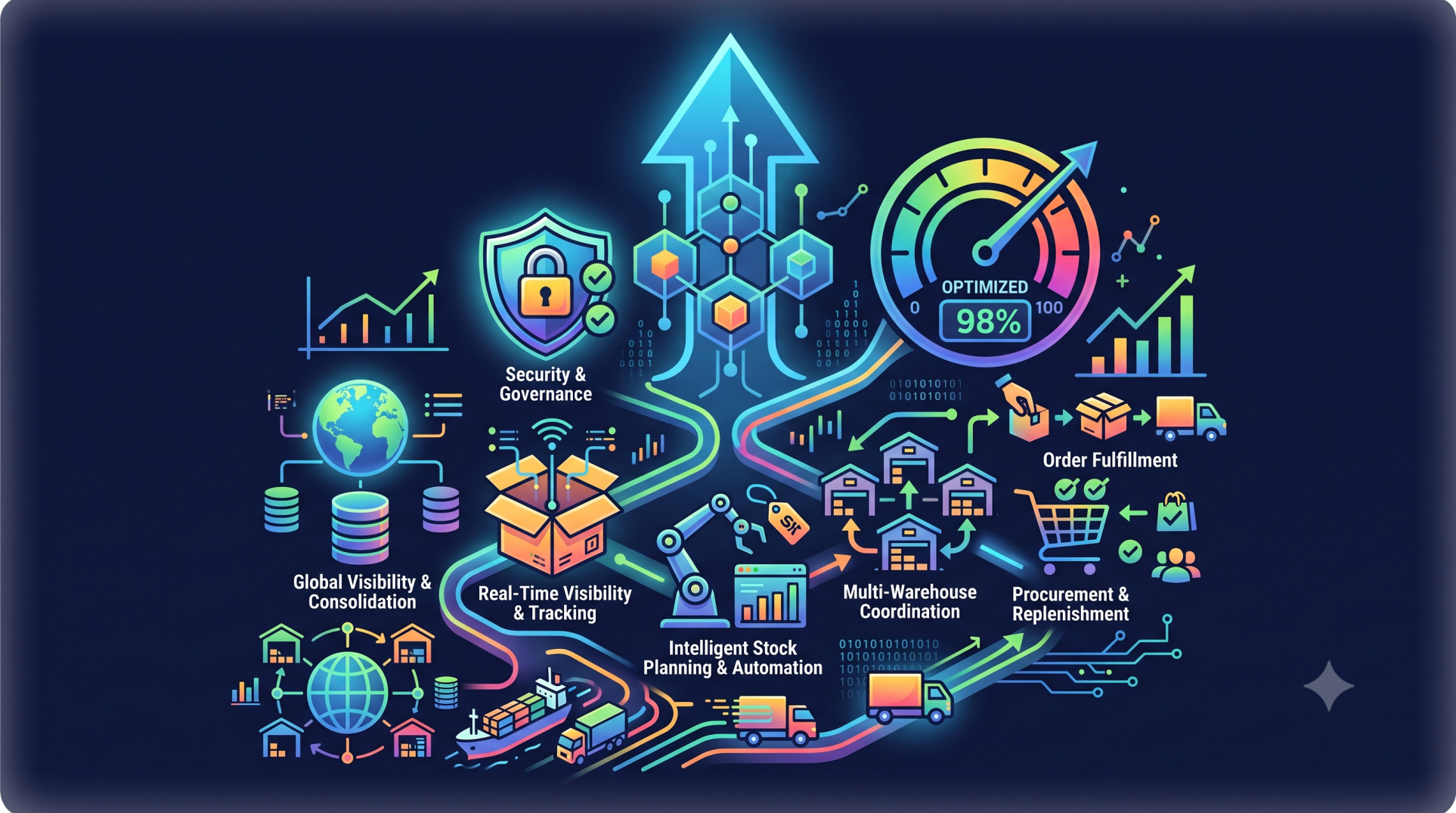
Step 6: Streamlining Supply Chain and Inventory Management 📦
• Synchronize inventory, procurement, and production activities 🔄
• Improve stock visibility across locations 👀
• Reduce shortages, overstocking, and waste 📉
• Enhance supplier collaboration and procurement efficiency 🤝
• Maintain smooth material flow throughout operations 🚚
Step 7: Supporting Workforce Alignment 👨💼
• Connect HR processes with operational requirements 🏗️
• Improve workforce planning and scheduling 📅
• Track employee performance and productivity metrics 📊
• Align staffing levels with business demand 📈
• Enhance communication between management and employees 💬
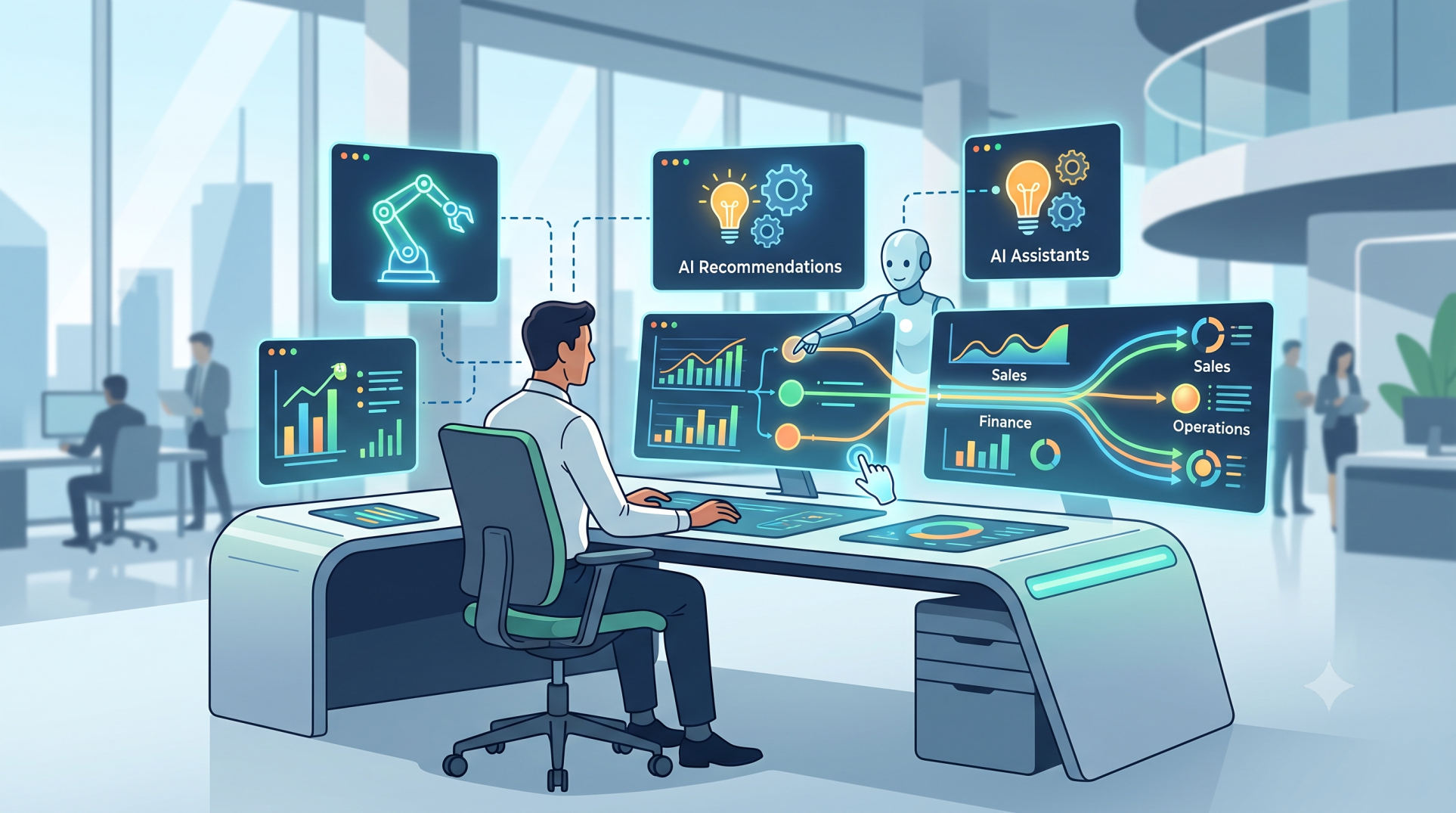
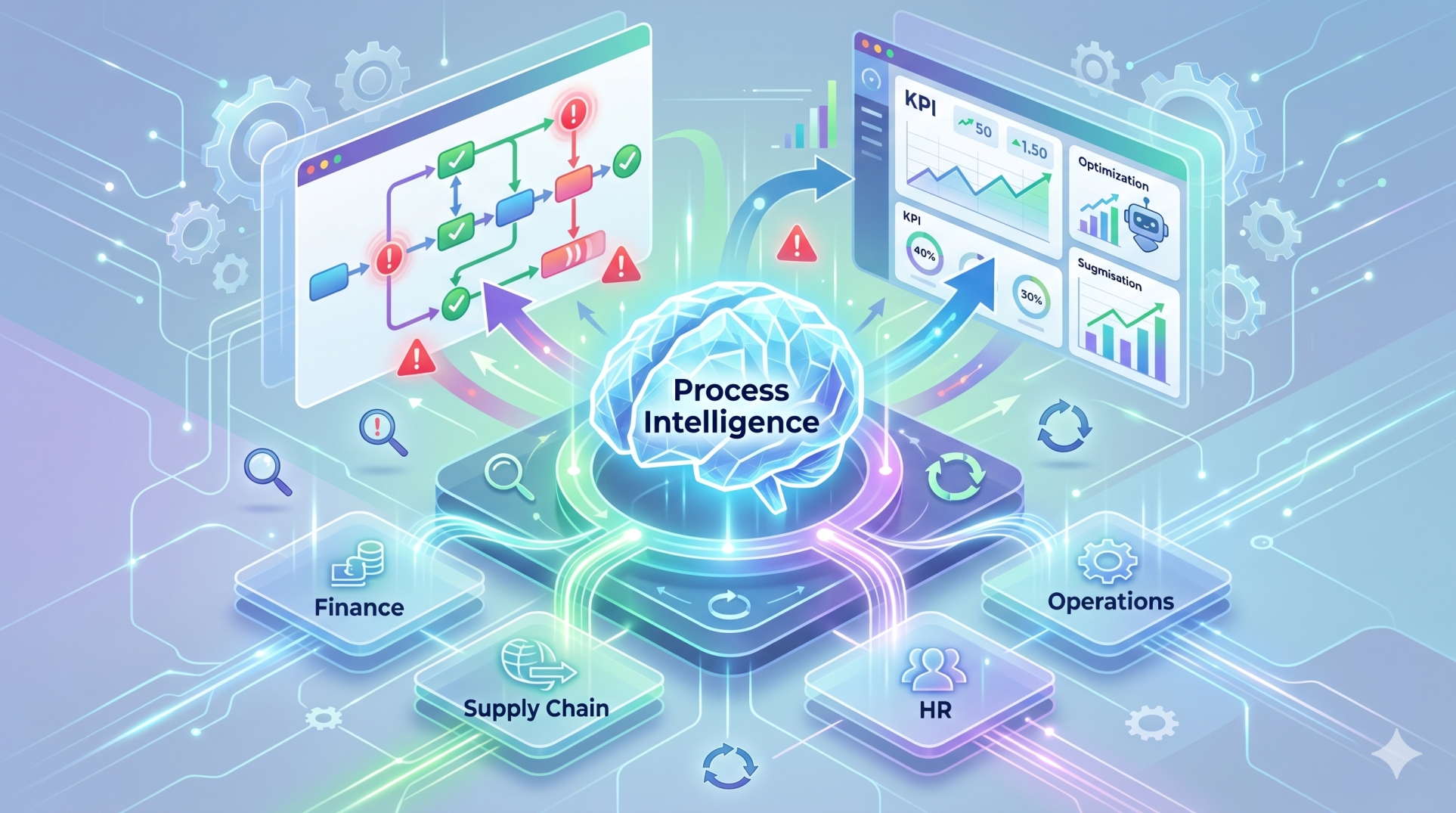
Step 8: Enabling Real-Time Reporting and Analytics 📊
• Consolidate reporting across multiple business functions 📋
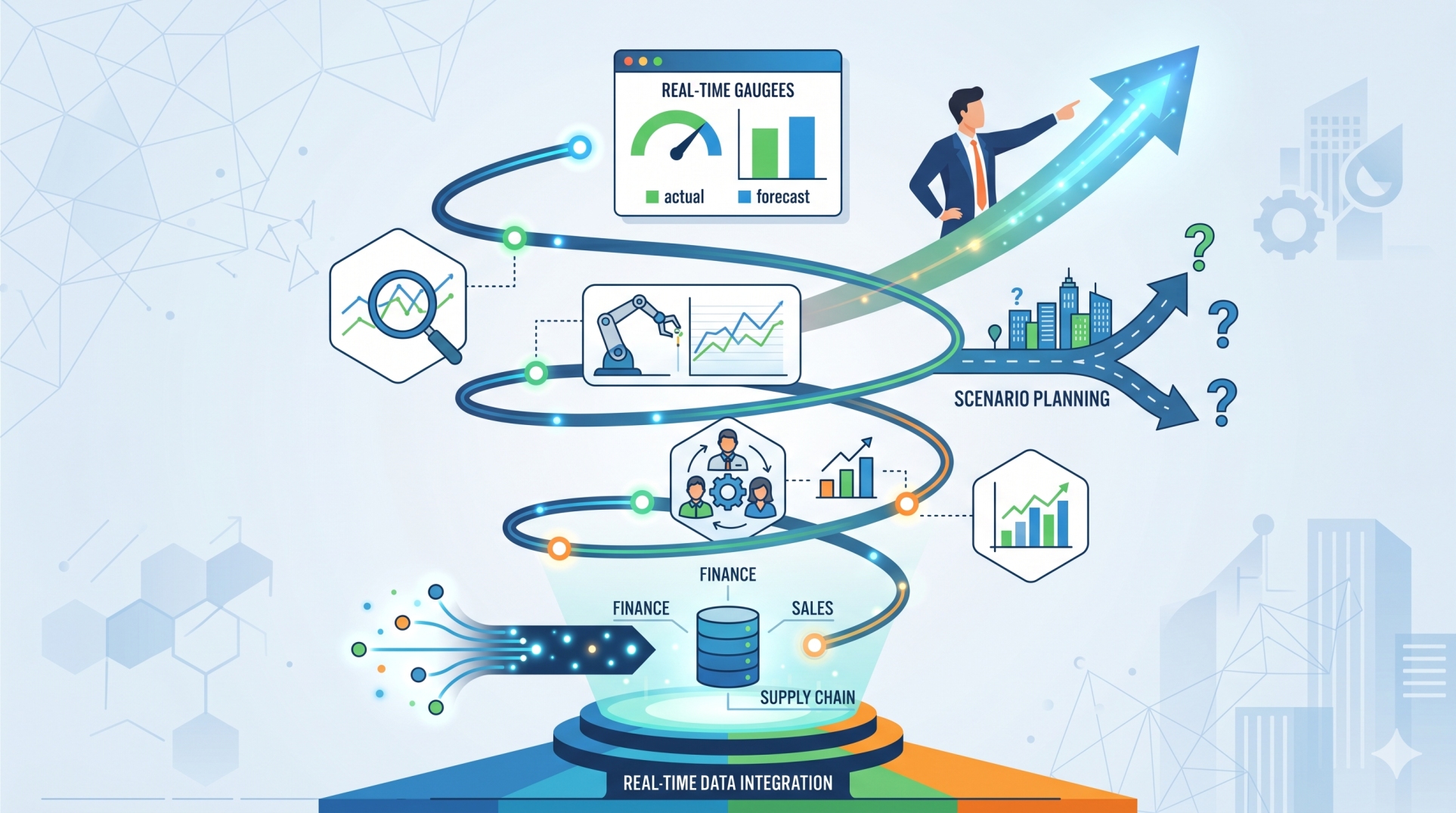
• Deliver real-time dashboards for operational visibility 🖥️
• Identify trends, risks, and opportunities faster 🔍
• Support proactive decision-making strategies 🚀
• Improve organizational responsiveness to change ⚡
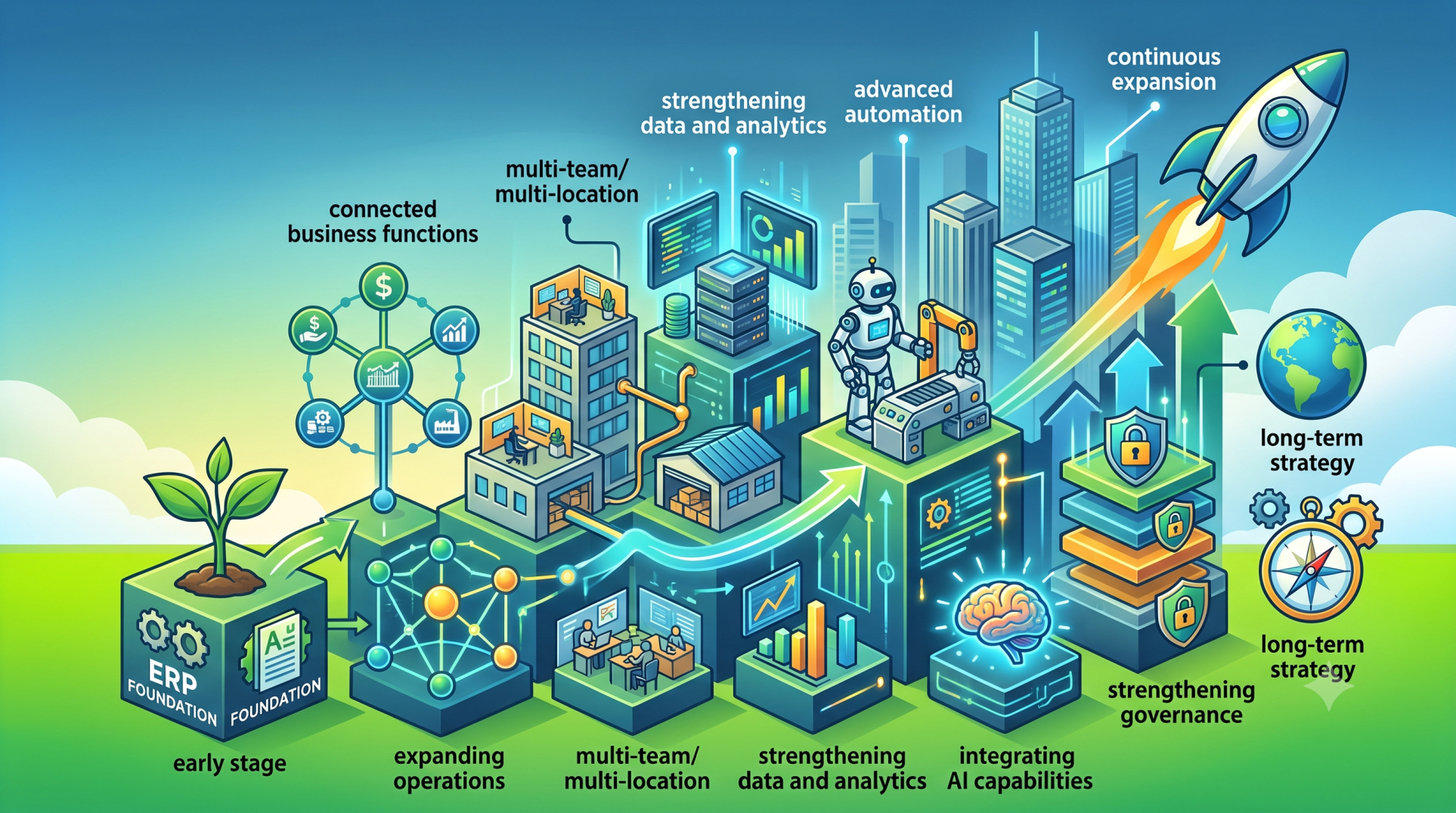
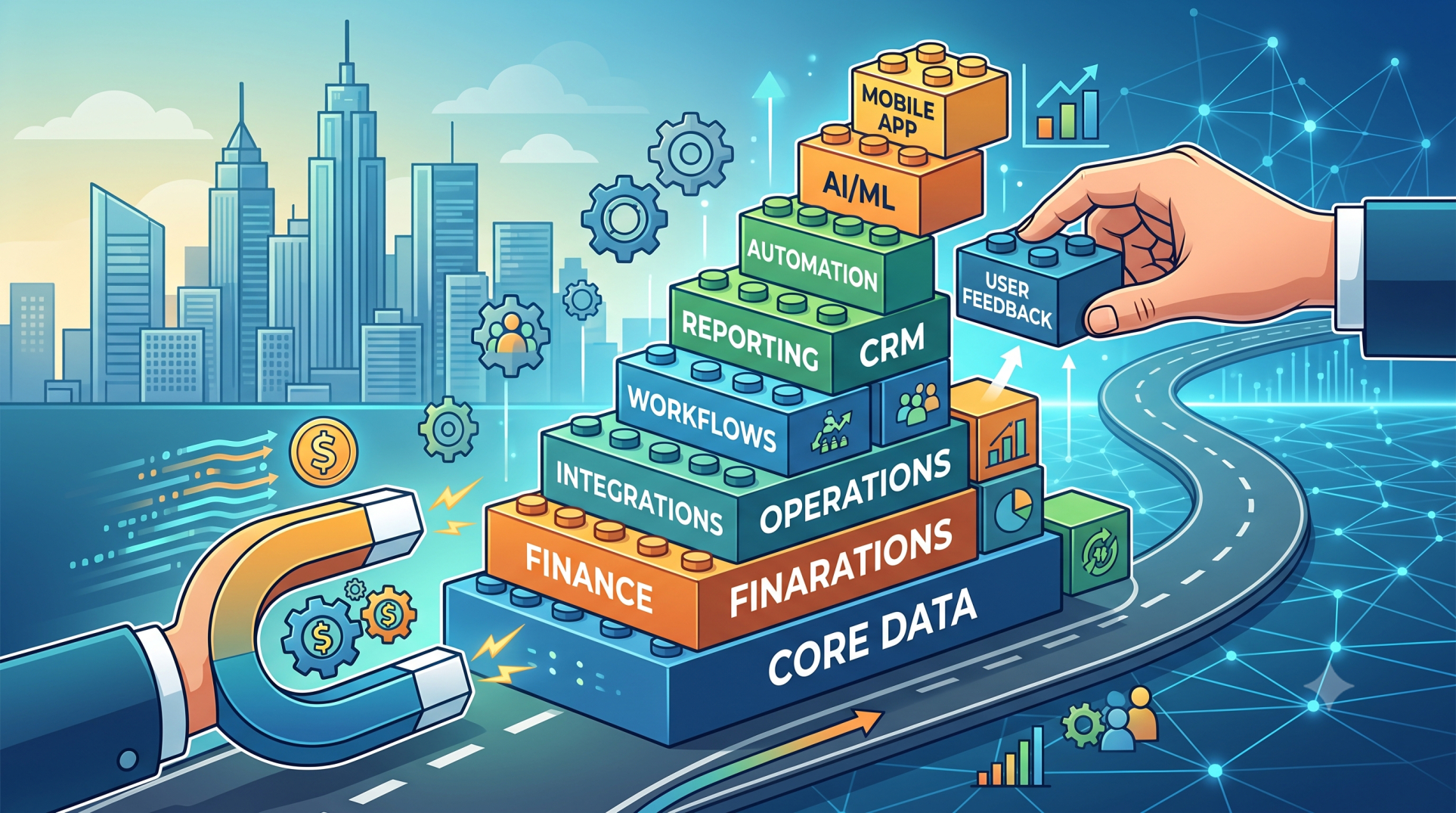
Step 9: Facilitating Scalable Growth 📈
• Support expansion without increasing process complexity 🌍
• Standardize operations across multiple locations 🏢
• Simplify integration of new departments and business units 🔗
• Maintain consistency as the organization grows 📊
• Provide a foundation for long-term scalability 🚀
Step 10: Building a Unified Business Ecosystem 🌟
• Align departments around shared objectives 🎯
• Create transparency across the entire organization 👁️
• Improve efficiency through connected workflows ⚙️
• Strengthen agility in changing market conditions 🔄
• Enable continuous operational improvement 📈
Conclusion
ERP systems play a vital role in creating operational alignment across business functions by connecting people, processes, and data within a unified platform. Through centralized visibility, standardized workflows, and real-time collaboration, organizations can eliminate silos and improve efficiency across every department. As businesses continue to grow and evolve, ERP provides the foundation needed to maintain alignment, support informed decision-making, and drive sustainable operational success.
See more blogs
You can all the articles below