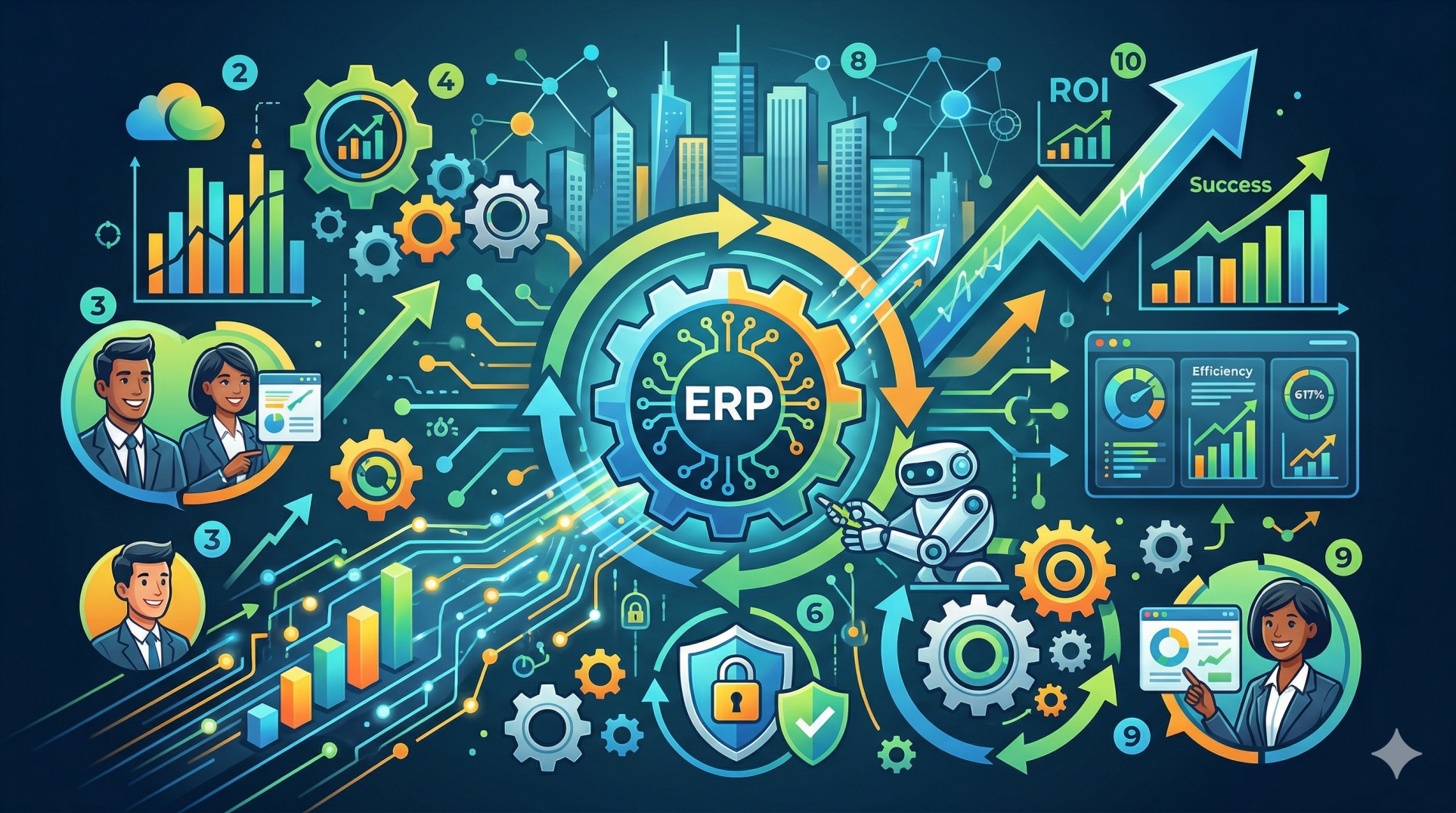
From Spreadsheets to ERP: When Is Your Startup Ready?

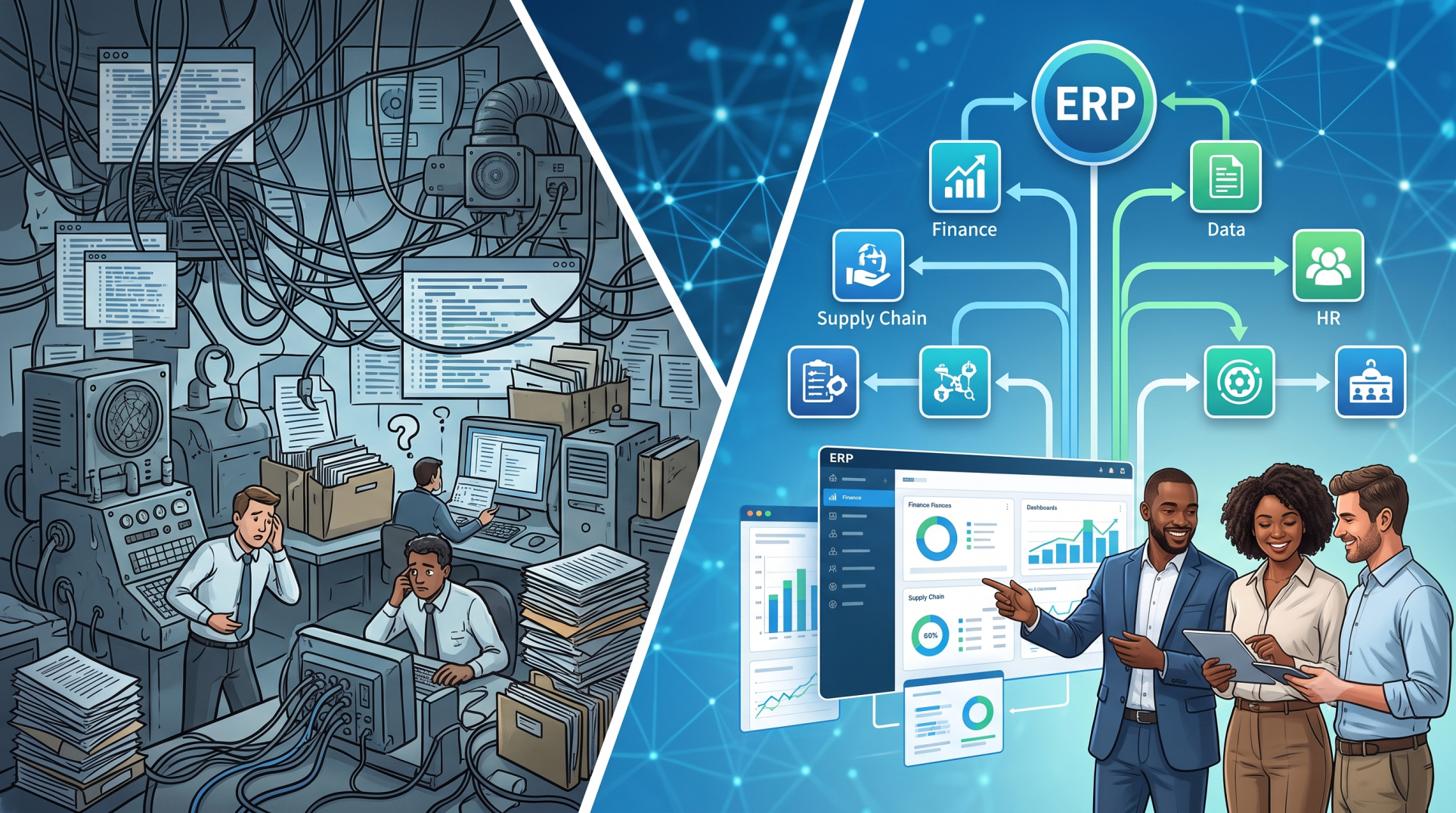
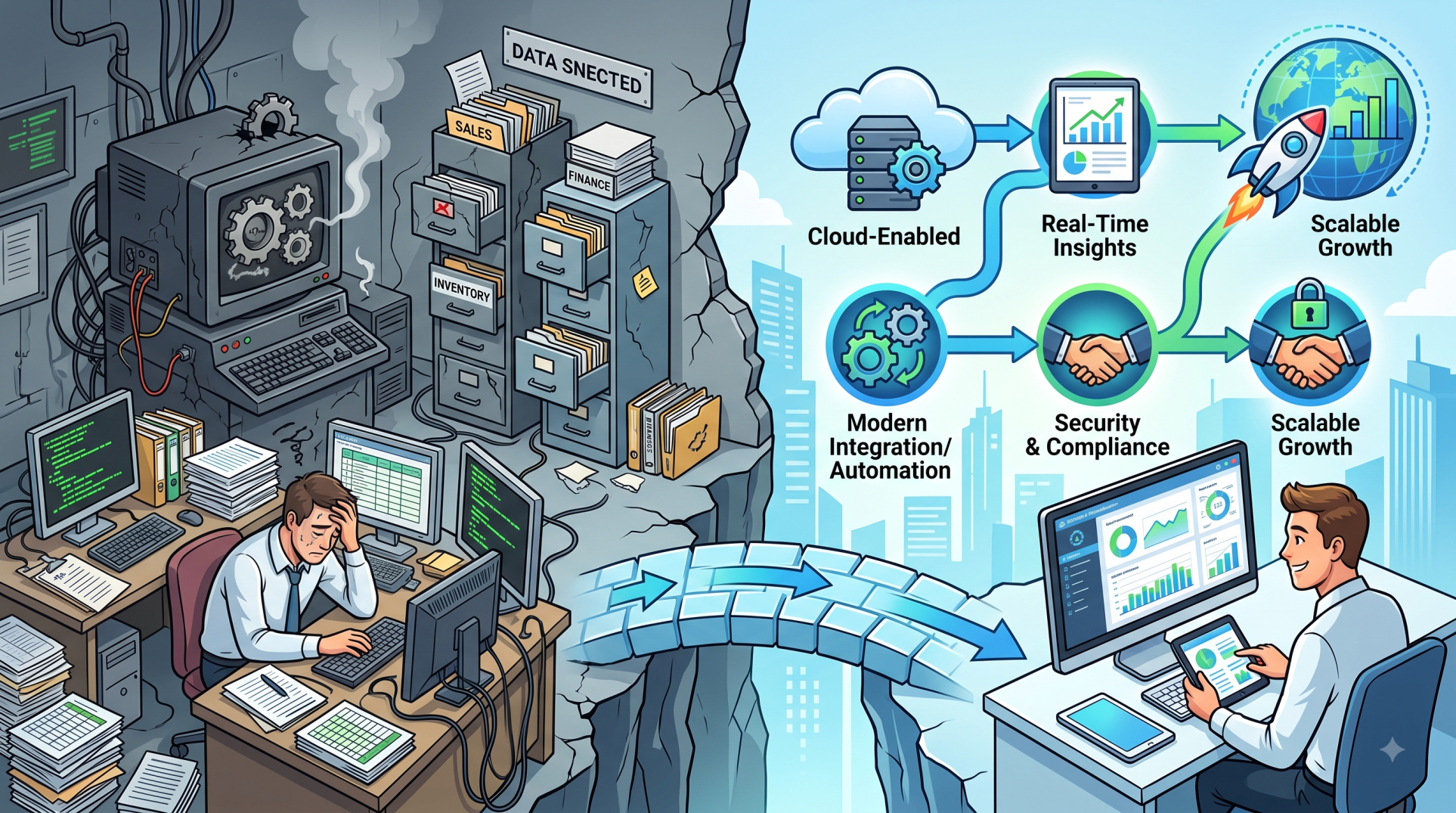
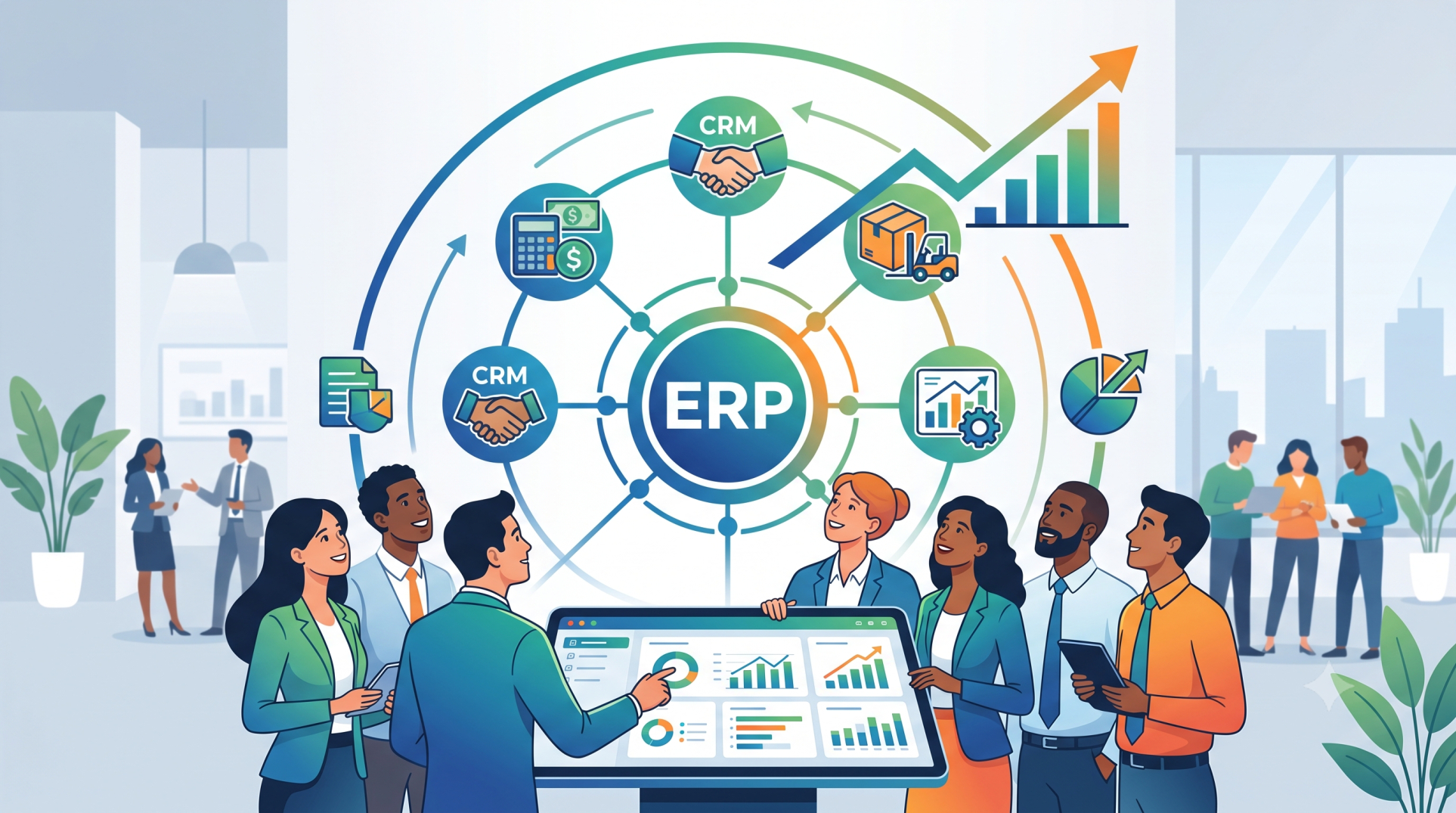
In the early stages of a startup, spreadsheets are often the go-to solution for managing finances, inventory, sales, and operations. They're affordable, familiar, and easy to customize. However, as the business grows, spreadsheets can become difficult to maintain, prone to errors, and unable to support increasing operational complexity. Recognizing the right time to transition to an Enterprise Resource Planning (ERP) system can help startups improve efficiency, gain better visibility, and prepare for sustainable growth.
Step 1: Understanding the Limits of Spreadsheets 📊
• Manual data entry becomes increasingly time-consuming ⏳
• Multiple spreadsheet versions create inconsistencies 🔄
• Business data becomes difficult to track and verify 📋
• Reporting requires significant manual effort 📑
• Collaboration becomes challenging as teams grow 👥
Step 2: Identifying Signs You're Ready for an ERP 🚀
• Business operations span multiple departments 🏢
• Financial reporting takes longer than expected 💰
• Inventory management becomes difficult to control 📦
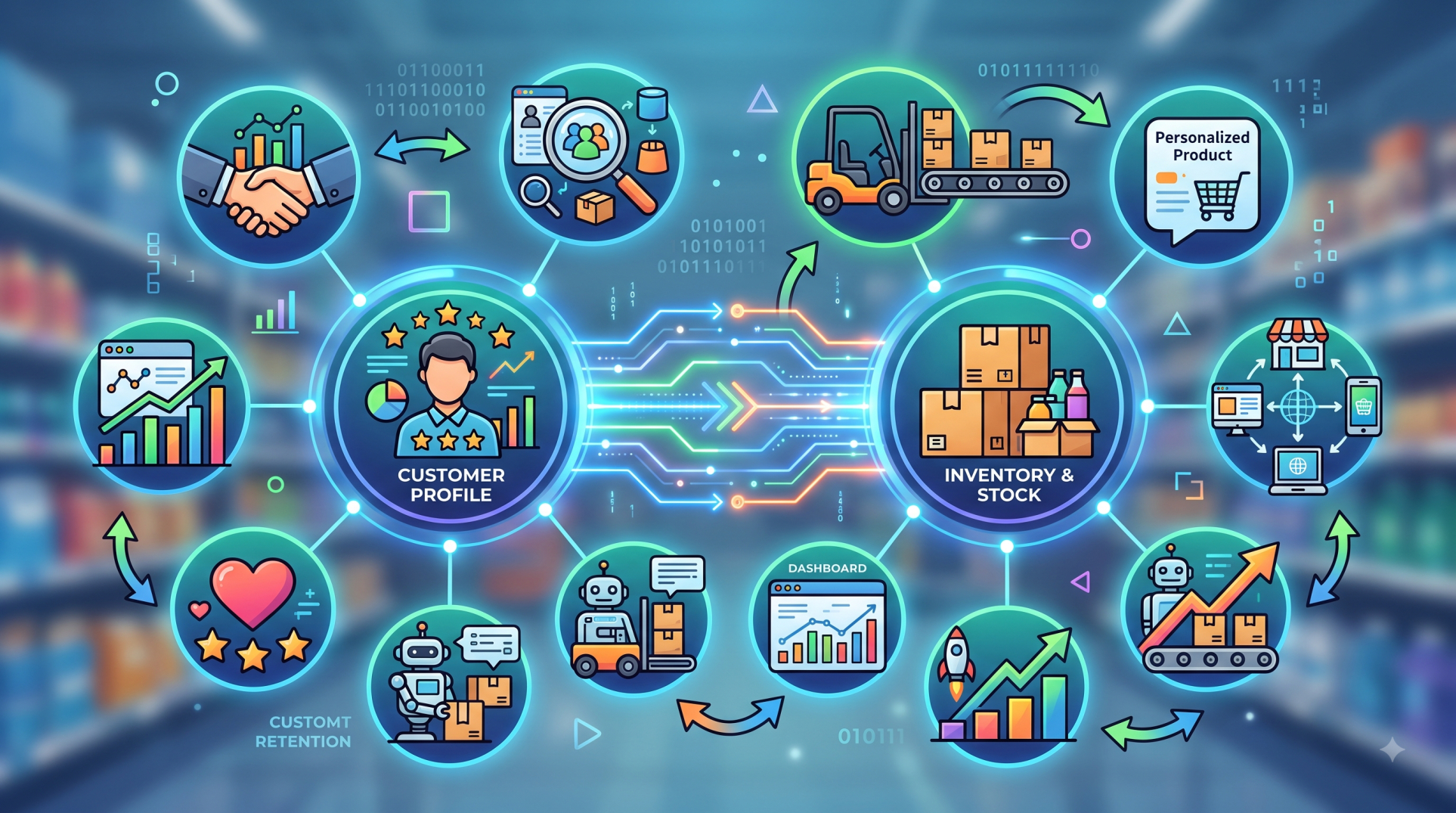
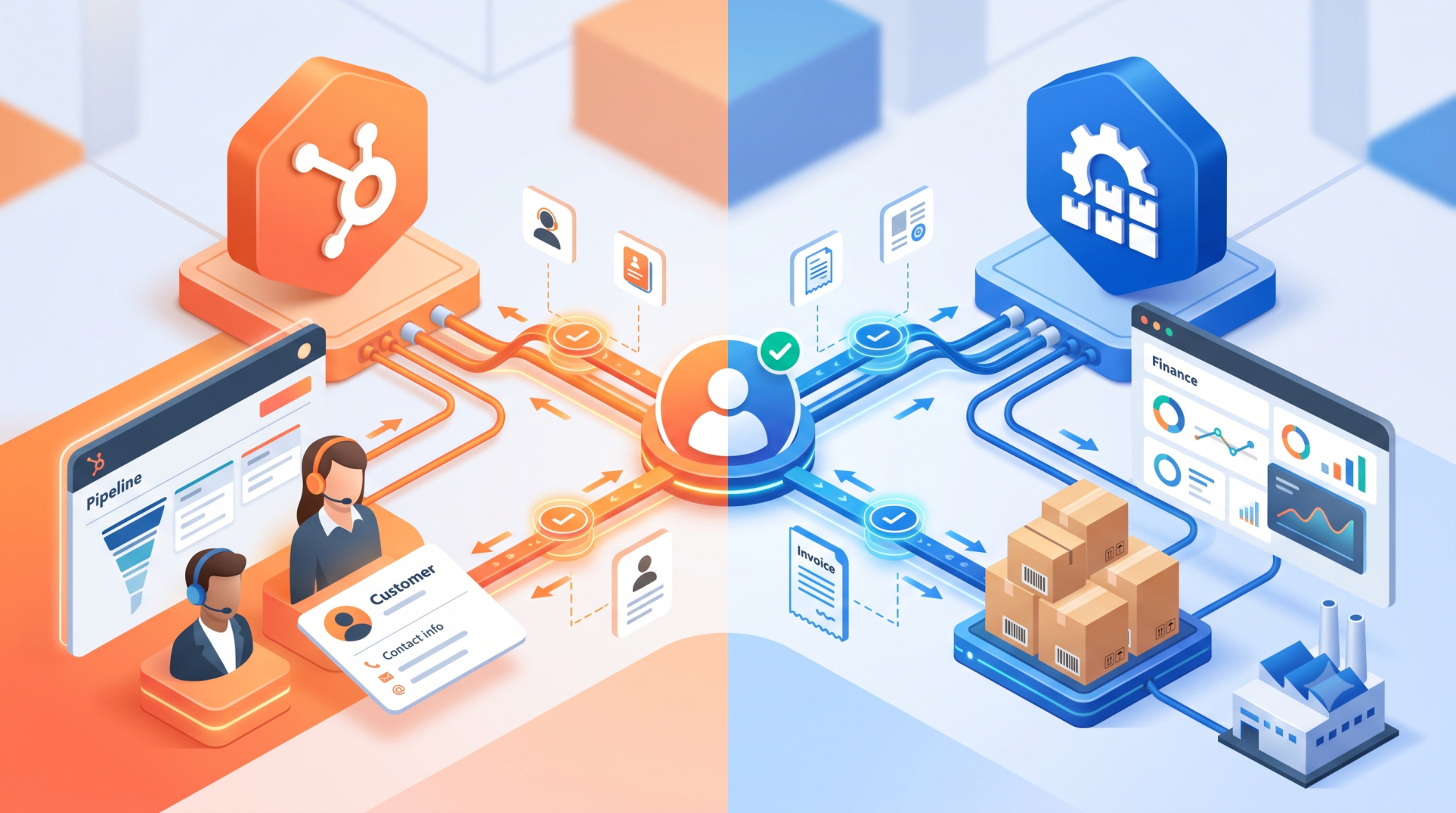
• Customer information is stored across different systems 👤
• Operational errors begin affecting productivity ⚠️
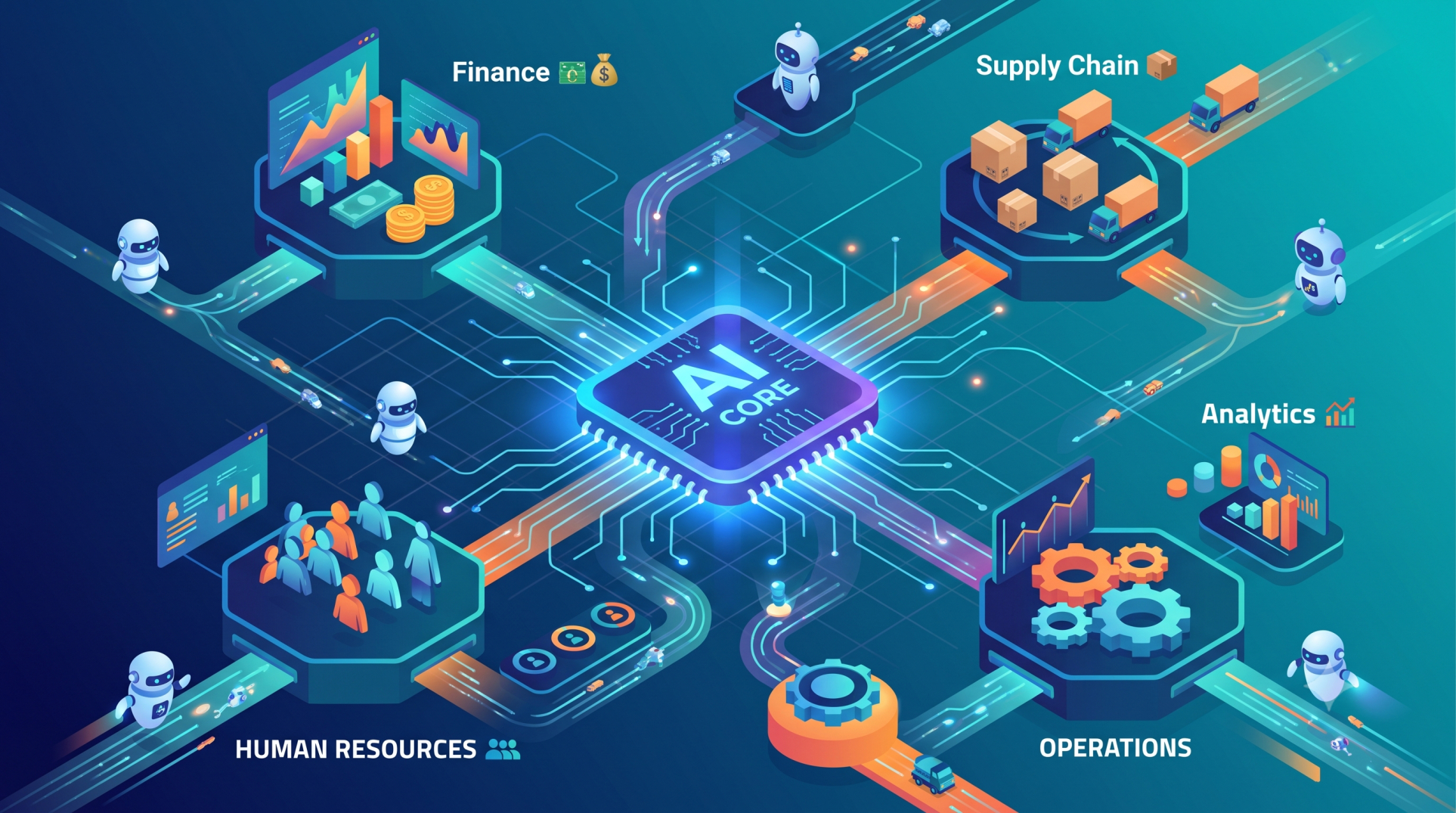
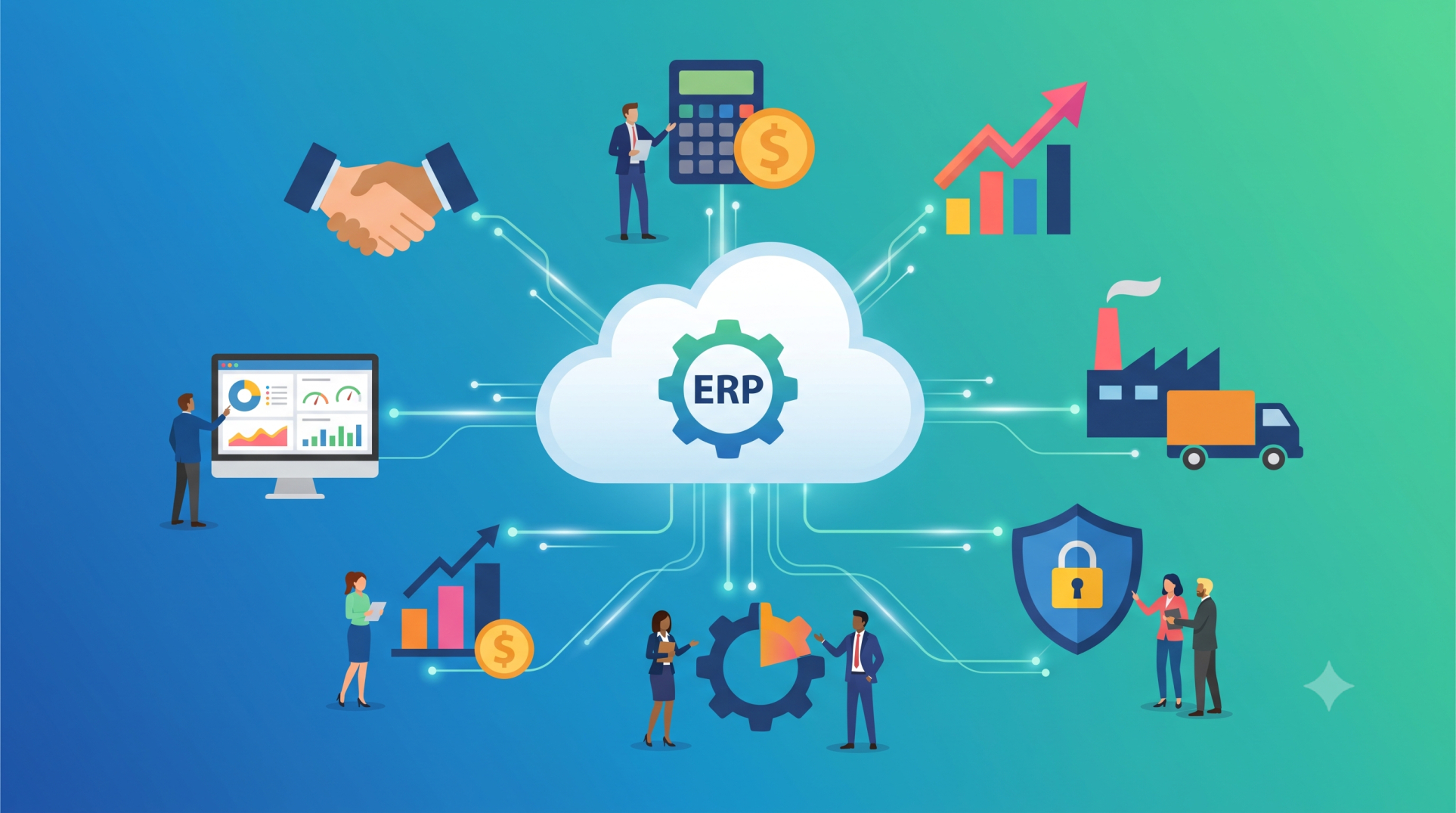
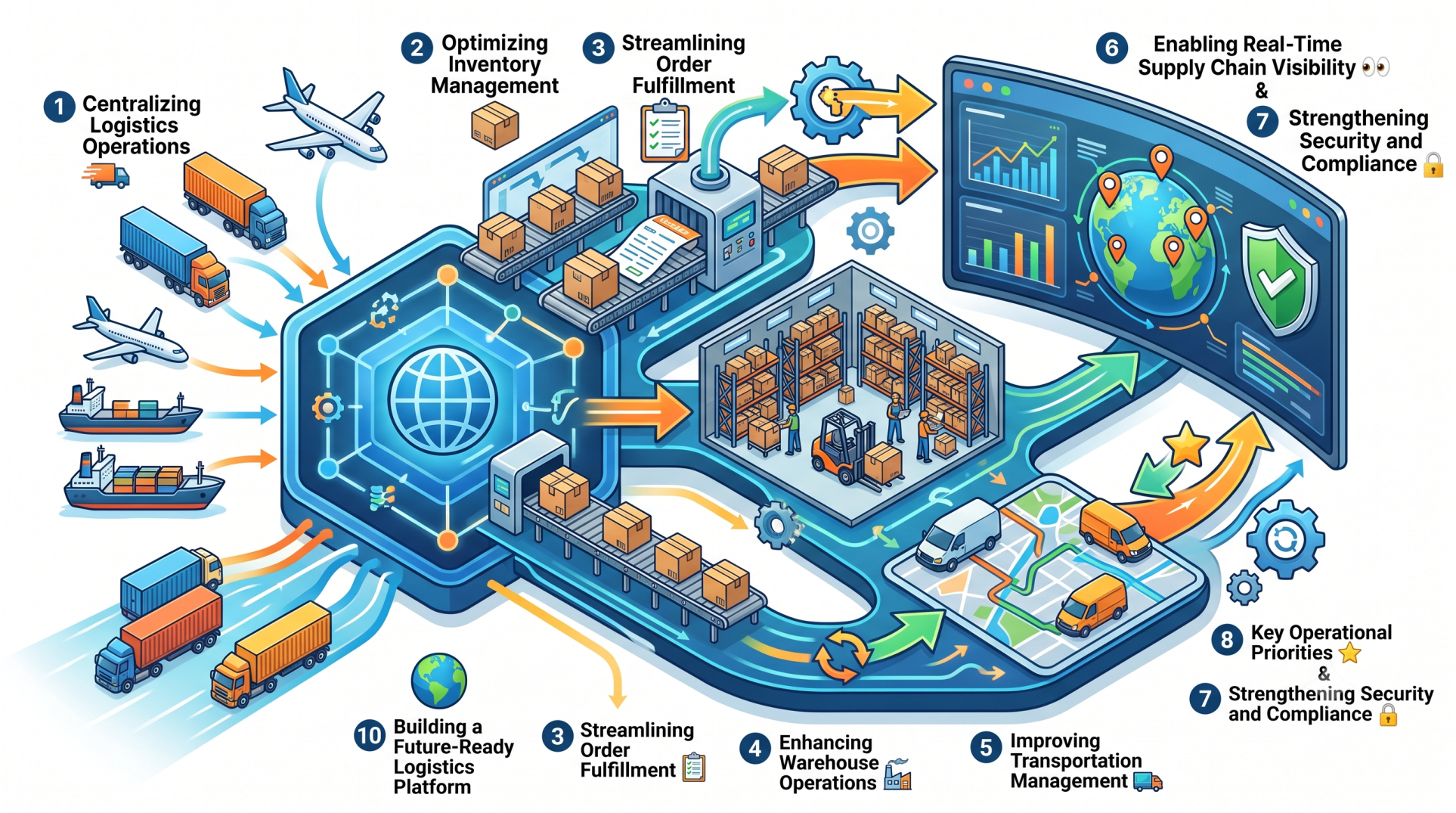
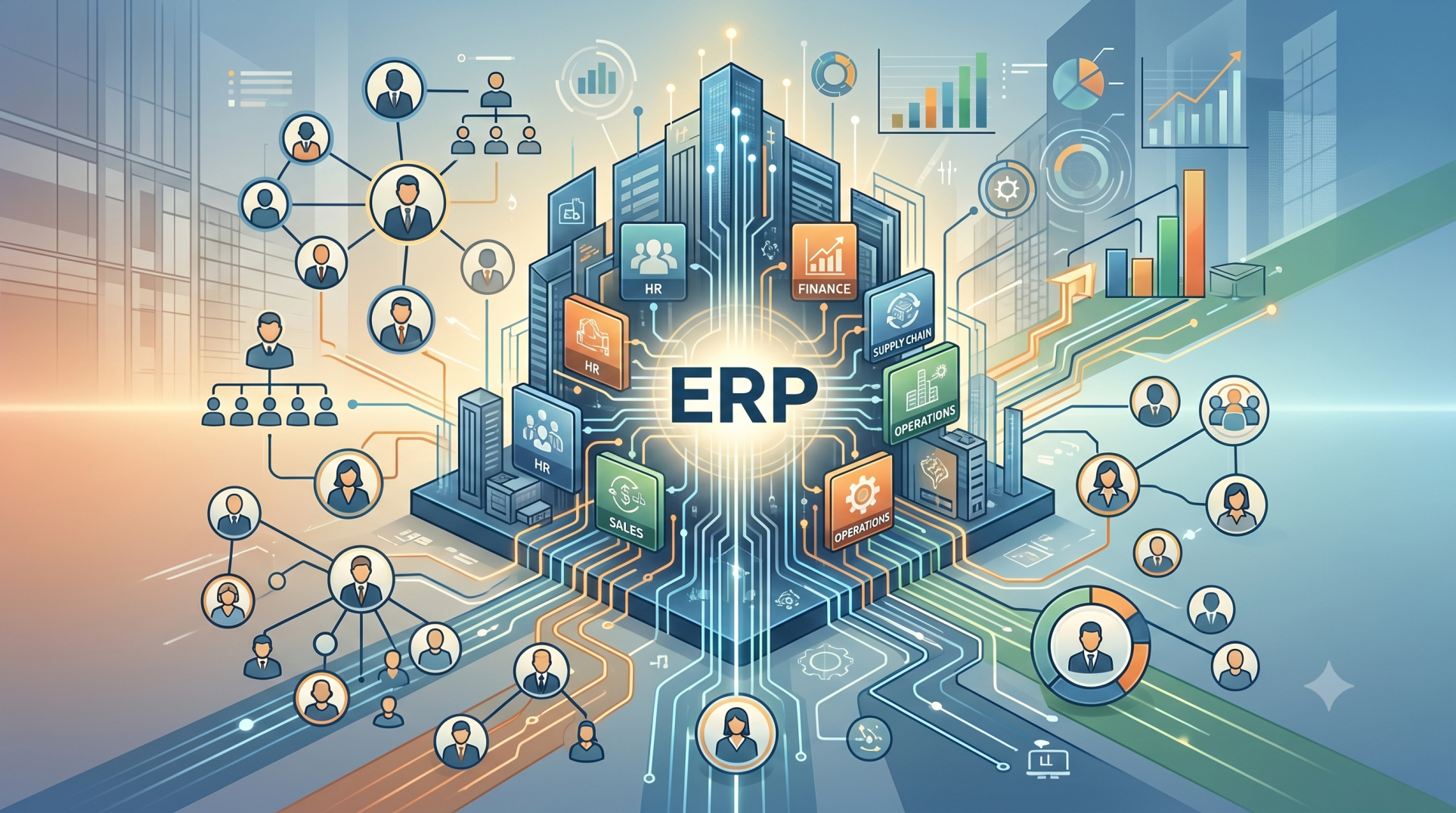
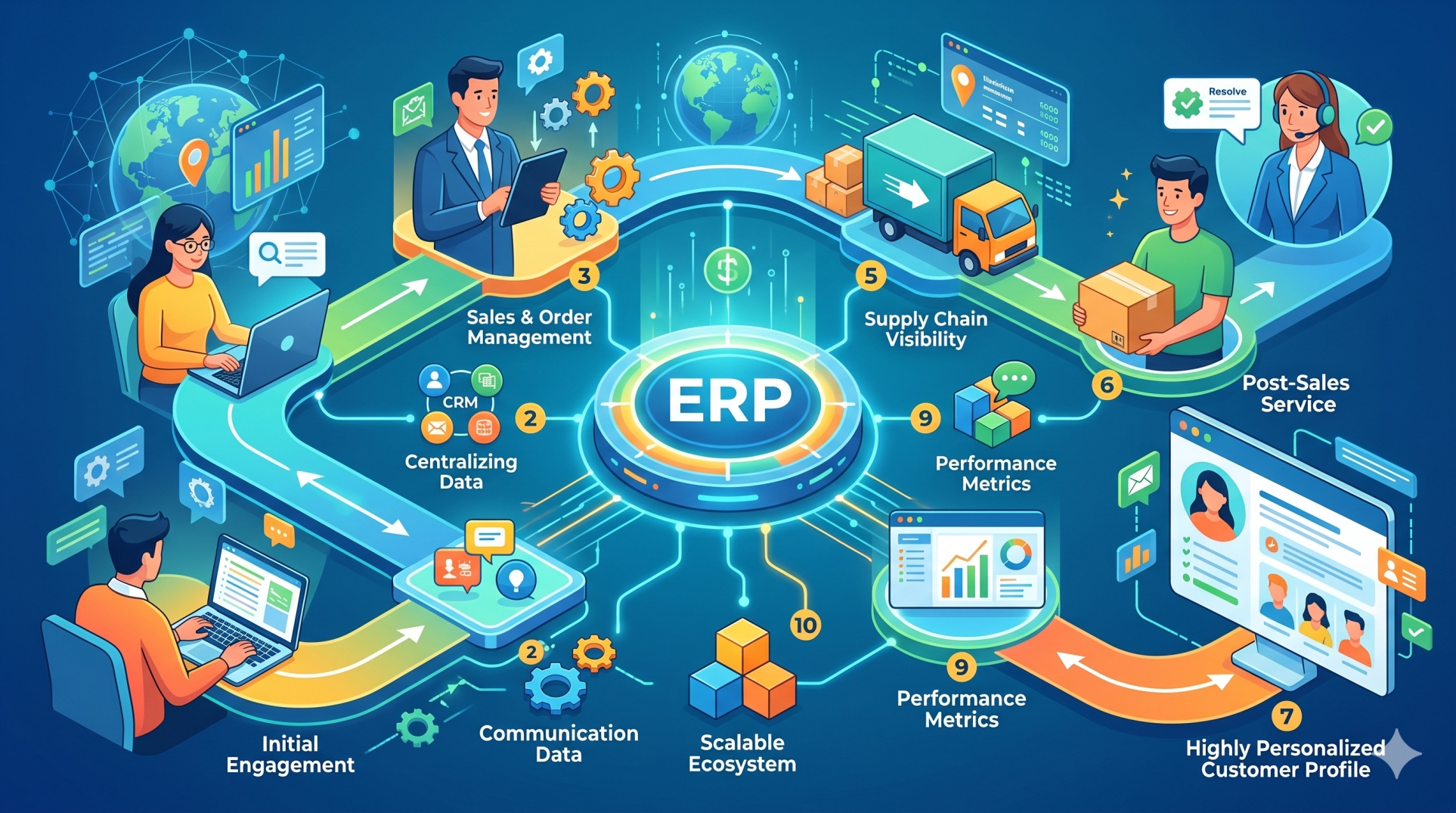
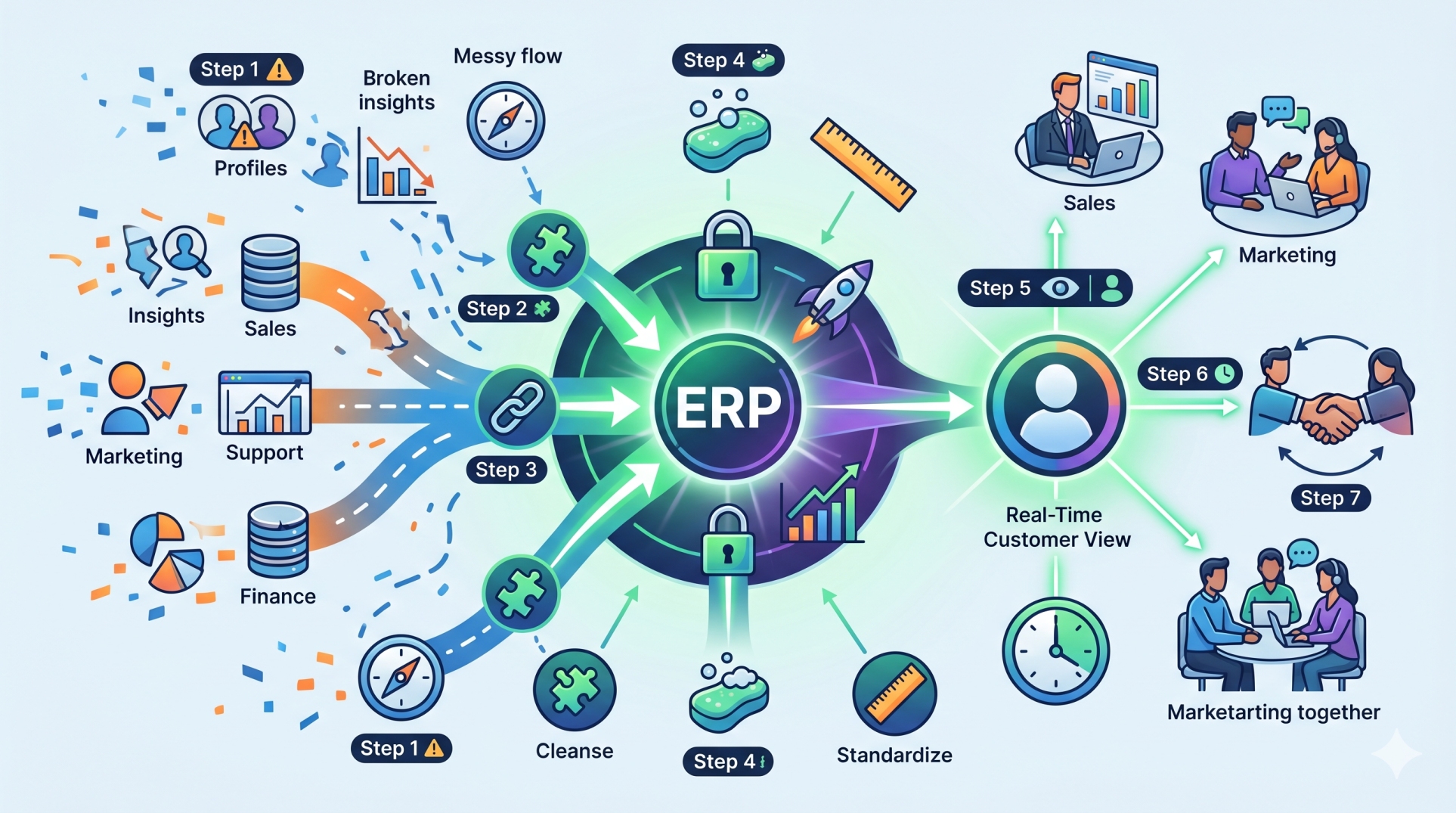
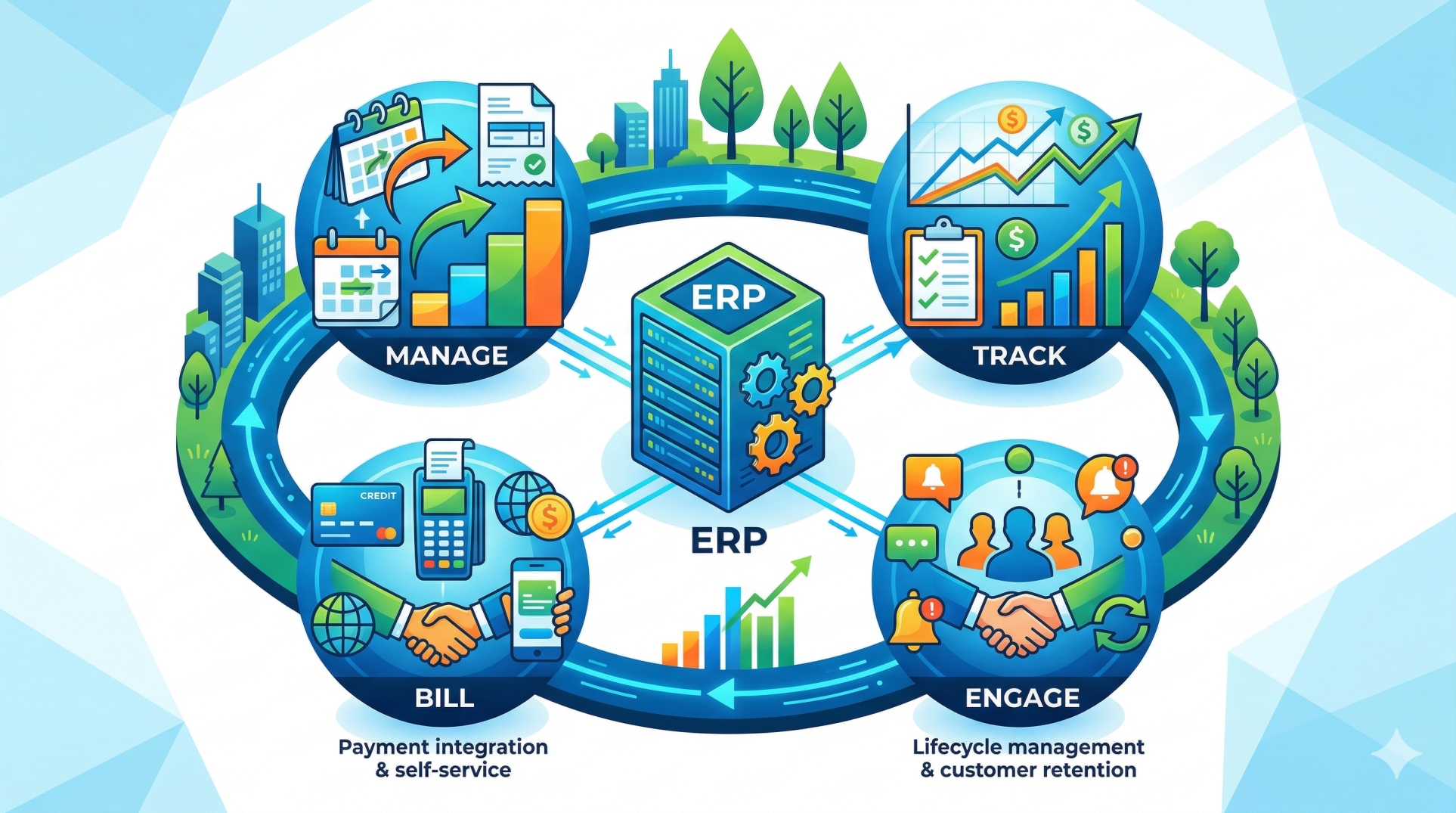
Step 3: Centralizing Business Information 🗂️
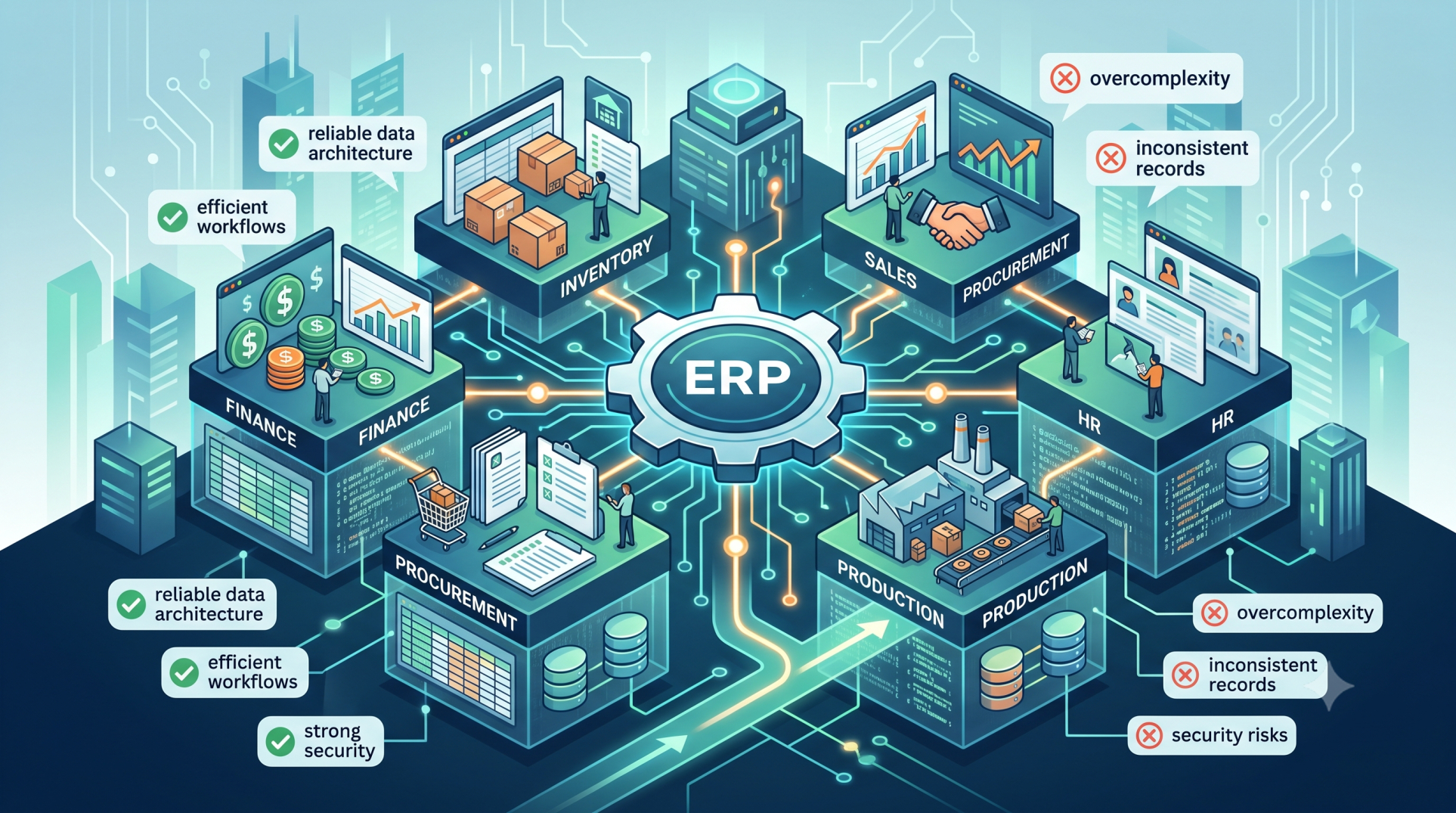
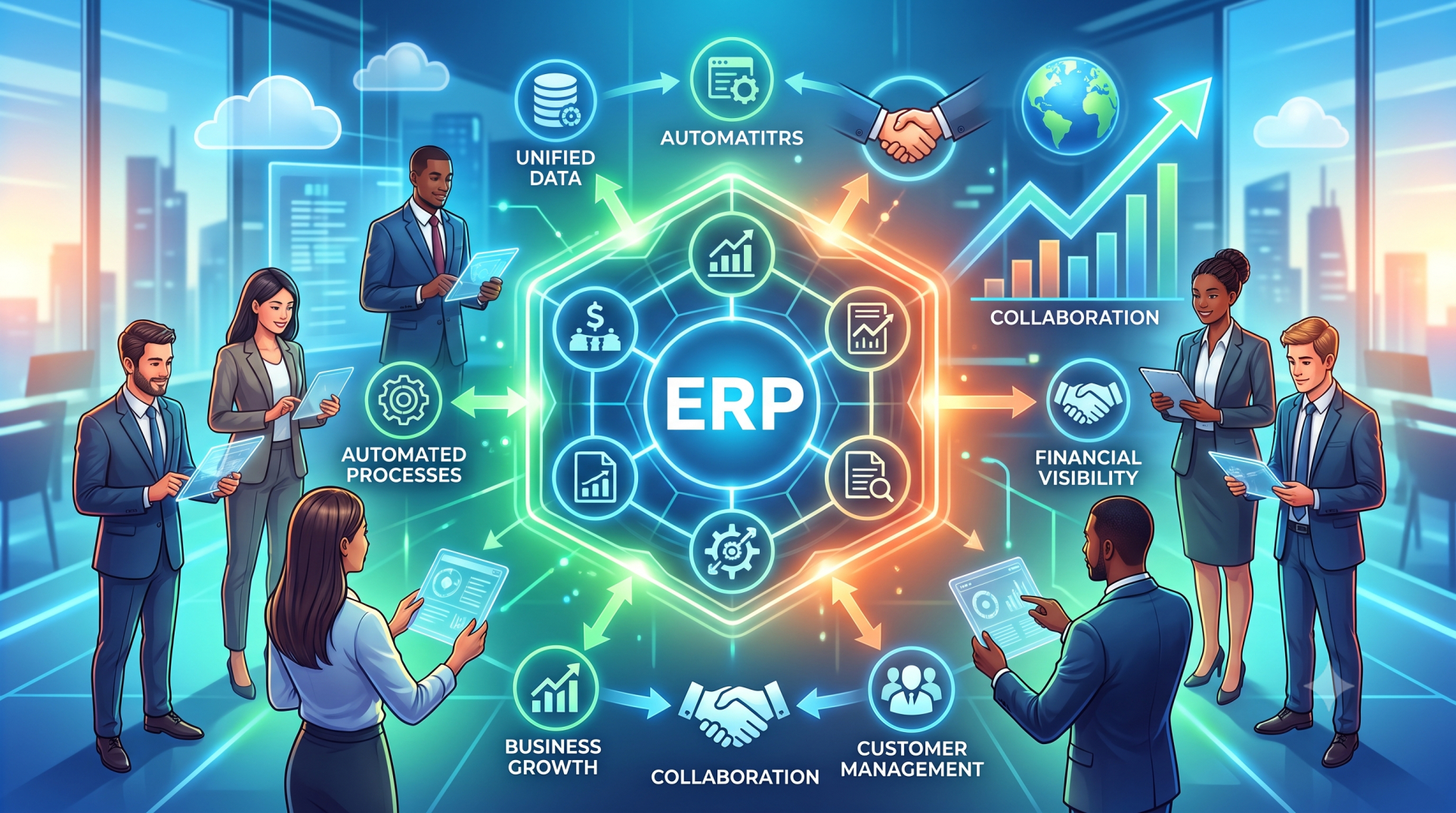
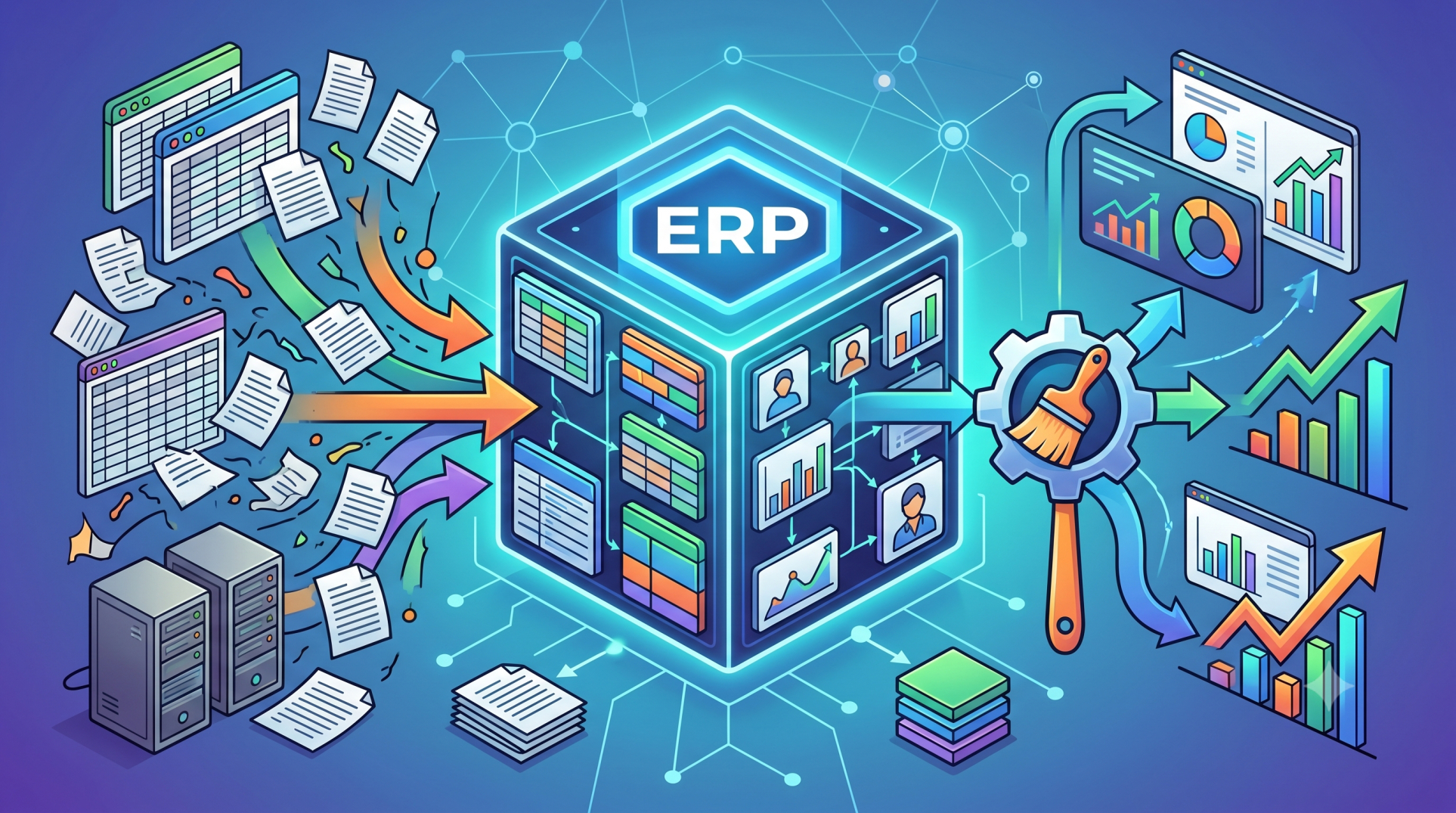
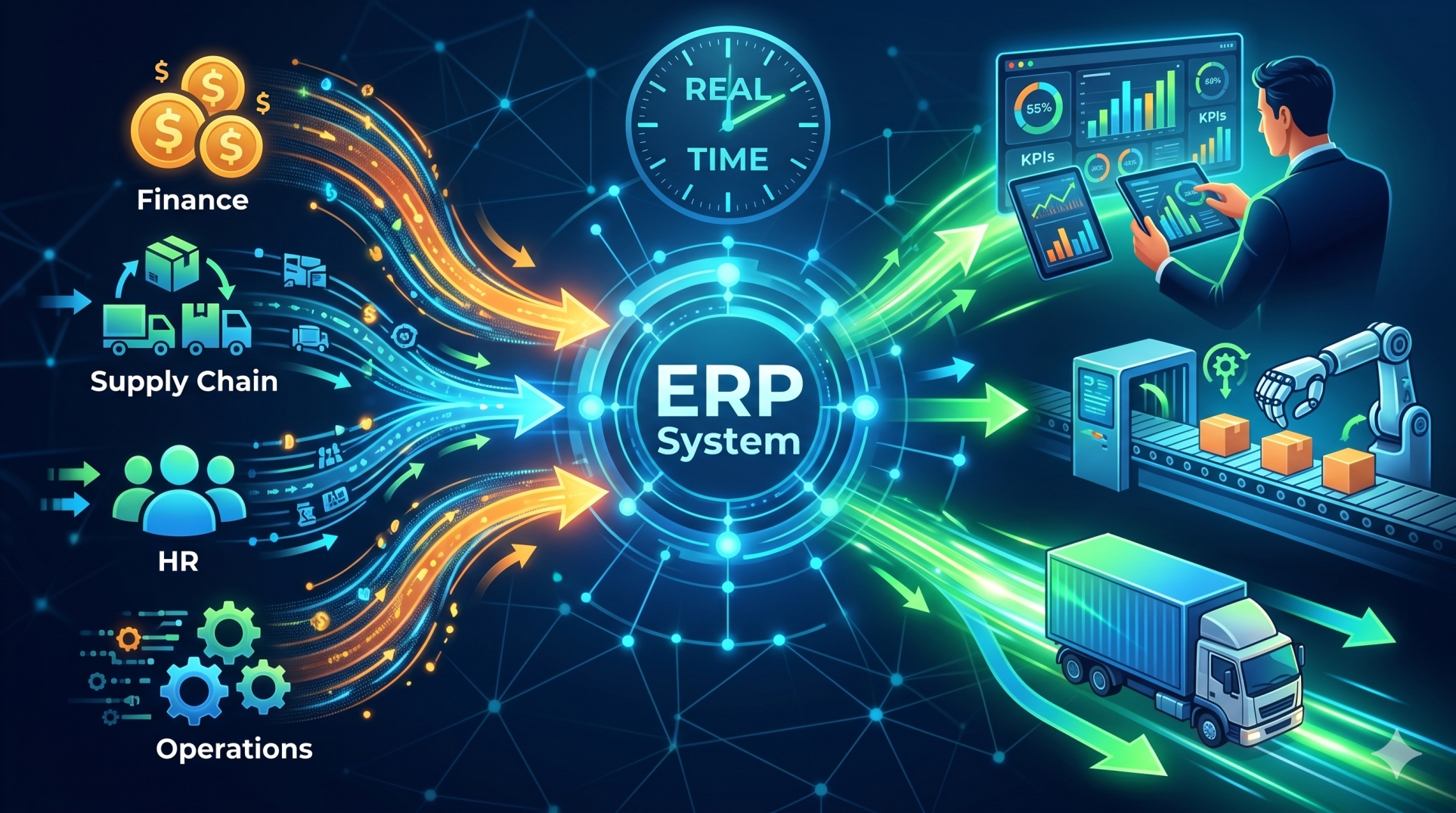
• Consolidate finance, sales, purchasing, and inventory data 📊
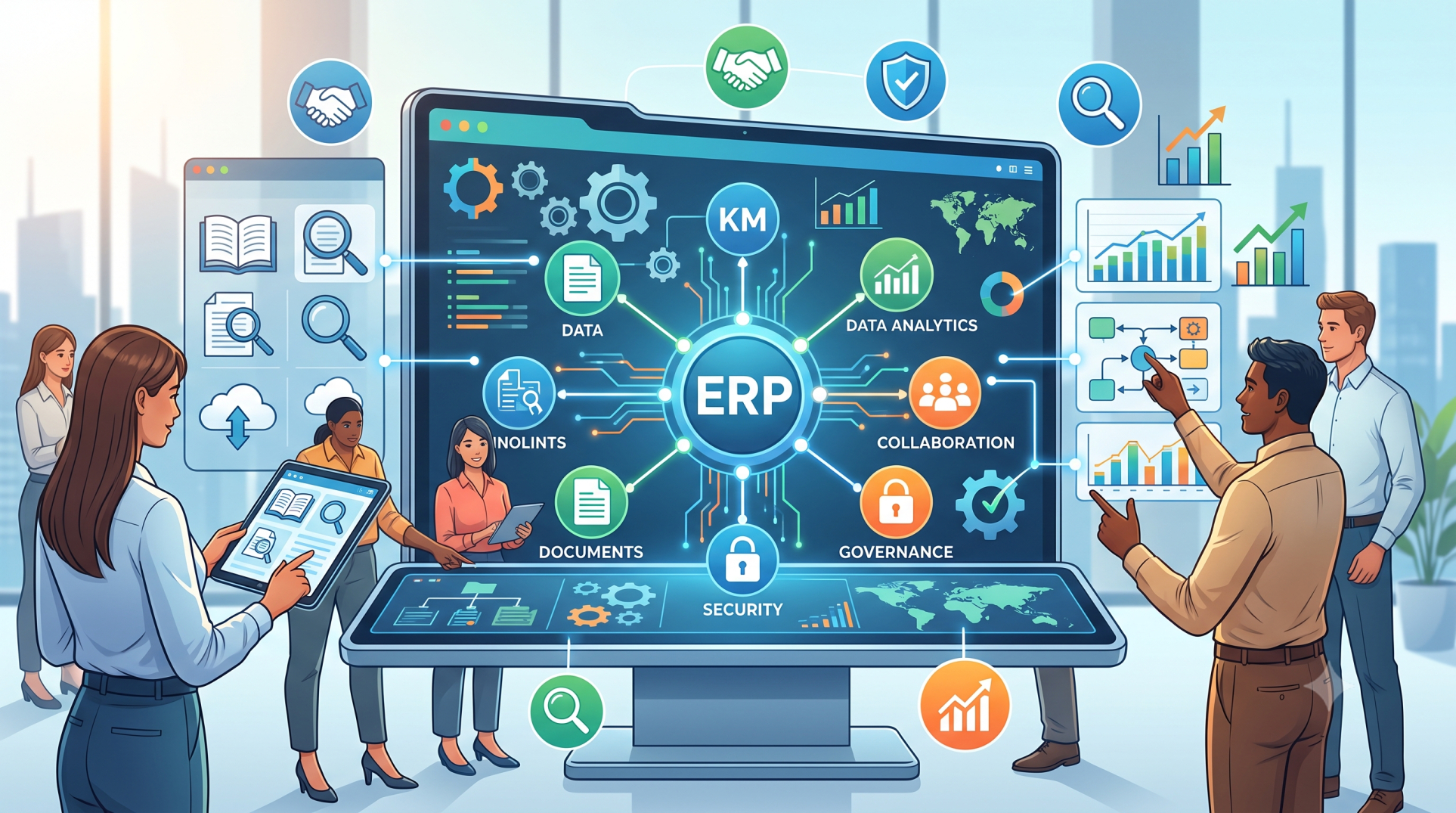
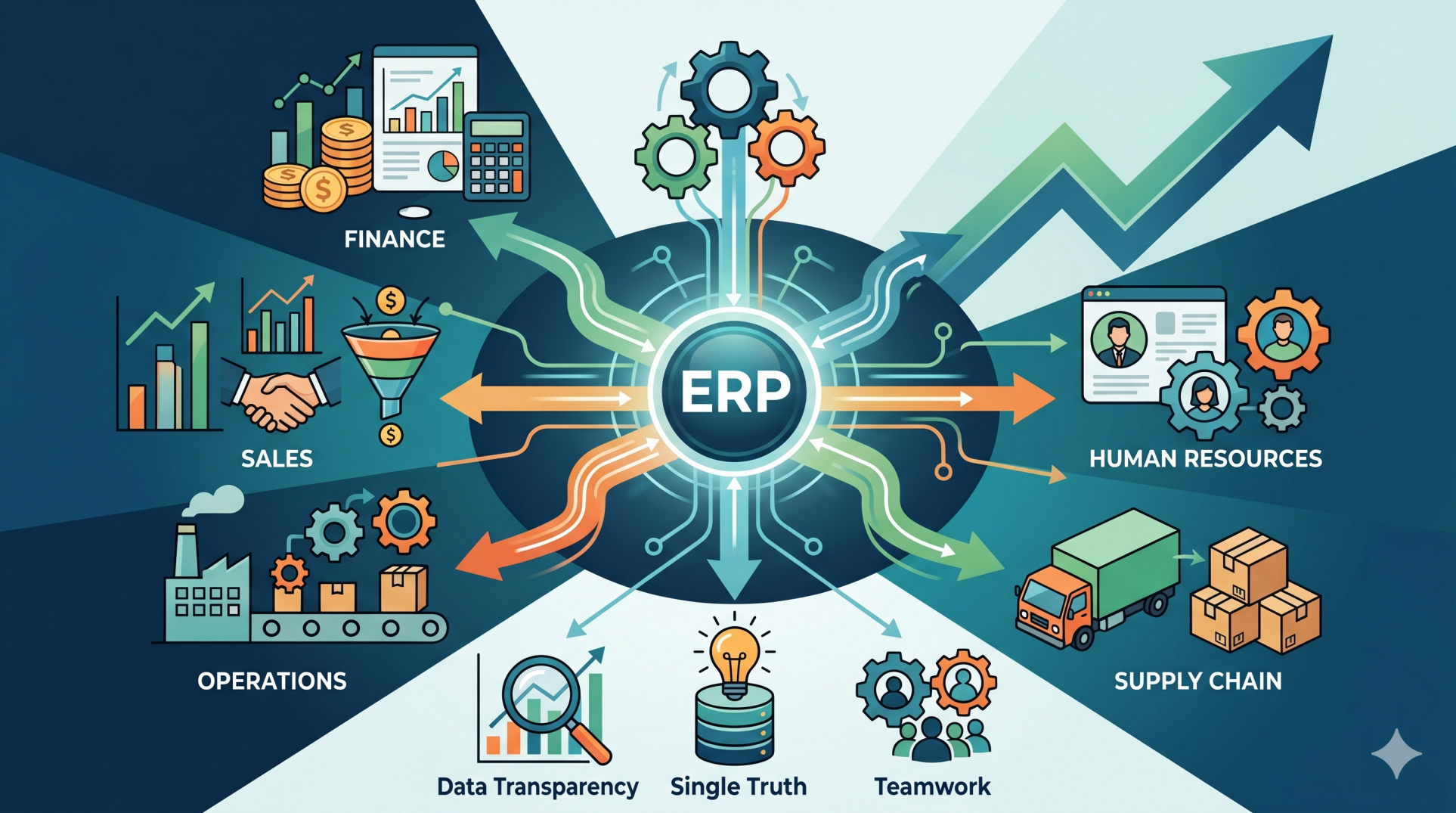
• Create a single source of truth across the organization ✅
• Eliminate duplicate records and manual reconciliation 🔗
• Improve information accuracy across departments 📈
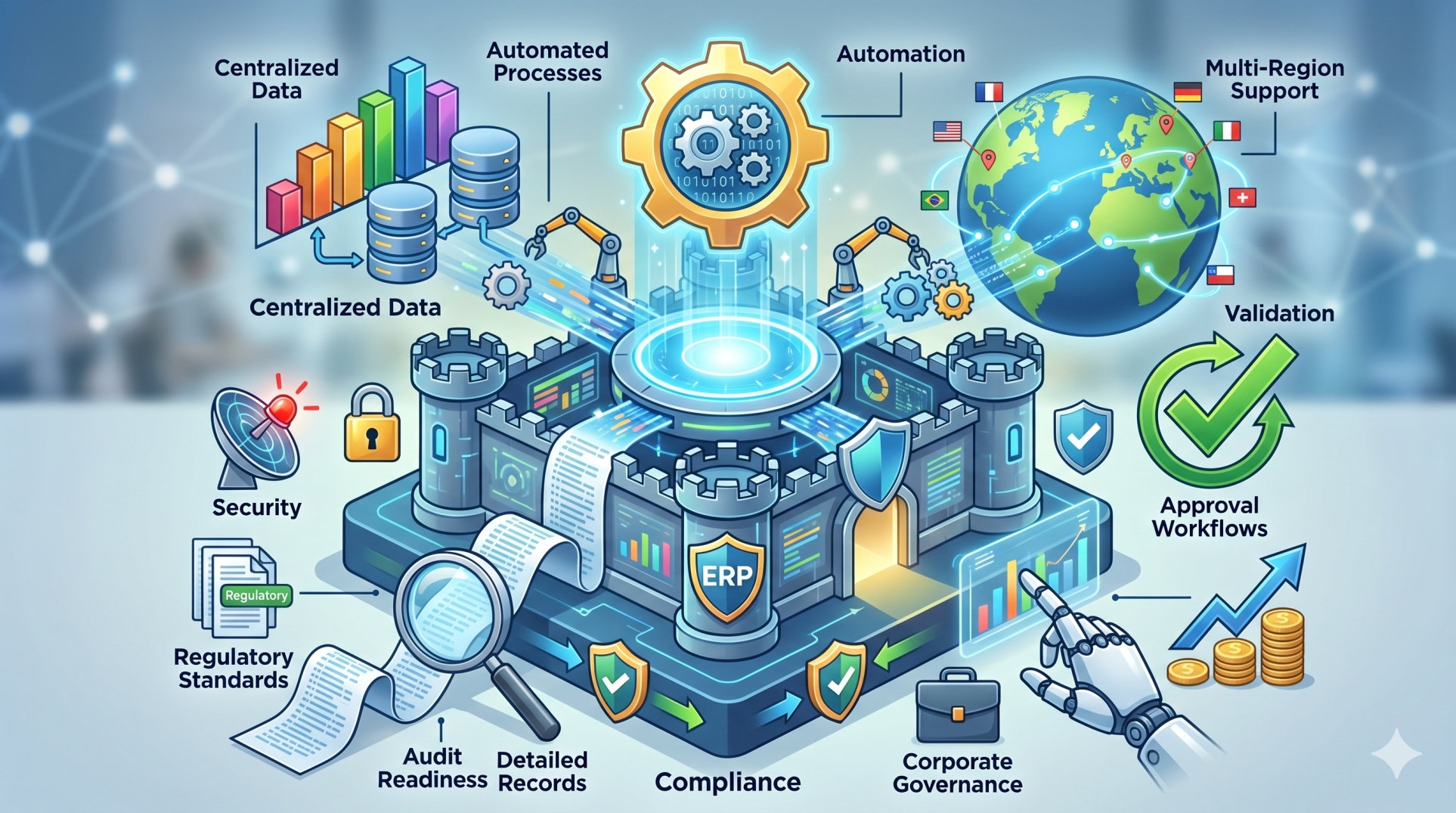
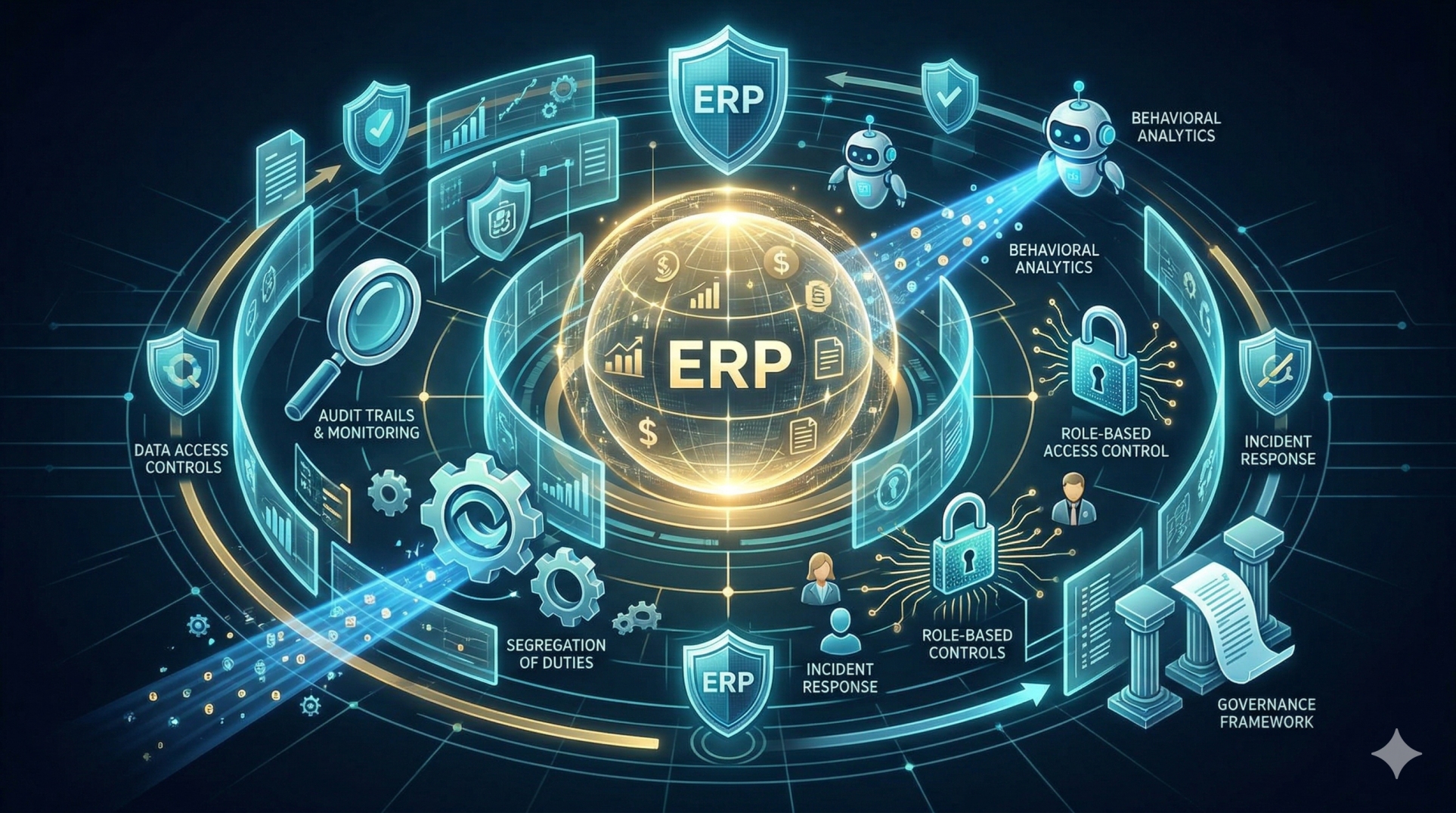
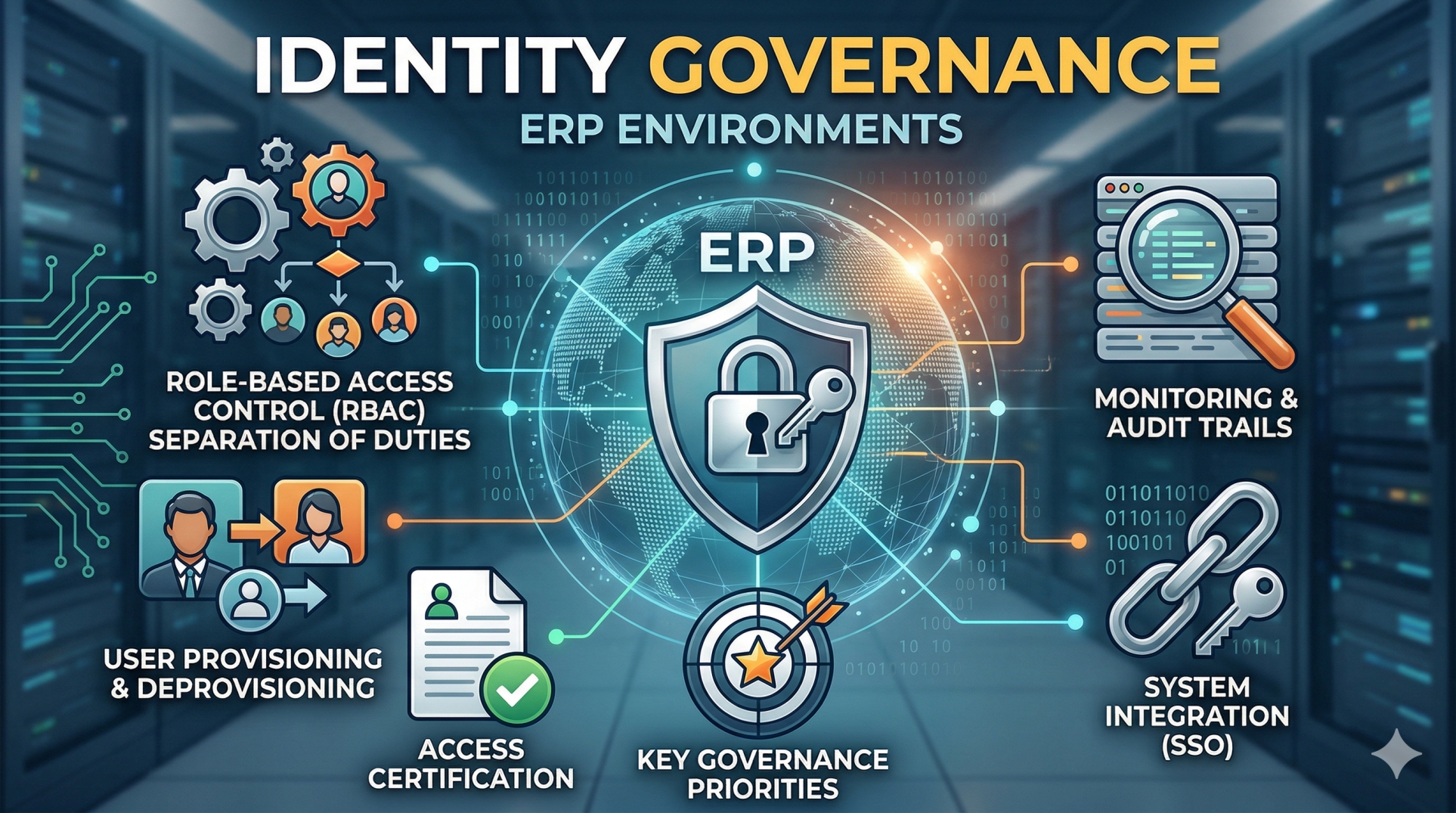
• Enable secure access to business data 🔐
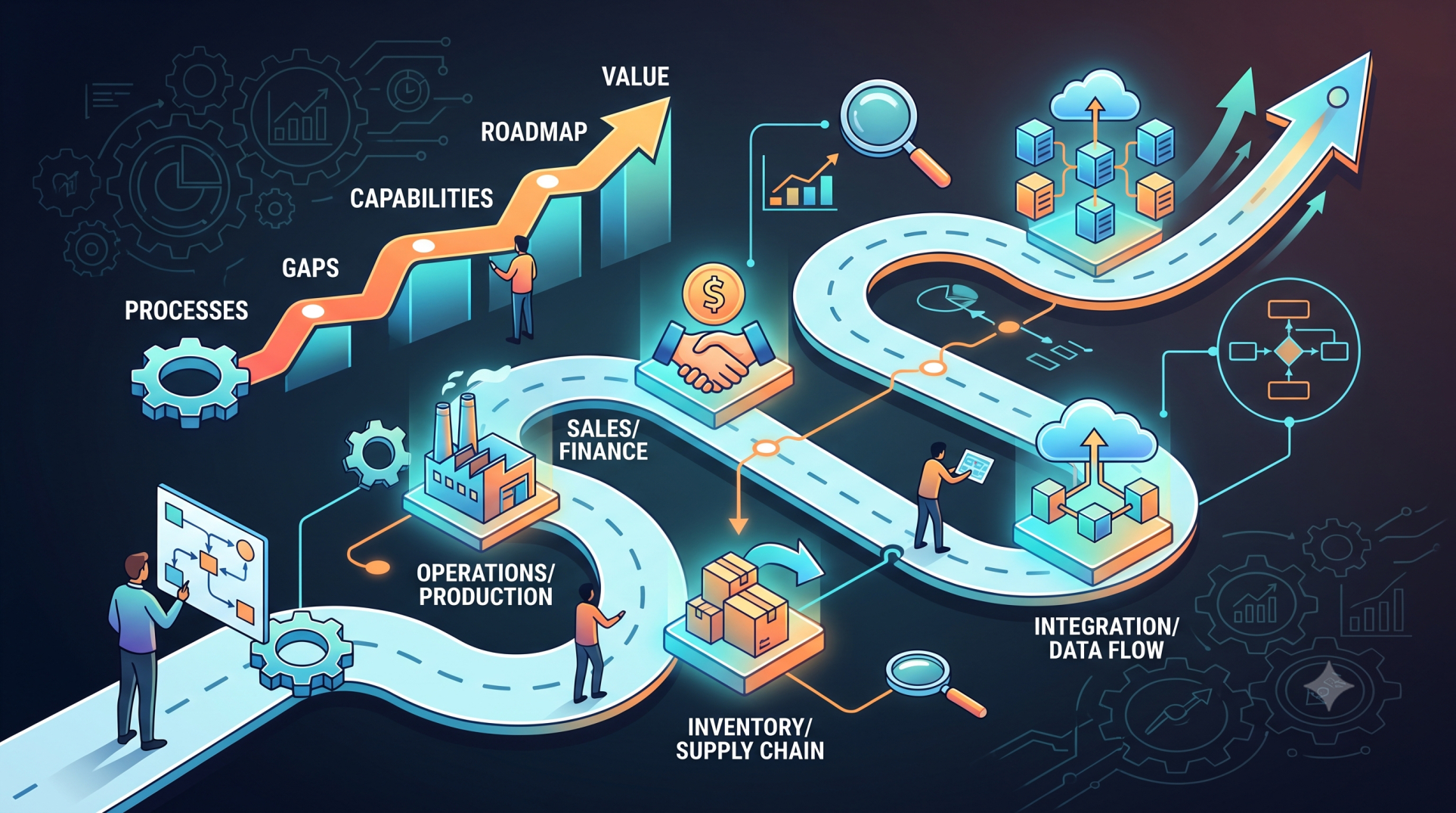
Step 4: Streamlining Business Processes ⚙️
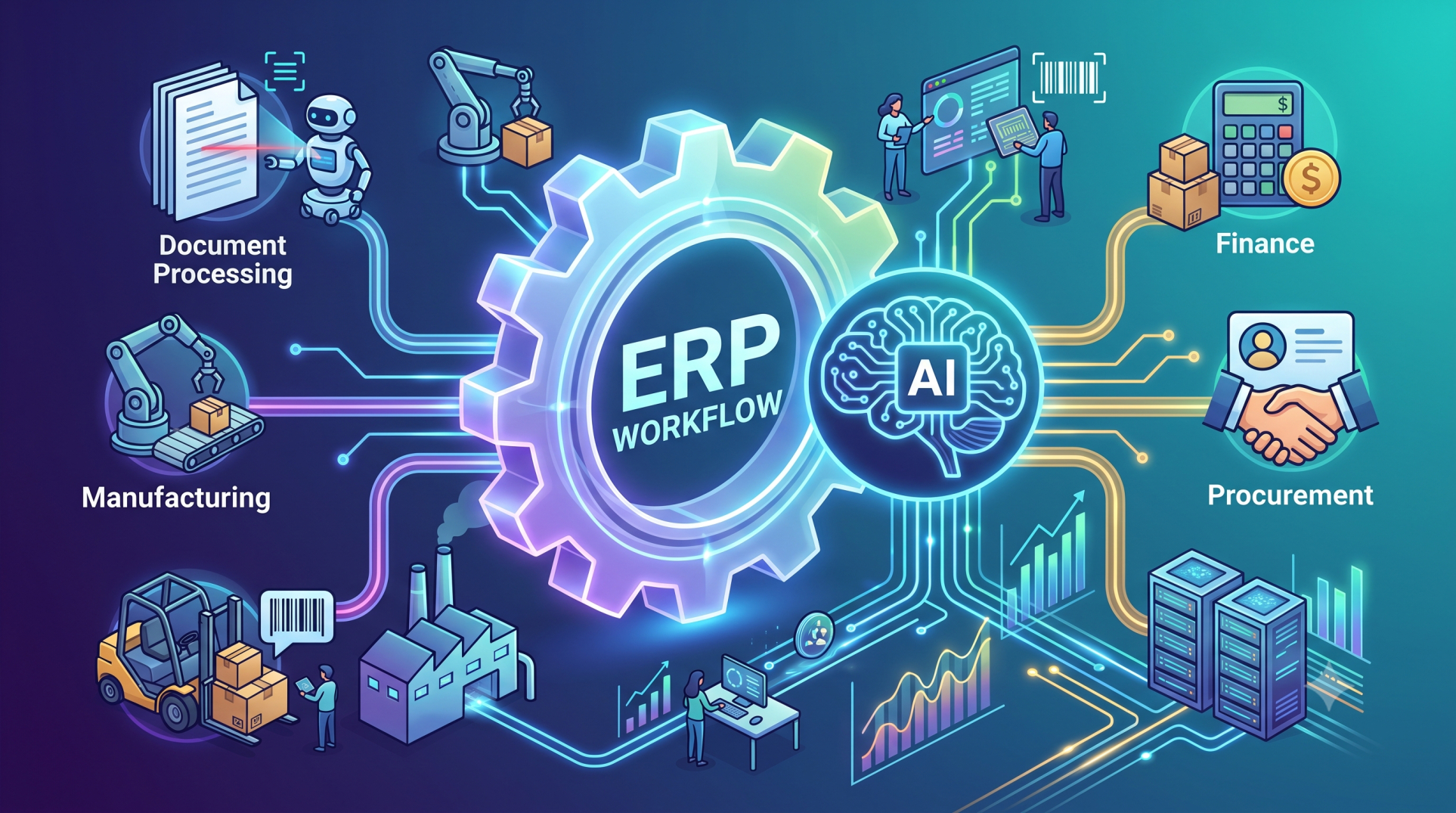
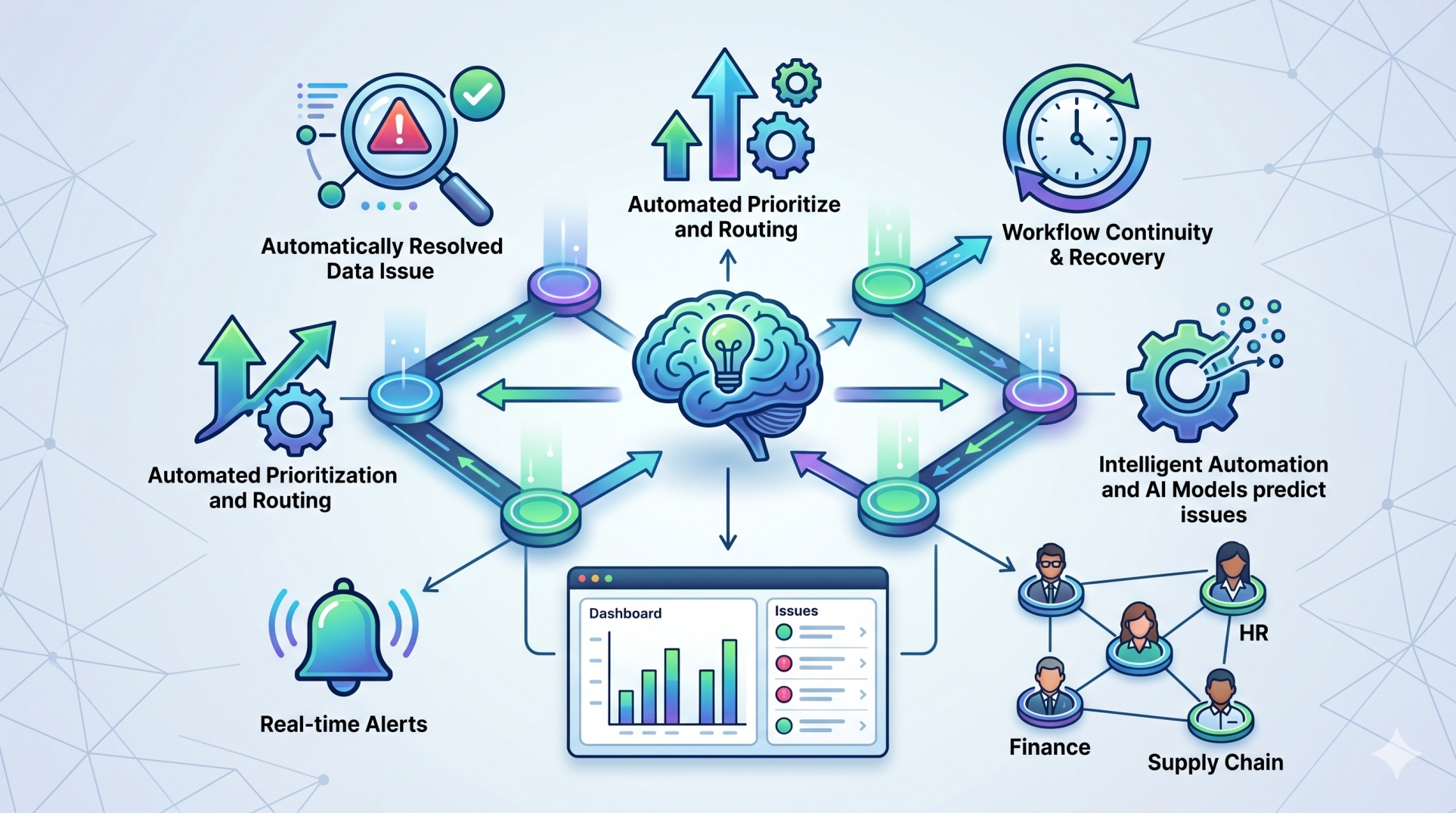
• Automate repetitive administrative tasks 🤖
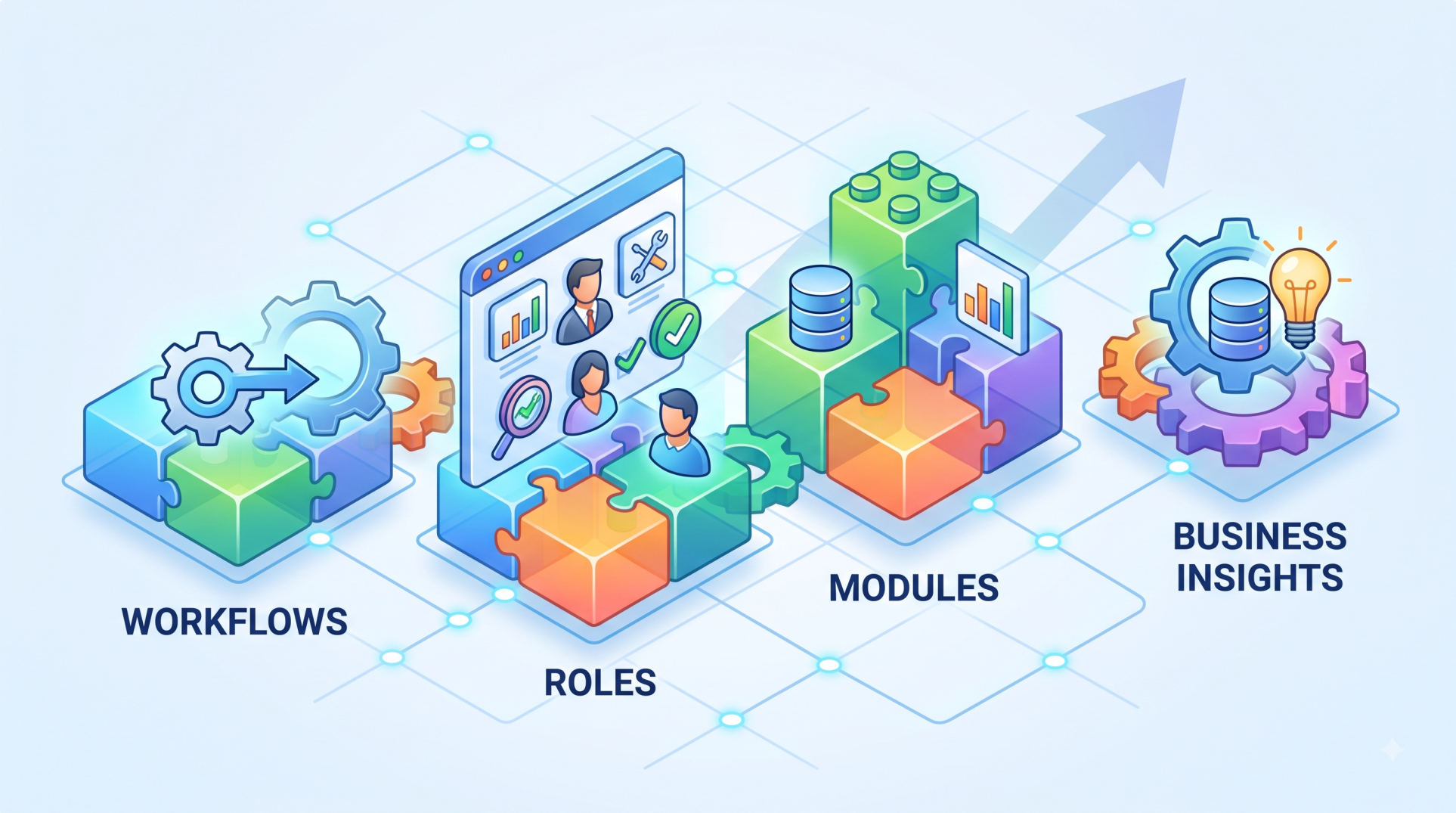
• Standardize workflows across business functions 📋
• Reduce manual approvals and paperwork 📝
• Improve process consistency and operational efficiency 🚀
• Free teams to focus on business growth 🌱
Step 5: Improving Financial Visibility 💹
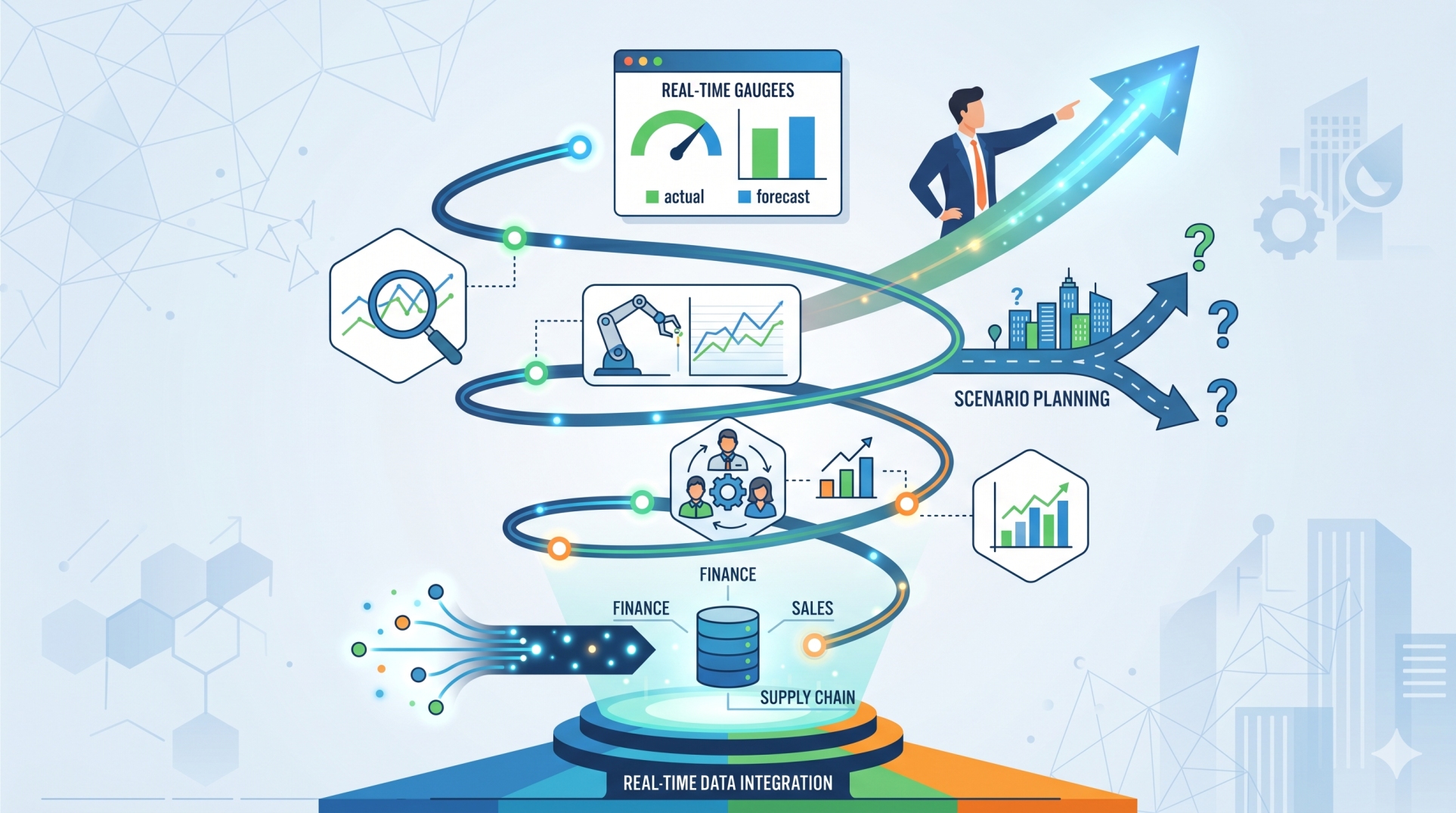
• Monitor cash flow in real time 💵
• Track revenue, expenses, and profitability accurately 📈
• Generate financial reports automatically 📑
• Support budgeting and forecasting with reliable data 📊
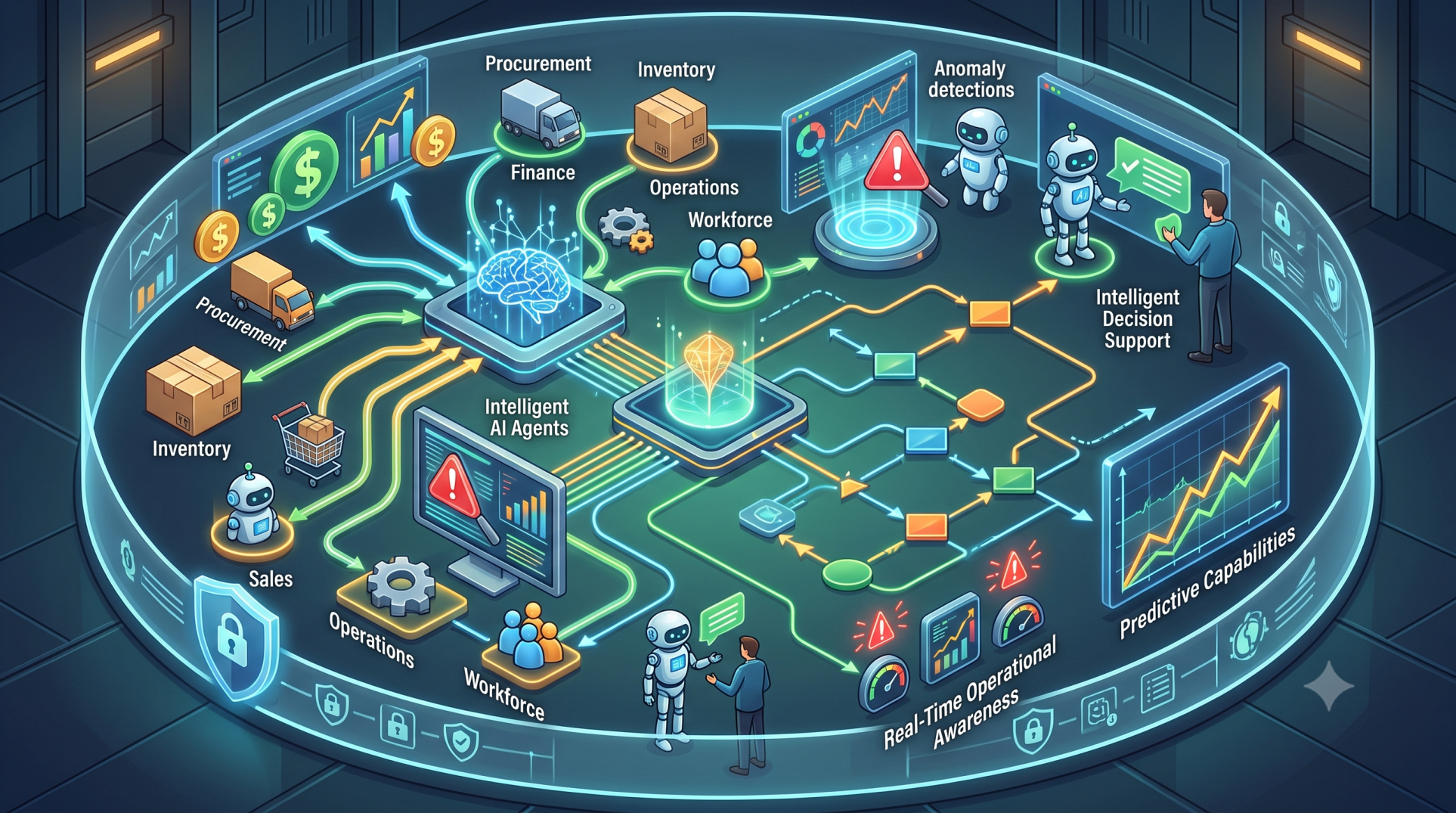
• Improve decision-making through real-time insights 🧠
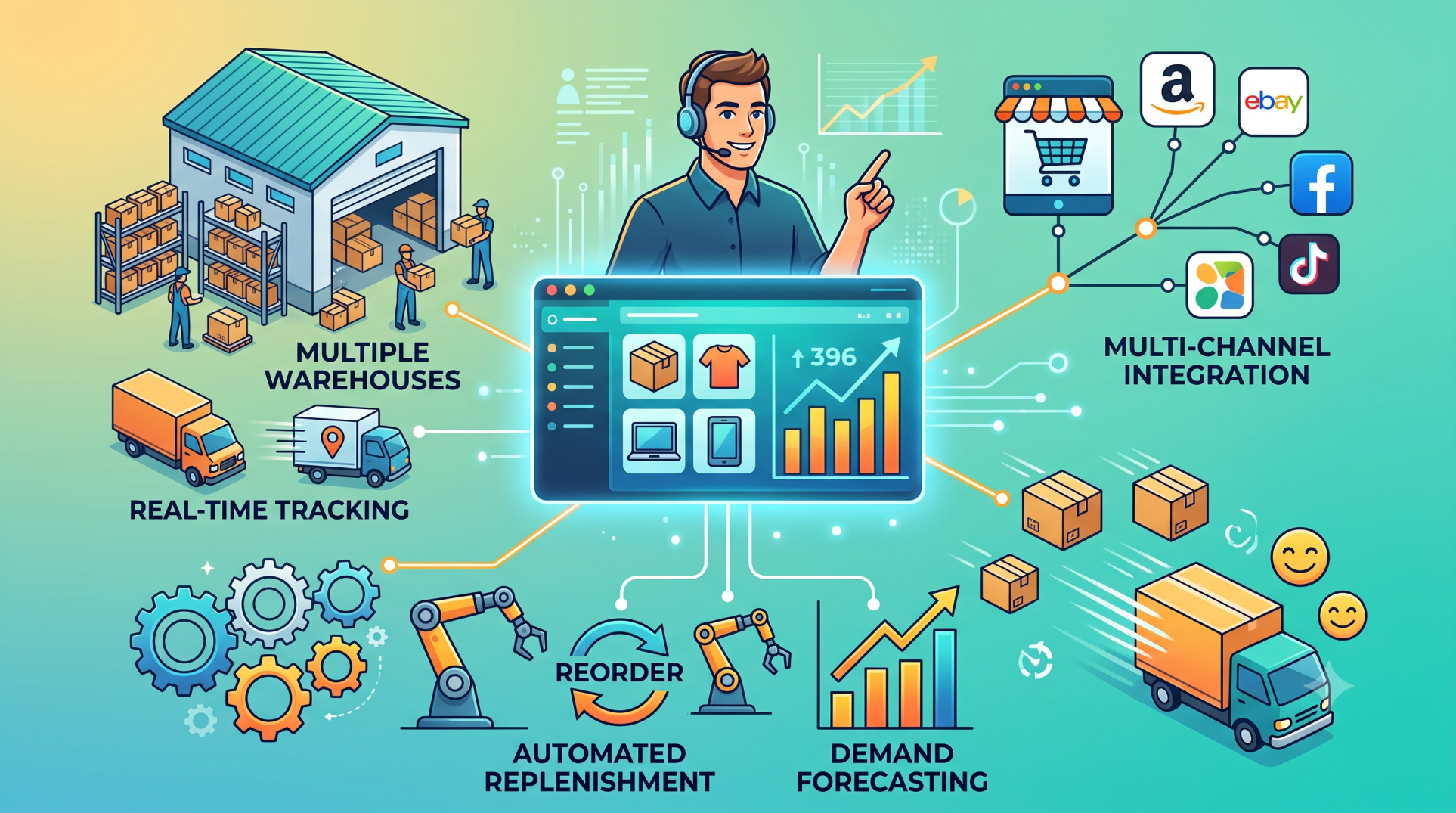
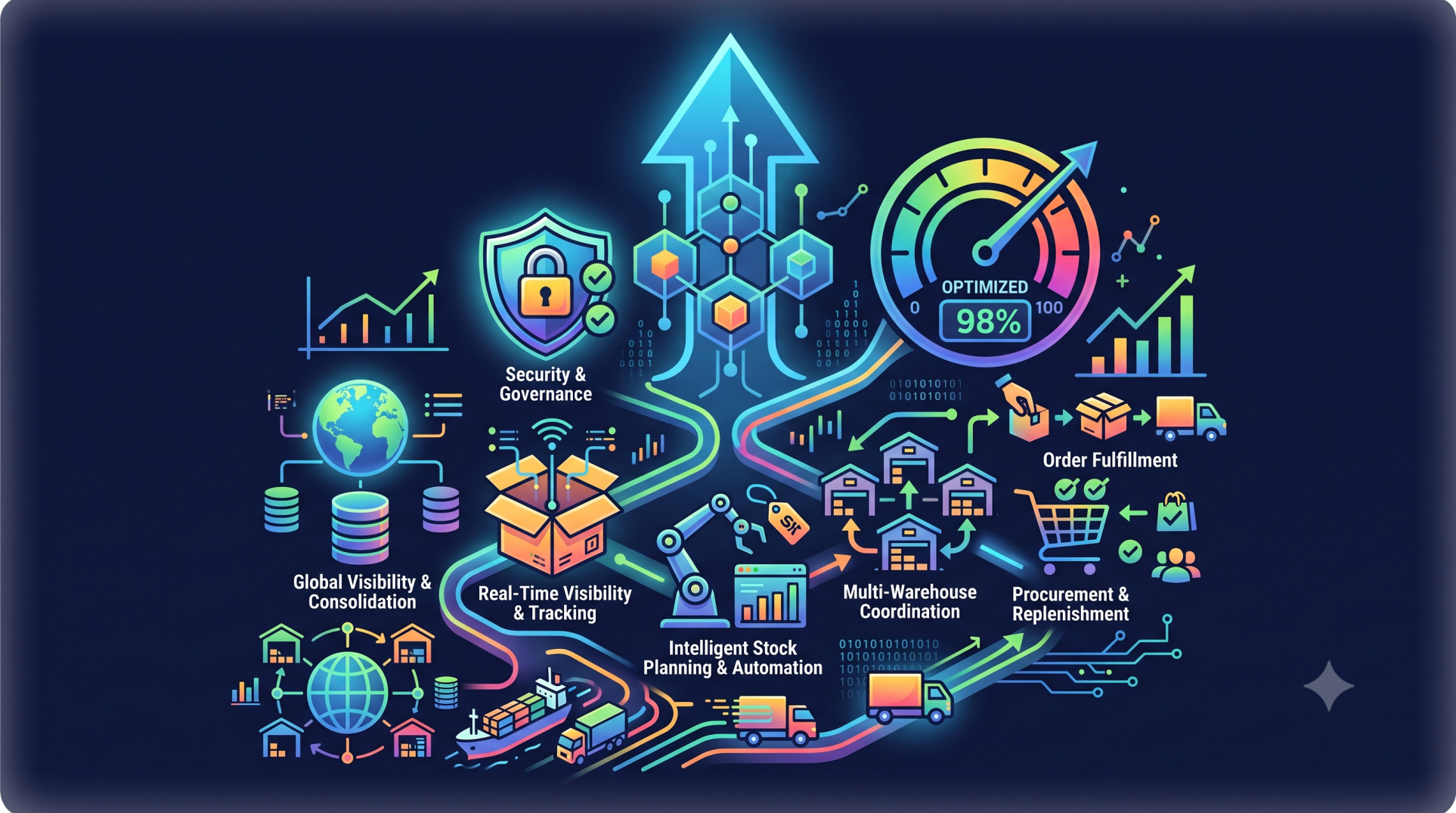
Step 6: Strengthening Inventory and Operations 📦
• Monitor inventory levels across locations 🏬
• Optimize purchasing and replenishment processes 🚚
• Reduce stock shortages and excess inventory ⚖️
• Improve order fulfillment efficiency 📦
• Increase visibility throughout the supply chain 🔄
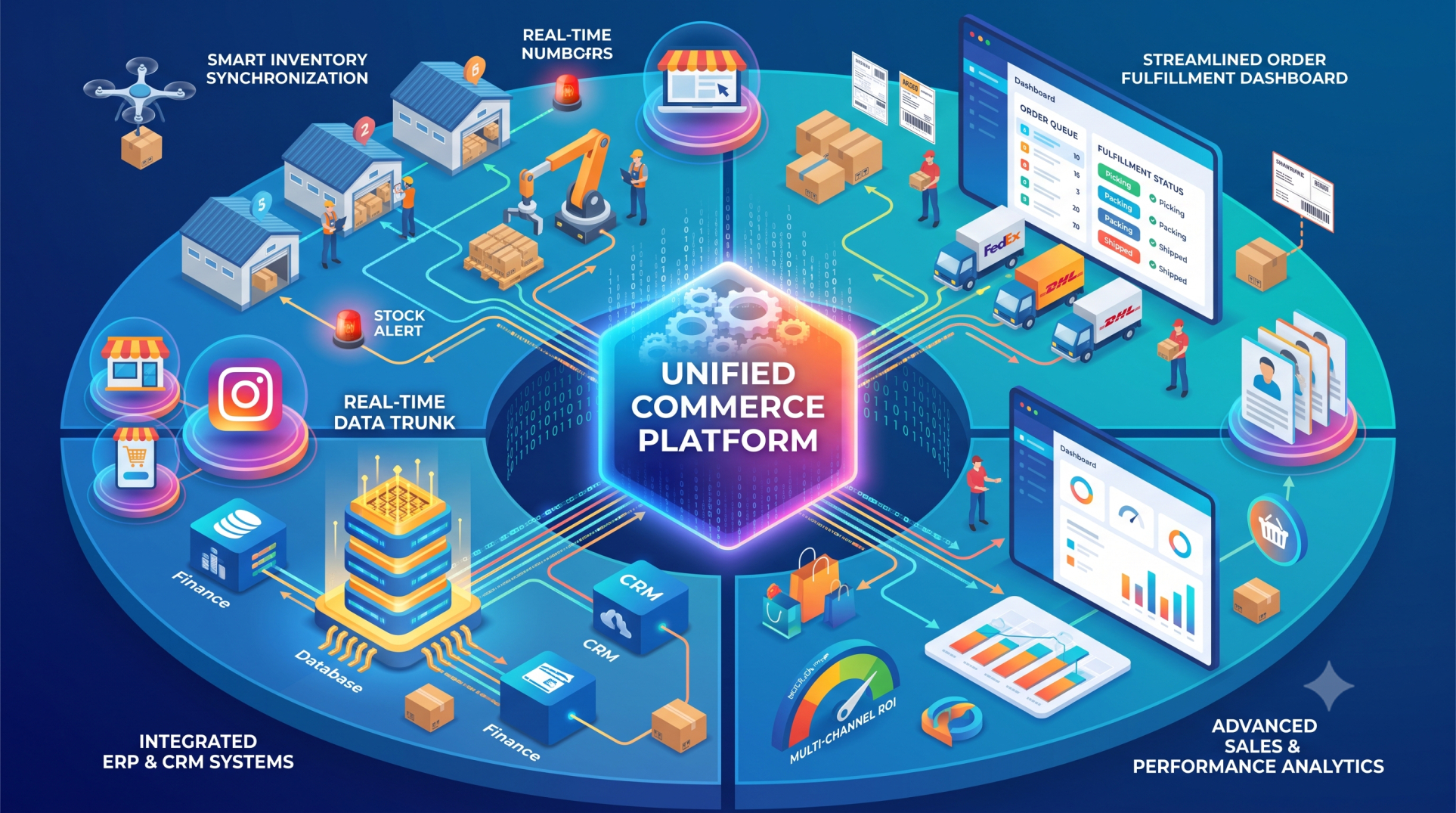
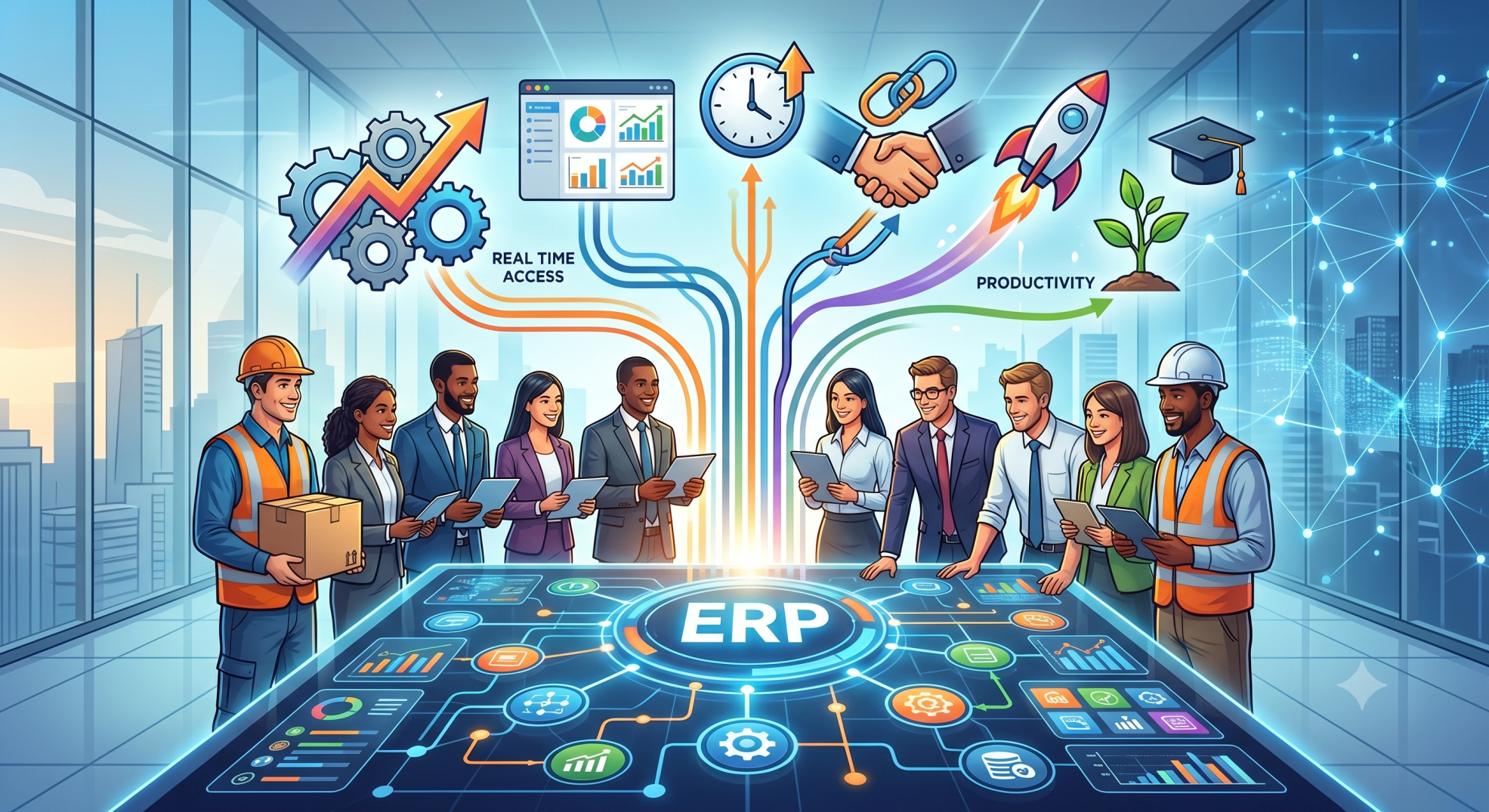
Step 7: Supporting Team Collaboration 🤝
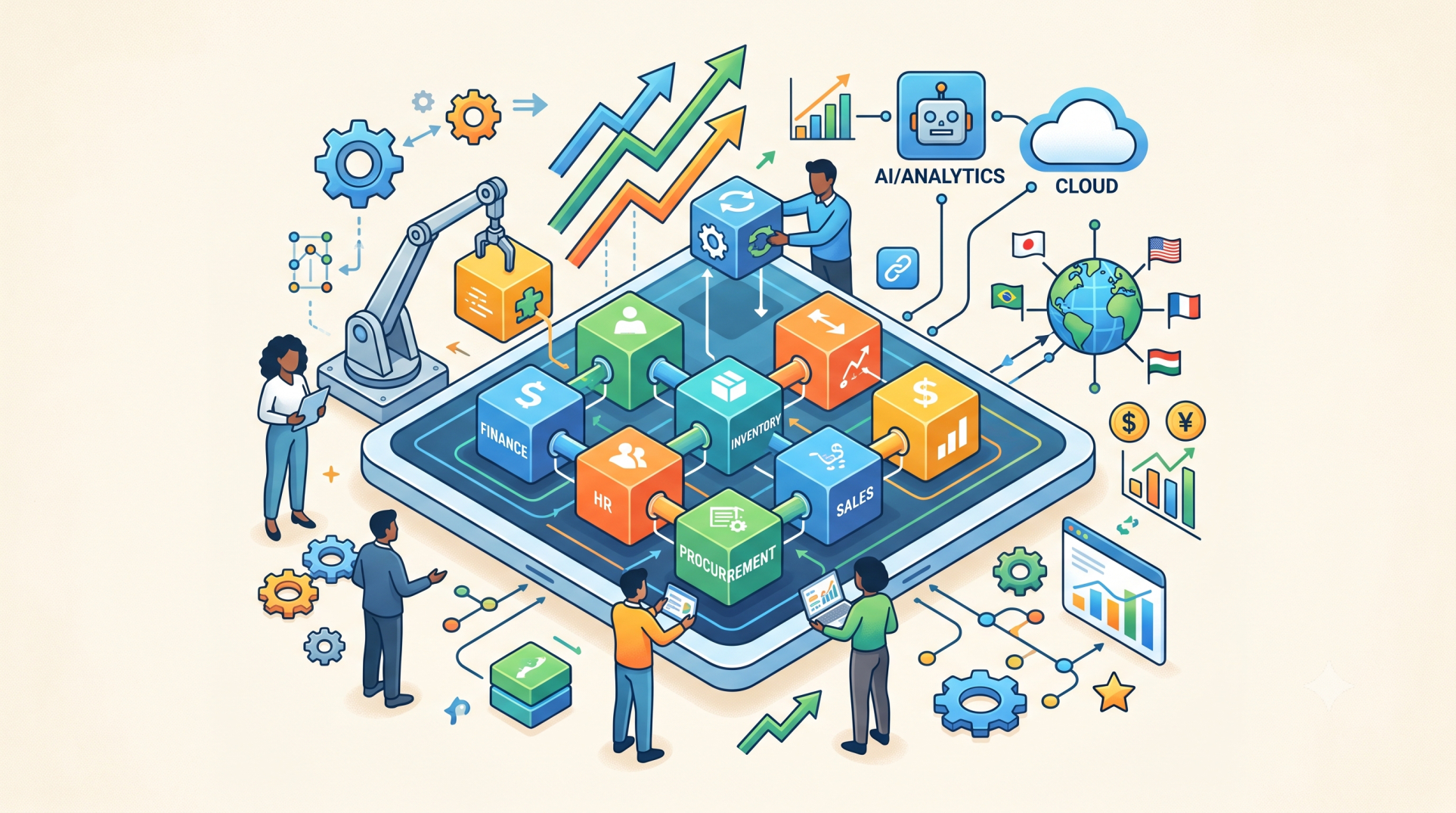
• Connect departments through shared business information 🌐
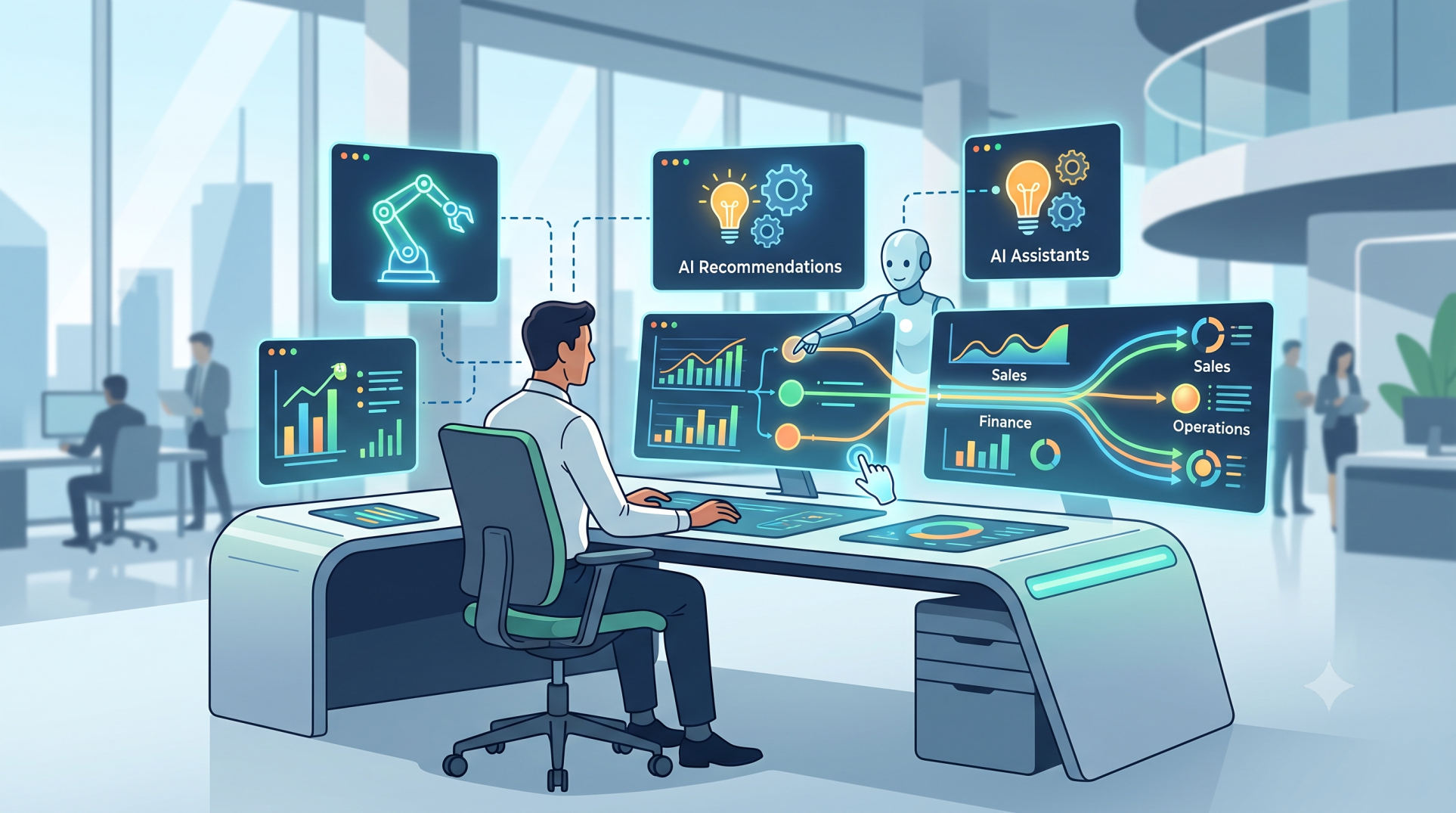
• Improve communication between finance, sales, and operations 💬
• Reduce information silos across the organization 🏢
• Increase accountability with role-based access 👥
• Enable faster cross-functional decision-making ⚡
Step 8: Key ERP Adoption Priorities ⭐
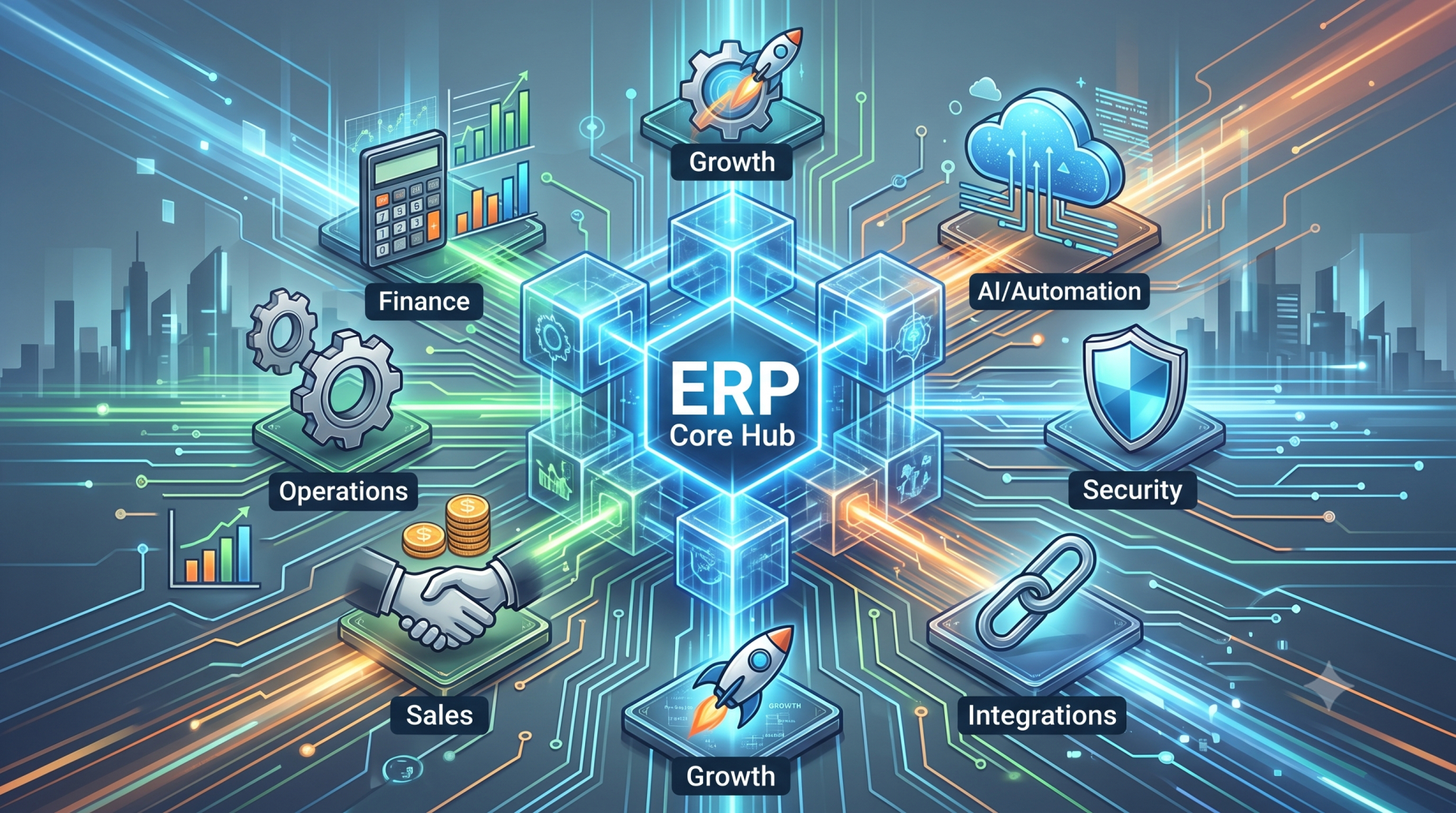
• Centralized business operations 📊
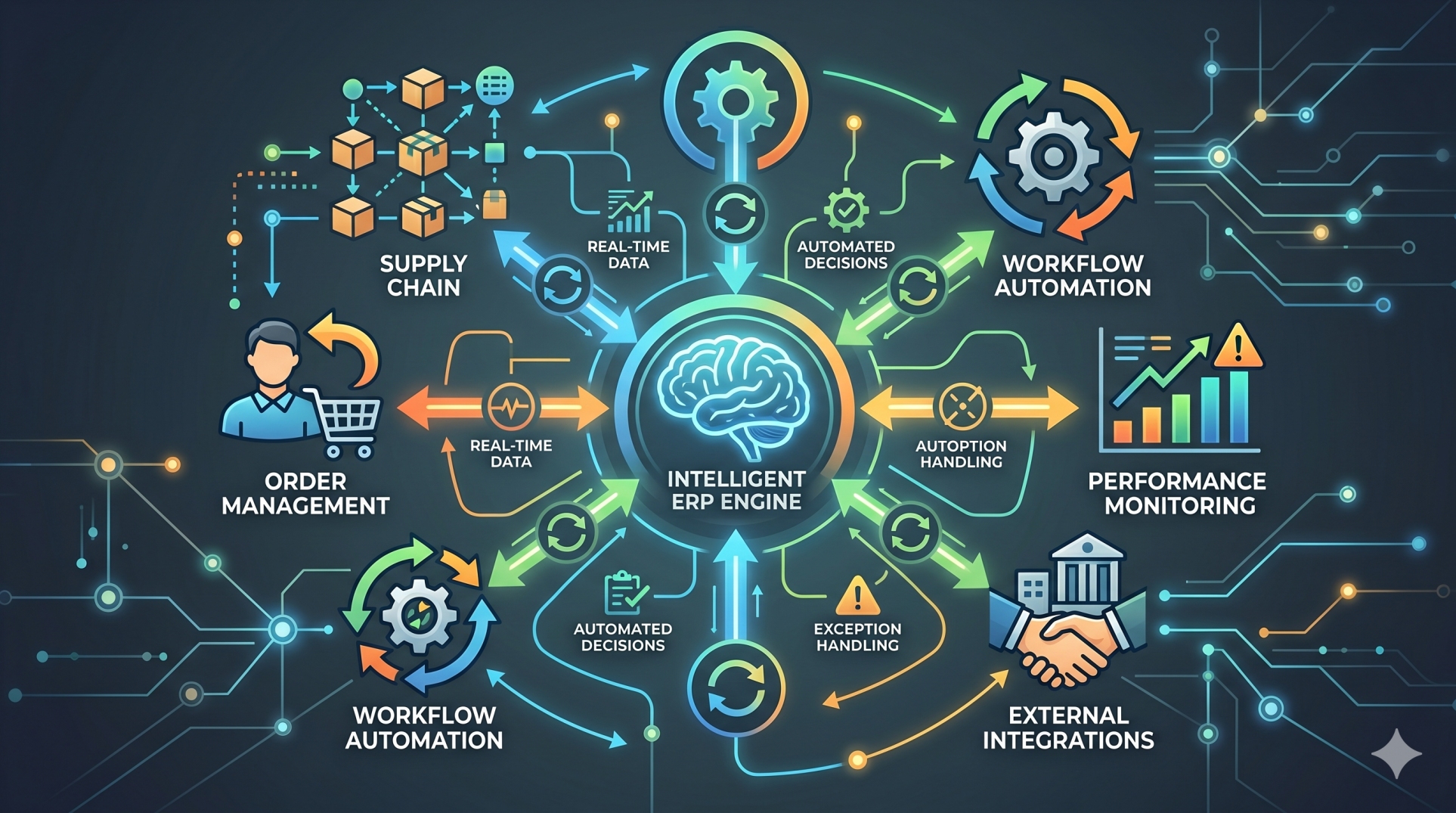
• Automated workflows that reduce manual work ⚙️
• Real-time reporting and performance visibility 📈
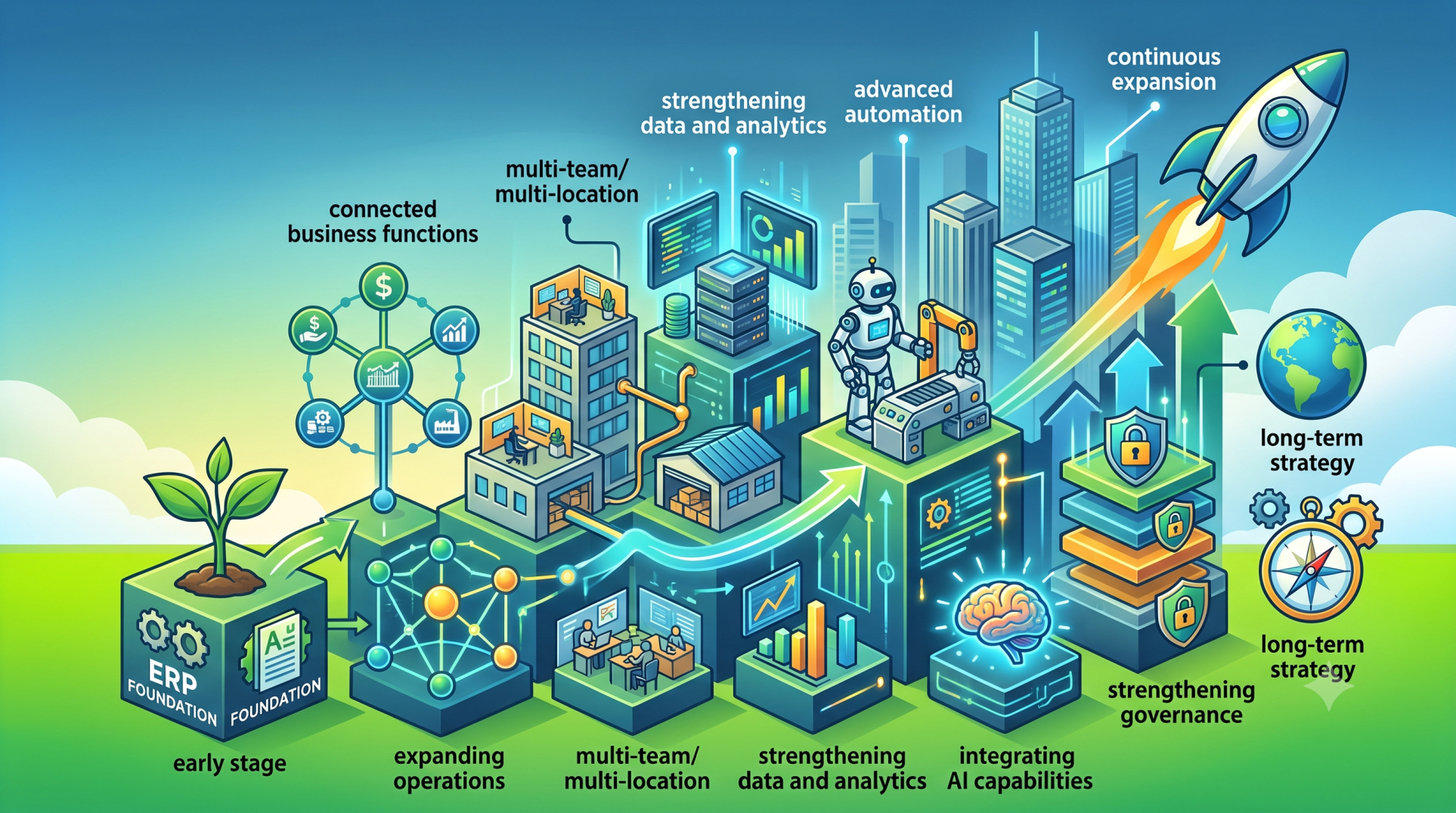
• Scalable systems that support future growth 🚀
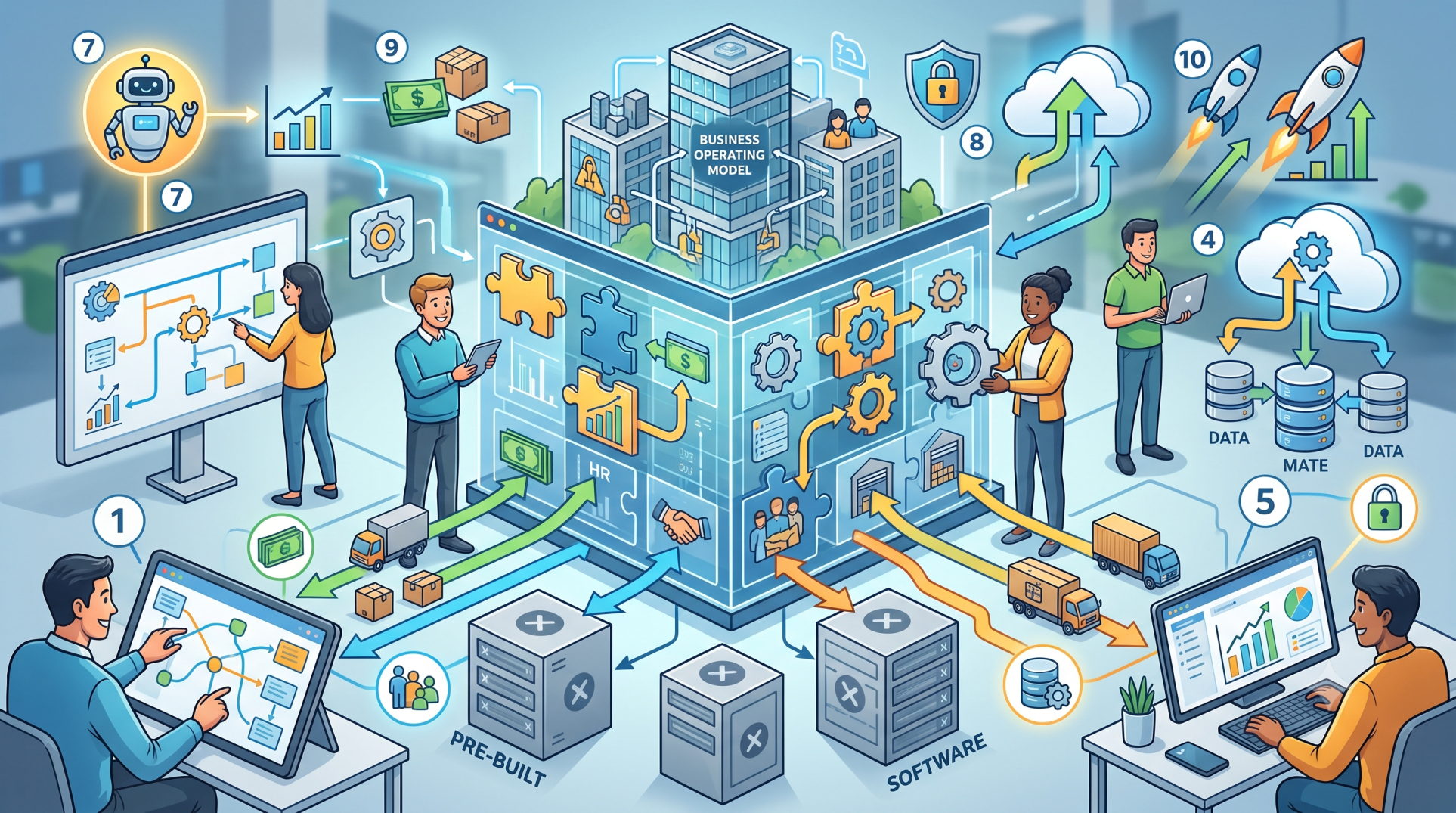
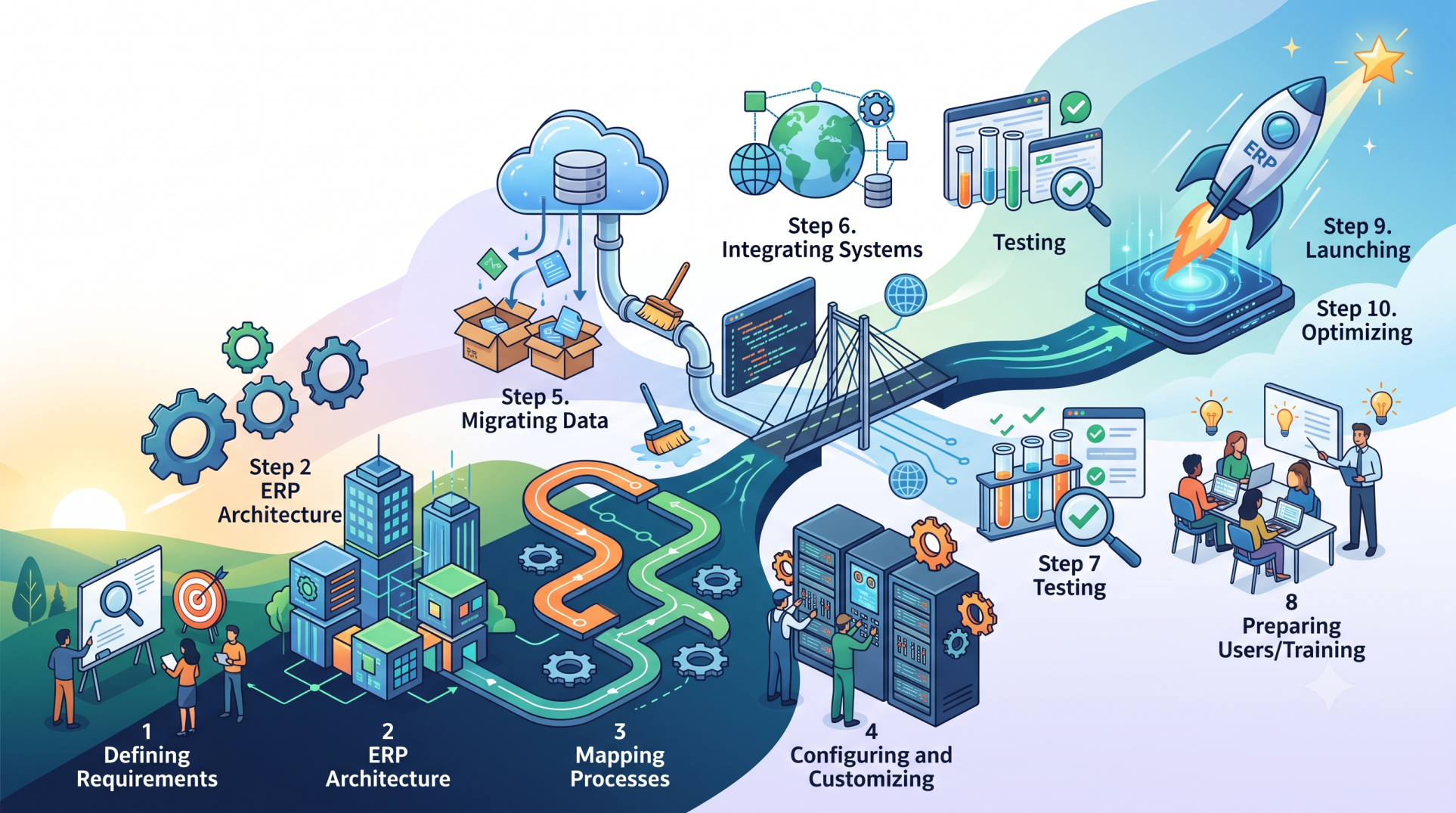
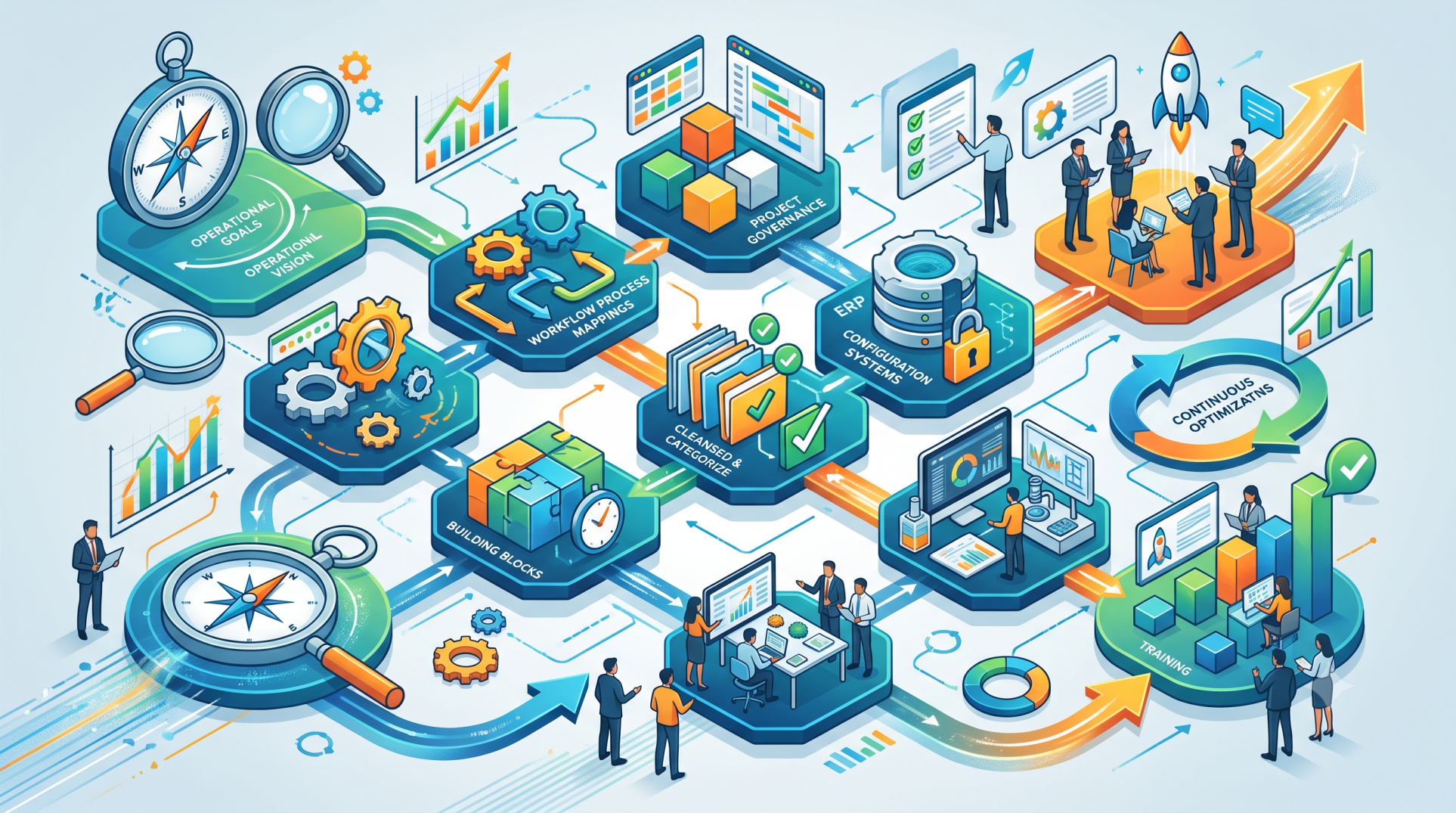
Step 9: Planning a Successful ERP Transition 🛠️
• Evaluate existing business processes before implementation 📋
• Clean and organize business data before migration 🧹
• Train employees on new workflows and processes 🎓
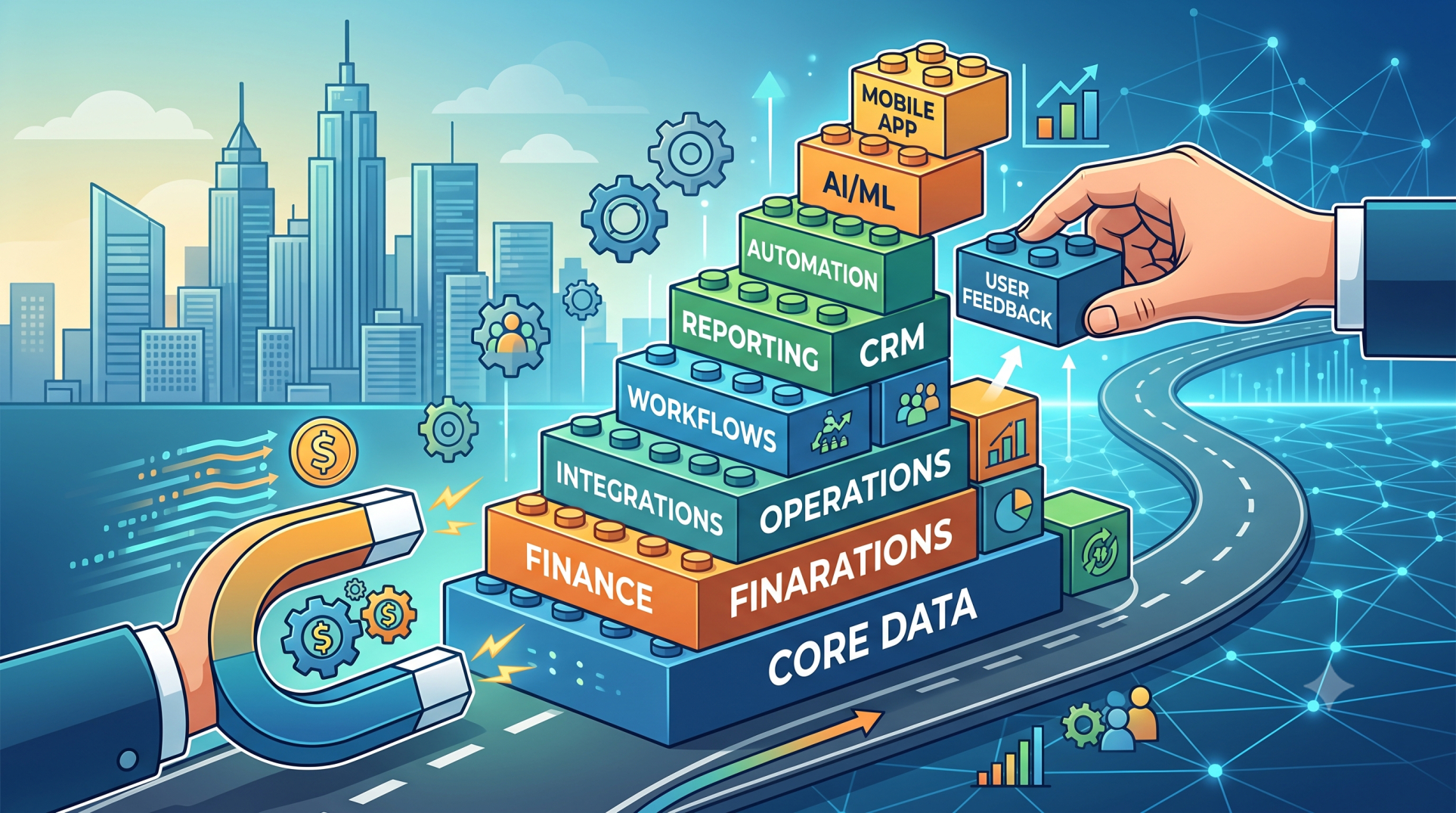
• Roll out ERP modules in manageable phases 🔄
• Monitor adoption and optimize continuously 📊
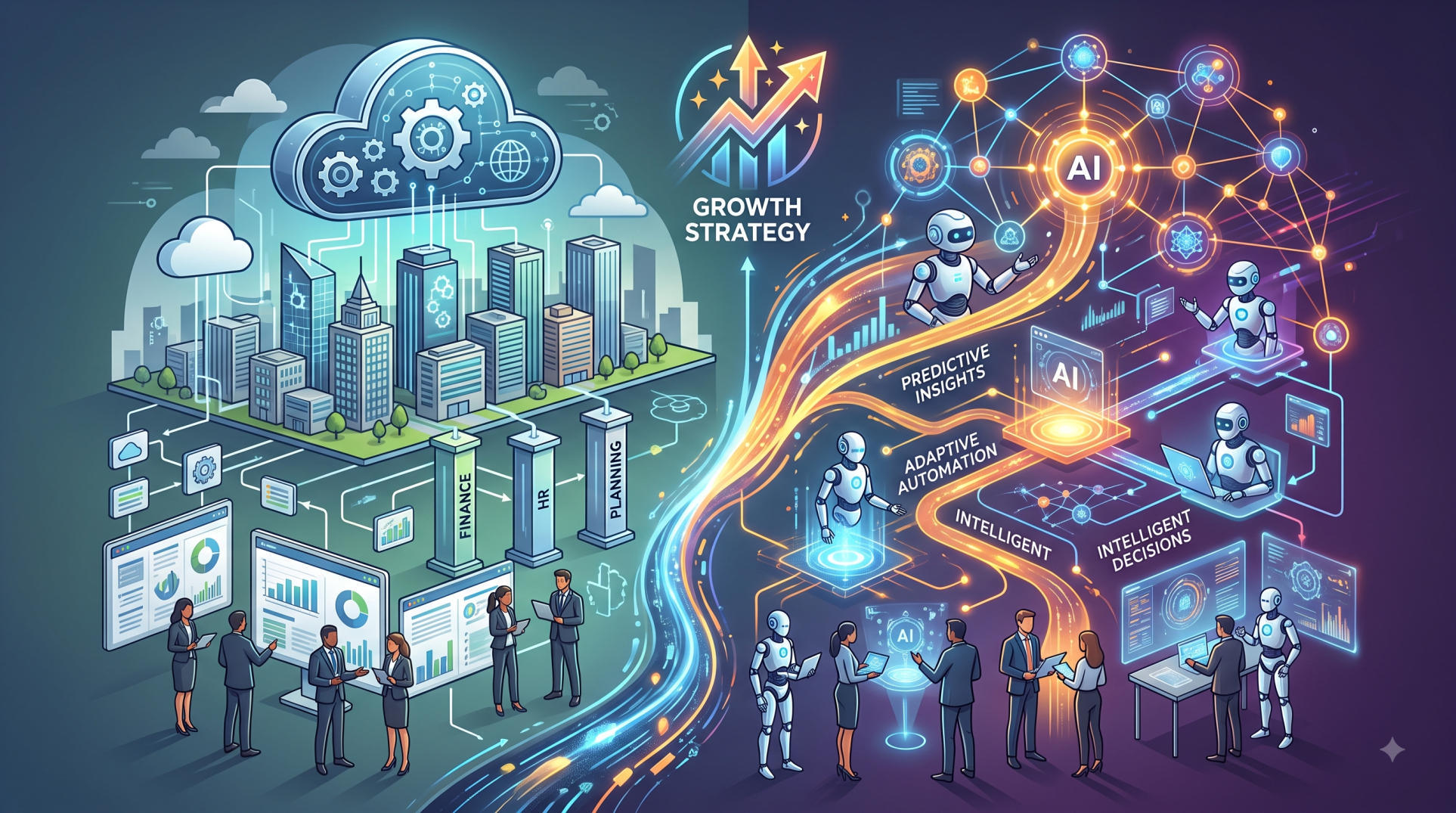
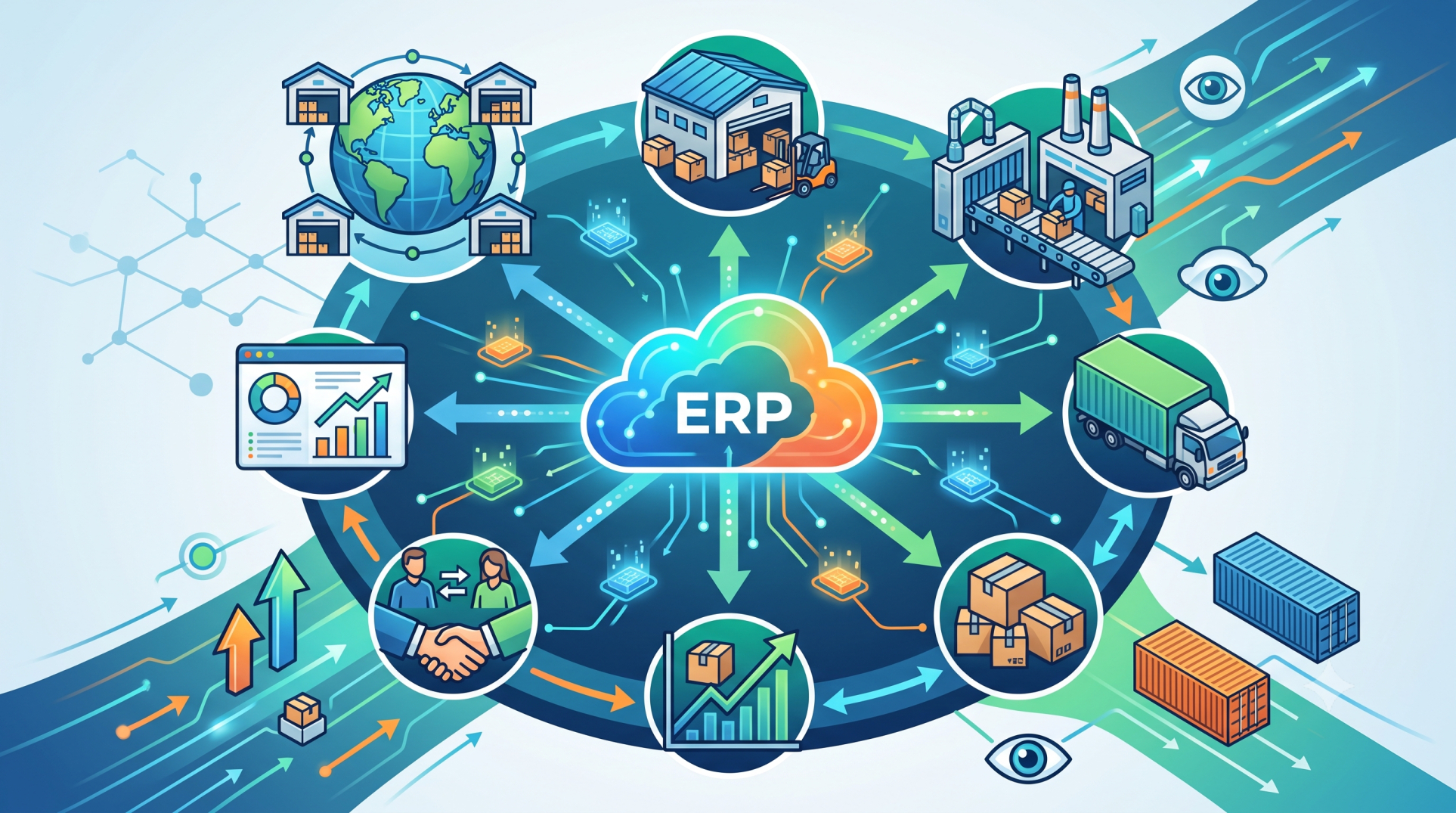
Step 10: Building for Long-Term Growth 🌍
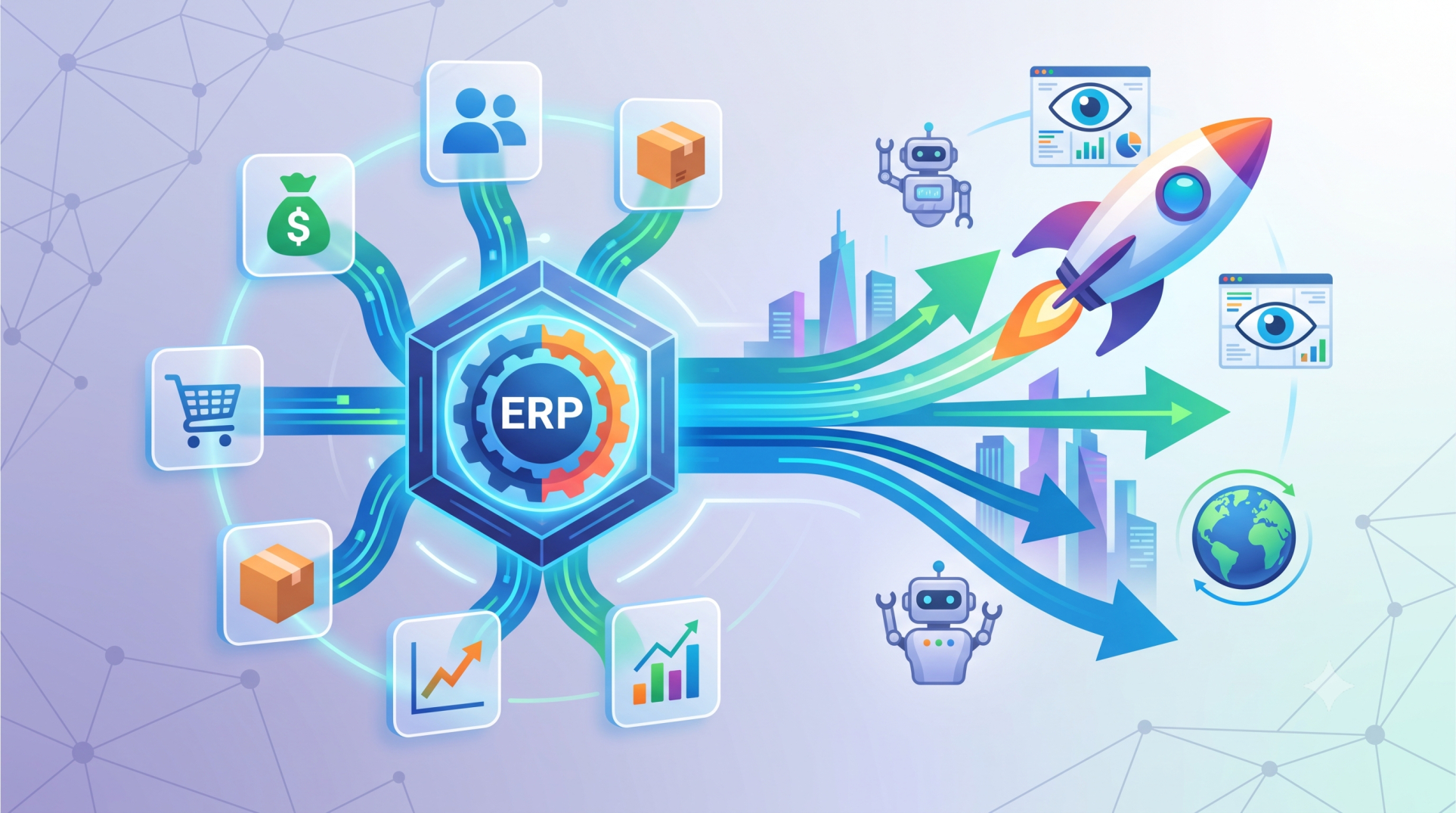
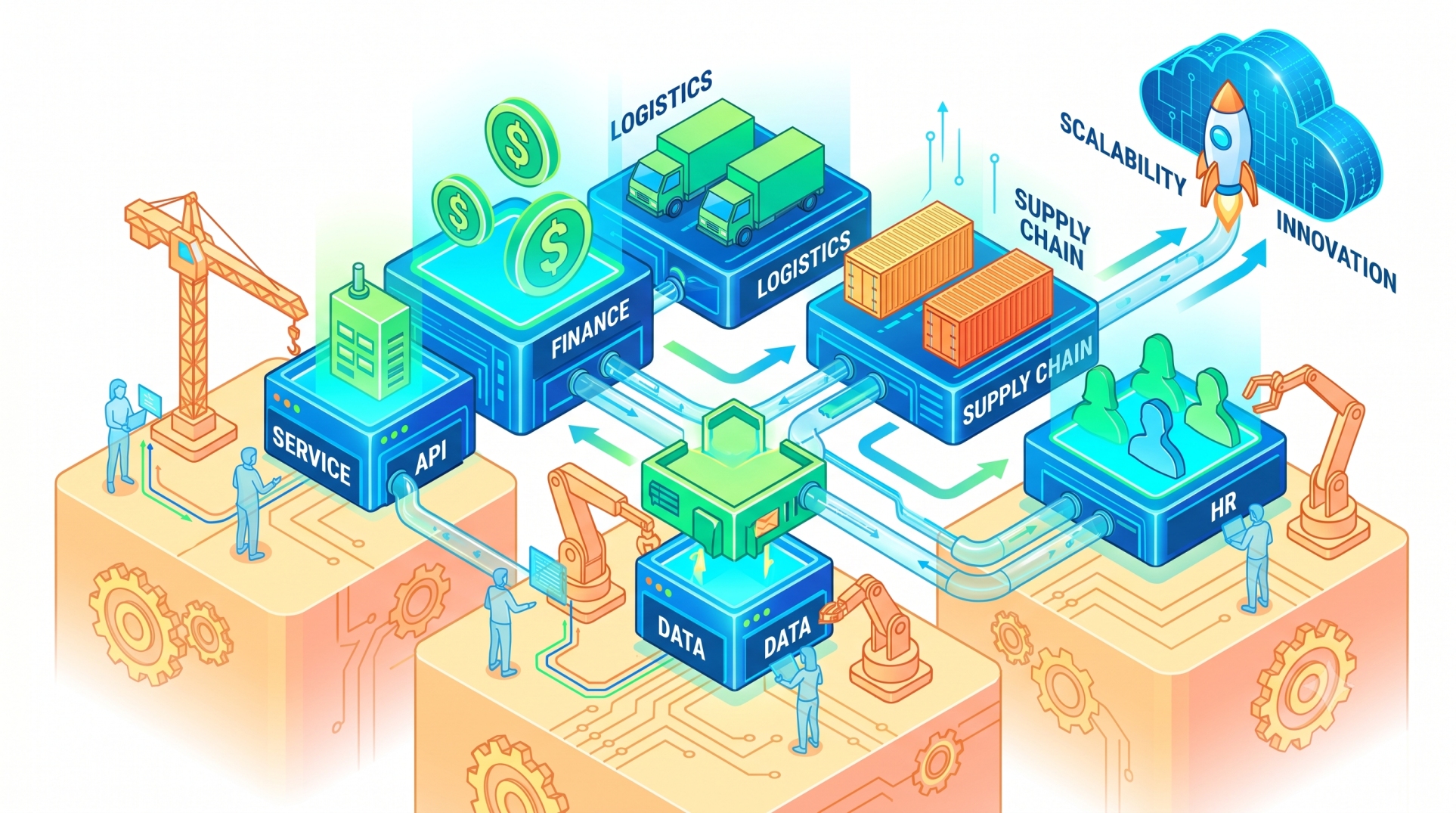
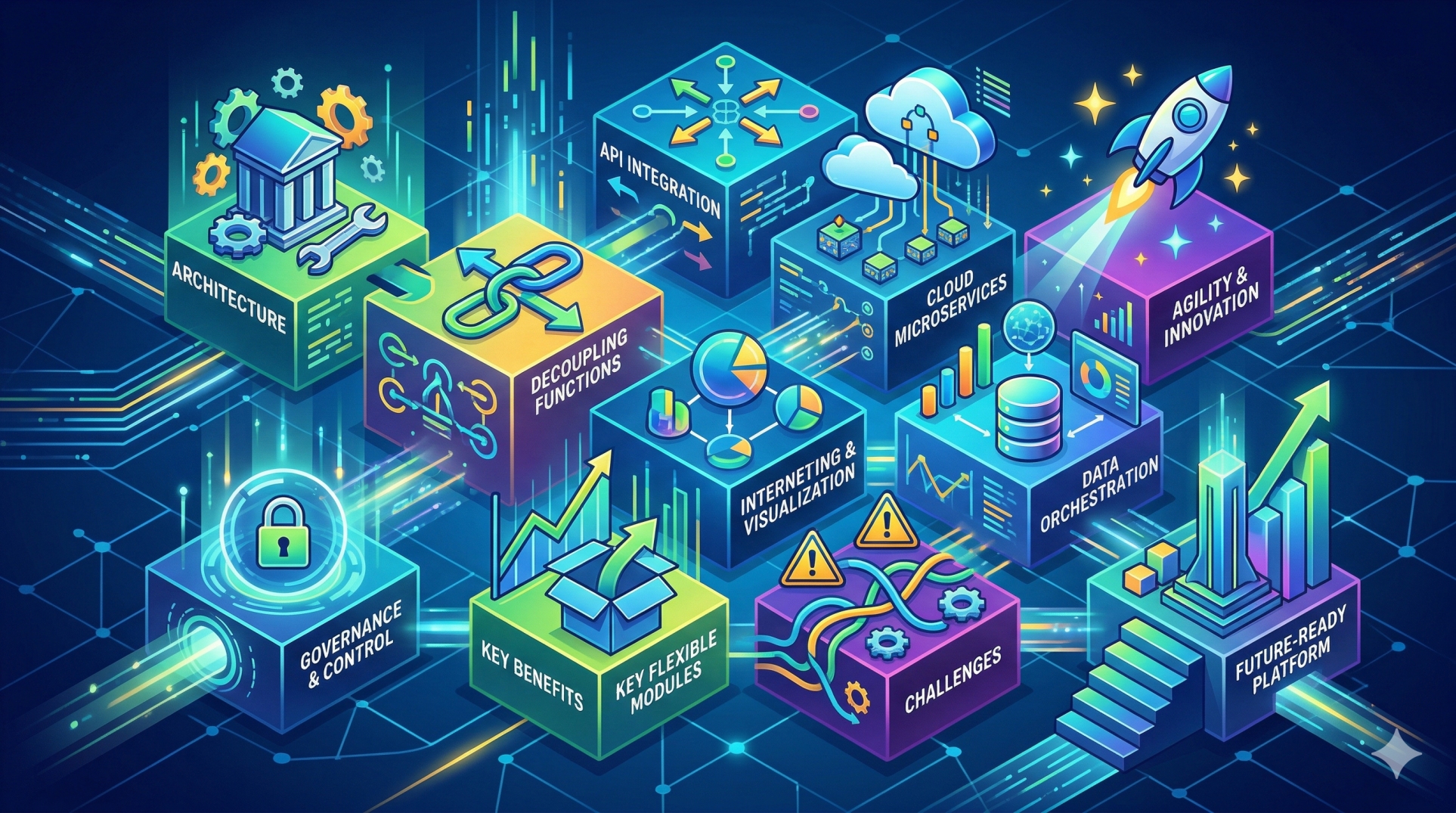
• Choose an ERP platform that scales with your business 📈
• Support expansion into new markets and locations 🌐
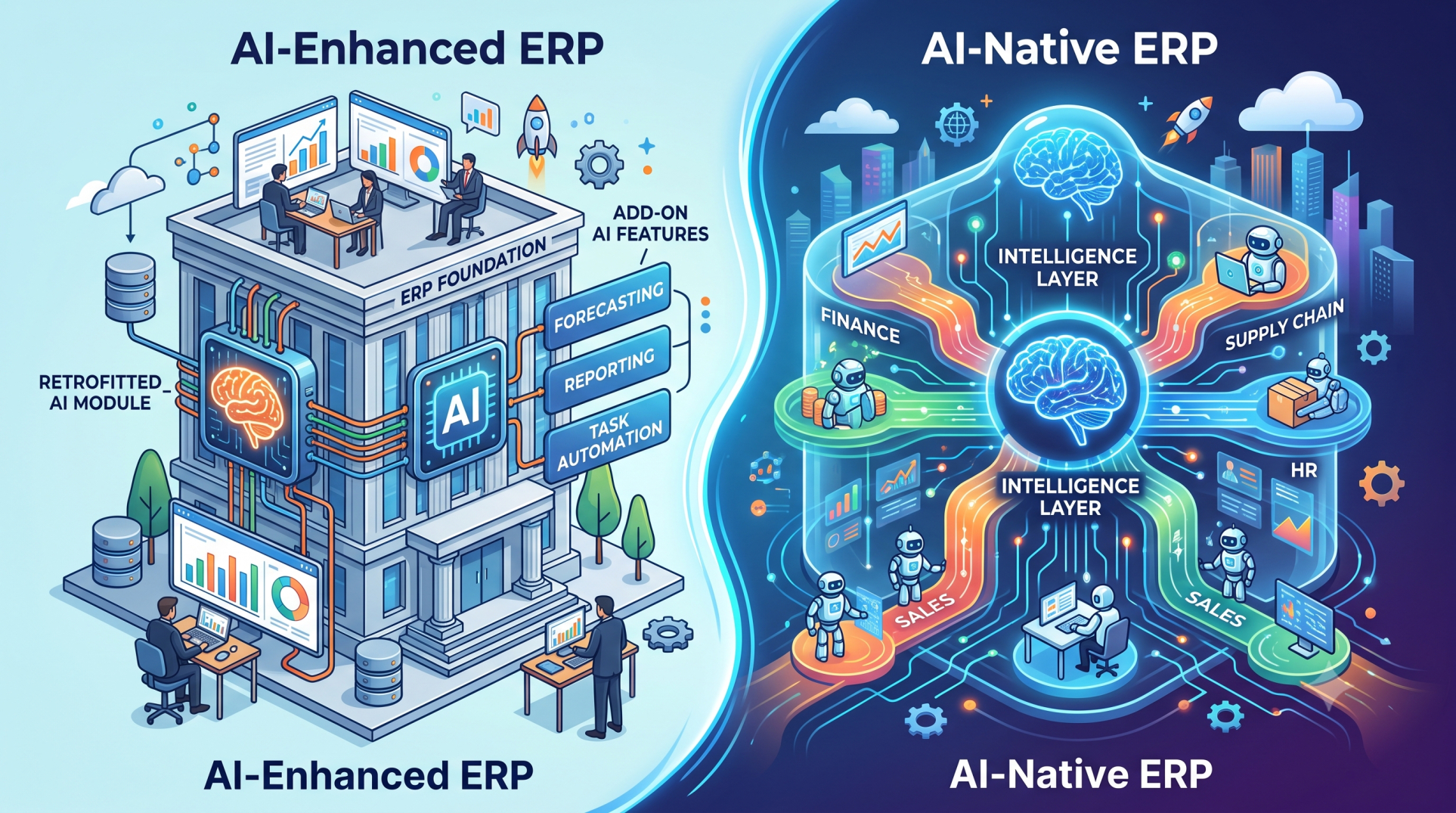
• Integrate emerging technologies and automation 🤖
• Adapt quickly to changing business requirements 🔧
• Build a resilient operational foundation for future success 🏗️
Conclusion
Spreadsheets are an effective starting point for many startups, but they eventually reach their limits as operations become more complex. Transitioning to an ERP system at the right time helps centralize information, automate processes, improve financial visibility, and strengthen collaboration across the organization. By making the move before operational challenges become bottlenecks, startups can build a scalable foundation that supports sustainable growth and long-term success.
See more blogs
You can all the articles below