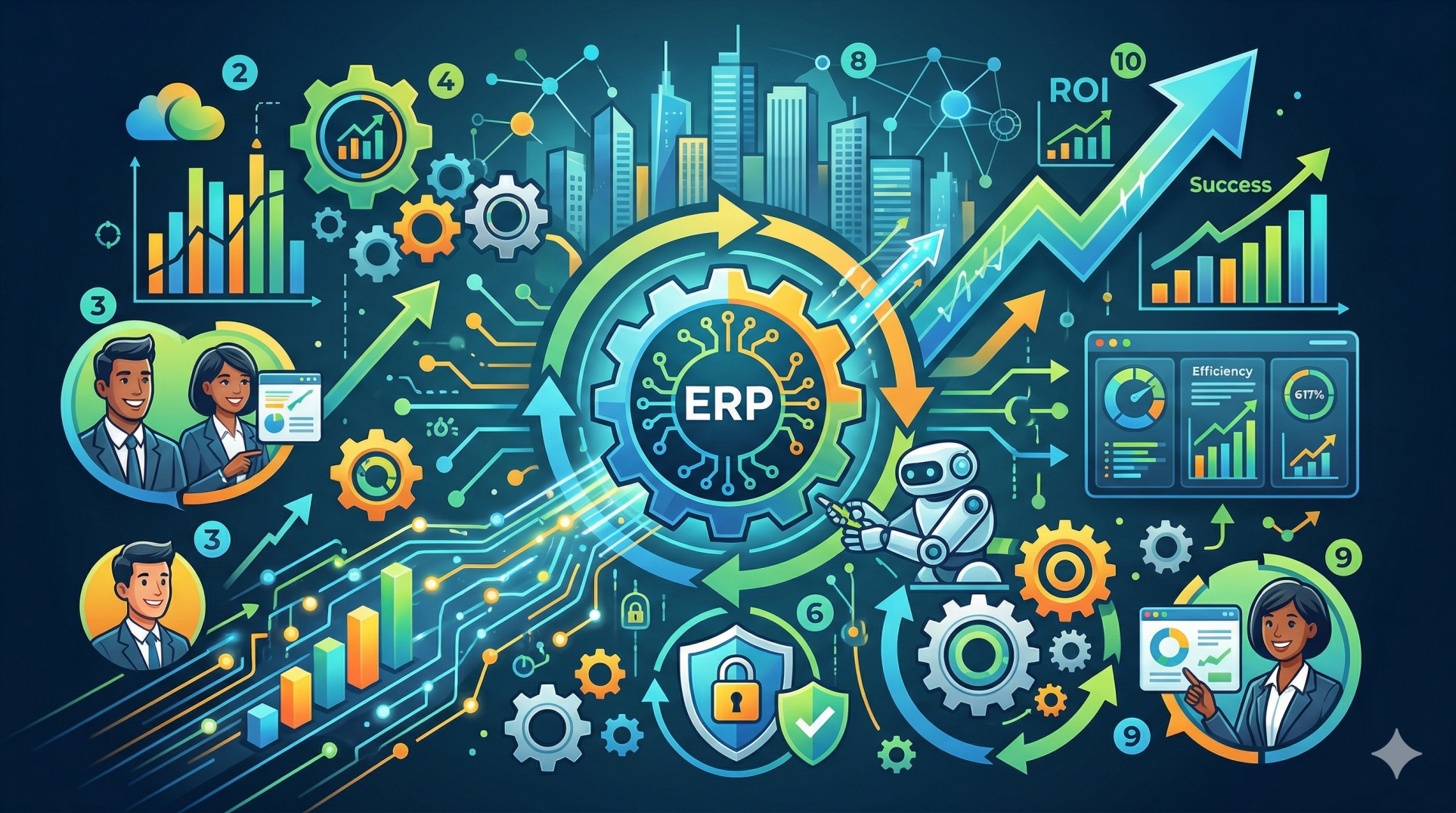
Unified Platforms for Multi-Channel E-Commerce
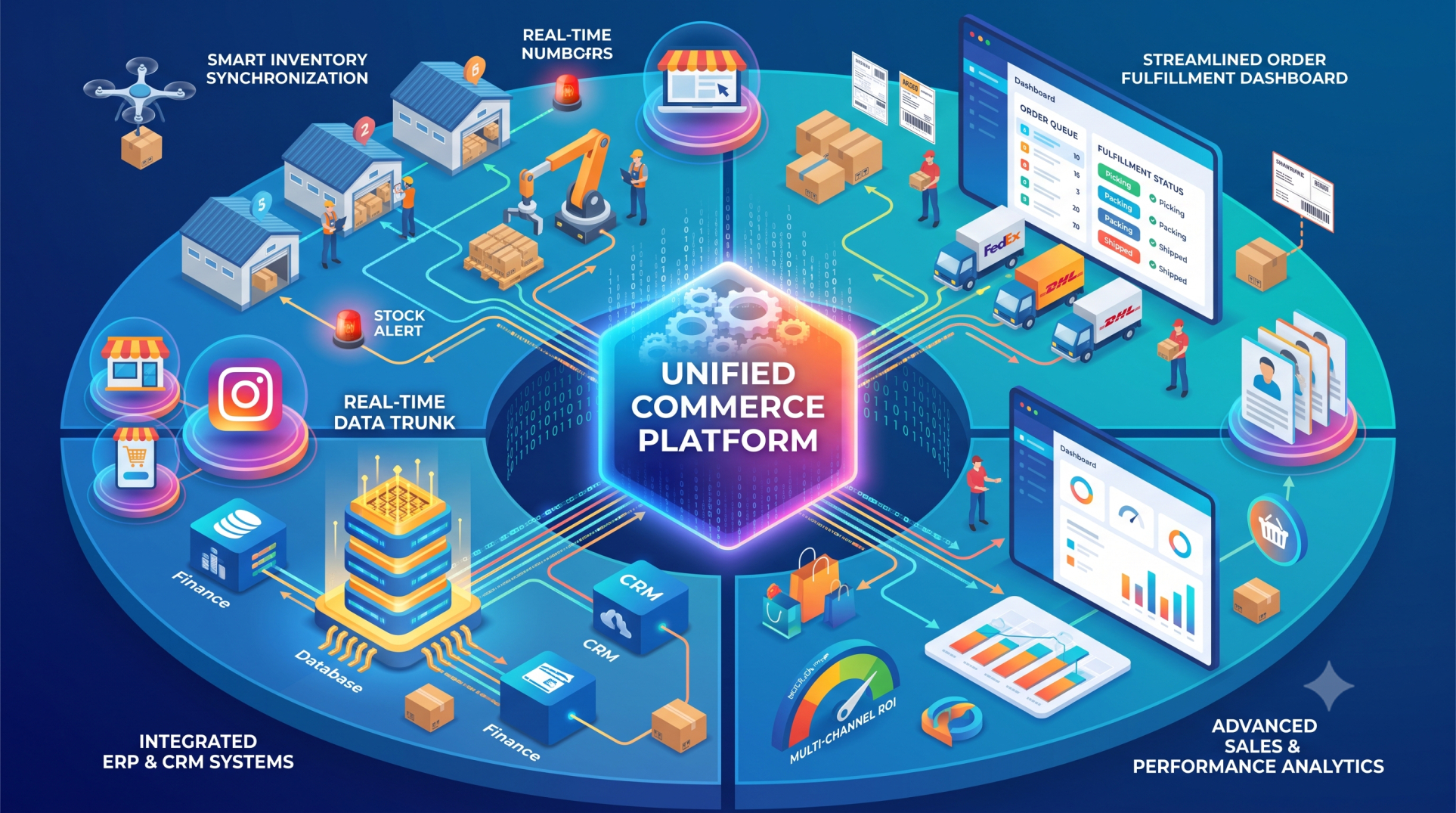
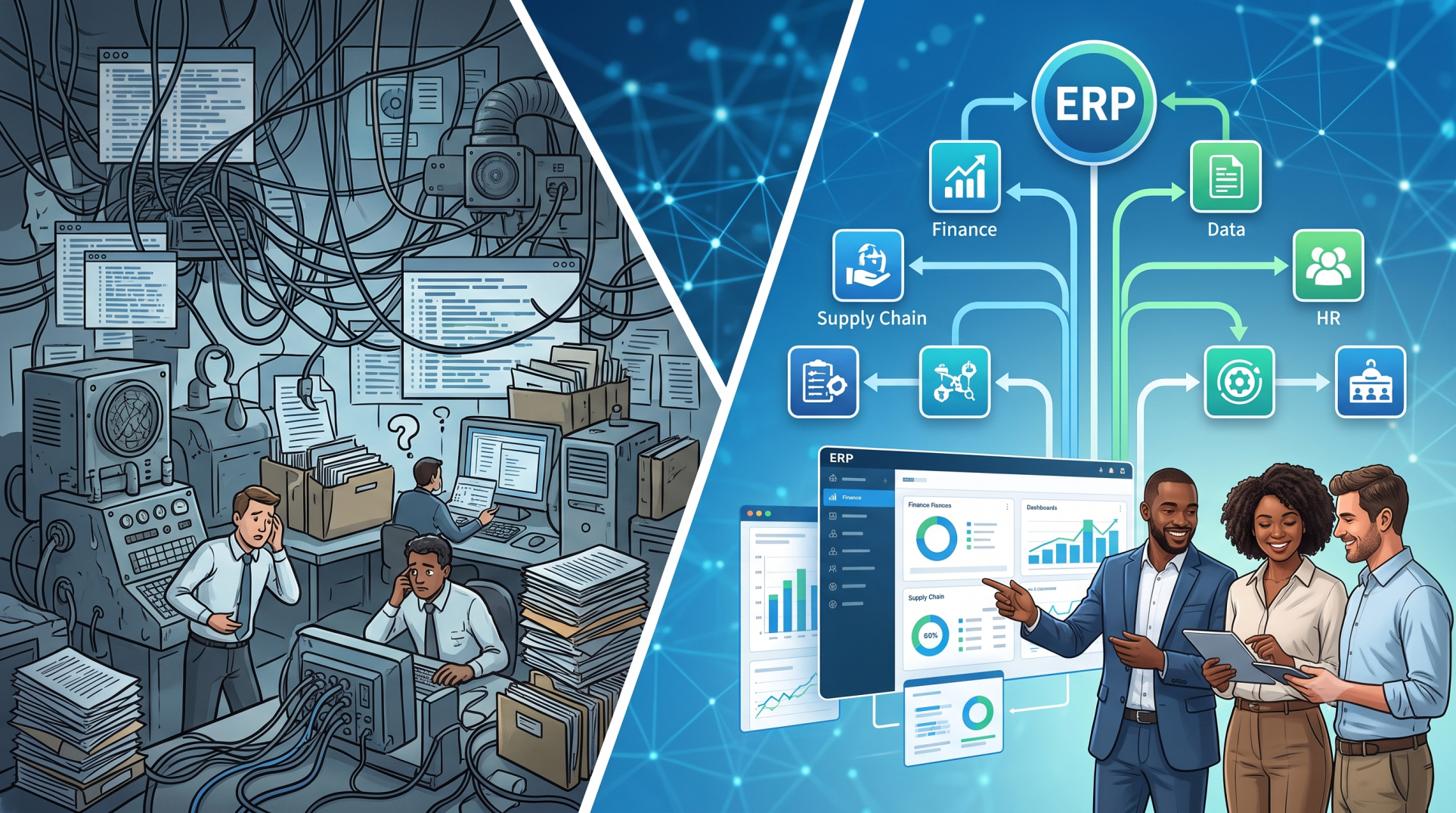
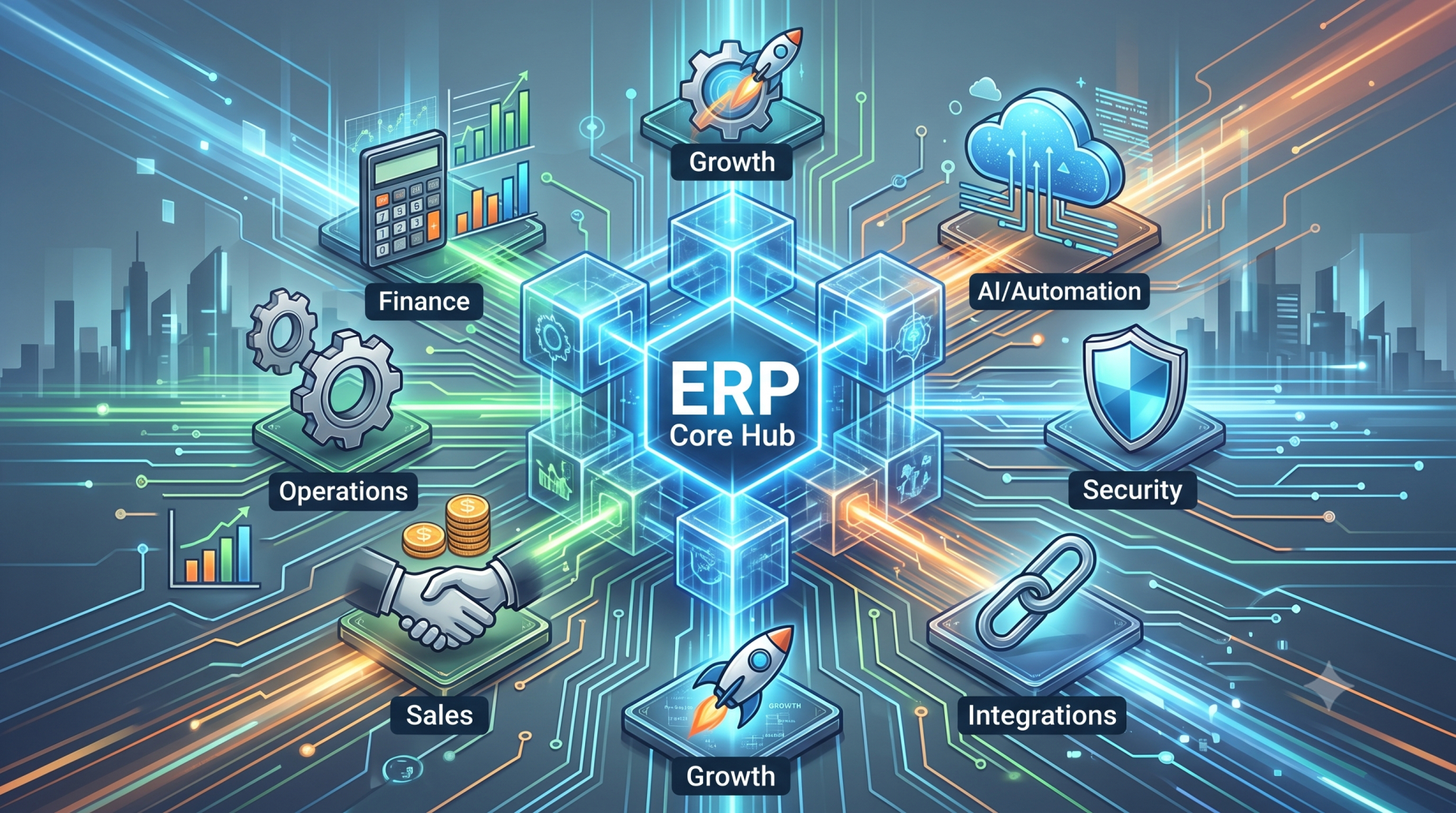
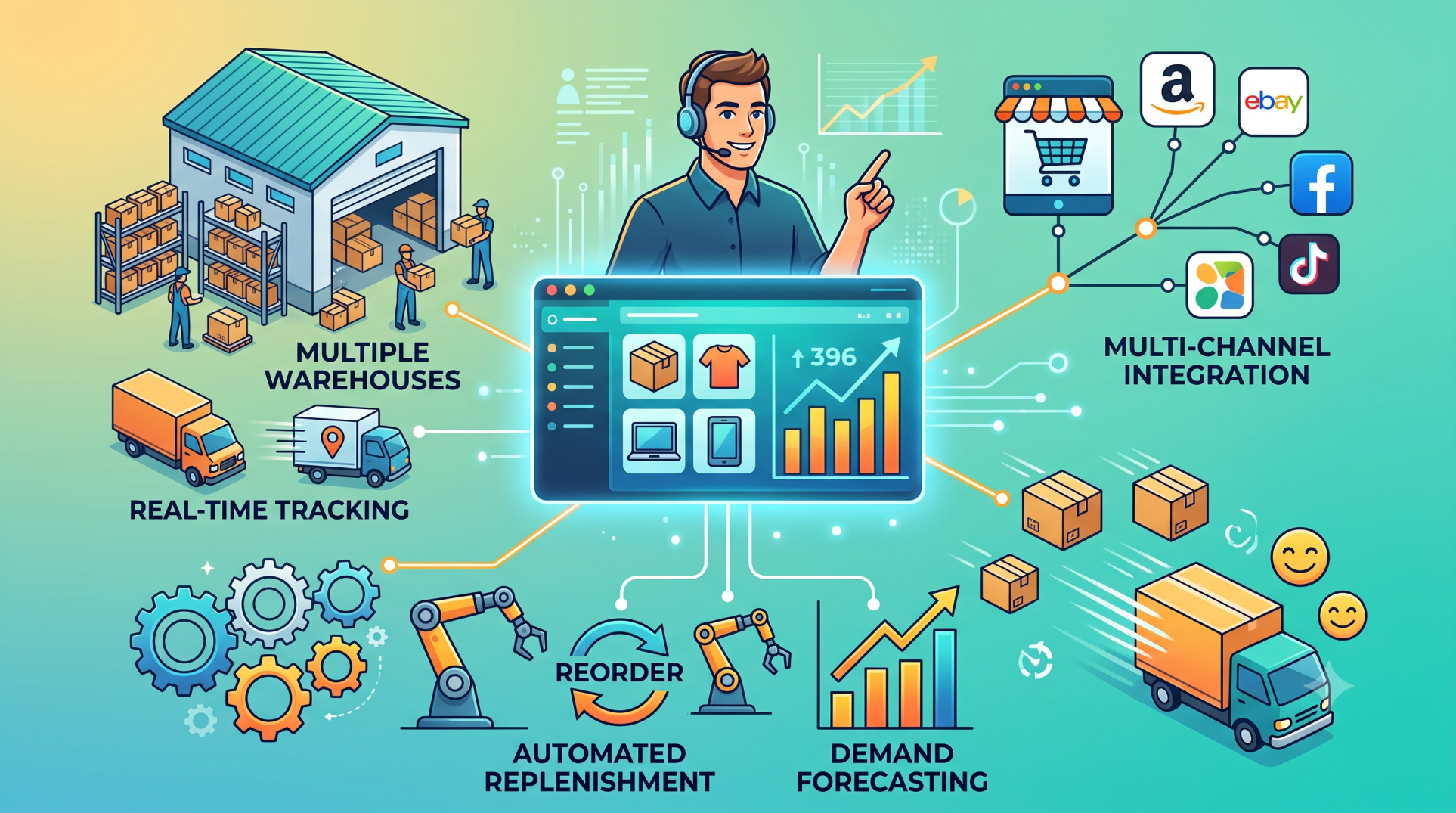
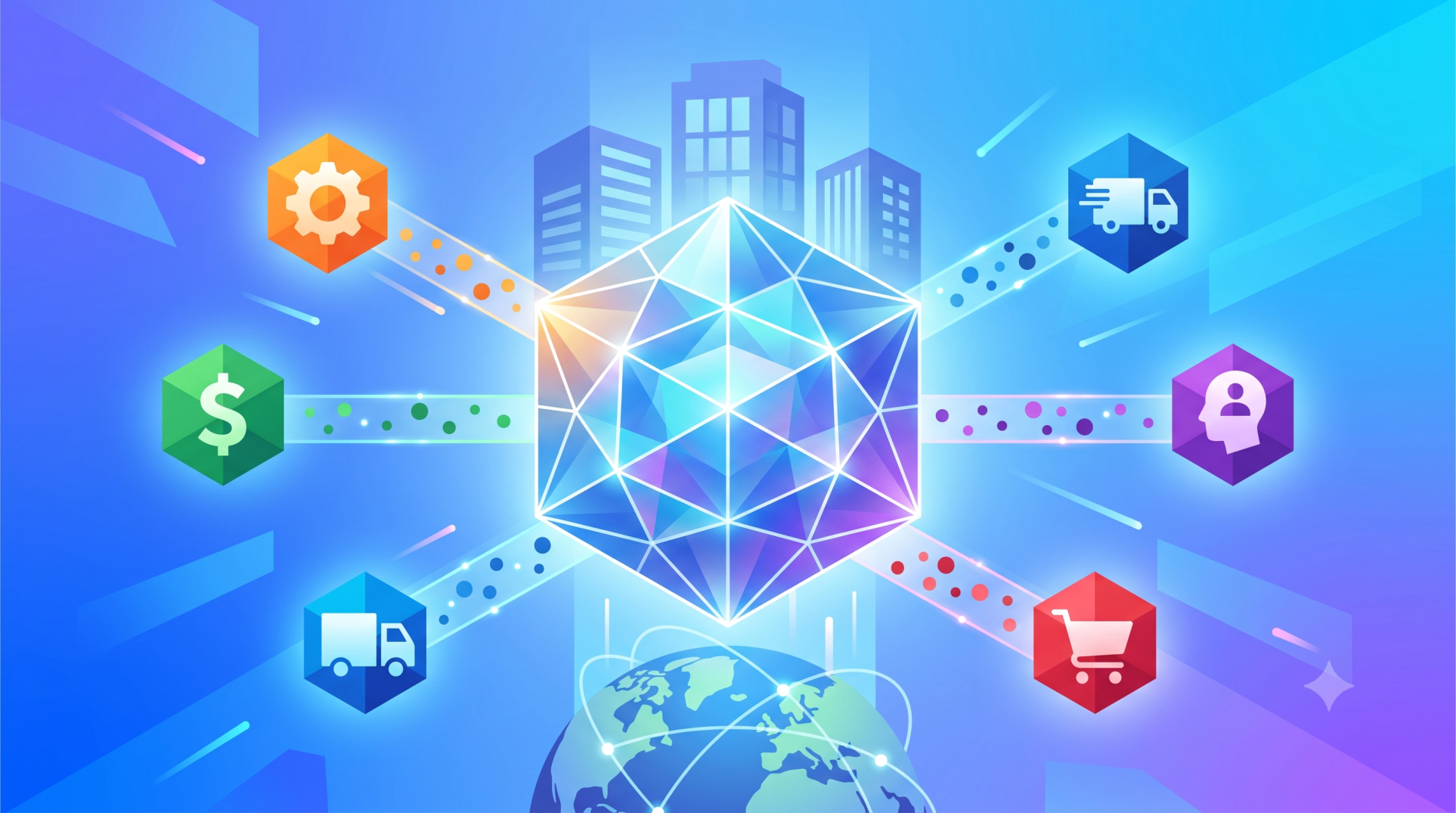
As businesses expand across online marketplaces, branded websites, social commerce platforms, and mobile applications, managing multiple sales channels independently becomes increasingly complex. Unified multi-channel e-commerce platforms centralize products, inventory, orders, customer data, and fulfillment processes into a single ecosystem. This approach improves operational efficiency, delivers consistent customer experiences, and enables businesses to scale with confidence across diverse digital channels.
Step 1: Centralizing Sales Channels 🛒
• Connect online marketplaces, branded websites, and mobile applications into one platform 🌐
• Manage all sales channels through a unified dashboard 📊
• Eliminate duplicate processes across multiple platforms 🔄
• Maintain consistent product information everywhere 📦
• Simplify multi-channel business operations 🚀
Step 2: Managing Product Information Efficiently 📋
• Maintain a centralized product catalog for every sales channel 🗂️
• Synchronize product descriptions, pricing, and images automatically 🖼️
• Standardize product data across marketplaces and websites ✅
• Update inventory information from a single source 📦
• Reduce manual product management efforts ⚙️
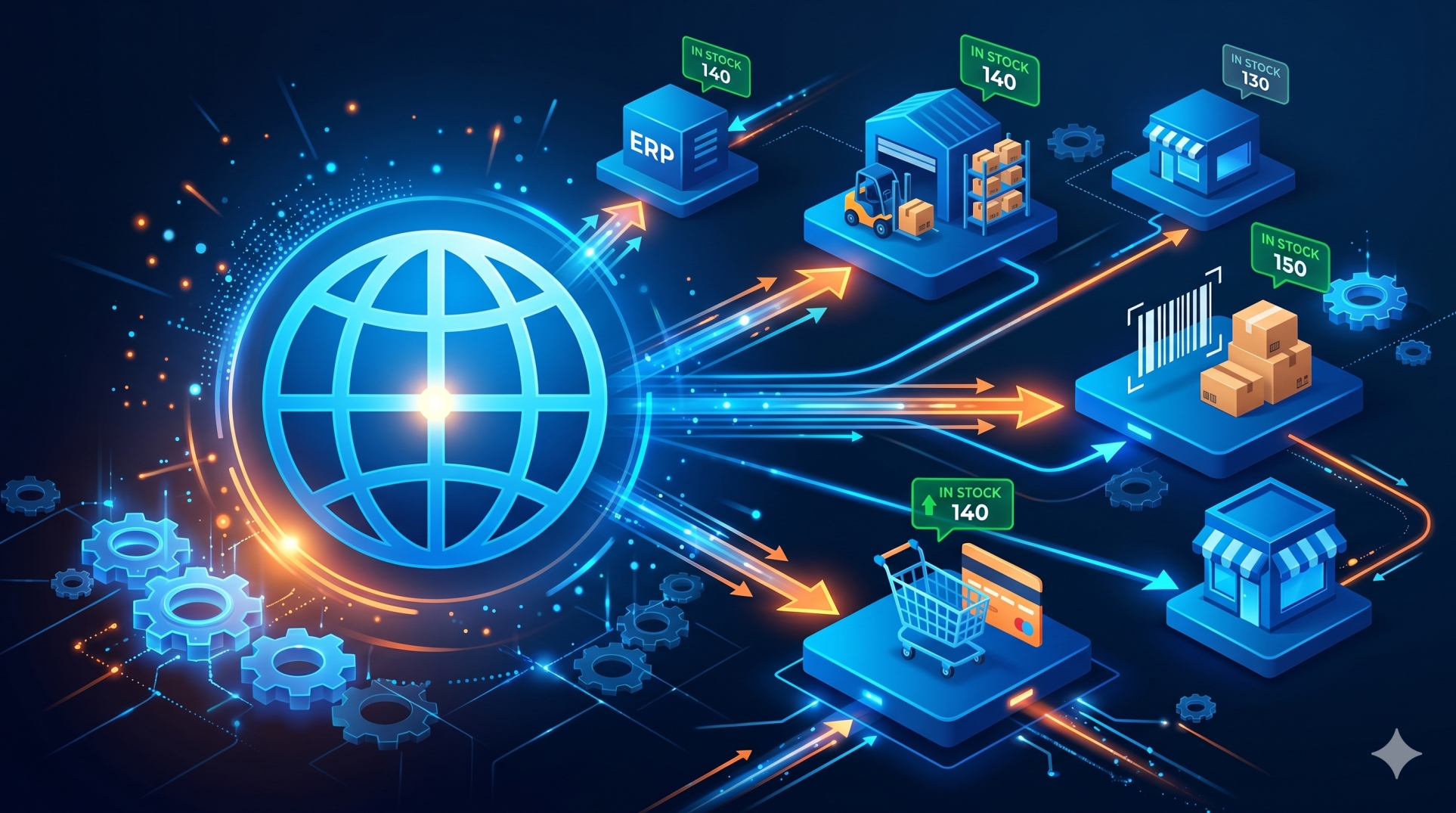
Step 3: Synchronizing Inventory in Real Time 📦
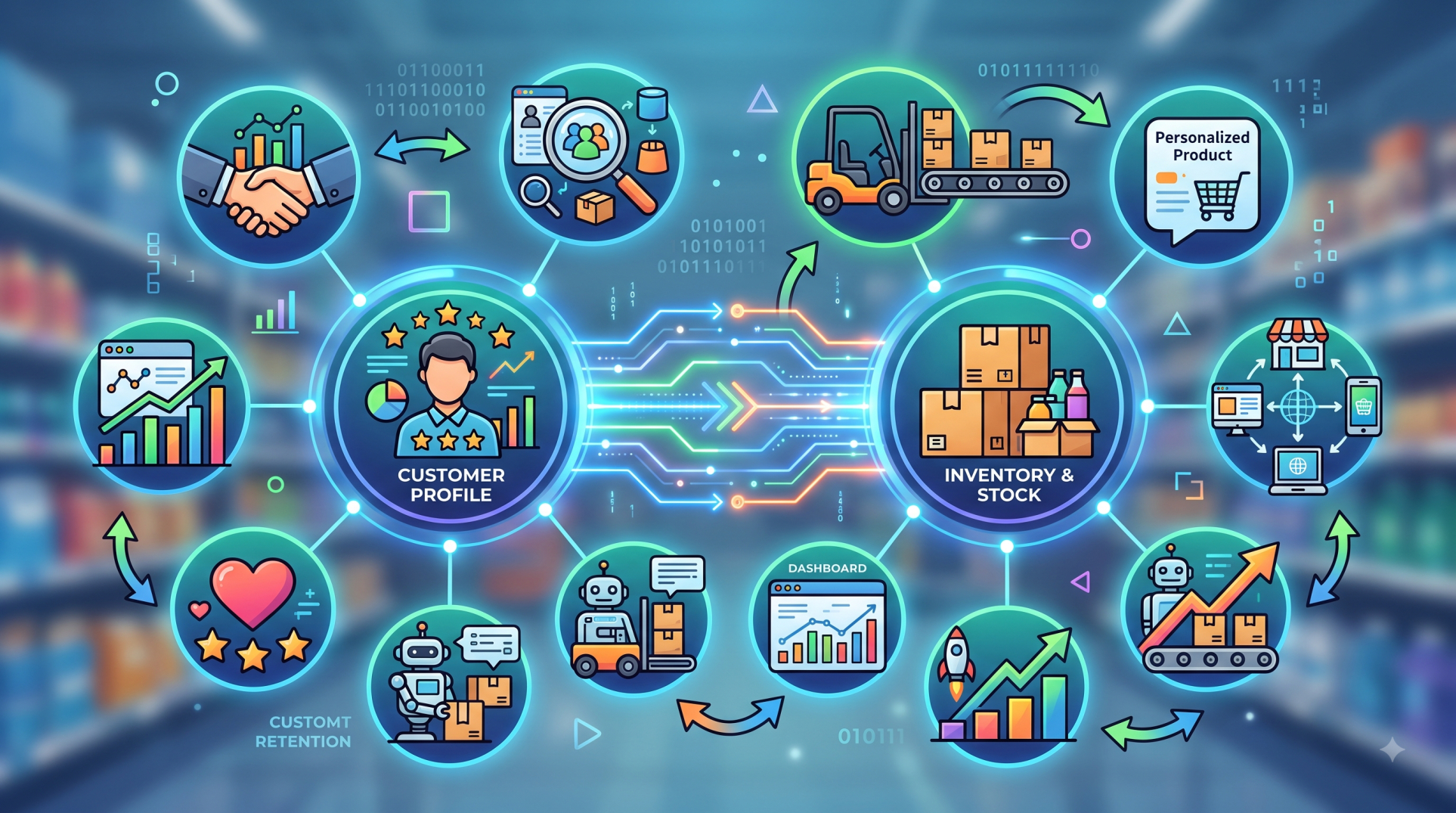
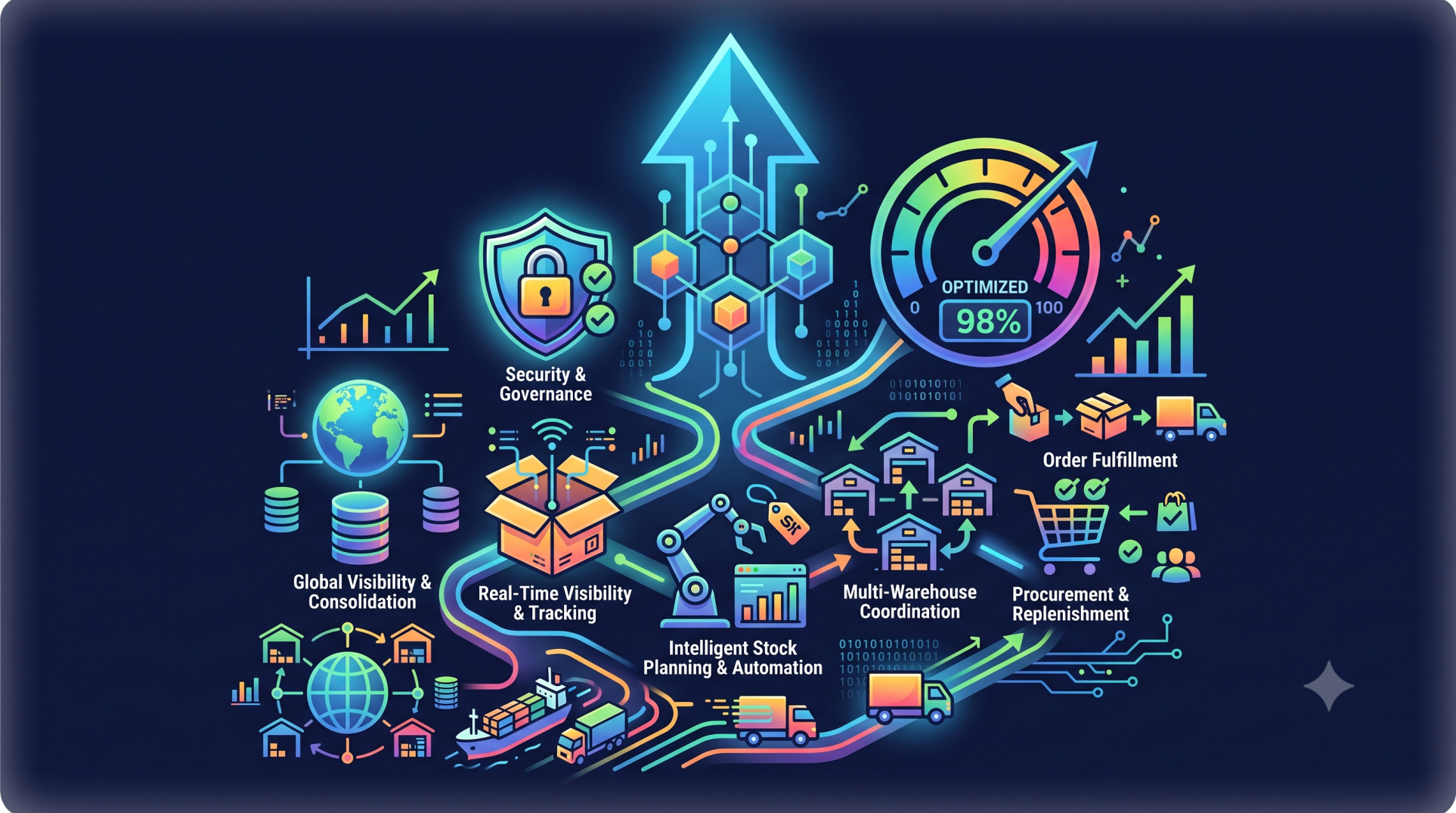
• Track inventory levels across all connected sales channels 📈
• Prevent overselling with real-time stock synchronization 🔄
• Monitor warehouse inventory continuously 🏬
• Automatically update stock availability after each transaction ⚡
• Improve inventory accuracy and visibility 👀
Step 4: Streamlining Order Management 📦
• Consolidate orders from multiple channels into one dashboard 📑
• Automate order processing and routing 🤖
• Prioritize fulfillment based on inventory and delivery requirements 🚚
• Monitor order status throughout the fulfillment lifecycle 📍
• Reduce processing delays and manual intervention ⏱️
Step 5: Coordinating Fulfillment Operations 🚚
• Integrate warehouses, fulfillment centers, and shipping partners 🔗
• Optimize order allocation across available inventory locations 📍
• Automate shipping label generation and tracking 📬
• Improve delivery efficiency with intelligent fulfillment workflows 🚀
• Maintain accurate shipment visibility for customers 👥
Step 6: Delivering Consistent Customer Experiences 😊
• Provide a unified shopping experience across every channel 🌍
• Synchronize customer profiles and purchase history 👤
• Enable consistent pricing and promotional campaigns 💰
• Offer real-time order tracking and delivery updates 📲
• Strengthen customer satisfaction and brand loyalty ❤️
Step 7: Integrating Business Systems 🔄
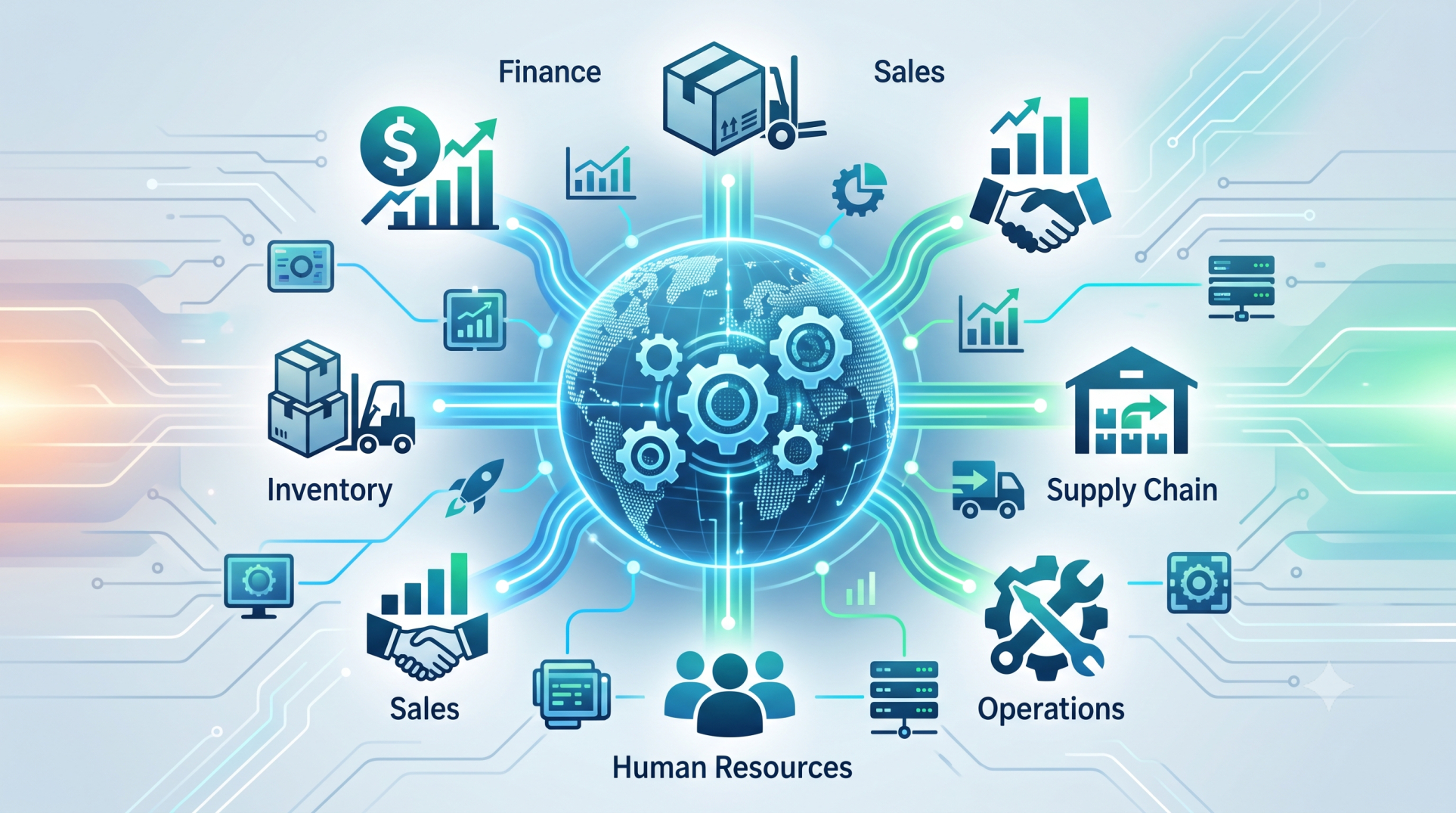
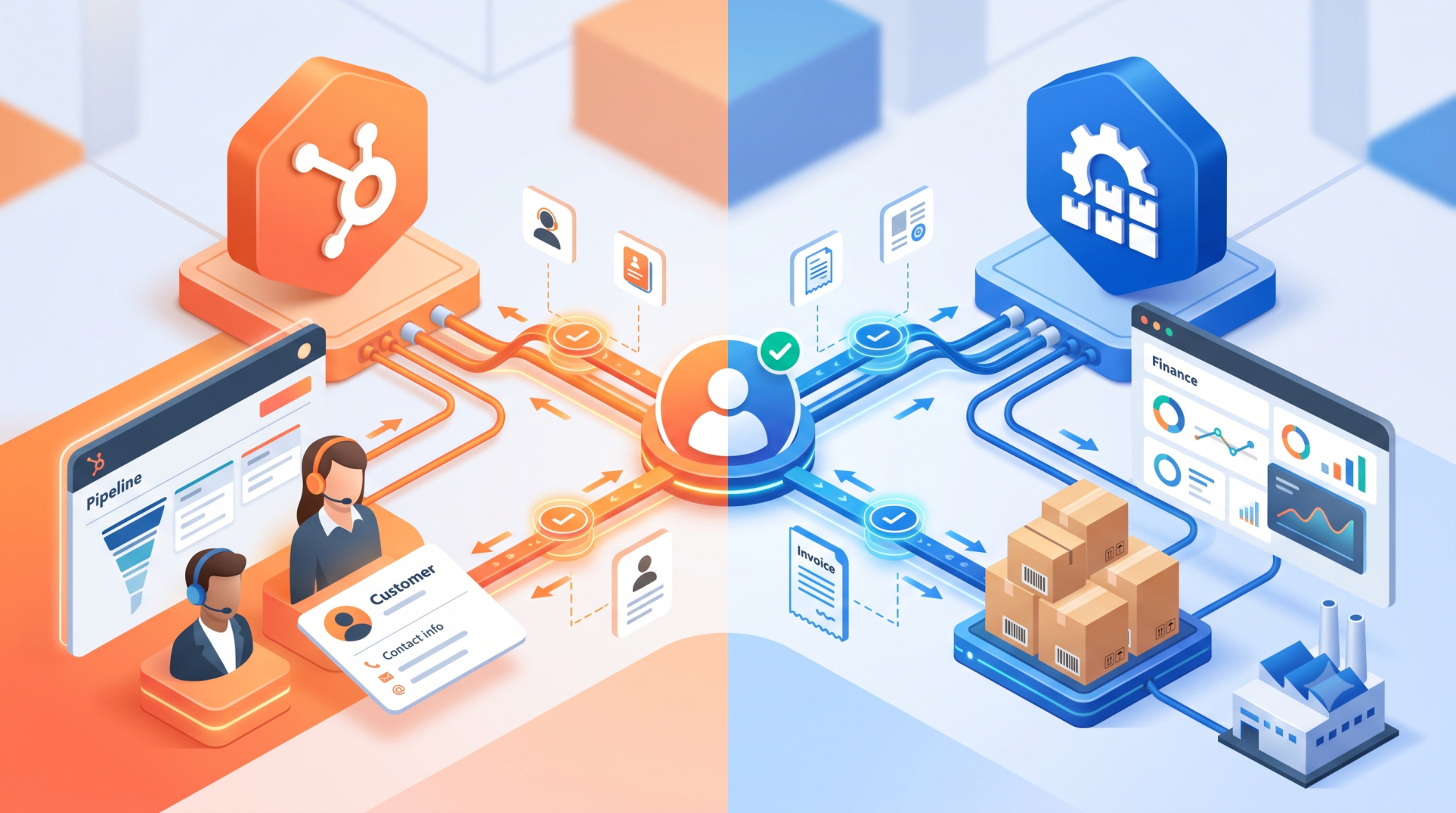
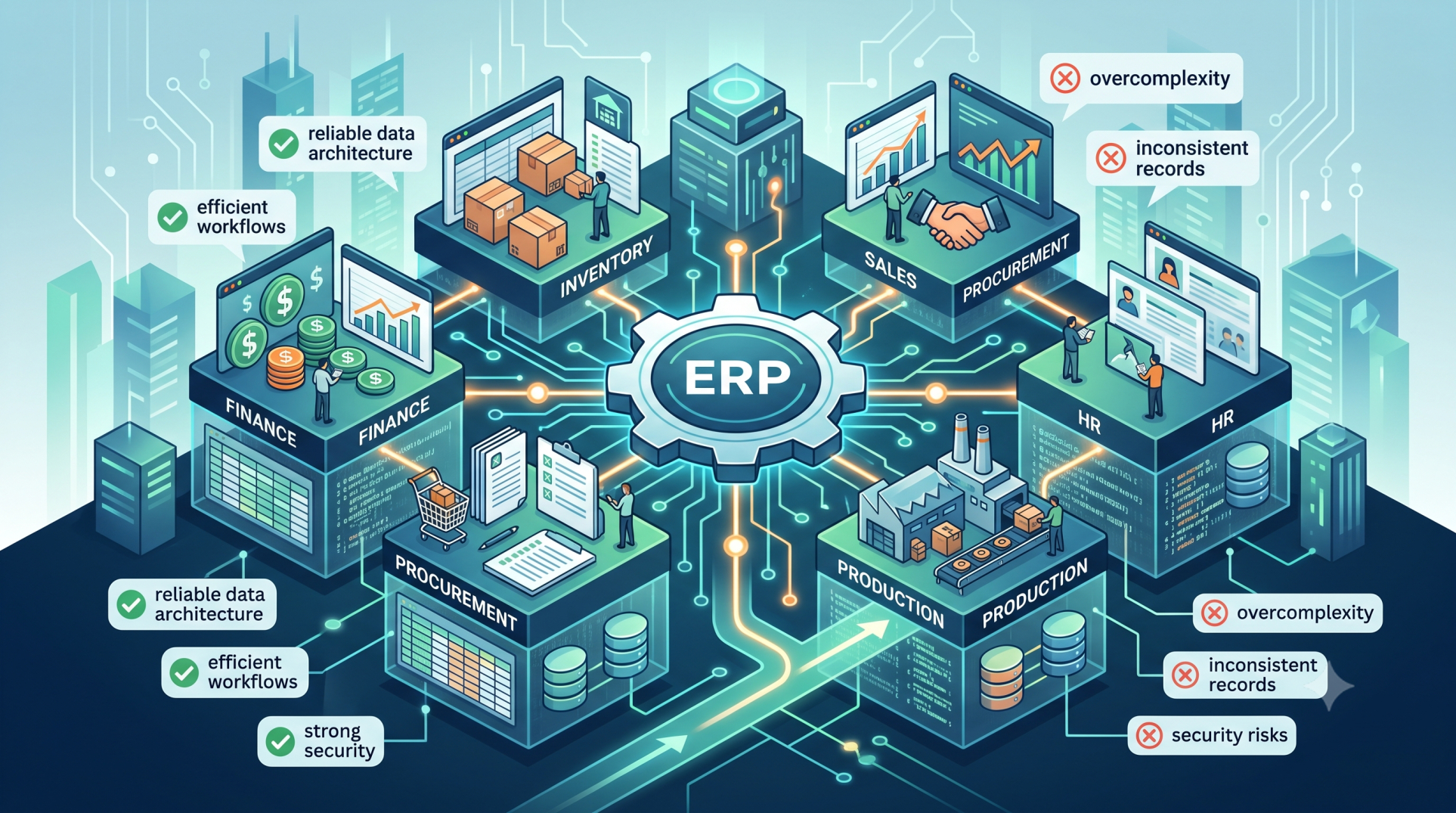
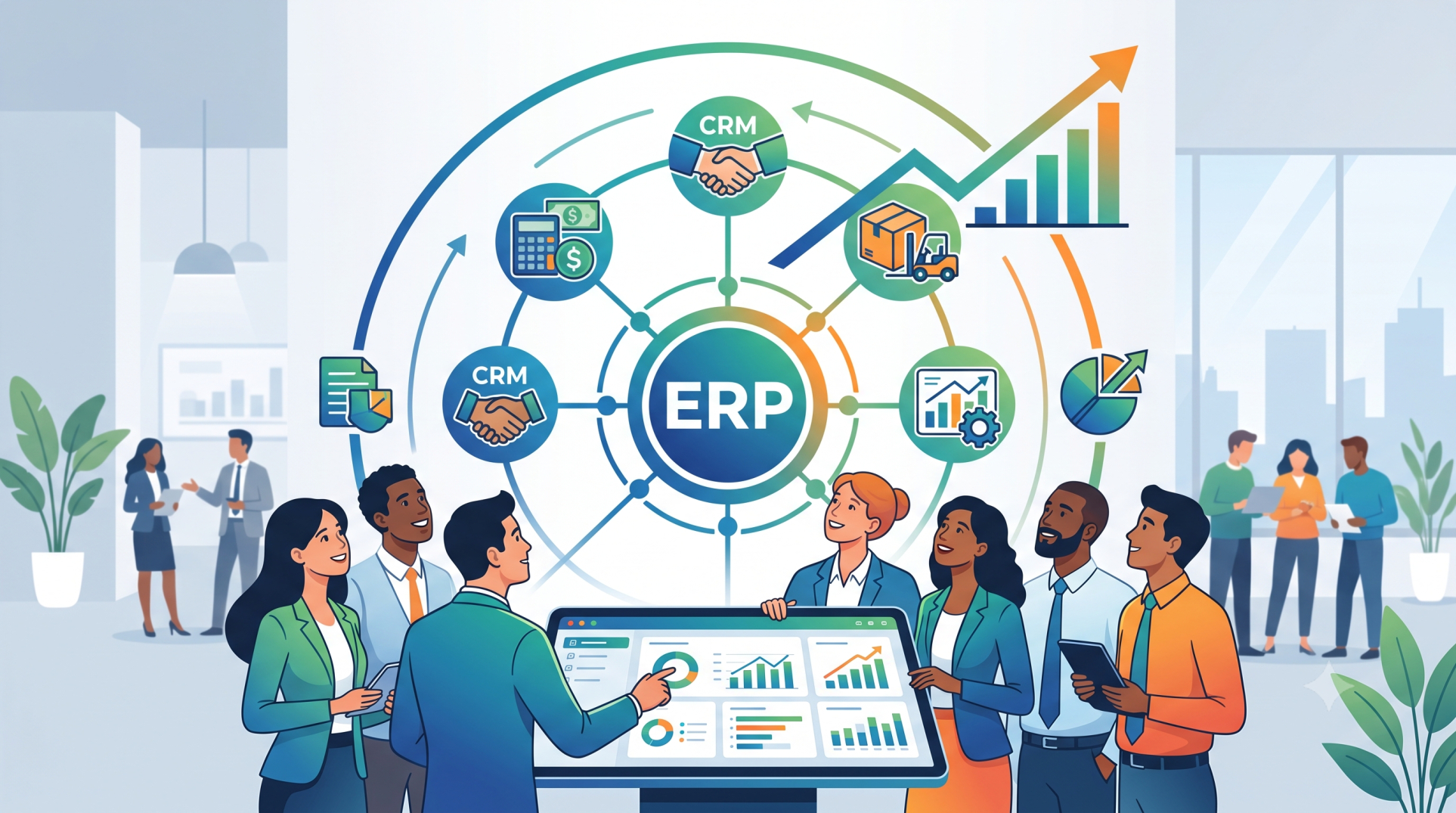
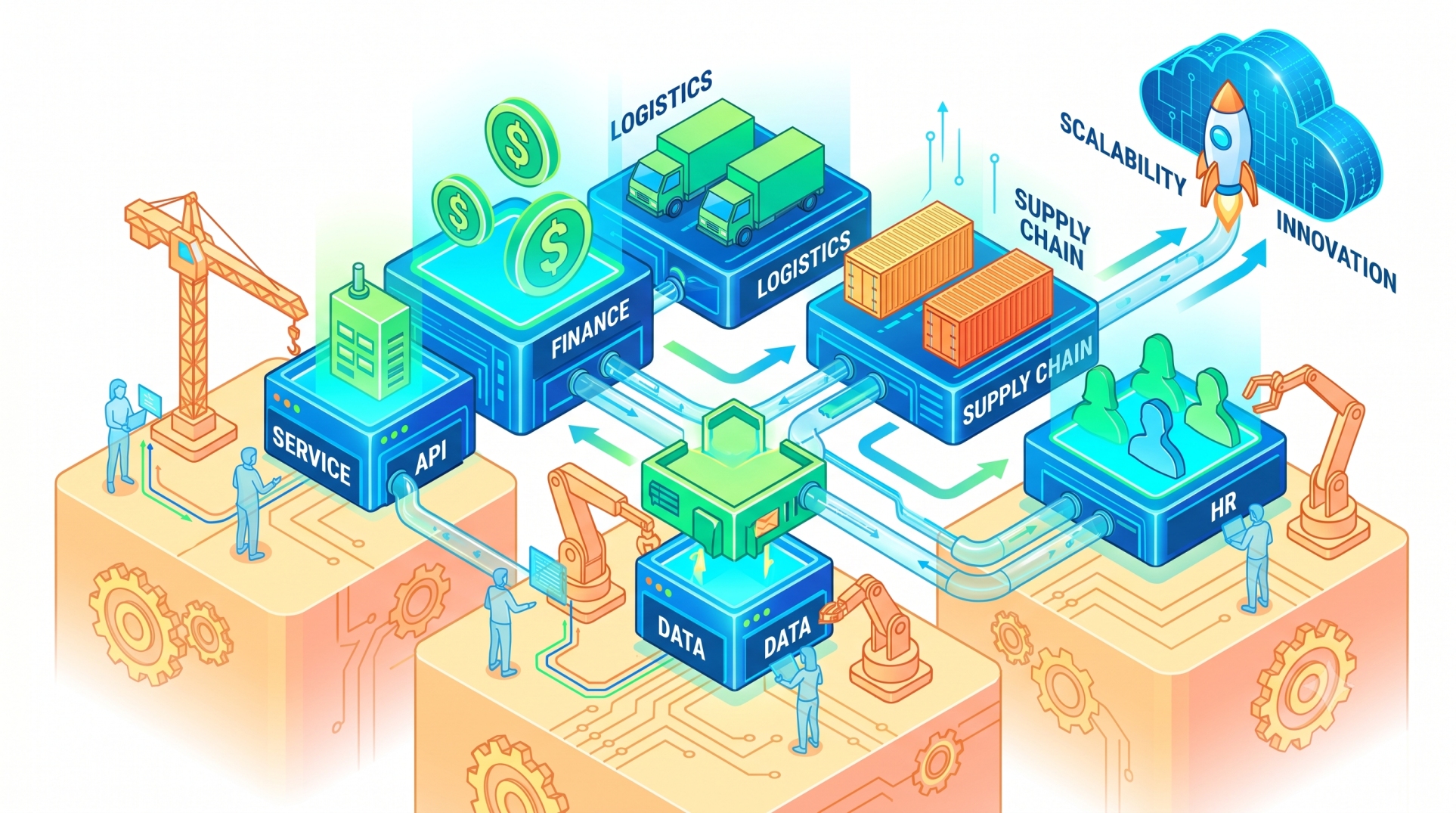
• Connect ERP, CRM, accounting, and warehouse management systems 🏢
• Synchronize operational data across business applications 📡
• Automate financial reconciliation and reporting 💳
• Reduce duplicate data entry and processing errors ✅
• Improve end-to-end operational visibility 📊
Step 8: Key Platform Priorities ⭐
• Centralized management of all sales channels 🛍️
• Real-time synchronization of products, inventory, and orders 📈
• Automated workflows that improve operational efficiency ⚙️
• Scalable infrastructure for business growth 🚀
Step 9: Monitoring Performance and Analytics 📊
• Track sales performance across every channel 📉
• Analyze customer purchasing behavior and trends 🛒
• Measure inventory turnover and fulfillment efficiency 📦
• Generate actionable business reports and dashboards 📋
• Use insights to optimize pricing, promotions, and operations 💡
Step 10: Building a Future-Ready Commerce Ecosystem 🌟
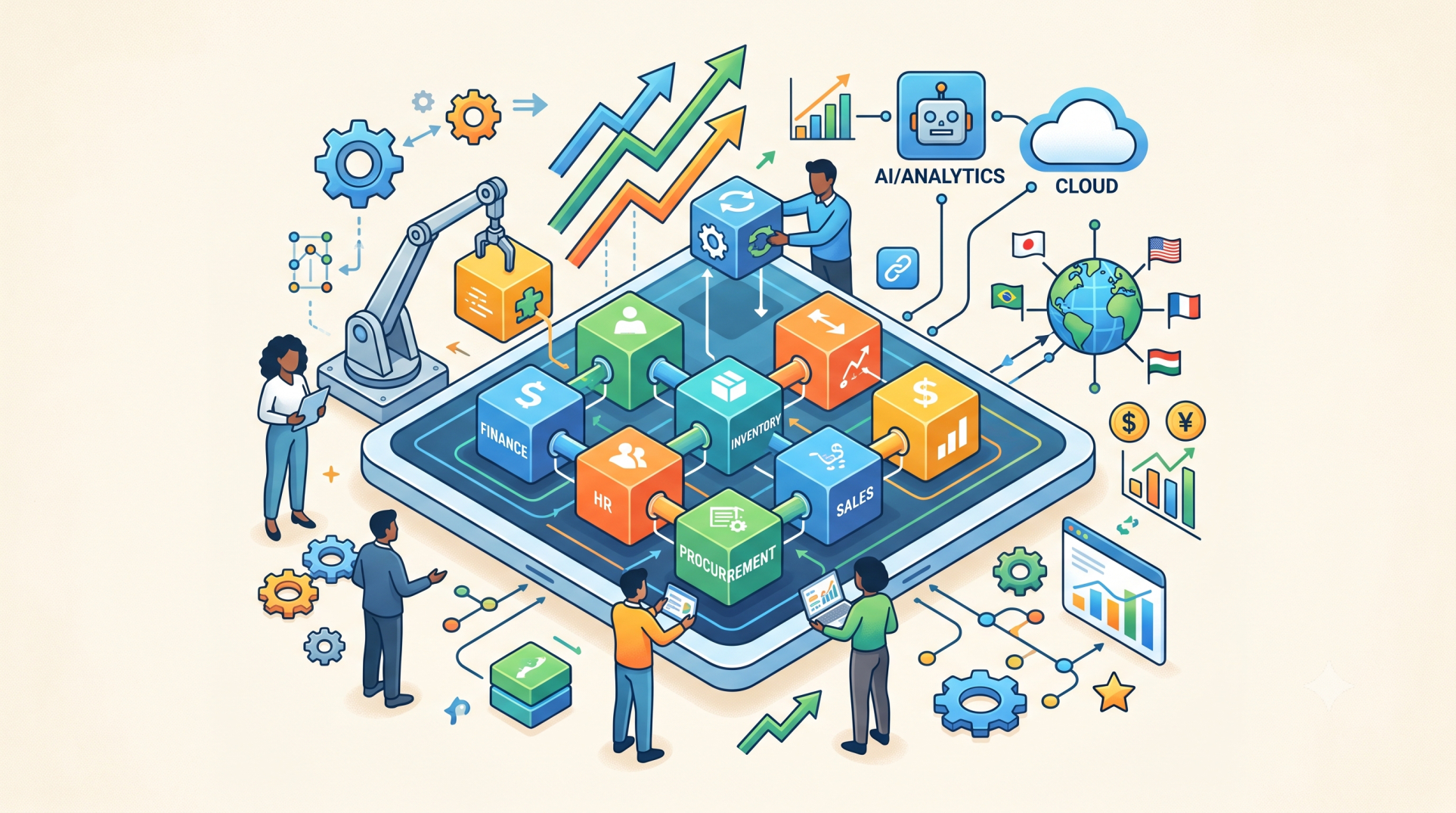
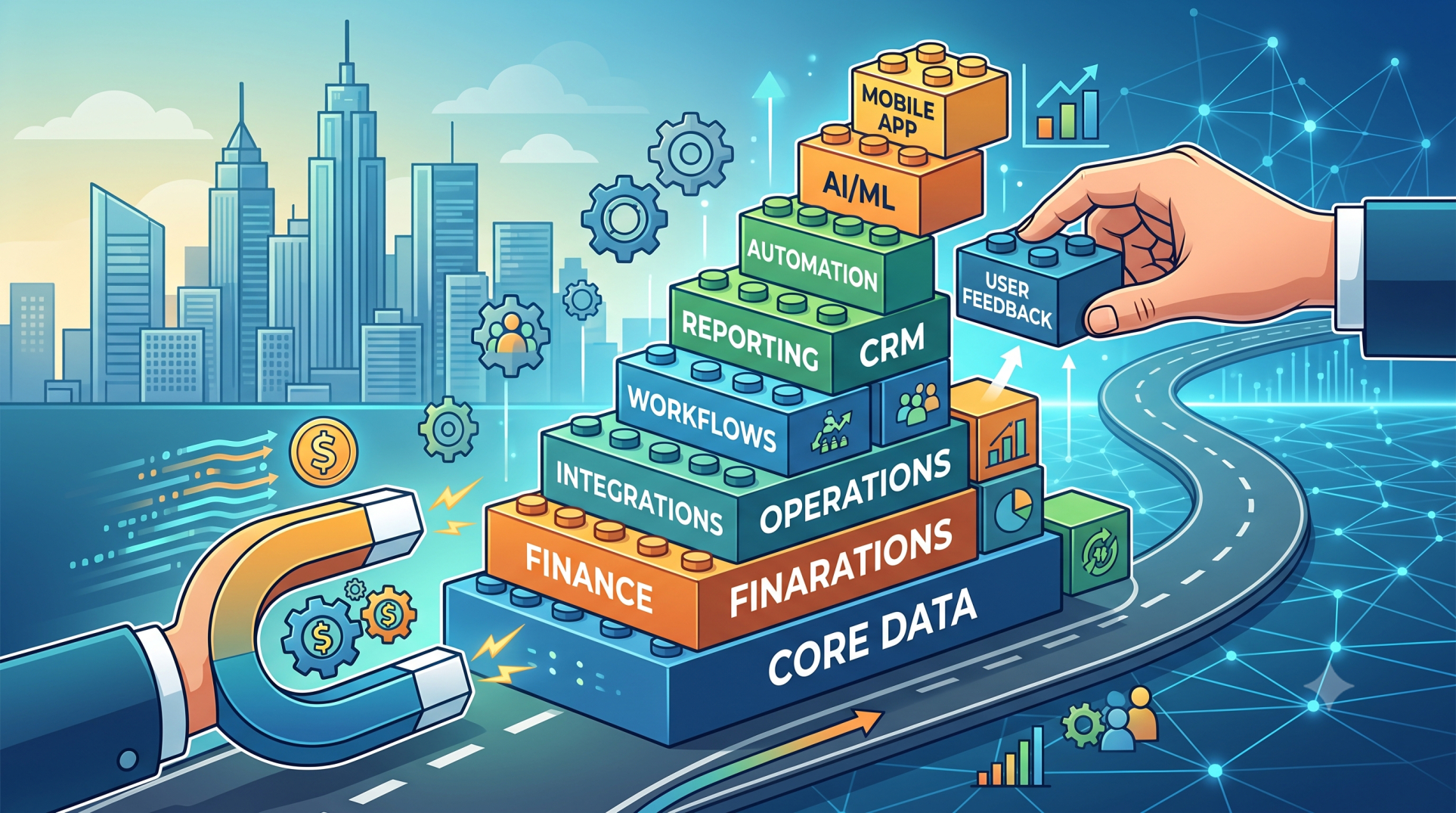
• Design flexible architectures that support business expansion 🏗️
• Integrate emerging sales channels with minimal effort 🔗
• Support international growth and multi-region operations 🌍
• Enable AI-driven recommendations and business automation 🤖
• Future-proof commerce infrastructure for evolving market demands 🚀
Conclusion
Unified multi-channel e-commerce platforms provide the foundation for efficient, scalable, and customer-focused digital commerce. By centralizing products, inventory, orders, fulfillment, and business integrations, organizations can simplify operations while delivering a seamless shopping experience across every sales channel. As digital commerce continues to evolve, a unified platform enables businesses to remain agile, competitive, and prepared for long-term growth.
See more blogs
You can all the articles below