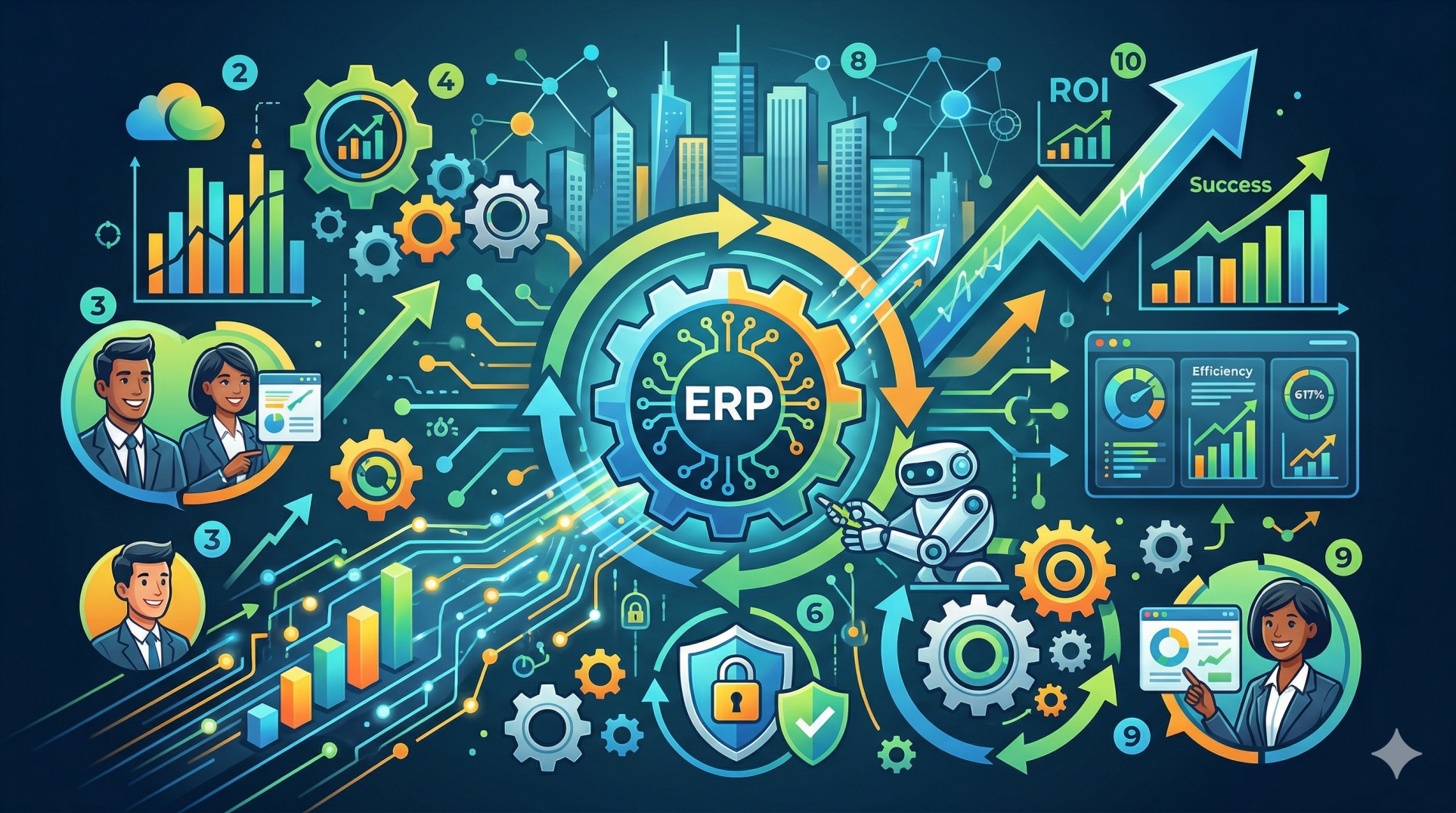
The Future of Business: AI-Native ERP Systems Explained
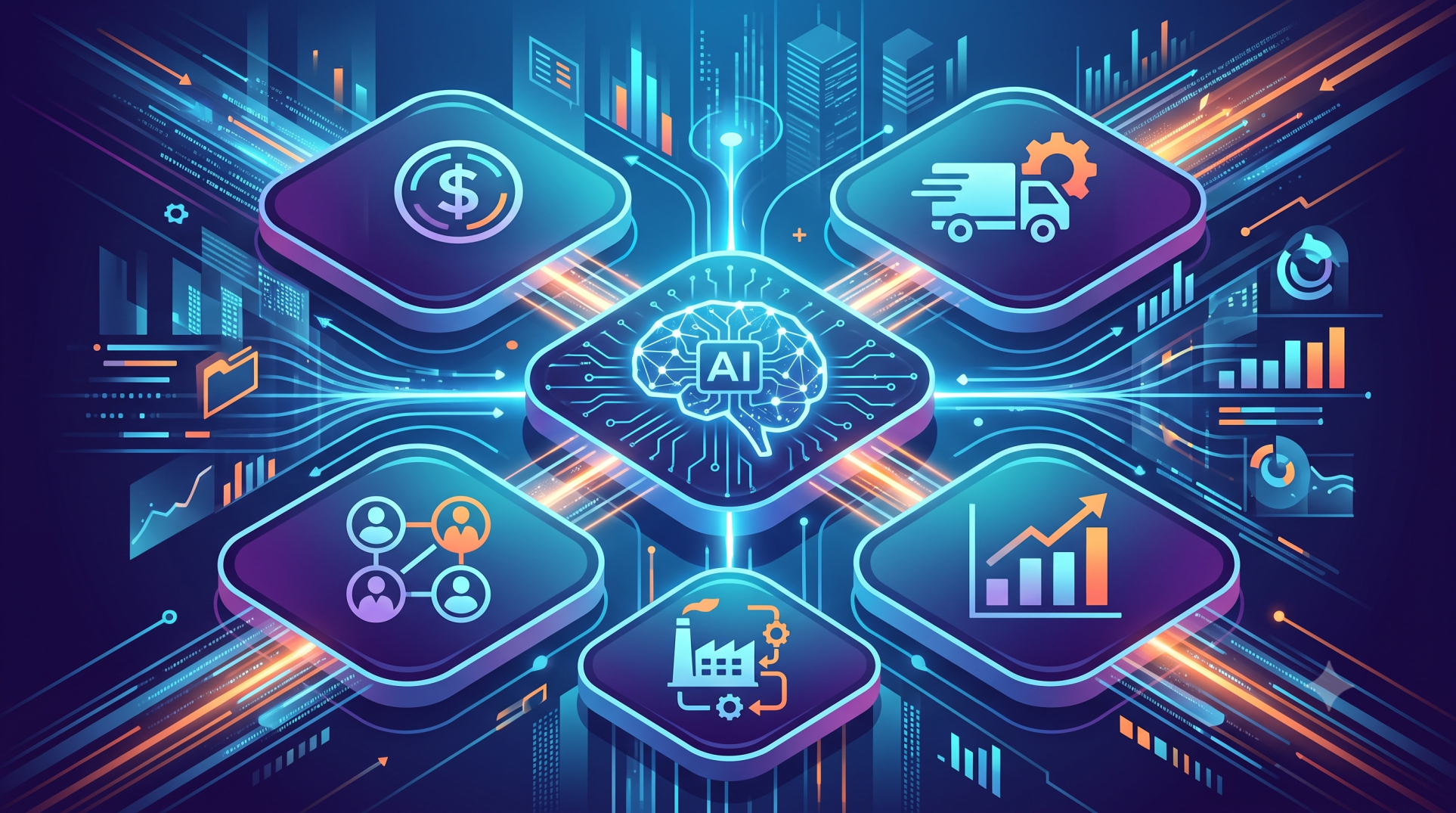
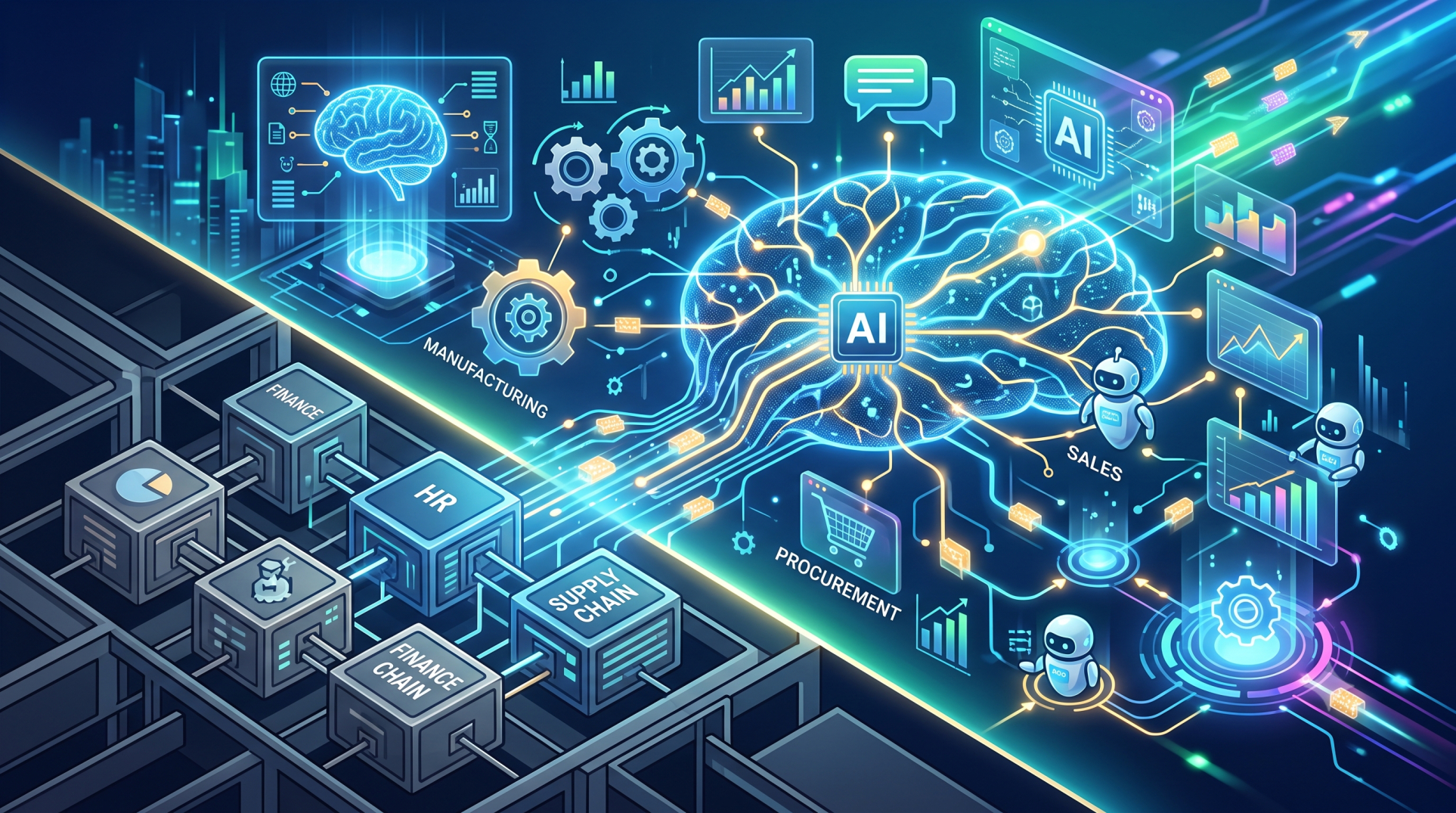
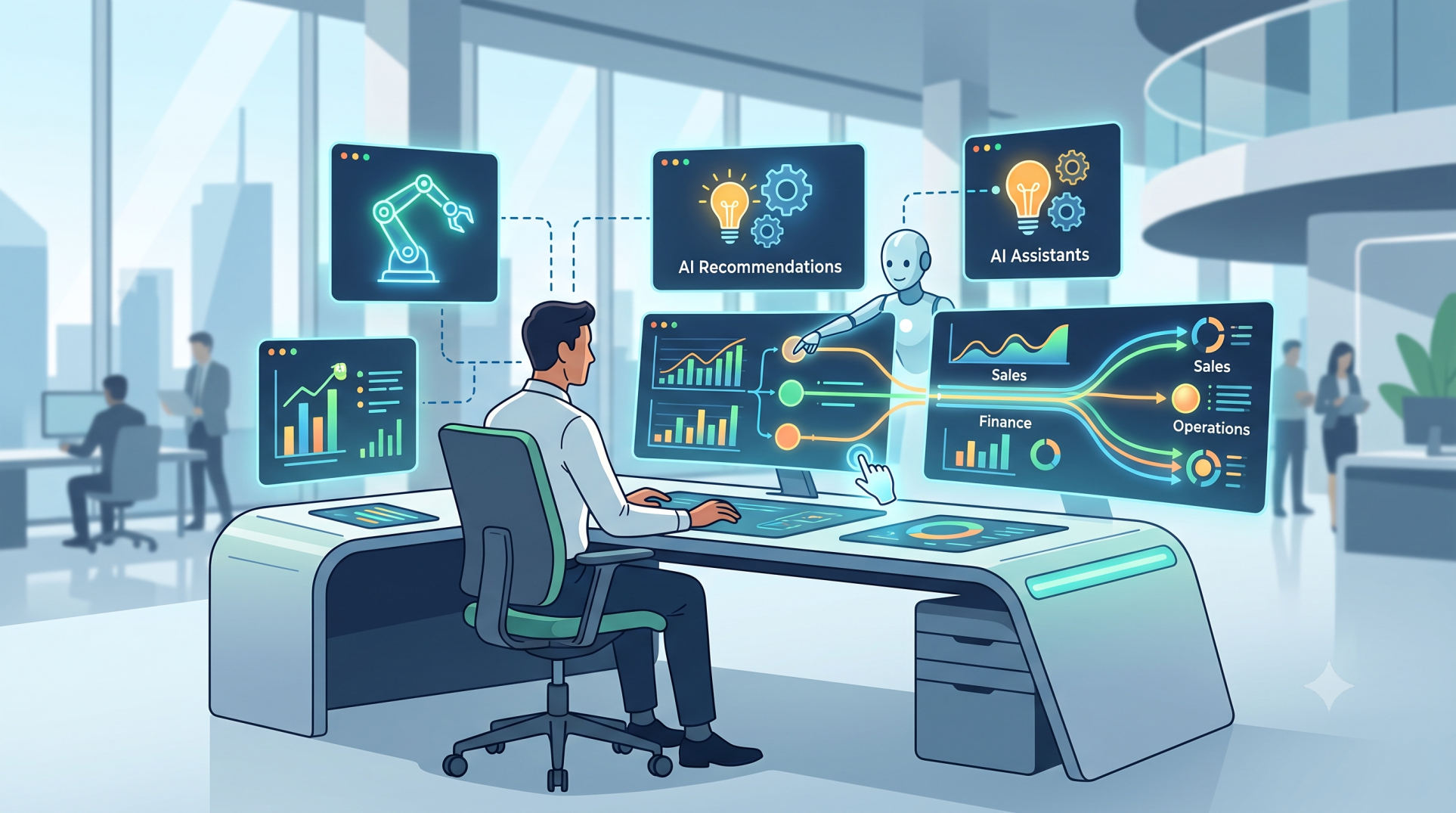
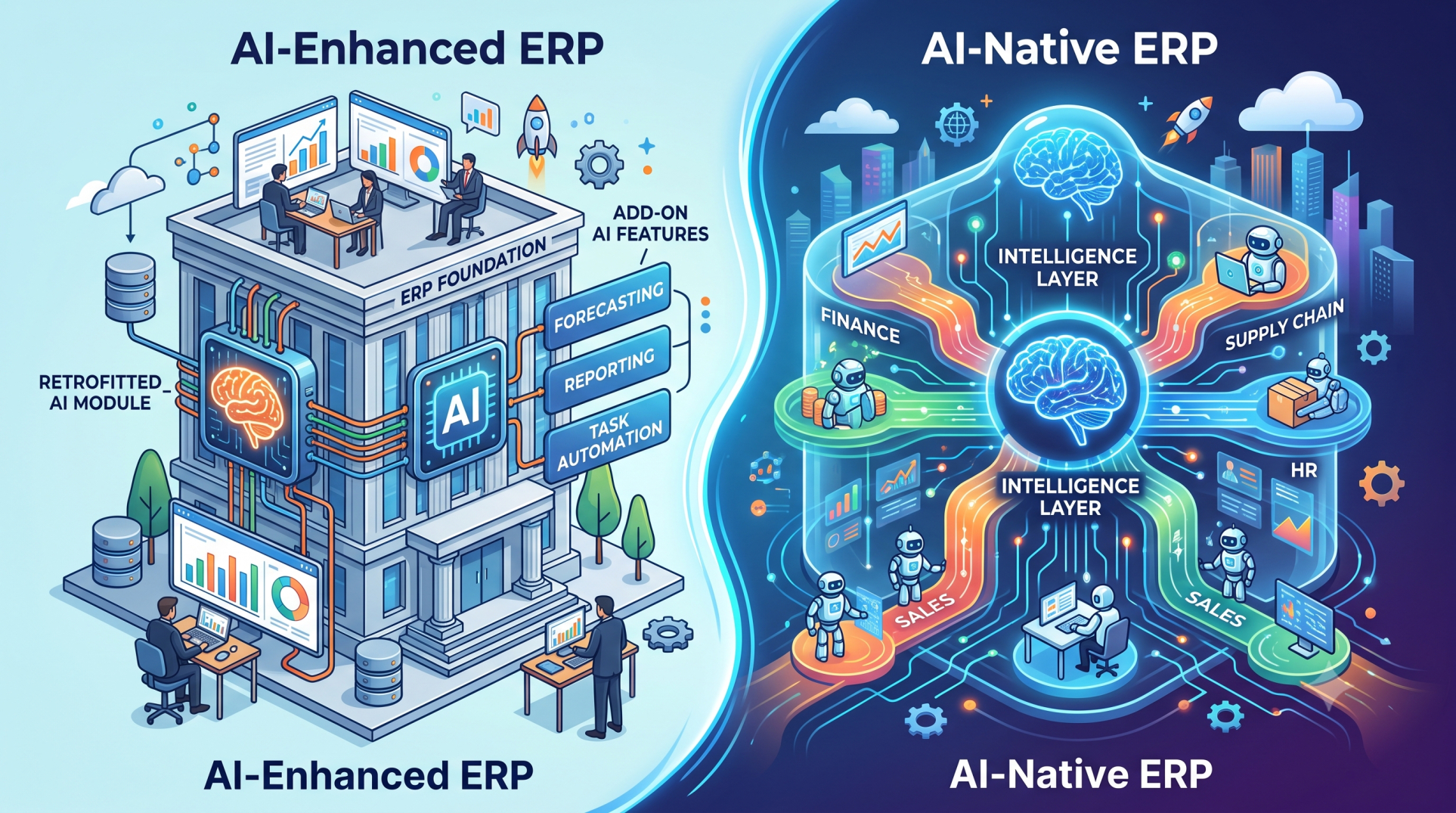
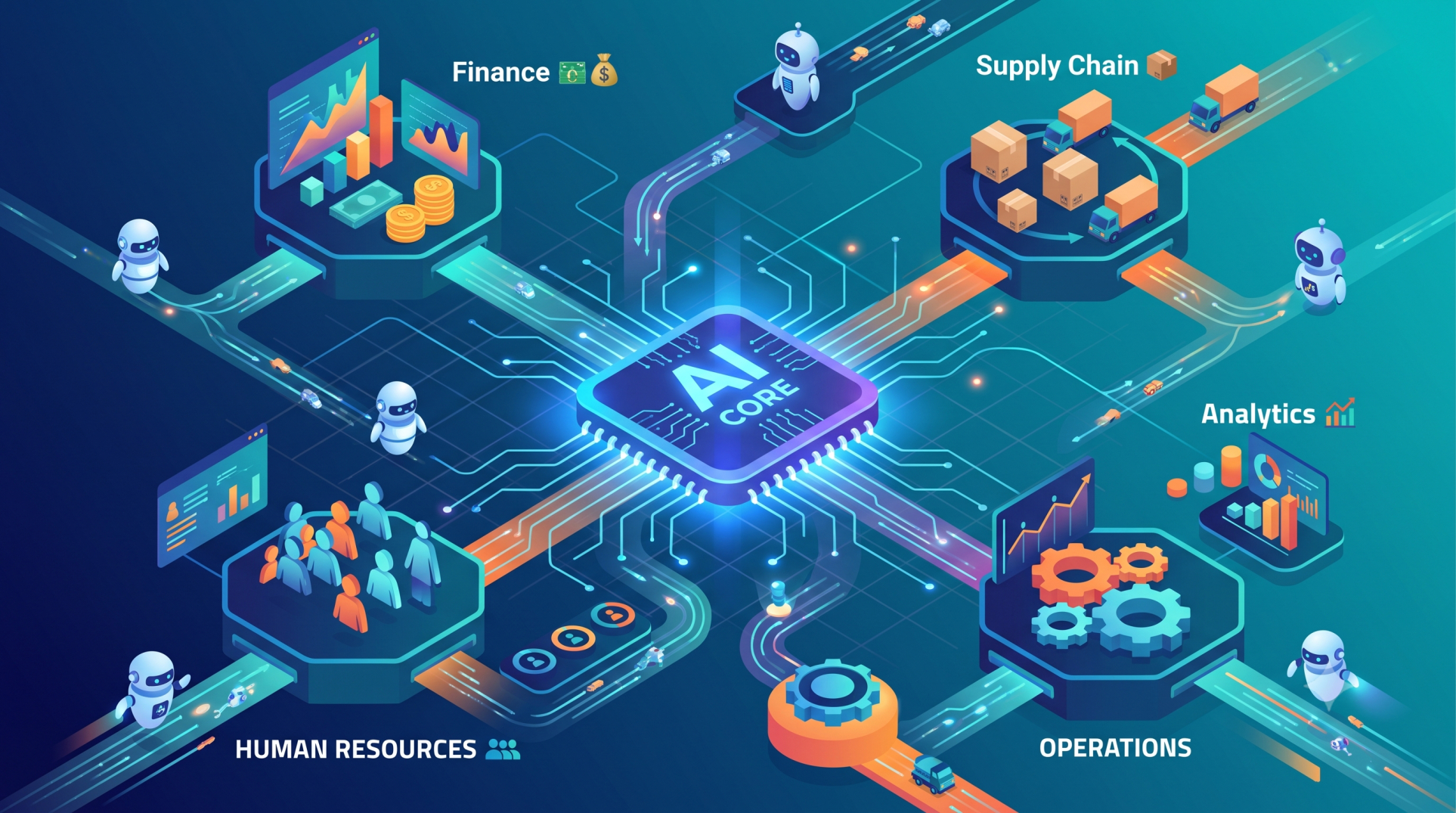
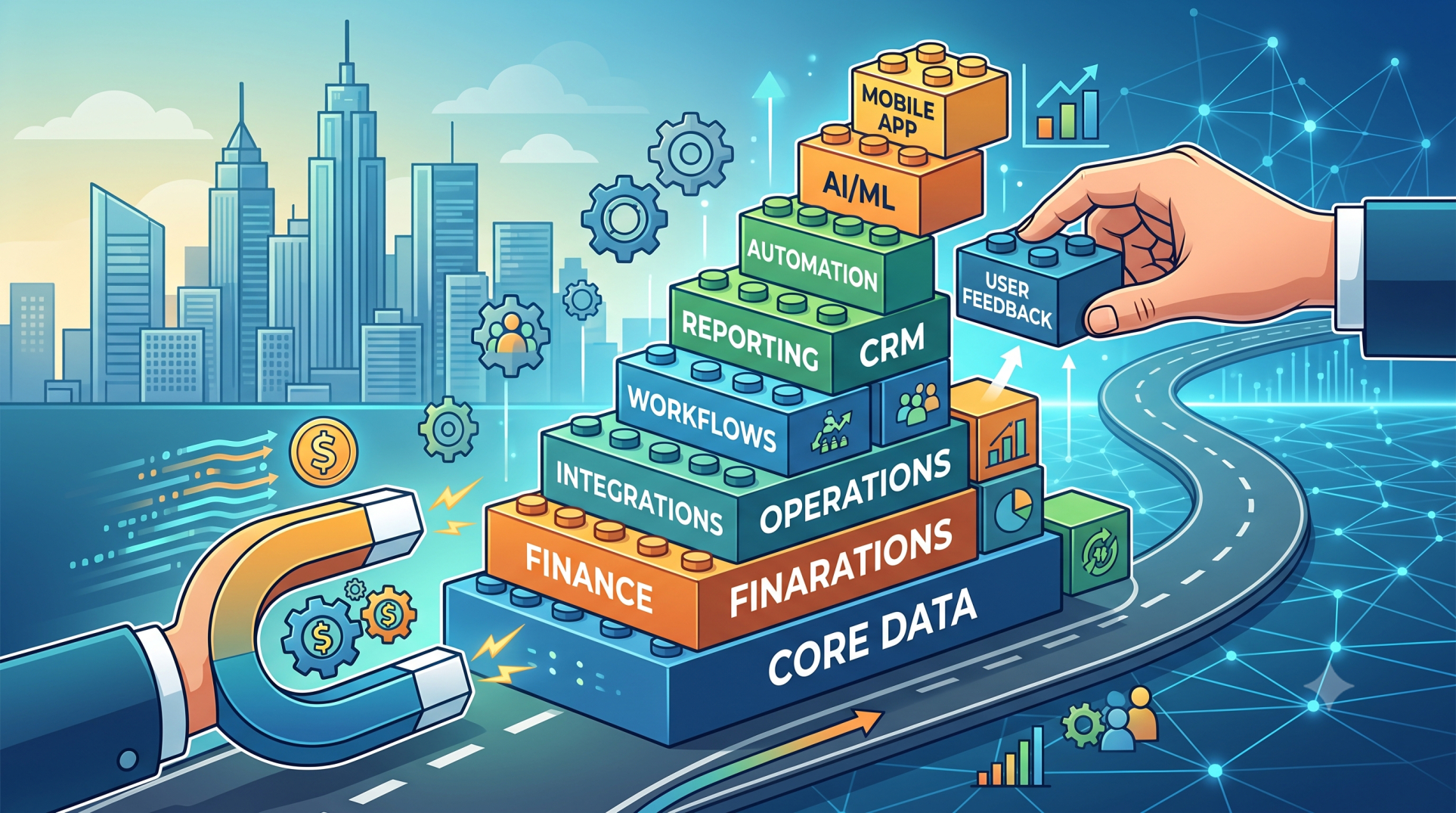
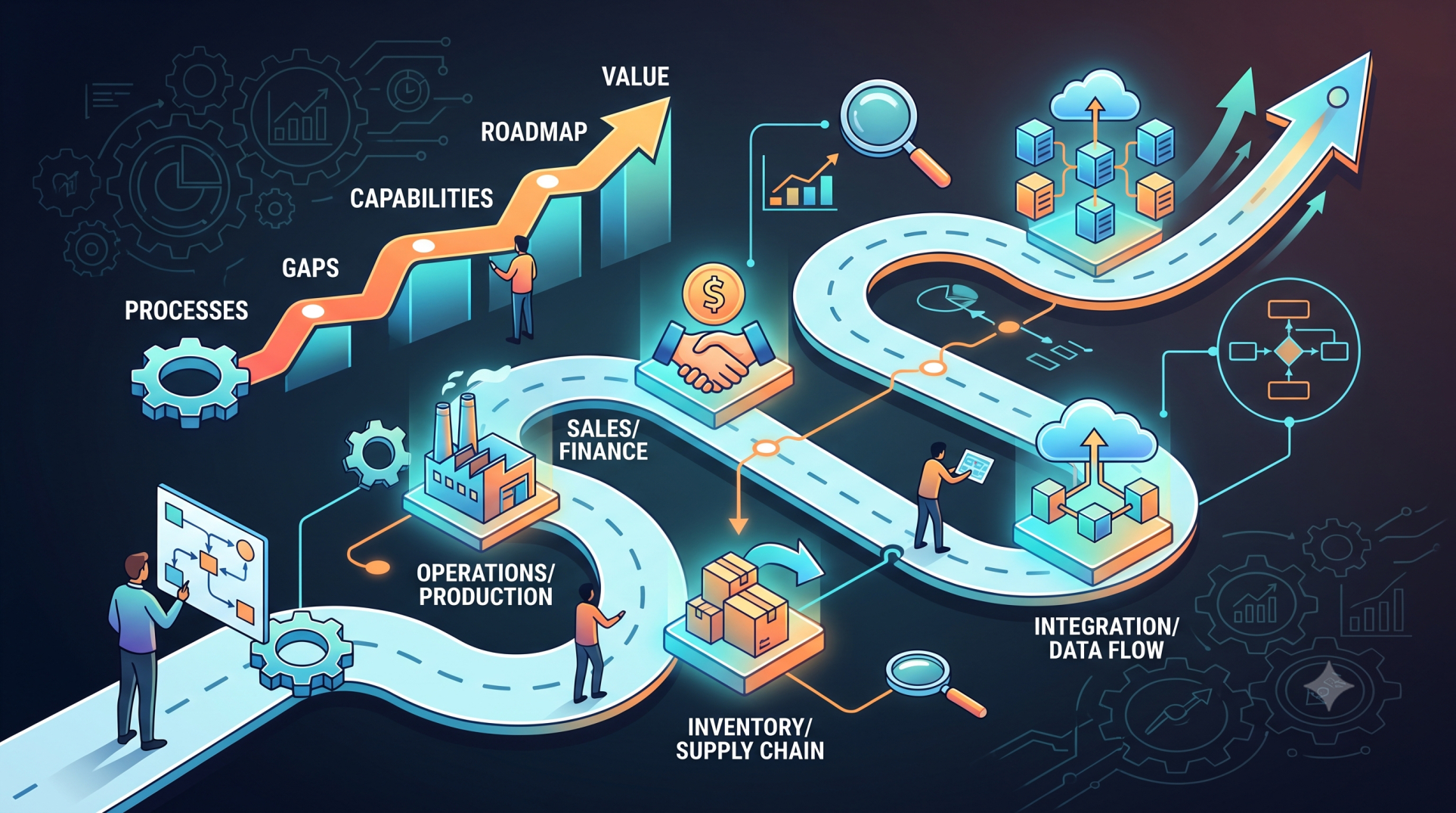
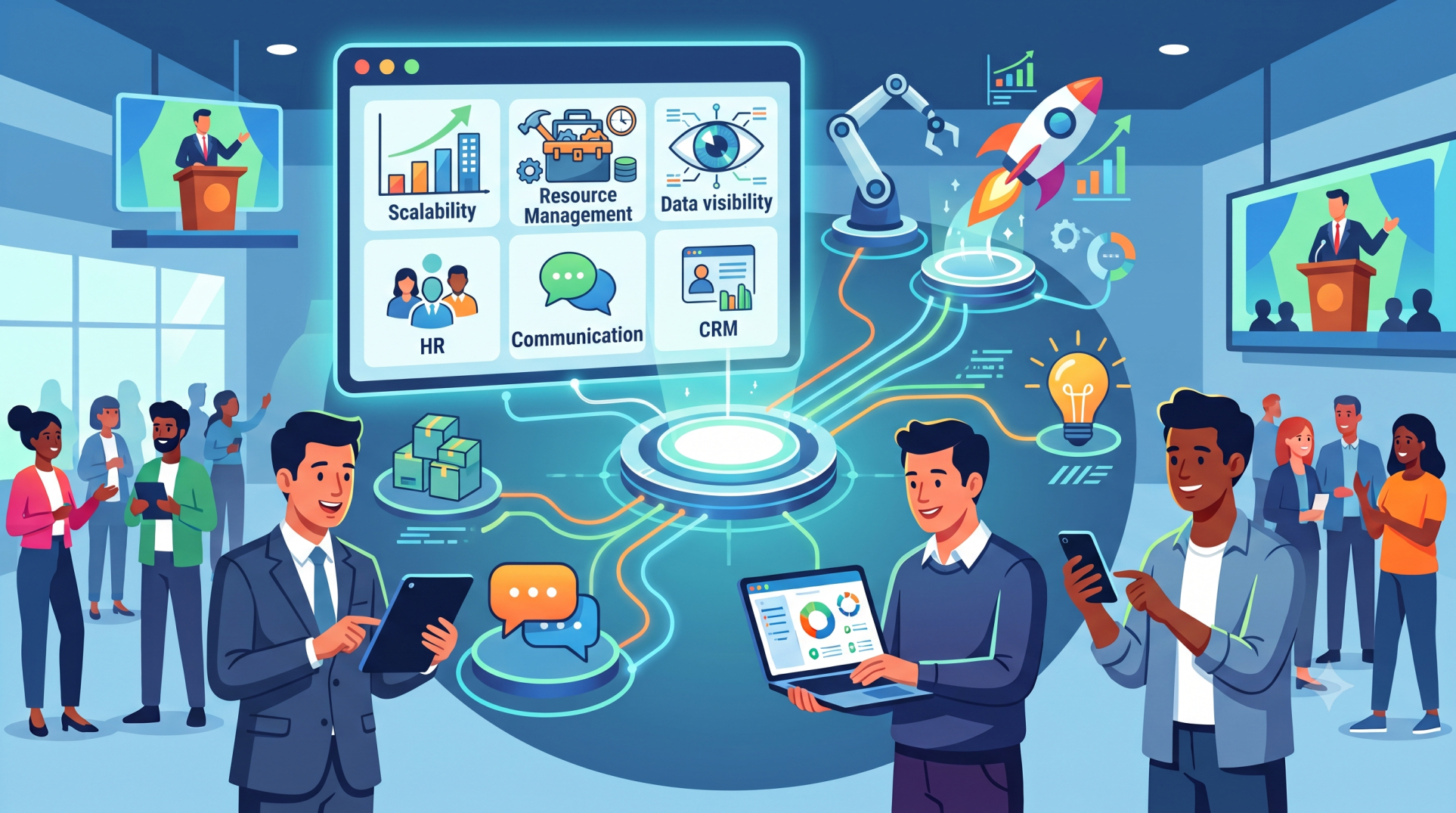
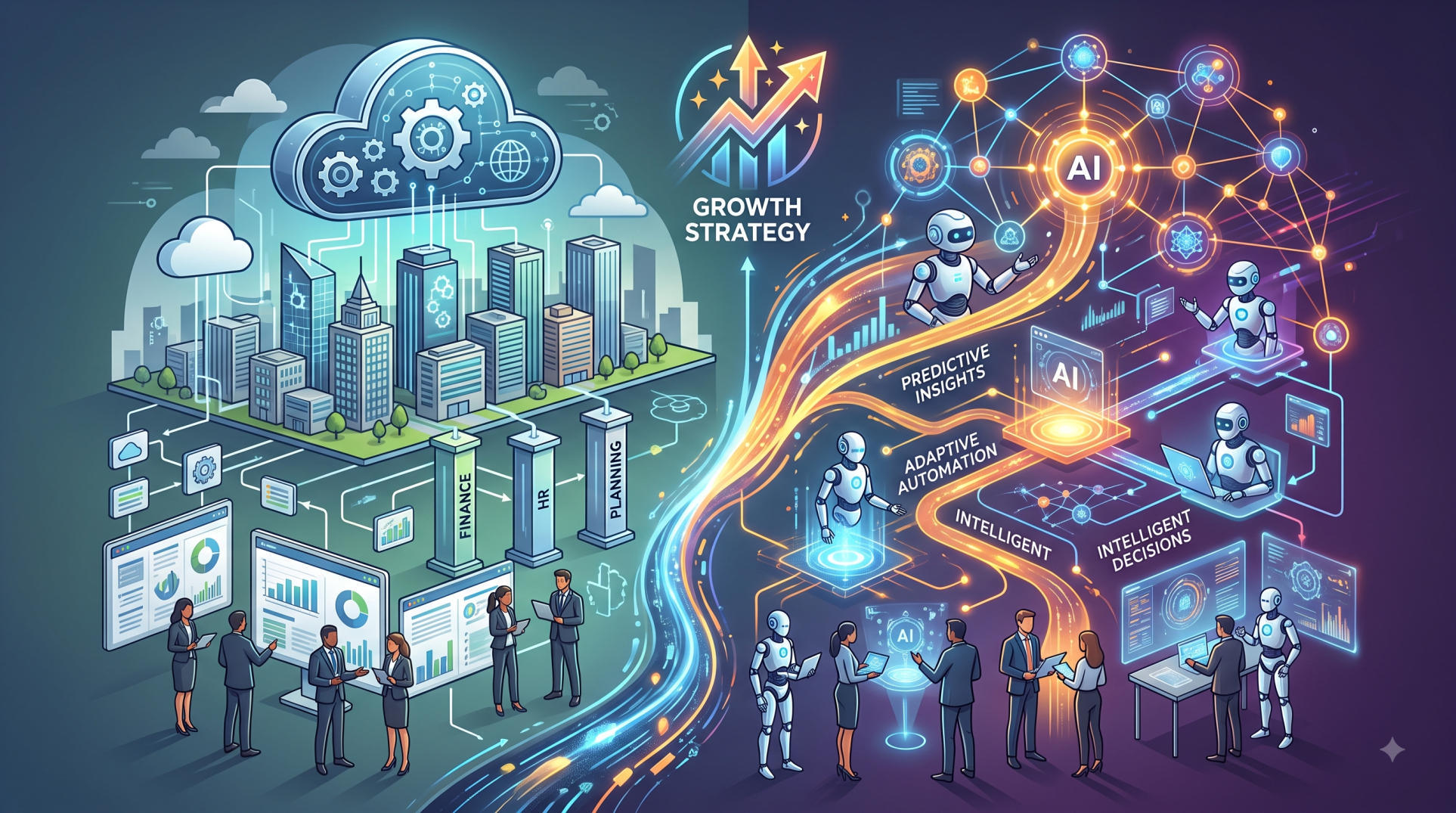
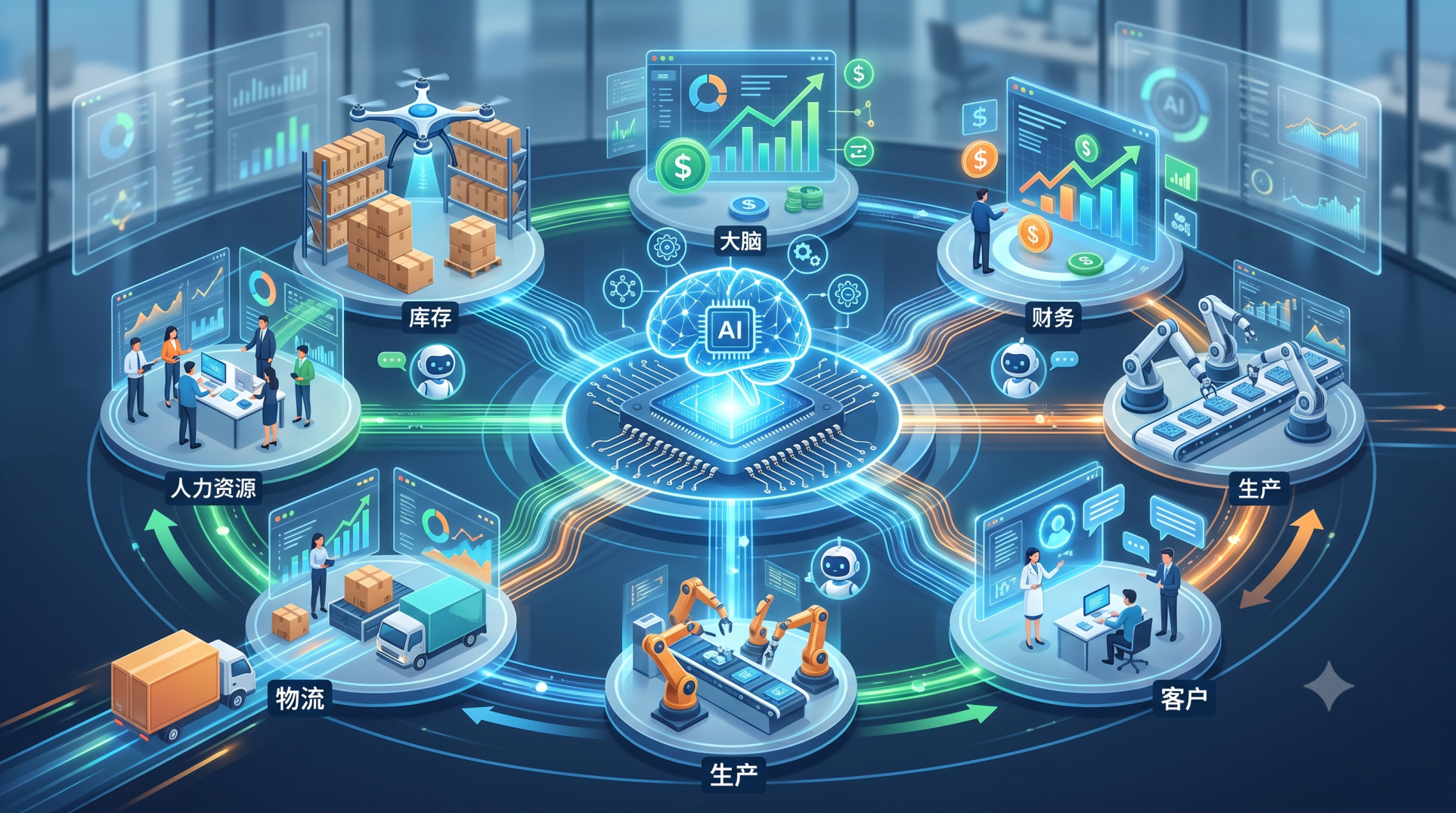
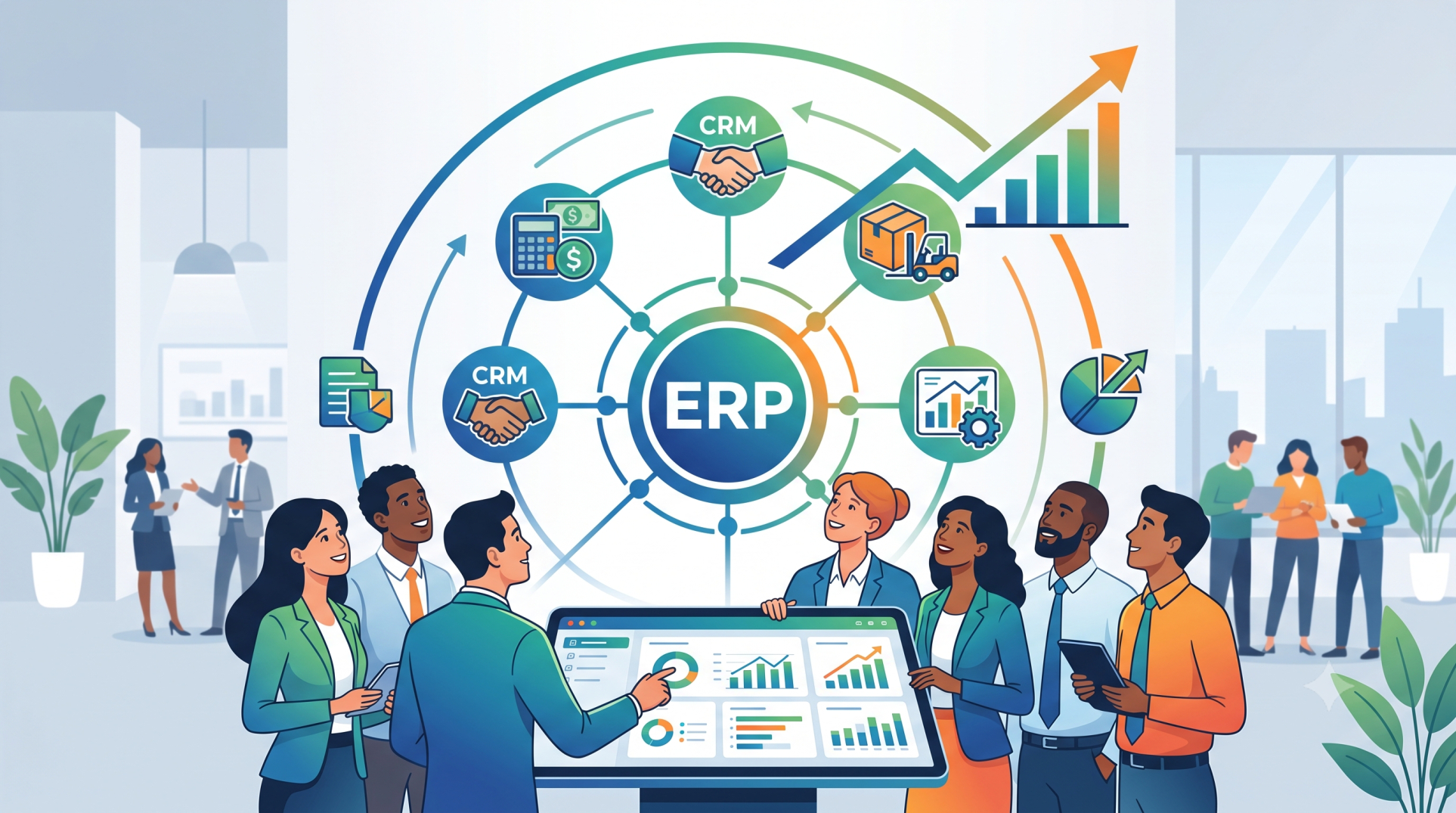
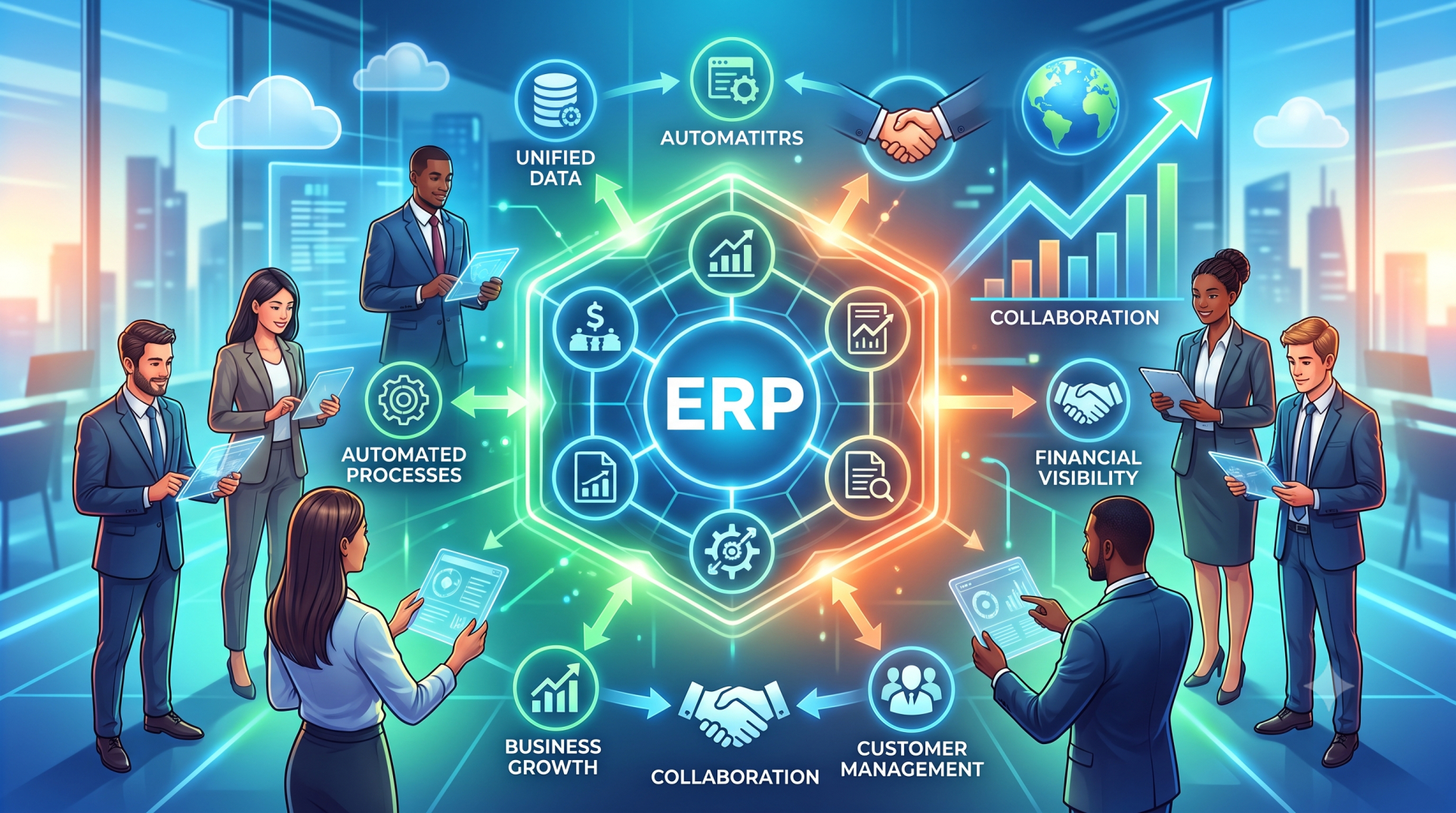
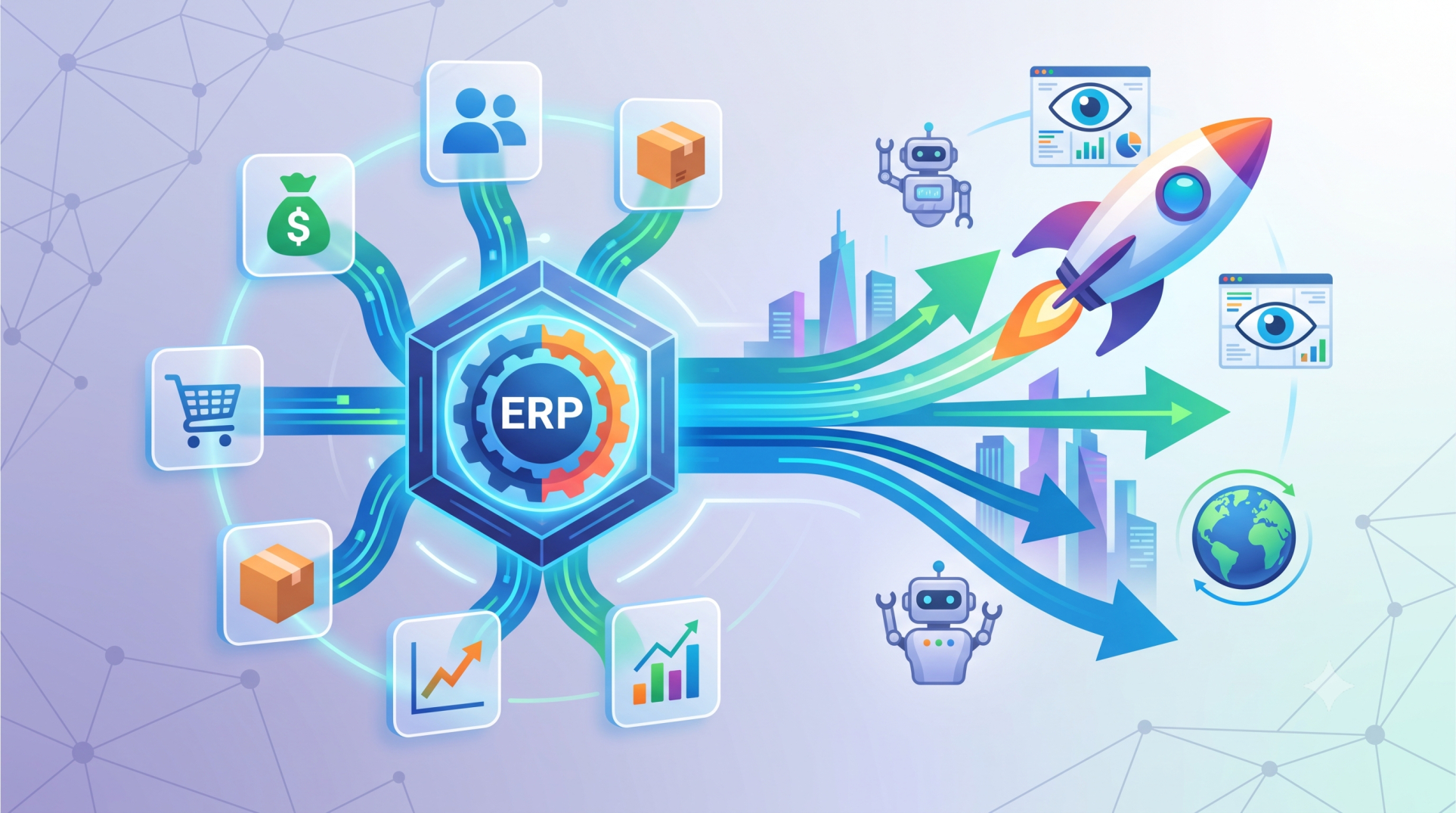
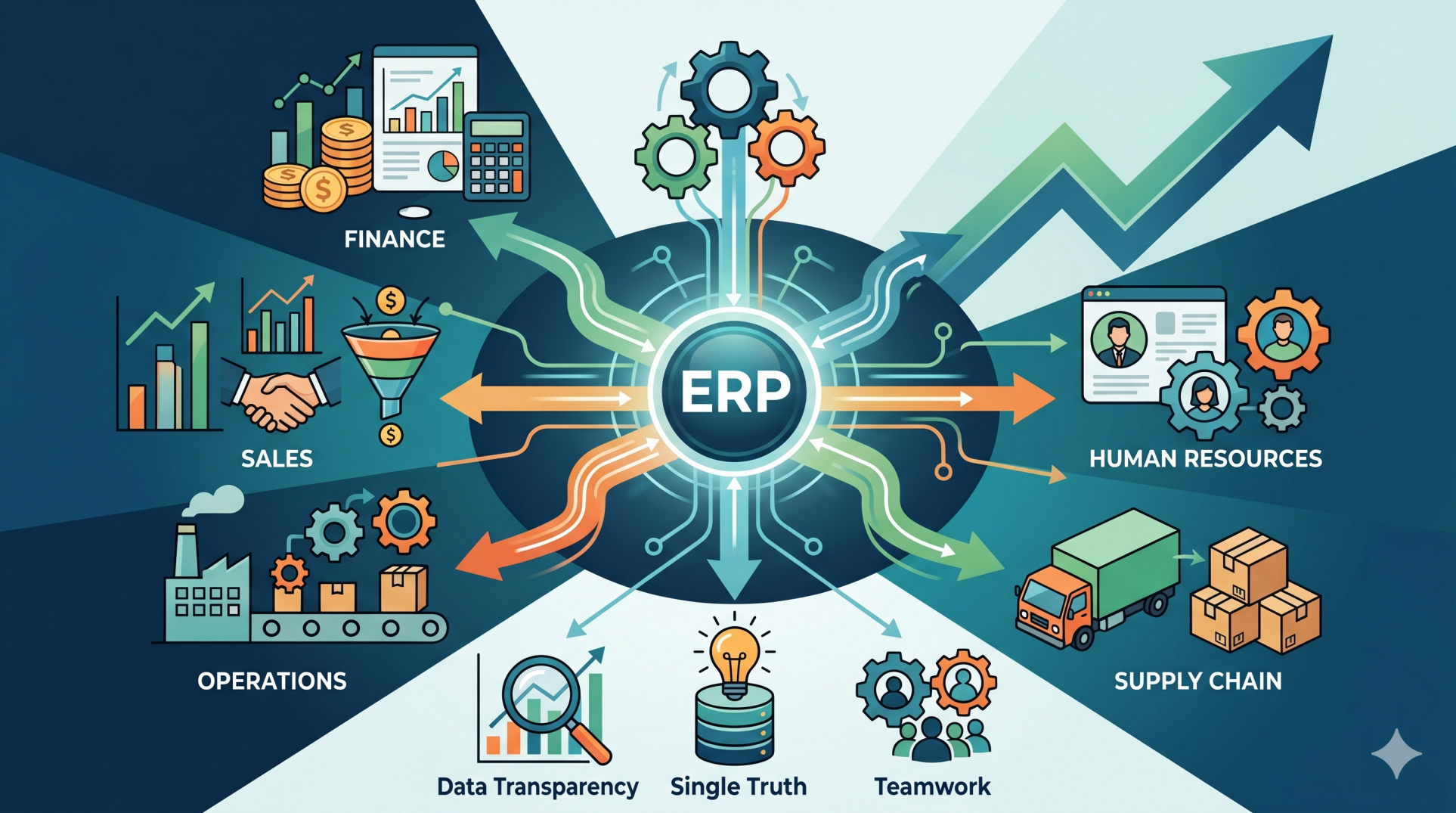
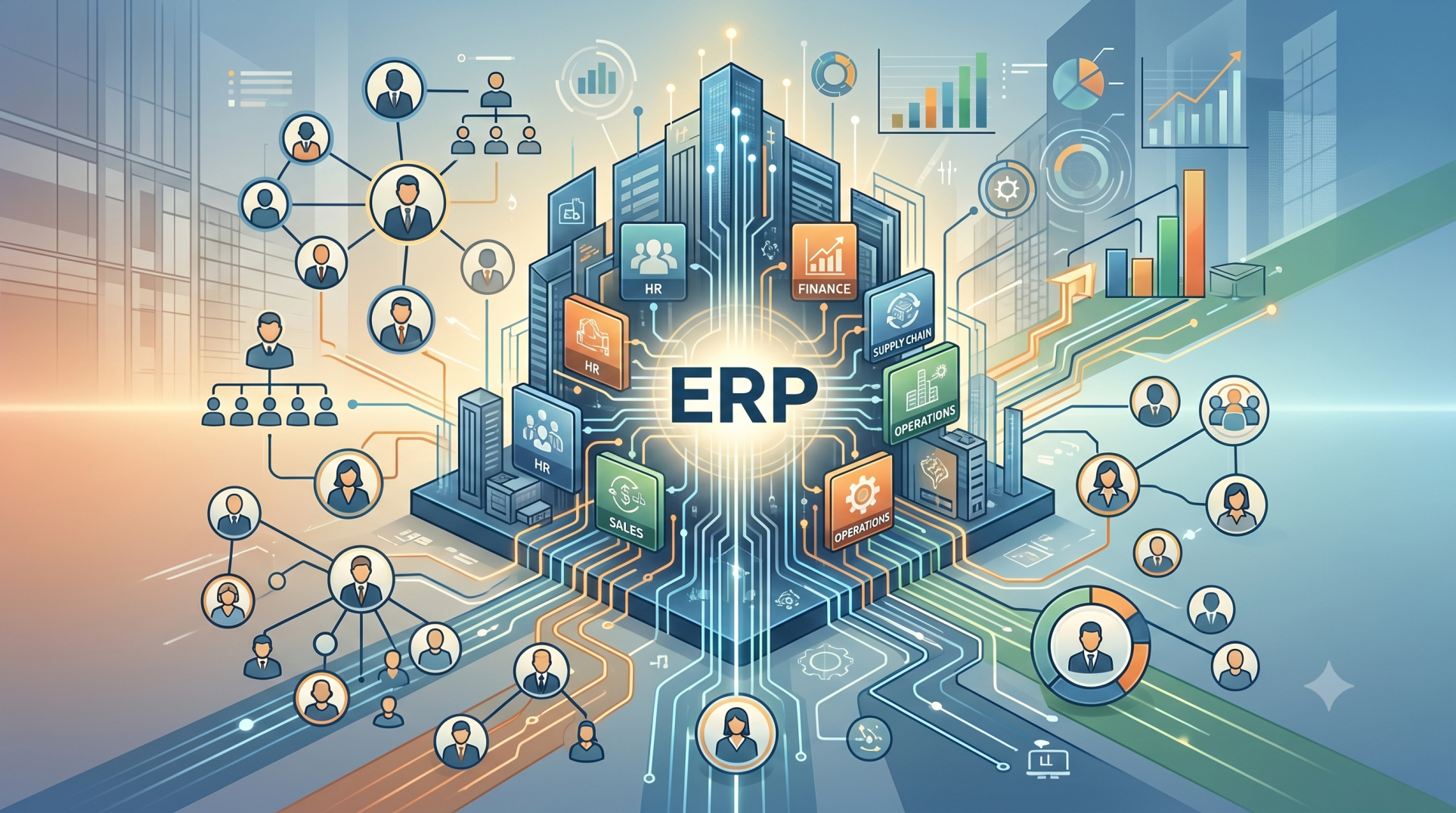
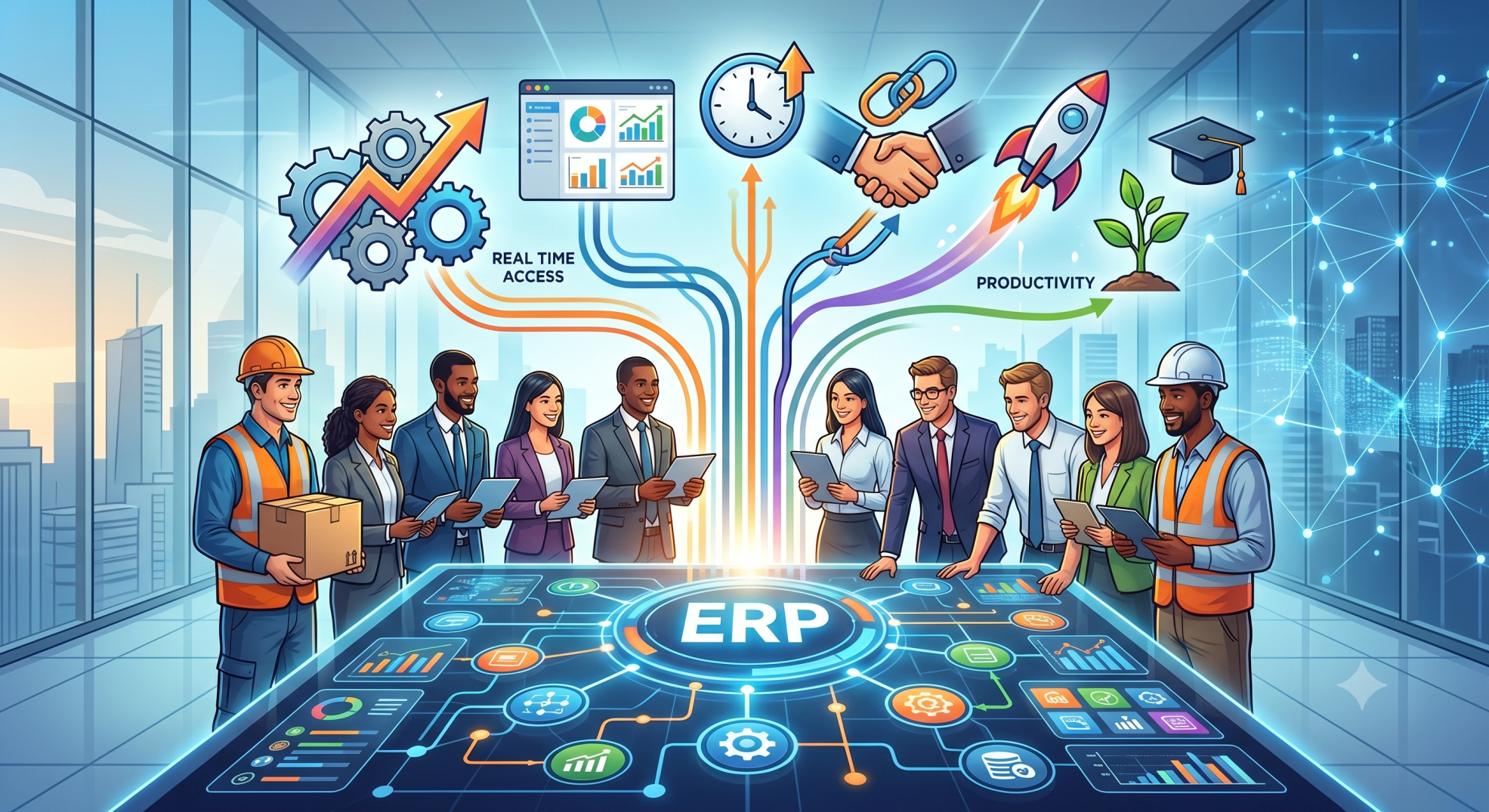
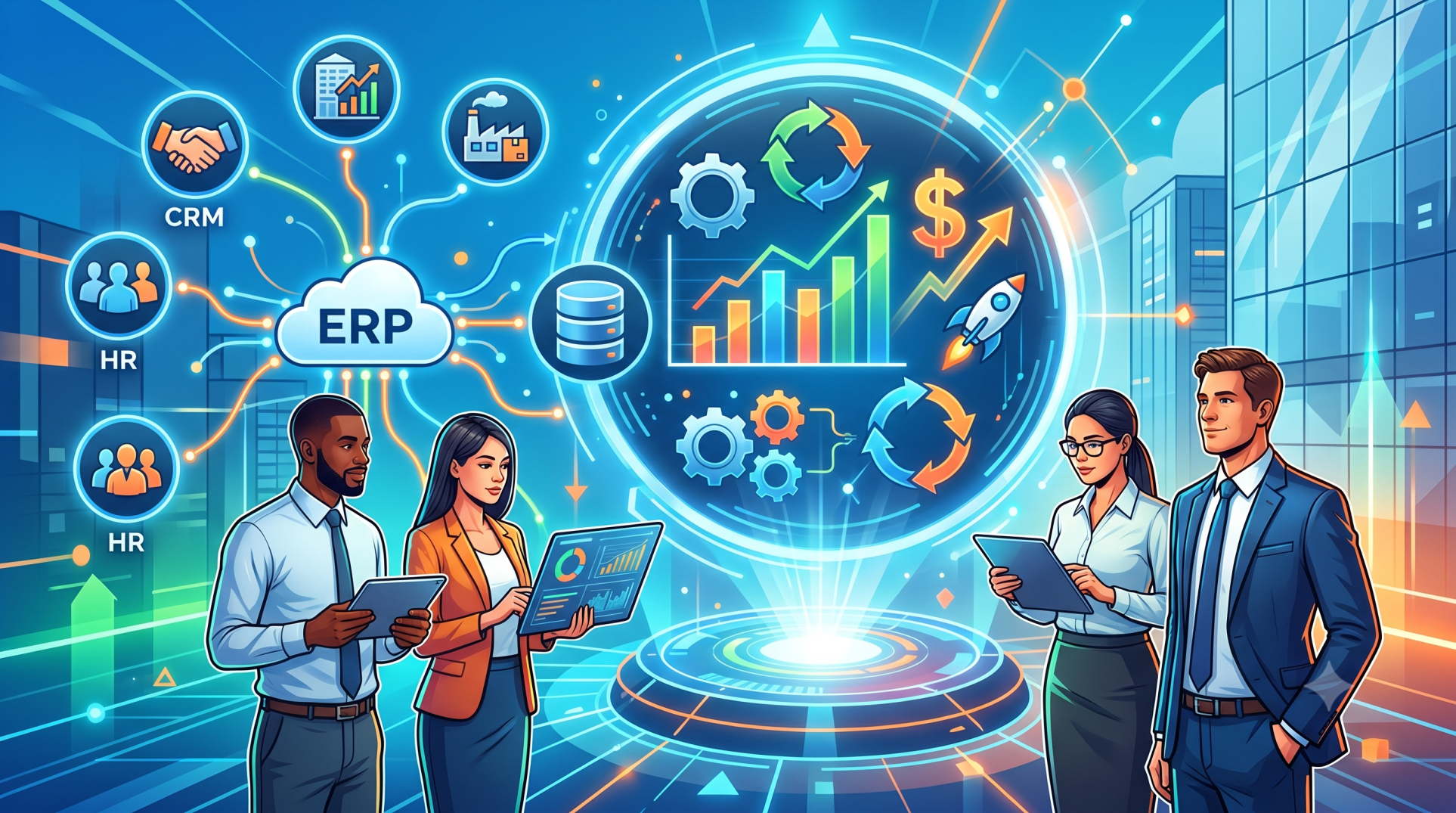
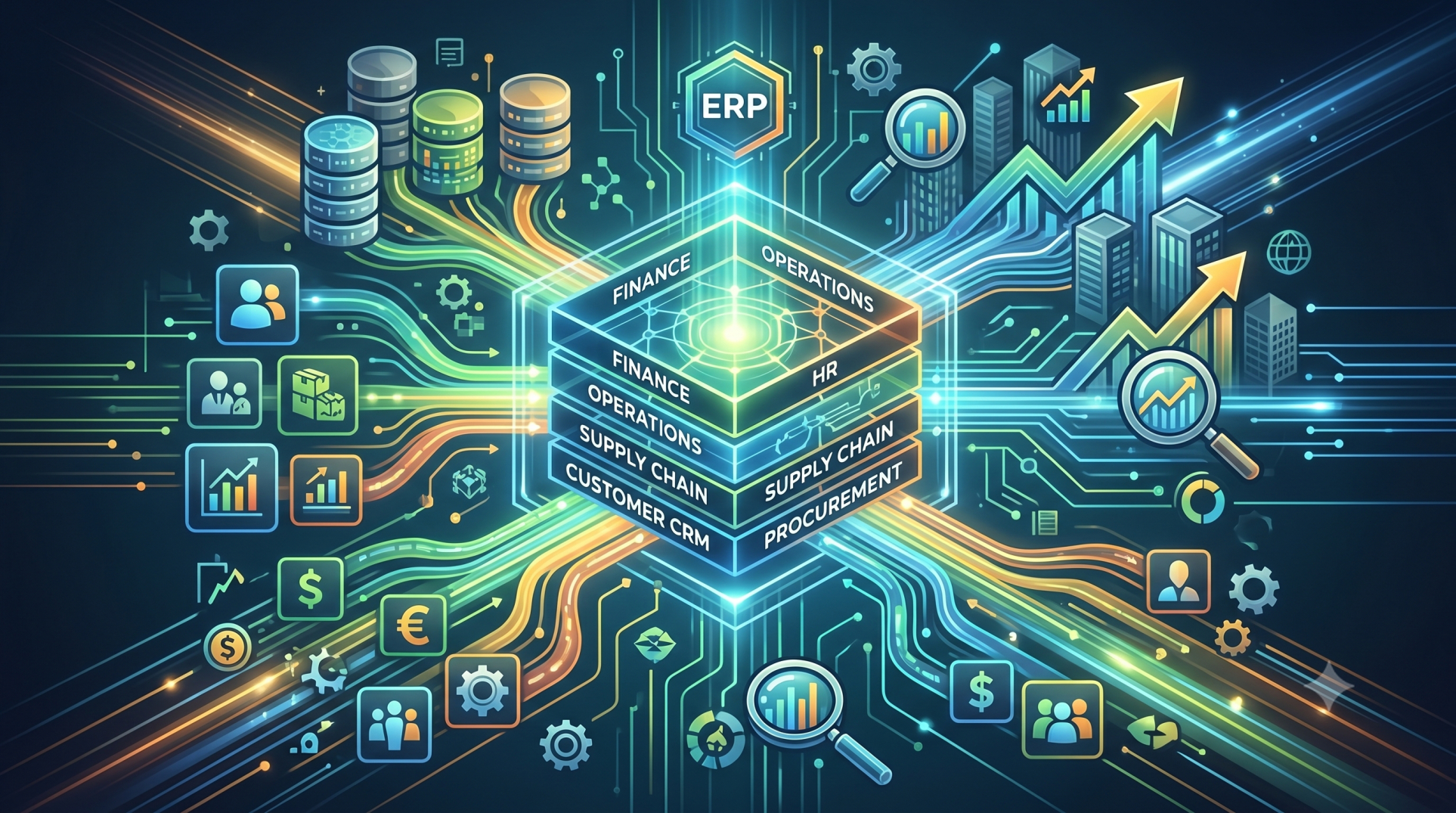
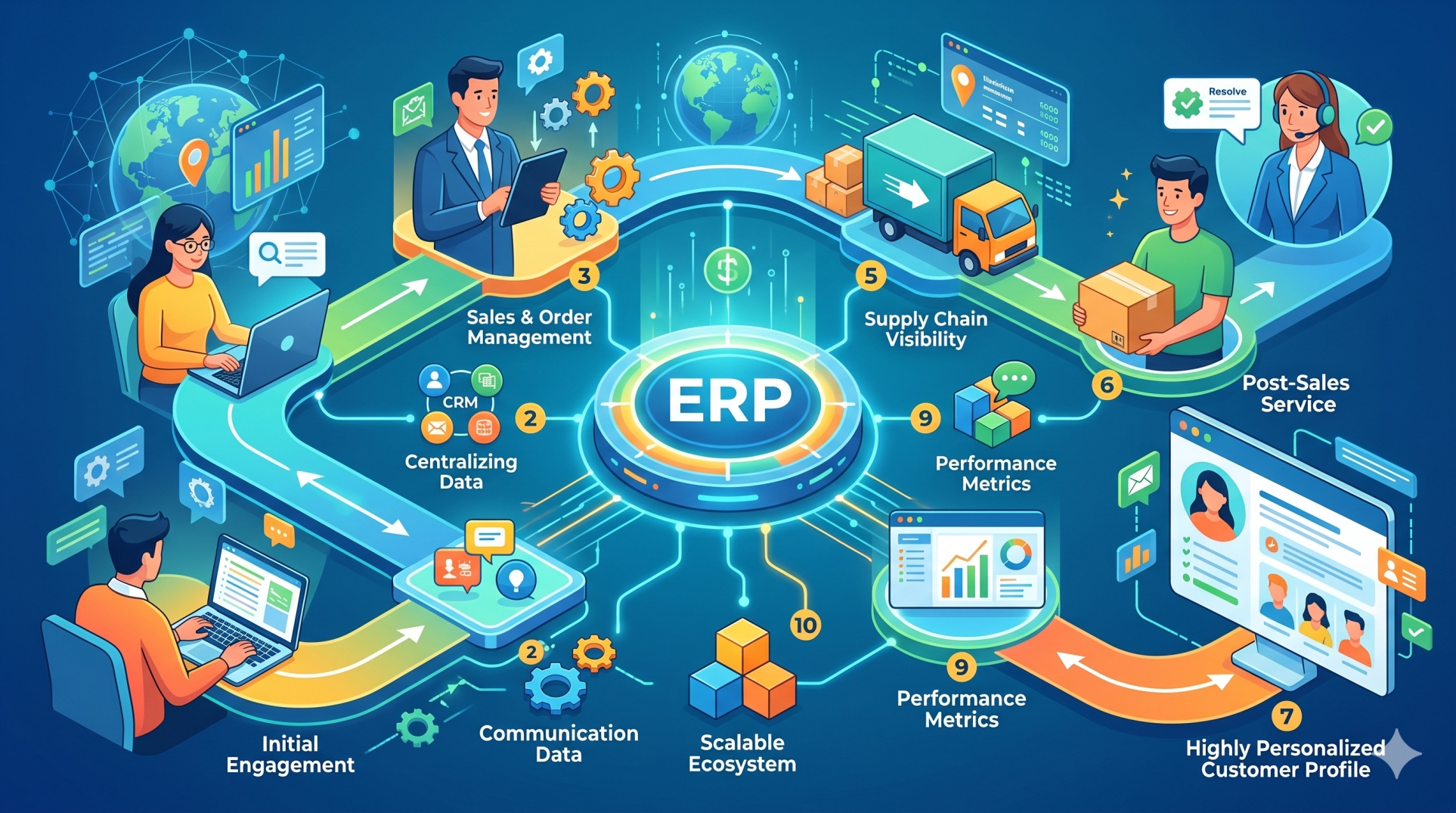
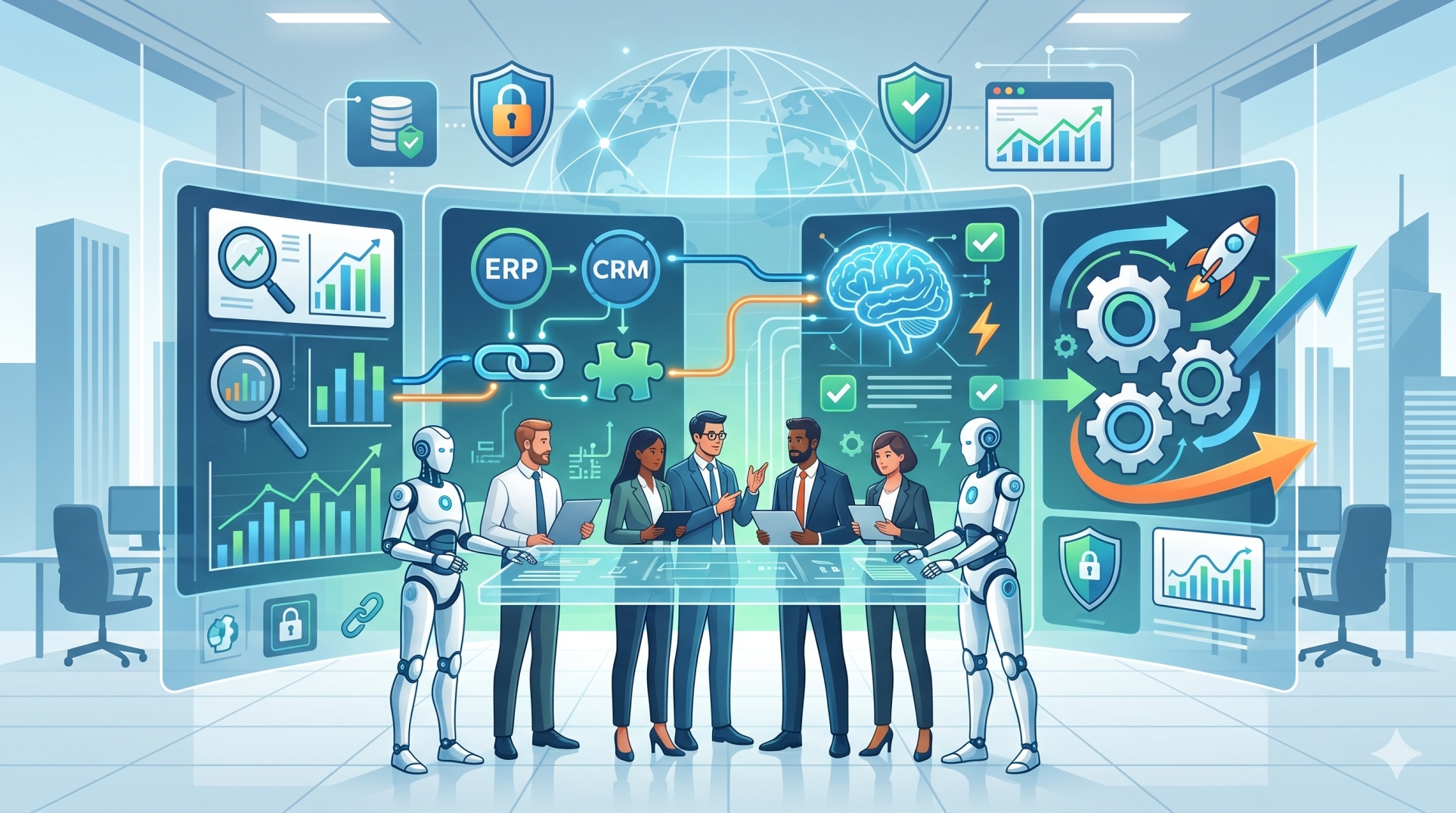
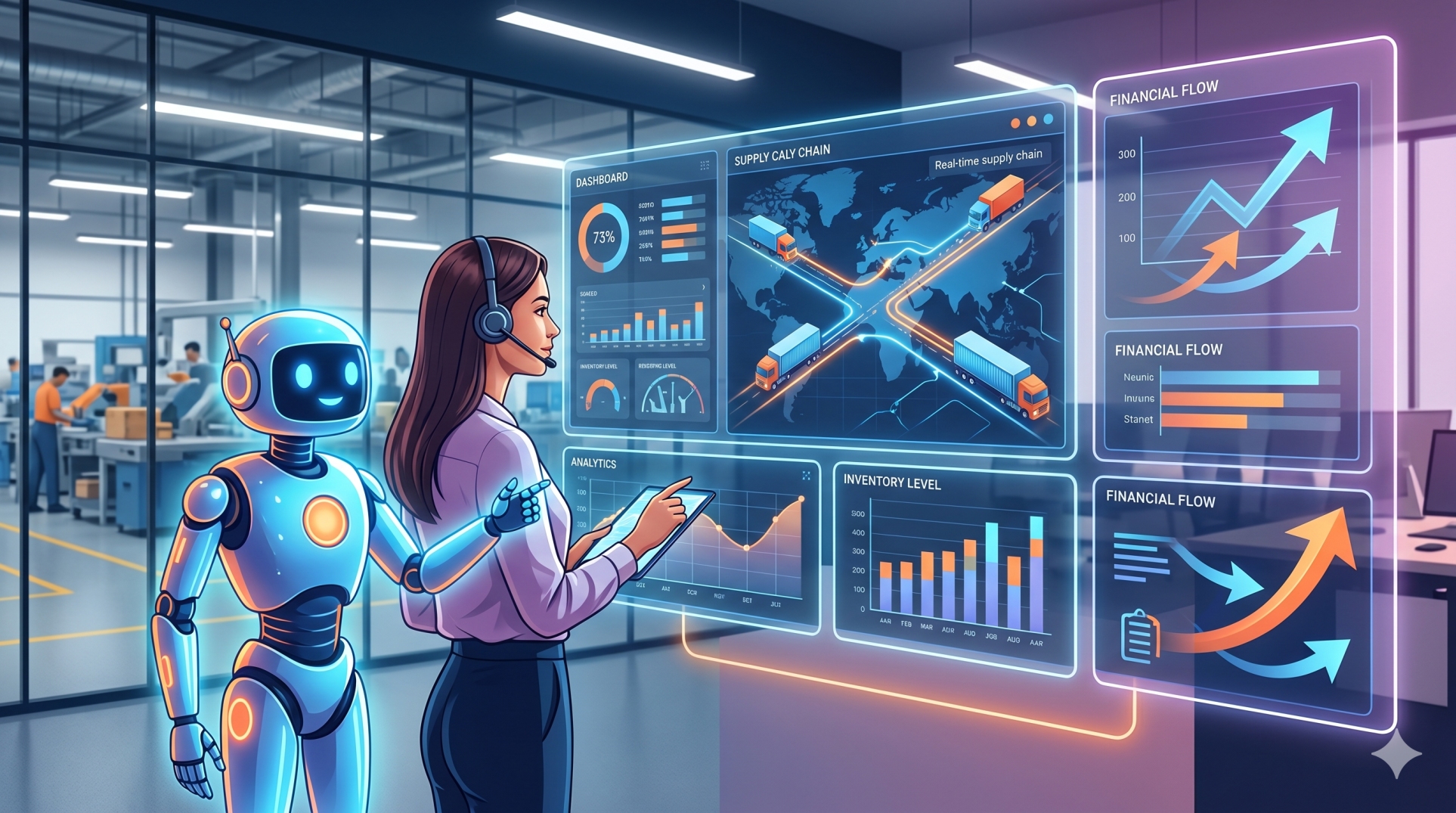
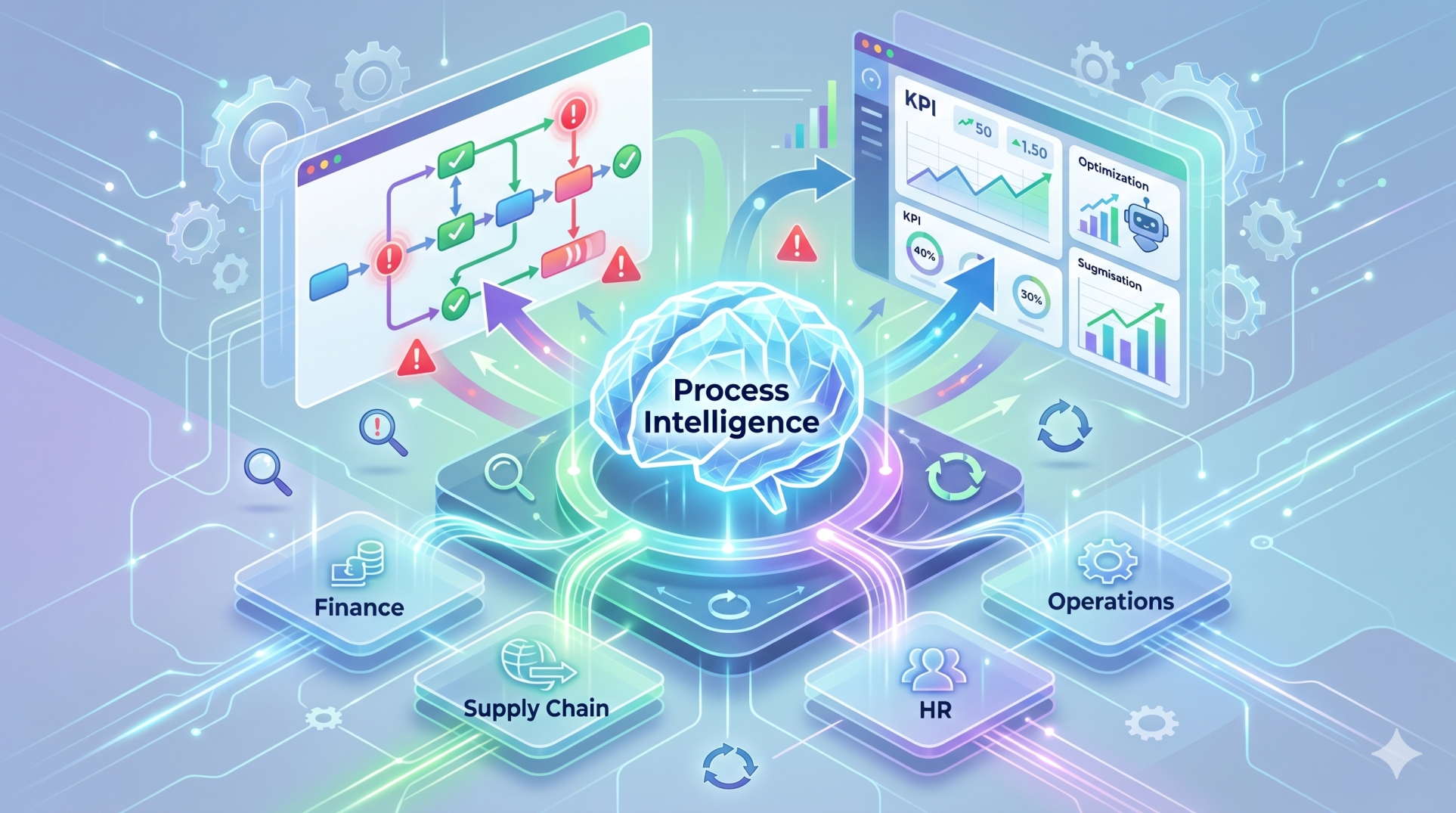
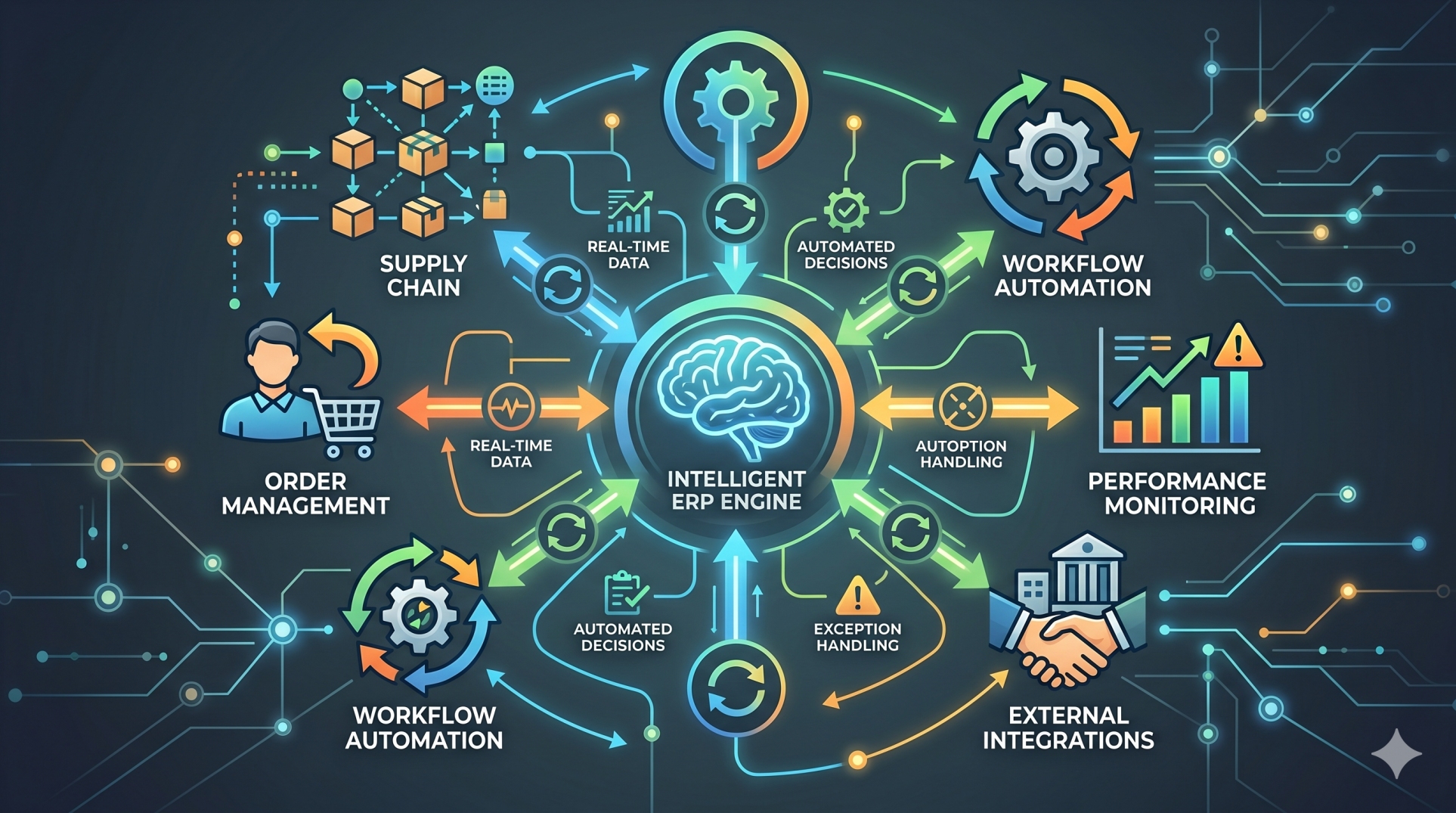
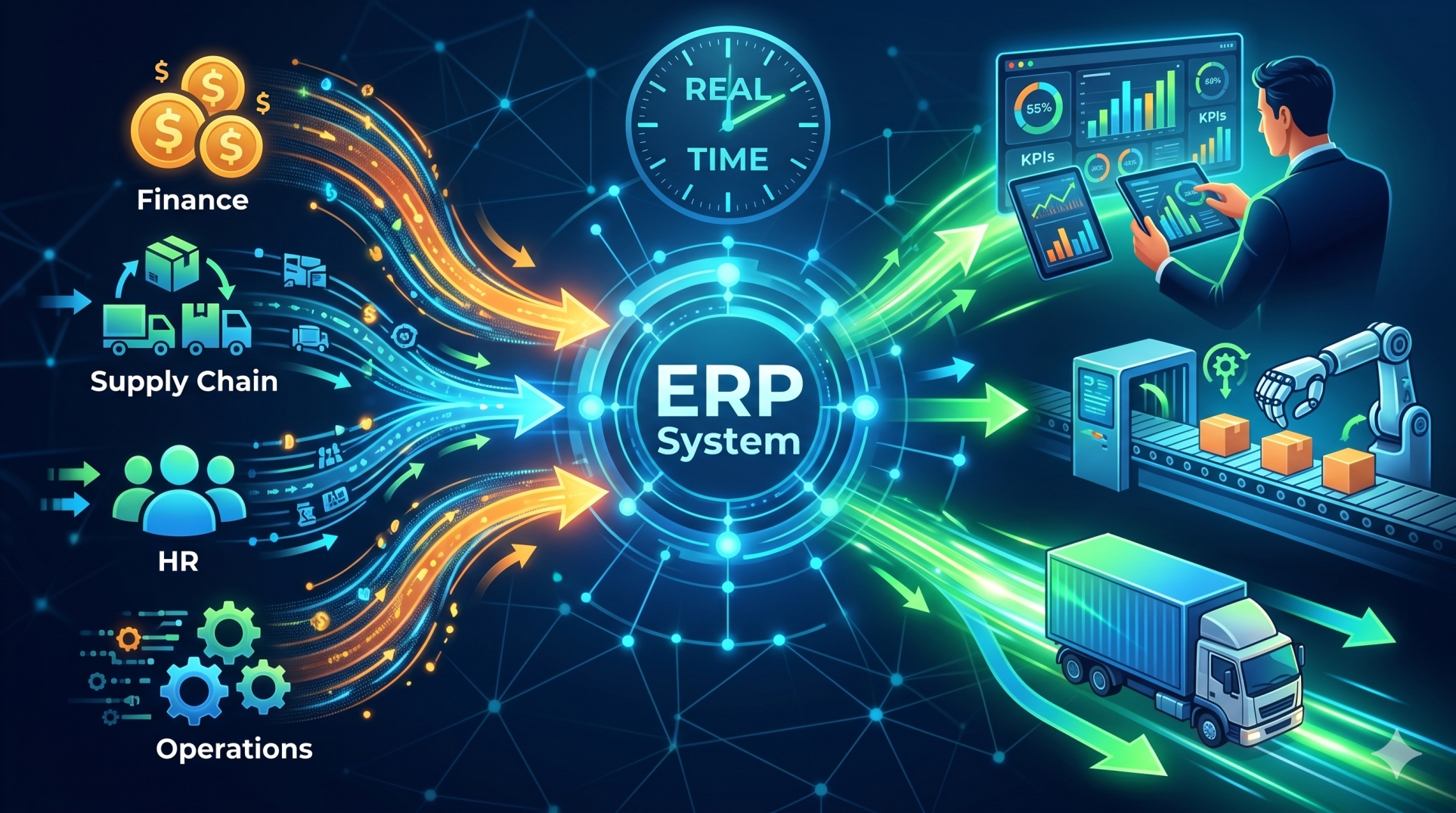
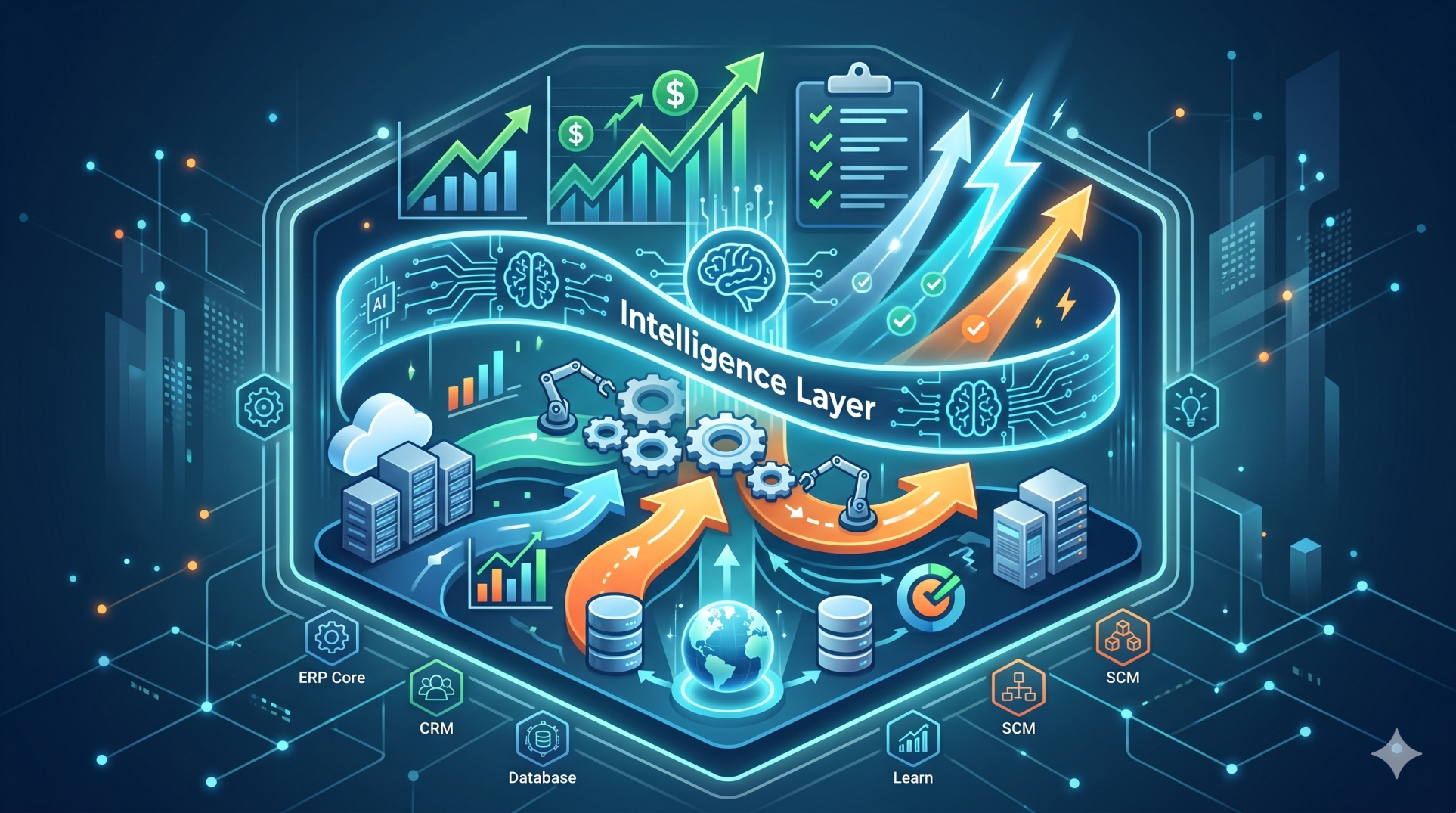
As businesses embrace digital transformation, traditional ERP systems are evolving into AI-native platforms that do far more than record transactions and manage business processes. AI-native ERP systems embed artificial intelligence into the core of enterprise operations, enabling automation, predictive insights, and intelligent decision-making across finance, supply chain, human resources, procurement, and customer management. These systems help organizations operate with greater speed, accuracy, and adaptability in an increasingly competitive business landscape.
Step 1: Understanding AI-Native ERP Systems 🧠
• Embed artificial intelligence directly into core ERP functions 🤖
• Combine business data, automation, and intelligent decision-making 📊
• Move beyond transaction processing to proactive business management 🚀
• Support continuous learning from operational data 📈
• Enable faster and more informed business decisions 💡
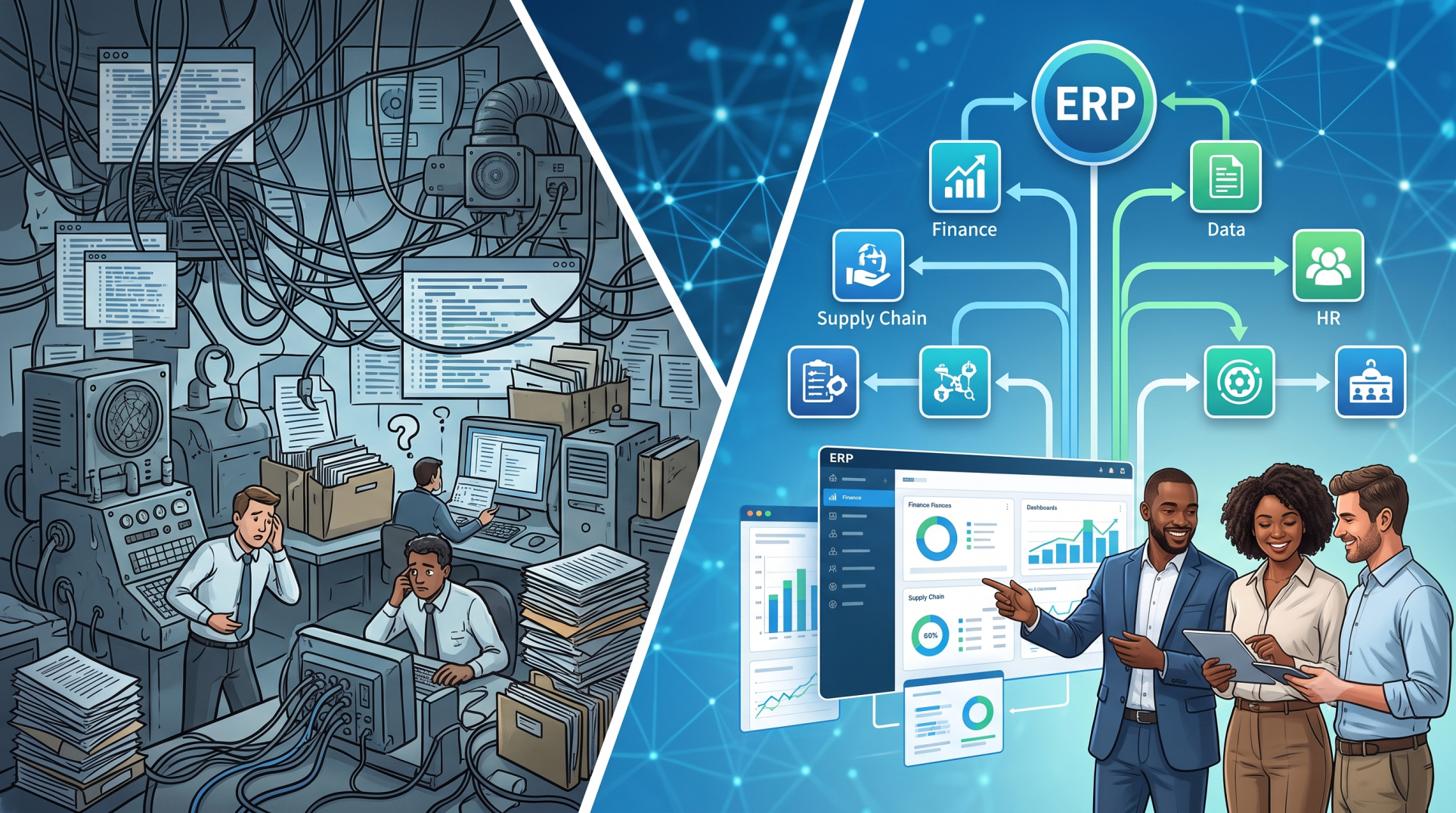
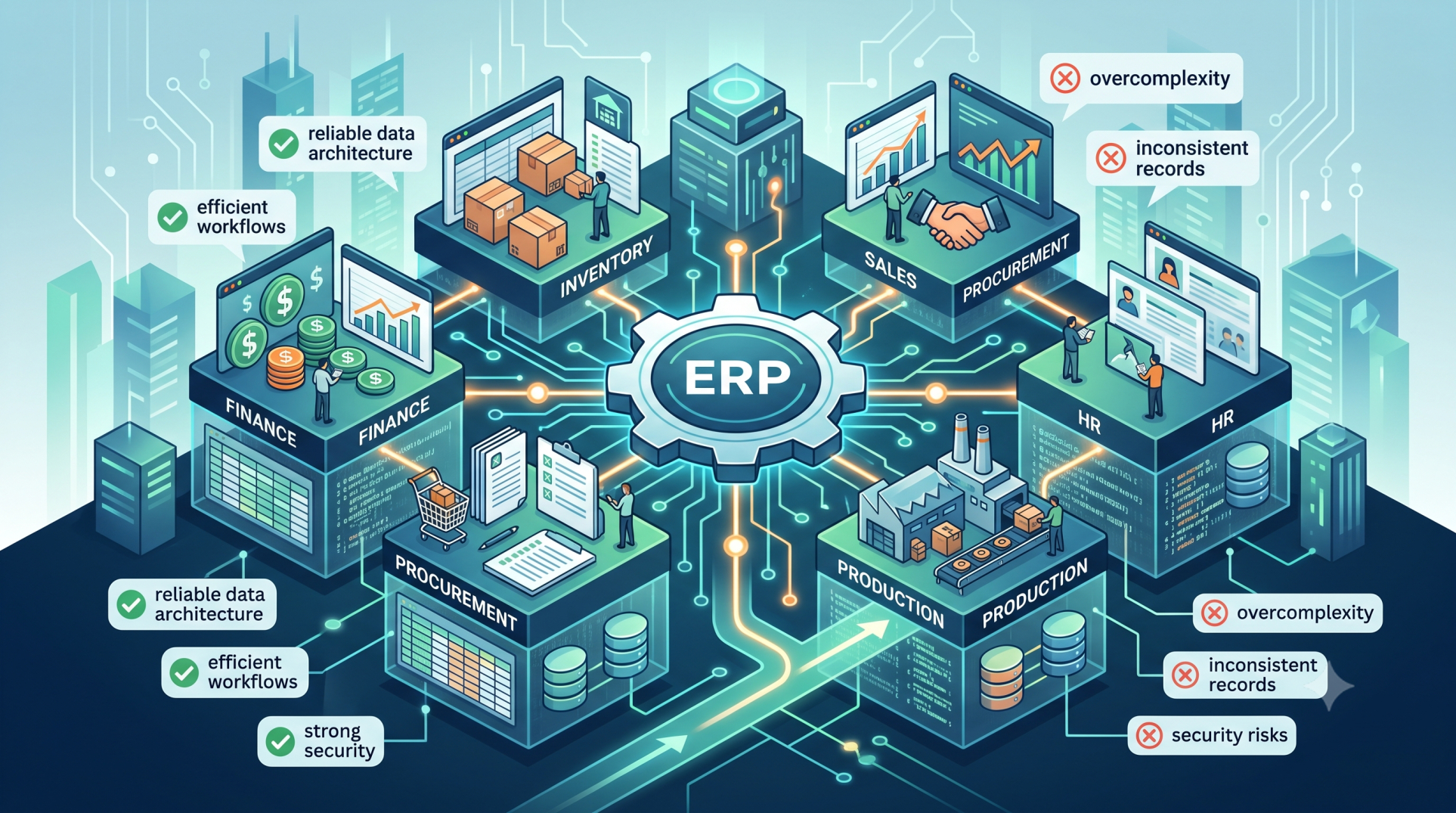
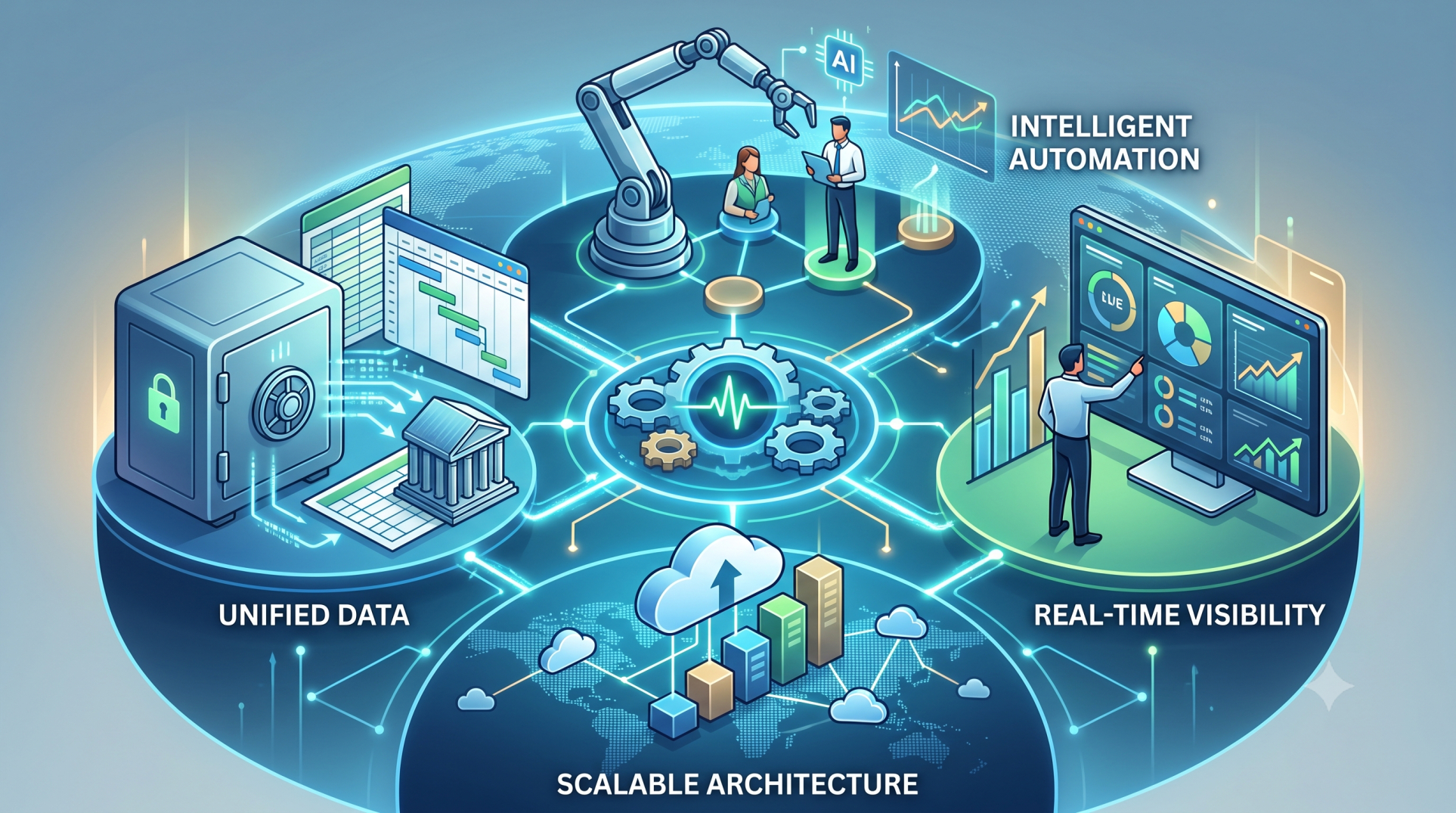
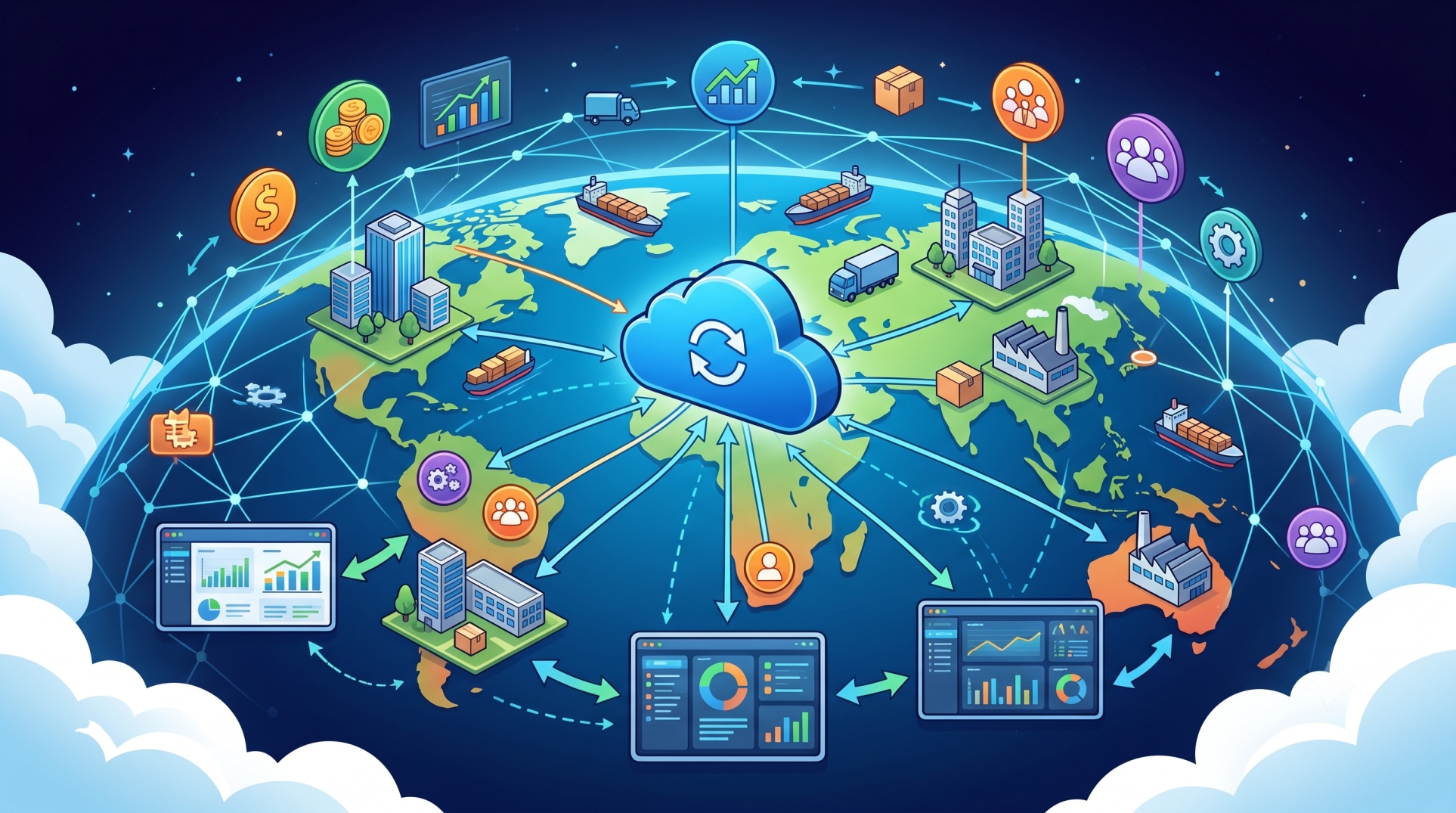
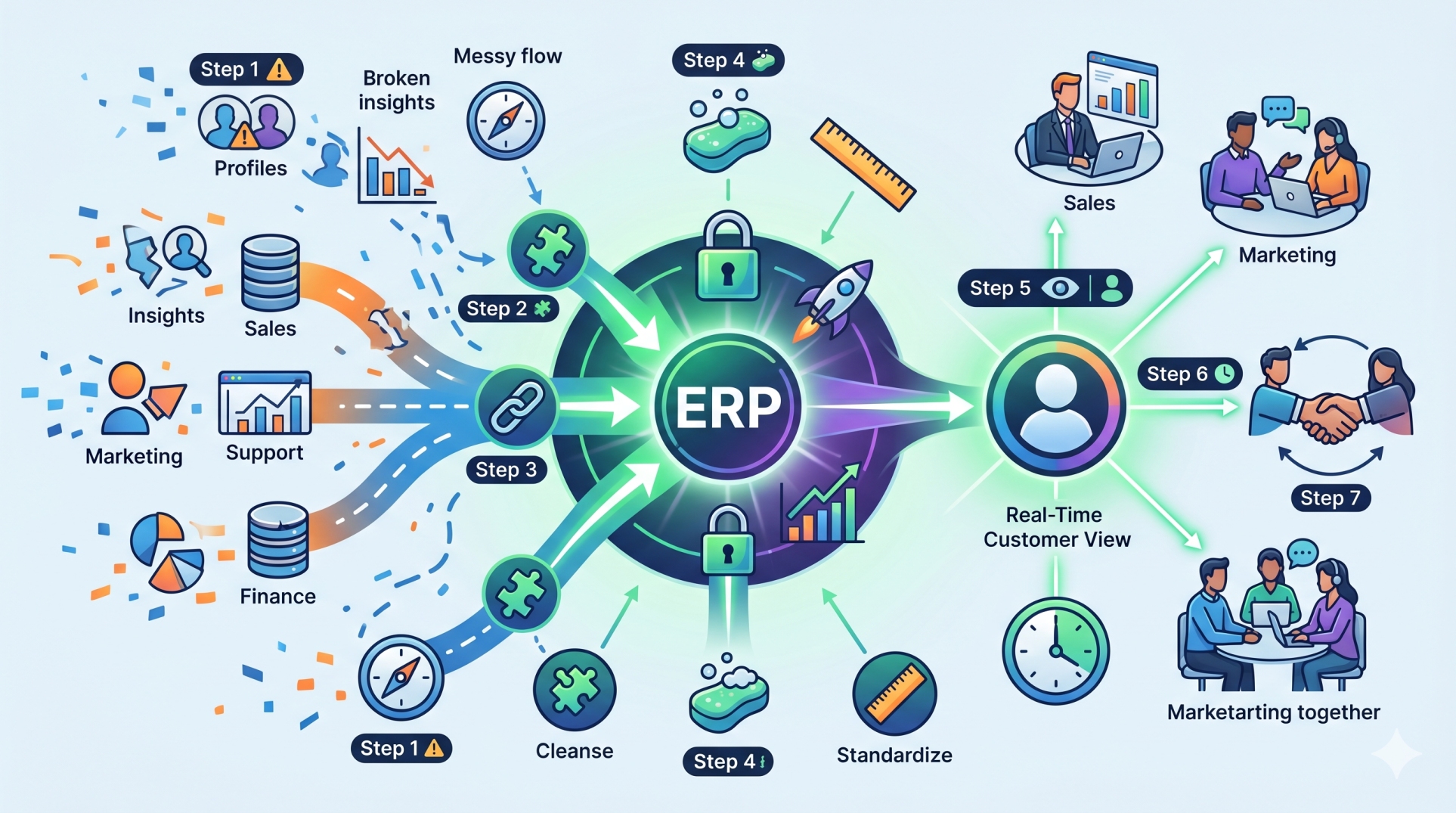
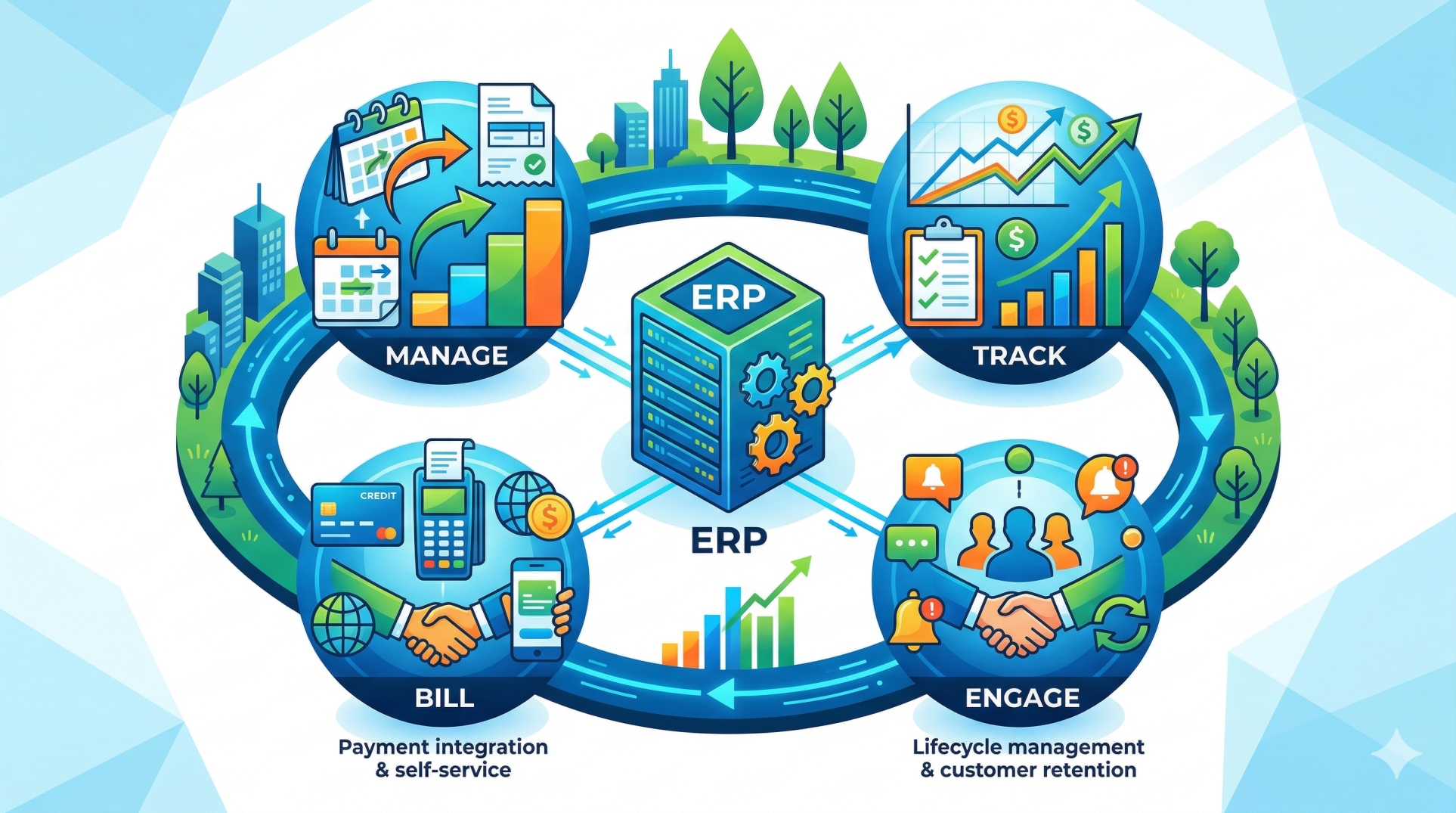
Step 2: Unifying Enterprise Data 🌐
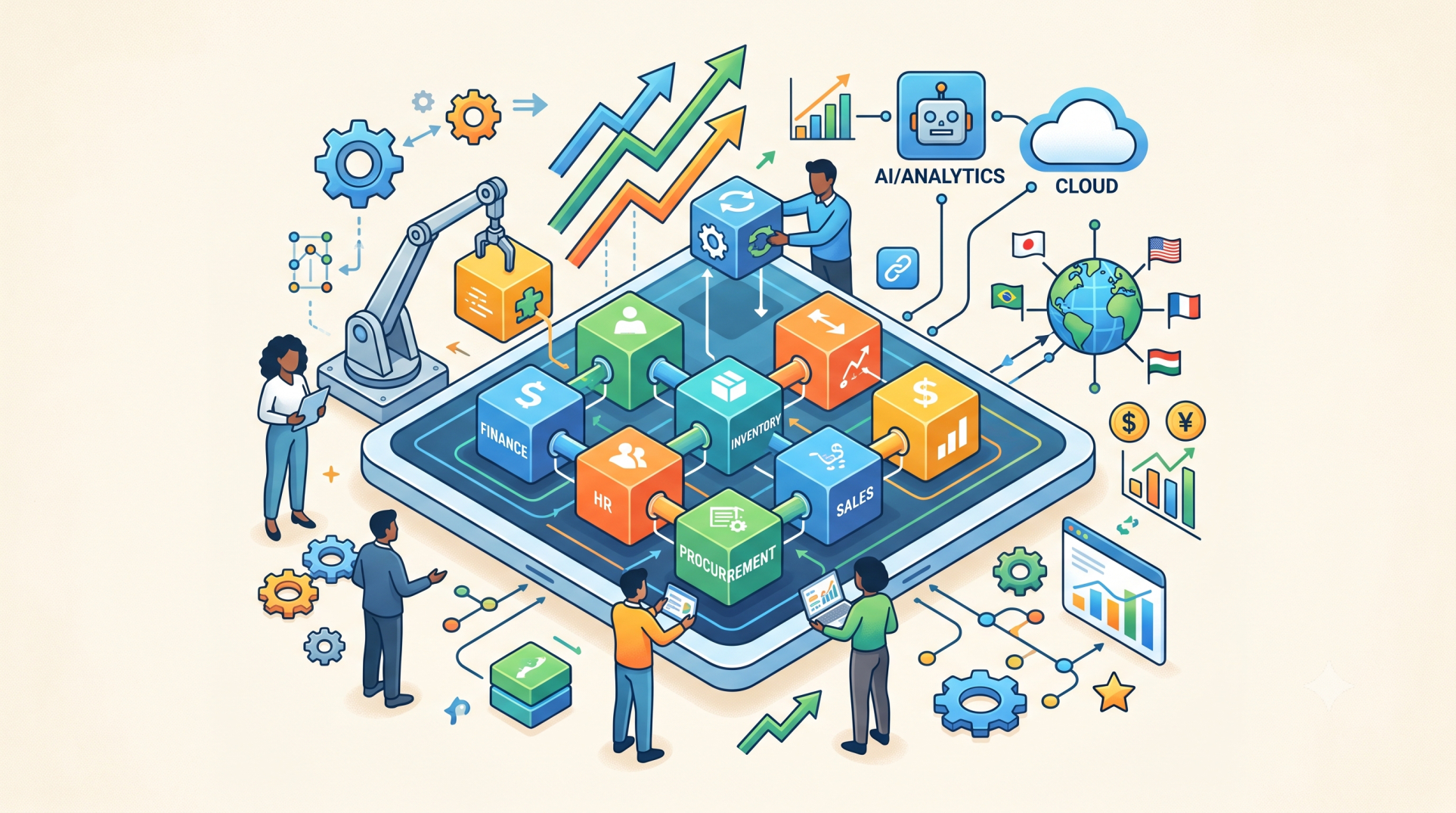
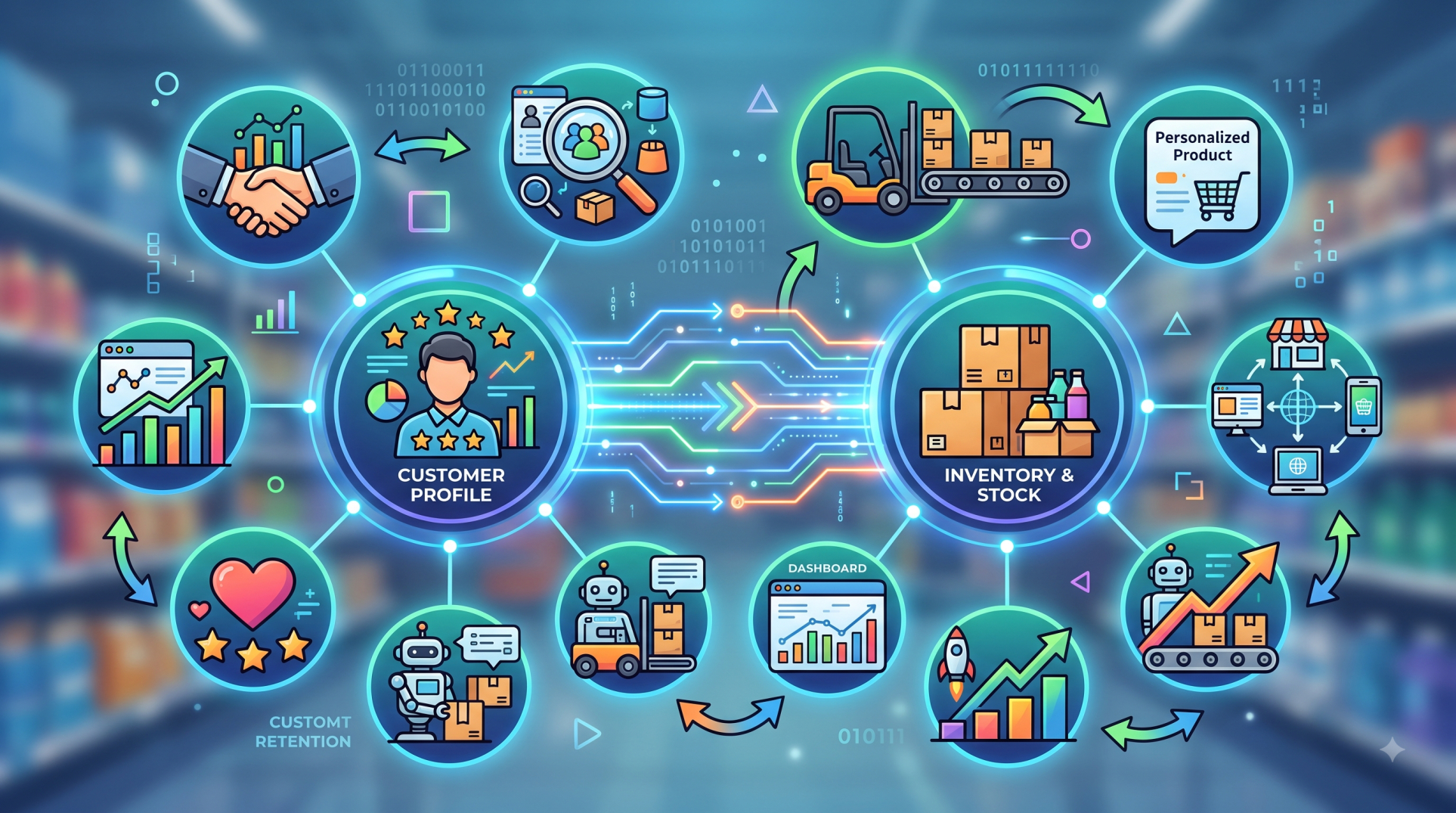
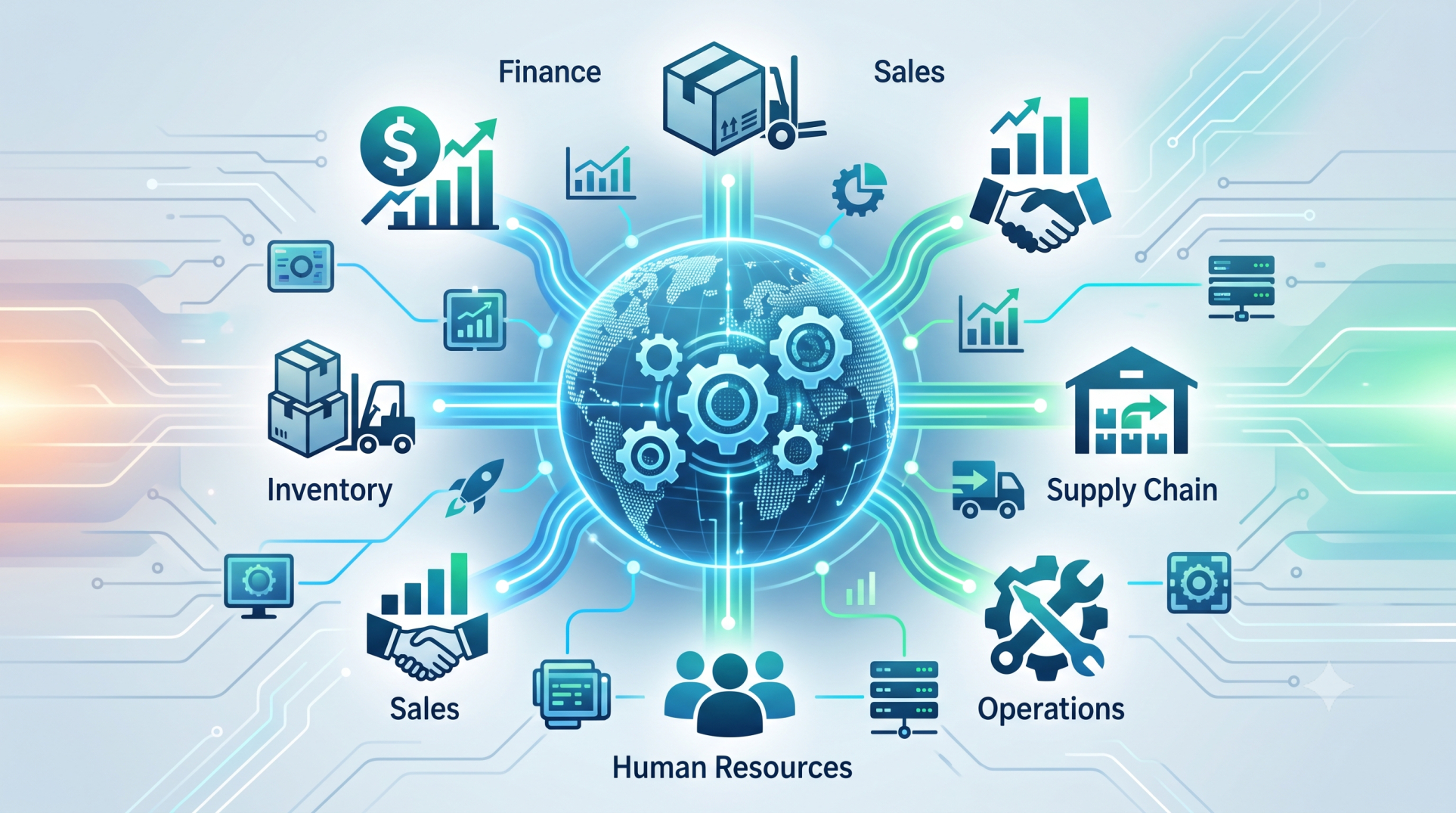
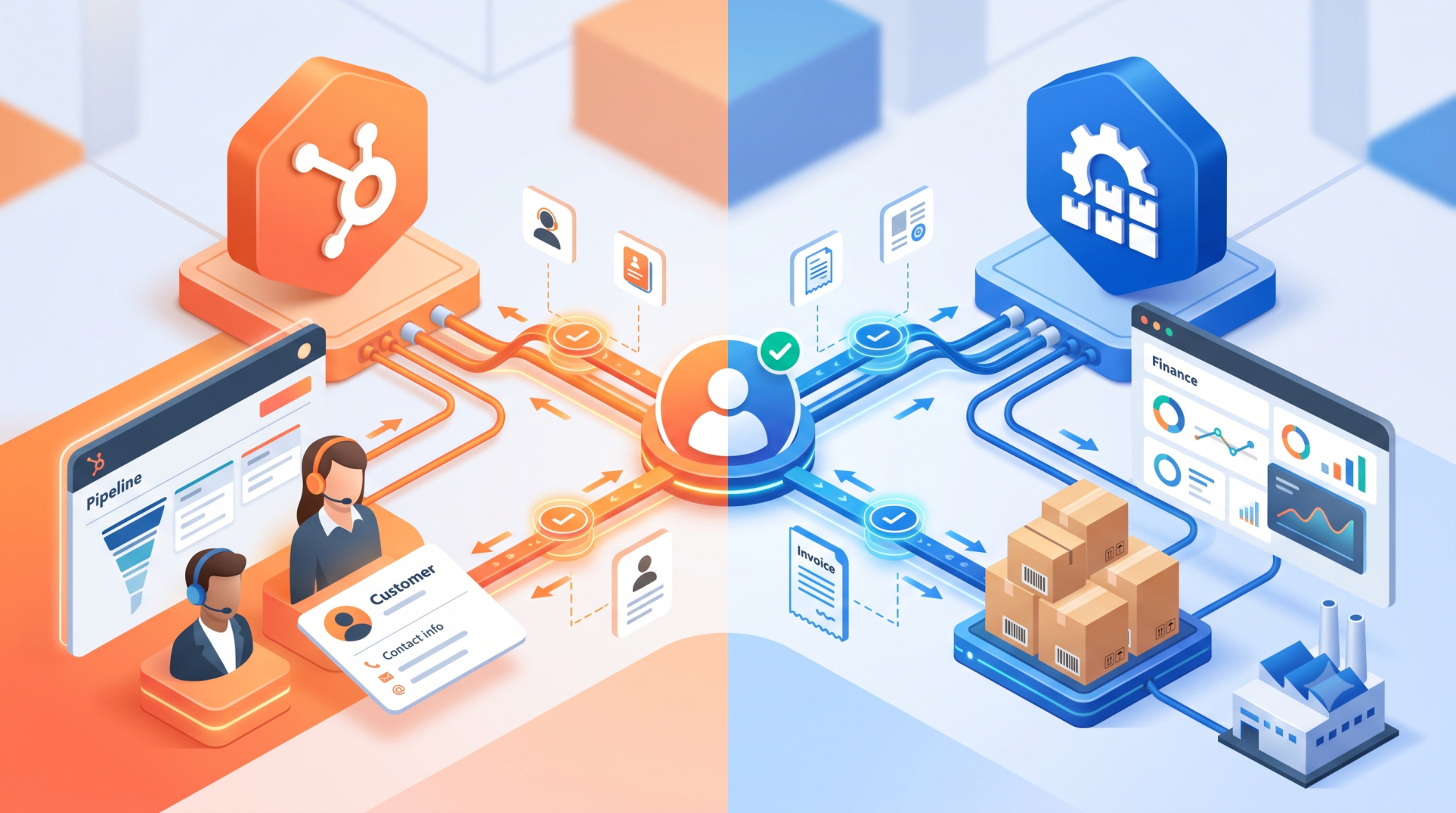
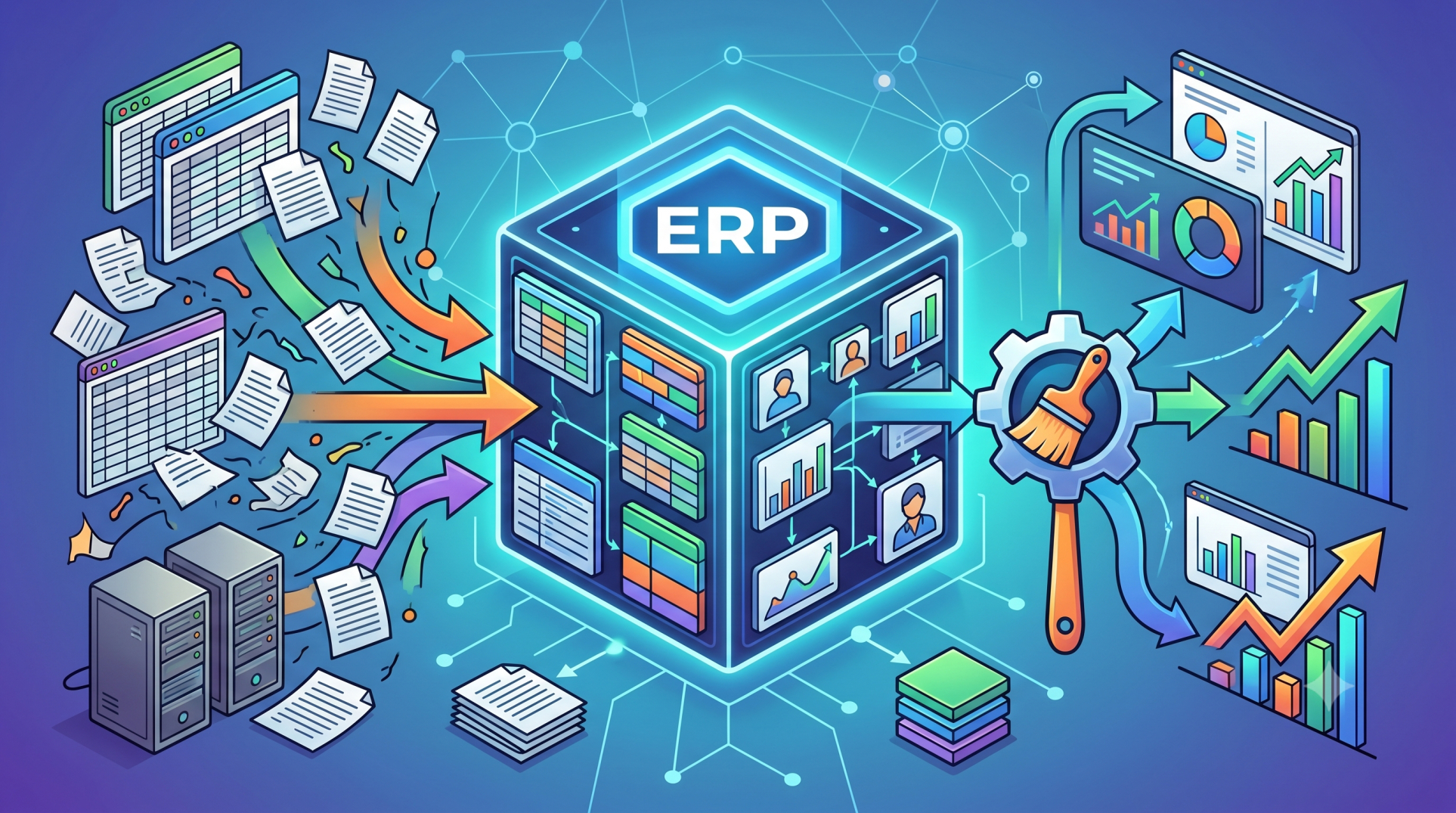
• Consolidate information from finance, HR, sales, inventory, and procurement 📁
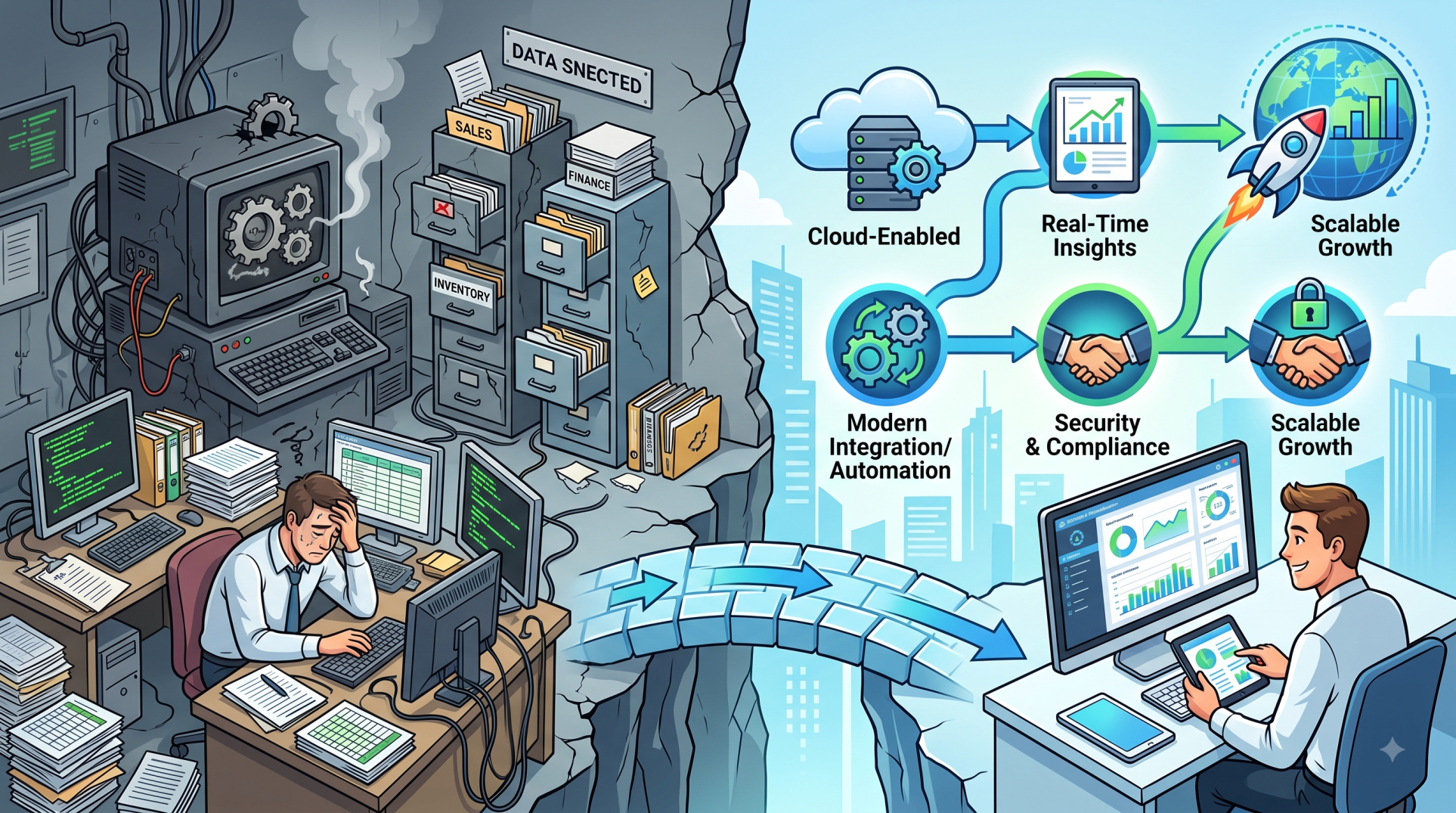
• Eliminate data silos across departments 🔄
• Create a centralized source of business information 🗂️
• Improve data consistency and accessibility 👀
• Enable enterprise-wide visibility for decision-makers 📊
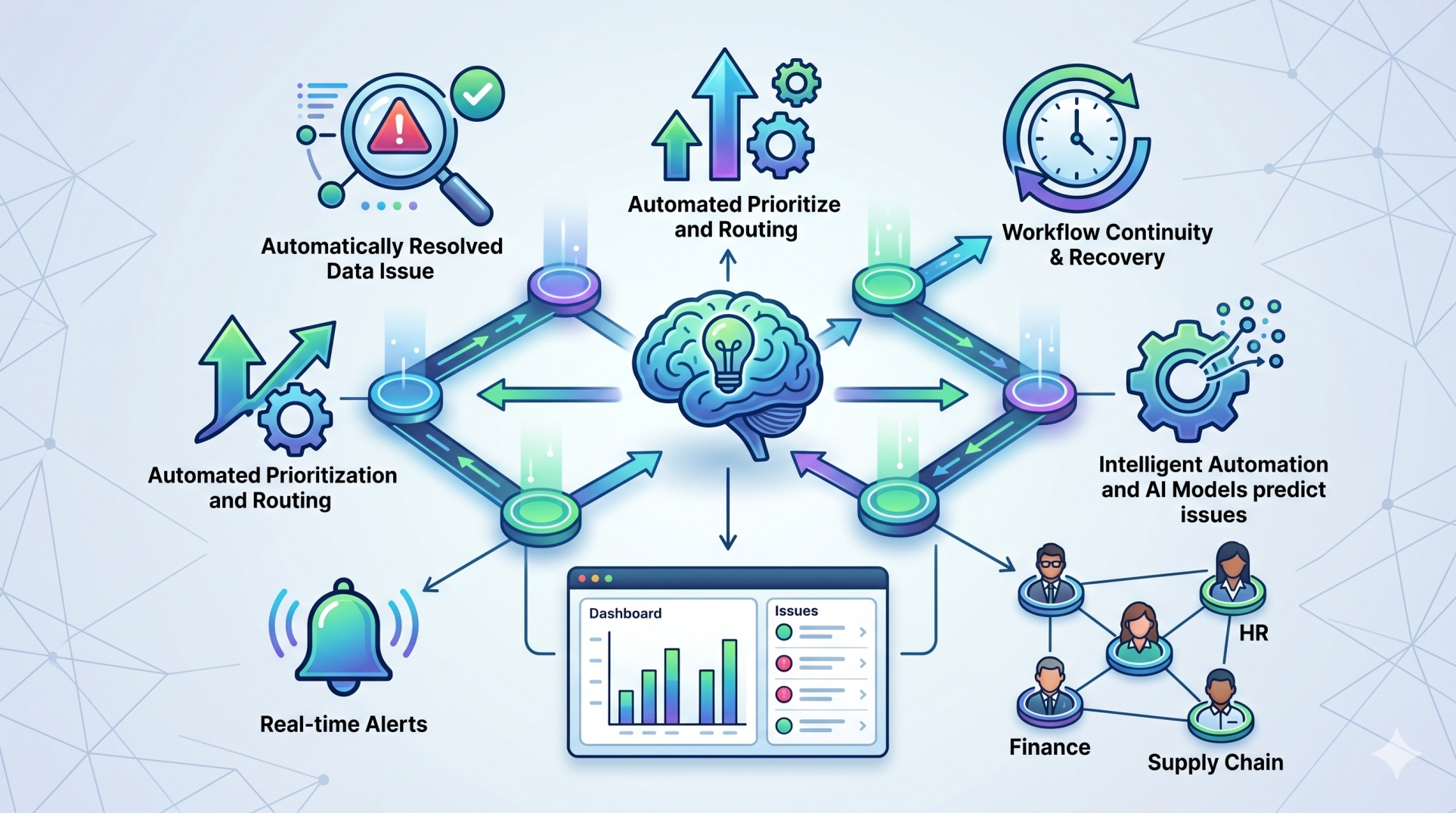
Step 3: Automating Business Operations ⚙️
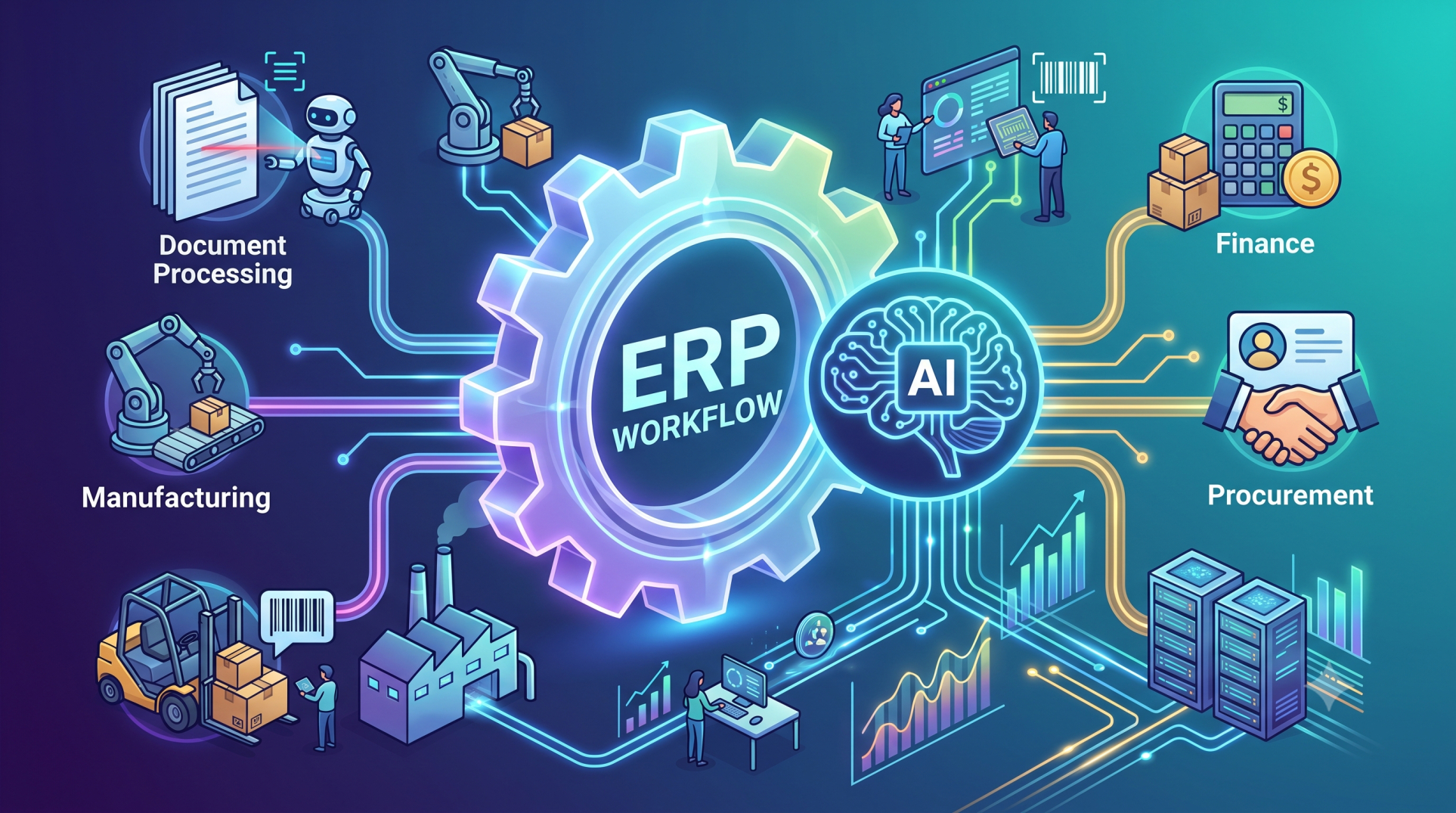
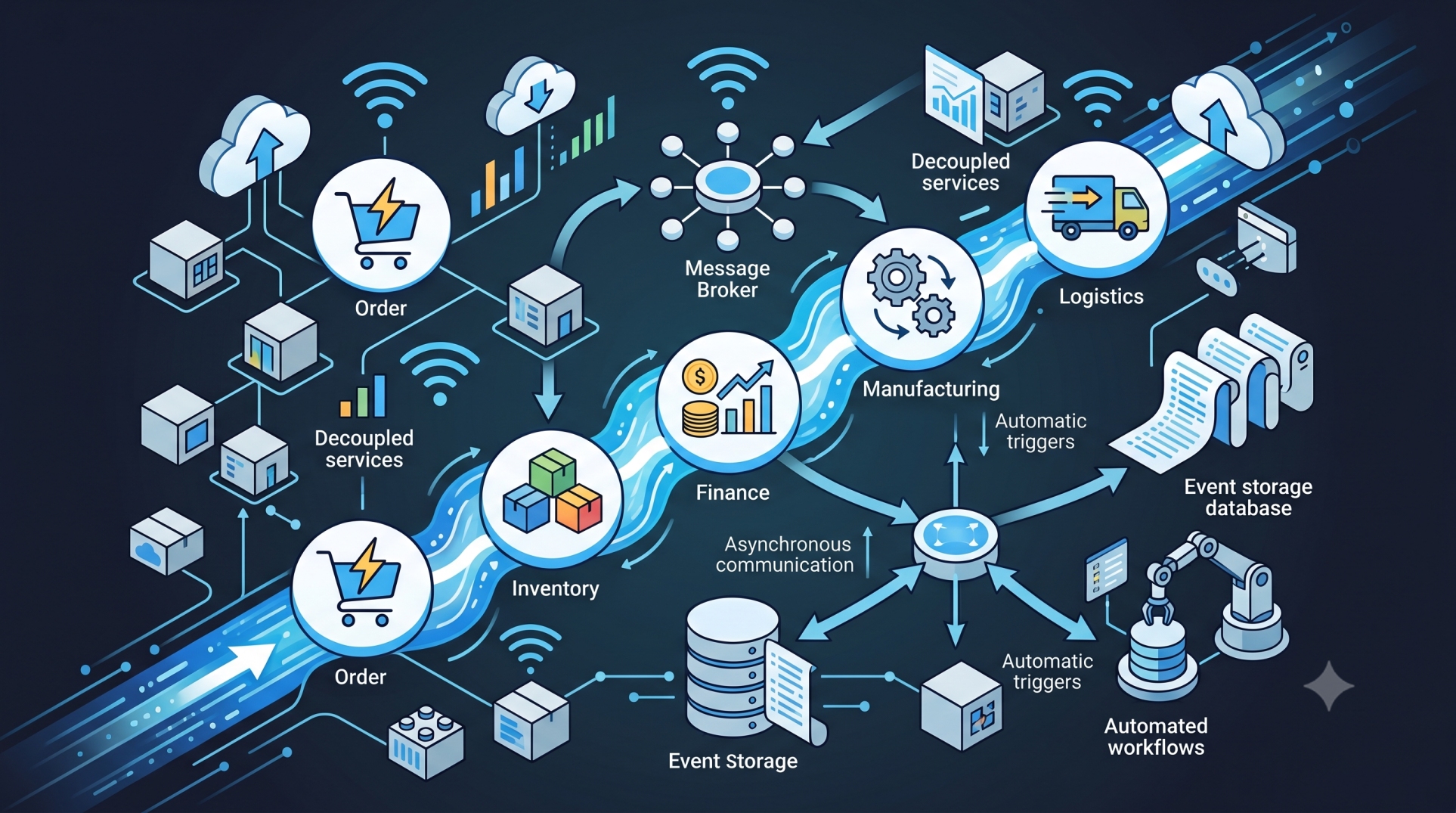
• Automate repetitive workflows across departments 🤖
• Streamline approvals, notifications, and task routing 📬
• Reduce manual effort and operational errors ✅
• Improve process efficiency through intelligent automation 🚀
• Allow teams to focus on strategic initiatives 💼
Step 4: Delivering Predictive Business Intelligence 📈
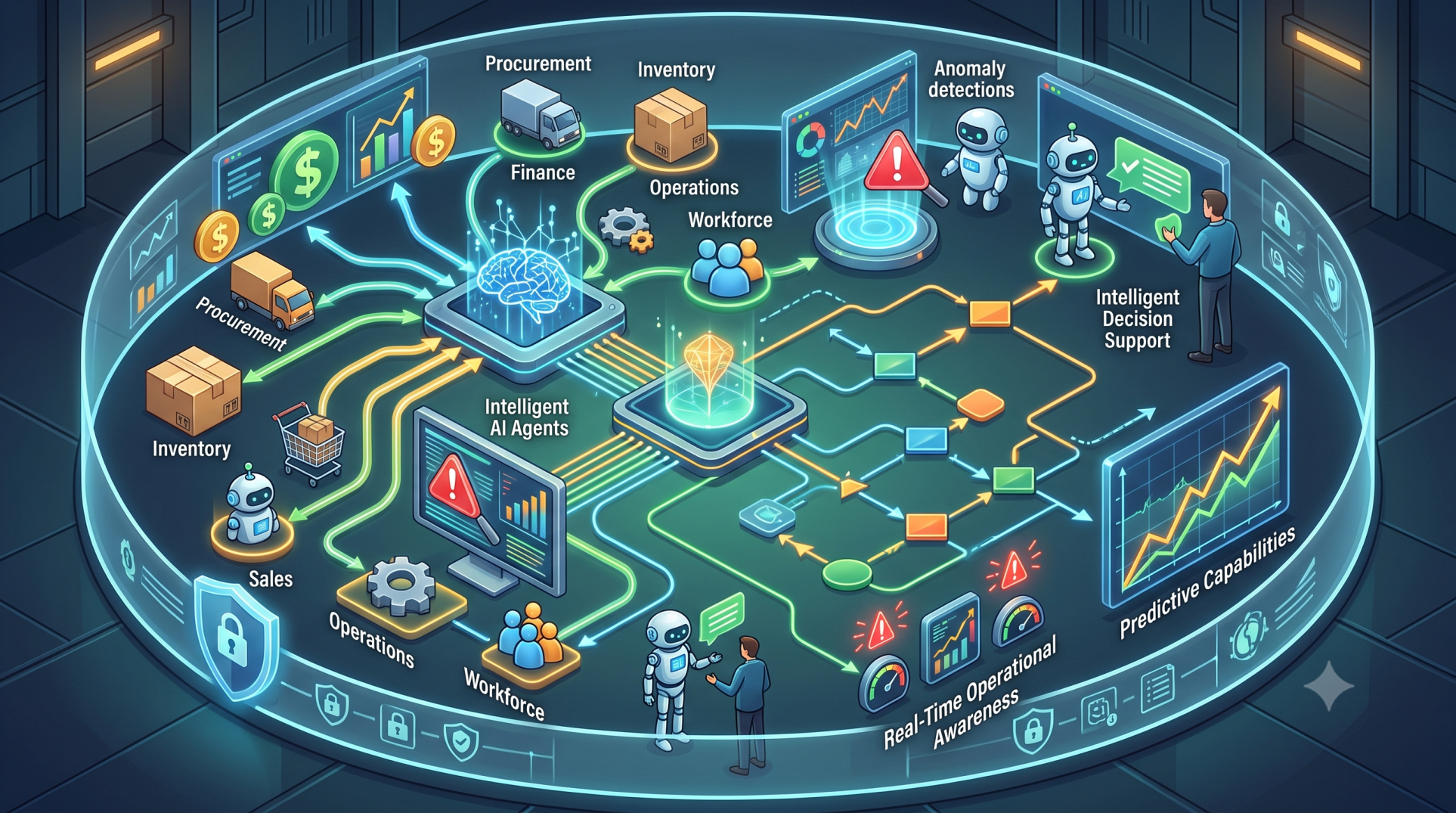
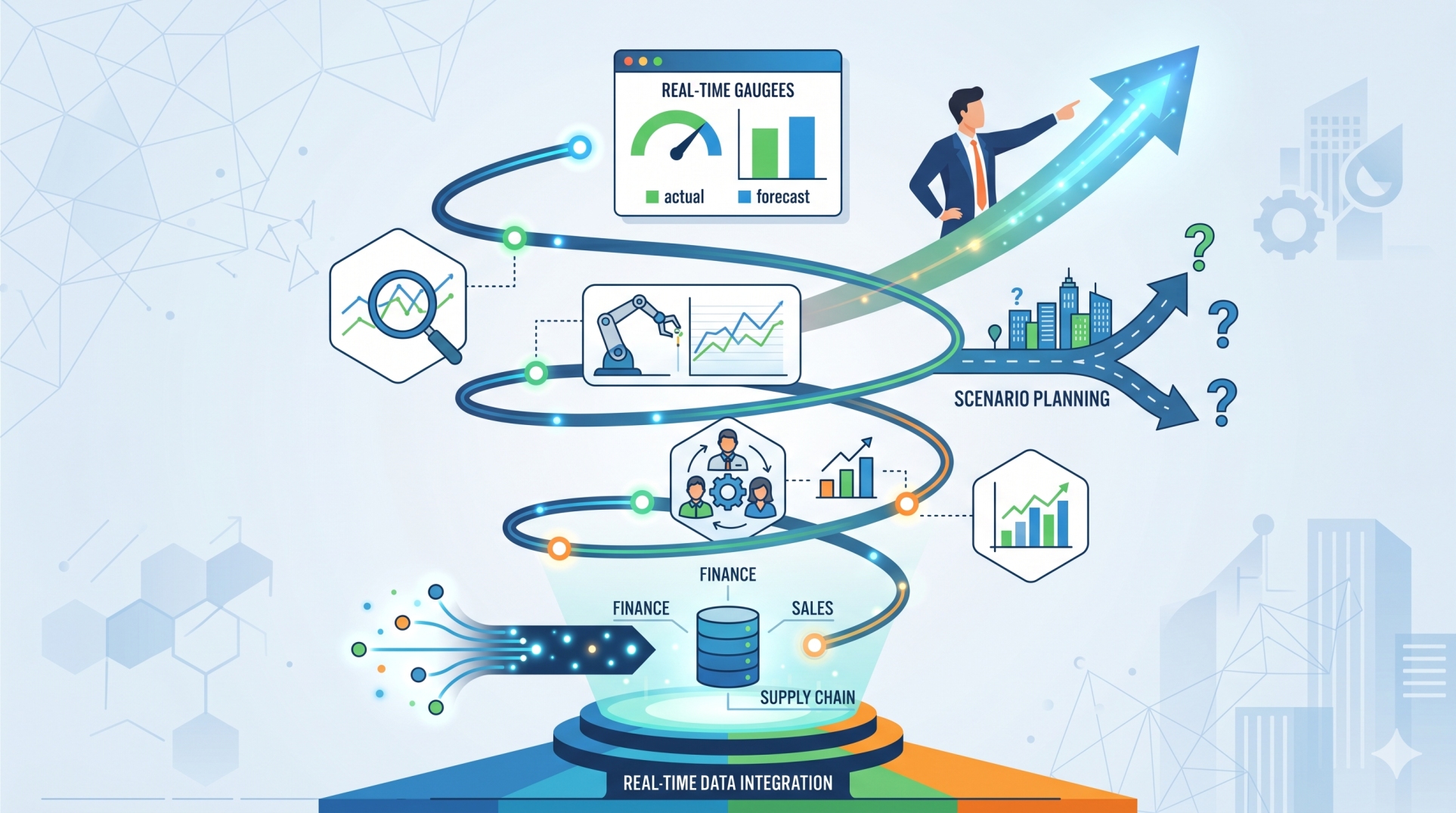
• Analyze historical and real-time business data 📊
• Forecast demand, revenue, and operational trends 🔮
• Identify risks before they affect business performance 🚨
• Recommend proactive actions based on predictive insights 💡
• Support confident, data-driven planning 📋
Step 5: Enhancing Financial Management 💰
• Improve budgeting and financial planning accuracy 📉
• Automate expense tracking and reconciliation 🧾
• Monitor cash flow with real-time visibility 💳
• Strengthen financial reporting and compliance 📑
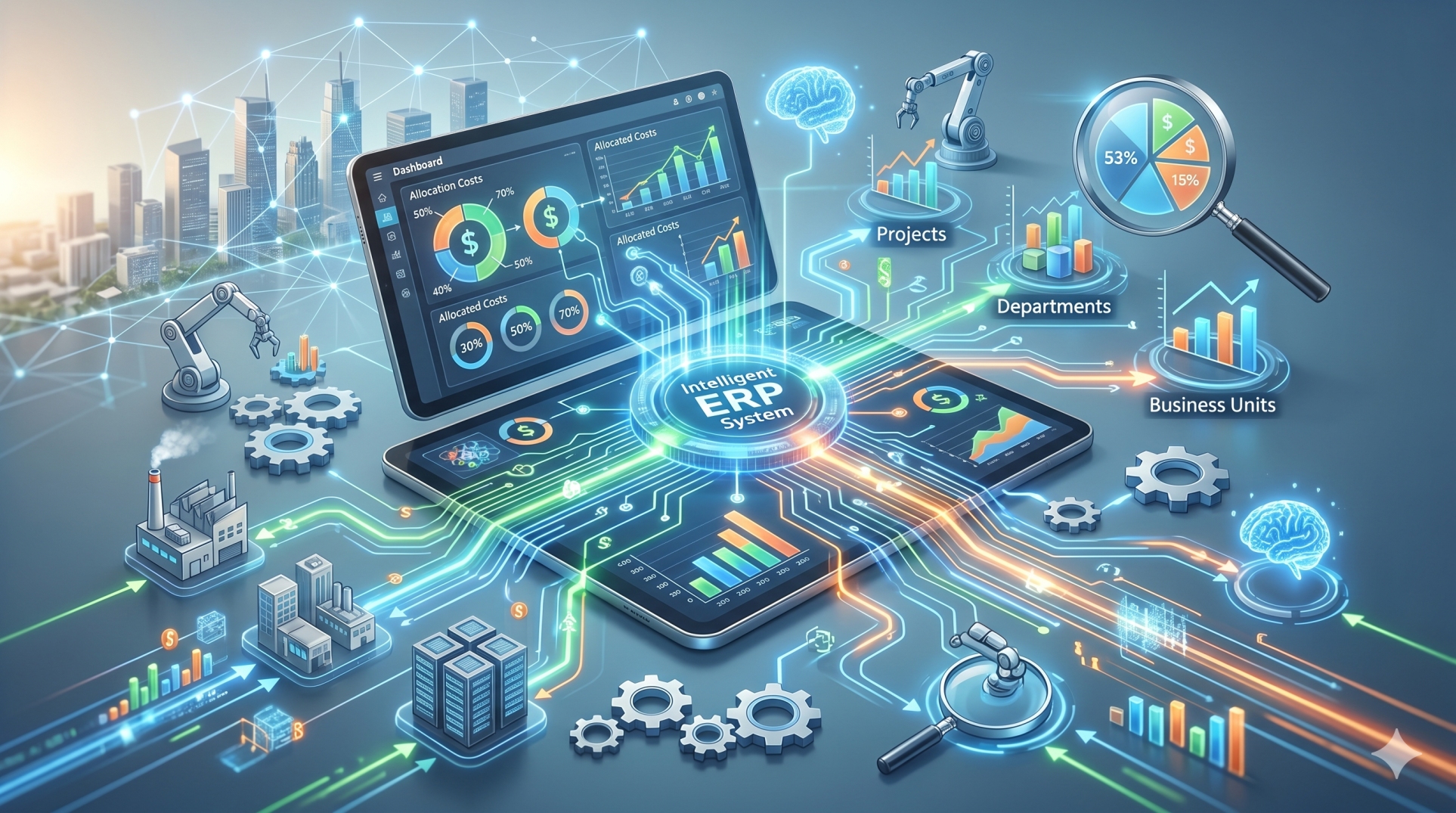
• Optimize resource allocation across the organization ⚖️
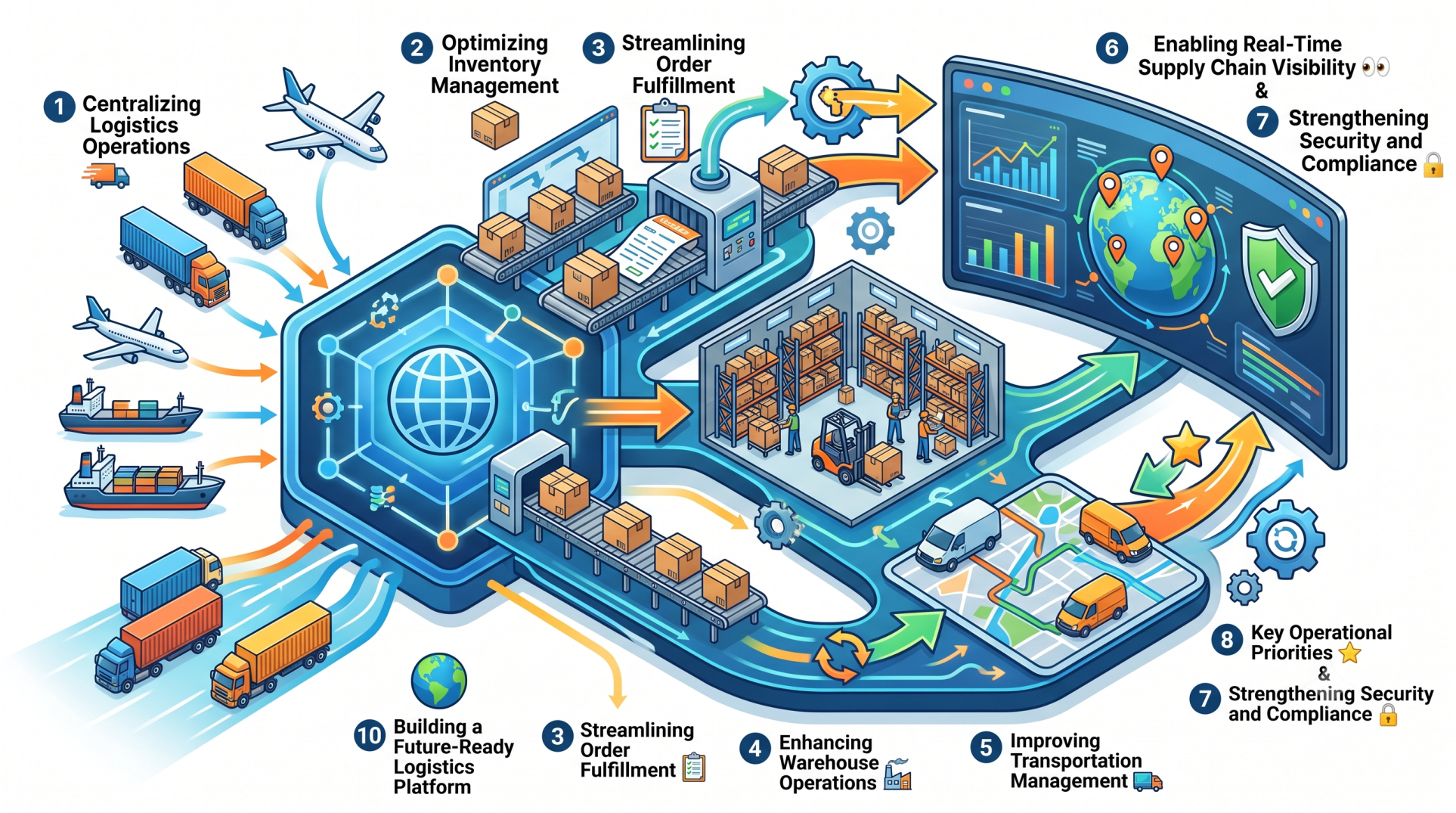
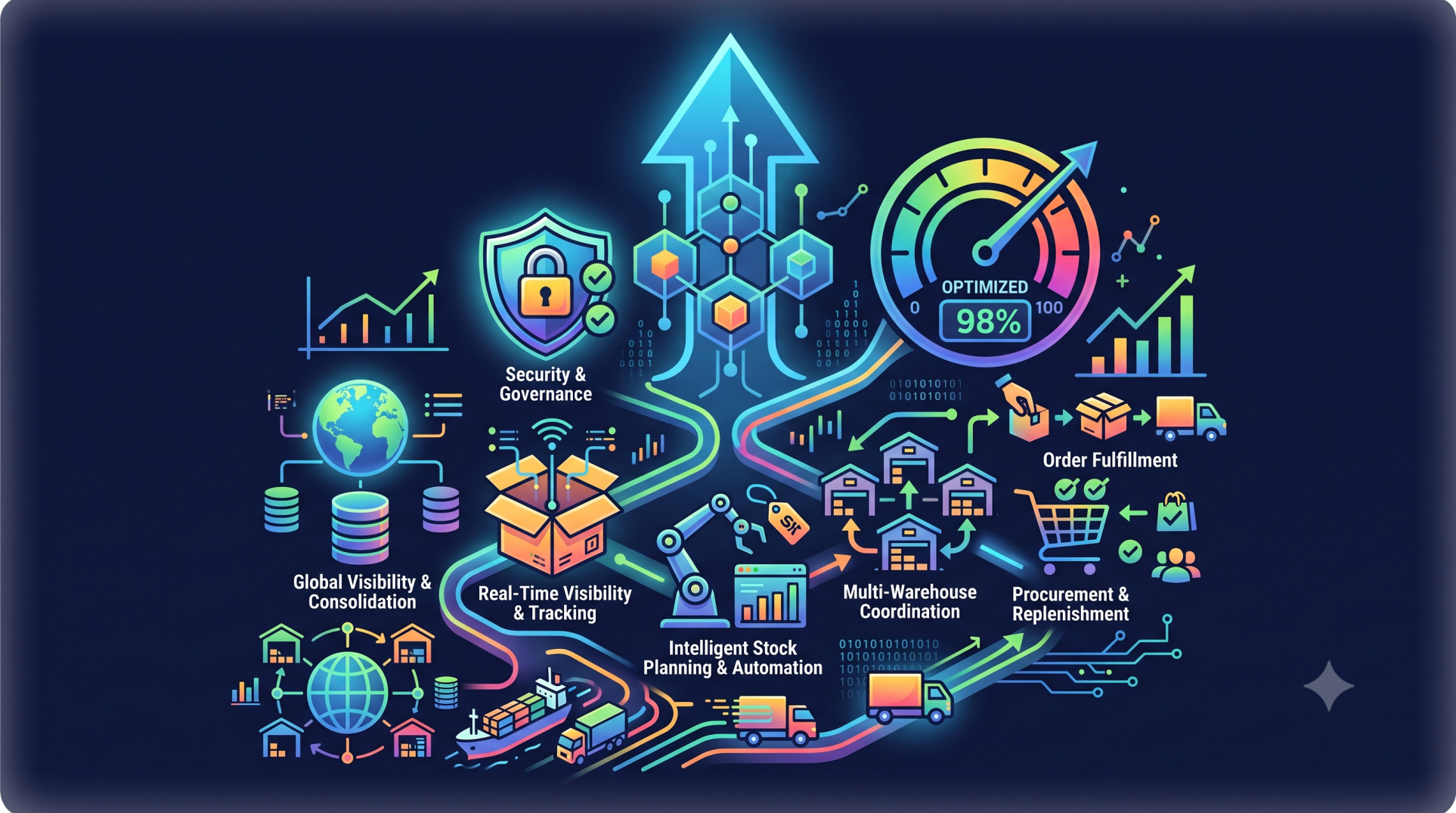
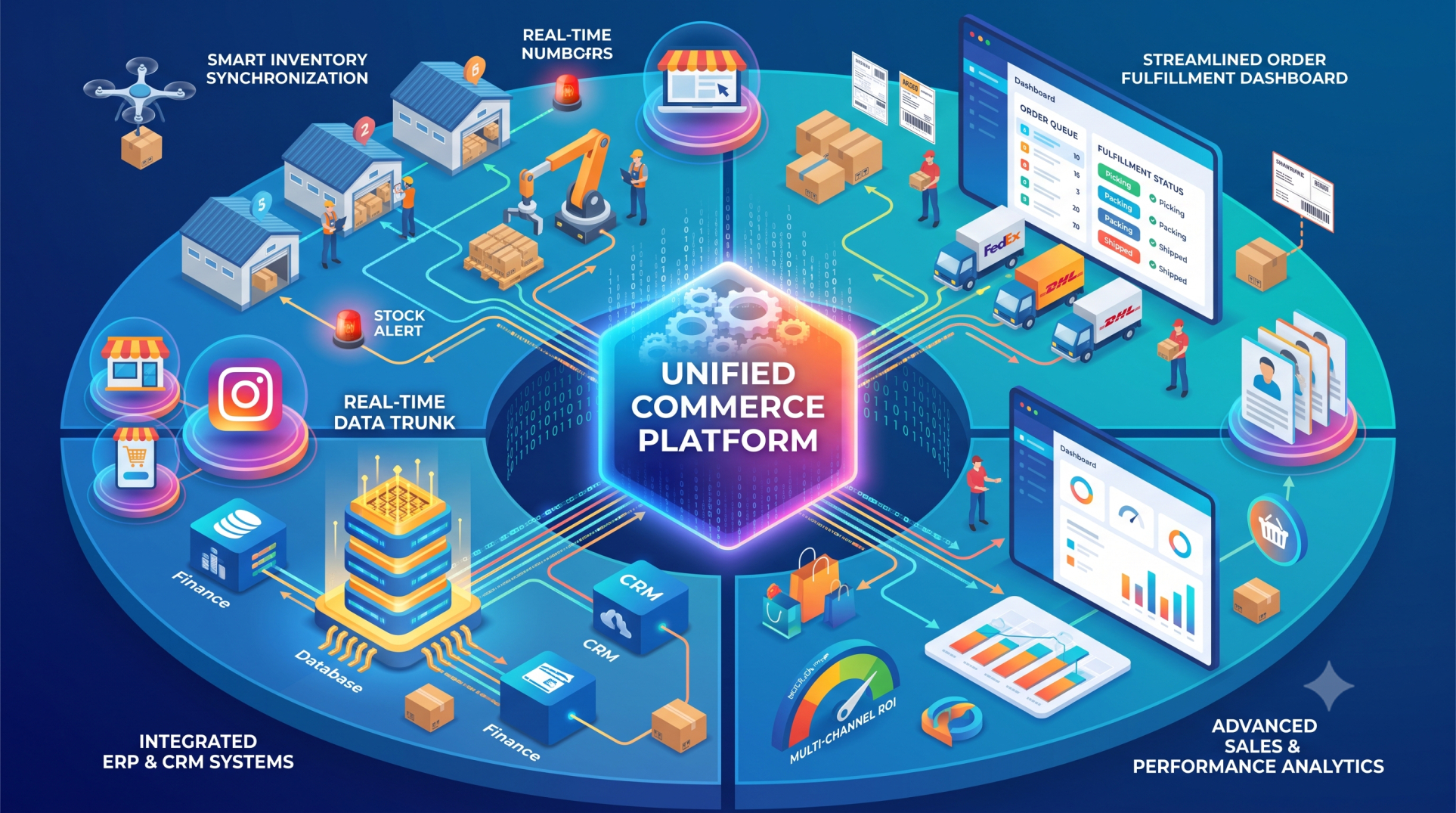
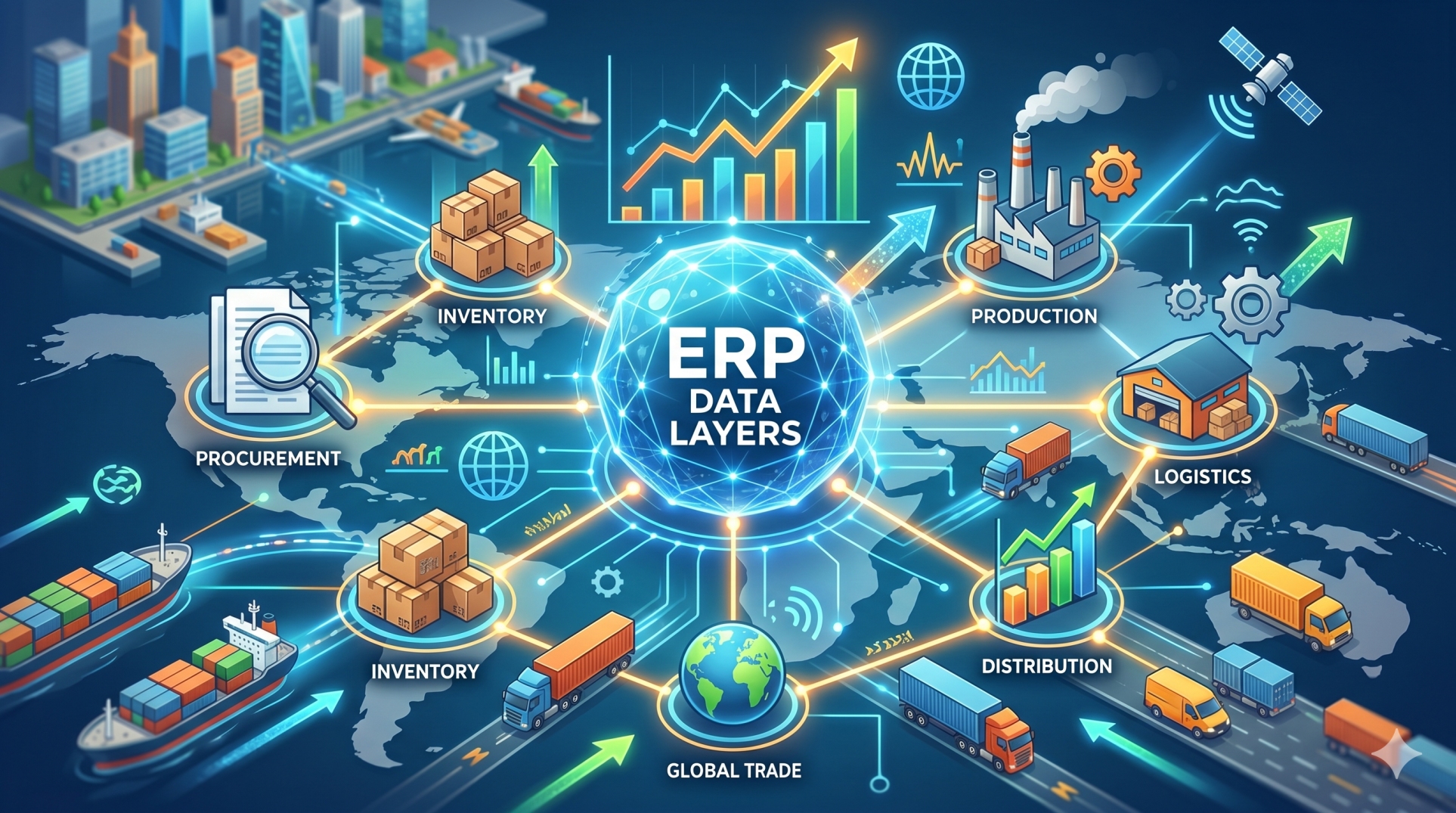
Step 6: Optimizing Supply Chain and Operations 🚚
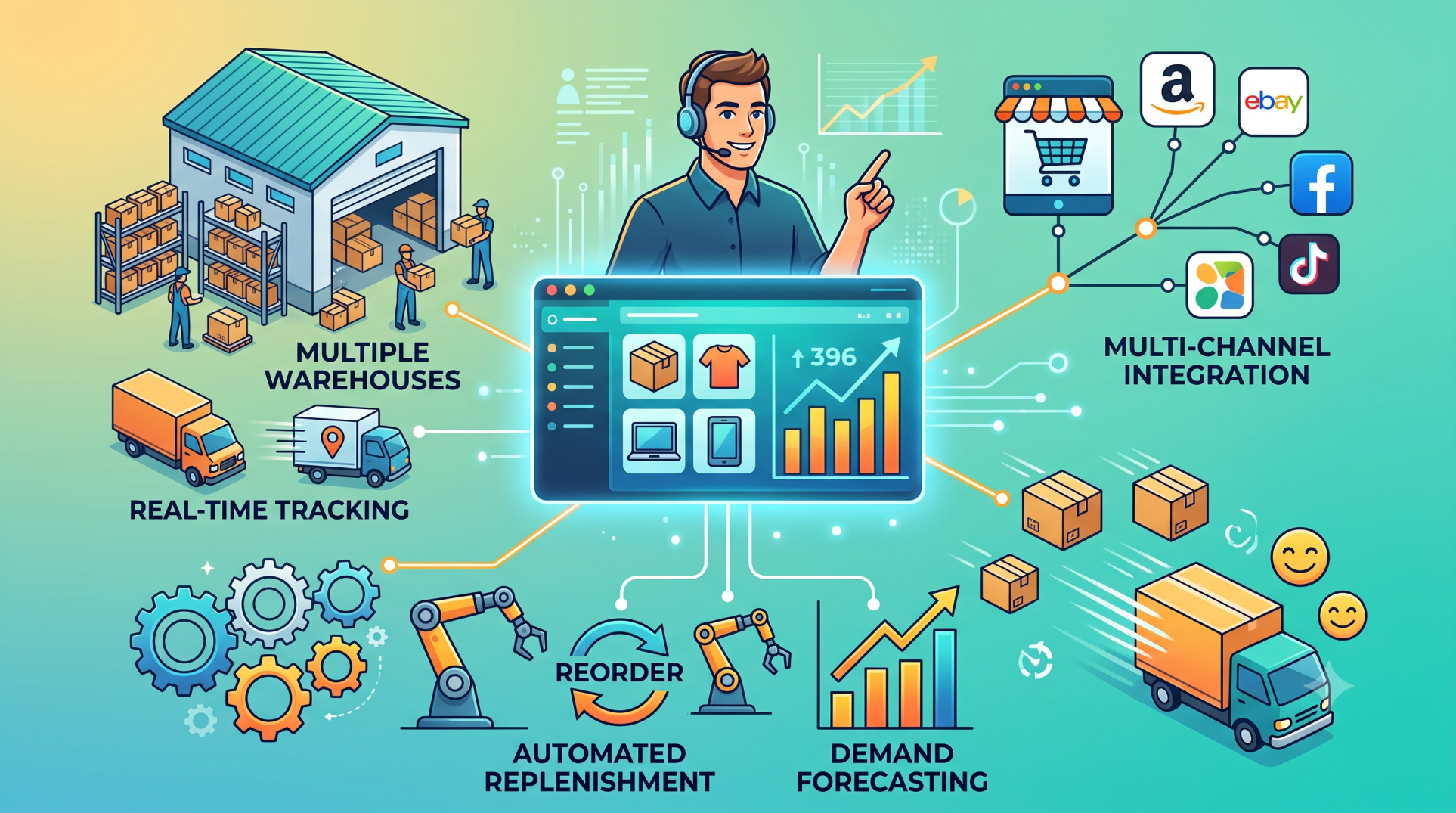
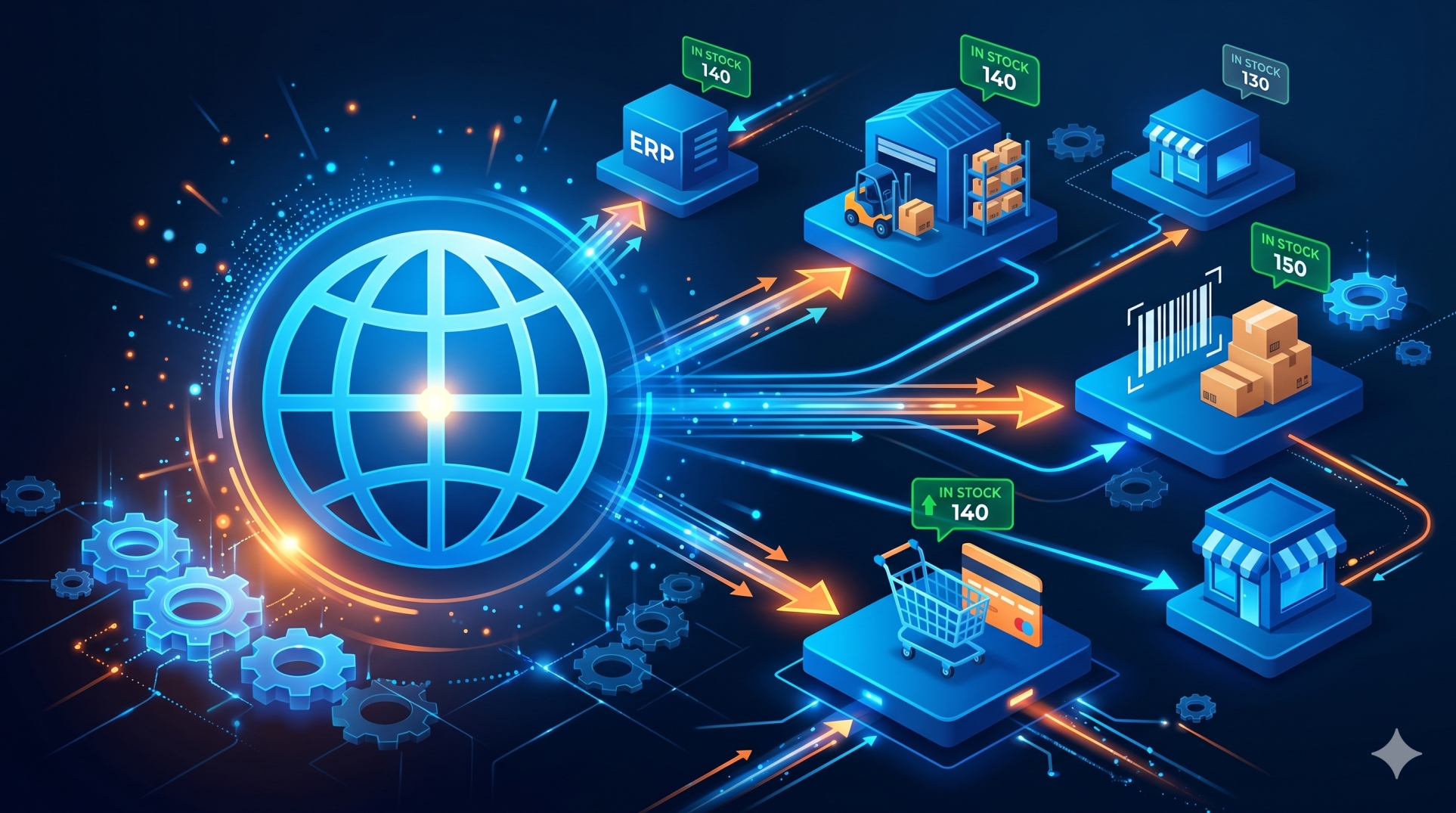
• Monitor inventory levels in real time 📦
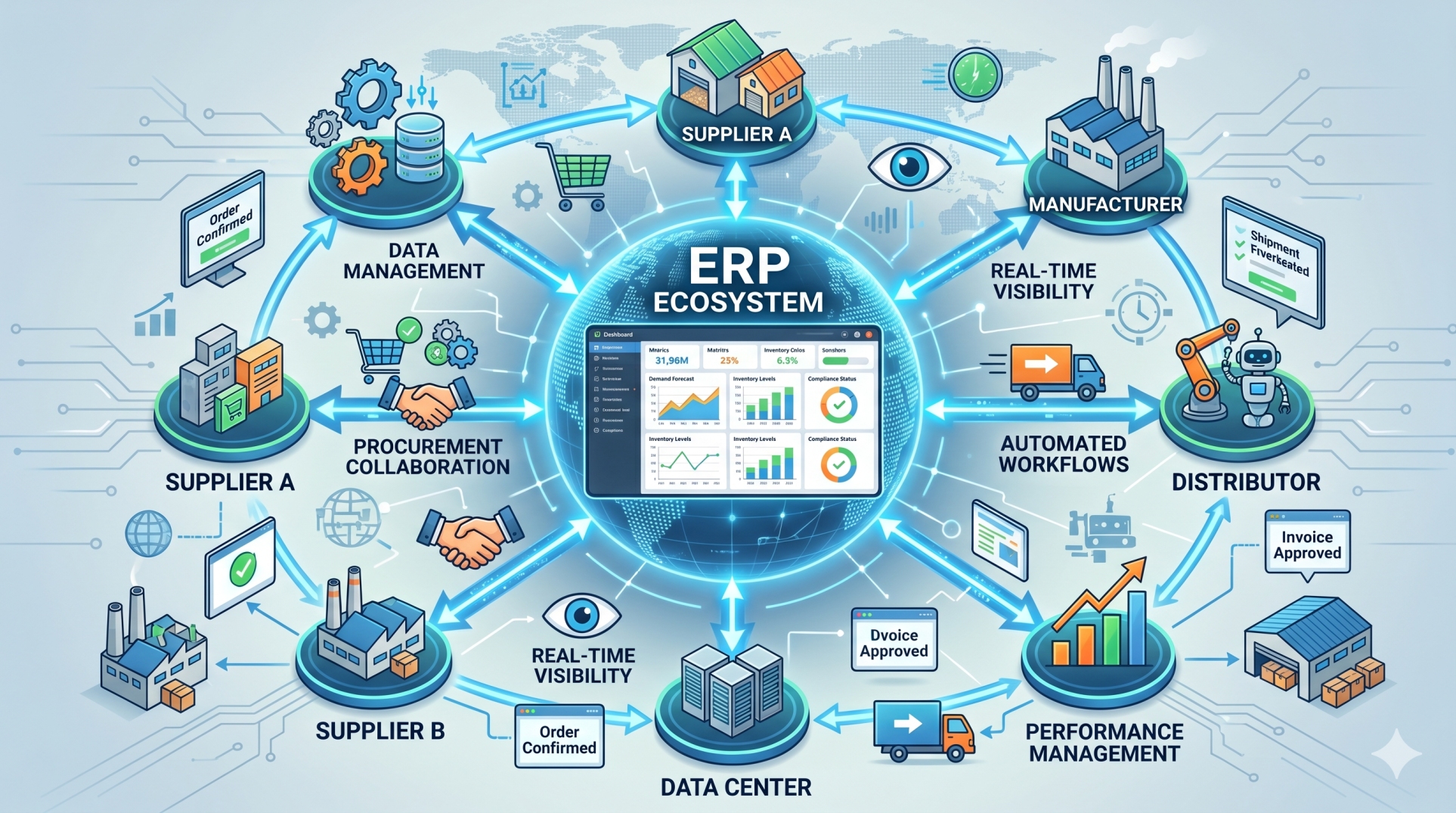
• Improve procurement and supplier coordination 🤝
• Optimize production and warehouse planning 🏭
• Reduce stock shortages and excess inventory 📉
• Increase operational efficiency across the supply chain 🚀
Step 7: Strengthening Workforce Productivity 👥
• Automate routine HR and administrative processes 📝
• Support workforce planning with intelligent insights 📊
• Improve employee collaboration across departments 🤝
• Deliver personalized dashboards and recommendations 💻
• Enable faster decision-making at every organizational level 🌟
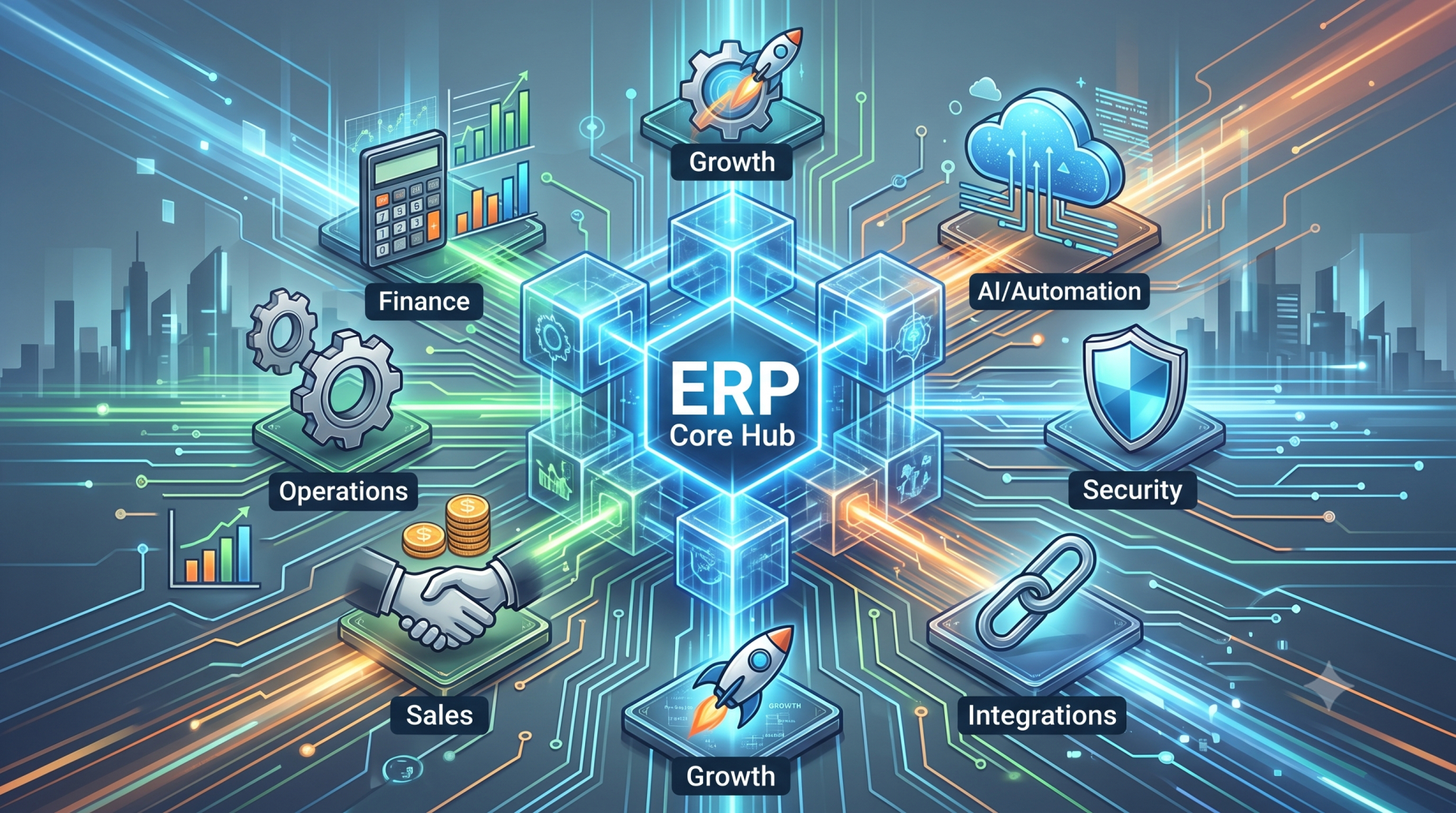
Step 8: Key AI-Native ERP Priorities ⭐
• Intelligent automation across business functions 🤖
• Real-time visibility into enterprise operations 👀
• Predictive analytics for proactive decision-making 📈
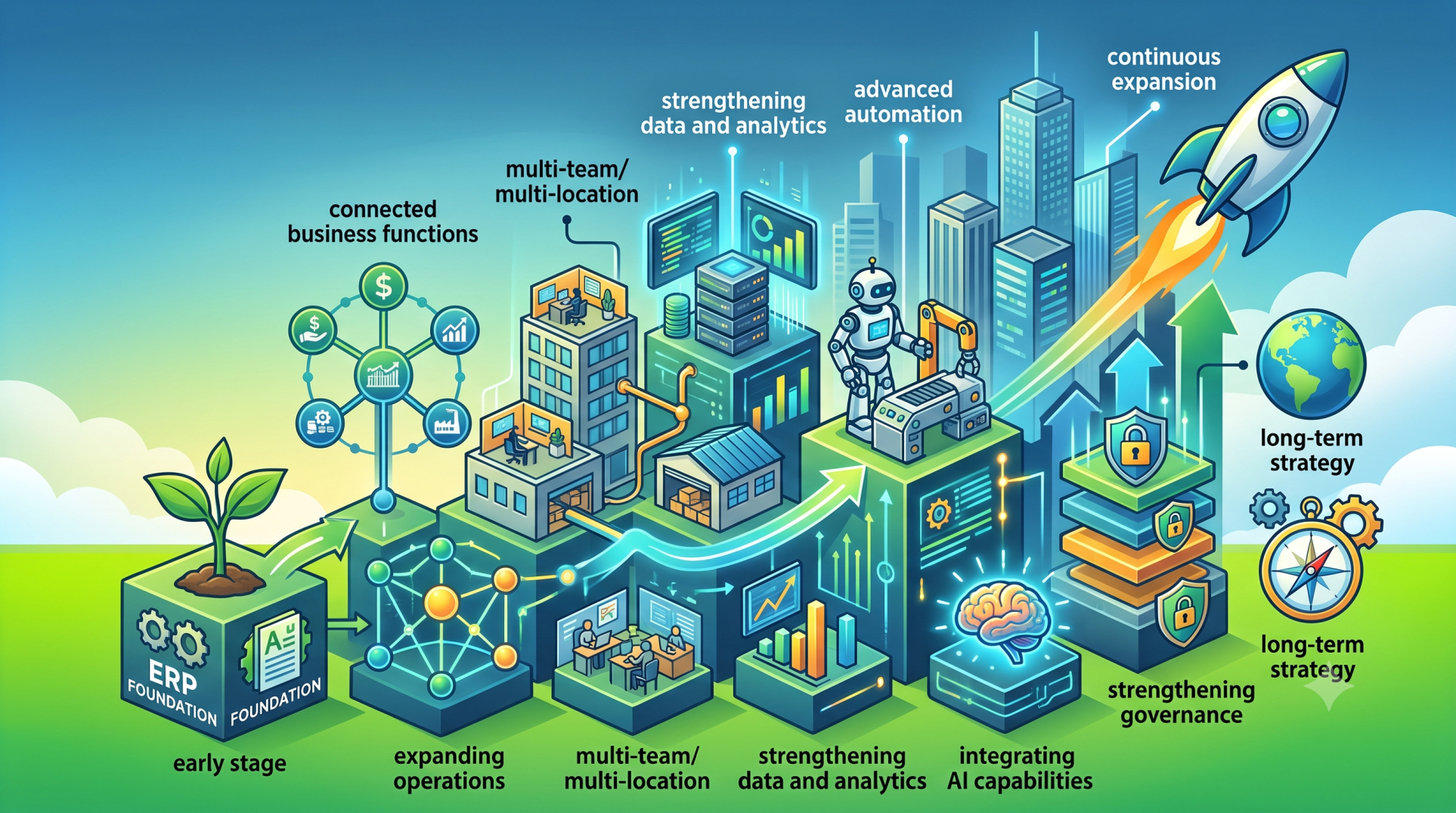
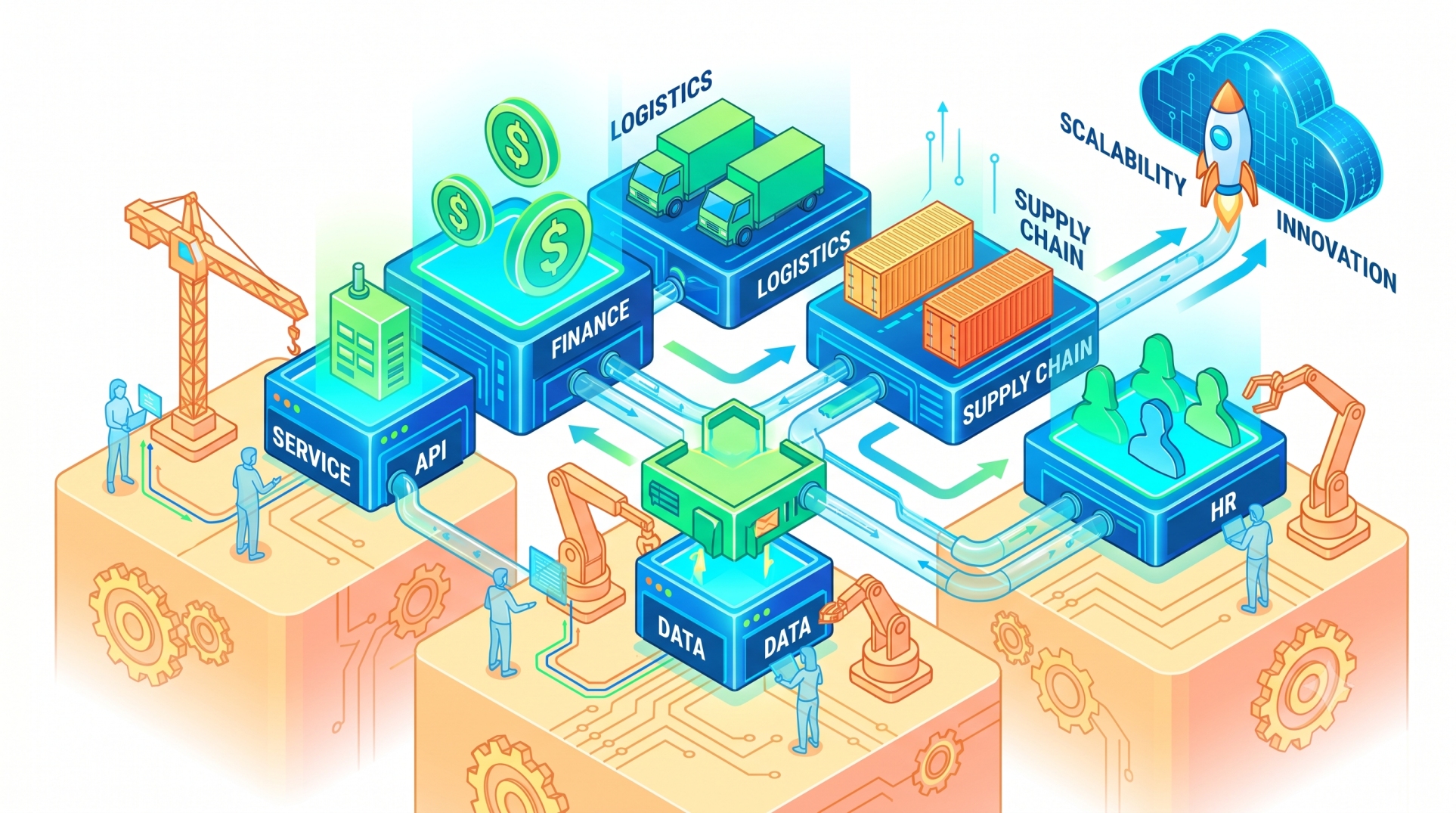
• Scalable architecture that supports business growth 🚀
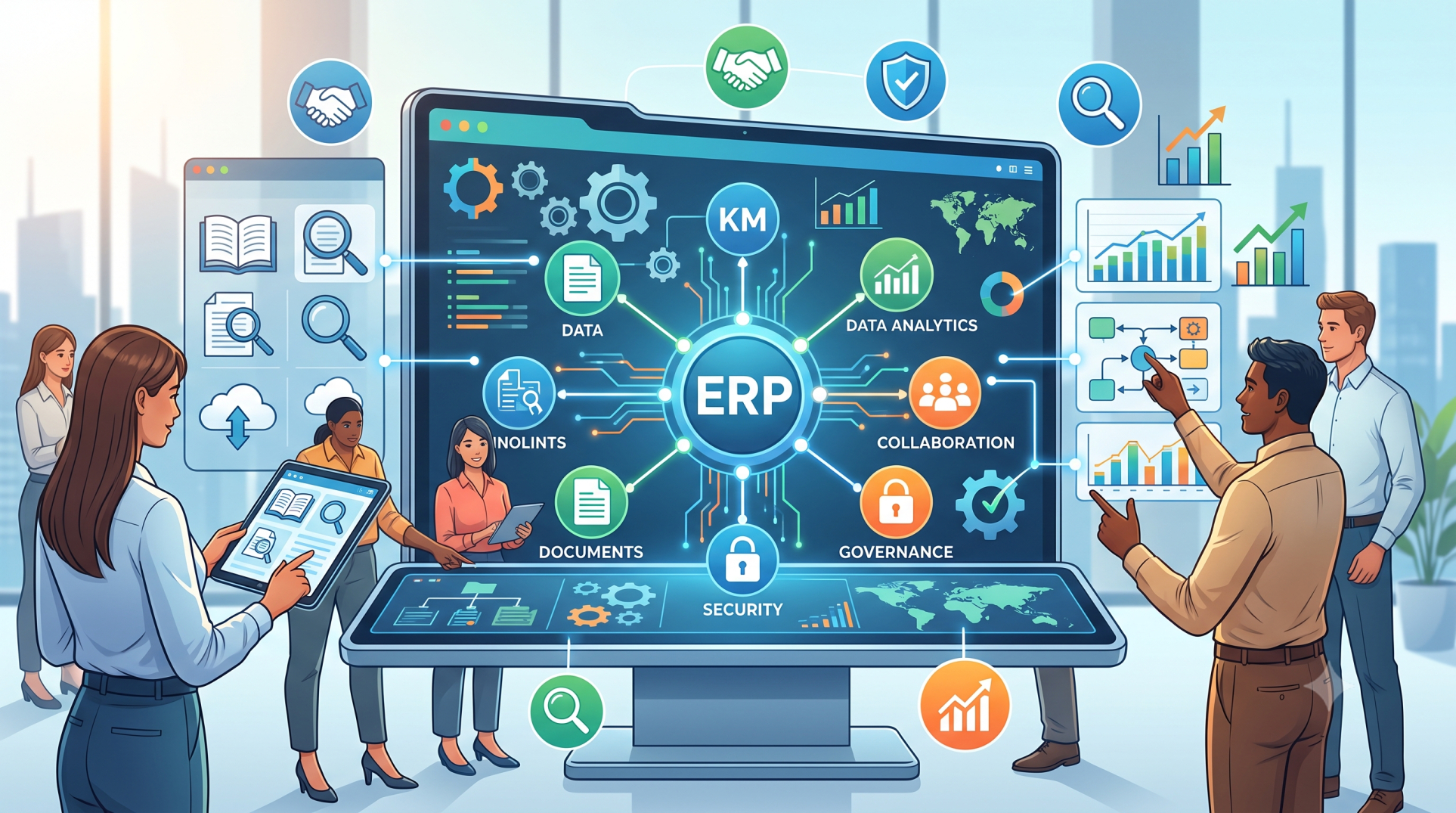
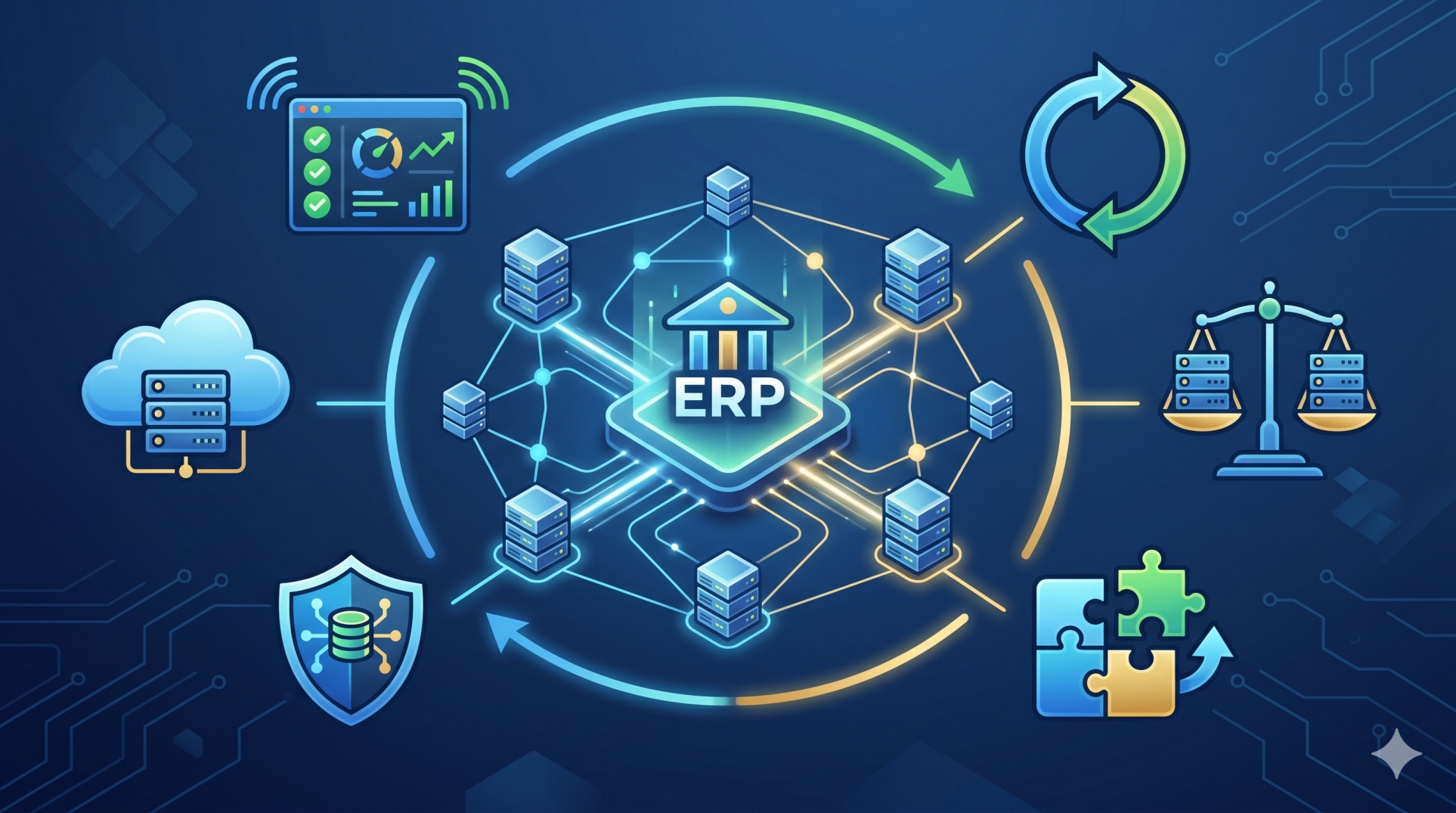
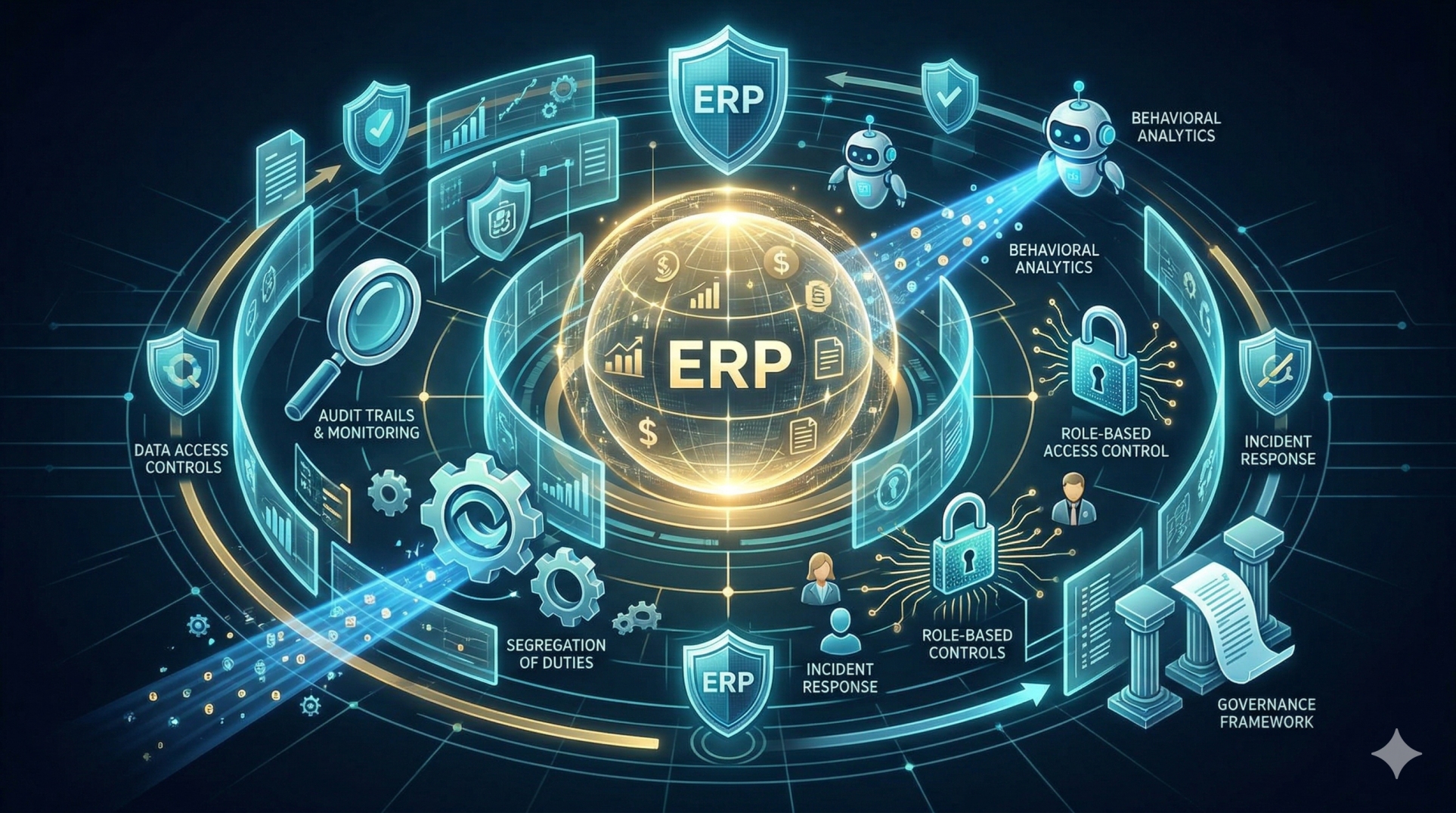
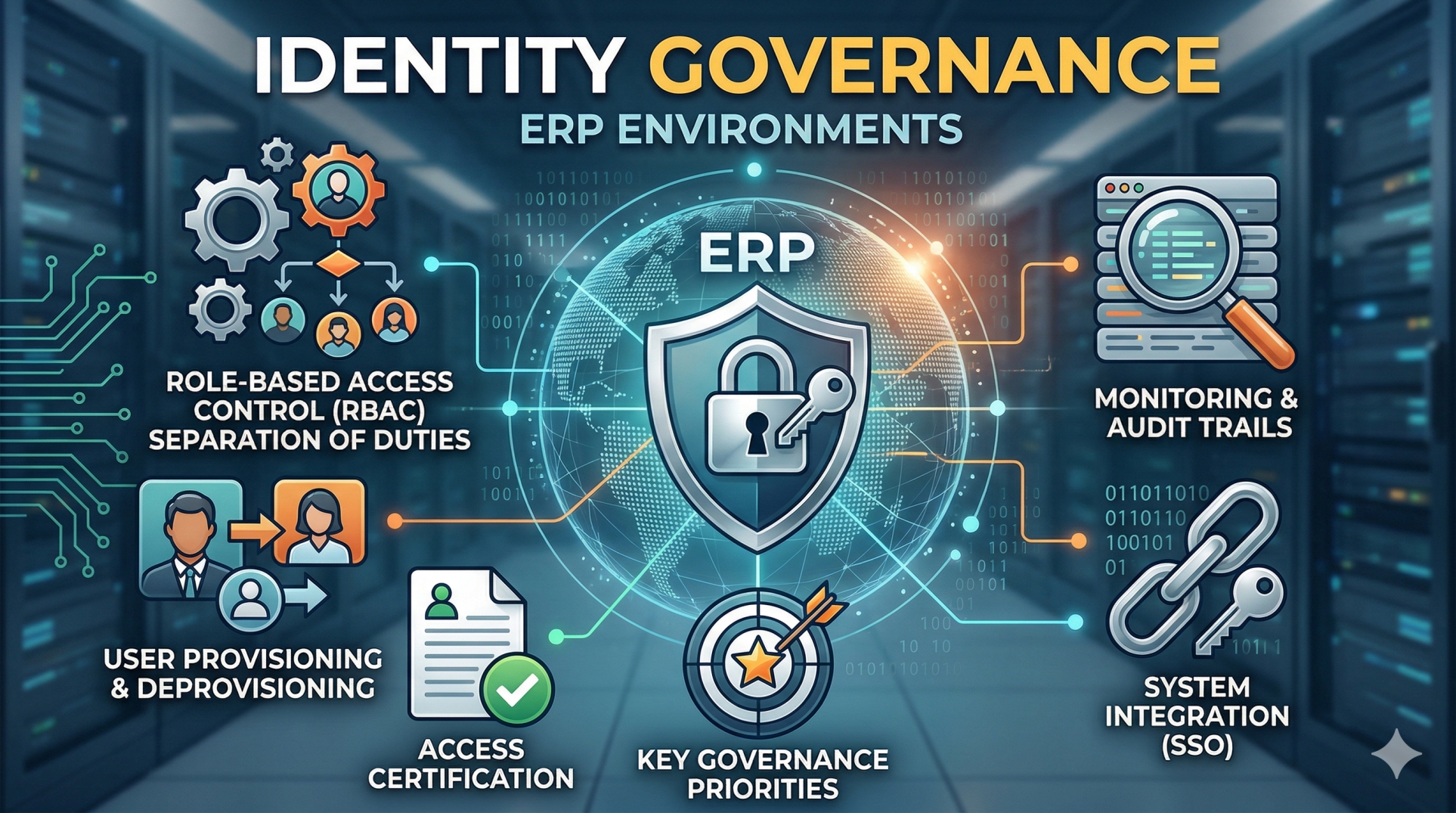
Step 9: Ensuring Security and Governance 🔐
• Protect sensitive business information with advanced security 🛡️
• Apply role-based access controls across the organization 👥
• Maintain comprehensive audit trails for transparency 🧾
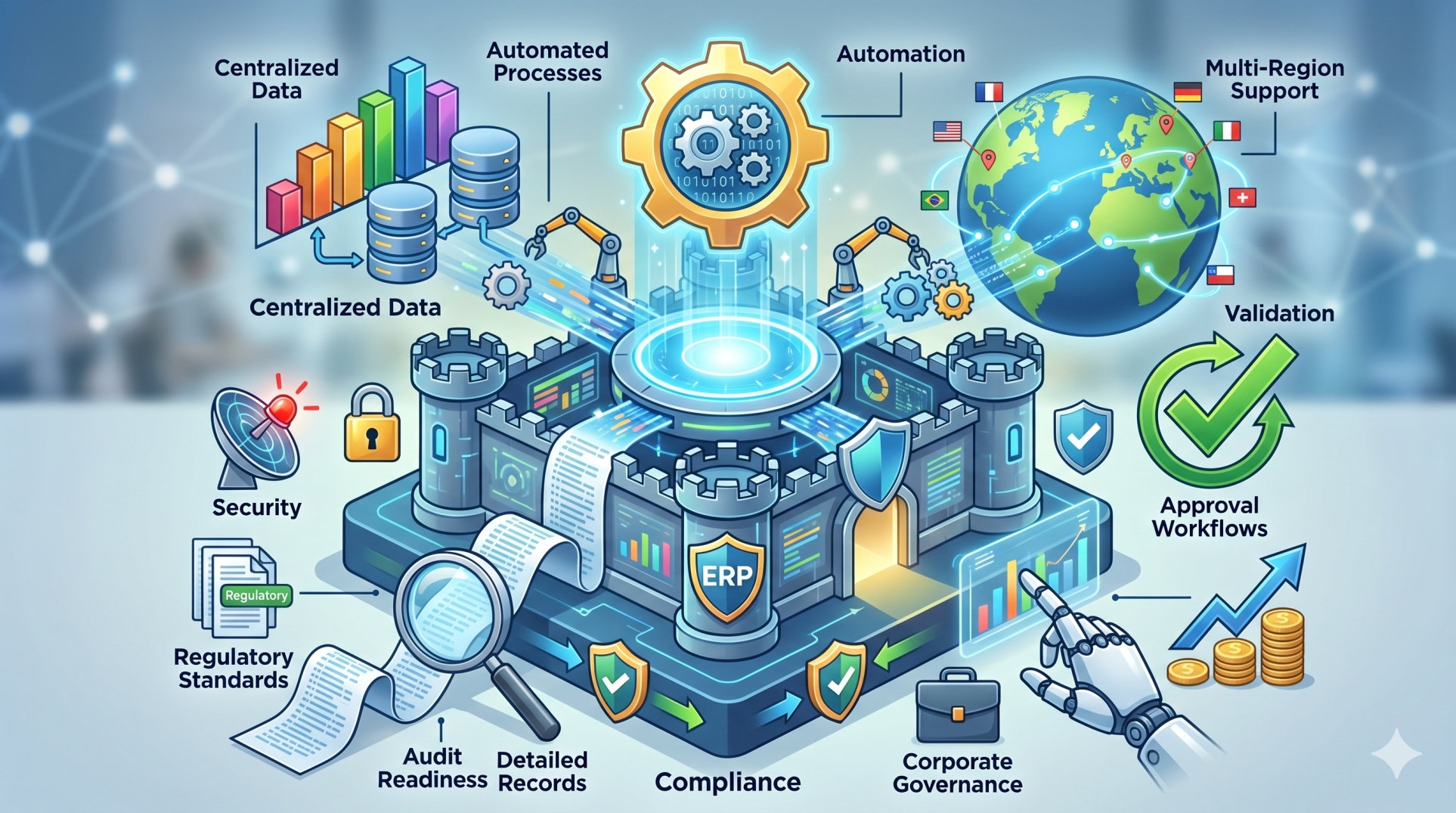
• Support regulatory compliance through automated governance 📜
• Continuously monitor system integrity and data quality ✅
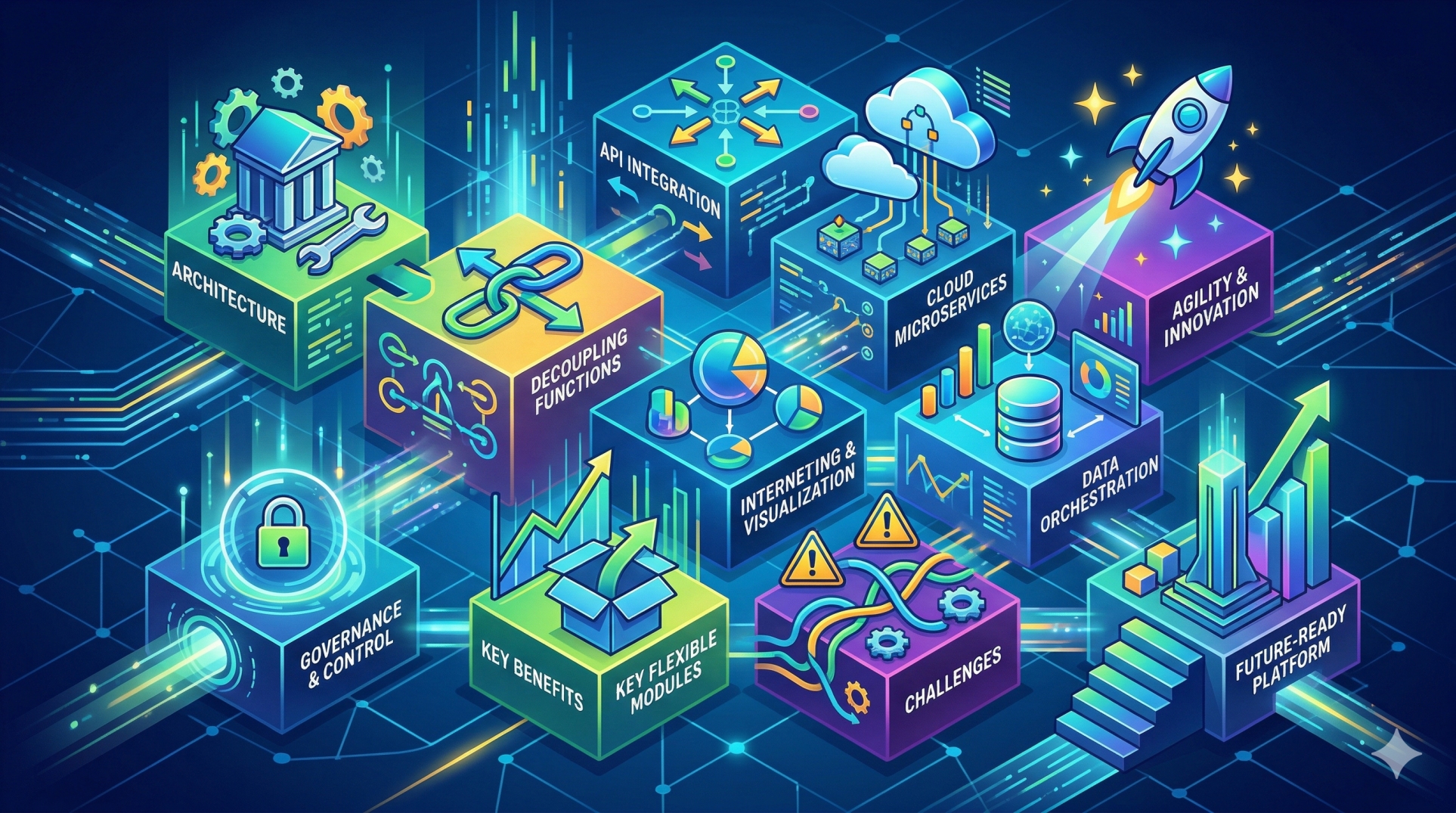
Step 10: Preparing for the Future of Enterprise Management 🌍
• Build flexible ERP platforms that evolve with business needs 🔧
• Integrate AI, analytics, and automation seamlessly 🤝
• Support cloud, hybrid, and distributed business environments ☁️
• Enable continuous innovation across enterprise operations 💡
• Future-proof business processes with intelligent technologies 🚀
Conclusion
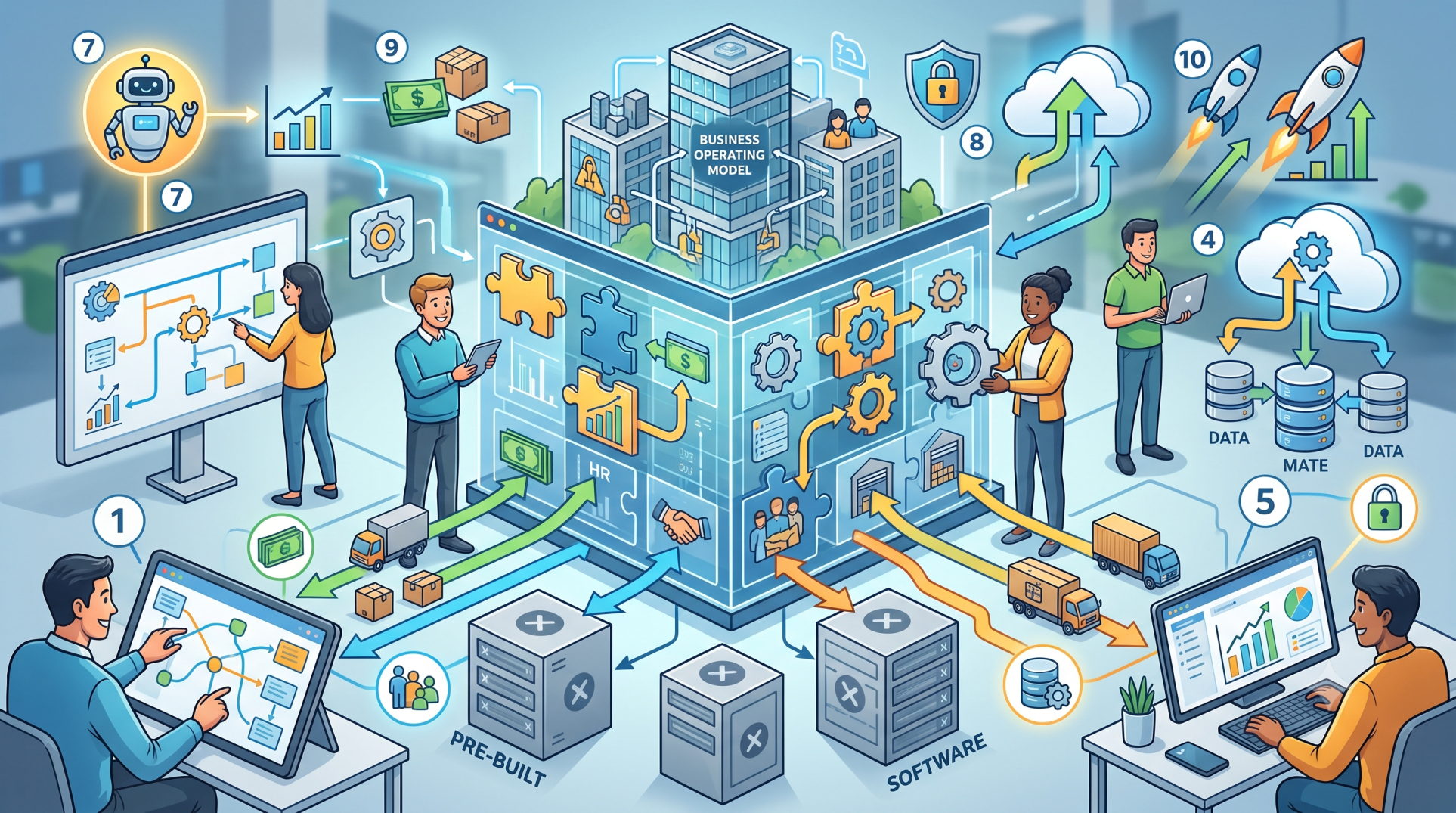
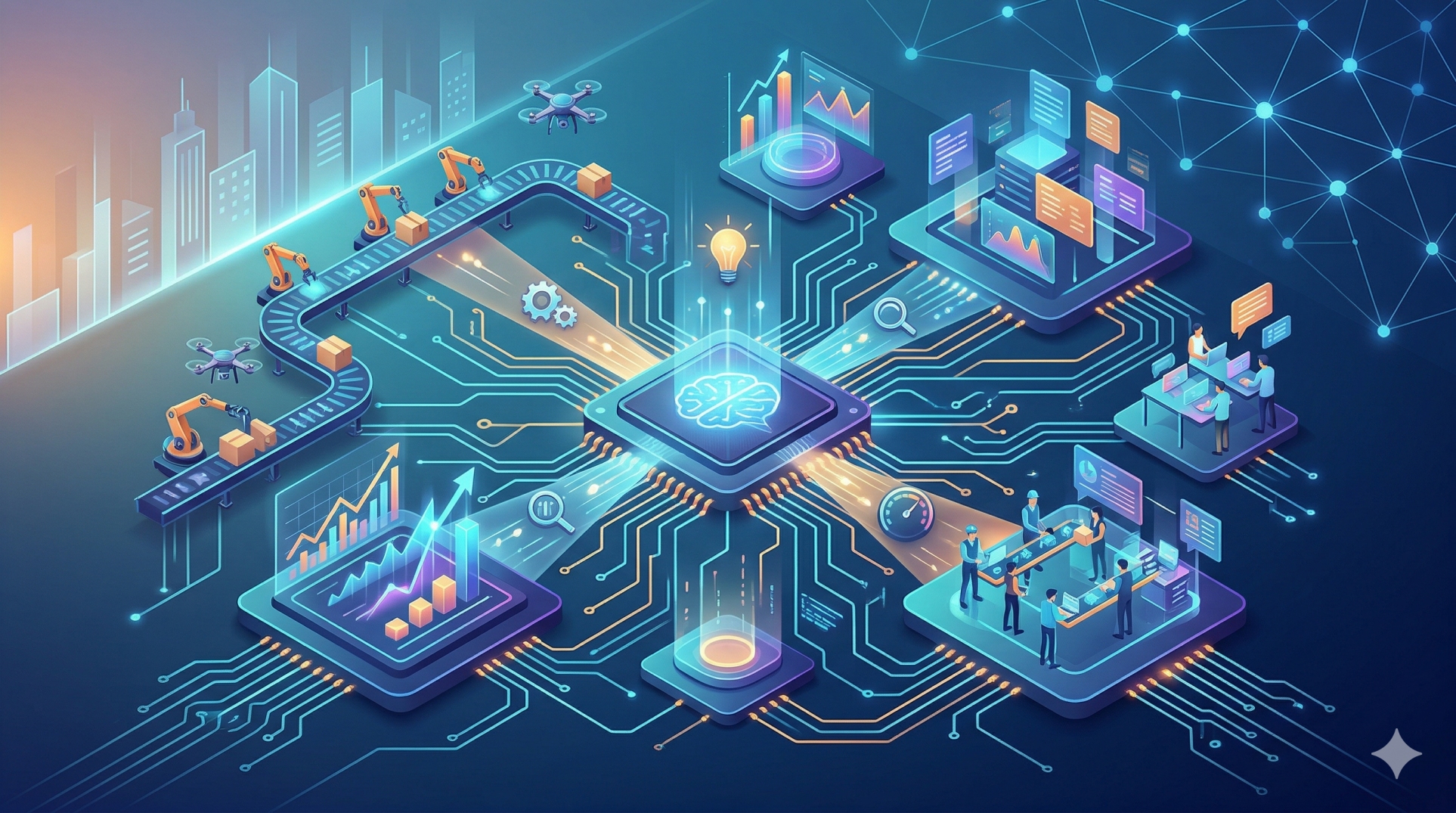
AI-native ERP systems represent the next generation of enterprise management by combining artificial intelligence, automation, and unified business data into a single intelligent platform. They help organizations streamline operations, improve decision-making, optimize resources, and respond quickly to changing business conditions. As enterprises continue to embrace digital transformation, AI-native ERP systems provide the agility, scalability, and intelligence needed to drive long-term growth and operational excellence.
See more blogs
You can all the articles below