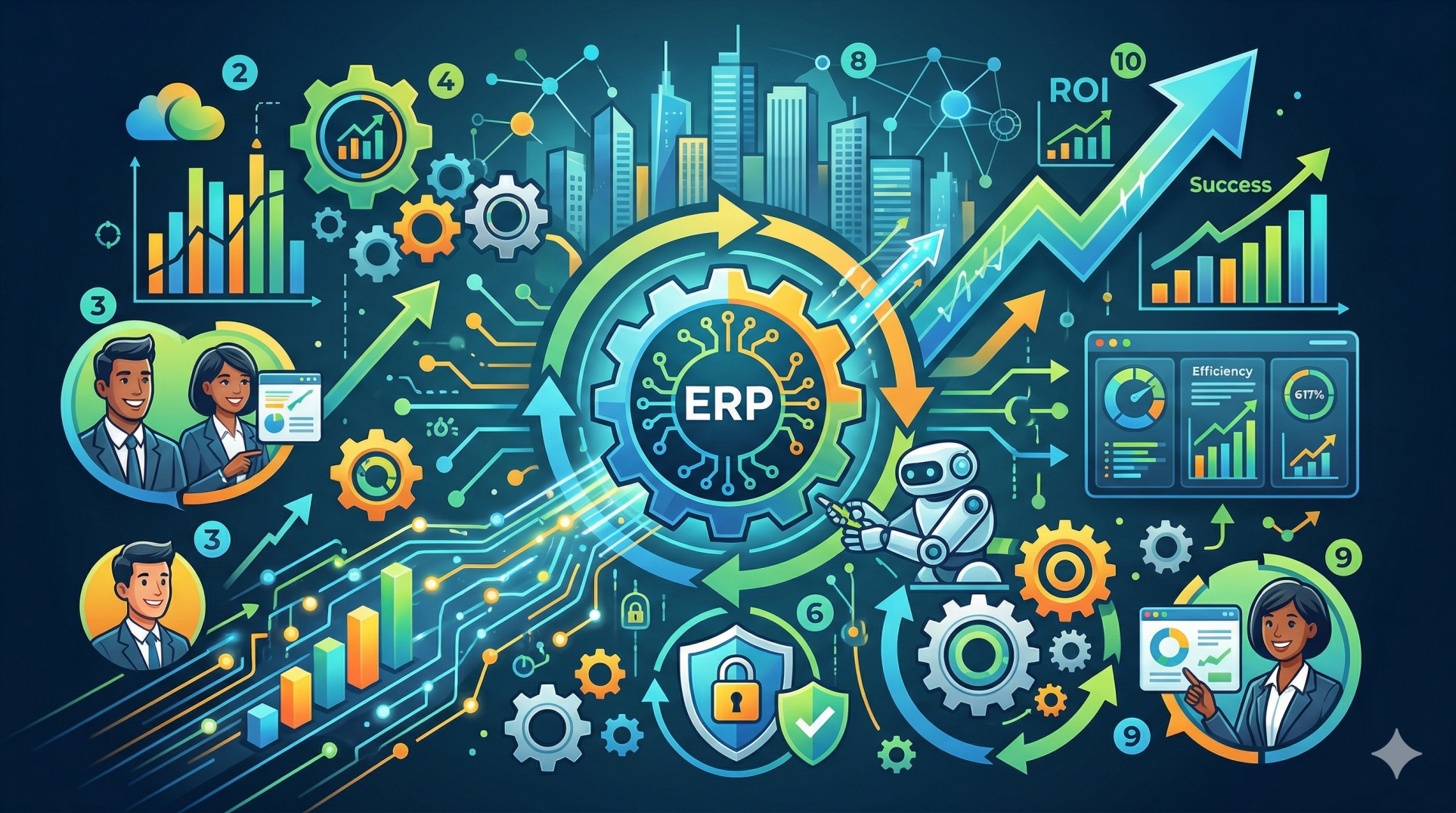
ERP Platforms for Enterprise Knowledge Management
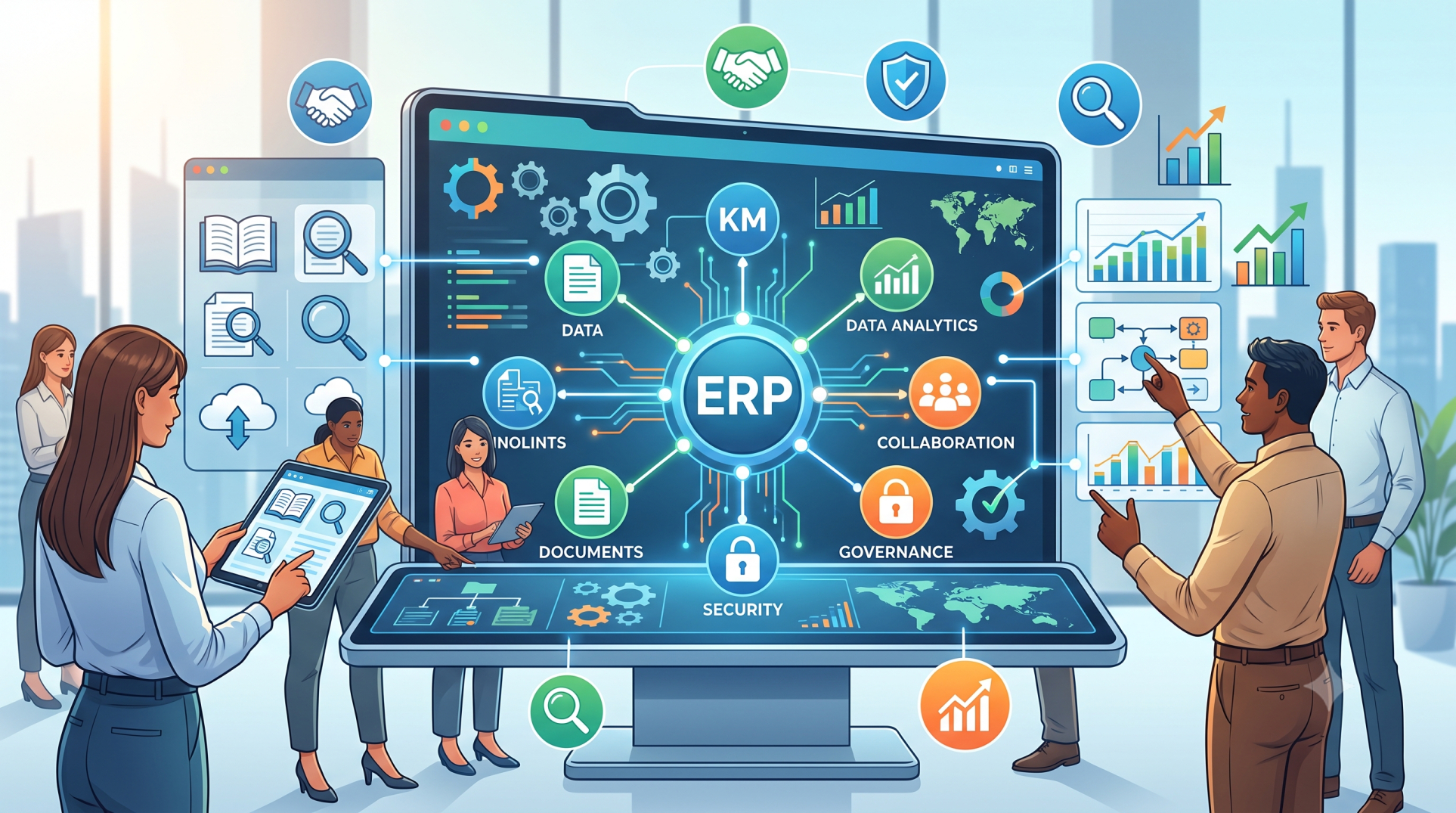
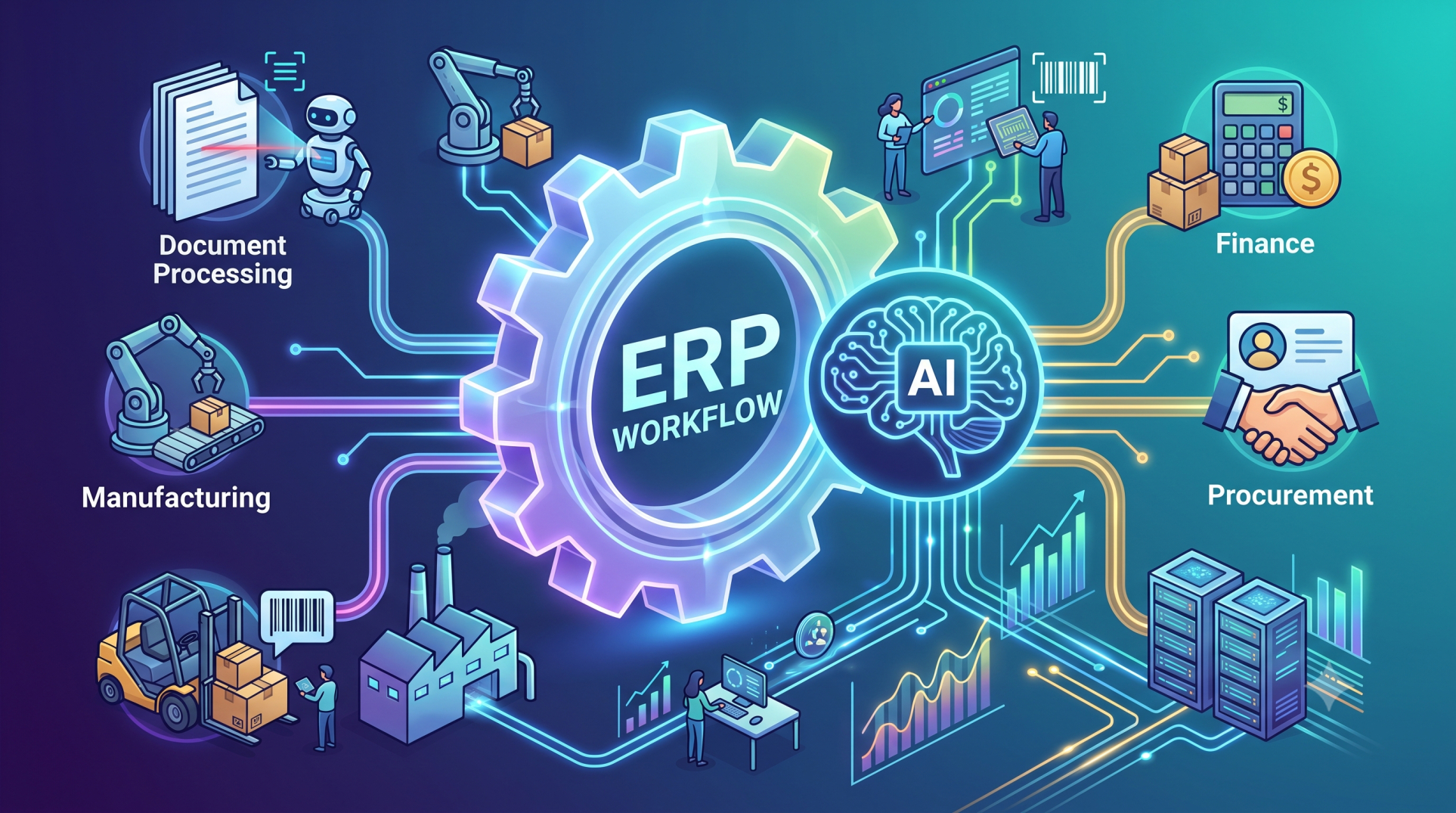
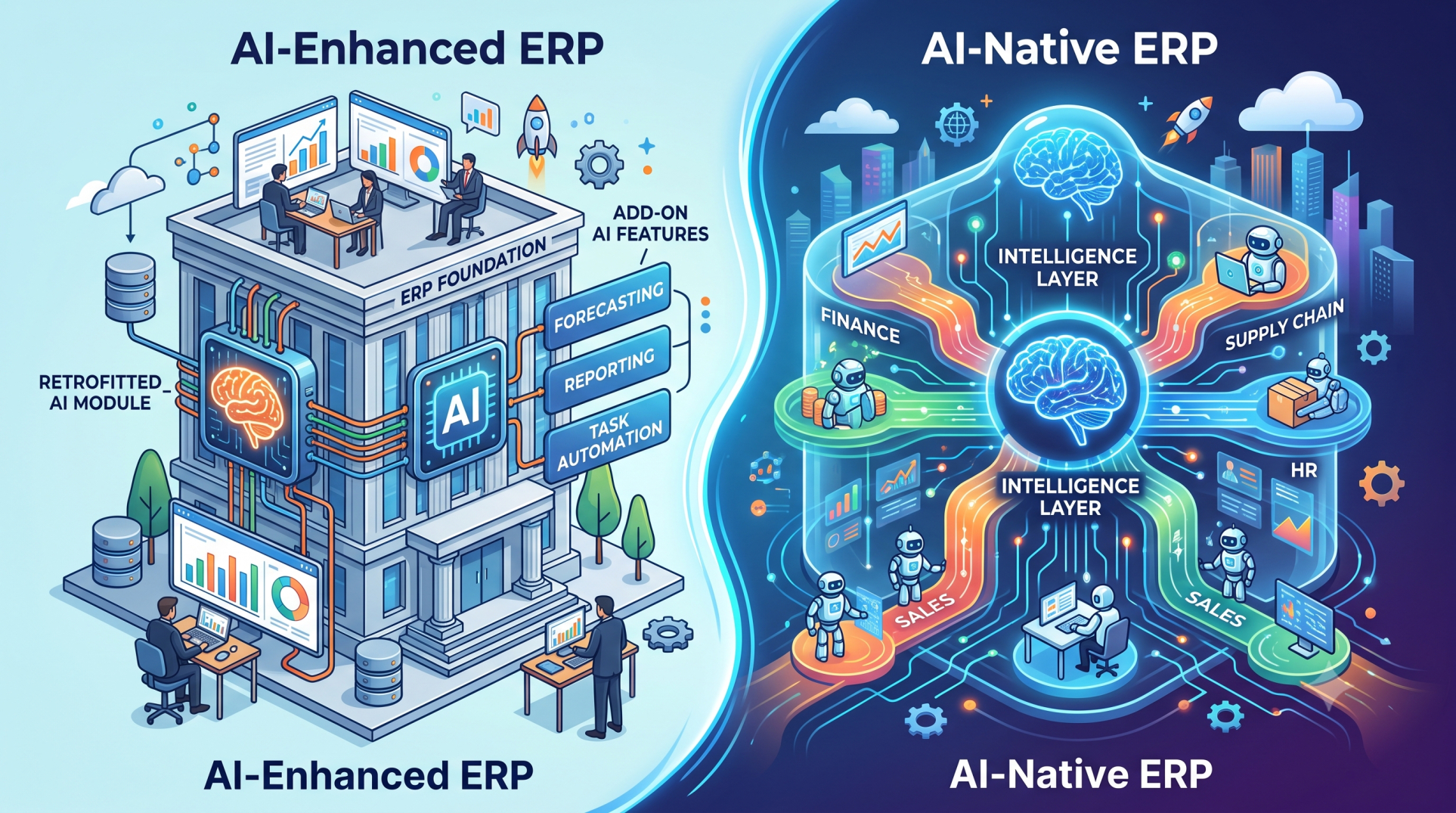
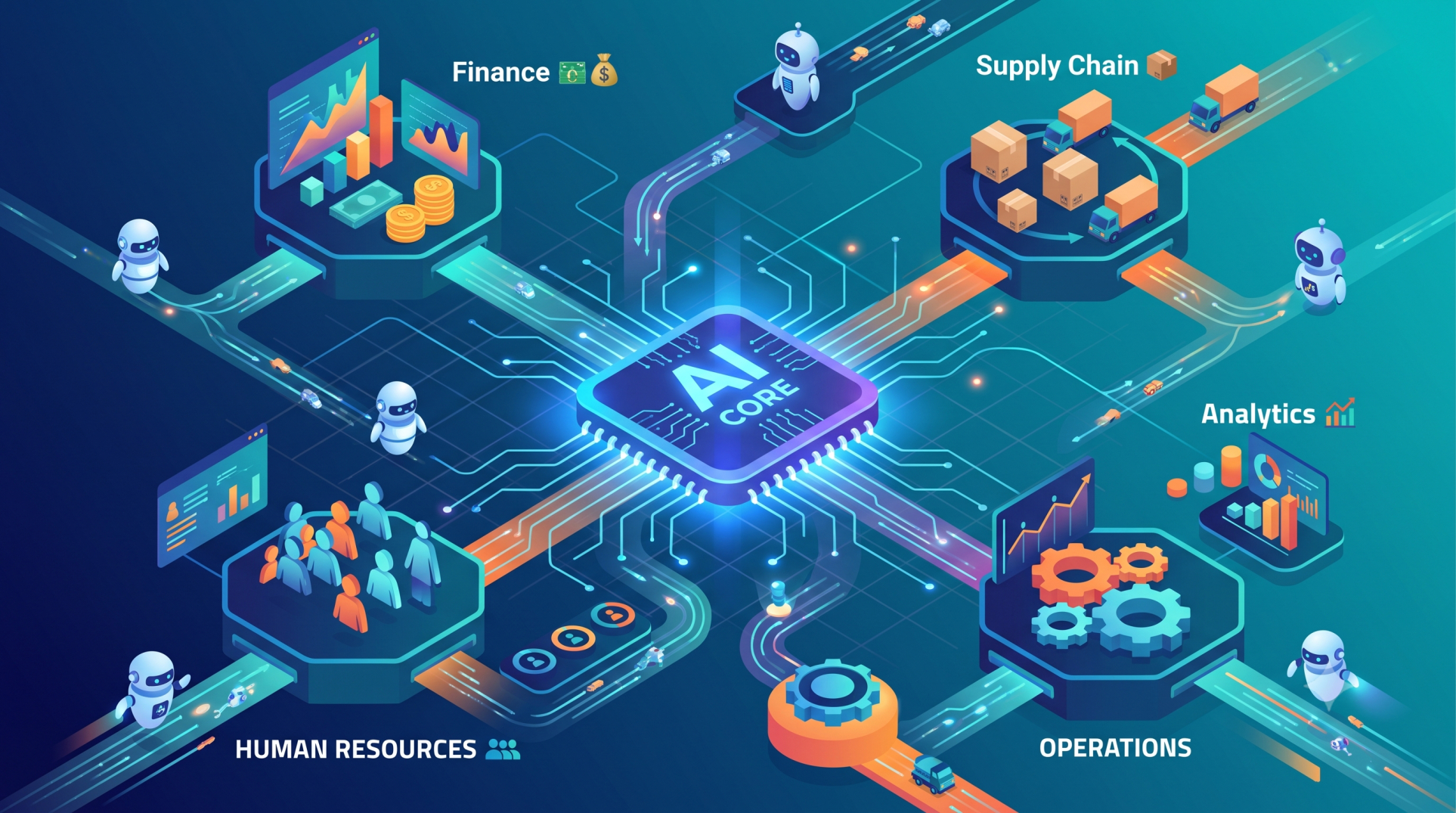
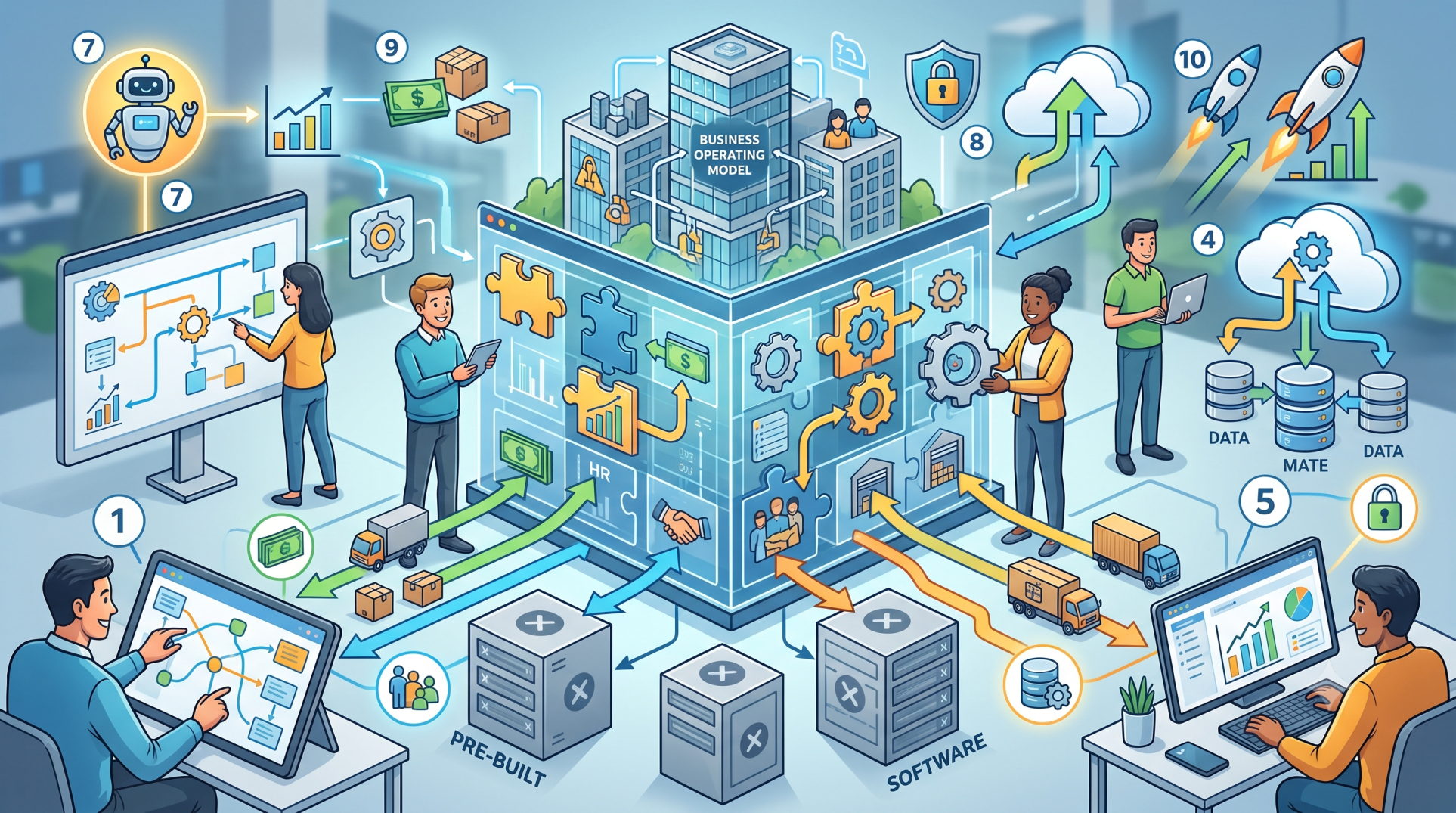
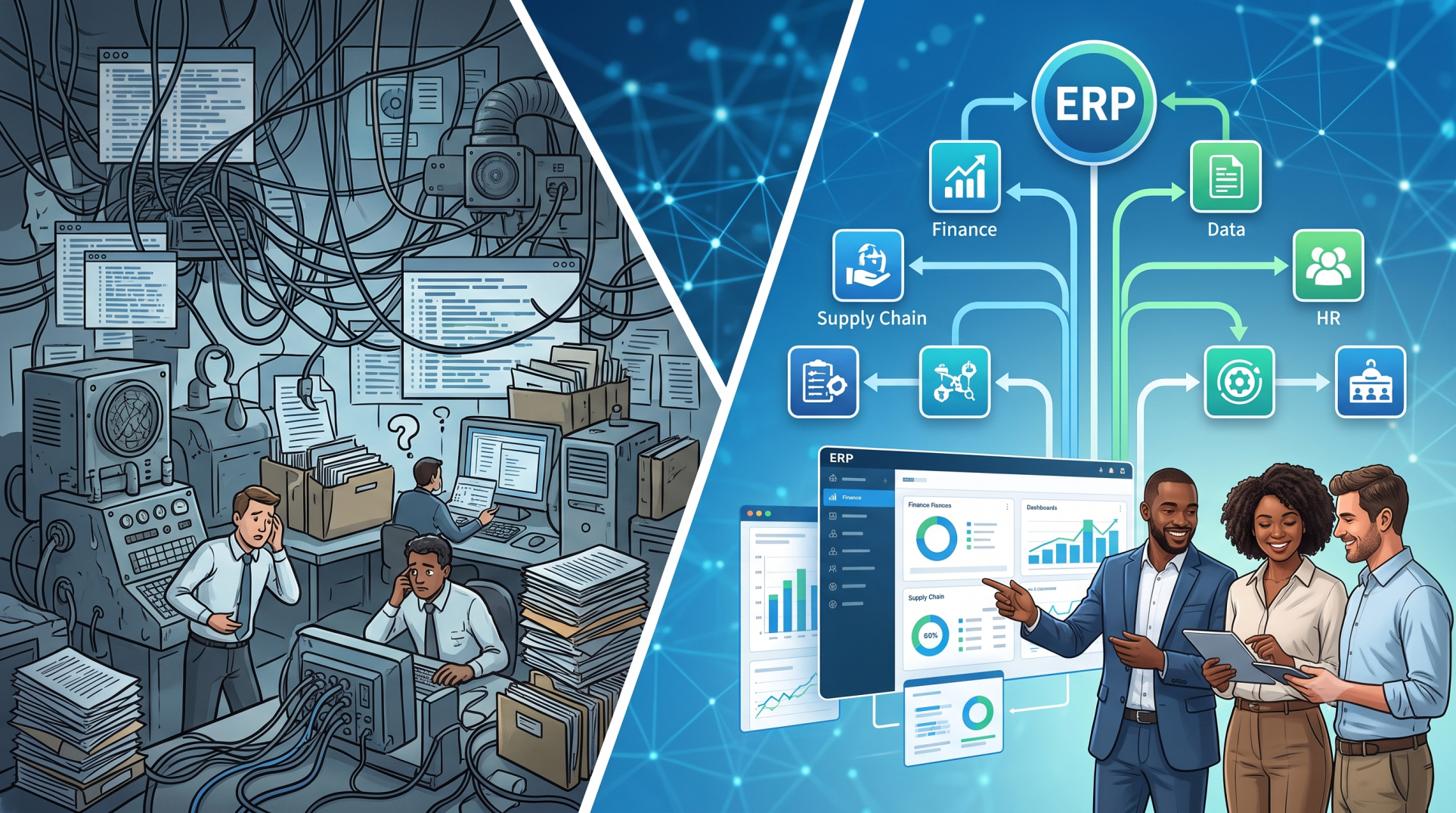
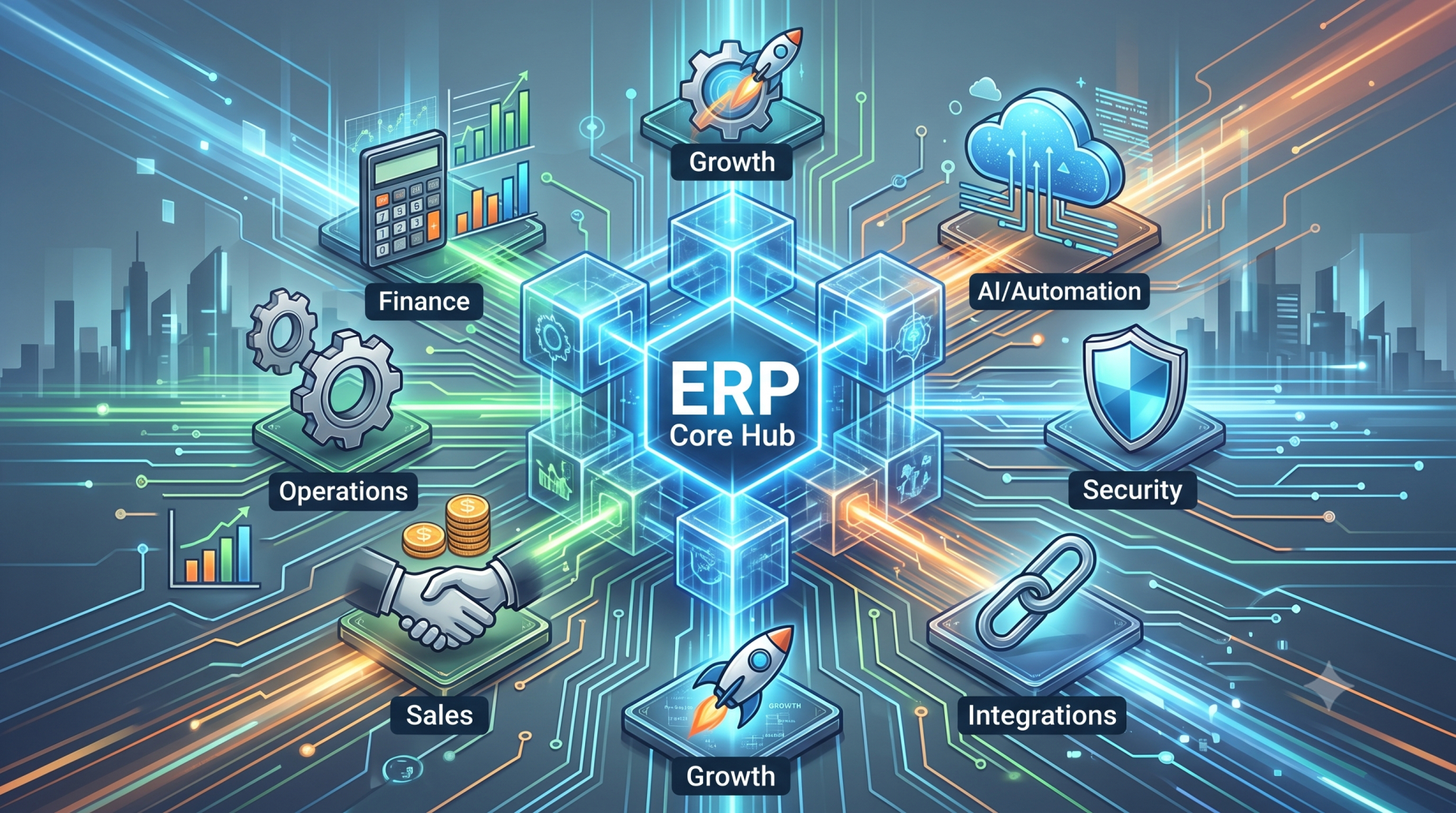
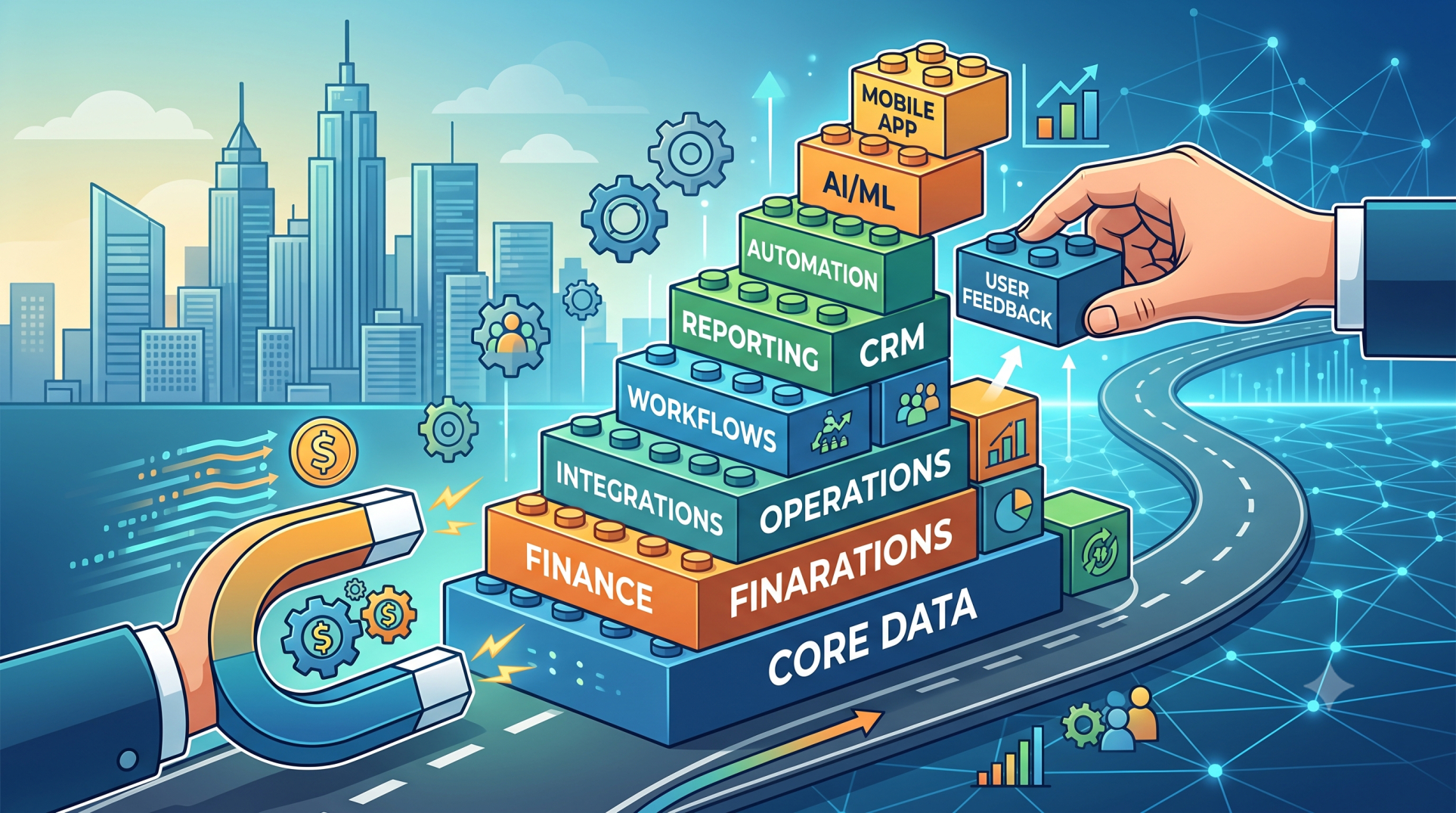
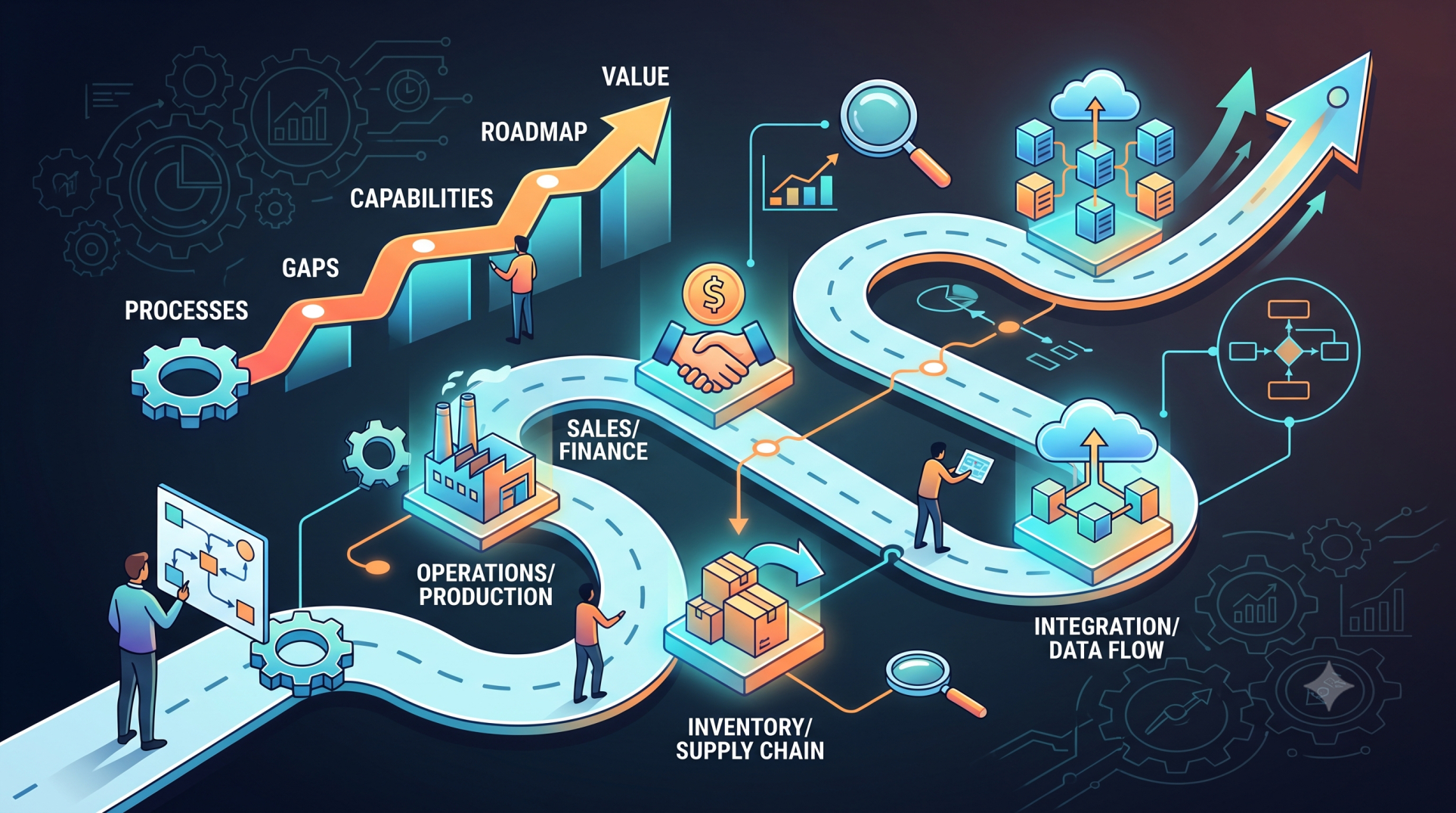
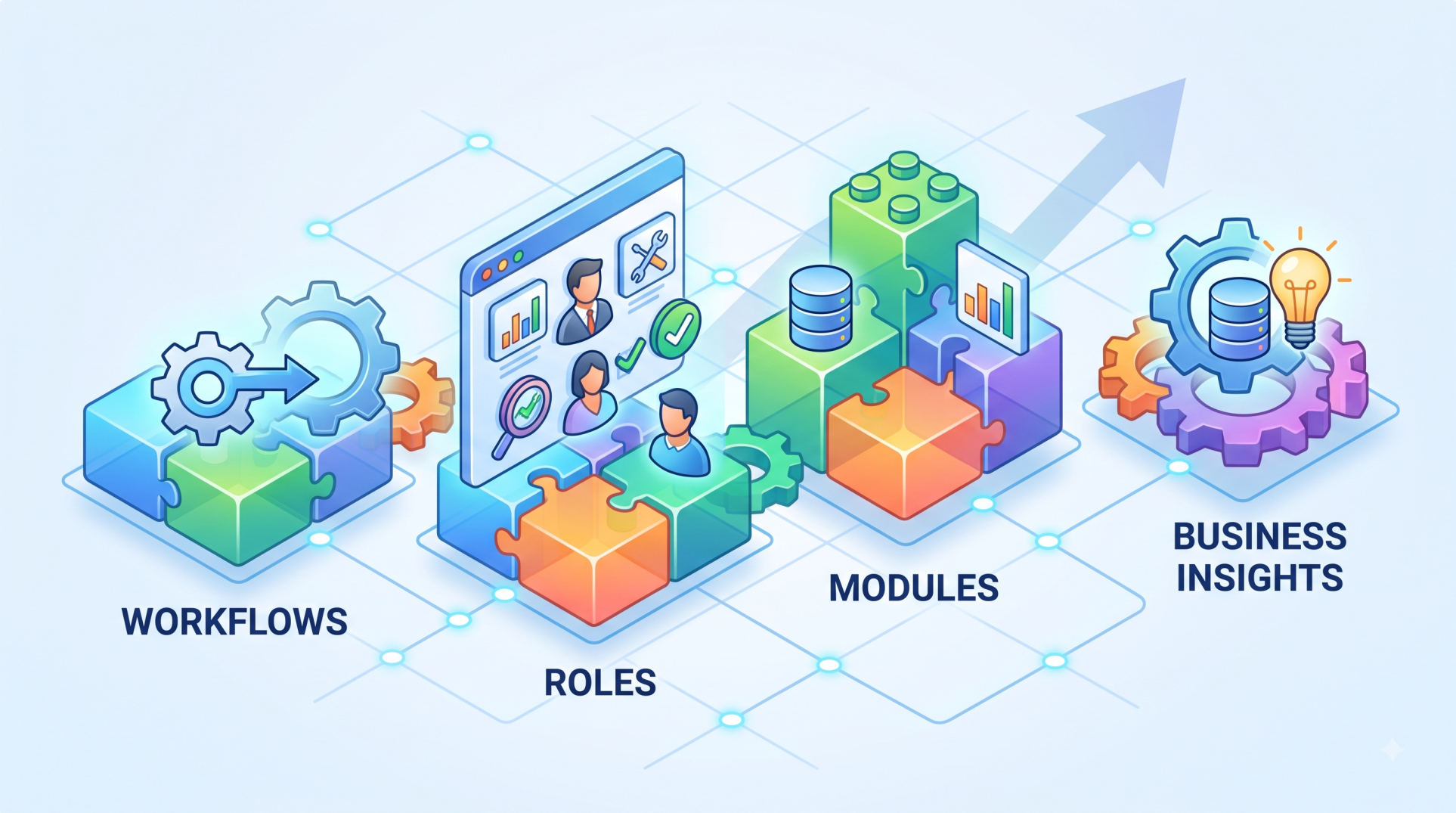
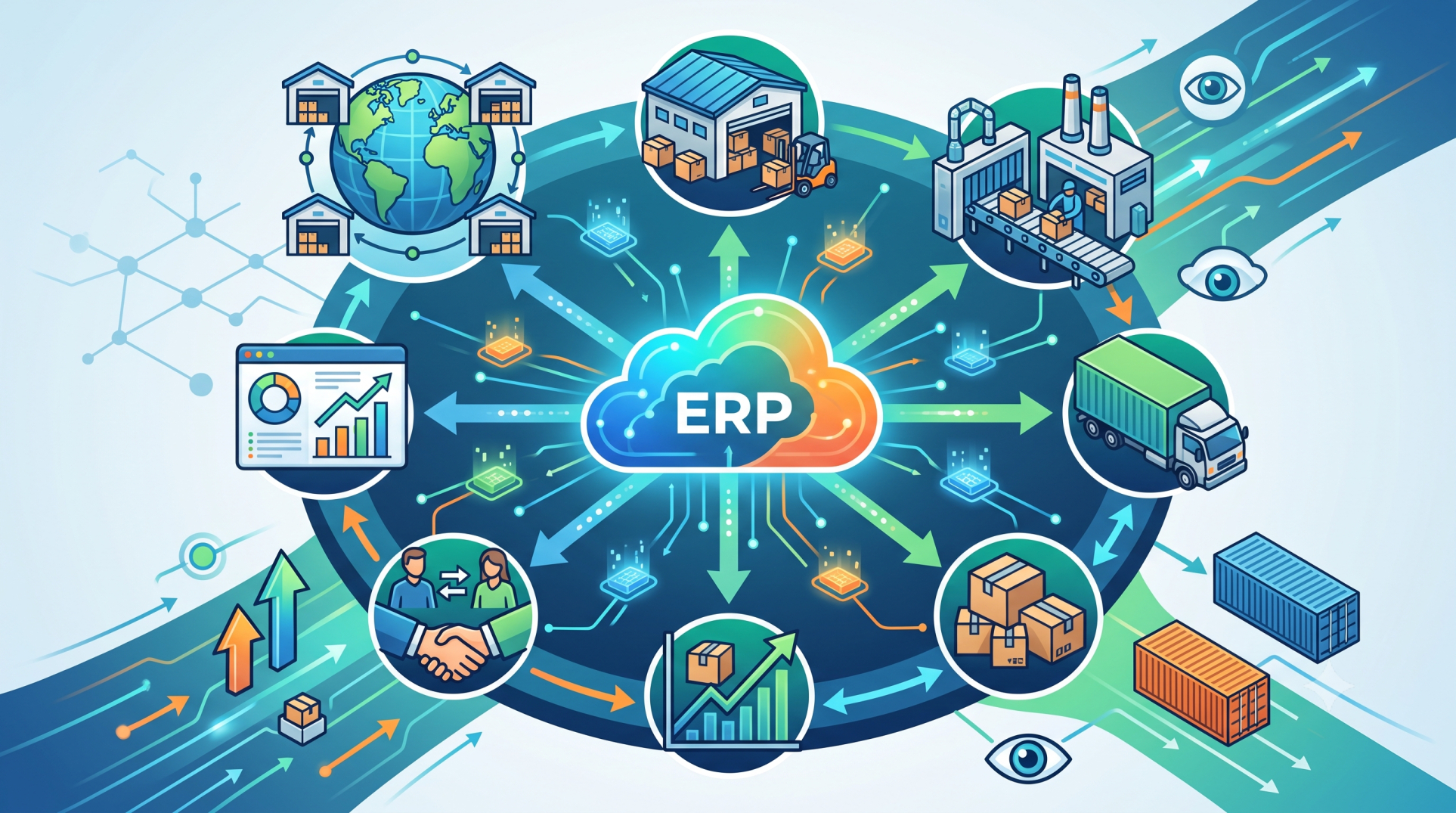
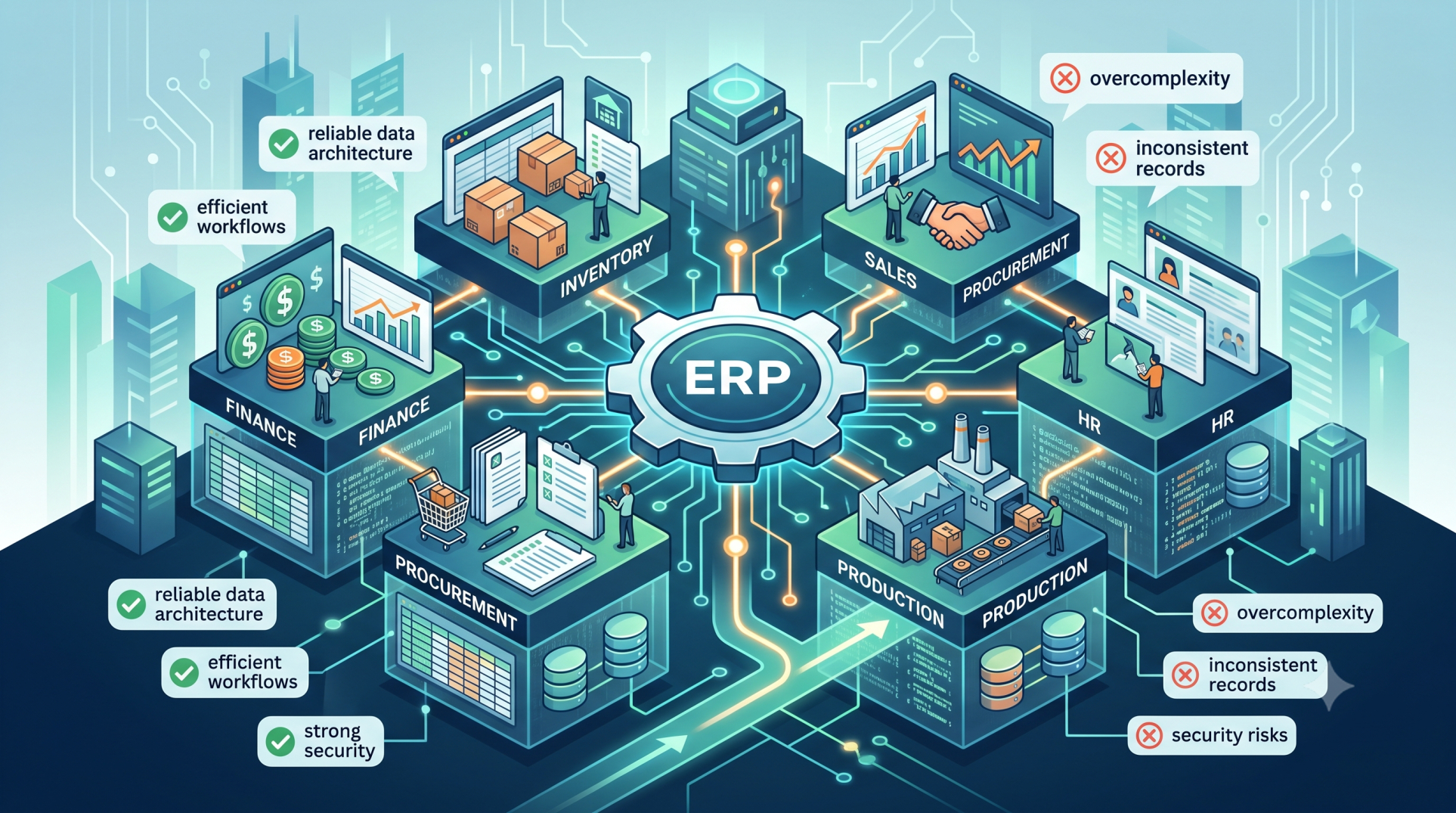
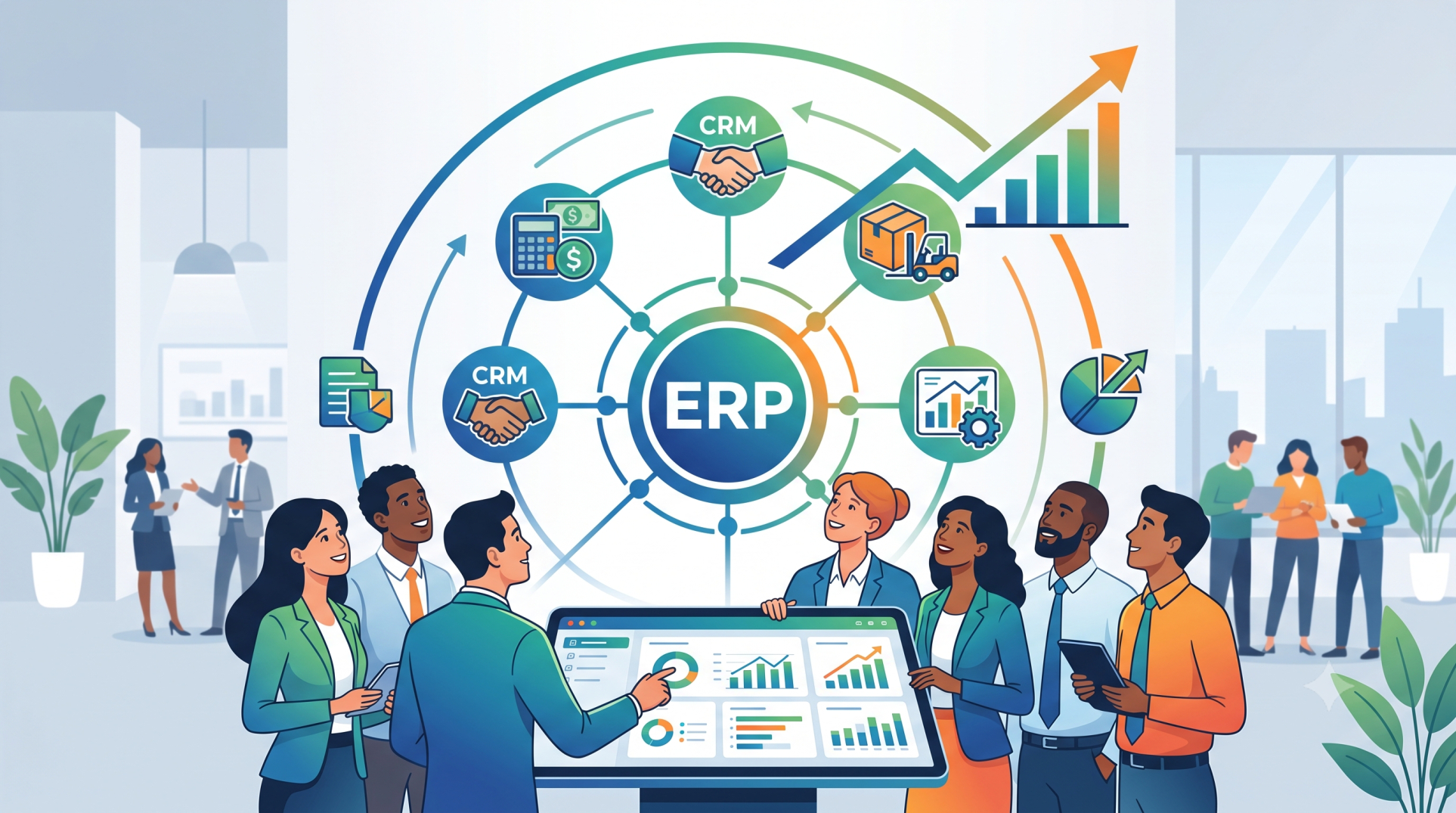
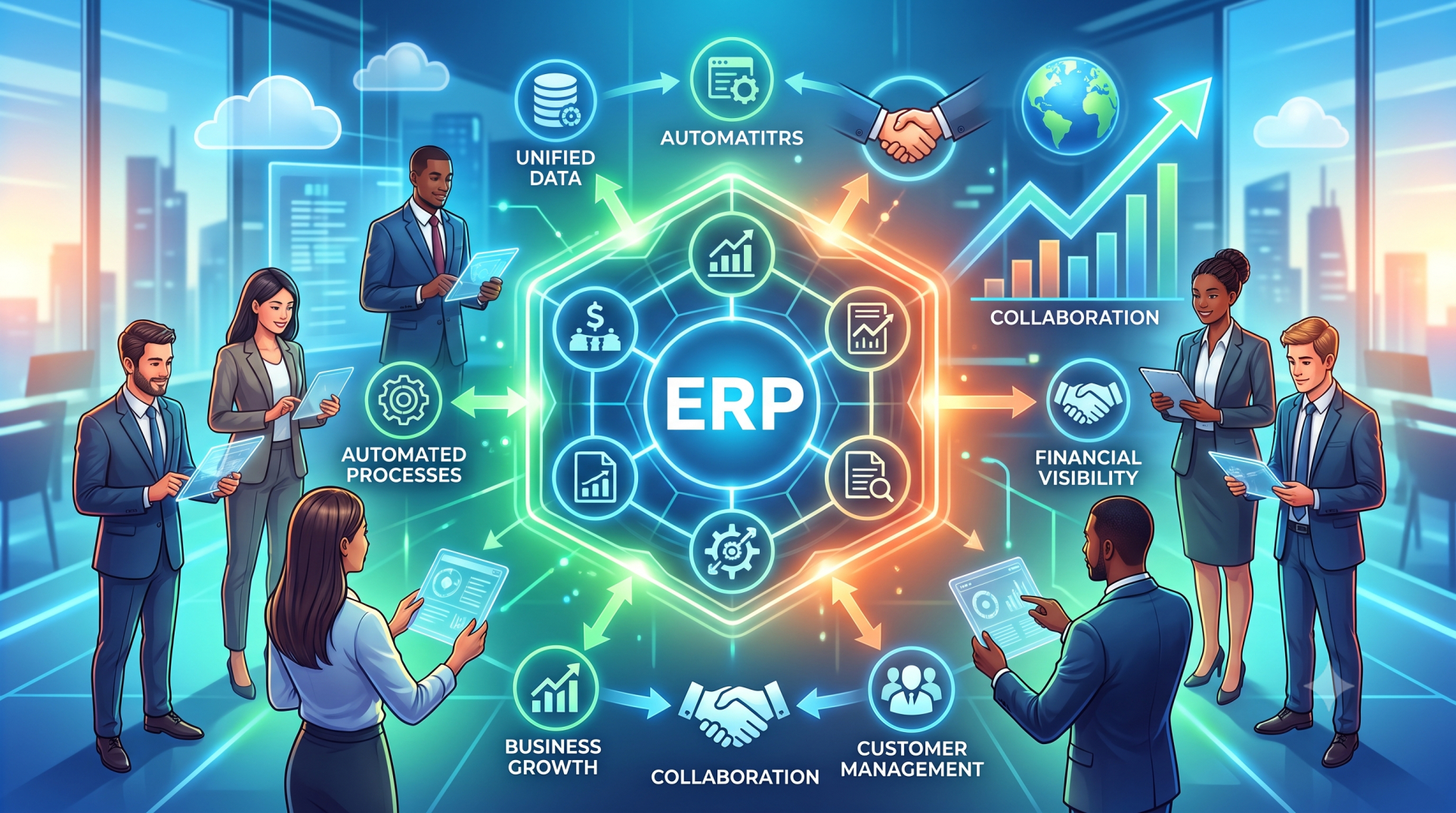
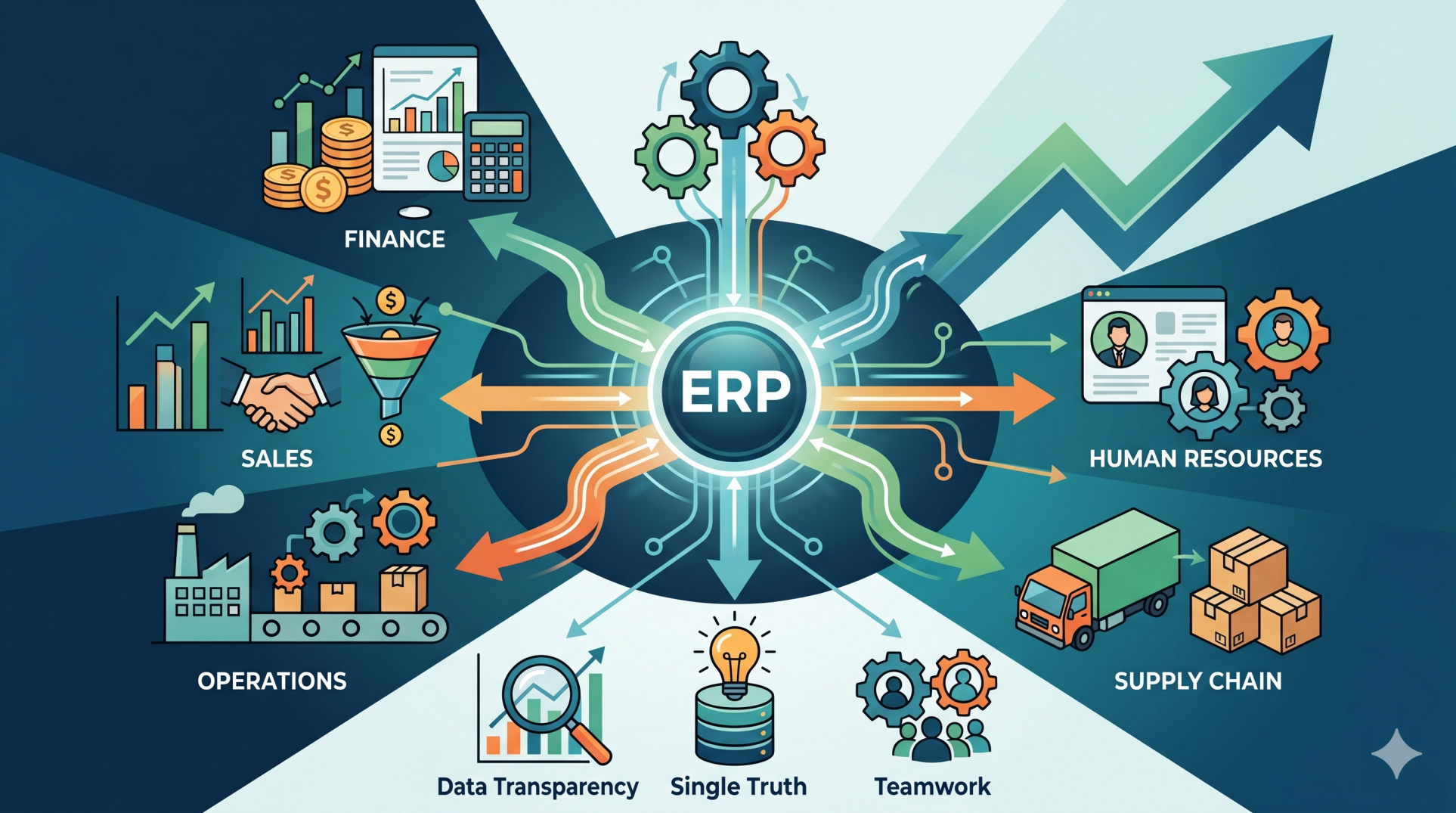
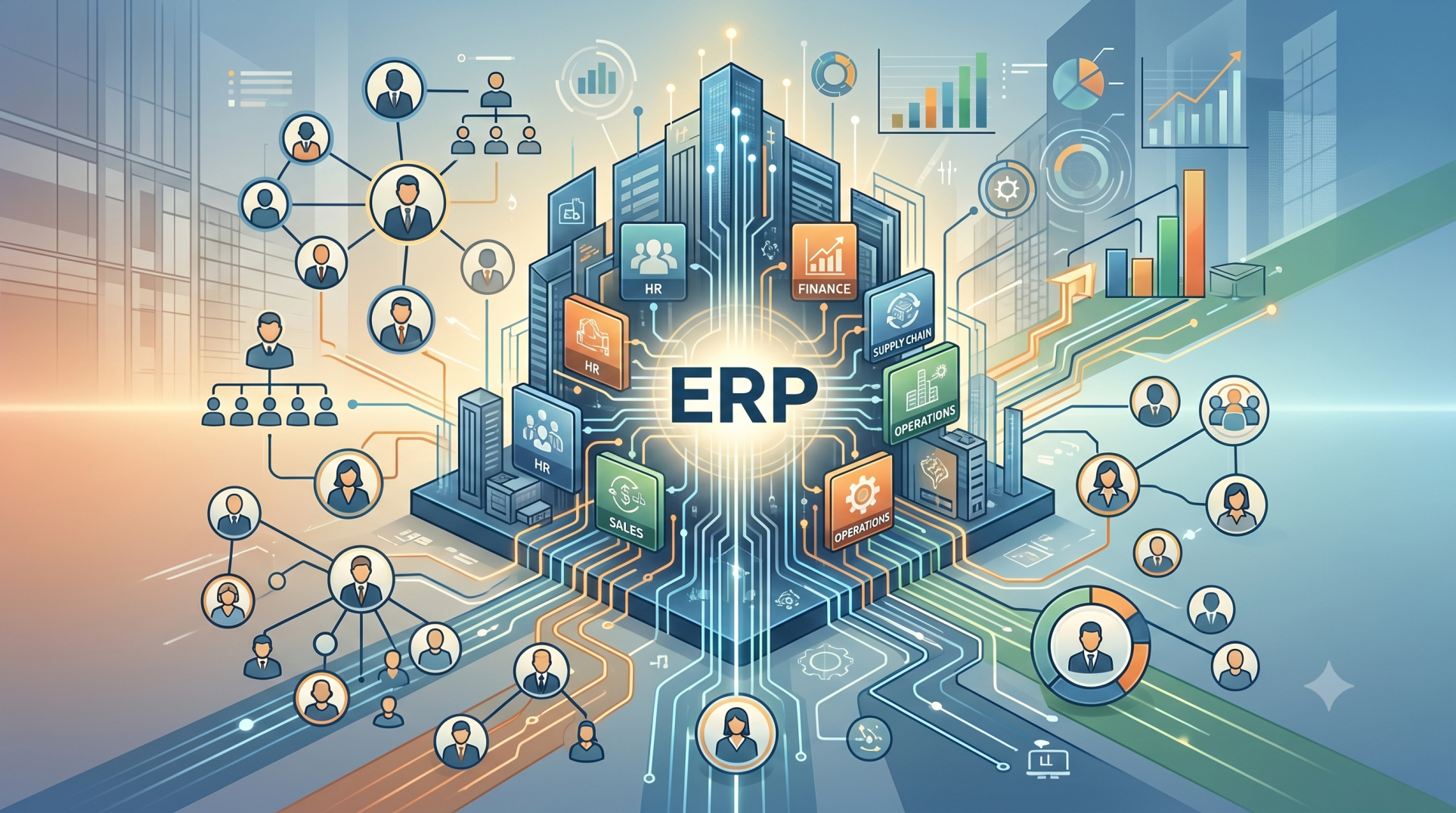
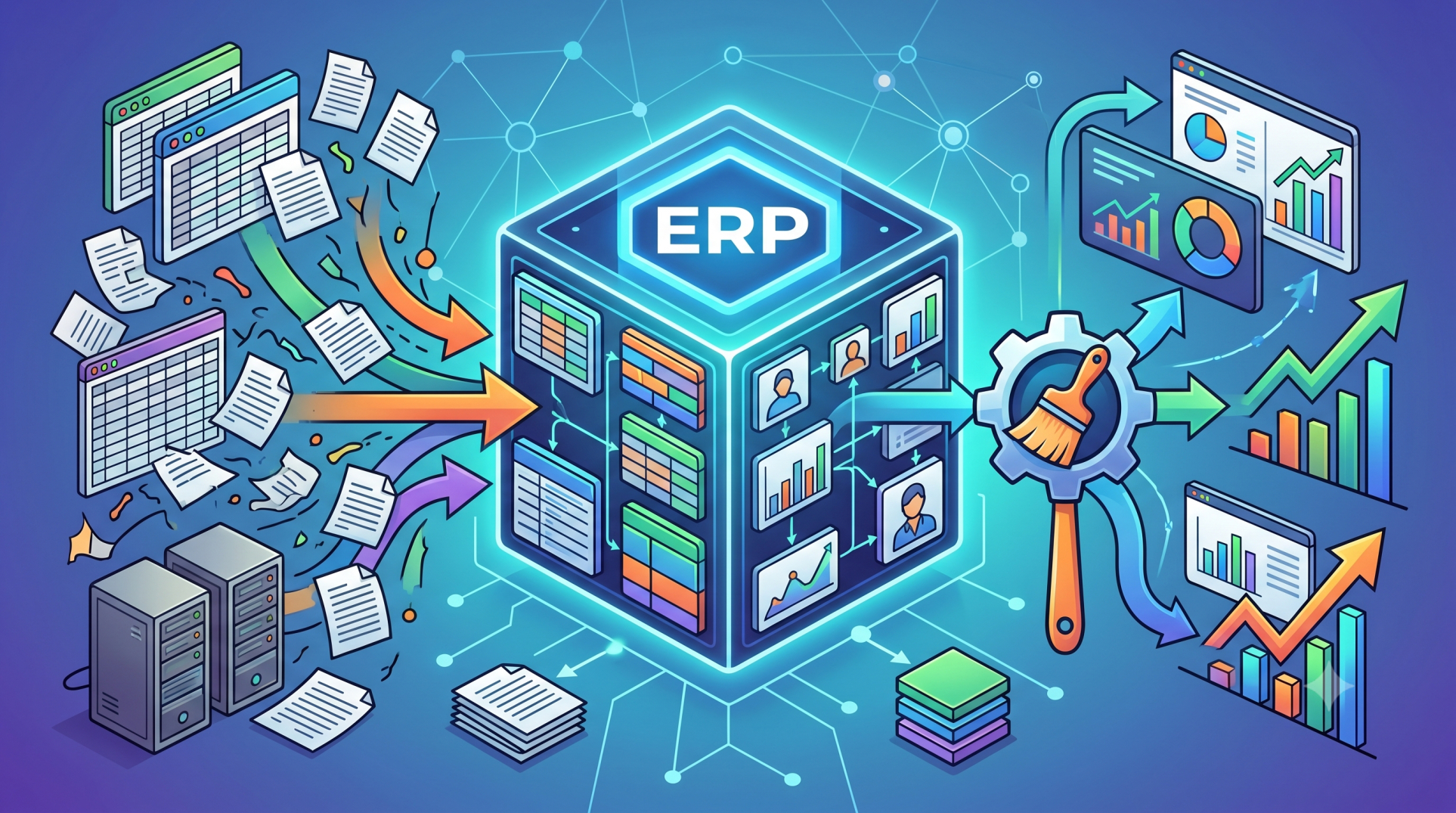
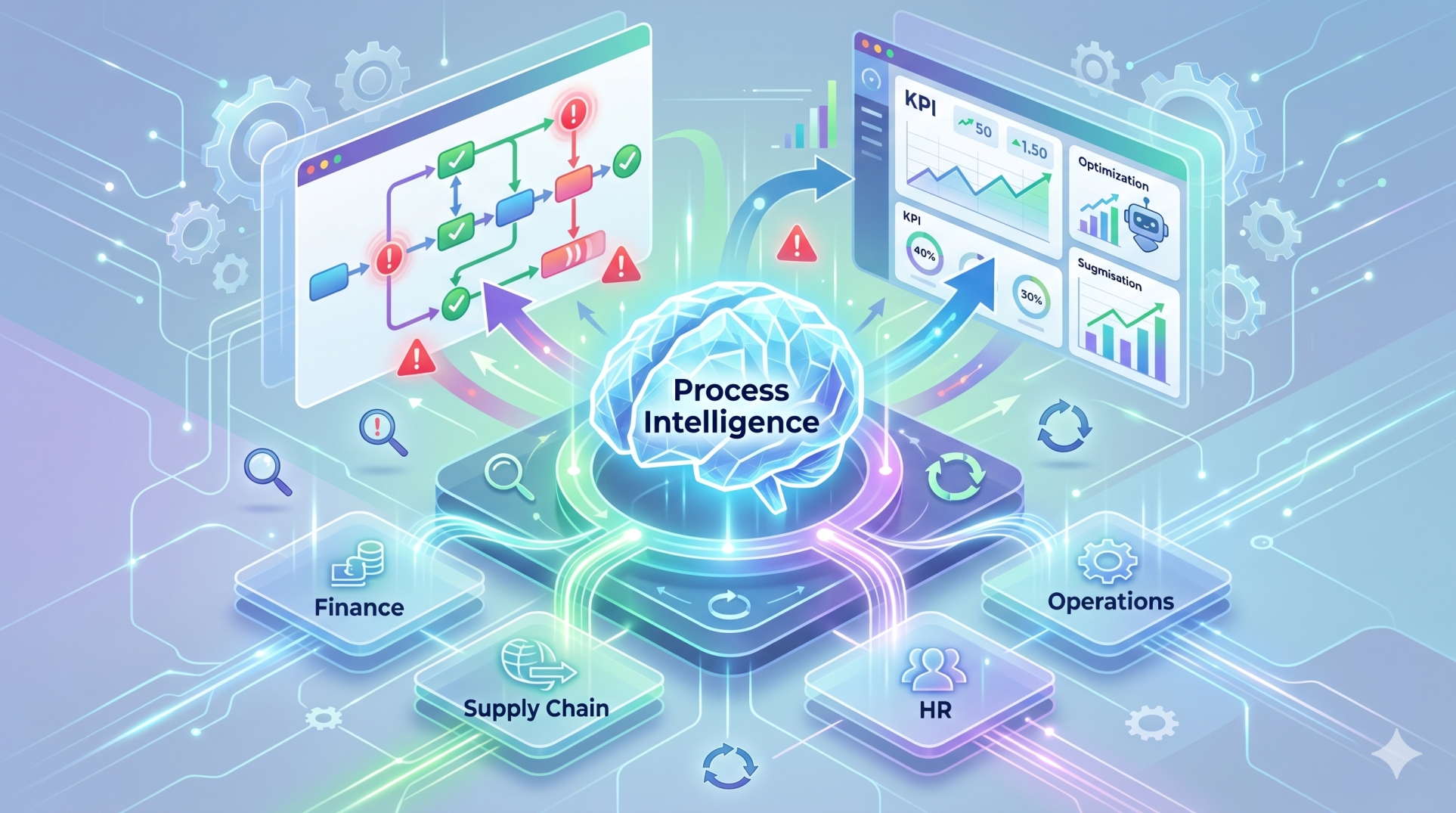
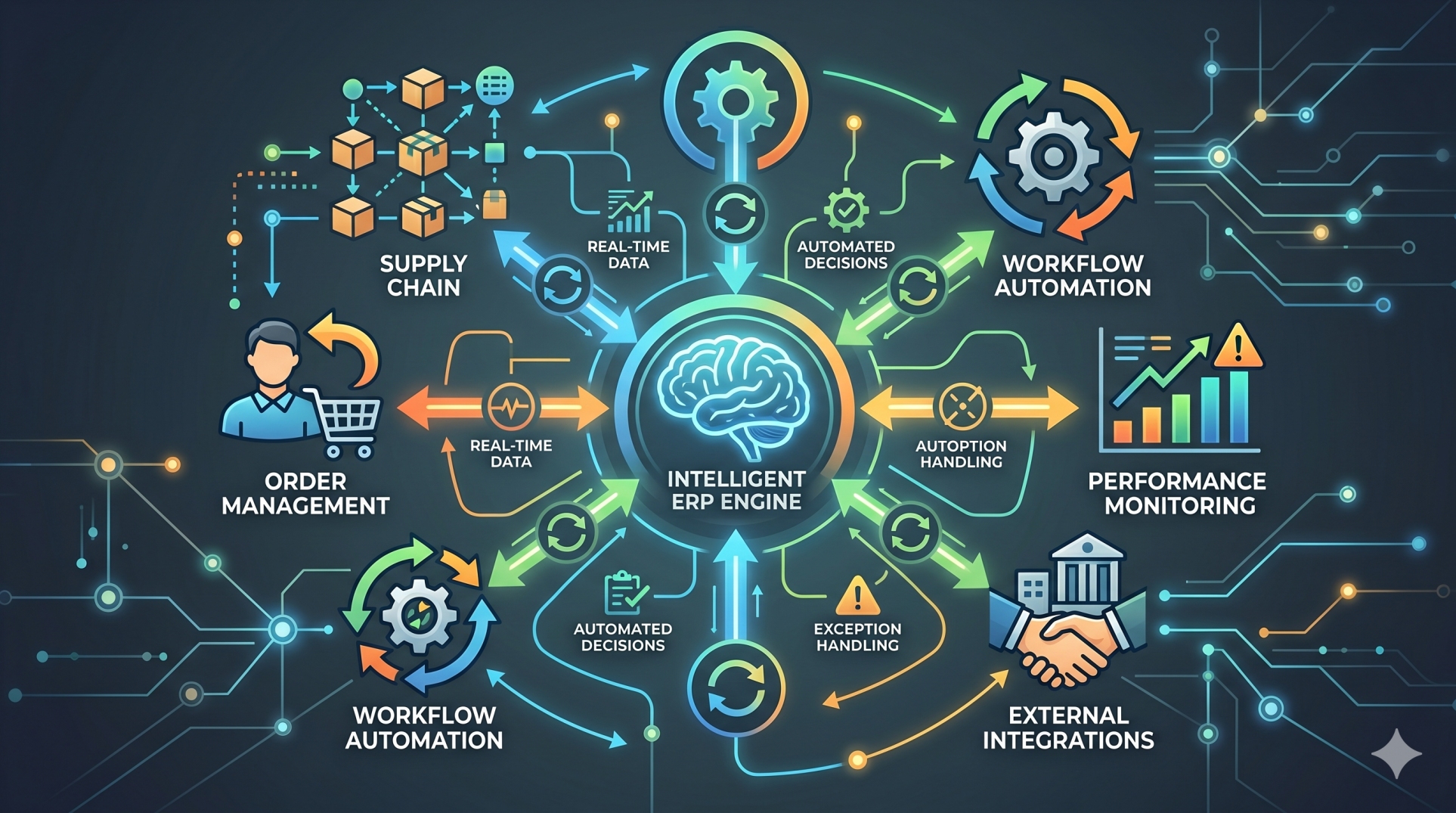
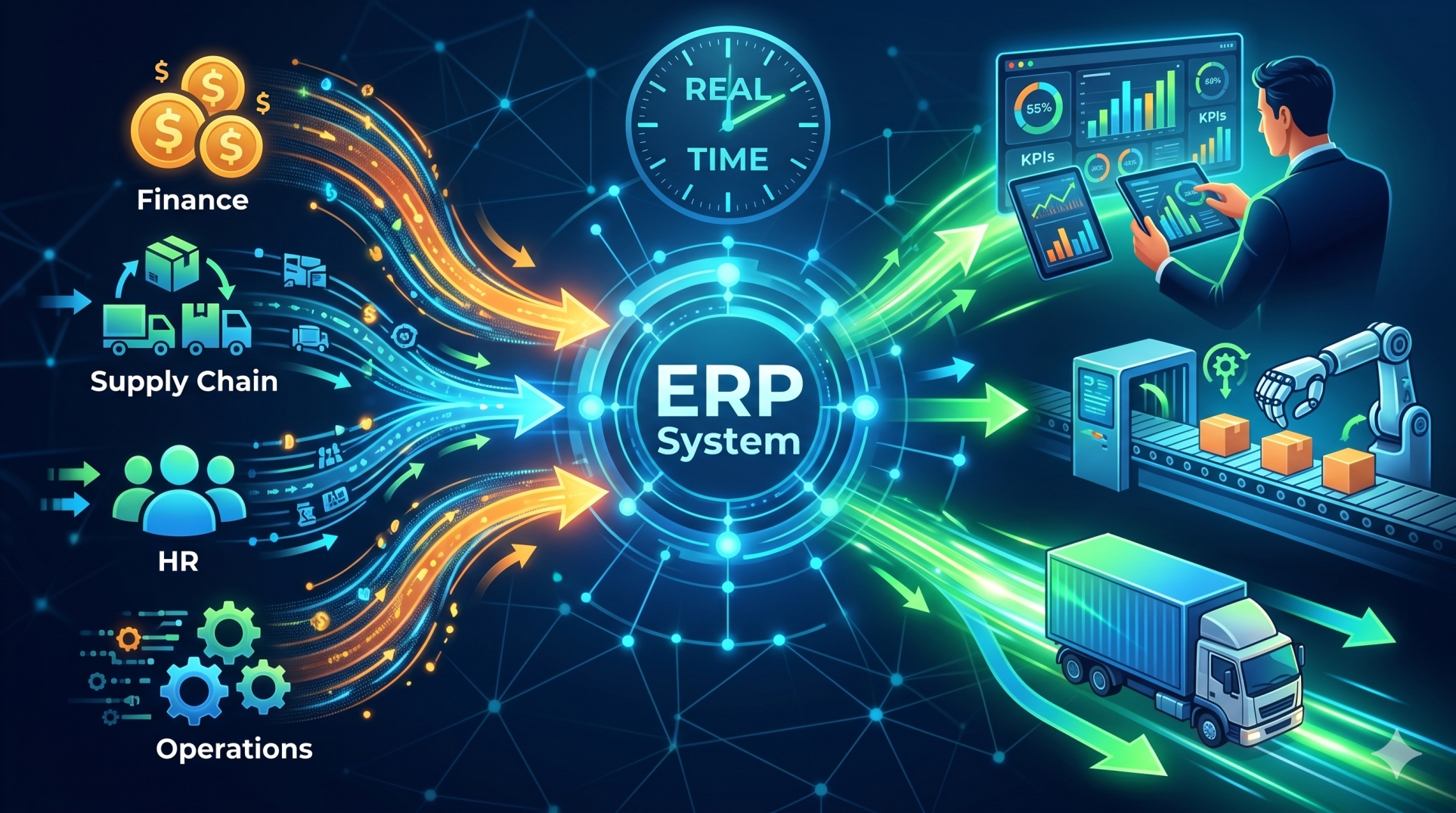
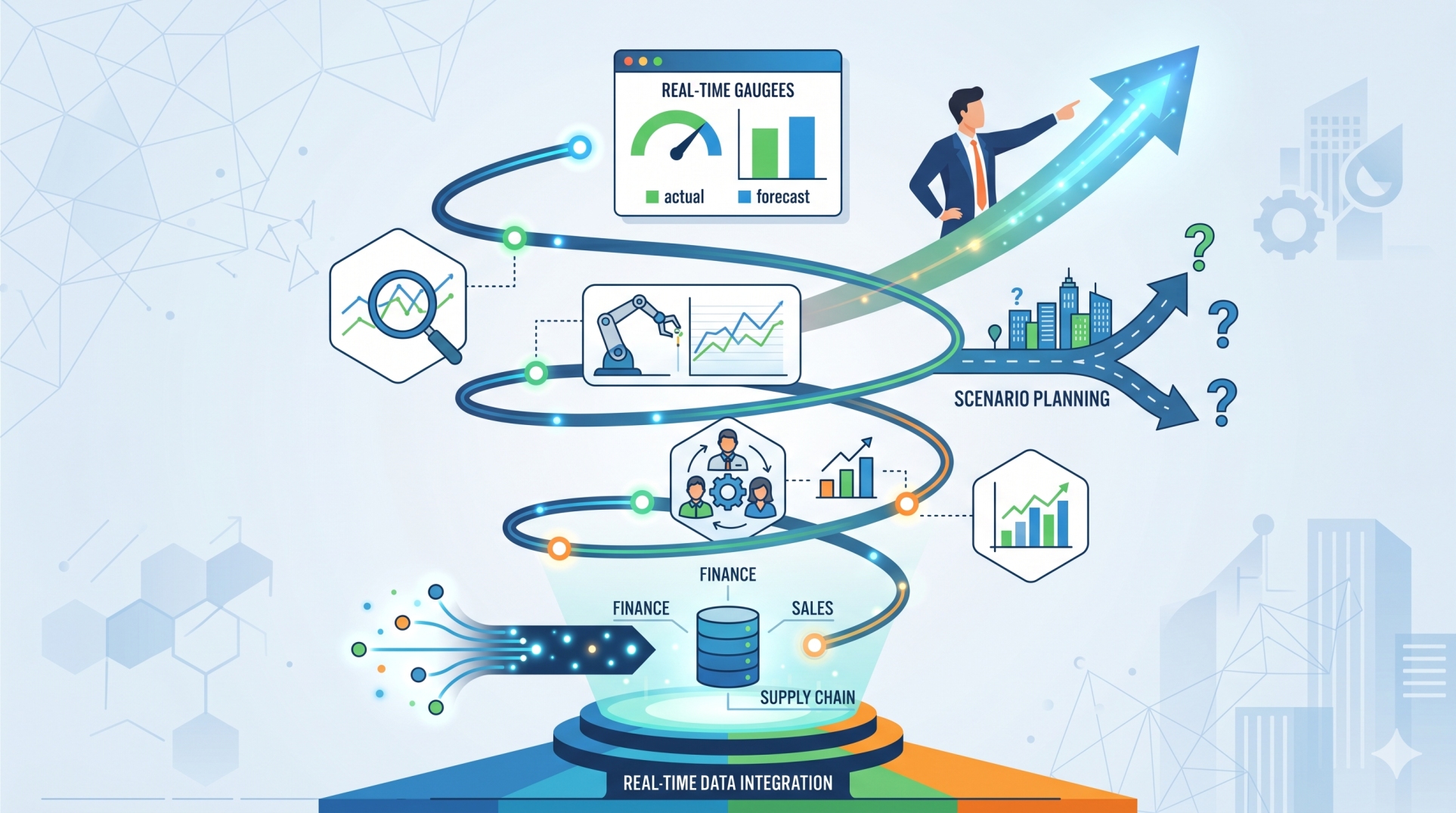
Enterprise knowledge is one of an organization's most valuable assets, but its value depends on how effectively it is captured, organized, and shared. Modern ERP platforms serve as centralized knowledge management systems by bringing together business data, operational processes, documentation, and organizational insights within a unified environment. This enables employees to access reliable information, collaborate efficiently, and make informed decisions across the enterprise.
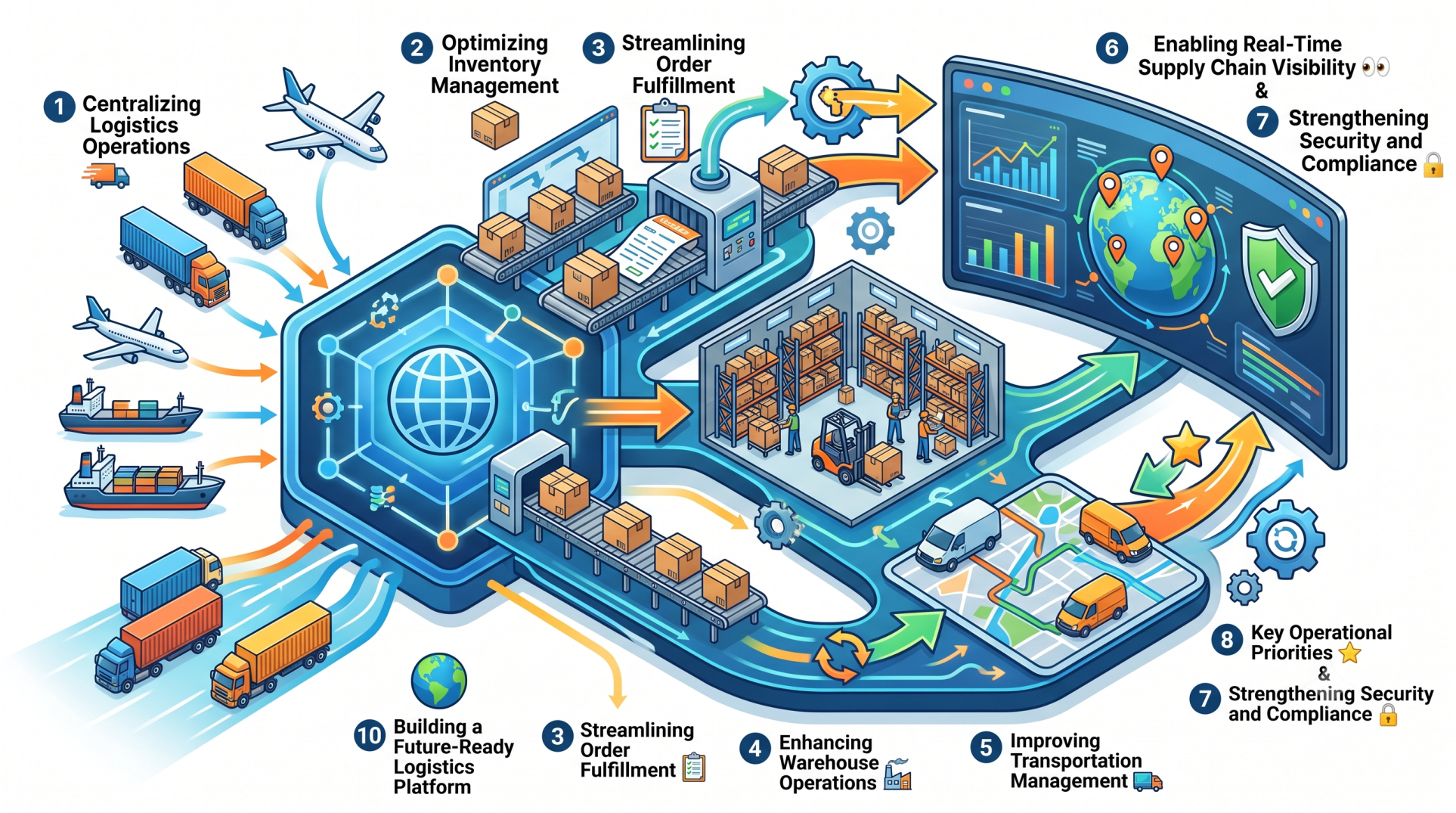
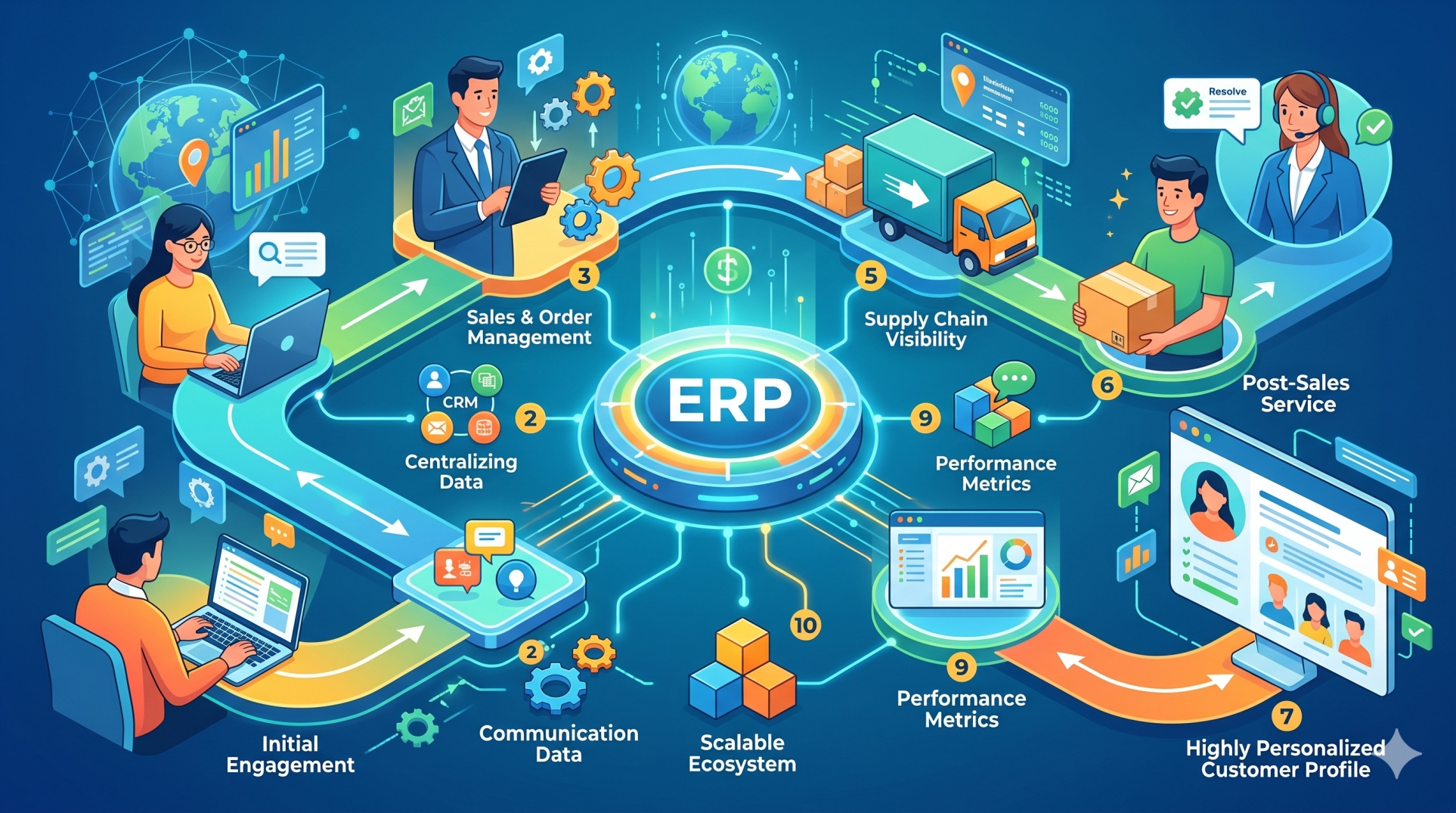
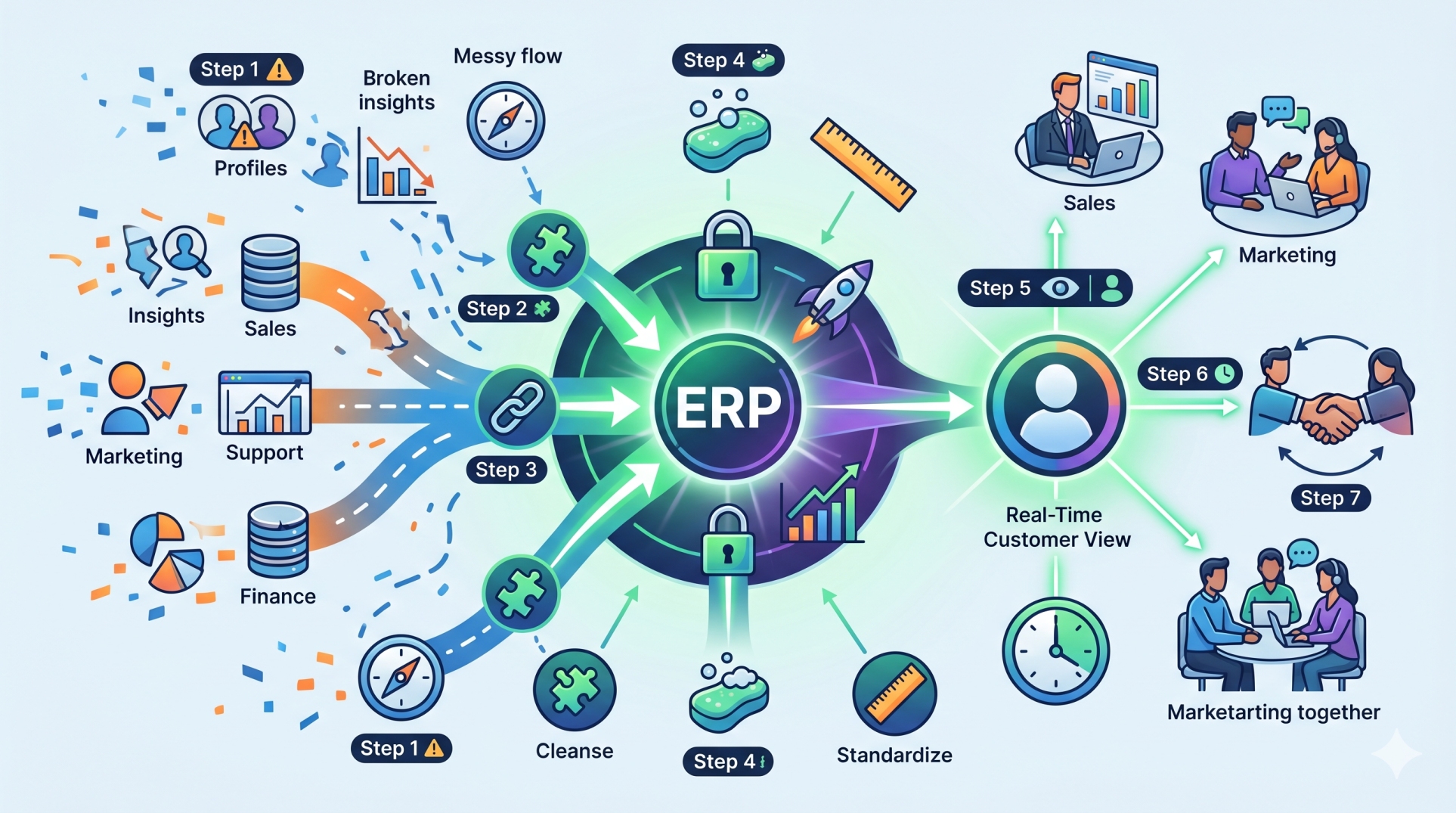
Step 1: Centralizing Enterprise Knowledge 📚
• Consolidate business information into a unified ERP platform 🗂️
• Create a single source of truth for organizational knowledge 📖
• Eliminate information silos across departments 🔄
• Improve accessibility to business documents and records 👥
• Maintain consistent information throughout the organization ✅
Step 2: Organizing Business Information 🏗️
• Categorize documents, policies, and operational procedures 📂
• Standardize knowledge structures across departments 📋
• Define clear ownership for business content 👤
• Maintain version control for critical documents 🔄
• Improve discoverability through organized repositories 🔍
Step 3: Enabling Intelligent Information Retrieval 🔍
• Provide fast search capabilities across enterprise data ⚡
• Retrieve relevant documents using contextual search 🧠
• Connect related business records and operational data 🔗
• Improve access to frequently used resources 📑
• Reduce time spent searching for information ⏱️
Step 4: Supporting Cross-Department Collaboration 🤝
• Enable teams to share knowledge securely across functions 🌐
• Improve communication through centralized information access 💬
• Reduce duplication of effort between departments 📊
• Encourage collaboration using shared business resources 👥
• Strengthen organizational alignment through connected knowledge 🎯
Step 5: Preserving Institutional Knowledge 🏛️
• Capture expertise from experienced employees 📝
• Store best practices and standard operating procedures 📘
• Preserve historical business decisions and project records 🗃️
• Reduce knowledge loss during employee transitions 🔄
• Build a continuously growing organizational knowledge base 🌱
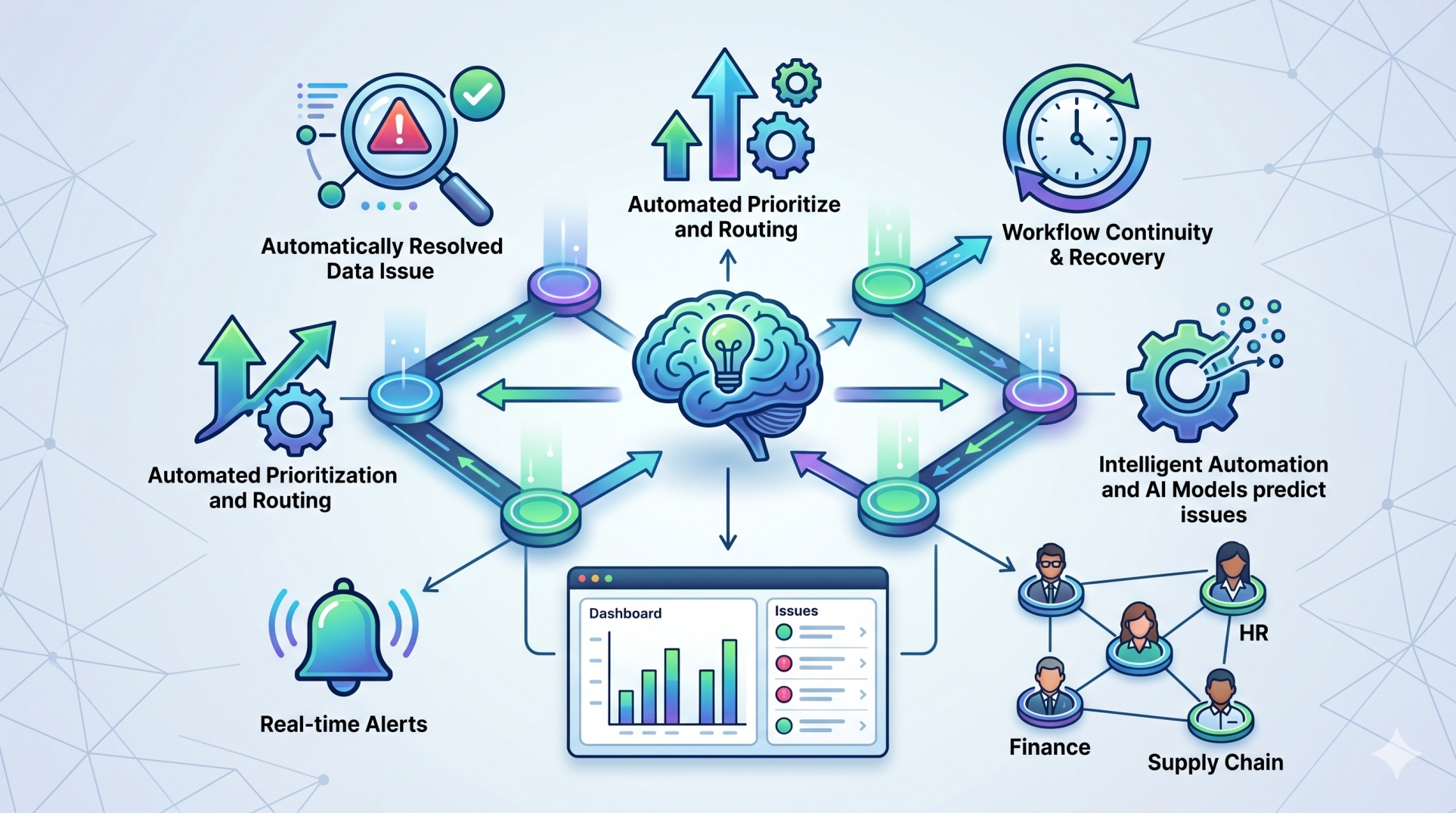
Step 6: Integrating Operational Data 📊
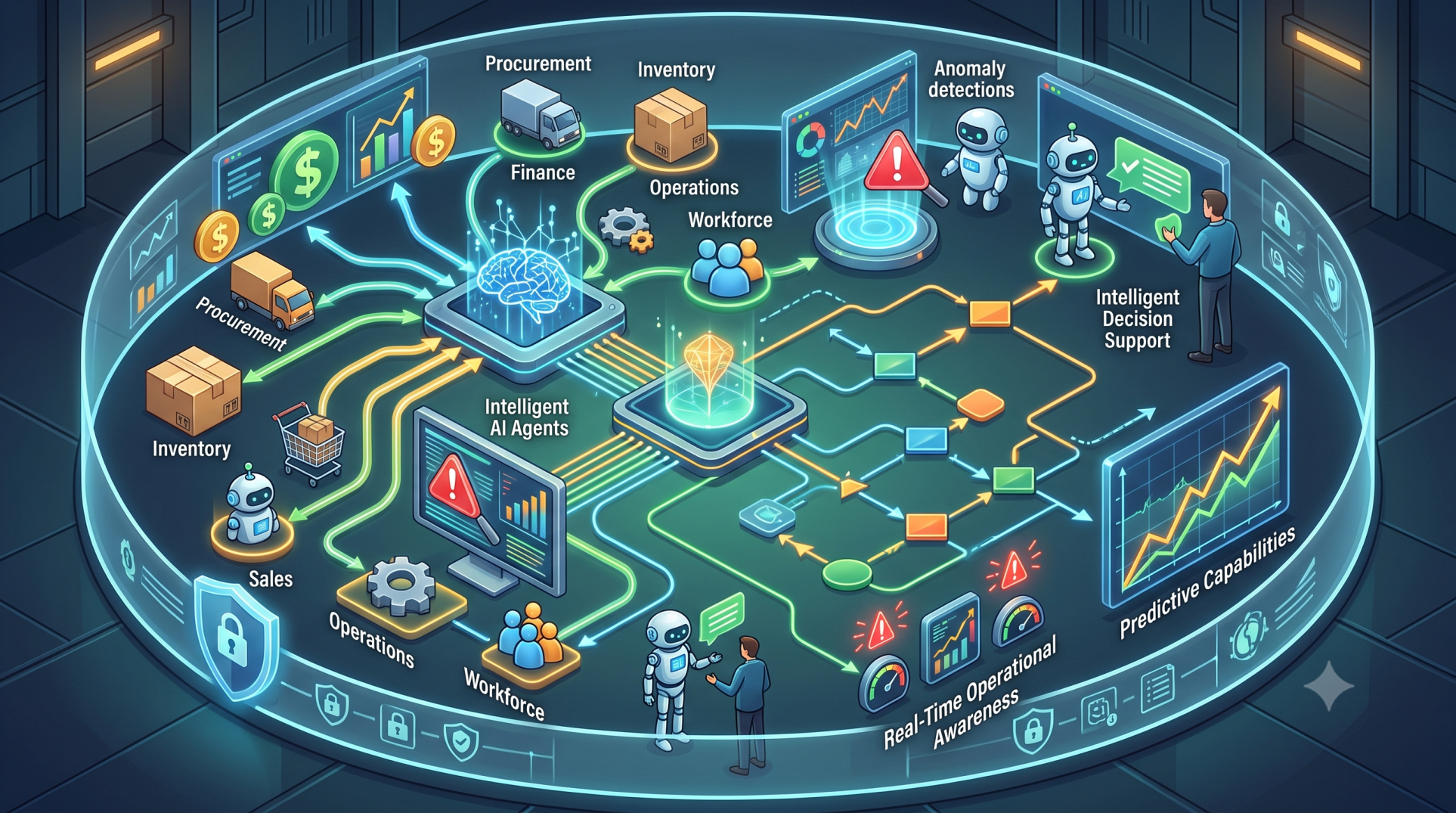
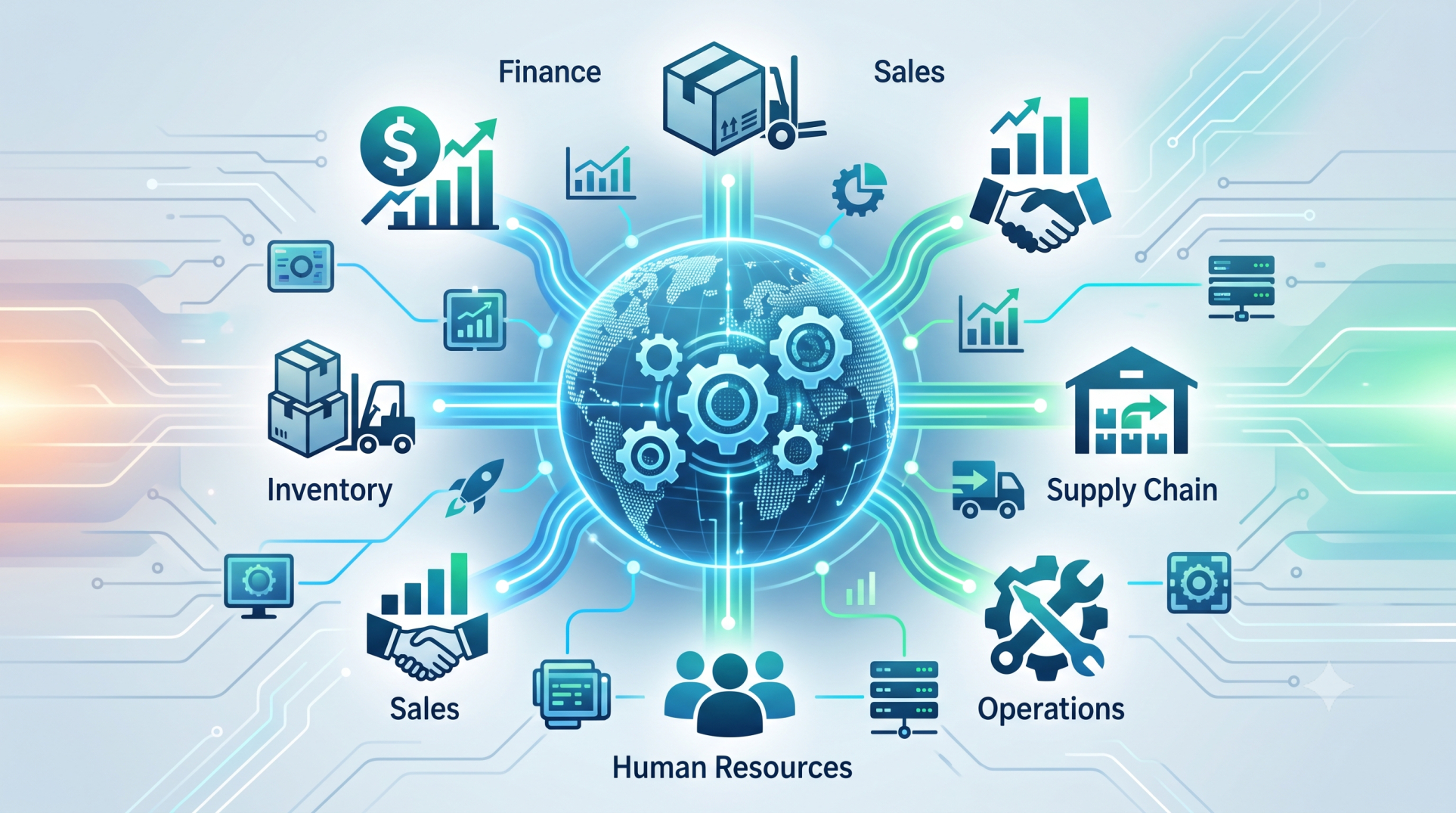
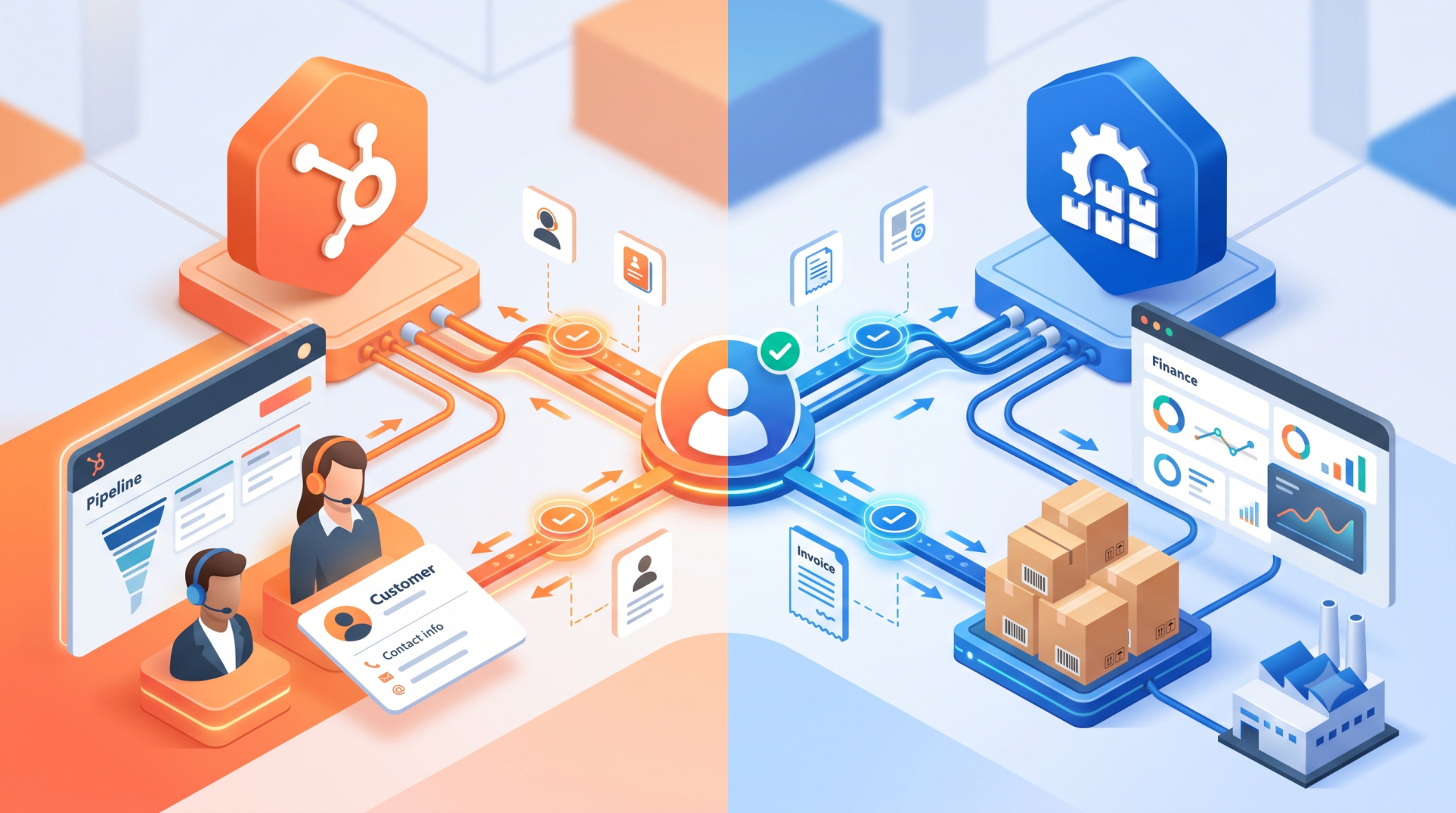
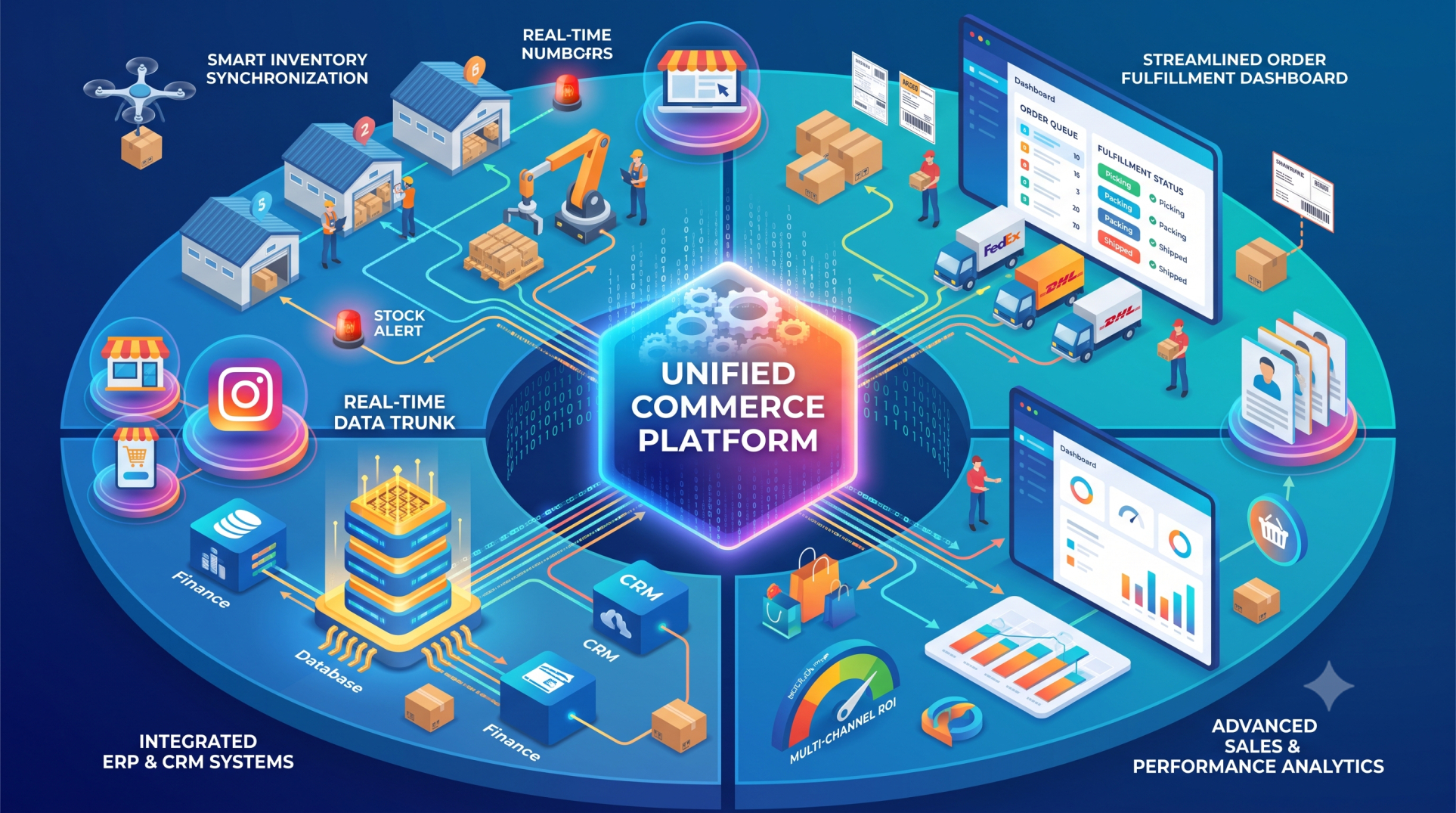
• Connect financial, operational, HR, and customer information 🔗
• Link knowledge with day-to-day business processes ⚙️
• Maintain accurate and consistent enterprise records 📈
• Support informed decisions using integrated data 🧩
• Improve operational visibility across the organization 👀
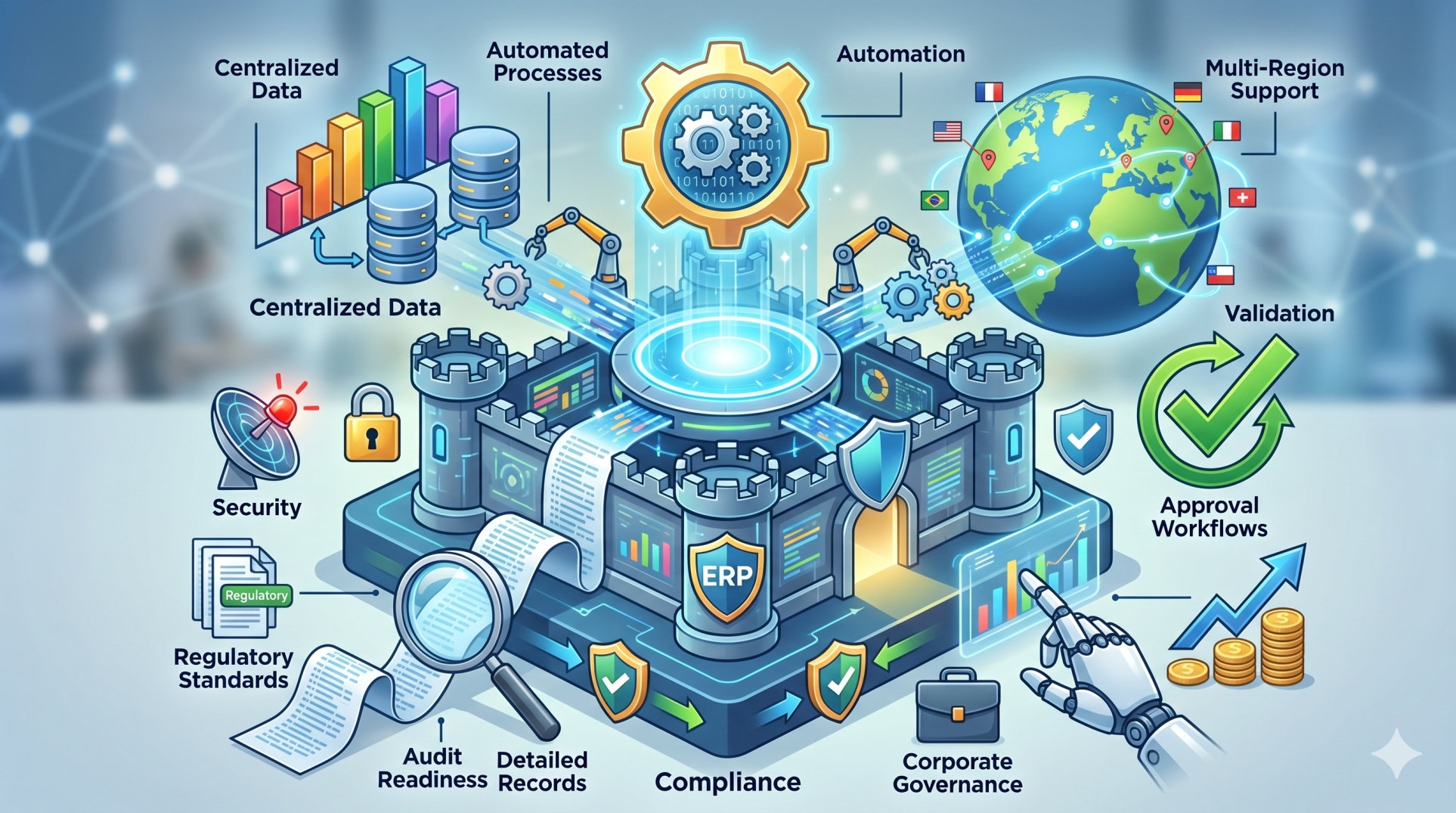
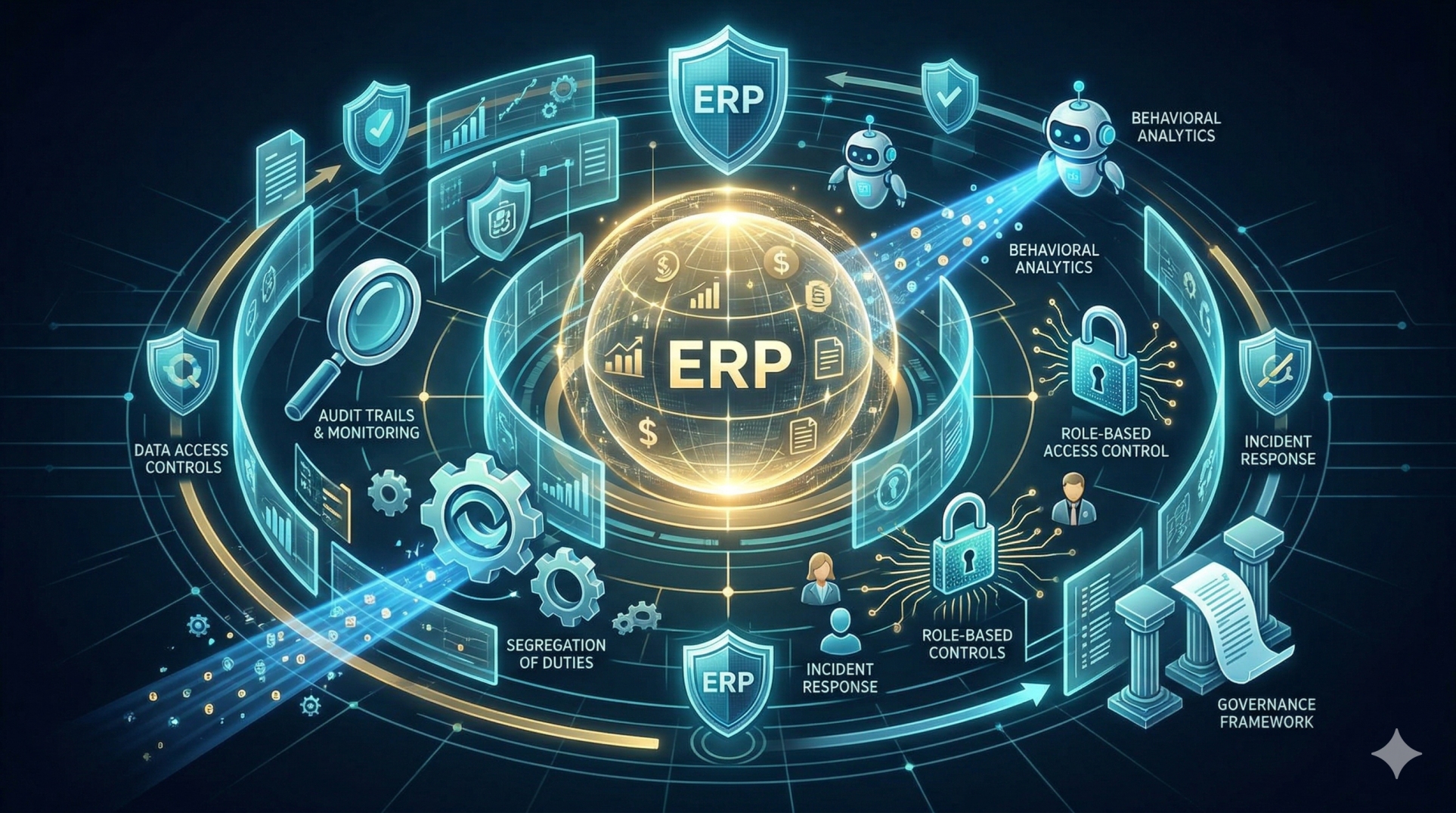
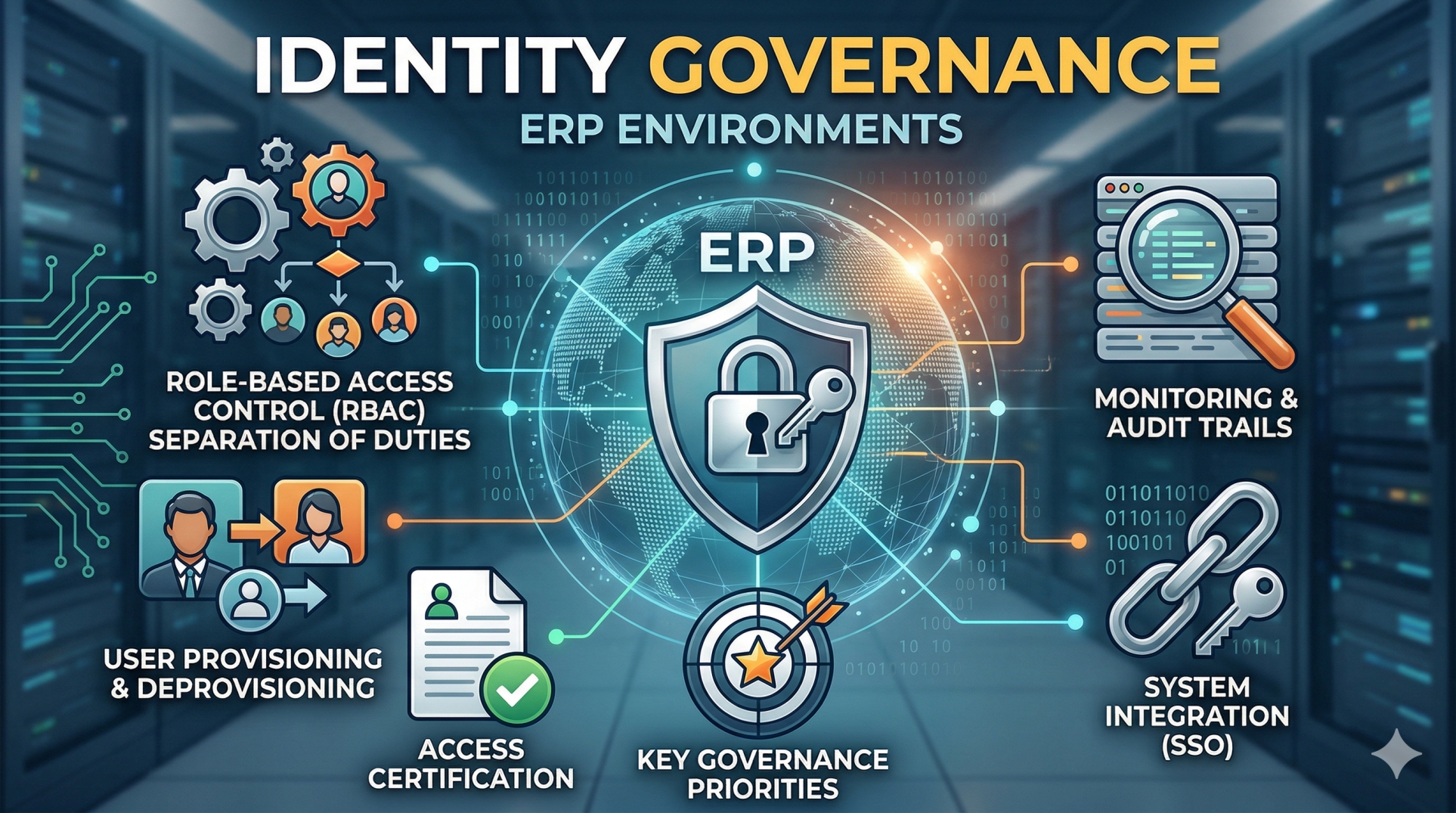
Step 7: Strengthening Governance and Security 🔐
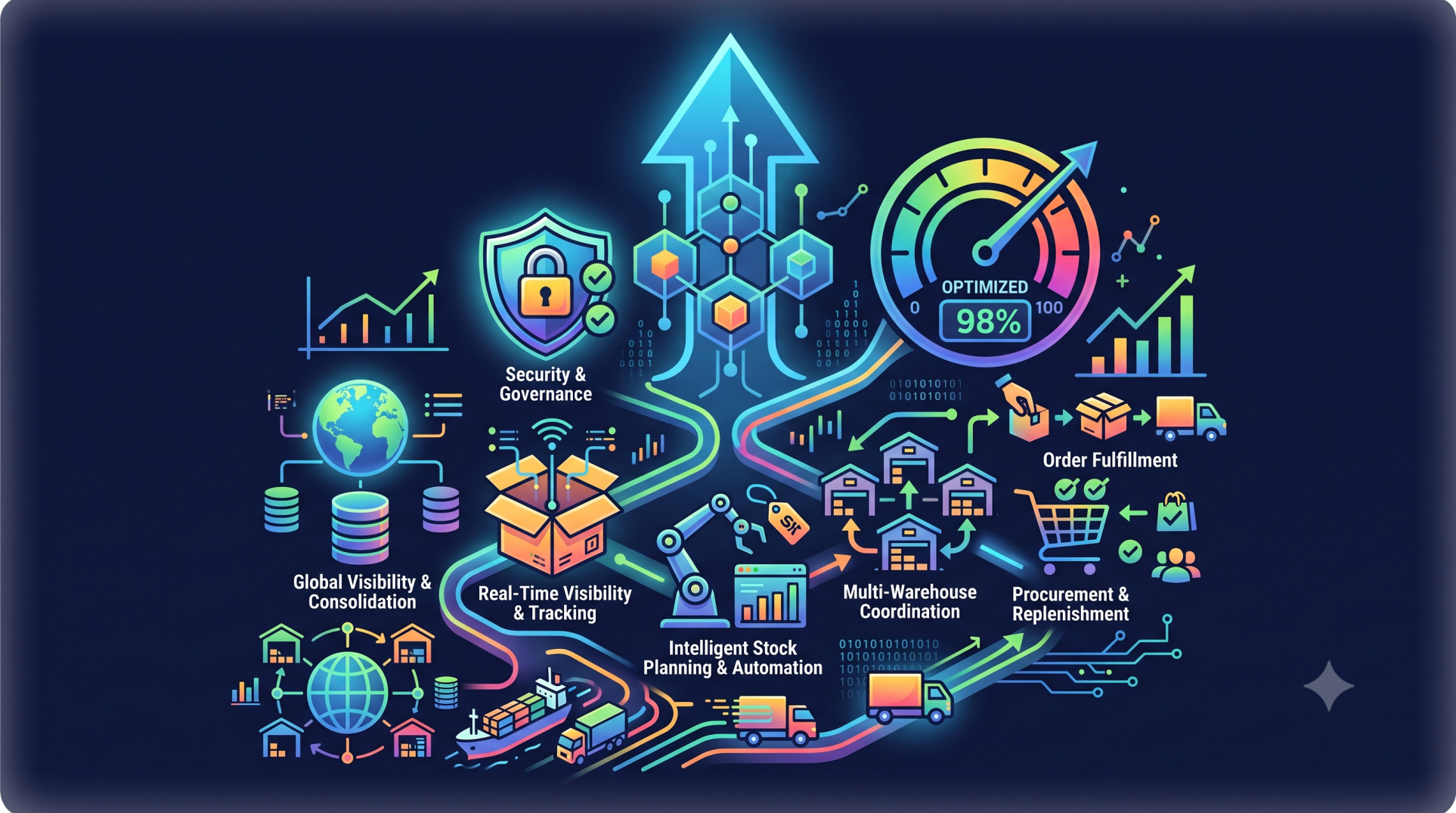
• Control access based on user roles and responsibilities 👥
• Protect confidential business information 🛡️
• Maintain audit trails for knowledge updates 🧾
• Support compliance with internal governance policies 📜
• Ensure secure sharing of enterprise information ✅
Step 8: Key Knowledge Management Priorities ⭐
• Centralized access to trusted business information 📚
• Consistent documentation and standardized processes 📋
• Secure collaboration across business functions 🤝
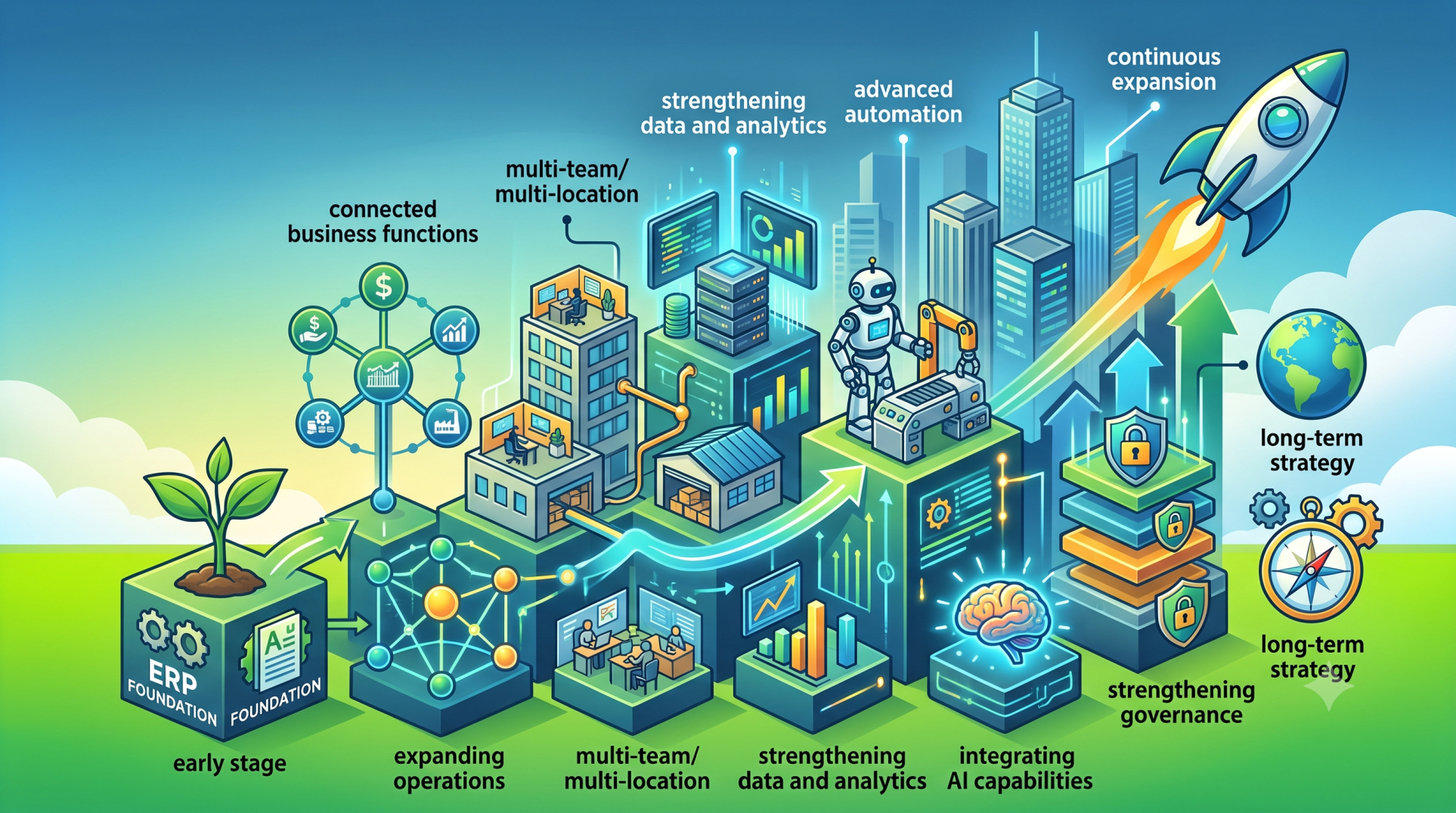
• Scalable knowledge infrastructure for future growth 🚀
Step 9: Maintaining Knowledge Quality 🔄
• Regularly review and update business documentation ✏️
• Archive outdated or obsolete information 📦
• Validate the accuracy of enterprise knowledge ✔️
• Monitor content usage and relevance 📊
• Continuously improve knowledge management practices 🌟
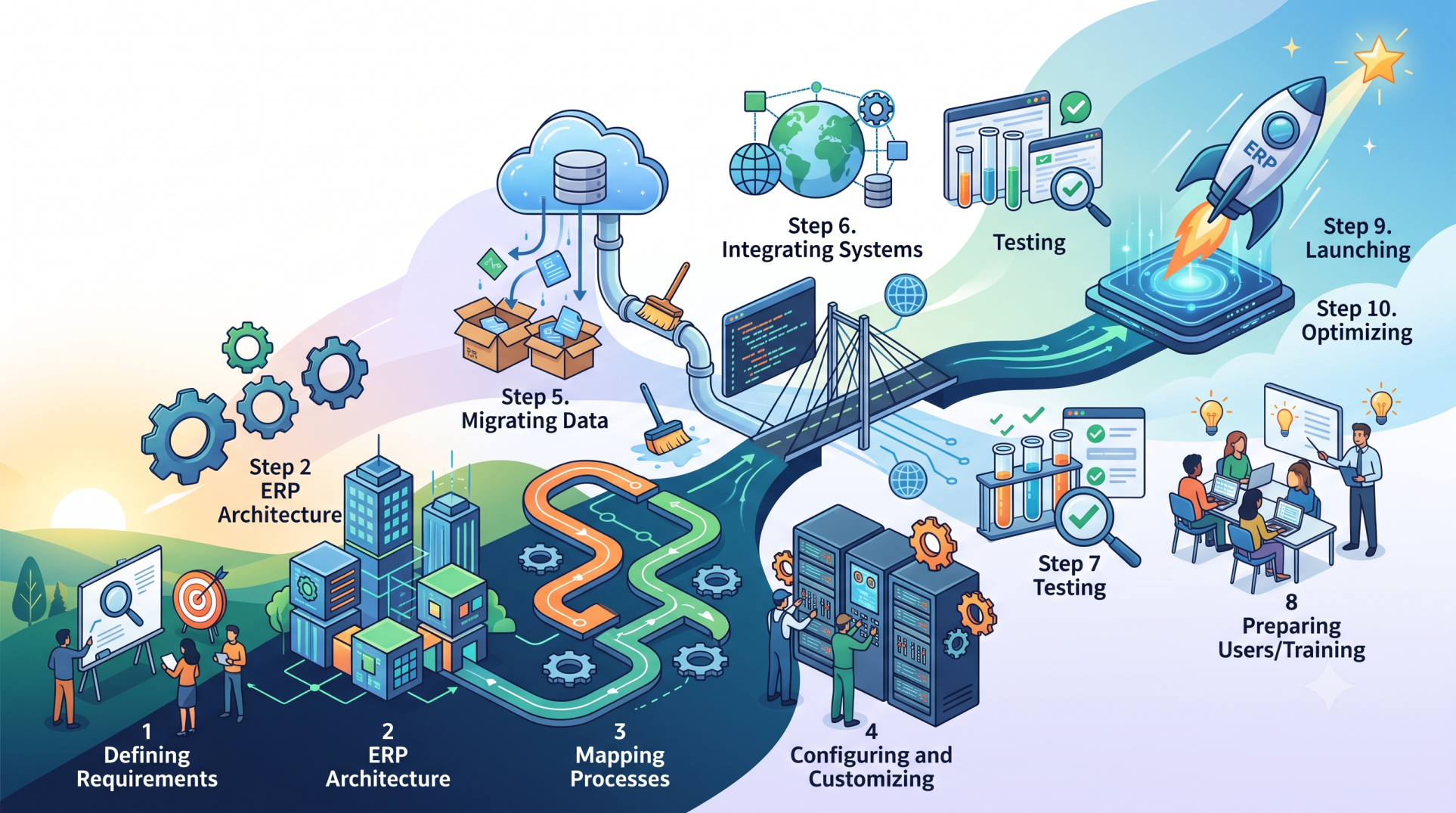
Step 10: Building a Knowledge-Driven Enterprise 🌍
• Design ERP platforms that support continuous learning 📚
• Enable organization-wide knowledge sharing 🌐
• Scale knowledge management as the business grows 📈
• Support innovation through accessible business intelligence 💡
• Create a resilient enterprise built on trusted information 🏗️
Conclusion
ERP platforms play a vital role in enterprise knowledge management by centralizing information, connecting business processes, and making organizational knowledge accessible across departments. By providing secure access to reliable data and supporting collaboration, modern ERP systems help organizations preserve expertise, improve decision-making, and increase operational efficiency. A well-structured knowledge management strategy ensures the enterprise remains agile, informed, and prepared for future growth.
See more blogs
You can all the articles below