ERP for professional Services: Managing Projects and Data
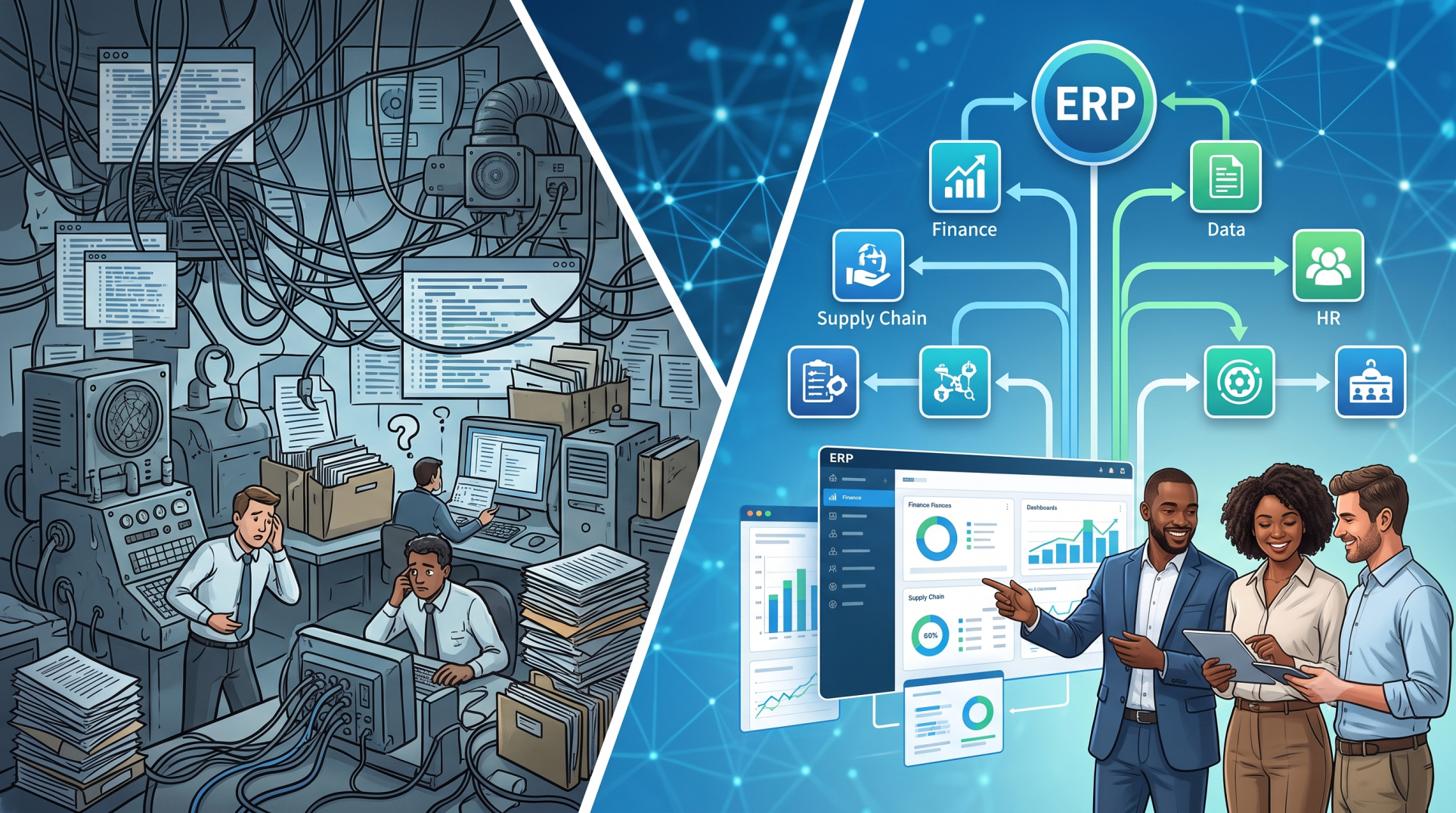
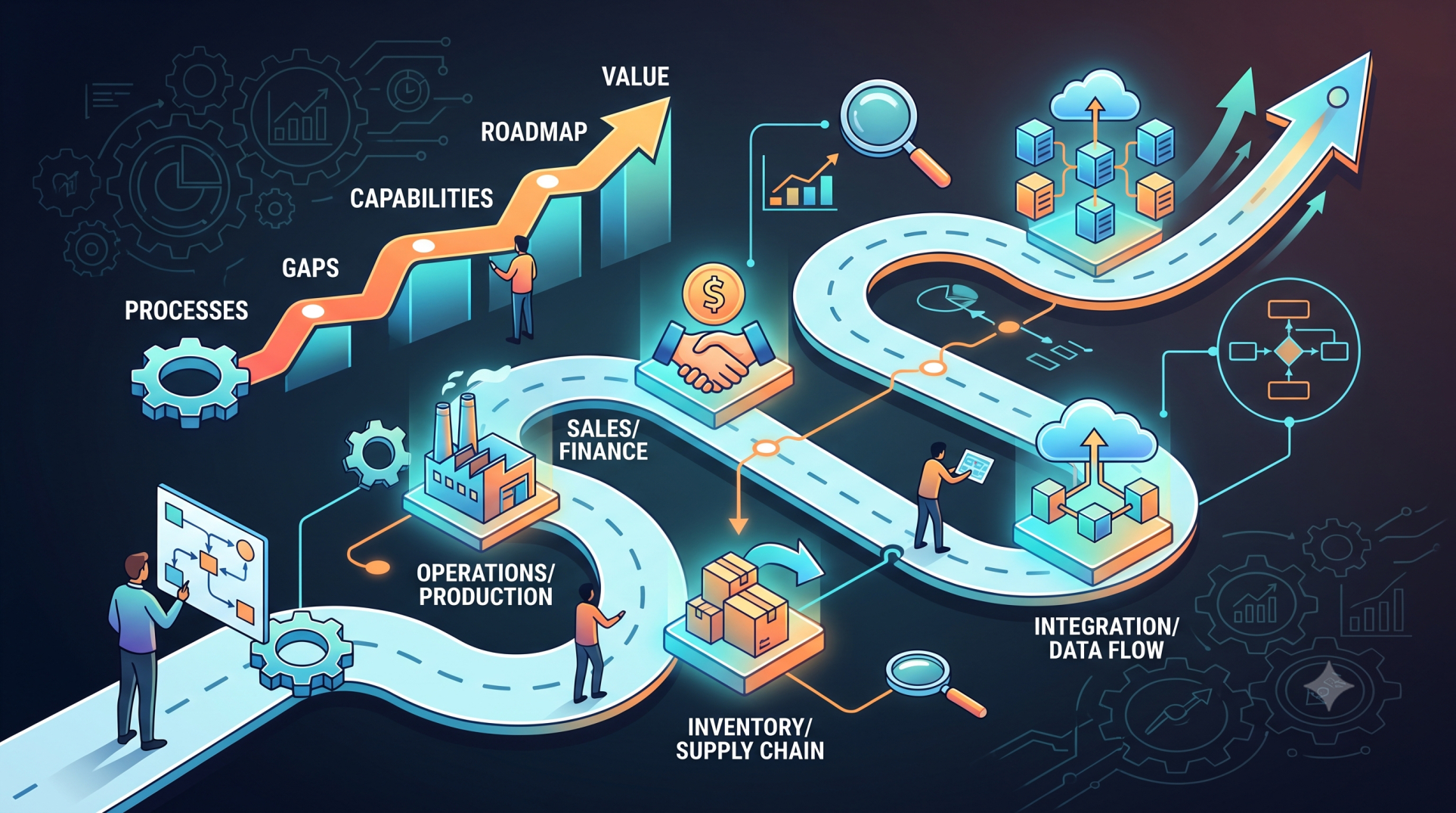
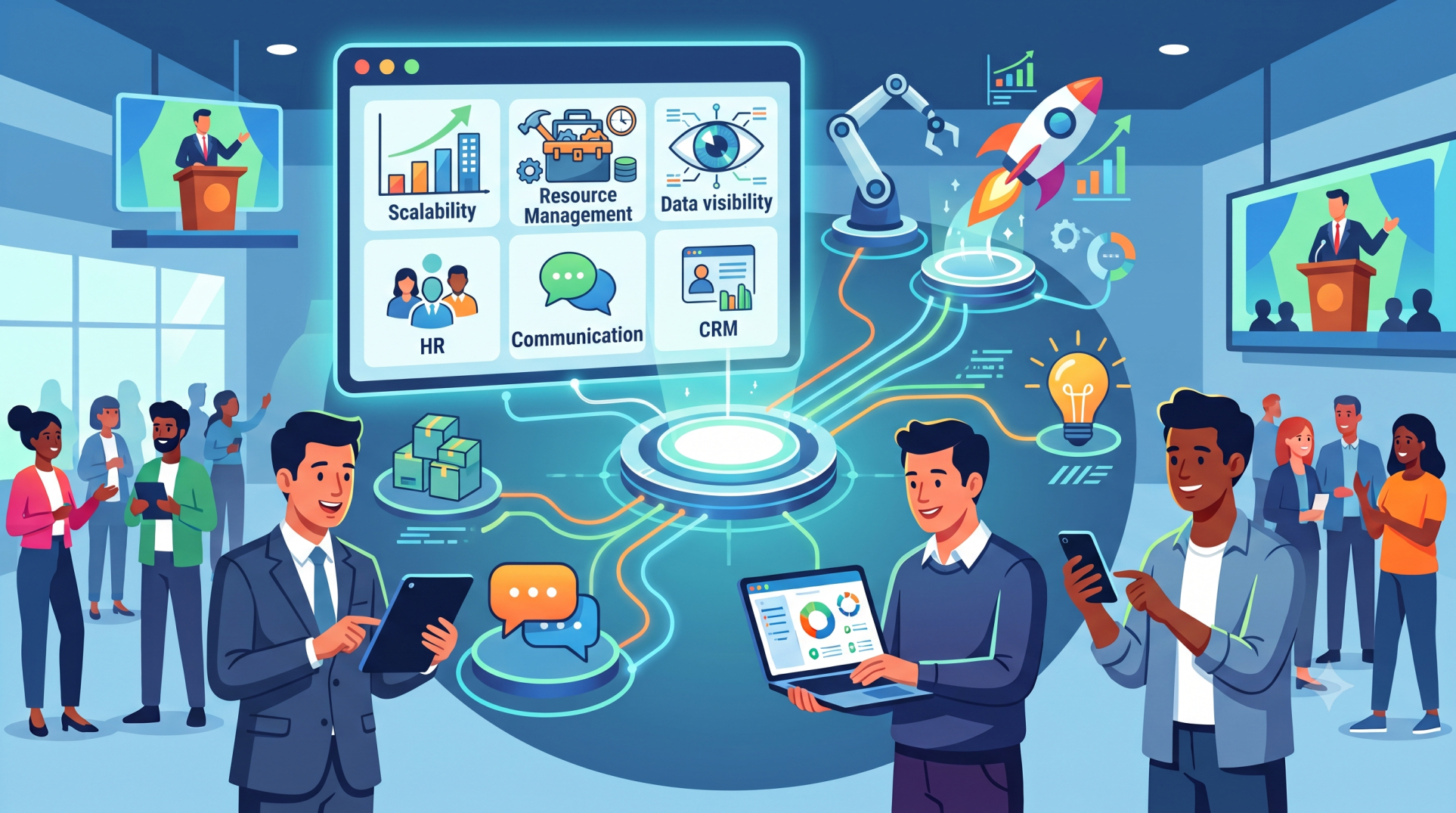
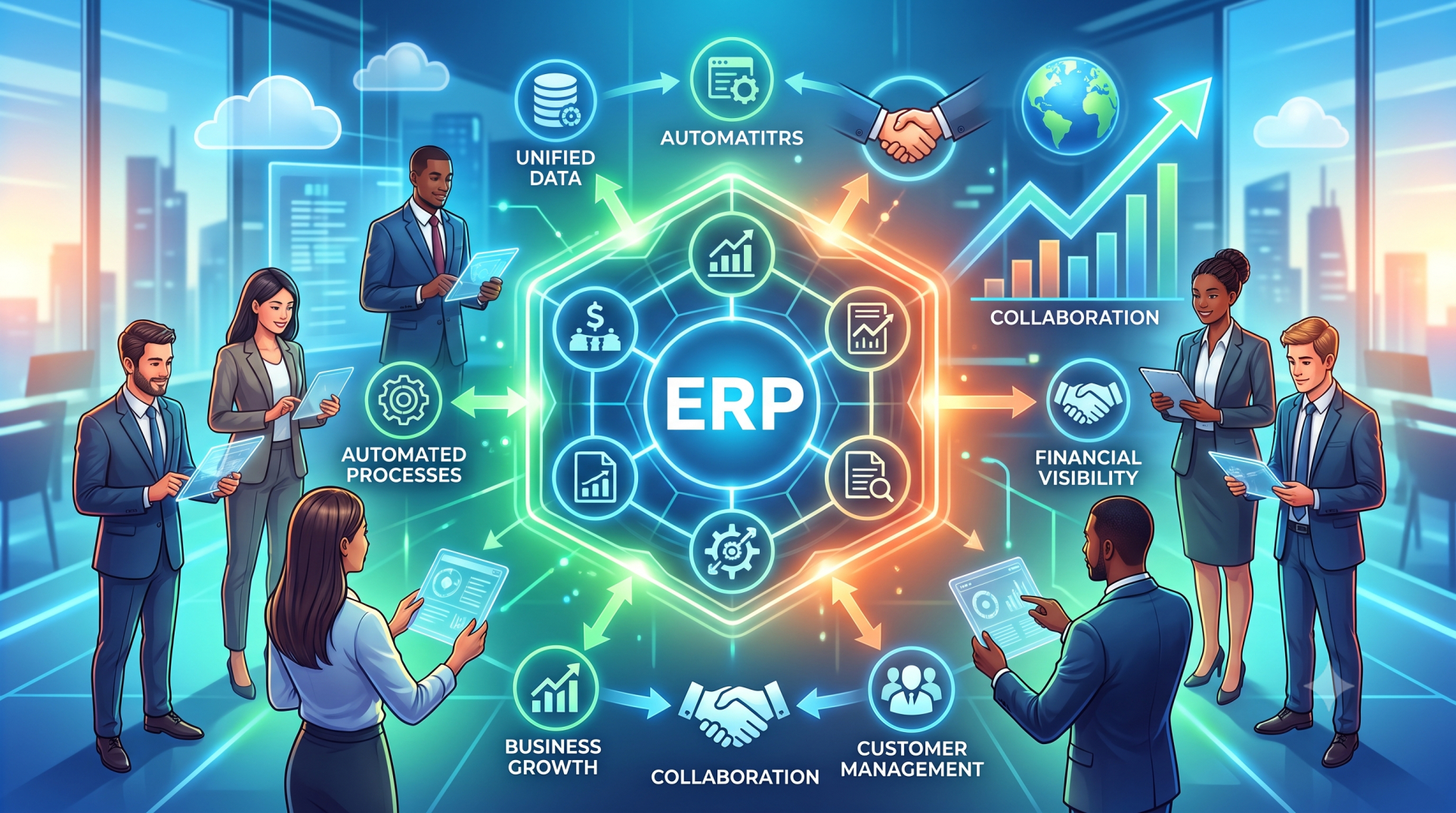
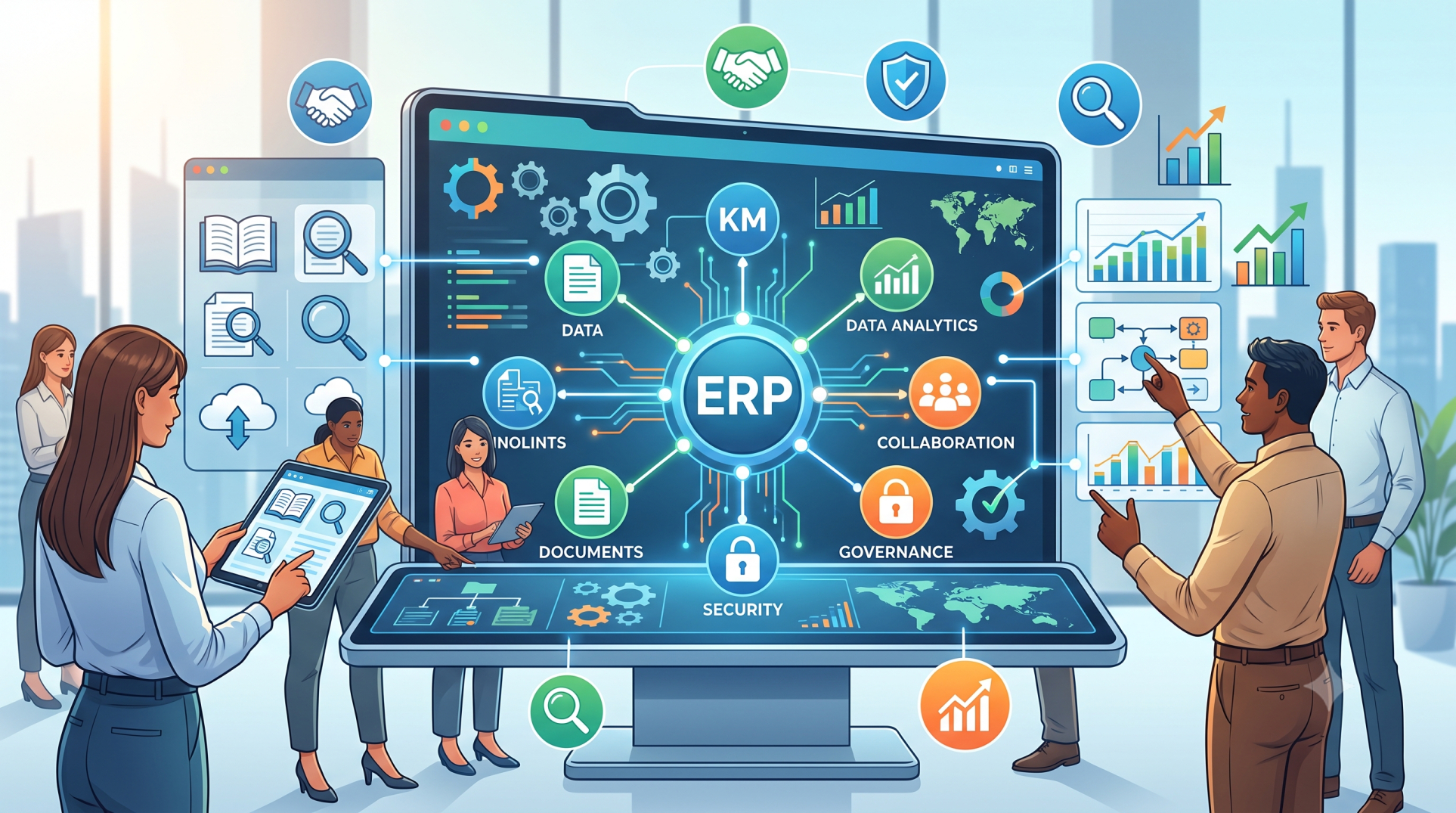
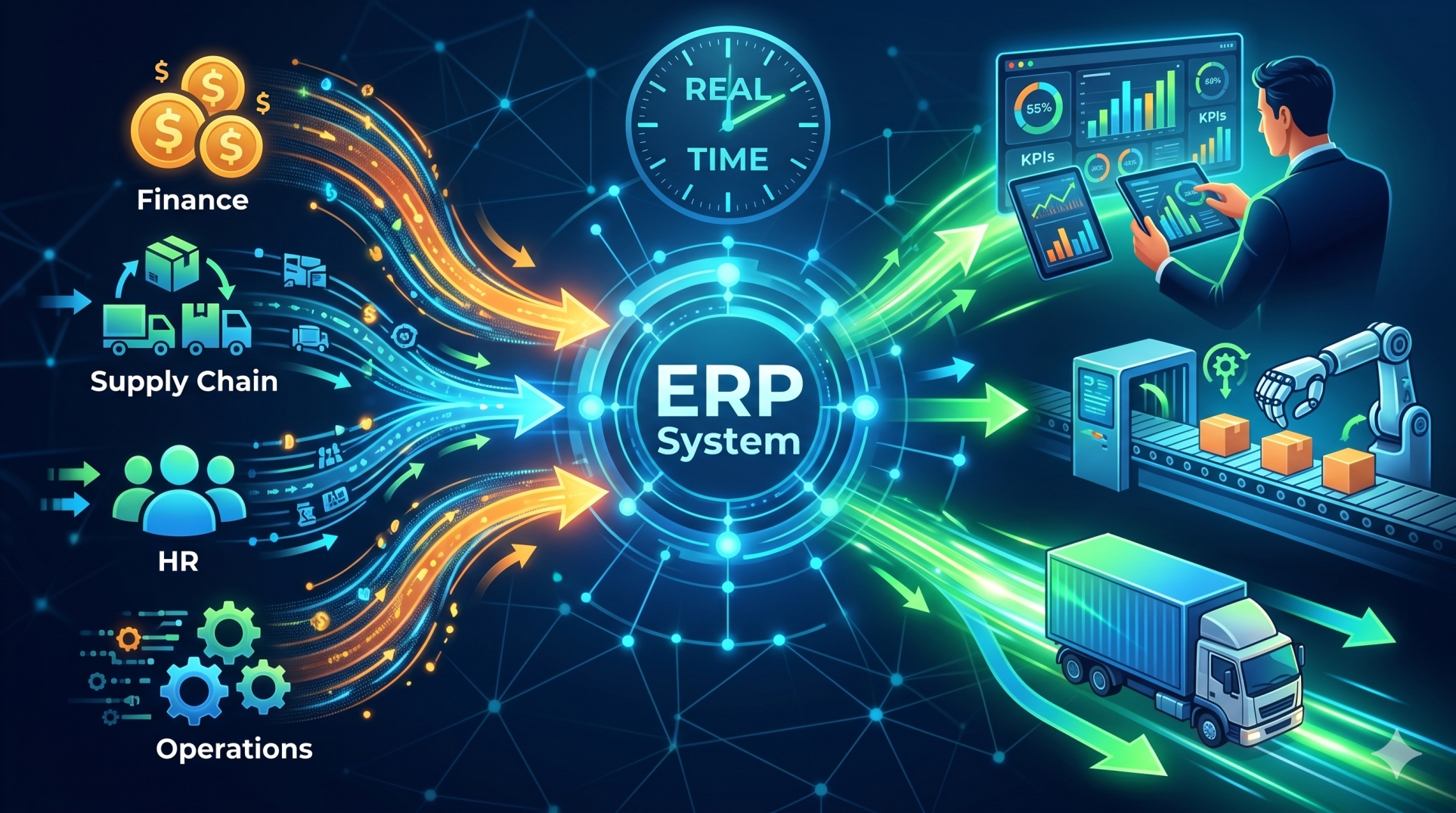
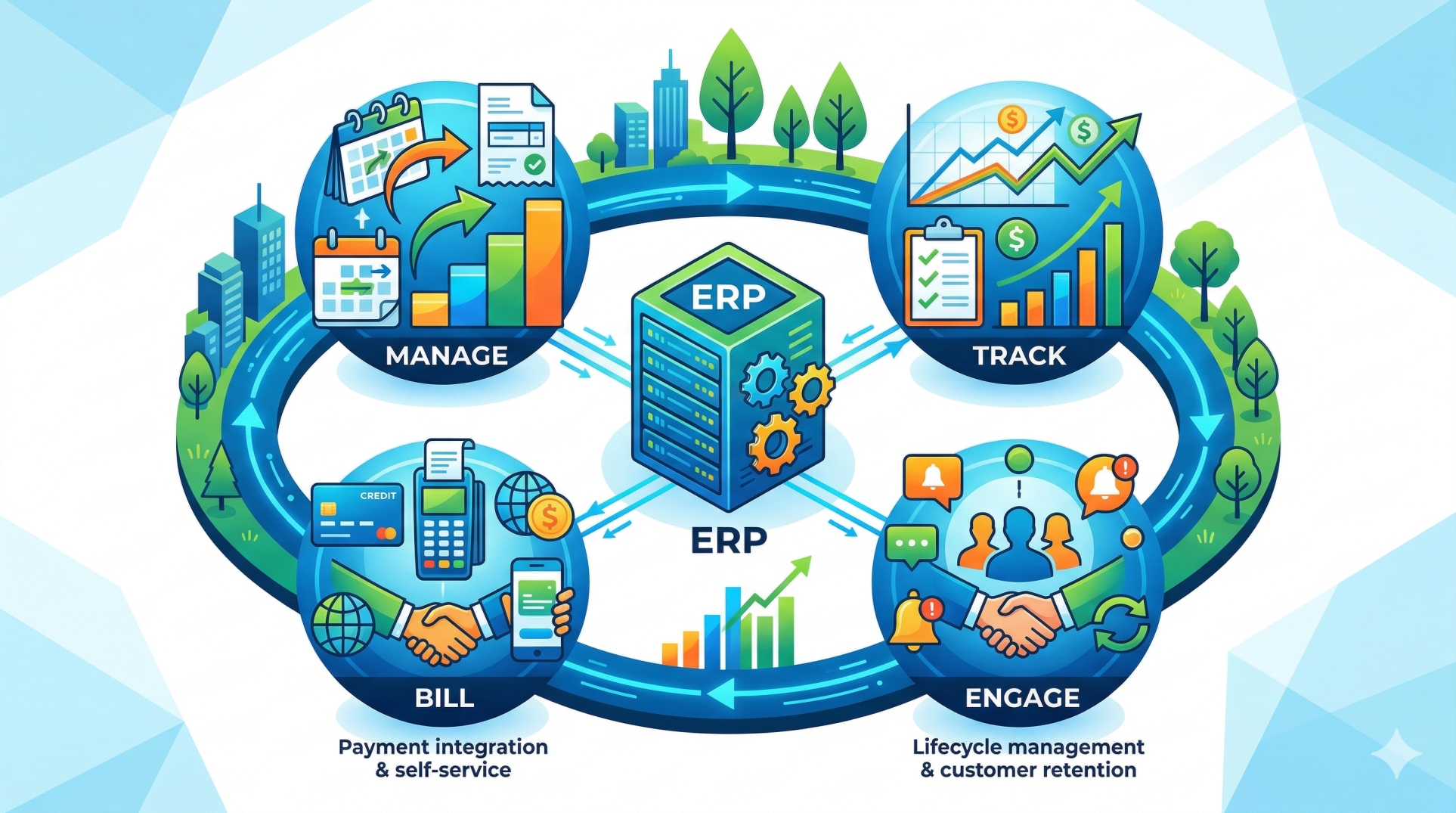
Professional service organizations rely on efficient project execution, accurate resource planning, and reliable business data to deliver value to clients. As projects become more complex and teams work across multiple locations, managing information through disconnected systems can create delays, reduce visibility, and impact profitability. Enterprise Resource Planning (ERP) systems bring project management, financial operations, resource allocation, and business intelligence together in a unified platform, helping organizations improve coordination and achieve better project outcomes.
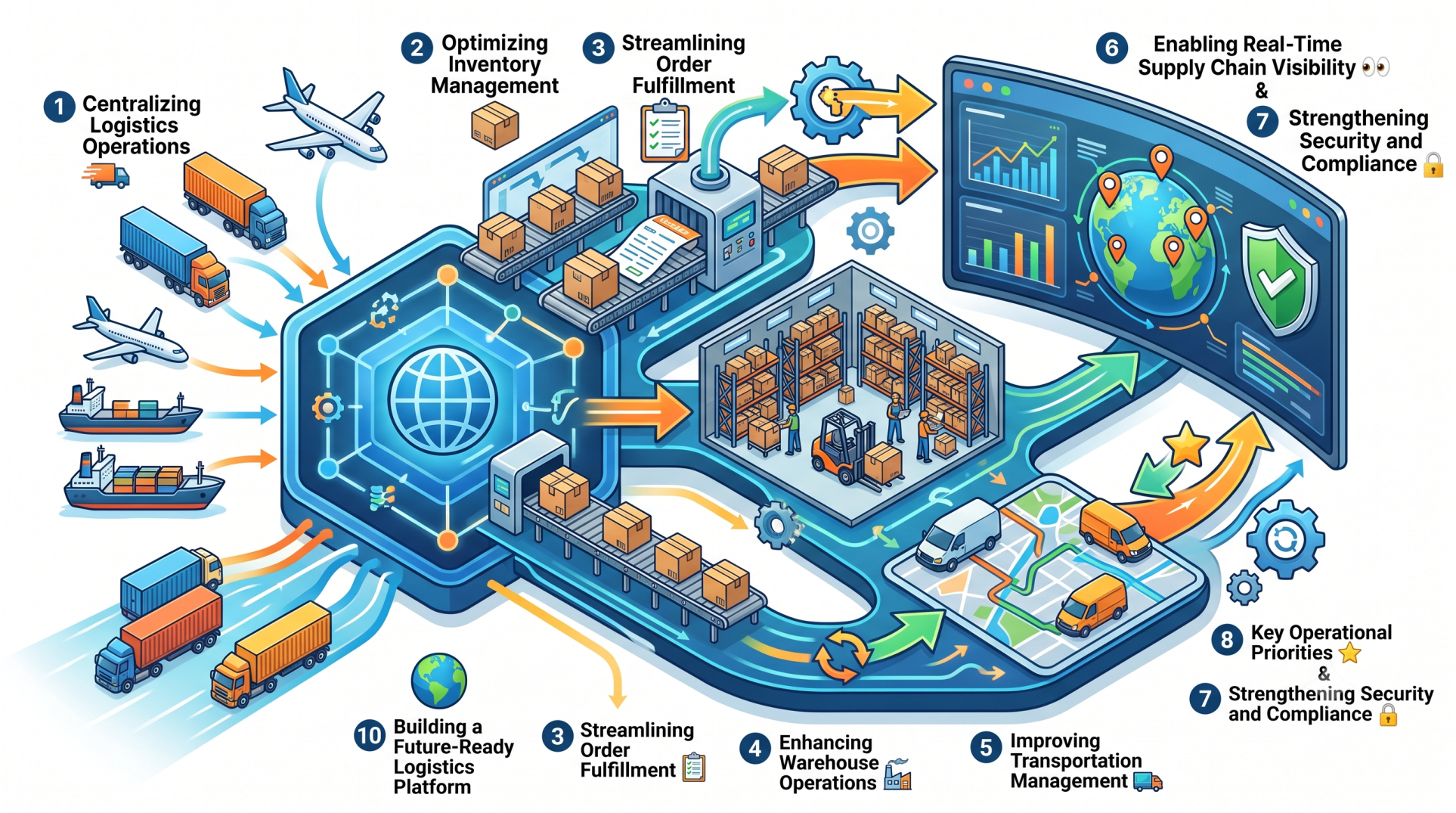
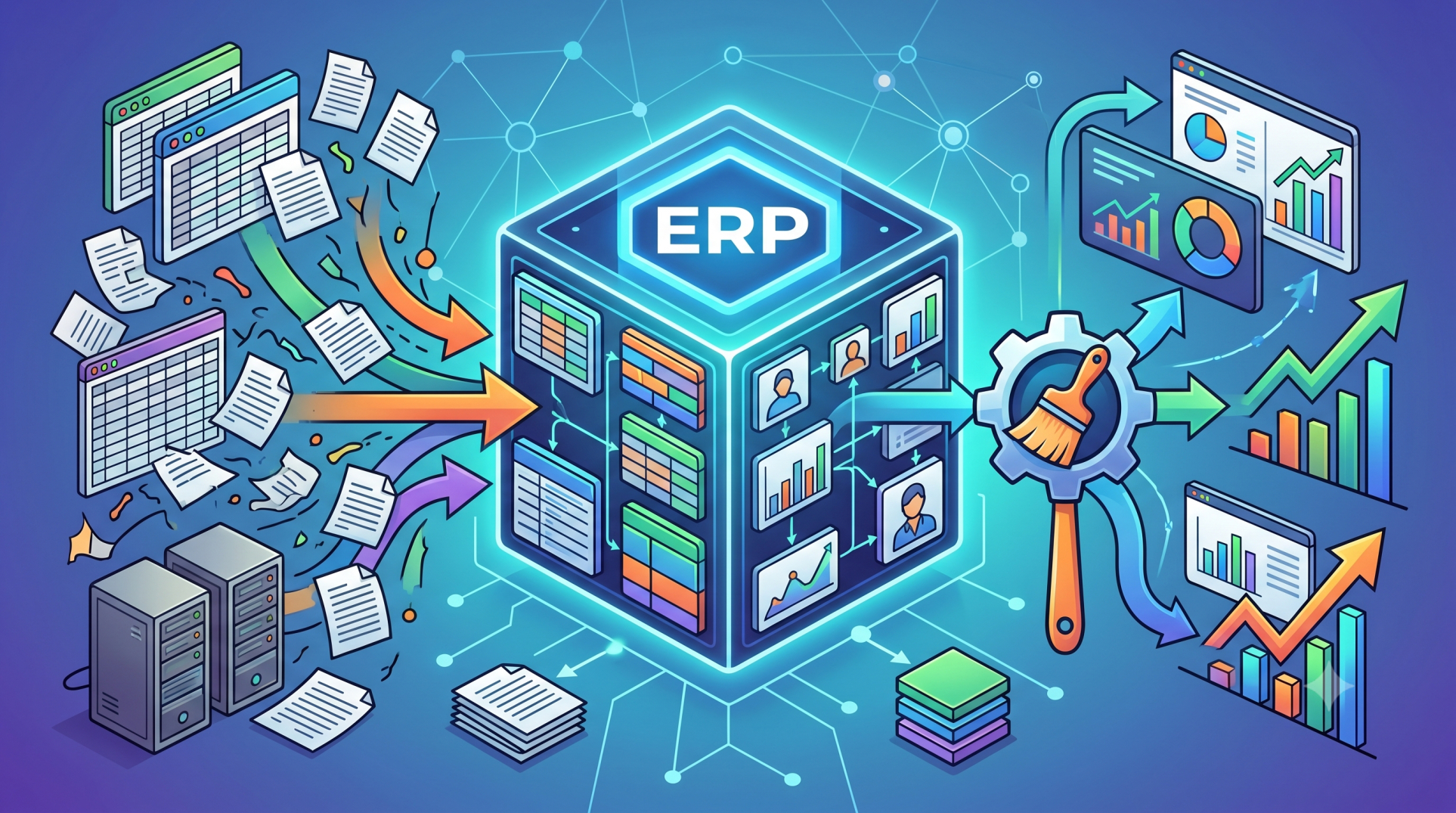
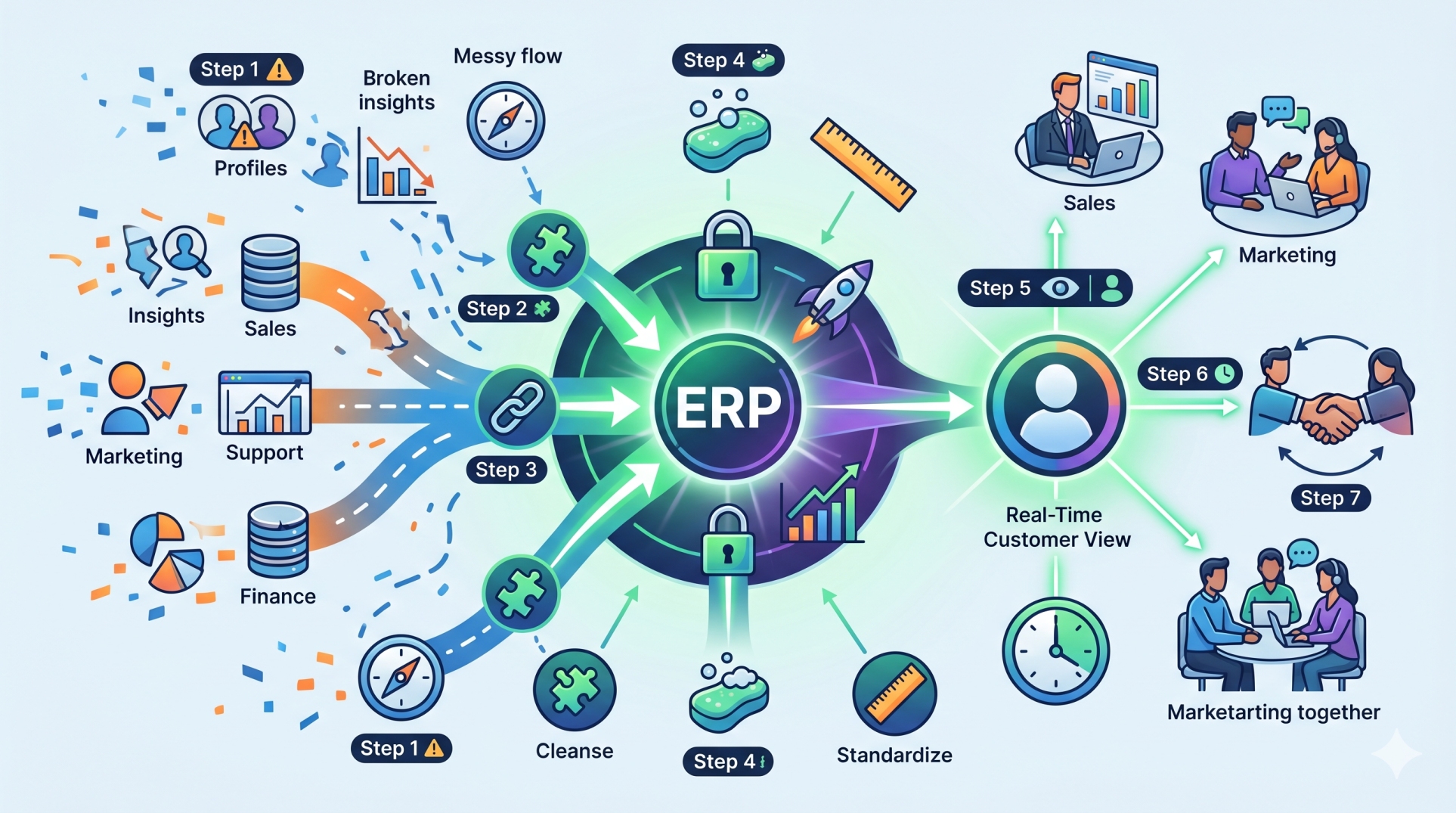
Step 1: Centralizing Project Information 📁
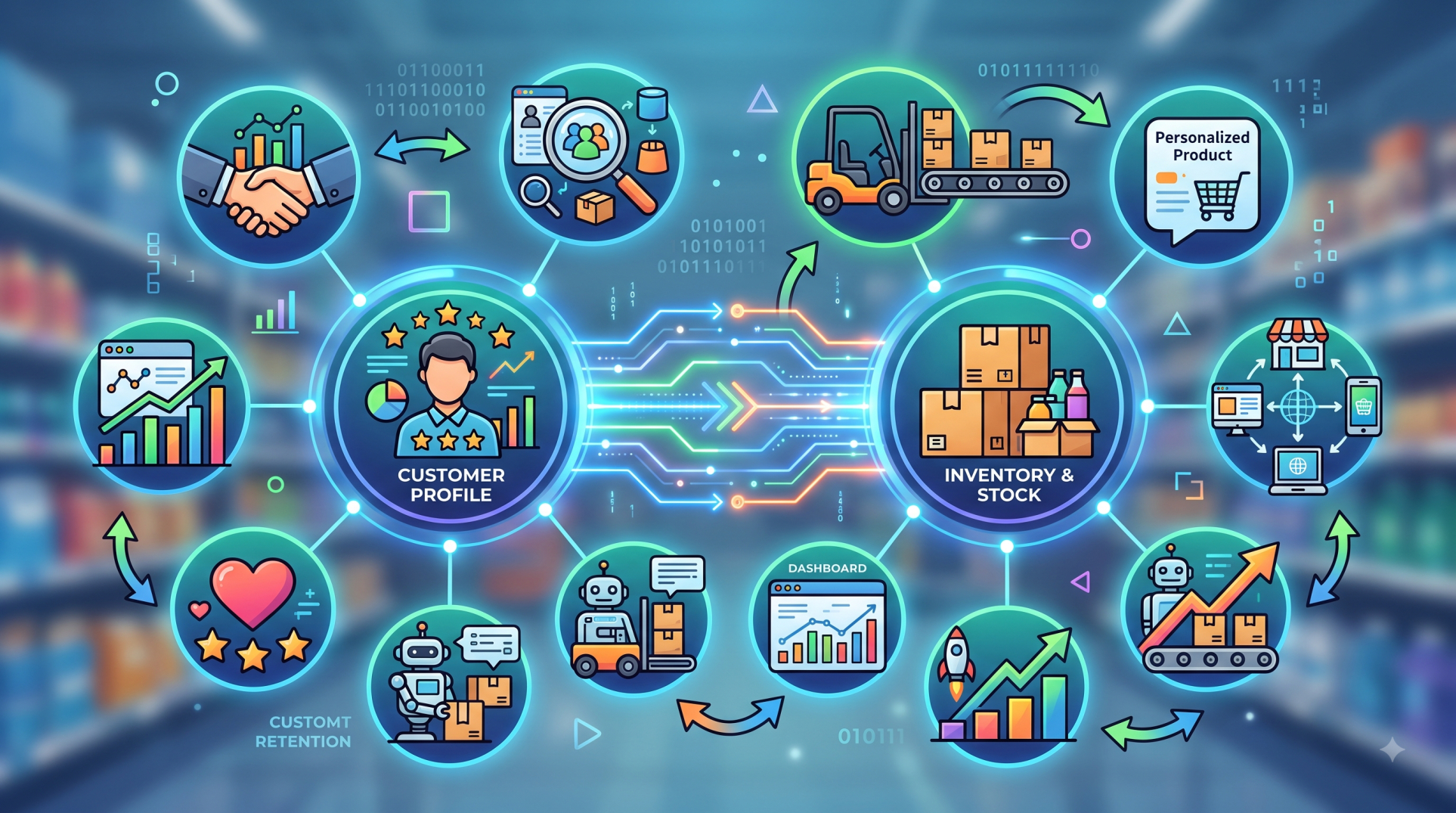
• Store project, client, and financial data within a single platform 📊
• Eliminate information silos across departments 🔄
• Maintain consistent records throughout the project lifecycle ✅
• Improve collaboration between project teams 🤝
• Create a reliable source of business information 🏢
Step 2: Streamlining Project Planning 📅
• Organize project timelines and milestones efficiently 🗓️
• Allocate resources based on project priorities 👥
• Define project objectives and deliverables clearly 🎯
• Improve scheduling accuracy across multiple projects ⚙️
• Support better planning for future engagements 📈
Step 3: Managing Resources Effectively 👨💼
• Assign the right professionals to the right projects 🧩
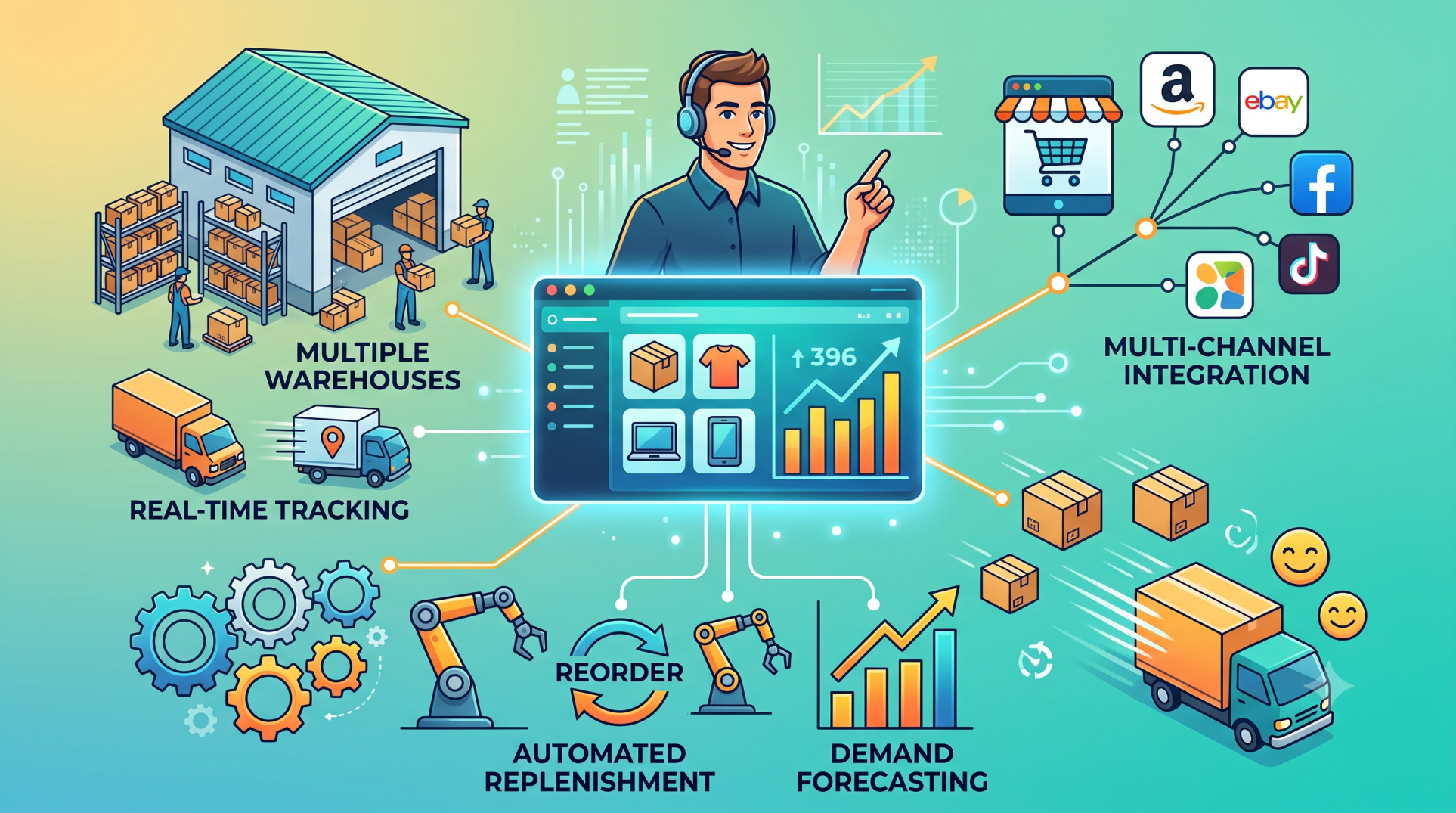
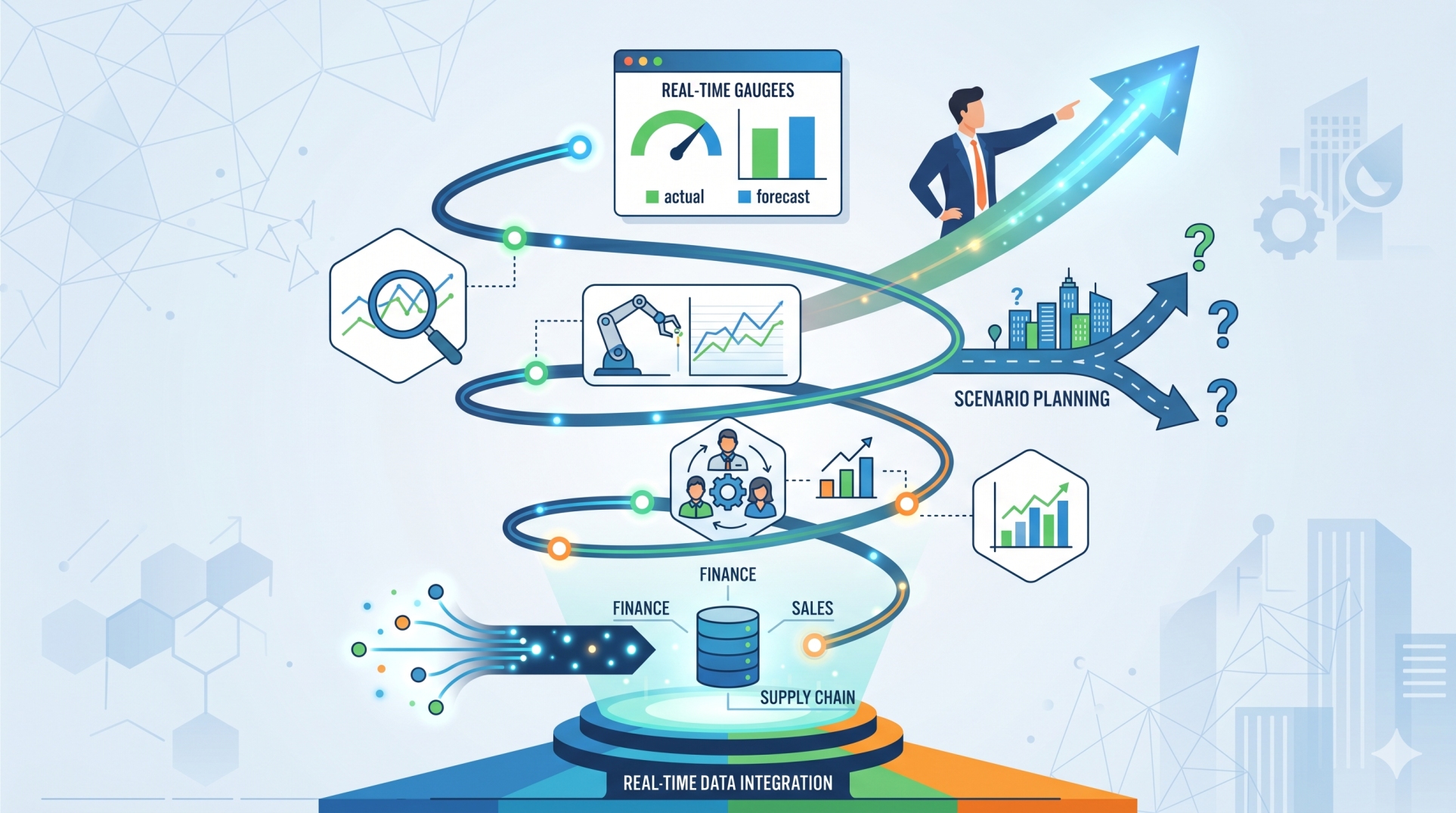
• Monitor team availability in real time 📡
• Balance workloads across departments ⚖️
• Optimize resource utilization to improve productivity 🚀
• Reduce scheduling conflicts and delays ⏱️
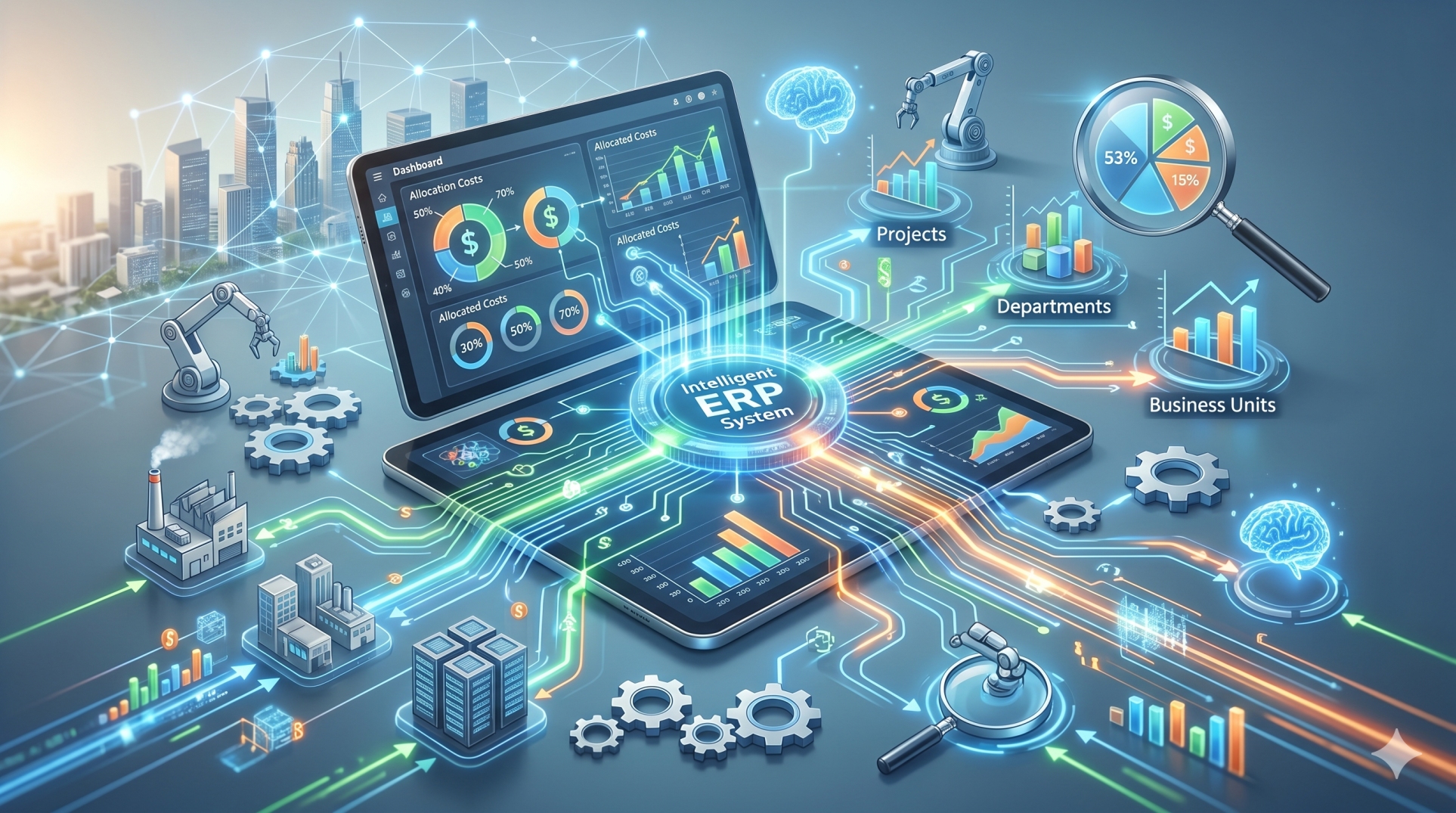
Step 4: Improving Financial Visibility 💰
• Track project budgets and expenditures accurately 📊
• Monitor billing and invoicing throughout project execution 🧾
• Analyze profitability across clients and engagements 📈
• Improve financial forecasting with real-time data 💡
• Support informed business decisions through transparent reporting 📋
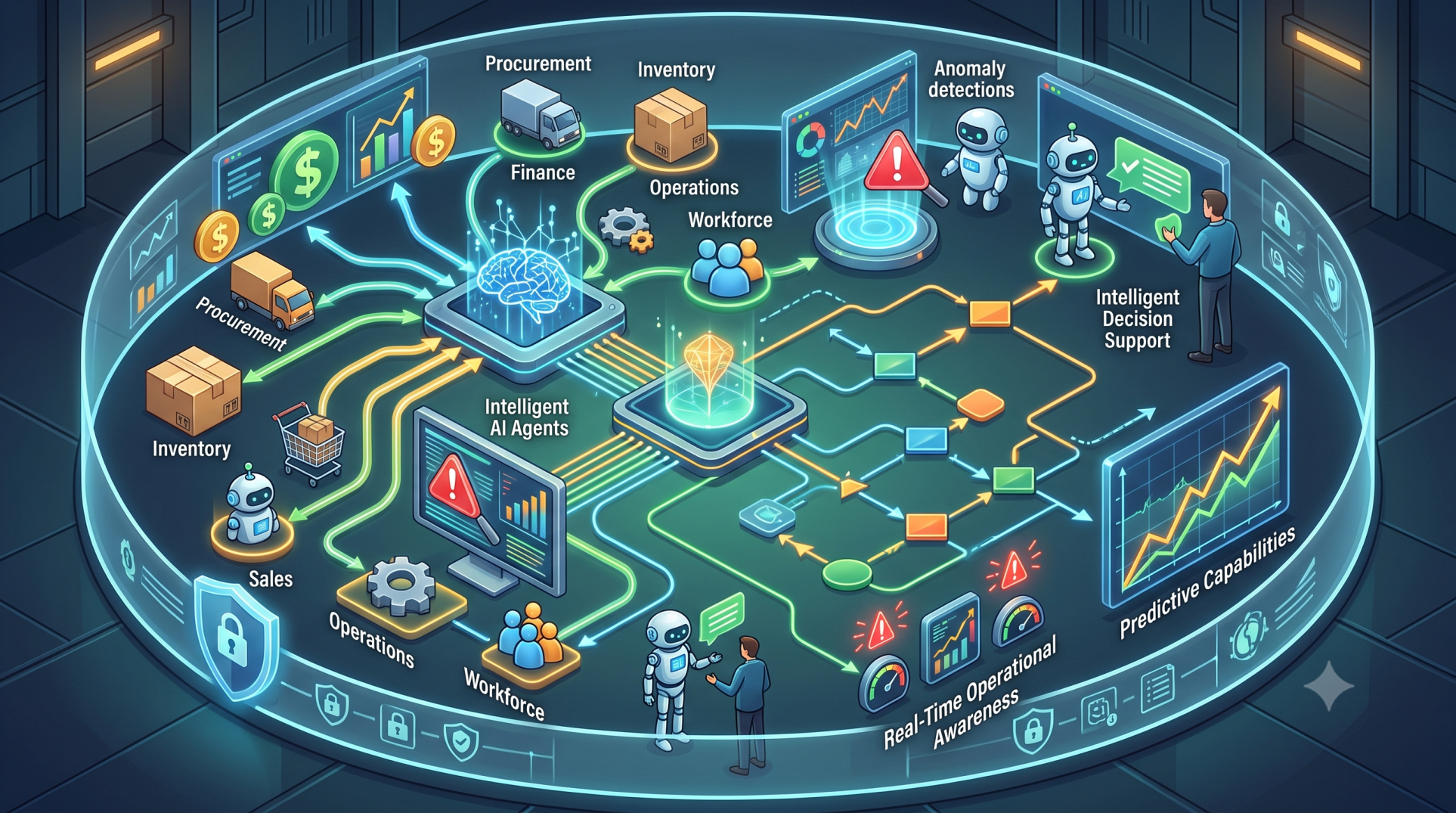
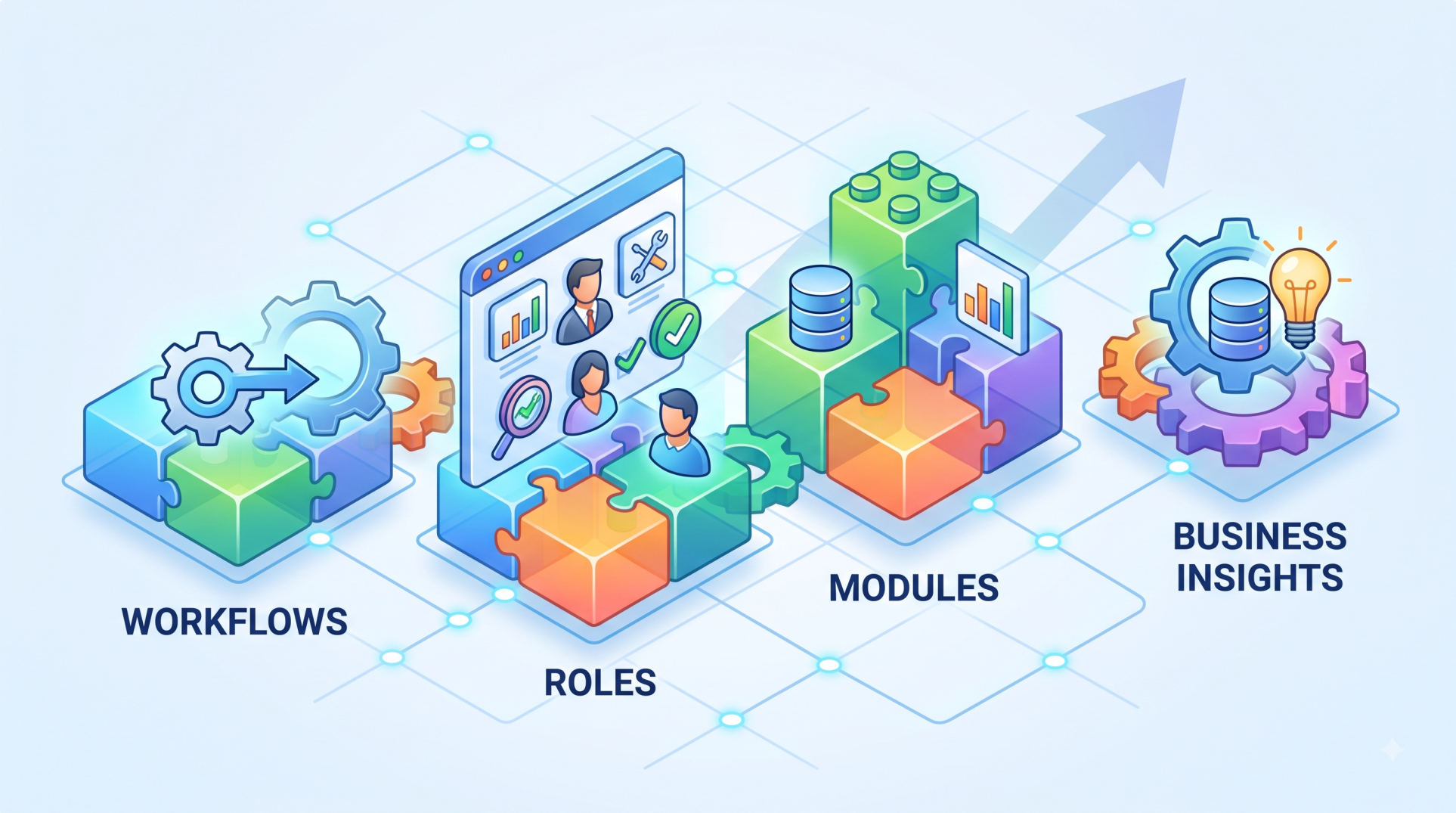
Step 5: Automating Business Workflows 🤖
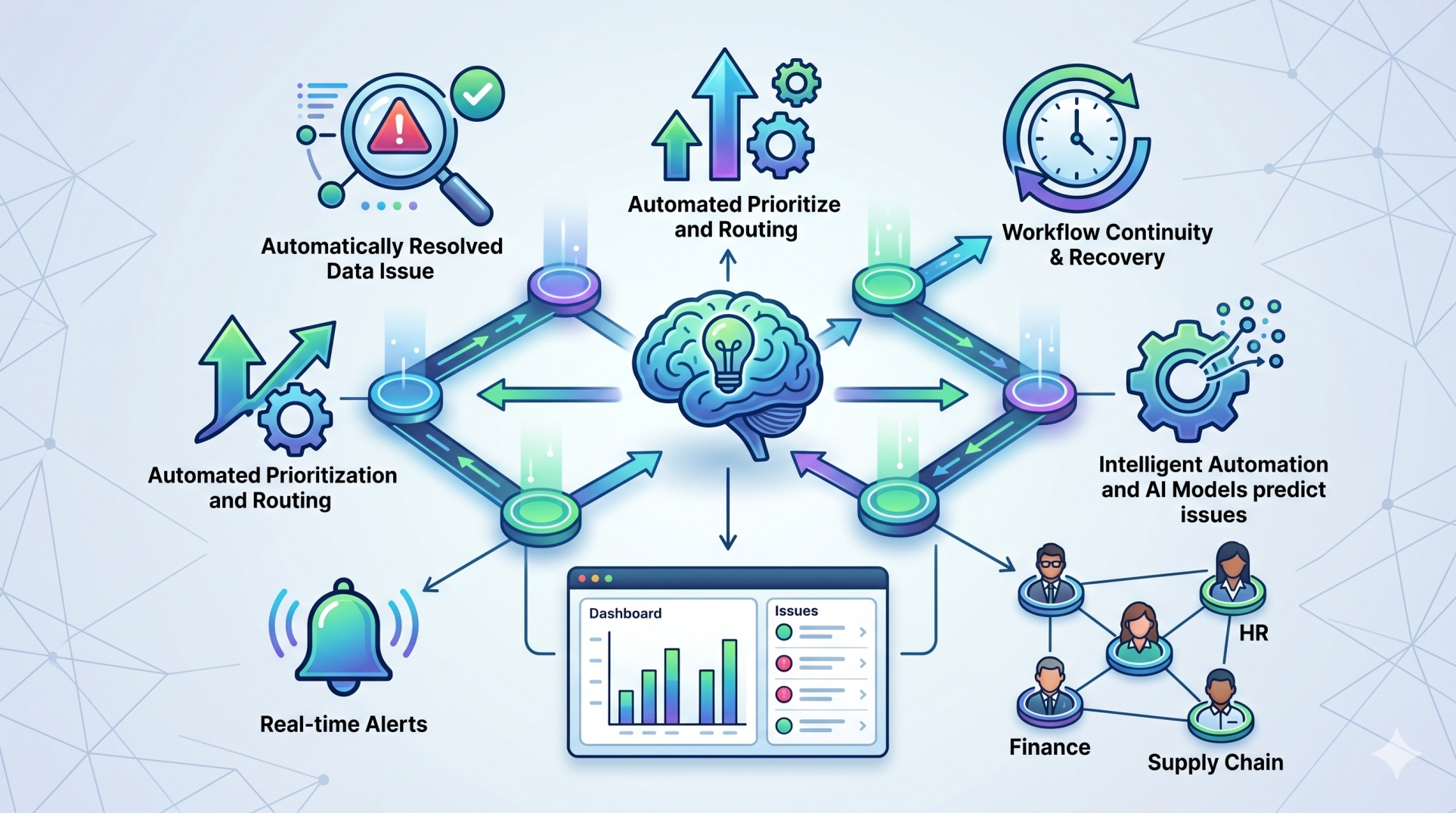
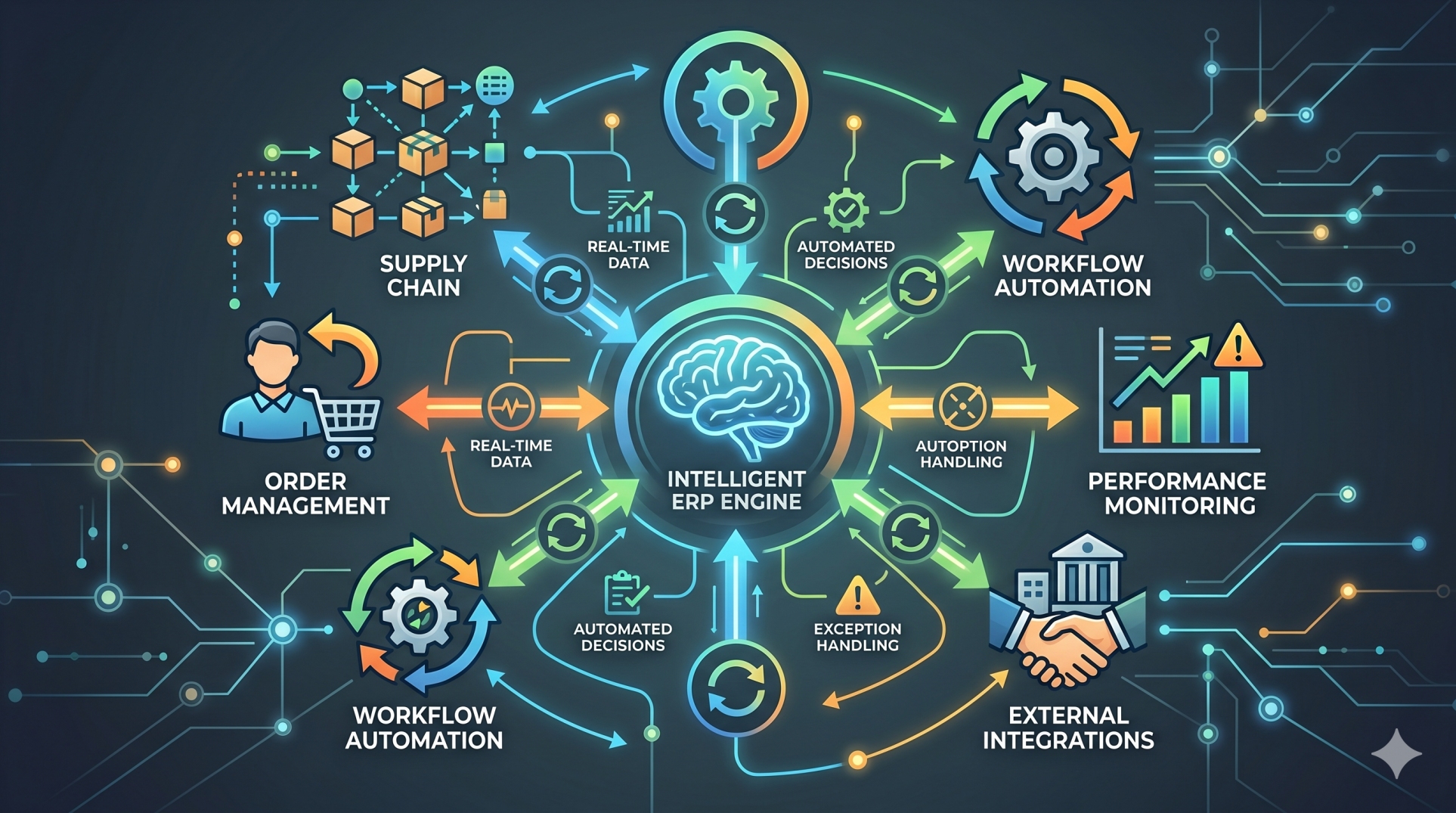
• Automate approvals, notifications, and recurring tasks ⚙️
• Reduce manual data entry across business processes ✍️
• Improve consistency in project execution ✅
• Accelerate administrative operations ⏳
• Increase overall operational efficiency 🚀
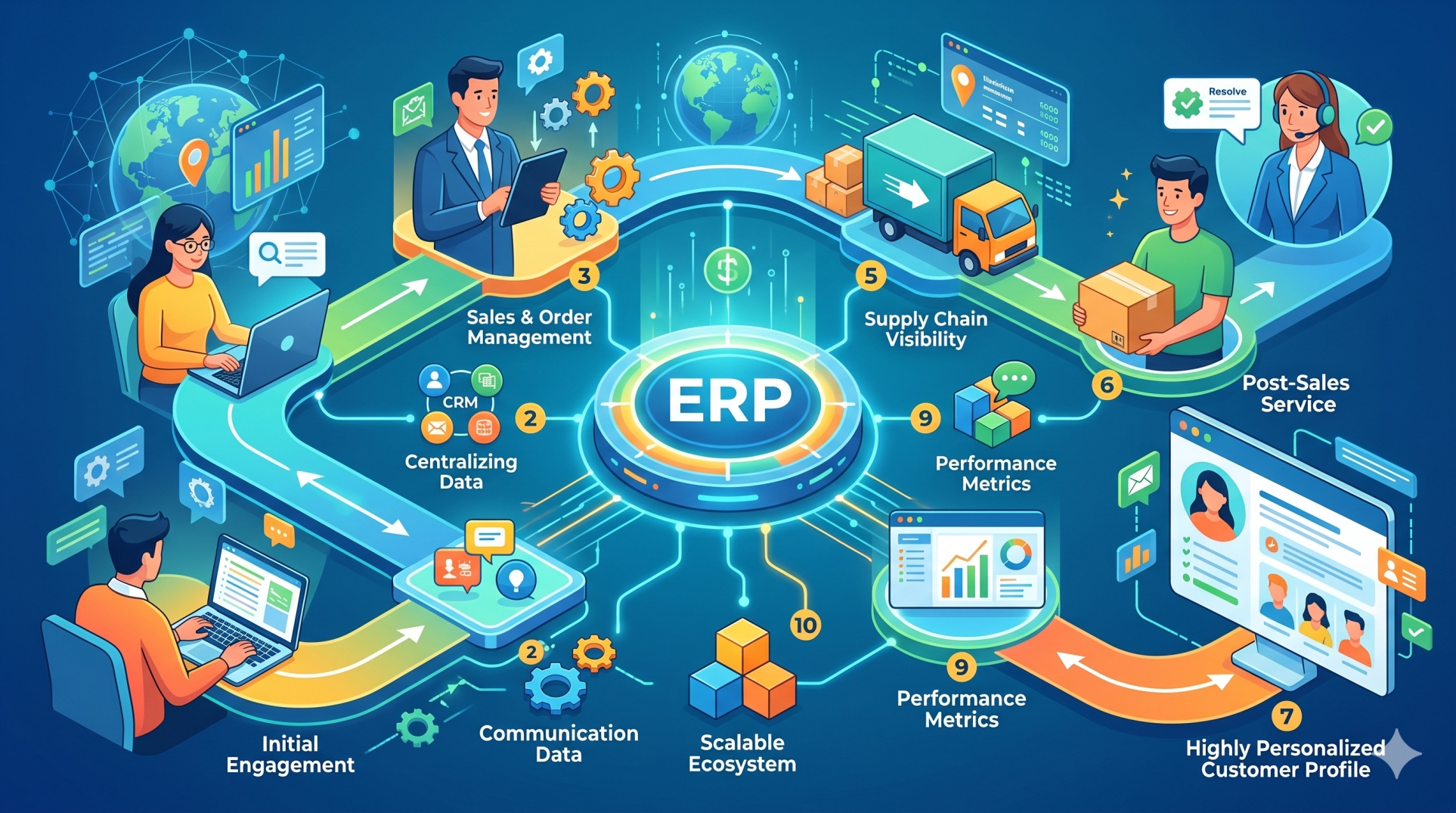
Step 6: Enhancing Collaboration and Communication 💬
• Share project updates across teams instantly 📢
• Maintain centralized documentation for every engagement 📂
• Improve coordination between project managers and stakeholders 🤝
• Enable secure information sharing across departments 🔐
• Strengthen collaboration throughout the organization 🌐
Step 7: Monitoring Project Performance 📊
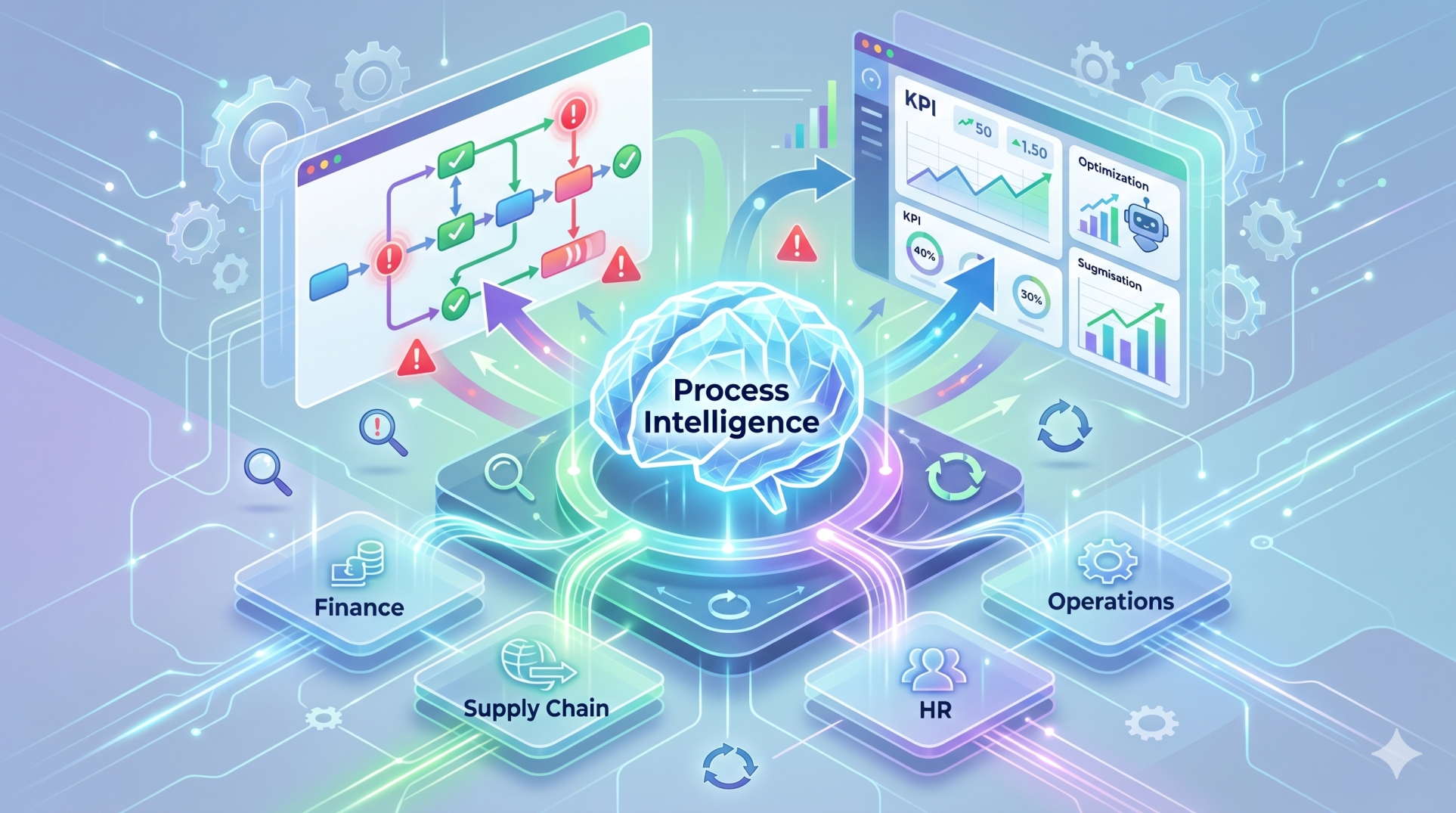
• Track project progress using real-time dashboards 📈
• Measure productivity and resource utilization 👀
• Identify potential risks before they affect delivery ⚠️
• Evaluate project performance against business goals 🎯
• Support continuous operational improvement 💡
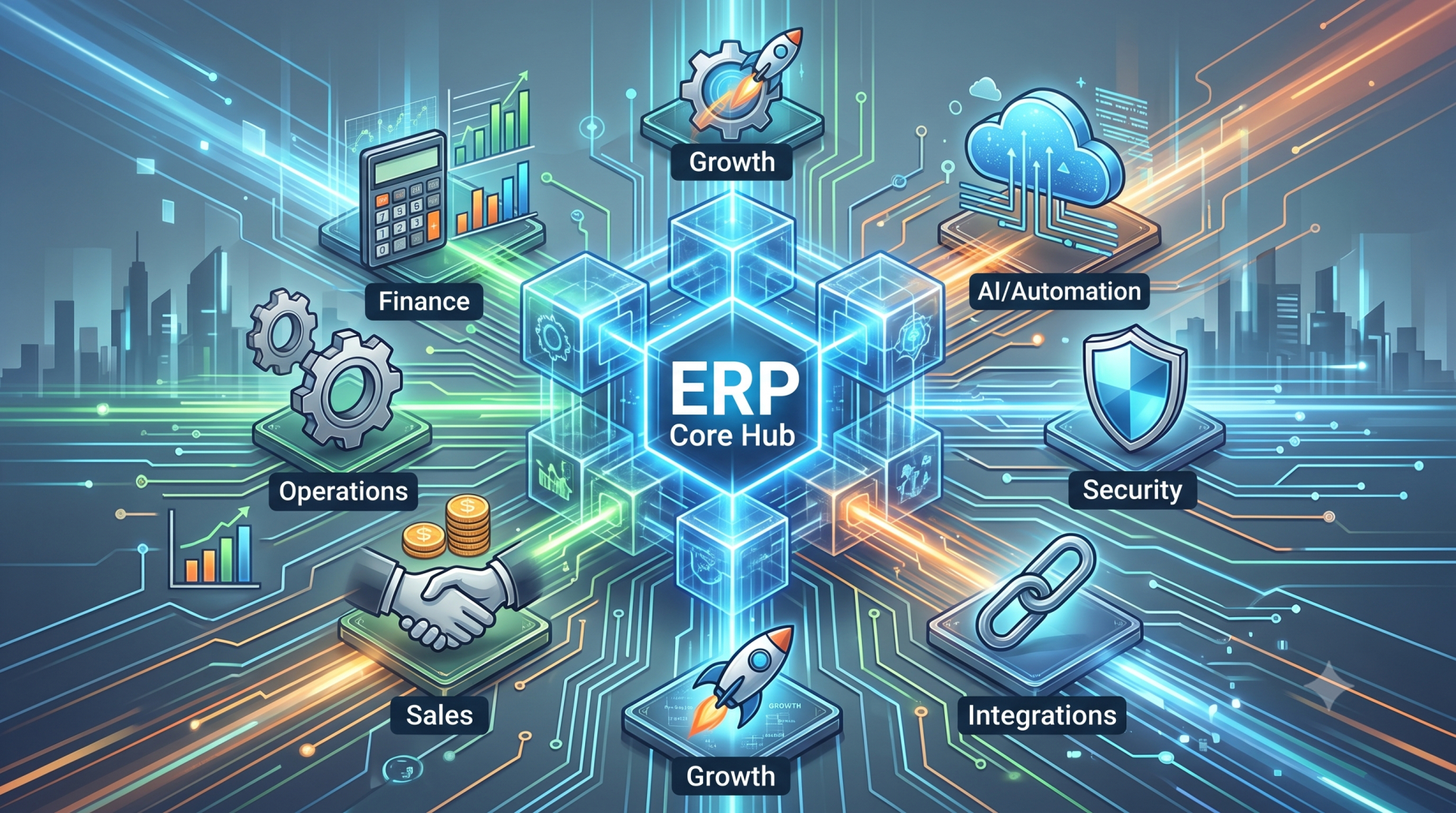
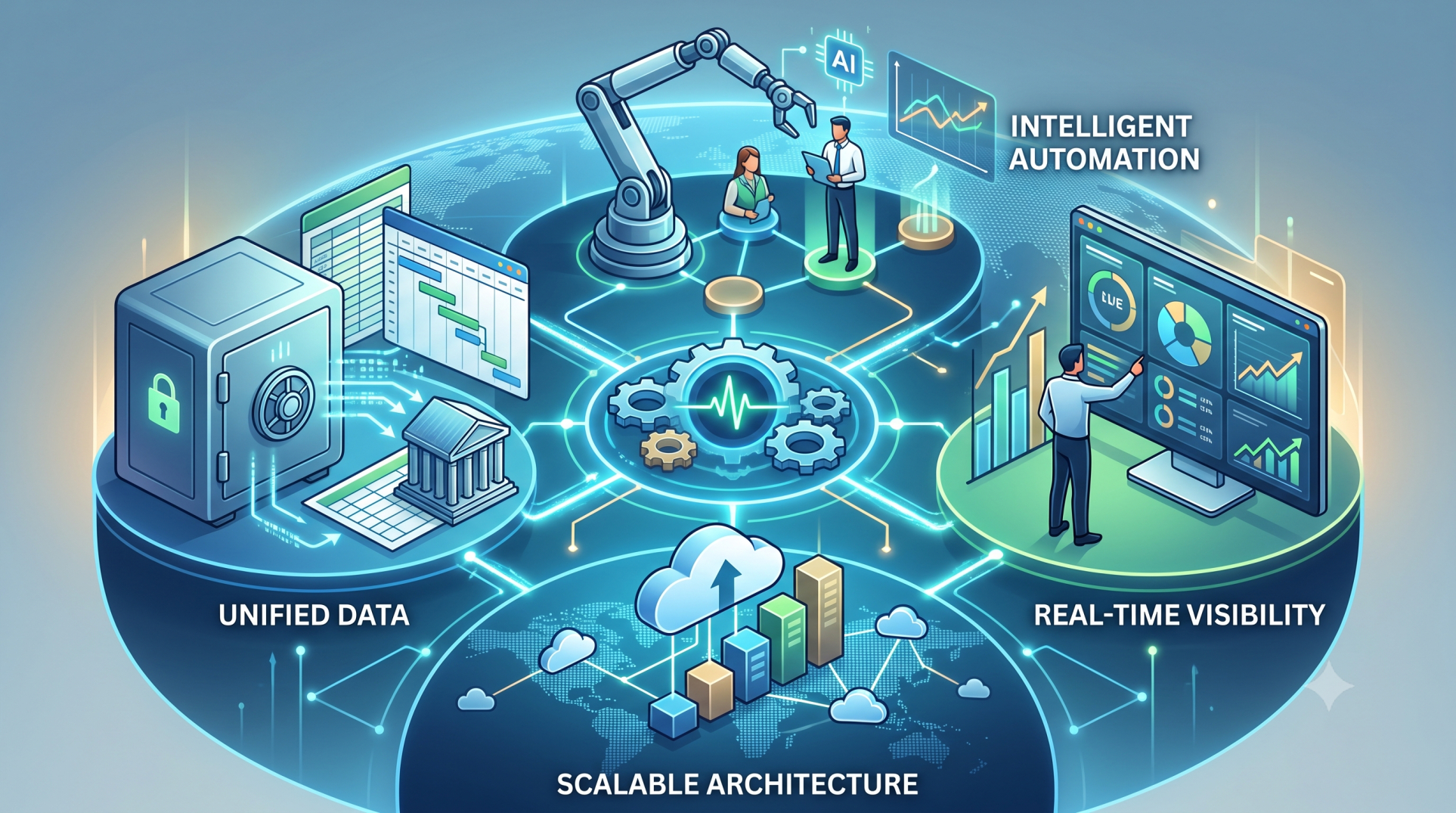
Step 8: Key ERP Priorities for Professional Services ⭐
• Unified project and business data 📁
• Automated workflows that improve efficiency ⚙️
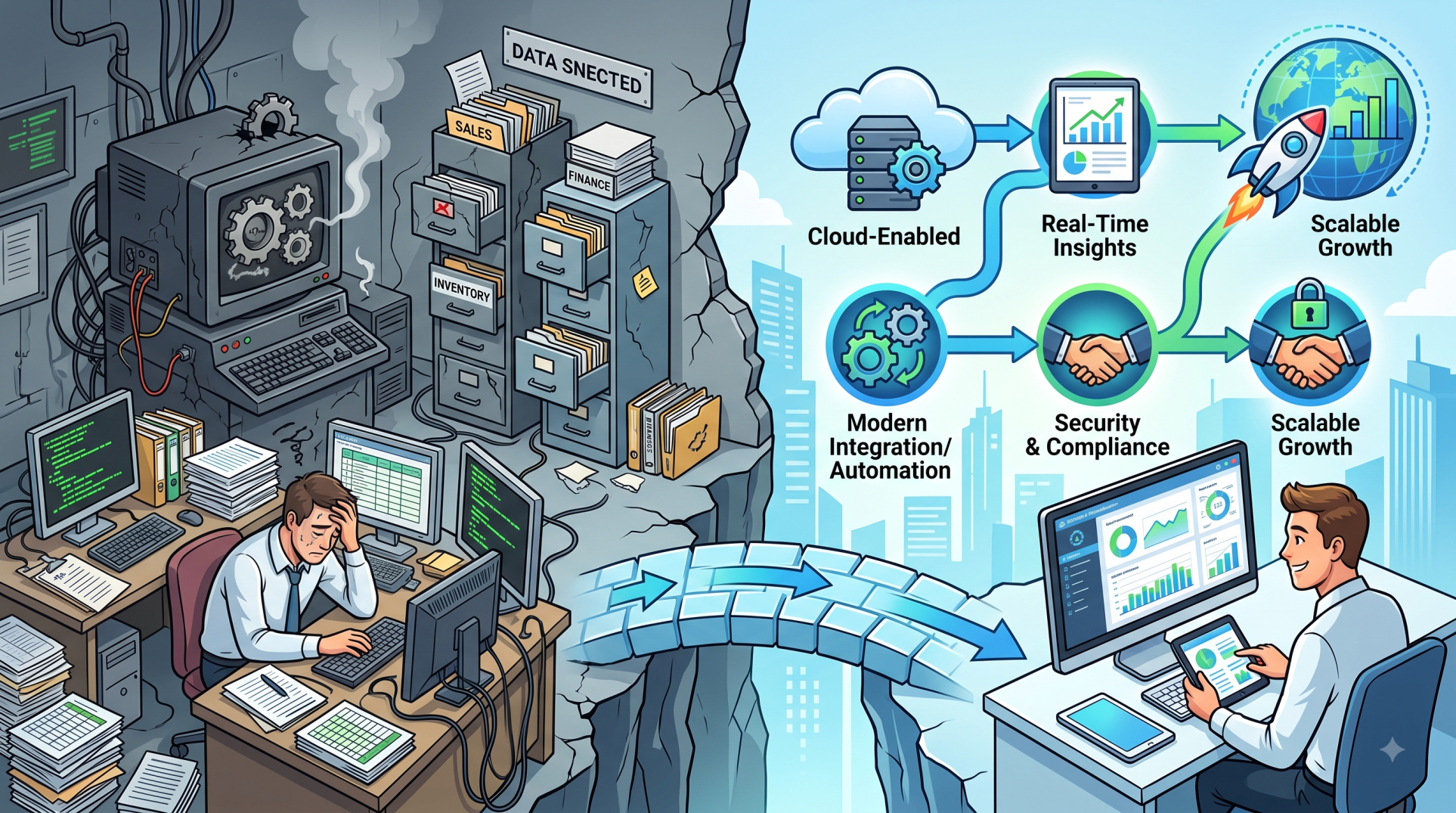
• Real-time reporting and performance visibility 📊
• Scalable systems that support business growth 🚀
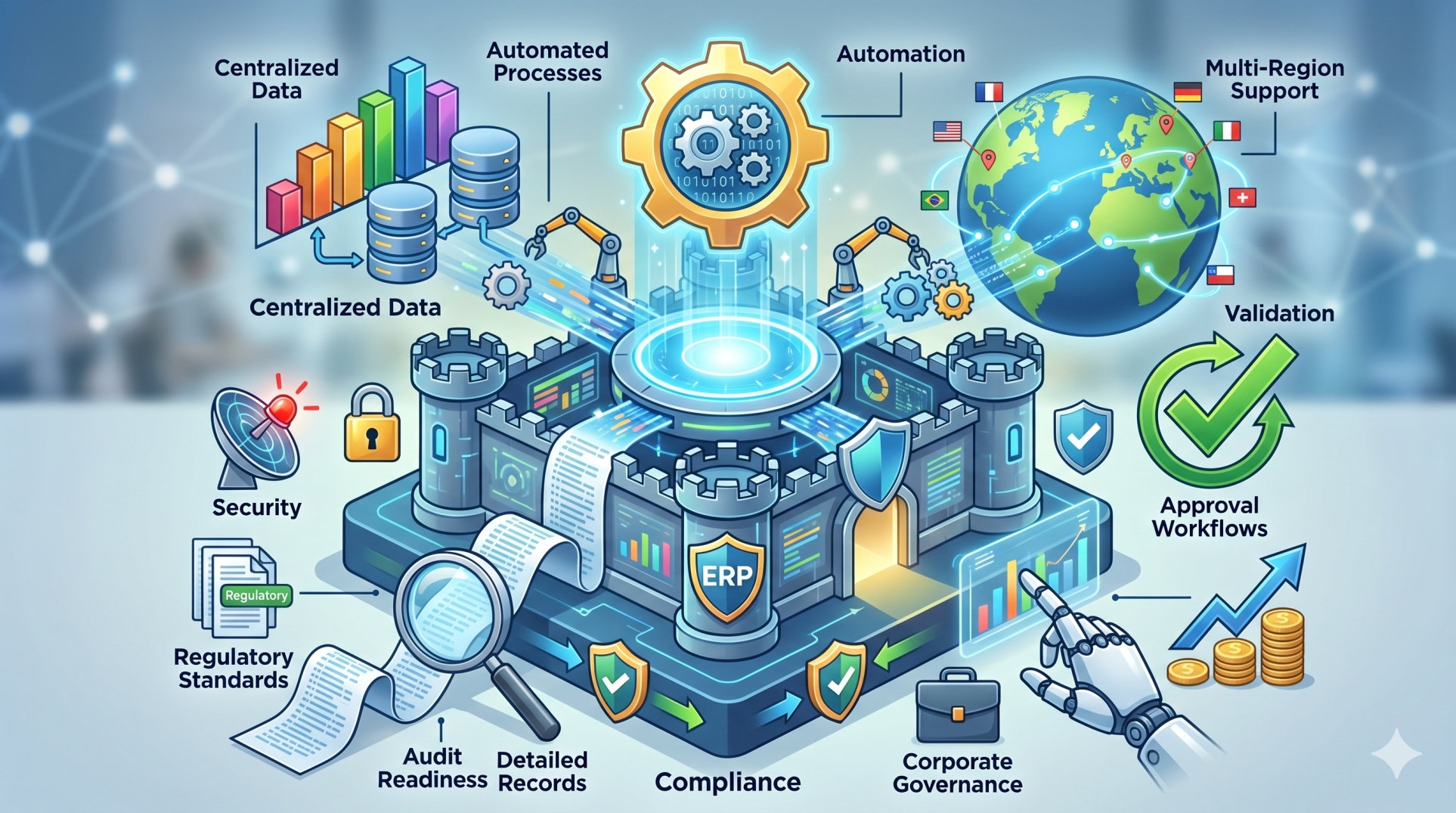
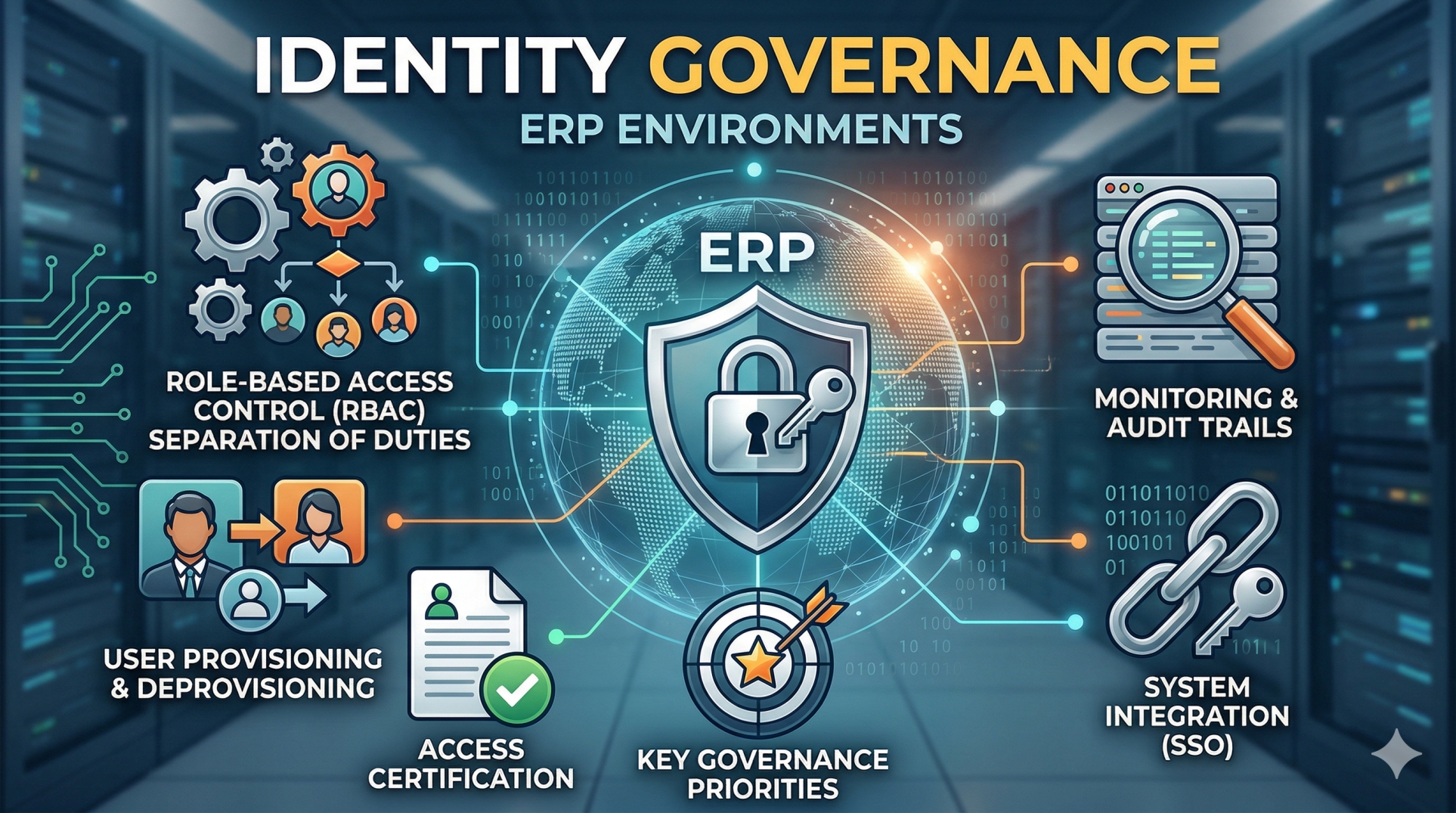
Step 9: Managing Risk and Compliance 🛡️
• Maintain secure access to sensitive client information 🔐
• Keep complete audit trails for project activities 🧾
• Standardize operational procedures across teams 📋
• Support regulatory and contractual compliance ✅
• Reduce operational risks through consistent governance ⚖️
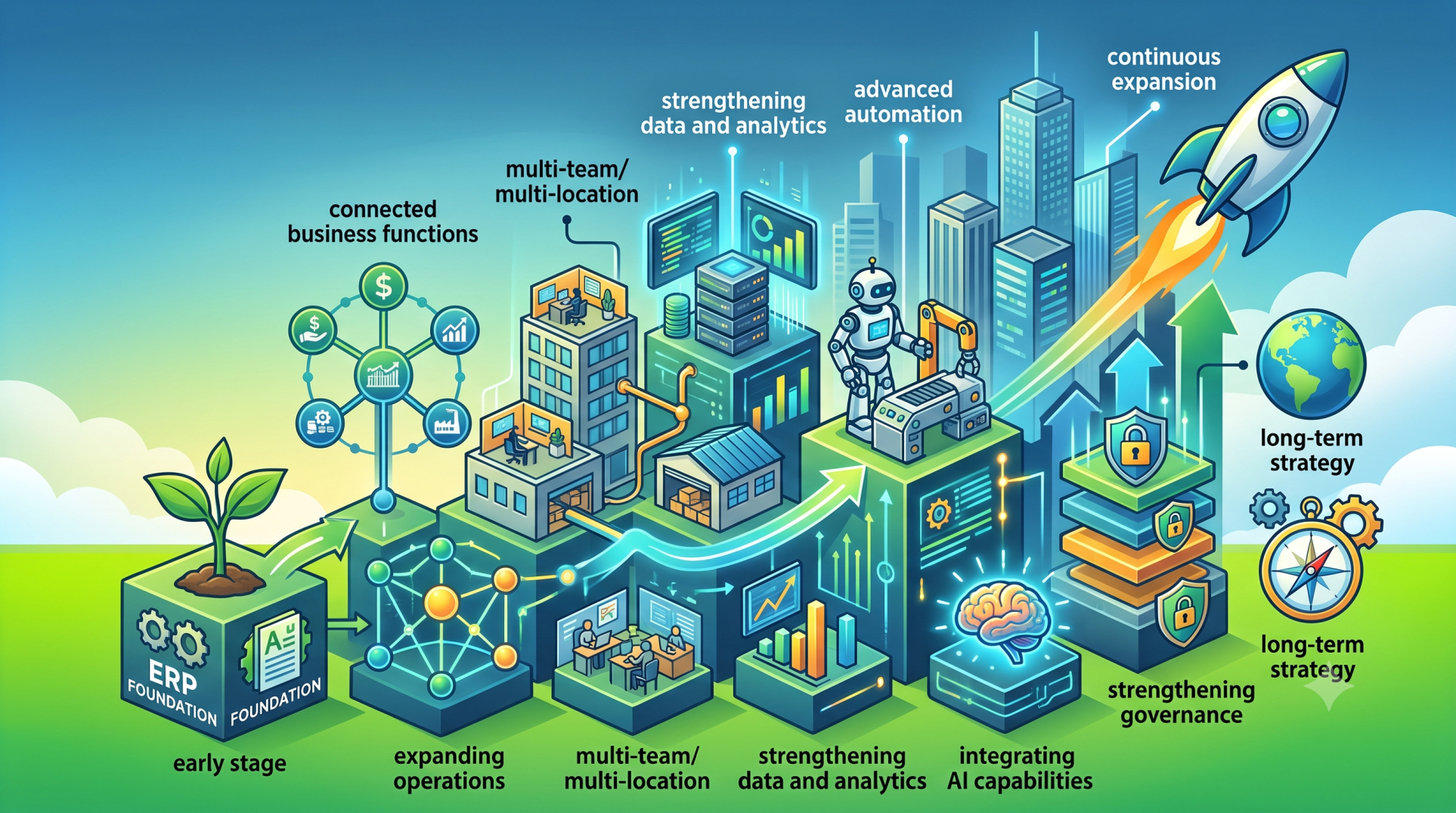
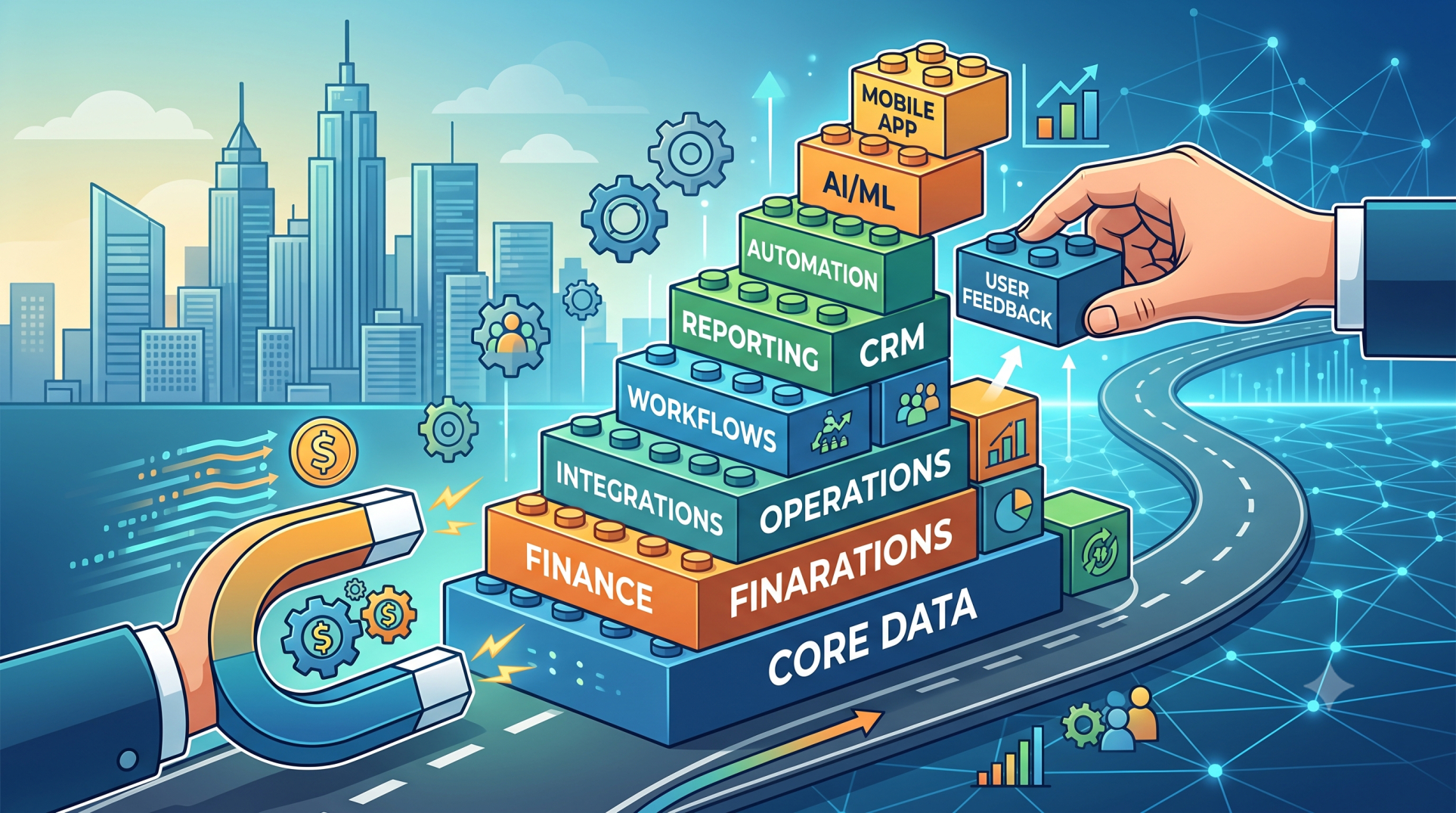
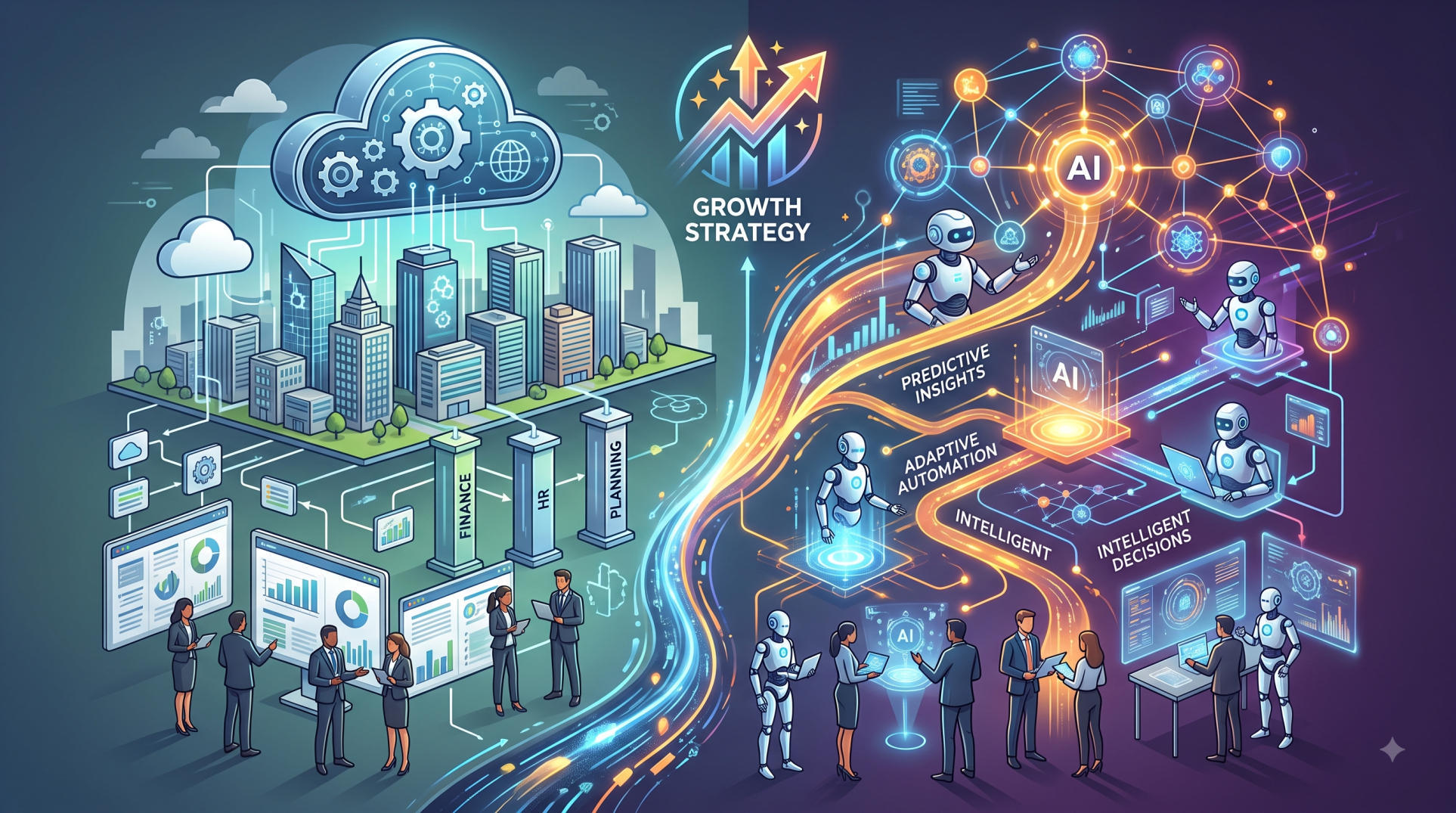
Step 10: Building a Future-Ready Professional Services Organization 🌍
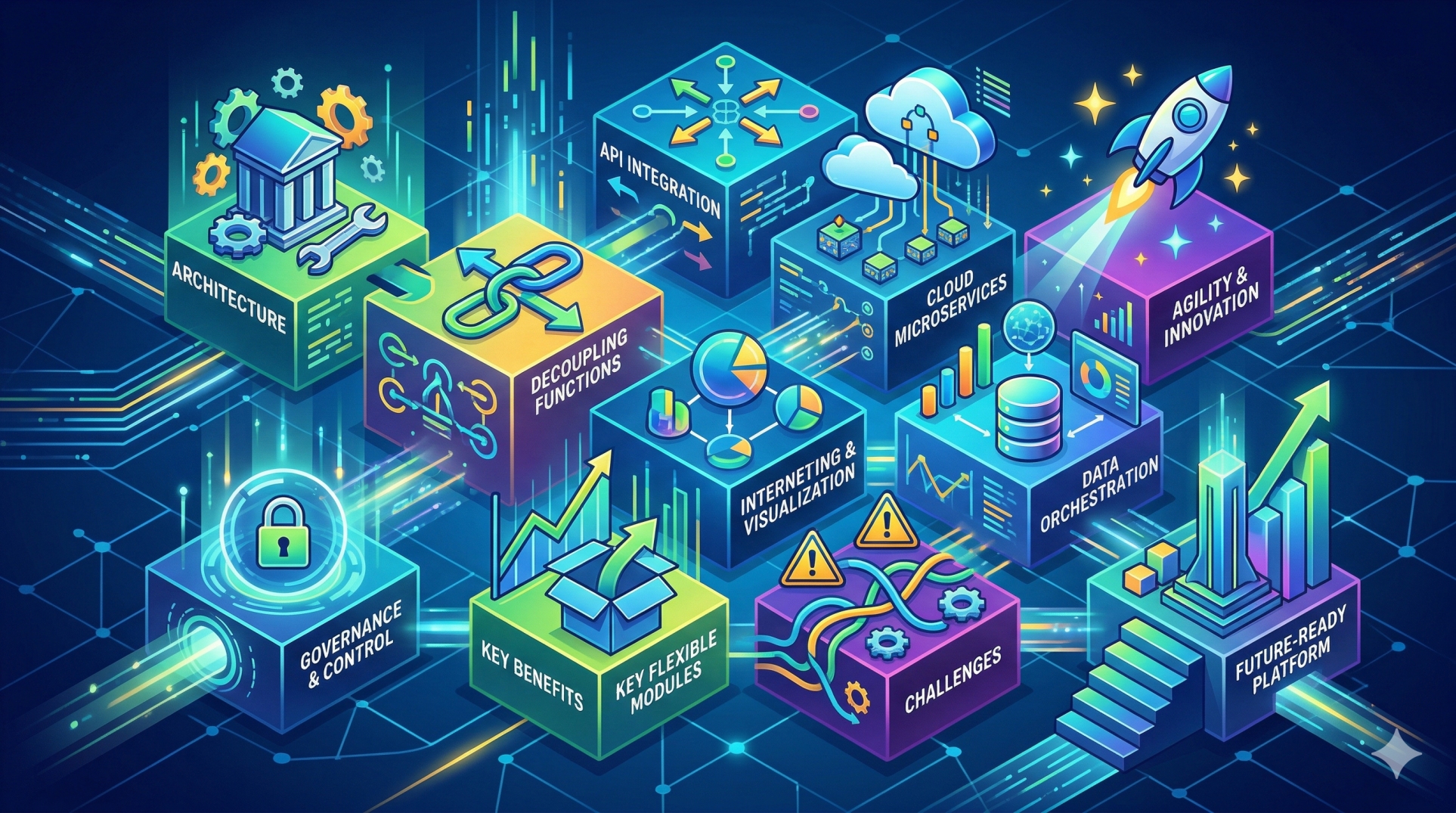
• Design ERP systems that grow with business demands 📈
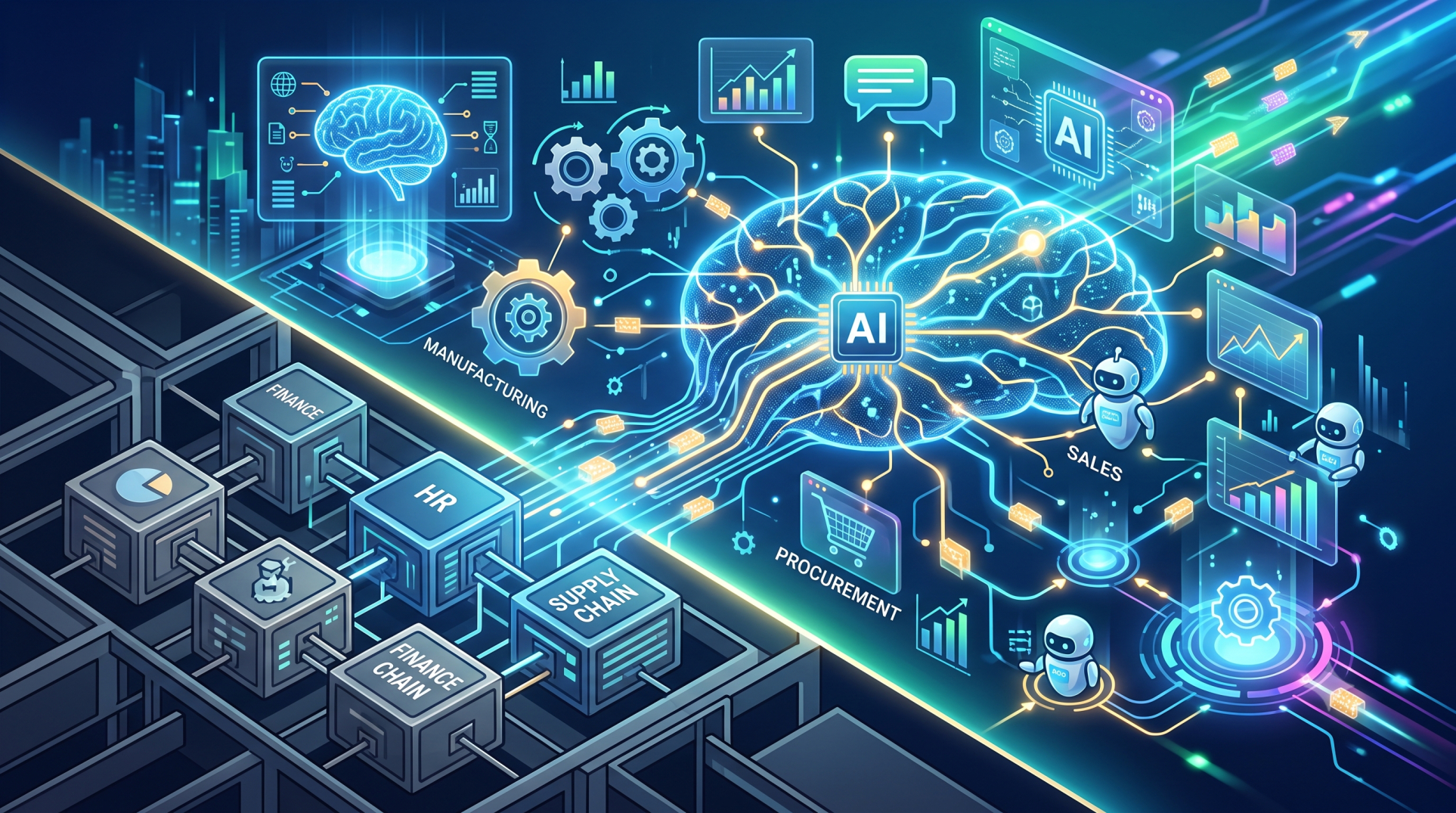
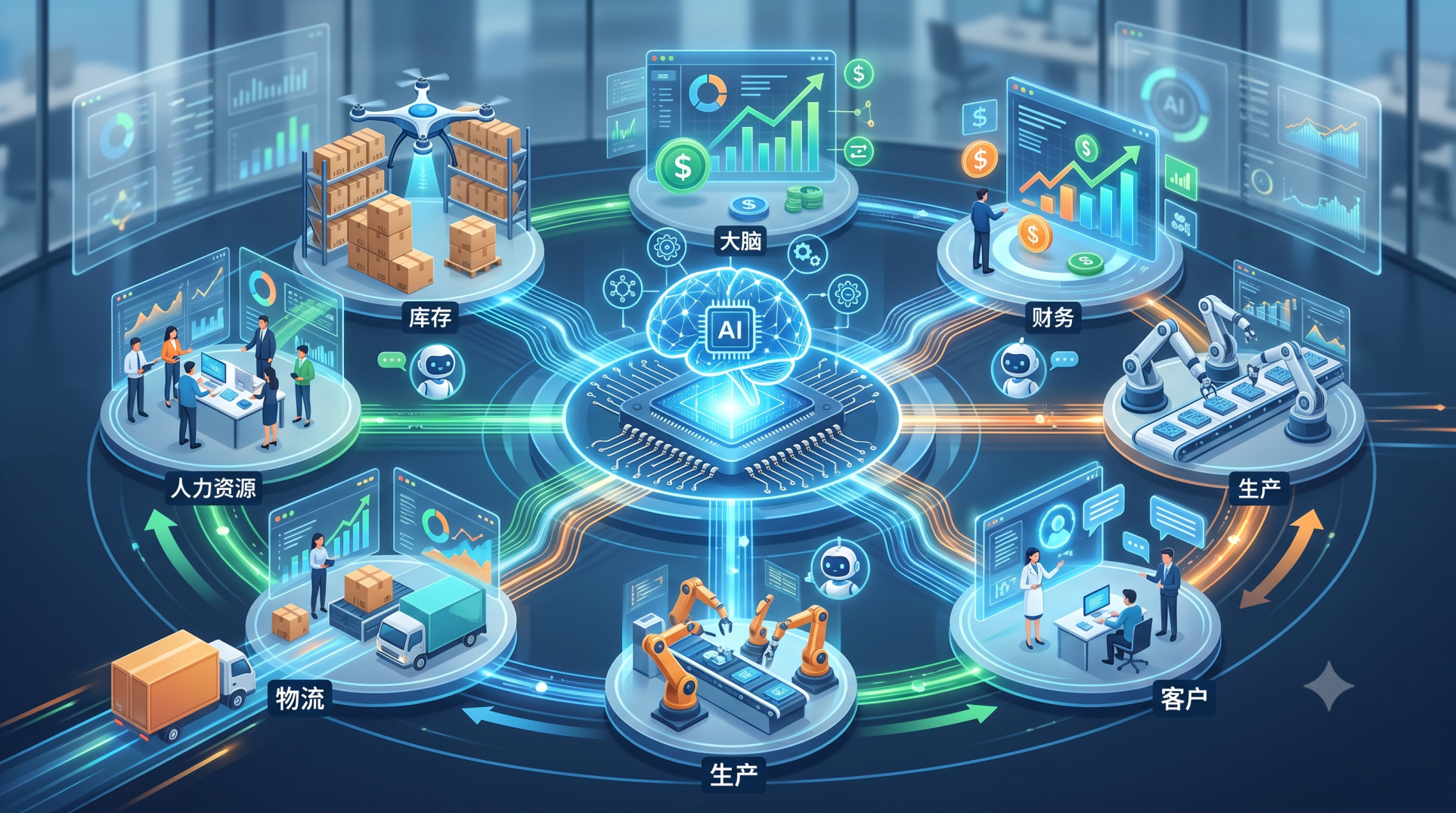
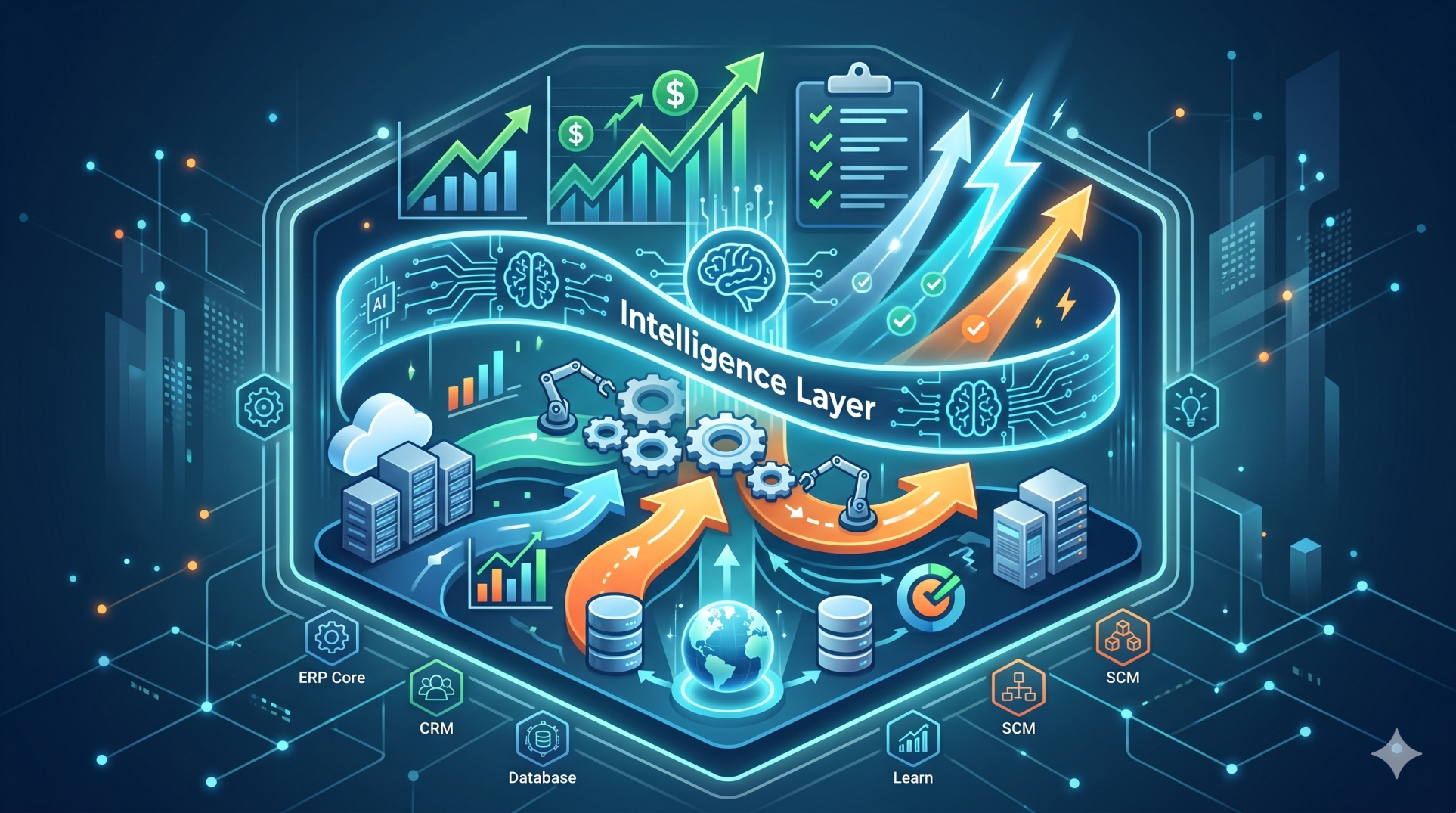
• Integrate analytics and intelligent automation 🤖
• Support hybrid and remote project teams ☁️
• Adapt quickly to changing client requirements 🔄
• Enable continuous innovation through connected business processes 🚀
Conclusion
ERP systems have become essential for professional service organizations seeking to manage projects, resources, and business data more effectively. By centralizing information, automating workflows, and providing real-time operational insights, ERP enables organizations to improve collaboration, increase project visibility, and deliver greater value to clients. As professional services continue to evolve, a modern ERP platform provides the flexibility, efficiency, and scalability required for sustainable business success.
See more blogs
You can all the articles below