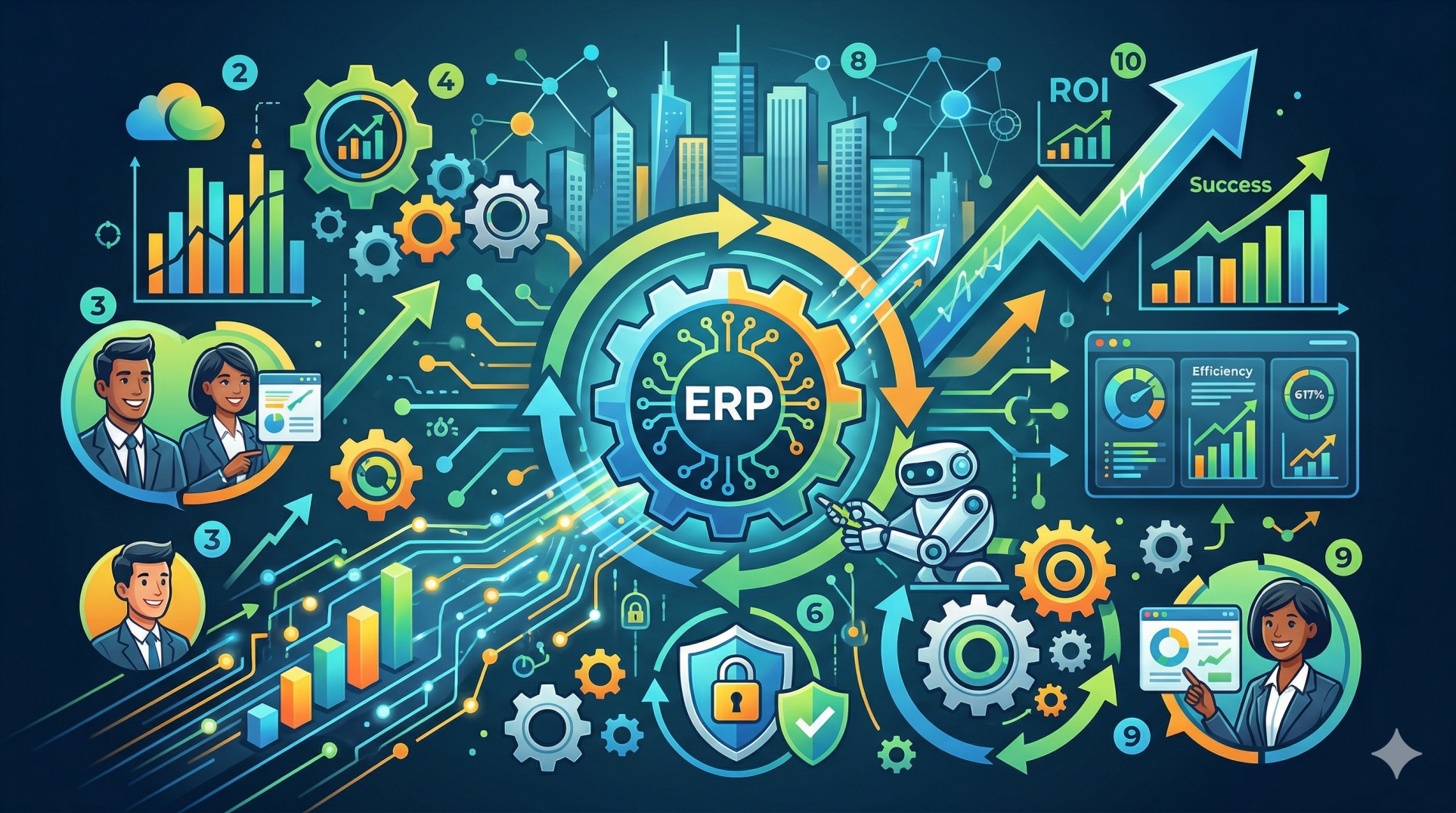
Industry-Specific ERP Solutions: Manufacturing and Retail

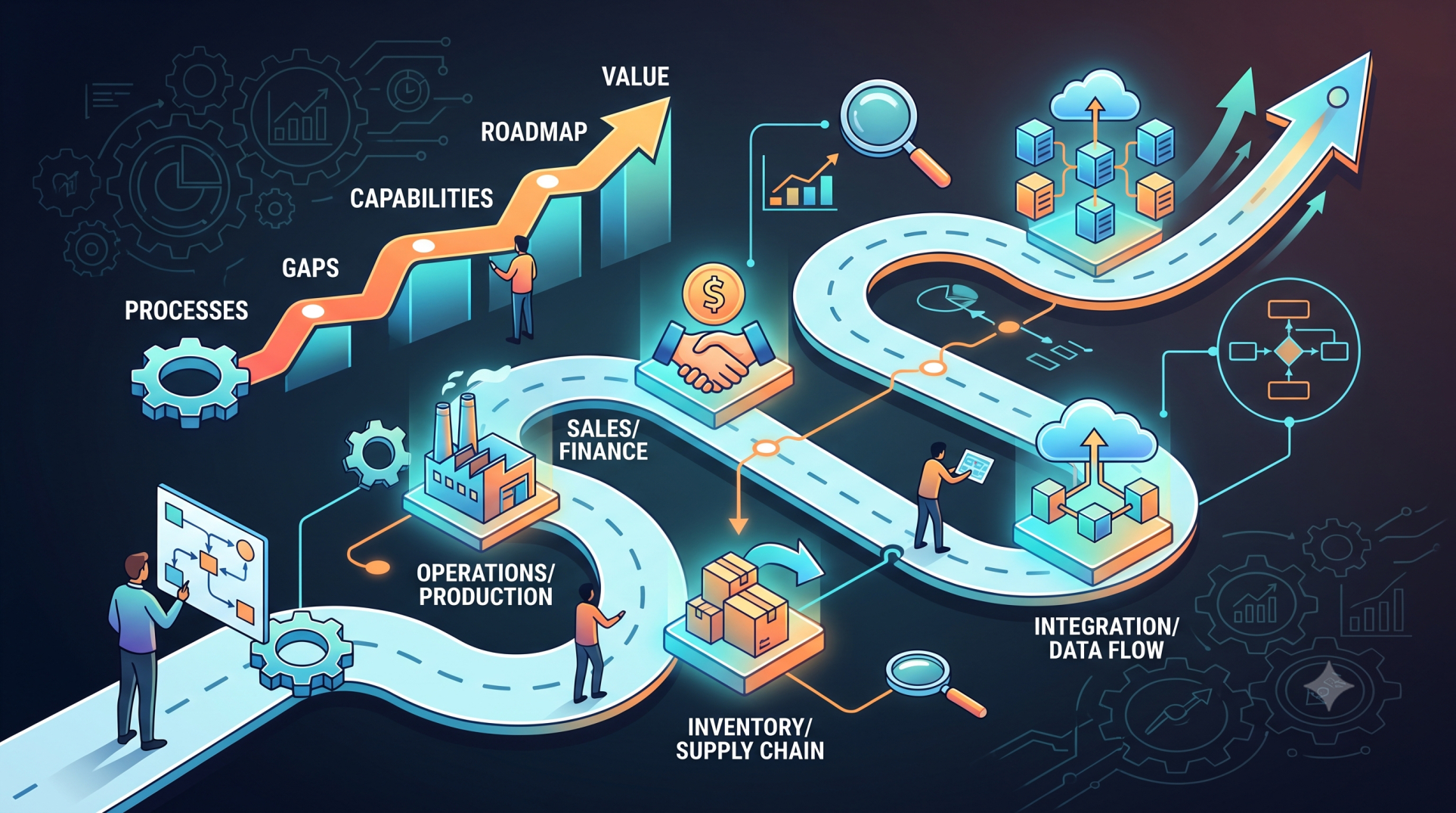
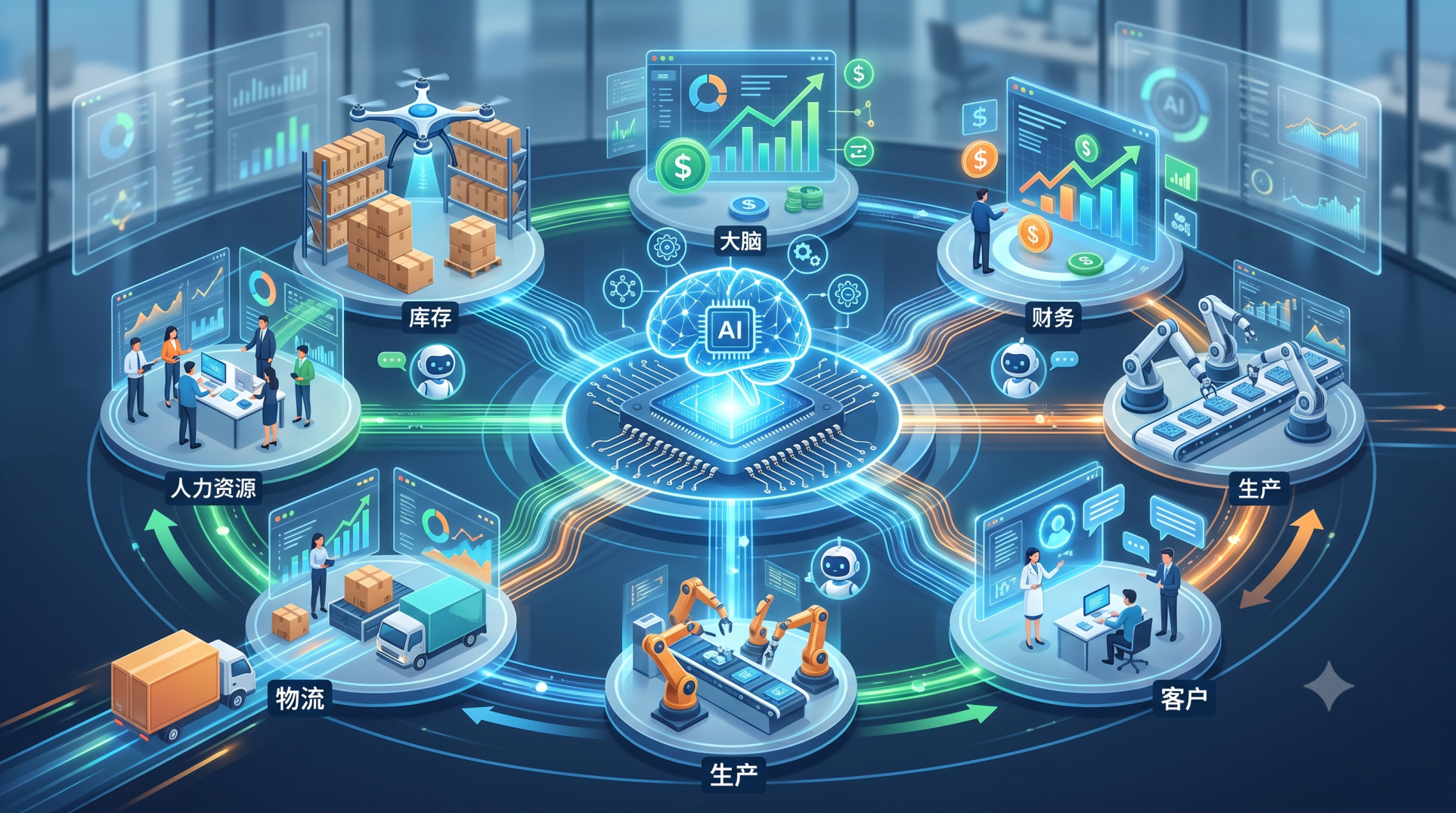
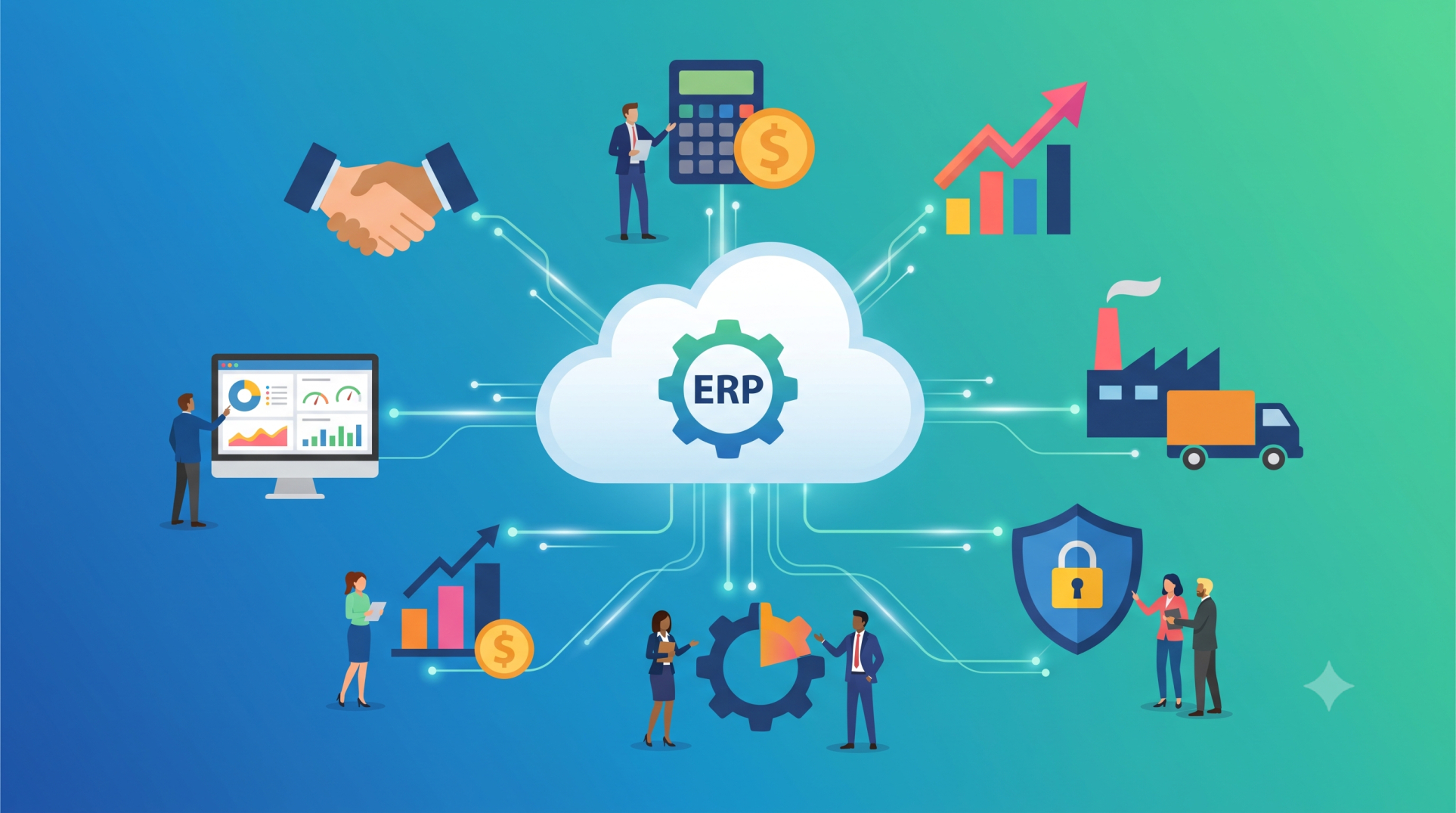
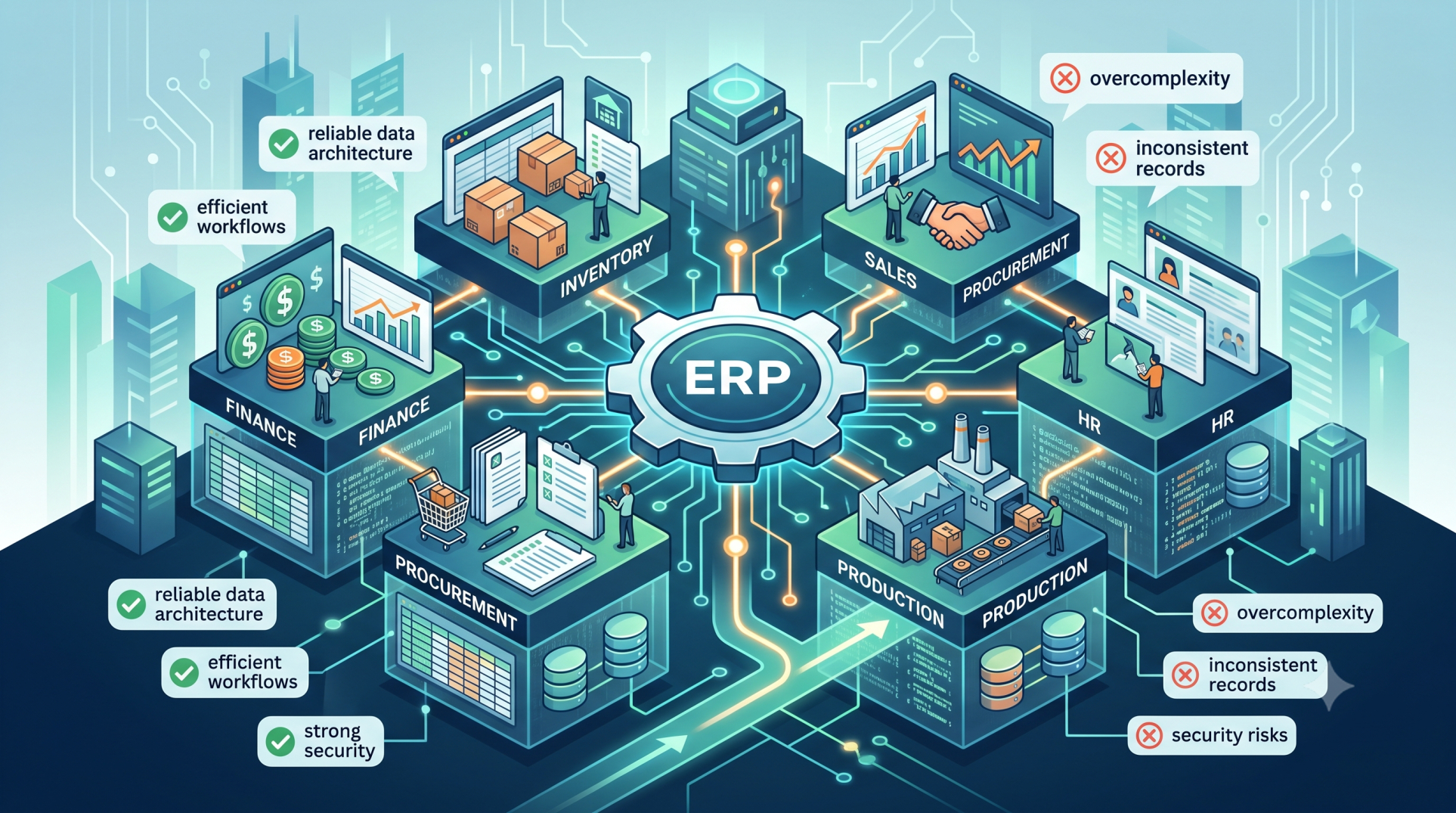
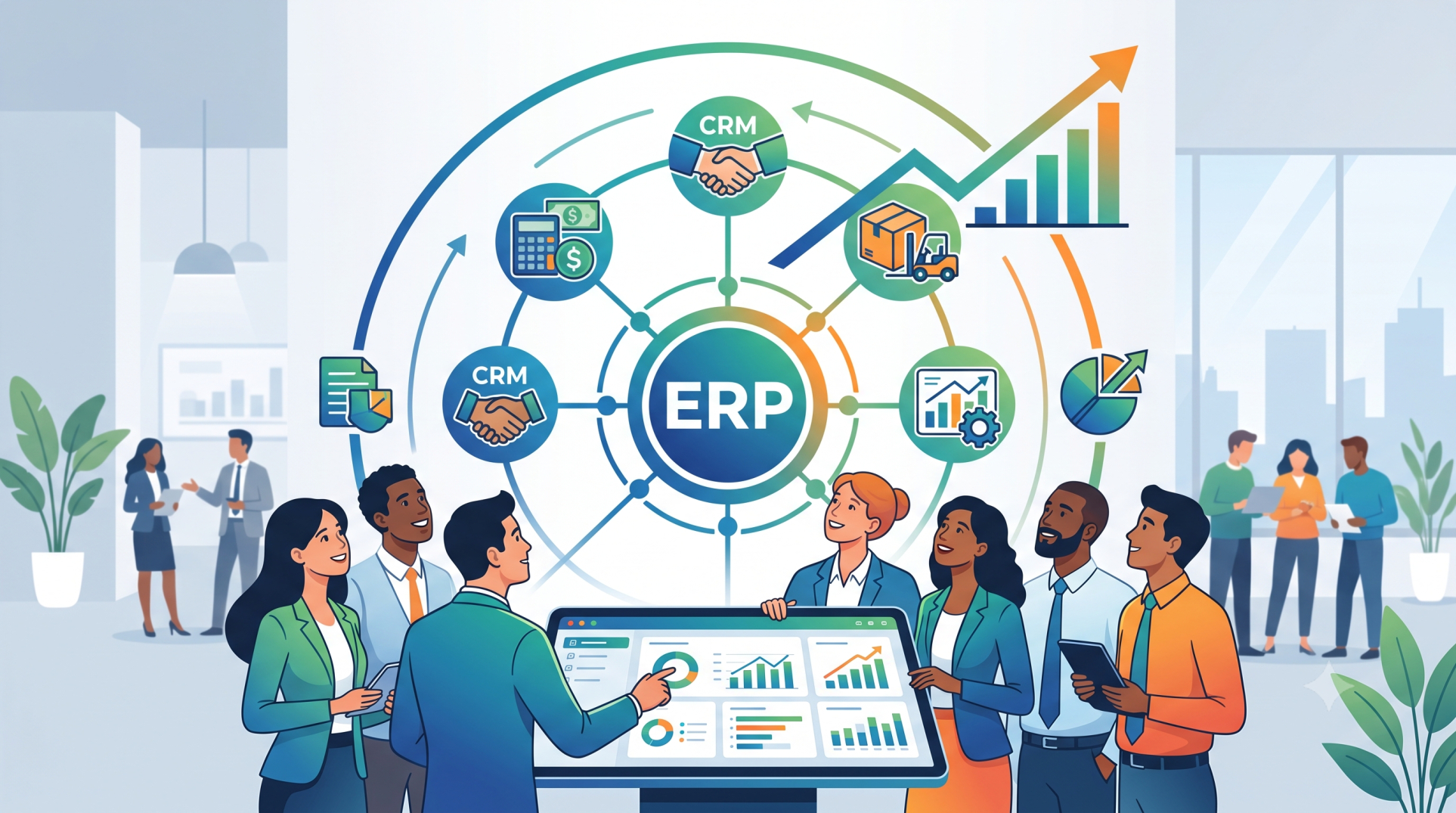
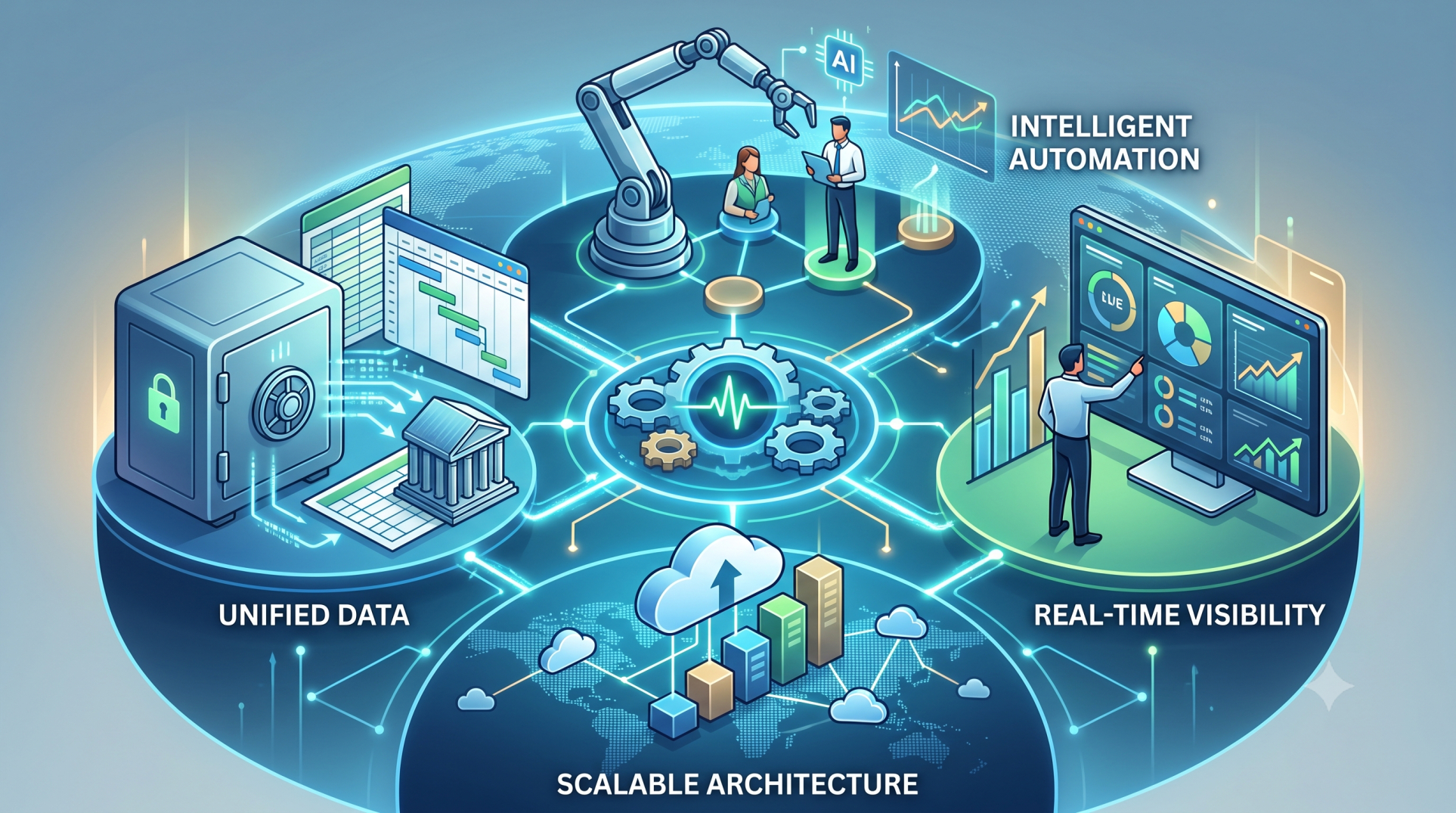
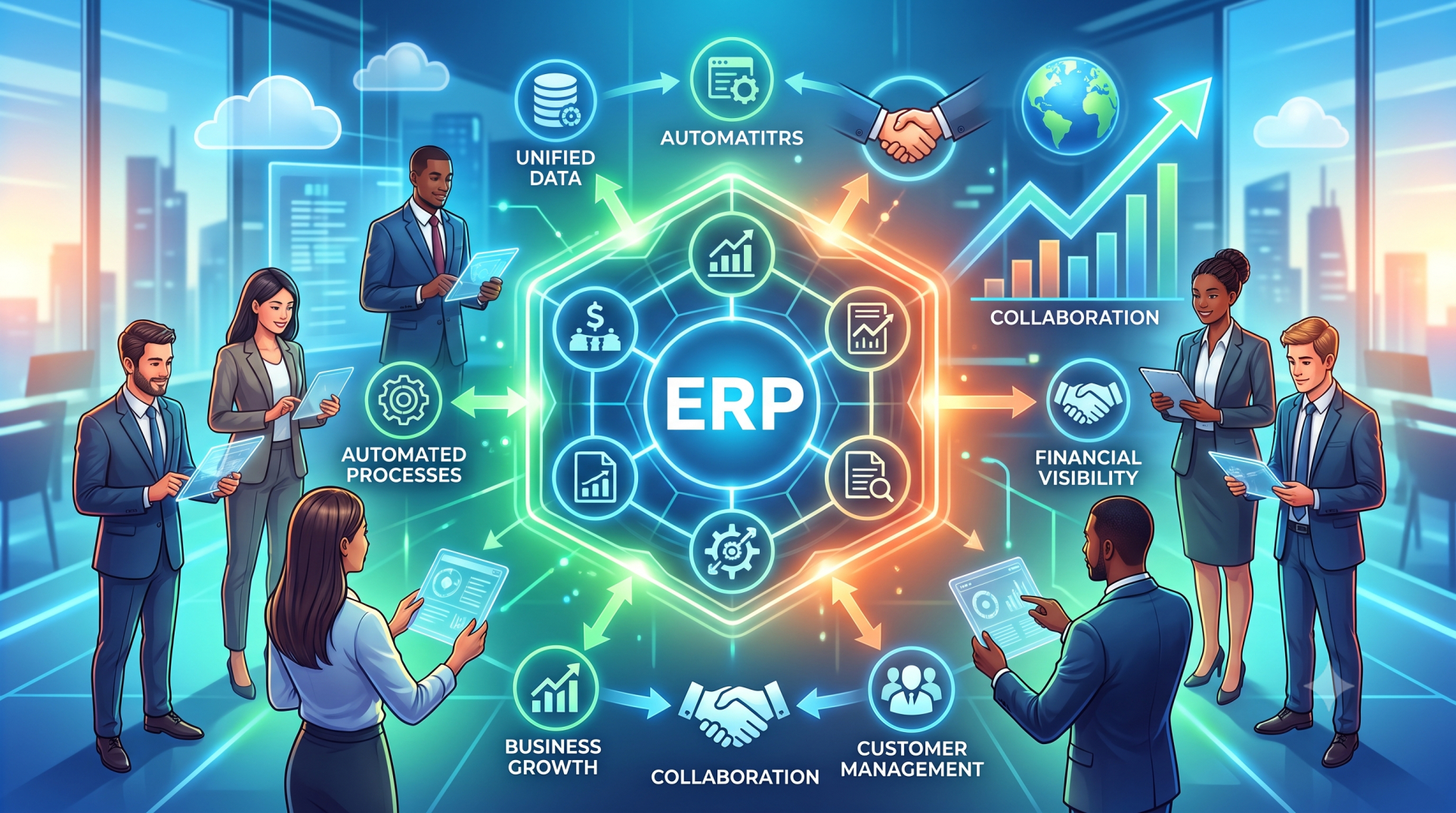
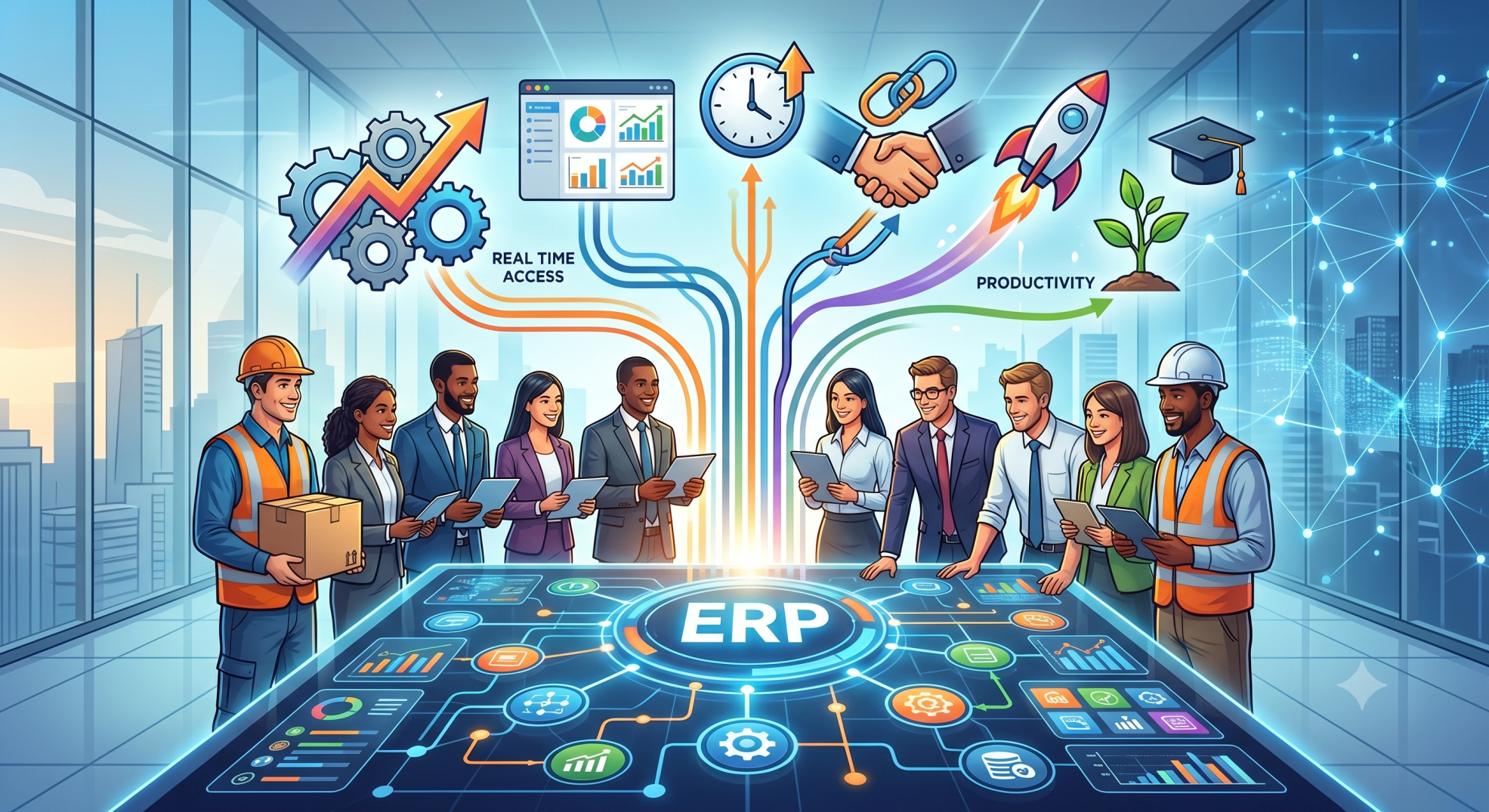
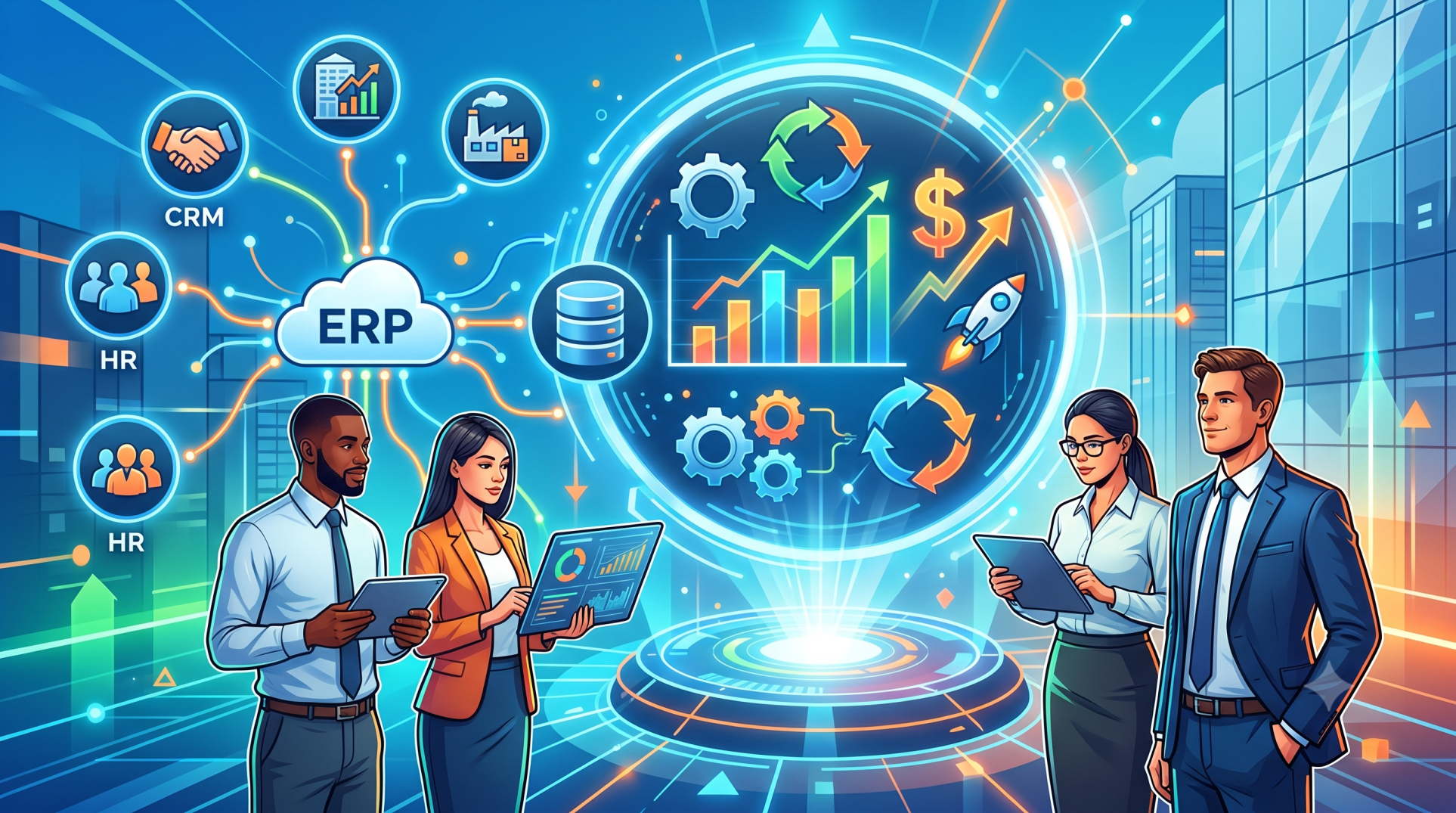
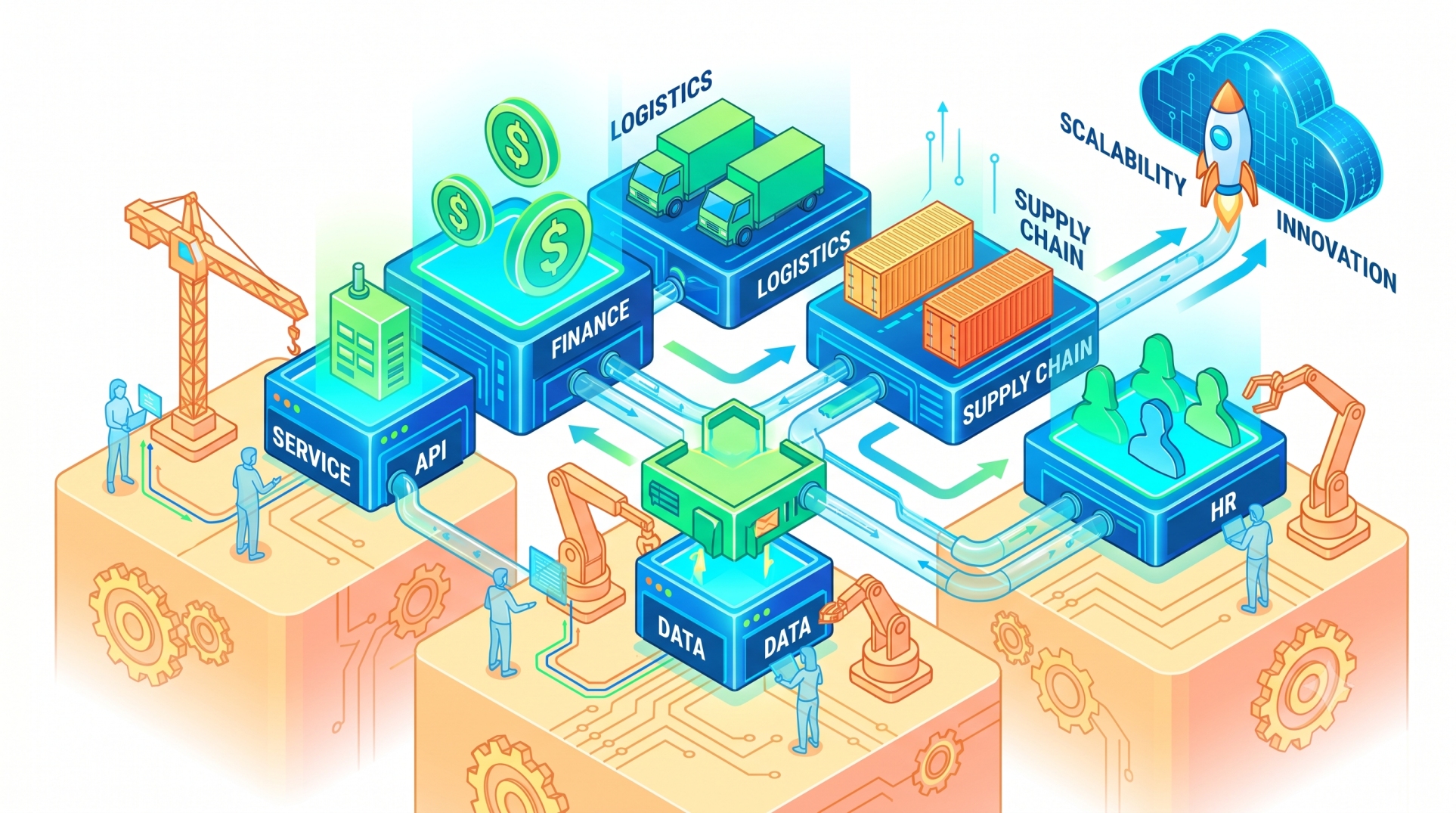
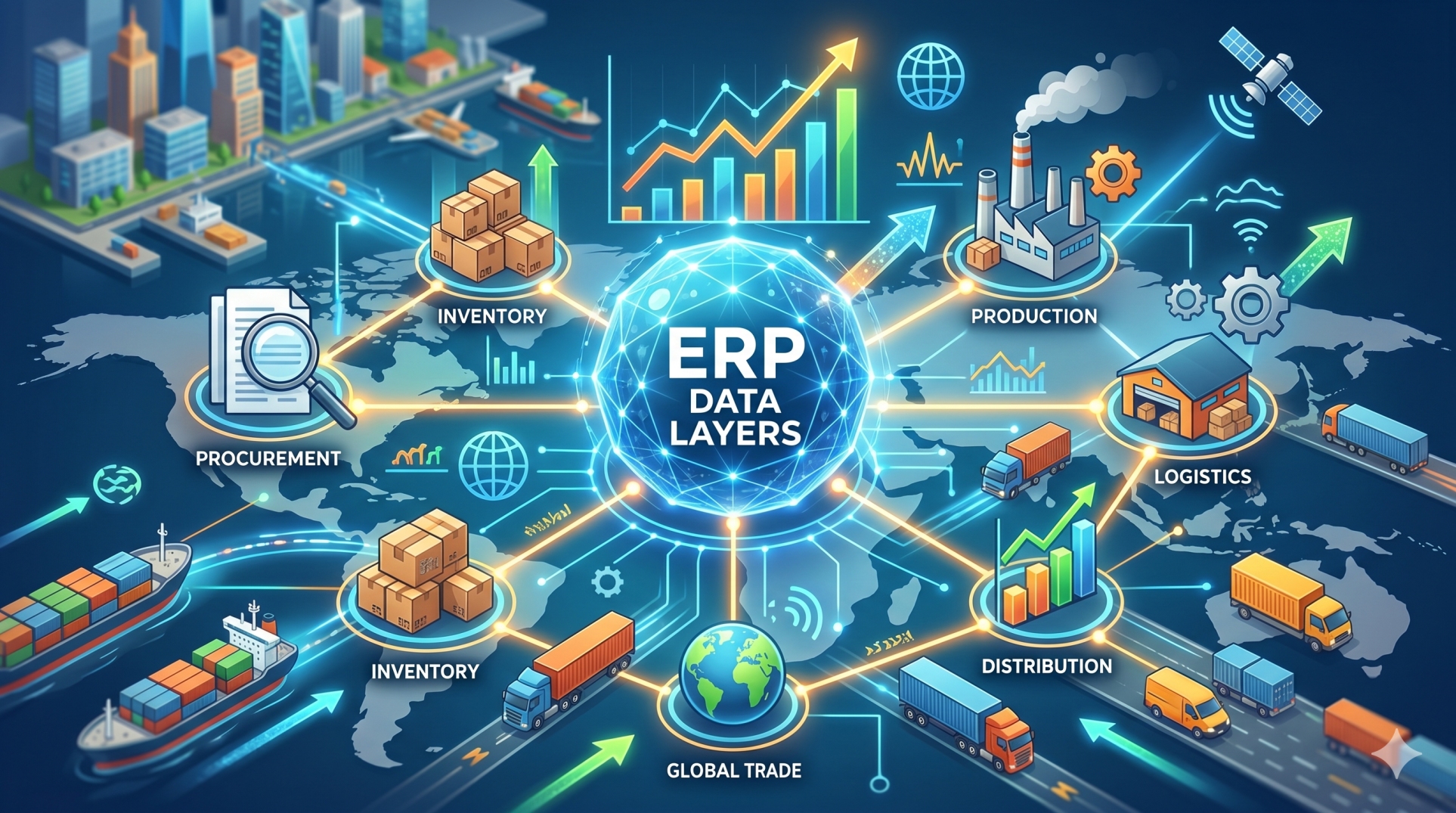
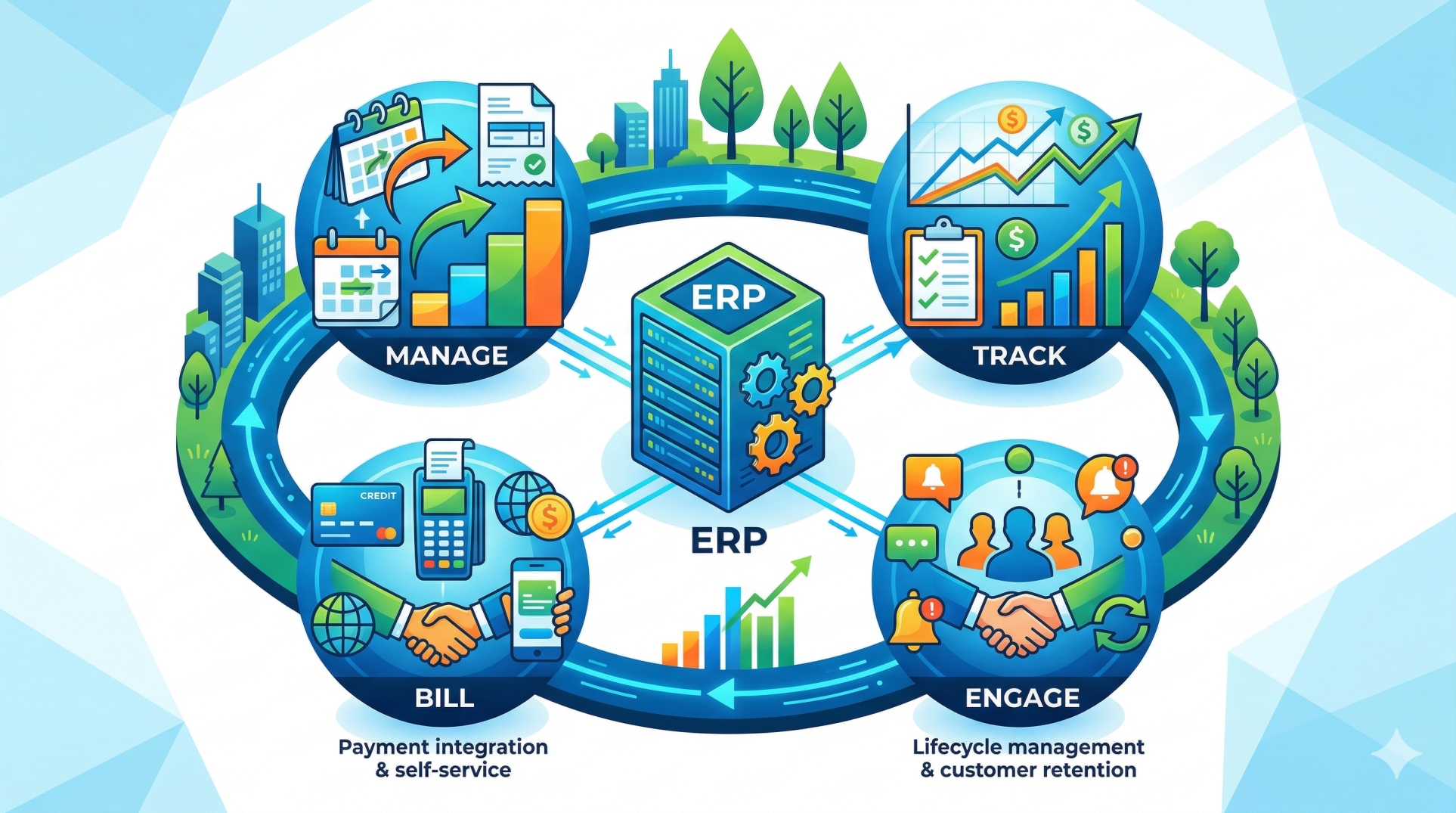
Every industry has unique operational requirements that generic business software cannot fully address. Manufacturing organizations focus on production planning, inventory control, and supply chain coordination, while retail businesses prioritize customer experience, inventory availability, and sales performance. Industry-specific ERP solutions are designed to meet these distinct needs by providing specialized workflows, real-time visibility, and integrated business processes that improve efficiency and support sustainable growth.
Step 1: Understanding Industry-Specific ERP Solutions 🏭🛍️
• Customize ERP functionality to match industry-specific operations ⚙️
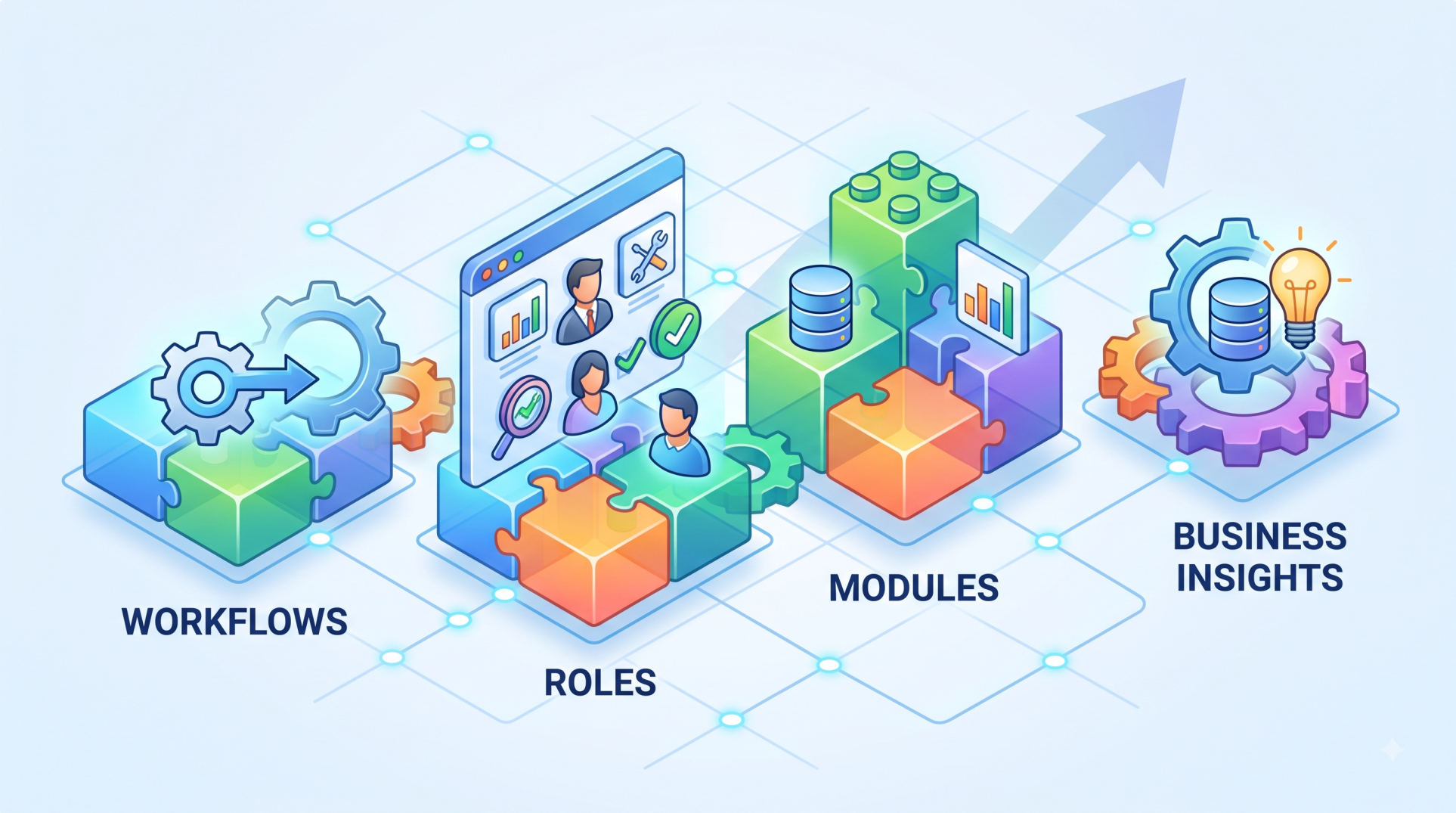
• Support unique business processes with specialized workflows 📋
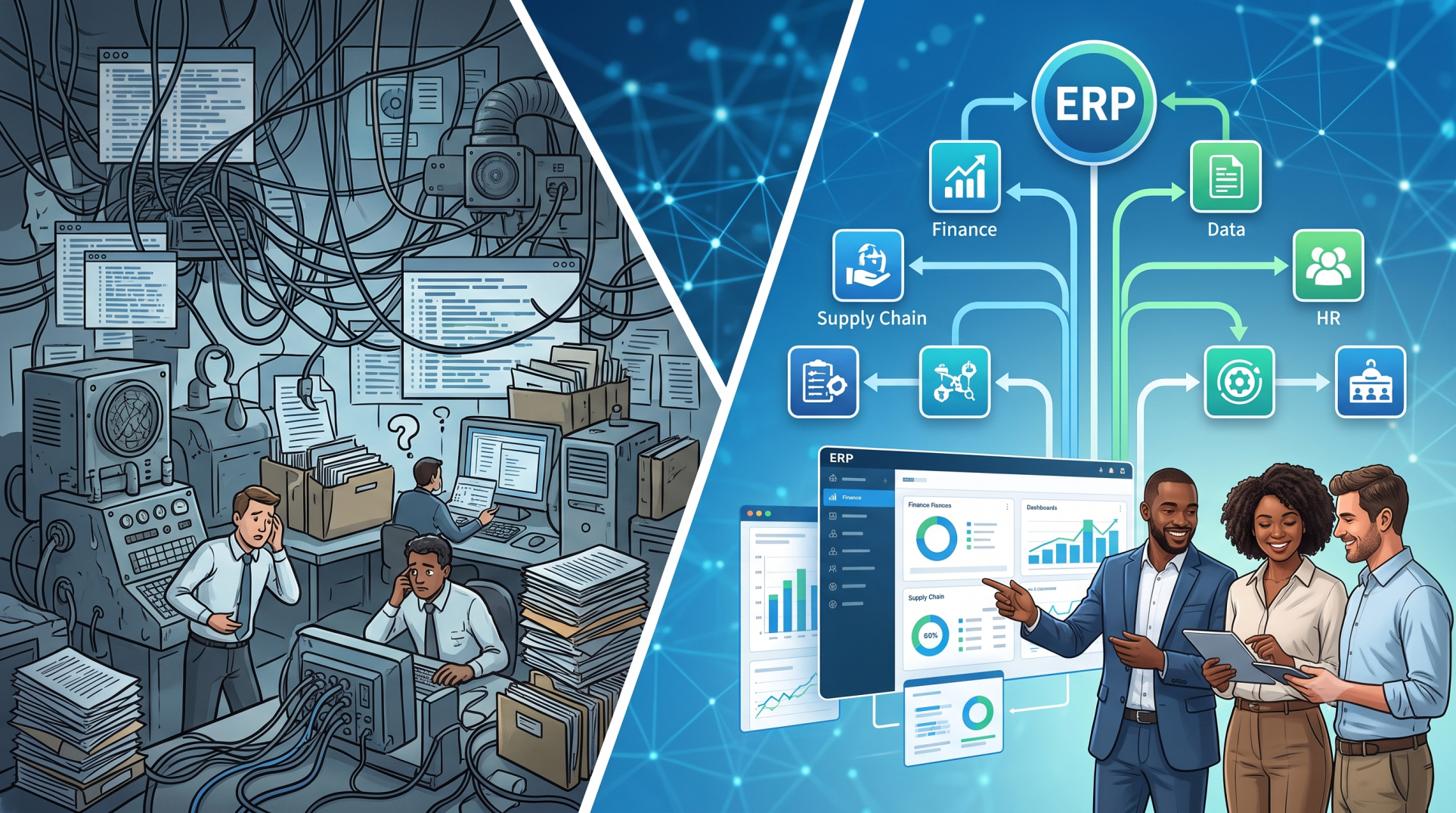
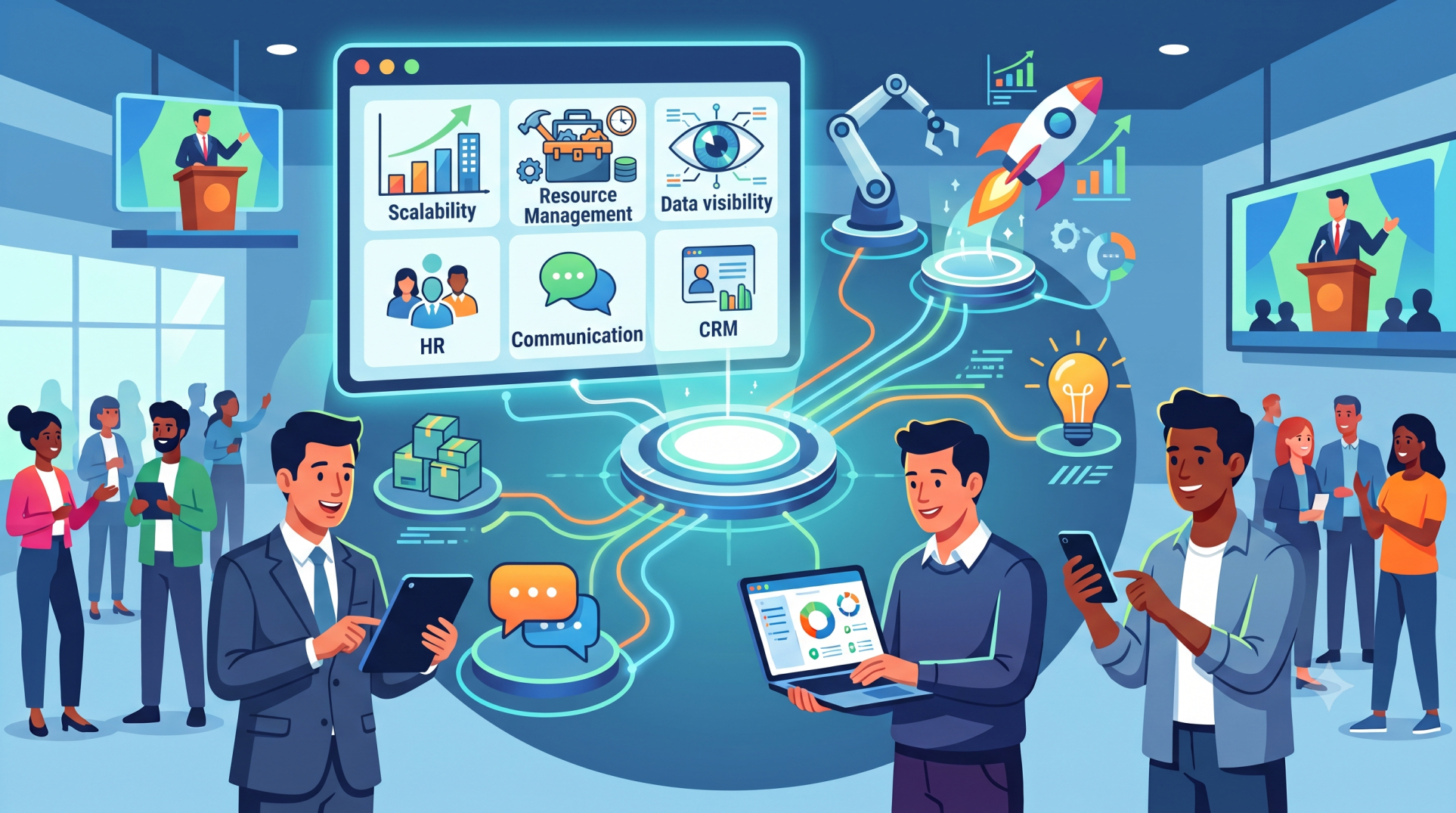
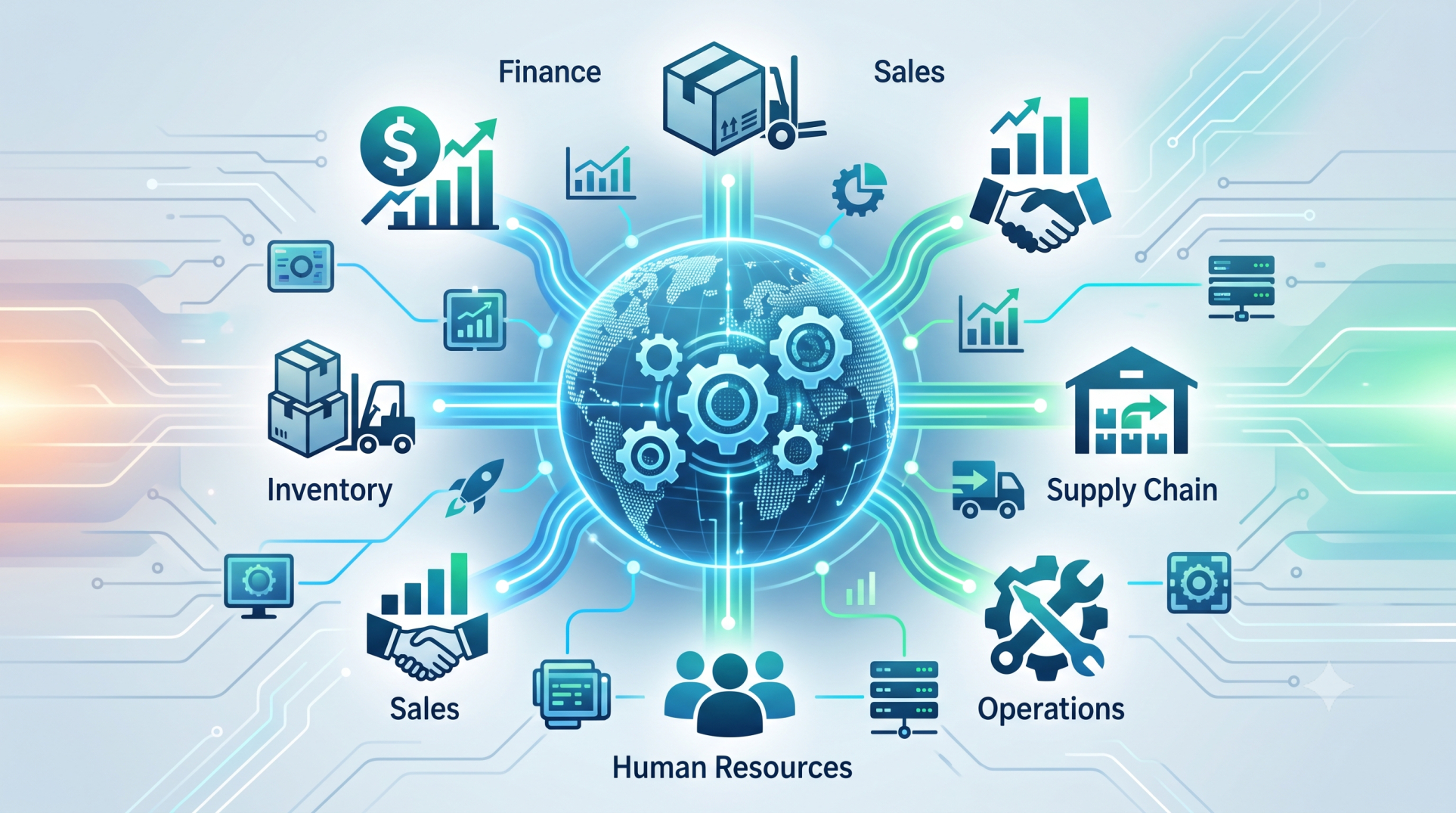
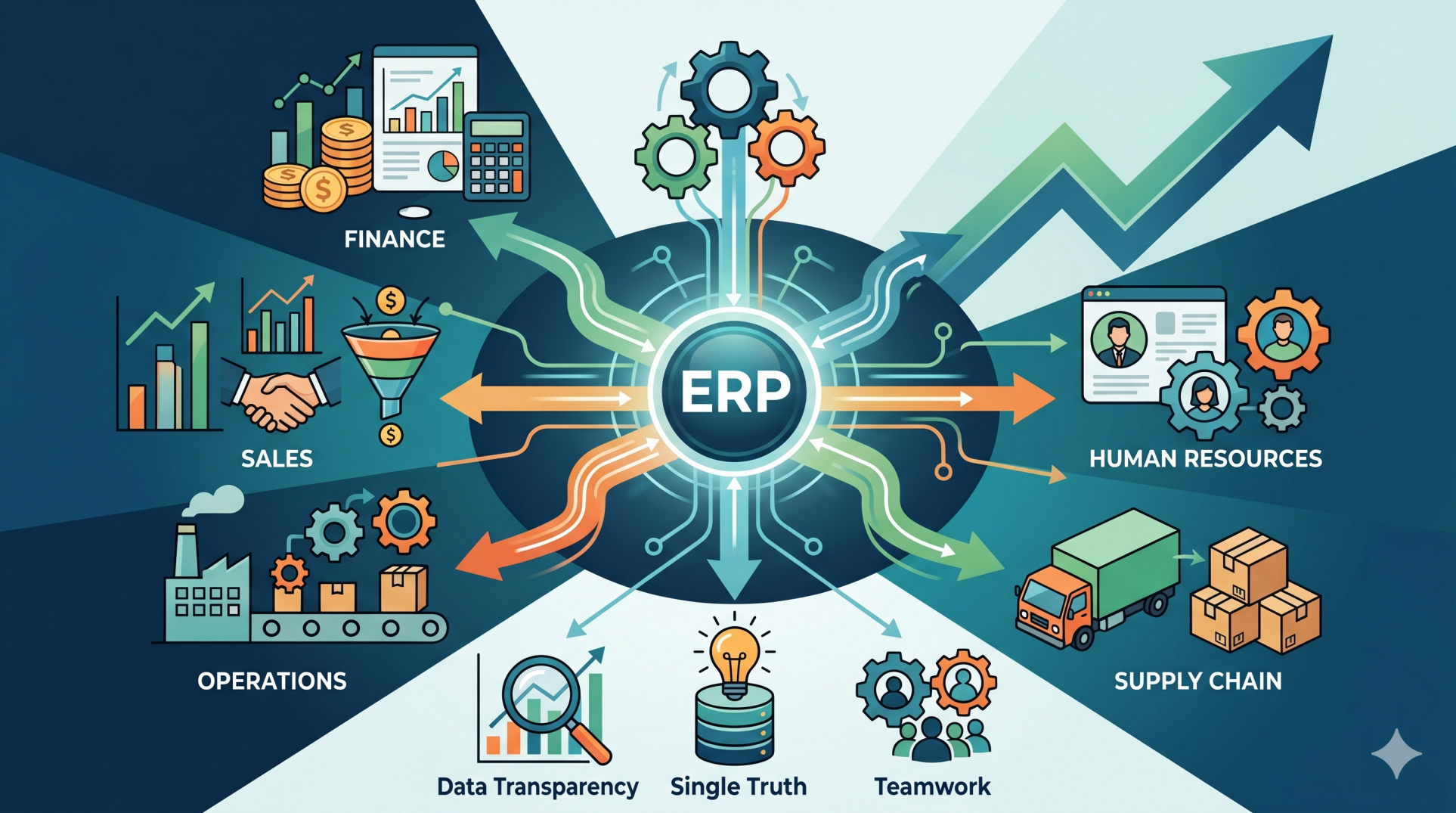
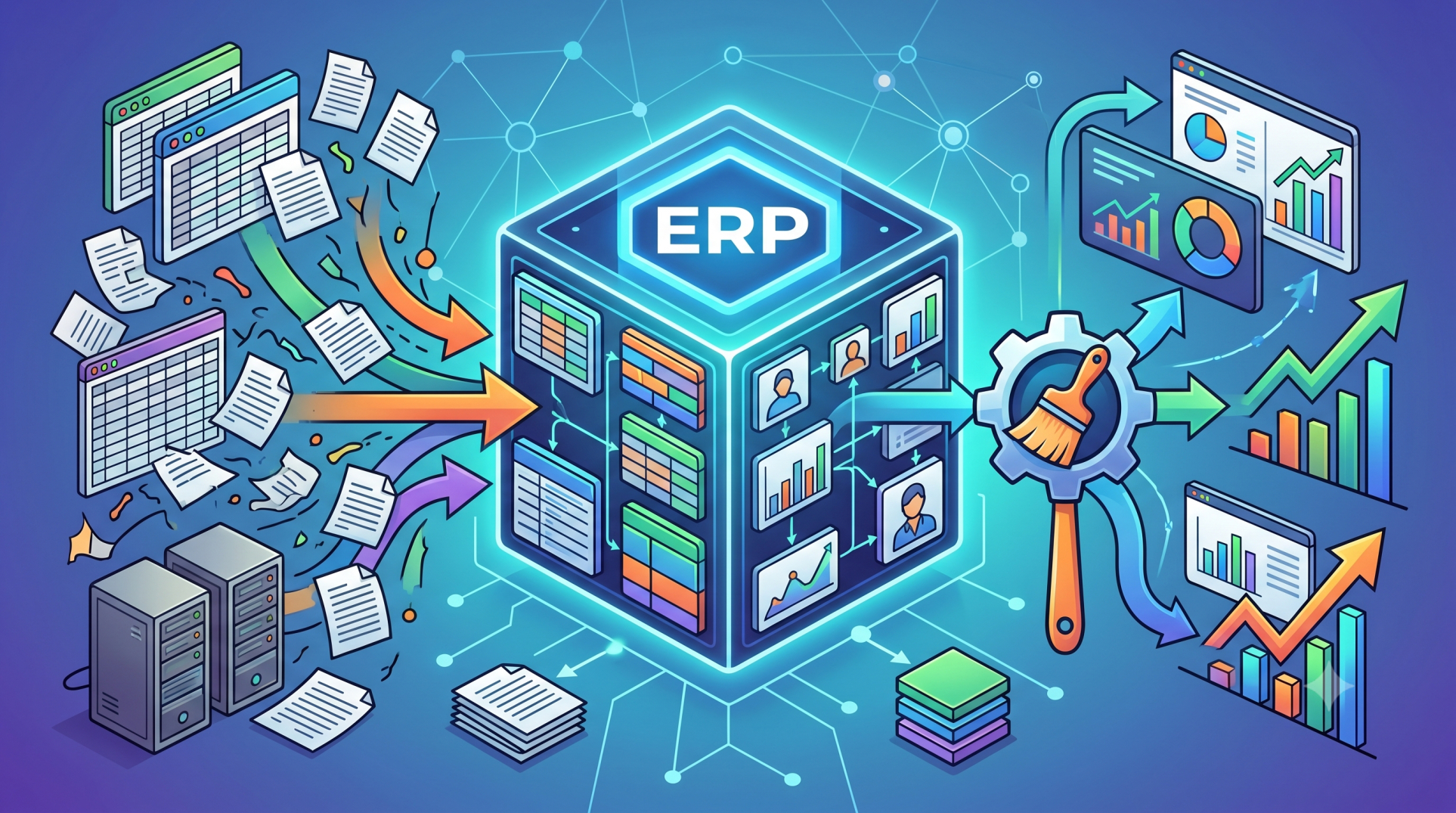
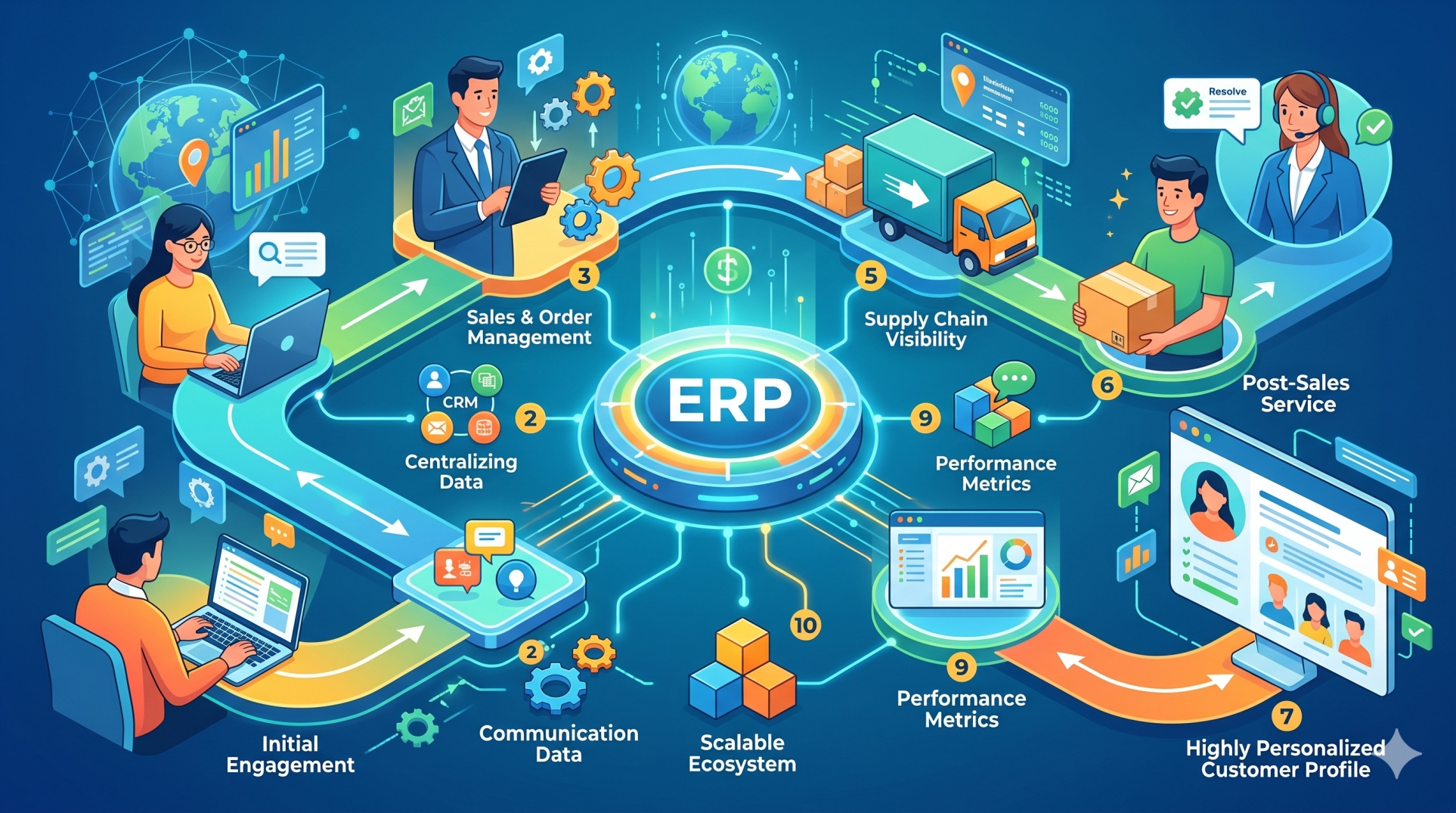
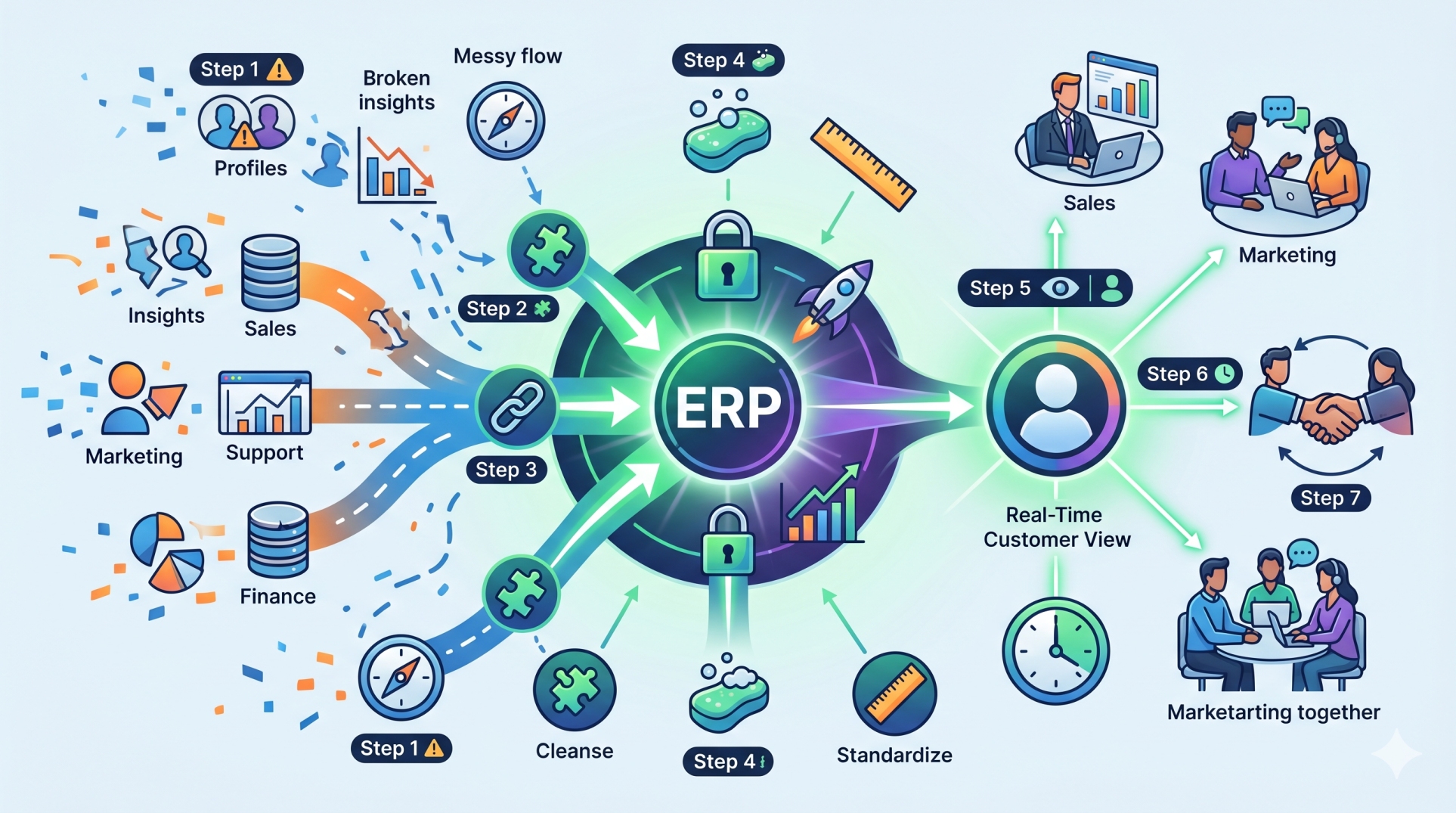
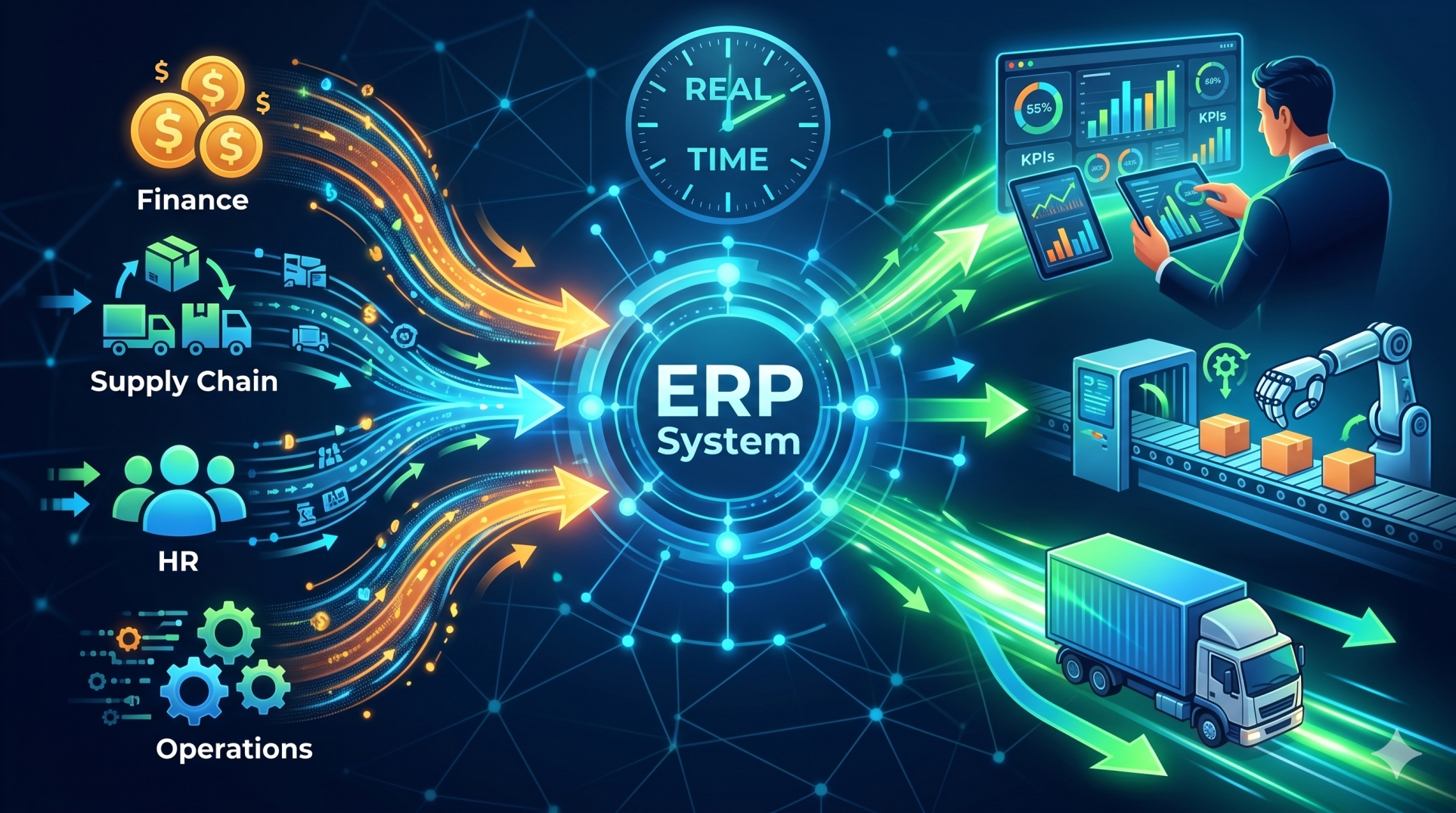
• Centralize operational data across departments 📊
• Improve collaboration between business functions 🤝
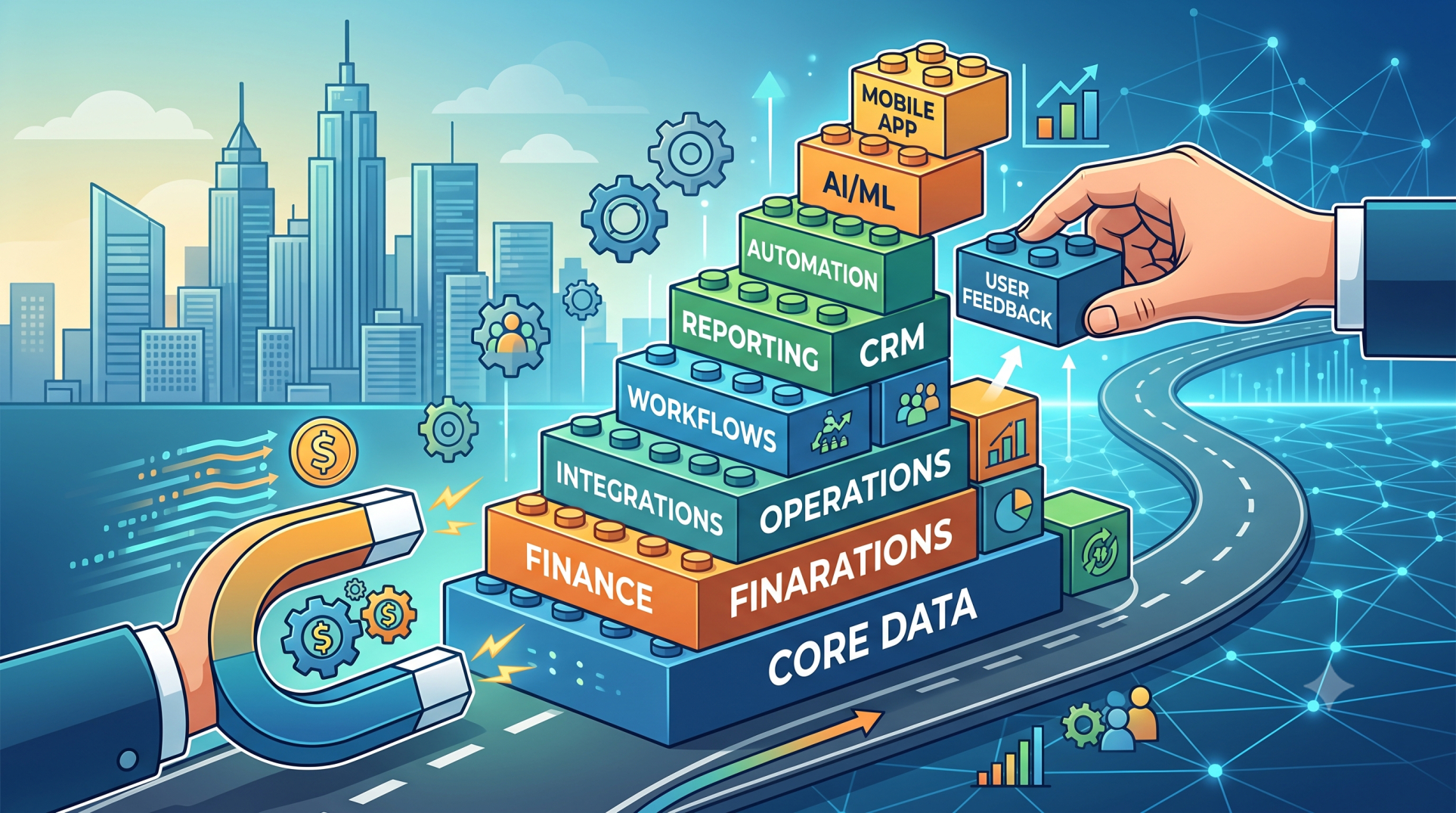
• Create a scalable foundation for long-term business growth 🚀
Step 2: Optimizing Manufacturing Operations 🏗️
• Coordinate production planning and scheduling efficiently 📅
• Monitor work orders and manufacturing progress ⚙️
• Improve inventory availability for production materials 📦
• Track equipment utilization and operational performance 📈
• Enhance quality control throughout the manufacturing process ✅
Step 3: Streamlining Retail Management 🛒
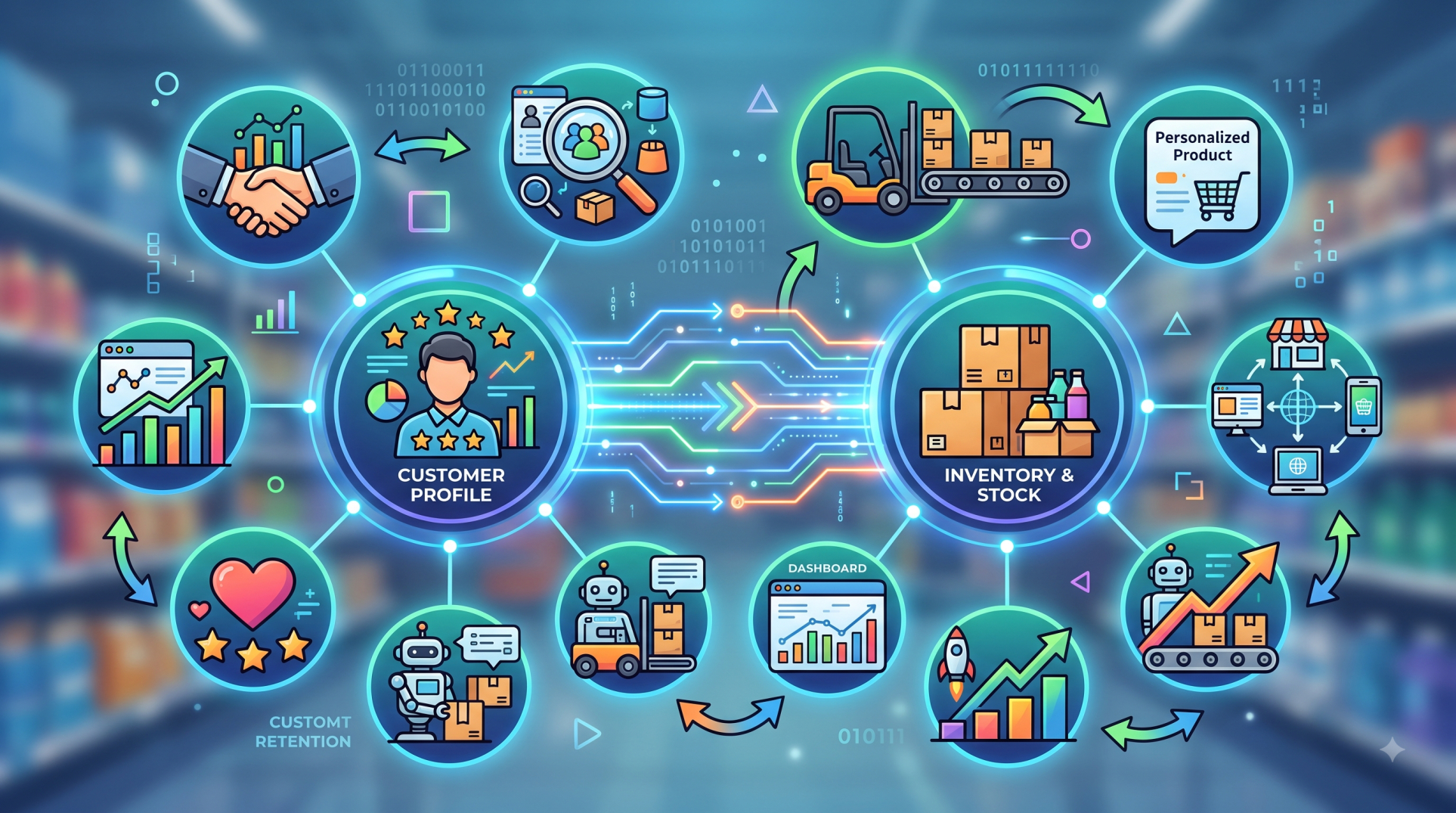
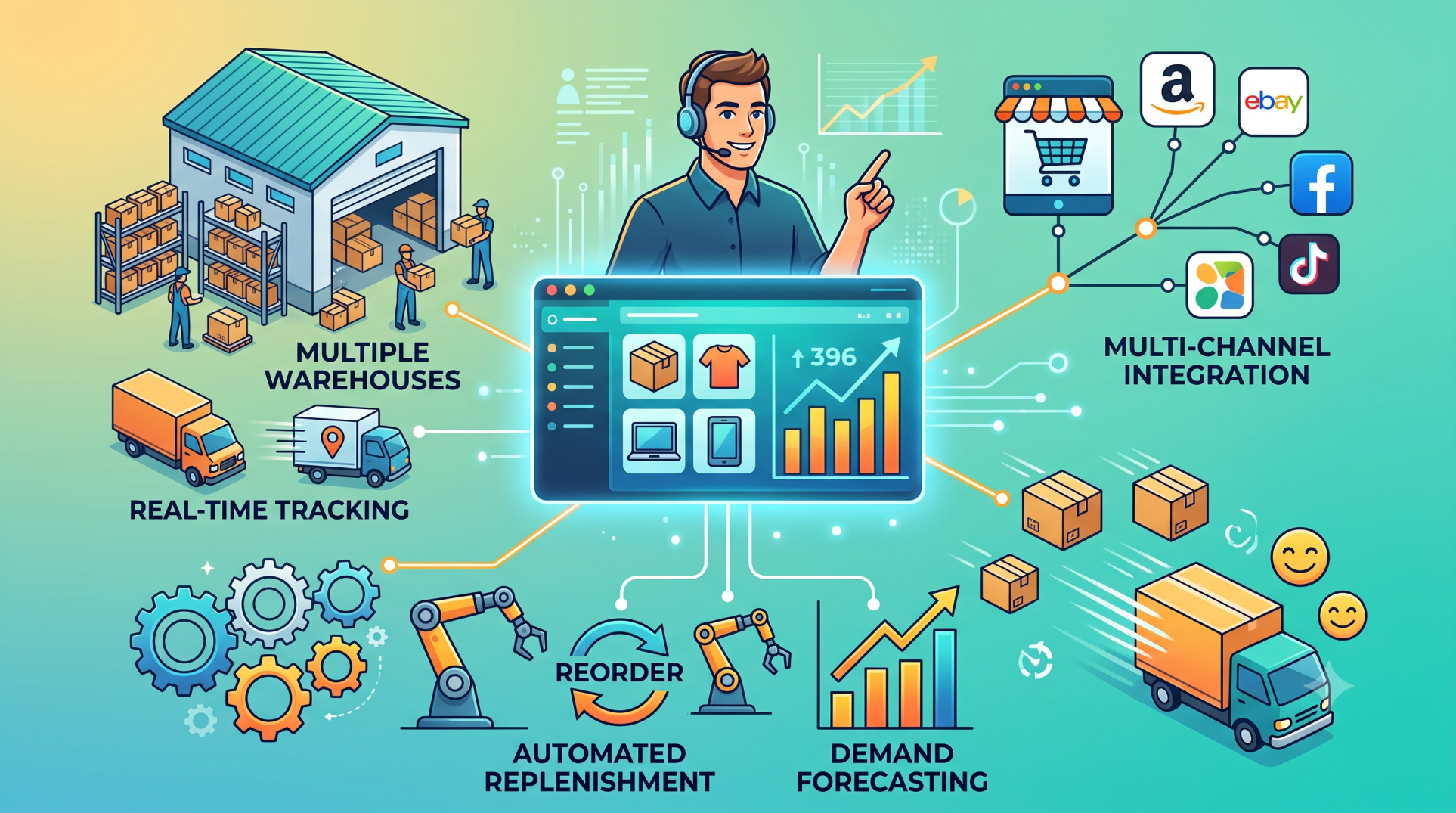
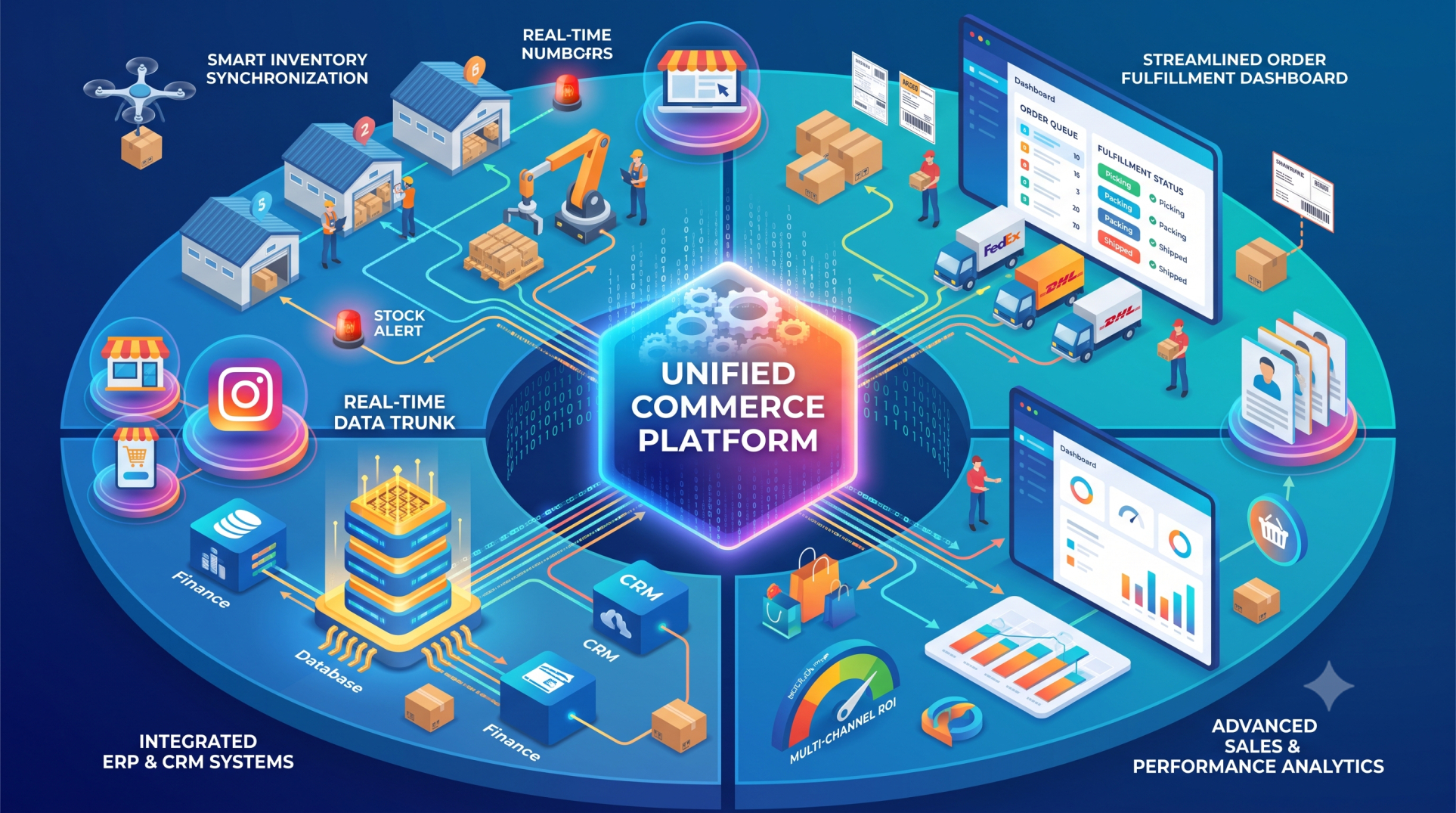
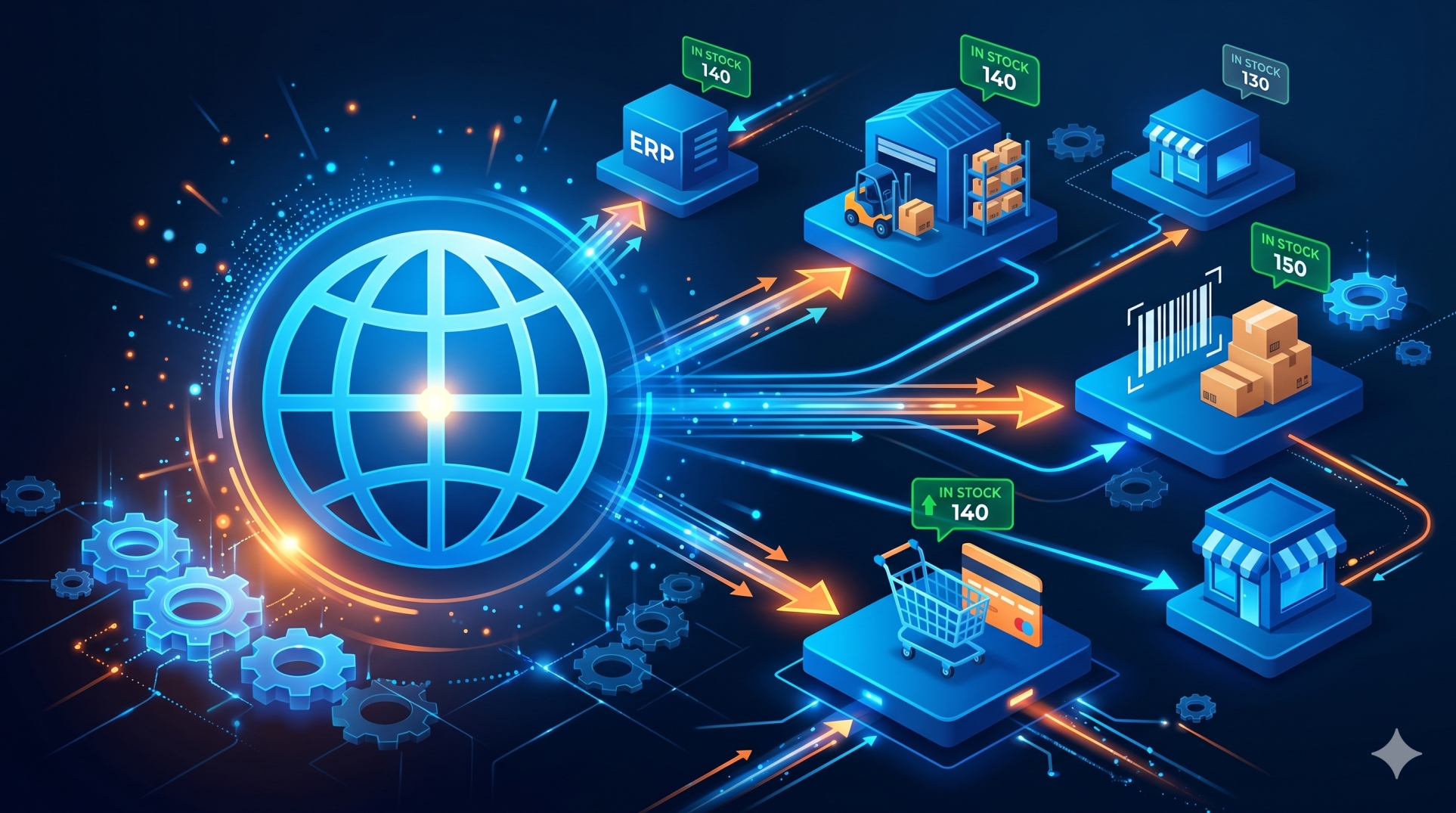
• Manage inventory across stores and warehouses 📦
• Track sales performance in real time 📊
• Coordinate pricing, promotions, and product availability 💰
• Improve customer order fulfillment efficiency 🚚
• Support consistent shopping experiences across sales channels 🌐
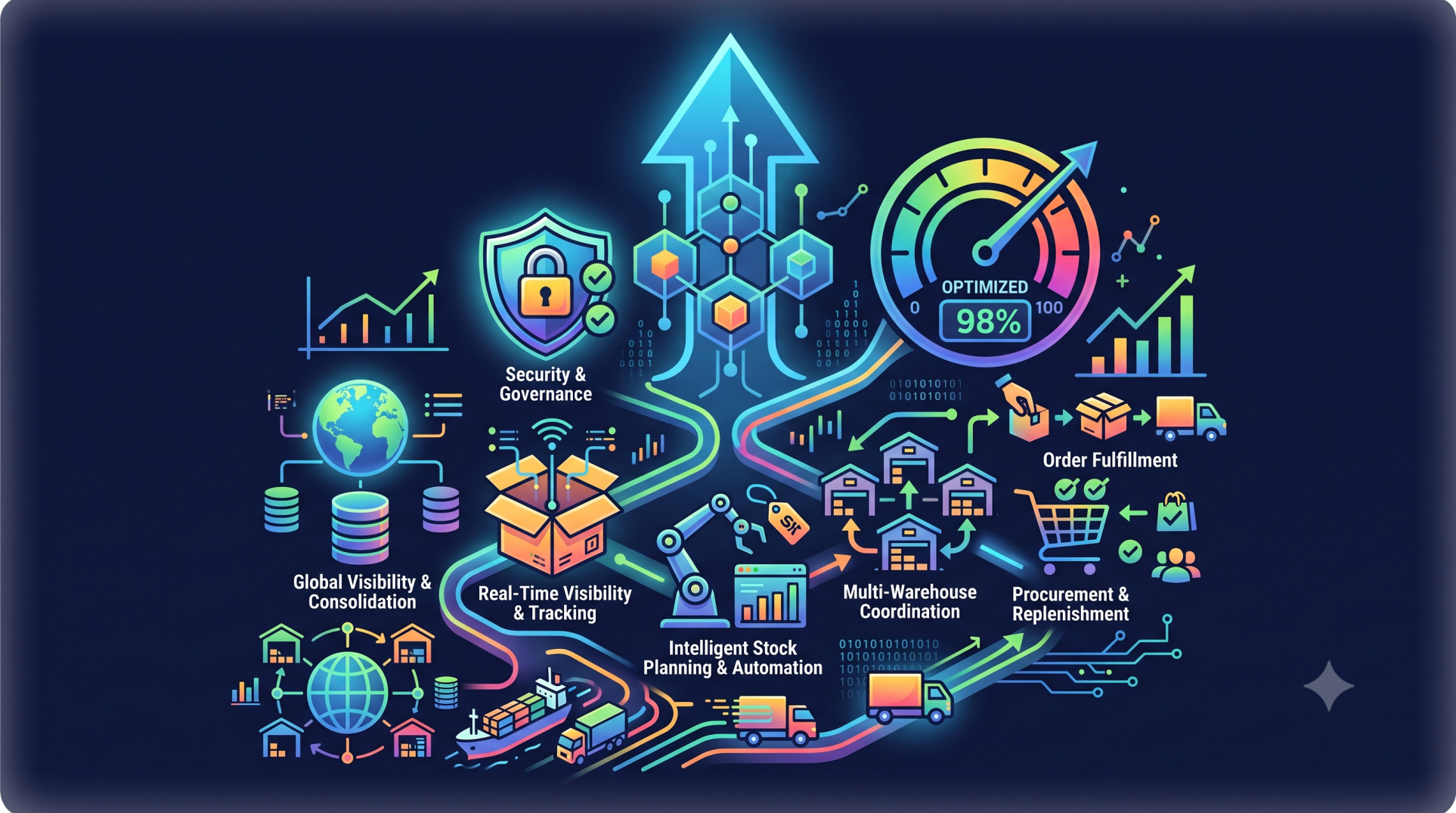
Step 4: Enhancing Inventory Management 📦
• Maintain accurate inventory visibility across locations 👀
• Reduce stock shortages and excess inventory ⚖️
• Automate replenishment based on demand patterns 🔄
• Improve warehouse coordination and stock movement 🚛
• Increase inventory accuracy through centralized tracking 📋
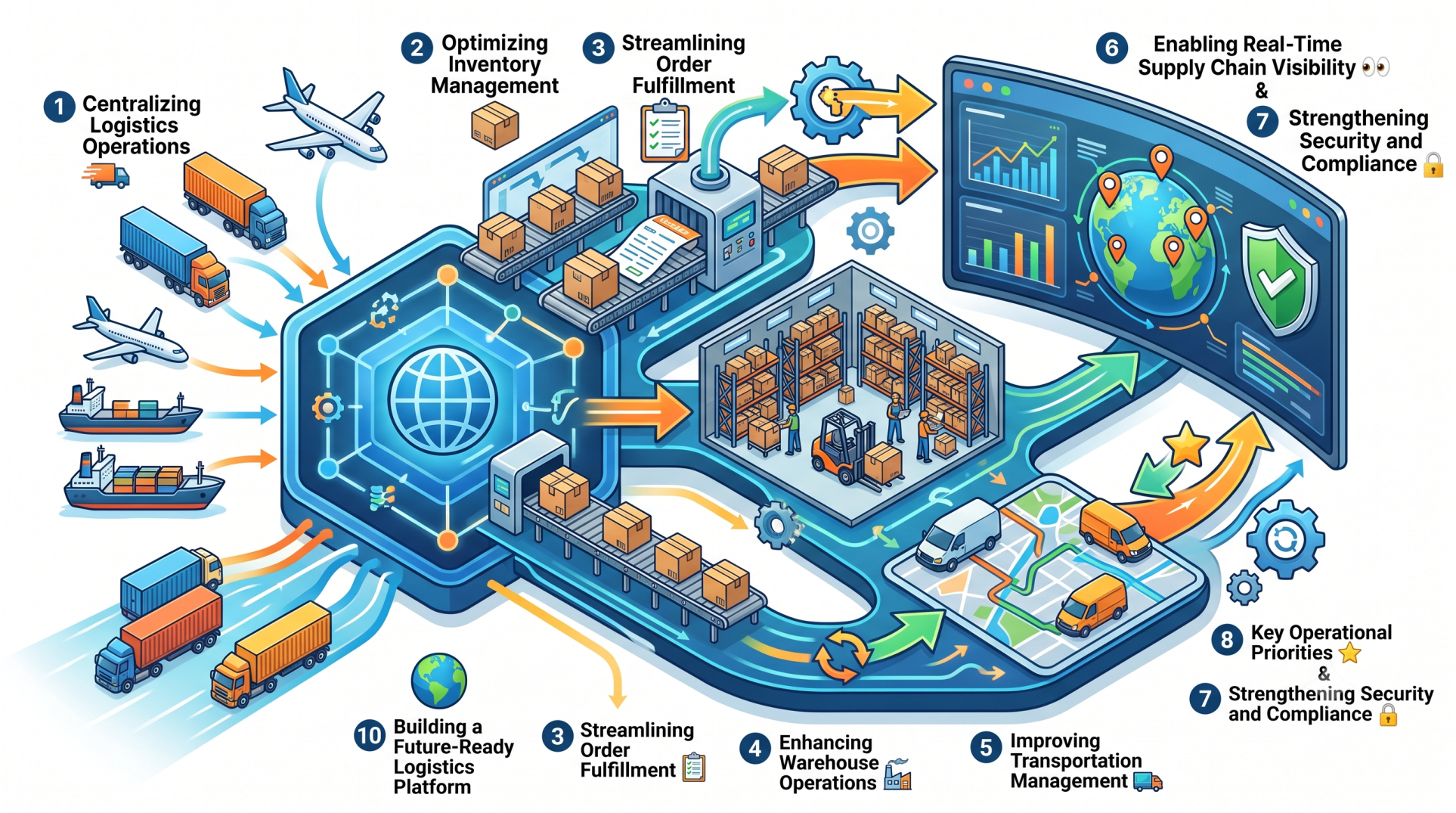
Step 5: Strengthening Supply Chain Coordination 🚚
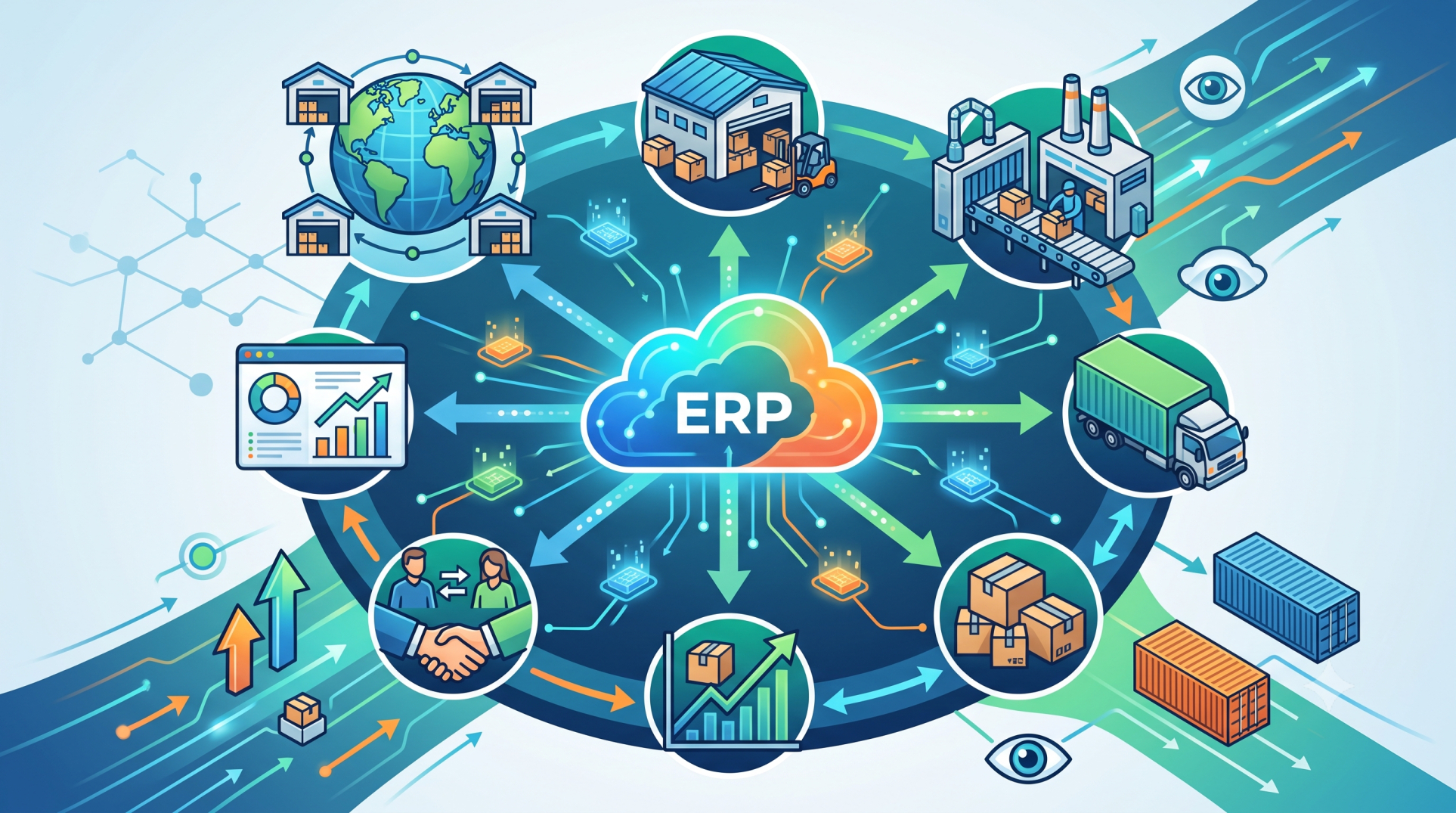
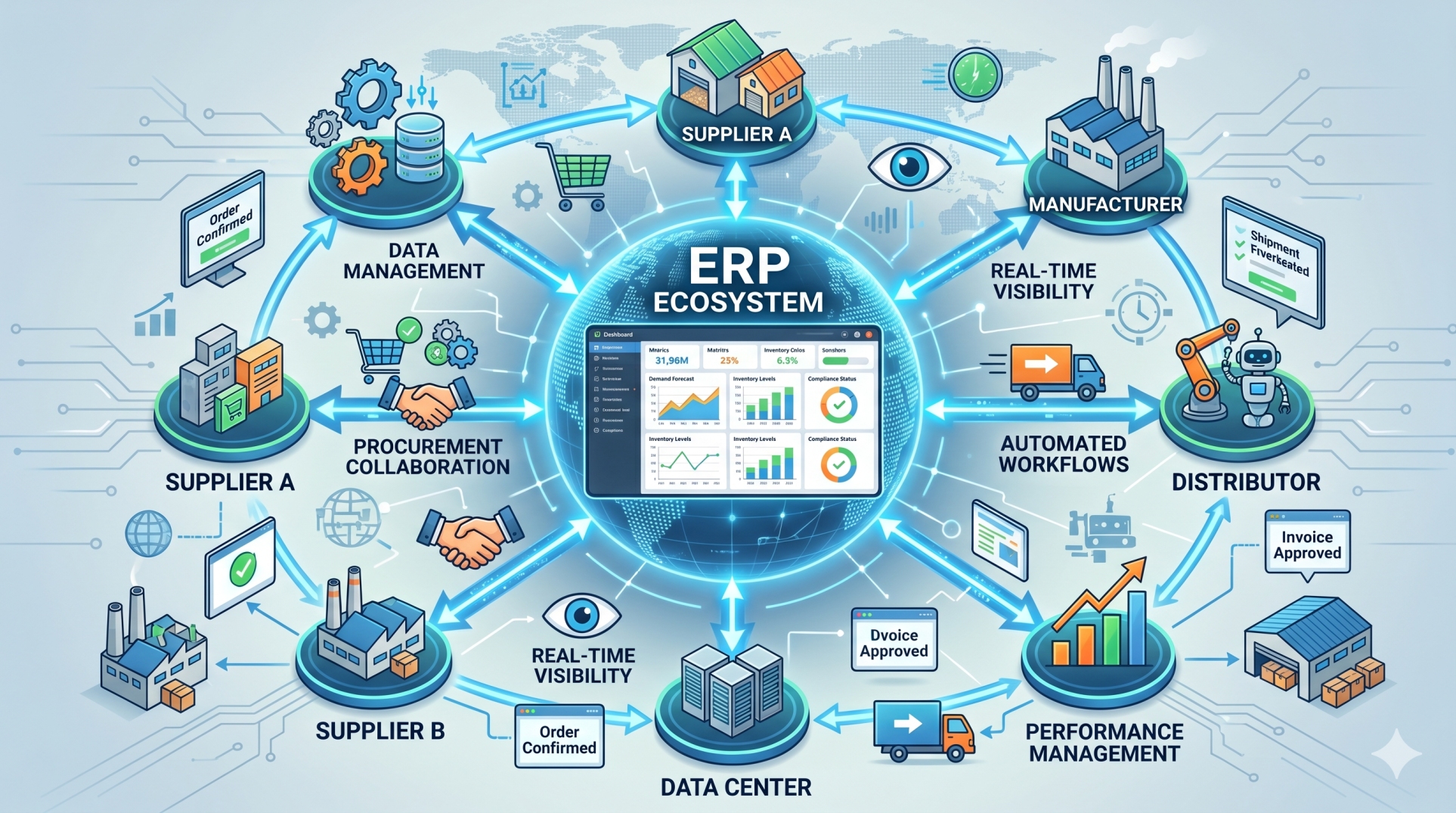
• Connect suppliers, warehouses, and distribution networks 🔗
• Improve procurement planning and vendor collaboration 🤝
• Track inbound and outbound shipments in real time 📍
• Reduce delays through synchronized supply chain operations ⏱️
• Improve material availability and product delivery 🚀
Step 6: Supporting Financial Management 💰
• Centralize accounting and financial reporting 📑
• Automate invoicing and payment processing ⚡
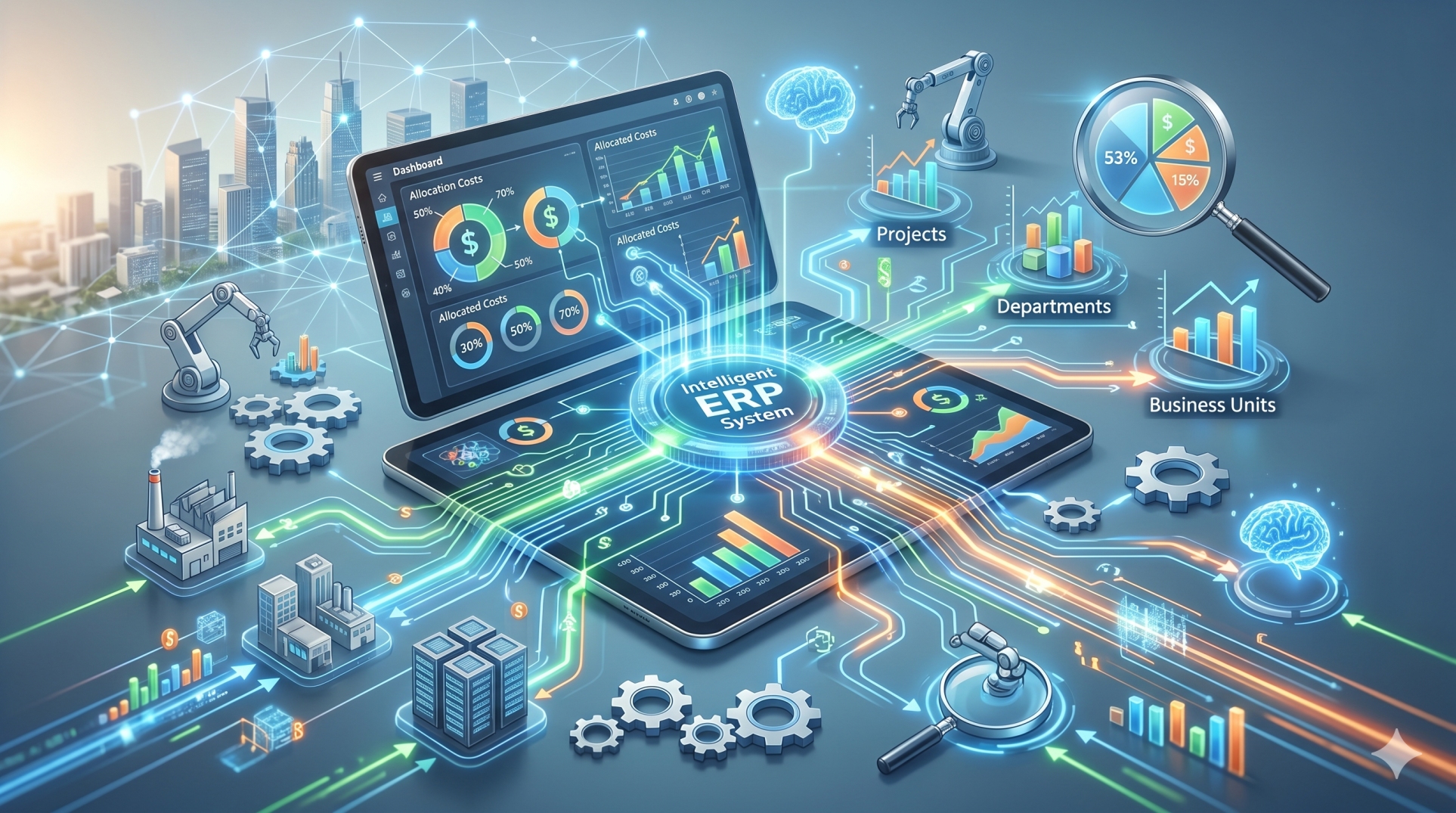
• Track operational costs across departments 📊
• Improve budgeting and financial forecasting 📈
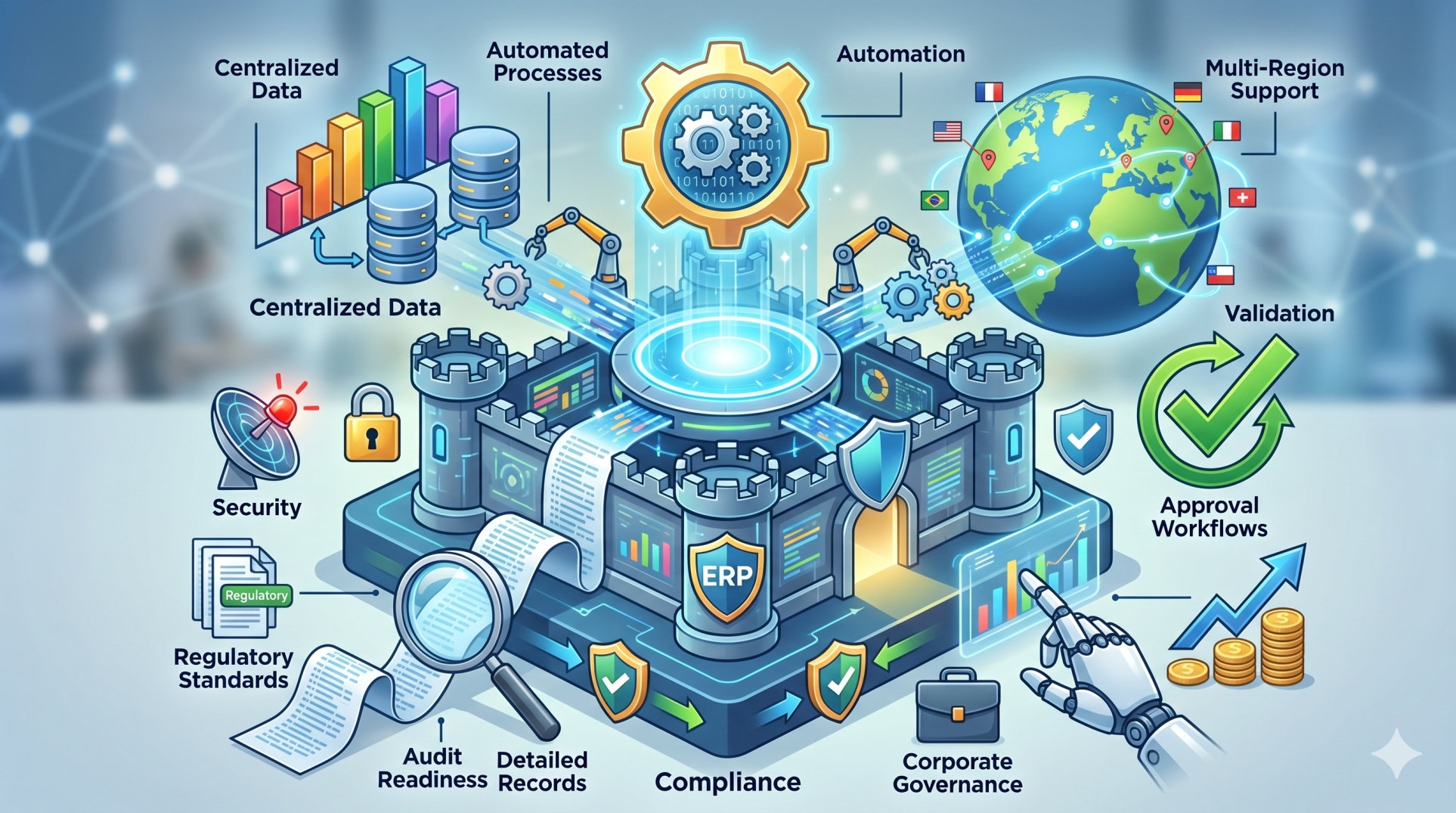
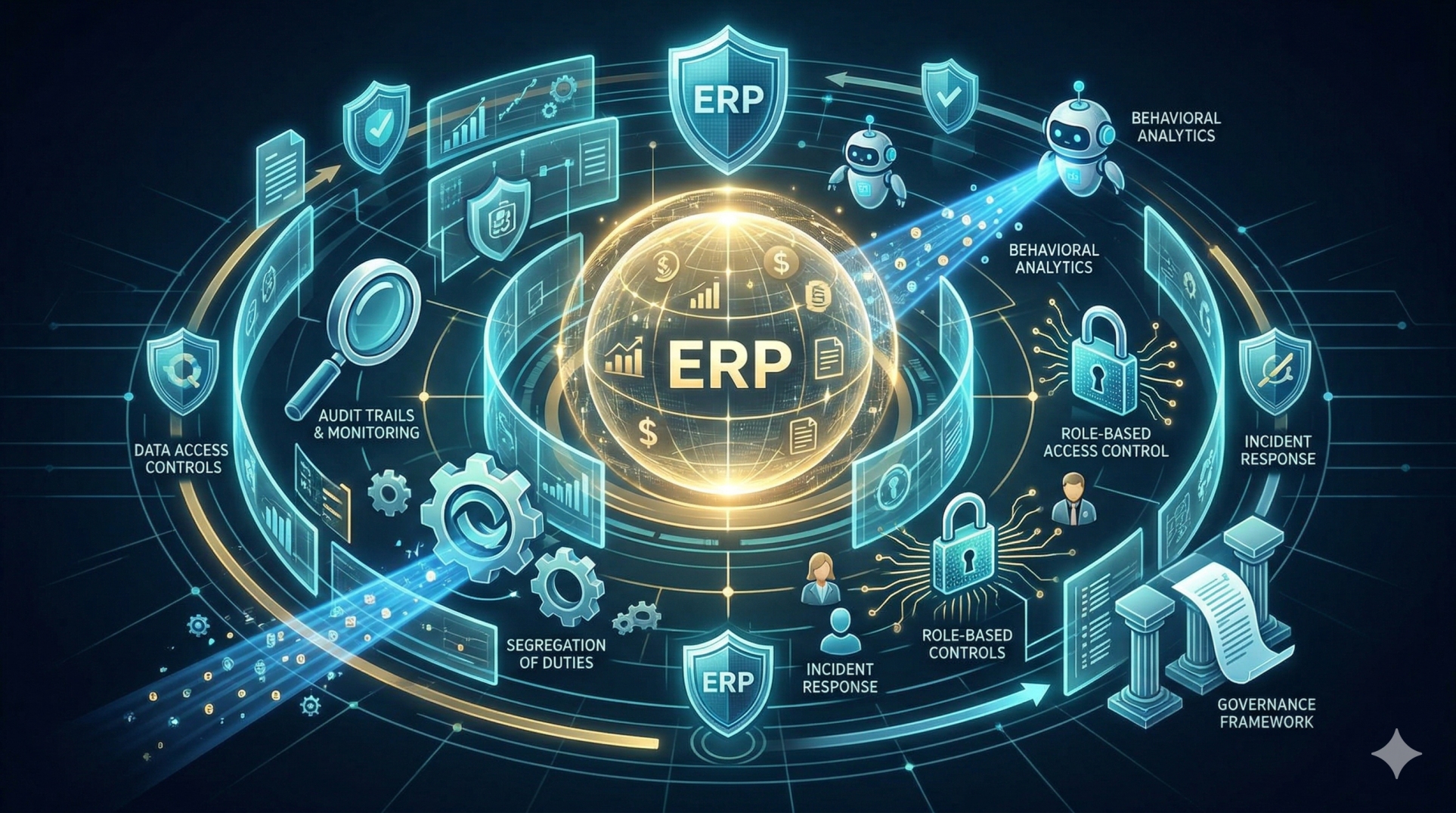
• Strengthen financial transparency and compliance 🛡️
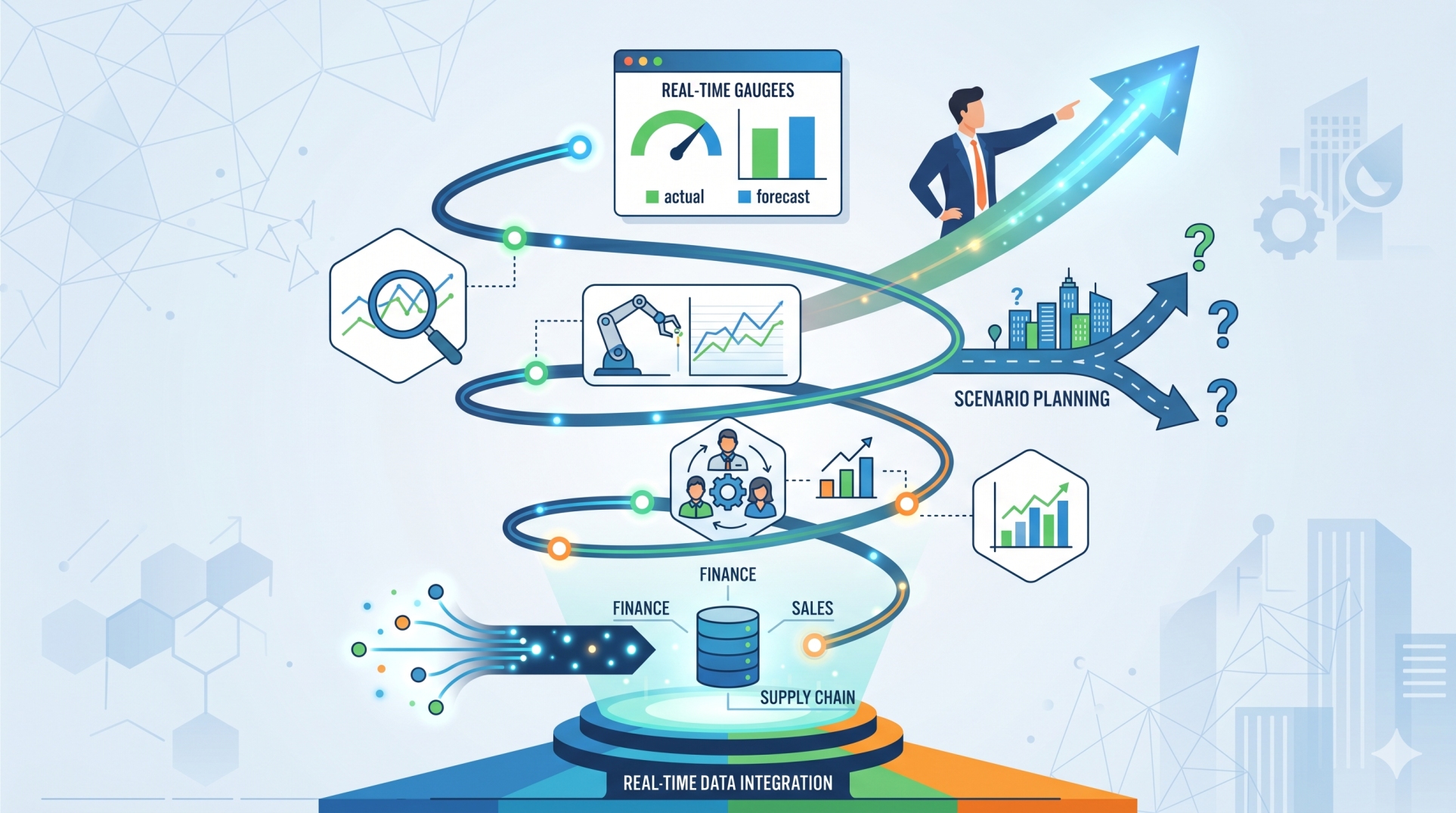
Step 7: Leveraging Business Intelligence 📊
• Monitor key performance indicators across operations 📈
• Analyze manufacturing and retail performance trends 🔍
• Generate actionable reports for business leaders 📋
• Support data-driven strategic planning 💡
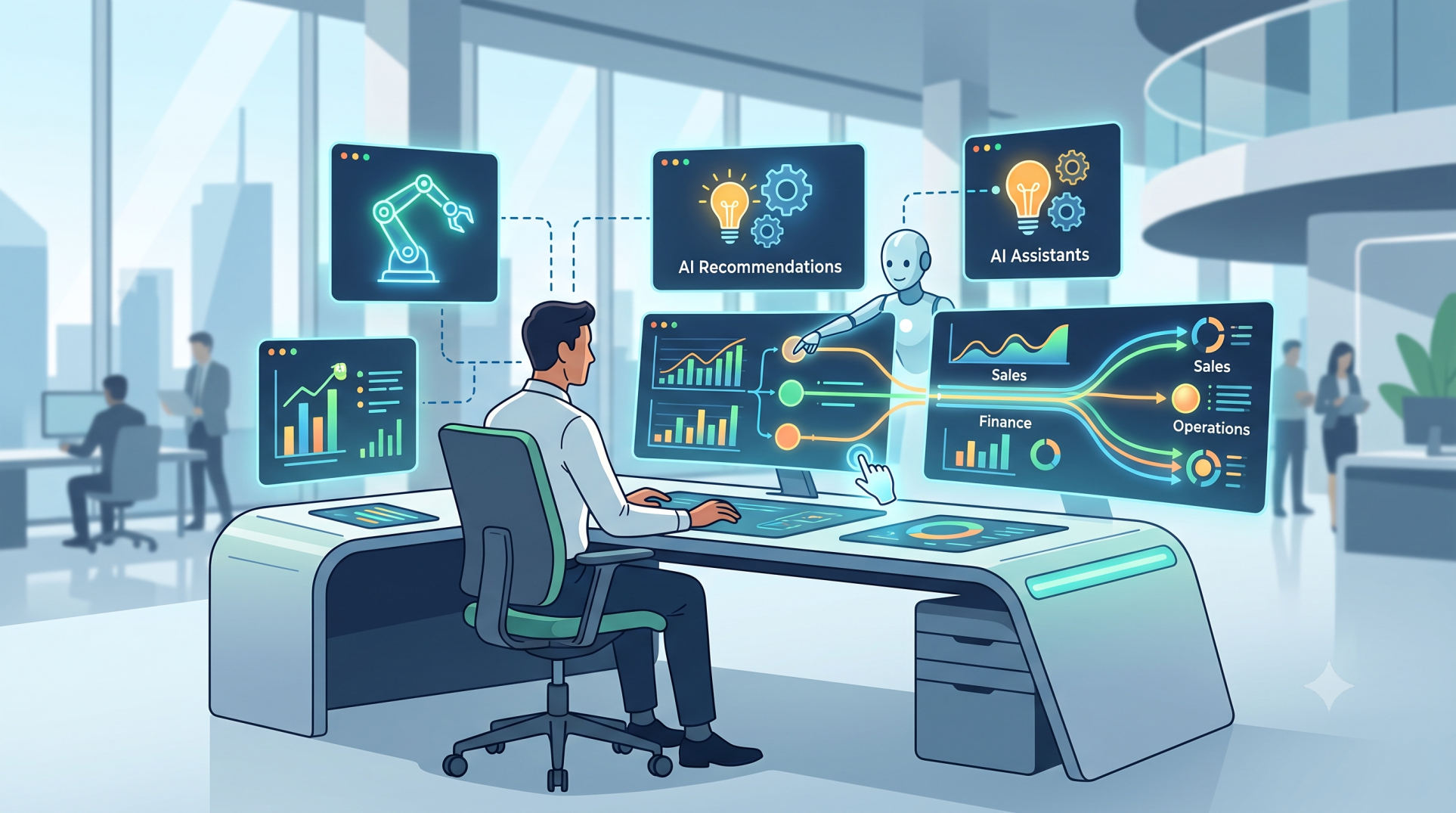
• Improve operational decision-making with real-time insights 🧠
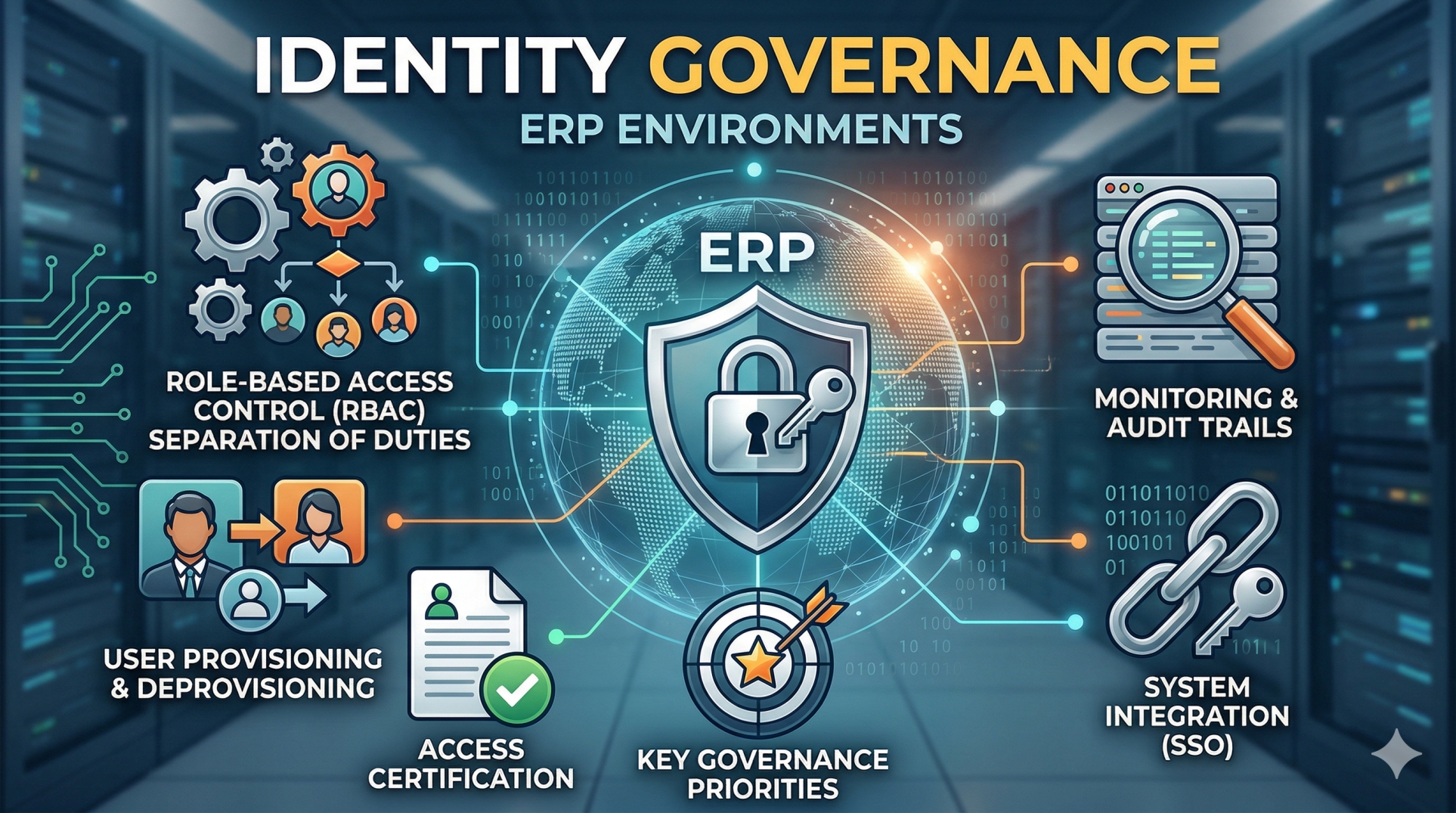
Step 8: Key ERP Priorities ⭐
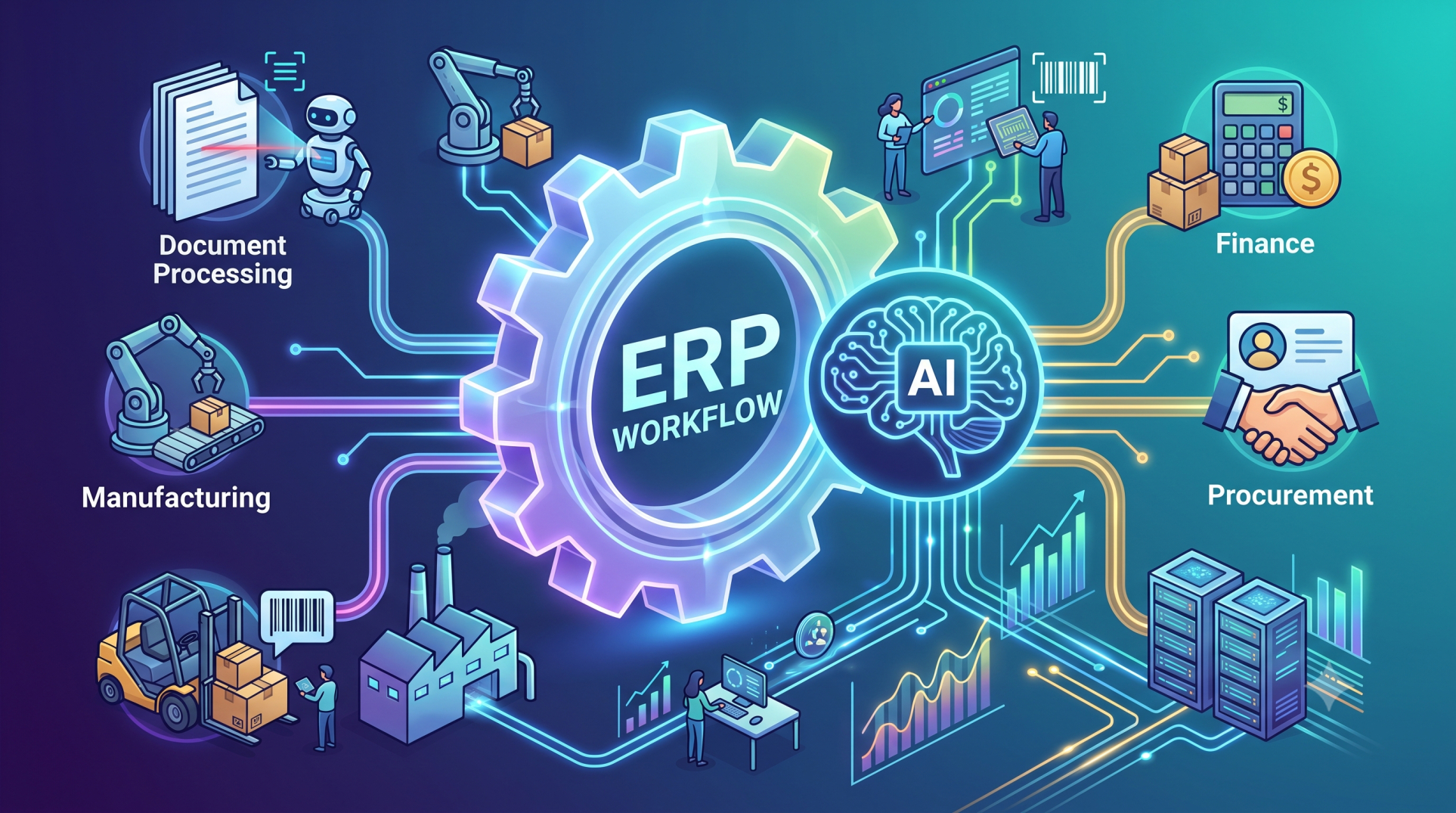
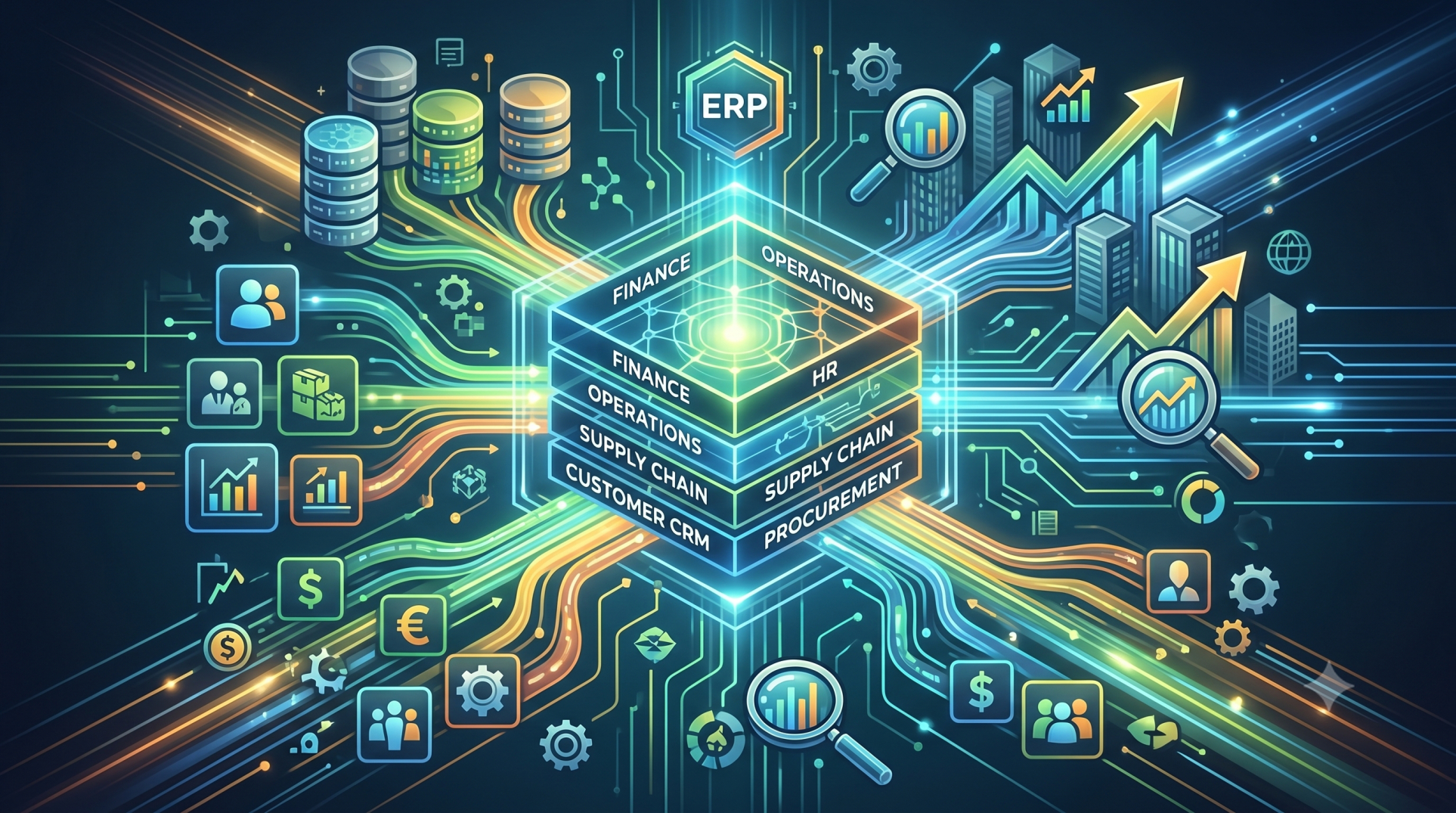
• Unified business operations across departments 🤝
• Real-time visibility into inventory and operations 👀
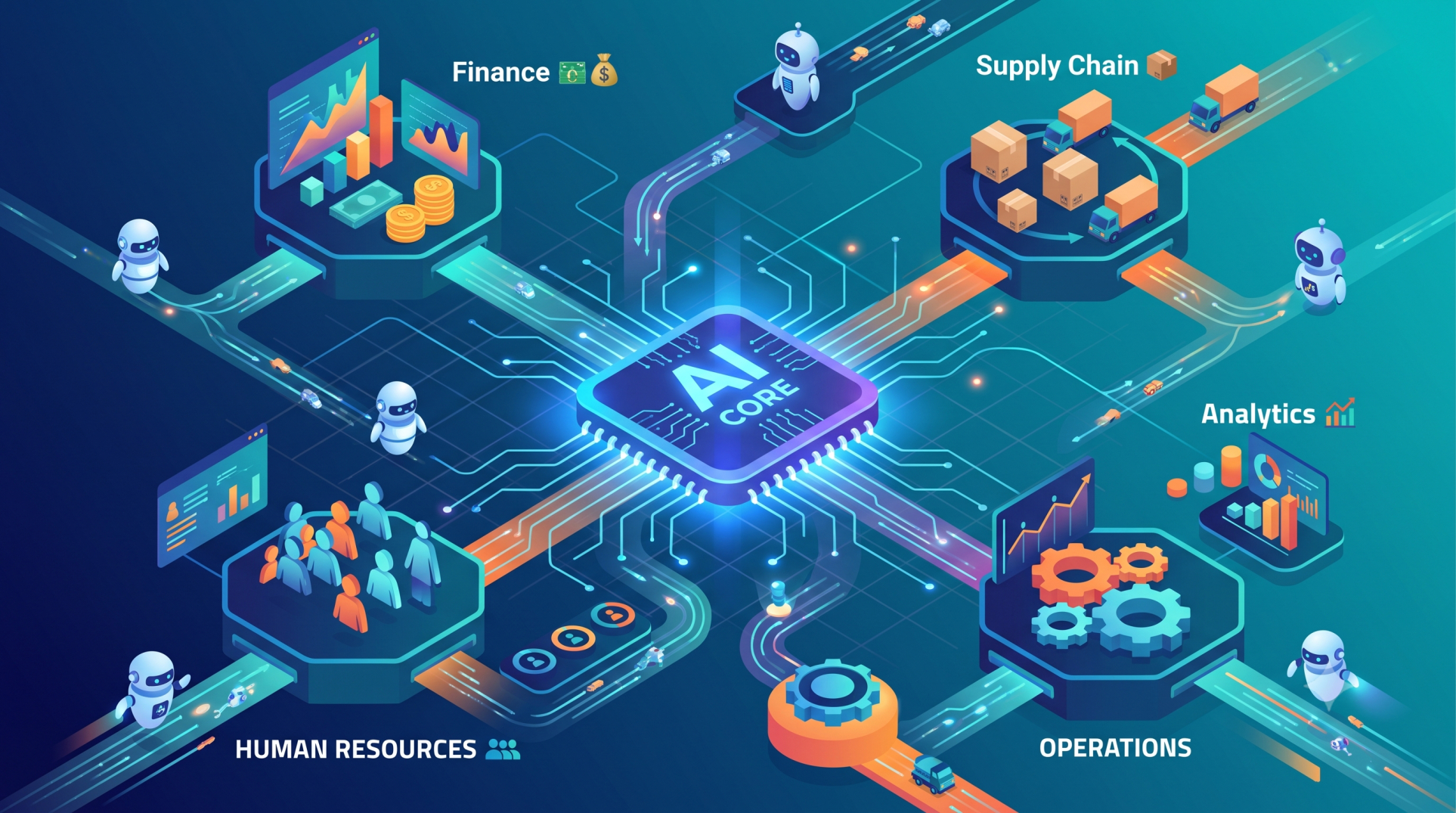
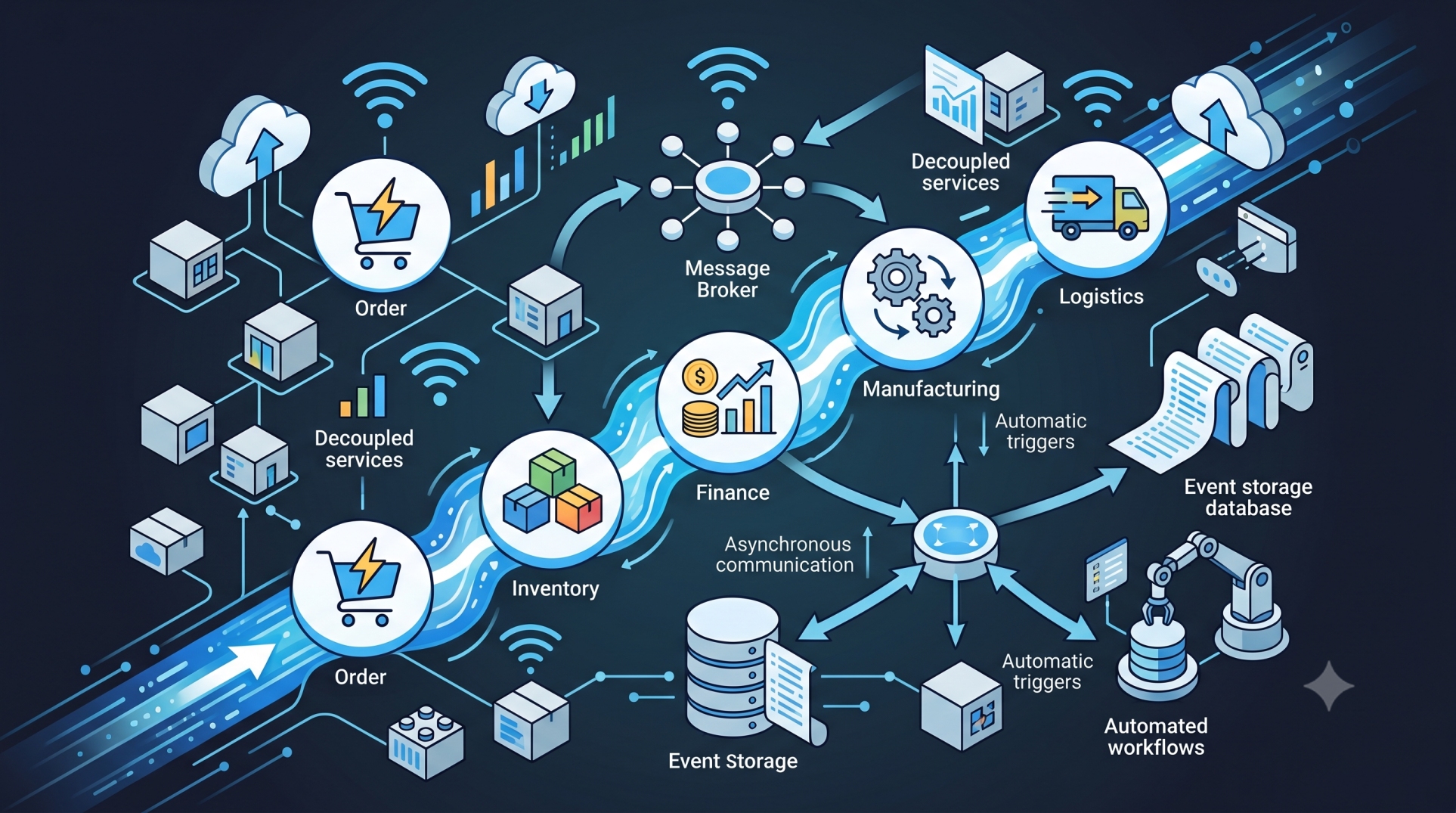
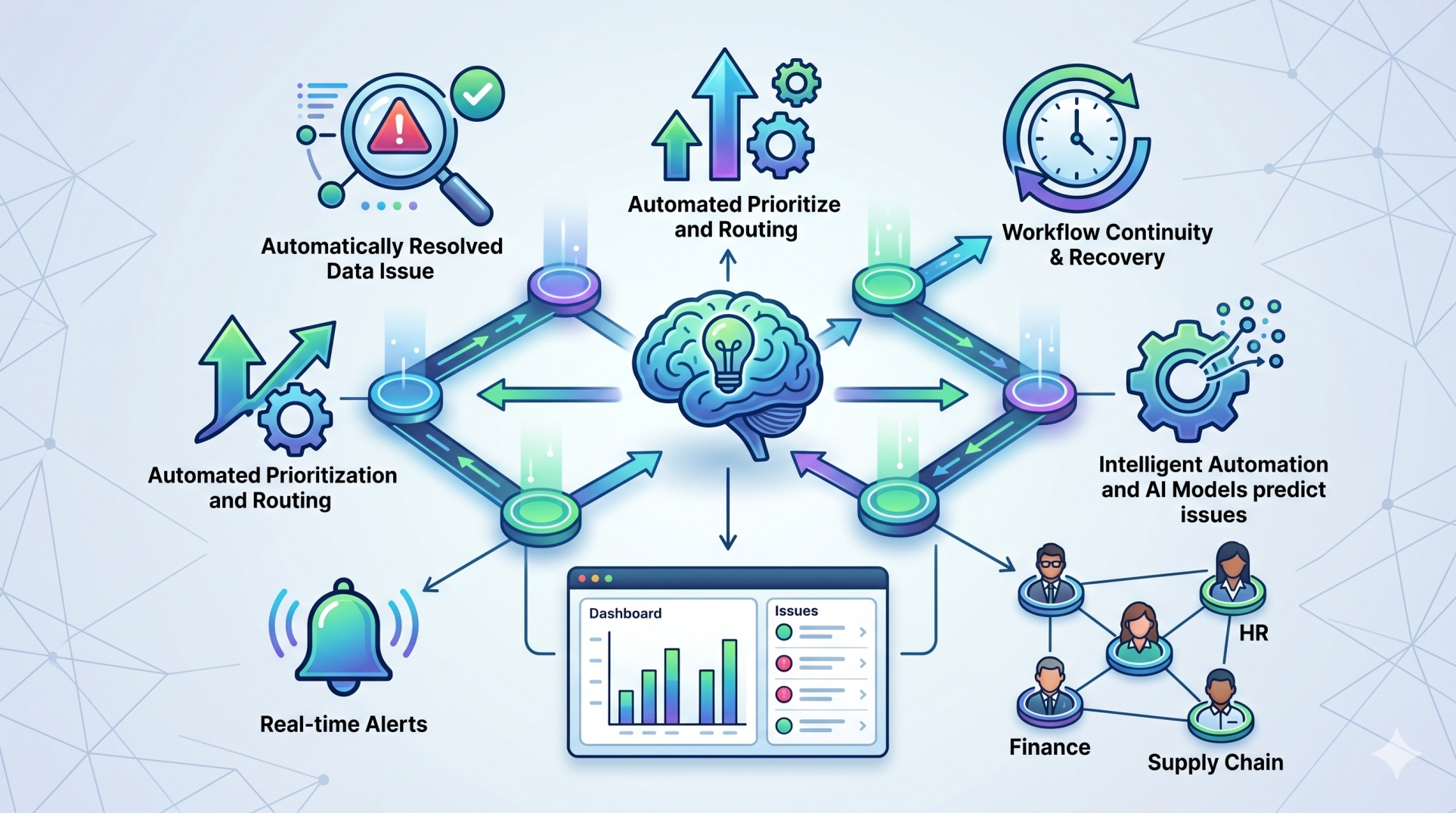
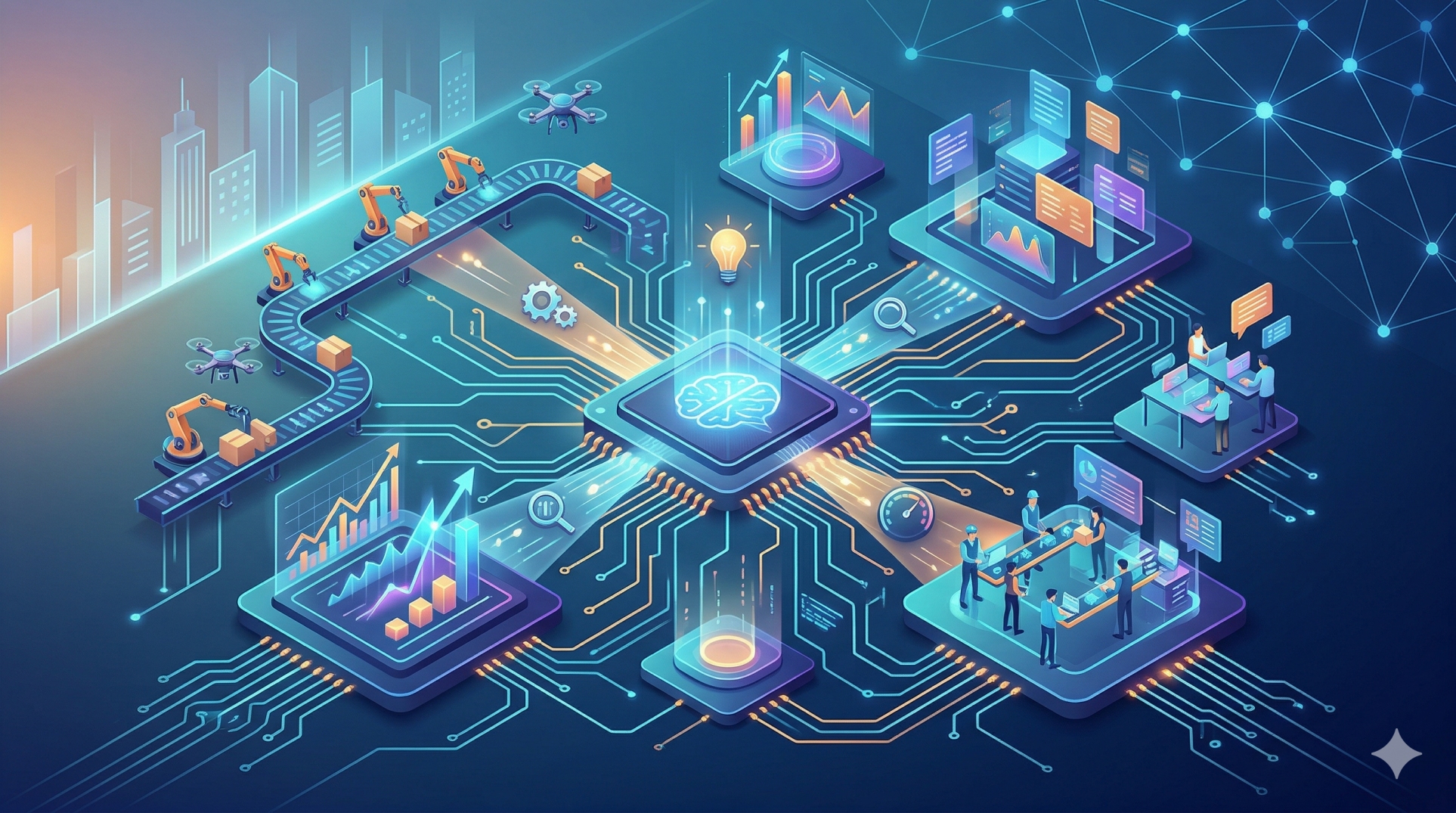
• Automated workflows that improve productivity 🤖
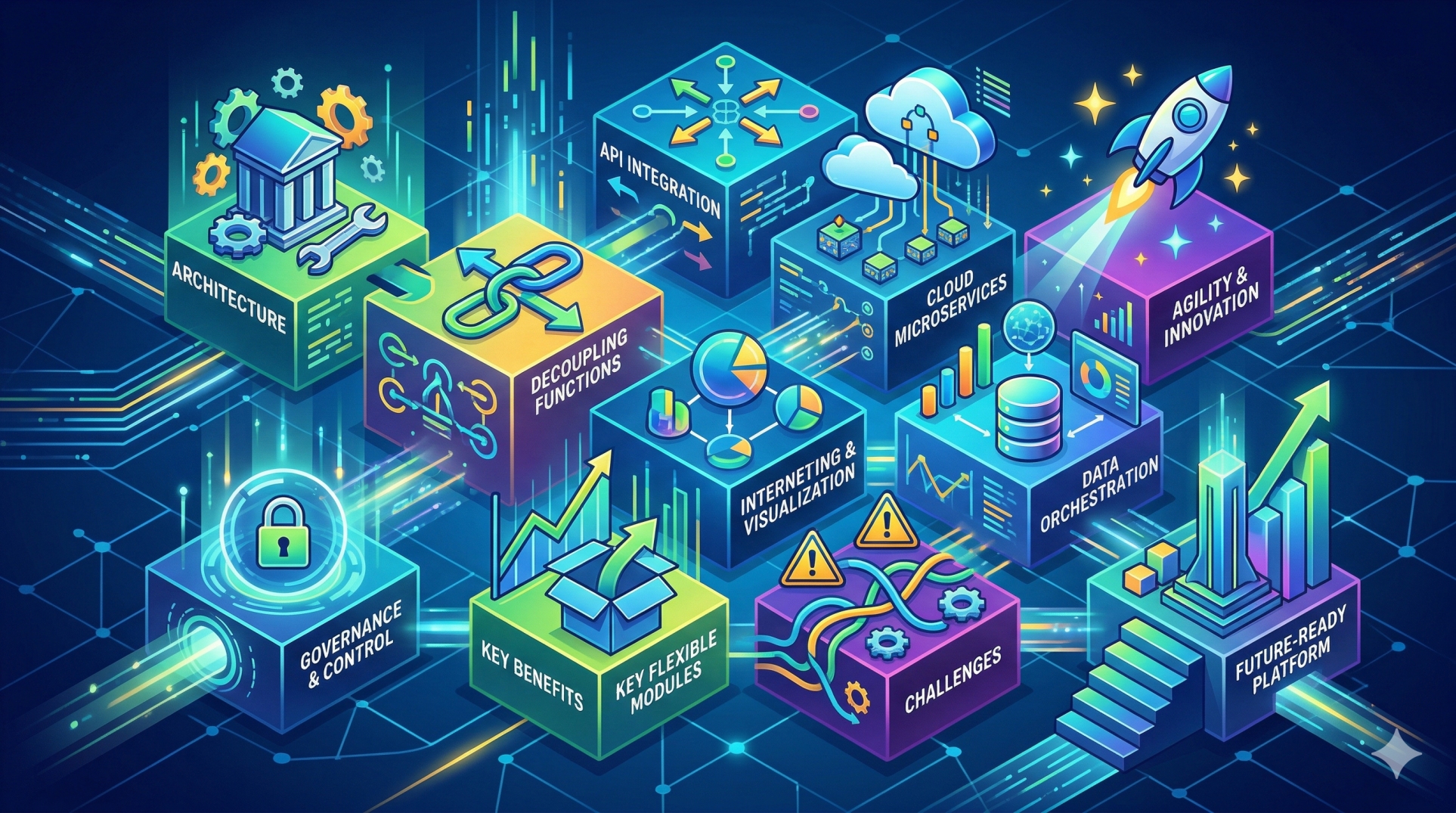
• Flexible architecture for future business expansion 🚀
Step 9: Adapting to Changing Business Requirements 🔄
• Scale operations as production or retail demand increases 📈
• Introduce new products and services efficiently 🏷️
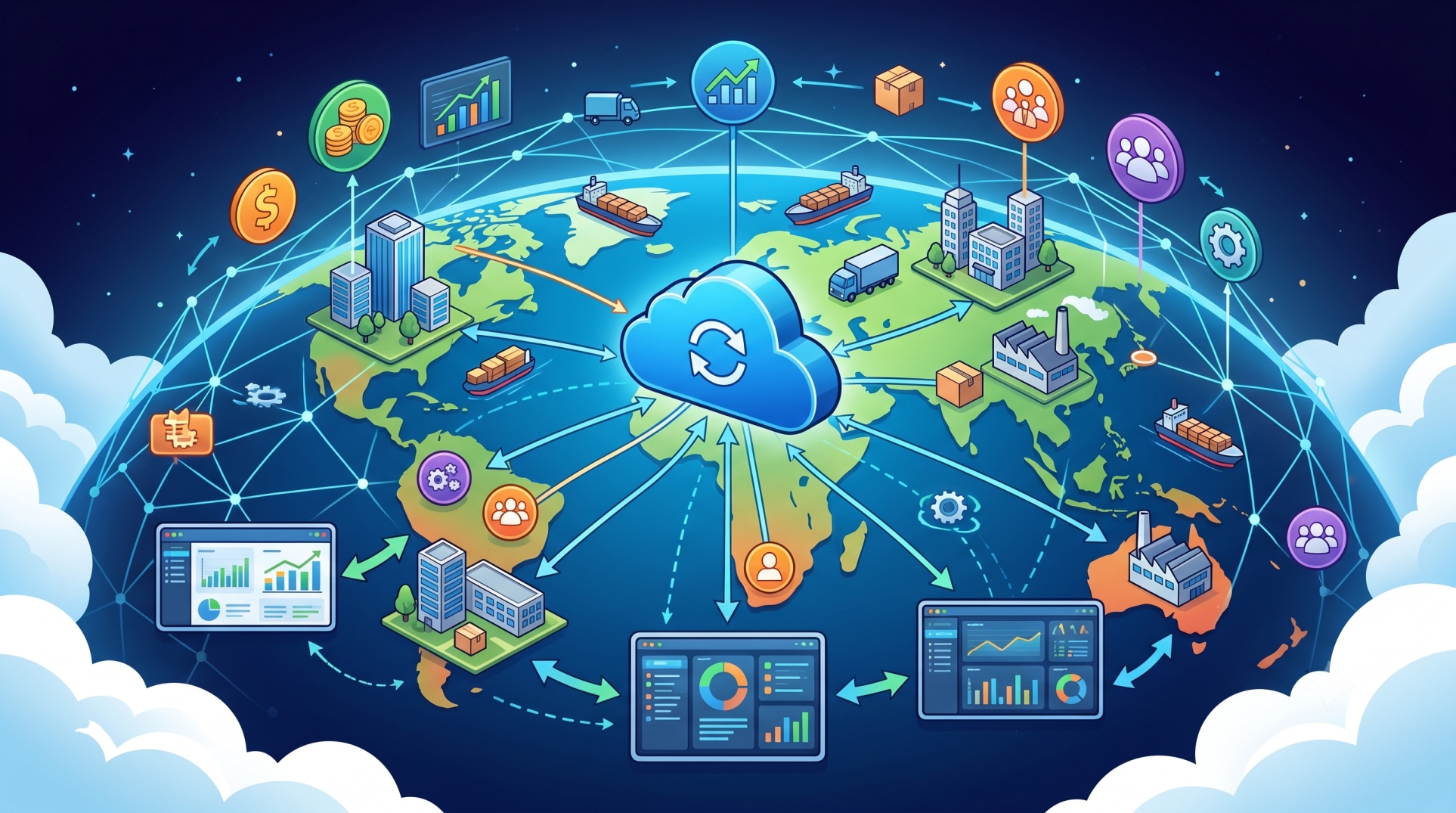
• Support expansion into new markets and locations 🌍
• Adjust business processes to evolving customer expectations 🎯
• Maintain operational agility in competitive environments 💪
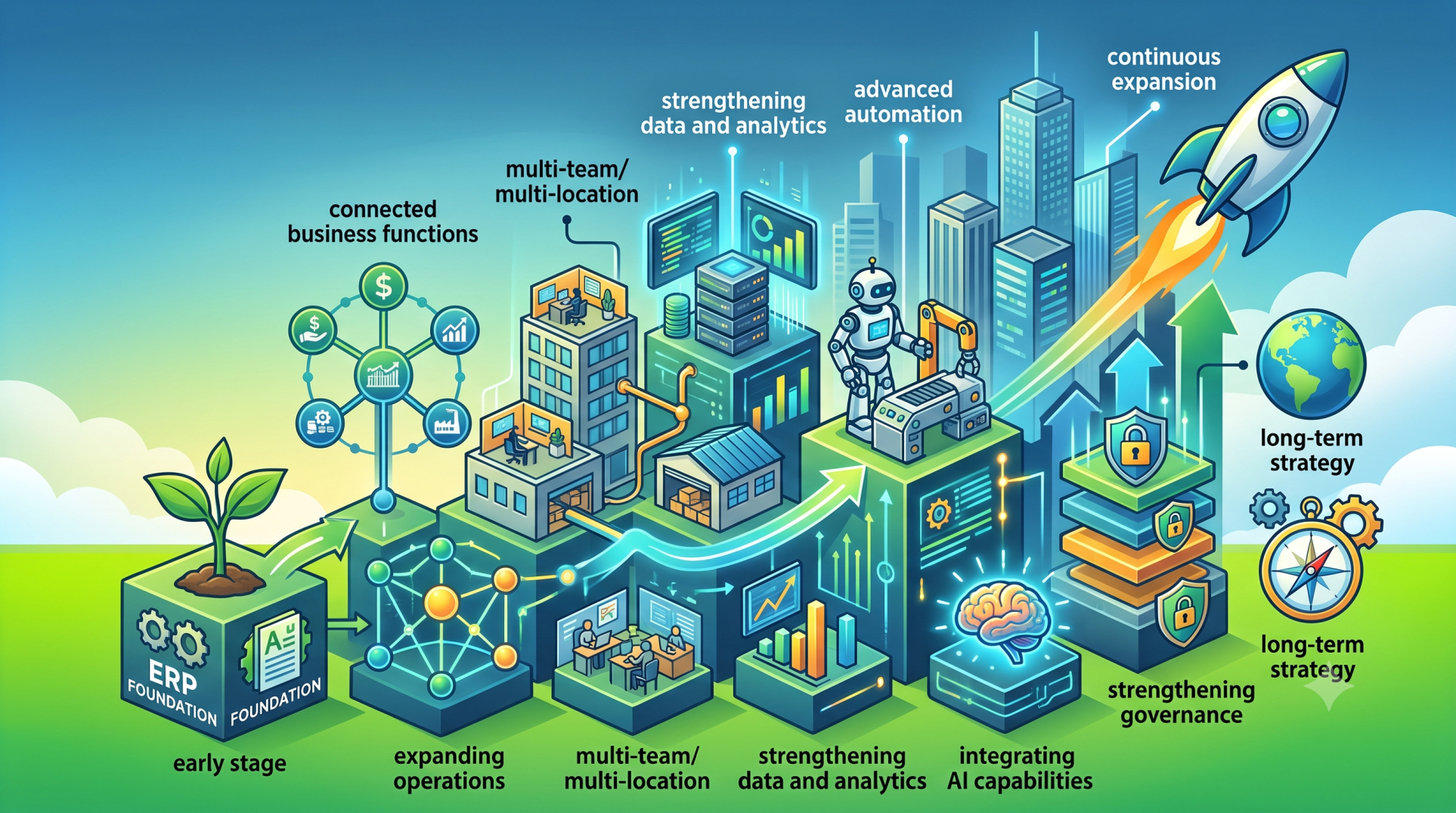
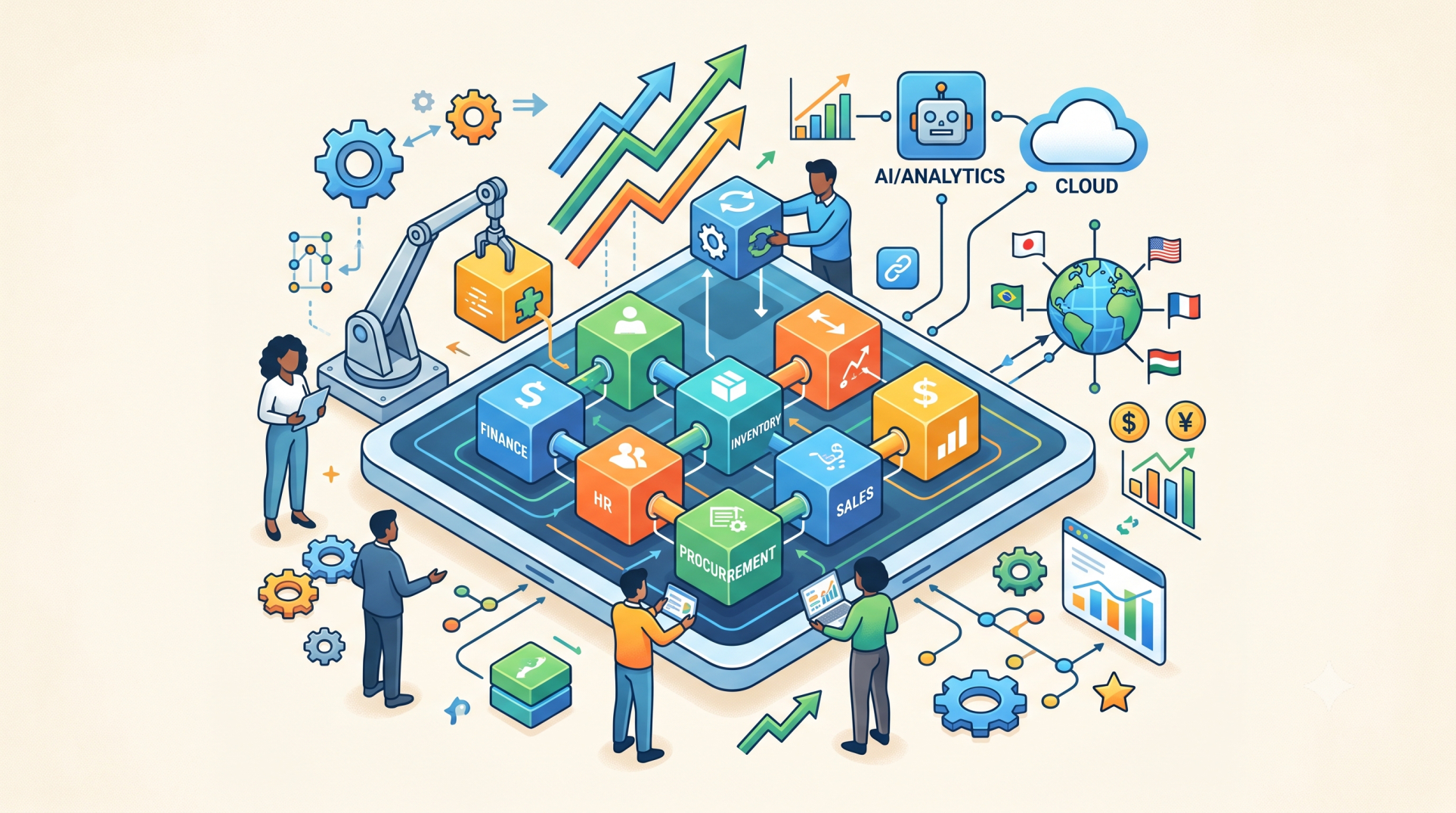
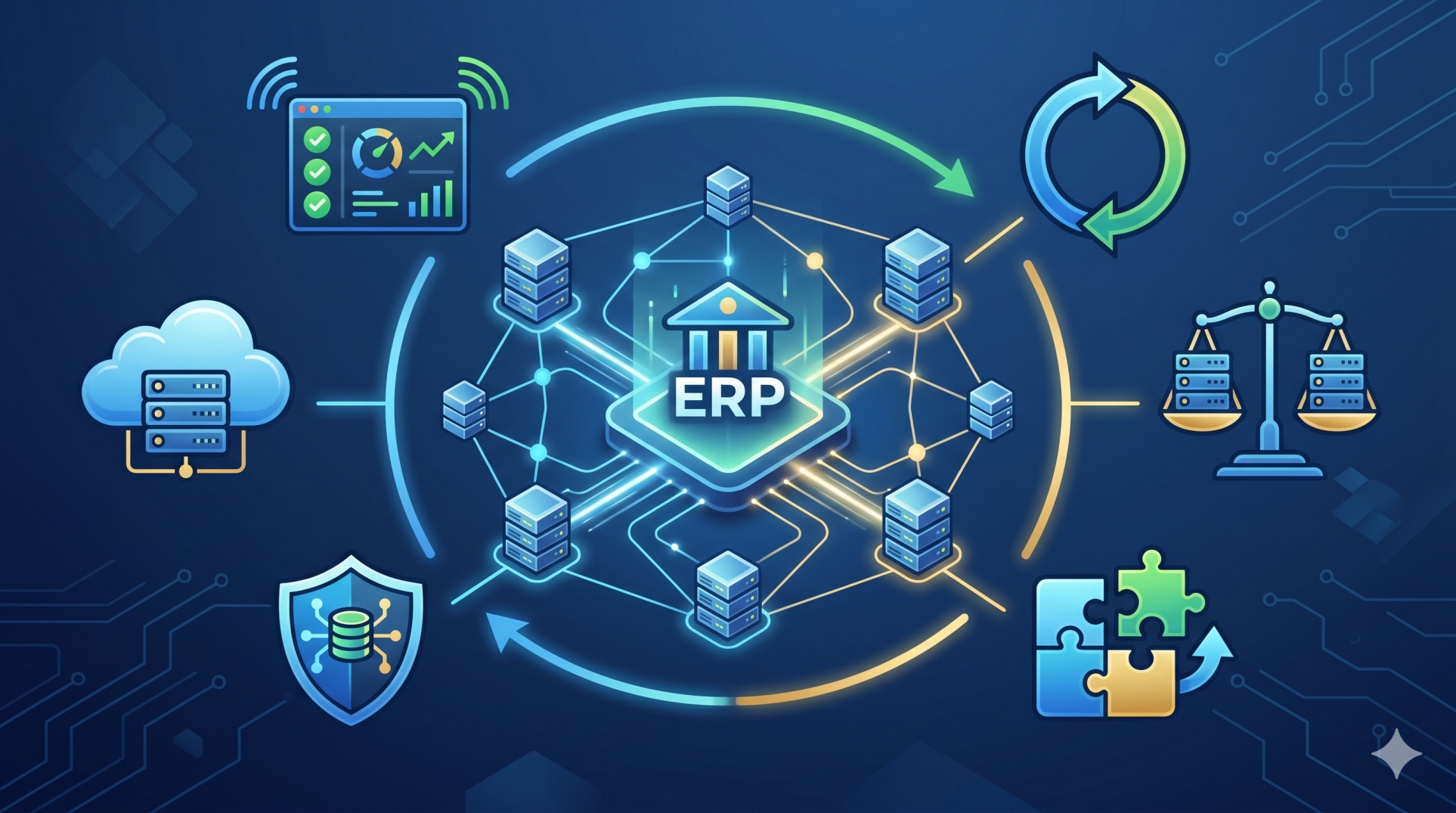
Step 10: Building a Future-Ready ERP Environment 🌟
• Design ERP platforms for long-term scalability 🏗️
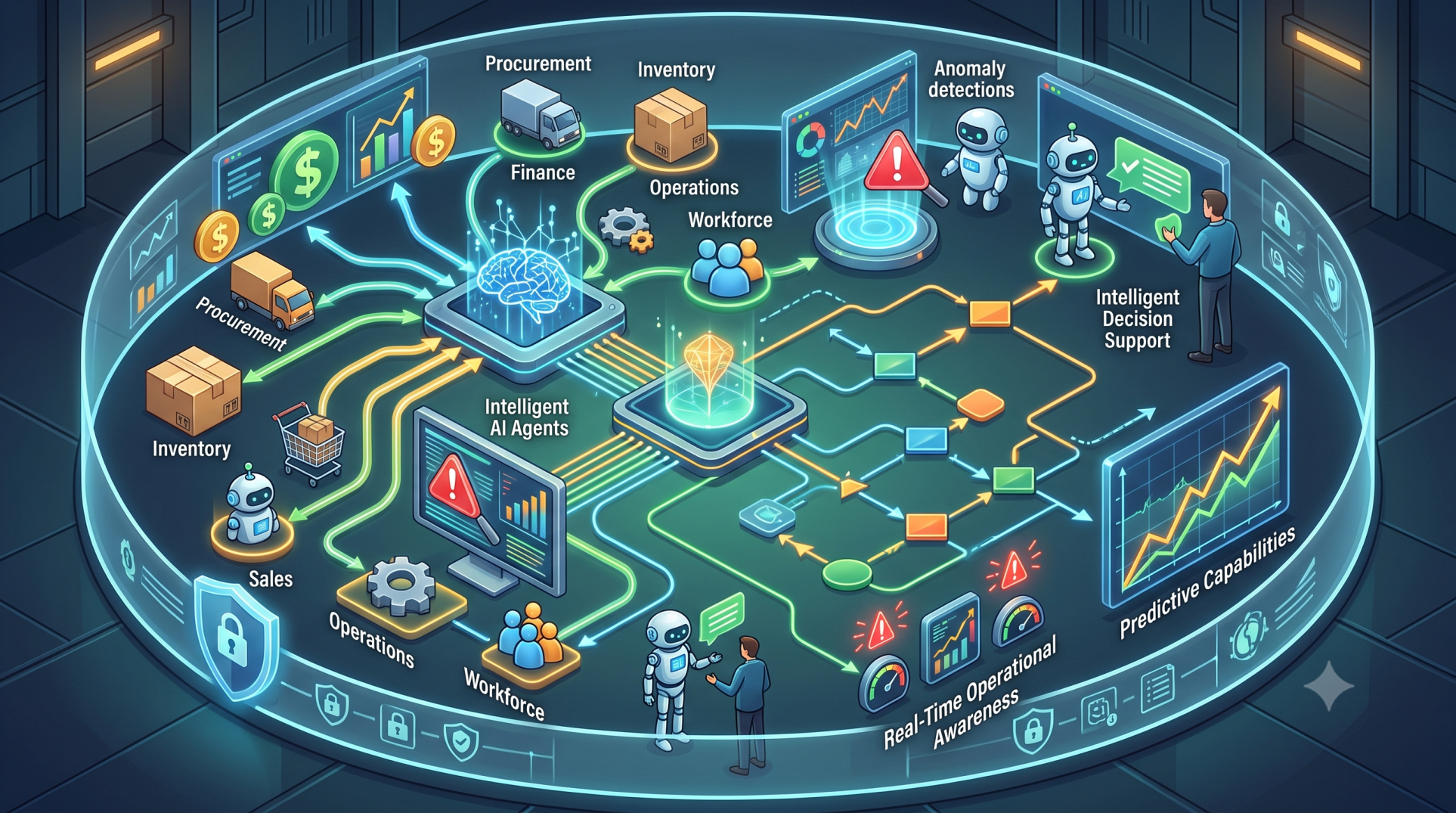
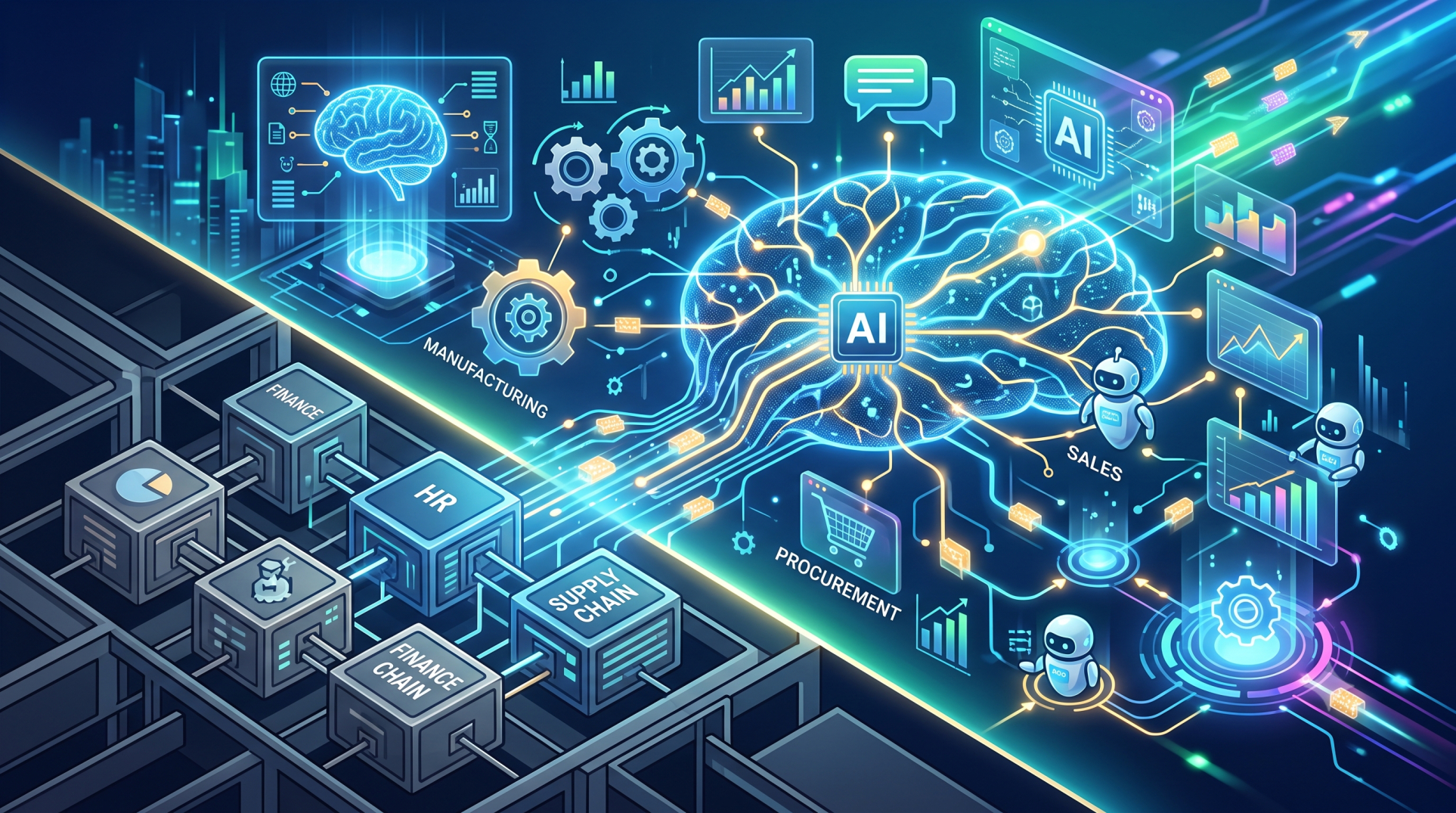
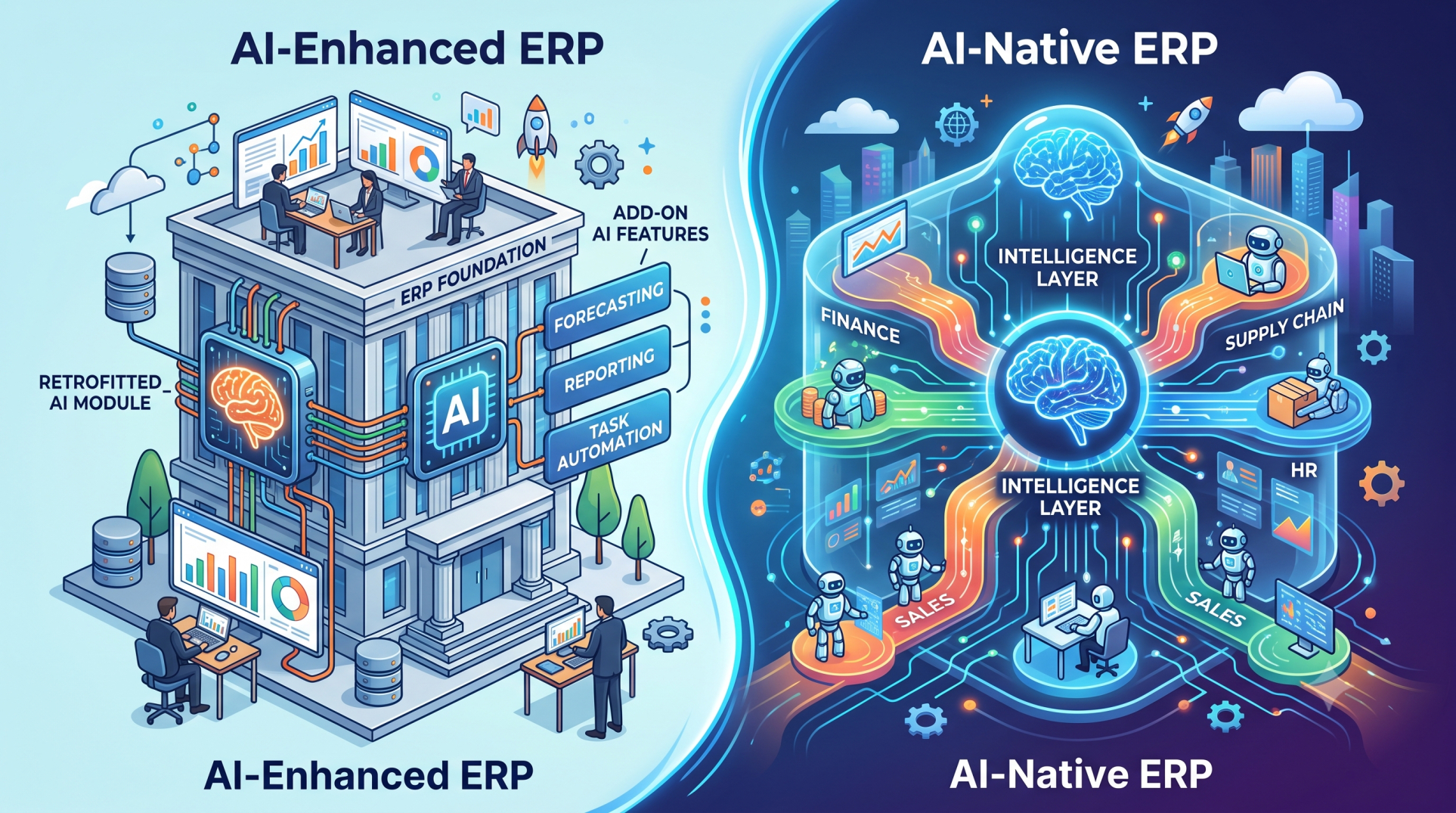
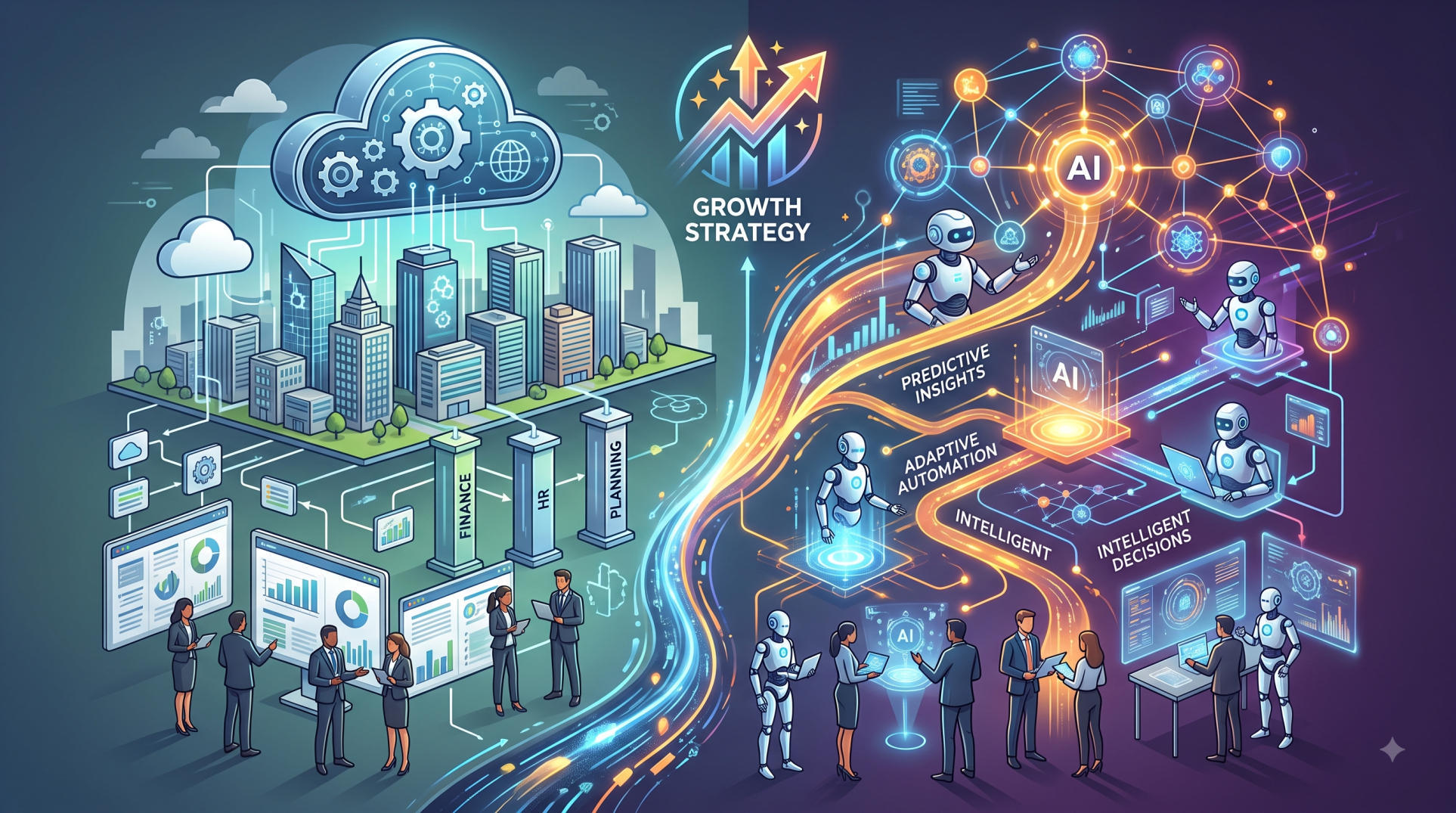
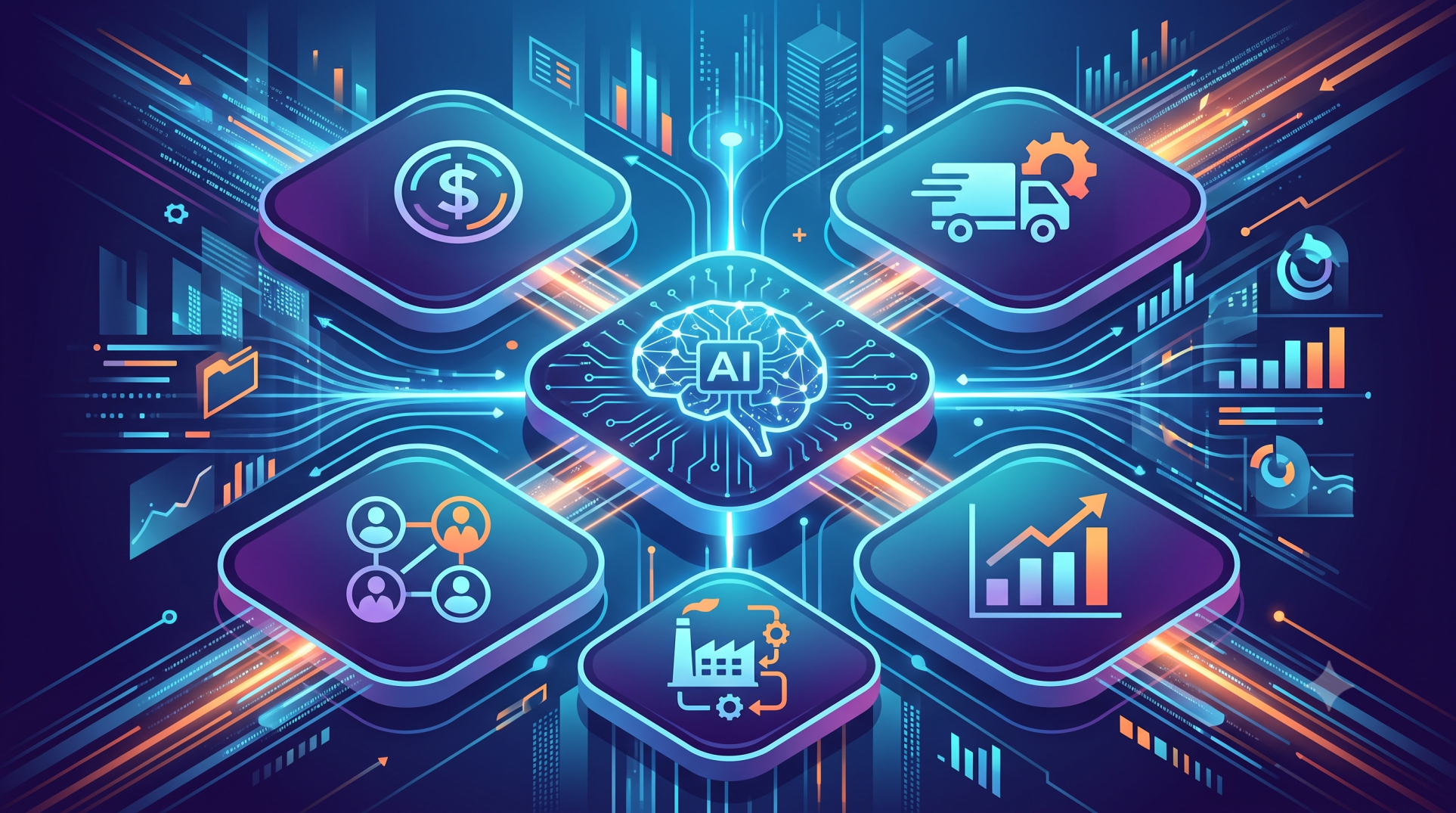
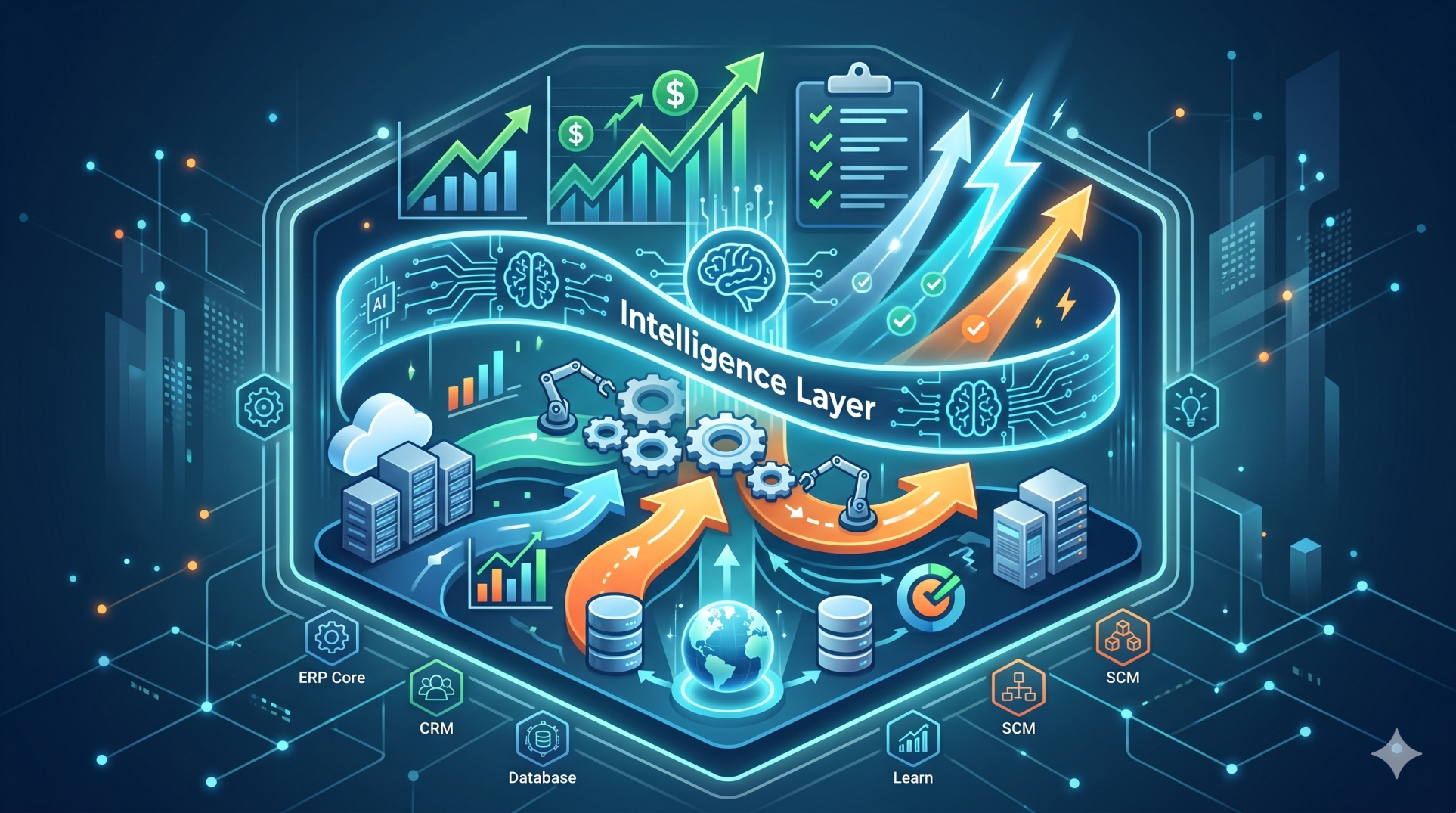
• Integrate automation, AI, and advanced analytics 🤖
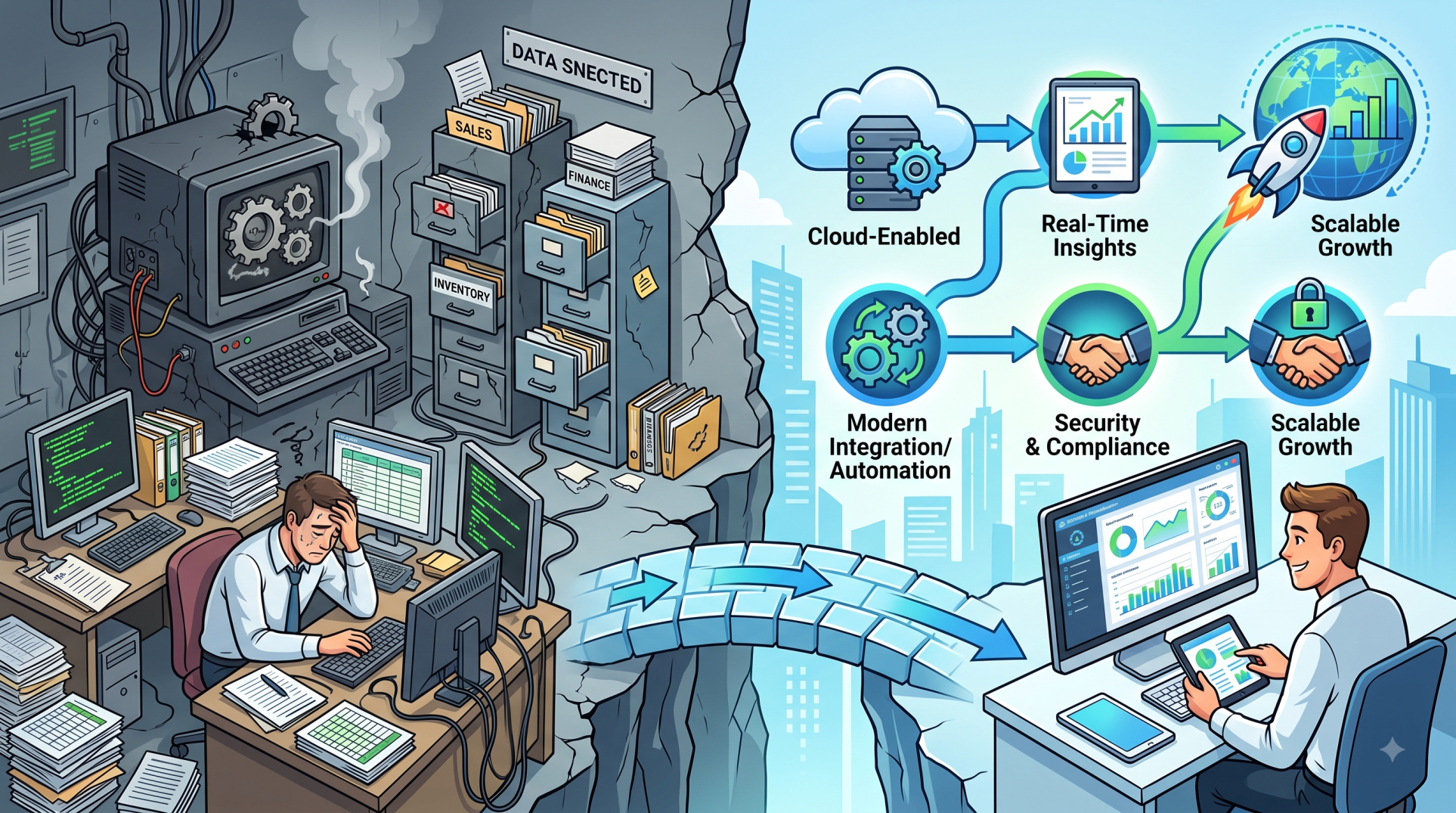
• Support cloud, hybrid, and multi-location operations ☁️
• Enable seamless connectivity with enterprise applications 🔗
• Continuously optimize business processes through innovation 🚀
Conclusion
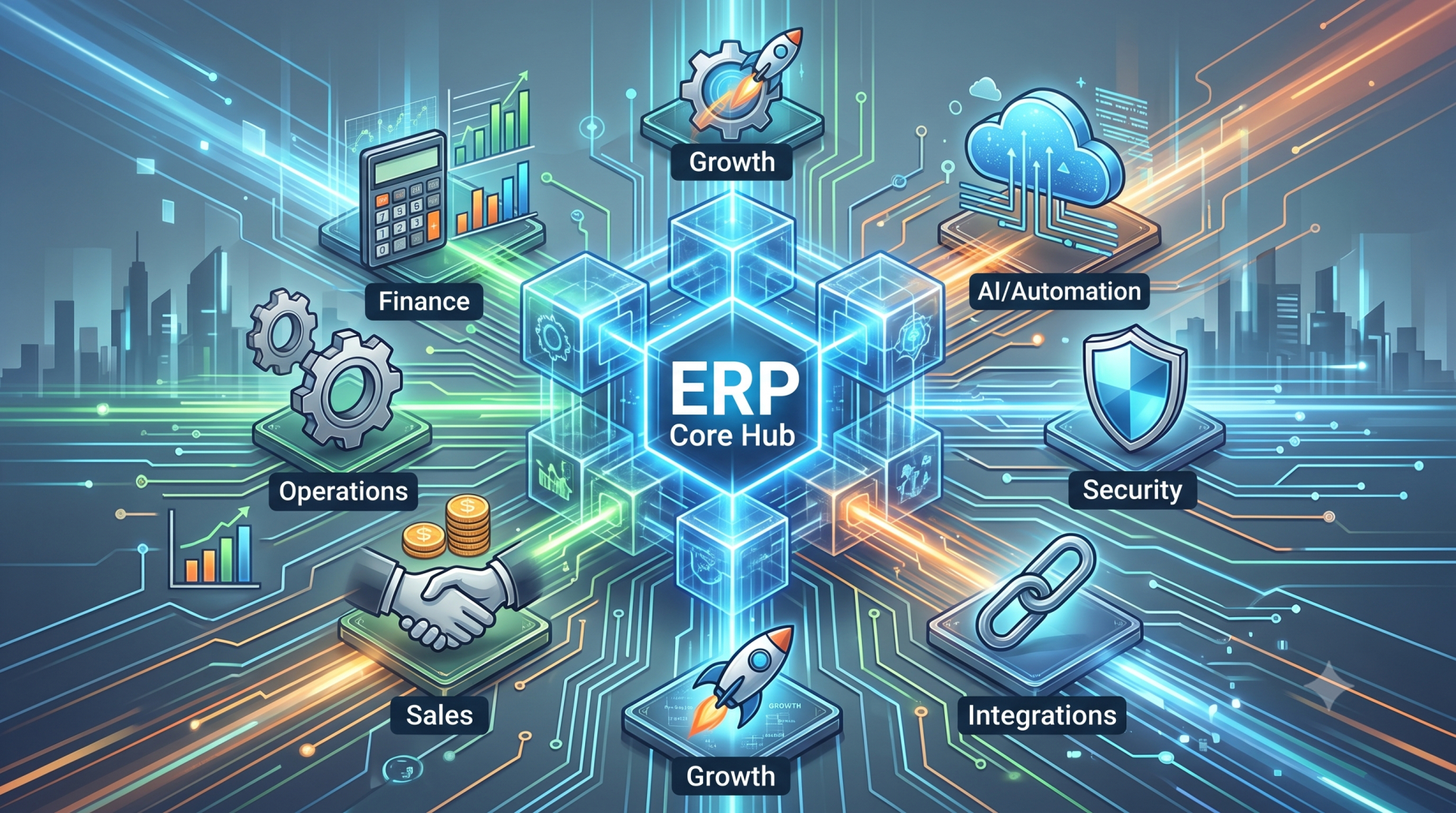
Industry-specific ERP solutions empower manufacturing and retail organizations to manage their unique operational challenges with greater efficiency, visibility, and control. By integrating specialized workflows, inventory management, supply chain coordination, financial operations, and business intelligence into a unified platform, these ERP systems enhance productivity and support informed decision-making. As industries continue to evolve, purpose-built ERP solutions provide the flexibility, scalability, and operational resilience needed to achieve long-term business success.
See more blogs
You can all the articles below