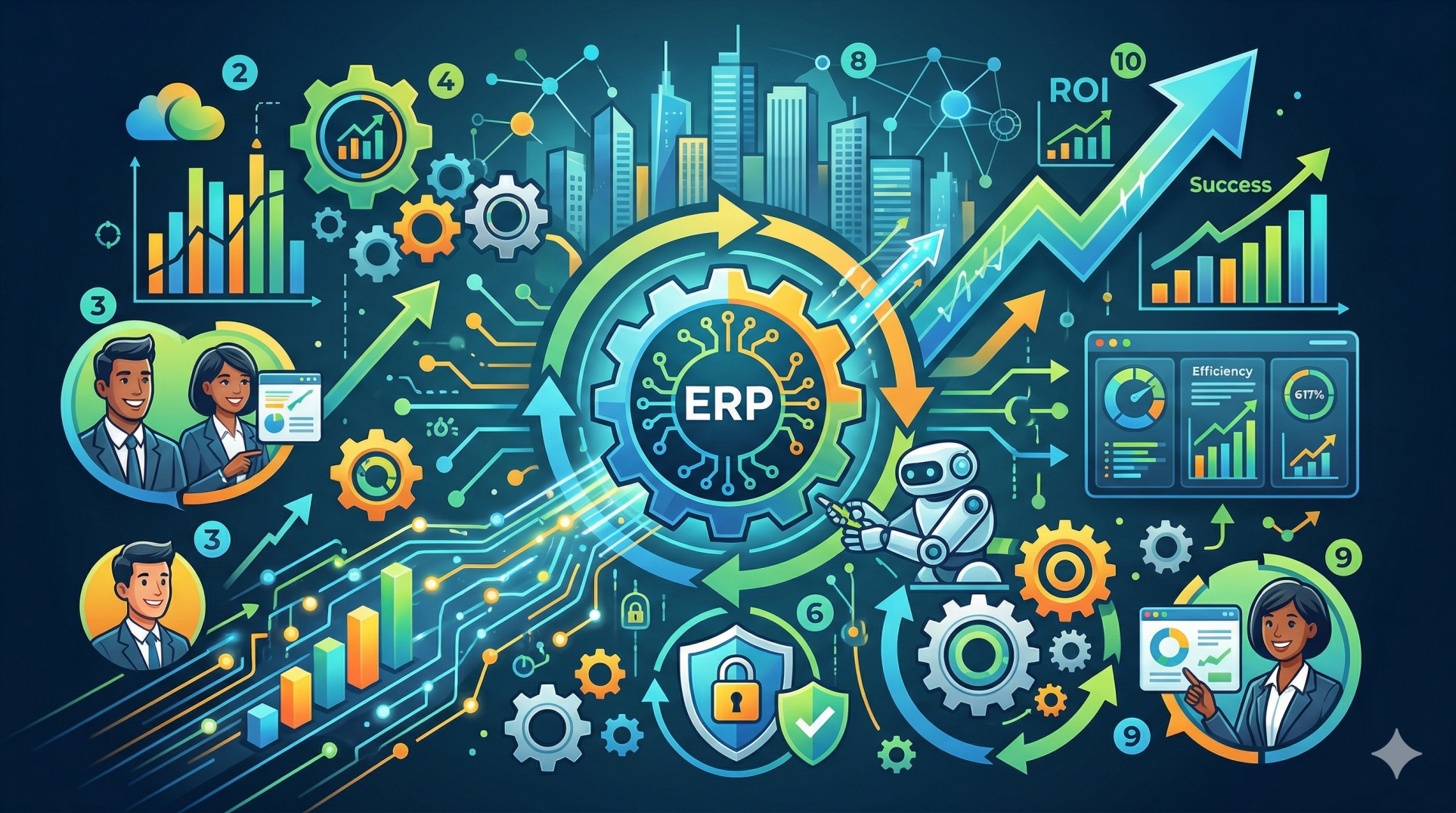
Omnichannel Commerce: Bridging Retail Gaps with ERP

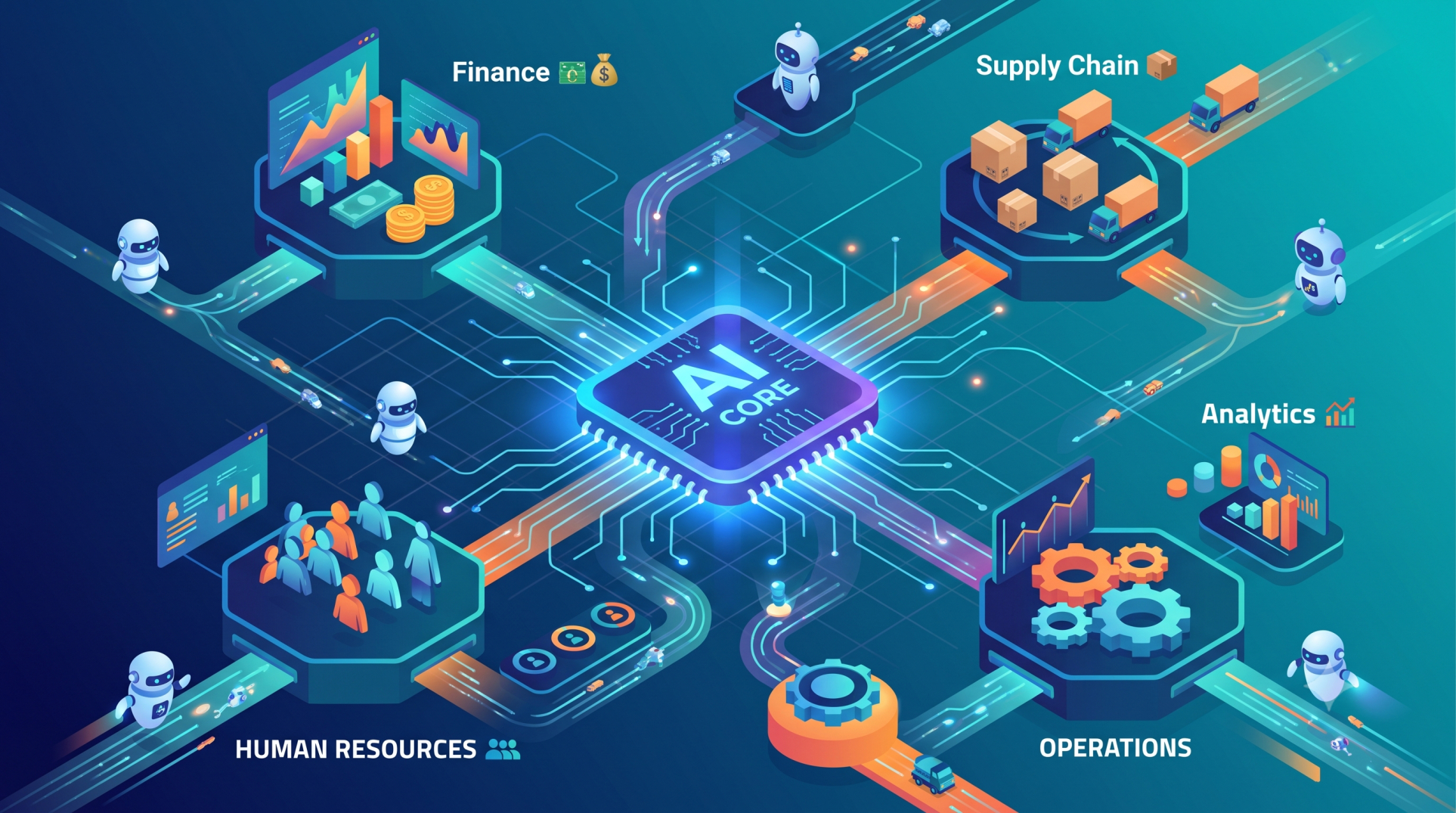
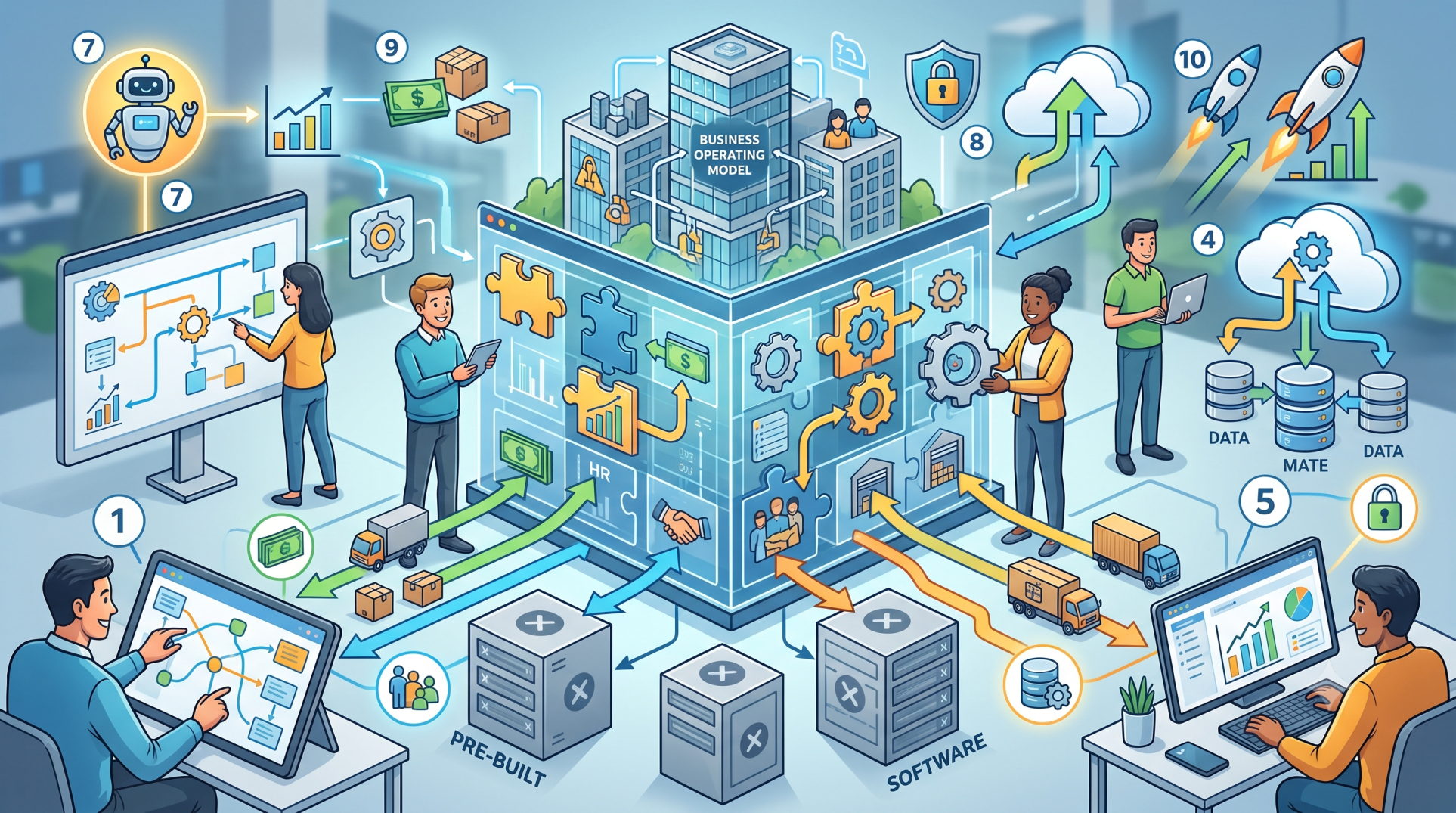
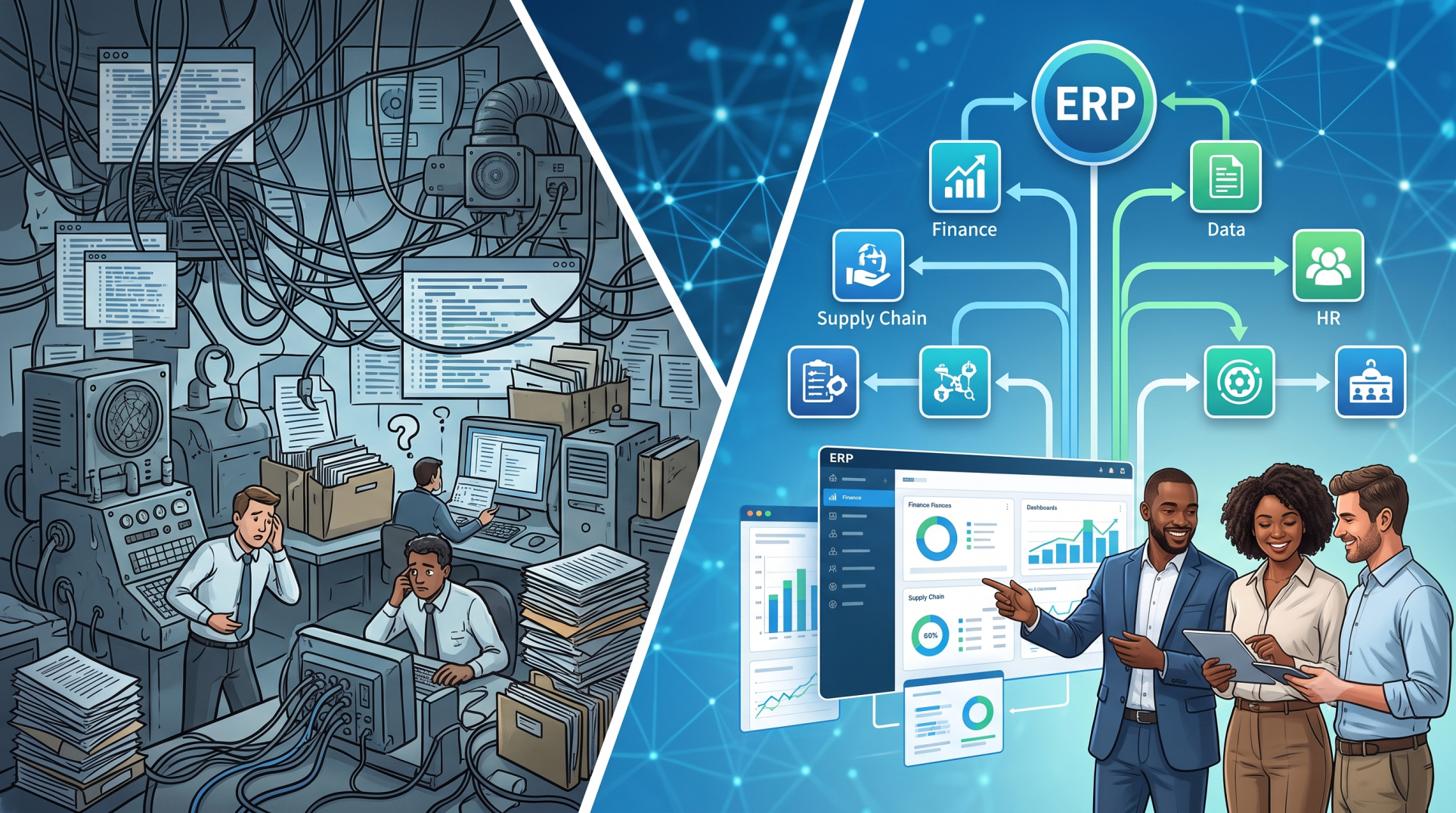
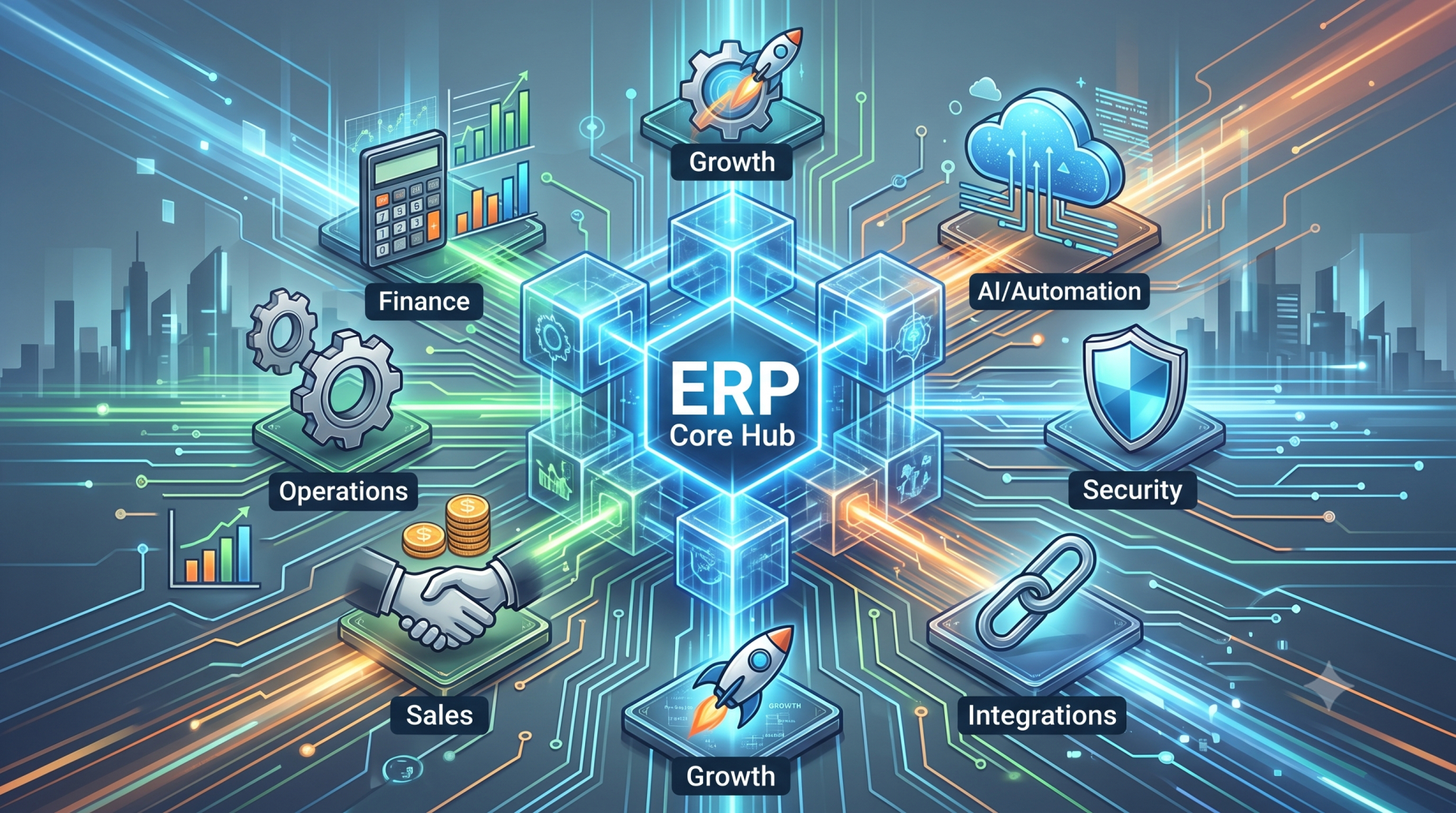
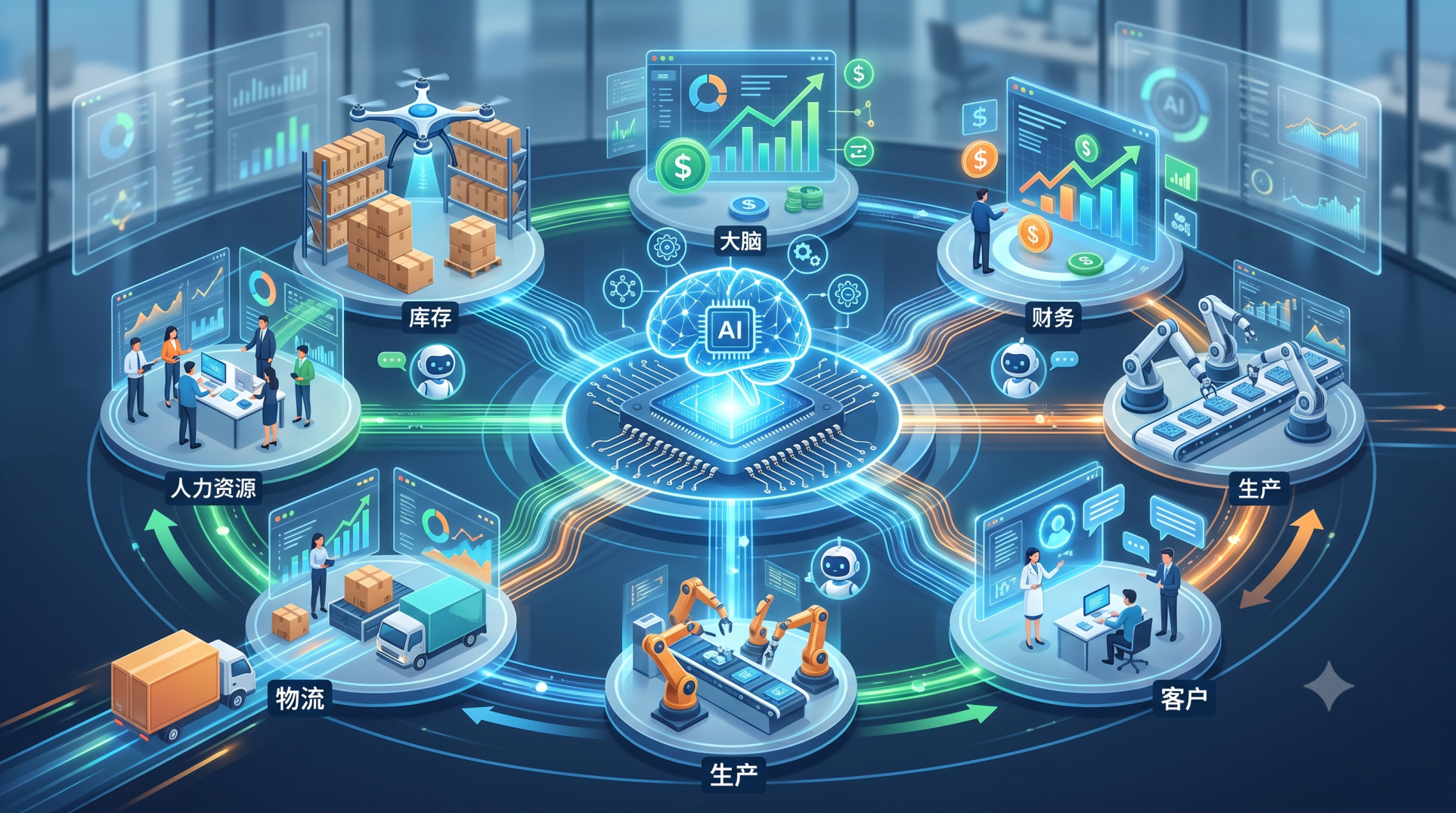
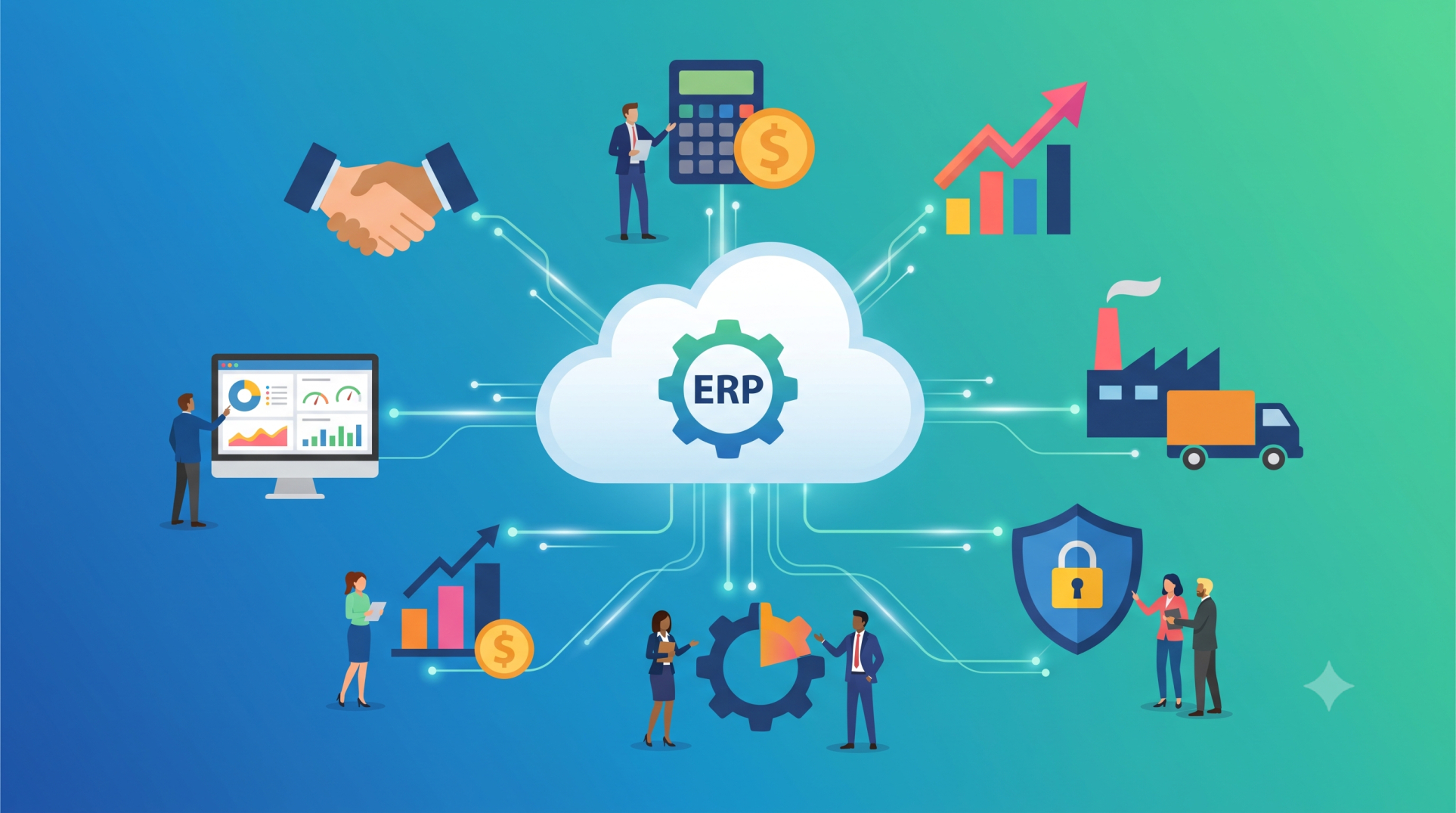
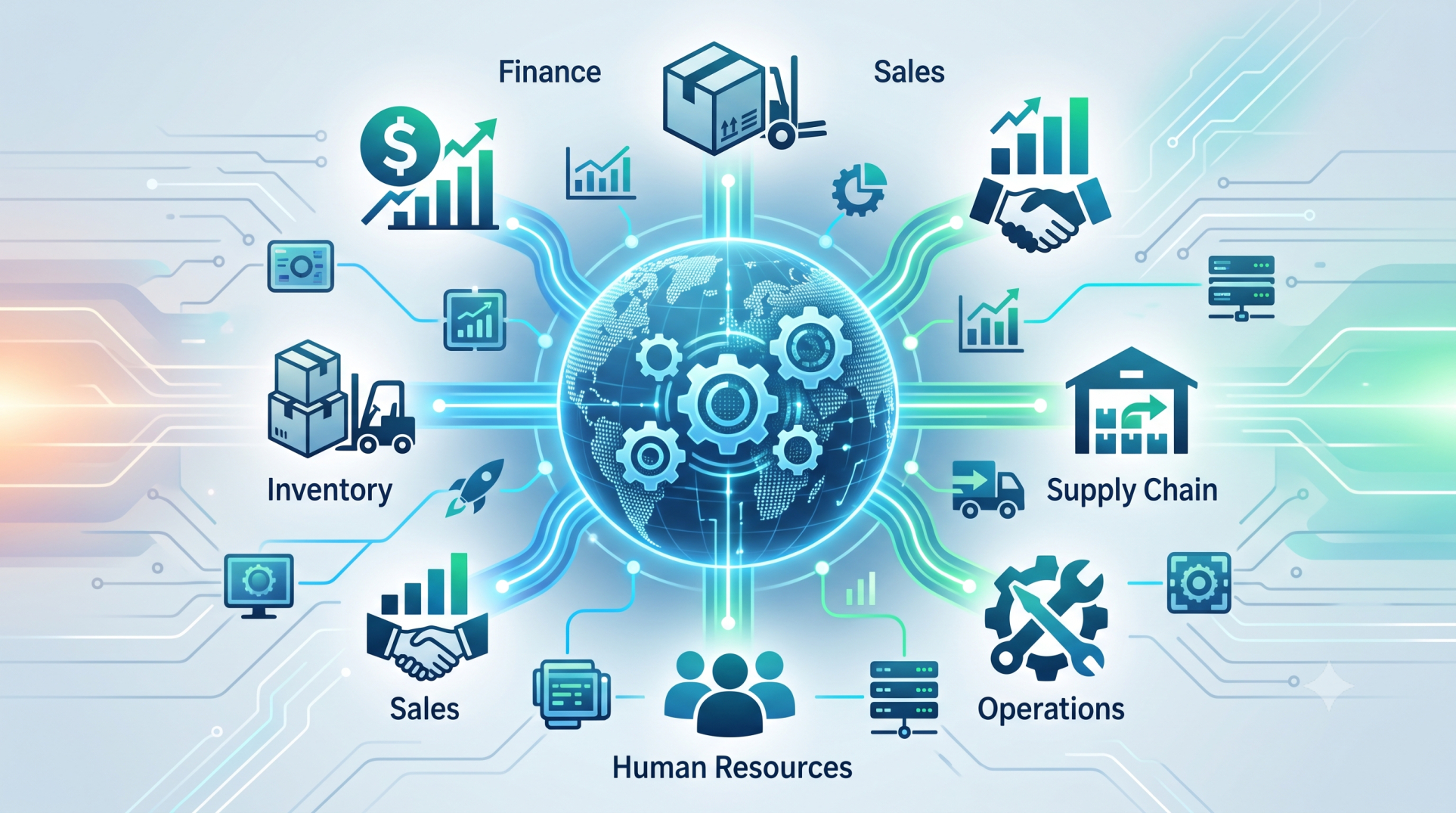
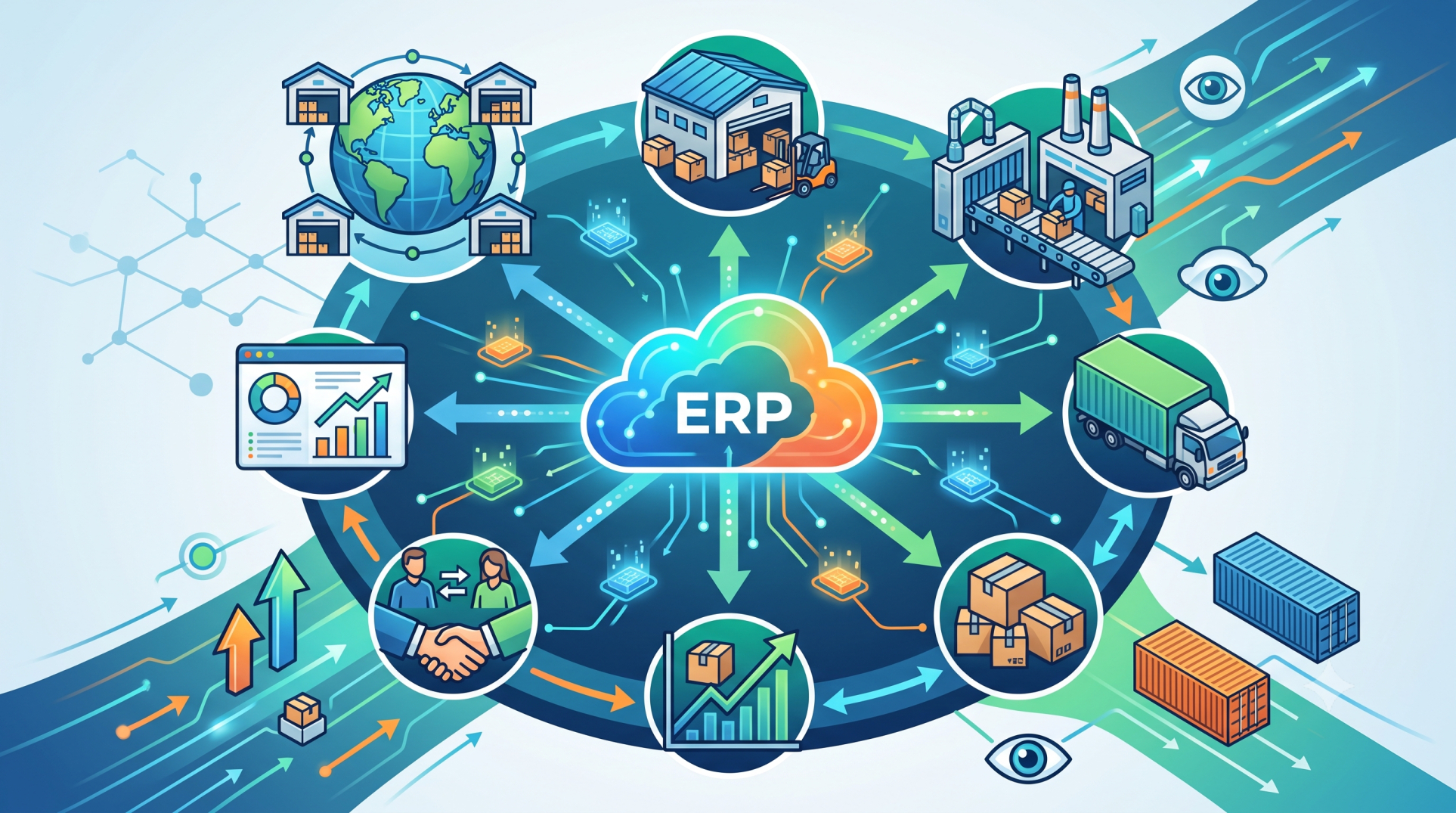
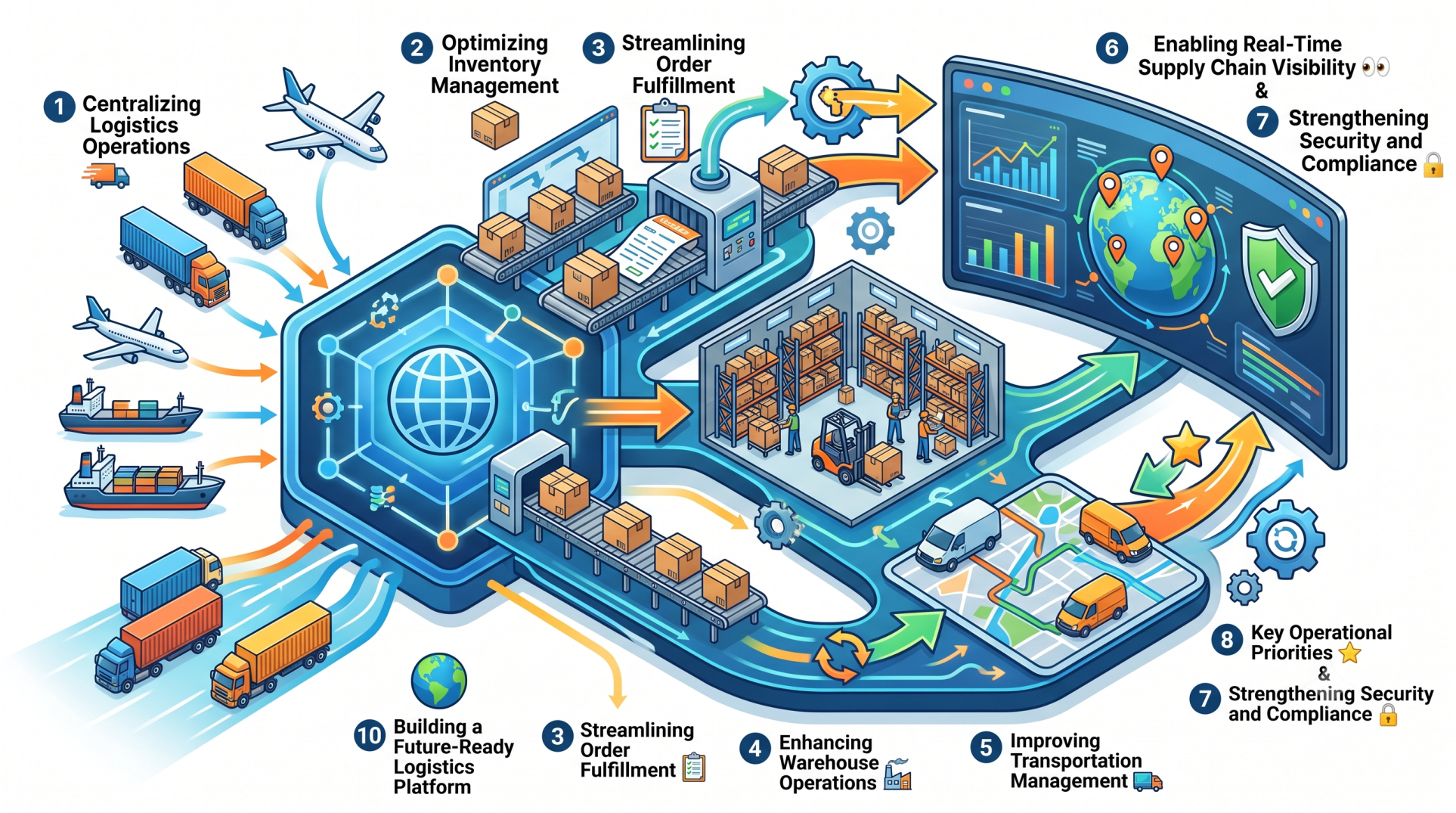
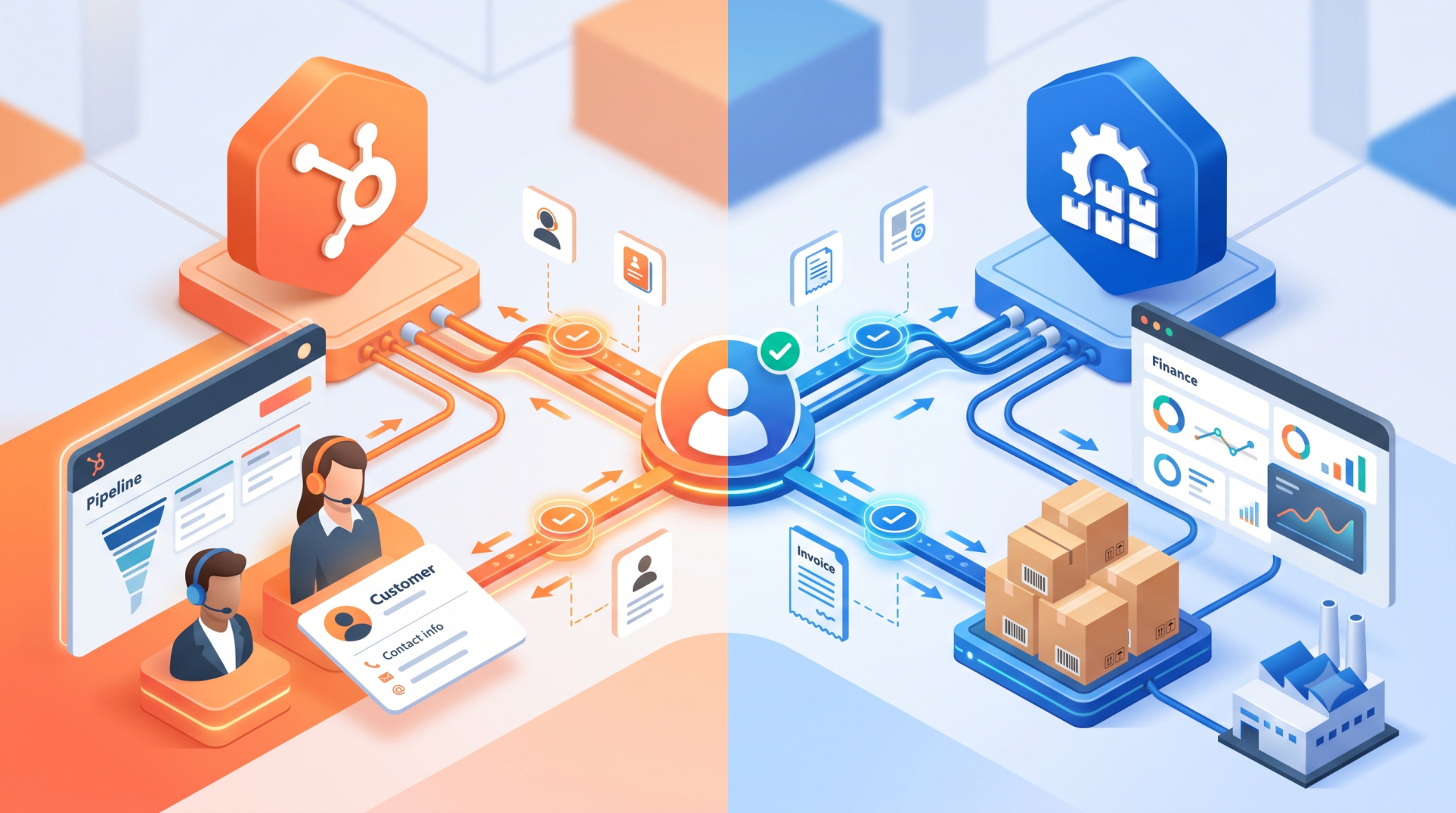
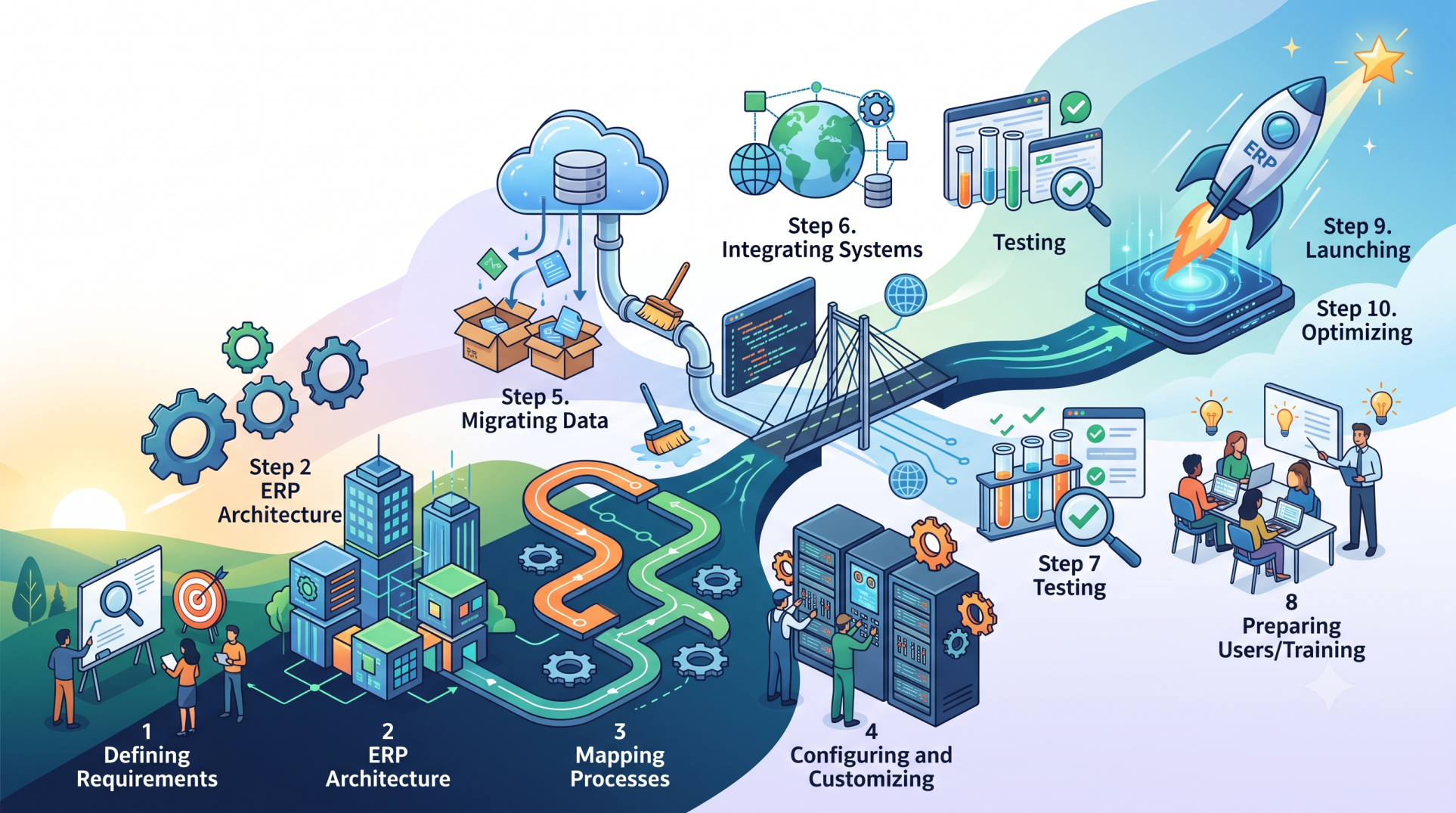
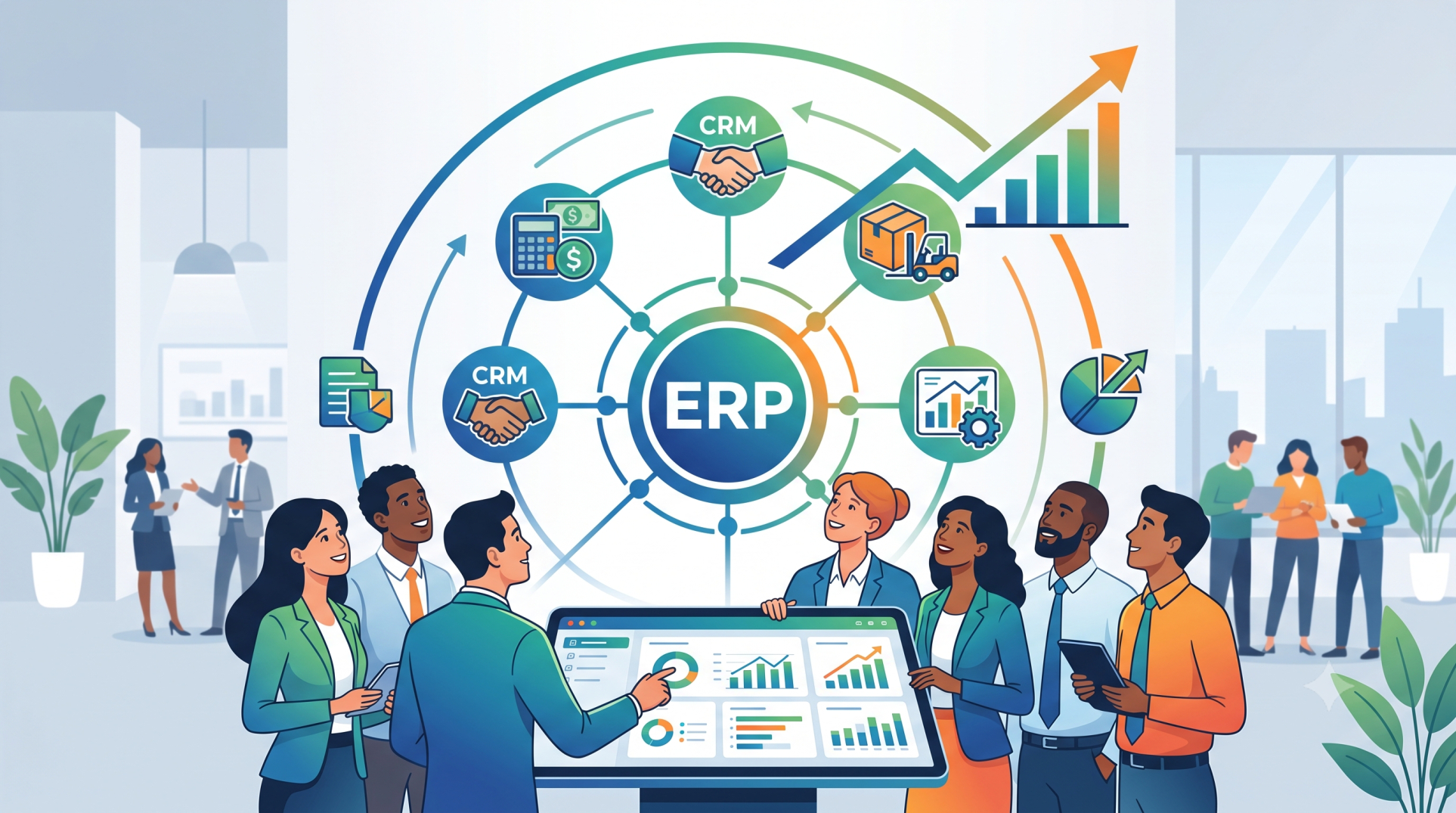
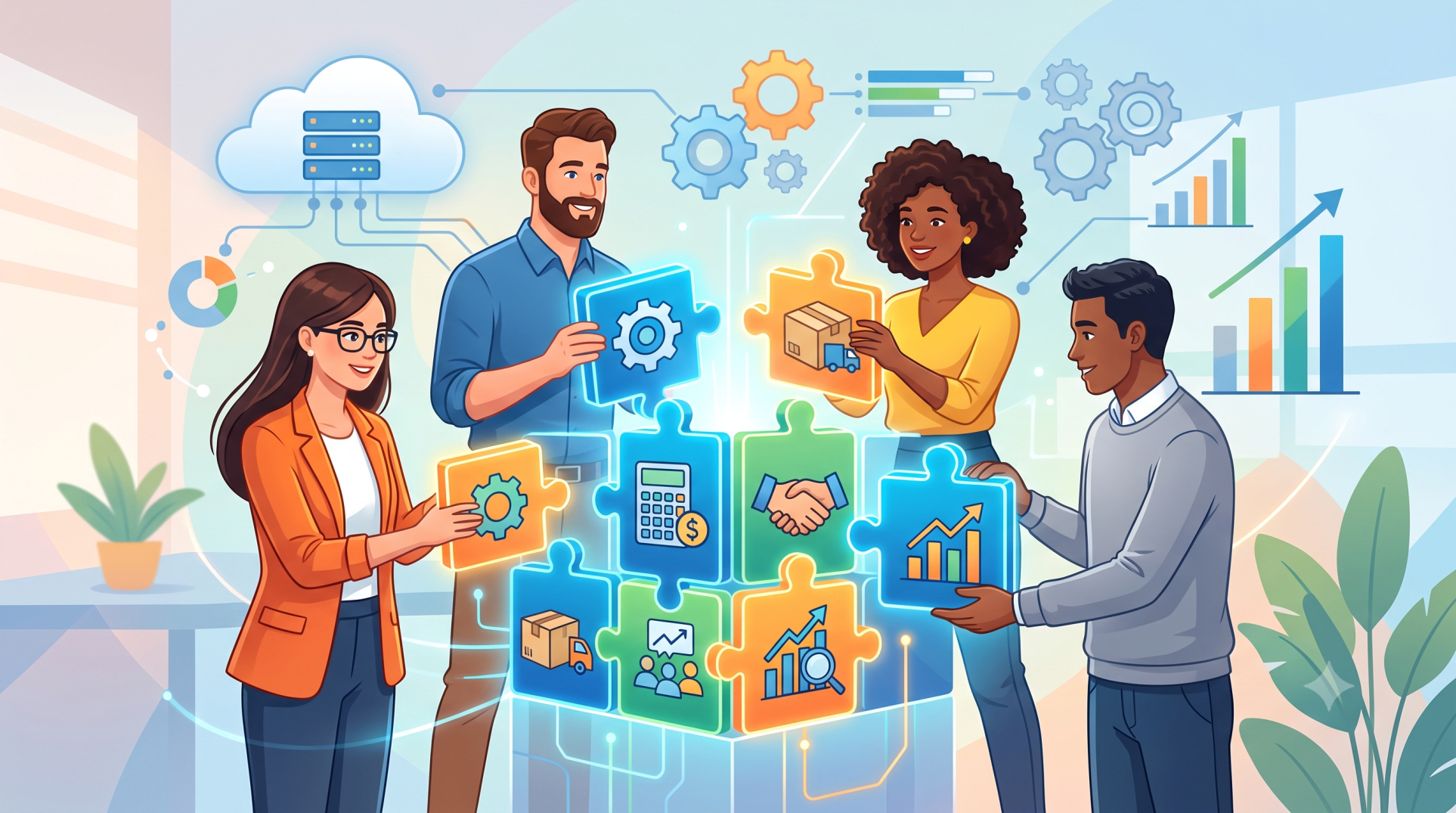
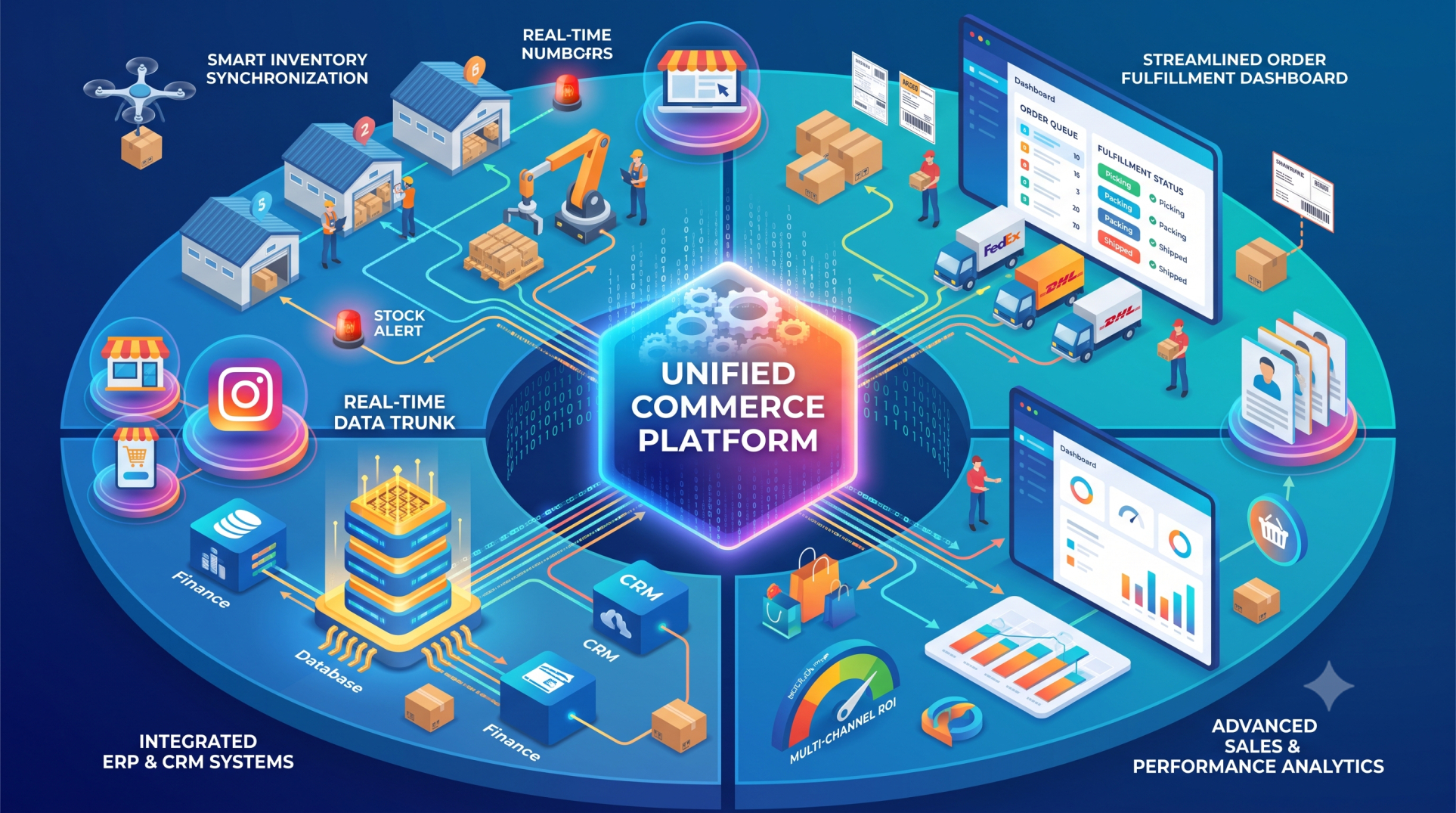
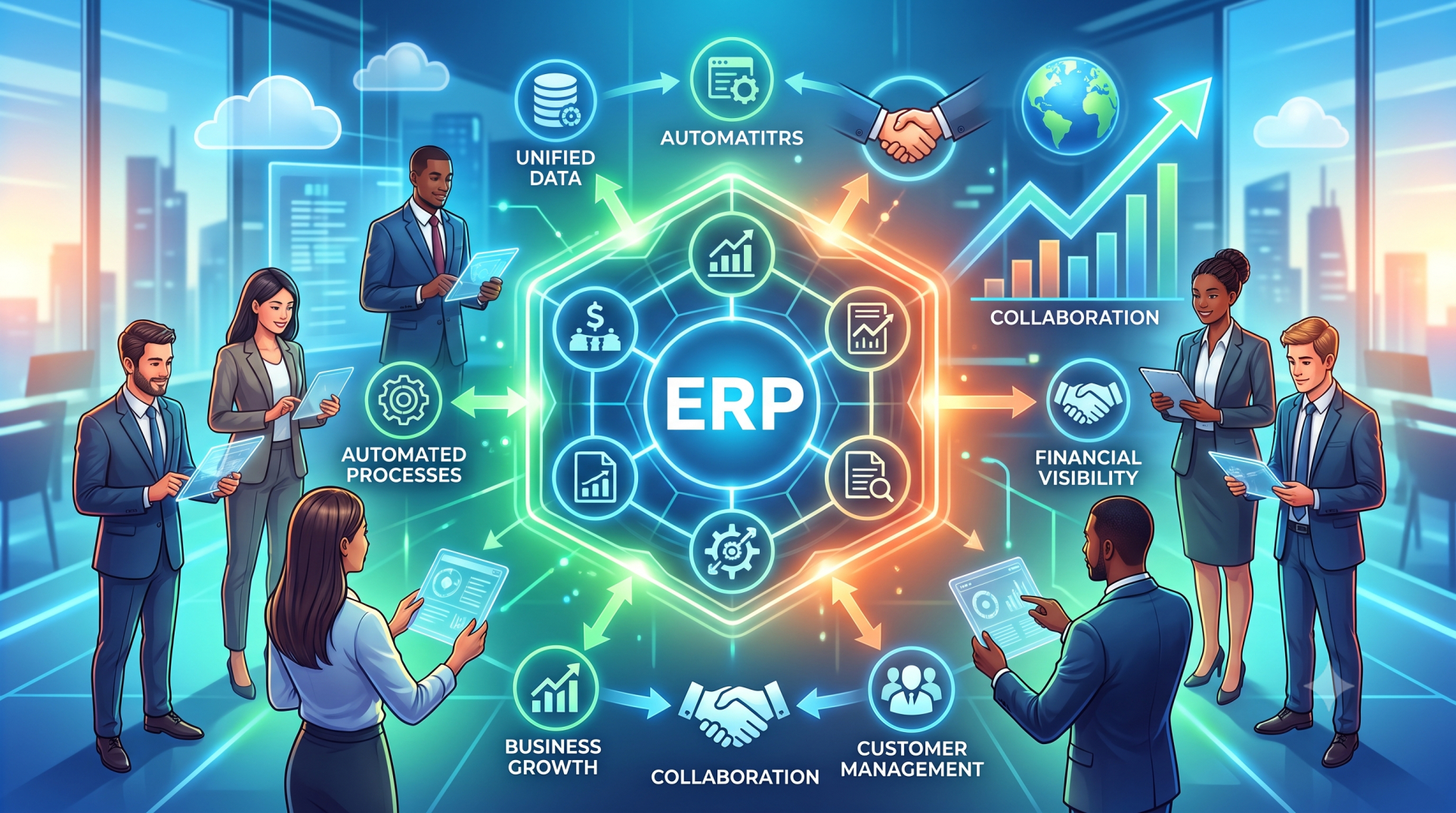
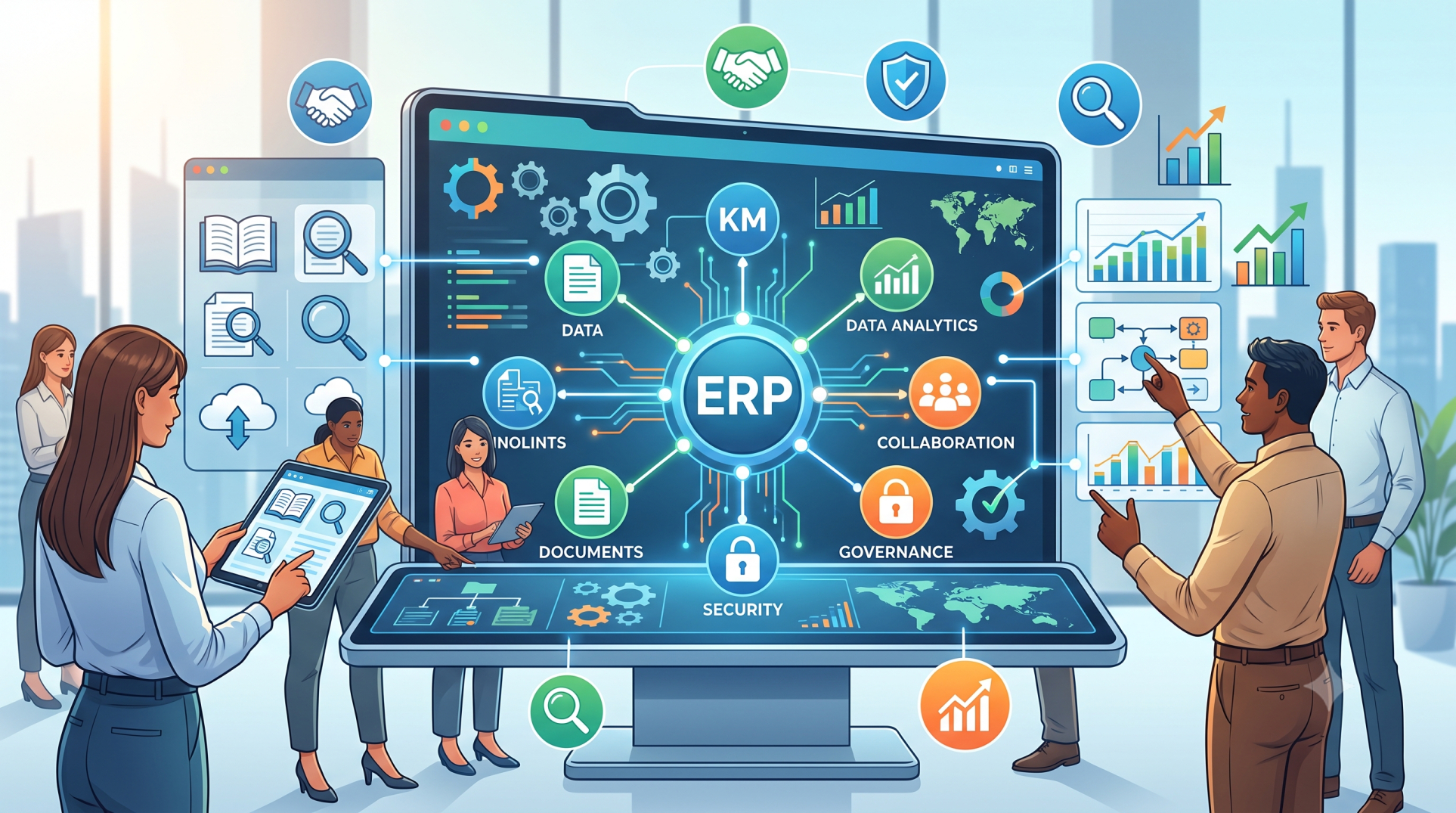
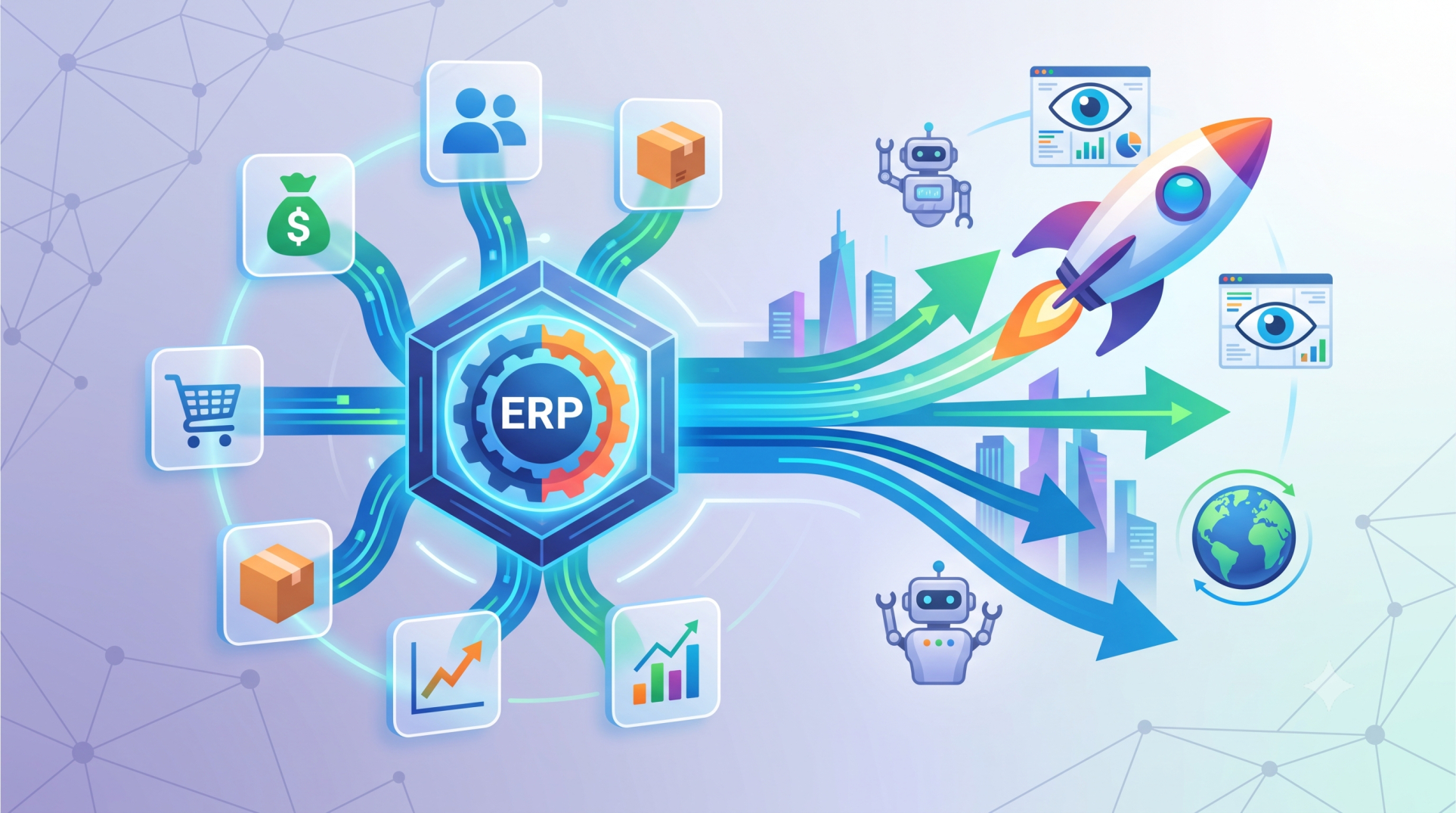
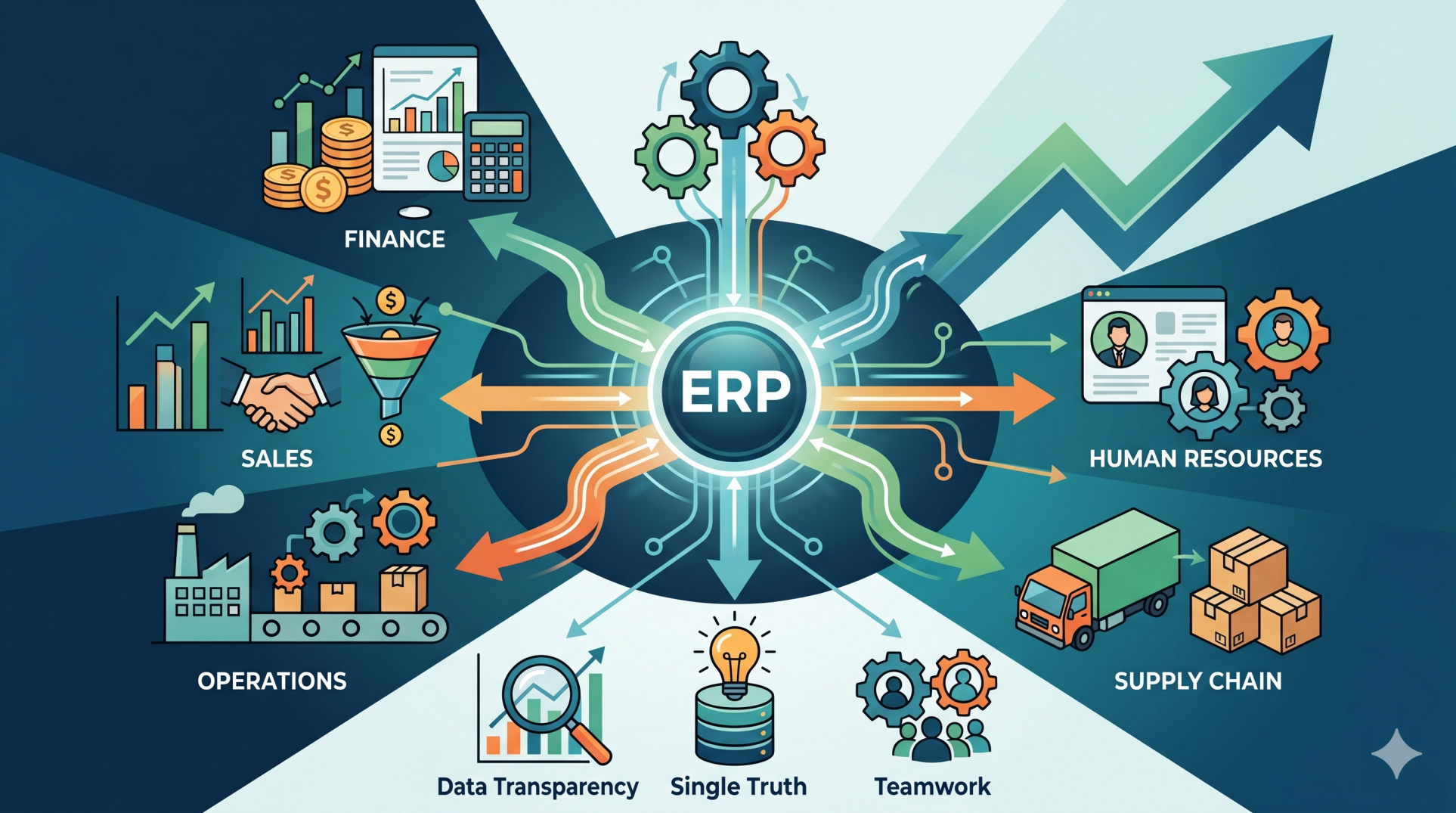
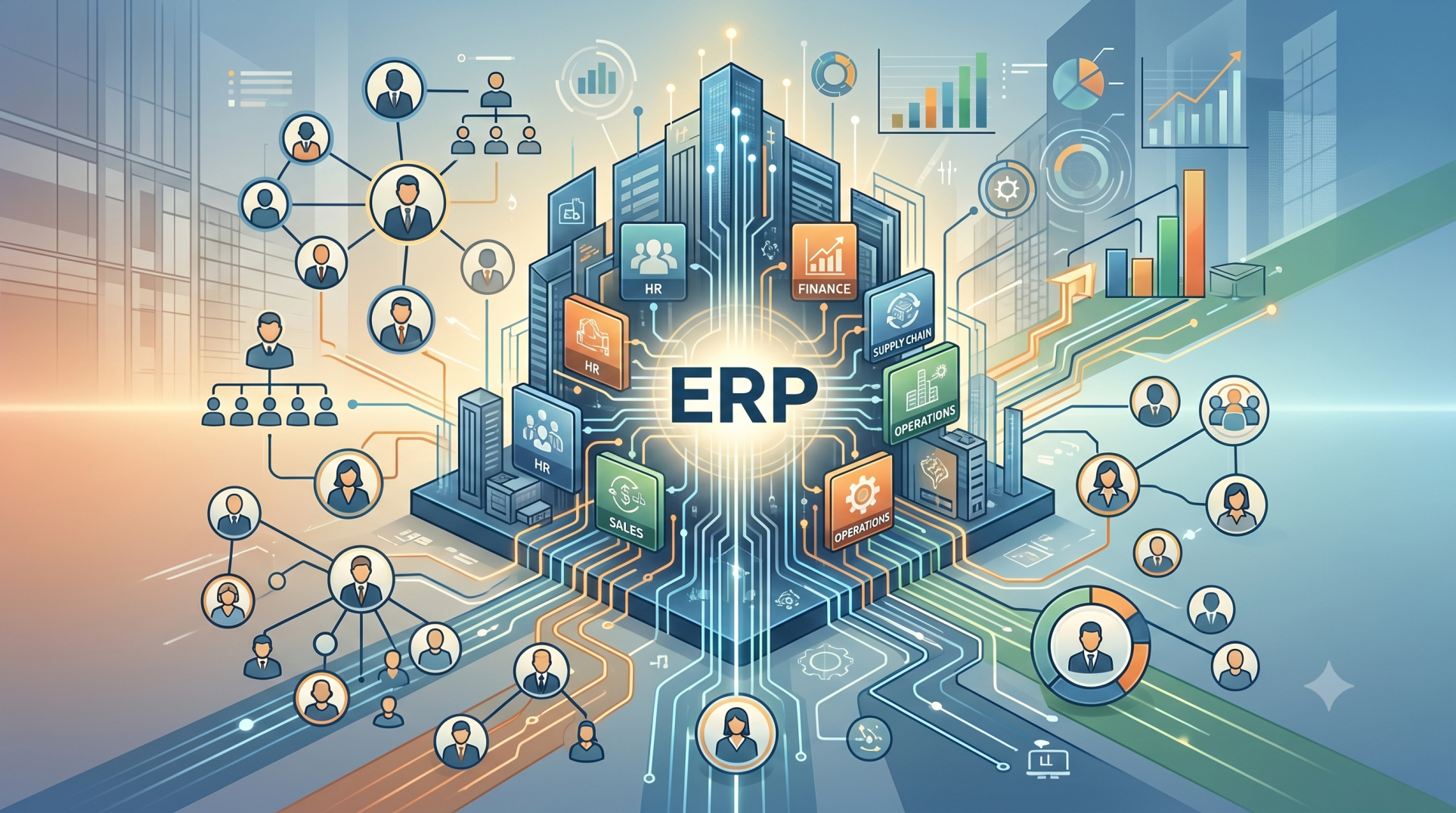
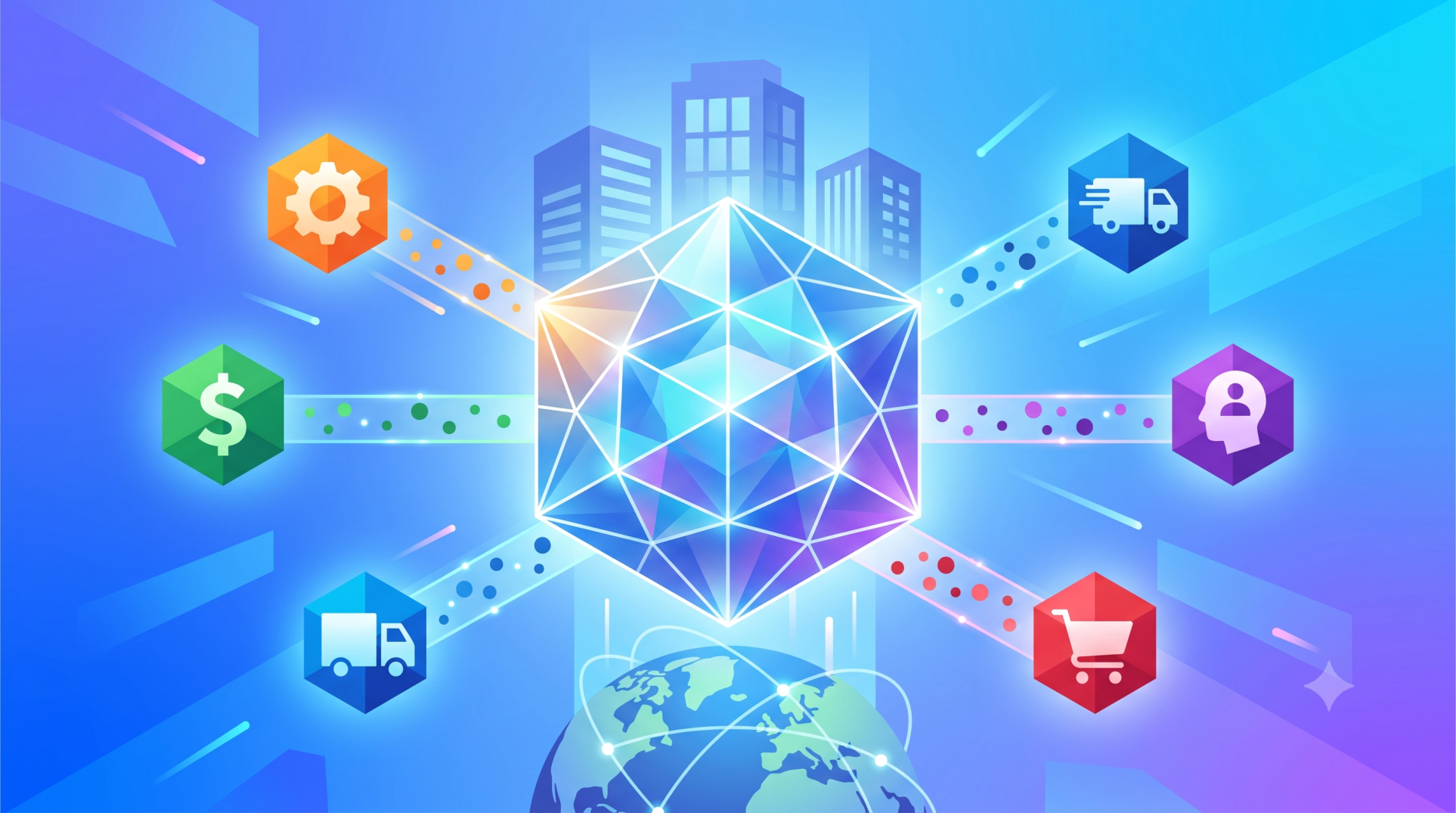
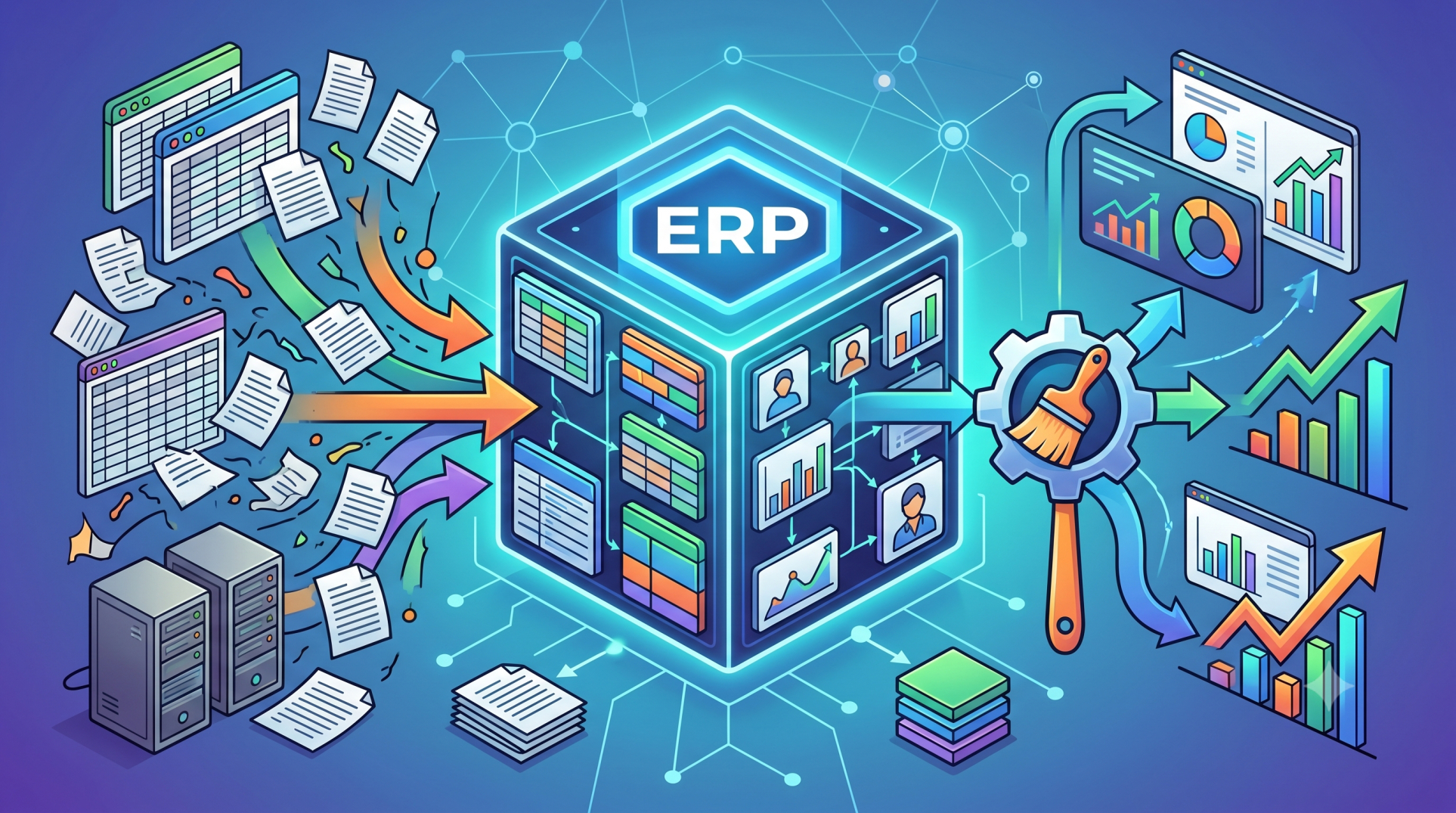
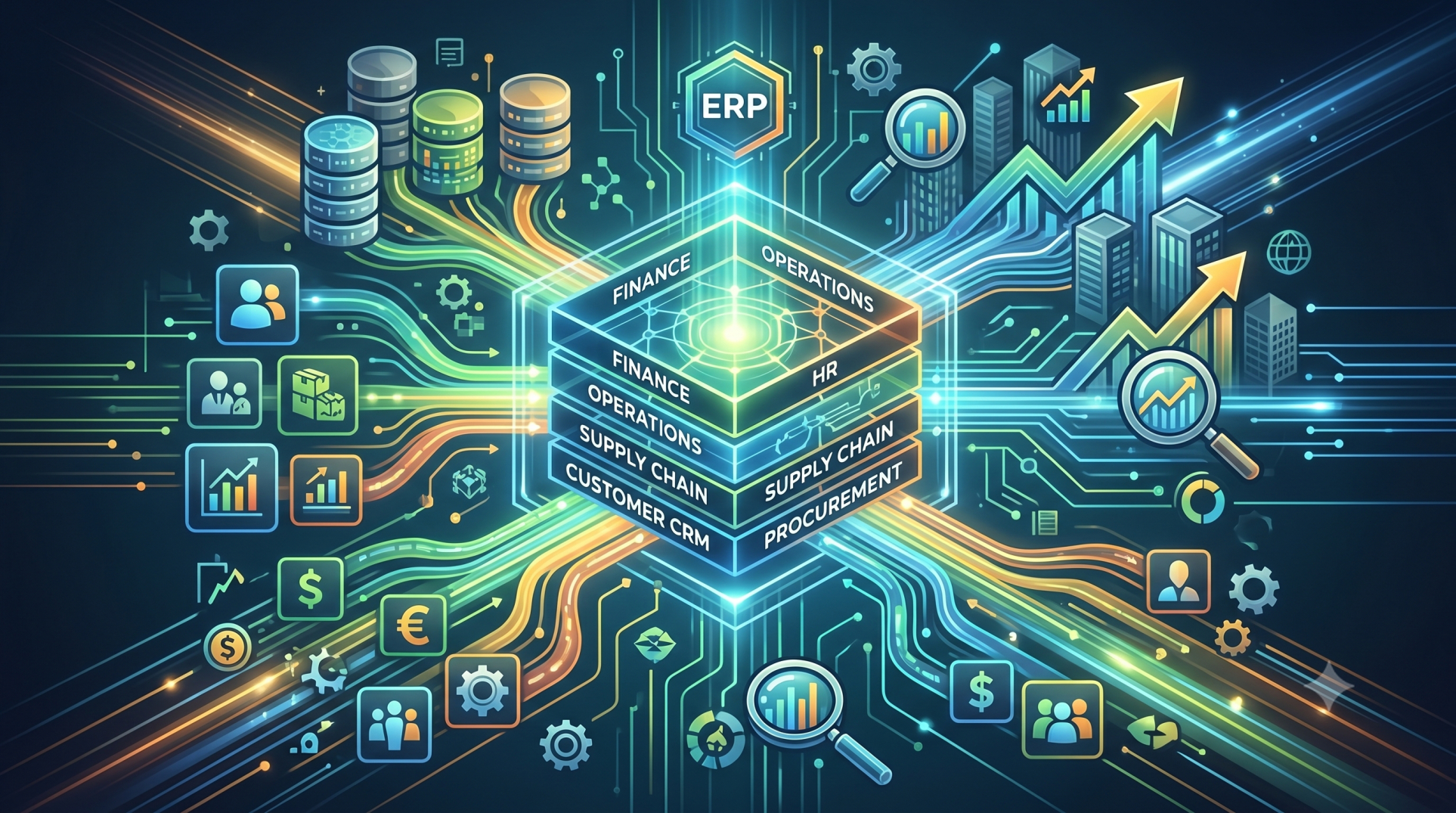
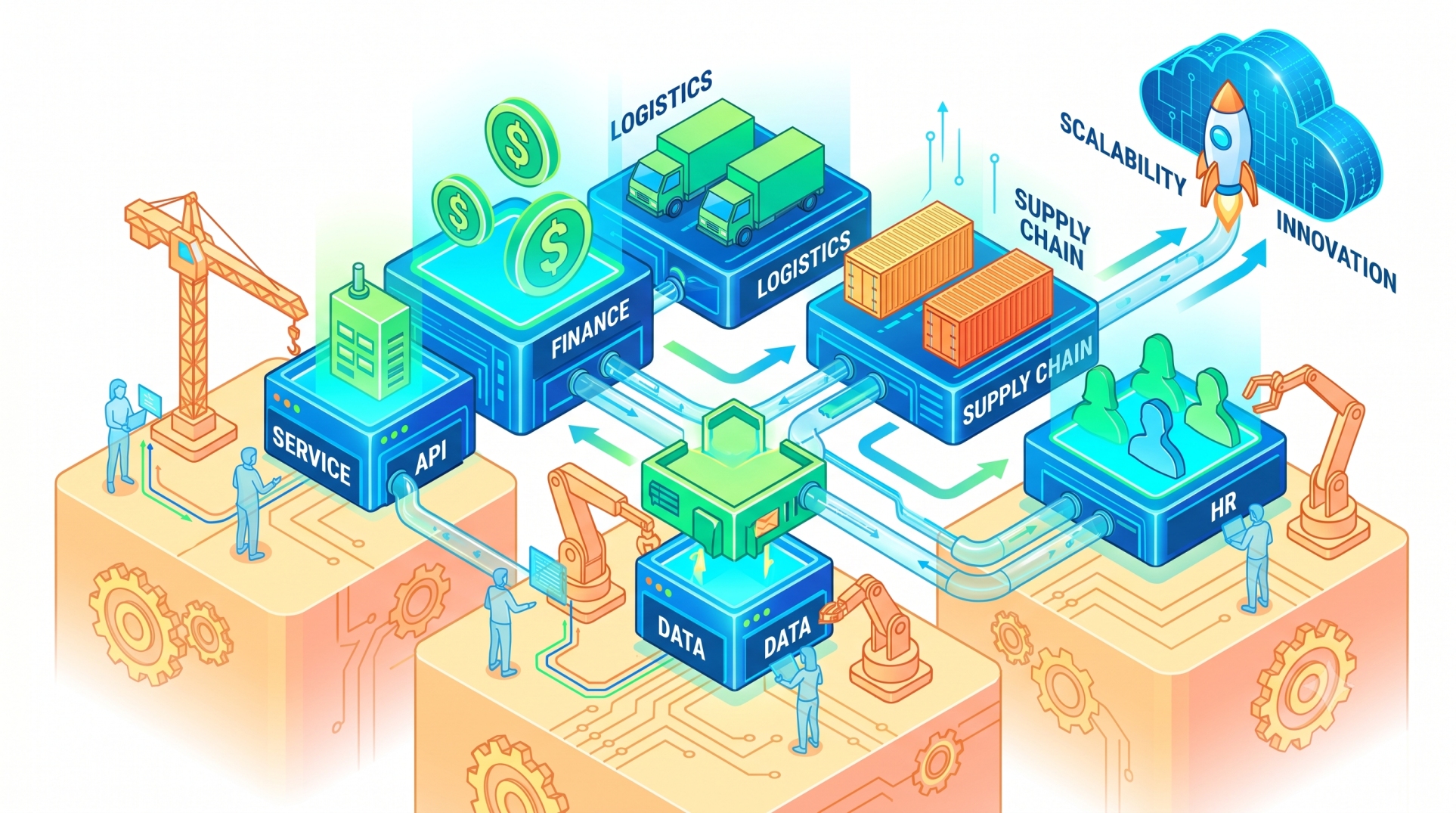
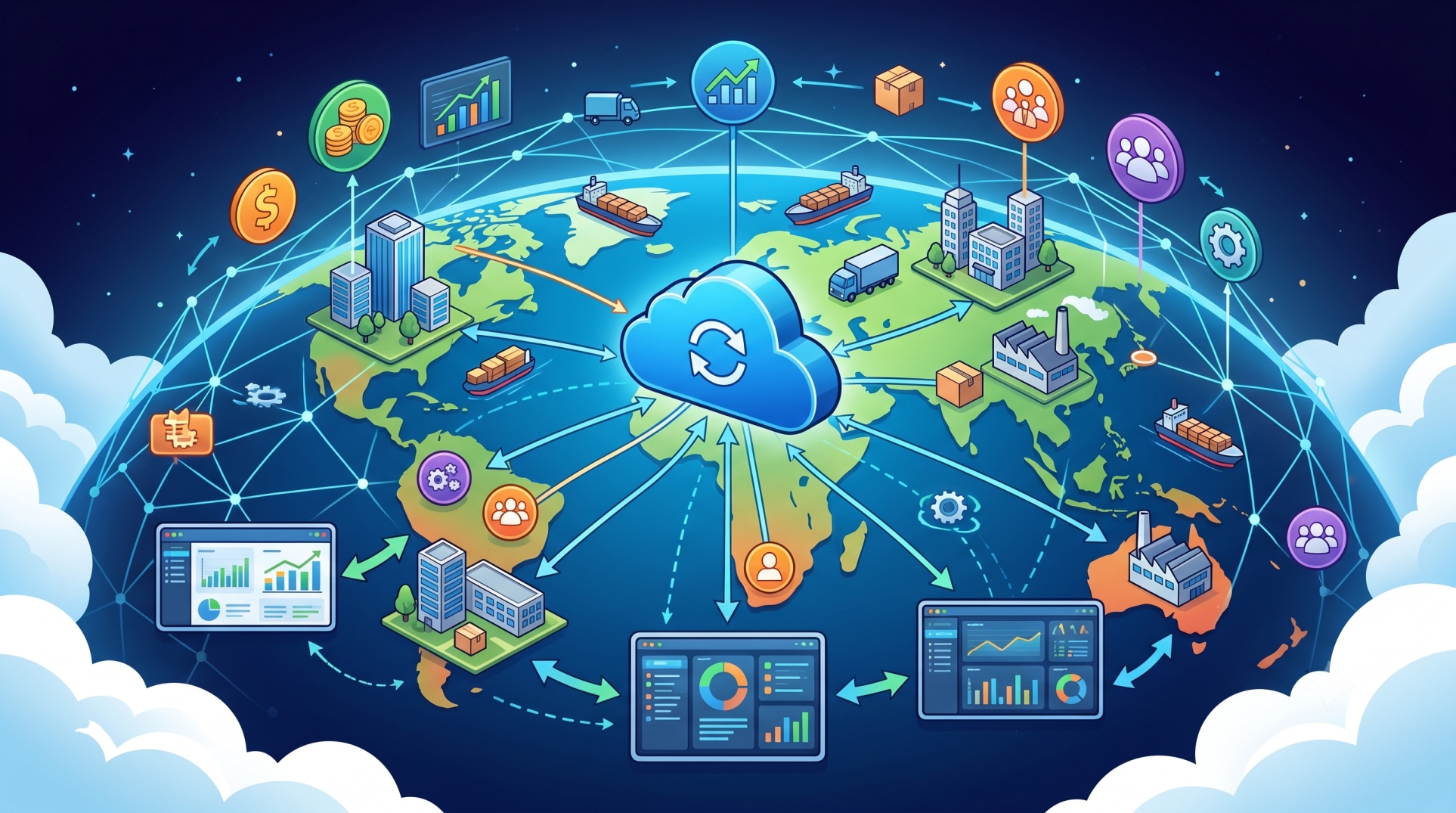
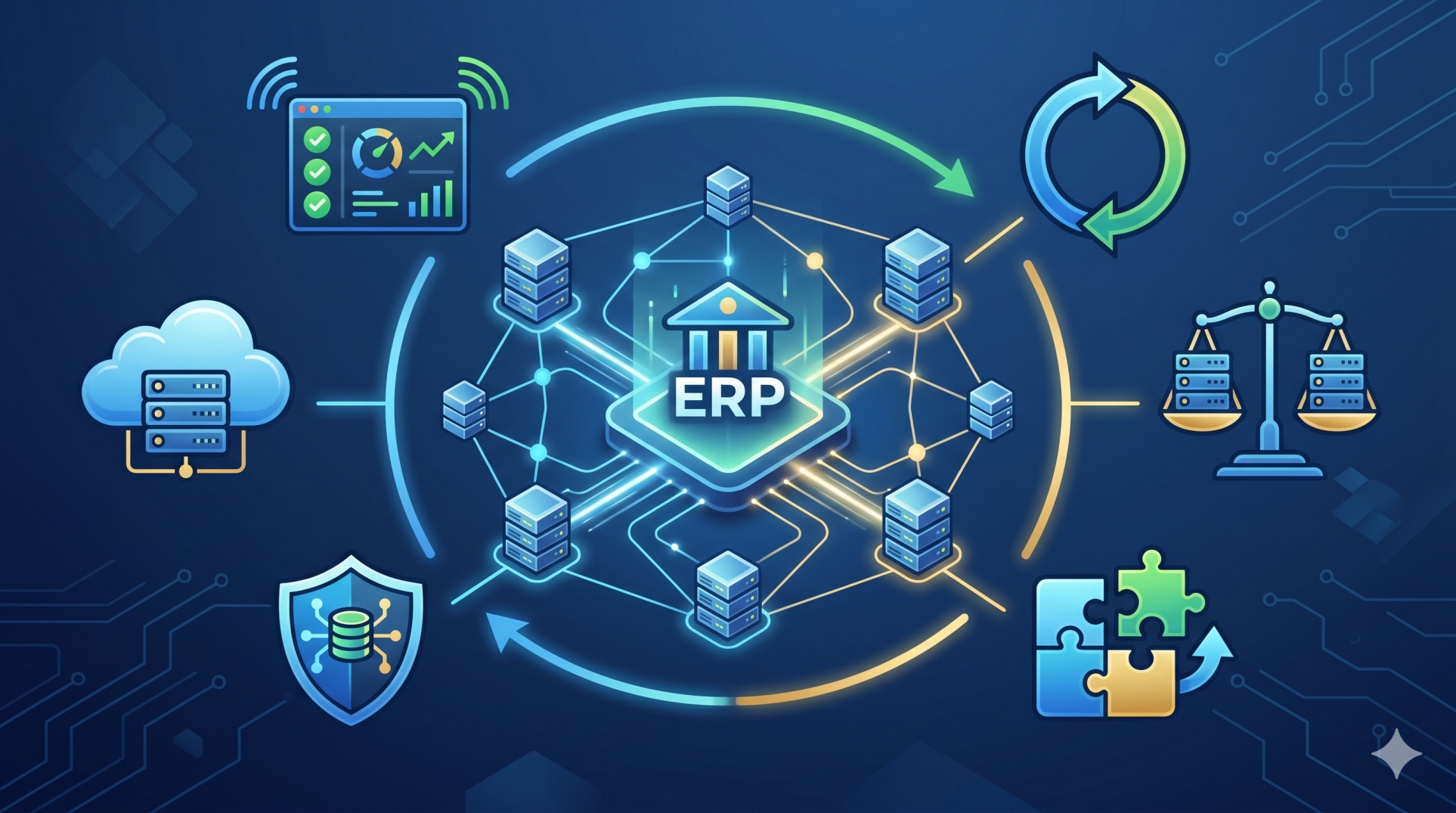
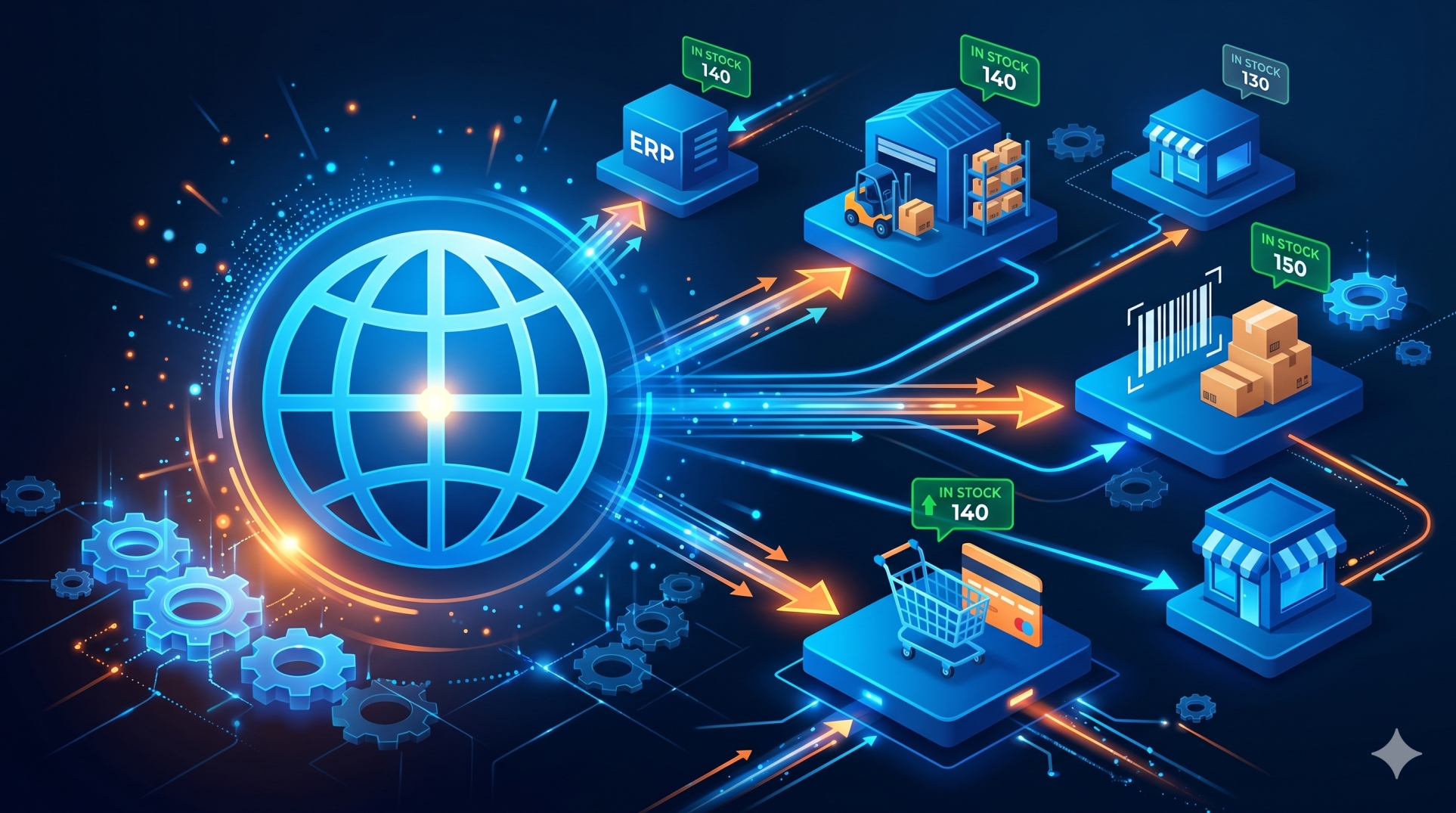
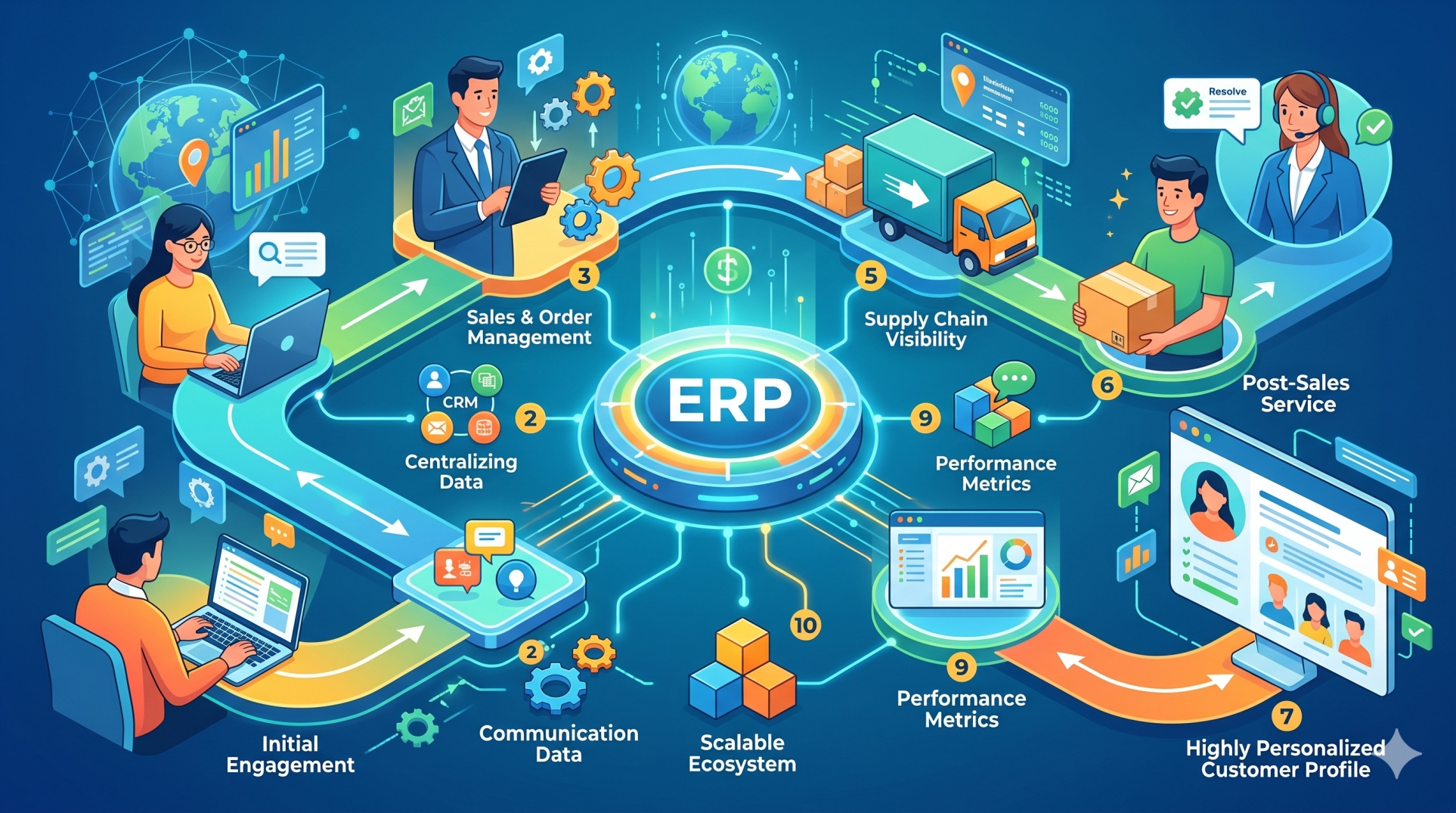
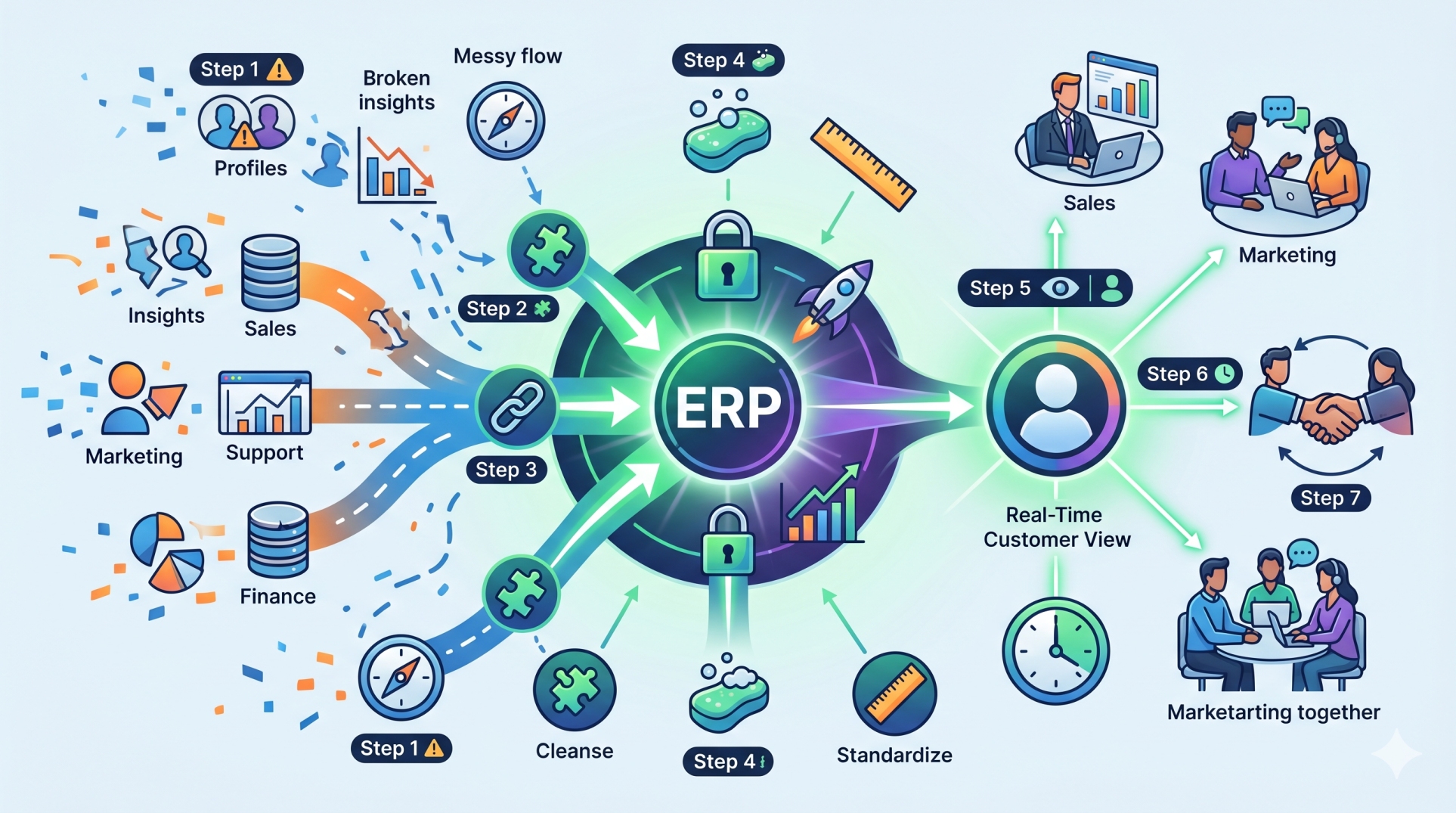
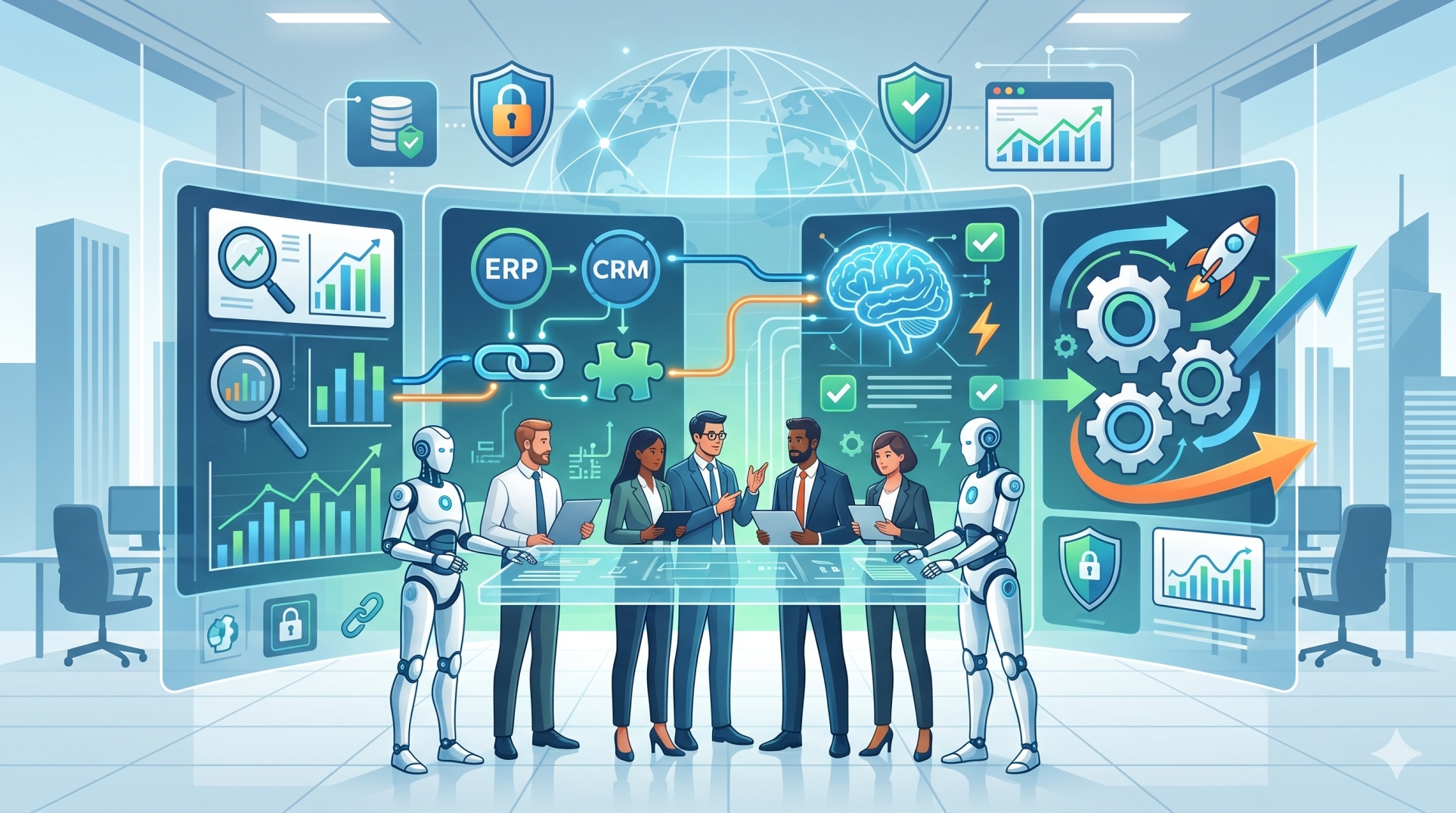
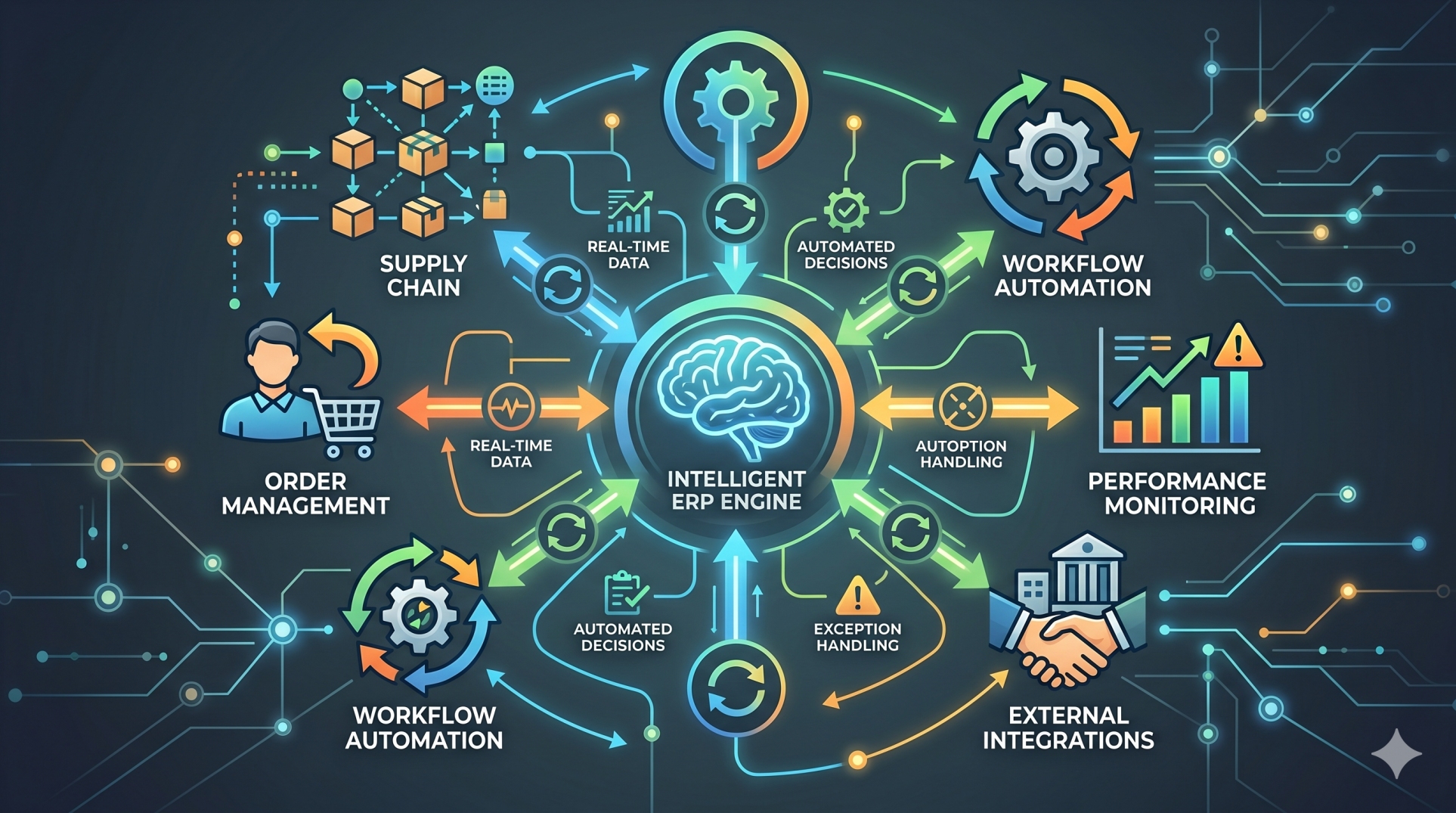
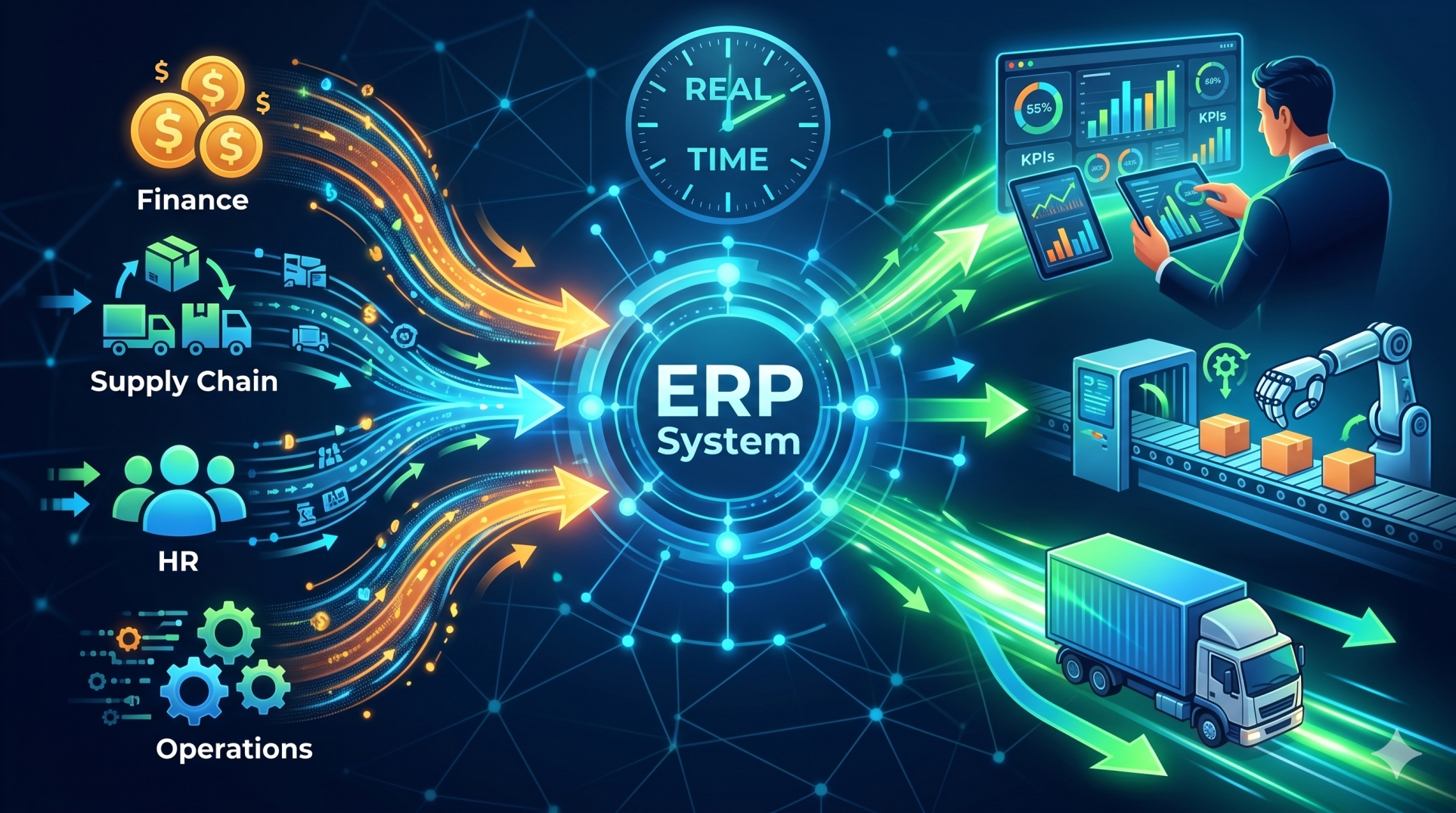
Modern consumers expect a seamless shopping experience across physical stores, online marketplaces, mobile applications, and social commerce platforms. Meeting these expectations requires more than multiple sales channels—it demands a unified operational foundation. Enterprise Resource Planning (ERP) systems bridge the gaps between retail channels by centralizing inventory, orders, customer data, and business processes, enabling organizations to deliver consistent and efficient omnichannel experiences.
Step 1: Understanding Omnichannel Commerce 🛍️
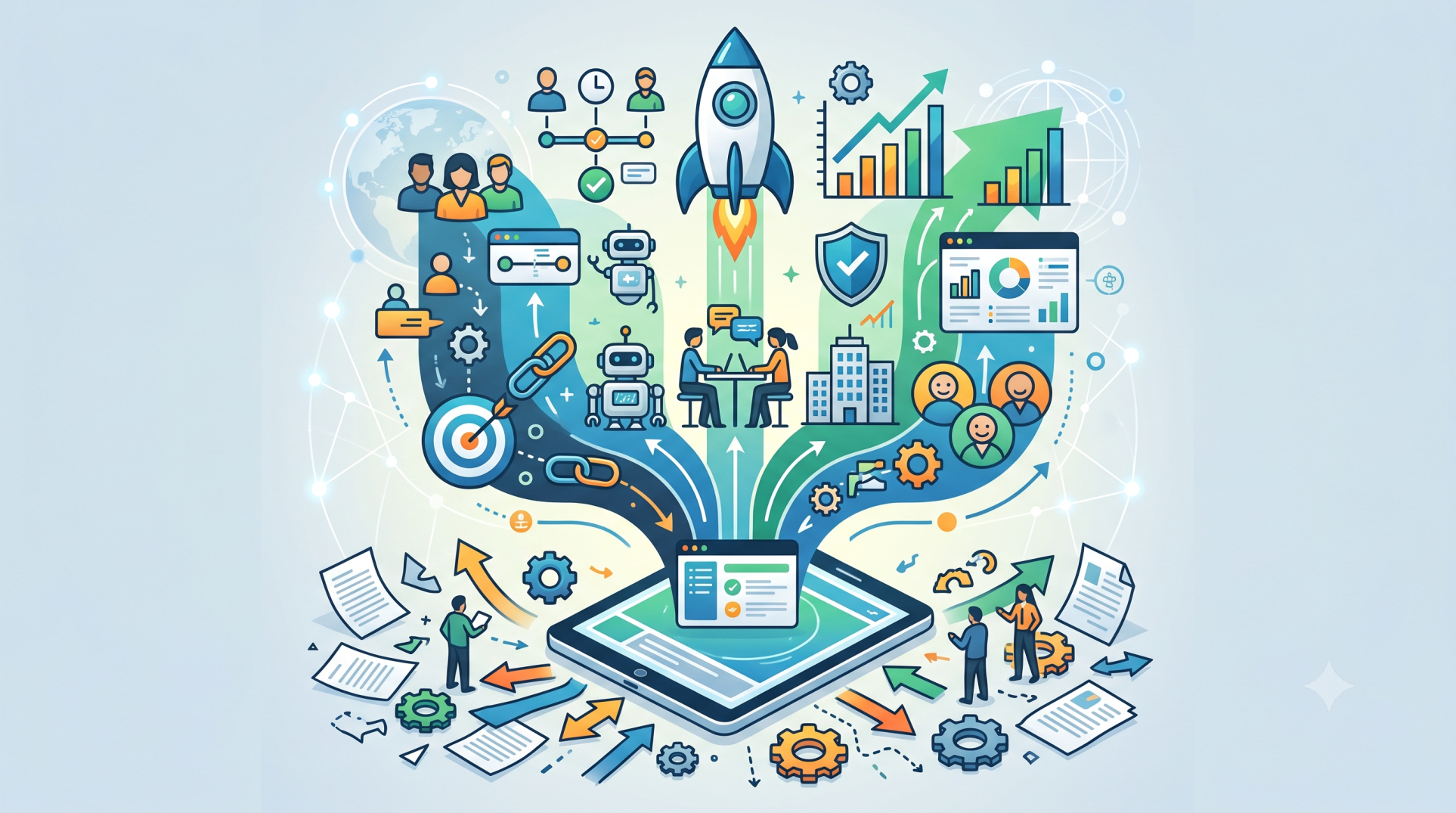
• Connect online and offline sales channels through a unified platform 🔗
• Deliver consistent customer experiences across every touchpoint 🌐
• Eliminate operational silos between retail systems 🏢
• Synchronize business processes for greater efficiency ⚙️
• Build a connected retail ecosystem that supports growth 📈
Step 2: Centralizing Inventory Management 📦
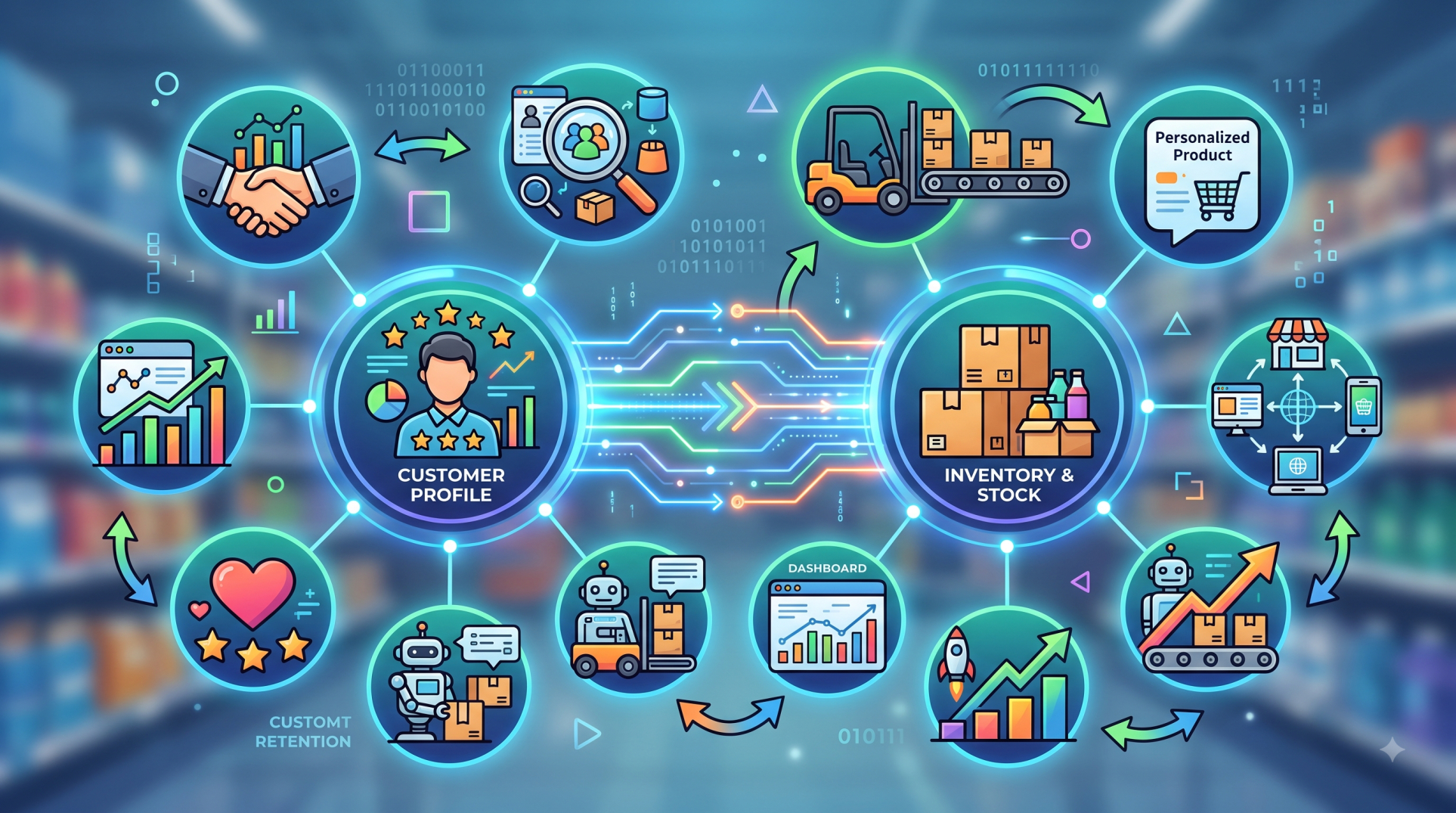
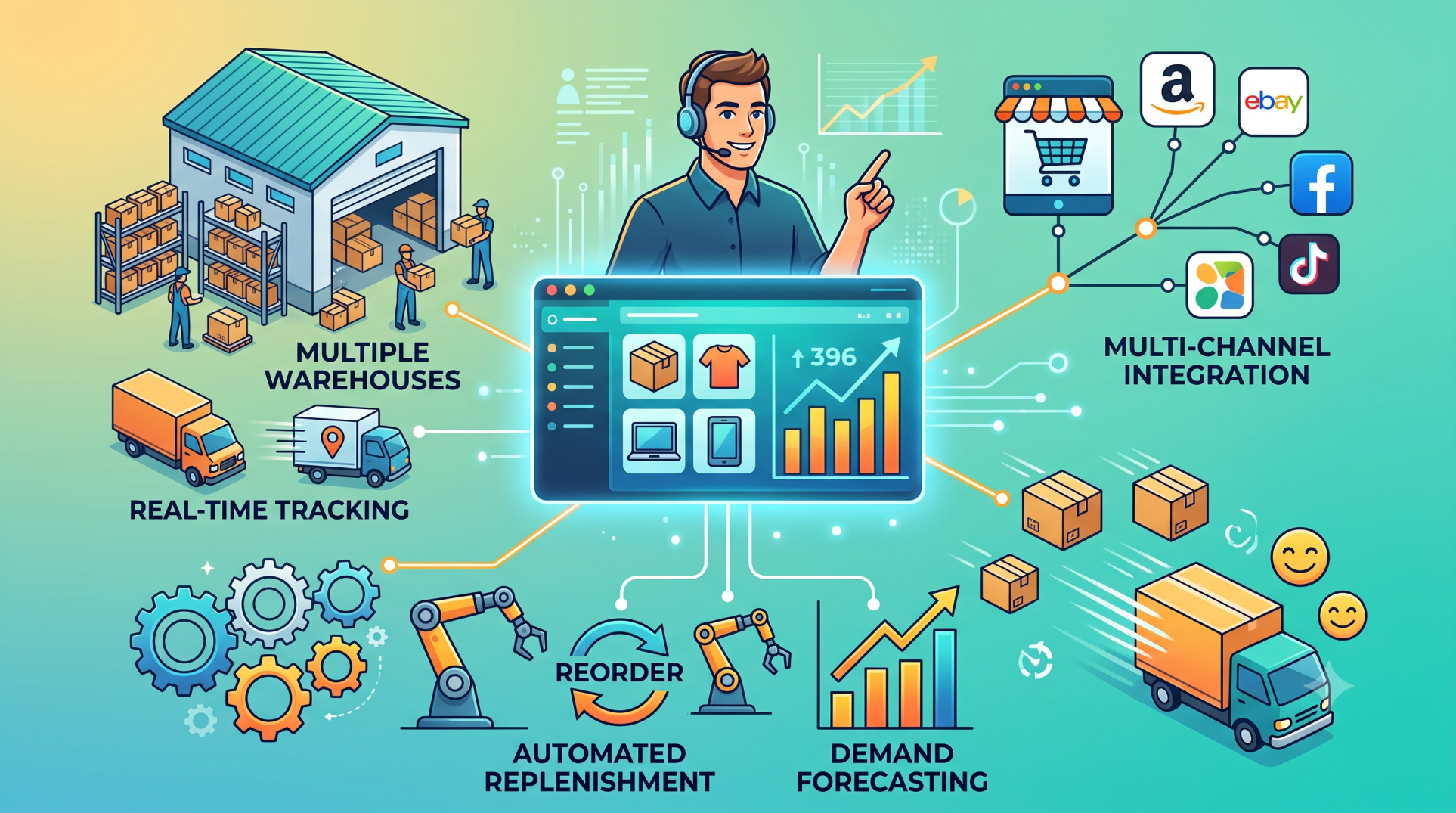
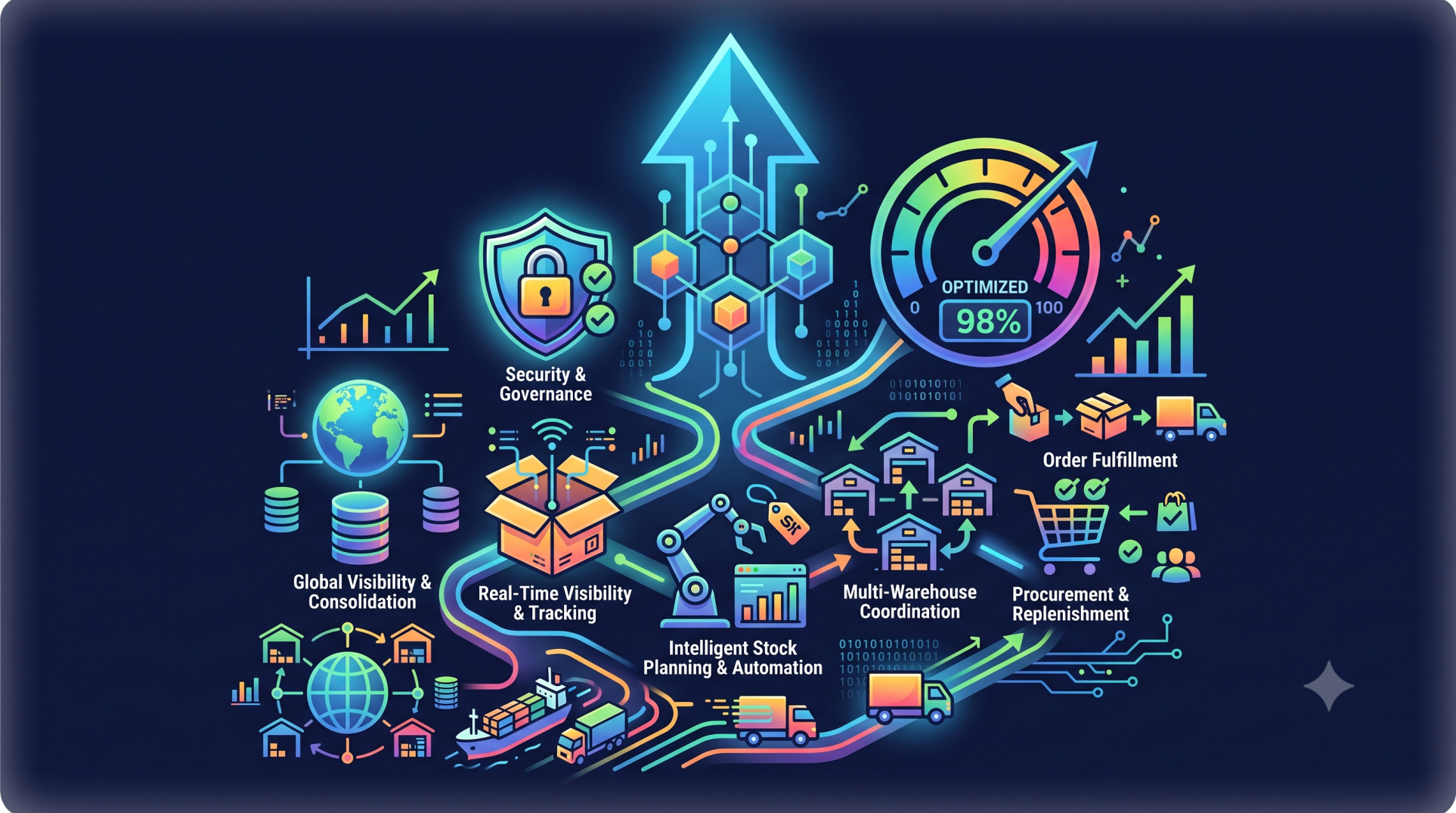
• Maintain real-time inventory visibility across all locations 👀
• Synchronize stock levels between warehouses and retail stores 🔄
• Reduce overselling and stock shortages ✅
• Improve inventory allocation based on demand 📊
• Support accurate fulfillment across multiple sales channels 🚚
Step 3: Streamlining Order Management 📝
• Consolidate orders from websites, stores, and marketplaces 🛒
• Automate order routing to the appropriate fulfillment location 📍
• Track order status throughout the fulfillment process 📦
• Improve order accuracy and delivery performance 🚀
• Simplify returns and exchanges across channels 🔁
Step 4: Unifying Customer Information 👥
• Create a centralized customer profile across all channels 📋
• Maintain consistent purchase history and preferences ❤️
• Personalize customer interactions using unified insights 🎯
• Improve customer service with complete account visibility 🤝
• Strengthen long-term customer relationships 🌟
Step 5: Optimizing Supply Chain Coordination 🚚
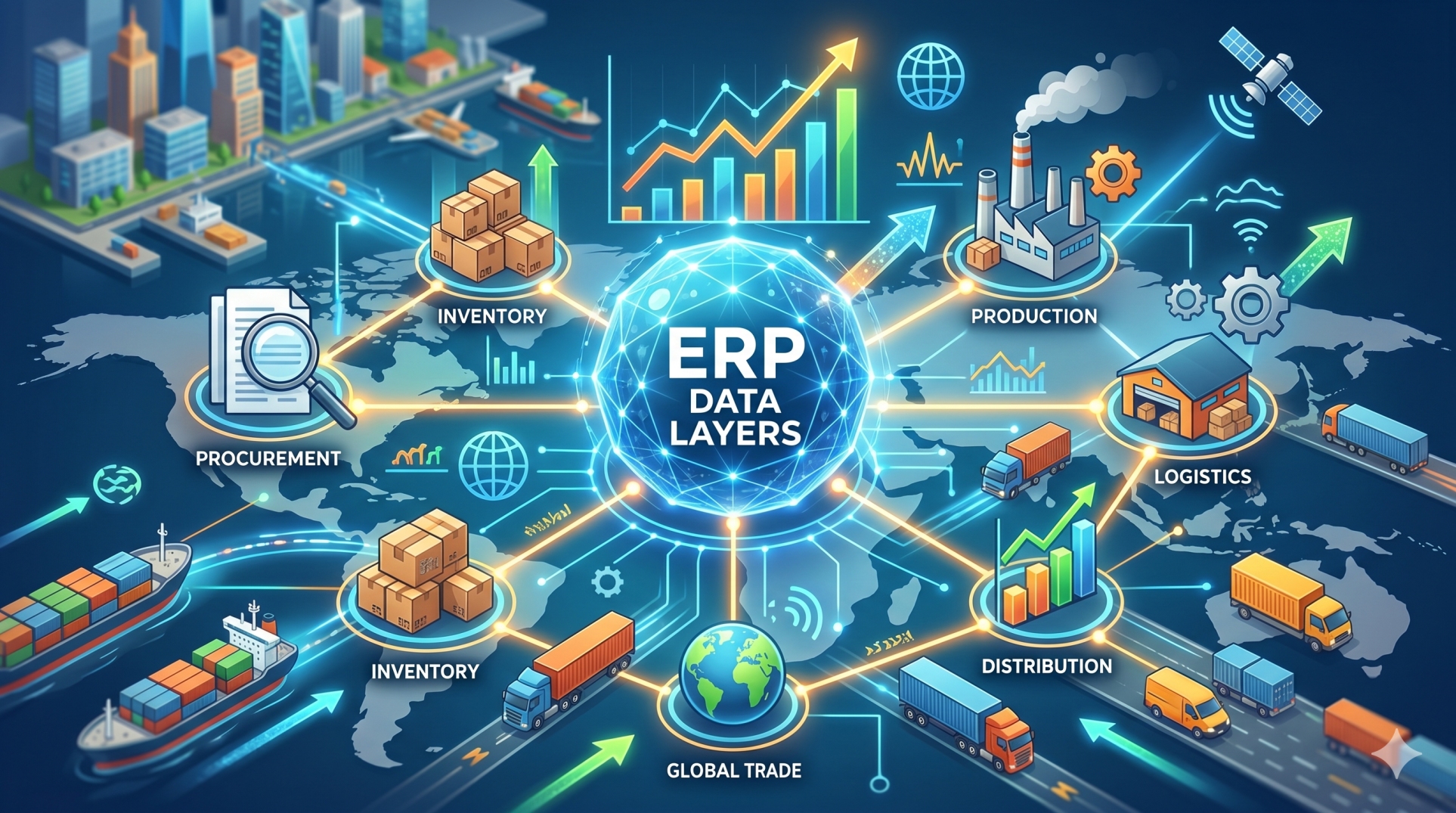
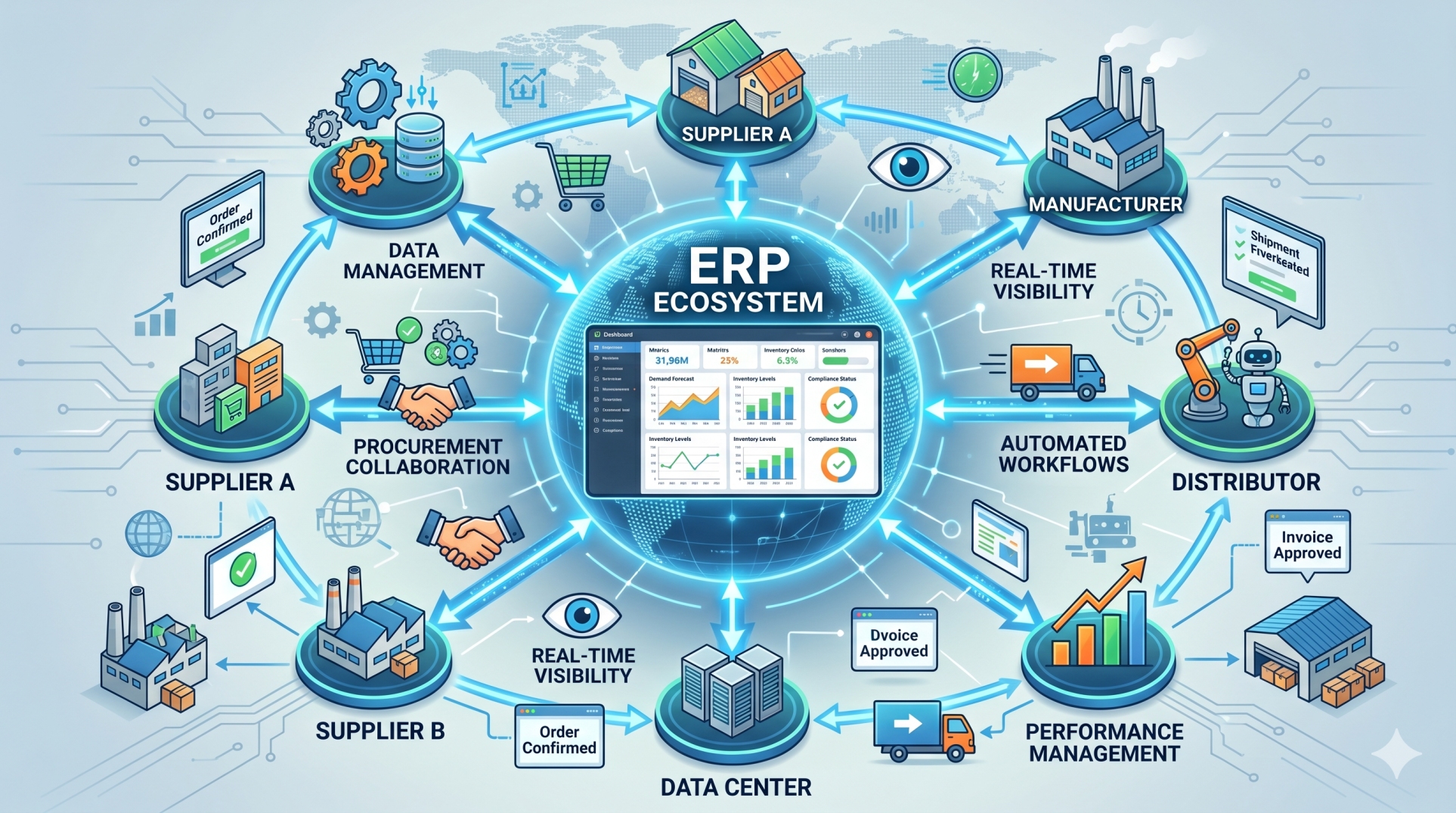
• Connect procurement, warehousing, and distribution operations 🔗
• Improve demand forecasting using consolidated sales data 📈
• Coordinate replenishment across multiple locations 📦
• Reduce fulfillment delays through better planning ⏱️
• Enhance supply chain responsiveness ⚡
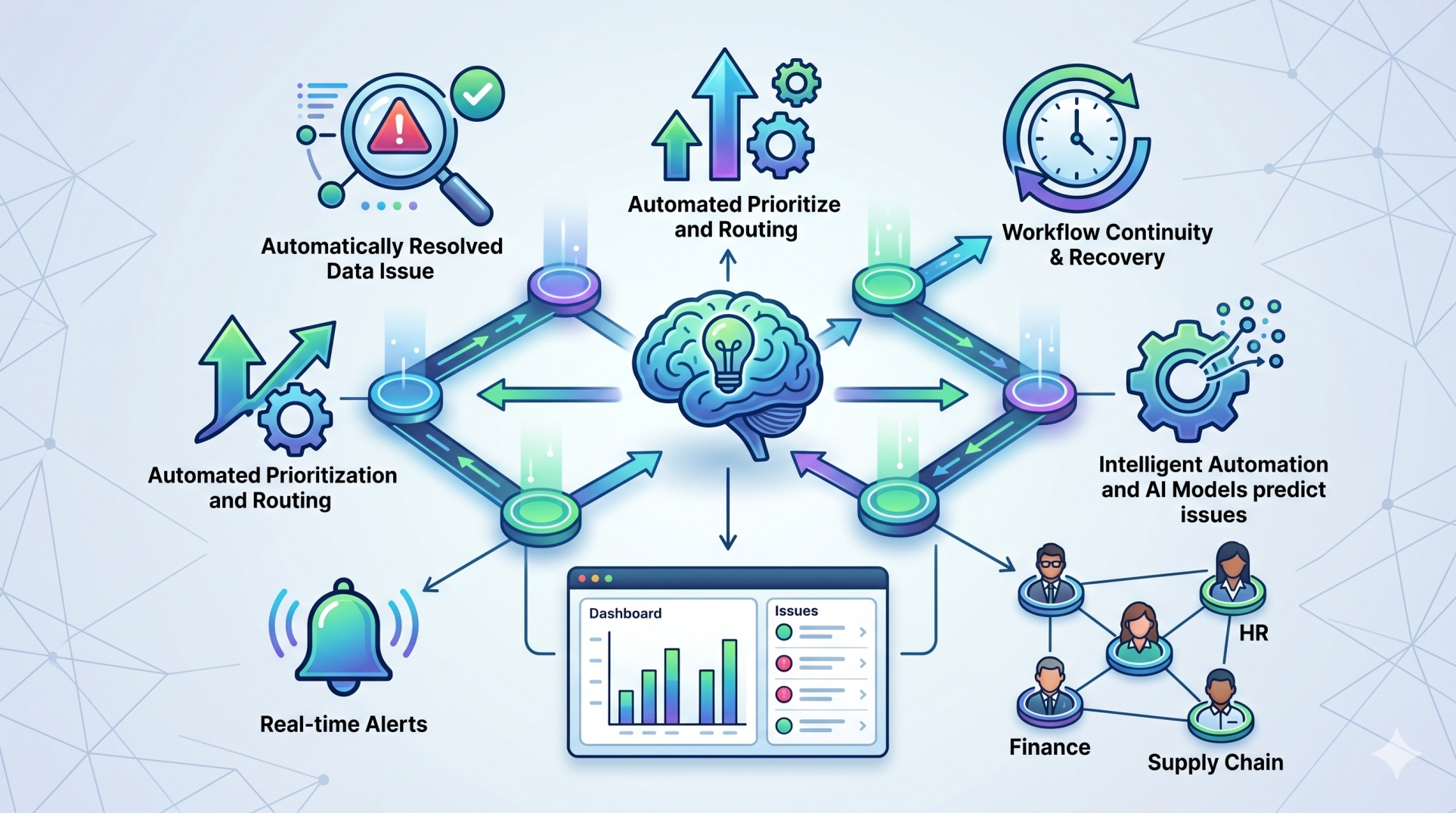
Step 6: Automating Retail Workflows 🤖
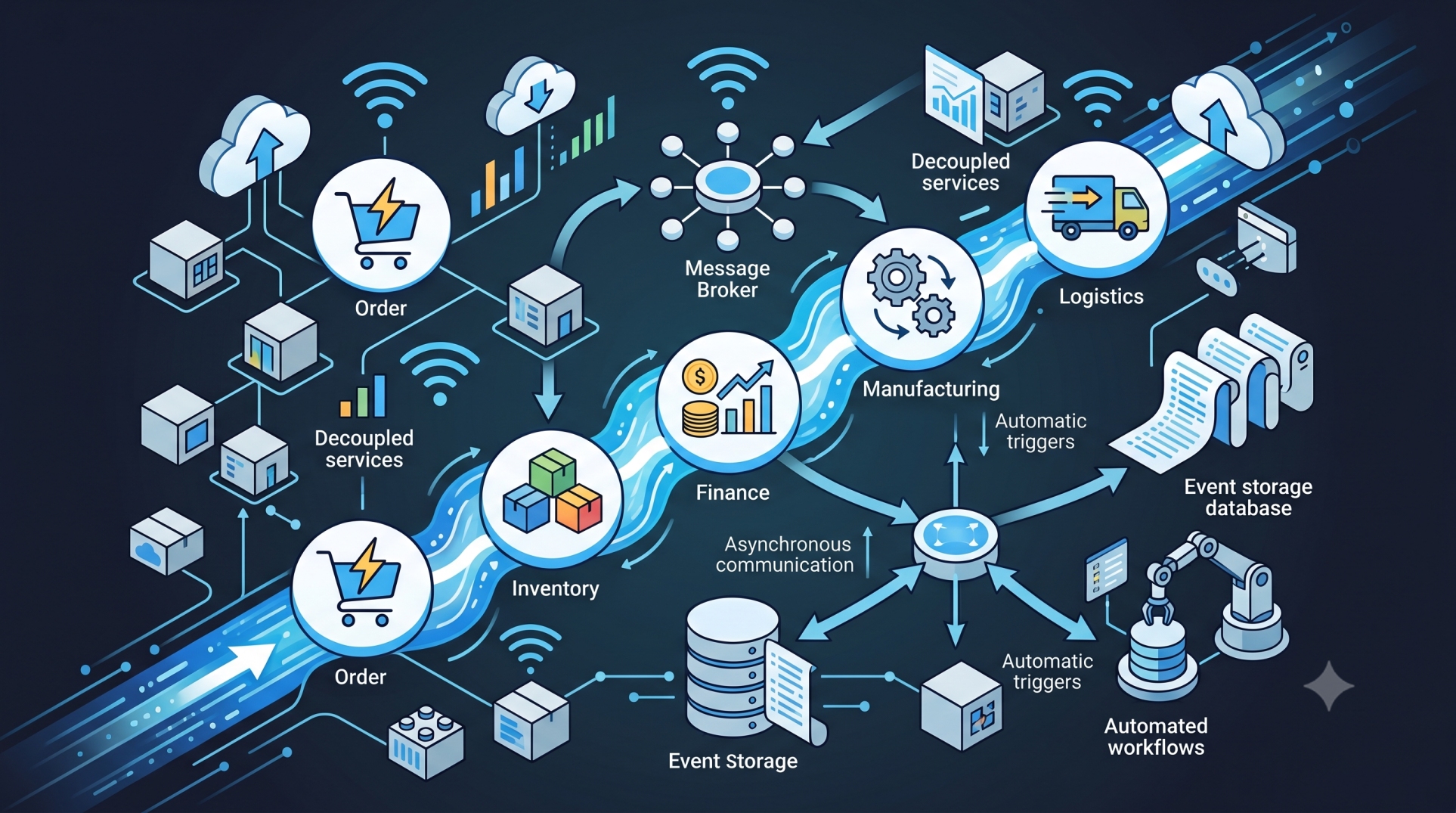
• Automate order processing and inventory updates ⚙️
• Streamline approvals and operational tasks 📬
• Reduce manual data entry and repetitive activities 📝
• Improve consistency across retail operations ✅
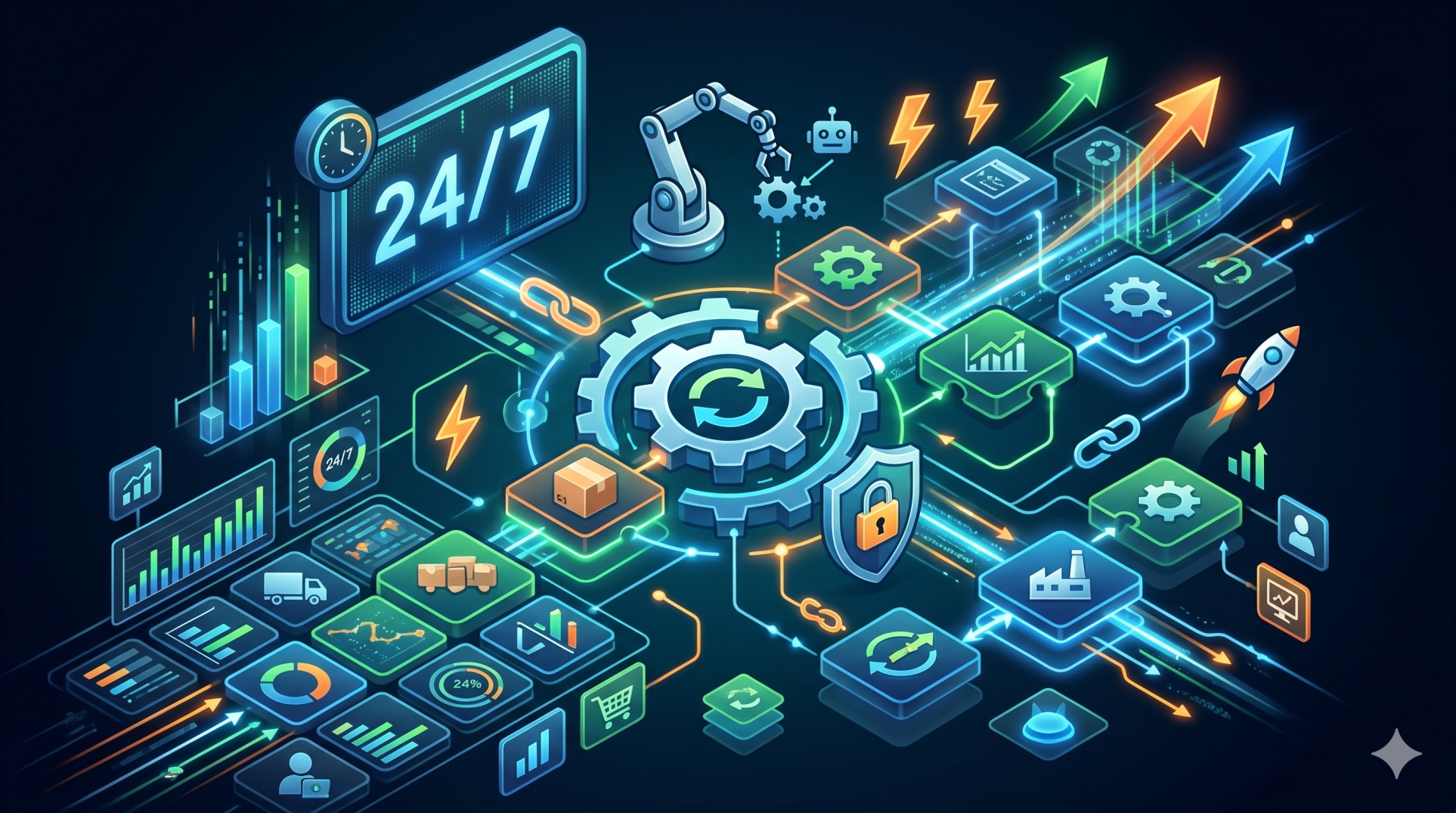
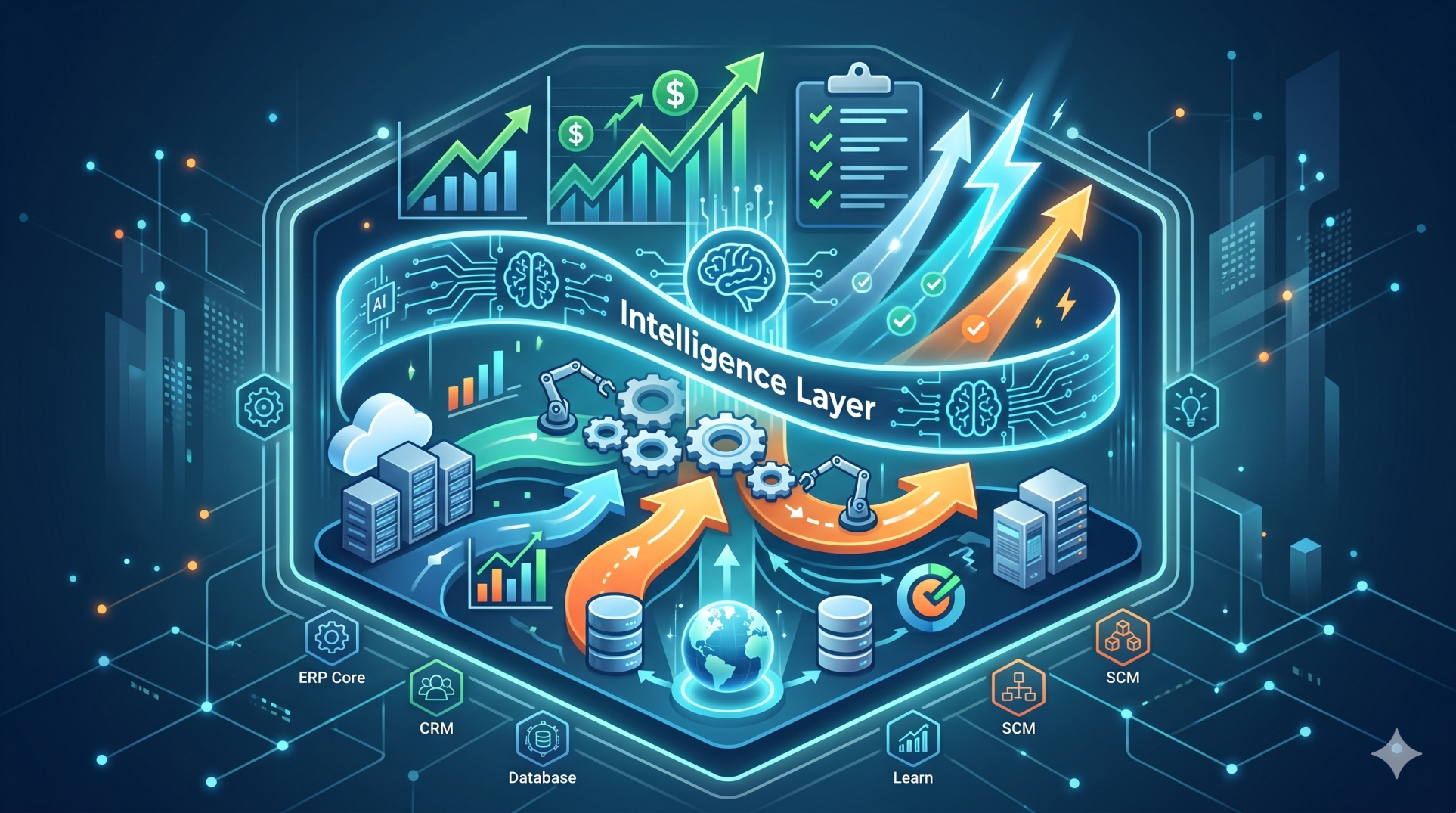
• Increase operational efficiency with intelligent automation 🚀
Step 7: Monitoring Business Performance 📊
• Track sales performance across every retail channel 📈
• Monitor inventory turnover and fulfillment efficiency 📦
• Analyze customer purchasing behavior 🛍️
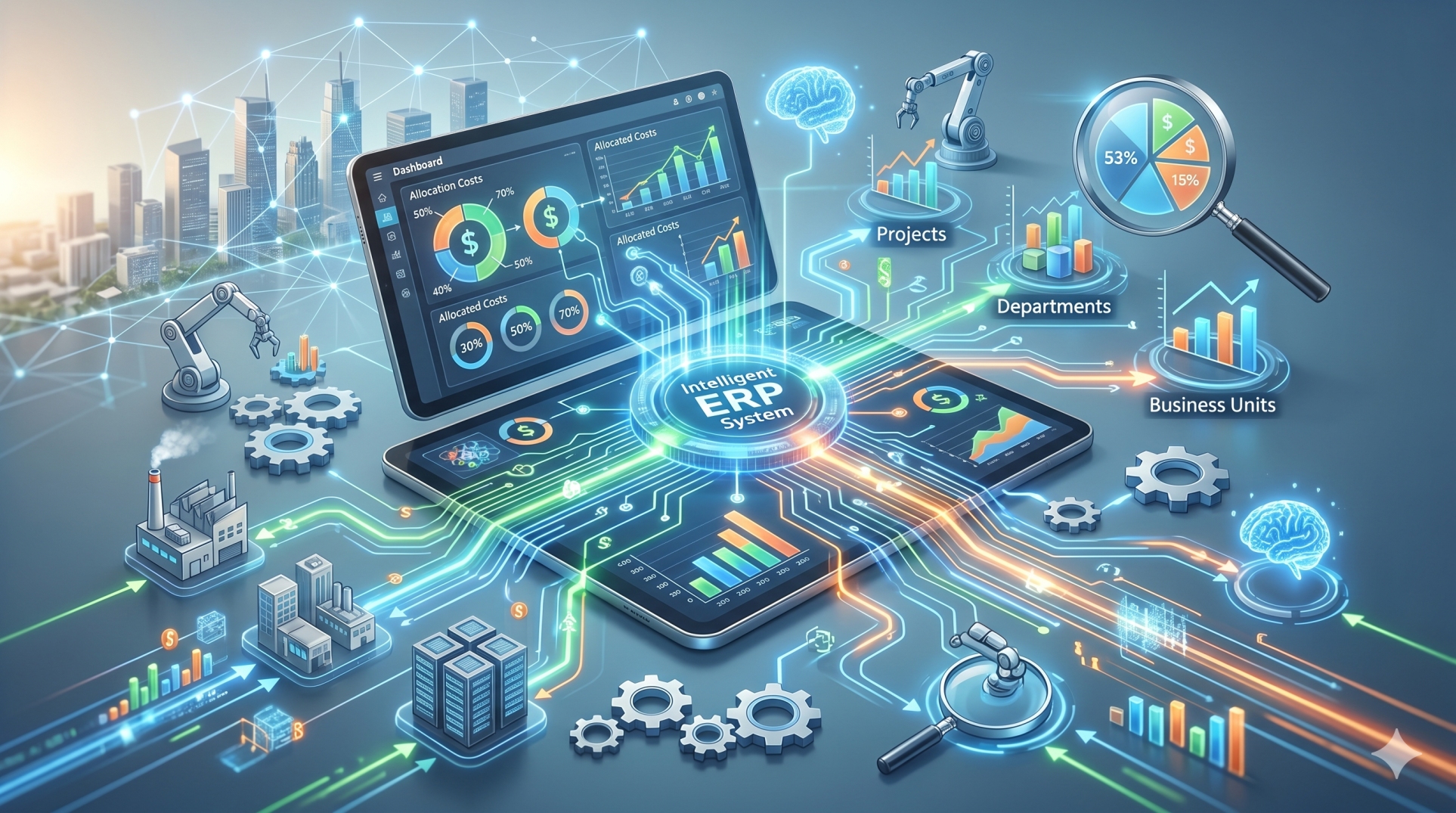
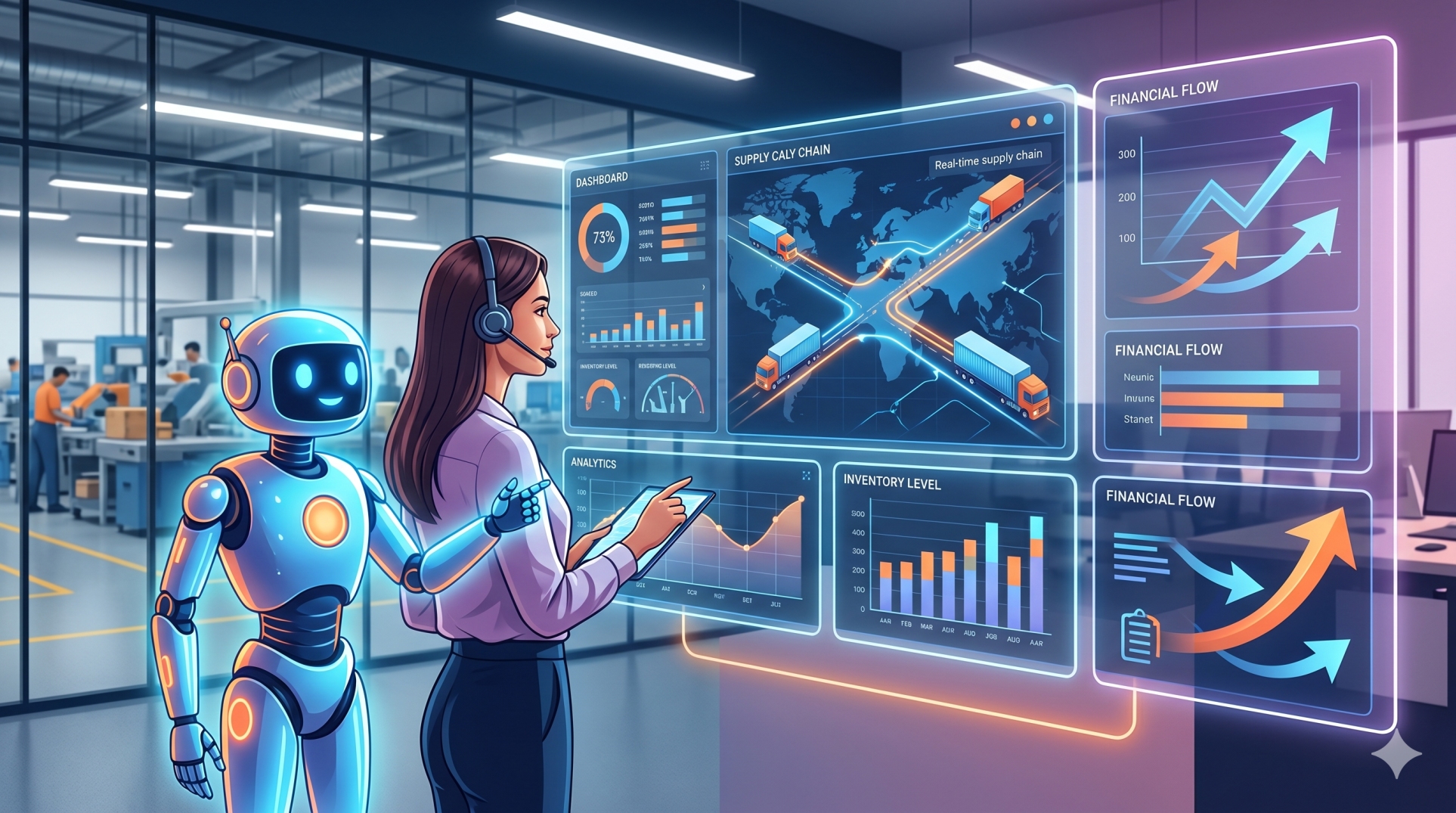
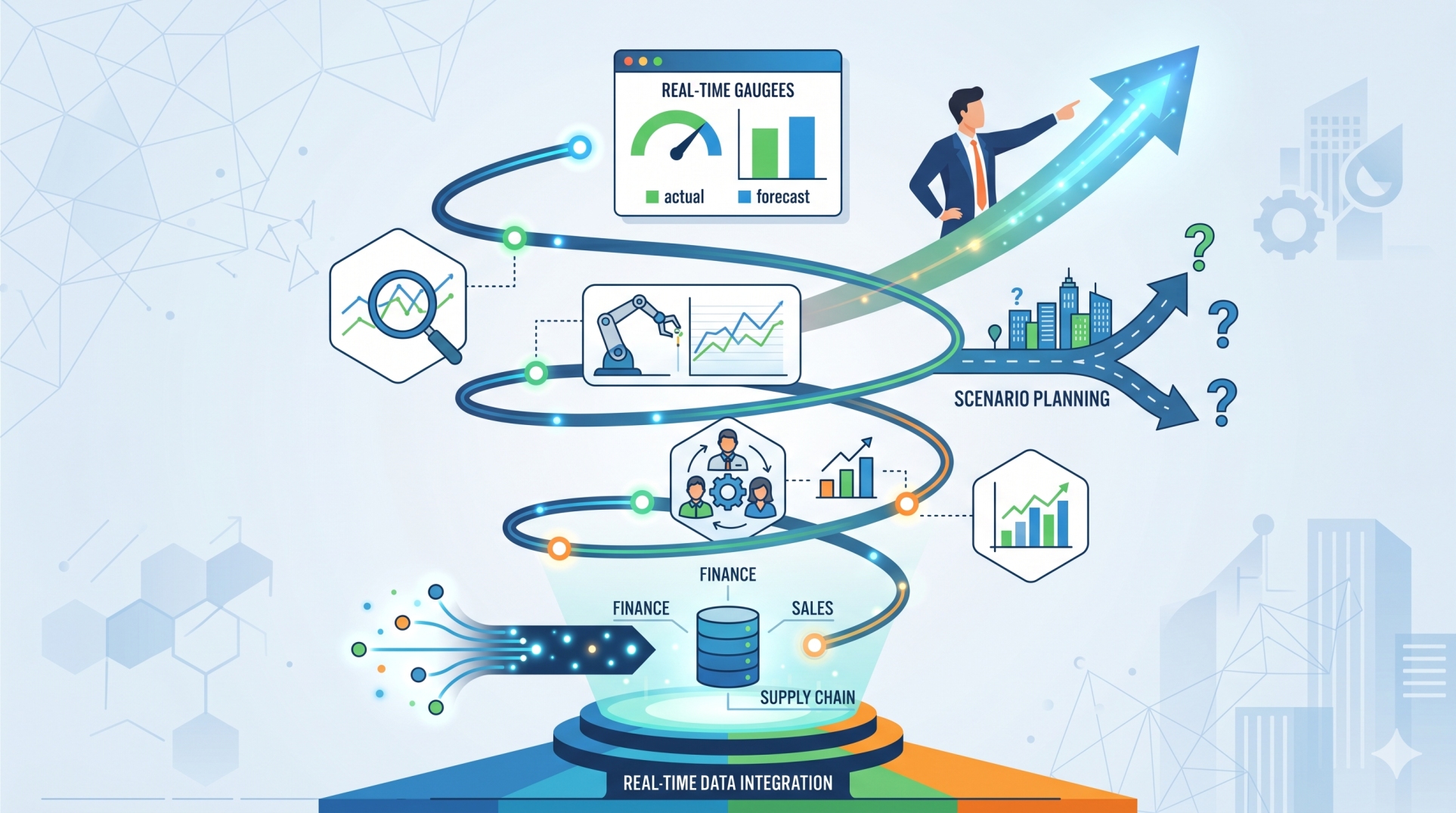
• Generate real-time business reports and dashboards 🖥️
• Support data-driven strategic planning 💡
Step 8: Key ERP Priorities for Omnichannel Retail ⭐
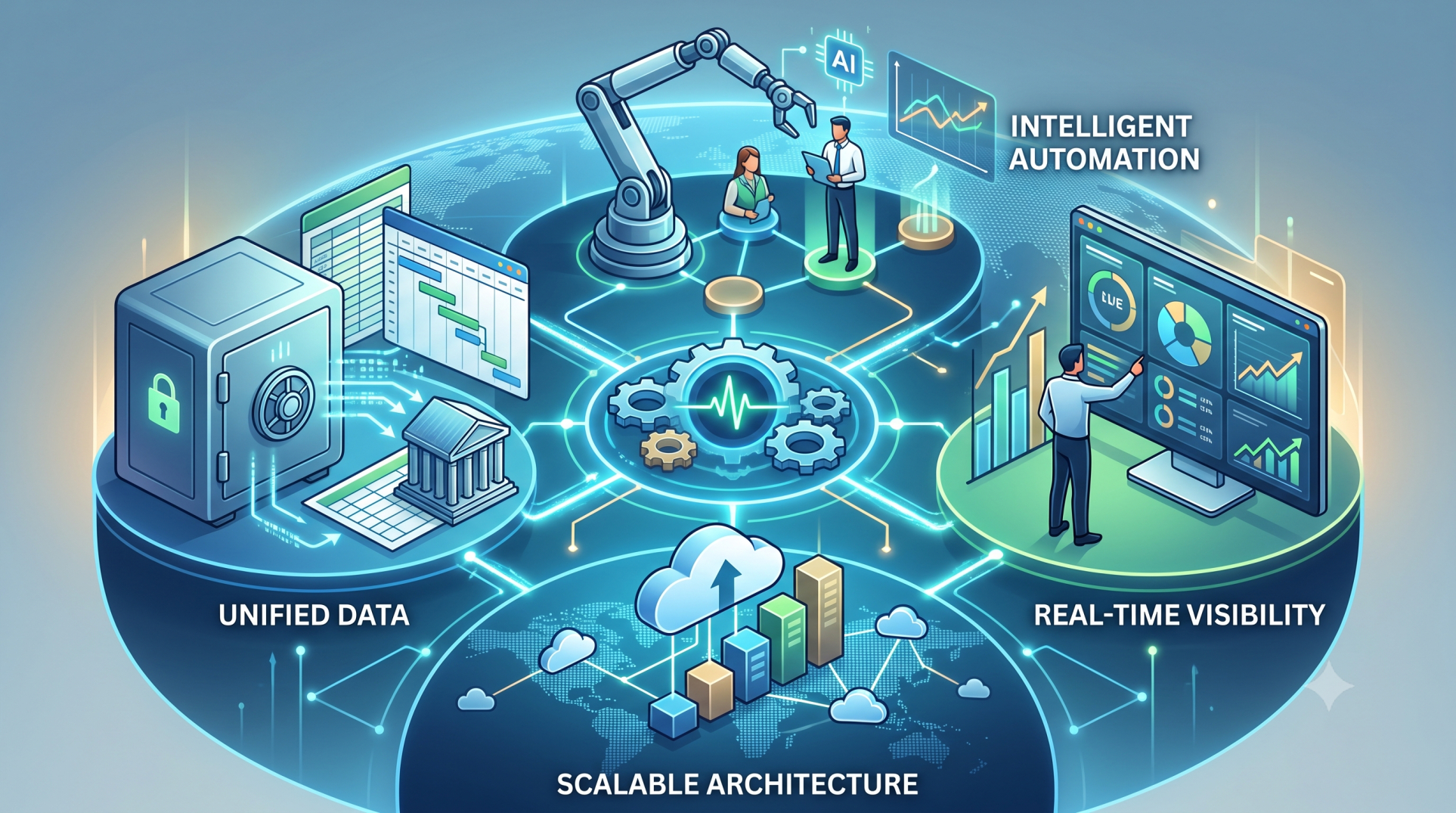
• Unified inventory and order management 📦
• Consistent customer experiences across all channels 🤝
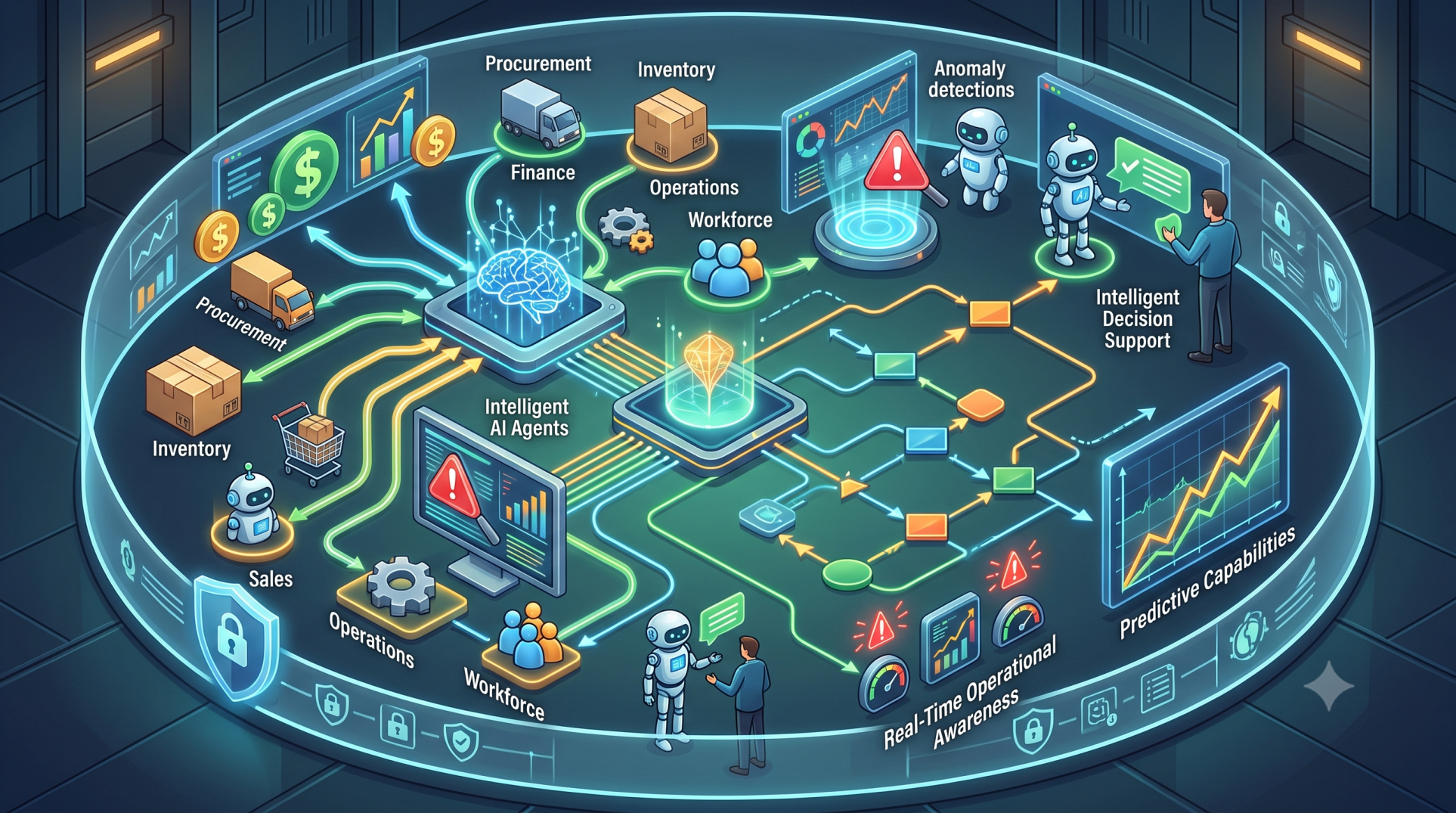
• Real-time operational visibility 📊
• Scalable infrastructure for business expansion 🚀
Step 9: Adapting to Changing Consumer Demand 🔄
• Respond quickly to shifts in purchasing behavior 📈
• Launch new sales channels with minimal disruption 🌐
• Support seasonal demand and promotional campaigns 🎉
• Adjust inventory strategies using real-time insights 📊
• Improve business agility in competitive markets 💪
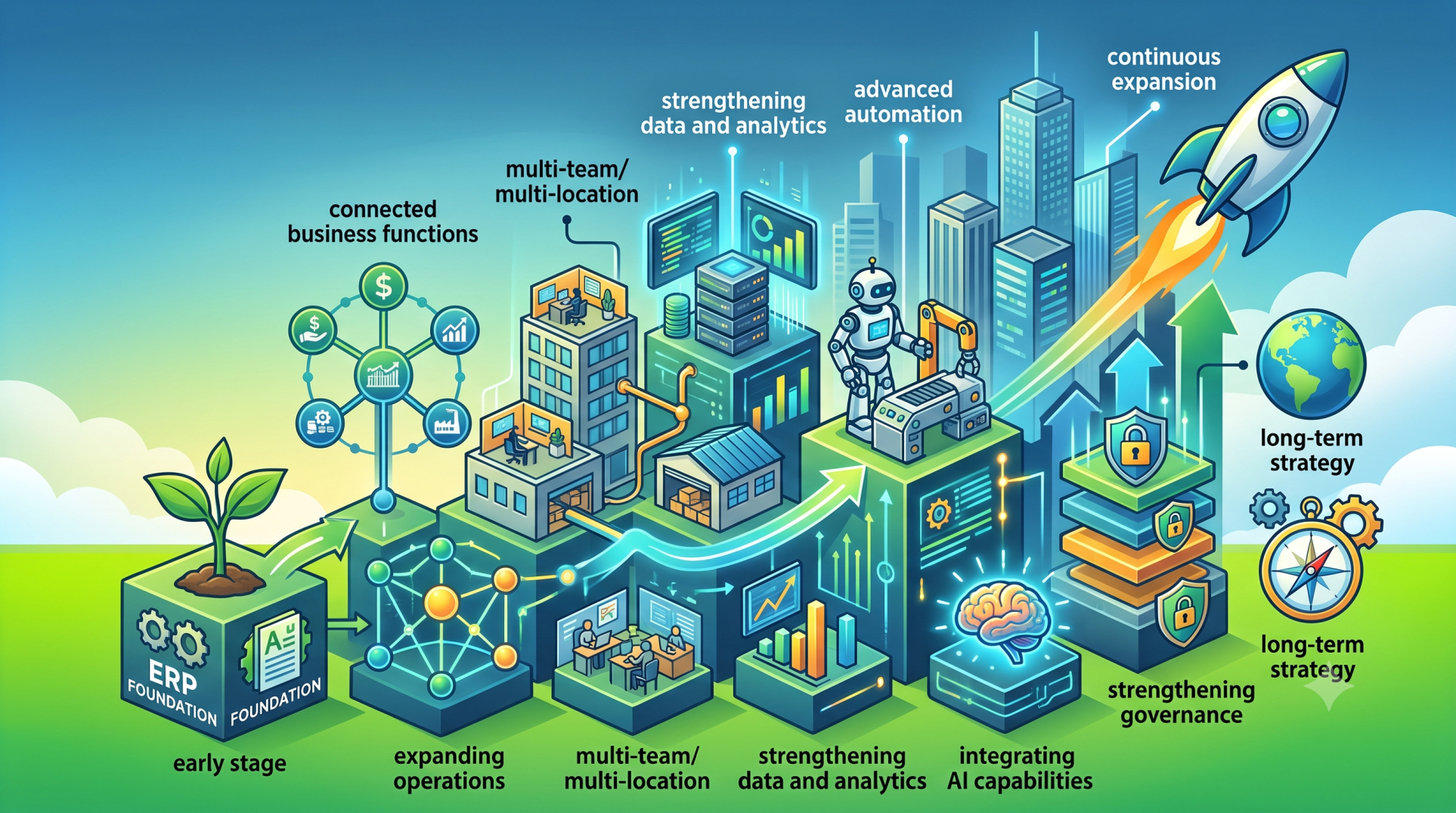
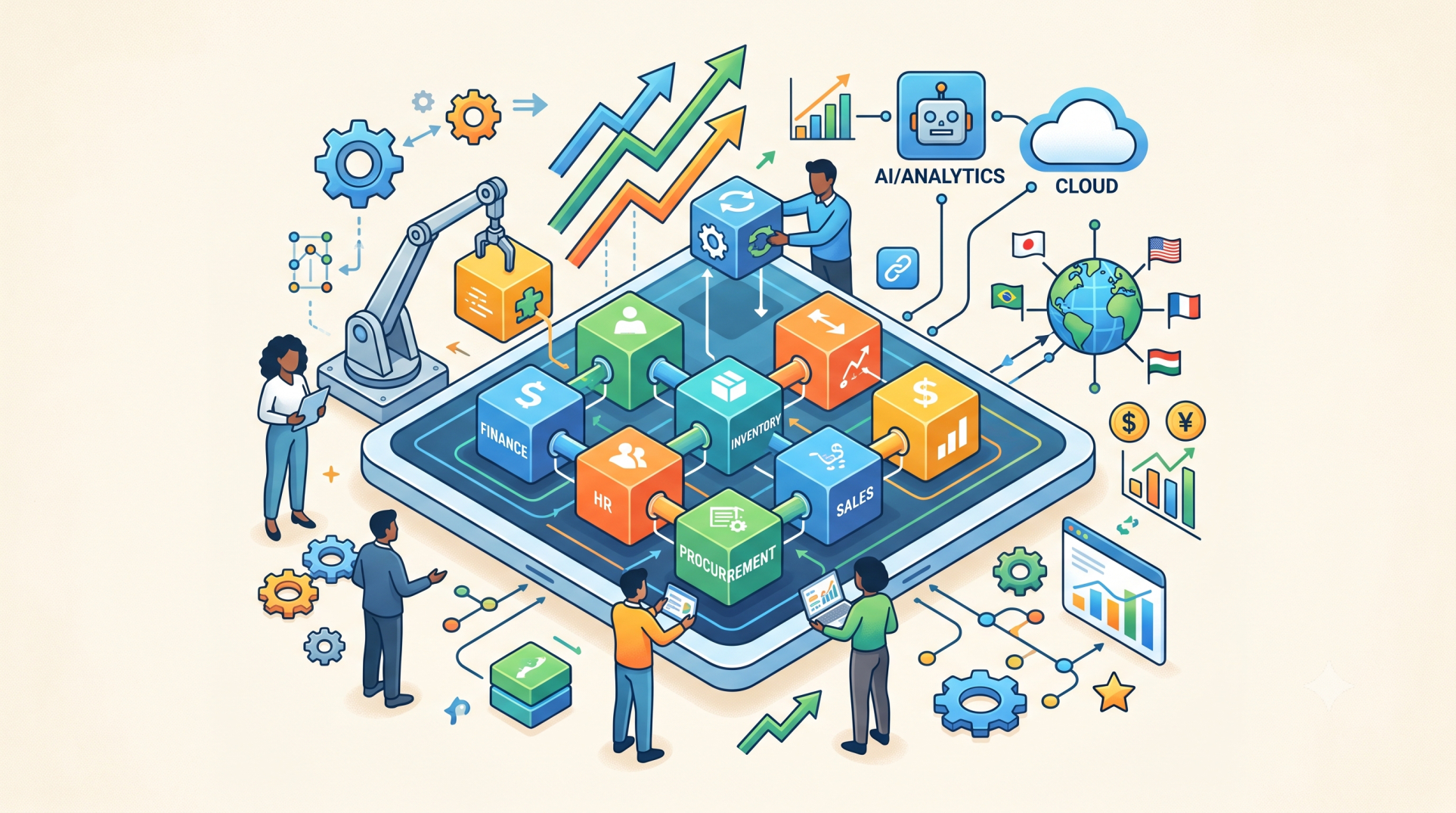
Step 10: Building a Future-Ready Retail Enterprise 🌍
• Design flexible ERP systems that support business growth 🏗️
• Integrate emerging commerce technologies seamlessly 🤝
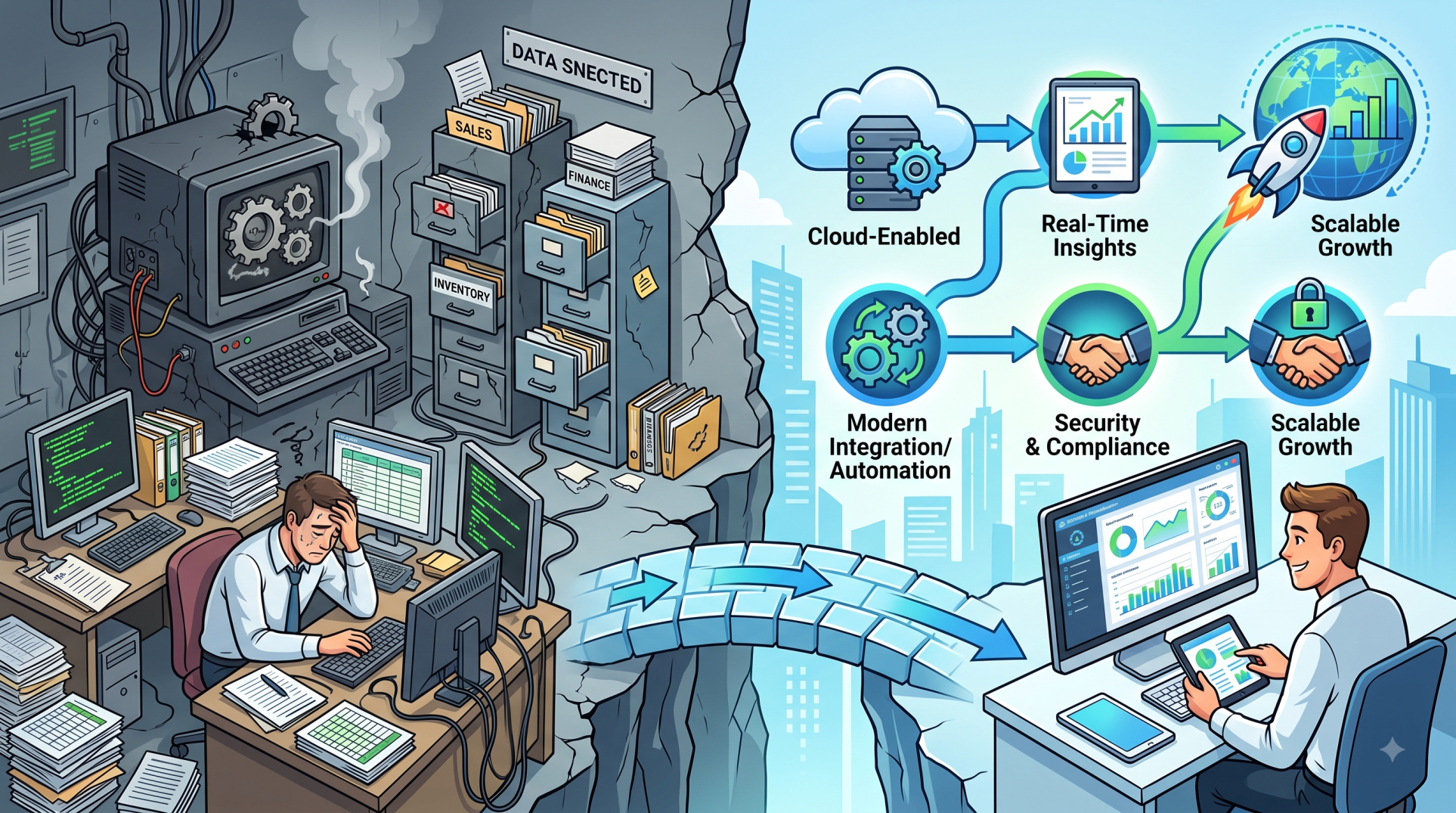
• Enable cloud-based retail operations ☁️
• Support global expansion and multi-location management 🌎
• Continuously innovate through connected business processes 🚀
Conclusion
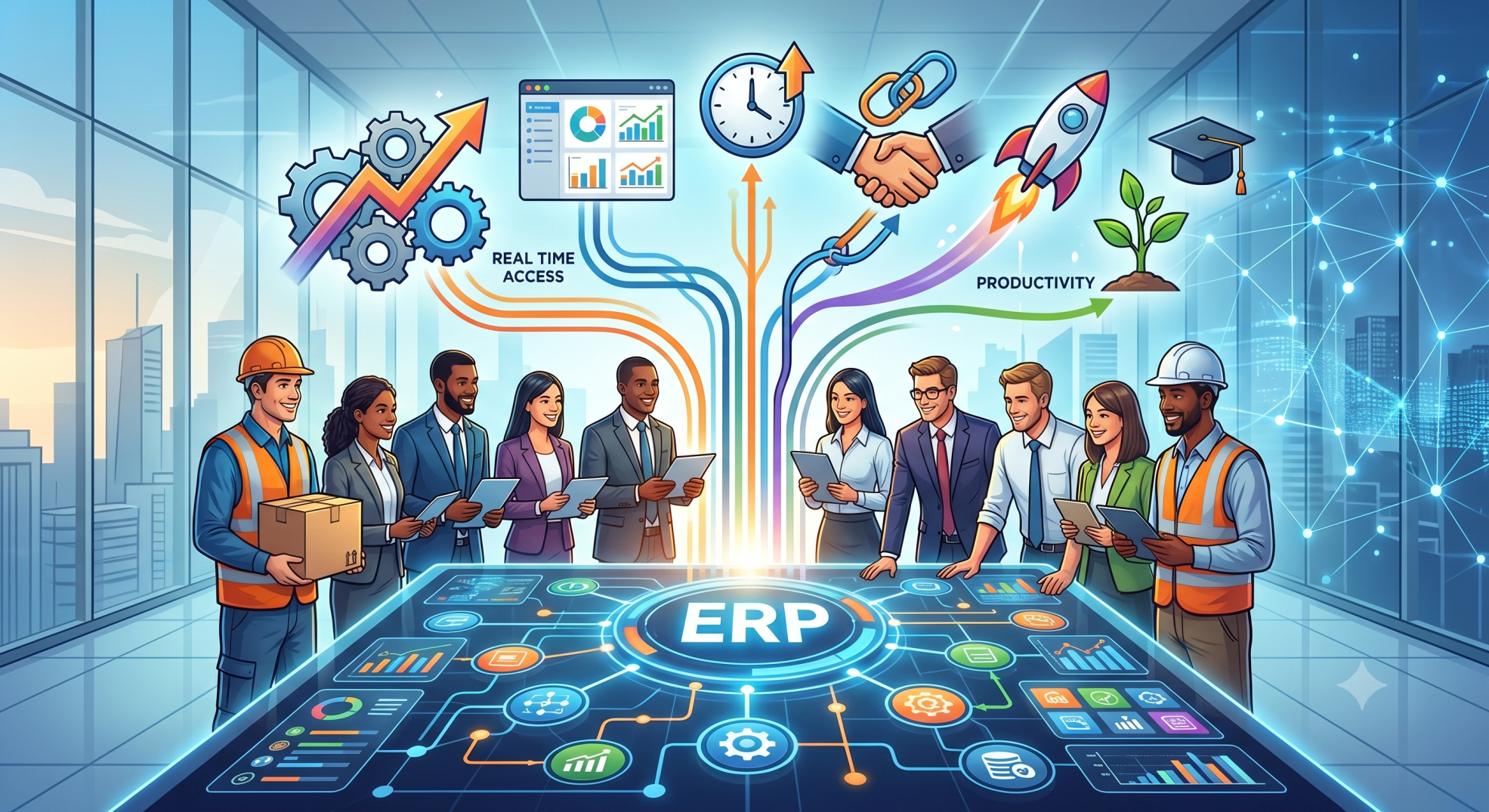
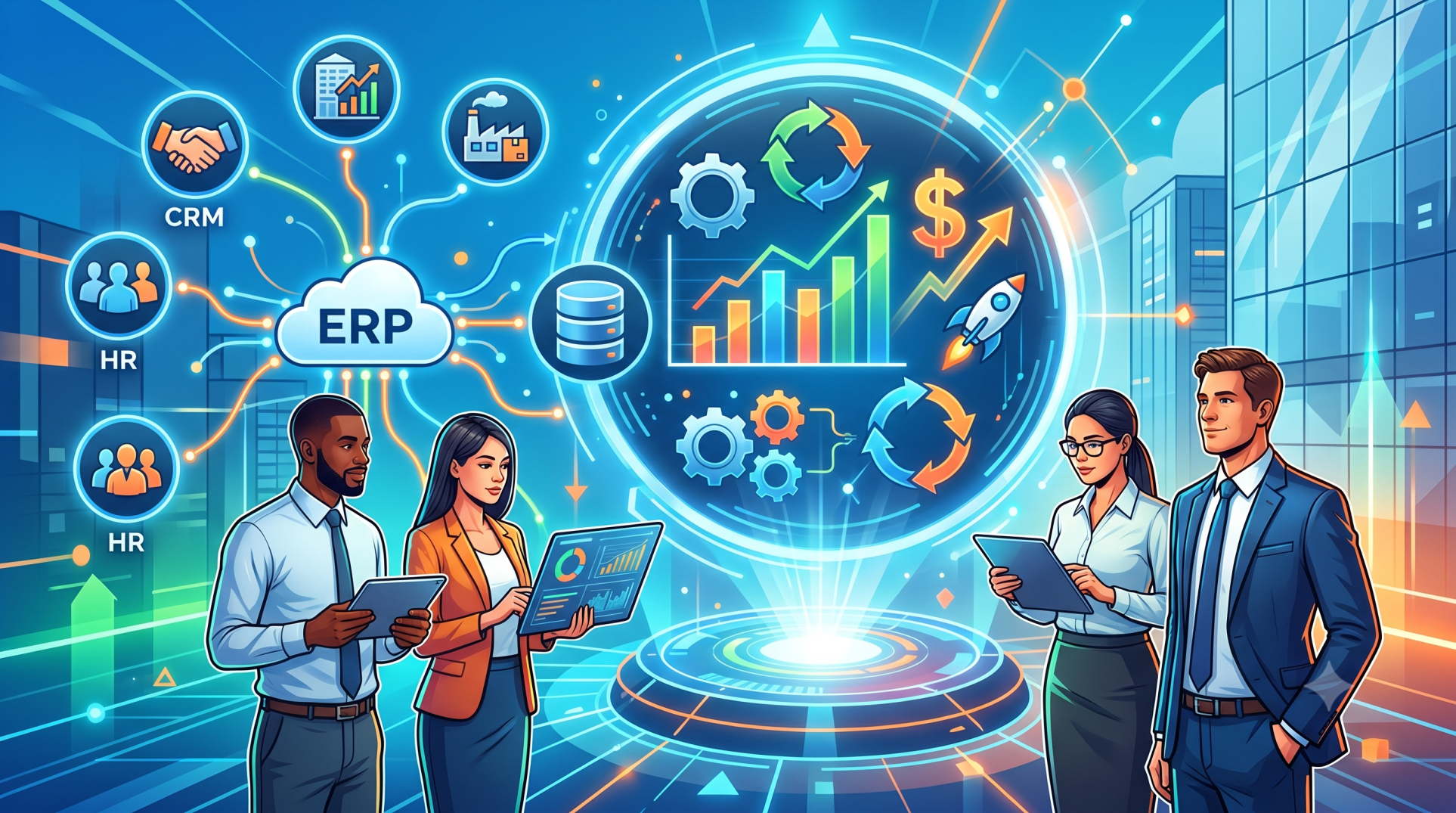
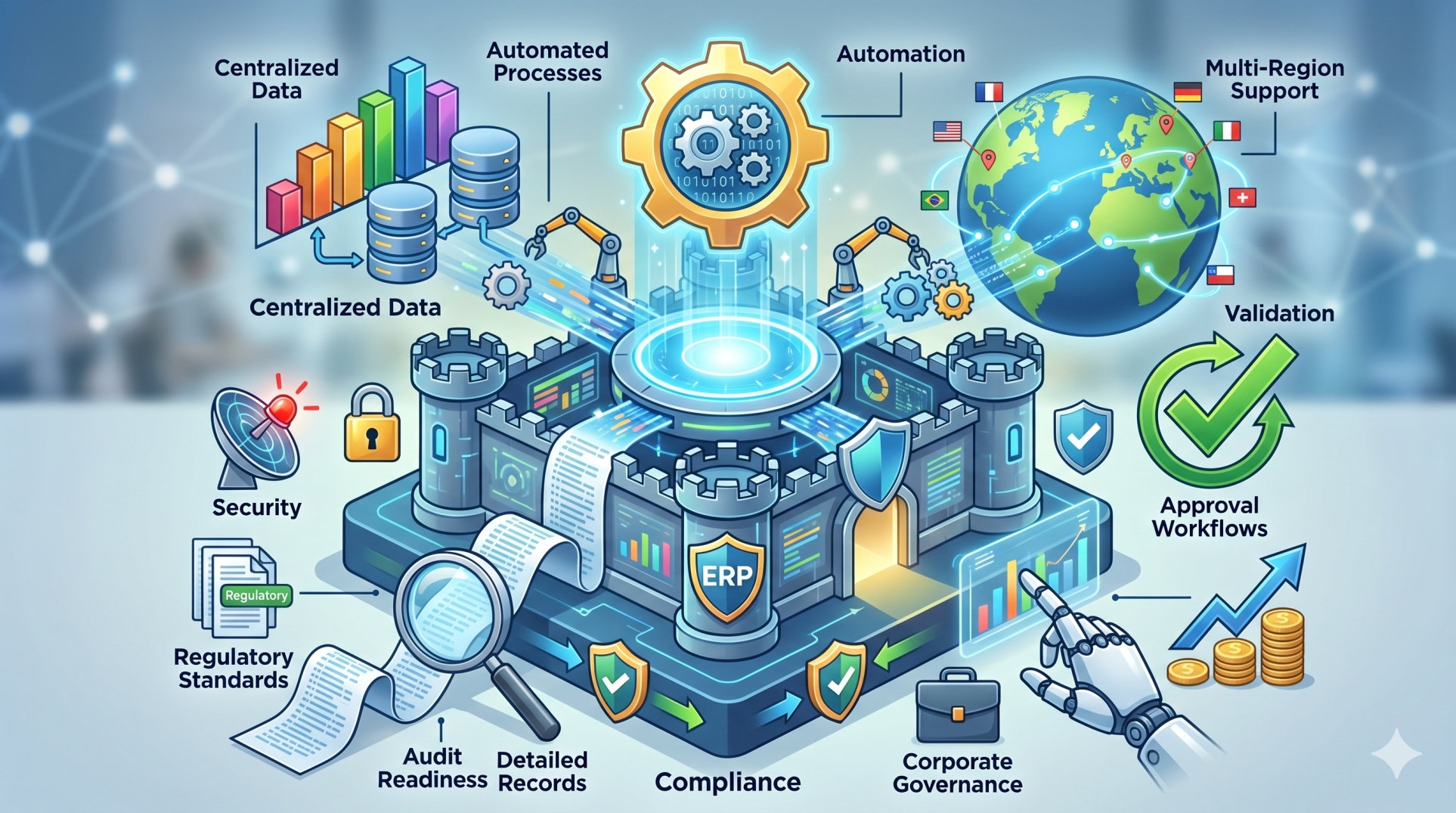
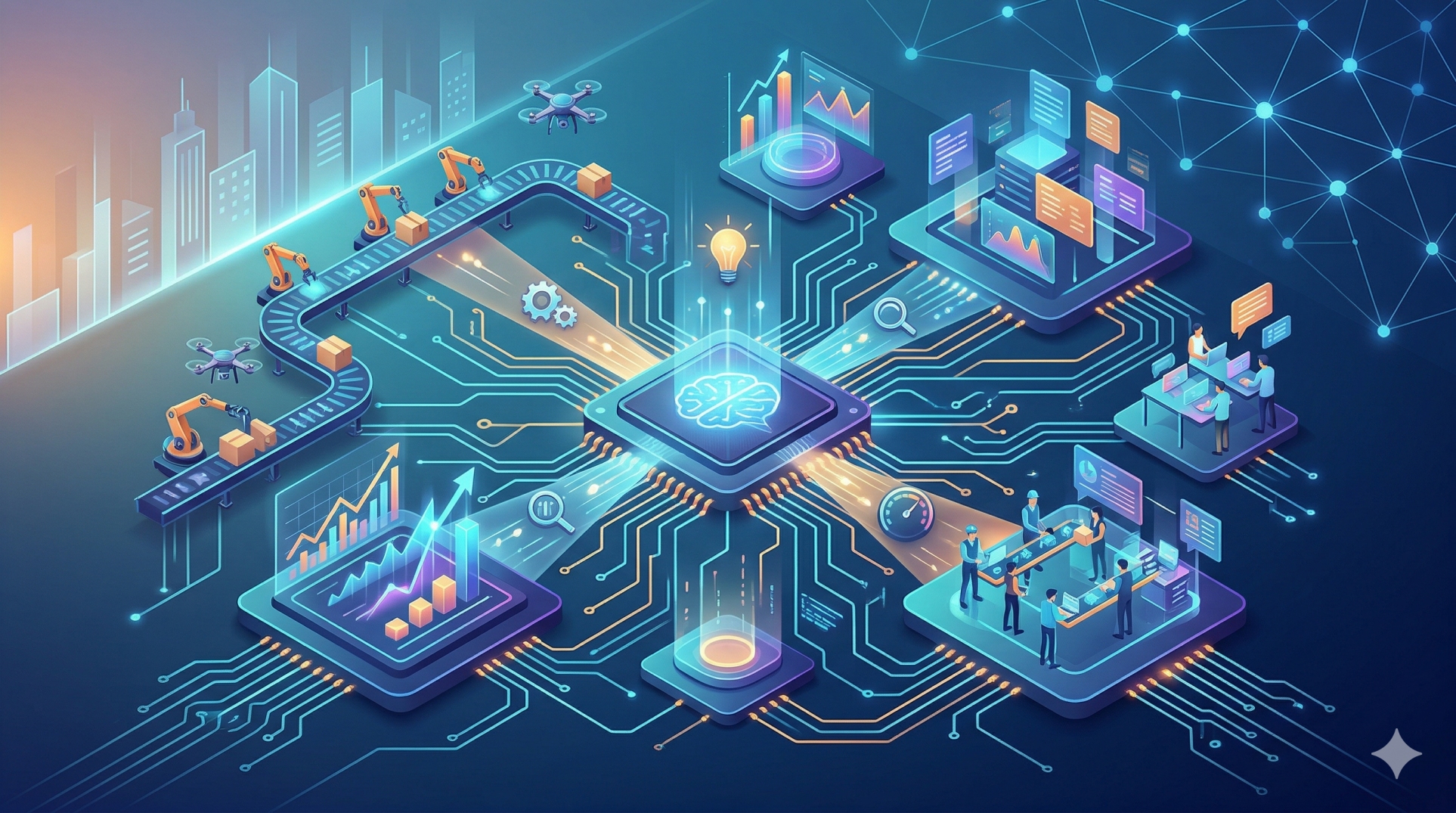
ERP systems play a central role in enabling successful omnichannel commerce by connecting retail operations, inventory, customers, and fulfillment into a unified platform. Through centralized data, automated workflows, and real-time visibility, businesses can eliminate operational gaps and deliver seamless customer experiences across every sales channel. As retail continues to evolve, ERP provides the scalability, flexibility, and operational intelligence needed to support sustainable growth and long-term success.
See more blogs
You can all the articles below