Strategic ERP Implementation Consulting: A Success Roadmap
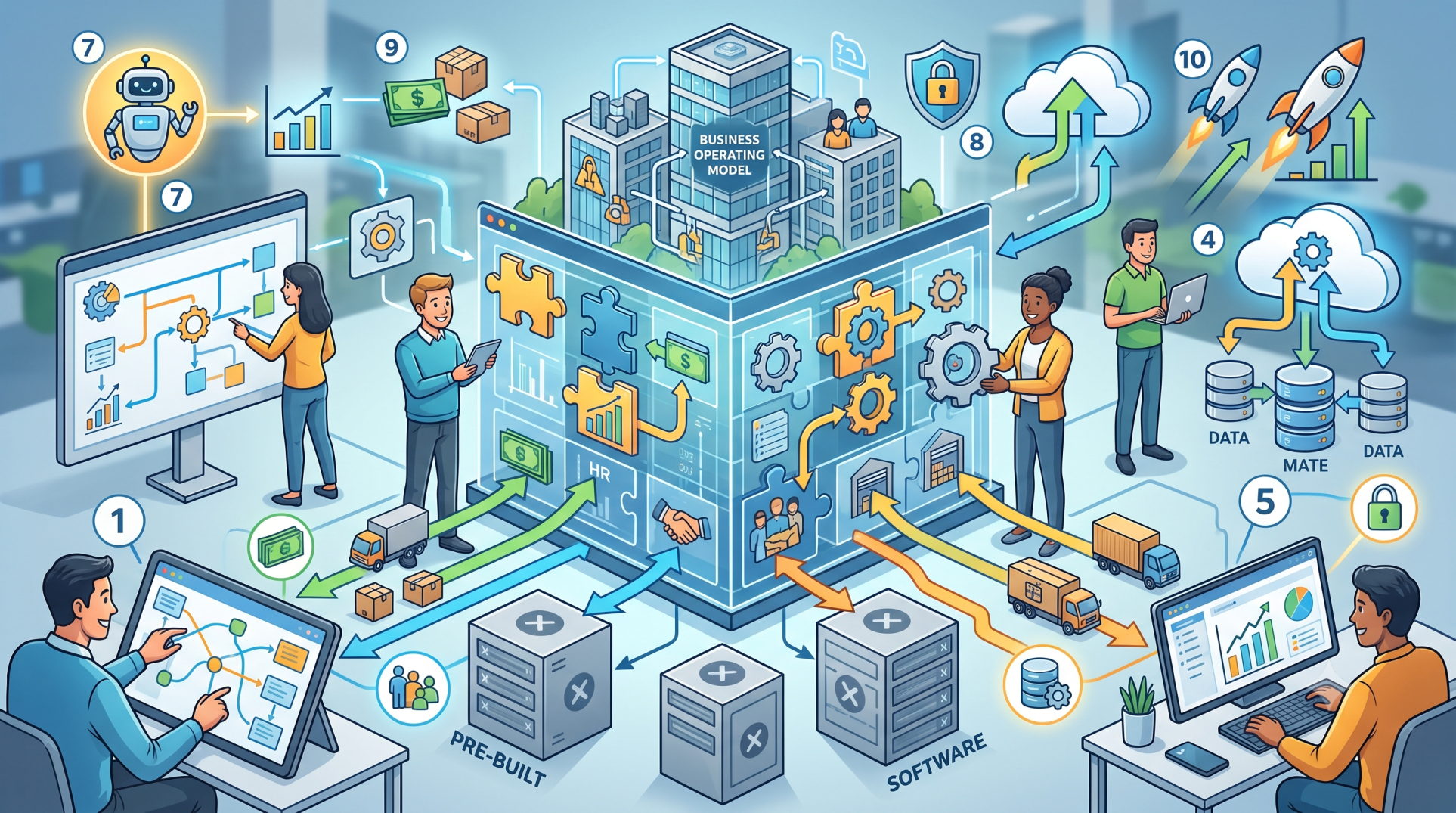
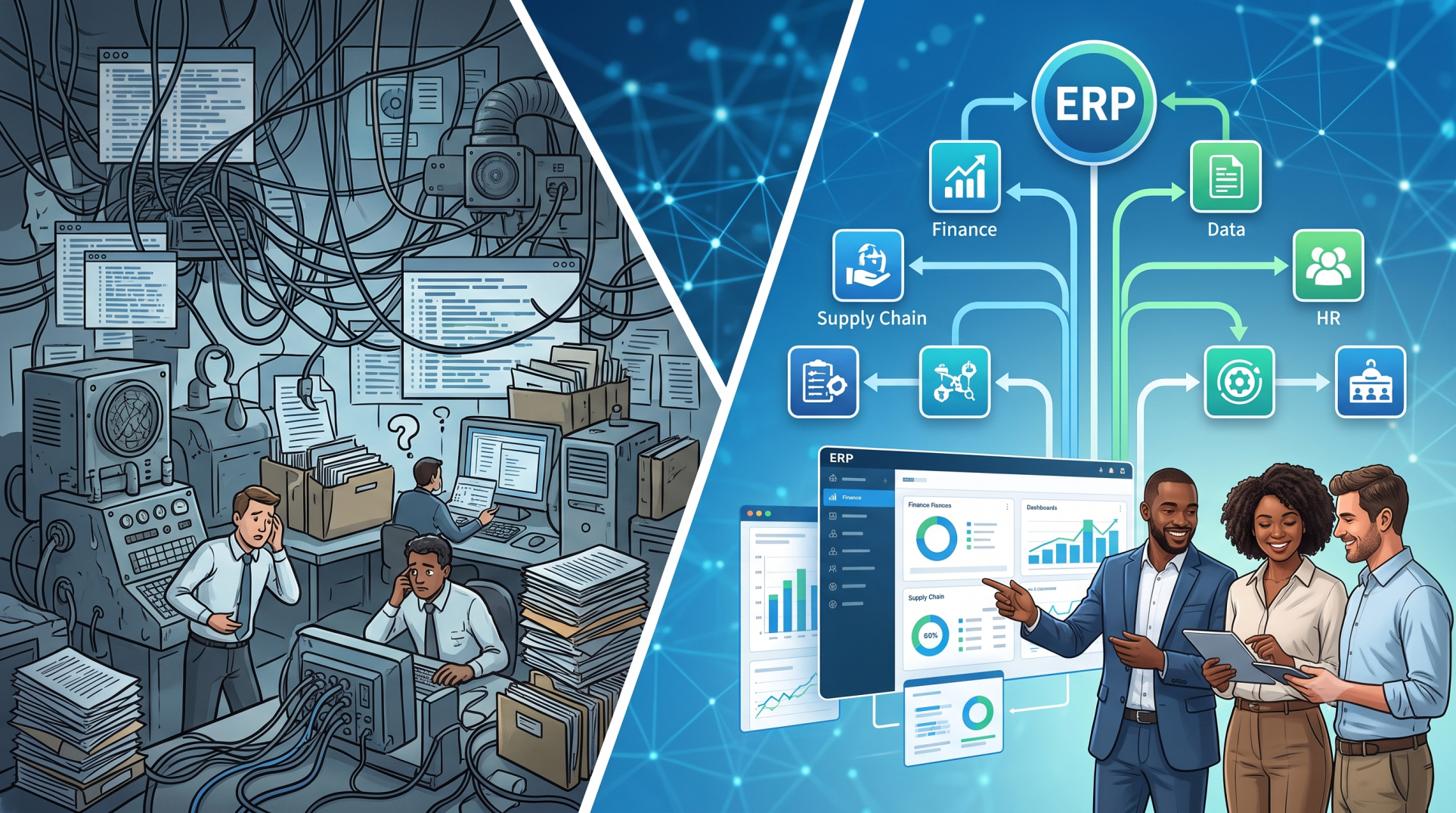
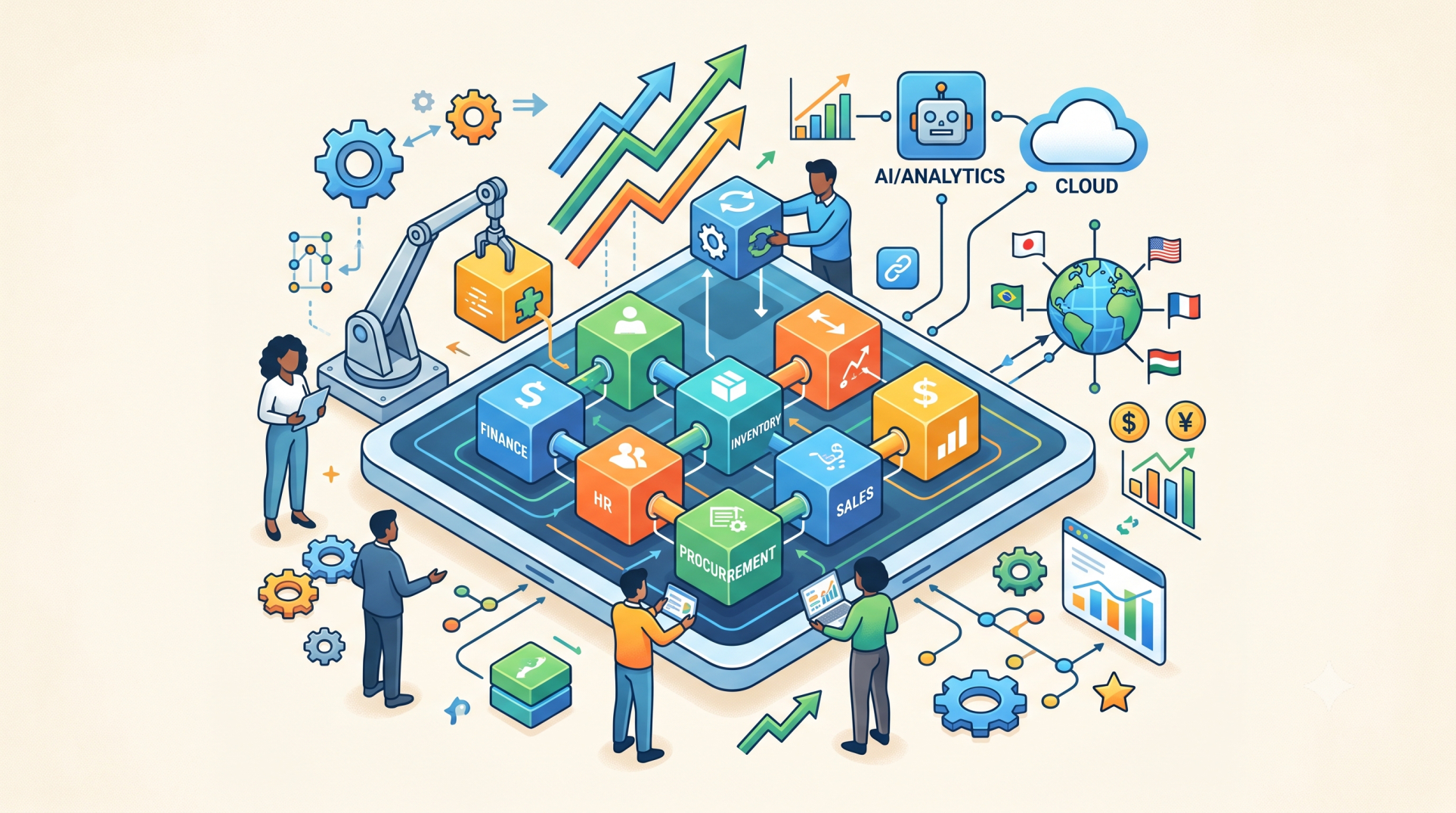
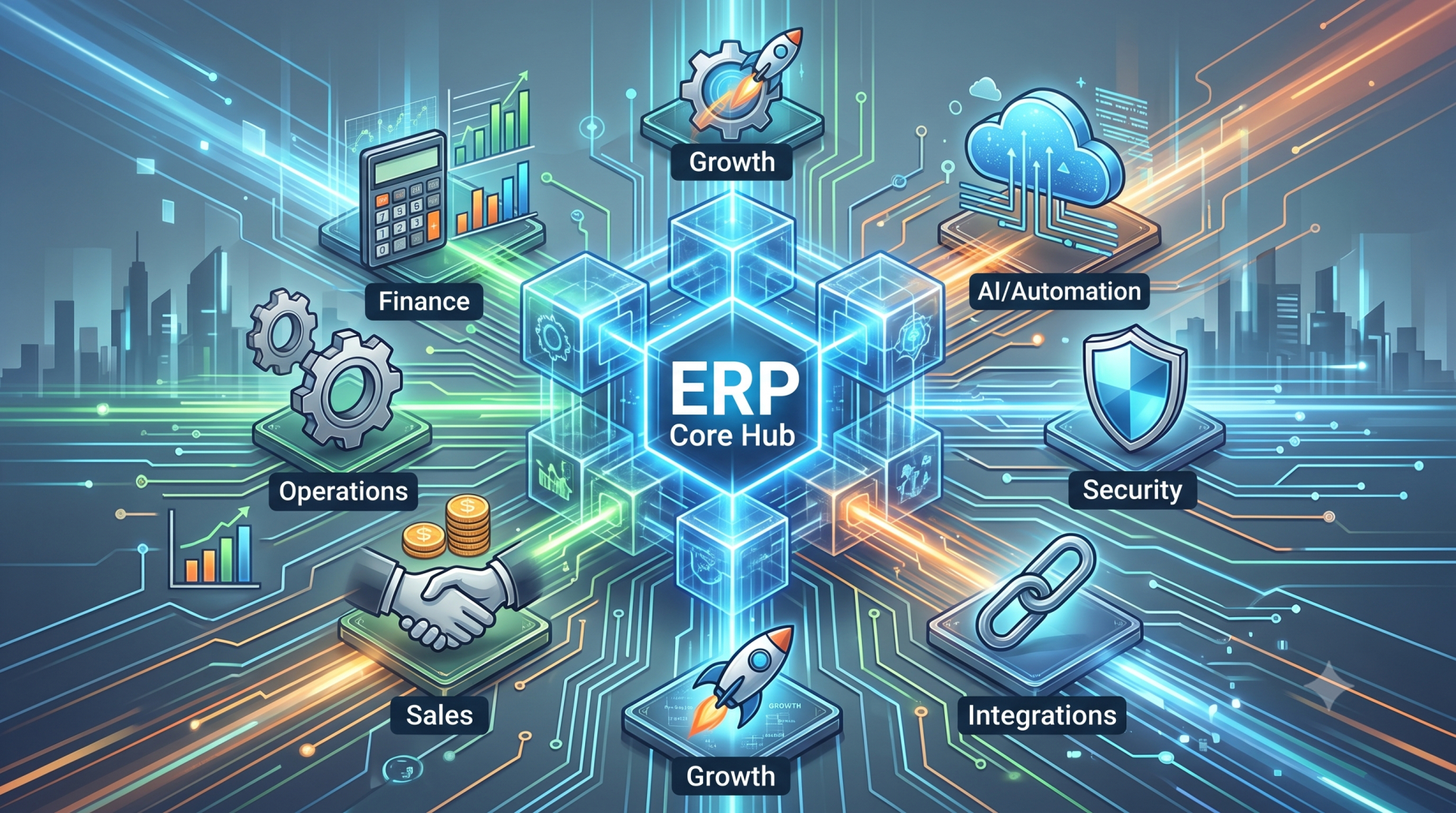
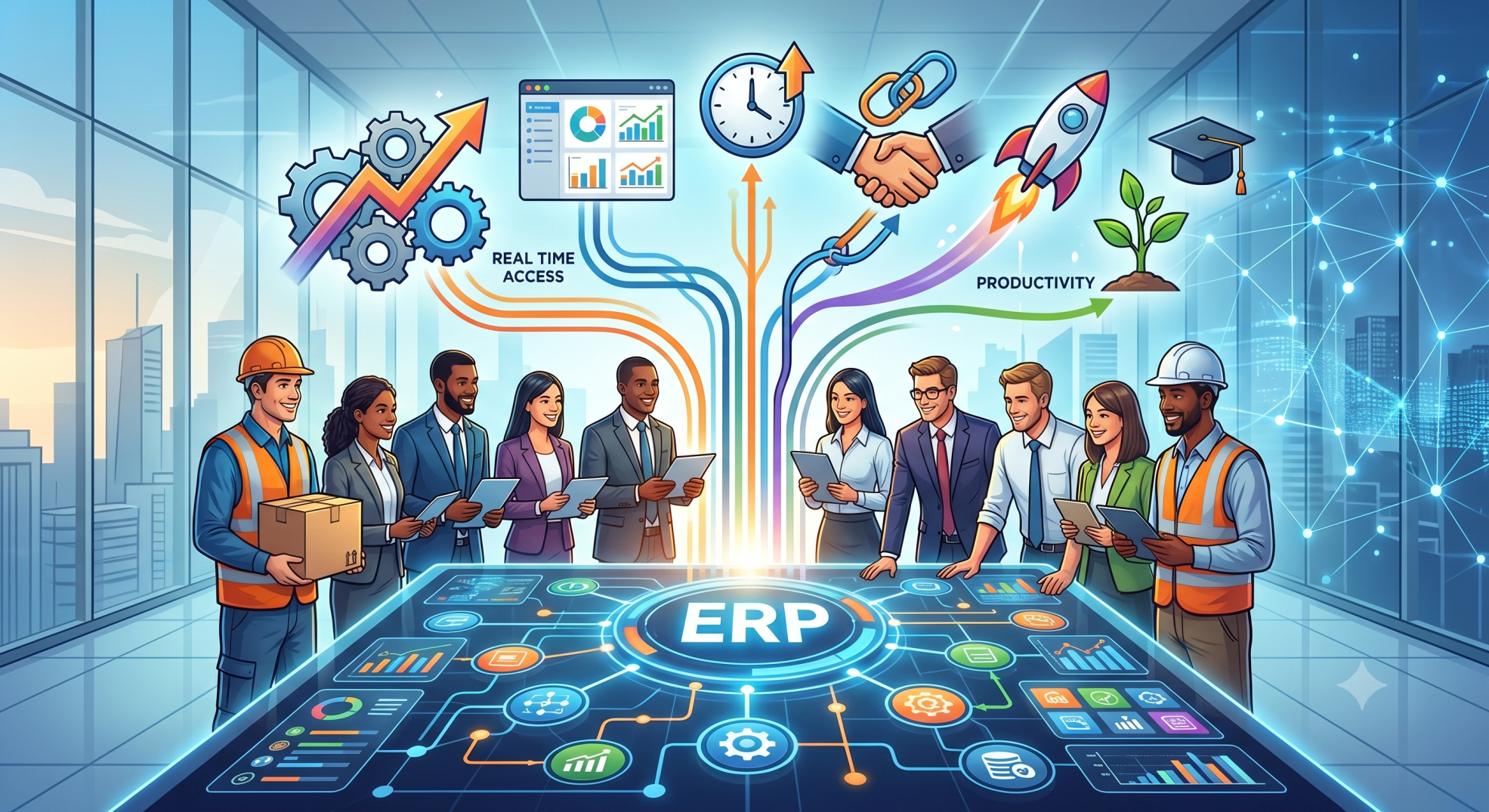
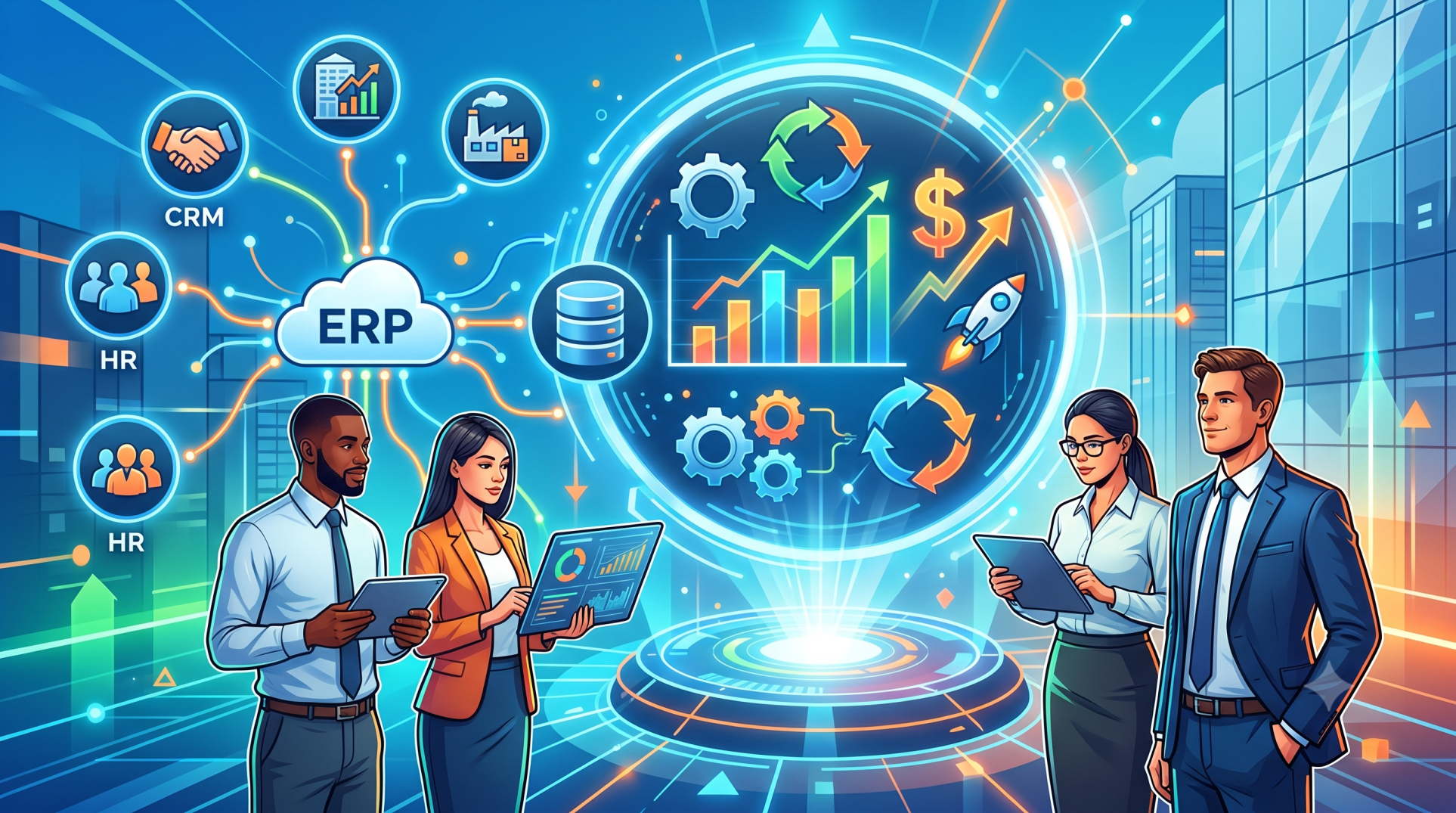
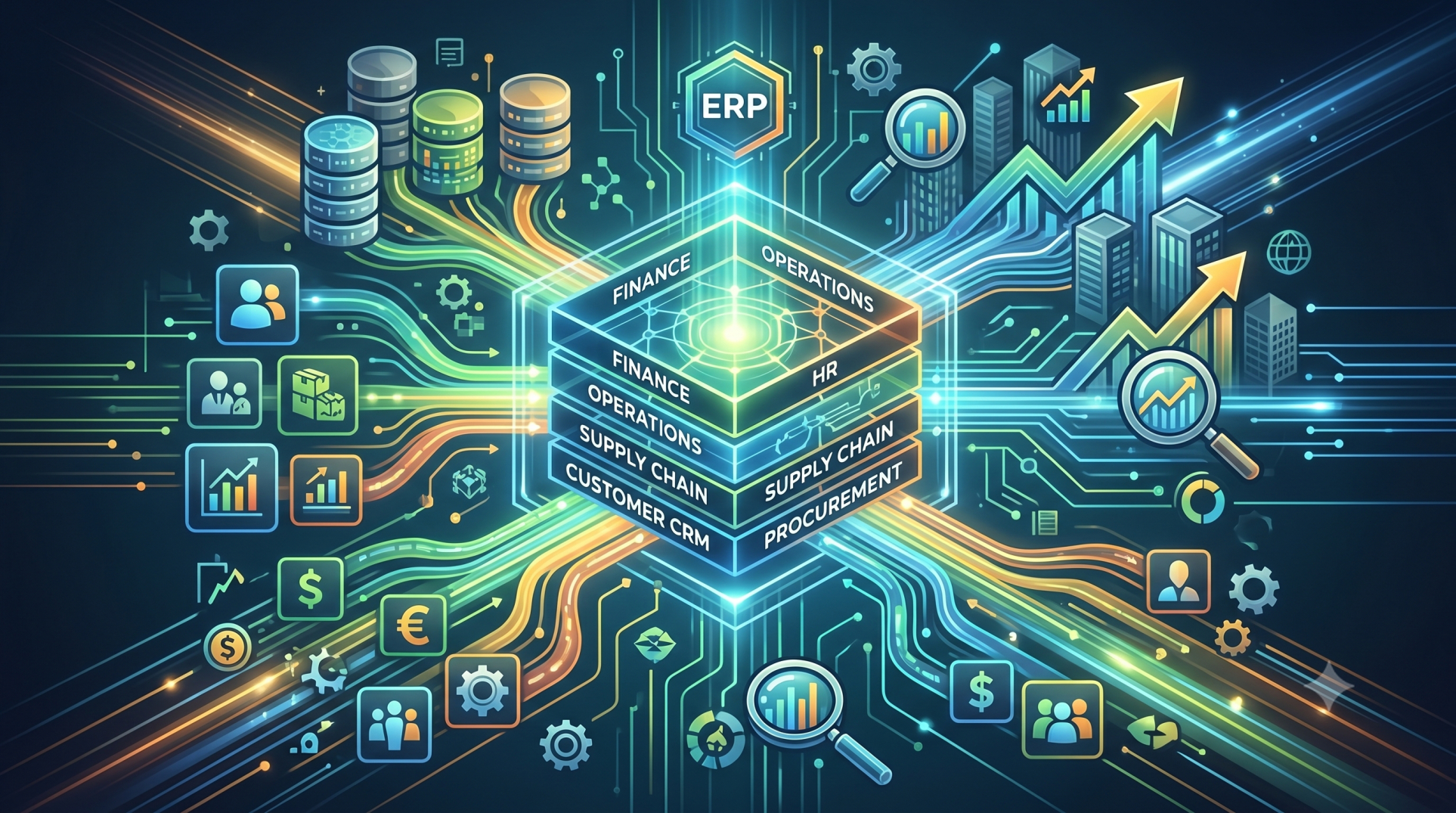
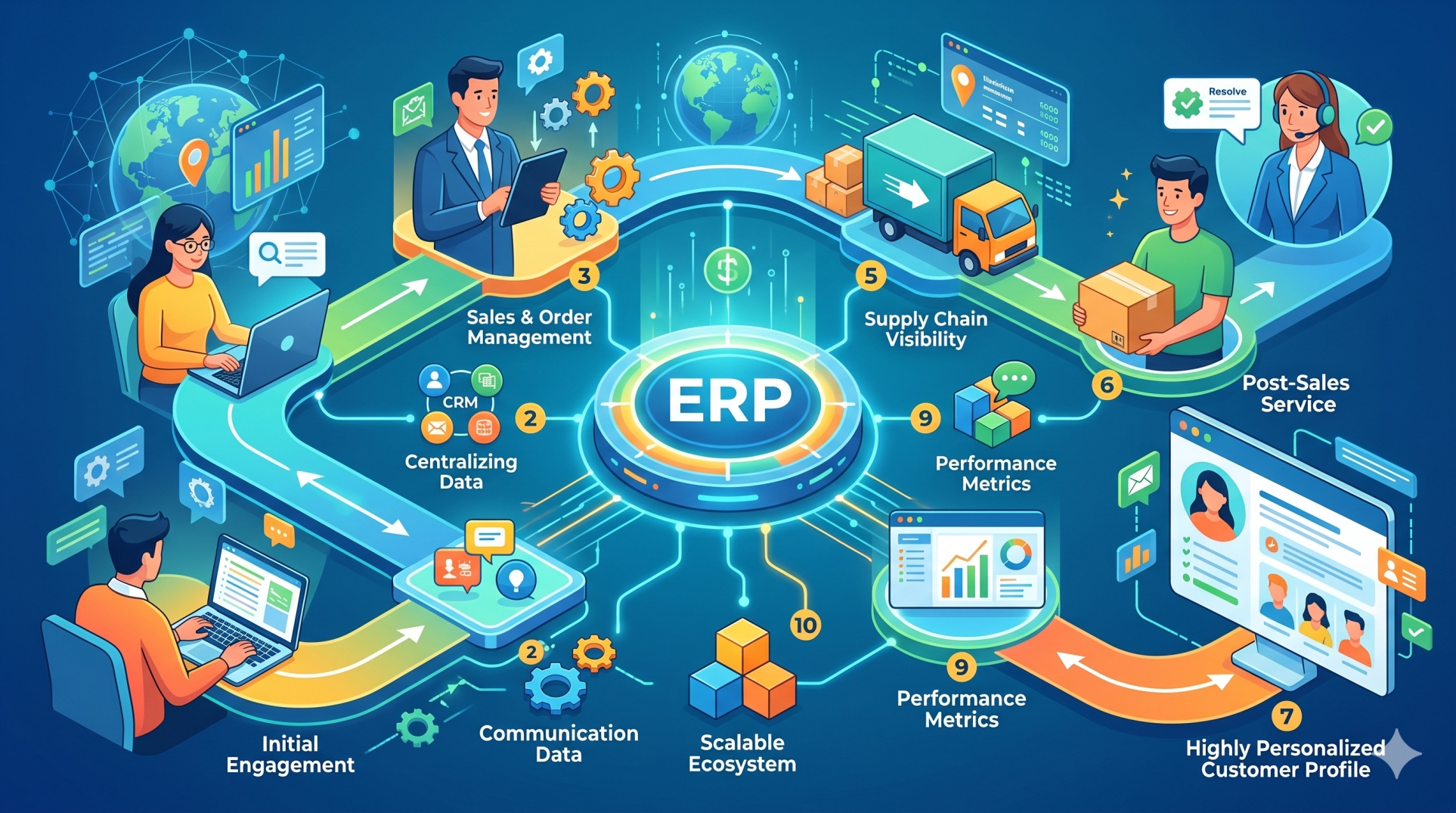
Implementing an Enterprise Resource Planning (ERP) system is more than a technology upgrade—it is a strategic initiative that transforms how an organization operates. Successful ERP implementation requires careful planning, stakeholder alignment, process optimization, and continuous improvement. Strategic ERP implementation consulting helps organizations minimize risks, accelerate adoption, and maximize the long-term value of their ERP investment.
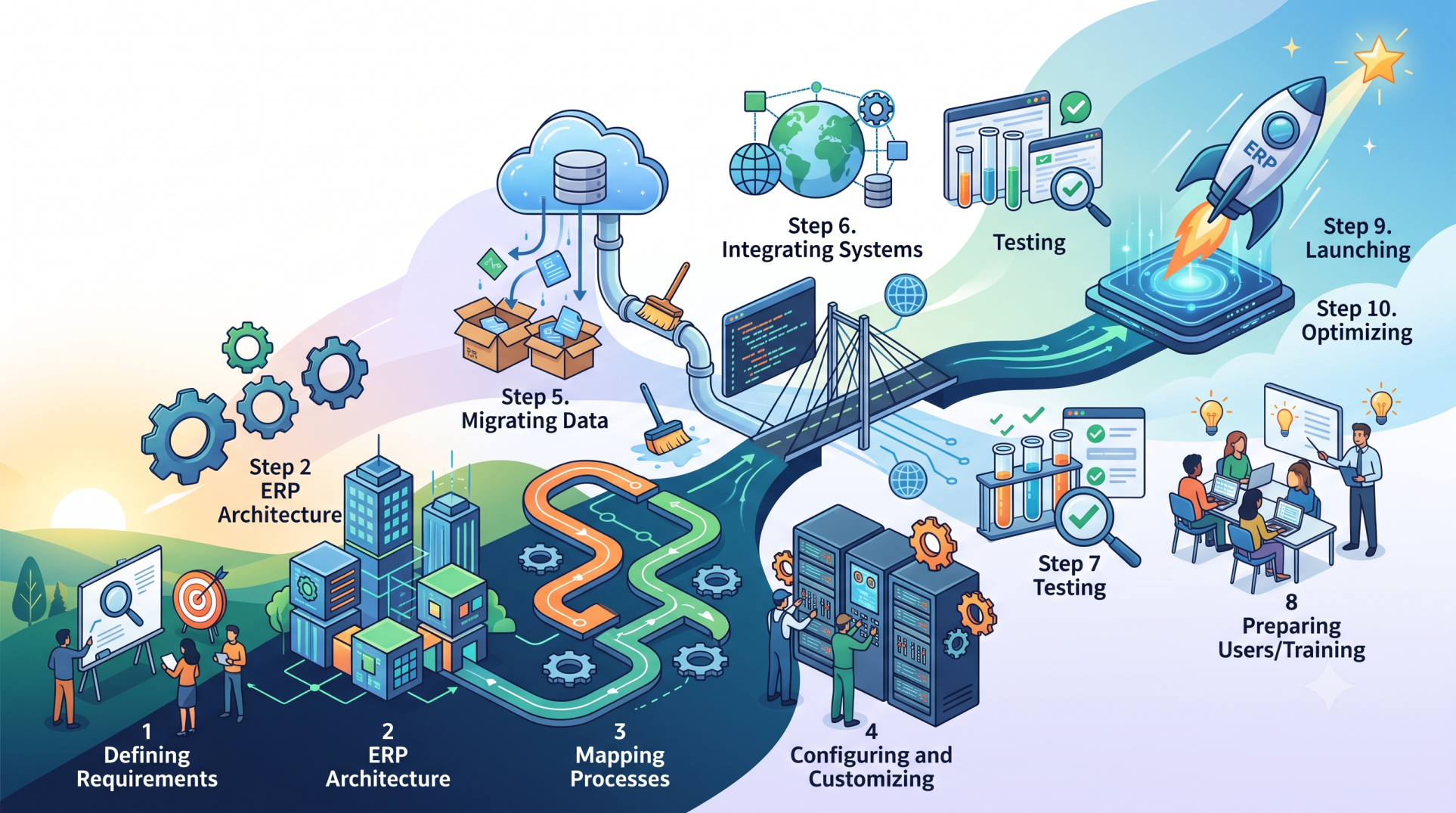
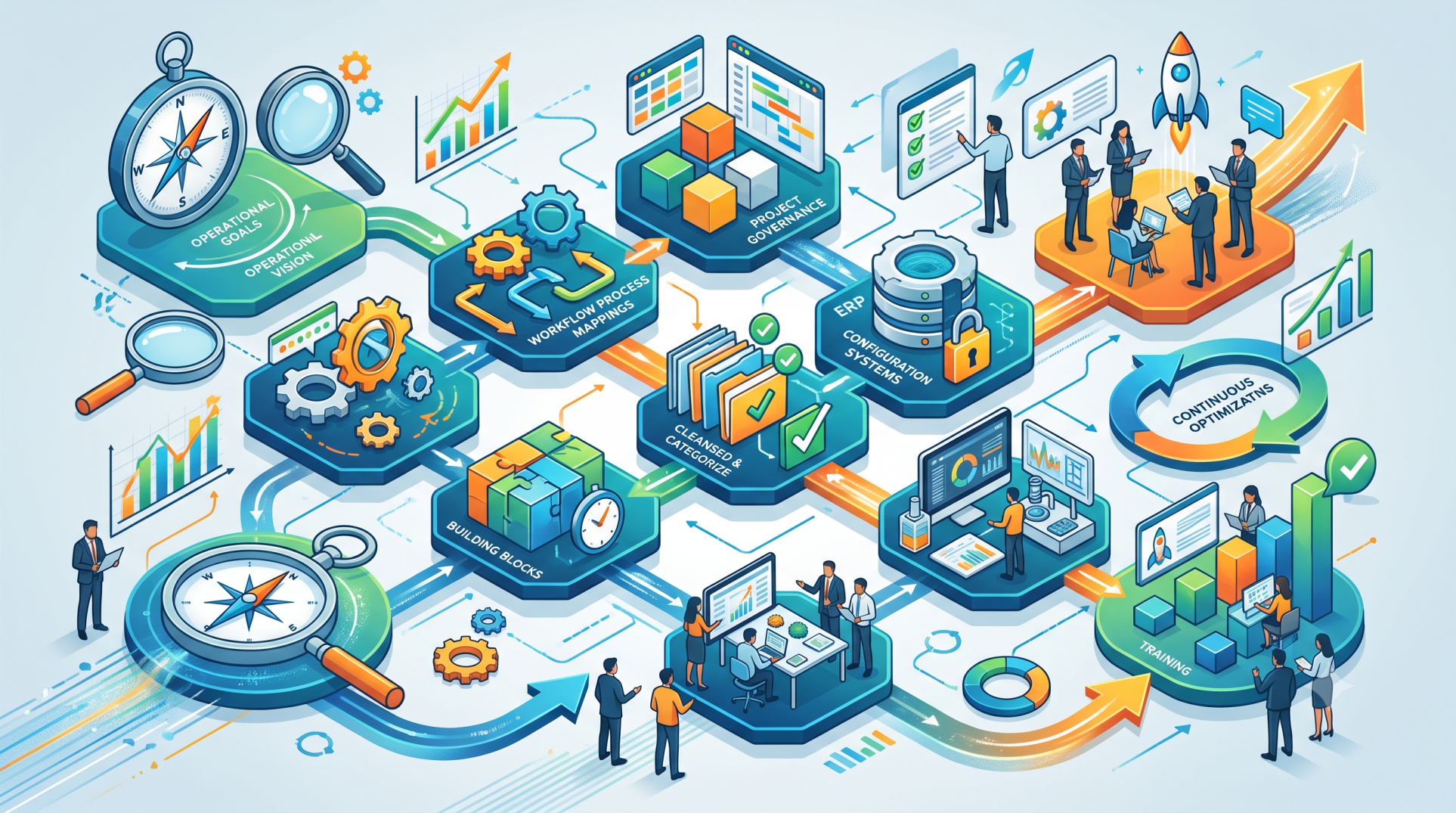
Step 1: Defining Business Objectives 🎯
• Identify the organization's operational goals and long-term vision 📈
• Determine how the ERP system will support business growth 🏢
• Align implementation priorities with strategic initiatives 🔗
• Establish measurable success criteria and performance indicators 📊
• Gain executive sponsorship and stakeholder commitment 🤝
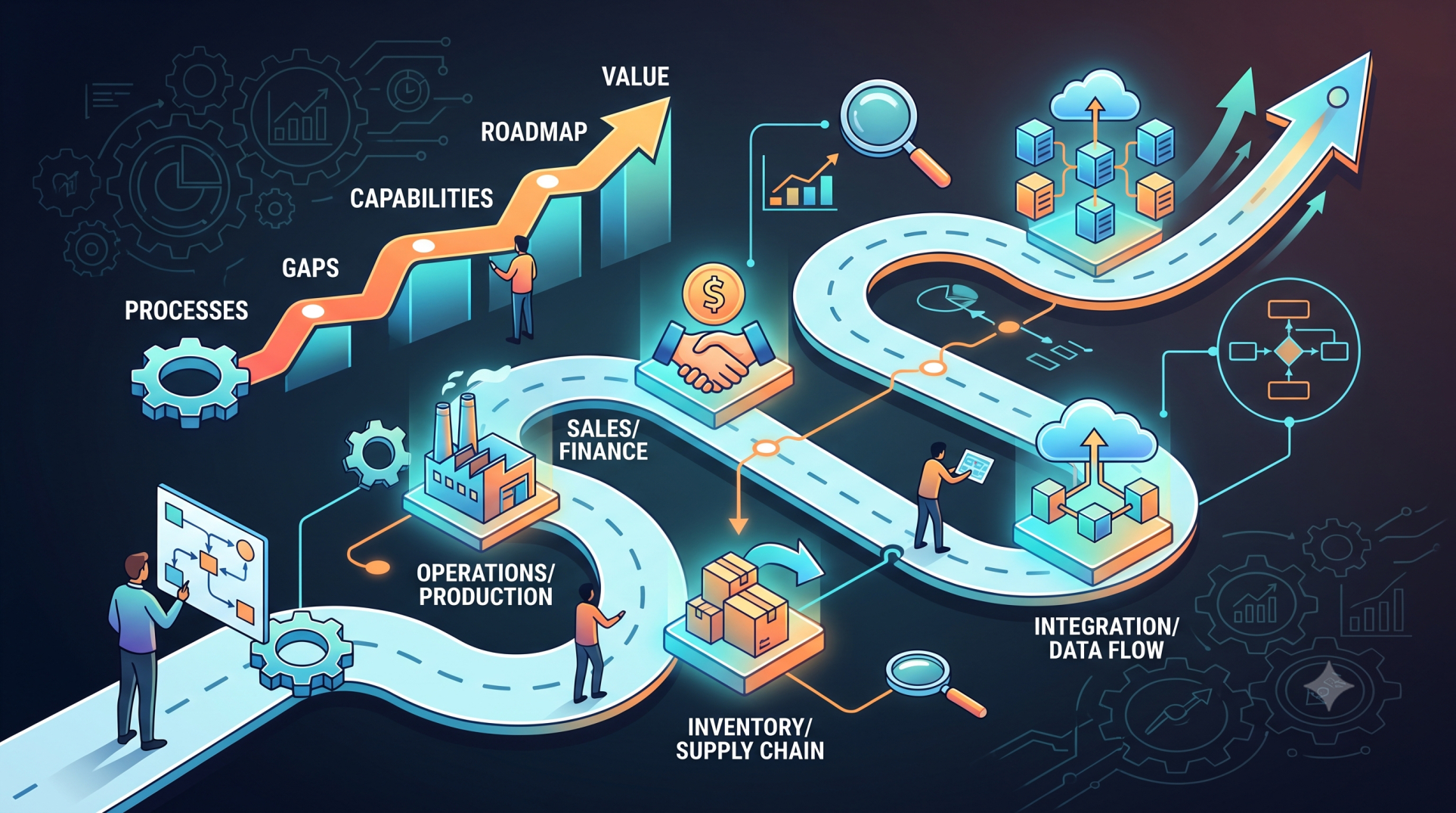
Step 2: Assessing Current Business Processes 🔍
• Evaluate existing workflows across departments 📋
• Identify inefficiencies, bottlenecks, and manual activities ⚙️
• Document opportunities for process improvement 💡
• Standardize business operations where appropriate 📑
• Build a clear roadmap for operational transformation 🗺️
Step 3: Developing an Implementation Strategy 🏗️
• Define project scope, timelines, and milestones 📅
• Prioritize critical business functions for deployment 🚀
• Allocate project resources and responsibilities 👥
• Establish governance and decision-making processes 🛡️
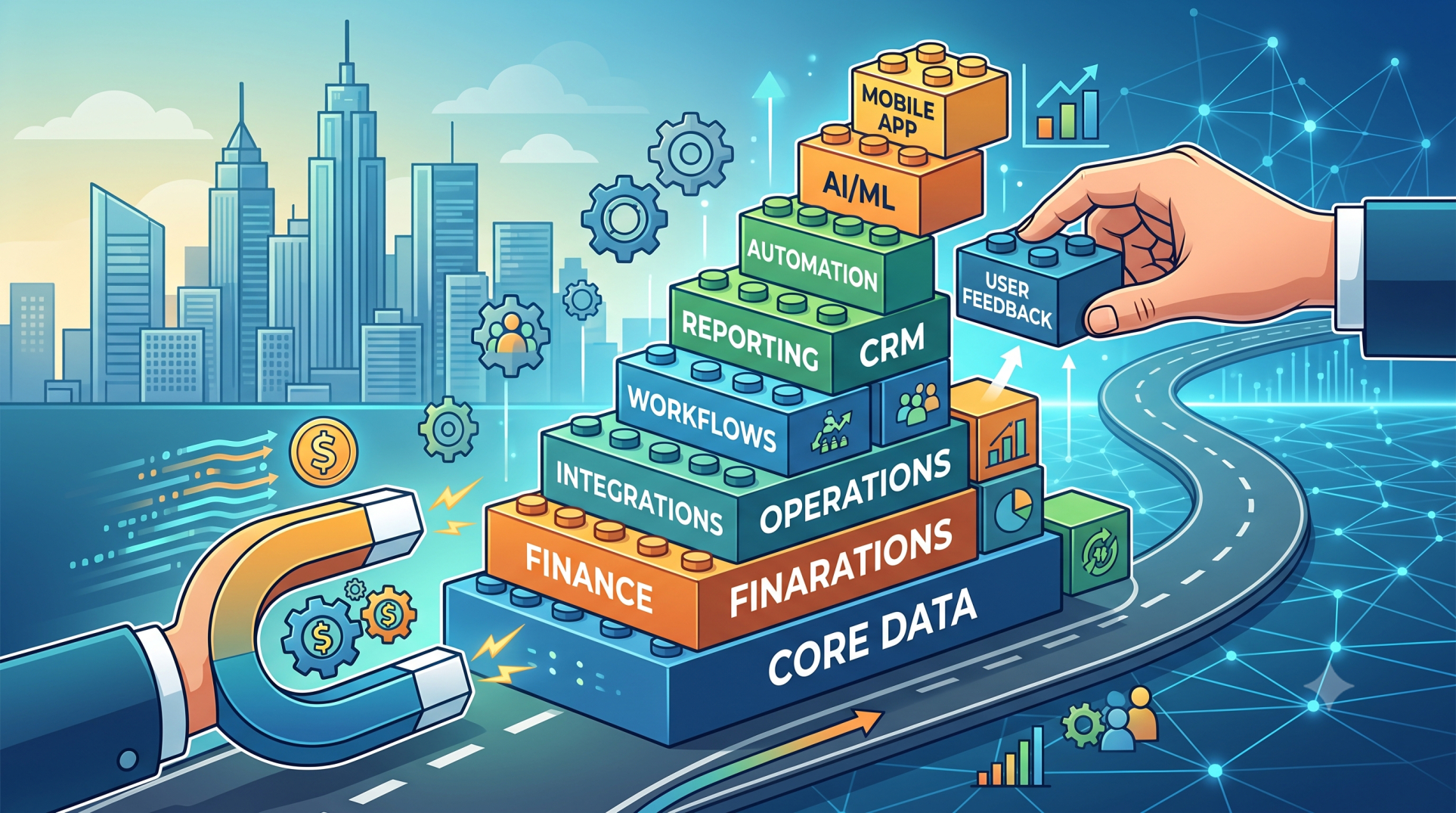
• Create a phased implementation approach to reduce risk 📈
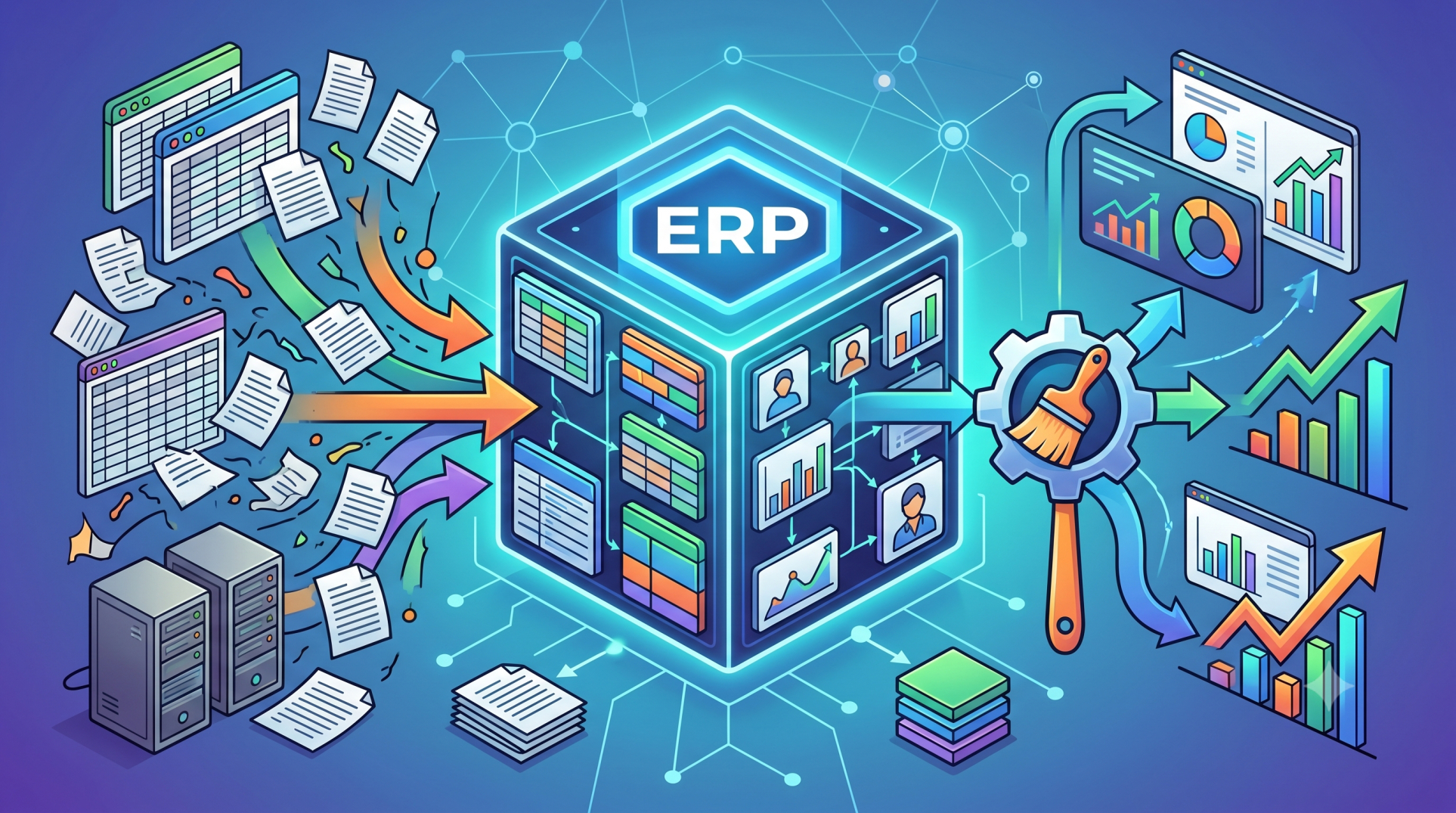
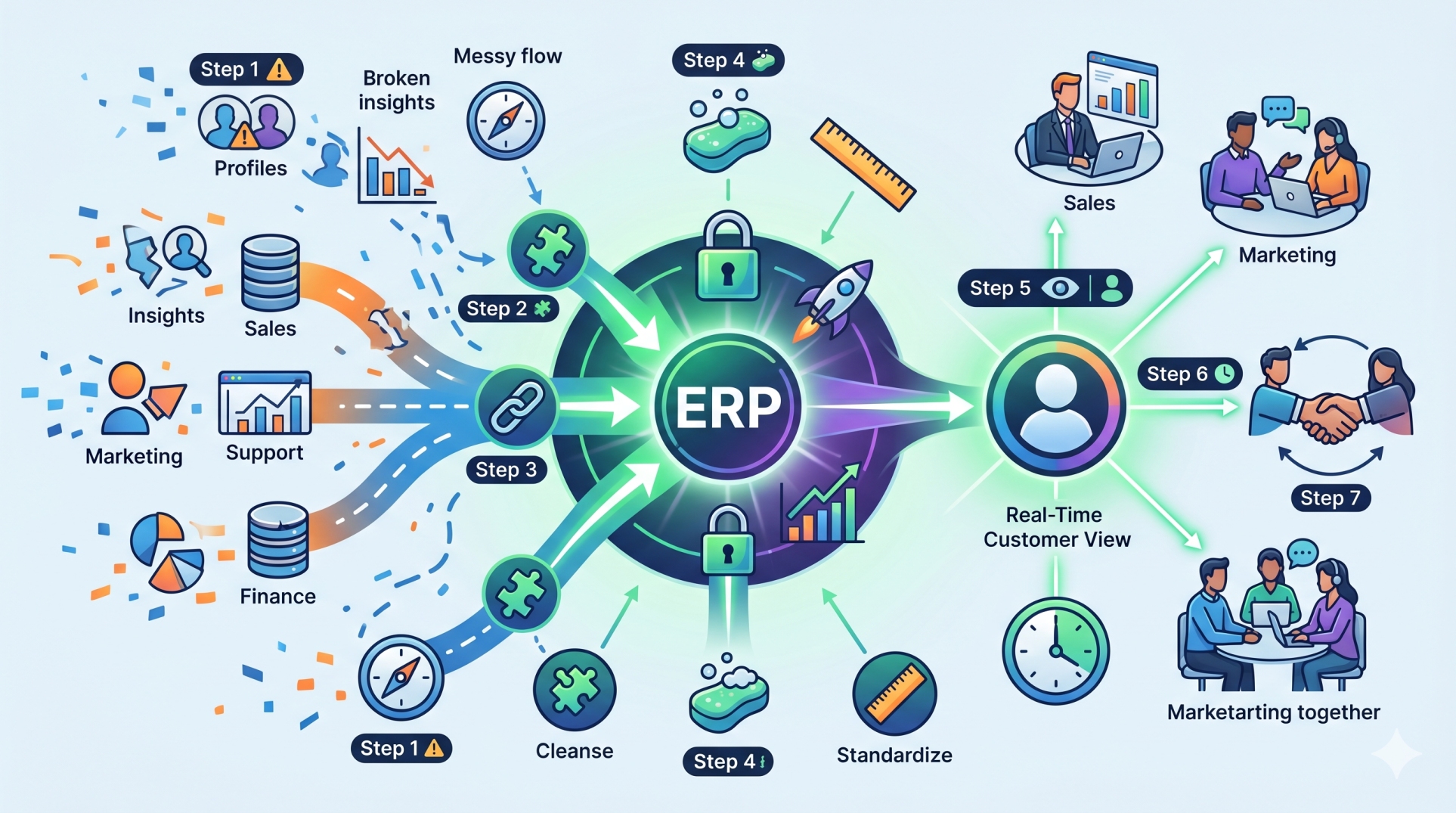
Step 4: Preparing Data for Migration 📂
• Review existing business data for accuracy and completeness ✅
• Remove duplicate or outdated records 🧹
• Standardize data formats across departments 📊
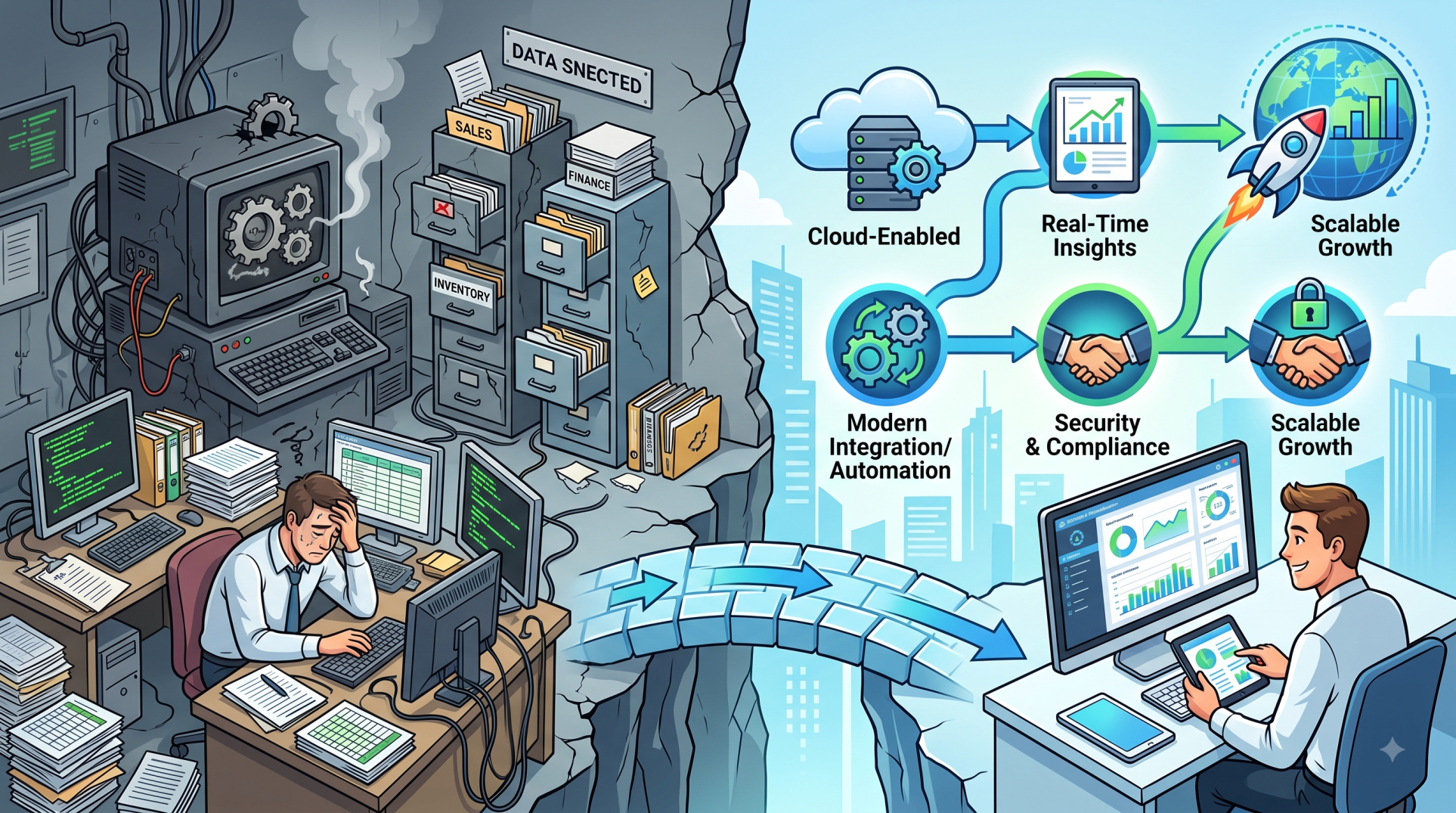
• Plan secure migration to the new ERP environment 🔄
• Validate migrated data before system deployment ✔️
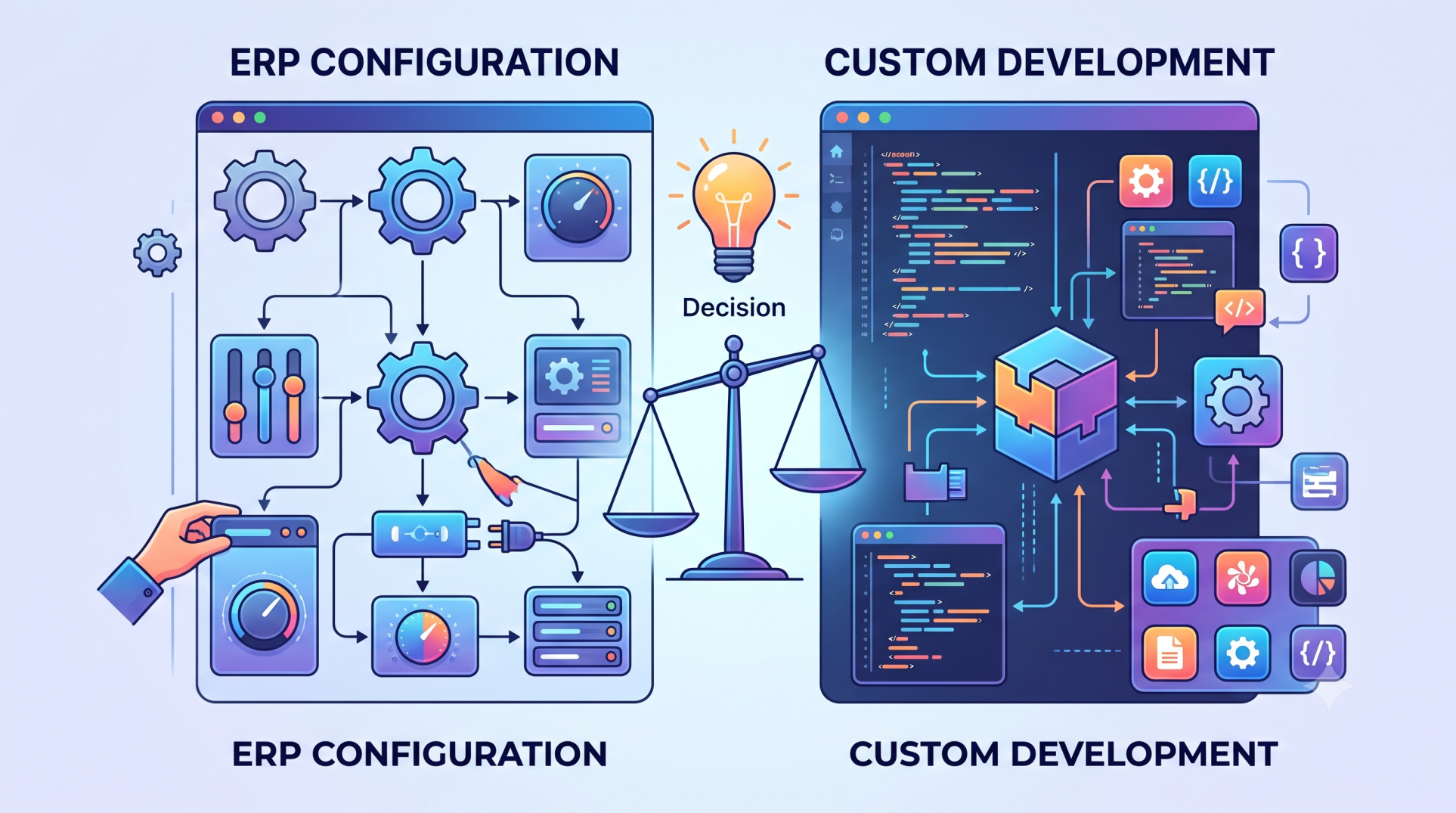
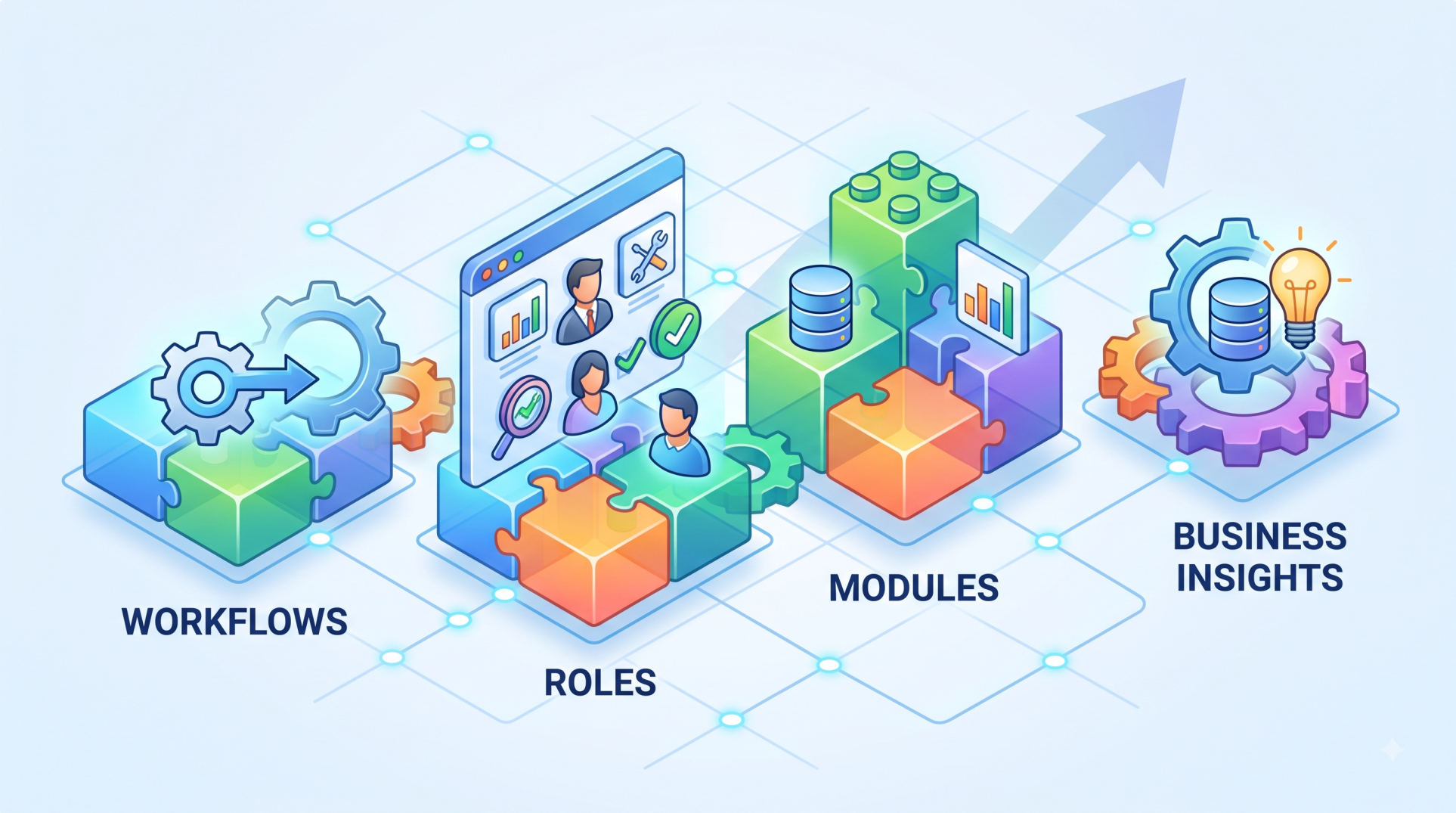
Step 5: Configuring the ERP Solution ⚙️
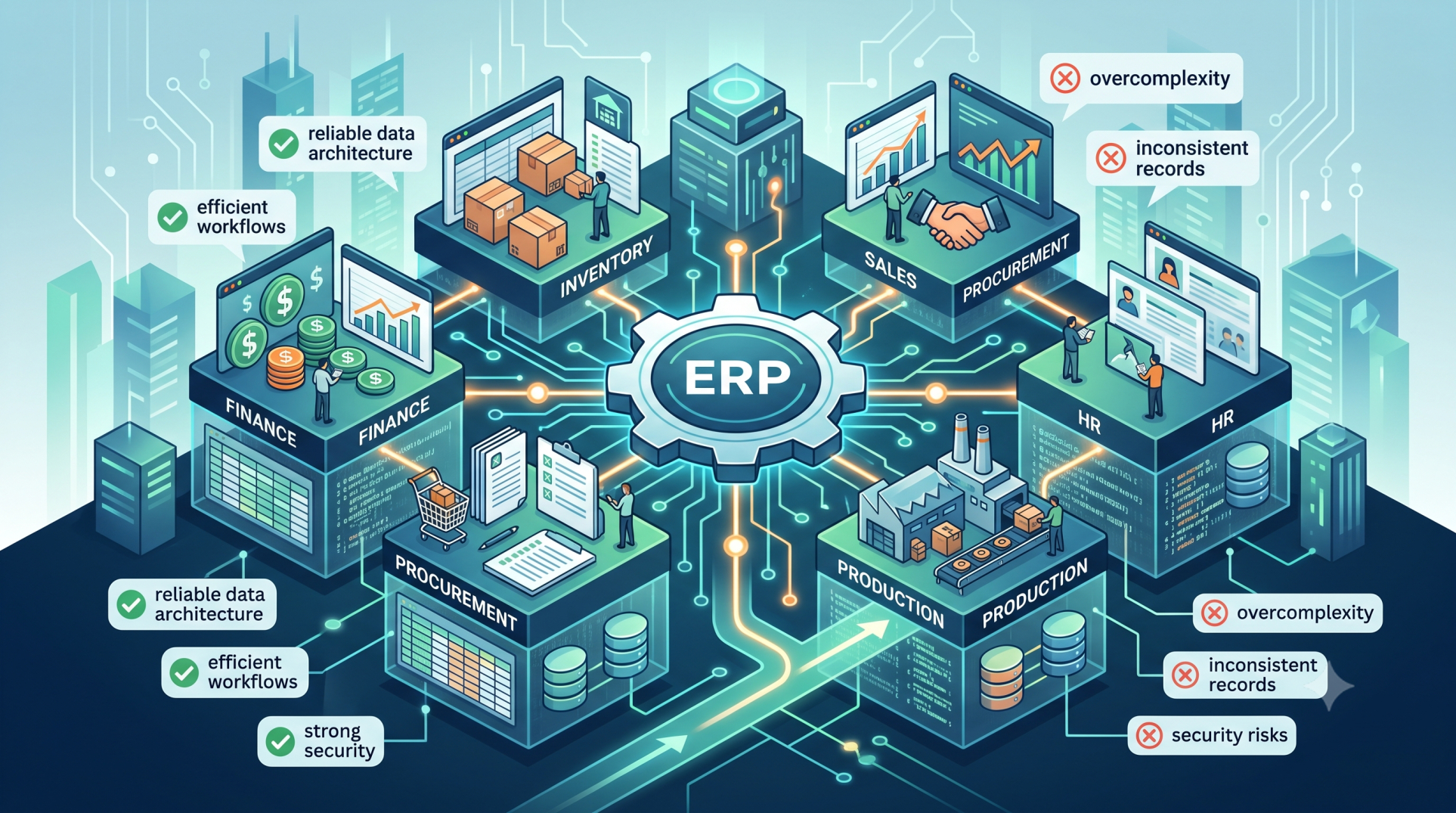
• Configure modules to support business operations 🏢
• Align system settings with organizational workflows 🔗
• Enable appropriate user roles and permissions 🔐
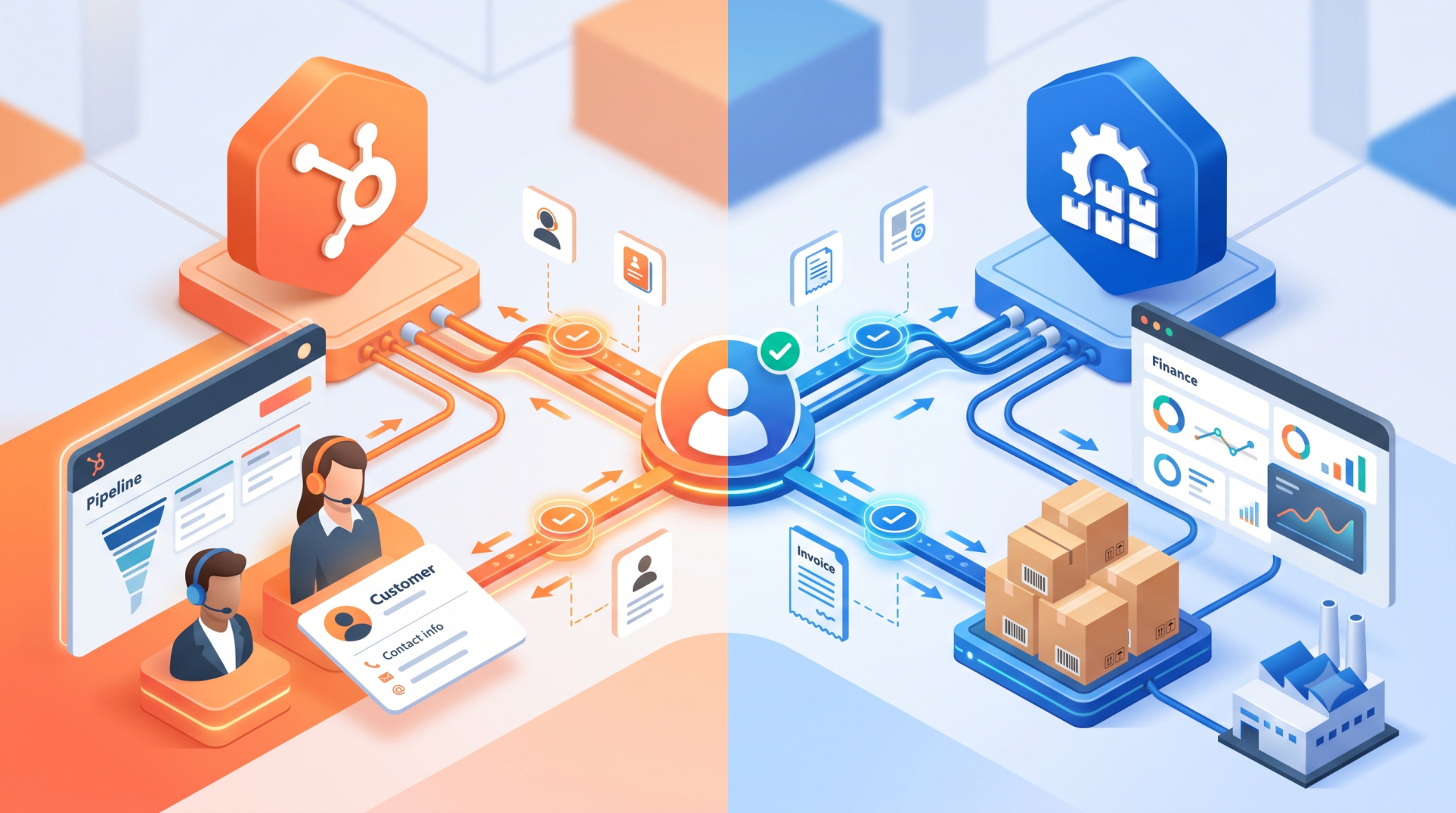
• Integrate essential business applications where required 🤝
• Maintain flexibility for future business growth 📈
Step 6: Testing and Quality Assurance 🧪
• Validate business processes across ERP modules 📋
• Perform functional, integration, and user acceptance testing ✅
• Identify and resolve issues before production deployment 🔍
• Verify system performance under expected workloads 📊
• Confirm business readiness for go-live 🚀
Step 7: Training Users and Supporting Adoption 👨🏫
• Provide role-based training for employees 🎓
• Prepare user guides and operational documentation 📖
• Encourage collaboration between project teams and end users 🤝
• Address user concerns through continuous communication 💬
• Promote confident adoption of the new ERP platform 🌟
Step 8: Key Implementation Priorities ⭐
• Strong leadership and stakeholder engagement 👥
• Well-defined business processes and governance 📑
• High-quality data and secure system configuration 🔐
• Continuous communication throughout the project 📢
Step 9: Managing Go-Live and Post-Deployment Support 🚀
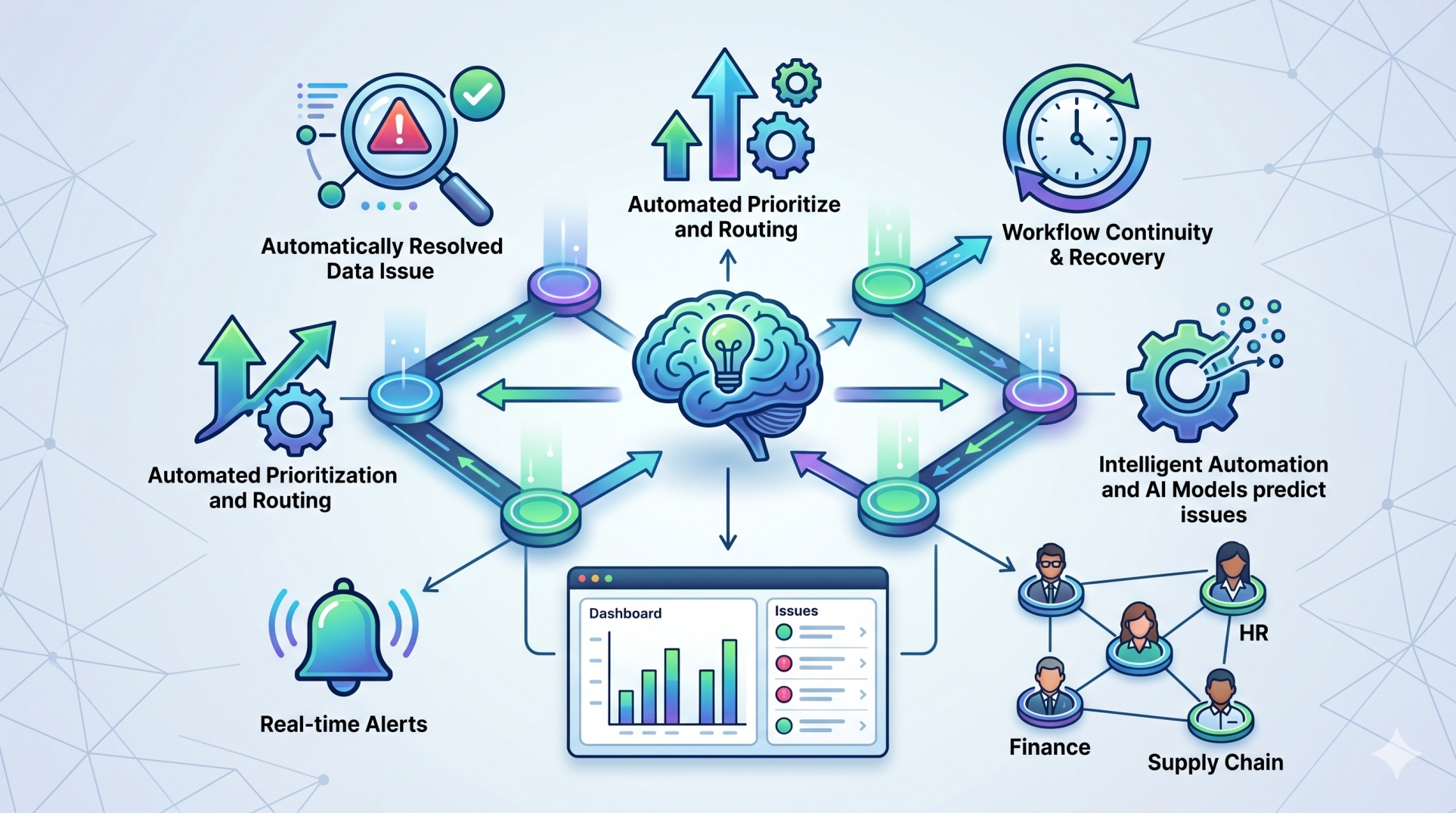
• Monitor system performance after deployment 📈
• Resolve operational issues promptly ⚡
• Collect user feedback to identify improvement opportunities 📝
• Optimize workflows based on real-world usage 🔄
• Maintain business continuity during the transition 🛡️
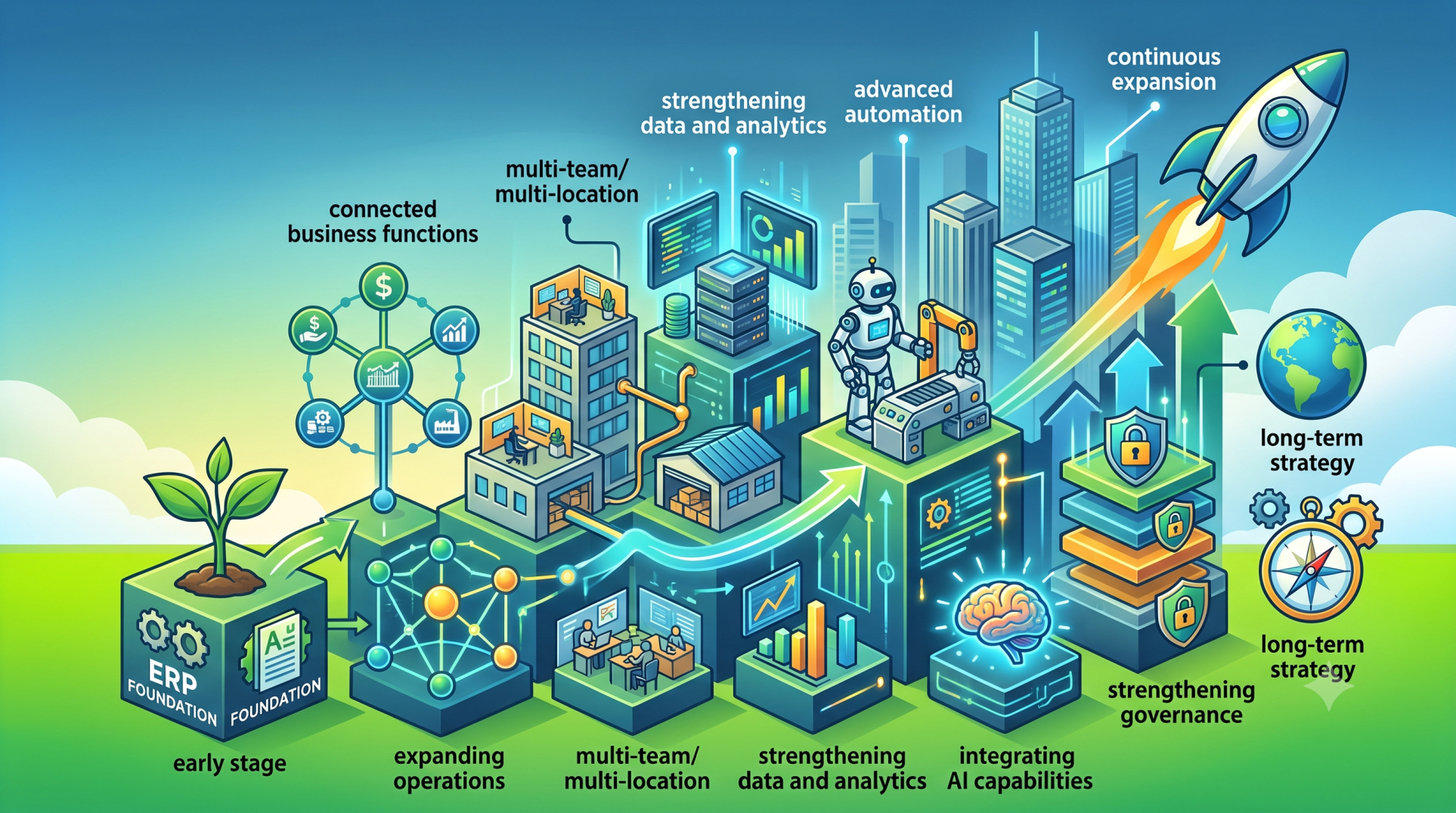
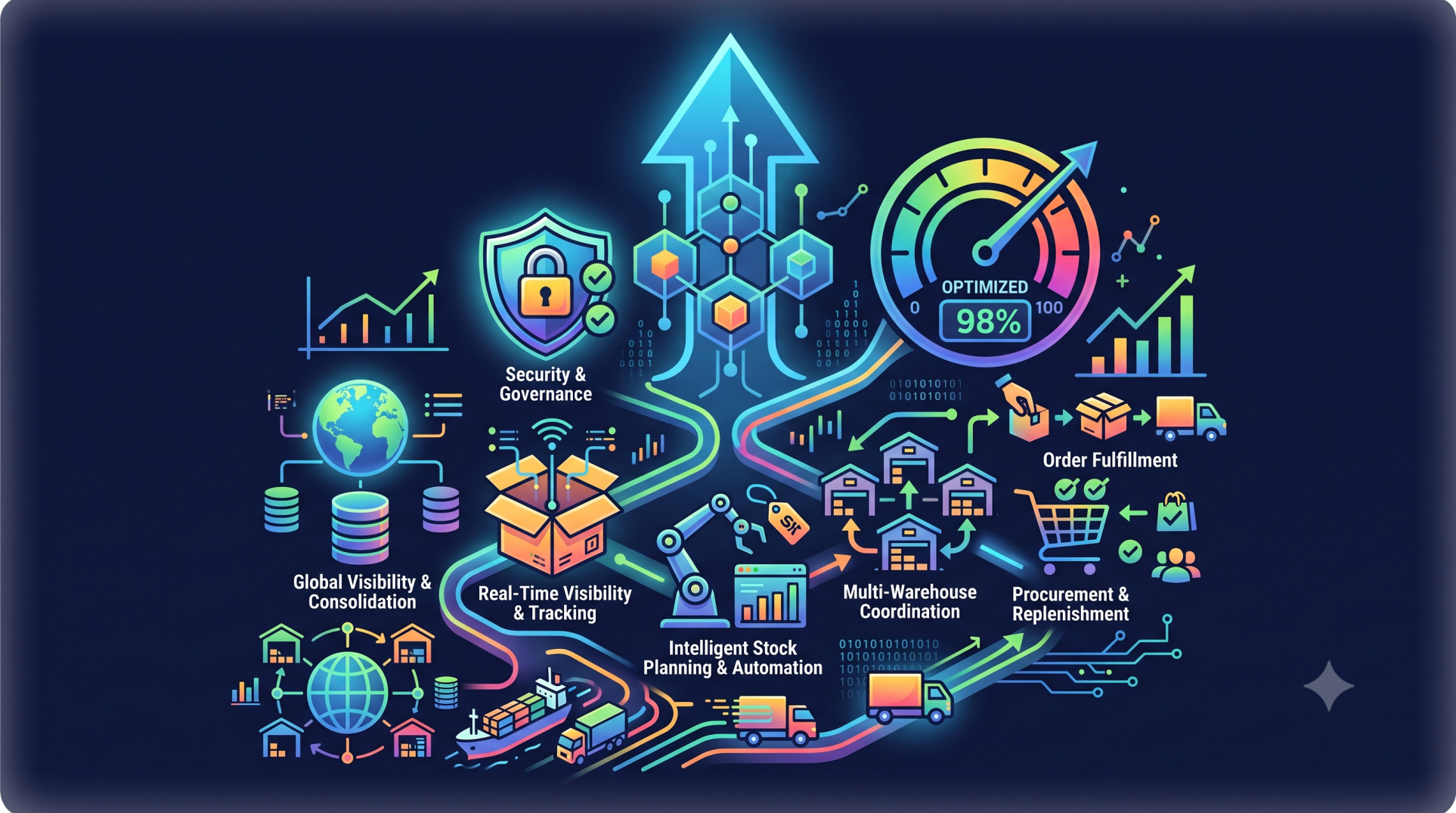
Step 10: Driving Continuous Improvement 🌍
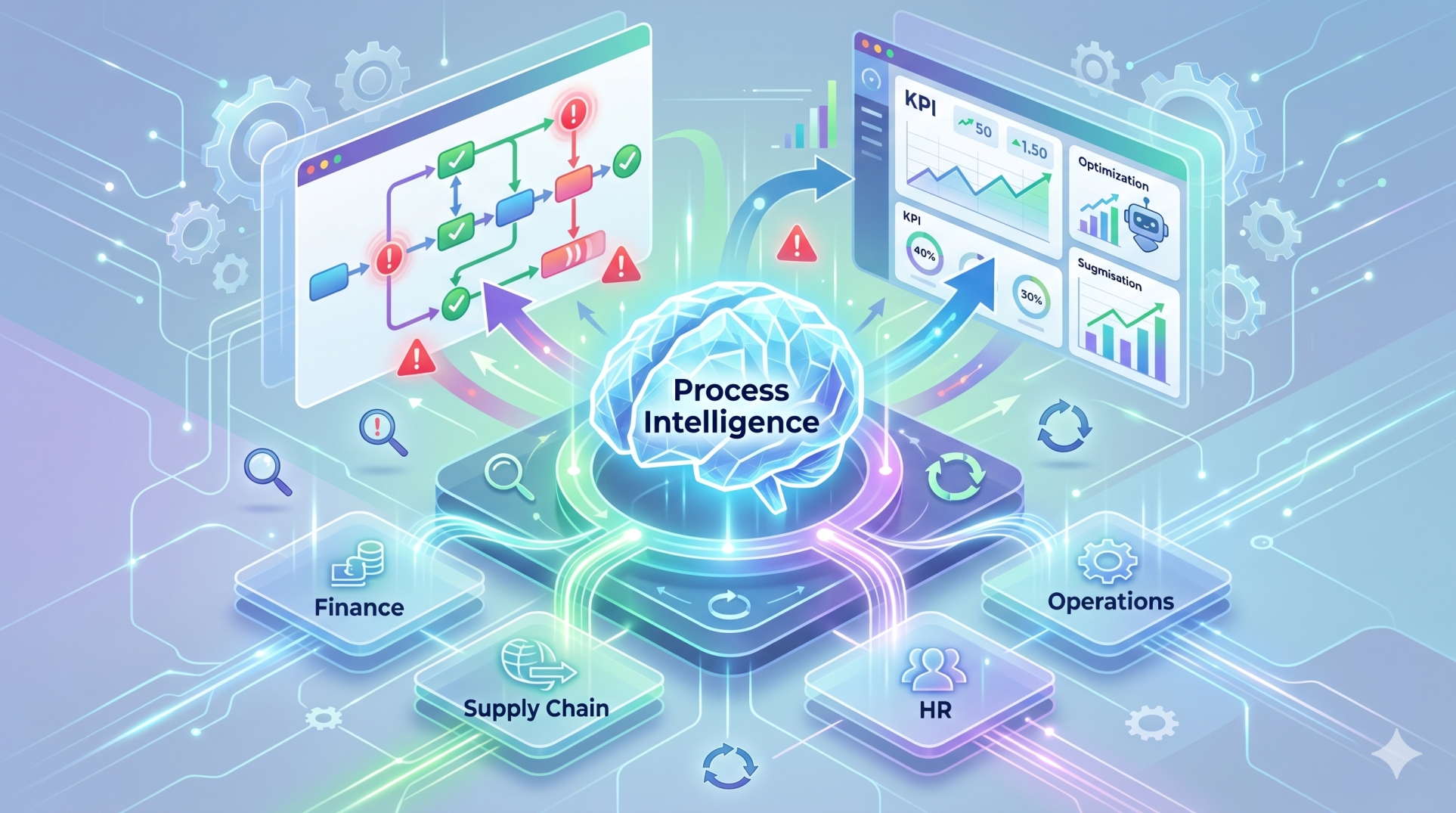
• Evaluate ERP performance against business objectives 📊
• Expand functionality as organizational needs evolve 🔧
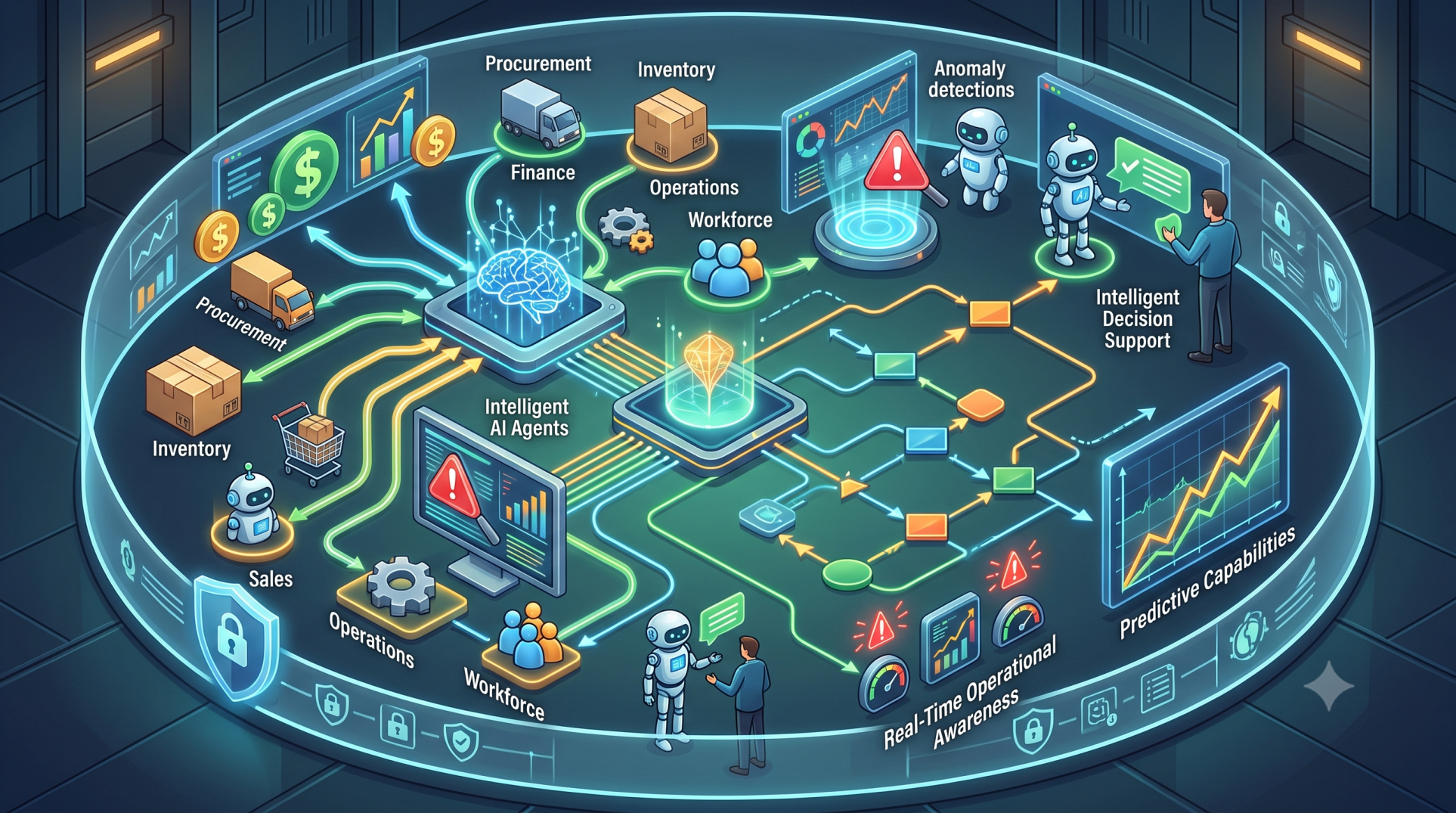
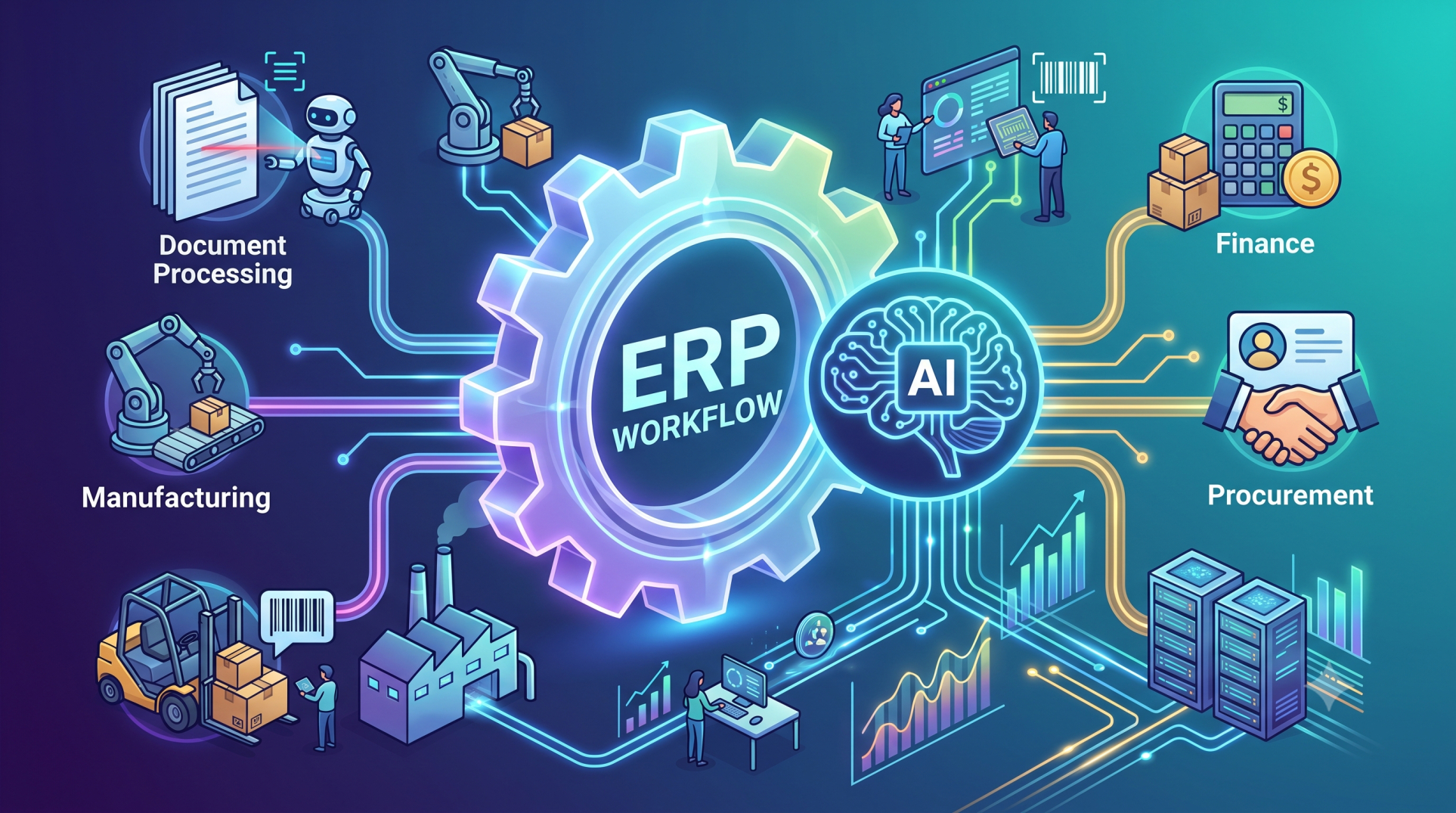
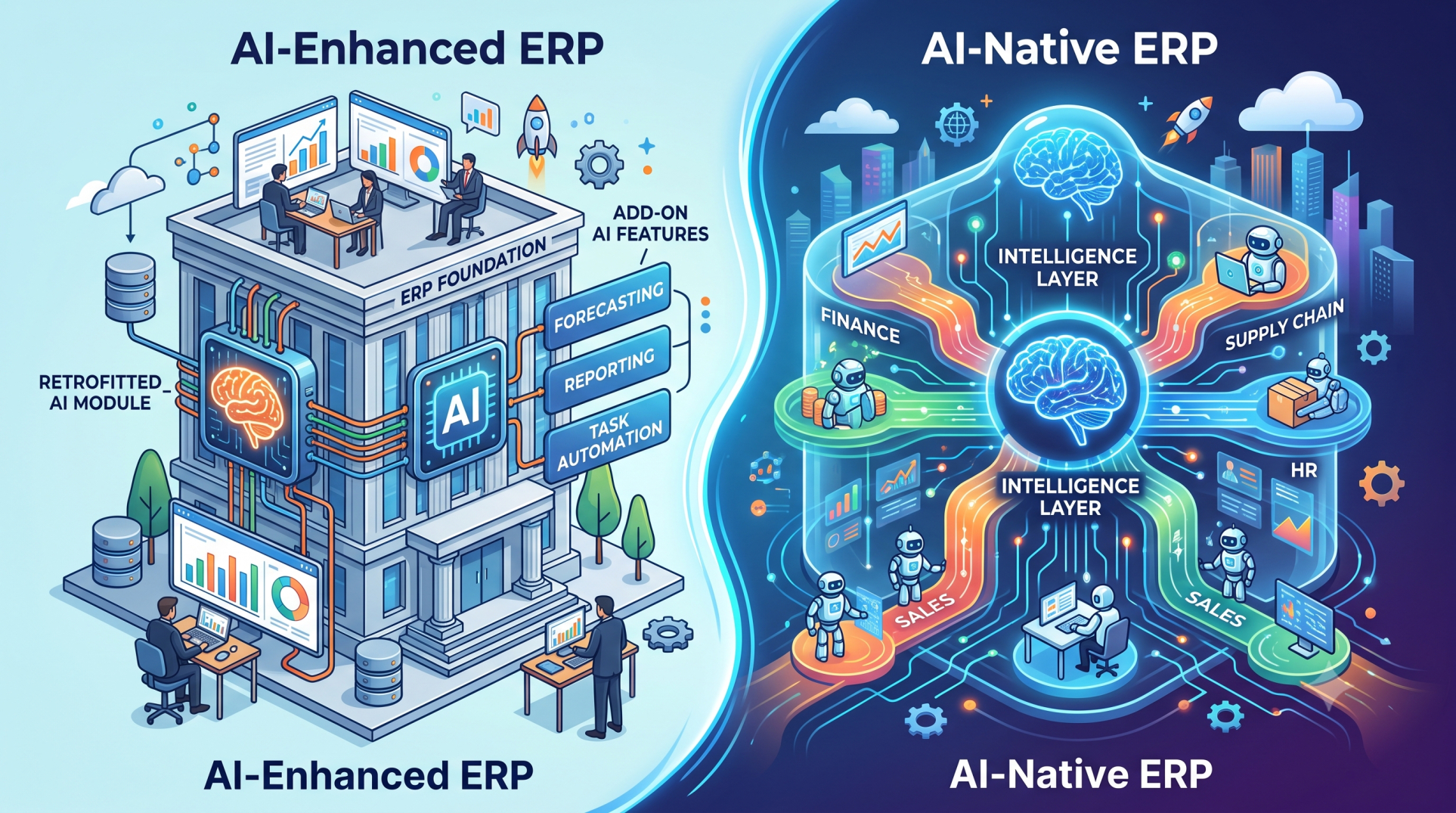
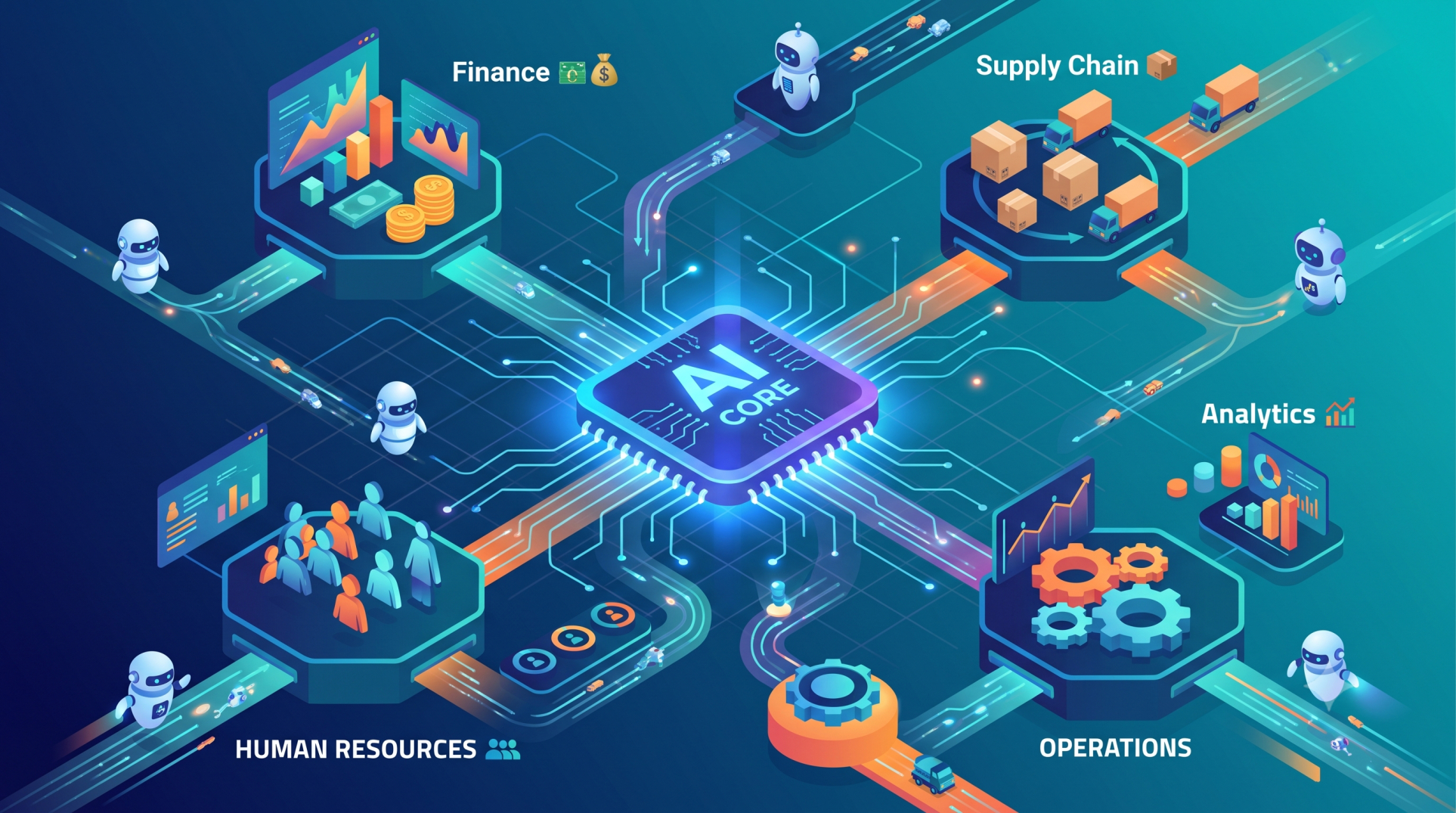
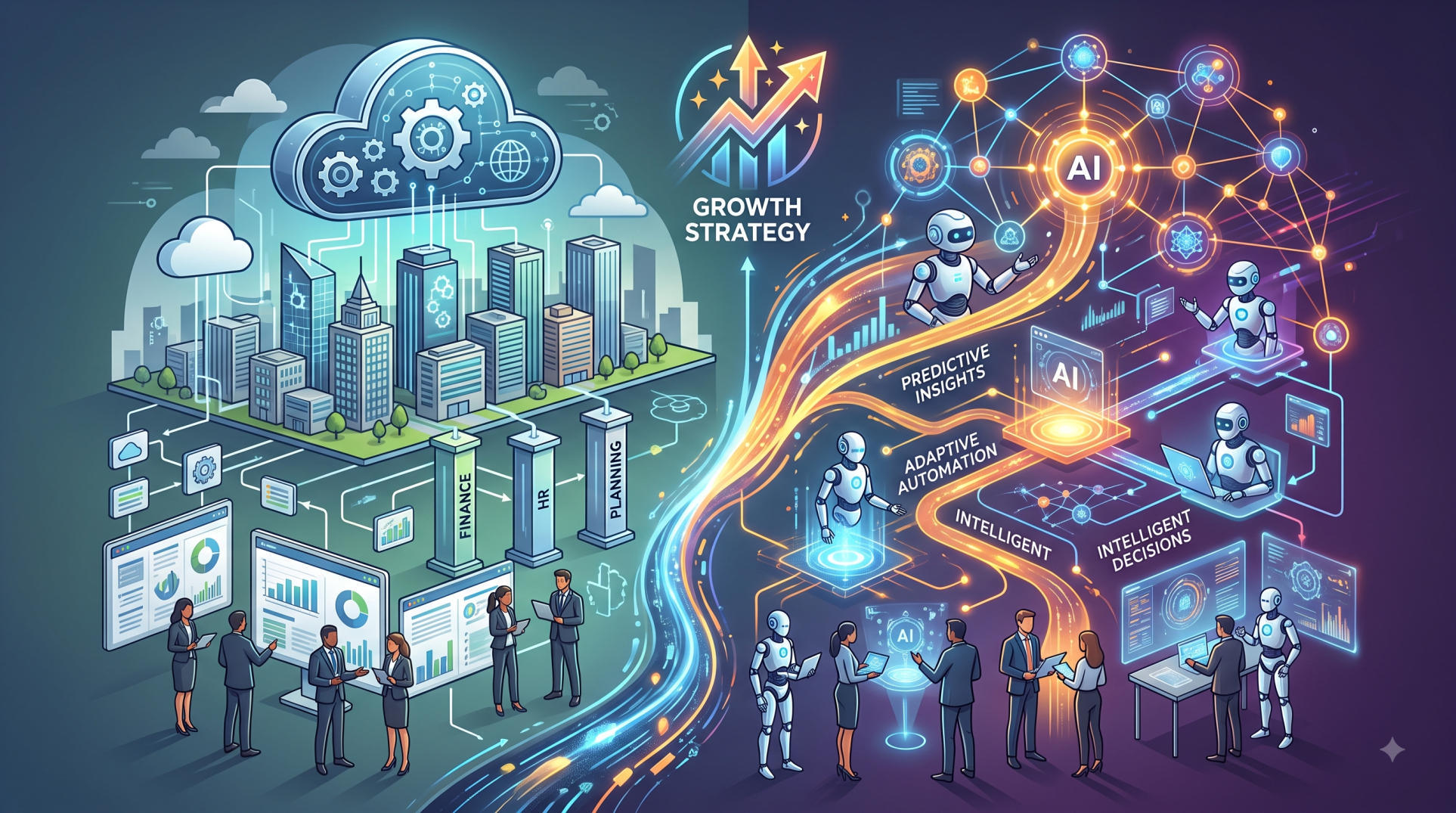
• Integrate new technologies and automation capabilities 🤖
• Review operational processes regularly for optimization 📈
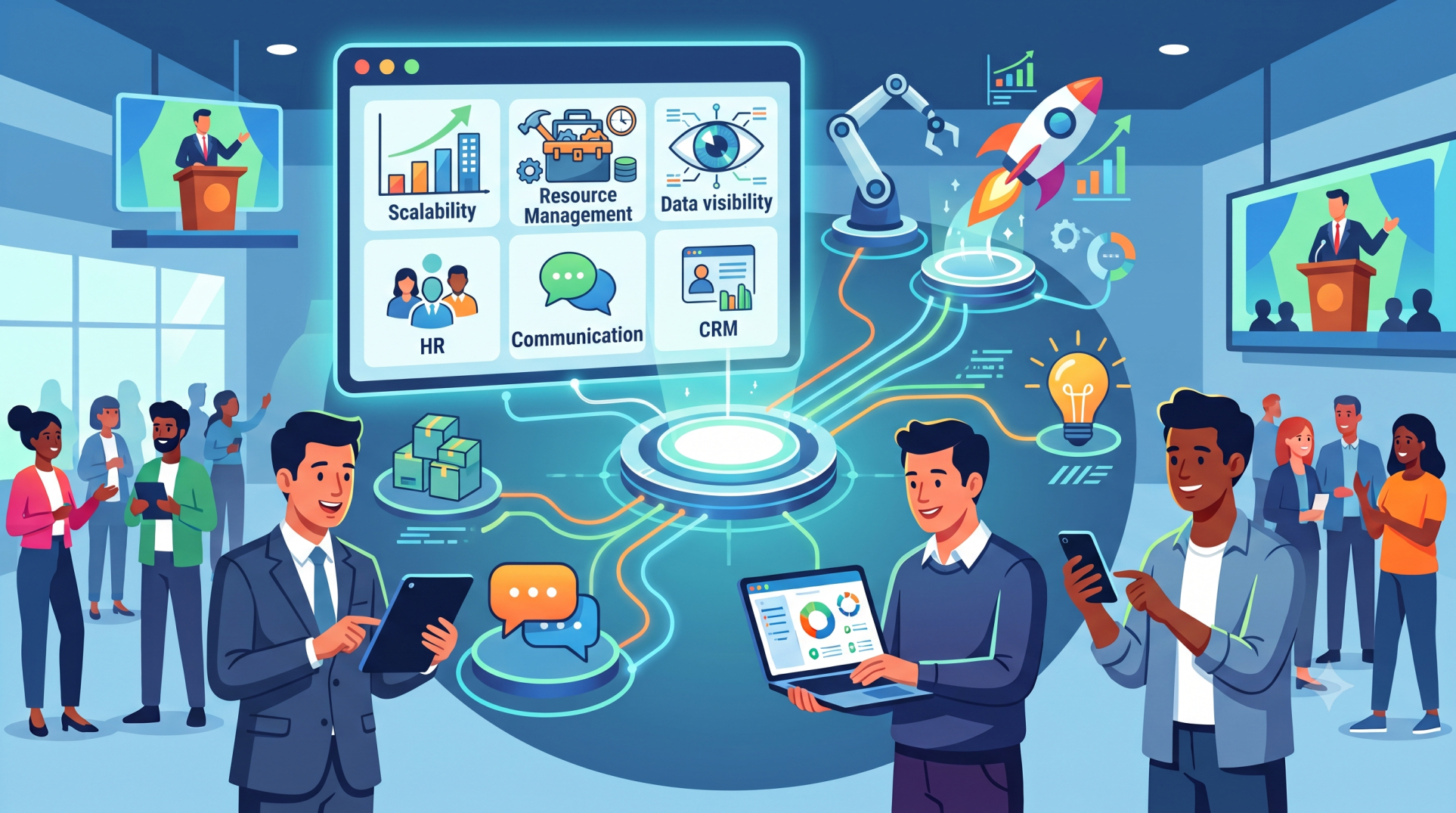
• Build a scalable ERP environment that supports future growth 🚀
Conclusion
Strategic ERP implementation consulting provides organizations with a structured approach to deploying ERP systems successfully. By aligning technology with business goals, optimizing processes, preparing quality data, and supporting users throughout the implementation journey, organizations can reduce risk and accelerate value realization. A well-executed ERP strategy creates a connected, efficient, and scalable foundation that supports sustainable business growth and long-term operational excellence.
See more blogs
You can all the articles below