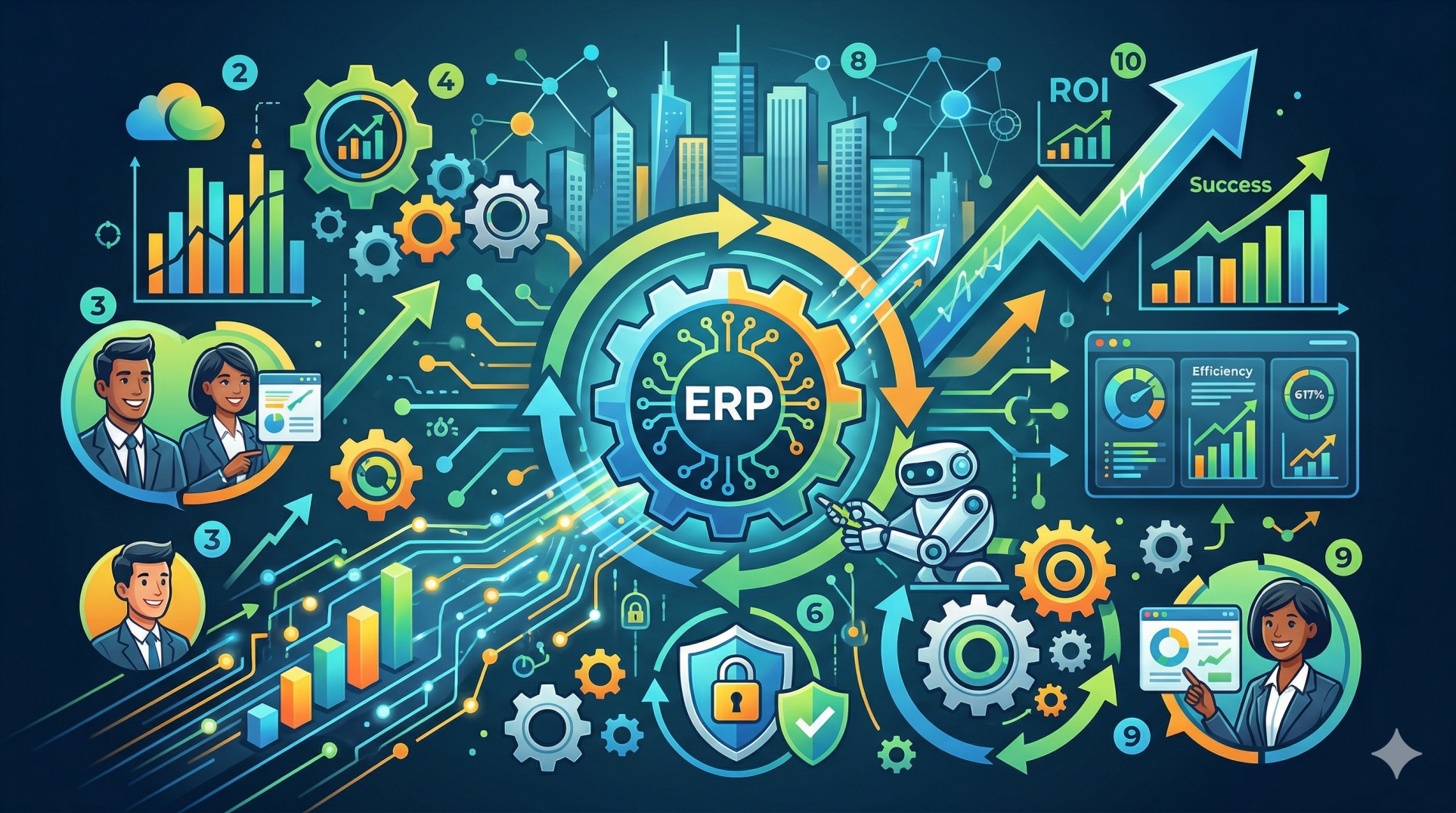
ERP for Banking Integration: Secure Financial Planning

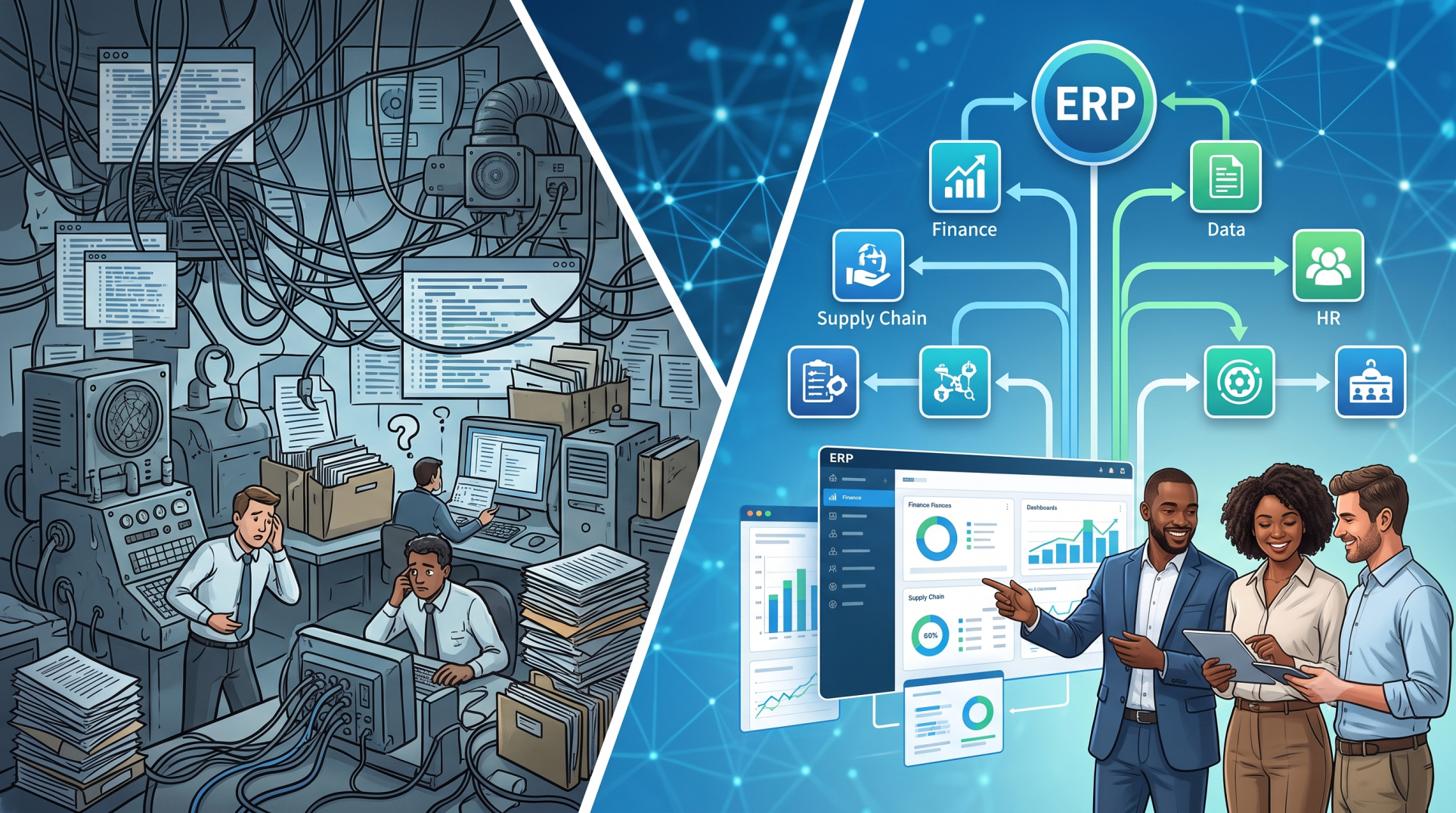
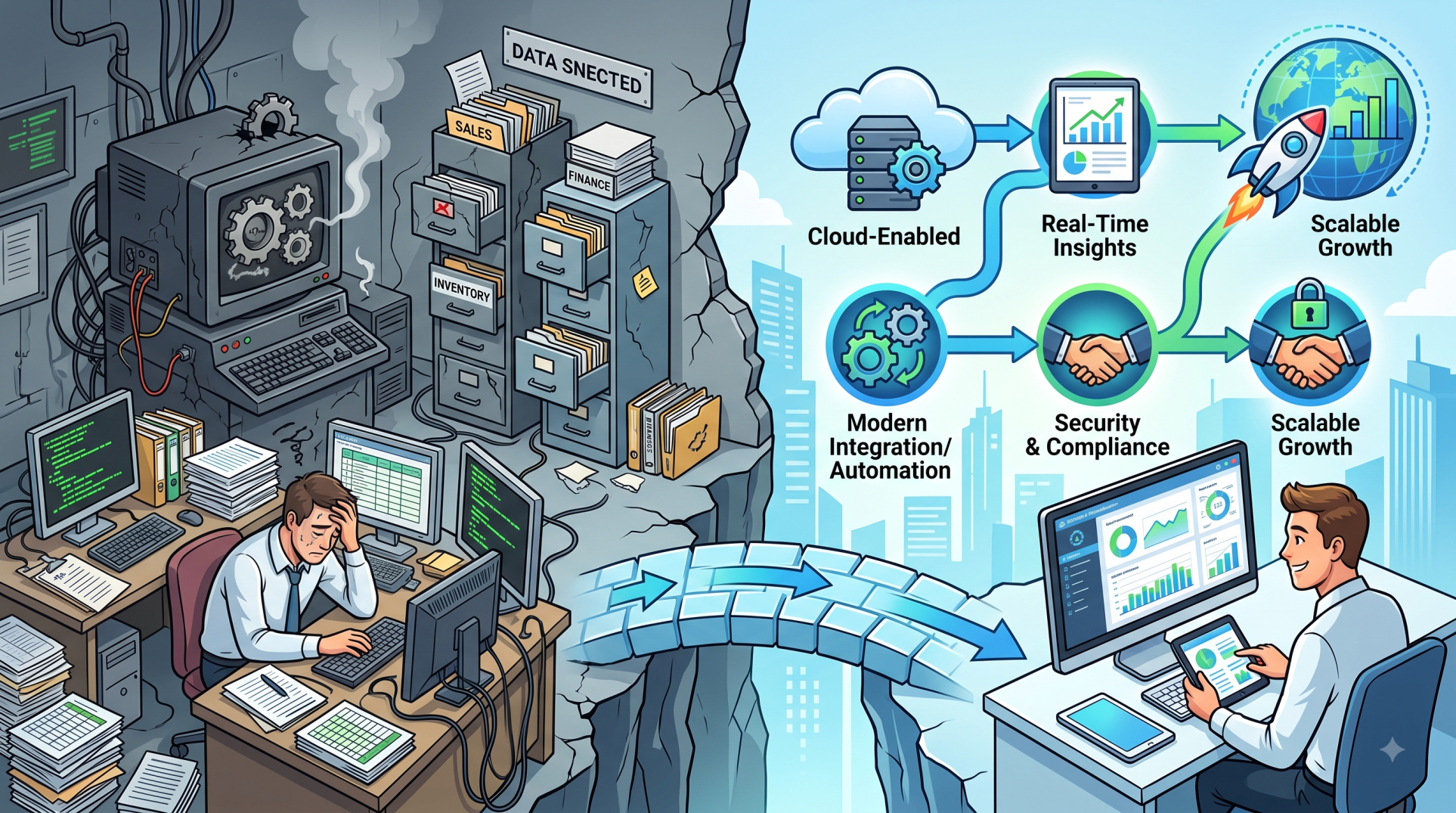
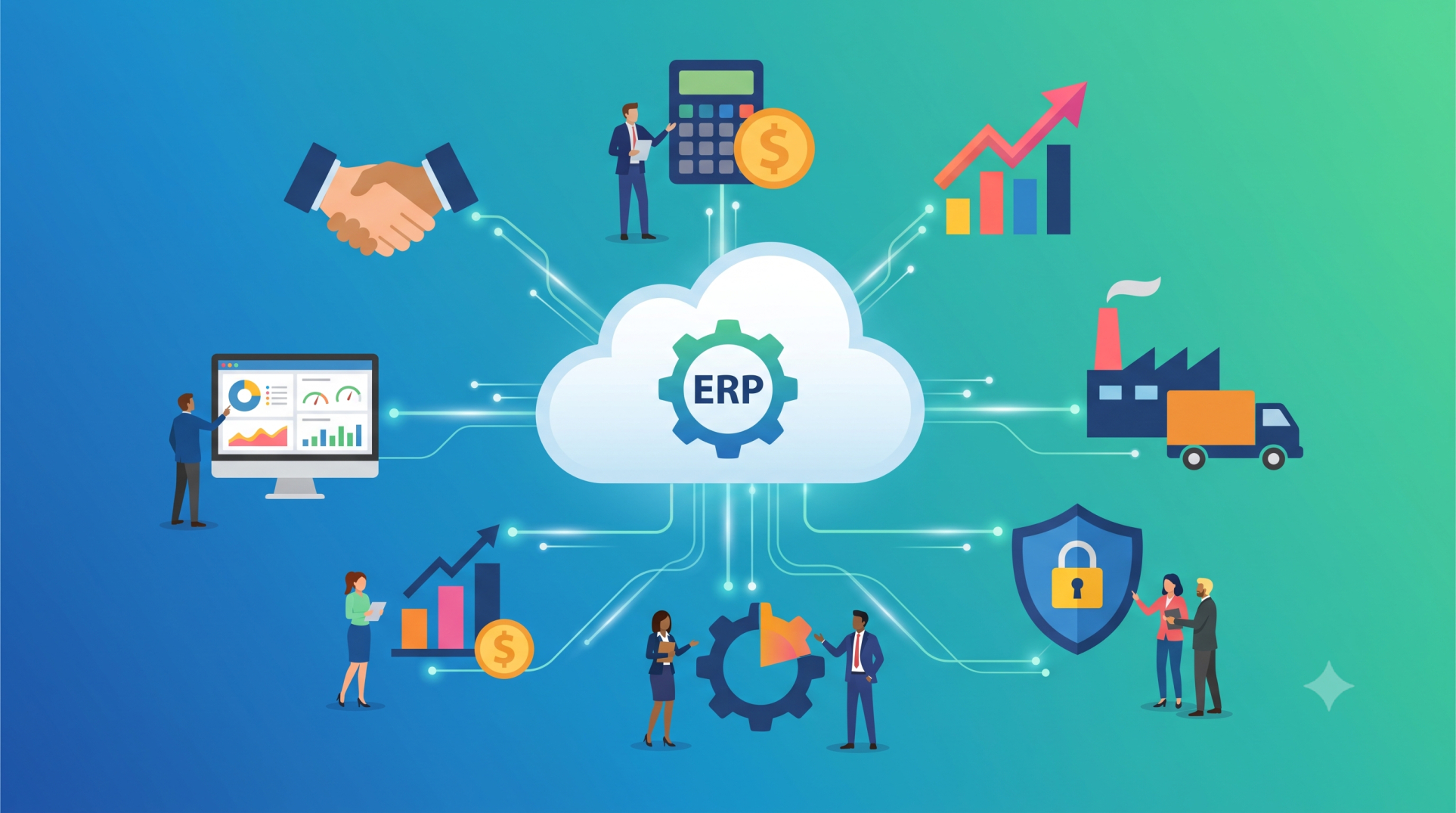
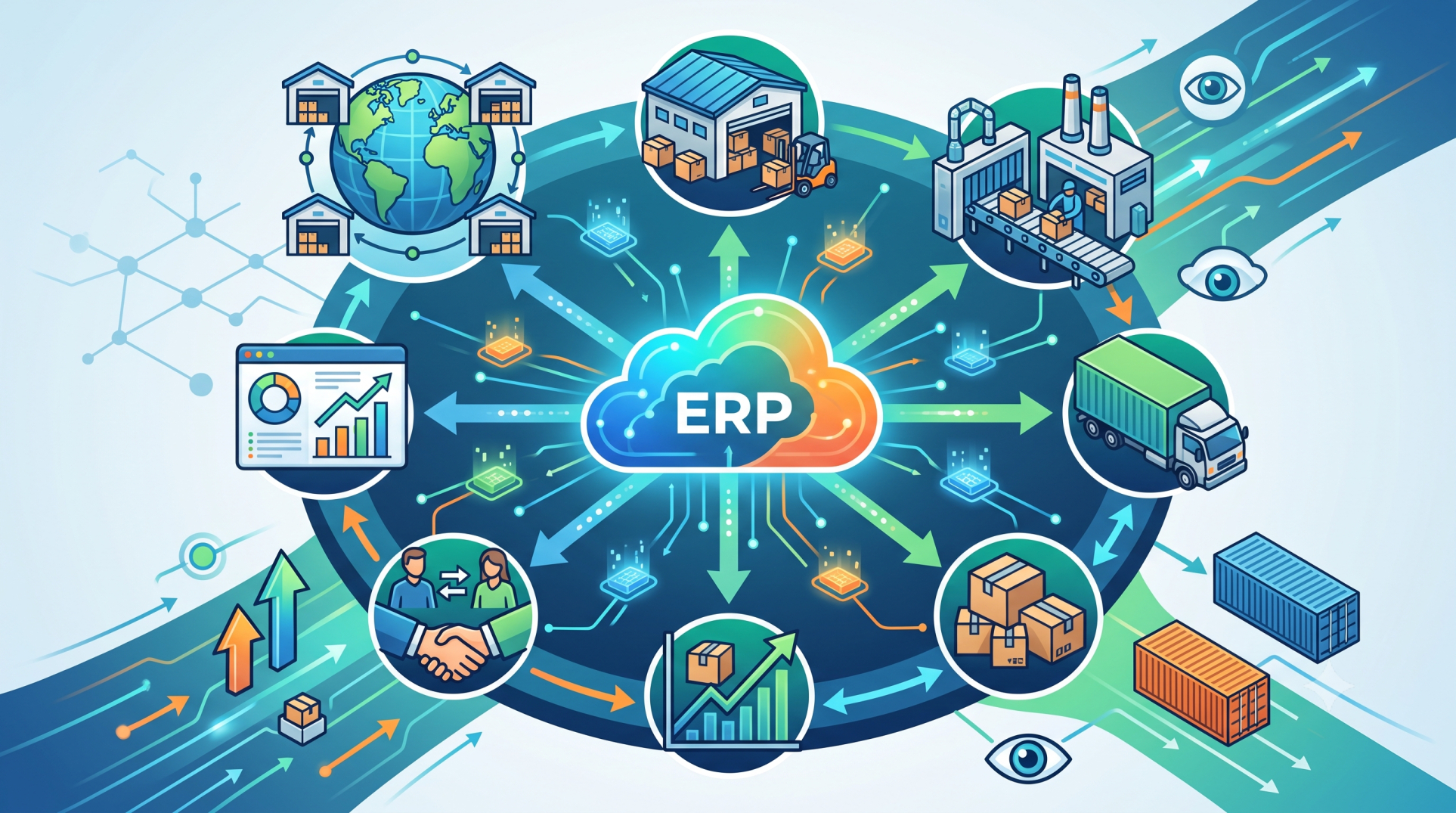
Financial planning depends on accurate, timely, and secure access to banking information. Modern ERP systems integrate directly with banking platforms to streamline financial operations, automate transaction processing, and provide real-time visibility into cash flow. By connecting banking services with enterprise financial management, organizations can improve decision-making, strengthen security, and maintain greater control over their financial resources.
Step 1: Understanding ERP and Banking Integration 🏦
• Connect ERP systems with banking platforms through secure interfaces 🔗
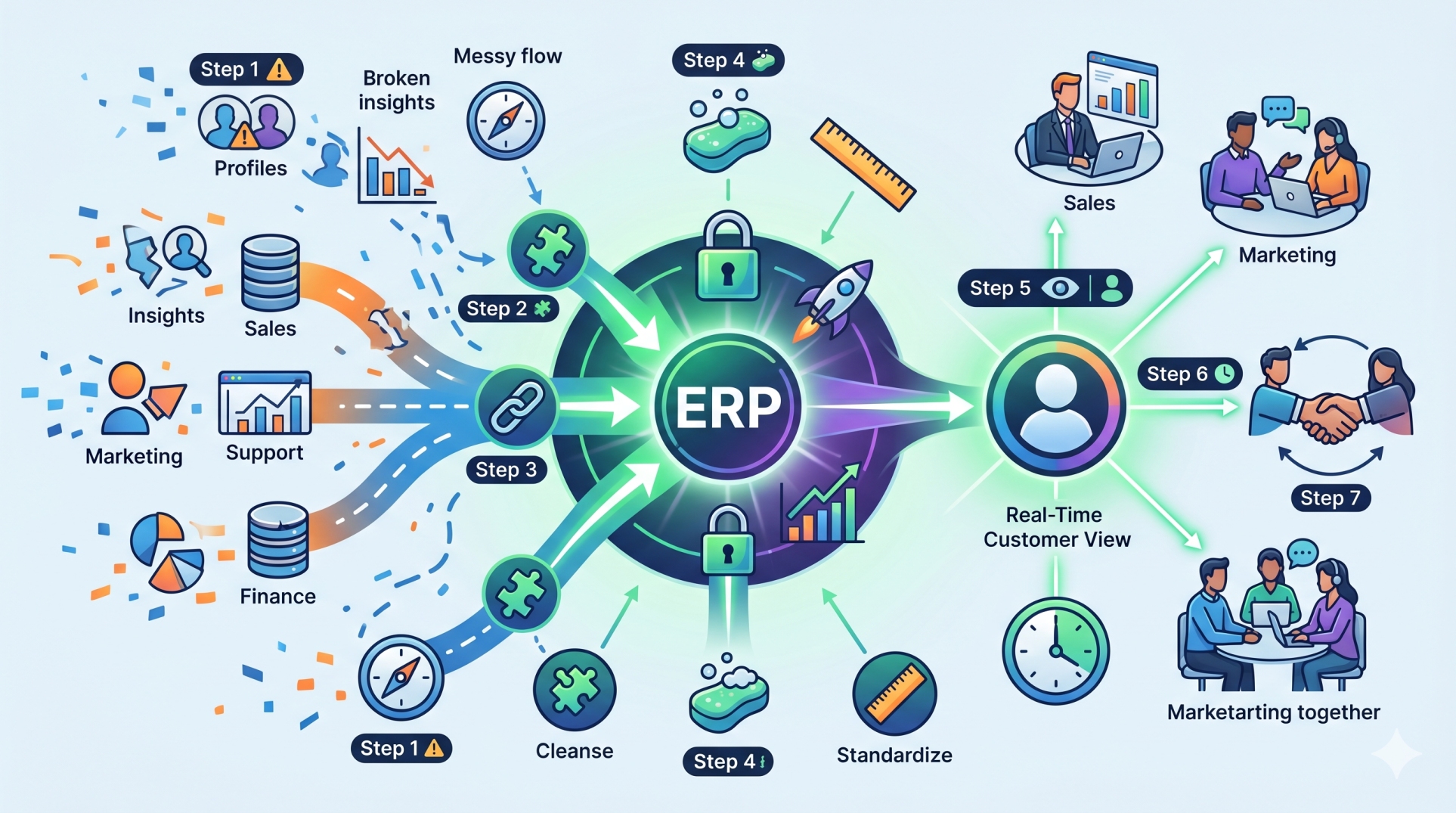
• Centralize financial information within a single platform 📊
• Eliminate manual data entry and duplicate records 📝
• Improve the accuracy of financial transactions ✅
• Support faster and more informed financial decisions 💡
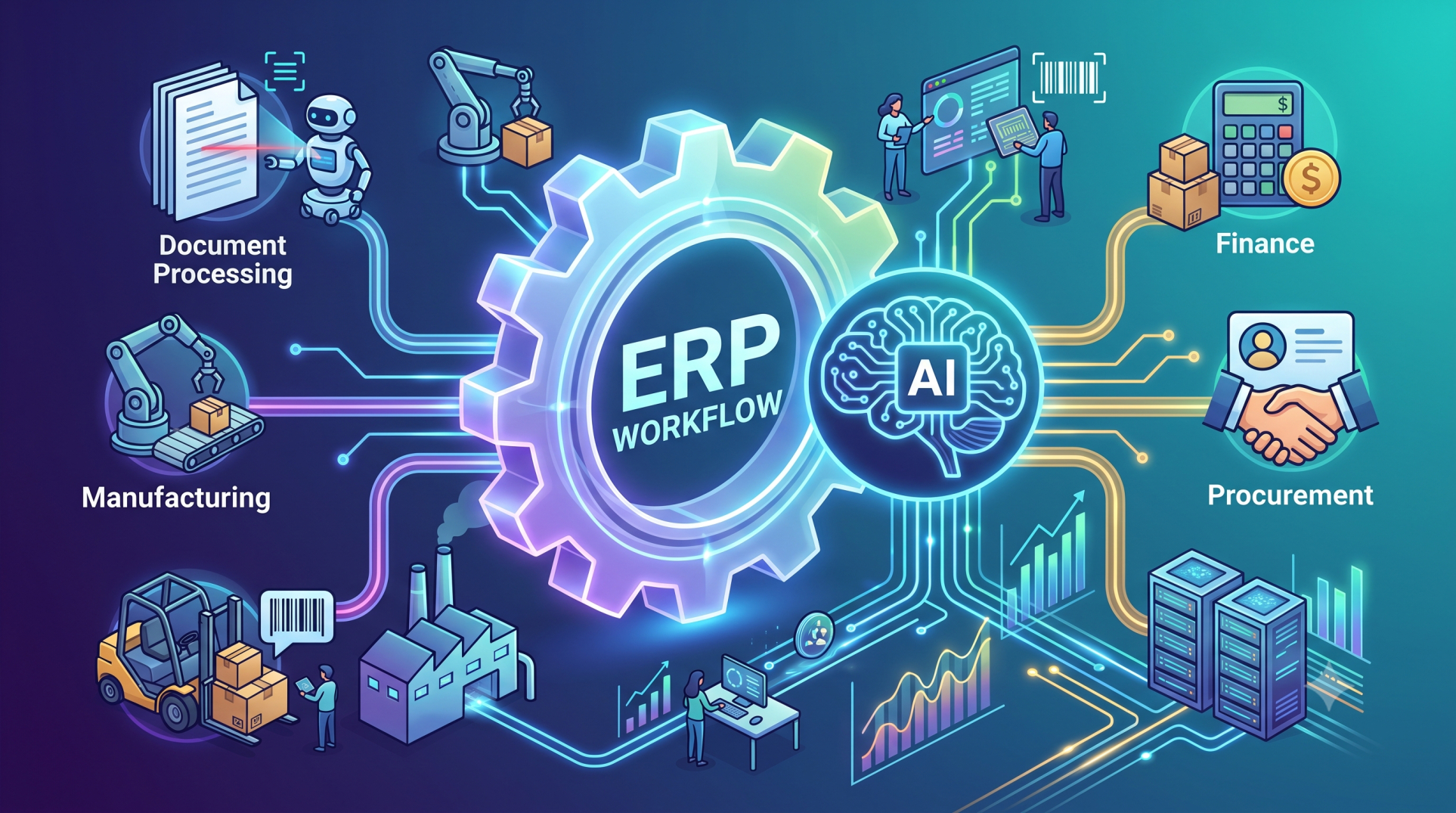
Step 2: Automating Financial Transactions ⚙️
• Import bank transactions automatically into the ERP system 📥
• Reconcile accounts with minimal manual effort 🔄
• Schedule vendor and customer payments efficiently 💳
• Reduce processing delays through automation ⏱️
• Improve the consistency of financial operations 📈
Step 3: Enhancing Cash Flow Visibility 💰
• Monitor account balances in near real time 📊
• Track incoming and outgoing payments continuously 📡
• Analyze cash flow trends for better planning 📉
• Improve forecasting using current financial data 📋
• Enable proactive financial management 🚀
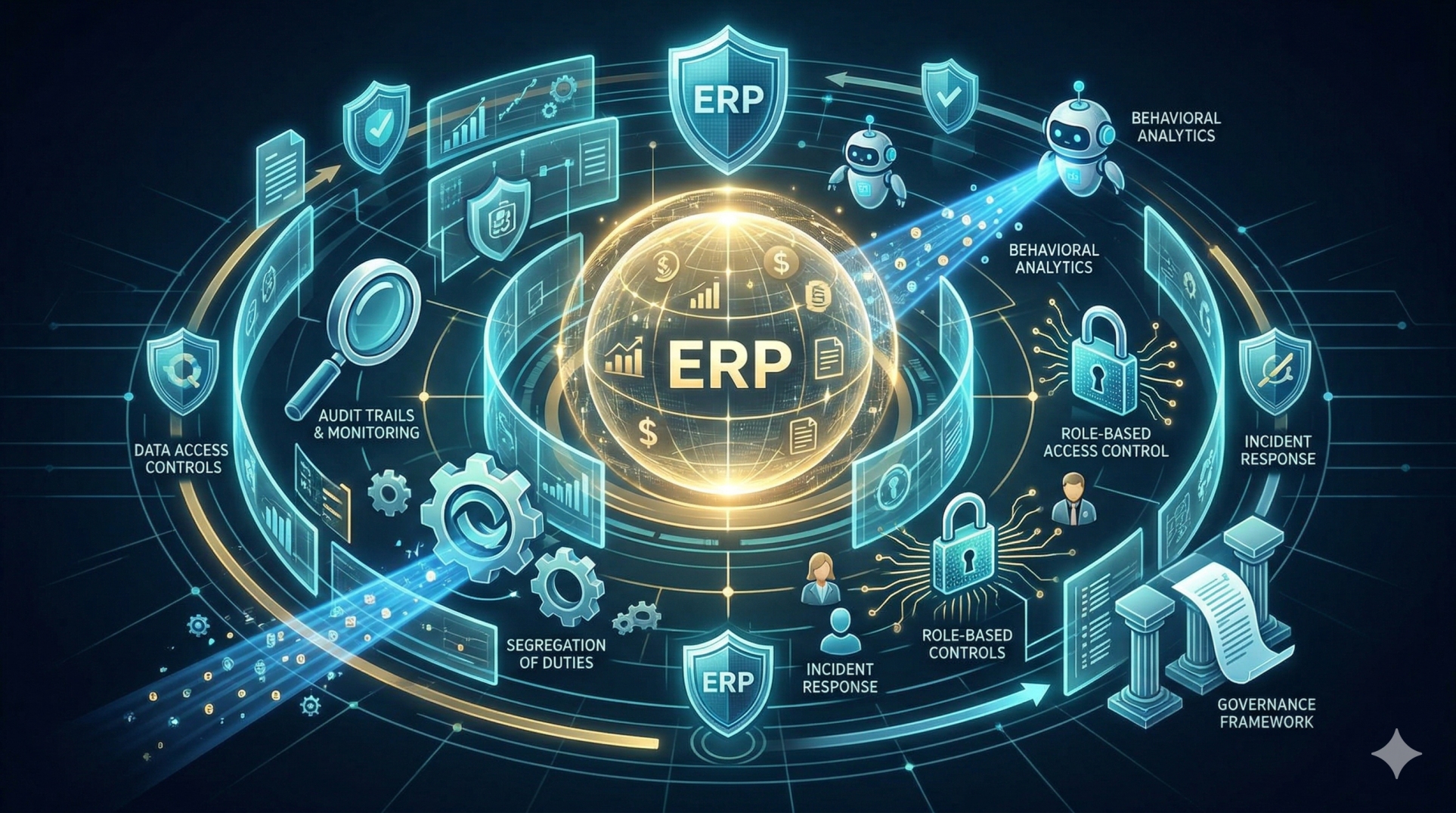
Step 4: Strengthening Financial Security 🔐
• Protect banking data using encryption technologies 🛡️
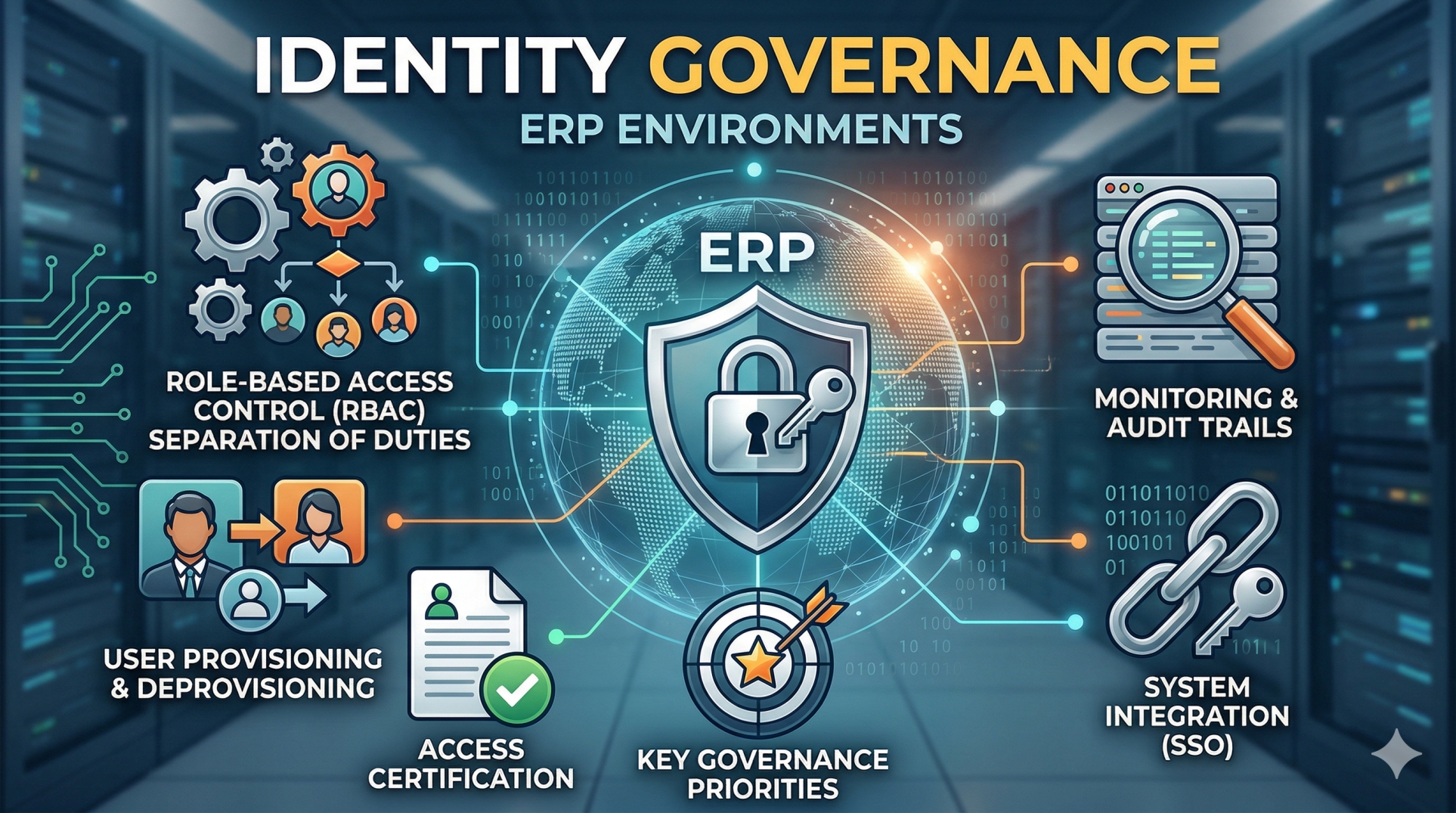
• Apply role-based access controls for sensitive information 👥
• Use multi-factor authentication for privileged users 📲
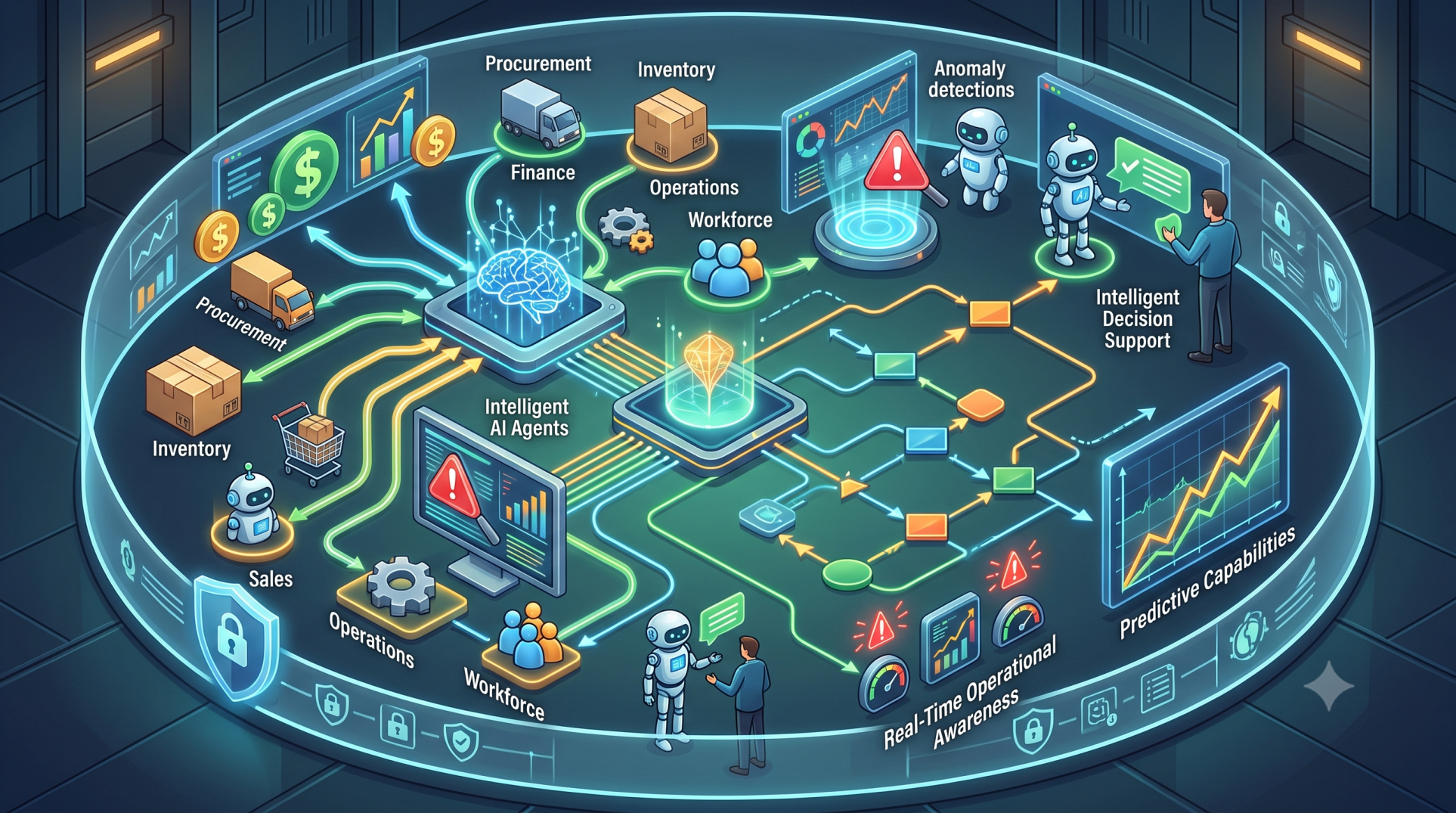
• Monitor financial activities for unusual transactions 🚨
• Maintain secure communication between ERP and banking systems 🔒
Step 5: Simplifying Payment Management 💳
• Process domestic and international payments efficiently 🌍
• Schedule recurring and one-time payment workflows 📅
• Track payment status throughout the transaction lifecycle 📍
• Reduce manual intervention in payment processing 🤖
• Improve vendor and customer payment accuracy ✅
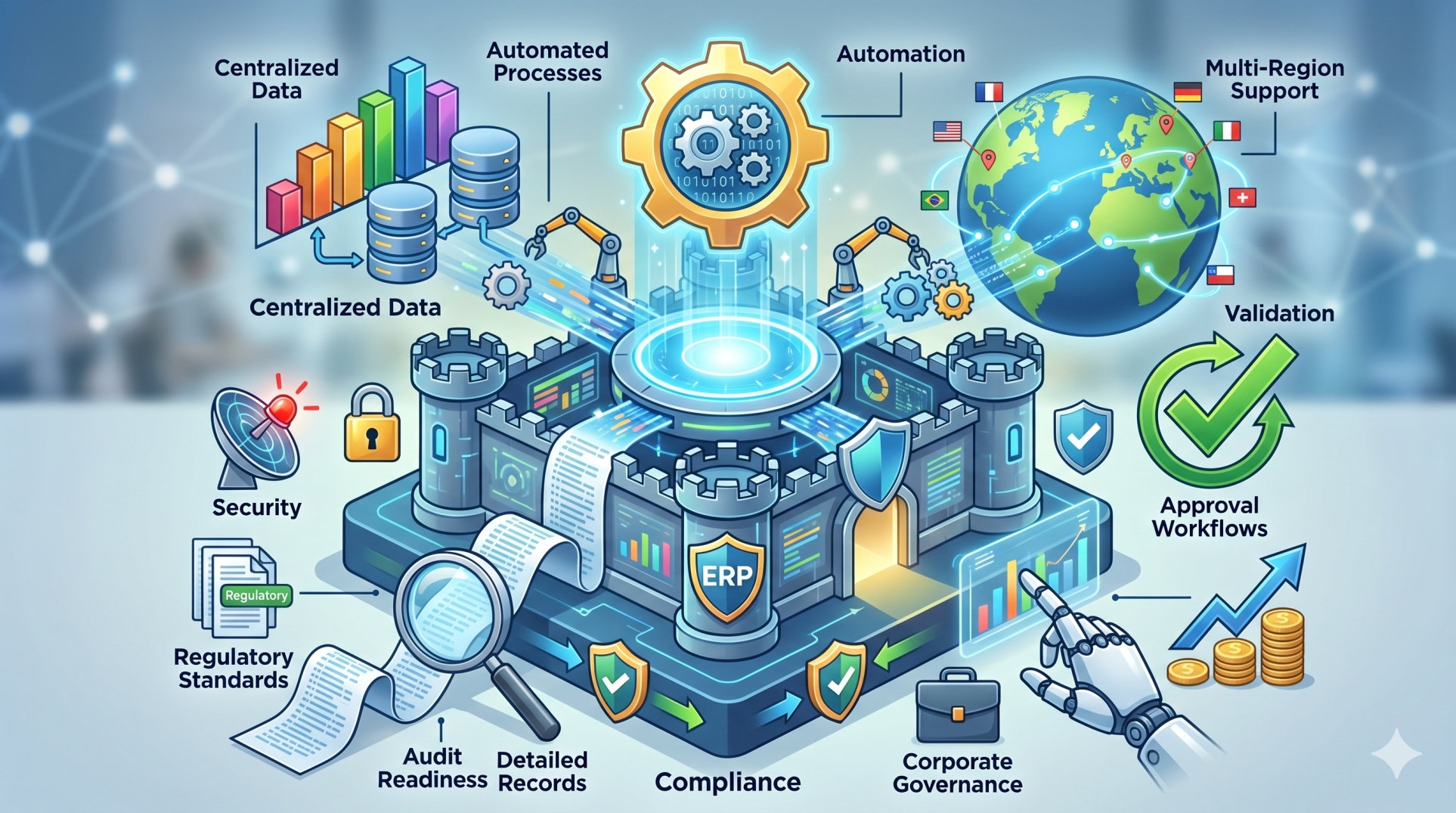
Step 6: Supporting Compliance and Audit Readiness 📑
• Maintain detailed records of financial transactions 🧾
• Generate audit-ready reports from centralized data 📋
• Track approvals and financial authorizations 👀
• Support internal financial controls and governance ⚖️
• Improve transparency across financial operations 📊
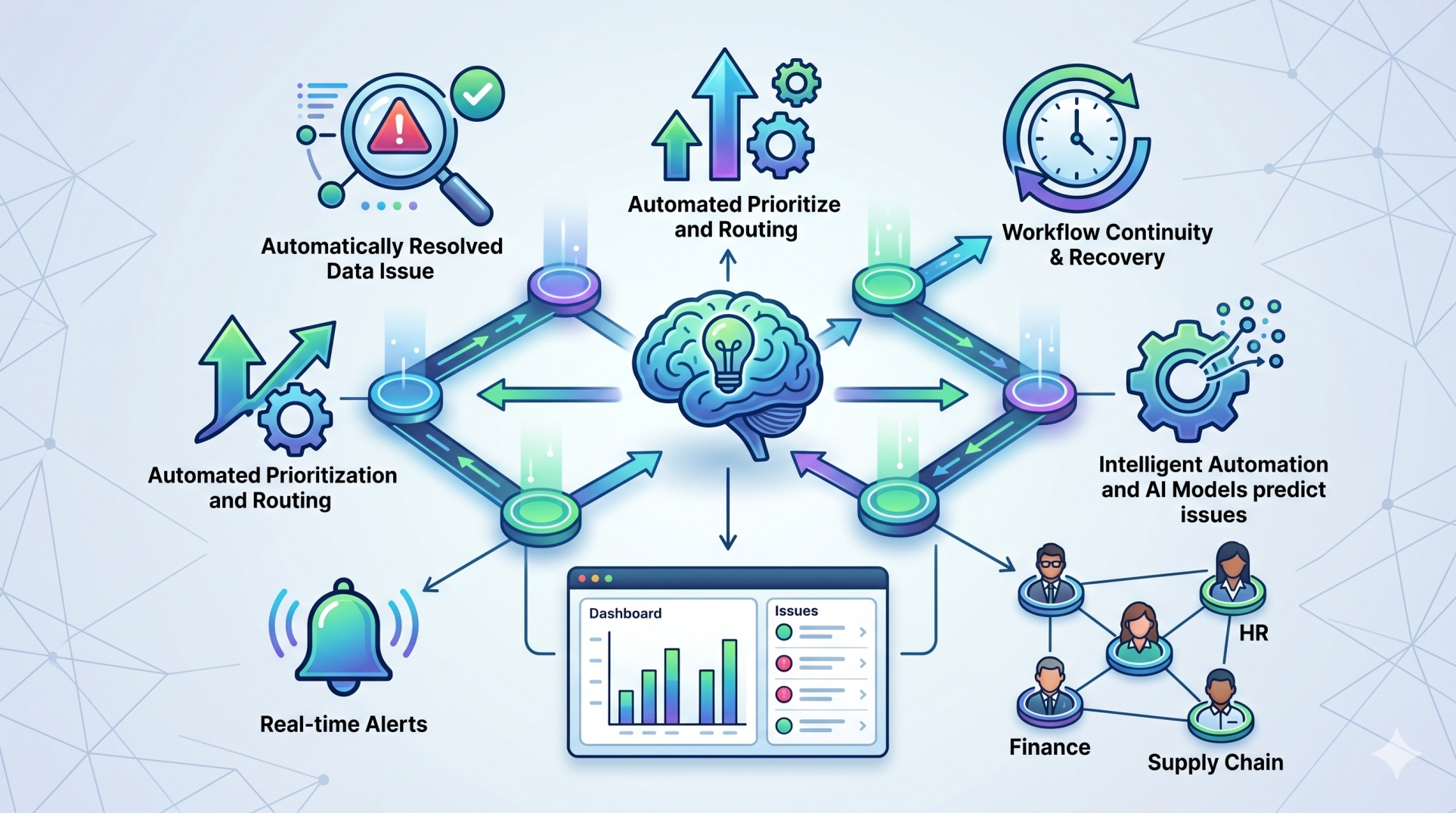
Step 7: Managing Financial Risks 🛡️
• Monitor transaction activity for potential risks 🔍
• Detect irregular payment patterns proactively ⚠️
• Reduce exposure to fraud through automated controls 🚫
• Strengthen approval workflows for high-value transactions ✔️
• Improve financial resilience through continuous monitoring 📈
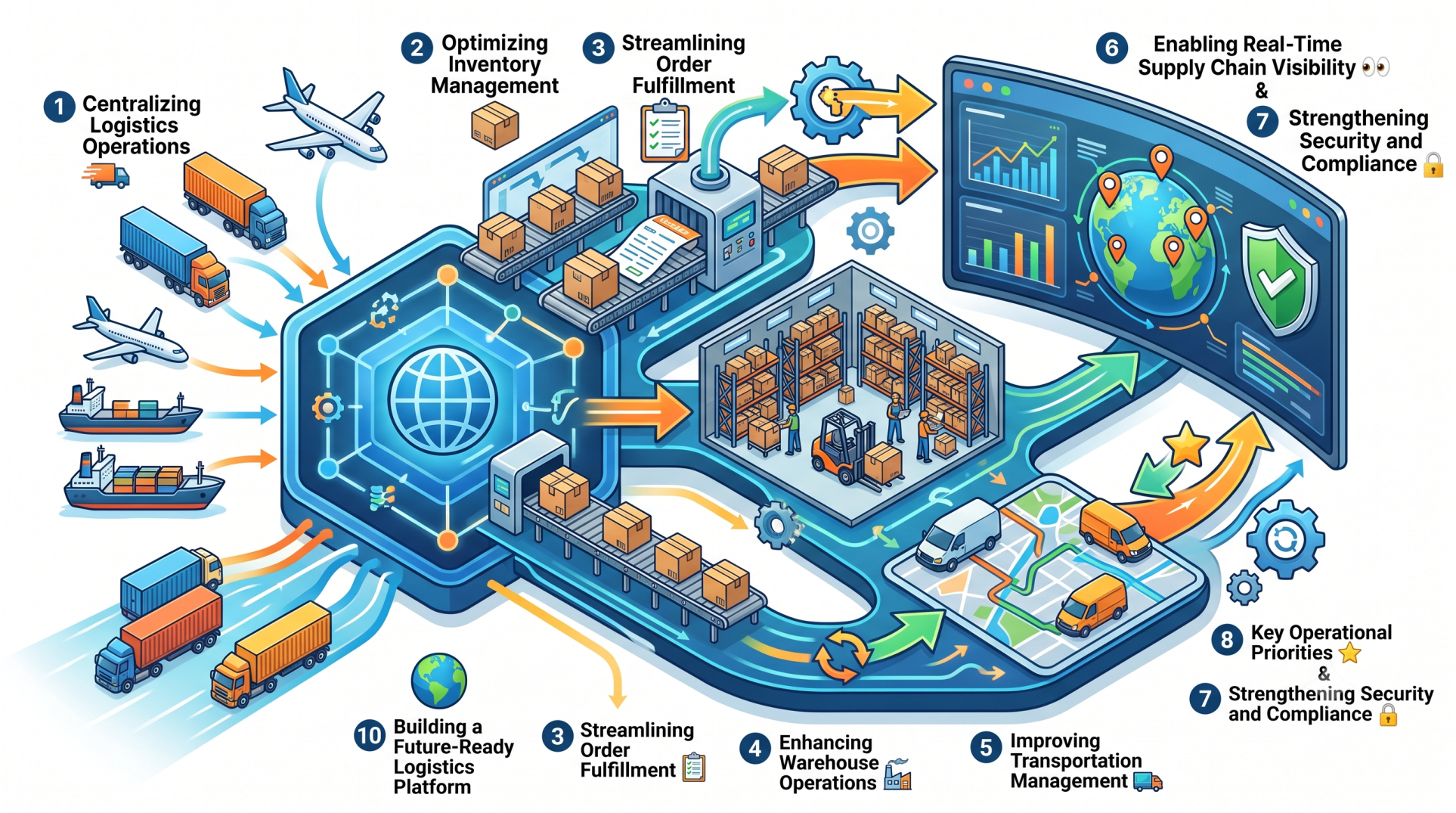
Step 8: Key Banking Integration Priorities ⭐
• Secure communication between ERP and banking platforms 🔒
• Automated transaction processing and reconciliation ⚙️
• Real-time financial visibility and reporting 📊
• Scalable integration that supports business growth 🚀
Step 9: Optimizing Financial Planning 📈
• Forecast cash flow using accurate financial data 📊
• Improve budgeting with real-time banking insights 💼
• Allocate financial resources more effectively 💰
• Support strategic investment and spending decisions 📉
• Adapt financial plans to changing business conditions 🔄
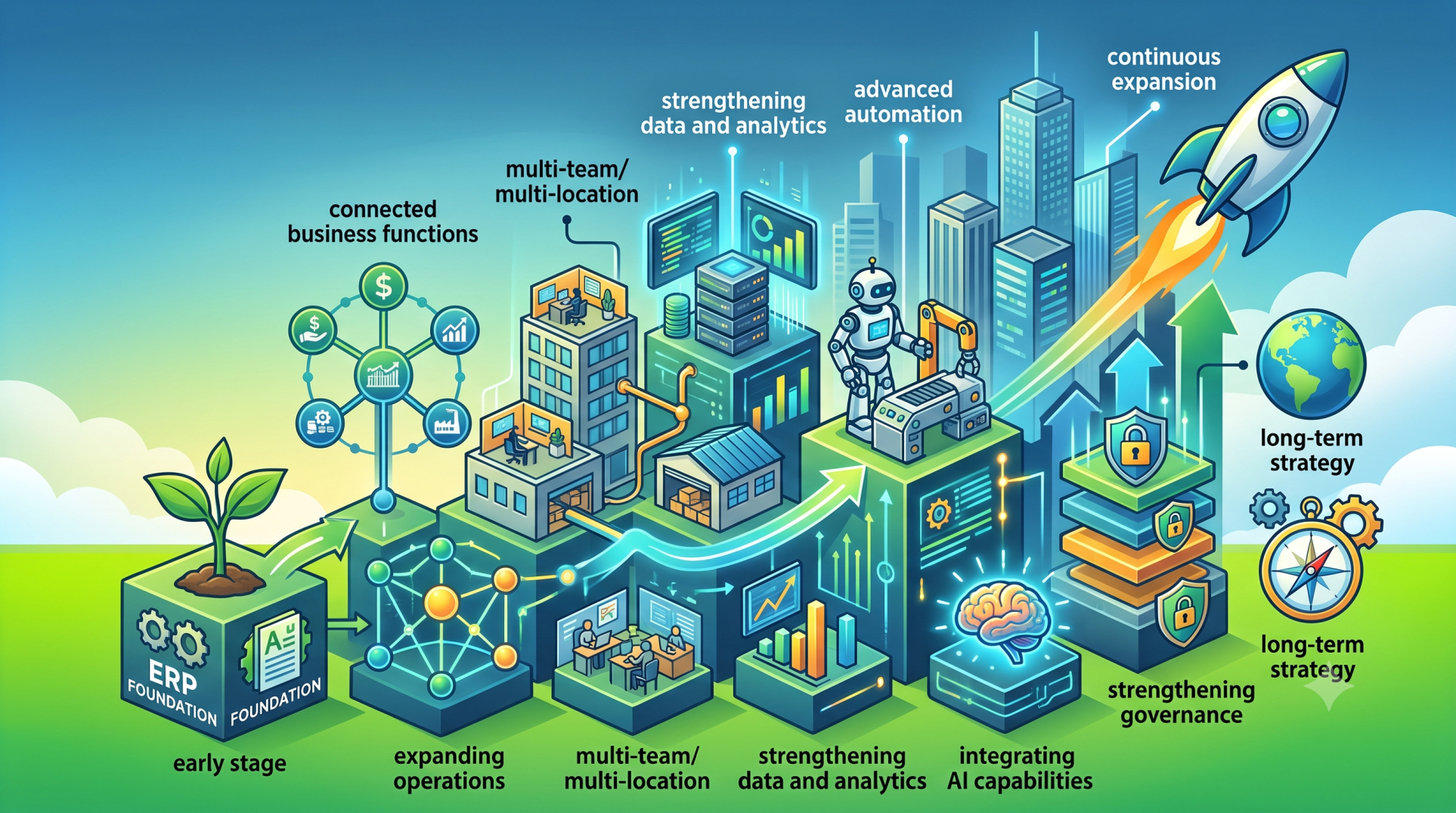
Step 10: Building a Future-Ready Financial Ecosystem 🌍
• Design flexible ERP integrations for evolving banking services 🏗️
• Support digital payment technologies and modern financial platforms 💻
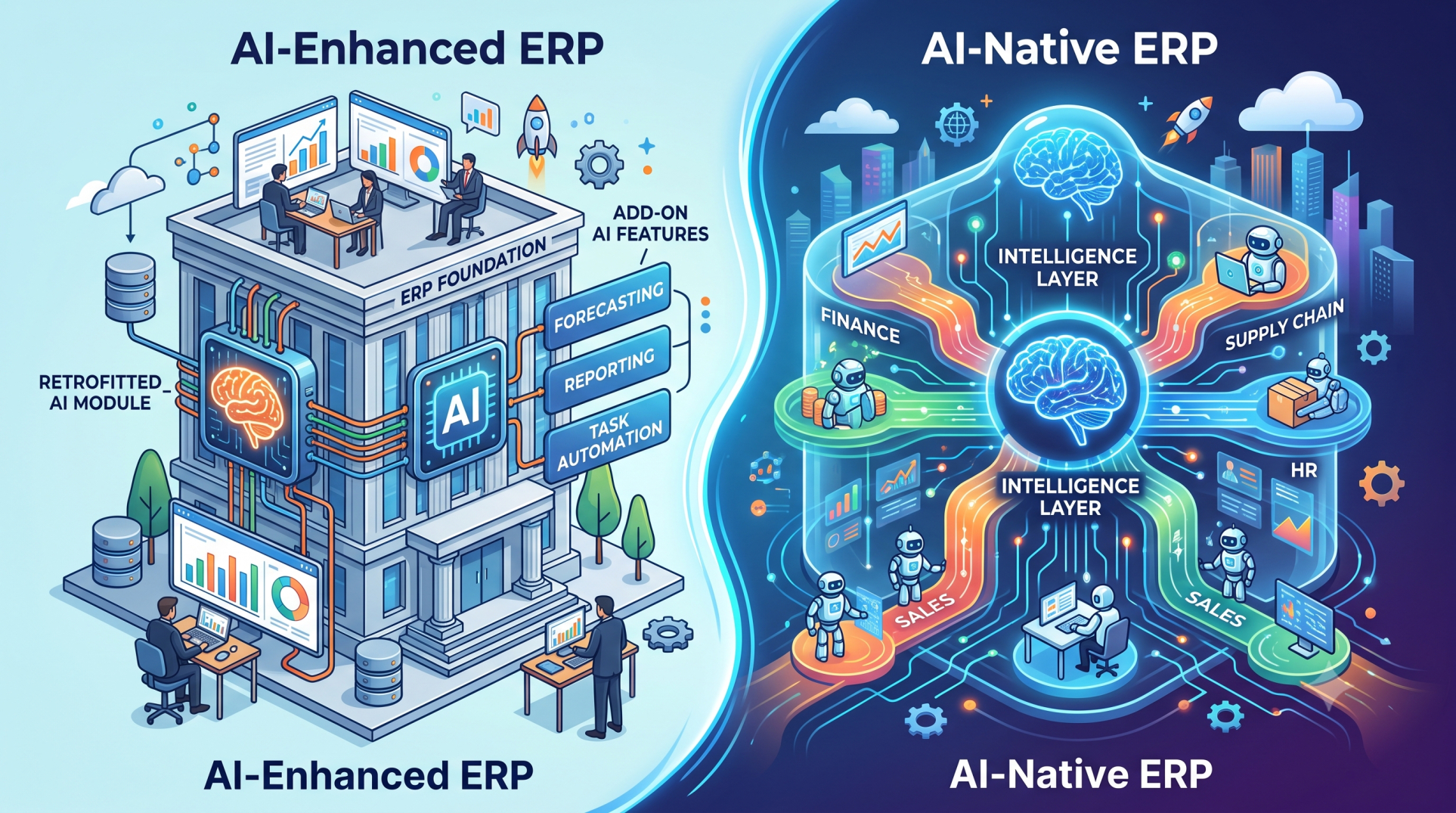
• Integrate advanced analytics for financial intelligence 📈
• Scale financial operations as the business expands 📦
• Continuously strengthen security and operational efficiency 🚀
Conclusion
ERP and banking integration provide organizations with a secure, connected, and efficient approach to financial planning. By automating transactions, improving cash flow visibility, strengthening security, and supporting compliance, integrated ERP solutions enable businesses to make faster and more informed financial decisions. As financial operations continue to evolve, secure banking integration helps organizations build a scalable and resilient foundation for long-term financial success.
See more blogs
You can all the articles below