The Best ERP Systems for Food and Beverge Industries

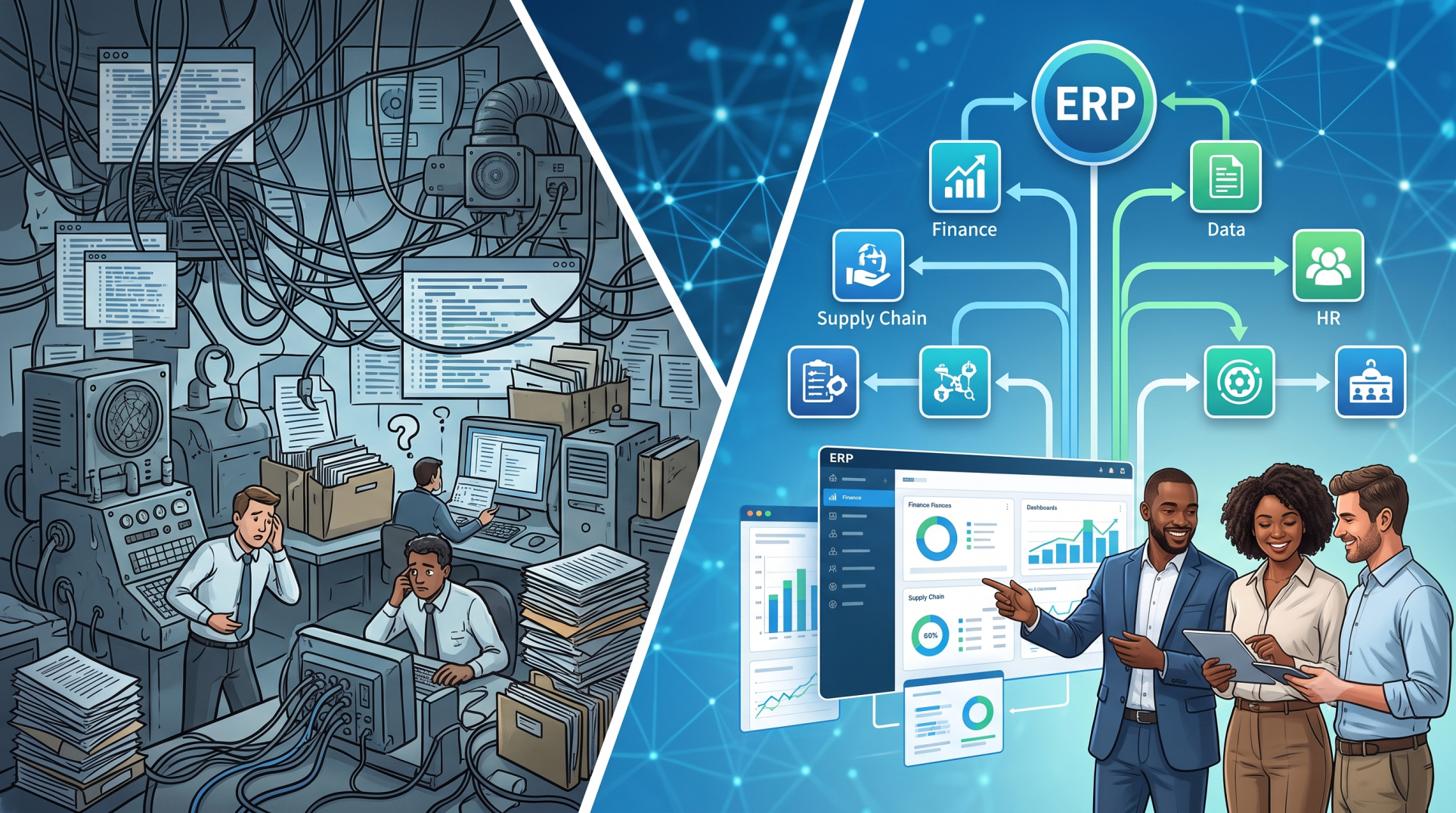
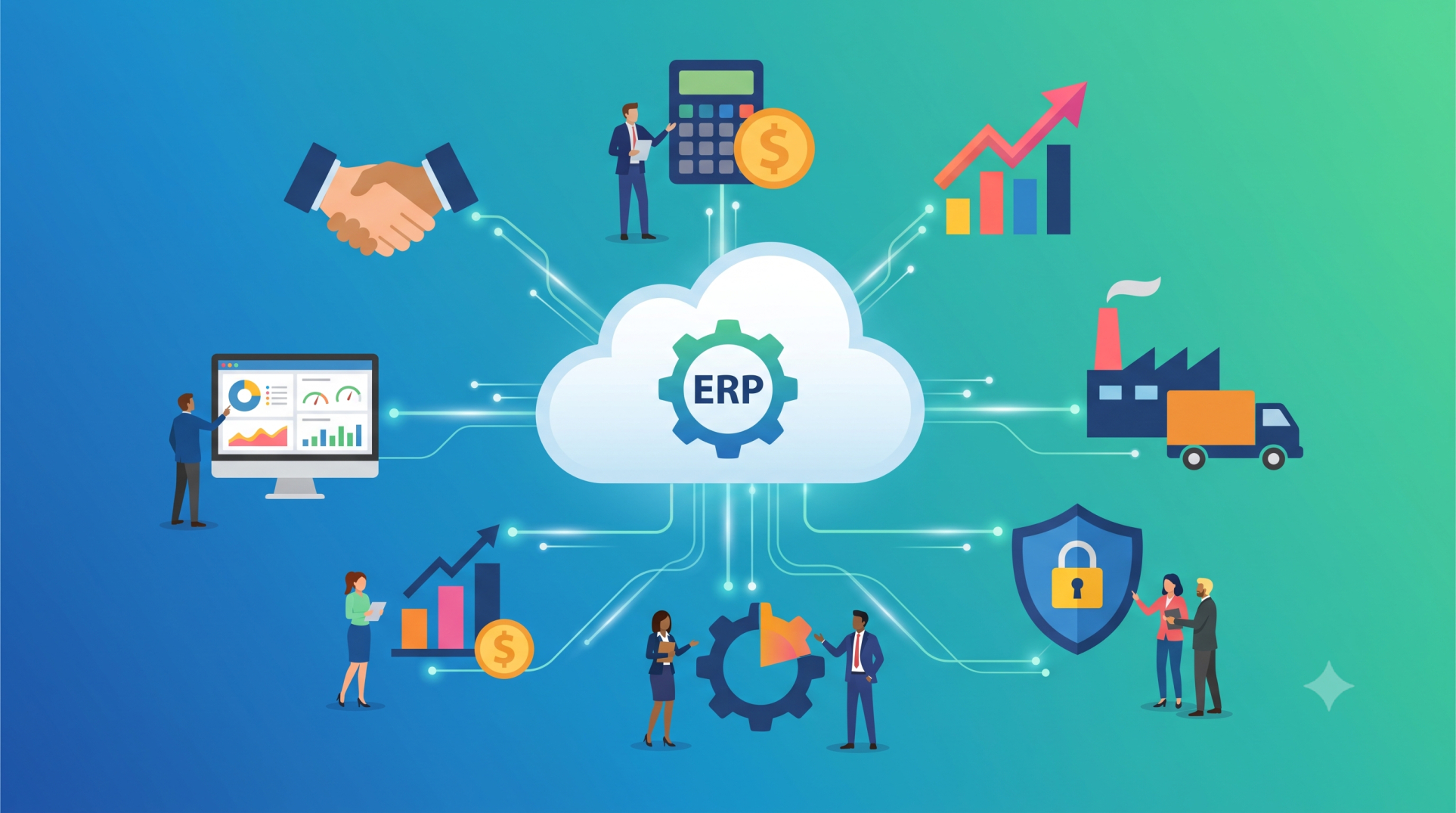
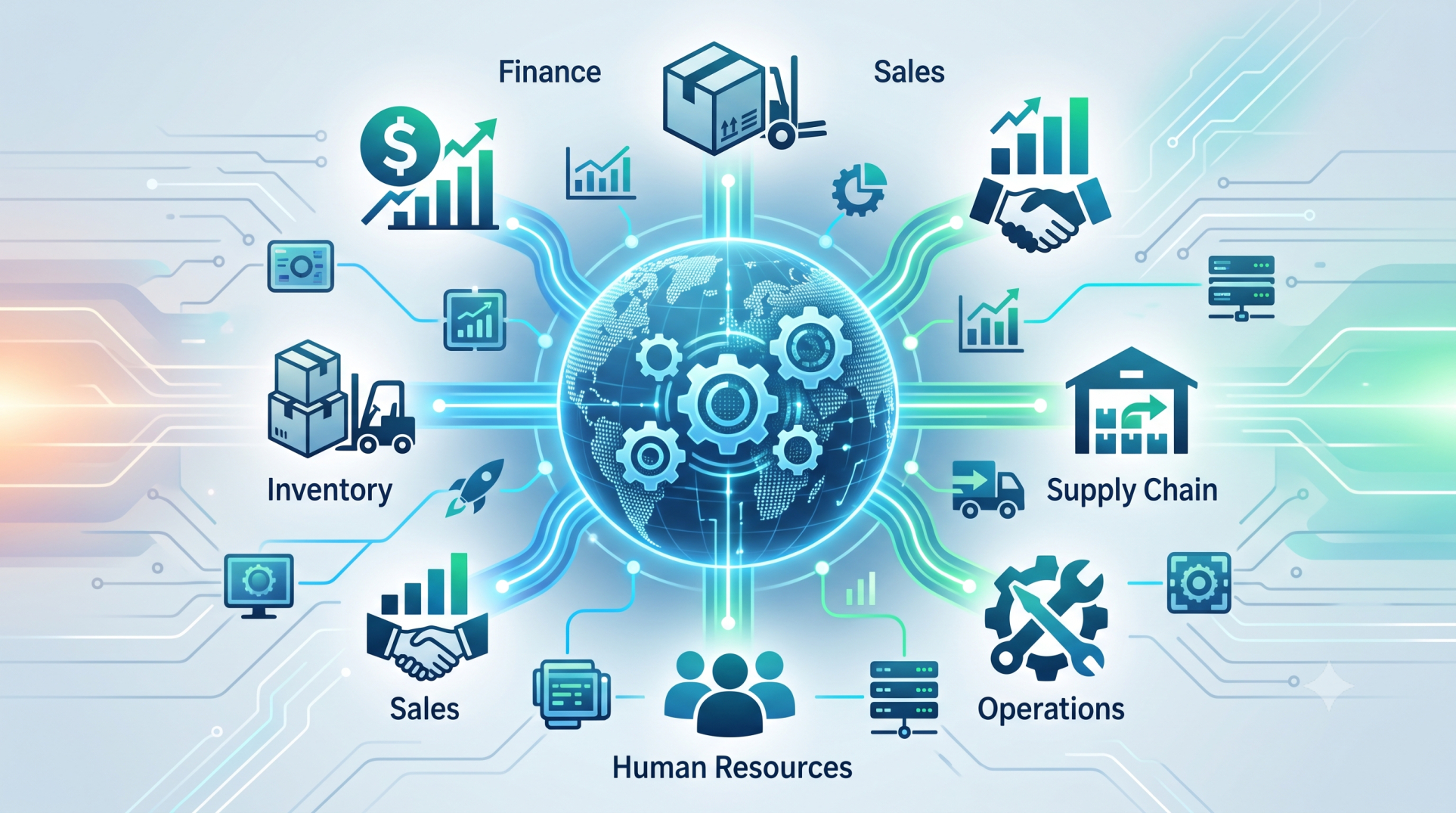
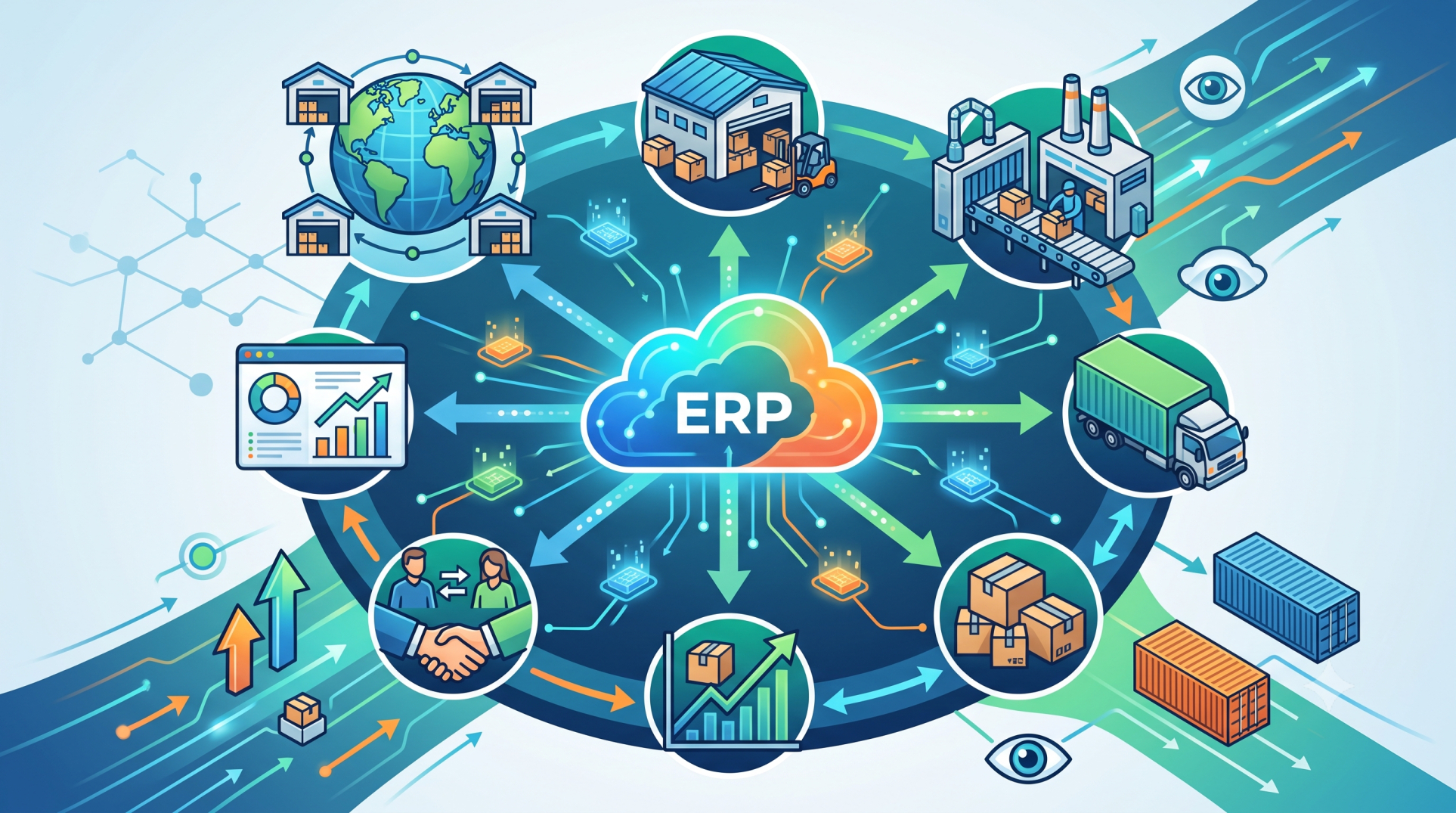
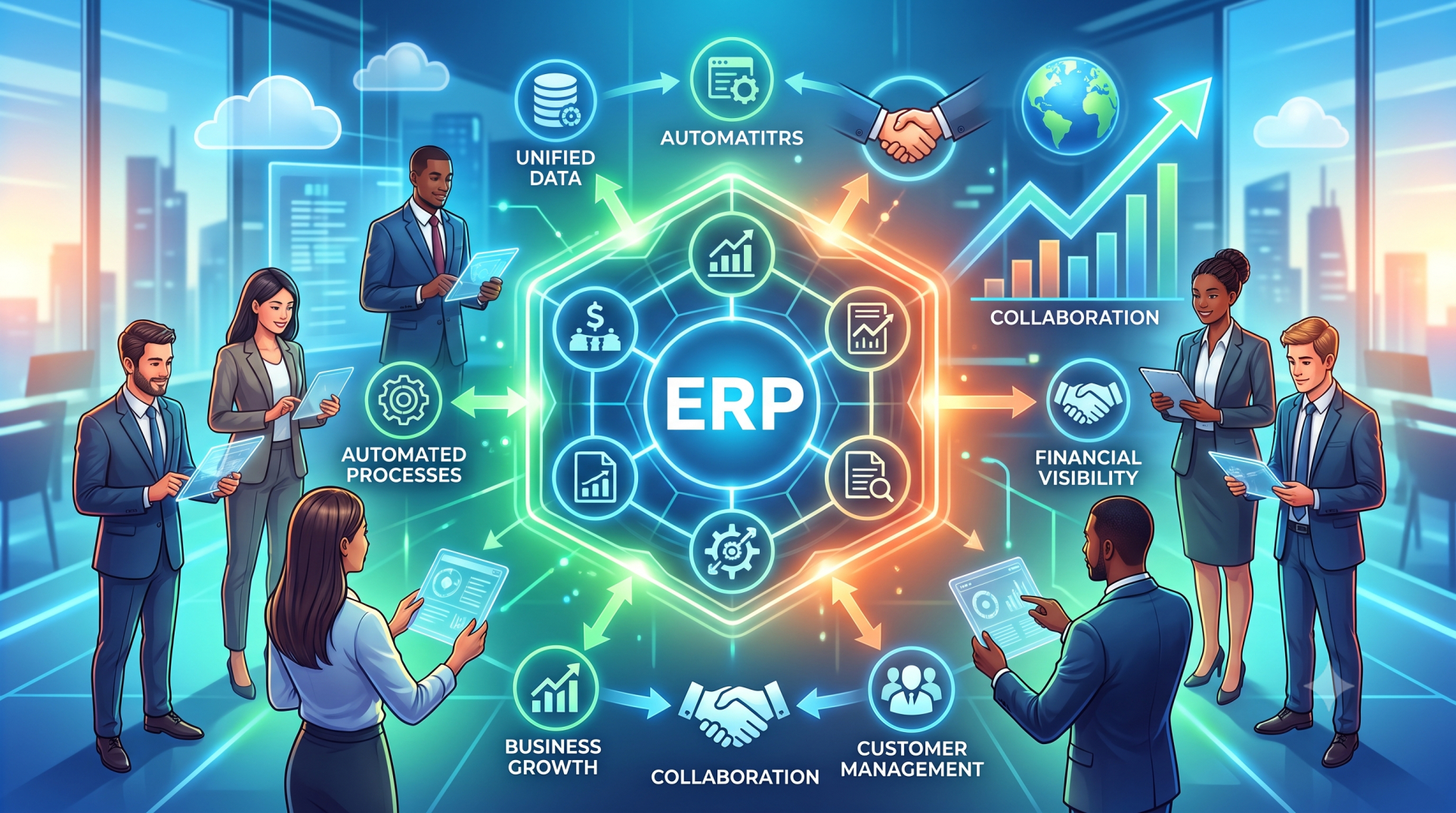
Food and beverage businesses operate in an environment where product quality, inventory accuracy, traceability, production efficiency, and regulatory compliance must work together. The best ERP systems for this industry provide a unified digital platform for managing ingredients, recipes, production, warehousing, purchasing, sales, and financial operations. A well-designed ERP solution helps manufacturers reduce waste, improve visibility, and maintain consistent control from raw materials to finished products.
Step 1: Managing Ingredients and Raw Materials 🥕🥛
• Track ingredients from purchasing through production 📦
• Maintain accurate stock levels across warehouses and facilities 📊
• Monitor expiration dates and shelf-life requirements ⏳
• Manage supplier information and purchasing activities 🤝
• Reduce shortages, excess inventory, and unnecessary waste ♻️
Step 2: Recipe and Formula Management 🧾
• Centralize recipes, formulas, and ingredient specifications 📚
• Maintain accurate quantities and production instructions ⚖️
• Control recipe revisions and formulation changes 🔄
• Calculate production requirements based on planned quantities 📈
• Protect proprietary recipes through controlled user access 🔐
Step 3: Batch and Lot Traceability 🔍
• Assign lot and batch numbers throughout production 🏷️
• Trace raw materials back to individual suppliers 🔗
• Track finished products through storage and distribution 🚚
• Maintain detailed production histories for every batch 📋
• Support faster investigations and targeted product recalls ⚠️
Step 4: Production Planning and Scheduling 🏭
• Schedule production according to orders and demand forecasts 📅
• Coordinate ingredients, equipment, and workforce availability ⚙️
• Monitor work orders and production progress in real time 📊
• Reduce downtime and production bottlenecks ⏱️
• Improve capacity utilization across manufacturing operations 🚀
Step 5: Quality Control and Food Safety 🛡️
• Define quality checks throughout the production process ✅
• Record inspection and testing results digitally 🧪
• Identify products that fall outside defined specifications 🚨
• Maintain quality documentation for audits and reviews 📑
• Strengthen consistency across products and production batches ⭐
Step 6: Expiration and Shelf-Life Management ⏰
• Monitor expiration and best-before dates automatically 📆
• Apply FEFO inventory practices where appropriate 🔄
• Prioritize inventory based on remaining shelf life 📦
• Generate alerts for products approaching expiration 🔔
• Reduce spoilage and inventory write-offs ♻️
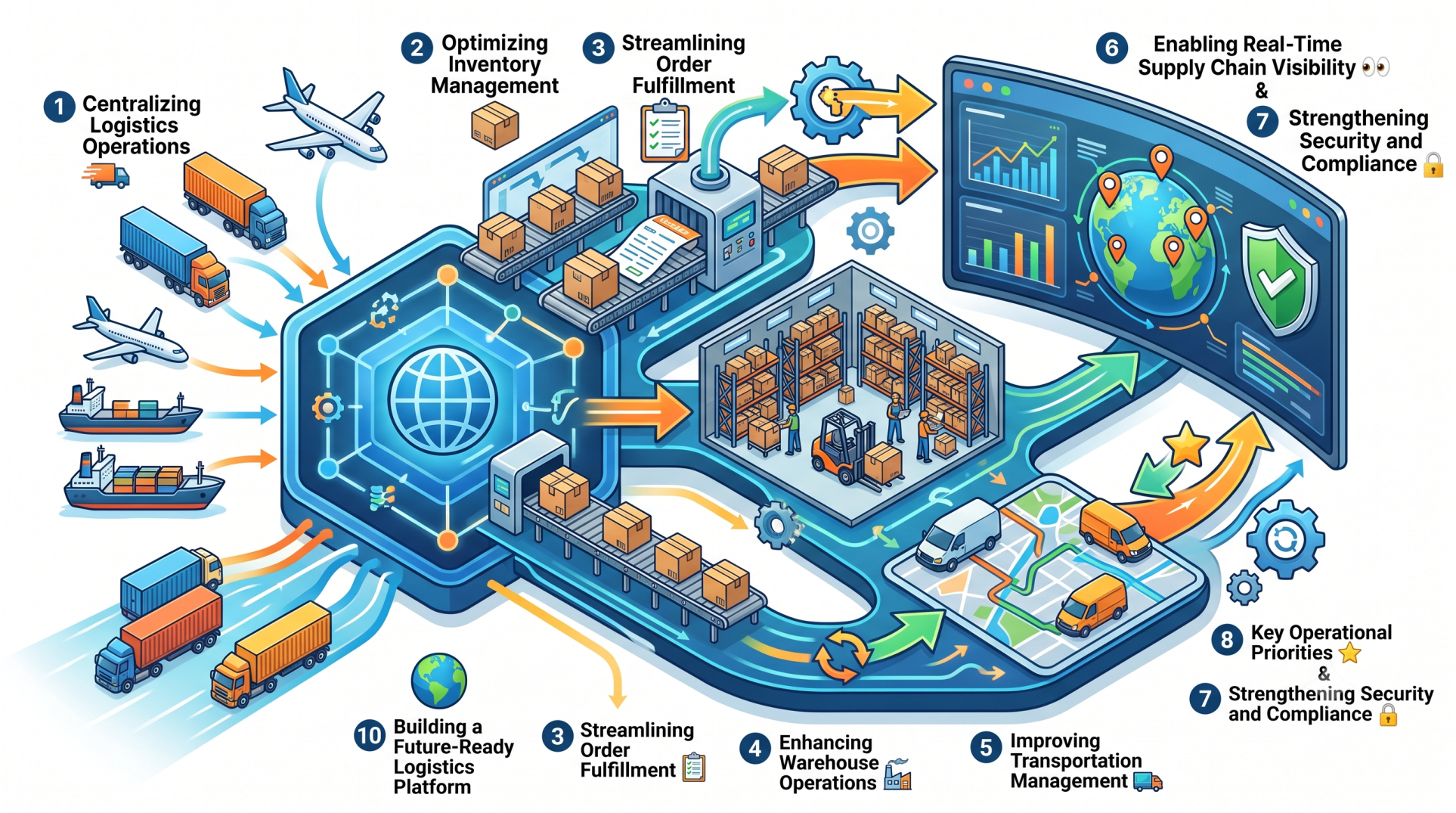
Step 7: Supply Chain and Procurement Management 🚚
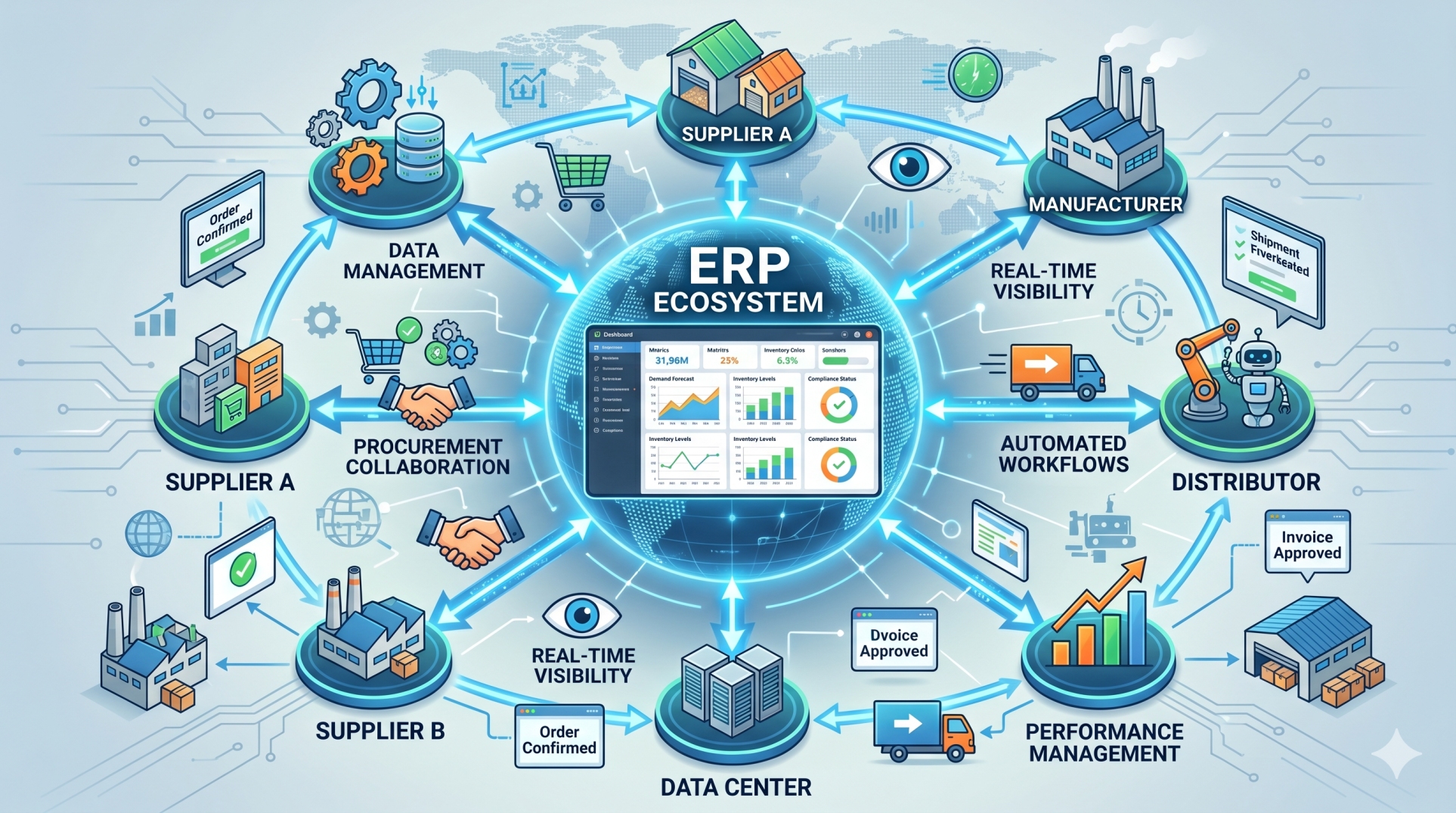
• Coordinate purchasing with production requirements 🛒
• Monitor supplier performance and delivery schedules 📈
• Maintain approved supplier records and documentation 📁
• Improve visibility into incoming materials and purchase orders 👀
• Respond more effectively to supply chain disruptions 🌐
Step 8: Warehouse and Distribution Control 📦
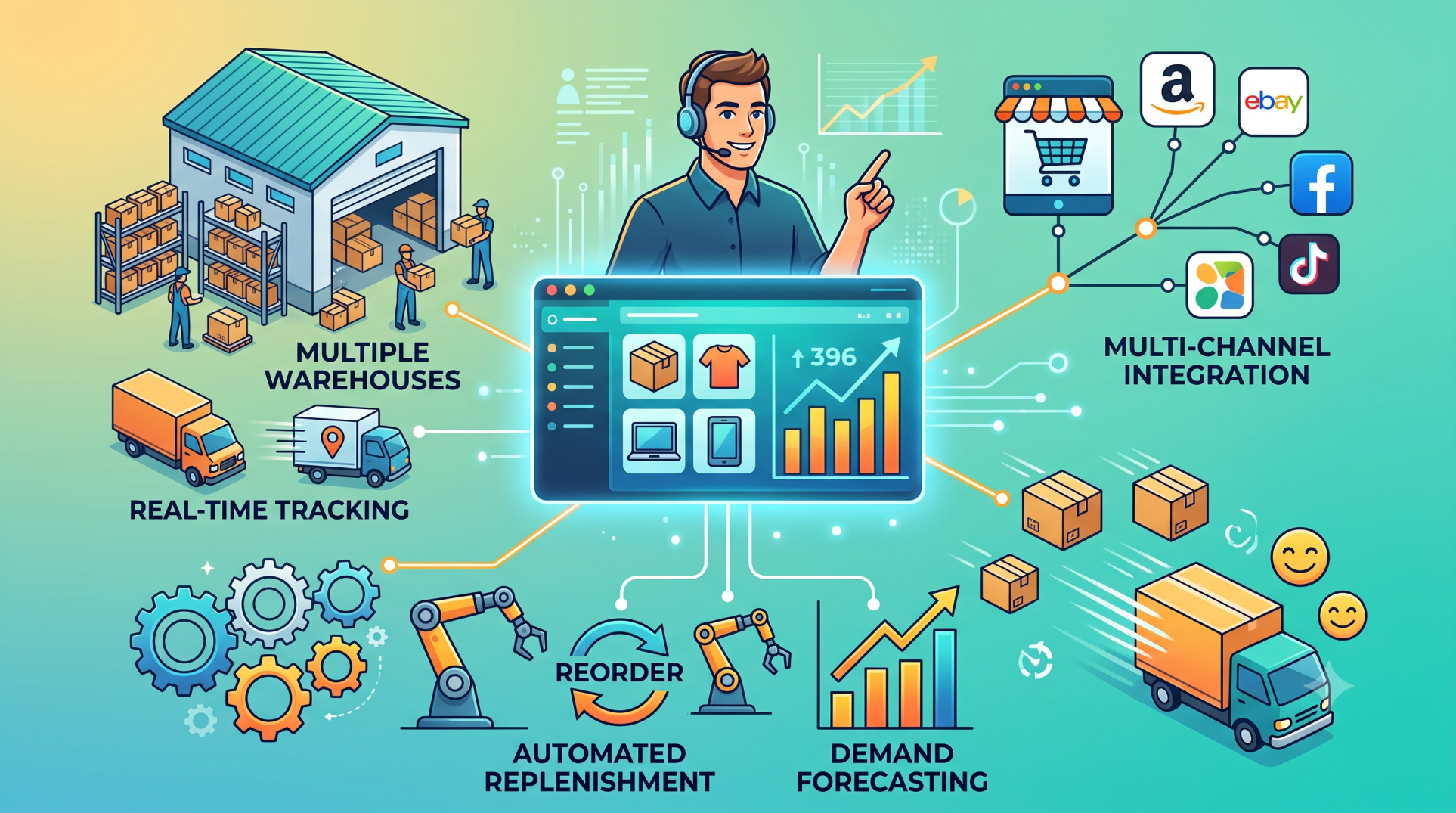
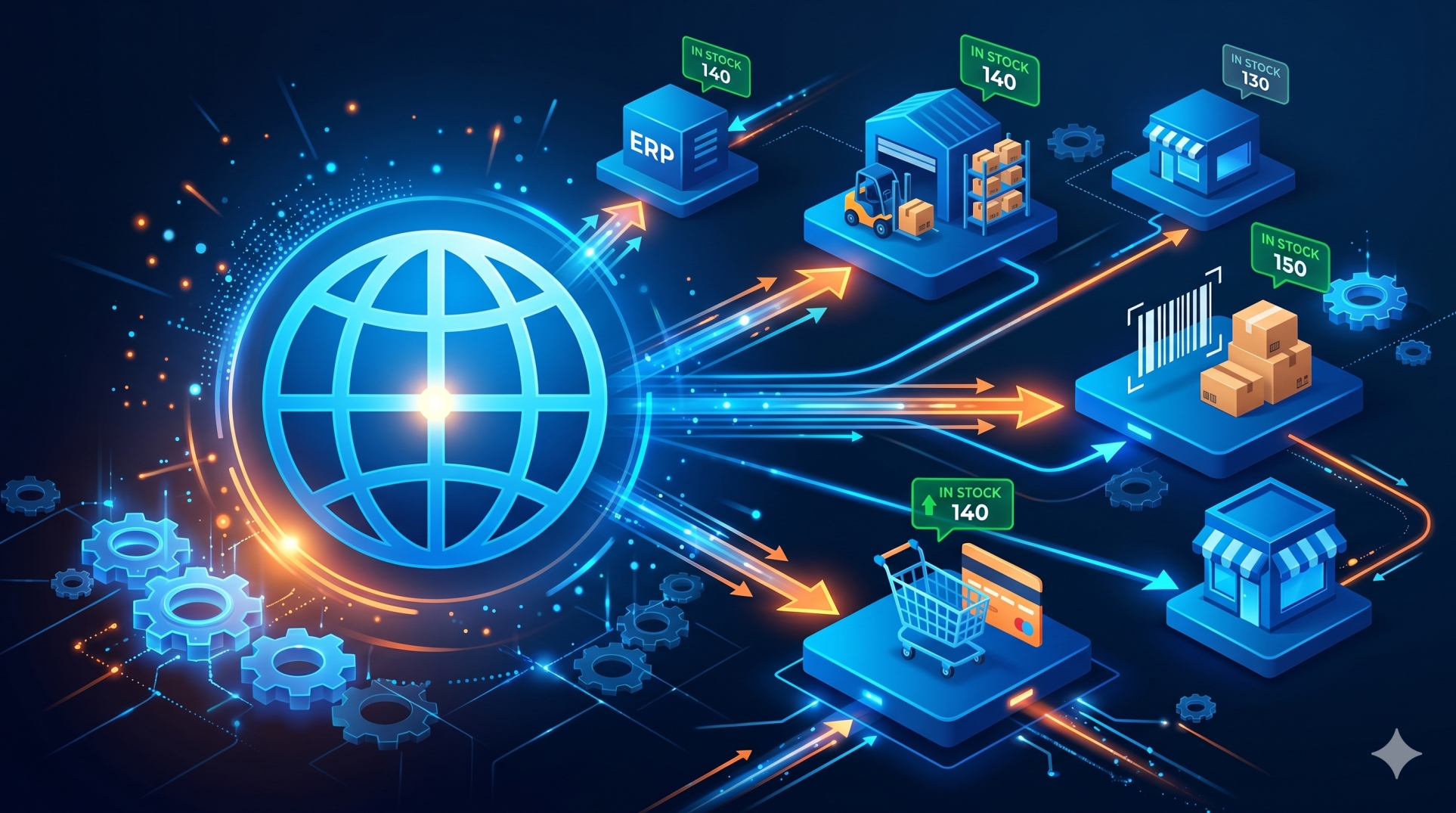
• Maintain real-time visibility into warehouse inventory 📊
• Coordinate receiving, storage, picking, and shipping operations 🔄
• Improve product movement through optimized warehouse workflows 🚛
• Support multiple warehouses and distribution locations 🏢
• Maintain traceability throughout the distribution process 🔍
Step 9: Financial and Cost Management 💷
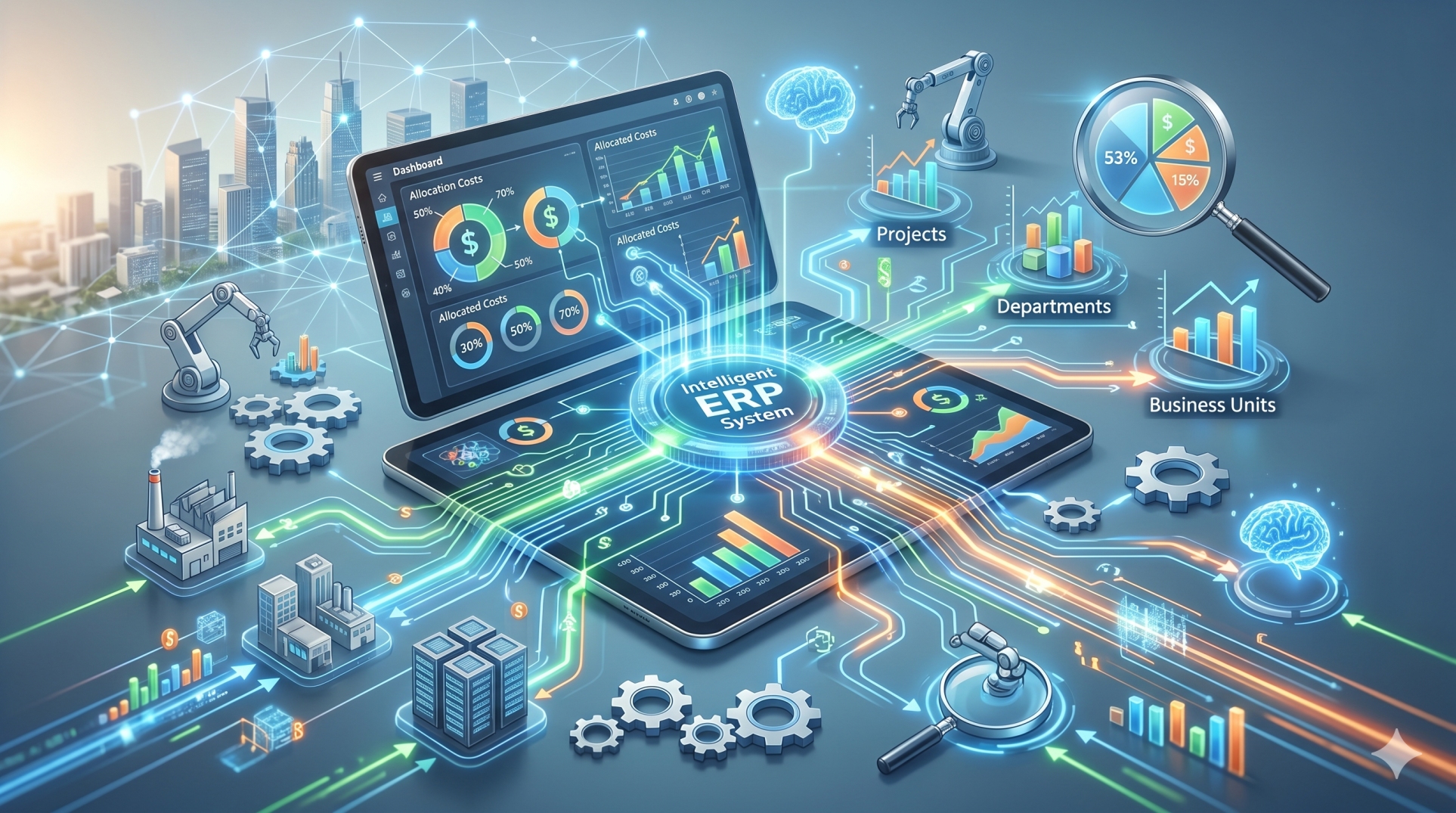
• Track ingredient, labour, packaging, and production costs 📊
• Calculate actual production costs for individual products 🧮
• Monitor margins across products and product categories 📈
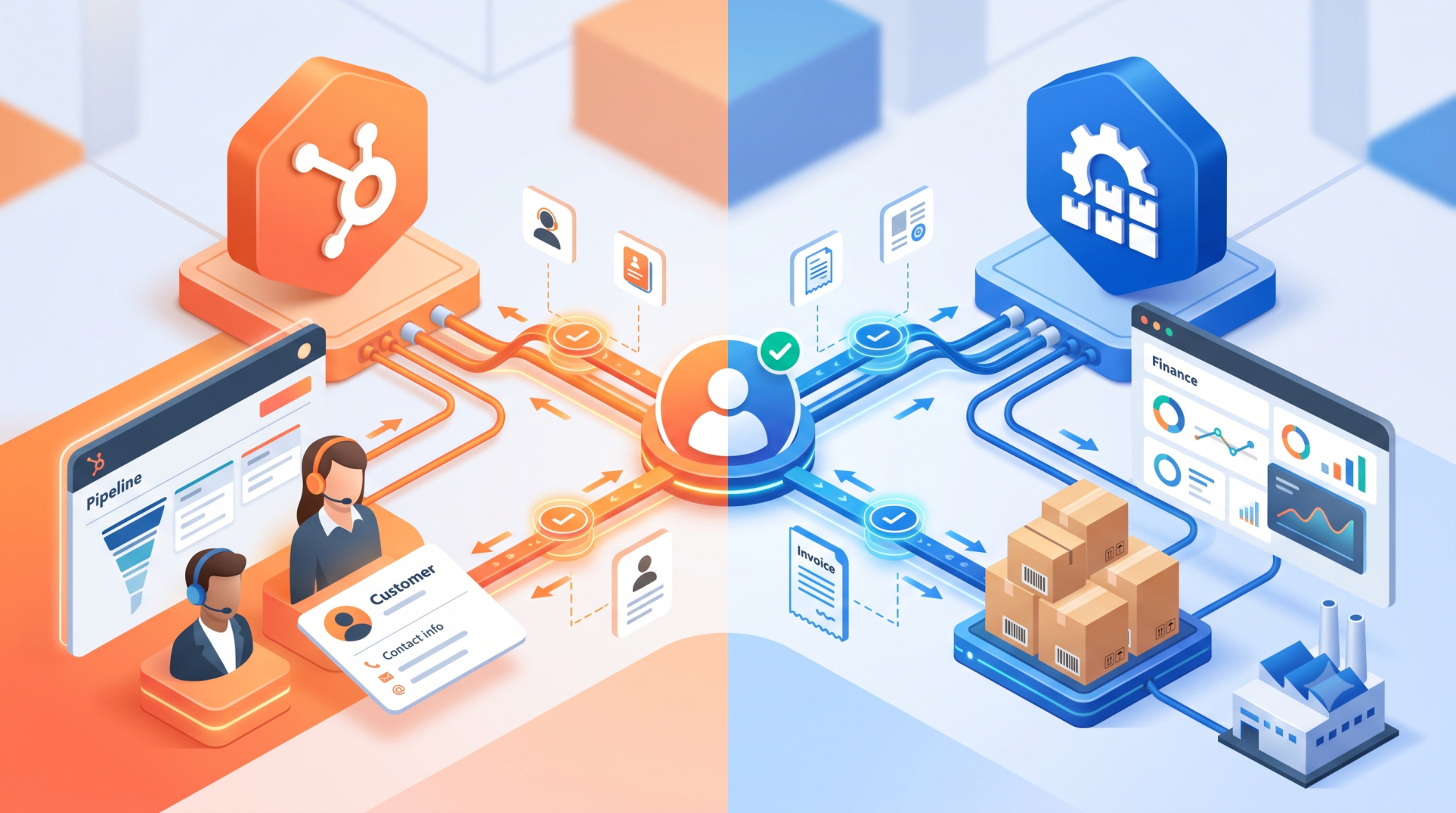
• Connect purchasing, sales, inventory, and accounting data 🔗
• Improve budgeting and financial forecasting capabilities 💼
Step 10: Compliance and Audit Readiness 📑
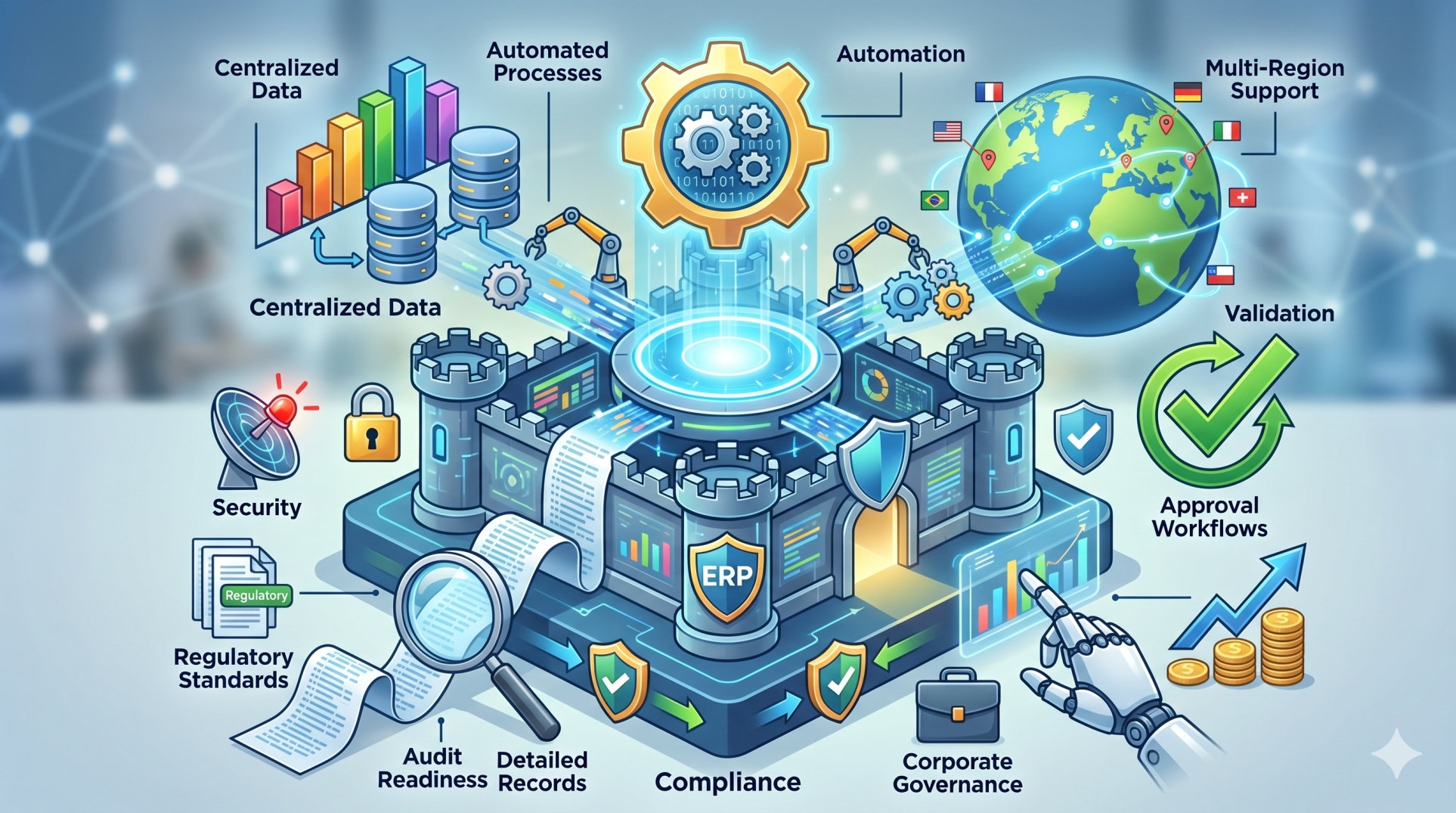
• Maintain structured records for food safety processes 🛡️
• Store quality, production, and traceability documentation 📂
• Establish approval workflows and access controls 🔐
• Maintain digital audit trails for critical transactions 🔎
• Support applicable regulatory and certification requirements ✅
Step 11: Demand Forecasting and Inventory Optimization 📈
• Analyze historical demand and sales patterns 📊
• Forecast ingredient and finished-product requirements 🔮
• Improve purchasing decisions based on expected demand 🛒
• Reduce overproduction and unnecessary inventory 📦
• Respond more effectively to seasonal demand fluctuations 🌦️
Step 12: Choosing the Right Food and Beverage ERP 🌟
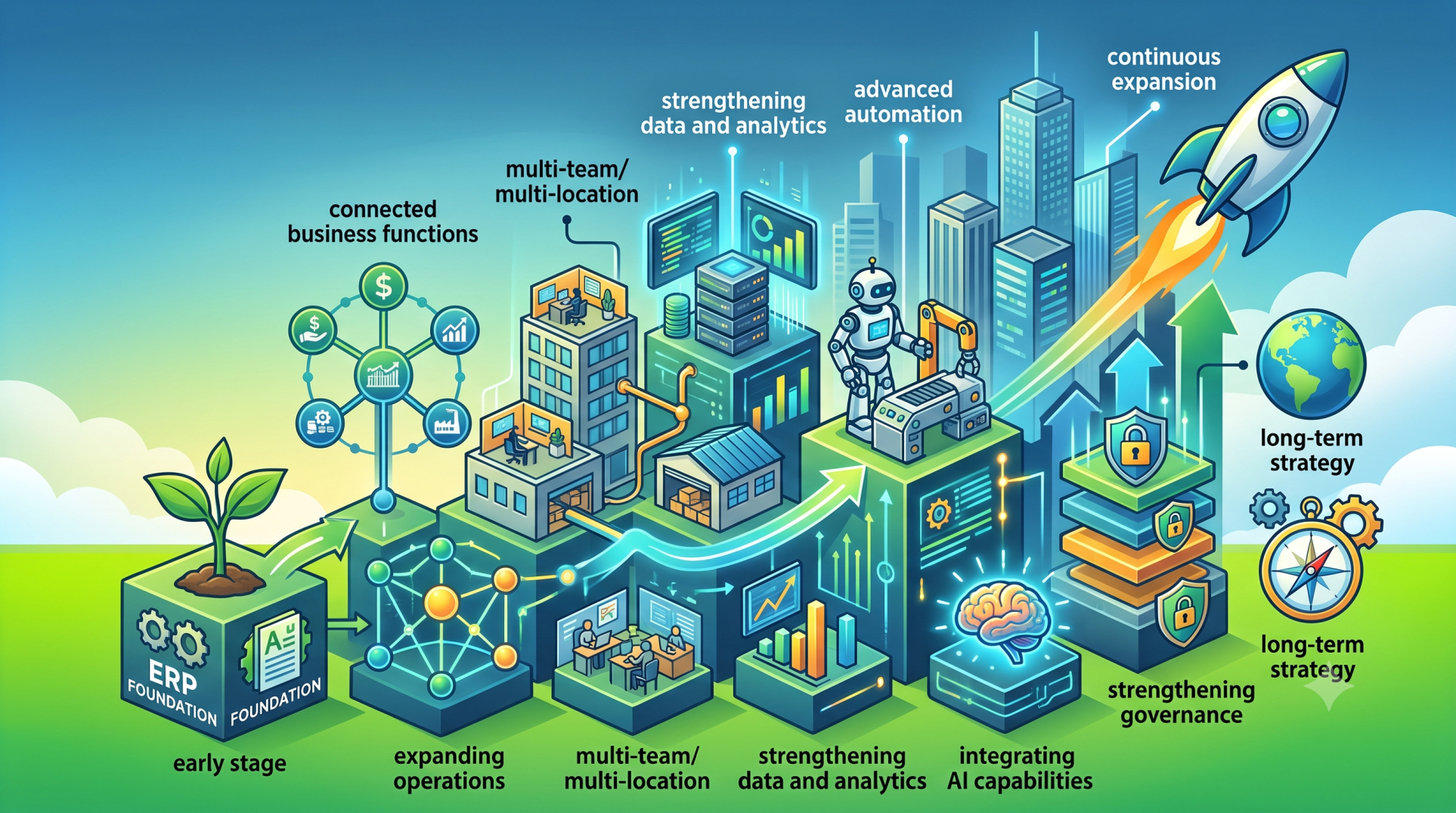
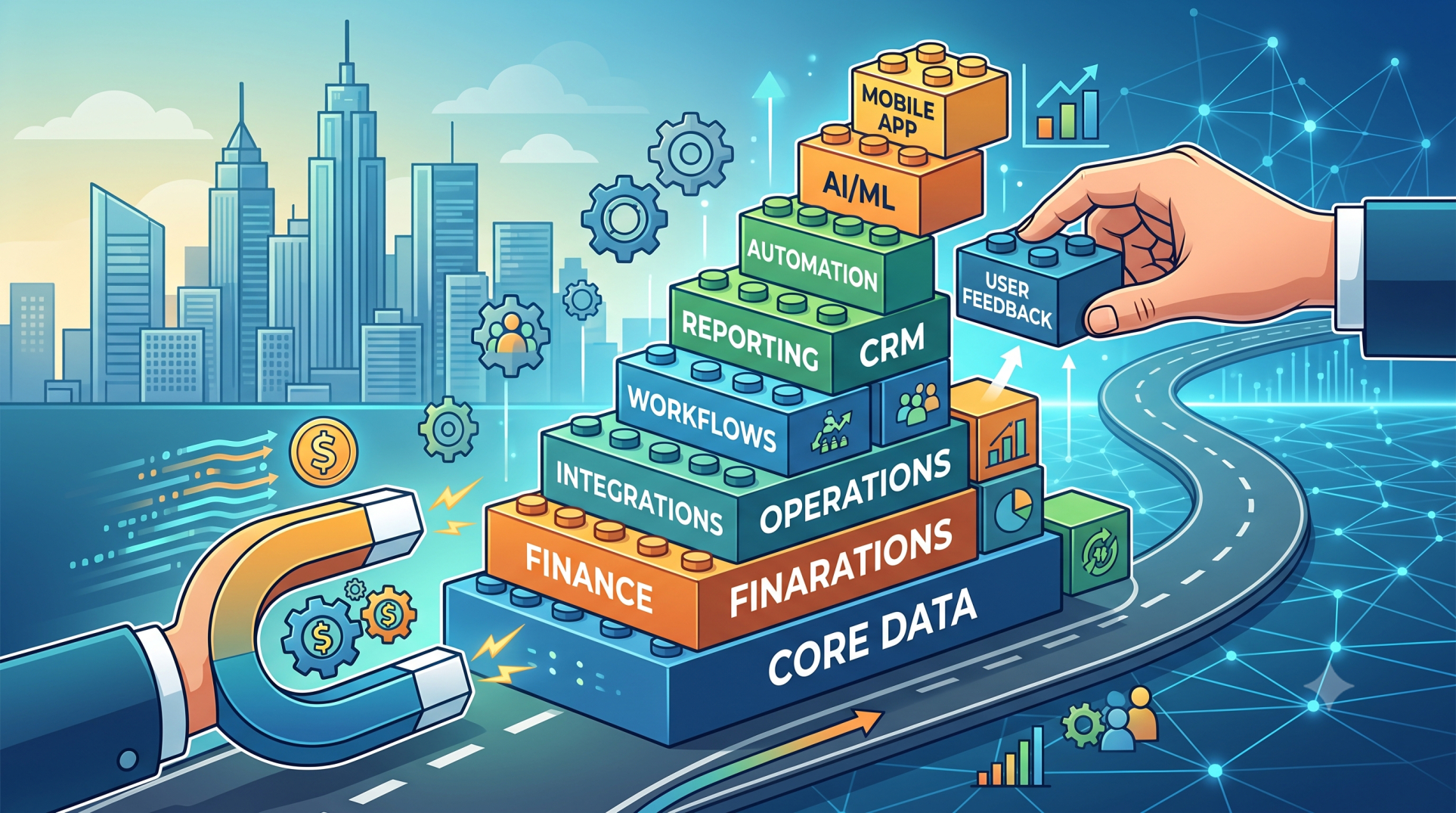
The best ERP system is not simply the platform with the largest number of features. It should align with the organization's production processes, product complexity, traceability requirements, operational scale, and future growth plans.
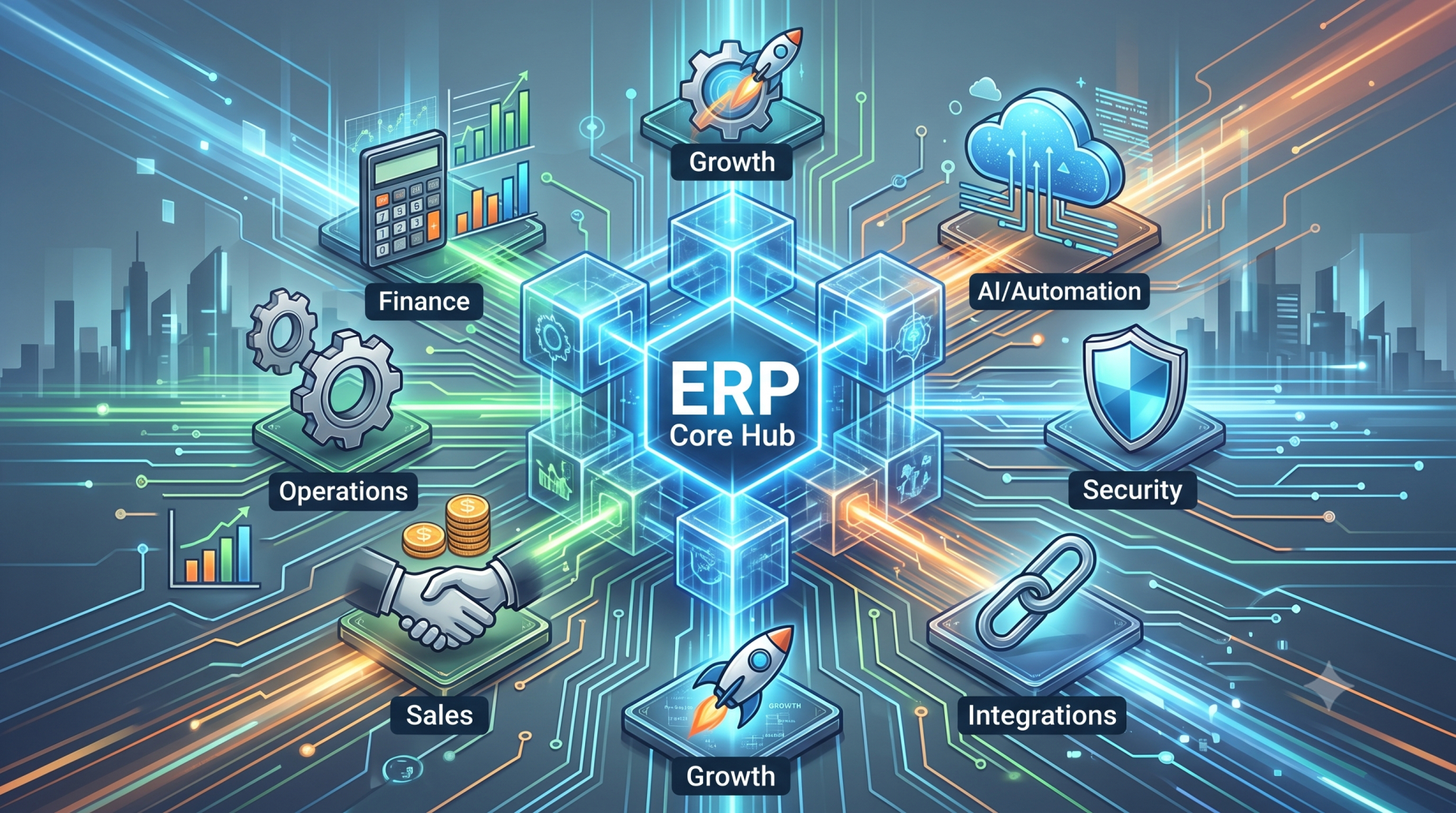
Key capabilities should include recipe and formula management, batch traceability, quality control, shelf-life tracking, production planning, inventory management, procurement, financial integration, reporting, and scalable automation. ⚙️
Conclusion
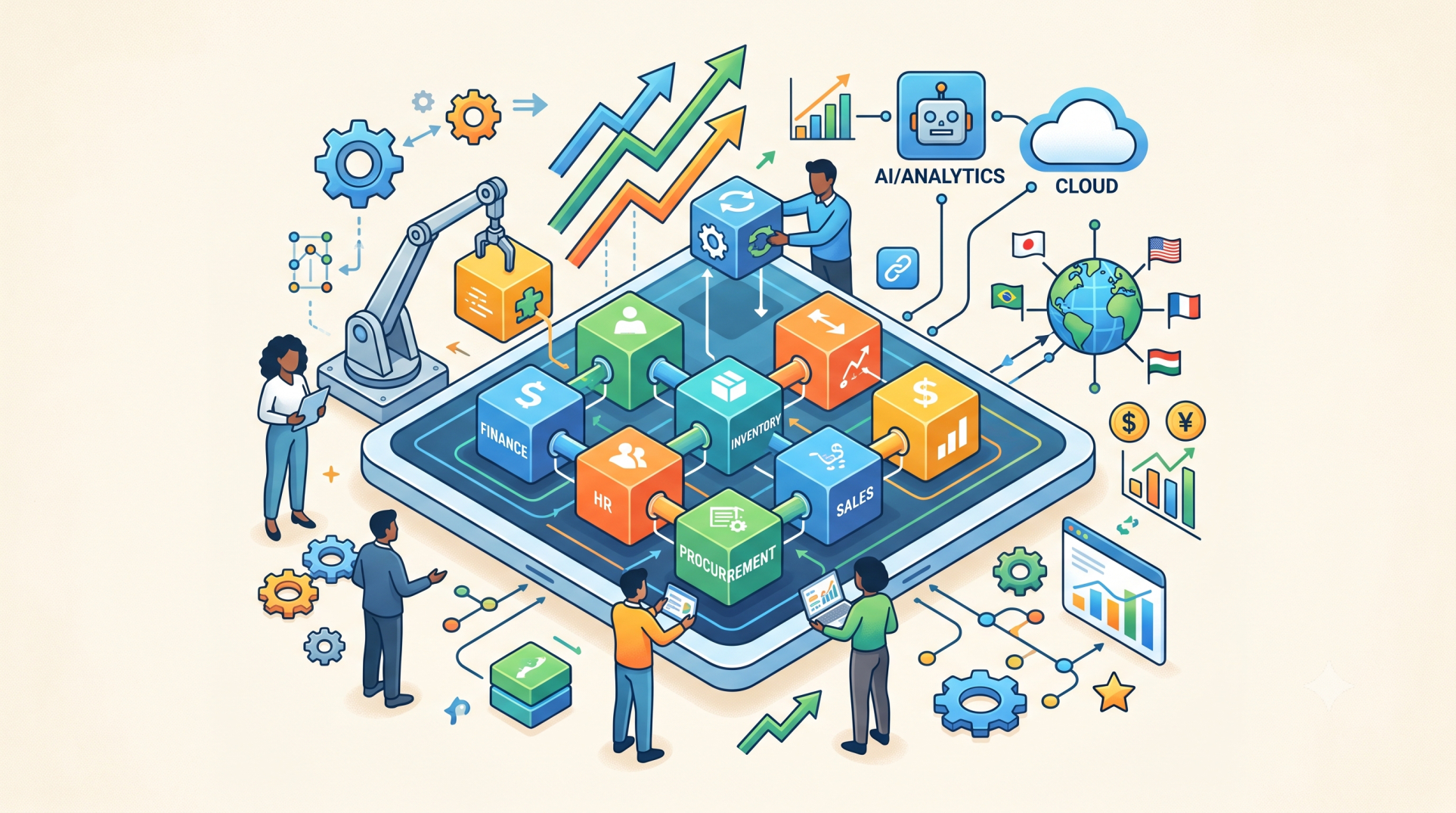
The best ERP systems for food and beverage industries provide much more than accounting and inventory management. They create a connected operational environment where ingredients, recipes, production, quality, warehousing, supply chains, sales, and financial information work together.
By implementing an industry-focused ERP platform, food and beverage organizations can strengthen traceability, reduce waste, improve production efficiency, maintain product quality, and gain greater visibility across their operations. As the industry becomes increasingly data-driven, a flexible and scalable ERP foundation can help businesses respond faster to changing demand while supporting sustainable long-term growth.
See more blogs
You can all the articles below