Modern Inventory Management Software for Global Enterprise

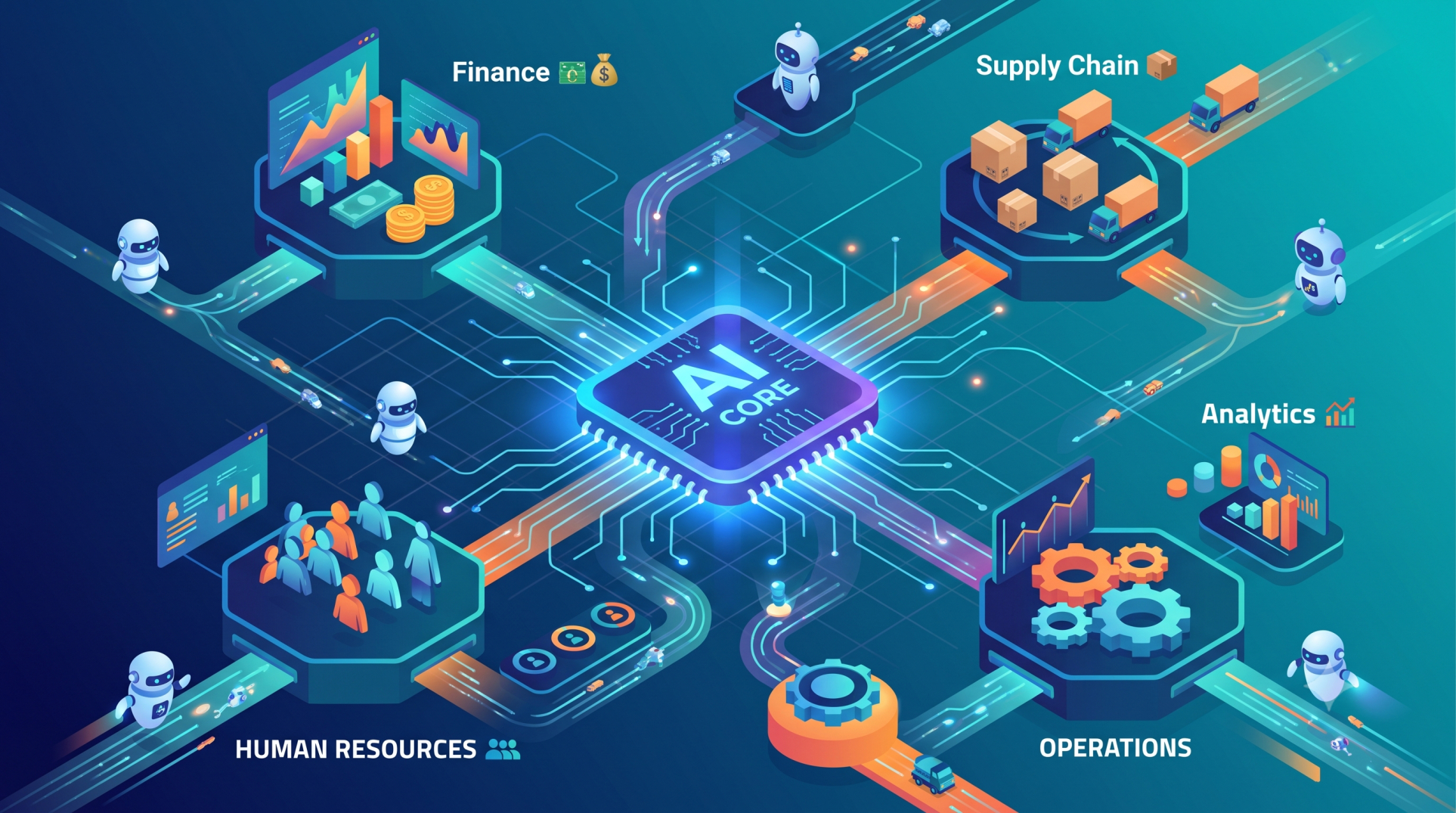
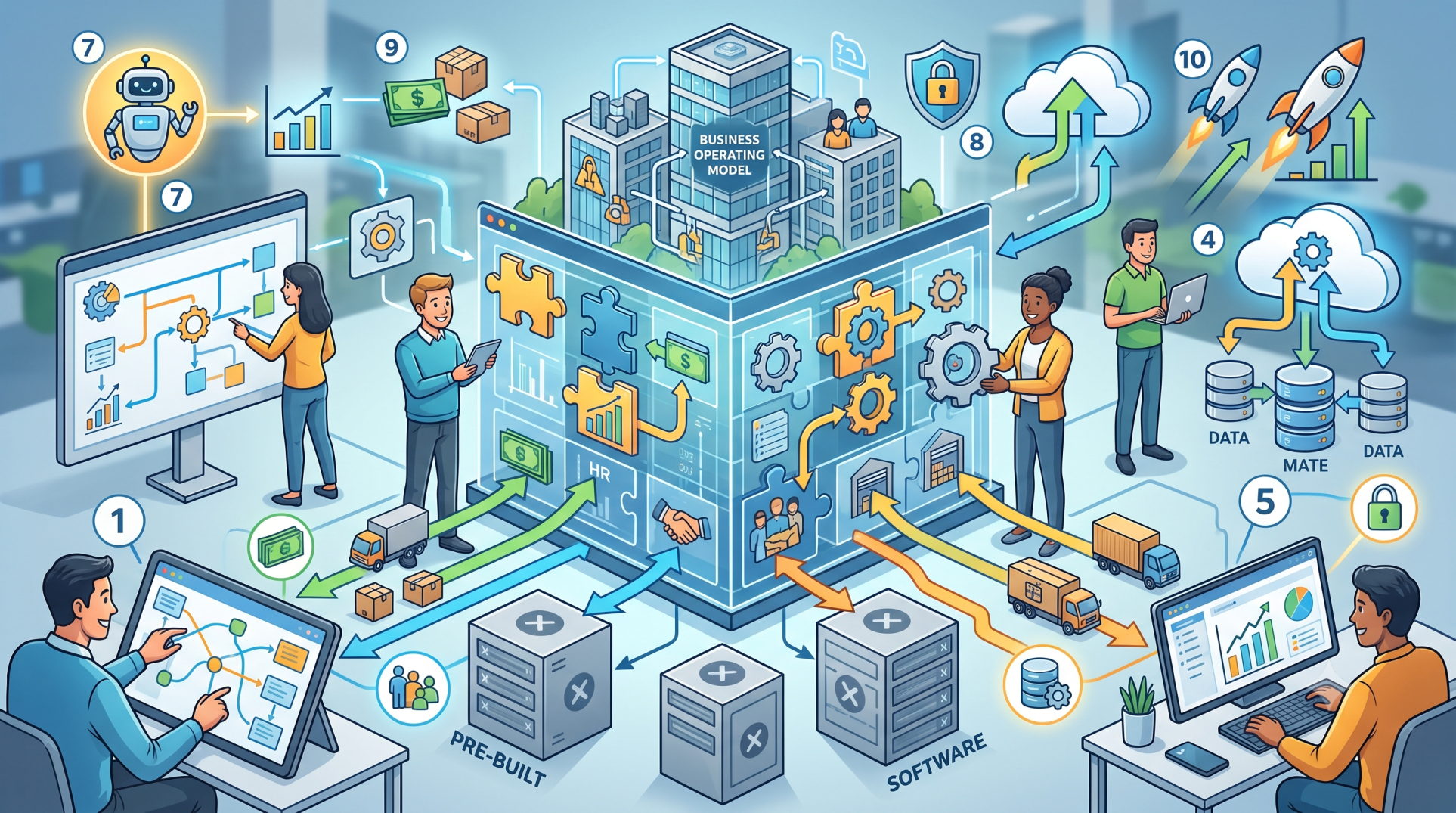
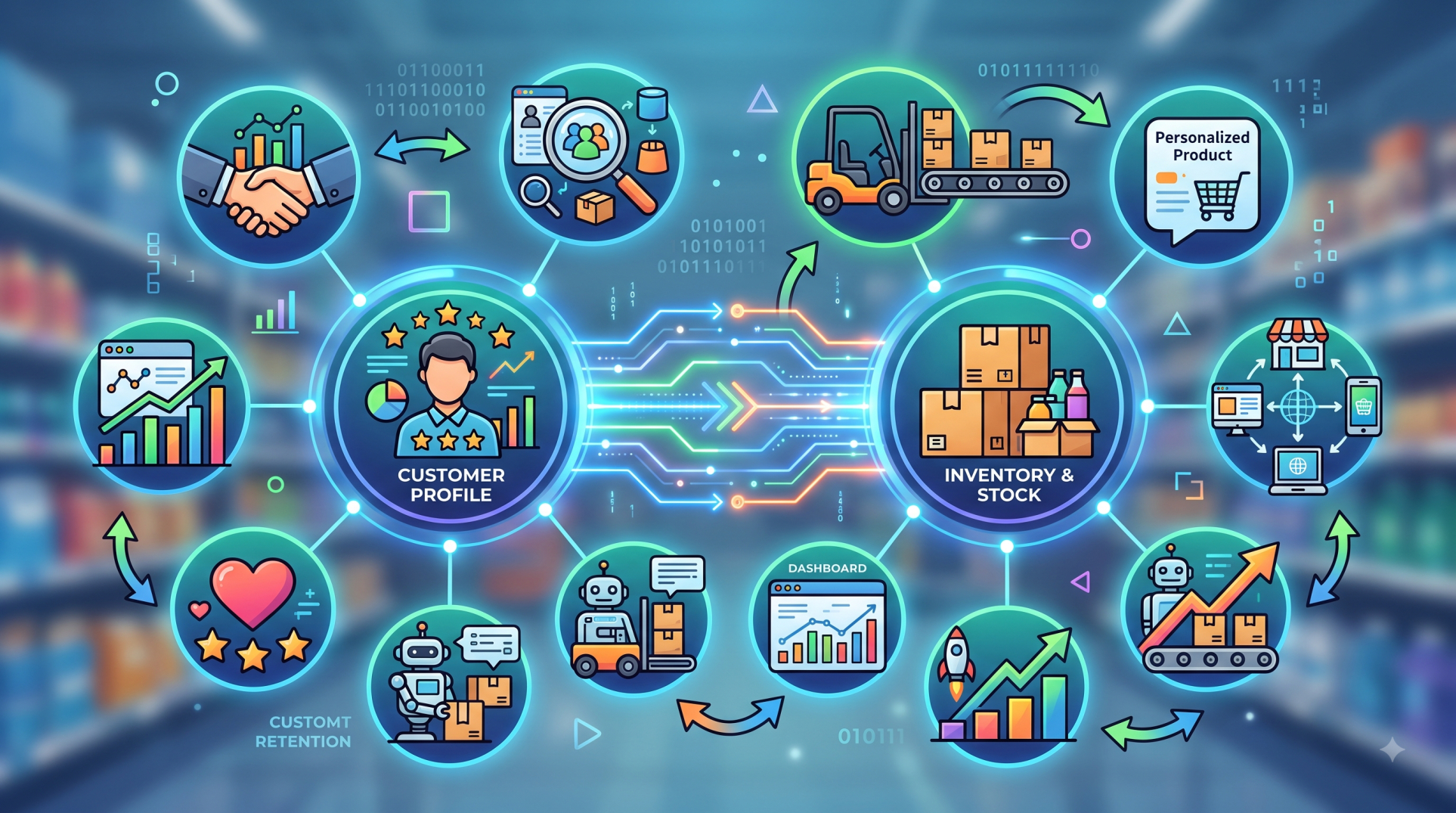
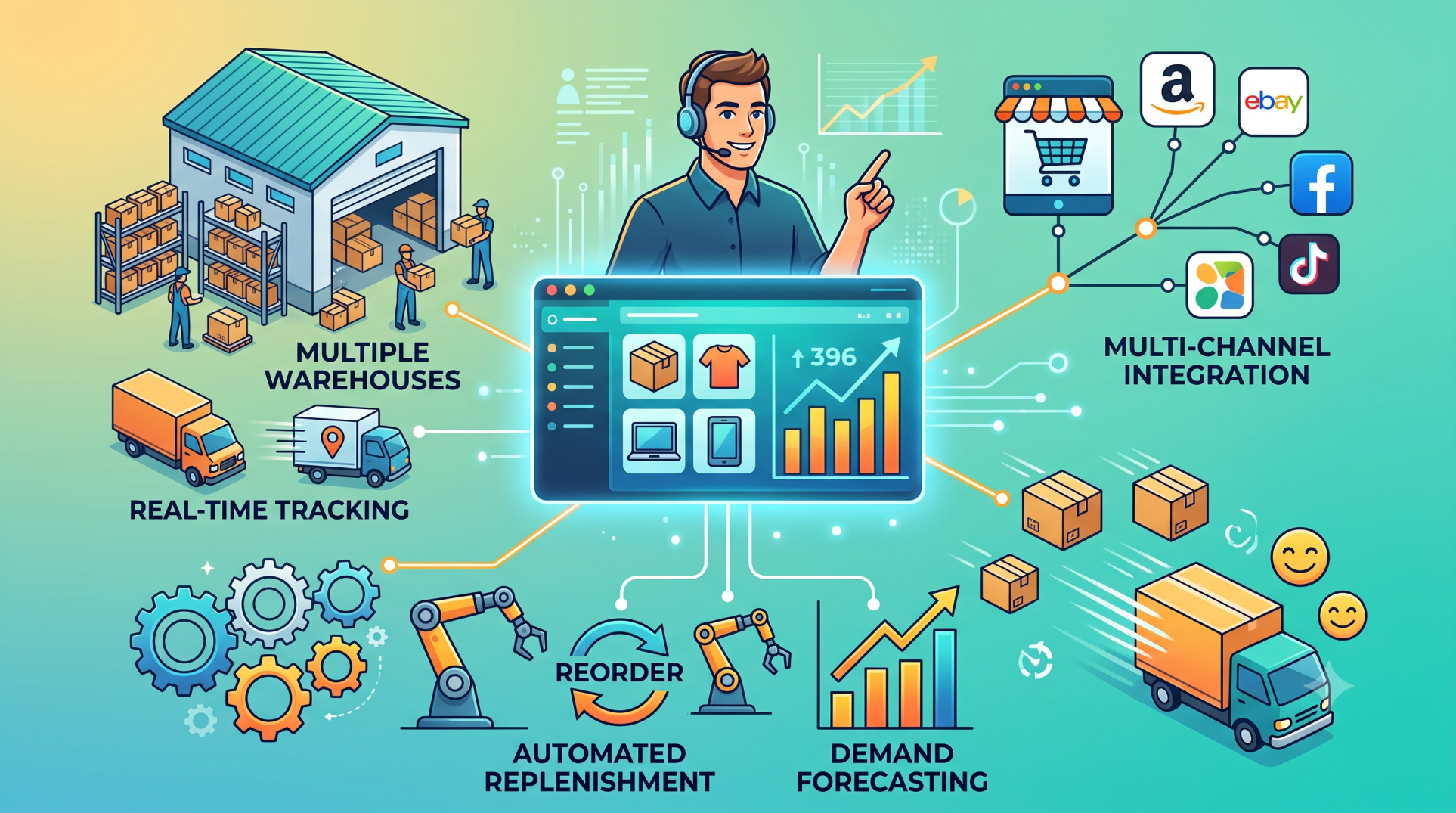
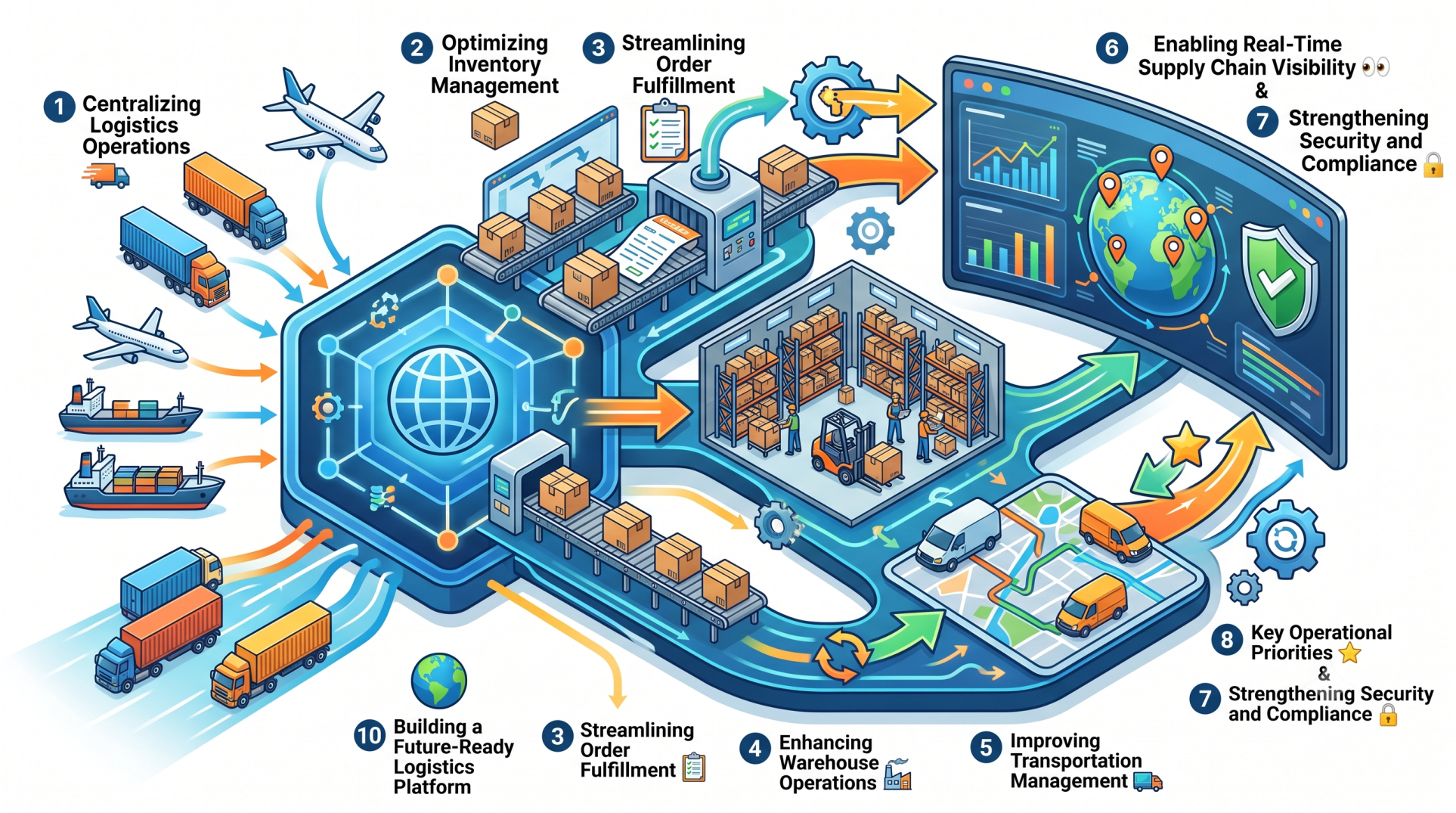
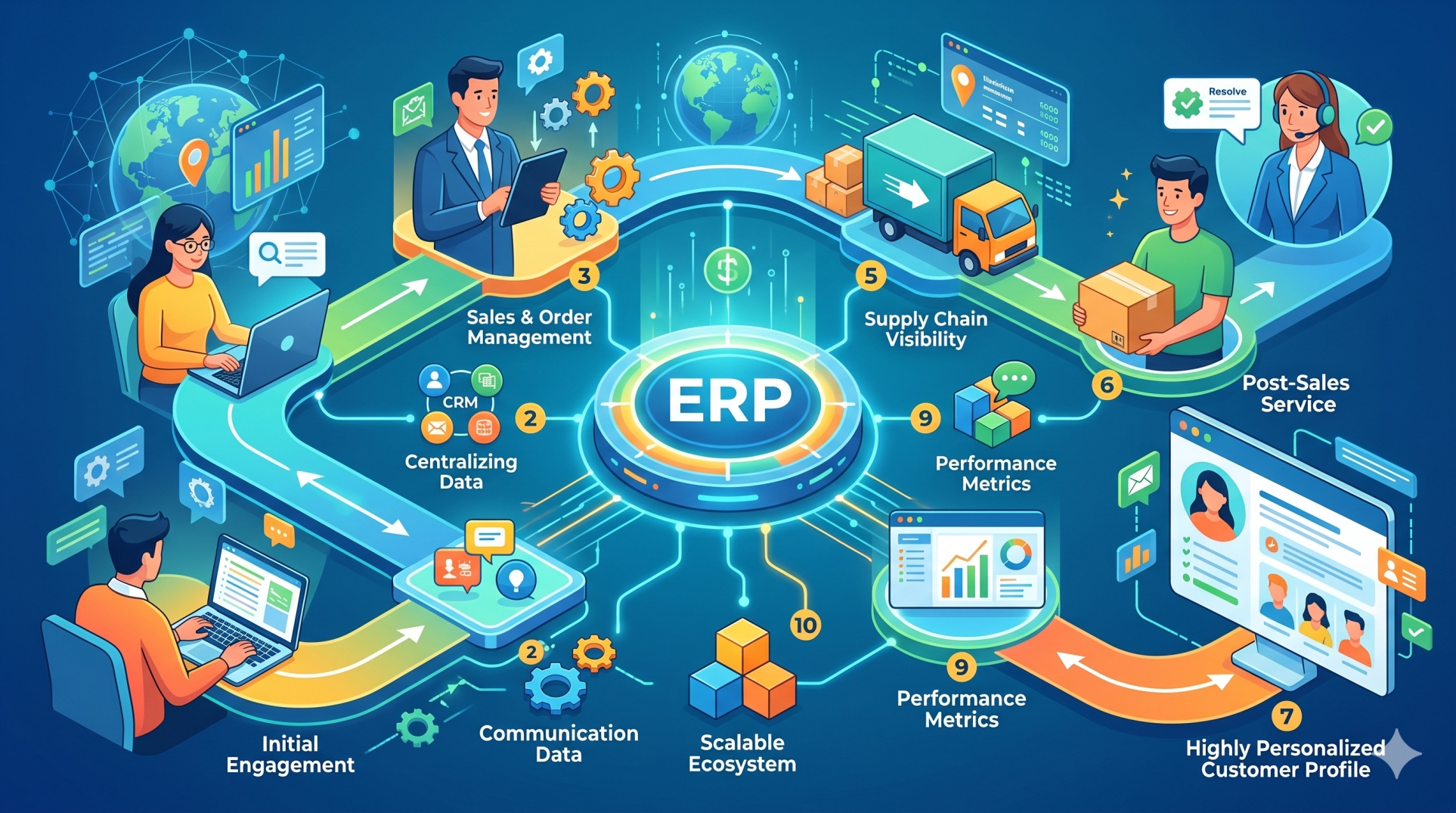
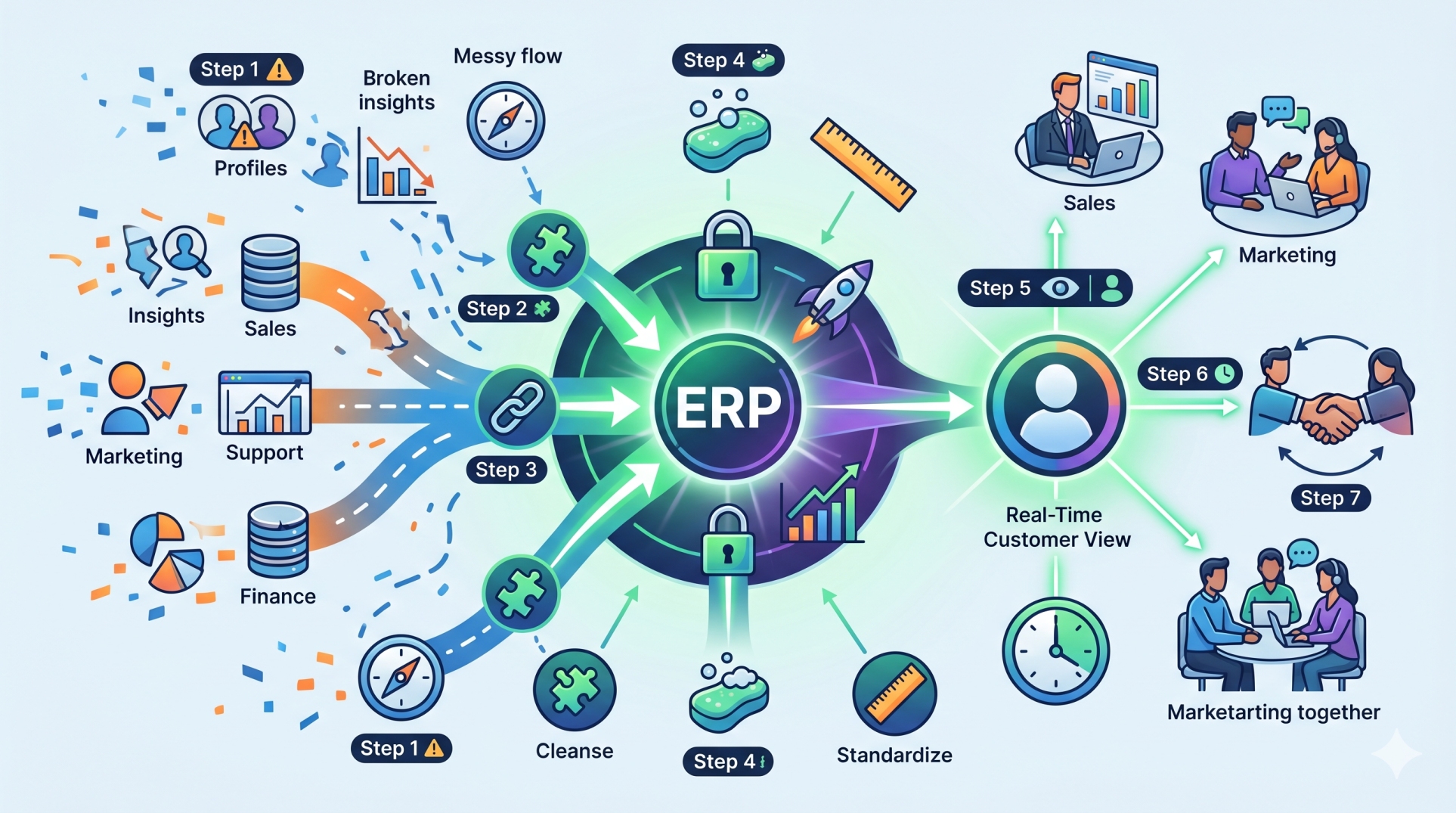
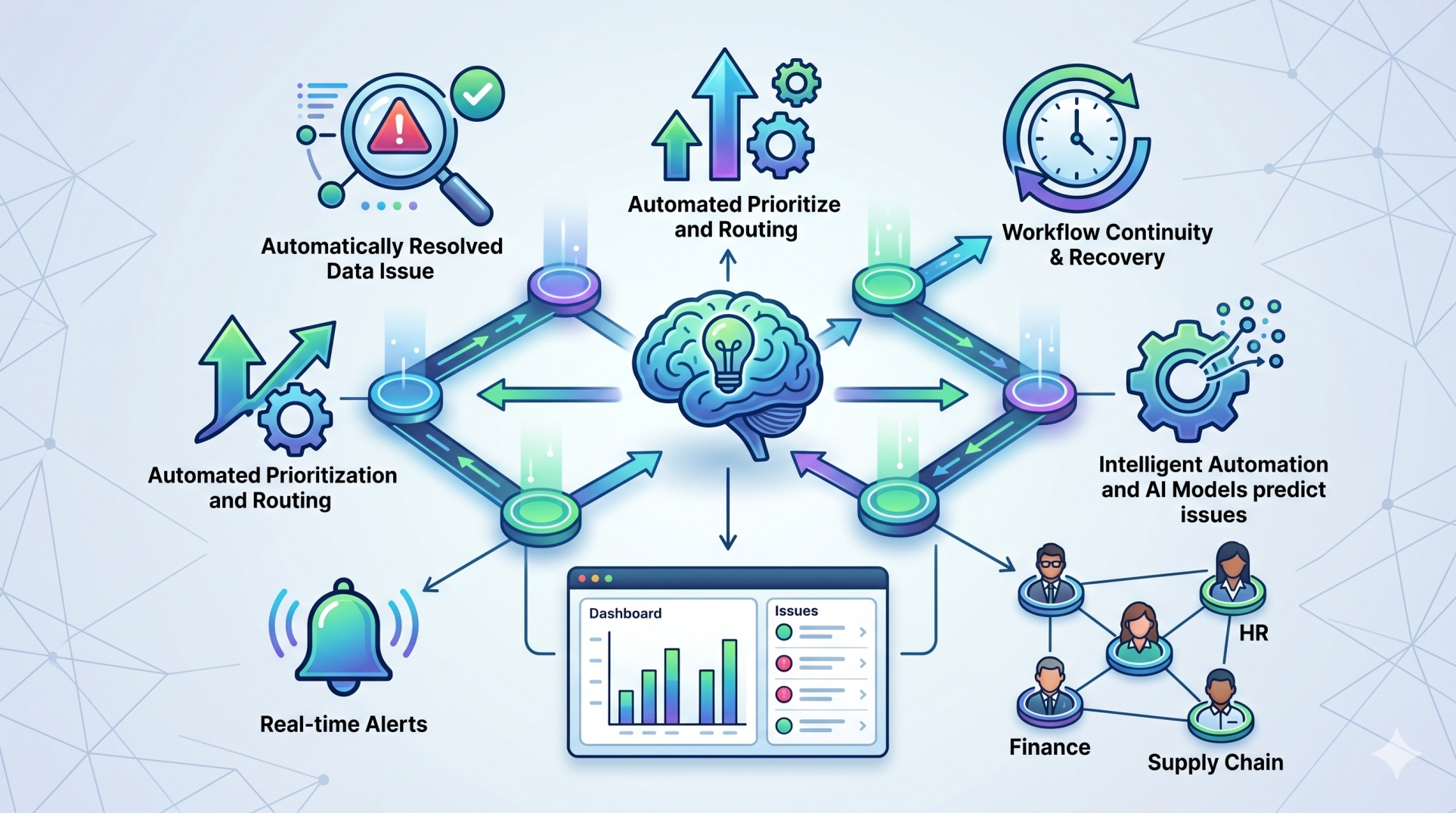
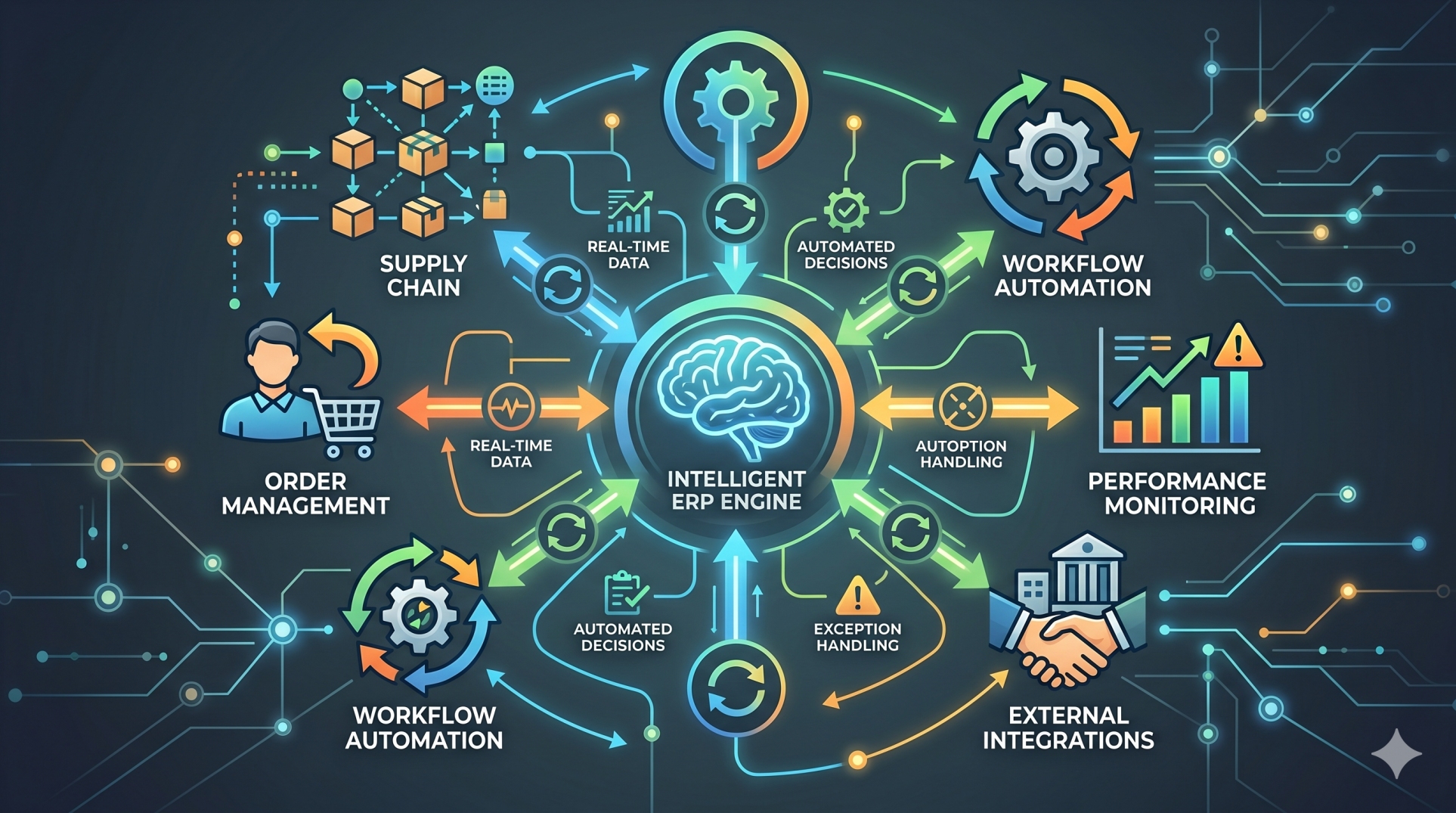
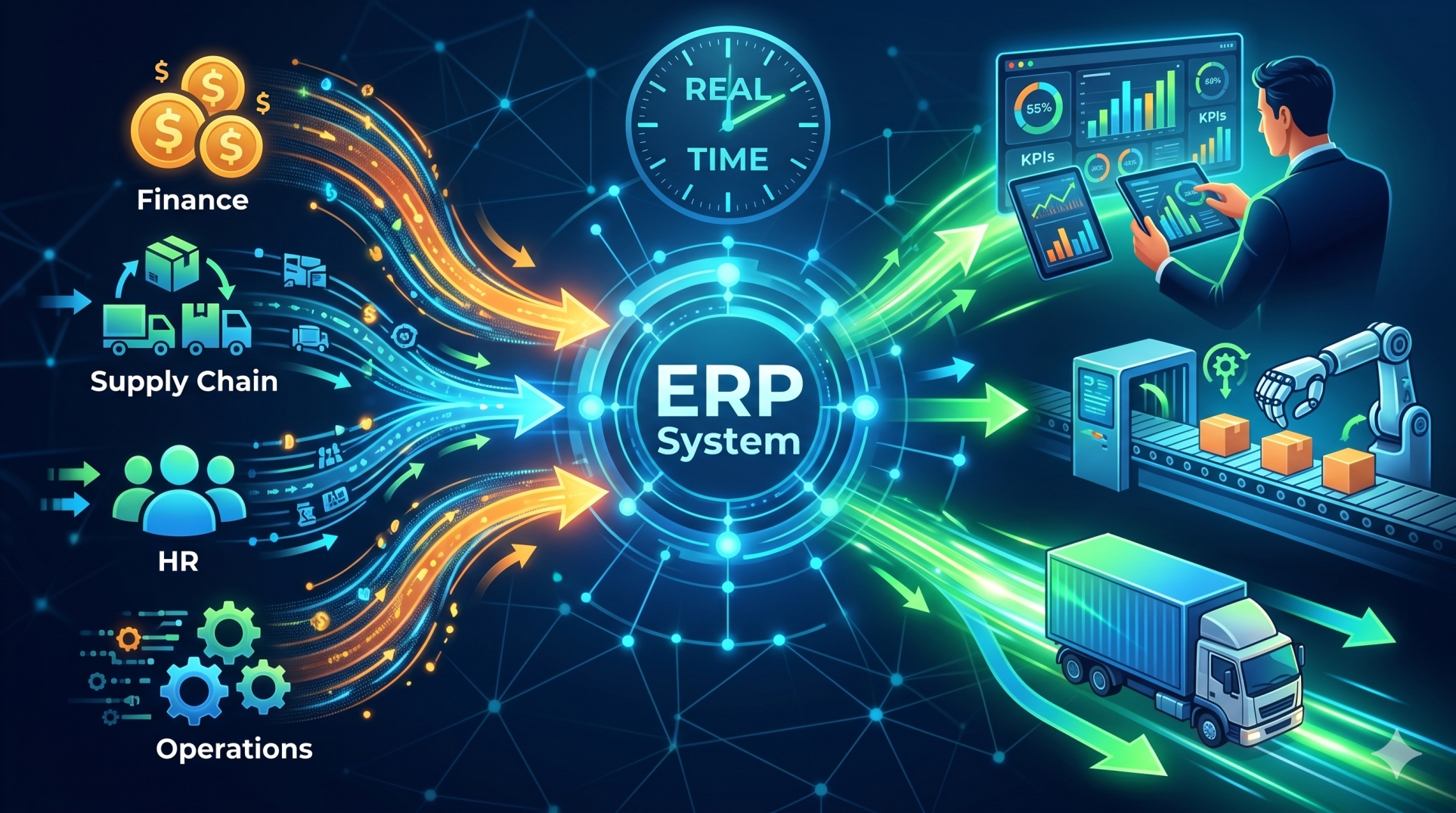
Global enterprises operate across multiple warehouses, distribution centers, suppliers, and markets, making inventory management more complex than ever. Modern inventory management software provides centralized visibility, intelligent automation, and real-time control over inventory operations across the entire supply chain. By connecting inventory data with procurement, production, logistics, and sales, organizations can improve efficiency, reduce costs, and respond quickly to changing market demands.
Step 1: Centralizing Global Inventory Operations 🌍
• Consolidate inventory data from multiple warehouses and locations 📦
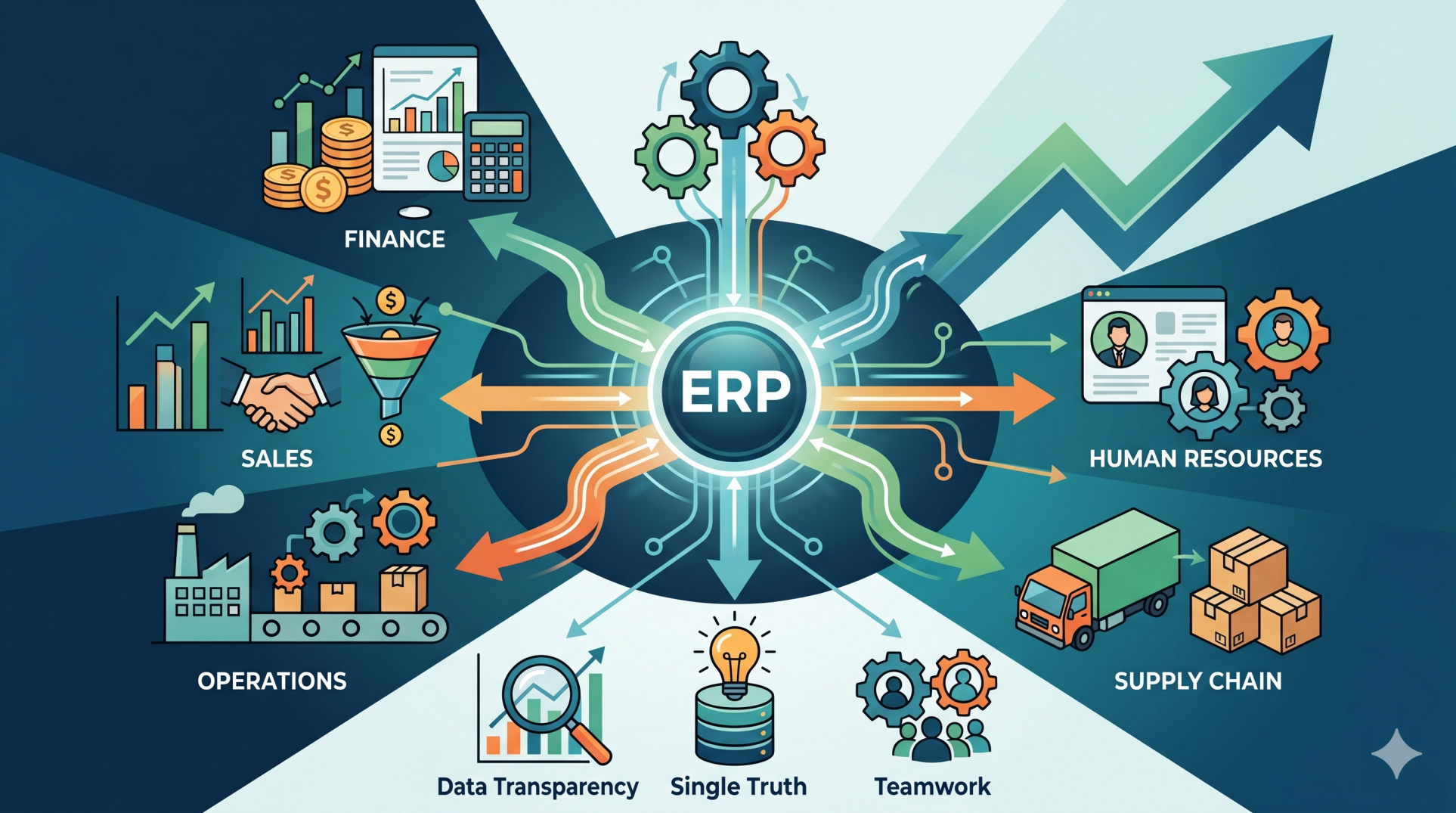
• Maintain a single source of truth for inventory records 📊
• Eliminate data silos across business units 🔄
• Improve visibility into stock movement worldwide 👀
• Support consistent inventory management across regions 🌐
Step 2: Real-Time Inventory Visibility 📡
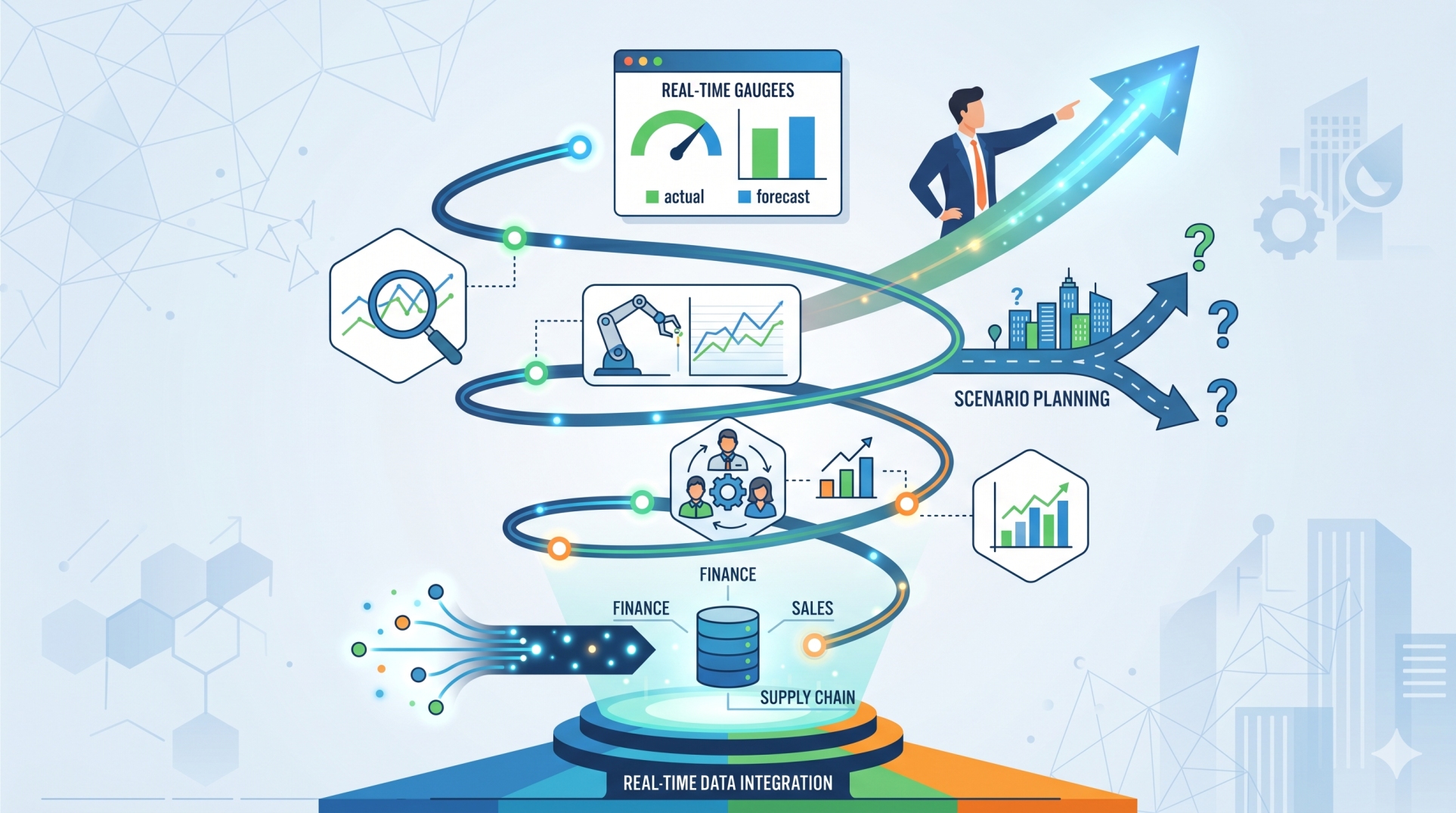
• Monitor inventory levels across all locations instantly 📈
• Track inbound, outbound, and in-transit stock 🚚
• Receive immediate updates on inventory changes 🔄
• Improve decision-making with accurate inventory insights 💡
• Minimize stock discrepancies through continuous tracking ✅
Step 3: Intelligent Stock Planning 🤖
• Forecast inventory requirements using historical trends 📊
• Optimize replenishment based on demand patterns 📦
• Prevent stock shortages and excess inventory ⚖️
• Prioritize high-demand products for efficient allocation 🎯
• Support long-term inventory planning strategies 📅
Step 4: Multi-Warehouse Coordination 🏢
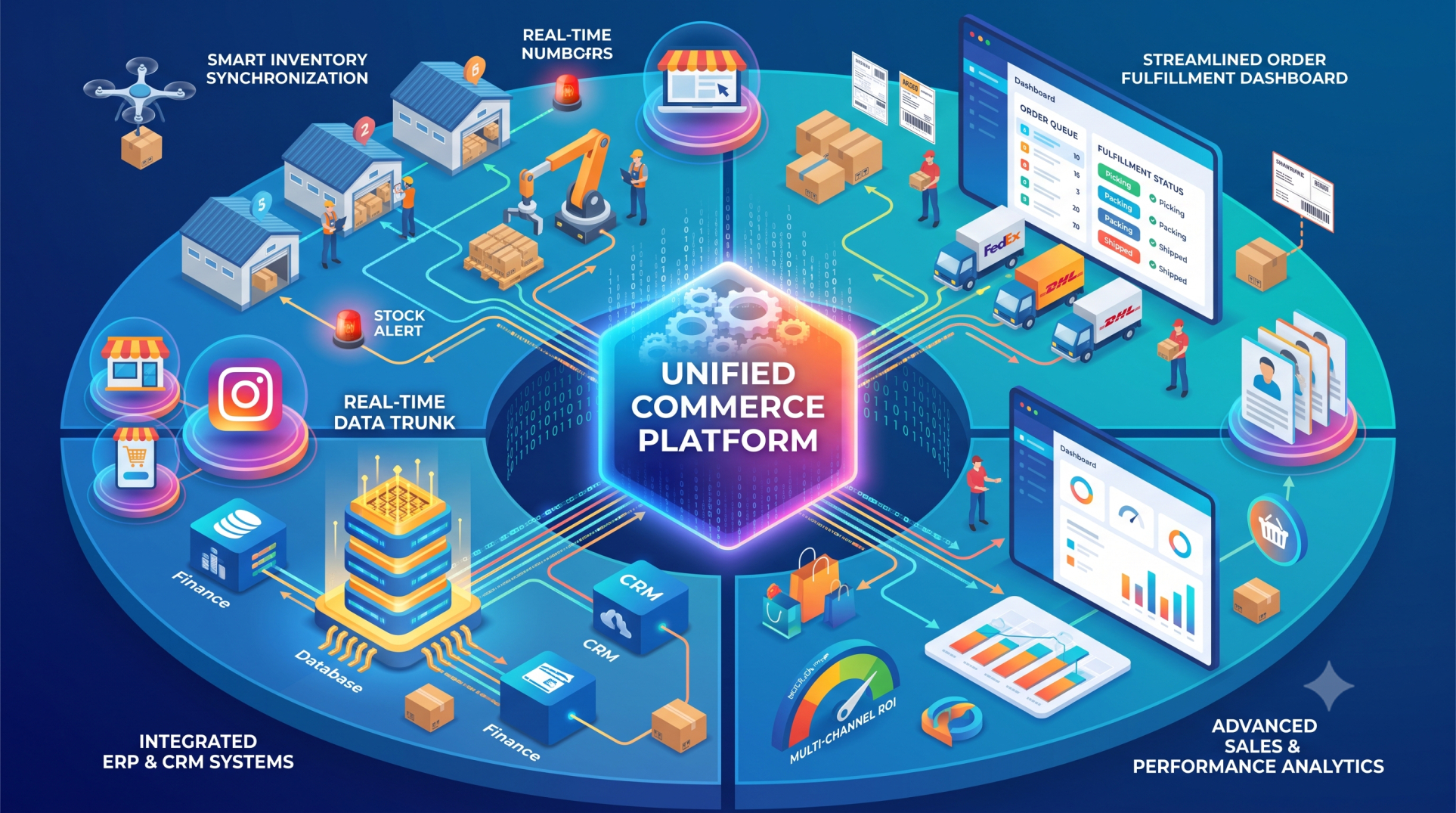
• Synchronize inventory across warehouses and fulfillment centers 🔗
• Balance stock between locations to meet customer demand ⚙️
• Improve transfer planning for faster order fulfillment 🚛
• Reduce unnecessary inventory movement 🔄
• Maximize storage efficiency across facilities 📍
Step 5: Streamlining Procurement and Replenishment 🛒
• Automate purchase recommendations based on inventory levels 📋
• Coordinate replenishment with supplier schedules 📦
• Reduce manual purchasing activities ⚡
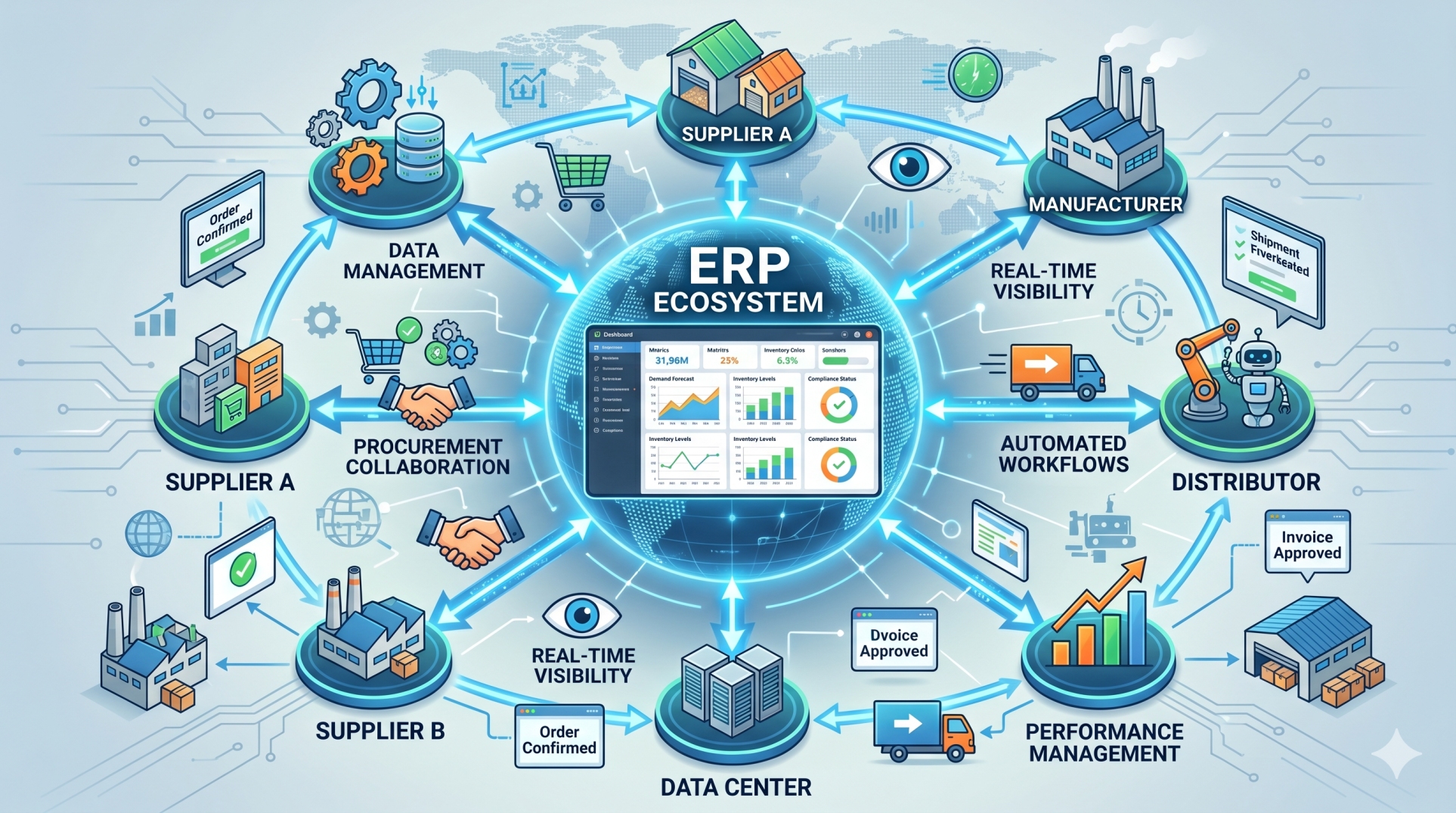
• Improve supplier collaboration through accurate inventory data 🤝
• Maintain optimal stock availability at all times 📈
Step 6: Enhancing Order Fulfillment 🚀
• Allocate inventory efficiently for customer orders 📦
• Support accurate picking, packing, and shipping workflows 📋
• Reduce fulfillment delays through automated processes ⏱️
• Improve order accuracy with real-time inventory updates ✅
• Deliver a consistent customer experience across markets 🌍
Step 7: Monitoring Performance and Inventory Health 📊
• Track inventory turnover and utilization metrics 📈
• Identify slow-moving and obsolete inventory 🏷️
• Monitor warehouse performance and stock availability 👀
• Generate reports for operational decision-making 📑
• Continuously optimize inventory strategies 💡
Step 8: Key Inventory Management Priorities ⭐
• Centralized visibility across global operations 🌐
• Intelligent automation for inventory workflows 🤖
• Accurate stock tracking and forecasting 📊
• Scalable software architecture for enterprise growth 🚀
Step 9: Managing Supply Chain Variability 🔄
• Respond quickly to changes in customer demand 📈
• Adapt inventory plans during supply chain disruptions 🚧
• Reallocate inventory between locations efficiently 🚚
• Support seasonal and regional demand fluctuations 📦
• Maintain operational continuity during unexpected events 🛡️
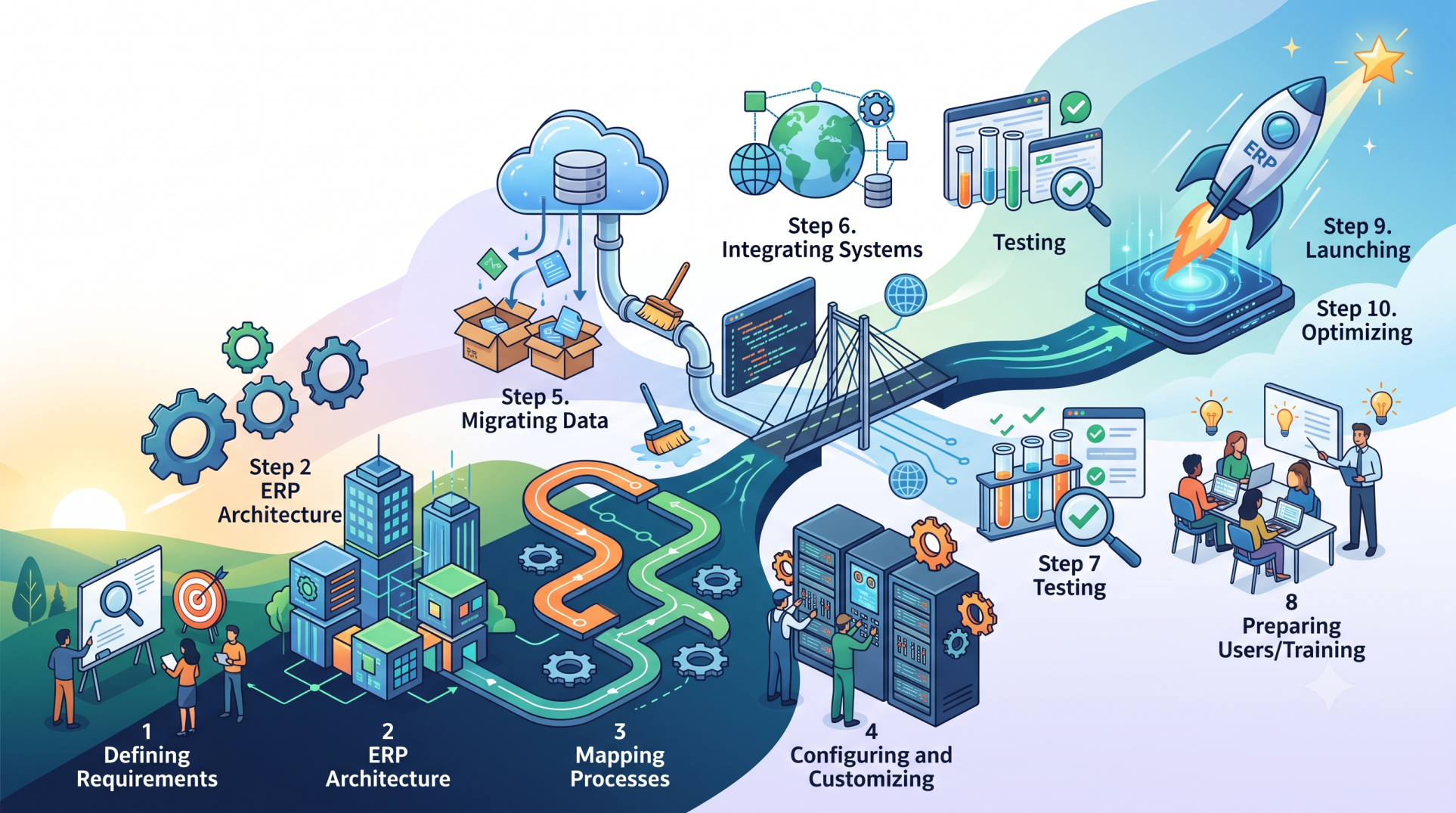
Step 10: Building a Future-Ready Inventory Ecosystem 🌟
• Design flexible inventory platforms that scale with business growth 🏗️
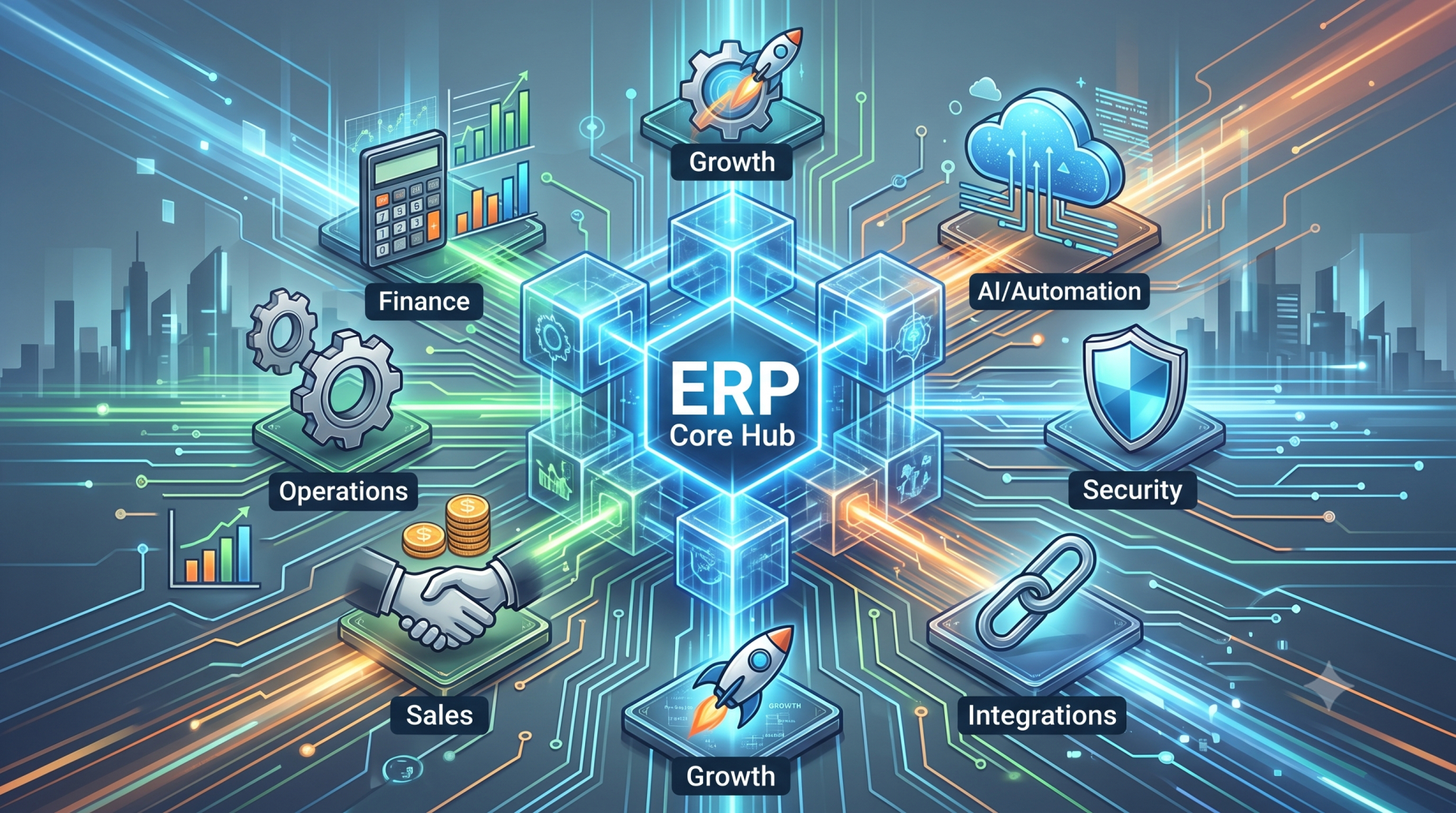
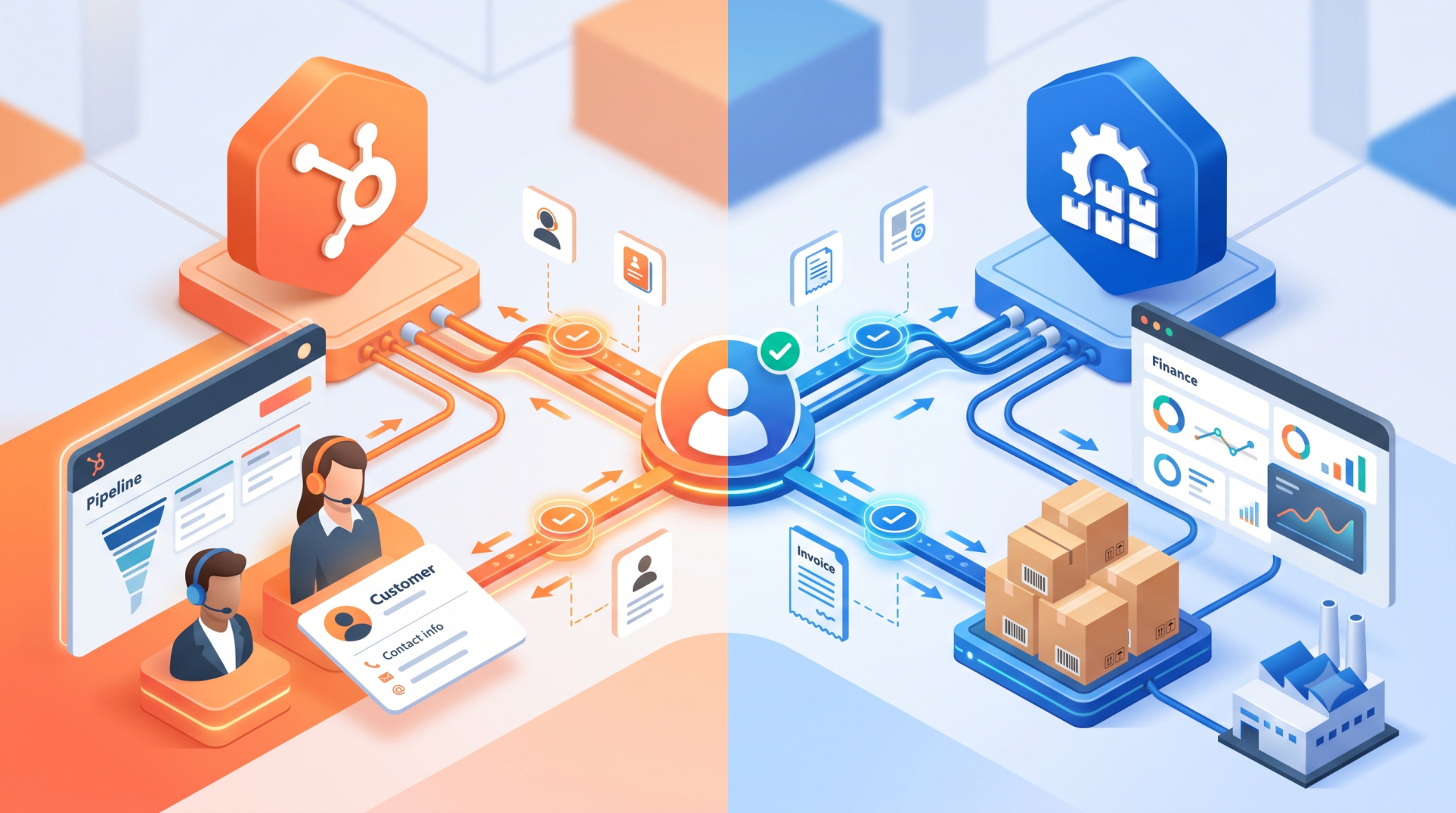
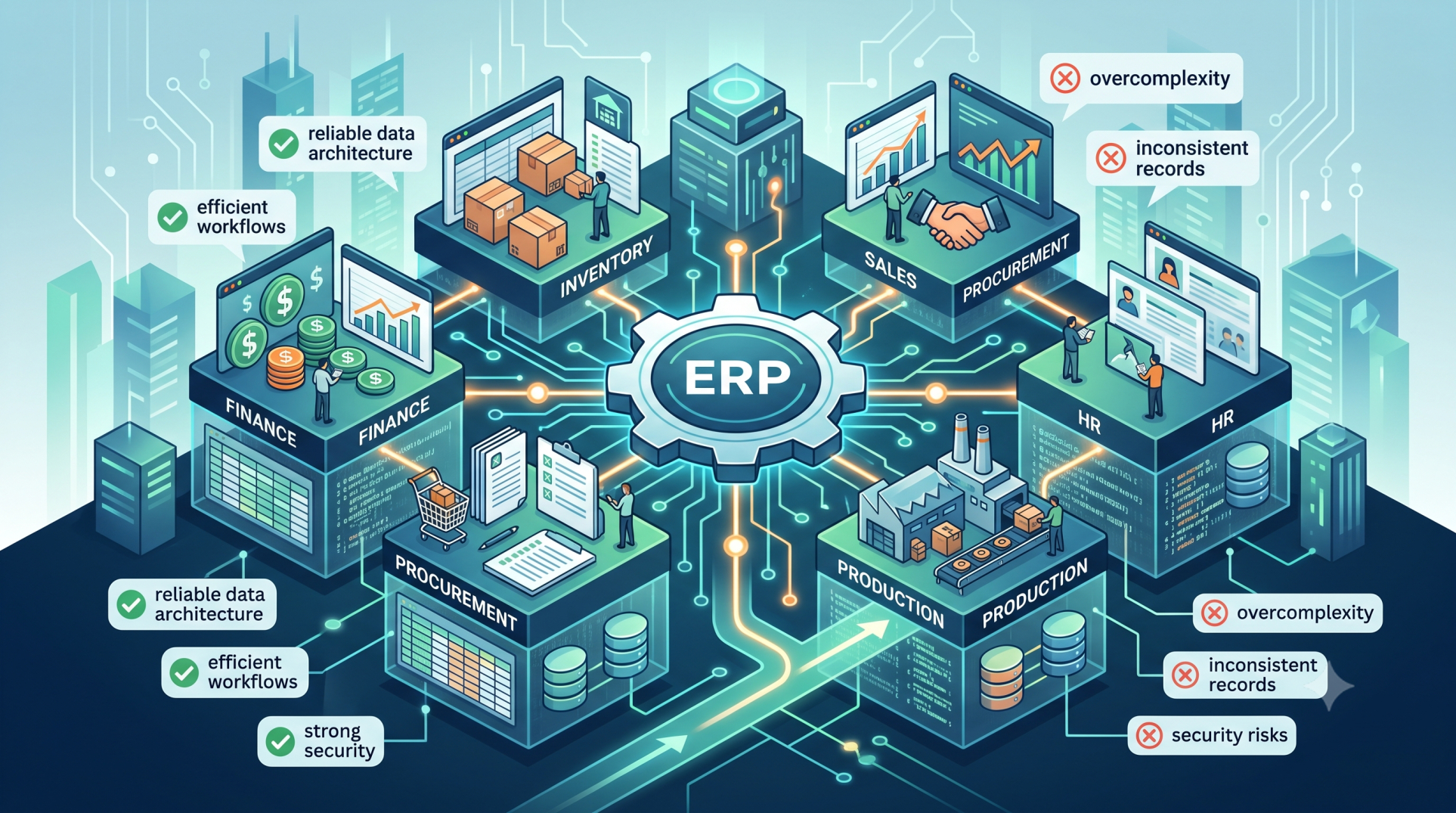
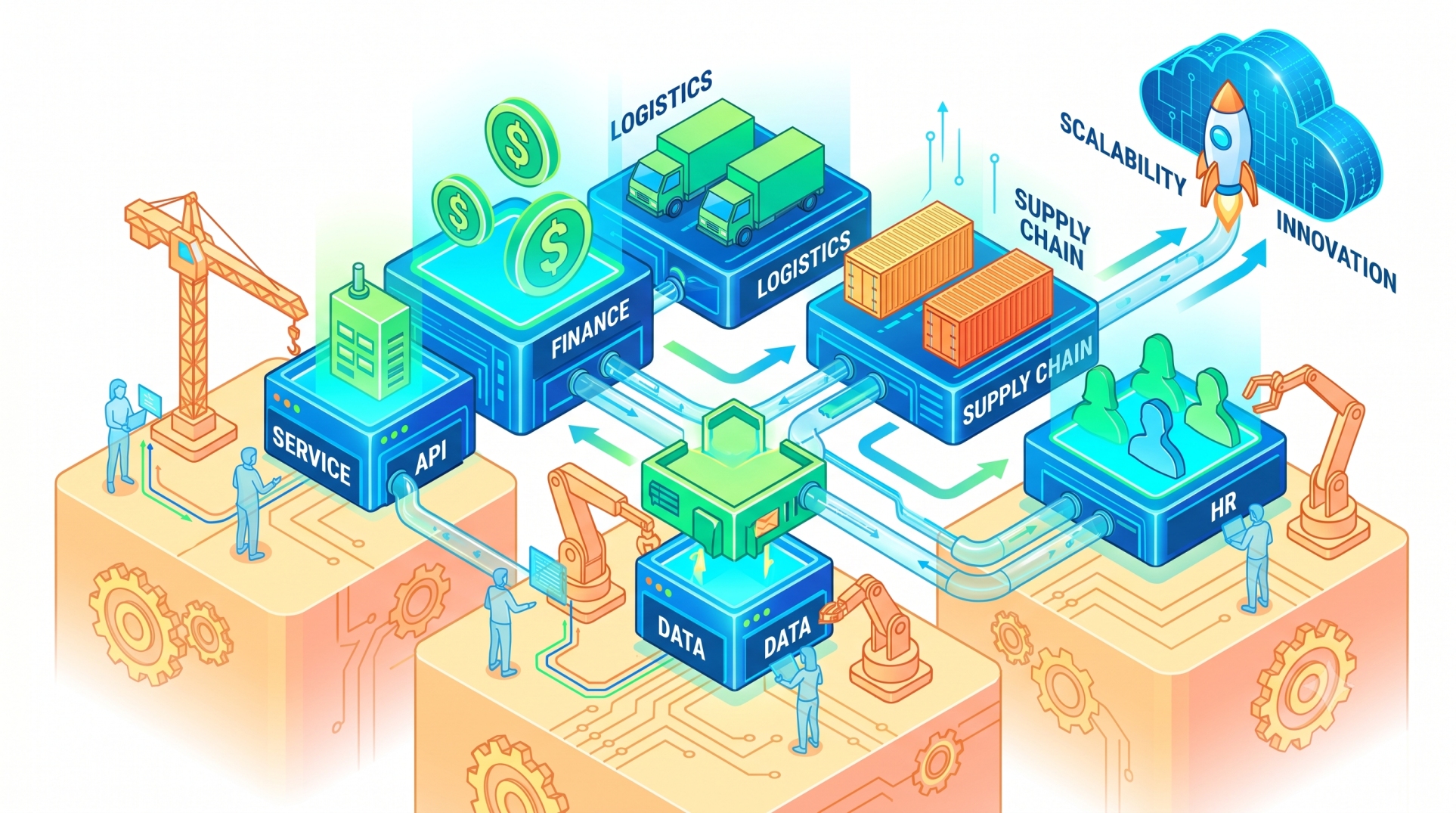
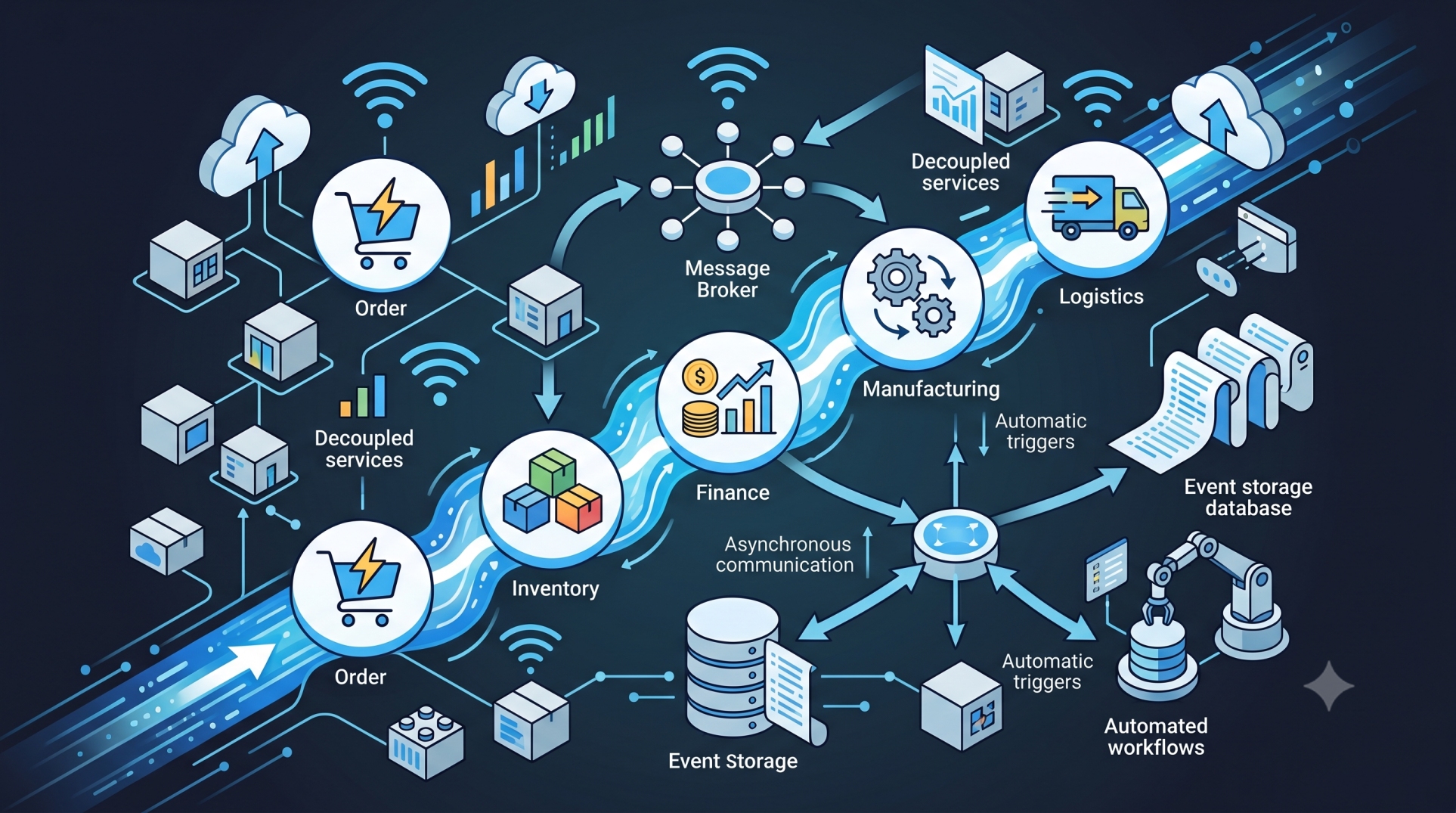
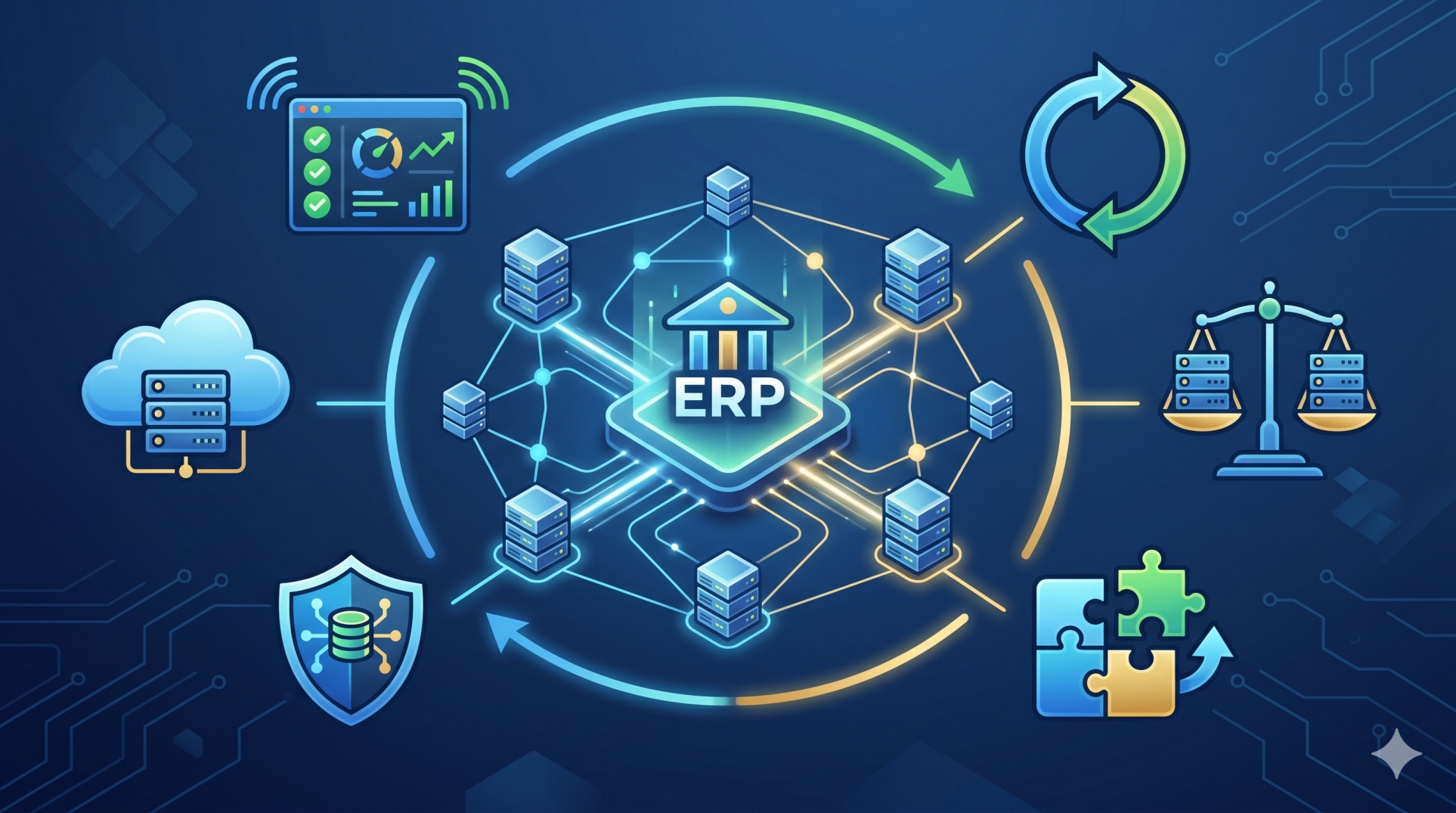
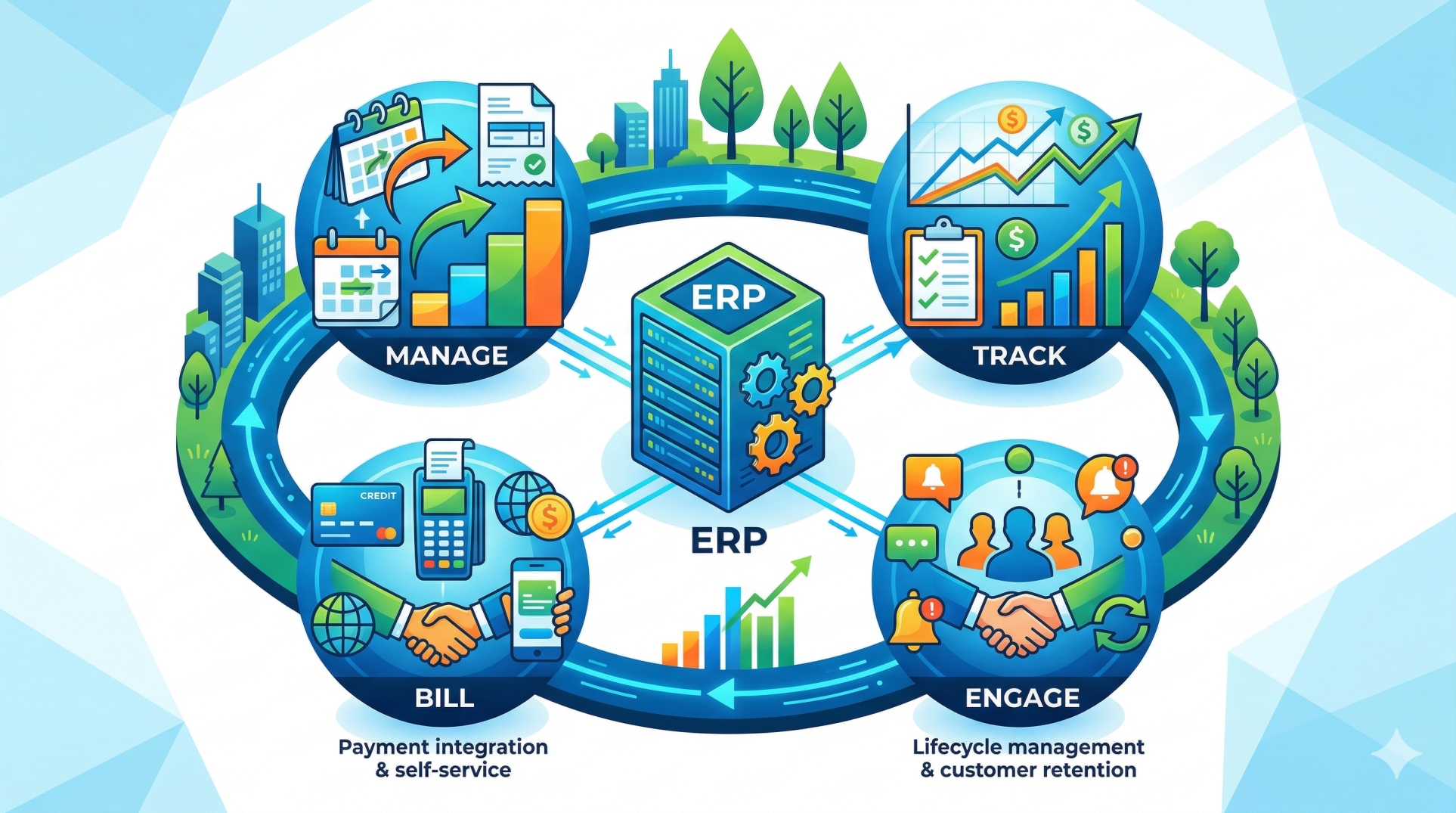
• Integrate ERP, warehouse, logistics, and procurement systems 🔗
• Support cloud-based inventory management across global operations ☁️
• Enable predictive analytics for smarter inventory decisions 📊
• Continuously improve inventory performance through innovation 🚀
Conclusion
Modern inventory management software empowers global enterprises with the visibility, automation, and intelligence needed to manage complex inventory operations efficiently. By connecting inventory with procurement, warehousing, logistics, and order fulfillment, organizations can reduce costs, improve operational agility, and enhance customer satisfaction. A scalable, software-driven inventory management strategy ensures businesses remain competitive and resilient in an increasingly dynamic global marketplace.
See more blogs
You can all the articles below