AI-Driven Business Insights: Moving Beyond Raw Data

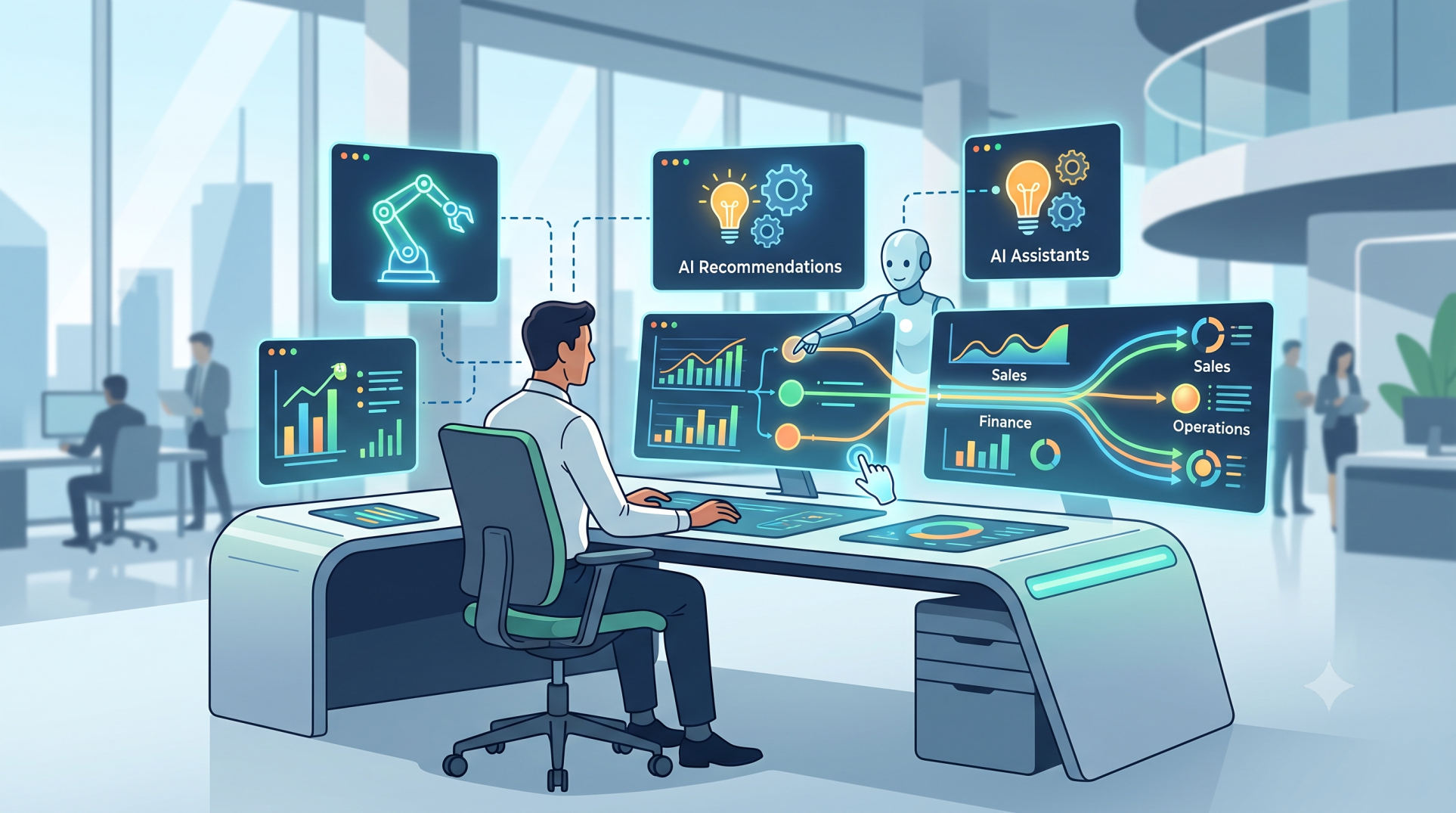
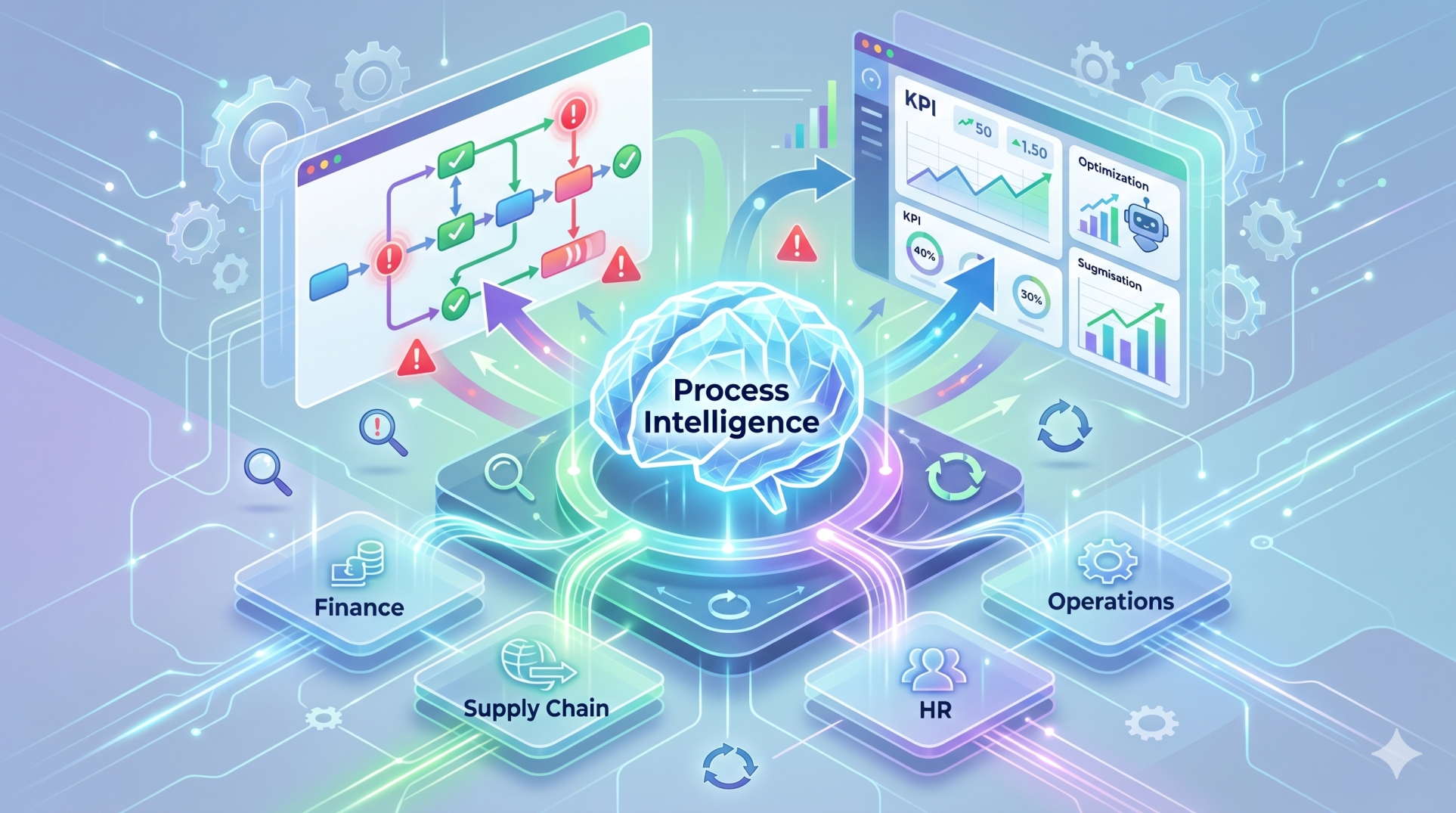
In today's data-rich business environment, collecting information is no longer the biggest challenge—turning it into meaningful insights is. AI-driven business intelligence enables organizations to analyze vast amounts of structured and unstructured data, identify patterns, predict trends, and support smarter decision-making. By moving beyond raw data, businesses can improve operational efficiency, uncover new opportunities, and respond more effectively to changing market conditions.
Step 1: Understanding AI-Driven Business Insights 🧠
• Transform raw business data into meaningful and actionable intelligence 📊
• Identify hidden patterns and relationships across multiple data sources 🔍
• Support faster and more informed business decisions ⚡
• Reduce manual data analysis through intelligent automation 🤖
• Enable proactive decision-making instead of reactive responses 🚀
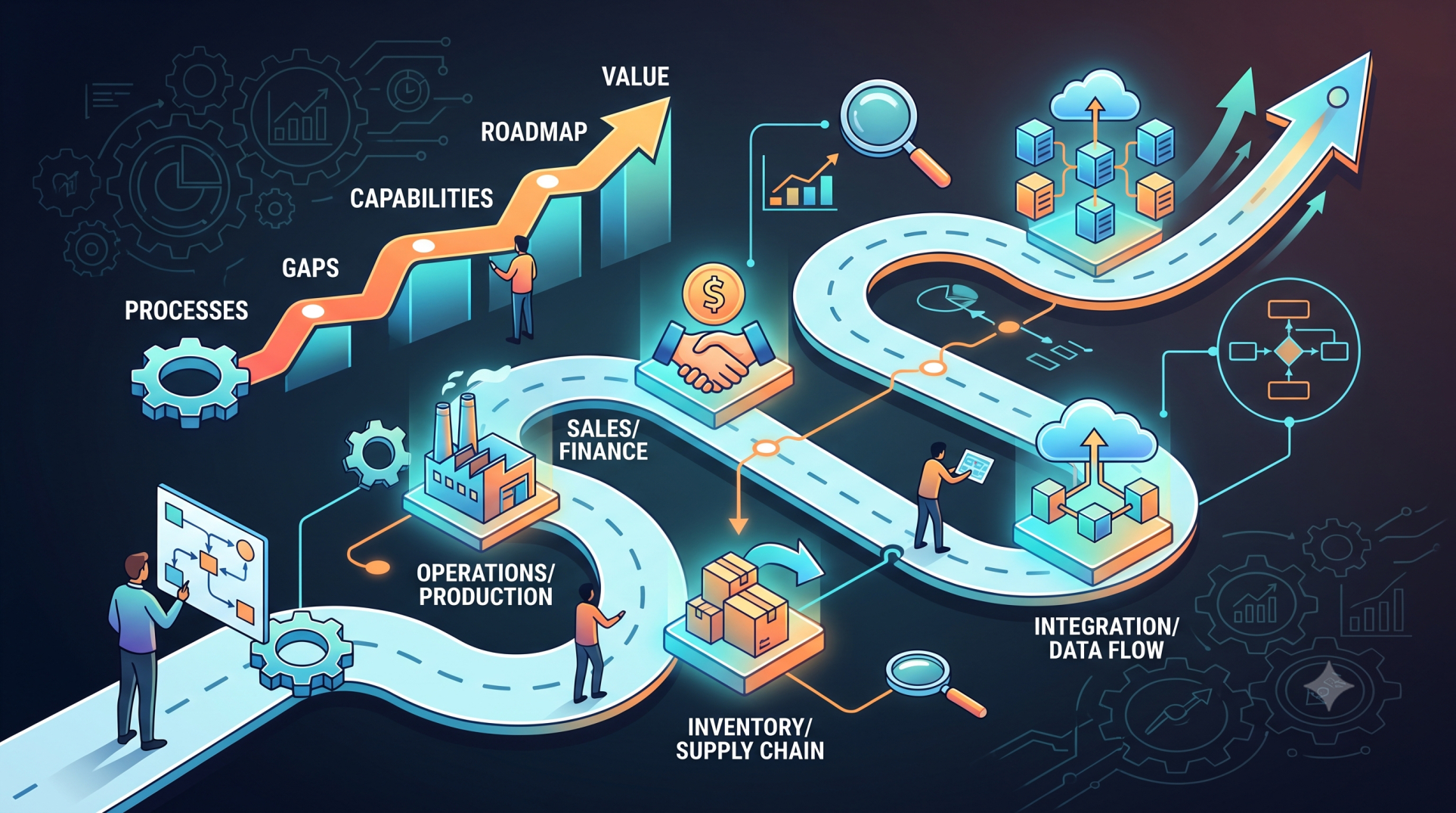
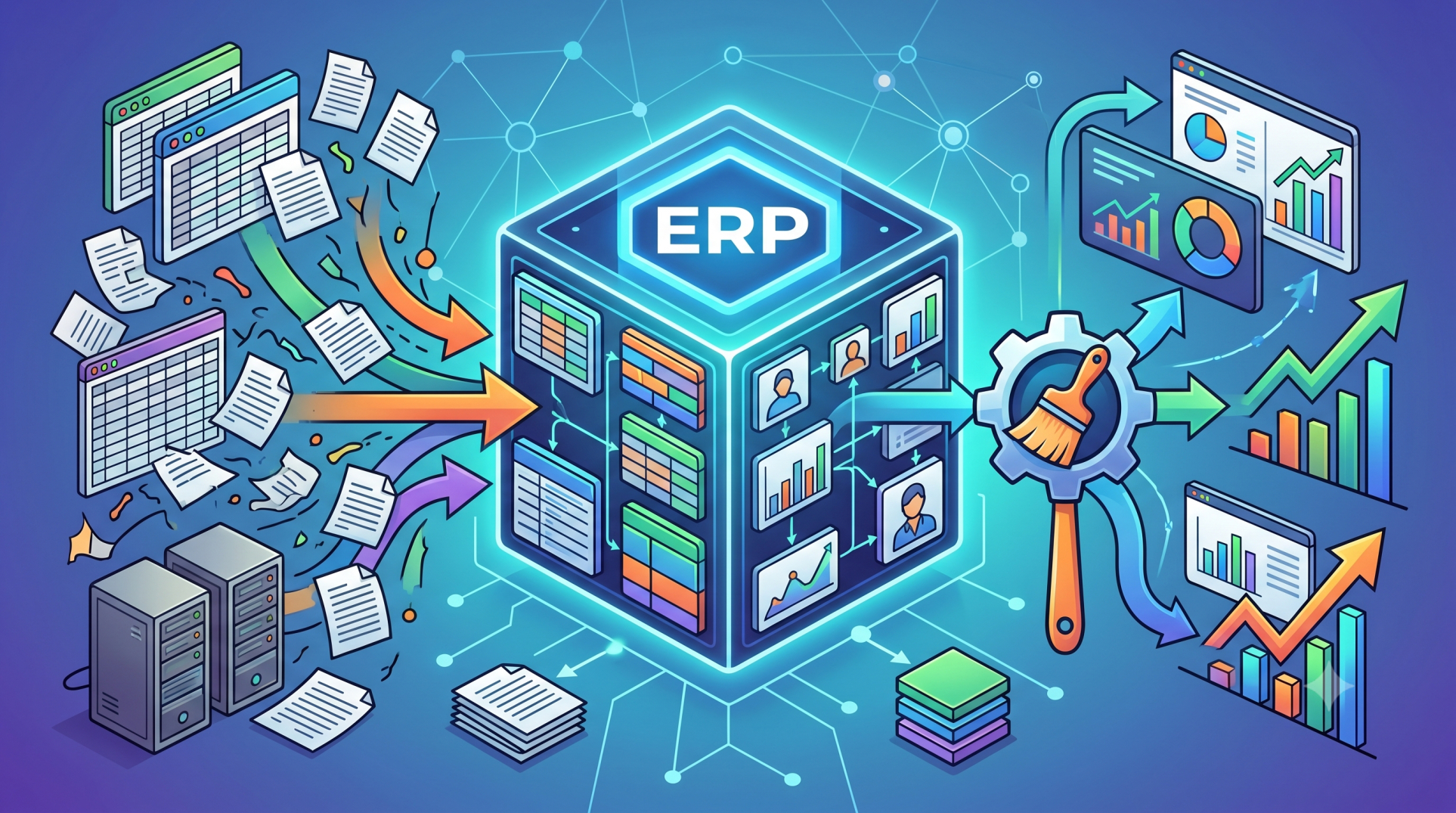
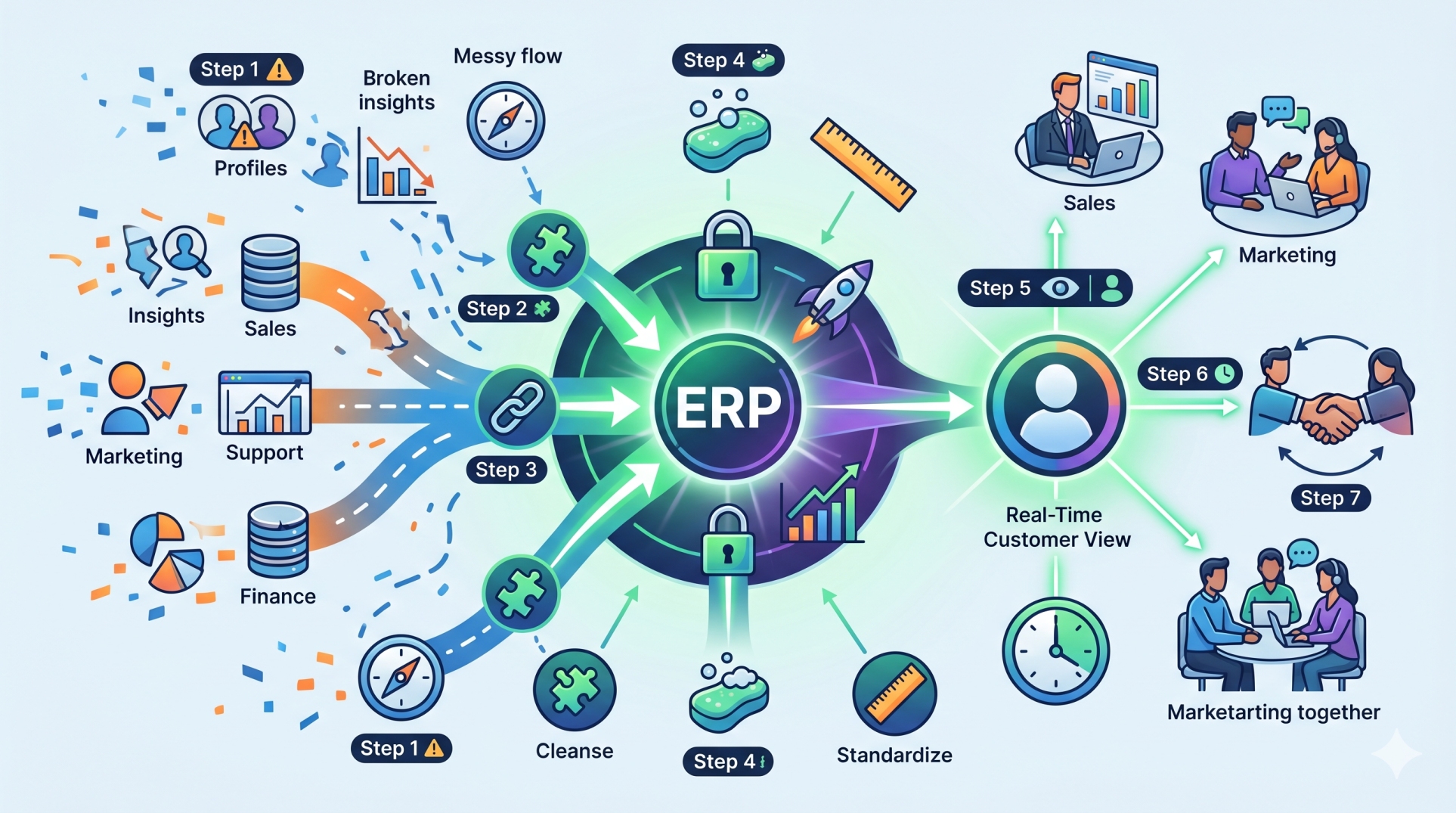
Step 2: Integrating Diverse Data Sources 🔗
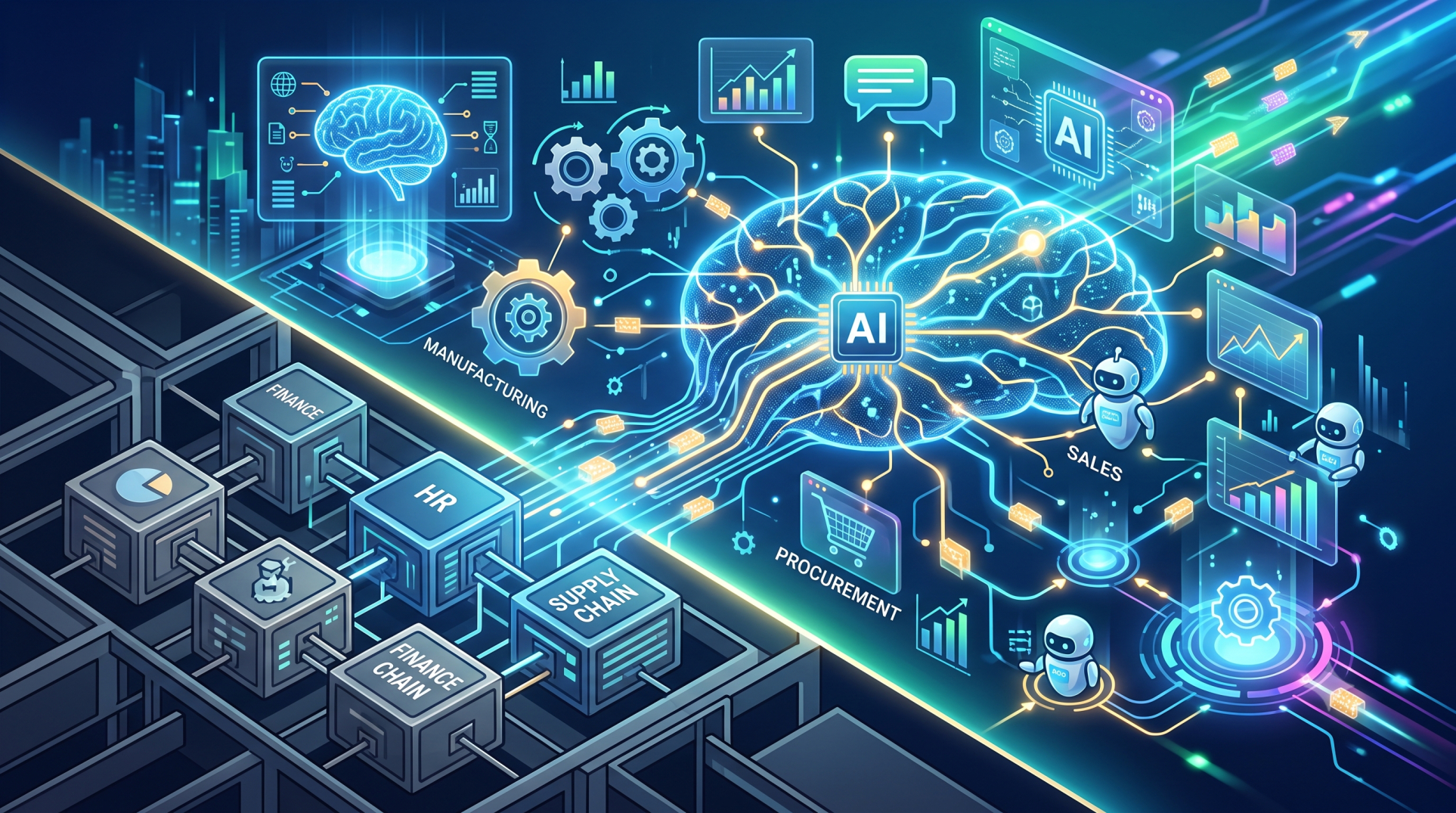
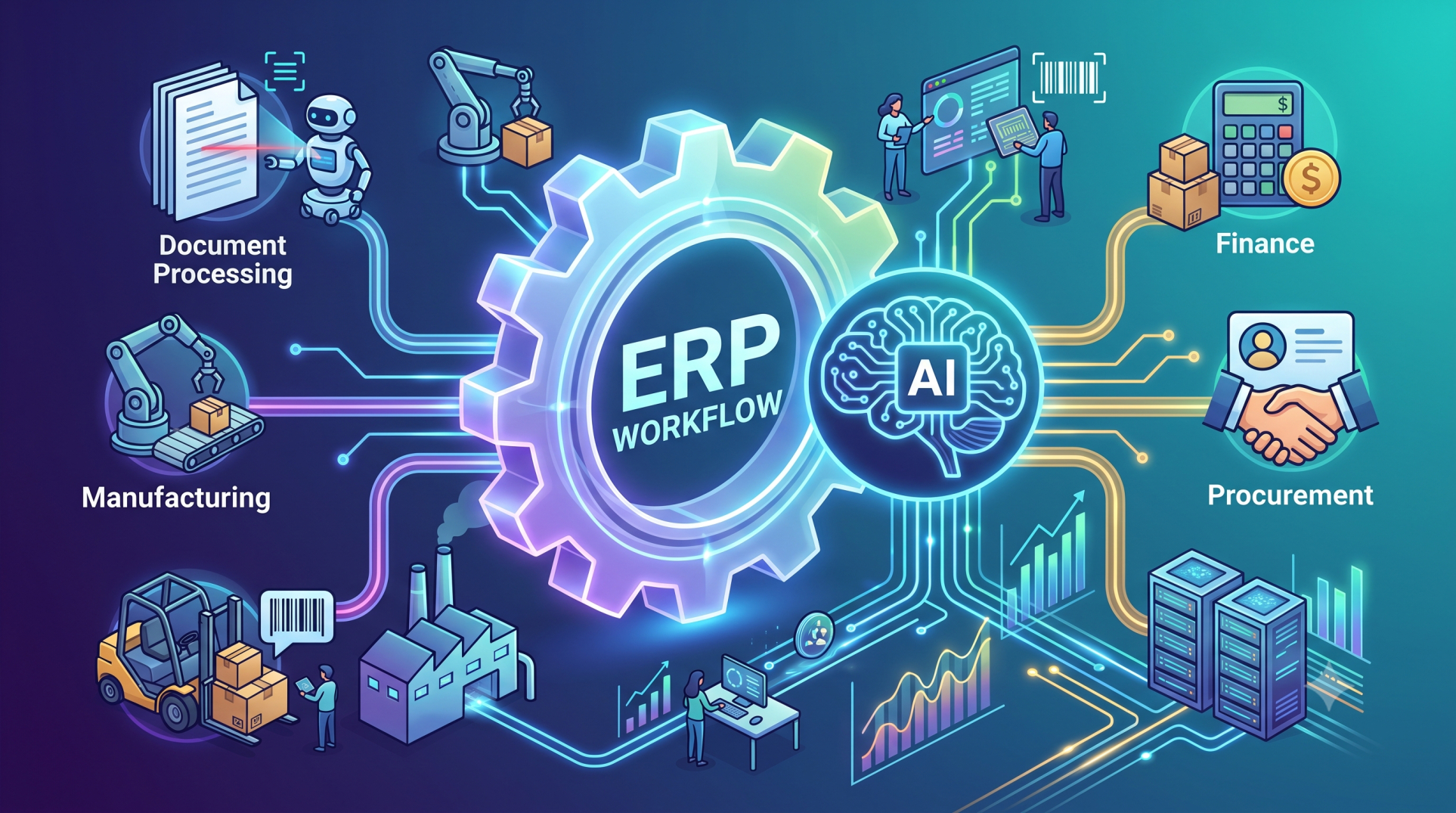
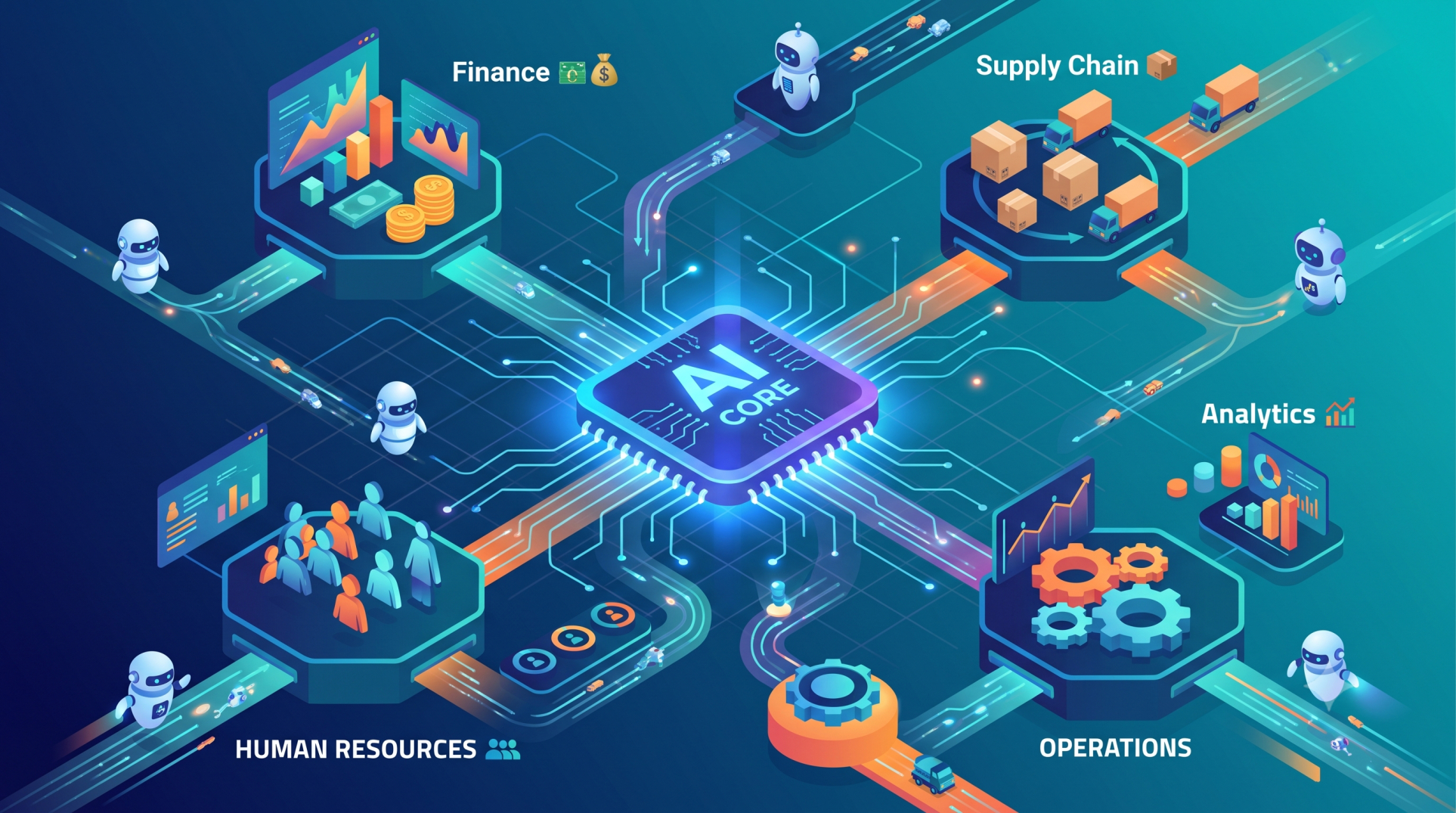
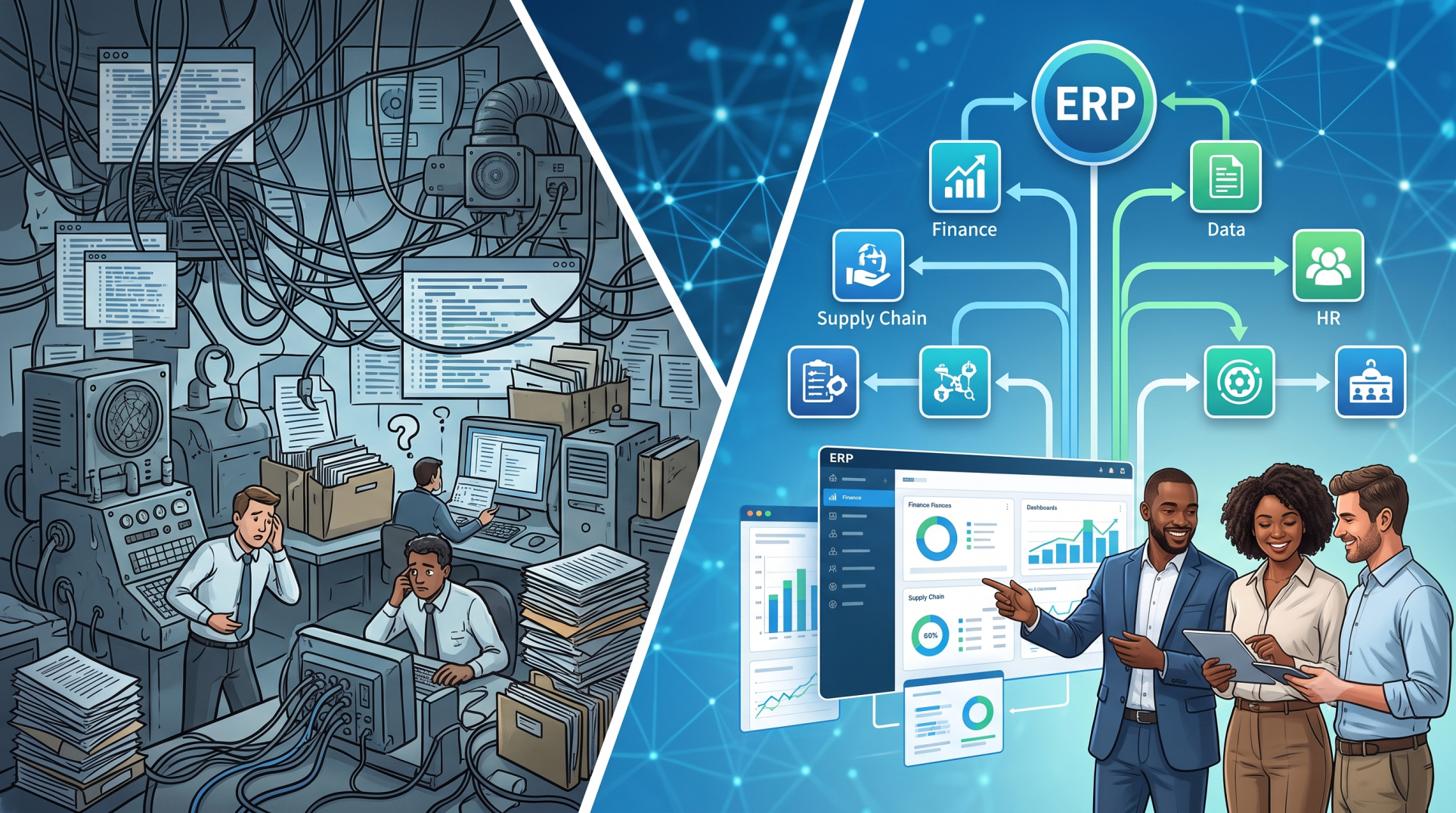
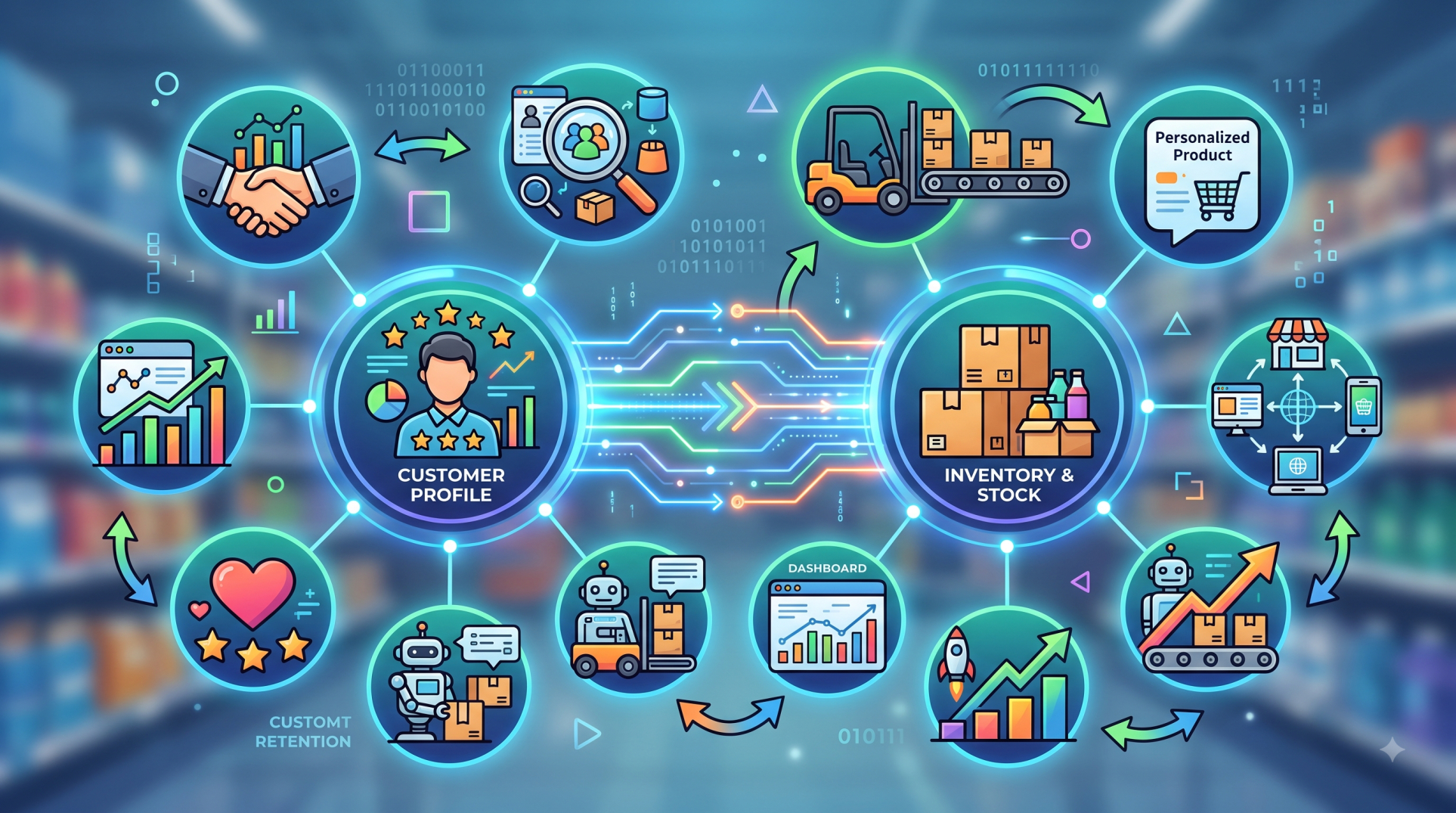
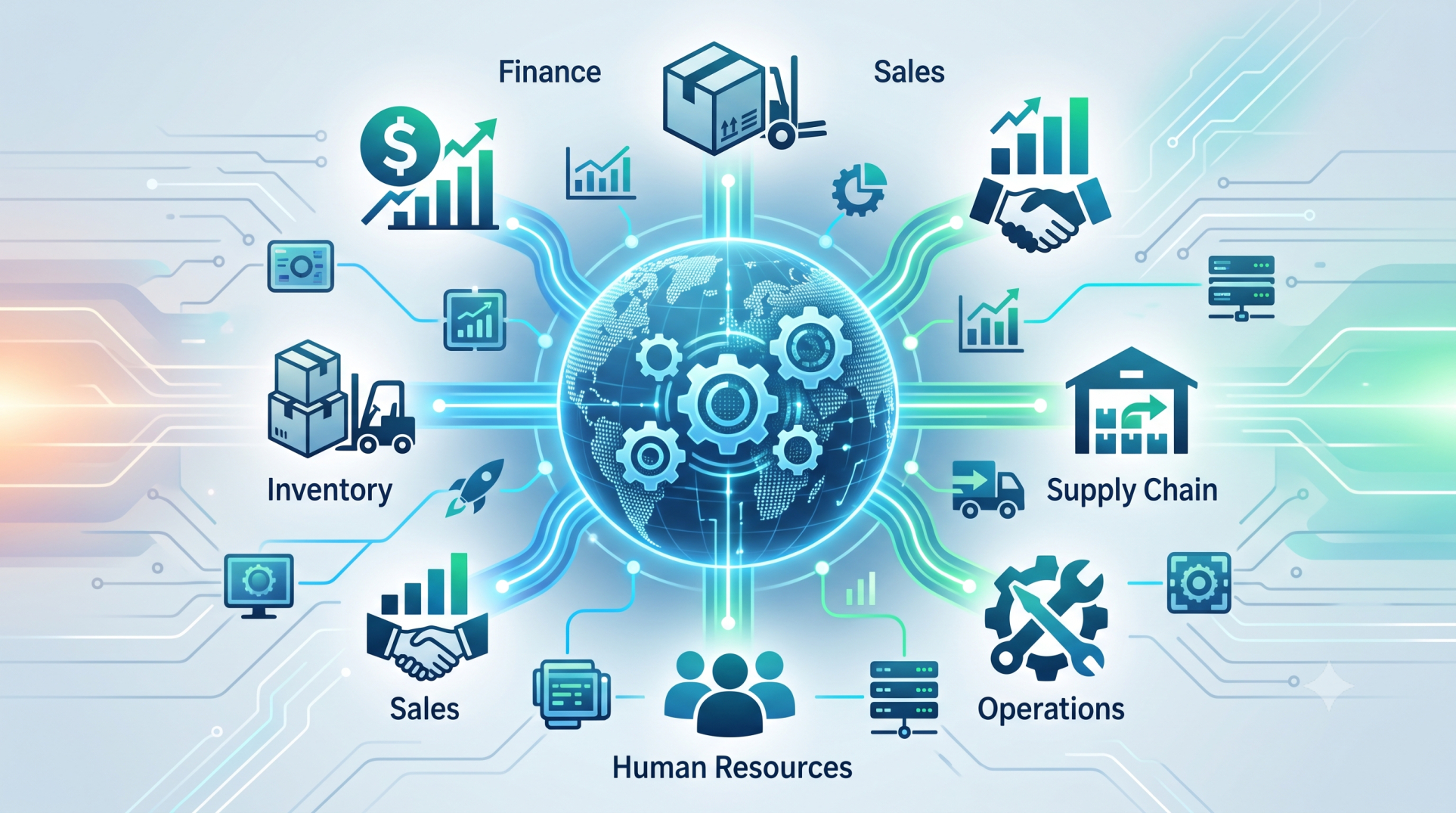
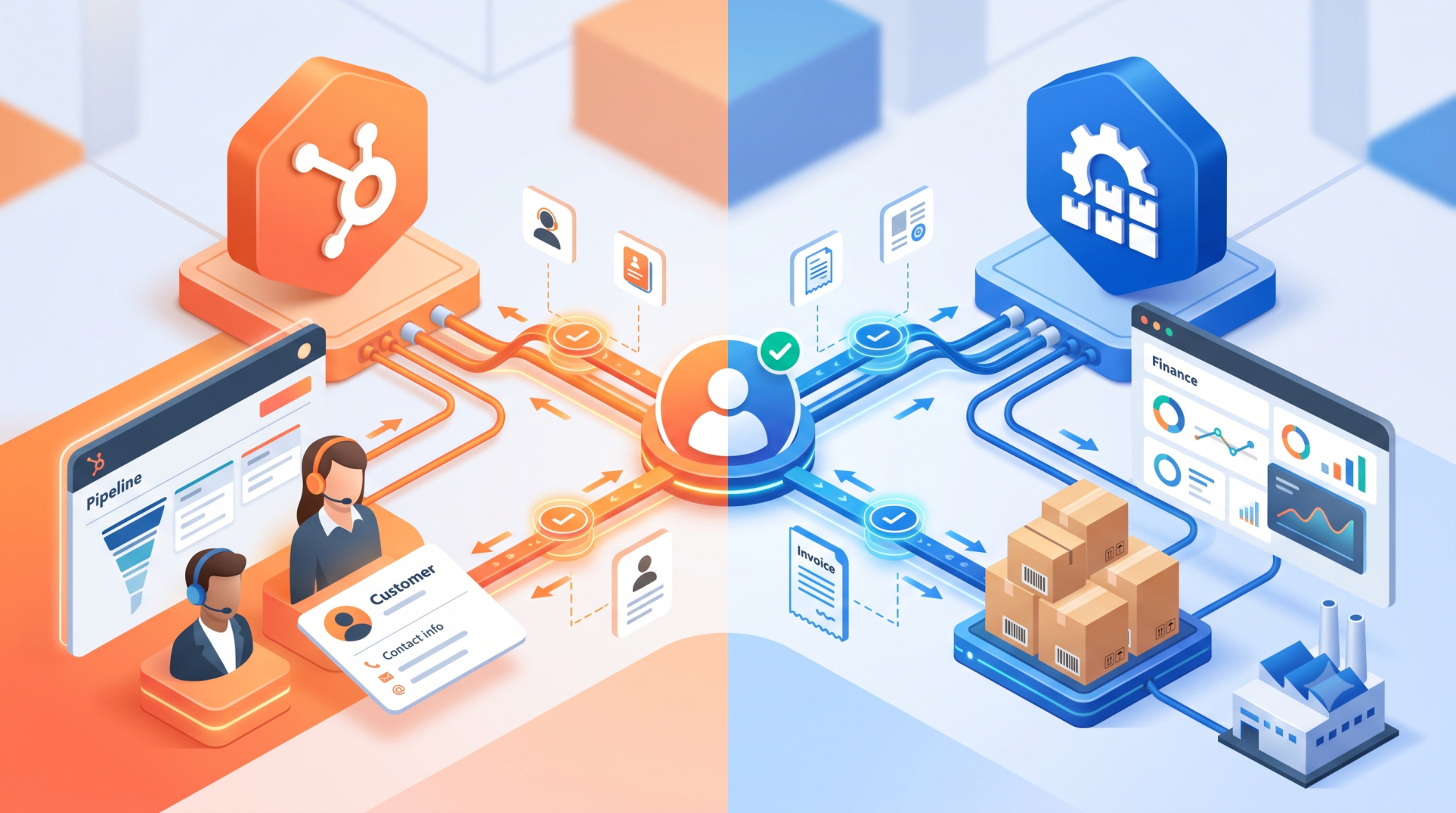
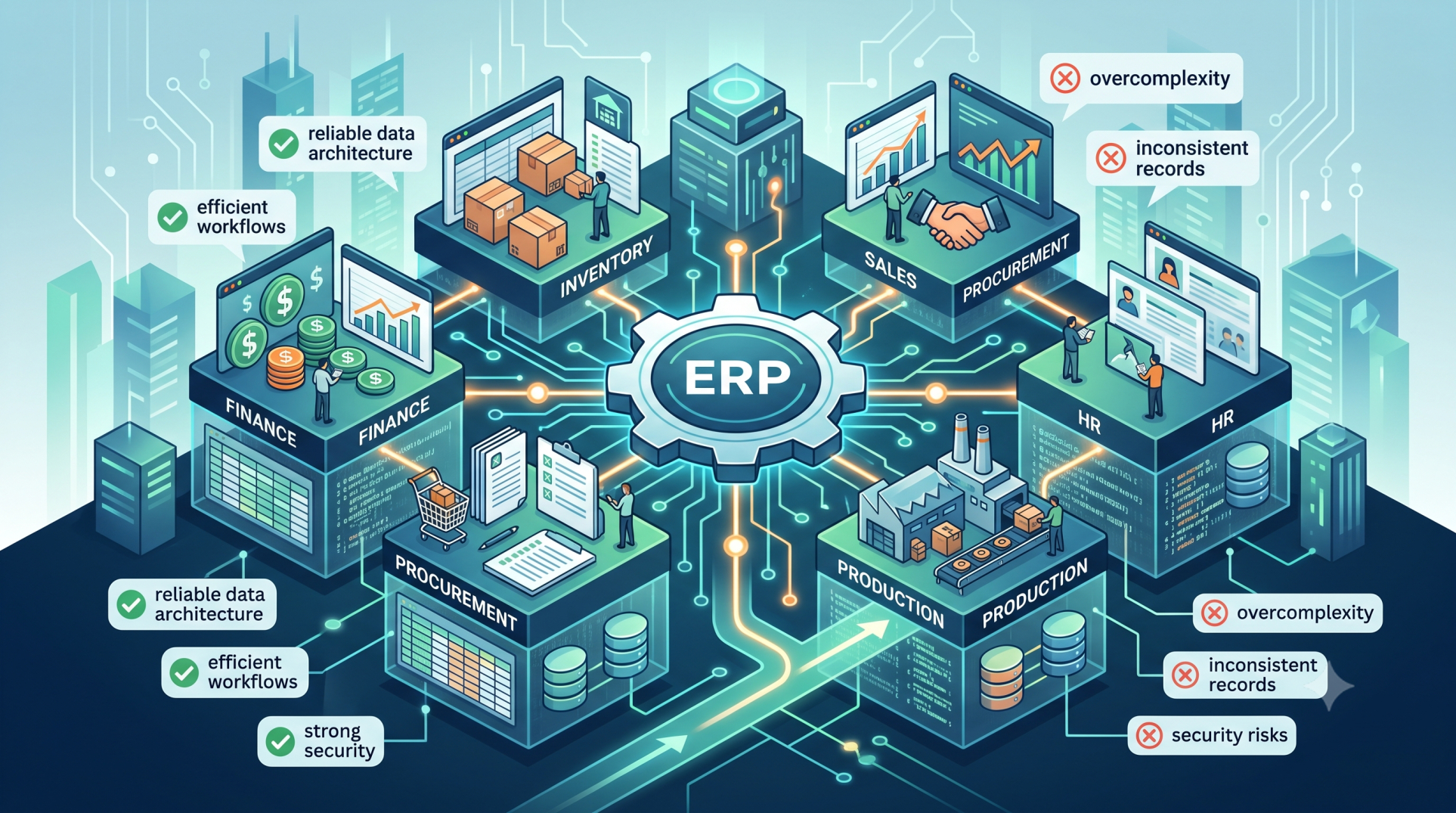
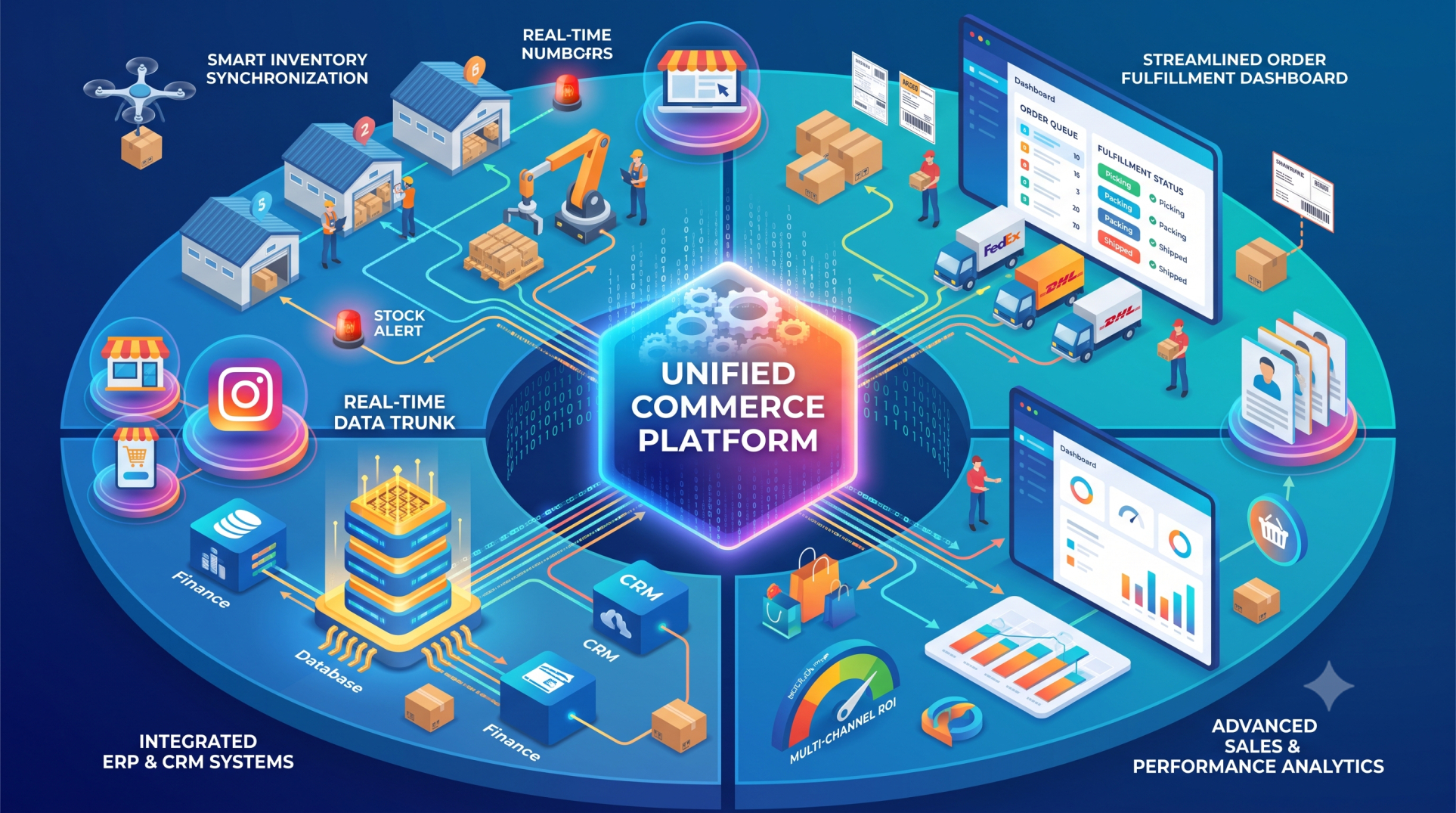
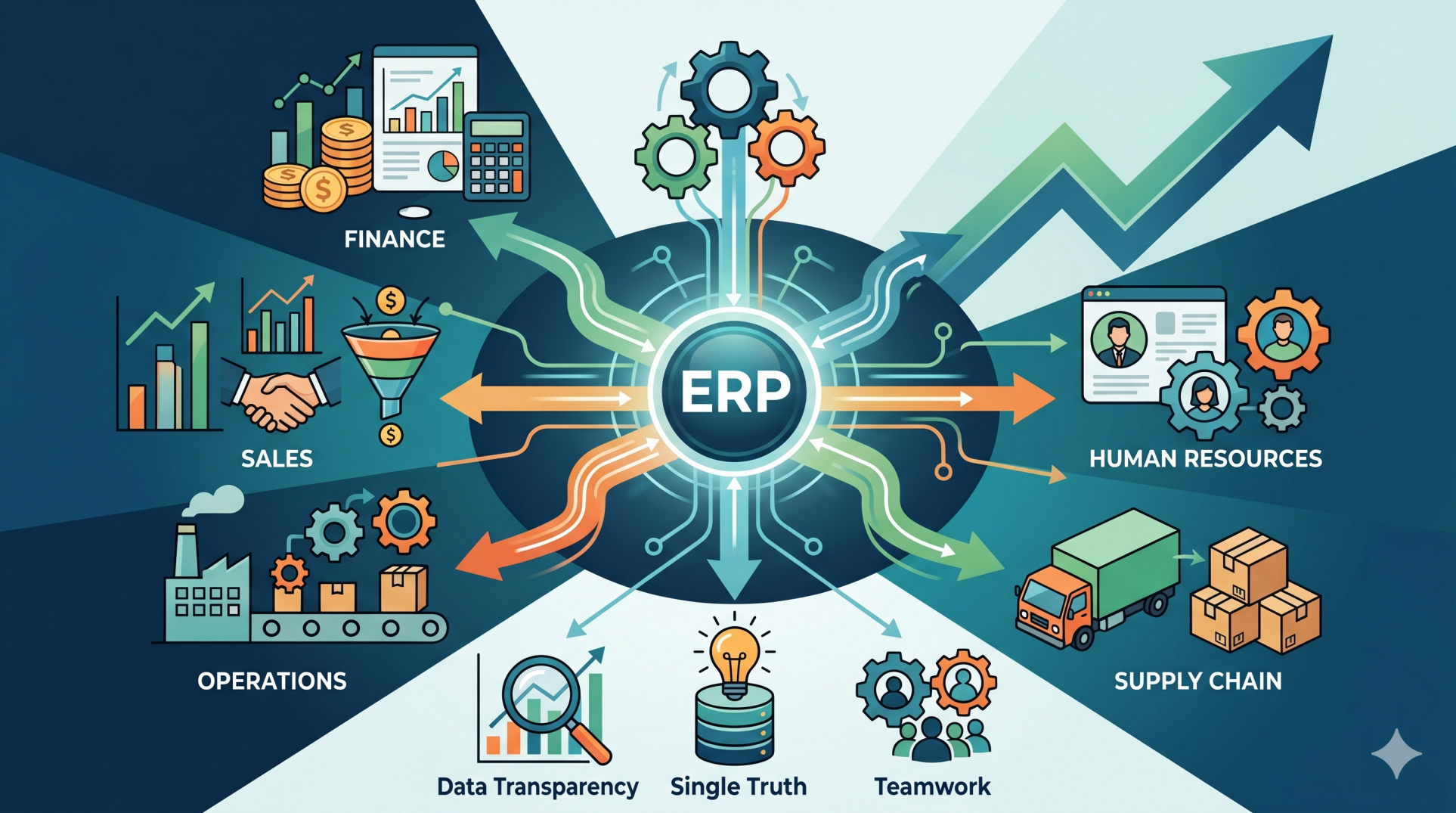
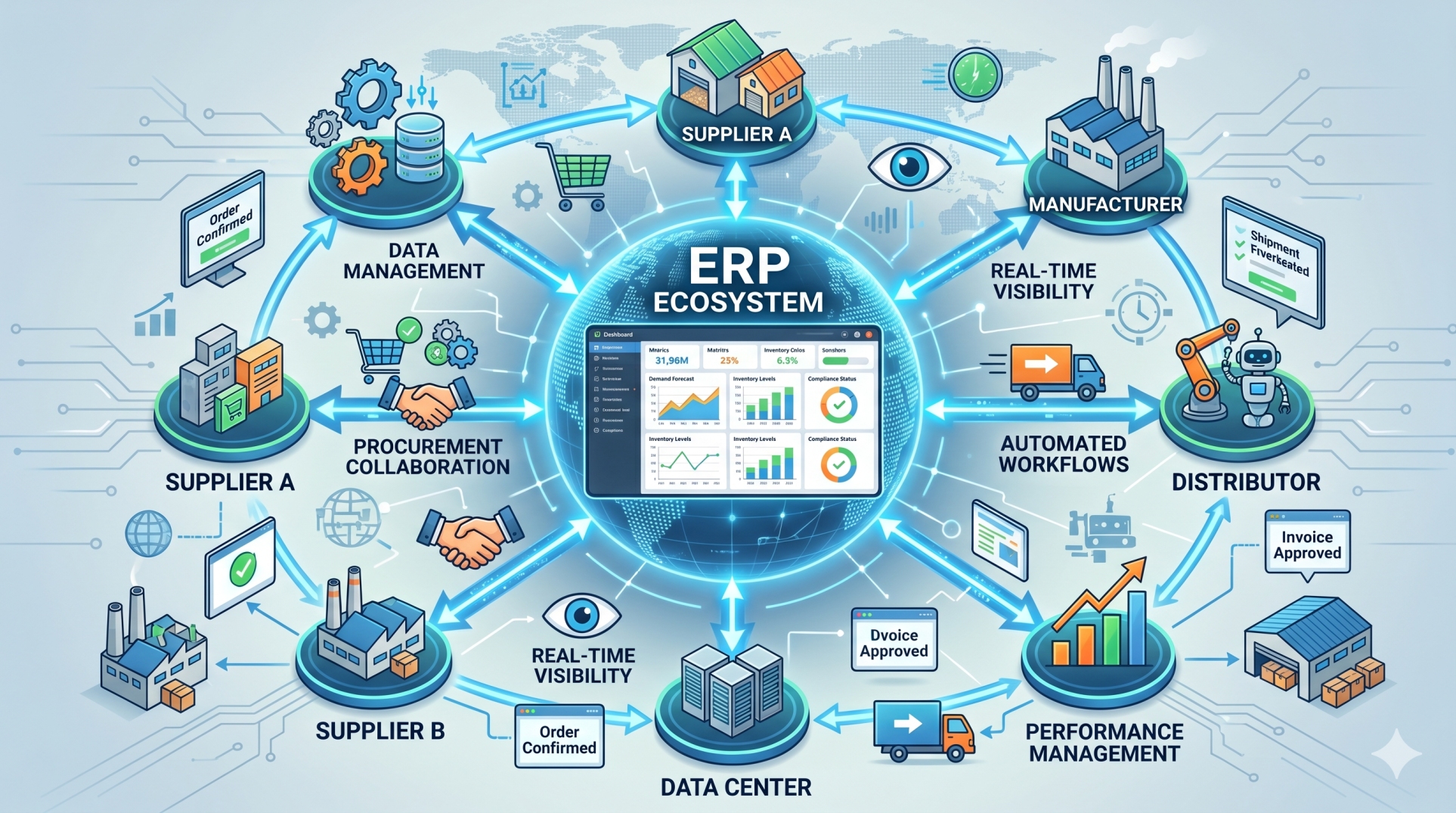
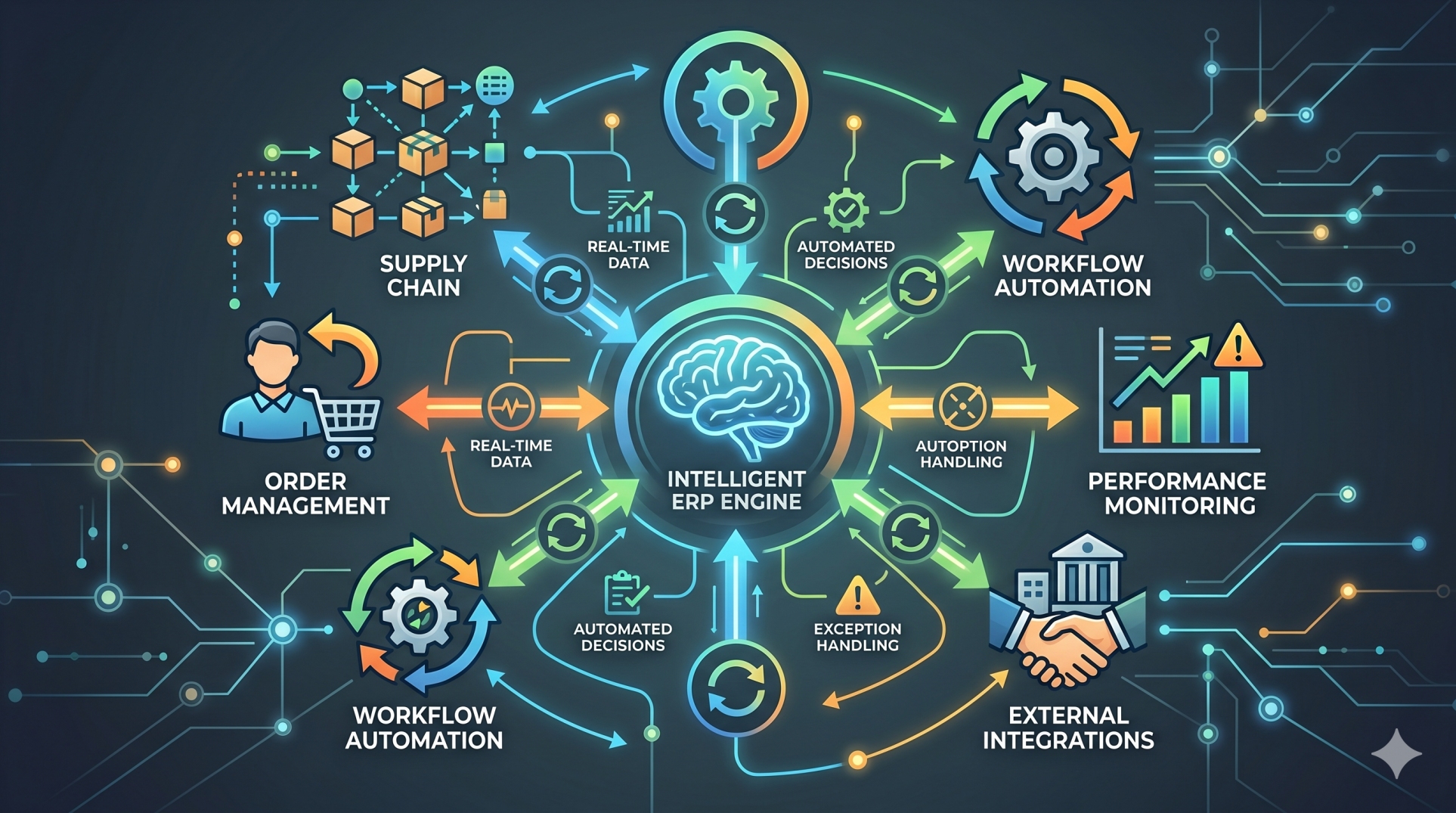
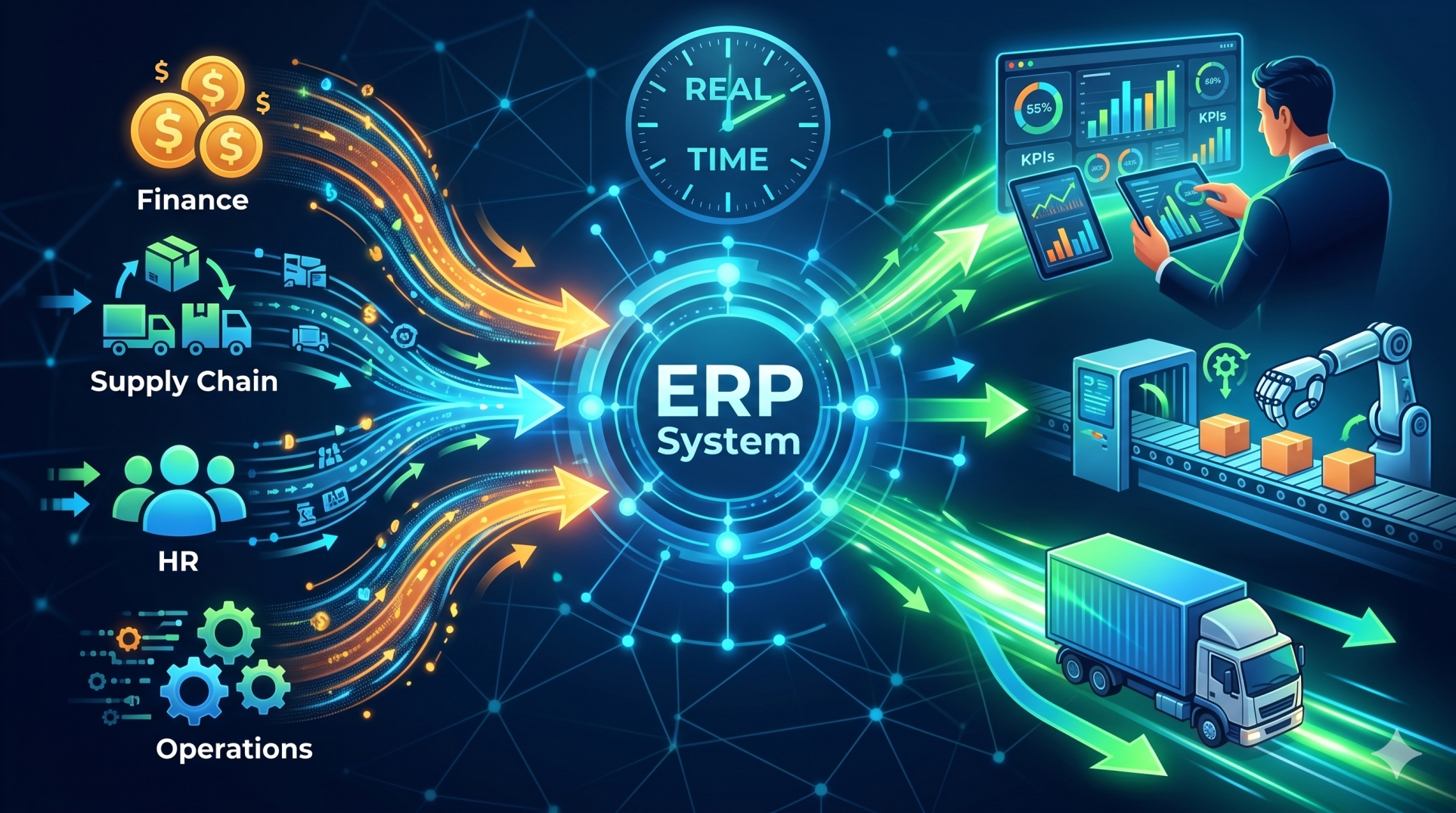
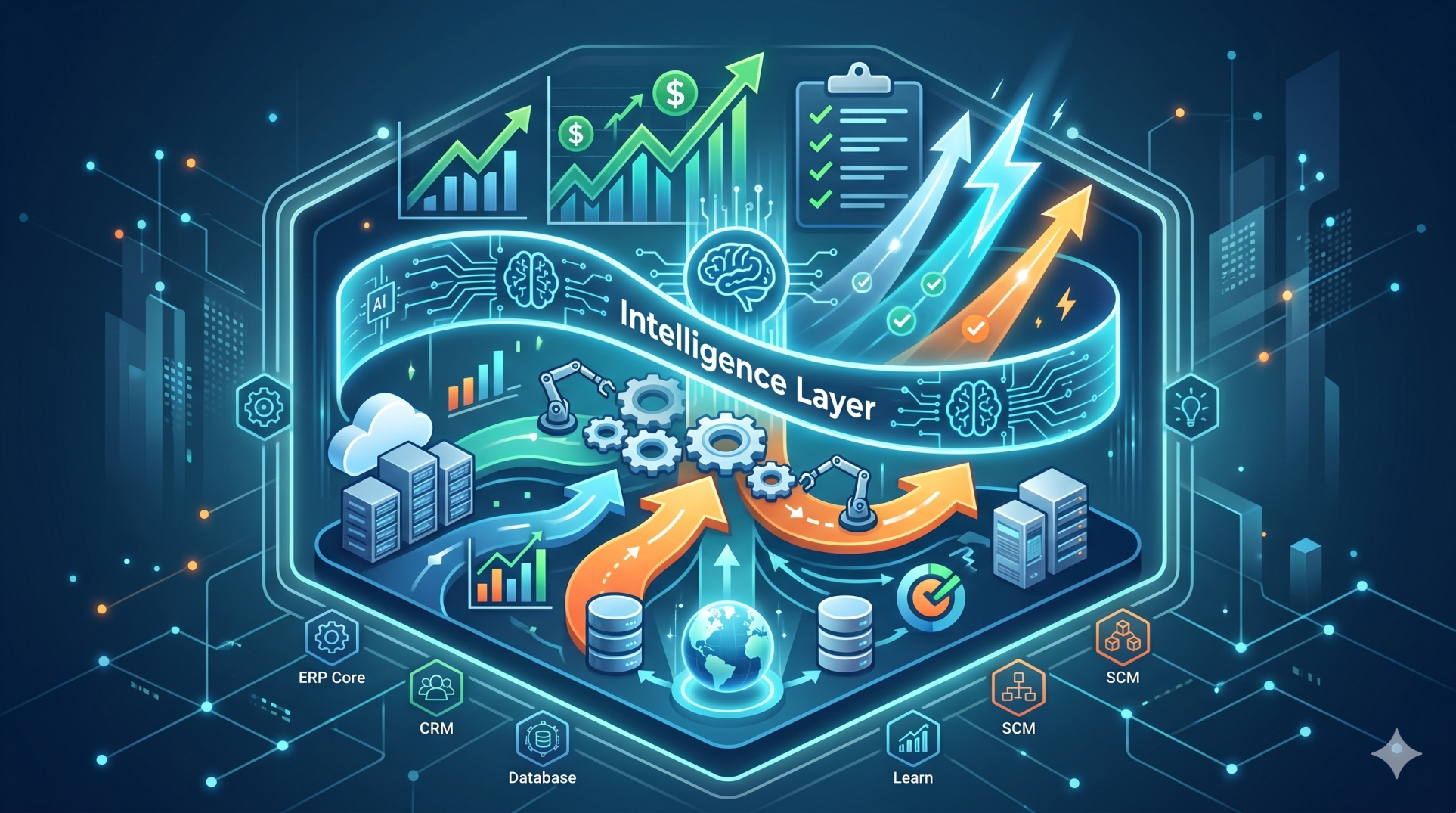
• Connect ERP, CRM, finance, marketing, and operational systems 🏢
• Combine structured and unstructured business information 📂
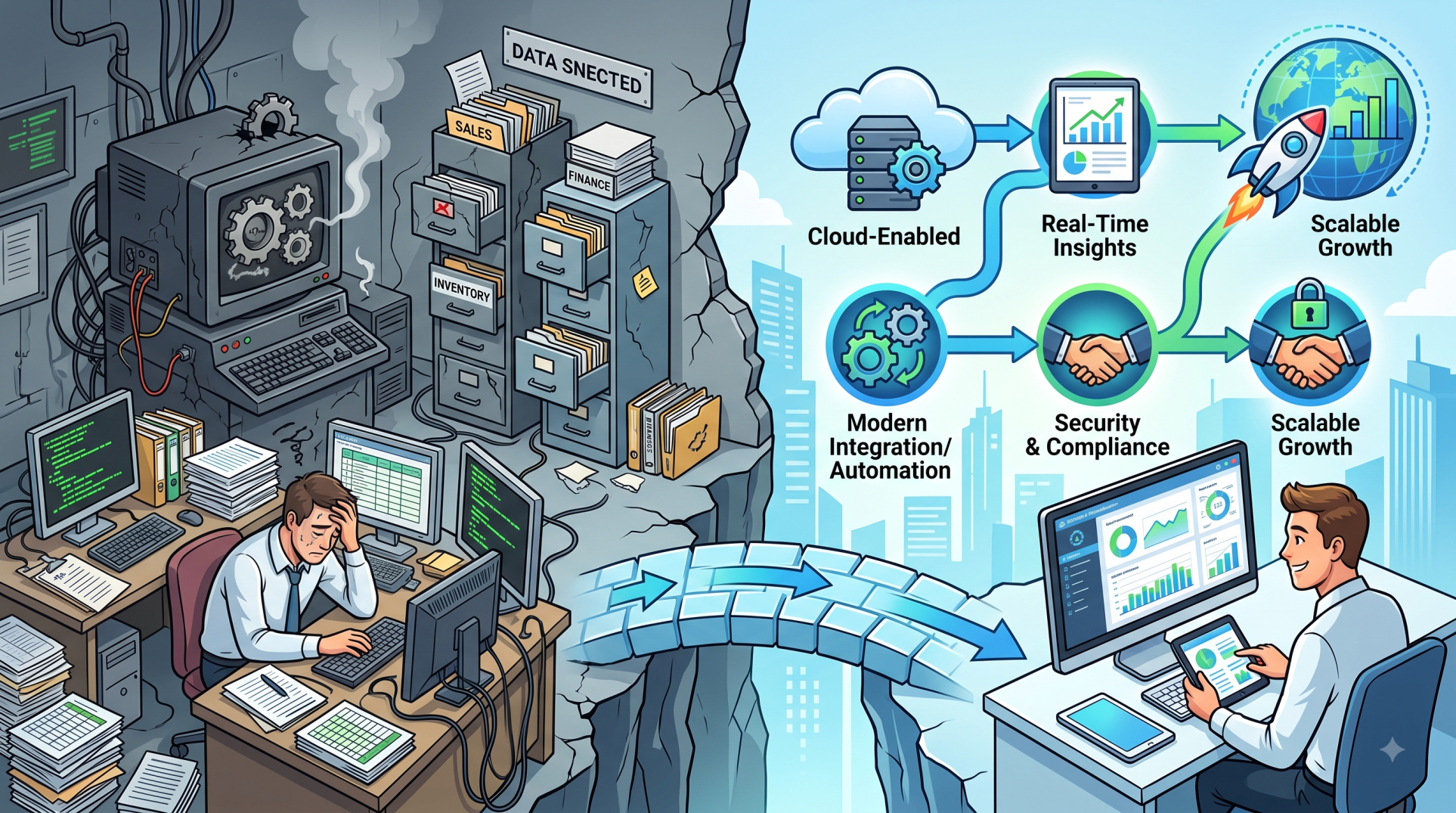
• Integrate cloud applications and enterprise databases ☁️
• Consolidate information into a unified analytics environment 📋
• Improve data consistency across departments ✅
Step 3: Preparing High-Quality Data 📑
• Clean and standardize data before analysis 🧹
• Eliminate duplicate and outdated records 🚫
• Validate data accuracy across multiple systems ✔️
• Maintain consistent business definitions and formats 📐
• Strengthen data reliability for better insights 📈
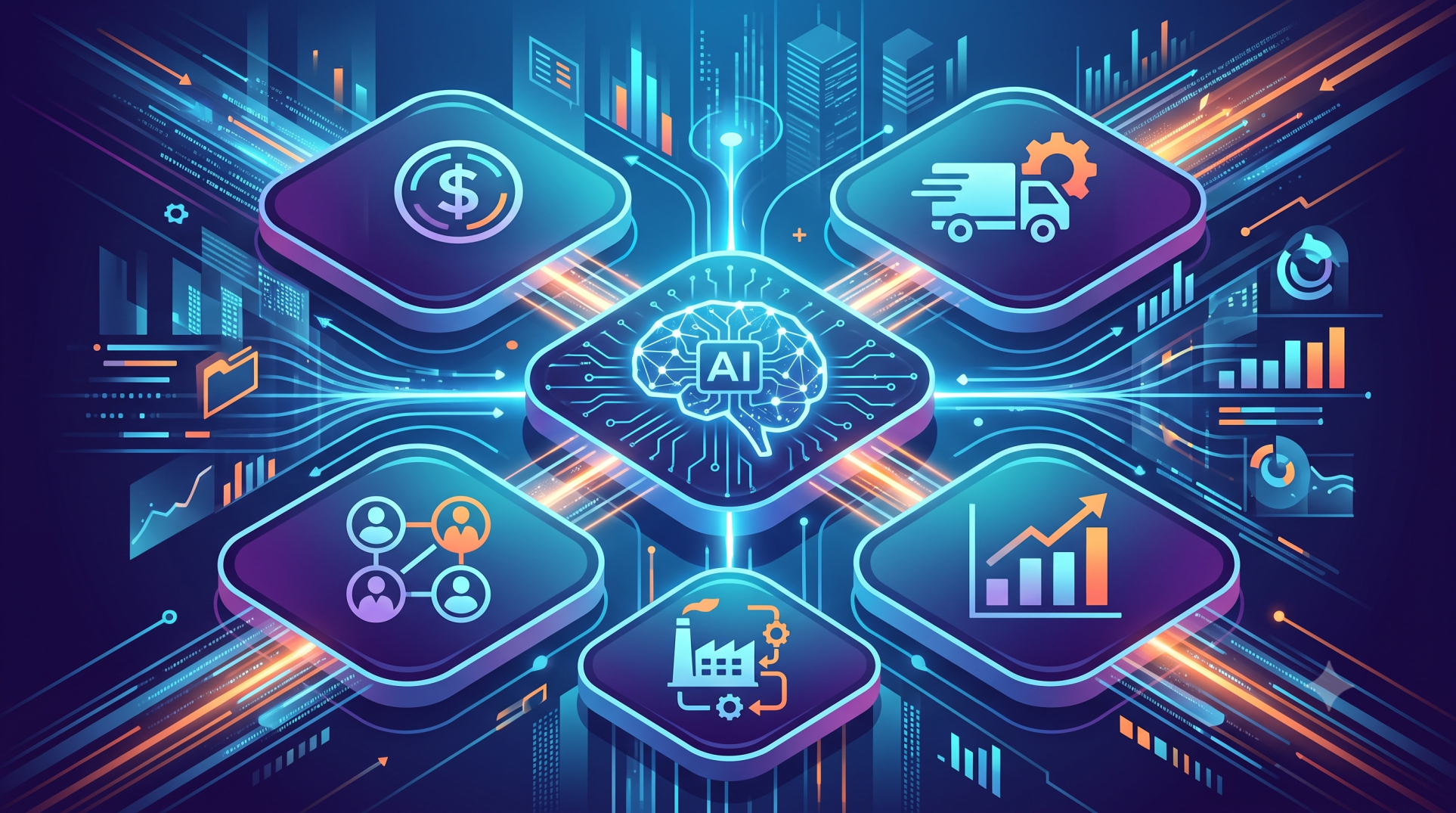
Step 4: Applying AI for Advanced Analytics 🤖
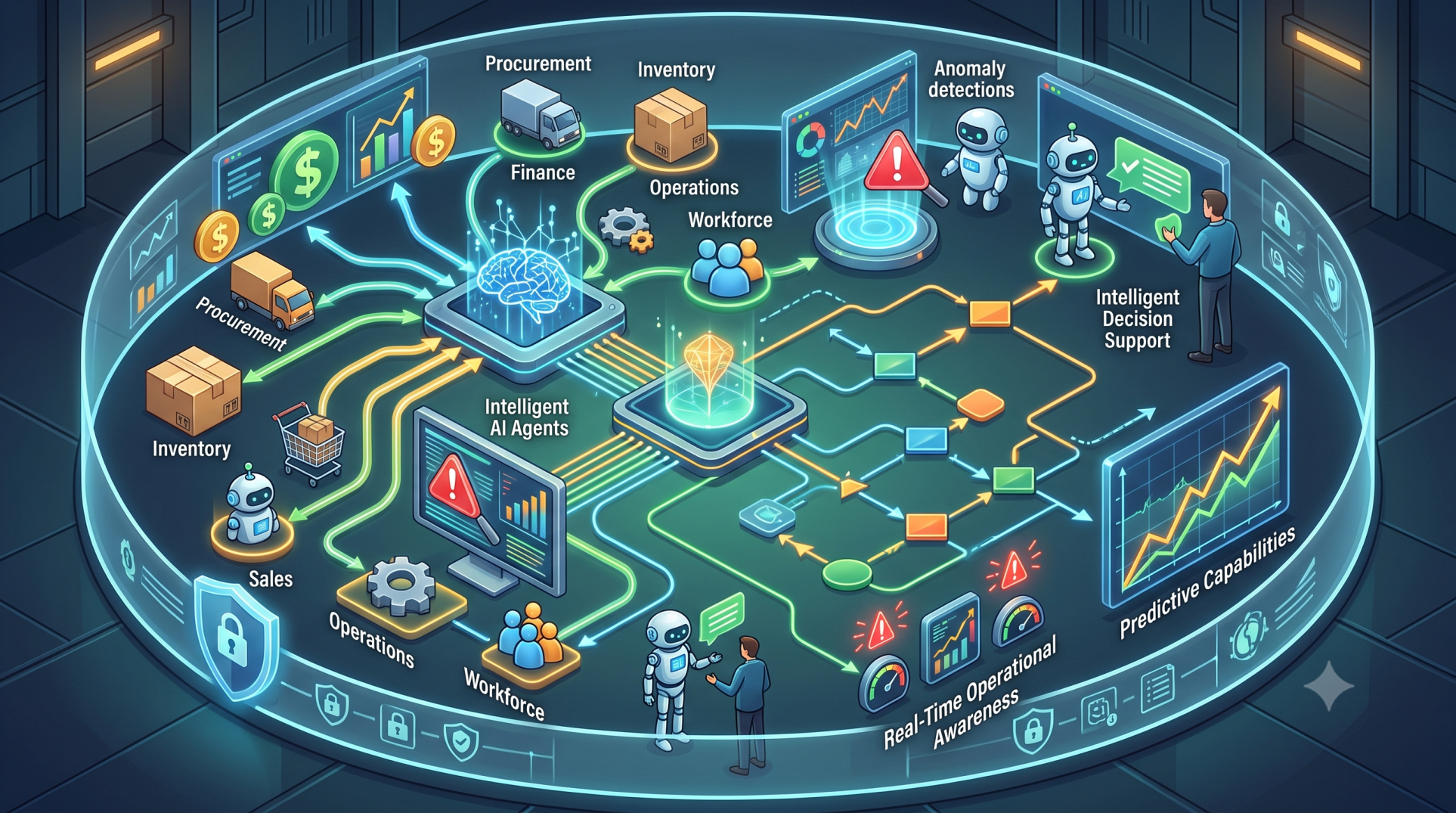
• Detect trends and anomalies automatically 📊
• Generate predictive insights using historical data 📉
• Identify operational inefficiencies and improvement opportunities 💡
• Recommend actions based on analytical findings 🎯
• Continuously refine insights as new data becomes available 🔄
Step 5: Delivering Real-Time Business Intelligence ⚡
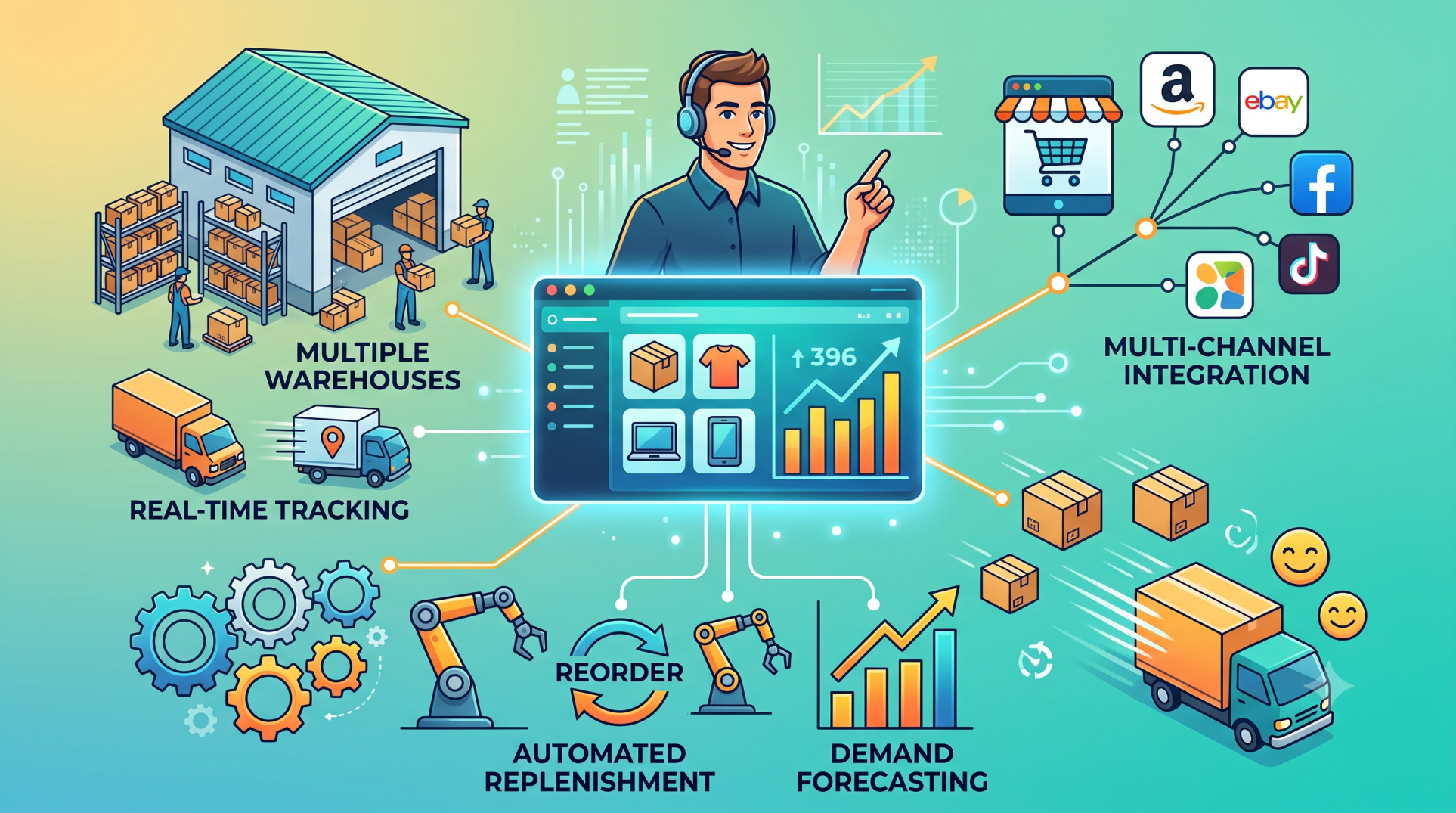
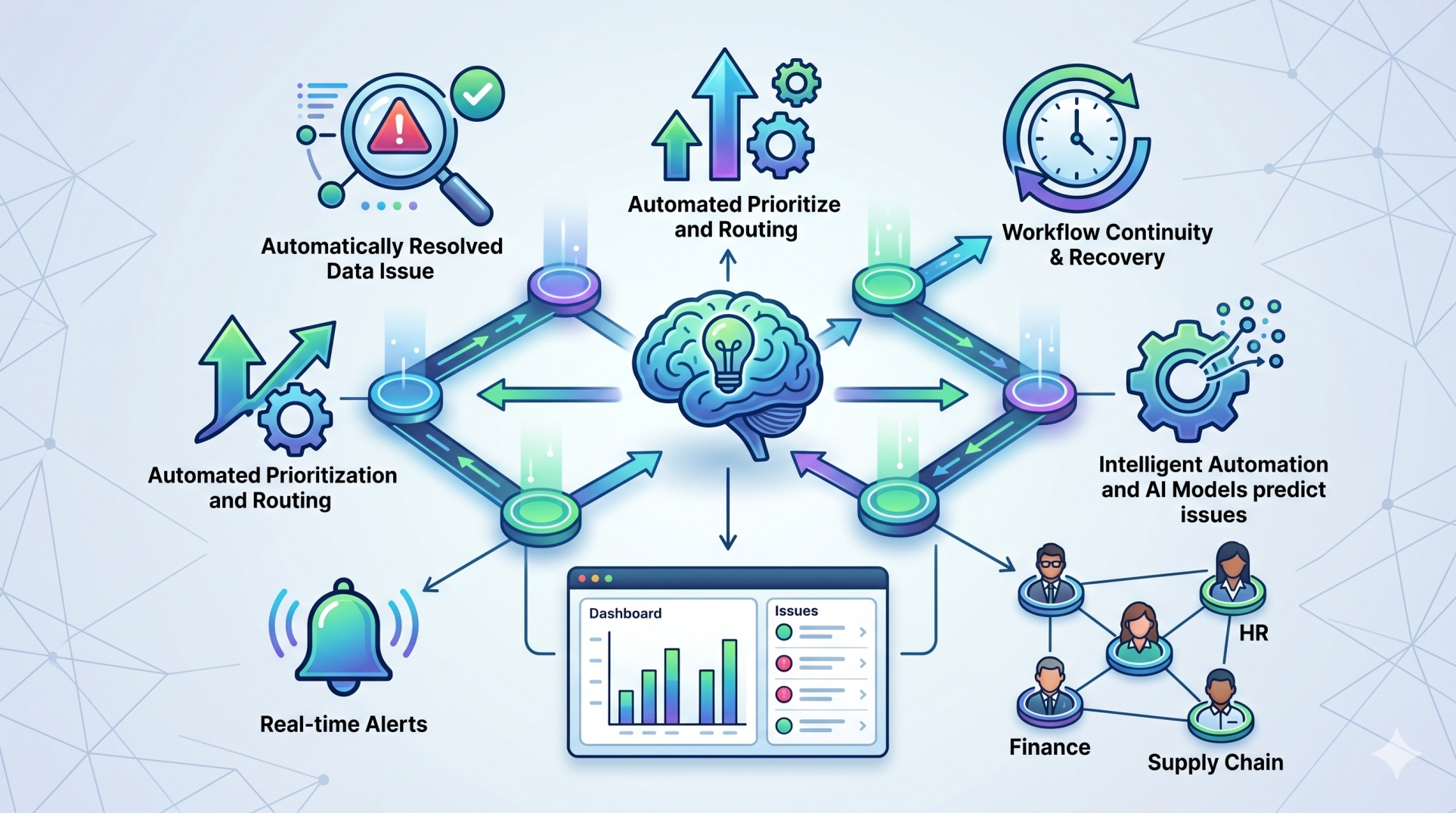
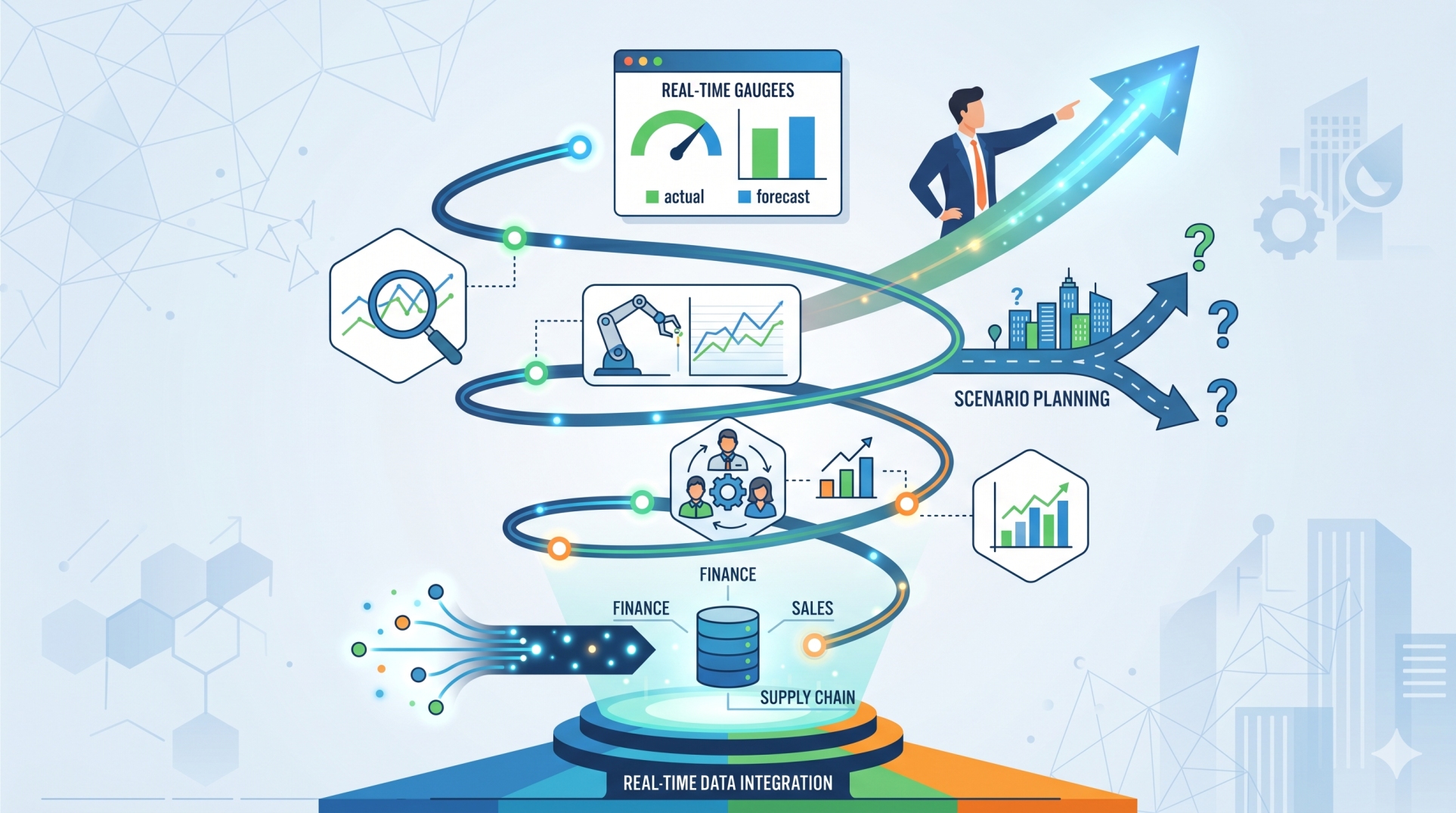
• Monitor key performance indicators through live dashboards 📡
• Provide instant visibility into business operations 👀
• Track financial, operational, and customer performance 📈
• Enable rapid responses to changing business conditions 🌍
• Improve organizational agility with real-time insights 🚀
Step 6: Enhancing Strategic Decision-Making 📊
• Support leadership with data-driven recommendations 🏛️
• Compare business scenarios before making decisions ⚖️
• Forecast future performance using AI models 📅
• Evaluate risks and growth opportunities proactively 🔍
• Improve long-term business planning 📈
Step 7: Automating Reporting and Insights 📄
• Generate reports automatically from business data 🤖
• Deliver personalized dashboards for different teams 🖥️
• Highlight critical trends and performance changes 📉
• Reduce manual reporting effort and errors ⏱️
• Enable continuous access to actionable intelligence 📚
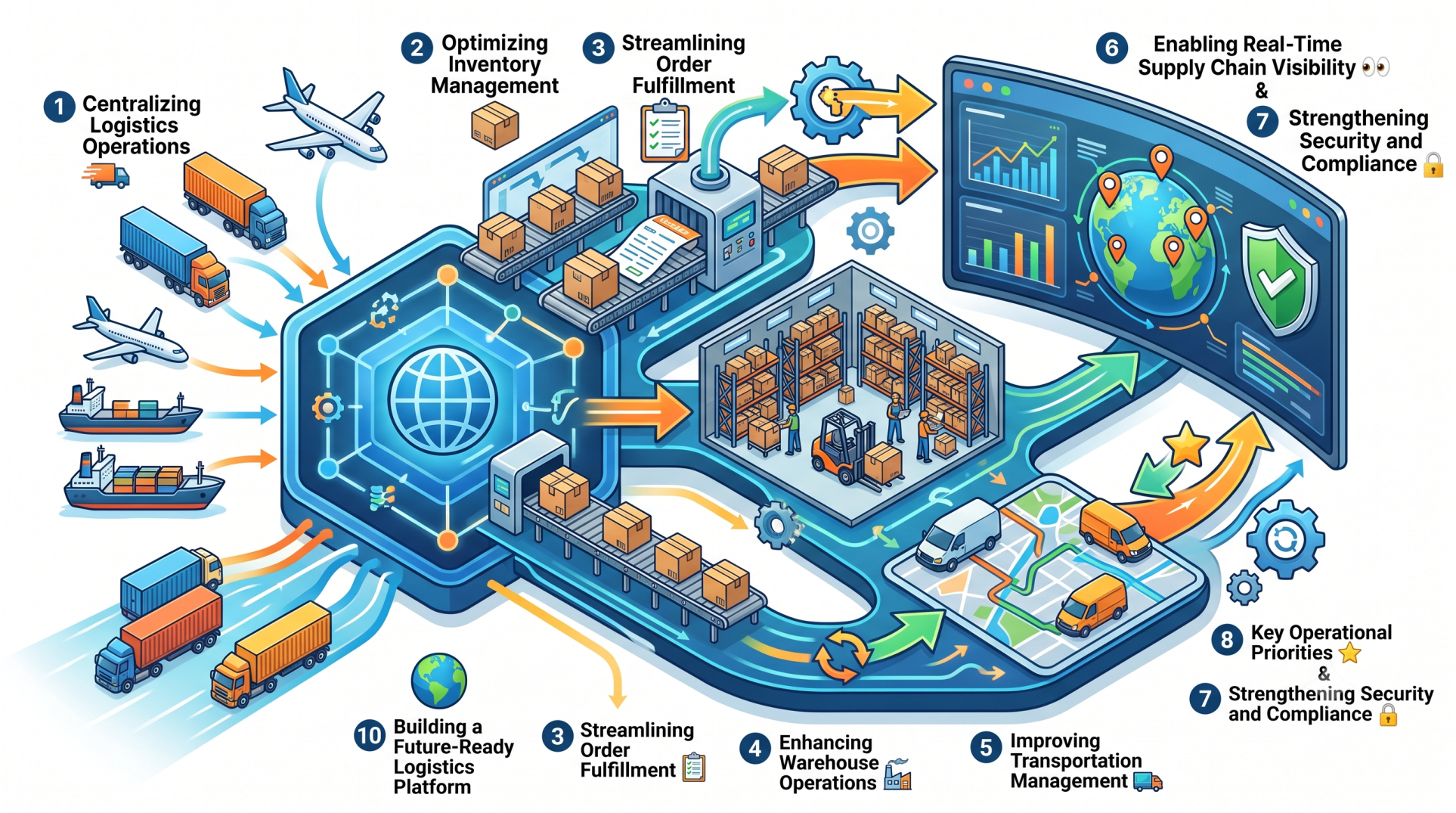
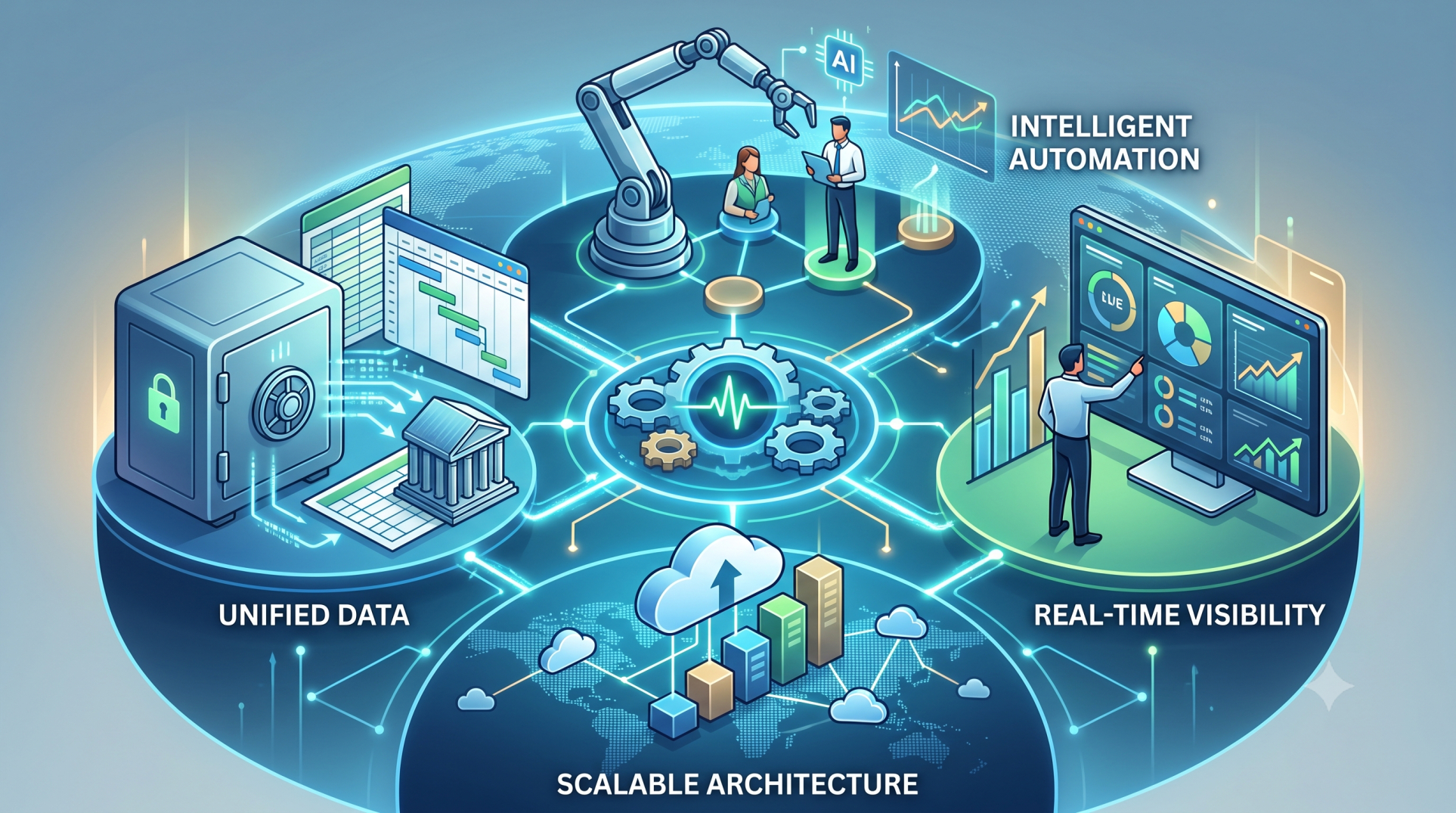
Step 8: Key AI Analytics Priorities ⭐
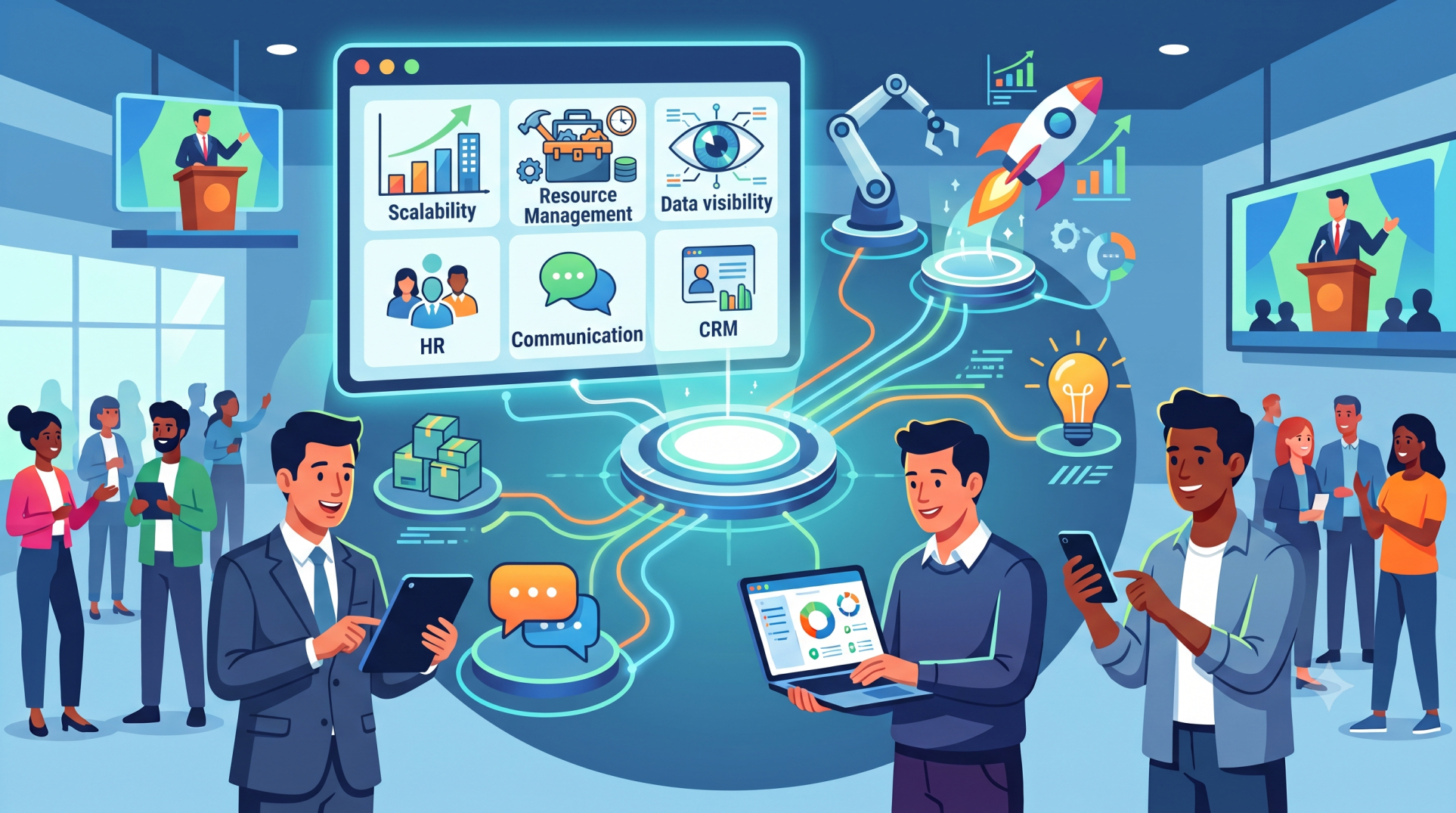
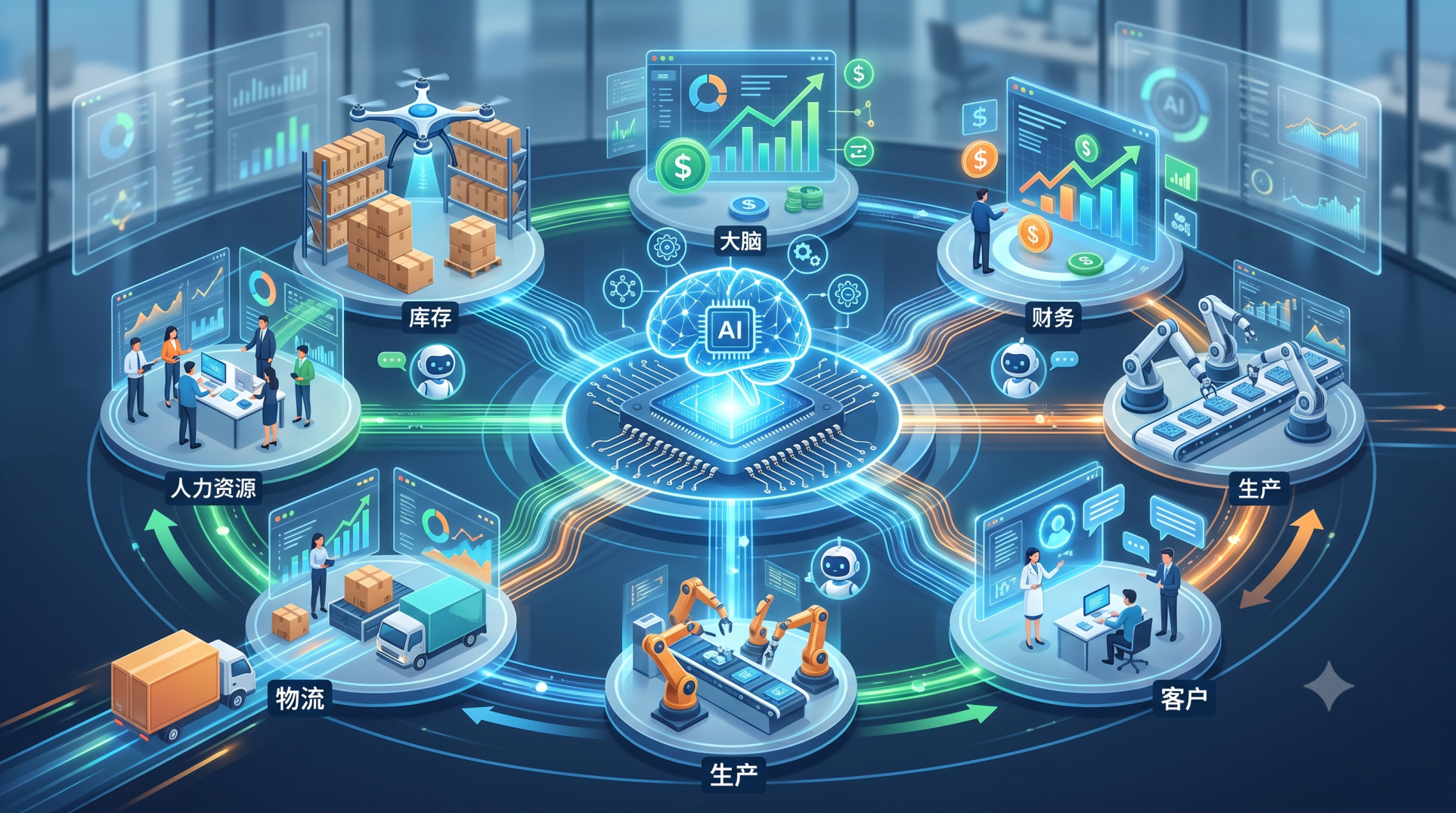
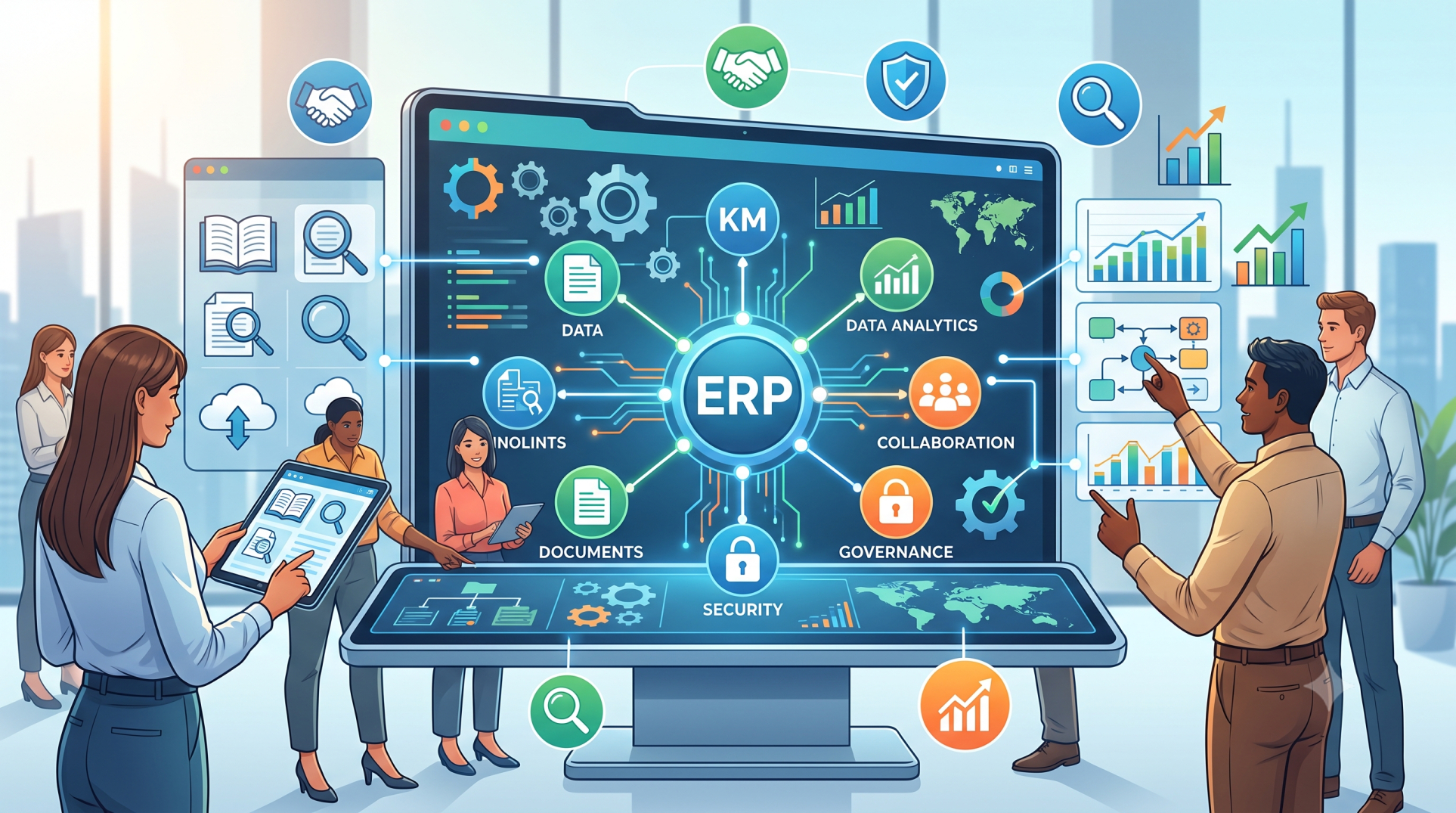
• Unified access to enterprise data 🔗
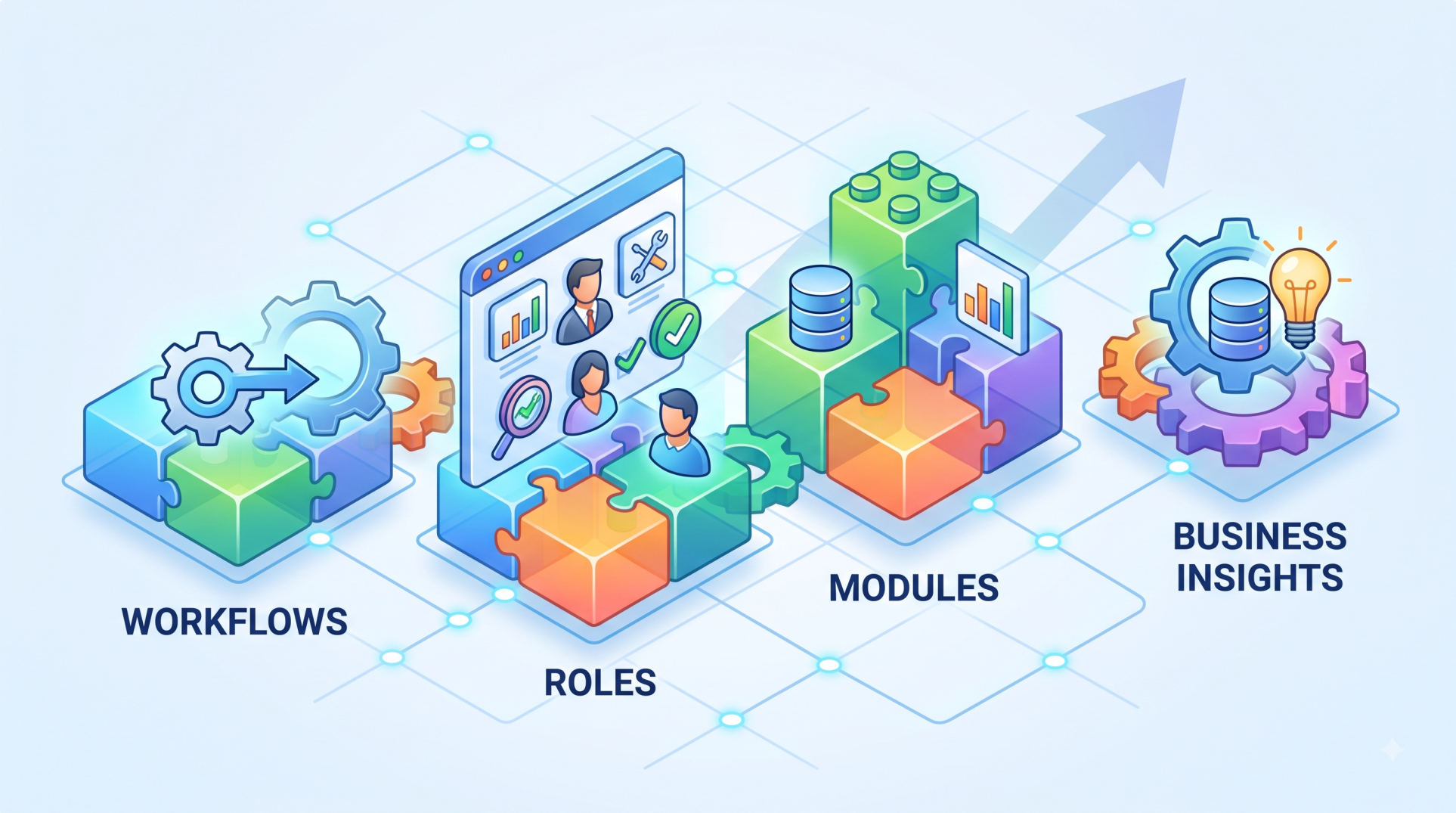
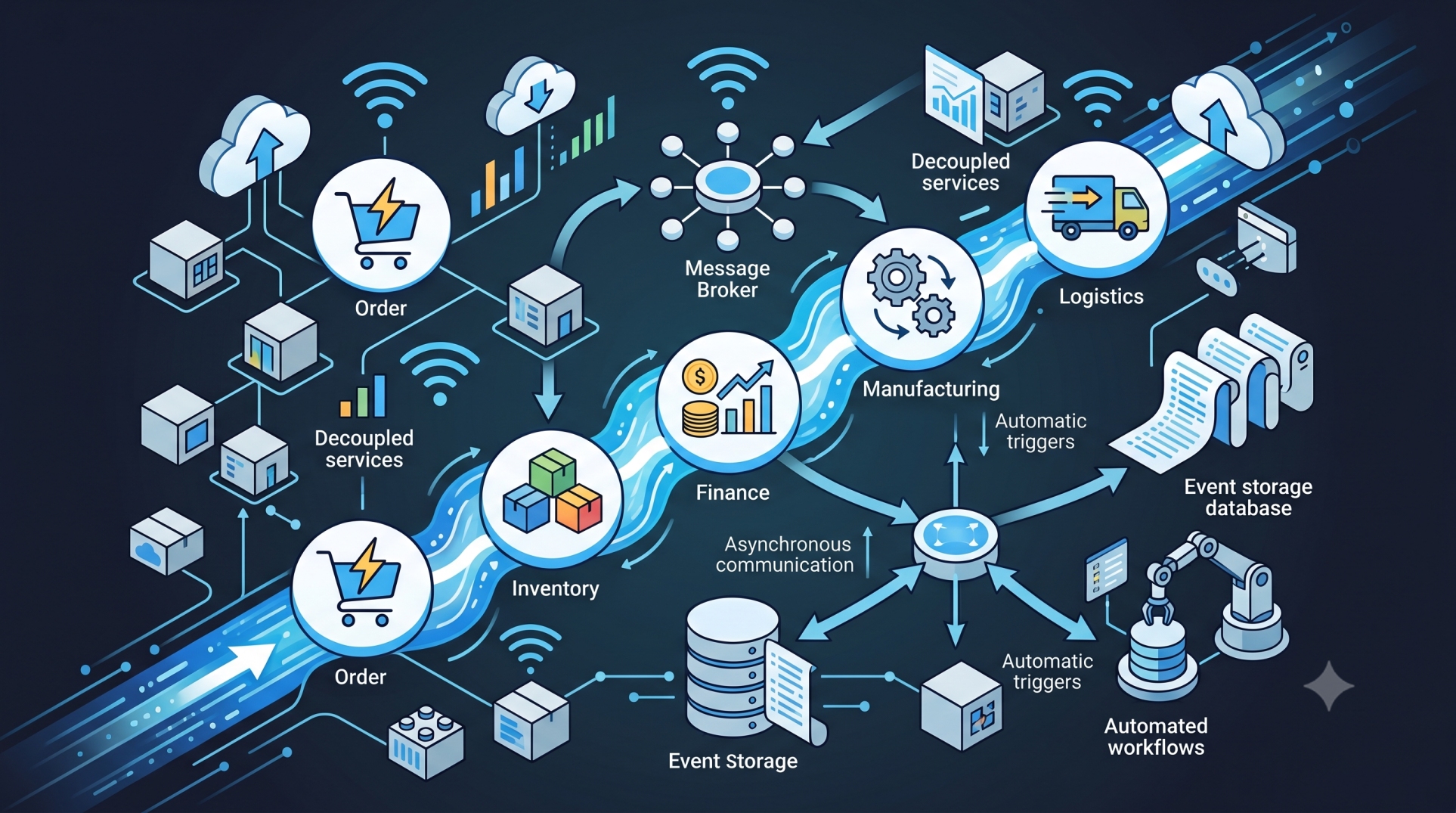
• Intelligent automation of analytics workflows 🤖
• Real-time visibility into business performance 📊
• Scalable AI infrastructure for future growth 🚀
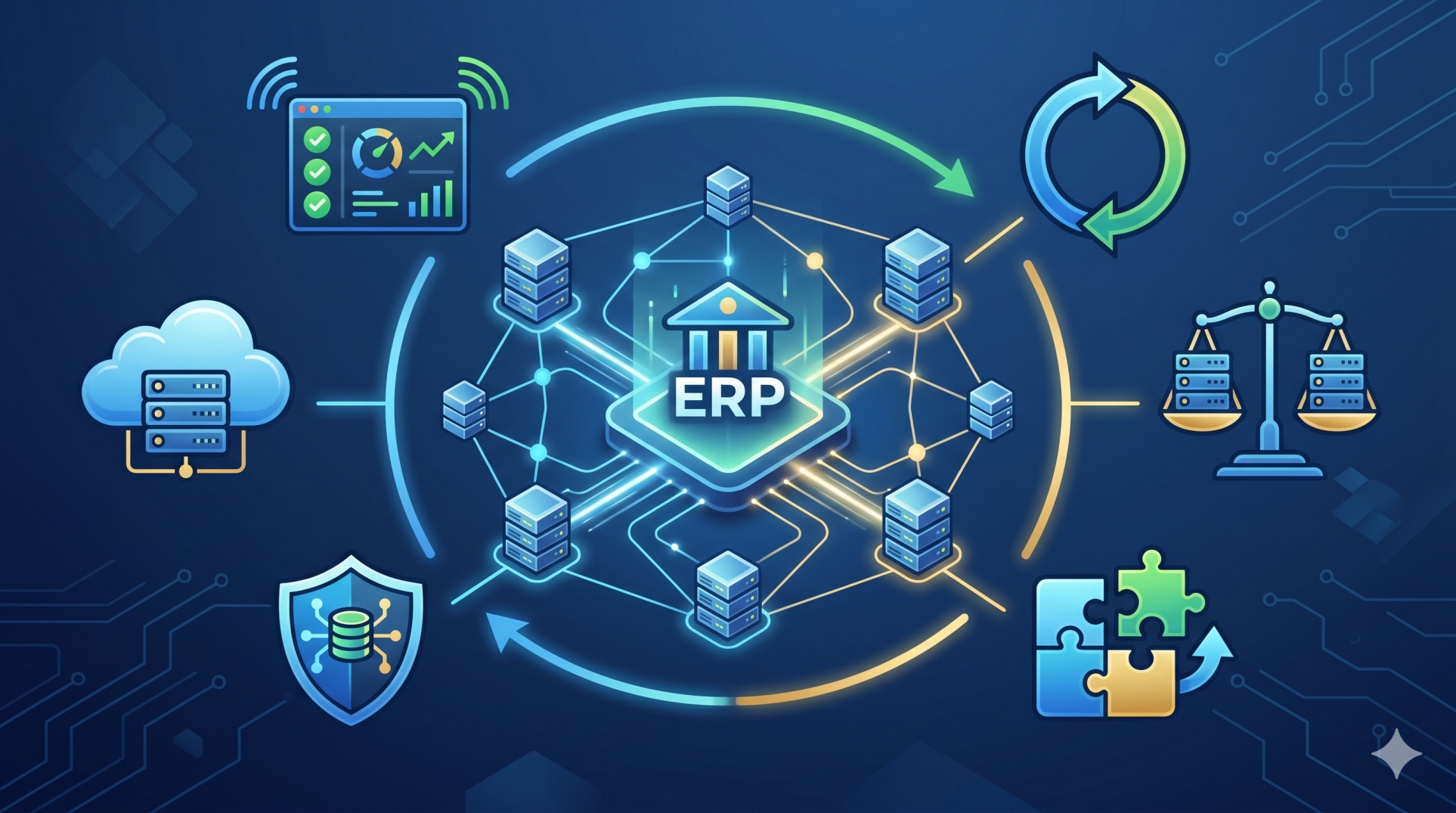
Step 9: Ensuring Data Security and Governance 🔐
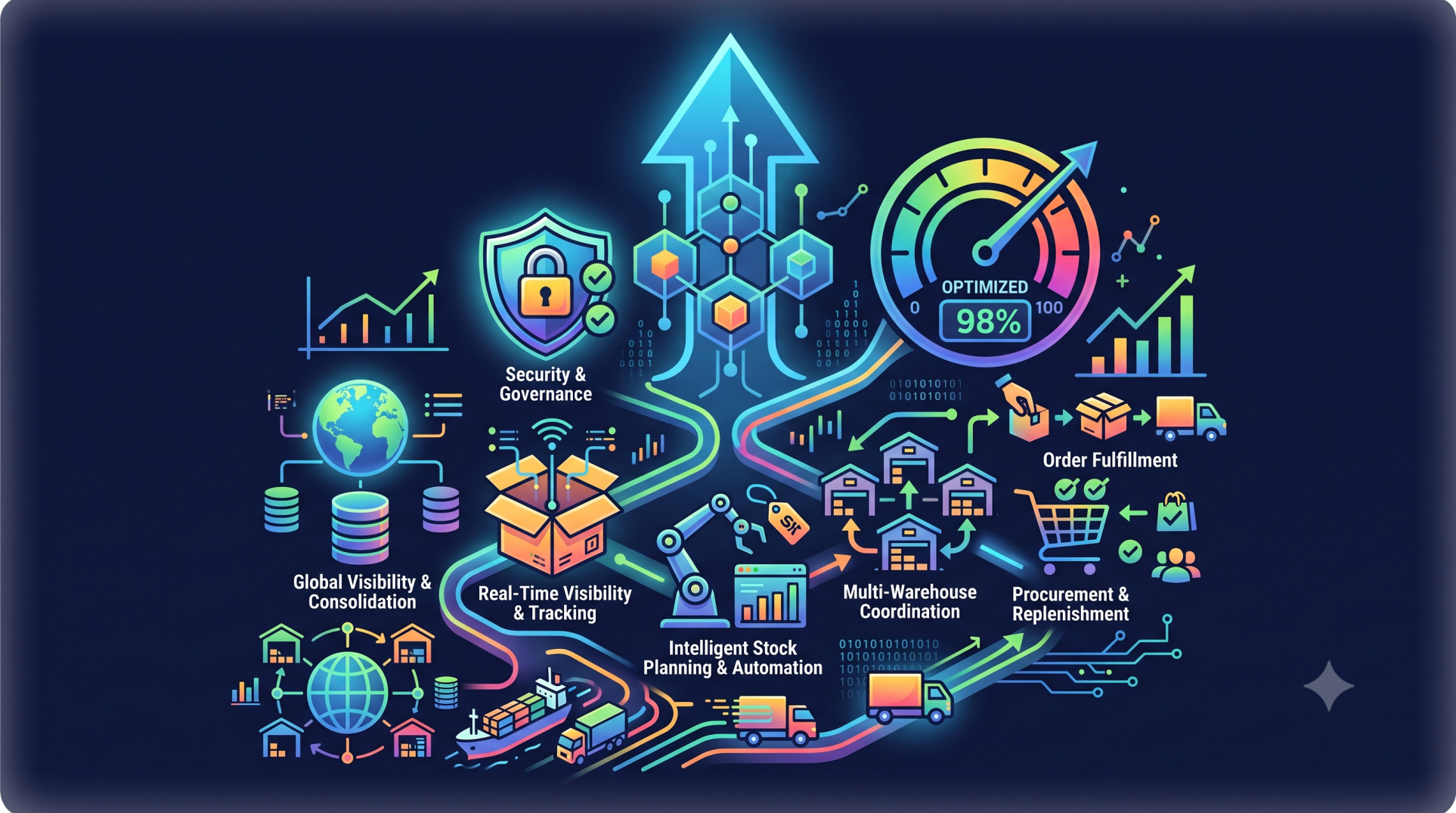
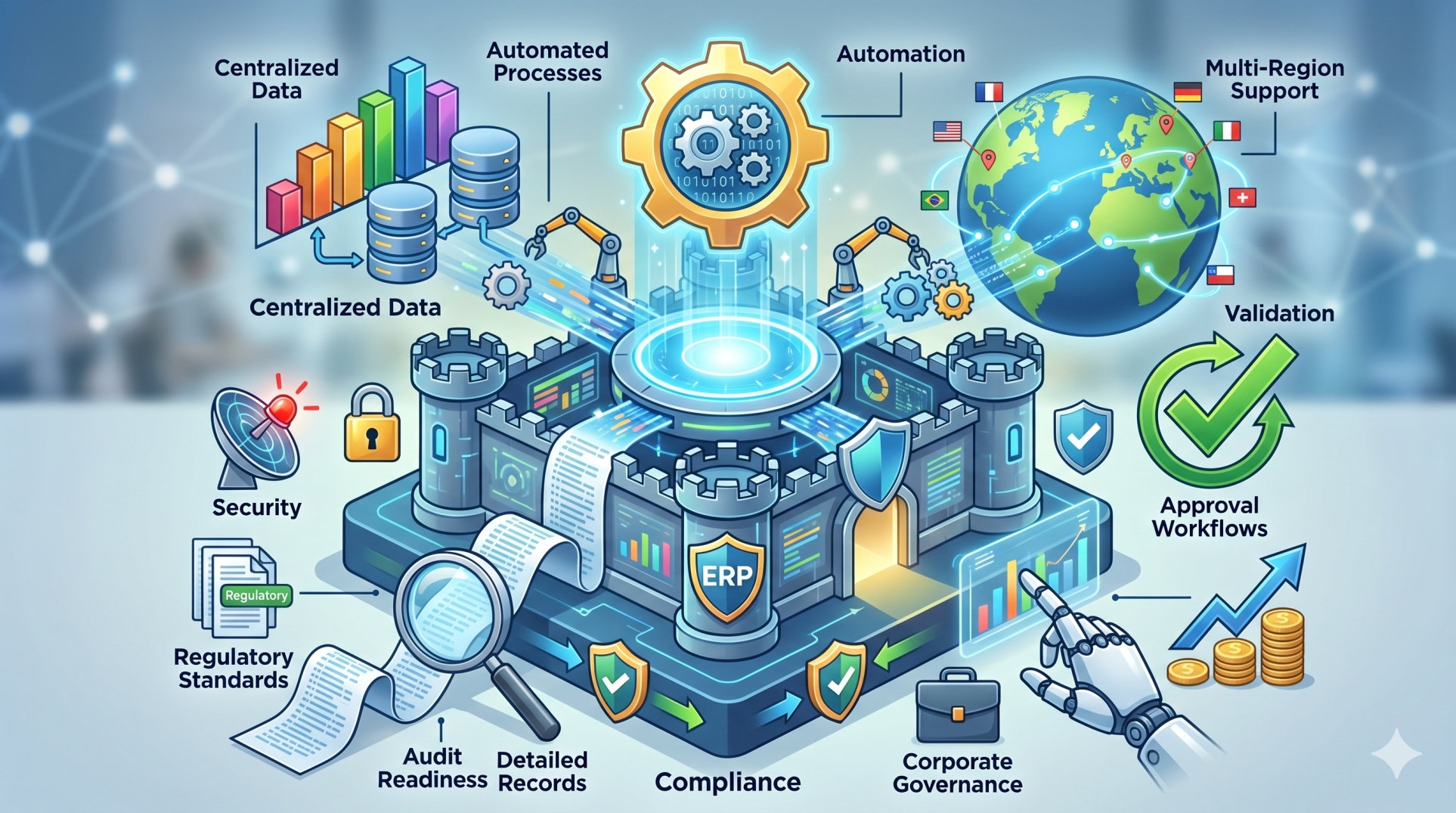
• Protect sensitive business information with strong security controls 🛡️
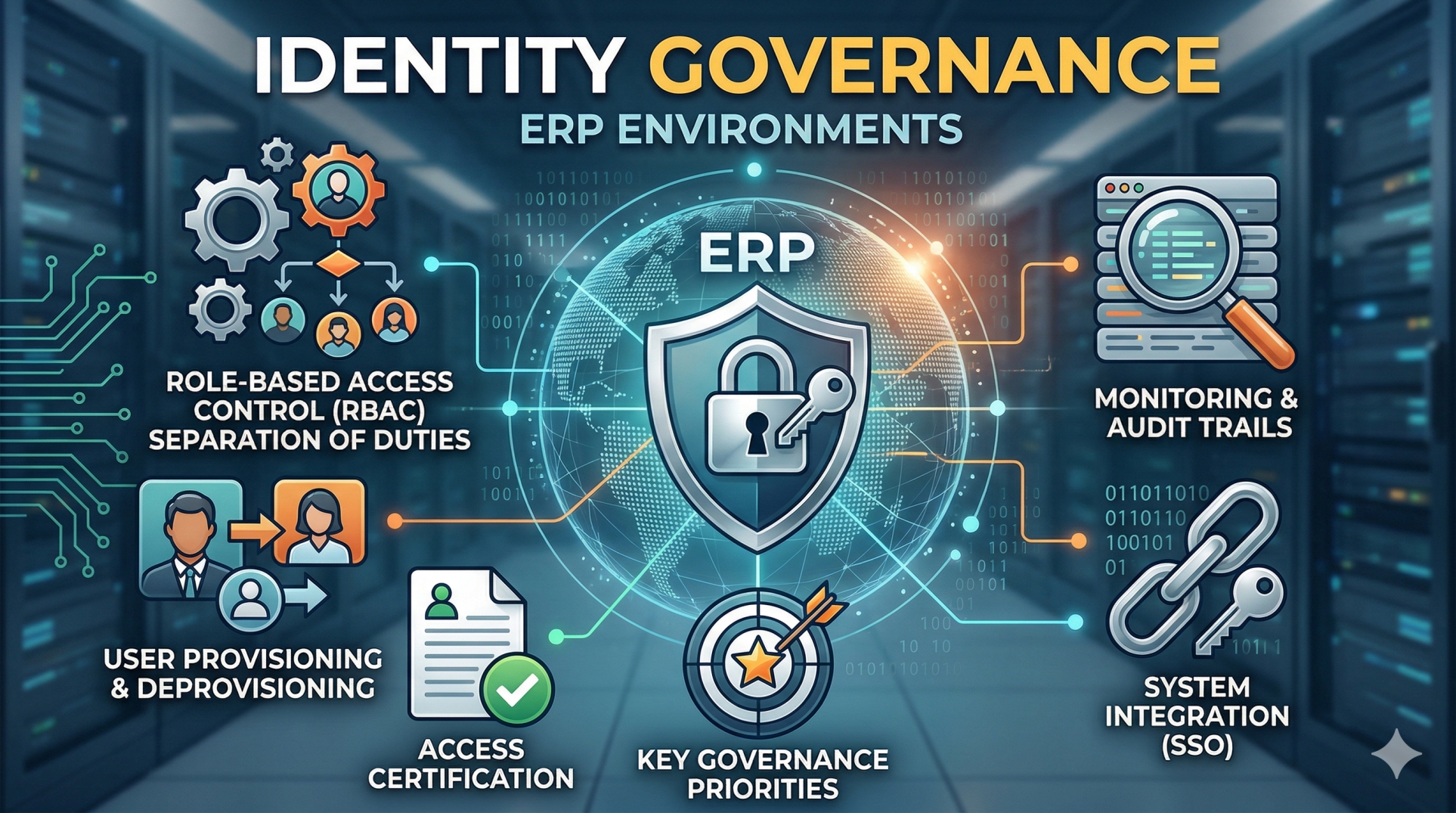
• Define role-based access to analytics platforms 👥
• Maintain audit trails for reporting activities 📝
• Support compliance with data governance policies 📜
• Ensure responsible and transparent AI usage ✅
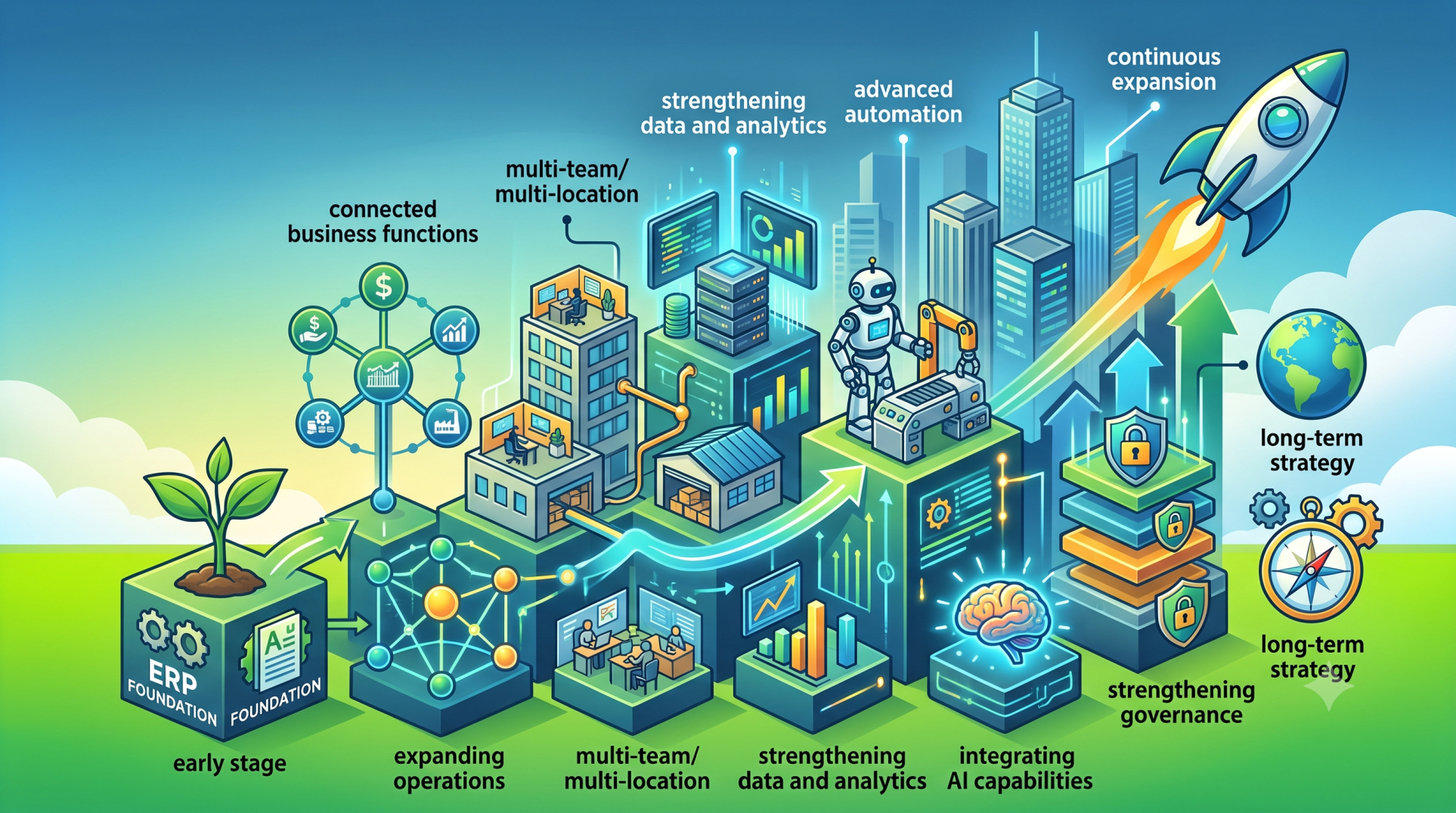
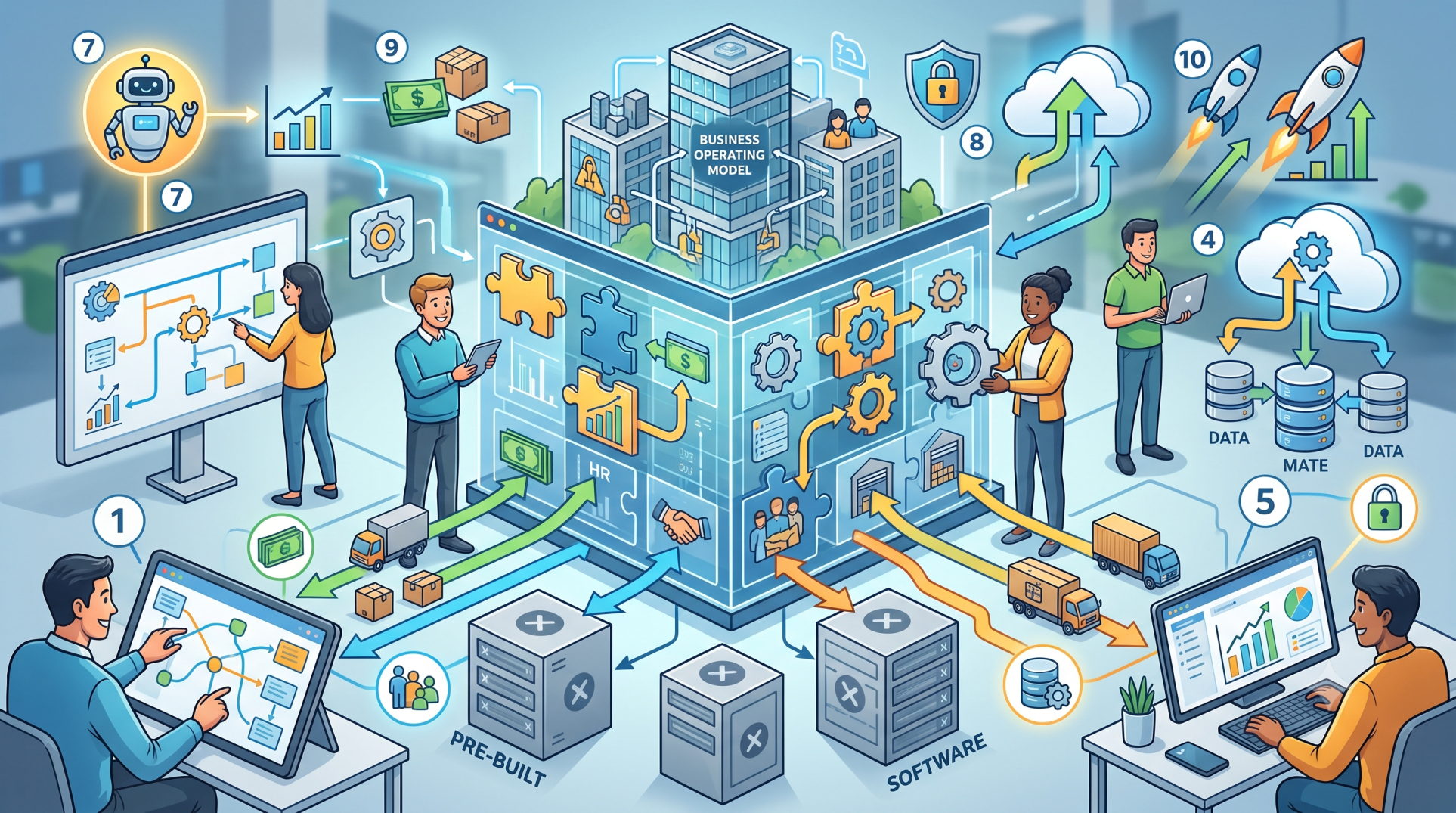
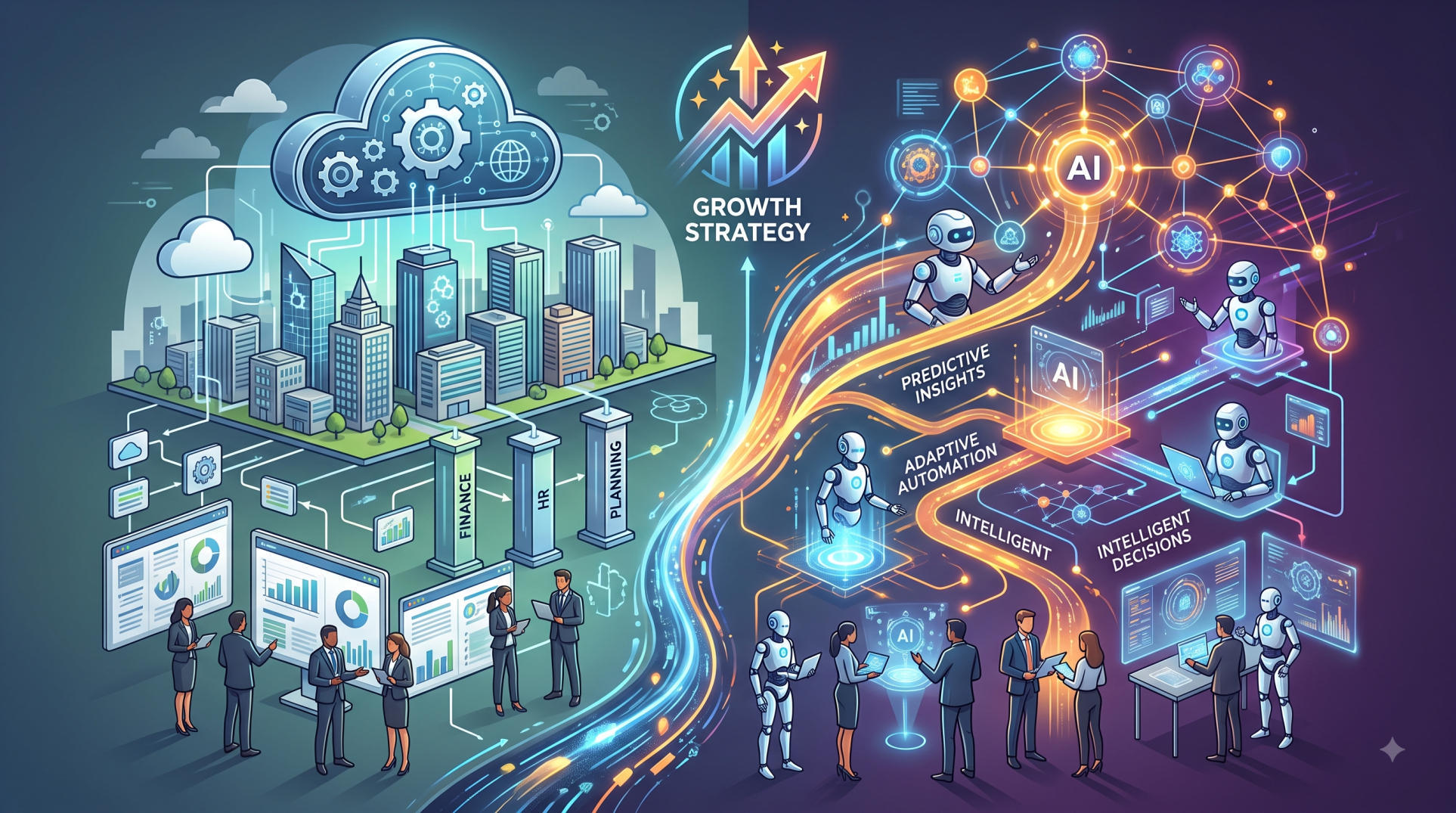
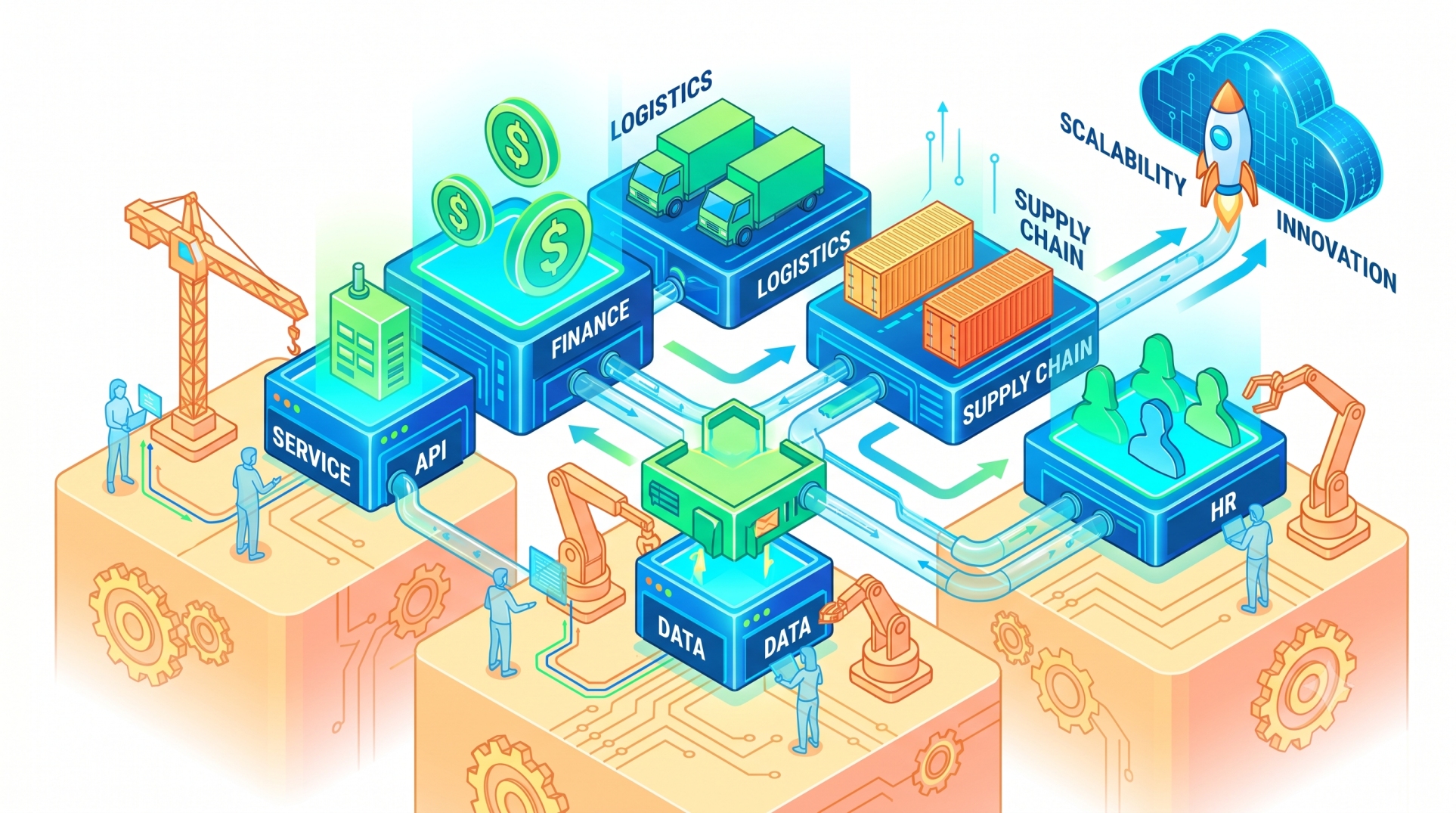
Step 10: Building an Intelligent Business Ecosystem 🌟
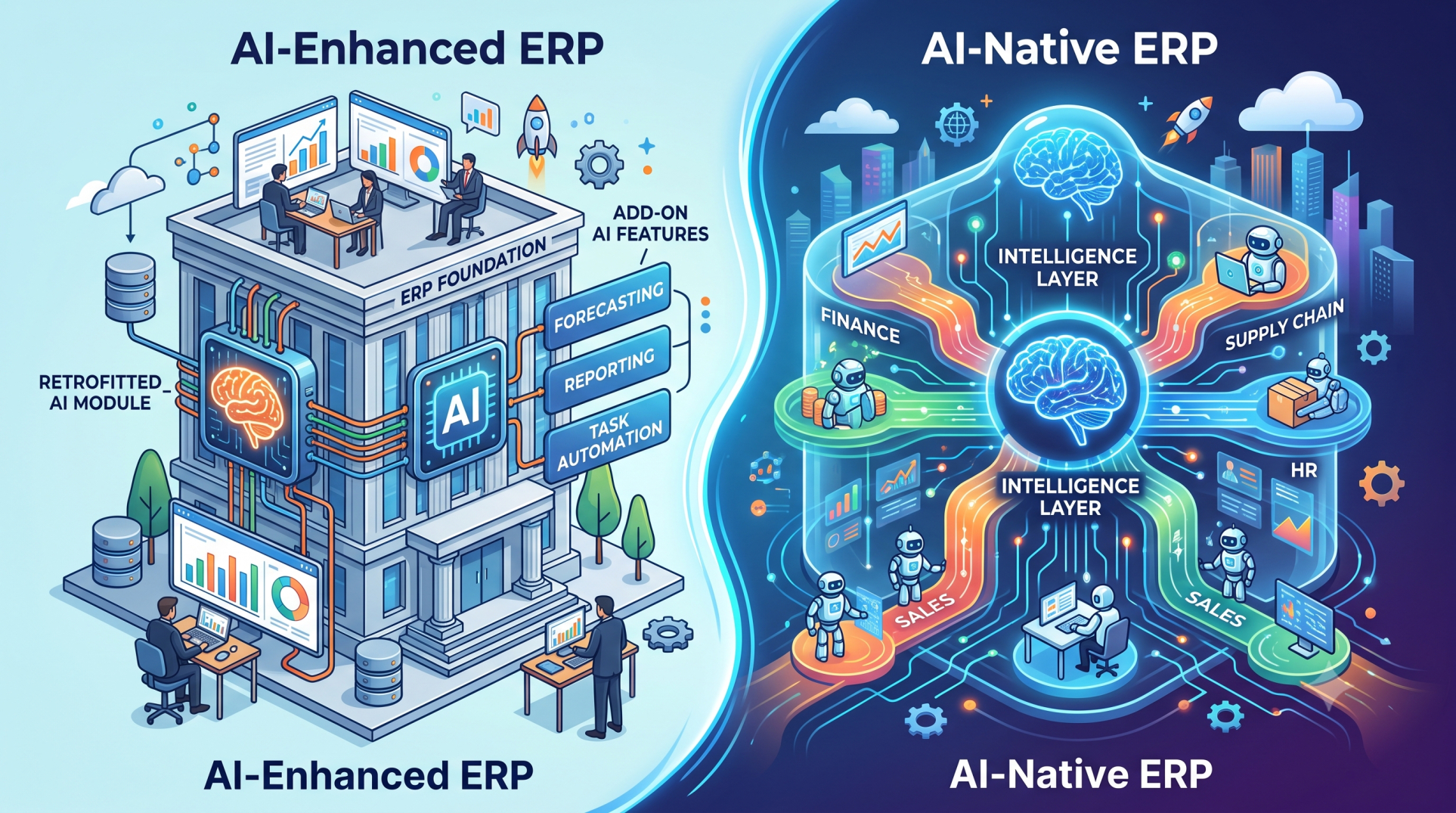
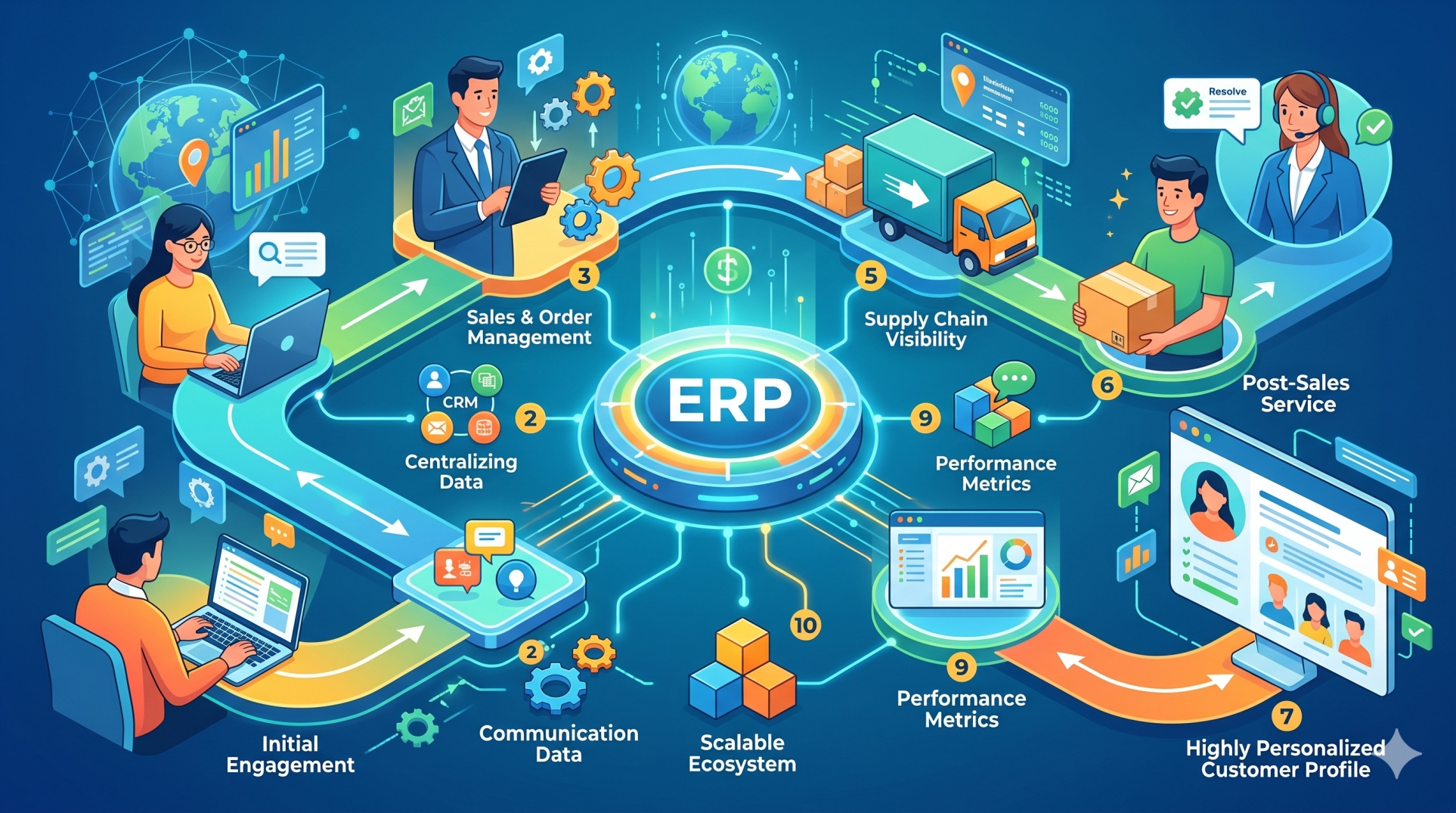
• Design scalable AI-powered analytics platforms 🏗️
• Integrate emerging technologies with existing business systems 🔄
• Encourage collaboration through shared business intelligence 🤝
• Continuously optimize analytics models using new data 📊
• Prepare the organization for future innovation and growth 🚀
Conclusion
AI-driven business insights empower organizations to move beyond collecting data and begin extracting meaningful value from it. By combining intelligent analytics, real-time visibility, and automated decision support, businesses can improve operational performance, identify emerging opportunities, and make confident, data-informed decisions. As organizations continue to generate increasing volumes of information, AI-powered insights provide the foundation for sustainable growth, agility, and long-term competitive advantage.
See more blogs
You can all the articles below