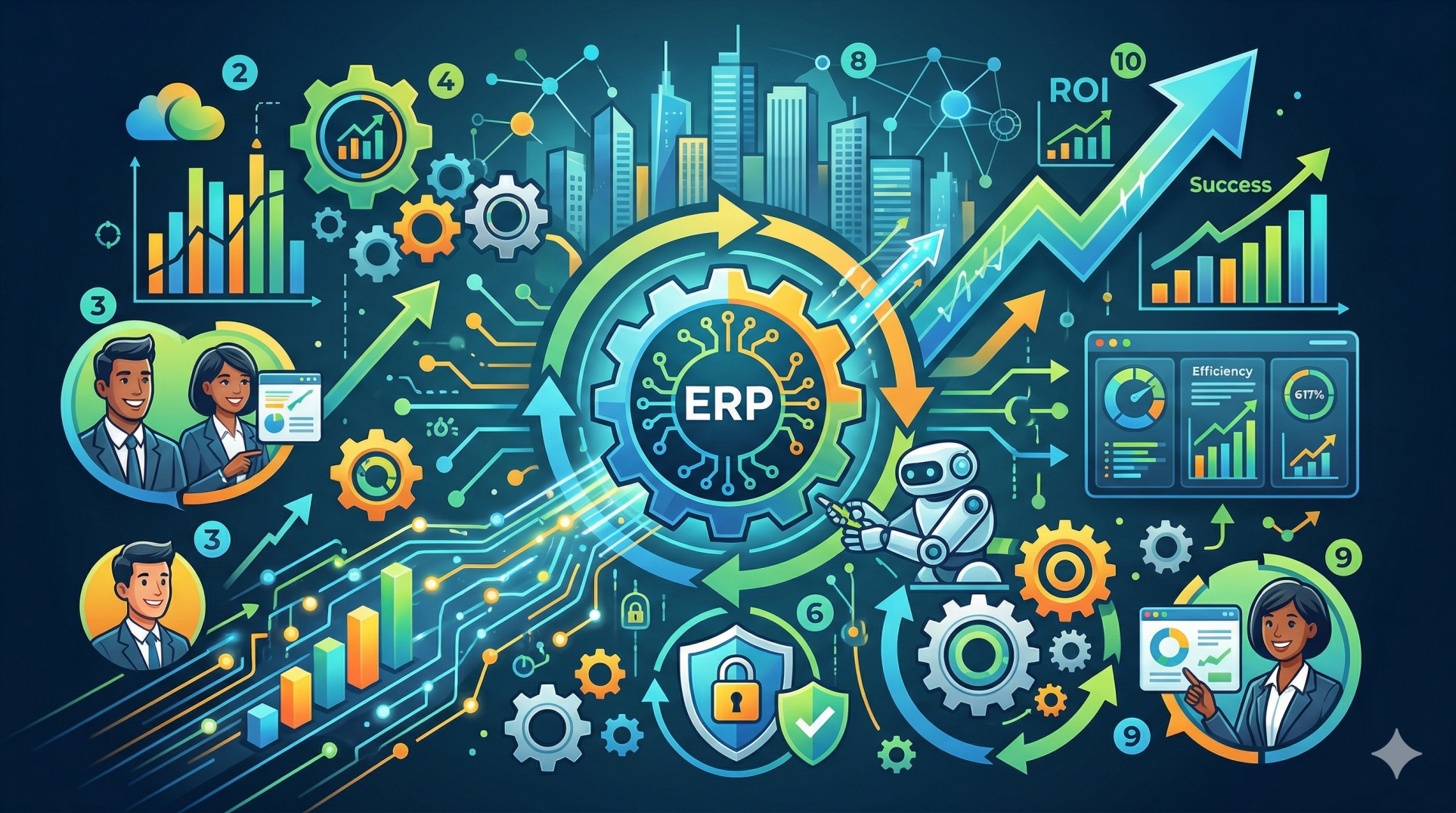
ERP Software for Small Business: A Scalable Growth Guide
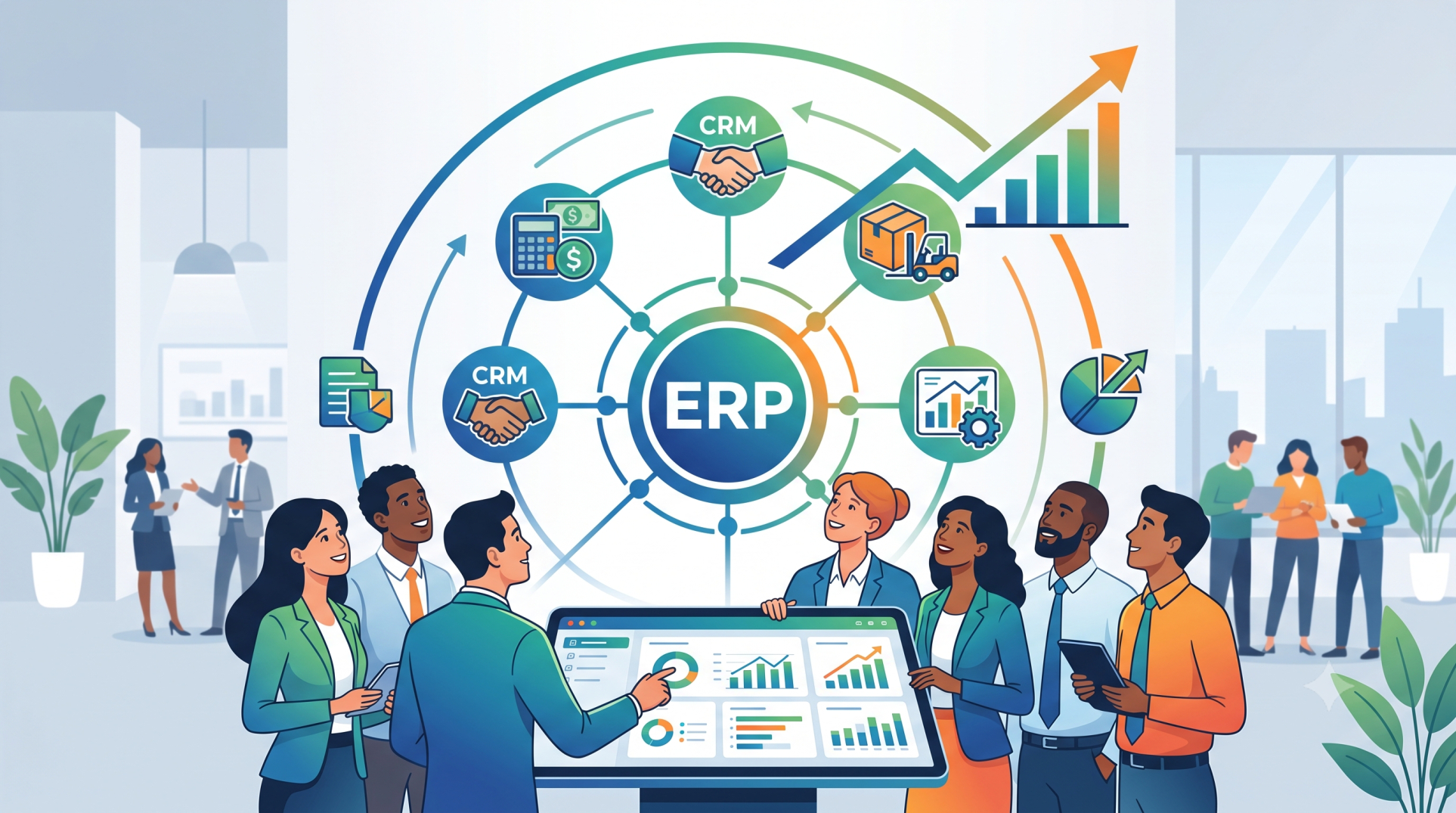
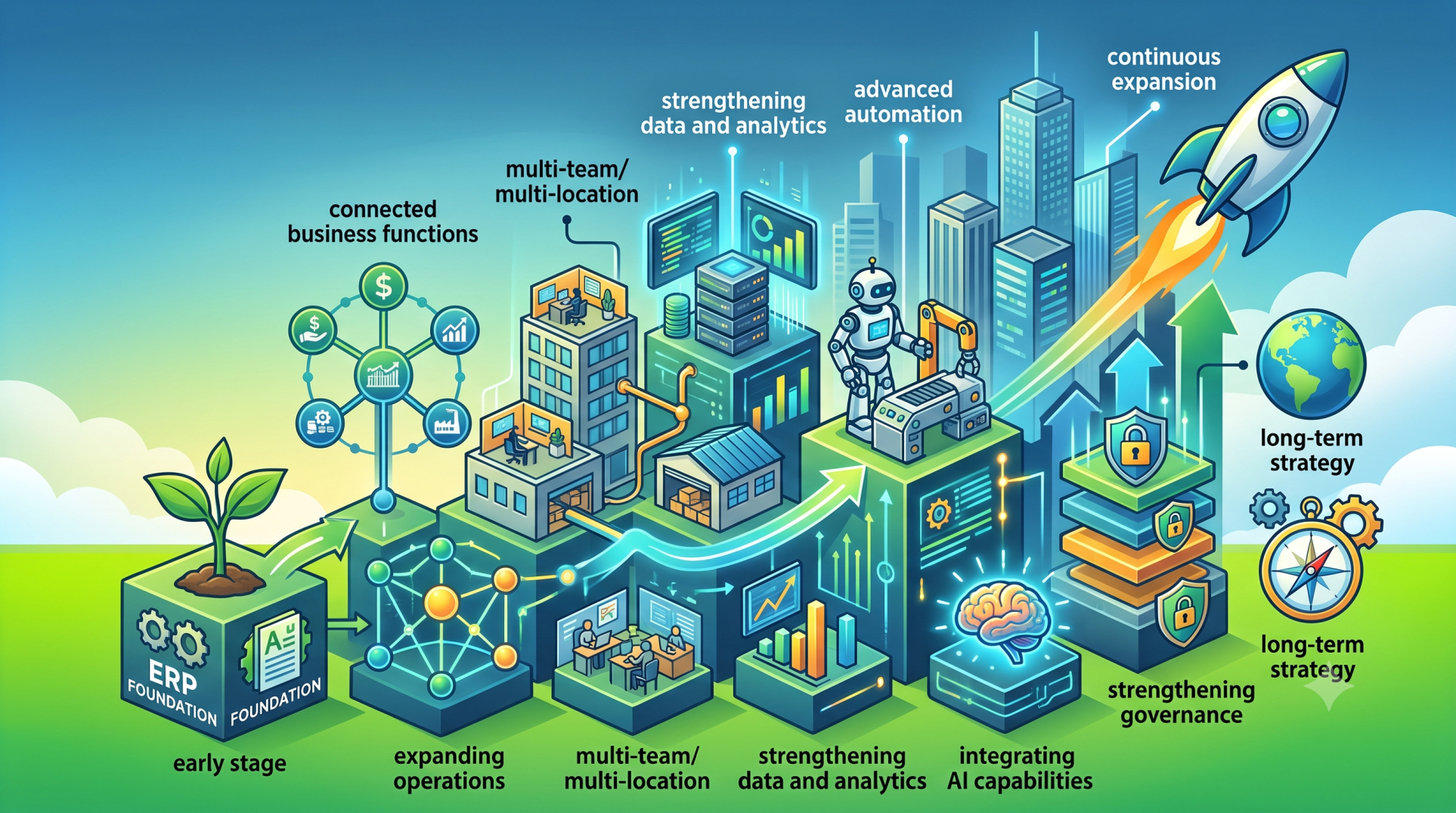
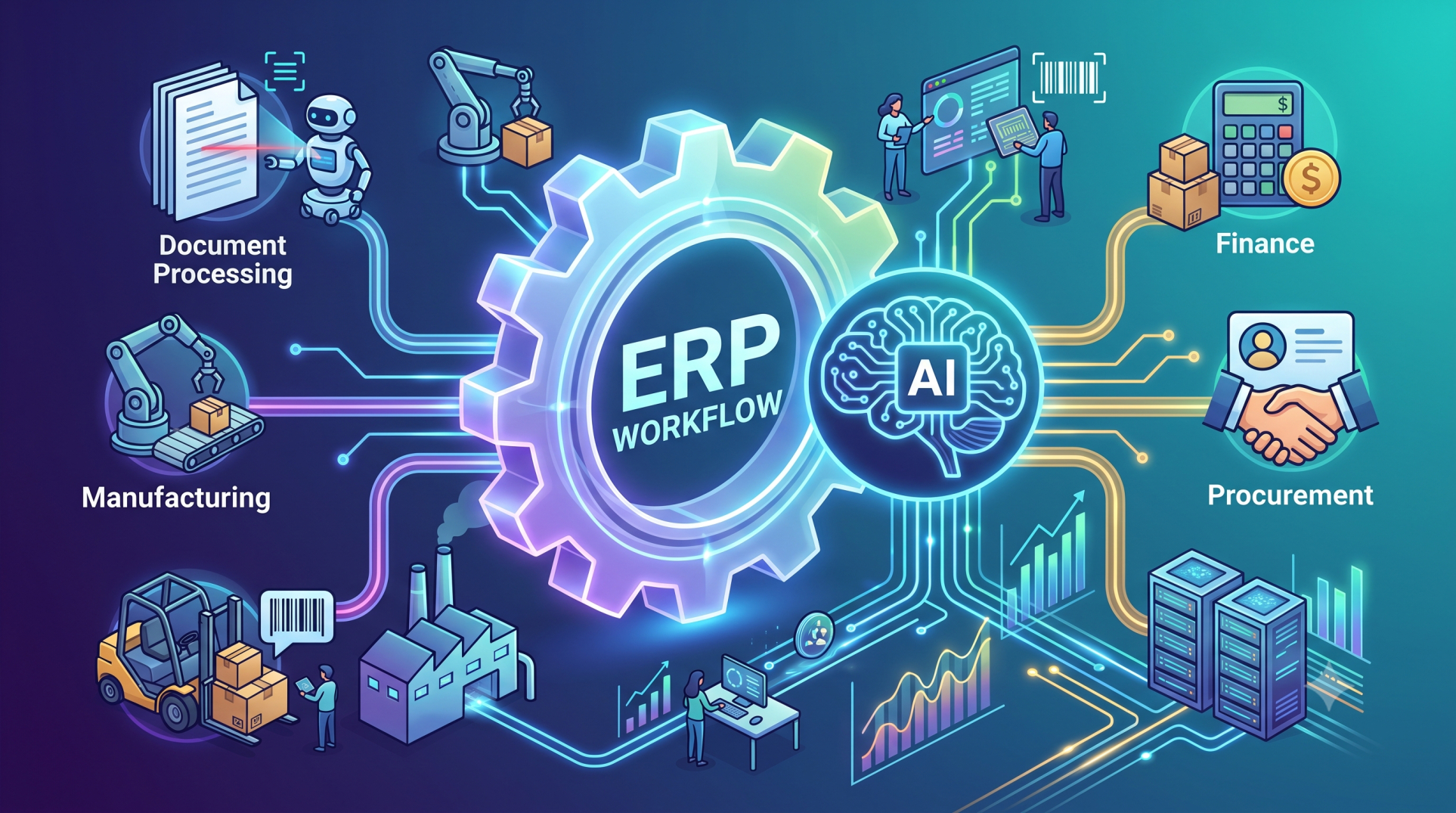
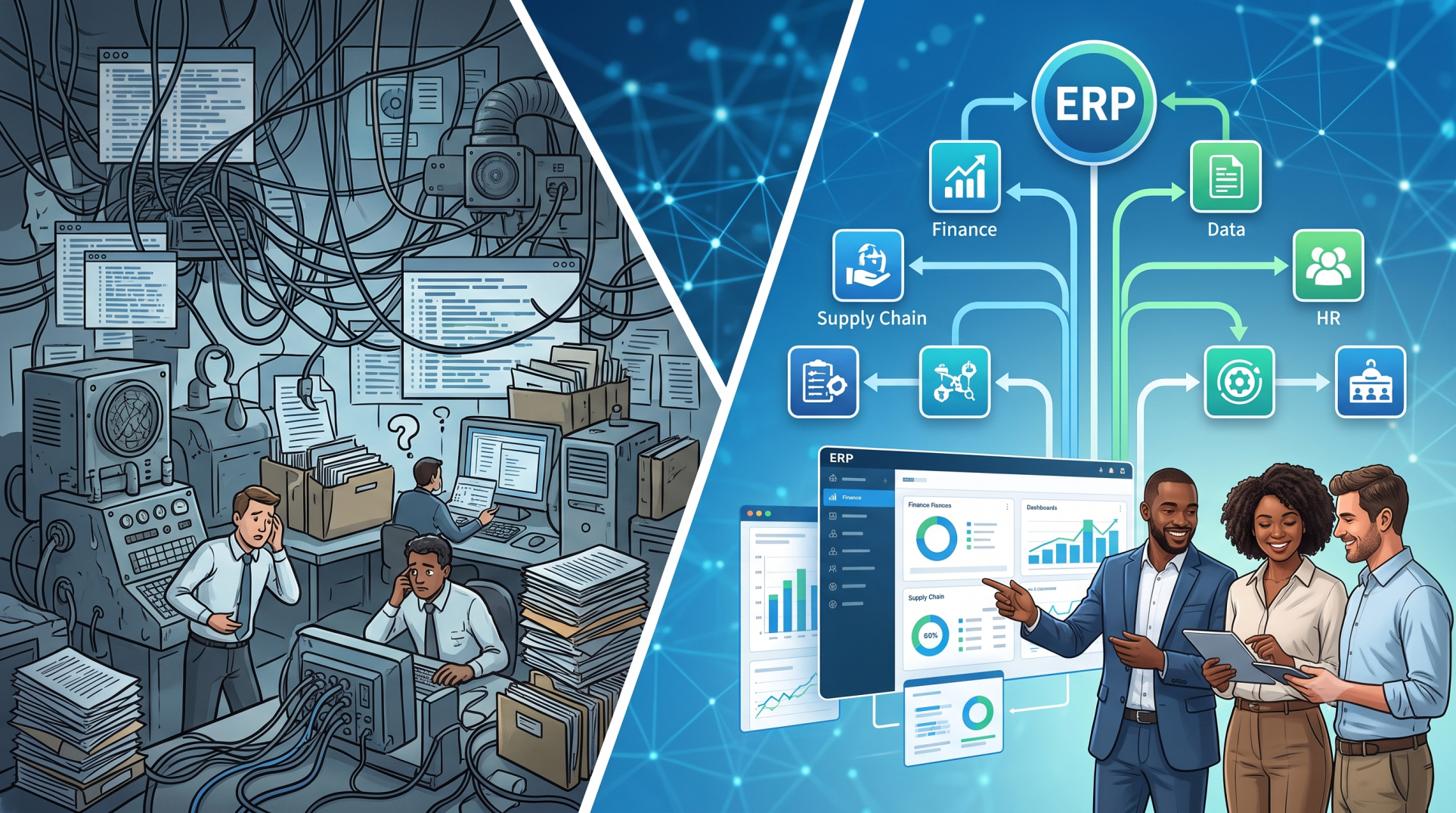
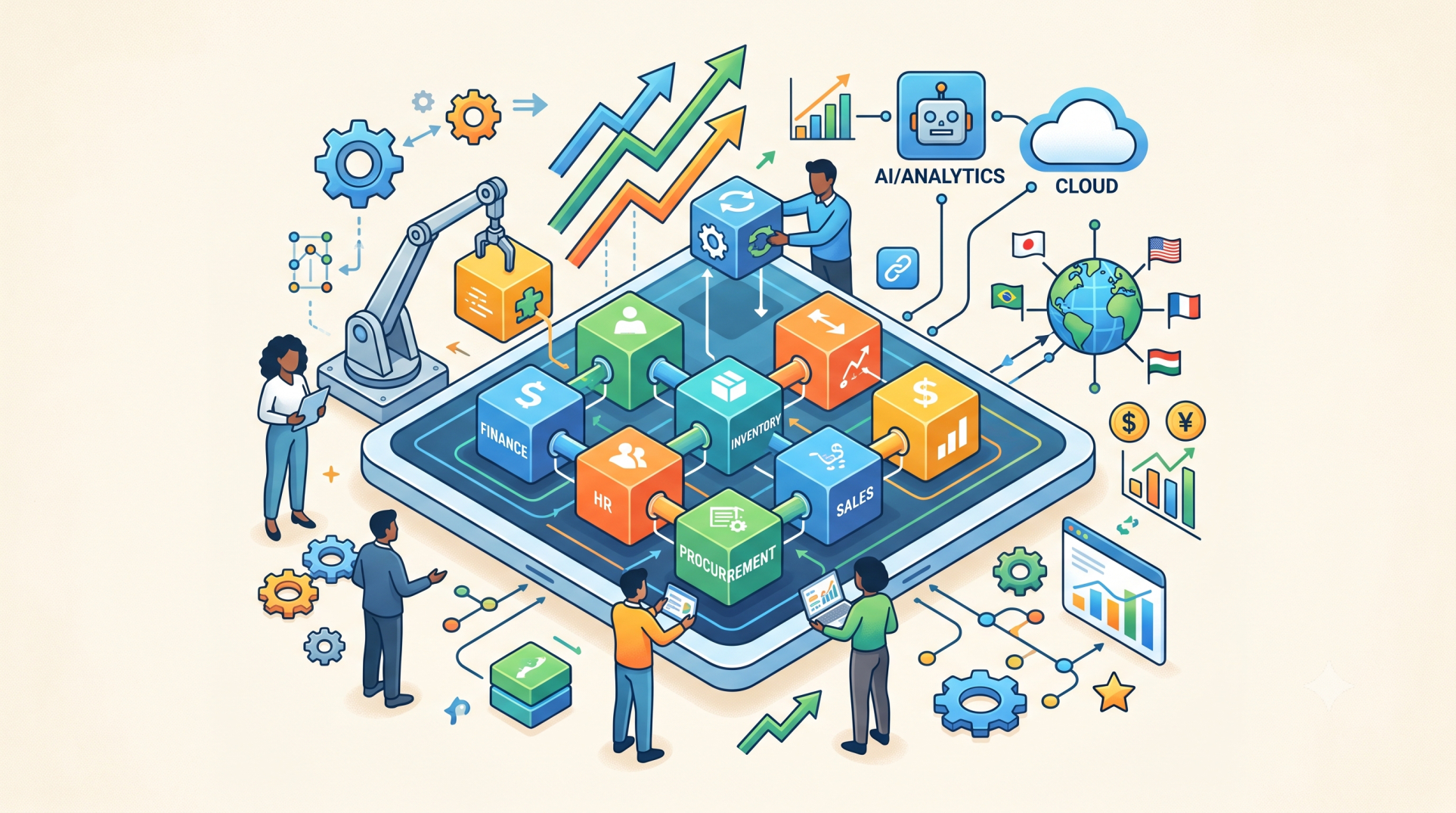
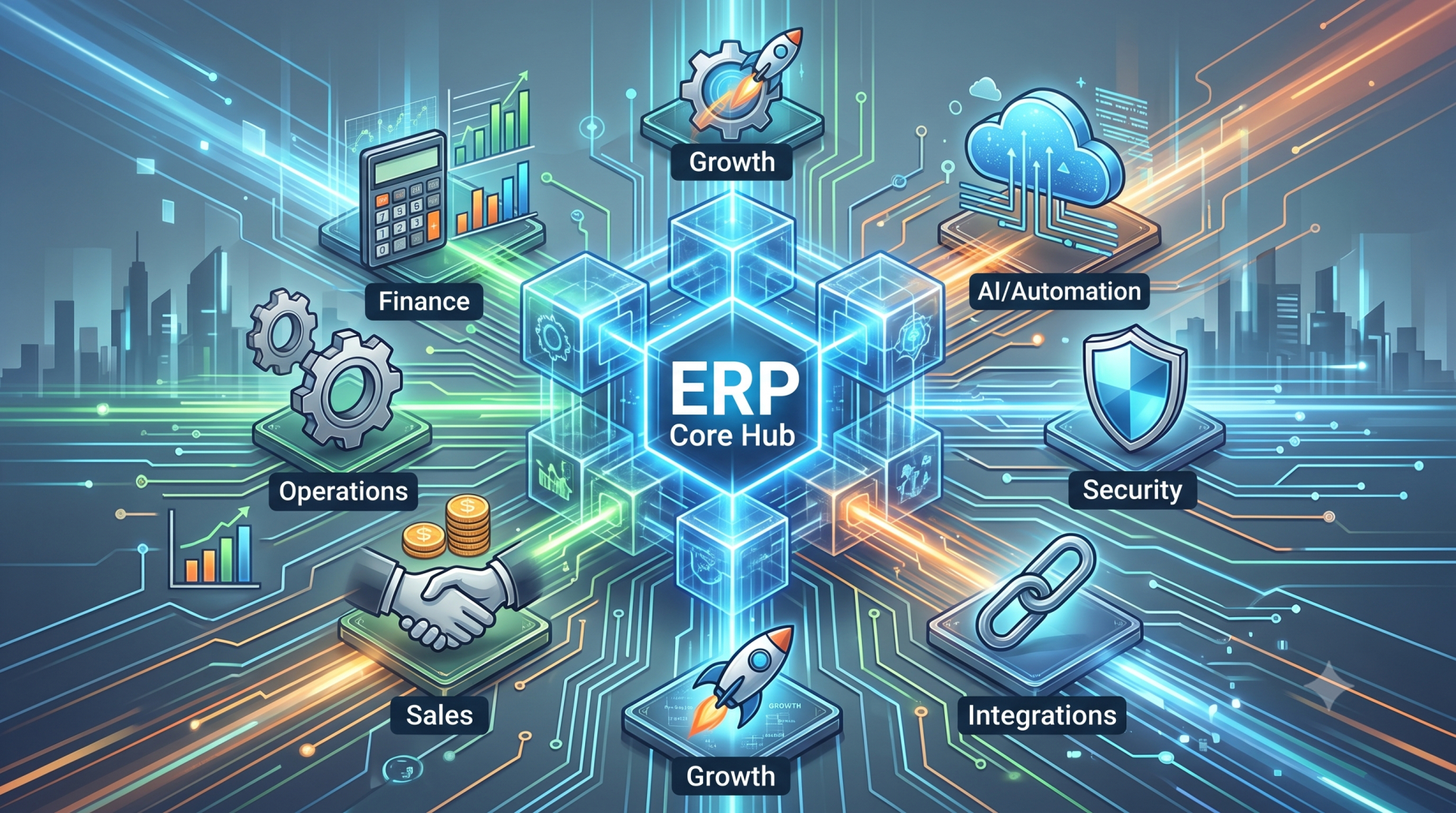
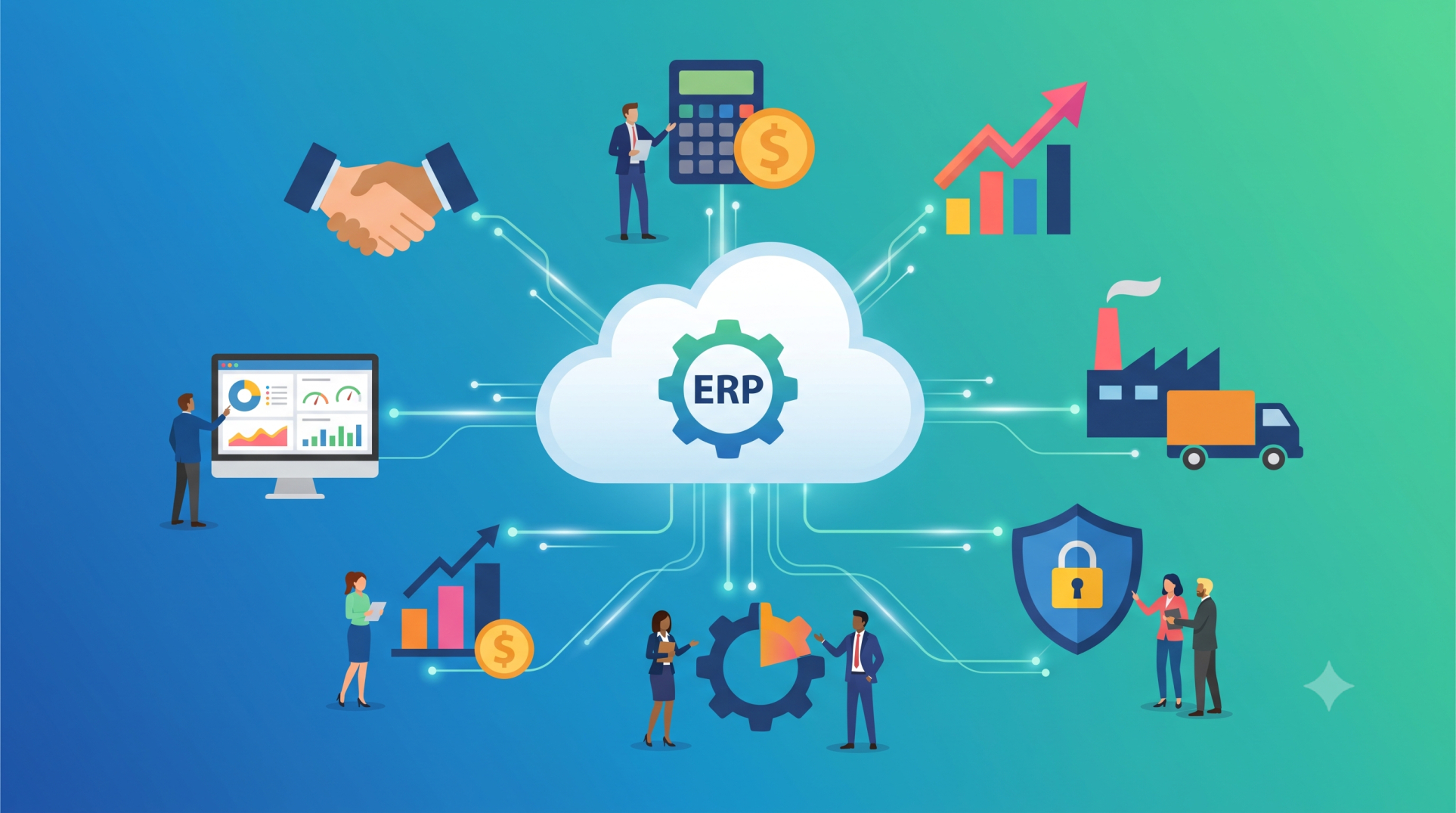
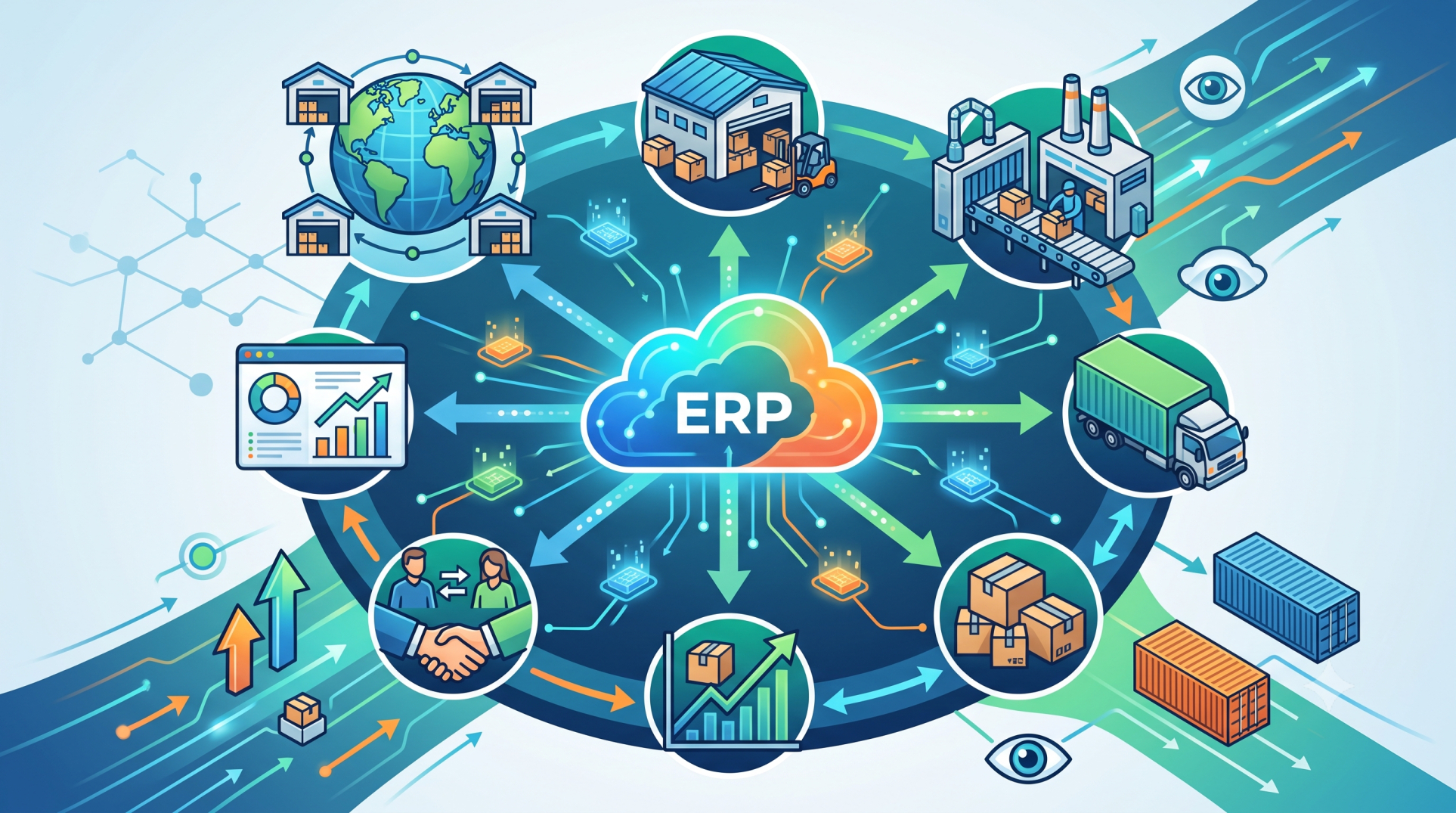
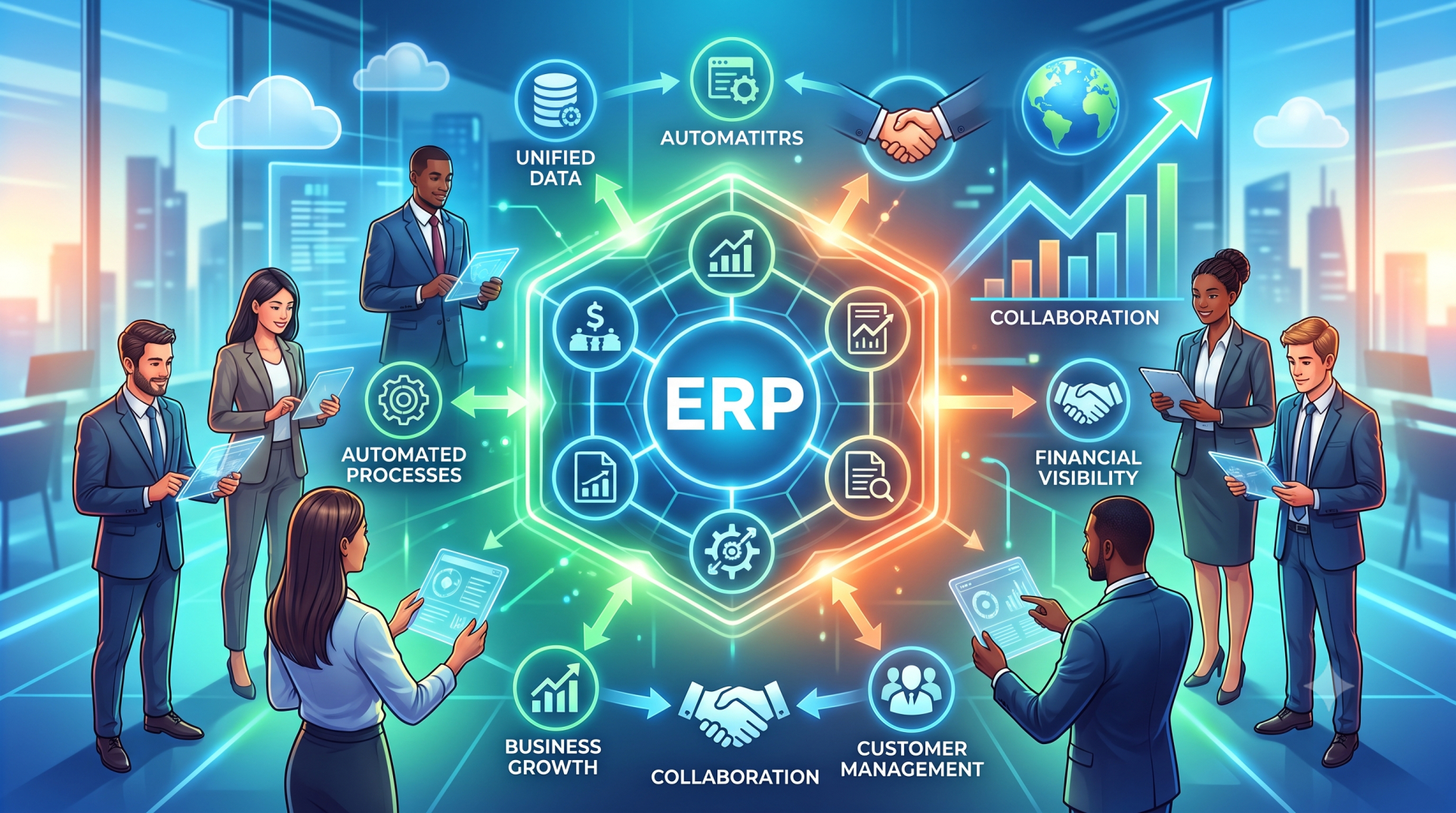
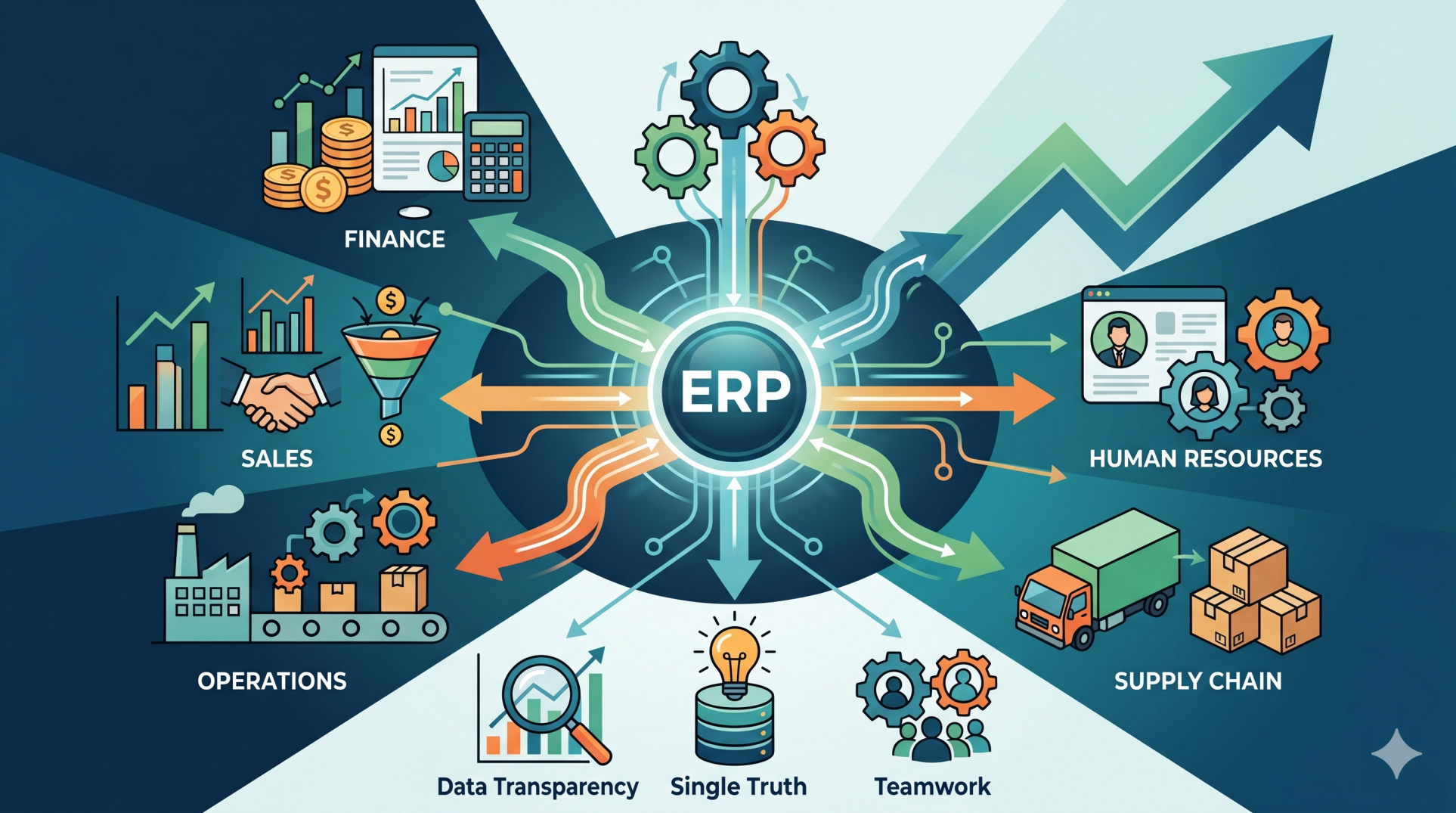
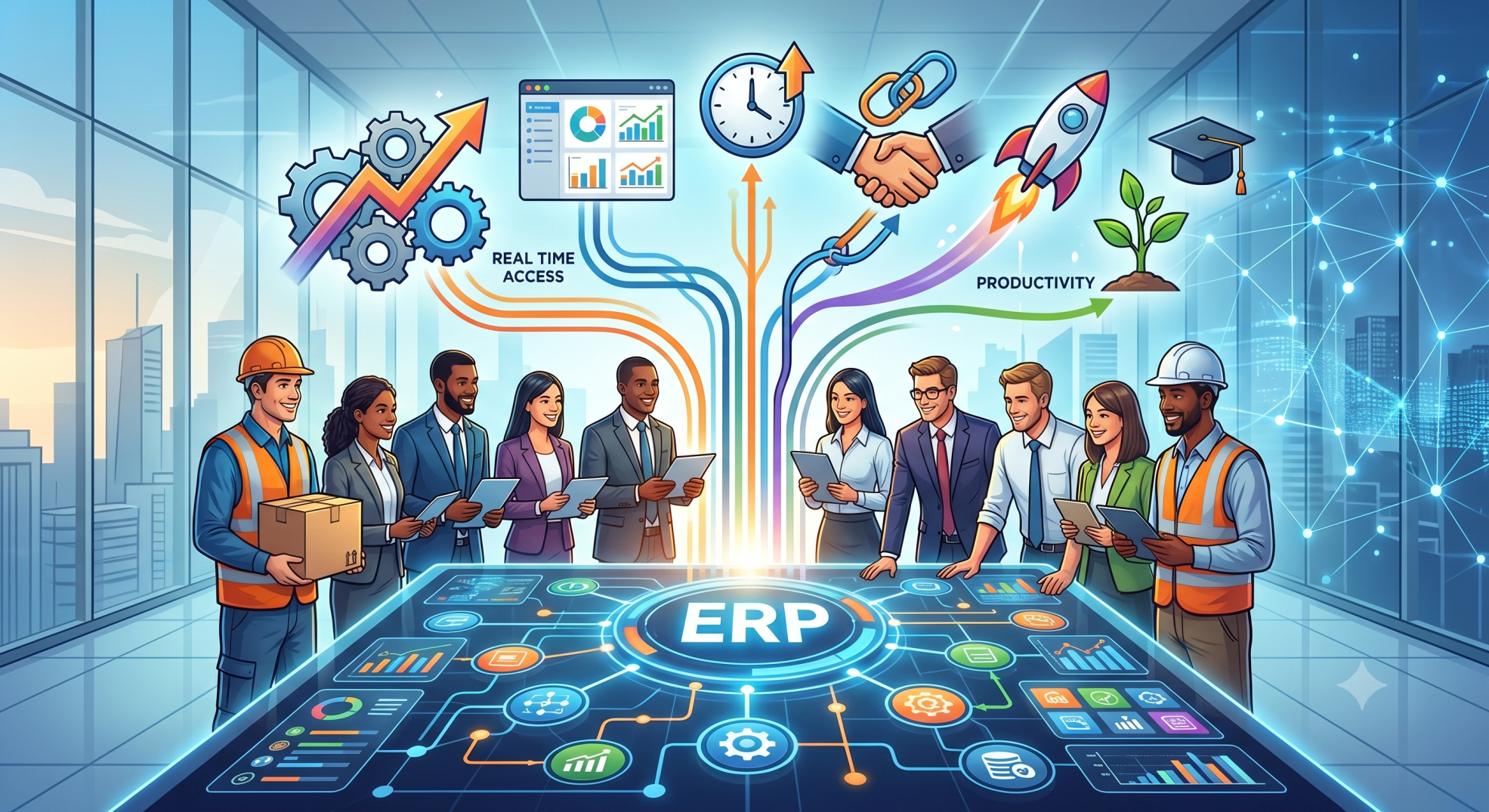
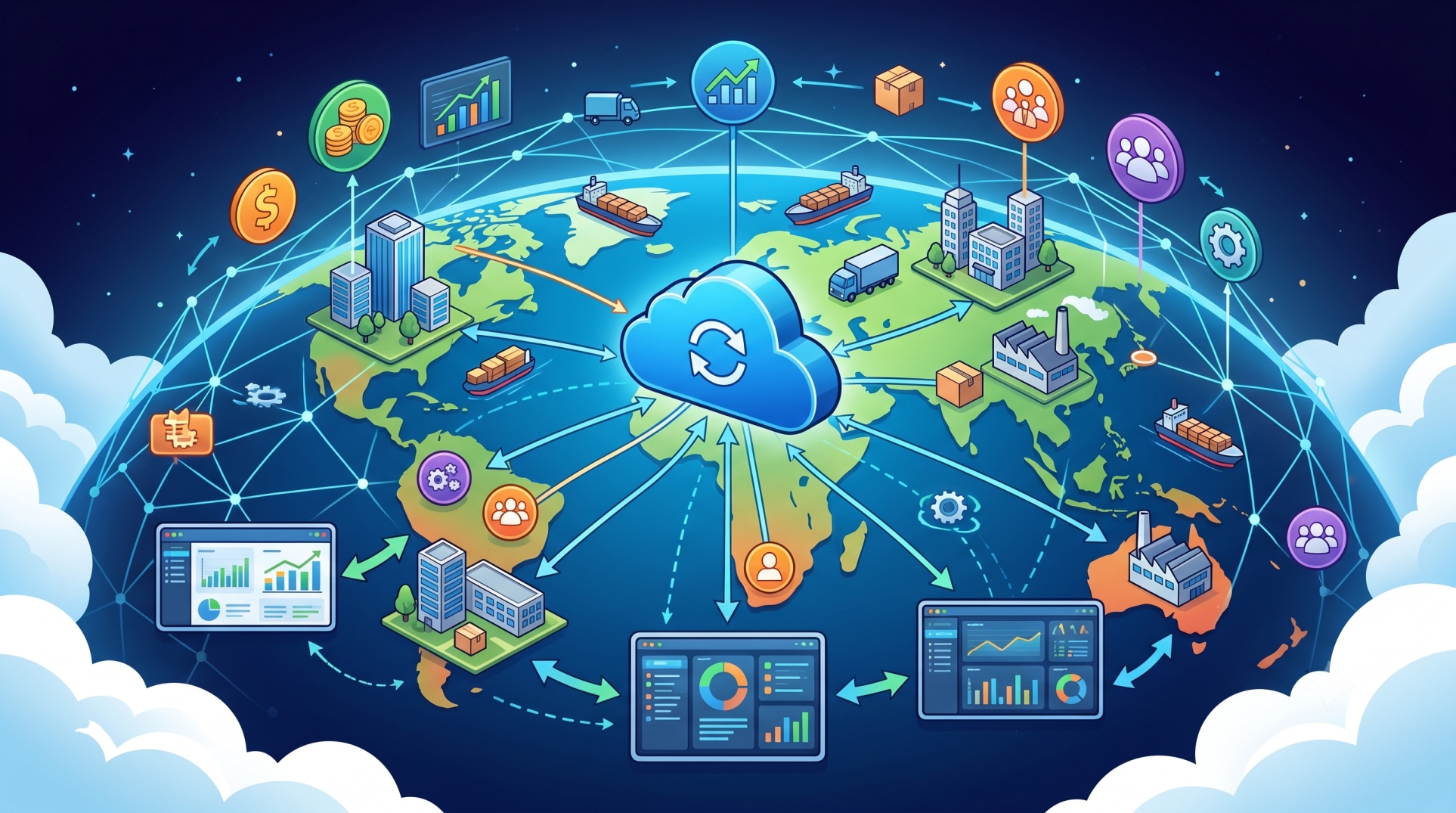
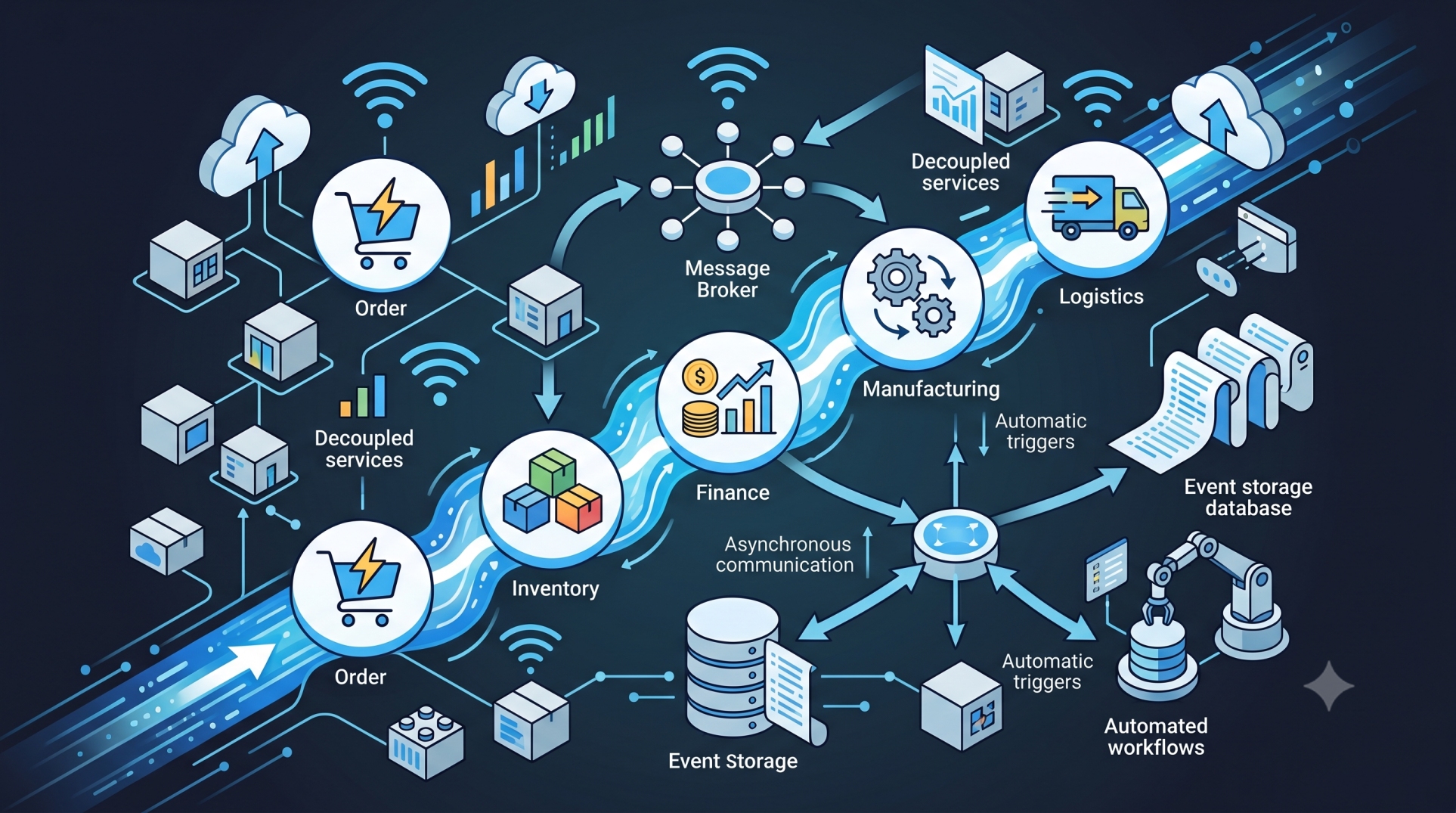
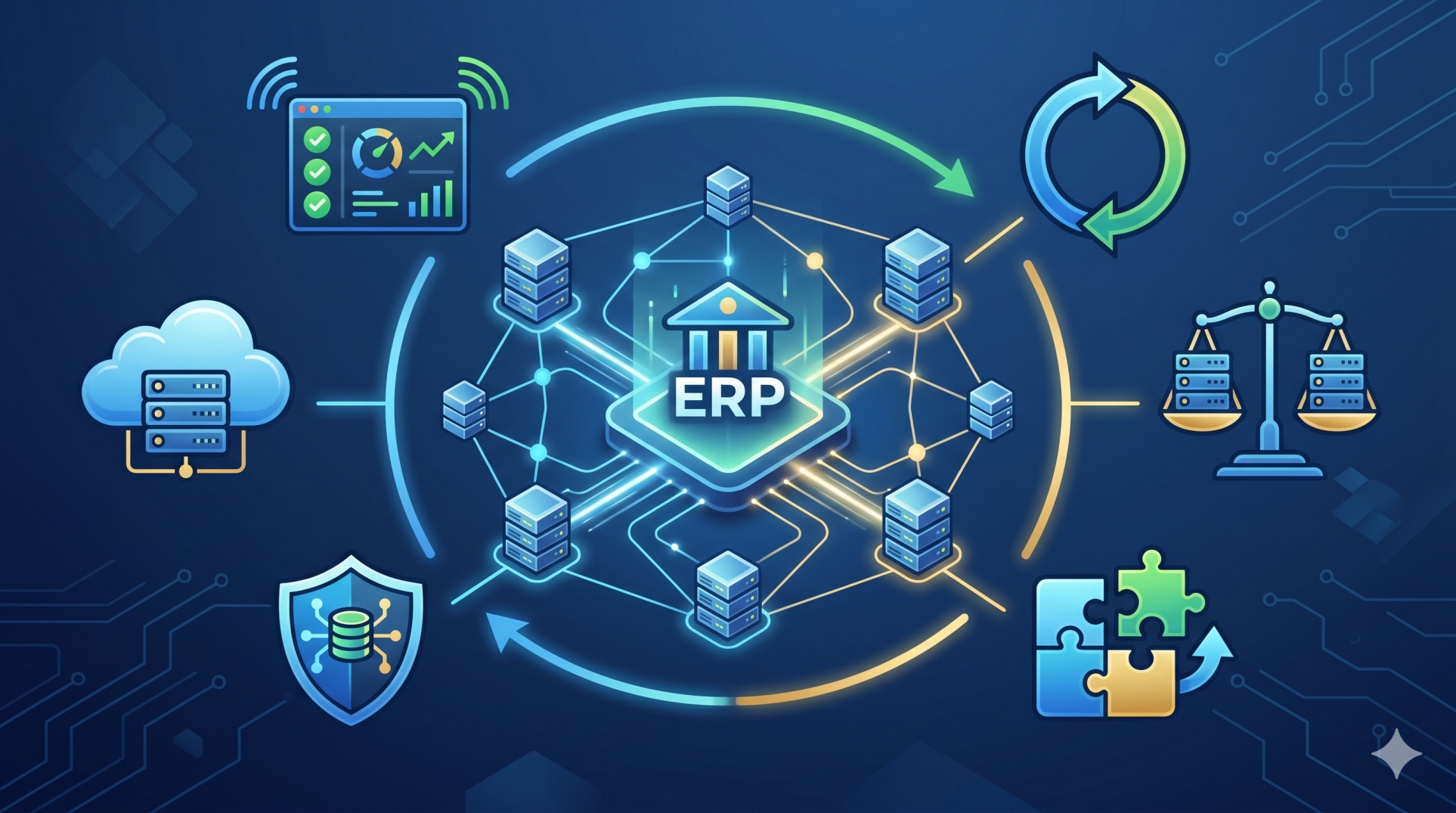
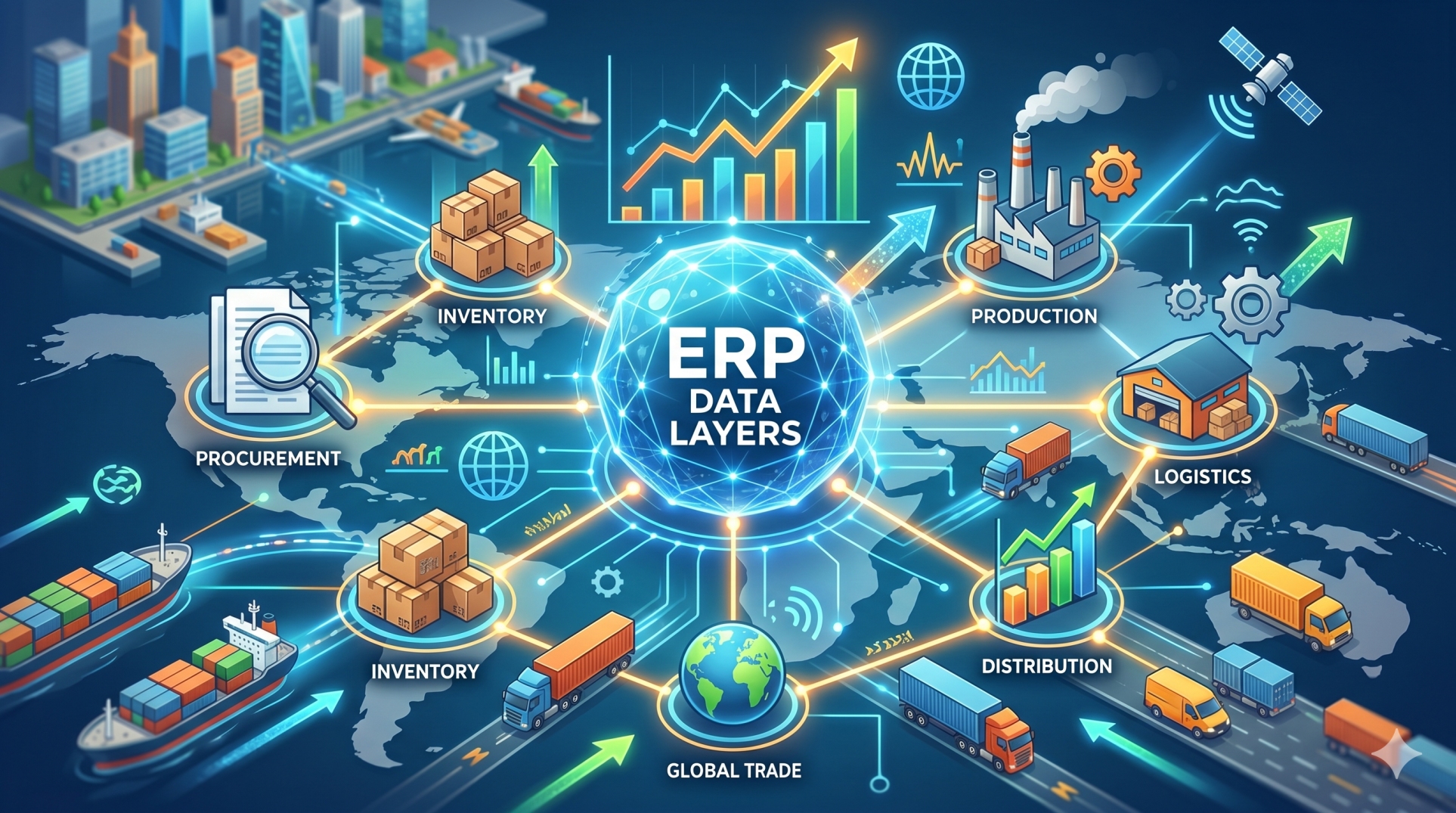
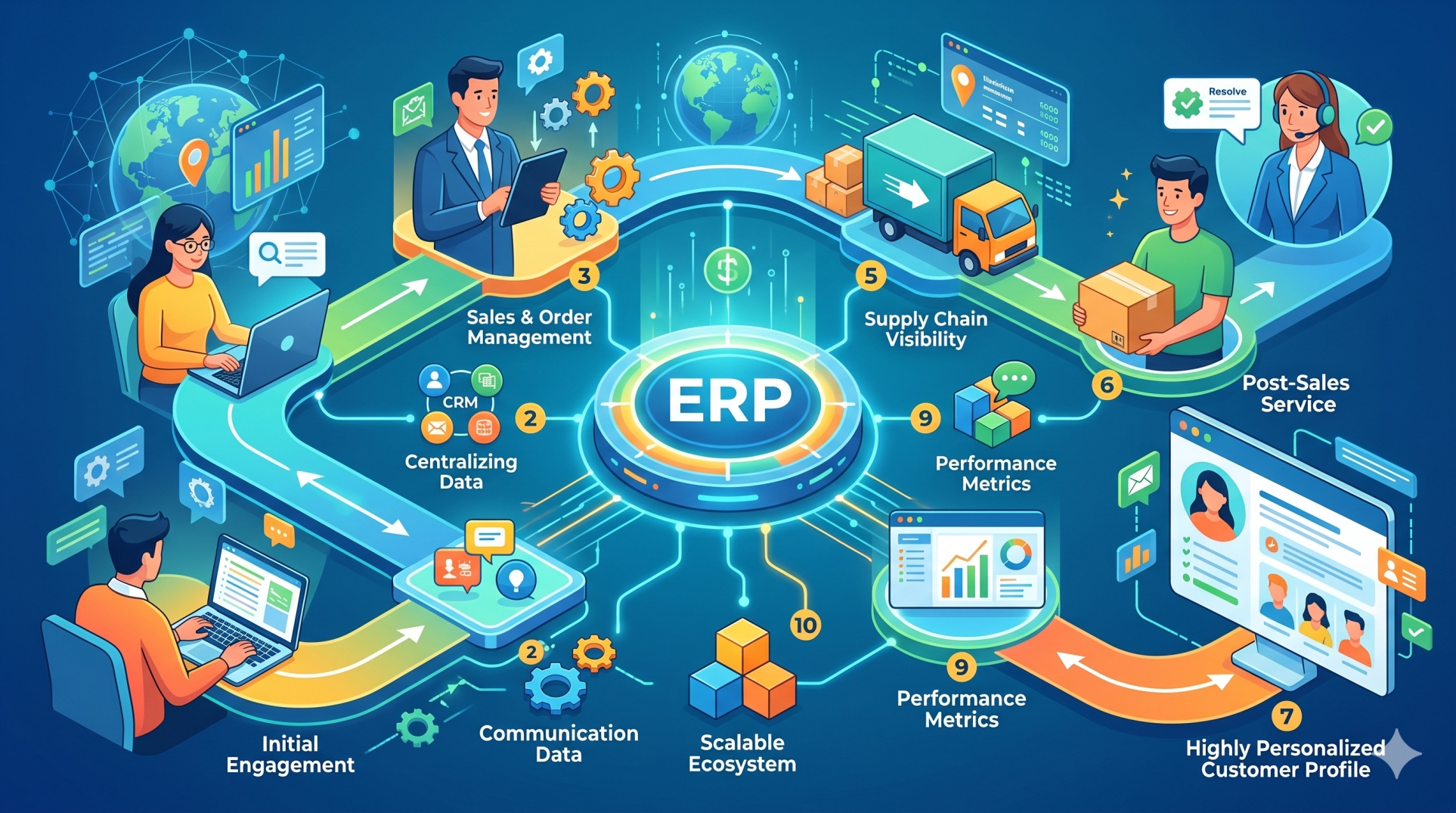
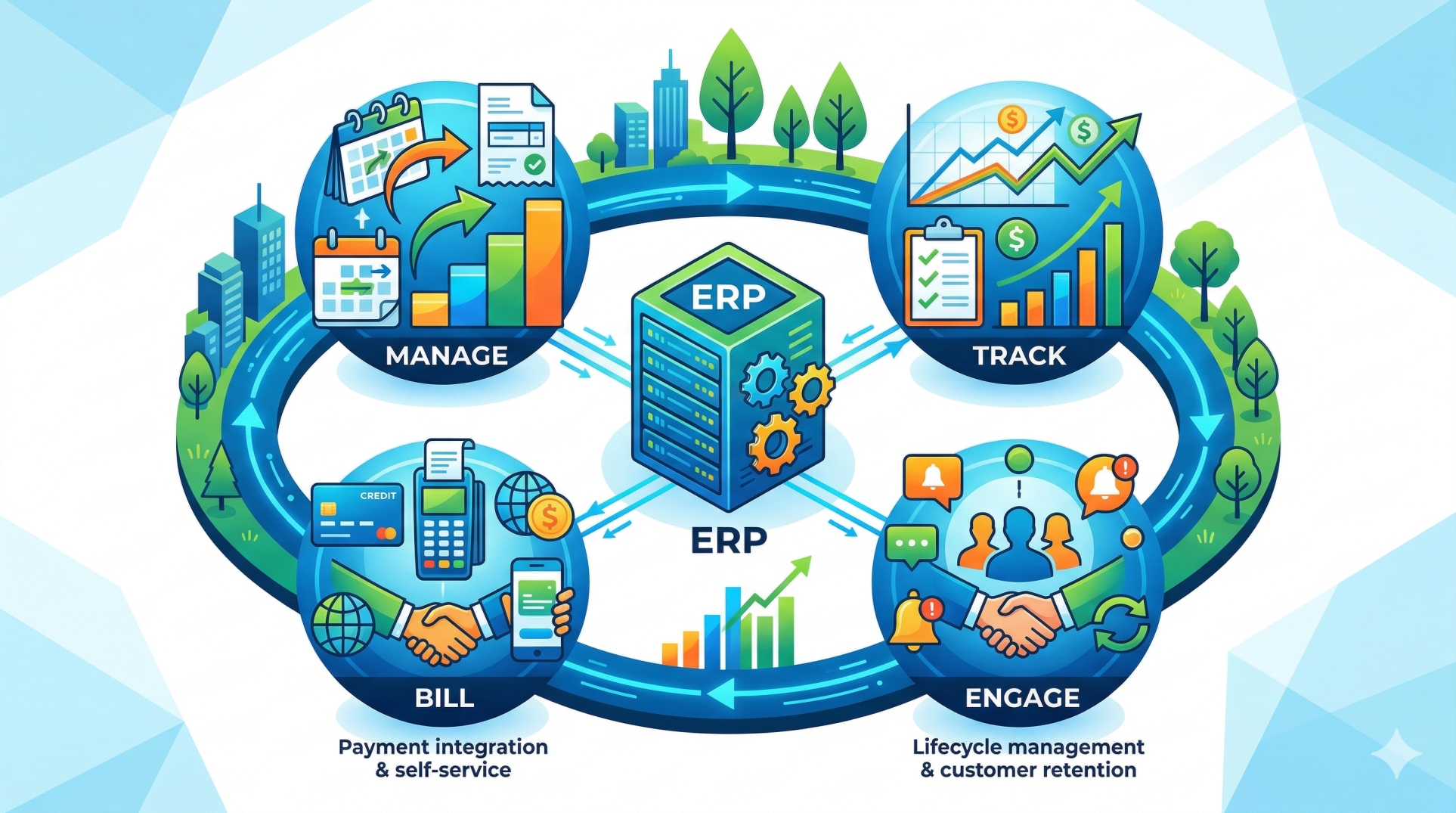
Growing a small business requires more than hard work—it demands efficient processes, accurate data, and the ability to adapt as operations expand. ERP (Enterprise Resource Planning) software brings essential business functions together into a single platform, helping small businesses streamline workflows, improve collaboration, and make informed decisions. With a scalable ERP solution, organizations can build a strong operational foundation that supports sustainable growth without increasing unnecessary complexity.
Step 1: Understanding the Value of ERP 🌟
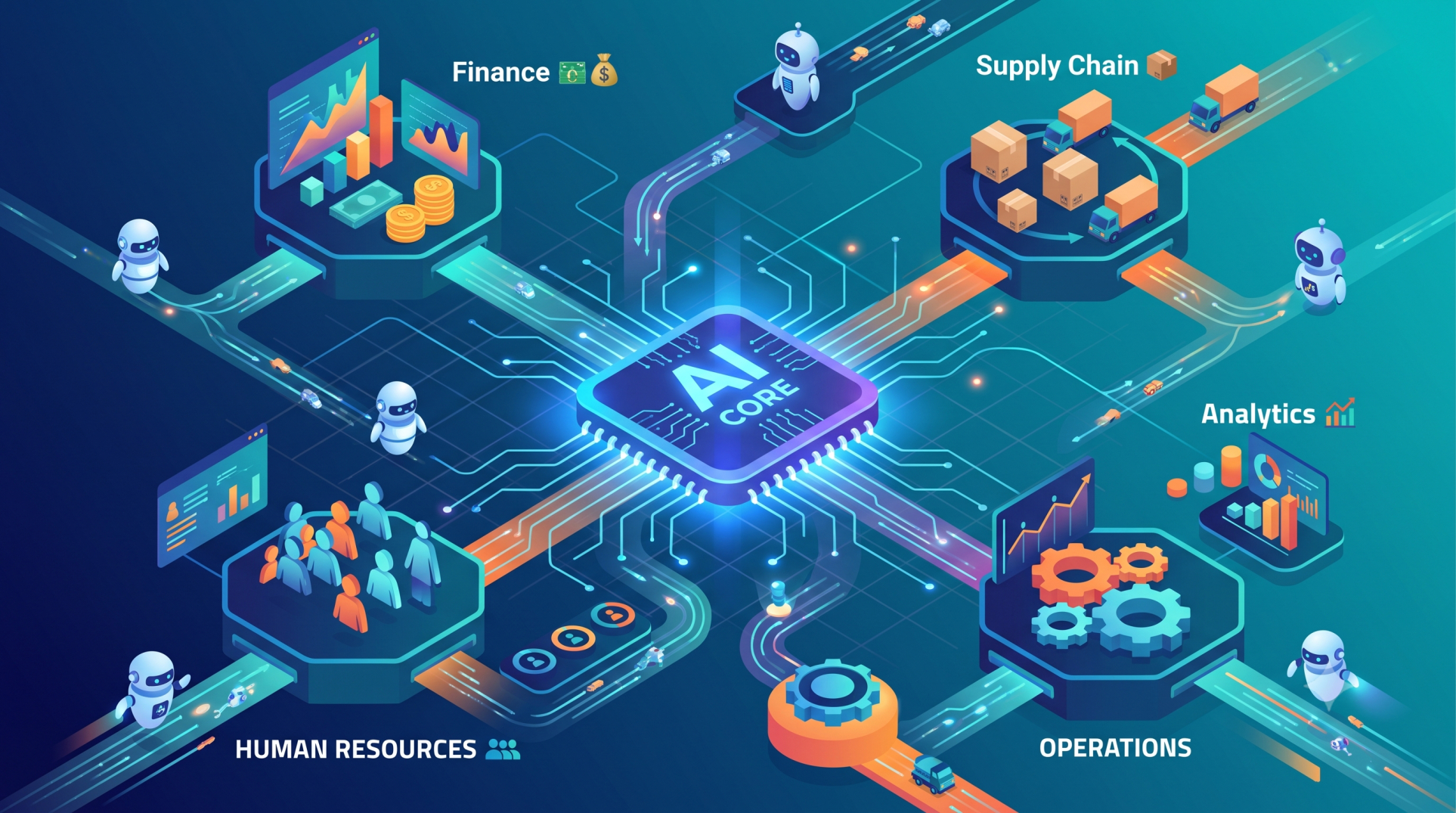
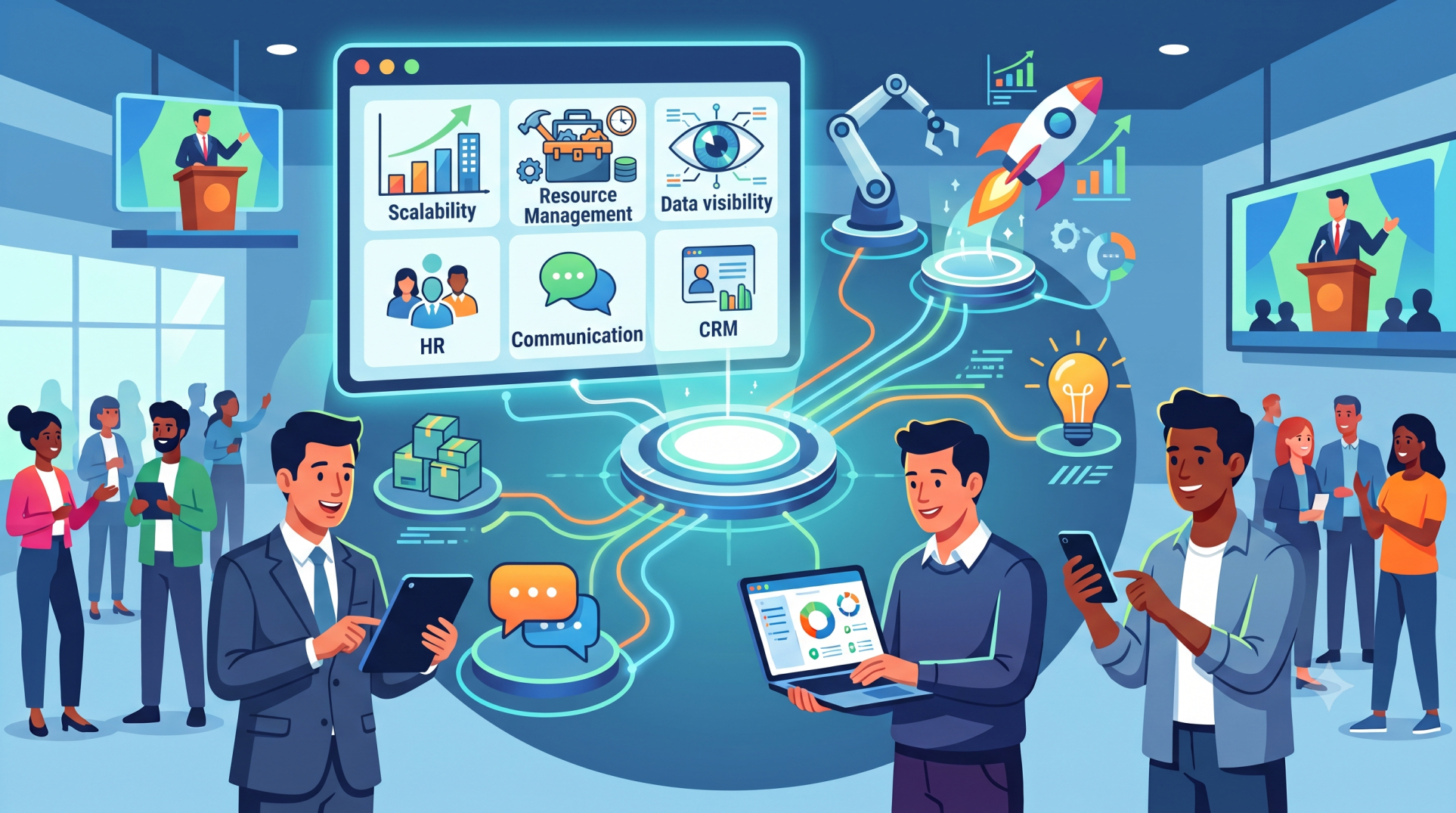
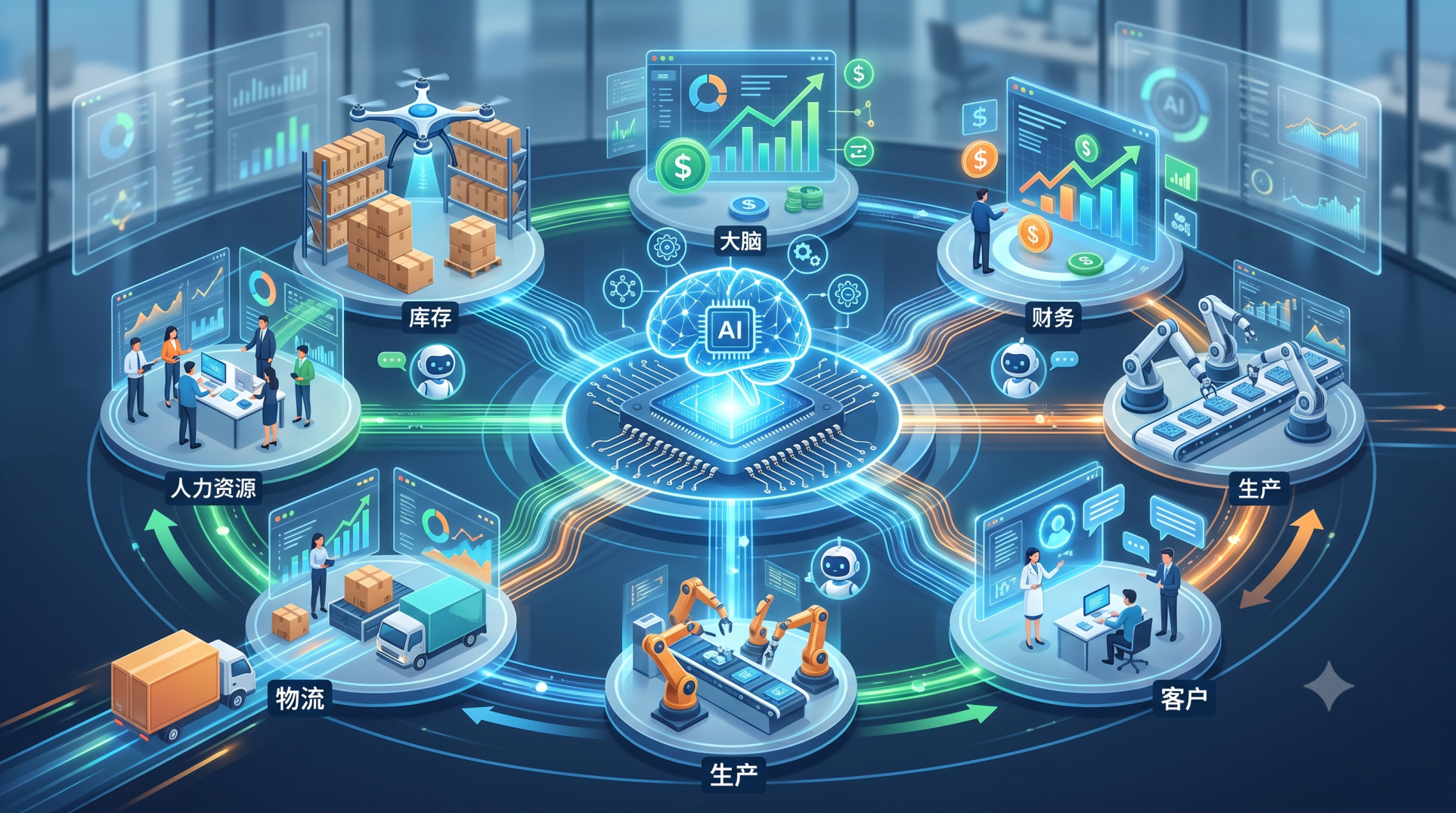
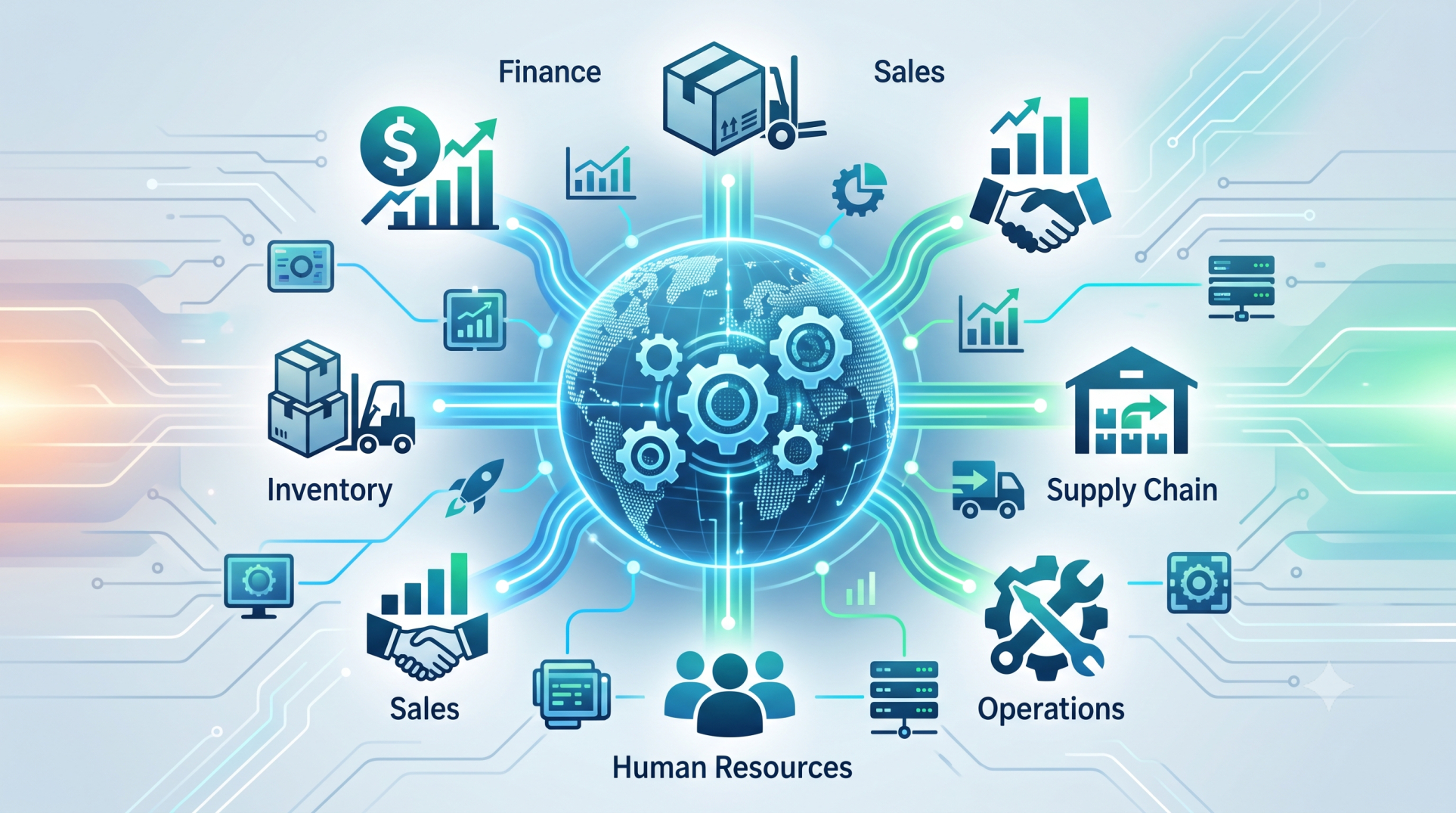
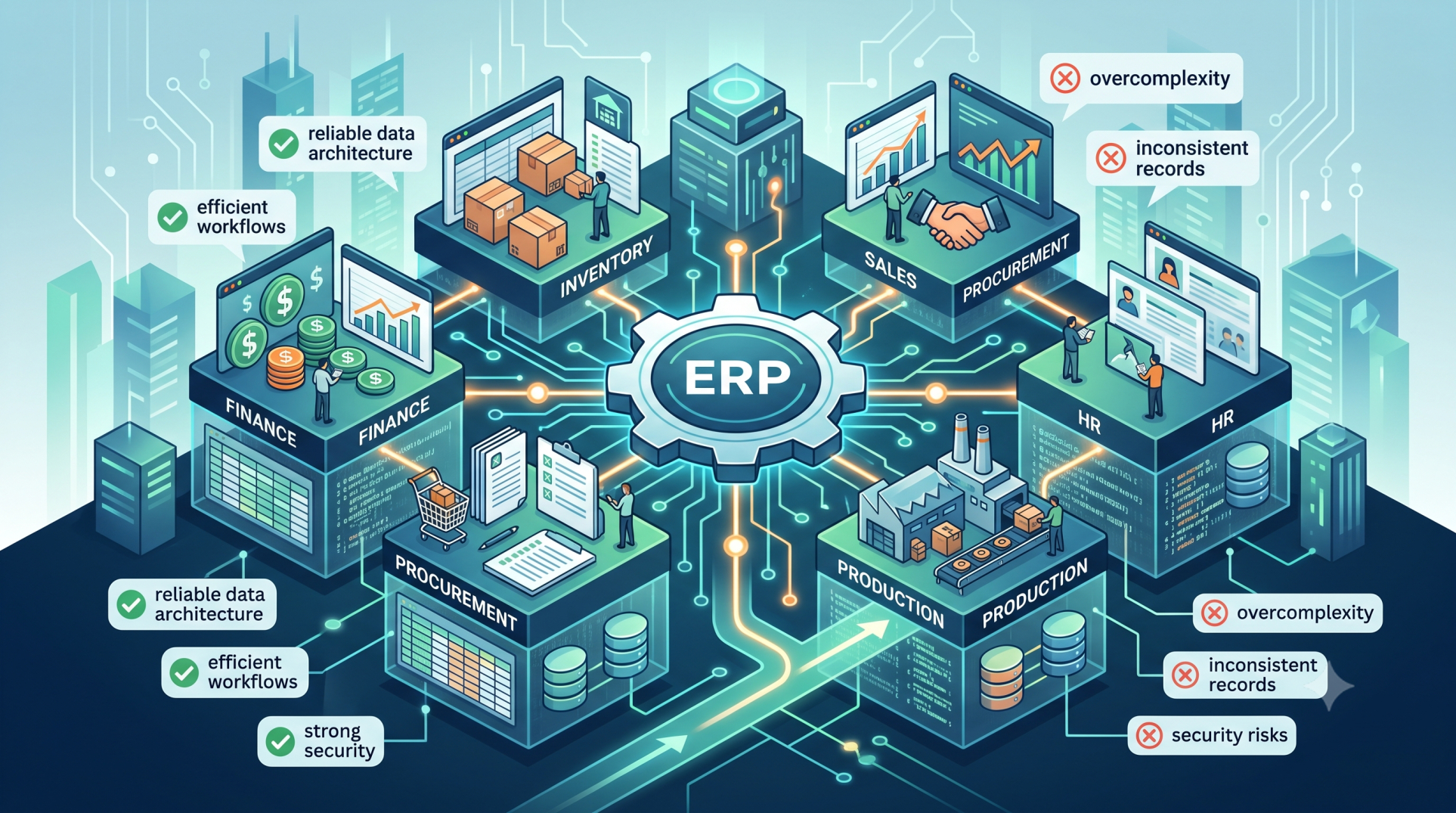
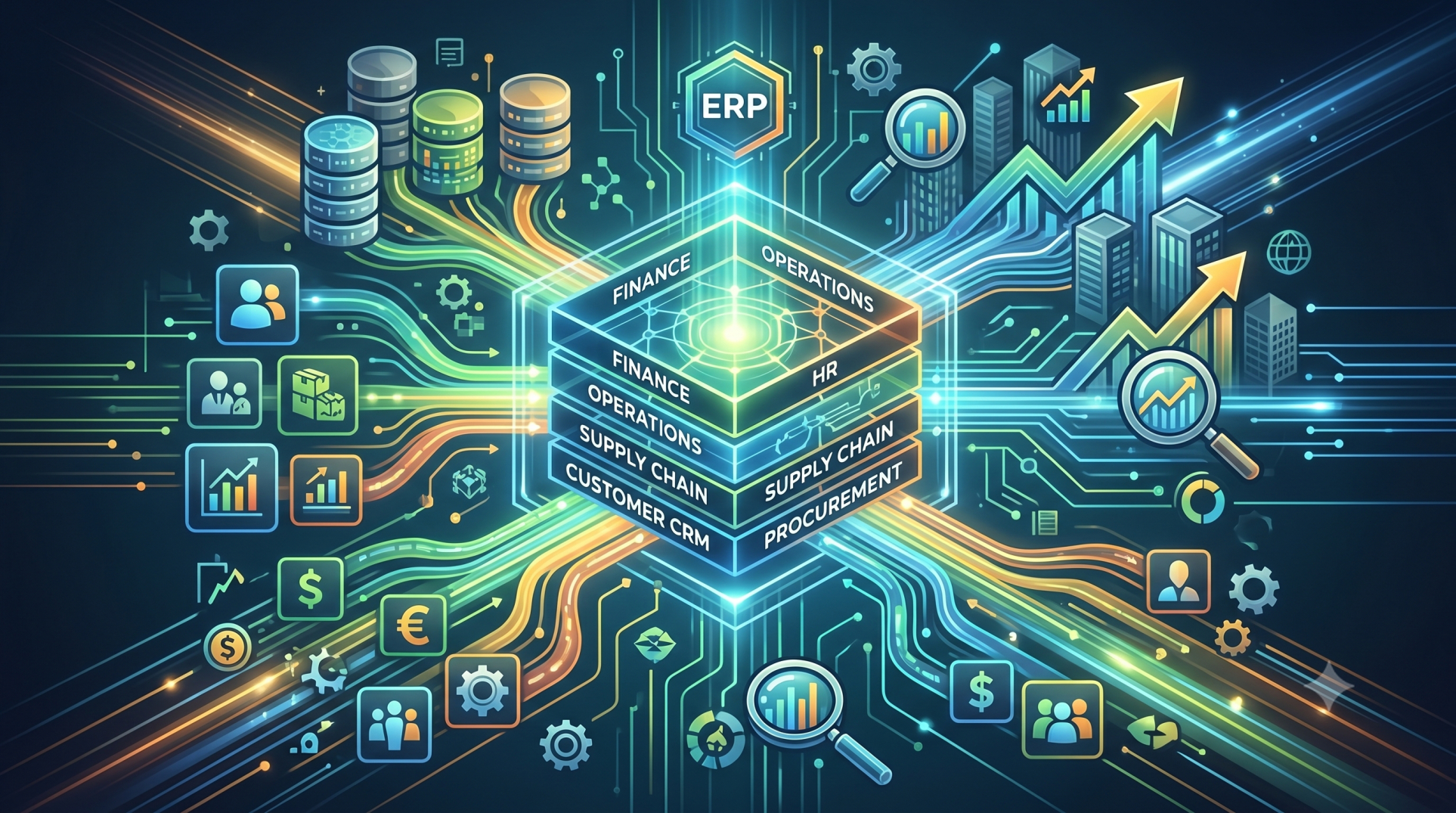
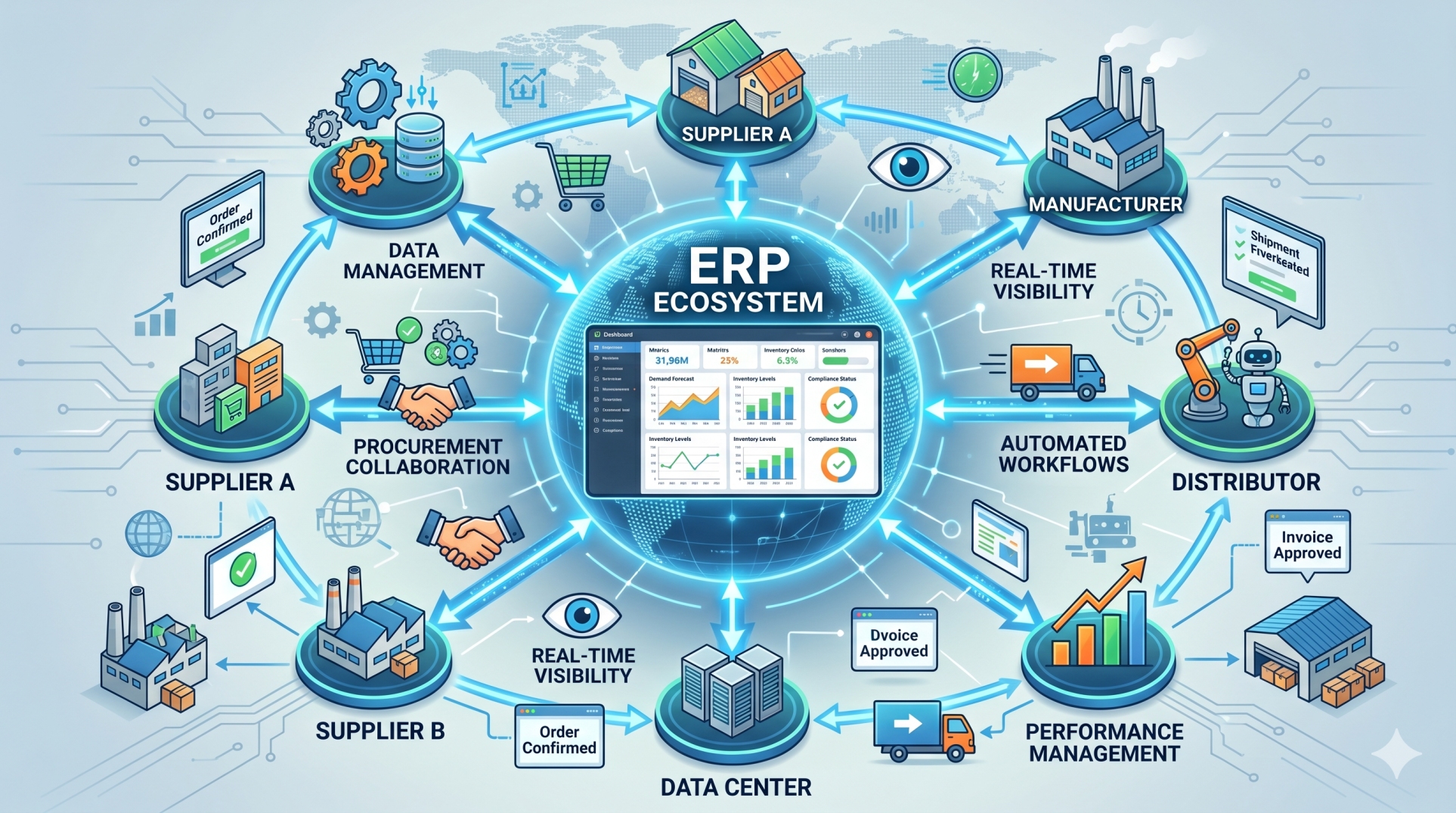
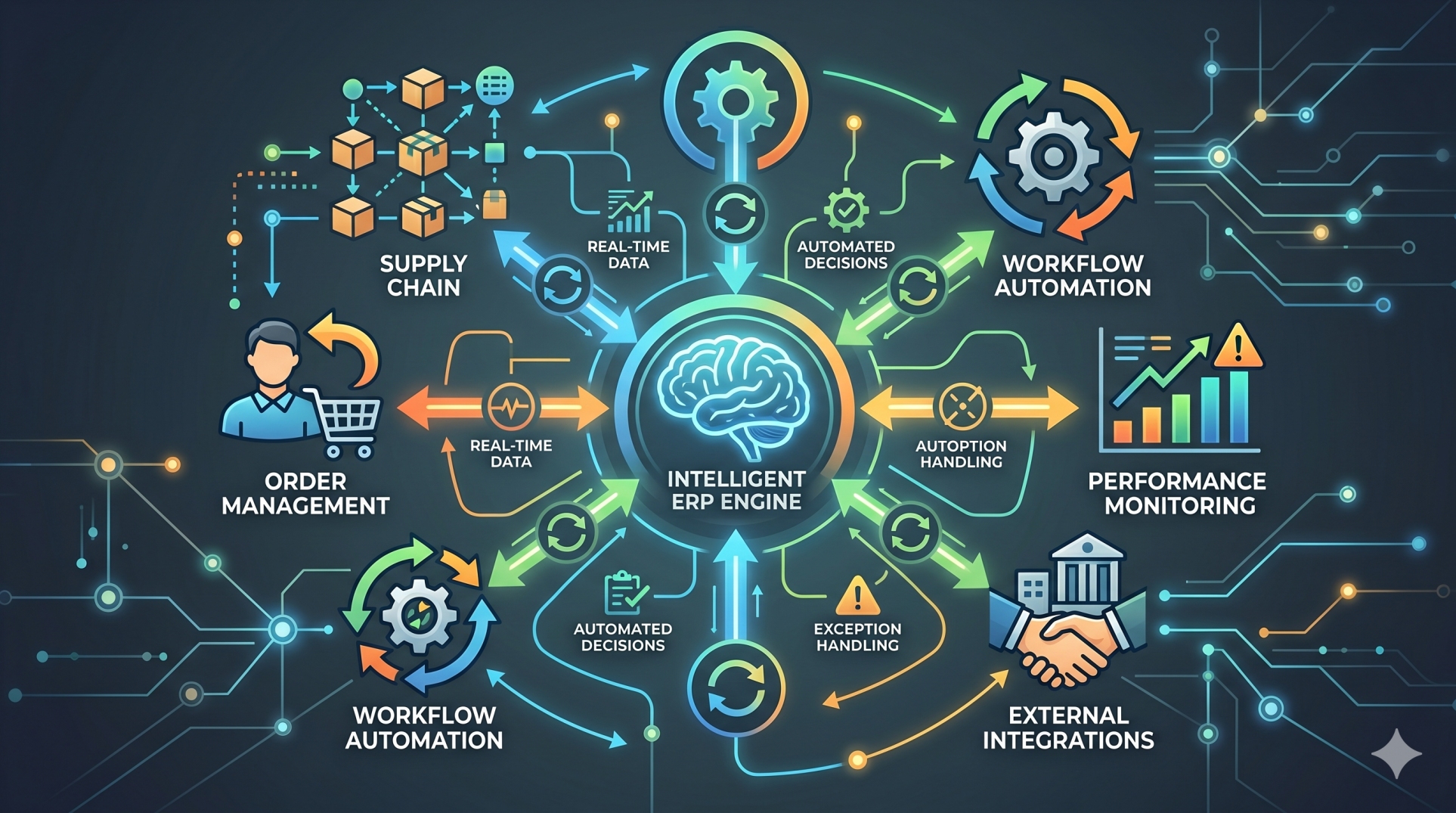
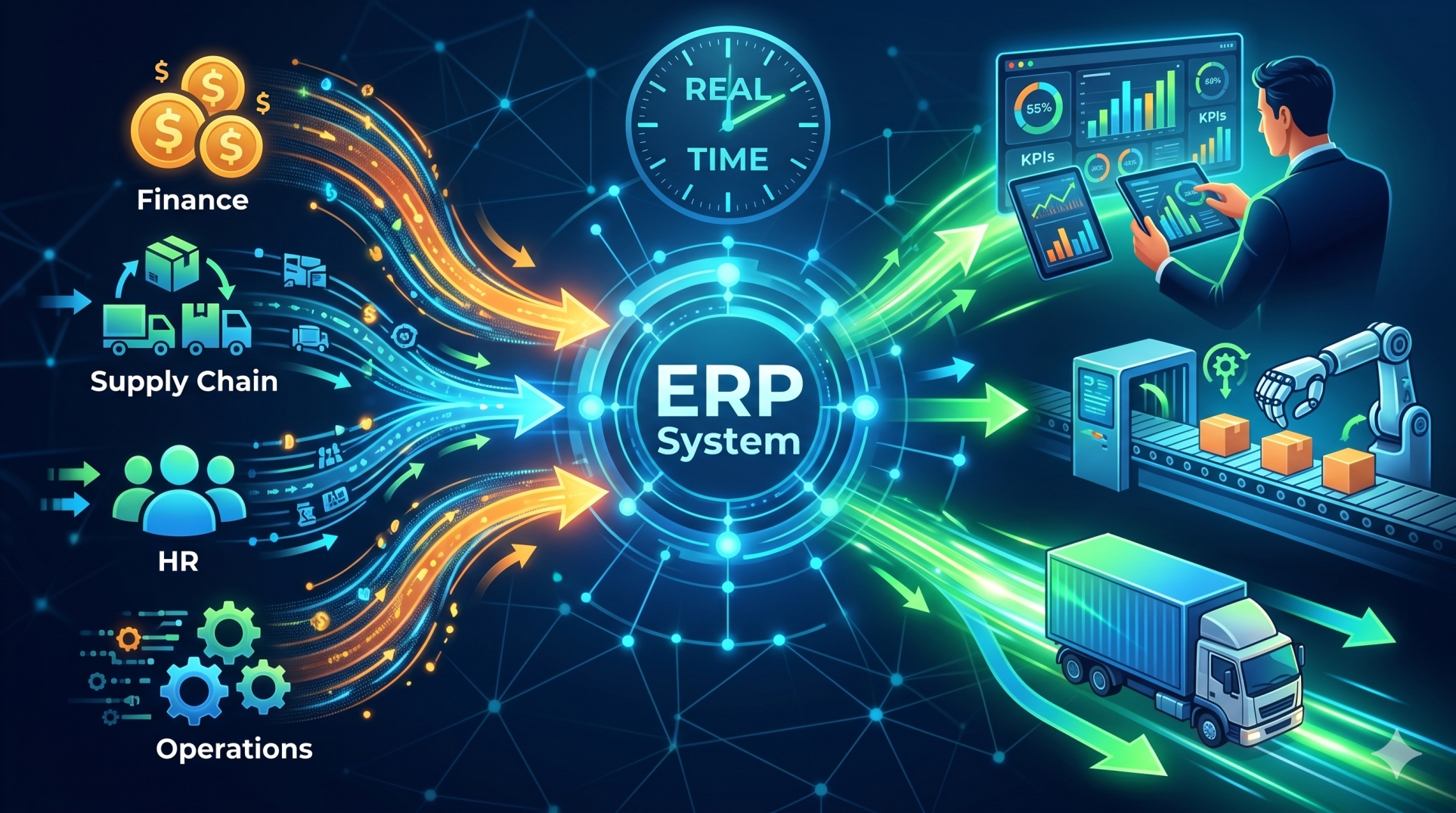
• Centralize finance, sales, inventory, purchasing, and operations in one system 📊
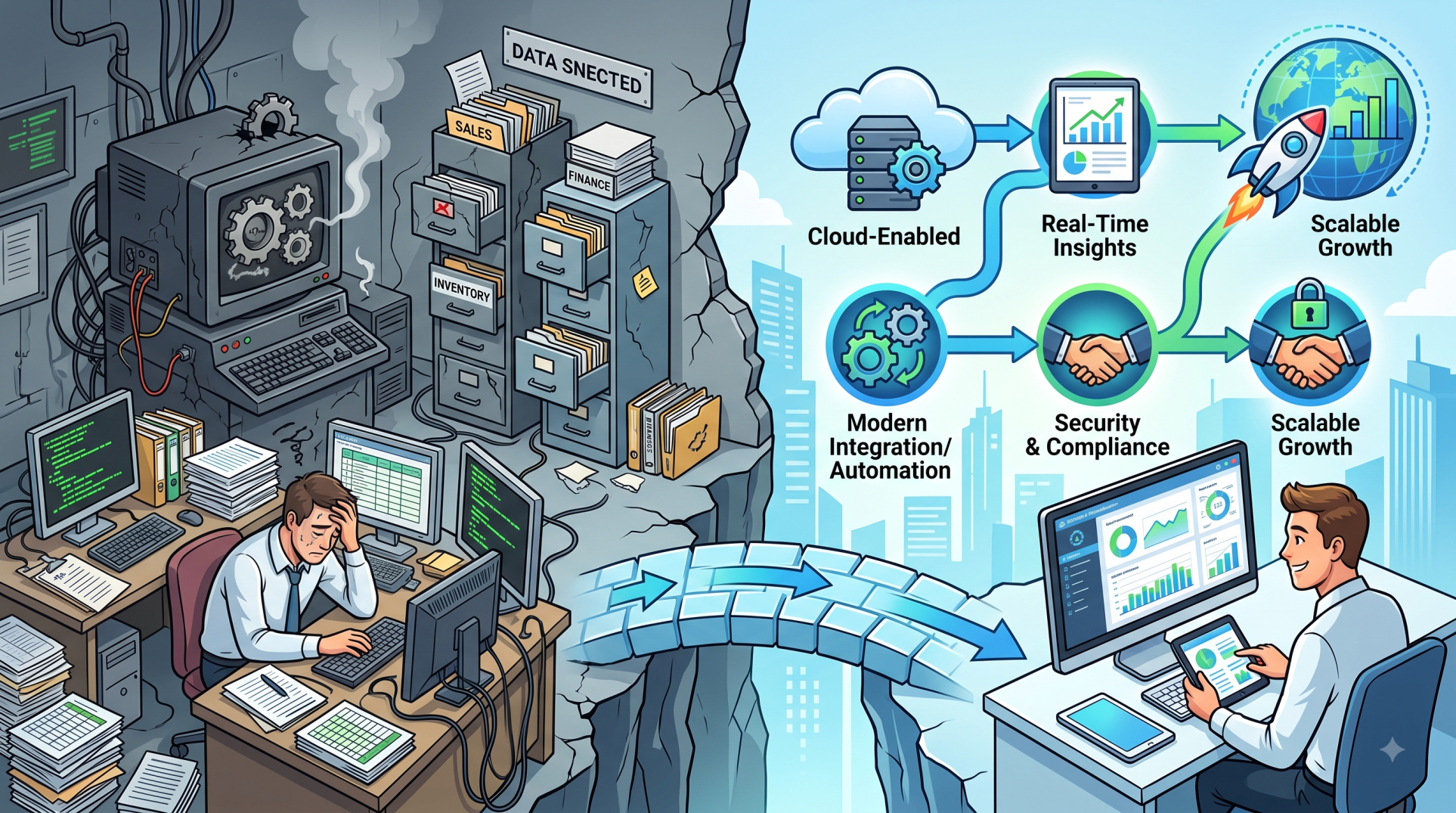
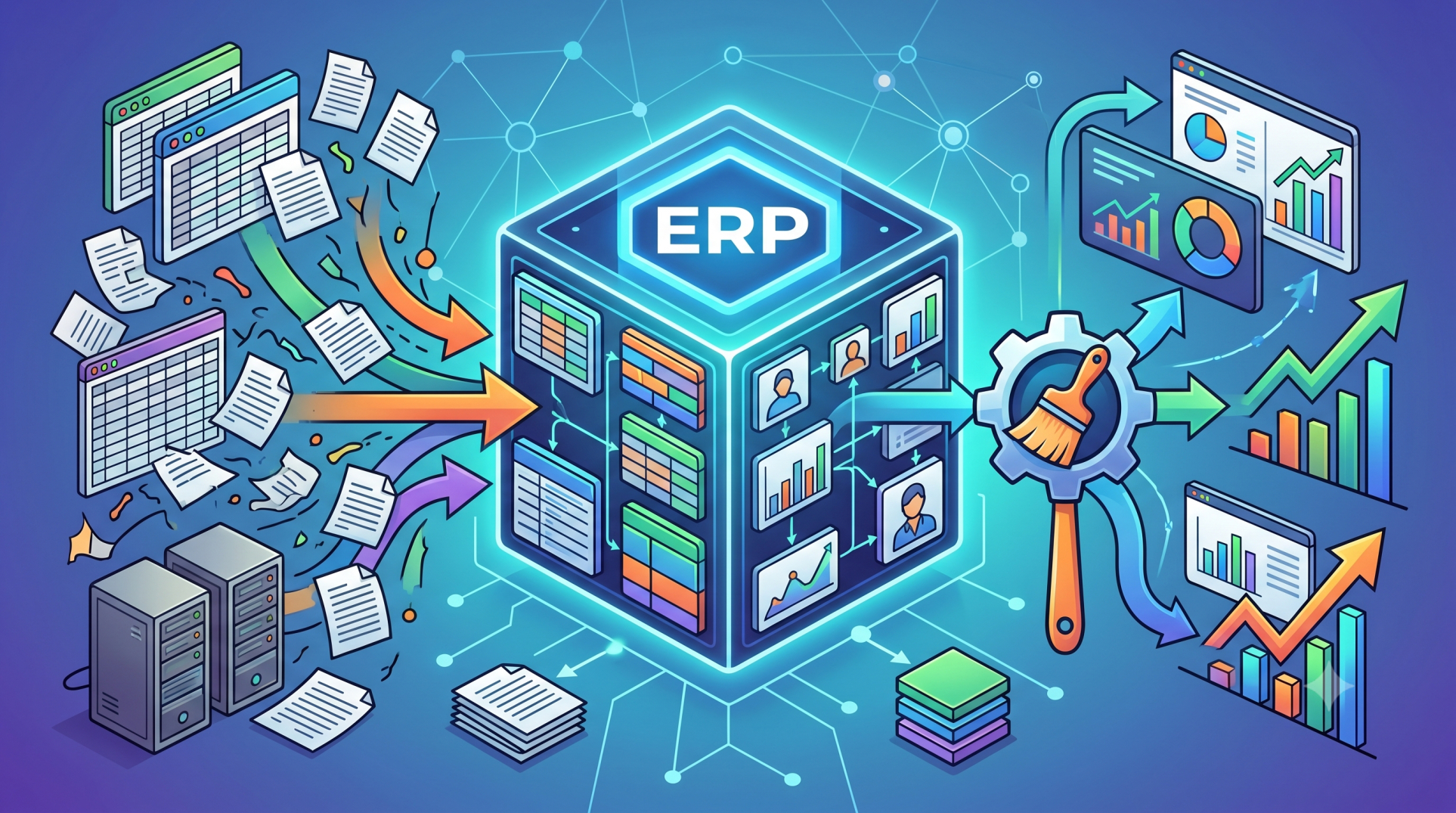
• Replace disconnected spreadsheets and standalone applications 🔄
• Improve visibility into daily business activities 👀
• Reduce manual work through process automation ⚙️
• Create a reliable foundation for business growth 🚀
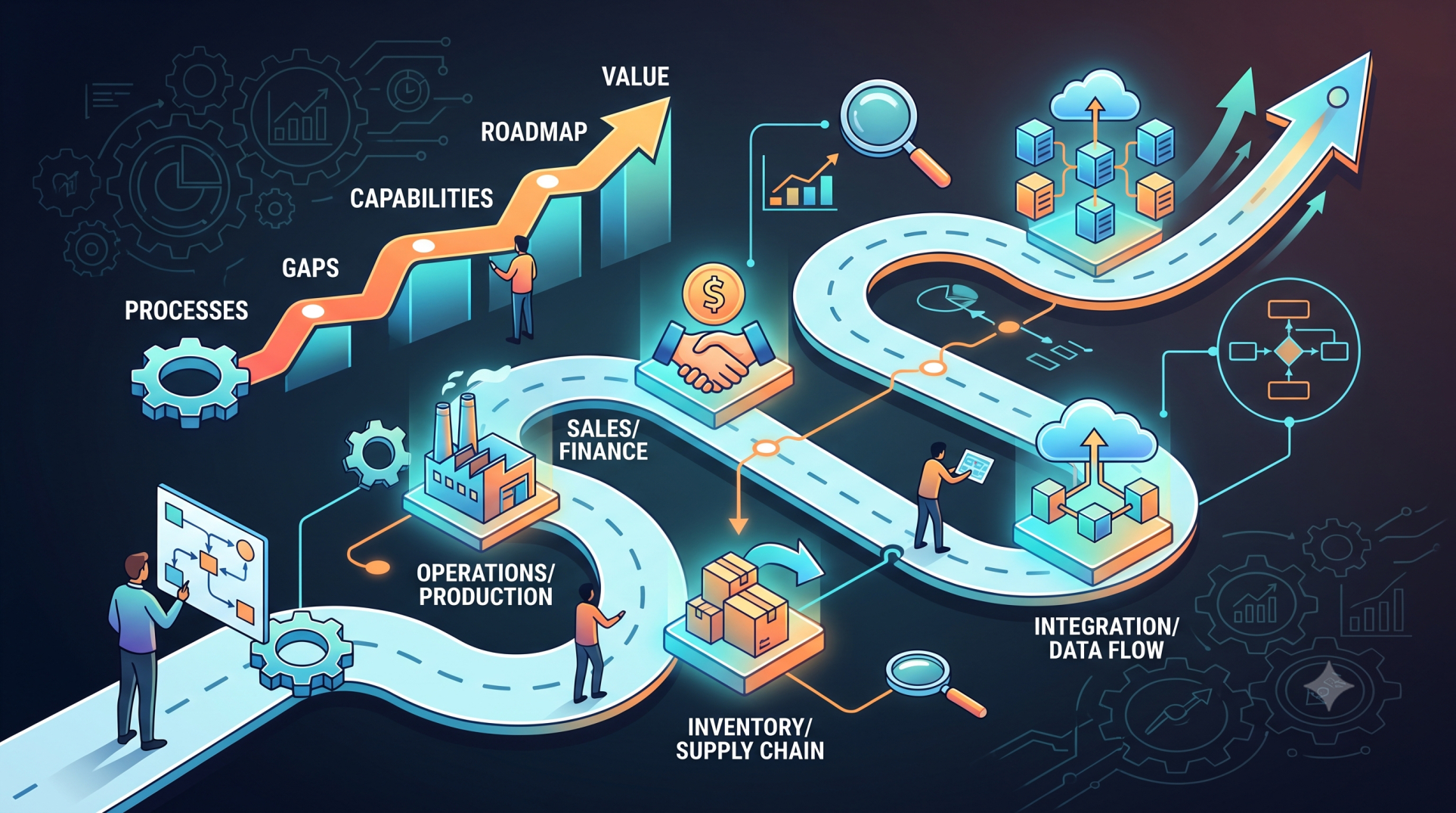
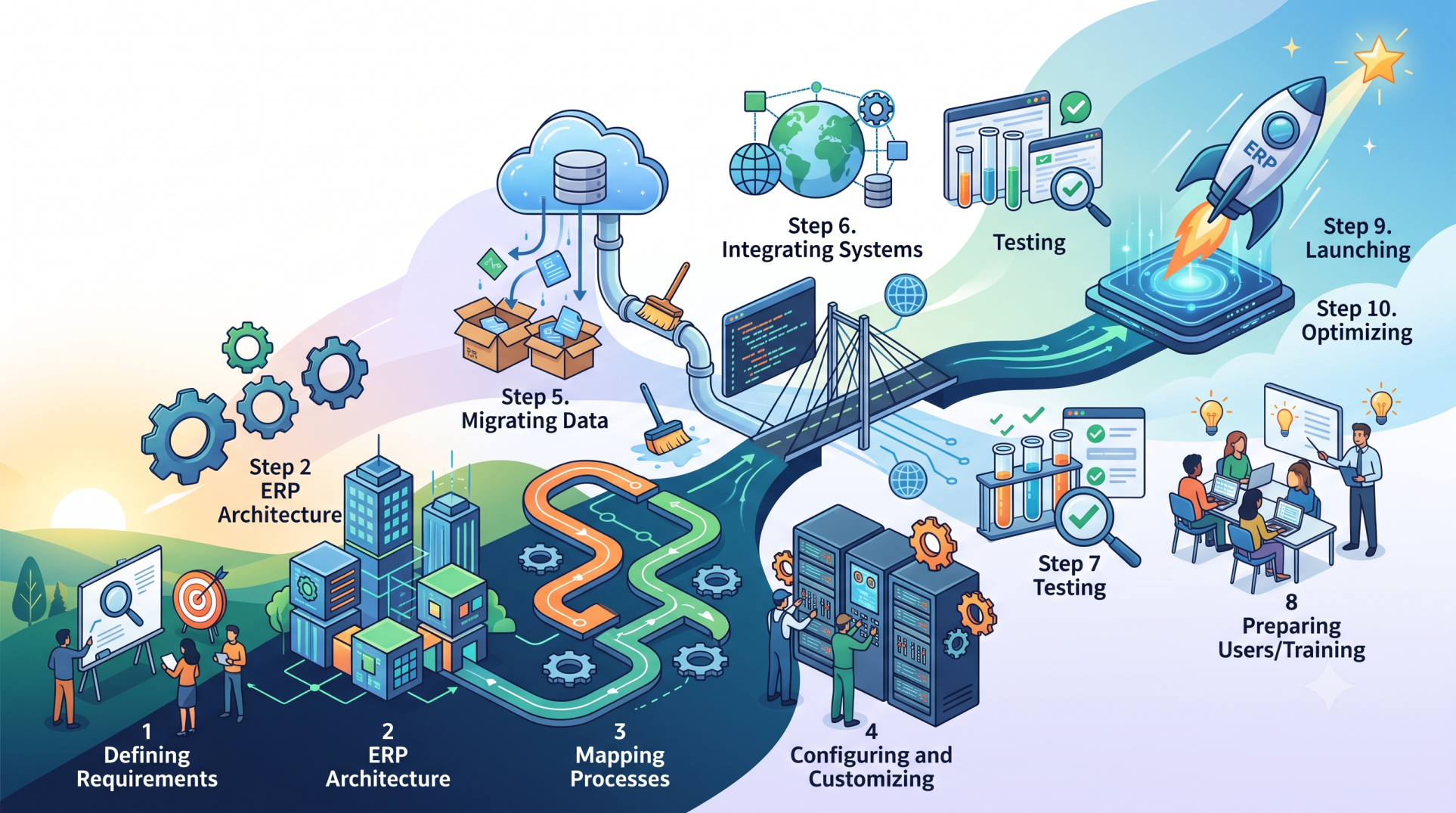
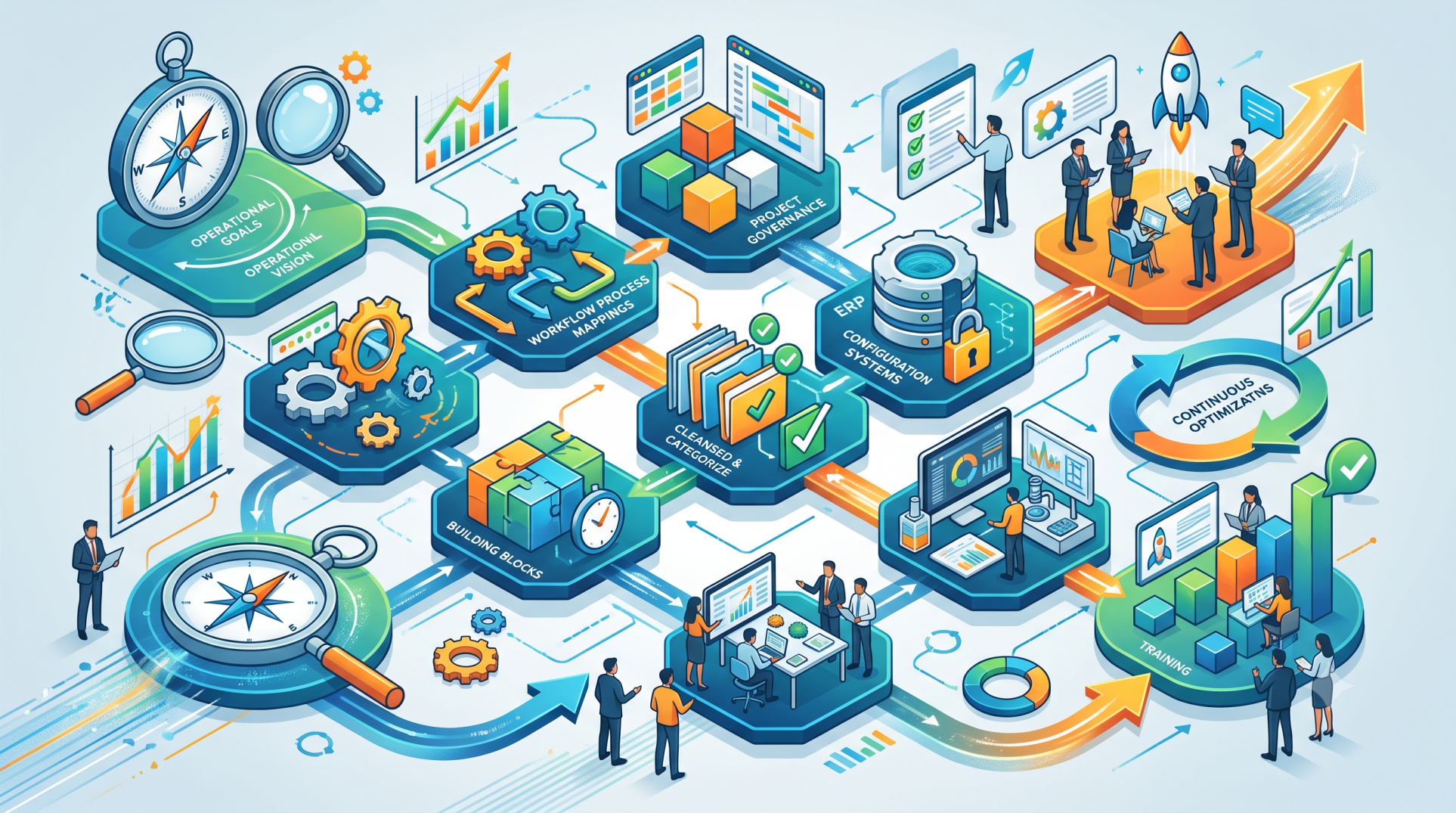
Step 2: Identifying Business Requirements 📝
• Evaluate current operational challenges and workflows 🔍
• Define essential features needed by each department 🏢
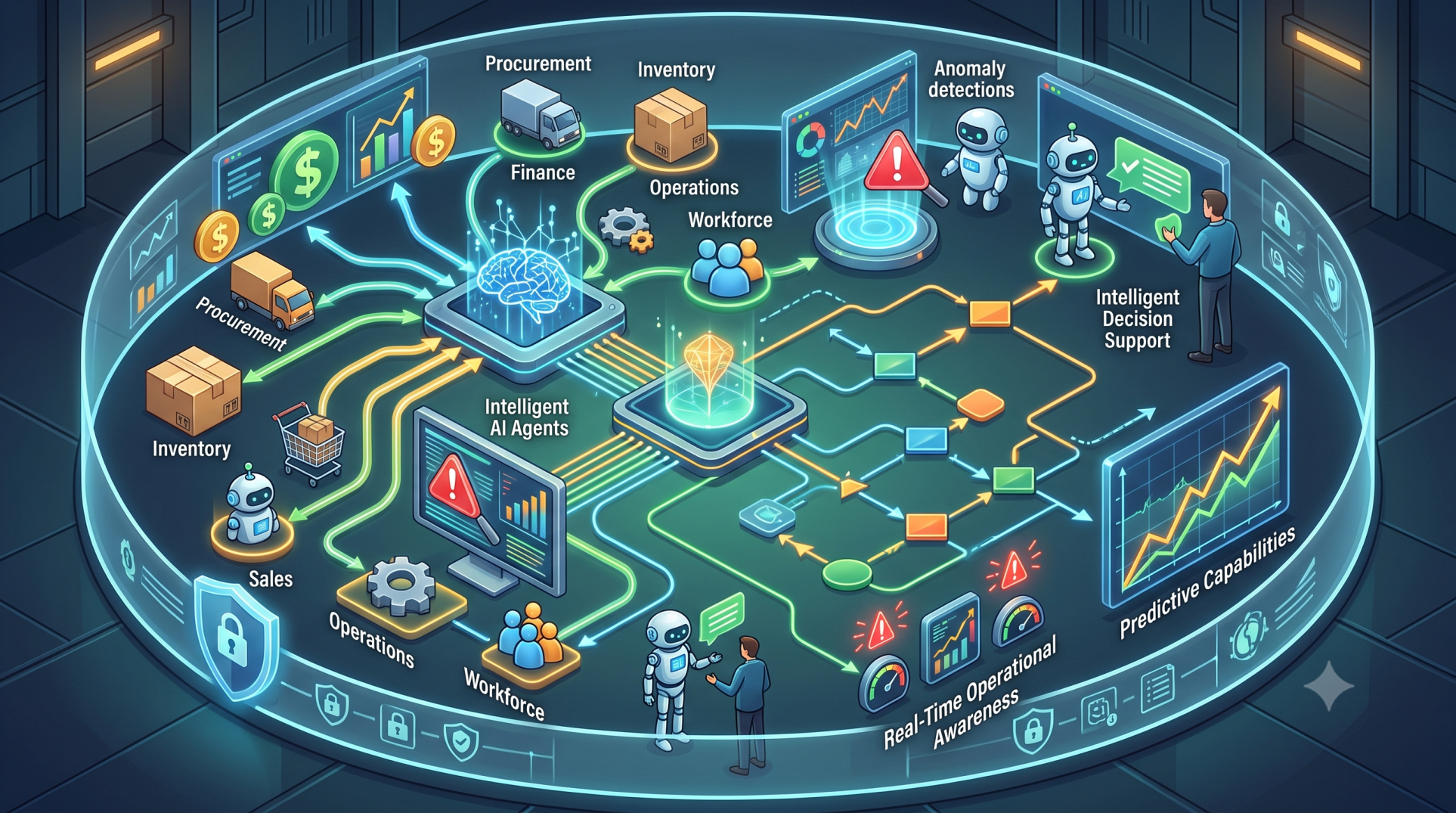
• Identify opportunities for automation and efficiency 🤖
• Consider future expansion plans when selecting an ERP 📈
• Prioritize solutions that align with business goals 🎯
Step 3: Streamlining Daily Operations ⚙️
• Automate routine administrative processes ⏱️
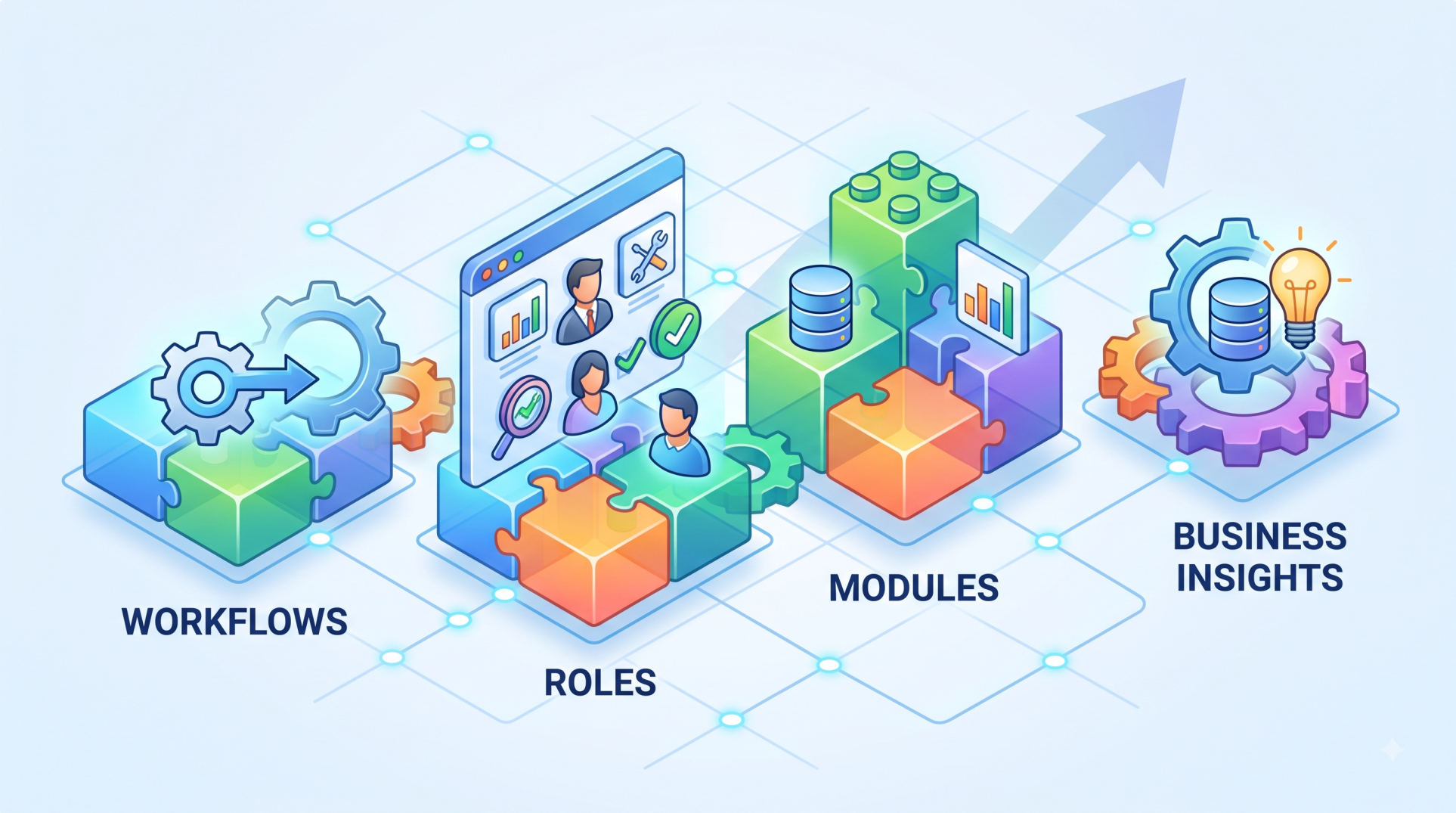
• Standardize workflows across departments 📋
• Reduce repetitive data entry and manual errors ✅
• Improve communication between teams 🤝
• Increase productivity through connected operations 📈
Step 4: Improving Financial Management 💰
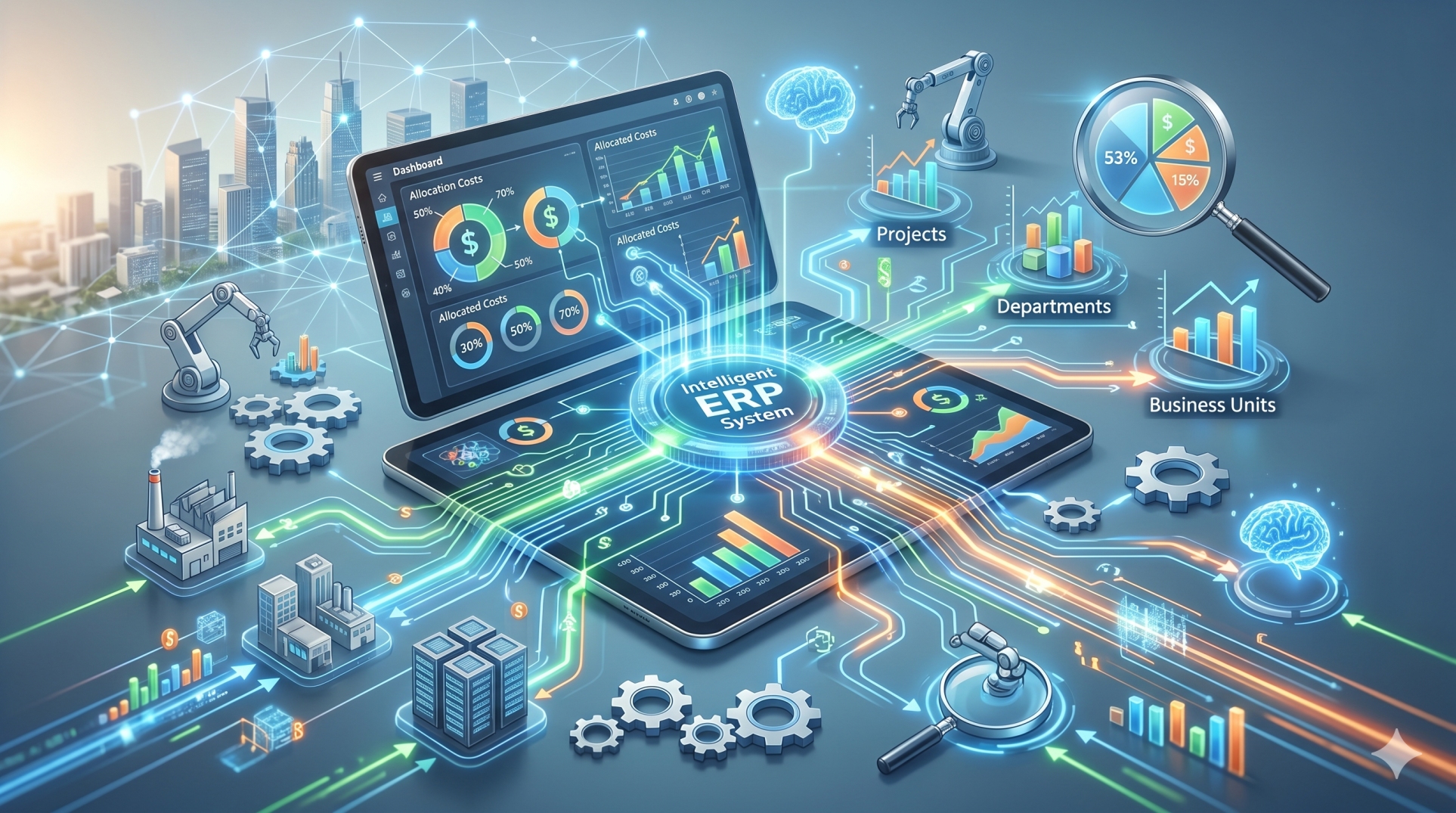
• Monitor income, expenses, and cash flow in real time 📊
• Simplify invoicing and payment tracking 🧾
• Generate accurate financial reports quickly 📈
• Support budgeting and forecasting decisions 📉
• Maintain better financial visibility across the business 👀
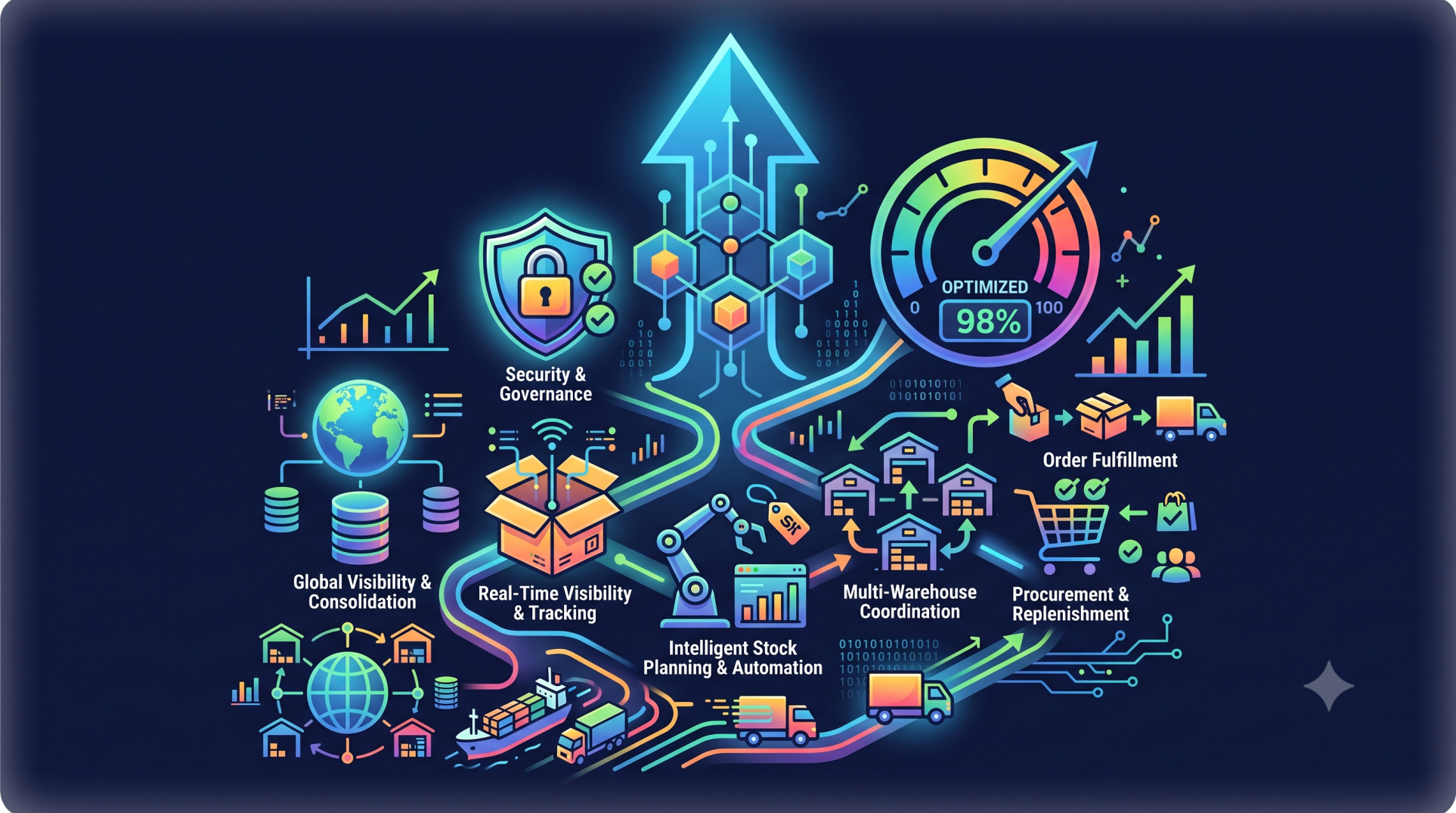
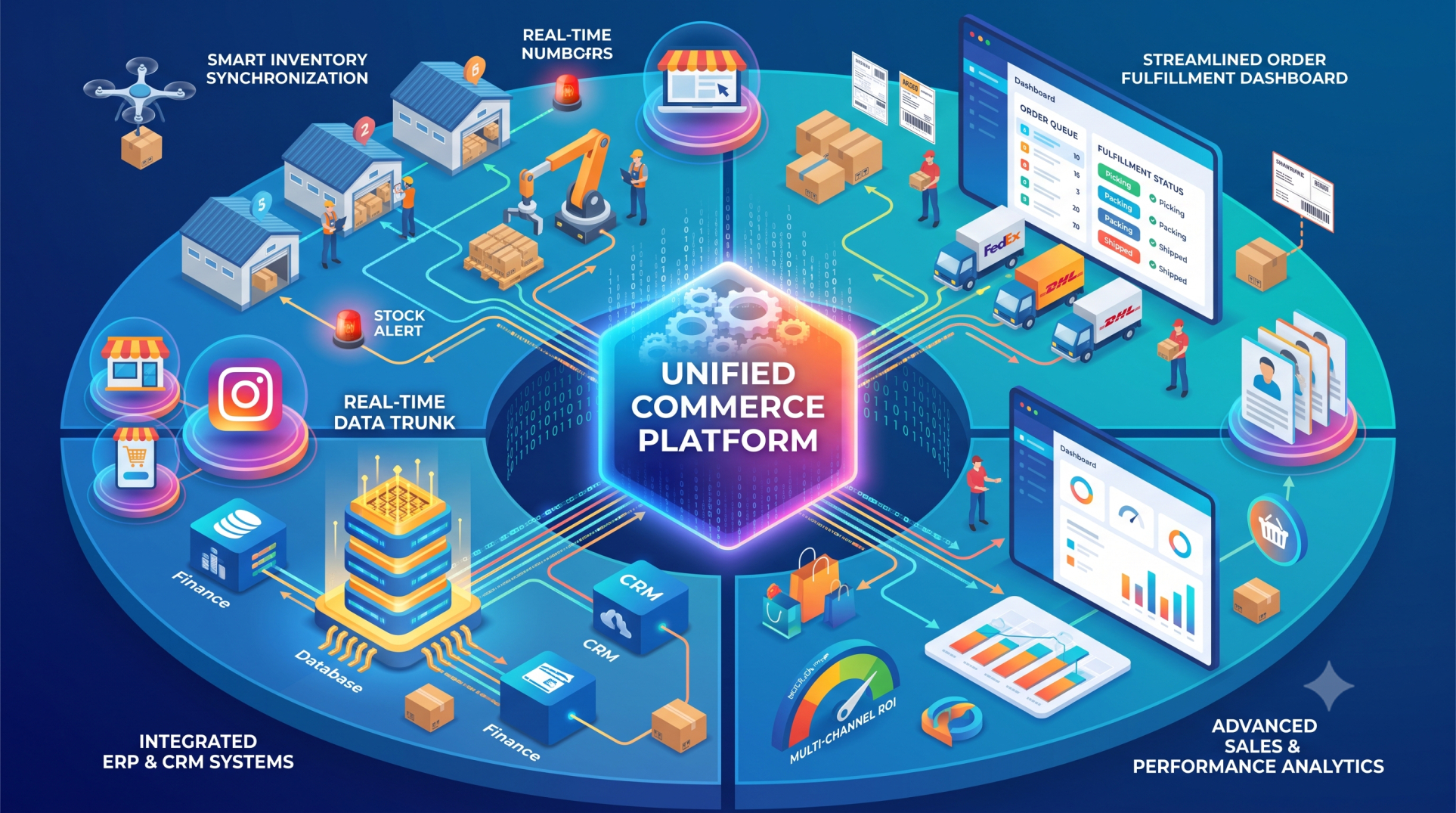
Step 5: Optimizing Inventory and Supply Chain 📦
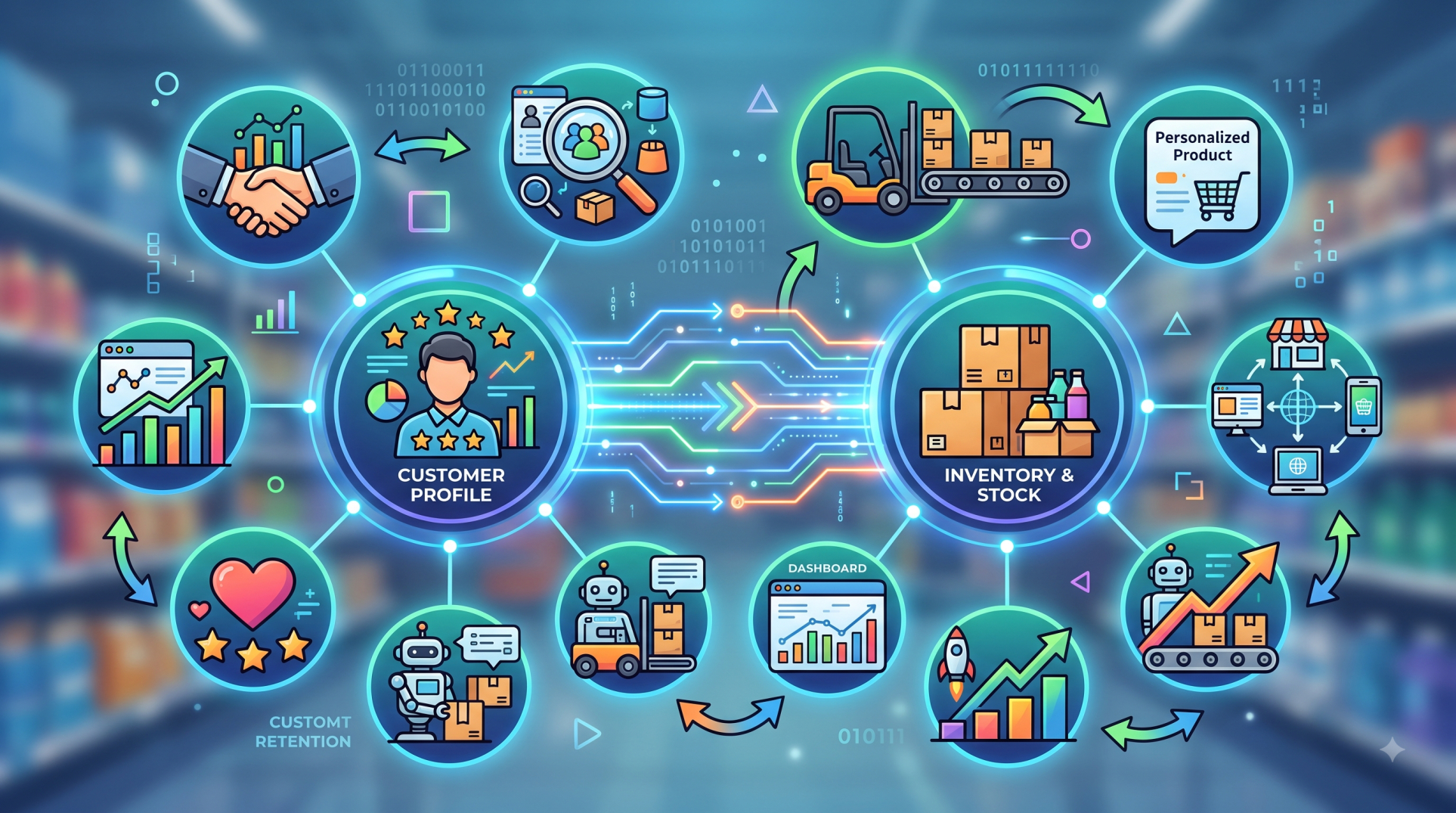
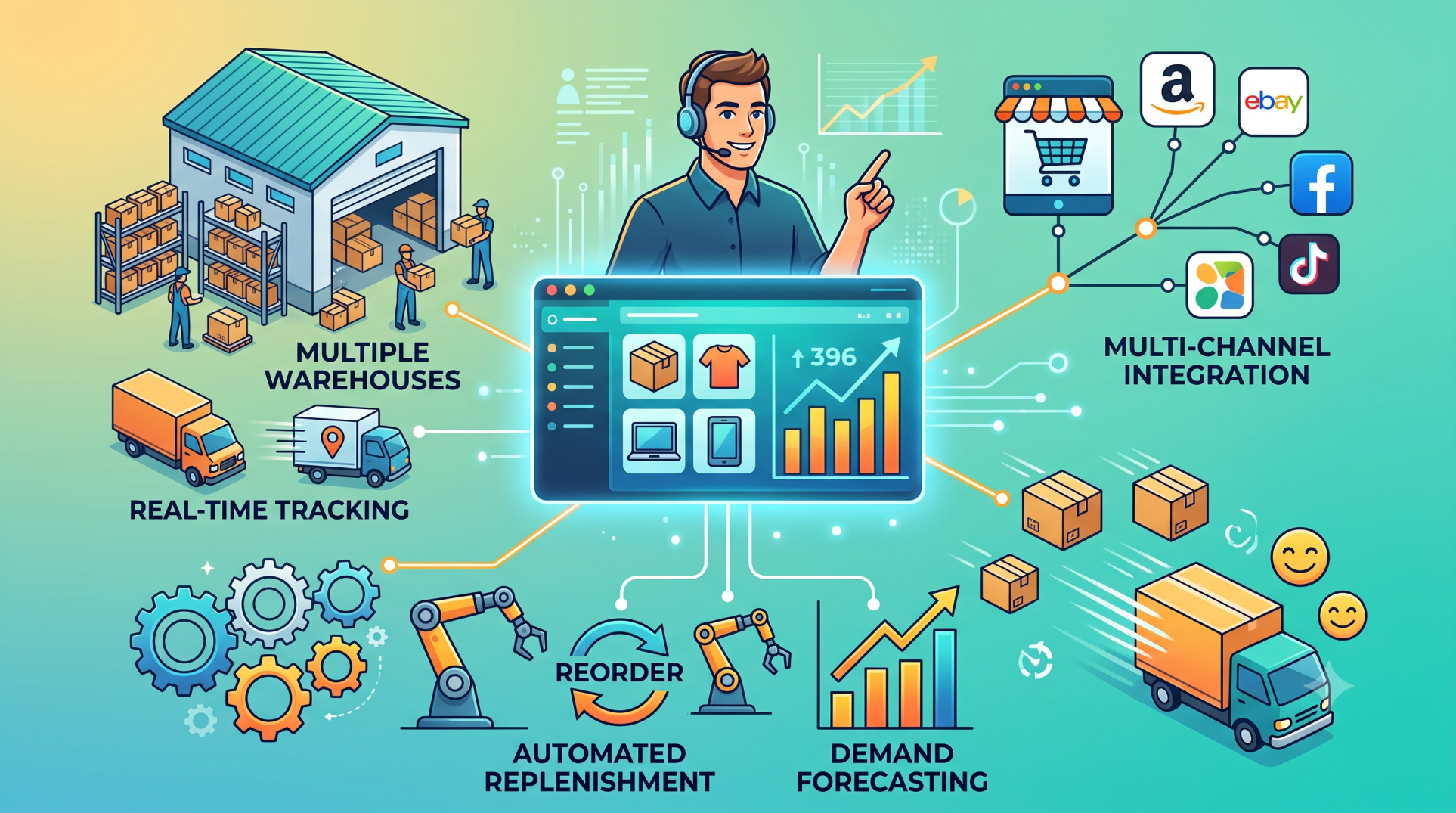
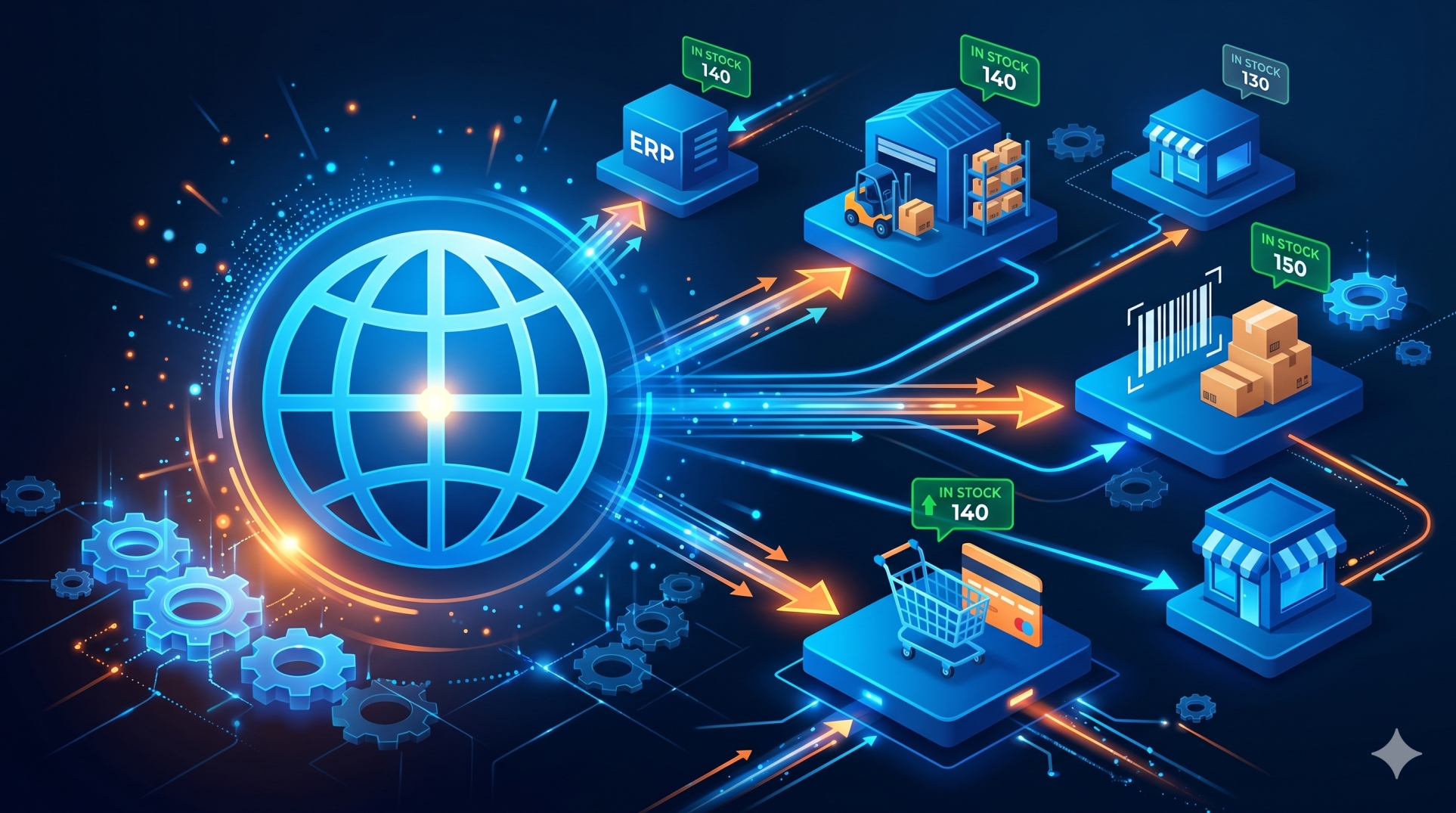
• Track inventory levels with greater accuracy 📍
• Prevent stock shortages and overstock situations ⚖️
• Improve purchasing and supplier coordination 🚚
• Streamline order fulfillment processes 📦
• Enhance inventory planning based on demand 📊
Step 6: Strengthening Customer Management 🤝
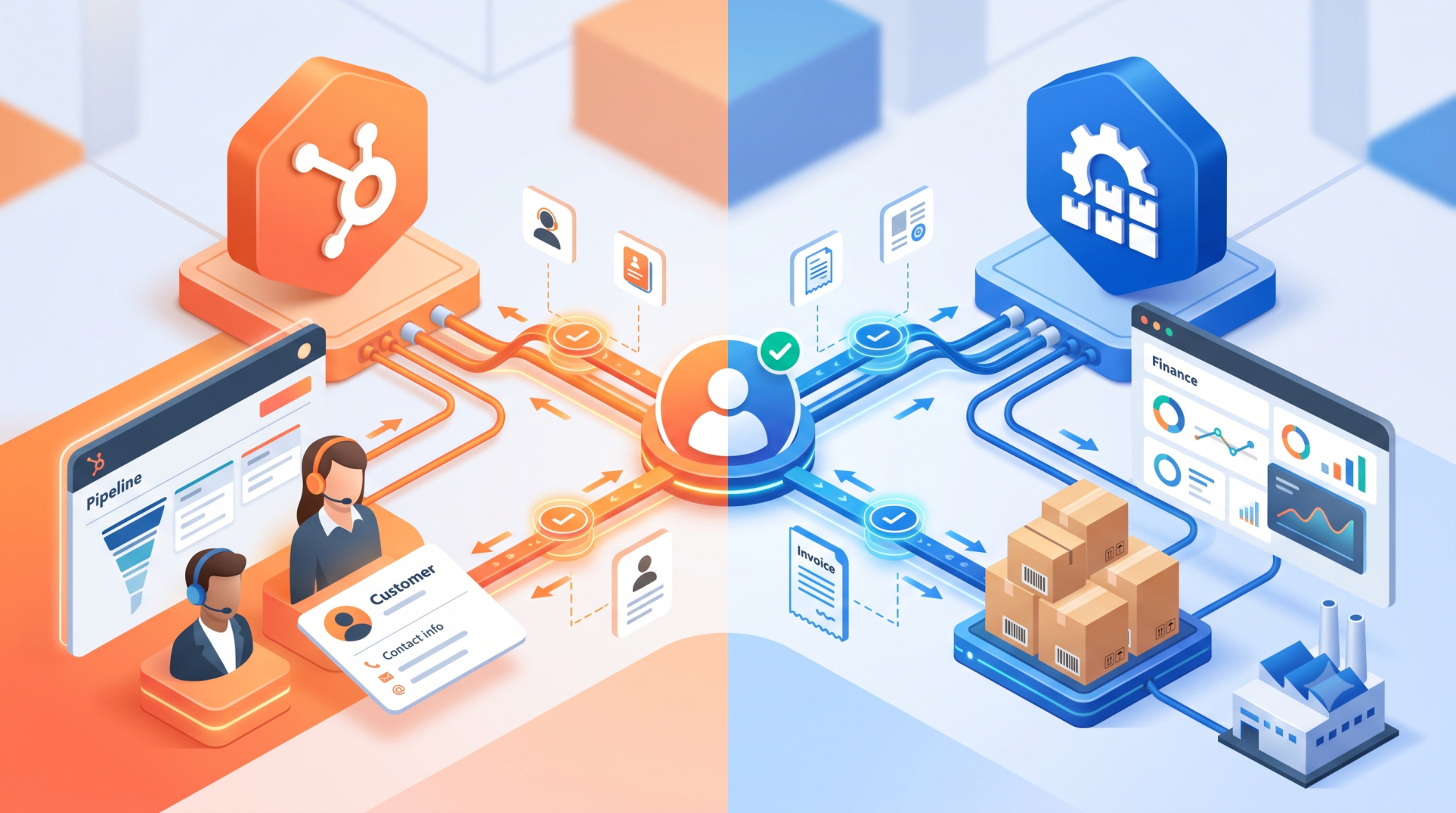
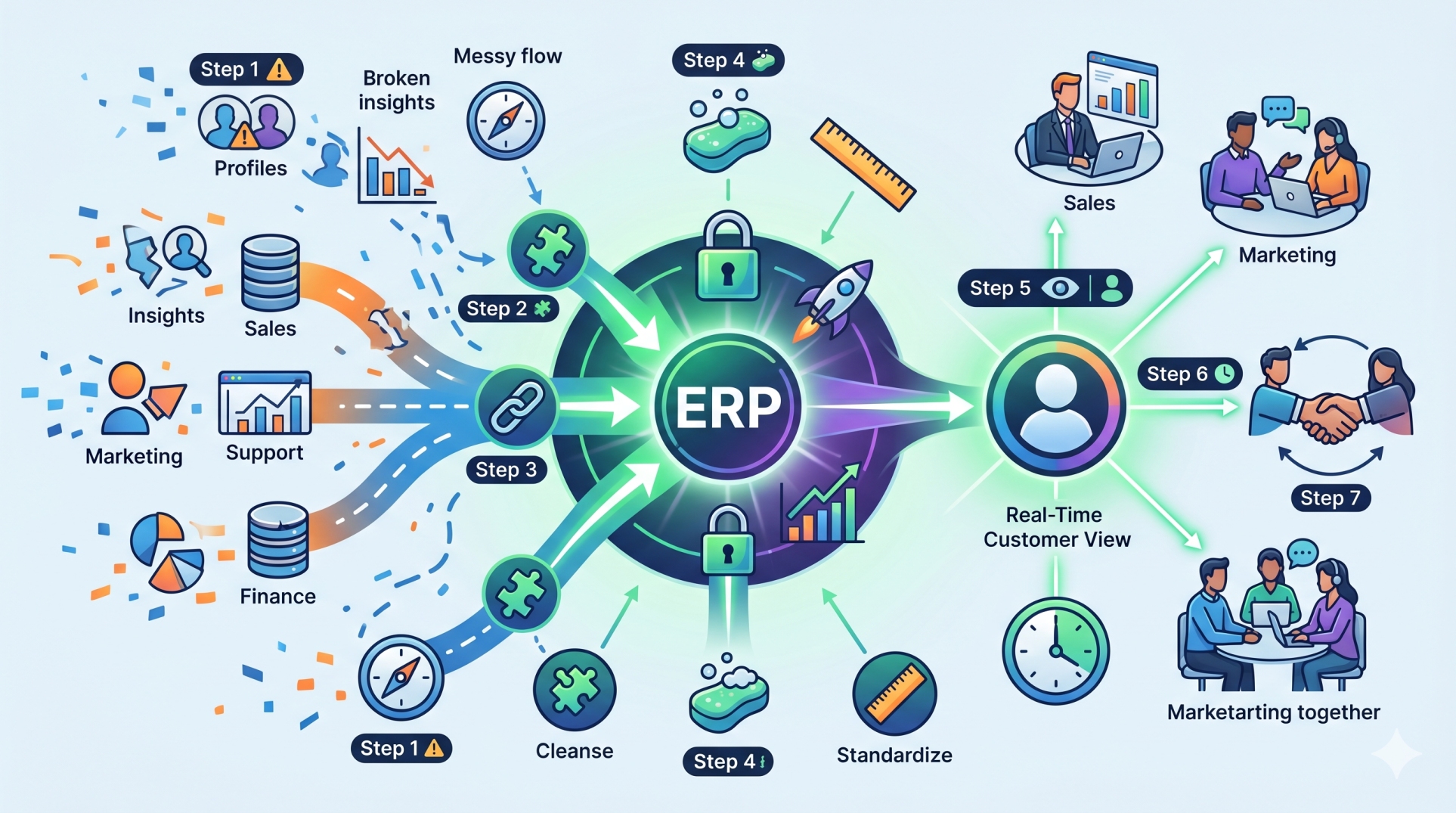
• Centralize customer information in one location 📂
• Track sales opportunities and customer interactions 📞
• Improve order processing and service delivery 🚀
• Deliver faster responses to customer inquiries 💬
• Build stronger long-term customer relationships ⭐
Step 7: Supporting Data-Driven Decisions 📊
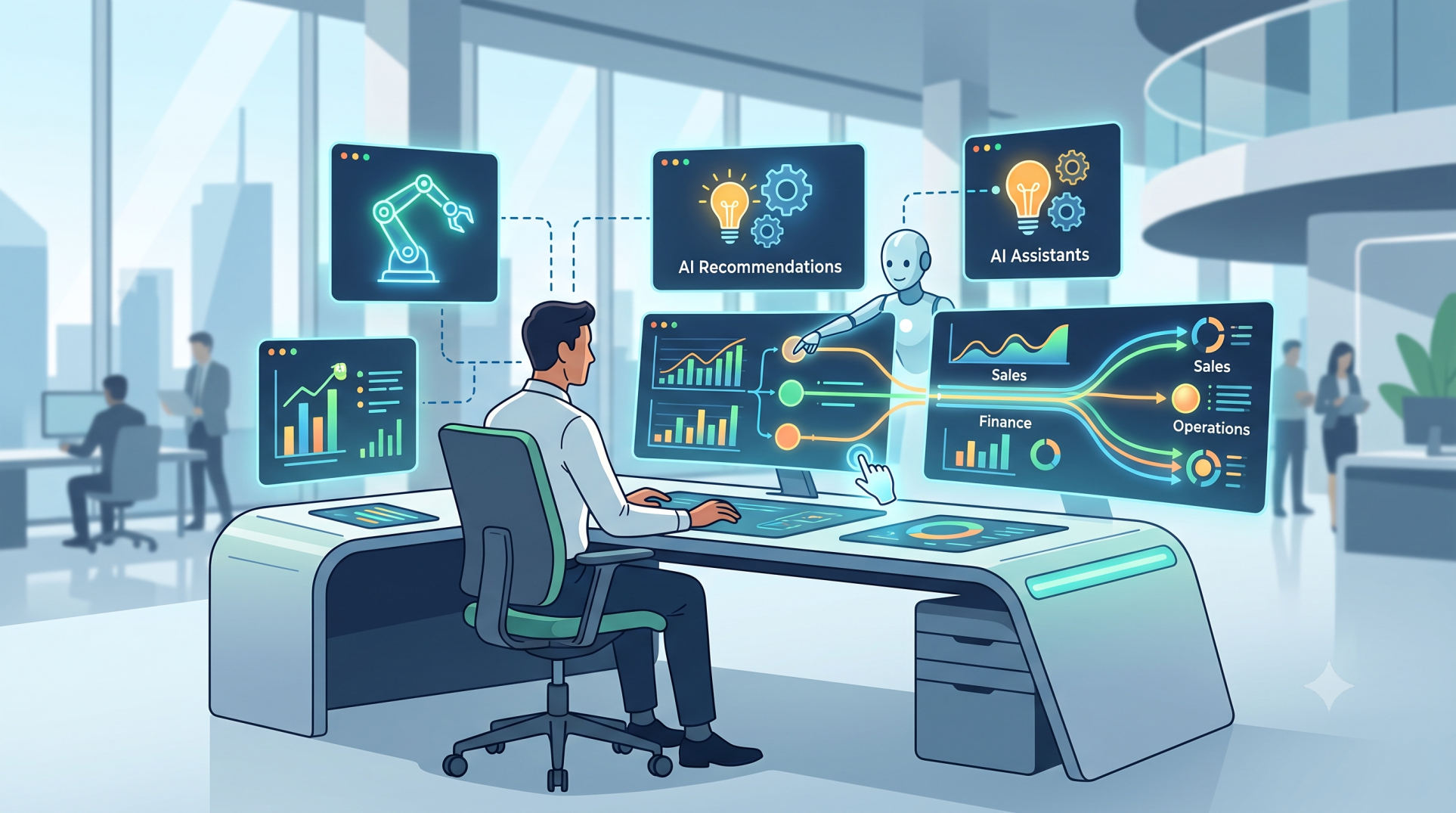
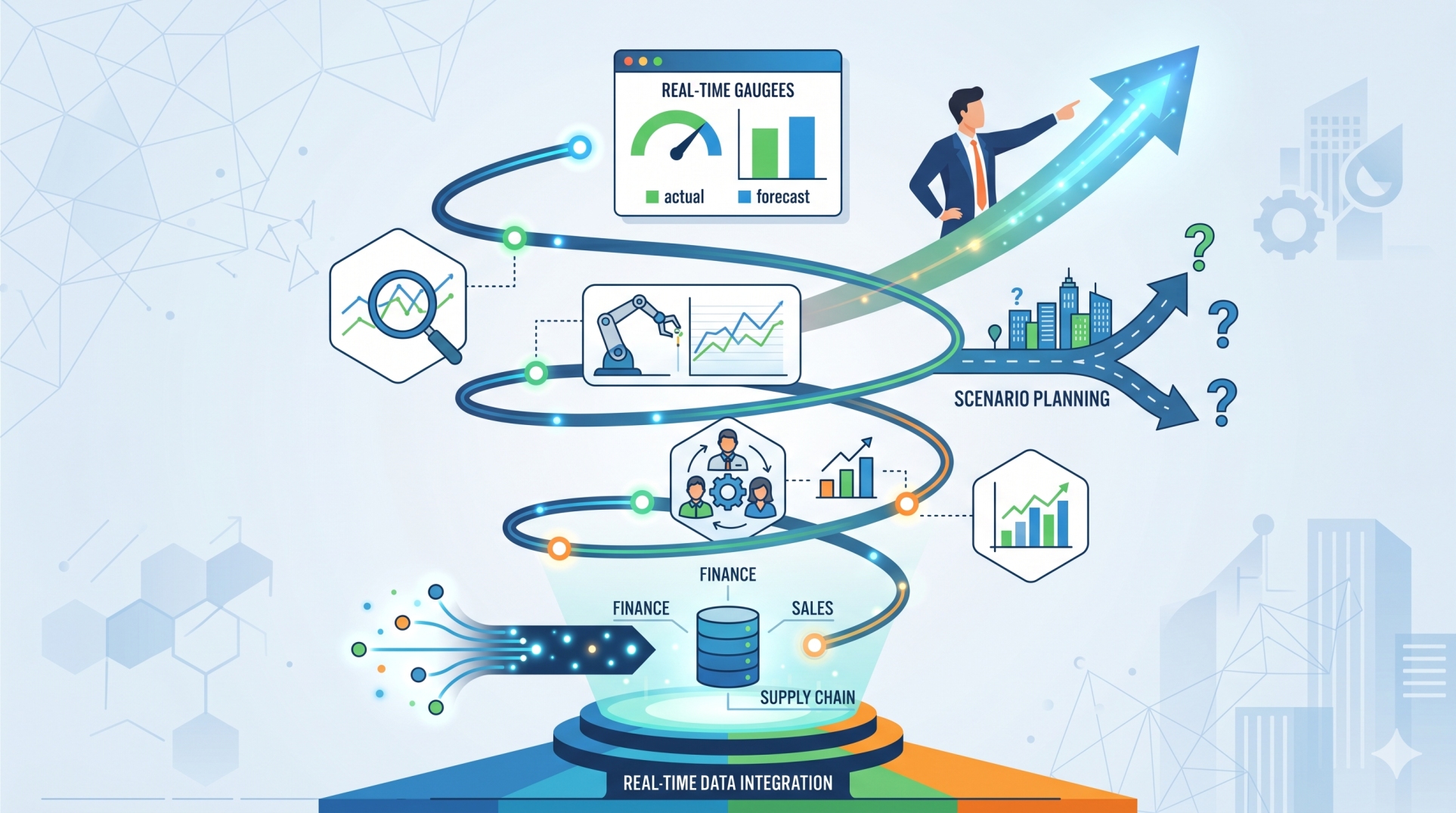
• Access real-time dashboards and business reports 🖥️
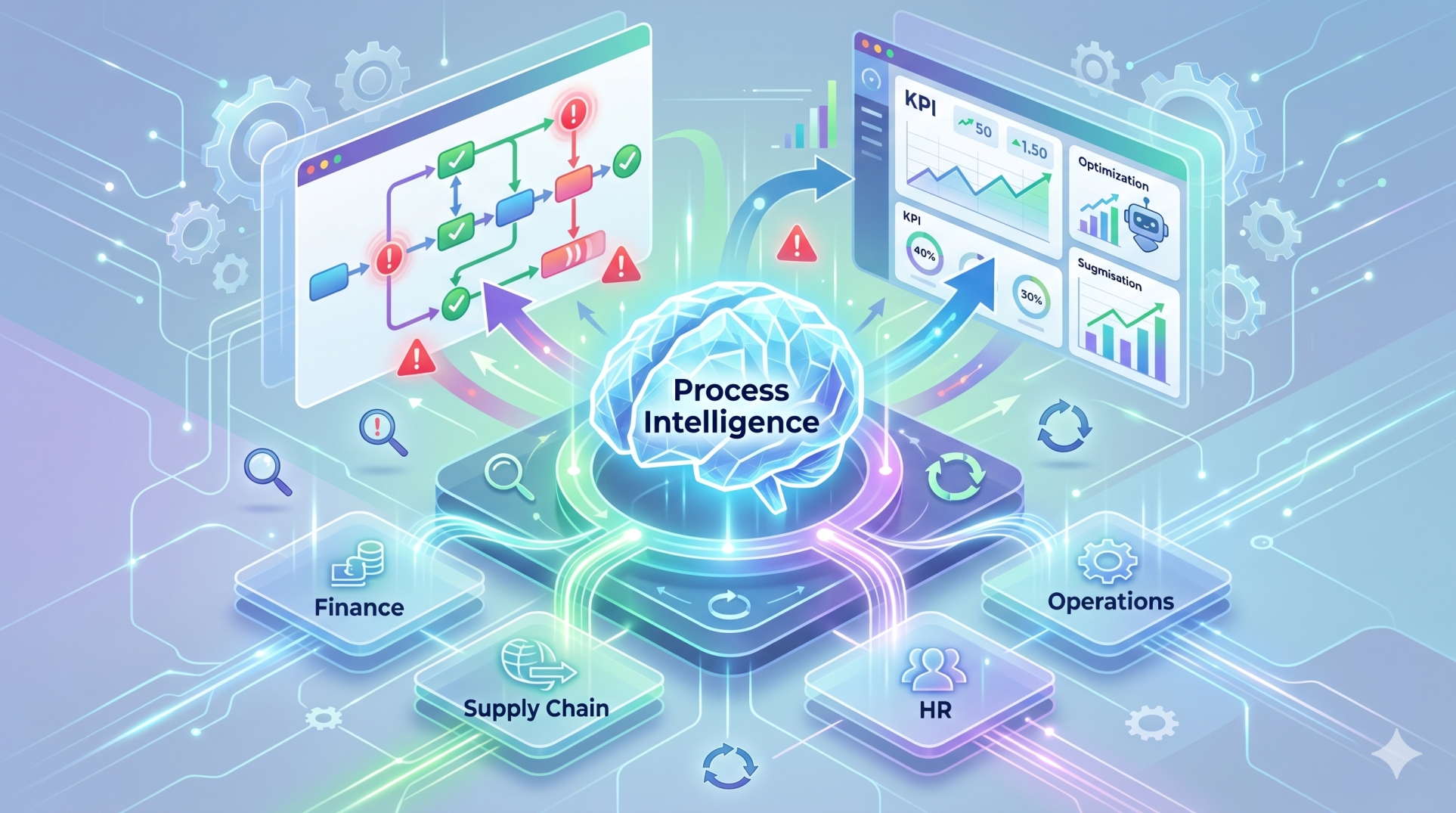
• Monitor key performance indicators across departments 📈
• Identify operational trends and improvement opportunities 🔍
• Make informed decisions using accurate business data 💡
• Improve planning through actionable insights 📋
Step 8: Key ERP Priorities for Small Businesses ⭐
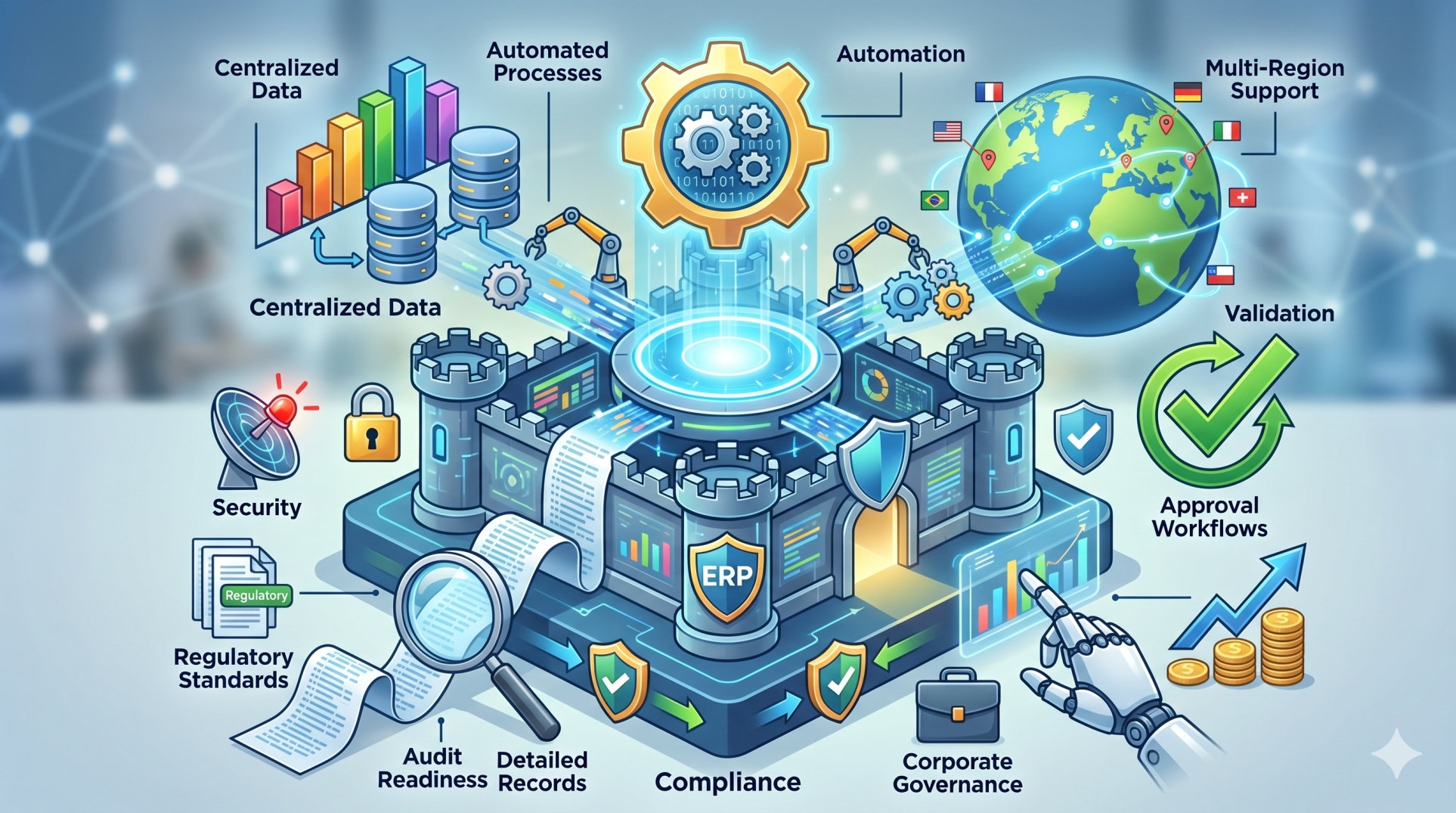
• Centralized business operations across departments 🏢
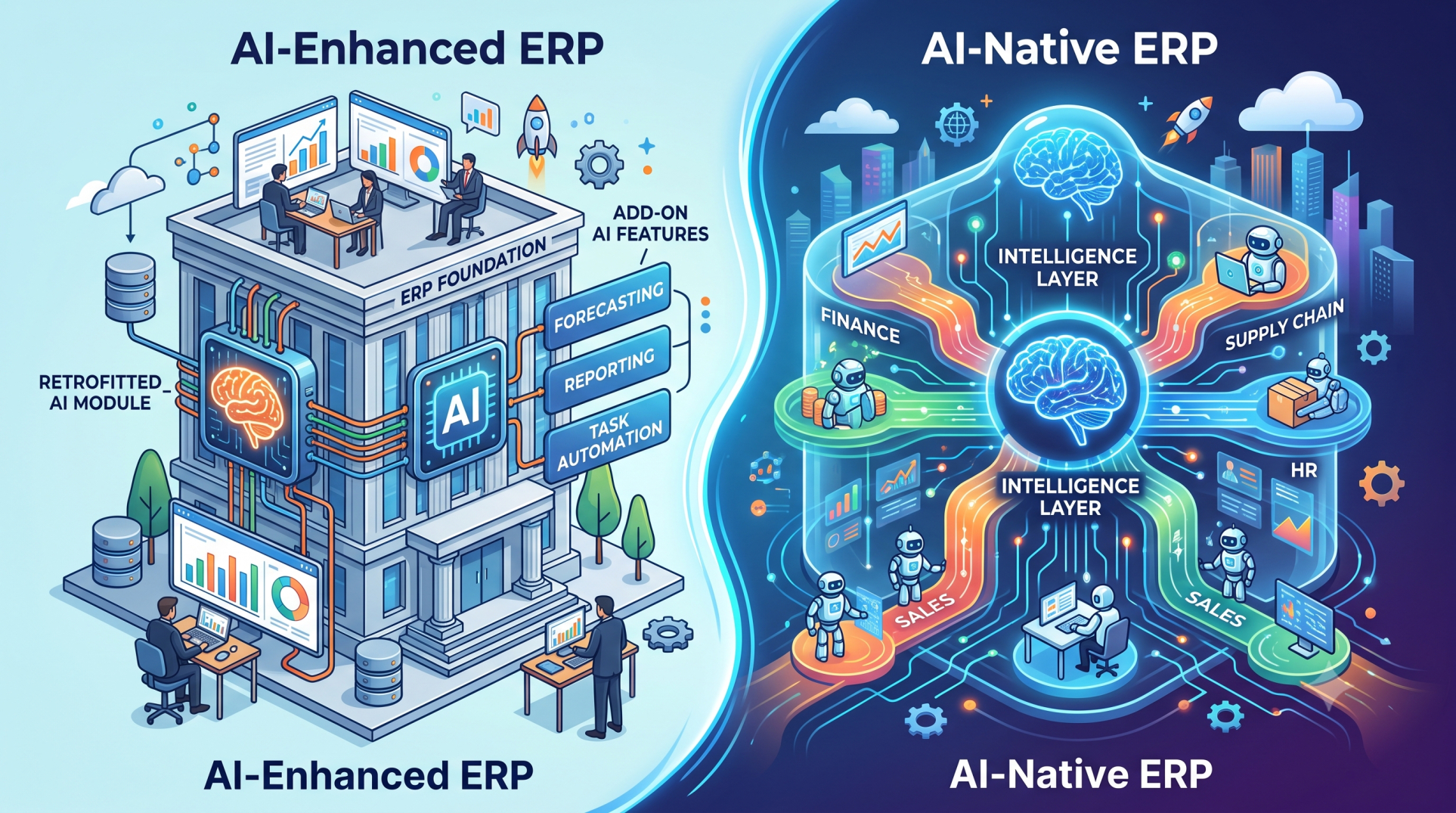
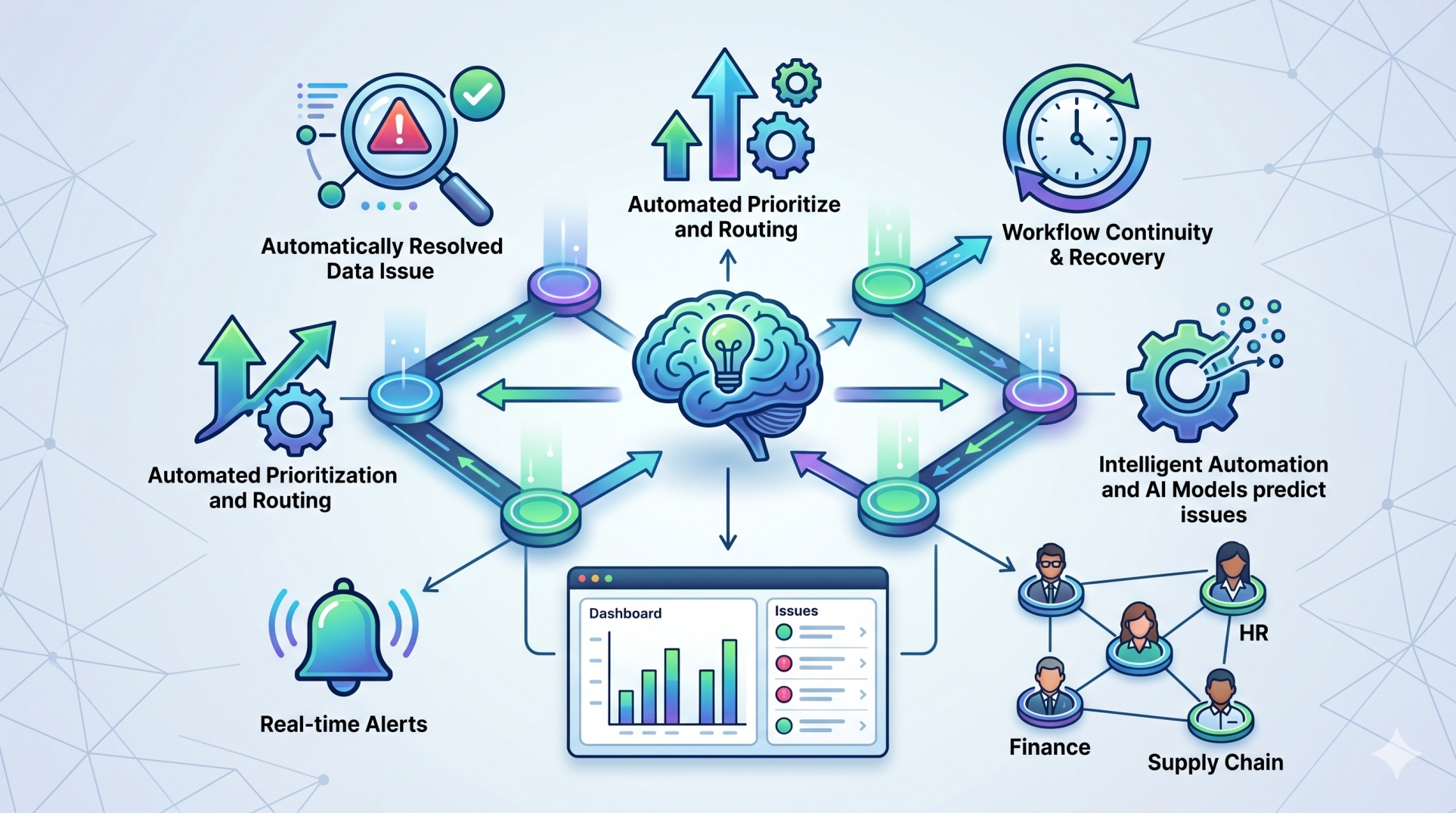
• Automated workflows that save time and resources 🤖
• Real-time reporting for informed decision-making 📊
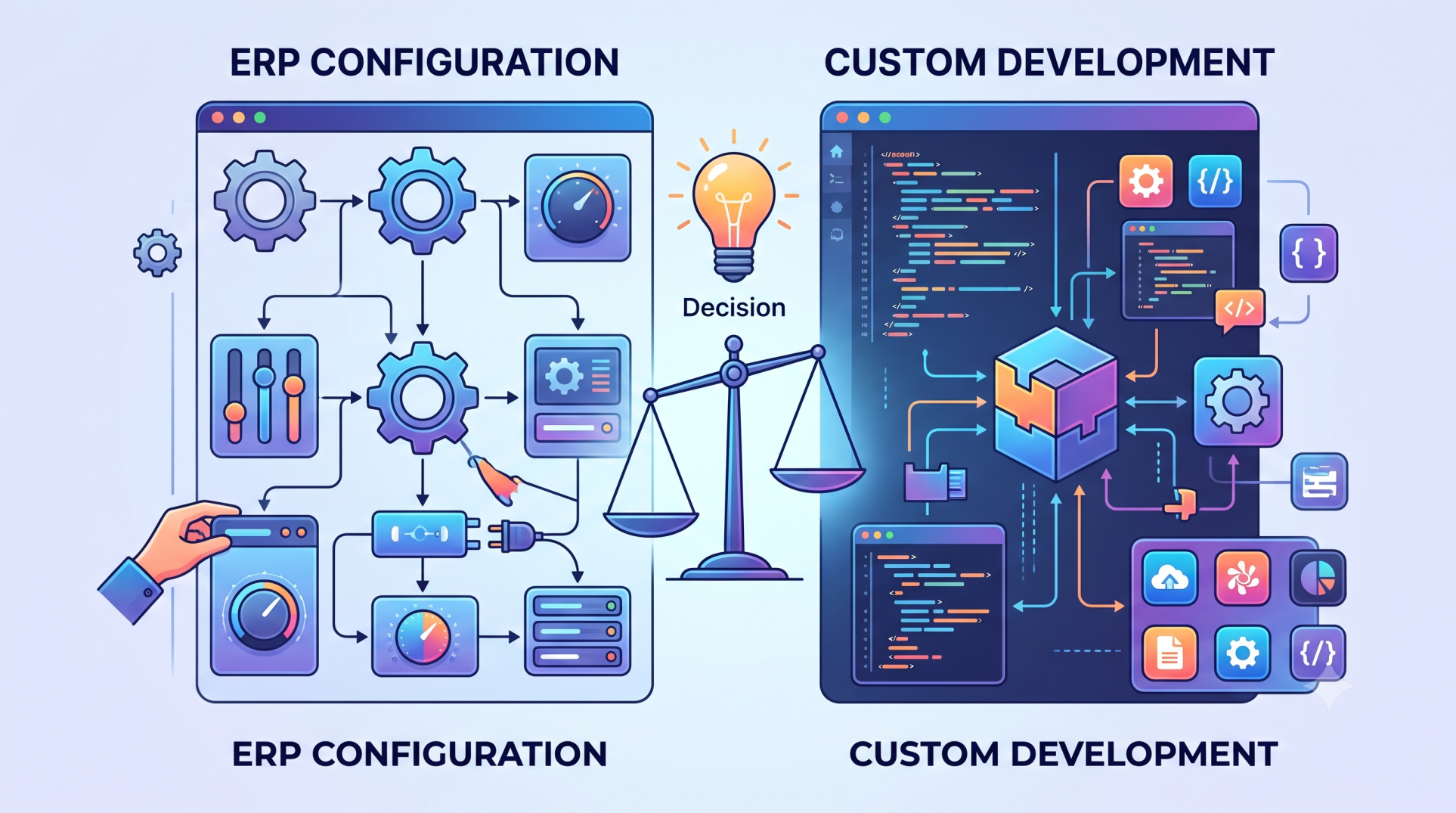
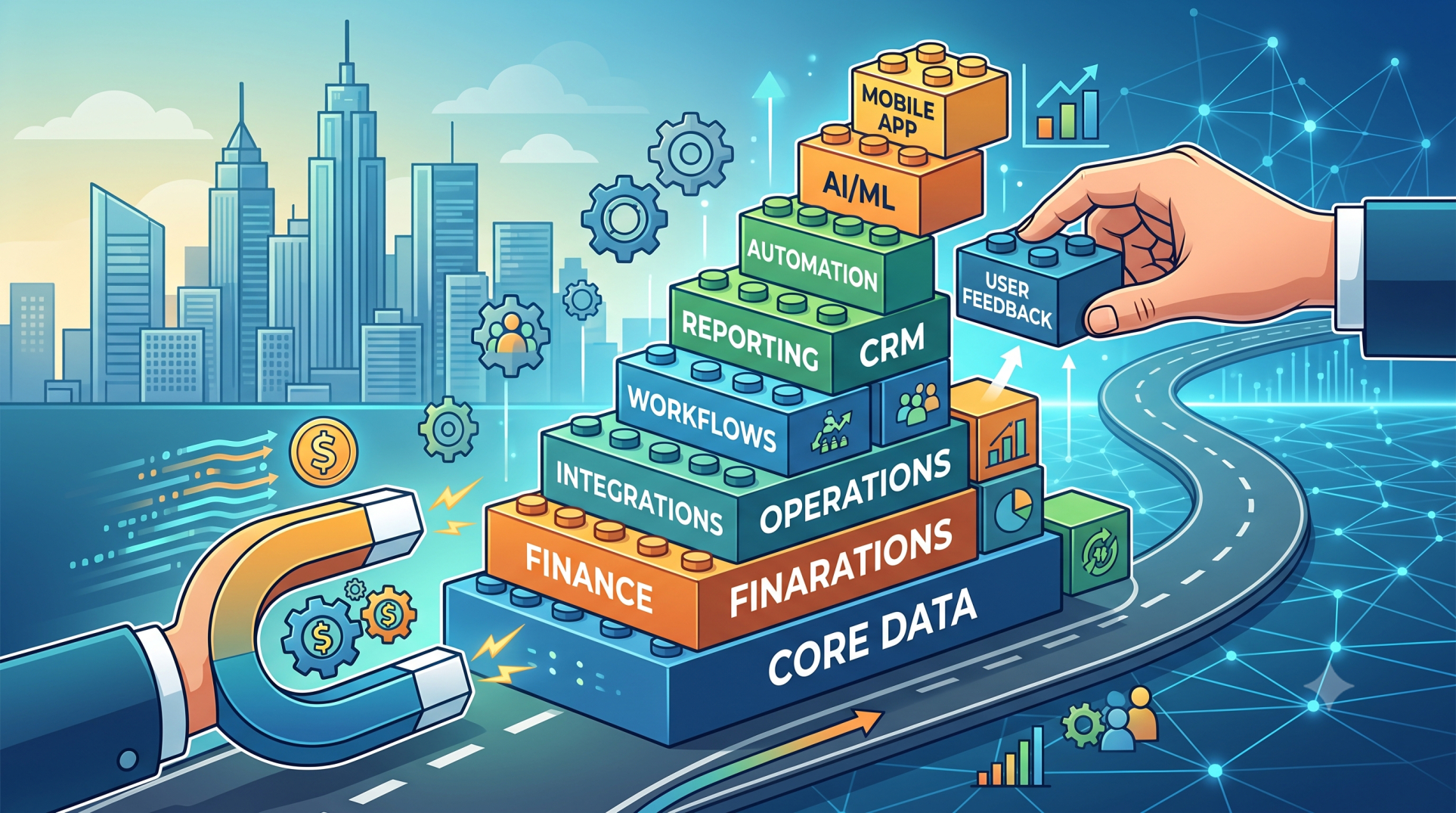
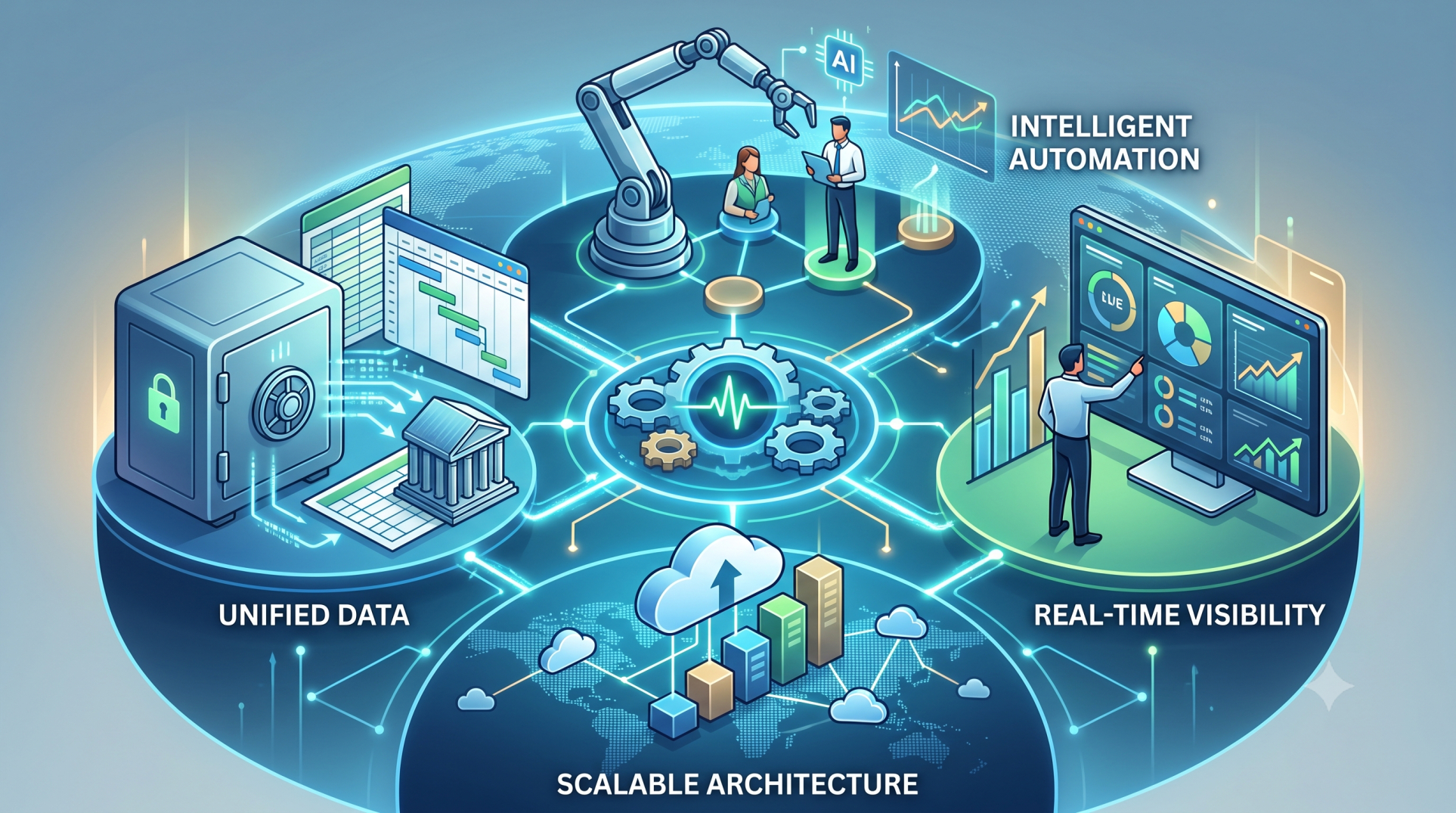
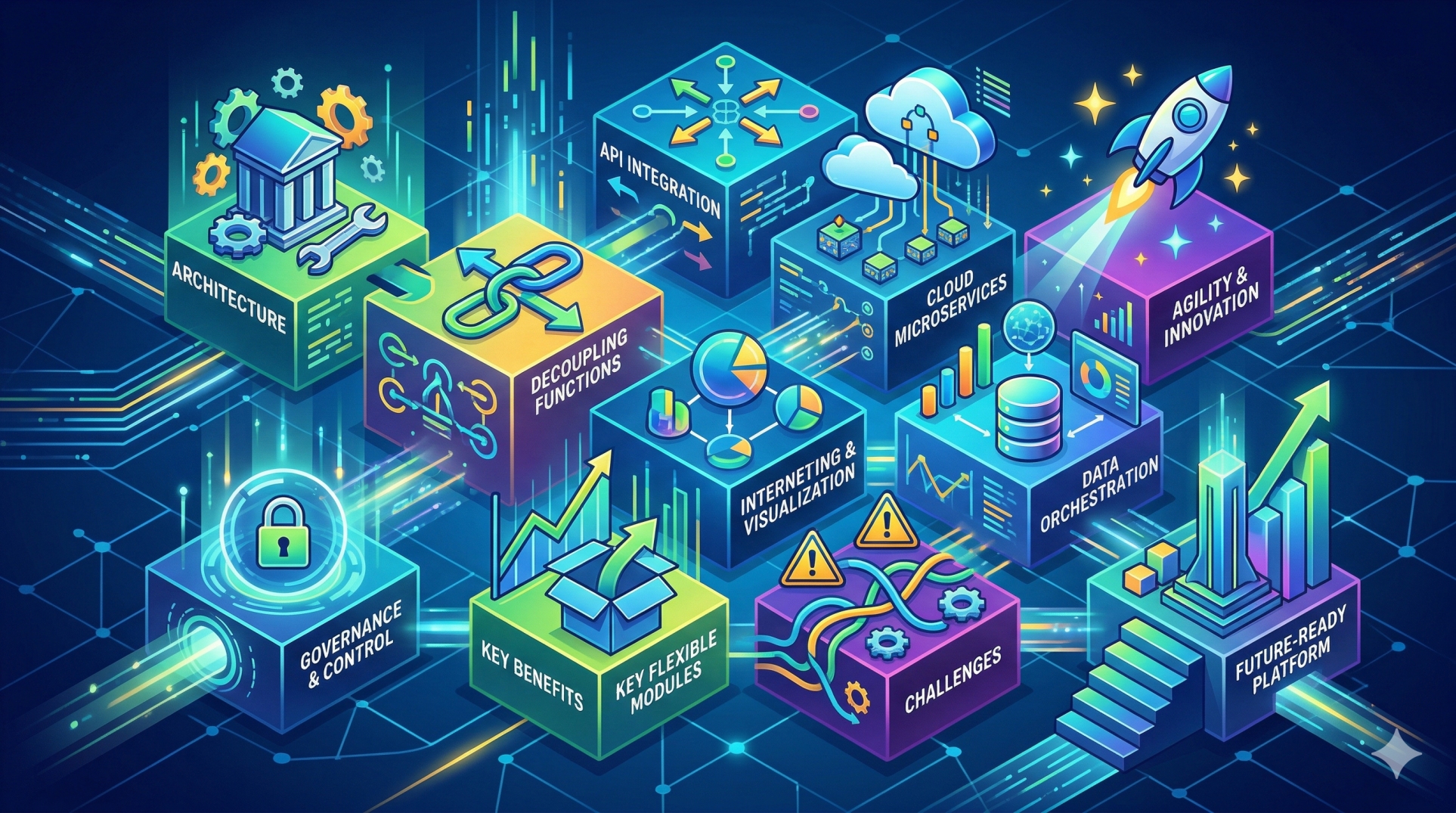
• Flexible architecture that supports business expansion 🚀
Step 9: Preparing for Future Growth 🌱
• Add new users and departments as the business expands 👥
• Integrate additional business applications when needed 🔗
• Support new products, services, and locations 🌍
• Adapt workflows to changing operational requirements 🔄
• Maintain consistent performance during business growth 📈
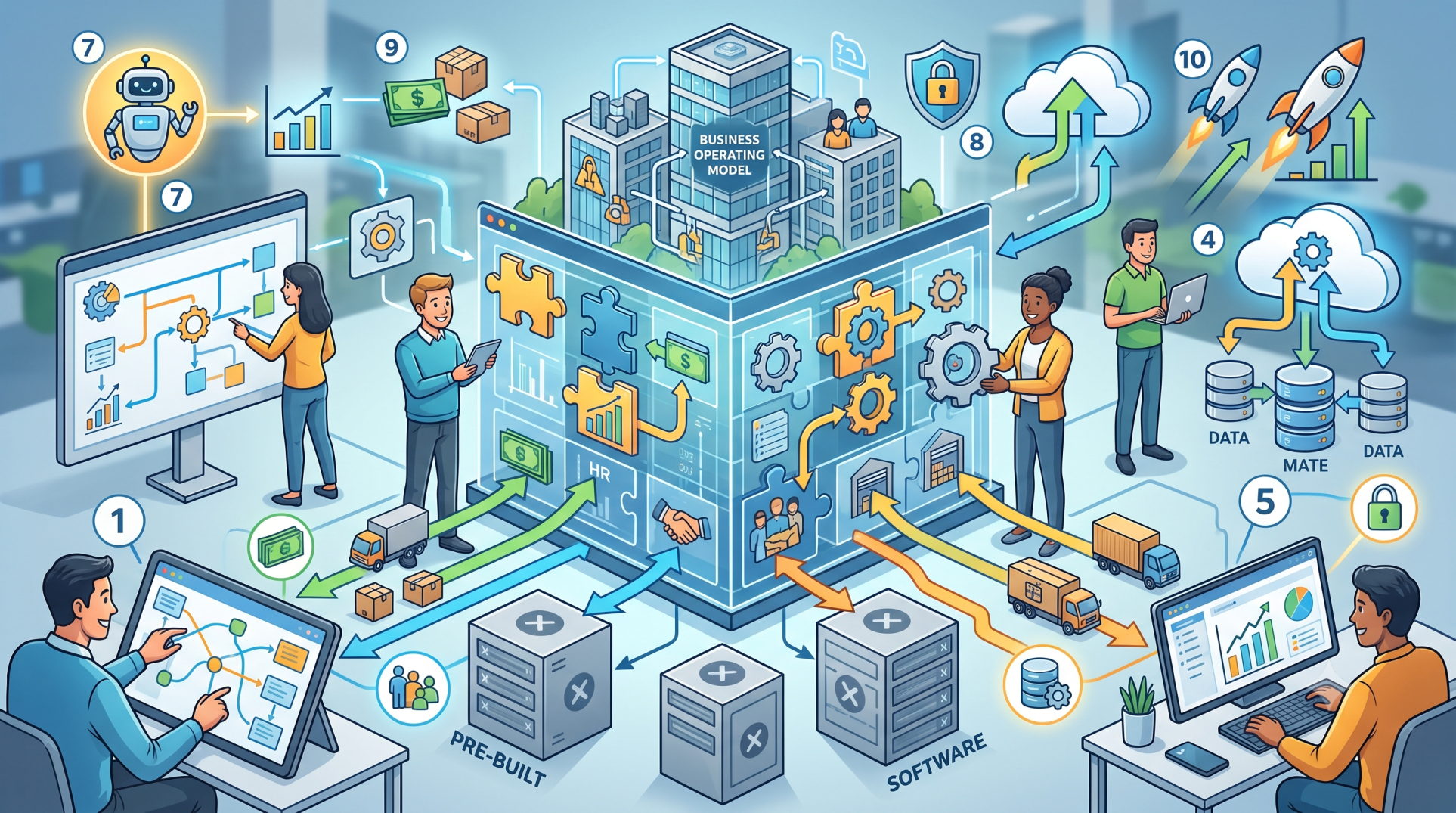
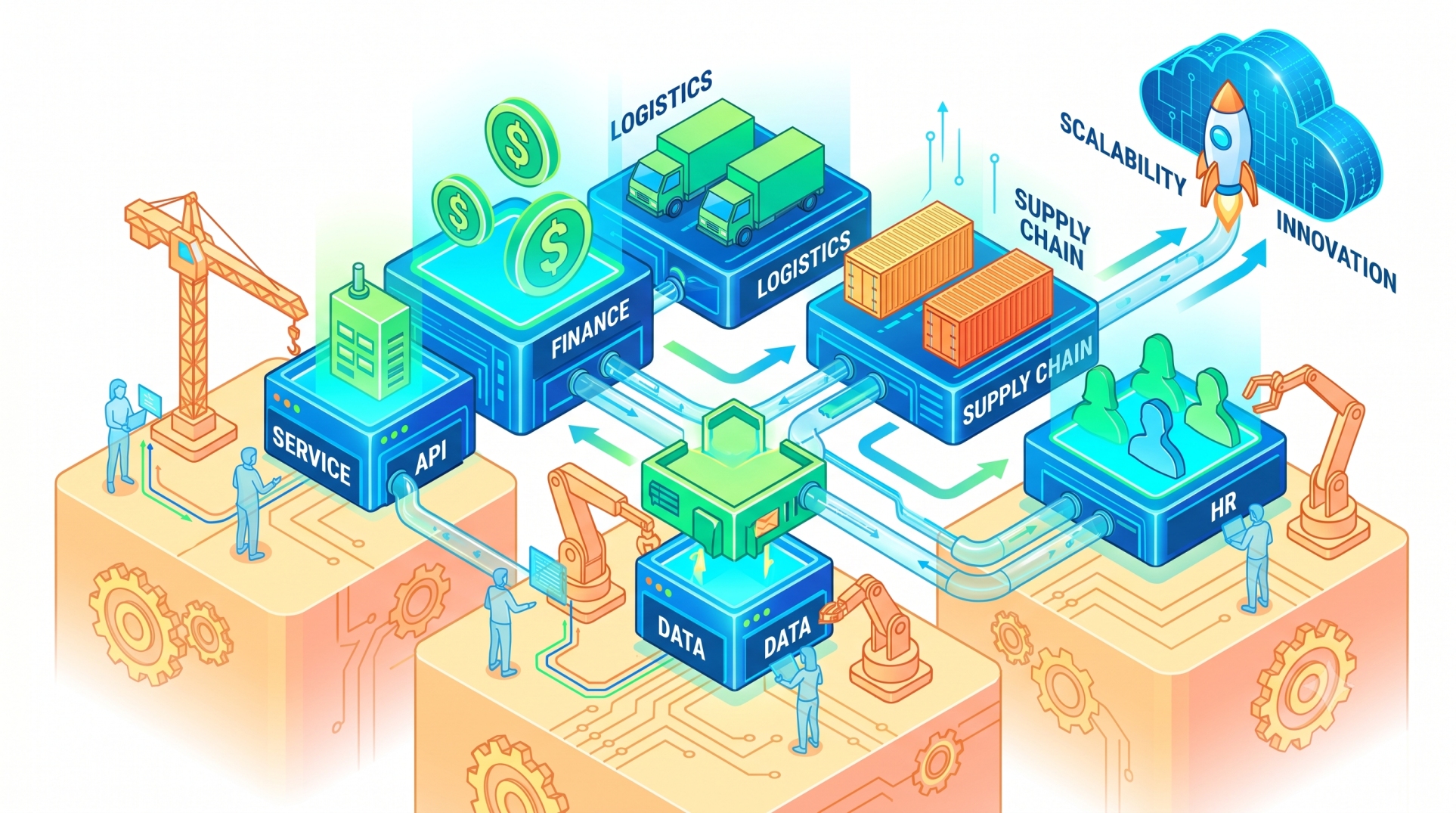
Step 10: Building a Scalable Business Platform 🏗️
• Choose an ERP solution designed for long-term scalability 🚀
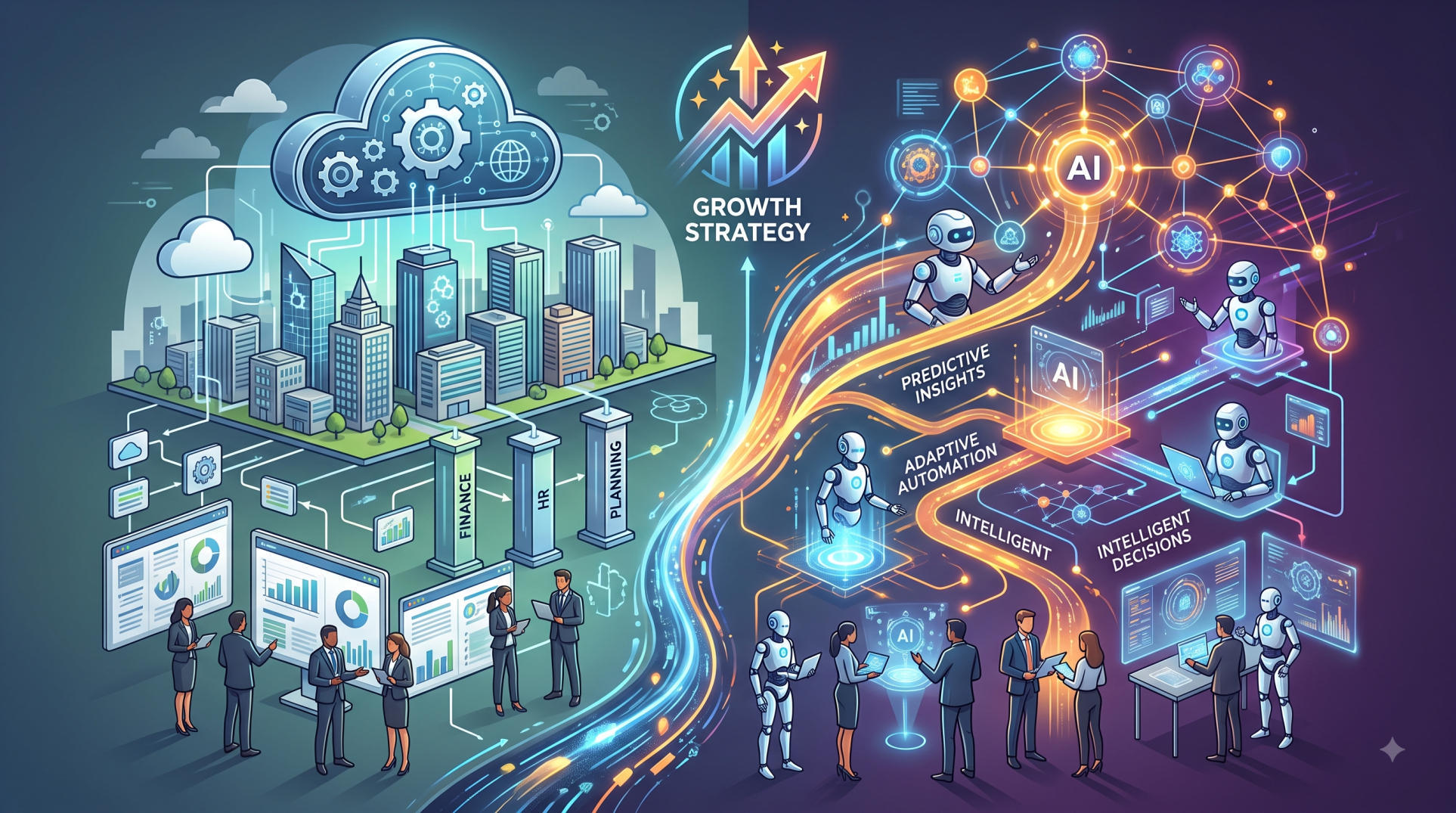
• Support cloud and hybrid deployment options ☁️
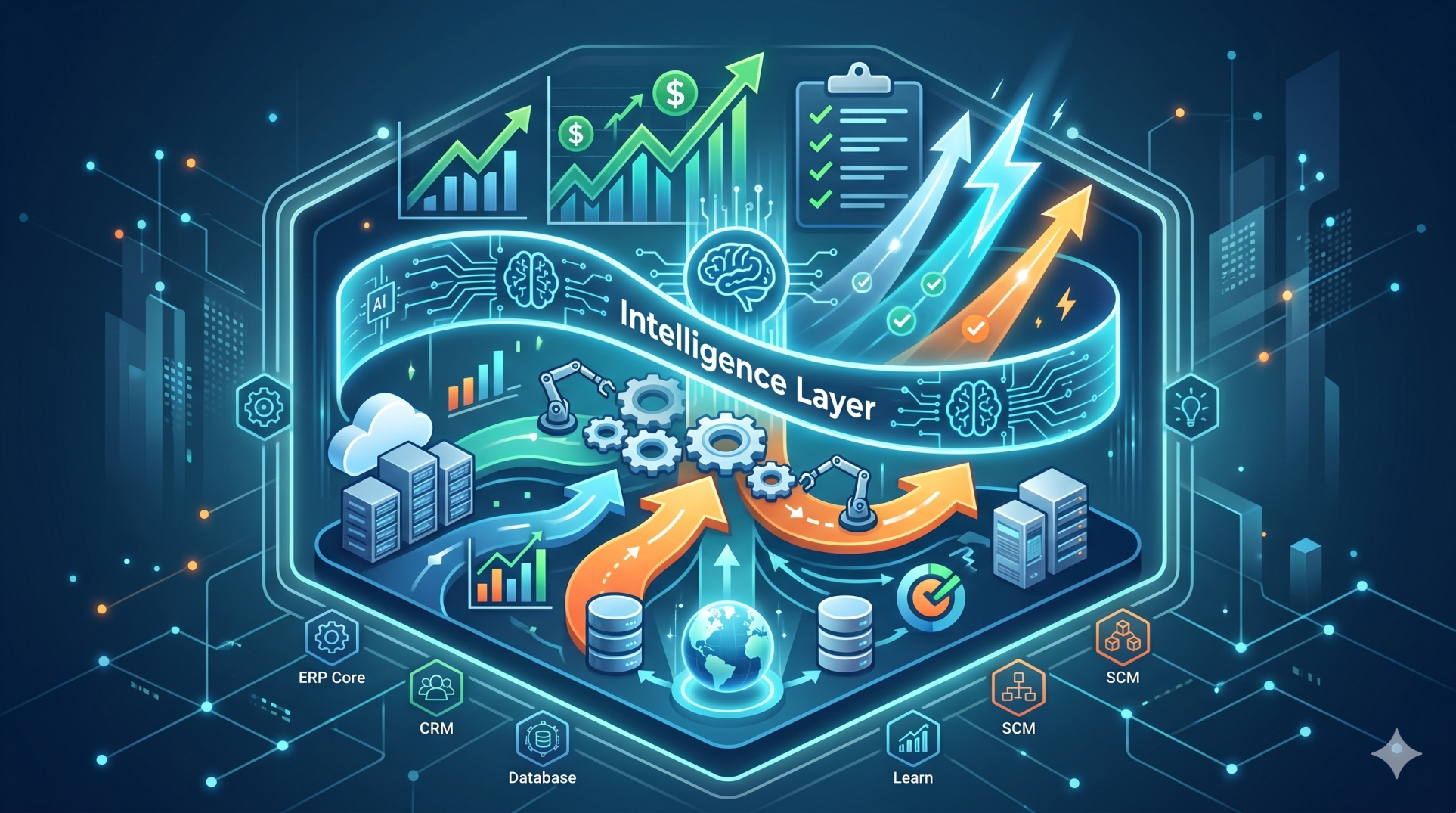
• Enhance efficiency through automation and analytics 🤖
• Strengthen collaboration across the organization 🤝
• Build a technology foundation that grows with your business 🌟
Conclusion
ERP software empowers small businesses to operate more efficiently, improve collaboration, and make better decisions through connected business processes. By centralizing operations, automating routine tasks, and providing real-time insights, an ERP system creates a scalable foundation for sustainable growth. Investing in the right ERP solution today helps small businesses remain competitive, adaptable, and prepared for future opportunities.
See more blogs
You can all the articles below