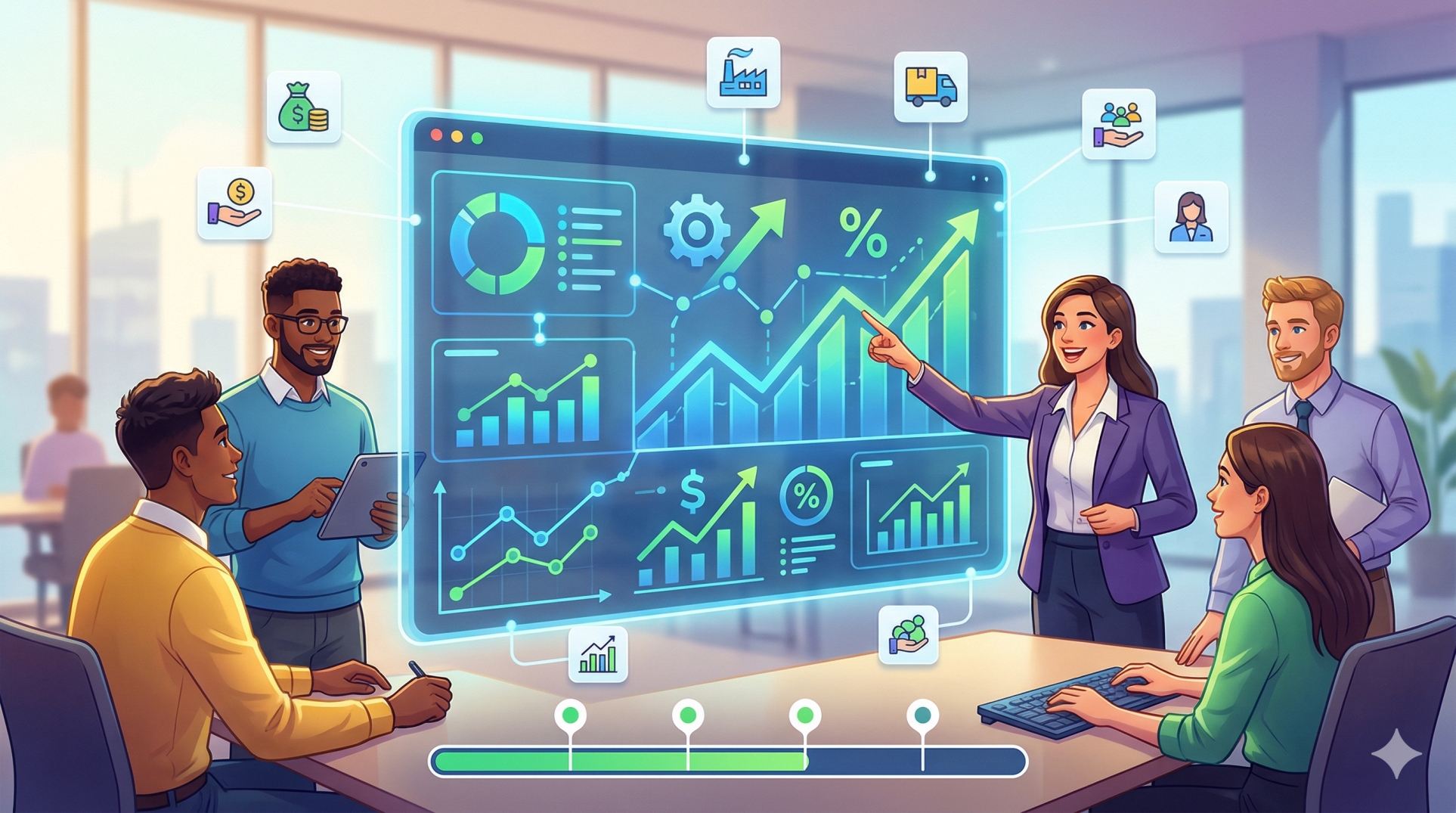
Managing Supply Chains with Cloud-Based ERP
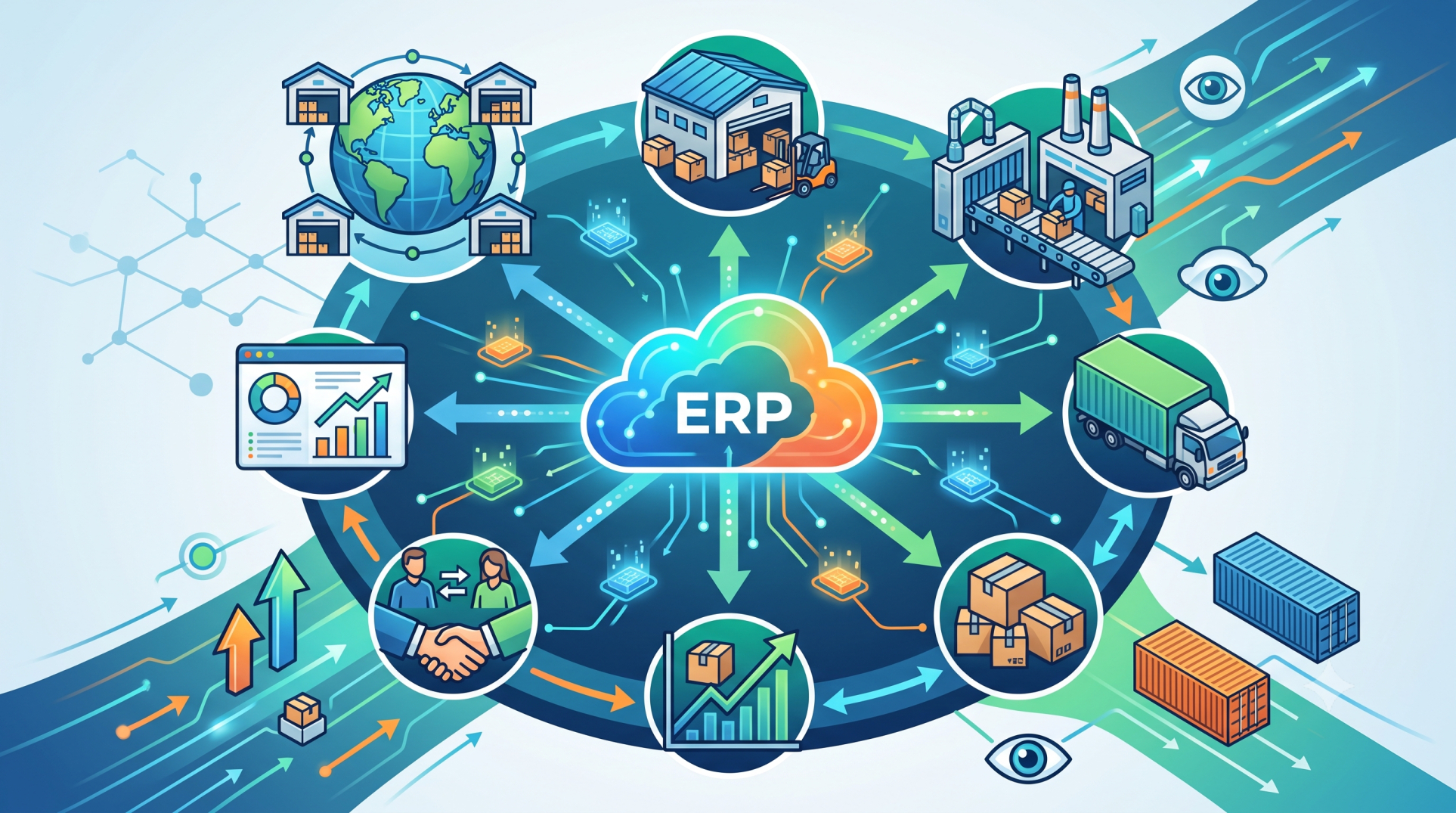
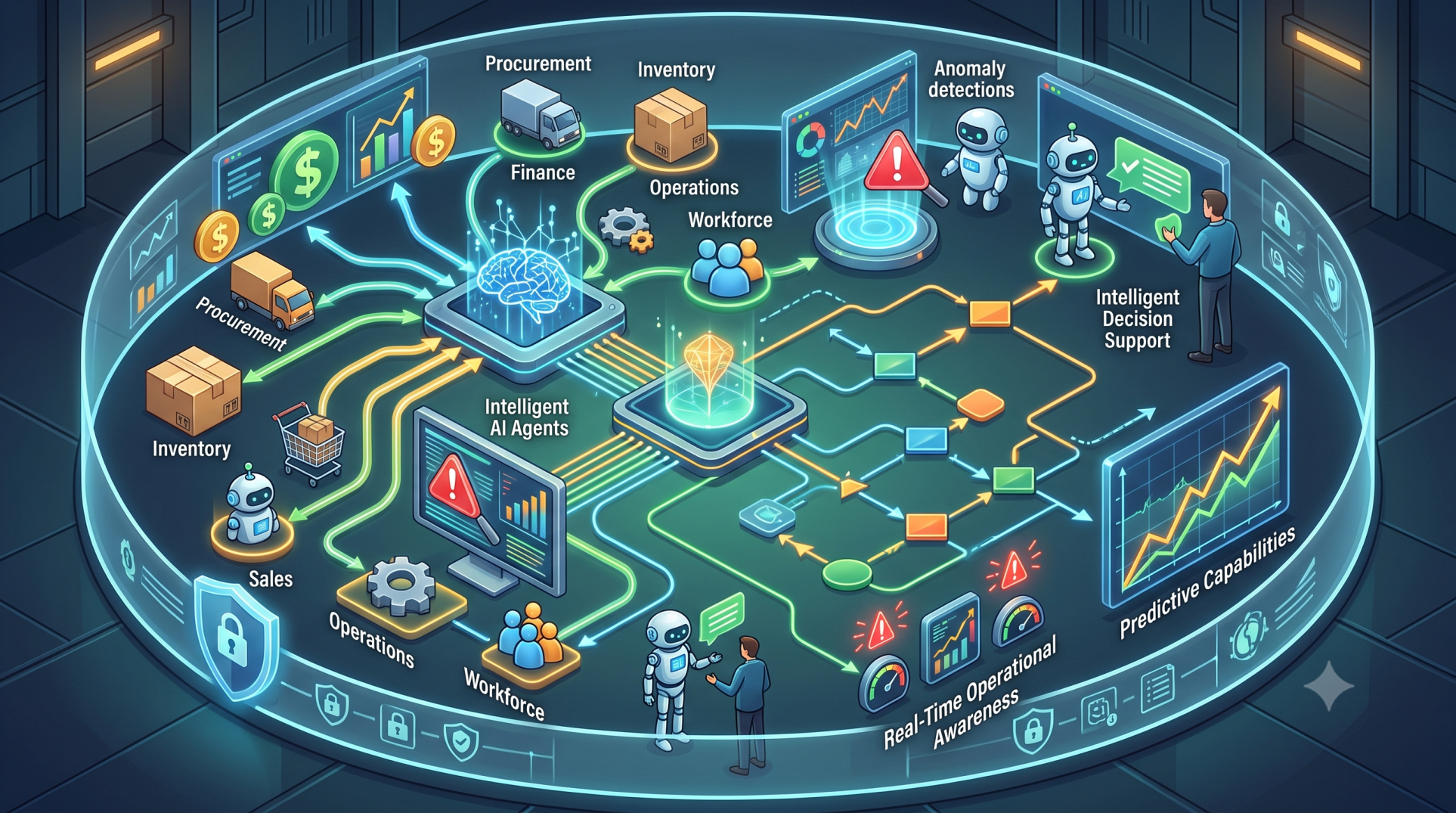
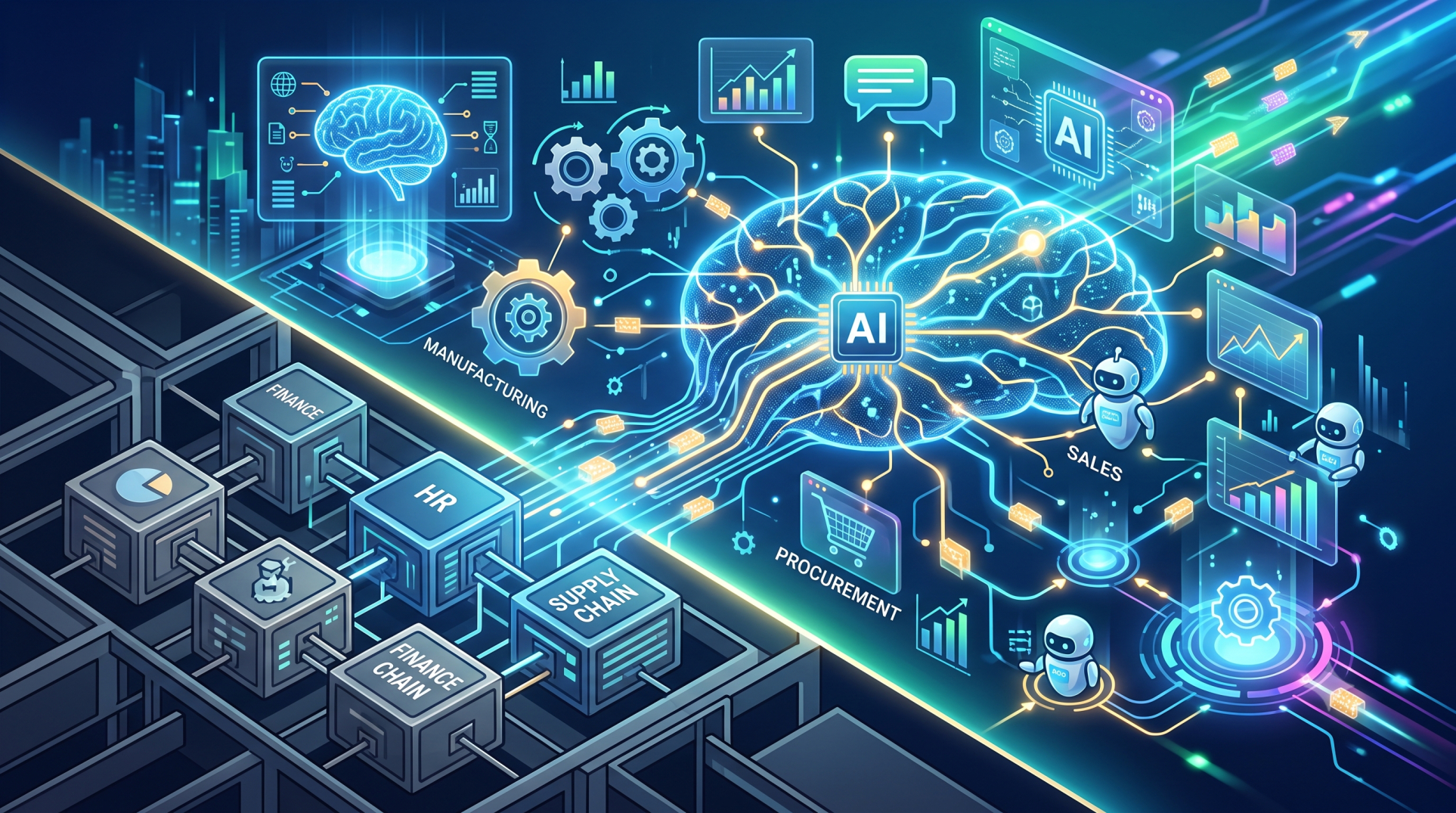
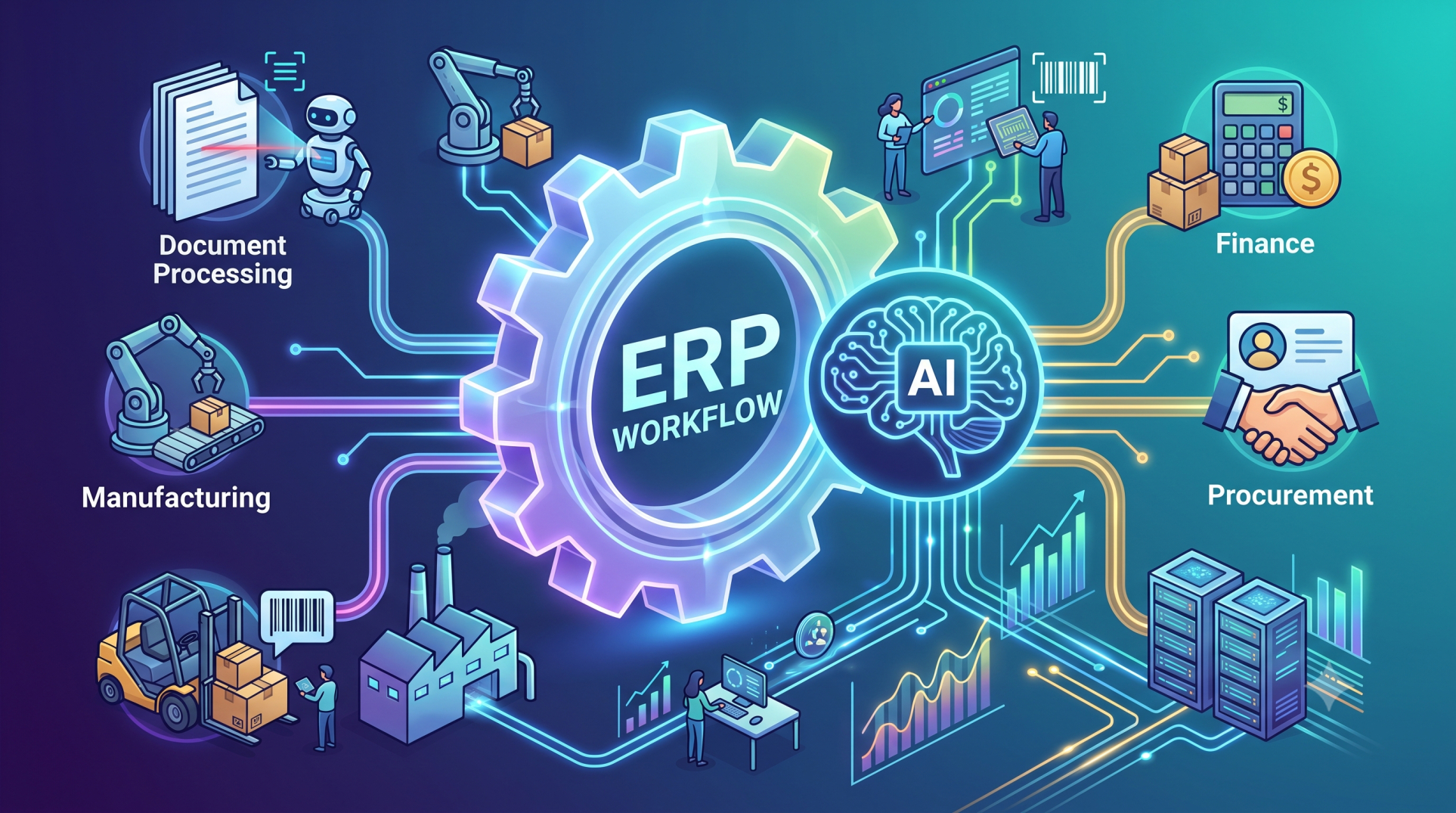
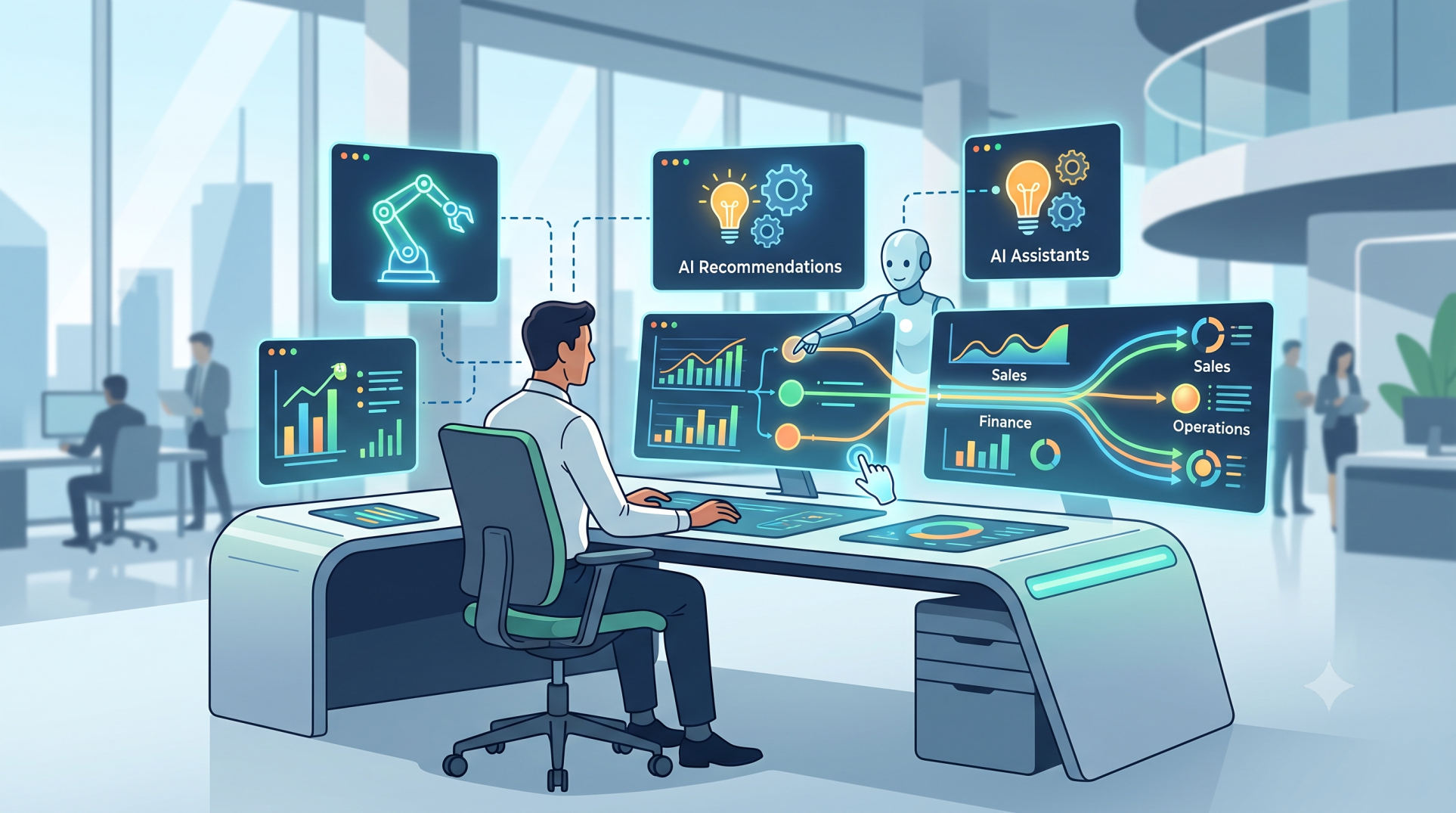
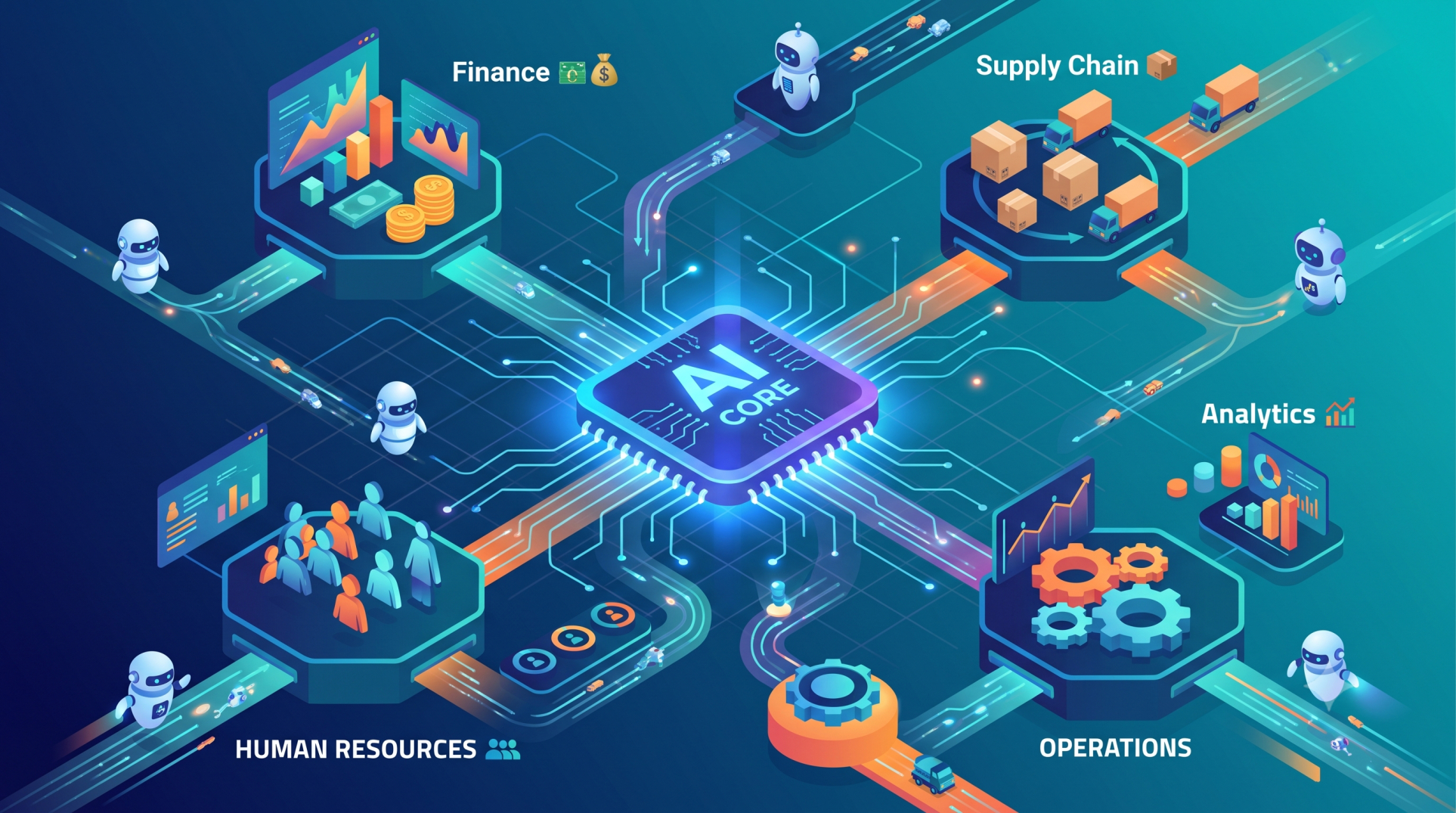
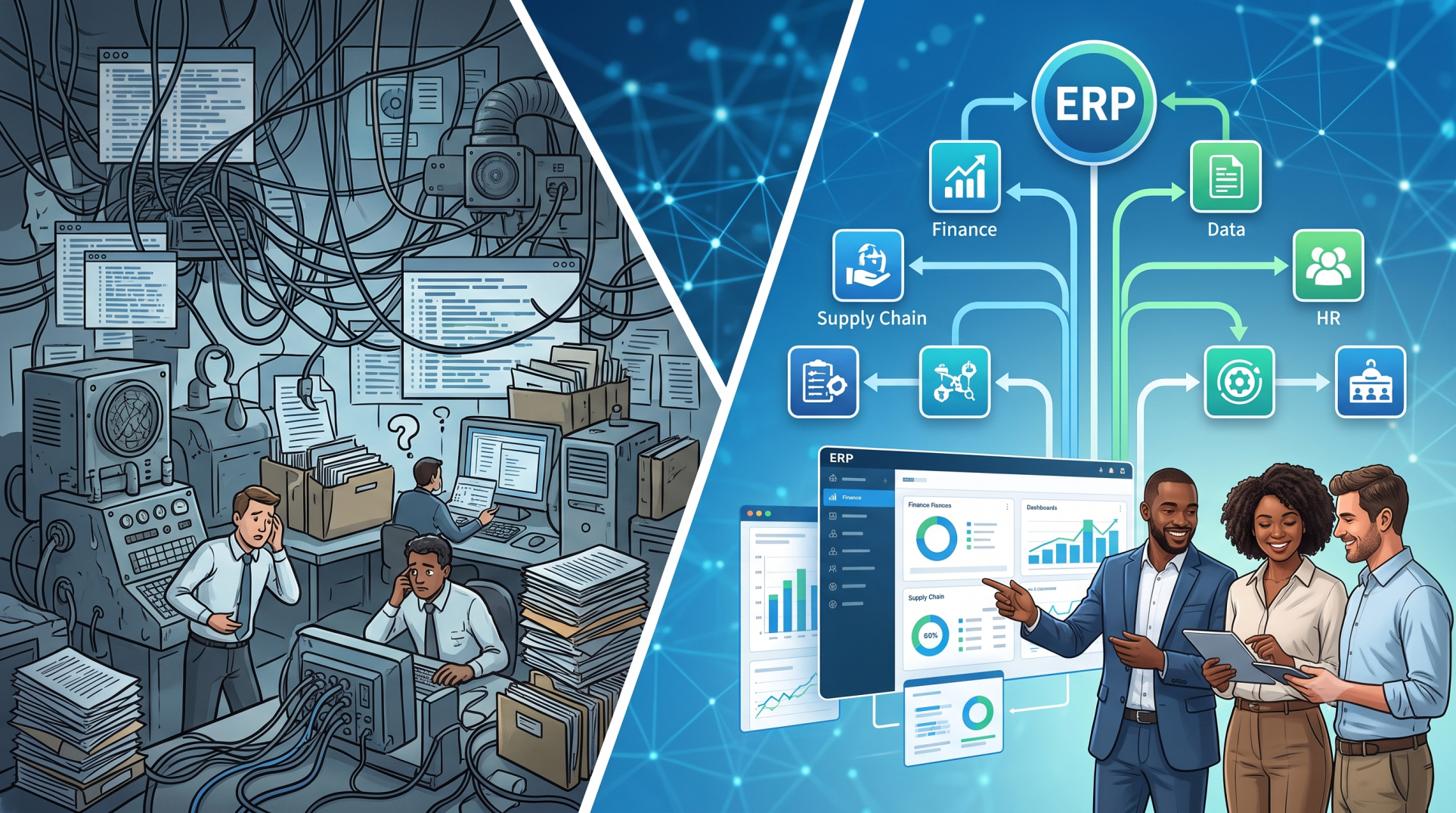
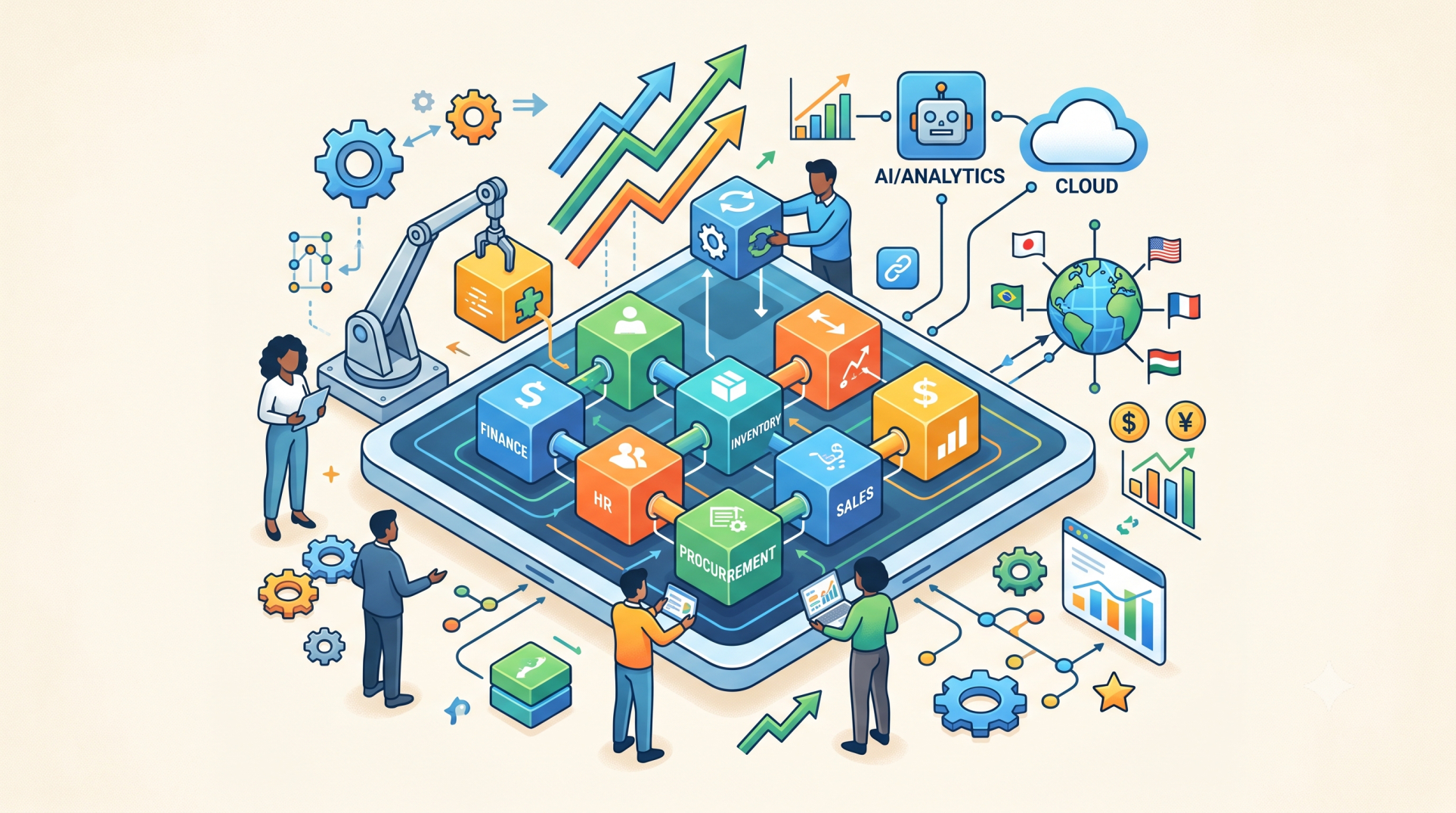
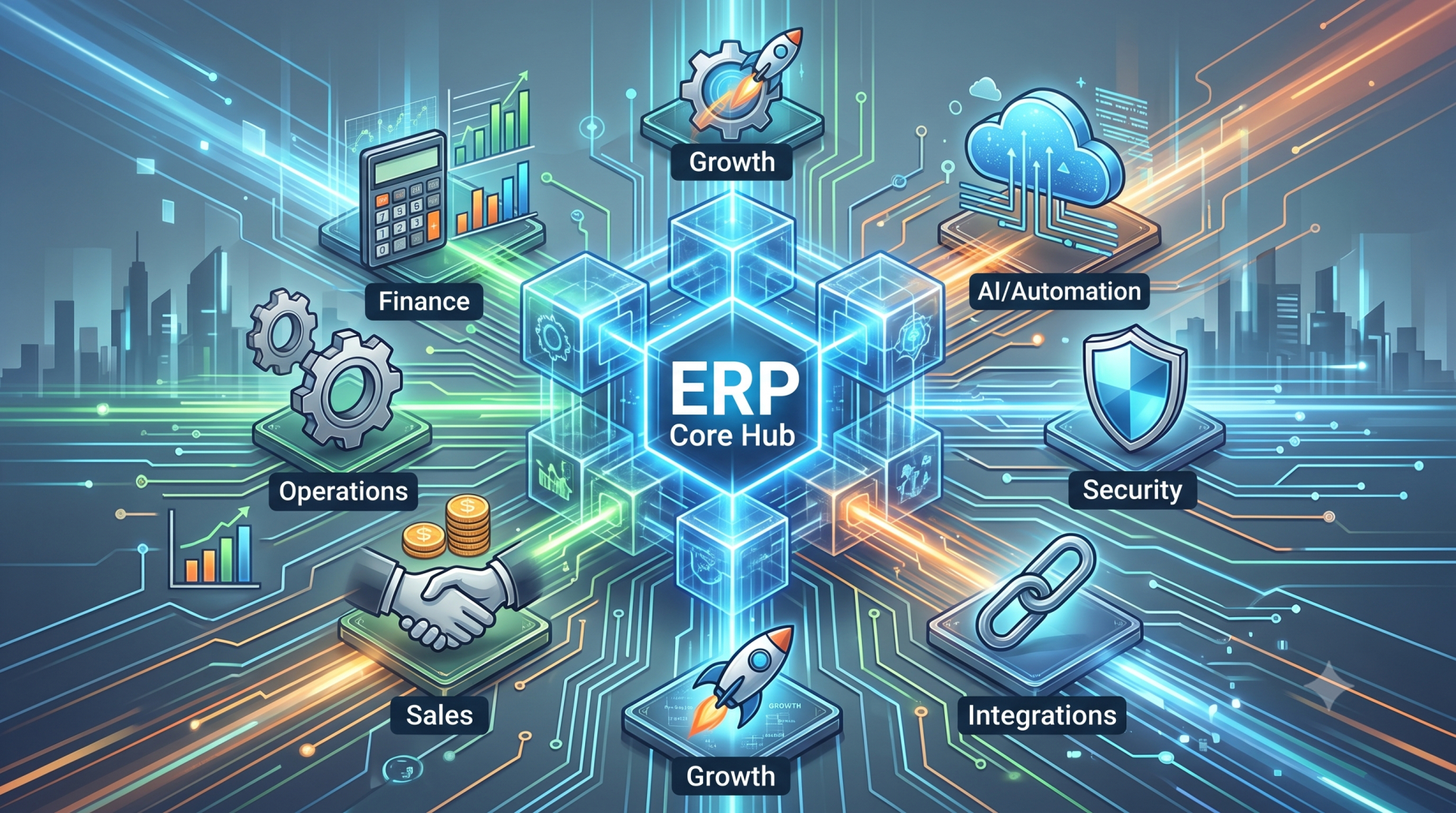
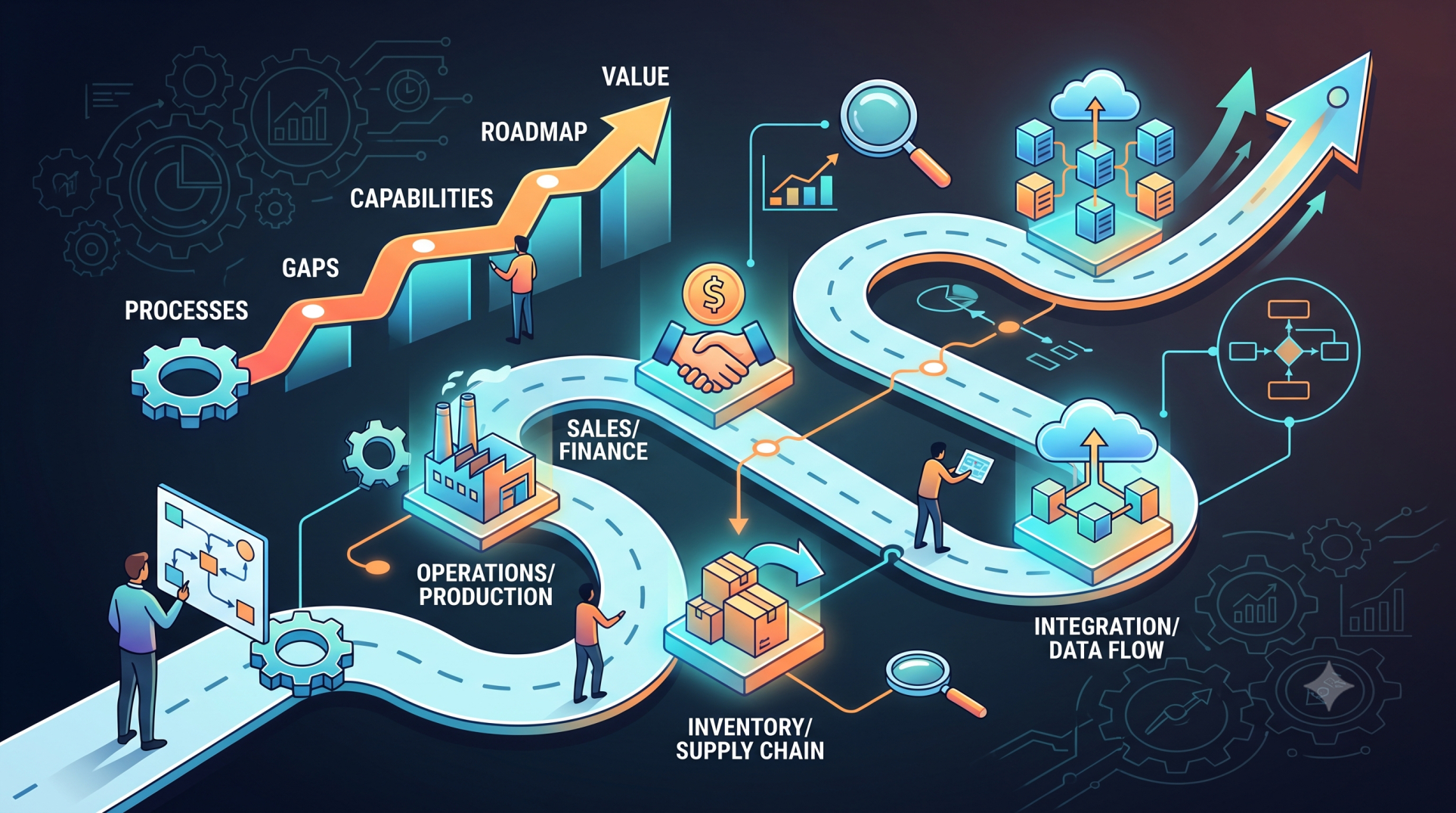
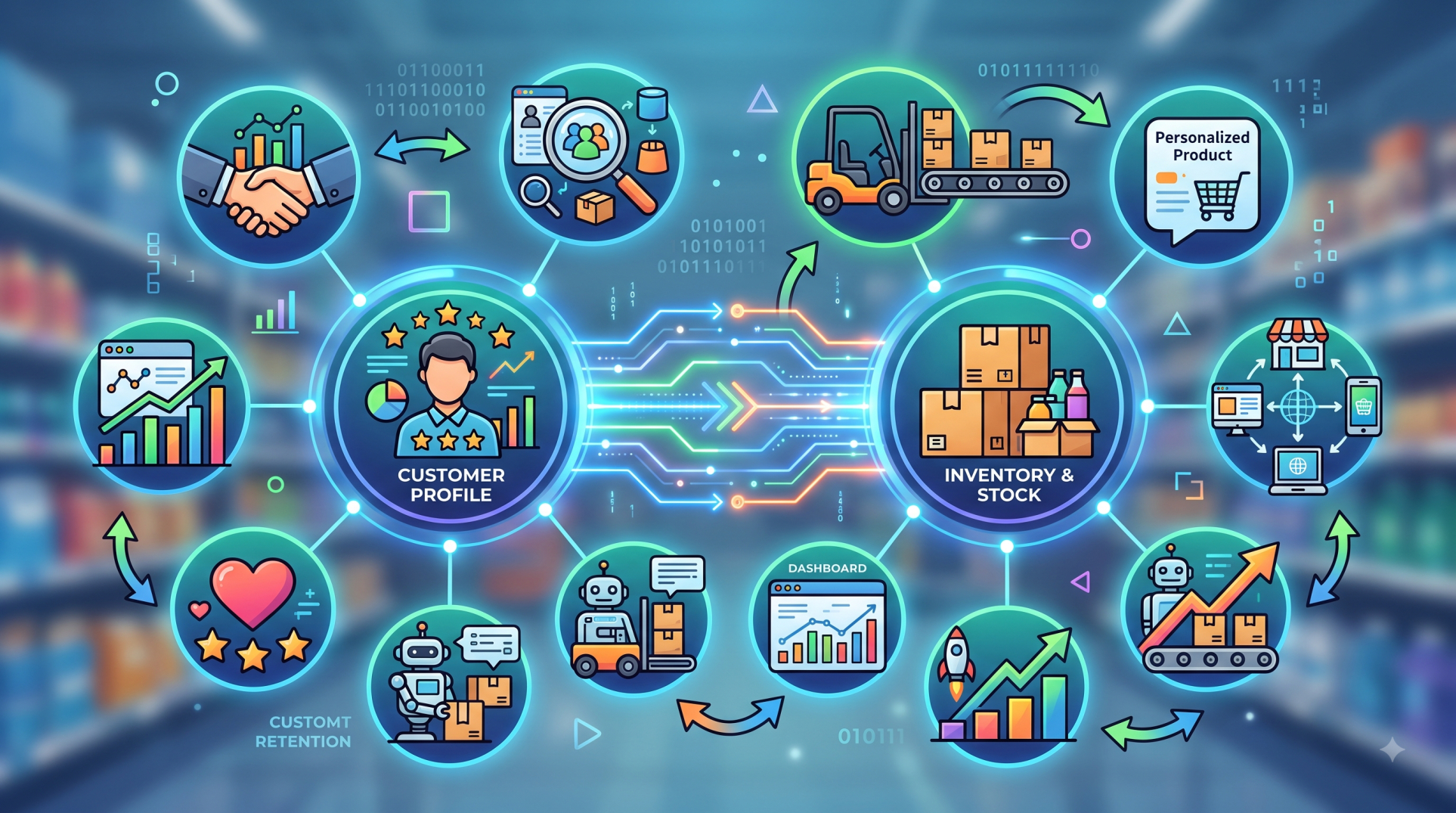
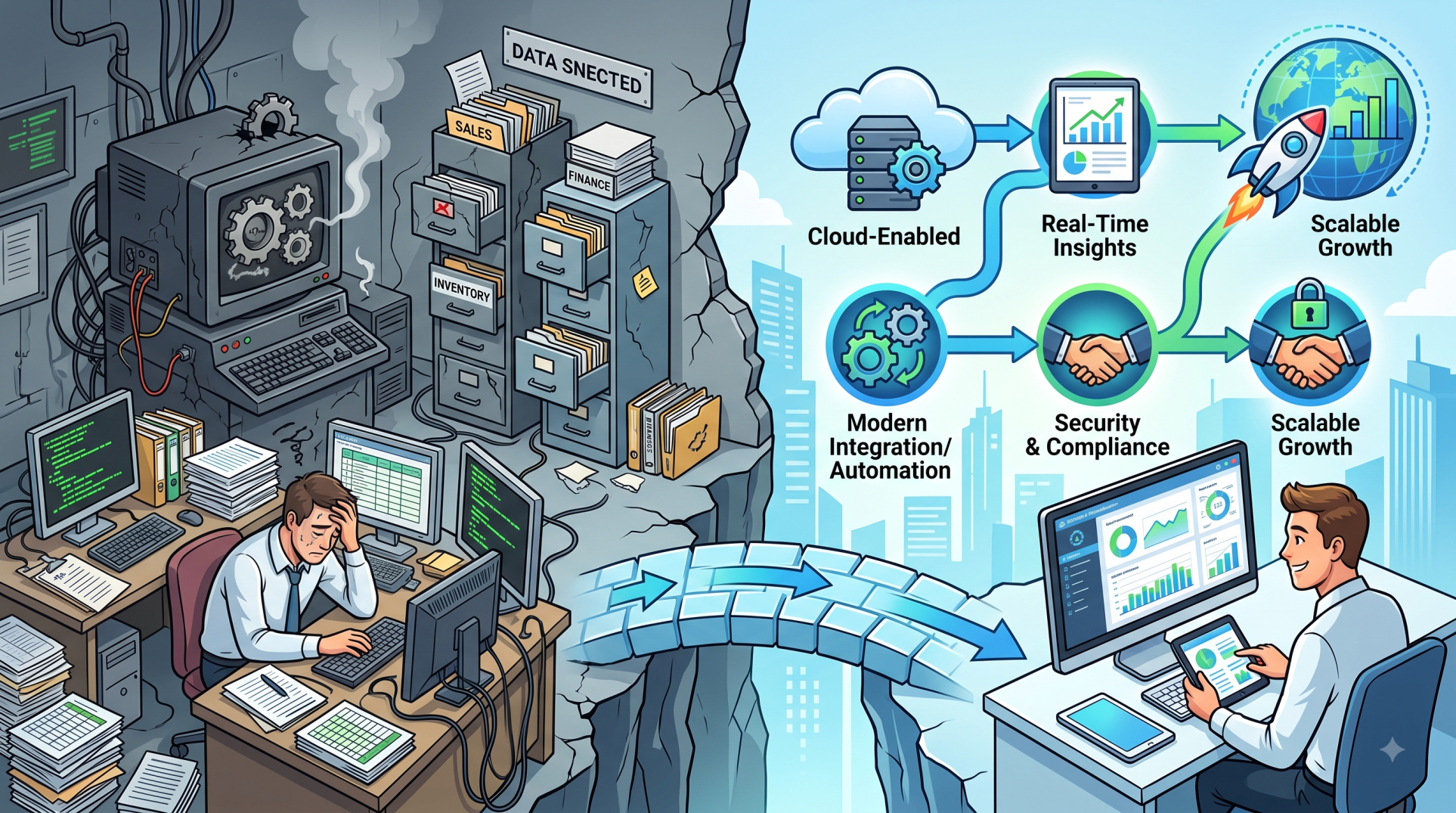
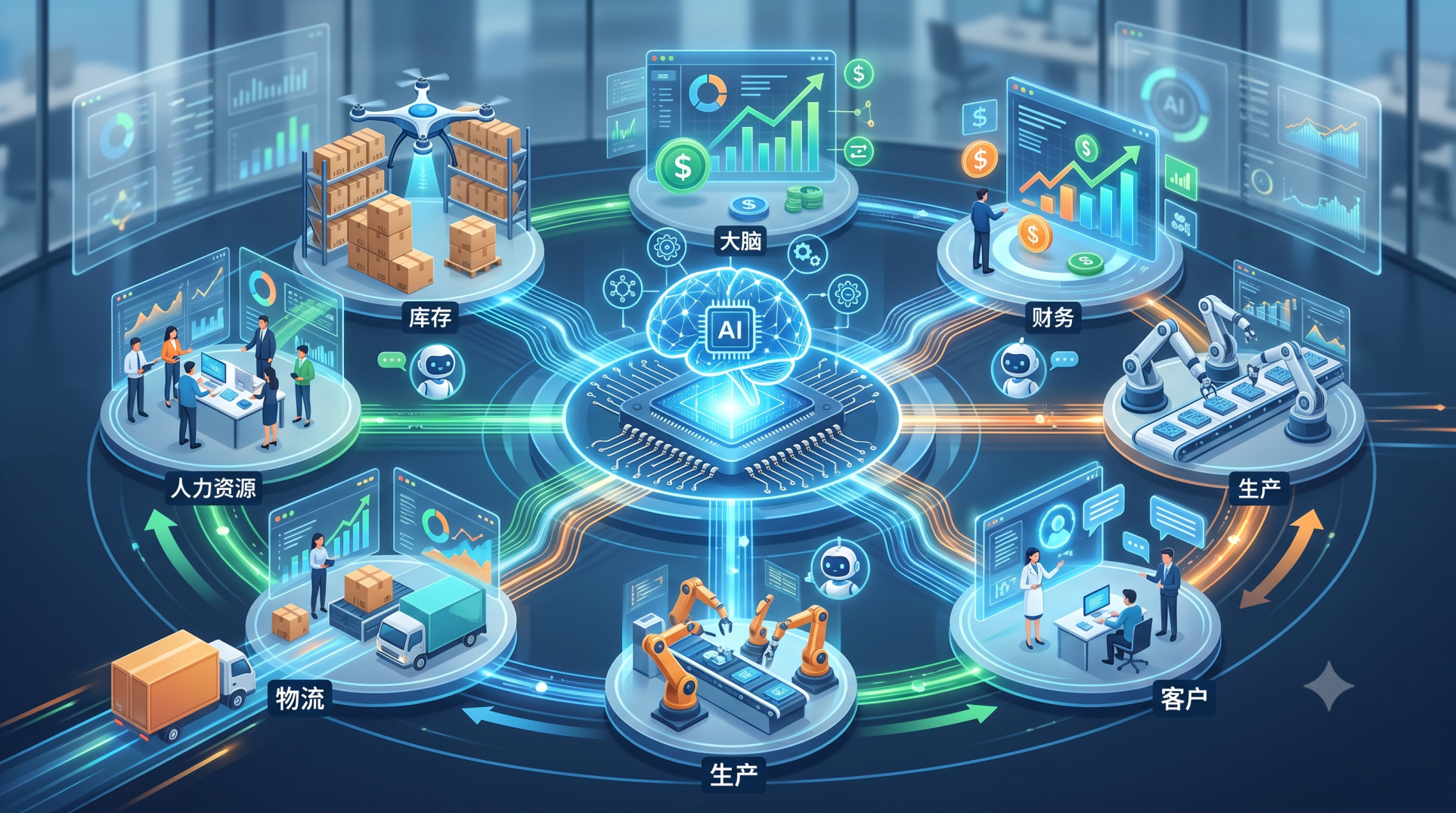
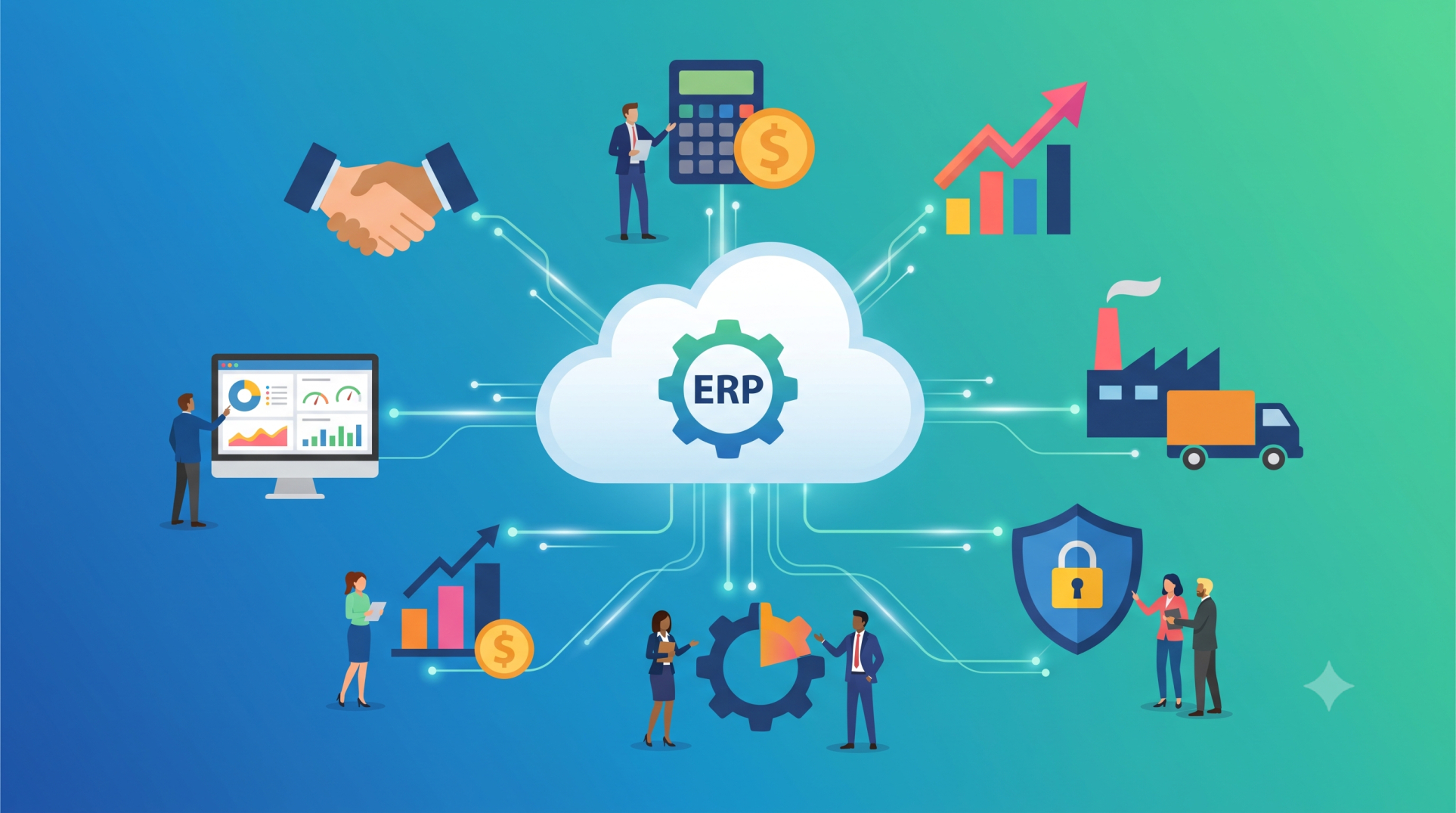
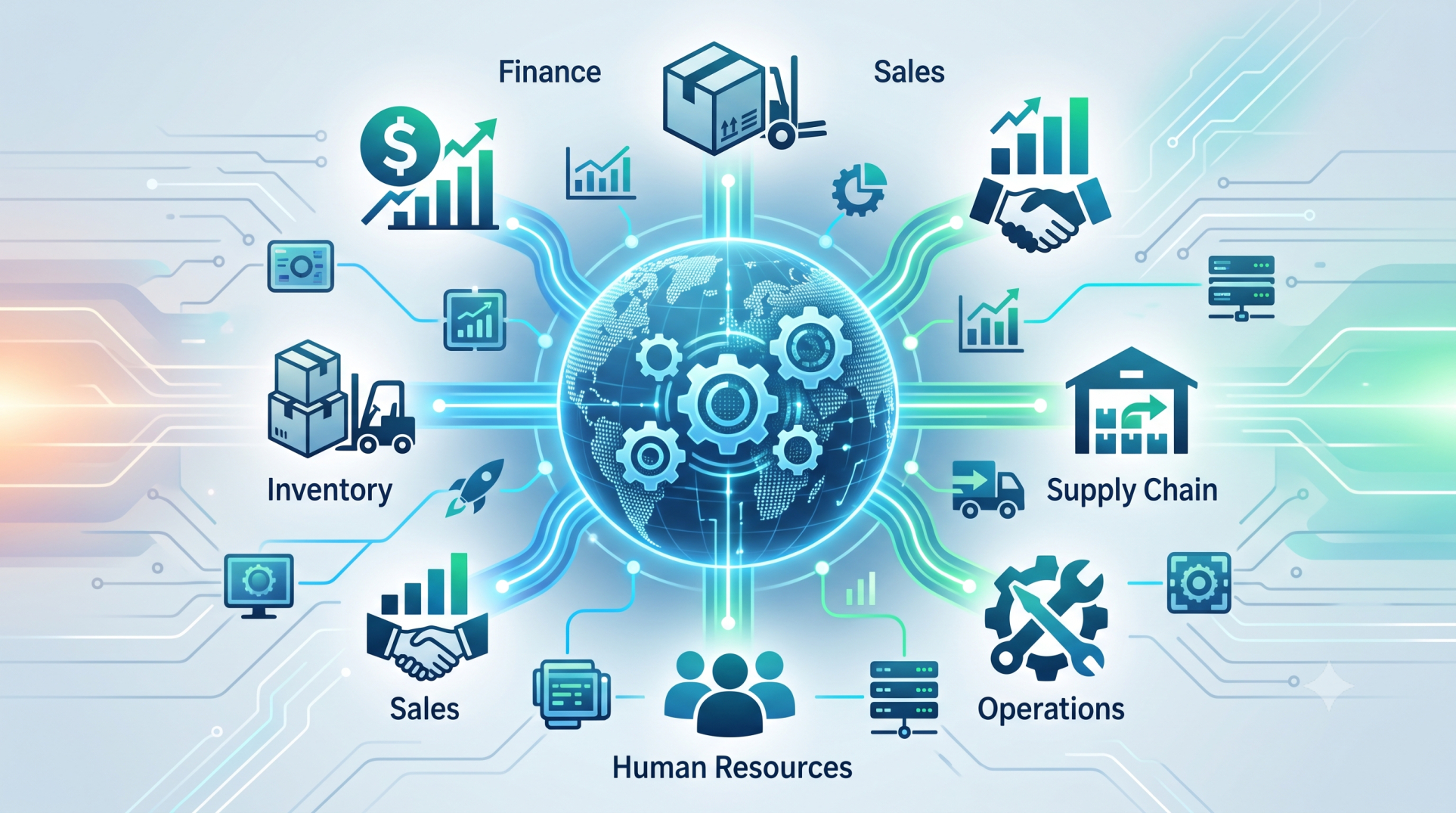
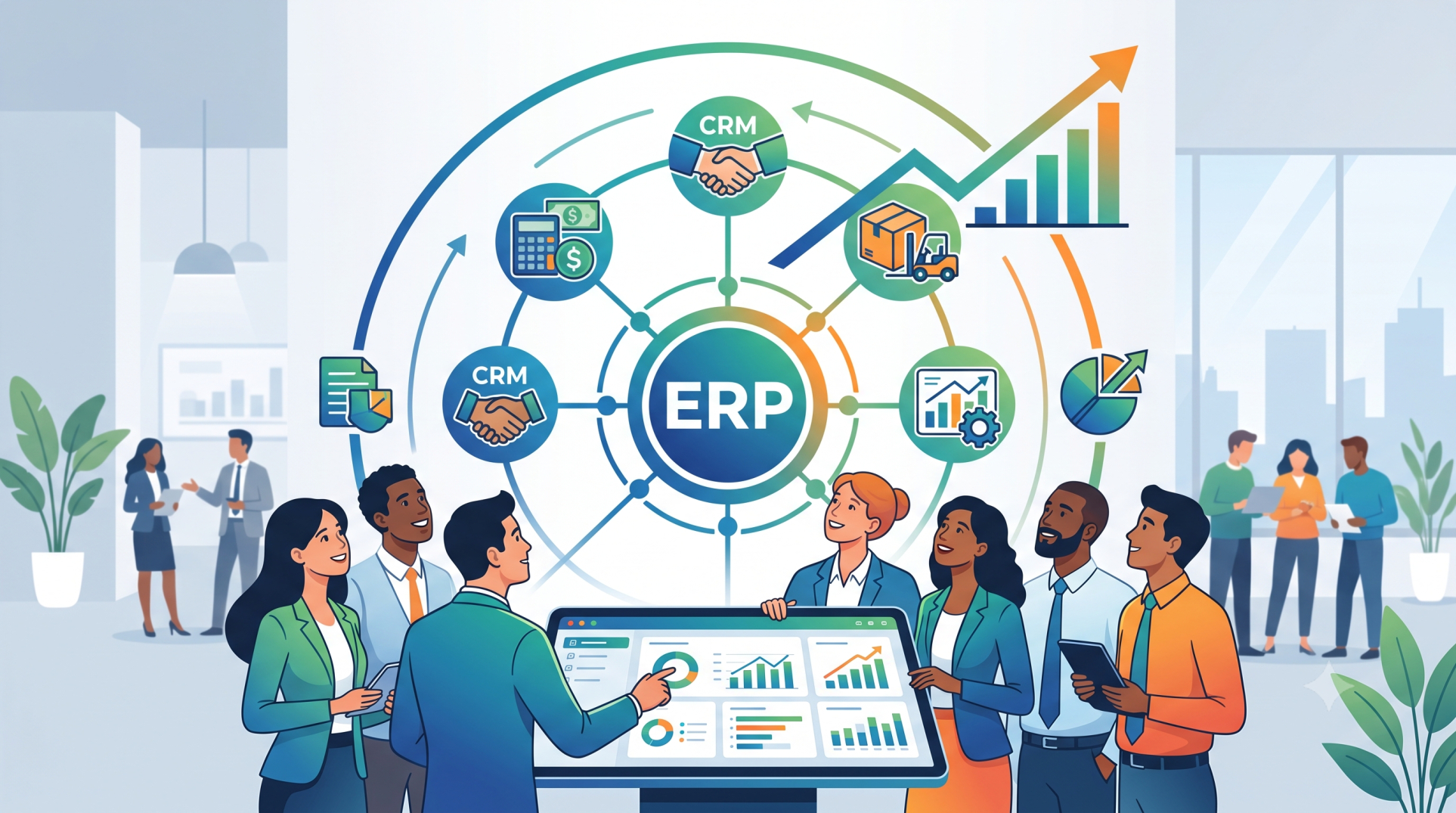
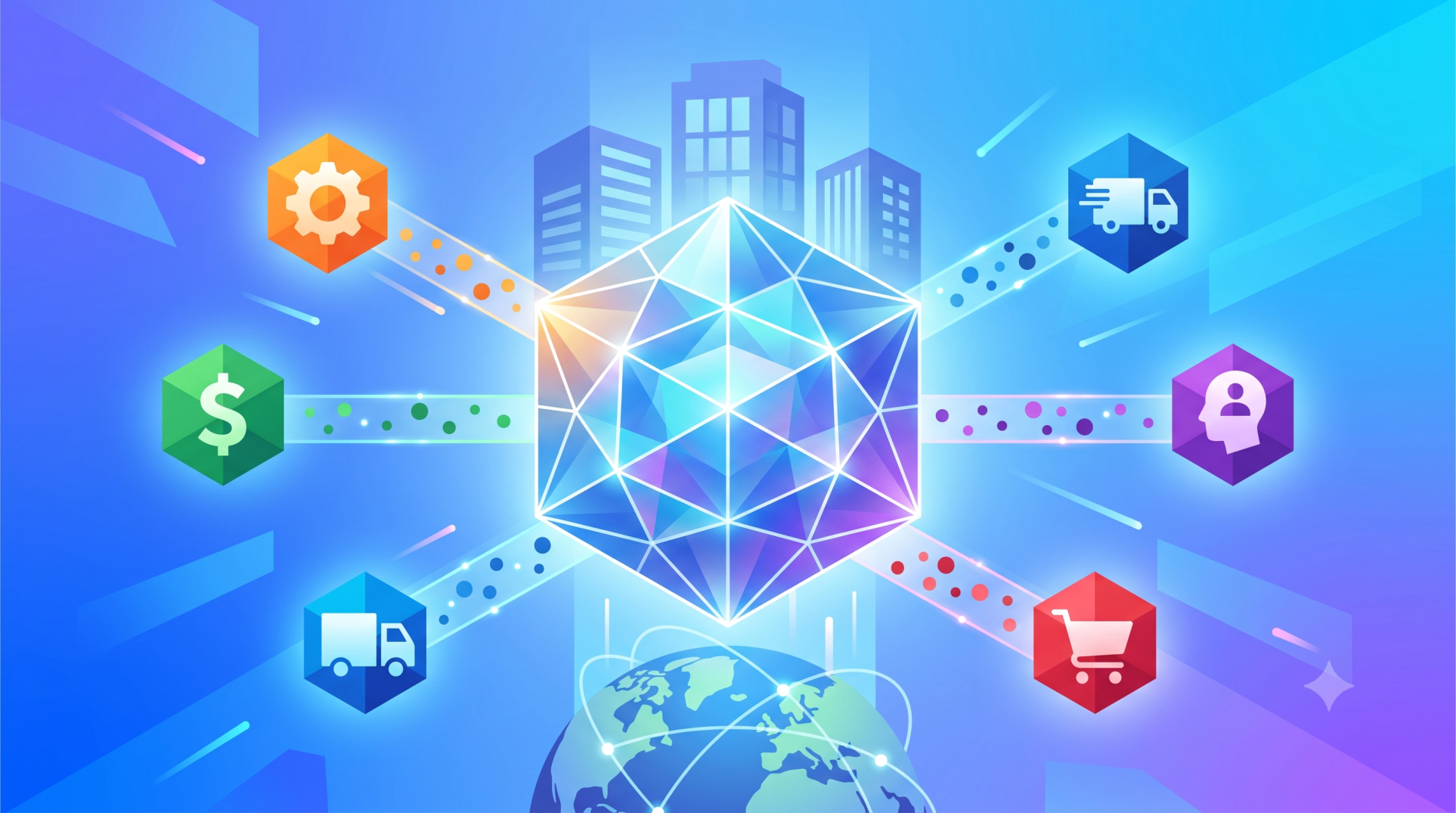
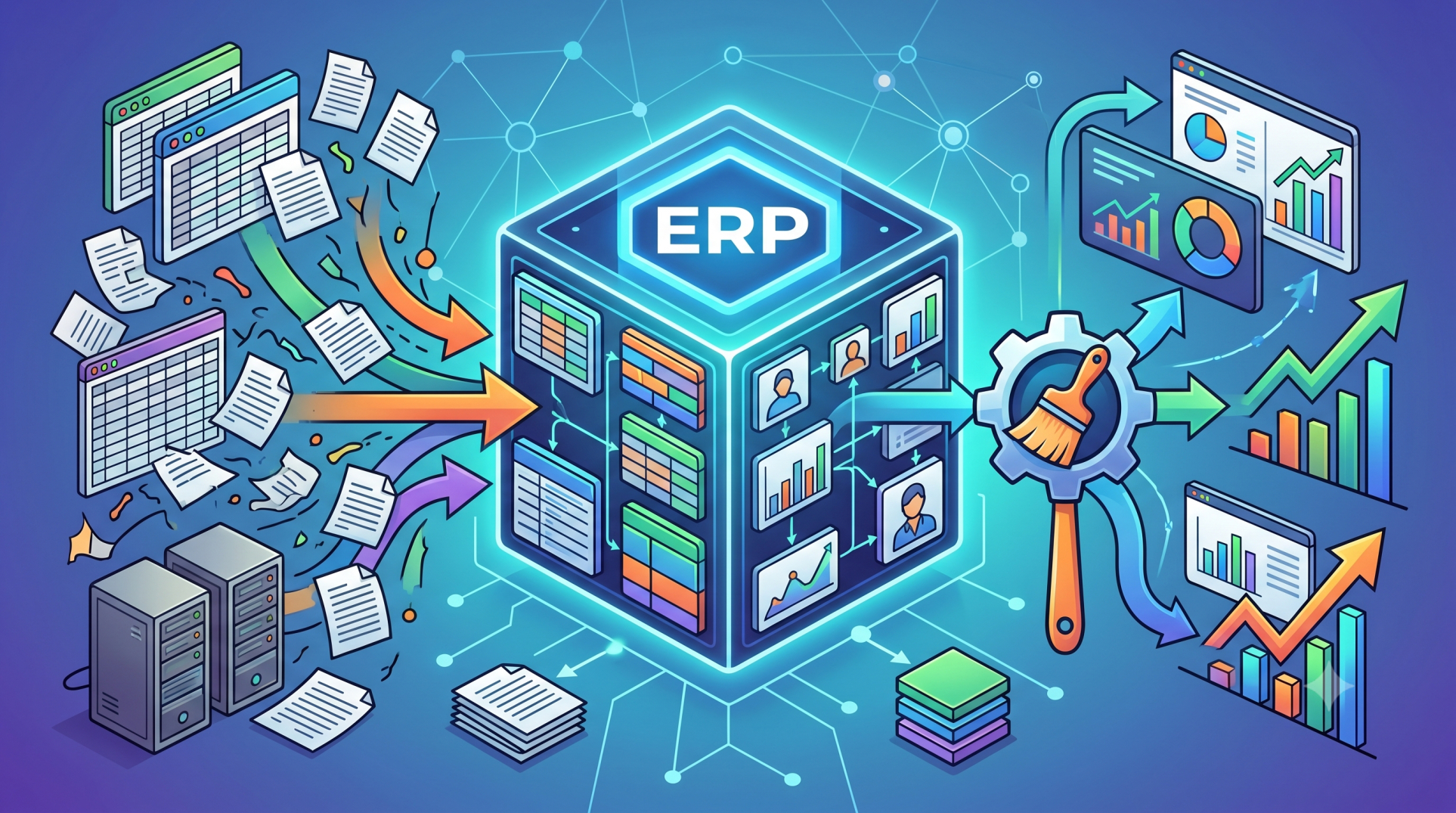
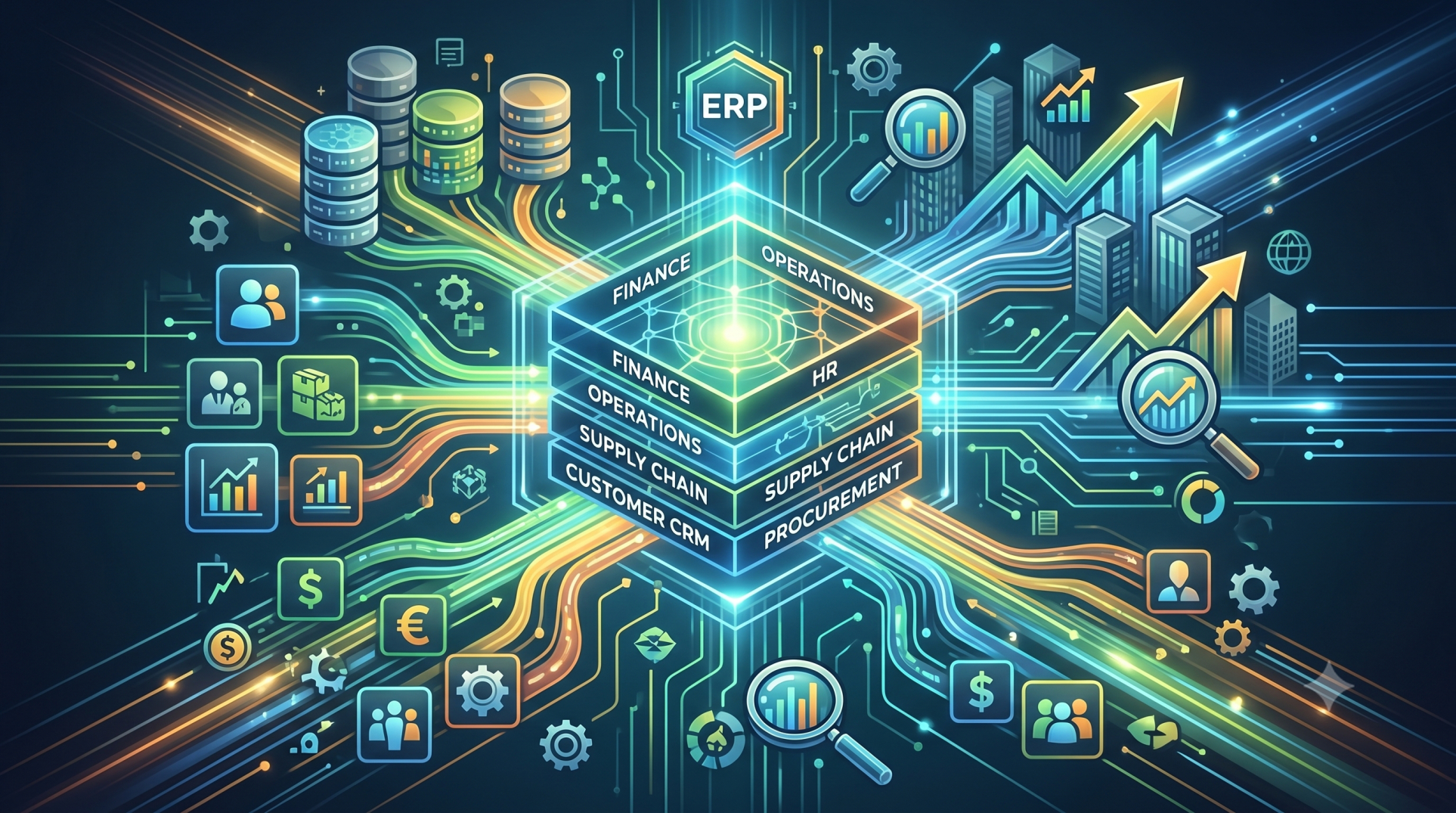
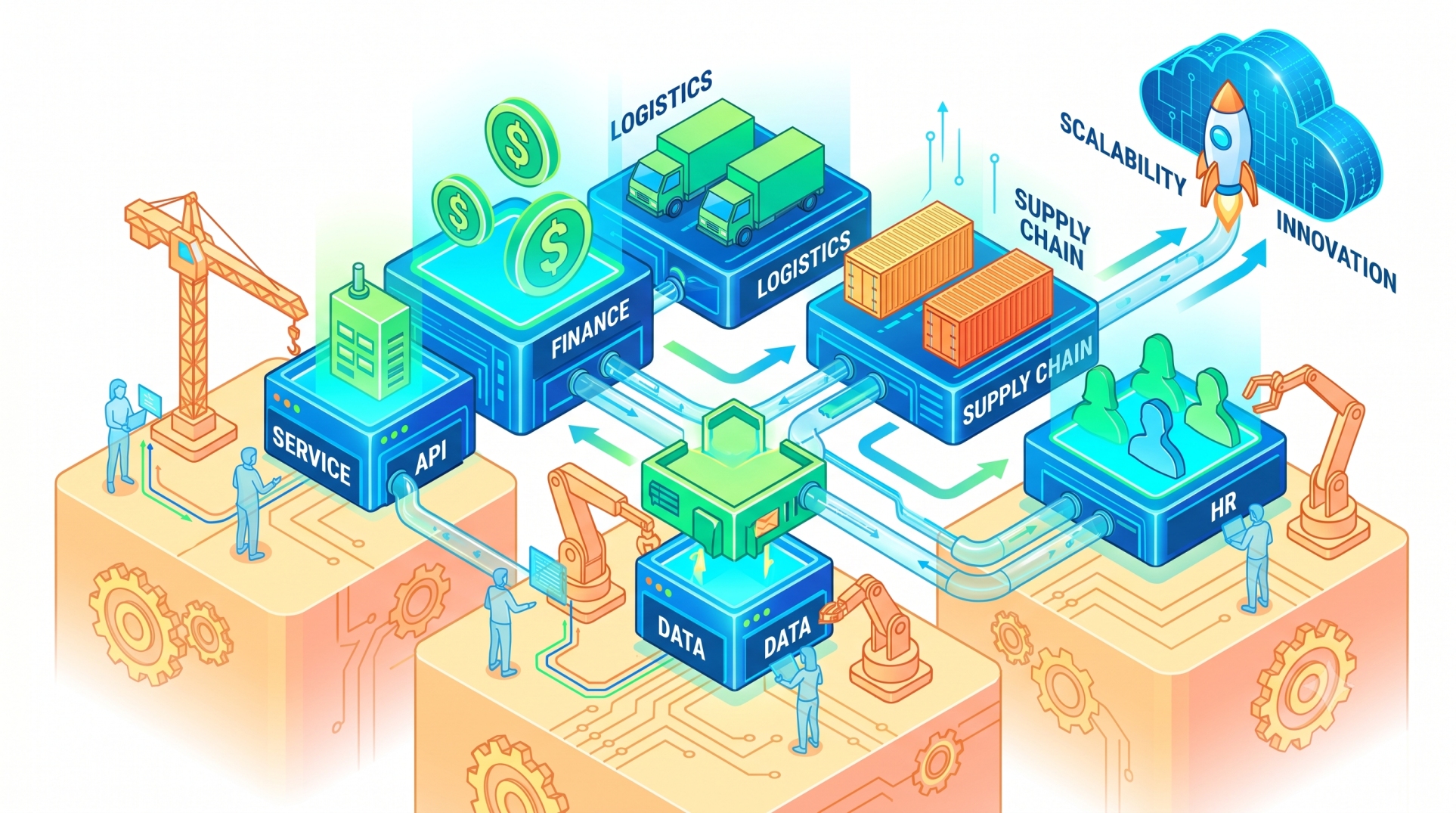
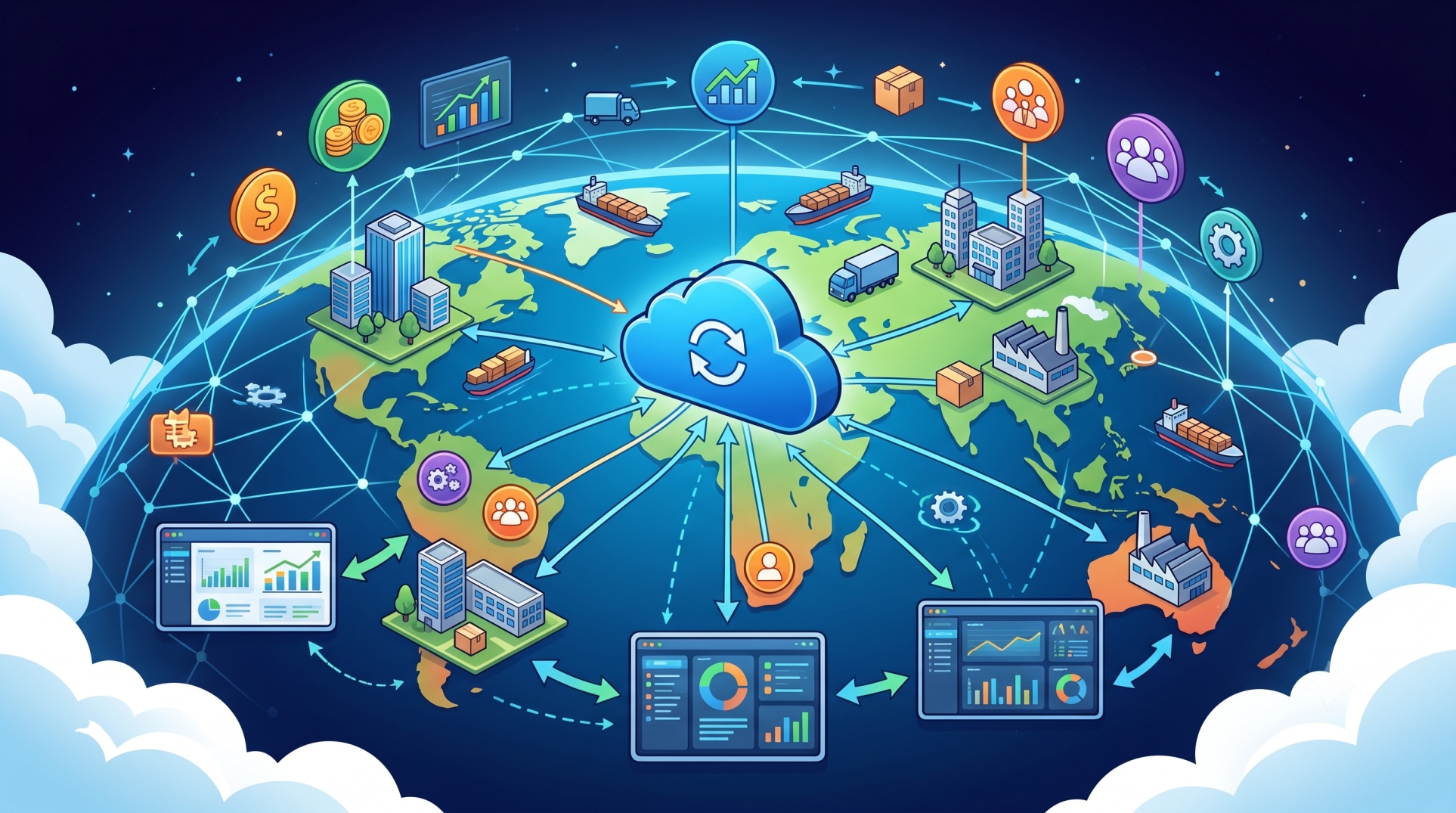
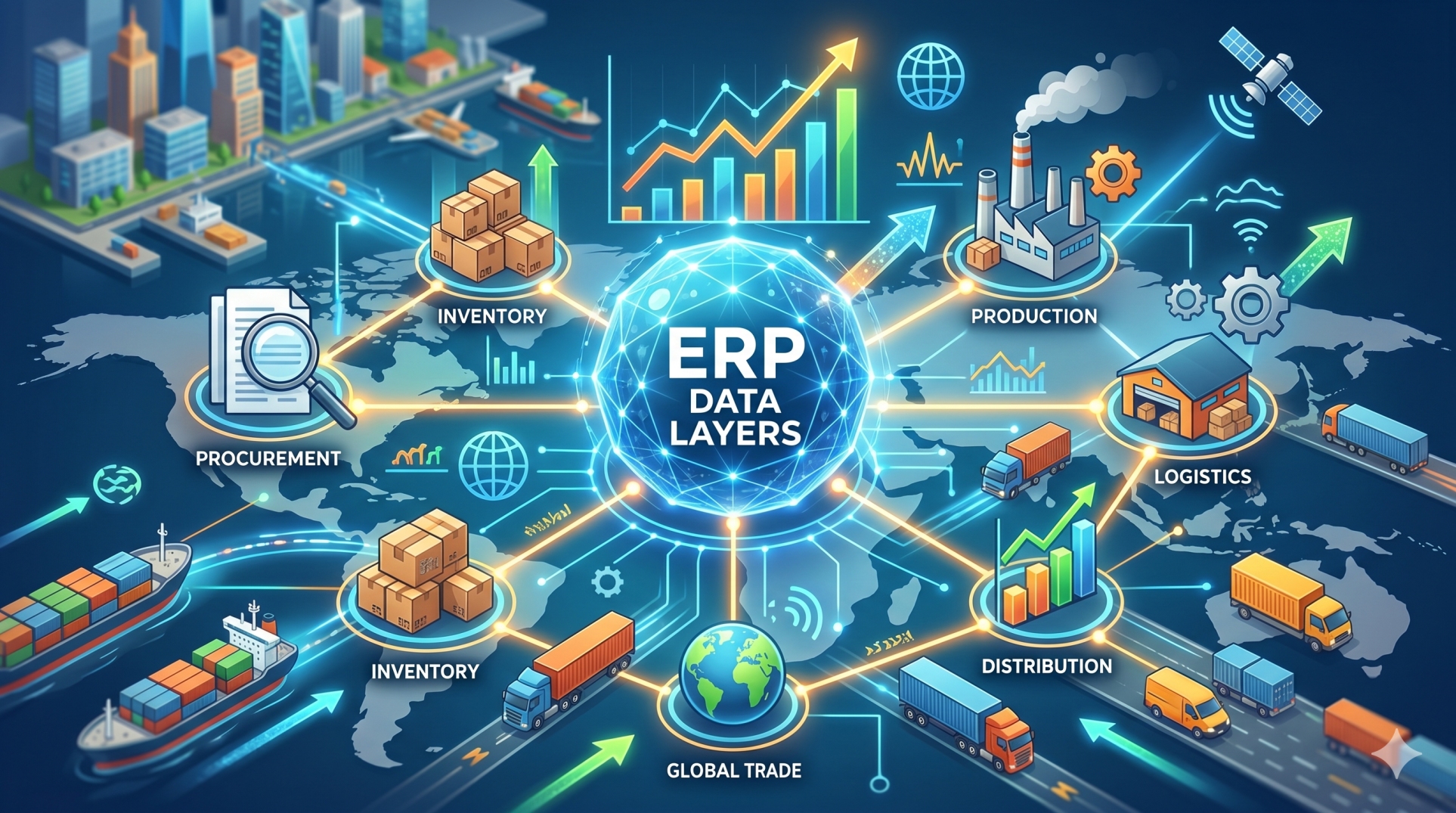
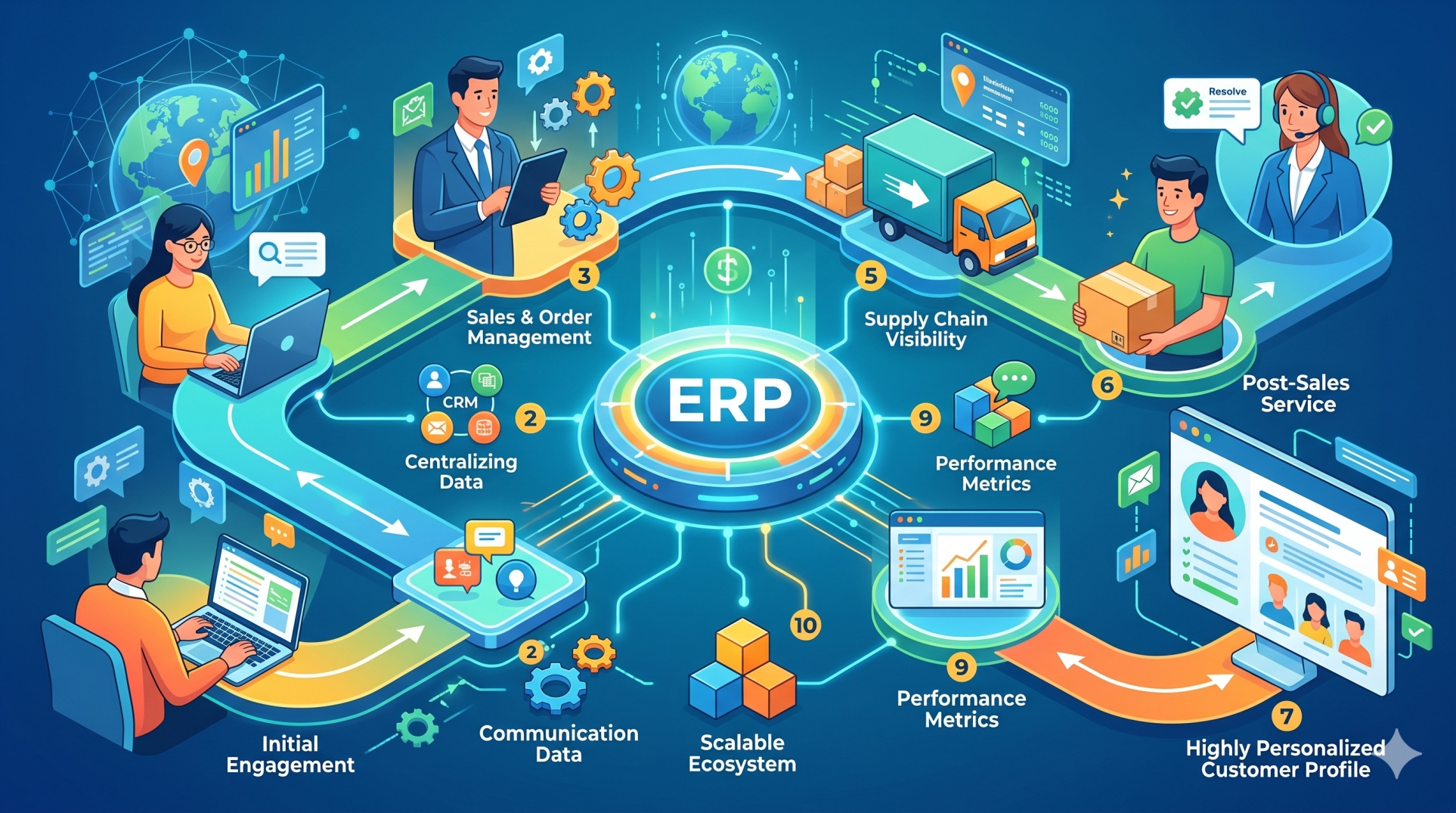
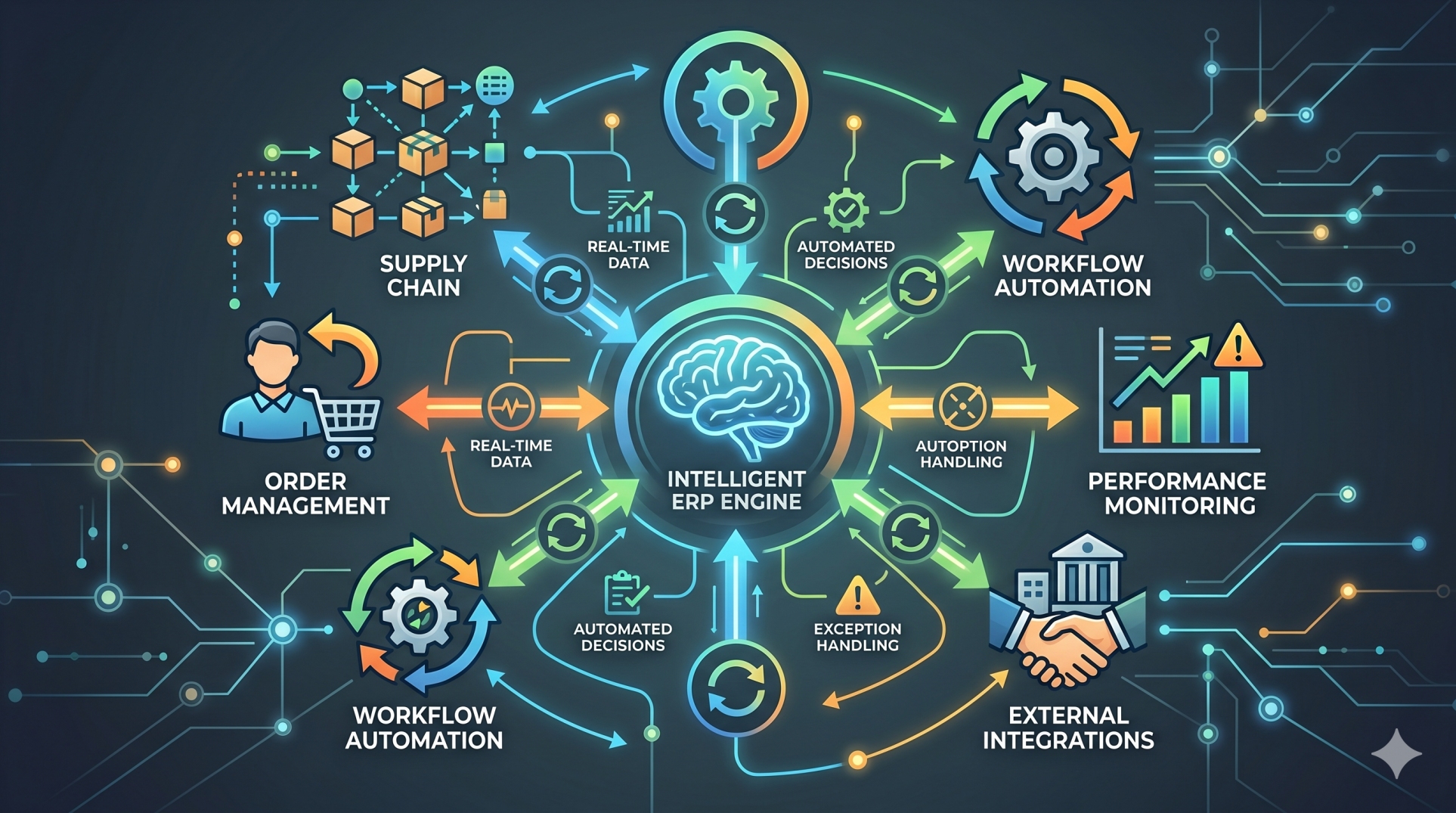
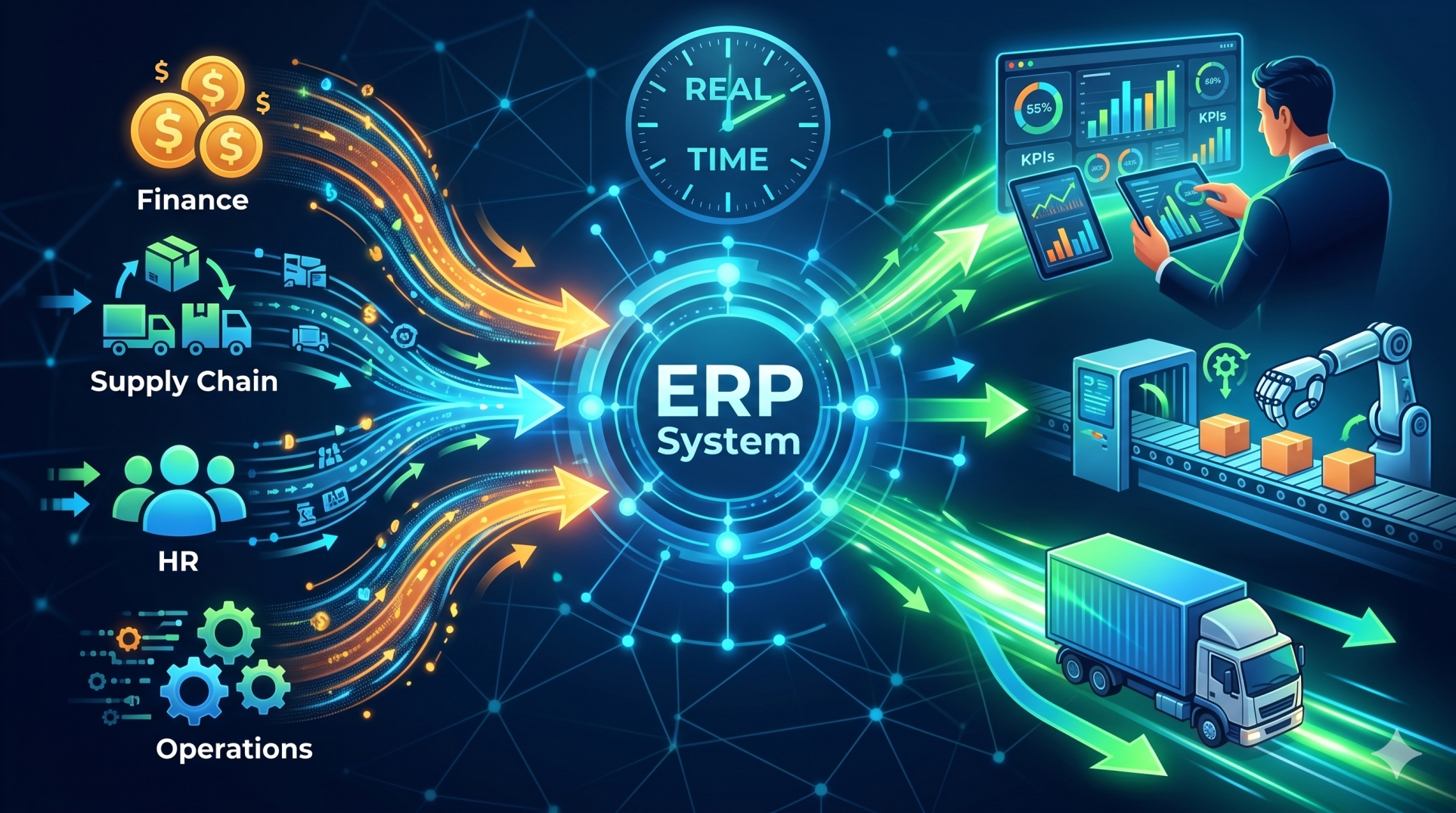
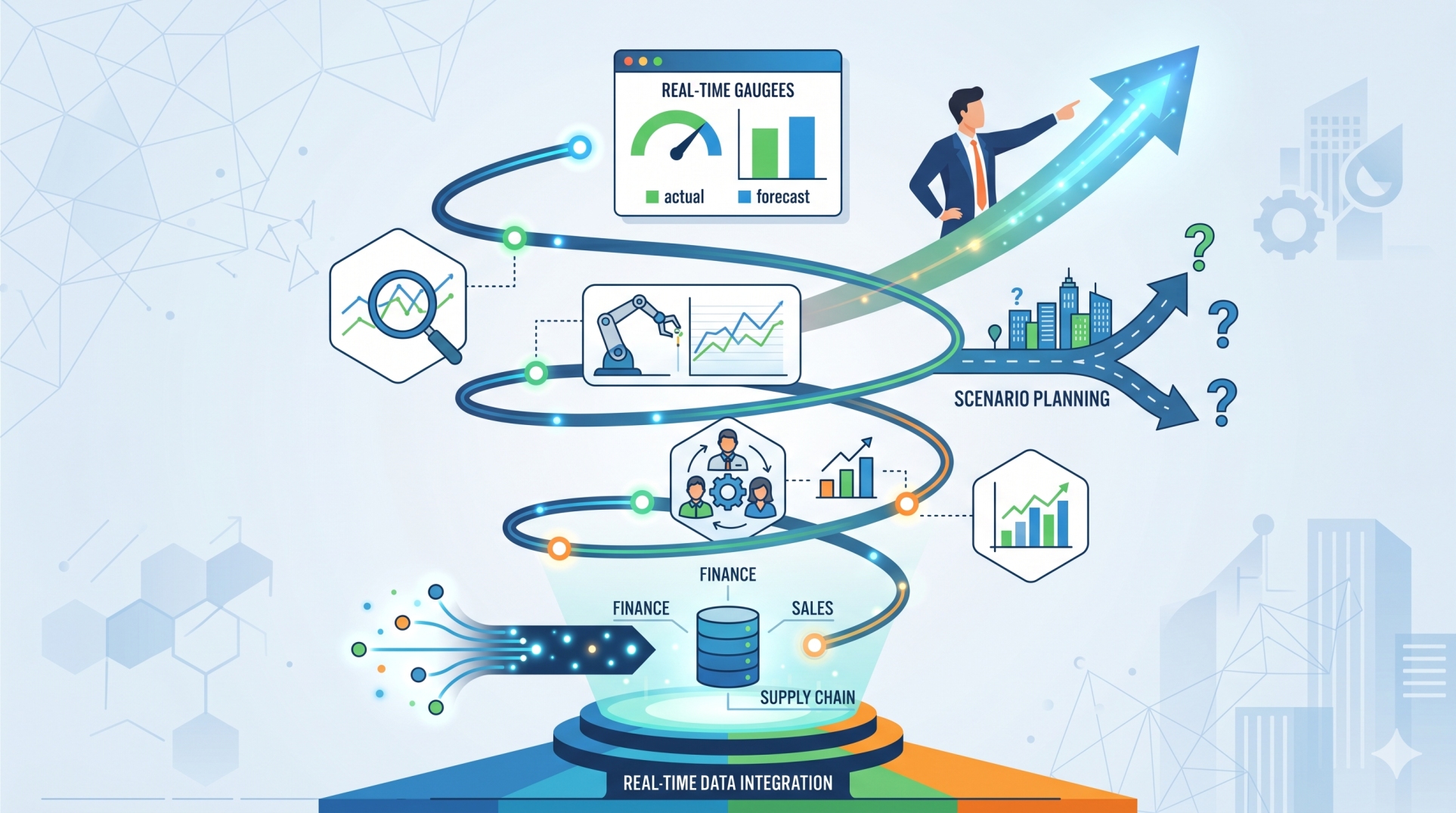
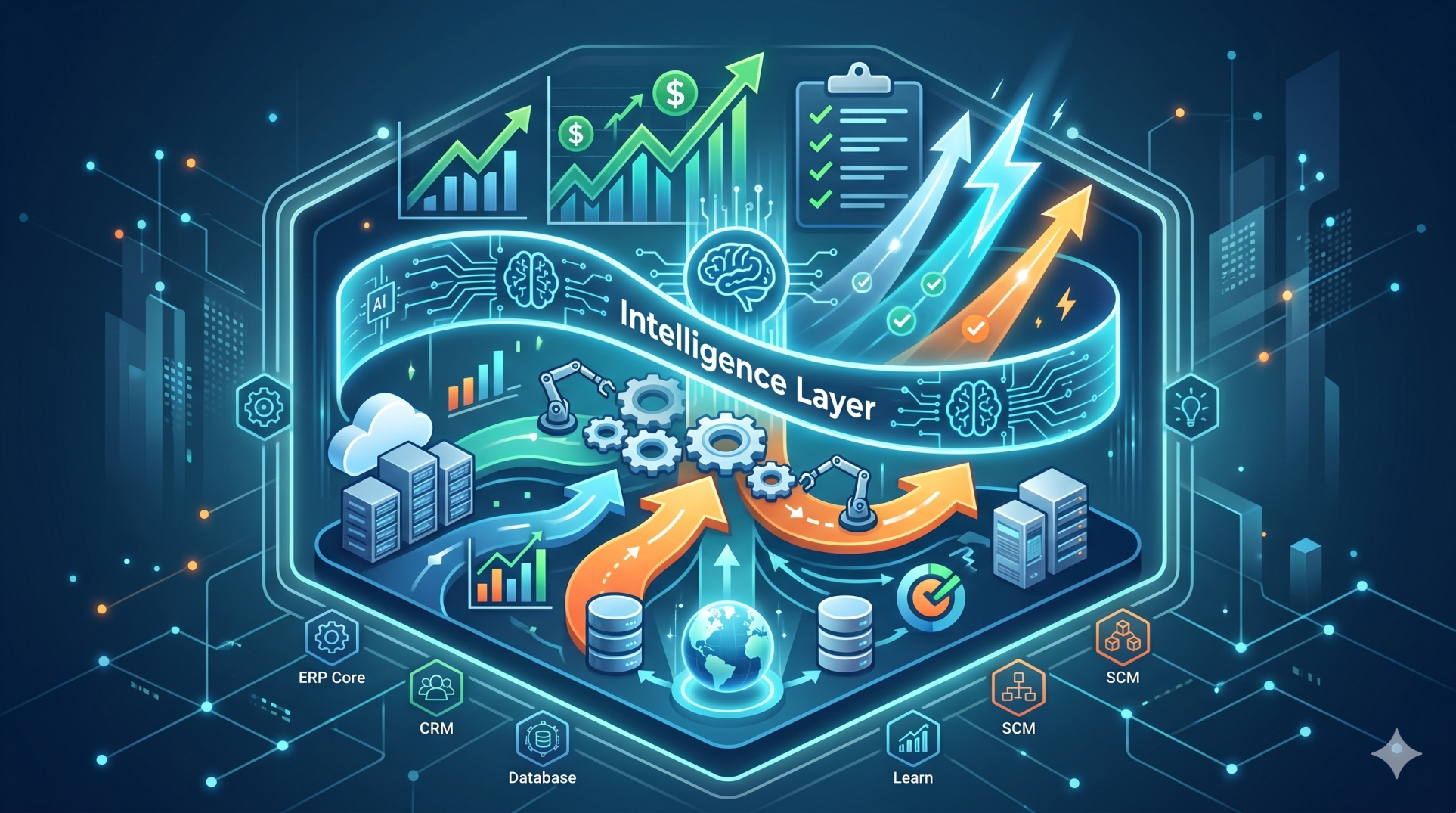
As global supply chains become more interconnected and customer expectations continue to rise, organizations need greater visibility, agility, and control over their operations. Cloud-based Enterprise Resource Planning (ERP) systems provide a centralized platform that connects procurement, inventory, production, logistics, and finance in real time. By enabling seamless collaboration and data-driven decision-making, cloud ERP helps businesses build resilient, efficient, and scalable supply chains.
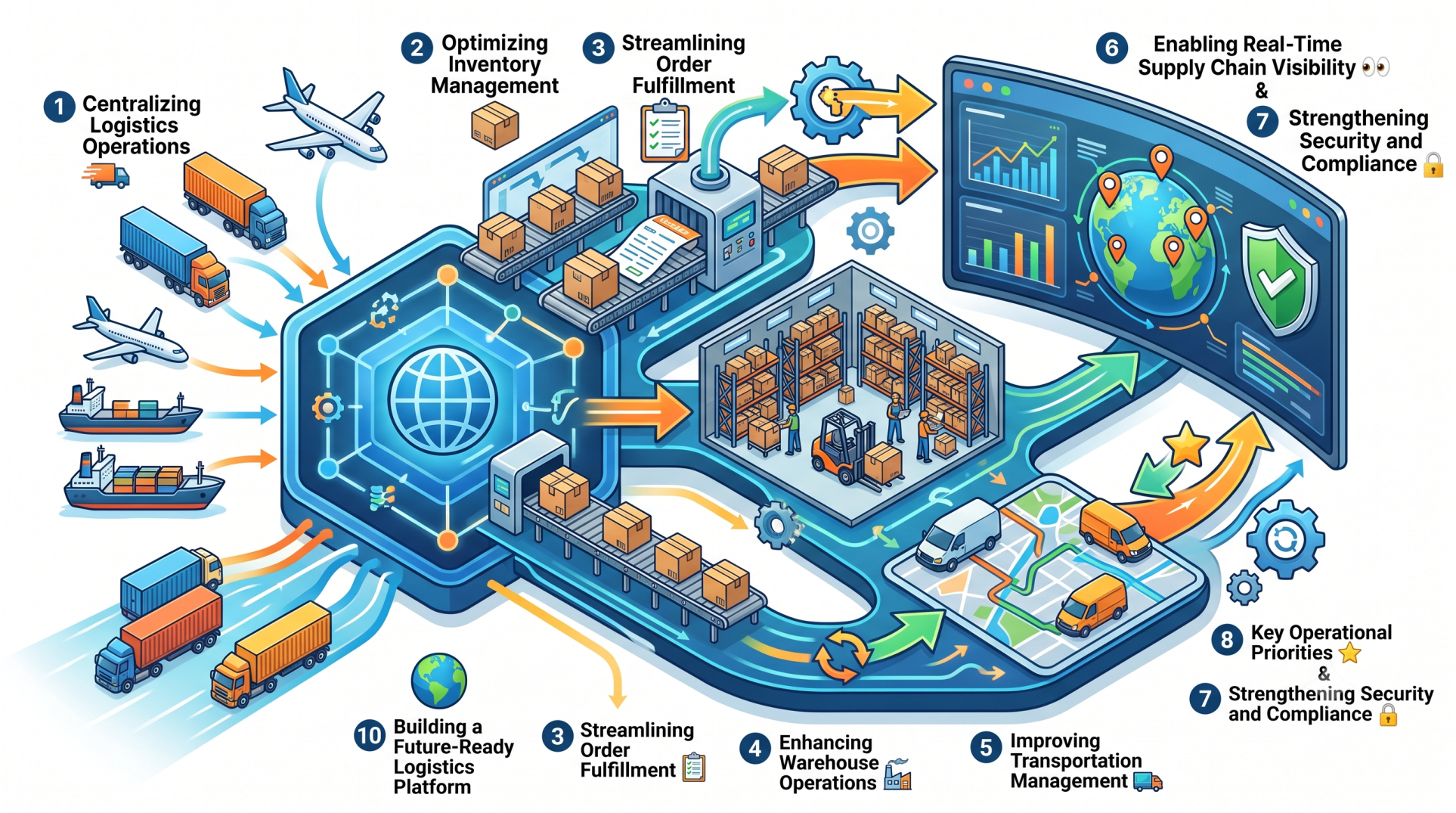
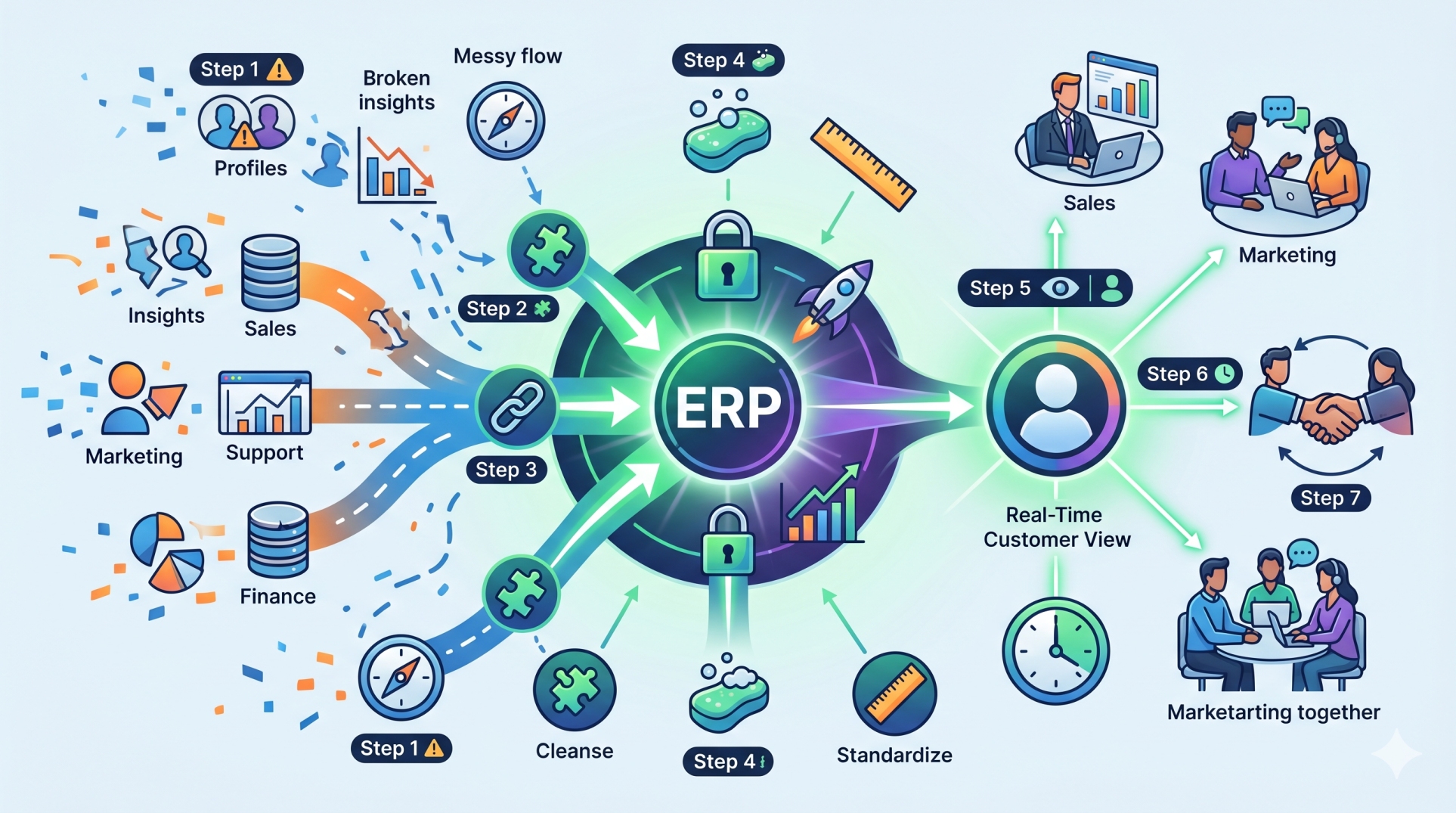
Step 1: Centralizing Supply Chain Operations 🌐
• Integrate procurement, inventory, production, and logistics into one platform 📊
• Create a single source of truth for operational data 📁
• Eliminate disconnected systems and duplicate information 🔄
• Improve coordination across departments and locations 🤝
• Enable consistent processes throughout the supply chain 🚀
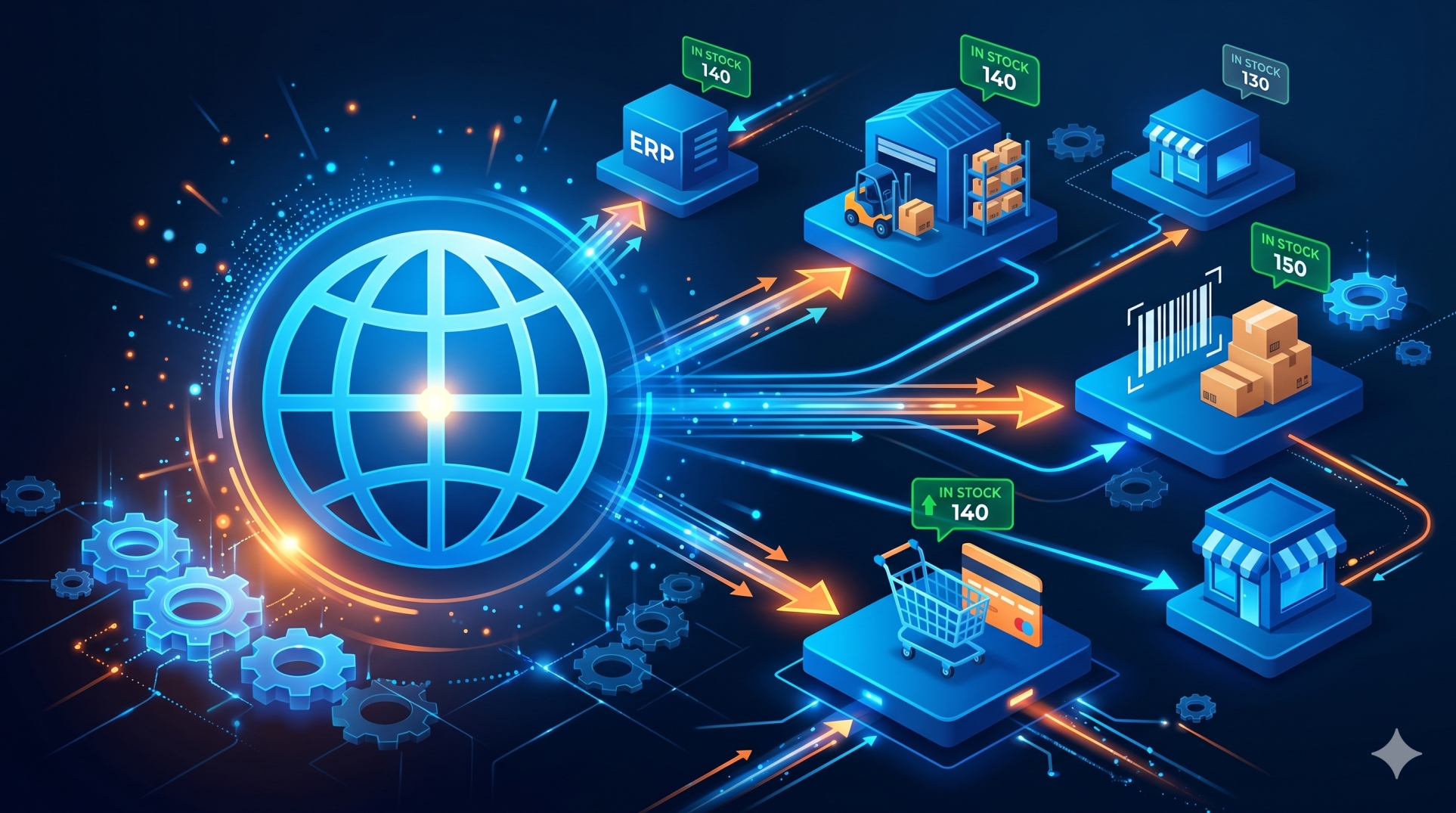
Step 2: Improving Inventory Visibility 📦
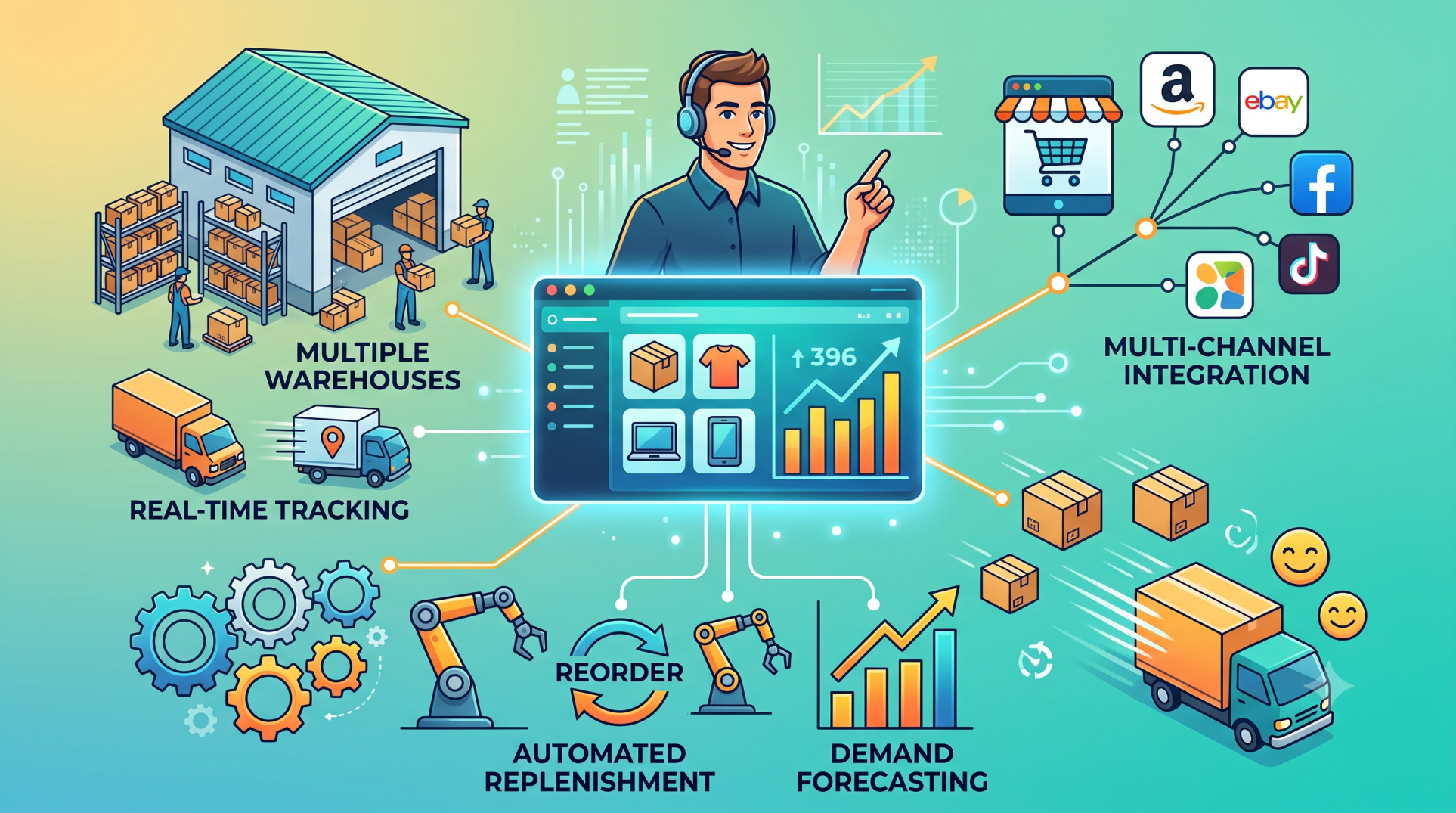
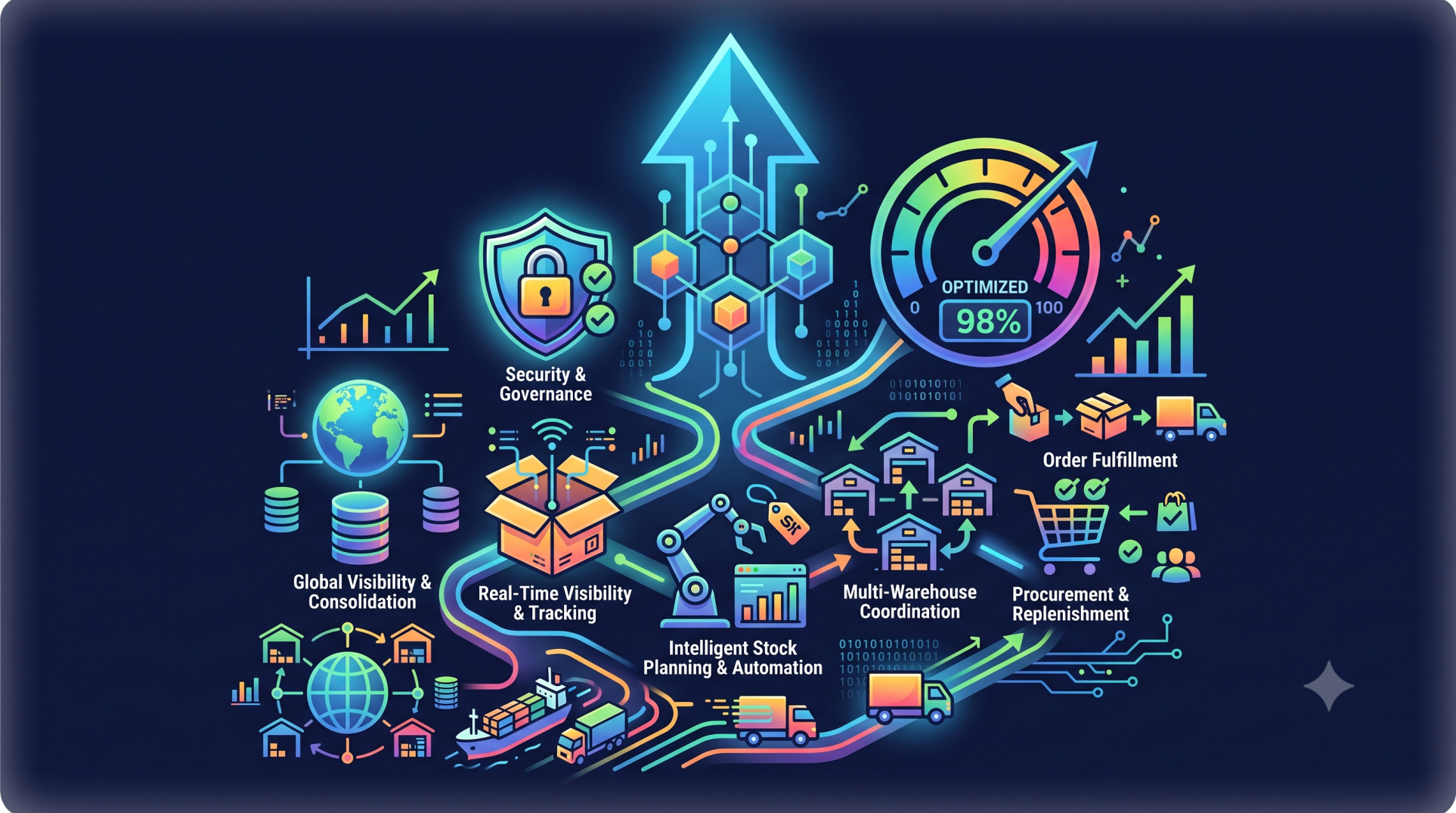
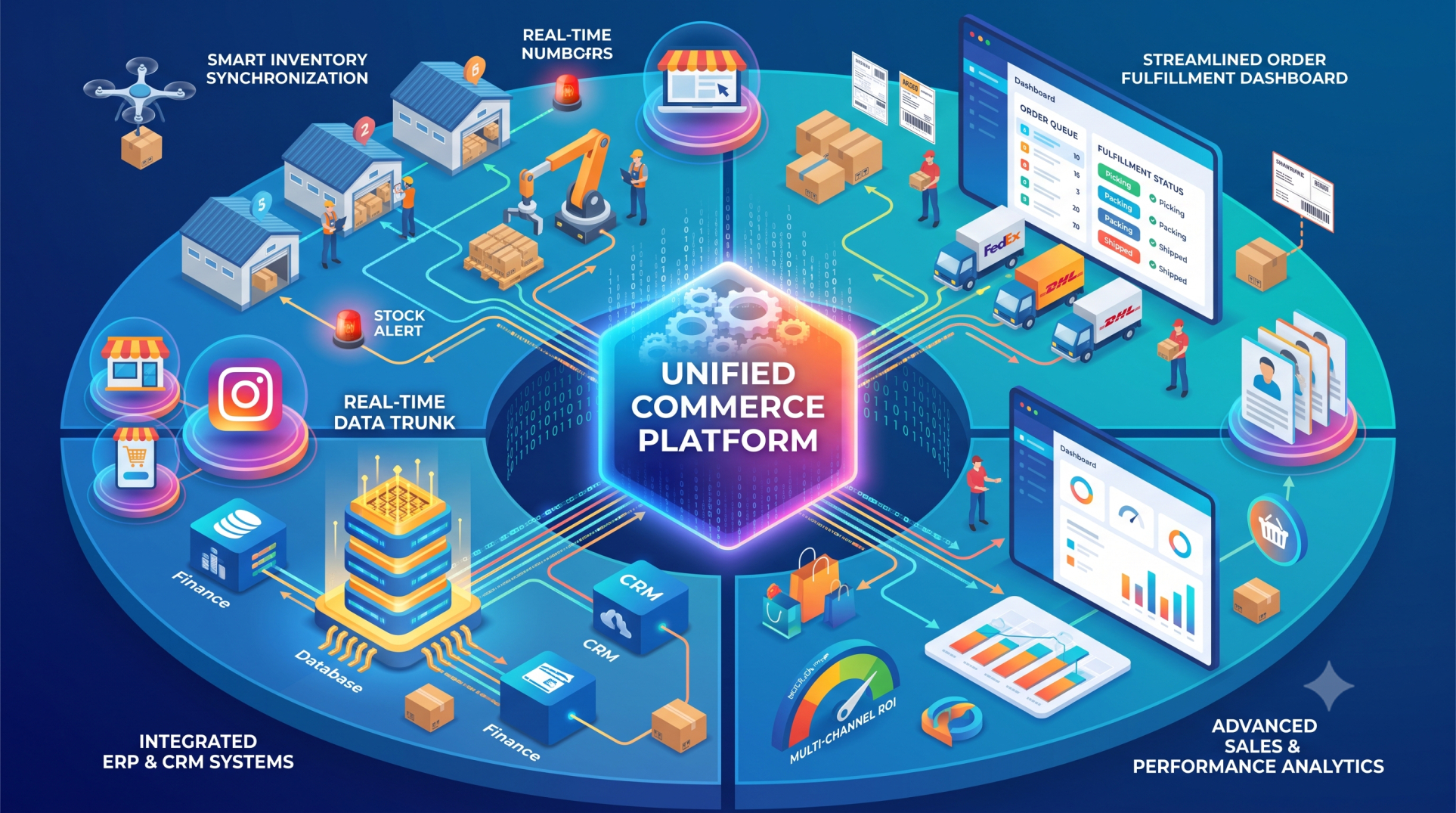
• Monitor inventory levels across warehouses in real time 👀
• Track stock movement from suppliers to customers 🚚
• Reduce overstocking and stock shortages ⚖️
• Support accurate replenishment planning 📋
• Improve inventory accuracy through centralized data ✅
Step 3: Streamlining Procurement Processes 🛒
• Automate purchase requests and approvals ⚙️
• Manage supplier information from a unified platform 🤝
• Track purchase orders throughout the procurement cycle 📄
• Improve collaboration with vendors and partners 📡
• Optimize sourcing decisions using real-time insights 💡
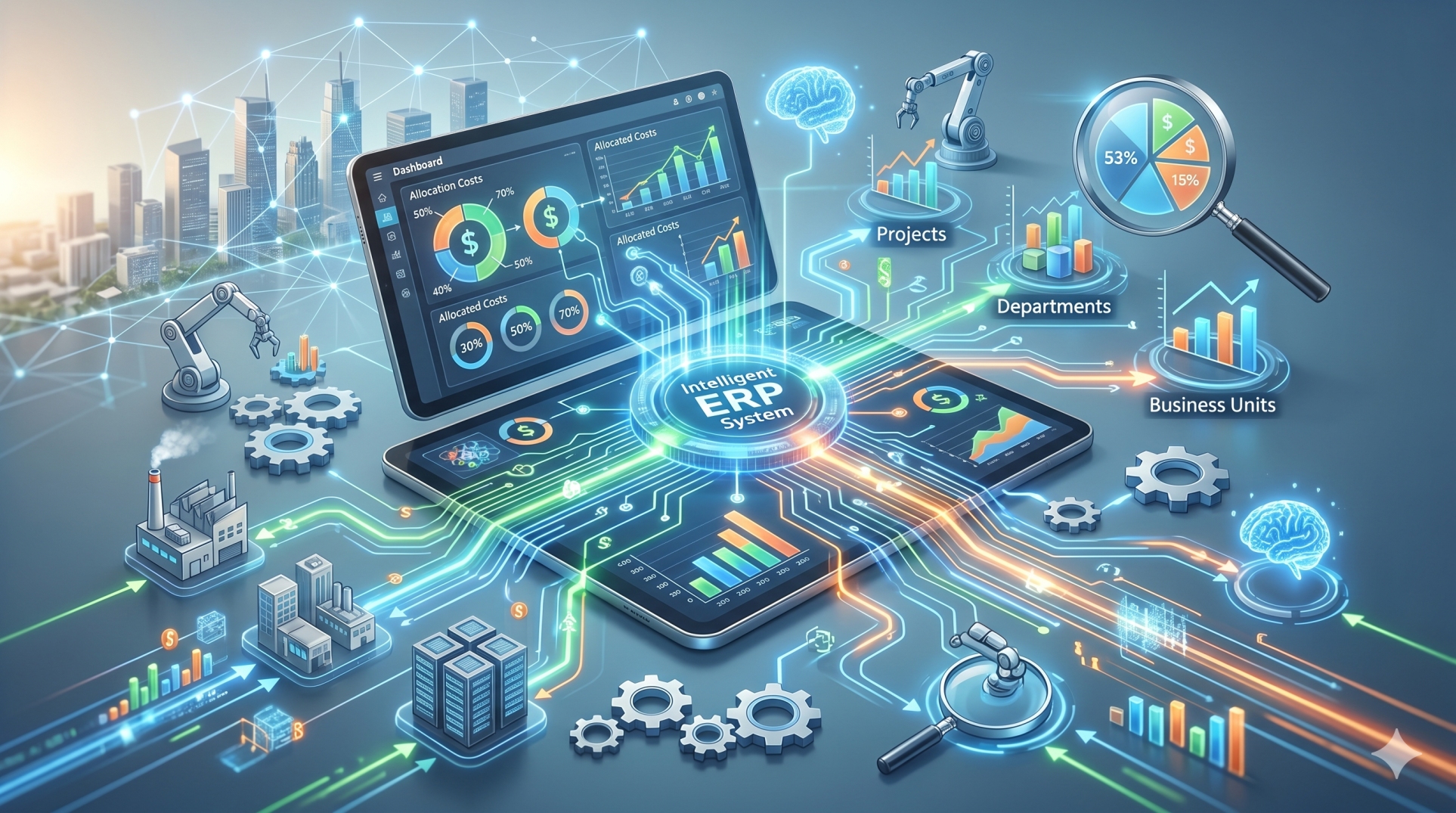
Step 4: Enhancing Demand Forecasting 📈
• Analyze historical sales and operational trends 📊
• Forecast future demand with greater accuracy 🎯
• Align procurement and production plans with expected demand 🏭
• Respond quickly to market fluctuations 🔄
• Reduce waste through smarter planning 🌱
Step 5: Optimizing Warehouse Management 🏢
• Coordinate receiving, storage, and order fulfillment efficiently 📦
• Improve picking and packing workflows 🚀
• Track warehouse activities in real time 📍
• Maximize storage utilization and operational efficiency 📐
• Support faster and more accurate order processing ✅
Step 6: Coordinating Logistics and Distribution 🚛
• Monitor shipments from dispatch to delivery 📡
• Optimize transportation planning and routing 🗺️
• Improve communication with logistics providers 📞
• Track delivery performance using real-time updates 📍
• Enhance customer satisfaction through reliable fulfillment 😊
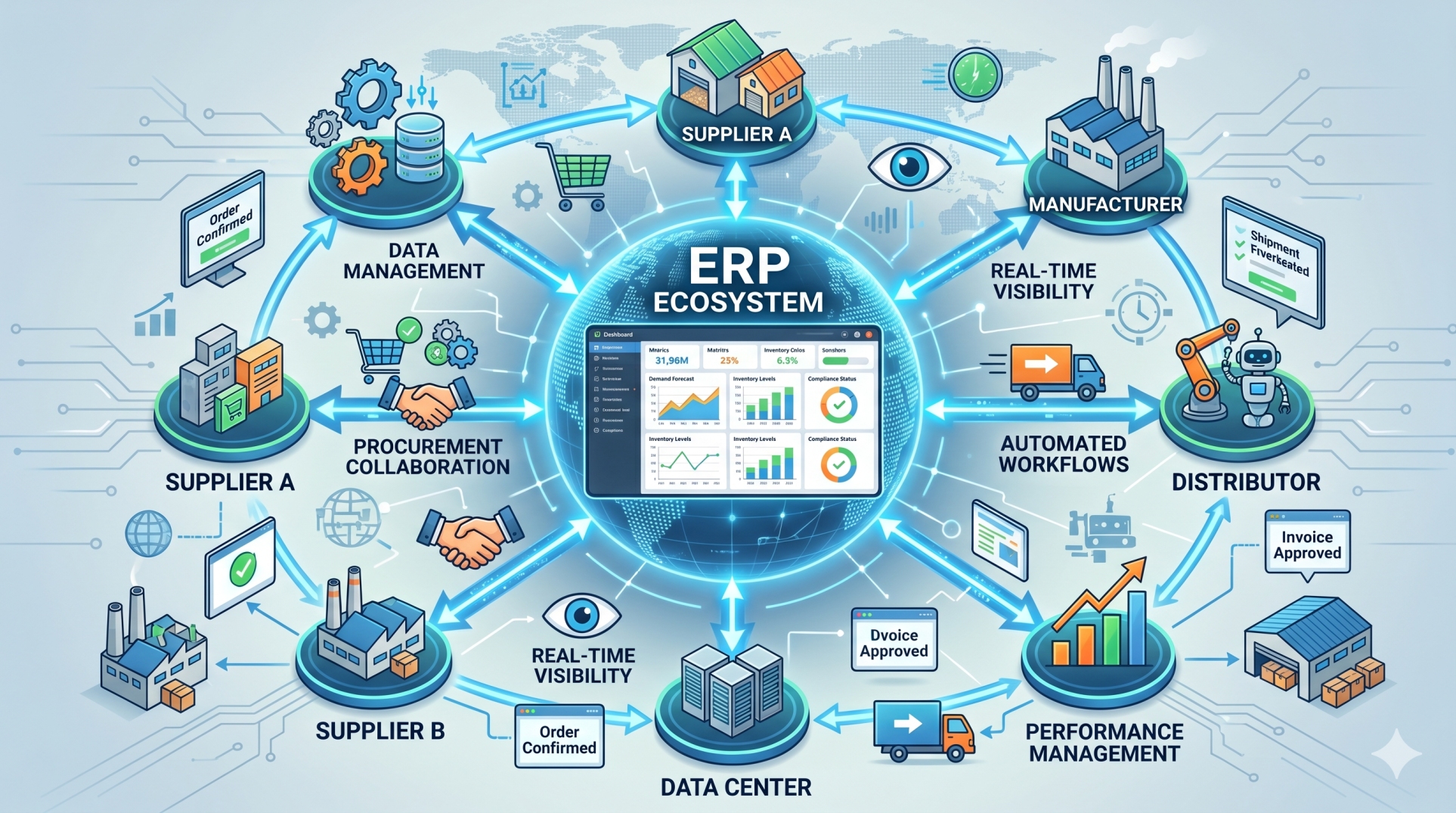
Step 7: Strengthening Supplier Collaboration 🤝
• Share procurement and inventory information securely 🔐
• Improve communication with suppliers through cloud connectivity ☁️
• Monitor supplier performance using measurable metrics 📊
• Respond quickly to supply disruptions ⚠️
• Build stronger and more transparent supplier relationships 🌍
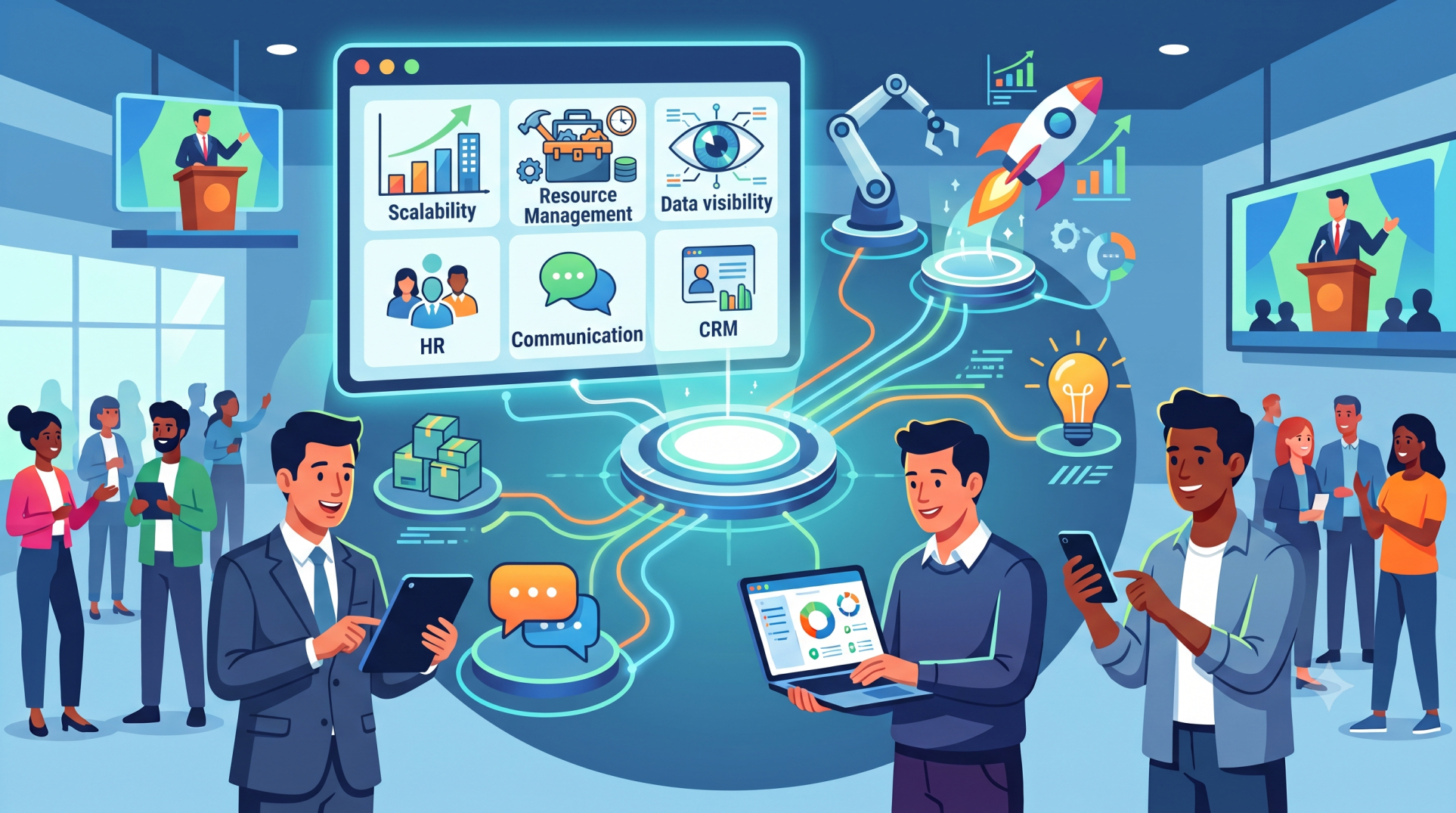
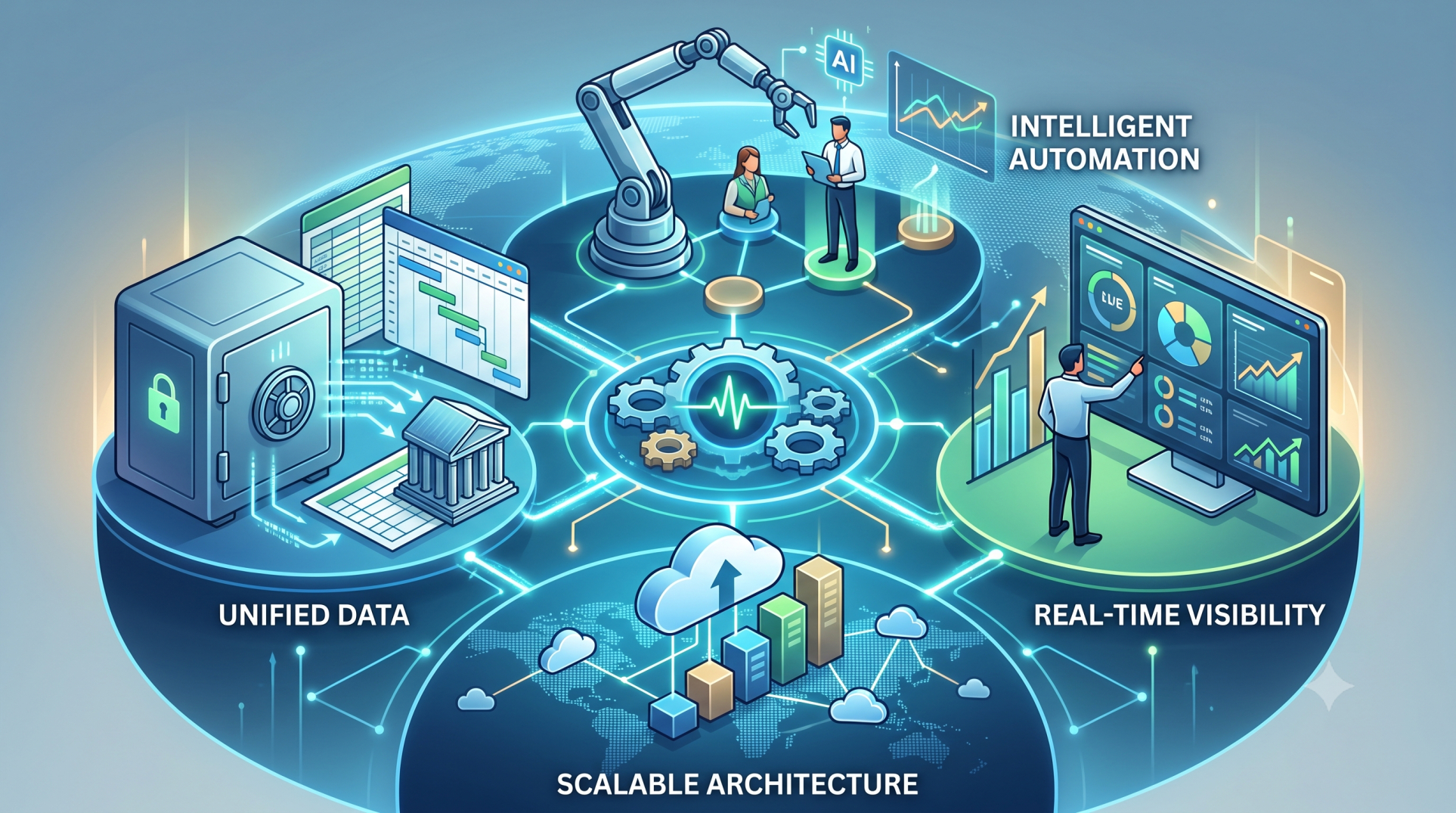
Step 8: Key Cloud ERP Priorities ⭐
• Real-time visibility across the entire supply chain 👀
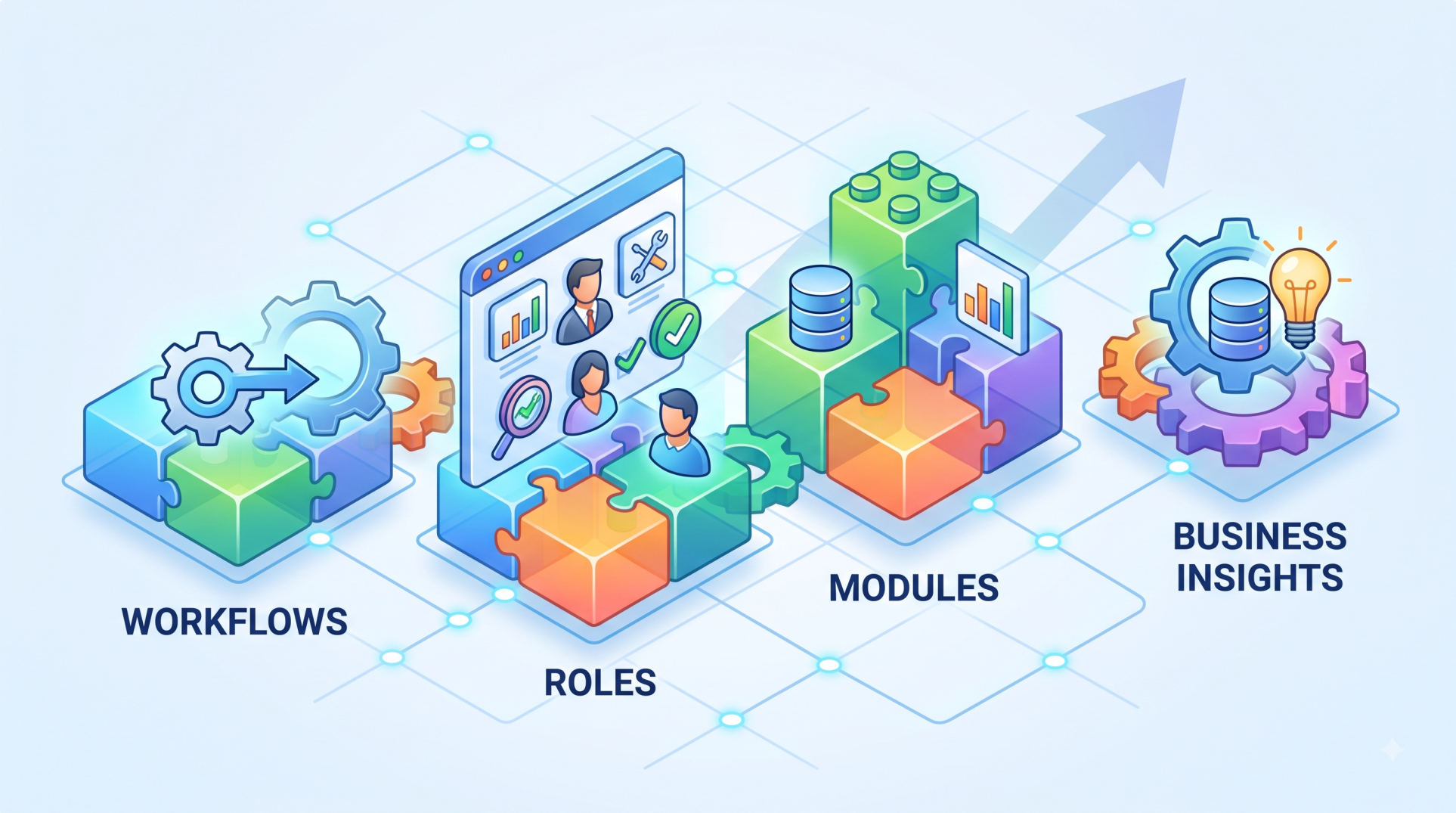
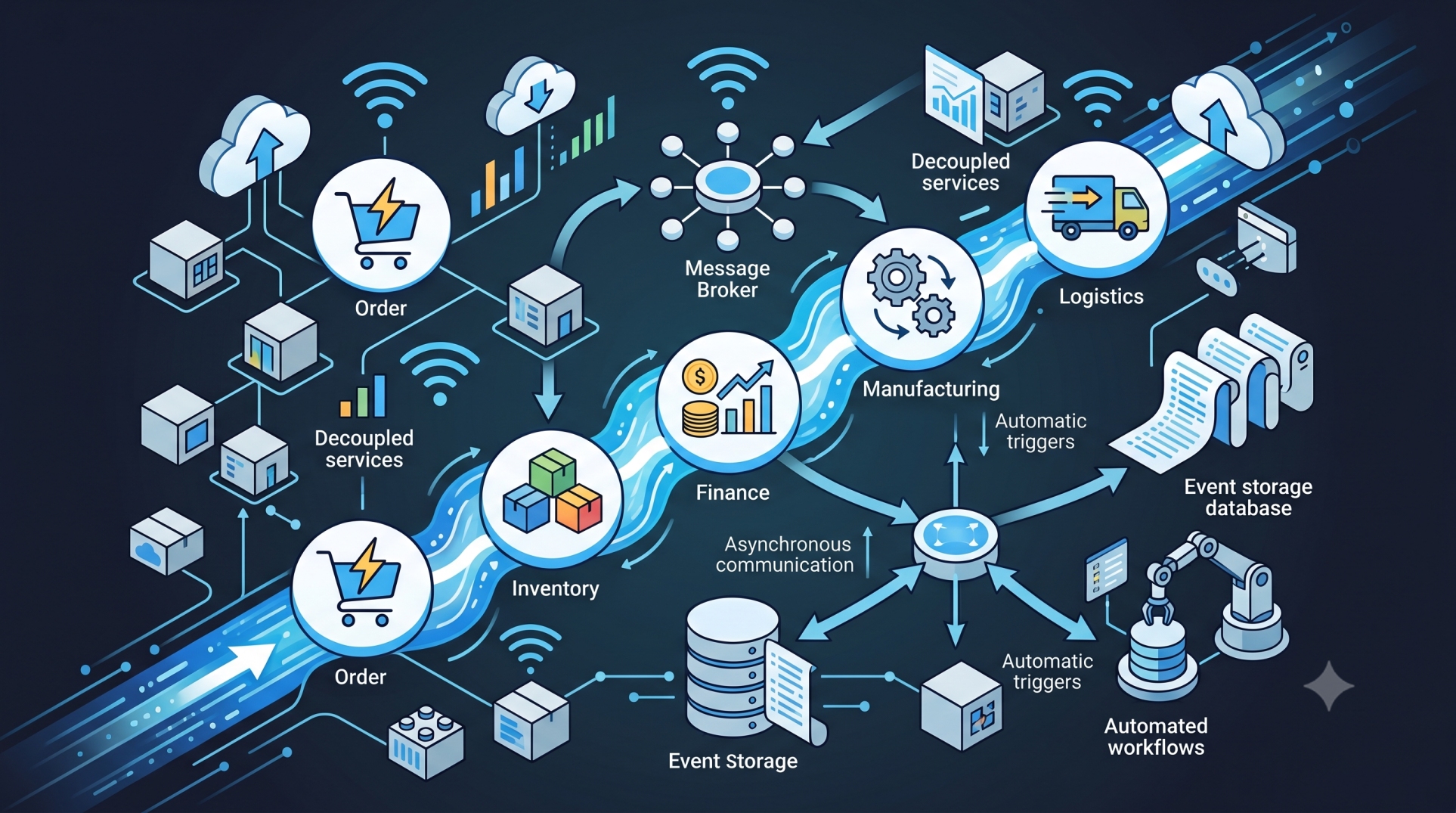
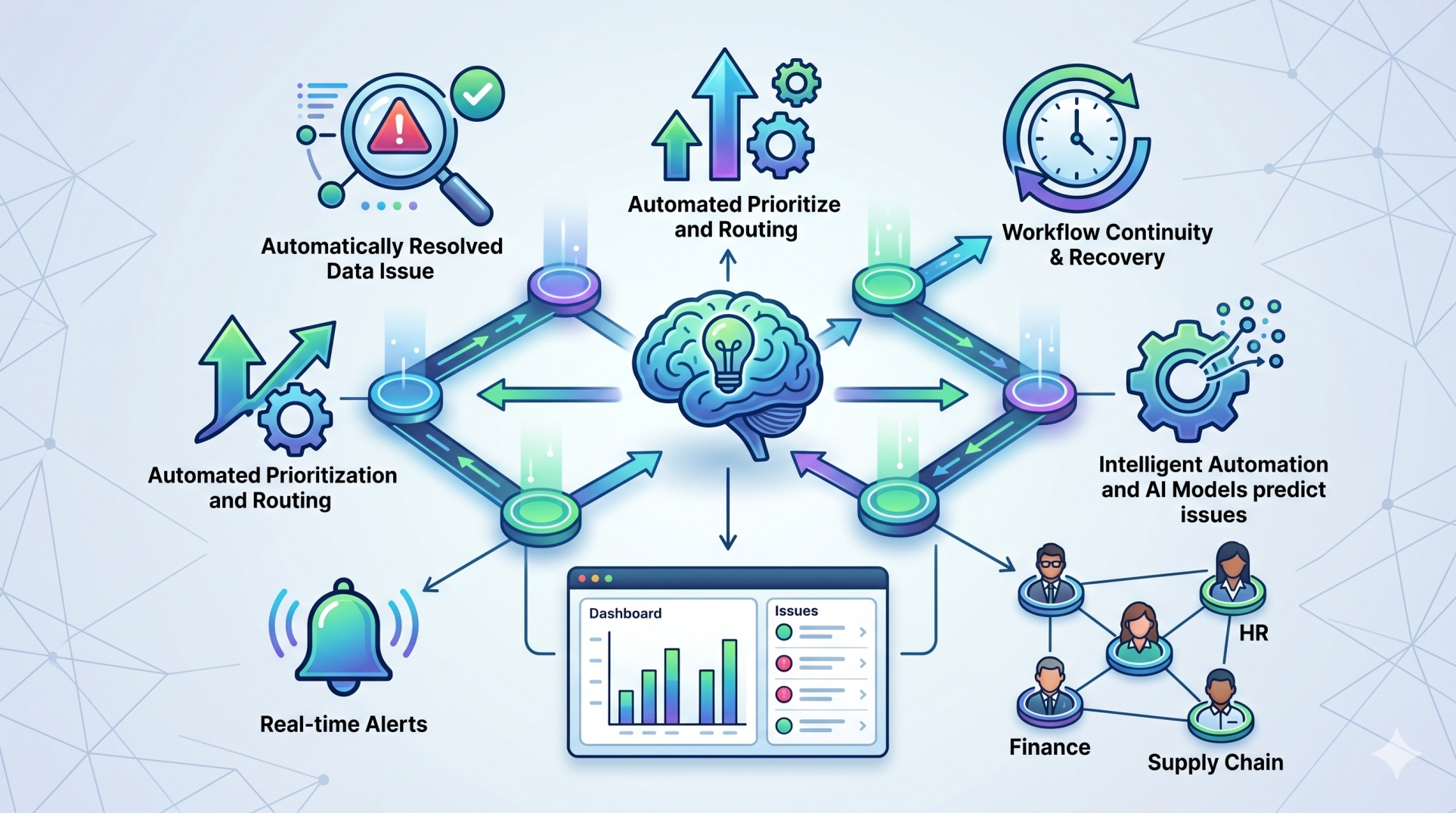
• Automated workflows that improve operational efficiency ⚙️
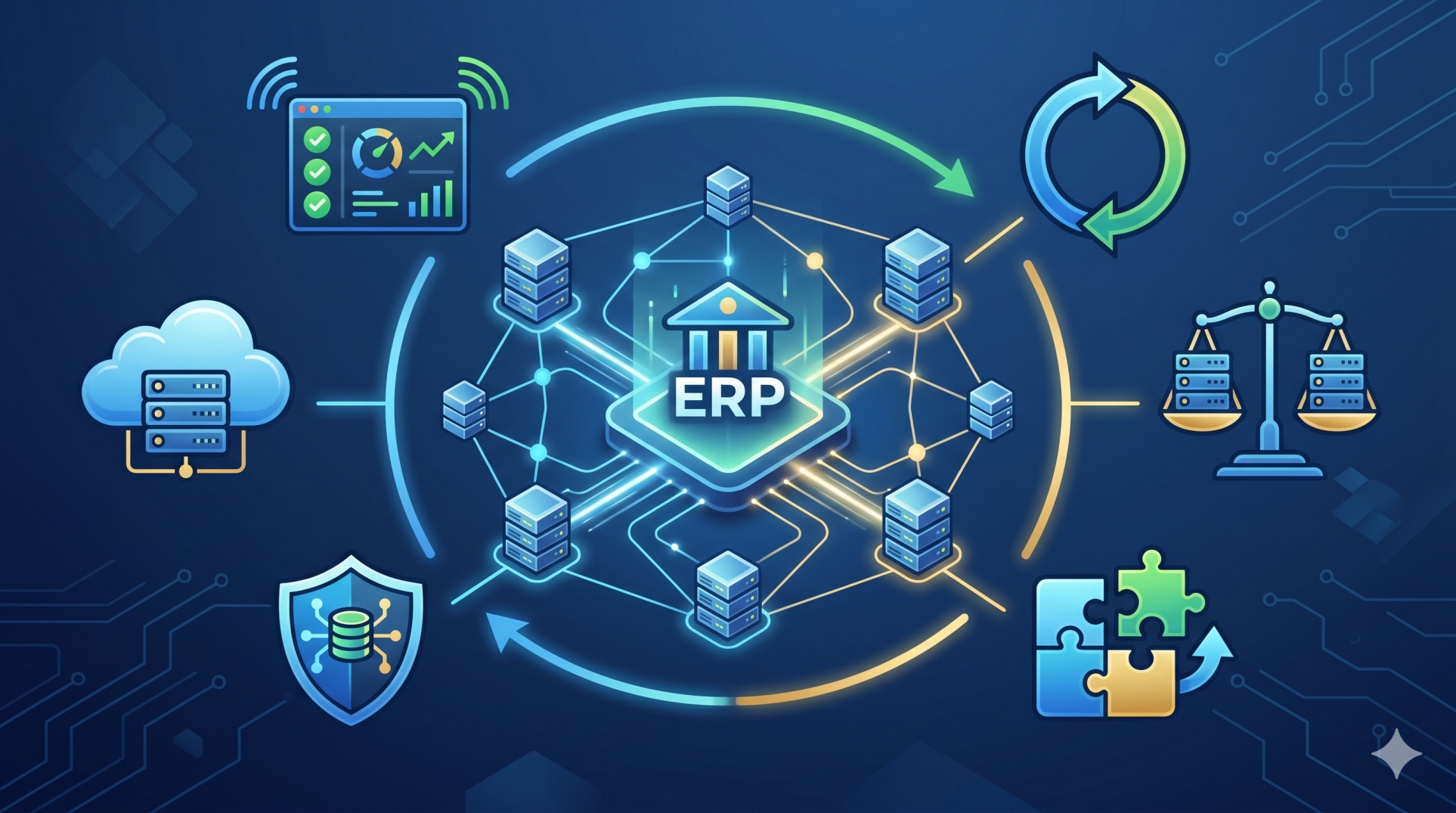
• Secure cloud-based collaboration between stakeholders ☁️
• Scalable infrastructure that supports business growth 📈
Step 9: Managing Supply Chain Risks 🛡️
• Identify potential disruptions before they escalate 🚨
• Monitor inventory and supplier performance continuously 📊
• Develop contingency plans for unexpected events 🔄
• Improve resilience through proactive decision-making 💪
• Maintain business continuity during changing market conditions 🌍
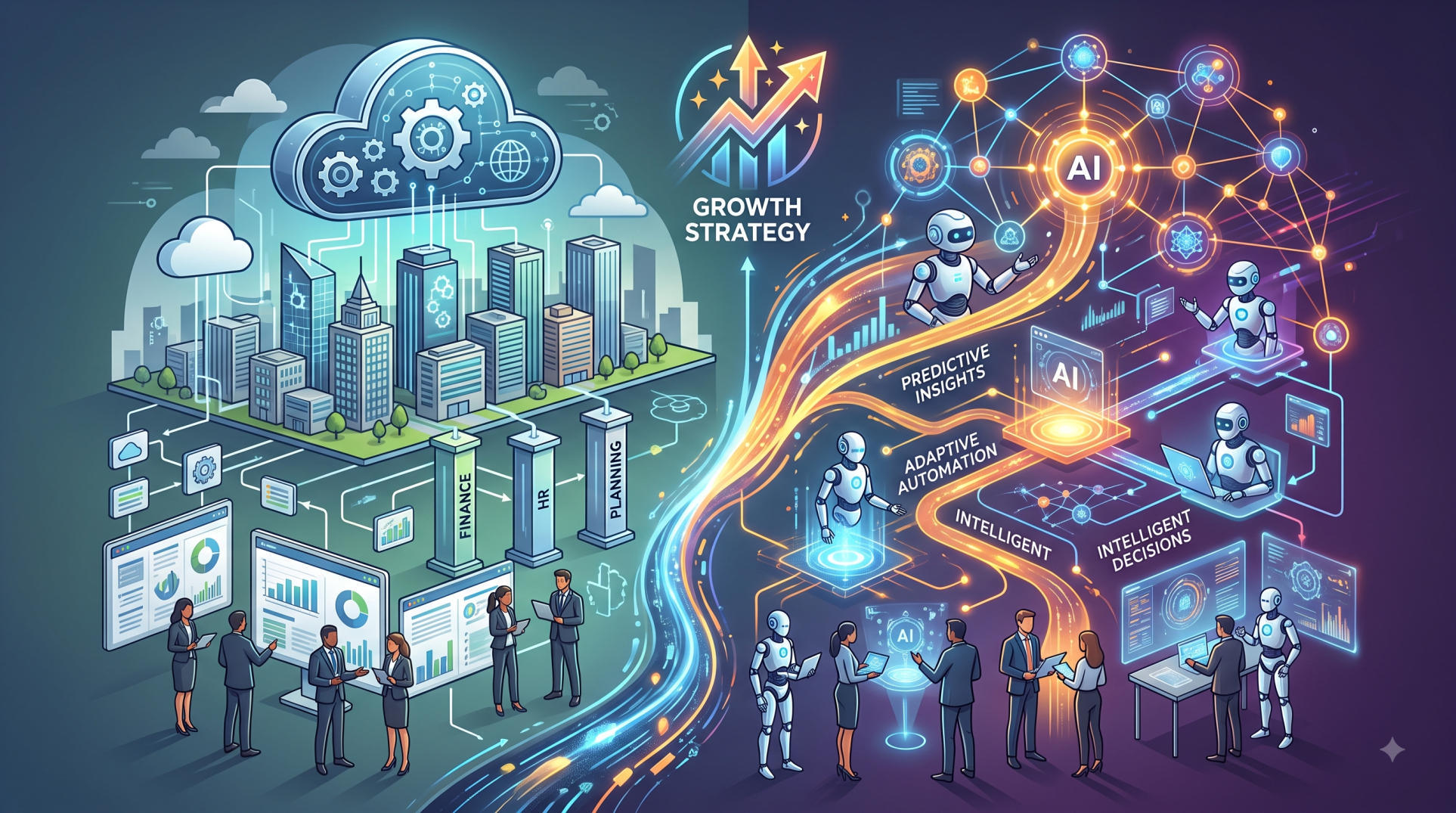
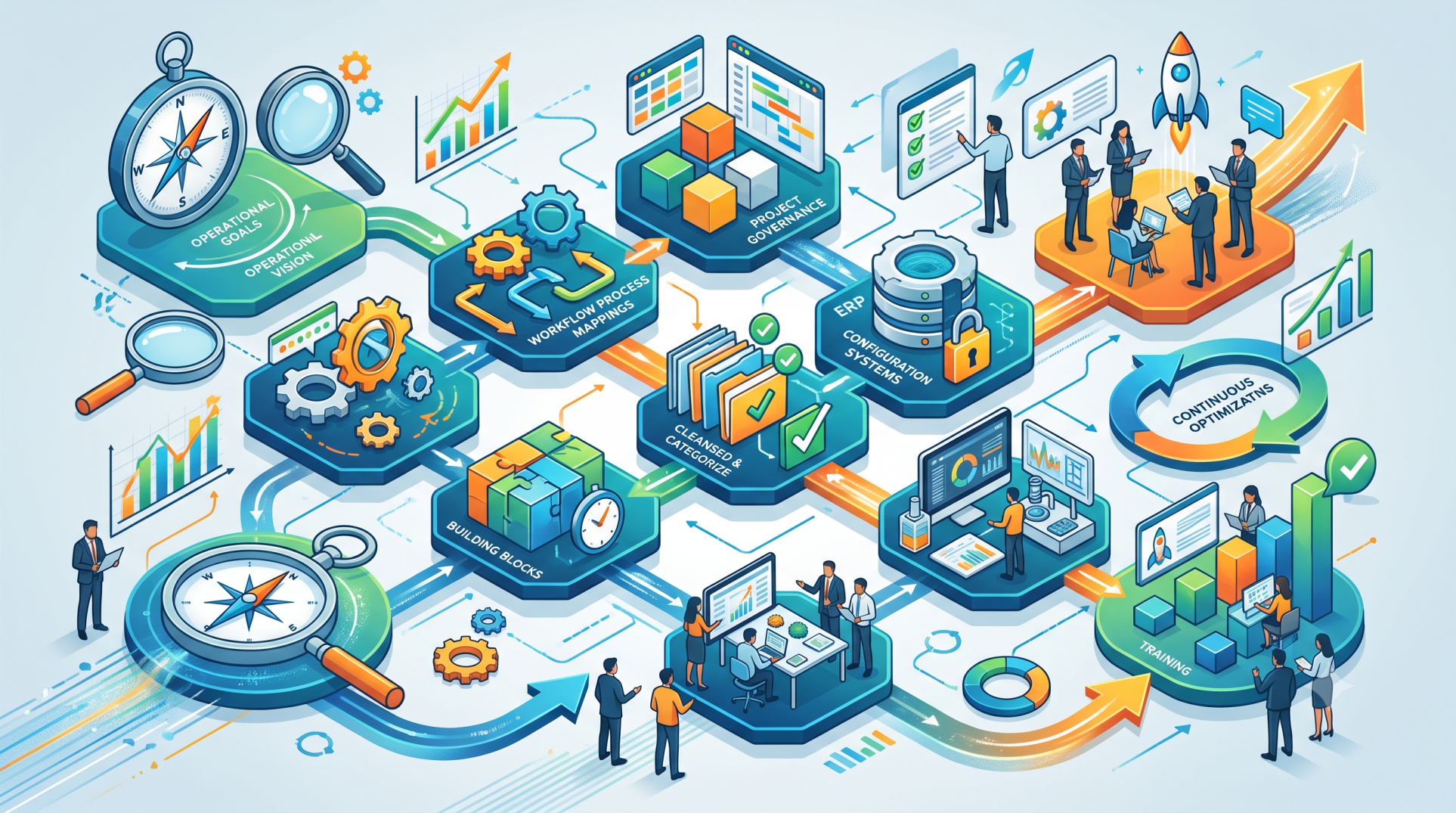
Step 10: Building a Future-Ready Supply Chain 🚀
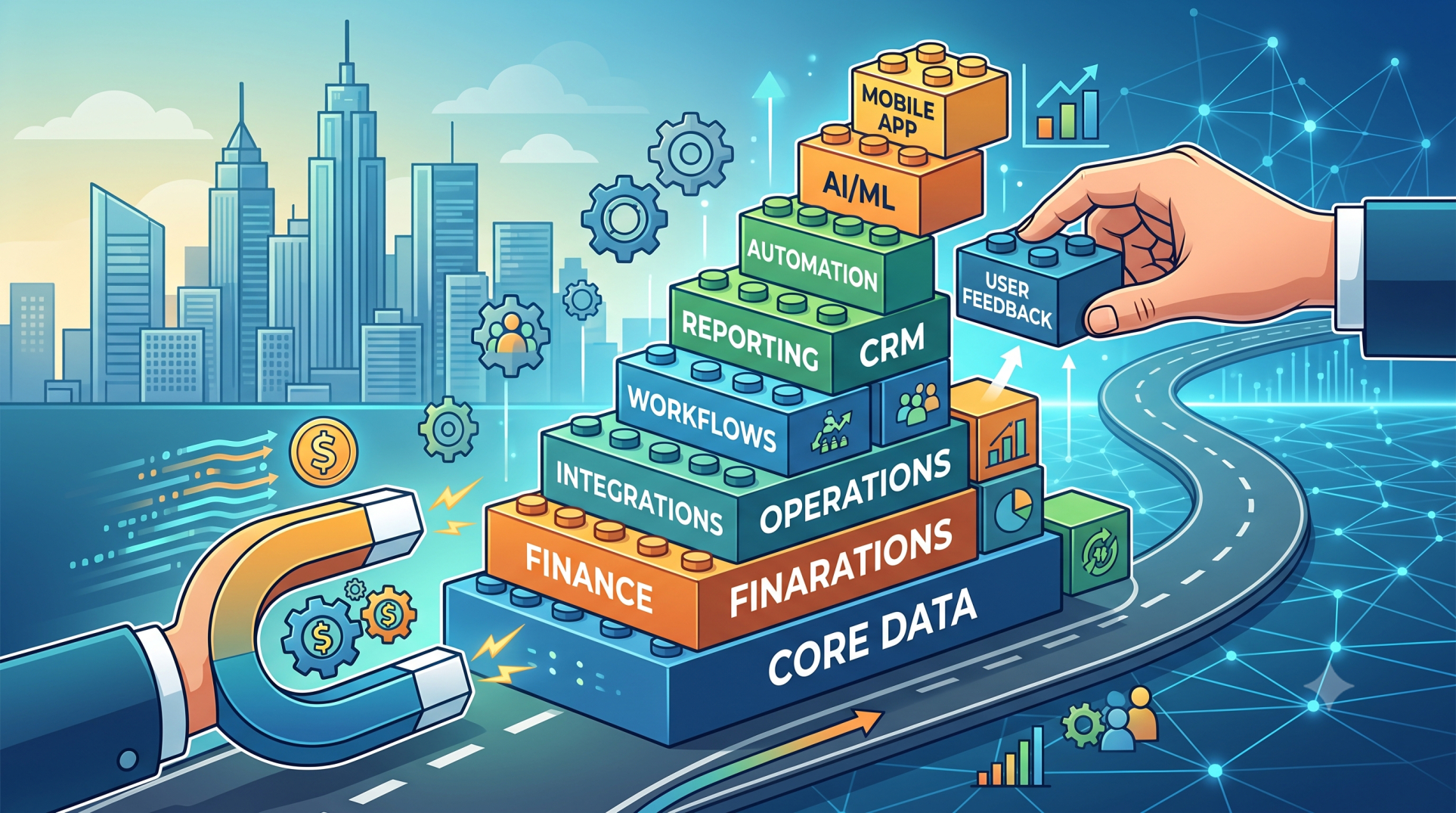
• Design scalable cloud ERP solutions for business expansion 🏗️
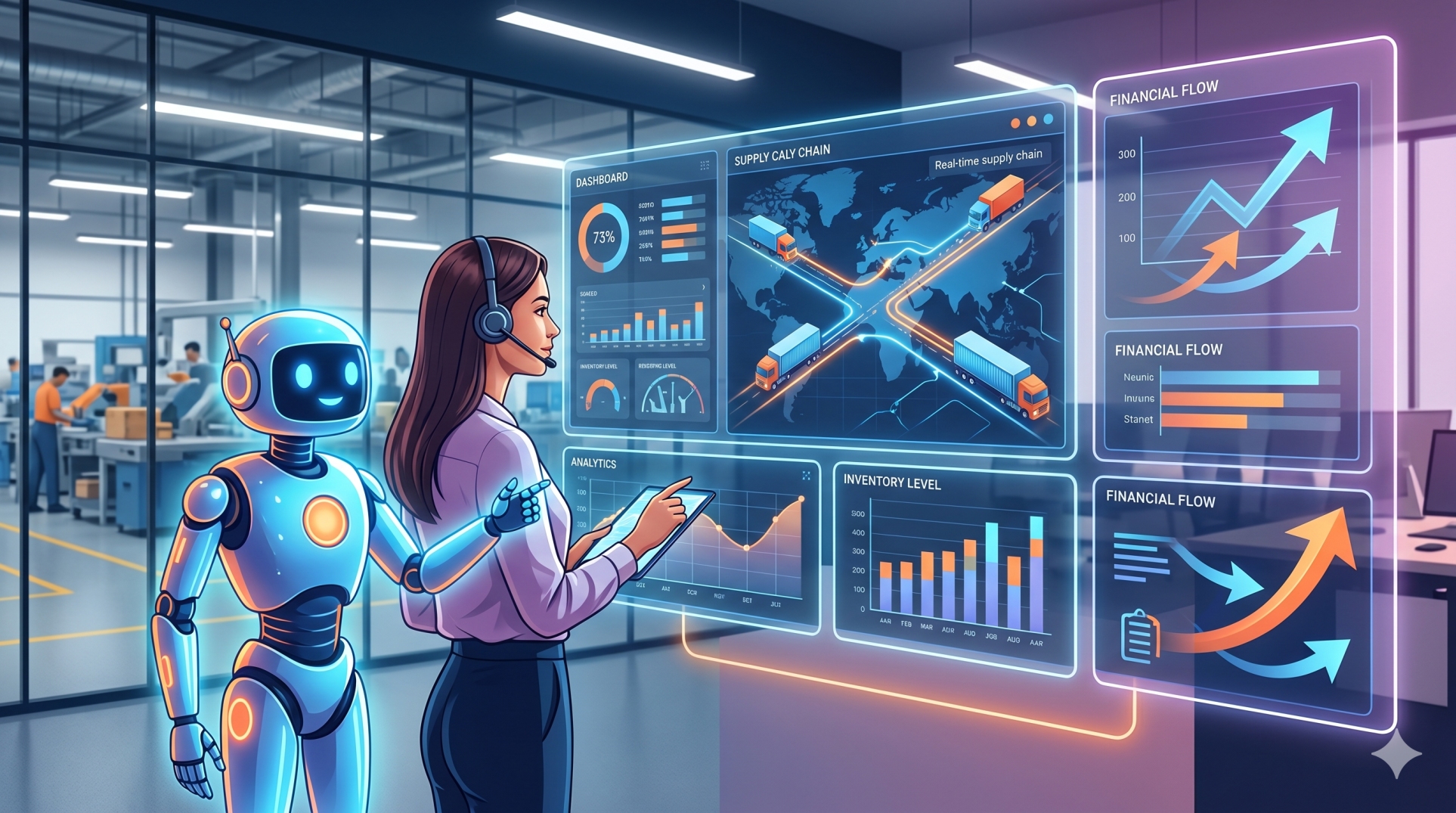
• Integrate AI, analytics, and automation technologies 🤖
• Support multi-location and global supply chain operations 🌐
• Adapt quickly to evolving customer and market demands 📈
• Continuously improve operational performance through innovation 💡
Conclusion
Cloud-based ERP systems provide the foundation for modern supply chain management by connecting every stage of the operational lifecycle within a unified digital environment. Through real-time visibility, automated workflows, and collaborative processes, organizations can improve efficiency, strengthen resilience, and make informed decisions faster. As supply chains continue to evolve, cloud ERP delivers the flexibility and scalability needed to support sustainable business growth.
See more blogs
You can all the articles below