Why AI Should Be Designed into ERP Workflows Instead of Added Later
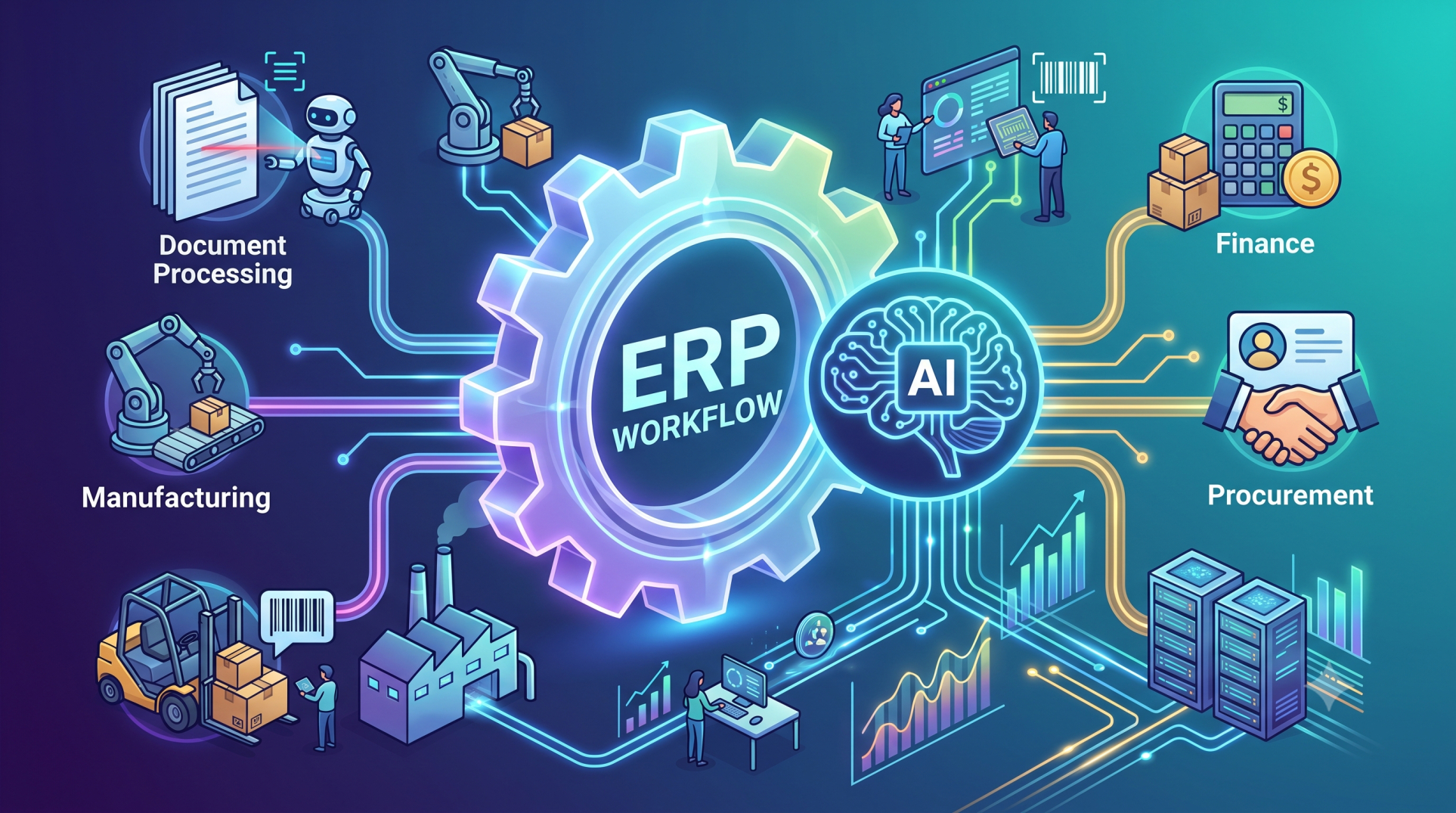
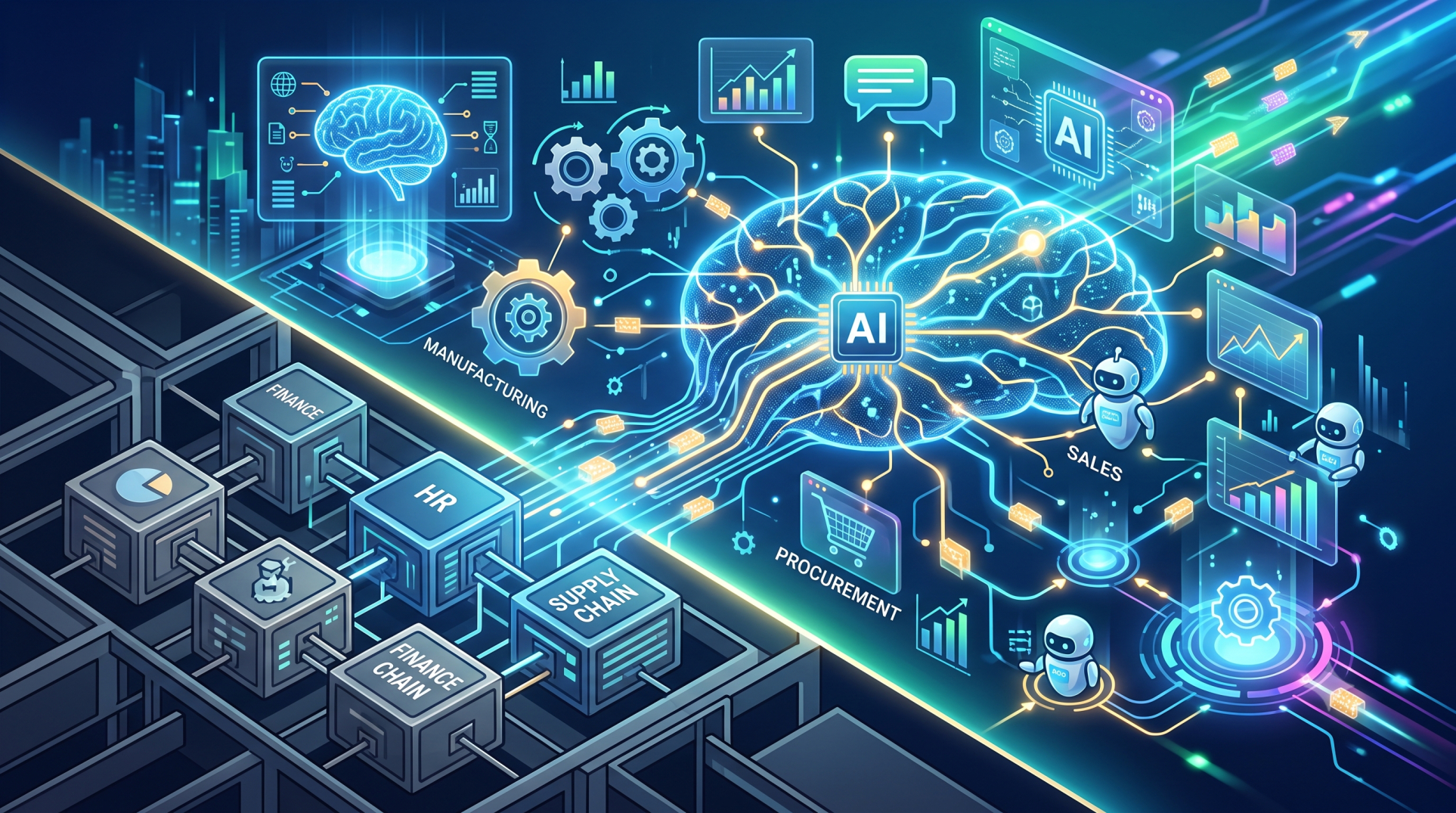
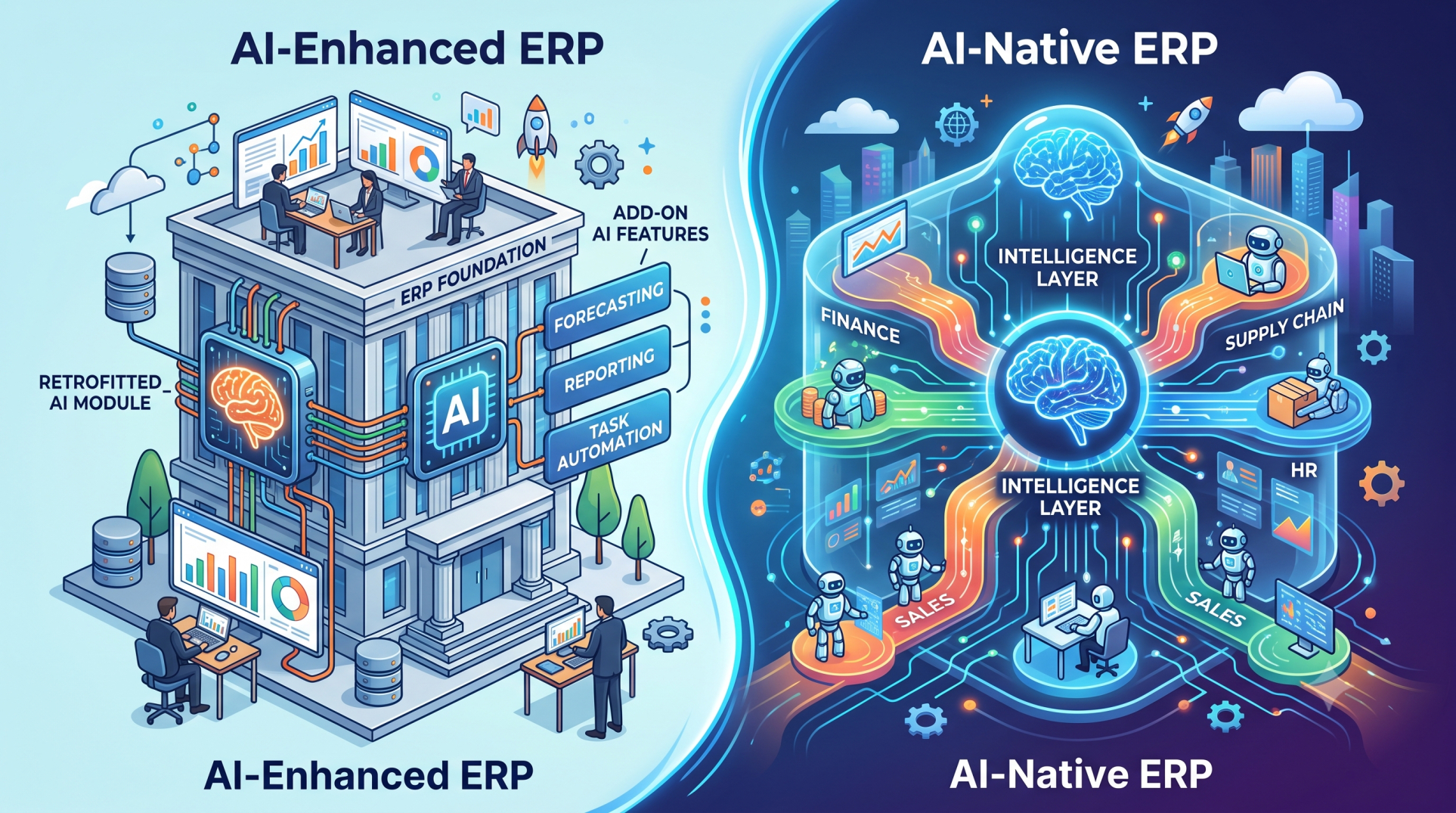
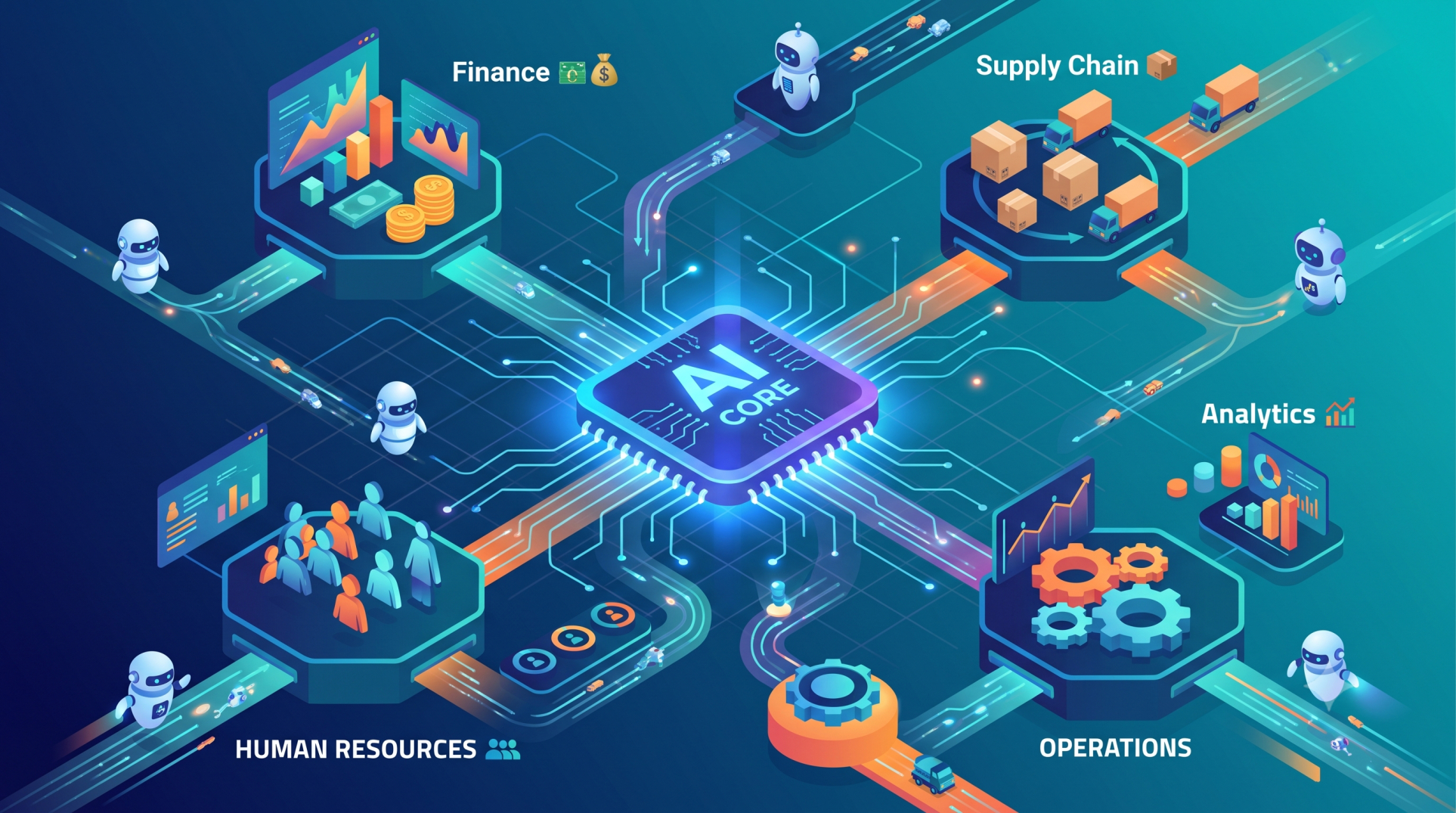
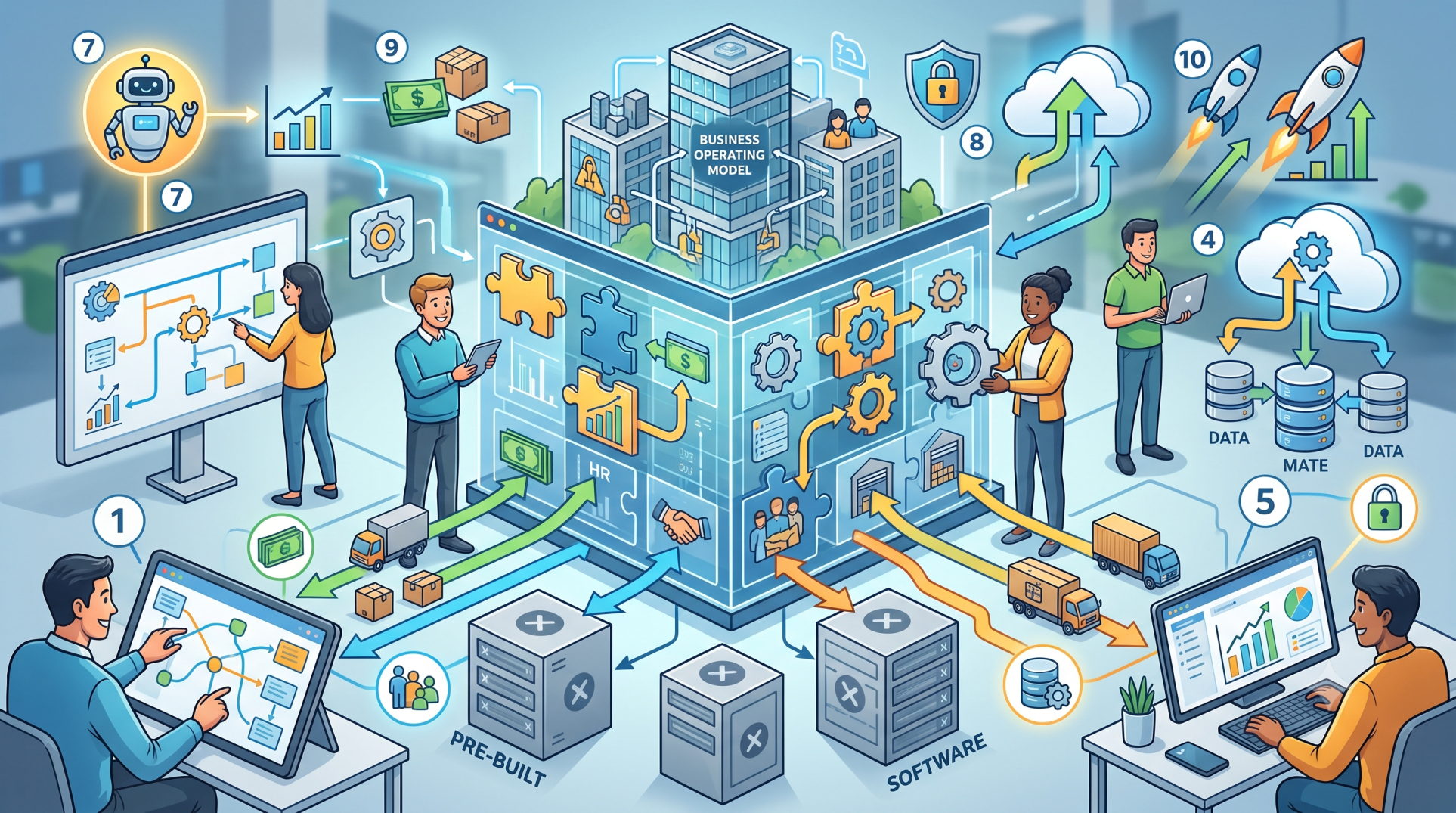
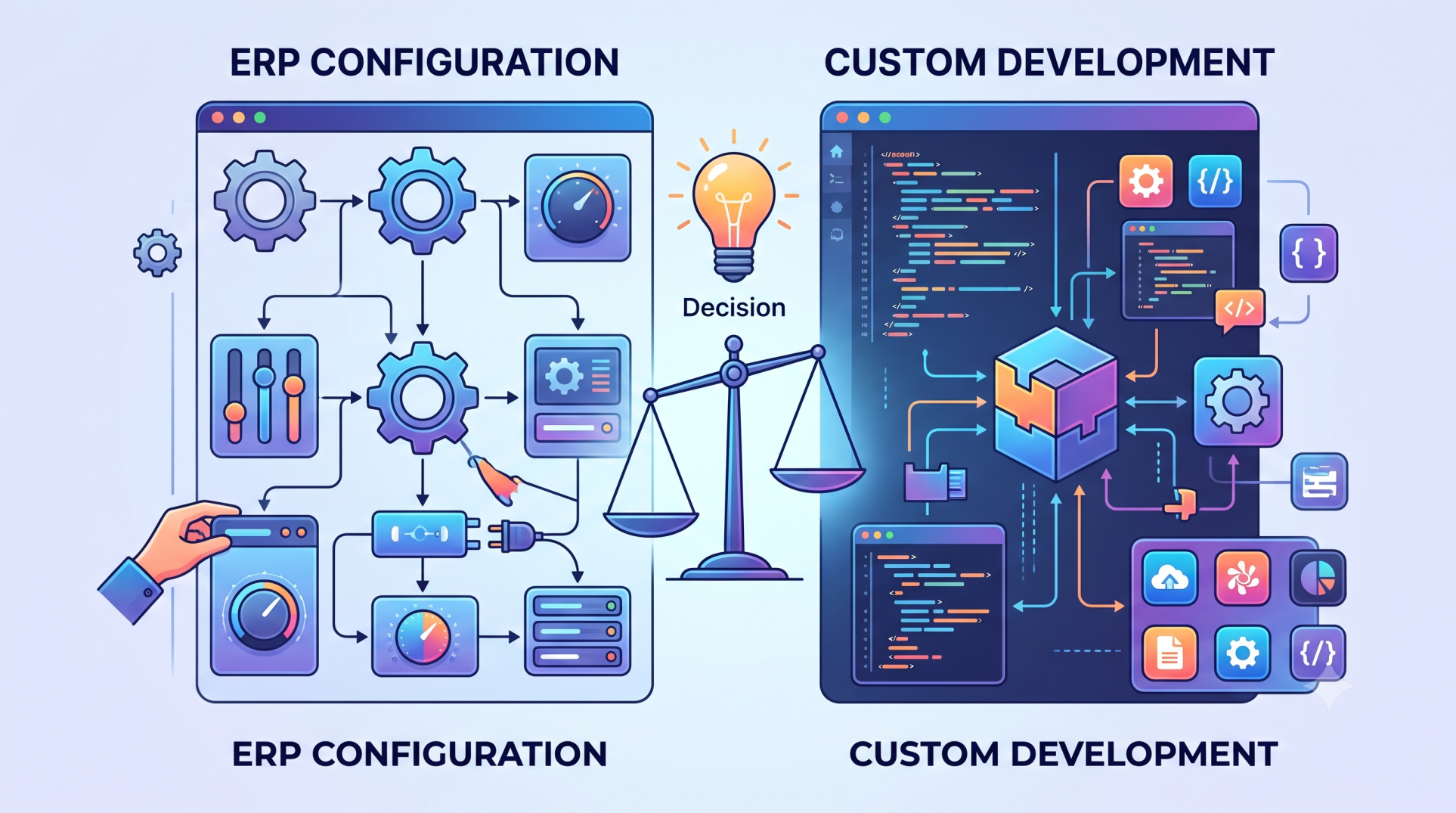
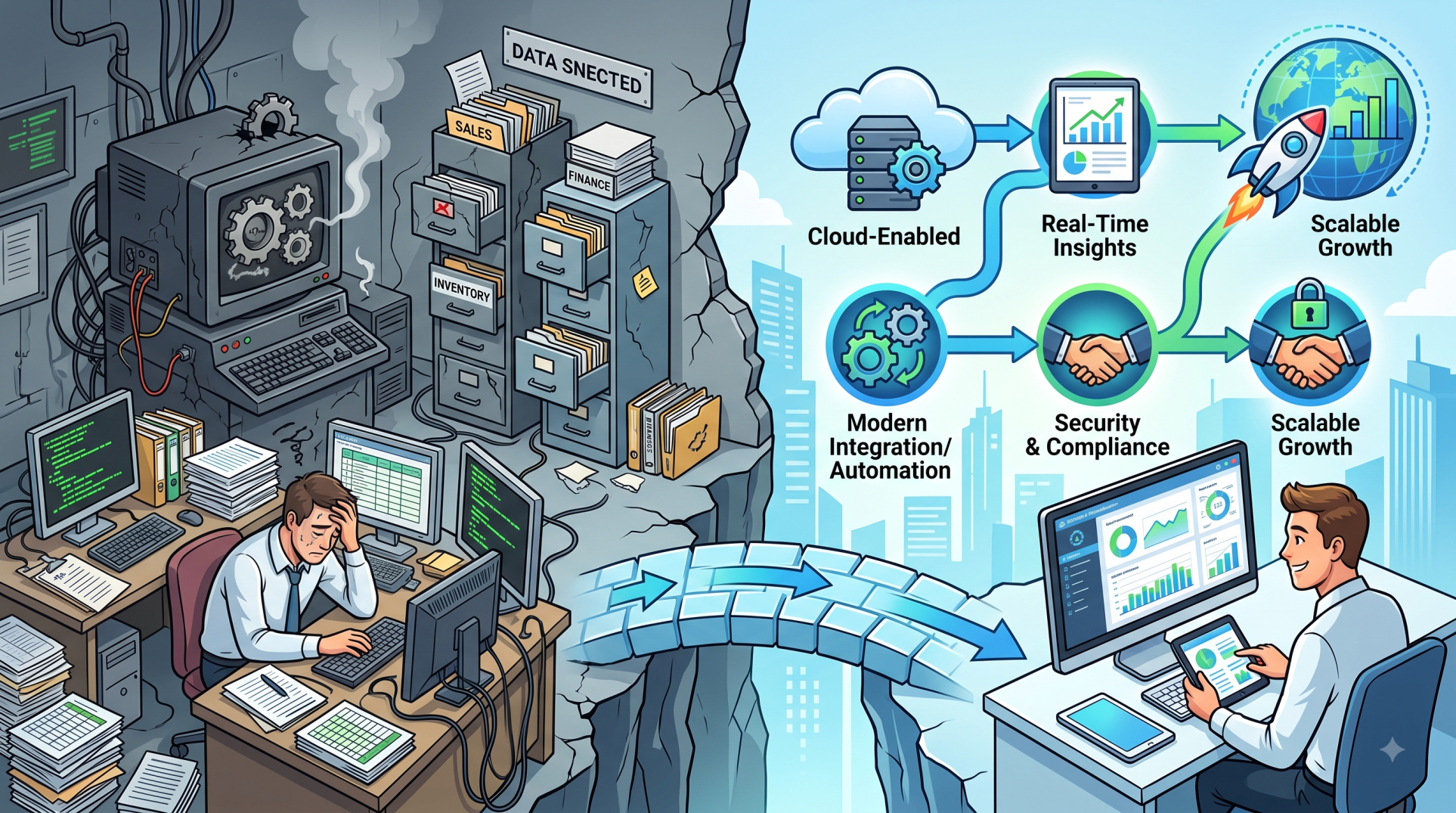
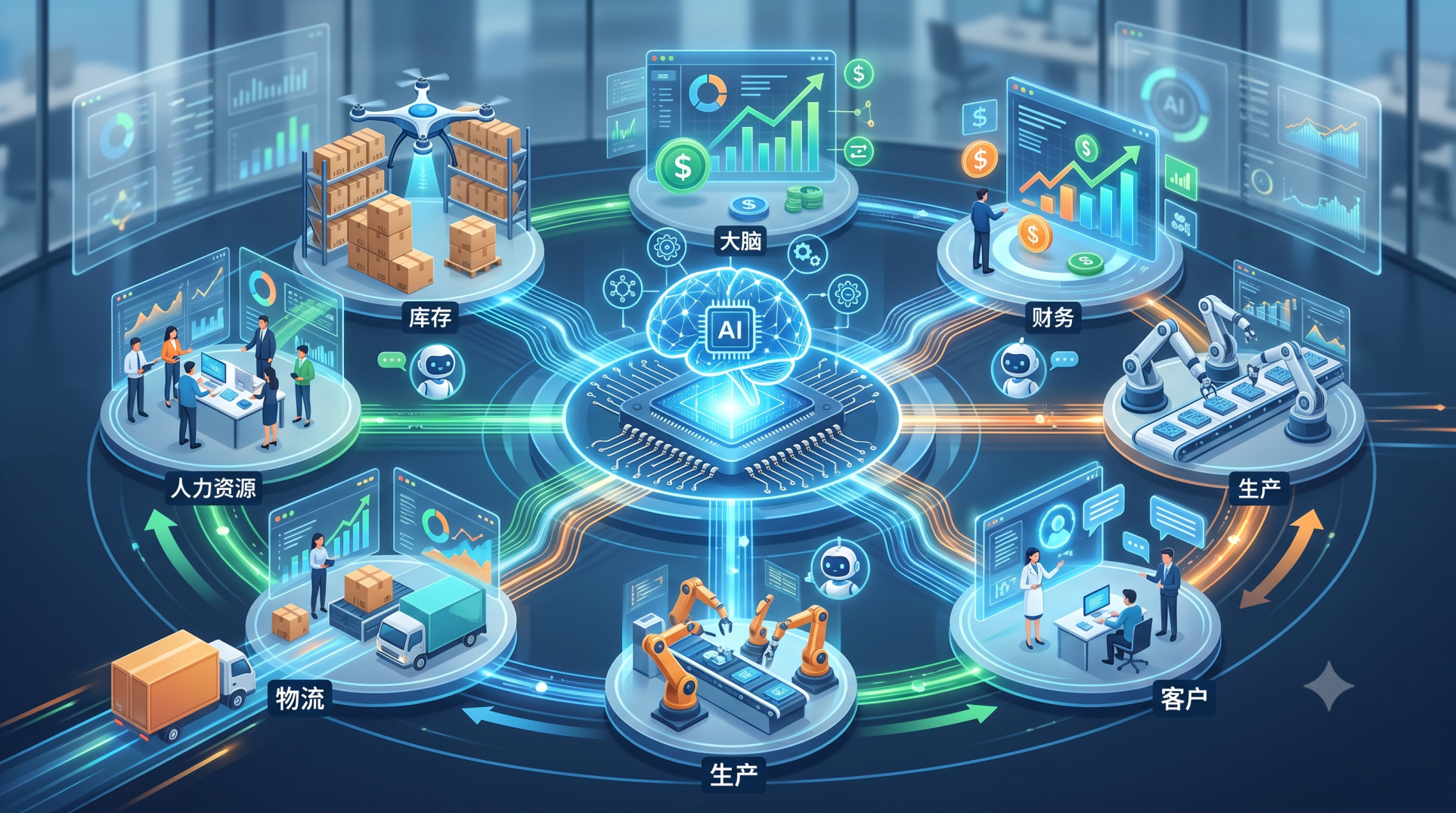
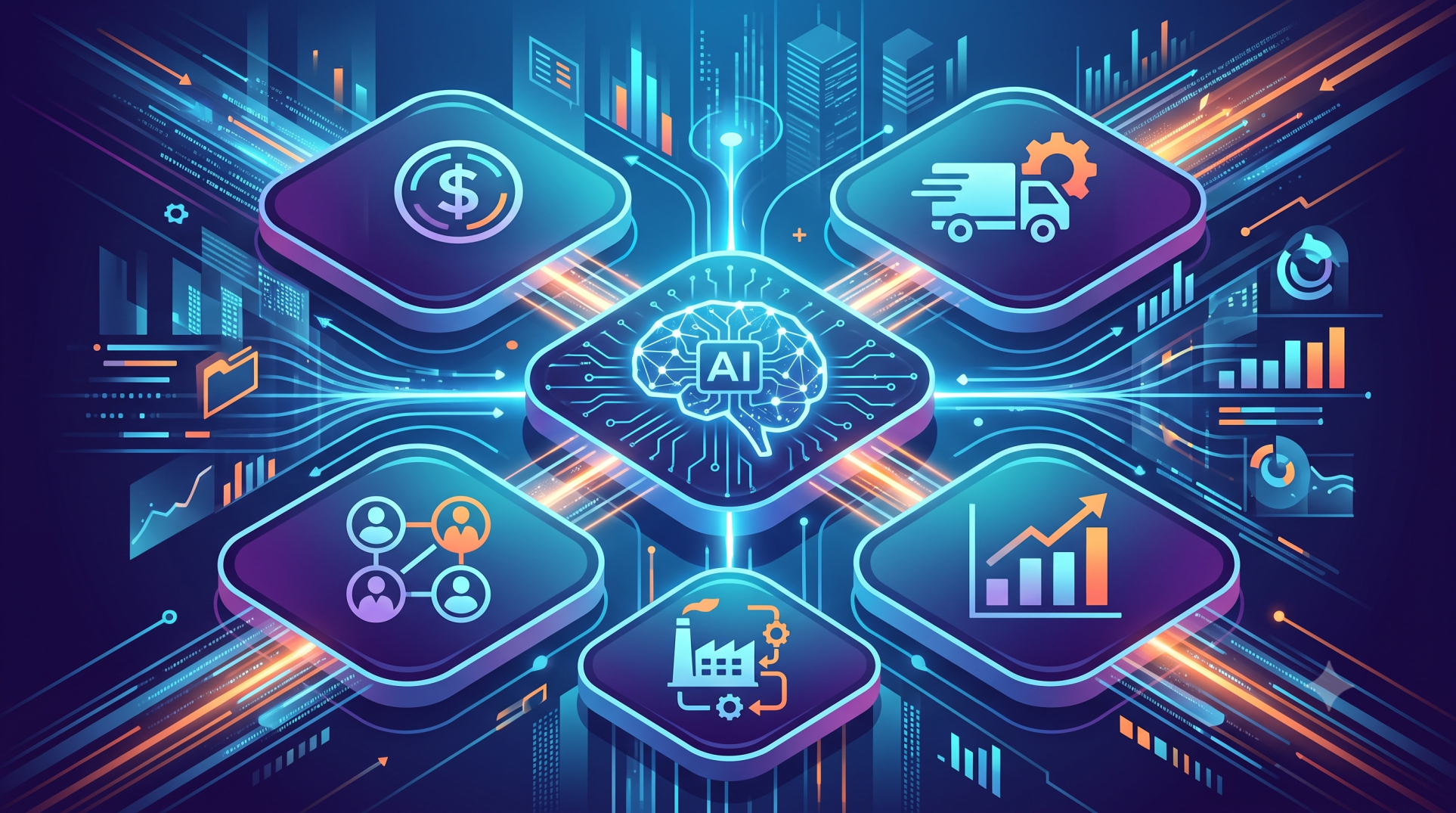
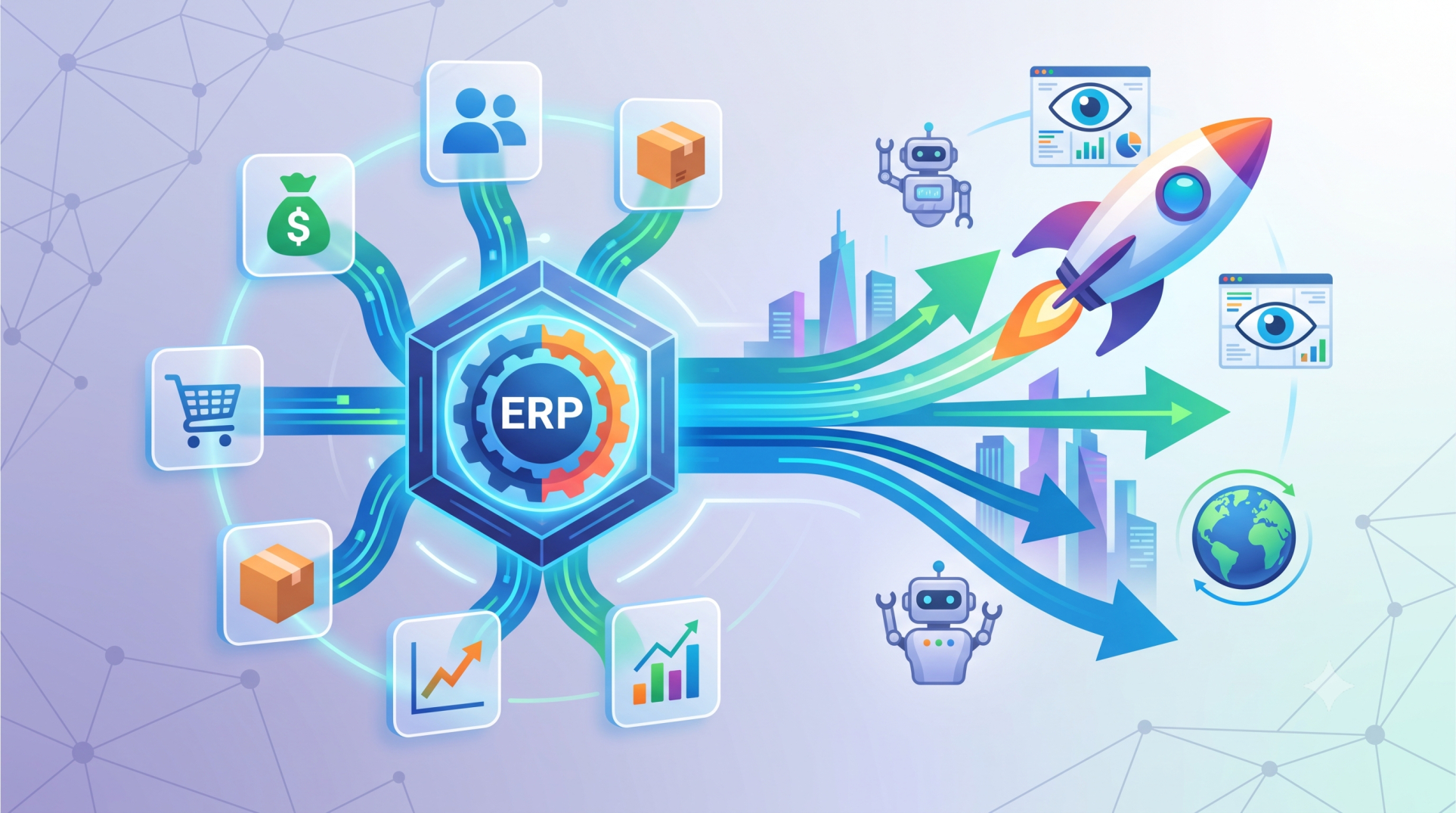
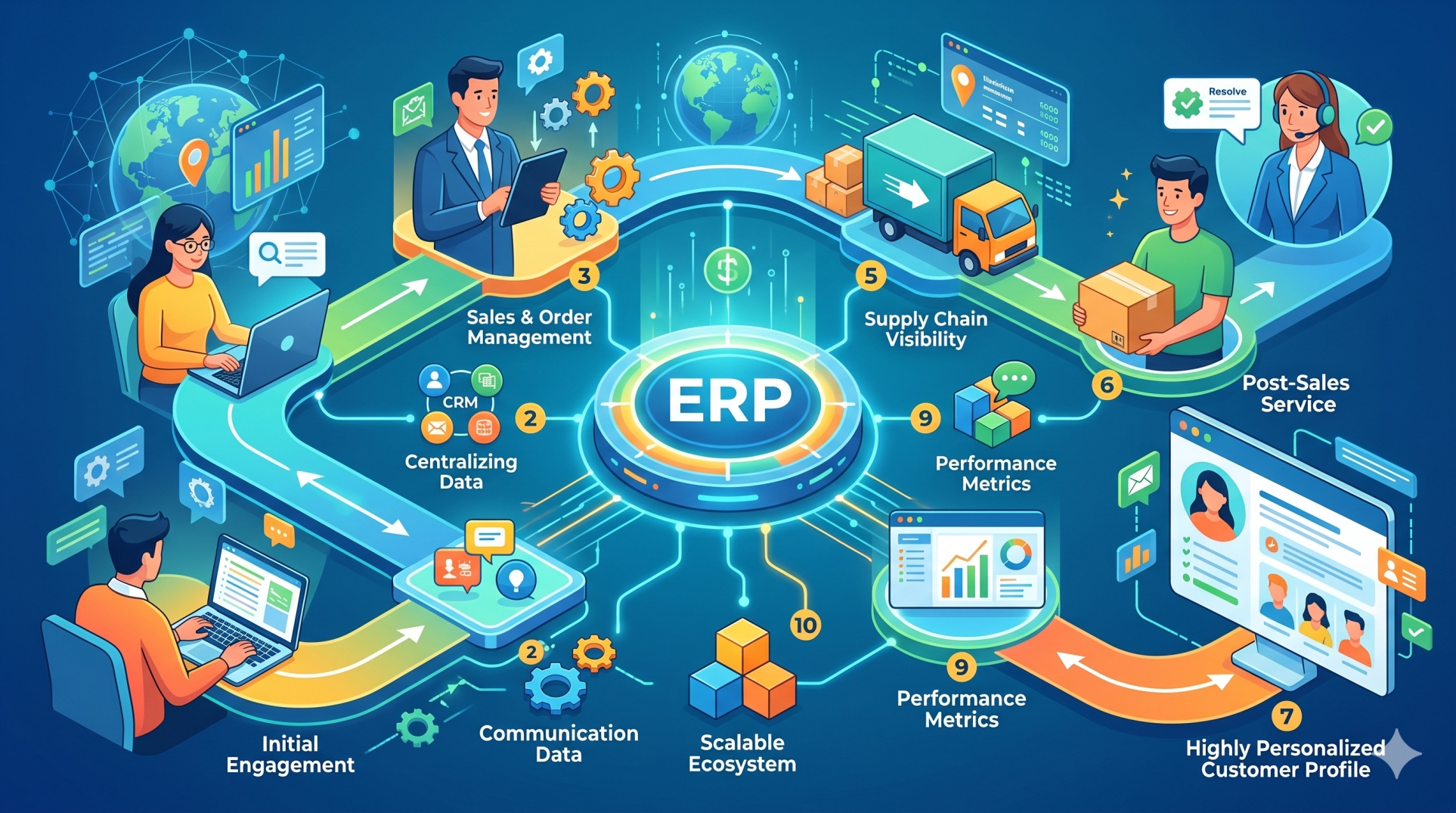
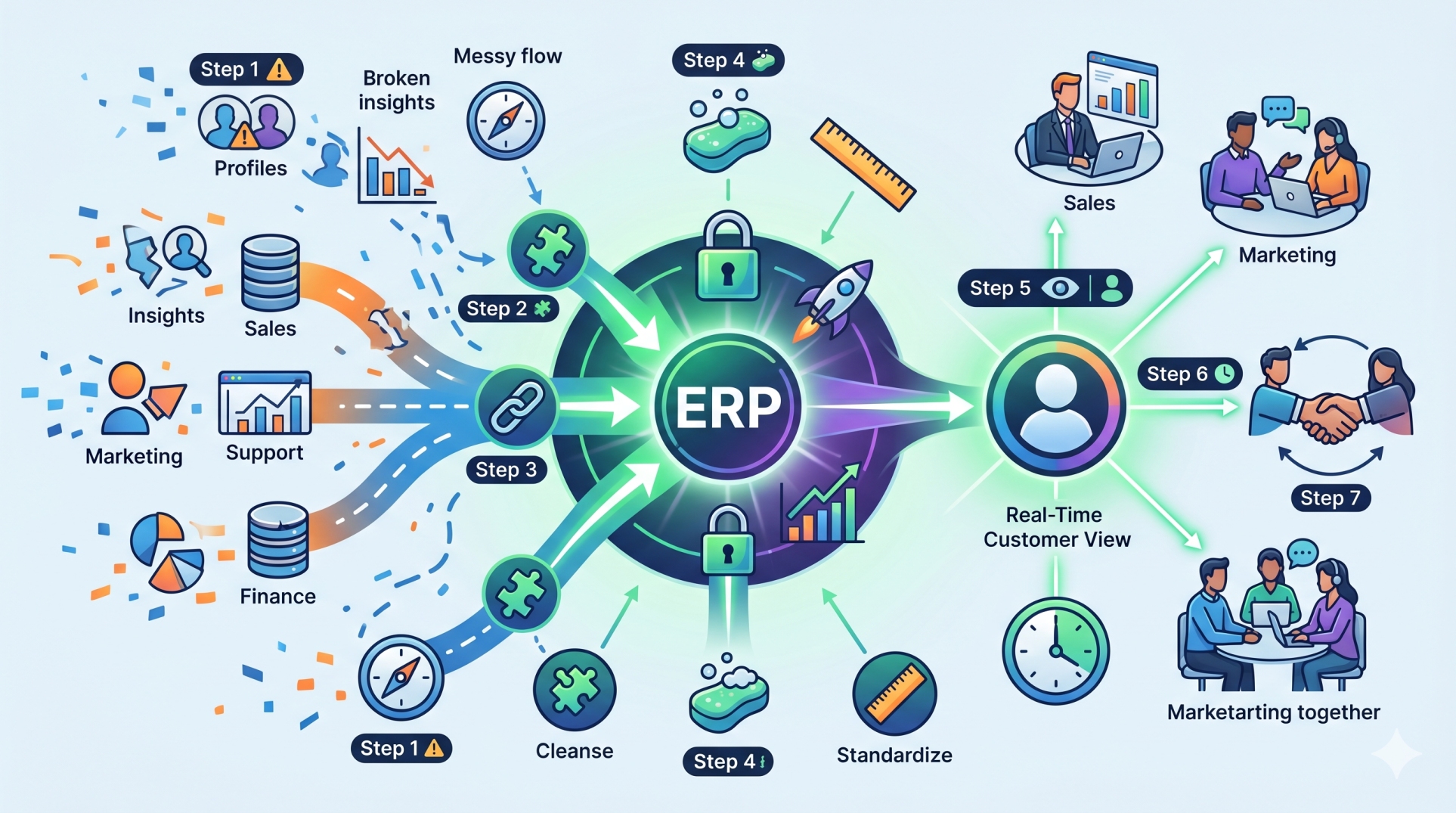
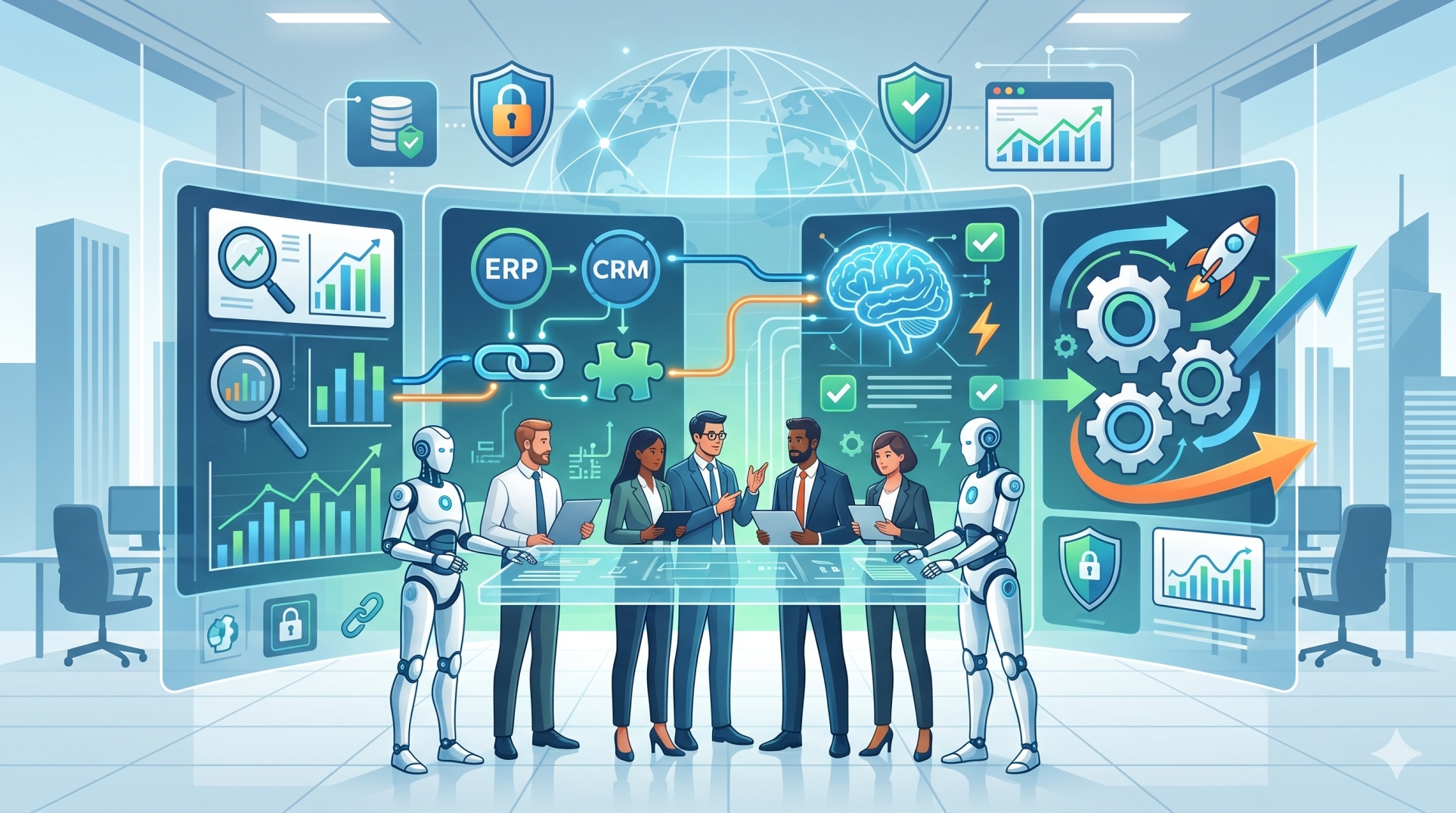
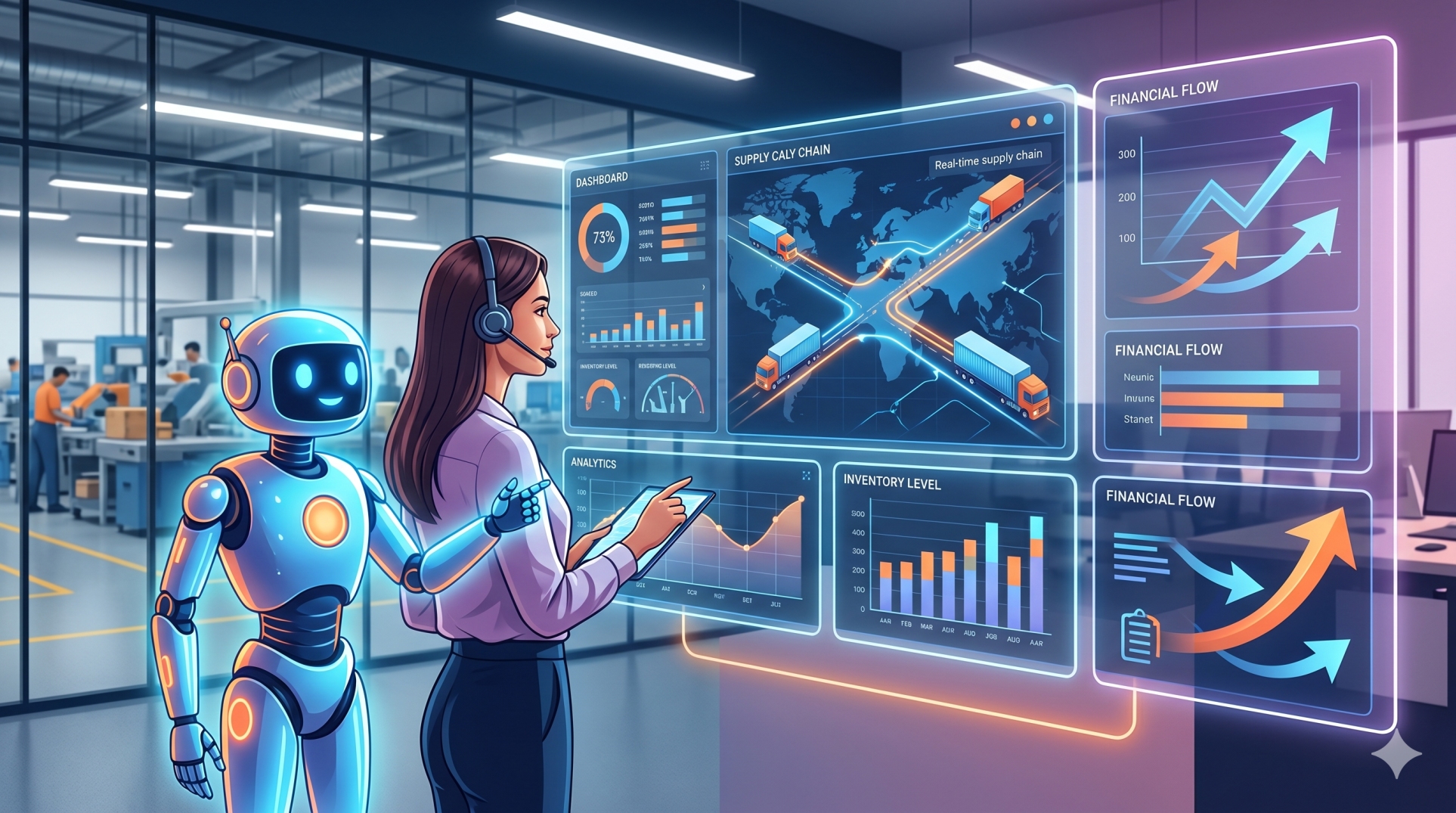
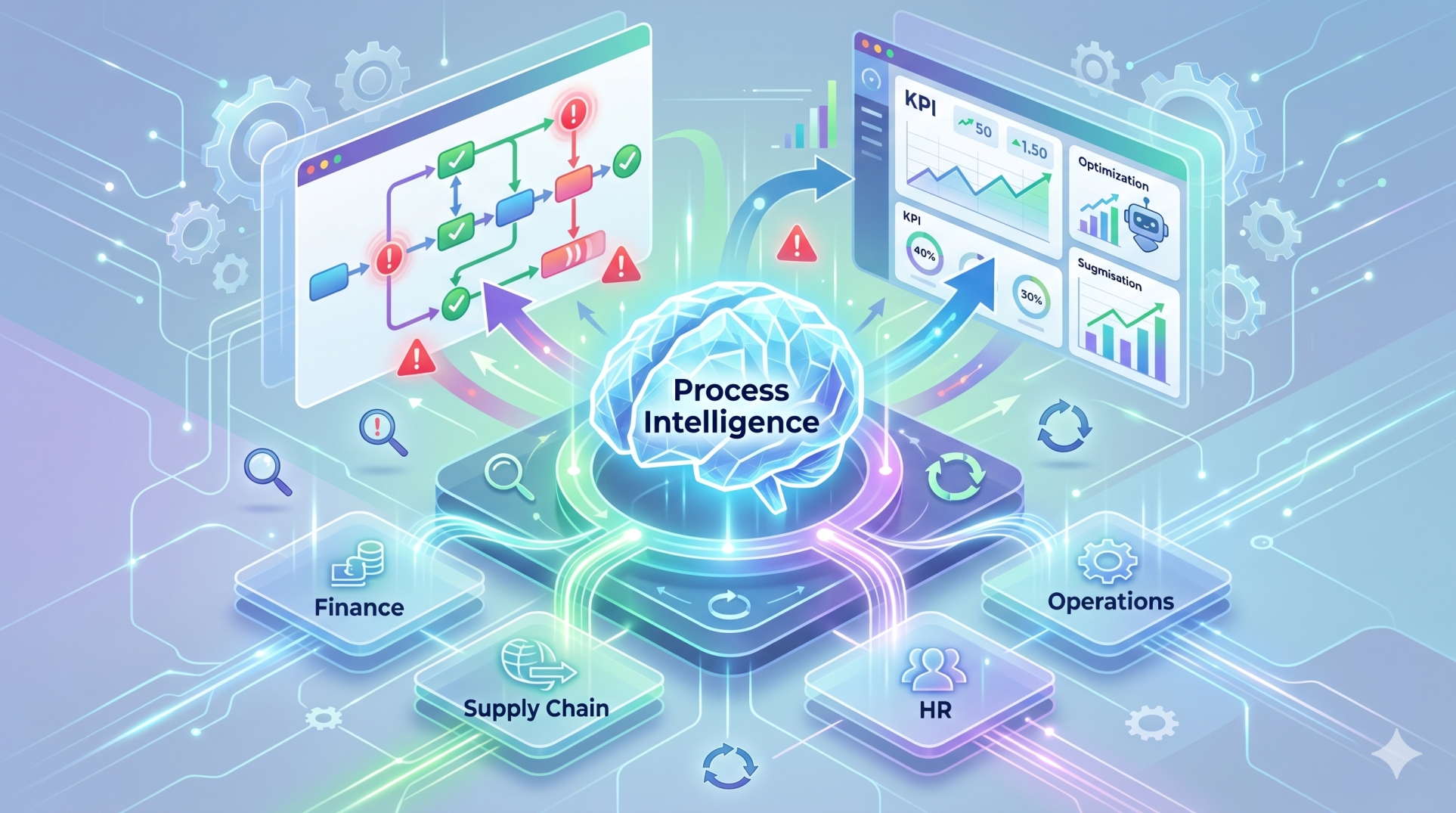
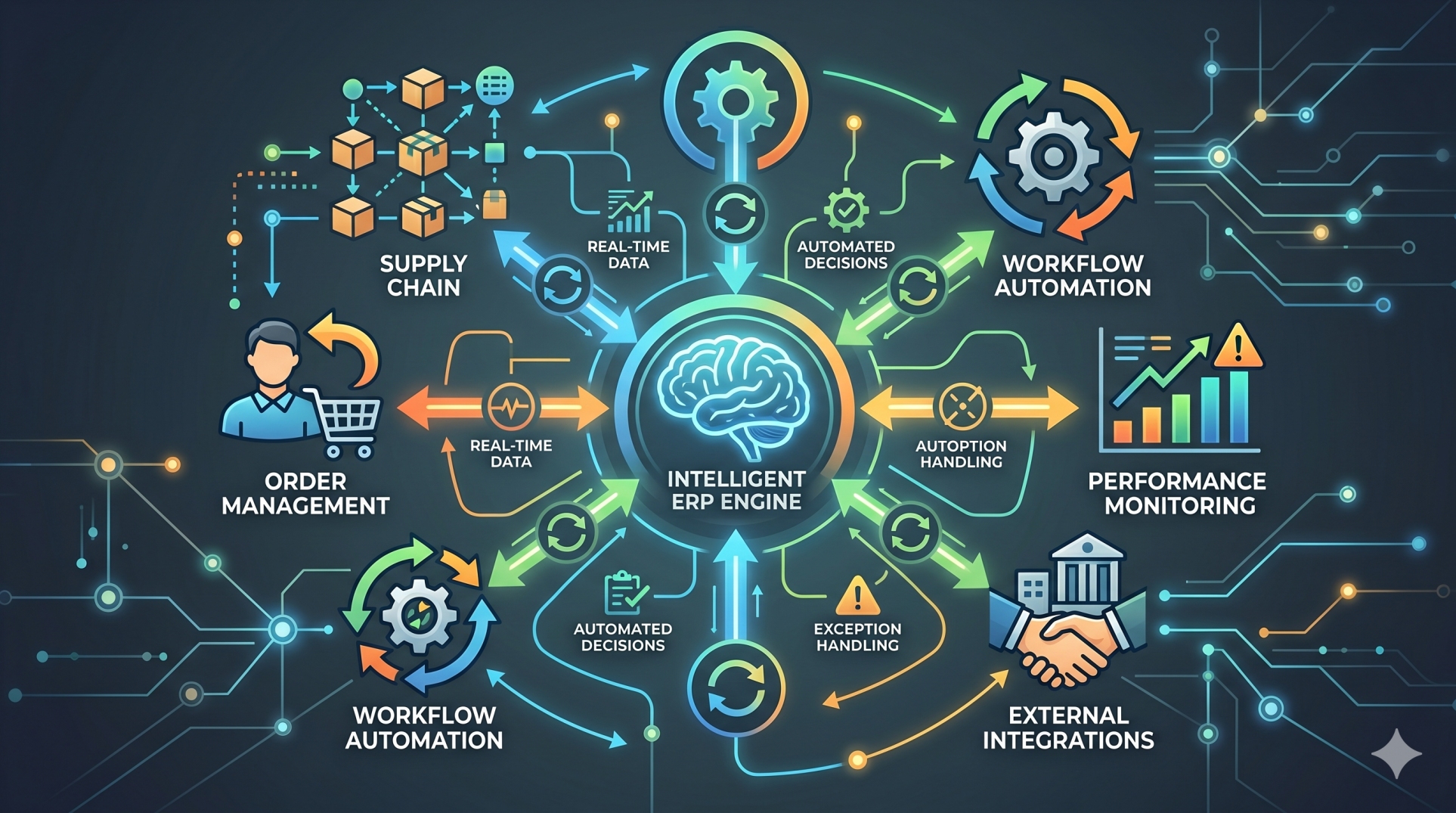
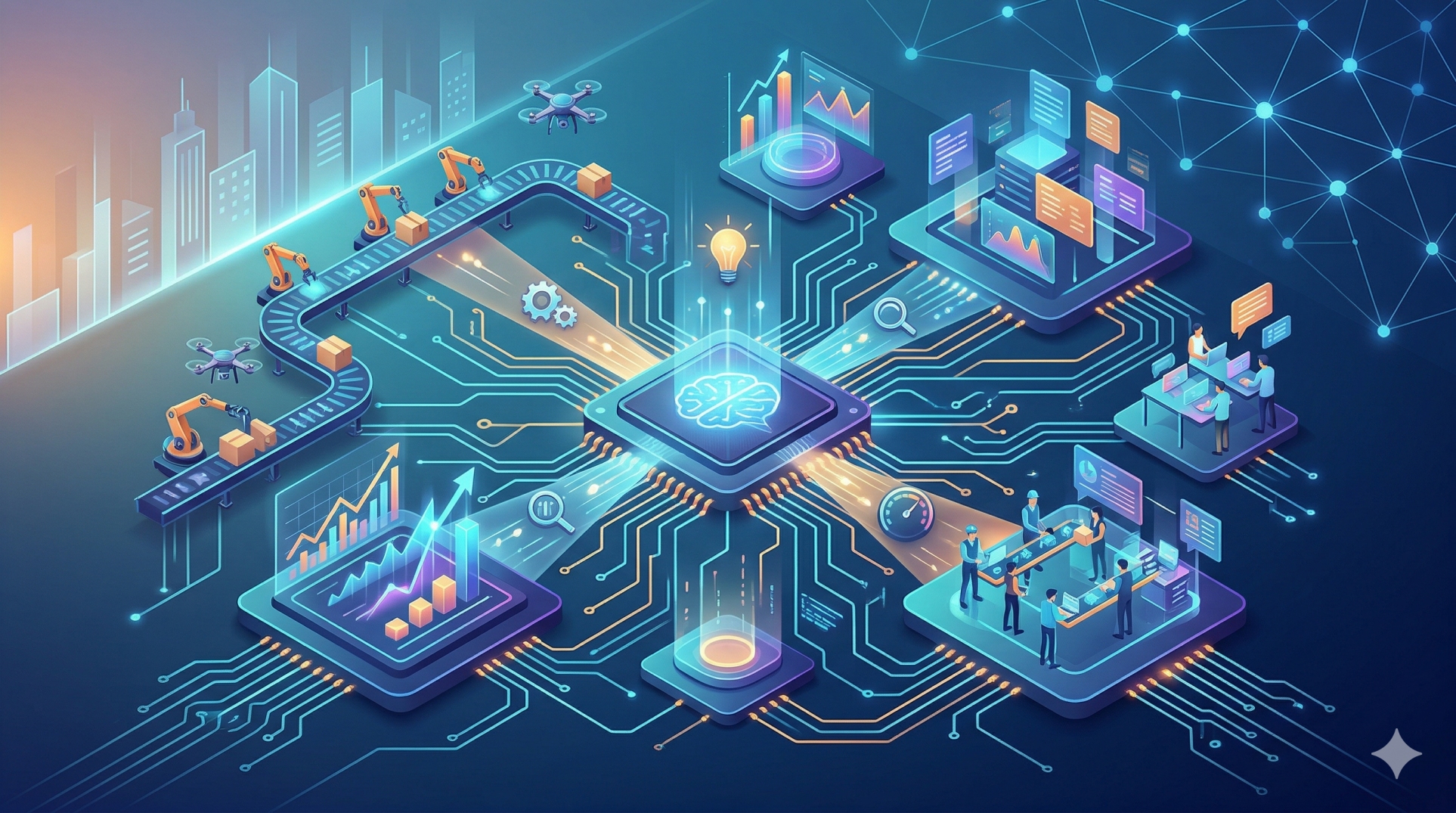
Artificial intelligence is becoming an important part of modern enterprise software, but simply adding AI features to an existing ERP system does not always deliver the full value of intelligent automation. When AI is designed directly into ERP workflows, it can understand business context, interact with operational data, and support decisions where they actually occur. Embedding AI into ERP workflows from the beginning can create a more connected, responsive, and adaptable business environment while reducing the limitations often associated with disconnected AI add-ons.
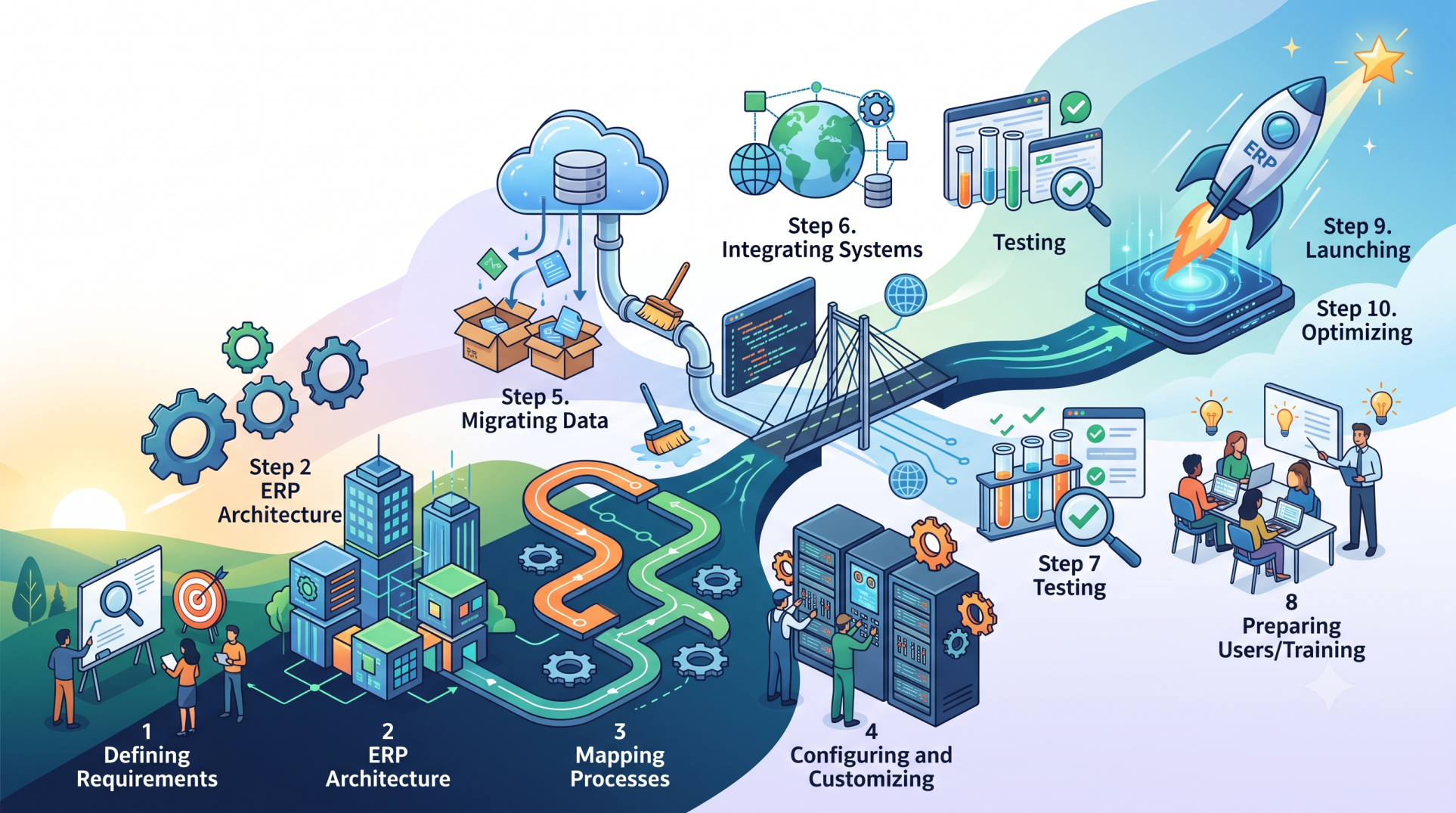
Step 1: Understanding Workflow-Centered AI 🧠
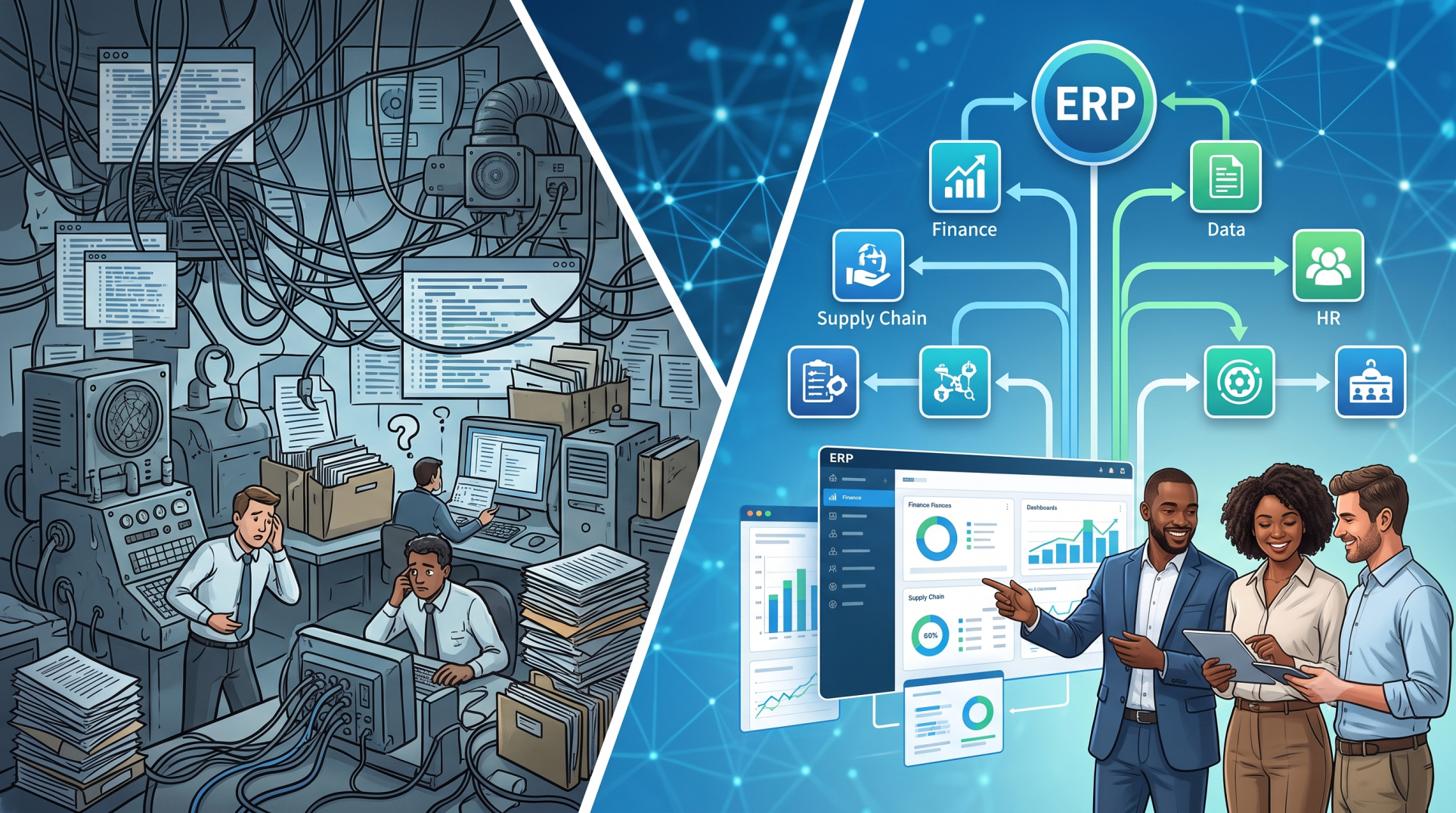
• AI becomes part of the business process rather than functioning as a separate feature. 🔗
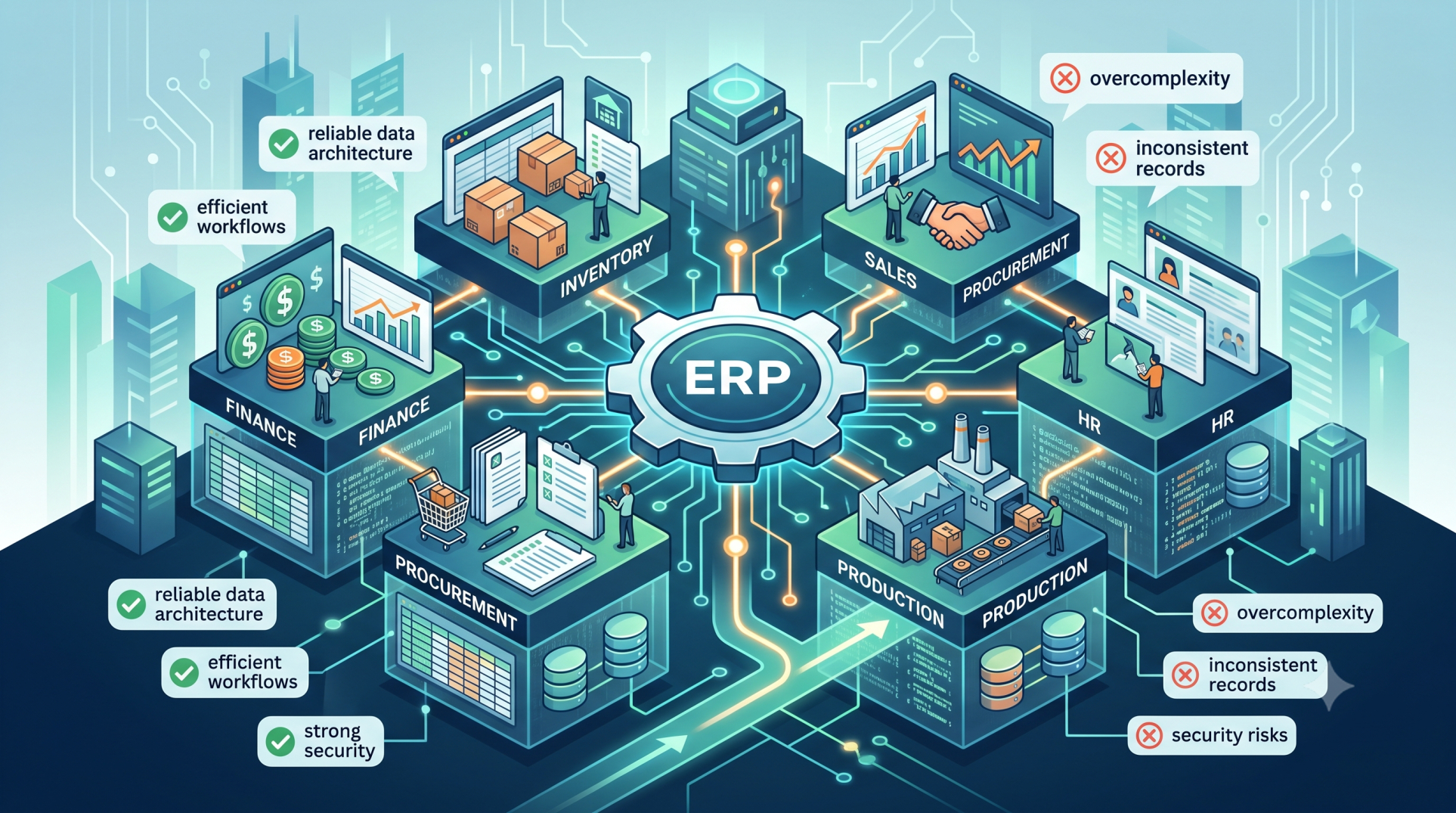
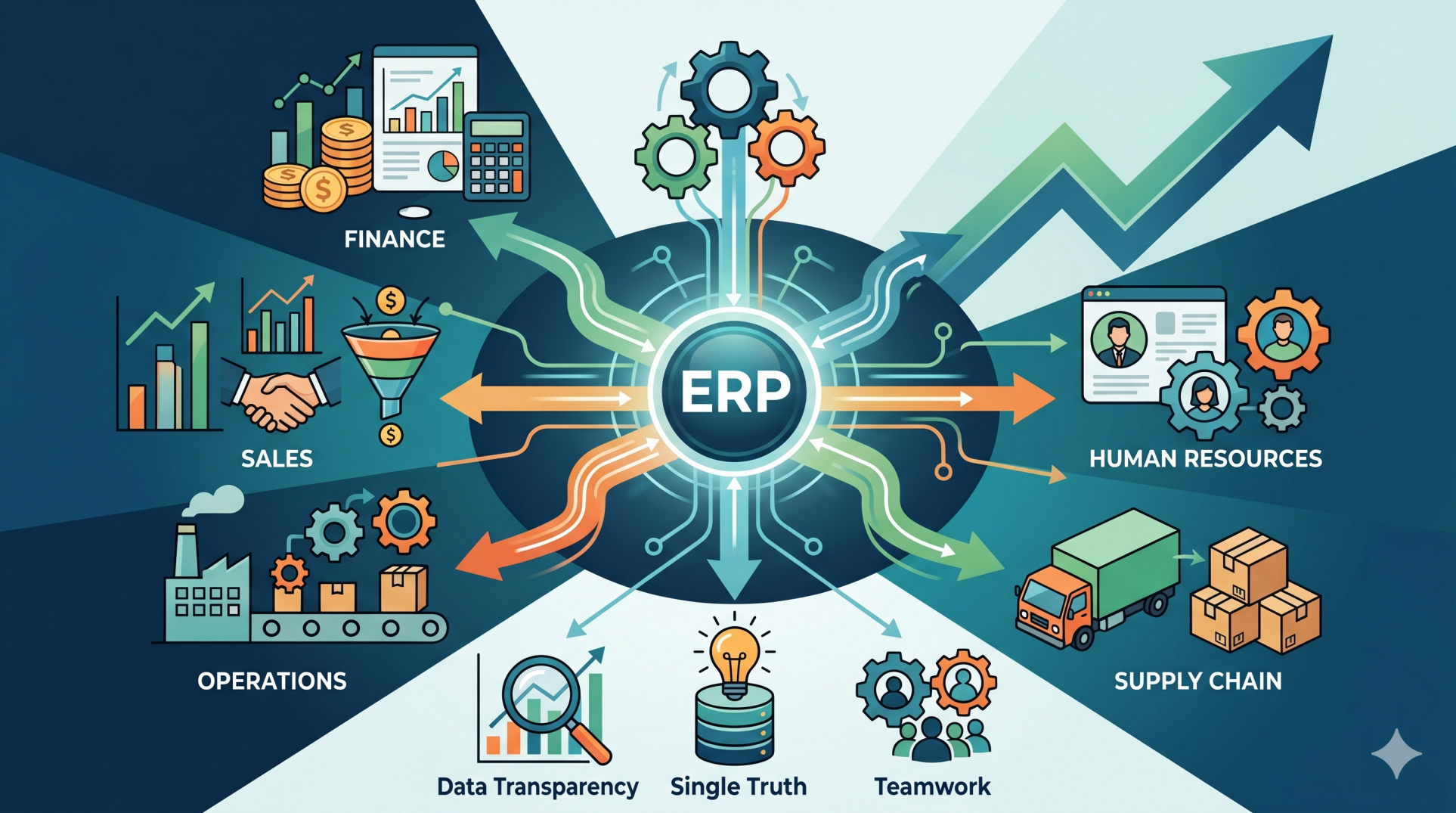
• Intelligent capabilities can be incorporated directly into purchasing, finance, inventory, sales, and operations workflows. 🏢
• AI can use relevant business context when generating recommendations or completing defined tasks. 📊
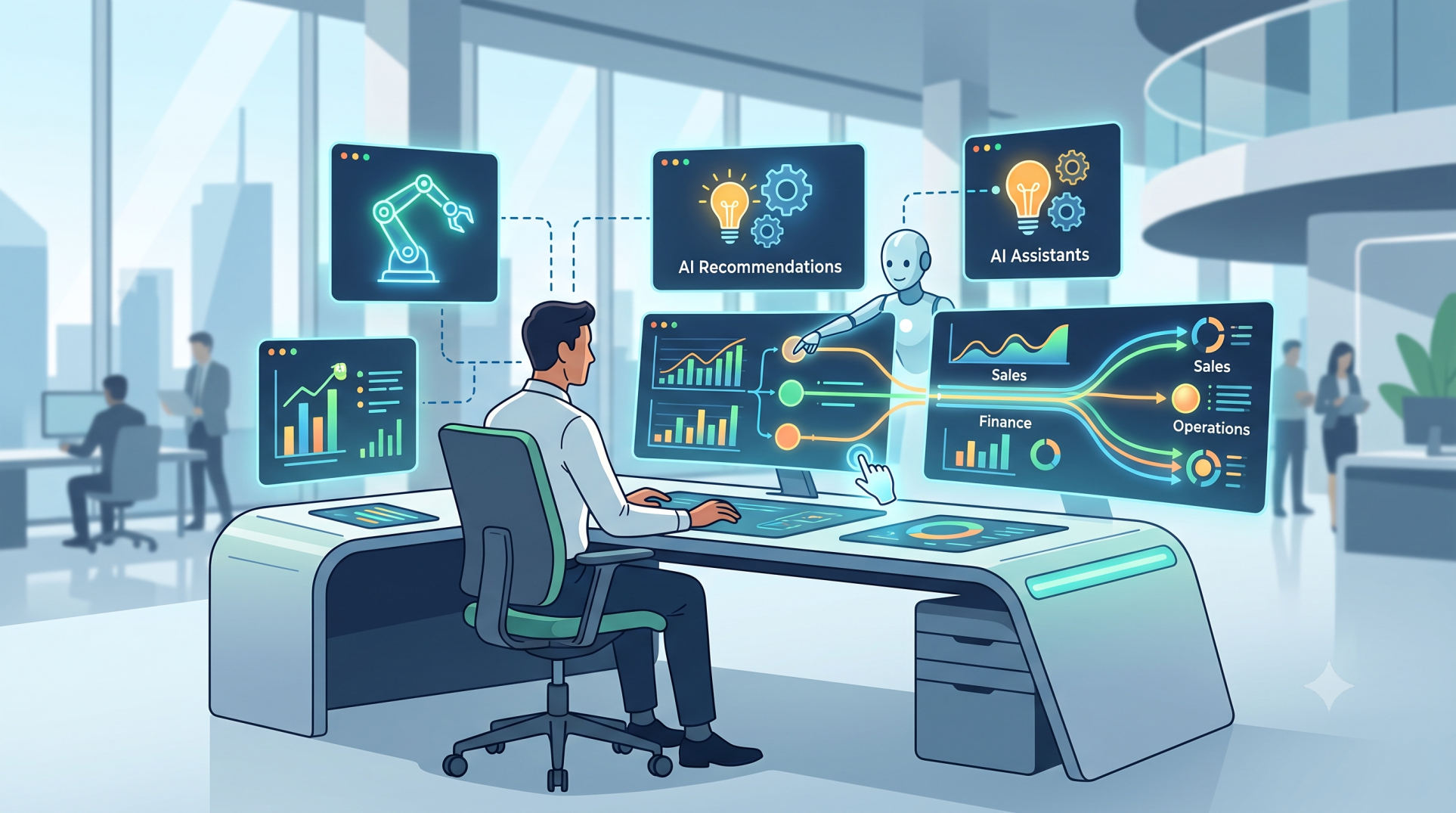
• Employees can access intelligent assistance within the applications they already use. 👥
• Workflow-centered AI creates stronger connections between data, decisions, and actions. ⚡
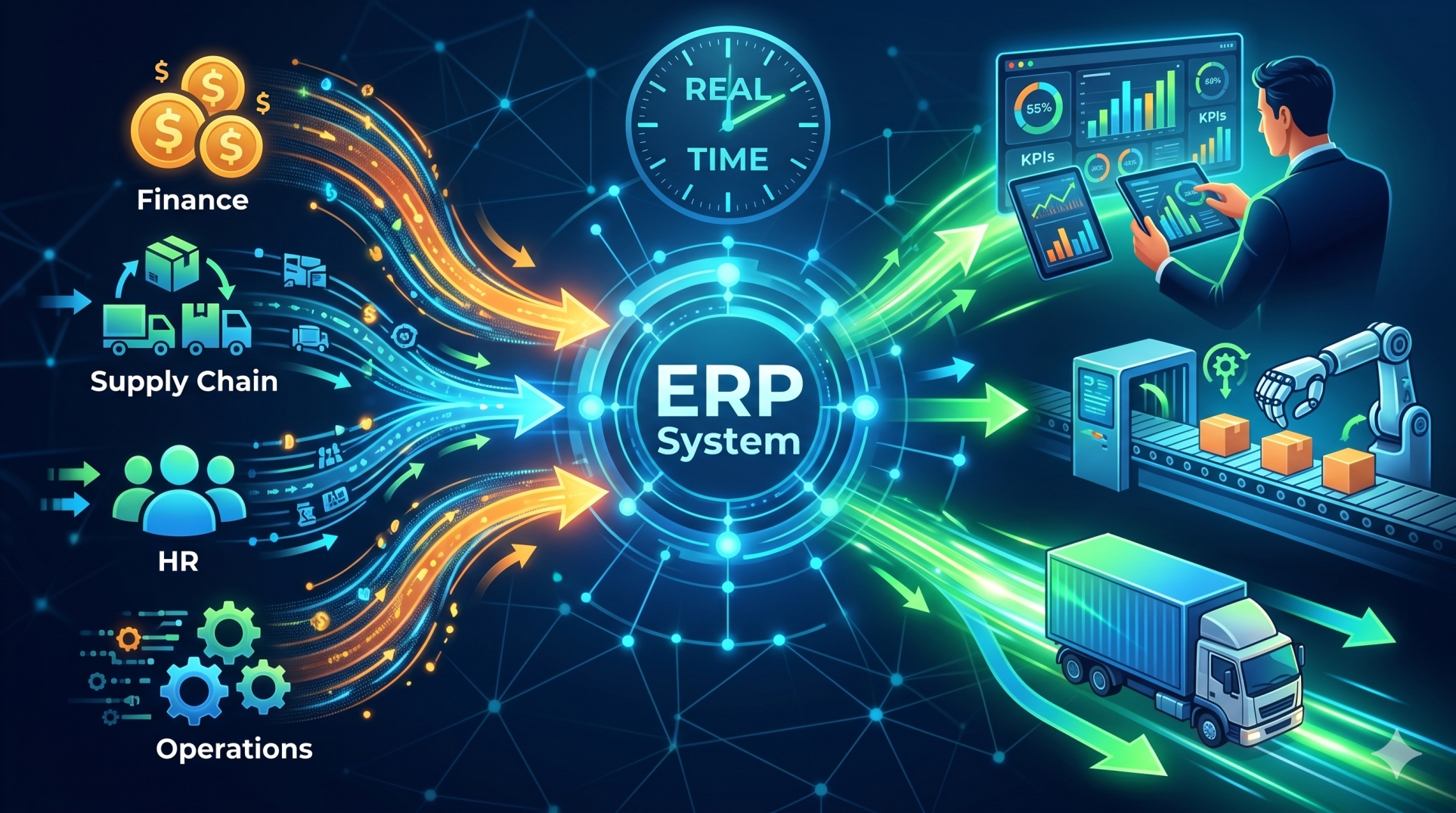
Step 2: Connecting AI with Real-Time ERP Data 📊
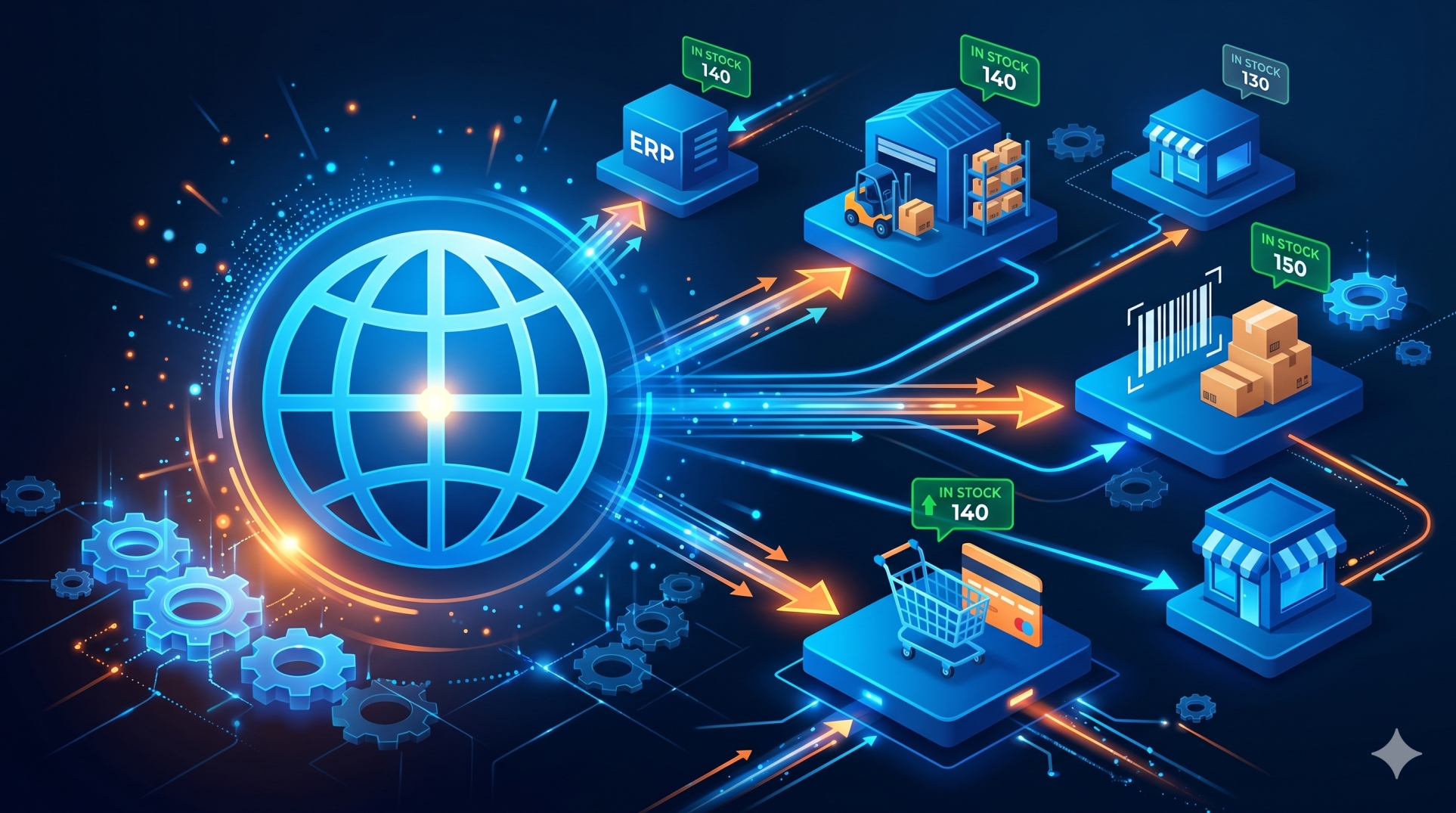
• ERP workflows continuously generate valuable operational information. 🗄️
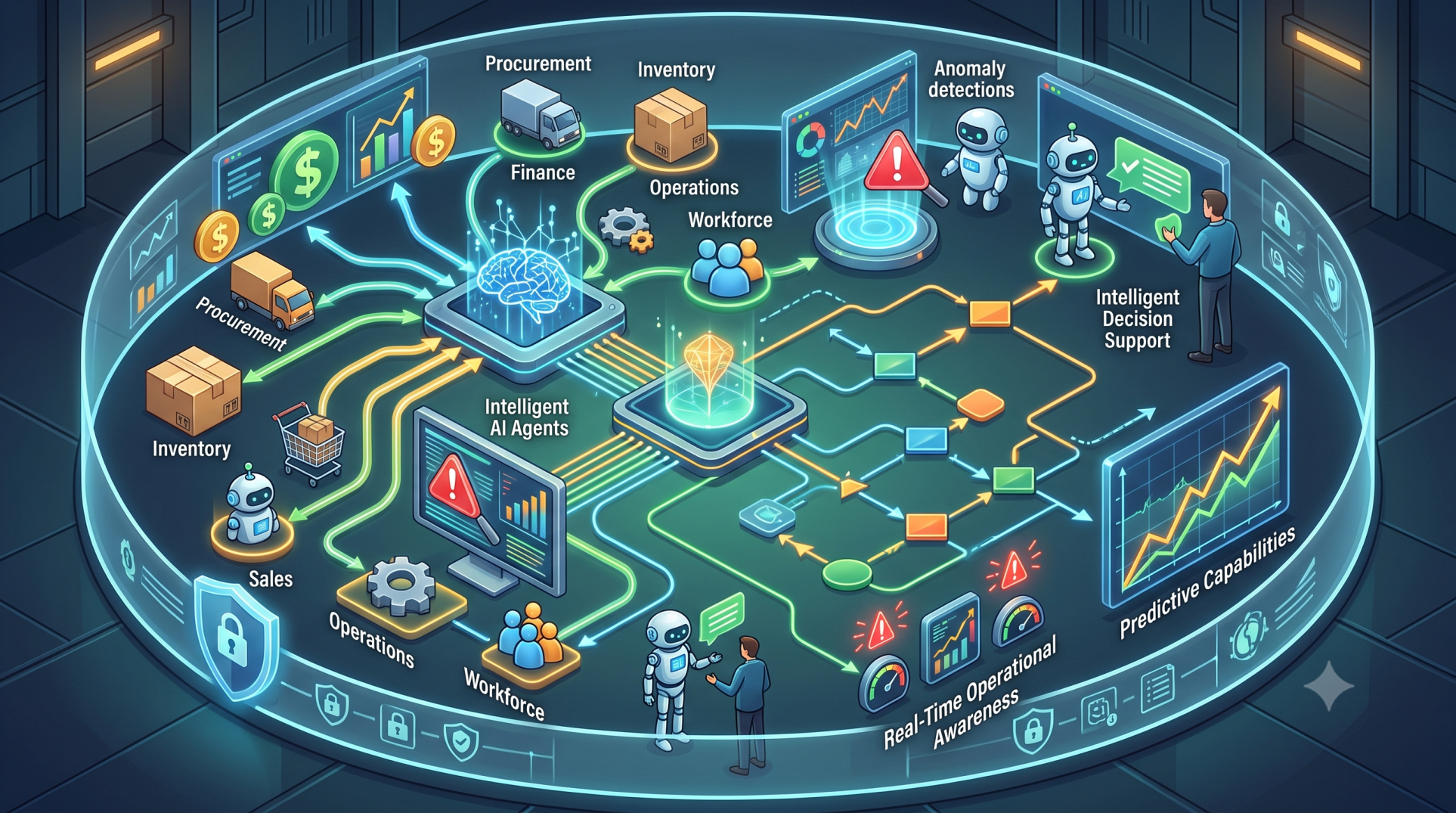
• Embedded AI can use relevant data from transactions, inventory, orders, suppliers, and financial activities. 🔗
• Real-time information can improve the relevance of recommendations. ⏱️
• AI can identify changes and patterns without requiring users to manually gather information. 🔎
• Better data context can support more informed operational decisions. 💡
Step 3: Reducing Disconnected AI Processes 🔄
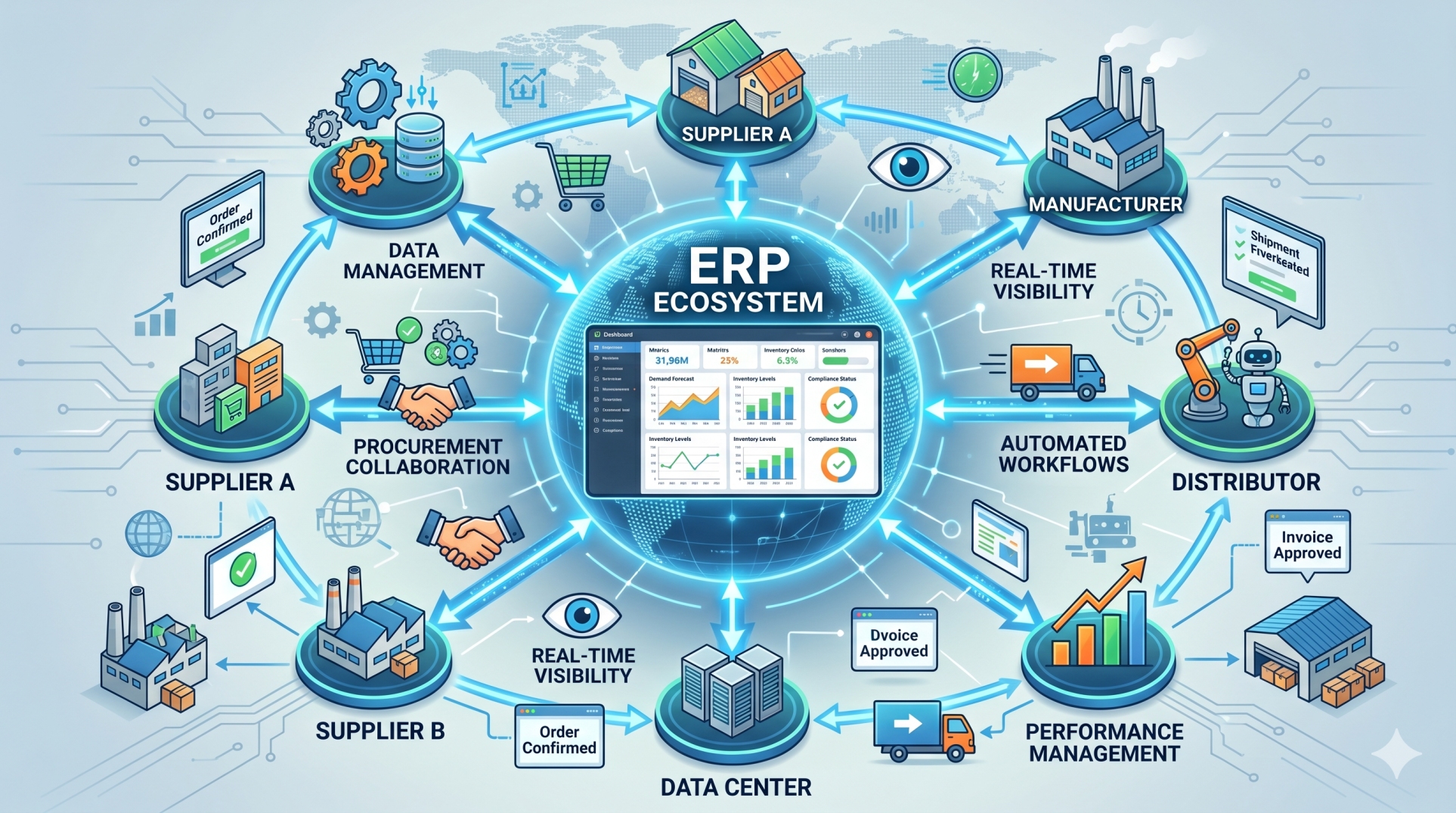
• Separate AI tools may require users to export, transfer, or manually provide ERP information. 📤
• Embedded AI can reduce unnecessary movement between applications. 🔗
• Recommendations can appear directly within the workflow where action is required. 🎯
• Fewer disconnected steps can simplify user experiences. ⚡
• Integrated intelligence can help reduce workflow fragmentation. 🧩
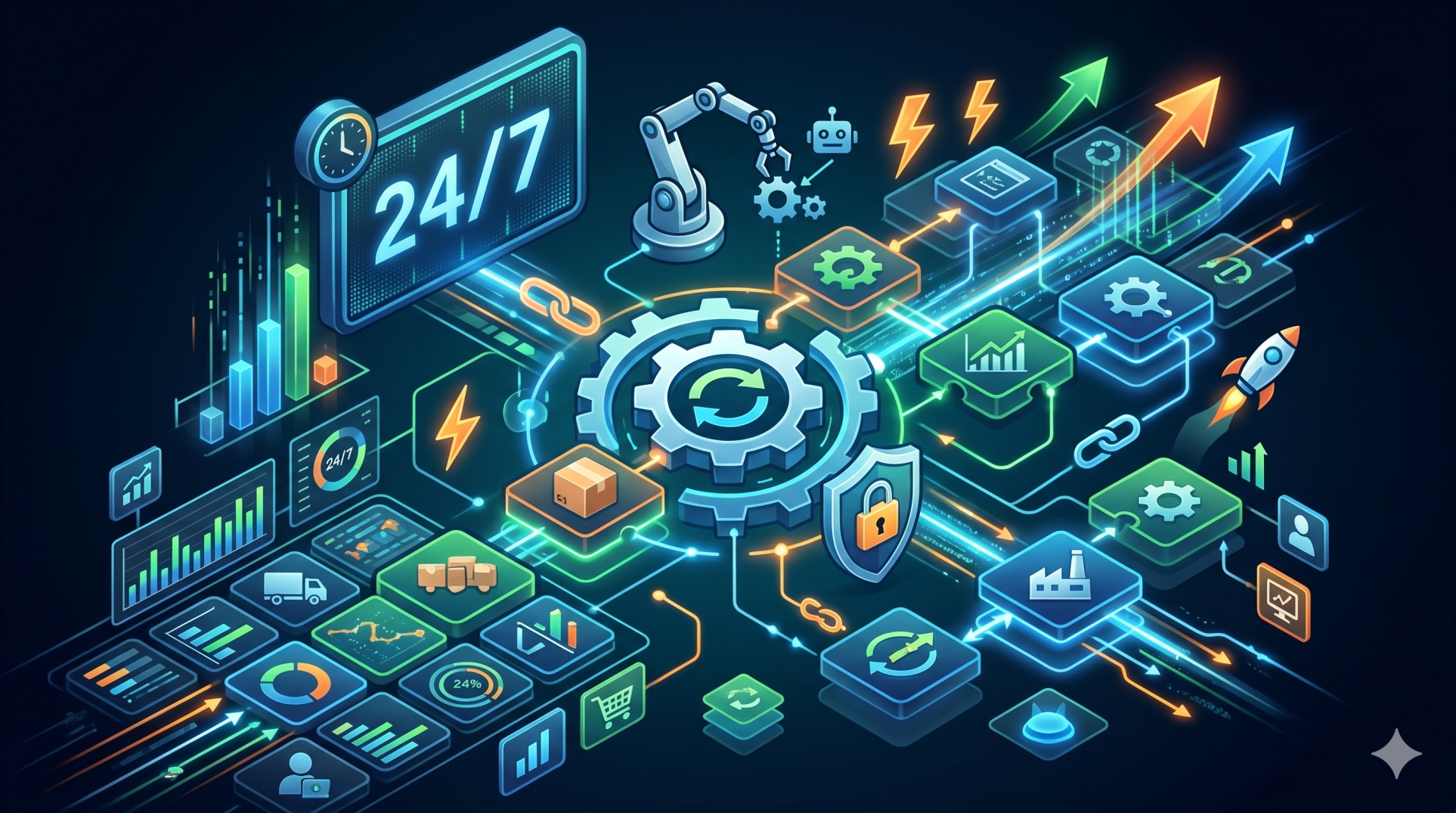
Step 4: Improving Intelligent Automation ⚙️
• AI can identify repetitive activities that are suitable for automation. 🤖
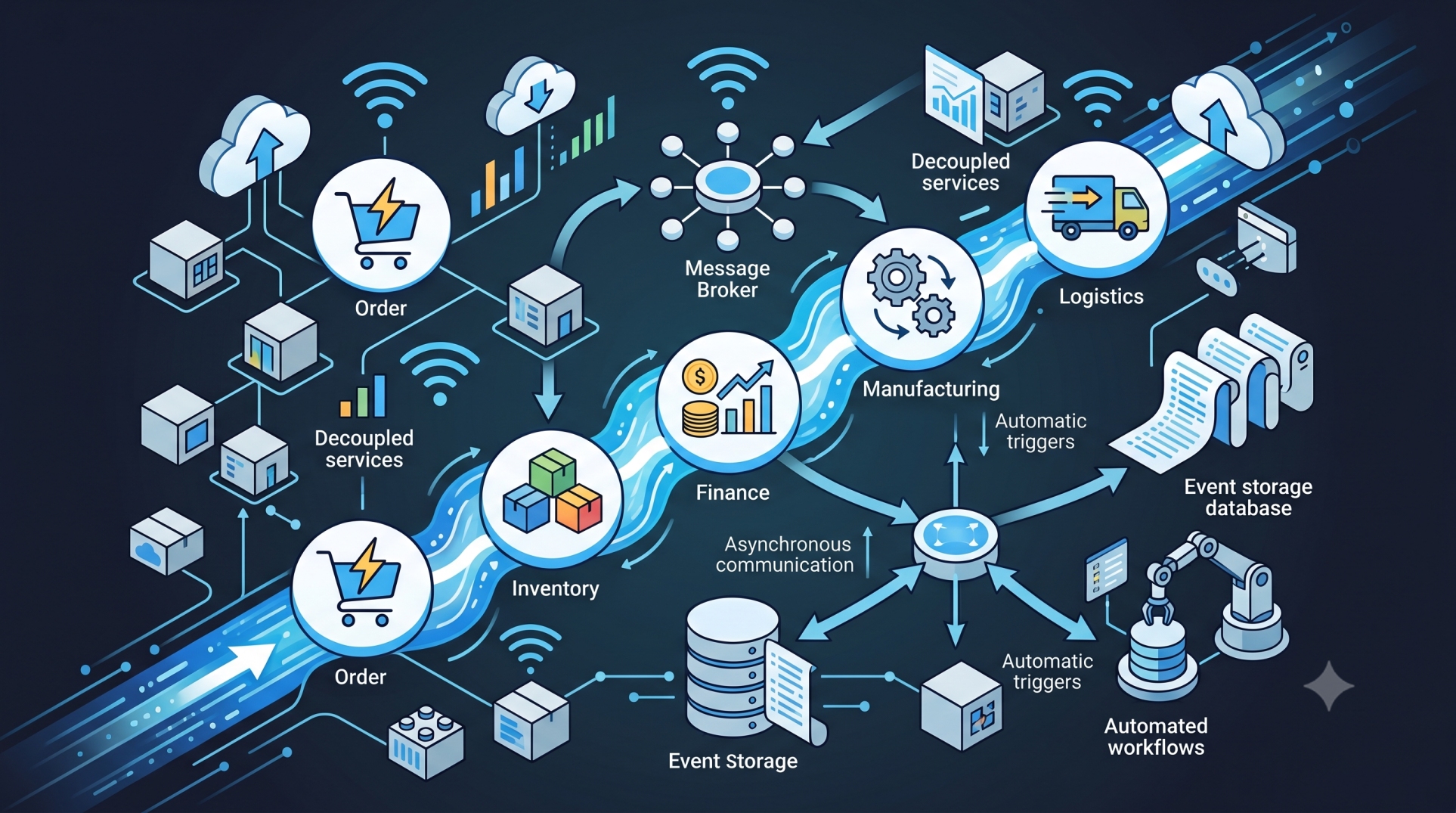
• Routine tasks can be triggered by defined business conditions. 🔄
• Systems can assist with activities such as document processing, data classification, and workflow routing. 📄
• Automated actions can operate within predefined business rules and permissions. 🛡️
• Employees can focus more attention on complex activities that require judgment. 👥
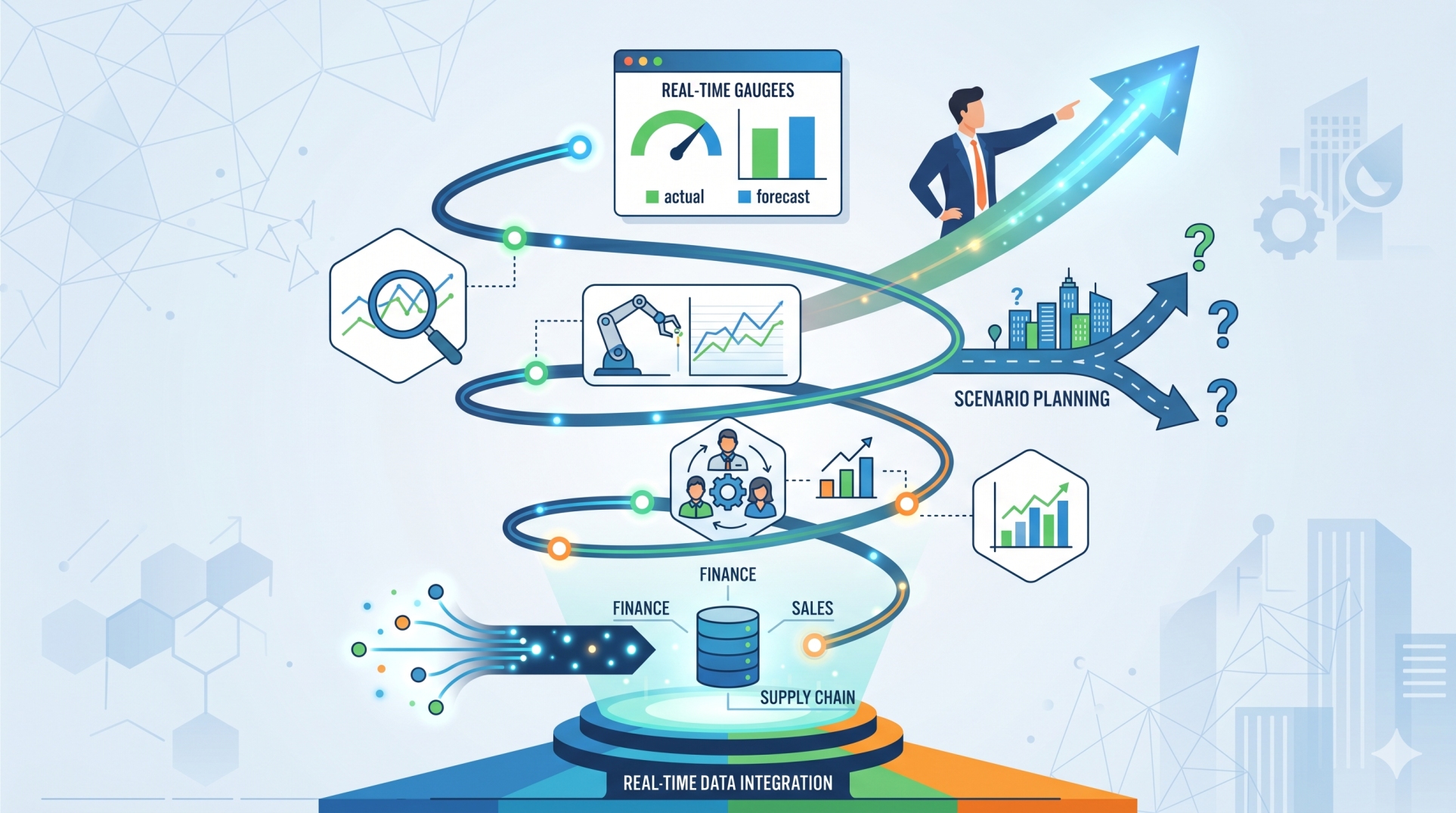
Step 5: Supporting Context-Aware Decisions 🧠
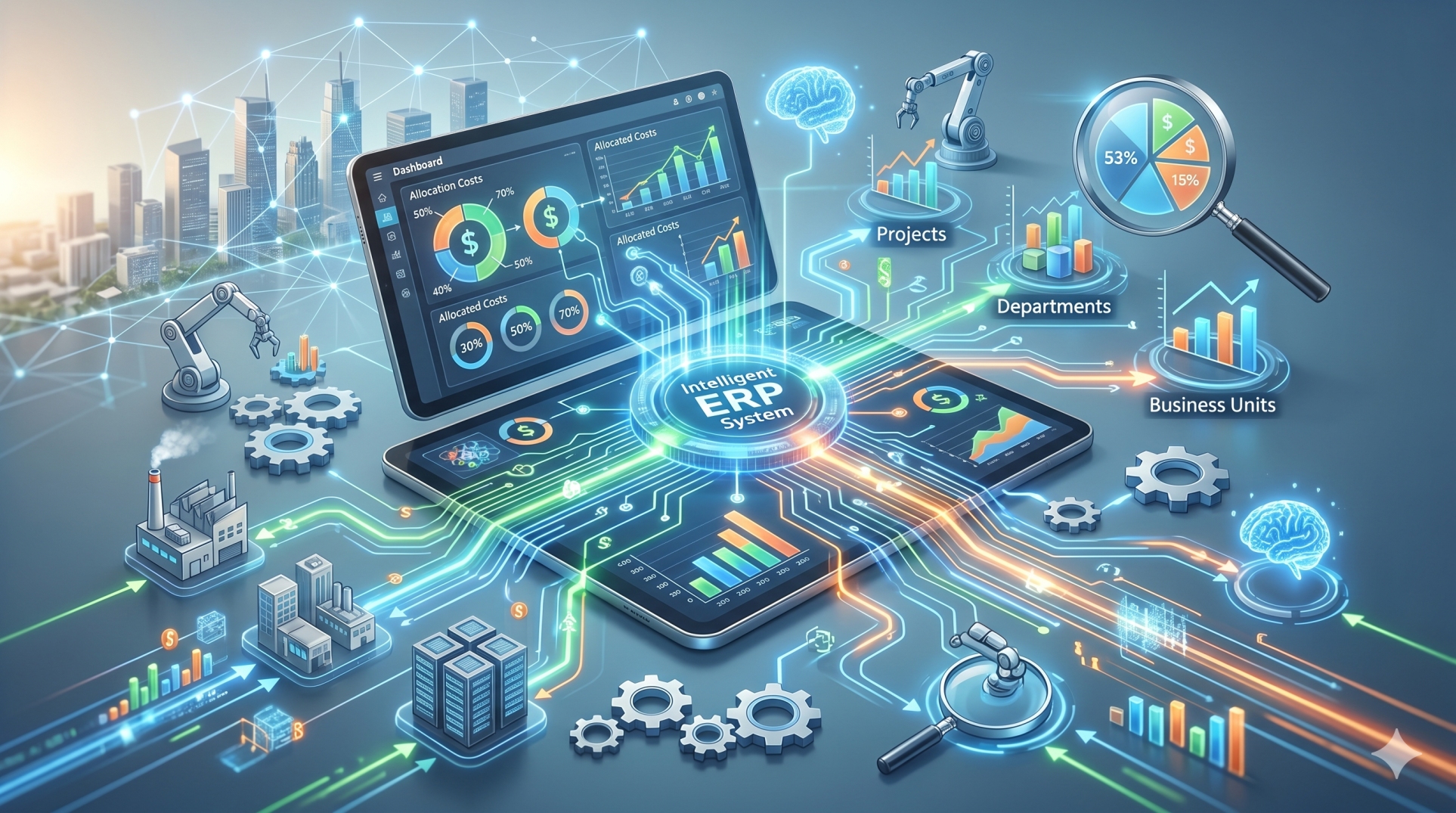
• AI can evaluate information in the context of the specific ERP workflow. 🔎
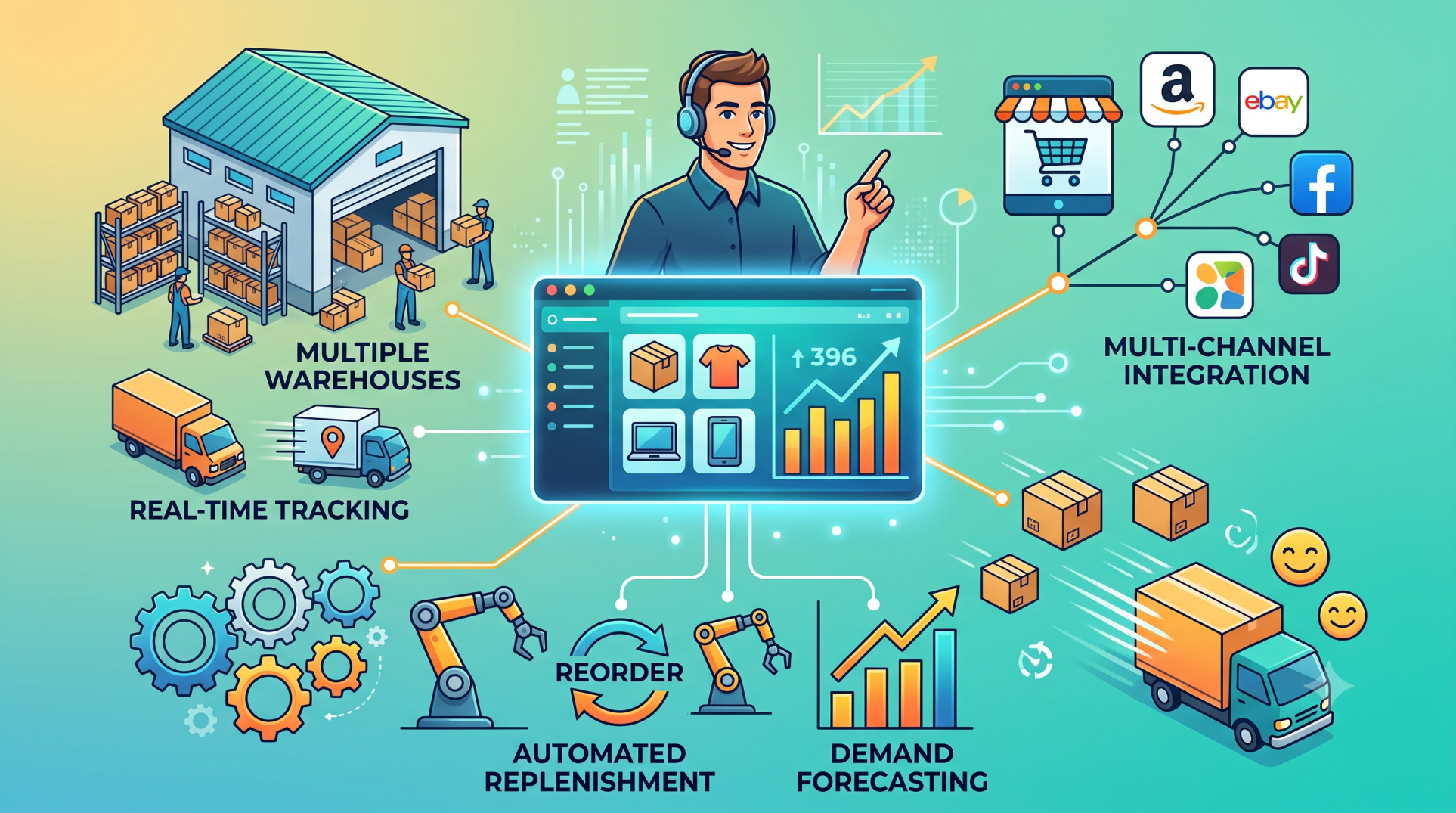
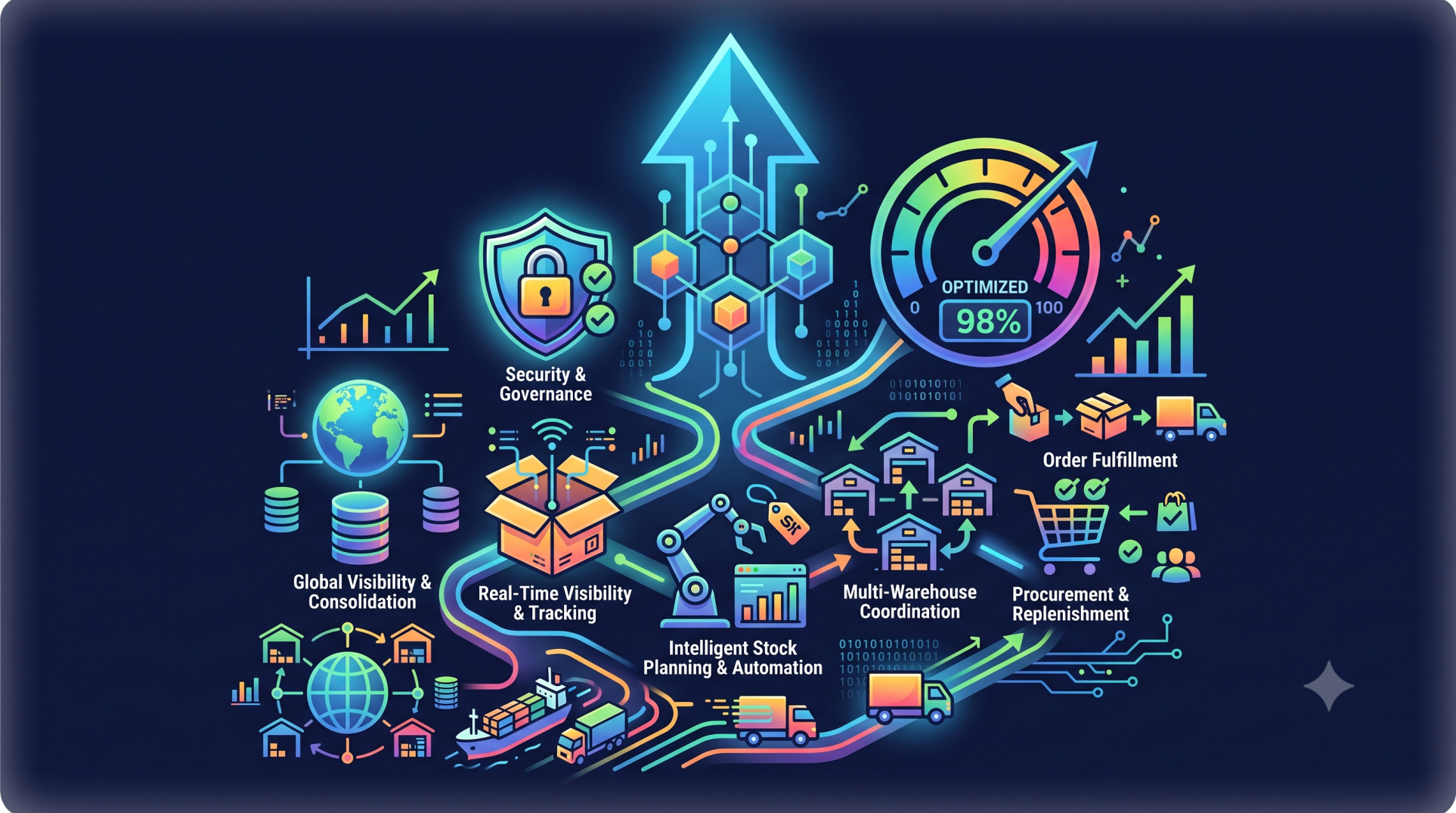
• Procurement recommendations can consider supplier, order, inventory, and purchasing information together. 📦
• Financial workflows can use relevant transaction and accounting context. 💰
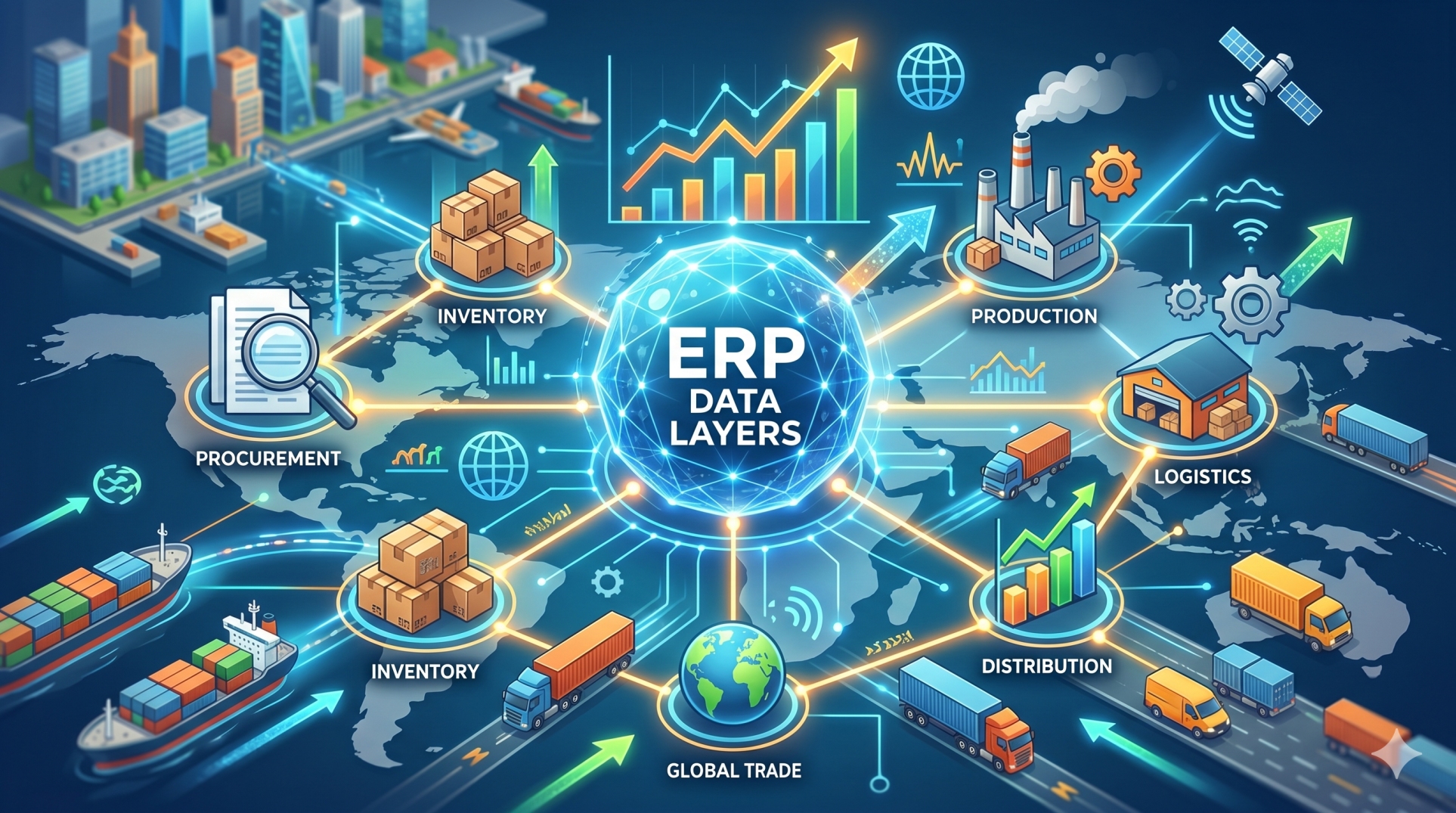
• Supply chain workflows can incorporate demand, inventory, and fulfillment conditions. 🚚
• Context-aware intelligence can make recommendations more relevant to operational needs. 🎯
Step 6: Creating More Adaptive Workflows 🚀
• Business conditions can change faster than traditional static workflows can respond. 🔄
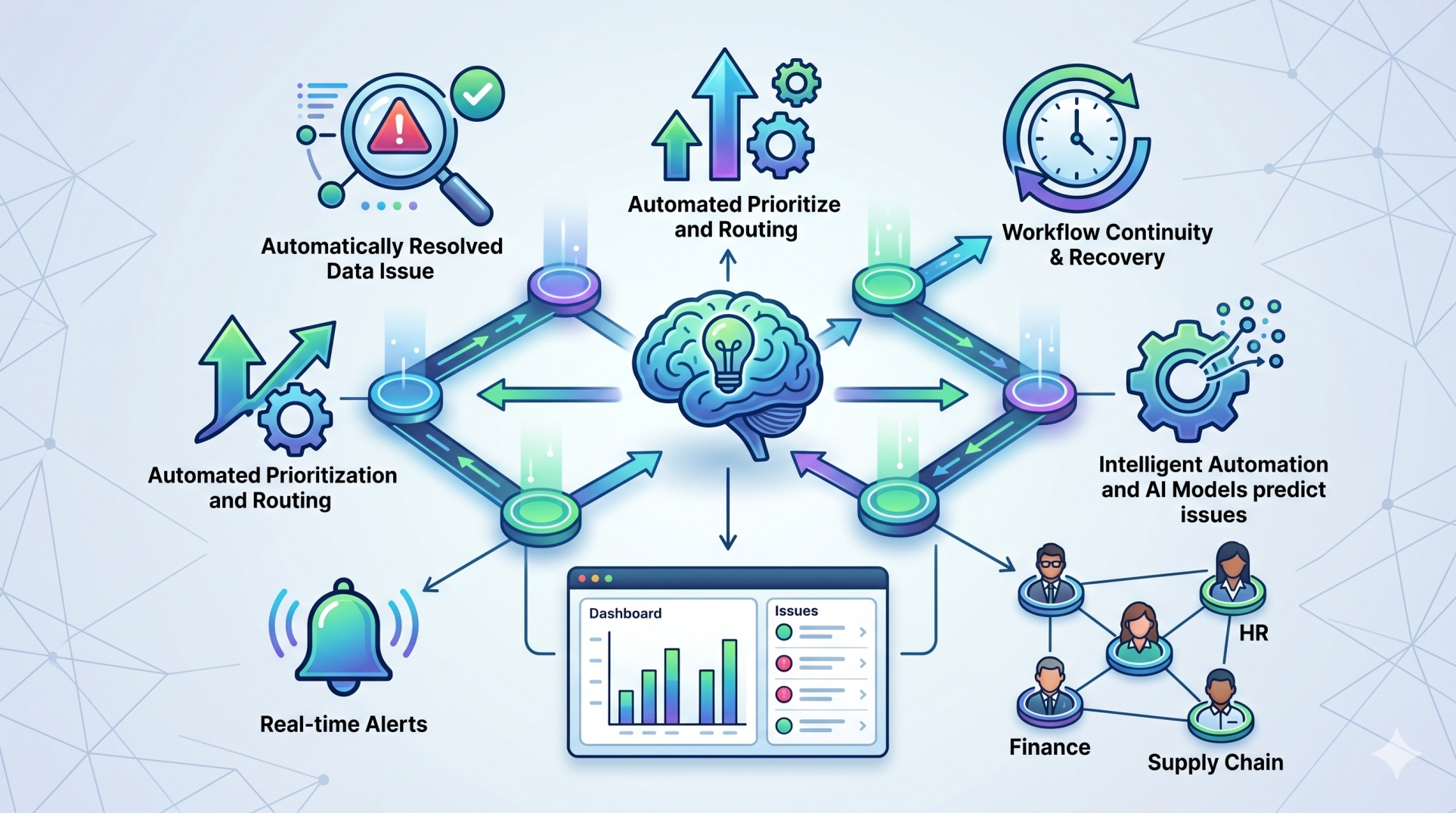
• AI-enabled workflows can identify changing patterns and operational exceptions. 🔍
• Processes can be adjusted according to defined rules, permissions, and business objectives. ⚙️
• Intelligent routing can help direct tasks to the appropriate people or systems. 📋
• Adaptive workflows can improve responsiveness as business requirements evolve. 📈
Step 7: Enhancing Employee Productivity 👥
• Employees can use AI assistance without leaving their ERP environment. 💻
• Intelligent systems can summarize information and surface relevant insights. 📝
• AI can help users prioritize tasks based on business conditions. 🎯
• Repetitive information-search activities can be reduced. ⏱️
• Employees can spend more time on analysis, problem-solving, and strategic work. 💡
Step 8: Strengthening Governance and Control 🔐
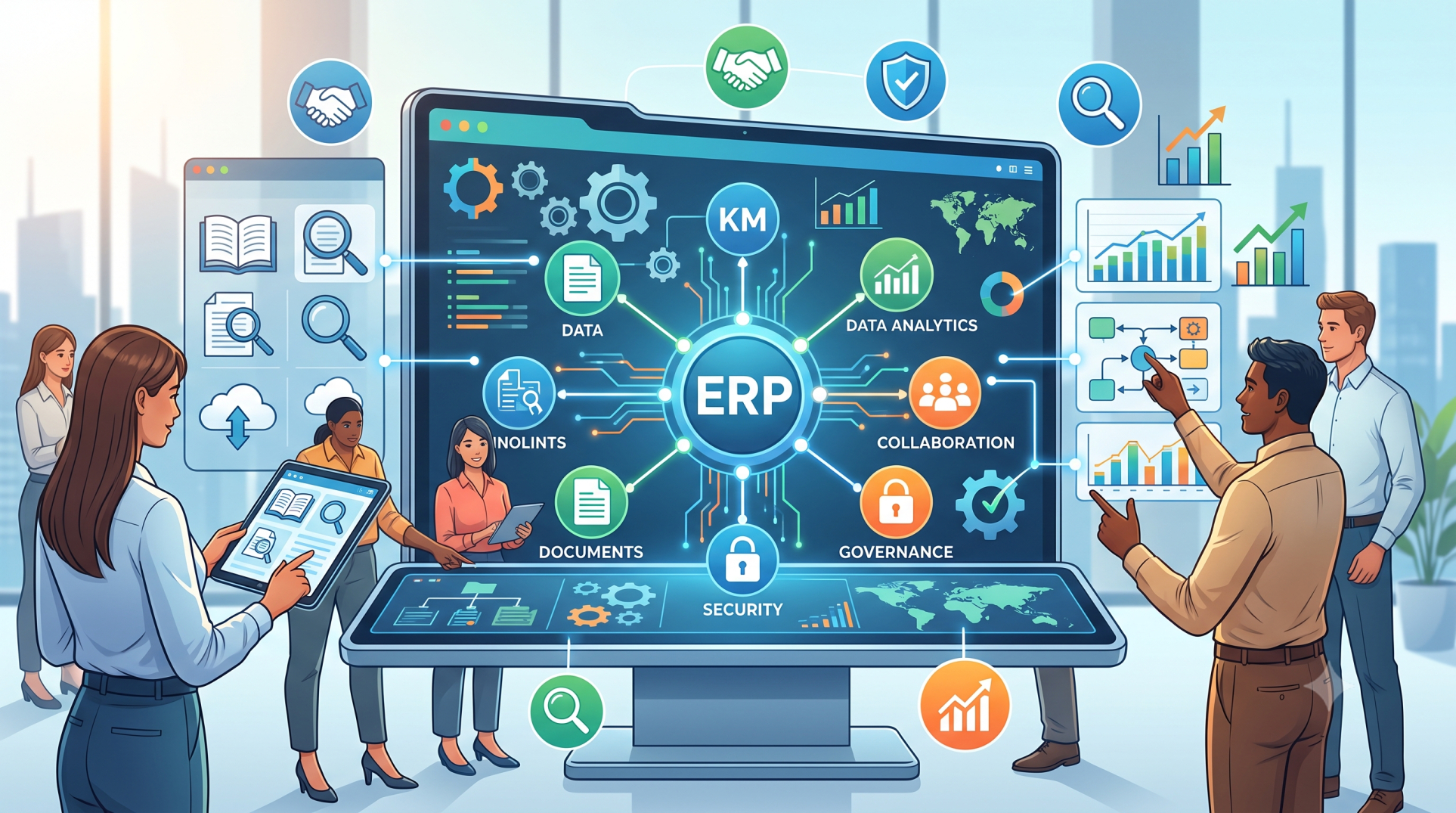
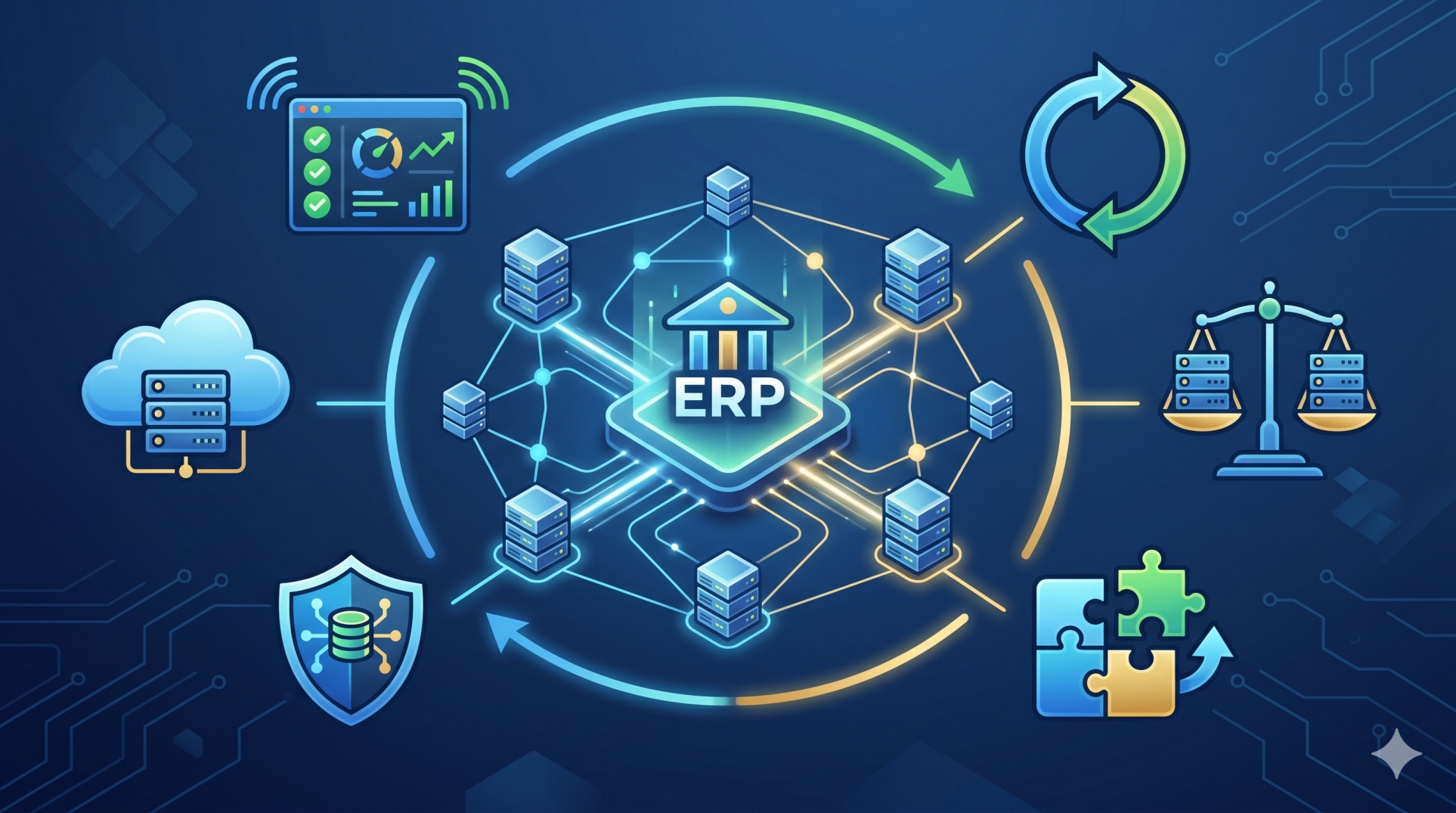
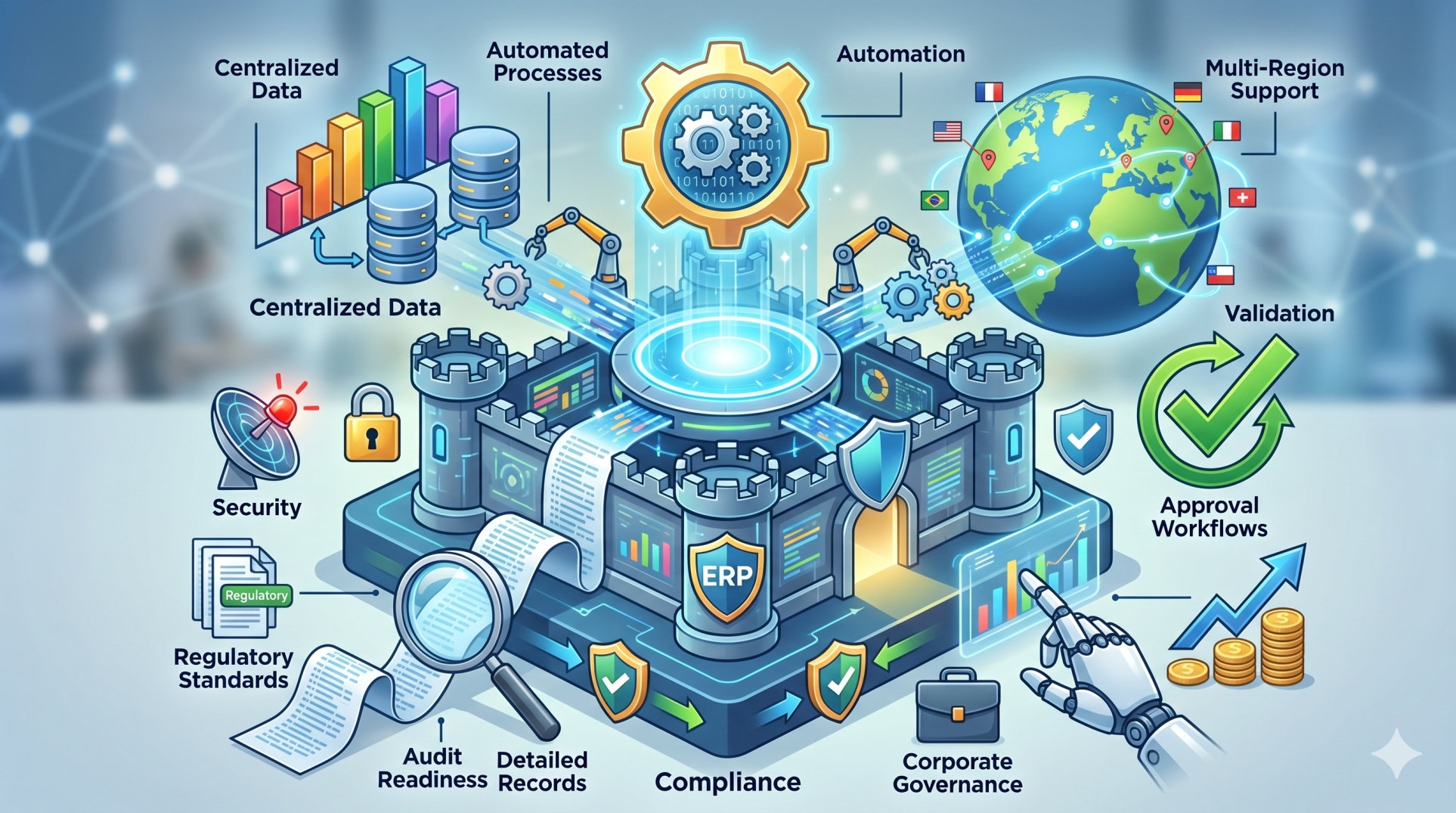
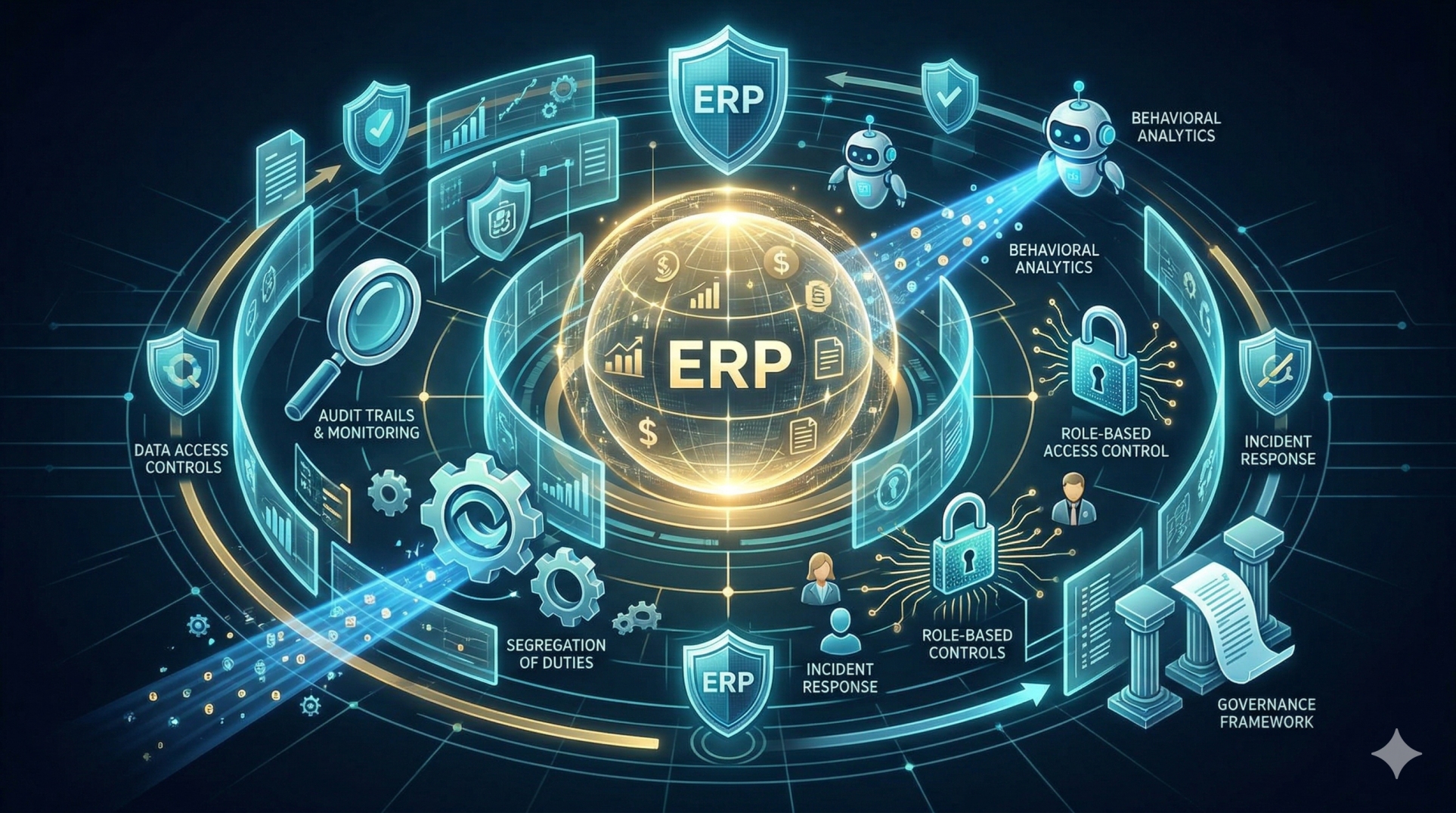
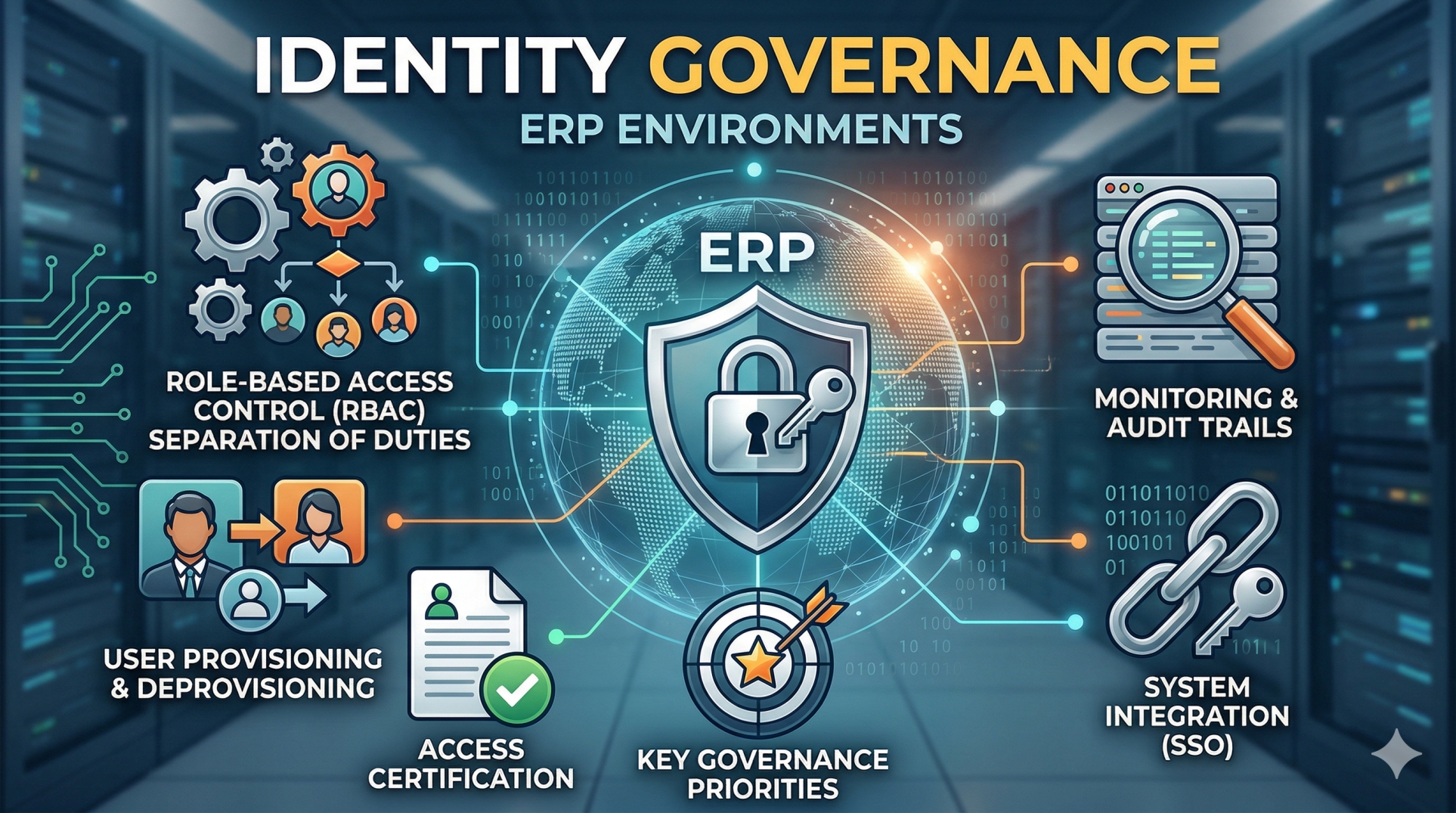
• AI integrated into ERP workflows can operate within established access controls. 🛡️
• Organizations can define which data and processes AI is permitted to access. 🔒
• Approval checkpoints can remain in place for sensitive business activities. 👥
• AI-generated recommendations and actions can be logged for monitoring and auditing. 📝
• Governance policies can help organizations manage AI responsibly across enterprise processes. 📋
Step 9: Supporting Scalable AI Adoption 📈
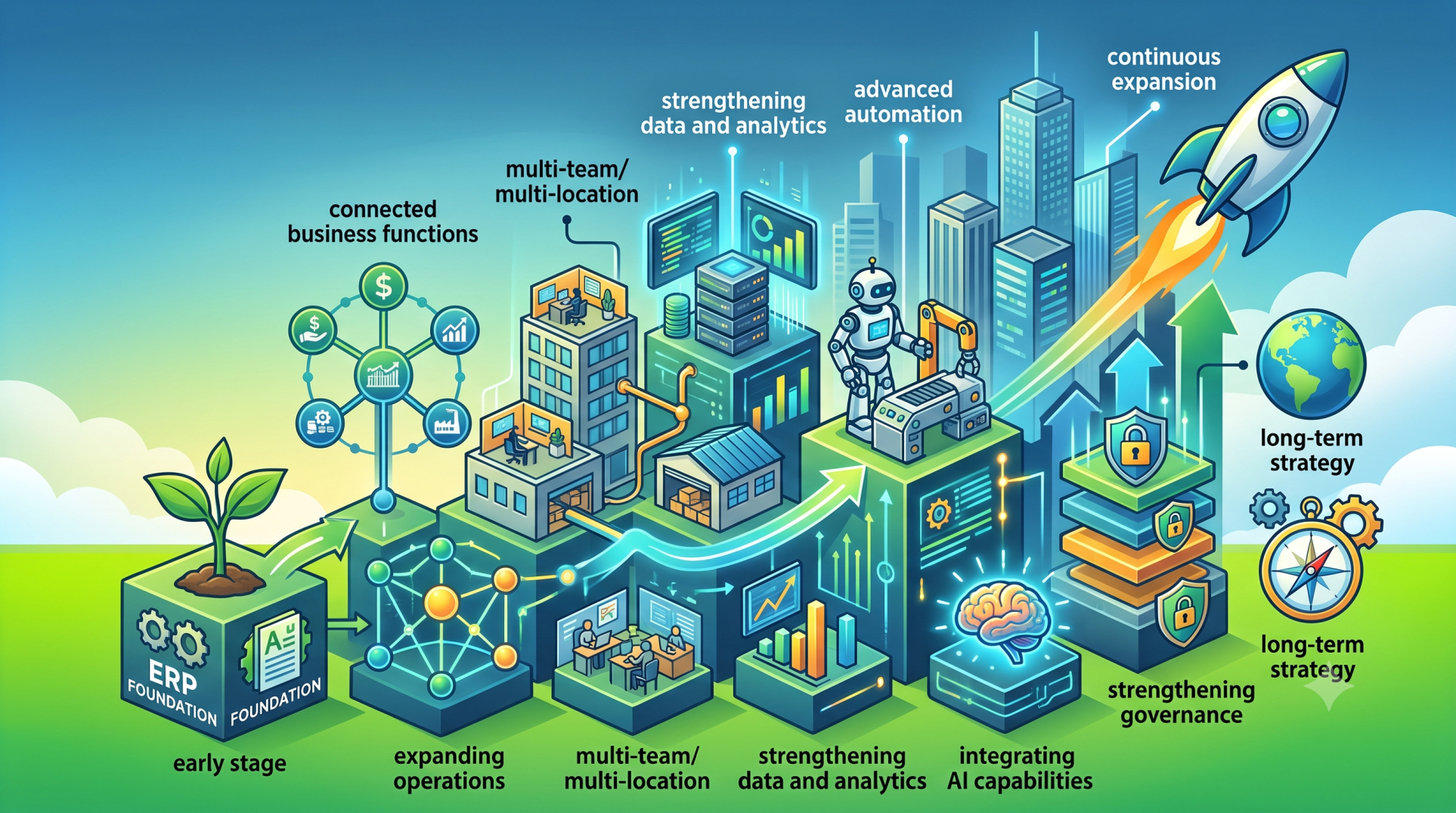
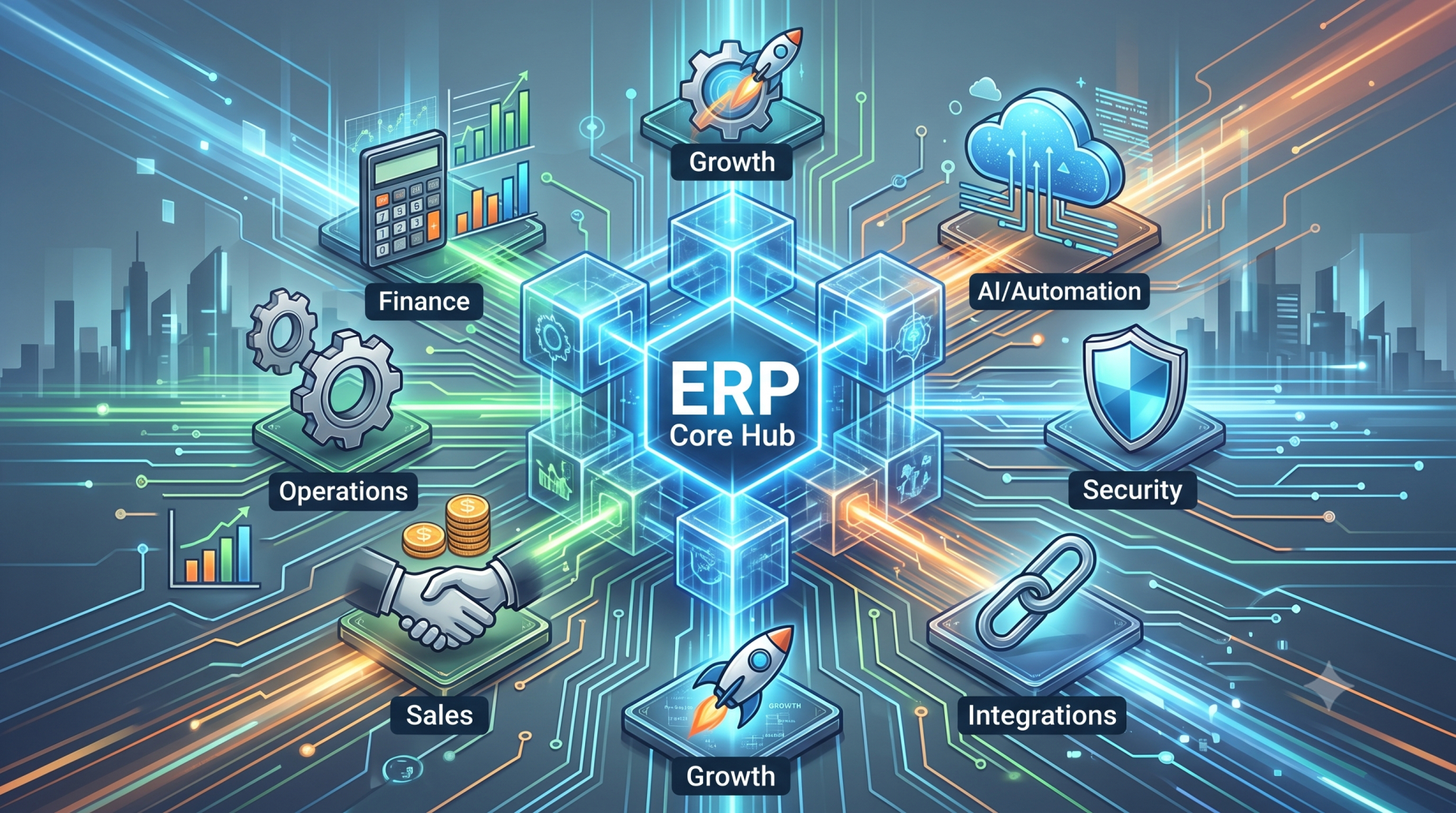
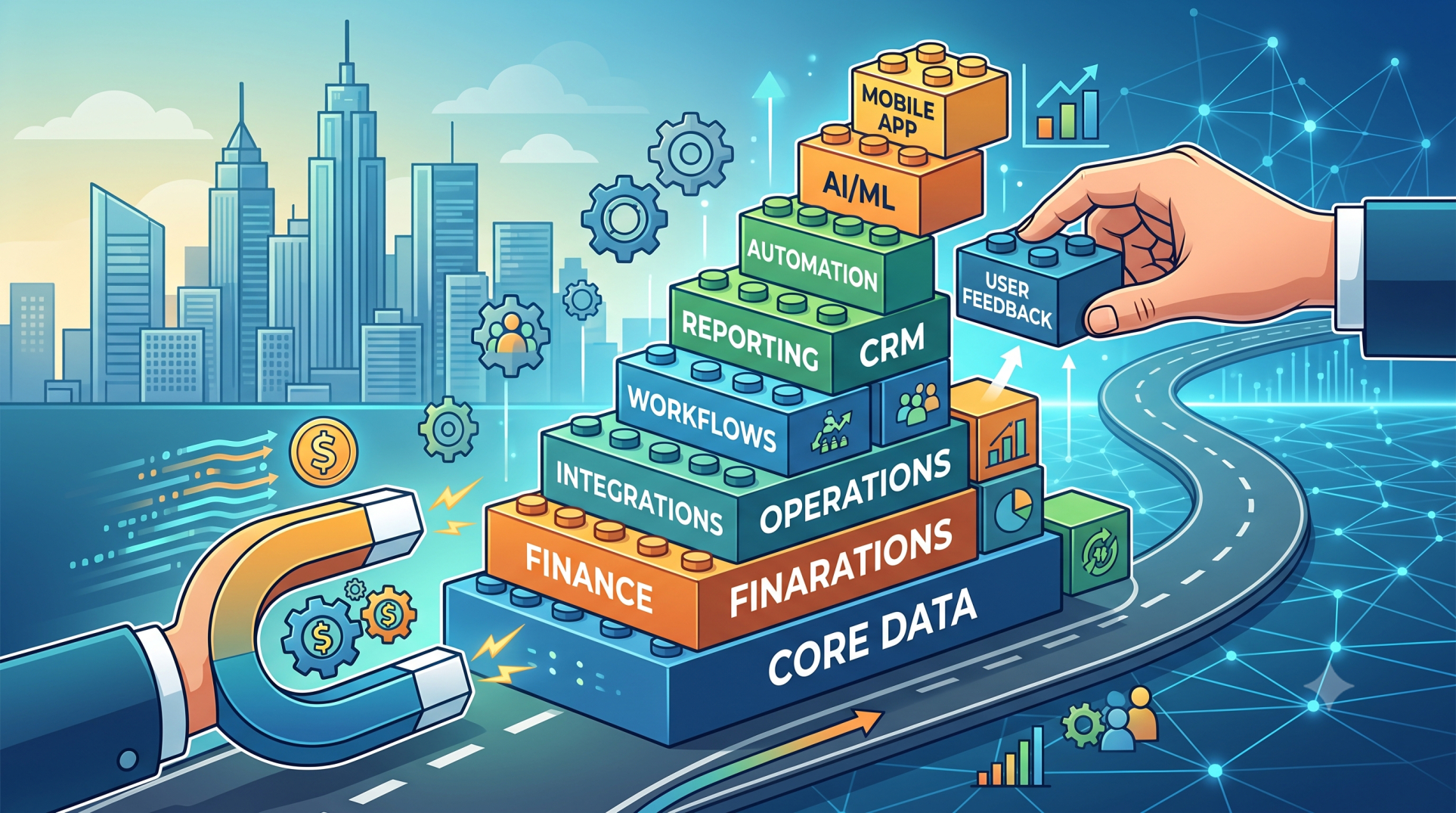
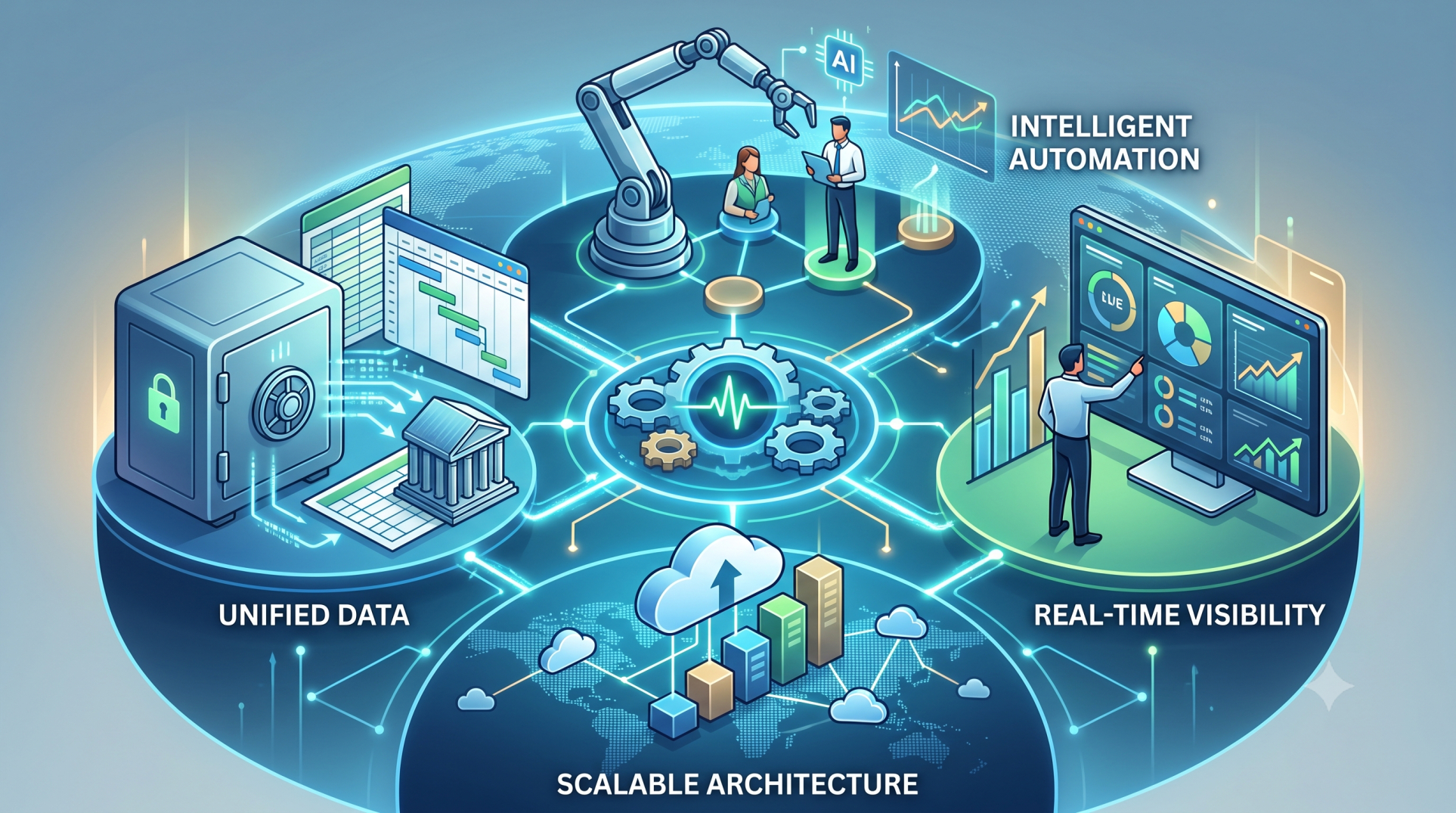
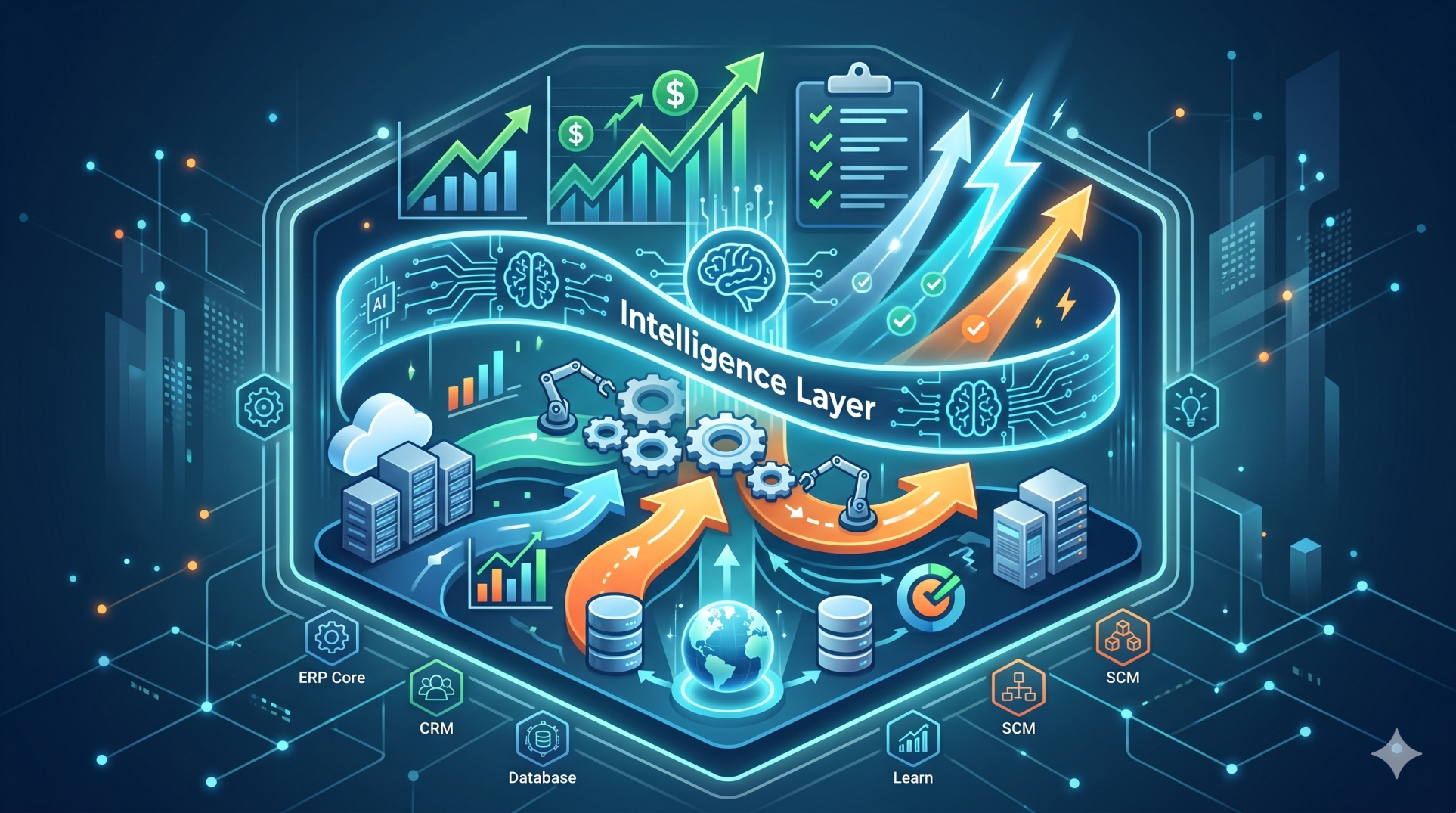
• Designing AI into ERP workflows creates a foundation for expanding intelligent capabilities. 🏗️
• Organizations can introduce additional AI functions as business needs evolve. 🔄
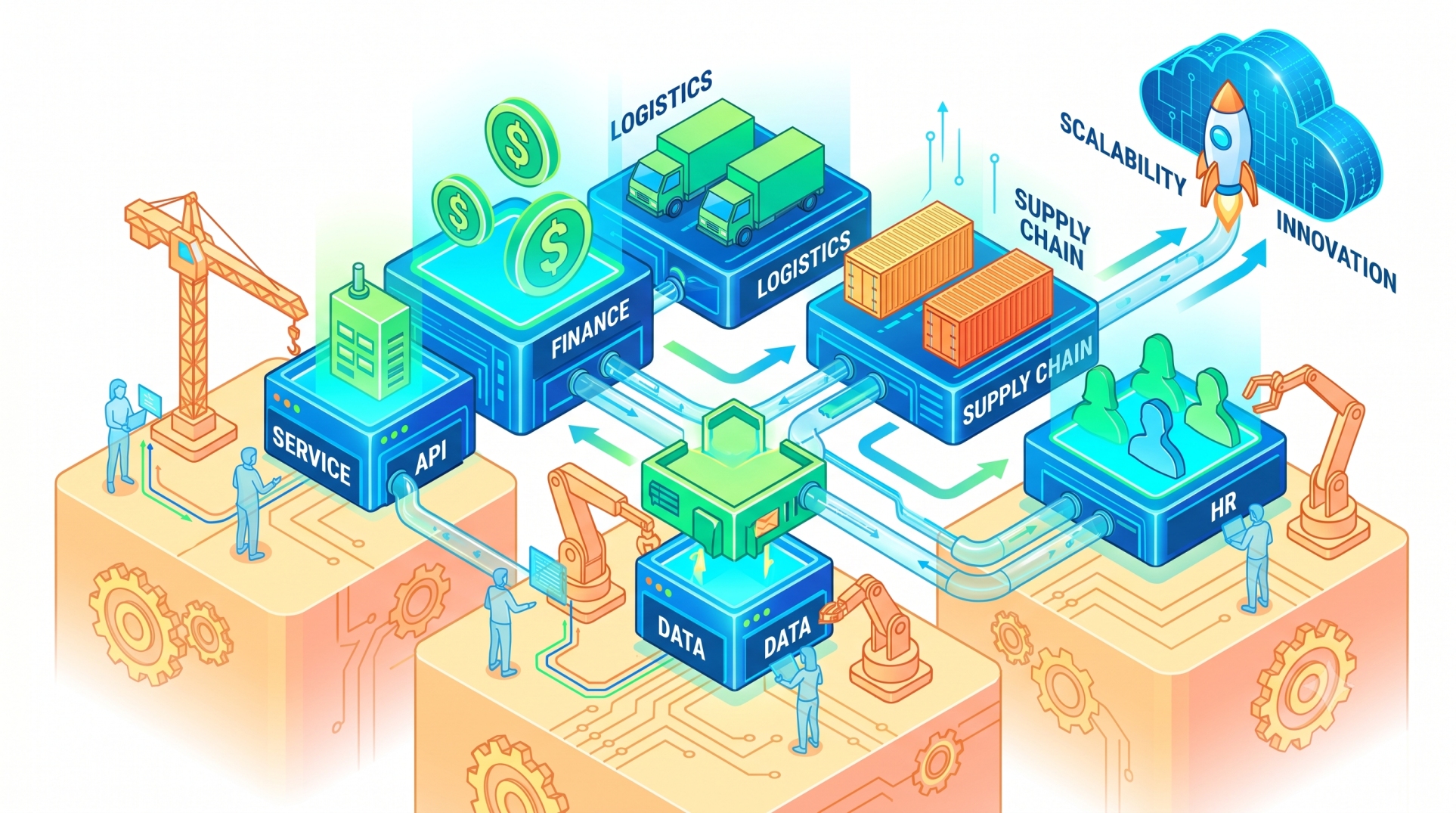
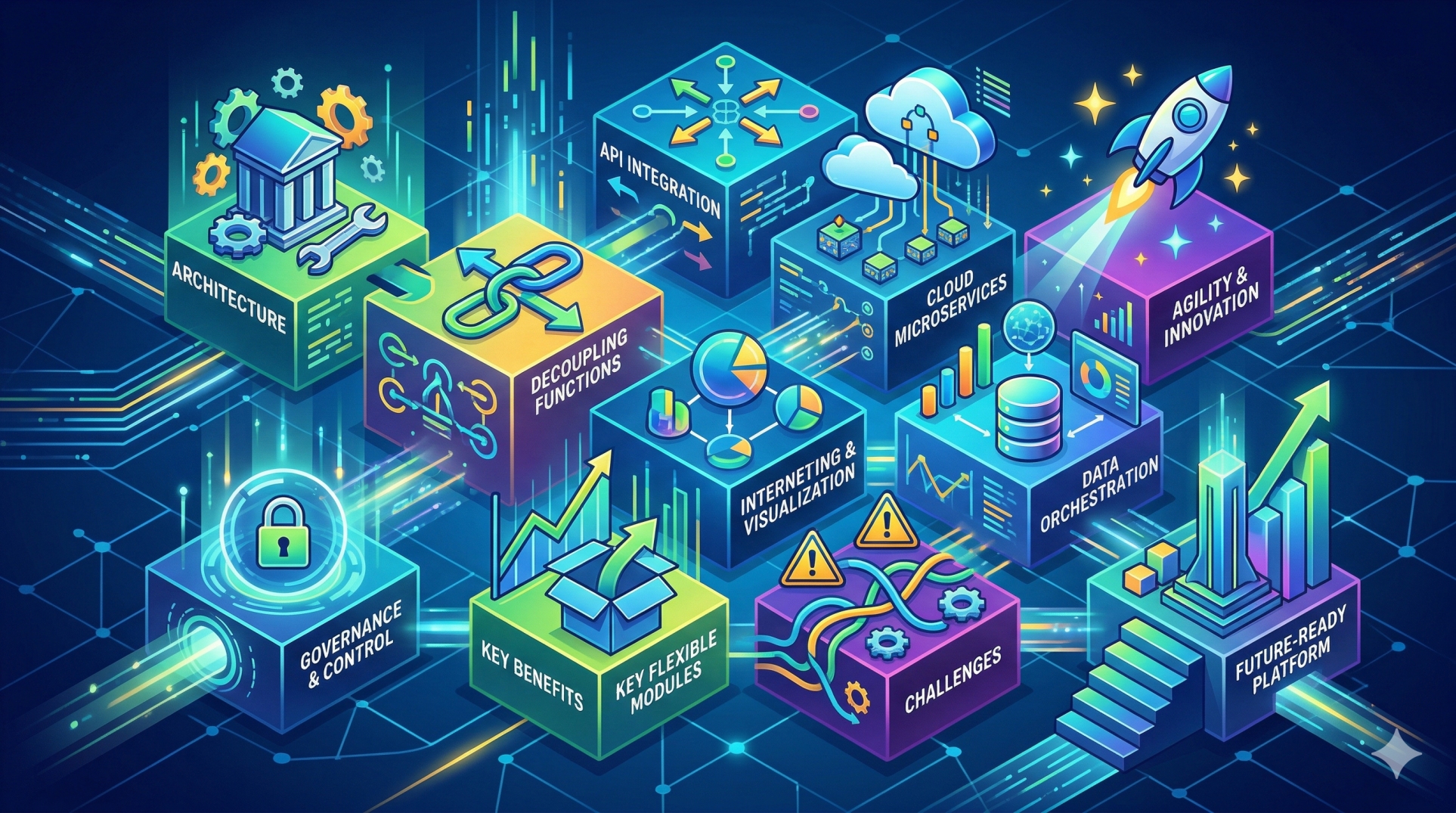
• Modular architecture can make it easier to extend intelligence across different departments. 🧩
• Standardized data and workflow interfaces can support future AI initiatives. 🔗
• A scalable approach reduces the need to repeatedly redesign processes as AI capabilities grow. 🚀
Step 10: Building an AI-Ready ERP Foundation 🌐
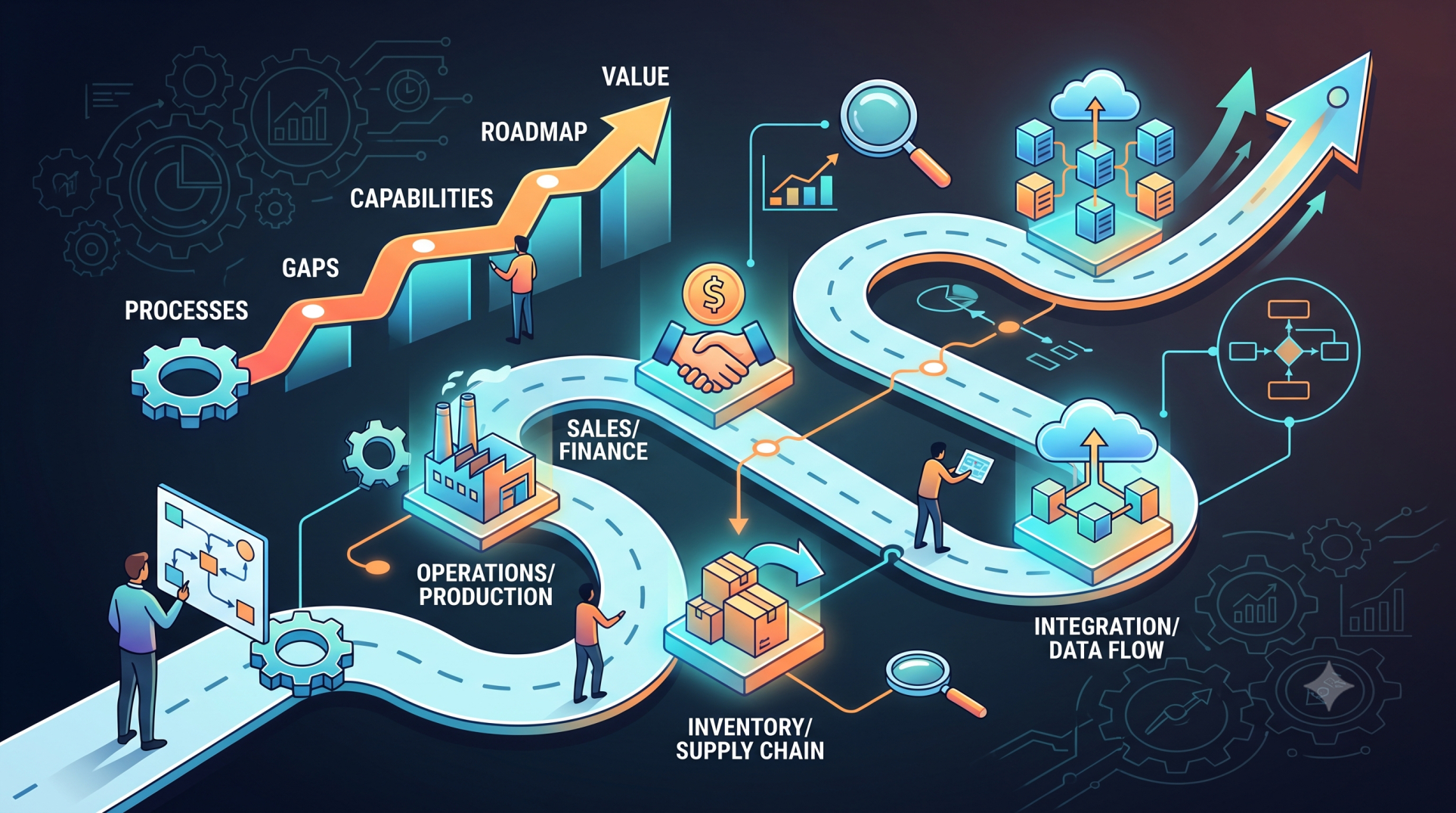
• Organizations should design ERP workflows with intelligent automation in mind. 🧠
• Reliable and well-governed enterprise data should form the foundation of AI capabilities. 🗄️
• APIs and integration frameworks can support connections between ERP functions and intelligent services. 🔌
• Human oversight should remain part of high-impact workflows. 👥
• Continuous measurement can help organizations improve AI performance and business outcomes. 📊
Conclusion 🎯
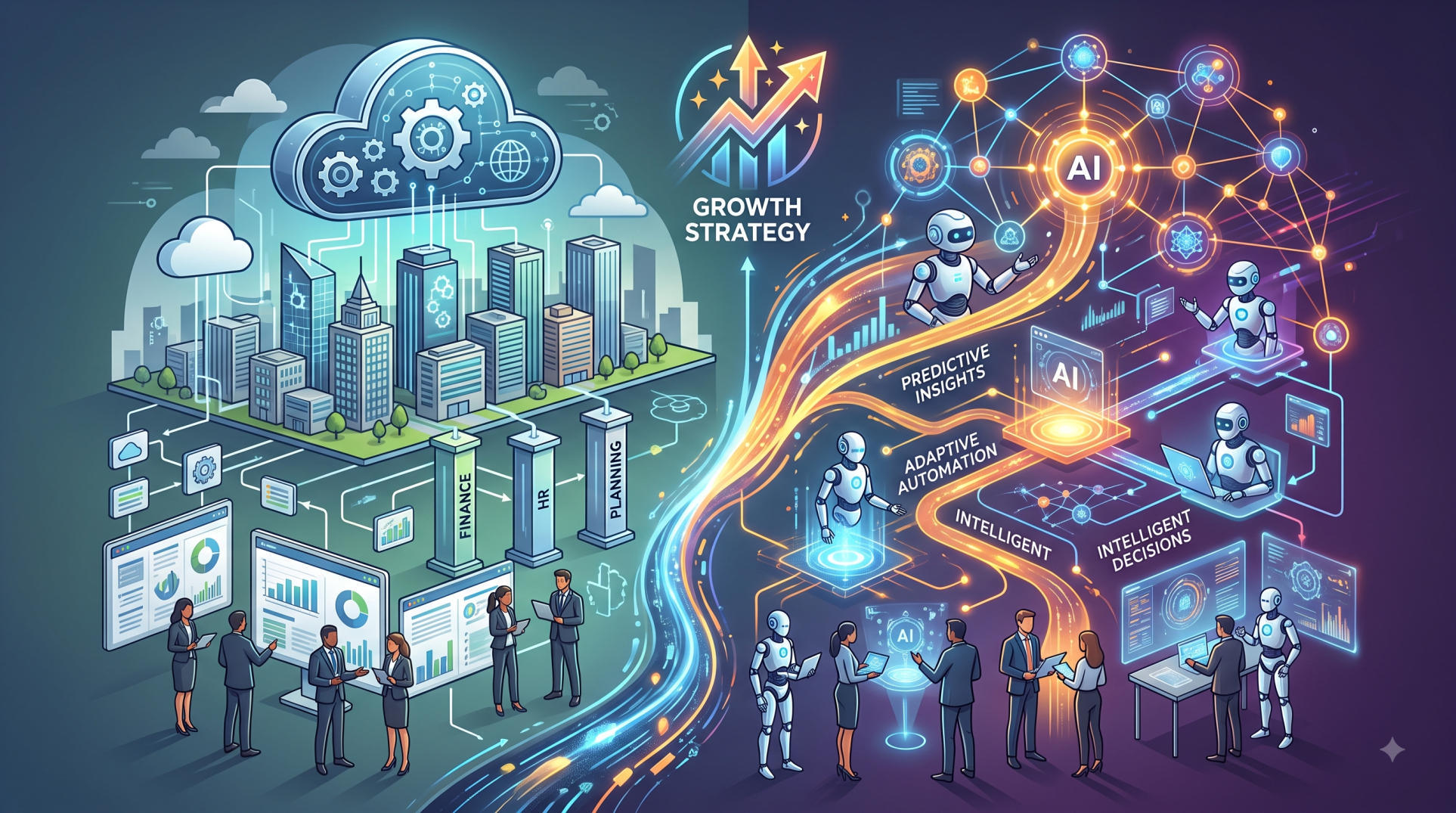
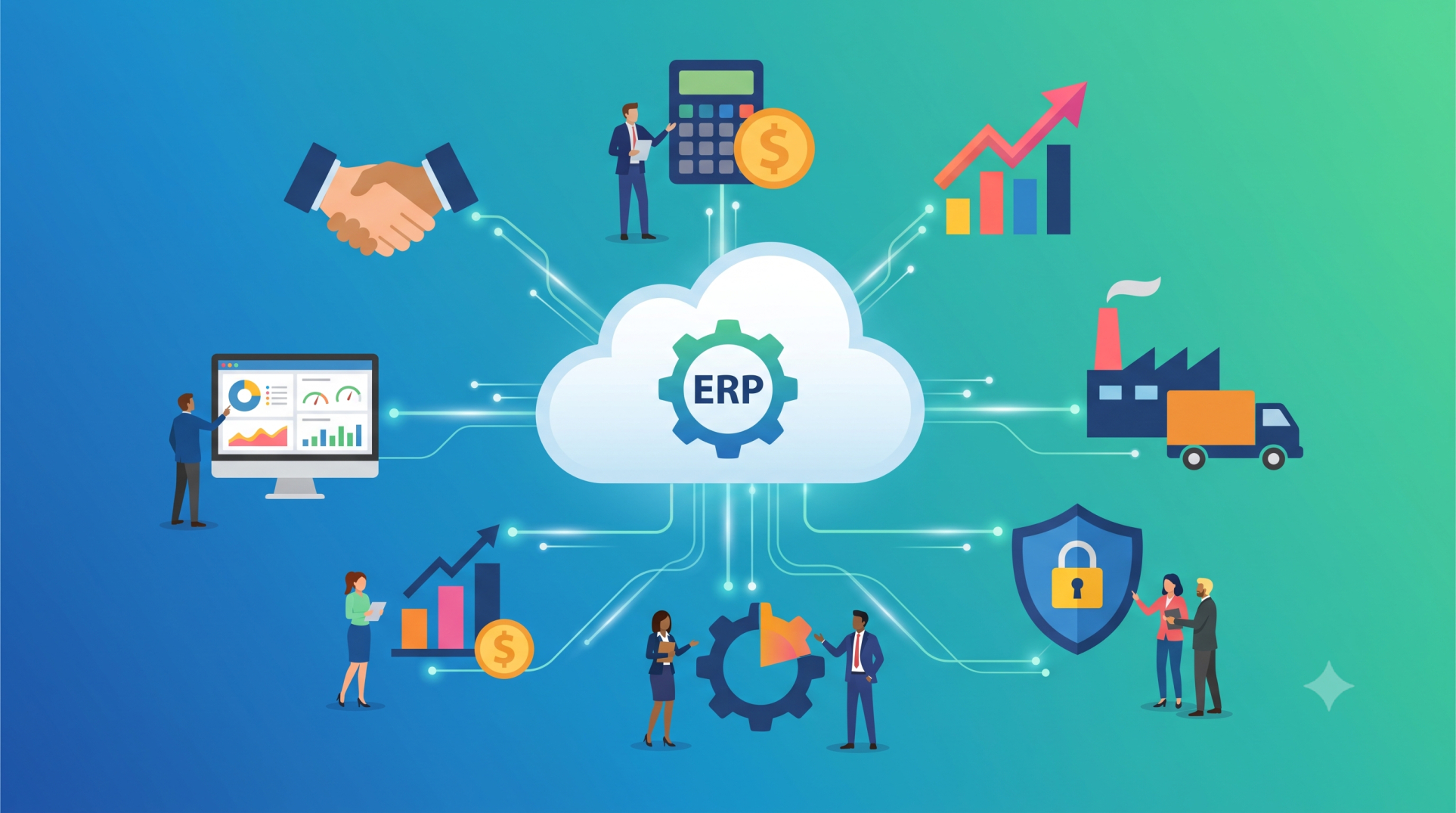
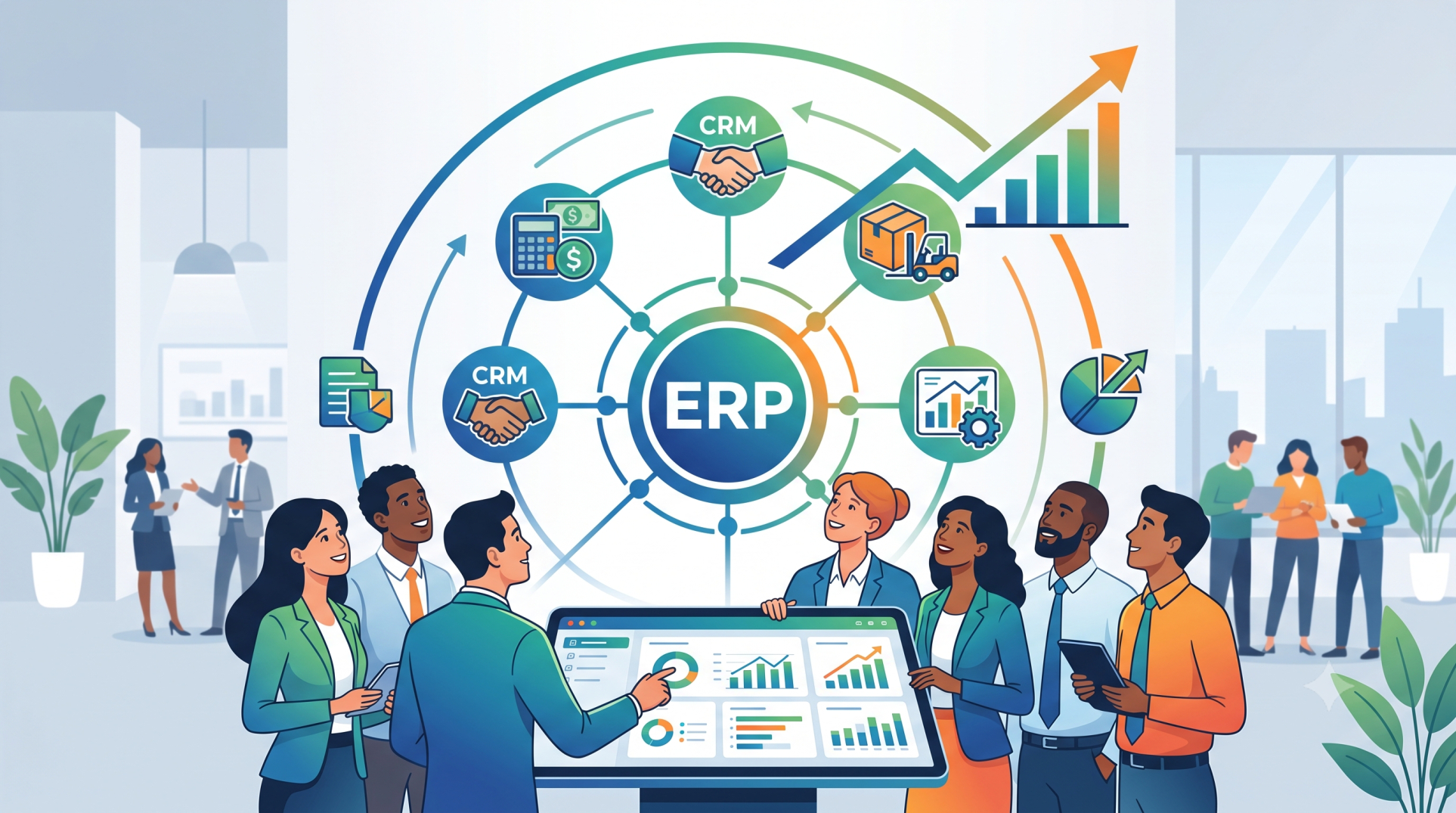
AI delivers greater value when it is designed into ERP workflows rather than treated as an afterthought. Embedding intelligence directly into business processes allows AI to work with relevant data, understand operational context, support decisions, and automate defined activities where they create the most value. An AI-ready ERP is not simply an existing ERP platform with a collection of AI features added on top. It is an environment where data, workflows, automation, governance, and intelligent capabilities work together as part of a connected operational system. By designing AI into ERP workflows from the beginning, organizations can create more adaptive operations, improve employee productivity, strengthen decision support, and establish a foundation for sustainable enterprise automation.
See more blogs
You can all the articles below