How to Design an ERP Feature Roadmap Around Real Business Processes
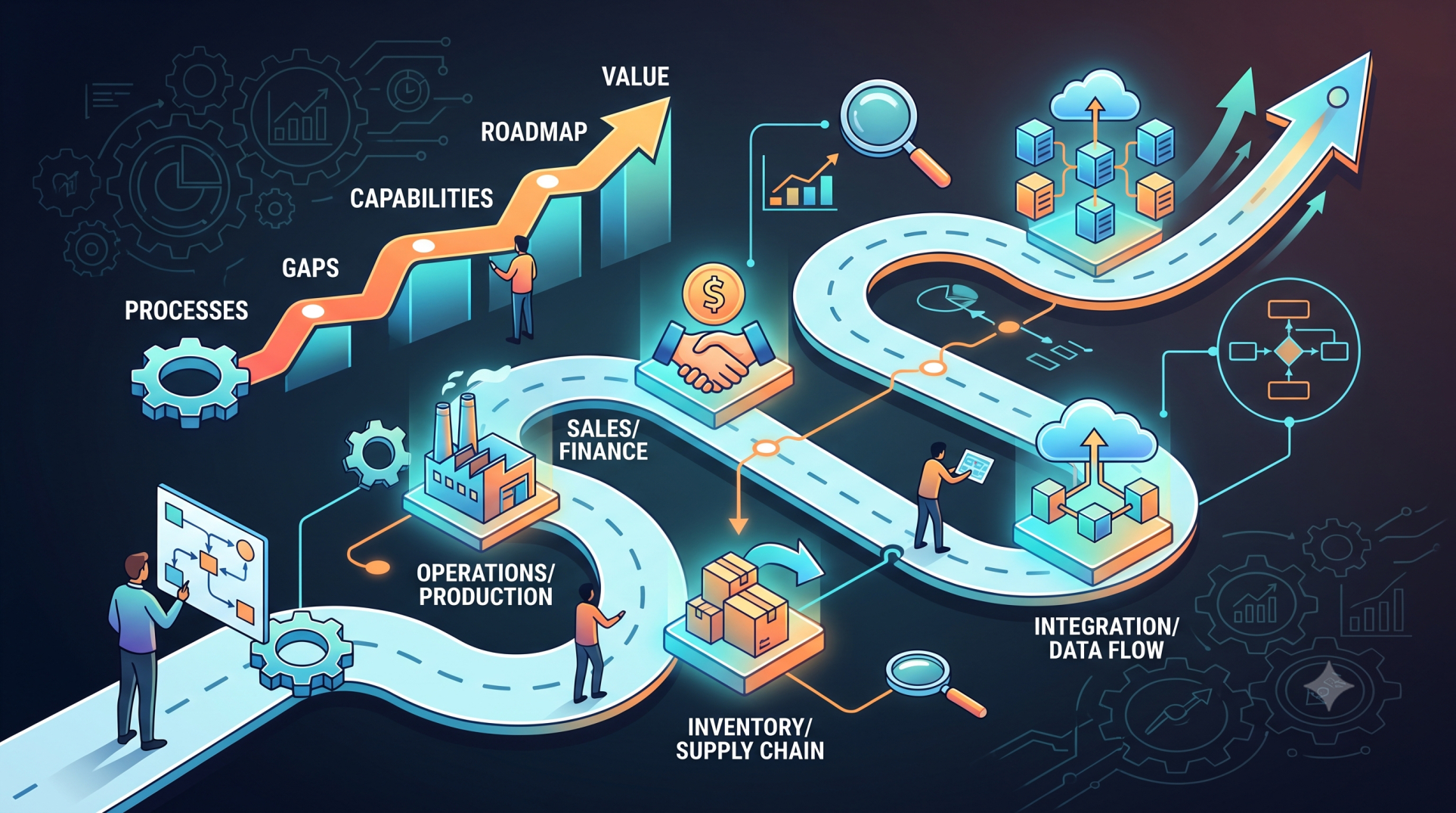
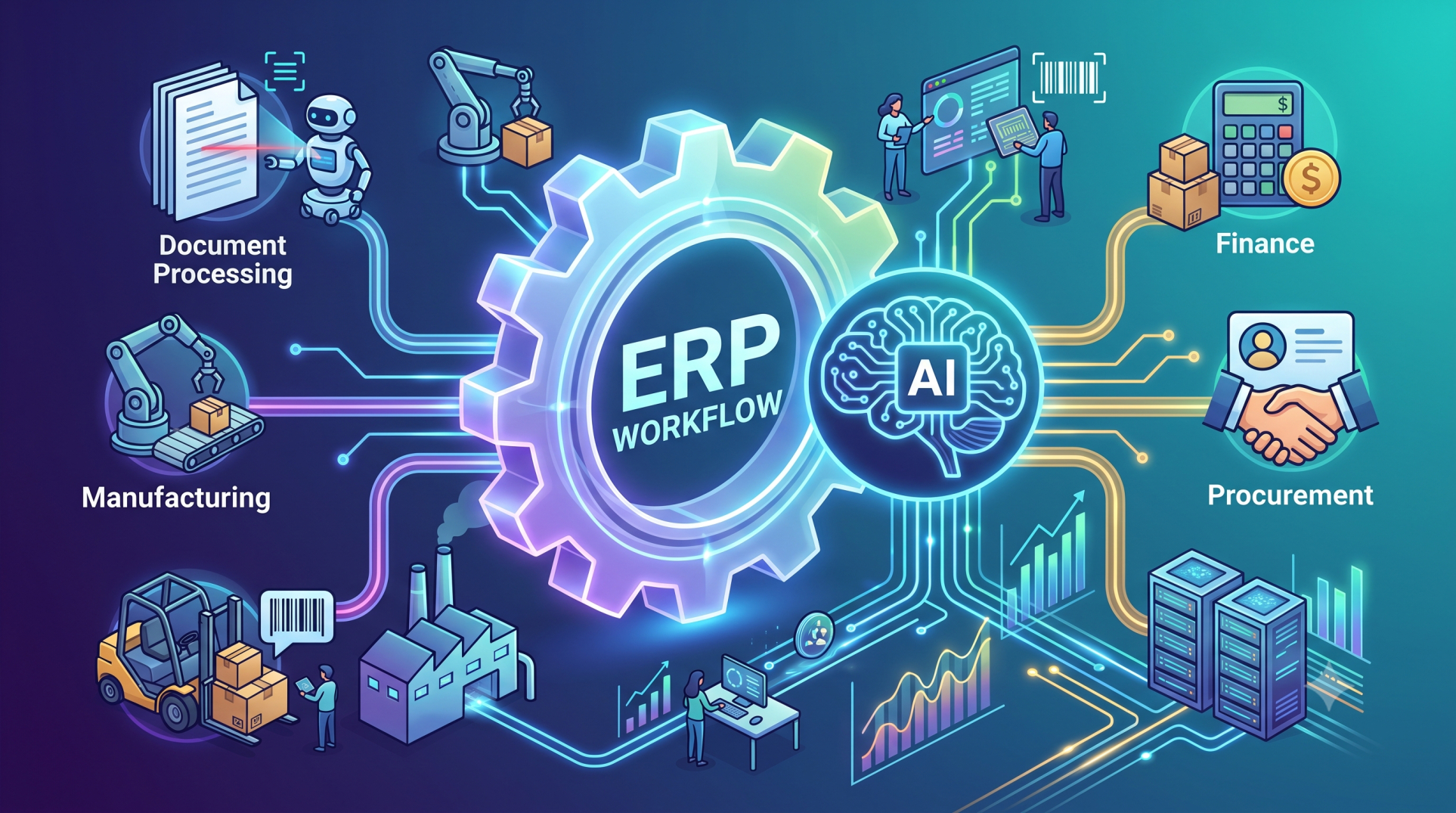
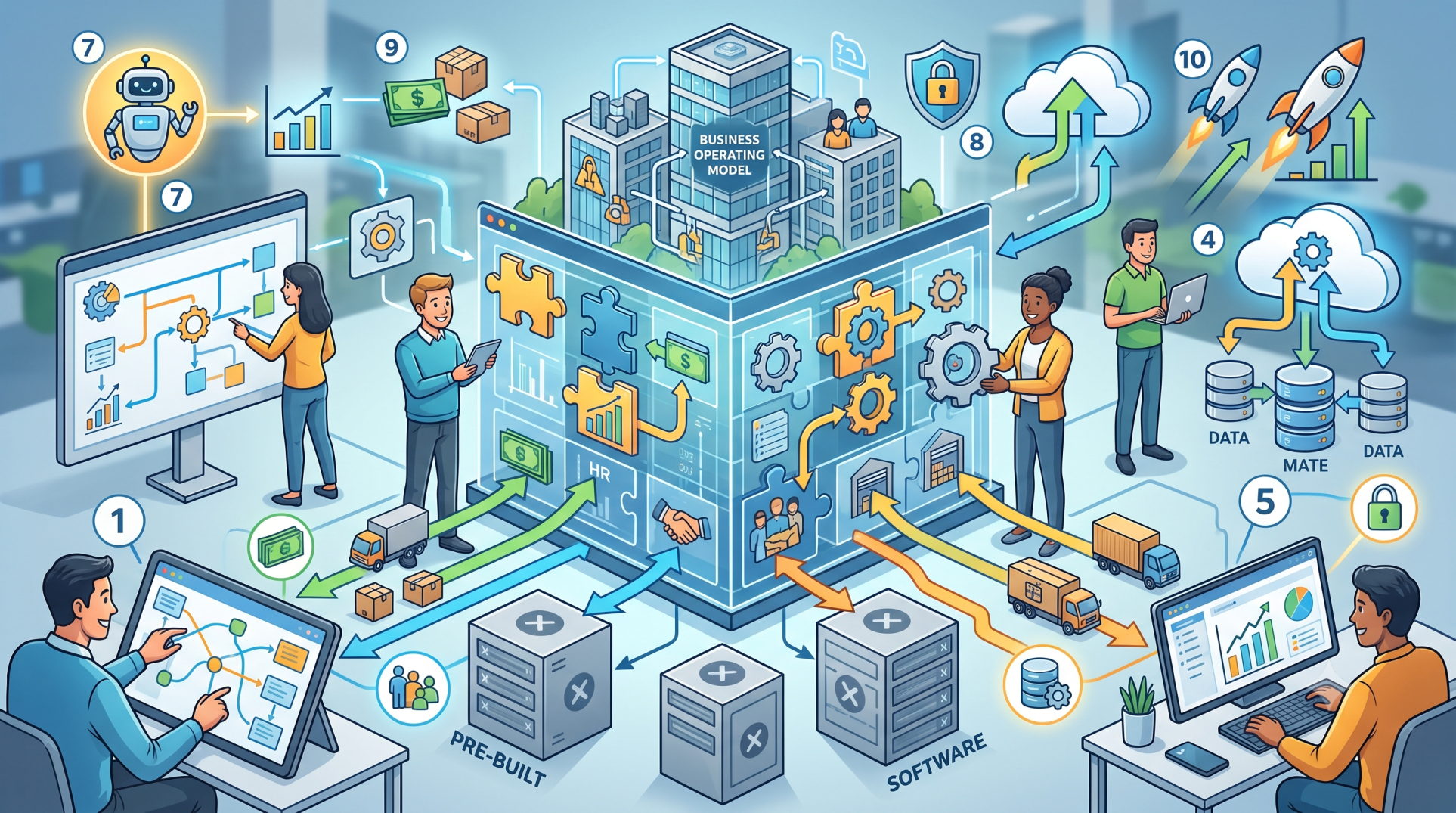
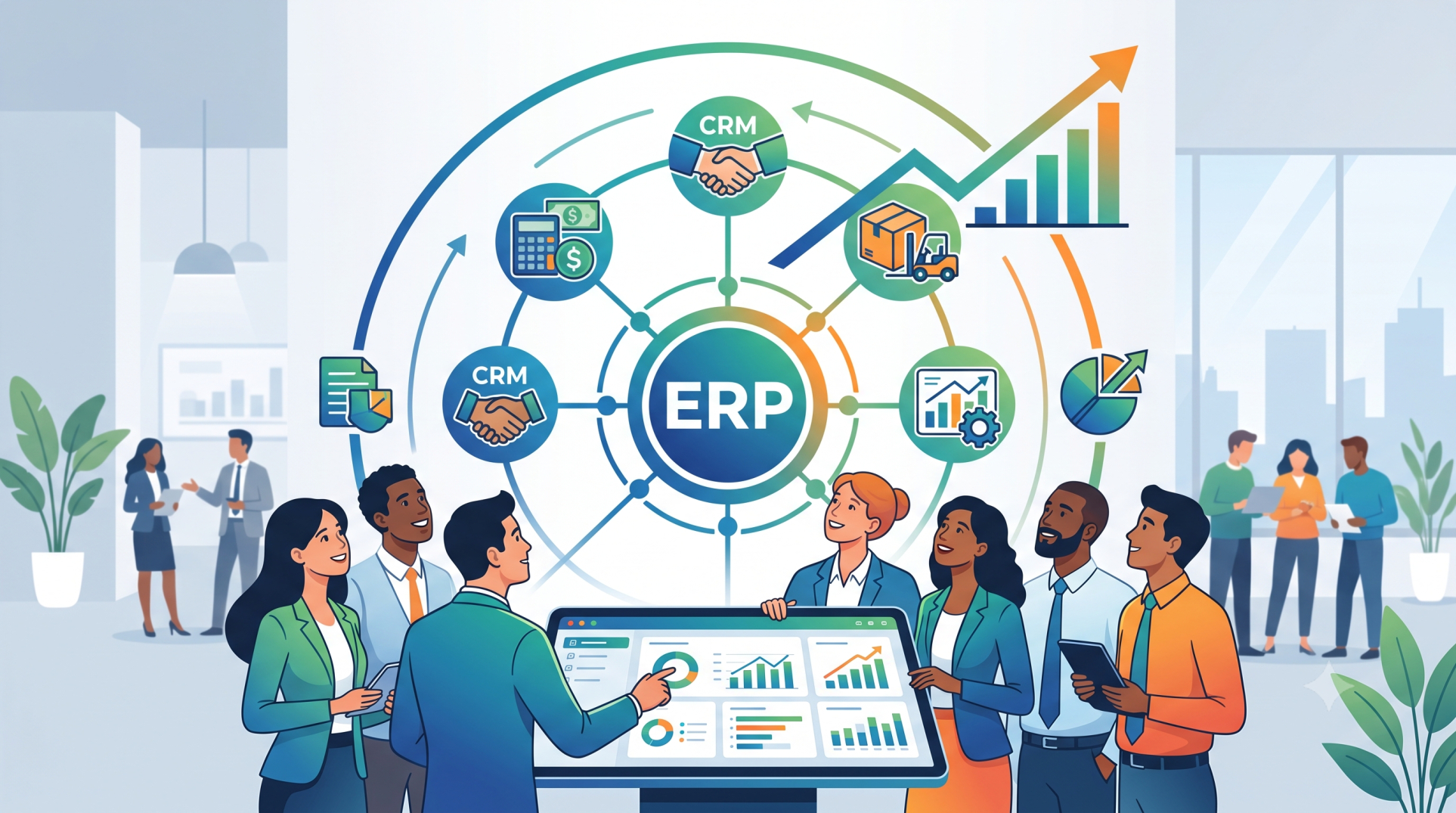
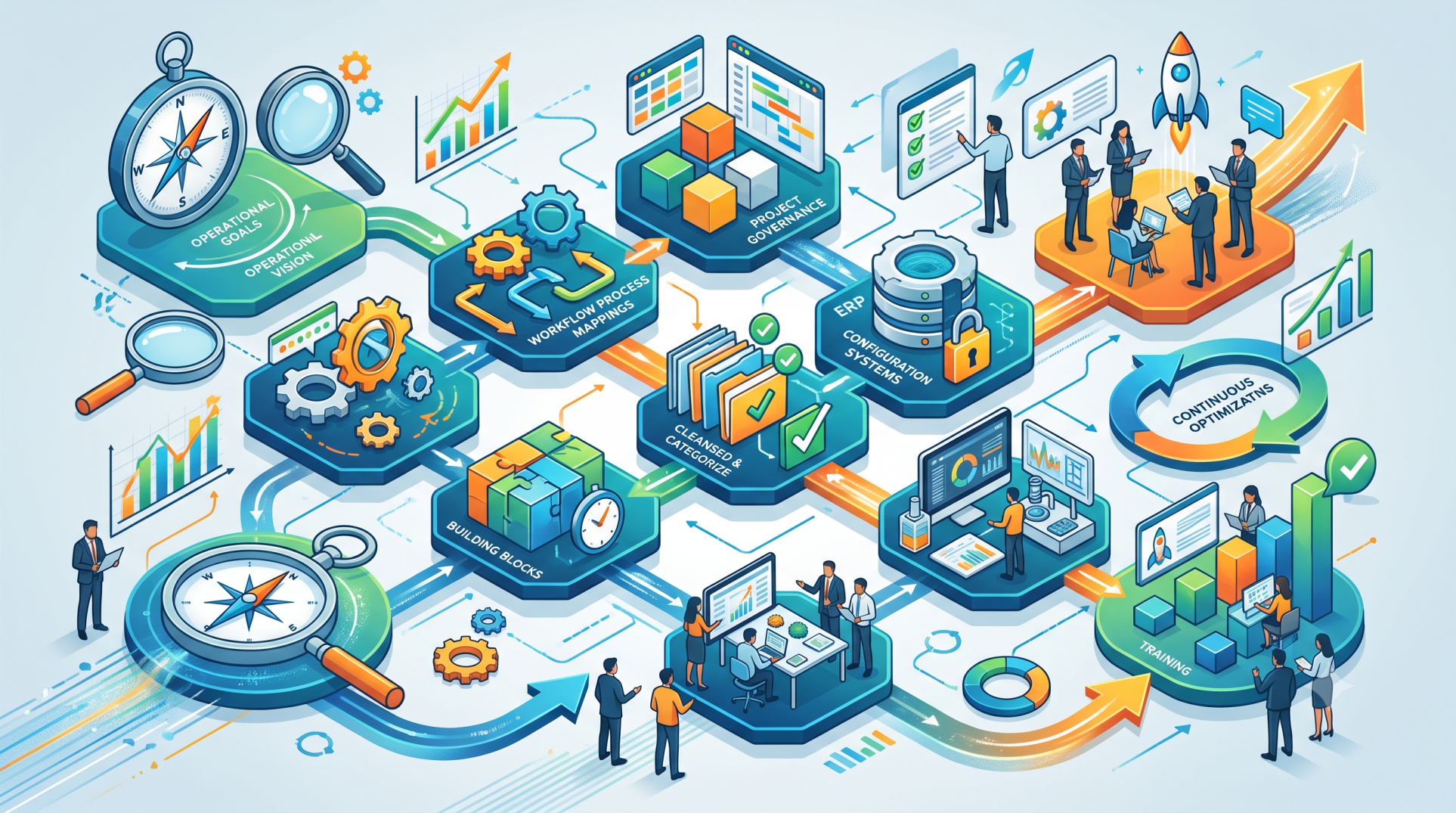
Designing an ERP feature roadmap should begin with how a business actually operates—not with a list of software features. Successful ERP platforms are built around real workflows, dependencies, decisions, and operational challenges. By mapping technology capabilities to business processes, organizations can prioritize development, reduce implementation complexity, and create an ERP system that delivers measurable value.
Step 1: Understand Core Business Processes 🏢
• Map how work moves across departments and teams
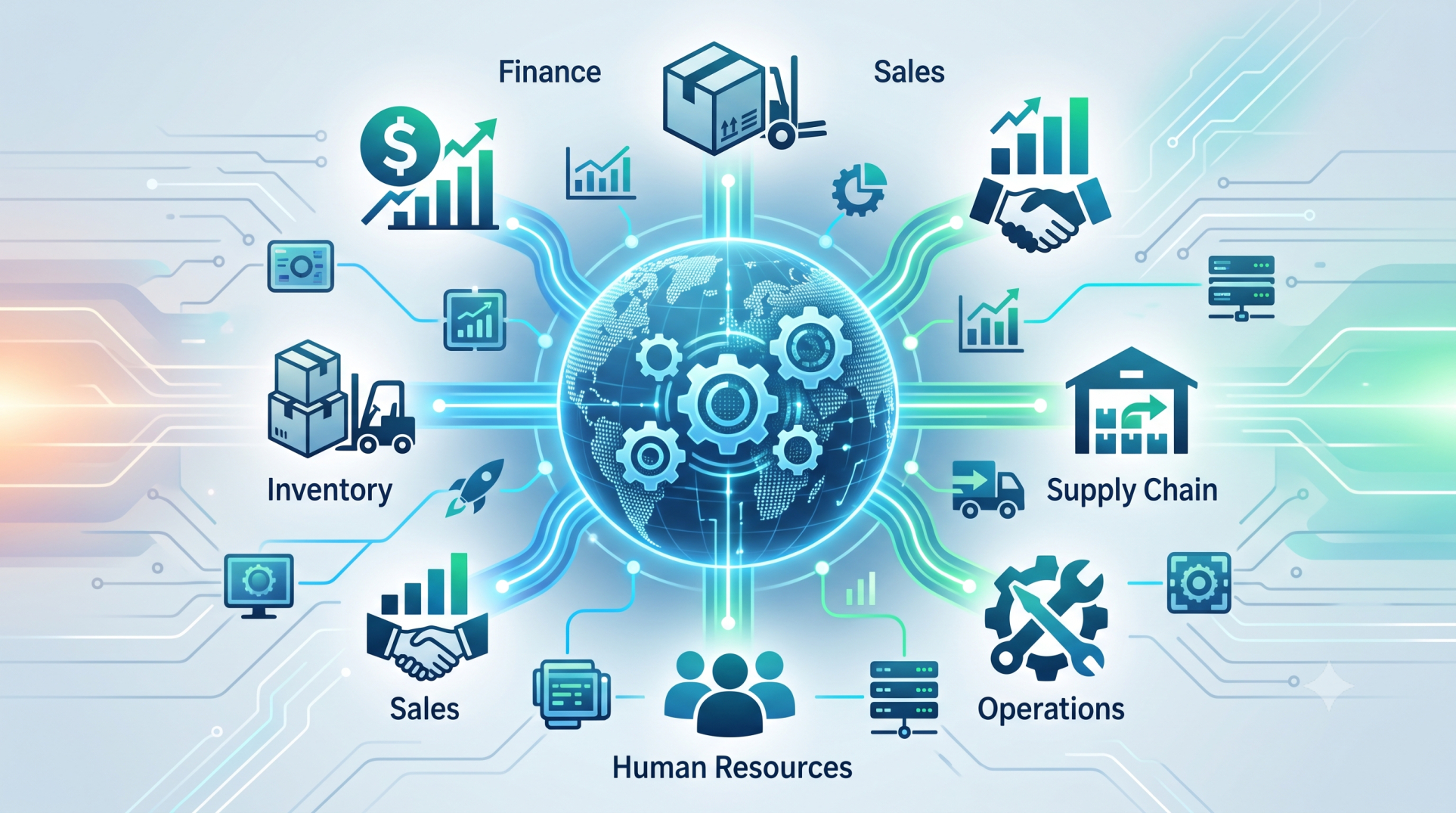
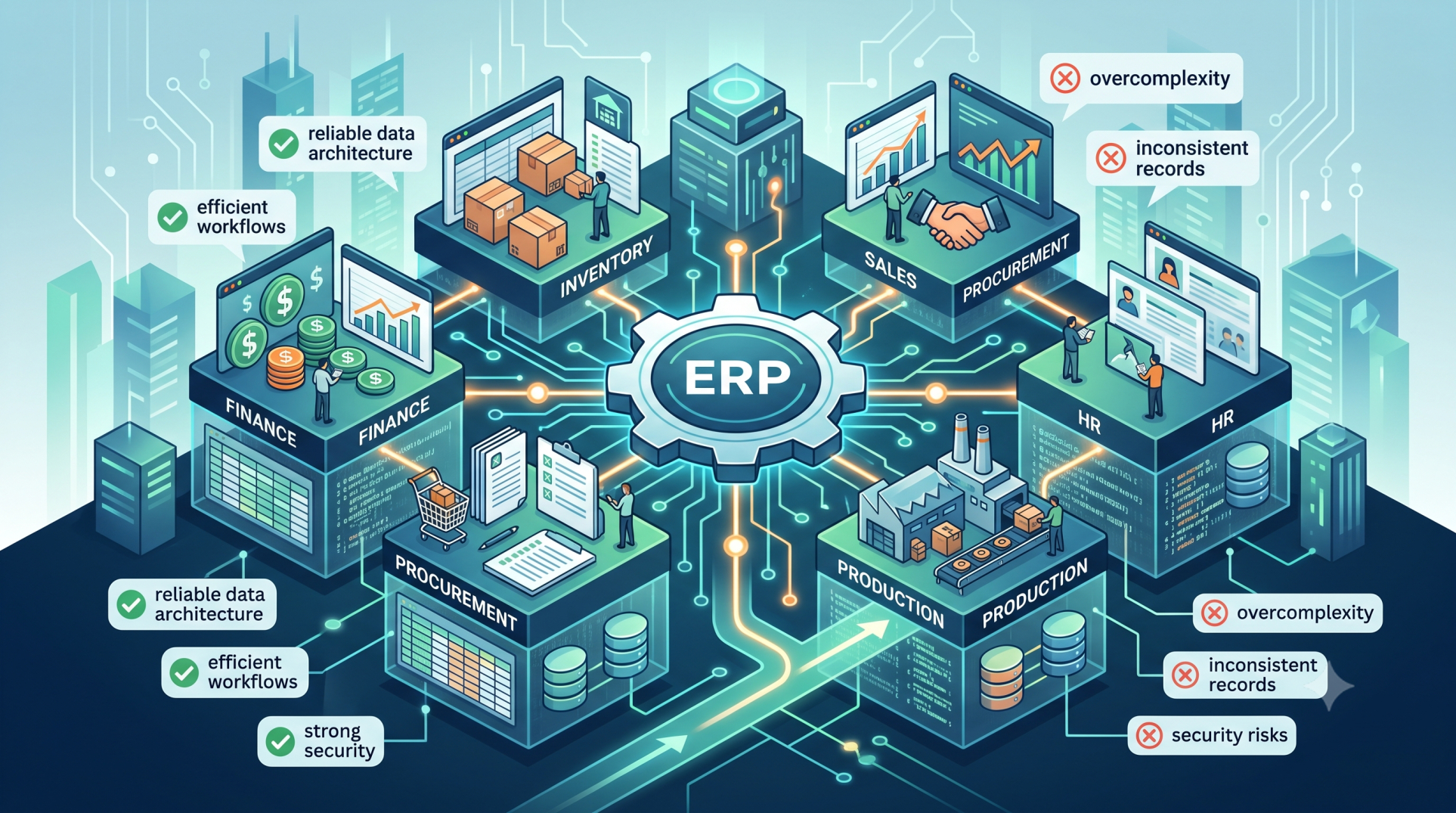
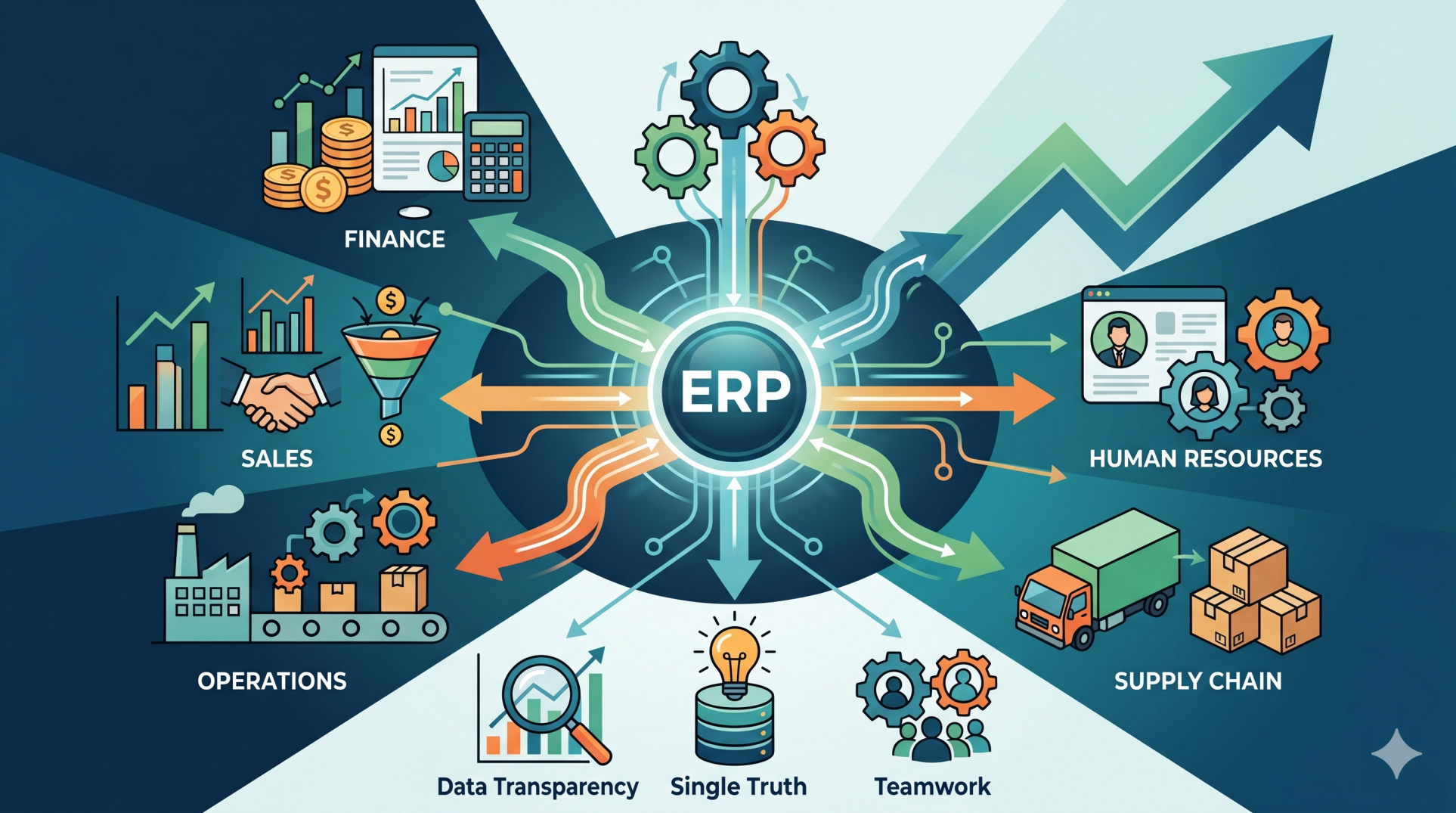
• Identify processes such as purchasing, sales, inventory, finance, production, and HR
• Document key inputs, activities, decisions, and outputs
• Identify dependencies between departments
• Focus on operational needs rather than isolated feature requests
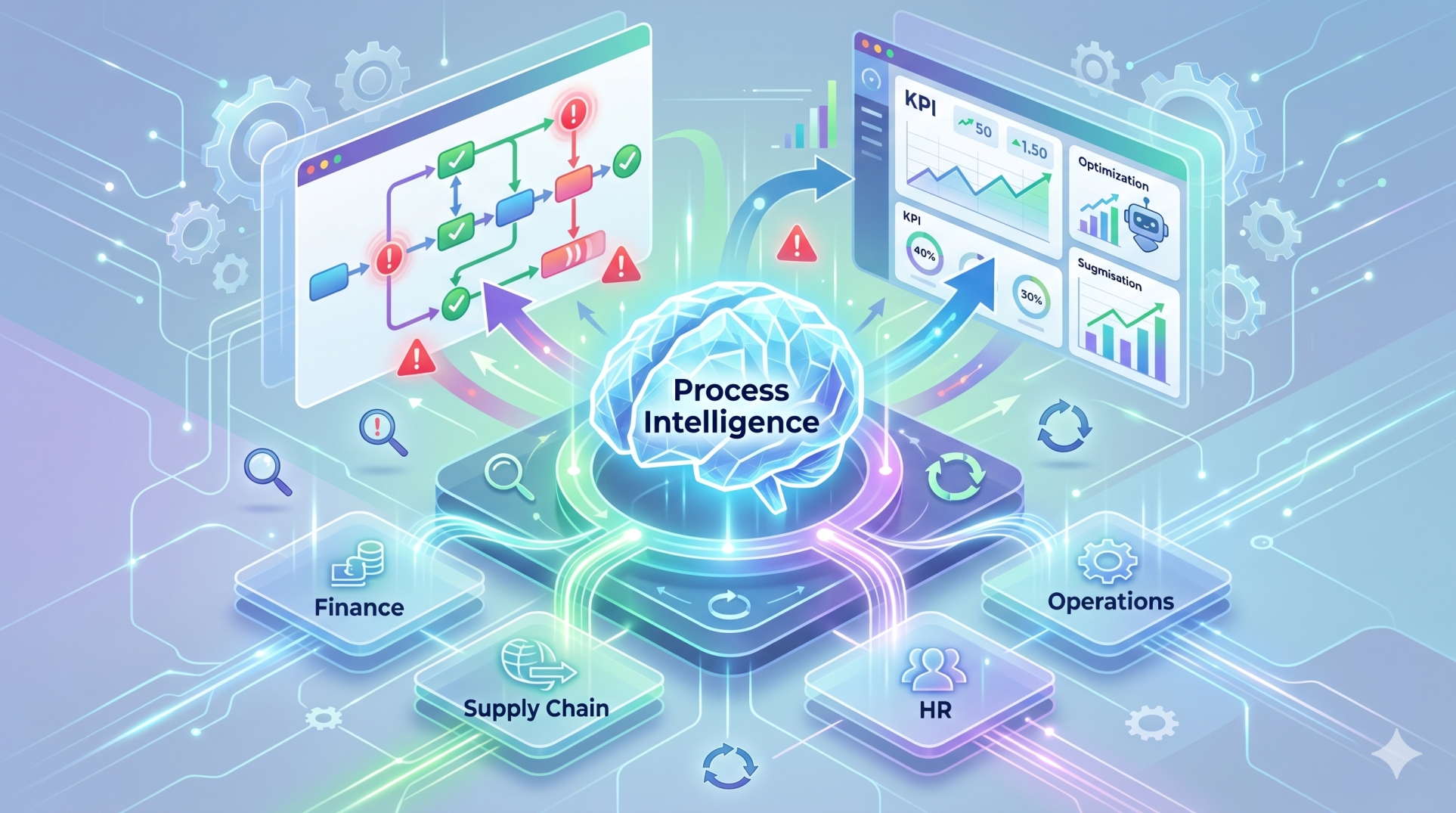
Step 2: Identify Process Gaps and Bottlenecks 🔍
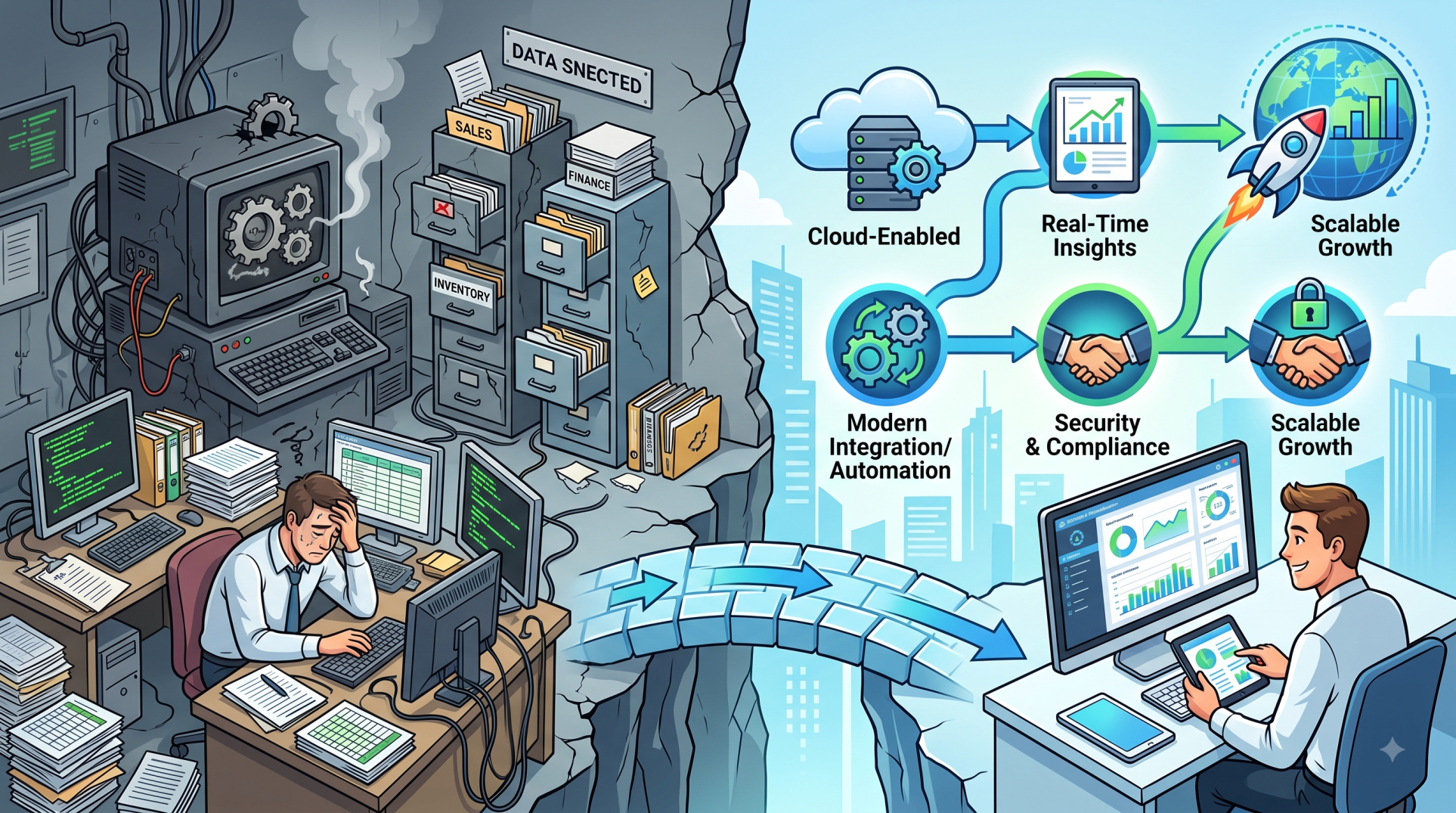
• Analyze where manual work slows operations
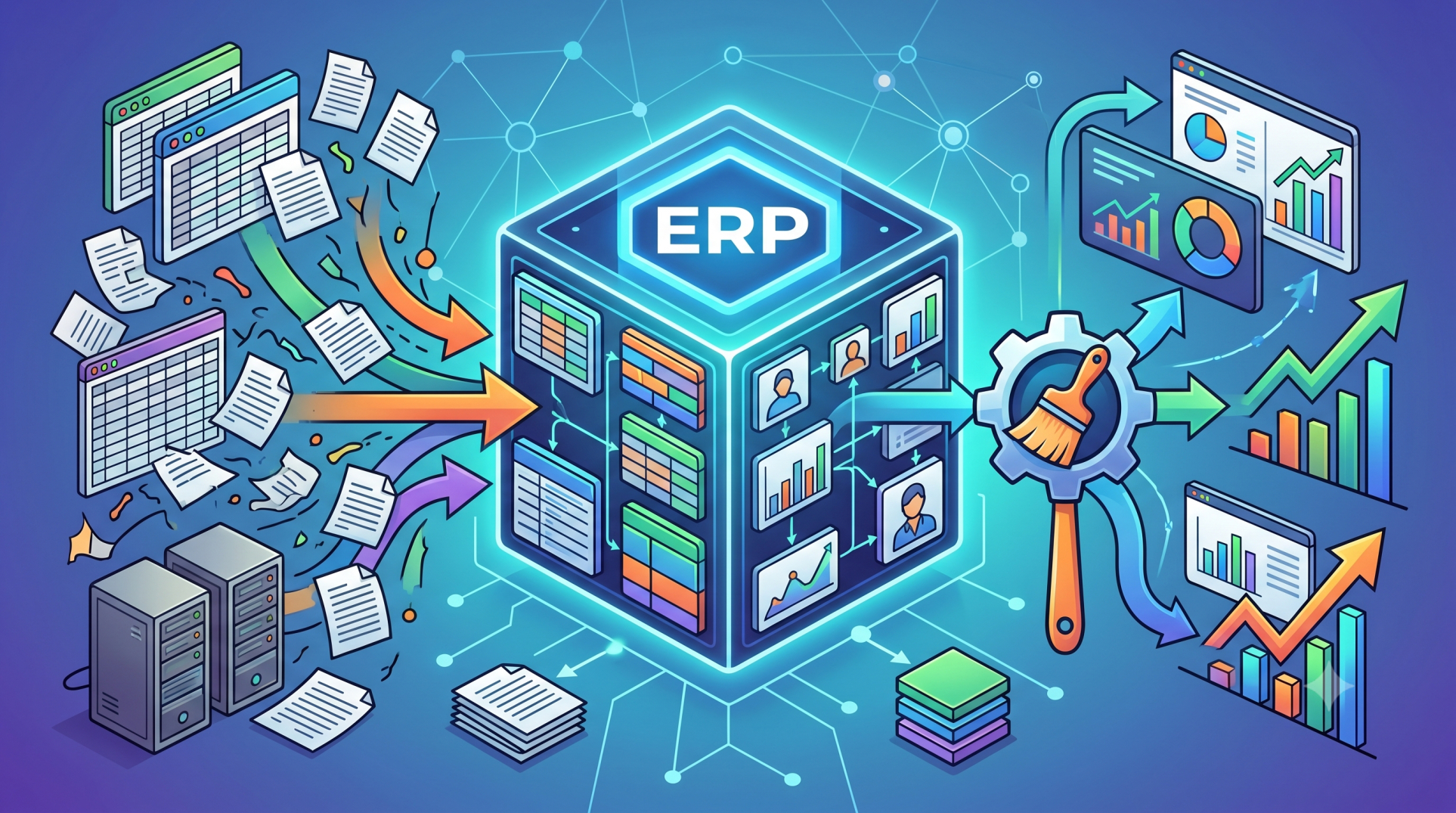
• Identify duplicate data entry and disconnected systems
• Detect approval delays and communication gaps
• Highlight processes that frequently generate errors
• Prioritize problems that have the greatest business impact
Step 3: Translate Processes into ERP Capabilities ⚙️
• Convert business requirements into functional ERP capabilities
• Connect each feature to a specific operational need
• Define automation opportunities within existing workflows
• Avoid adding features that do not support meaningful business outcomes
• Build capabilities around complete processes instead of individual screens
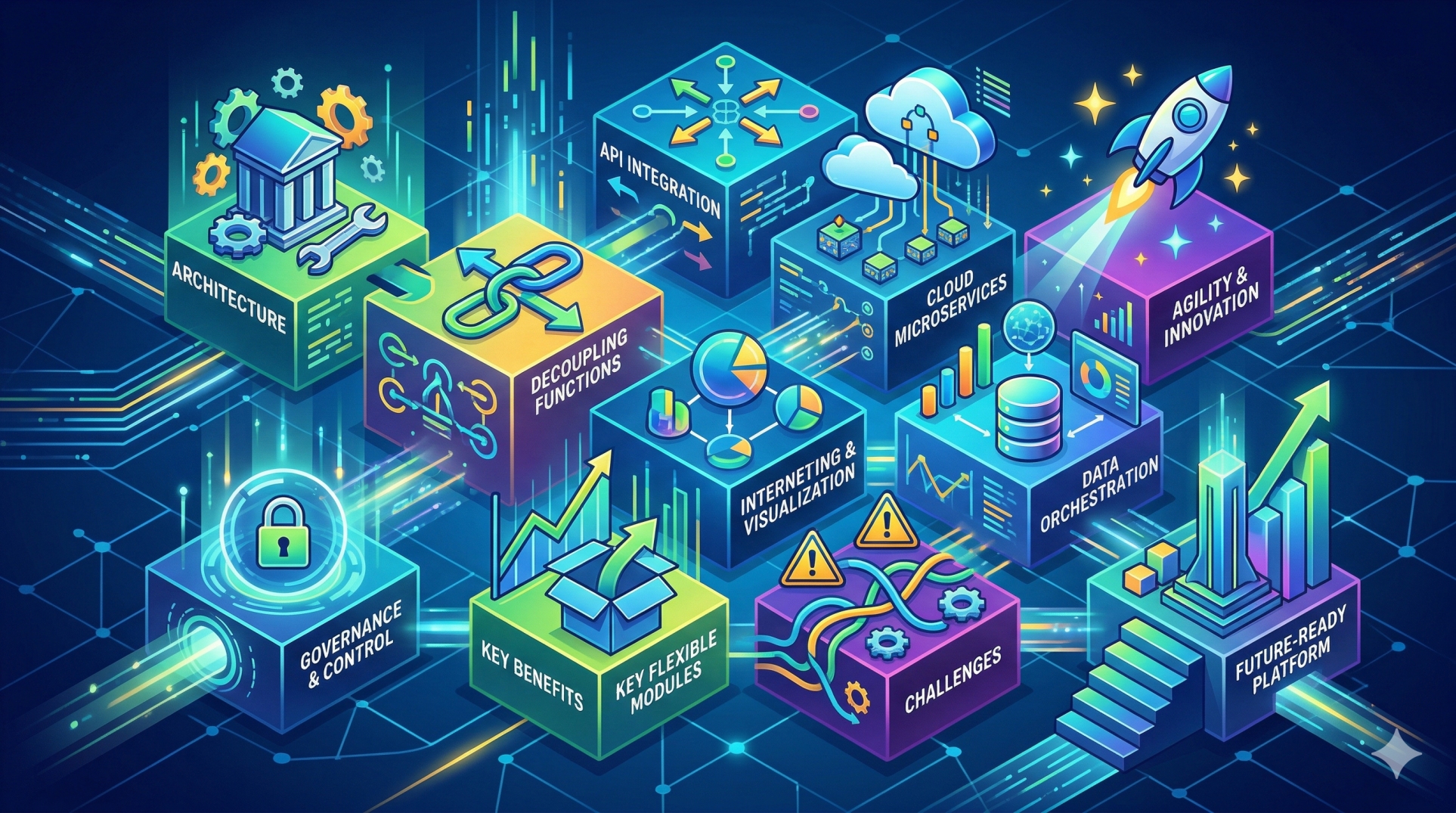
Step 4: Define Dependencies Between Features 🔗
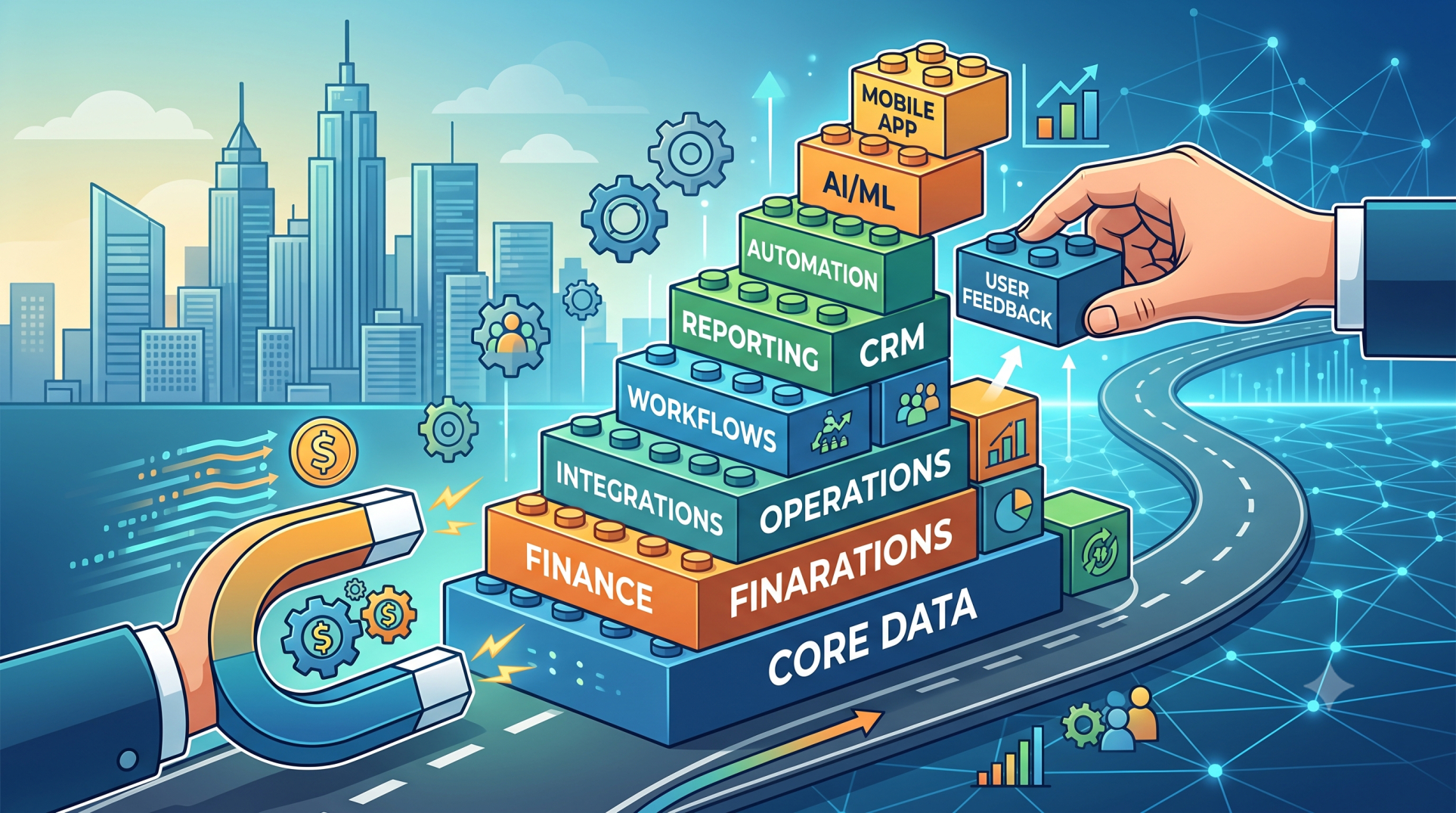
• Identify which capabilities must exist before others can be introduced
• Connect foundational data with dependent workflows
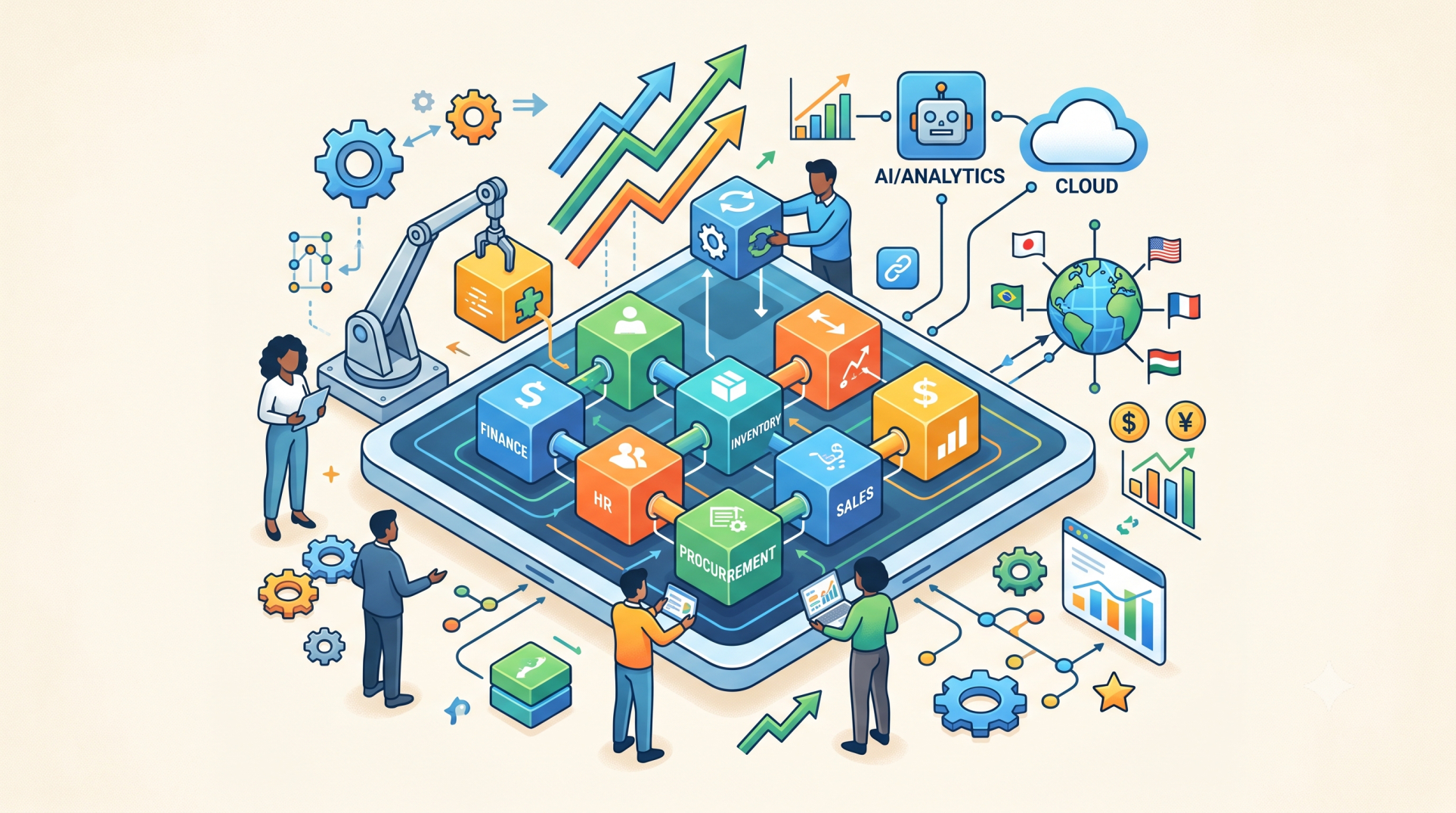
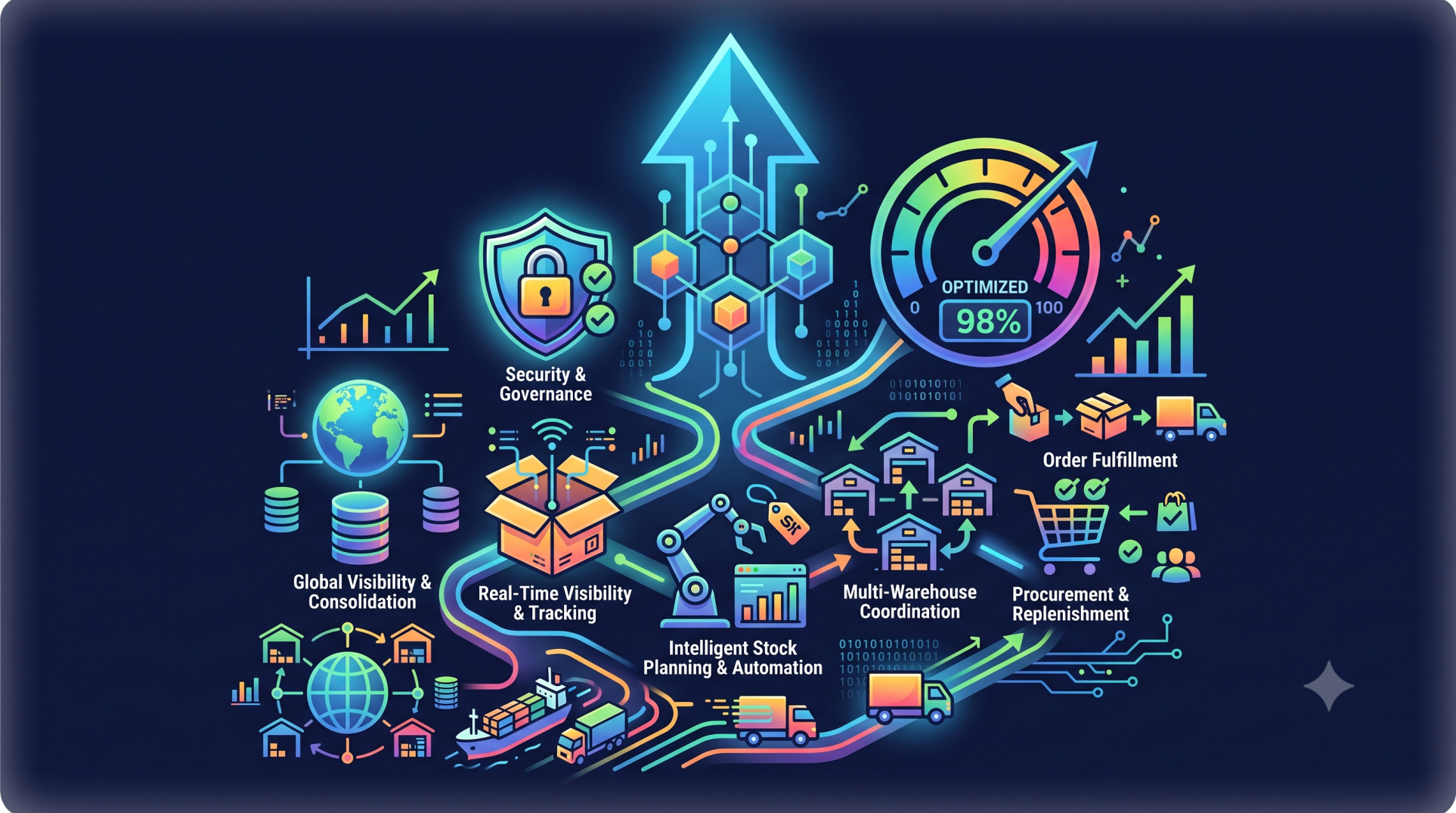
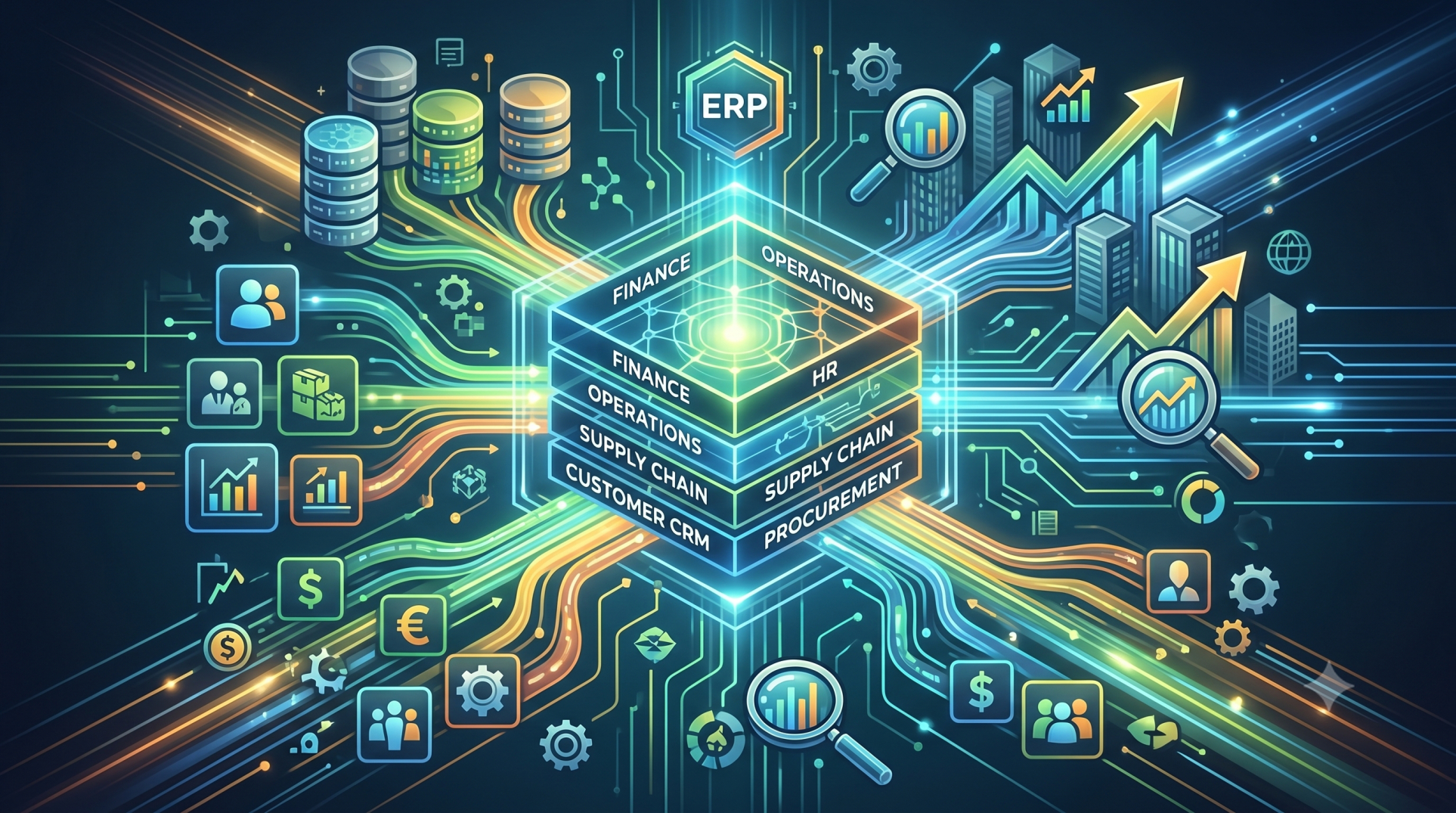
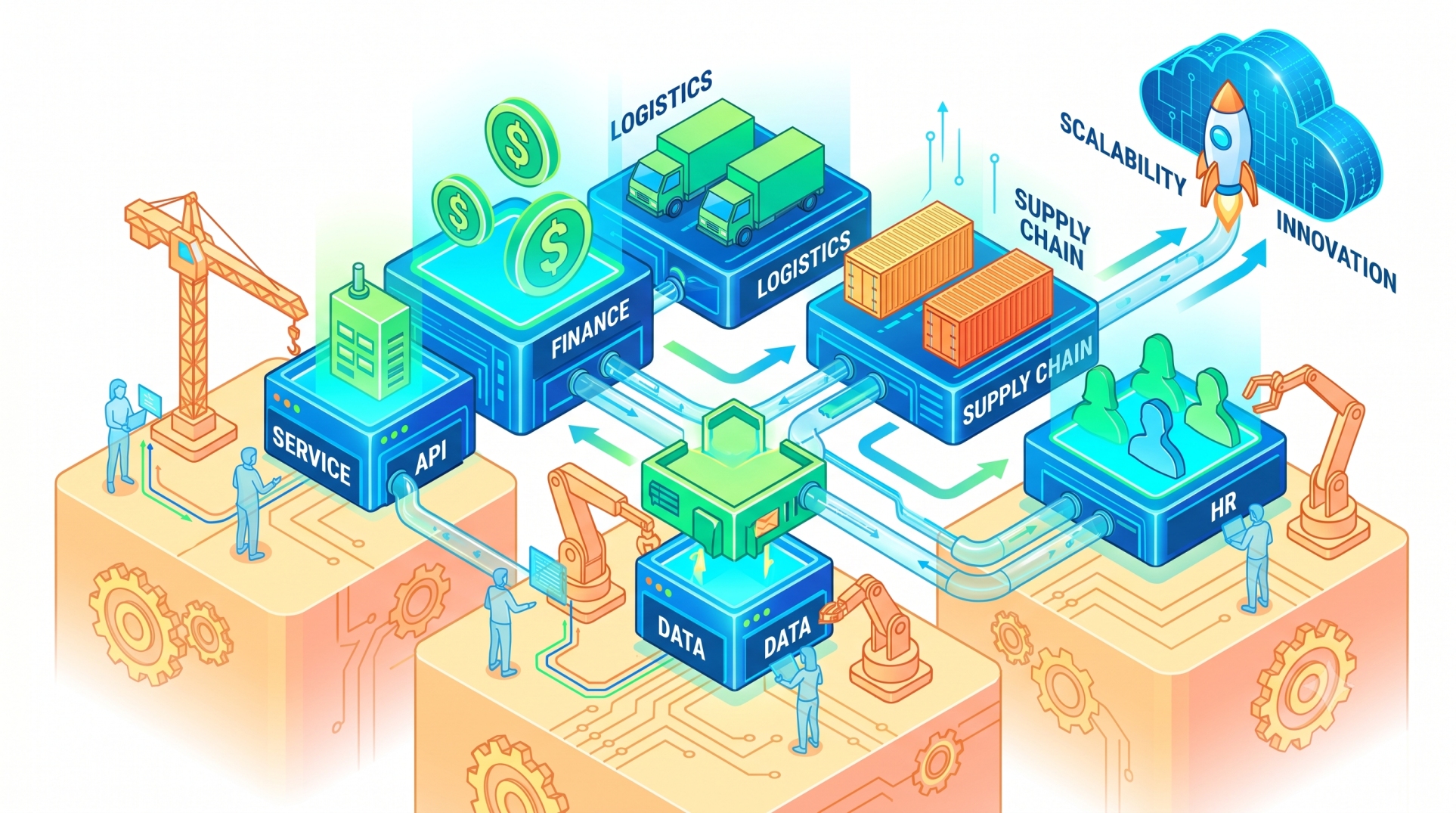
• Establish relationships between modules such as inventory, purchasing, and finance
• Plan integrations before introducing dependent functionality
• Reduce rework by addressing architectural dependencies early
Step 5: Prioritize Features by Business Value 📊
• Rank features according to operational impact
• Consider revenue contribution, cost reduction, efficiency, and risk
• Prioritize capabilities that solve critical business problems
• Balance quick wins with long-term strategic initiatives
• Avoid allowing feature volume to determine roadmap priority
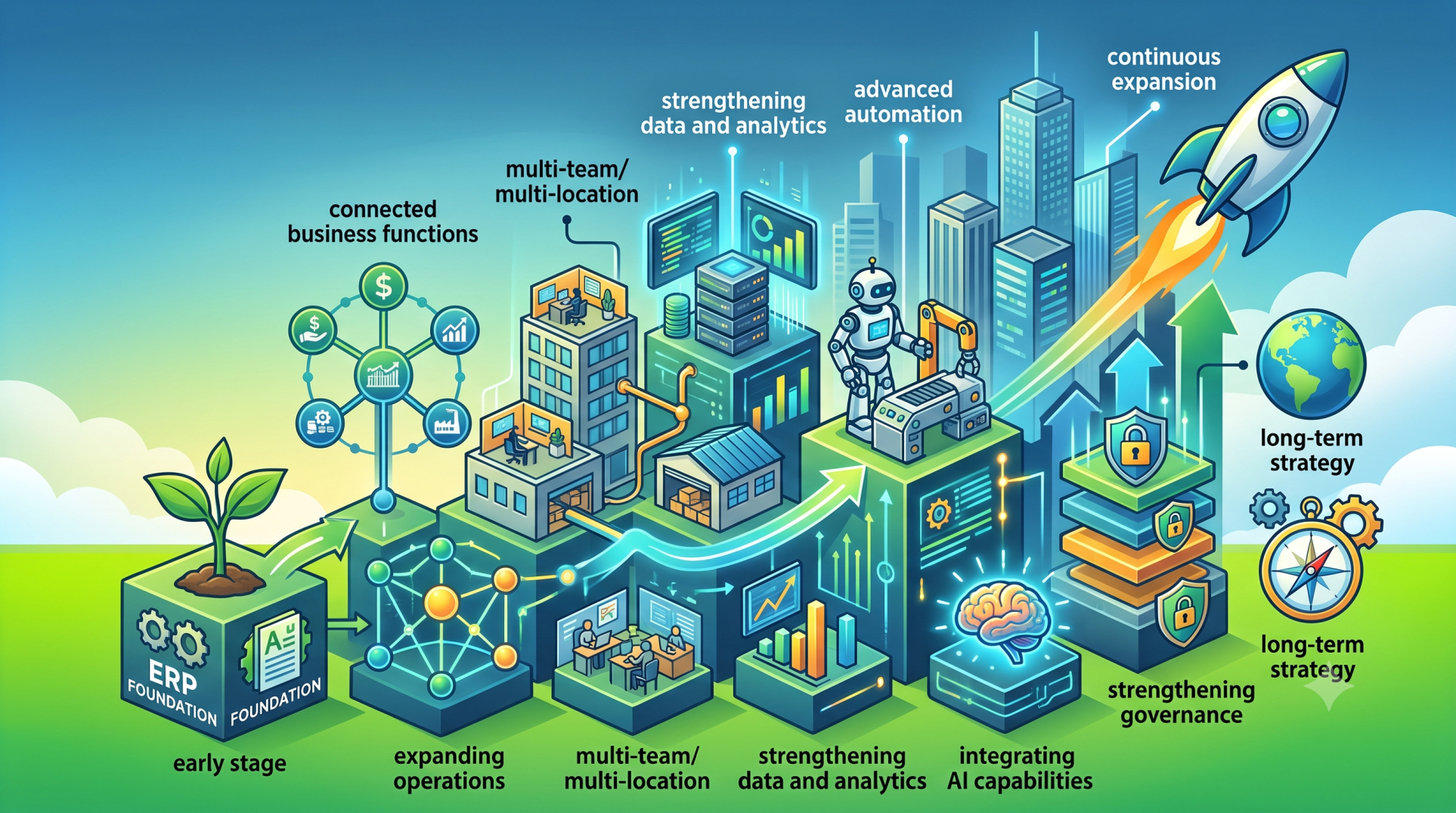
Step 6: Build the Roadmap Around Workflow Stages 🗺️
• Organize development around complete business journeys
• Group related capabilities into meaningful releases
• Introduce foundational functionality before advanced automation
• Ensure each release provides usable business value
• Create a roadmap that evolves alongside operational maturity
Step 7: Validate the Roadmap with End Users 👥
• Involve employees who perform the processes every day
• Test proposed workflows against real operational scenarios
• Gather feedback from different departments and user roles
• Identify usability problems before development scales
• Continuously refine requirements based on practical experience
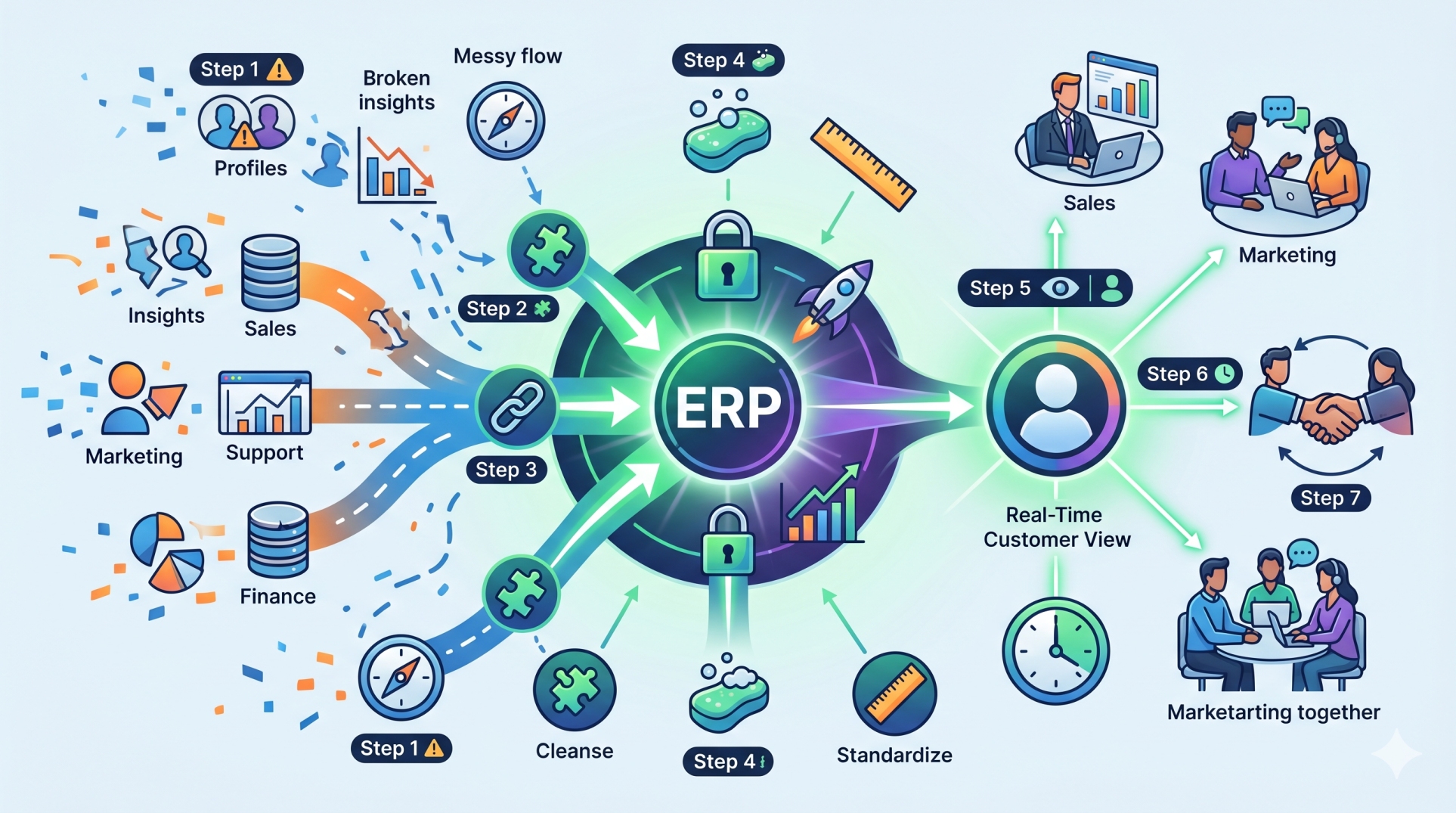
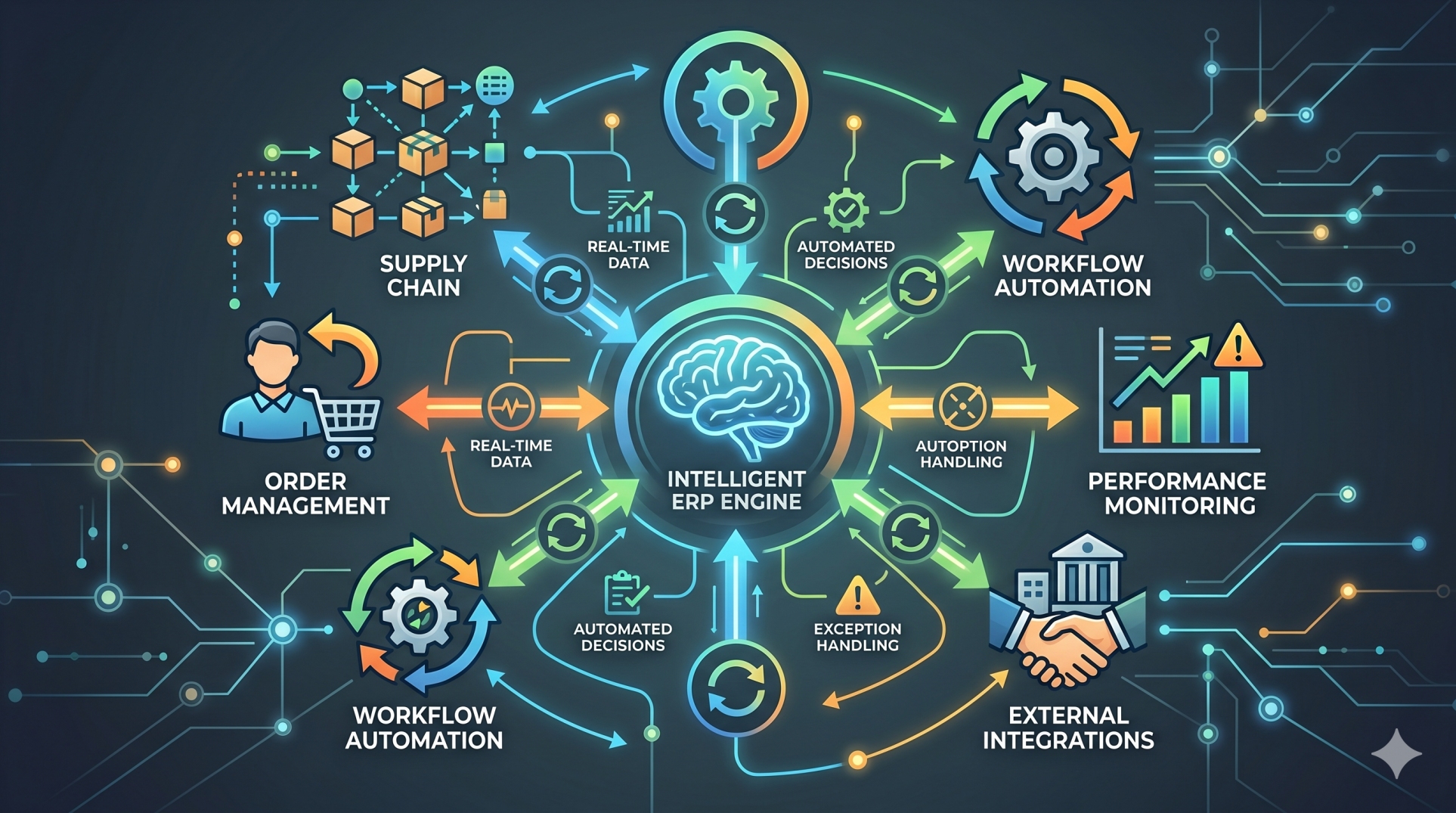
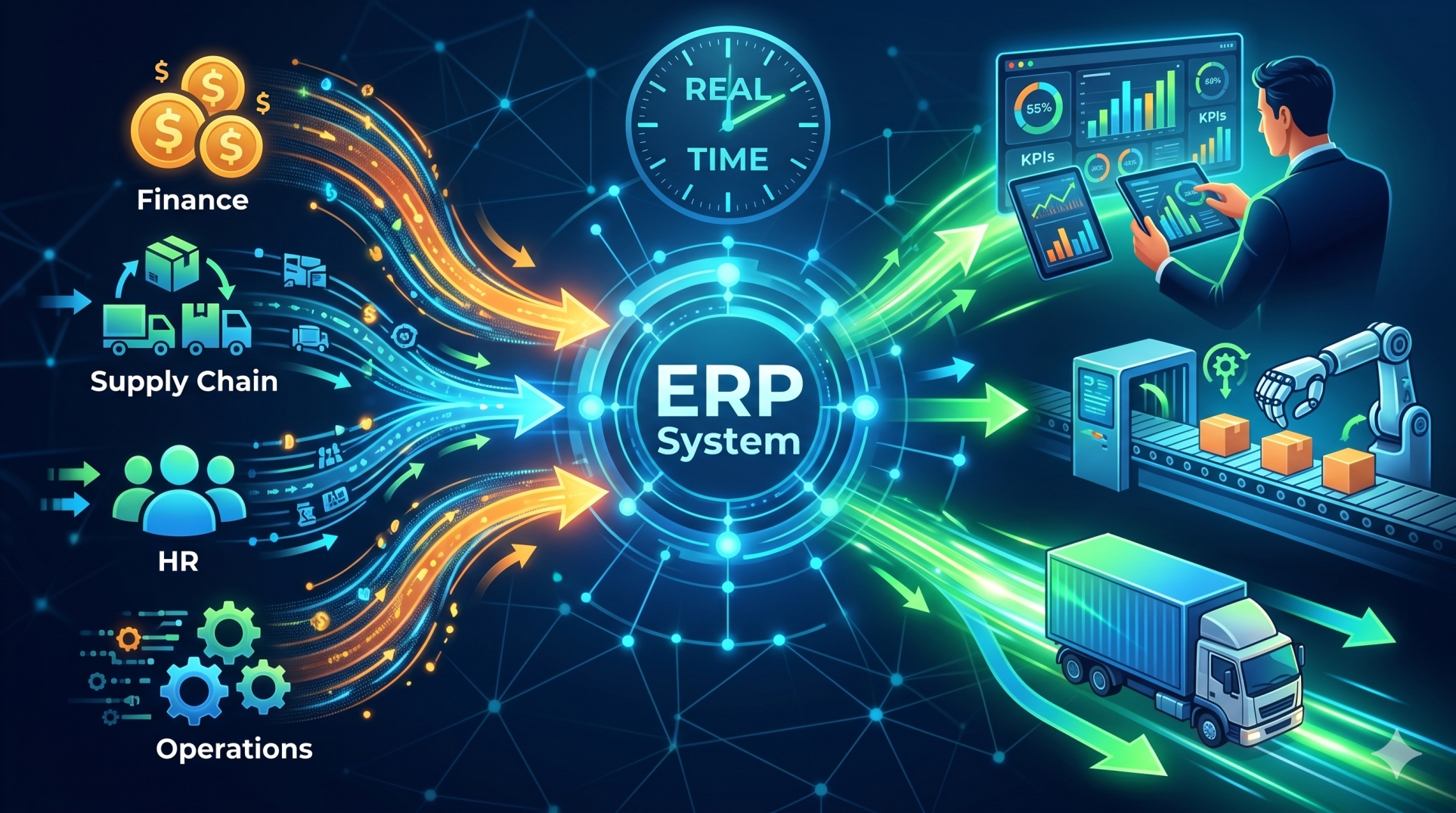
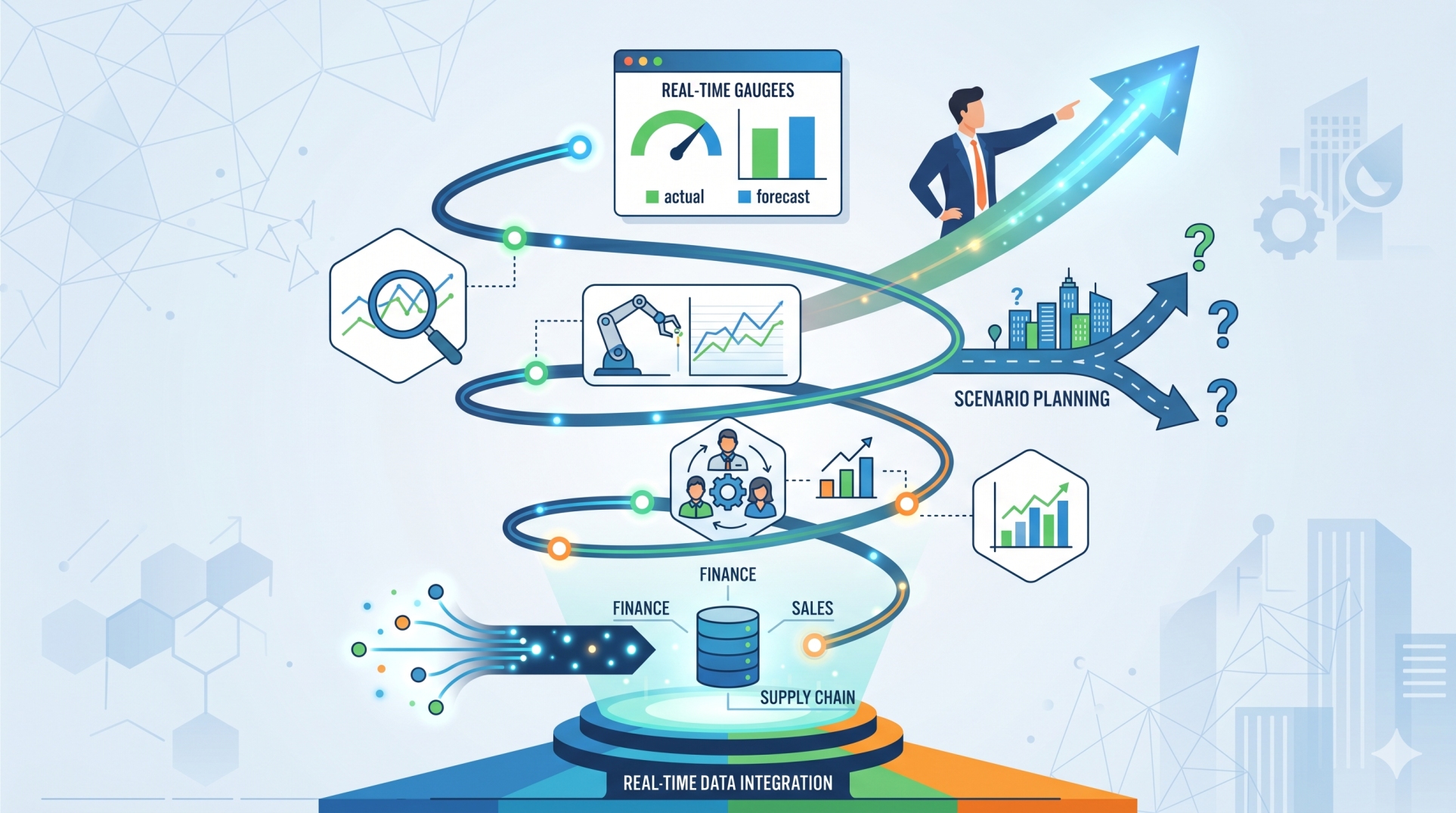
Step 8: Plan Integration and Data Flow 🔄
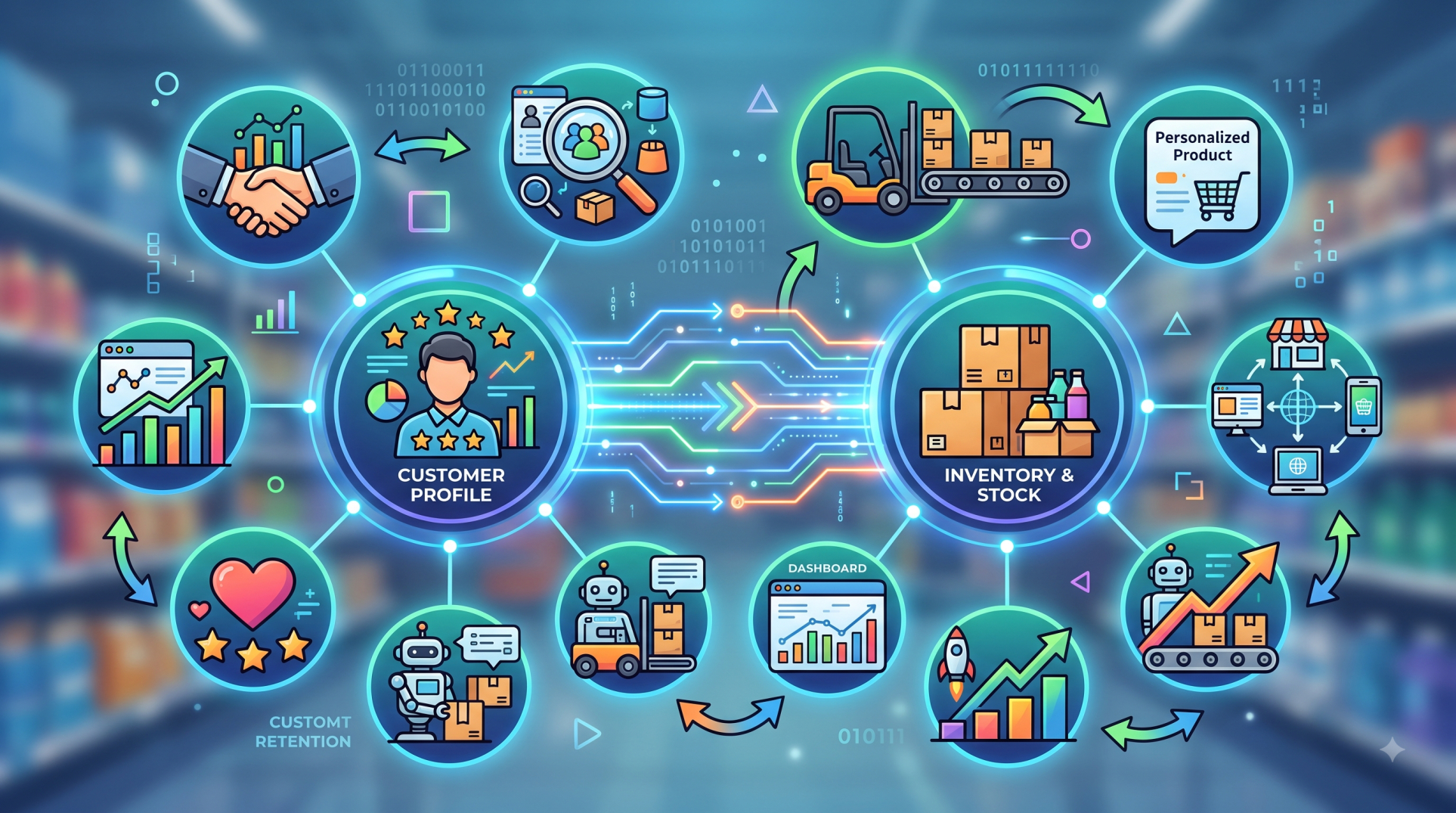
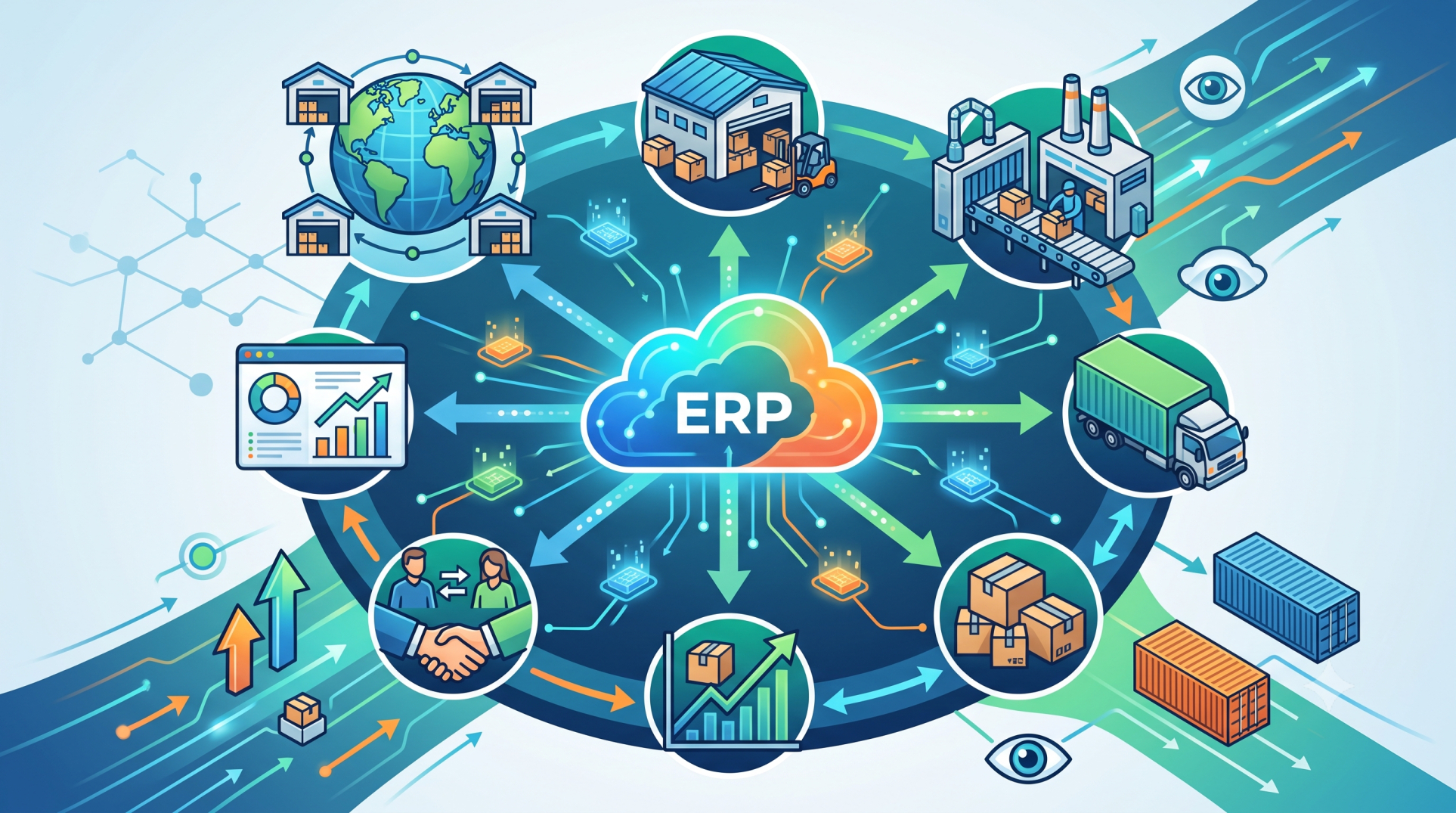
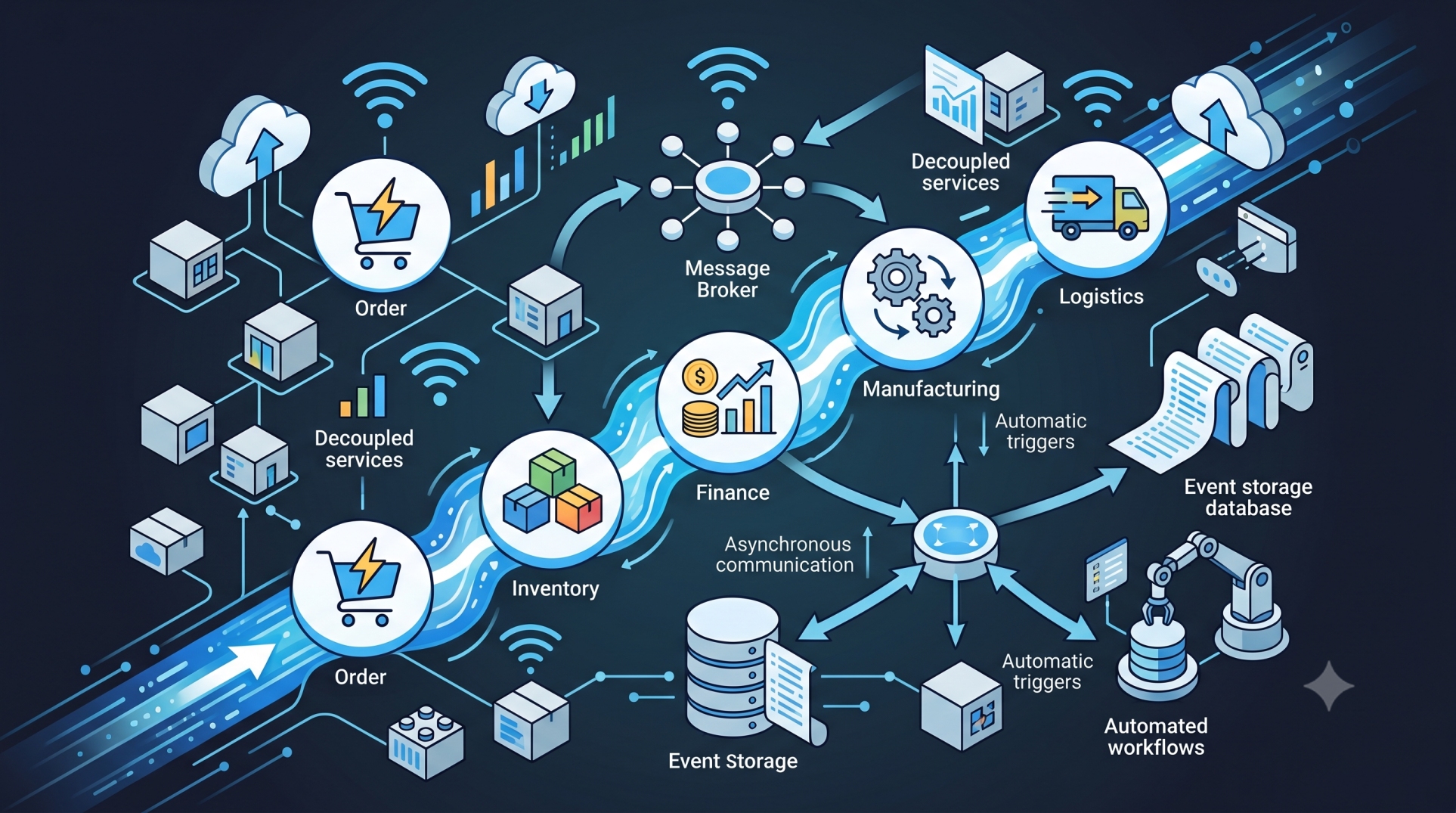
• Define how information moves between ERP modules
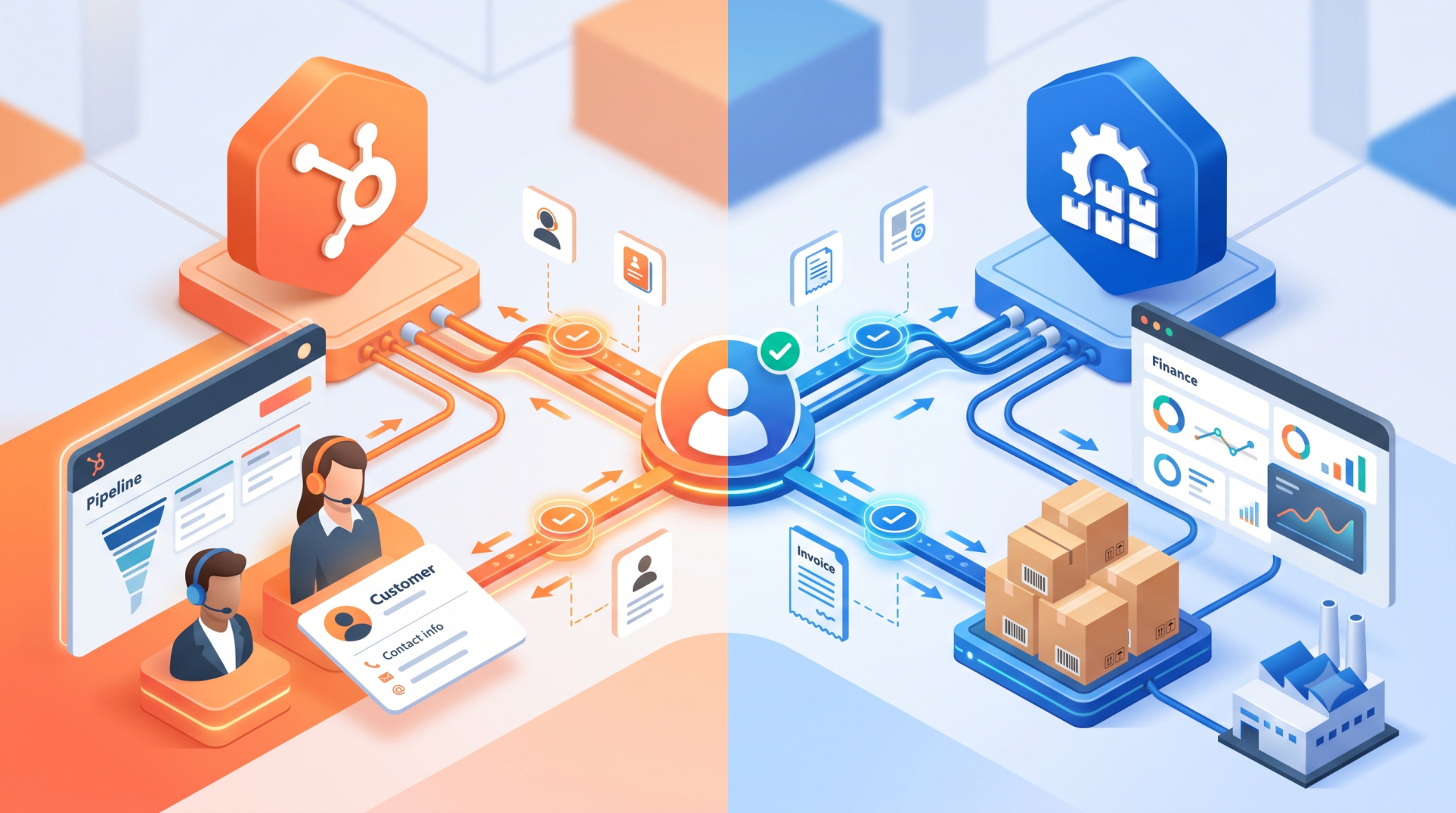
• Connect external systems through APIs and integration layers
• Establish consistent data structures across departments
• Prevent isolated functionality from creating new information silos
• Design reliable data synchronization and validation mechanisms
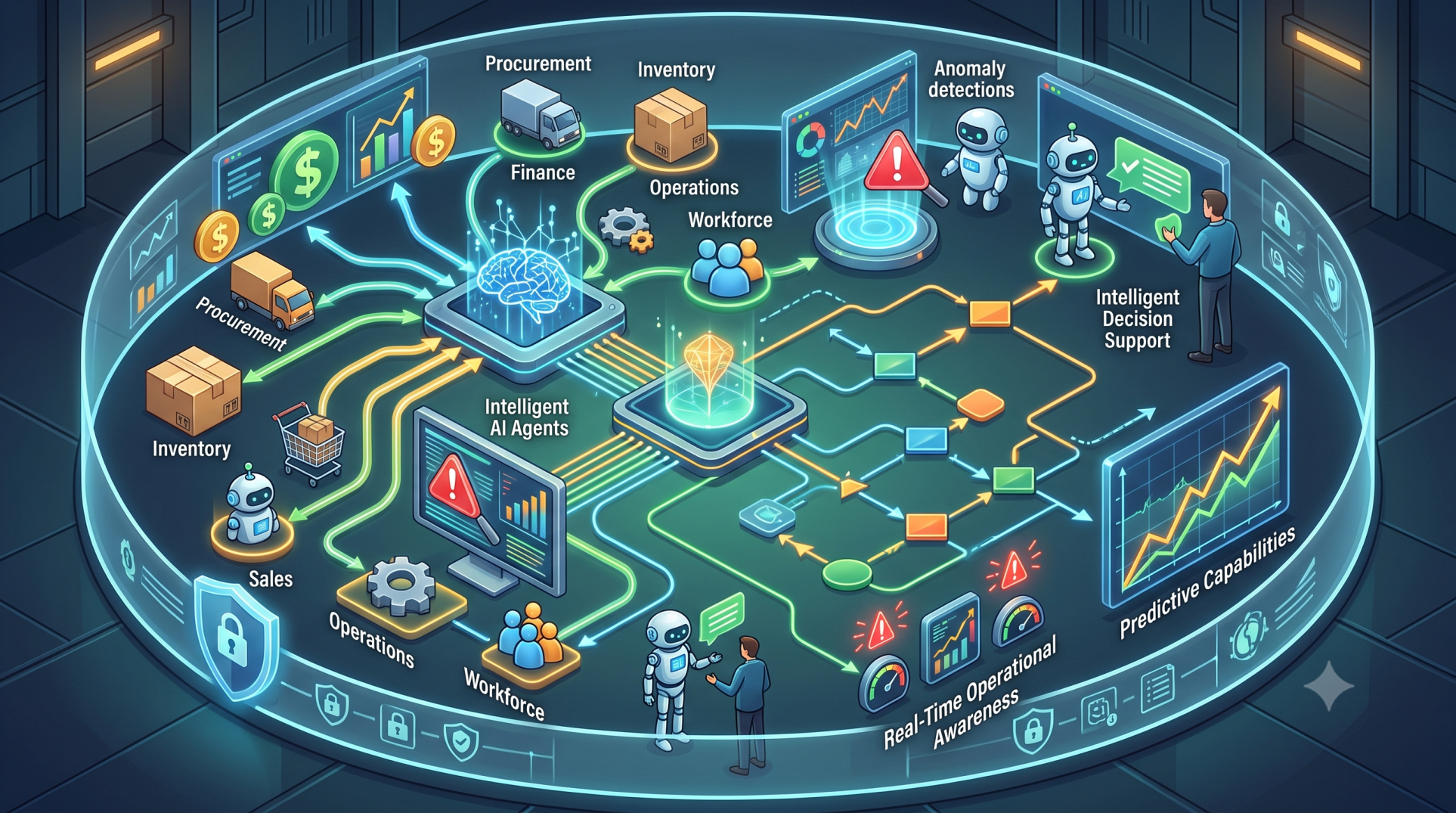
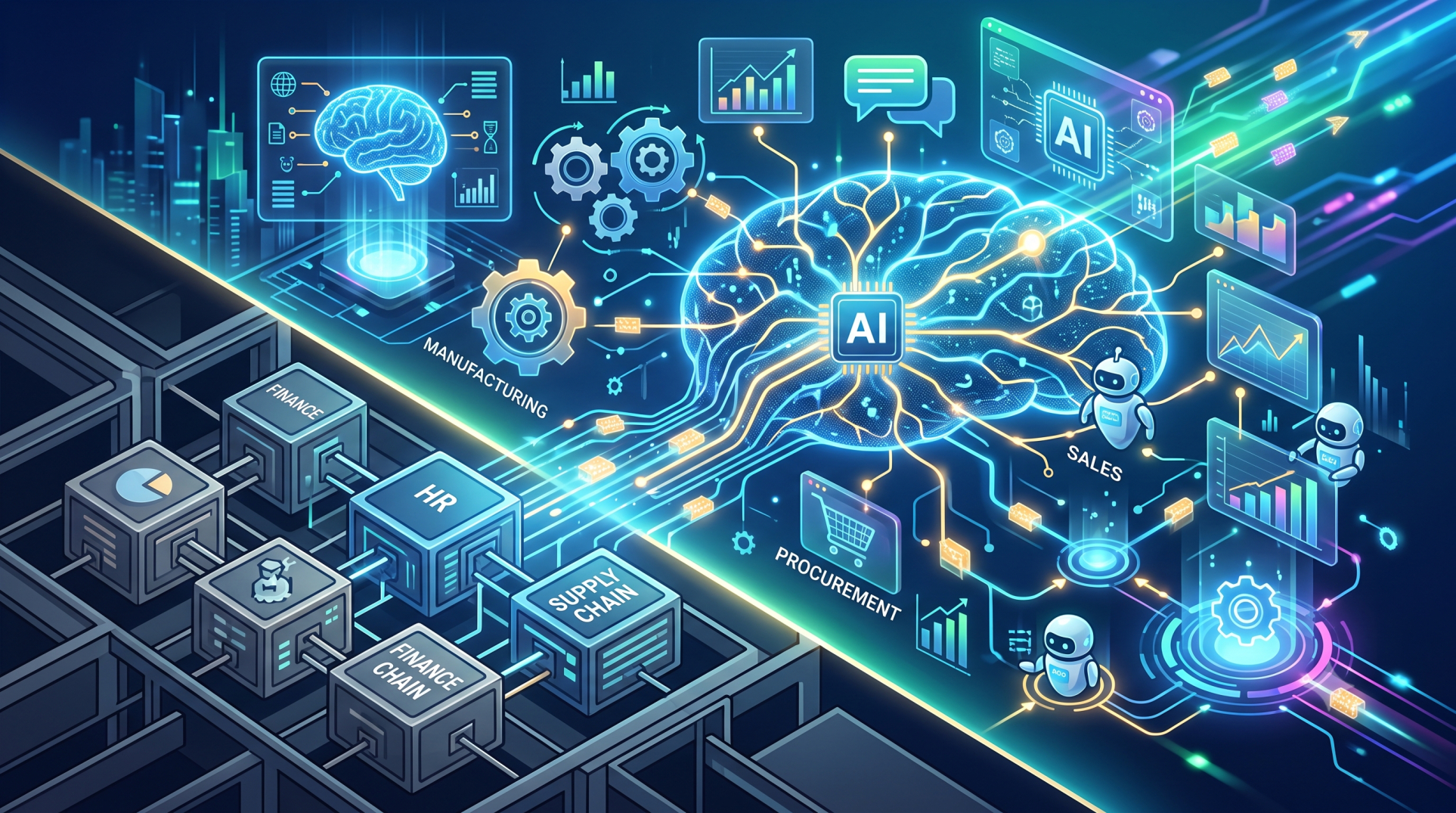
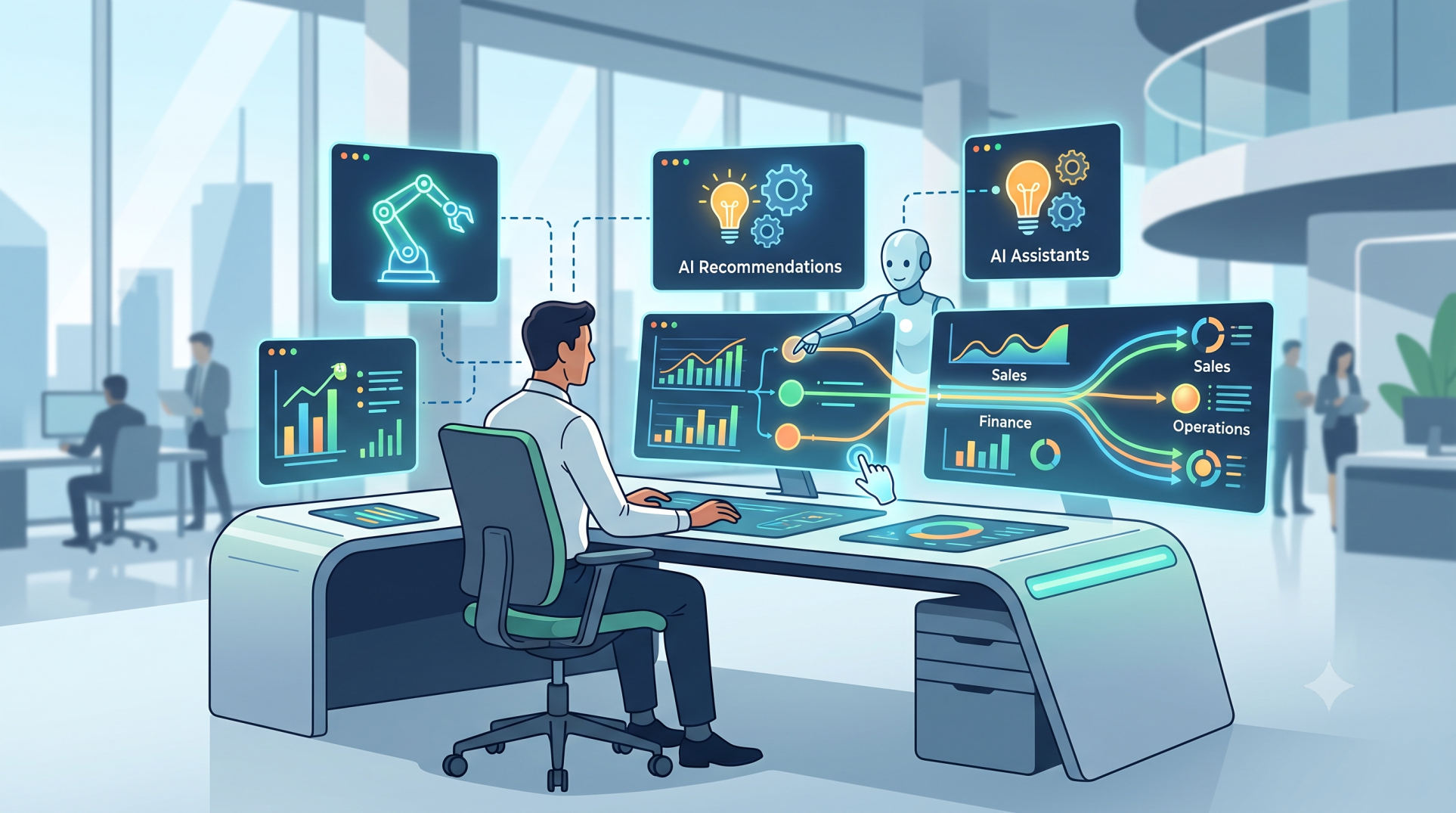
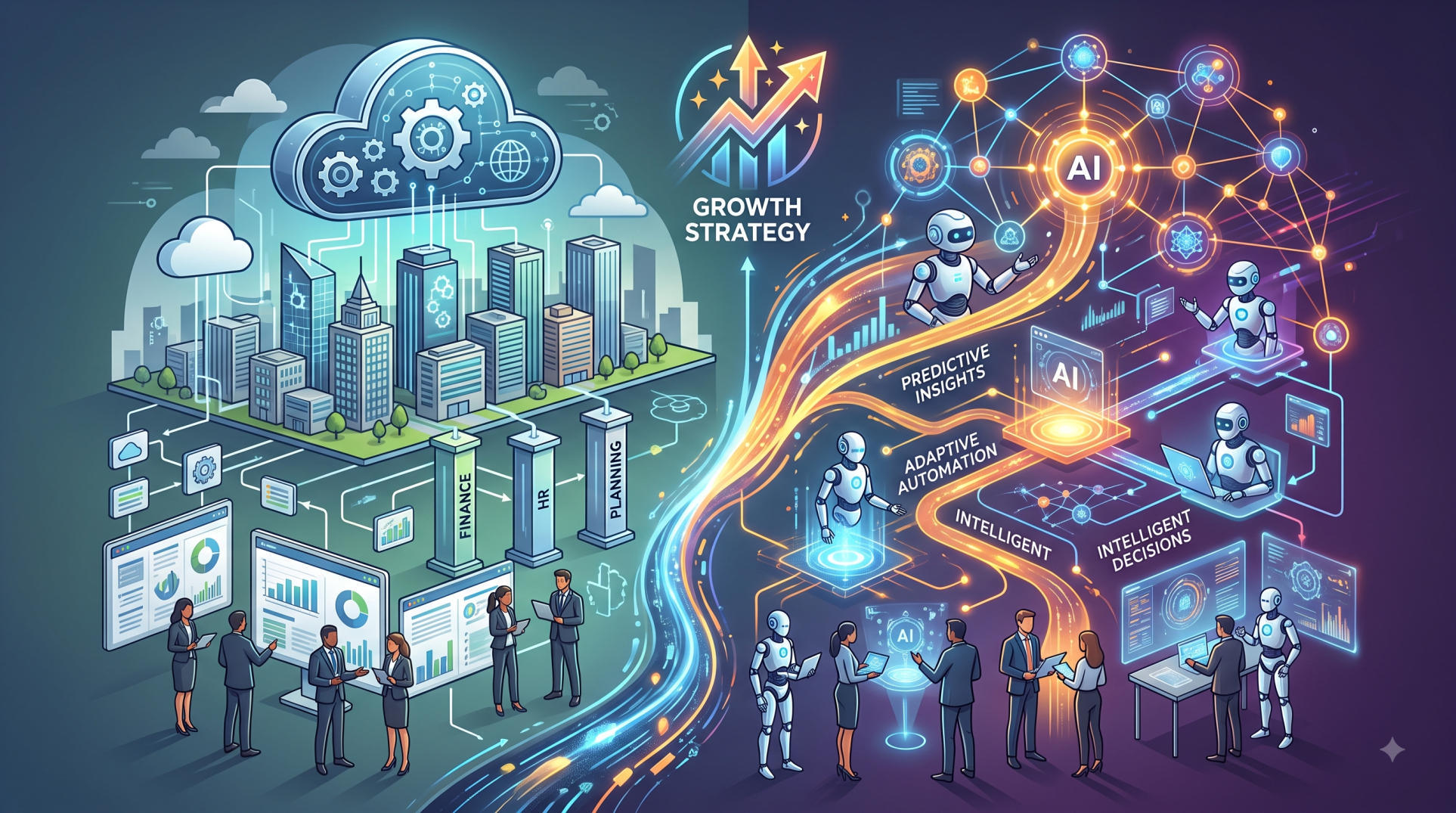
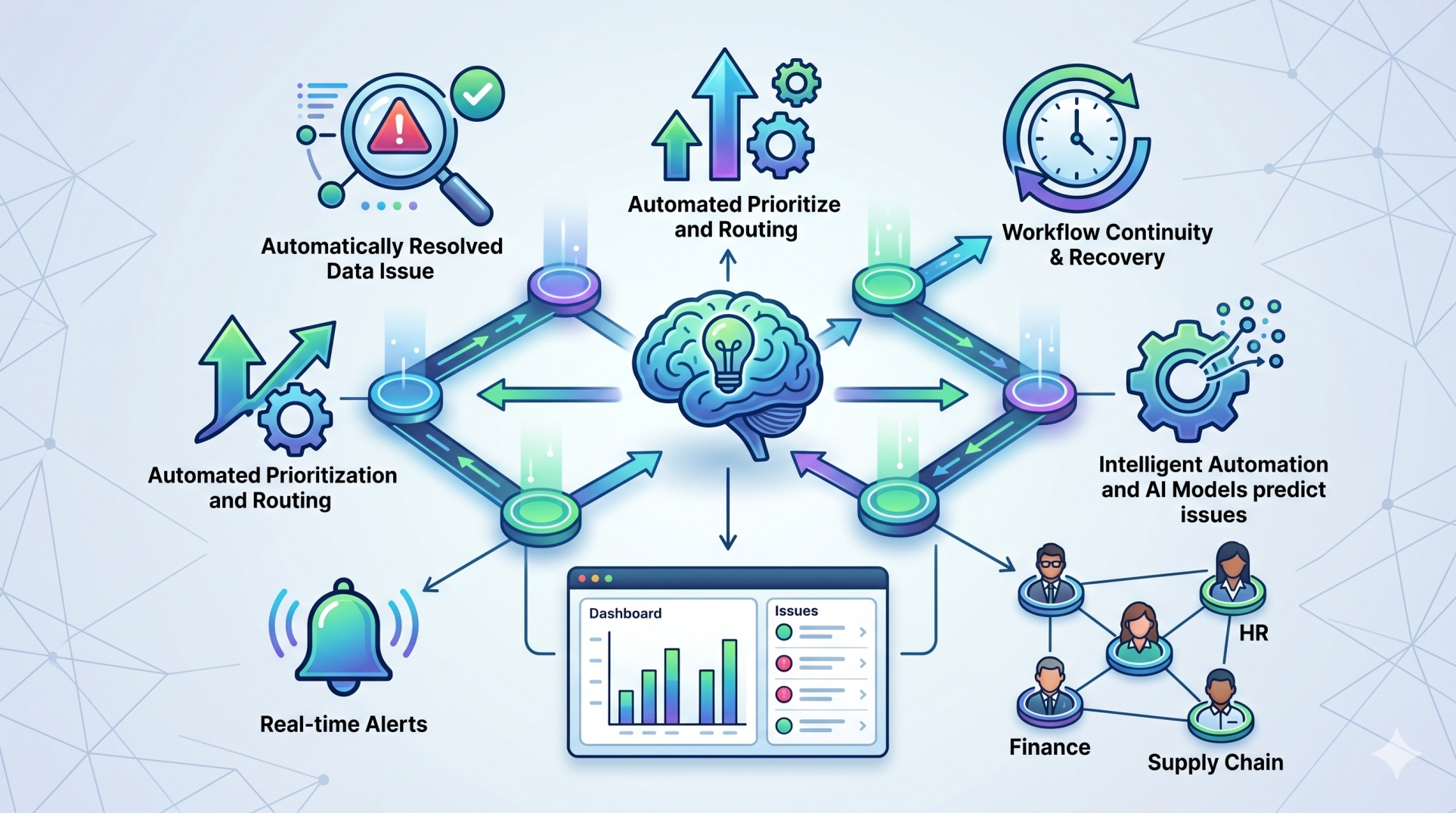
Step 9: Introduce Automation and Intelligence 🤖
• Automate repetitive approvals and administrative activities
• Use workflow rules to route tasks automatically
• Introduce analytics for operational decision-making
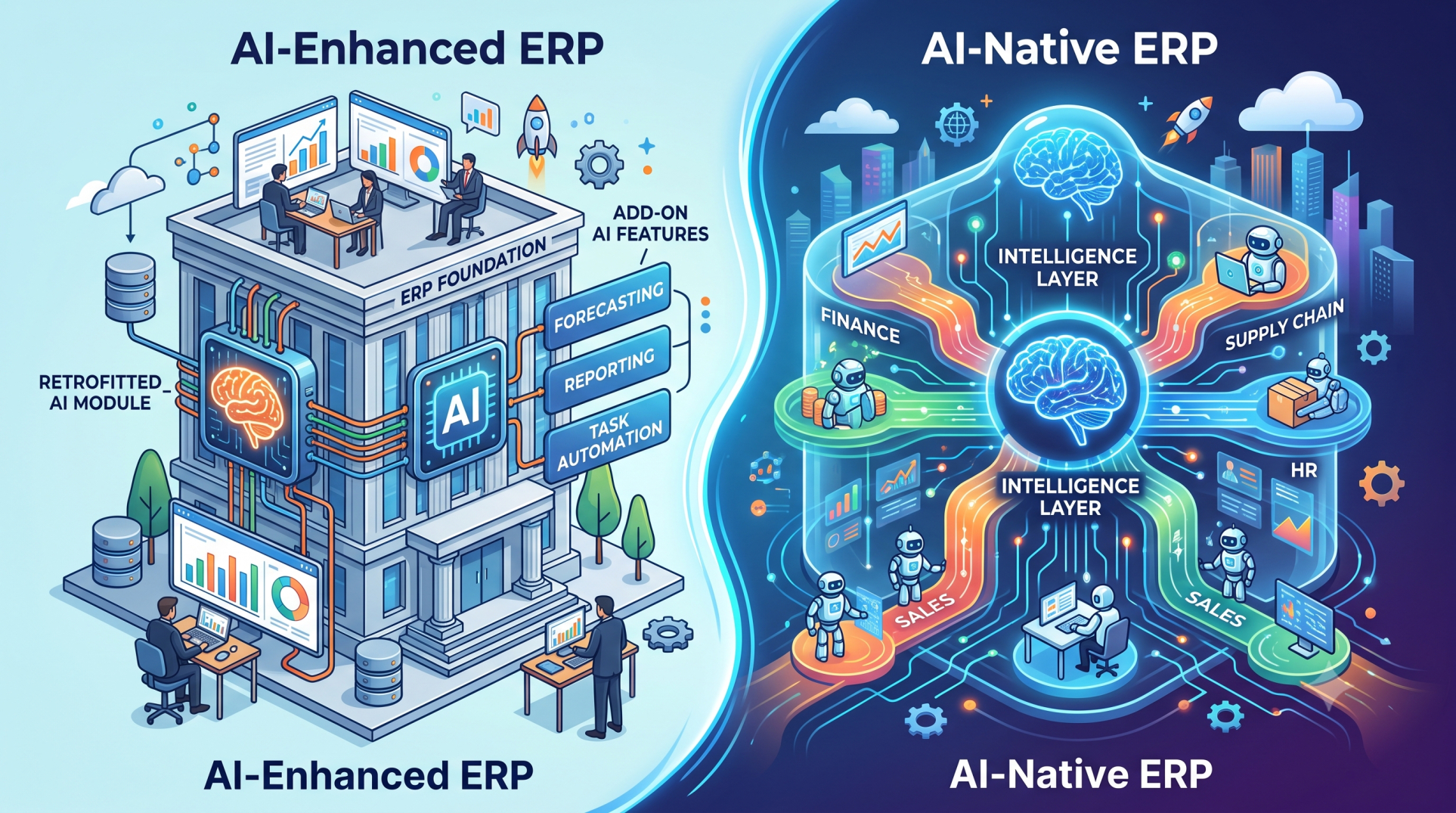
• Apply AI where it can provide meaningful business value
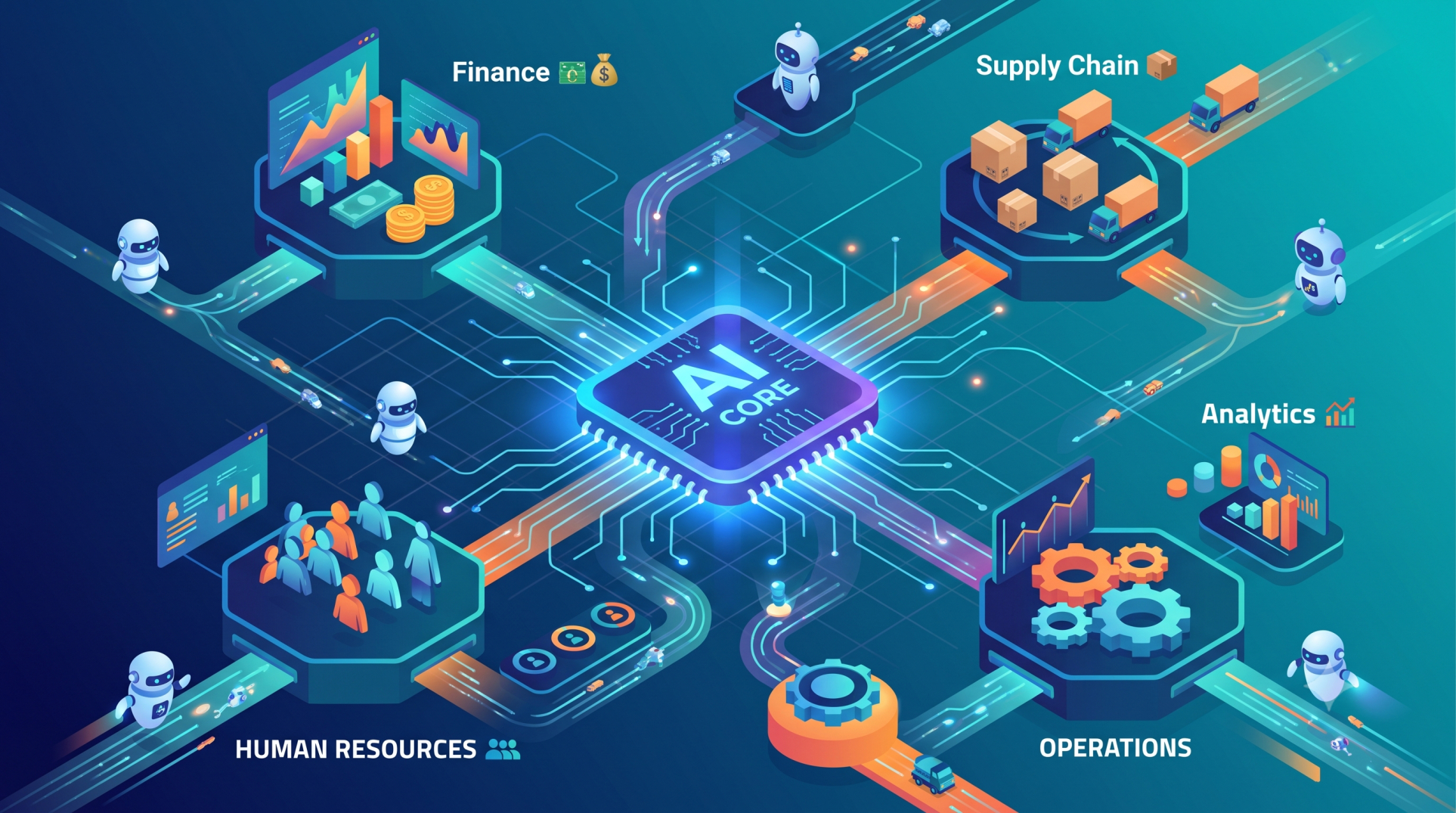
• Build intelligent capabilities on top of reliable process and data foundations
Step 10: Continuously Evolve the ERP Roadmap 🚀
• Measure how new capabilities affect operational performance
• Review feature adoption and user feedback regularly
• Adjust priorities as business requirements change
• Expand functionality as new processes and departments emerge
• Treat the ERP roadmap as an evolving business strategy rather than a fixed feature list
Conclusion
An effective ERP feature roadmap is fundamentally a business-process roadmap. By understanding how work is performed, identifying operational gaps, mapping requirements to connected capabilities, and prioritizing features according to measurable value, organizations can build ERP platforms that genuinely support their operations. A process-driven roadmap creates stronger alignment between technology and business objectives while providing a flexible foundation for future growth and innovation.
See more blogs
You can all the articles below