How ERP Software Should Evolve Through Different Growth Stages
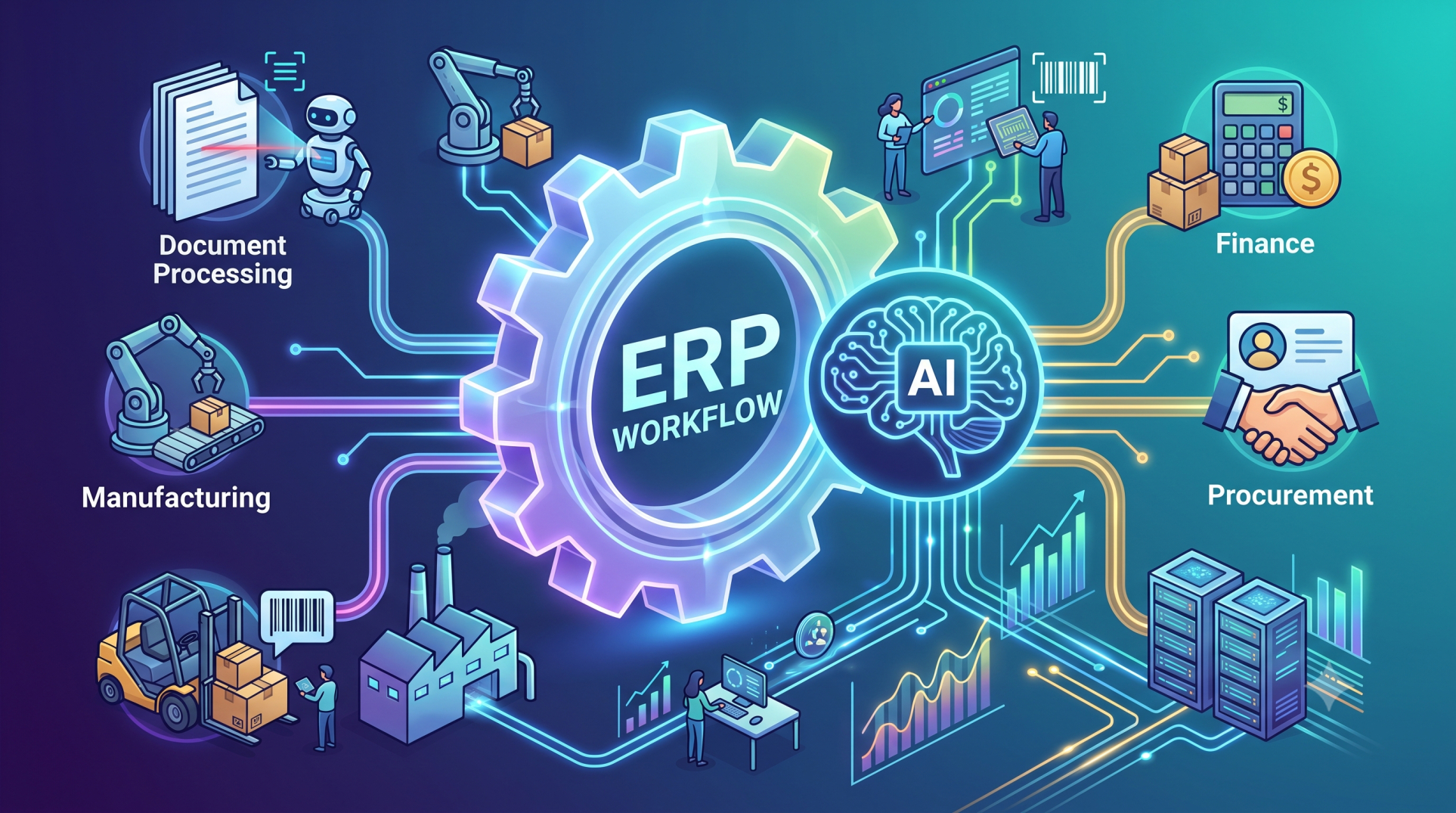
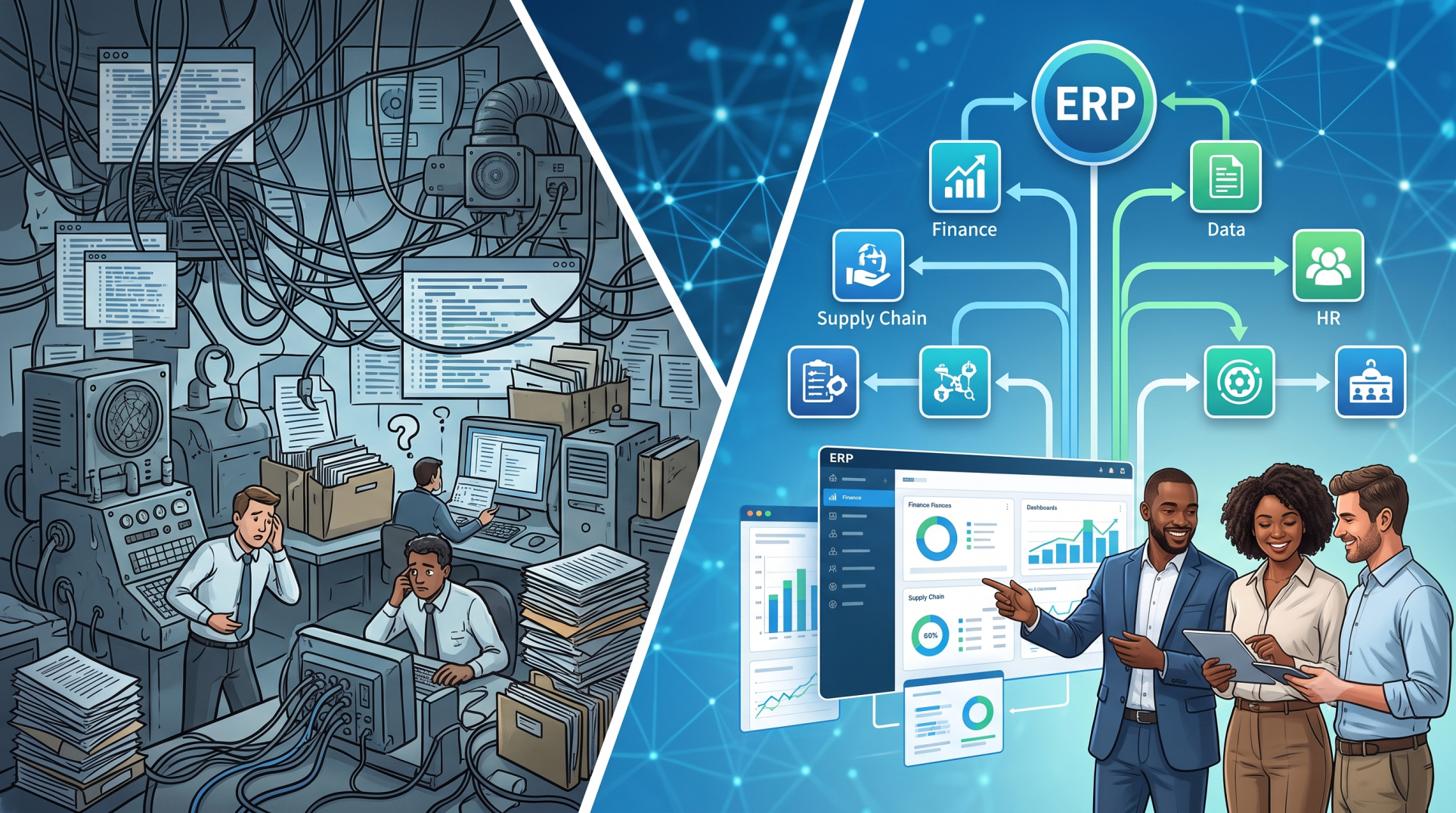
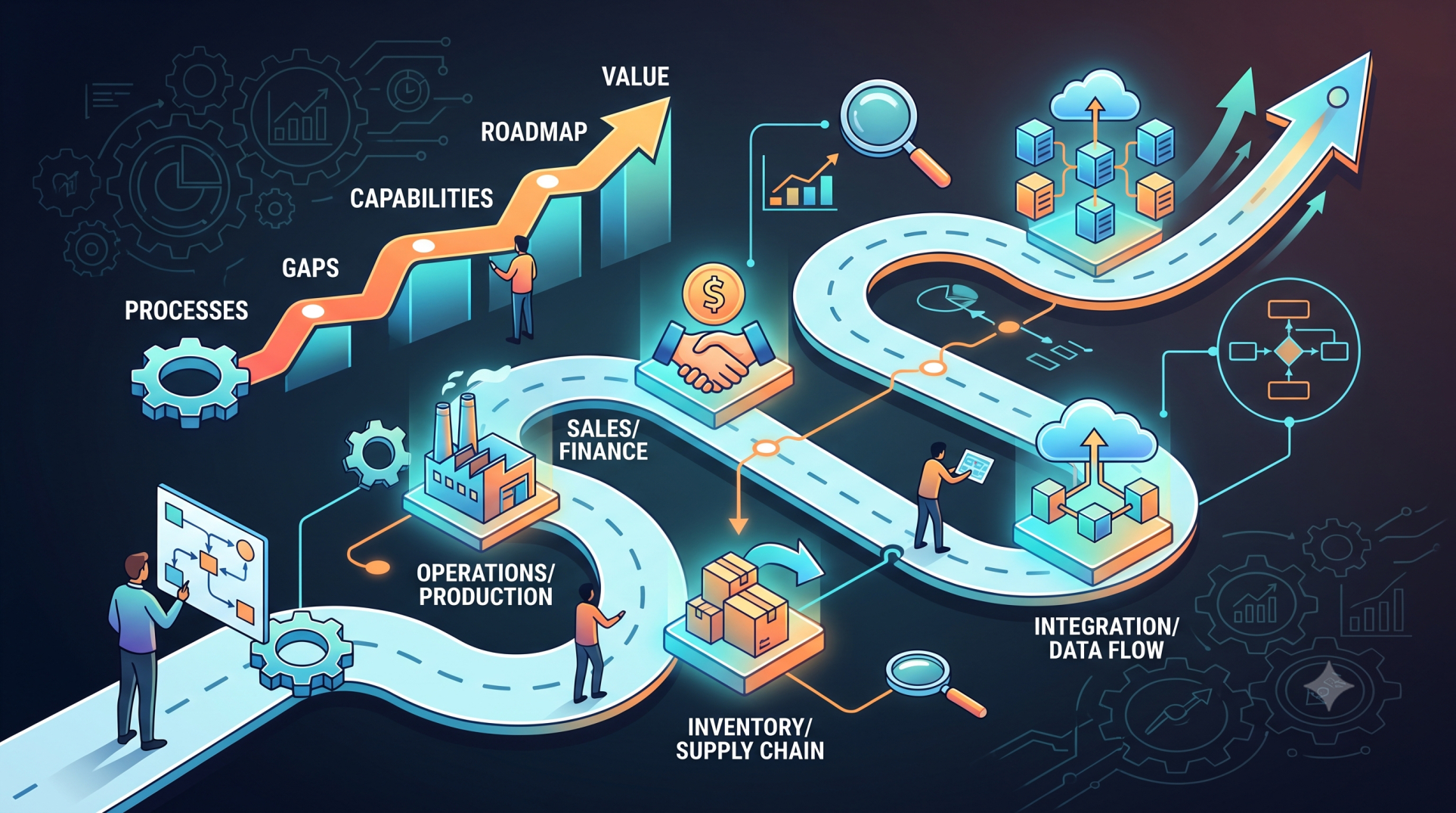
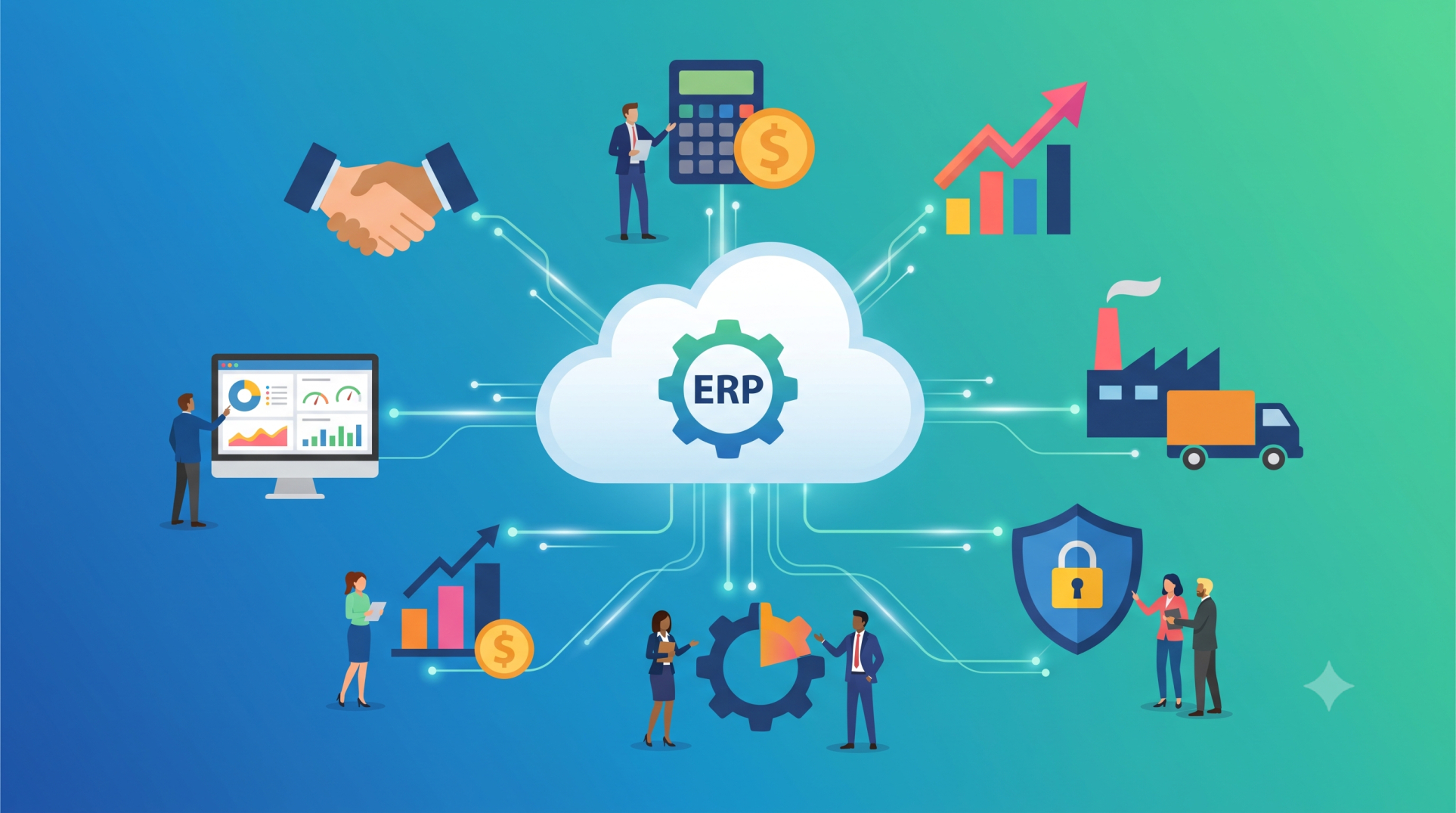
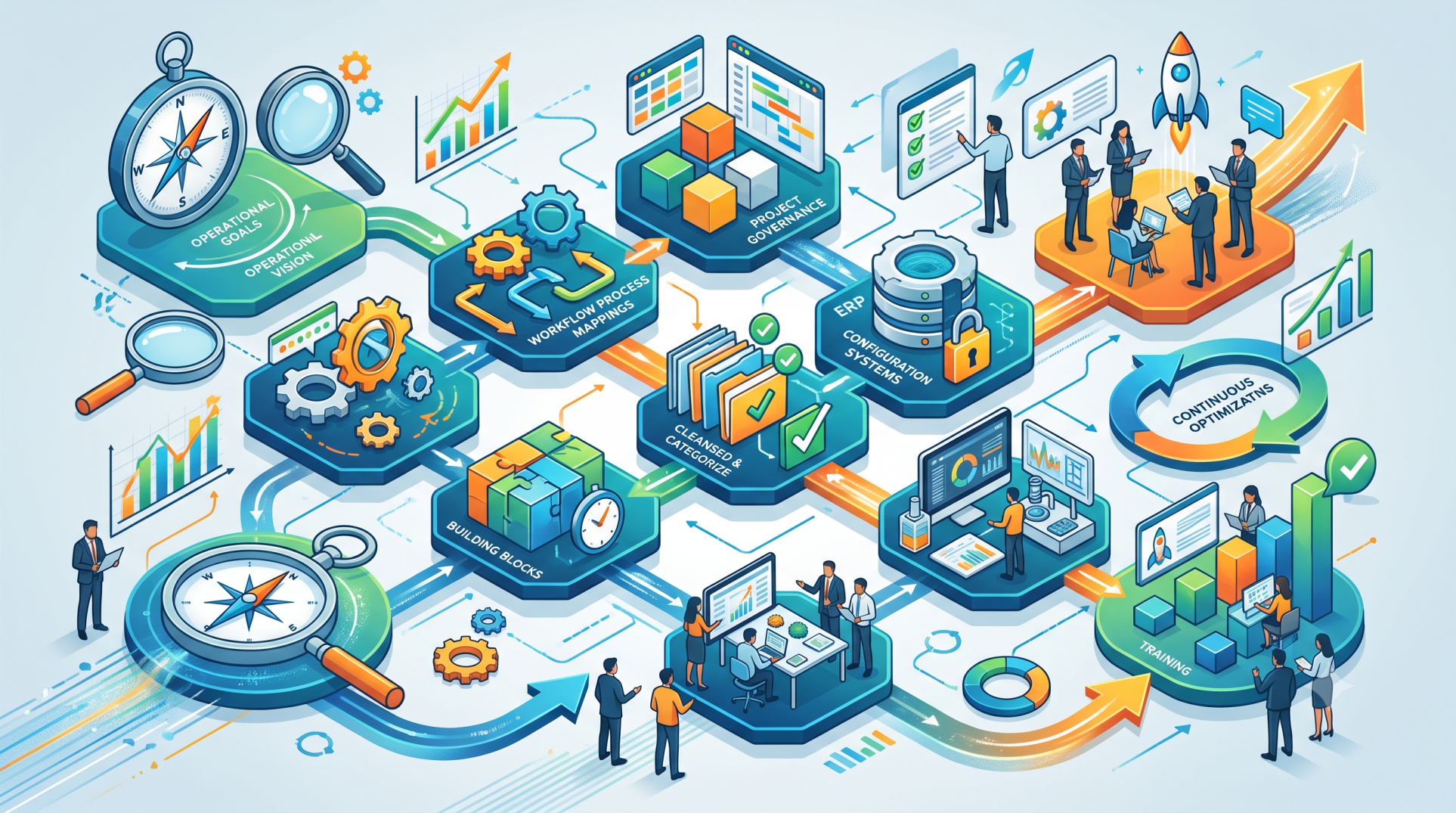
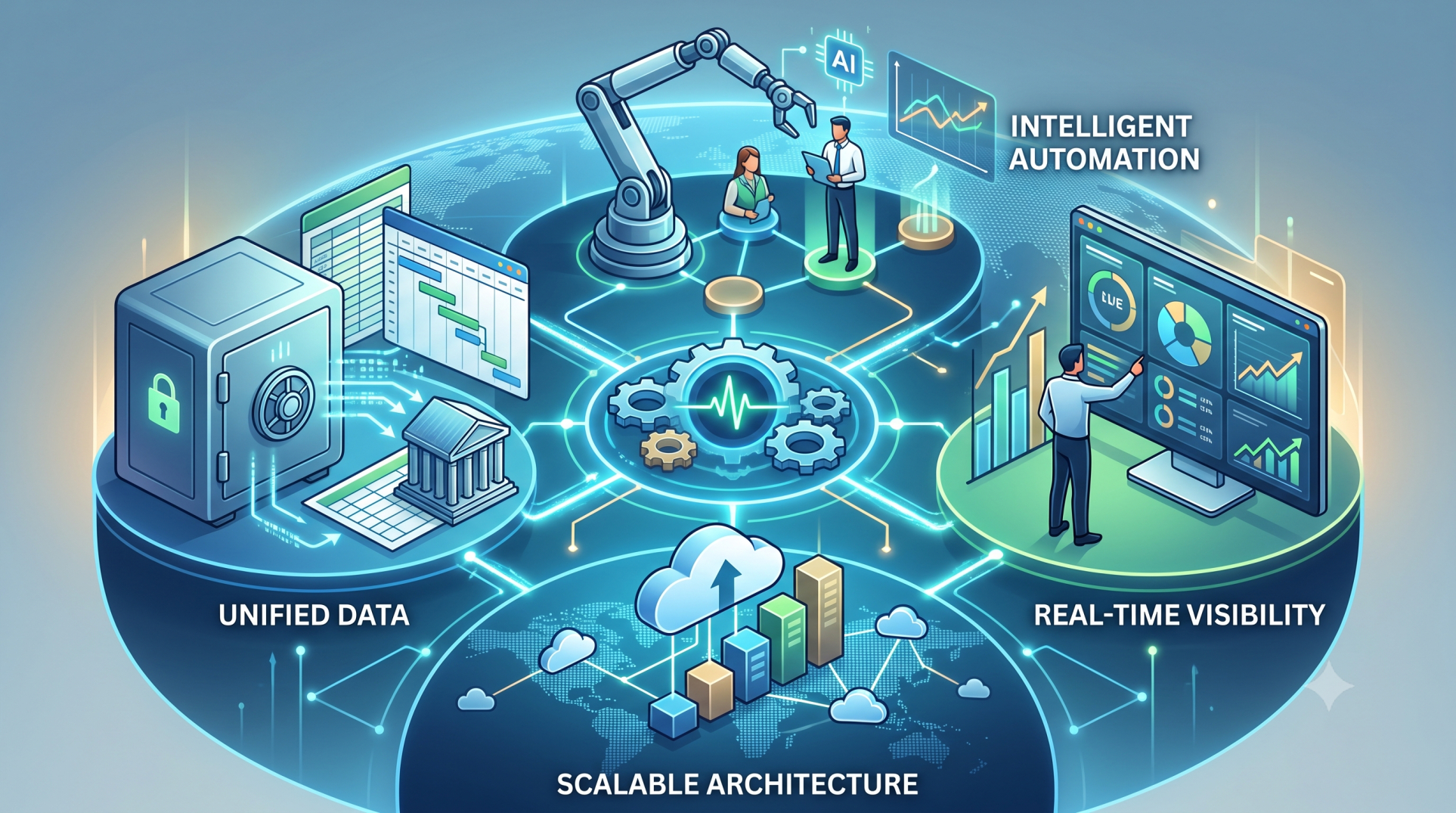
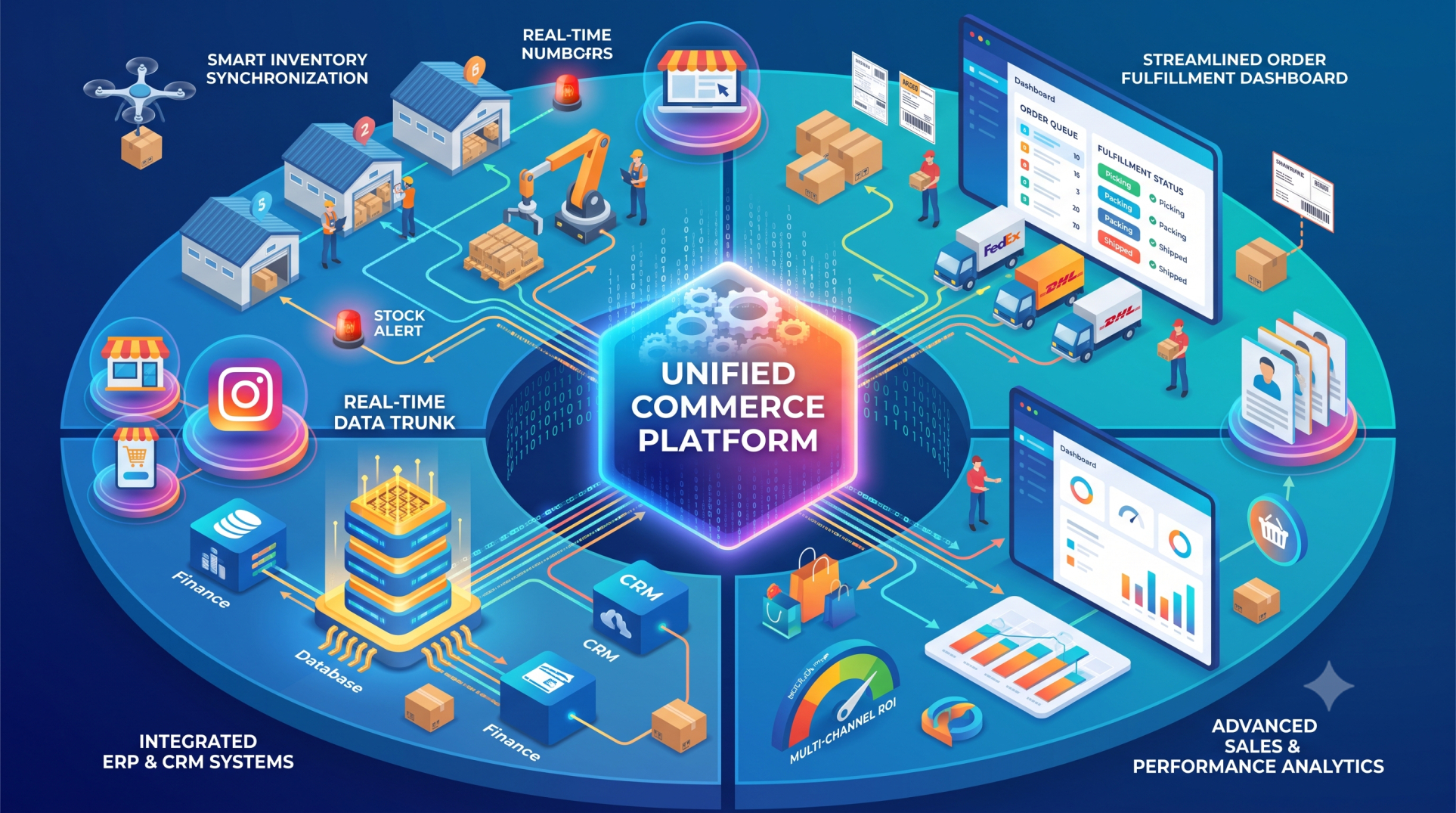
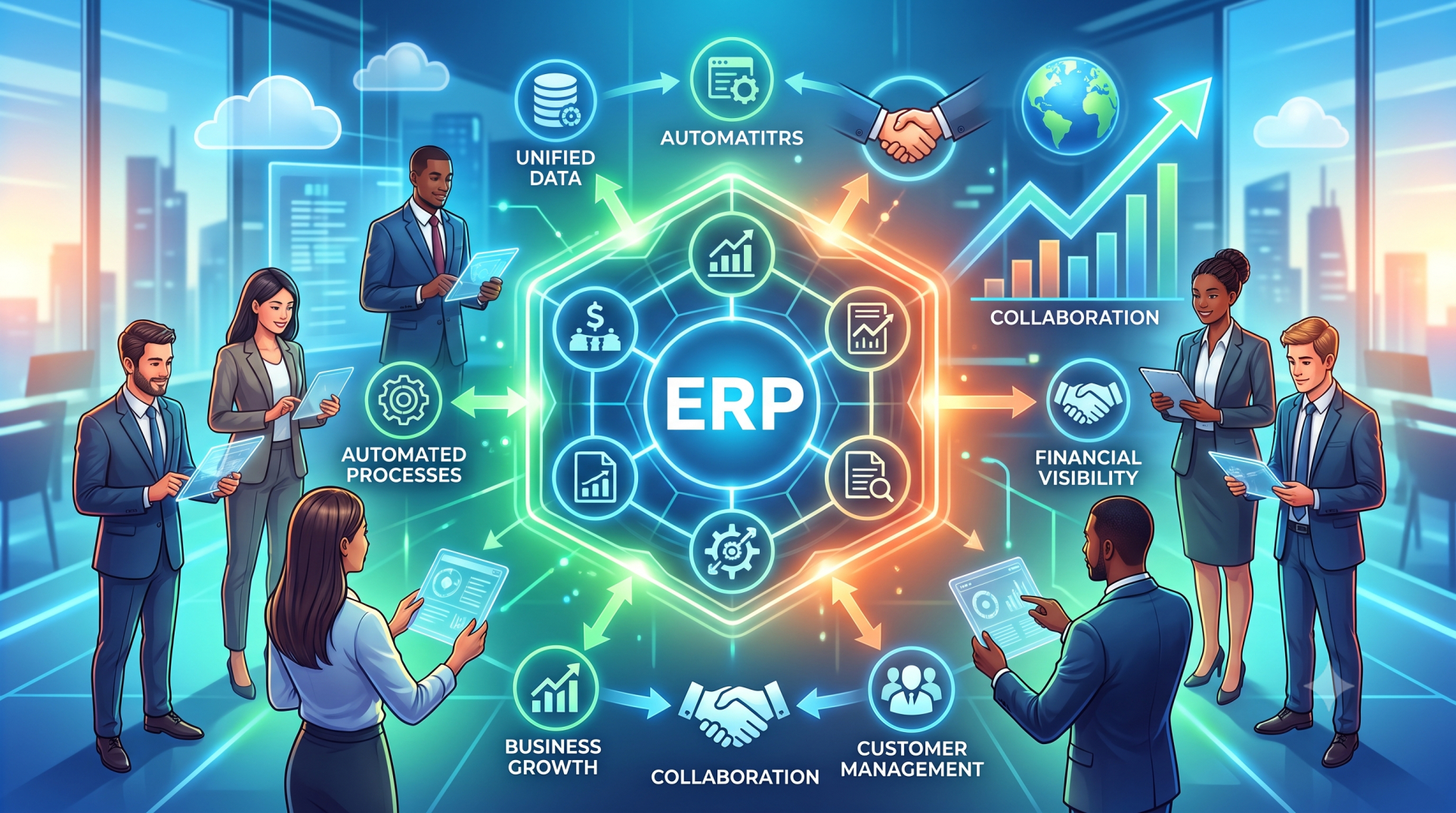
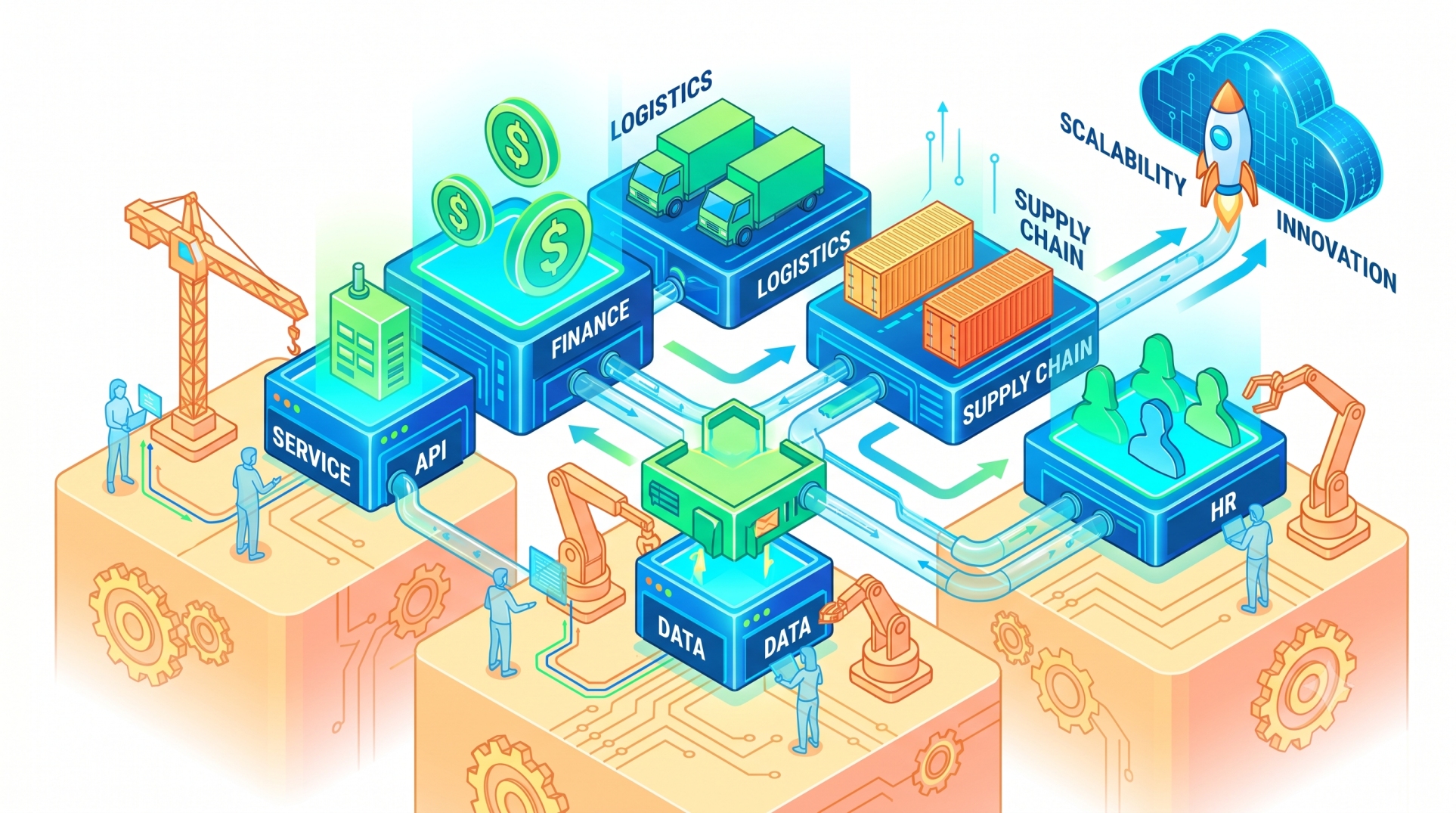
As organizations grow, their operational processes, data volumes, teams, and technology requirements change. An ERP system that works effectively for a small business may not provide the same level of flexibility or control as the organization expands. ERP software should therefore evolve alongside business growth, supporting new processes while maintaining reliable data, security, and operational visibility.
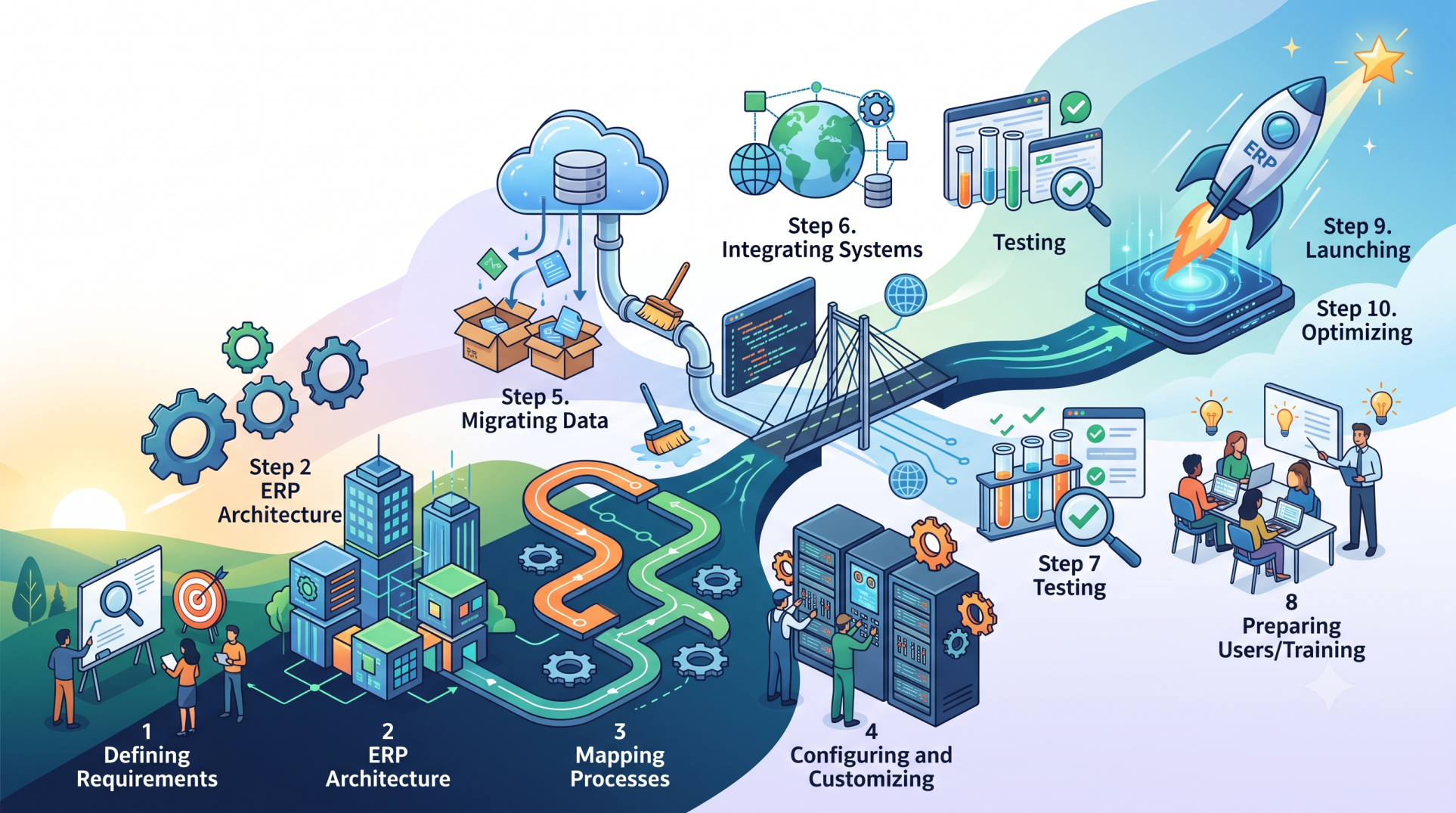
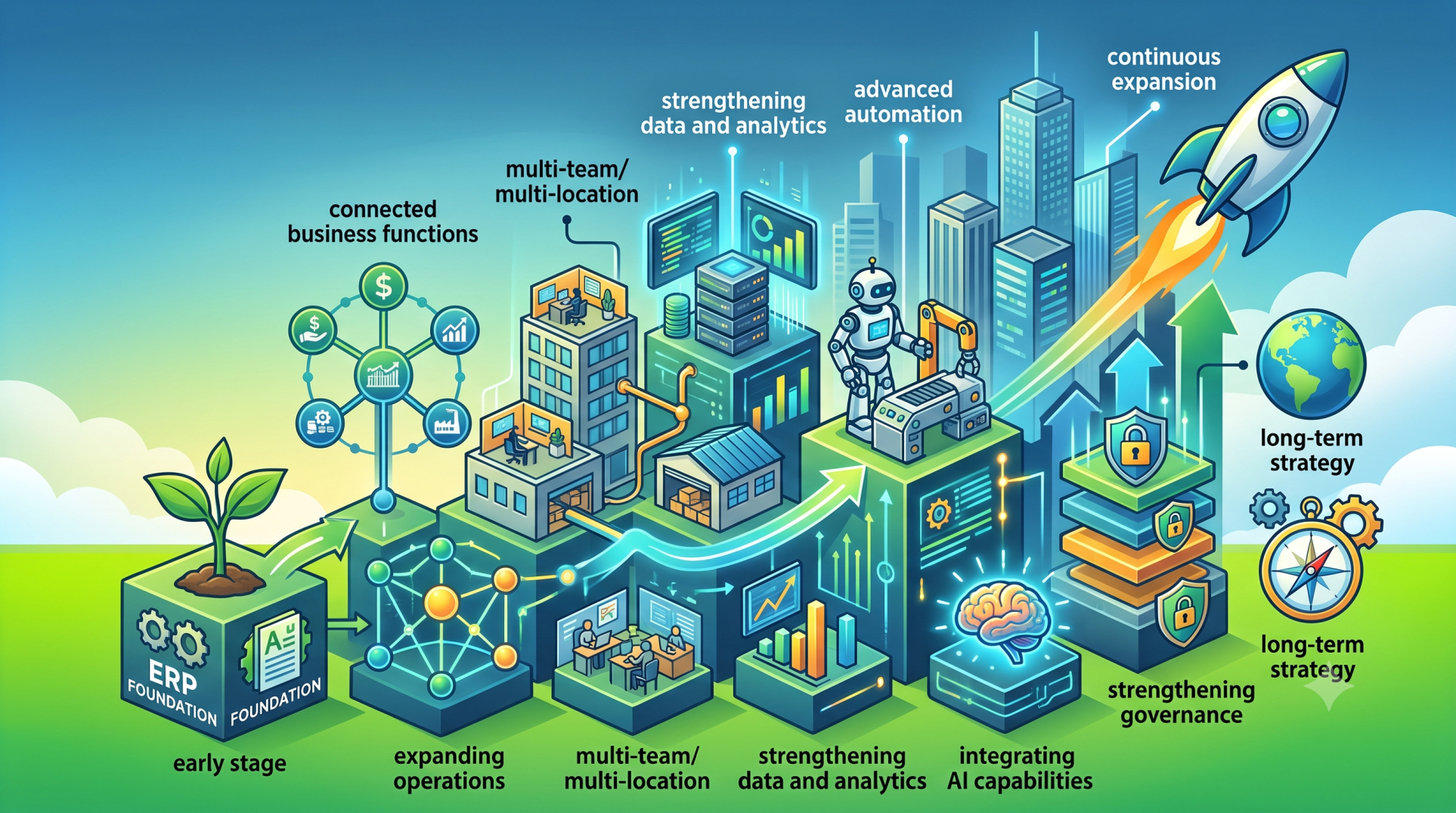
Step 1: Establishing the ERP Foundation for Early-Stage Businesses 🌱
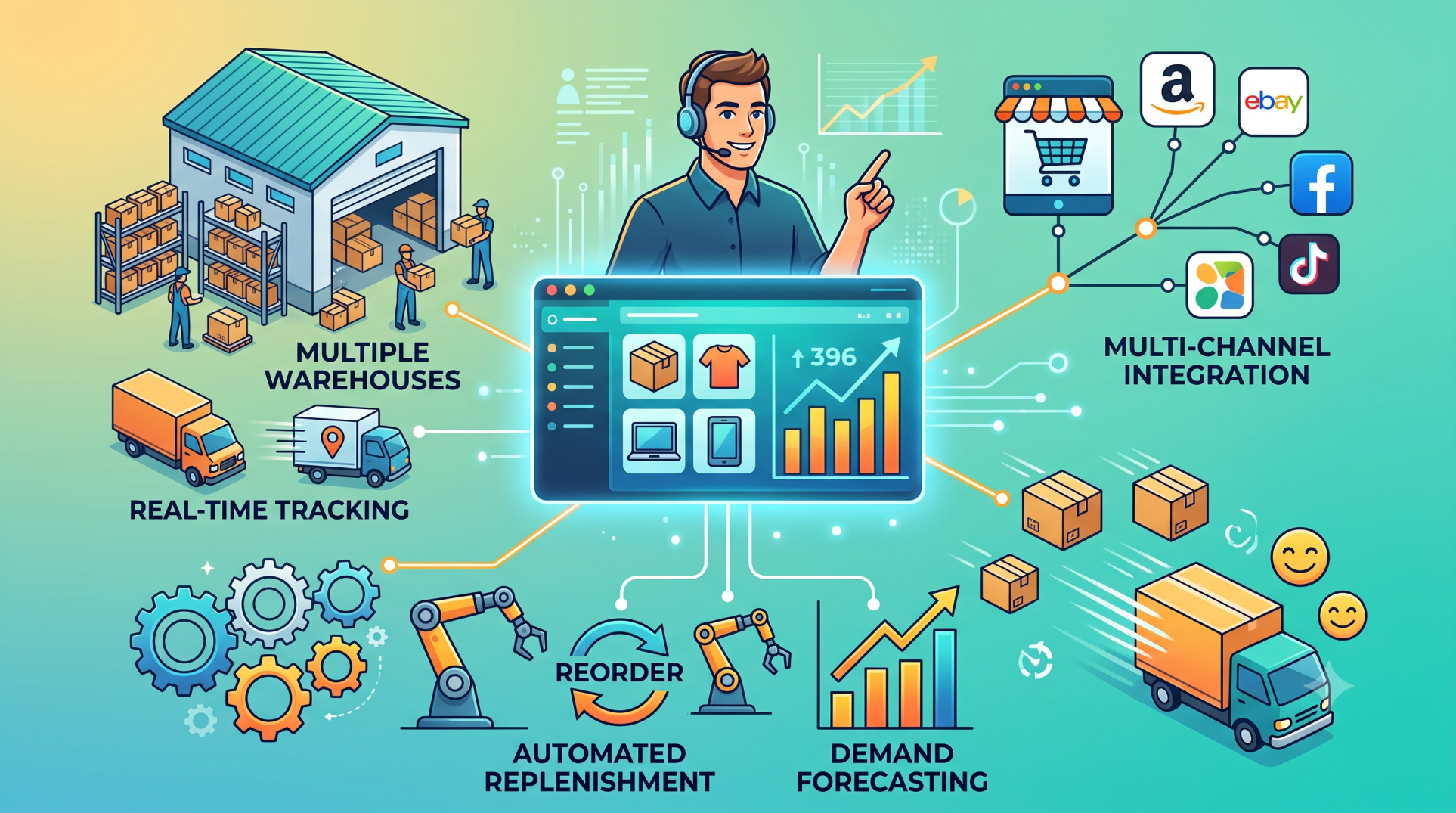
• Start with essential functions such as accounting, purchasing, inventory, and basic operations. 💼
• Keep workflows simple enough for small teams to manage efficiently. ⚙️
• Establish consistent processes for capturing and managing business data. 📊
• Avoid unnecessary complexity that can slow down early operations. 🚀
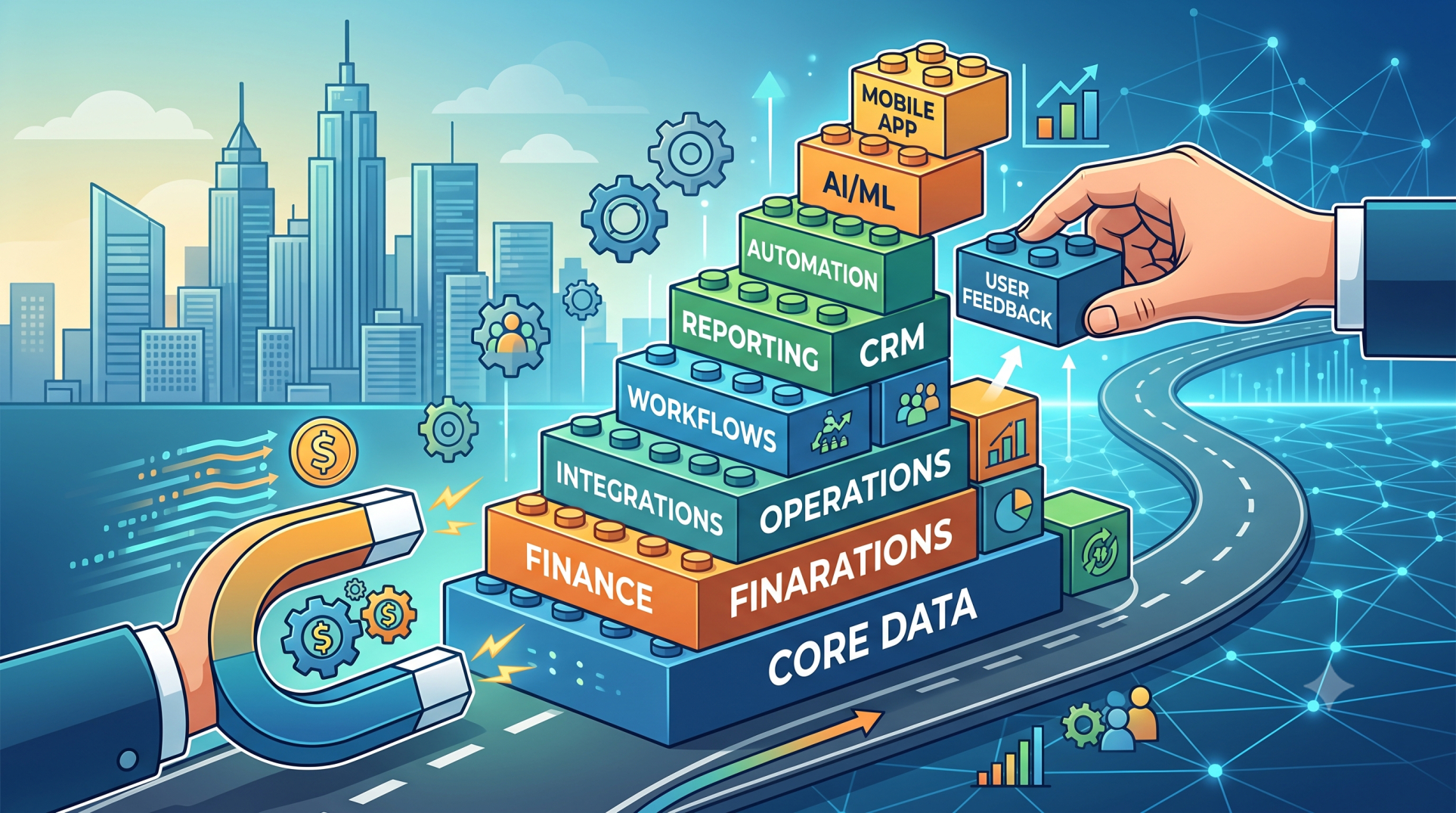
• Build a foundation that can accommodate future modules and integrations. 🧩
Step 2: Supporting Expanding Operations 📈
• Add functionality as transaction volumes and operational requirements increase. 🔄
• Introduce more structured workflows for procurement, sales, inventory, and finance. 🗂️
• Improve reporting capabilities to provide greater visibility into business performance. 📊
• Connect additional departments to reduce isolated data and manual processes. 🔗
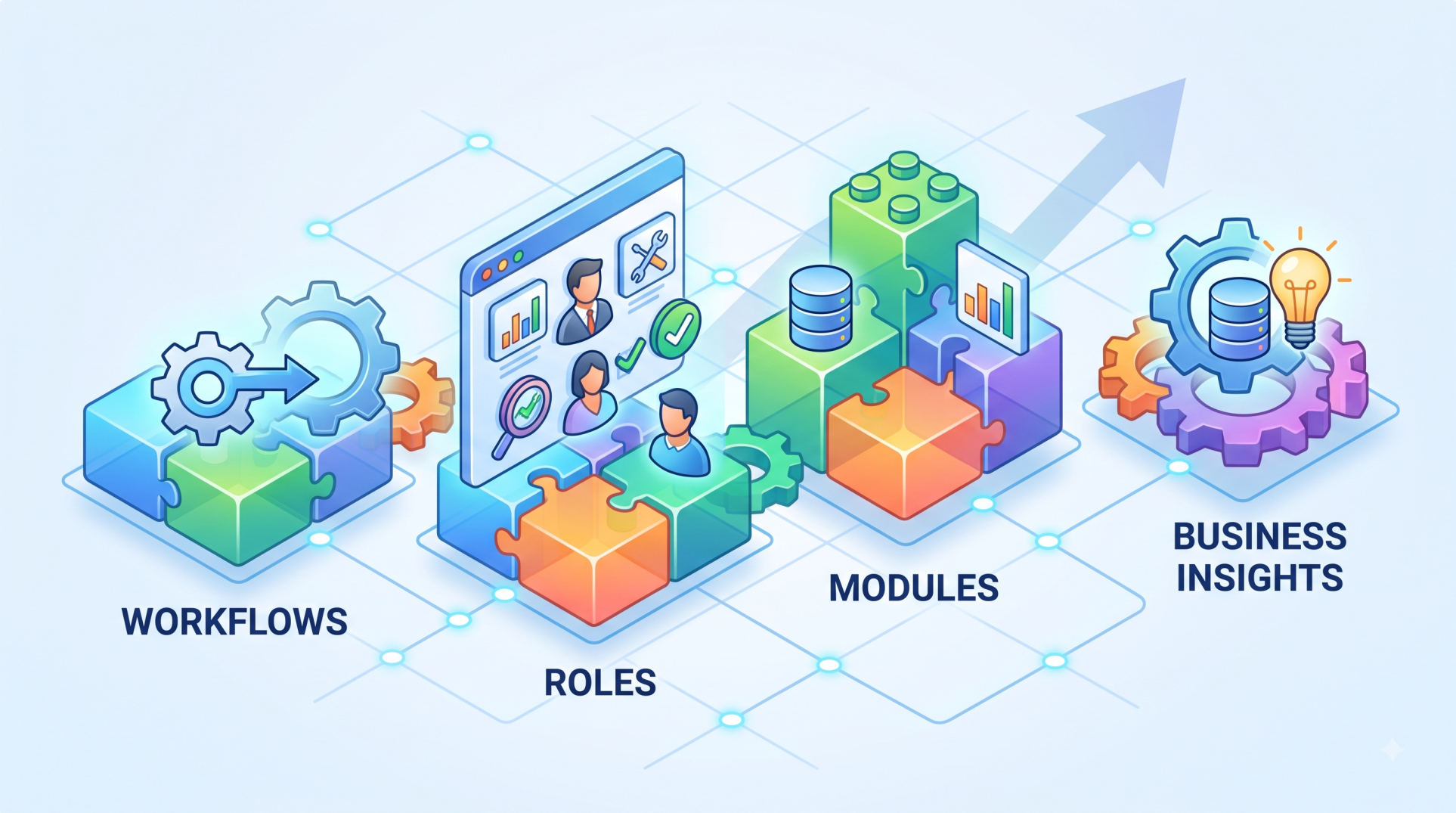
• Establish clearer roles and permissions as the organization grows. 🔐
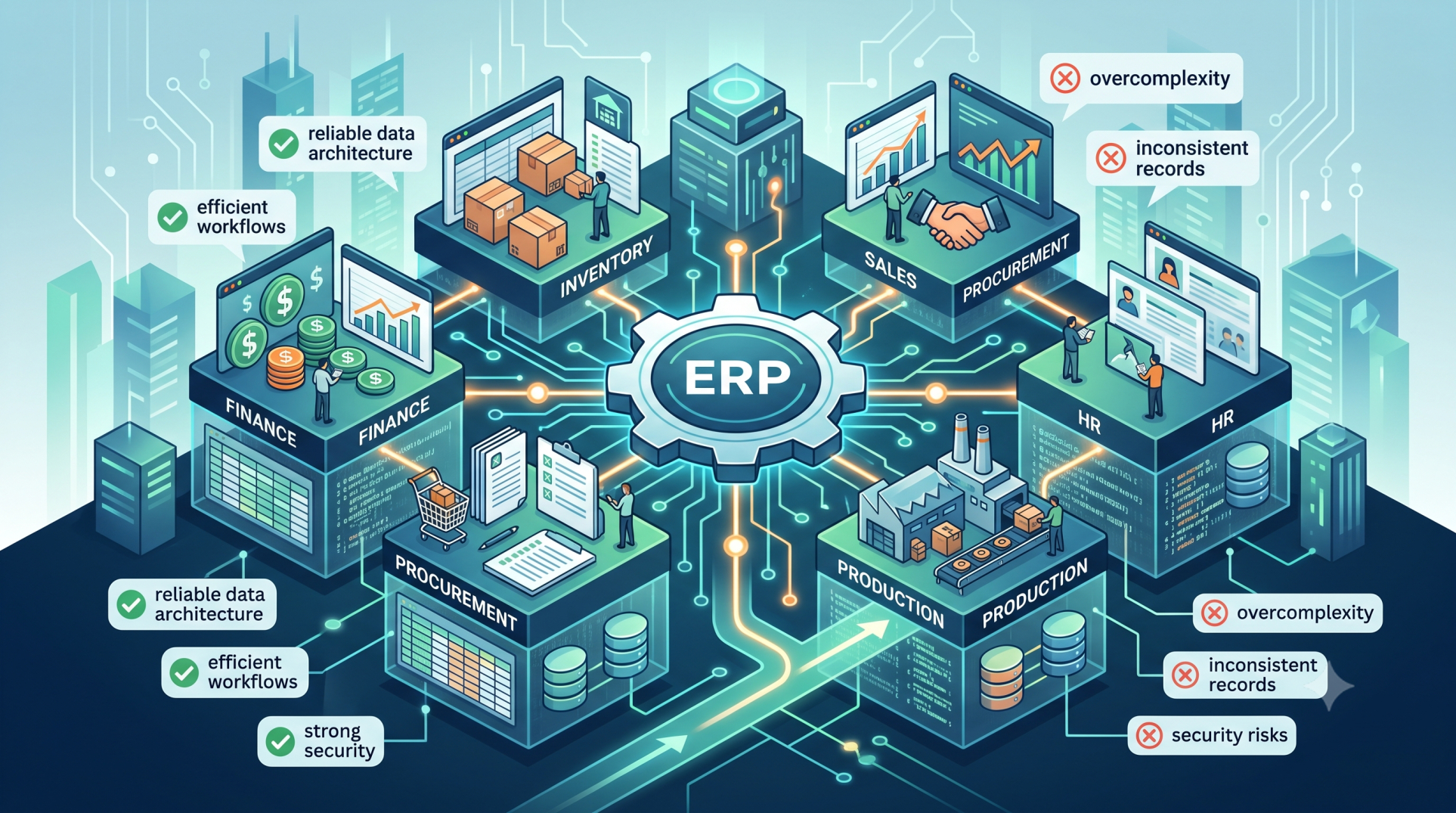
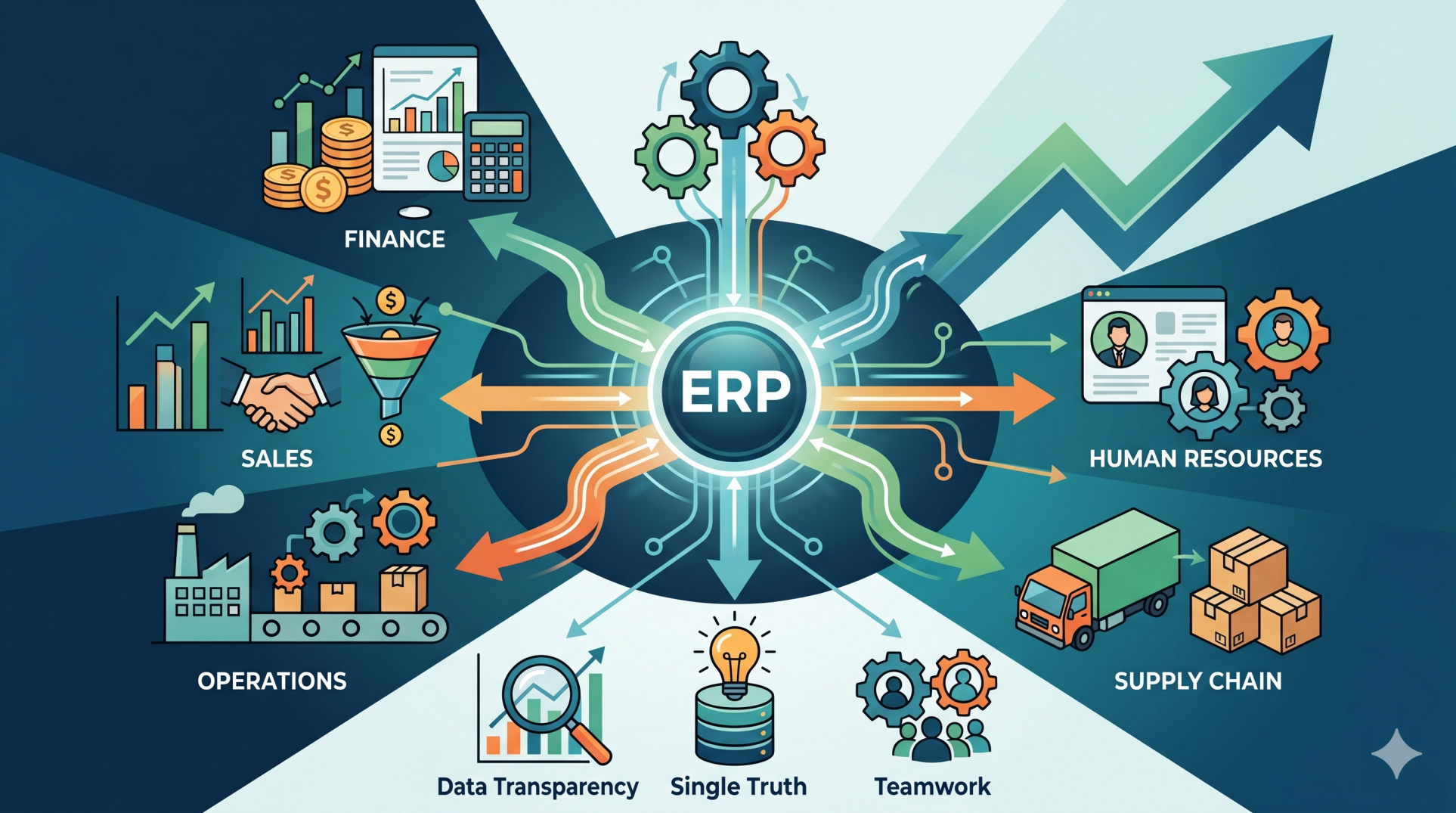
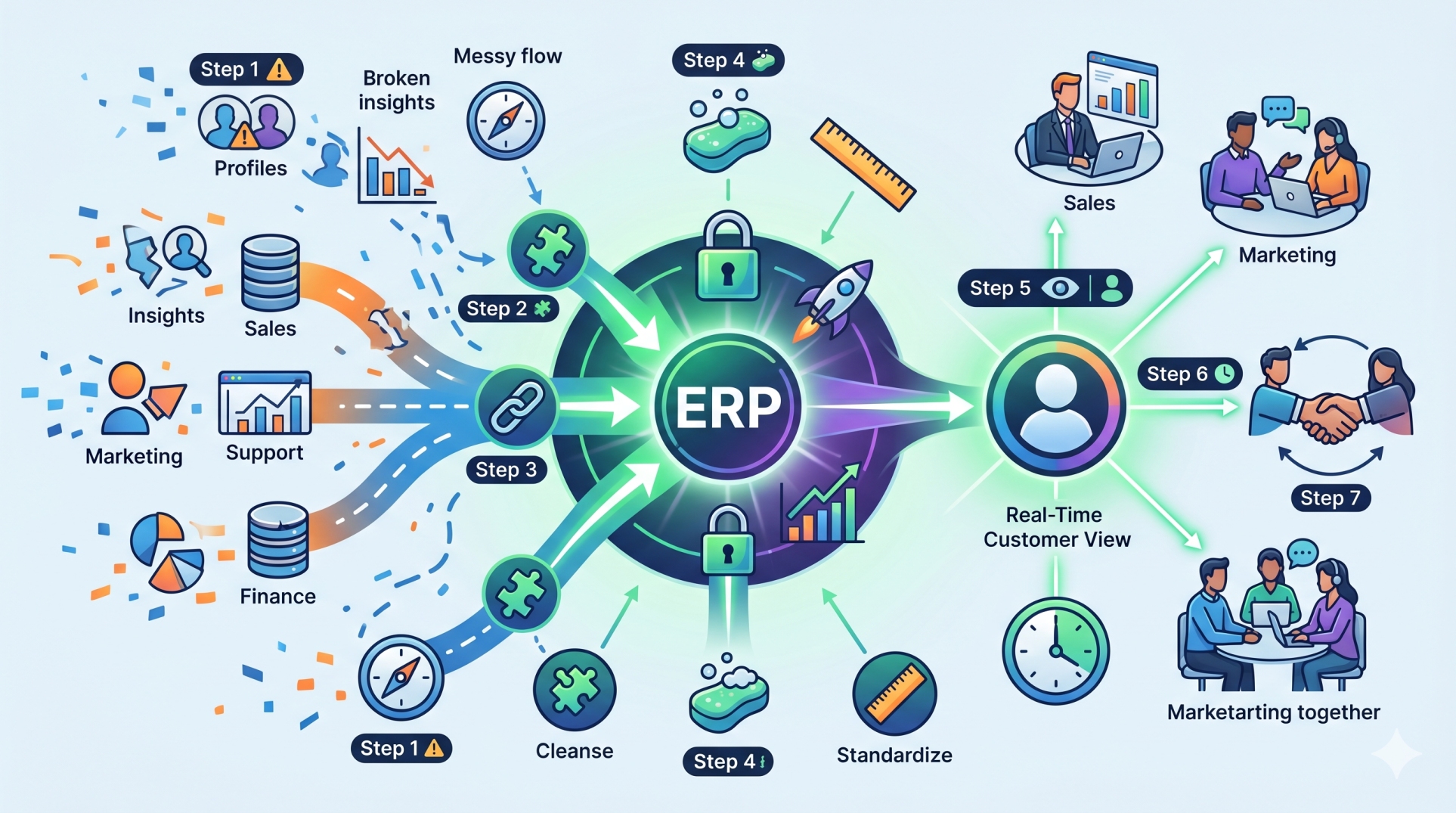
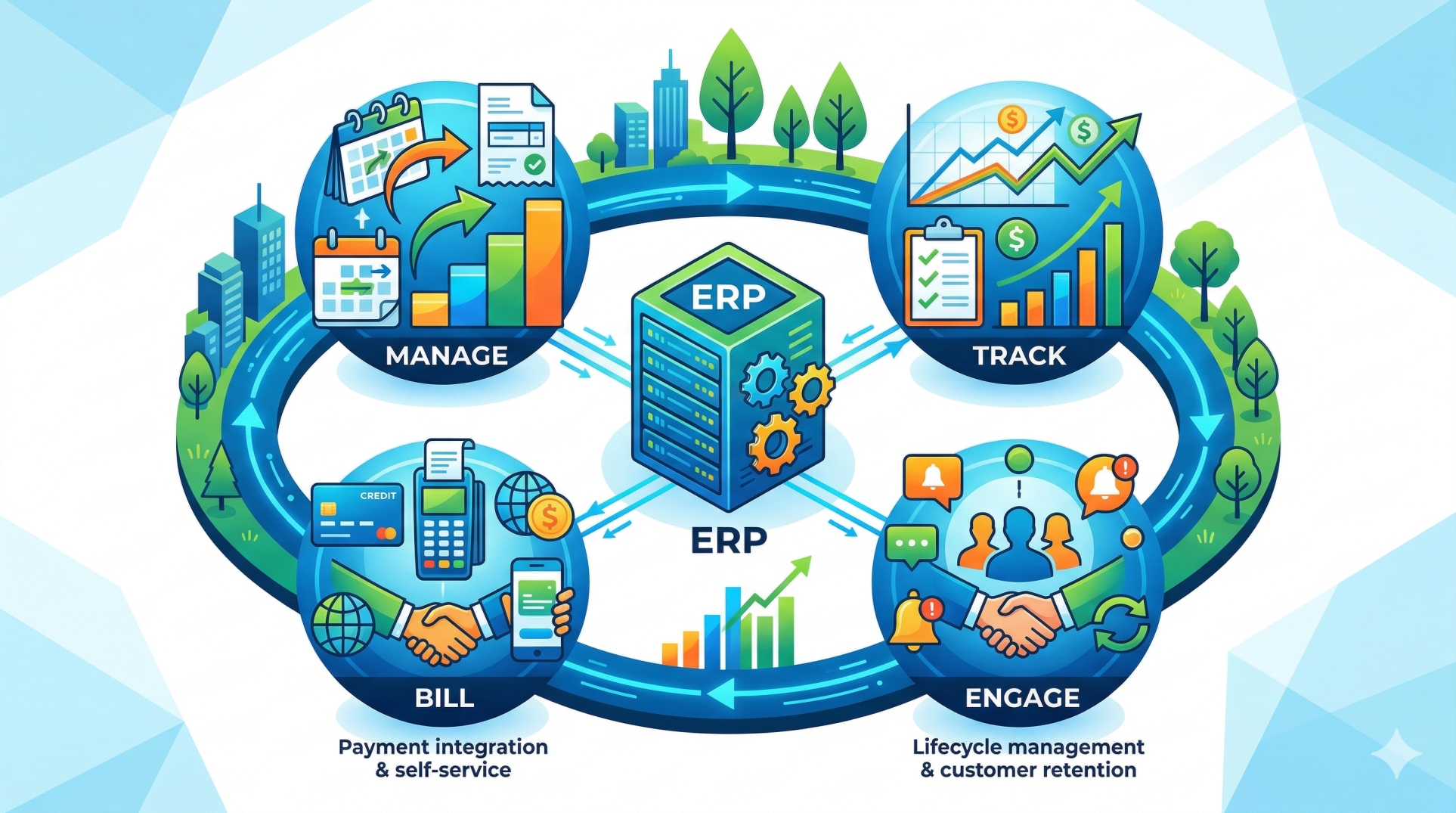
Step 3: Connecting Business Functions 🔗
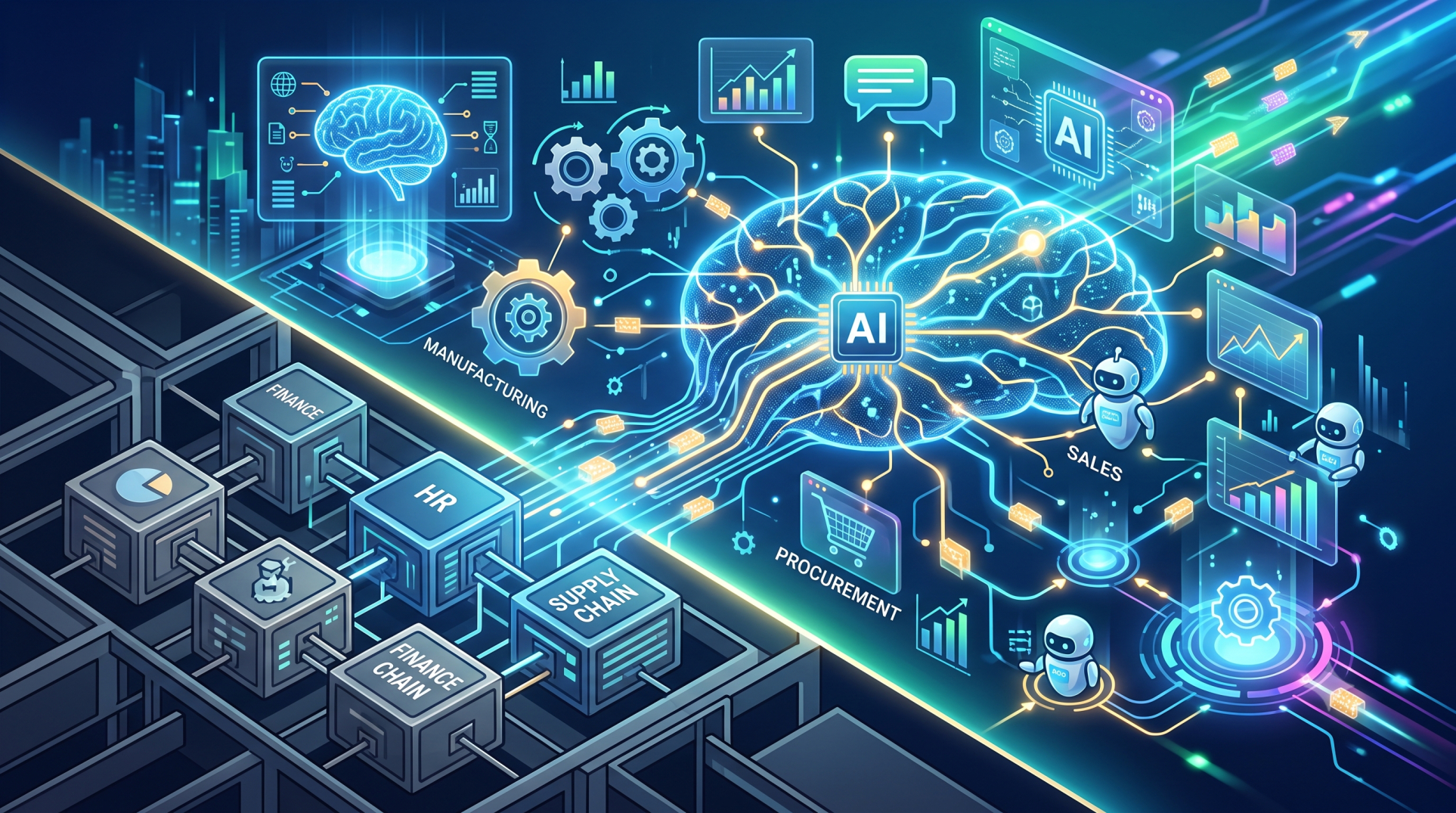
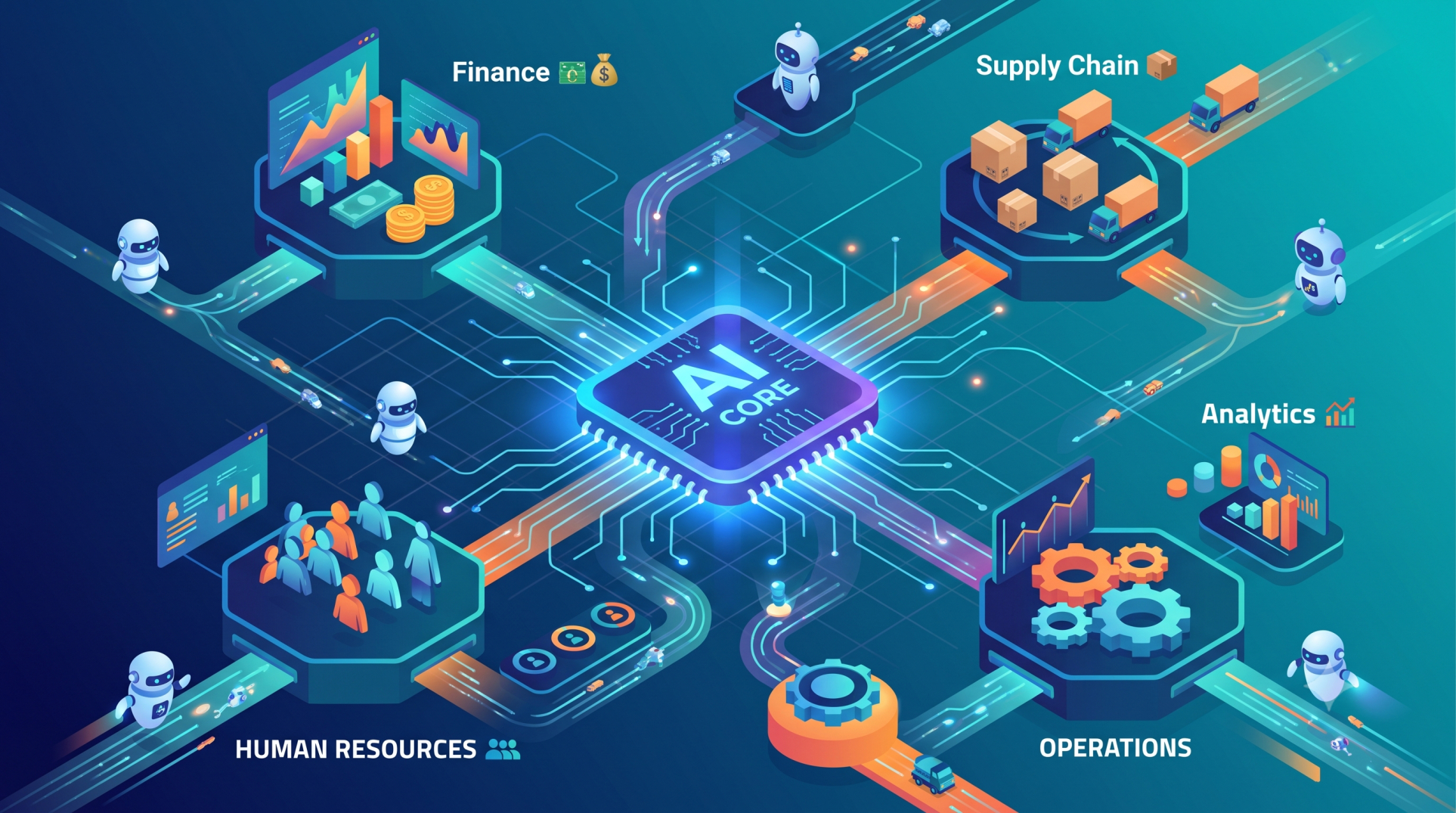
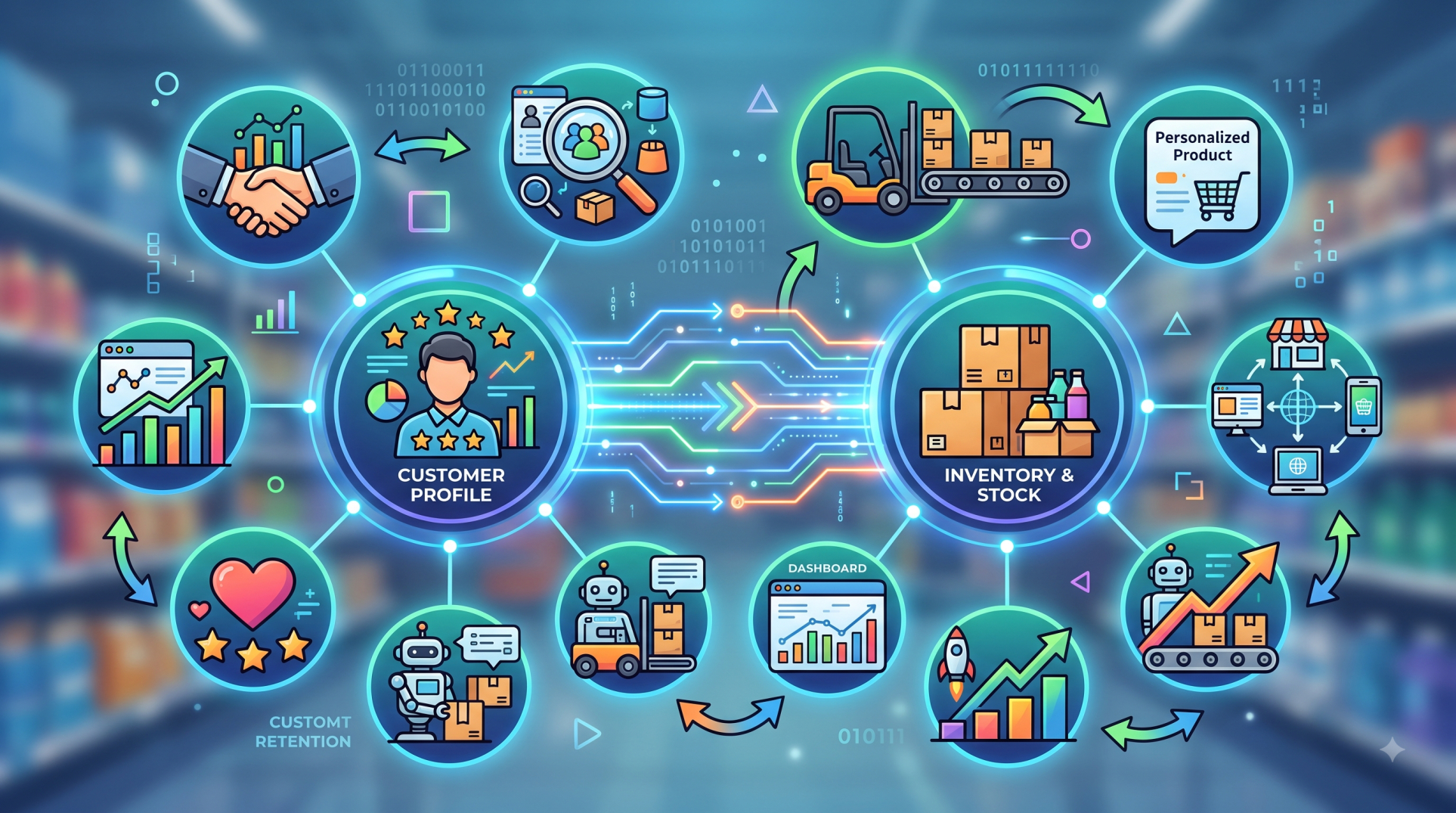
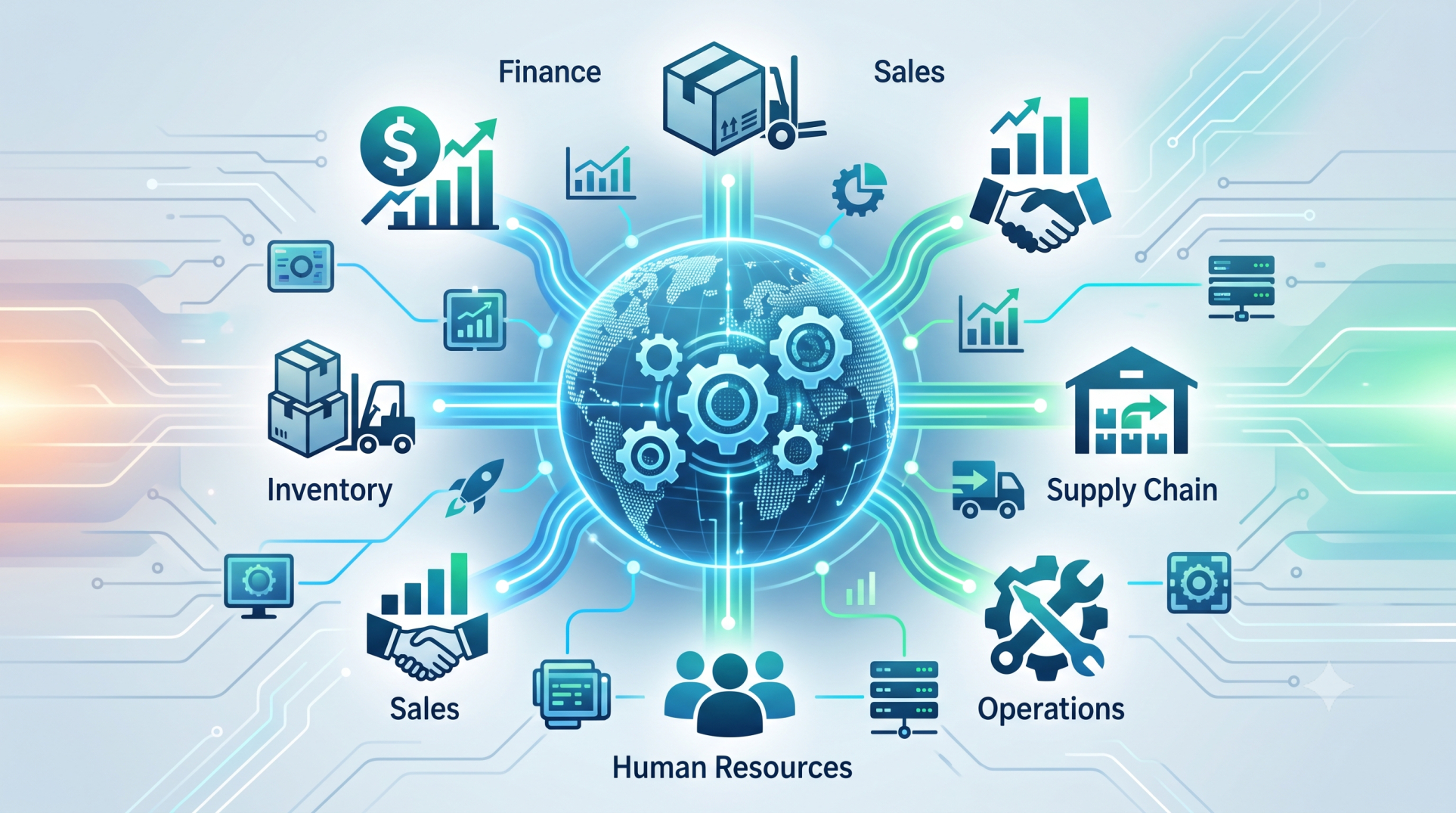
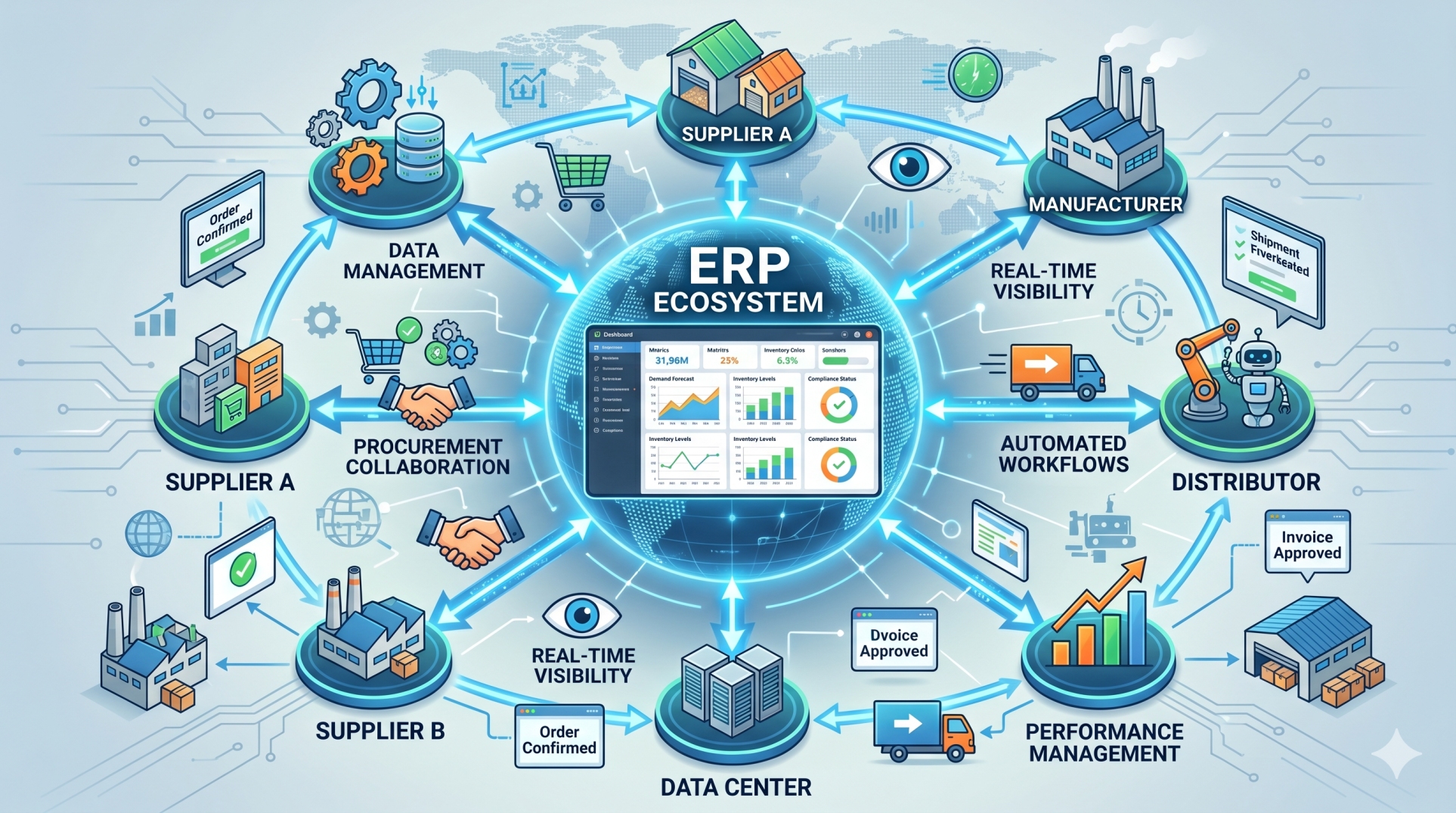
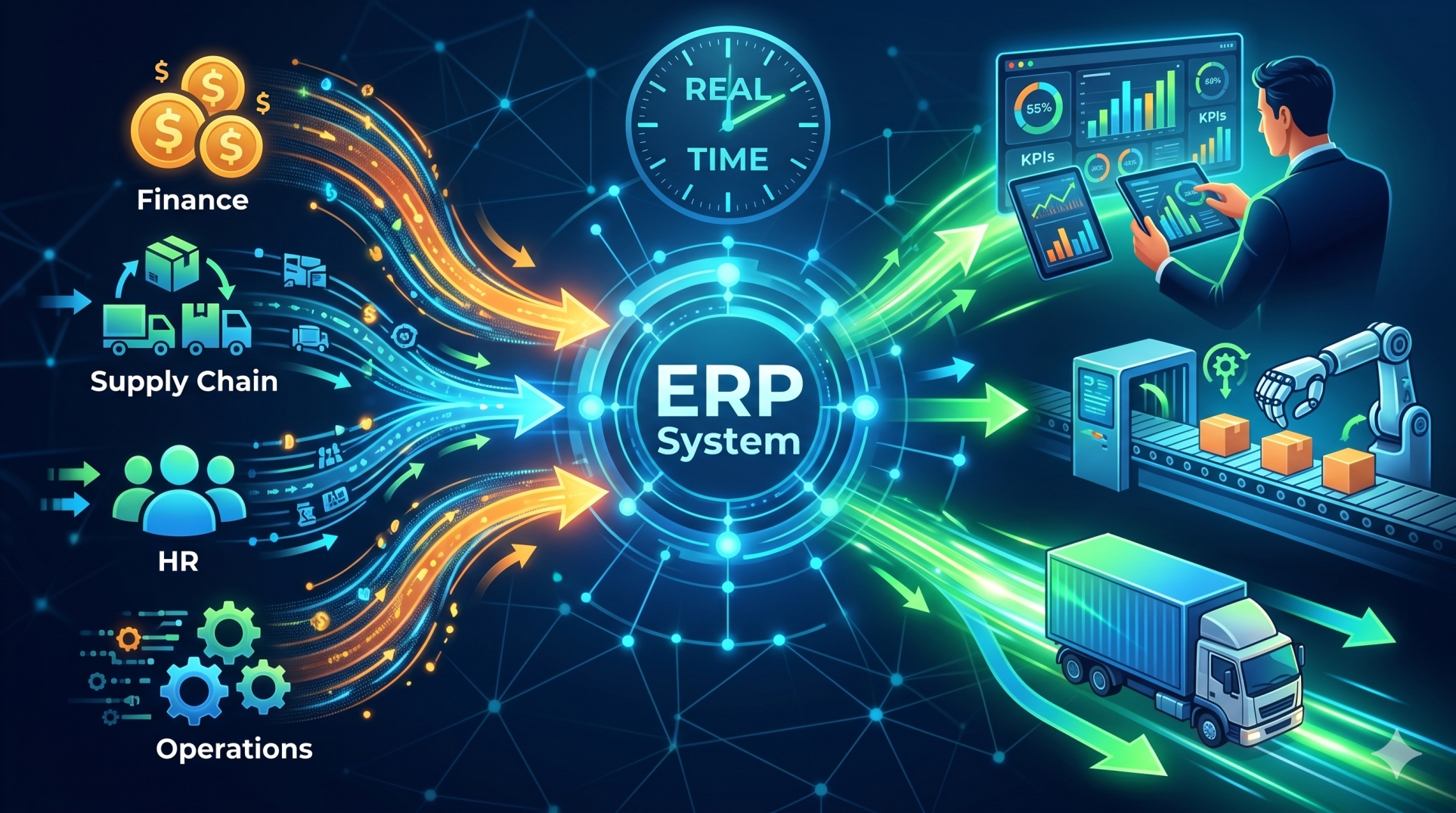
• Integrate finance, sales, procurement, inventory, operations, and other departments. 🏢
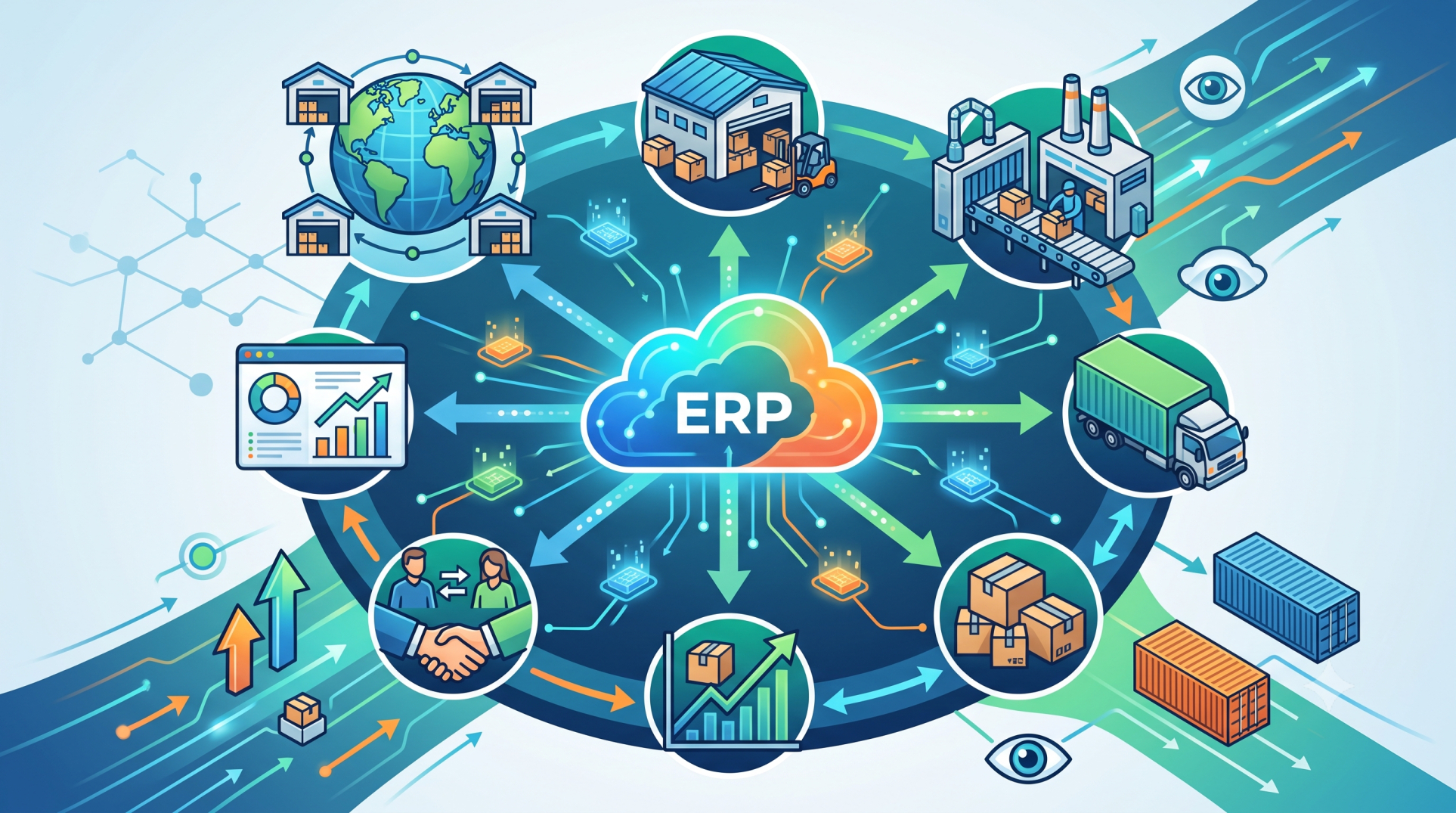
• Create shared data structures across business functions. 🗃️
• Reduce duplicate data entry by connecting related workflows. ⚡
• Enable information to move consistently between departments. 🔄
• Improve cross-functional visibility through centralized reporting. 👁️
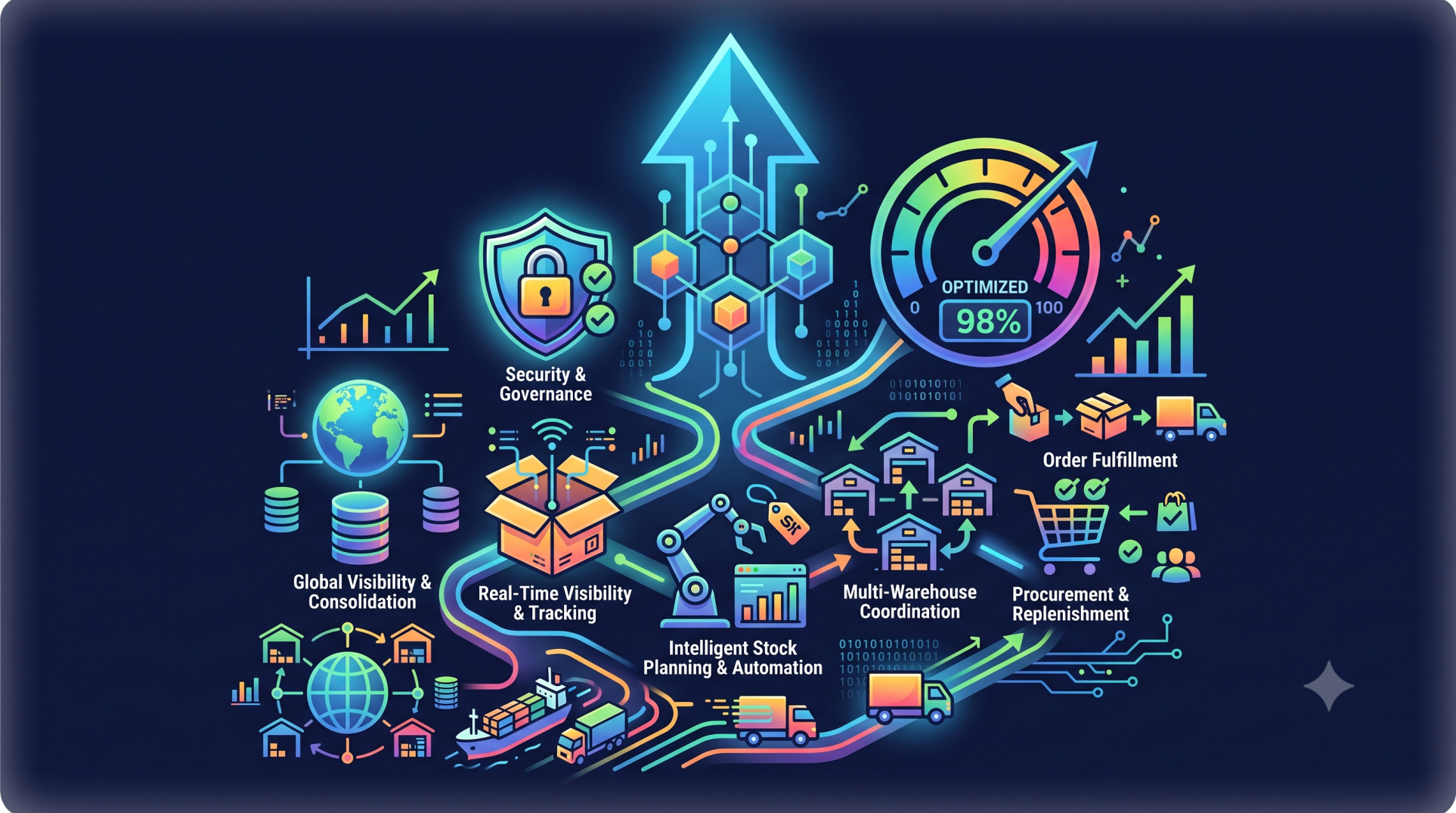
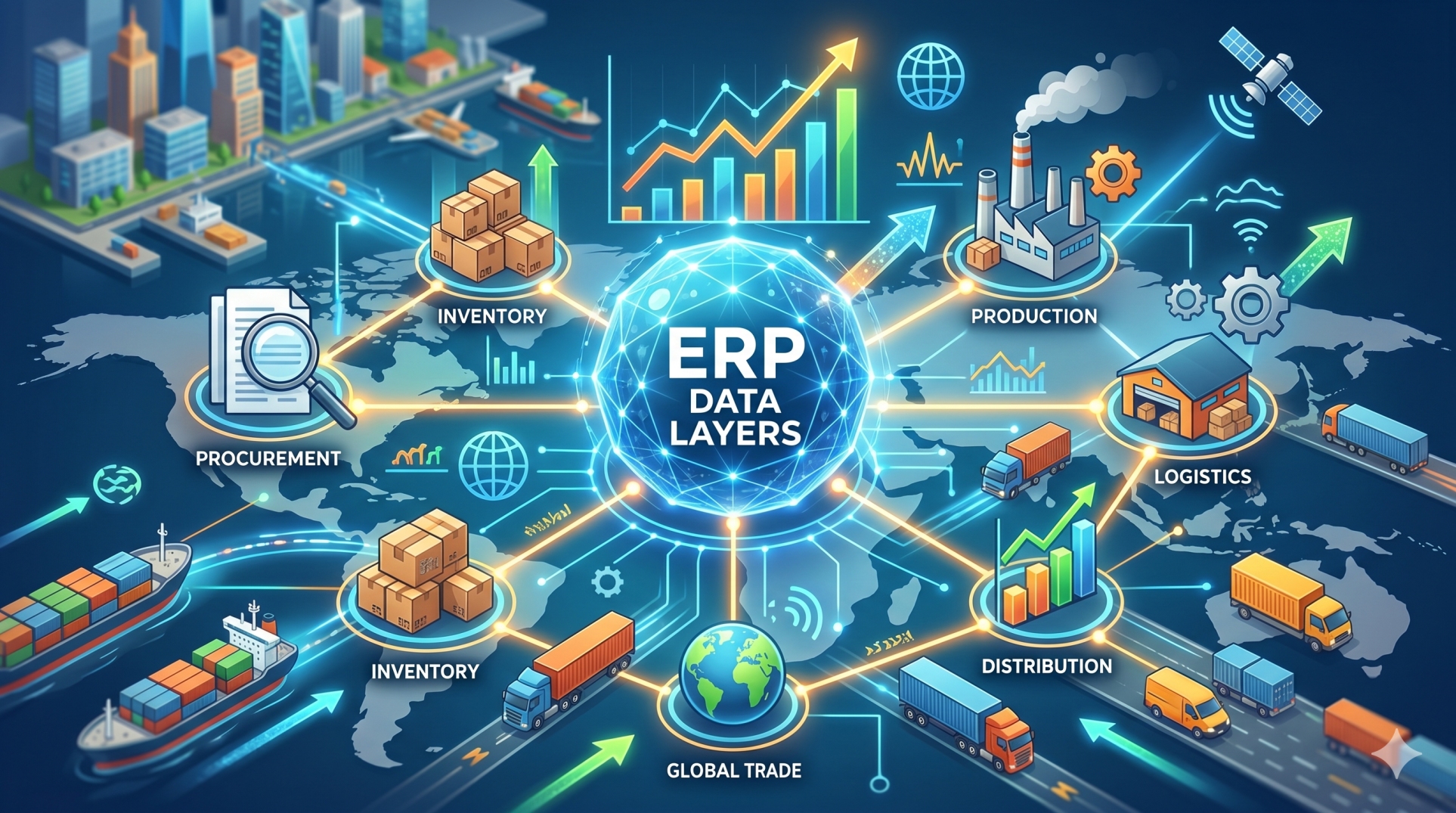
Step 4: Managing Multi-Team and Multi-Location Operations 🌐
• Support multiple offices, warehouses, facilities, or operating units. 🏢
• Standardize processes while allowing location-specific requirements where necessary. ⚙️
• Manage different currencies, tax requirements, and operational rules when applicable. 💱
• Provide centralized visibility across distributed operations. 📊
• Establish consistent governance across locations and teams. 🛡️
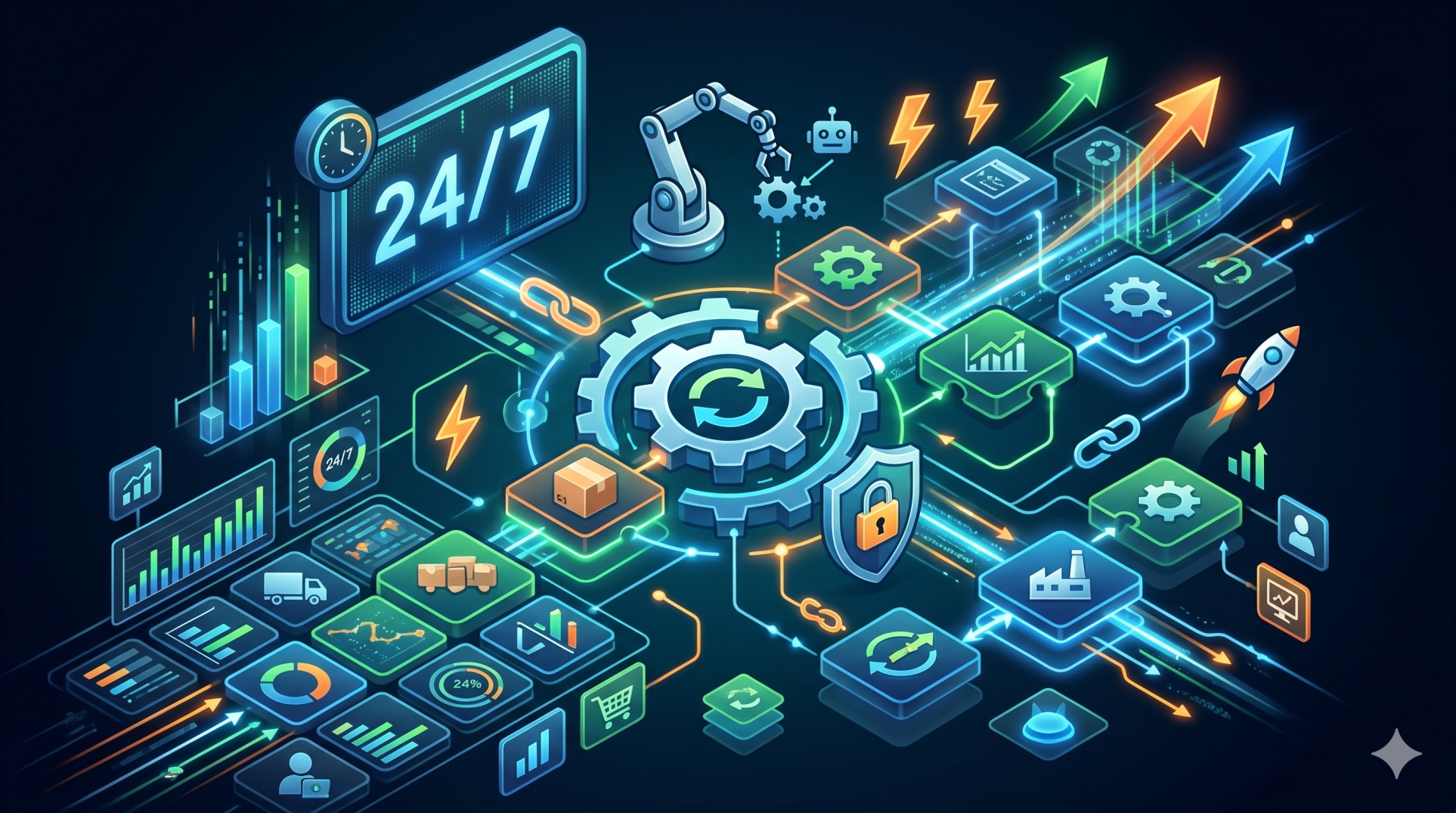
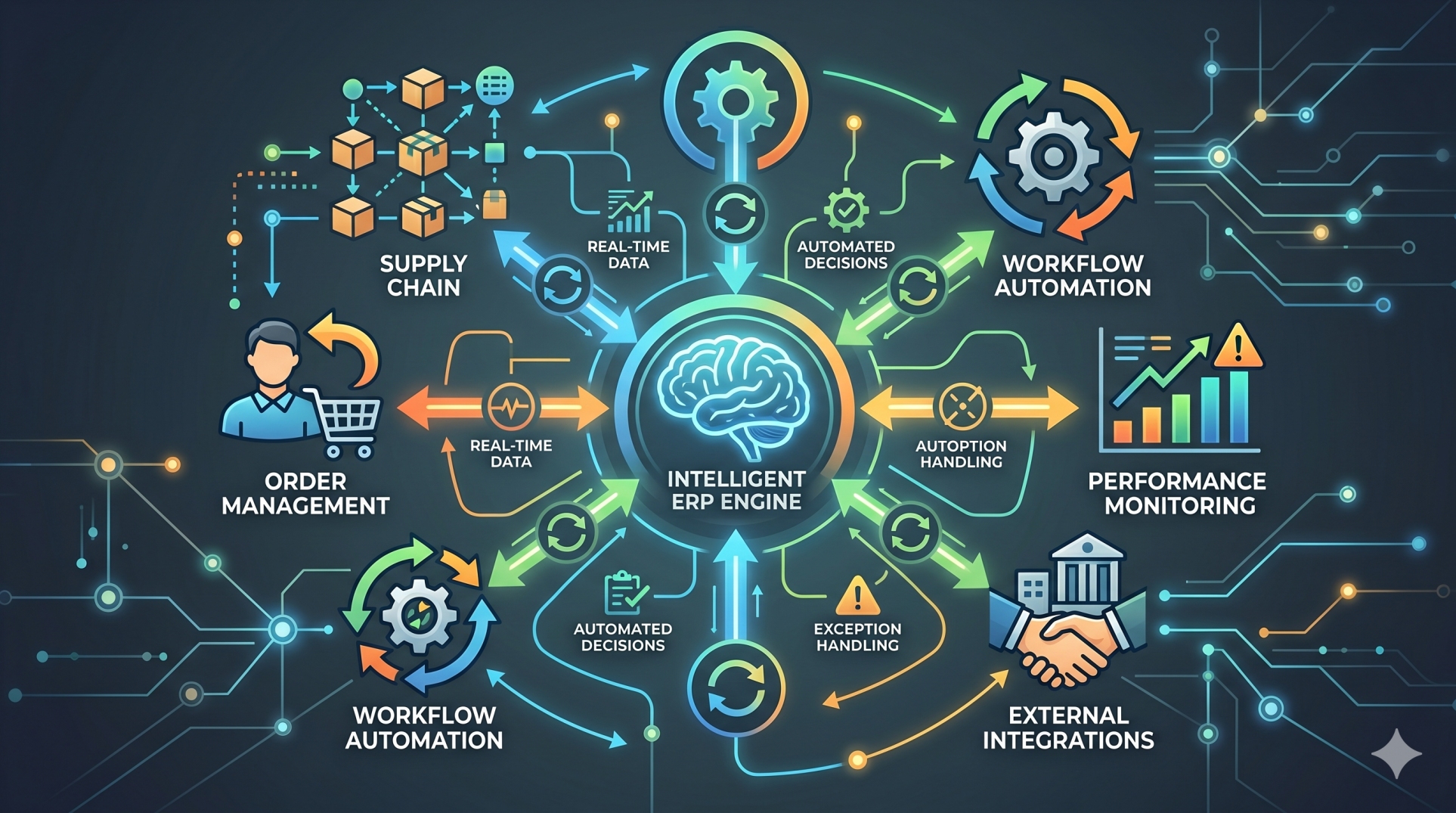
Step 5: Introducing Advanced Automation 🤖
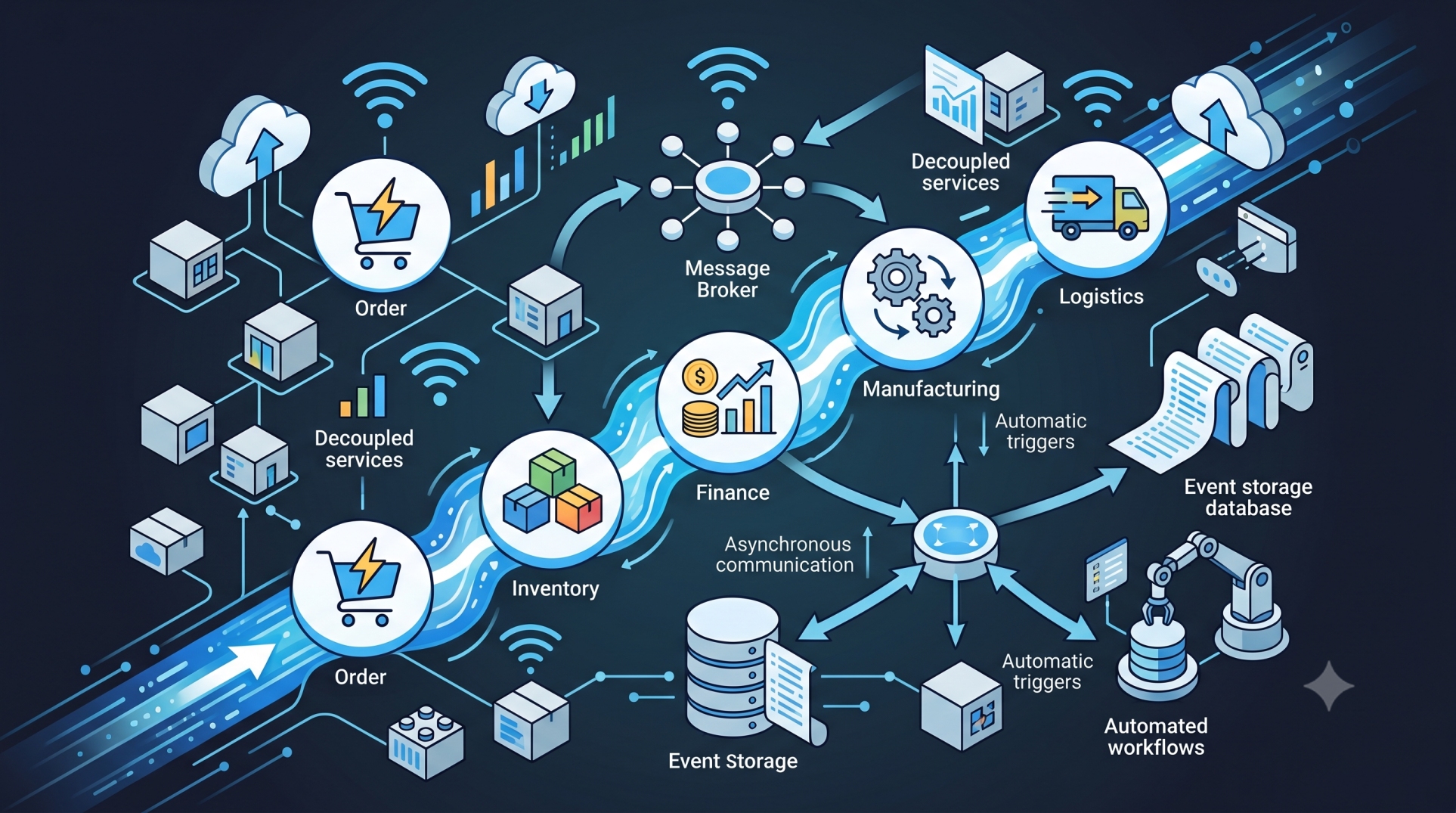
• Automate repetitive administrative and operational activities. ⚡
• Use workflow automation for approvals, notifications, reconciliations, and routine processes. 🔄
• Reduce manual intervention in high-volume business operations. 📉
• Introduce rule-based automation where processes are predictable and well defined. 🧩
• Monitor automated workflows to ensure reliable execution. 👁️
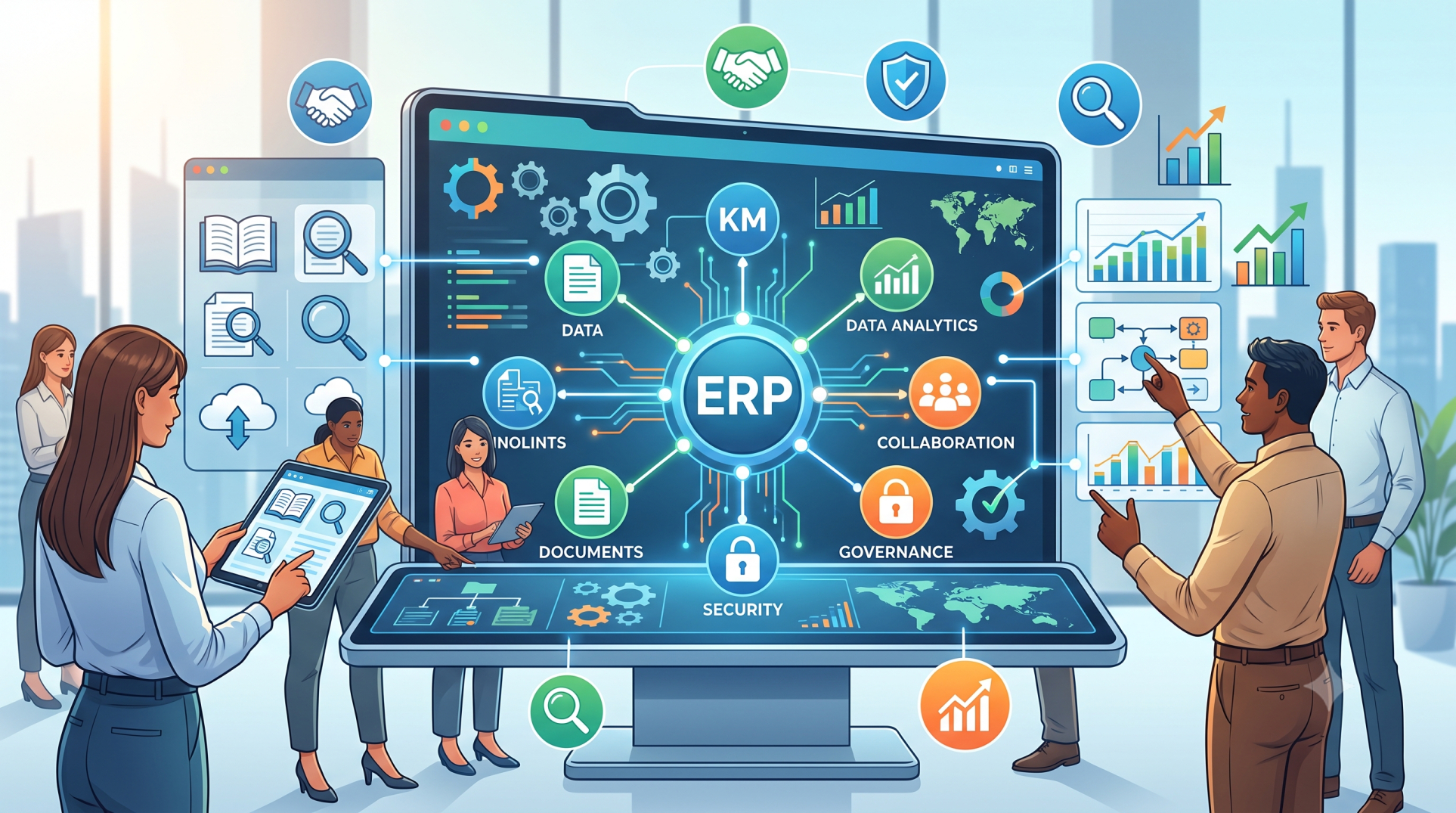
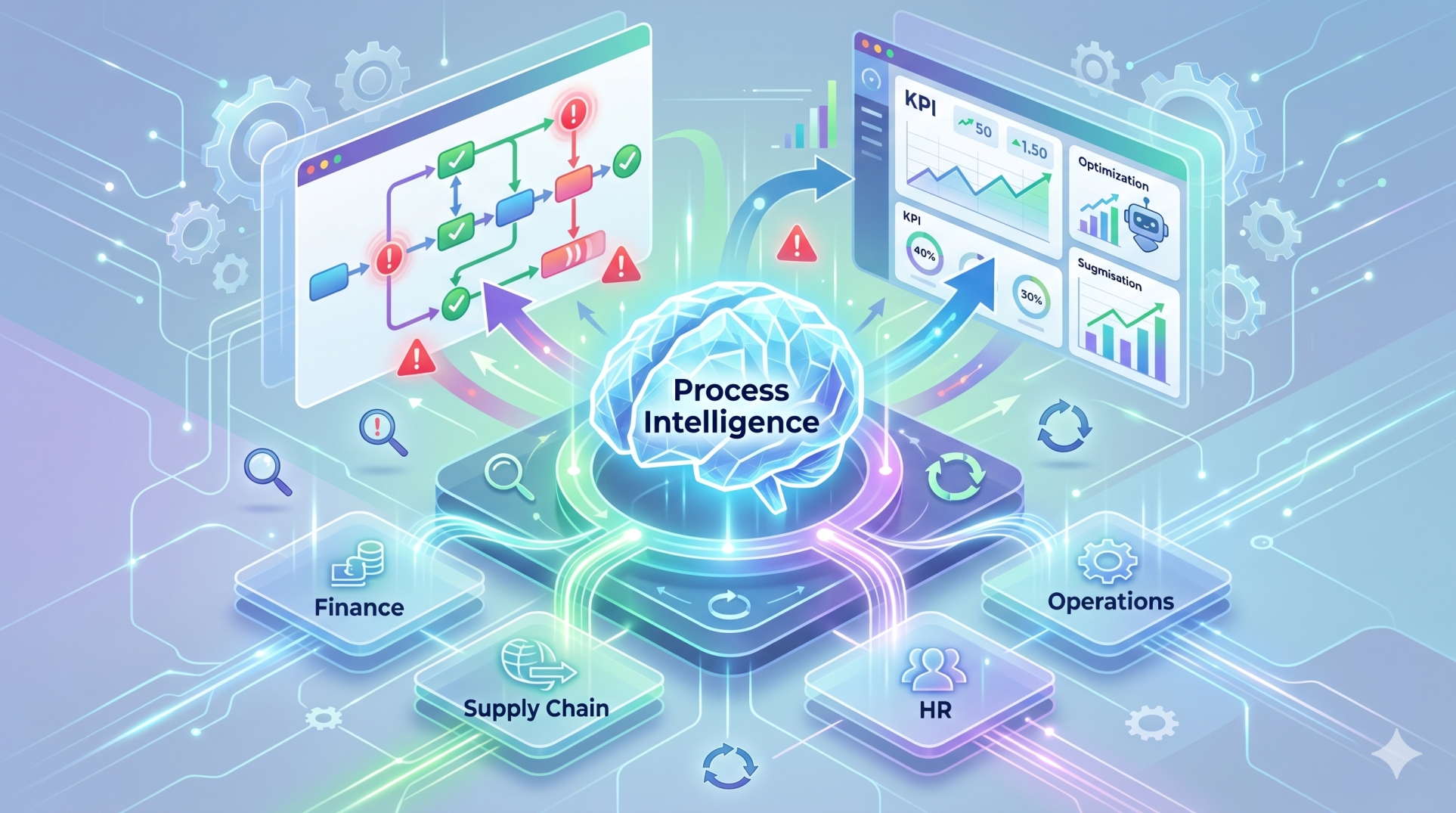
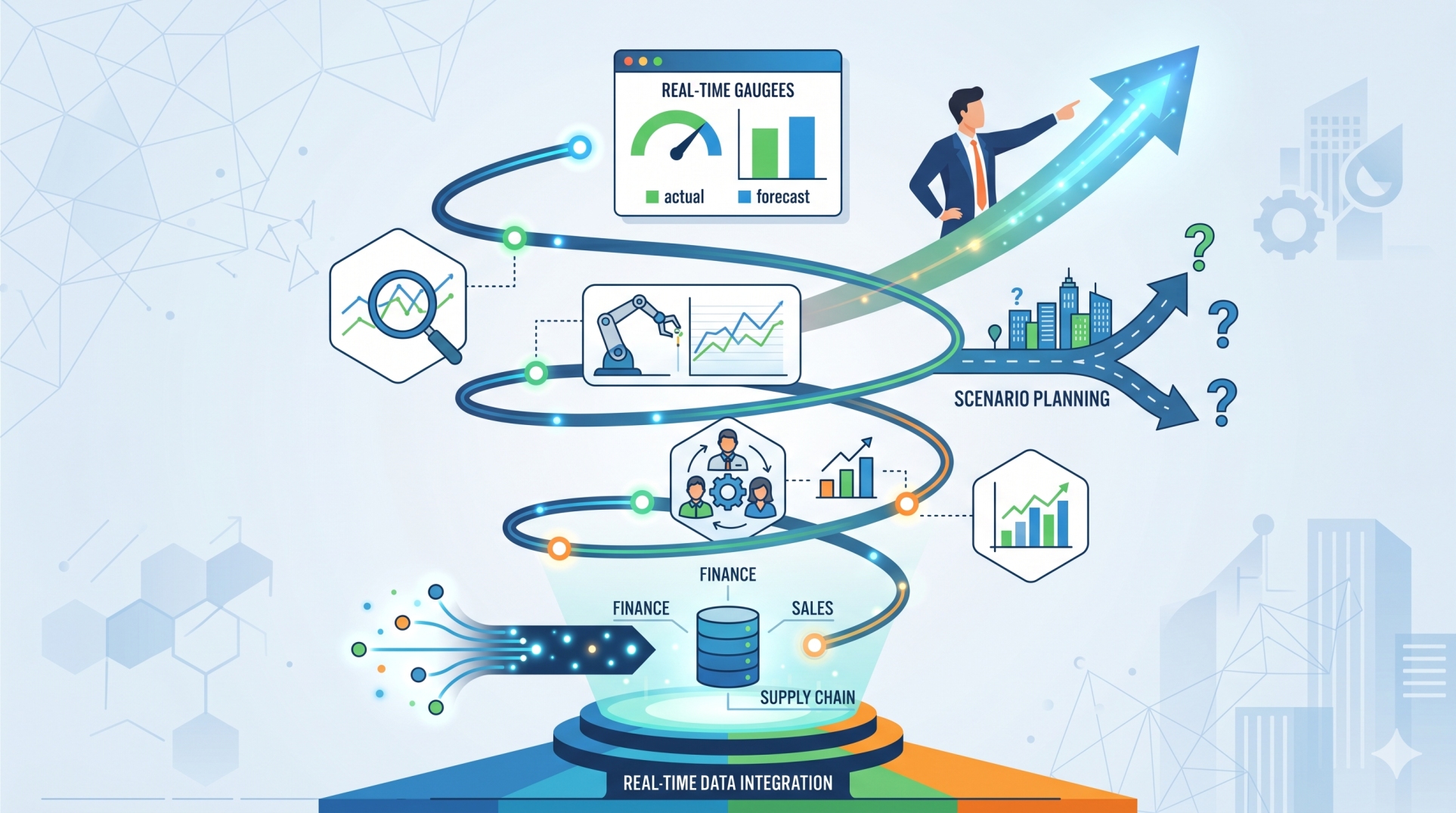
Step 6: Strengthening Data and Analytics 📊
• Consolidate business information into reliable and accessible data structures. 🗃️
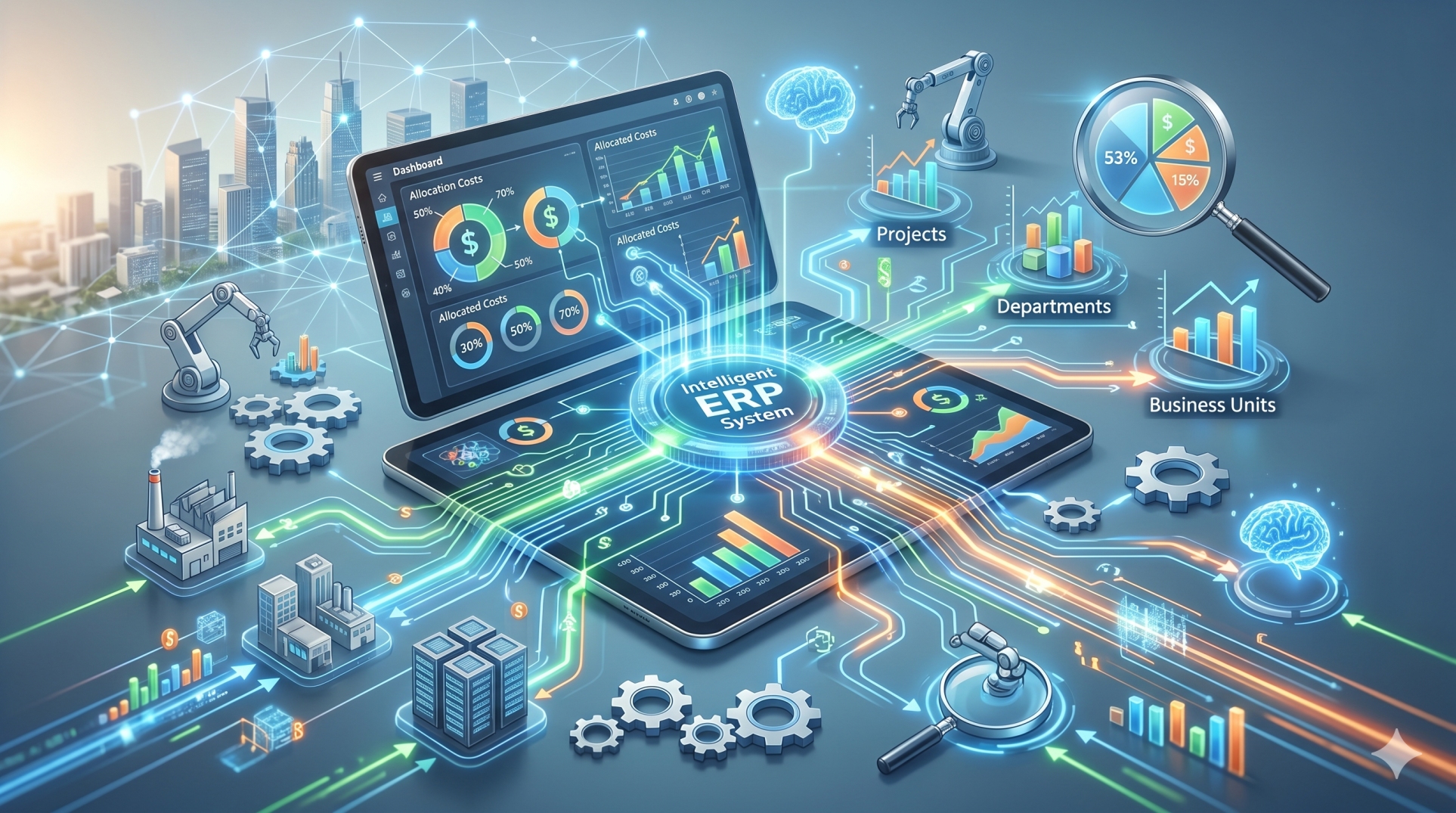
• Provide dashboards for finance, inventory, sales, procurement, and operations. 📈
• Introduce forecasting and trend analysis as data volumes increase. 🔎
• Establish data governance practices to maintain accuracy and consistency. 🛡️
• Use business intelligence to support more informed operational planning. 💡
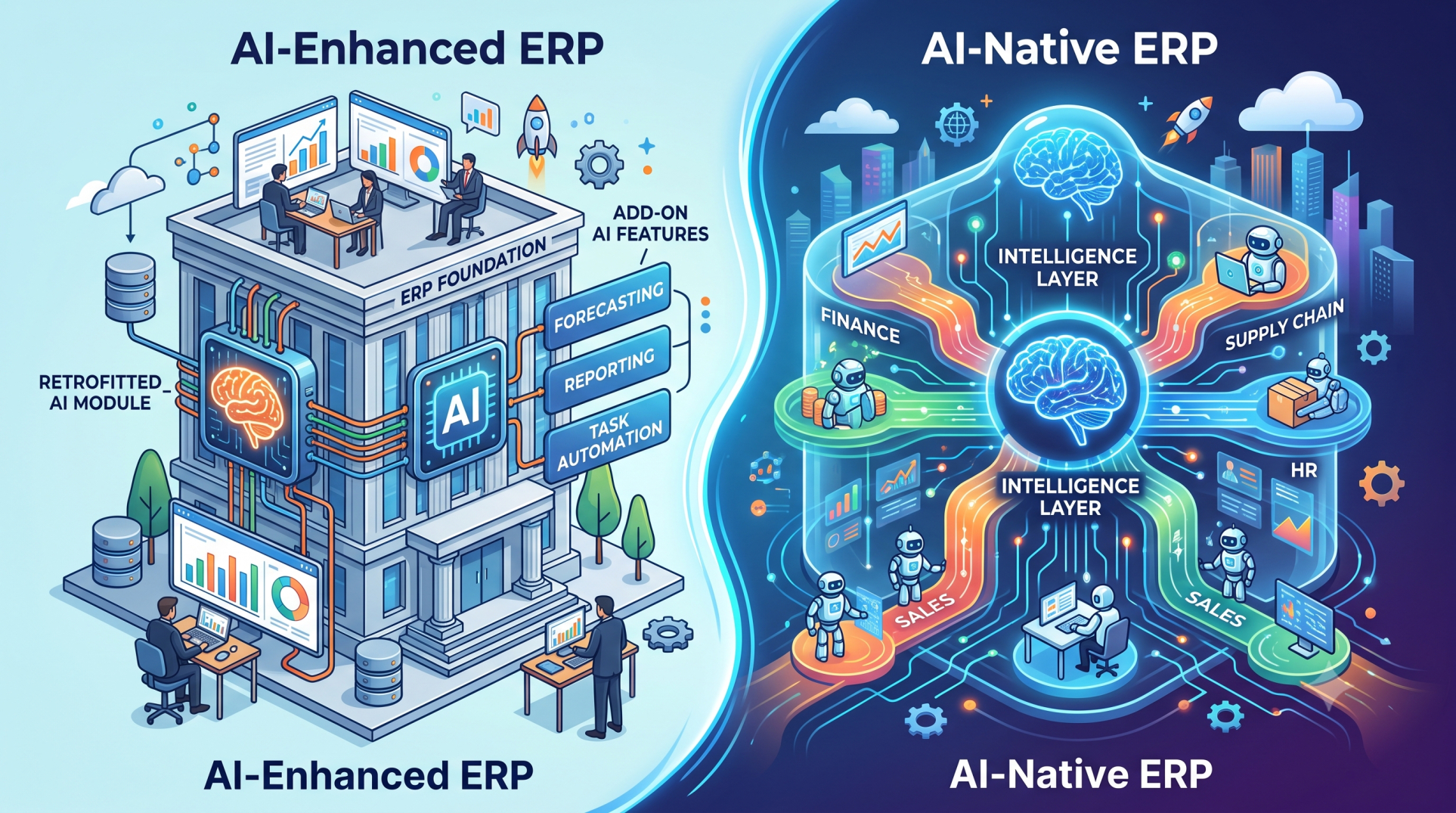
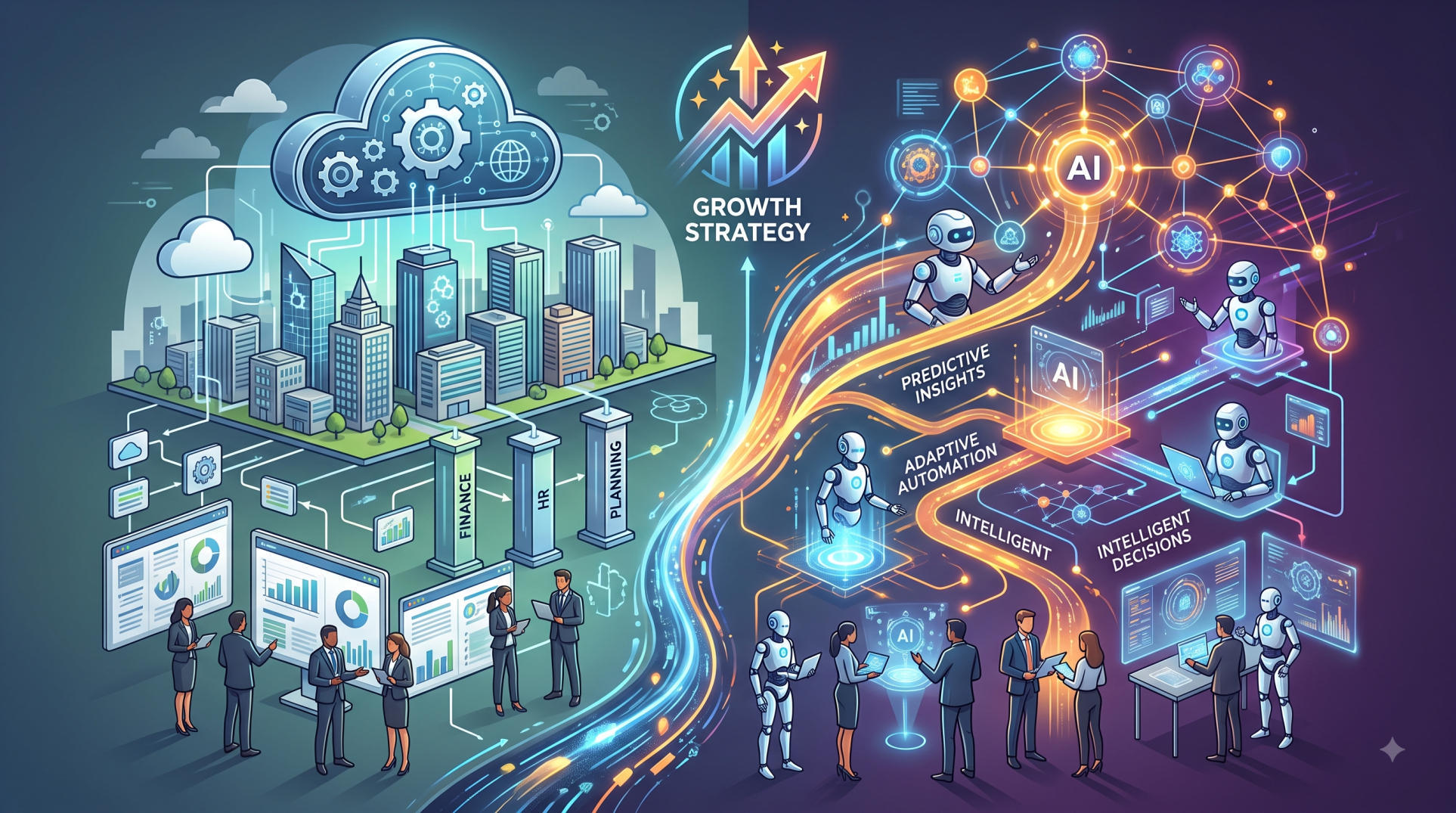
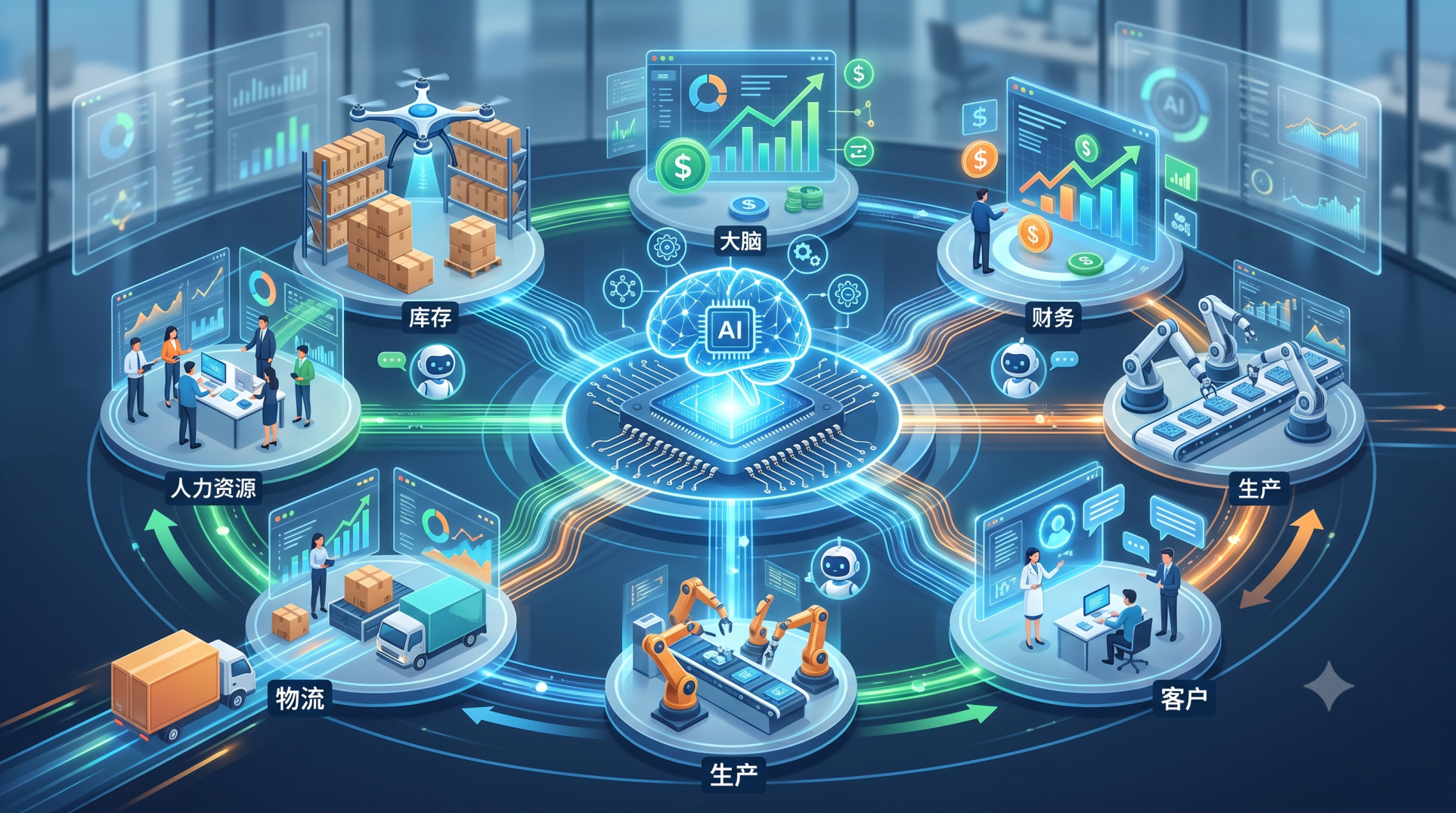
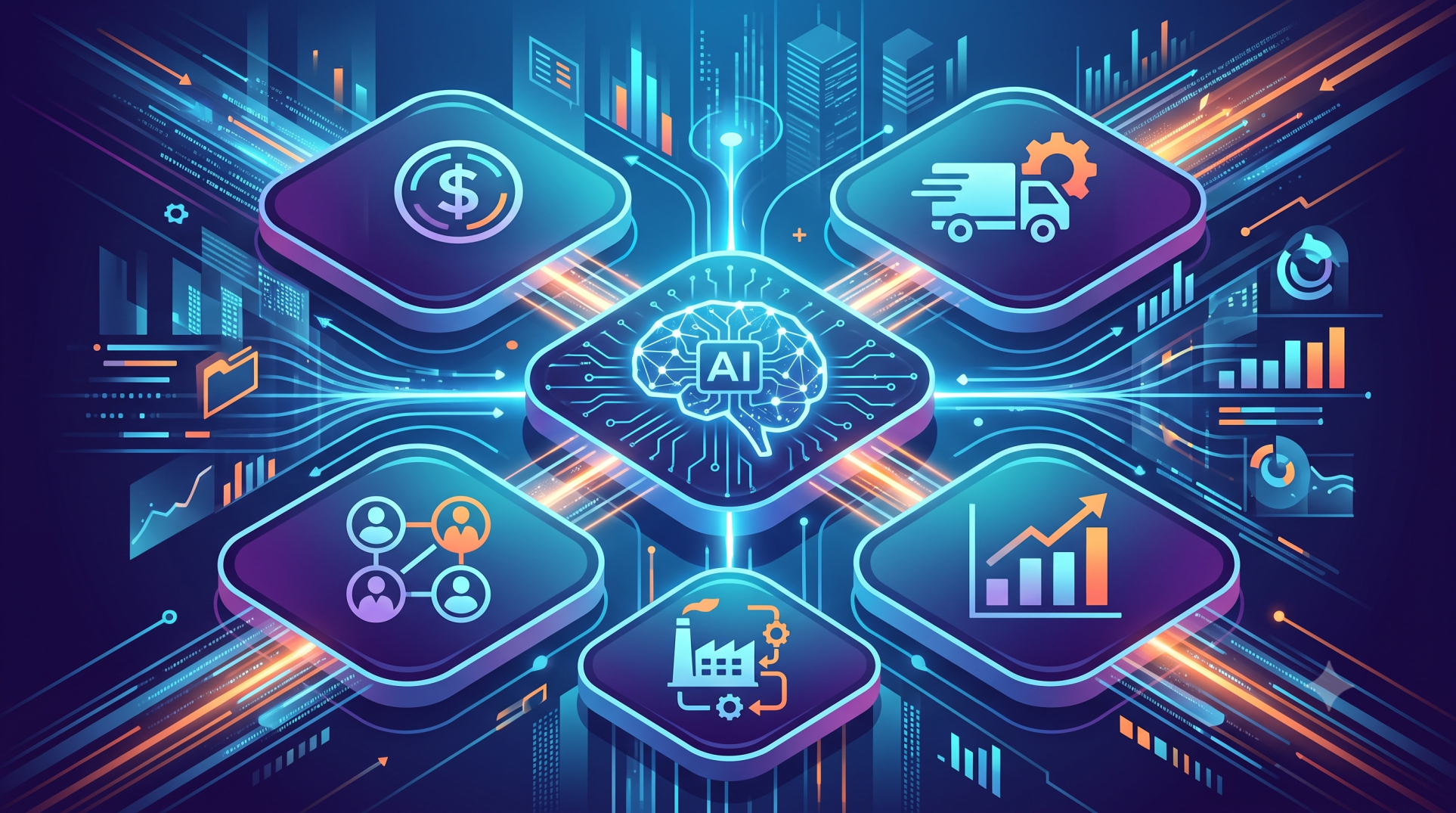
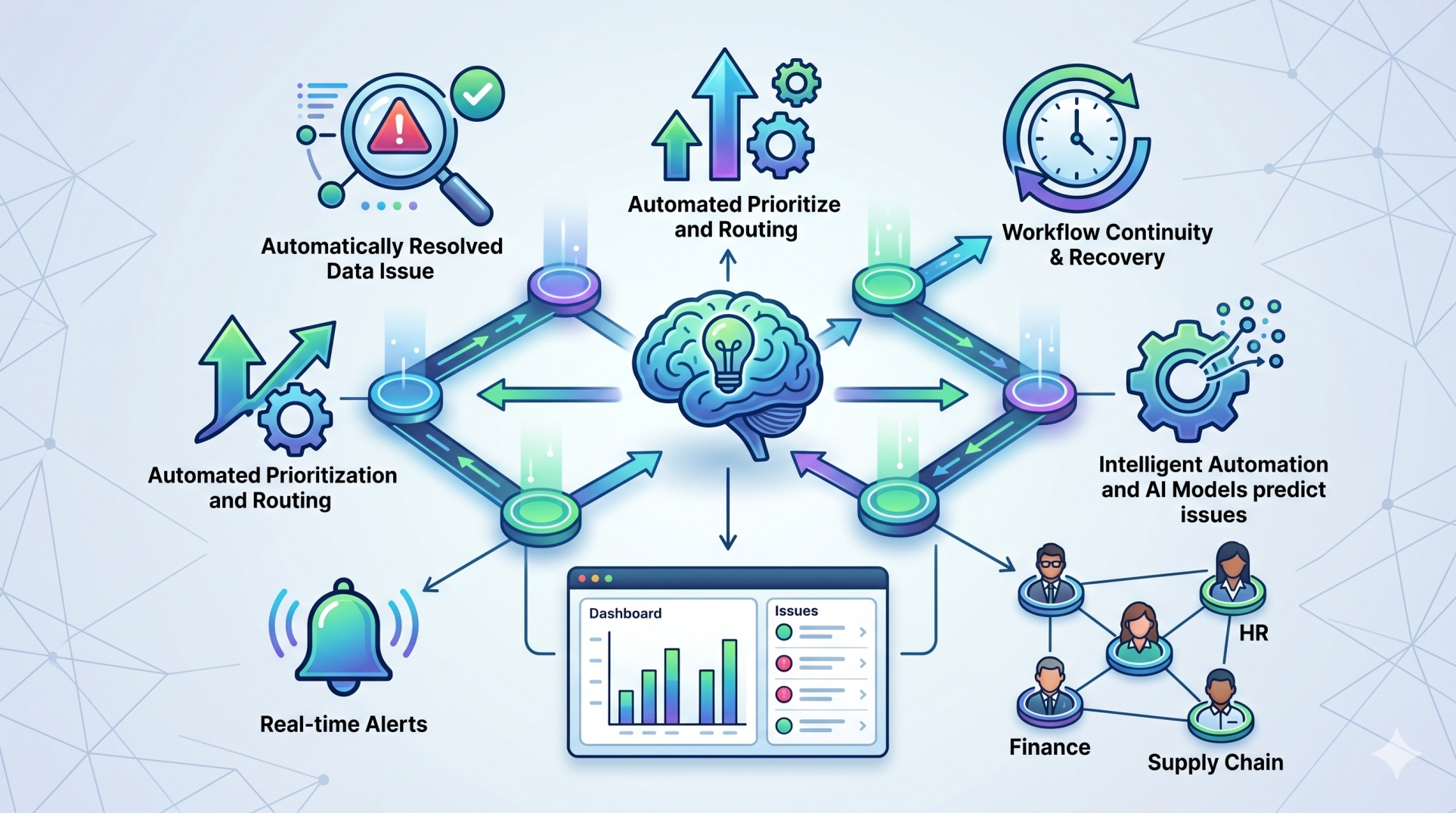
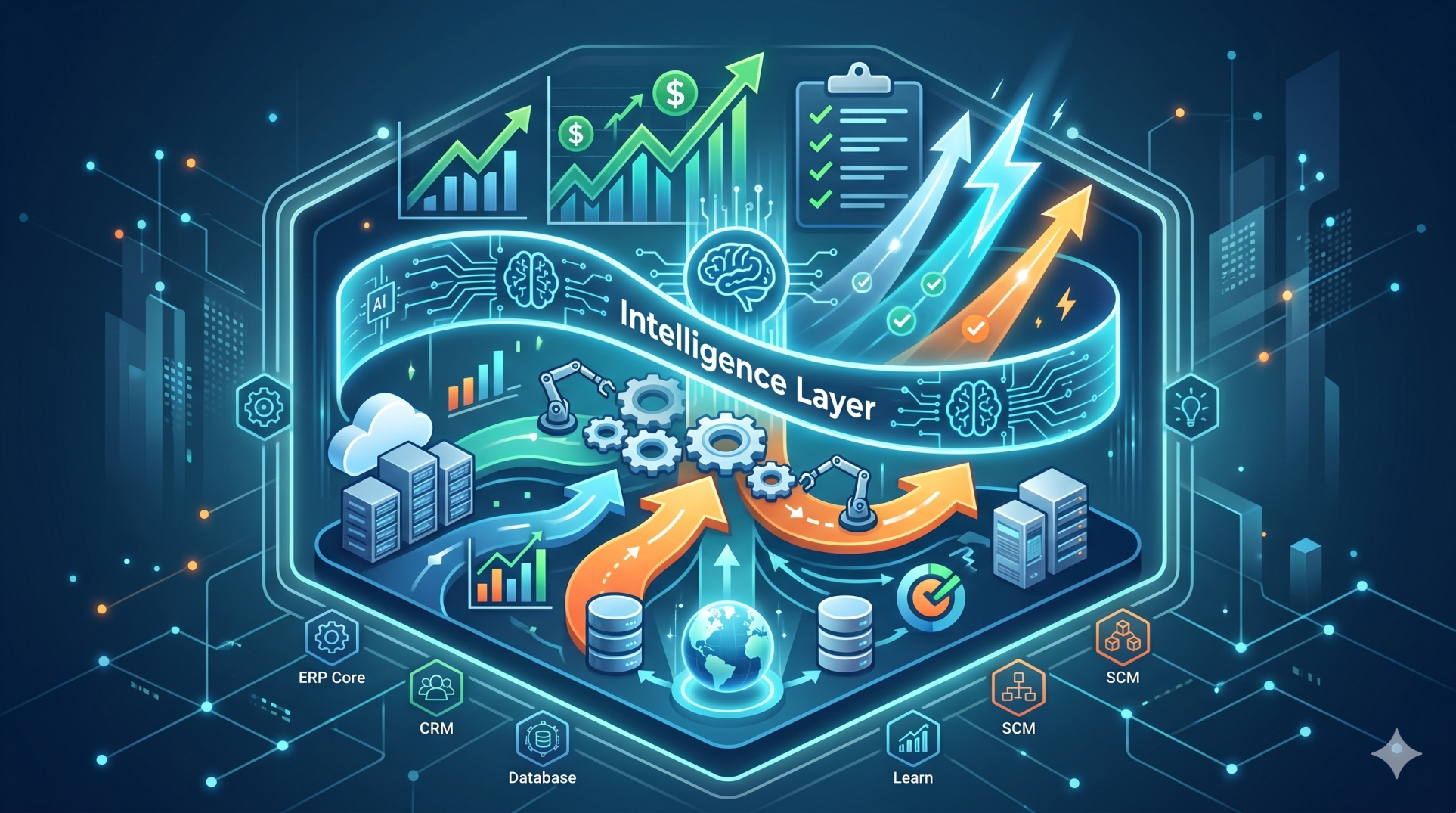
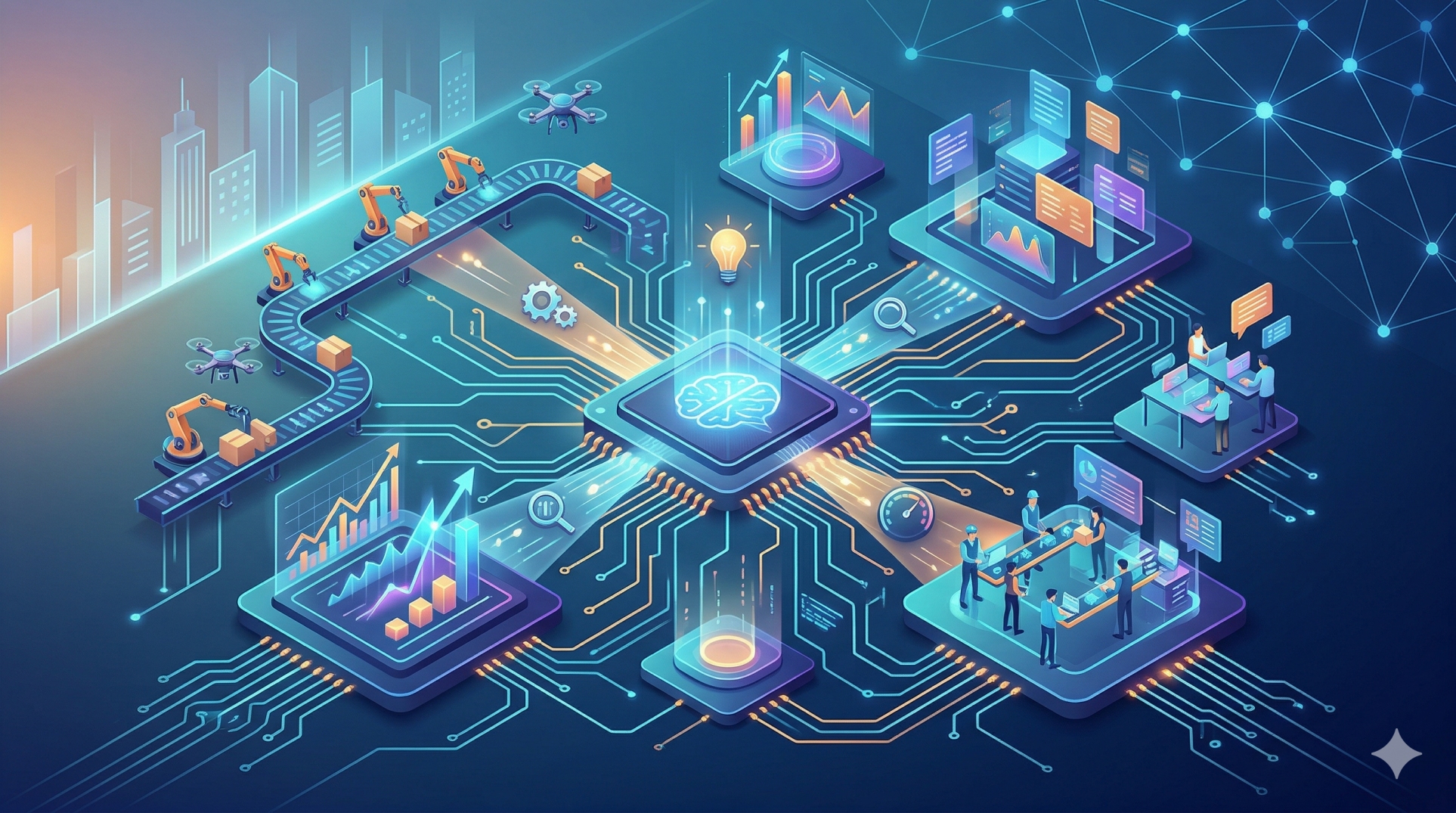
Step 7: Integrating AI Capabilities 🧠
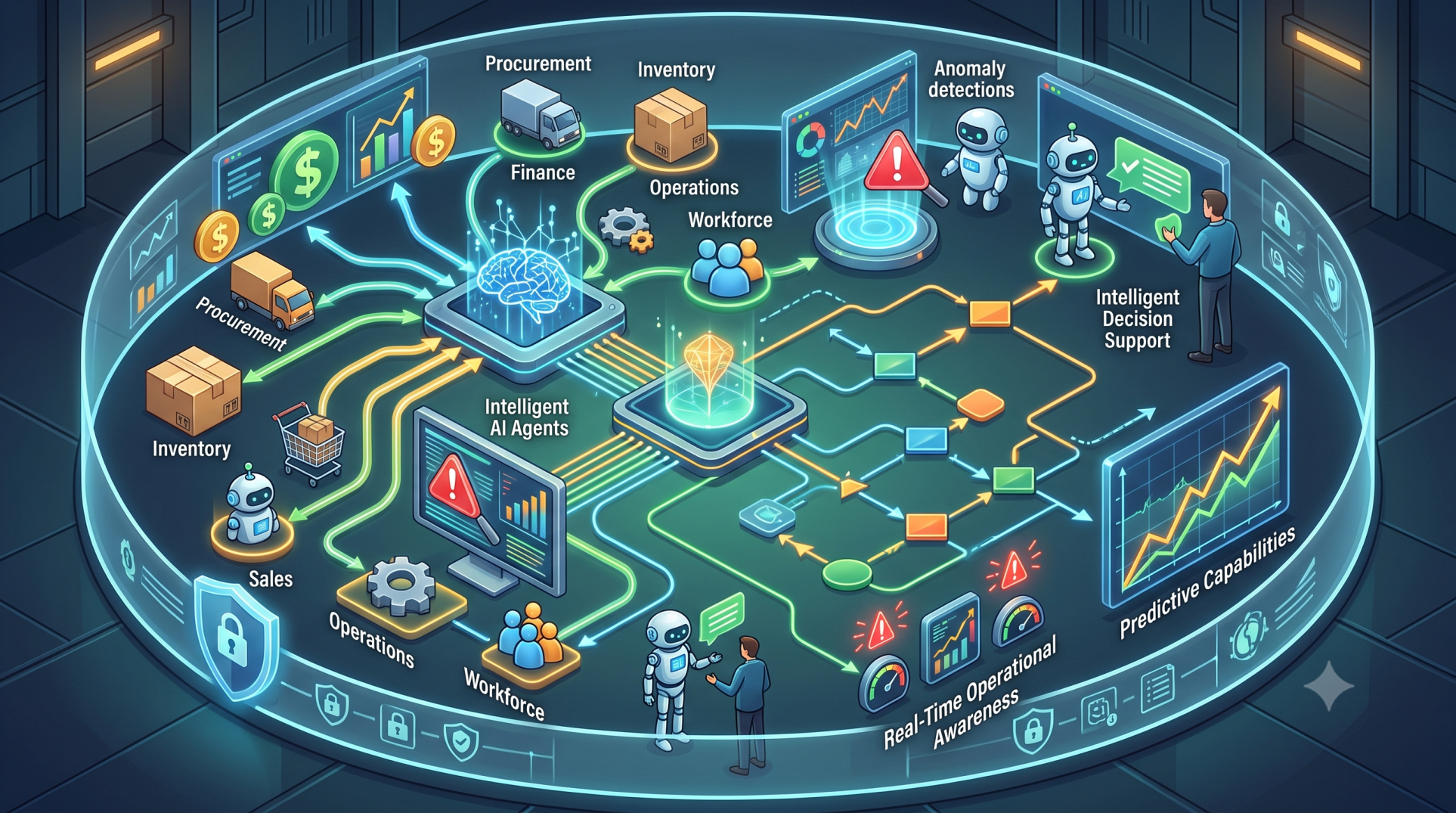
• Introduce AI for forecasting, anomaly detection, document processing, and business analysis. 🤖
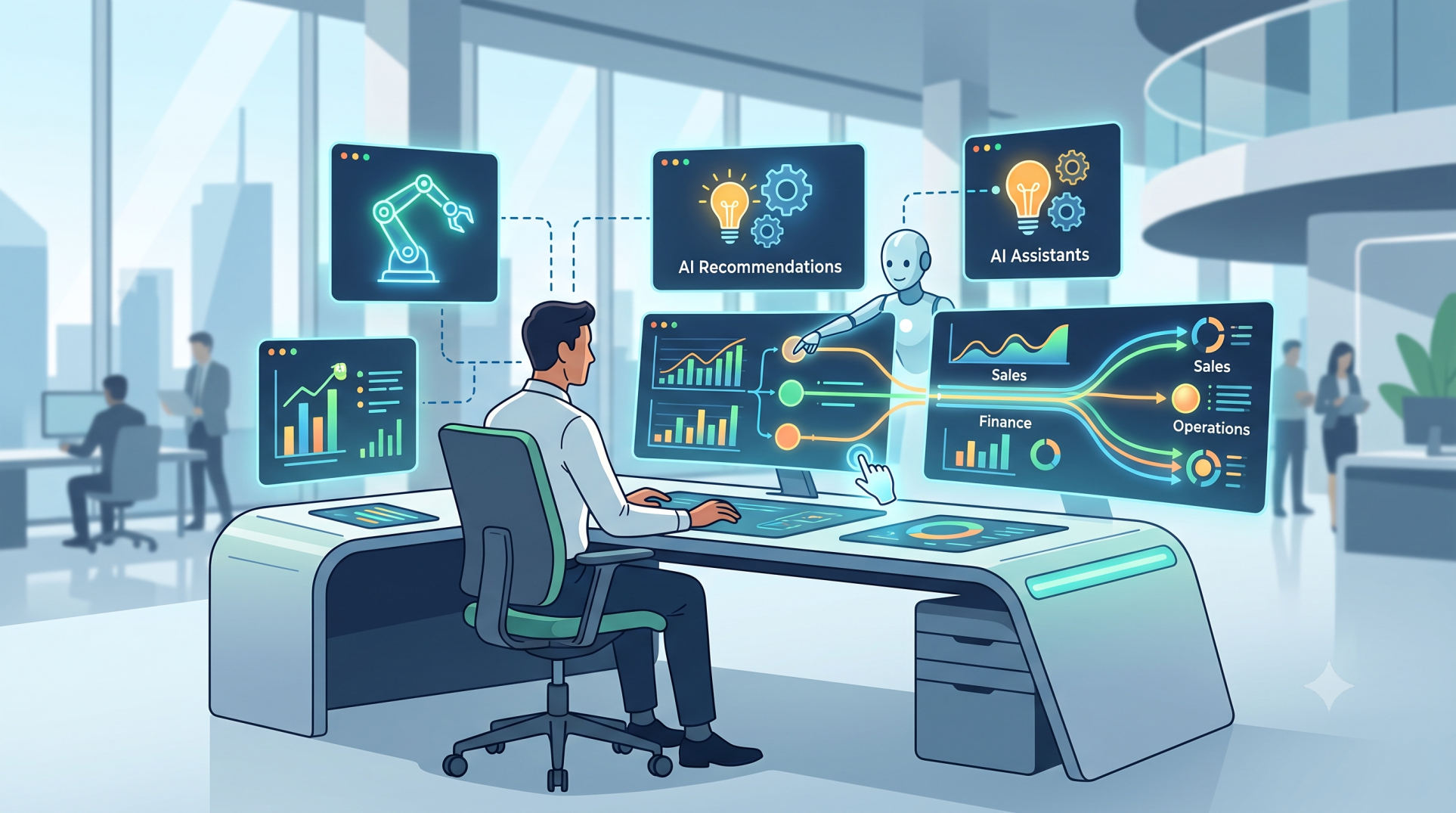
• Use intelligent assistants to help employees find and interpret enterprise information. 💬
• Apply AI to identify patterns across large volumes of business data. 🔎
• Automate selected decision-support workflows while maintaining appropriate human oversight. 👥
• Expand AI capabilities gradually based on business requirements and data maturity. 🚀
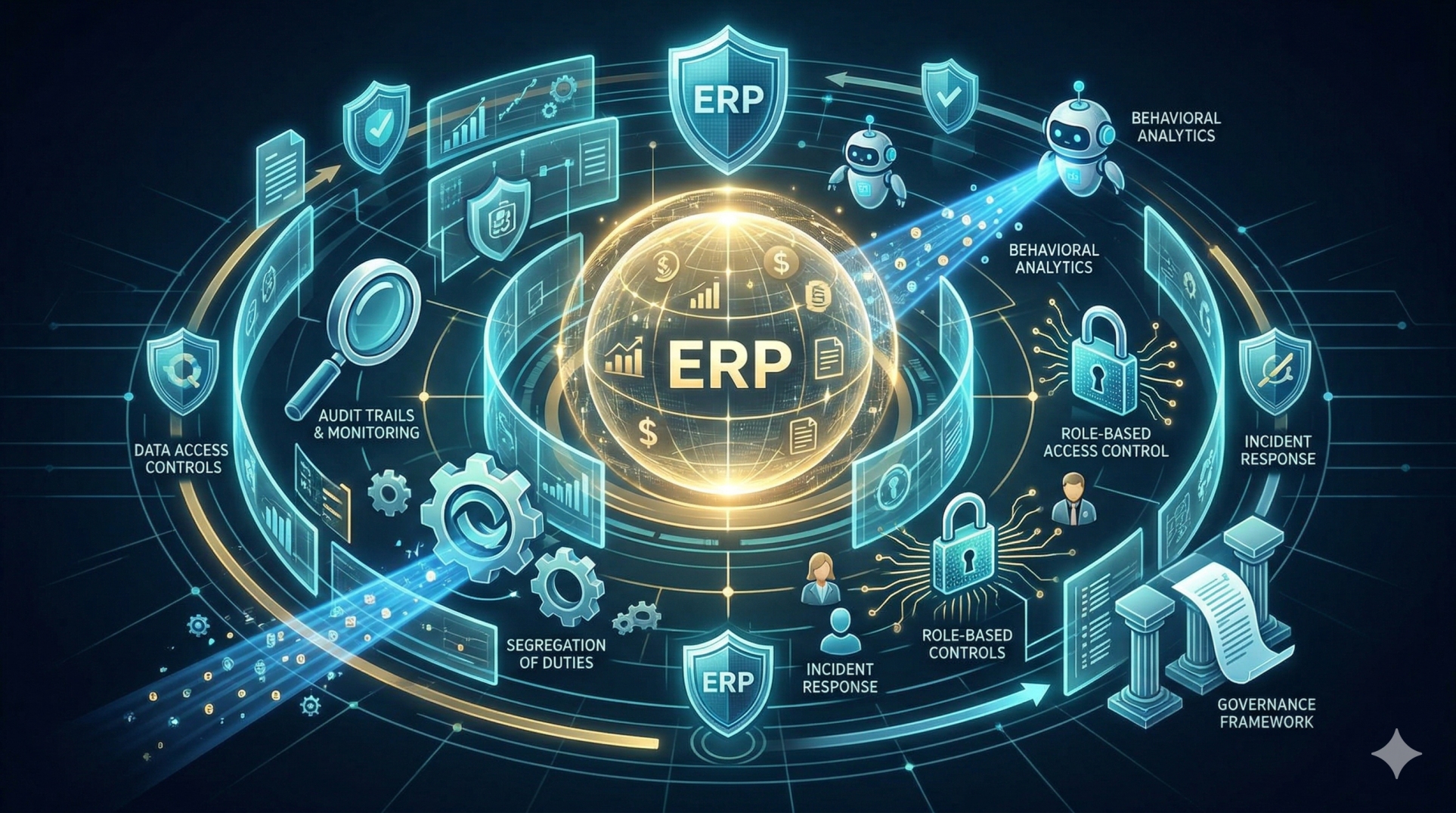
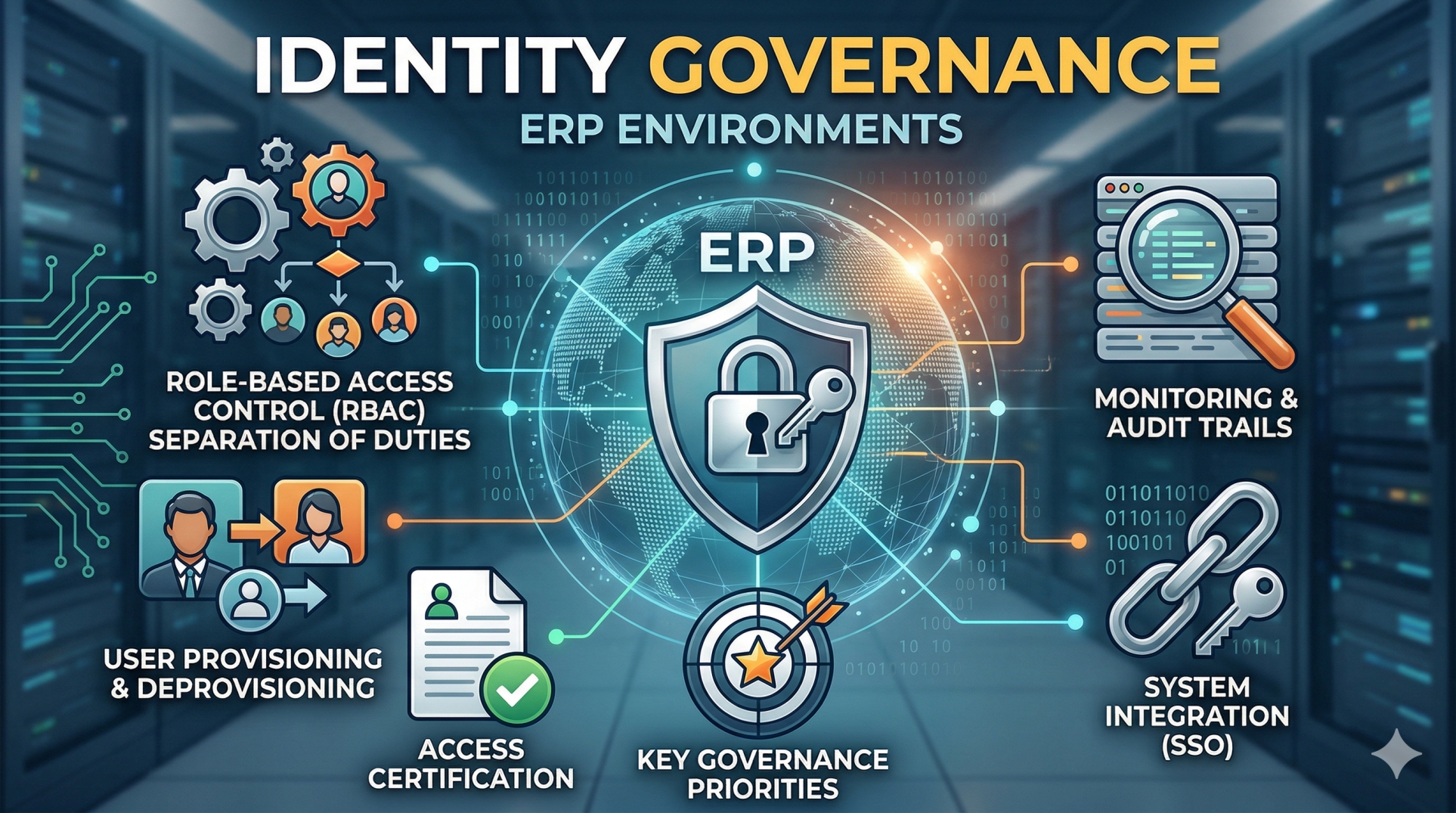
Step 8: Supporting Enterprise-Level Governance 🔐
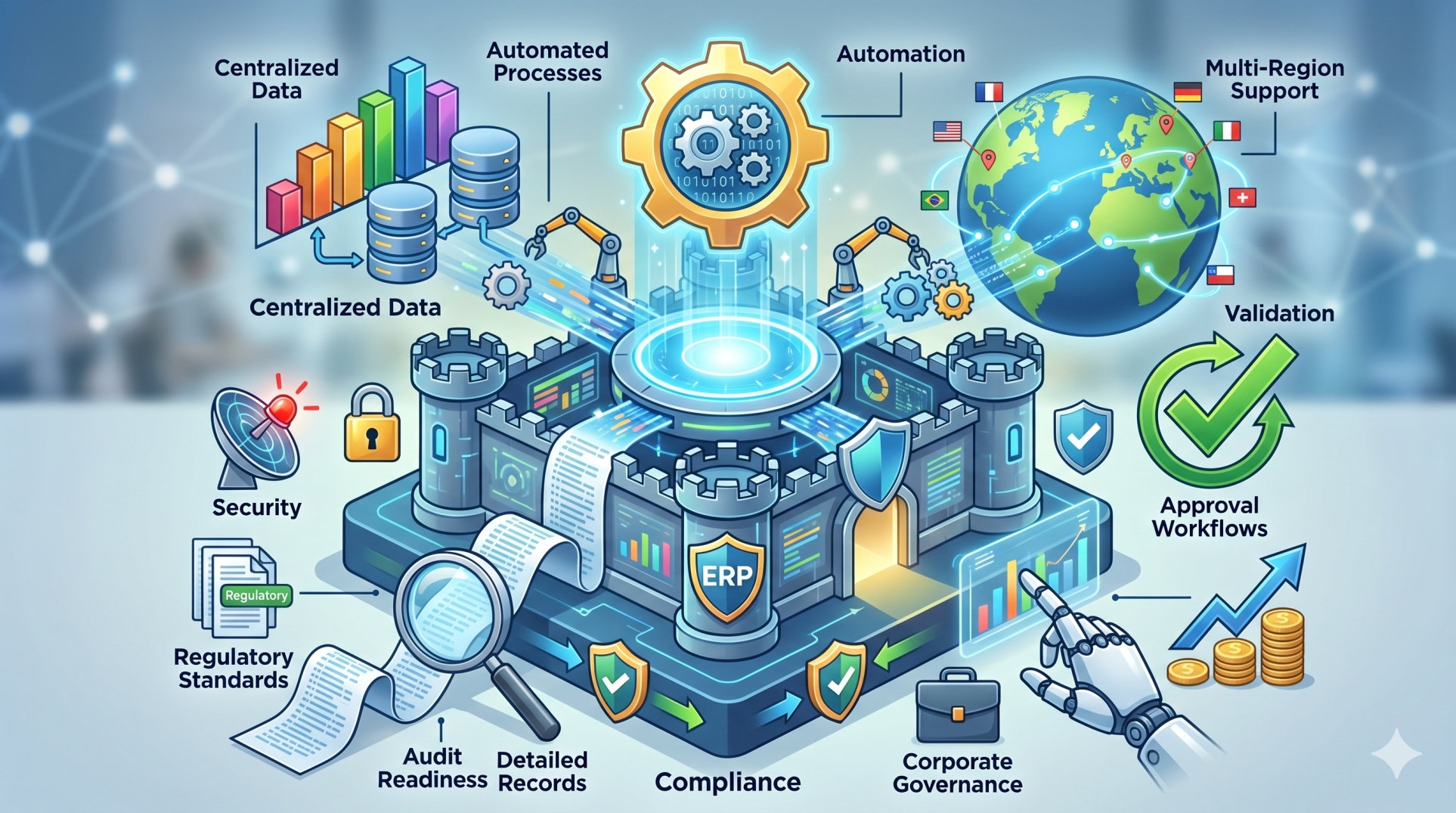
• Implement stronger access controls as the number of users and systems increases. 🛡️
• Establish approval policies for sensitive financial and operational activities. 📋
• Maintain detailed audit trails for important transactions and changes. 📝
• Strengthen data protection across integrated applications and services. 🔒
• Align ERP governance with organizational compliance and security requirements. ⚙️
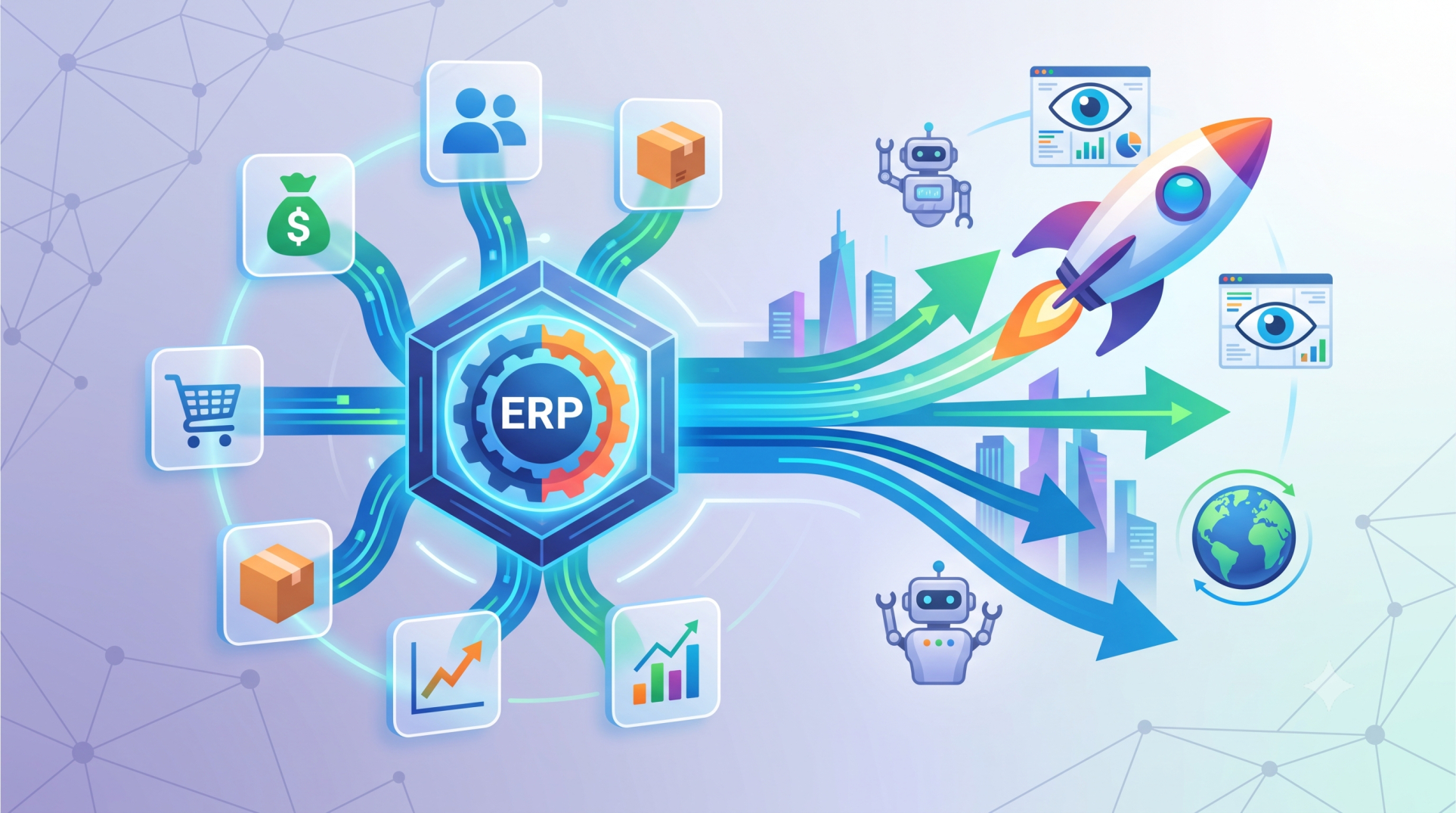
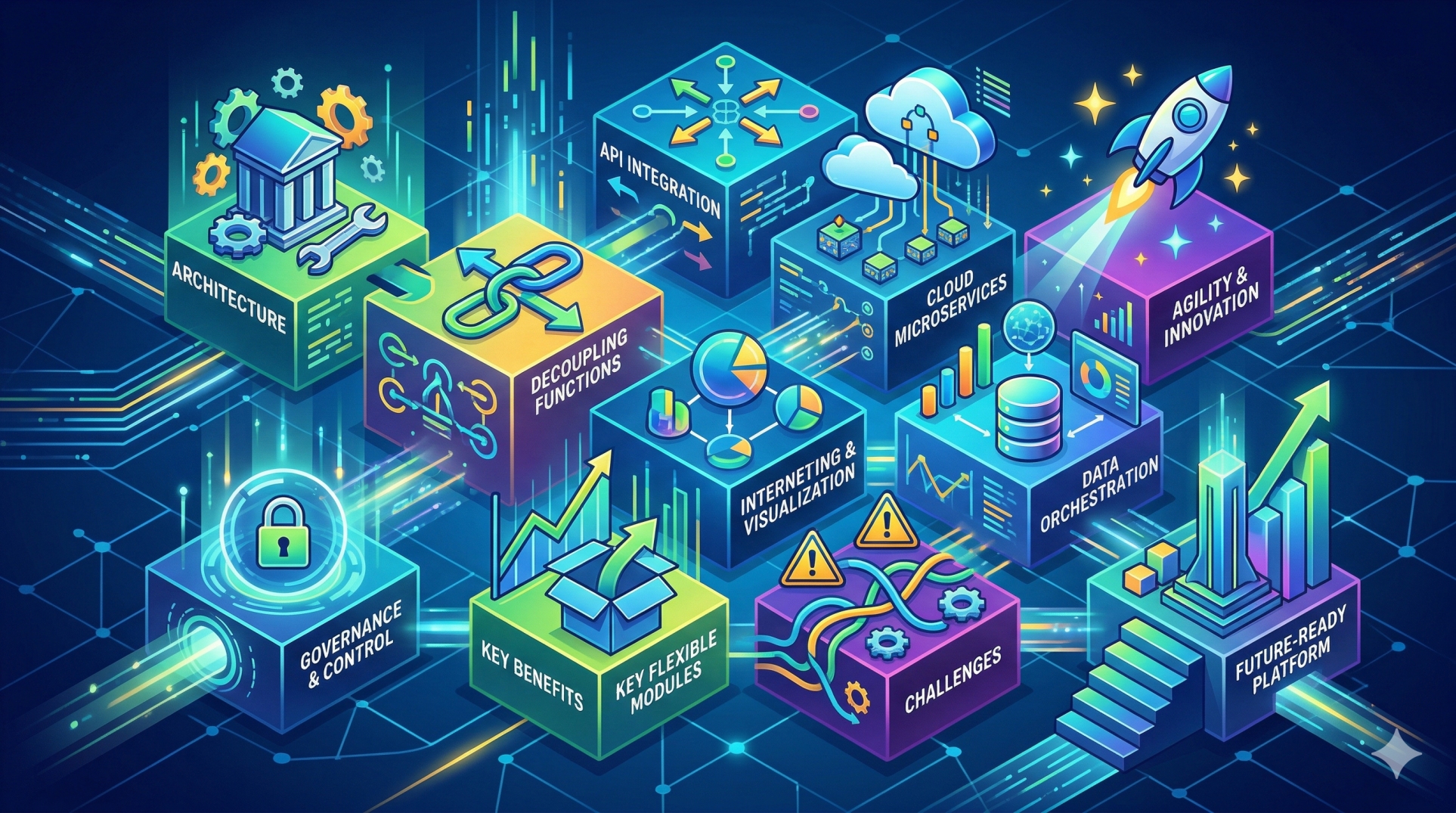
Step 9: Preparing for Continuous Expansion 🚀
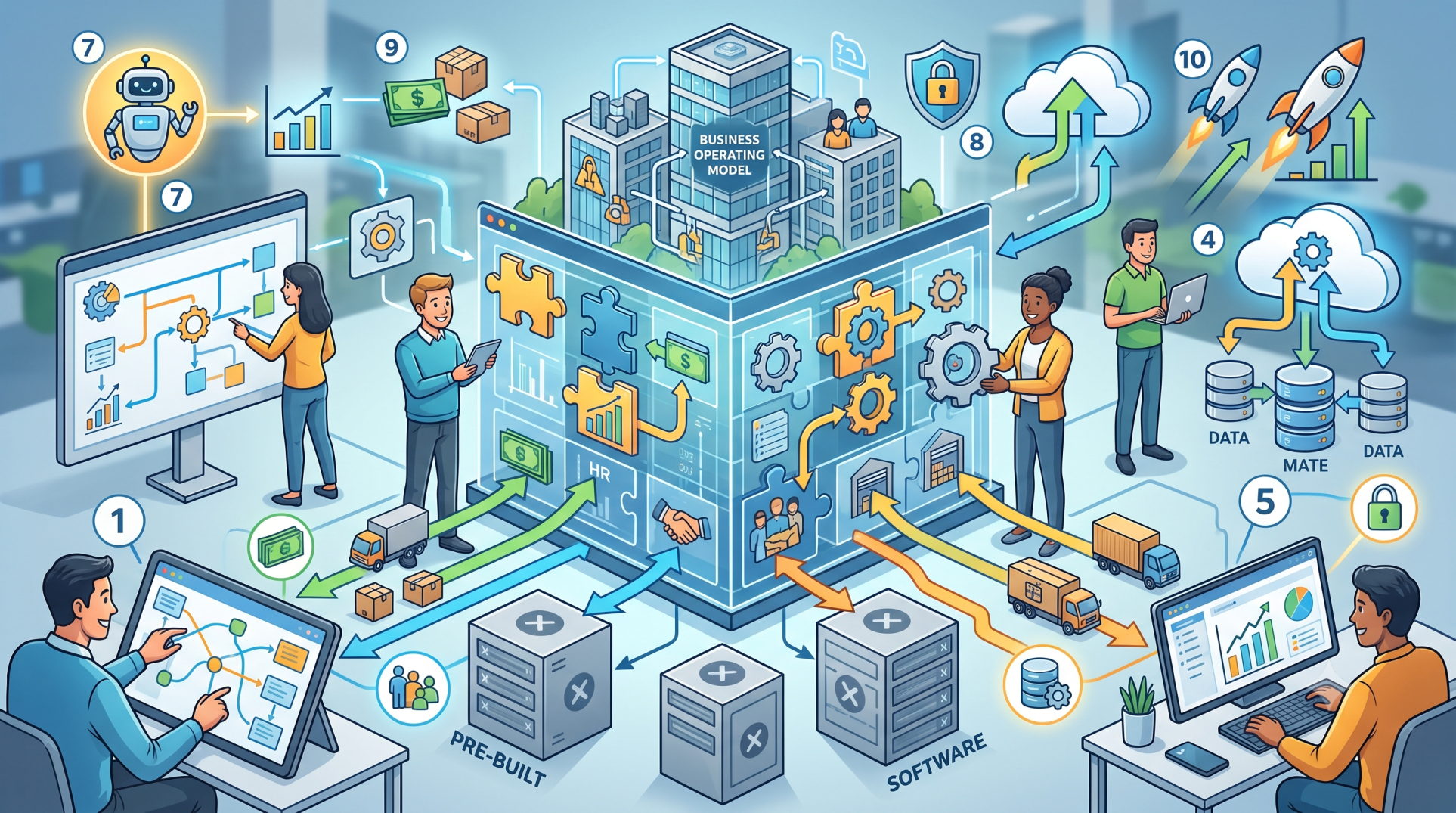
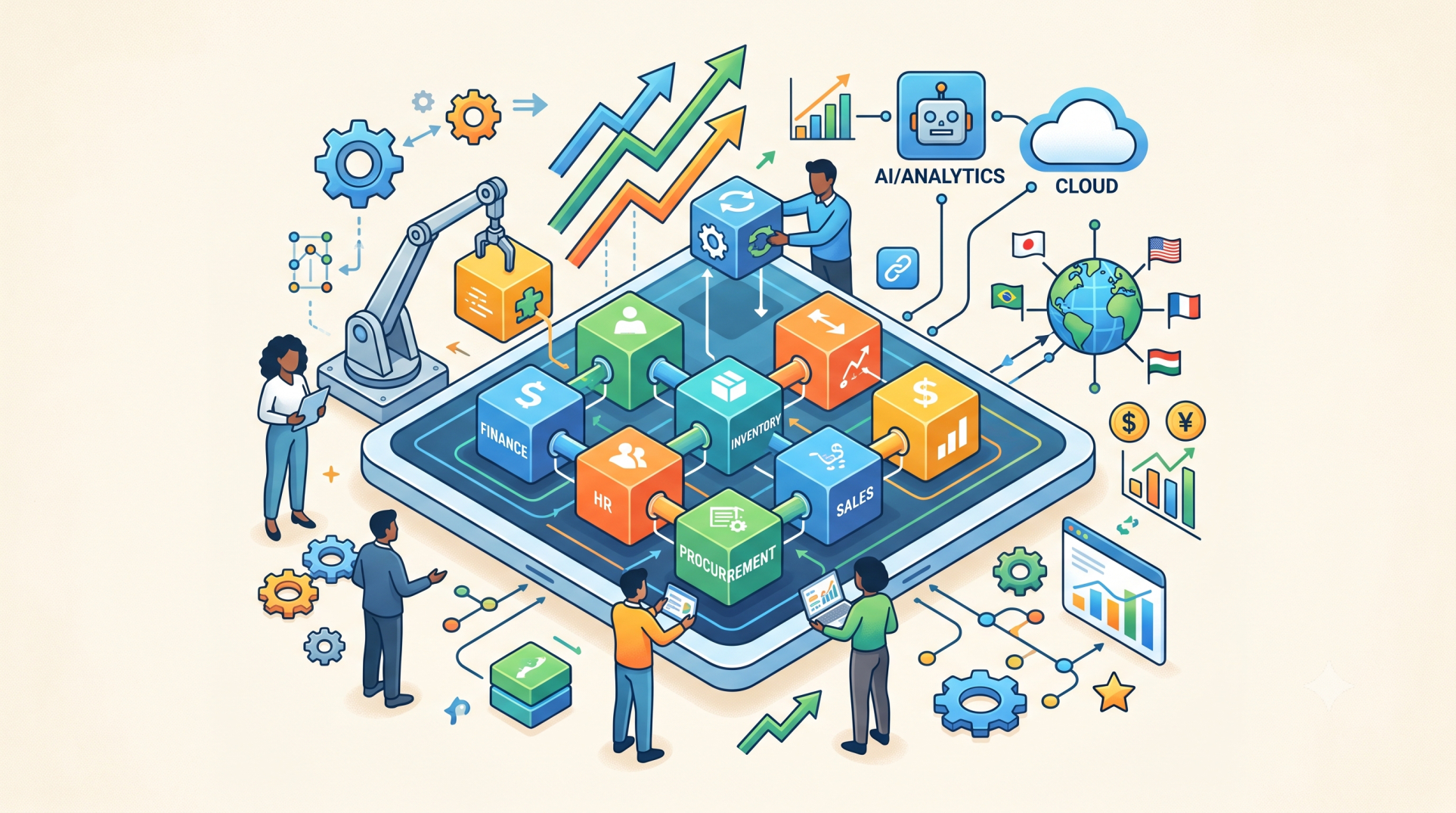
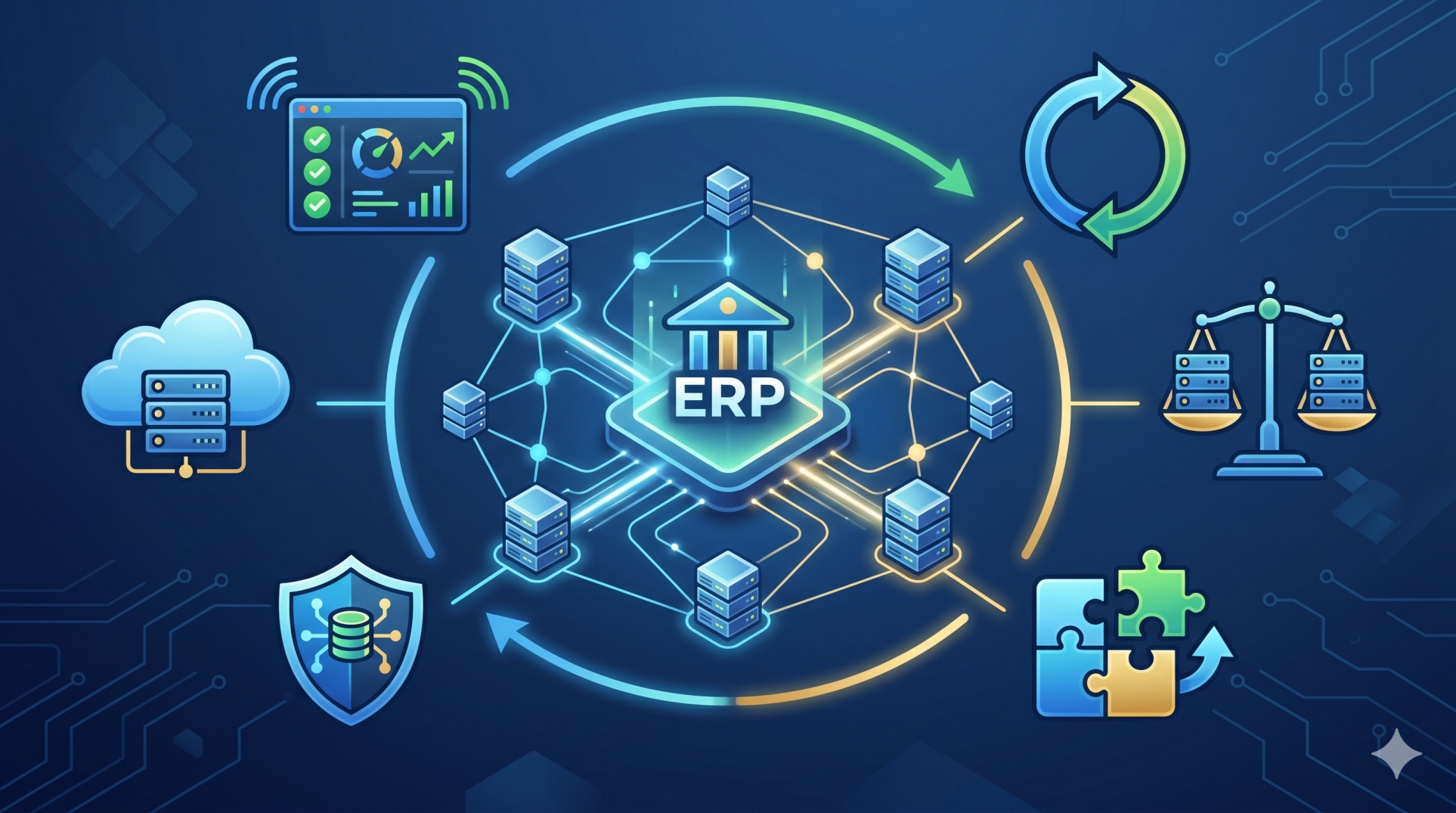
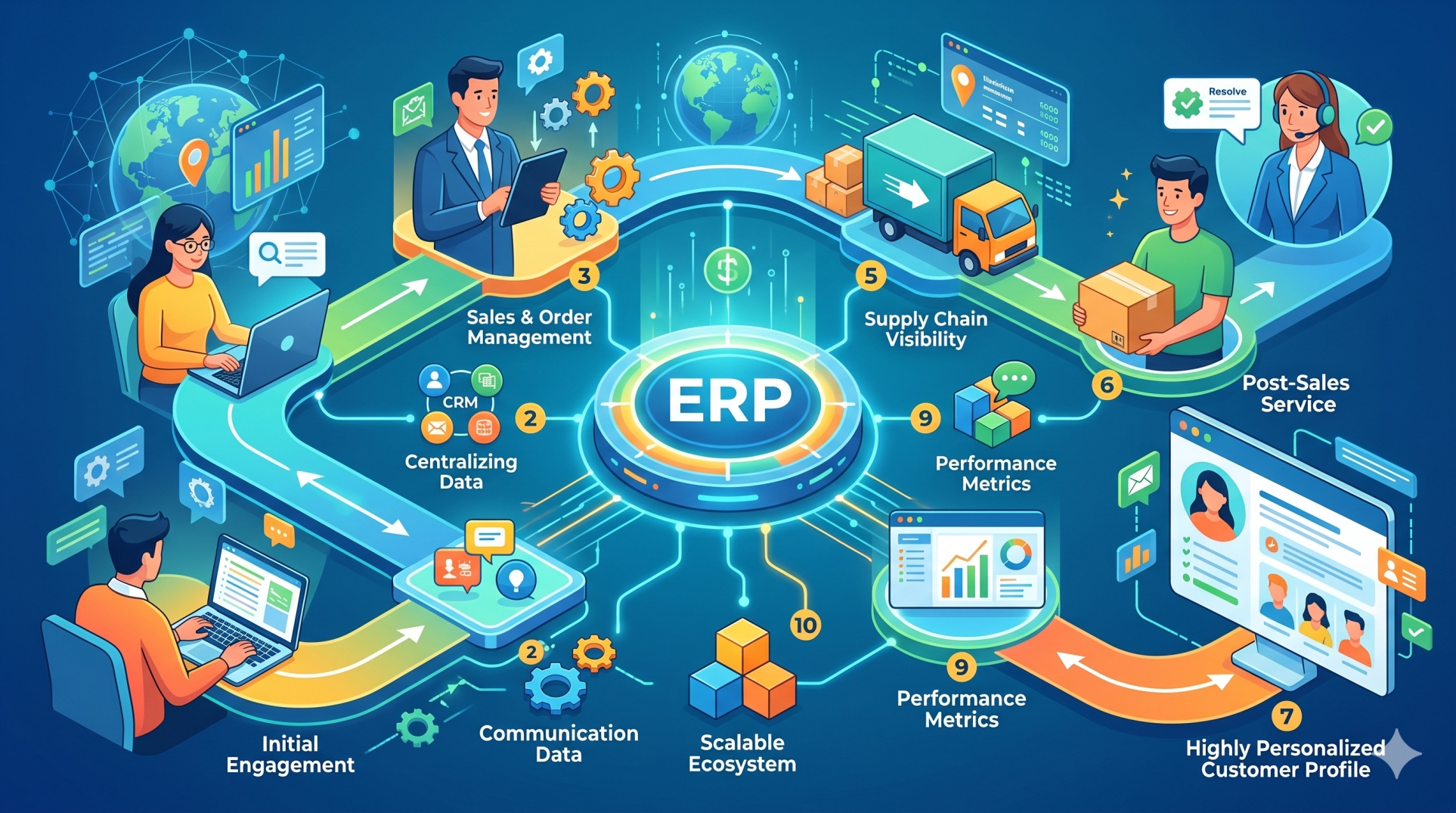
• Use modular ERP architecture to support the addition of new capabilities. 🧩
• Design integrations that can accommodate new applications and business services. 🔗
• Scale infrastructure according to transaction volumes and user demand. 📈
• Minimize disruption when introducing new modules or operational processes. 🔄
• Regularly evaluate whether the ERP architecture still supports business objectives. 🎯
Step 10: Building a Long-Term ERP Strategy 🌐
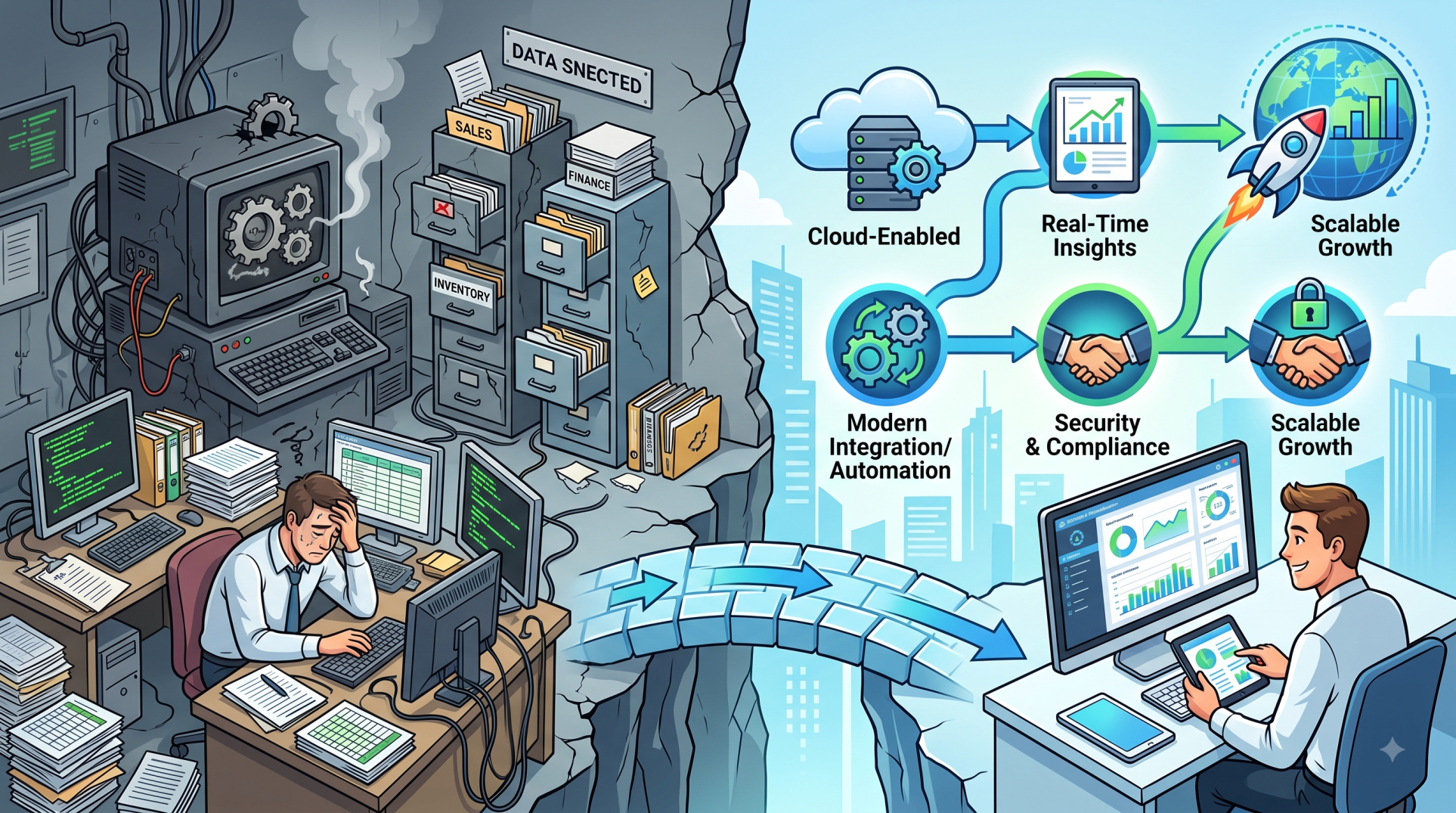
• Treat ERP development as an ongoing process rather than a one-time implementation. 🔄
• Continuously improve workflows based on operational feedback and business changes. 📊
• Modernize outdated integrations and processes when they create limitations. 🔧
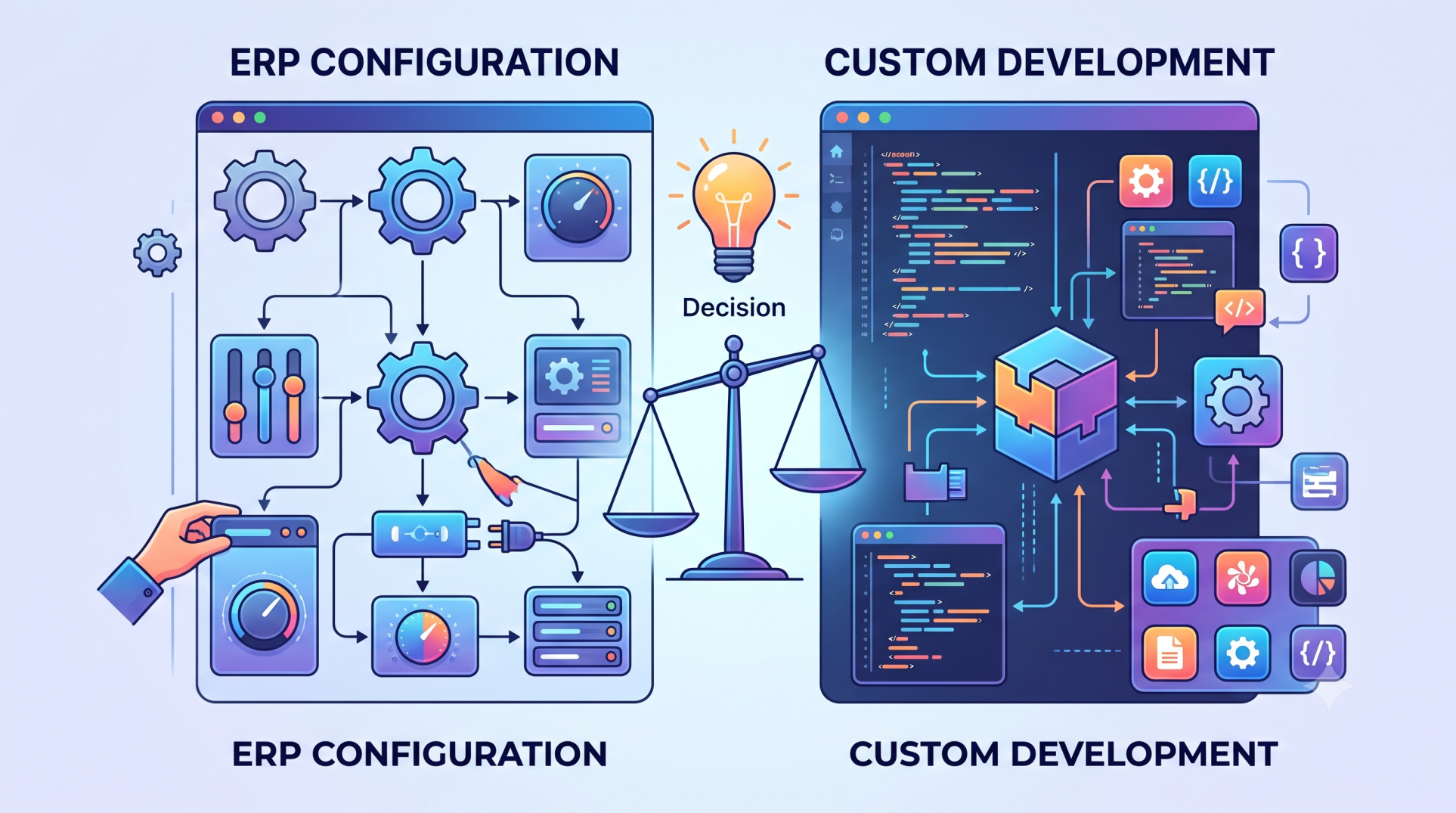
• Maintain a balance between standardization, flexibility, automation, and control. ⚖️
• Build an ERP environment capable of supporting future growth, new technologies, and evolving business models. 🚀
Conclusion
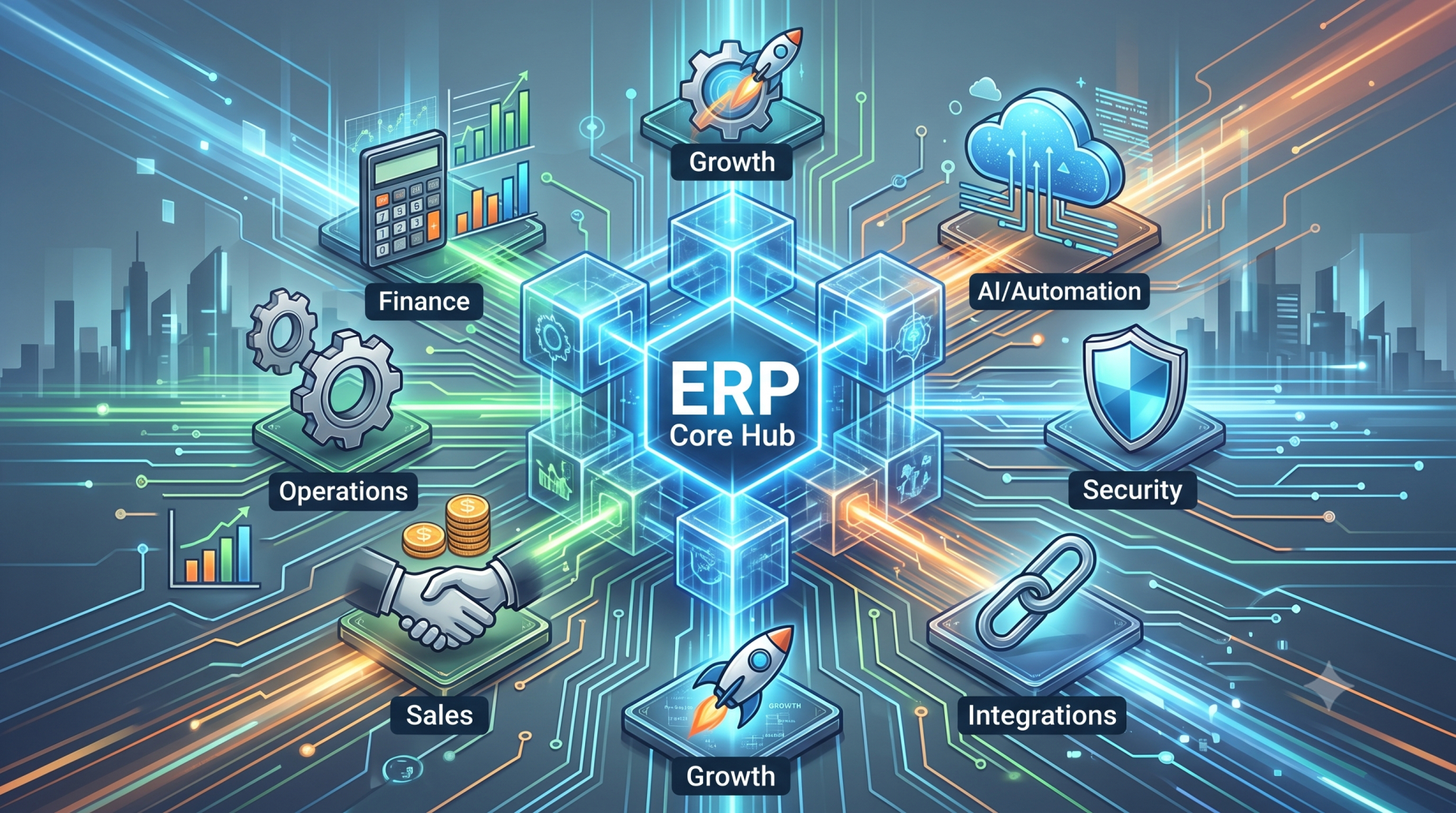
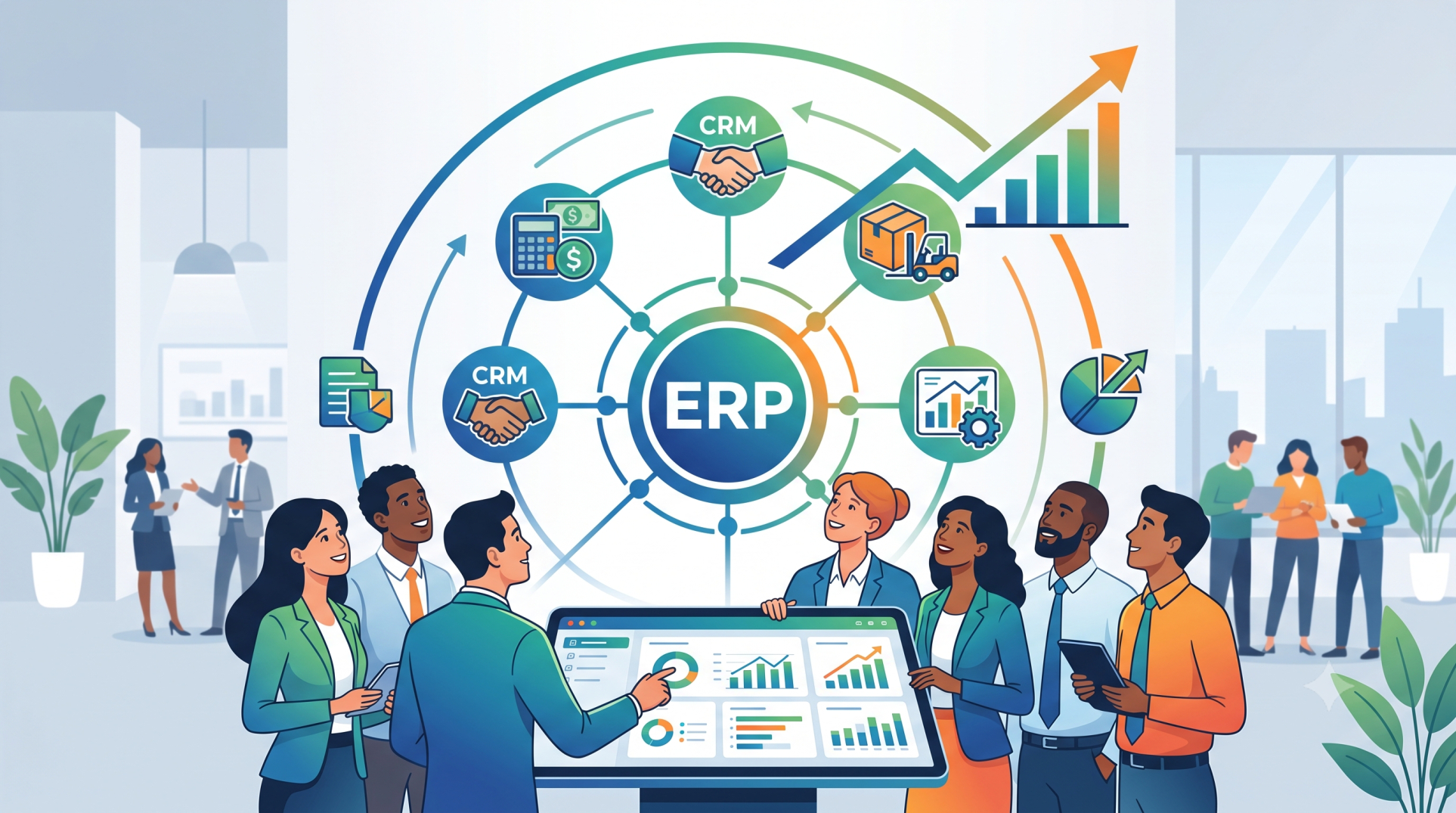
ERP software should evolve as an organization moves from early-stage operations to increasingly complex and distributed business environments. As companies grow, their ERP systems may need to expand from basic transaction management toward integrated workflows, advanced analytics, automation, AI capabilities, and stronger governance. A scalable ERP strategy allows organizations to introduce new capabilities when they are needed without creating unnecessary complexity too early. By continuously aligning ERP architecture with business growth, companies can build an operational foundation that remains flexible, connected, and ready for future requirements.
See more blogs
You can all the articles below