Unlocking Efficiency with Seamless ERP Integrations
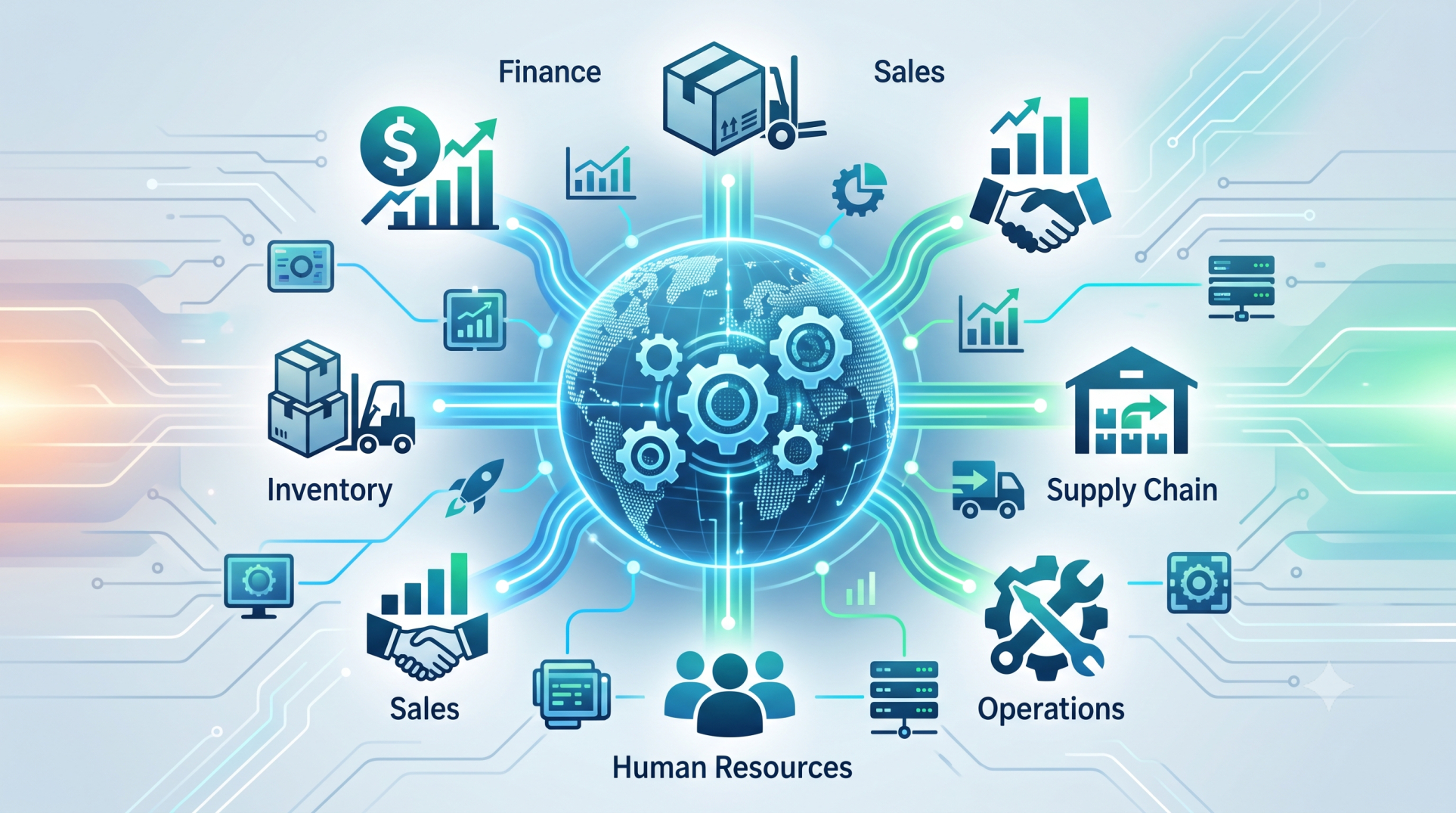
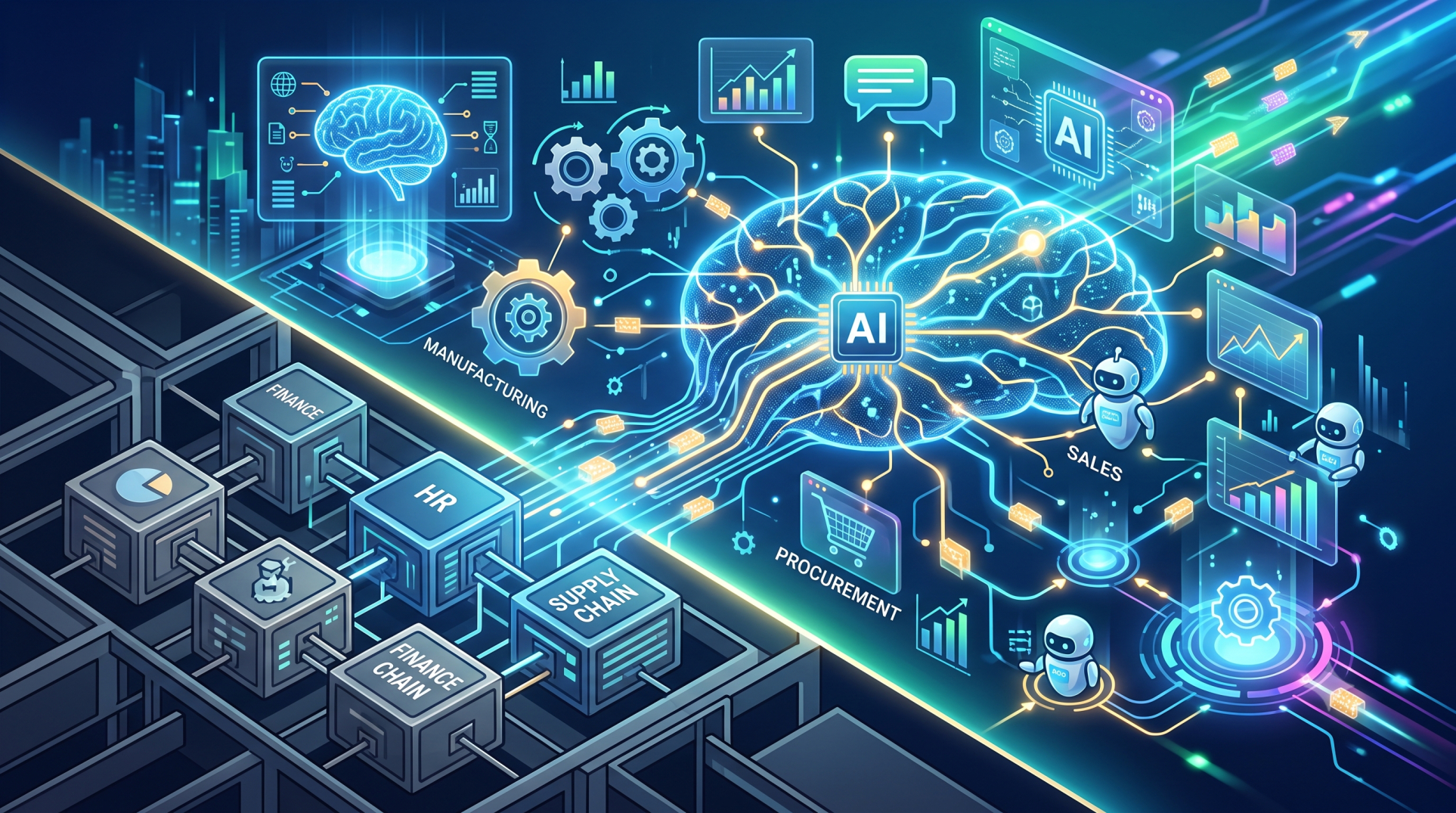
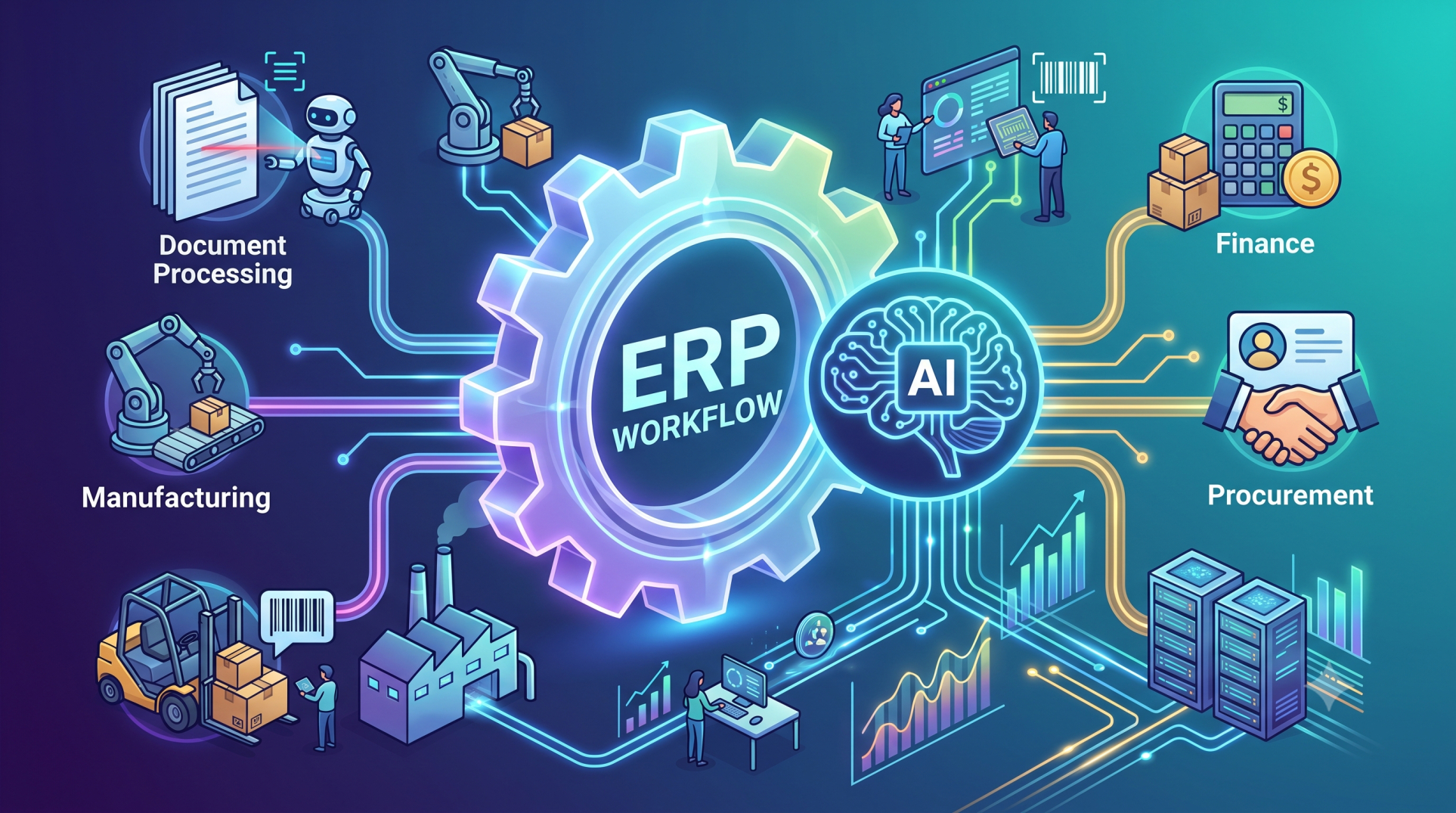
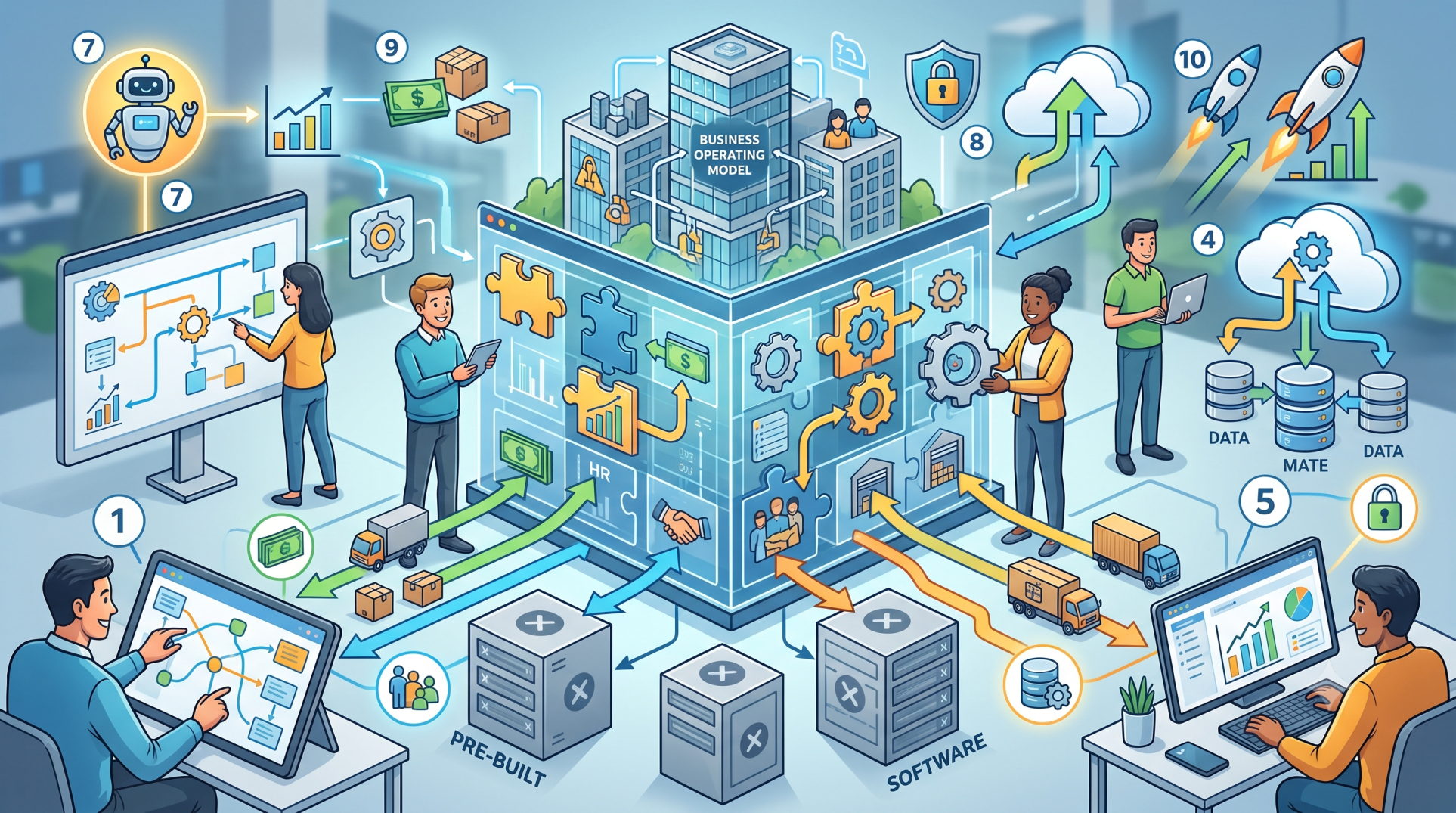
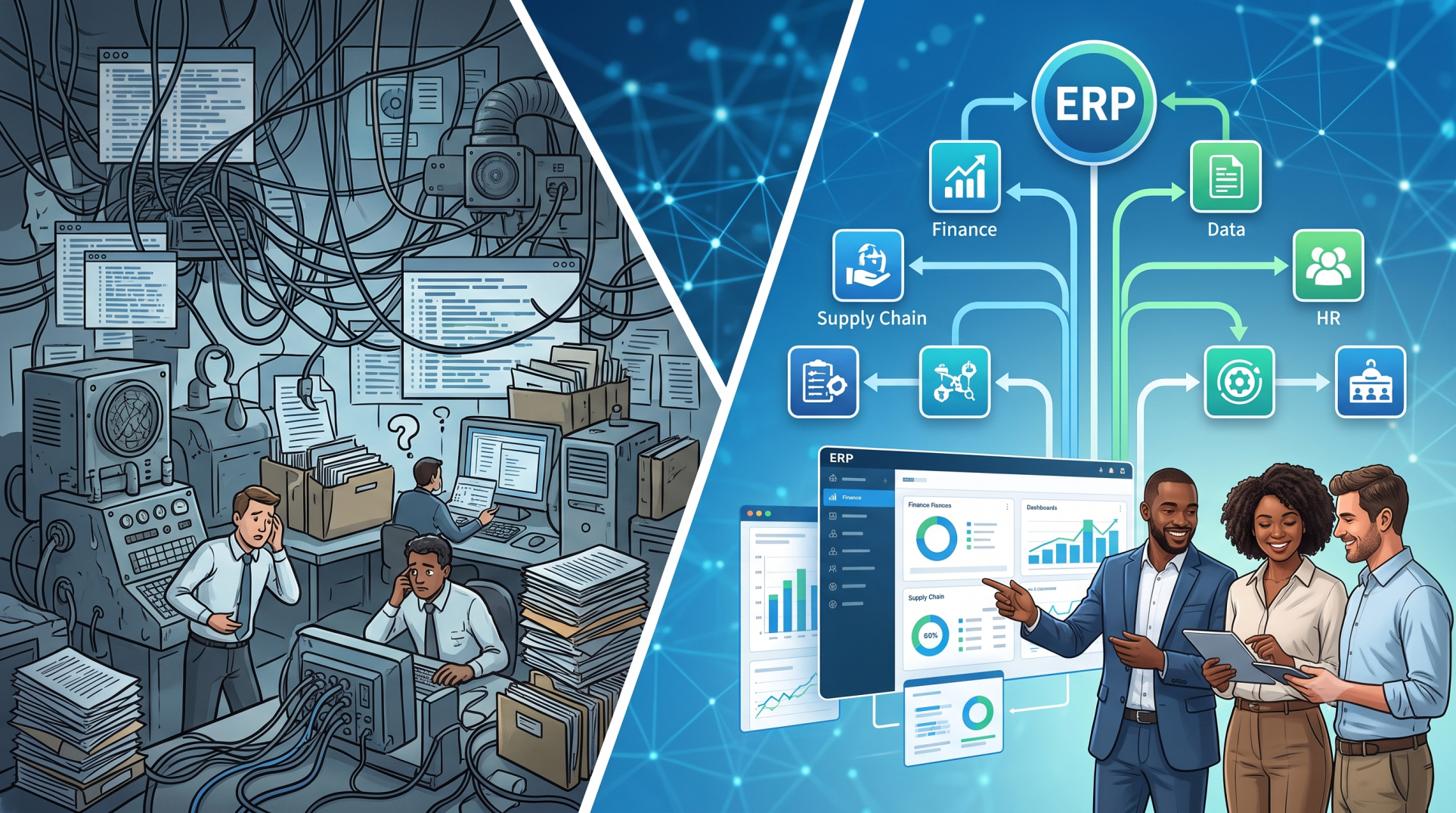
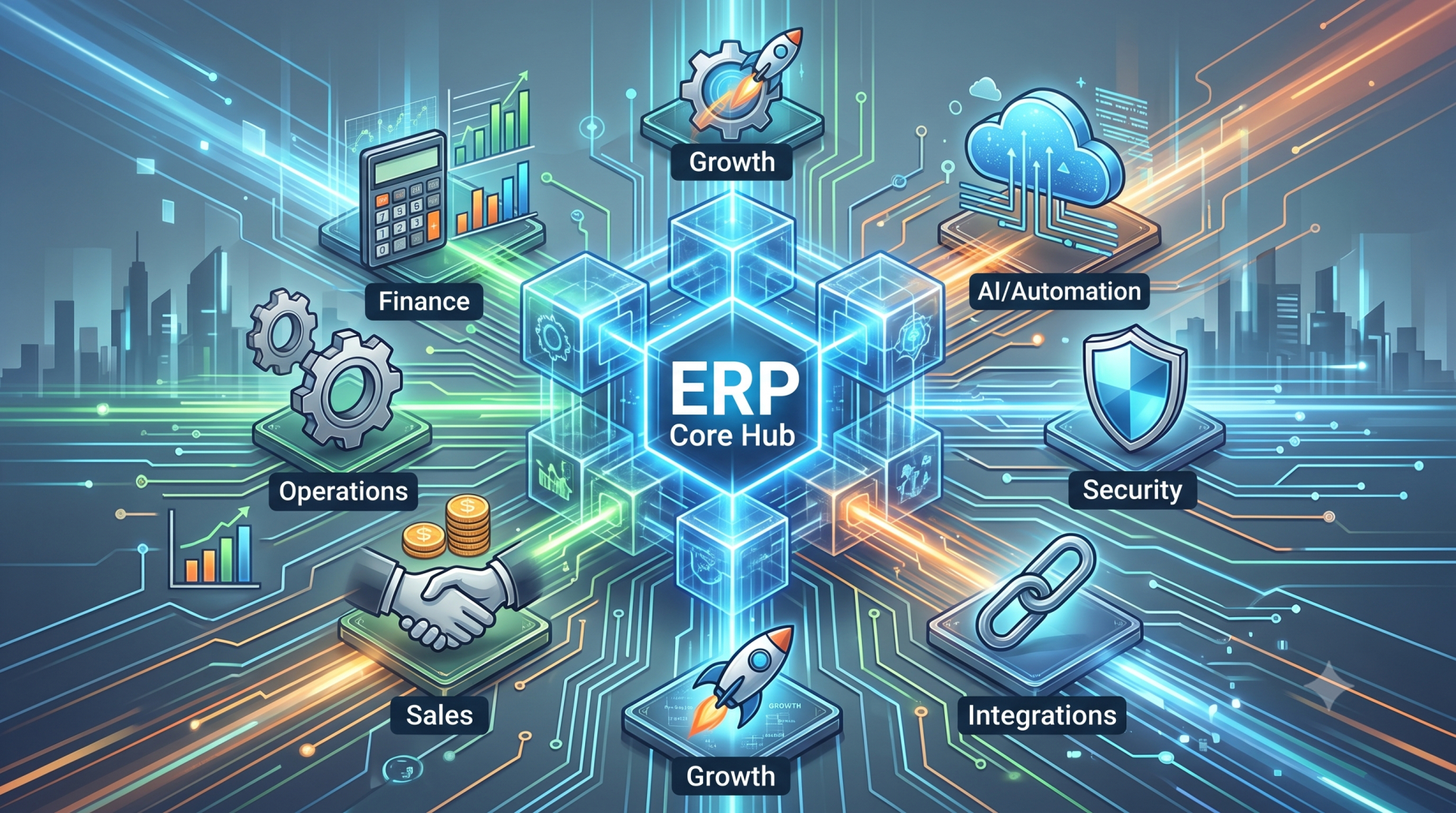
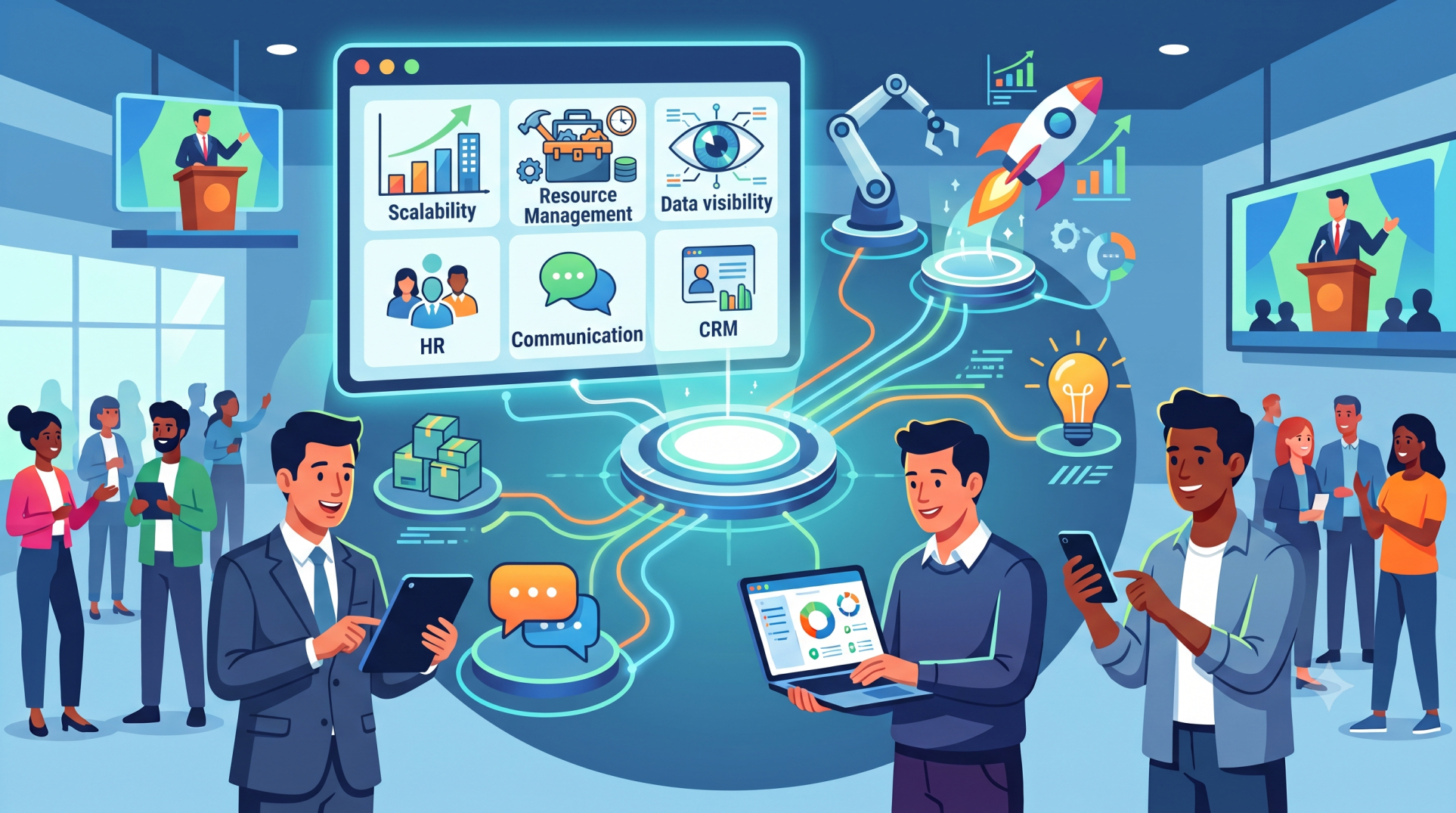
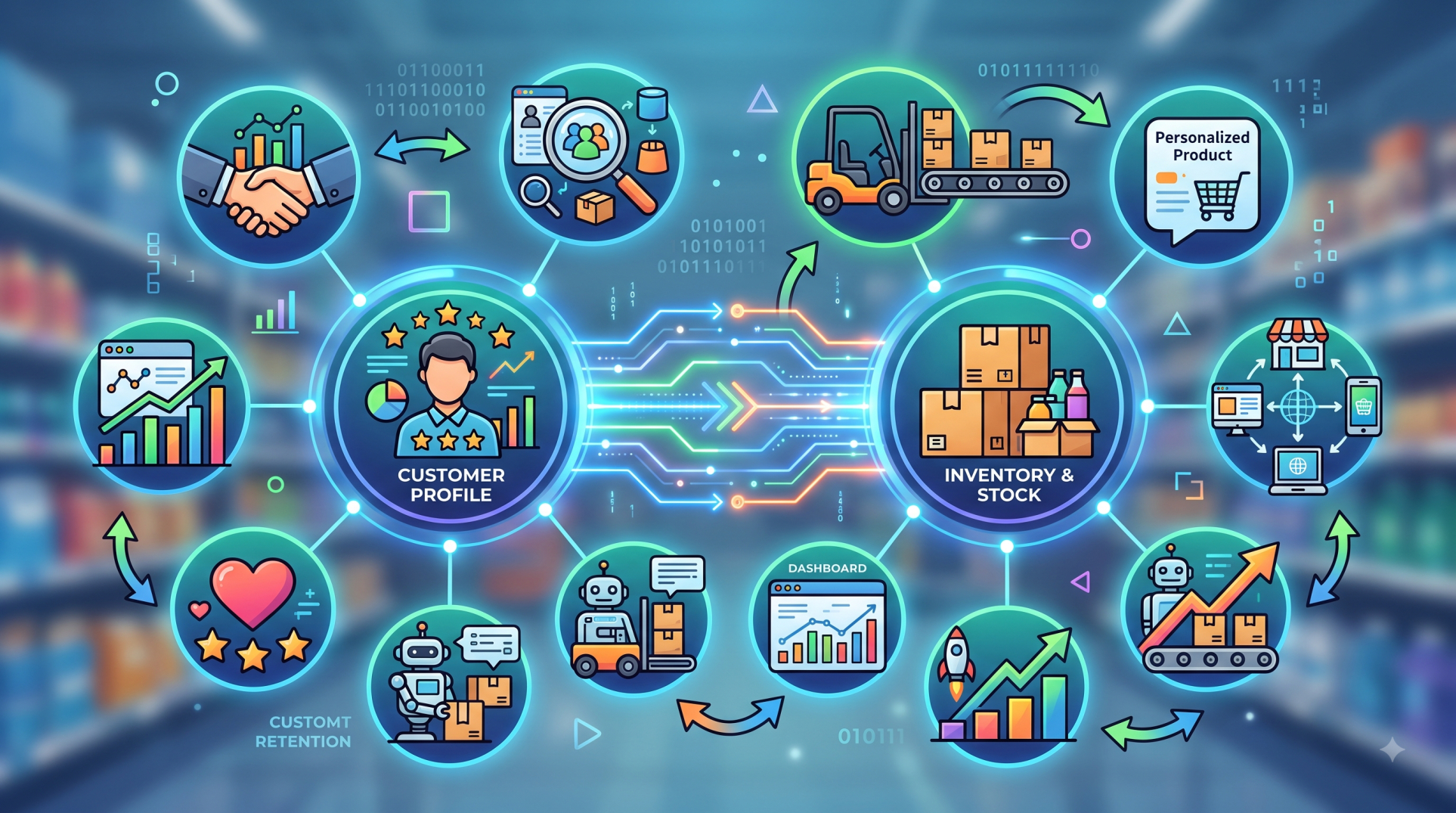
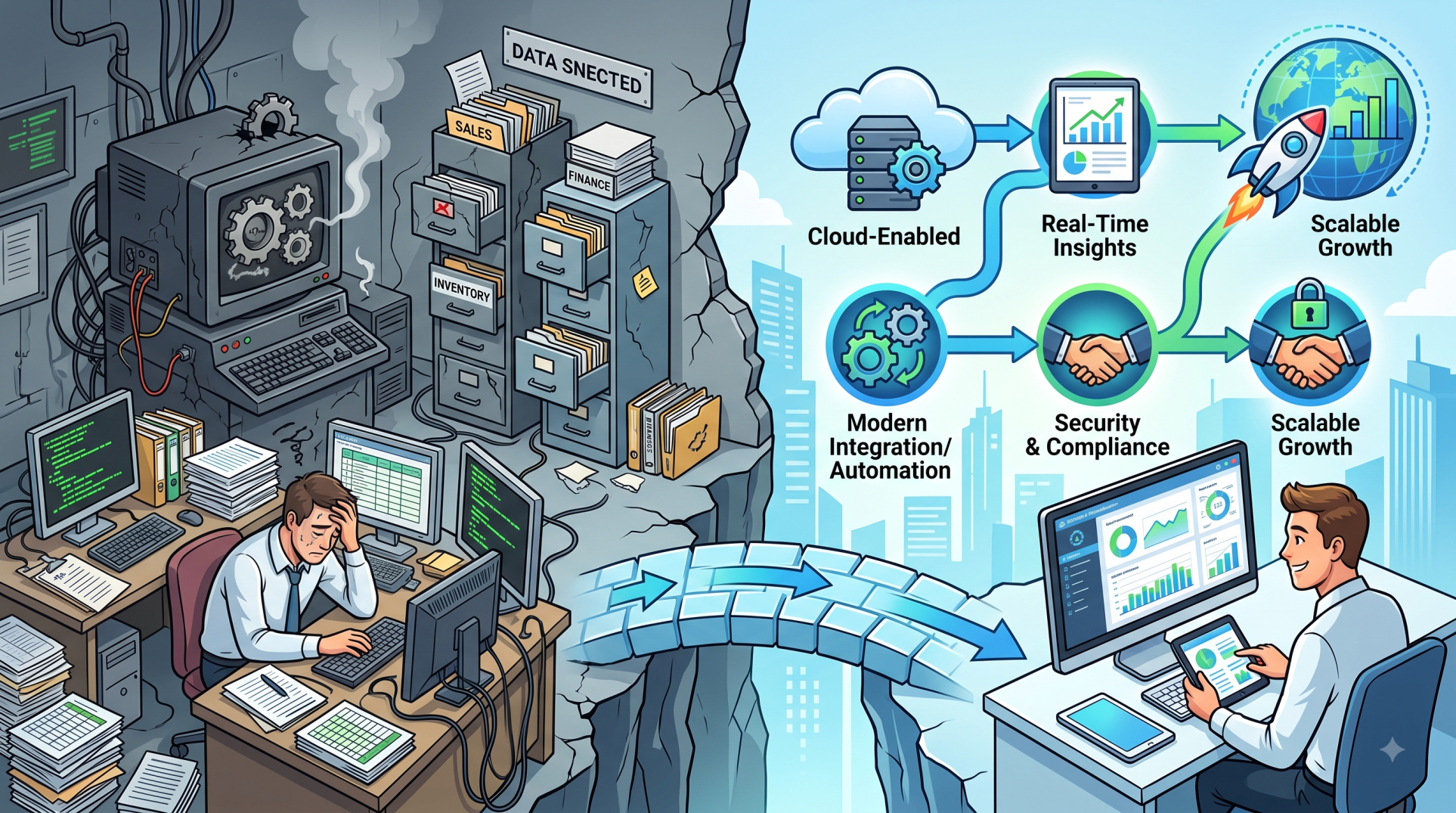
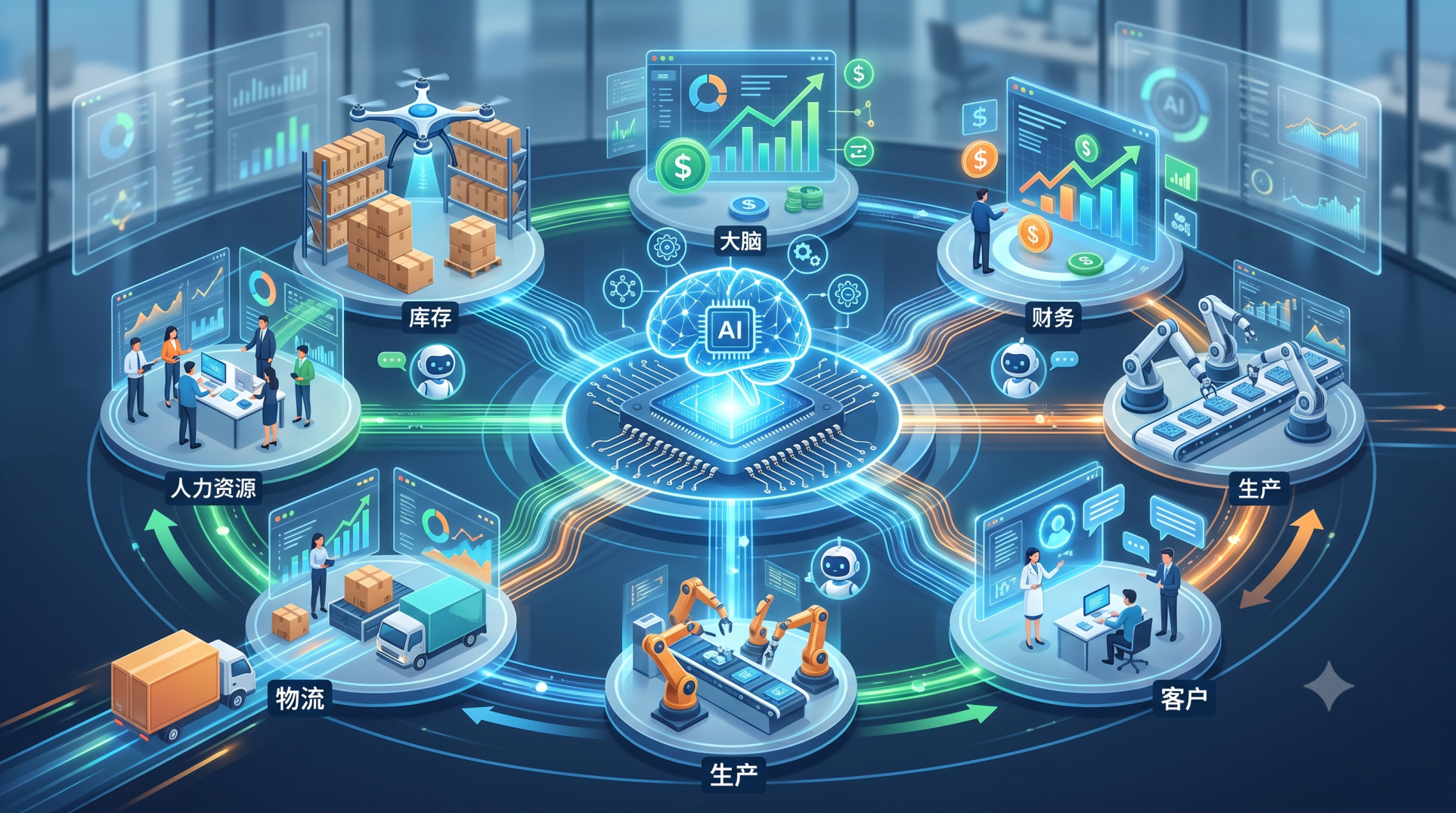
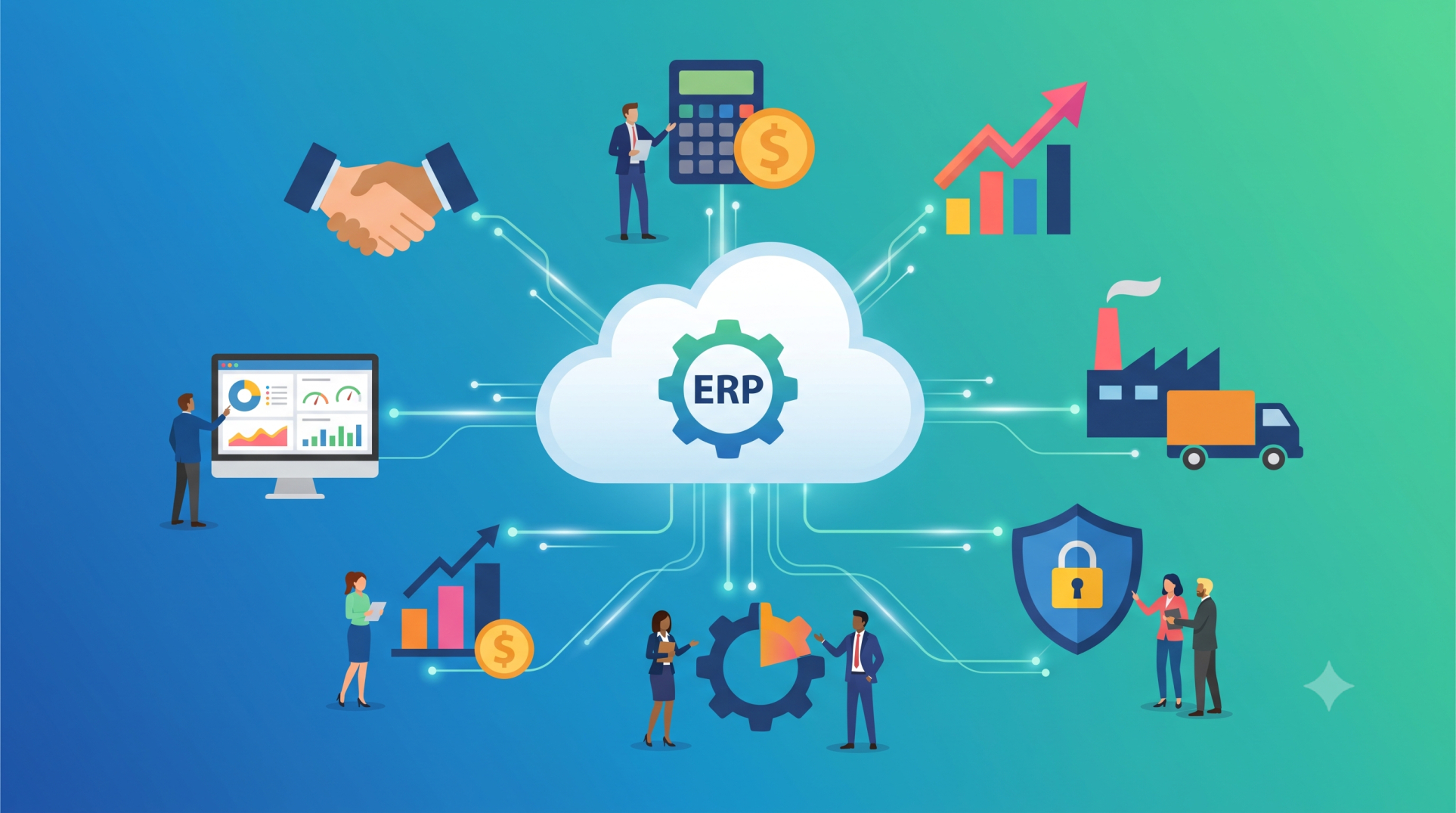
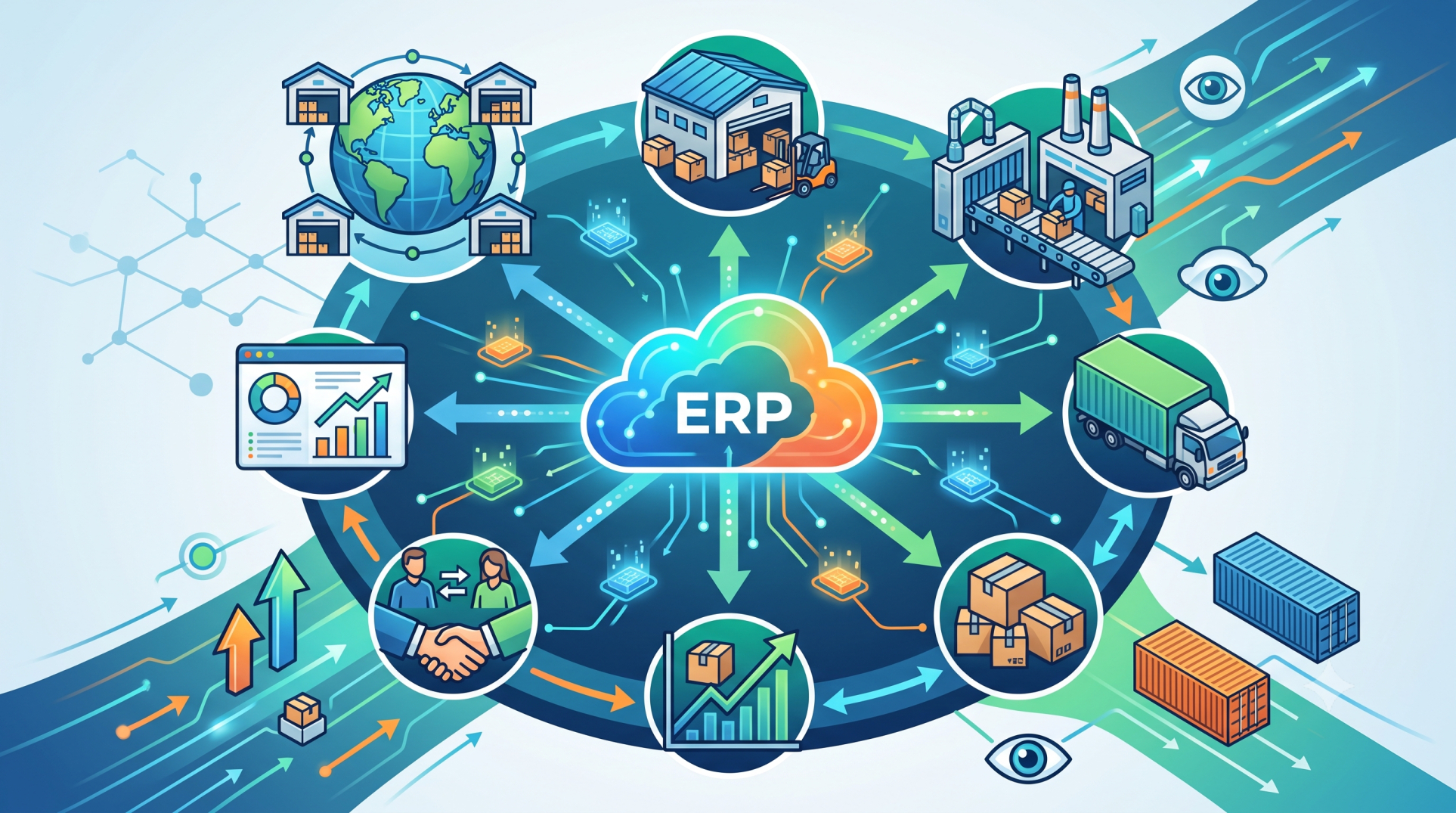
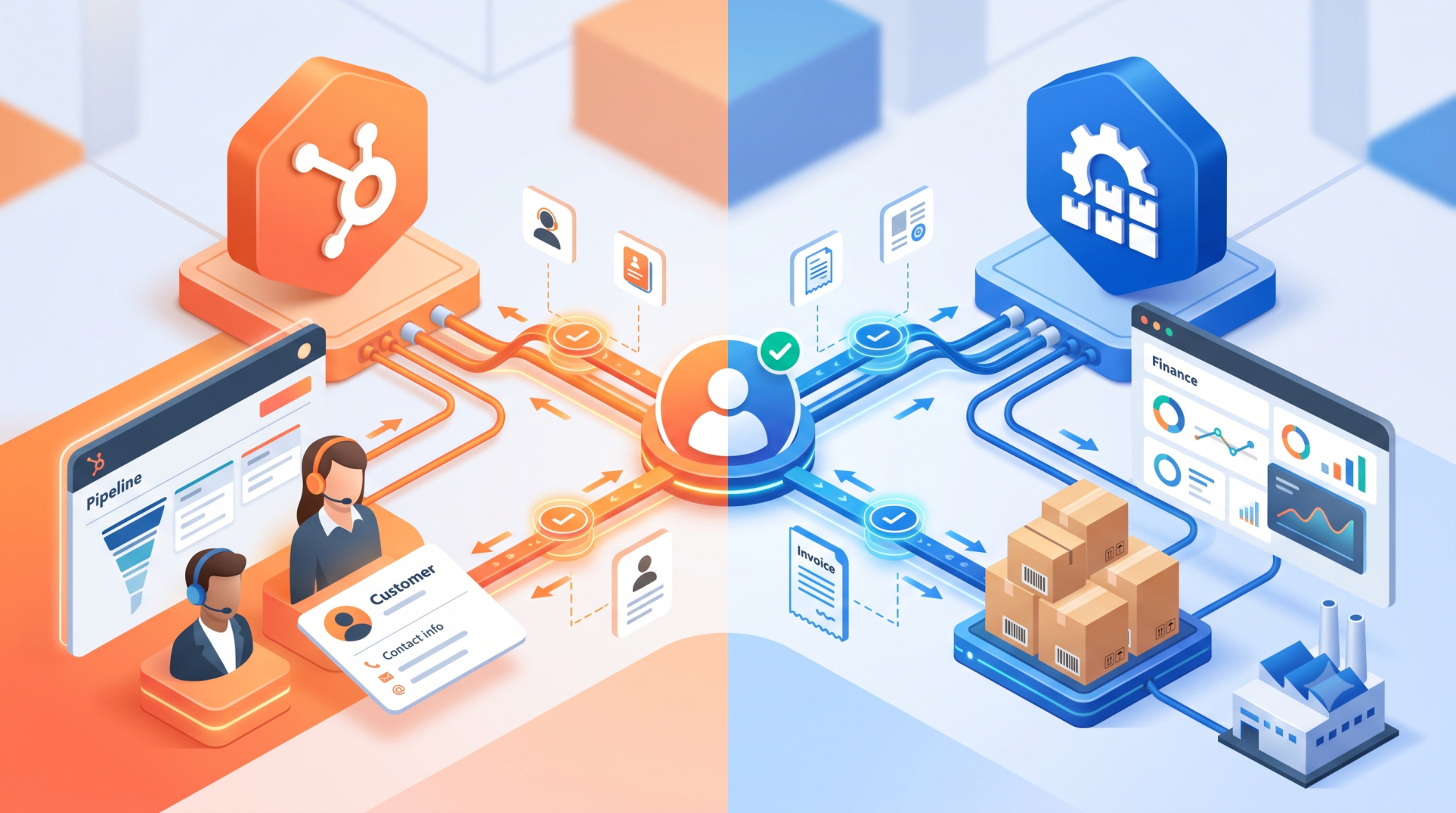
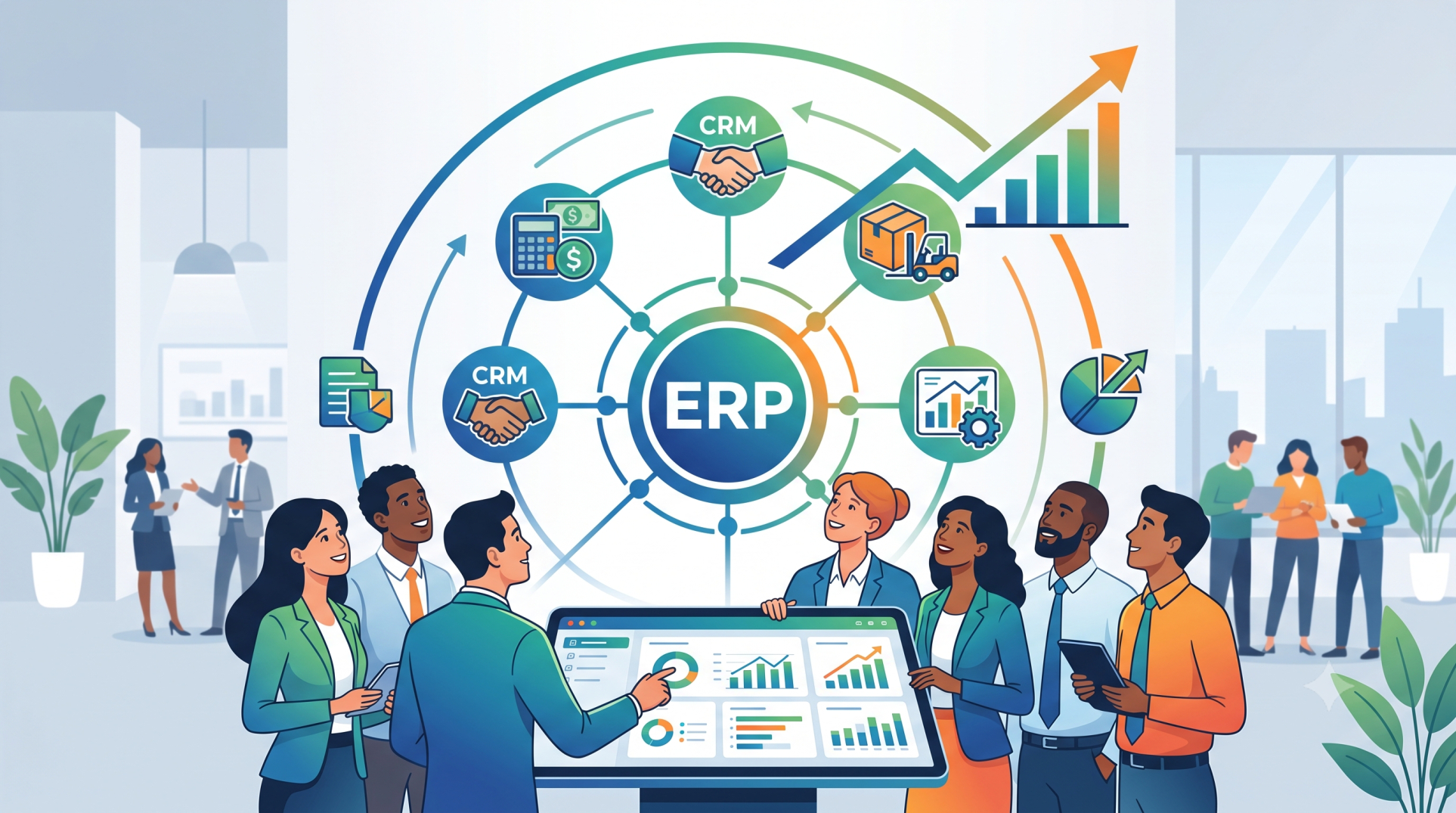
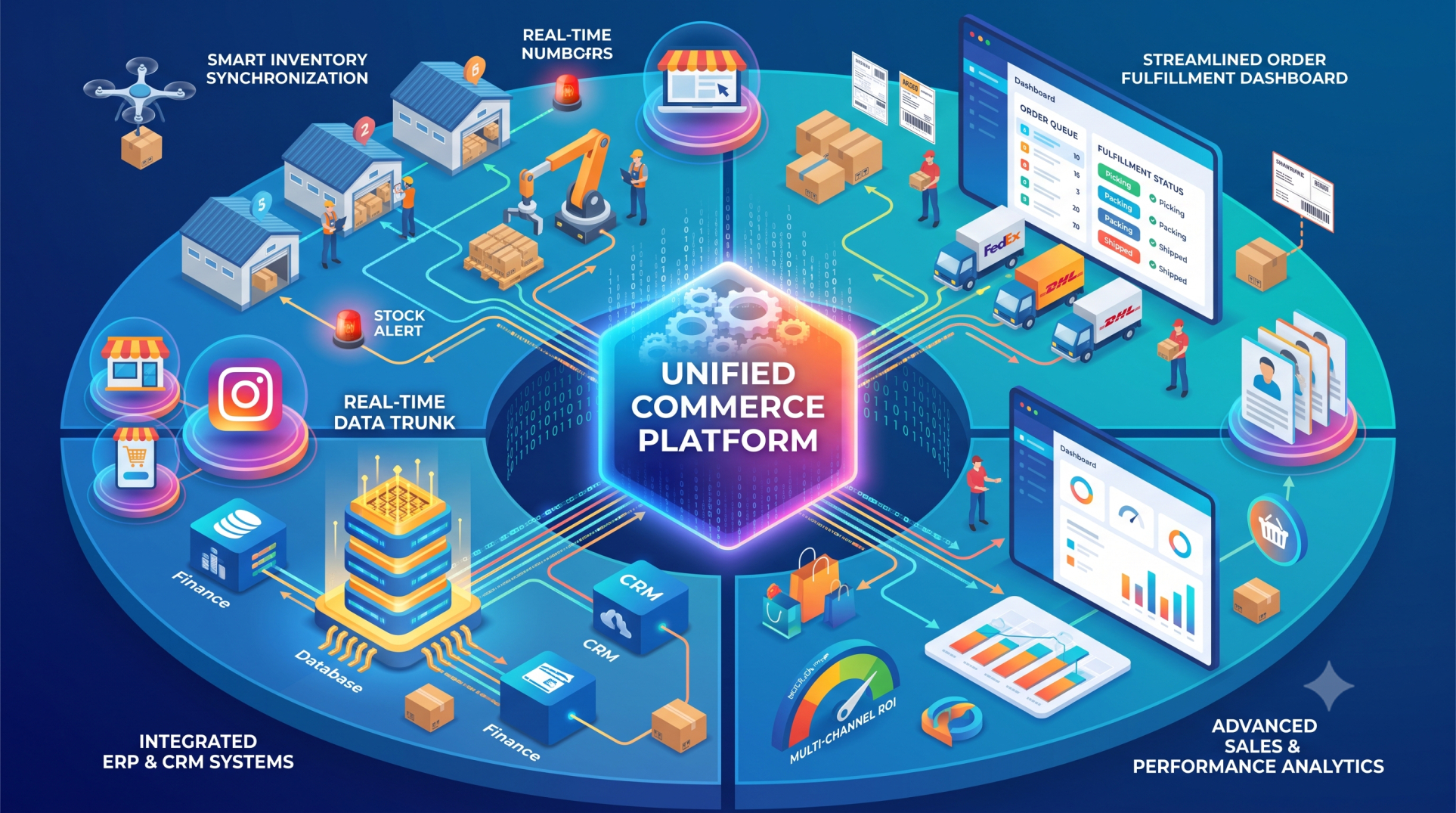
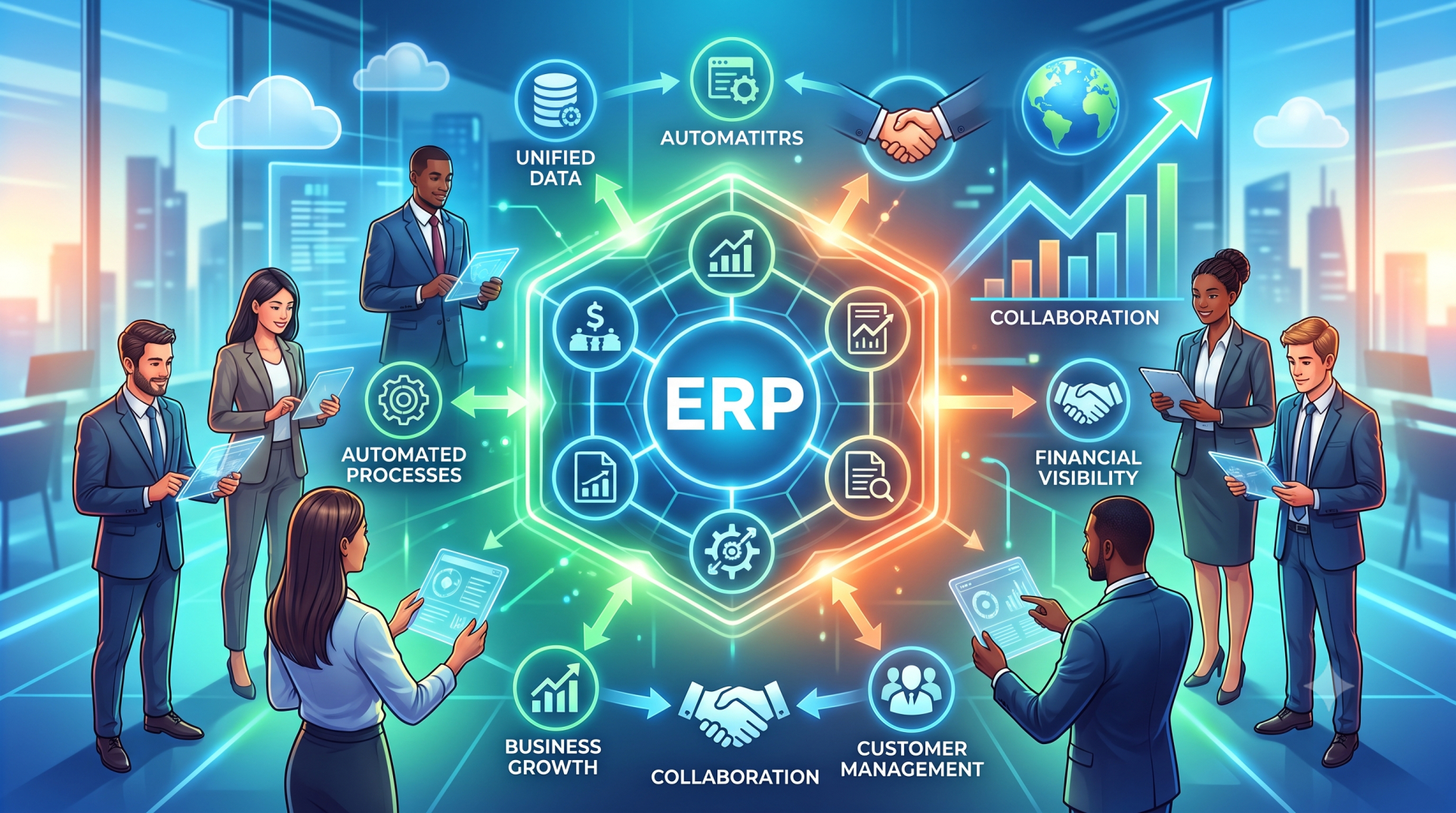
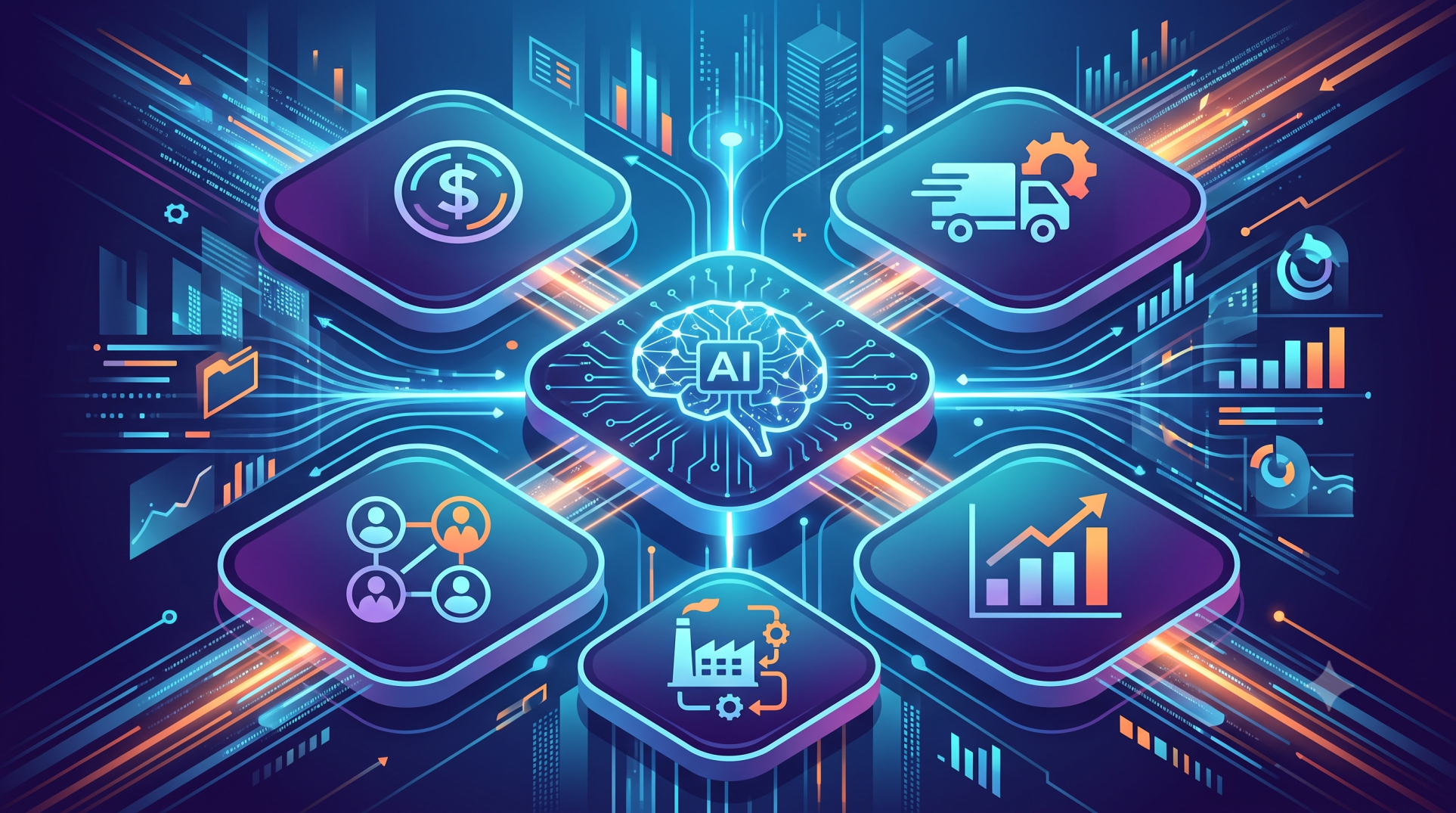
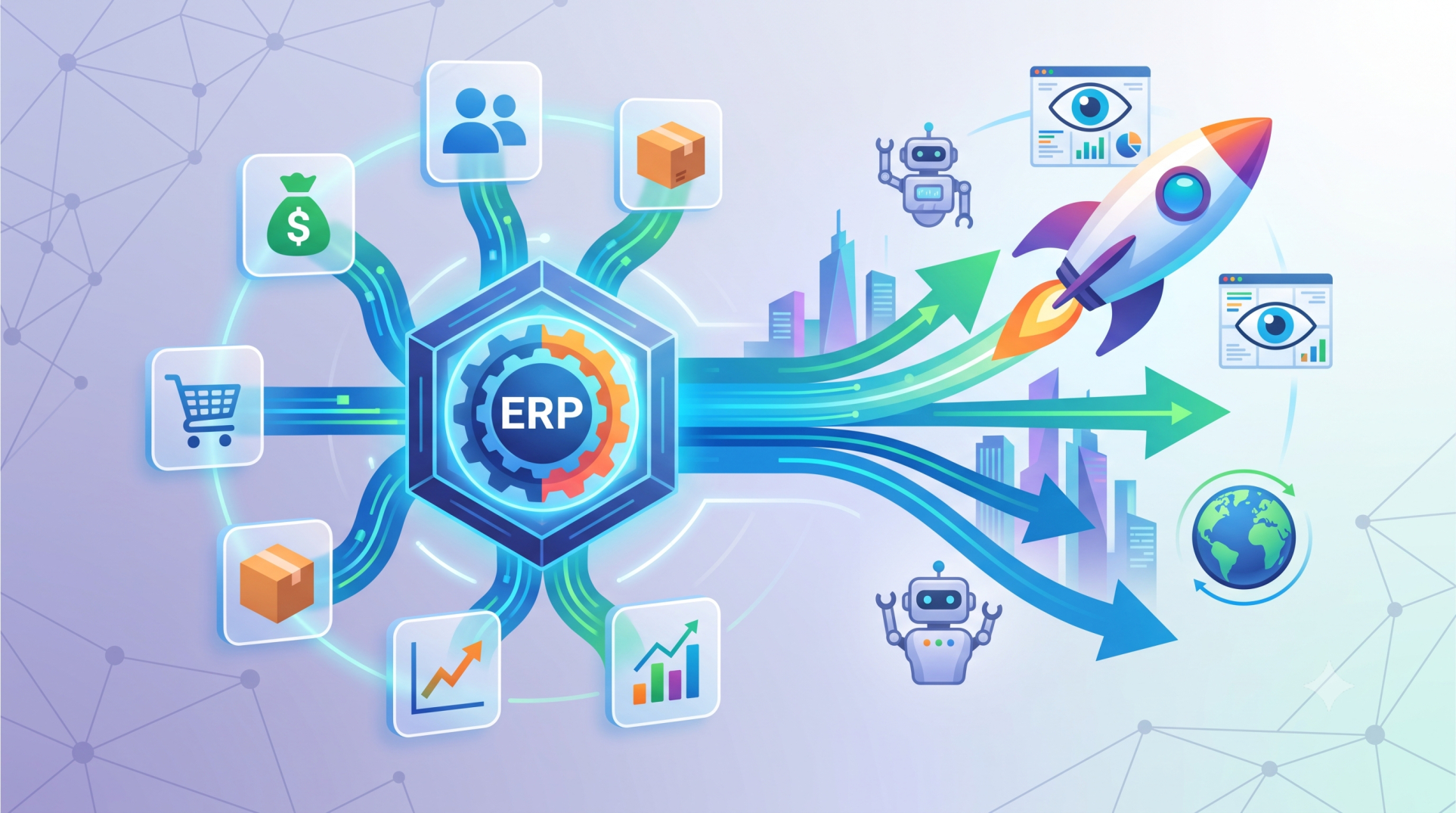
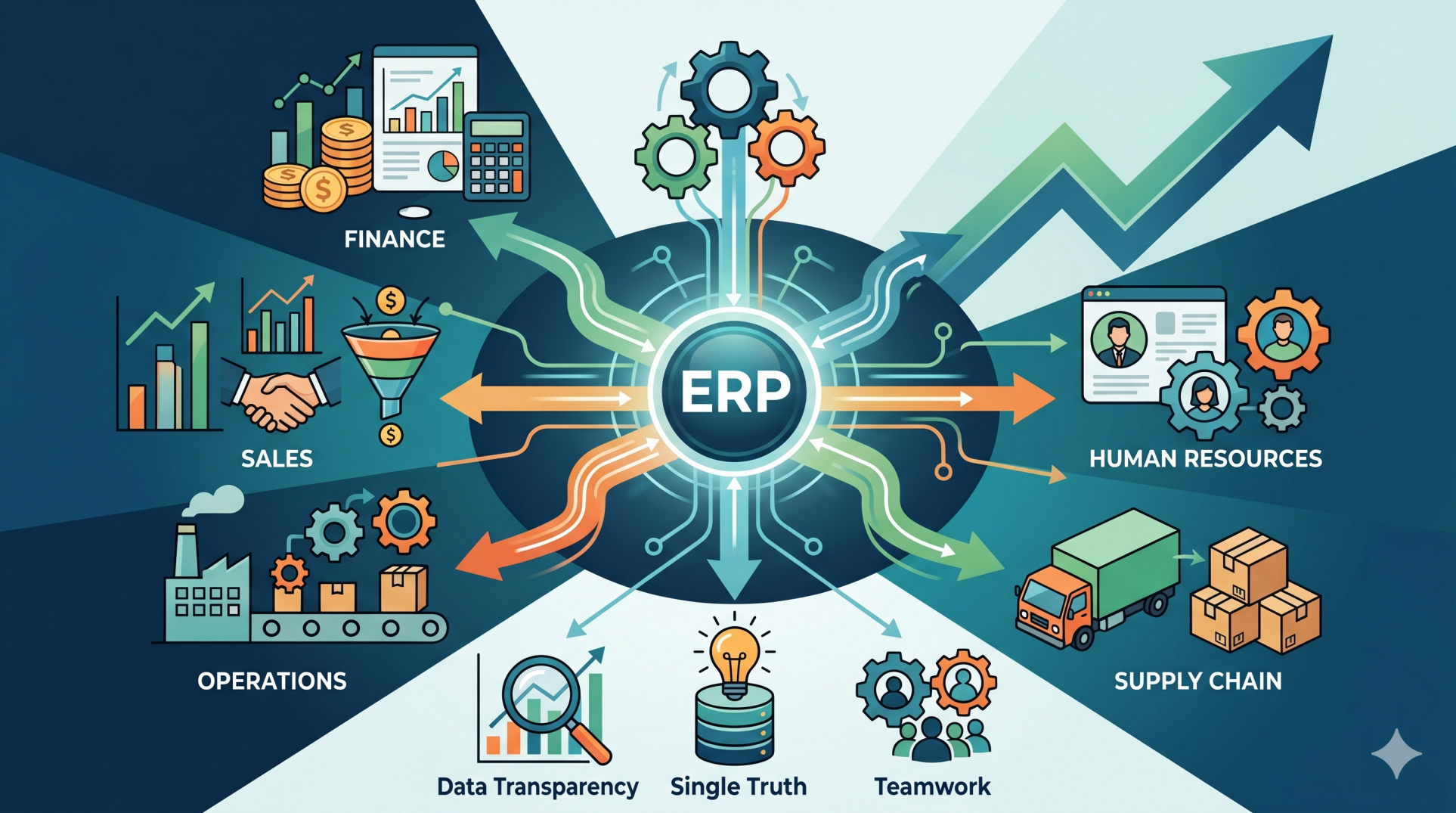
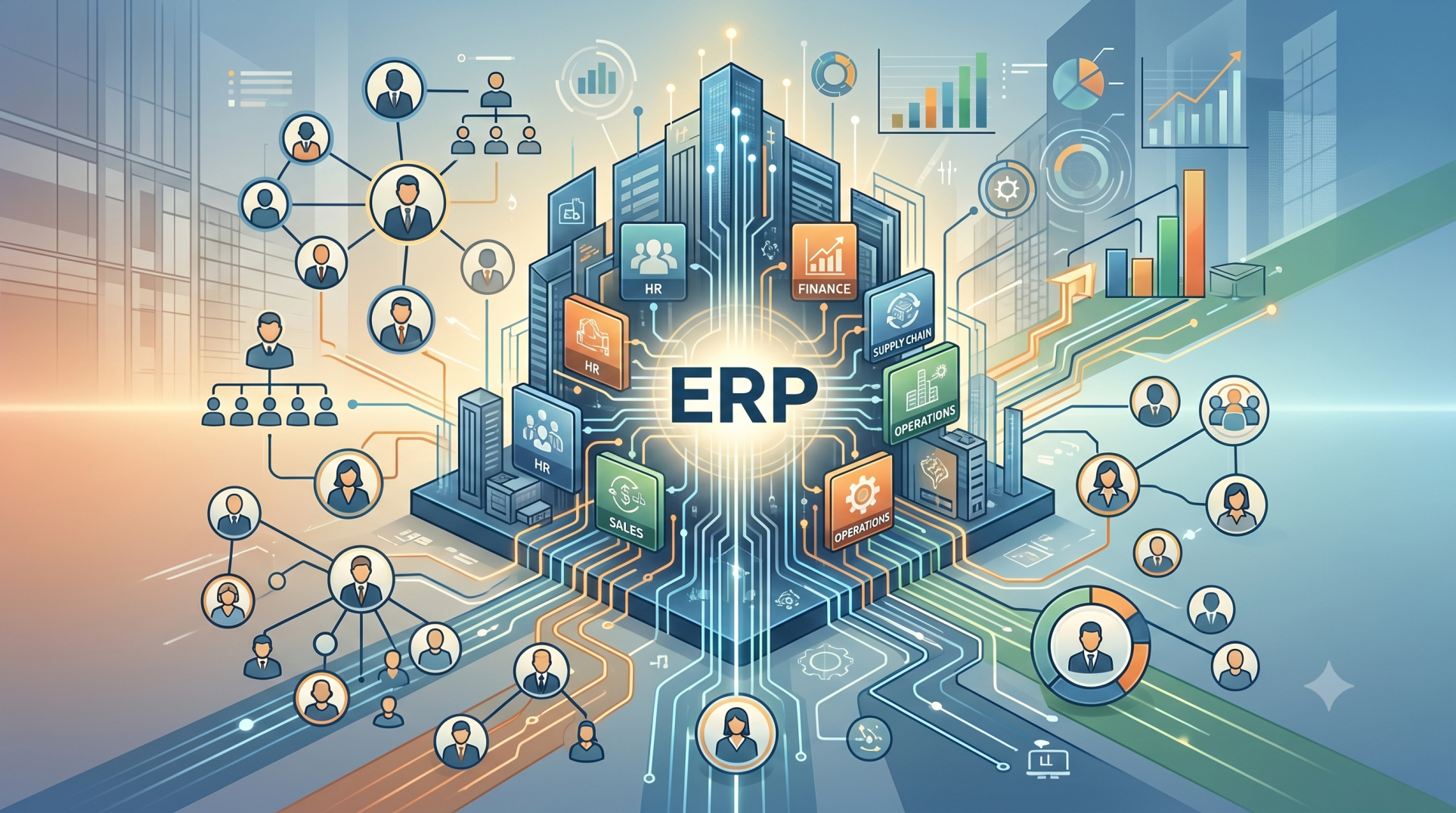
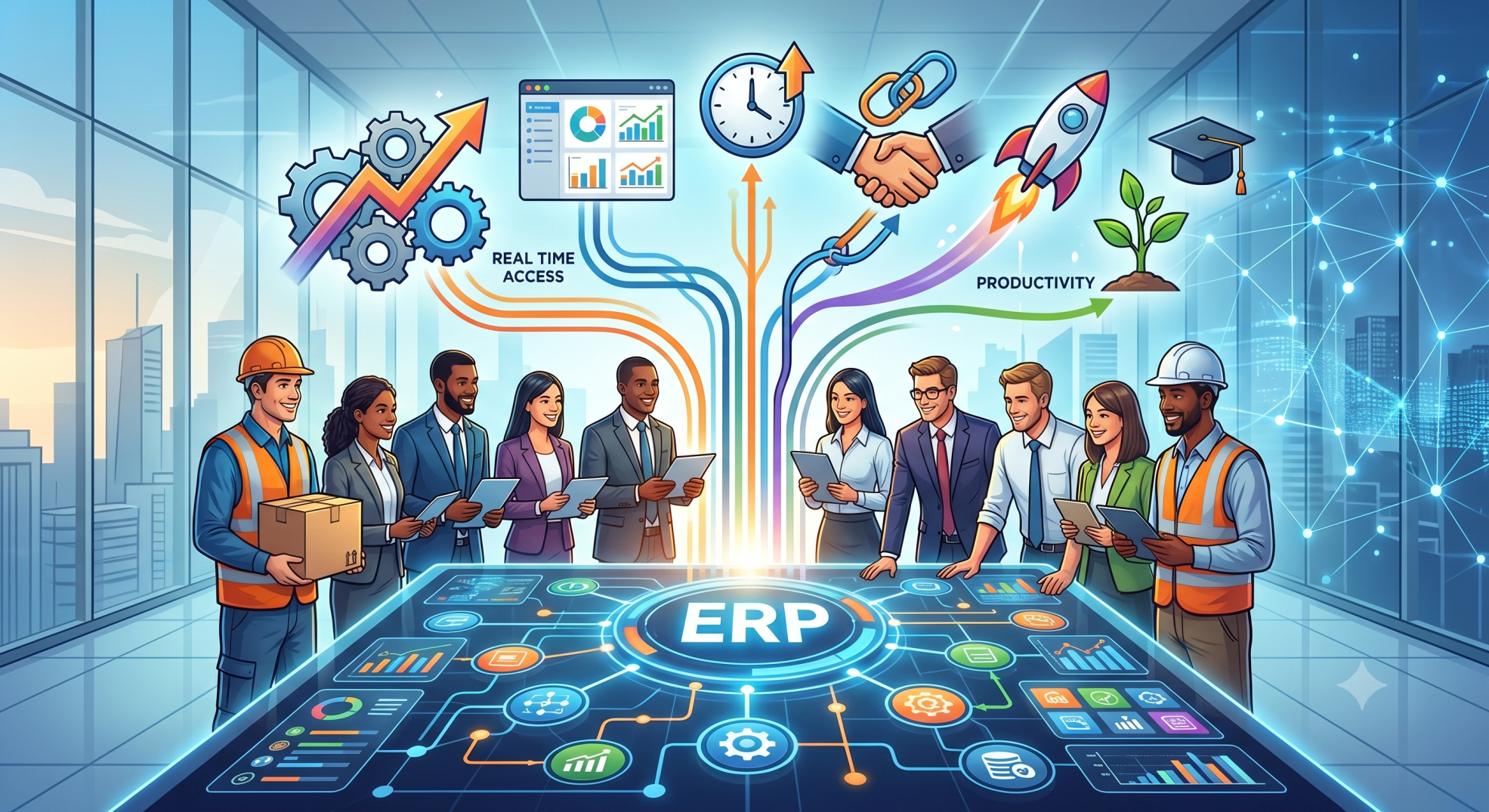
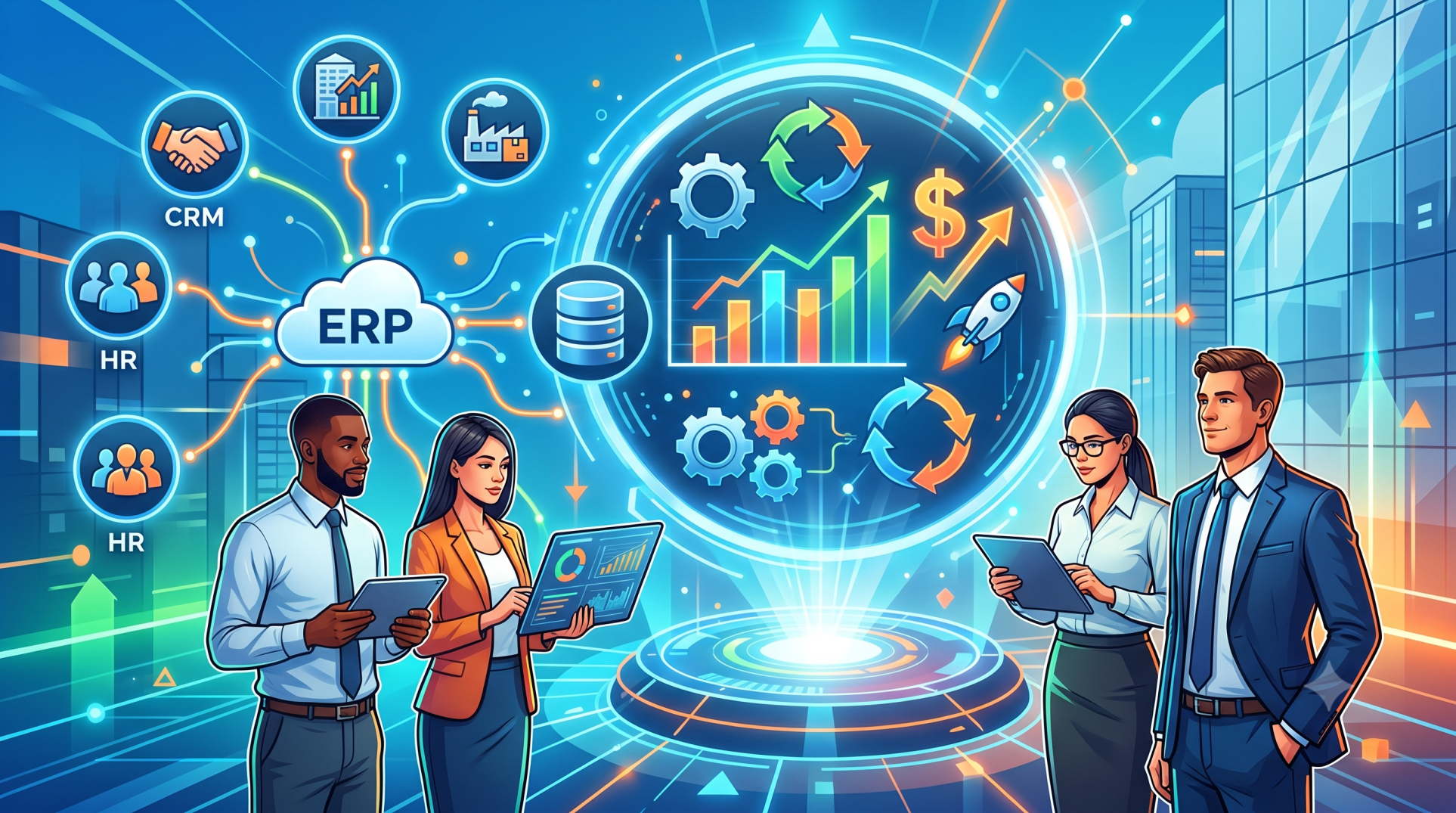
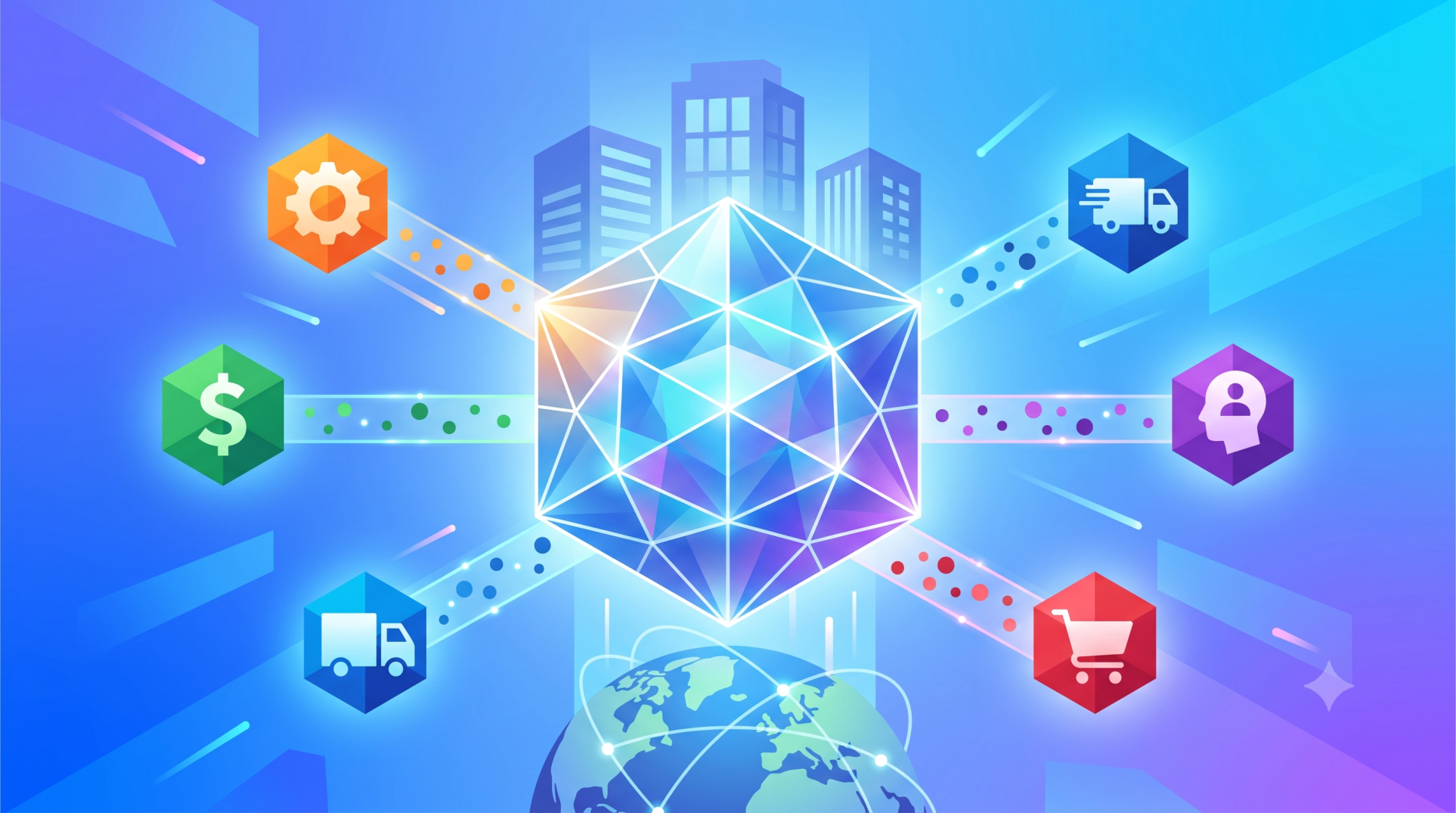
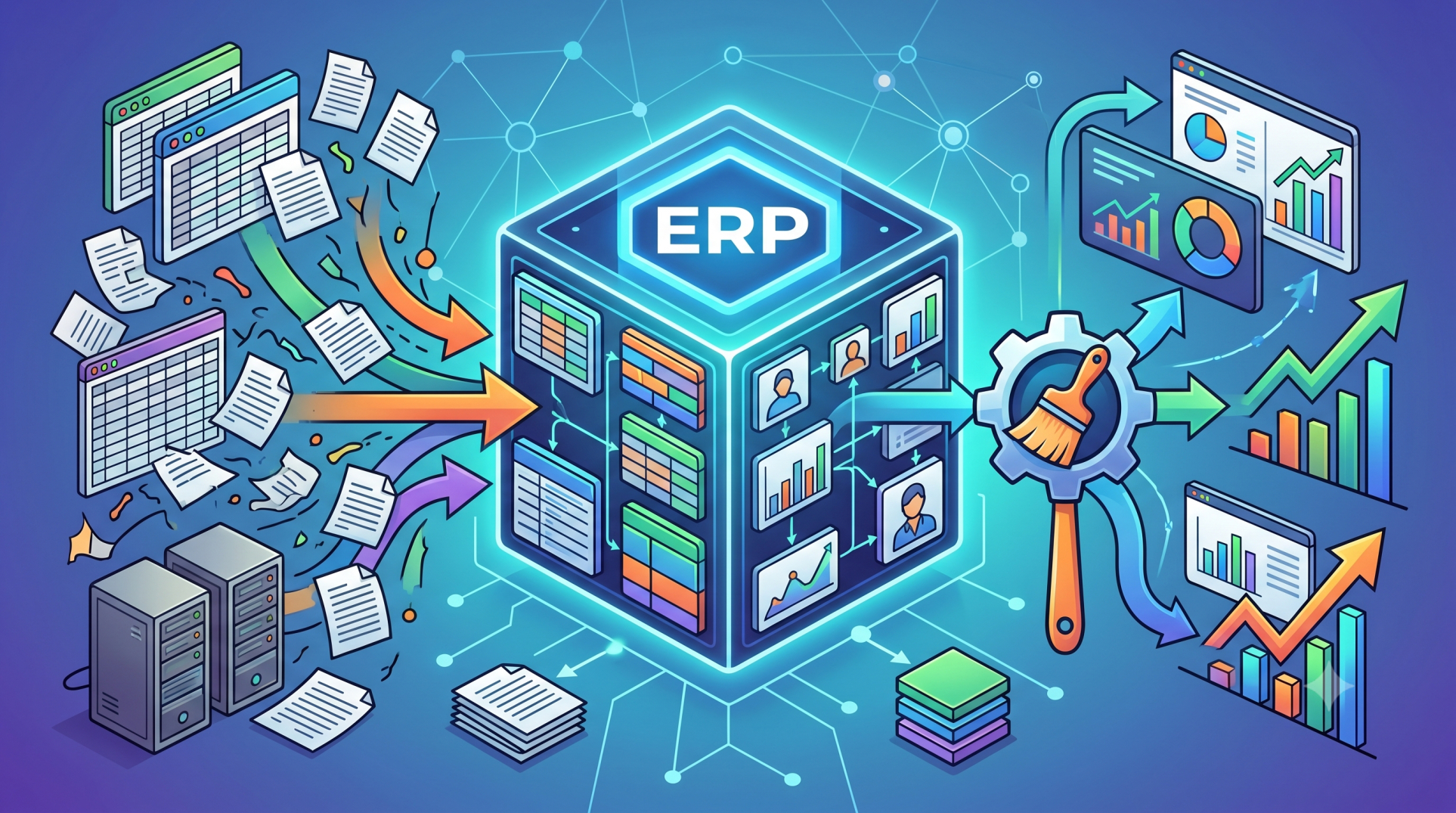
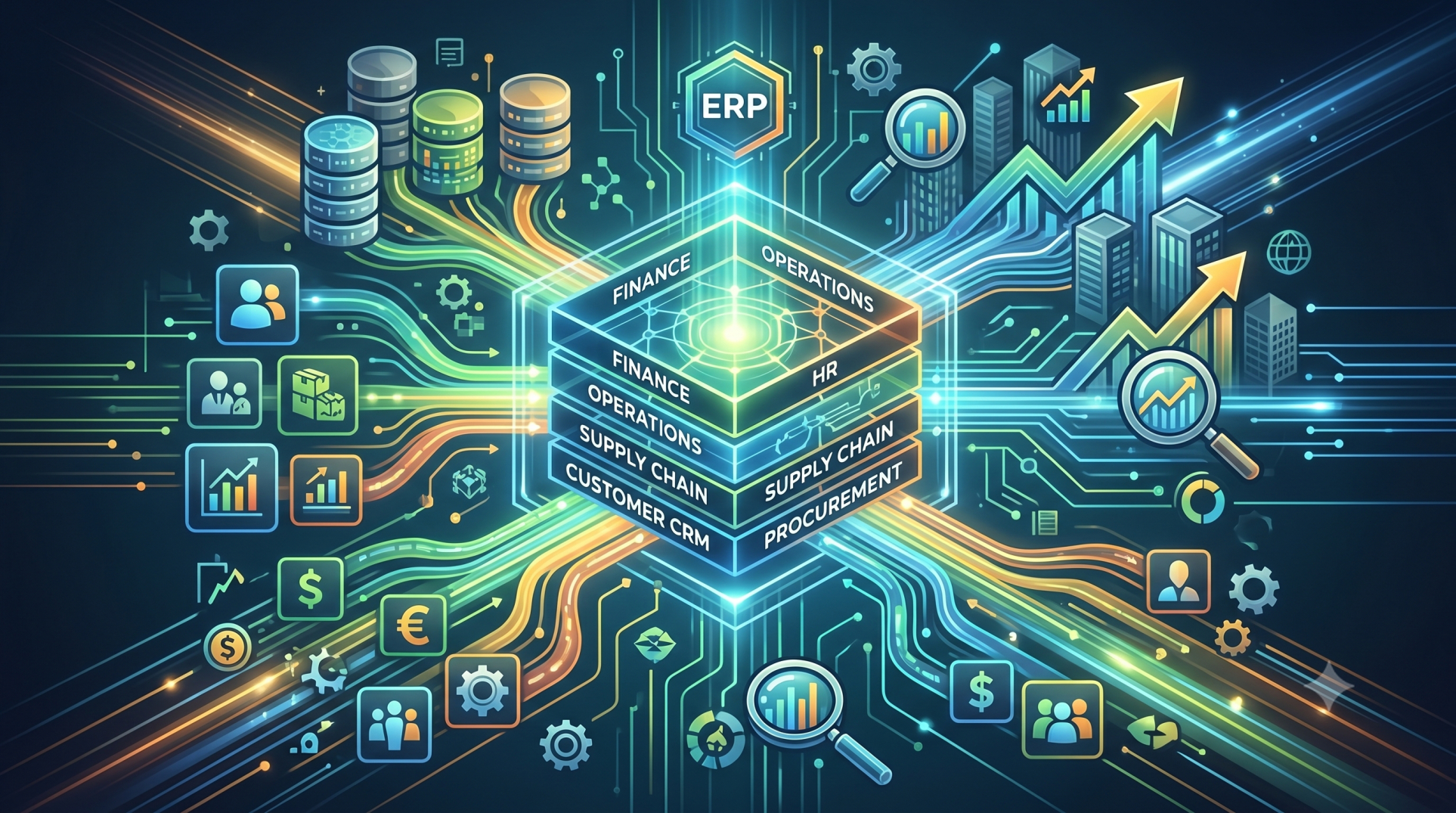
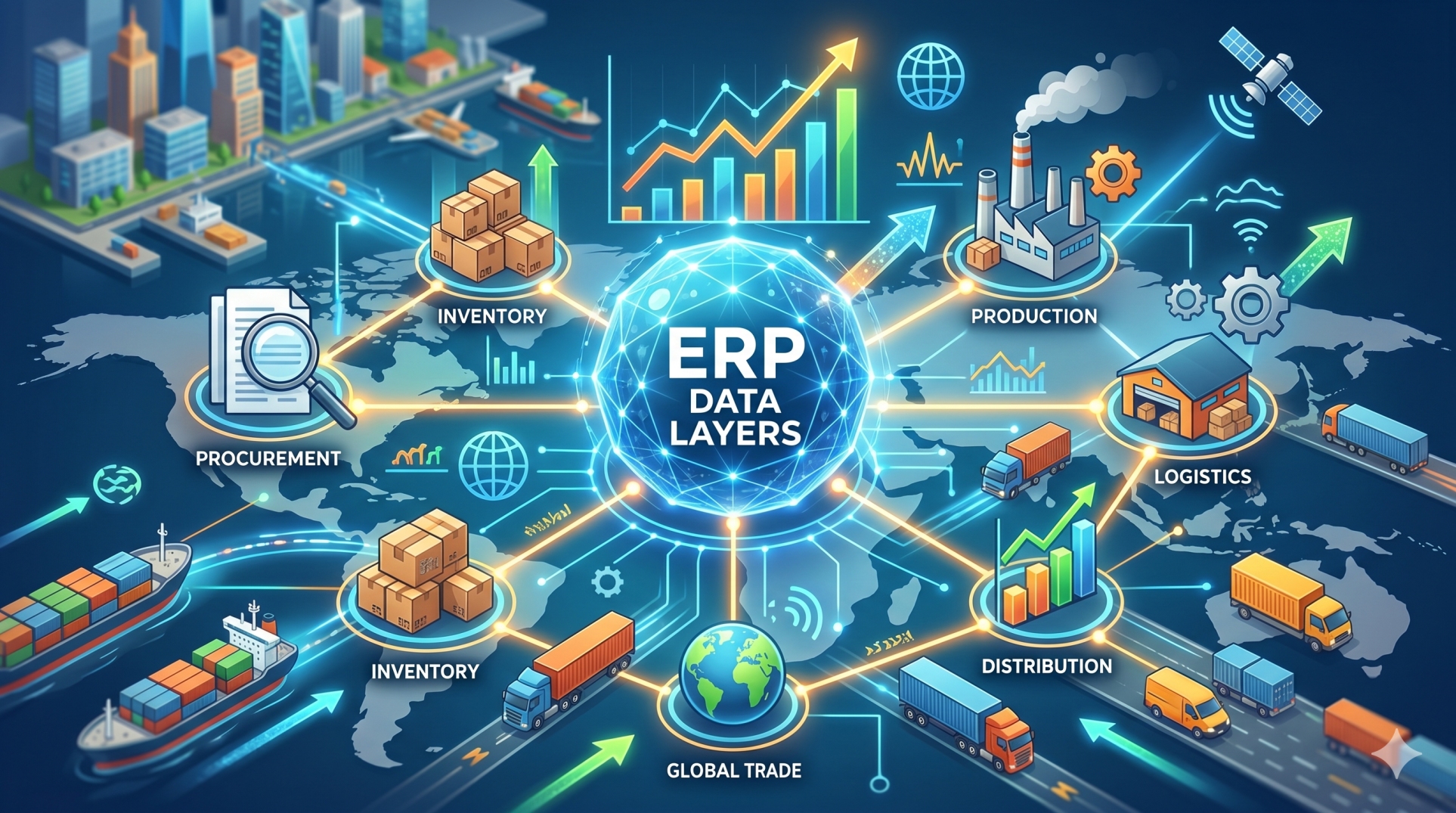
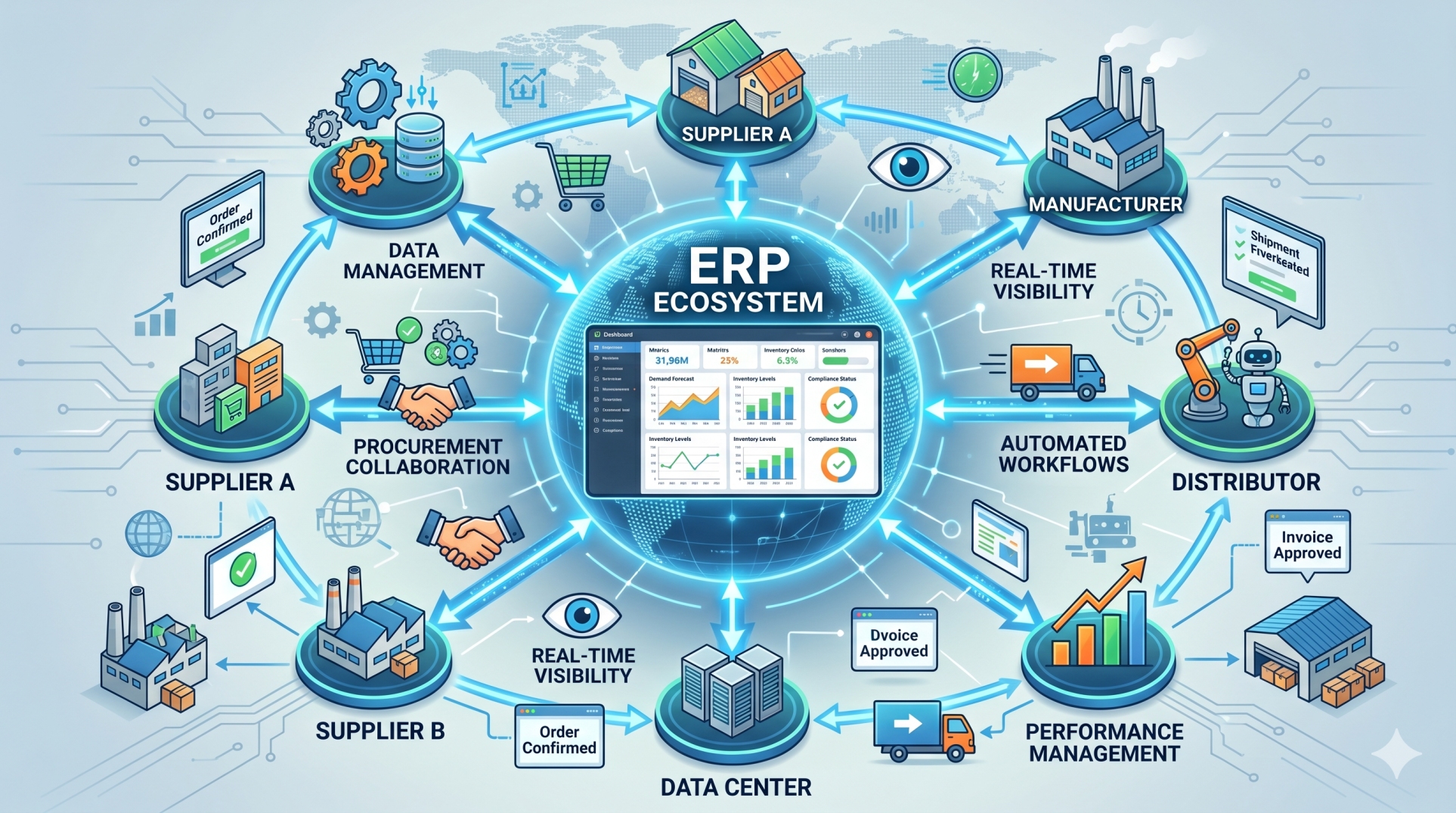
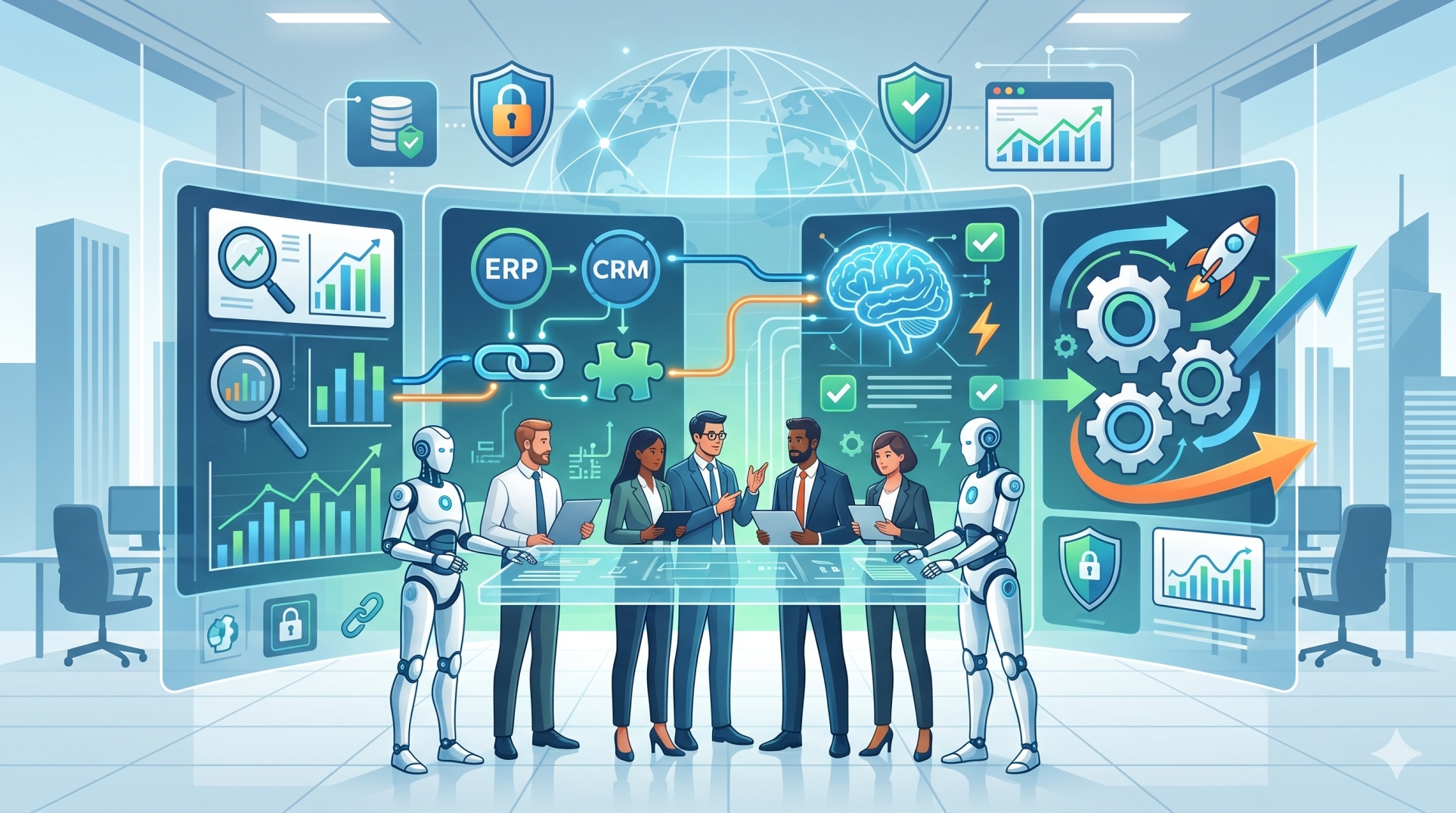
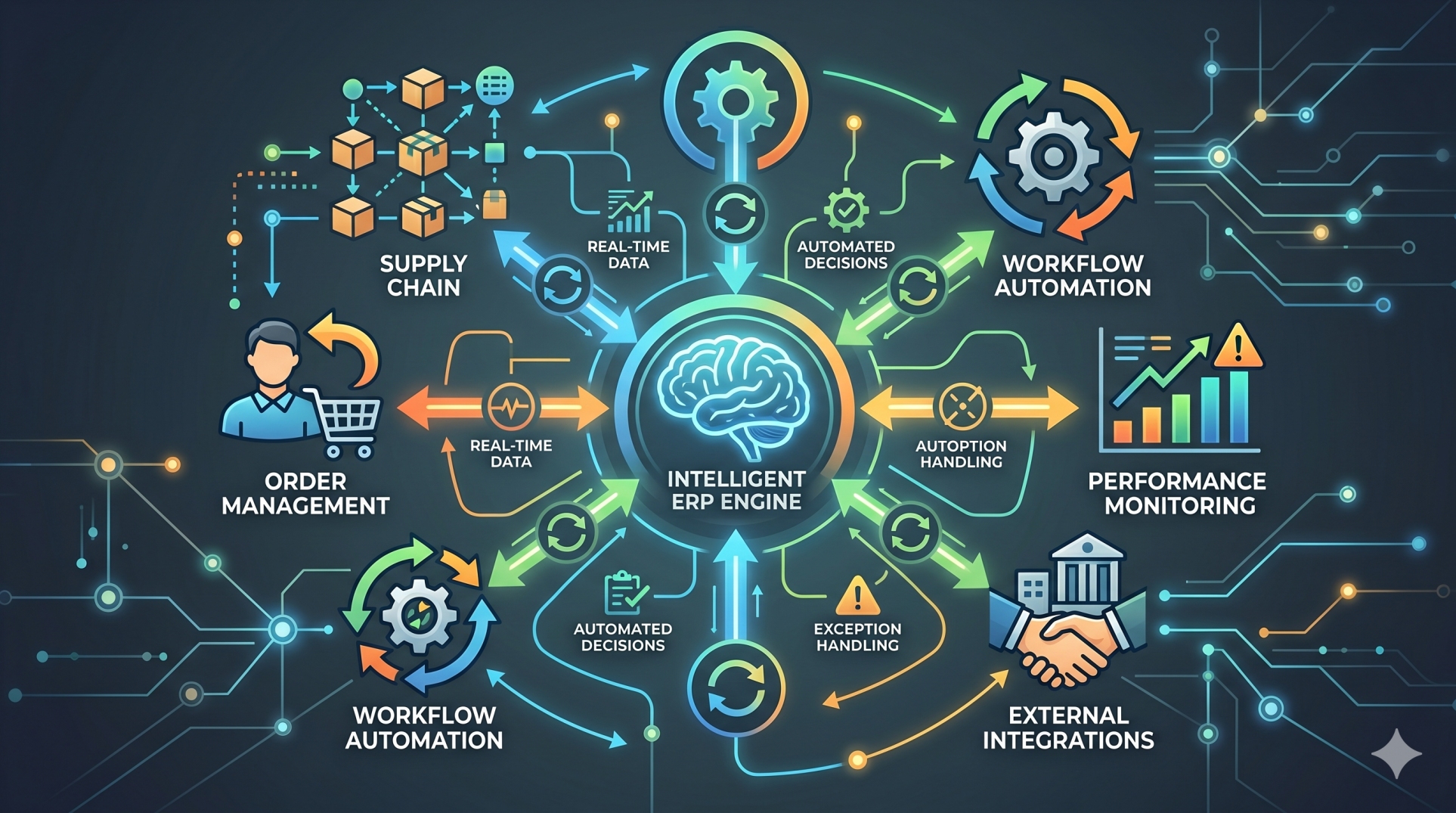
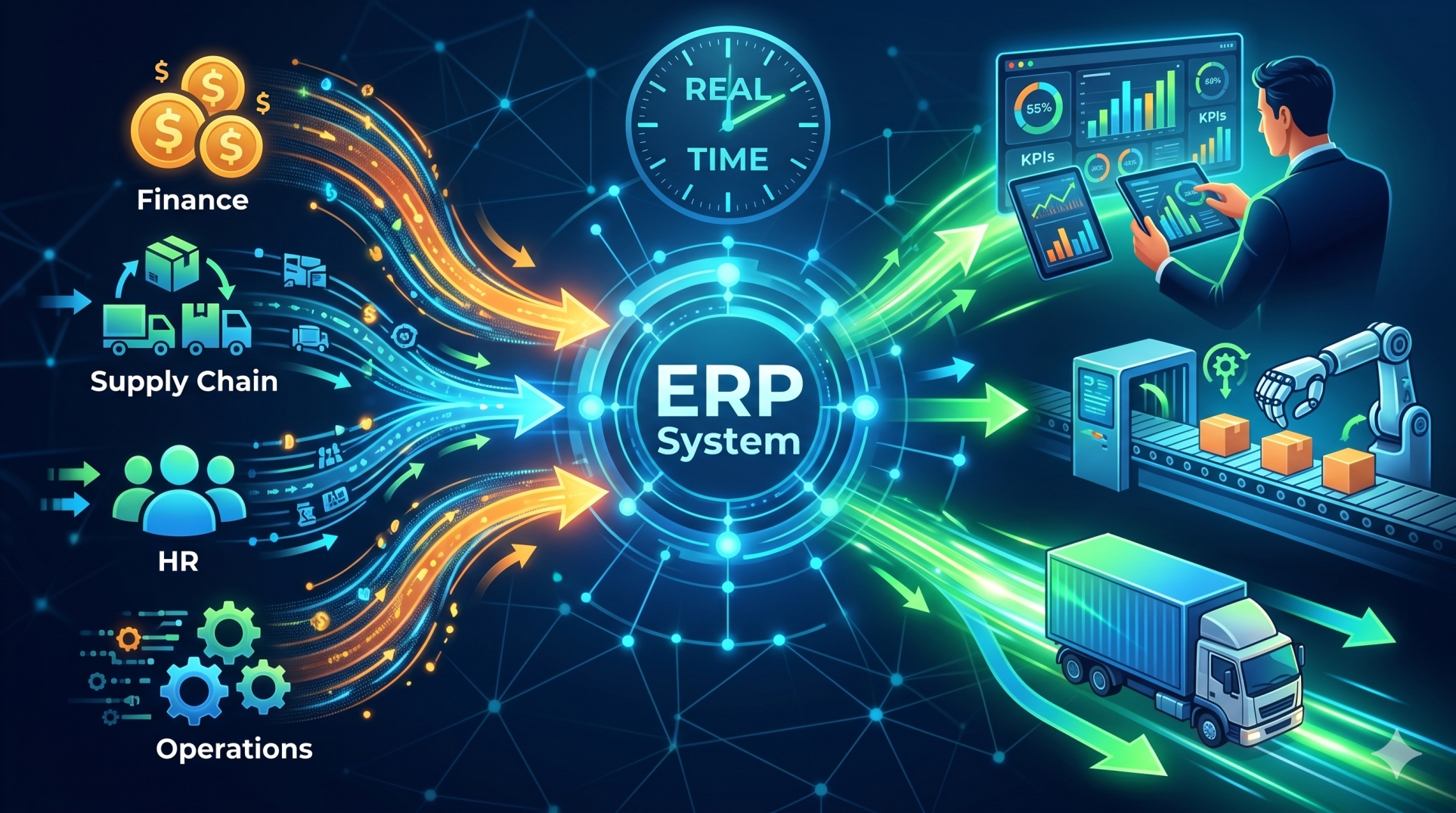
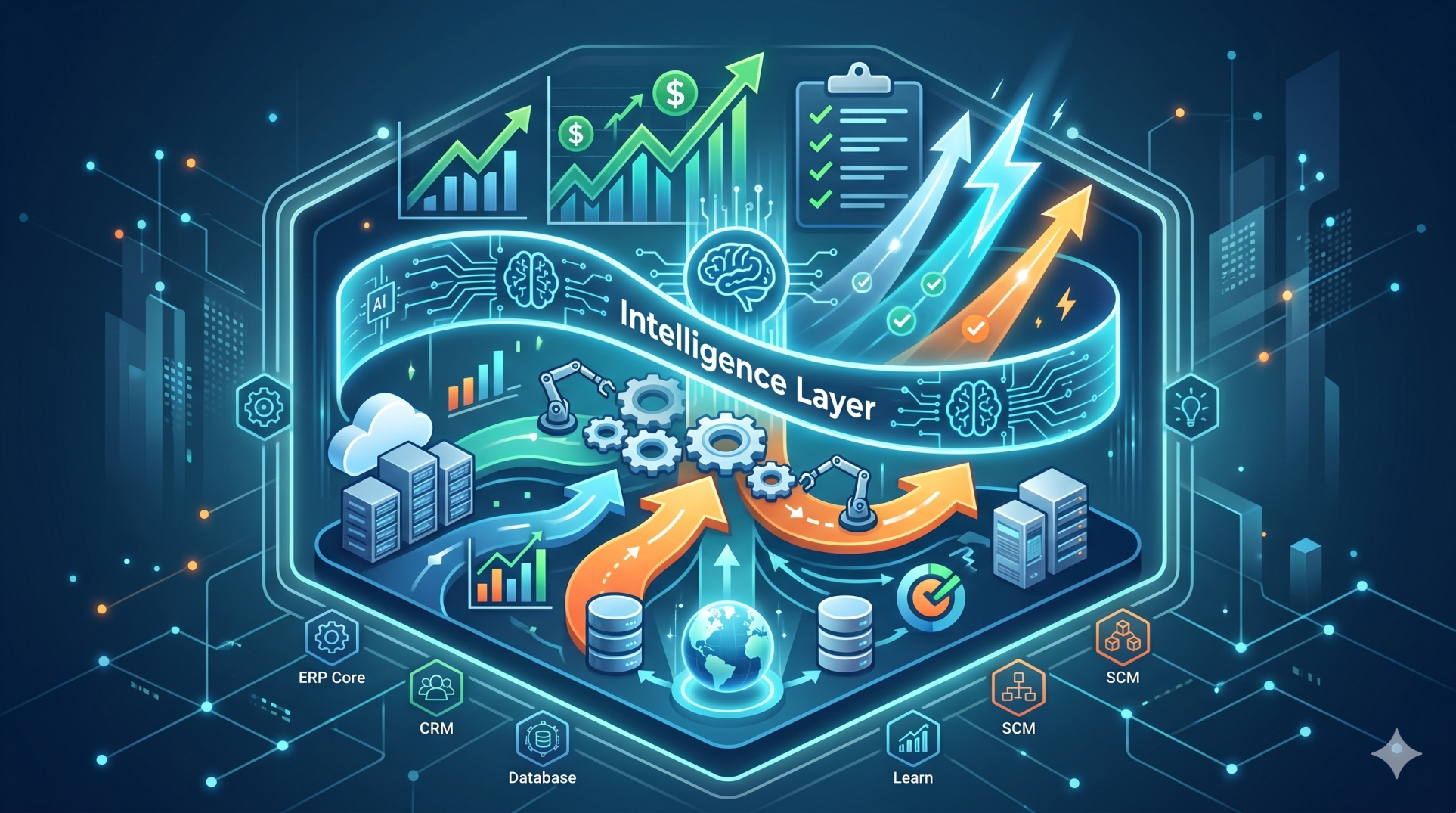
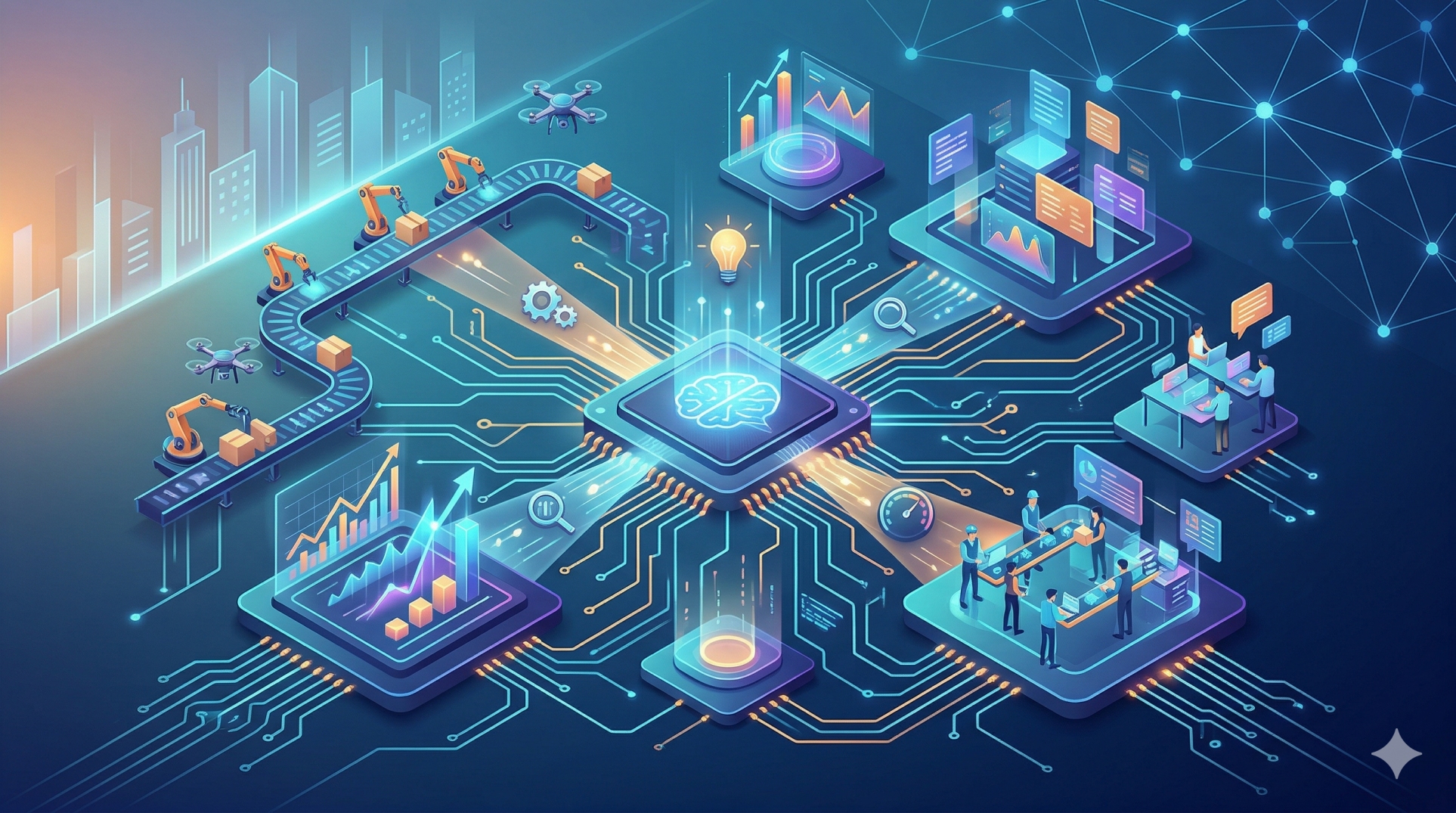
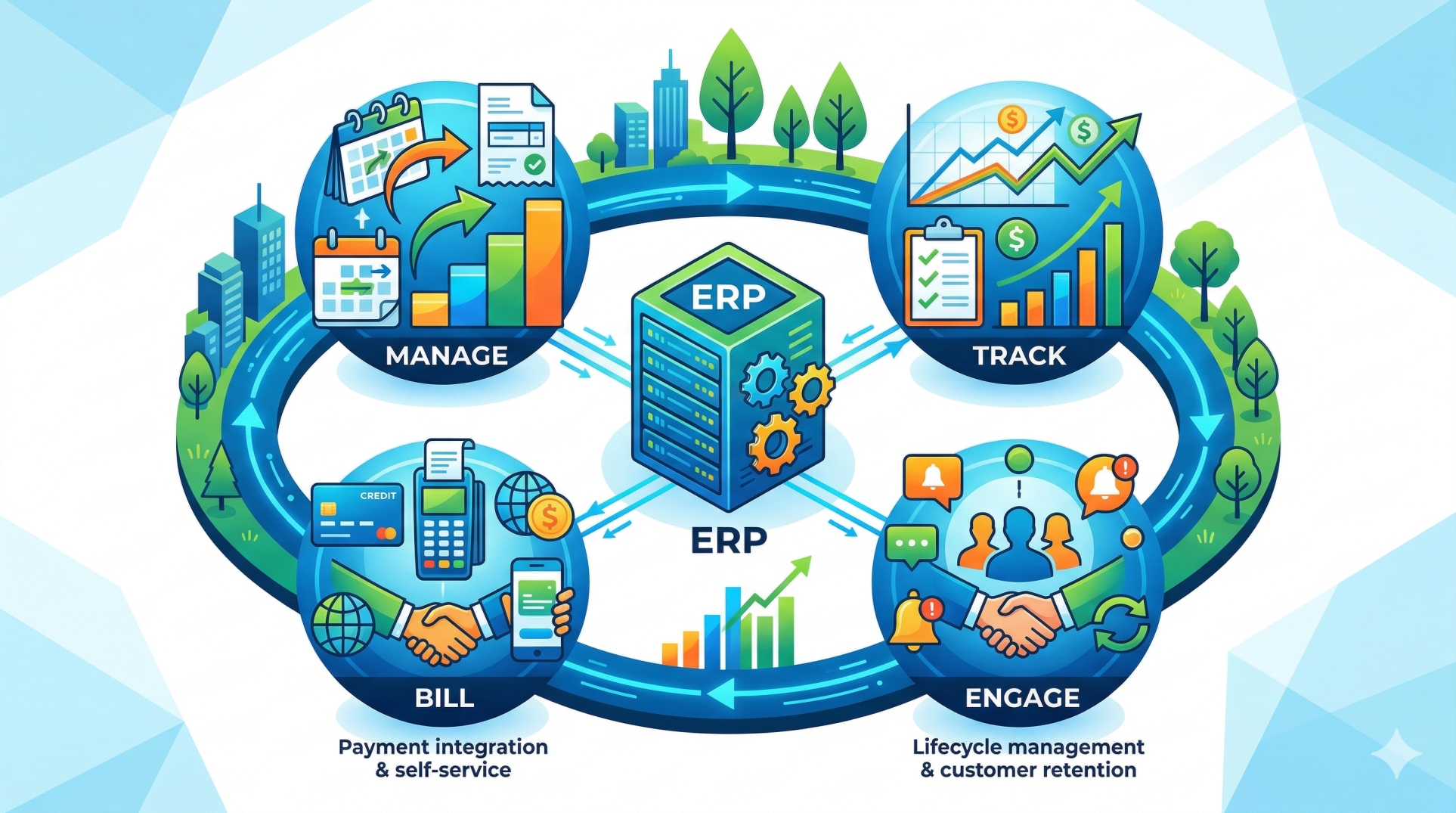
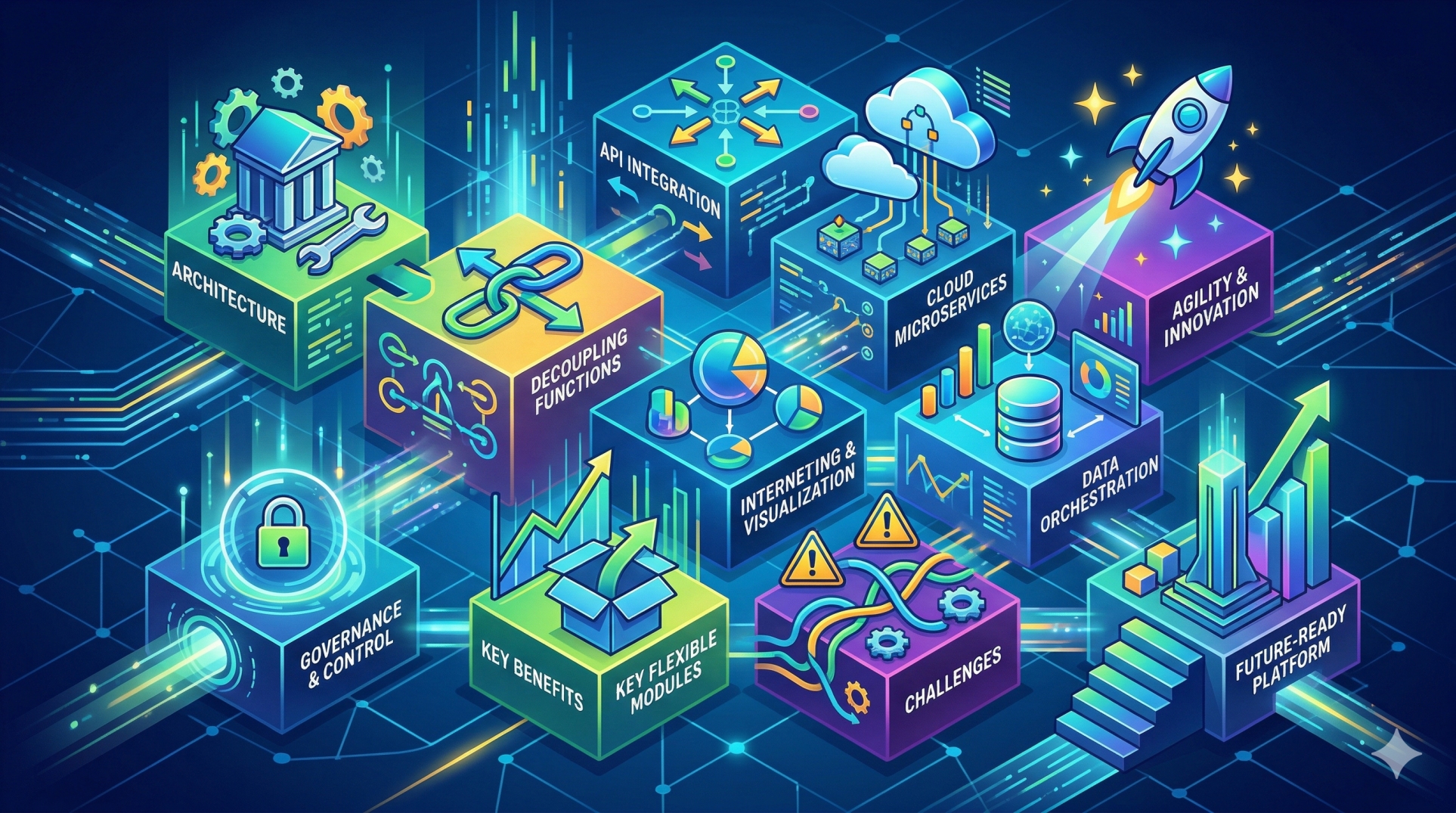
As businesses adopt an increasing number of digital applications, ensuring these systems work together has become essential for operational success. Seamless ERP integrations connect finance, sales, inventory, human resources, customer relationship management, and third-party platforms into a unified ecosystem. By eliminating data silos and automating information exchange, organizations can improve productivity, enhance decision-making, and create more efficient business operations.
Step 1: Understanding ERP Integrations 🔗
• Connect ERP systems with internal and external business applications 🌐
• Eliminate manual data entry across multiple platforms 📝
• Create a unified flow of business information 📊
• Improve collaboration between departments 🤝
• Establish a connected digital business environment 🚀
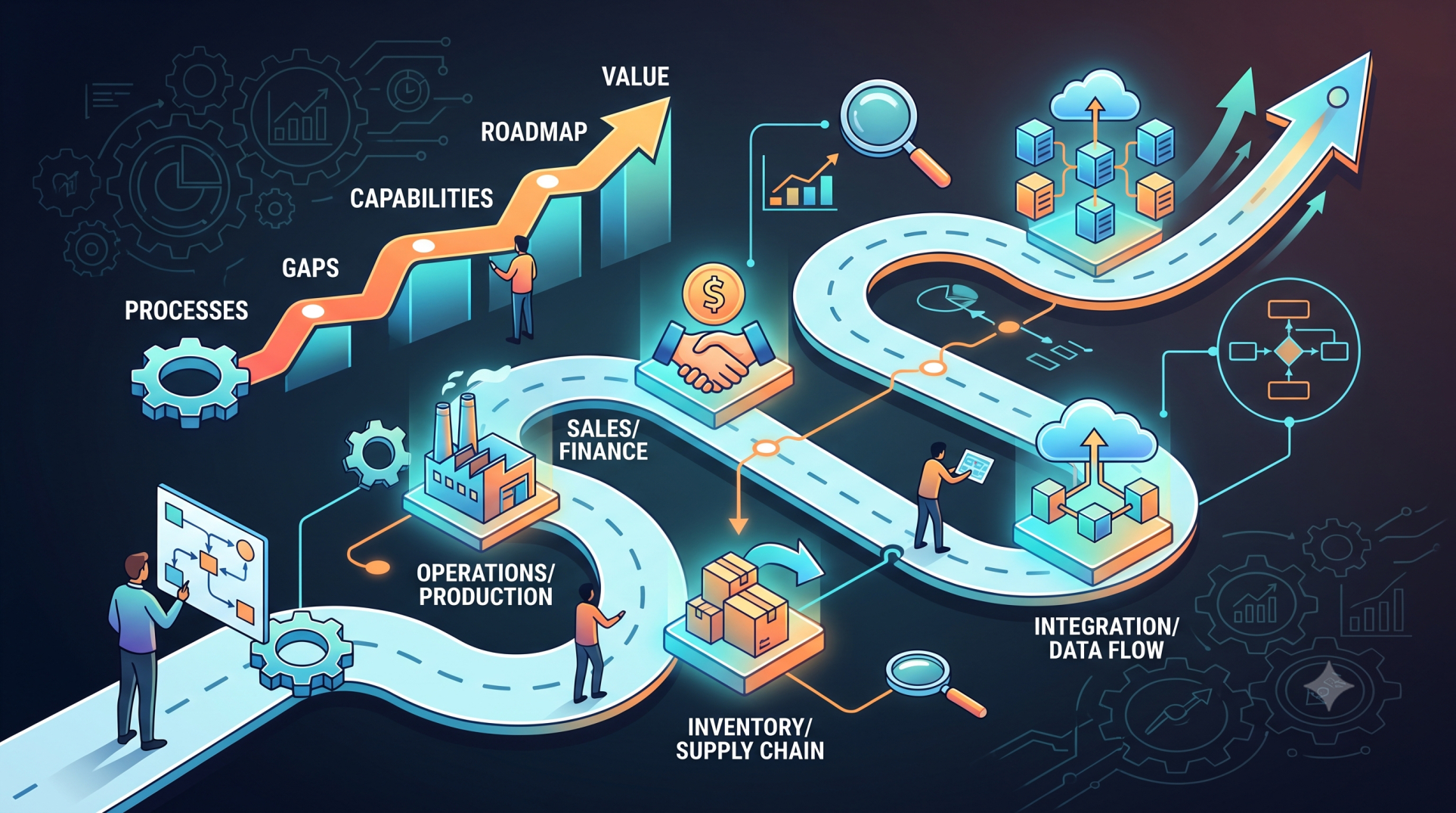
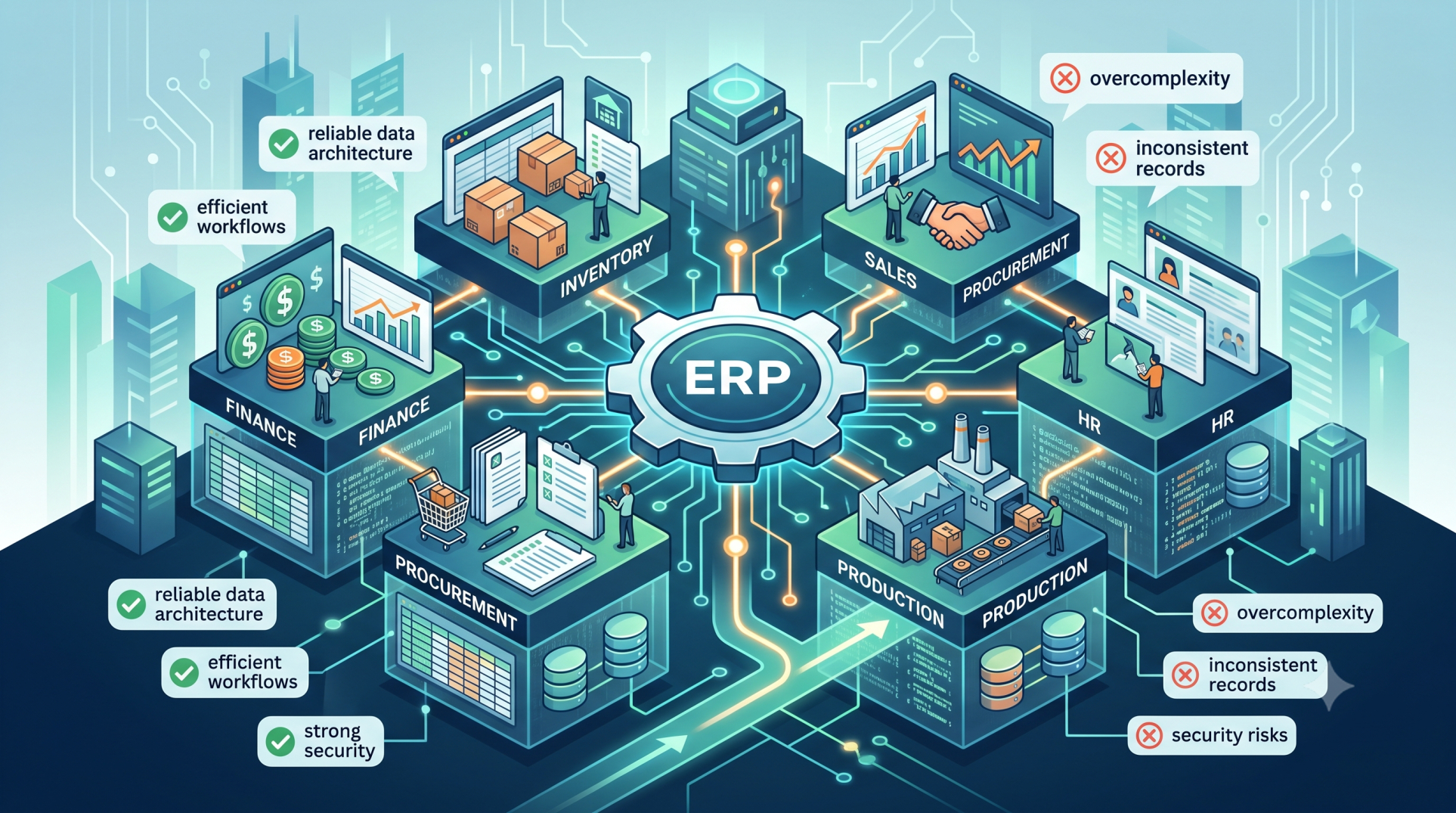
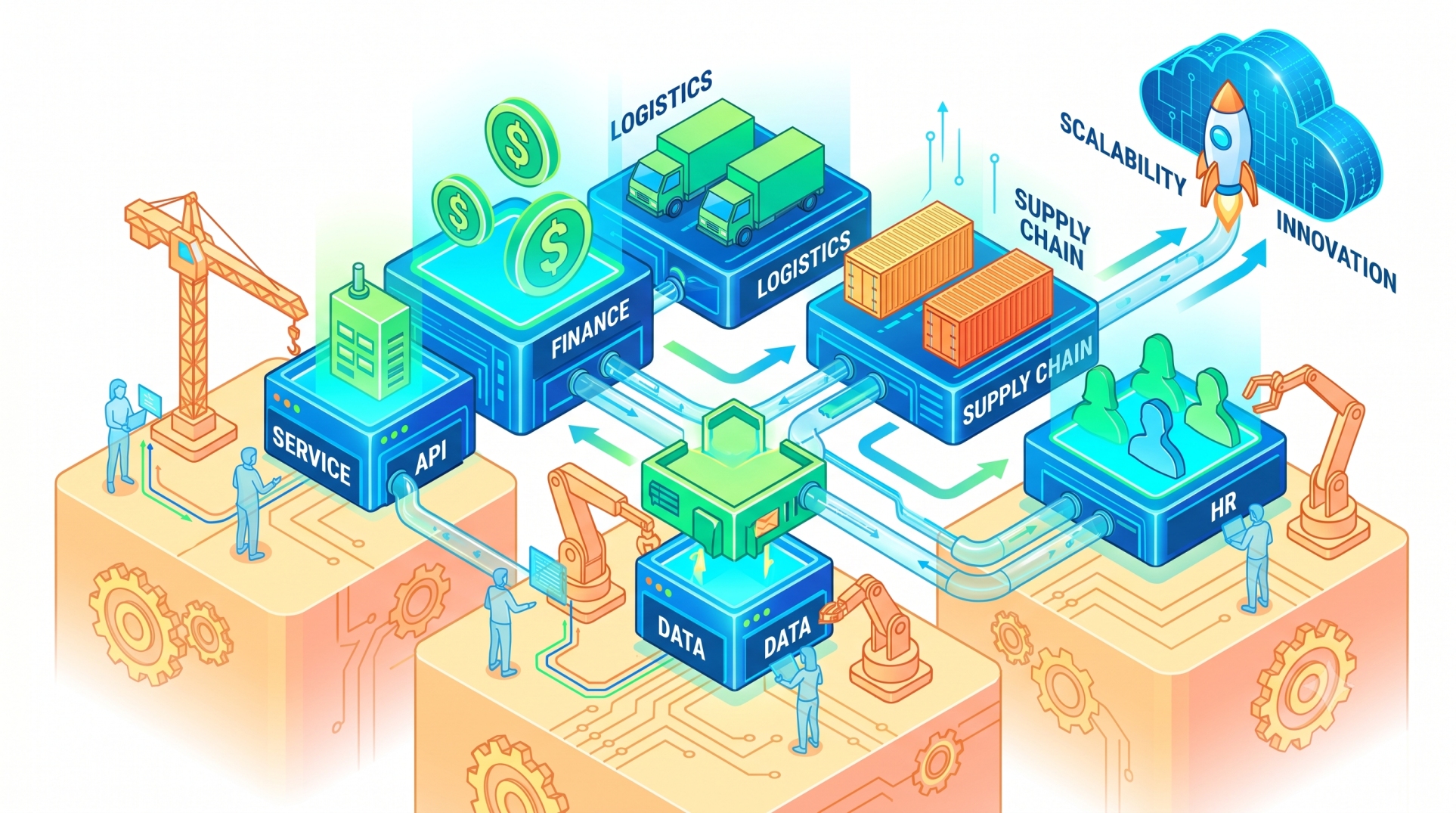
Step 2: Integrating Core Business Functions 🏢
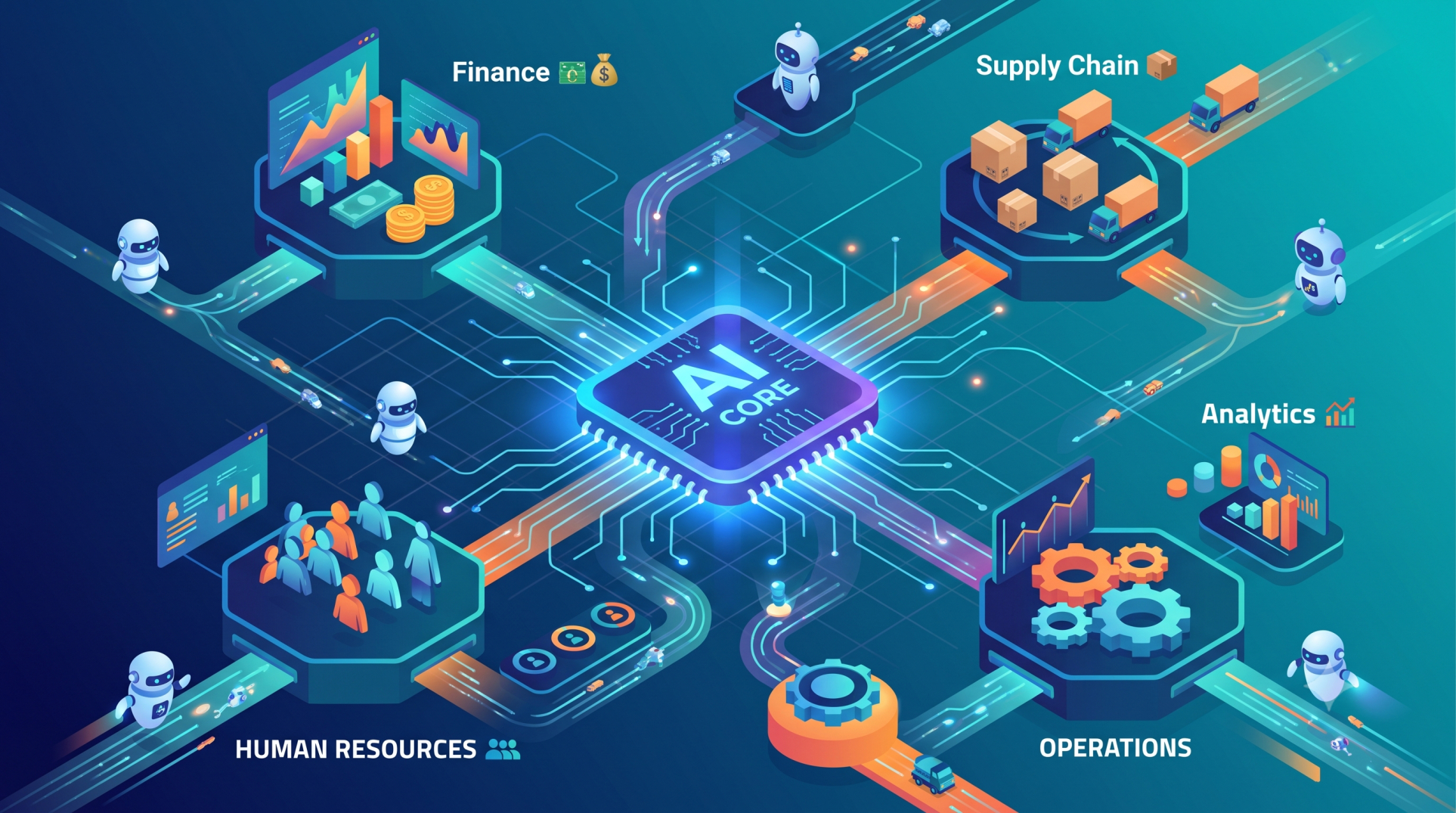
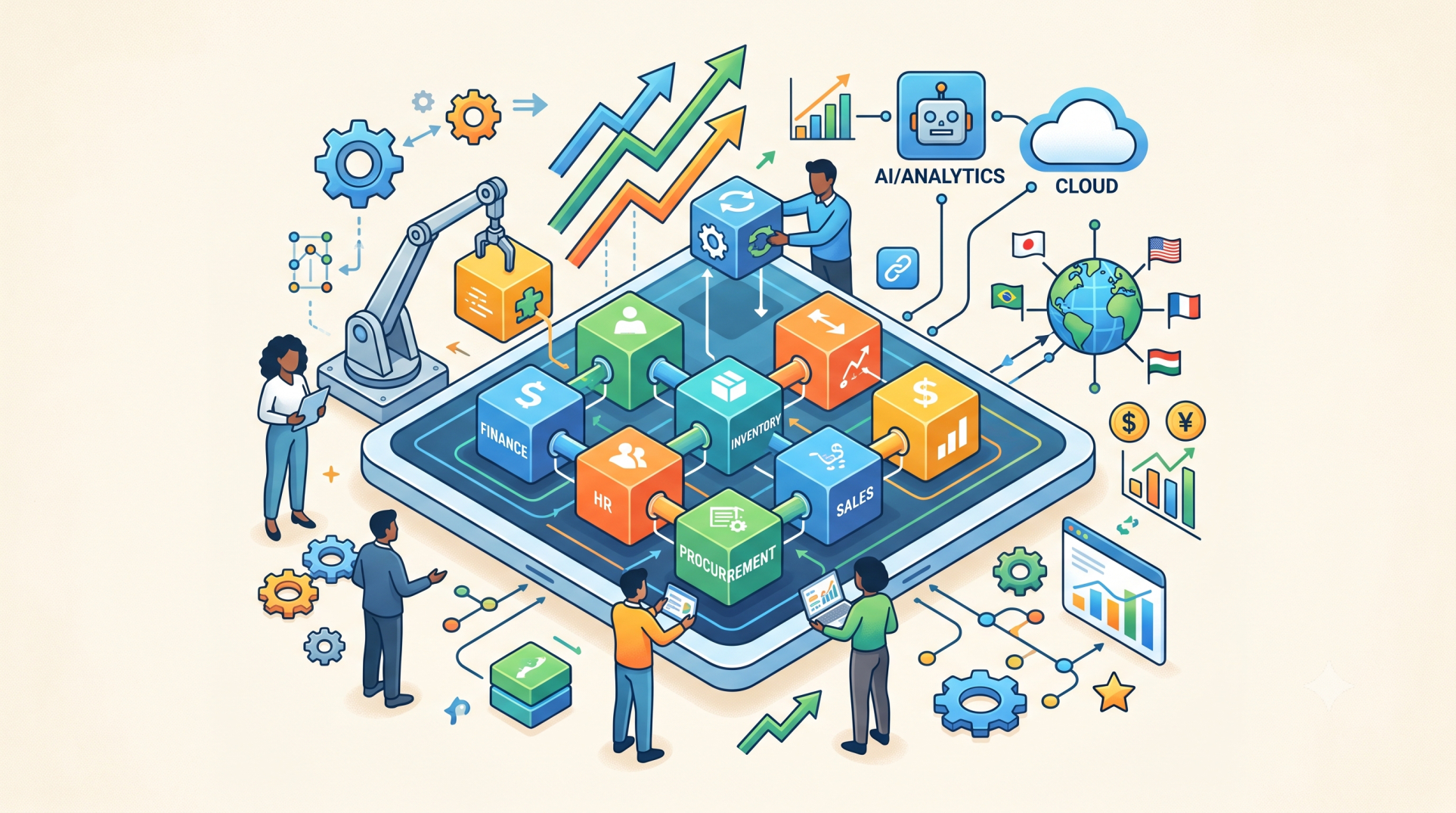
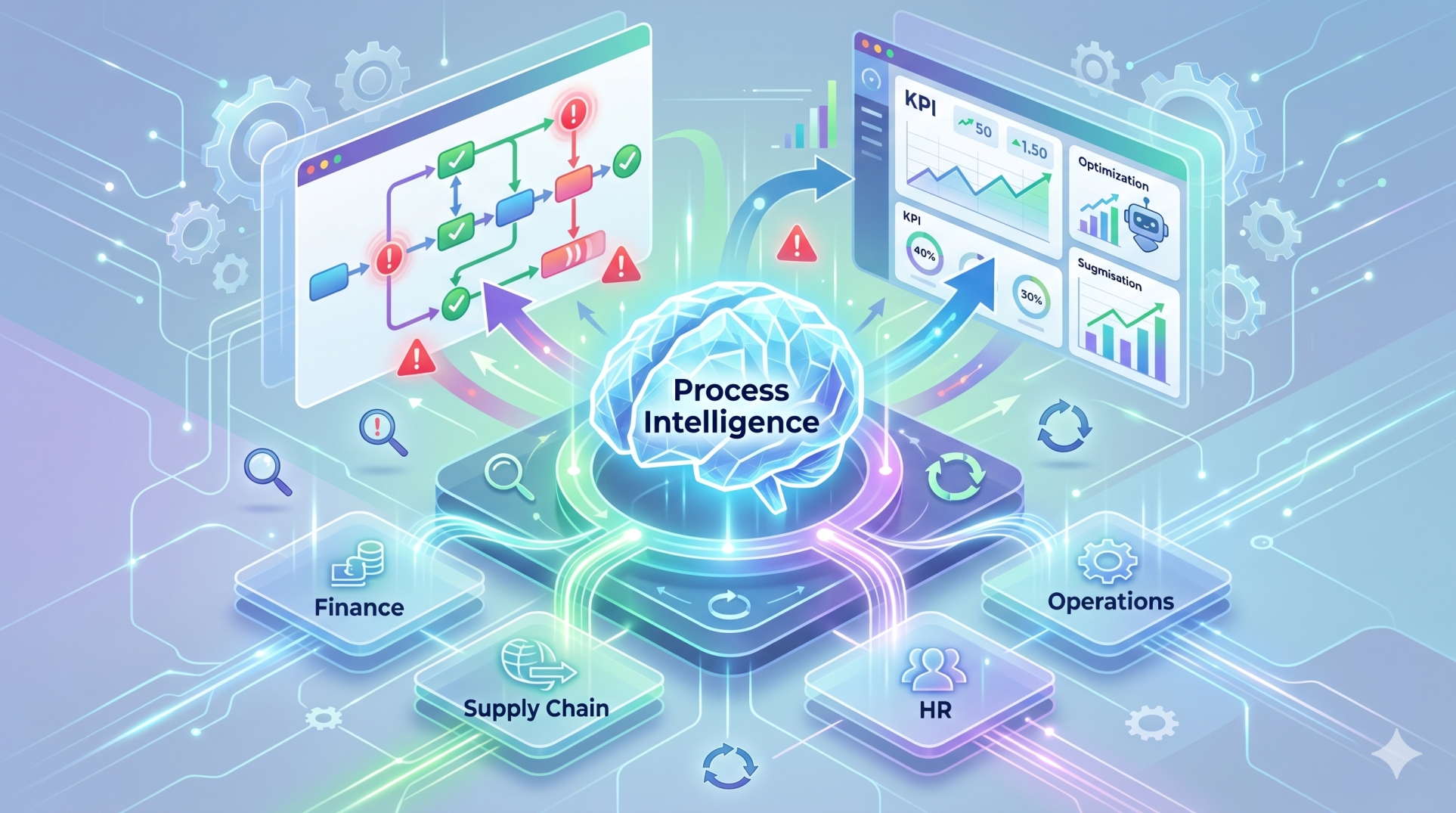
• Synchronize finance, accounting, and procurement systems 💰
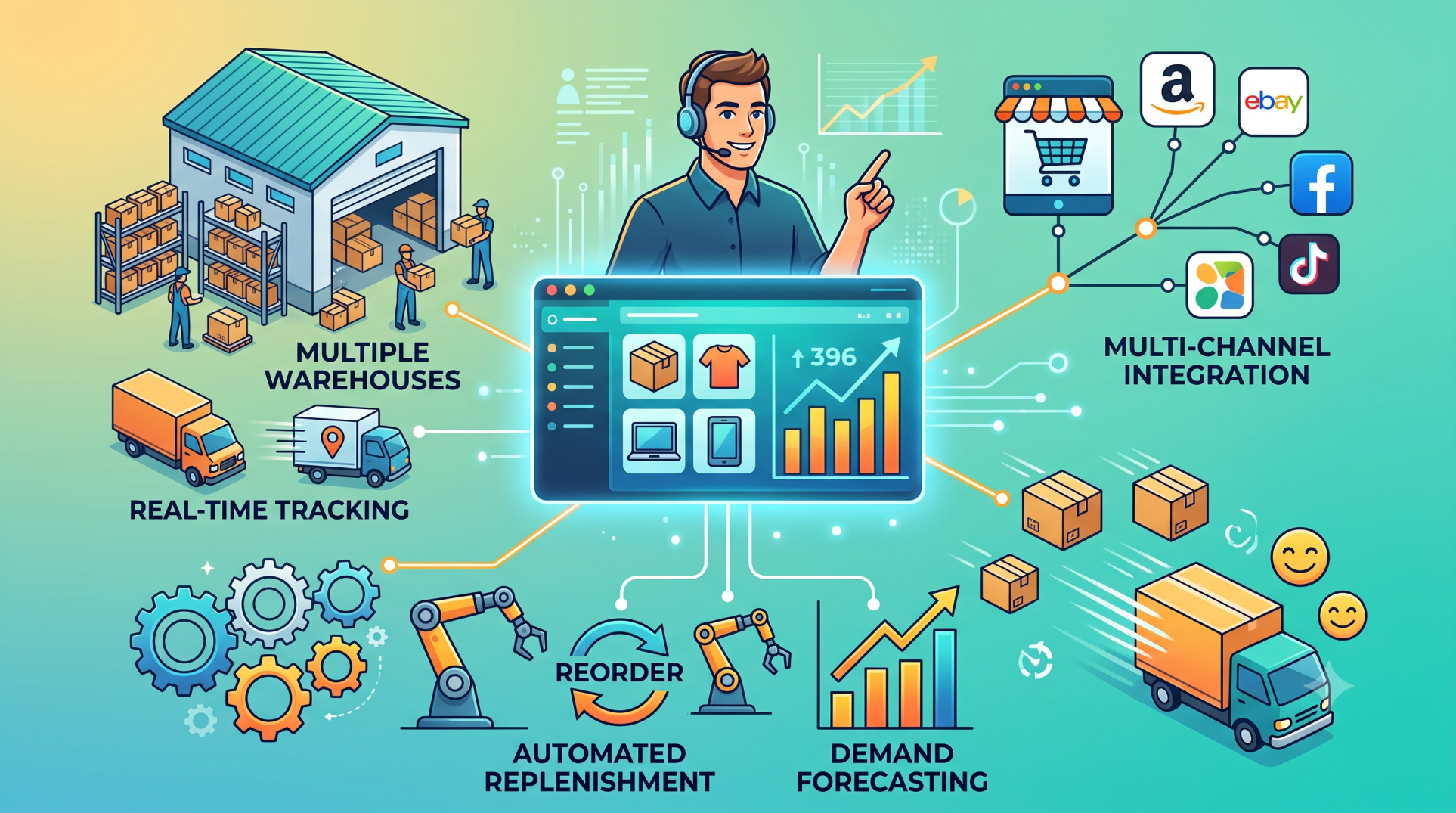
• Connect inventory with warehouse and supply chain operations 📦
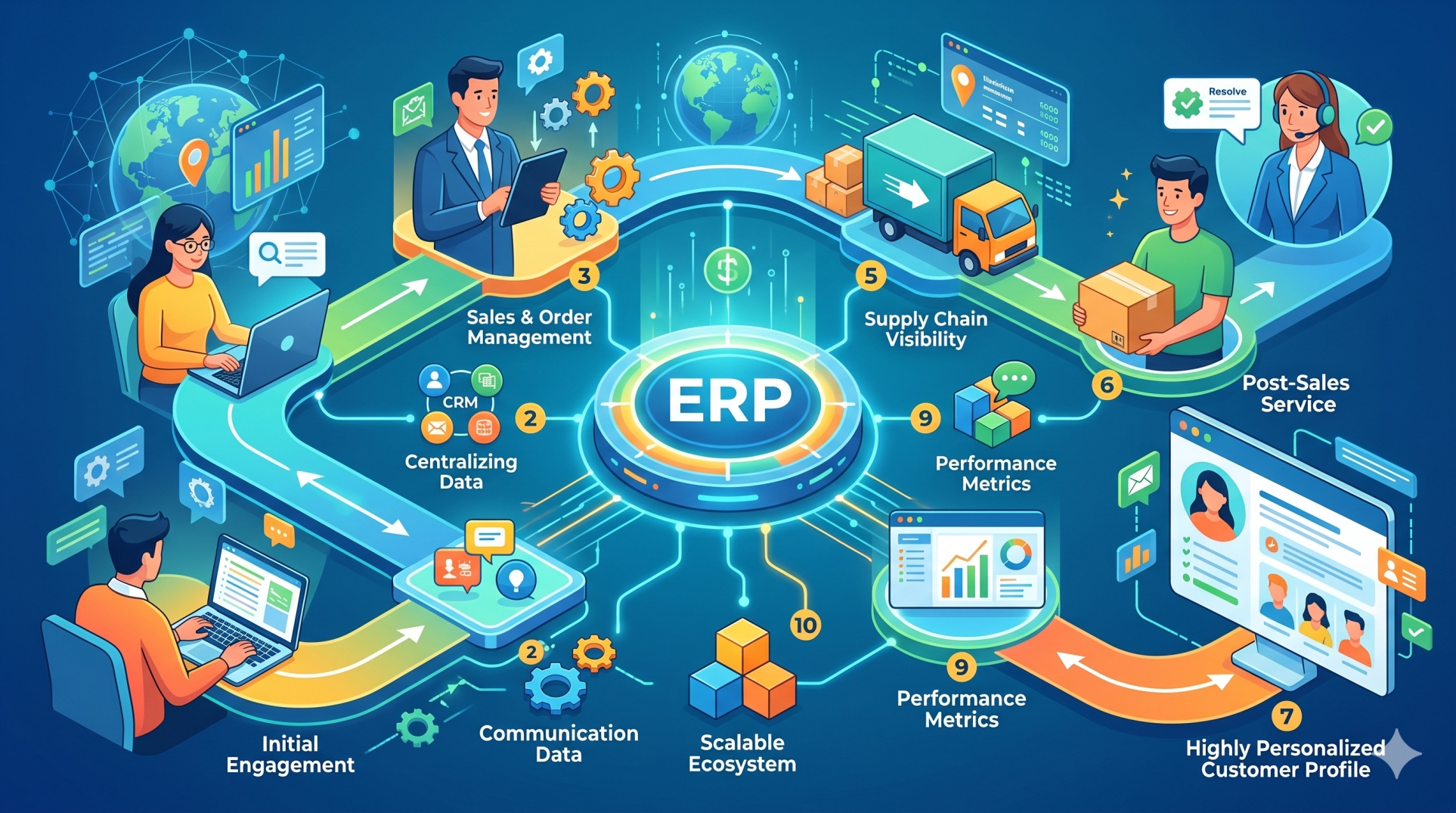
• Integrate sales and customer management platforms 📈
• Link human resources with payroll and workforce management 👥
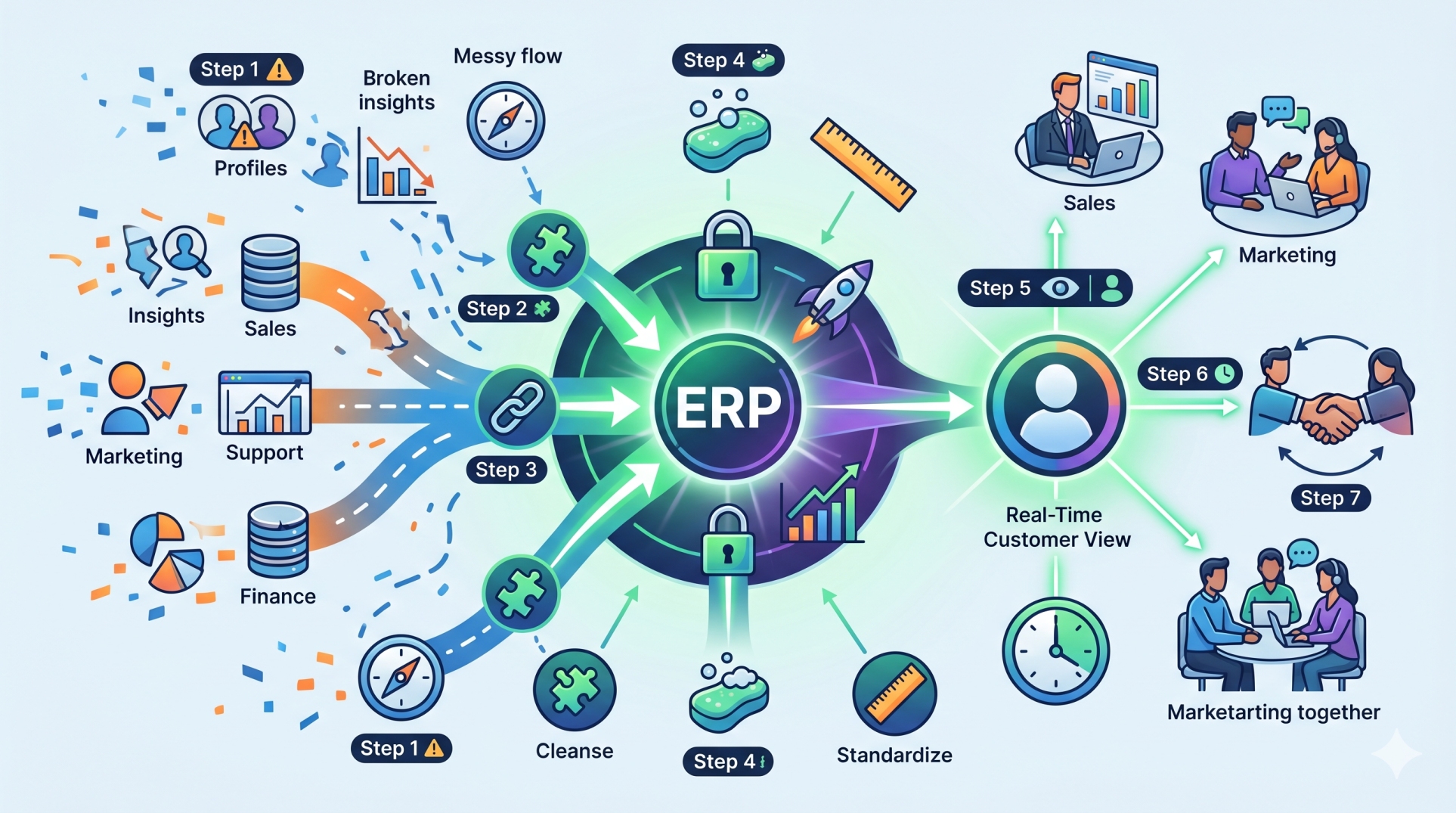
• Maintain consistent information across all departments 🔄
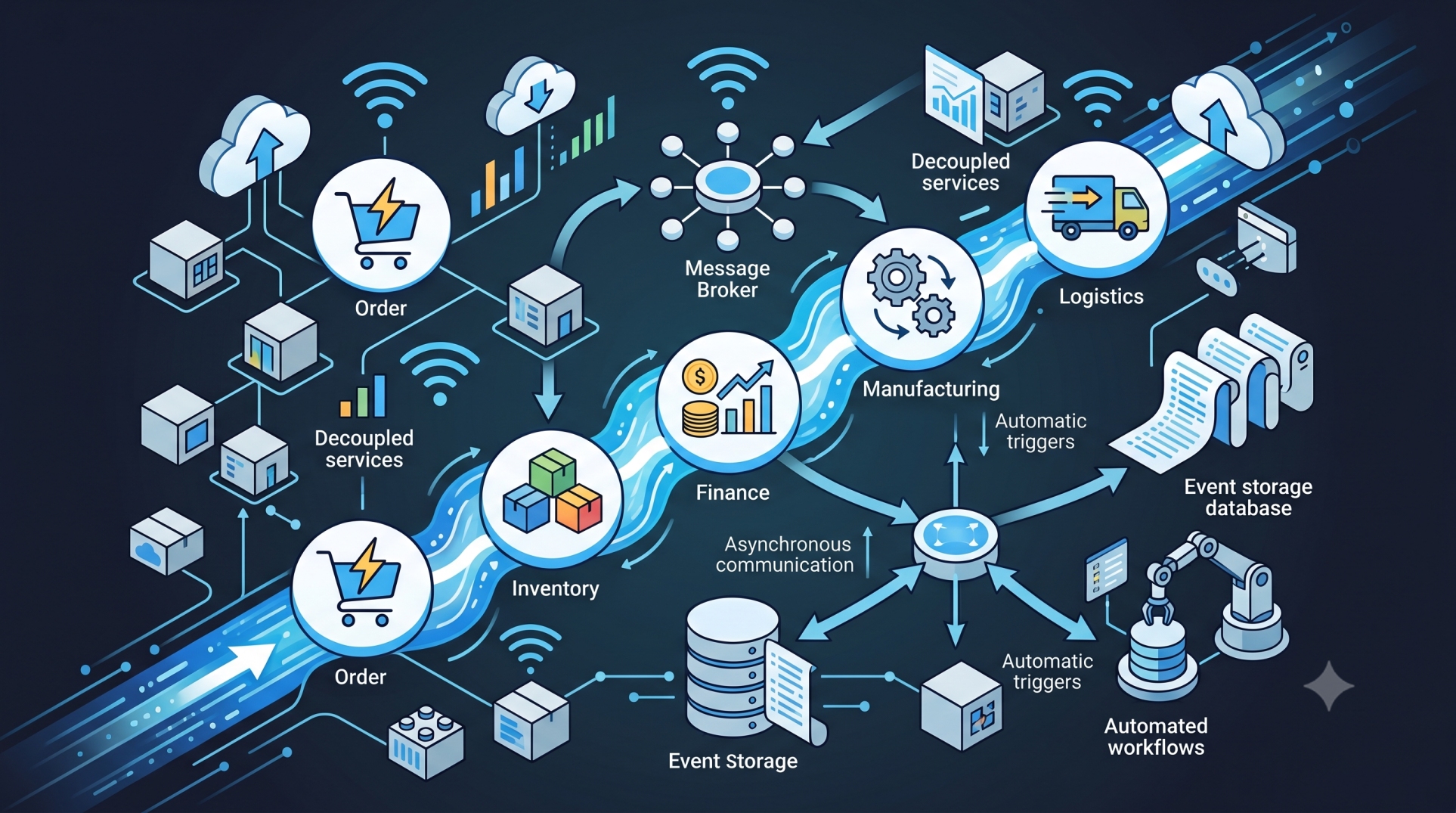
Step 3: Automating Data Exchange ⚙️
• Transfer business data automatically between connected systems 📡
• Reduce duplicate records and manual updates ✅
• Improve data consistency throughout the organization 📋
• Accelerate business processes through automation ⏱️
• Enable real-time synchronization across platforms ⚡
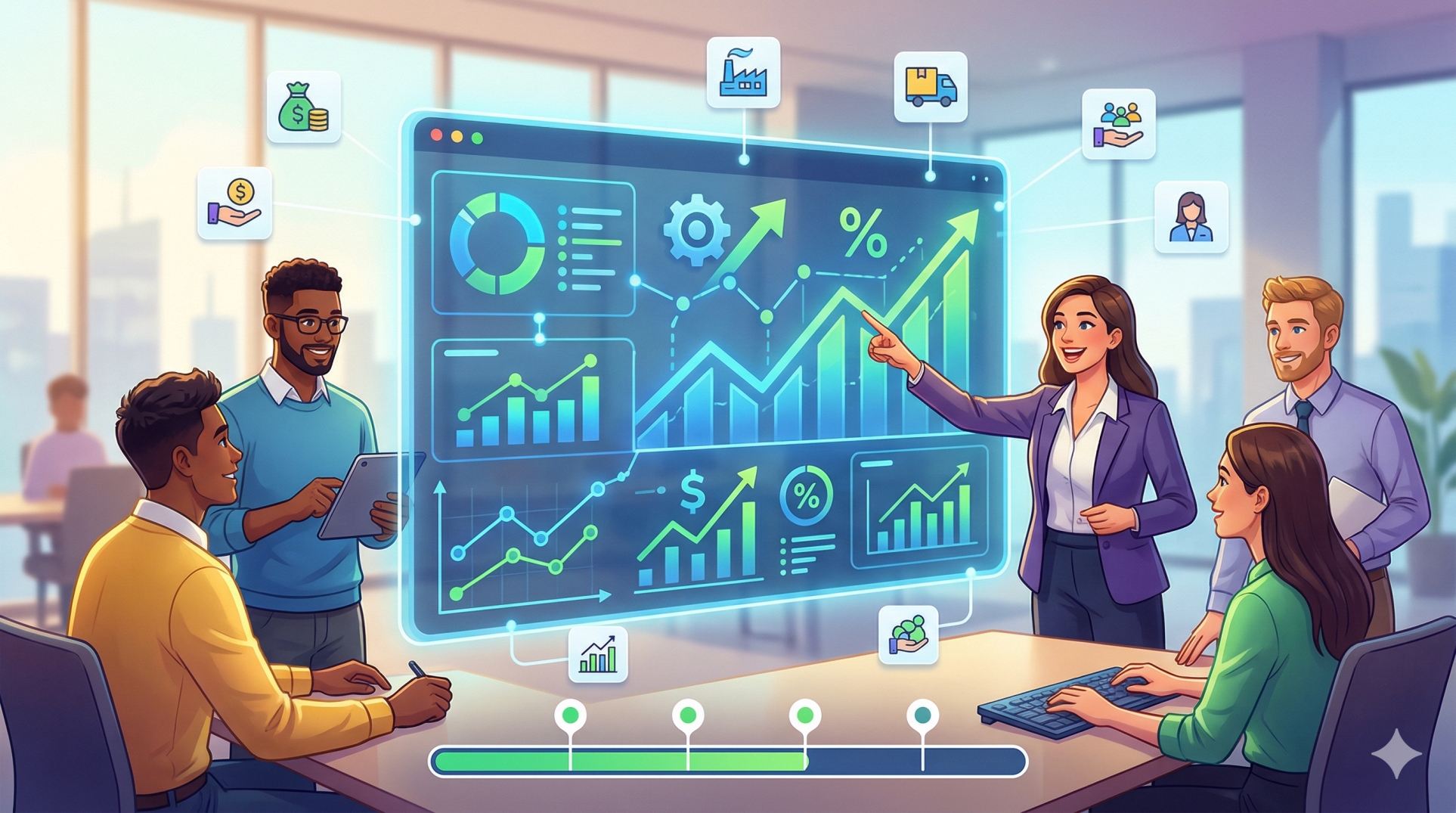
Step 4: Enhancing Operational Visibility 👀
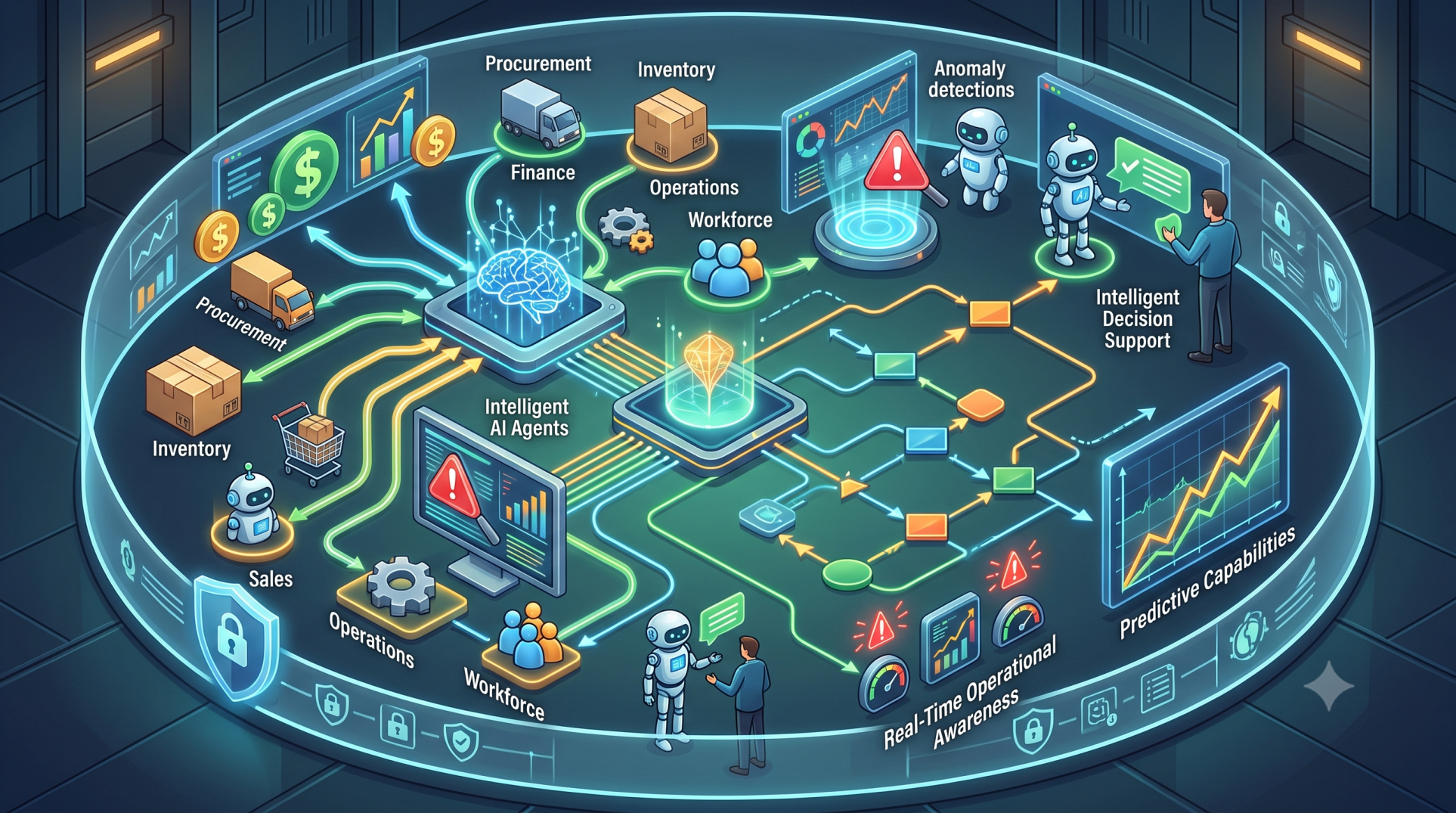
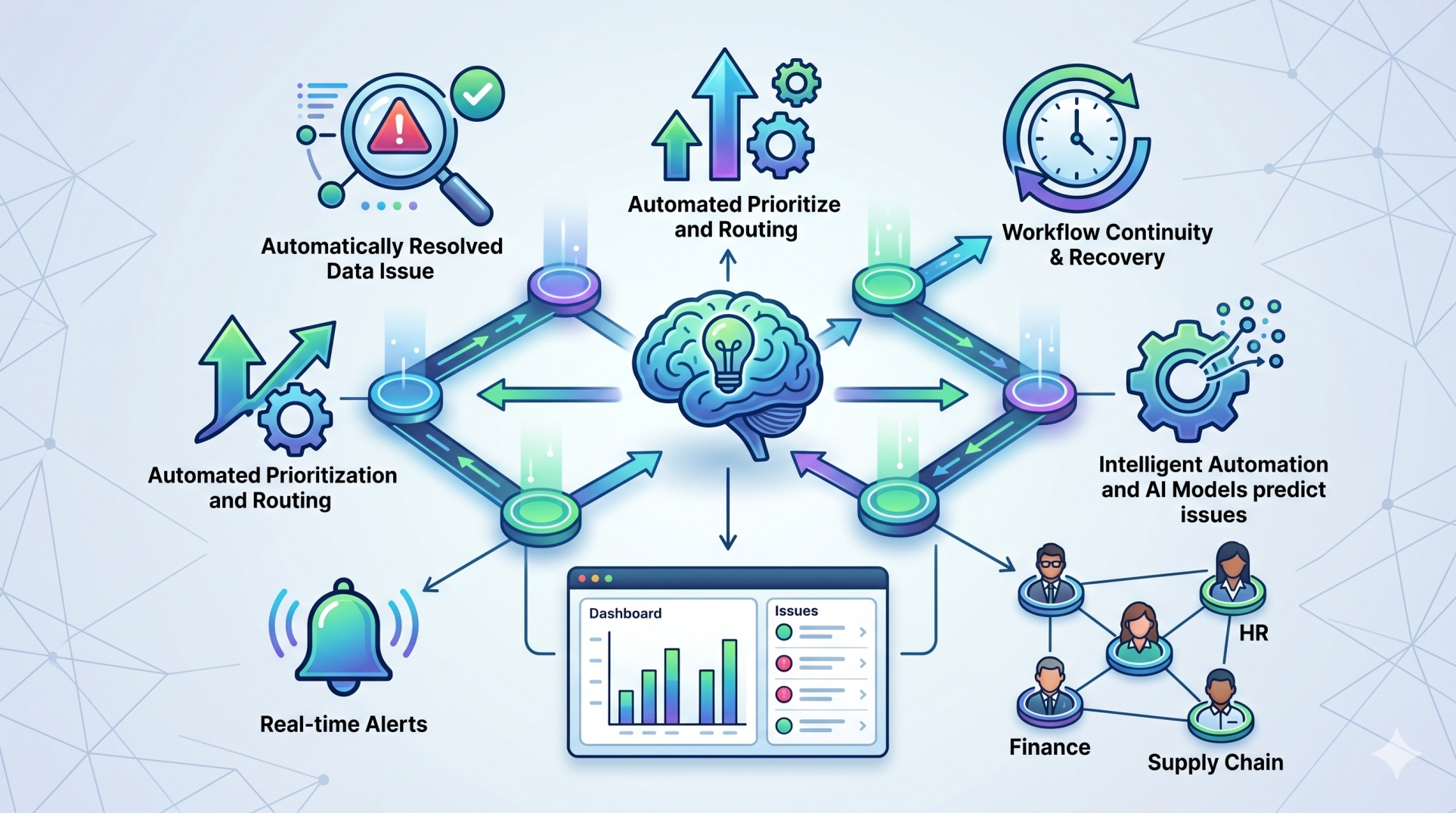
• Consolidate information from multiple business systems 📊
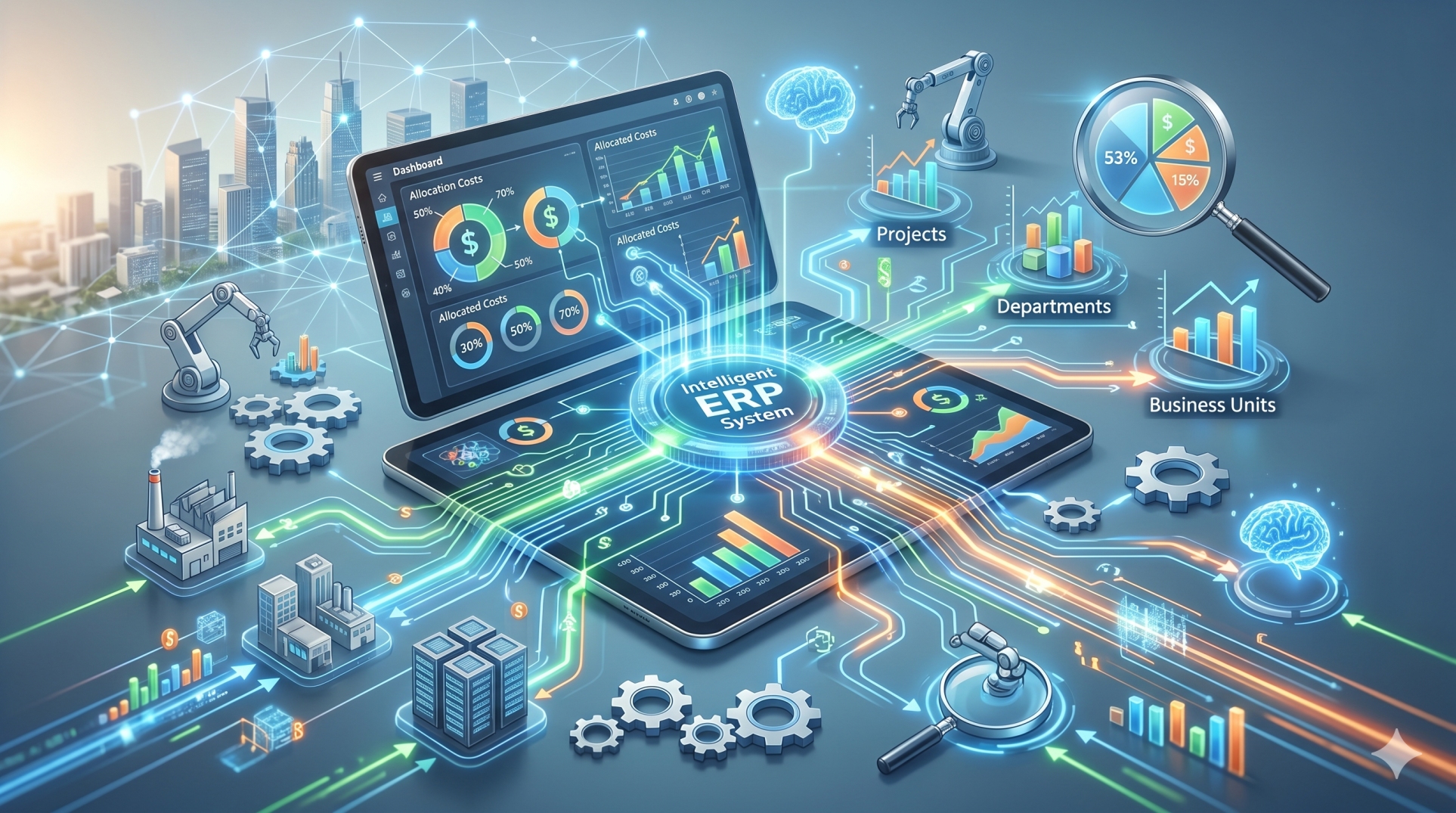
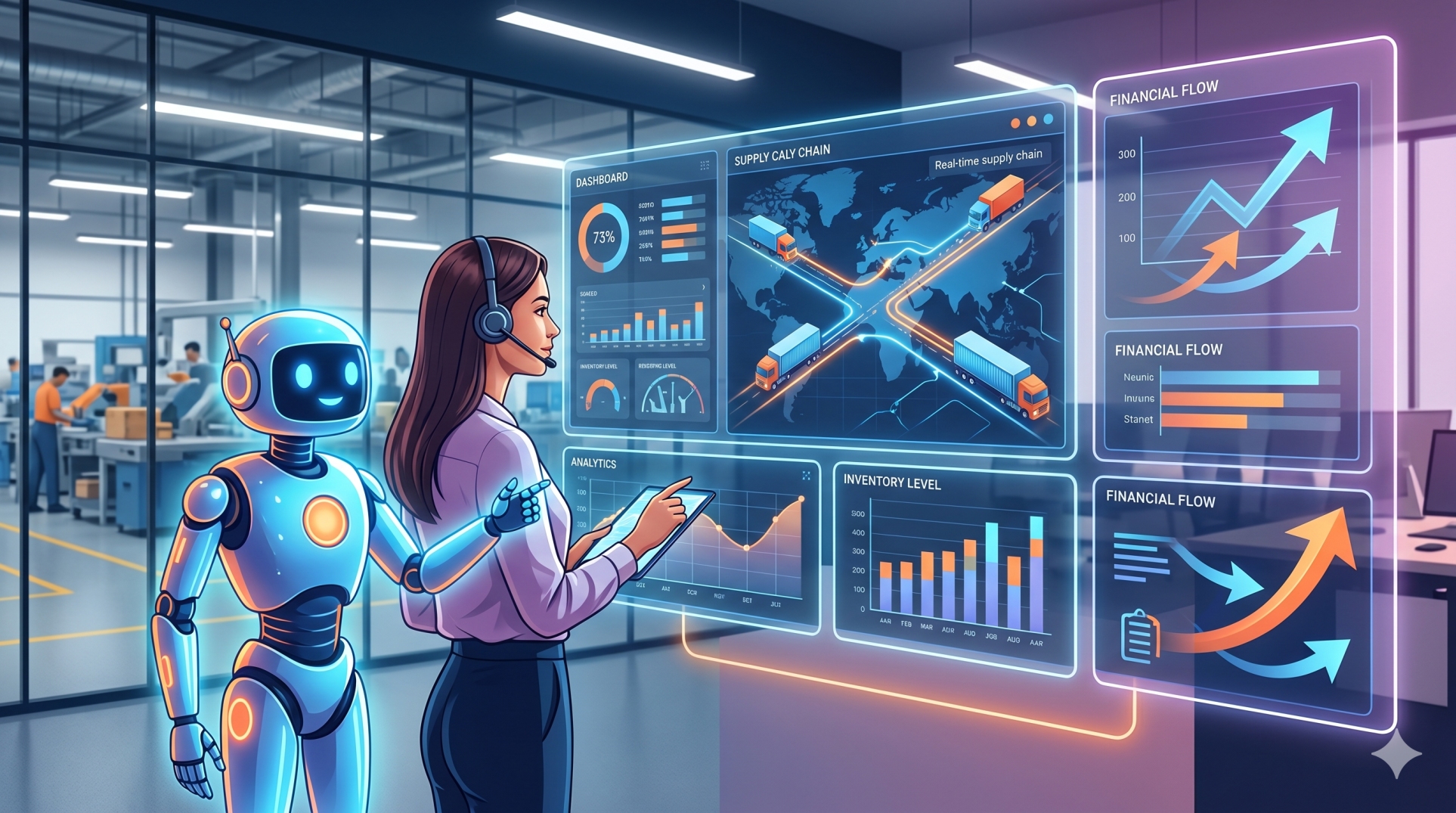
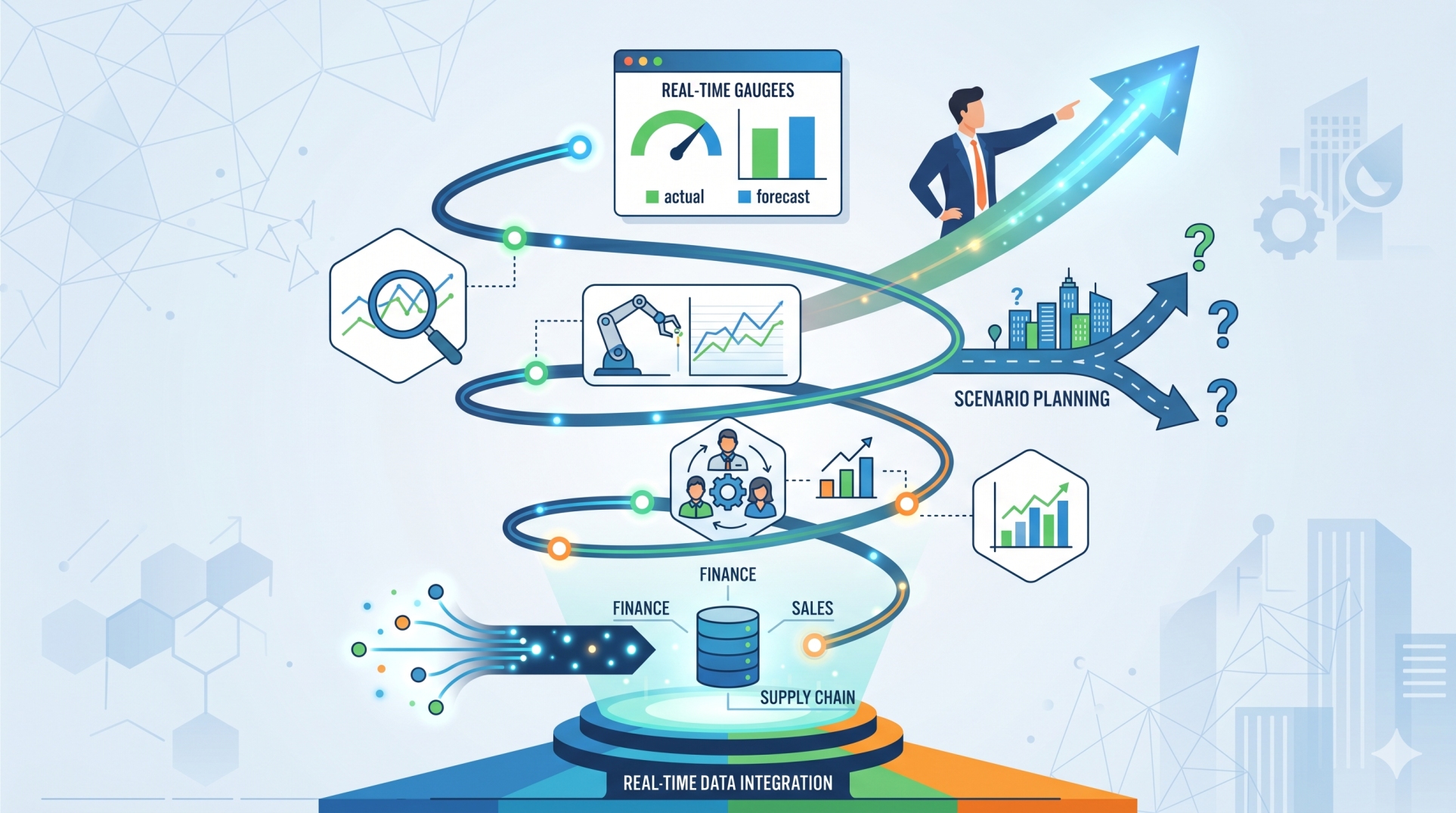
• Monitor operations through centralized dashboards 🖥️
• Track business performance using real-time metrics 📈
• Identify operational bottlenecks quickly 🚨
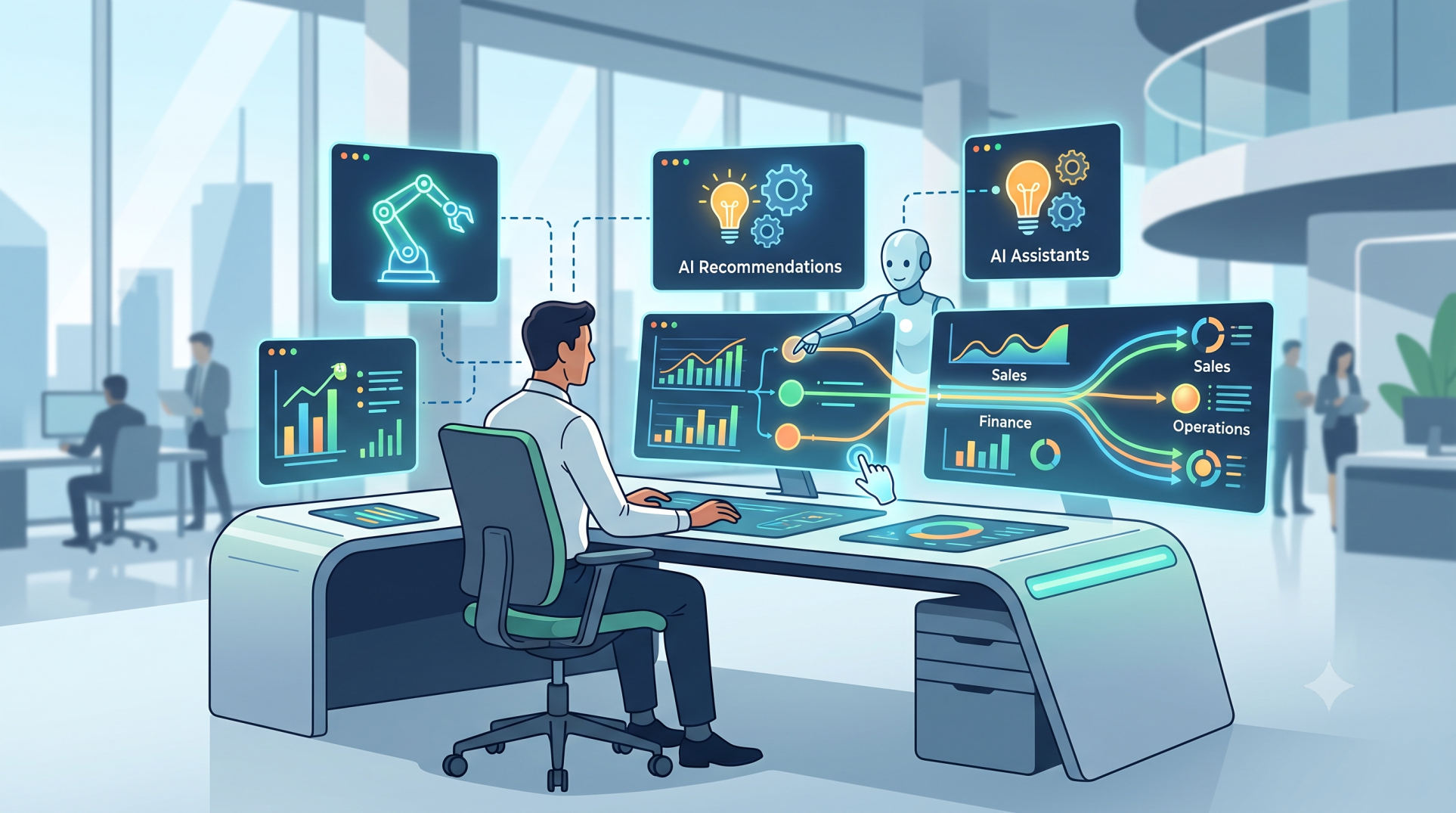
• Support informed decision-making with accurate data 💡
Step 5: Optimizing Workflow Efficiency 🚀
• Streamline approvals and business processes ✔️
• Automate routine administrative tasks 🤖
• Reduce delays caused by disconnected systems ⏳
• Improve coordination between departments 🤝
• Increase overall operational productivity 📈
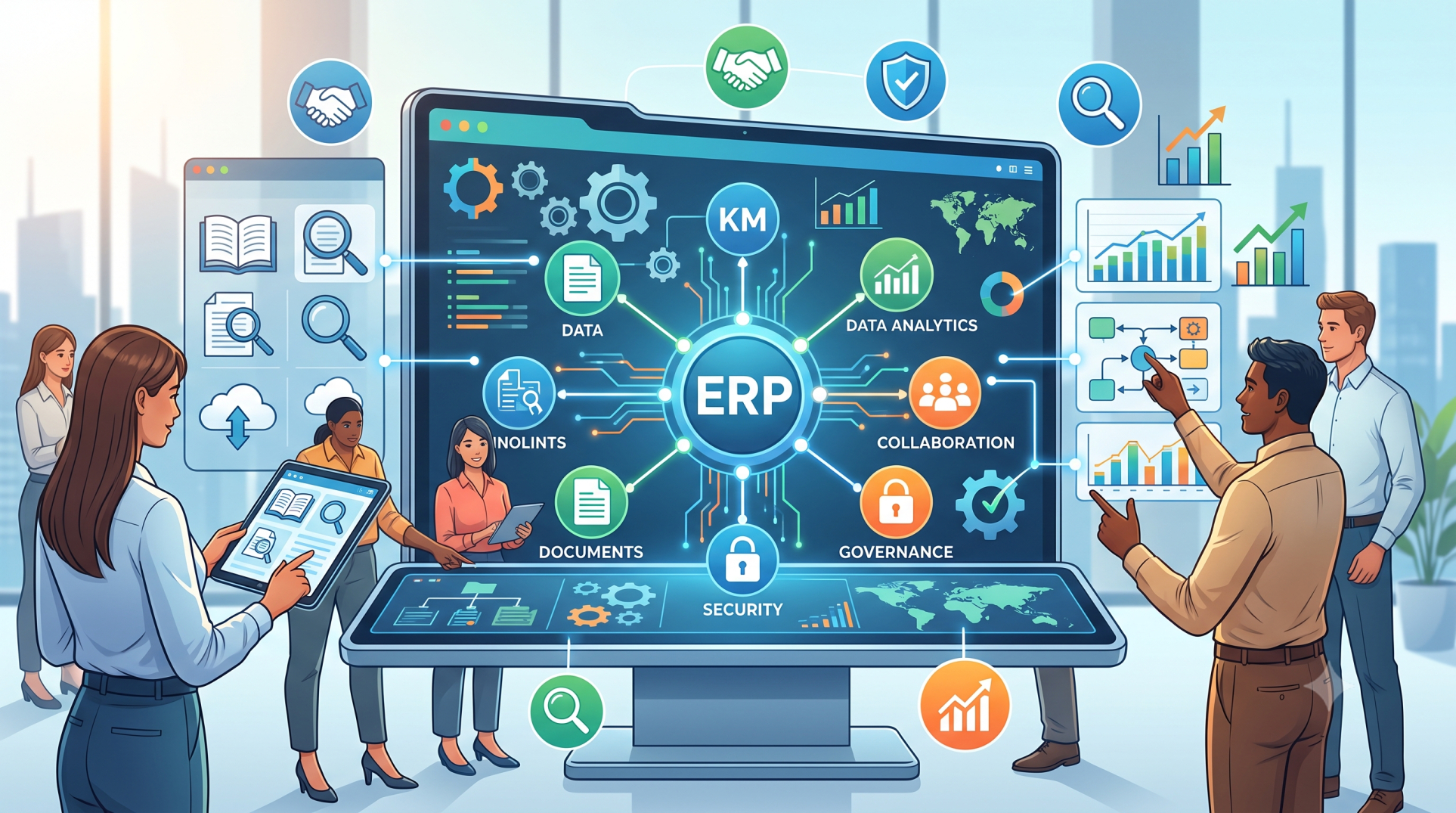
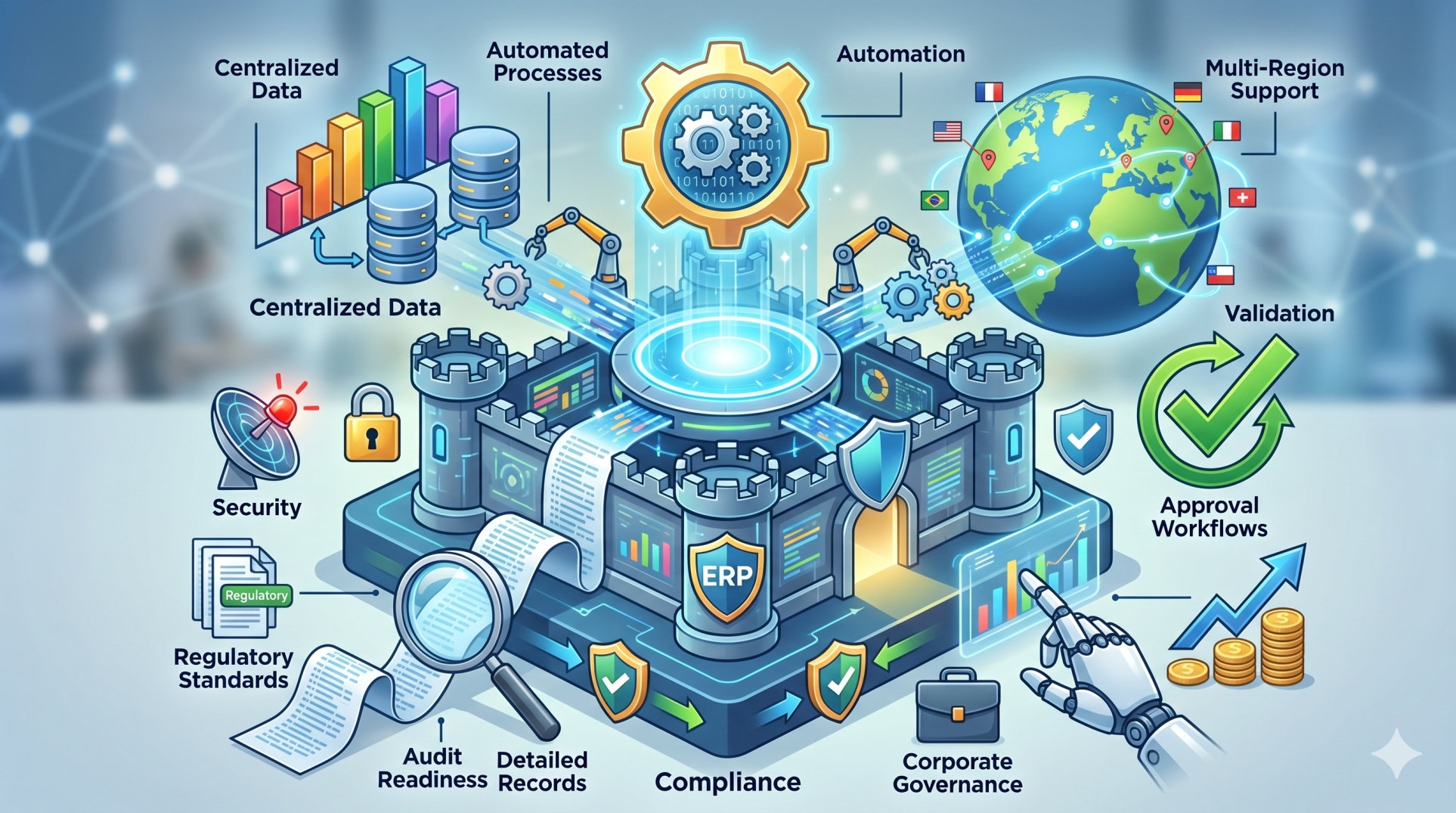
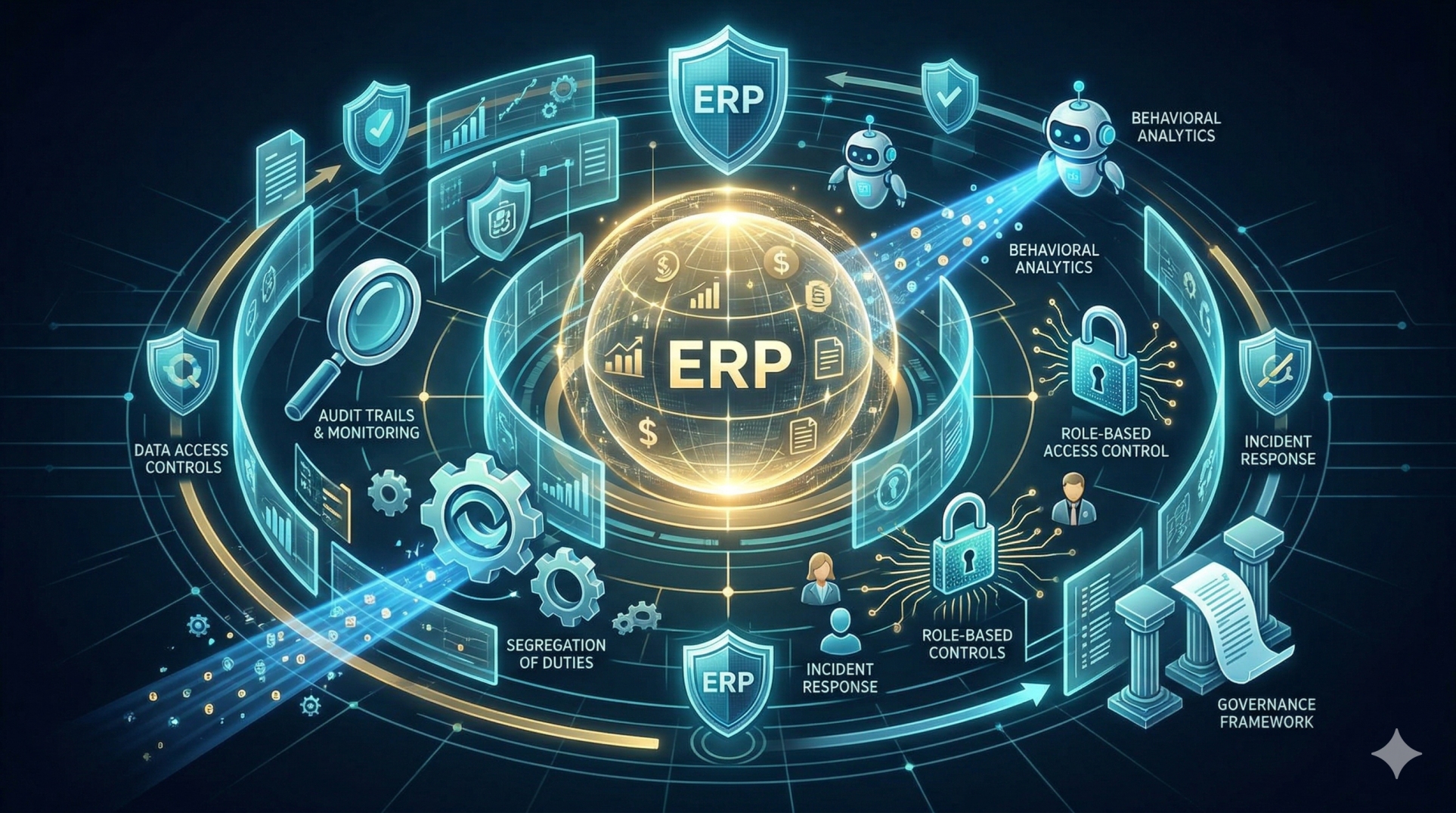
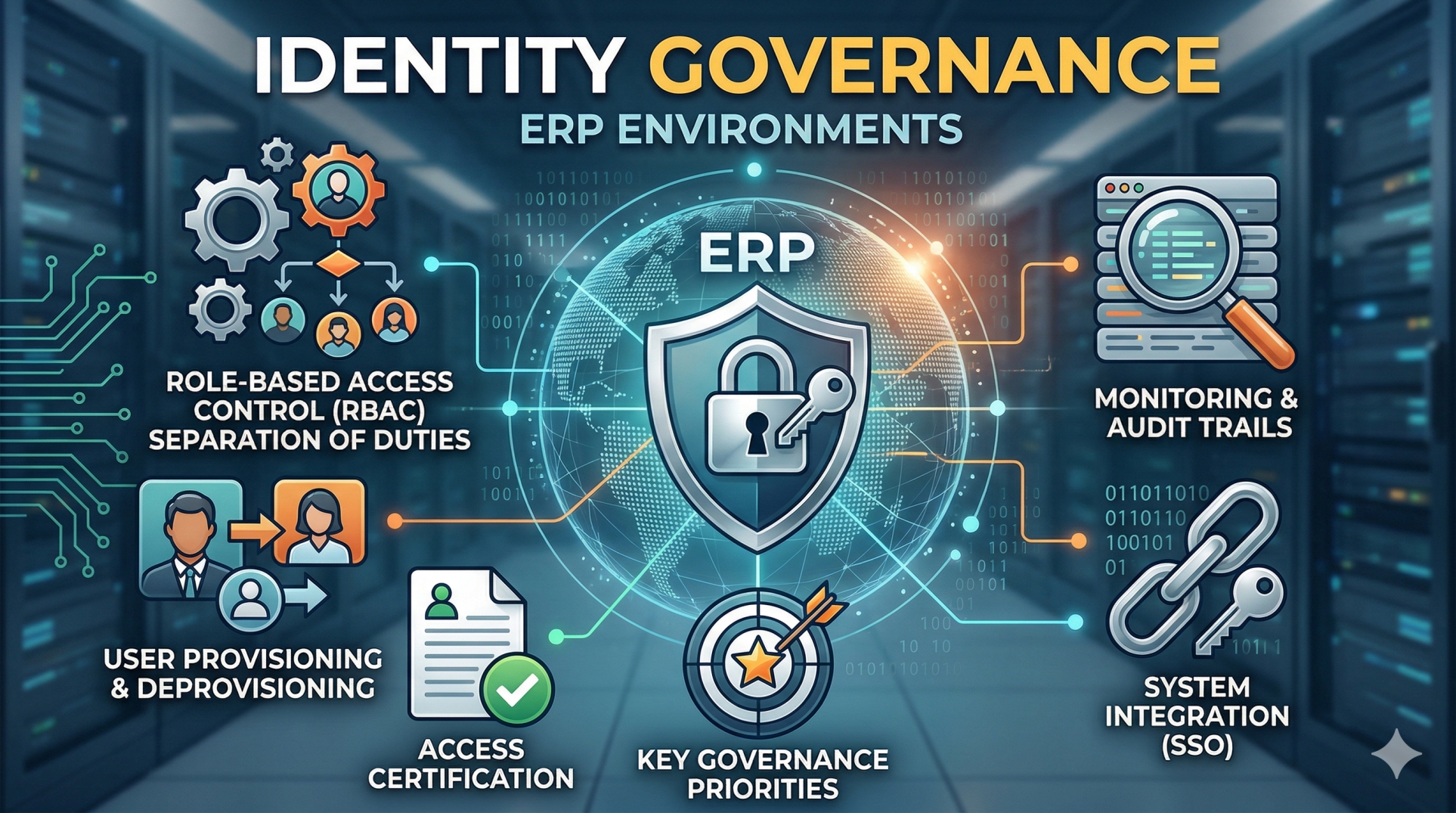
Step 6: Strengthening Security and Data Governance 🔐
• Protect data during system integration 🛡️
• Implement role-based access controls 👤
• Maintain secure communication between applications 🔒
• Ensure compliance with organizational policies 📜
• Preserve data integrity across integrated platforms ✅
Step 7: Supporting Real-Time Business Operations 📡
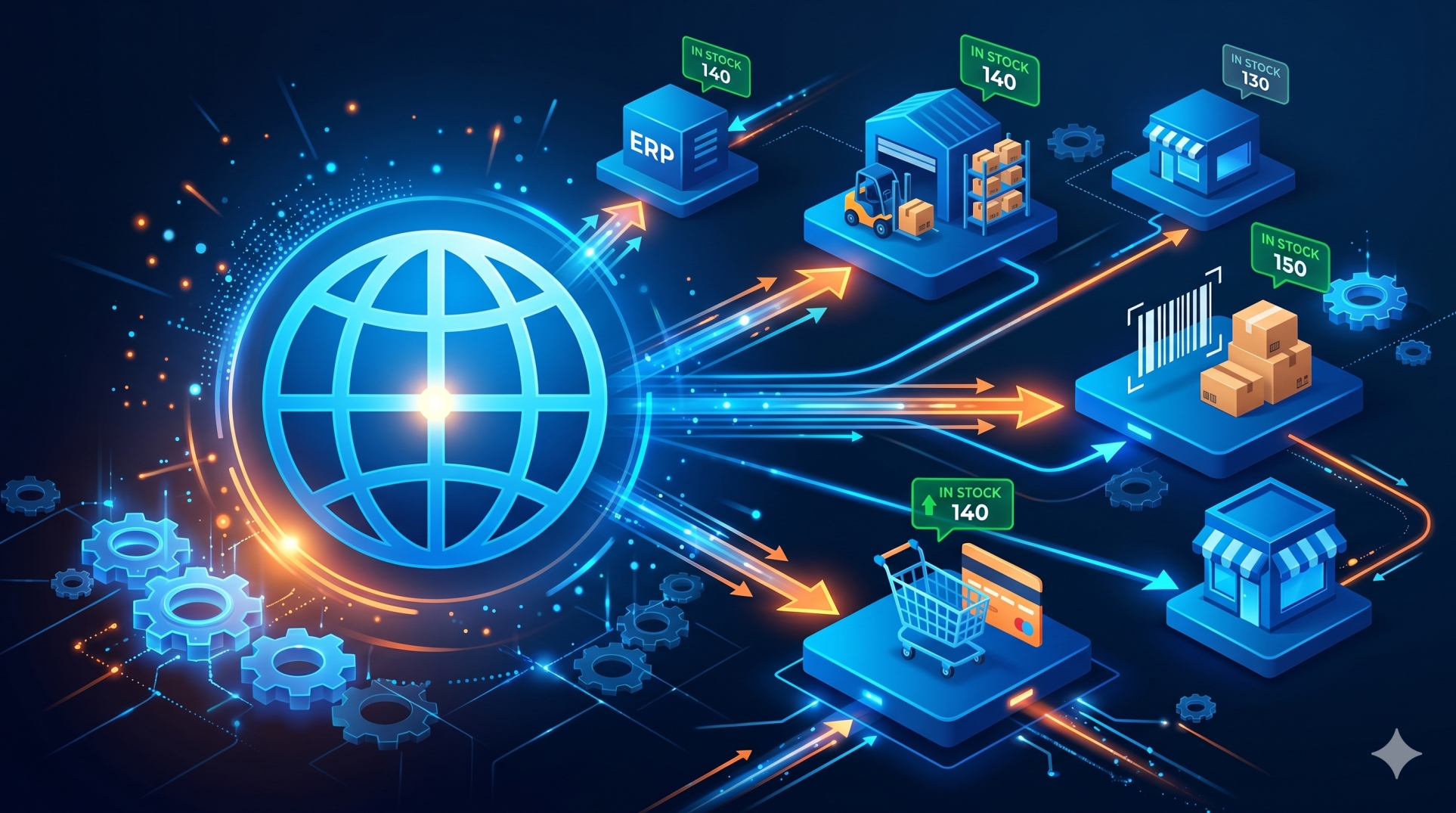
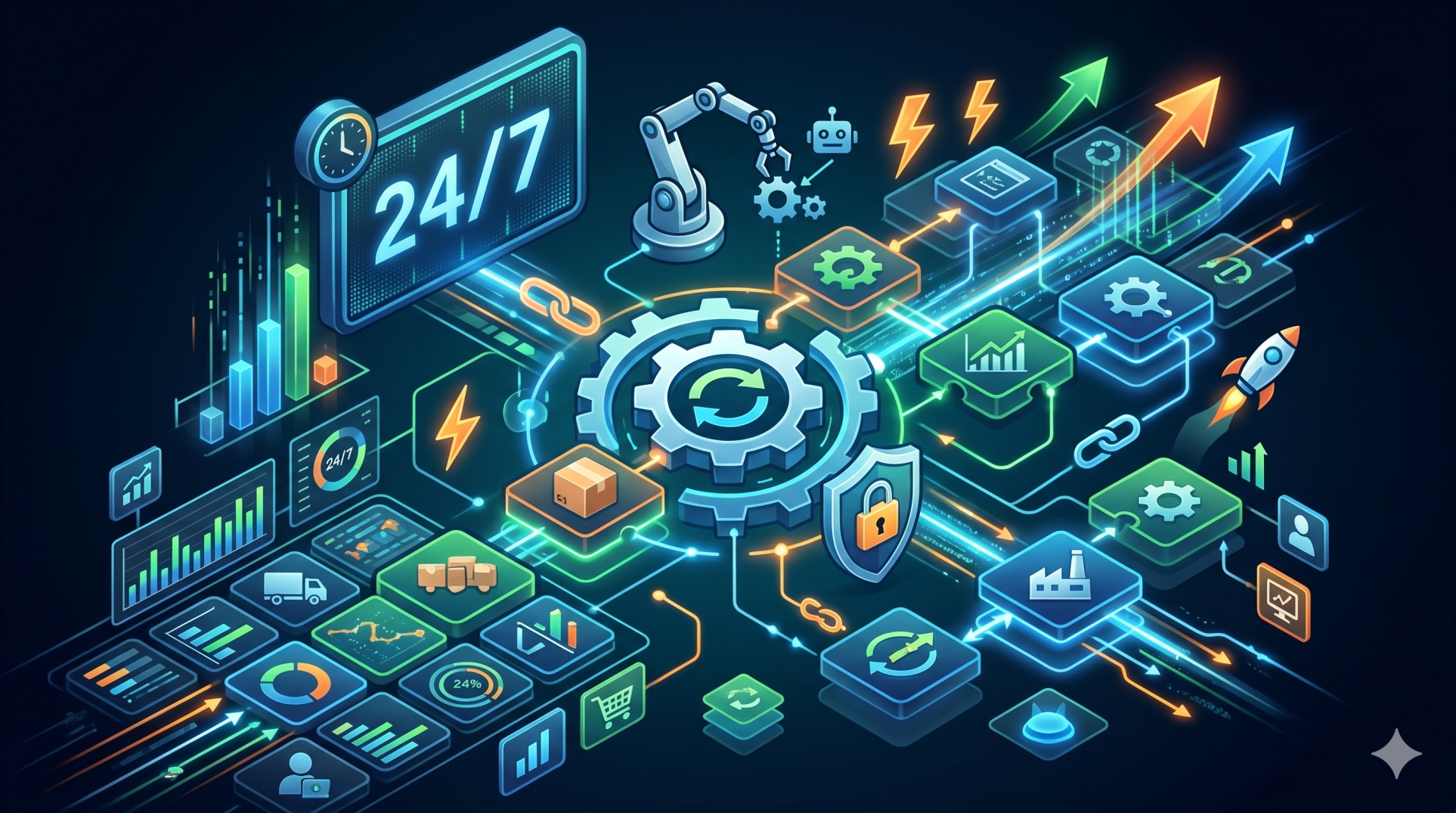
• Enable instant updates across connected applications ⚡
• Synchronize inventory, orders, and financial transactions 📦
• Improve responsiveness to operational changes 🔄
• Deliver accurate information for day-to-day activities 📋
• Support faster business execution 🚀
Step 8: Key Integration Priorities ⭐
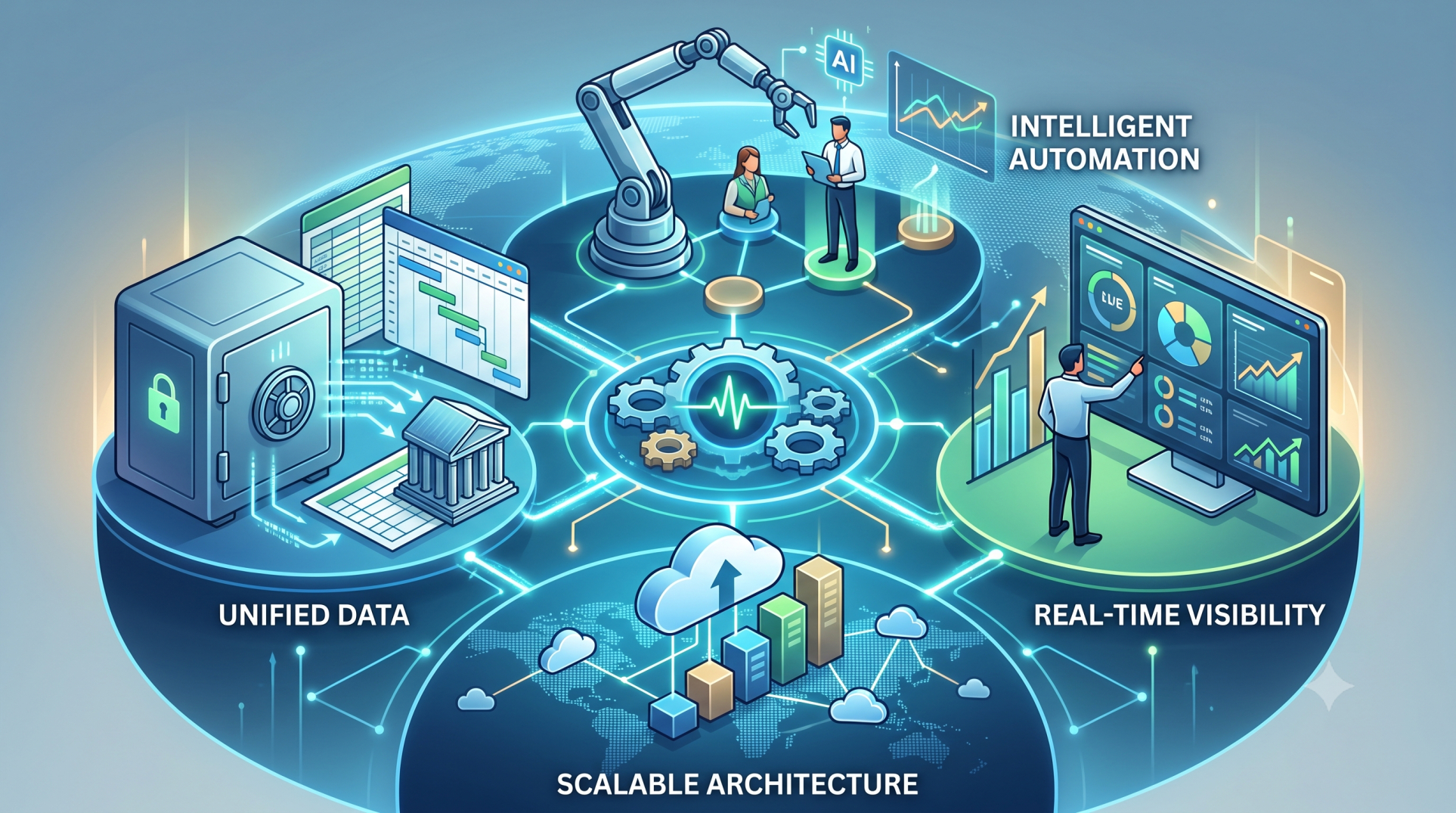
• Unified connectivity across enterprise applications 🔗
• Reliable and secure data synchronization 🛡️
• Automated workflows with minimal manual effort 🤖
• Flexible architecture for future technology expansion 📈
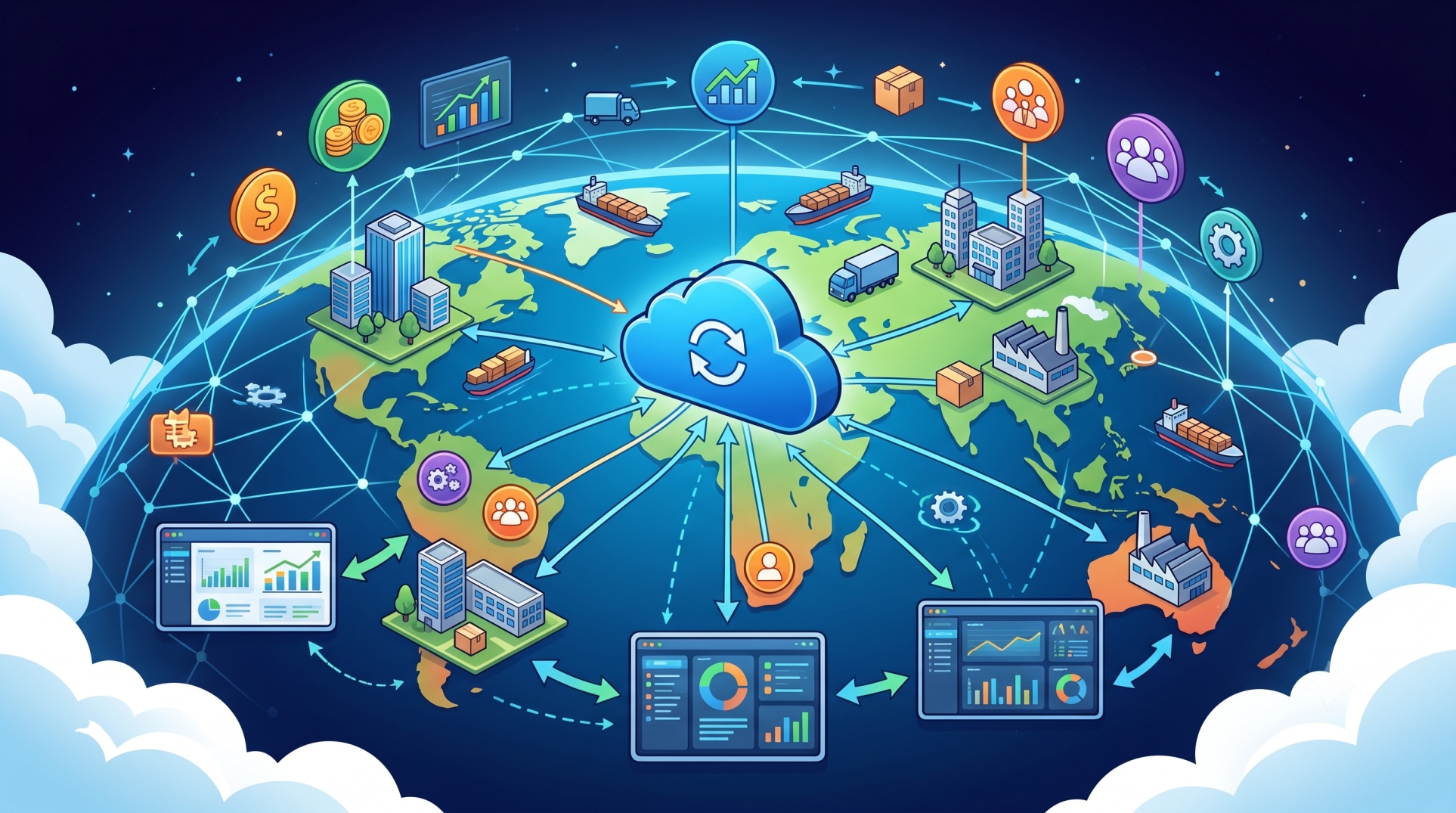
Step 9: Managing Growth and System Expansion 🌍
• Add new business applications without disrupting operations 🏗️
• Scale integrations as organizational needs evolve 📊
• Support multi-location and multi-division operations 🏢
• Maintain consistent performance across expanding environments ⚙️
• Simplify digital transformation initiatives 🚀
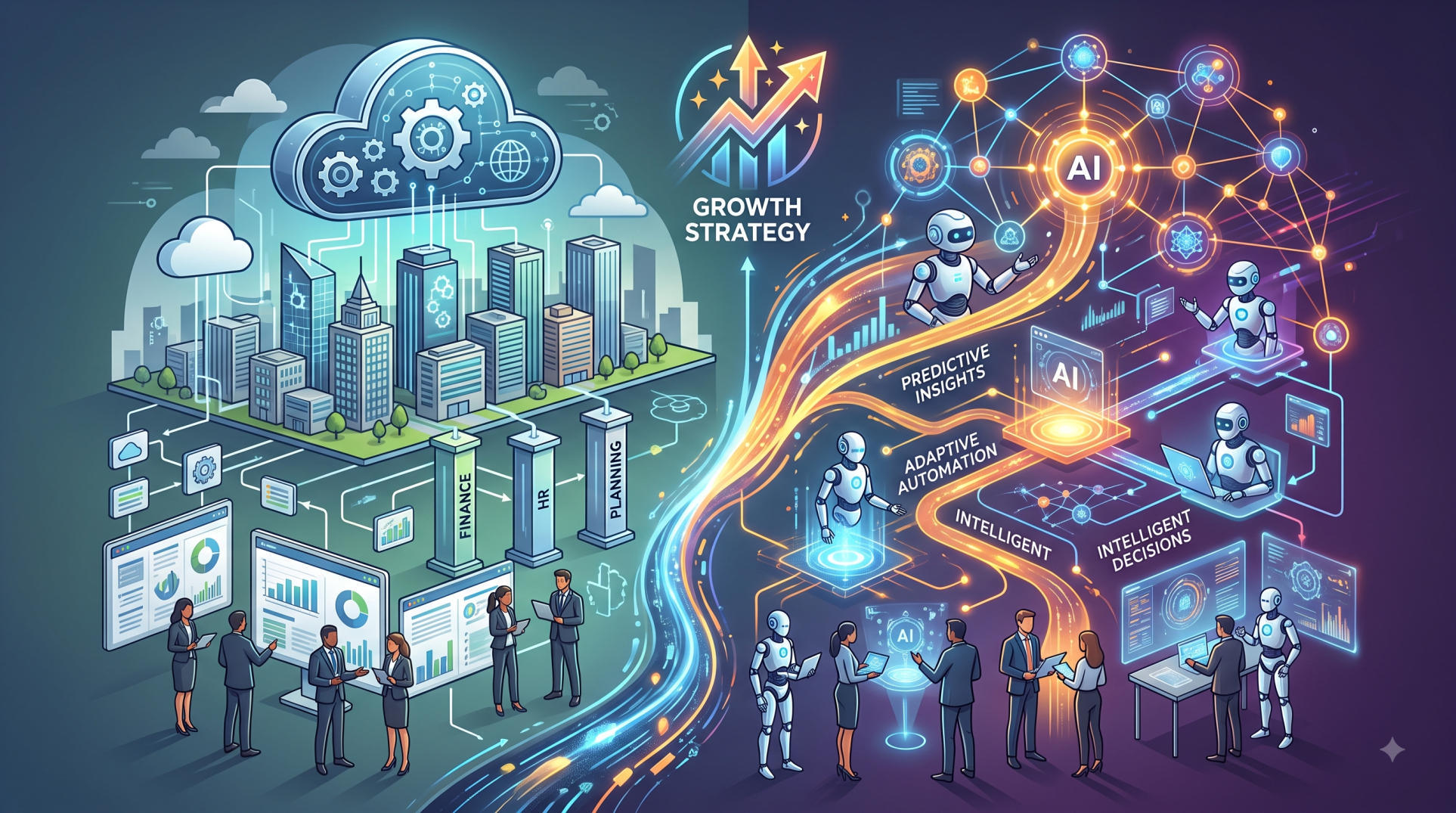
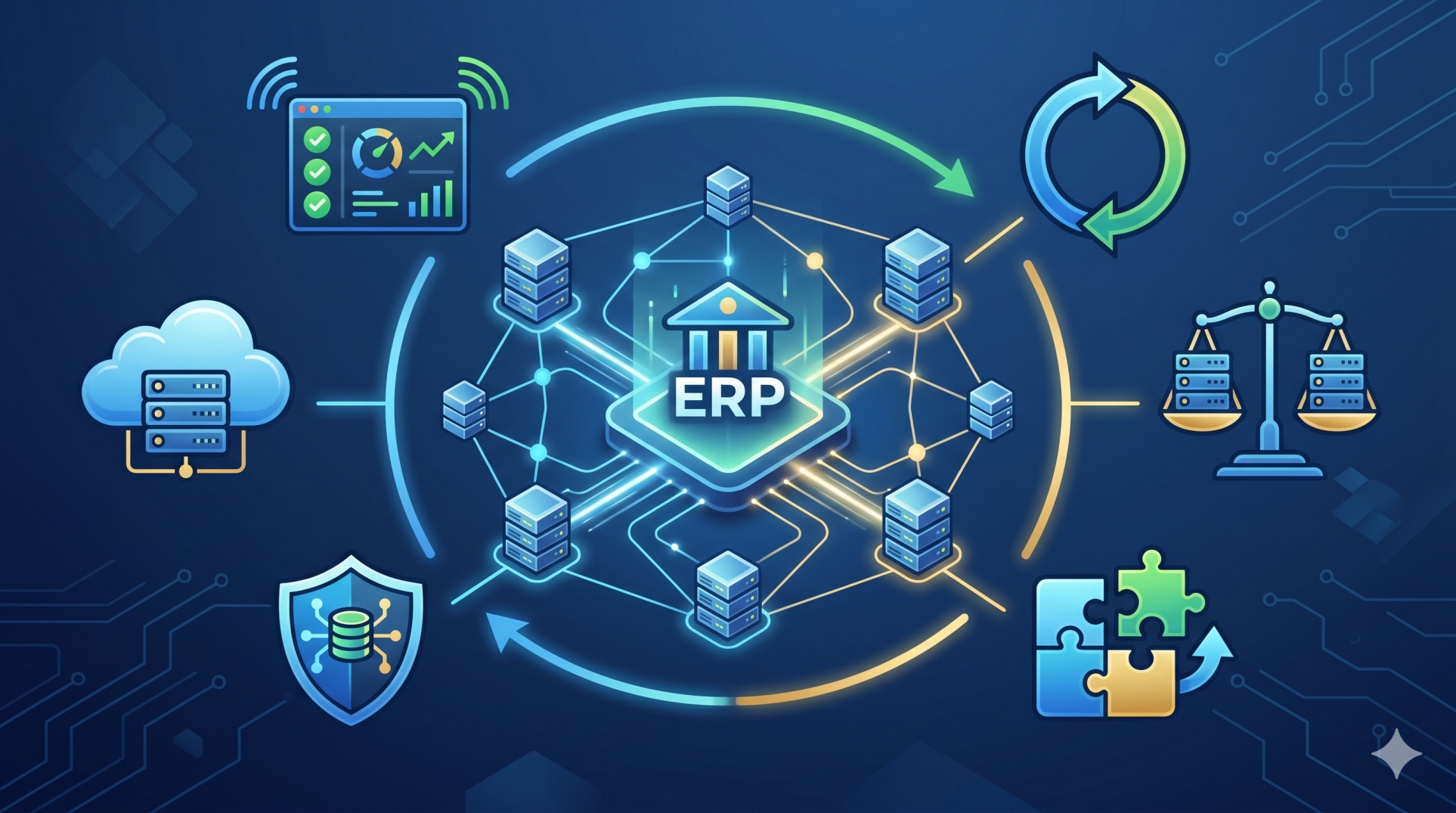
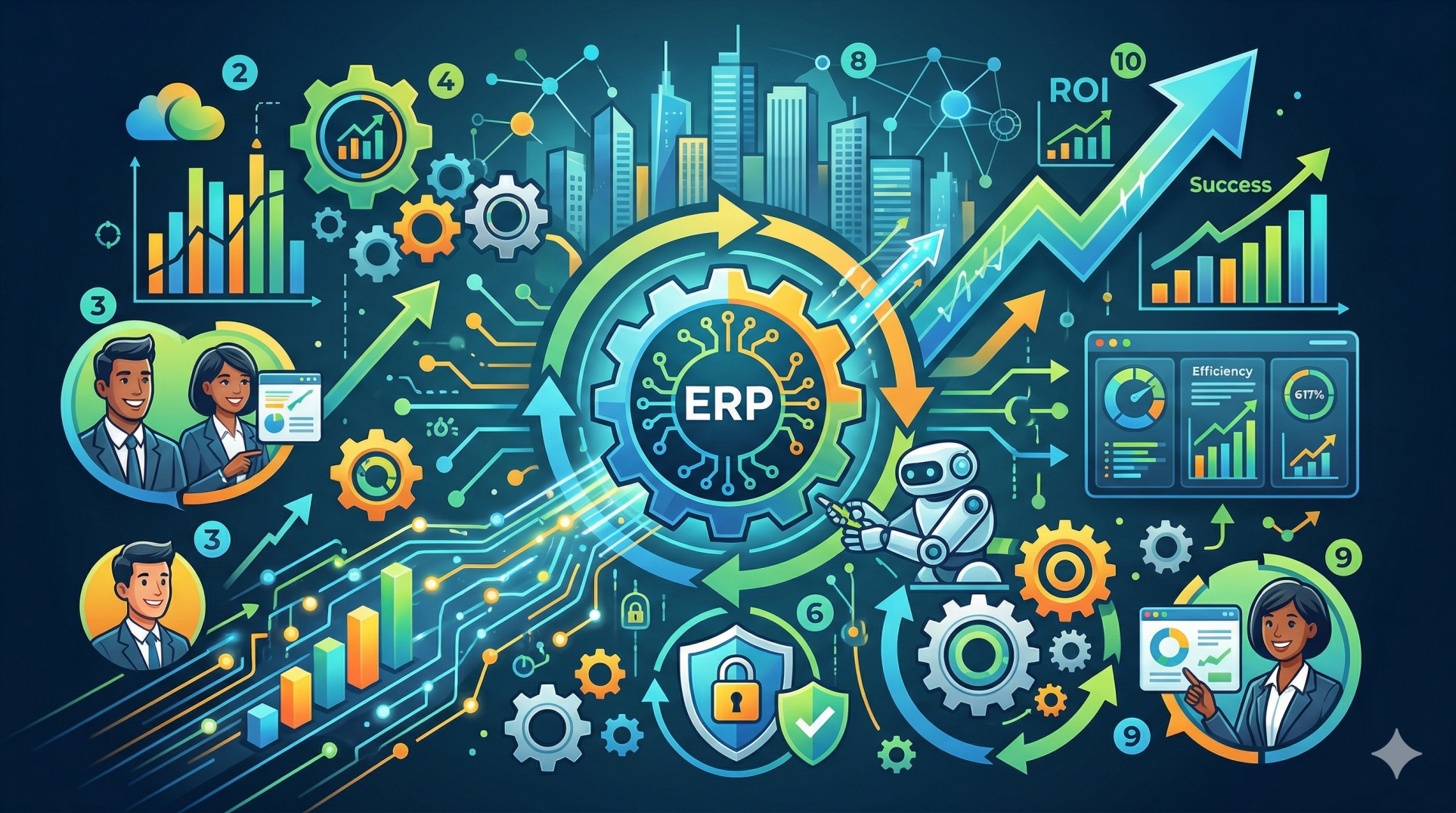
Step 10: Building a Connected Enterprise Ecosystem 🌟
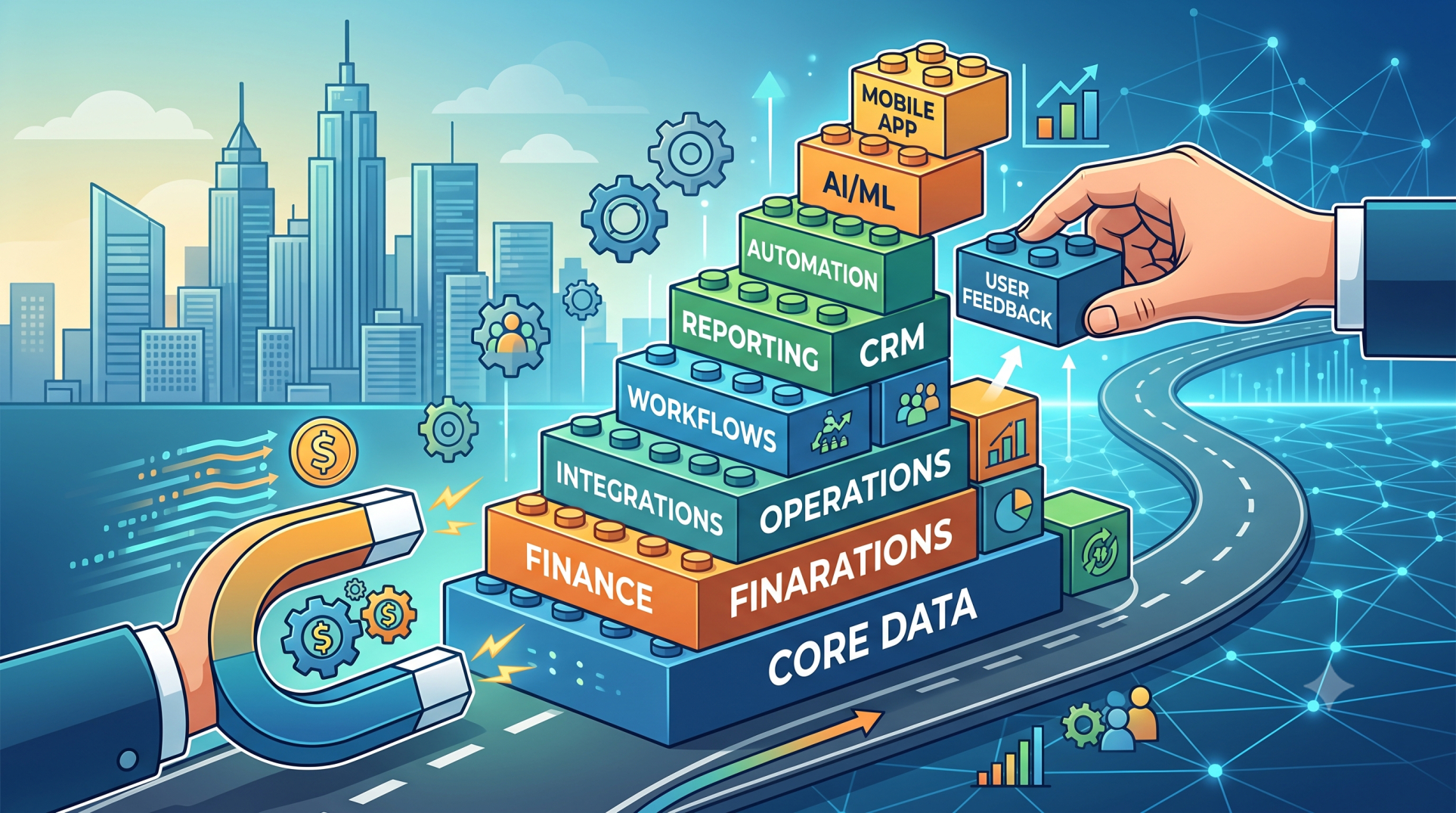
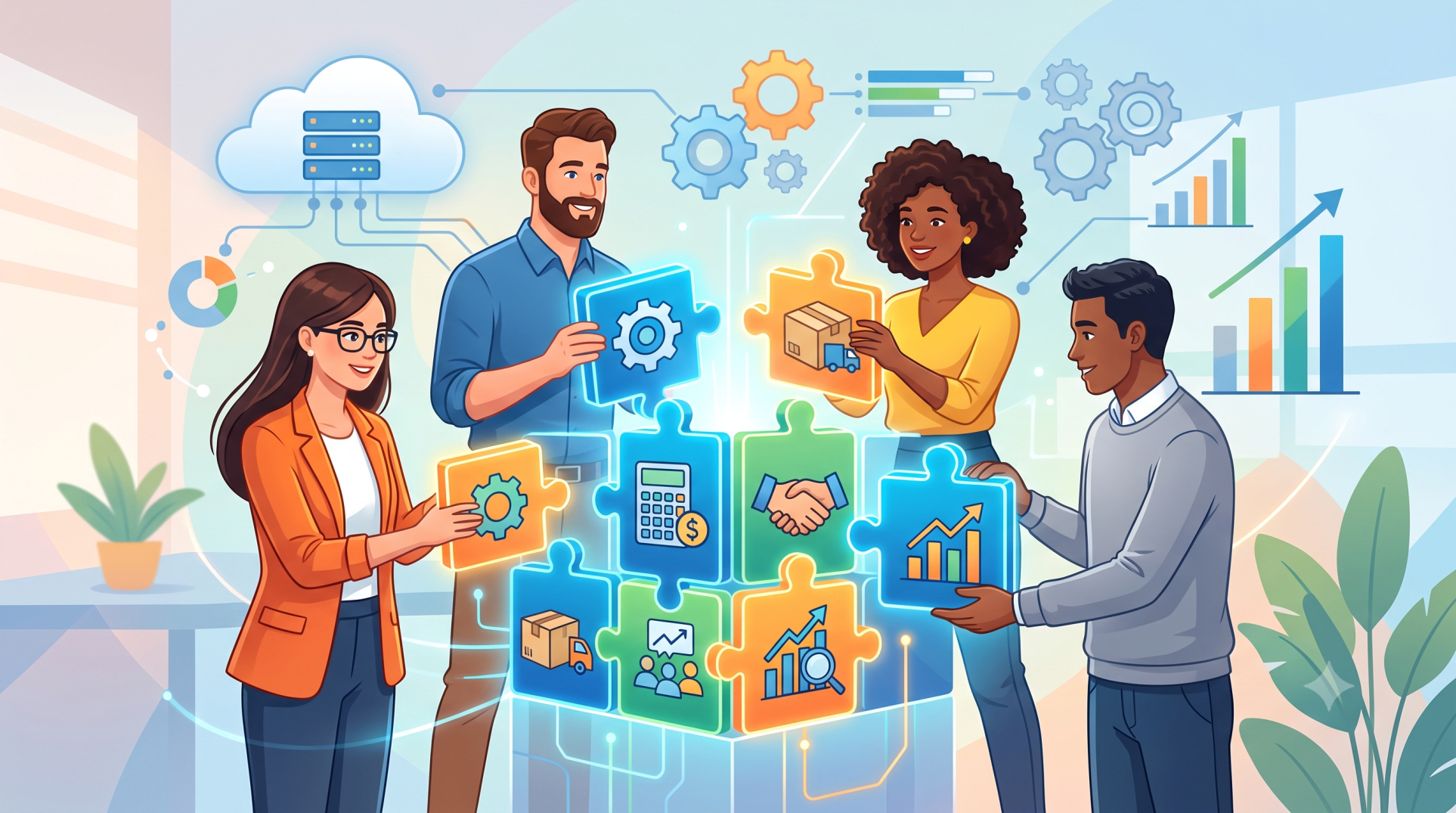
• Design integration frameworks for long-term scalability 🧩
• Encourage collaboration through shared business information 🤝
• Support cloud and hybrid deployment environments ☁️
• Enable continuous innovation with connected technologies 💡
• Future-proof enterprise operations with adaptable integration strategies 🚀
Conclusion
Seamless ERP integrations are the foundation of a connected and efficient enterprise. By linking business applications, automating data exchange, and providing real-time visibility, organizations can eliminate operational silos and improve collaboration across every department. A well-planned integration strategy not only increases productivity and decision-making capabilities but also prepares businesses for sustainable growth in an increasingly digital world.
See more blogs
You can all the articles below