Building an ERP Core That Can Evolve with Your Business
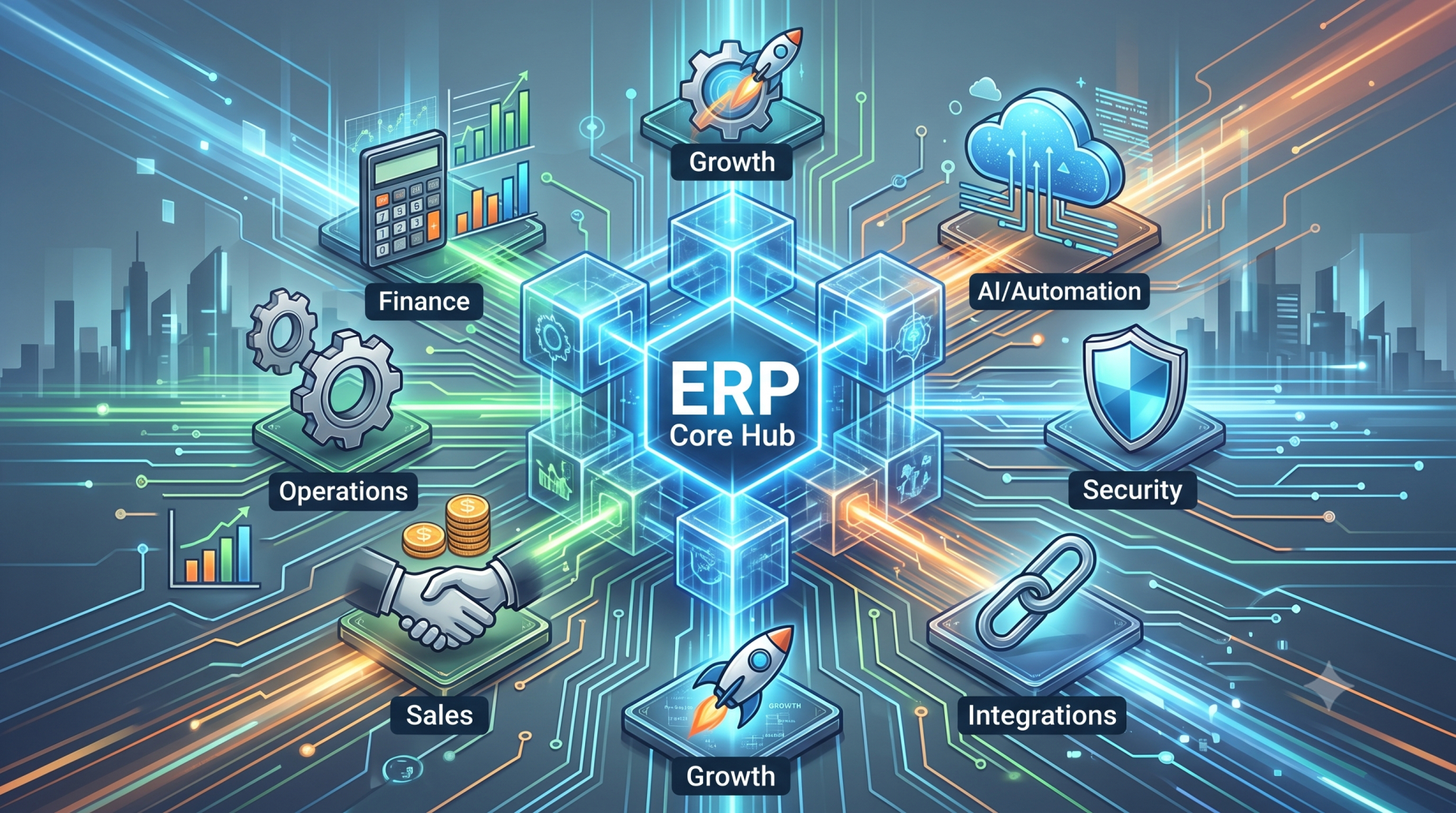
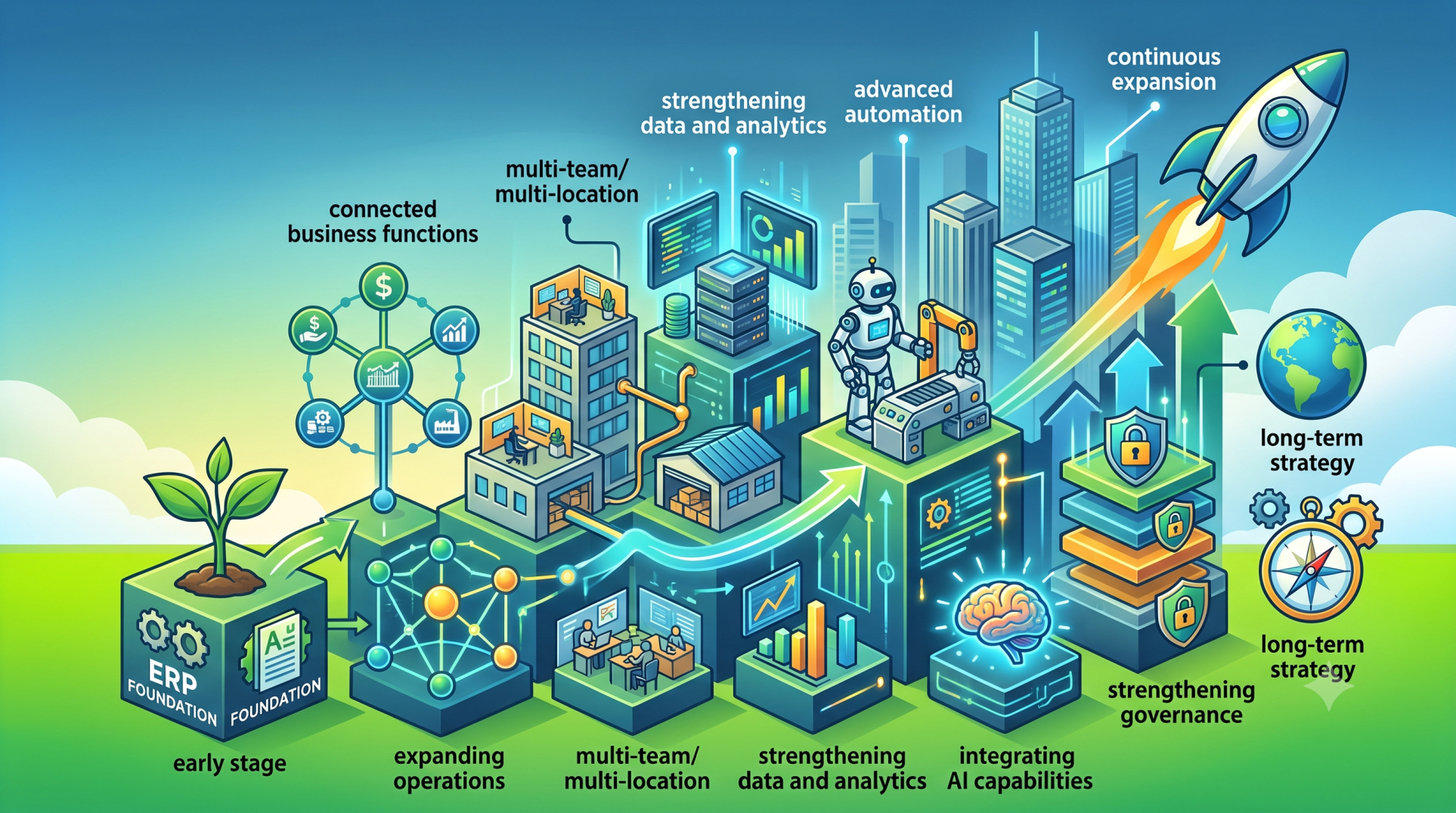
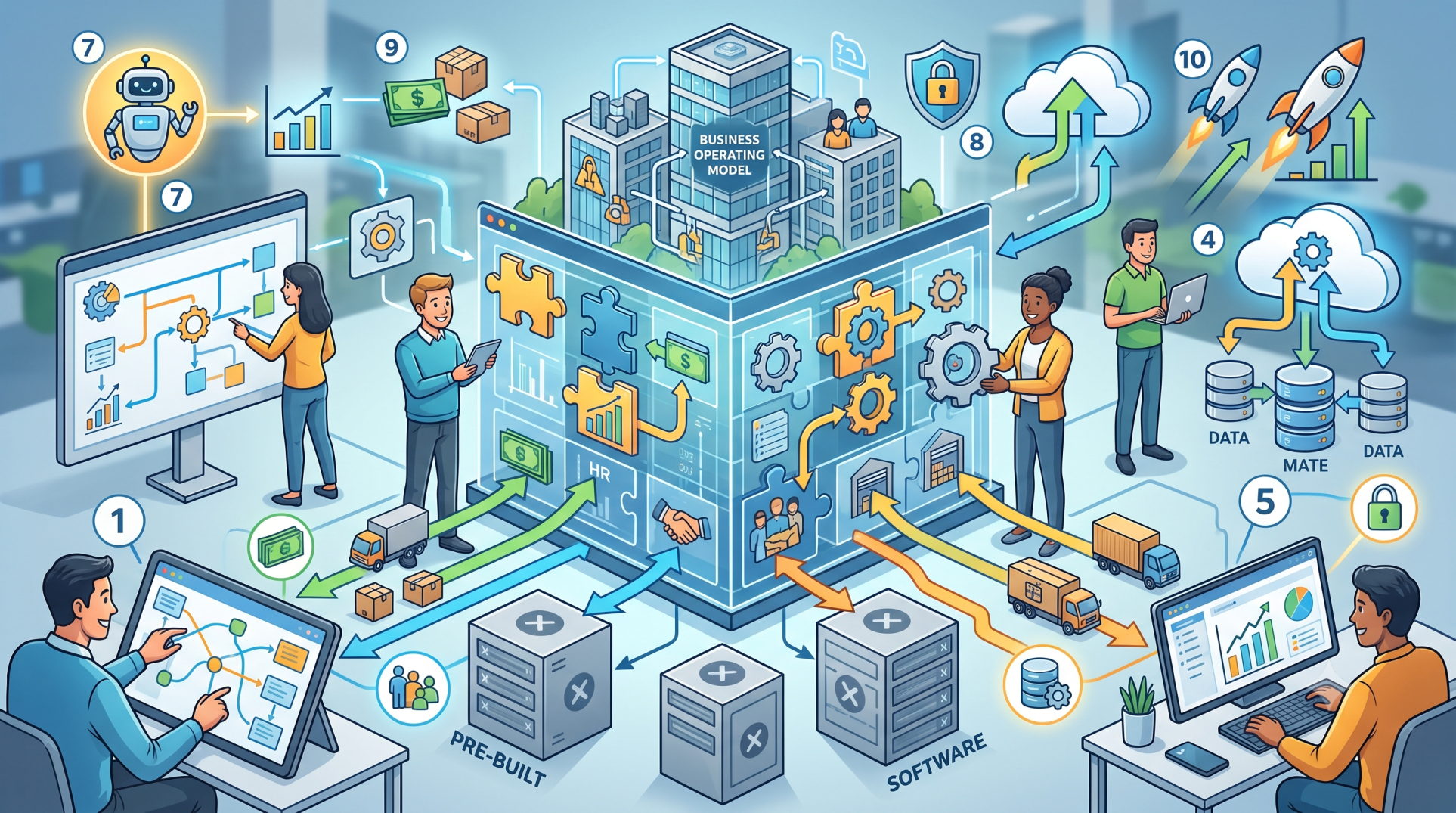
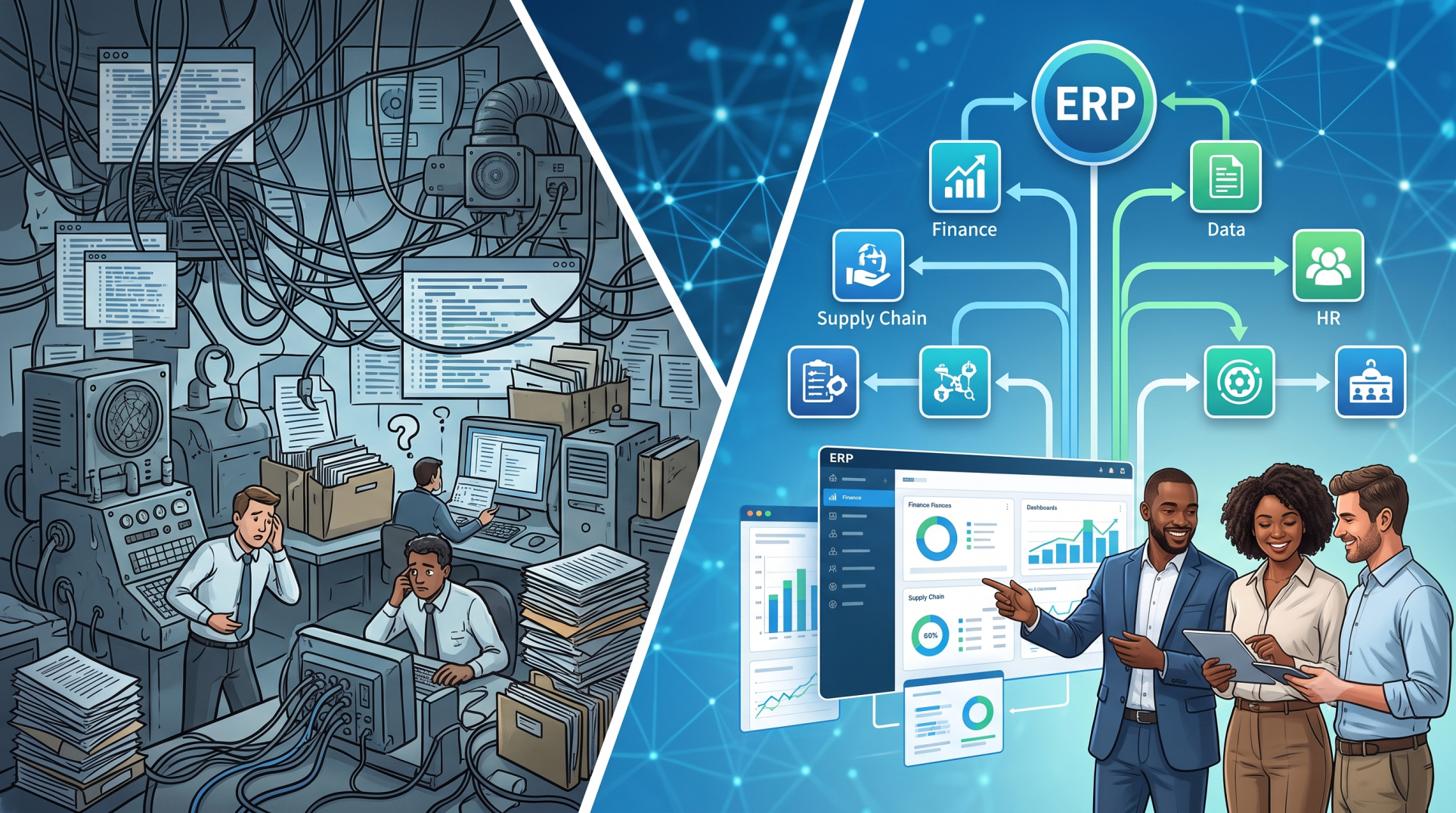
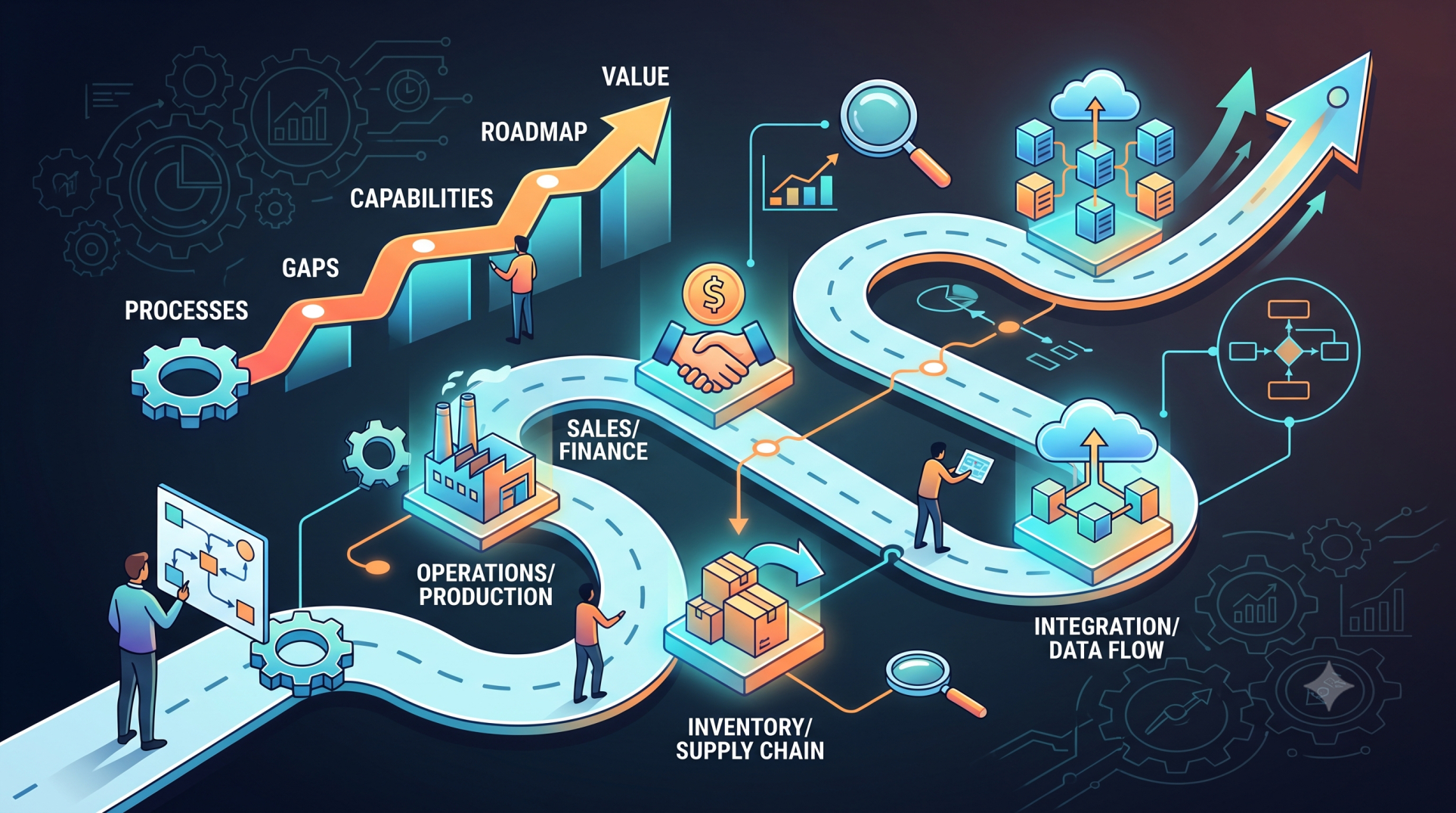
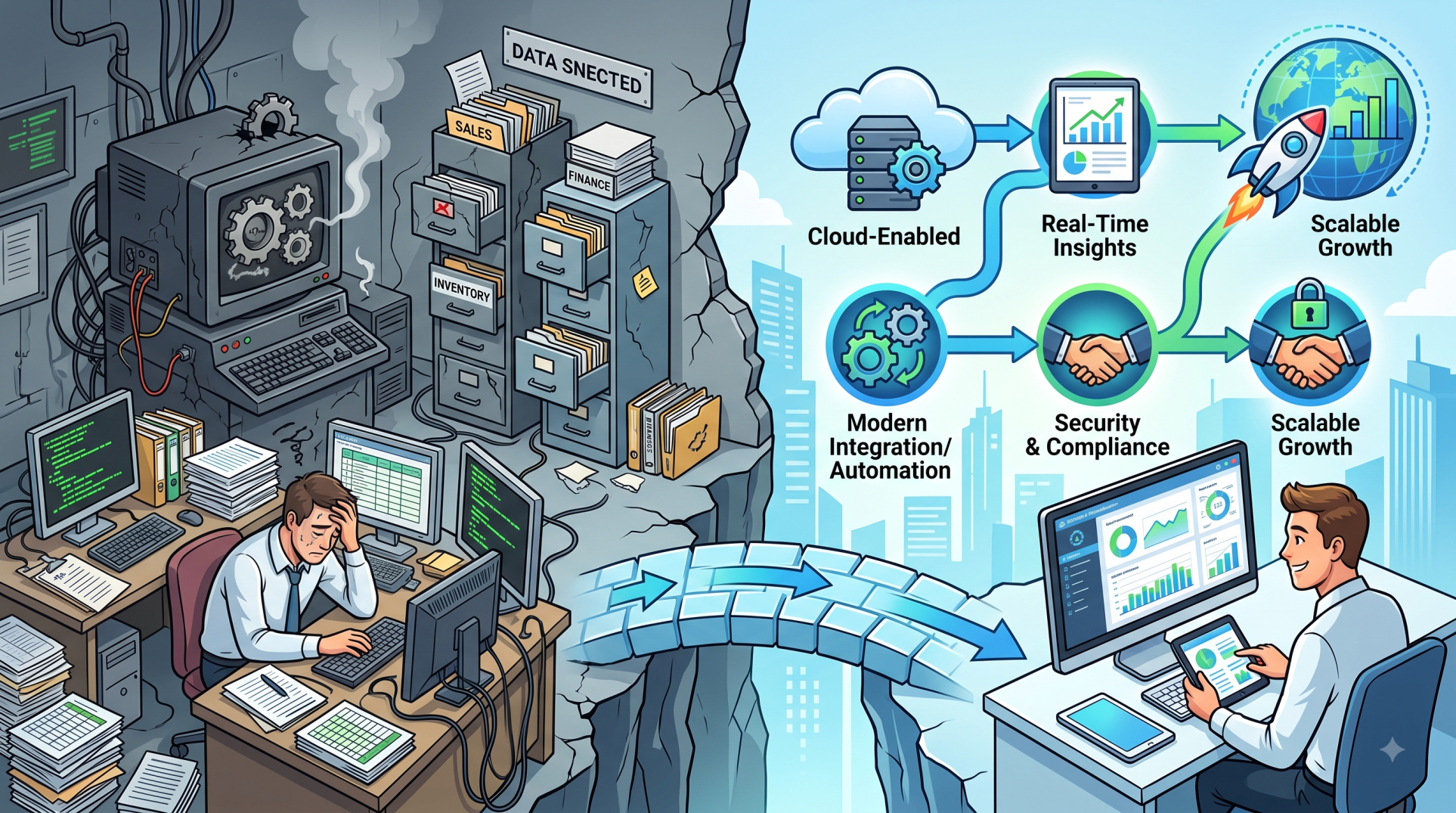
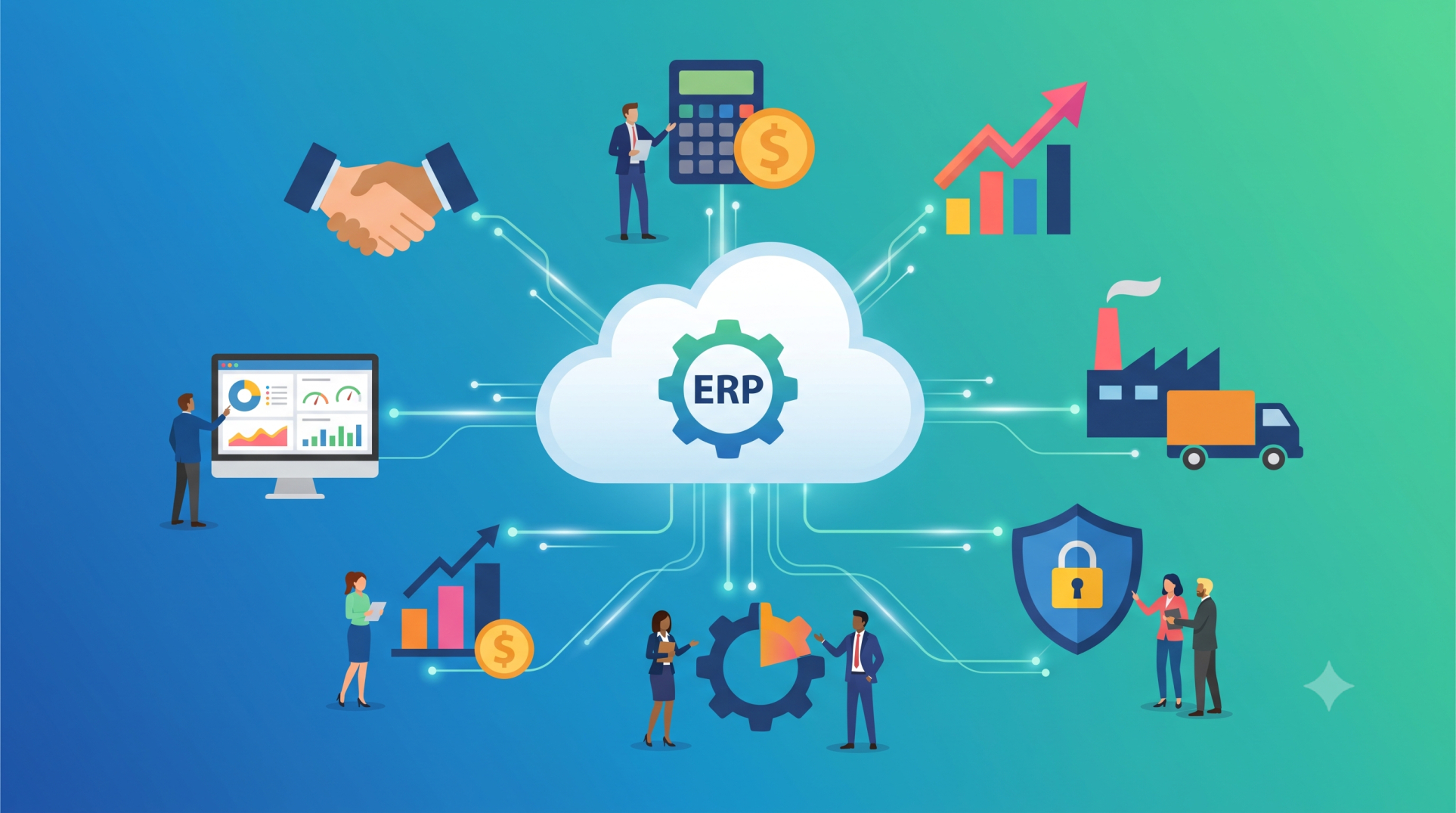
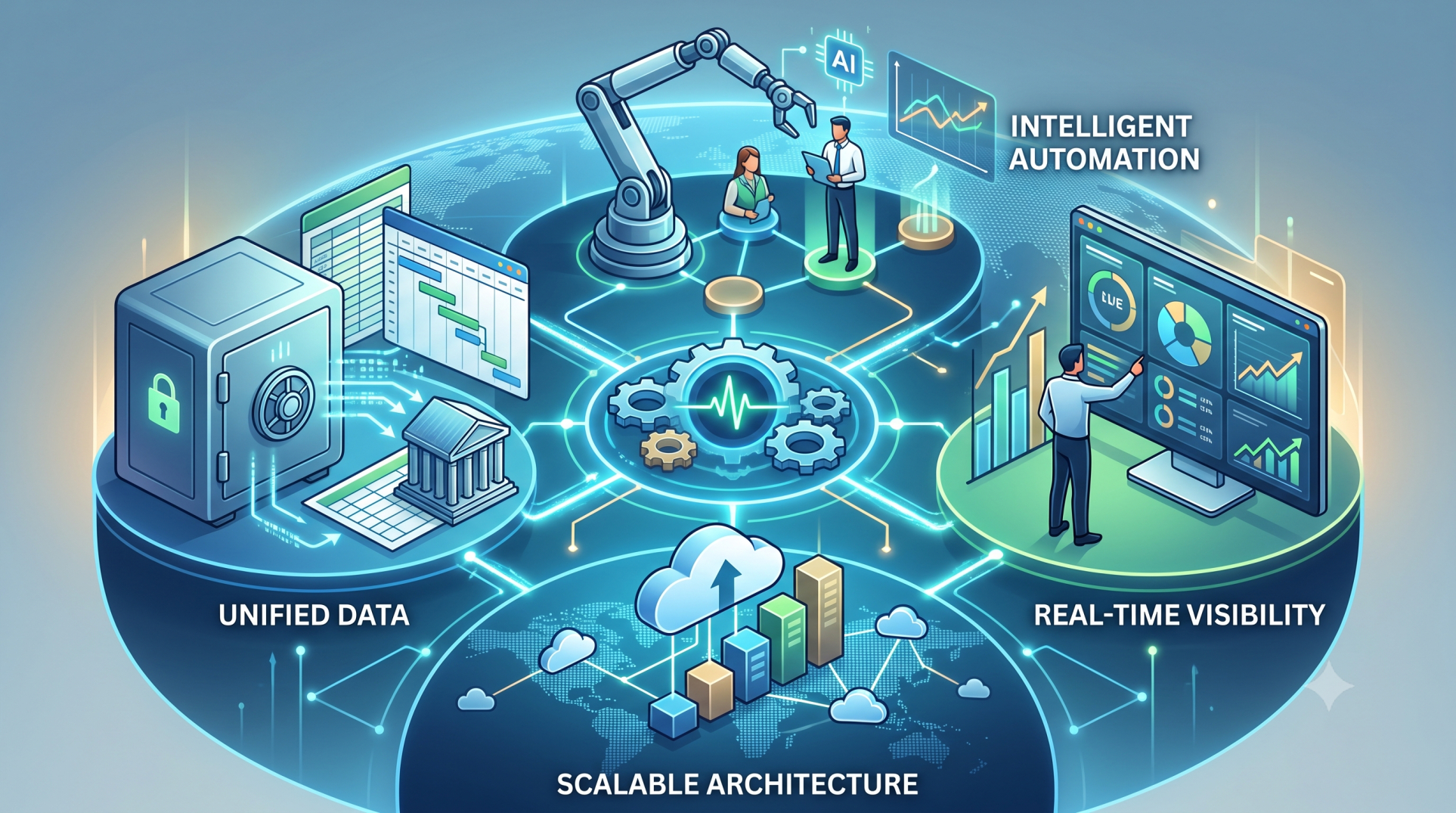
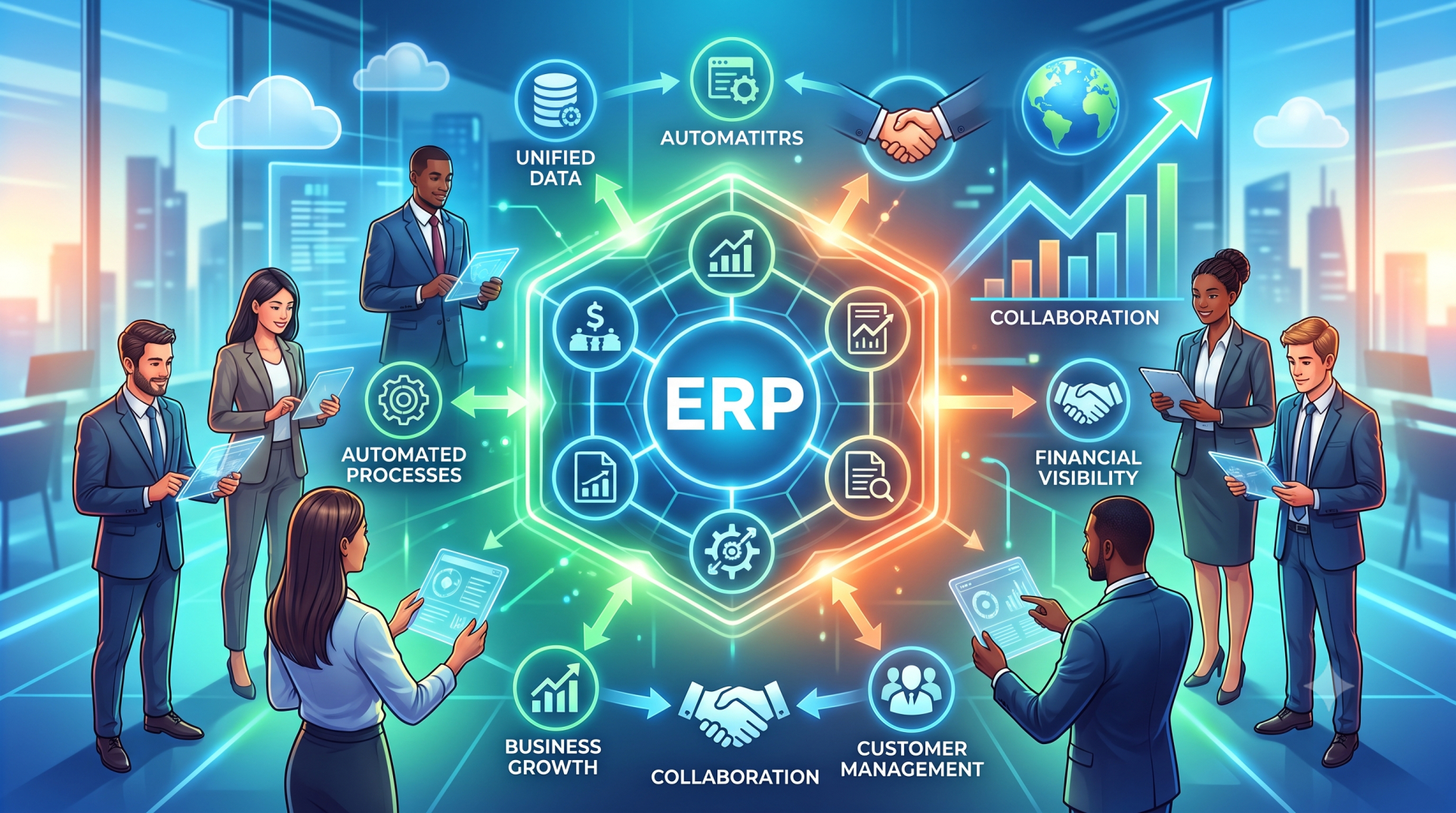
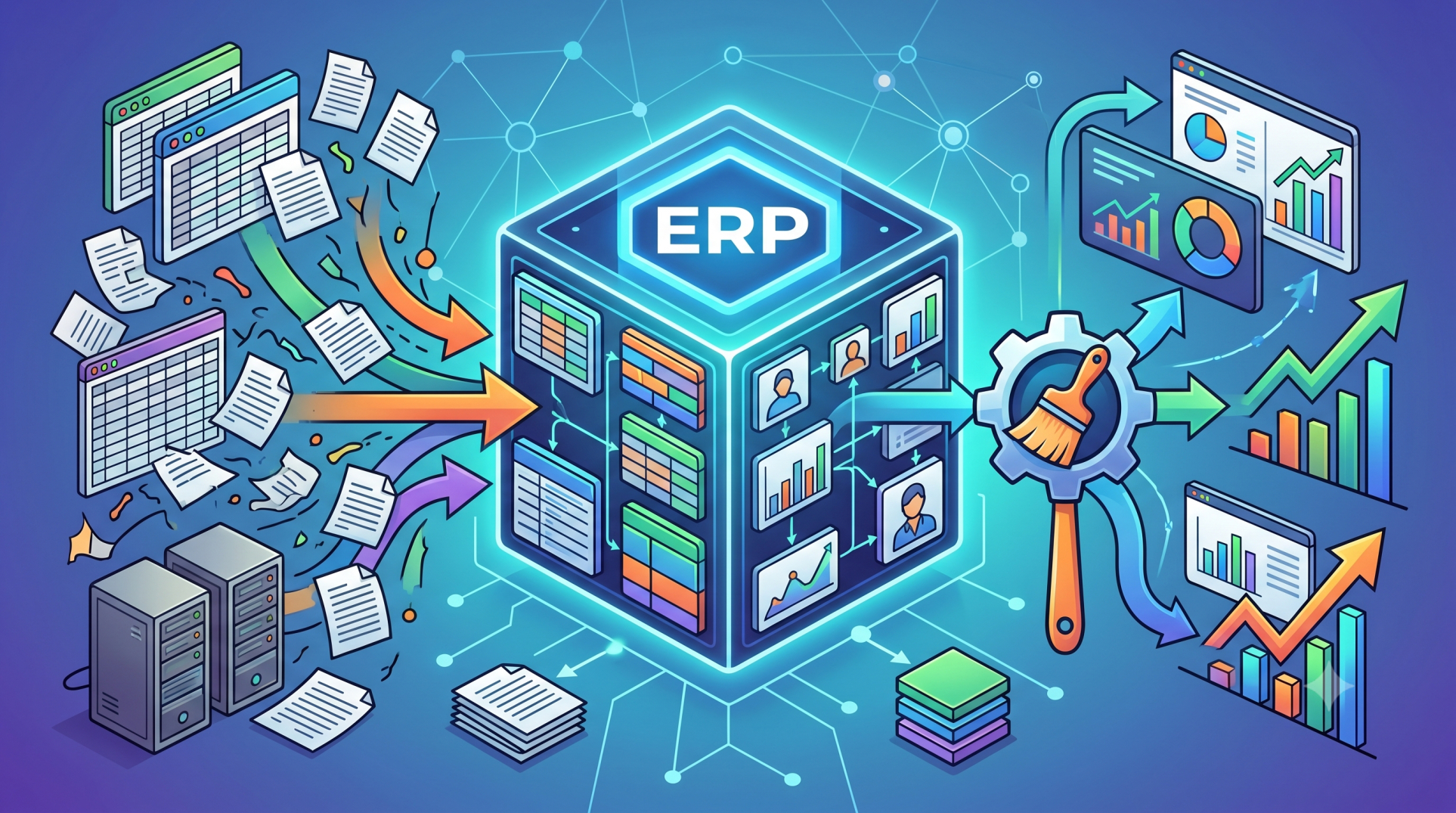
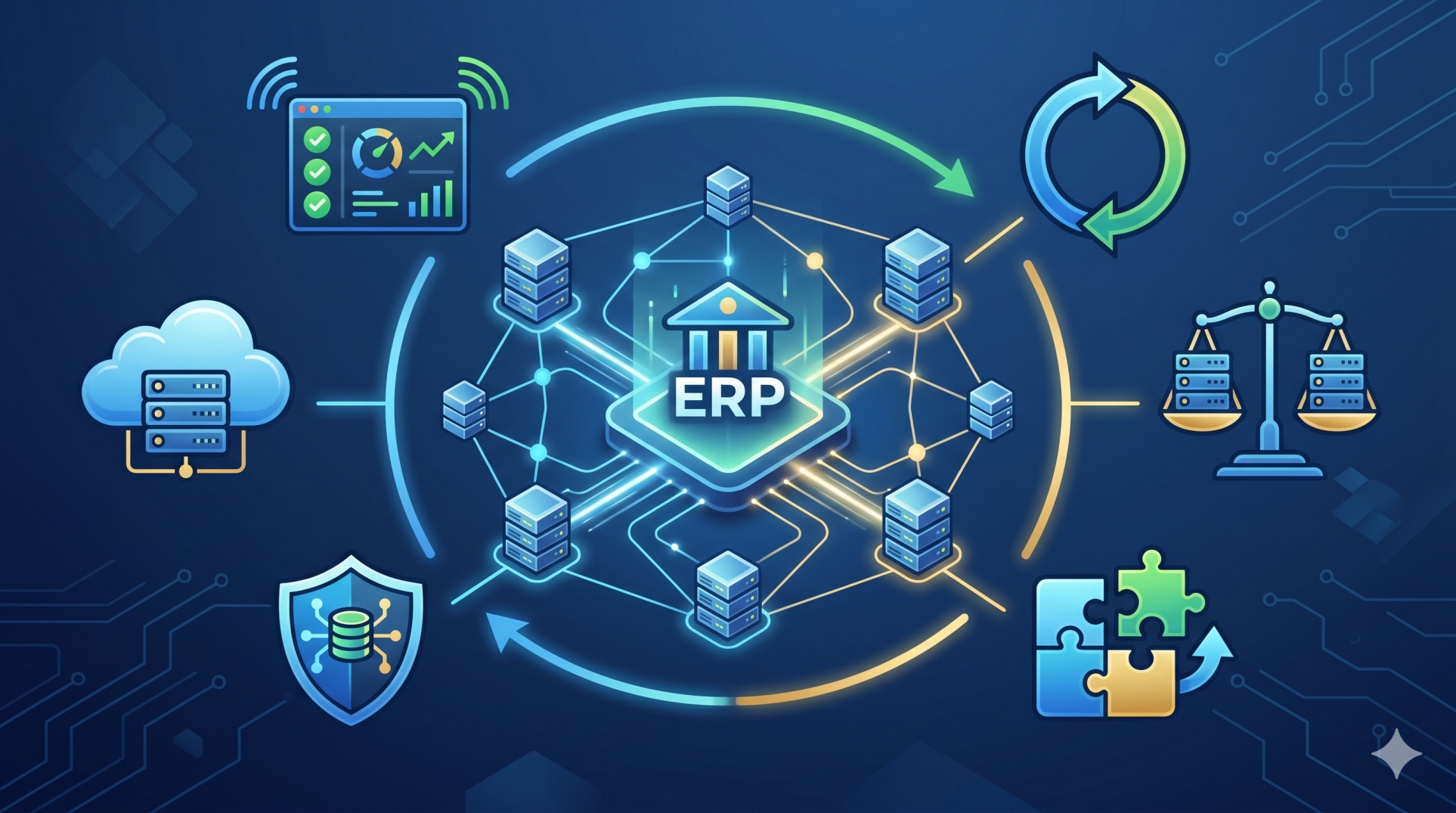
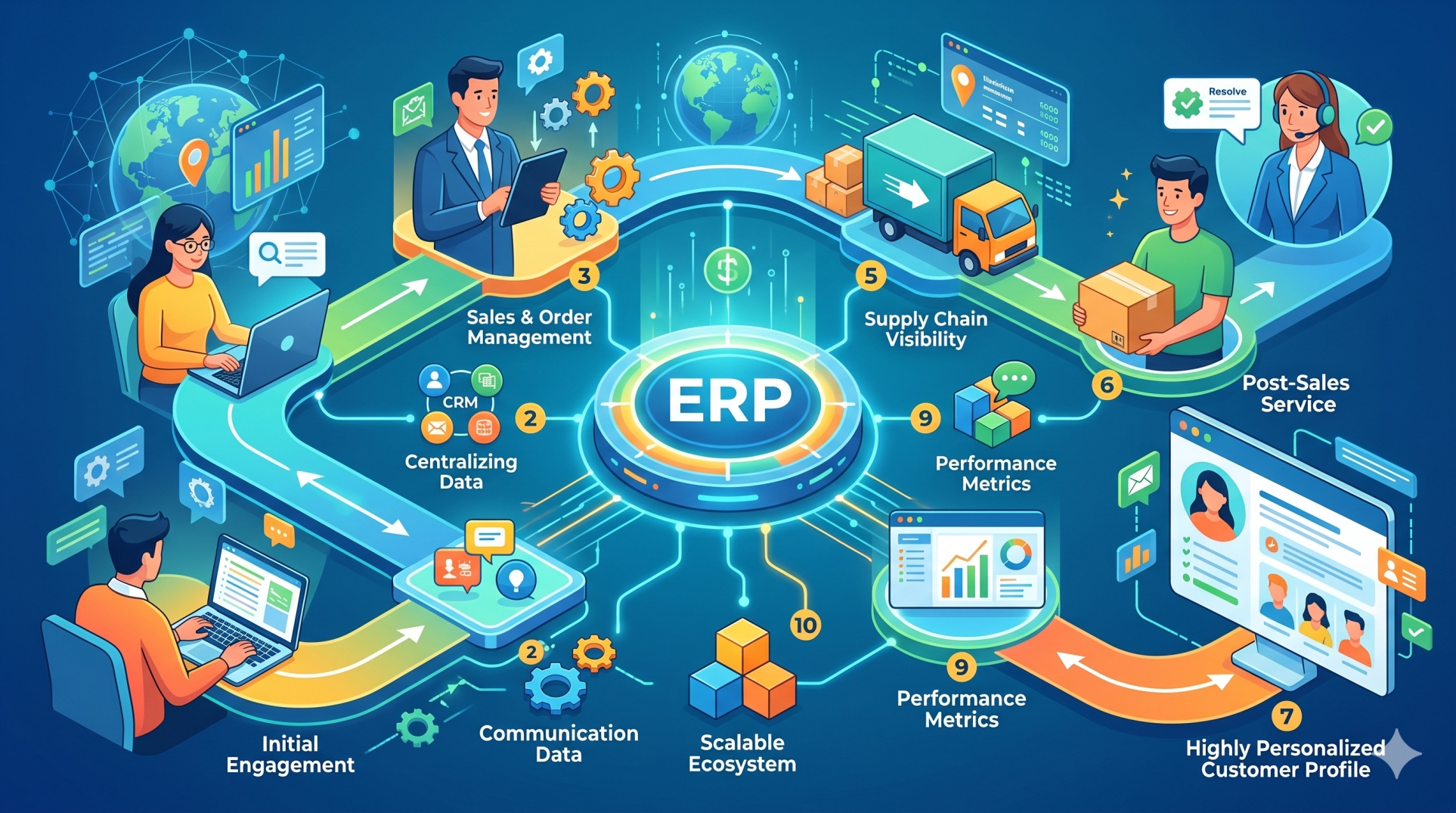
As organizations grow, their operational requirements rarely remain static. New departments, markets, products, regulations, and customer expectations can quickly expose the limitations of rigid ERP platforms. Building an ERP core with flexibility at its foundation allows businesses to adapt processes, integrate new technologies, and scale operations without repeatedly replacing their core systems.
Step 1: Establishing a Flexible ERP Foundation 🏗️
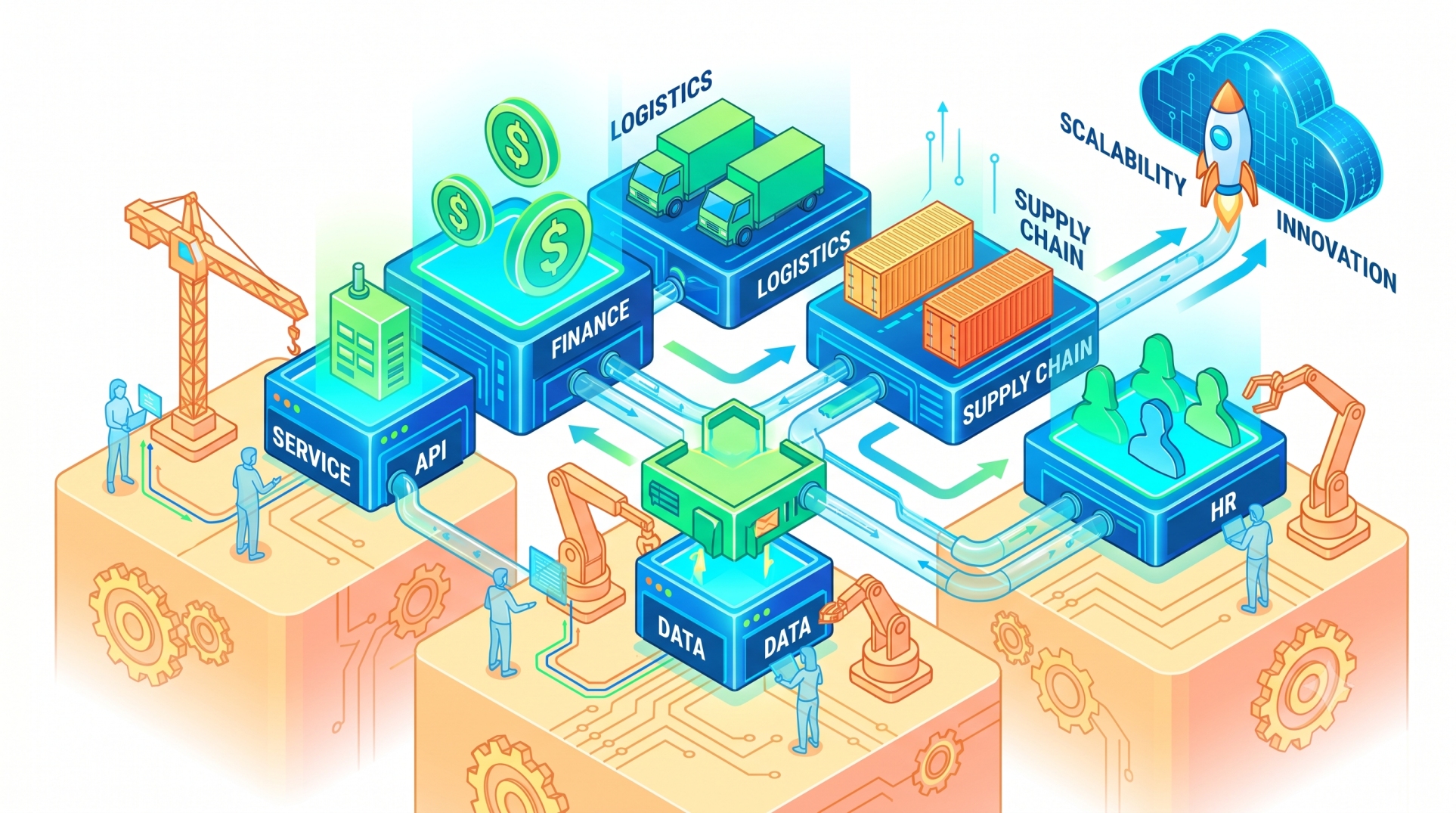
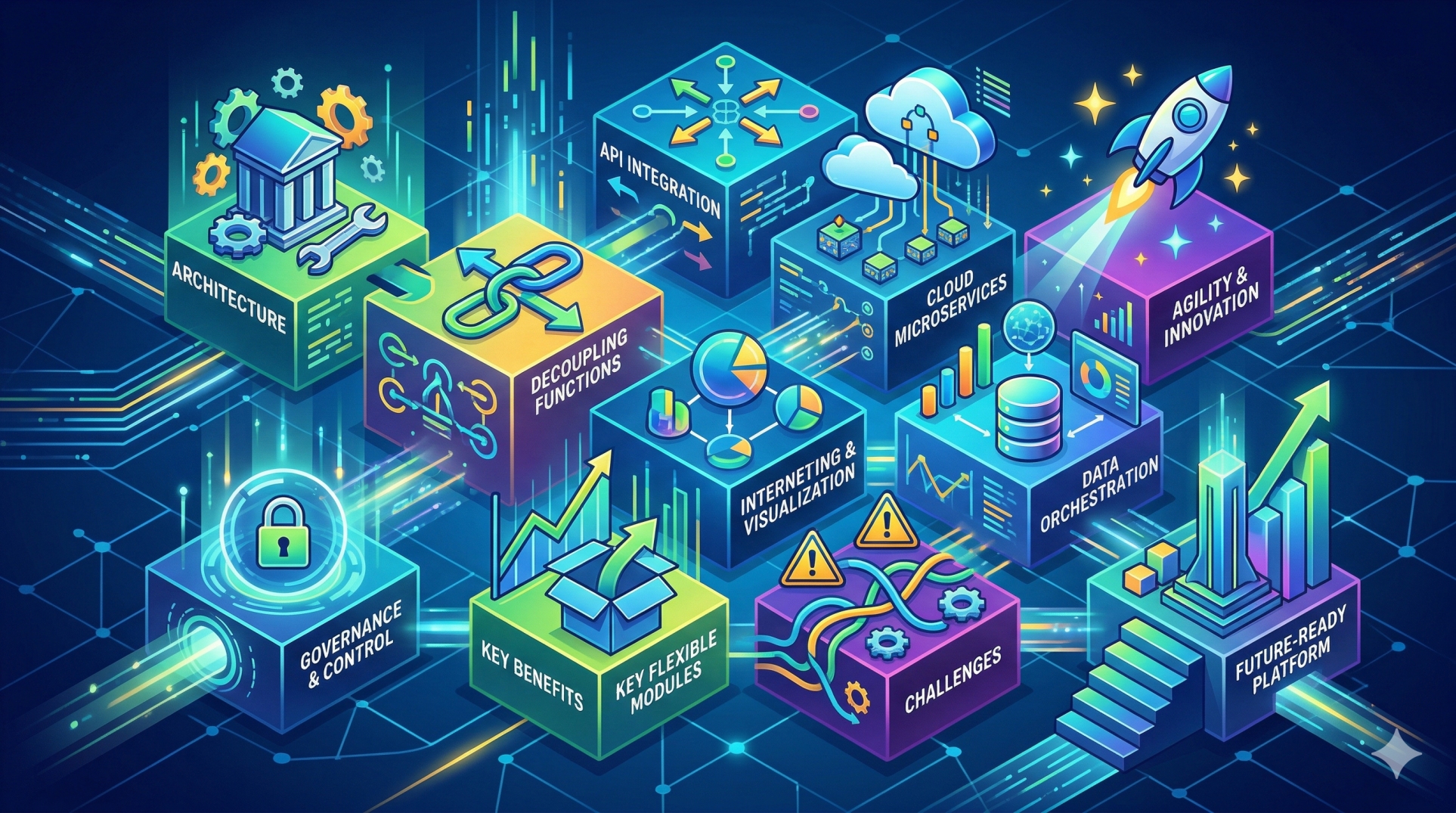
• Design a modular architecture that allows capabilities to evolve independently
• Separate core business logic from user interfaces and integrations
• Build reusable services that can support multiple business functions
• Avoid tightly coupled components that make future changes difficult
• Create a foundation that can scale alongside organizational growth
Step 2: Designing Modular Business Capabilities 🧩
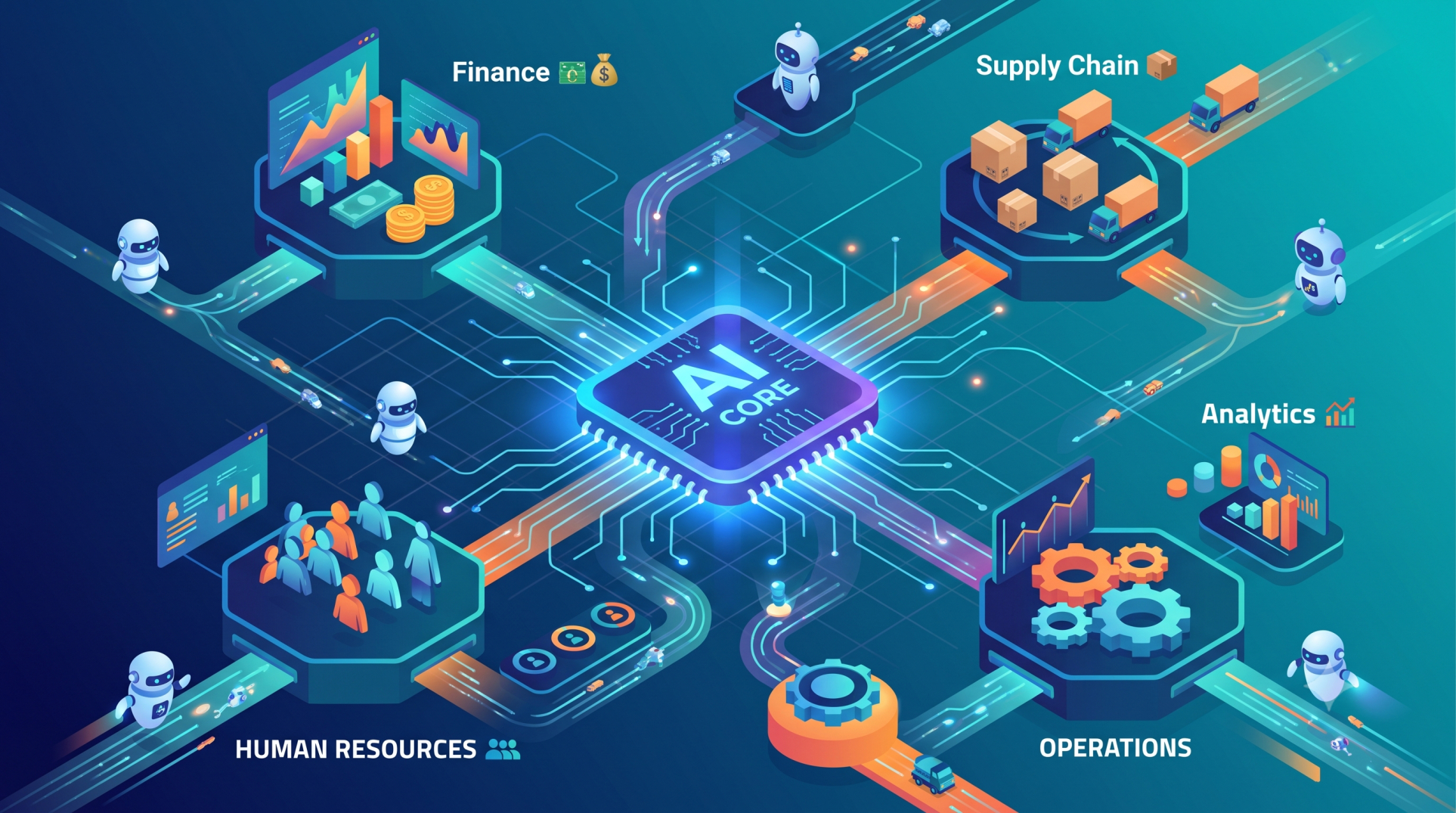
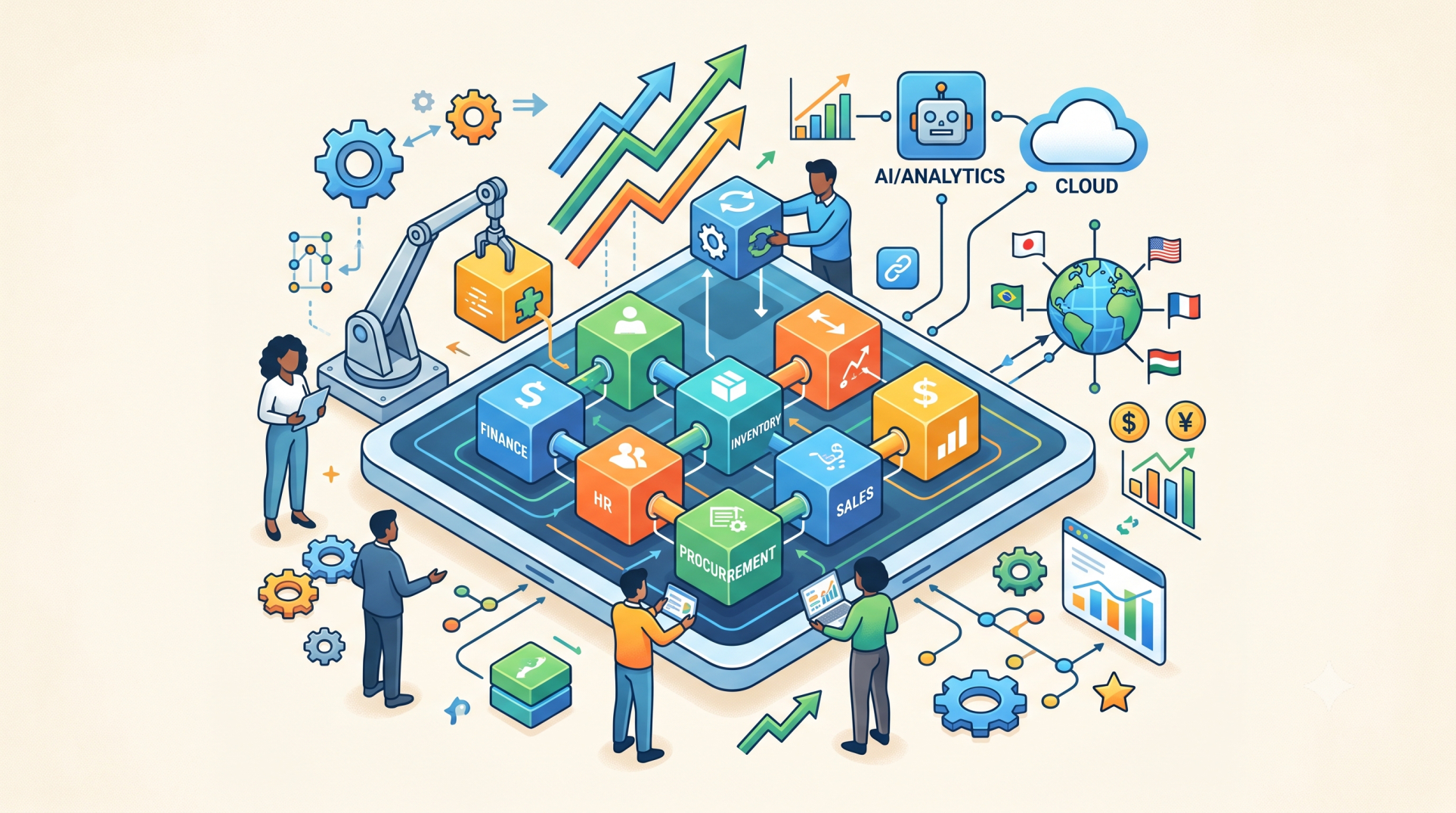
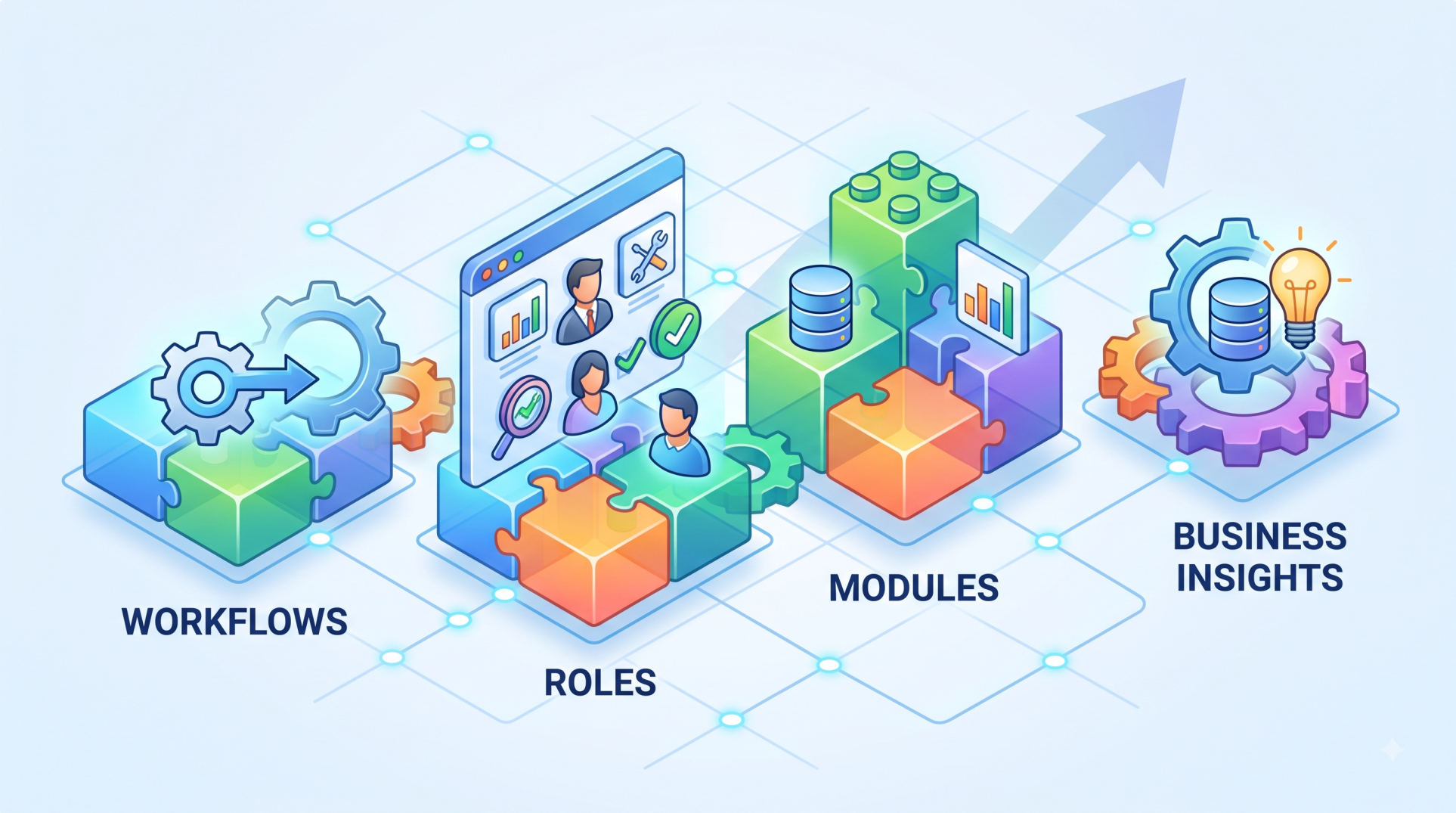
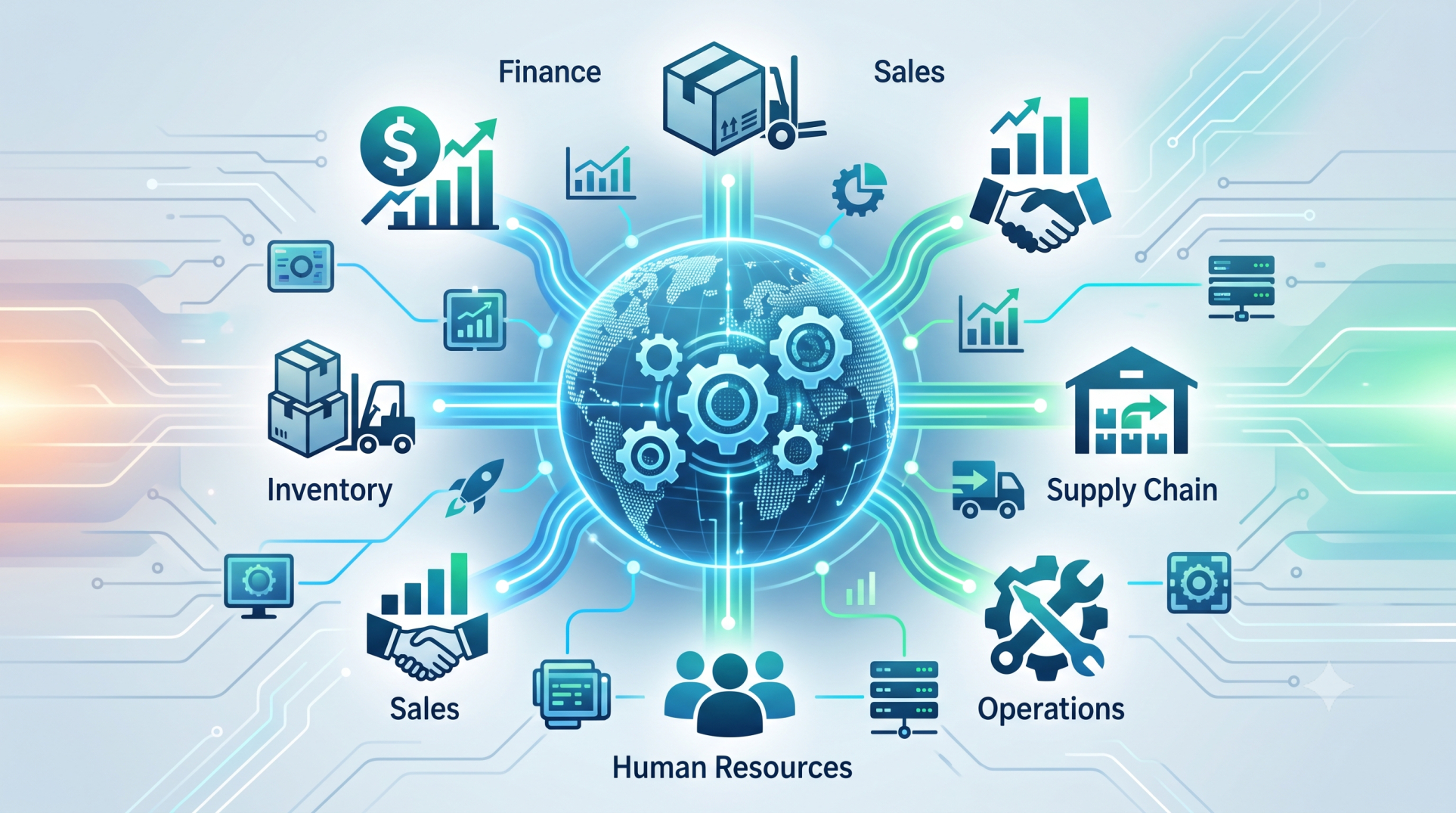
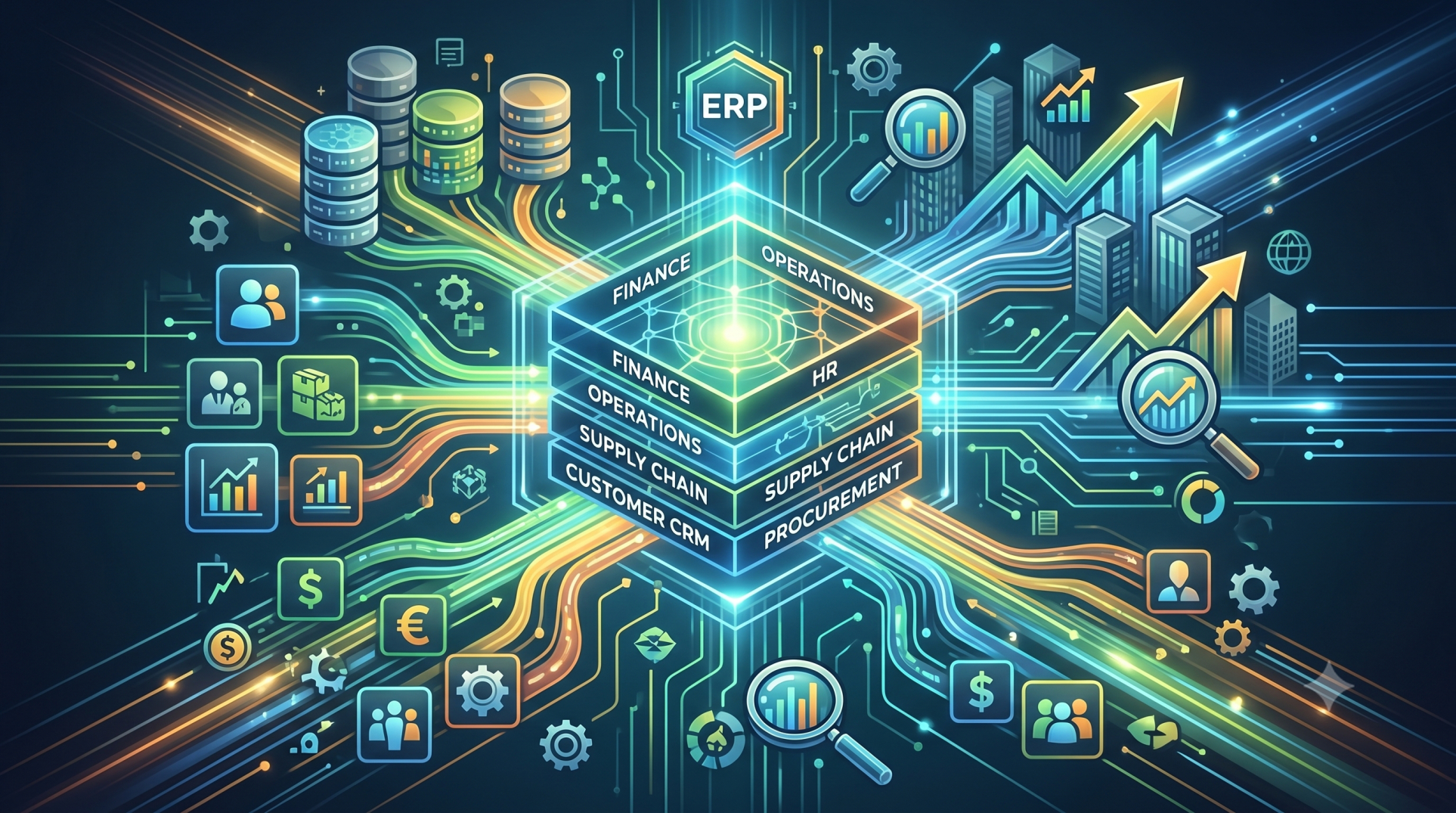
• Organize ERP functionality into independent but connected modules
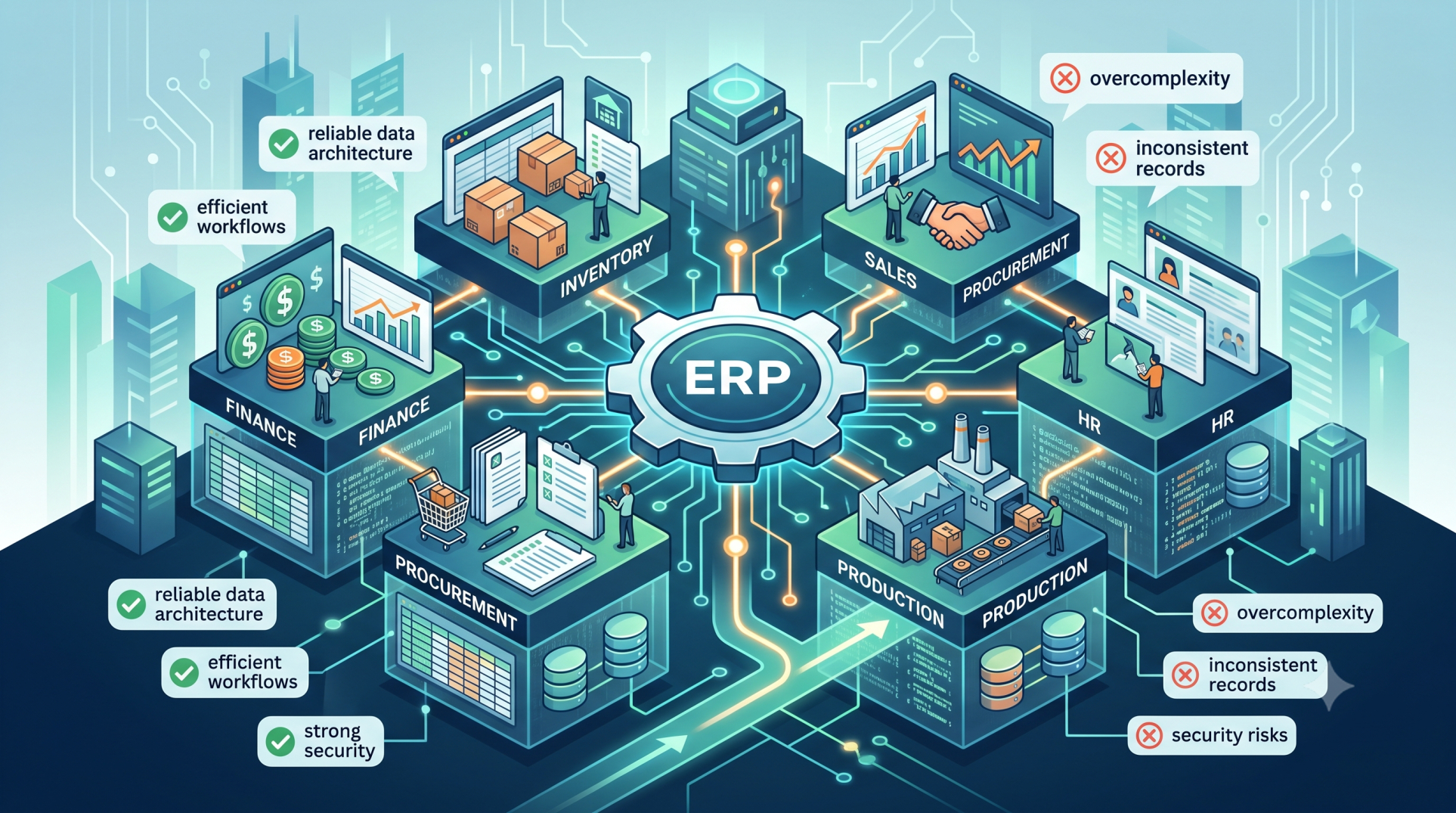
• Allow finance, HR, inventory, procurement, sales, and operations to evolve separately
• Enable organizations to activate new capabilities as requirements emerge
• Minimize disruption when modifying or replacing individual components
• Support different workflows for different business units
Step 3: Creating Scalable Data Architecture 📊
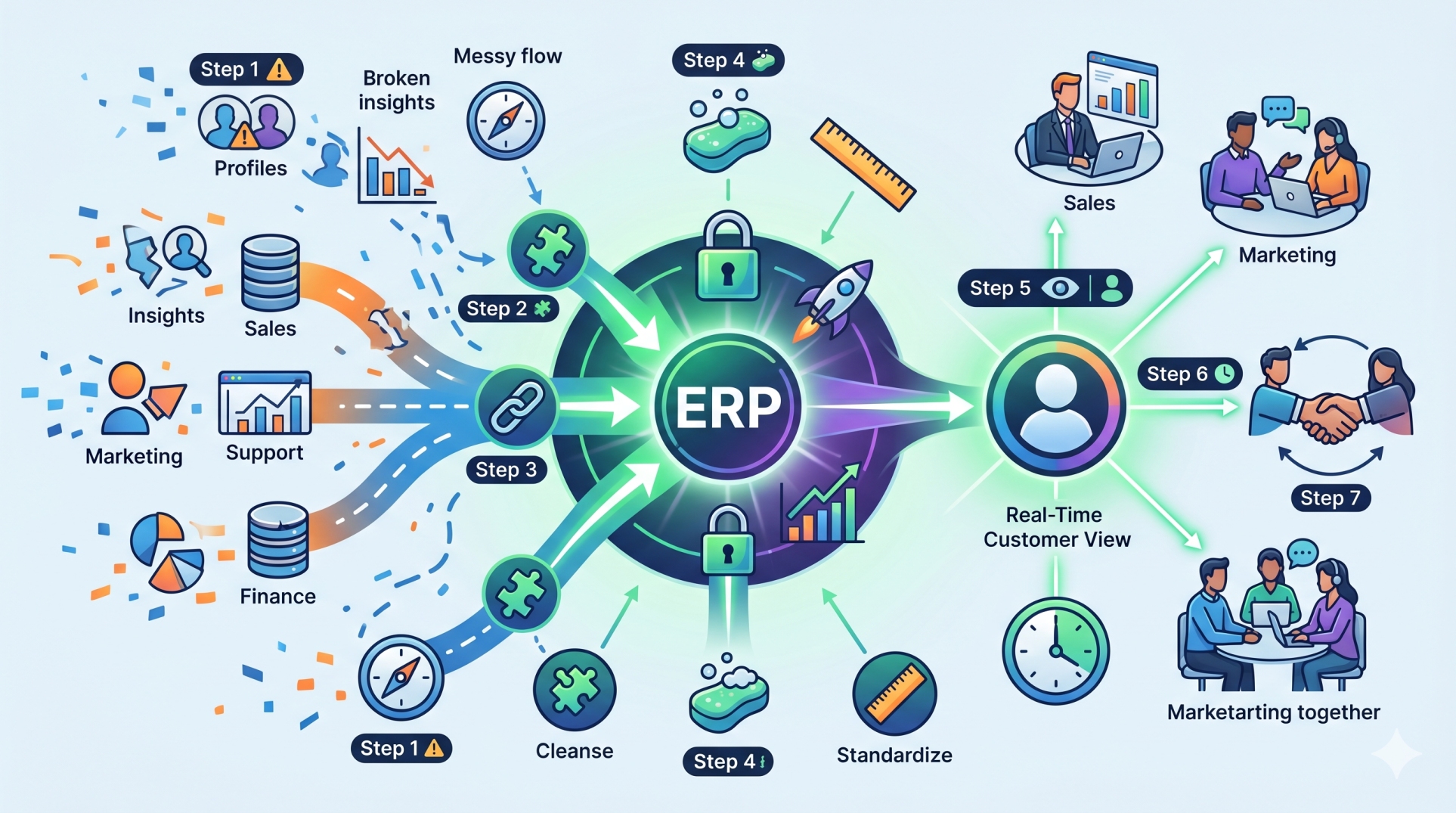
• Establish consistent data models across ERP modules
• Maintain a reliable central source of business information
• Design databases to accommodate increasing transaction volumes
• Support historical data without compromising operational performance
• Build flexible structures that can accommodate new business entities and attributes
Step 4: Enabling Seamless Integrations 🔗
• Provide APIs for connecting external applications and services
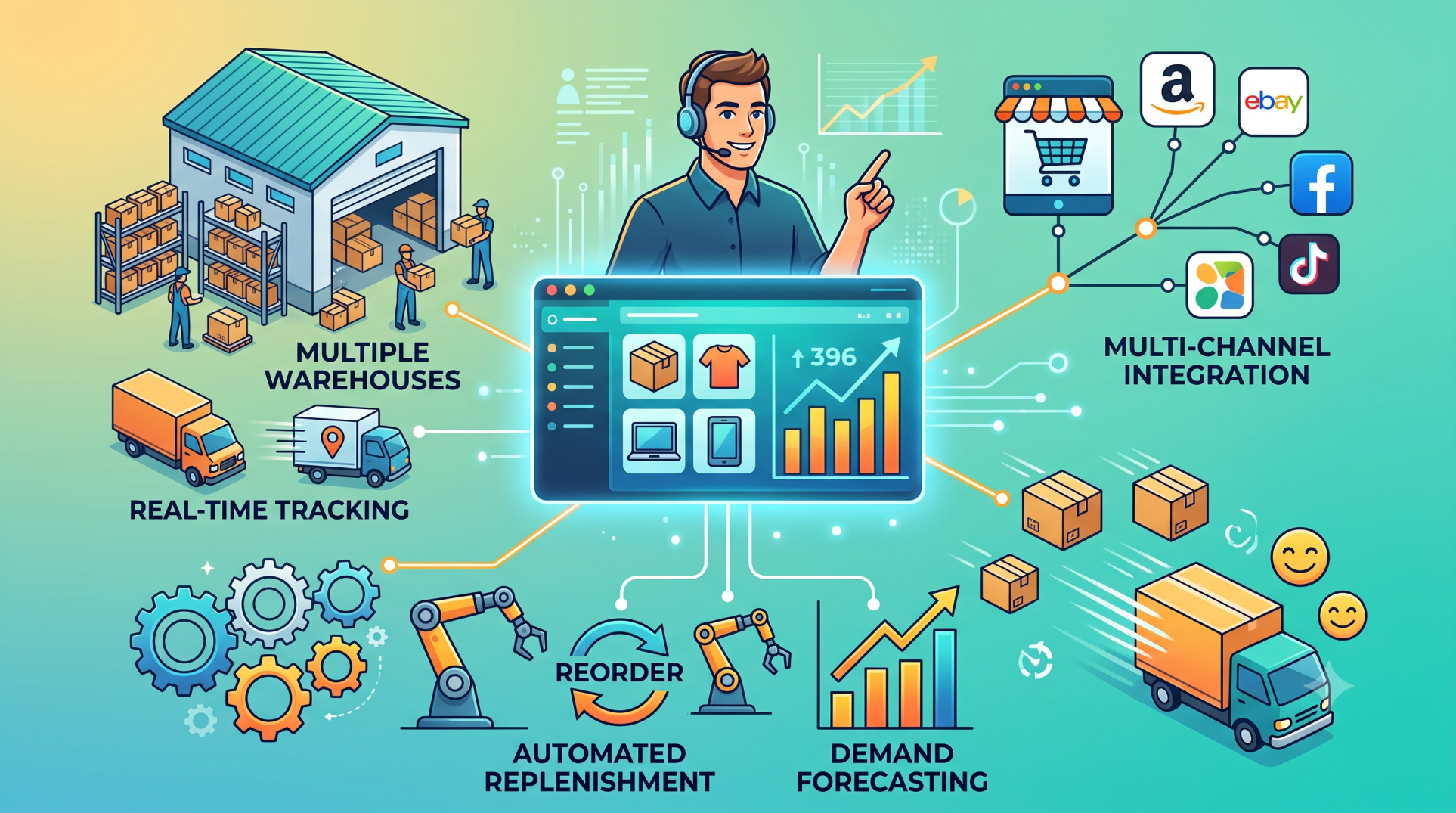
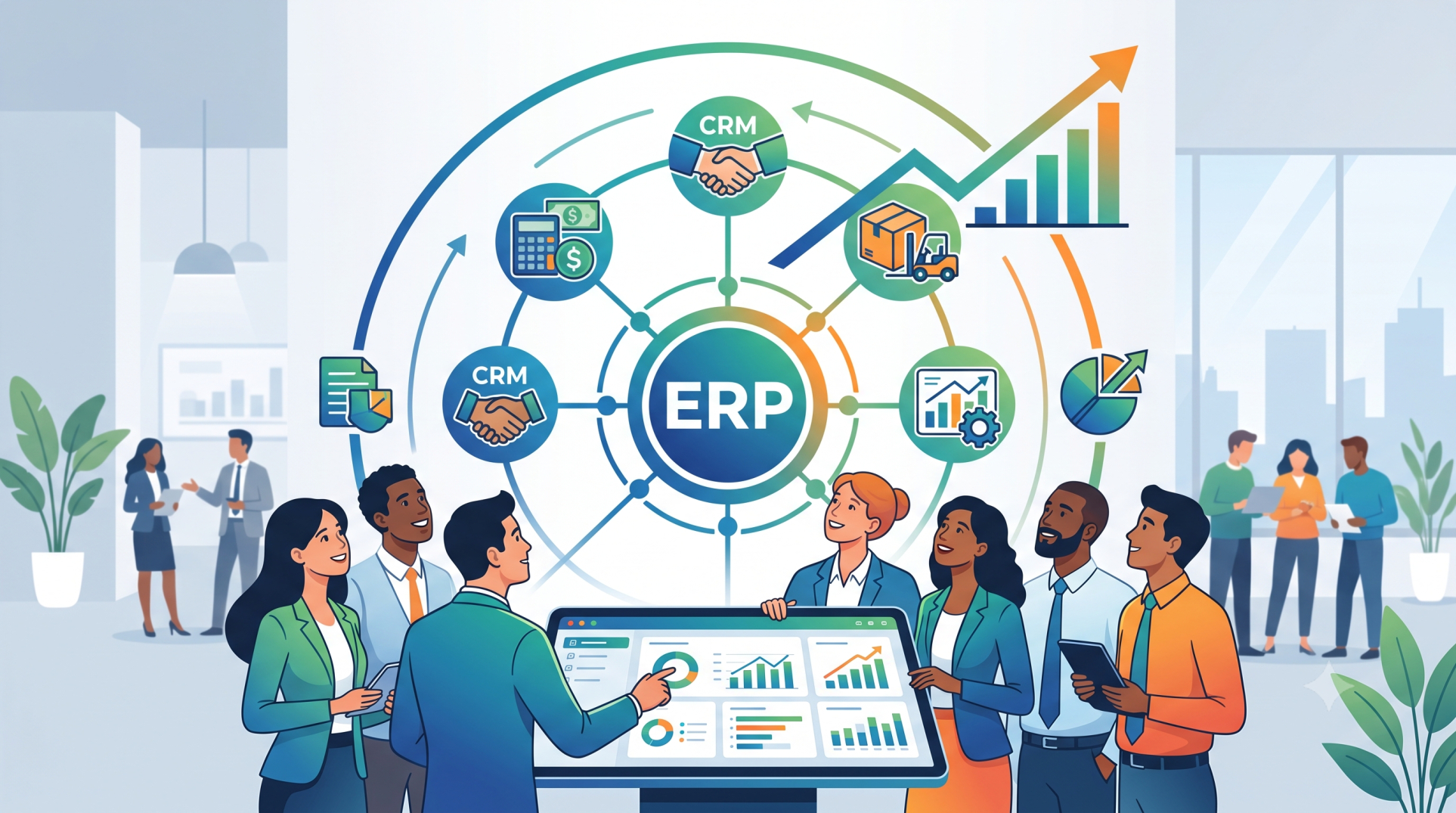
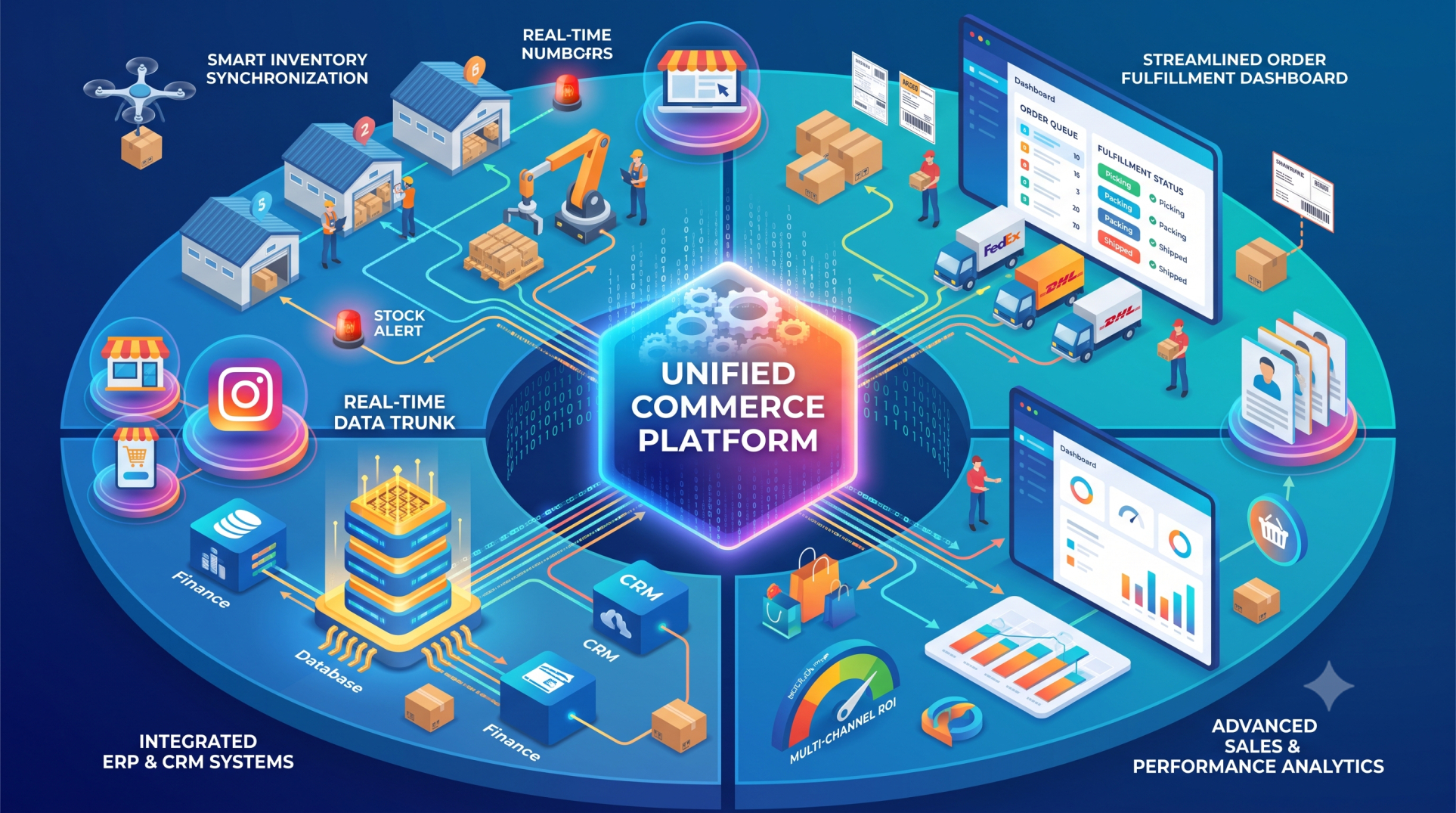
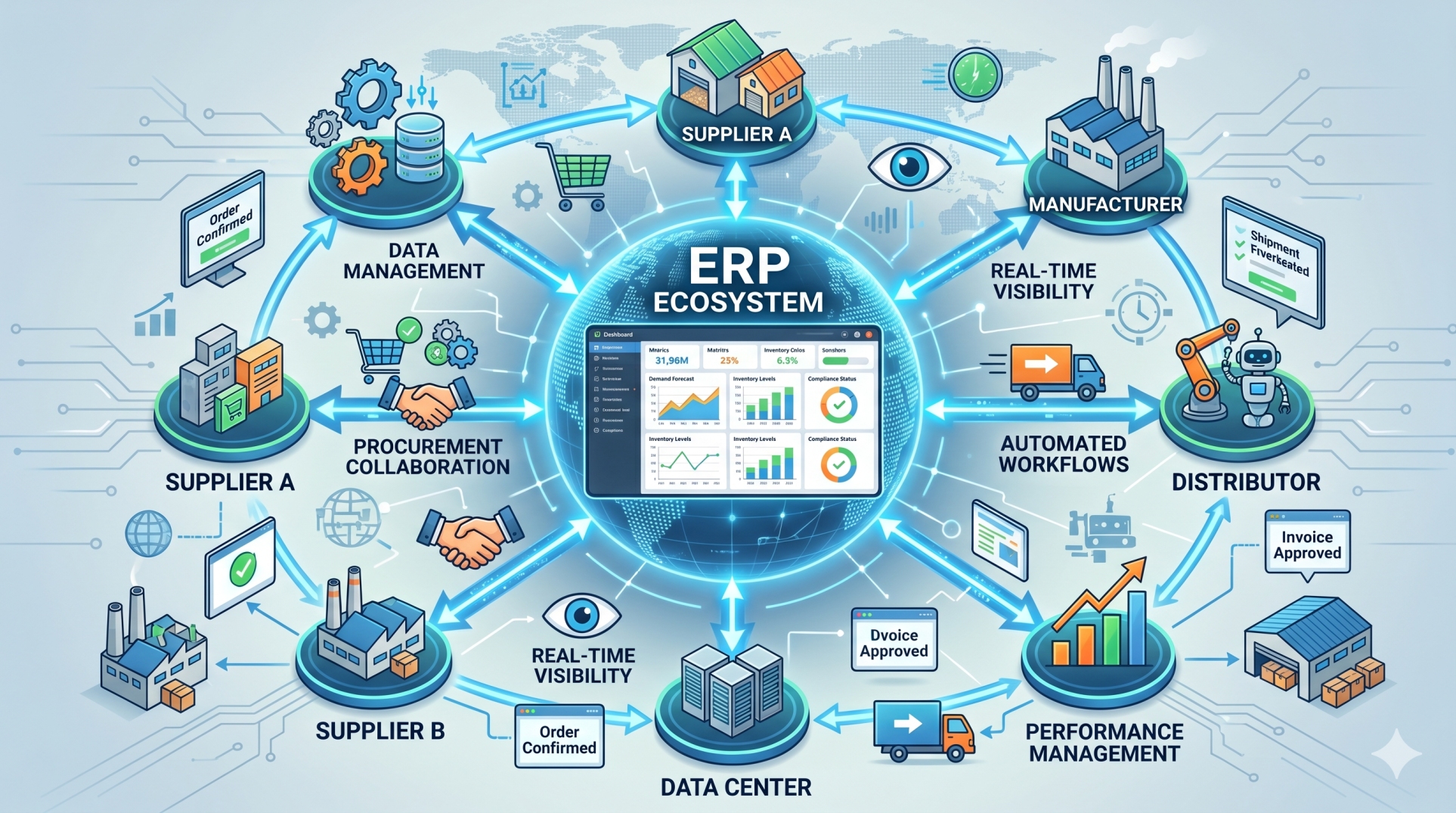
• Integrate CRM, e-commerce, payroll, logistics, analytics, and other platforms
• Use standardized interfaces to simplify future integrations
• Reduce dependency on manual data transfers
• Make it easier to introduce emerging technologies without rebuilding the ERP core
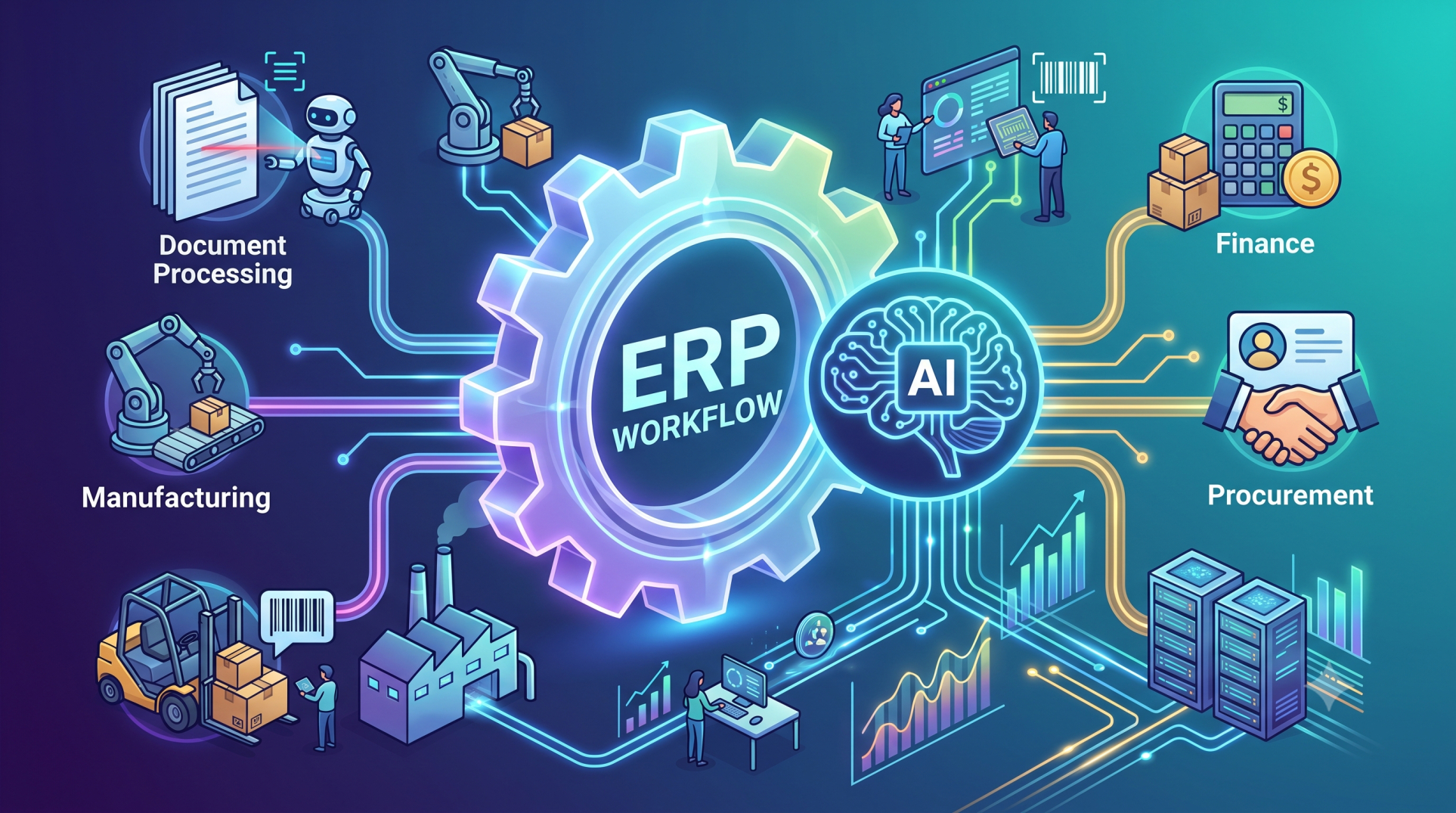
Step 5: Supporting Configurable Workflows ⚙️
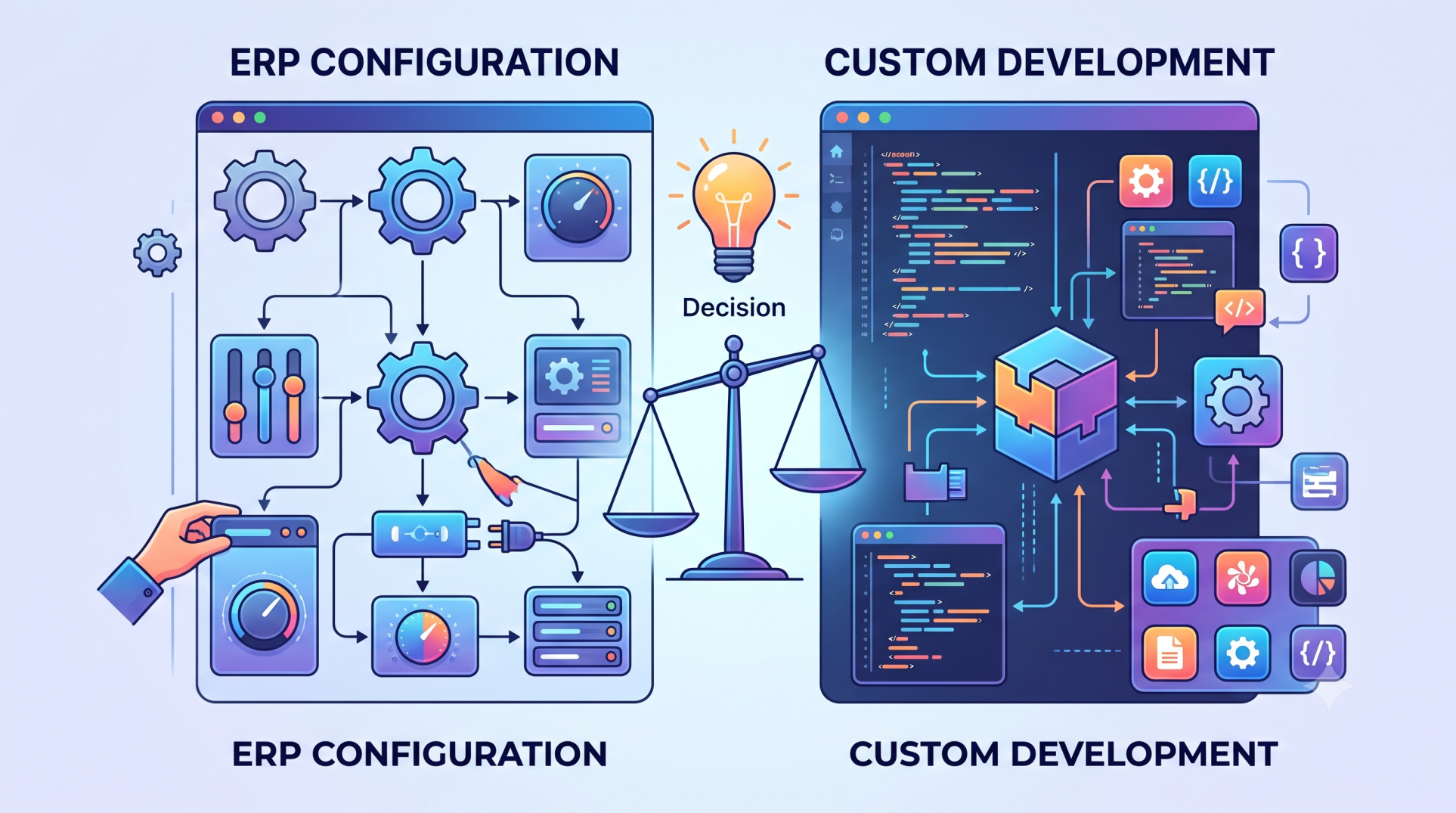
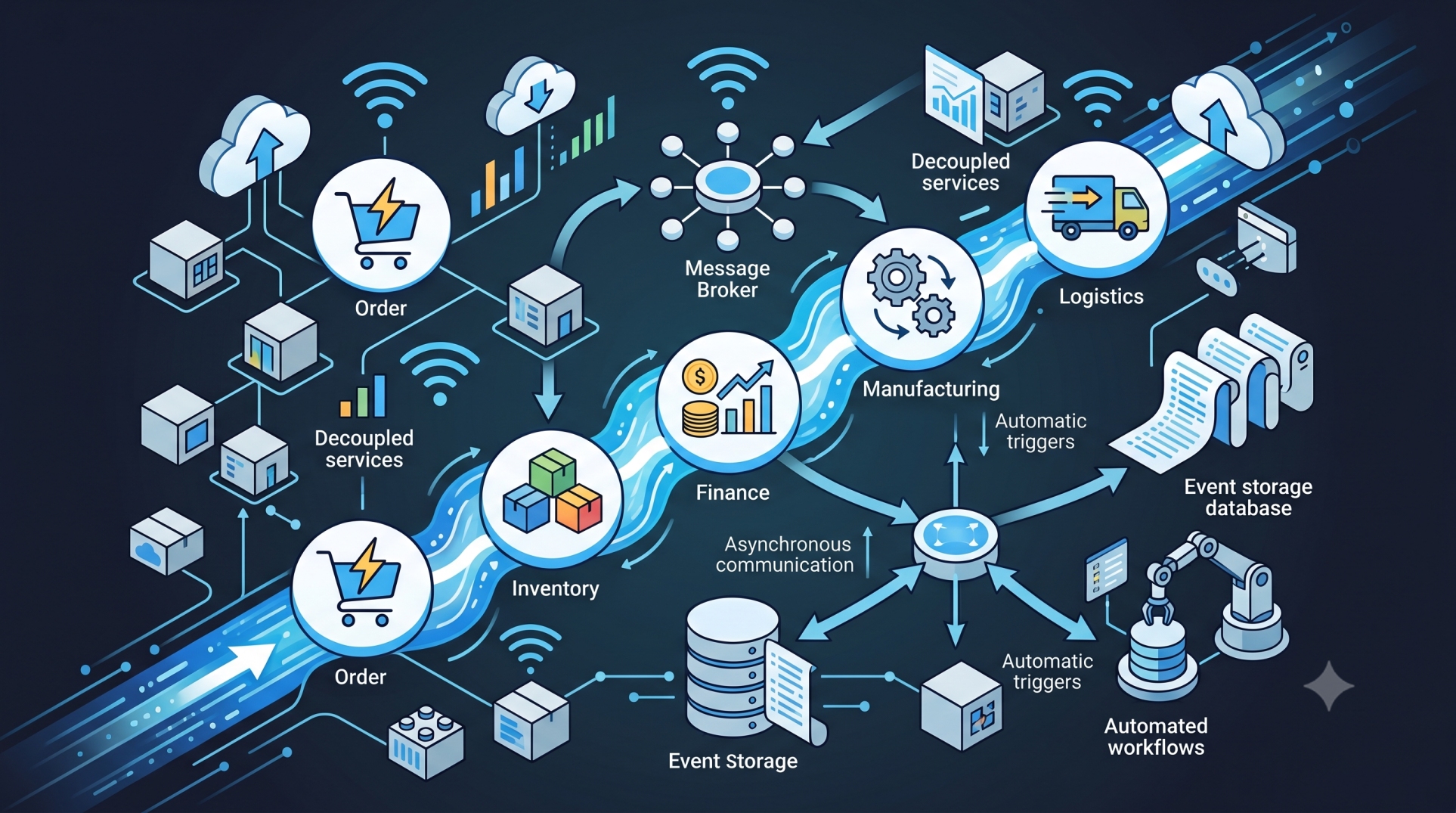
• Allow business processes to be configured without extensive code changes
• Support approval chains, notifications, task assignments, and automated actions
• Adapt workflows to different departments and organizational structures
• Accommodate changing policies and operational requirements
• Reduce development effort when business processes evolve
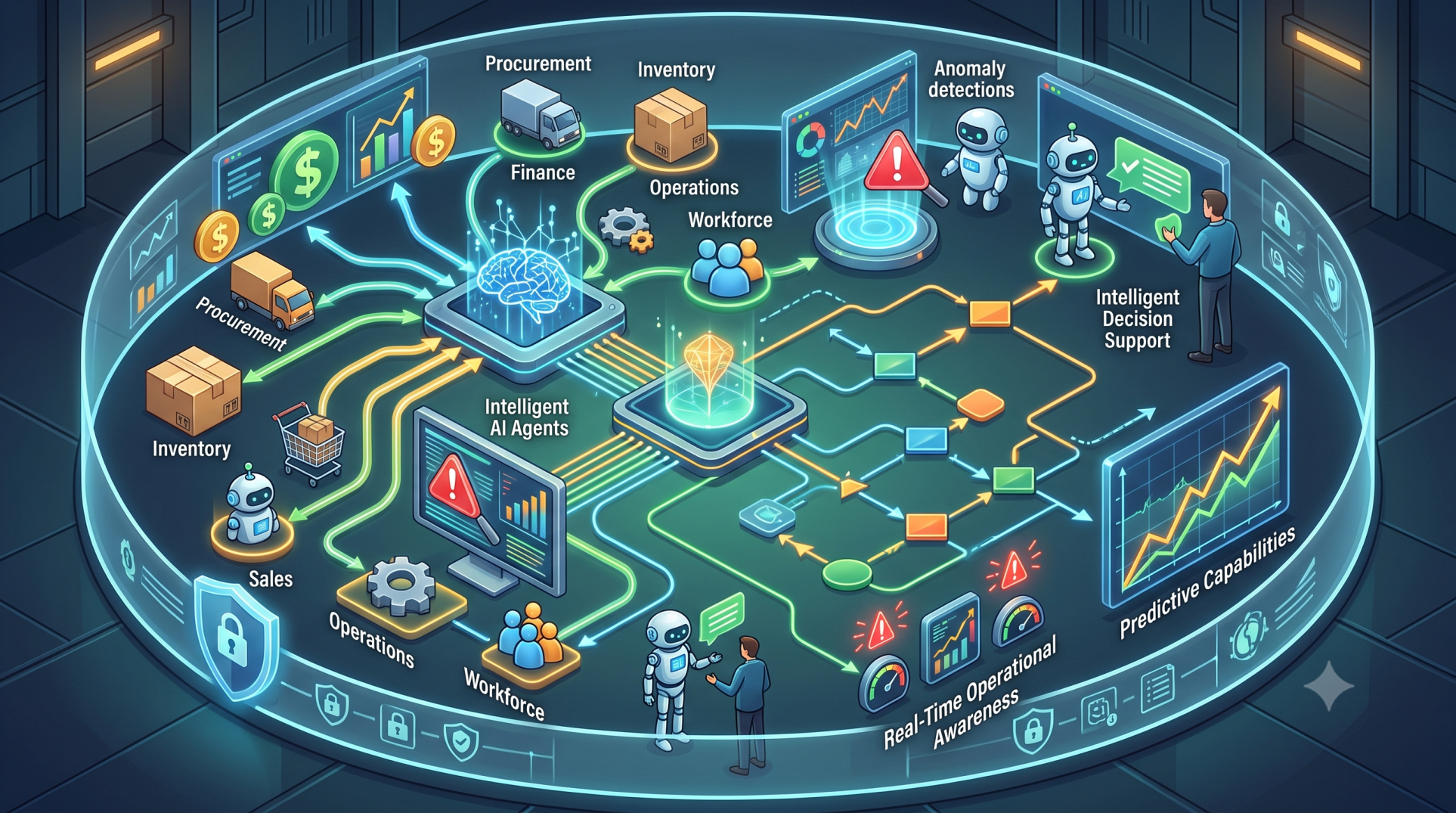
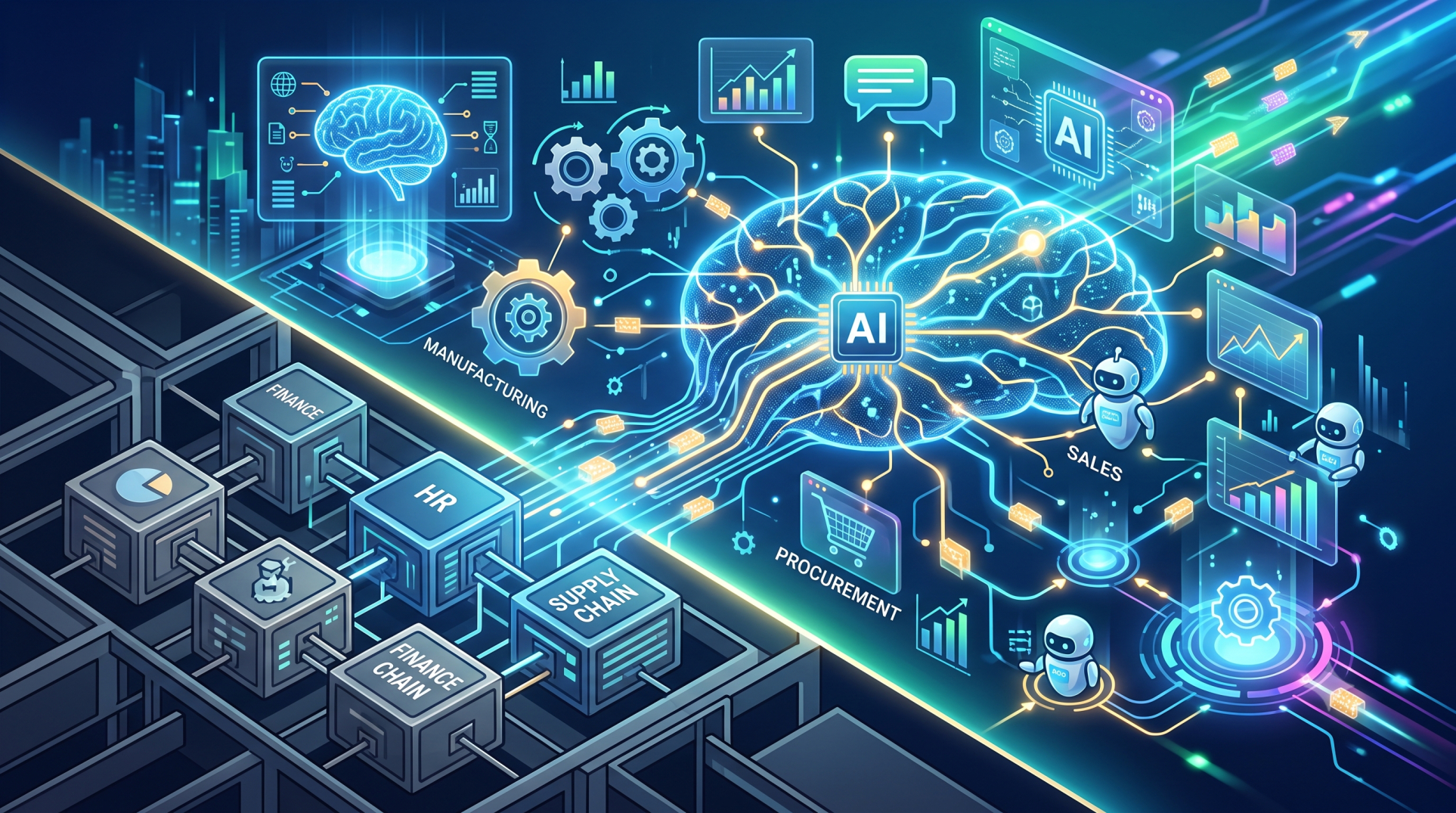
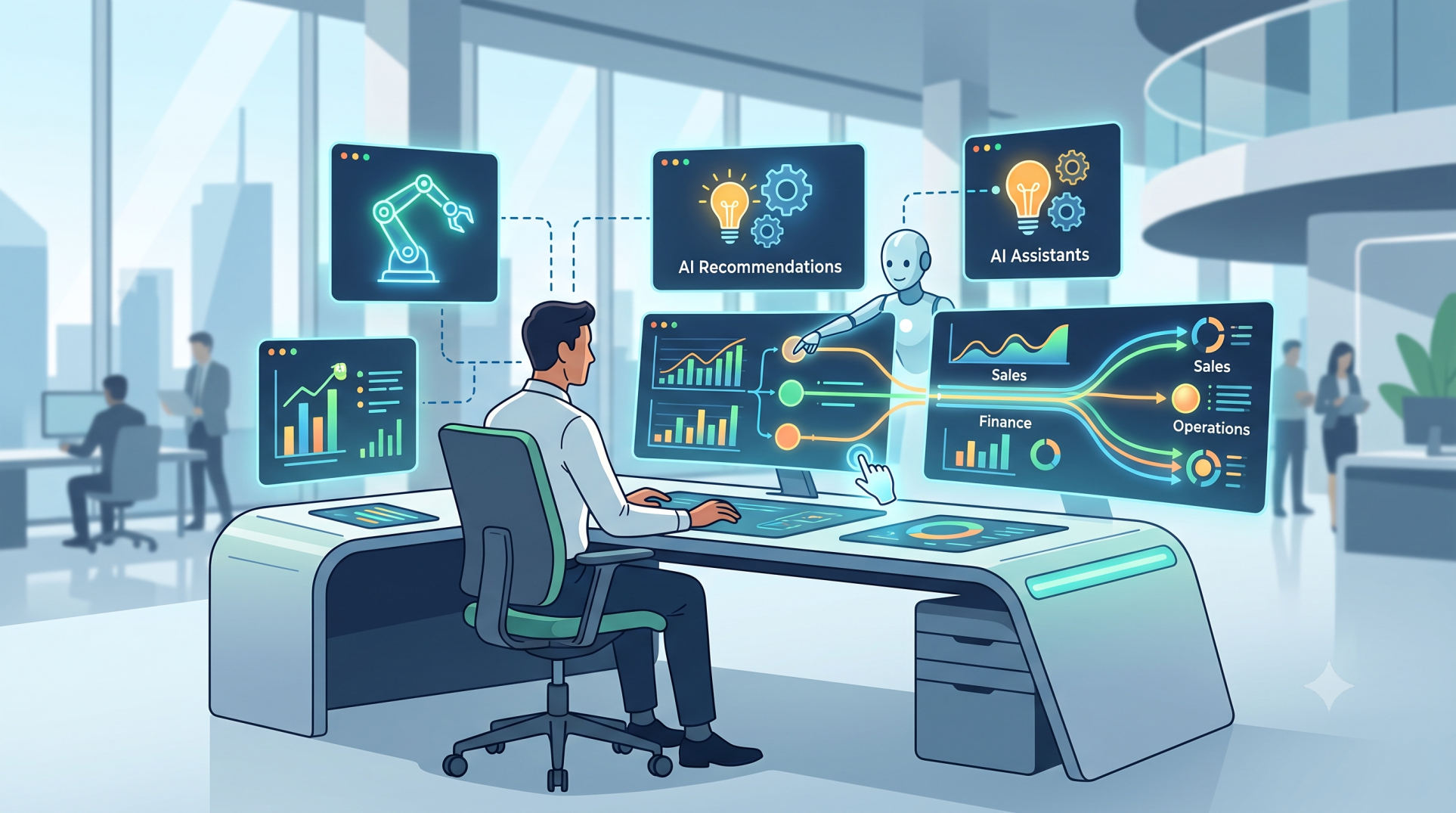
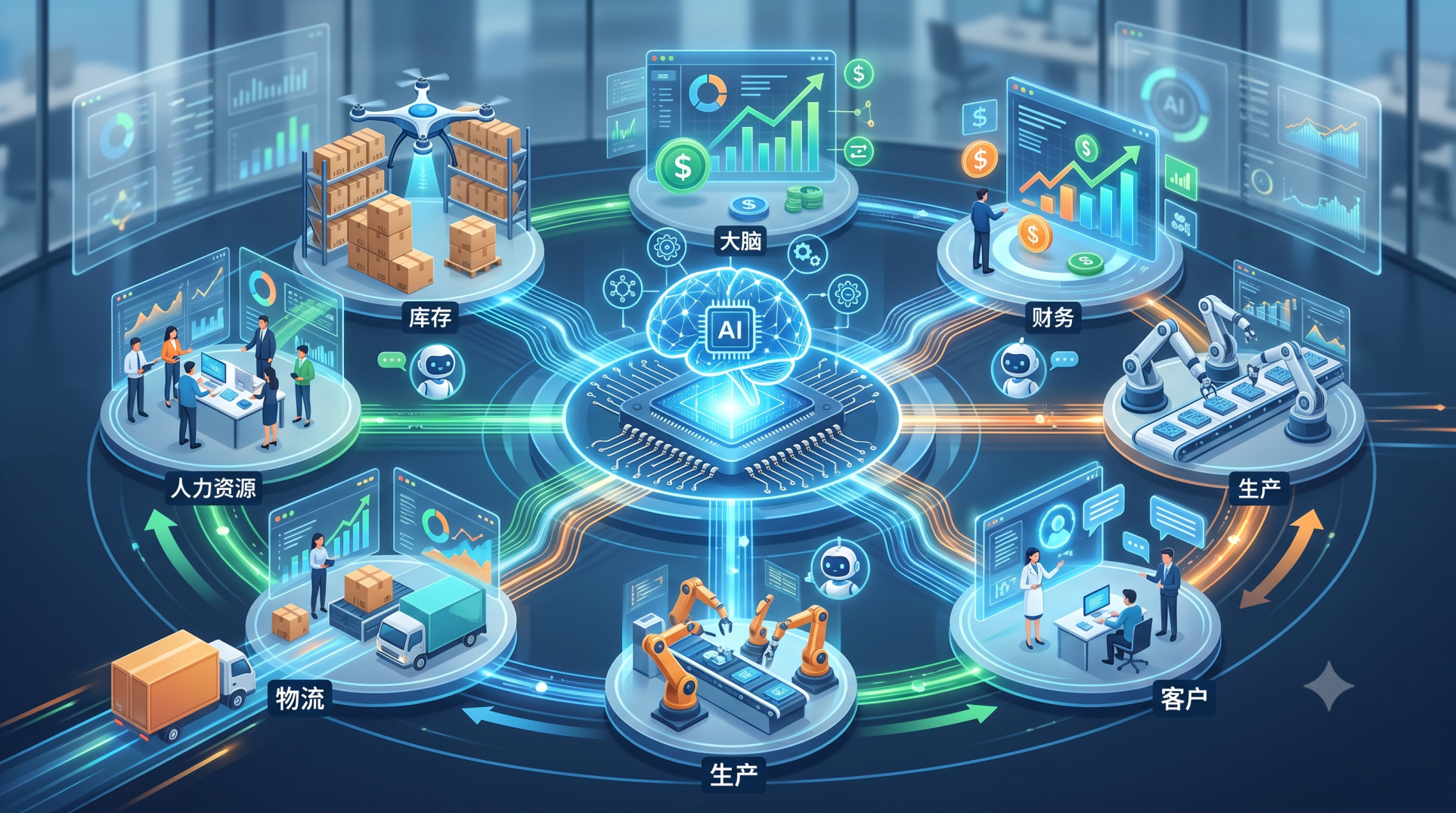
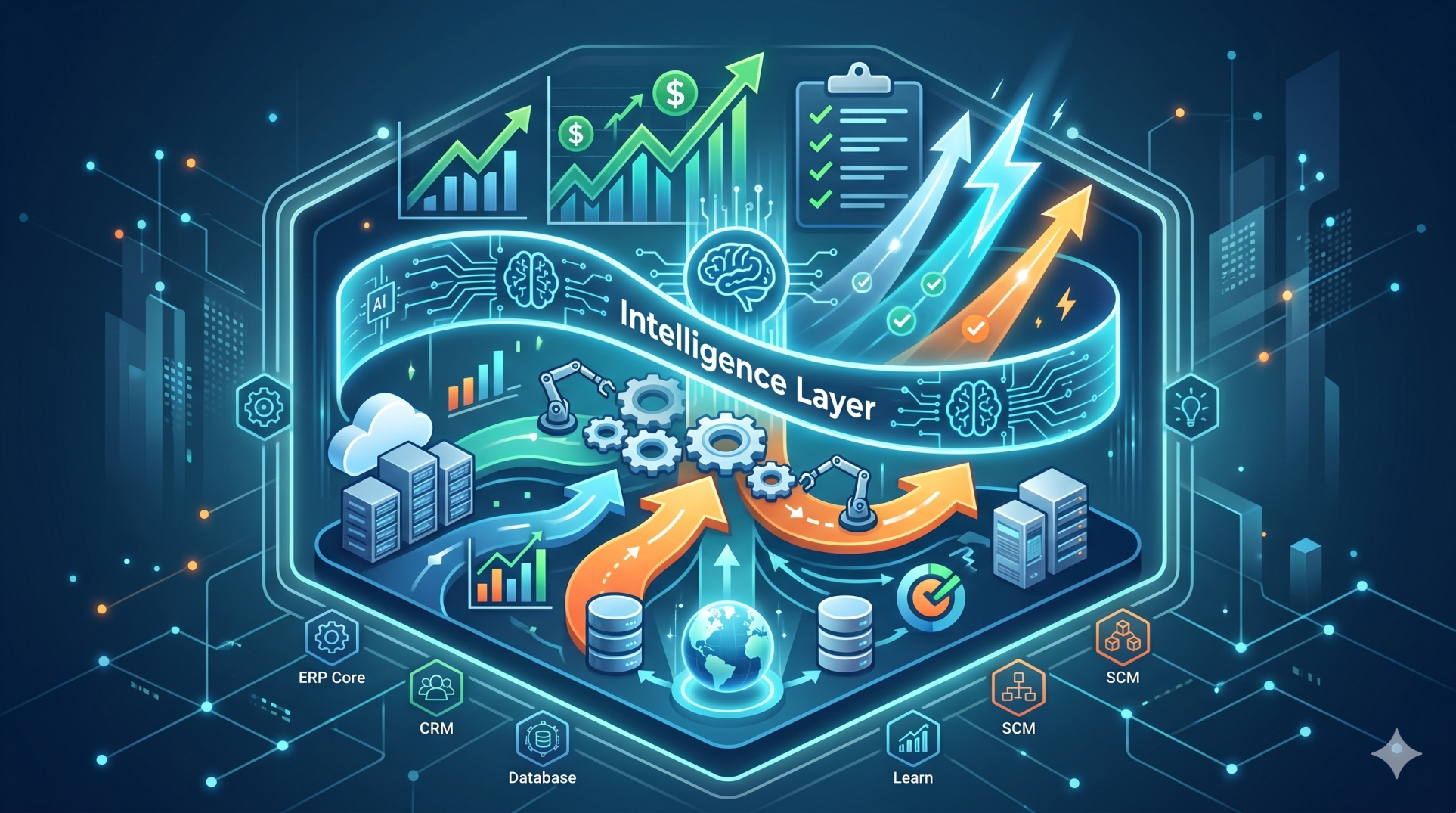
Step 6: Preparing for Automation and AI 🤖
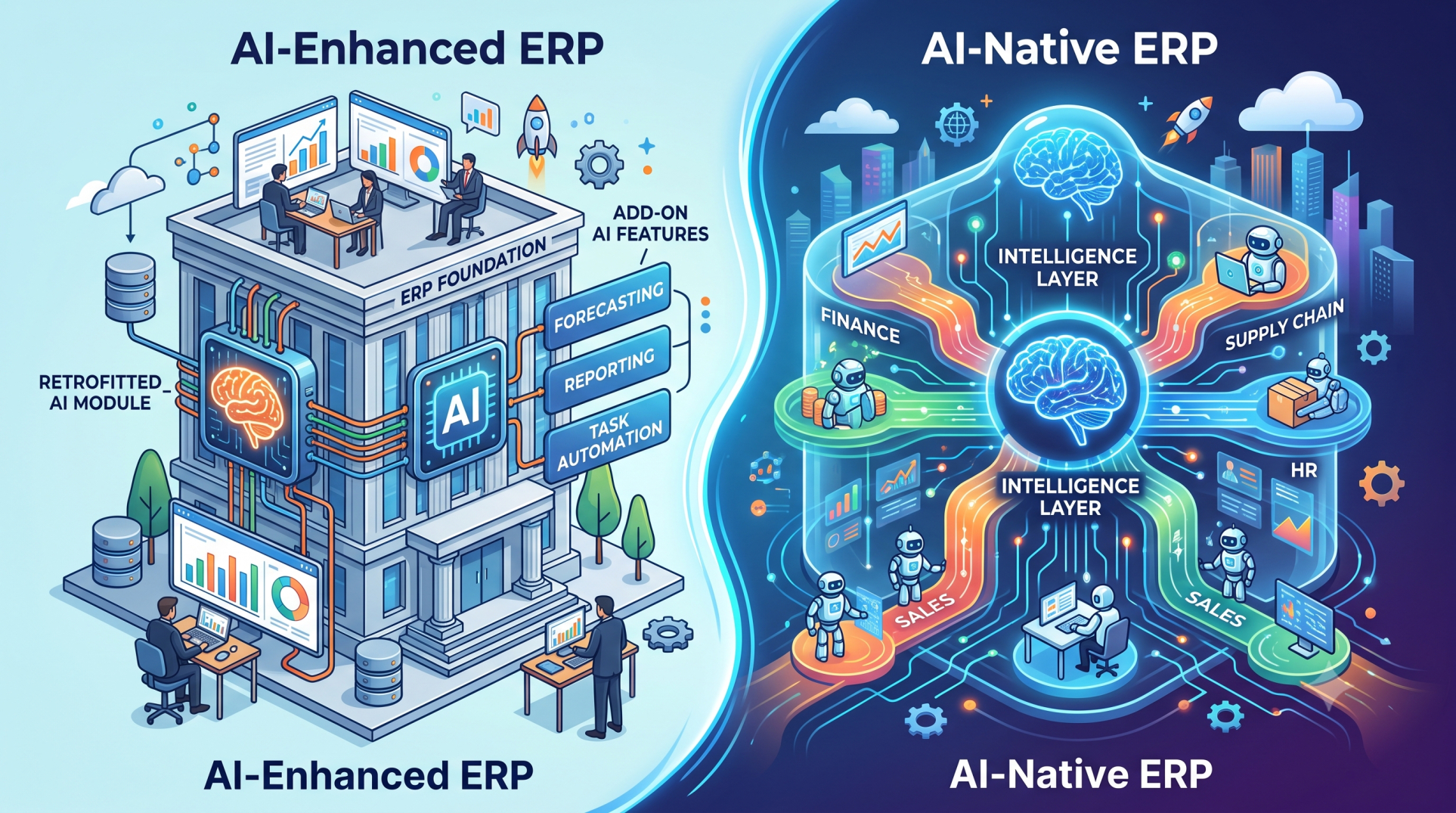
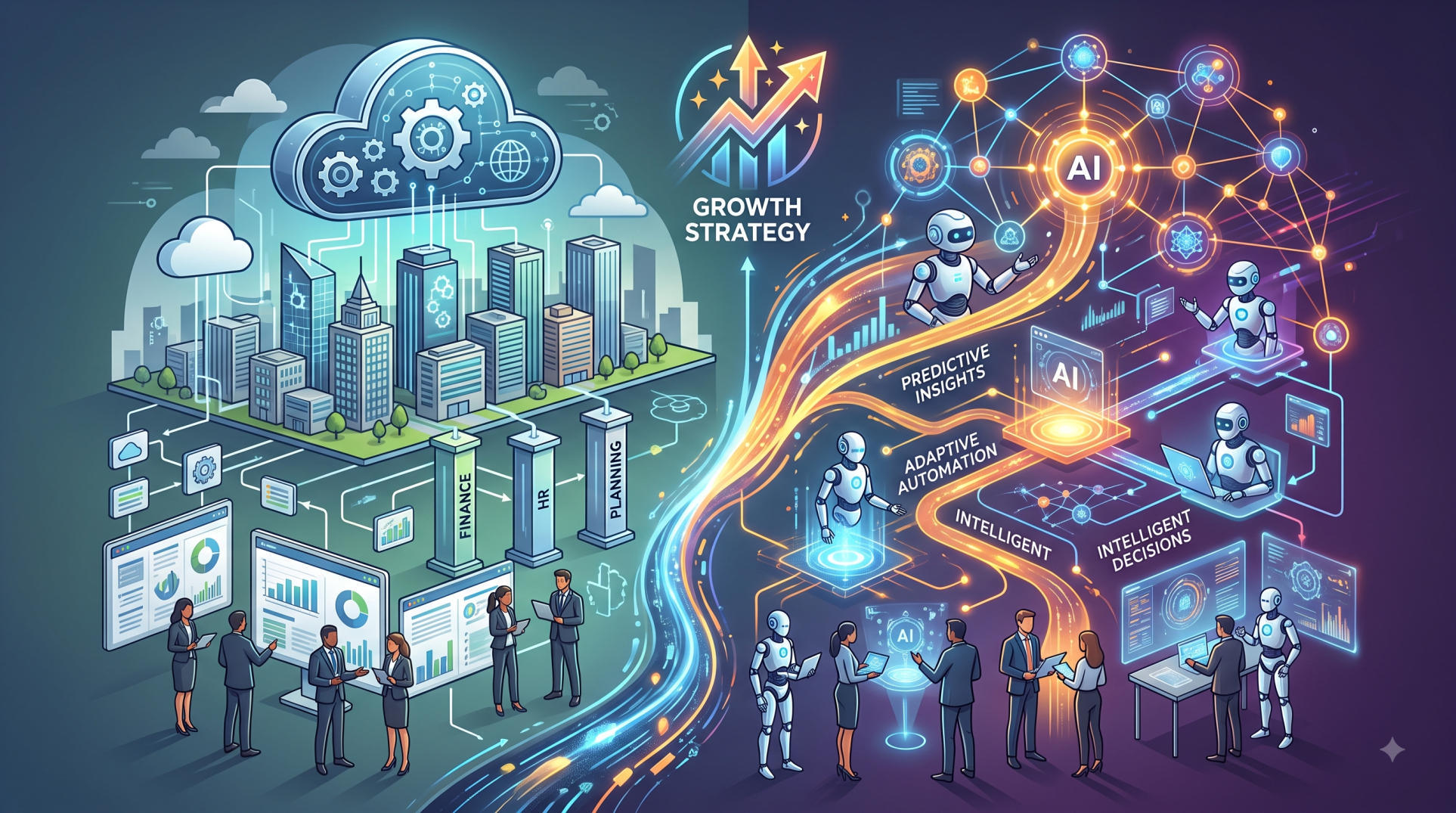
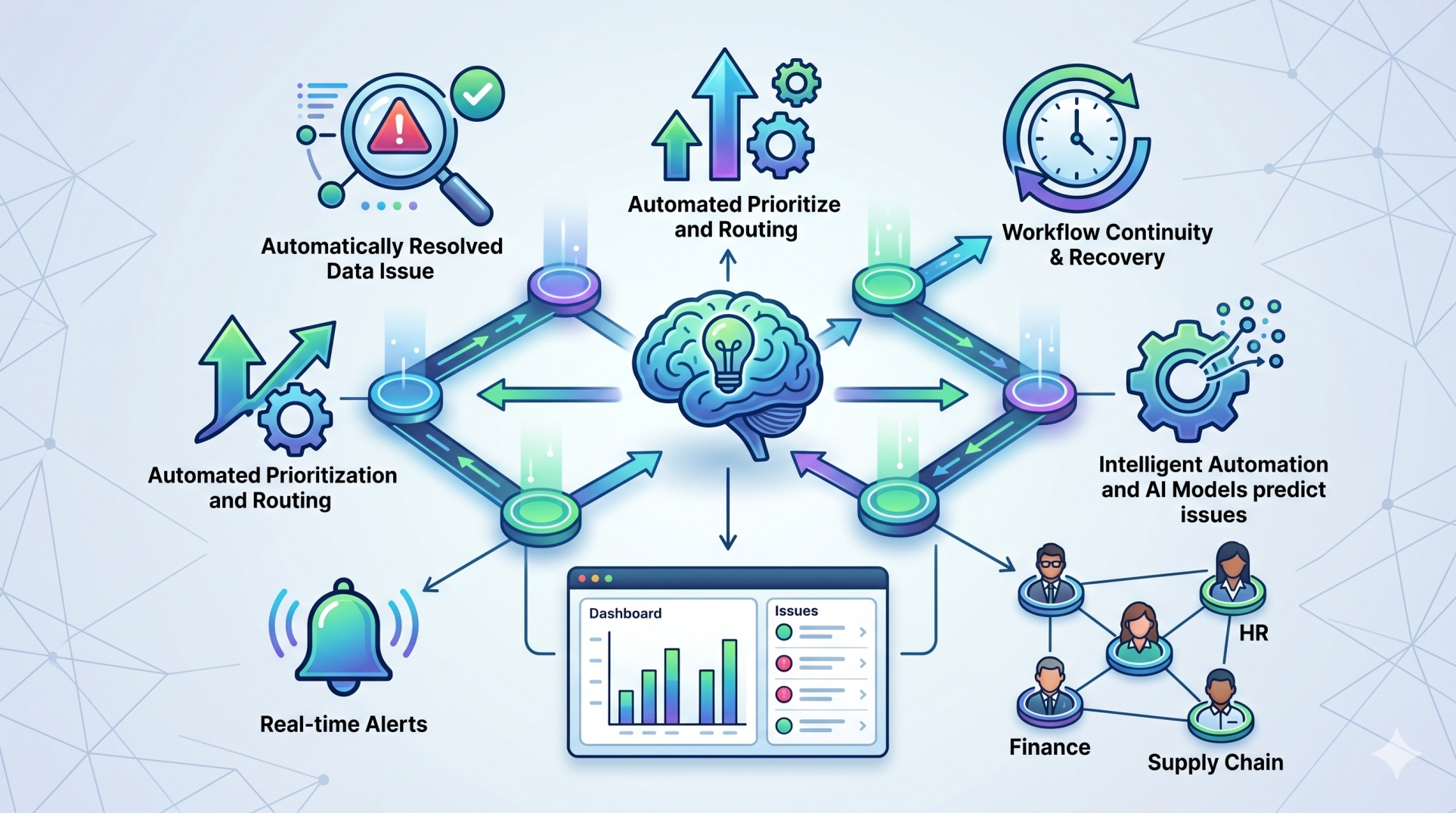
• Build integration points for automation and intelligent services
• Use AI to support forecasting, reporting, document processing, and decision-making
• Automate repetitive workflows while maintaining human oversight
• Structure business data so it can support future AI applications
• Create an ERP environment that can adopt new technologies progressively
Step 7: Strengthening Security and Governance 🔐
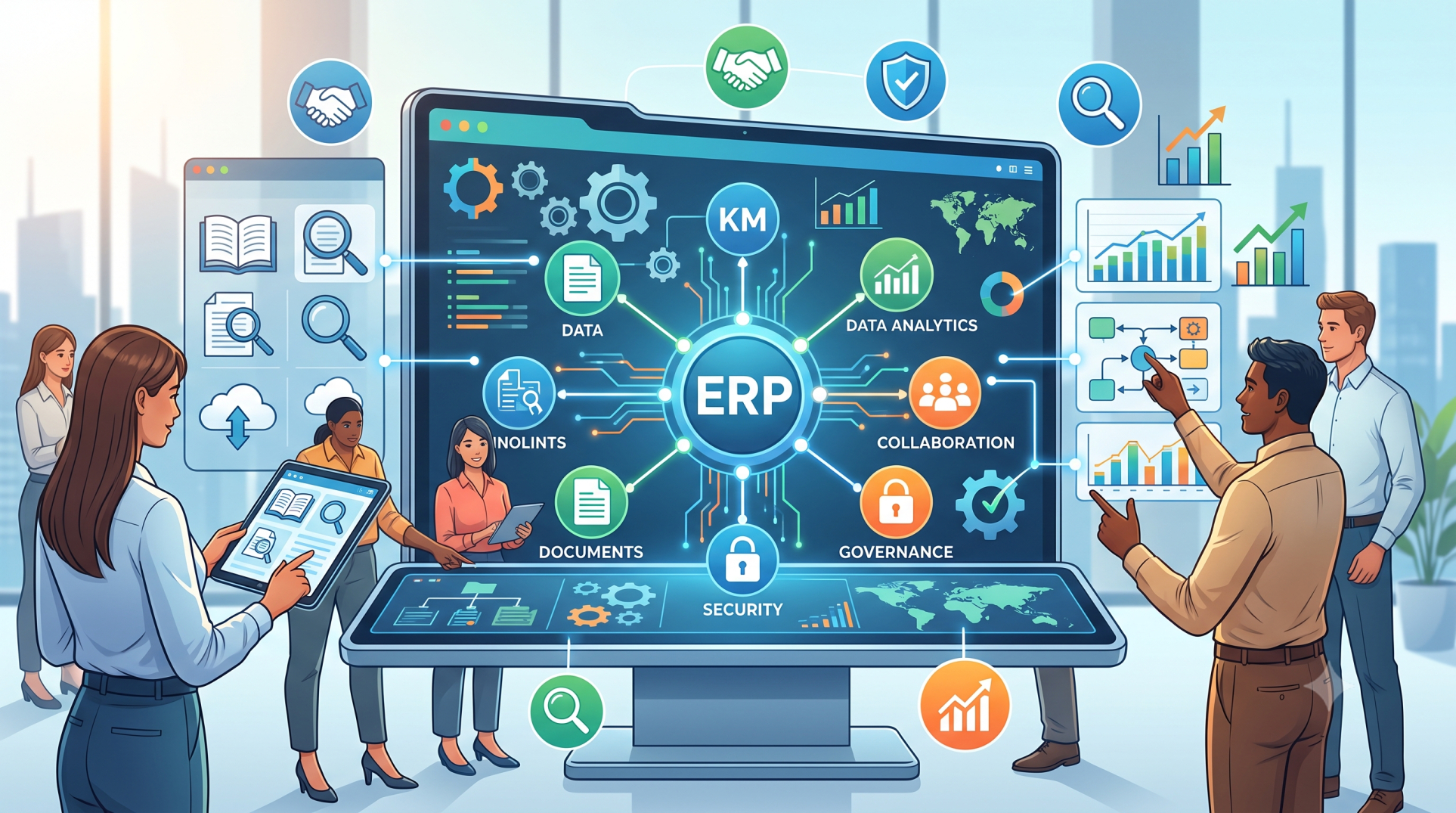
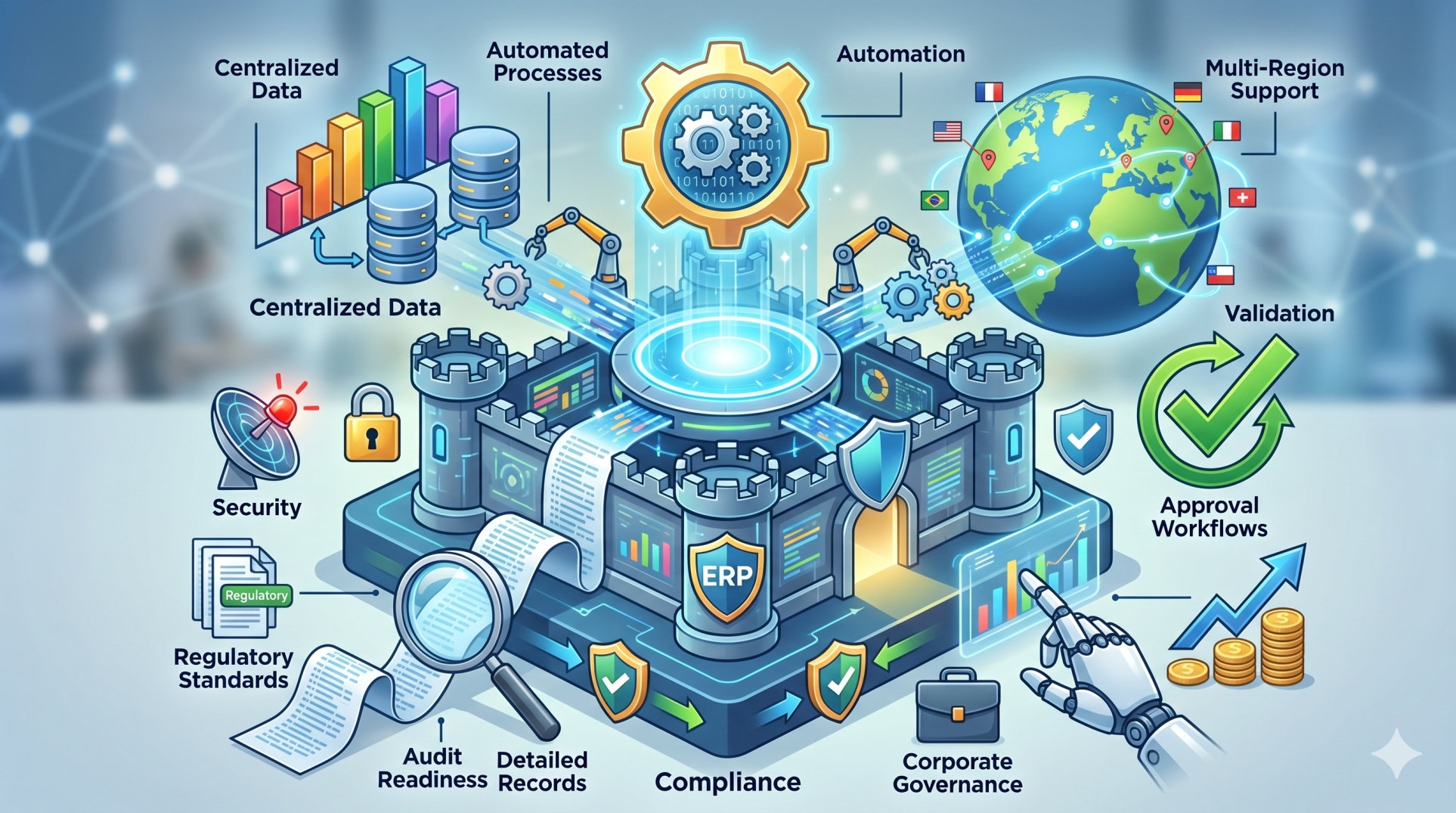
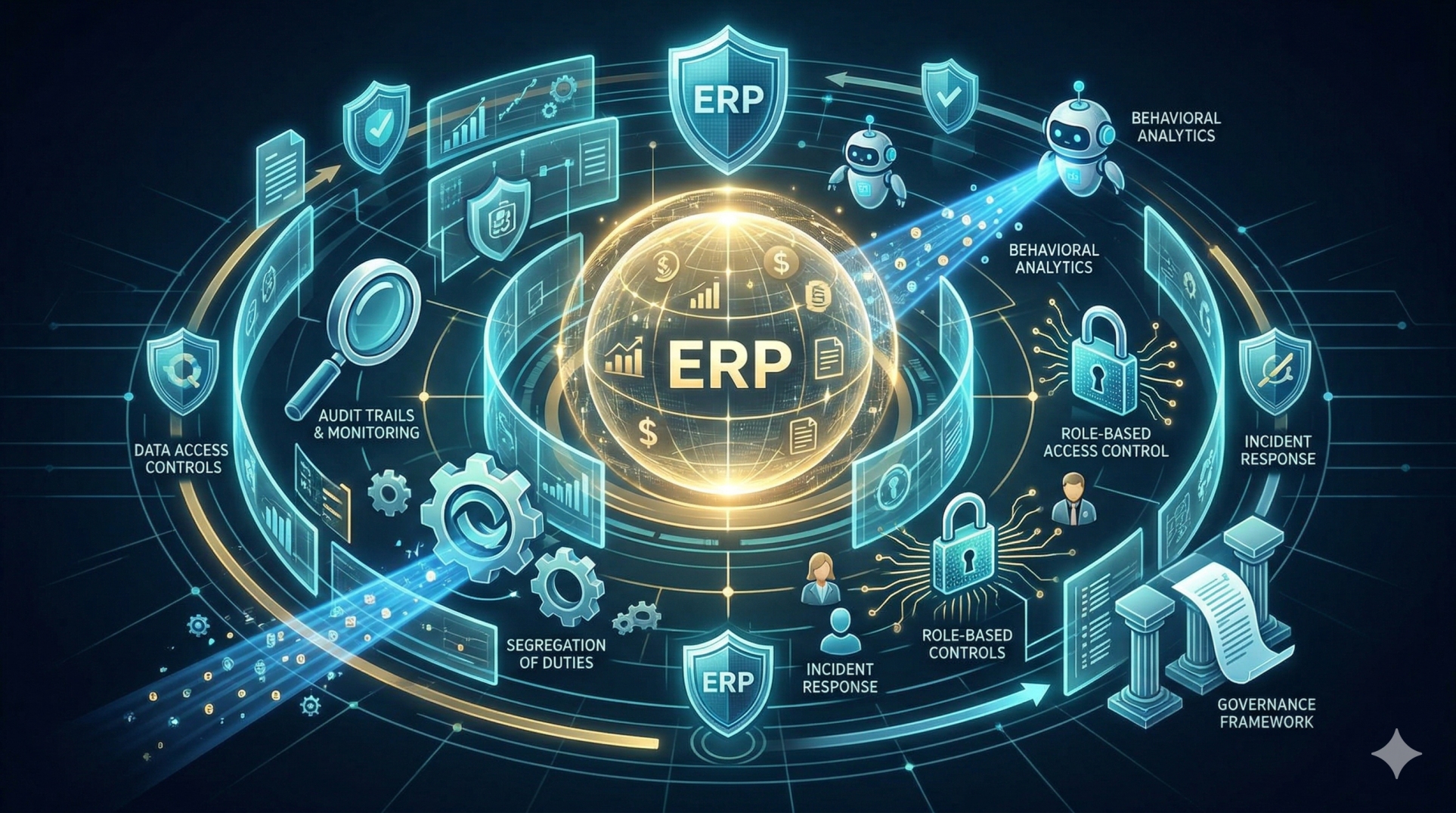
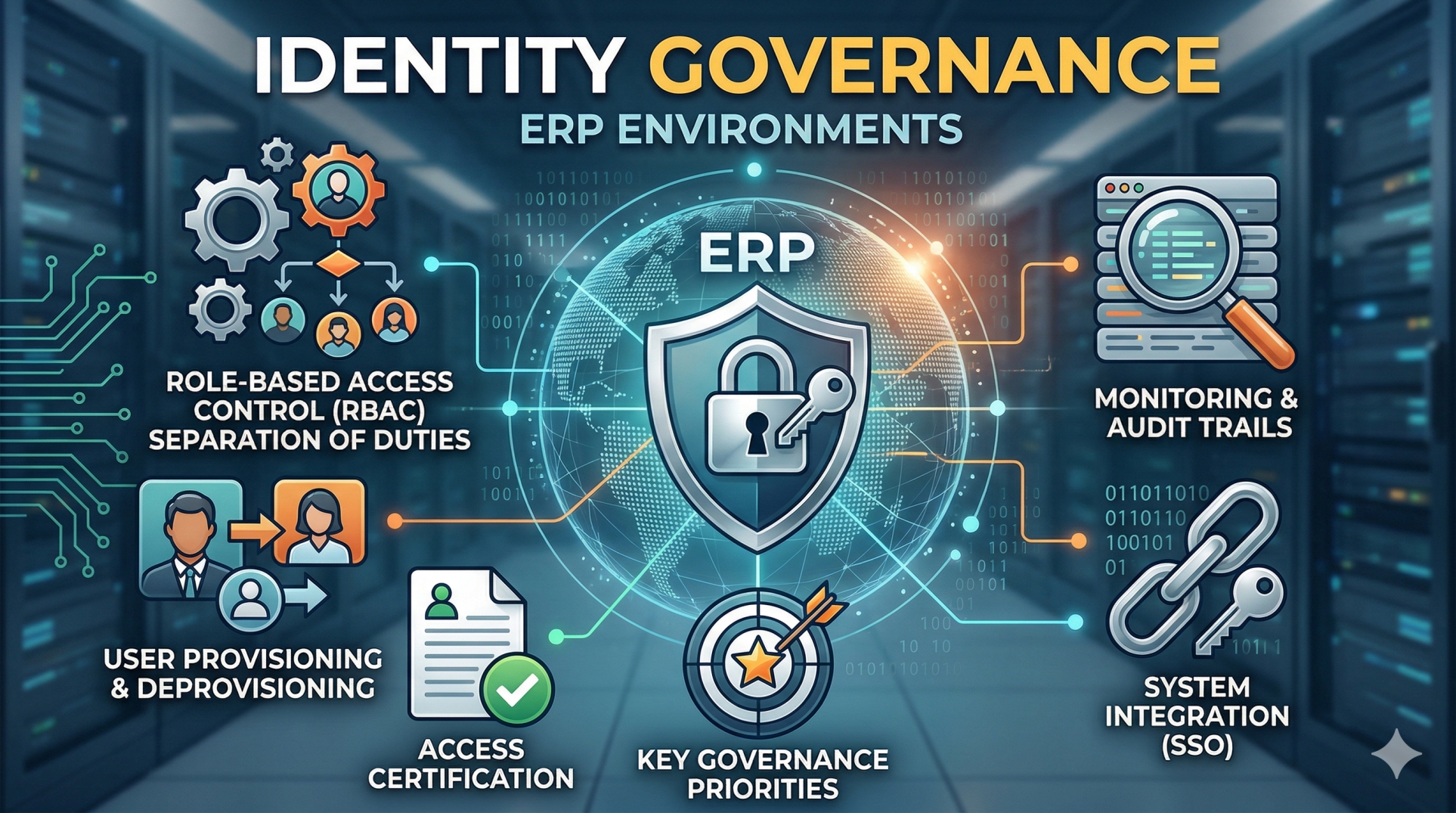
• Implement role-based access across ERP functions
• Protect sensitive financial, employee, customer, and operational data
• Maintain detailed audit trails for important transactions
• Apply consistent security policies across modules and integrations
• Ensure the platform can adapt to changing compliance requirements
Step 8: Designing for Multi-Entity Growth 🌍
• Support multiple companies, branches, locations, and business units
• Accommodate different currencies, tax structures, and reporting requirements
• Maintain centralized visibility while preserving local operational flexibility
• Enable new entities to be added without redesigning the entire platform
• Support expansion into new markets and operating models
Step 9: Monitoring Performance and System Health 📈
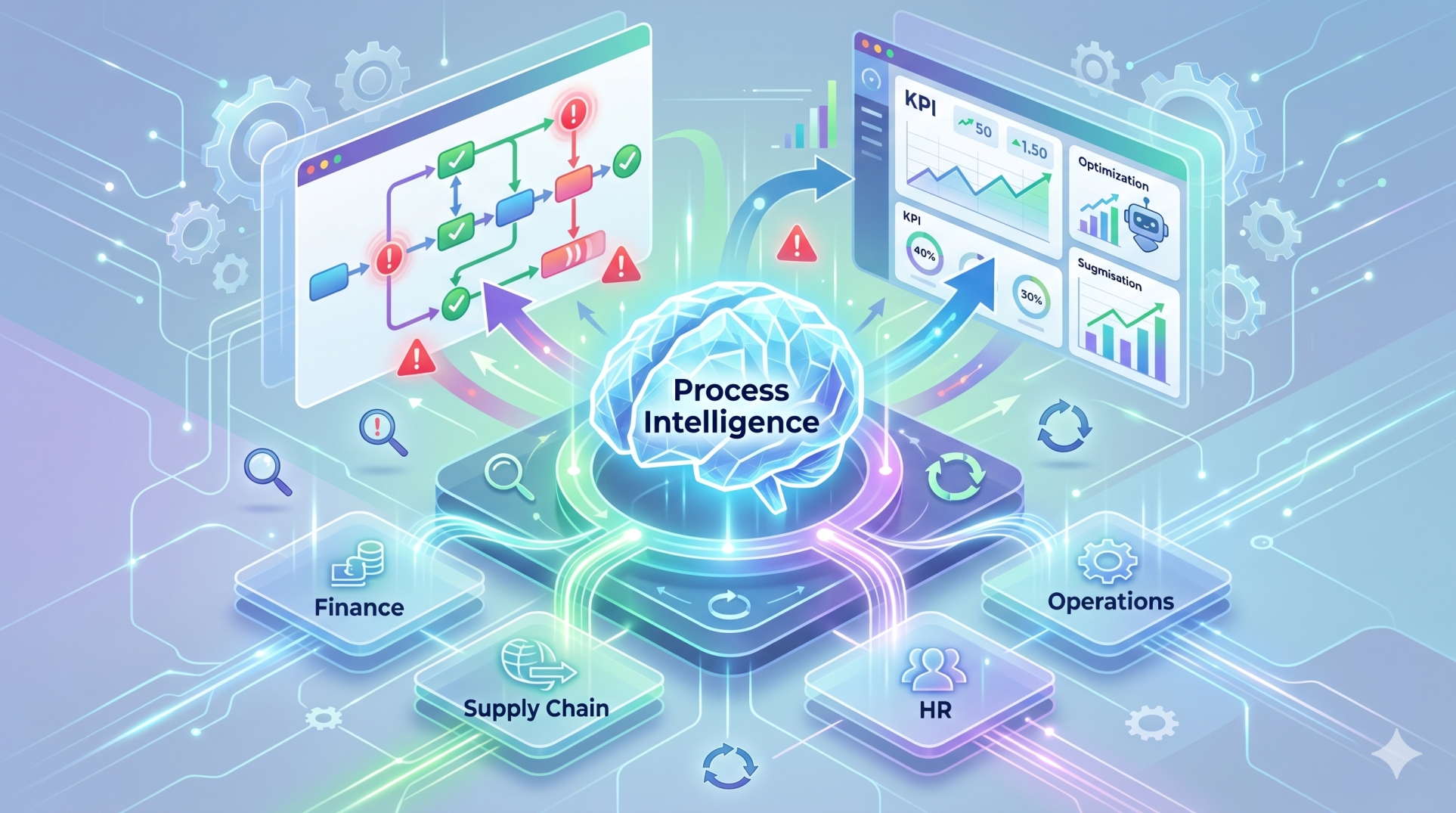
• Track application performance and transaction processing times
• Identify bottlenecks before they affect business operations
• Monitor integrations, workflows, and system availability
• Use analytics to identify opportunities for process improvement
• Continuously optimize infrastructure as transaction volumes increase
Step 10: Building for Continuous Evolution 🚀
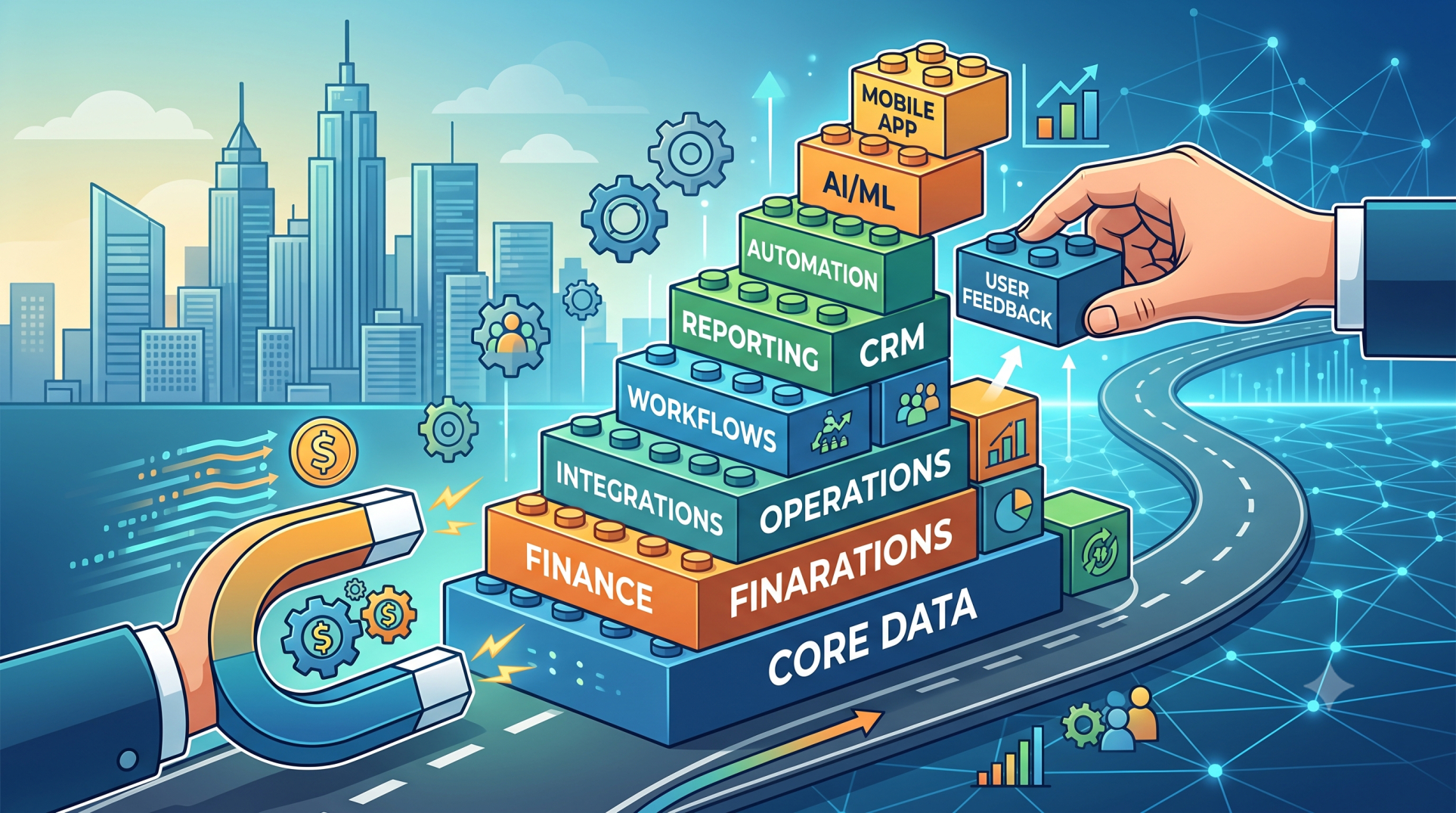
• Introduce new capabilities incrementally instead of through disruptive replacements
• Use modular upgrades to reduce implementation risk
• Maintain documentation and clear architectural standards
• Gather feedback from users to guide future improvements
• Treat the ERP platform as an evolving business infrastructure rather than a fixed software product
Conclusion
Building an ERP core that can evolve with the business requires more than choosing scalable technology. It requires an architecture designed around modularity, integration, configurable processes, strong data foundations, and continuous improvement. A flexible ERP core allows organizations to adopt new capabilities, respond to changing requirements, and expand operations without repeatedly rebuilding their technology foundation. By designing for change from the beginning, businesses can create an ERP ecosystem that remains valuable as their strategy, processes, and technology needs evolve.
See more blogs
You can all the articles below