How Modular ERP Design Supports Changing Business Requirements
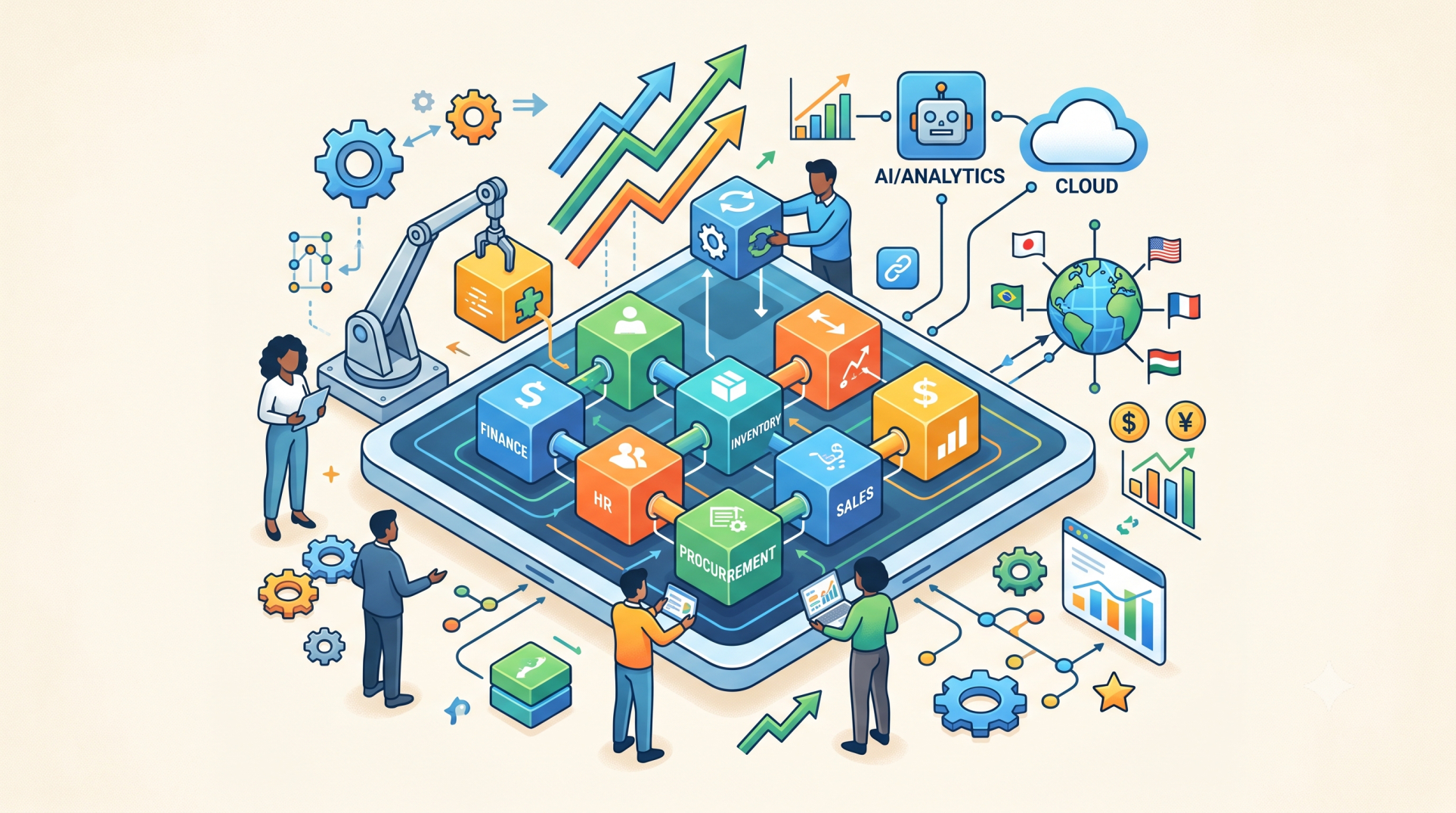
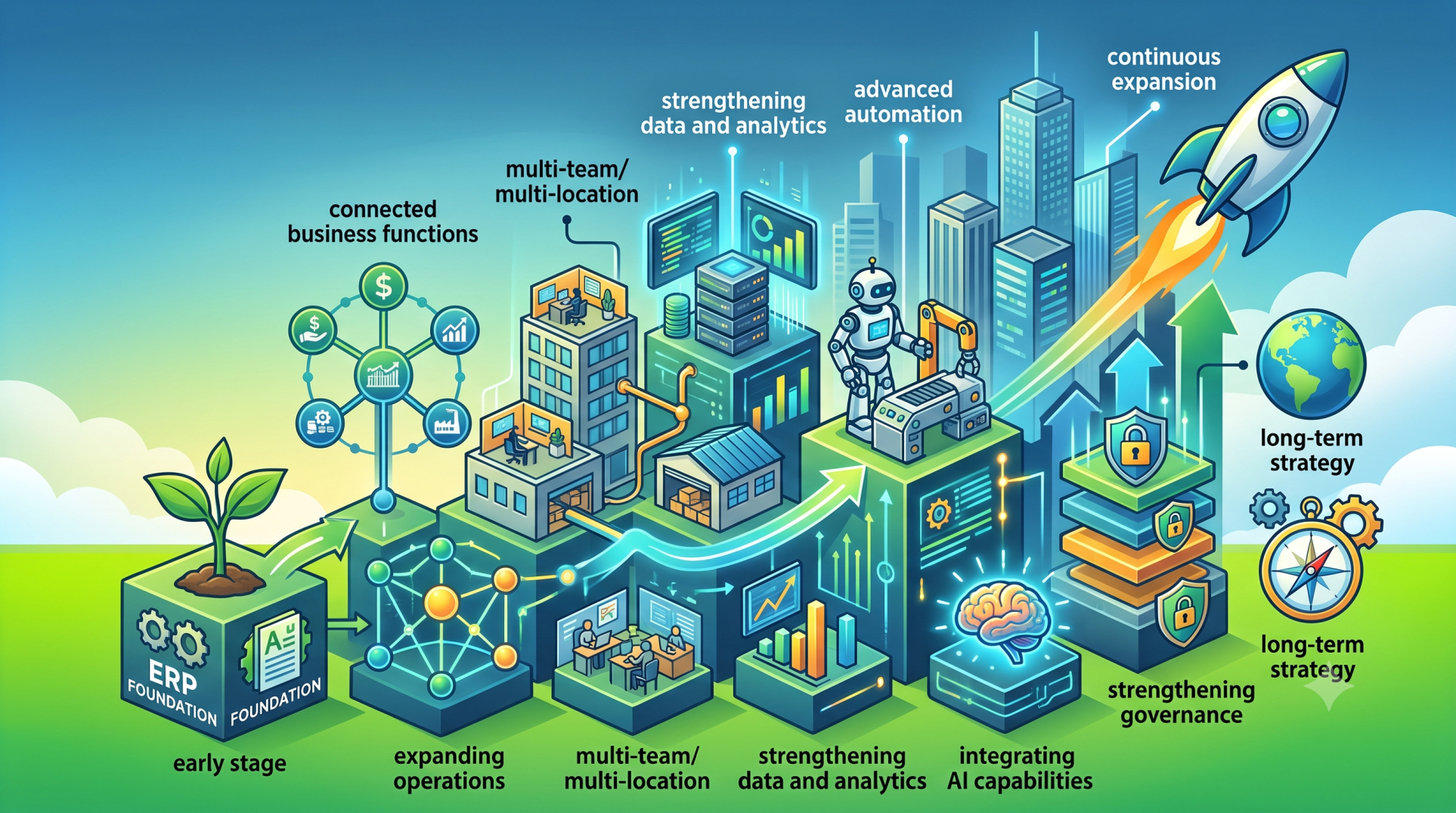
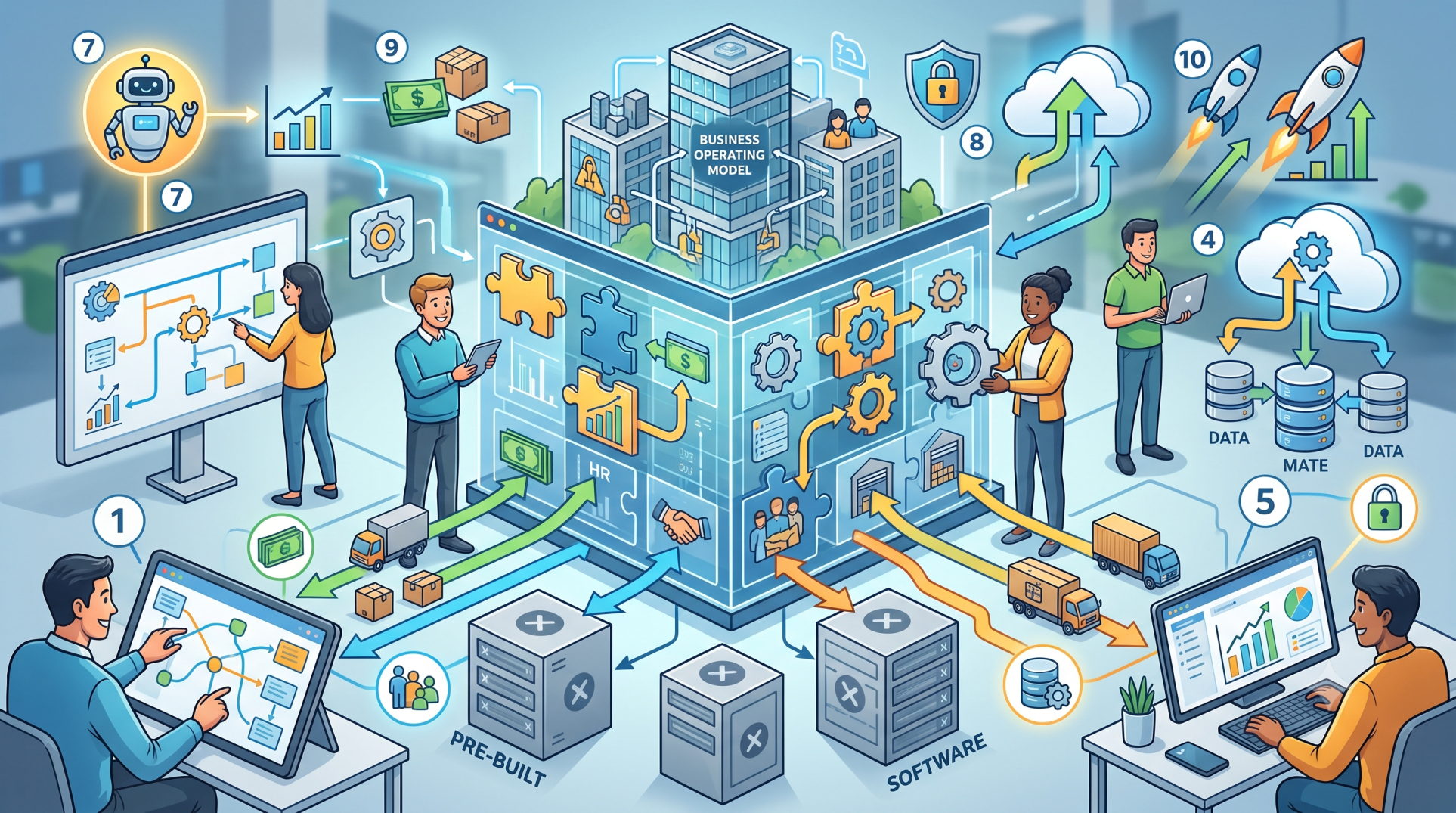
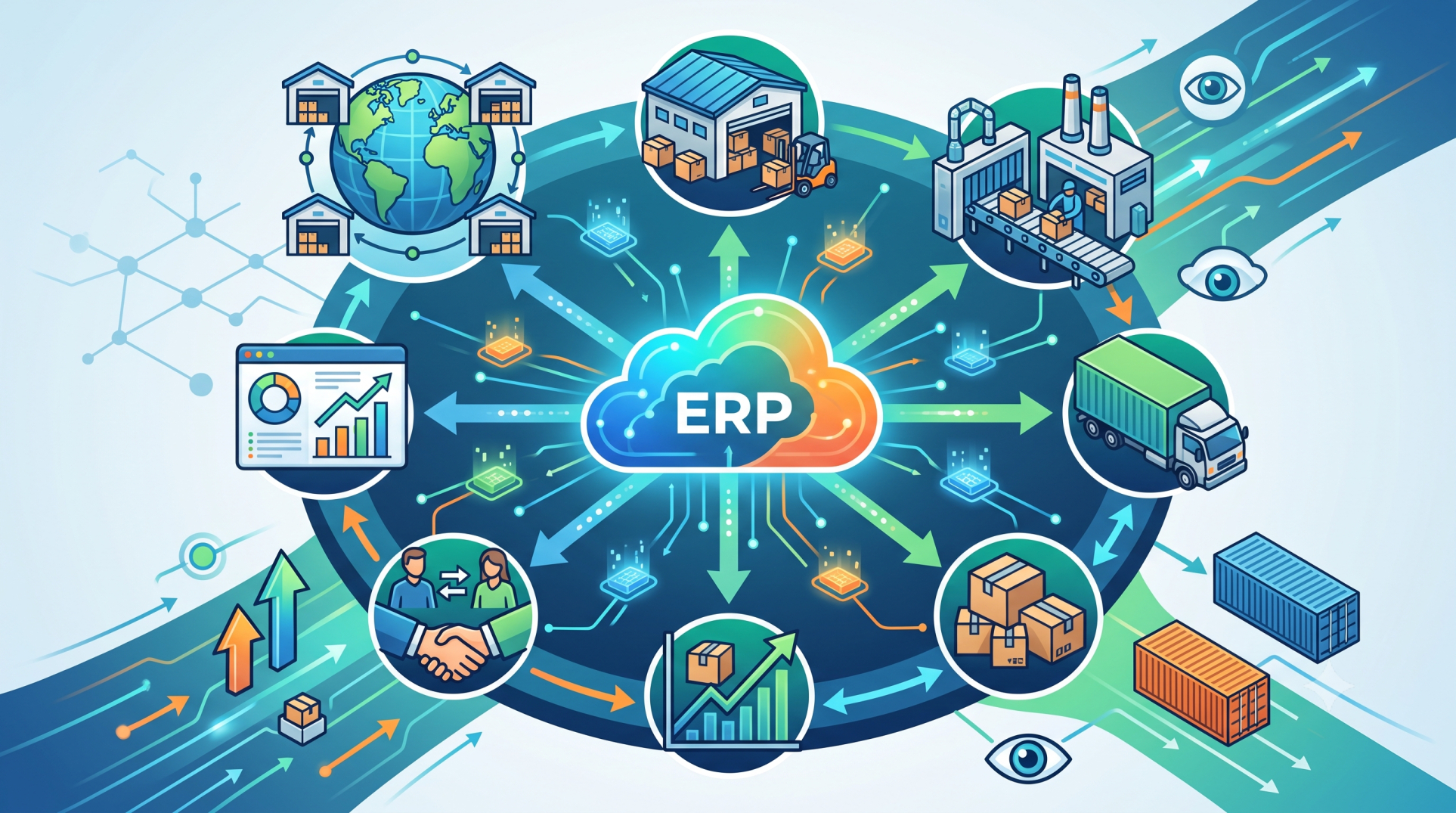
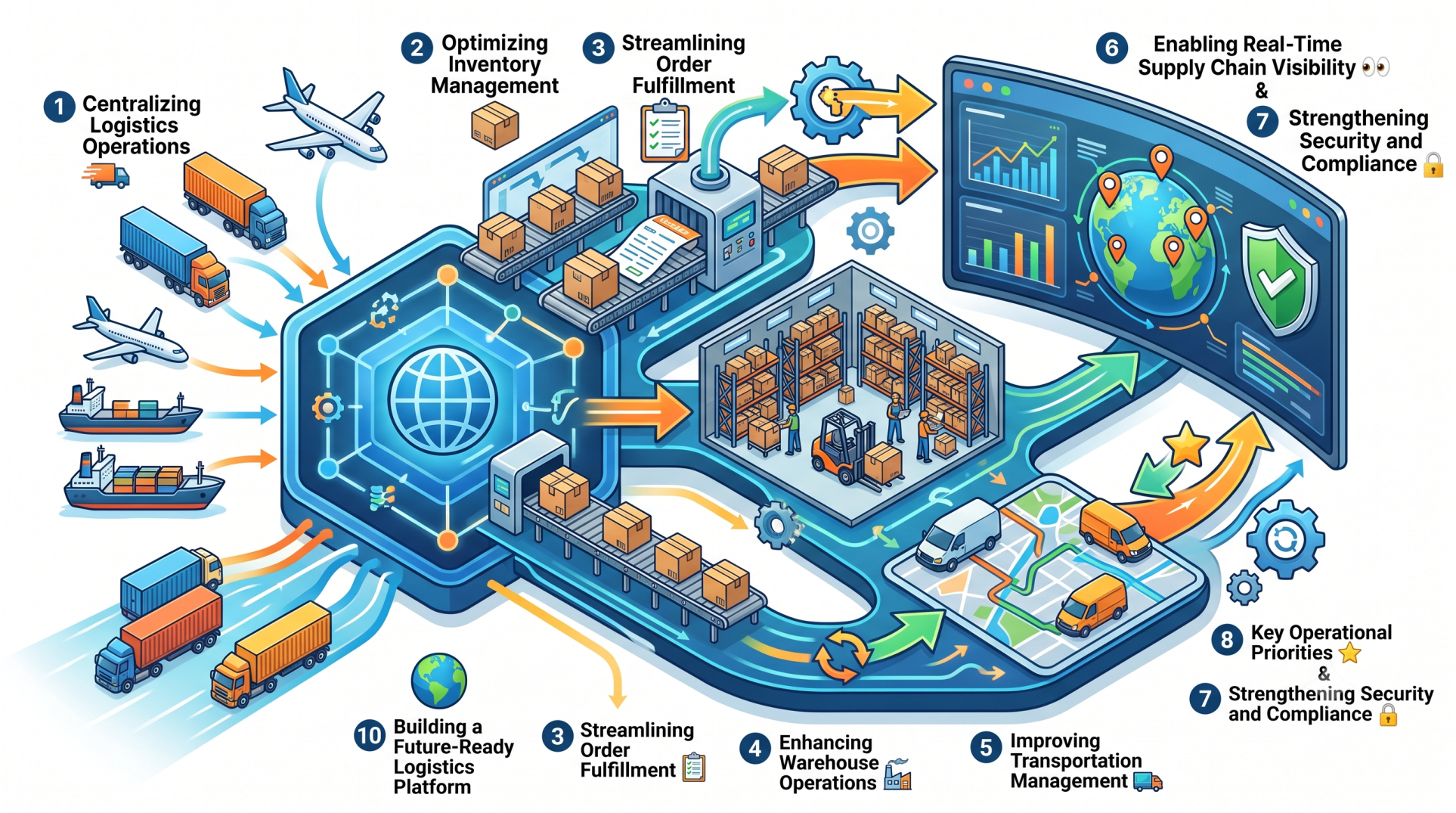
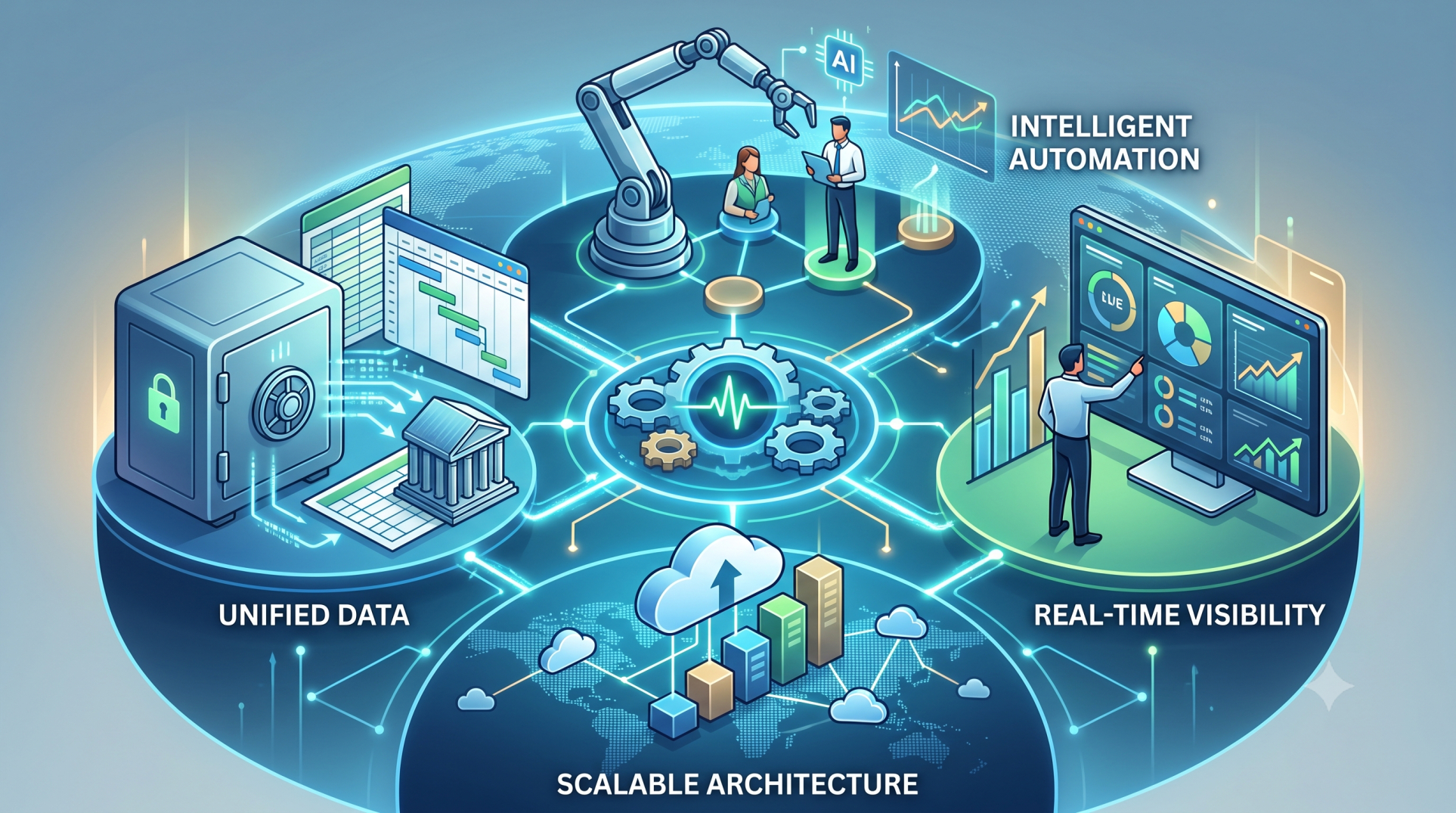
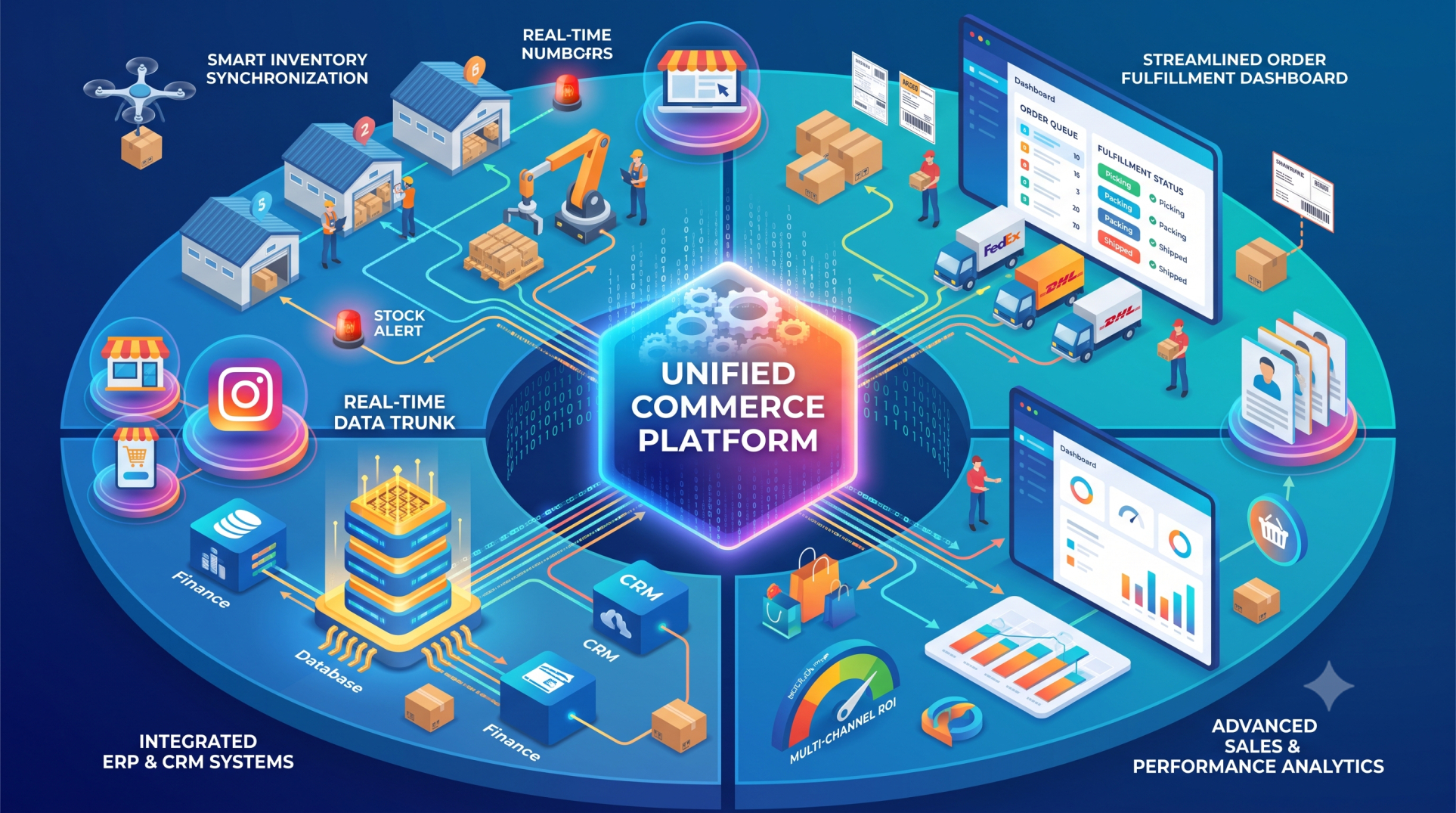
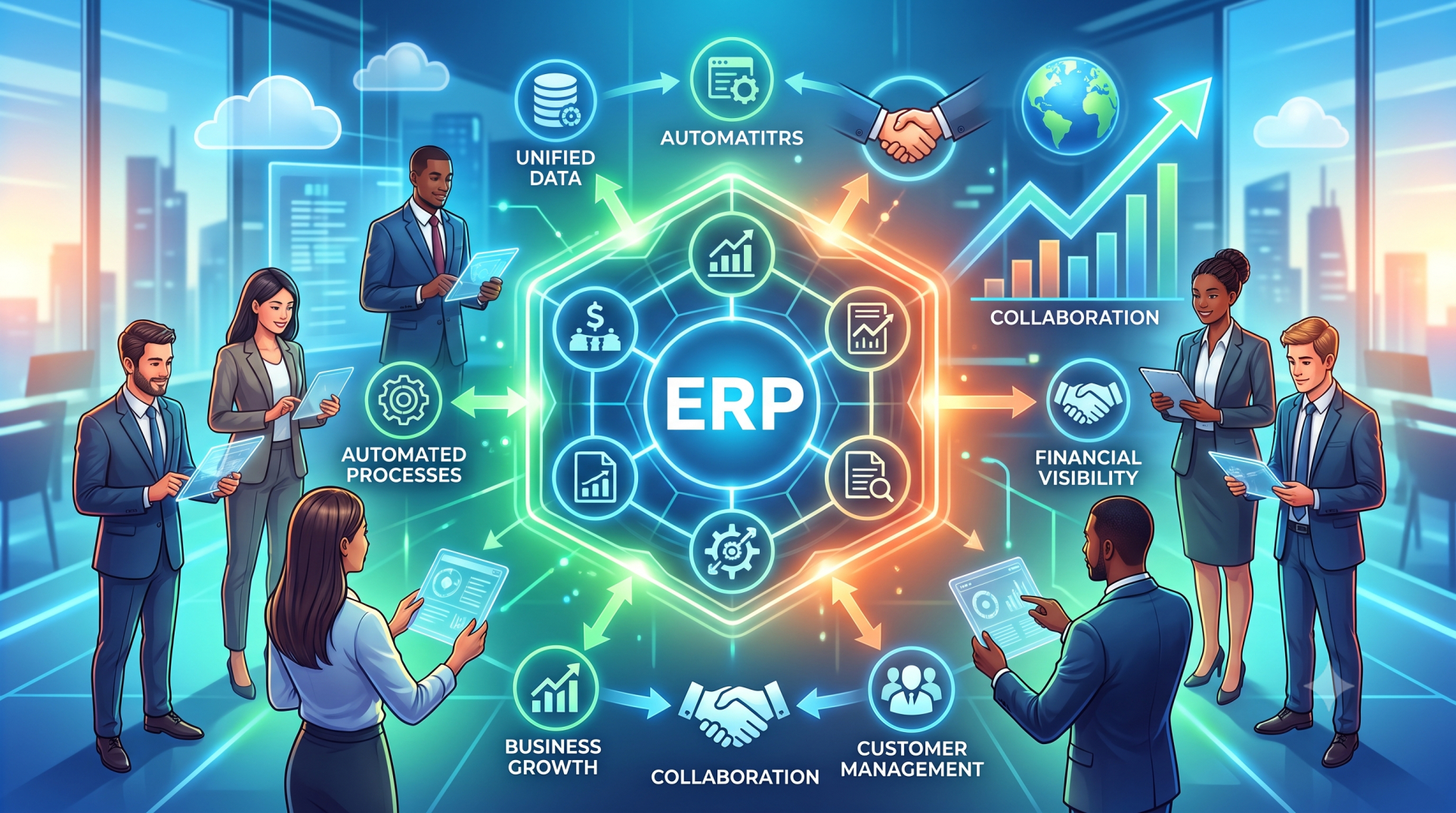
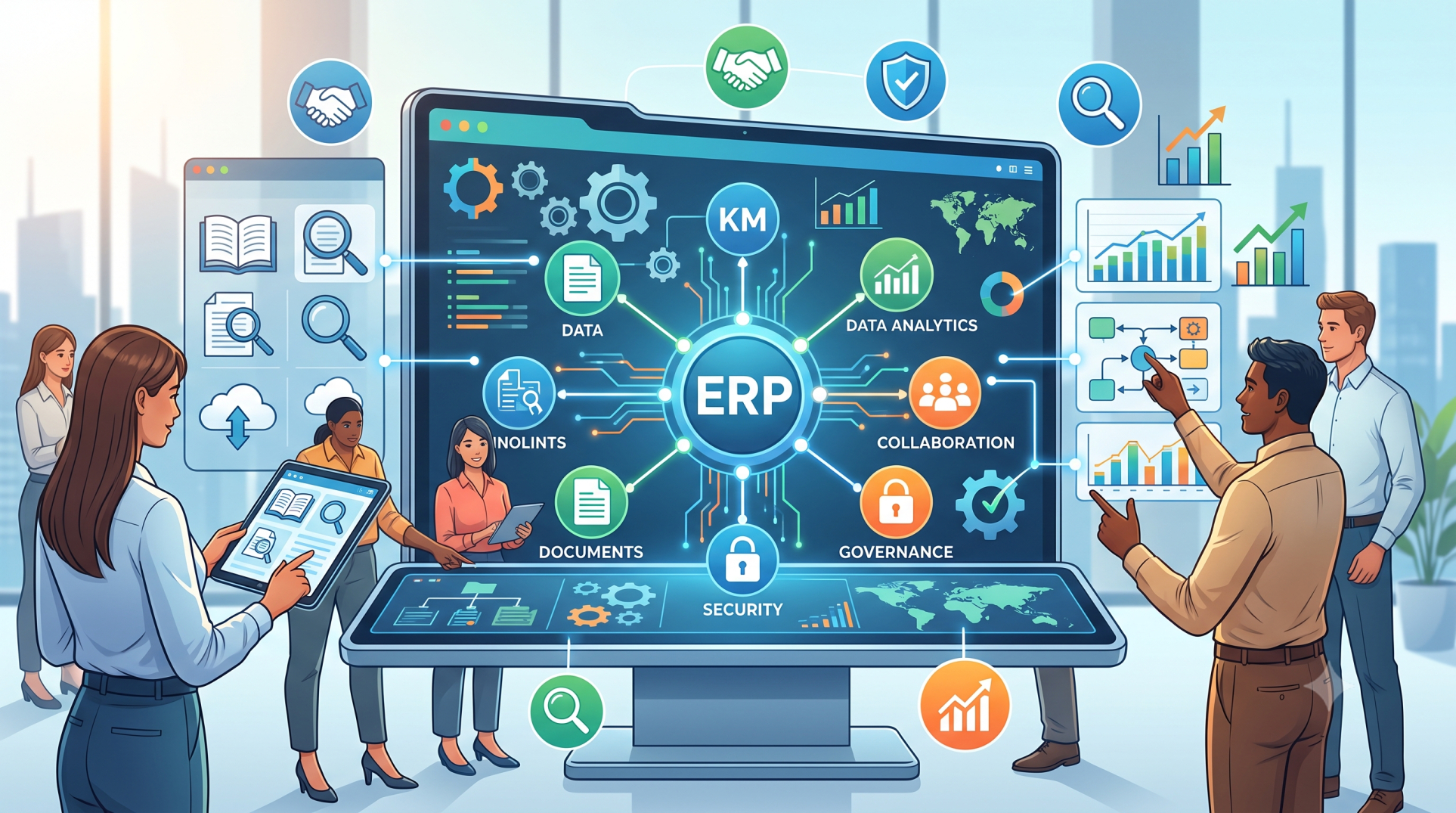
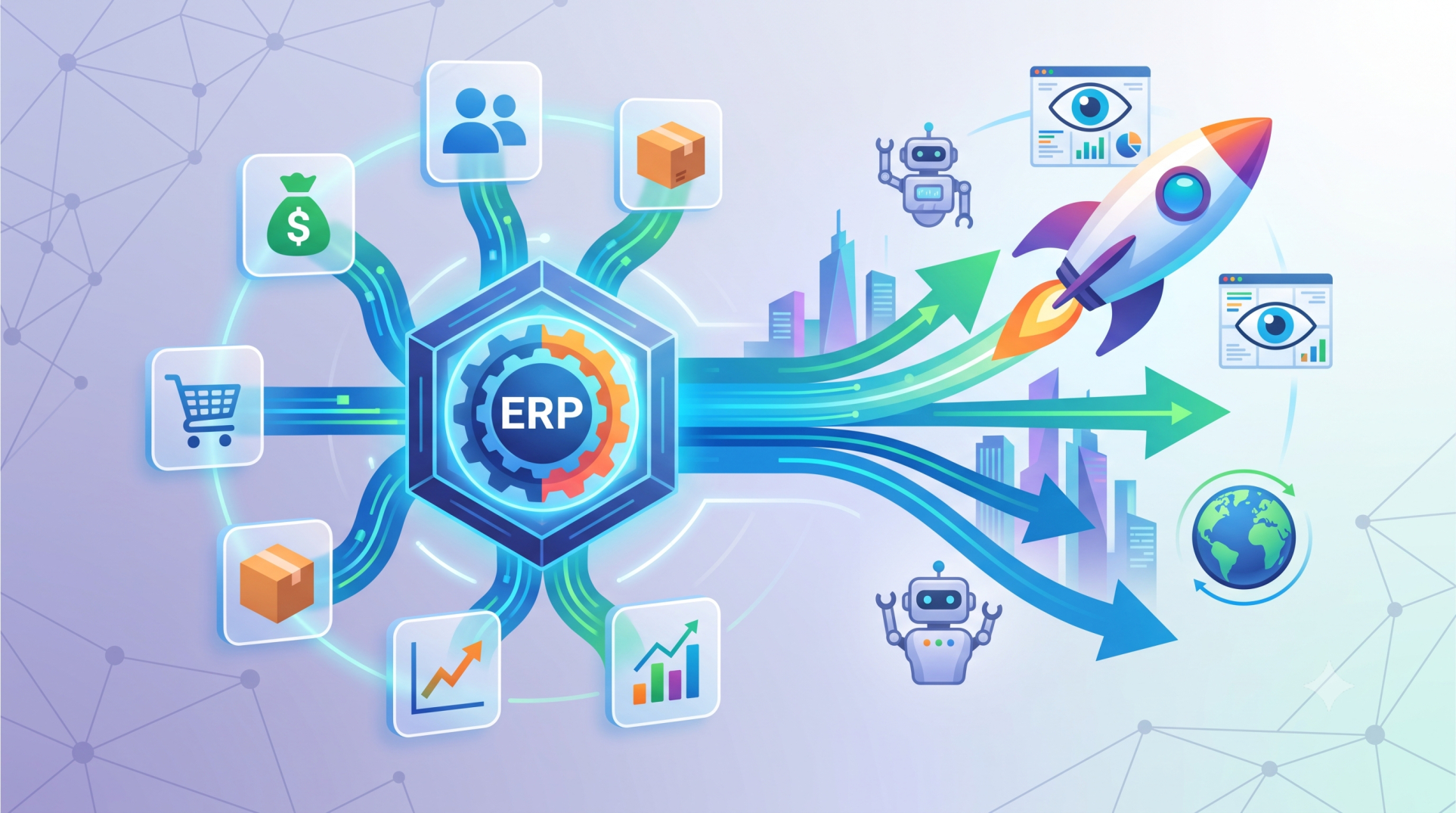
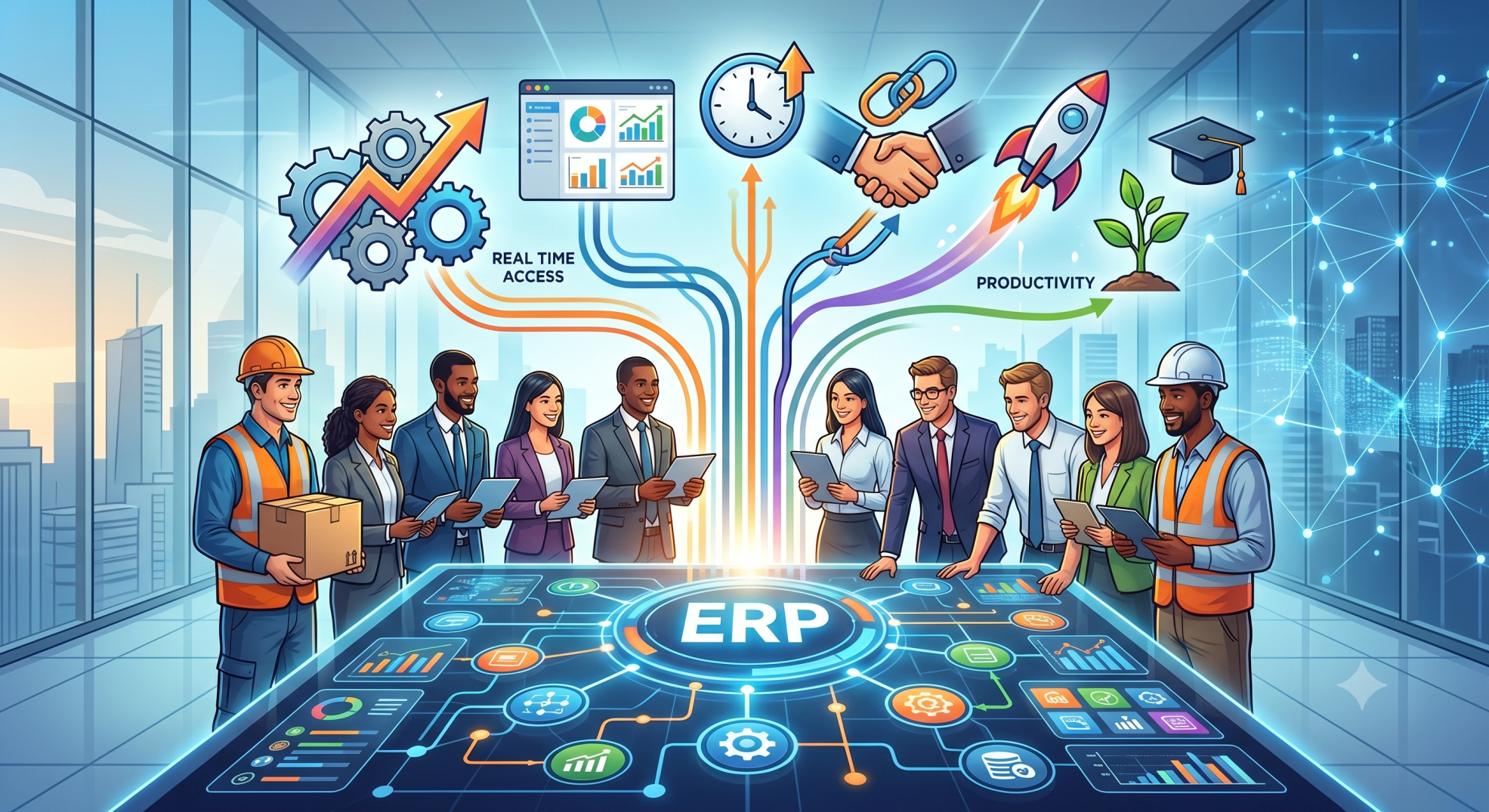
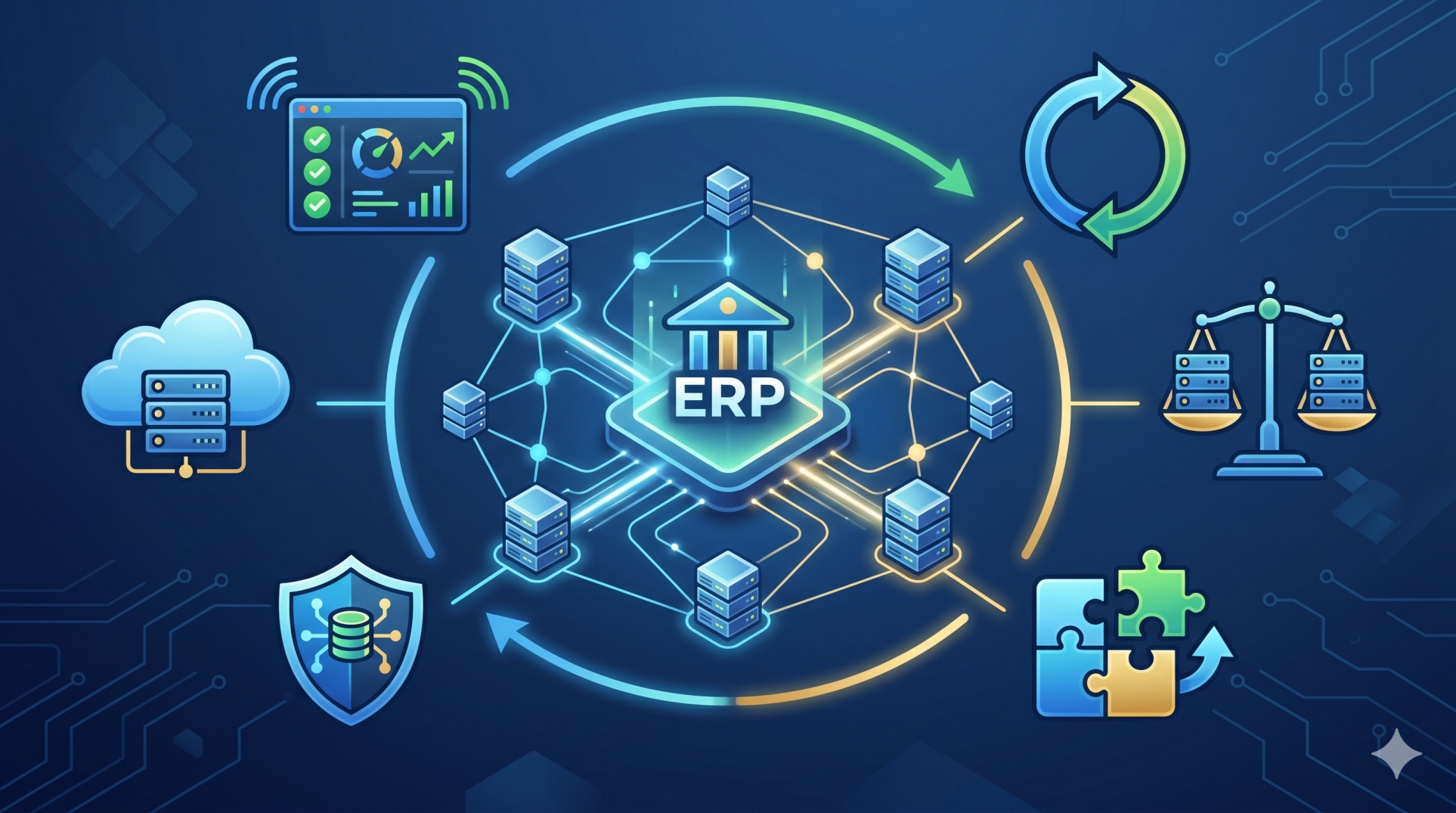
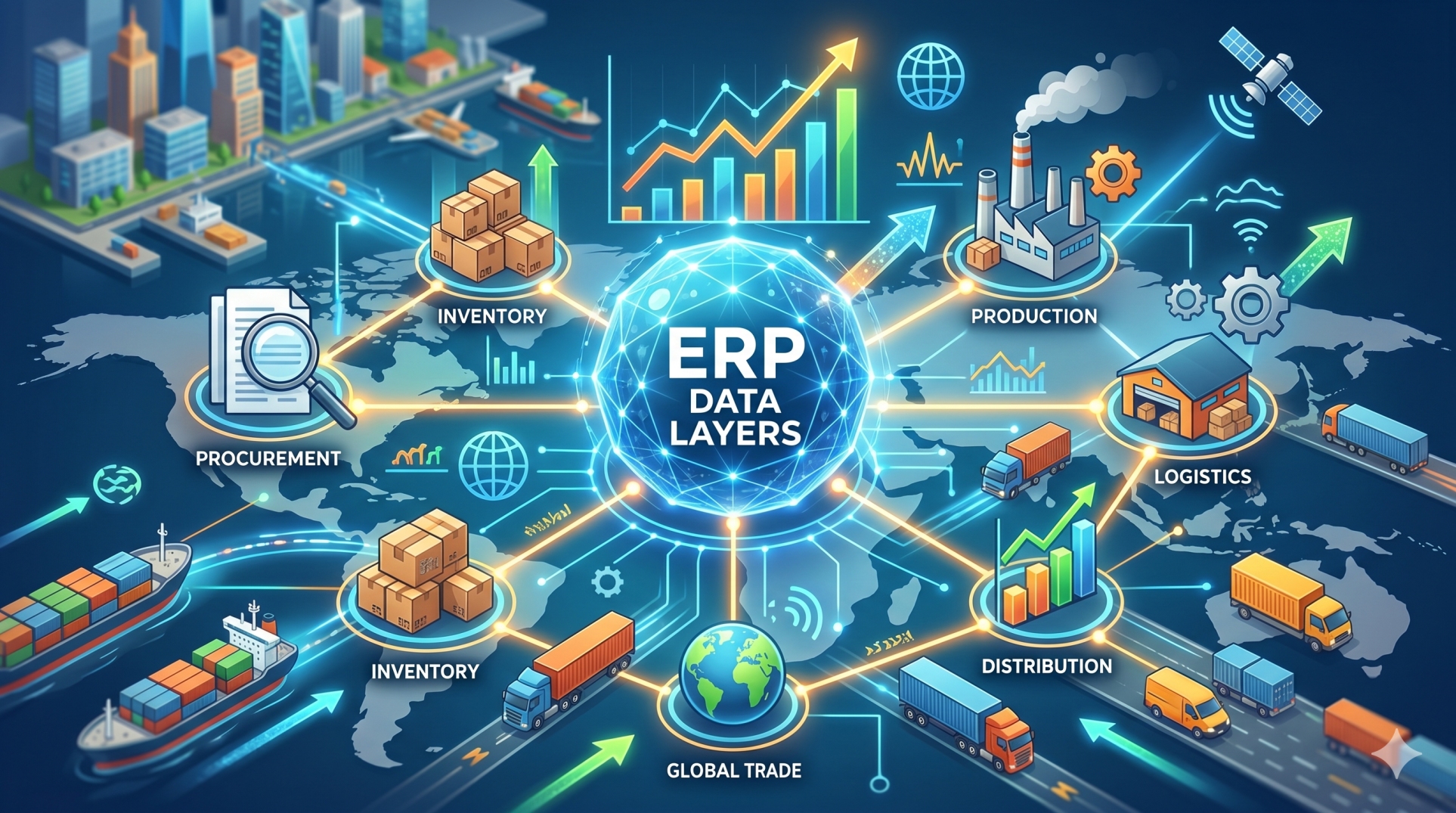
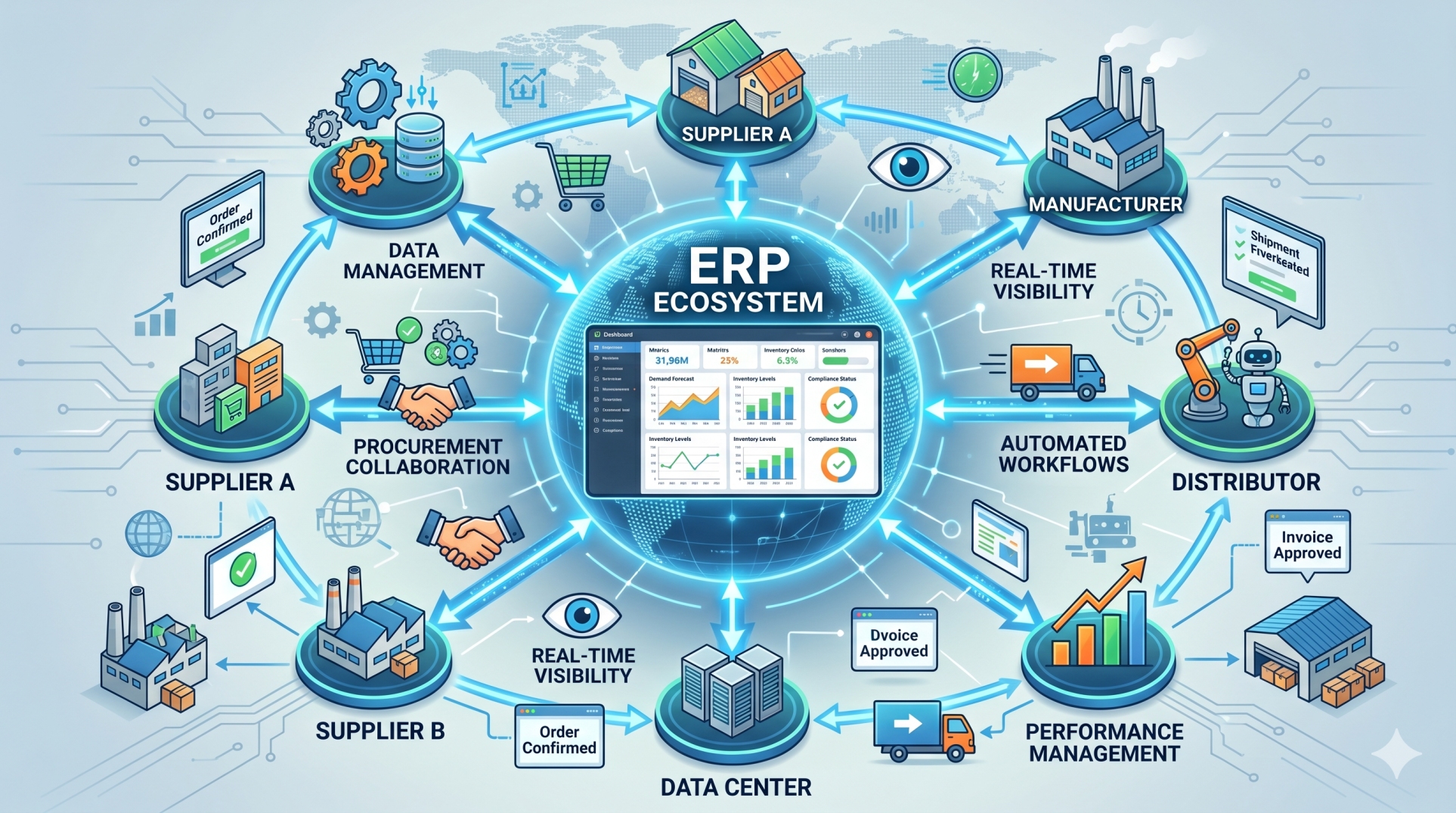
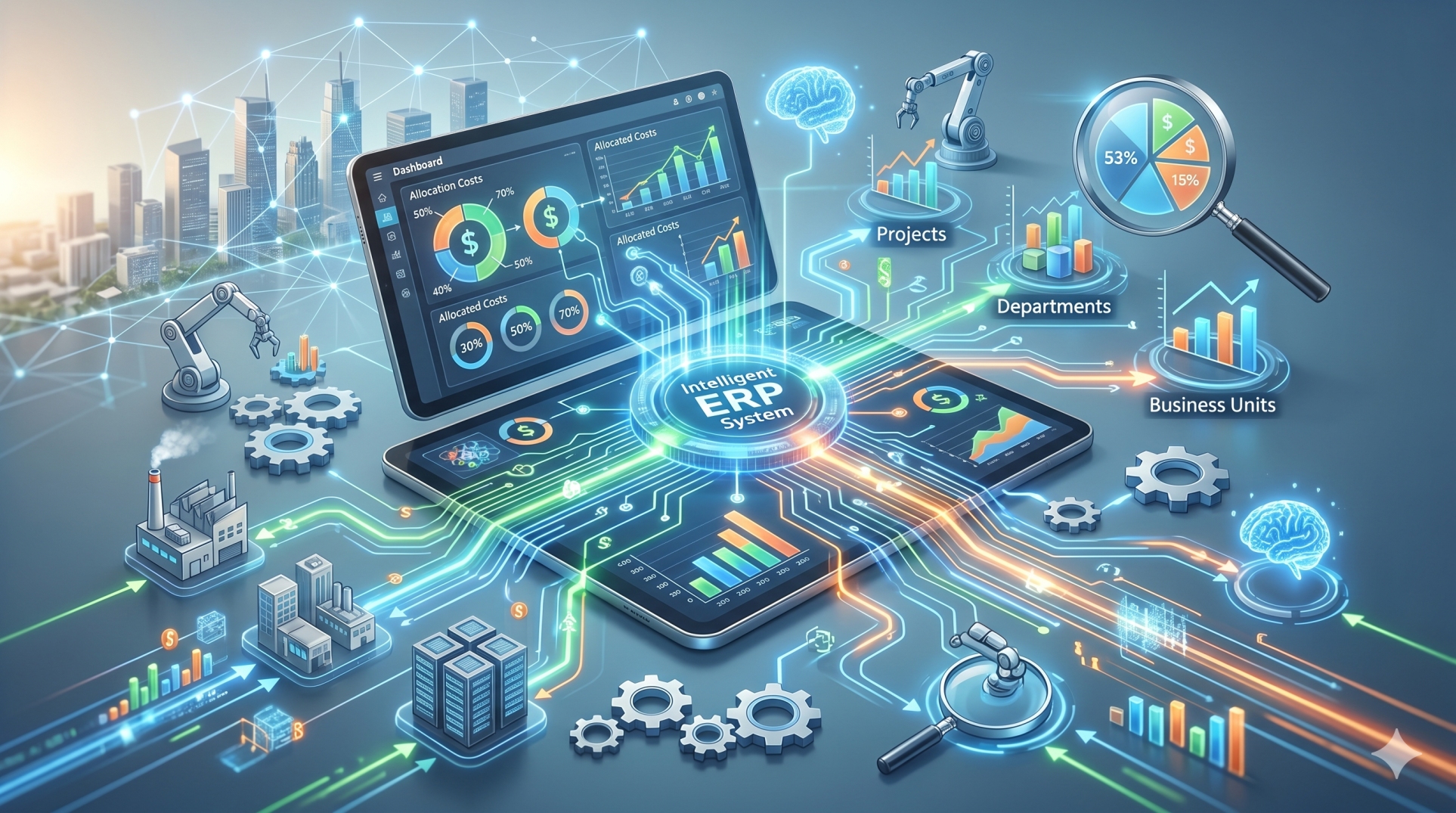
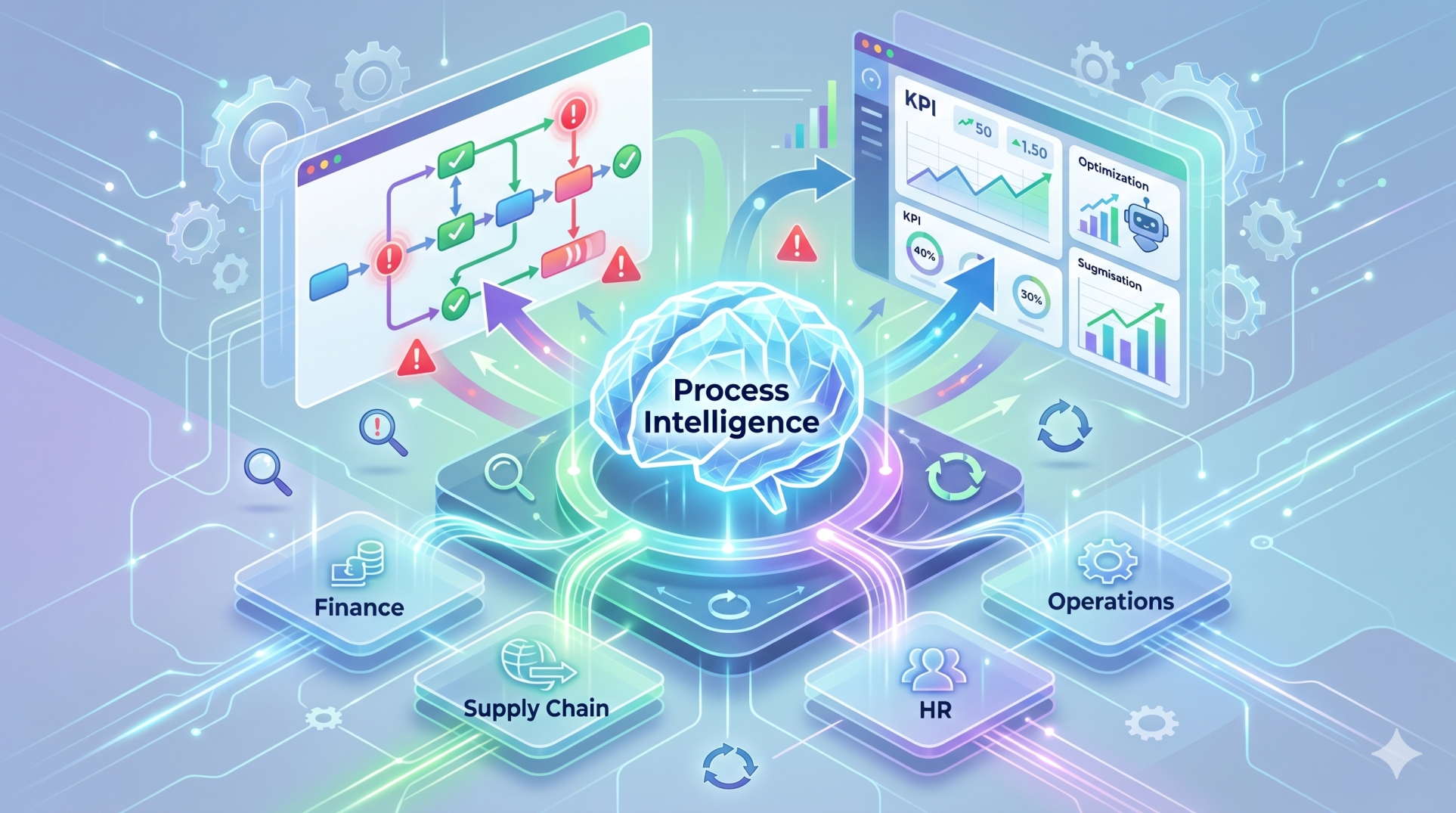
As organizations grow, their operational requirements rarely remain static. New departments, evolving customer expectations, regulatory changes, market expansion, and emerging technologies can all create new demands on business systems. A modular ERP approach enables organizations to adapt their technology environment without replacing the entire platform. By dividing ERP functionality into connected modules, businesses can expand capabilities, modify workflows, and introduce new technologies as requirements change.
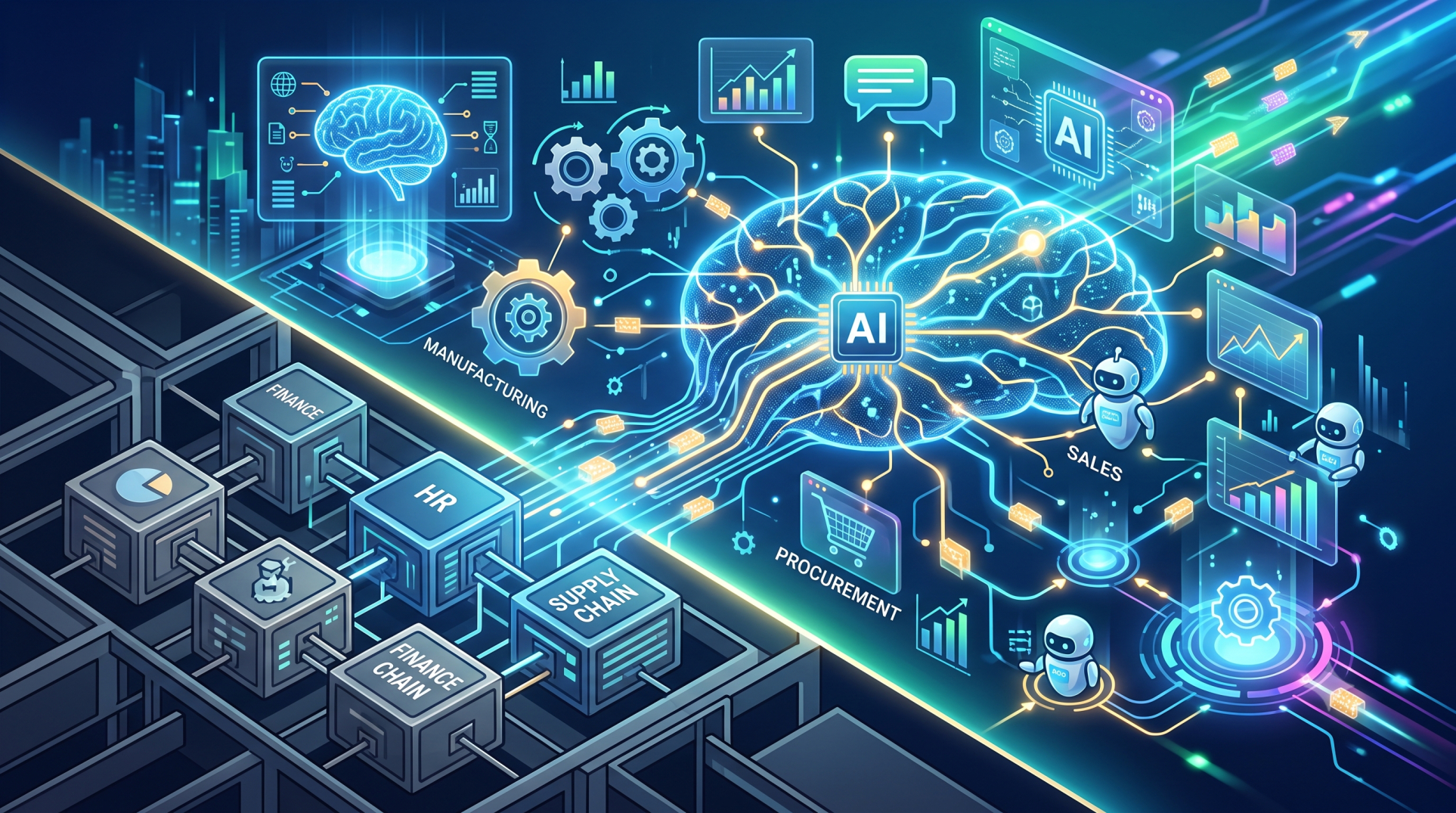
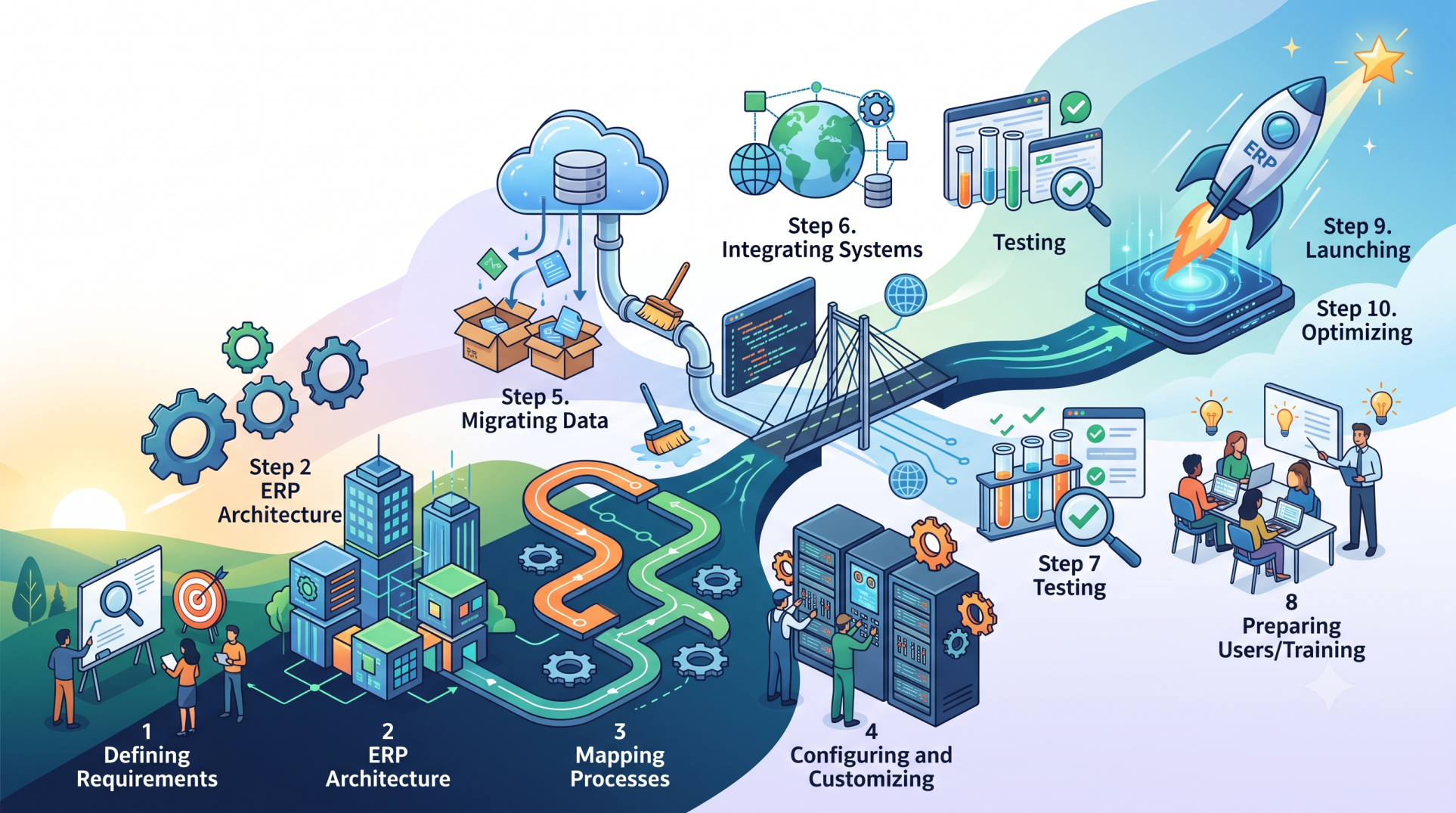
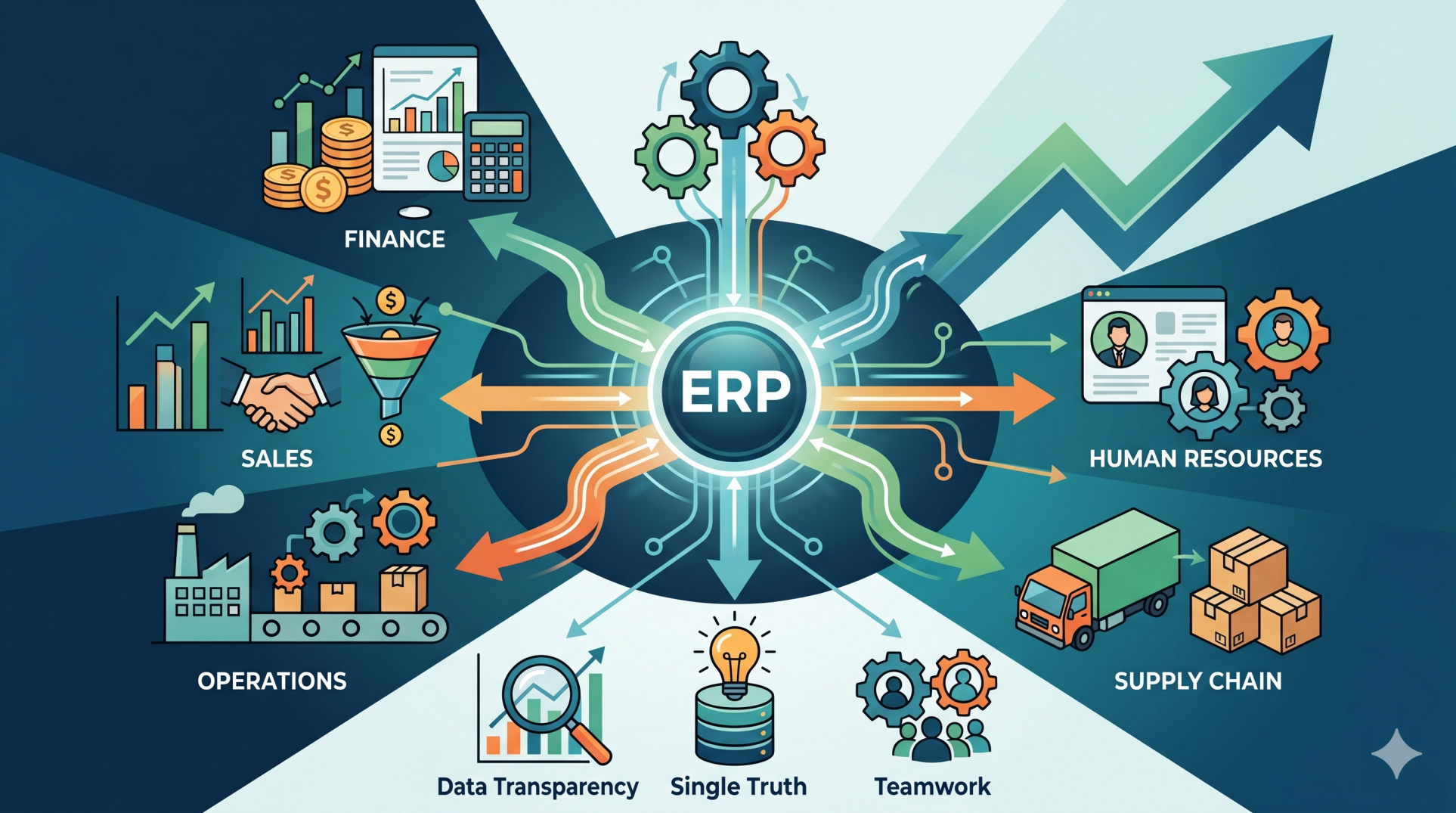
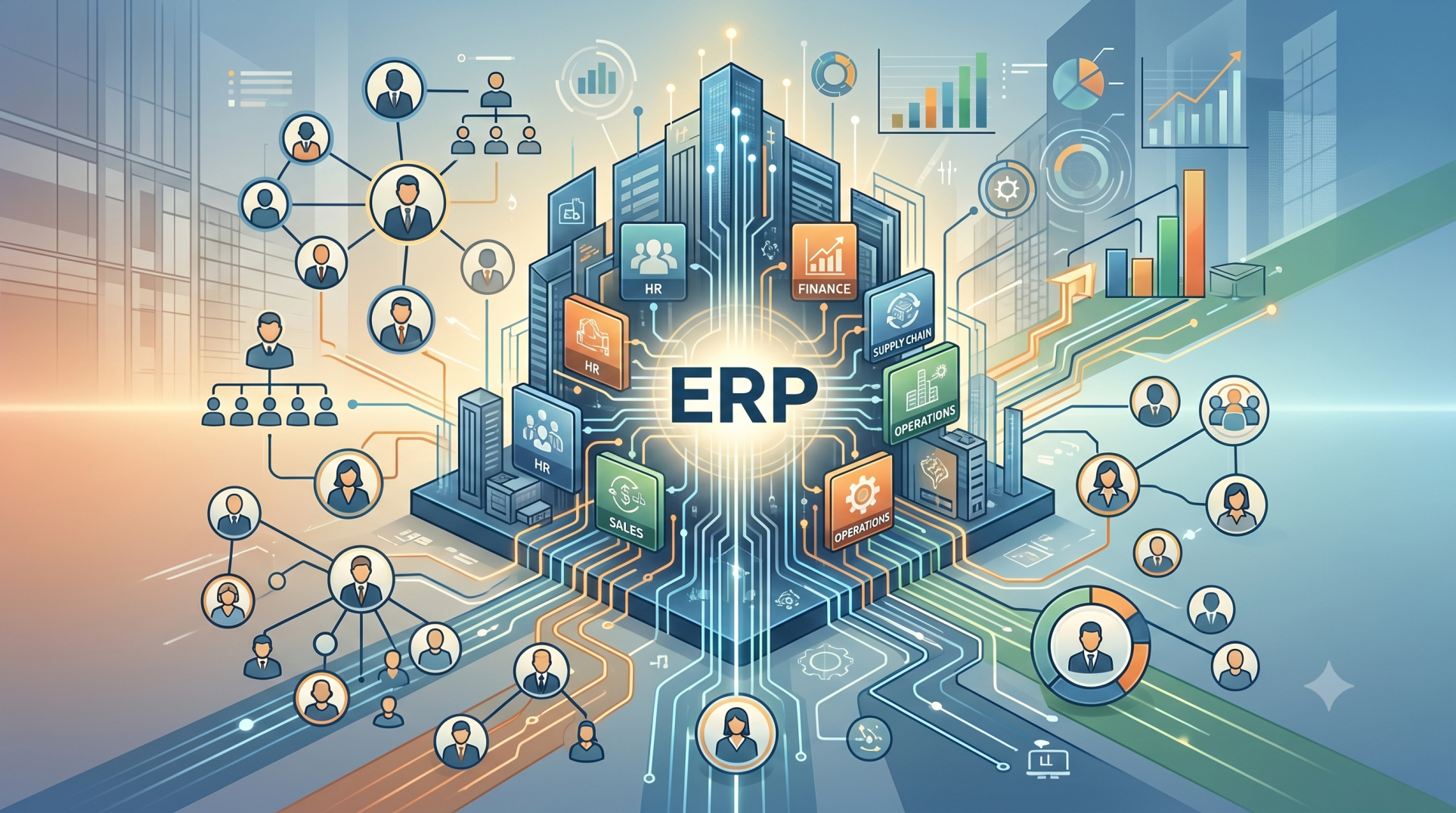
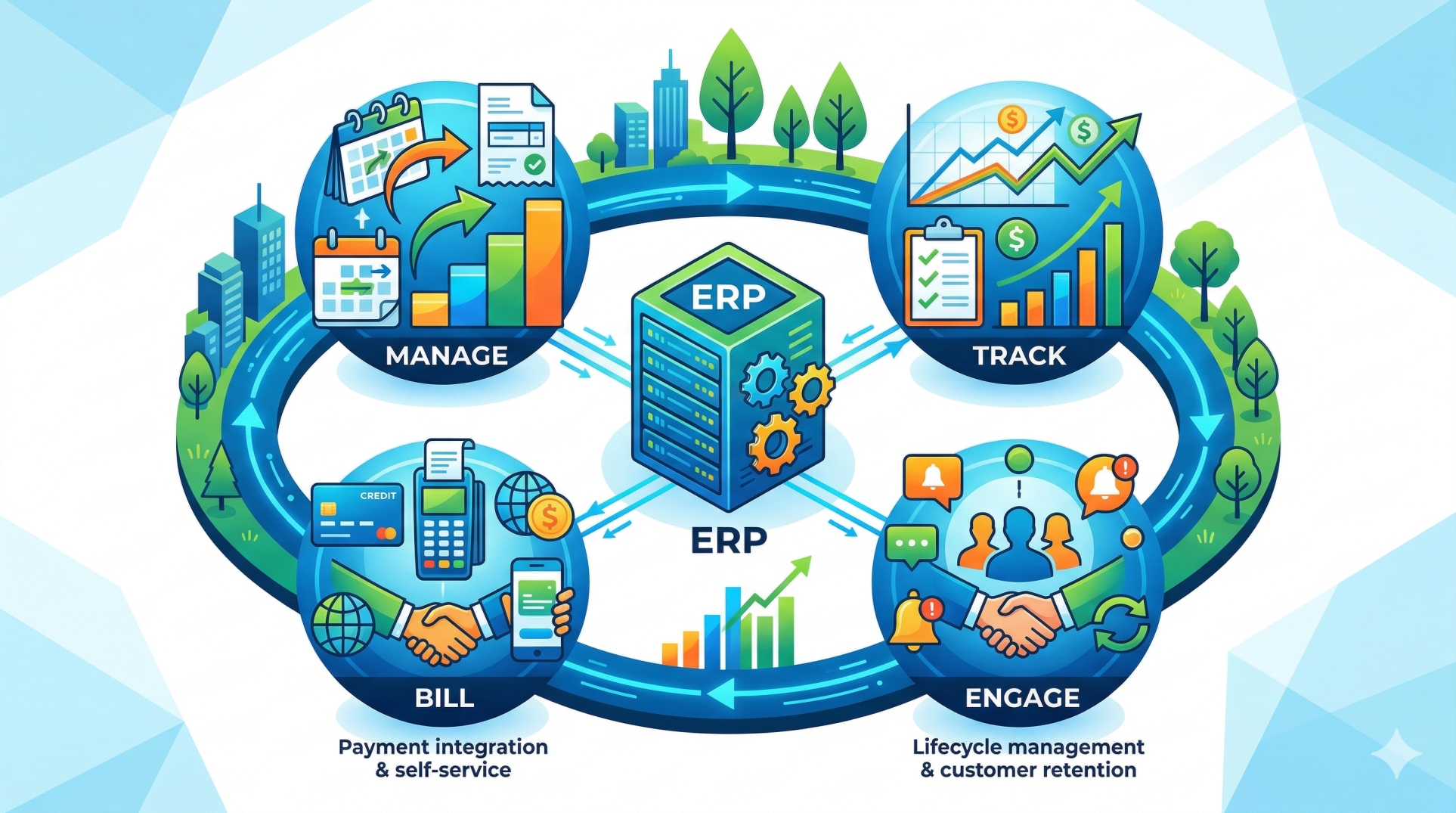
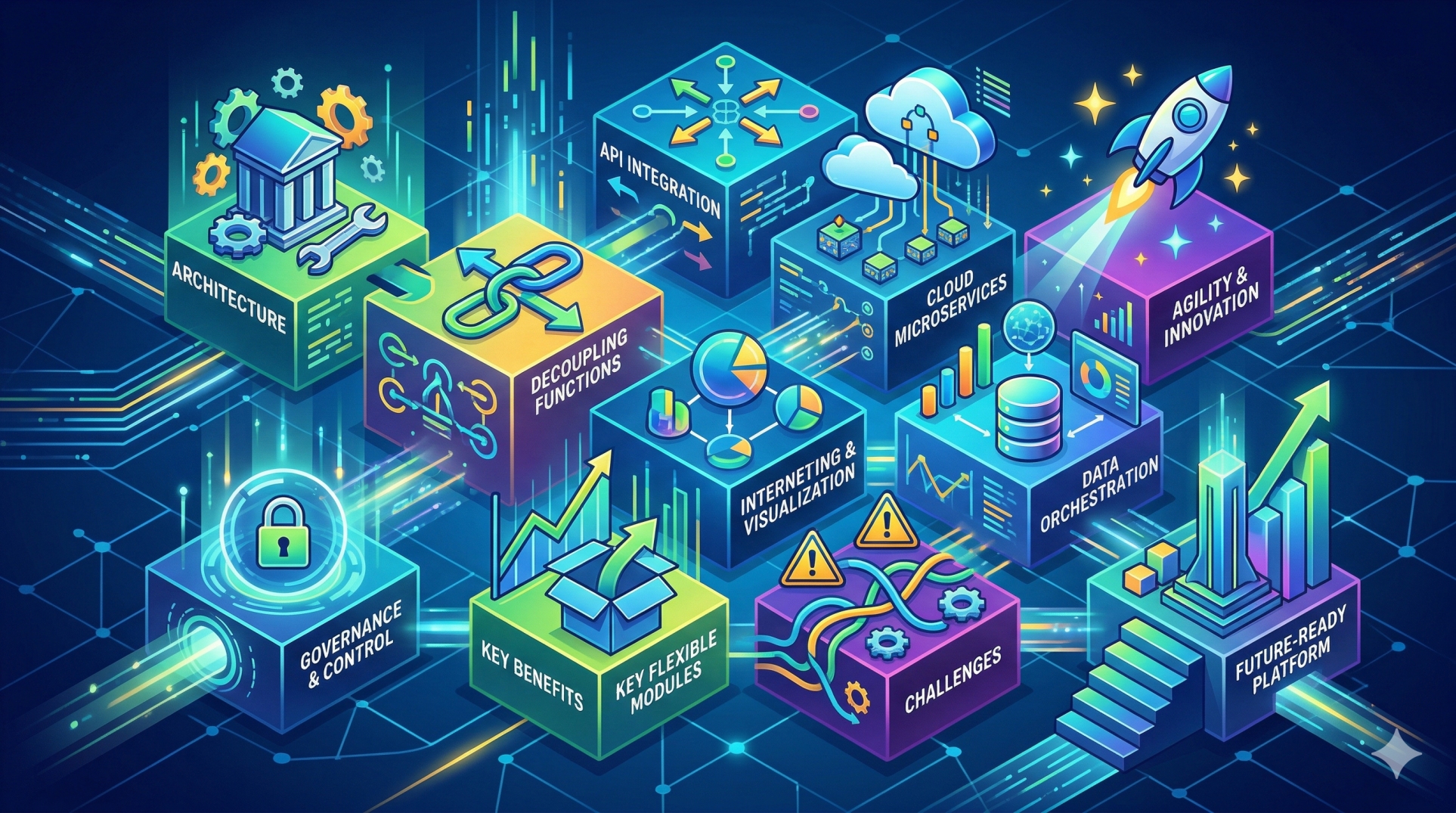
Step 1: Understanding Modular ERP Architecture 🧩
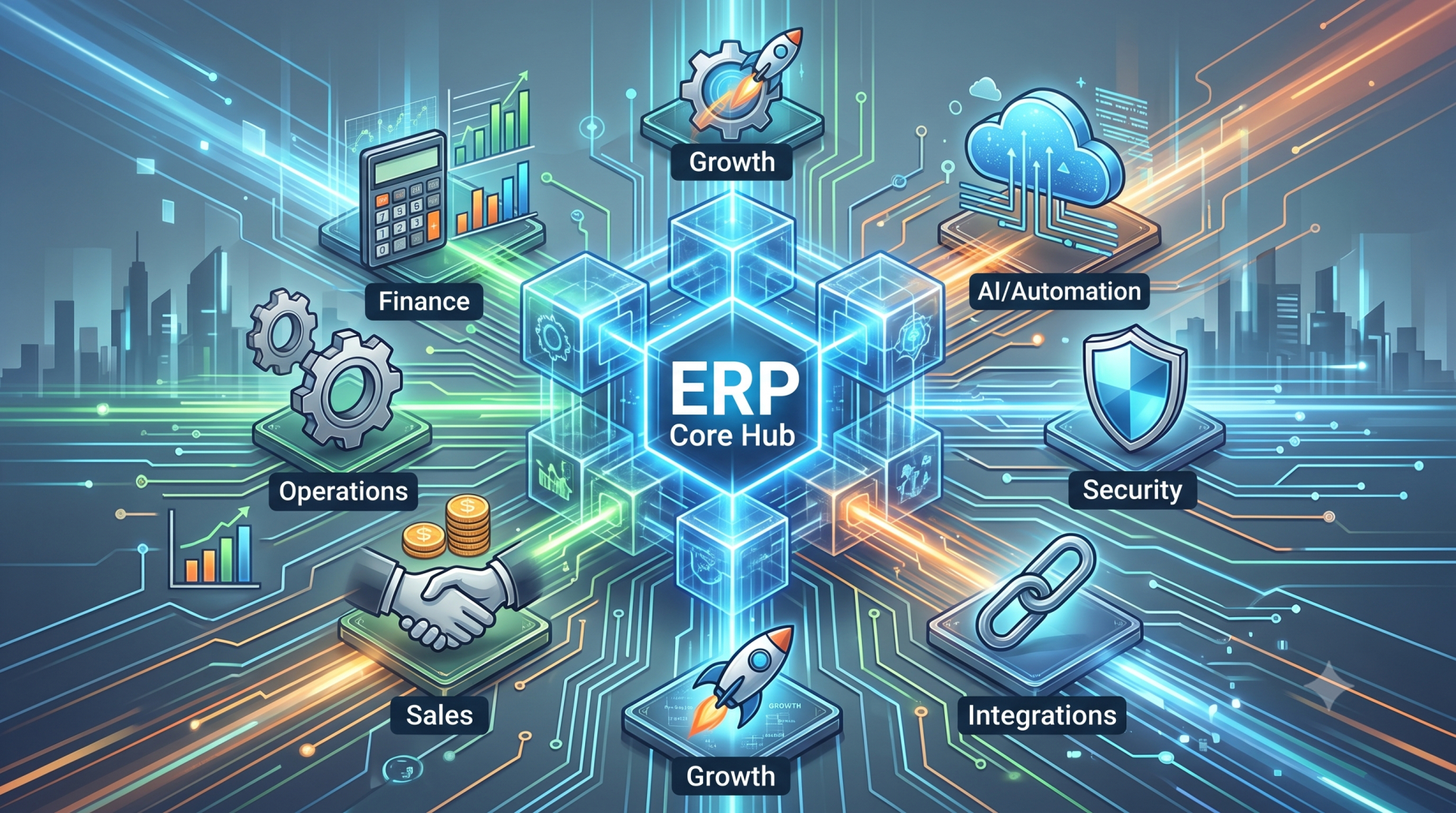
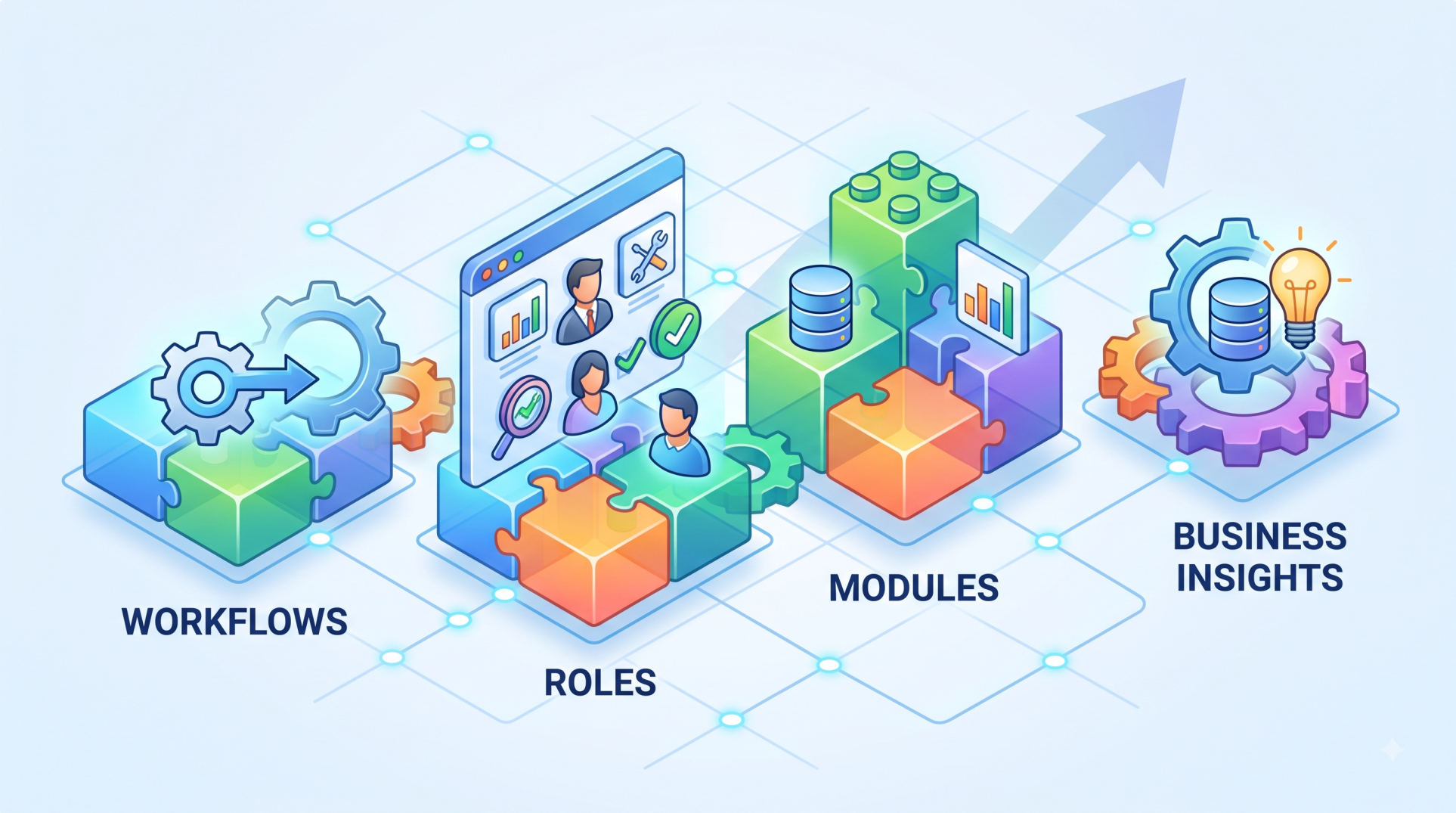
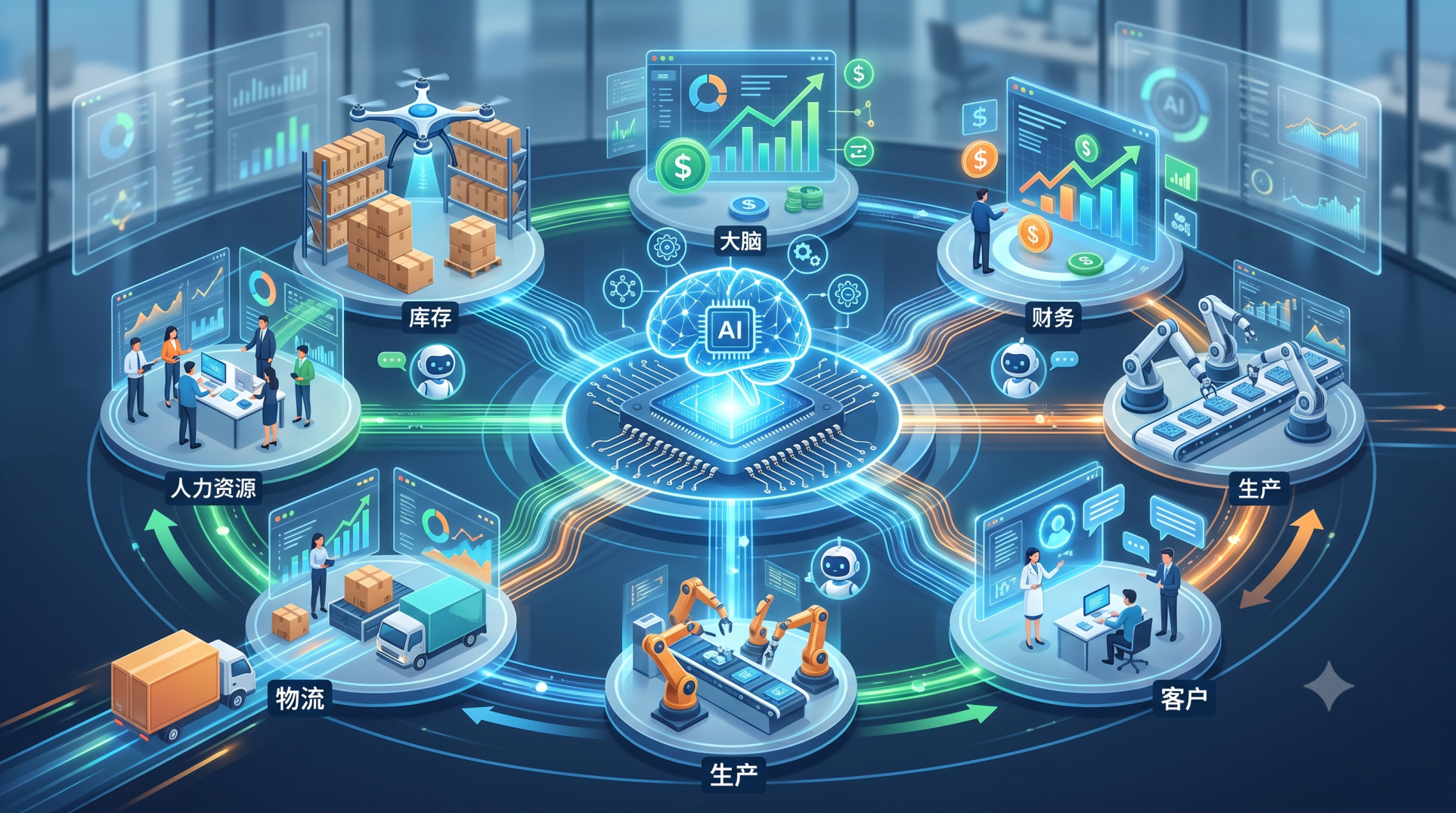
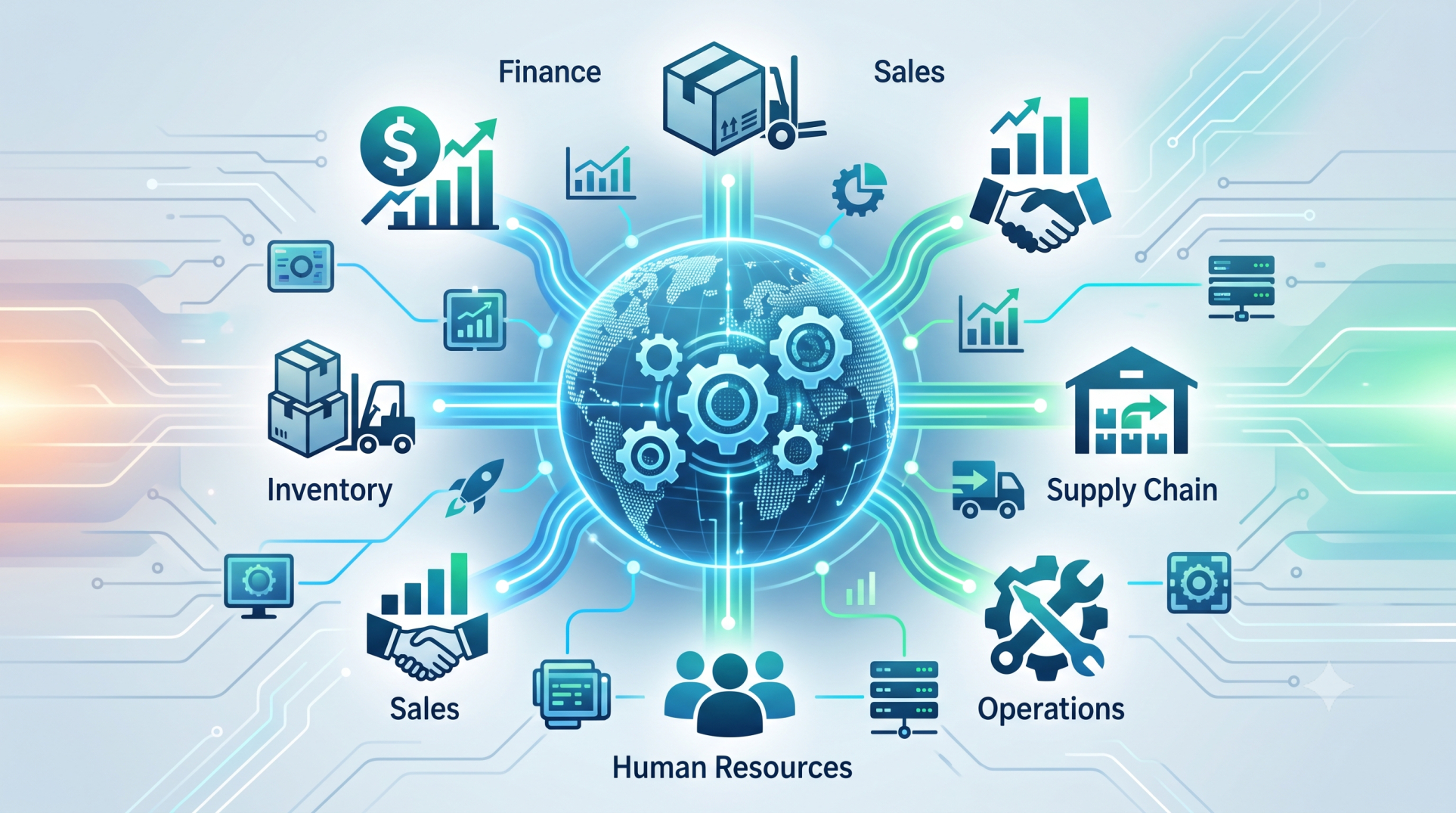
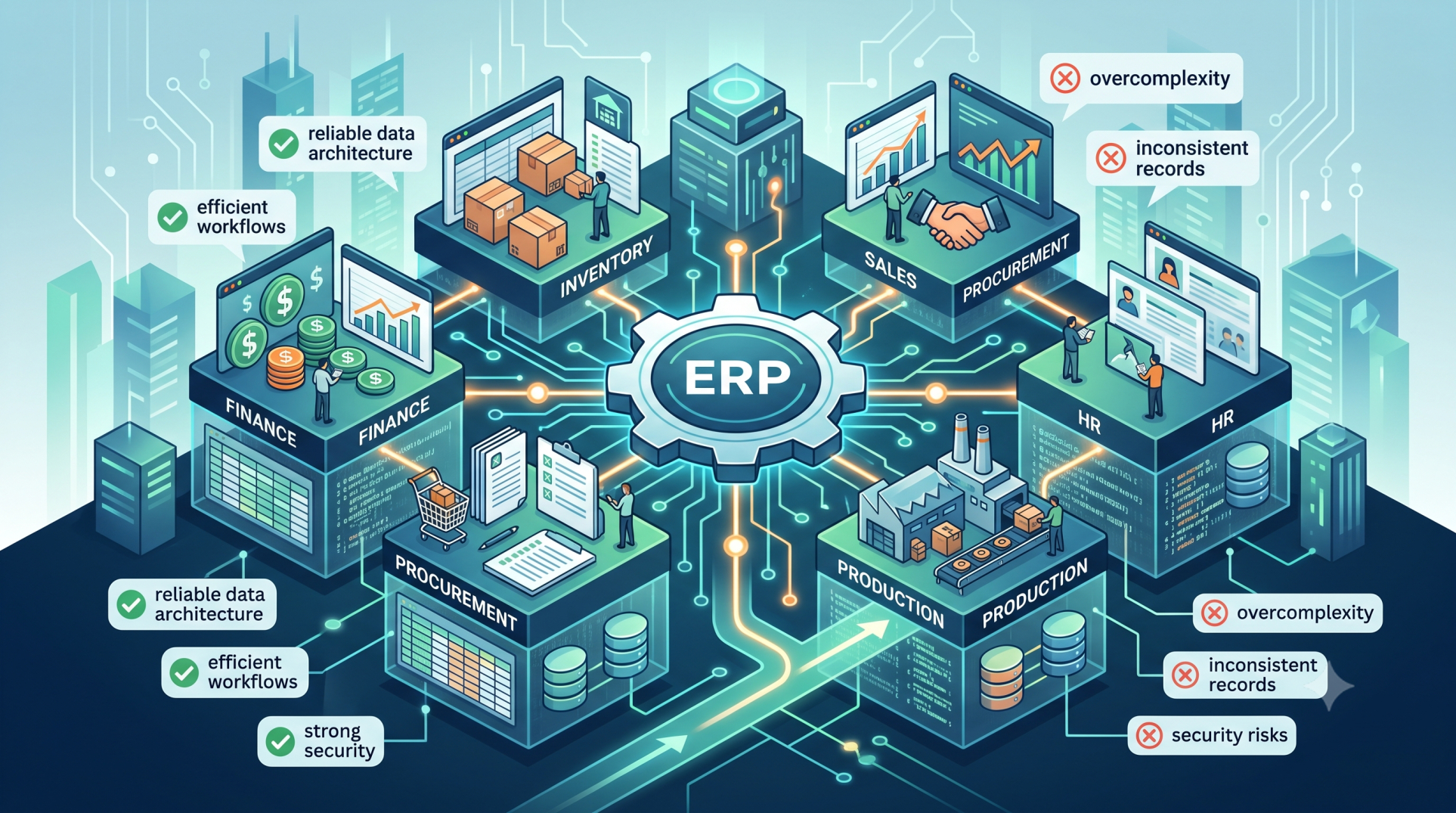
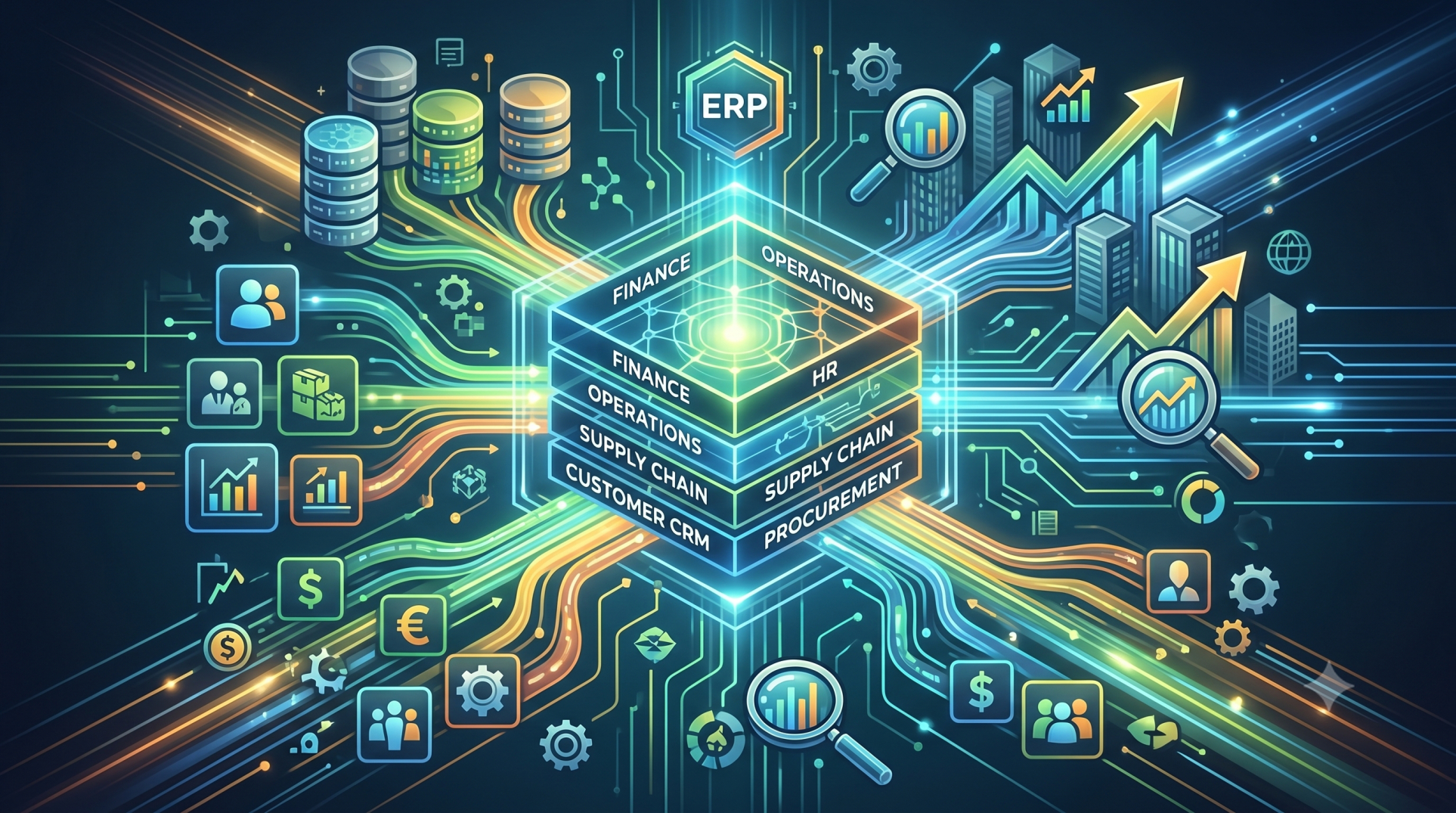
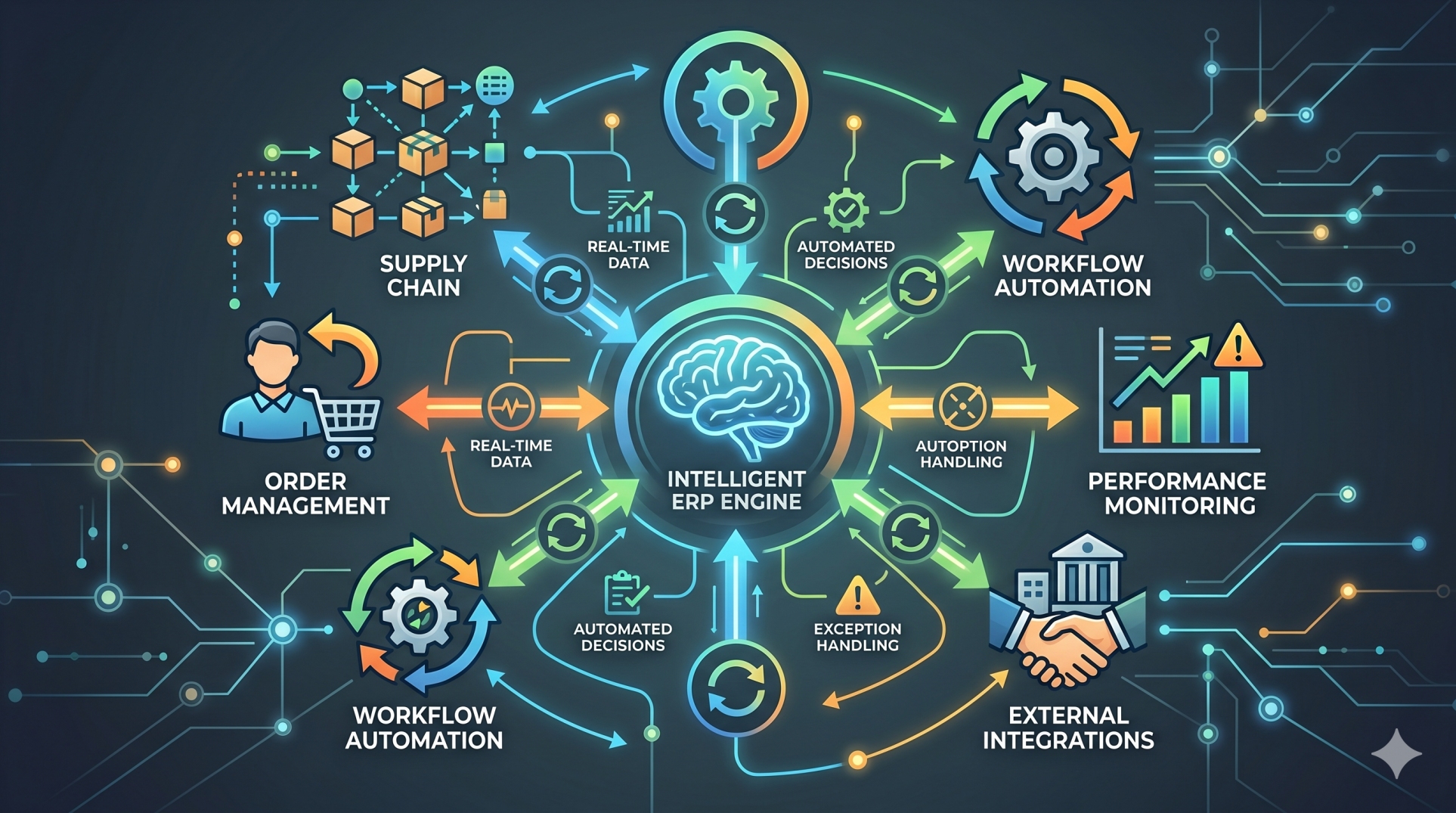
• Divide ERP functionality into specialized modules such as finance, HR, inventory, procurement, and sales
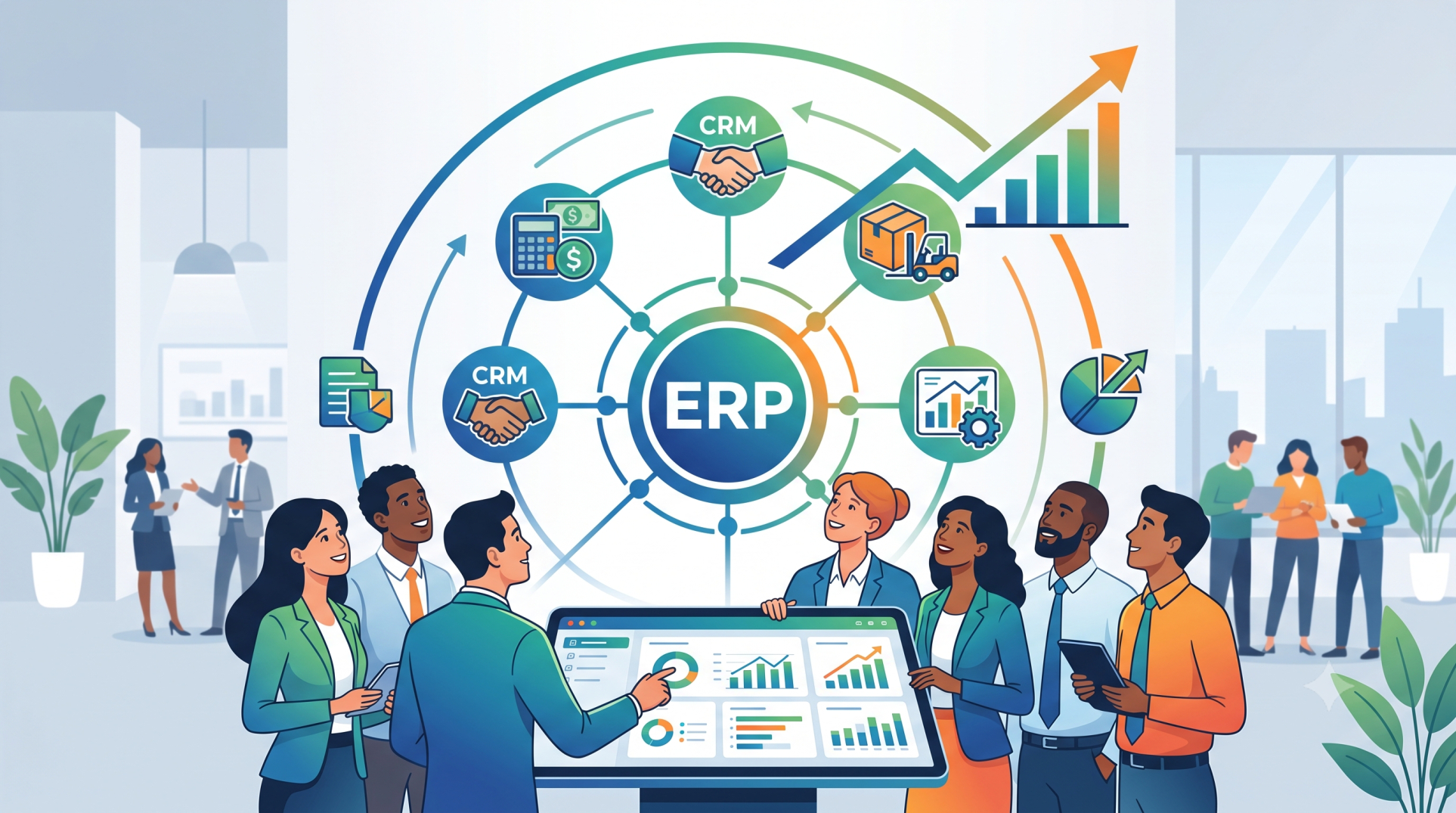
• Allow individual modules to operate as part of a connected business ecosystem
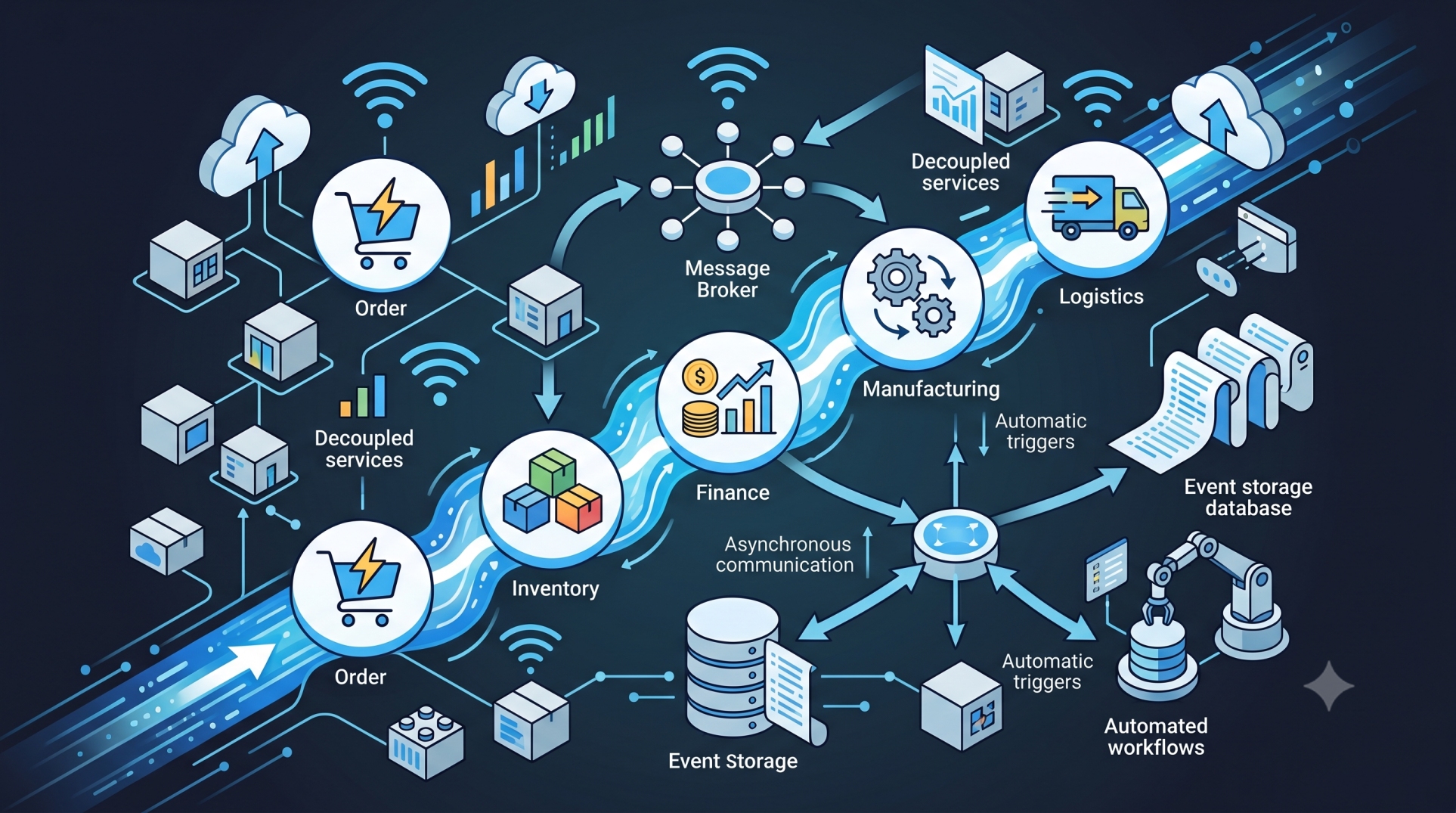
• Reduce dependency on a single monolithic system structure
• Enable organizations to select capabilities based on their operational priorities
• Create a flexible foundation for future business expansion
Step 2: Adding Capabilities as the Business Grows 📈
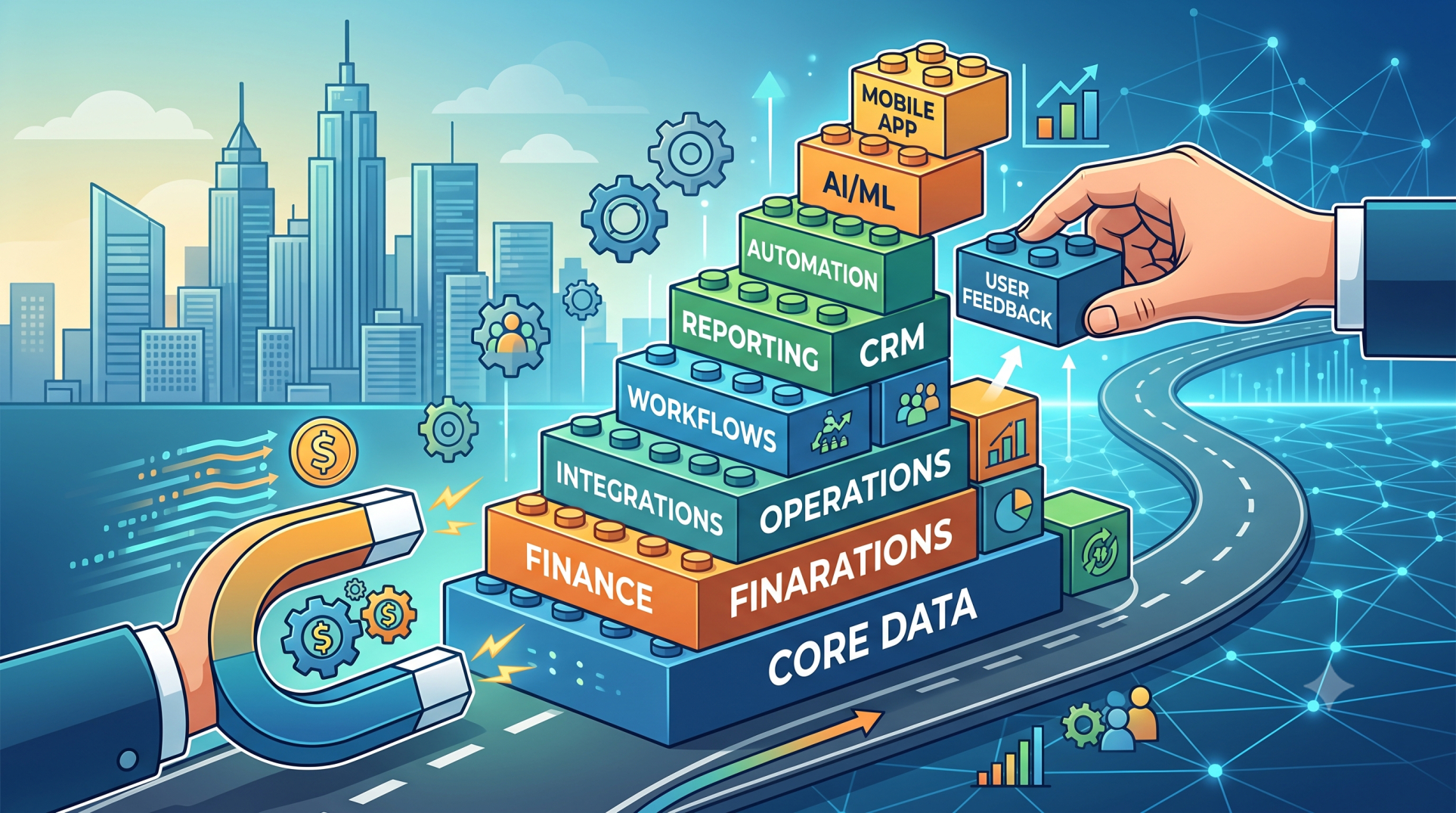
• Introduce new modules when additional business functions become necessary
• Expand ERP capabilities without disrupting existing operations
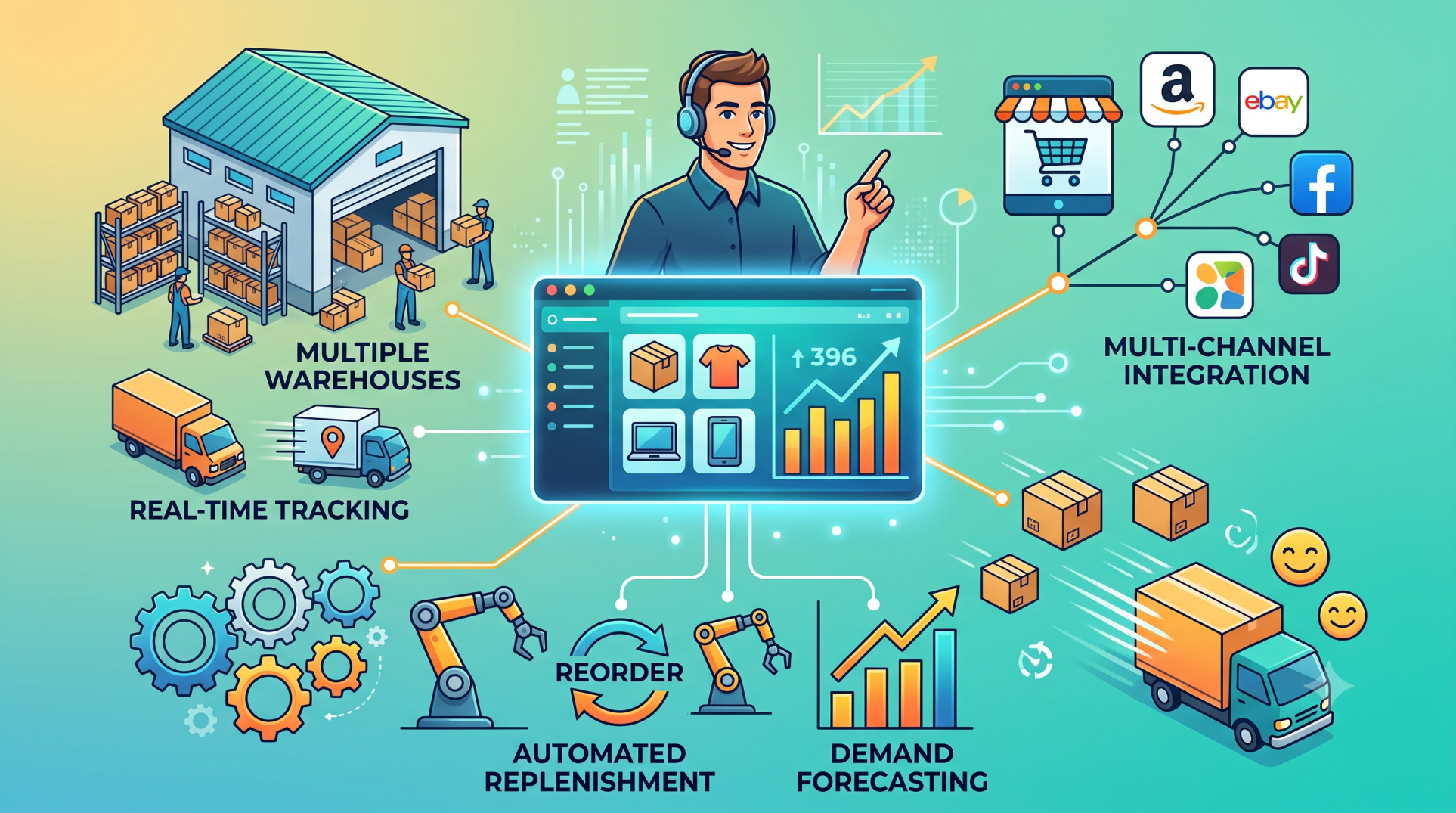
• Support new departments, locations, products, or business units
• Scale functionality according to organizational growth
• Avoid investing in unnecessary features at the beginning
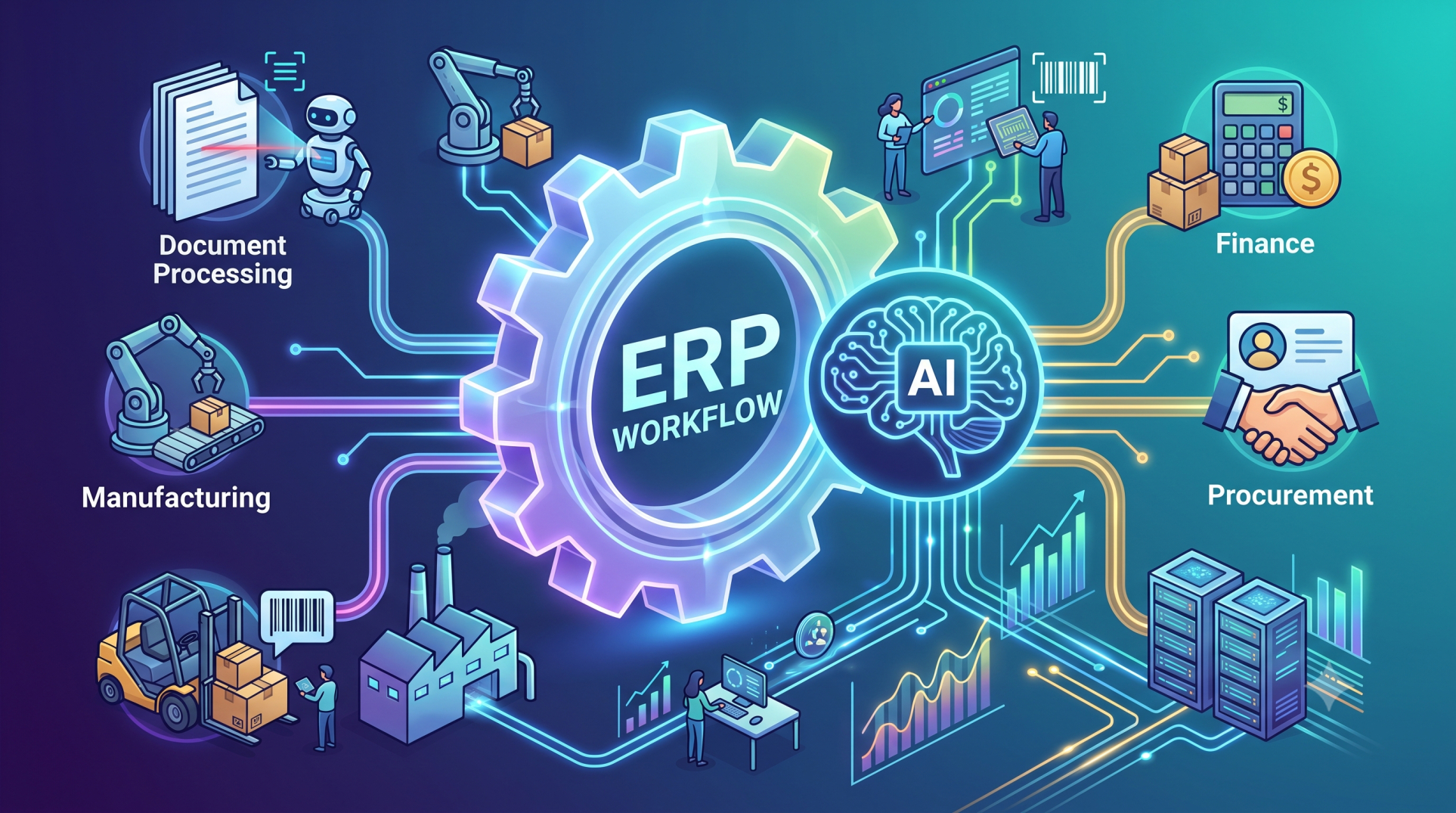
Step 3: Adapting Workflows to New Requirements 🔄
• Configure workflows according to changing operational processes
• Modify approval structures as teams and responsibilities evolve
• Introduce automation for newly emerging repetitive tasks
• Support different workflows across business units when required
• Maintain operational consistency while allowing necessary flexibility
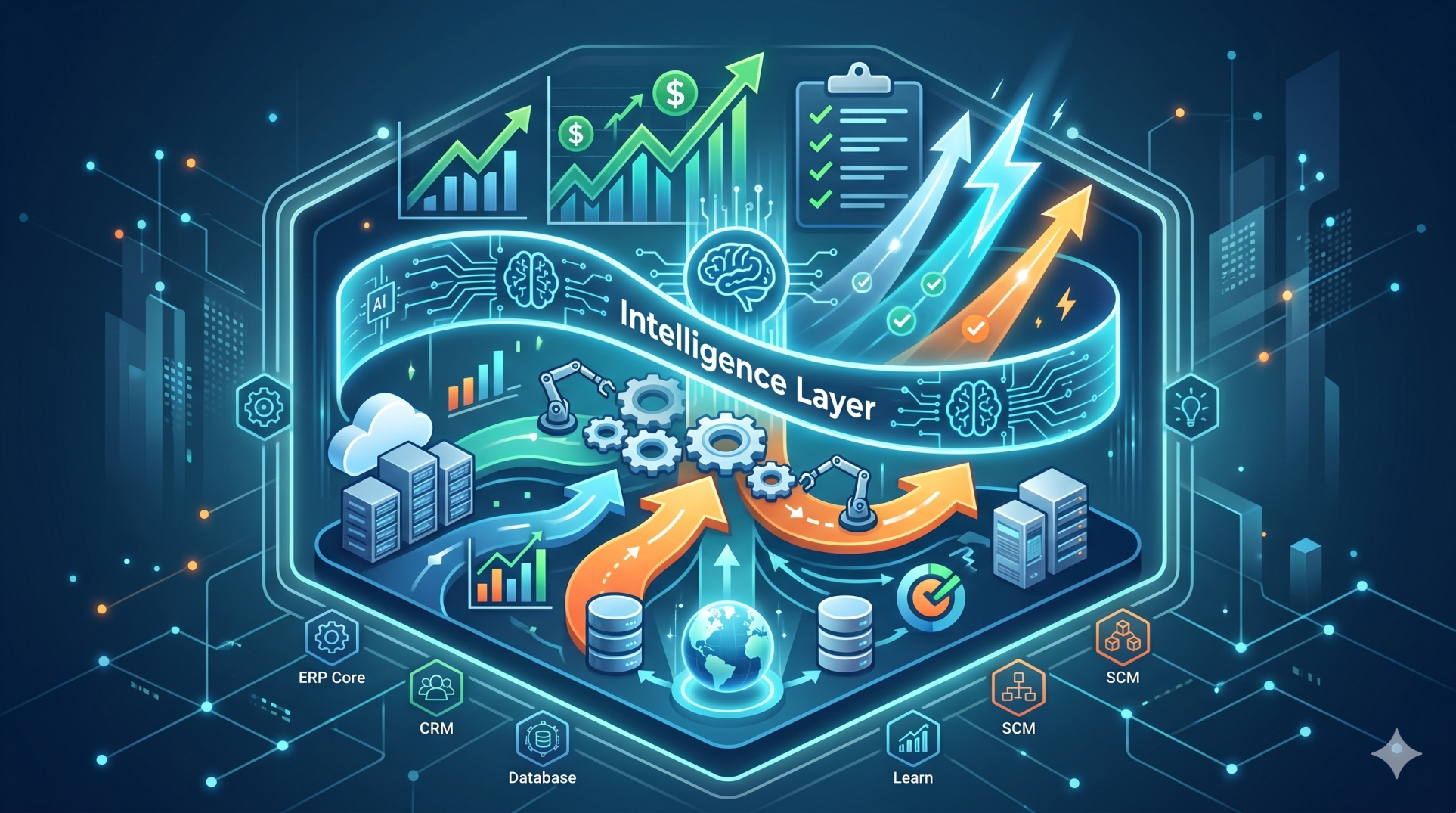
Step 4: Integrating New Technologies 🔗
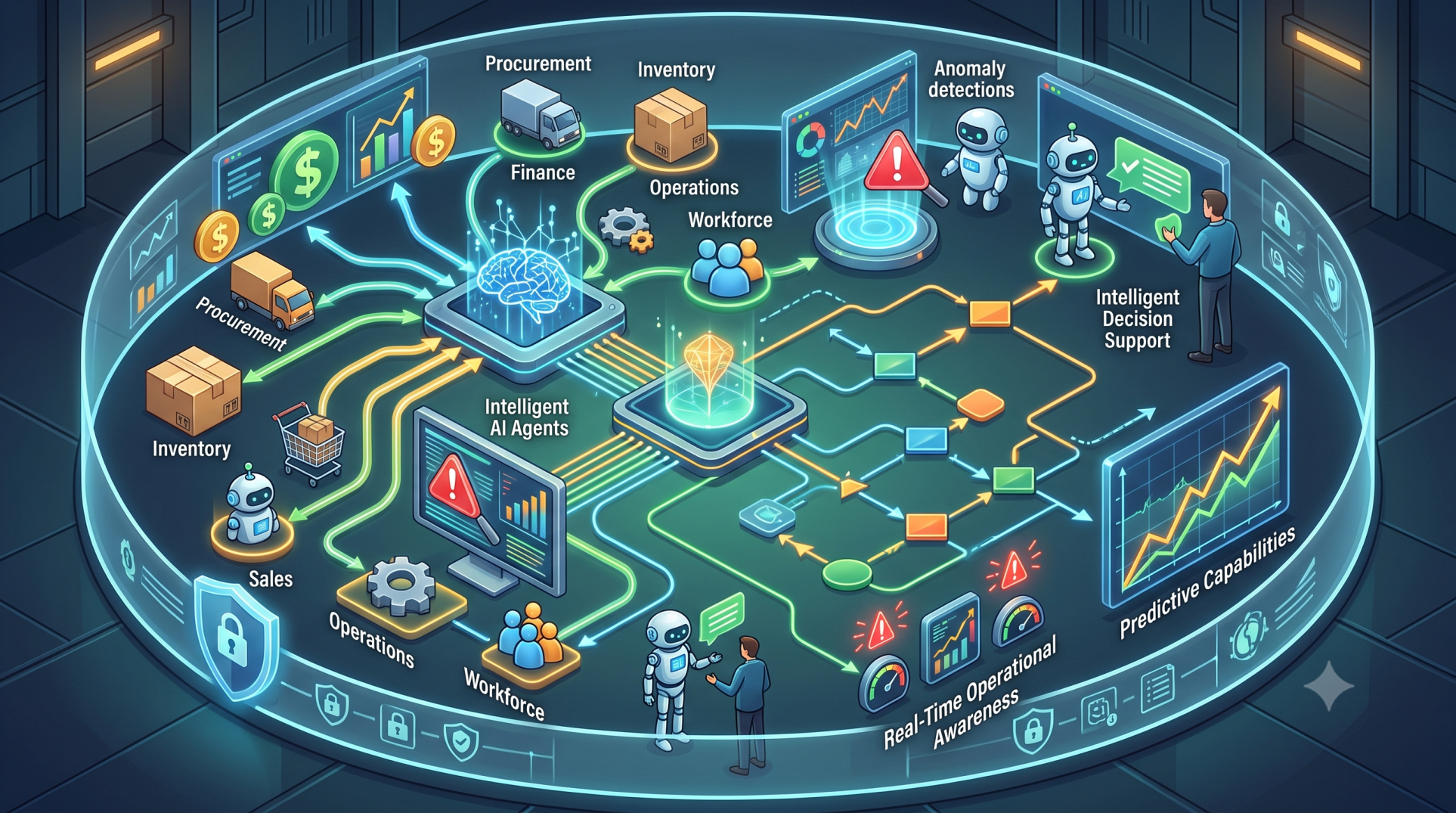
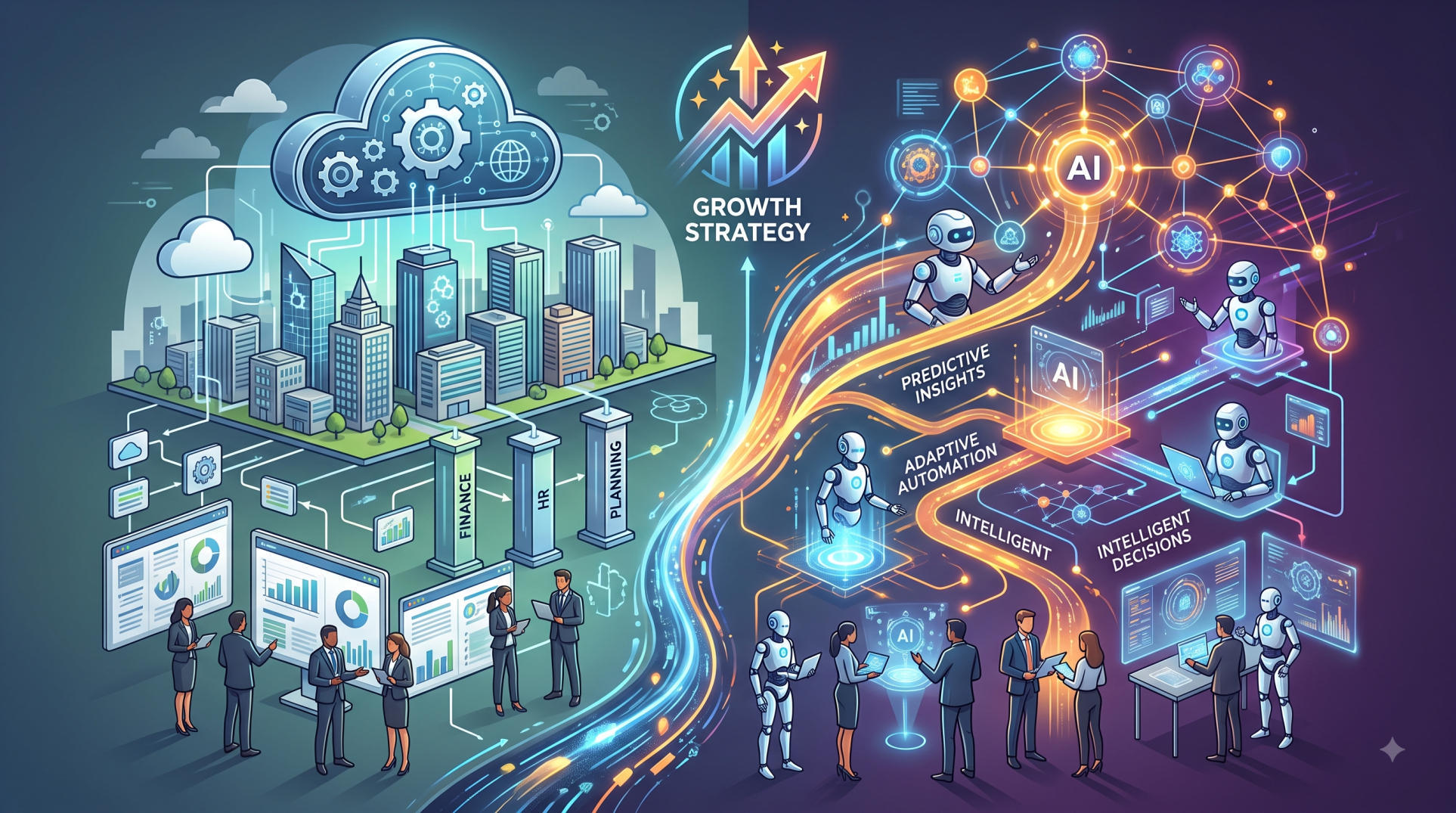
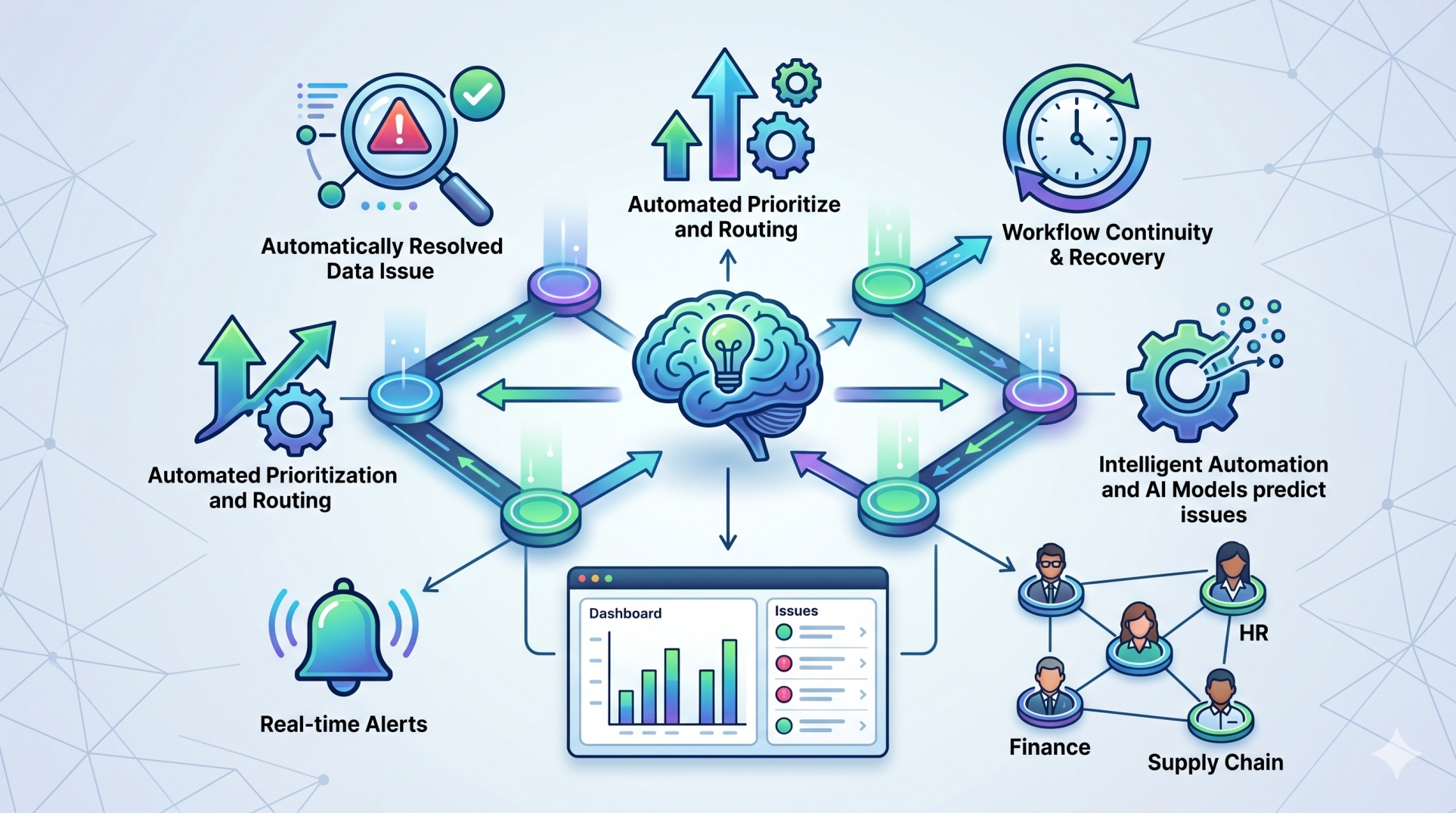
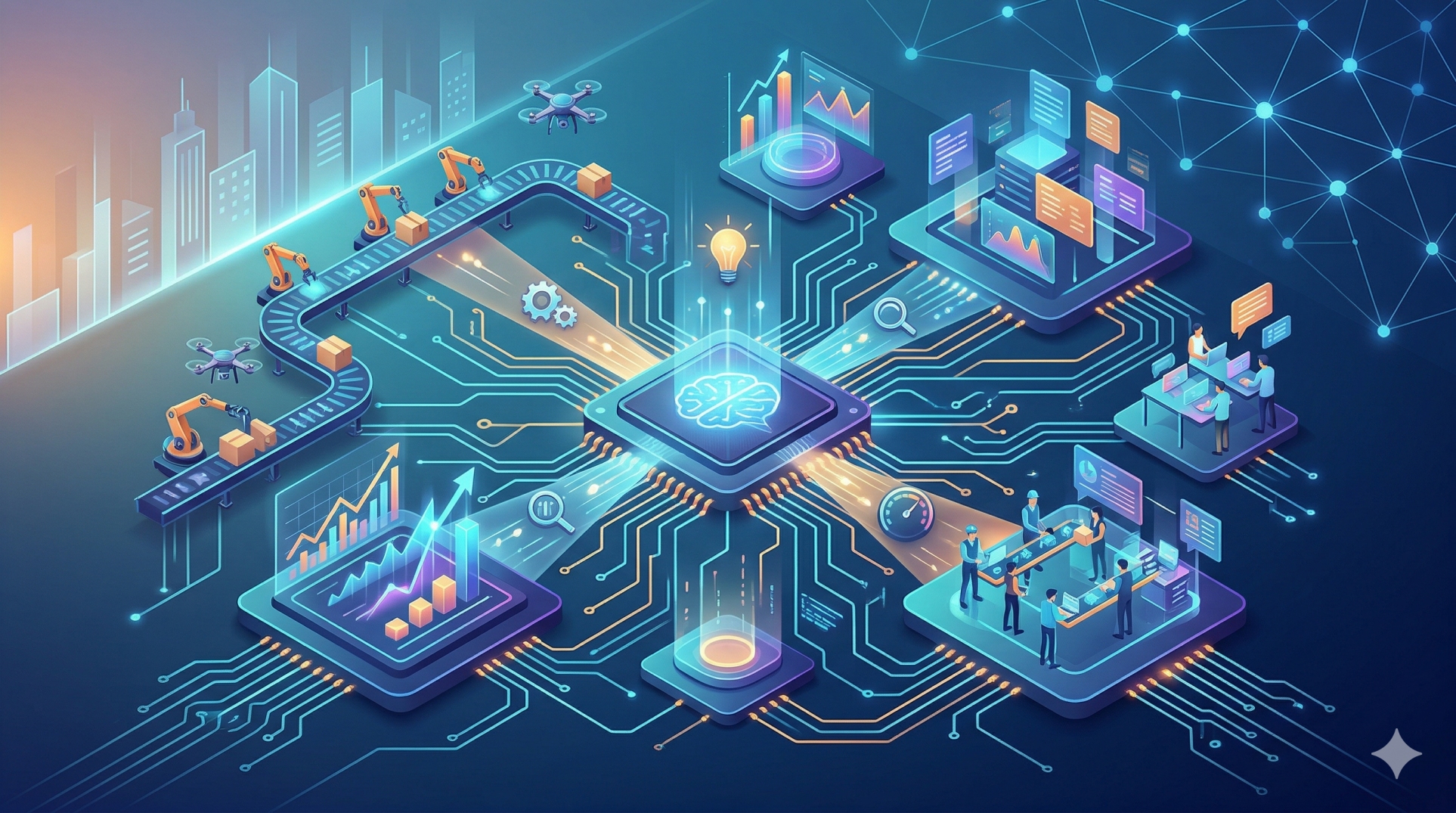
• Connect AI and analytics capabilities with existing ERP modules 🤖
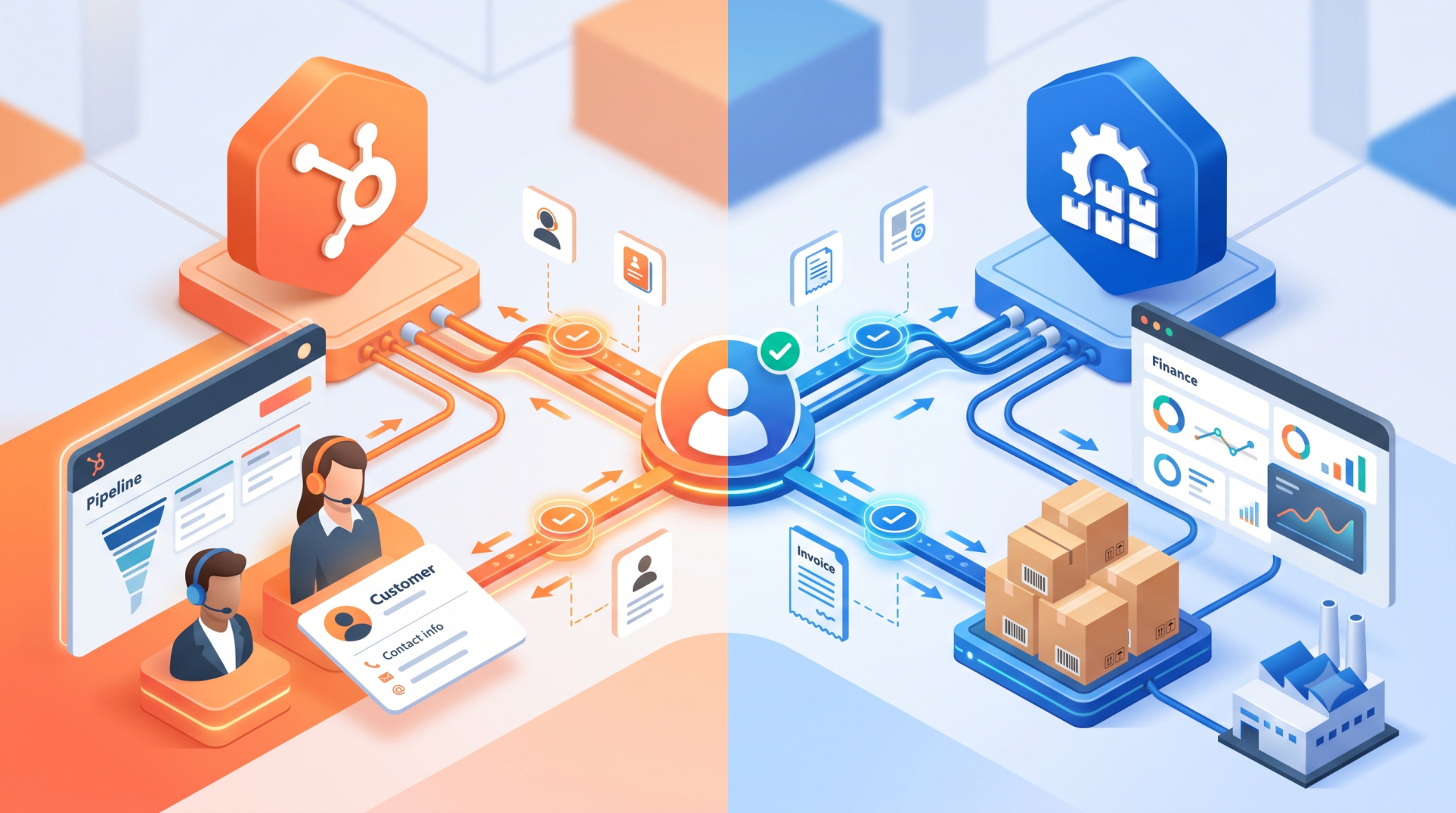
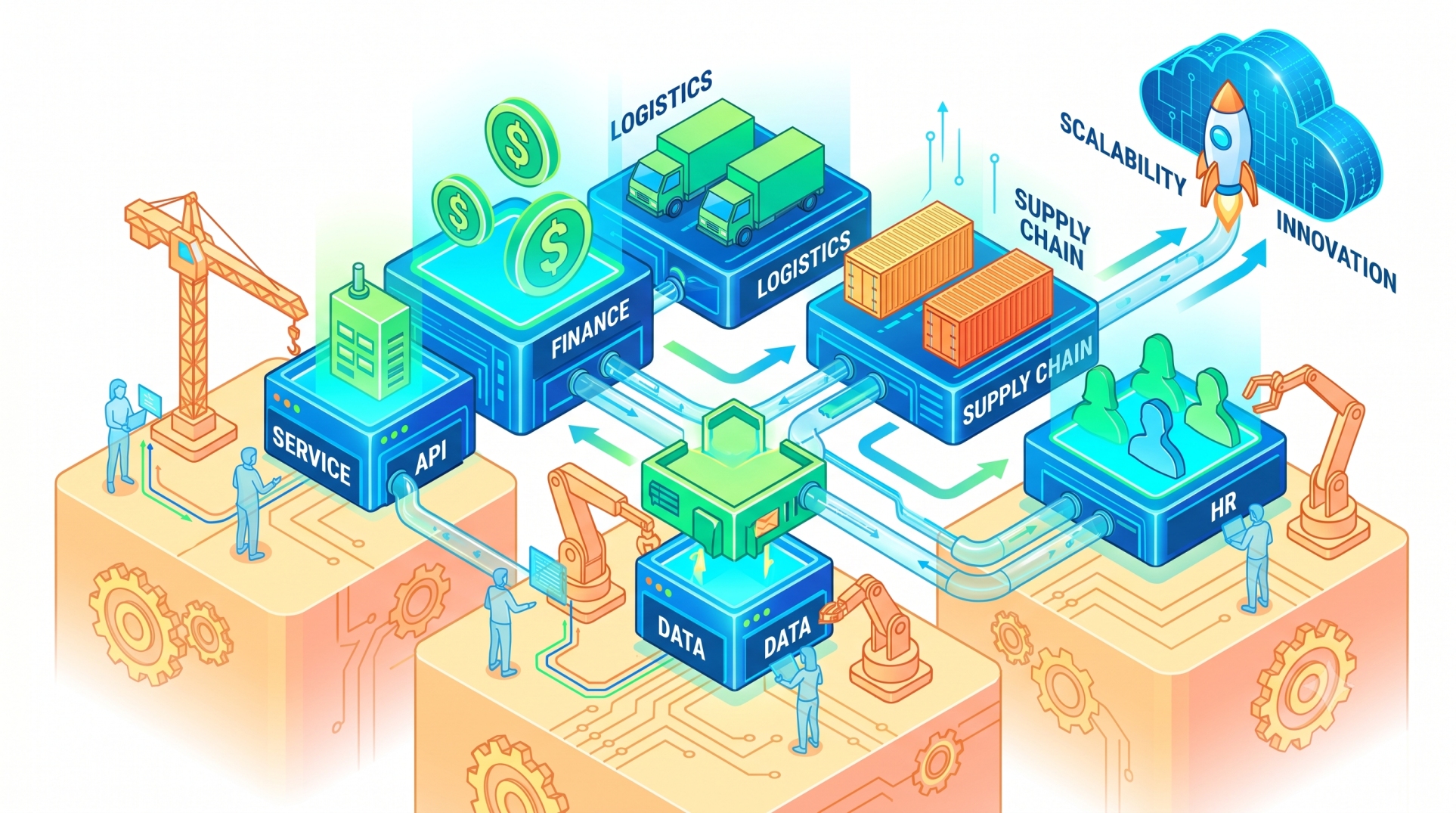
• Integrate third-party applications through APIs and middleware
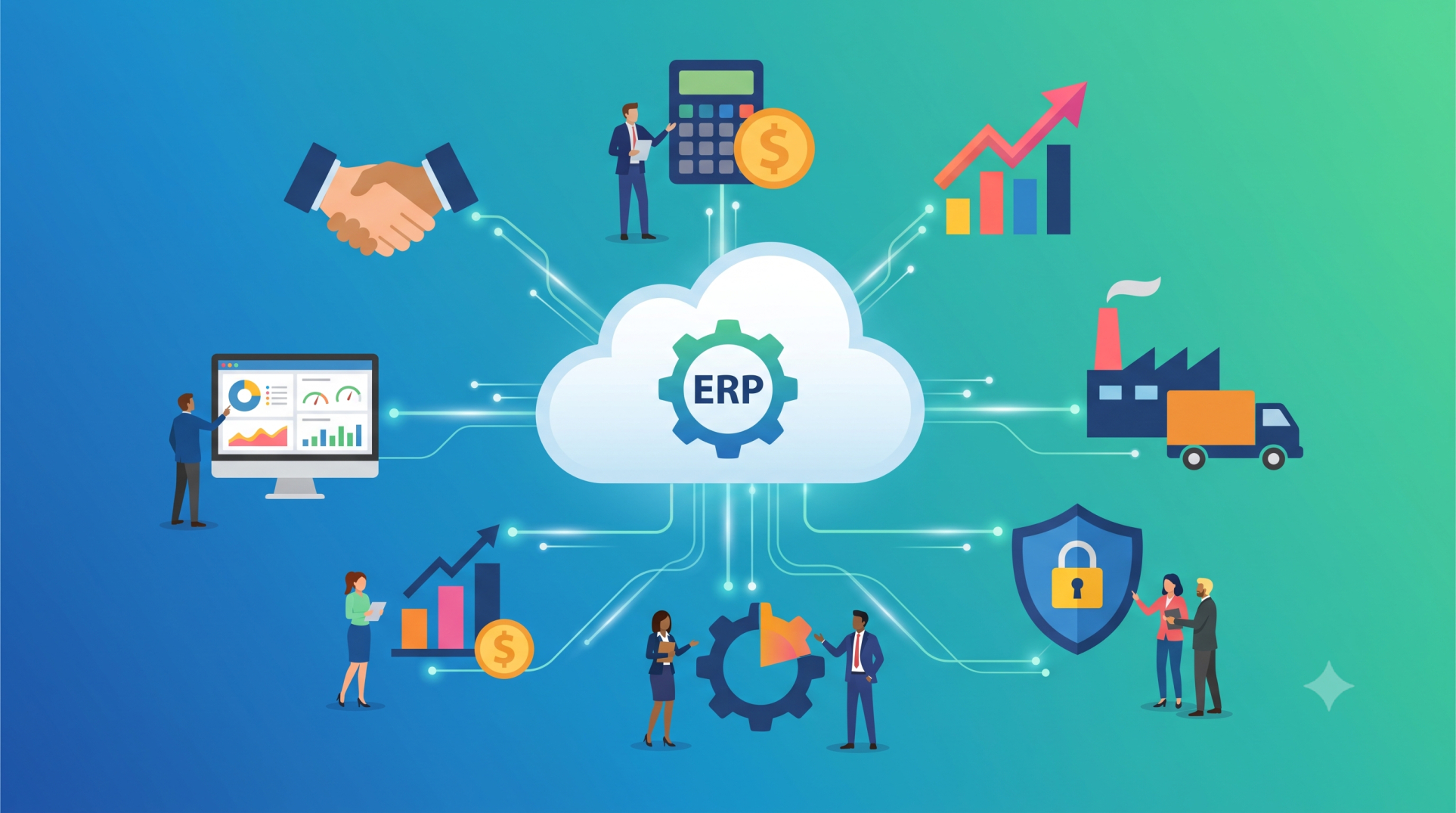
• Support cloud-based and hybrid technology environments ☁️
• Add specialized tools without rebuilding the entire ERP platform
• Enable organizations to adopt emerging technologies progressively
Step 5: Supporting Organizational Expansion 🌍
• Extend ERP functionality across new branches and locations
• Support multiple currencies, tax structures, and operational models
• Connect newly acquired businesses to existing systems
• Standardize core processes while accommodating local requirements
• Provide a common technology foundation for distributed operations
Step 6: Improving Cost and Resource Efficiency 💰
• Invest in only the modules required at each stage of growth
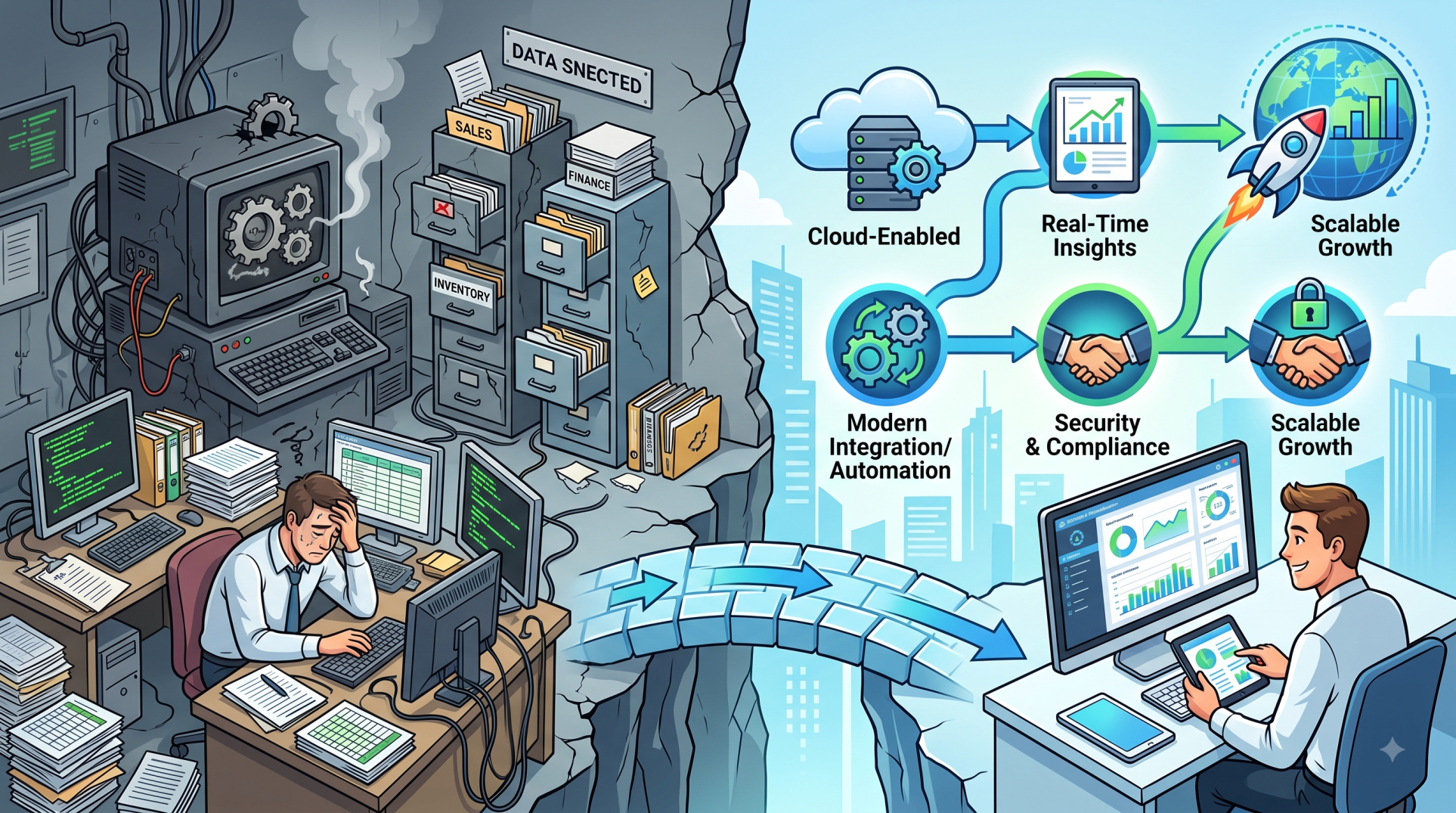
• Reduce the cost and complexity associated with complete system replacements
• Minimize unnecessary customization across the ERP environment
• Allocate technology investments according to business priorities
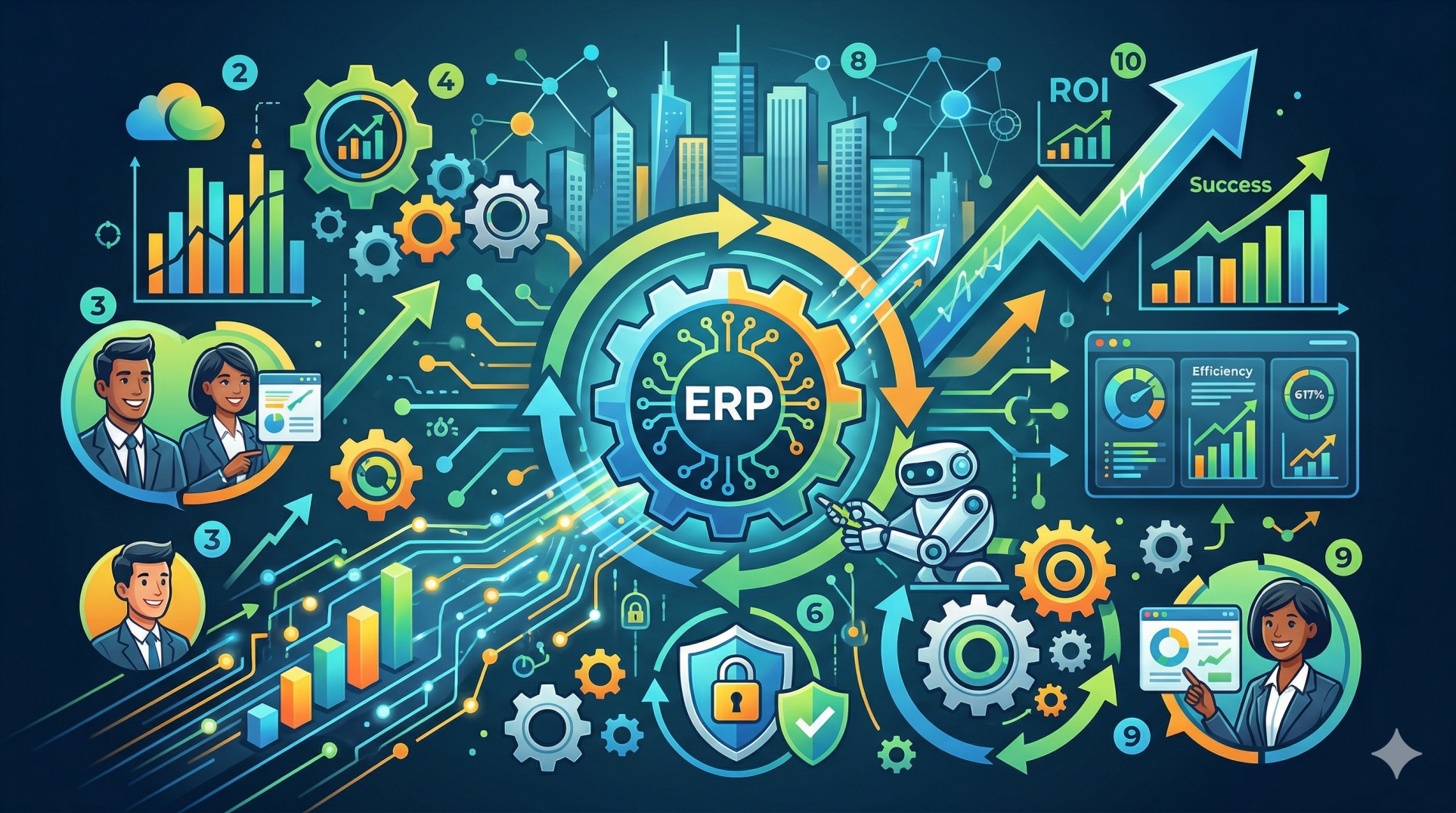
• Improve long-term return on ERP investments
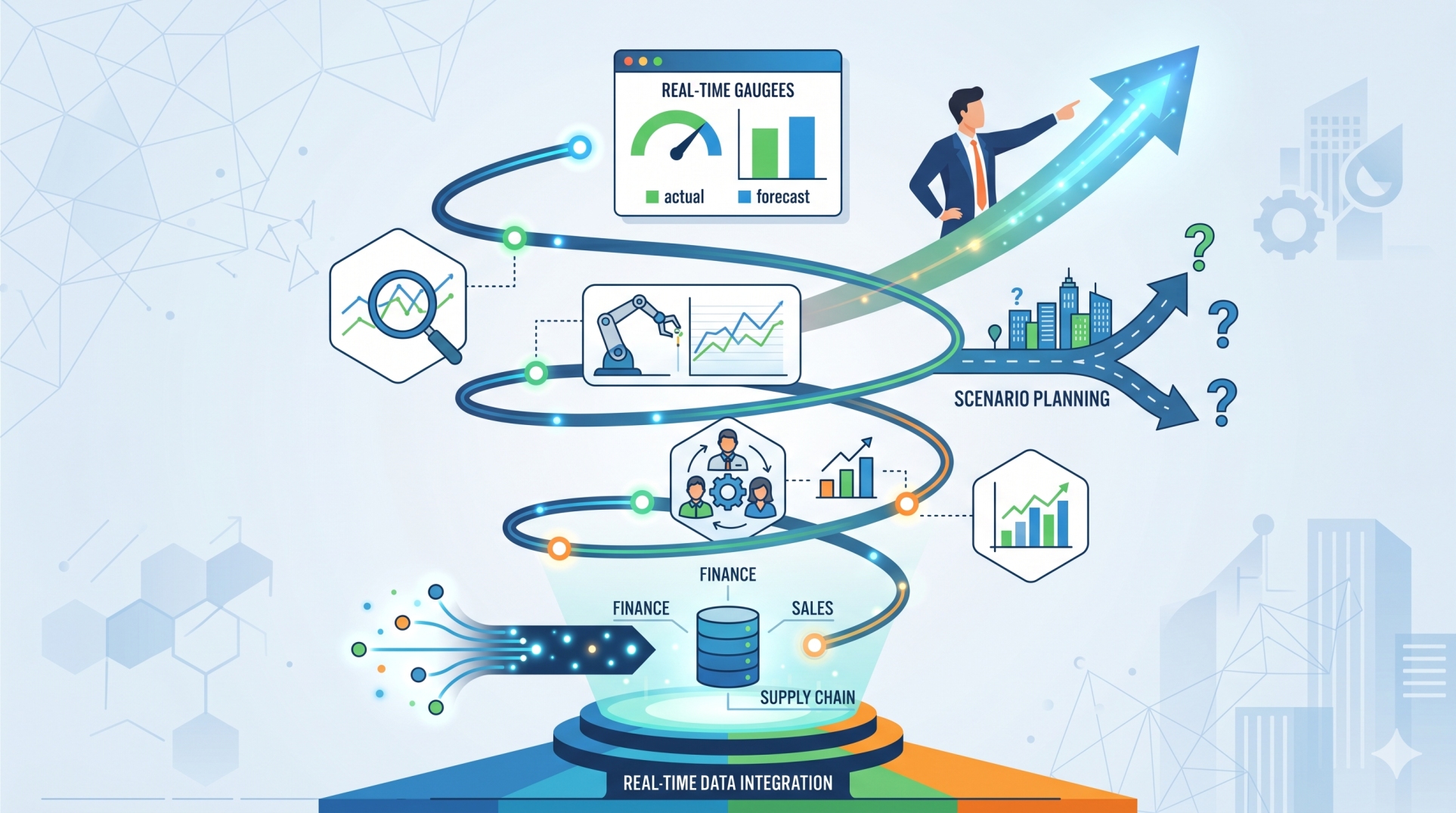
Step 7: Strengthening Data and Process Connectivity 📊
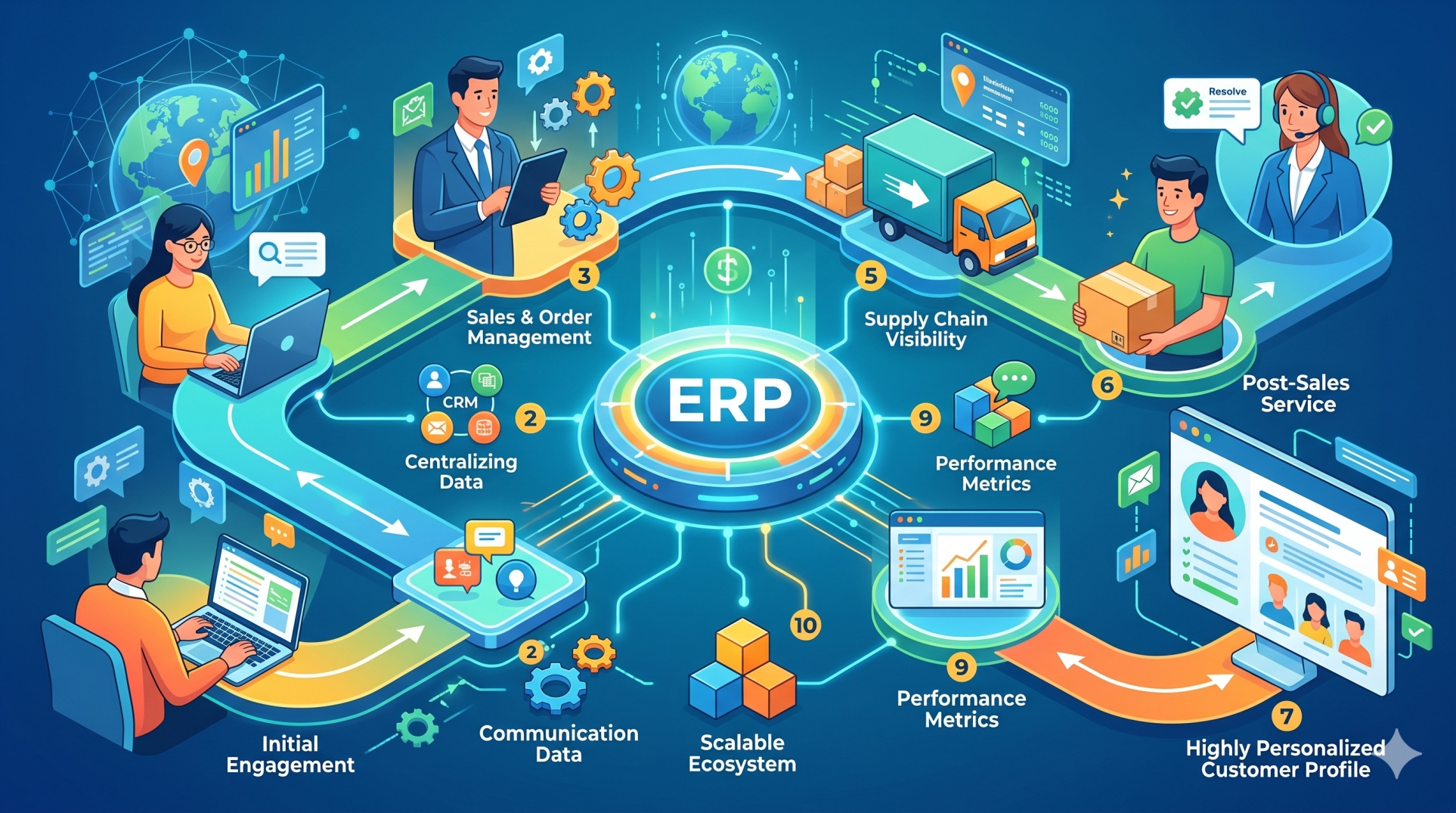
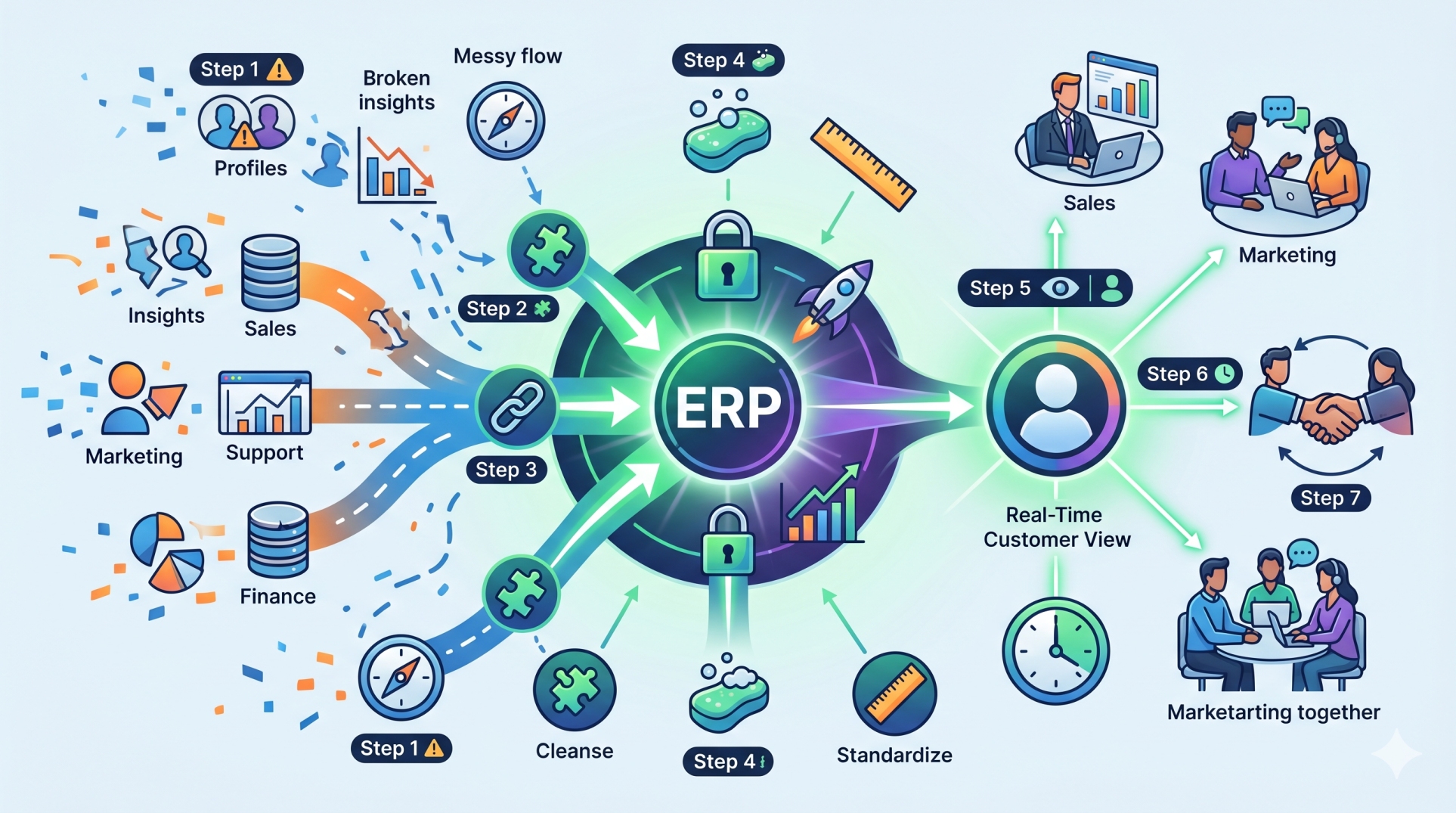
• Maintain consistent information across connected modules
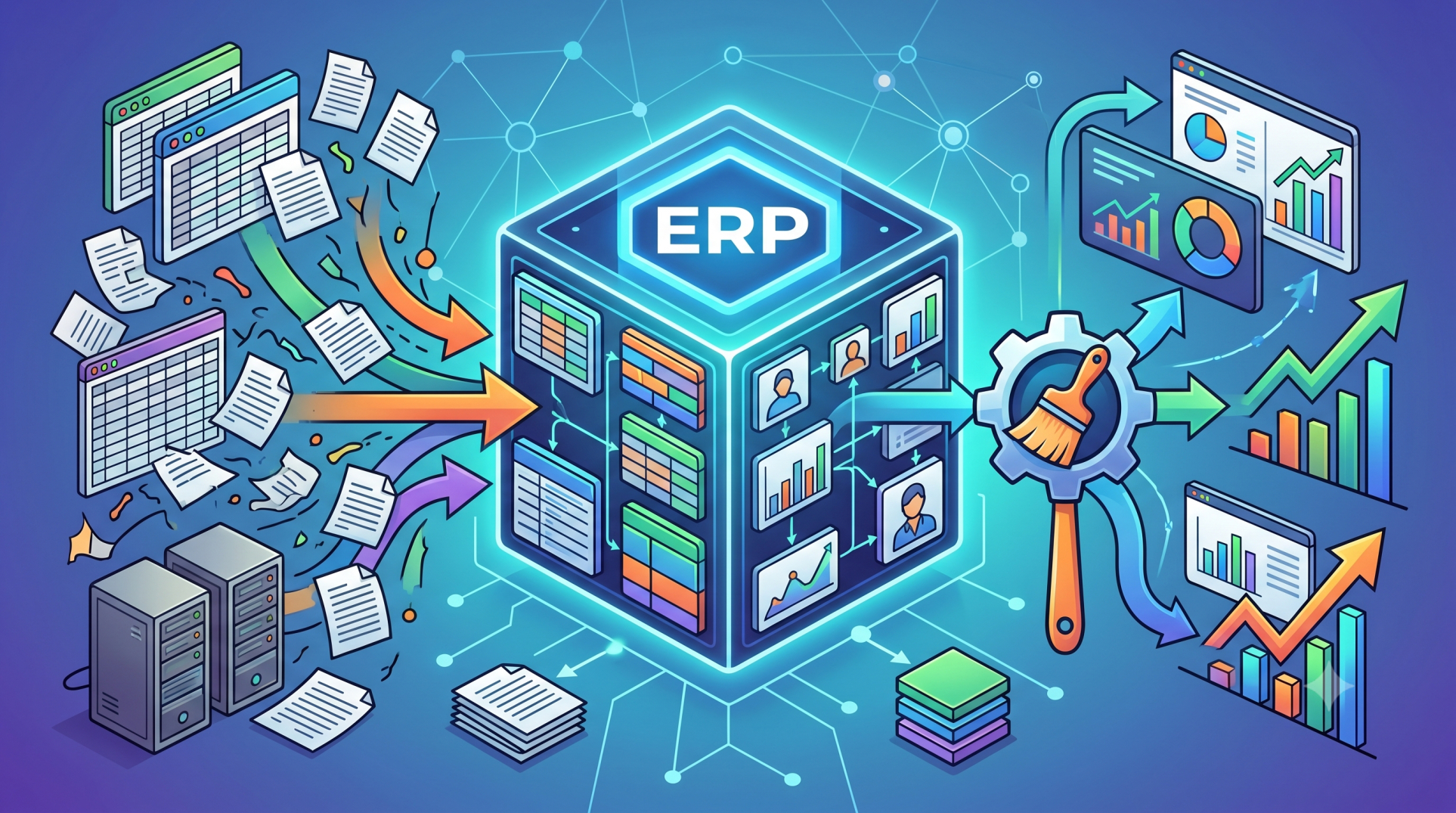
• Reduce duplicate data entry and disconnected workflows
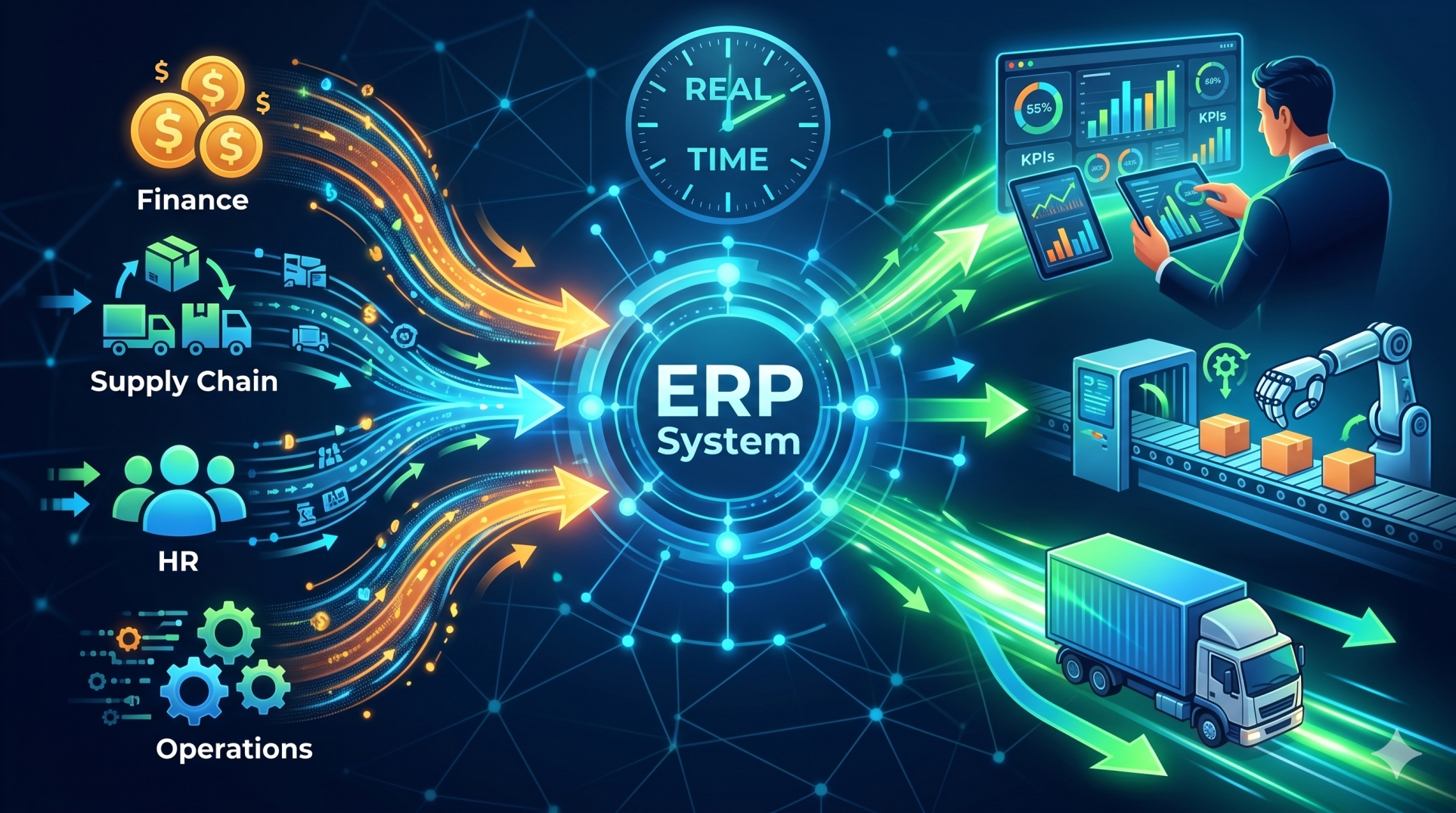
• Provide shared visibility across departments
• Improve reporting through integrated business information
• Support faster decision-making with more reliable data
Step 8: Managing Change with Less Disruption 🛠️
• Introduce new capabilities in controlled stages
• Test individual modules before broader deployment
• Reduce disruption to critical business operations
• Train employees according to specific functional changes
• Support gradual transformation rather than large-scale system replacement
Step 9: Key Priorities for Modular ERP Design ⭐
• Flexible architecture that can evolve with business requirements
• Seamless integration between ERP modules and external systems
• Scalable infrastructure for organizational growth
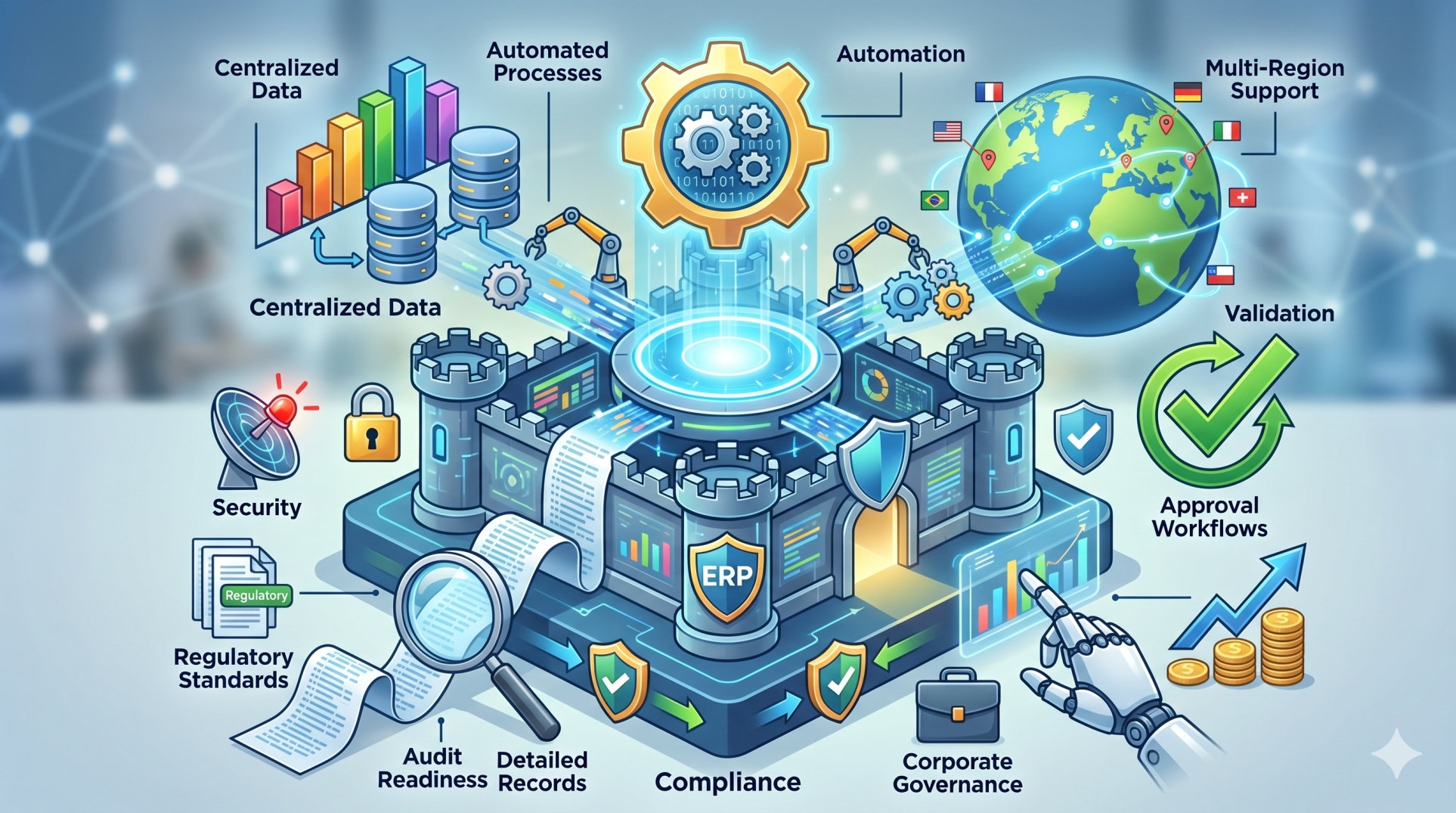
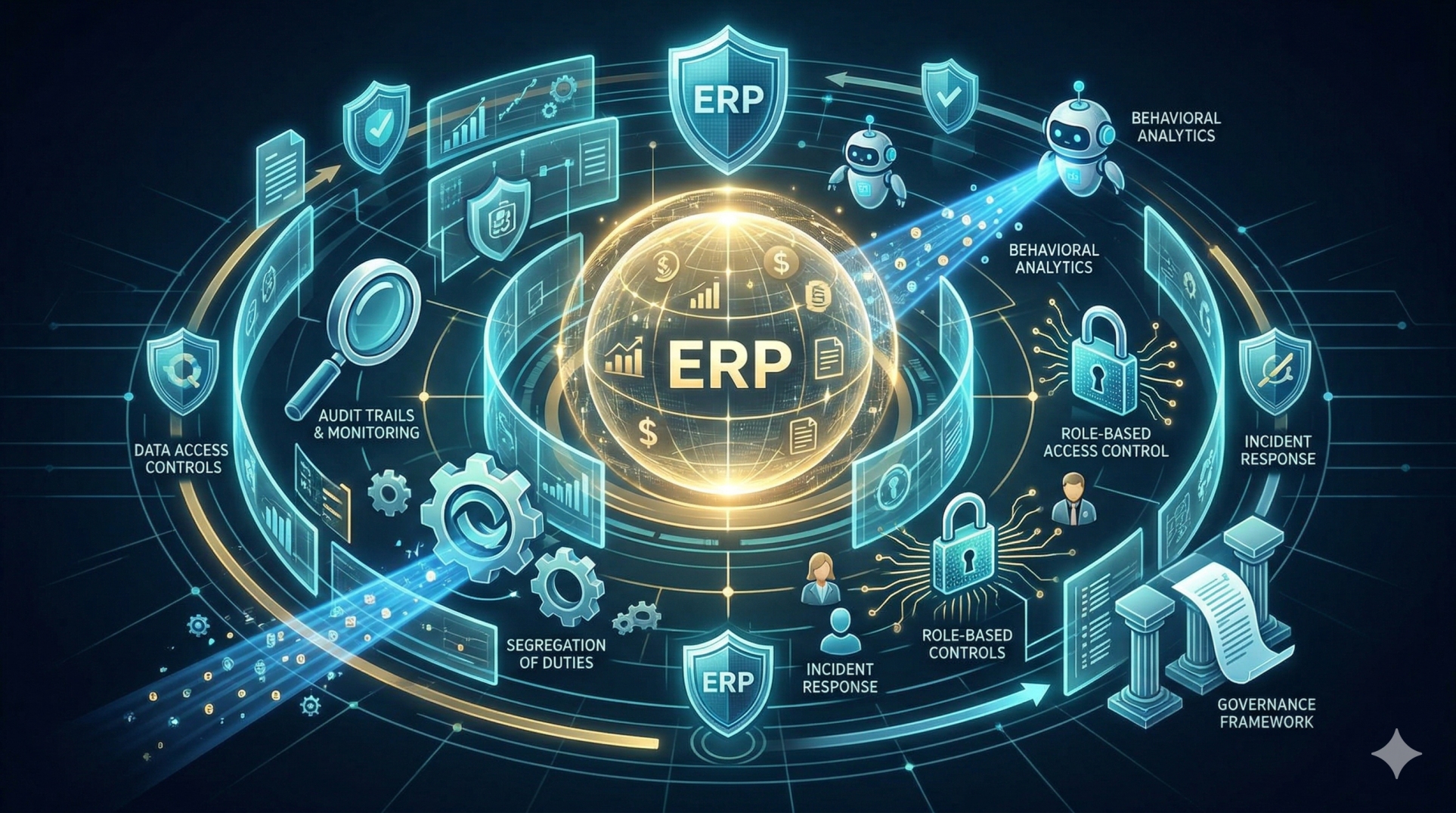
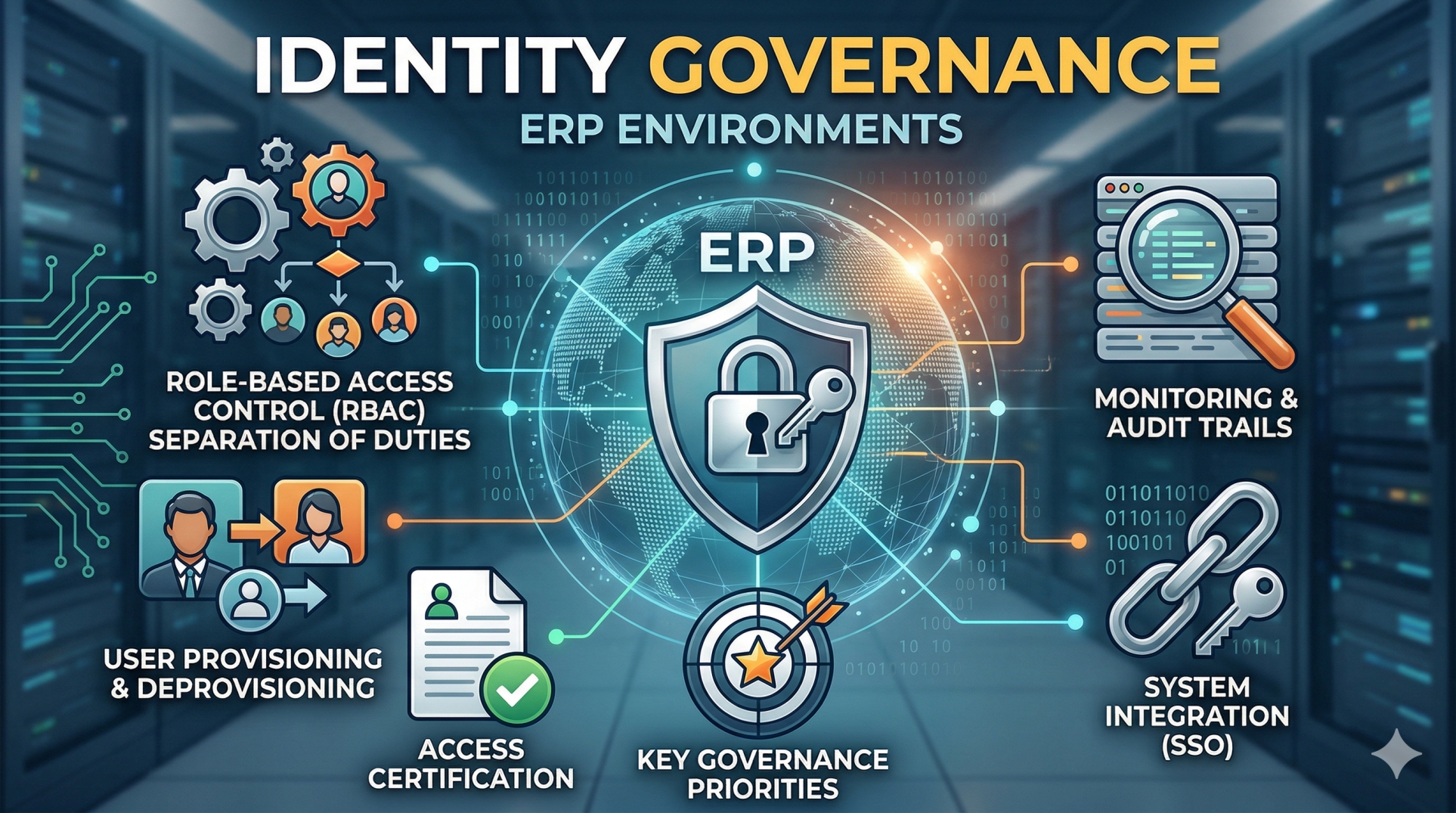
• Strong security and governance across connected applications
• Clear processes for evaluating and introducing new capabilities
Step 10: Building a Future-Ready ERP Environment 🚀
• Design ERP platforms around long-term adaptability
• Continuously evaluate new modules and technologies
• Support changing customer, workforce, and market requirements
• Reduce technology limitations that can slow organizational growth
• Create an ERP ecosystem capable of evolving alongside the business
Conclusion
Modular ERP design gives organizations the flexibility to respond to changing business requirements without constantly replacing their core technology infrastructure. By enabling businesses to add capabilities, modify workflows, integrate emerging technologies, and scale operations progressively, modular ERP architectures provide a practical foundation for continuous transformation. Organizations that adopt this approach can maintain operational stability while remaining flexible enough to respond to new opportunities and challenges.
See more blogs
You can all the articles below