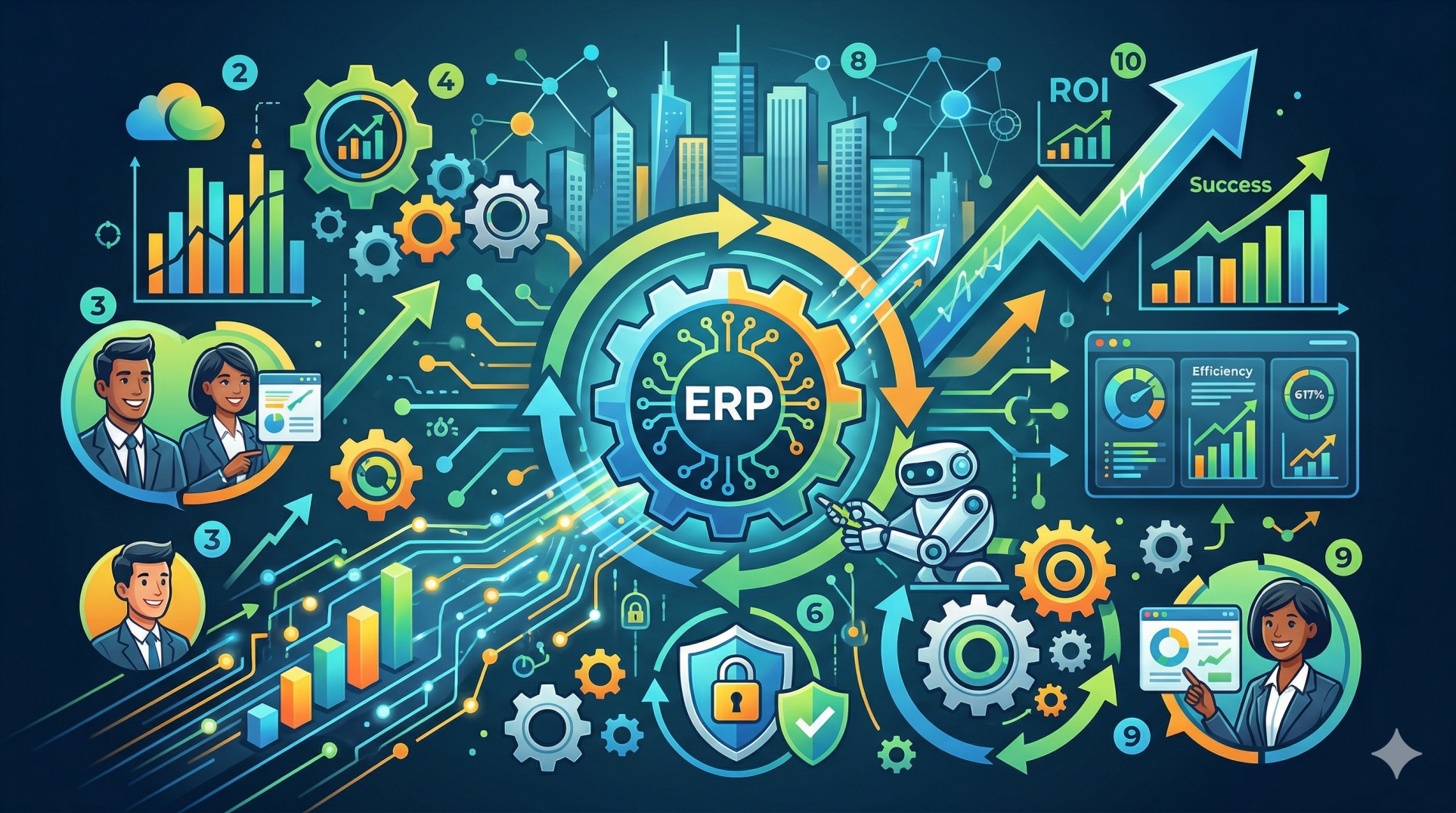
How AI-Native ERP Changes Traditional Enterprise Software Design
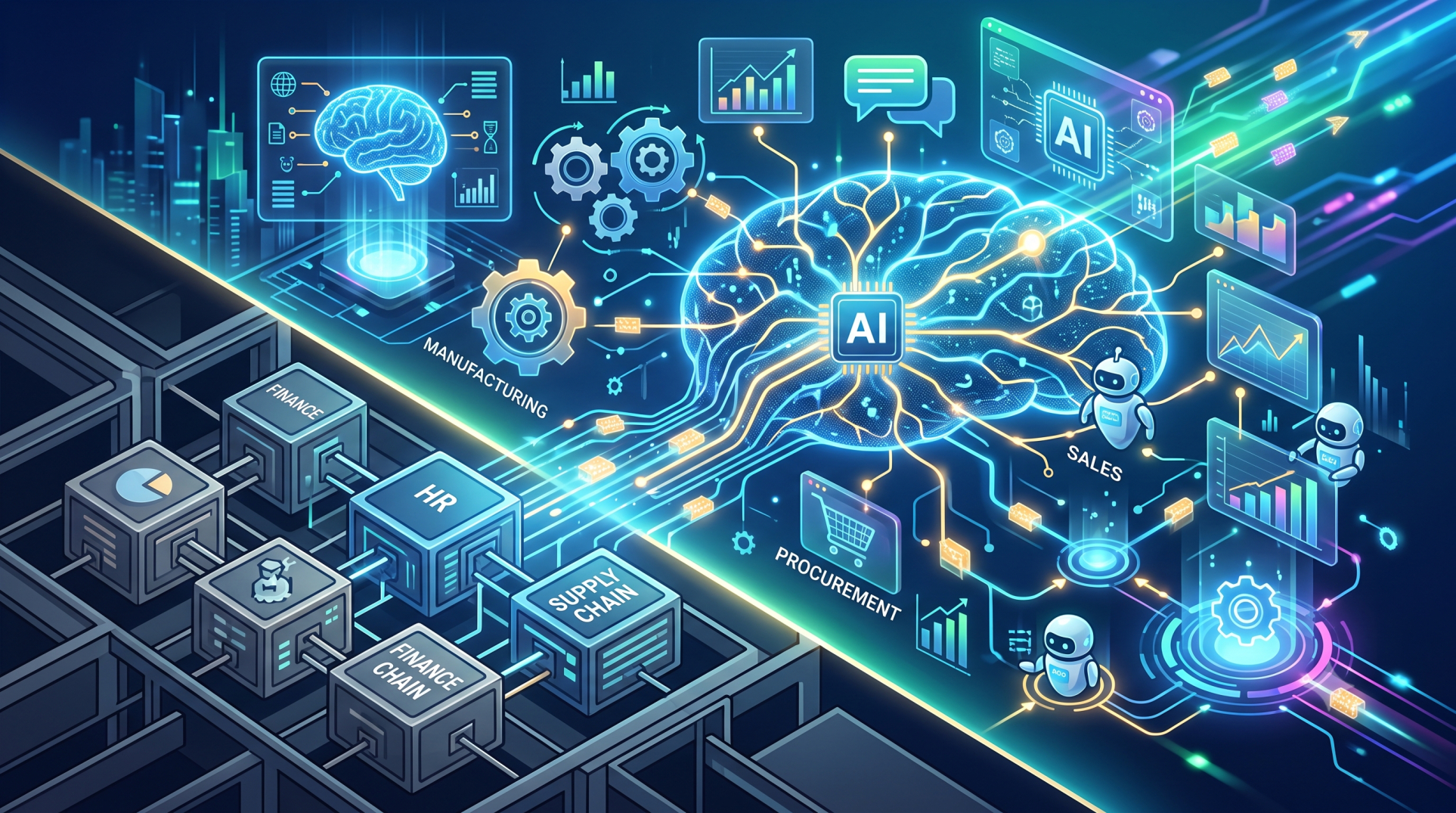
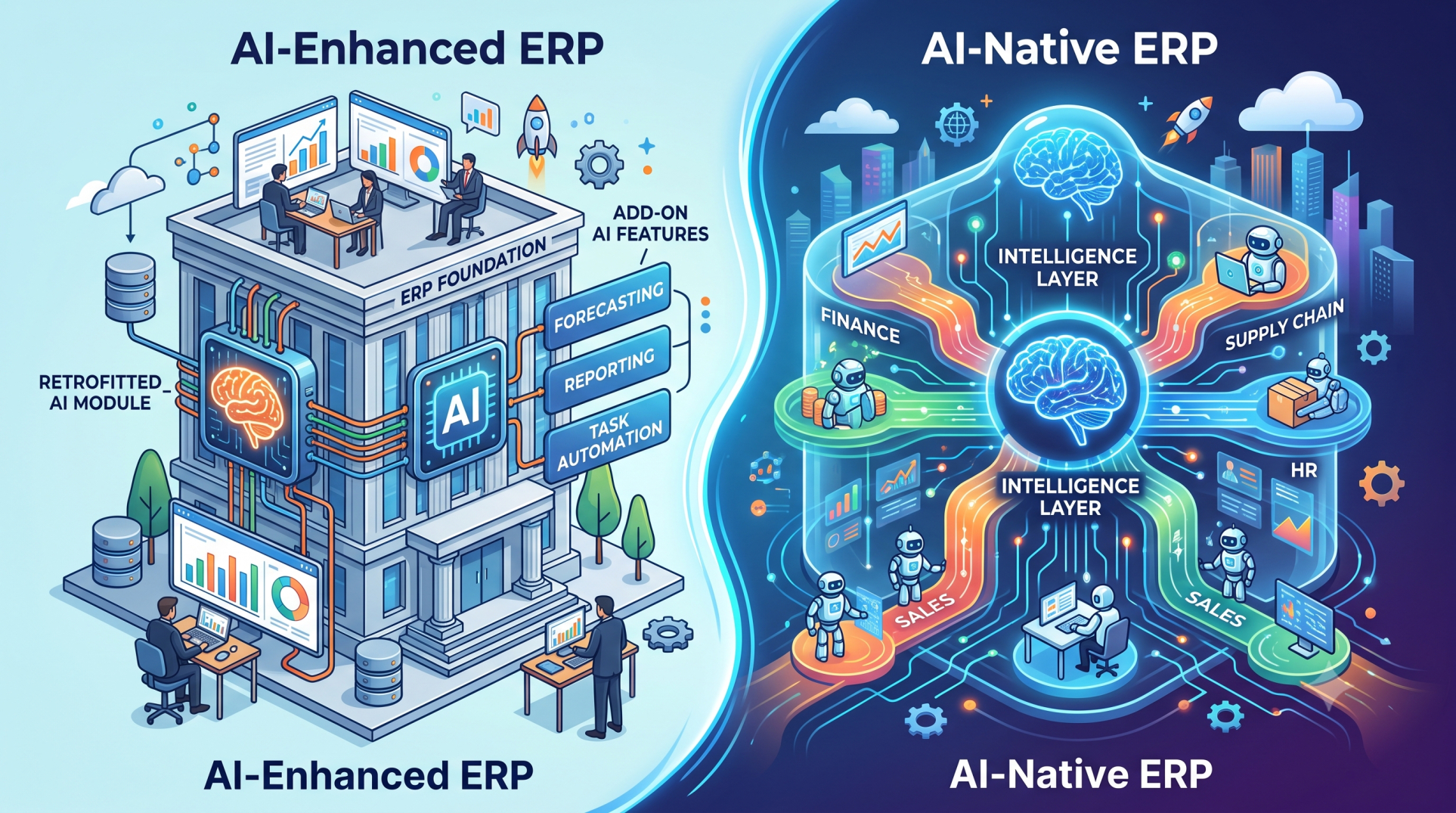
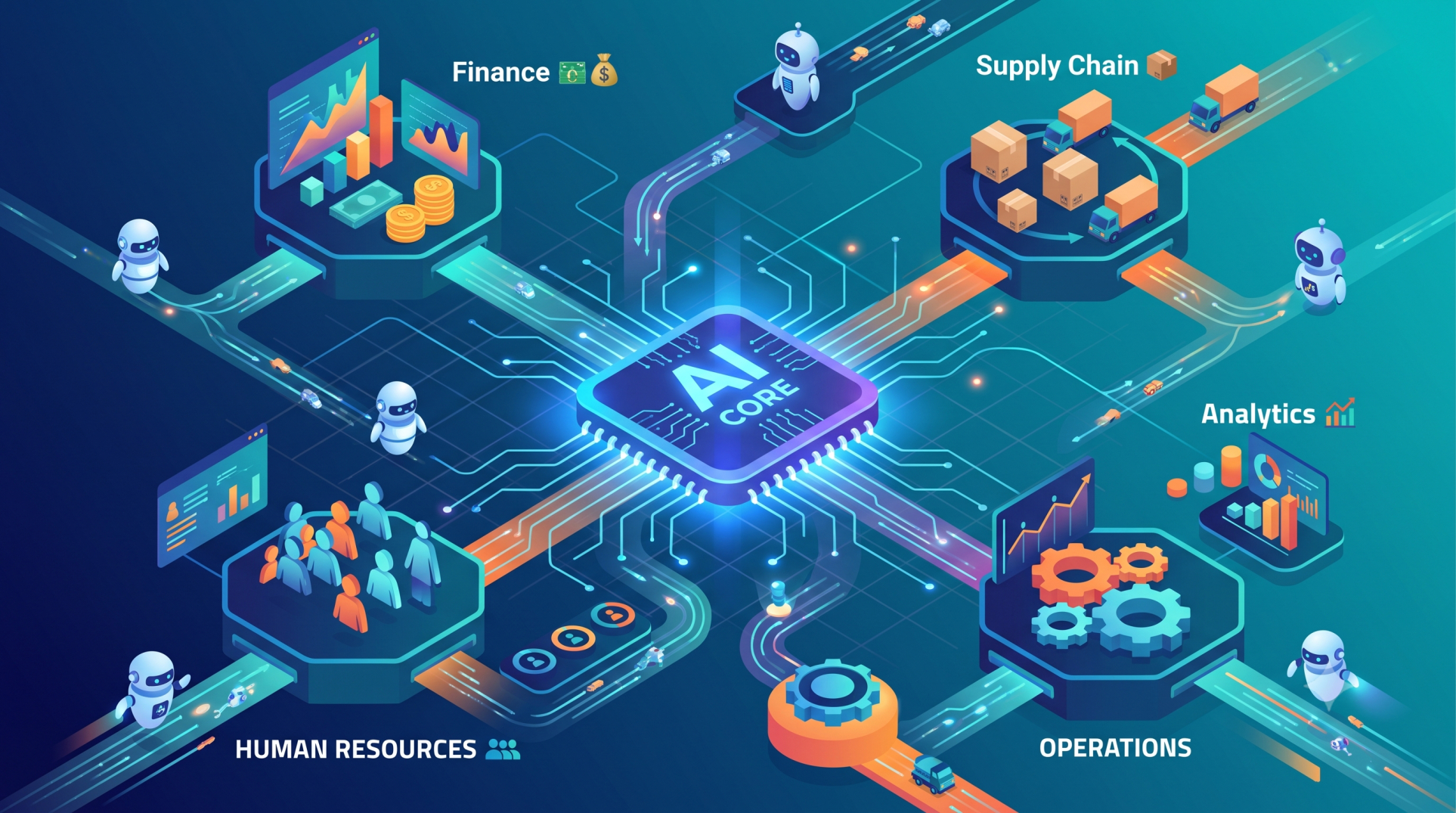
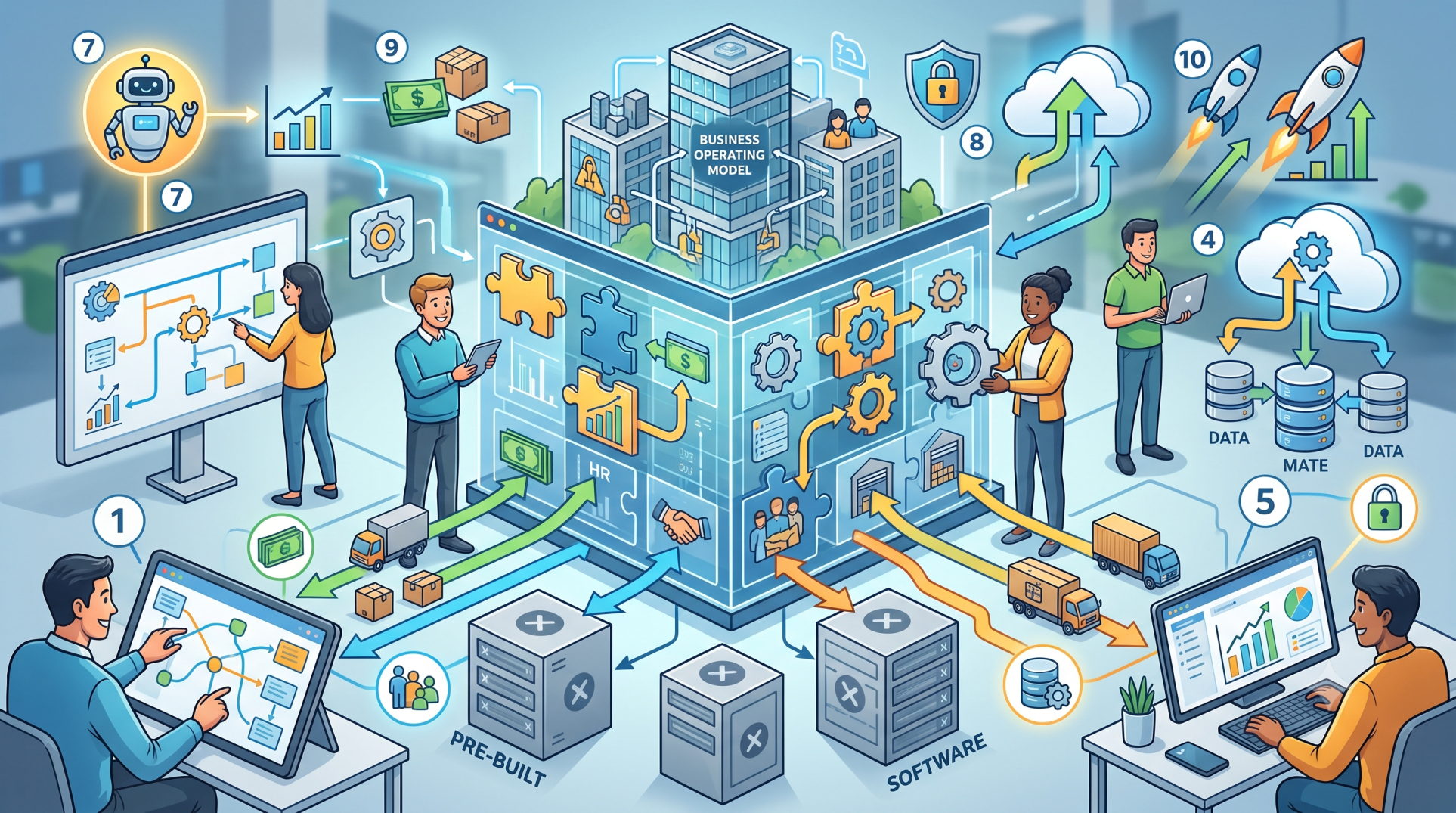
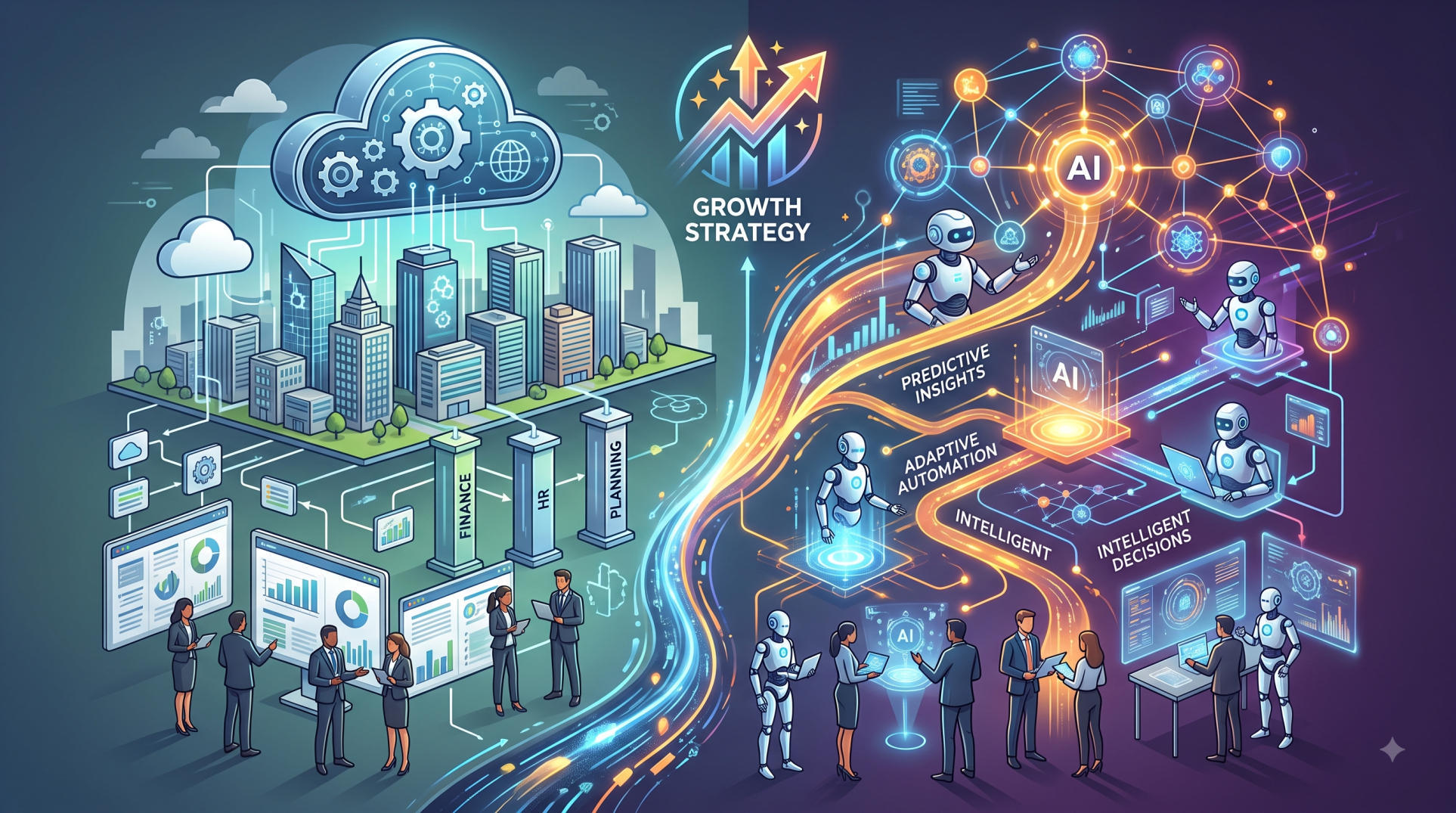
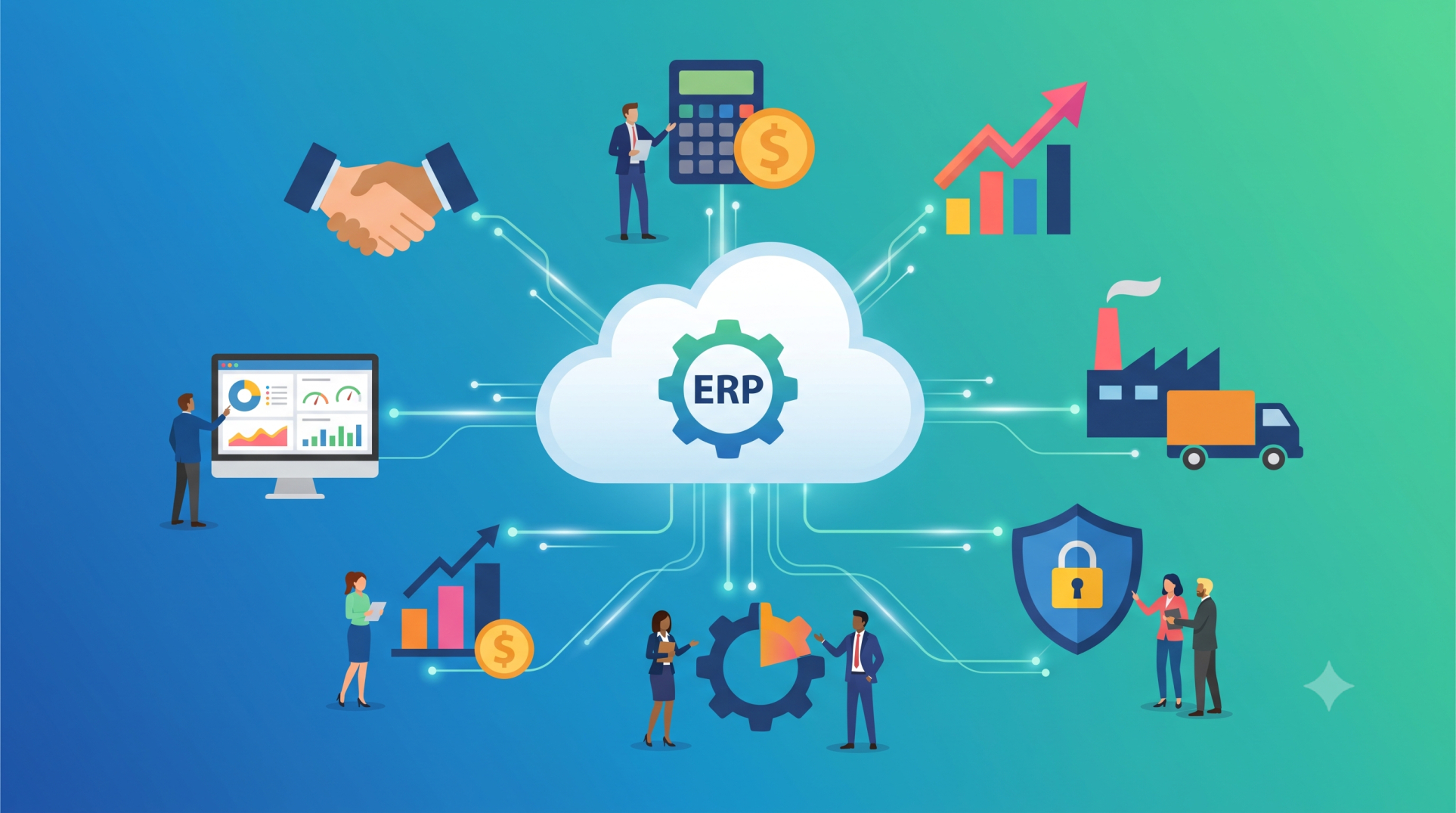
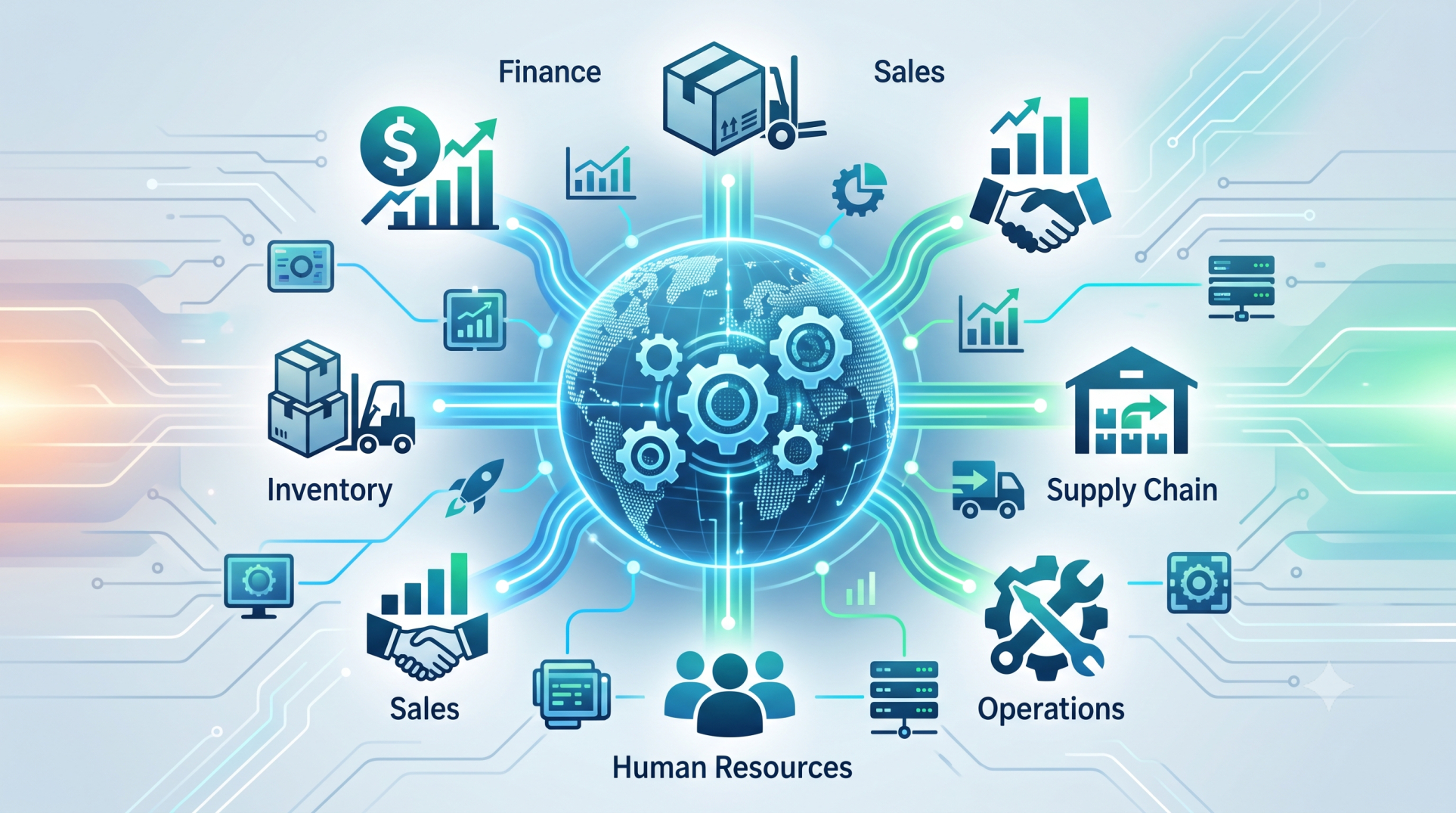
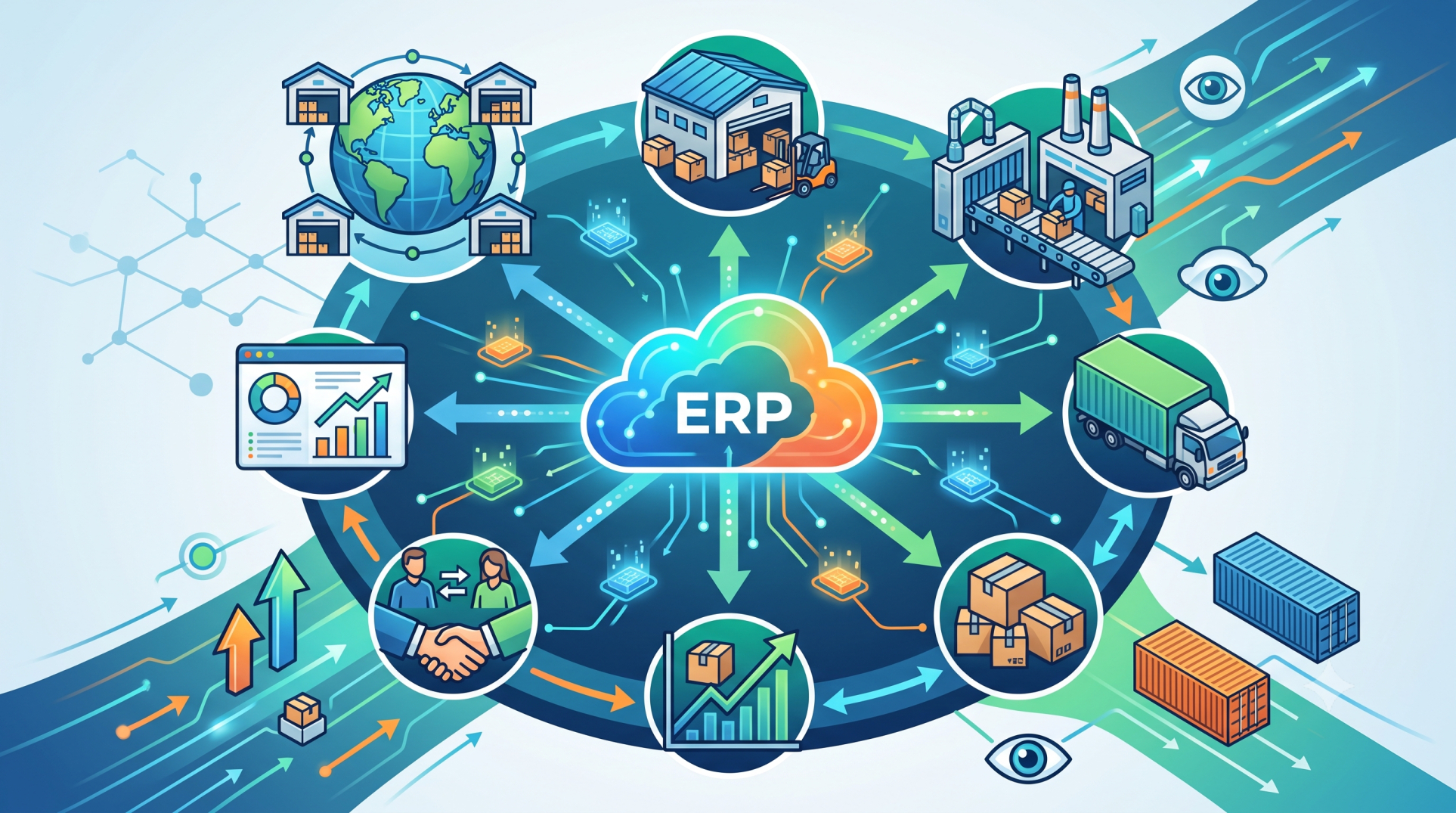
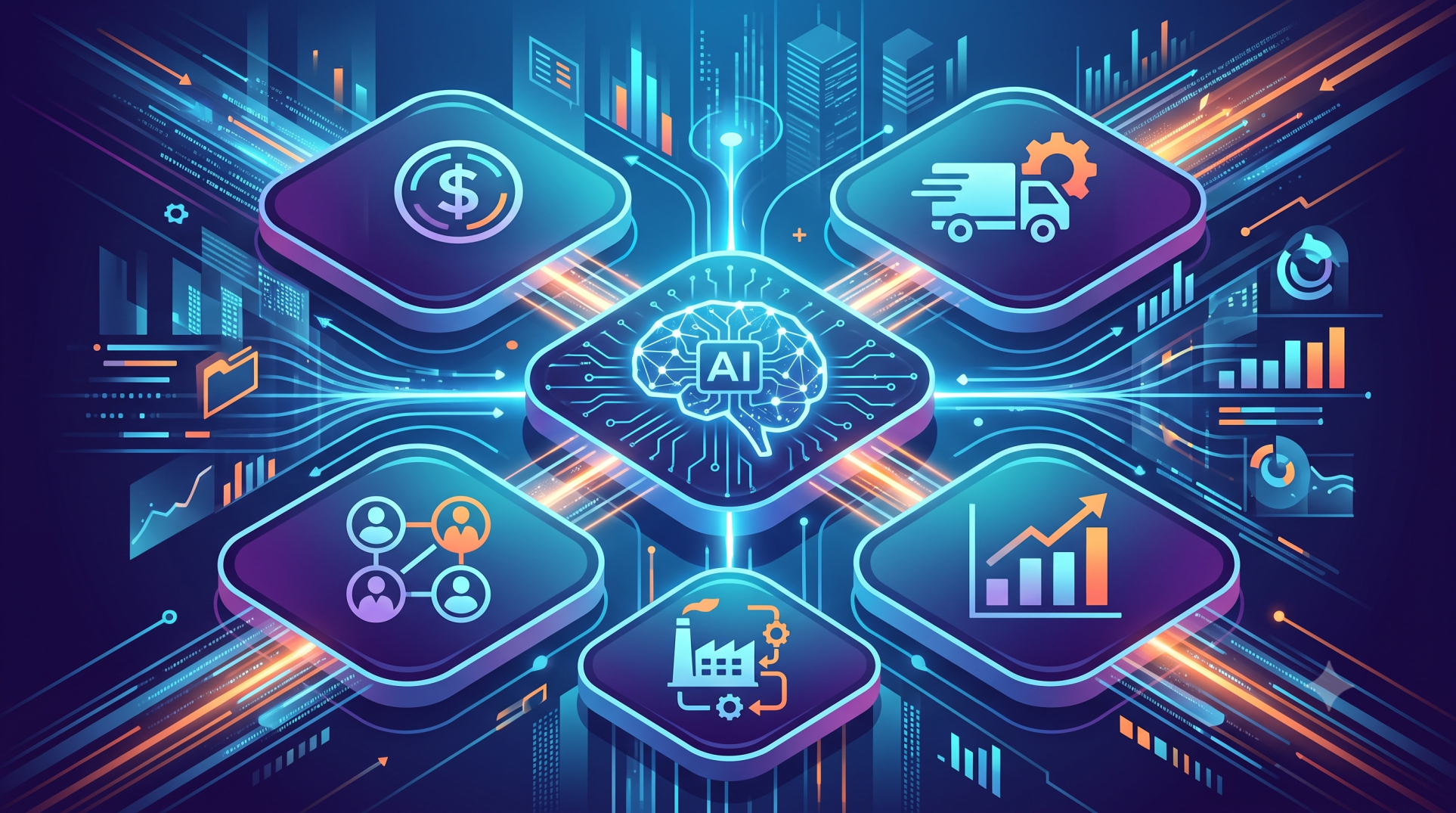
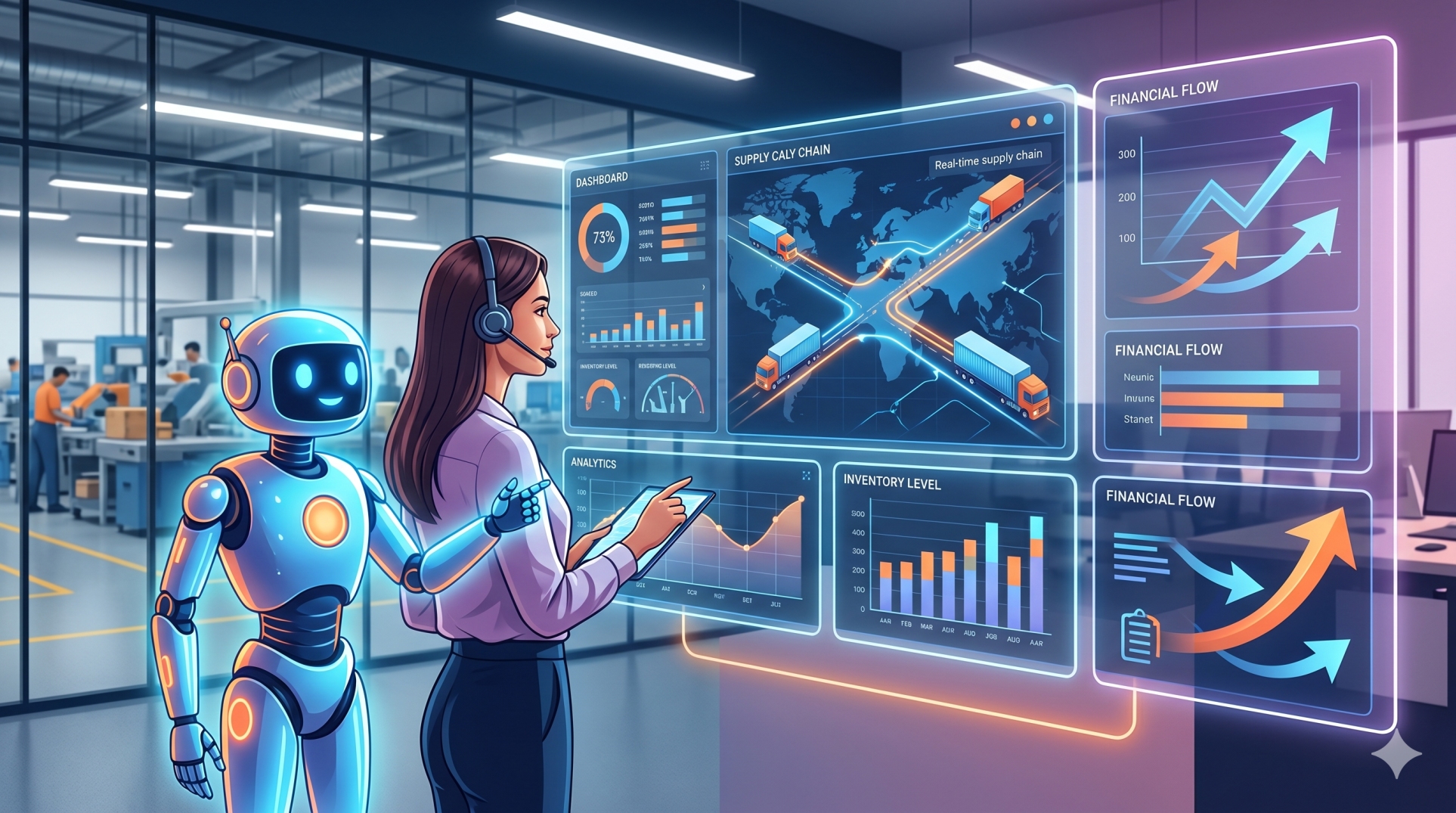
AI-native ERP is reshaping the way enterprise software is designed by placing artificial intelligence, connected data, automation, and adaptive workflows at the center of the platform. Instead of building conventional ERP modules first and adding AI capabilities later, AI-native systems are designed to make intelligence part of everyday business operations.
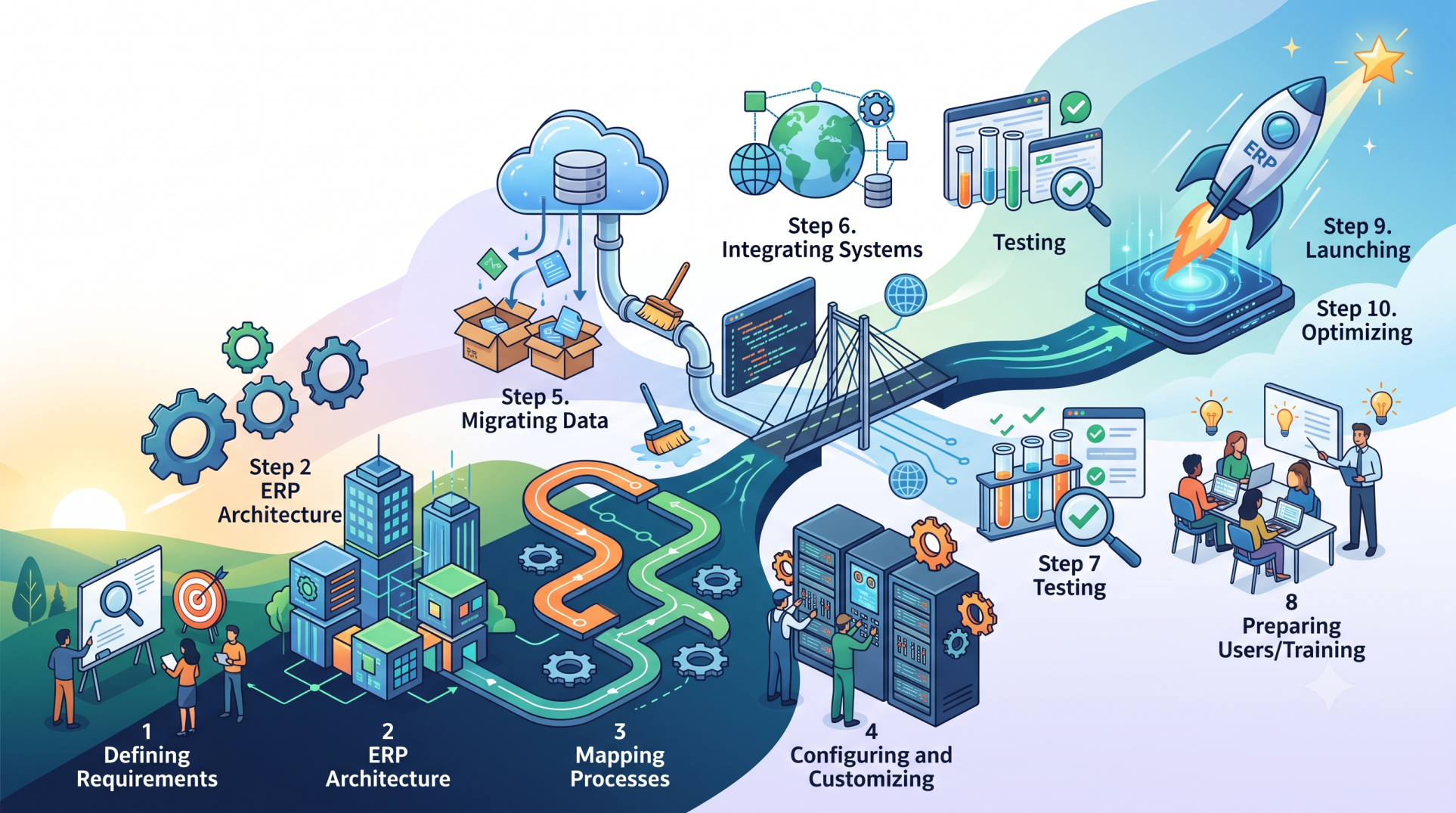
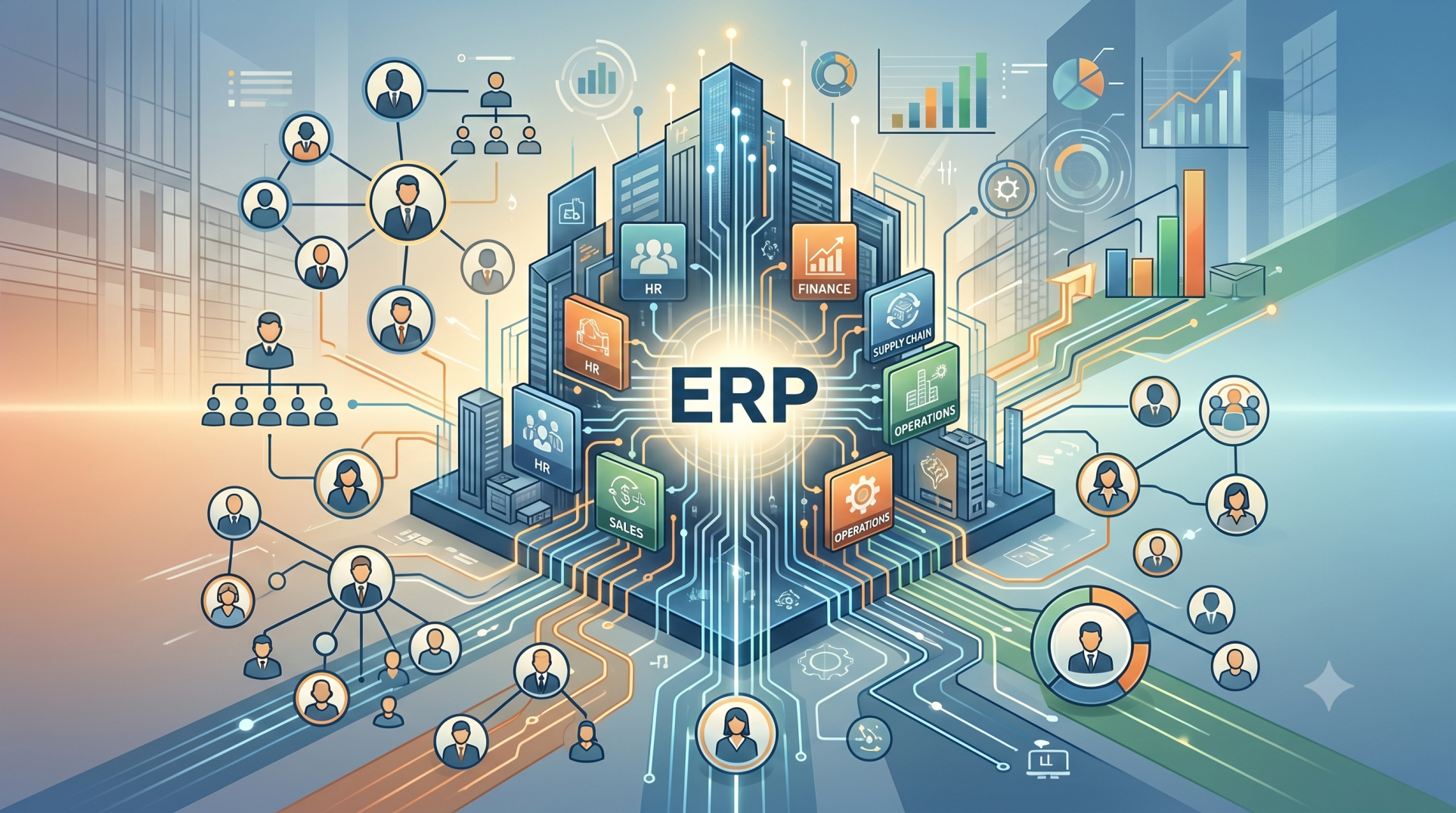
Step 1: Moving From Module-Centric to Intelligence-Centric Design 🧠
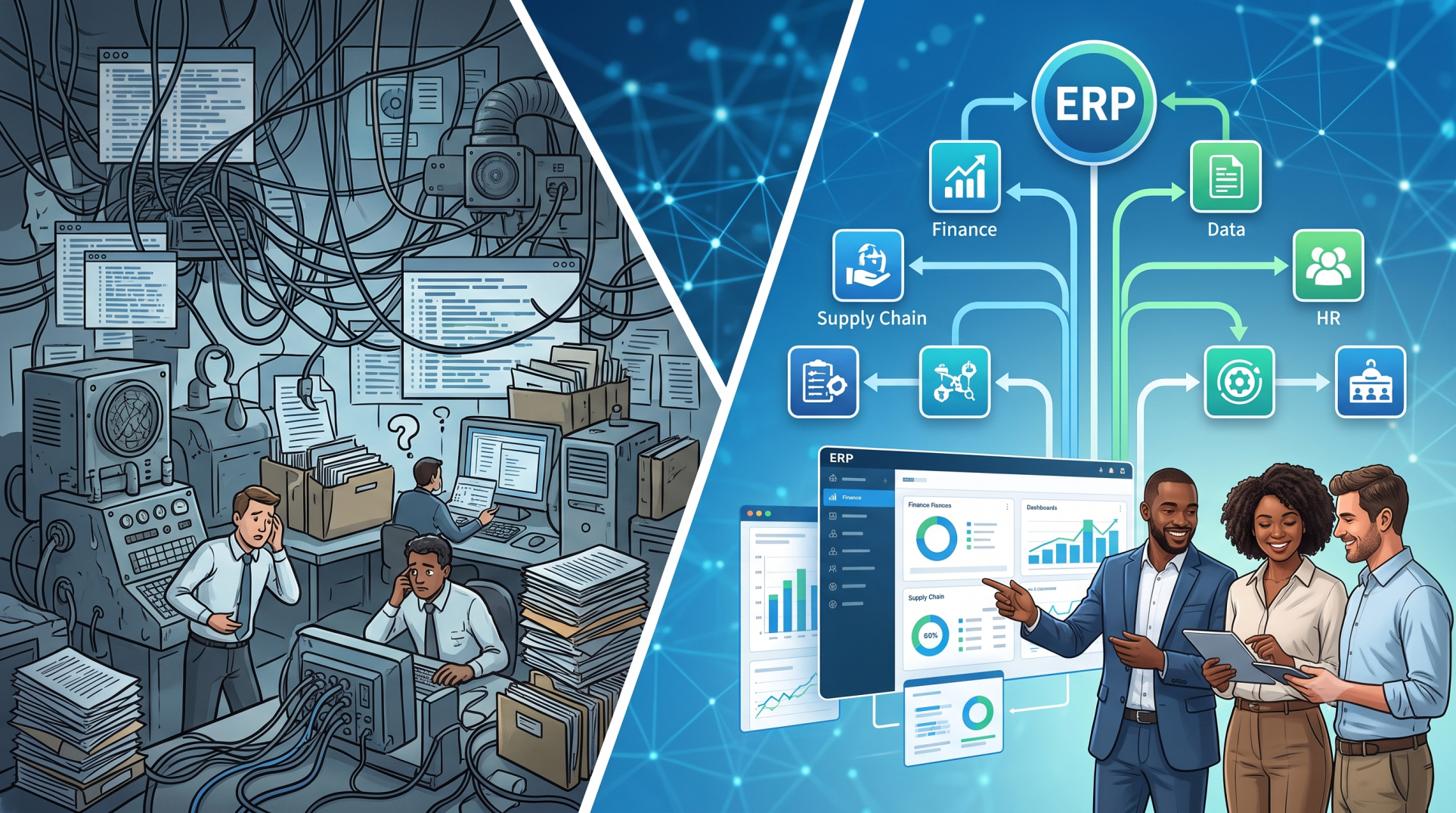
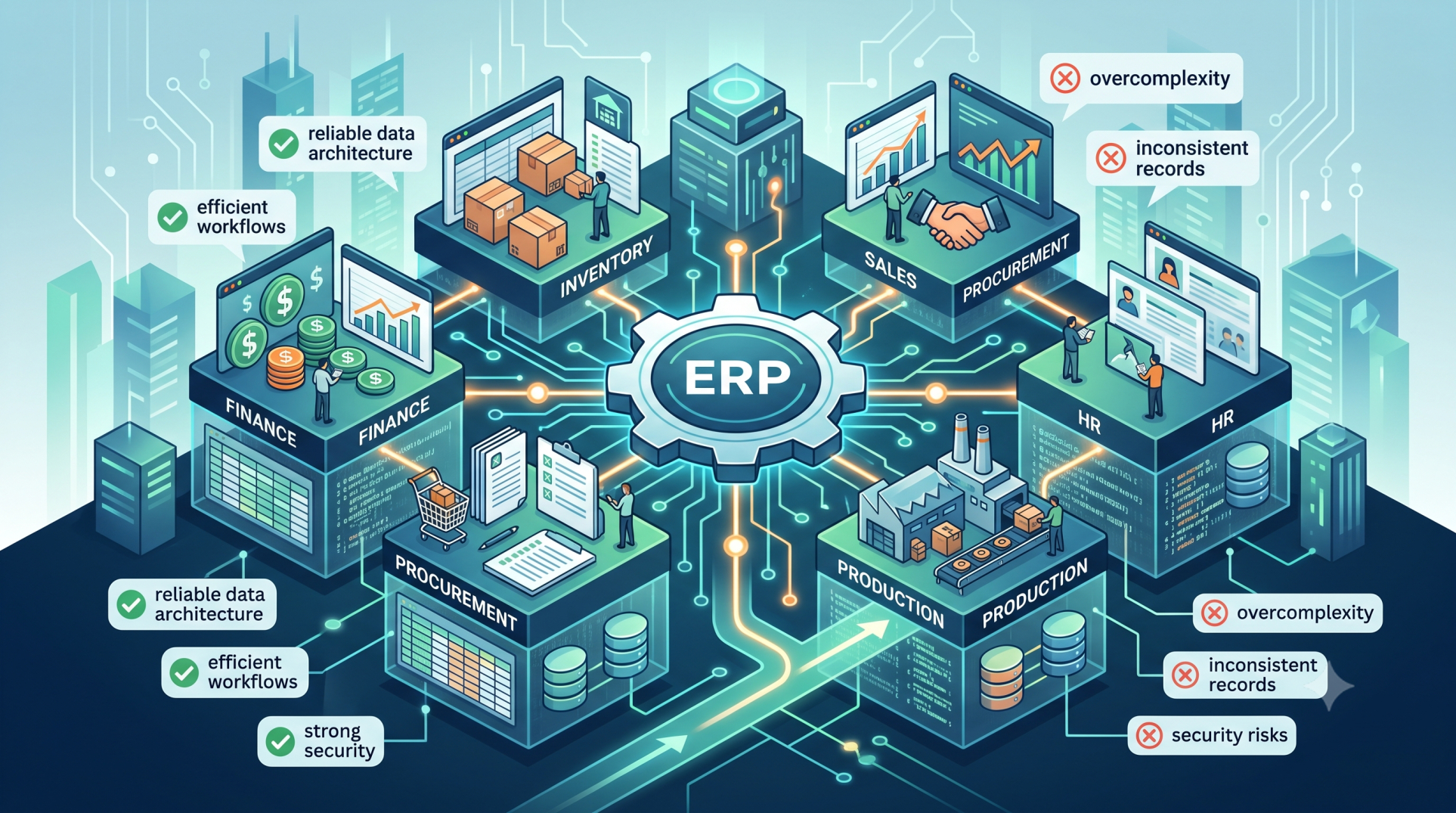
• Traditional ERP platforms are commonly organized around separate functional modules. 🧩
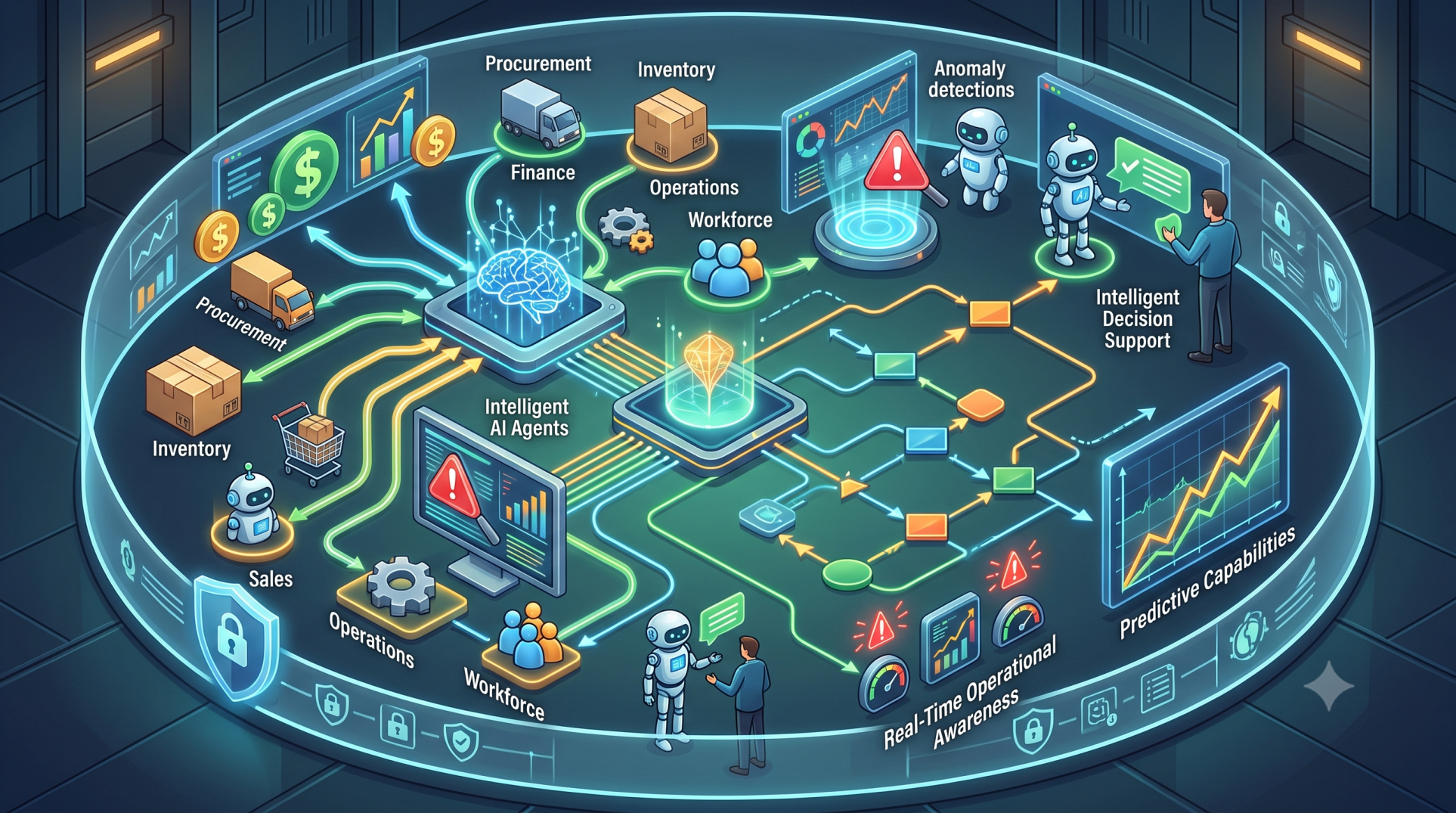
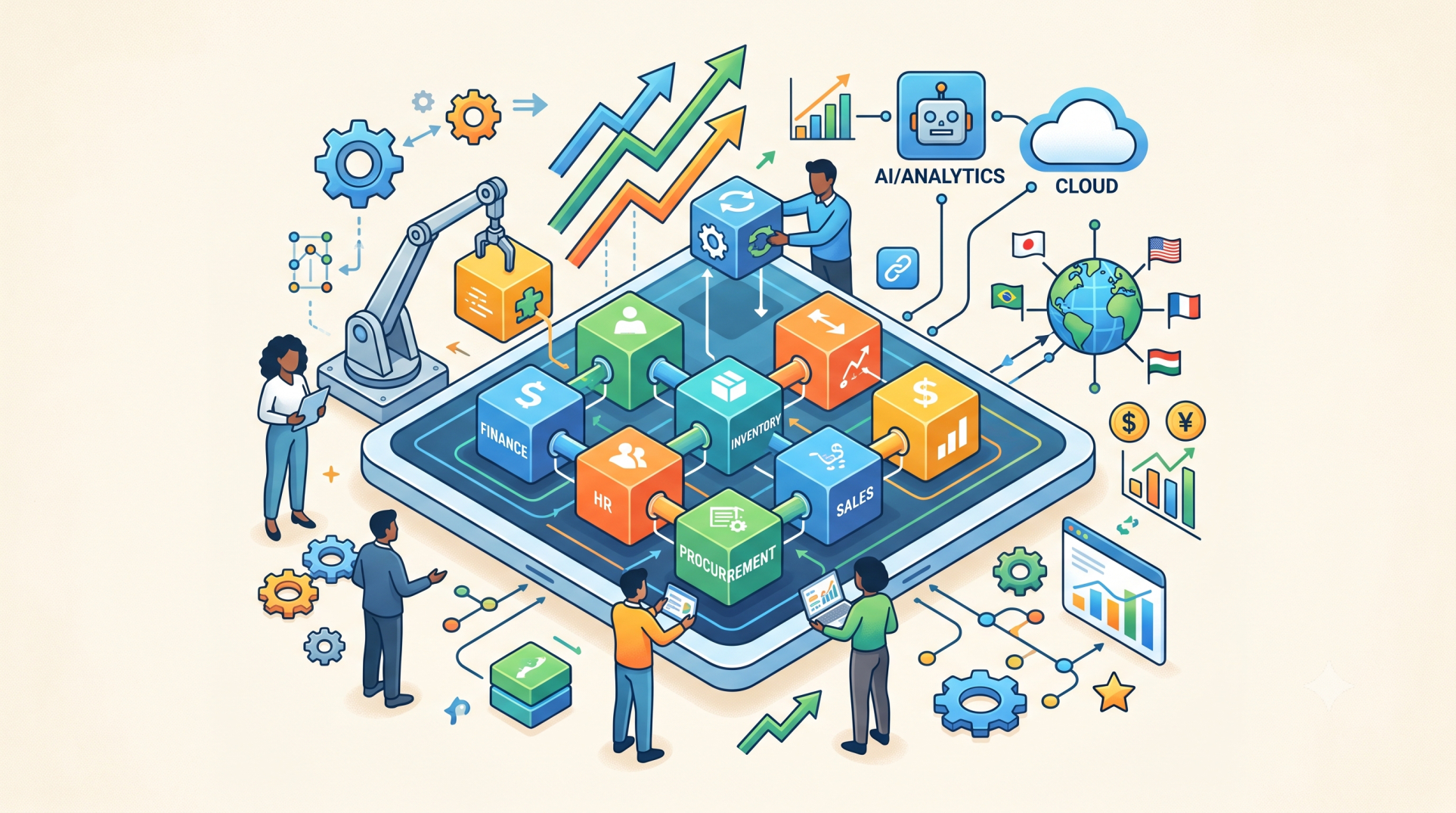
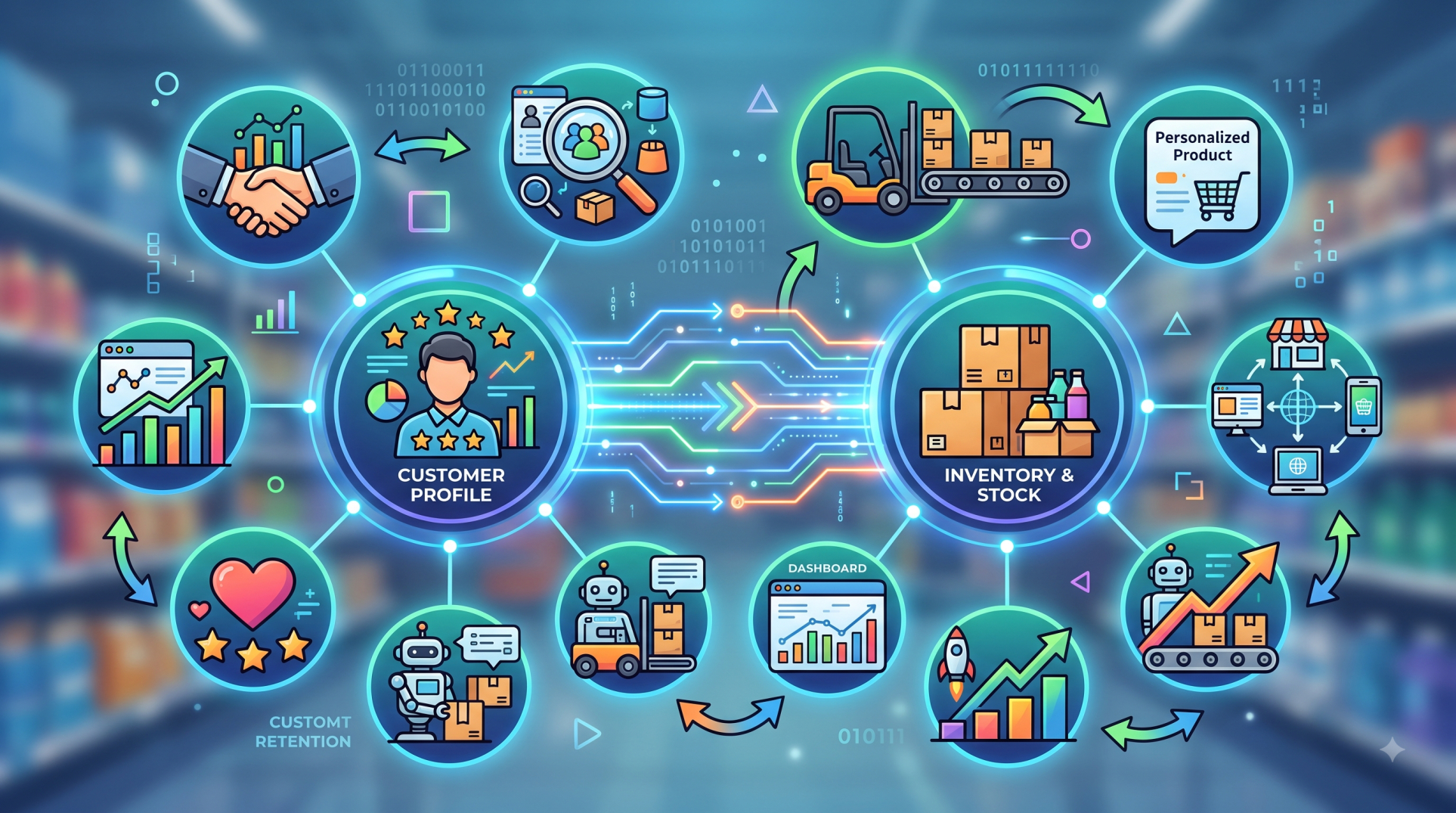
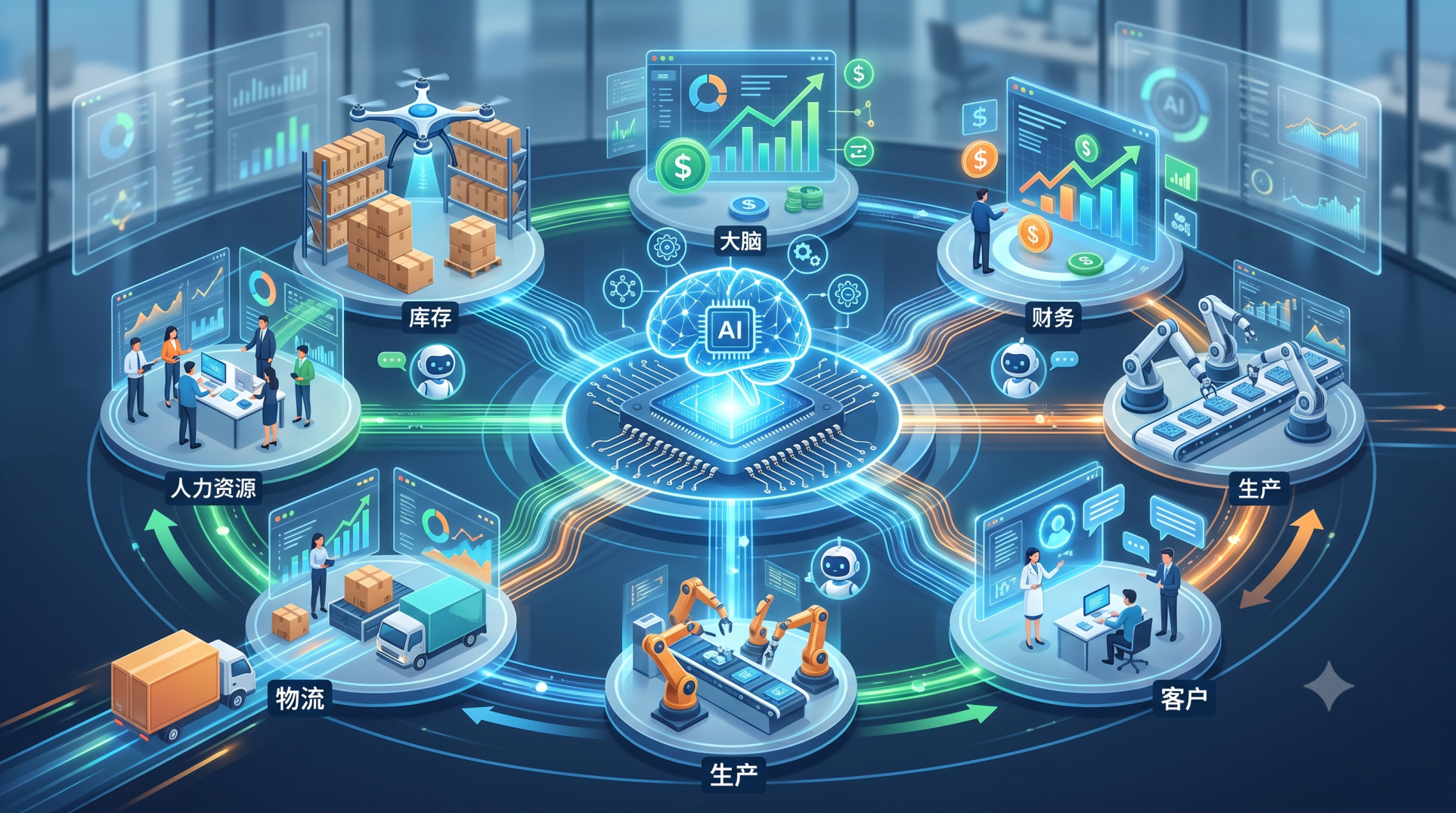
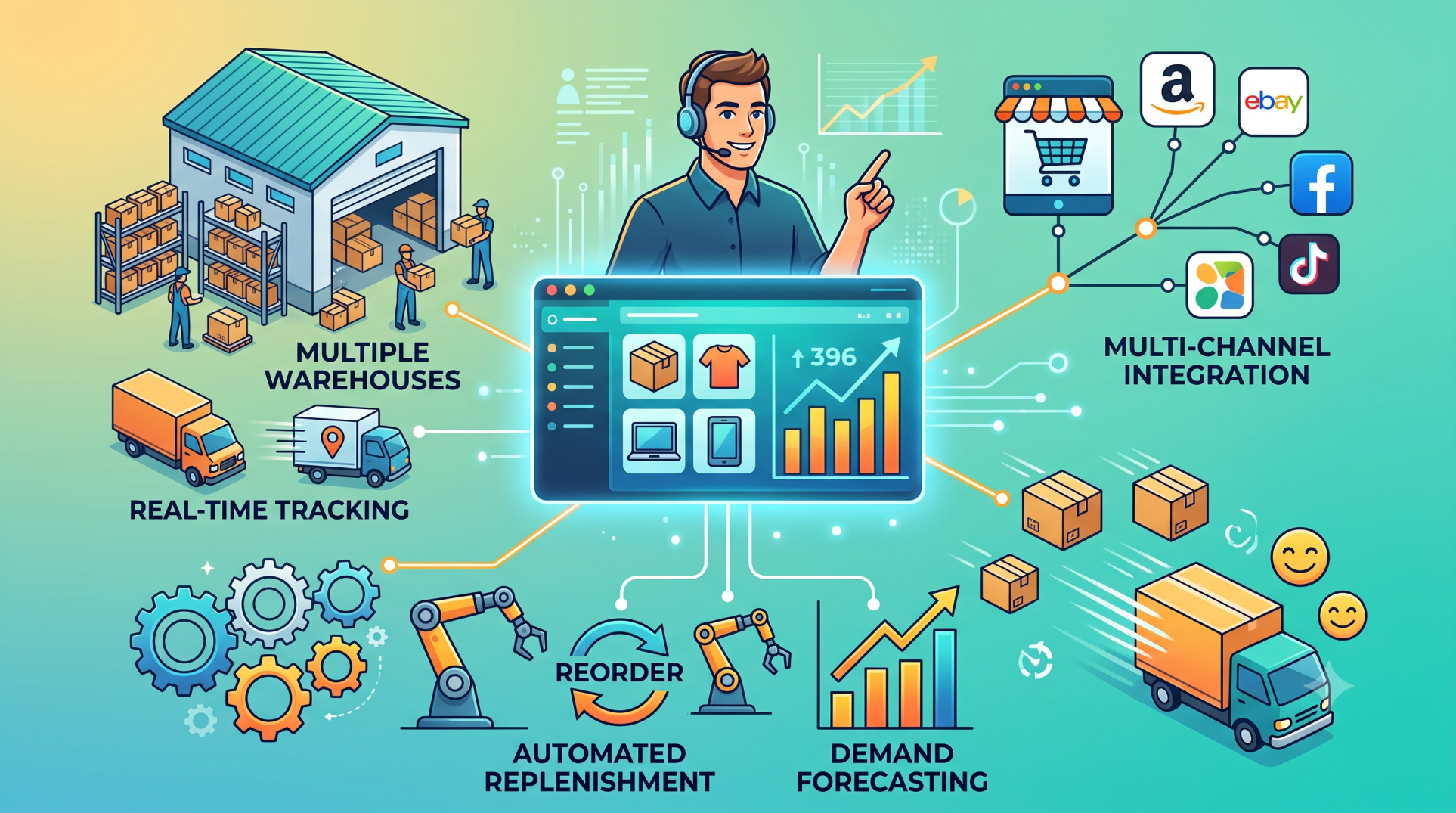
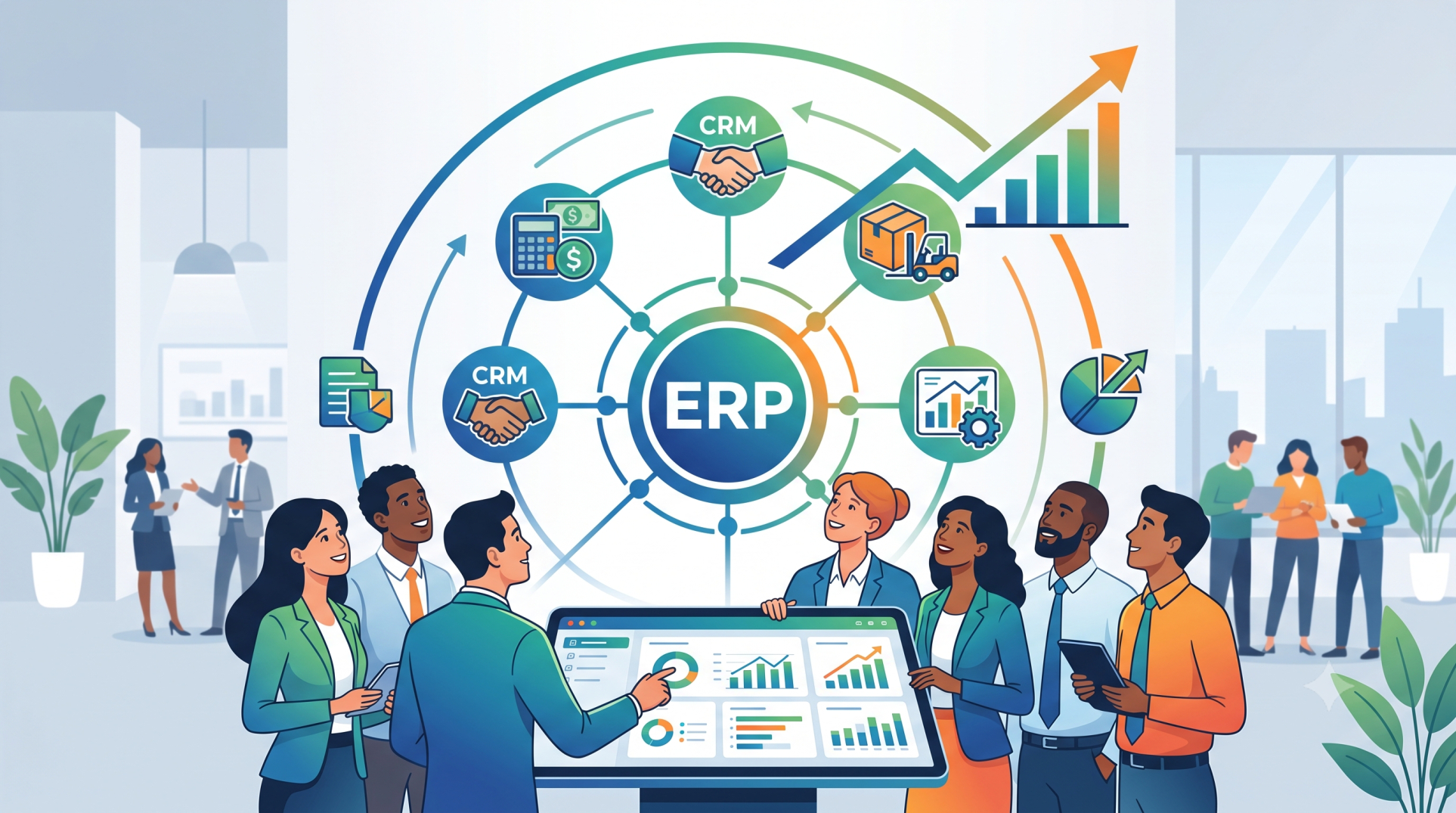
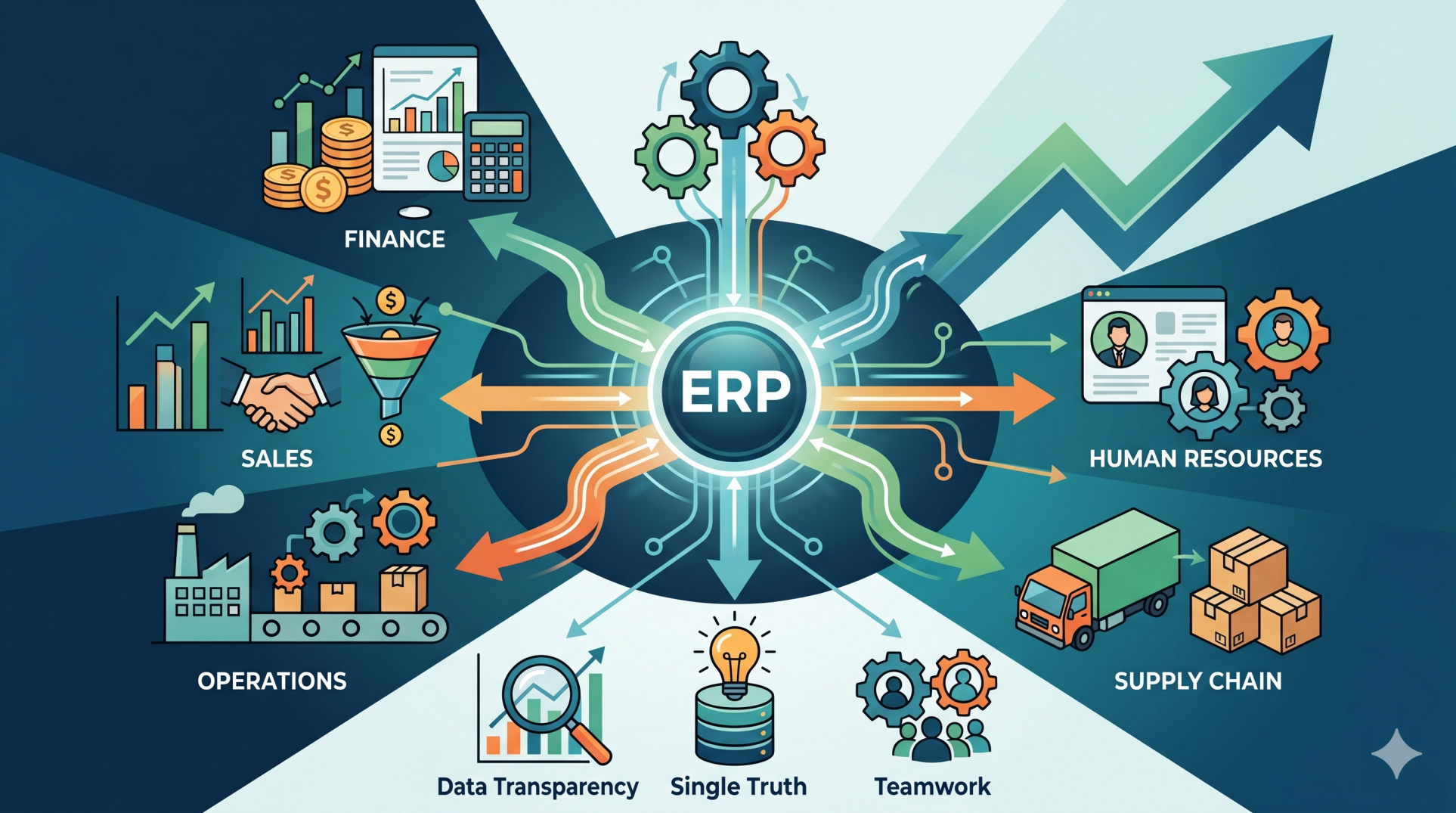
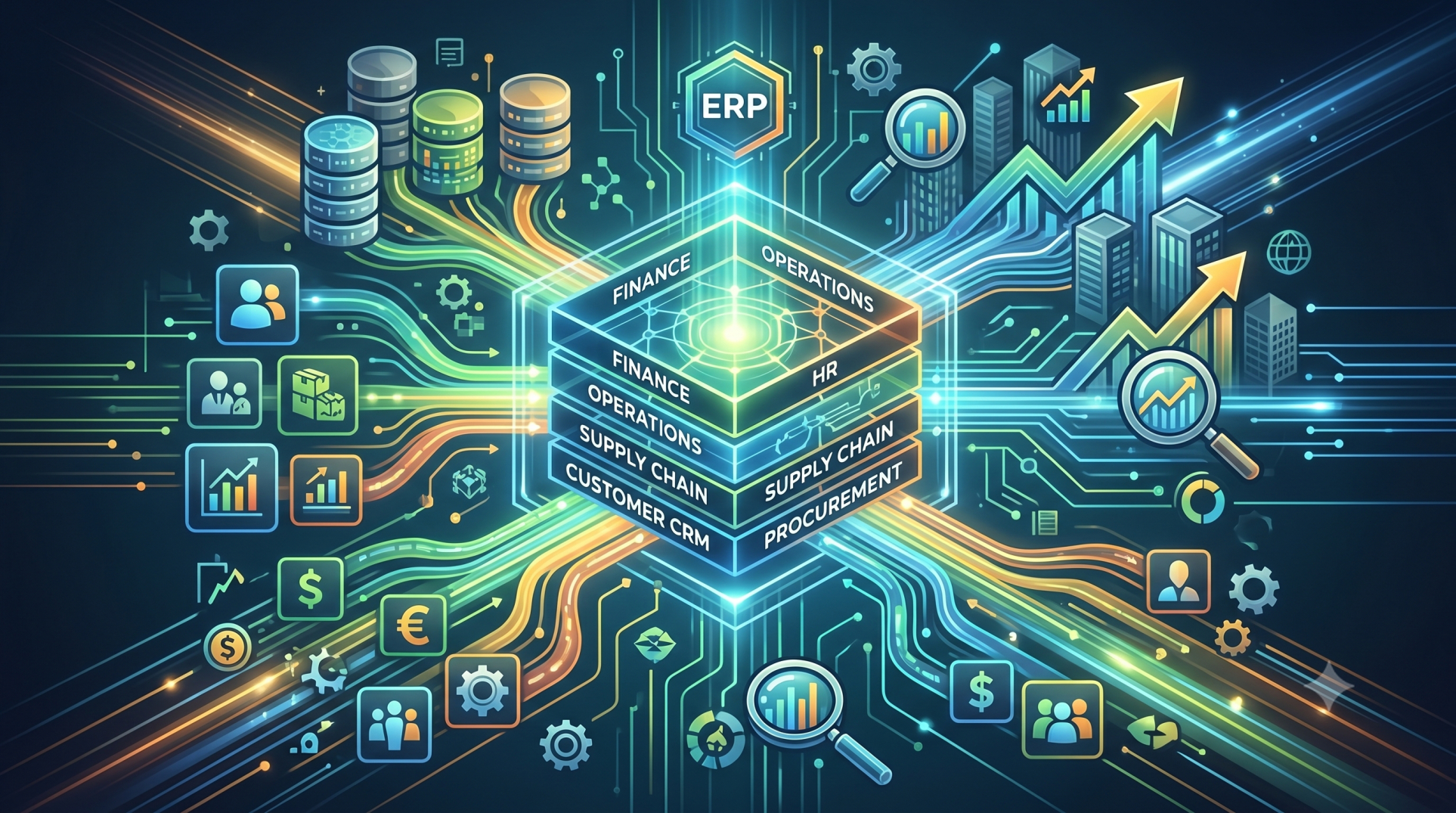
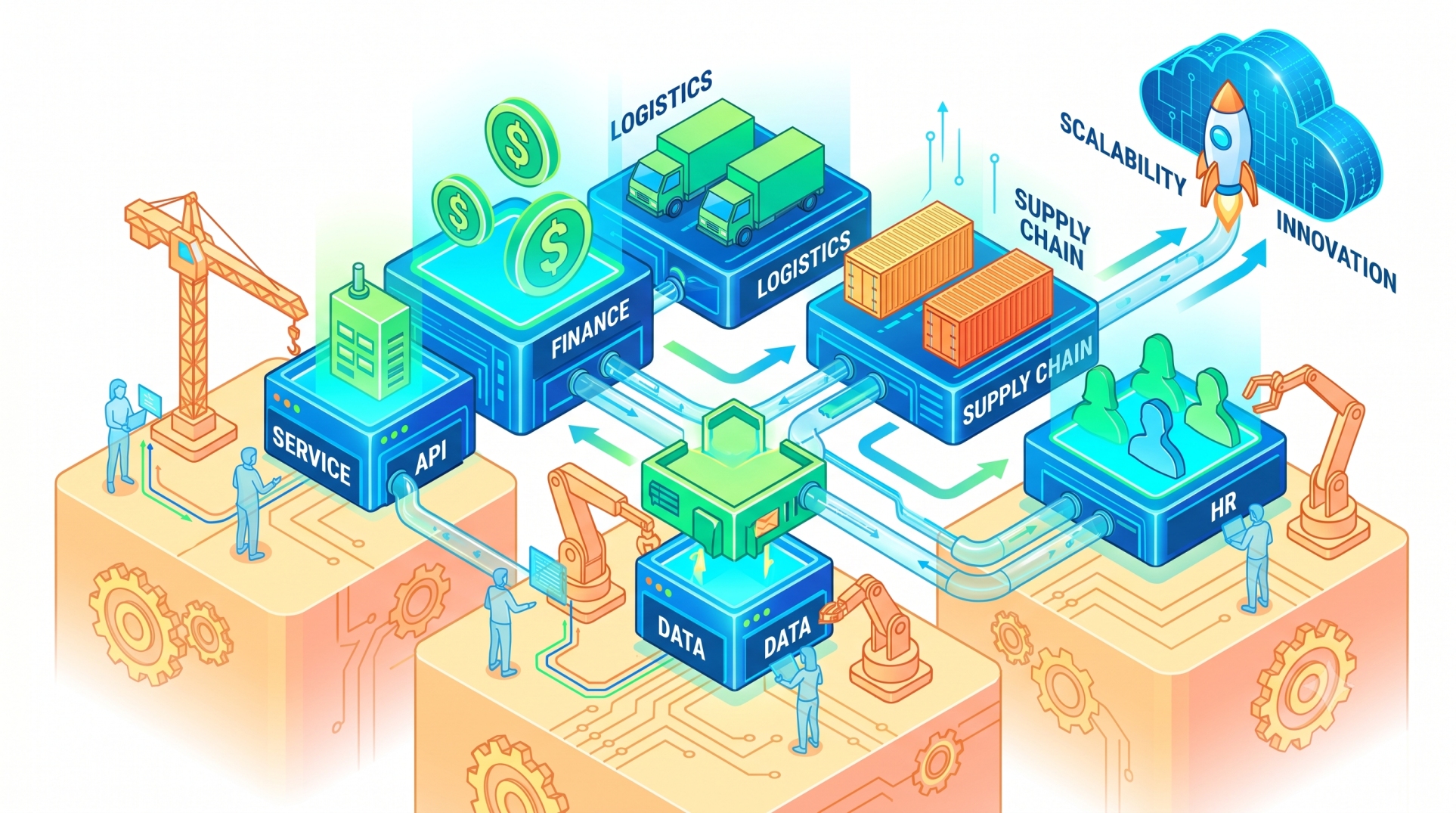
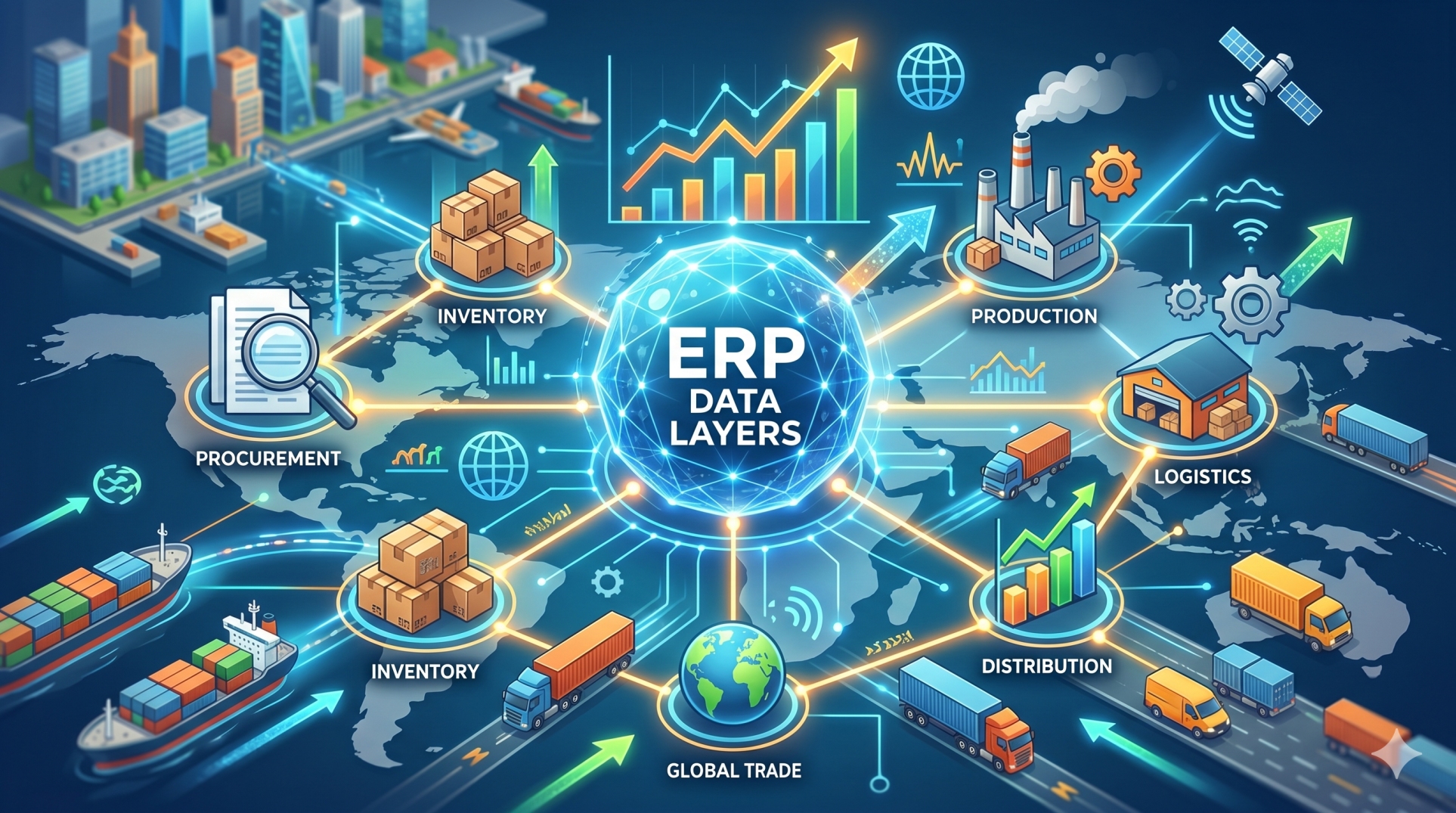
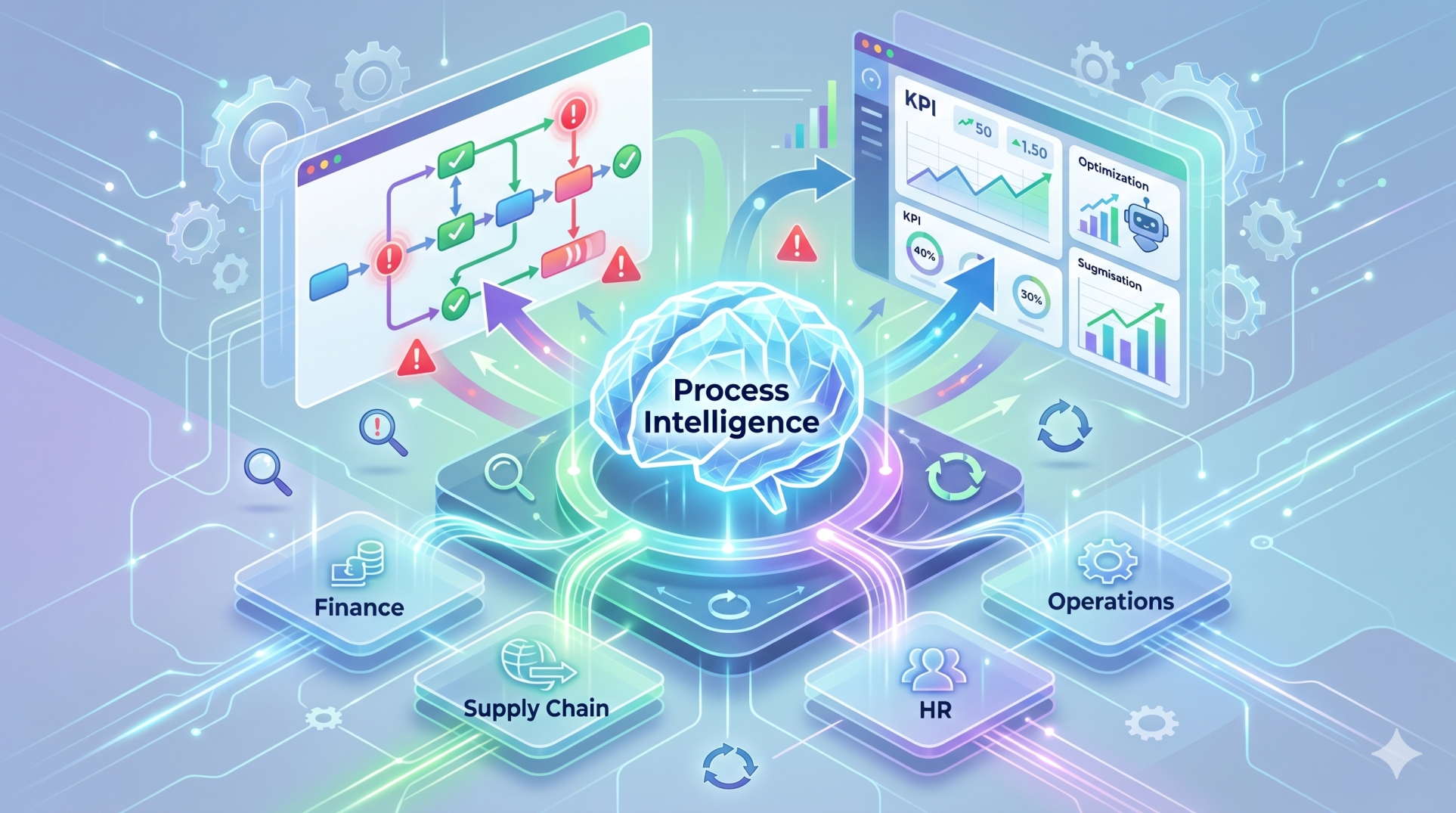
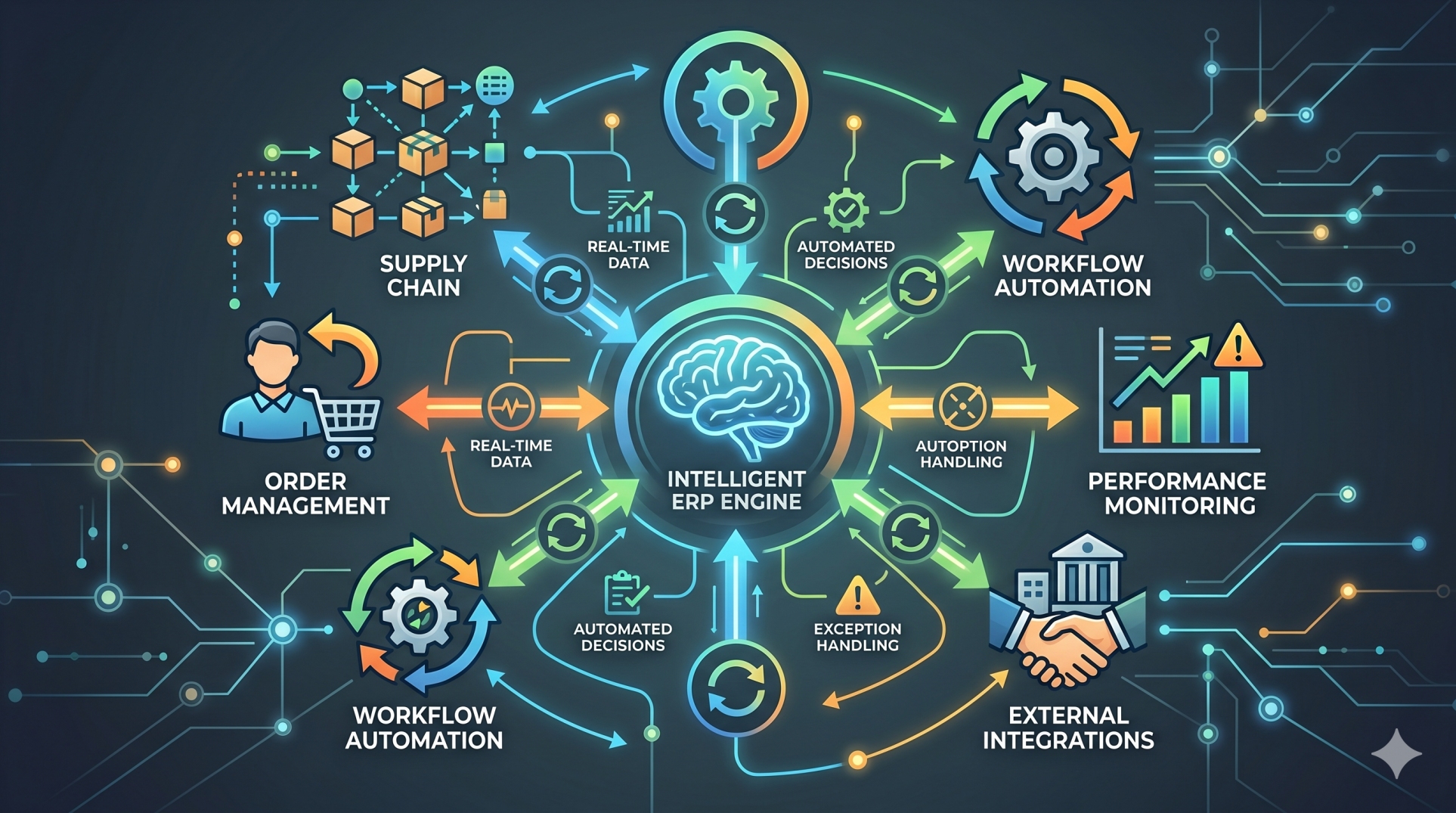
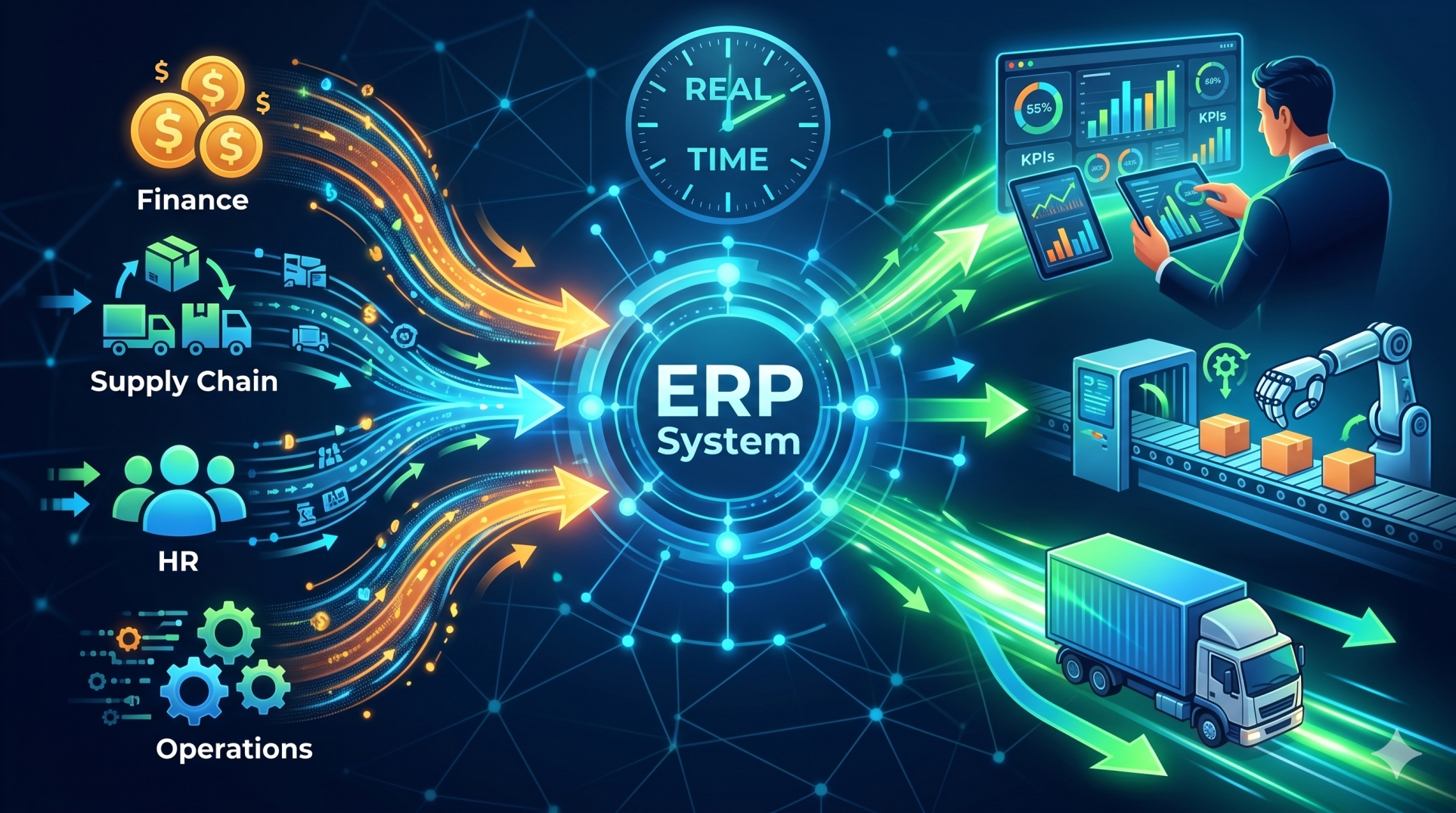
• AI-native ERP connects intelligence across finance, procurement, sales, inventory, operations, and other functions. 🔗
• Business information can be analyzed across multiple departments instead of remaining isolated within individual modules. 📊
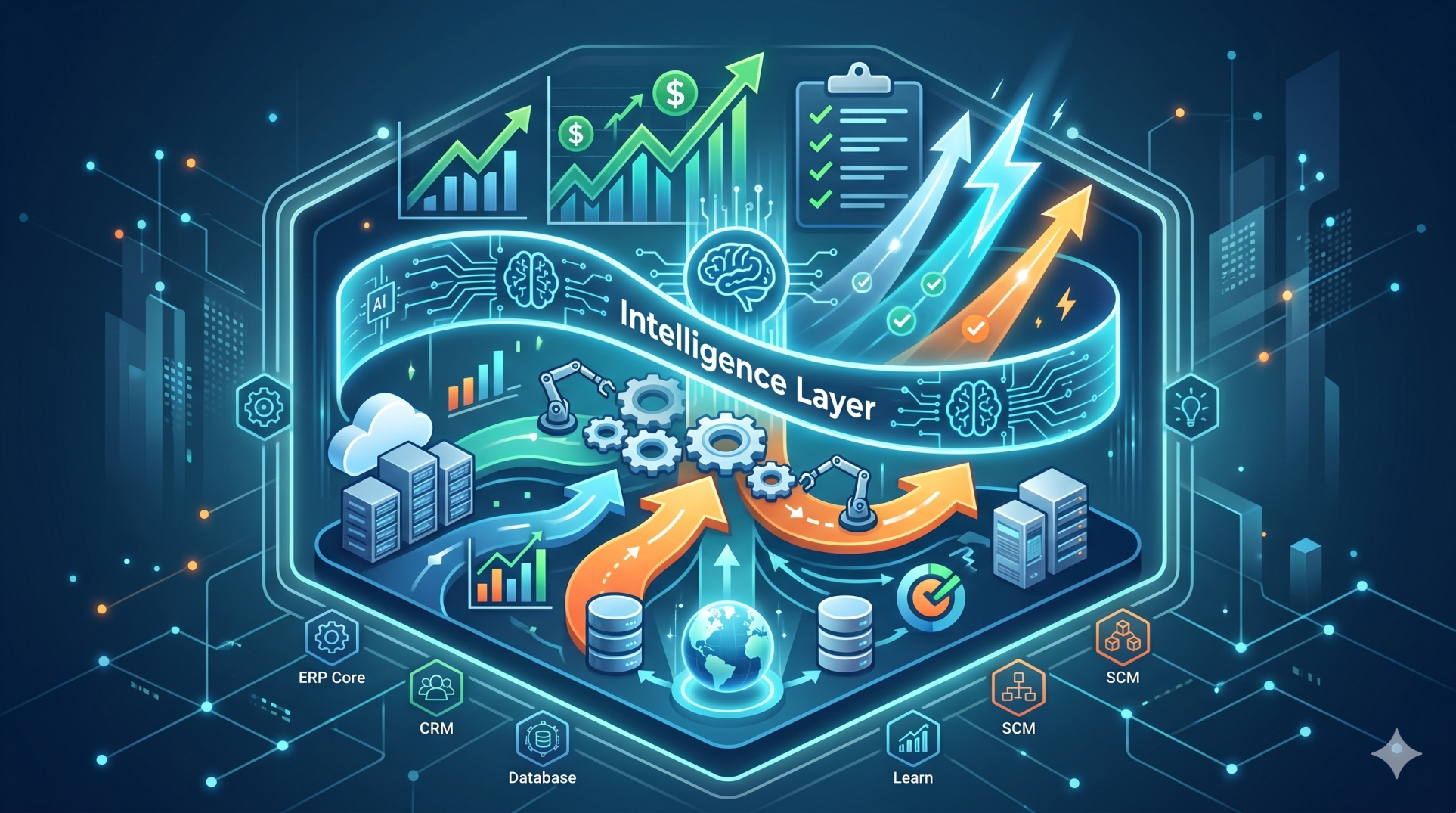
• AI becomes part of the underlying application architecture rather than a separate feature layer. ⚙️
• This approach enables more connected and context-aware enterprise workflows. 🌐
Step 2: Redesigning Business Workflows ⚙️
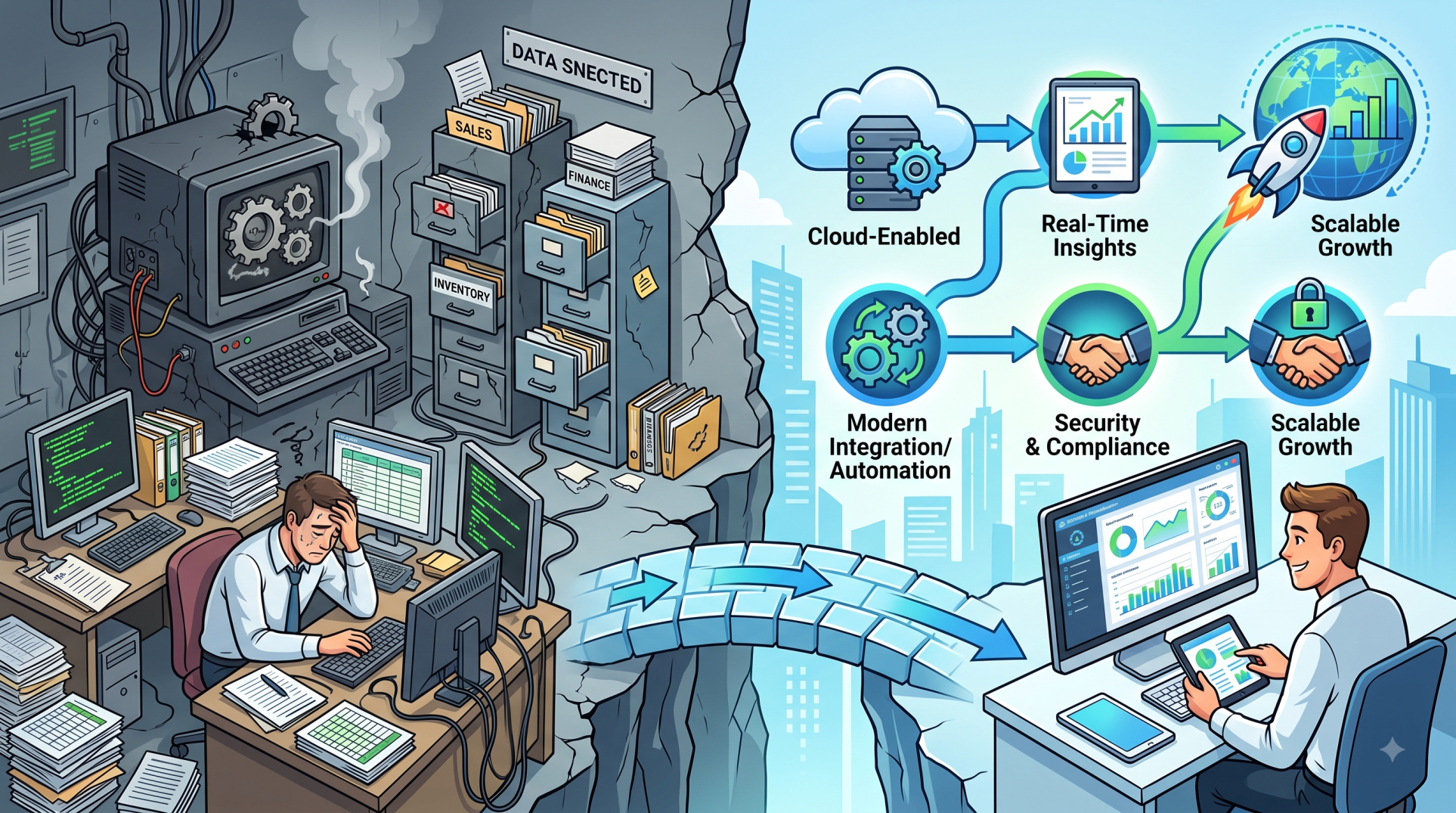
• Traditional ERP workflows often depend on predefined rules and fixed process paths. 📋
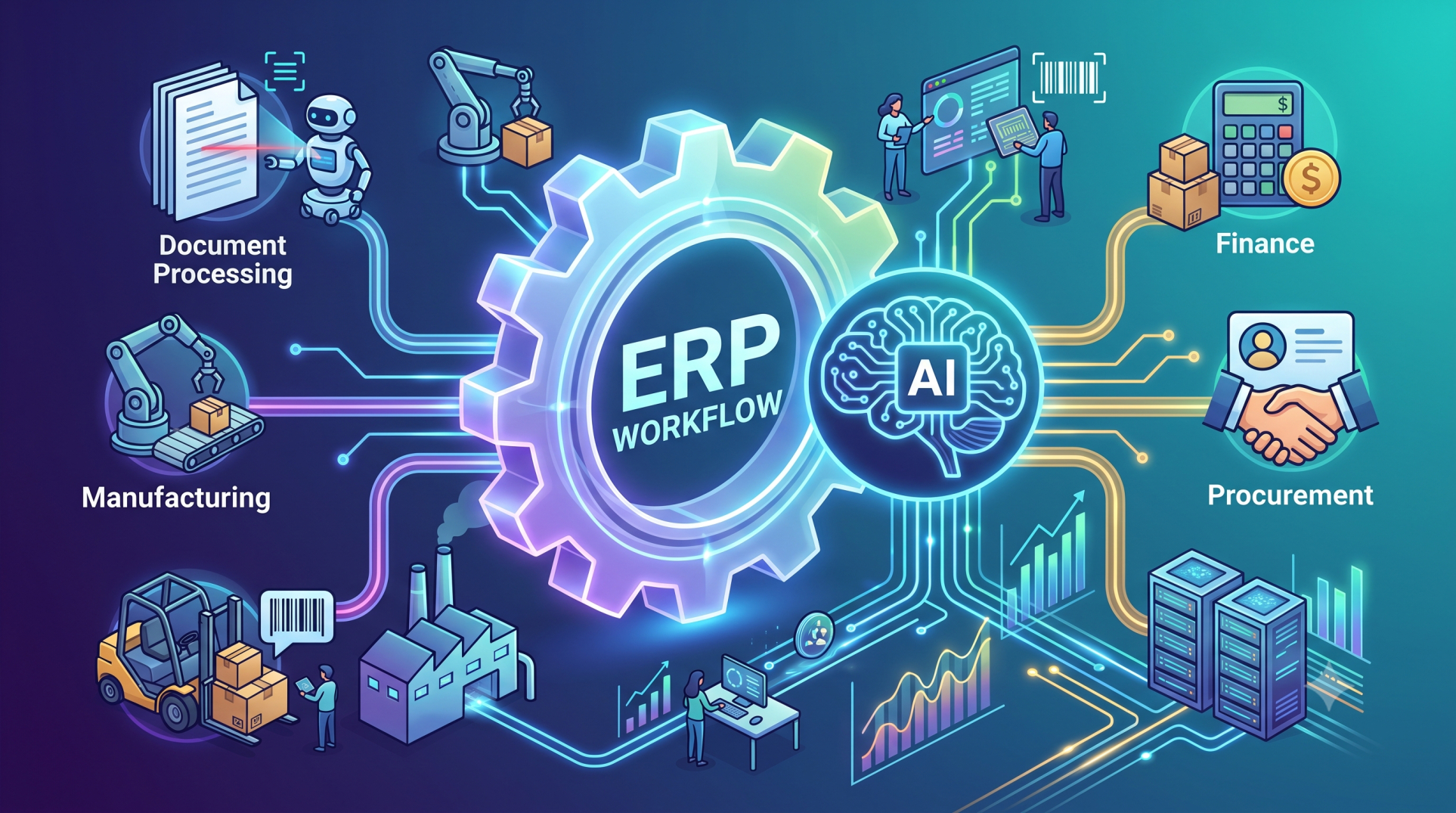
• AI-native ERP can incorporate real-time information when determining the next workflow action. 🔄
• Intelligent systems can identify conditions that require review, escalation, or automated processing. 🔎
• Workflows can combine business rules, AI recommendations, and human approvals. 👥
• Processes can become more adaptive while remaining within defined operational boundaries. 🛡️
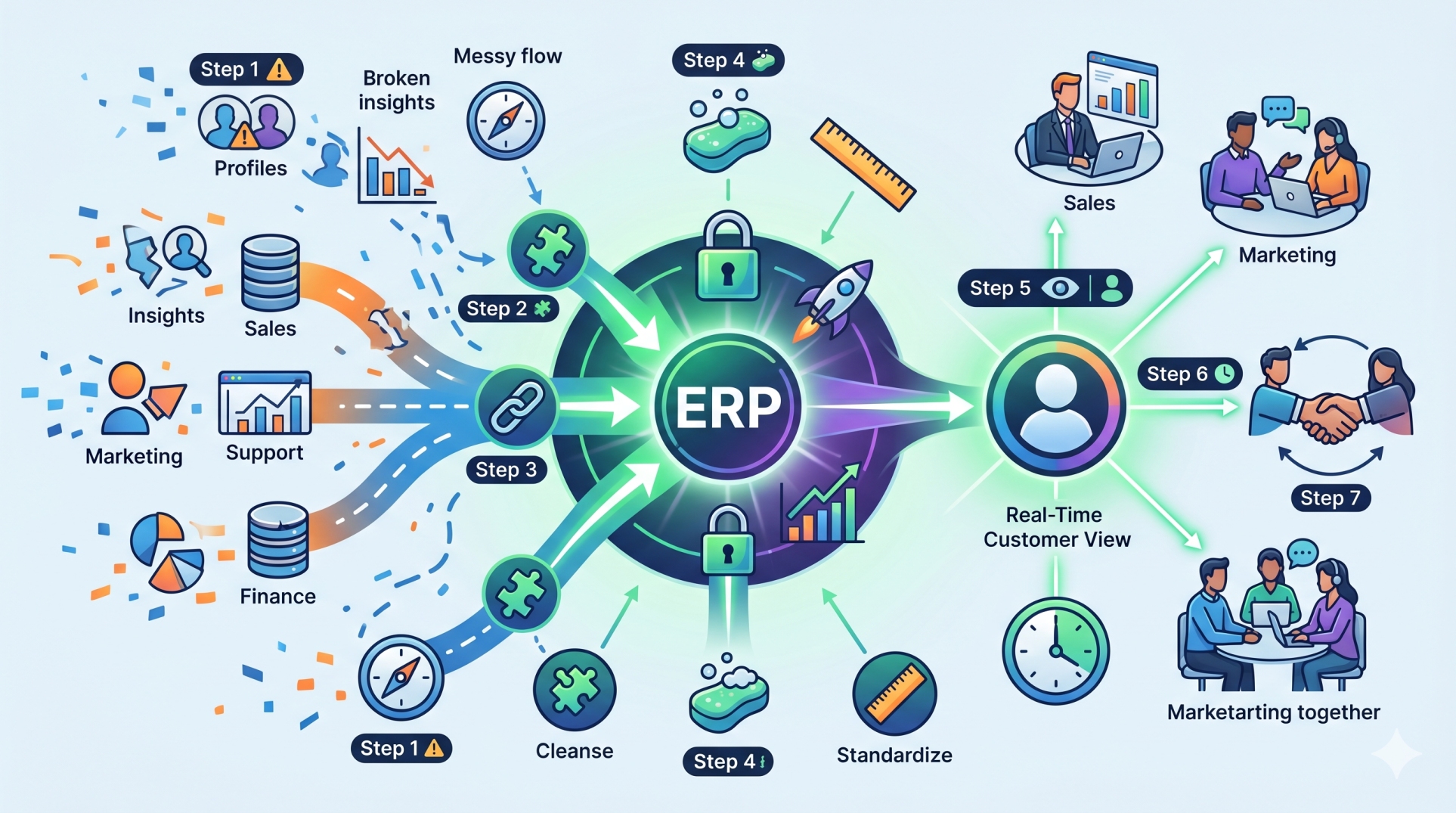
Step 3: Making Data a Core Architectural Layer 📊
• Traditional ERP design often focuses primarily on transactional data management. 🗃️
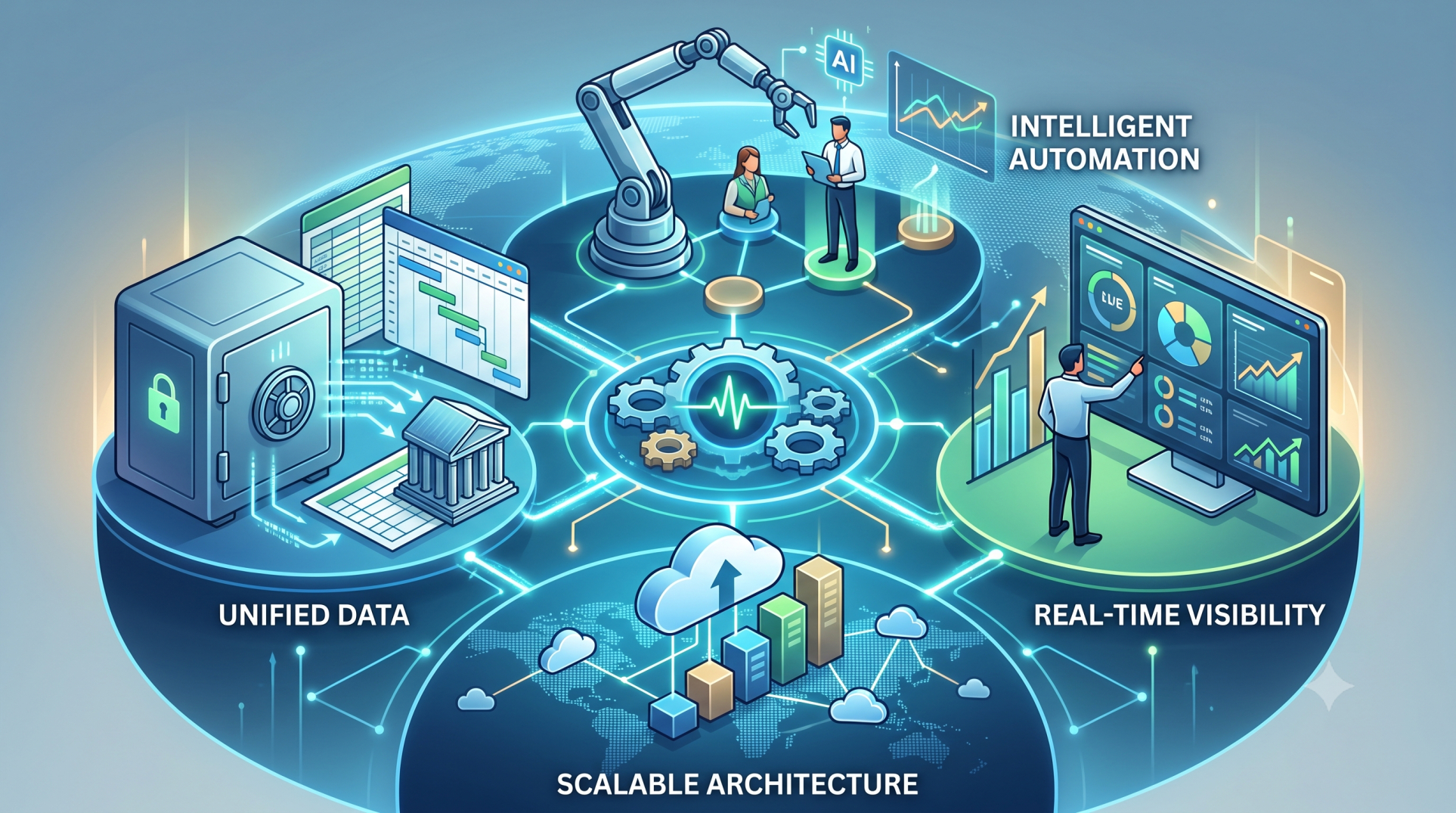
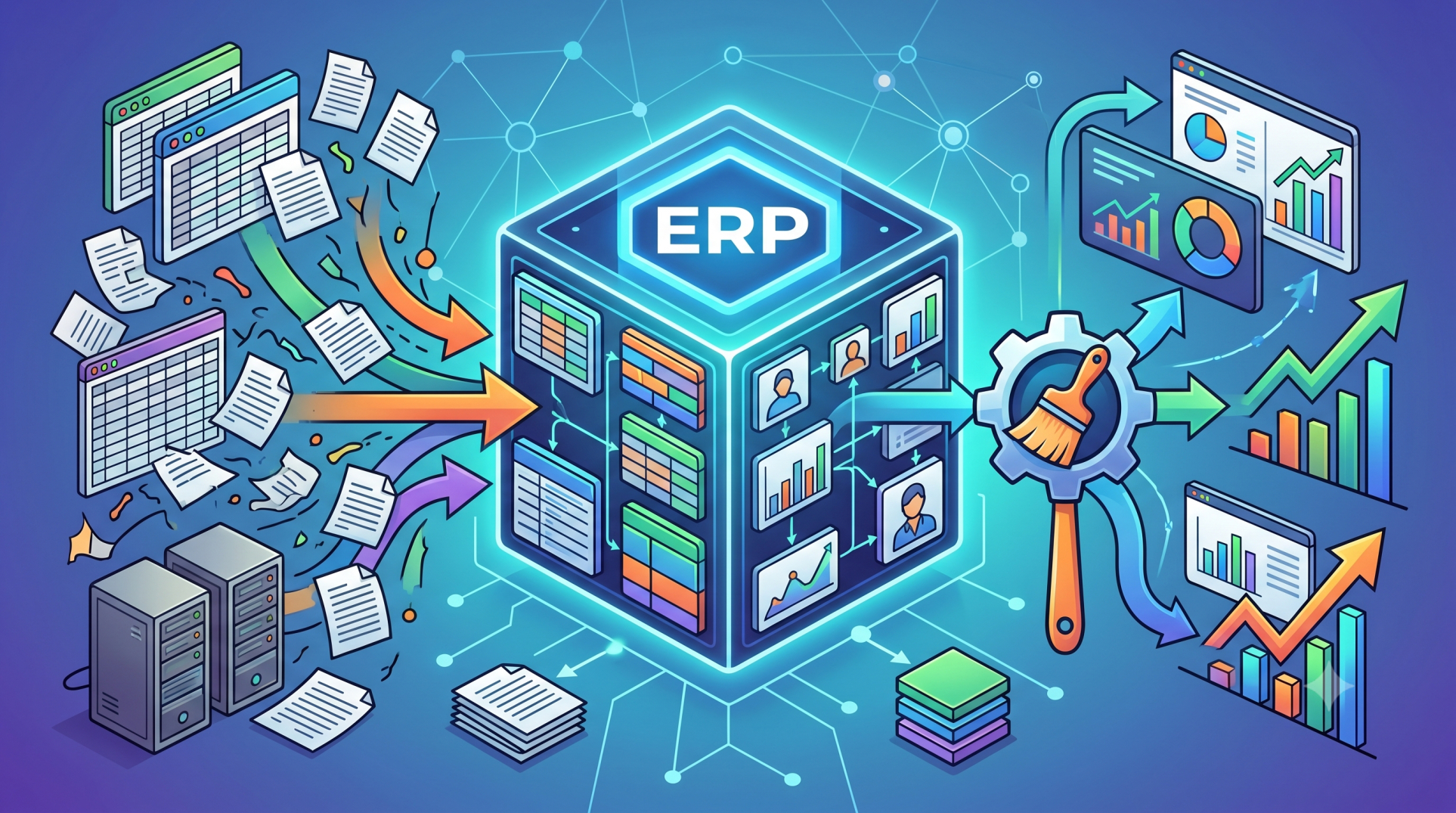
• AI-native architecture treats enterprise data as a foundation for intelligence and automation. 🧠
• Structured records can be combined with documents, communications, operational events, and external data sources. 🔗
• Data pipelines can provide AI services with relevant and current business context. ⏱️
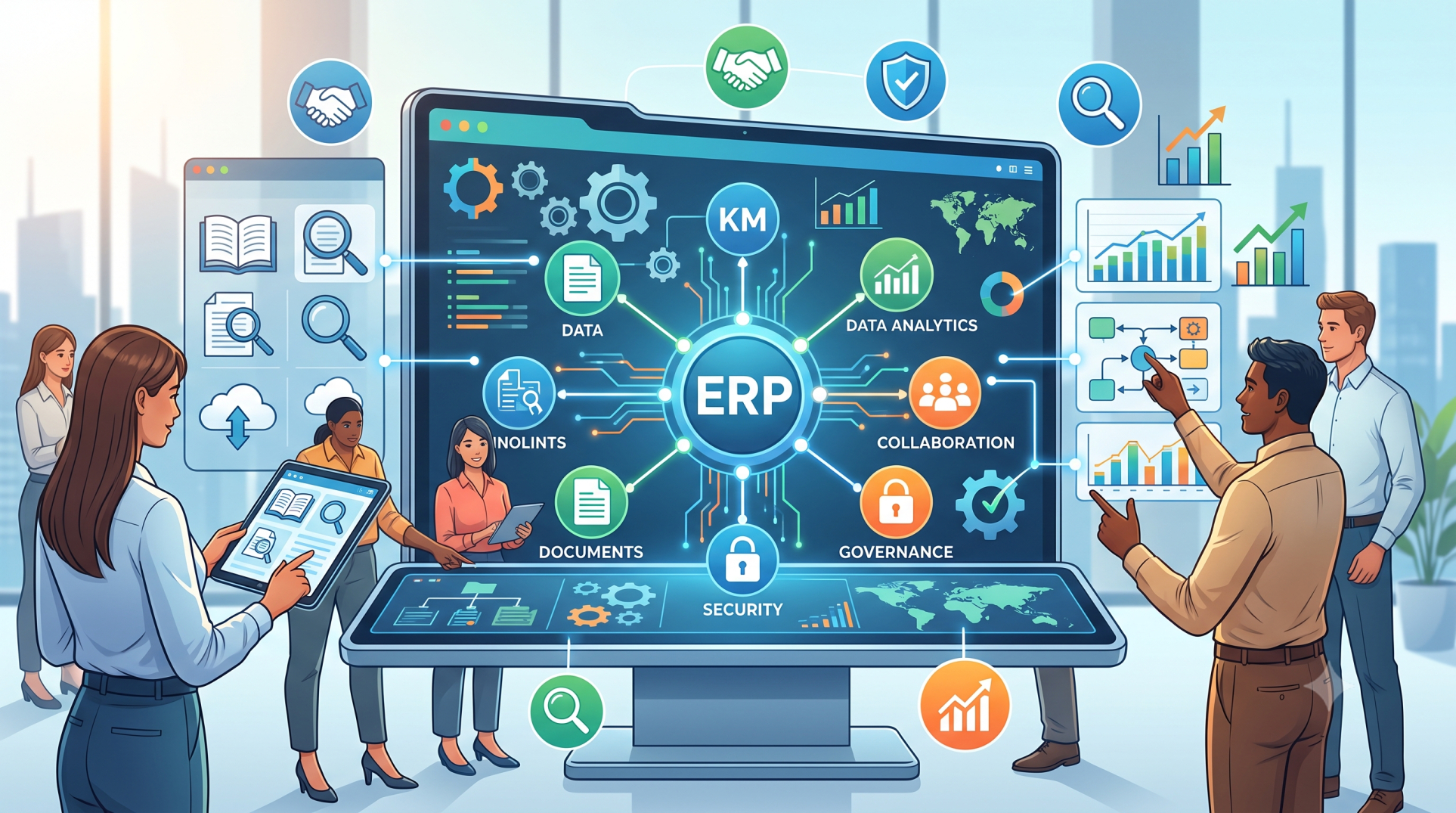
• Strong governance helps maintain data quality, security, and consistency. 🔐
Step 4: Introducing Natural-Language Interaction 💬
• Traditional ERP interfaces typically require users to navigate menus, forms, and dashboards. 🖥️
• AI-native ERP can allow users to interact with business systems through natural language. 🗣️
• Employees can ask questions about authorized business information without manually searching multiple screens. 🔎
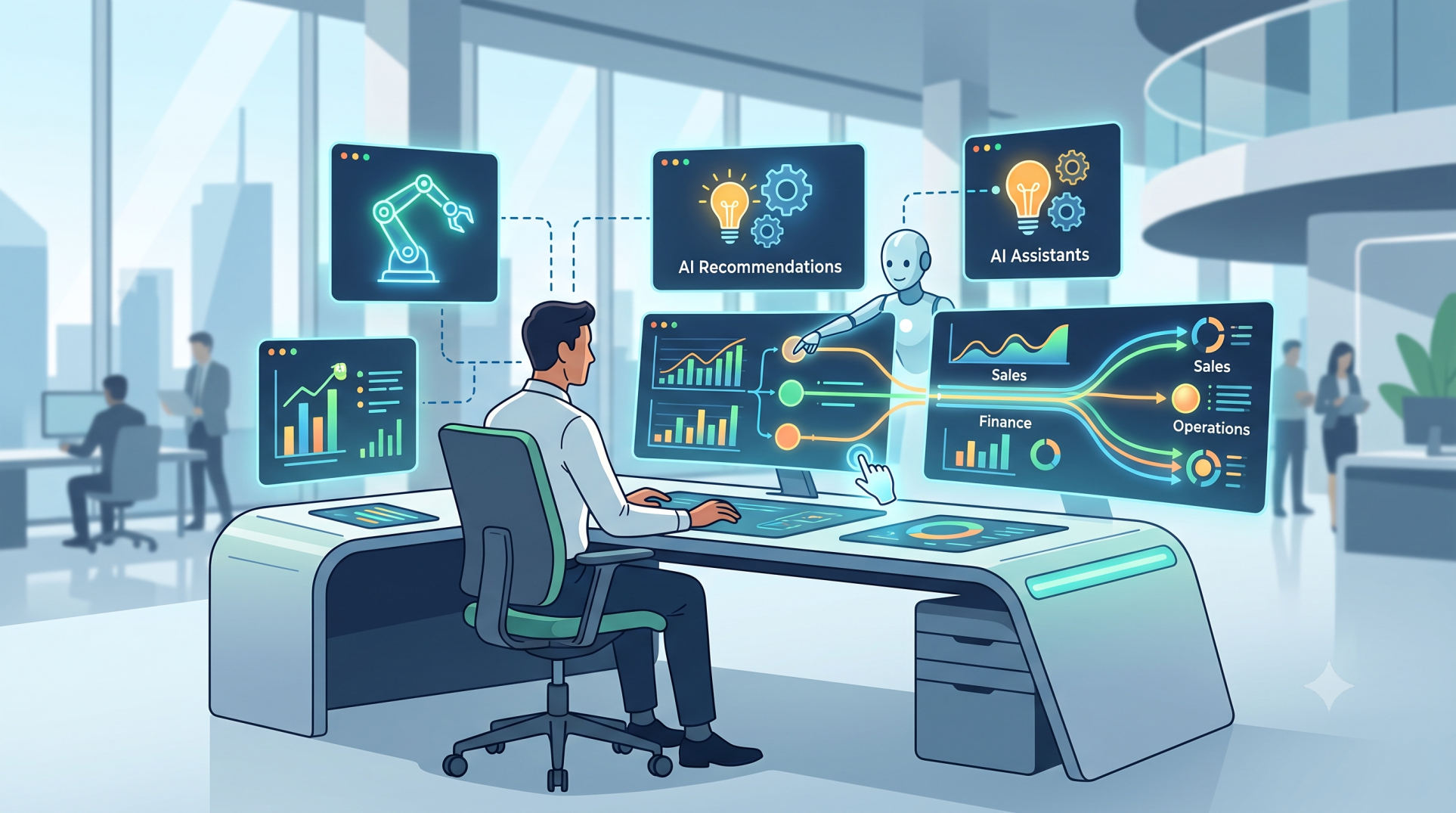
• AI assistants can help users interpret reports, summarize information, and initiate approved workflows. 🤝
• Interface design can shift from application navigation toward task-oriented interaction. 🎯
Step 5: Expanding Automation With AI Agents 🤖
• Traditional automation generally follows predefined rules and workflow conditions. ⚙️
• AI-native ERP can introduce agents capable of coordinating defined multi-step activities. 🔄
• Agents can work with approved enterprise tools, data sources, and business services. 🔐
• Automated activities can include information gathering, analysis, routing, and workflow initiation. 📋
• Human intervention can remain part of processes that require judgment, authorization, or oversight. 👥
Step 6: Connecting ERP With Enterprise Systems 🔌
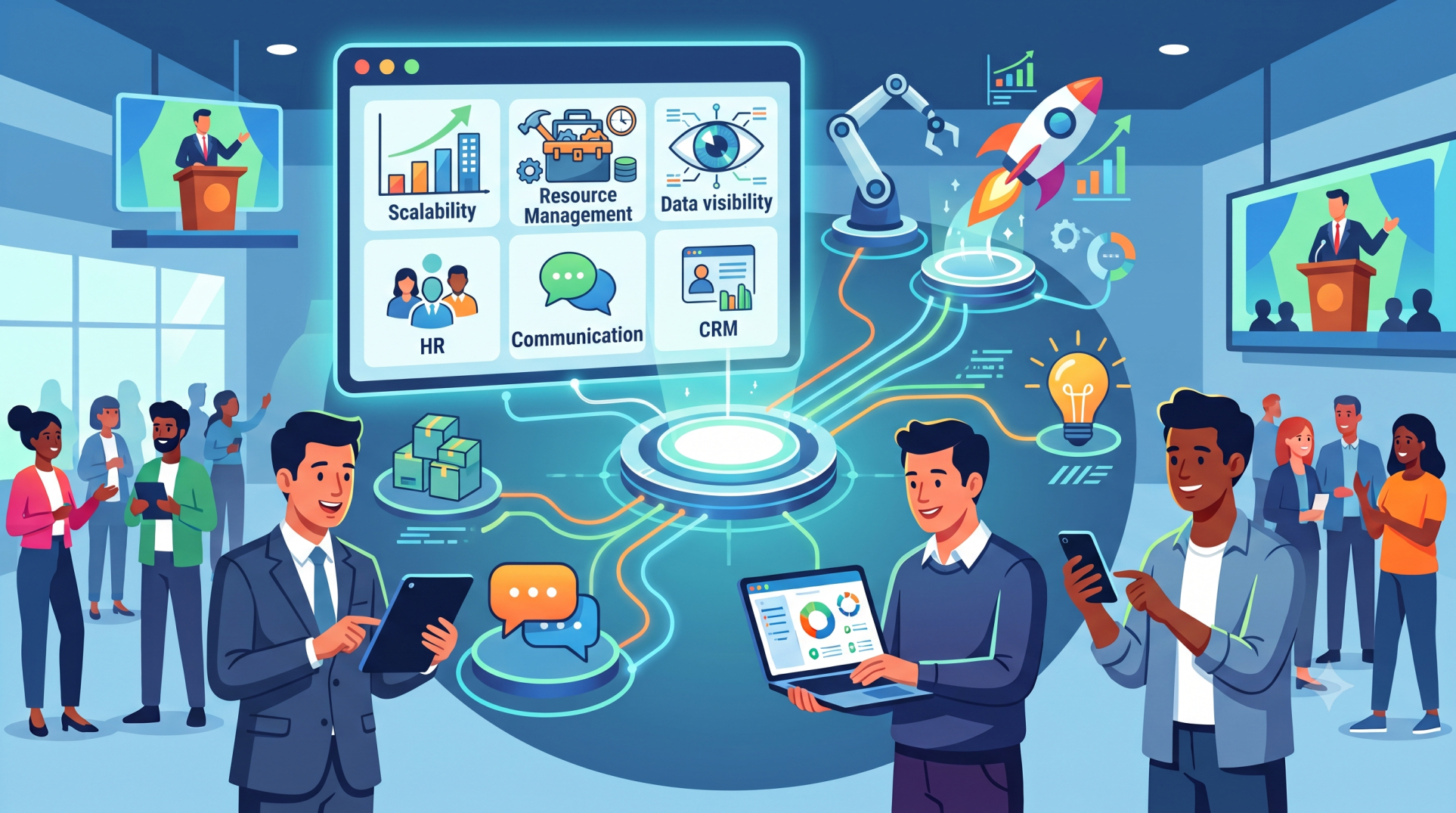
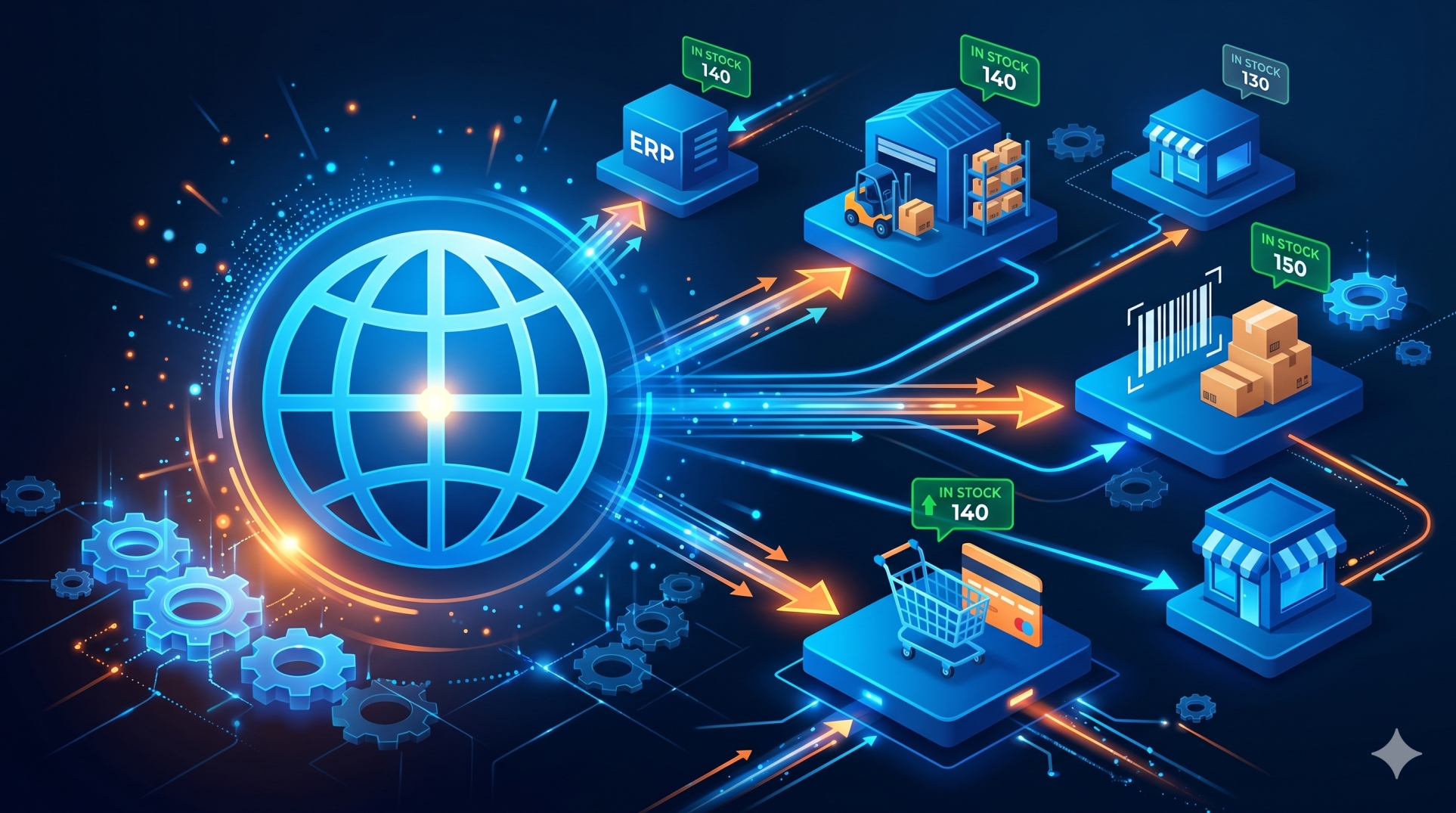
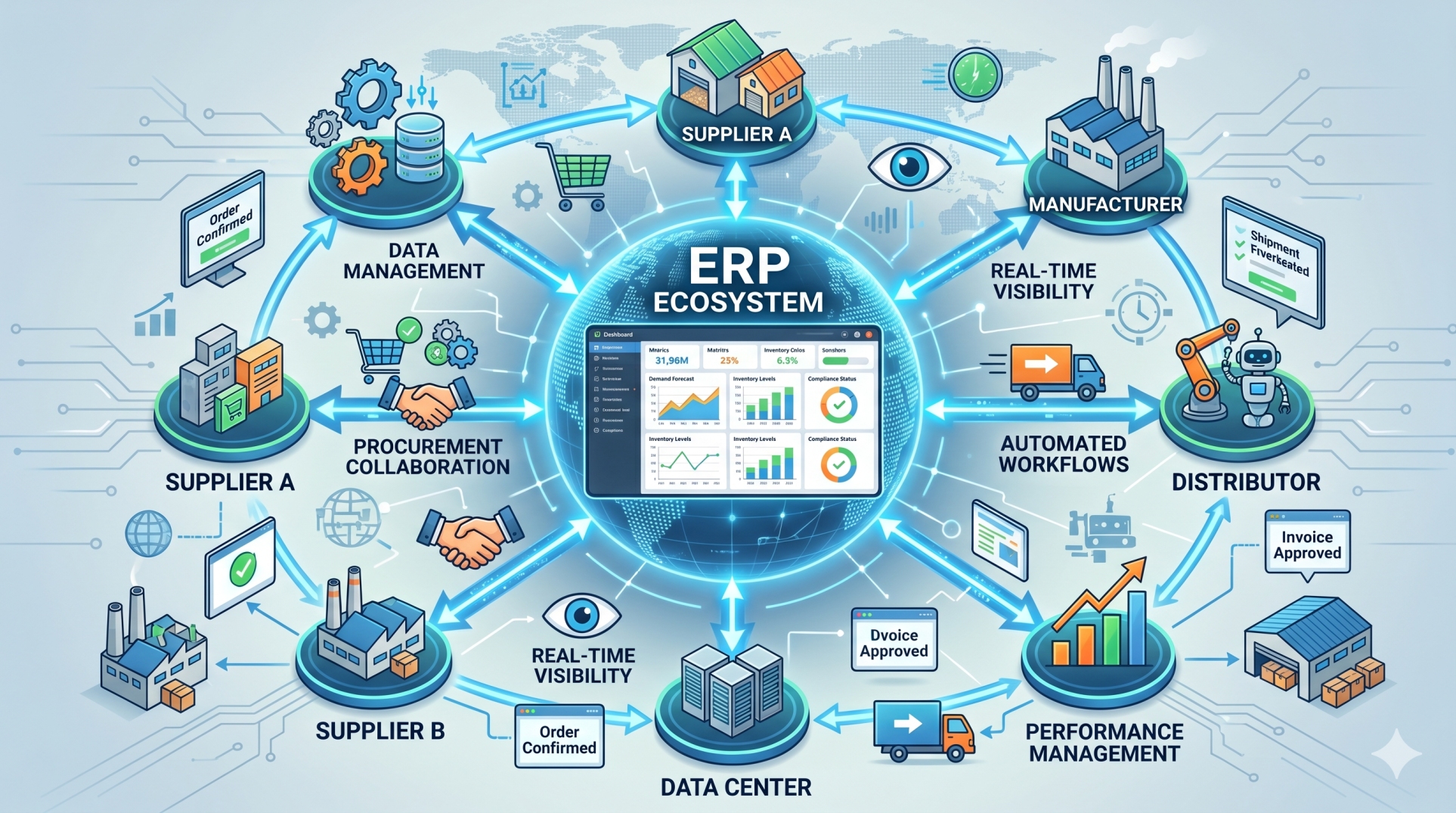
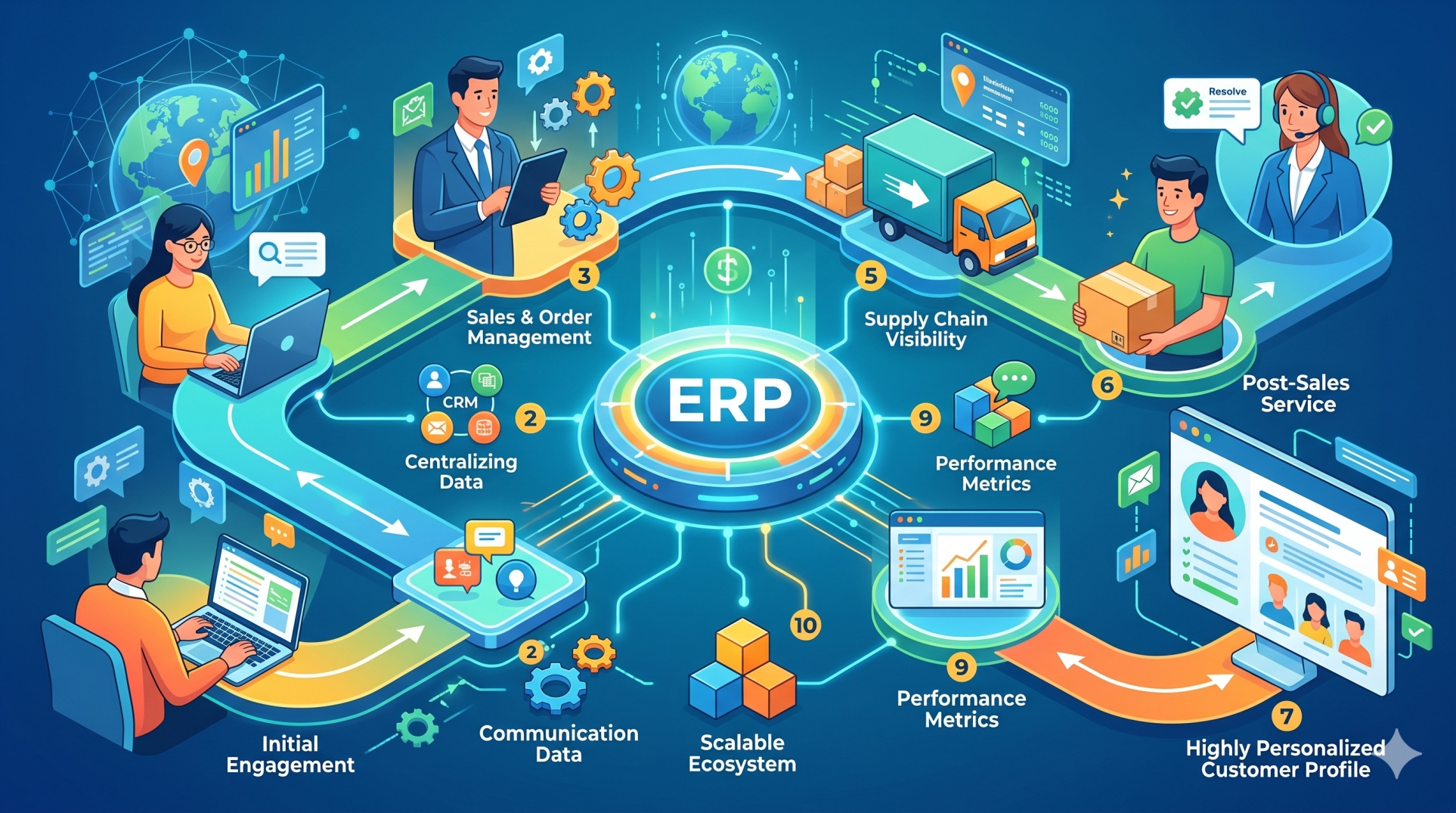
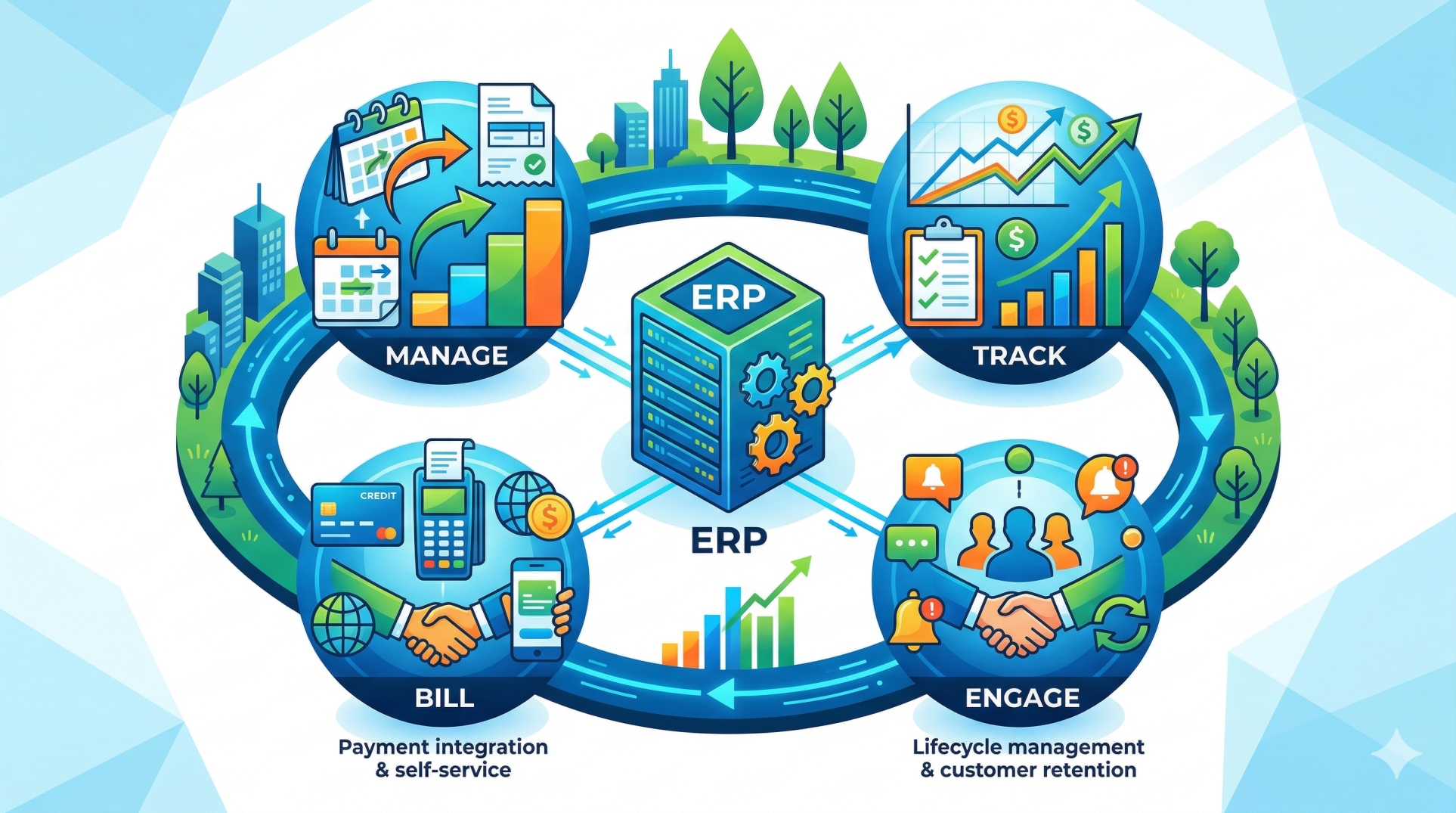
• AI-native ERP requires strong connectivity with surrounding business applications. 🌐
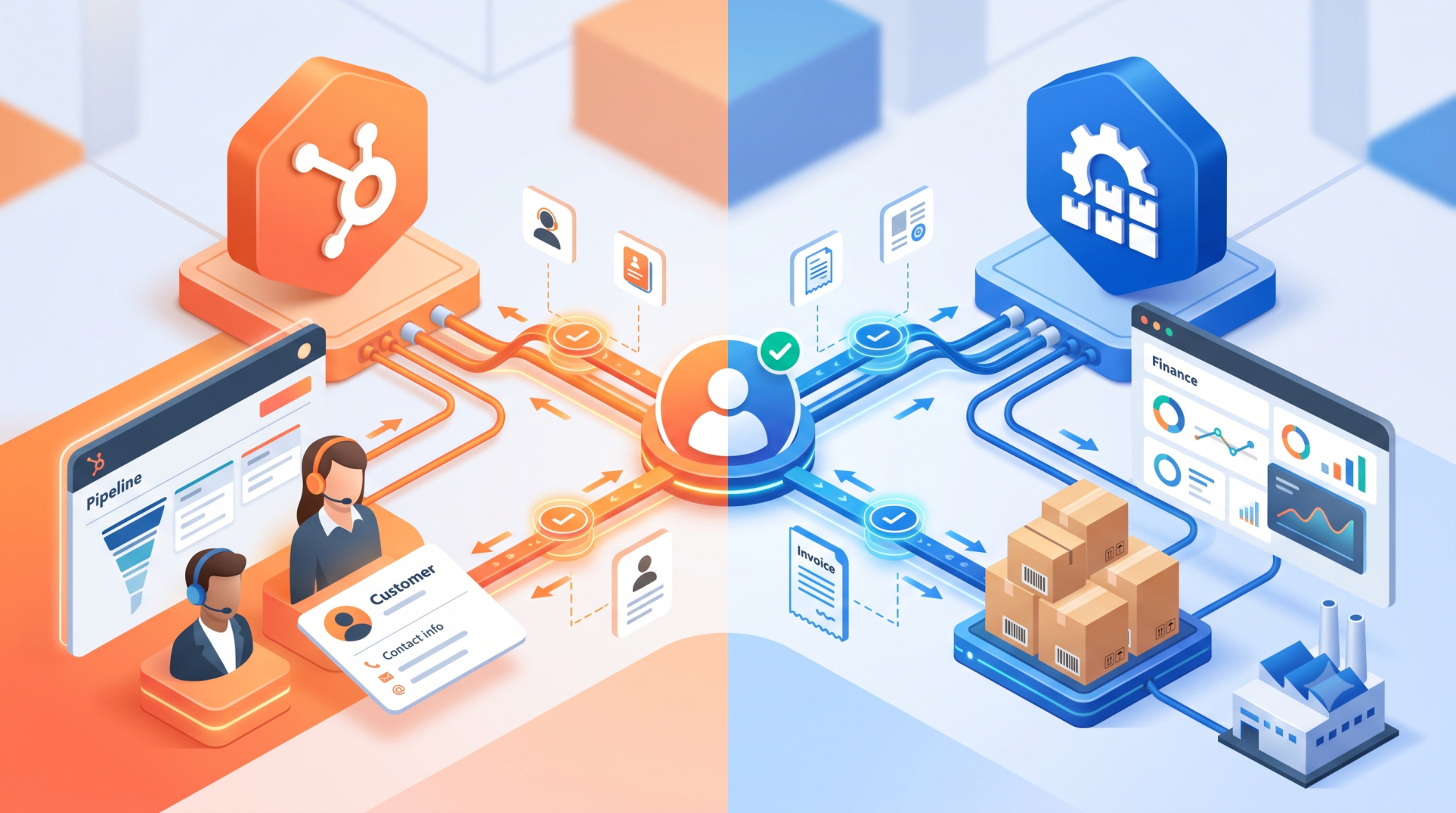
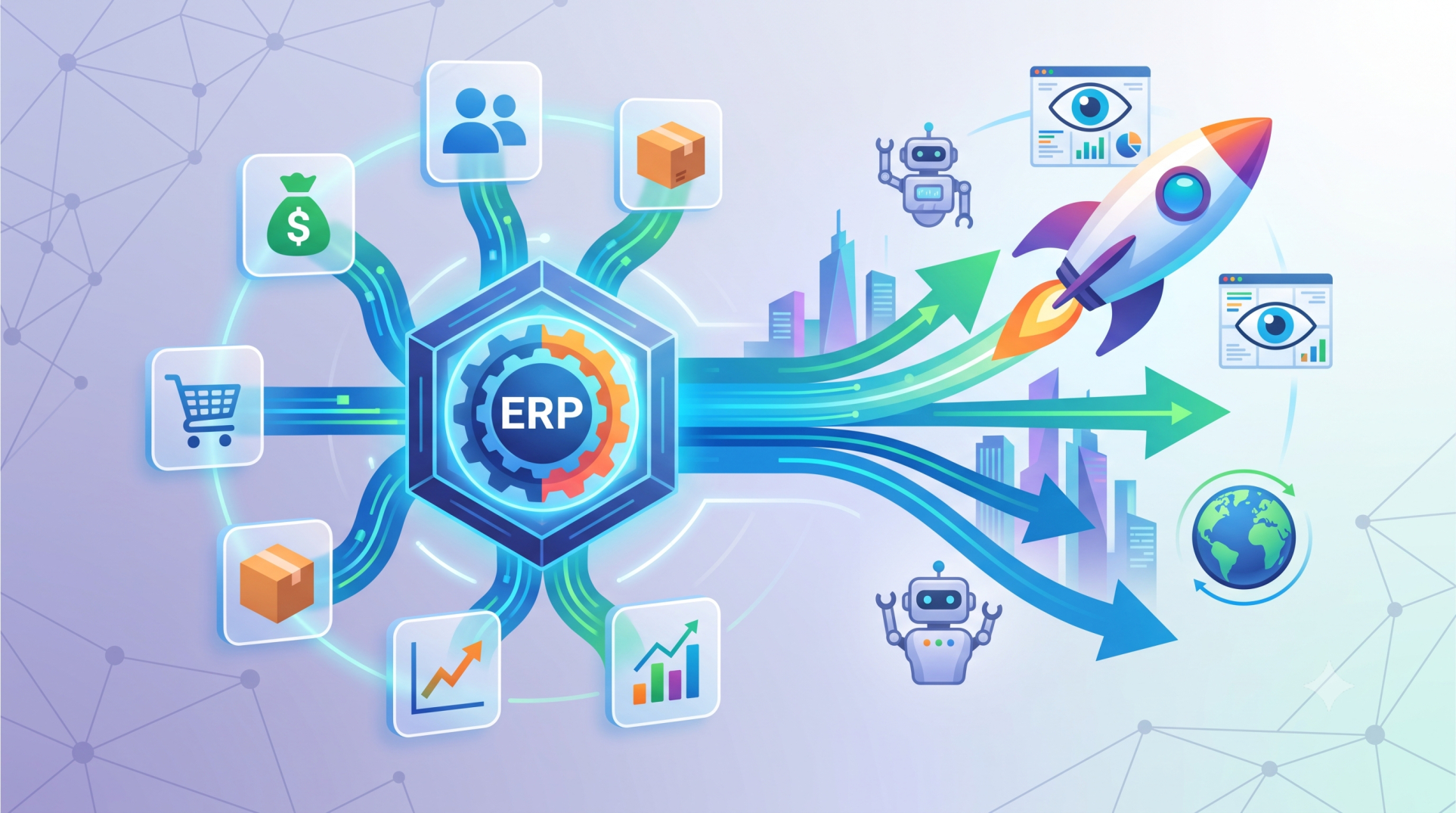
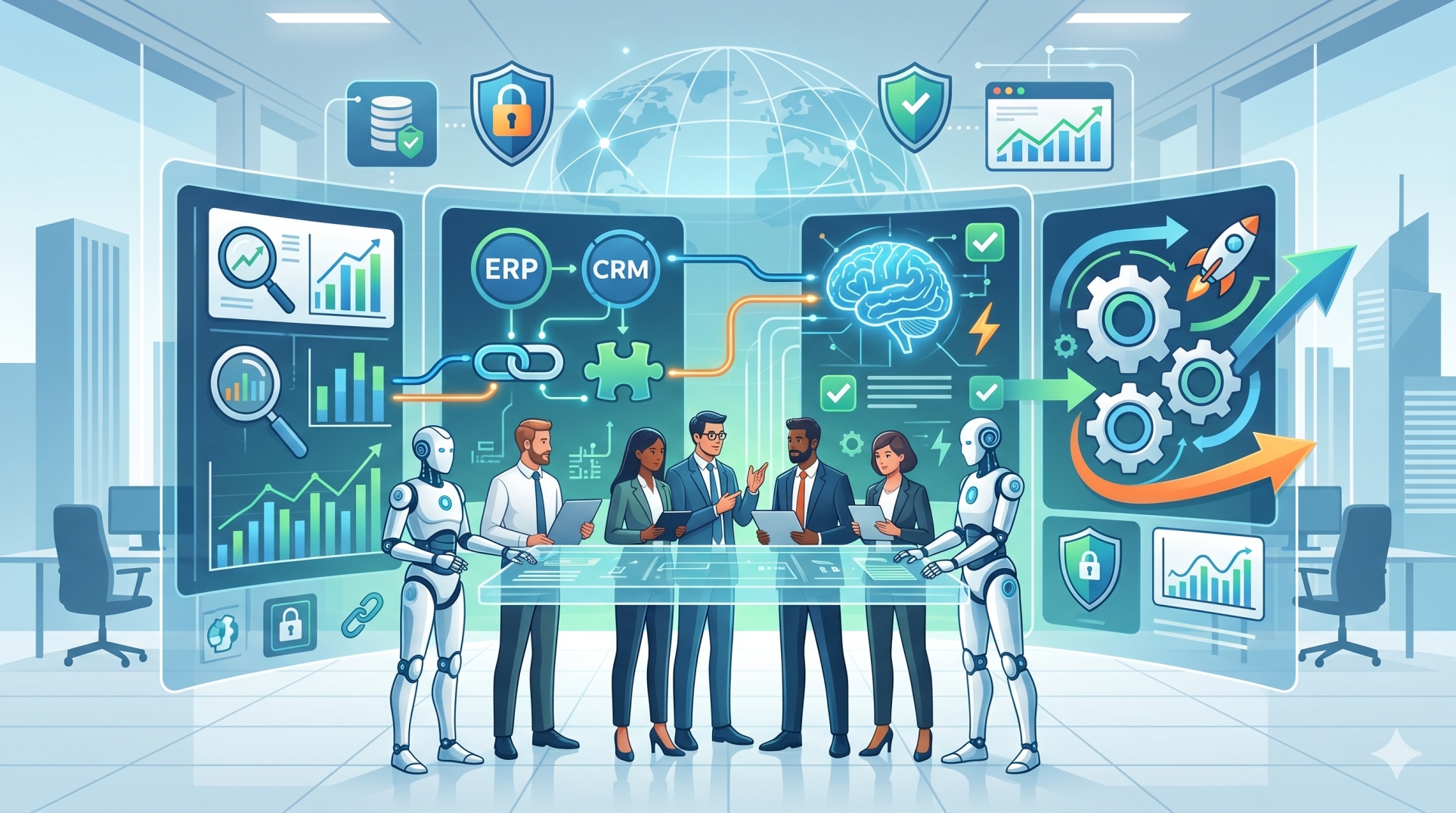
• APIs can connect ERP services with CRM, HR, supply chain, payment, analytics, and other platforms. 🔗
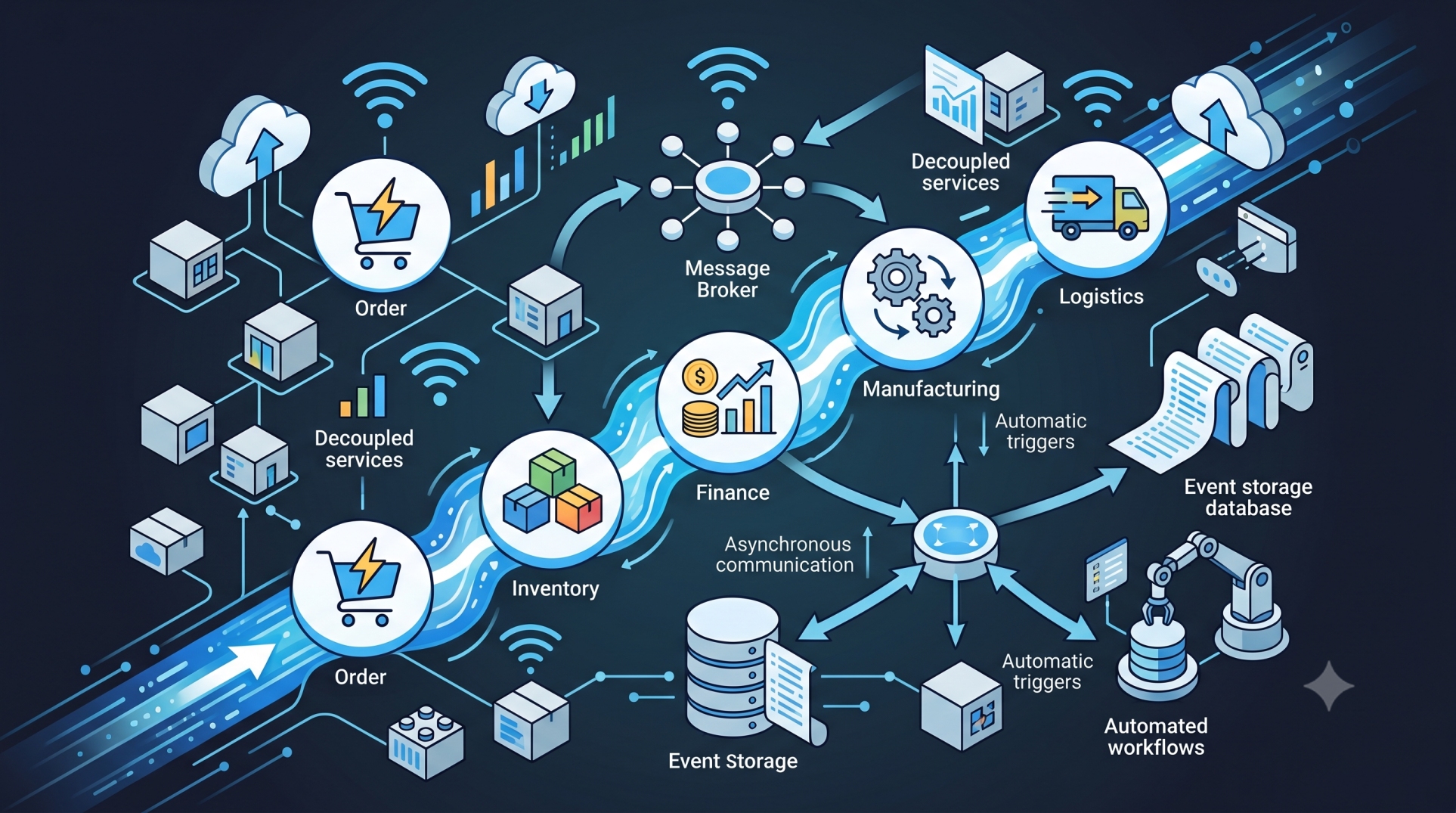
• Event-driven architecture can allow systems to respond to important business changes in real time. ⚡
• Shared integration services can reduce duplicated connections between individual applications. 🧩
• Flexible integration makes it easier to introduce new technologies as business requirements evolve. 🚀
Step 7: Designing for Continuous Decision Support 🎯
• Traditional ERP primarily records and reports completed business activities. 📊
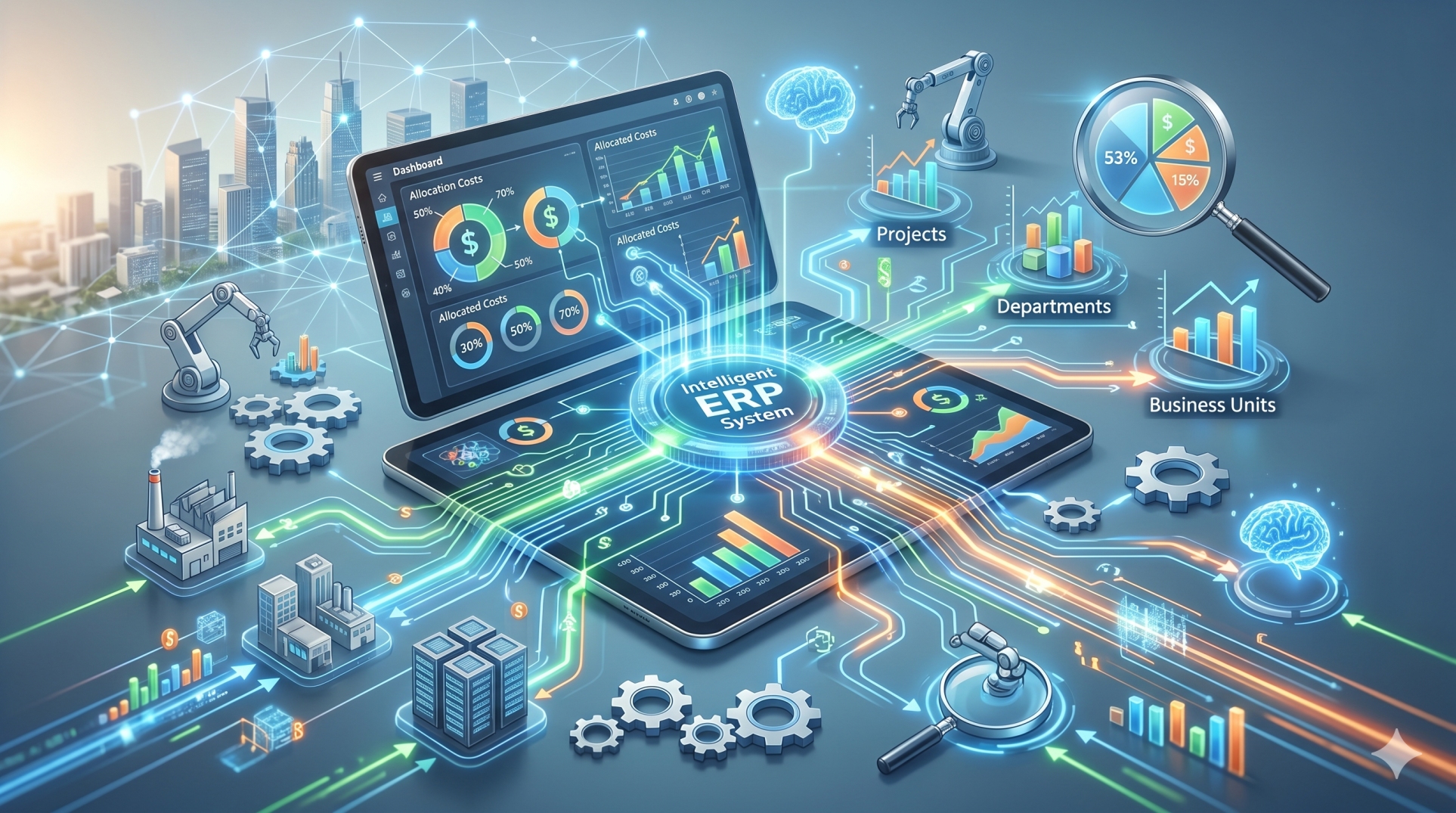
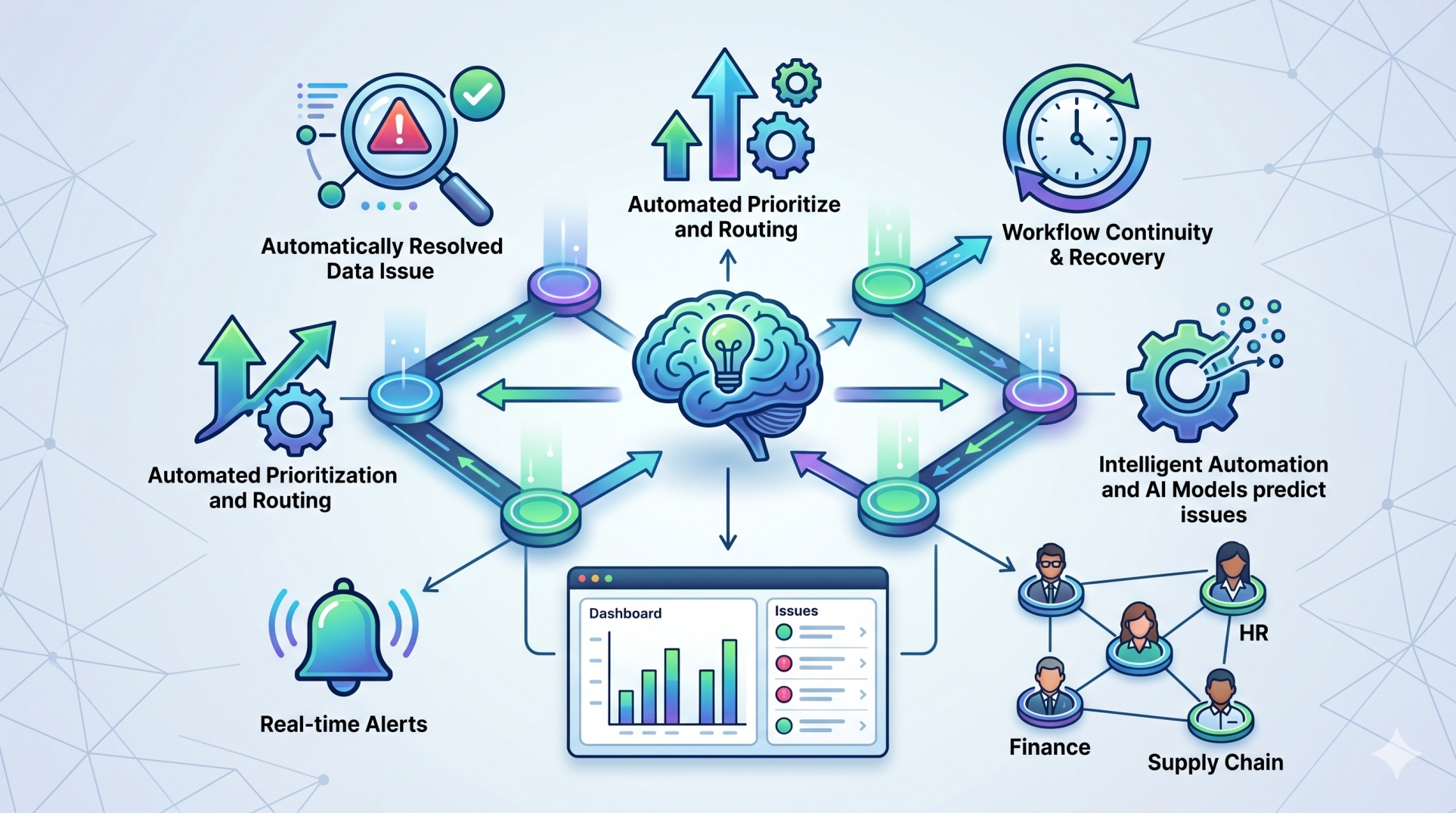
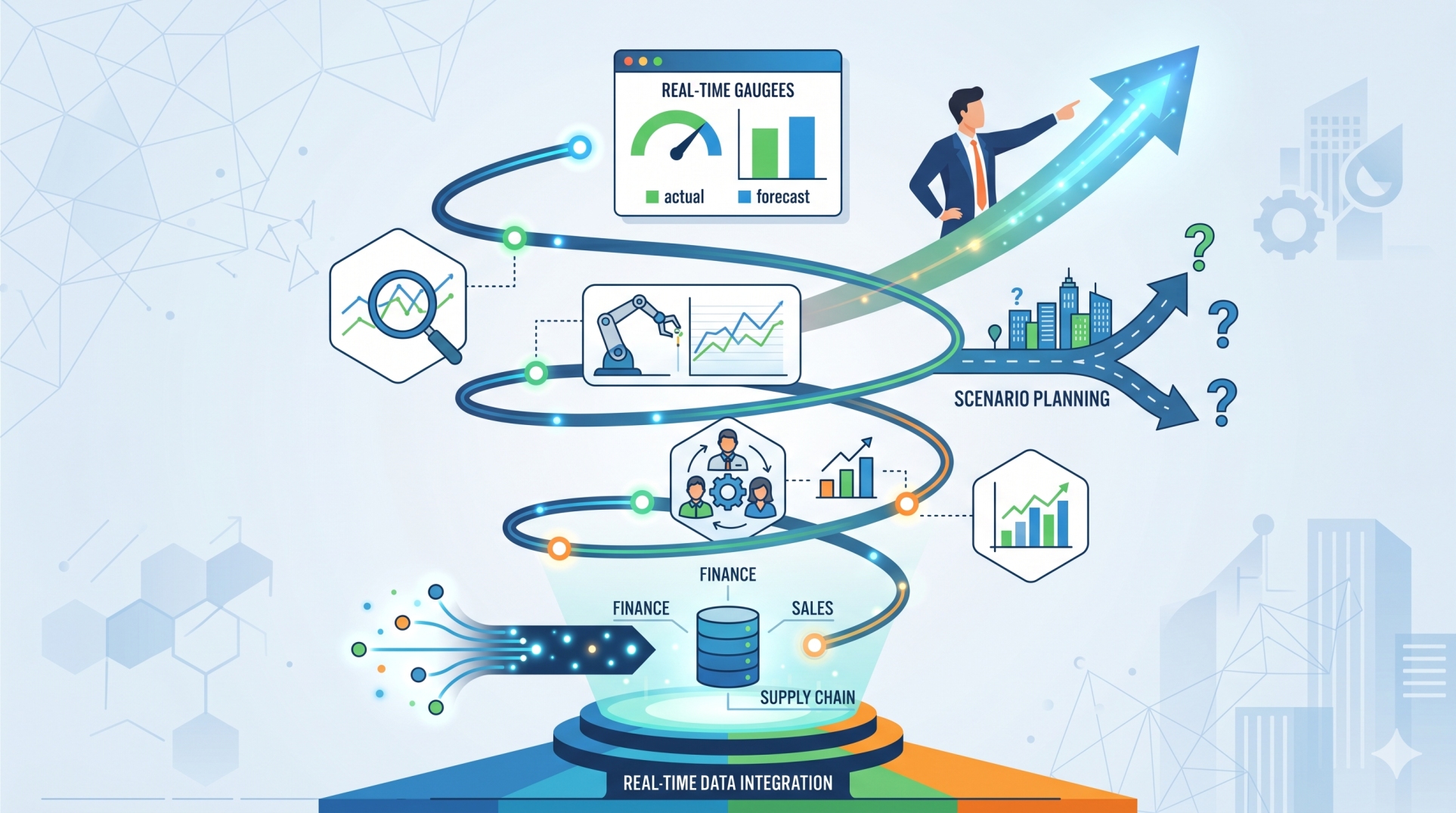
• AI-native ERP can continuously analyze operational information and identify relevant patterns. 🔎
• Systems can surface anomalies, potential risks, and changing business conditions. ⚠️
• AI-generated recommendations can provide additional context for authorized decision-makers. 💡
• Decision support becomes part of operational workflows rather than a separate analytical activity. 🔄
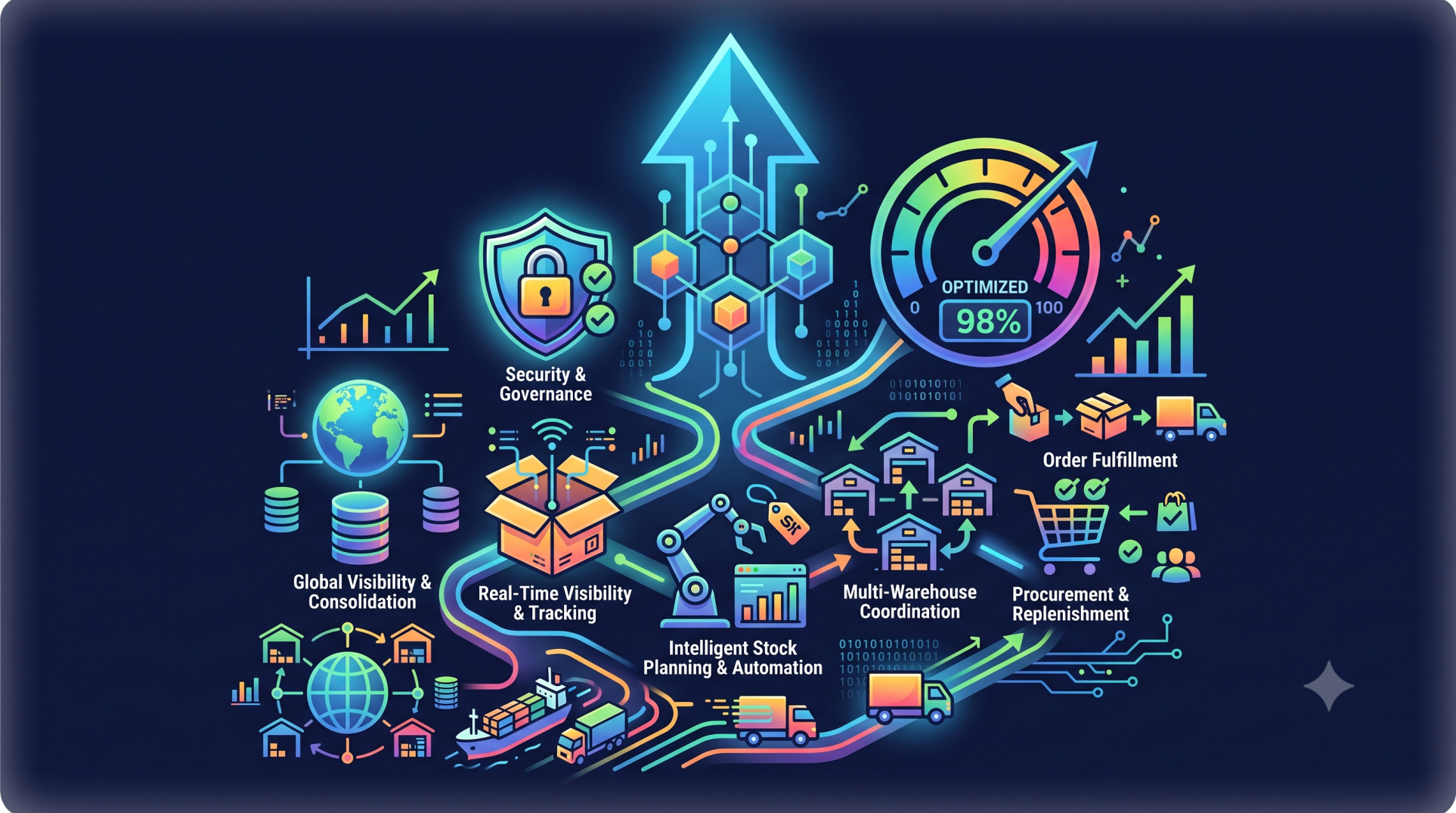
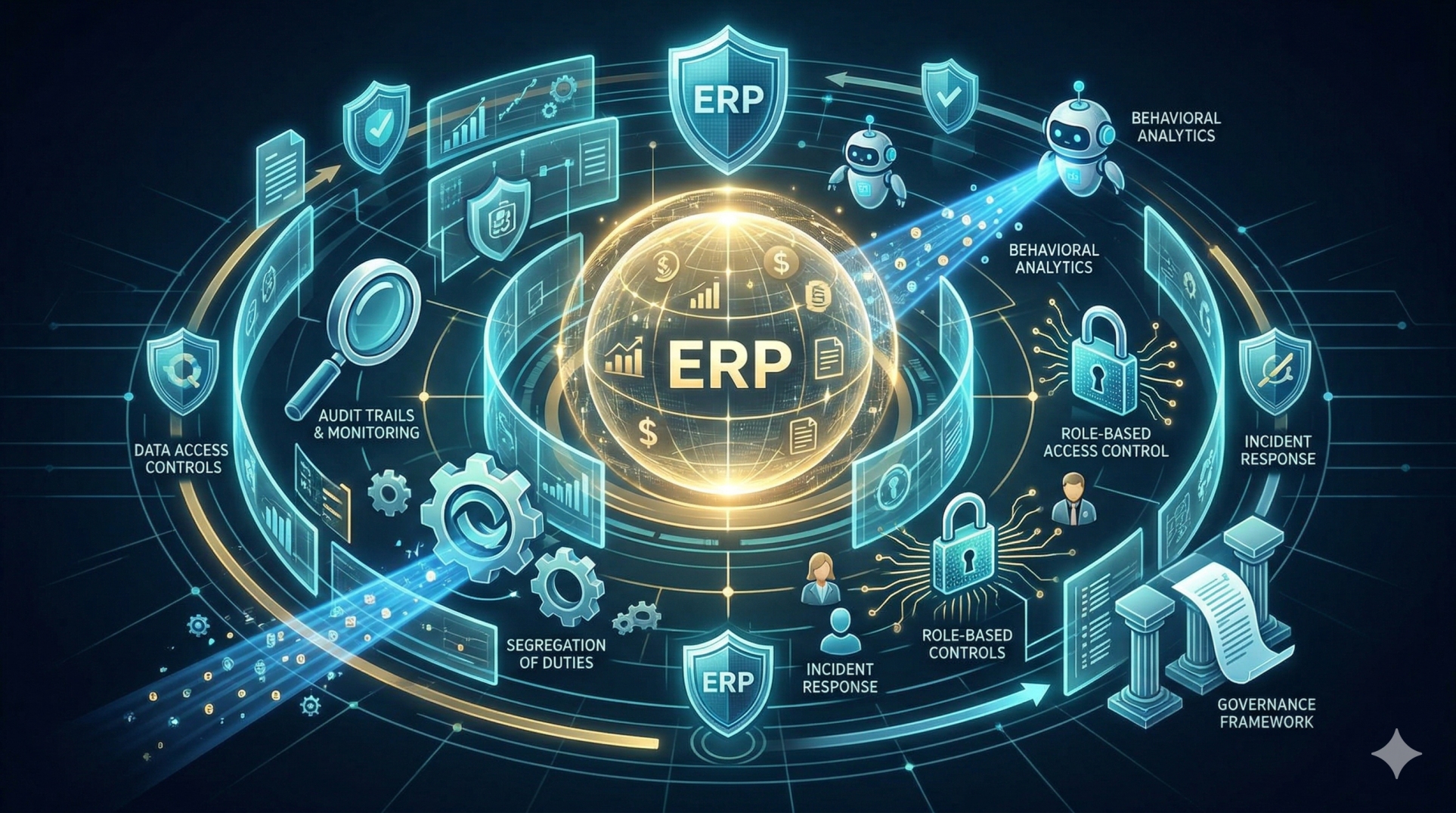
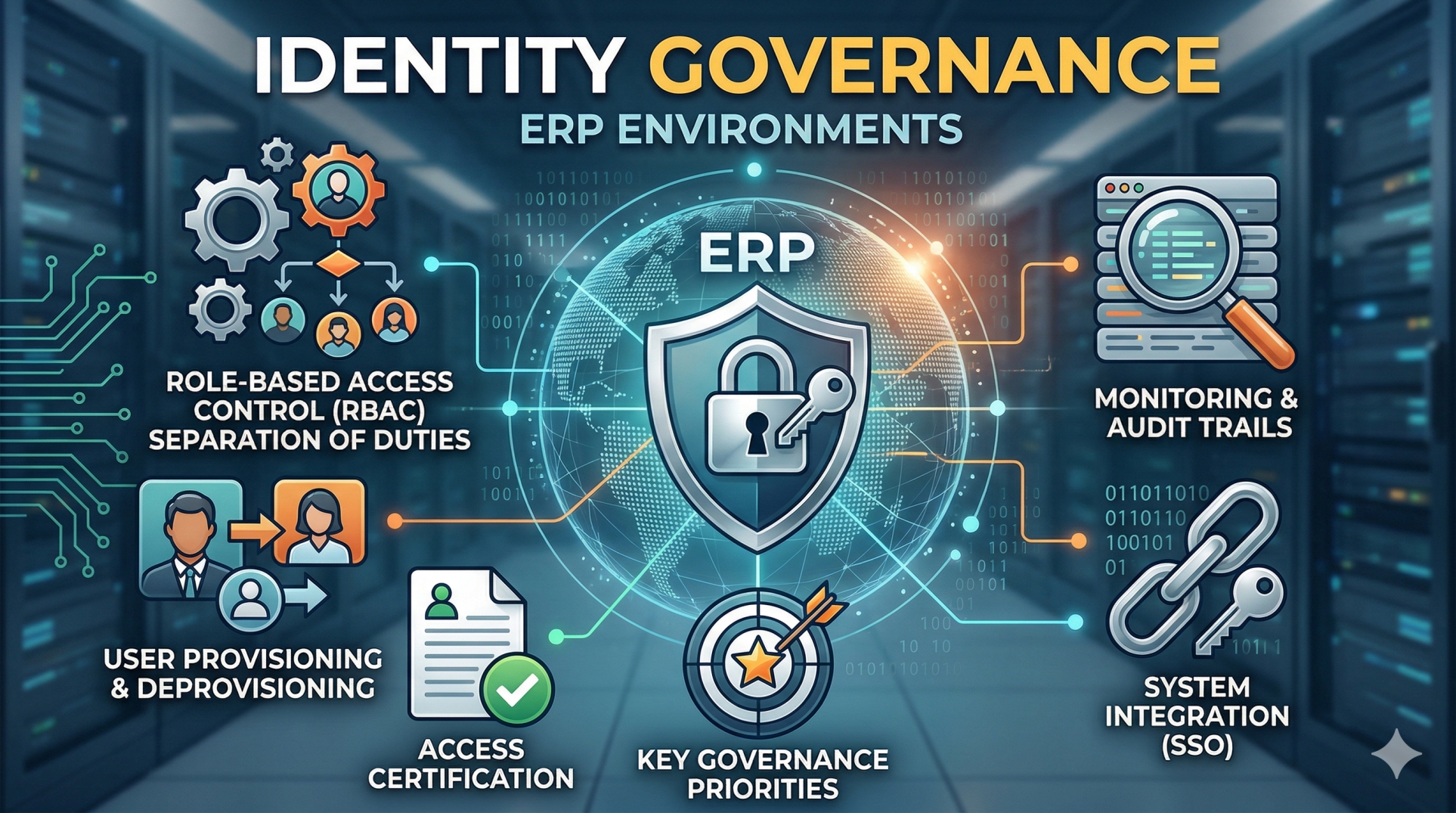
Step 8: Rethinking Security and Governance 🔐
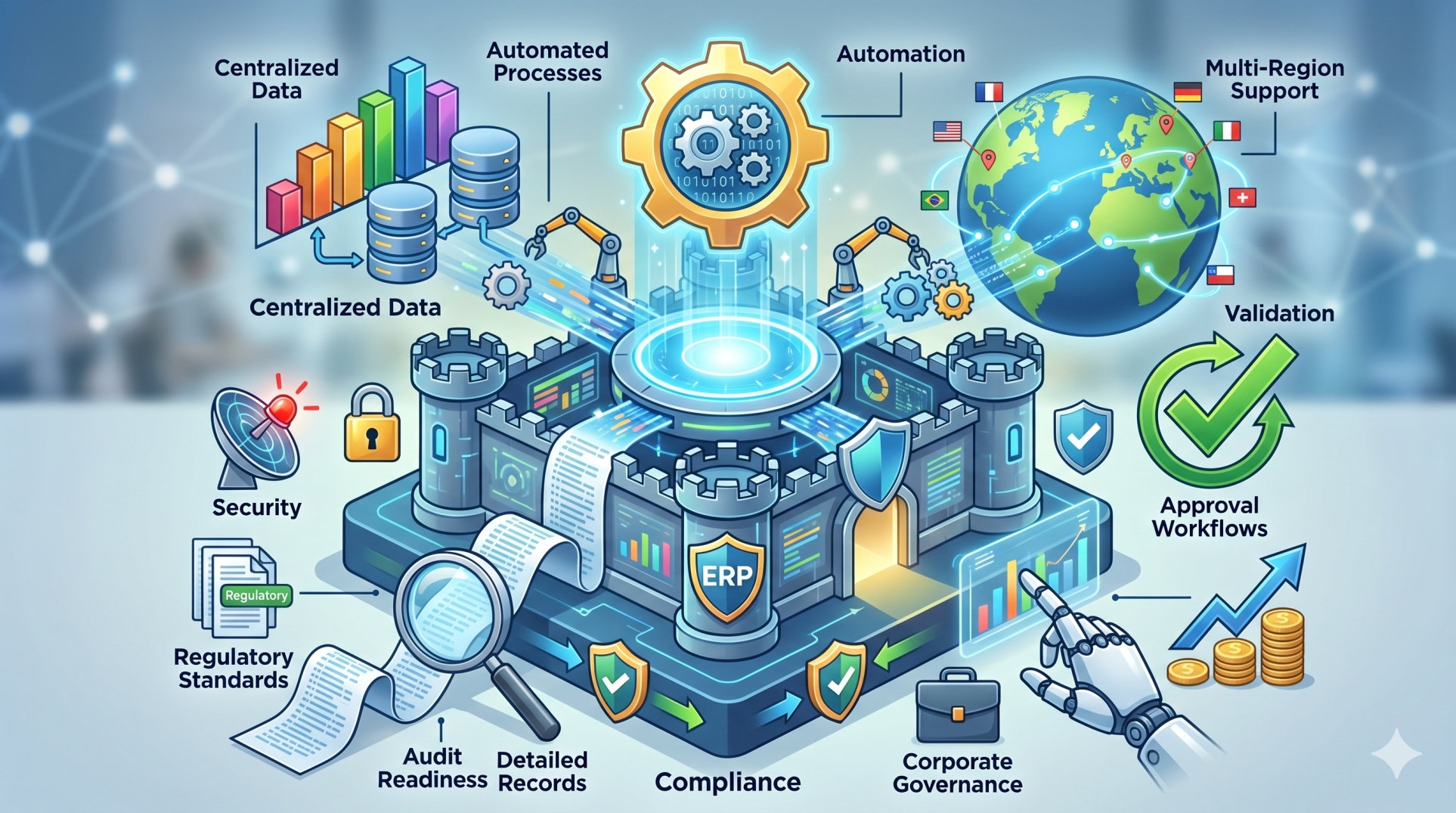
• AI-native ERP requires security controls that cover both traditional transactions and AI interactions. 🛡️
• Access permissions should determine which information AI services can retrieve and which actions they can perform. 🔒
• Organizations can establish approval requirements for sensitive automated activities. ✅
• Audit trails can record important system actions and AI-assisted workflow events. 📝
• Continuous monitoring can help identify unusual behavior and governance issues. 👁️
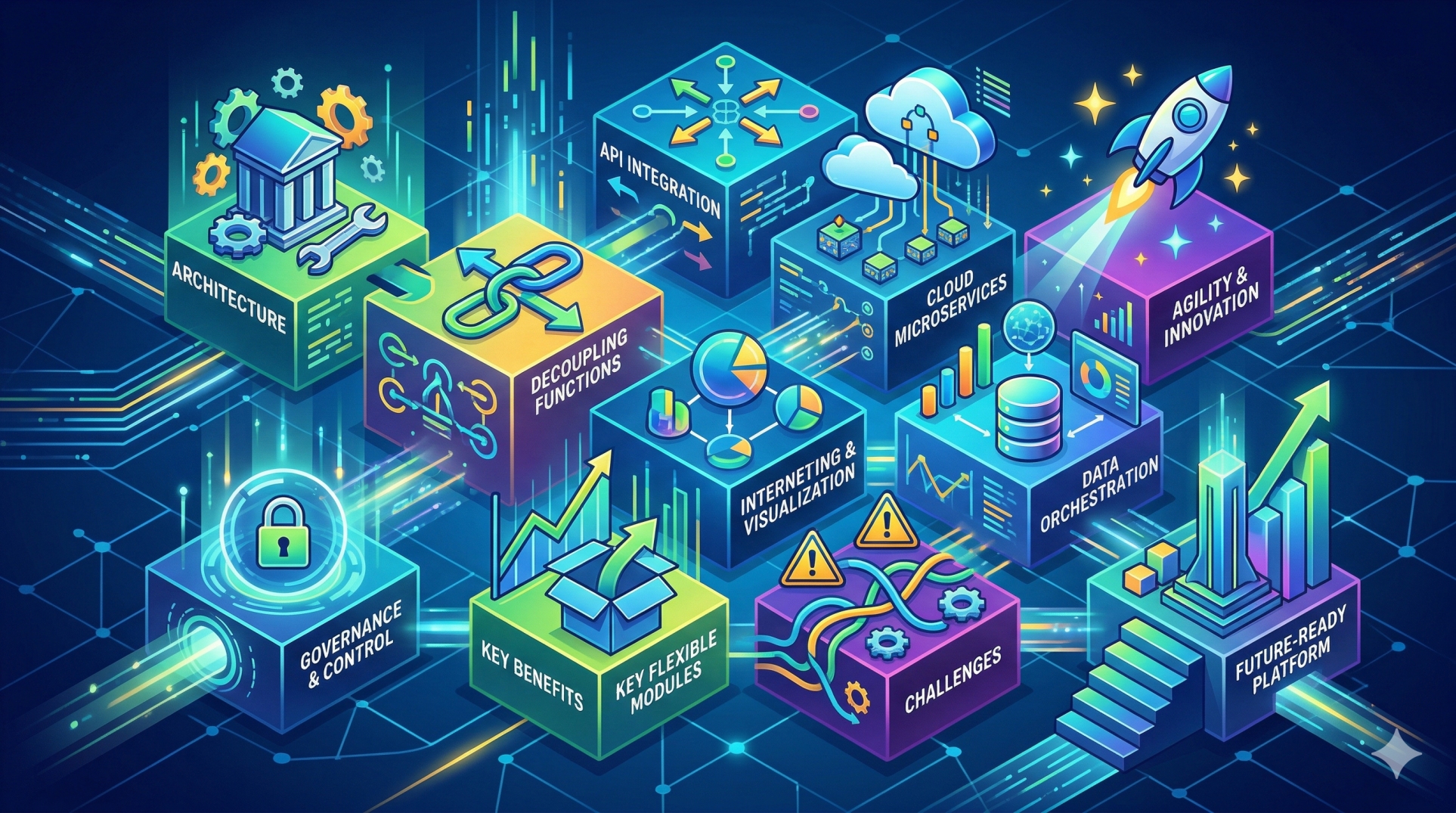
Step 9: Building More Modular and Adaptable Platforms 🧩
• Traditional ERP environments can become difficult to modify when functionality is tightly coupled. 🏗️
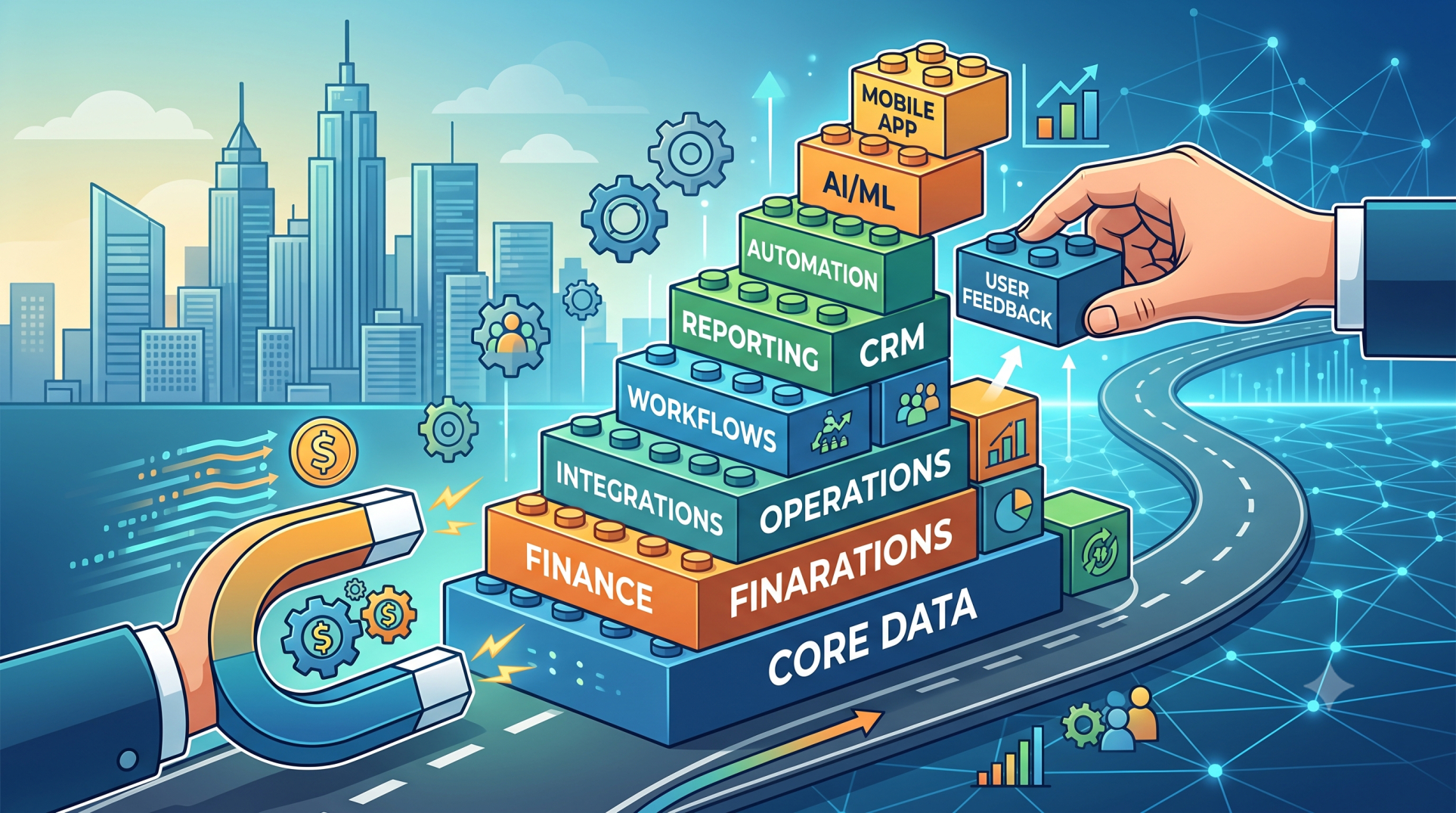
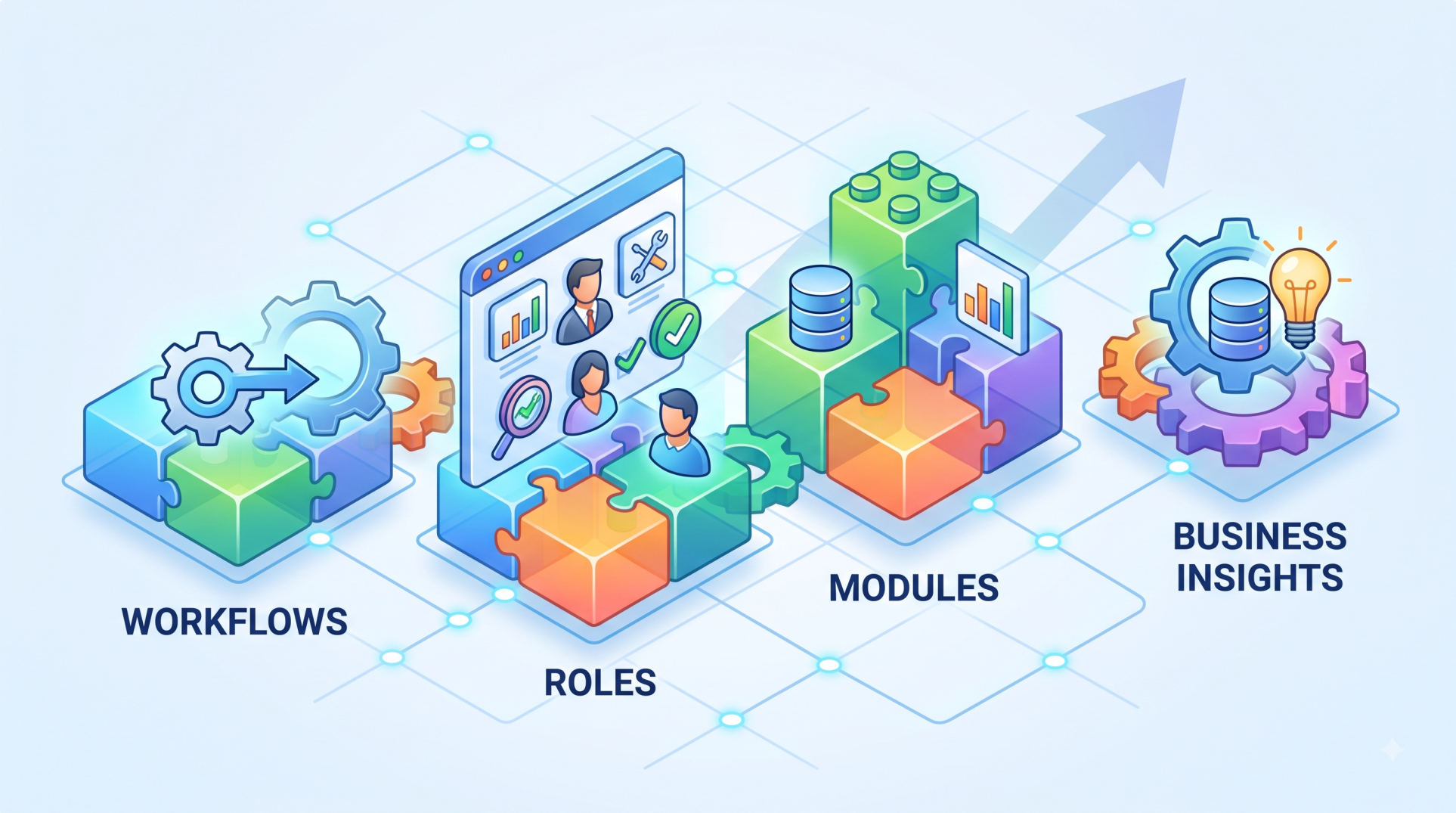
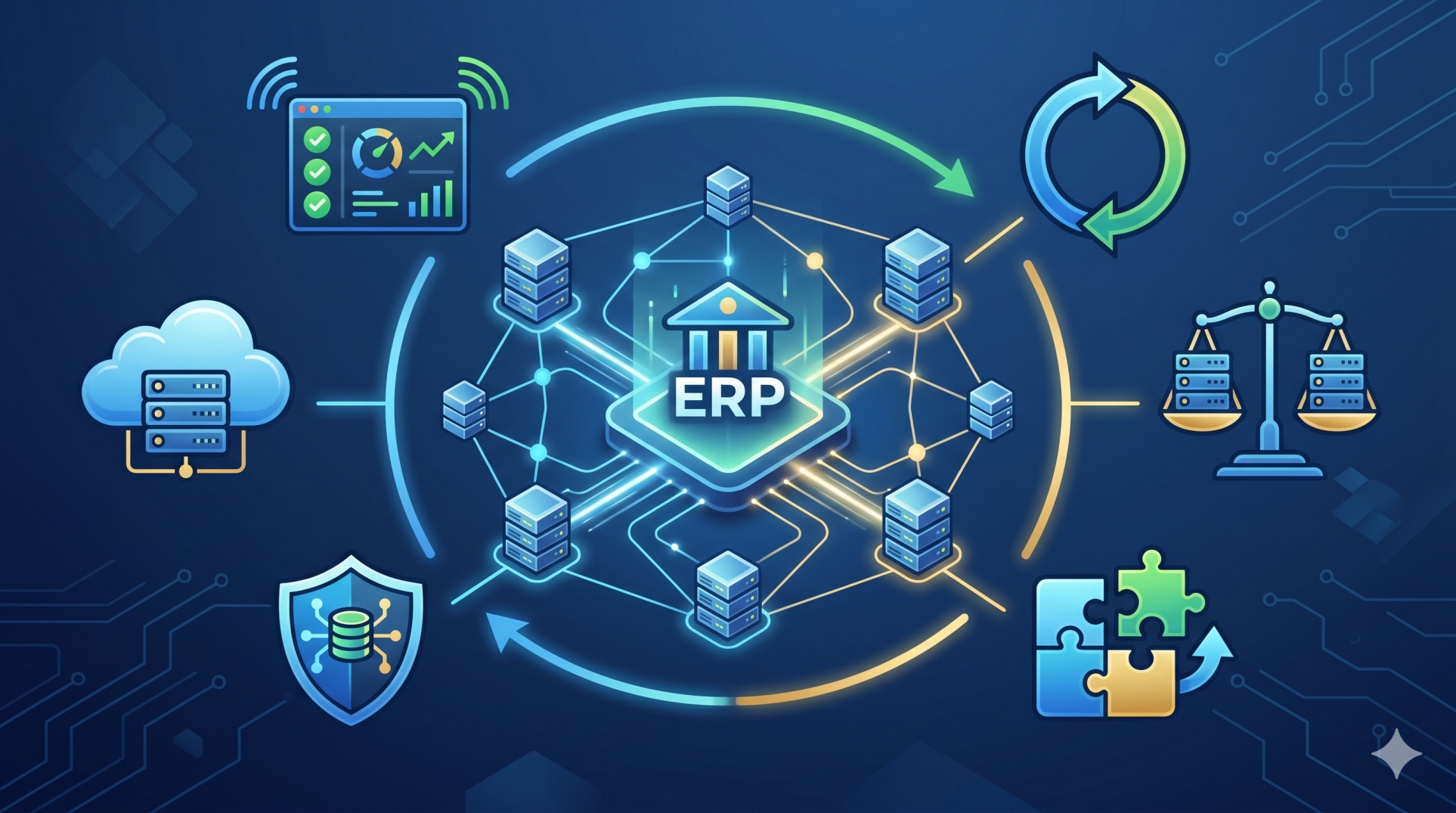
• AI-native systems can use modular services that allow individual capabilities to evolve independently. 🔄
• New AI models, tools, and integrations can be introduced without redesigning every ERP component. 🚀
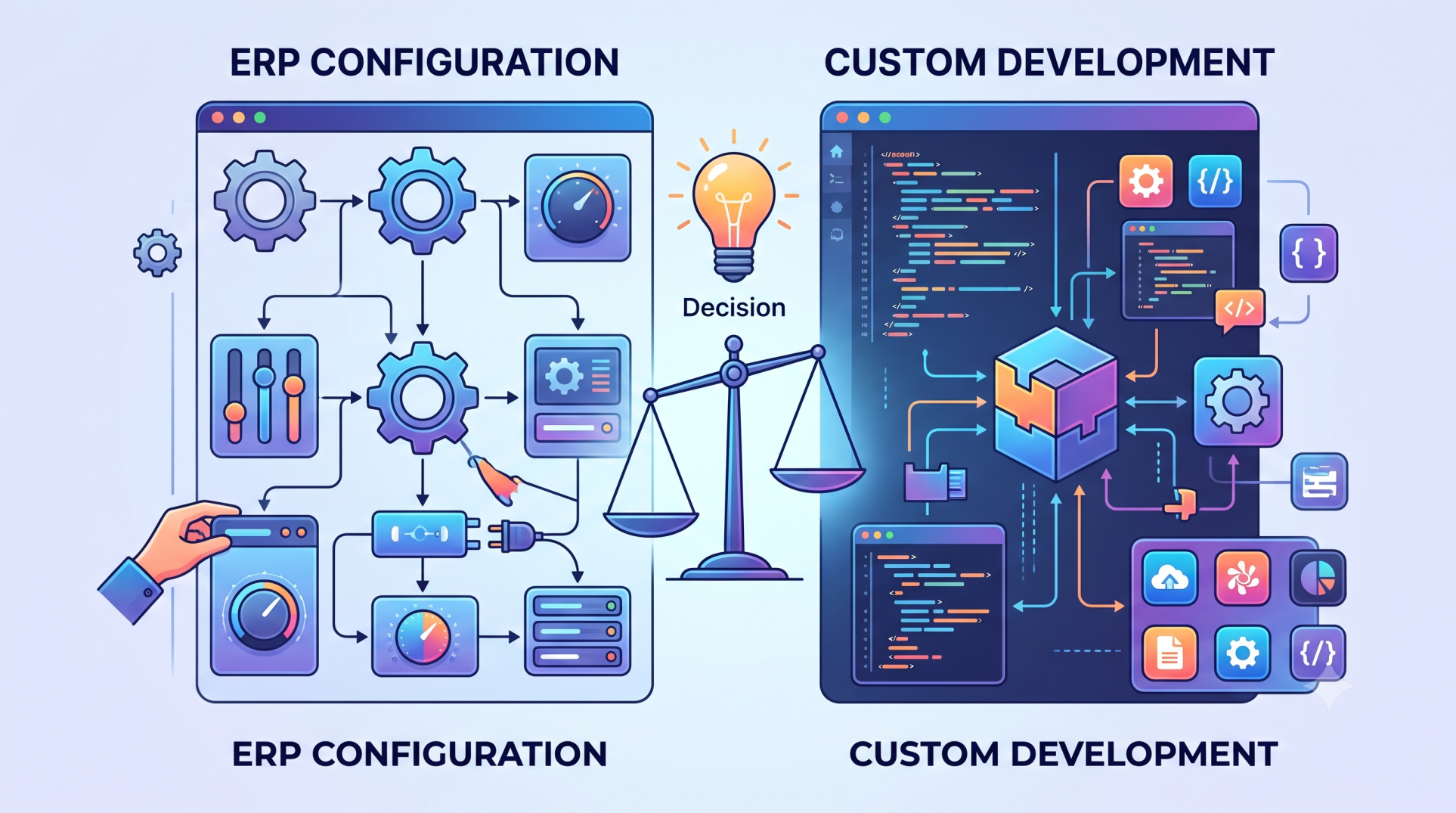
• Configurable workflows can accommodate different business processes and operational requirements. ⚙️
• Modular architecture supports gradual modernization and future expansion. 📈
Step 10: Changing the Role of Enterprise Software 🚀
• Traditional ERP primarily provides systems for recording, managing, and coordinating business activities. 🗂️
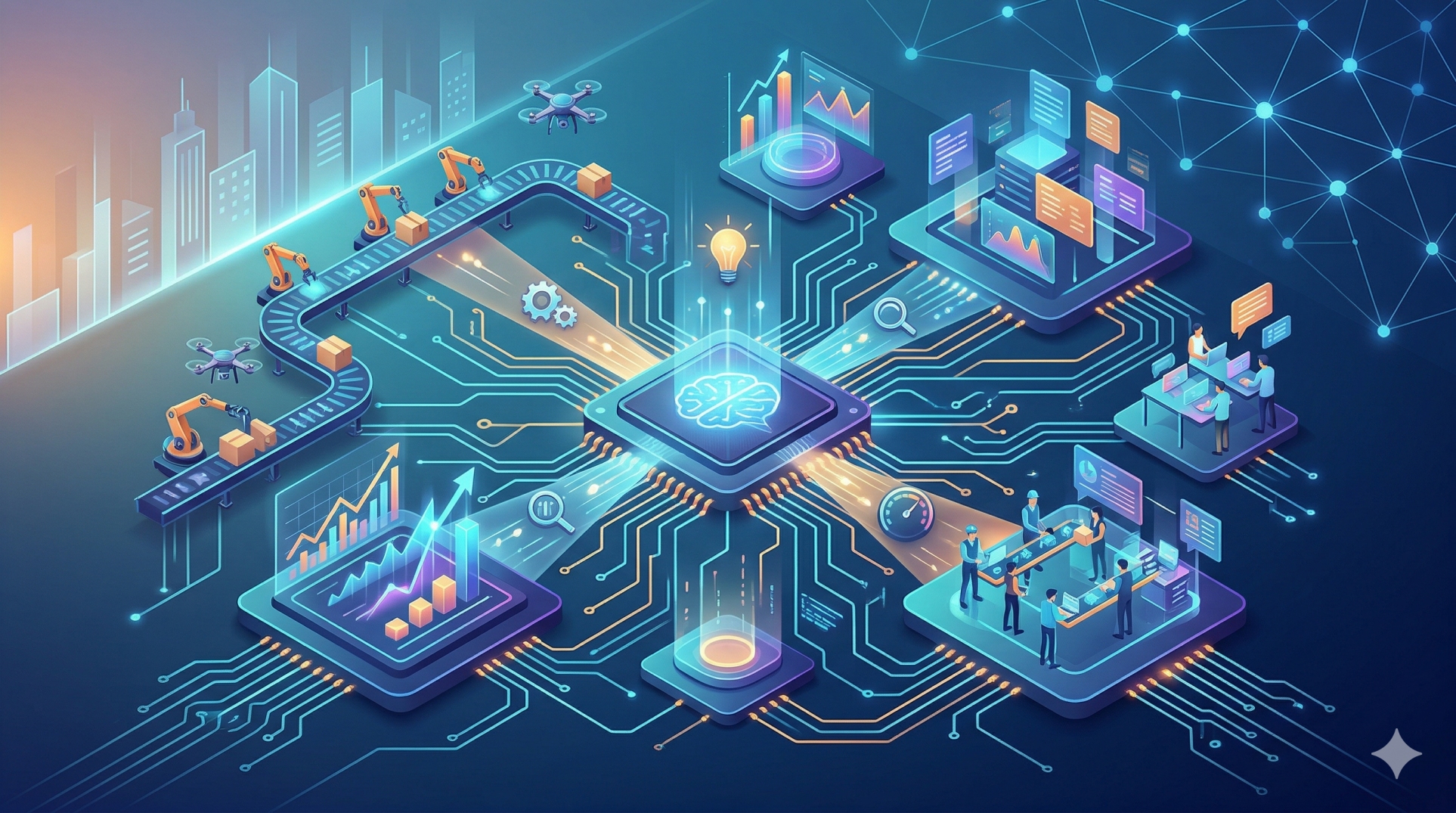
• AI-native ERP adds continuous interpretation, recommendation, and automation capabilities. 🧠
• Software can increasingly assist users with both information discovery and operational execution. 🤝
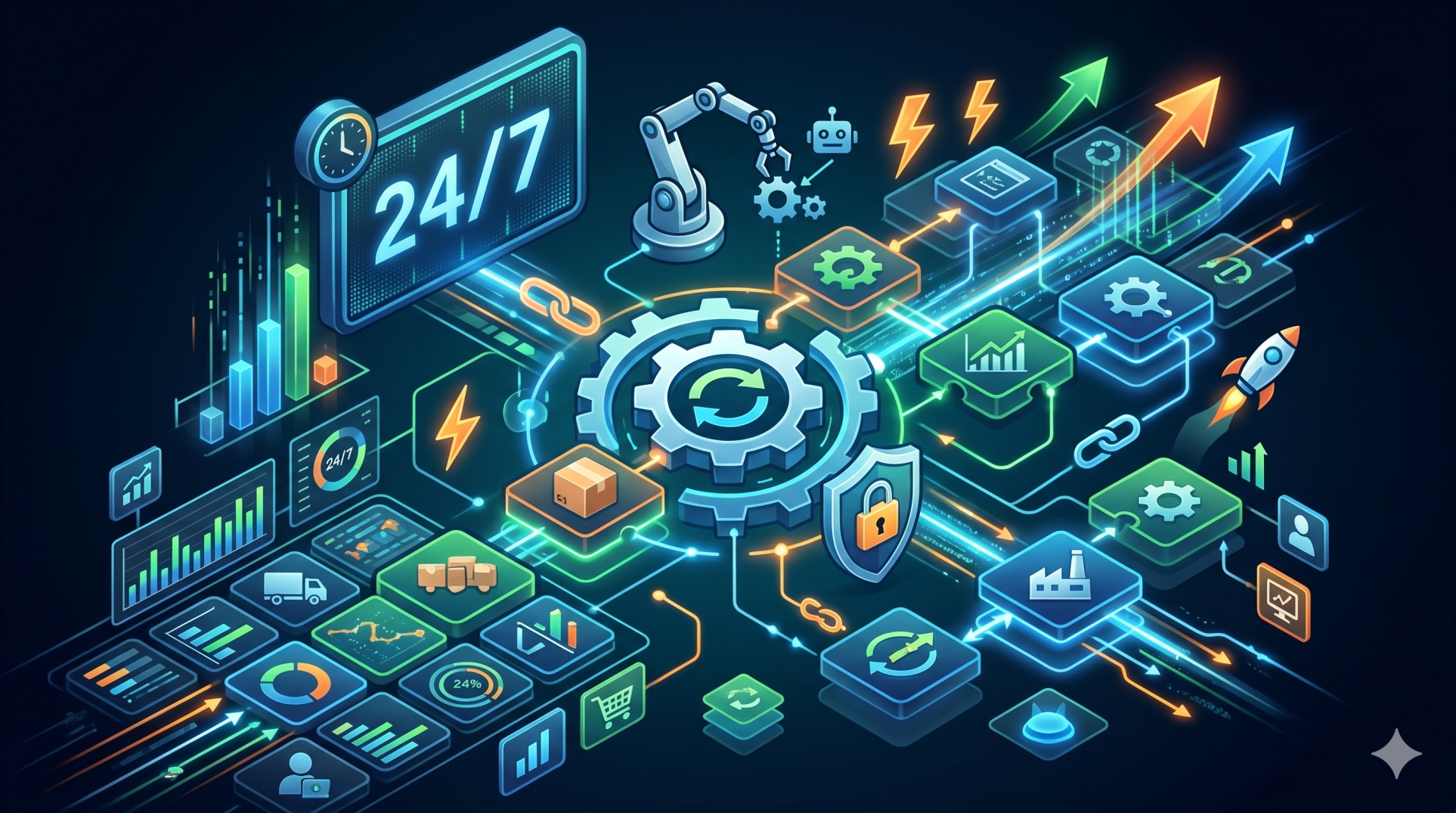
• Enterprise applications can become more responsive to real-time business conditions. ⚡
• The long-term design focus shifts toward intelligent, connected, and adaptable business platforms. 🌐
Conclusion
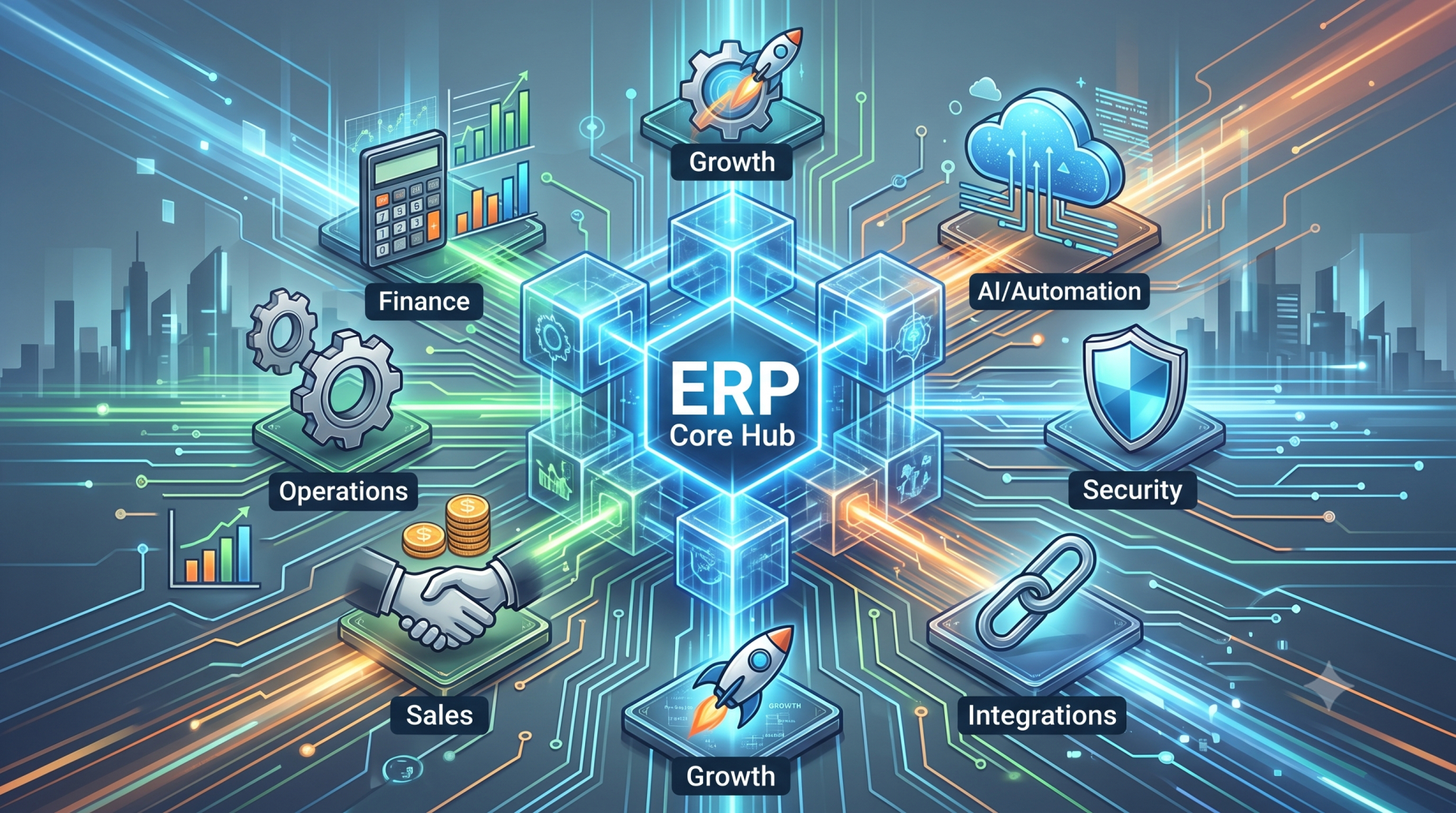
AI-native ERP changes traditional enterprise software design by moving intelligence from an optional feature into the core architecture of the platform. Instead of relying primarily on fixed modules, predefined workflows, and manual navigation, AI-native systems can connect enterprise data, intelligent services, automation, and human oversight across business operations. This architectural shift creates new possibilities for how organizations interact with ERP systems, manage workflows, analyze information, and automate approved activities. As AI capabilities continue to develop, ERP design is increasingly moving toward platforms that are modular, context-aware, connected, and capable of adapting to changing enterprise requirements.
See more blogs
You can all the articles below