Workday vs. AI-Native ERP: Which Fits Your Growth Strategy?
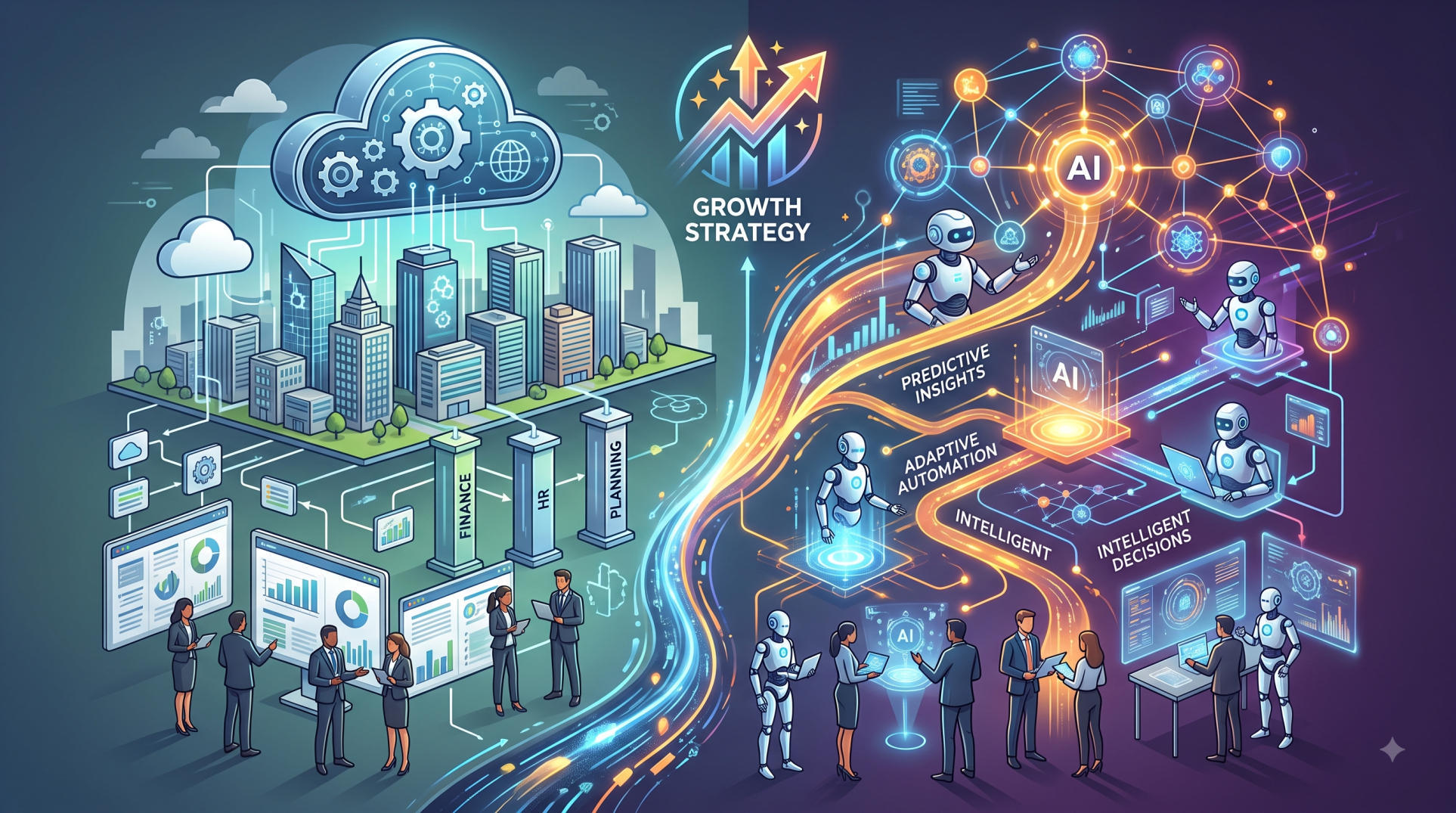
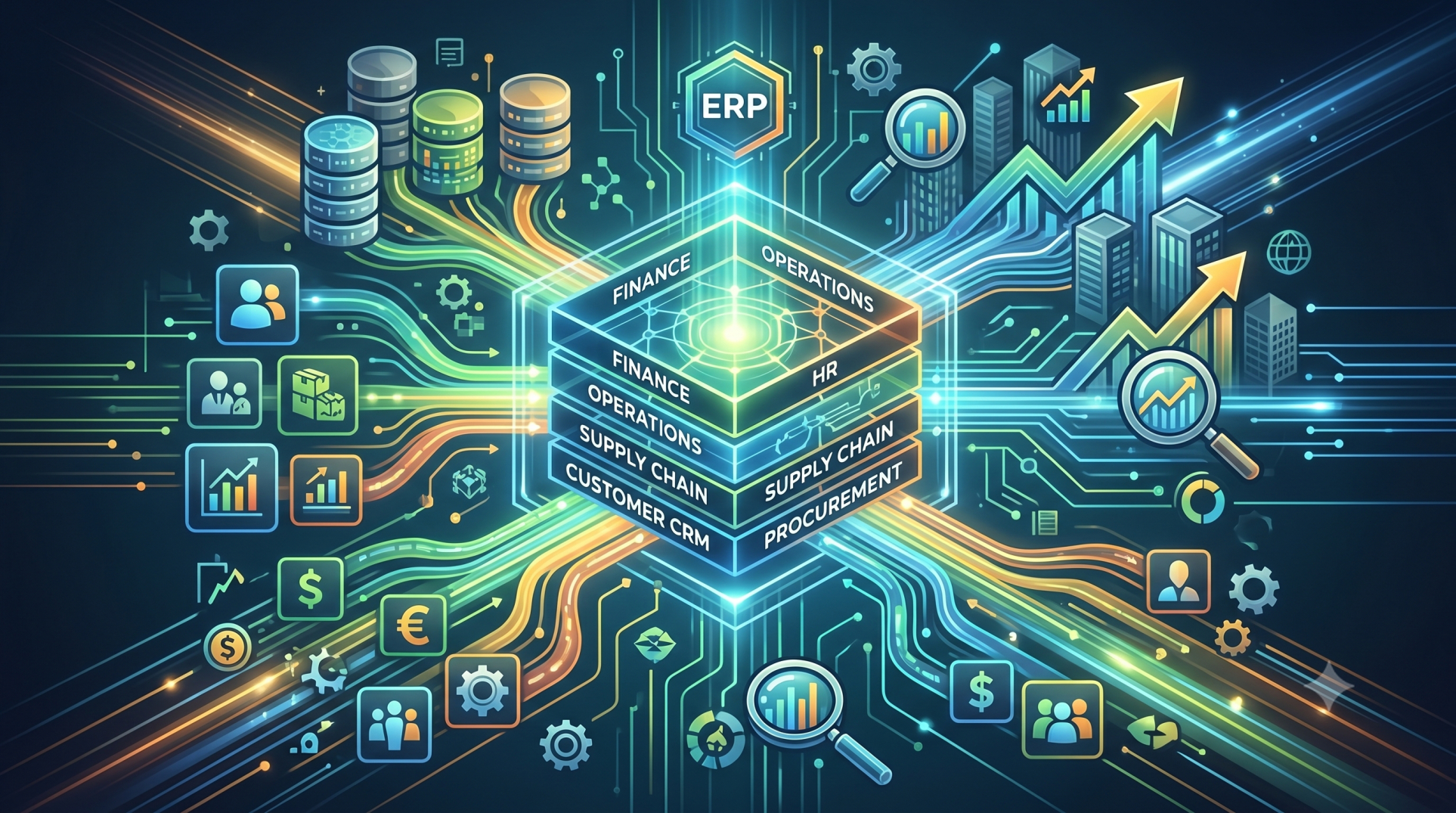
As organizations modernize their business operations, choosing the right enterprise resource planning platform has become an important strategic decision. Traditional cloud ERP platforms such as Workday provide established capabilities for managing finance, human resources, planning, and enterprise operations. Meanwhile, AI-native ERP platforms are emerging with artificial intelligence embedded directly into workflows, decision-making, automation, and data management.
Step 1: Understanding the Core Difference 🧠
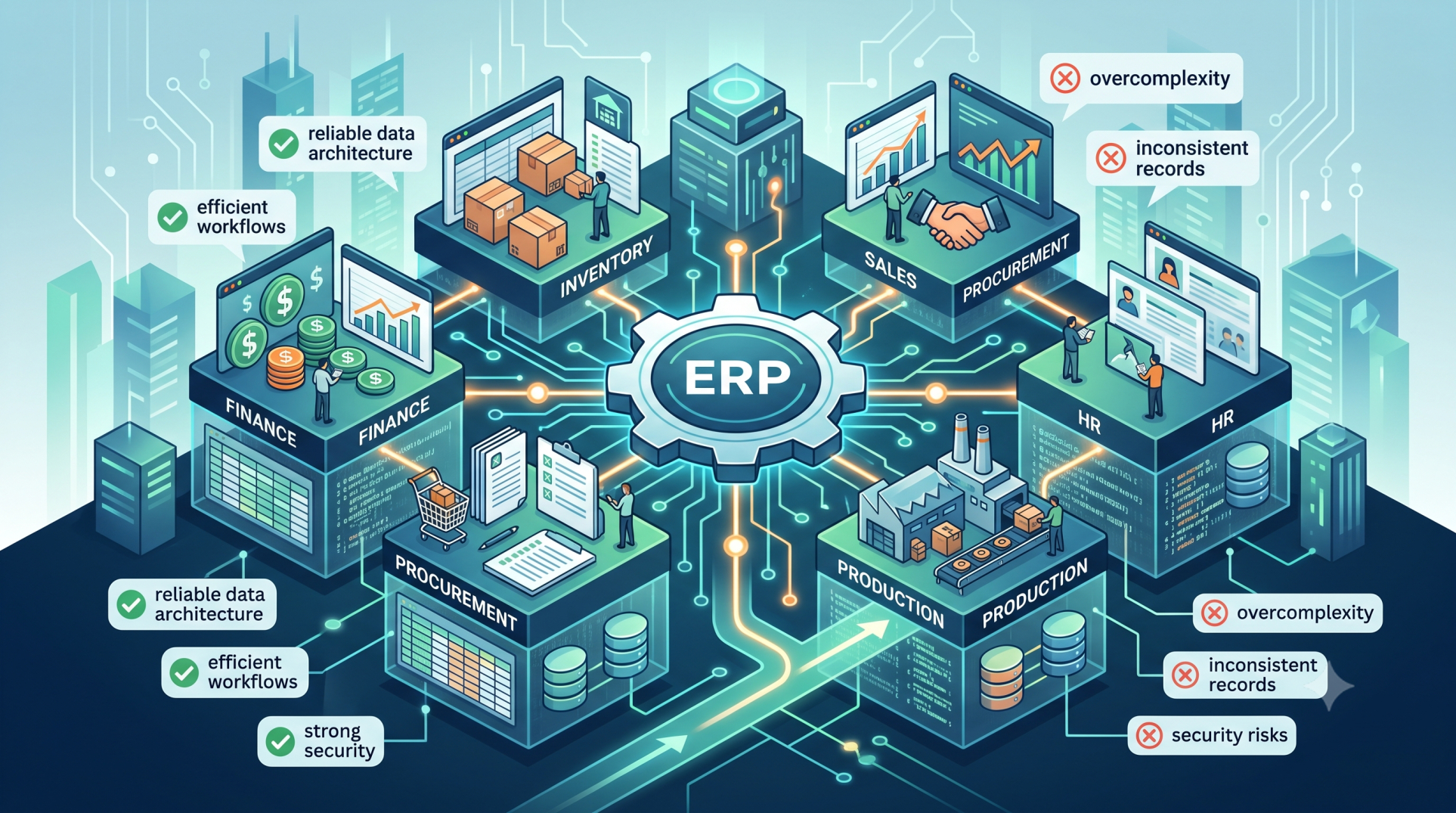
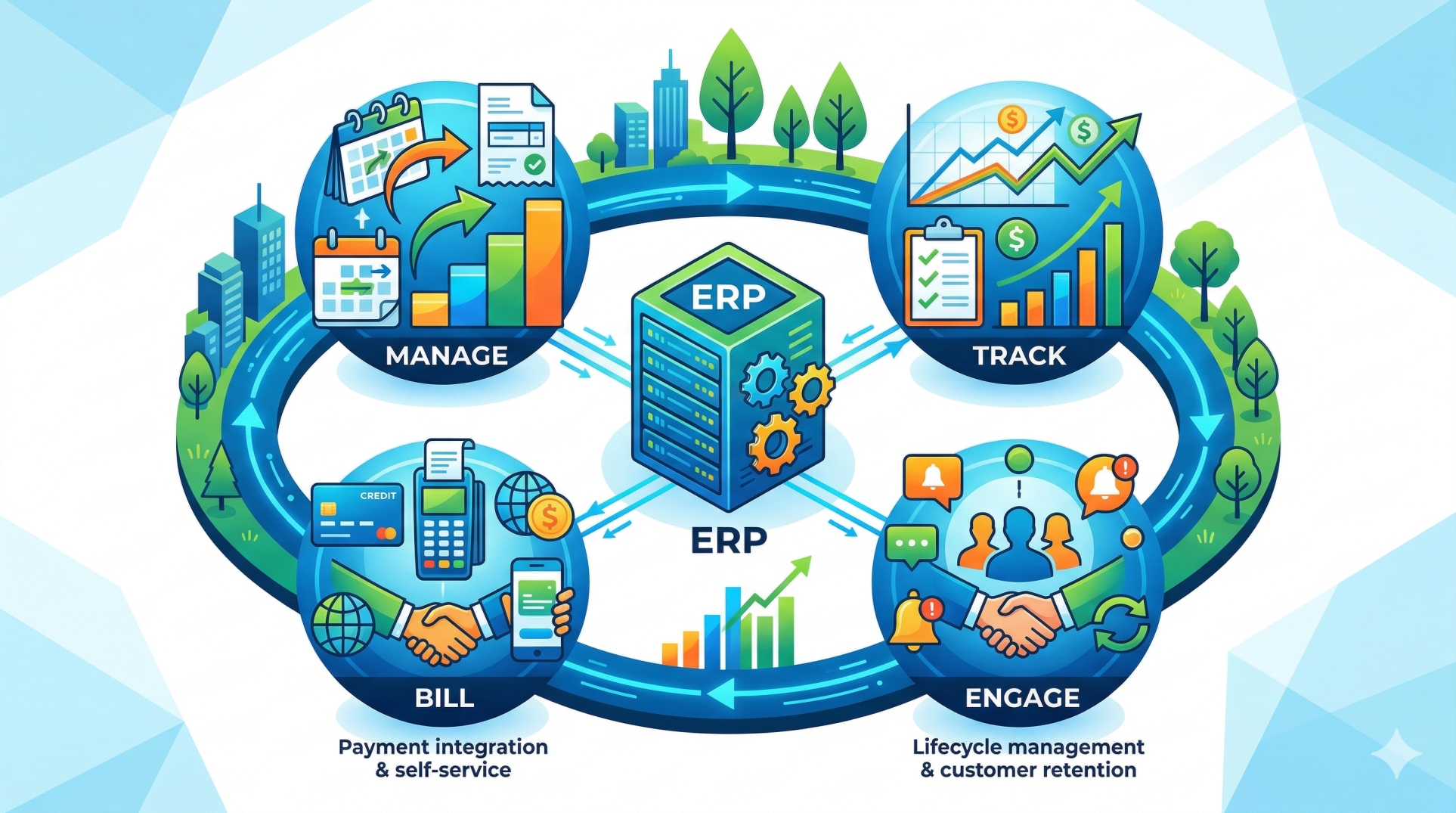
• Workday provides a mature cloud platform for finance, HR, planning, and related enterprise processes 🏢
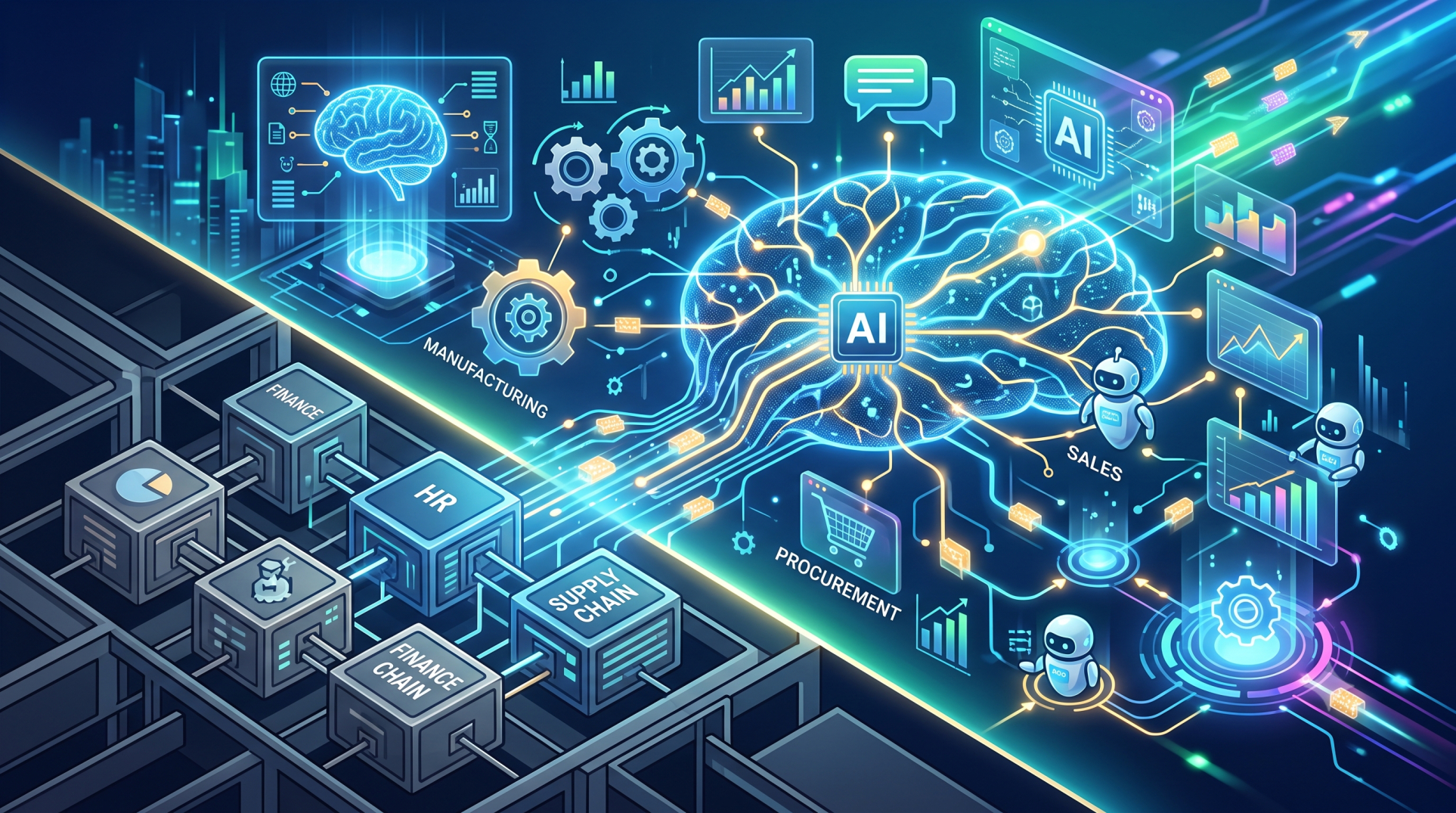
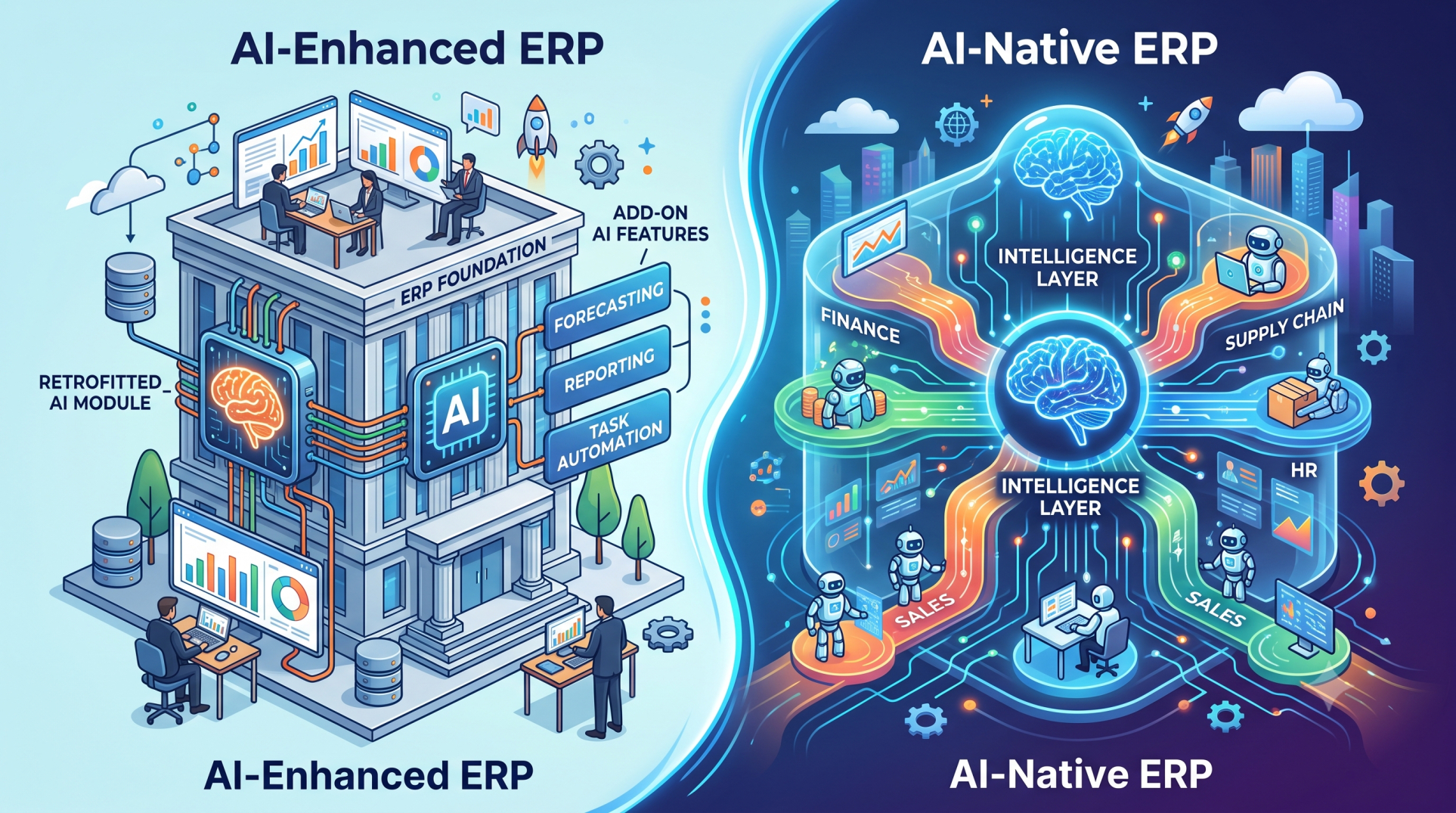
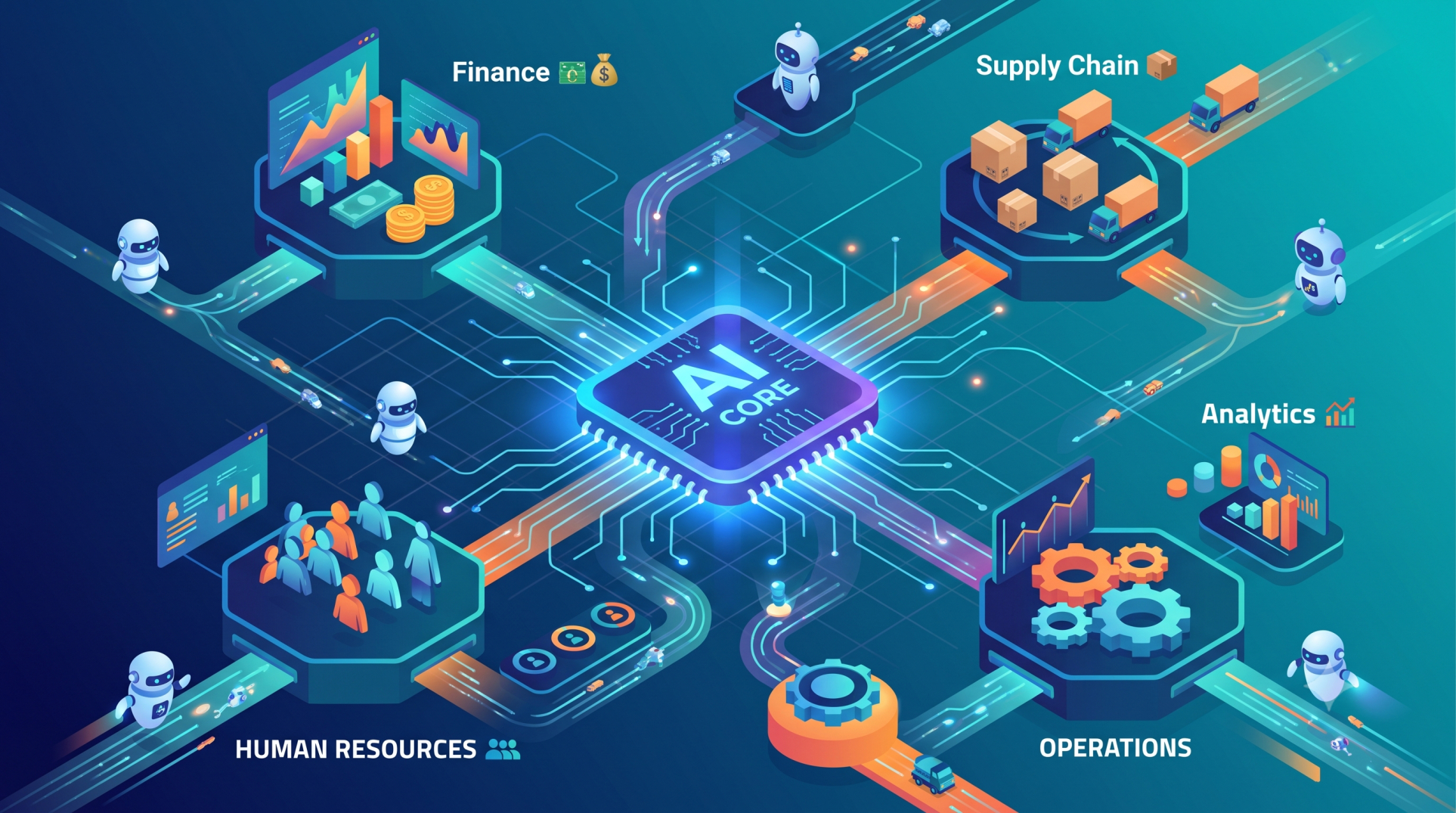
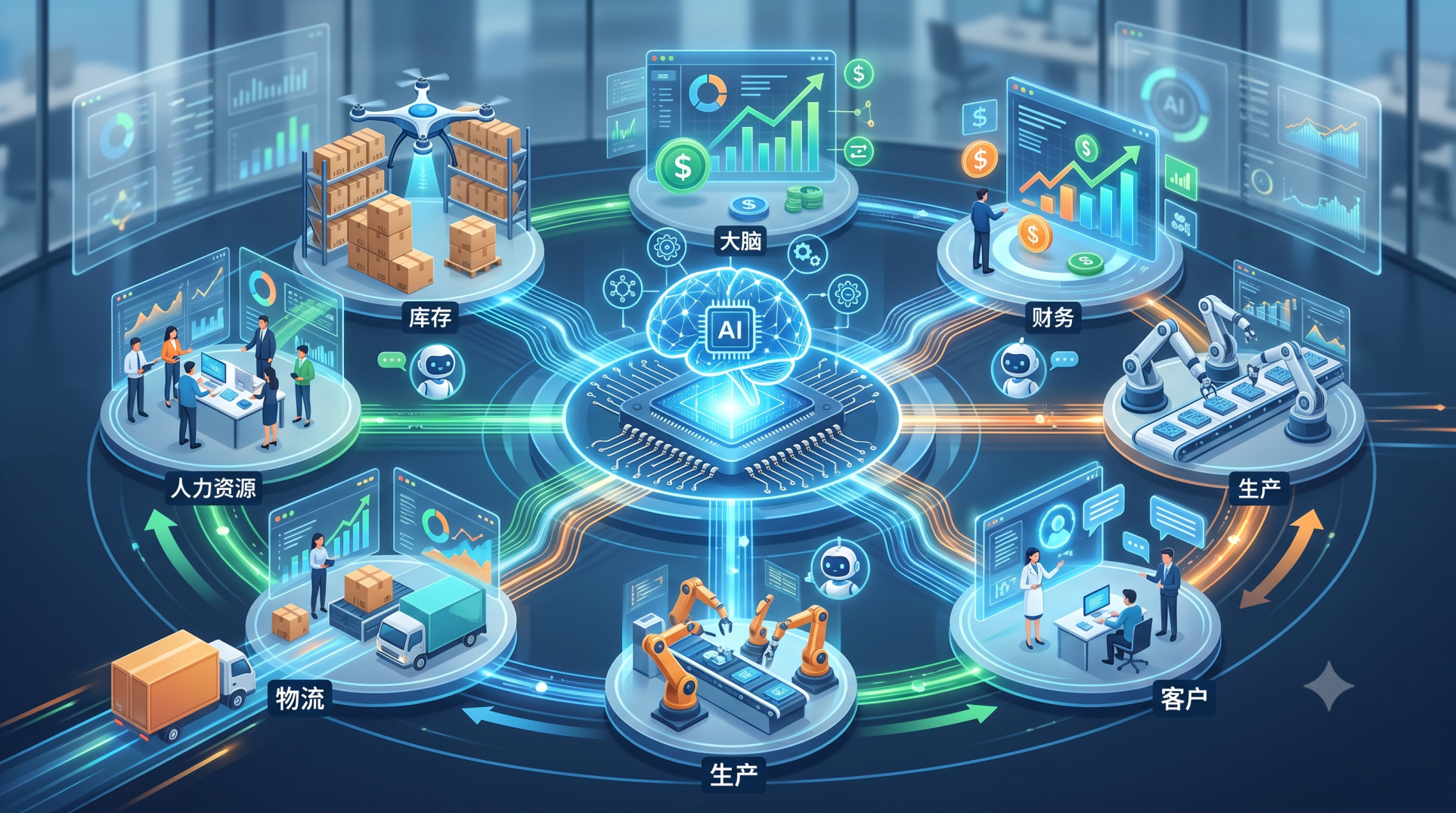
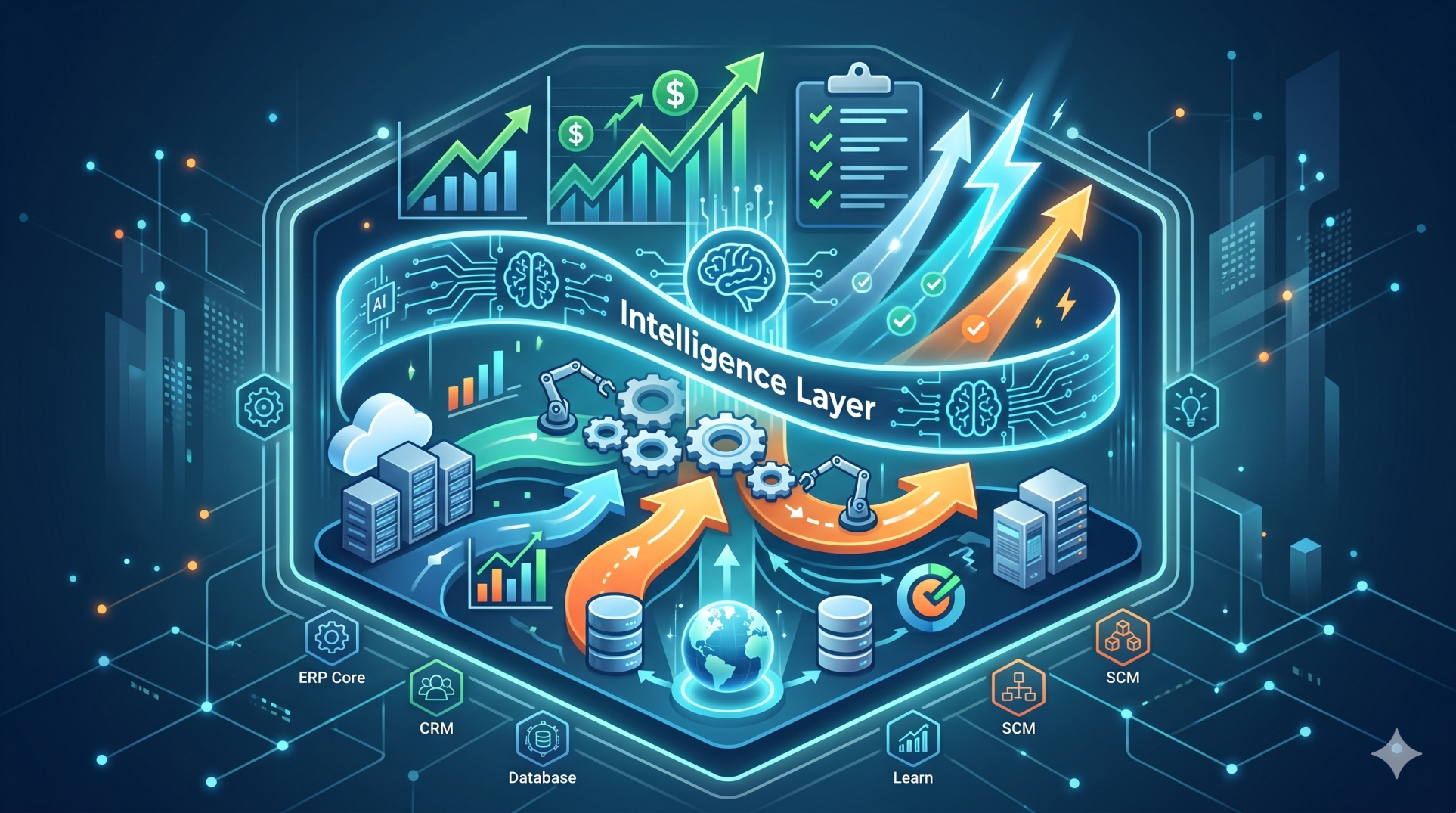
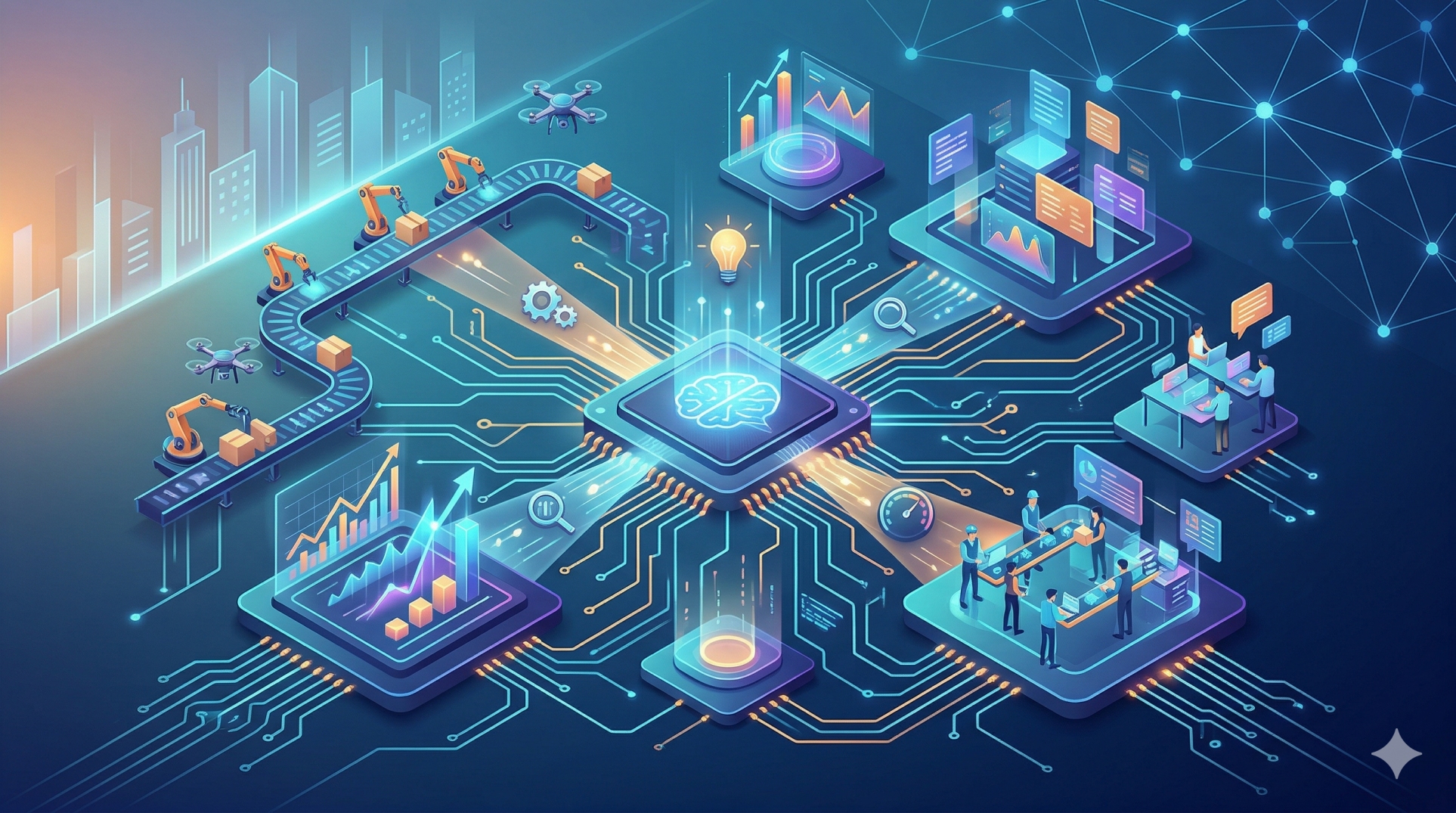
• AI-native ERP platforms place artificial intelligence at the center of business operations 🤖
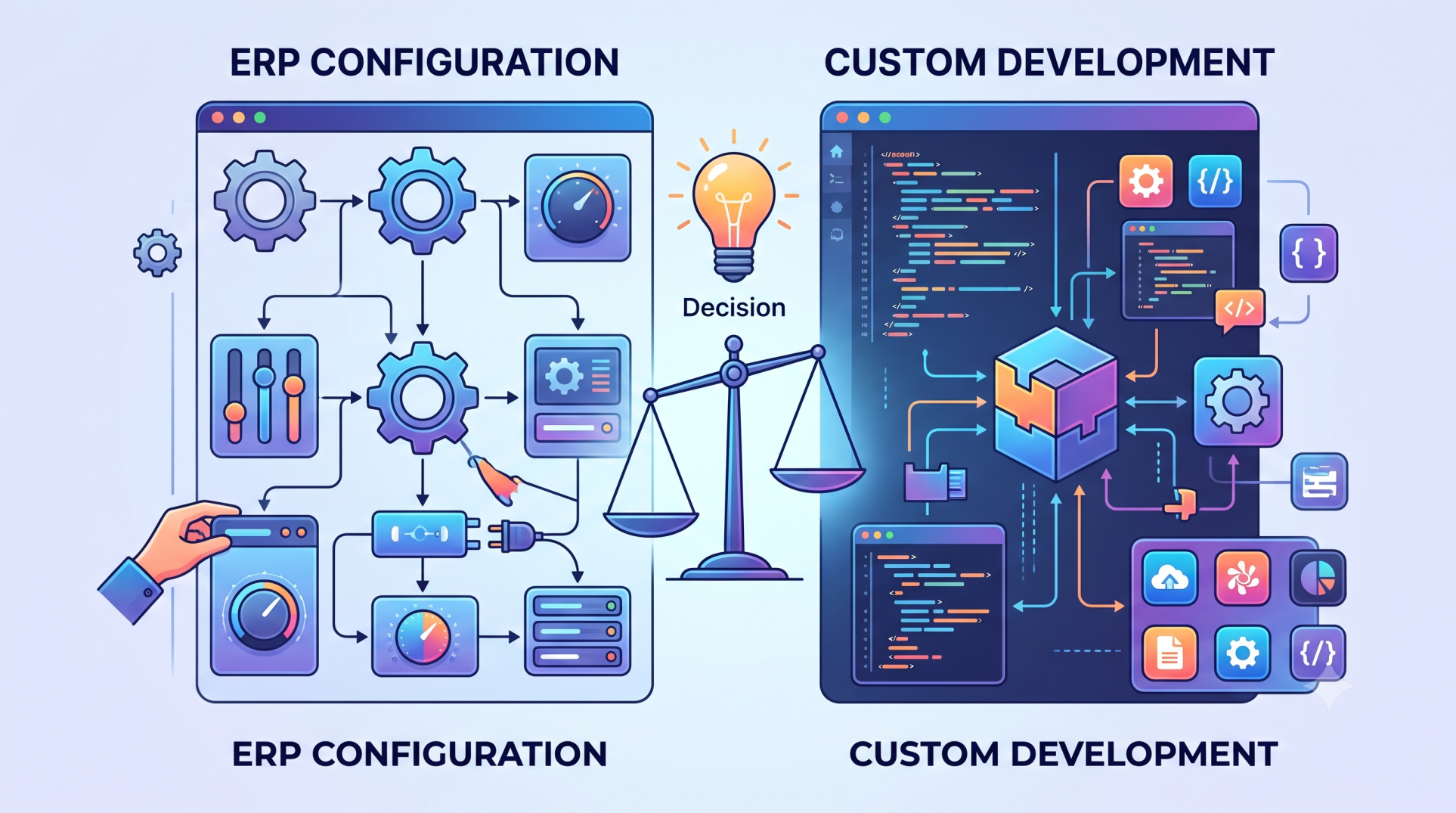
• Traditional ERP environments typically rely on configured workflows and integrated applications 🔗
• AI-native systems can use intelligent agents, predictive models, and automation within workflows ⚡
• The fundamental difference is how deeply intelligence is embedded into everyday operations 🎯
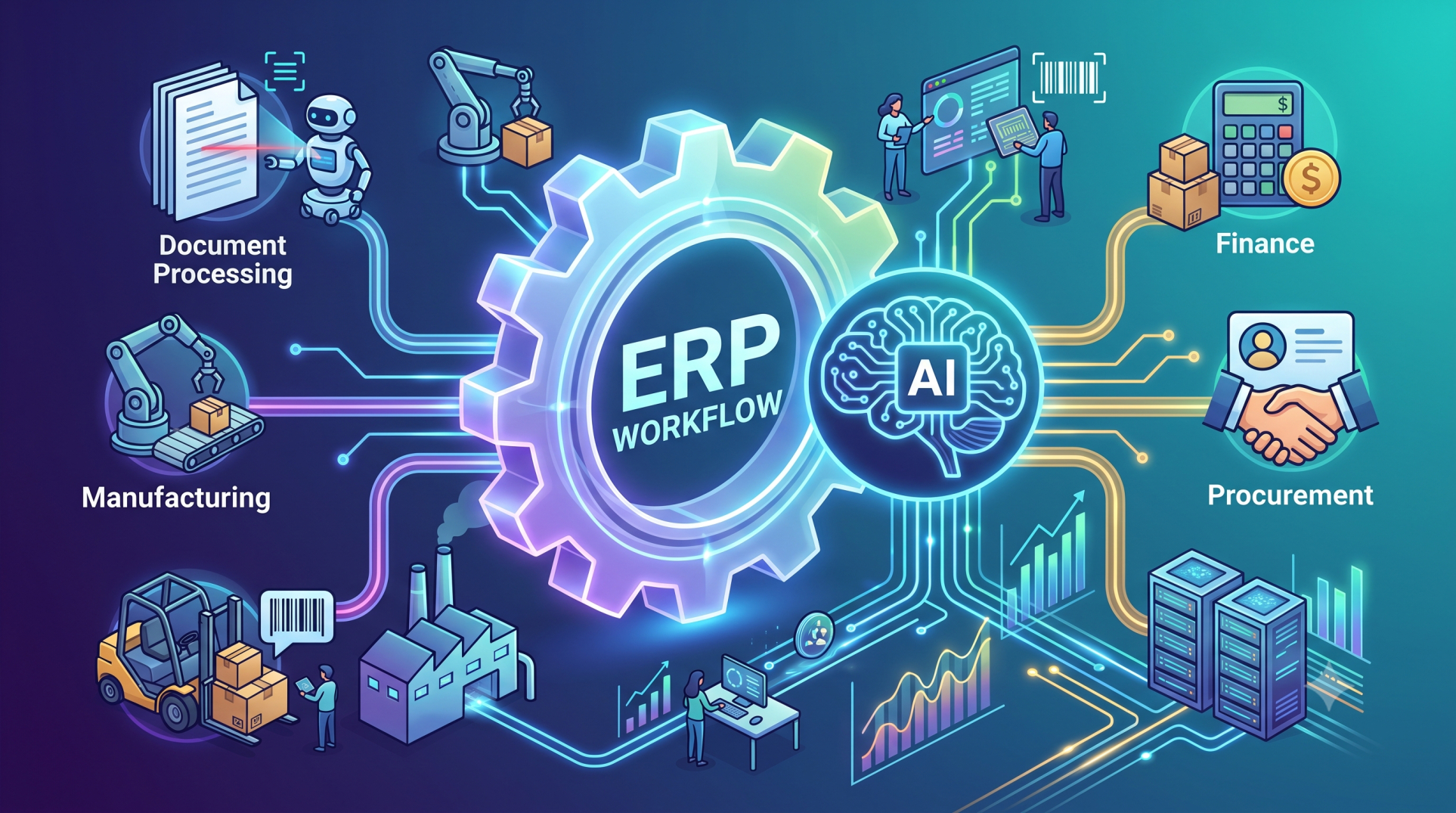
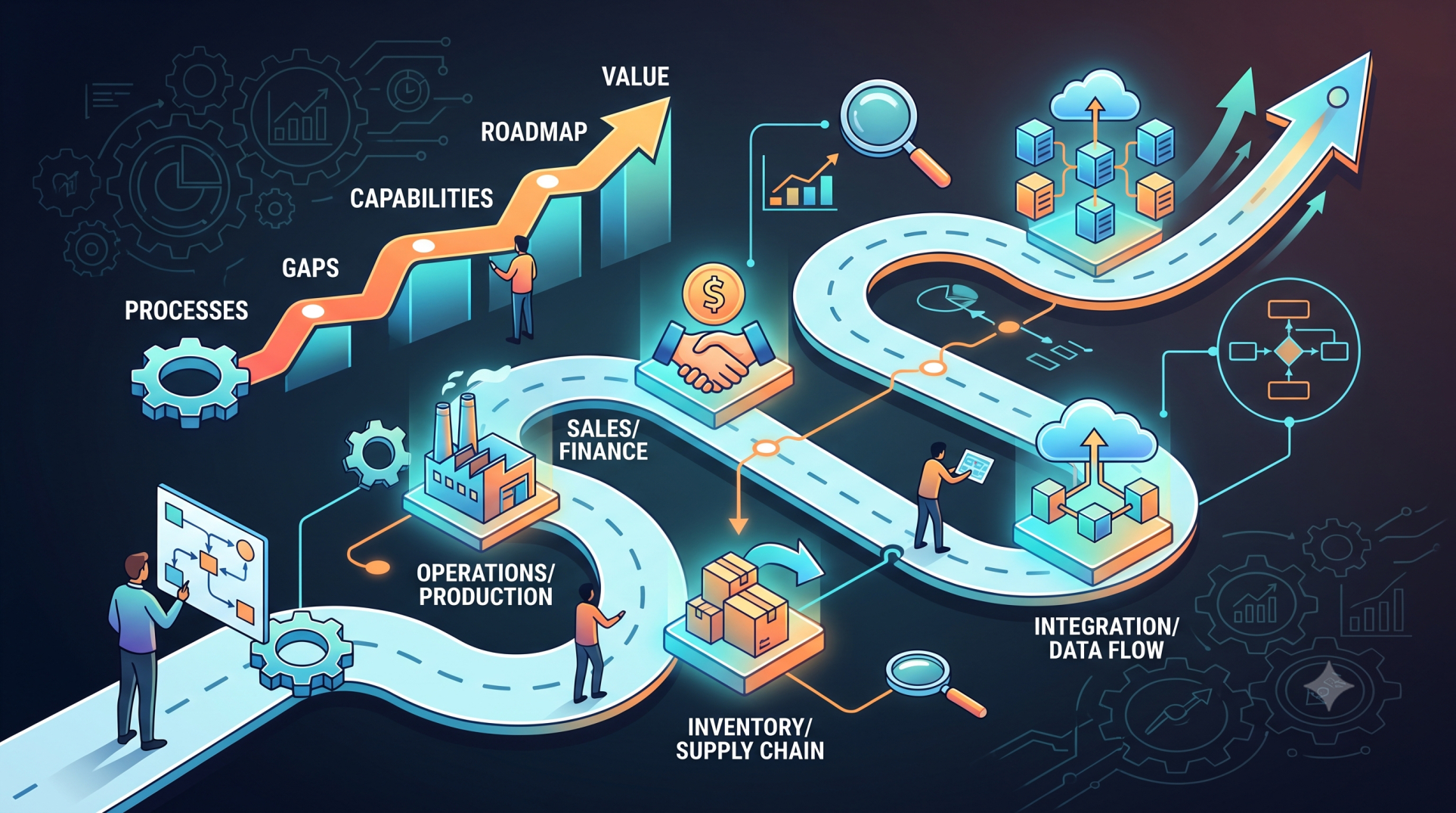
Step 2: Evaluating Business Process Management ⚙️
• Workday supports standardized enterprise processes across major business functions 📋
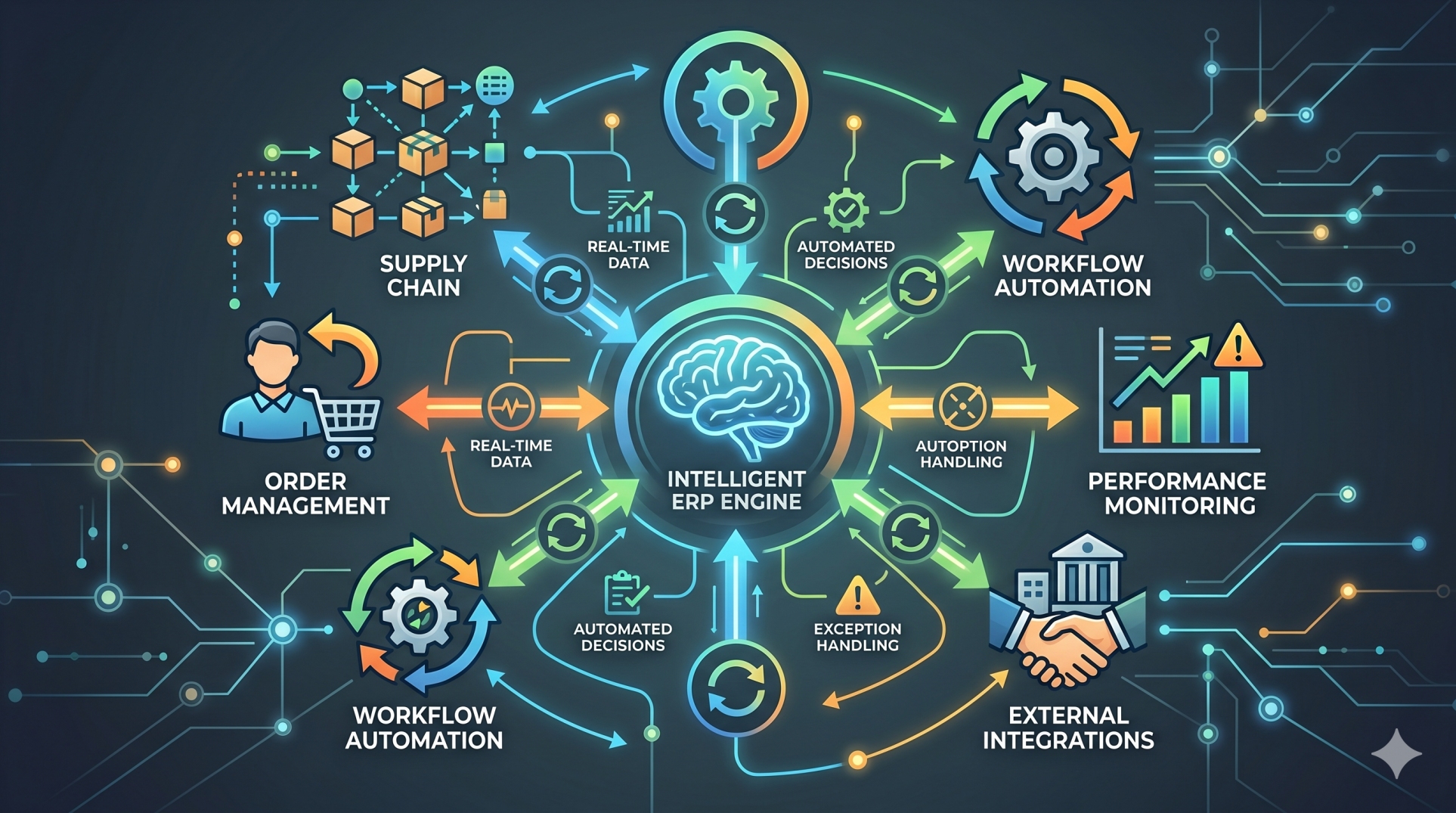
• AI-native ERP platforms can dynamically adapt workflows based on business conditions 🔄
• Automated approvals can be enhanced with intelligent recommendations ✅
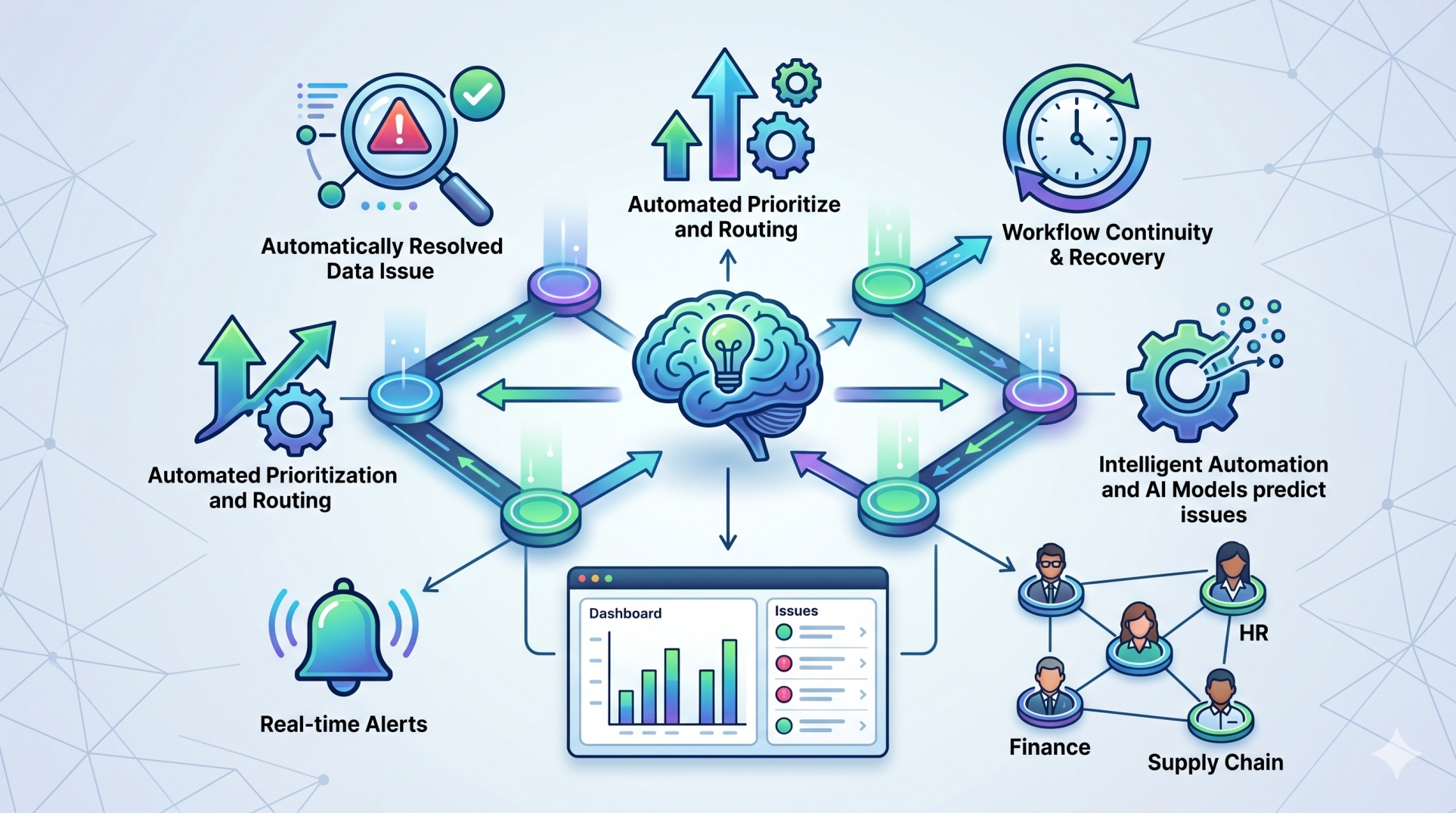
• AI can identify process bottlenecks and suggest improvements 🔍
• Organizations should evaluate whether they need structured processes or more adaptive automation 🧩
Step 3: Comparing Automation Capabilities 🤖
• Workday offers extensive workflow automation for supported enterprise processes ⚙️
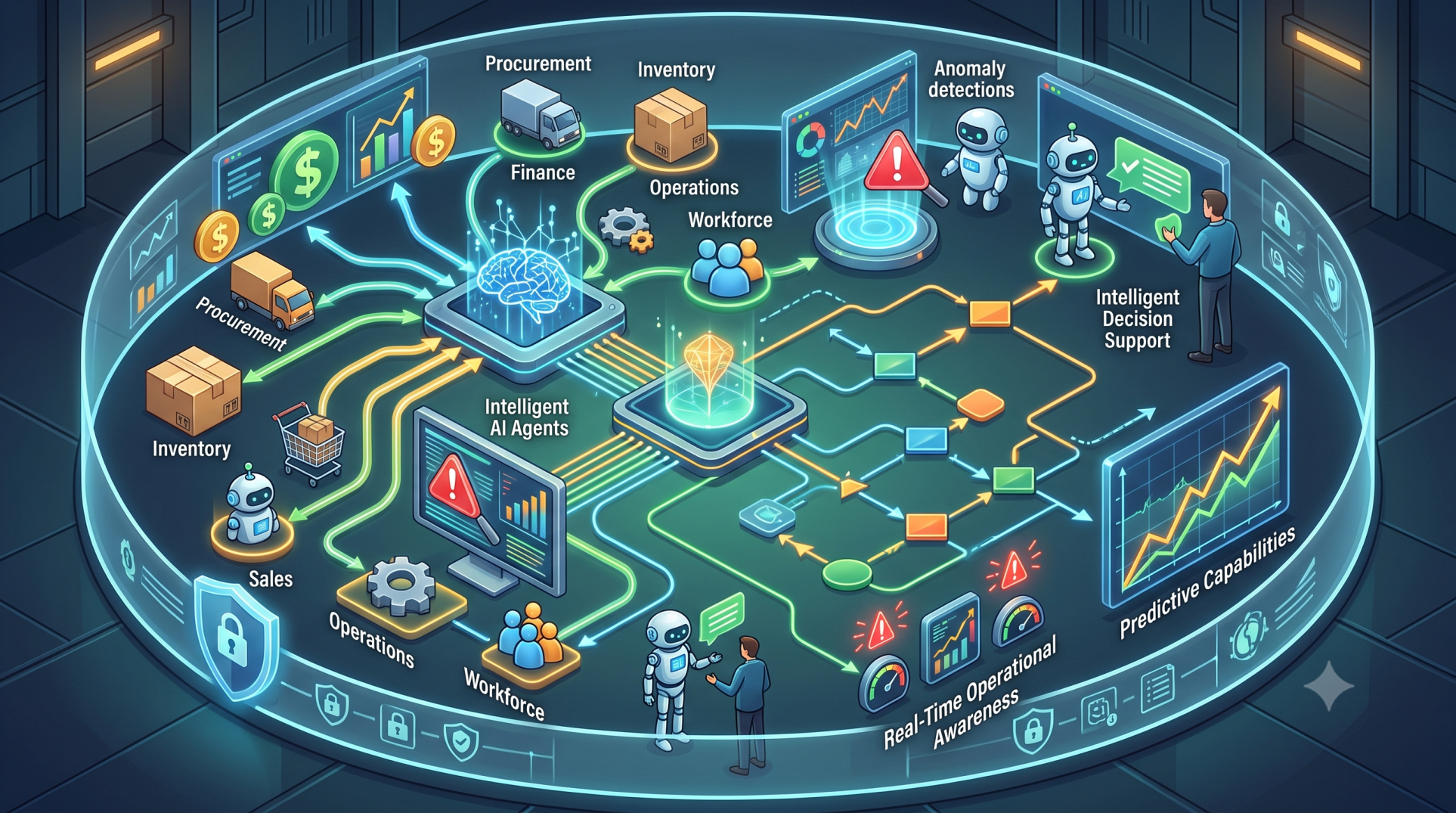
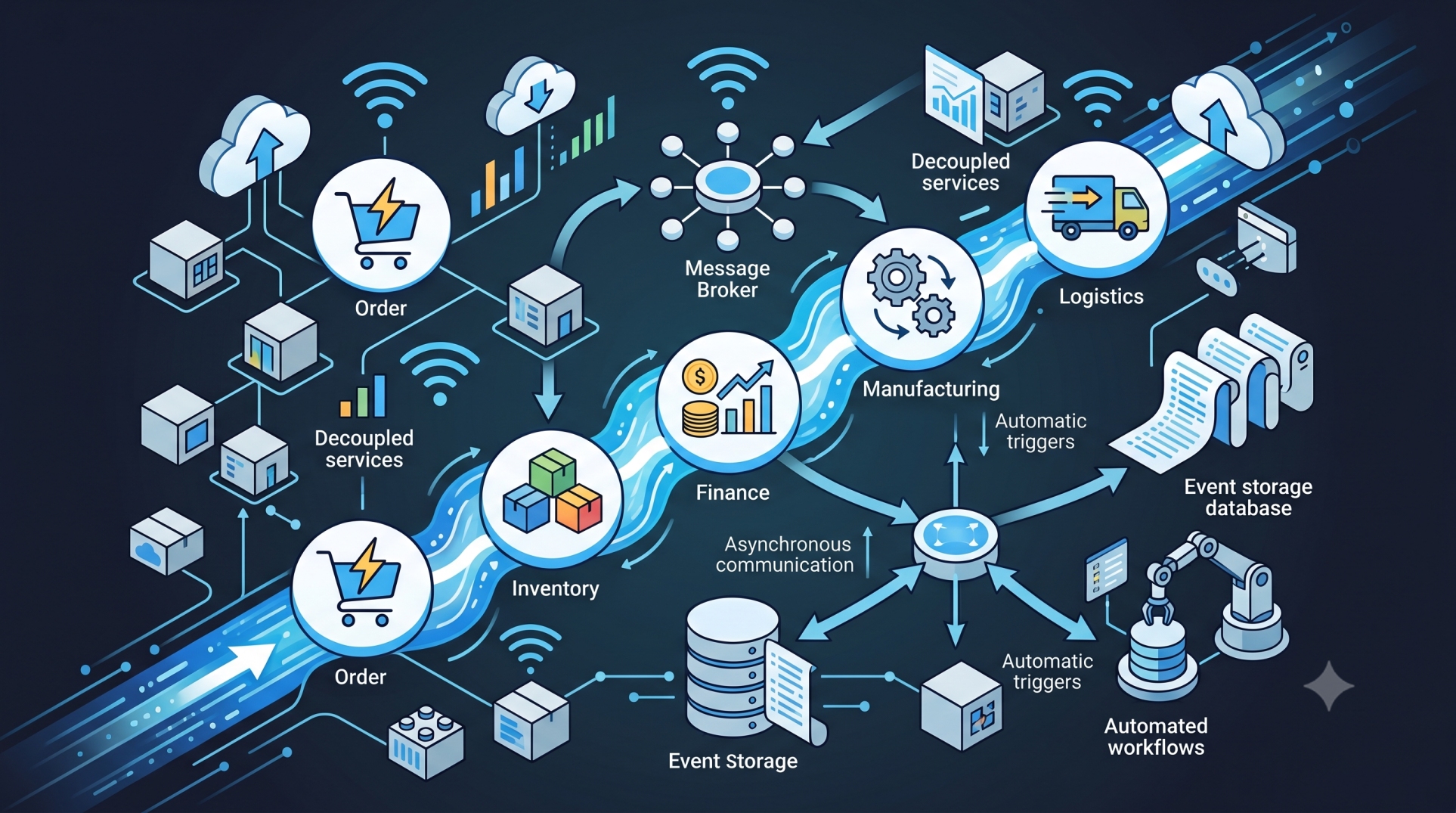
• AI-native ERP platforms can use intelligent agents to execute multi-step tasks 🧠
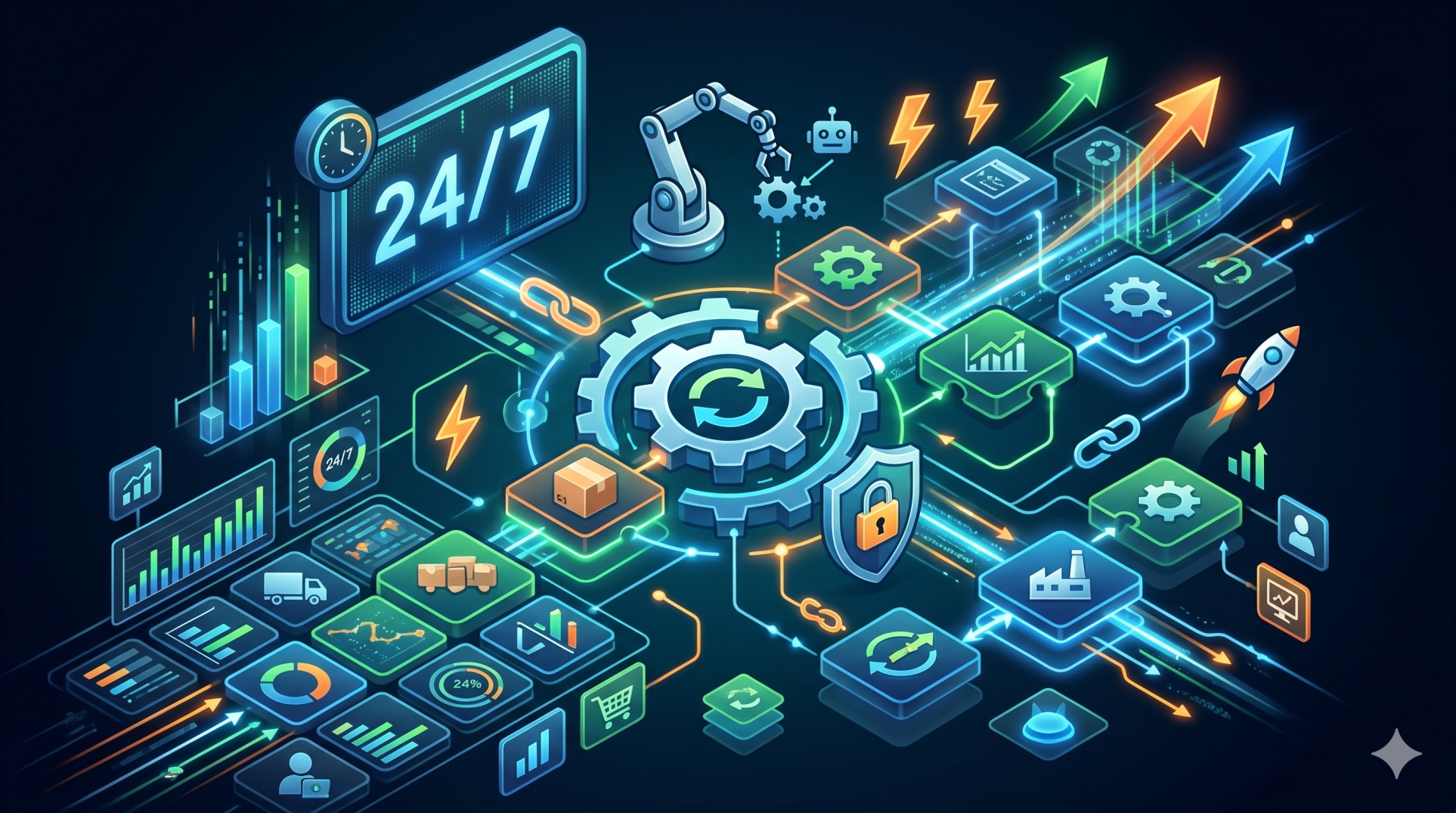
• Repetitive activities can be automated with less manual intervention ⏱️
• AI-driven systems can respond to changing conditions in real time 📡
• The strongest platform depends on the complexity and maturity of the organization’s automation requirements 🚀
Step 4: Assessing Data and Intelligence 📊
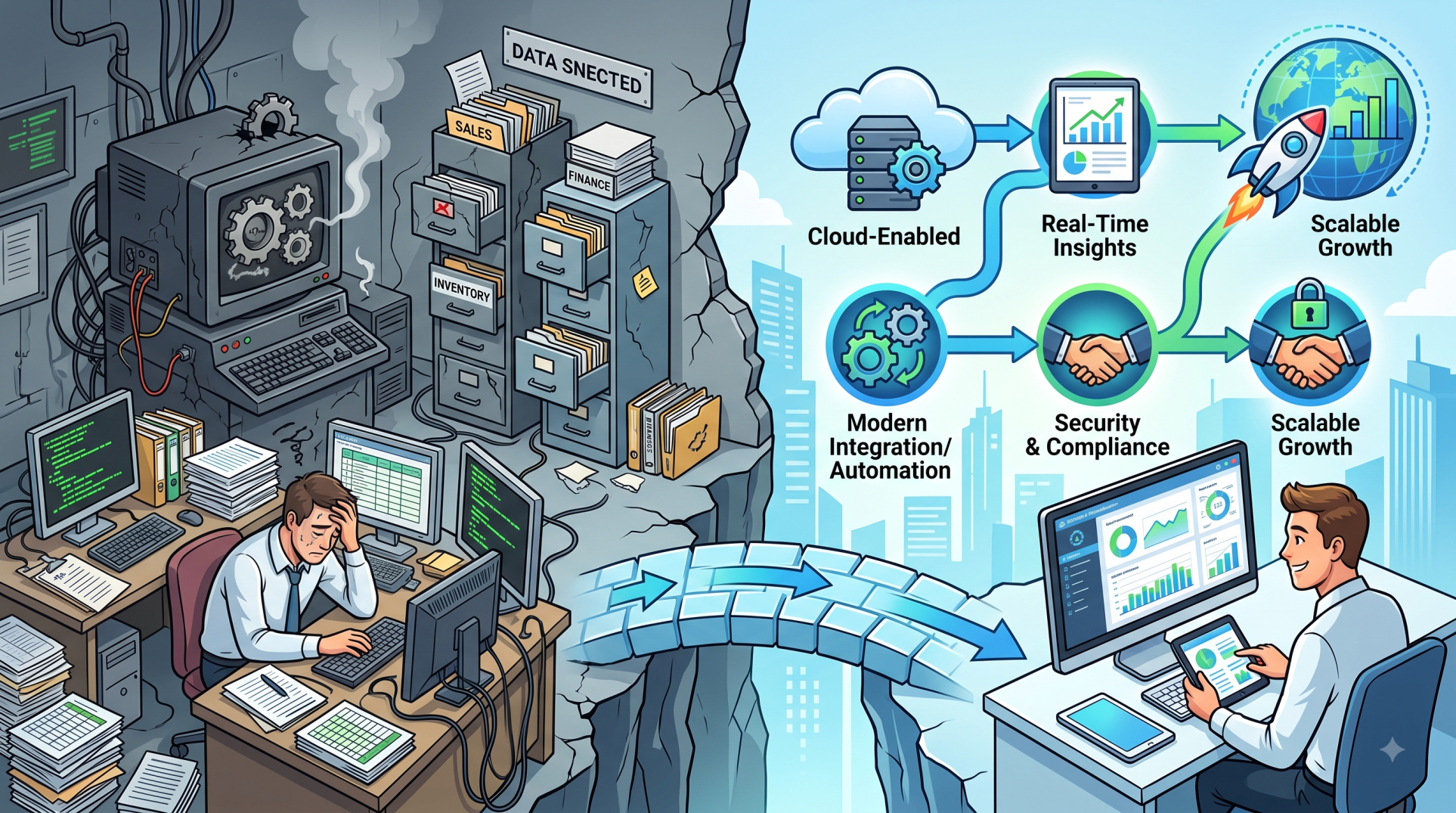
• Workday brings business information together within a connected cloud environment ☁️
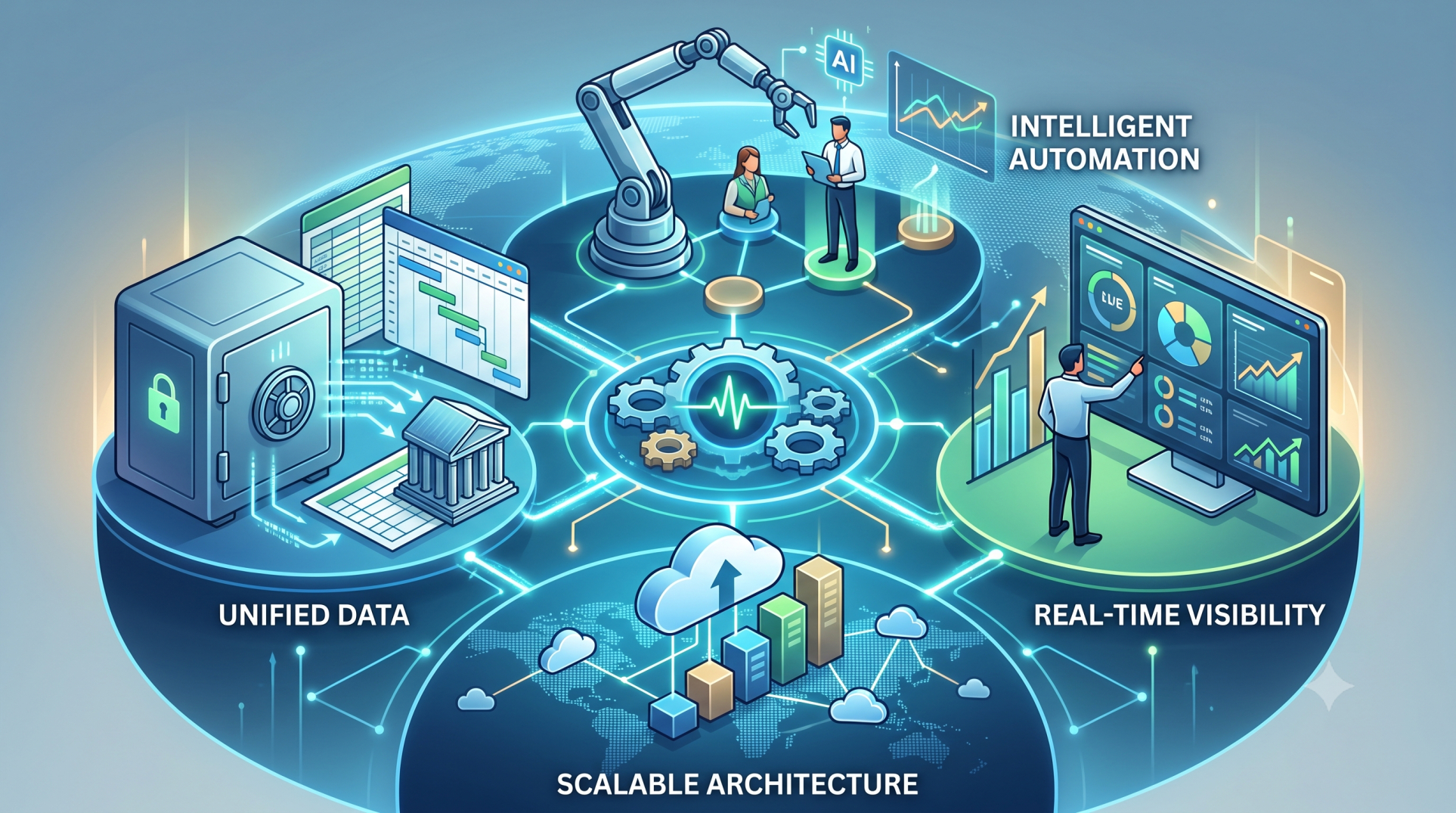
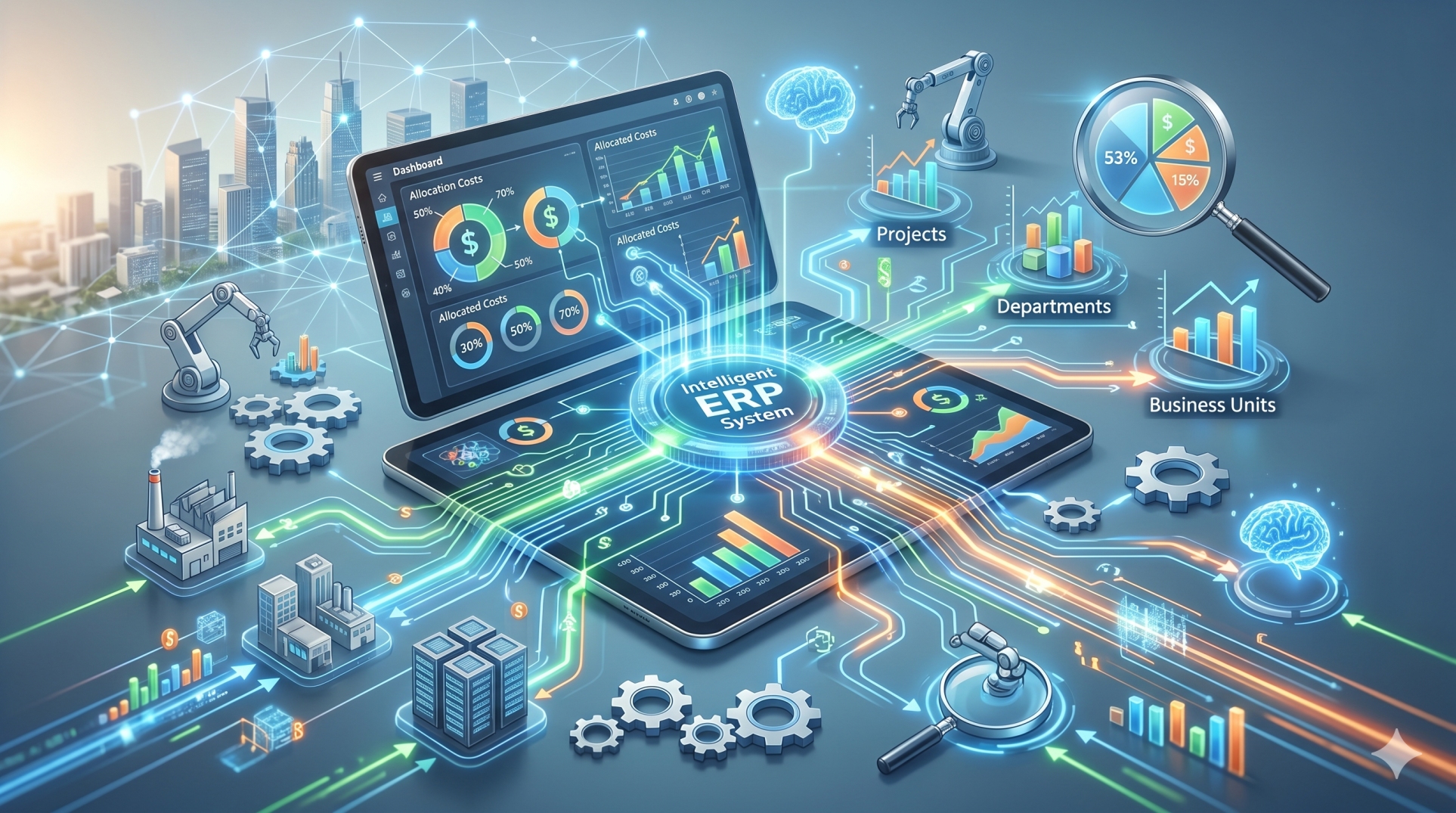
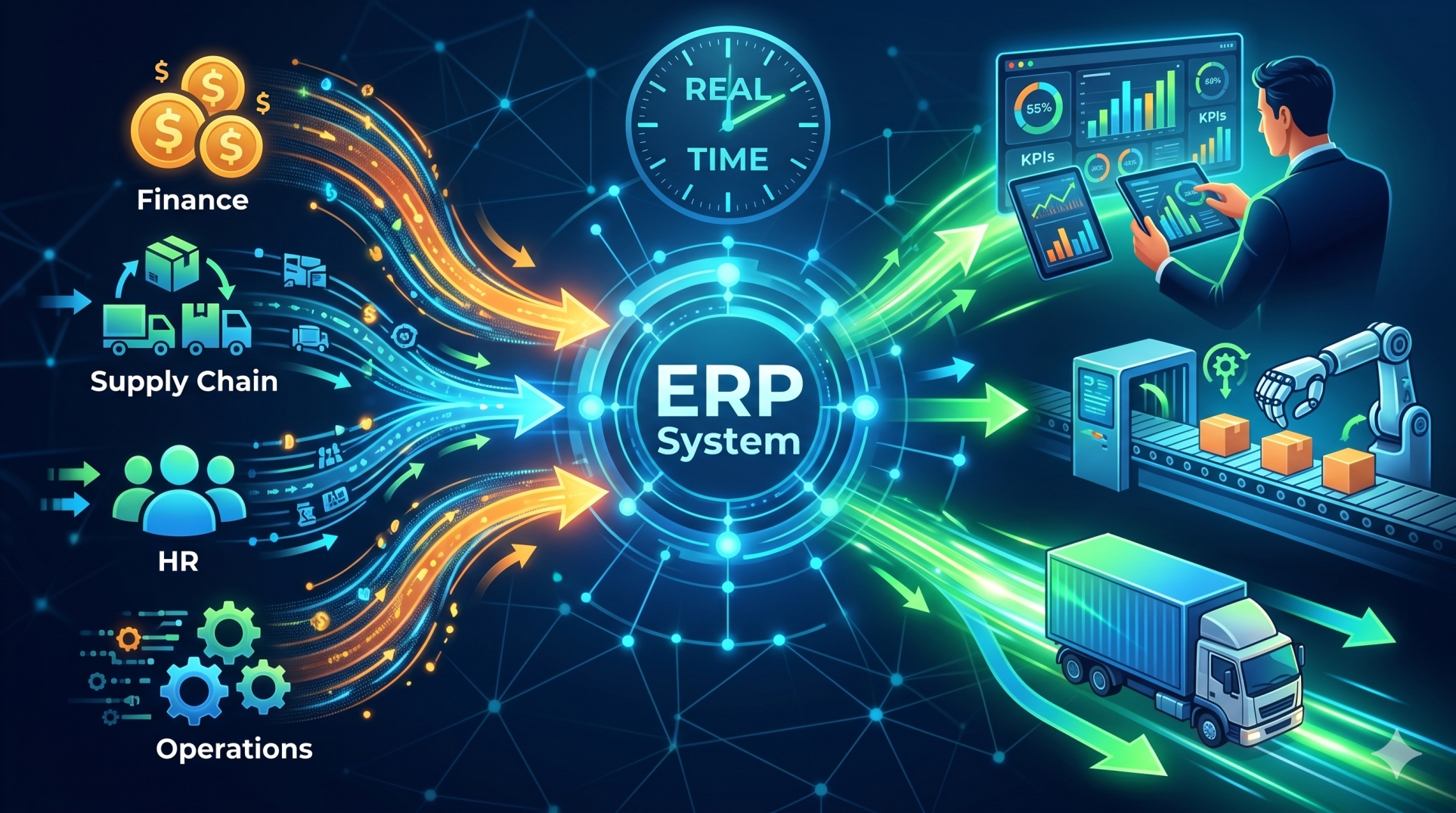
• AI-native ERP systems are designed to turn operational data into real-time insights 💡
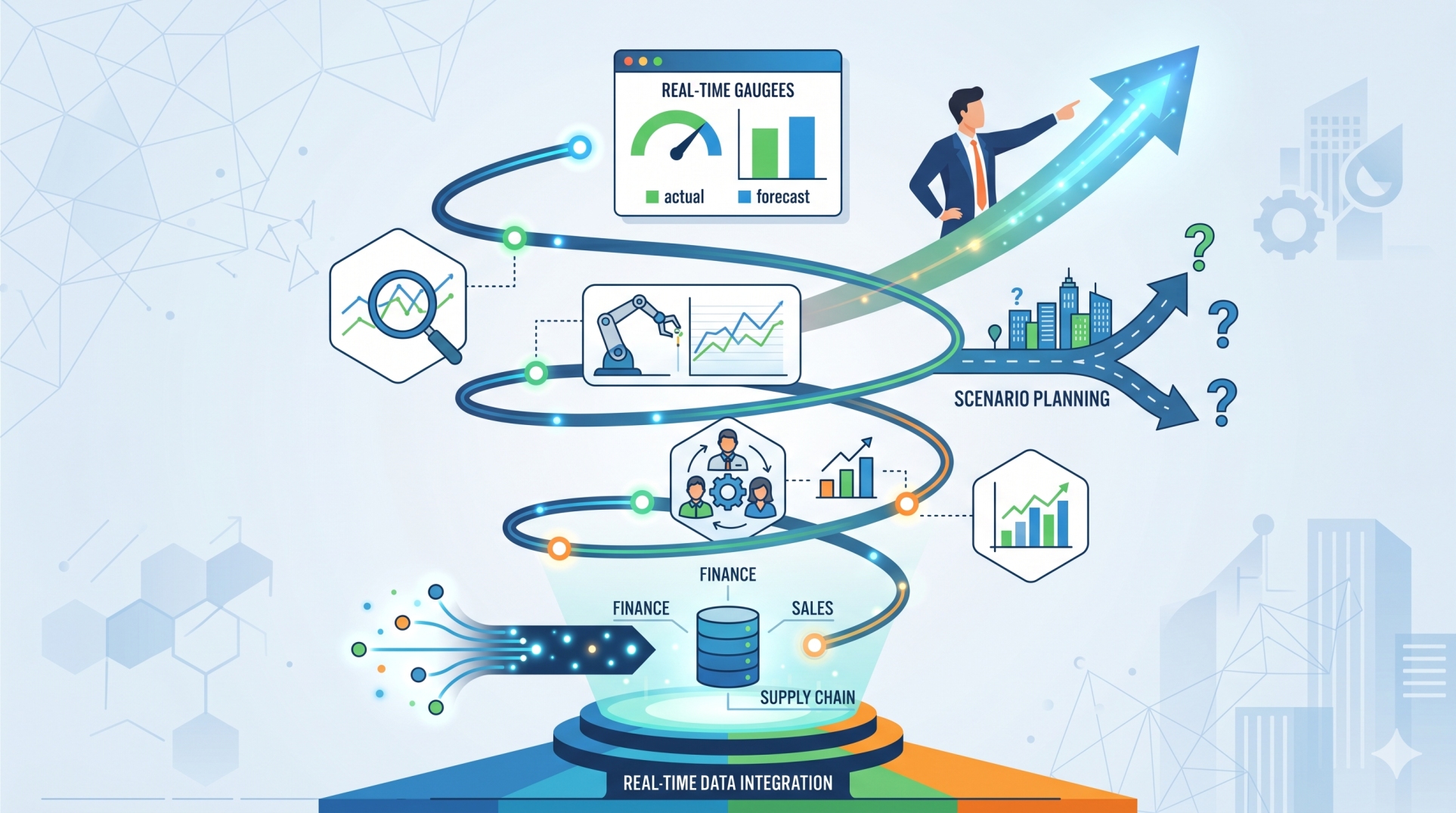
• Predictive analytics can help identify potential financial, workforce, or operational issues 🔮
• AI can connect information across workflows to support faster decisions 🔗
• Businesses should consider how much intelligence they need directly inside operational processes 🎯
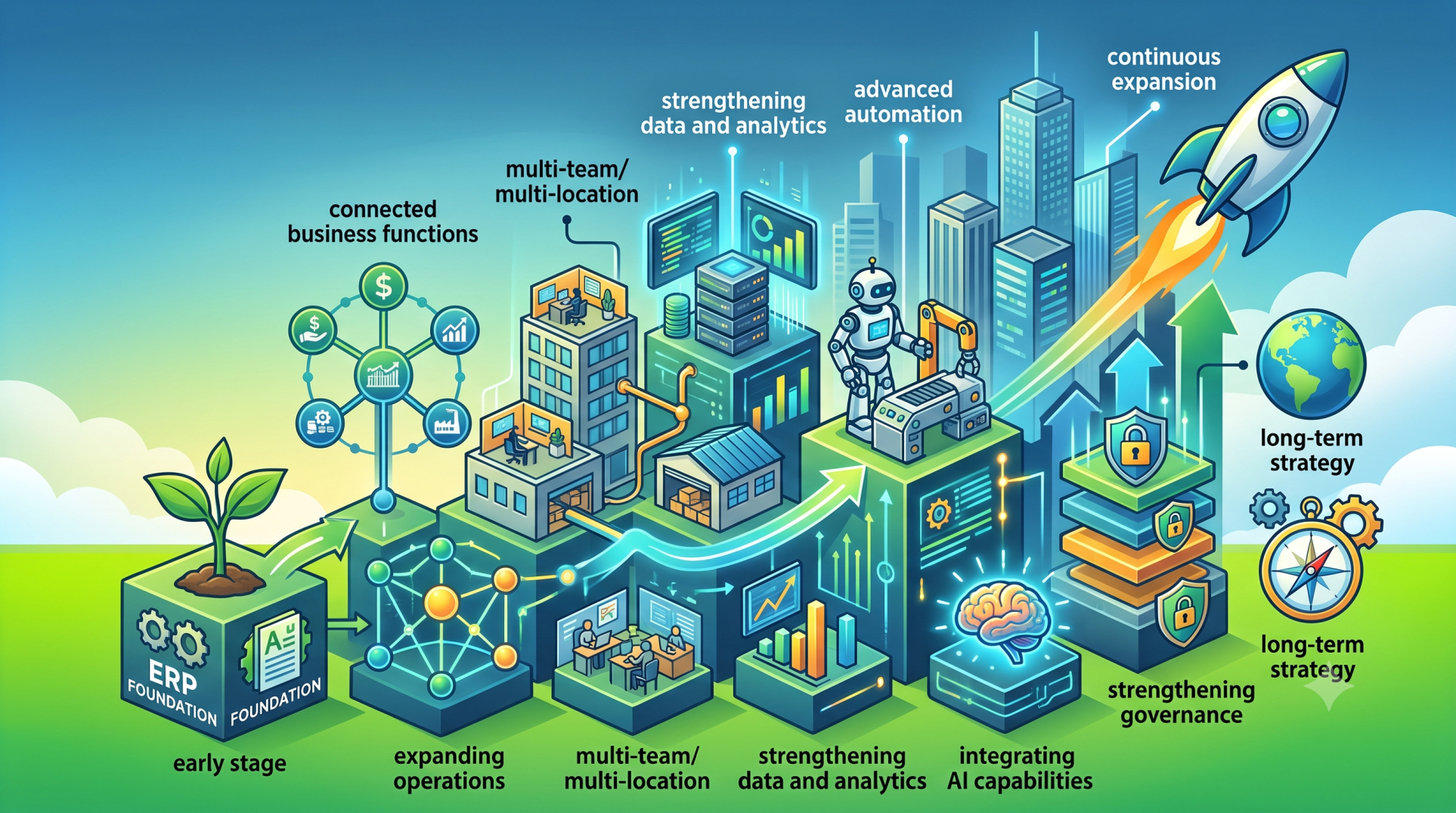
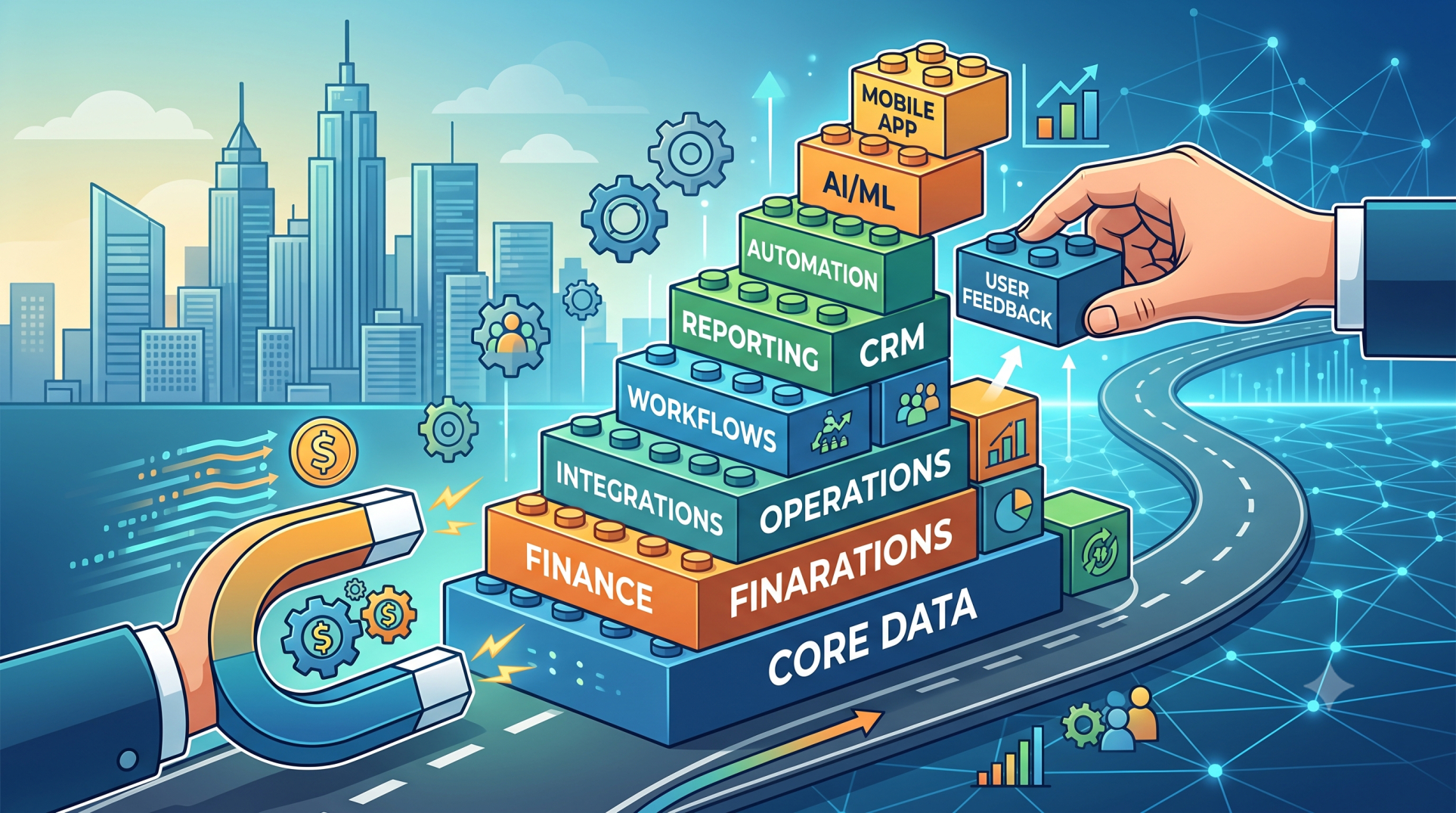
Step 5: Considering Scalability and Growth 📈
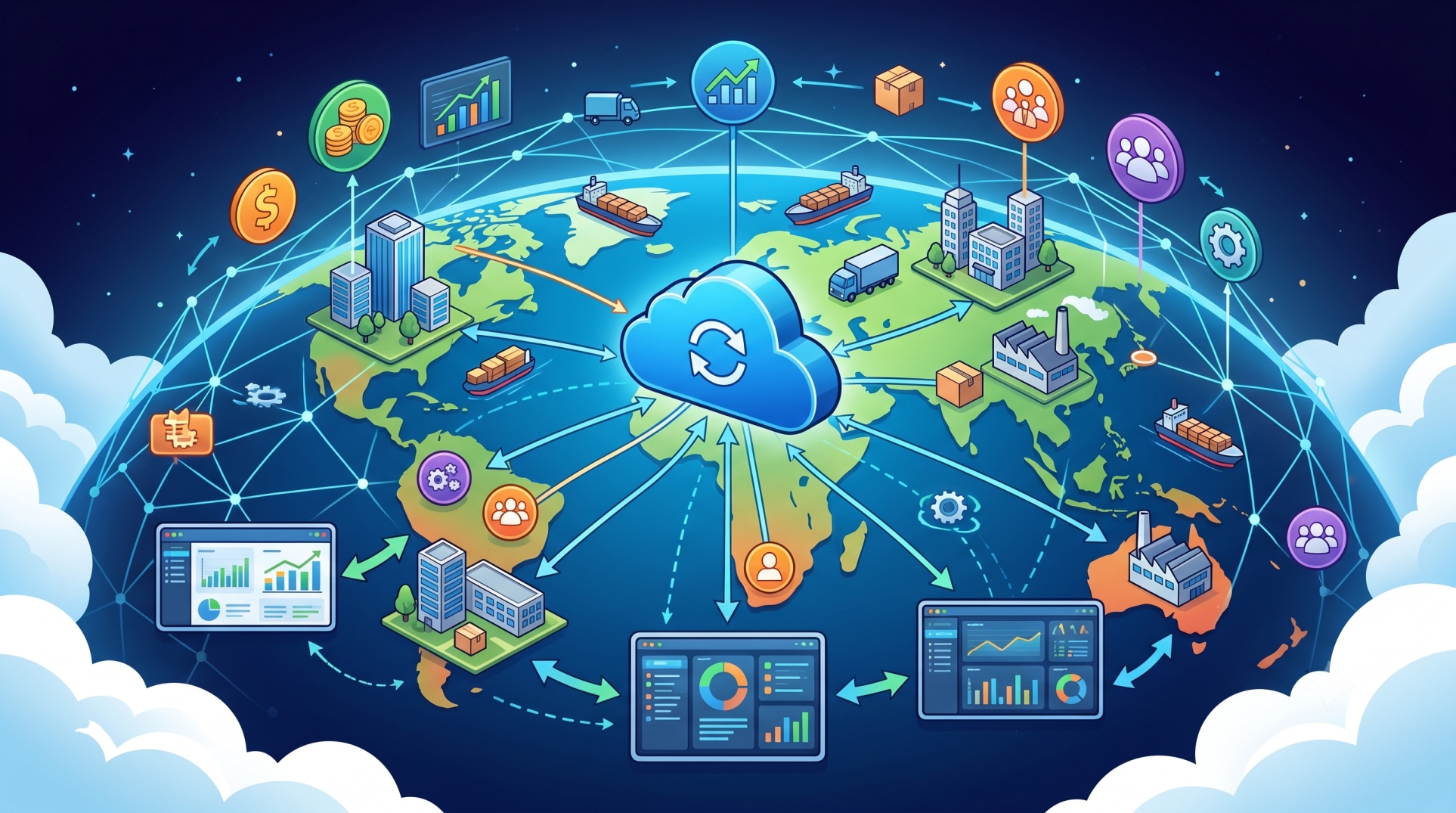
• Workday is designed to support complex organizations and evolving enterprise requirements 🌍
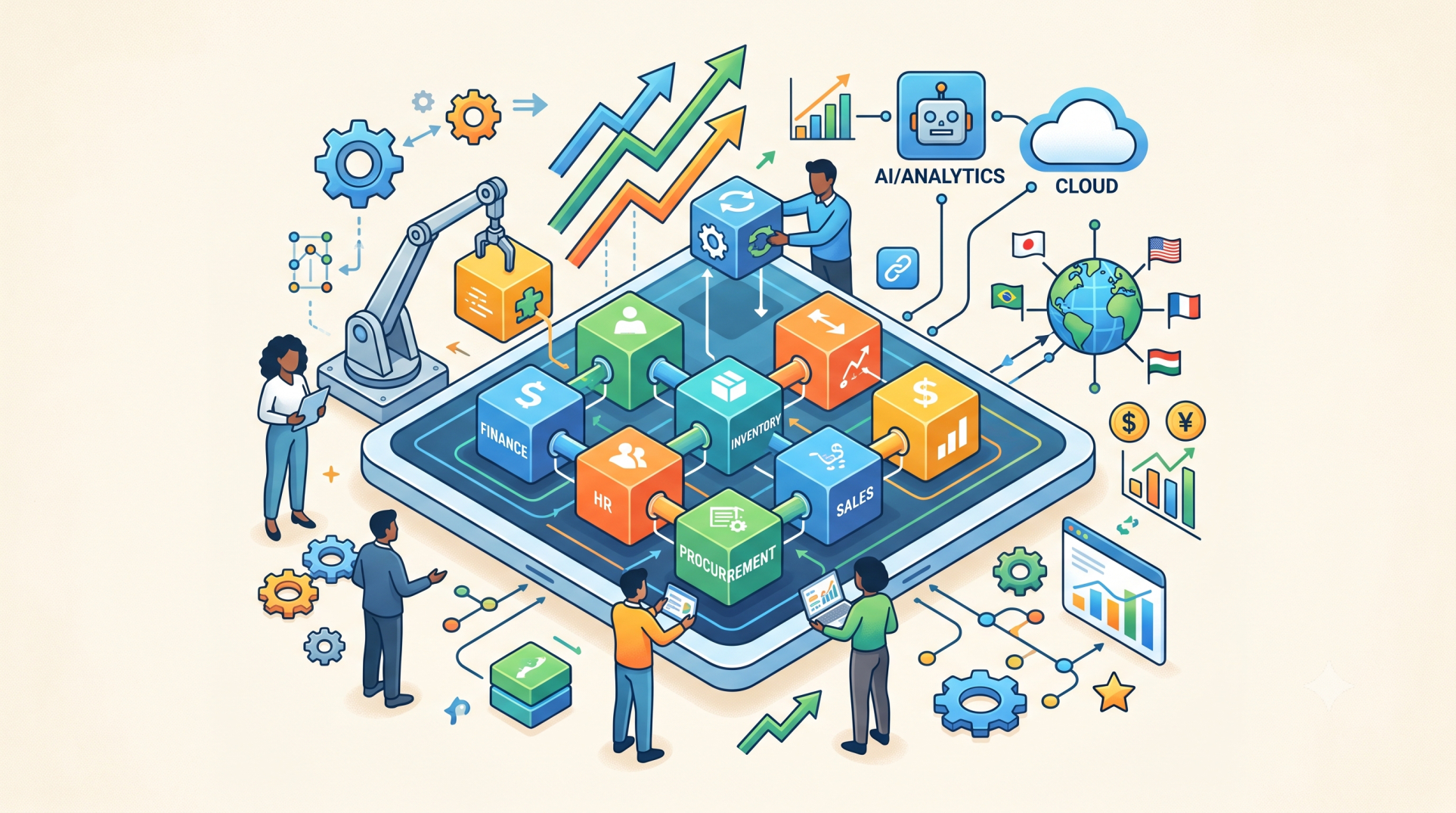
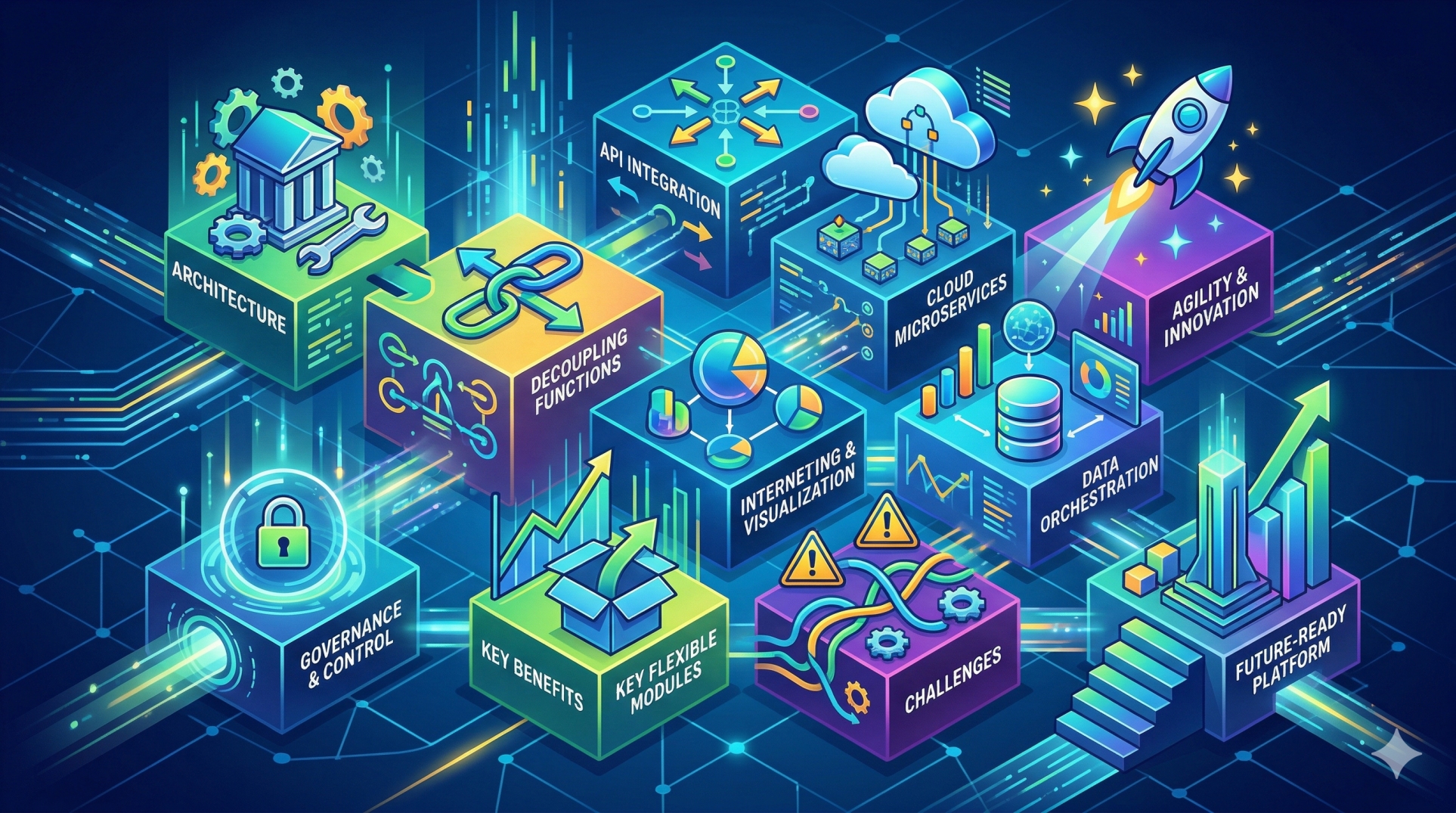
• AI-native ERP platforms can provide flexible architectures for rapidly changing businesses 🏗️
• Growing organizations should evaluate support for new departments, locations, and business units 🏢
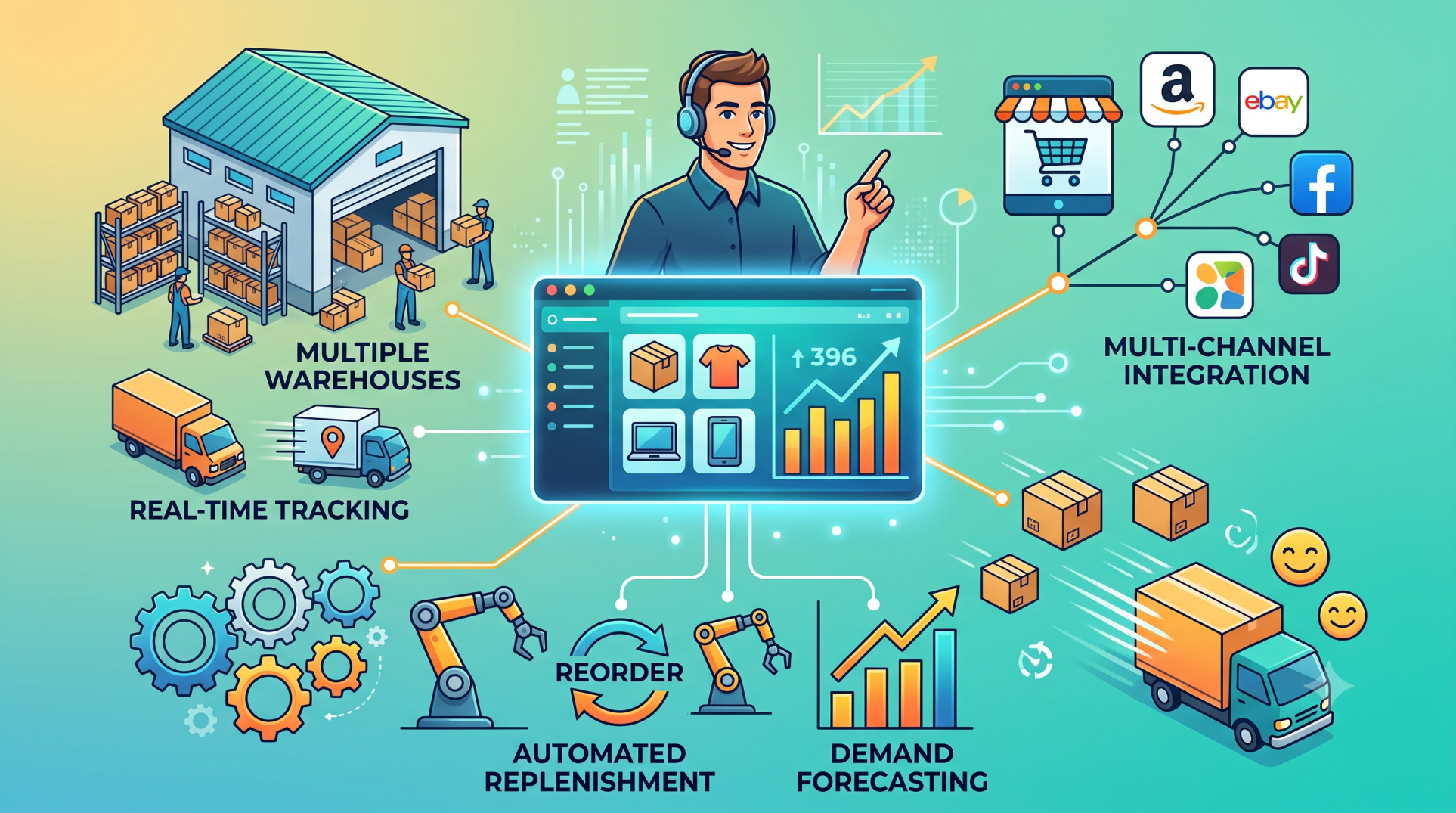
• Scalable APIs and integrations can simplify expansion 🔌
• The ideal platform should support growth without creating unnecessary operational complexity 🚀
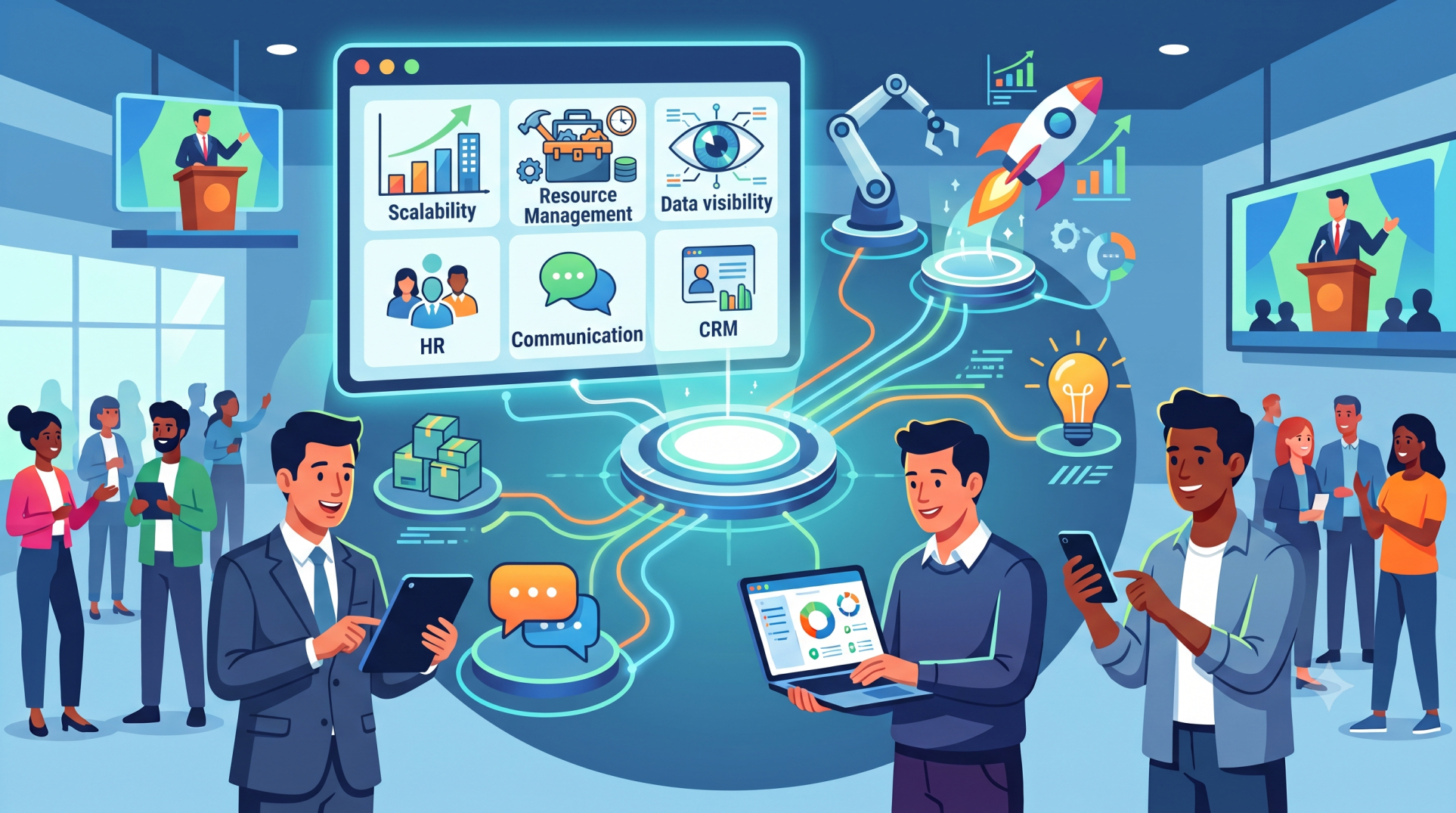
Step 6: Examining Integration Requirements 🔗
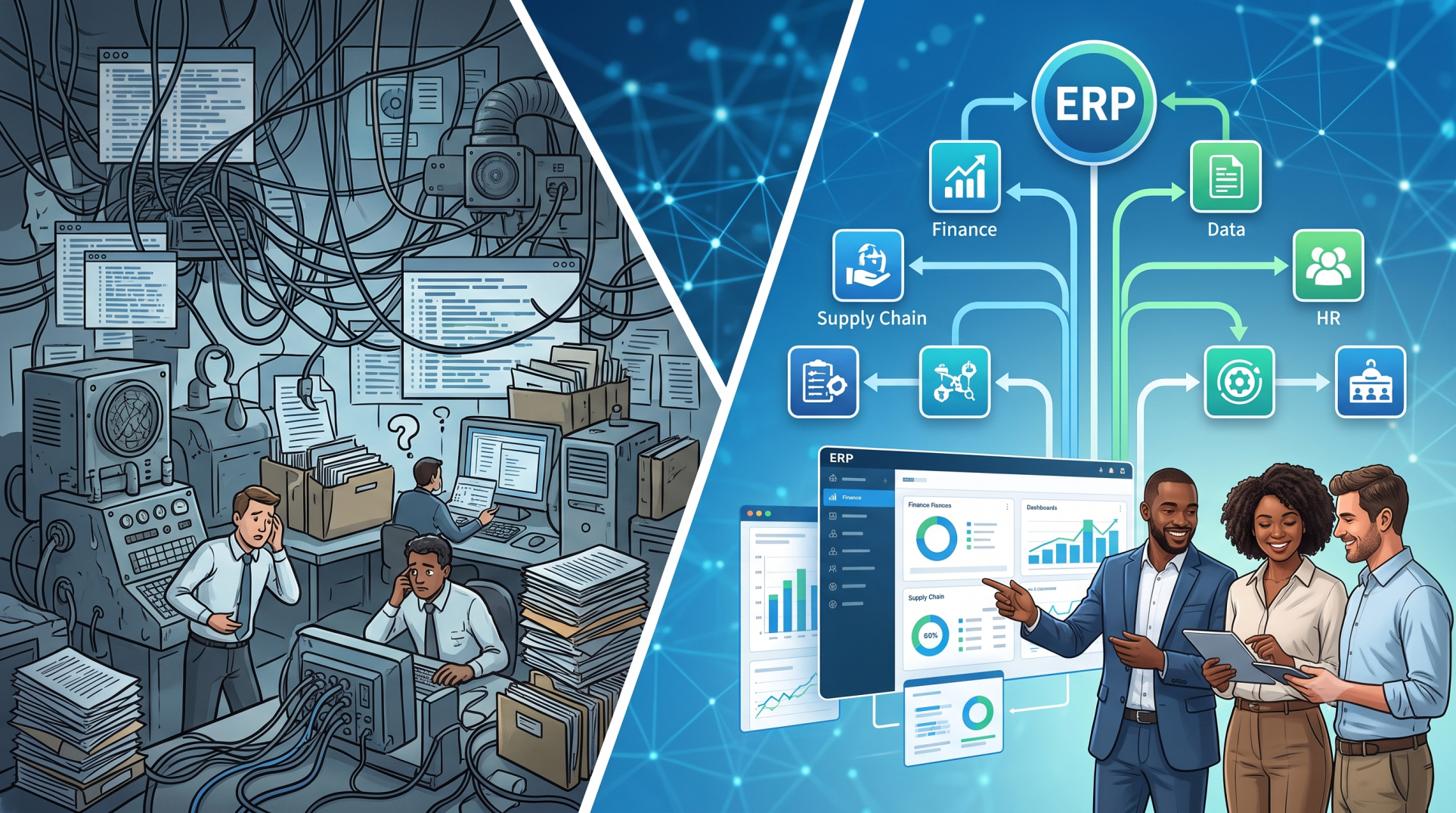
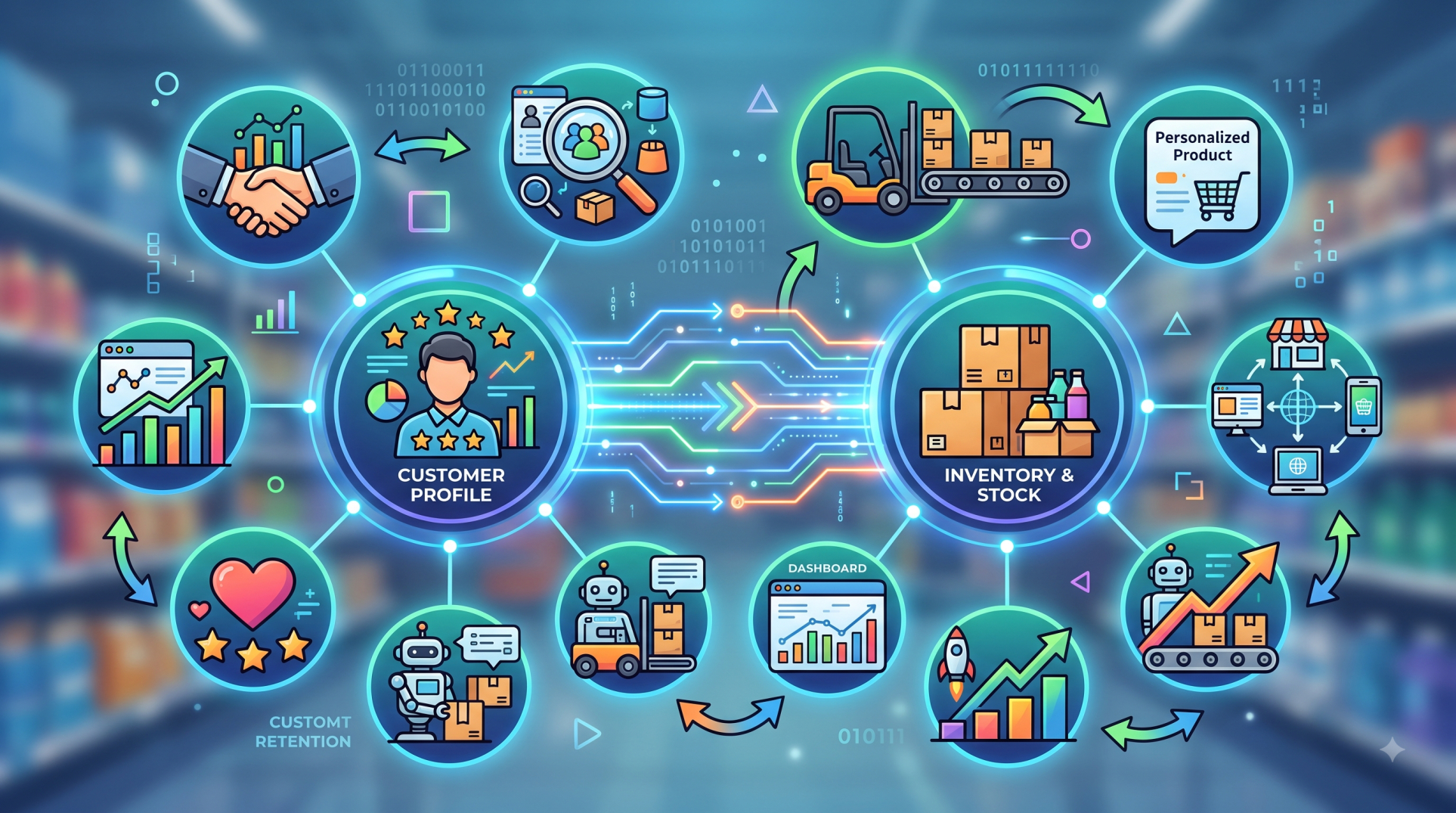
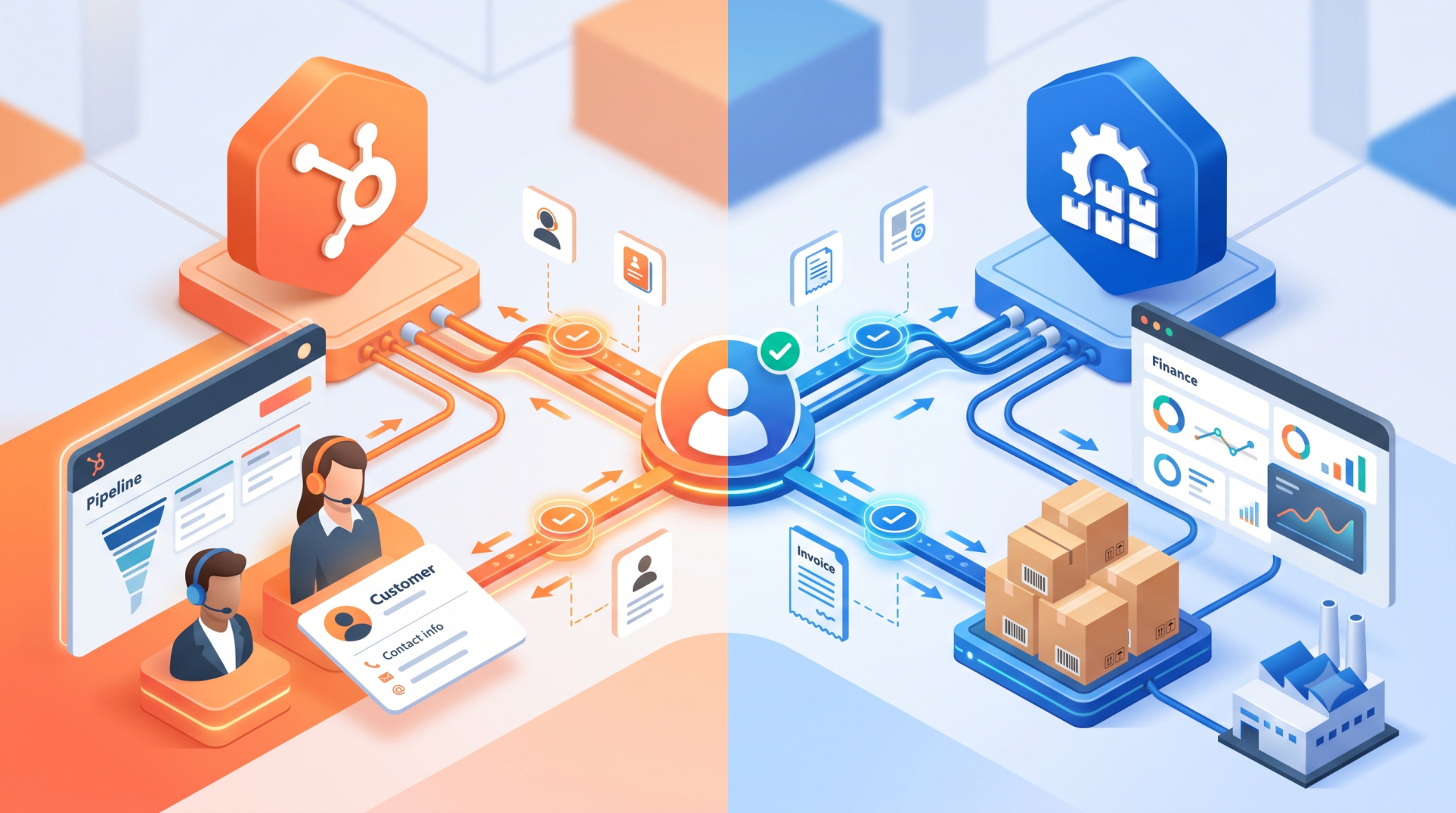
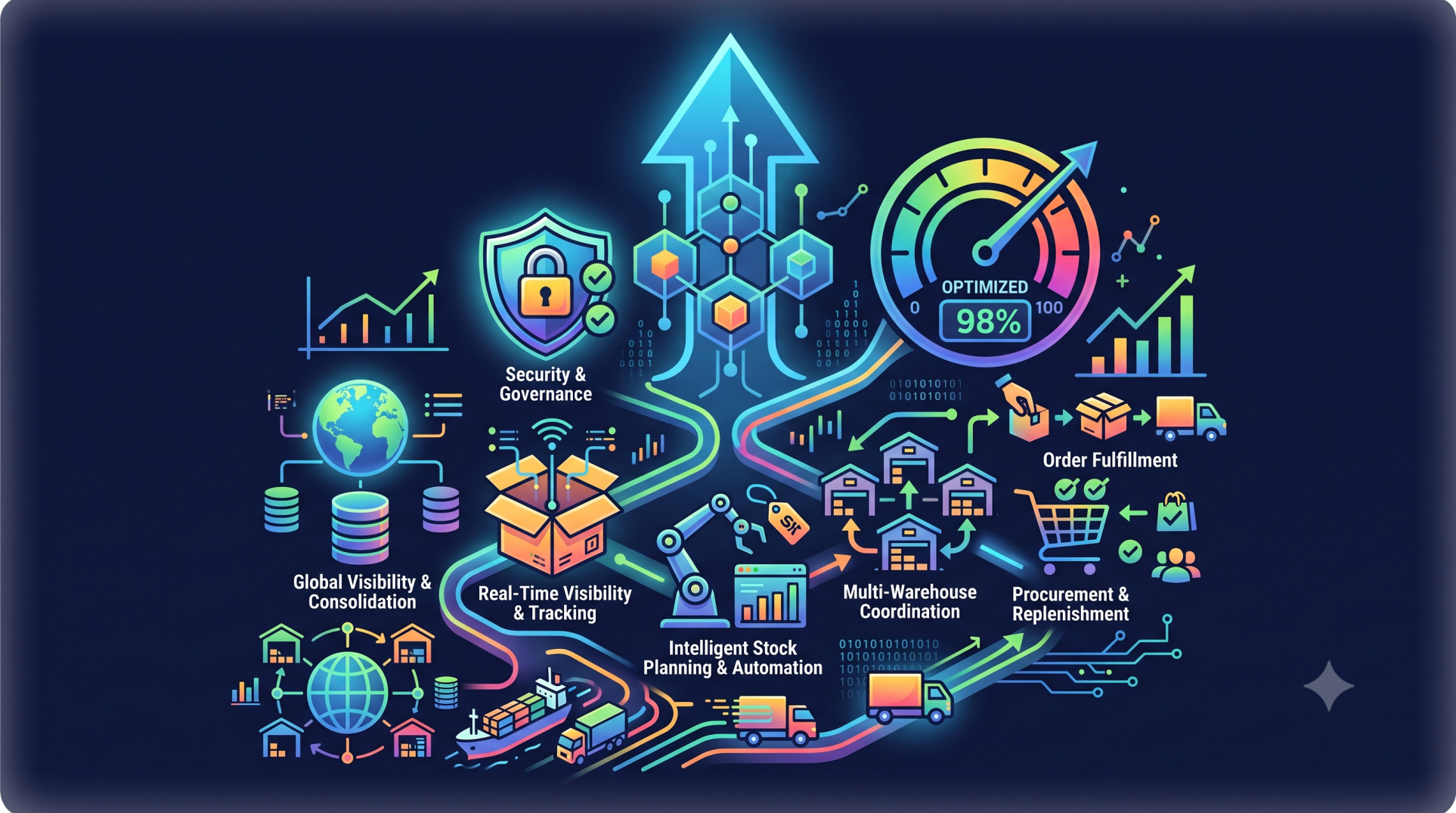
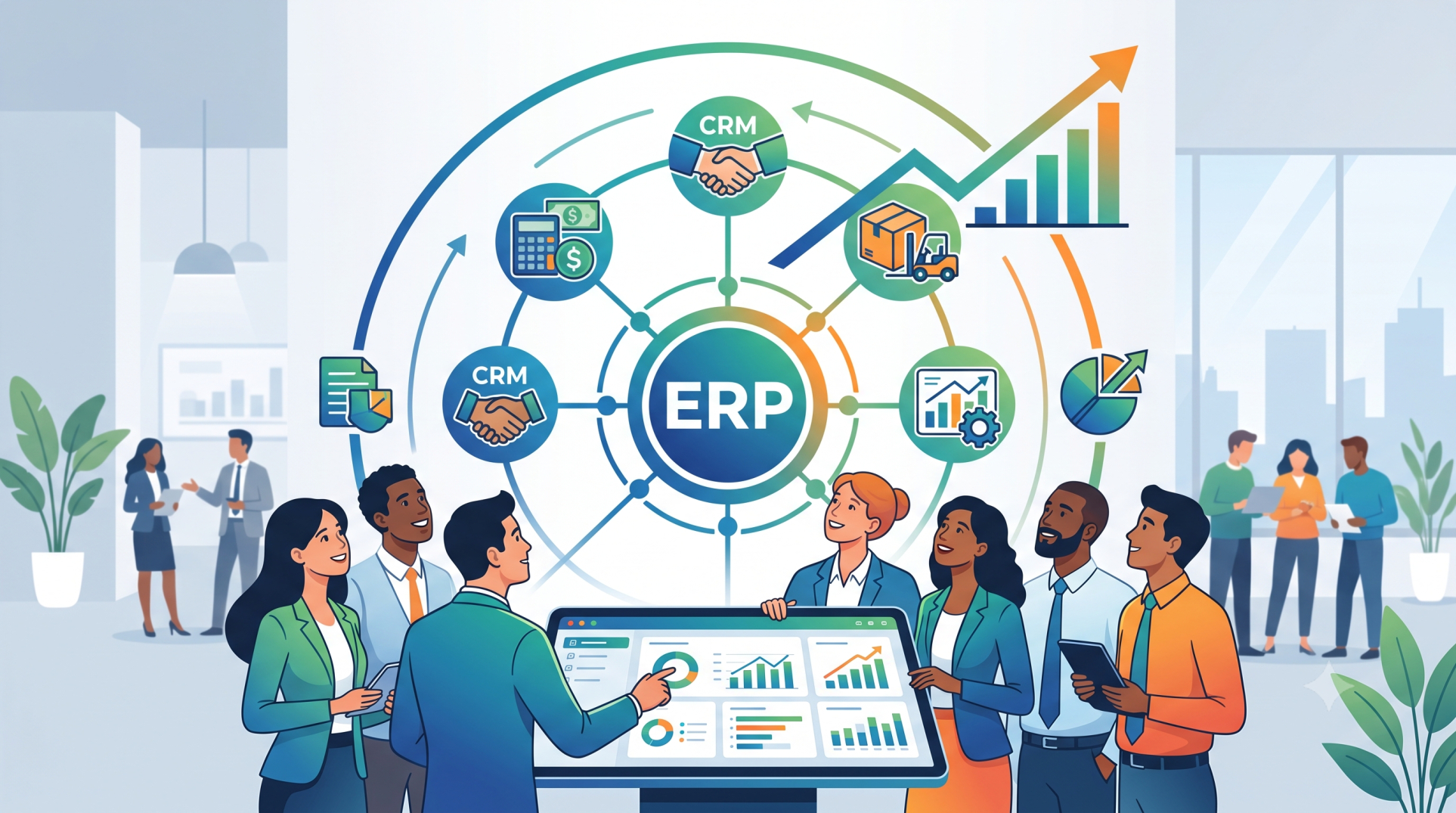
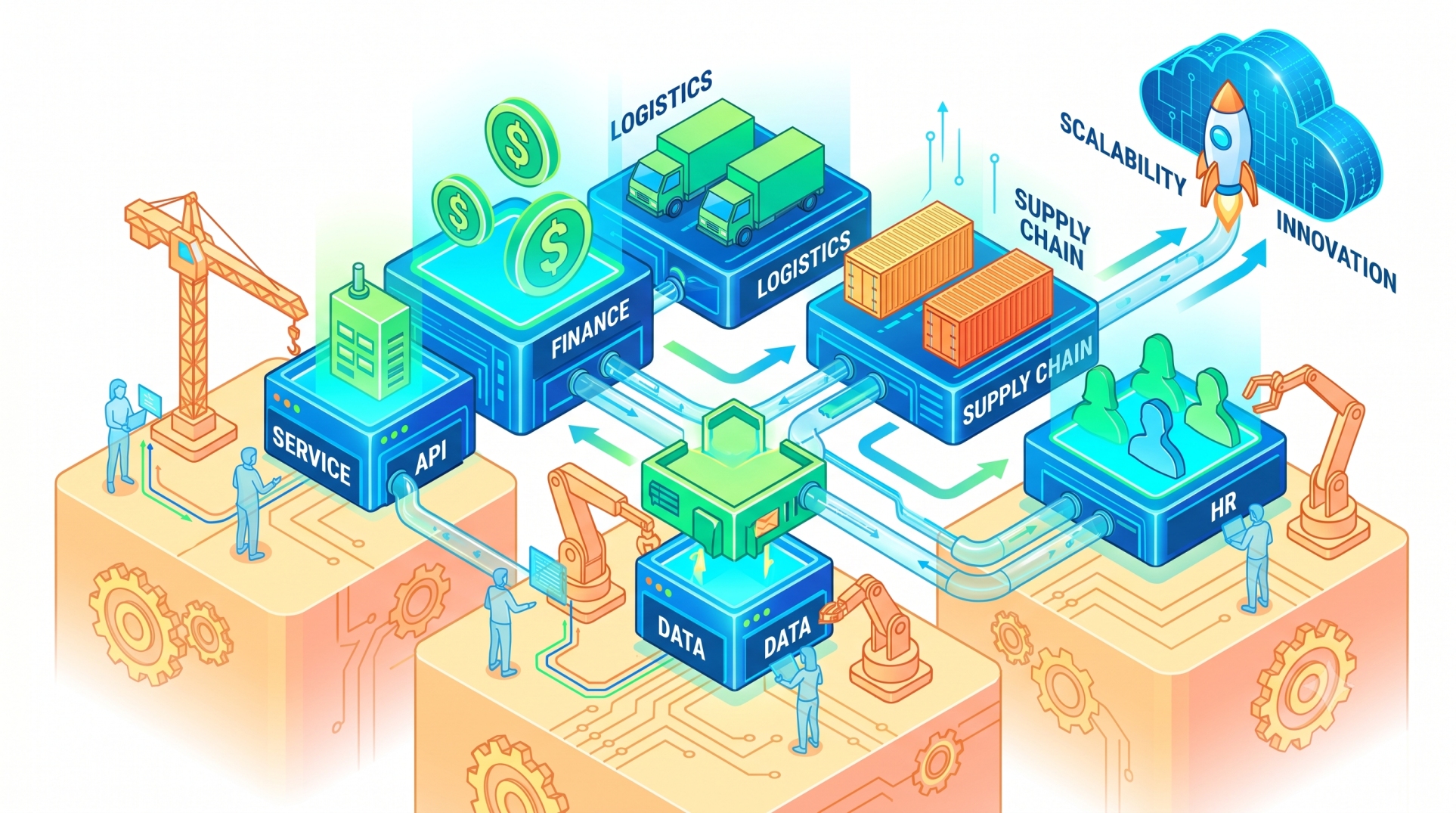
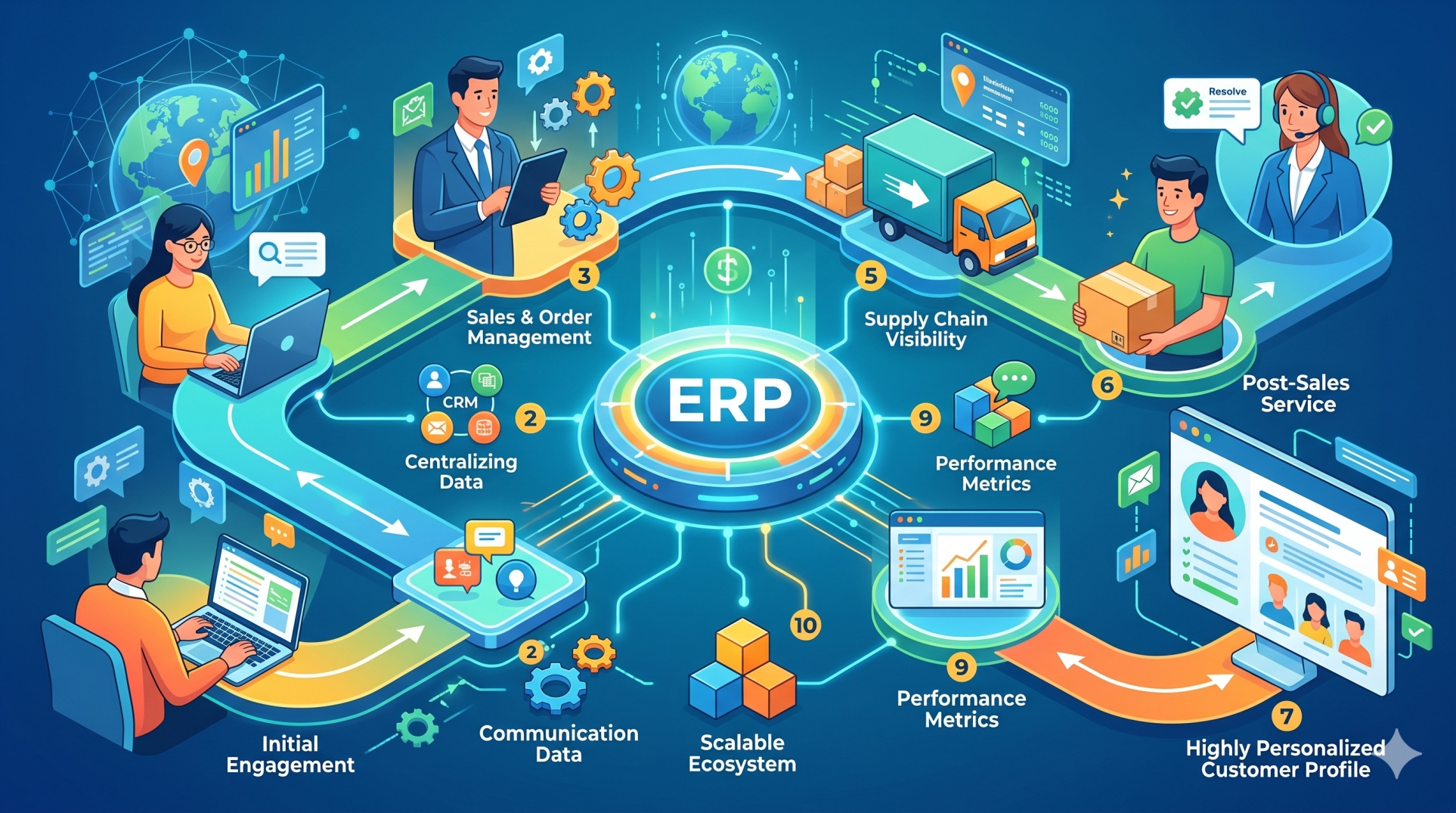
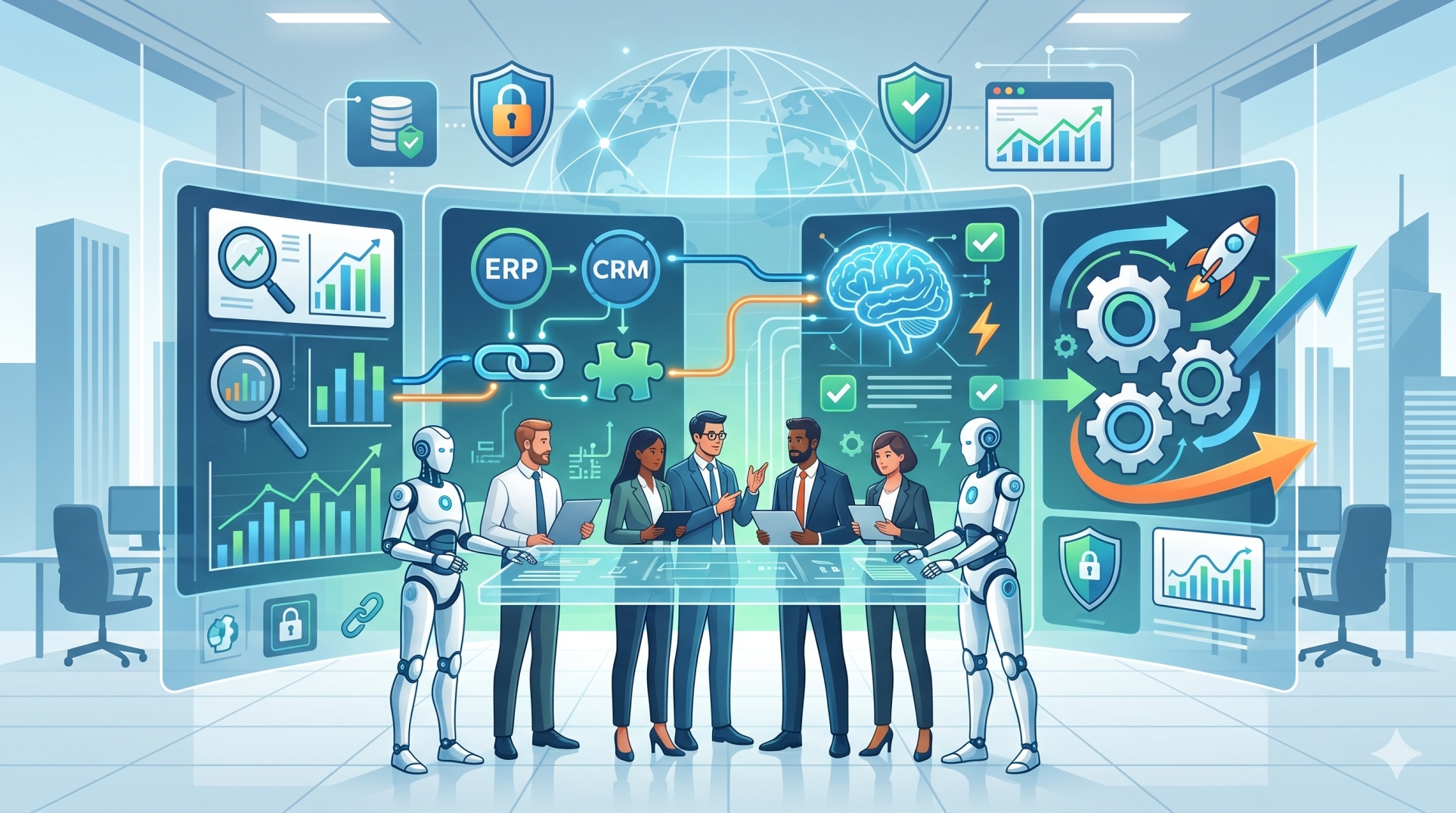
• Enterprise ERP systems often need connections with CRM, payroll, supply chain, analytics, and other platforms 🌐
• Workday can integrate with broader enterprise technology ecosystems 🔄
• AI-native ERP platforms may provide AI-focused APIs, agents, and intelligent integration capabilities 🤖
• Businesses should assess existing technology investments before selecting a platform 🧩
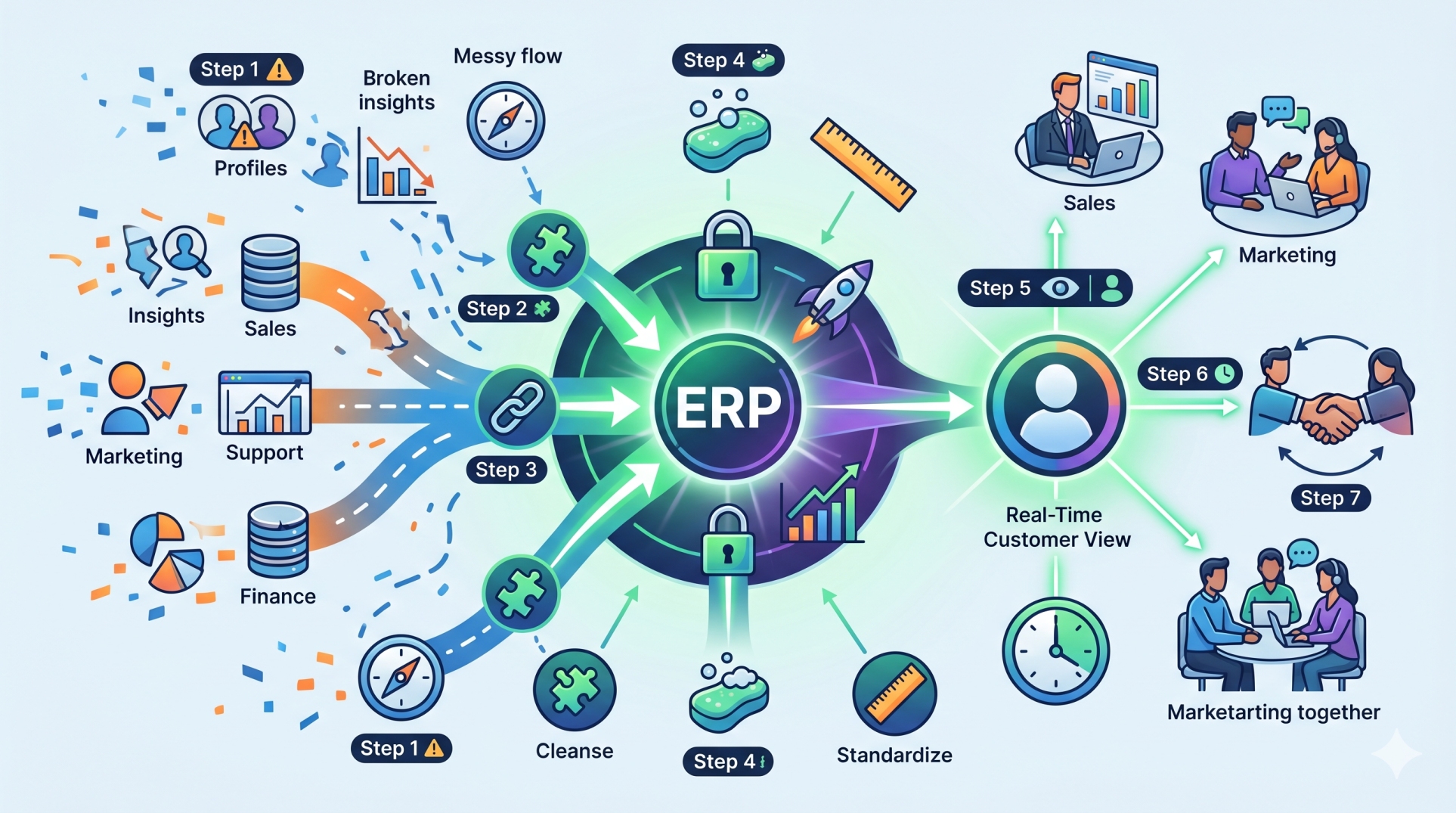
• Strong integration capabilities can prevent data silos and duplicated workflows 📊
Step 7: Comparing Decision-Making Support 💡
• Traditional ERP platforms provide dashboards, reports, and structured business intelligence 📈
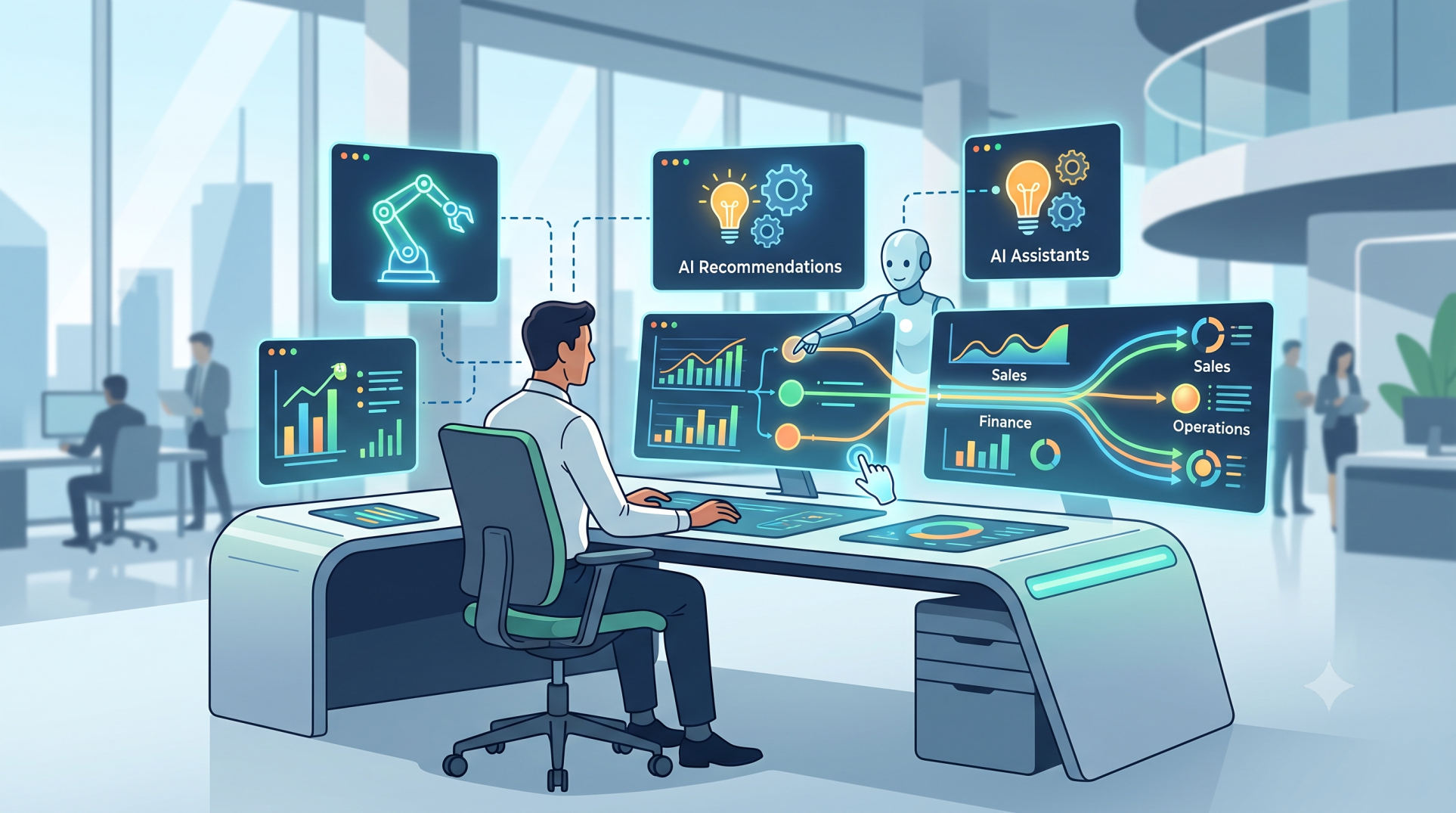
• AI-native ERP systems can generate recommendations from operational data 🧠
• Intelligent systems can identify patterns that may be difficult to detect manually 🔍
• AI assistants can help employees retrieve information and complete routine tasks 💬
• Organizations should evaluate whether AI-supported decision-making provides measurable business value 🎯
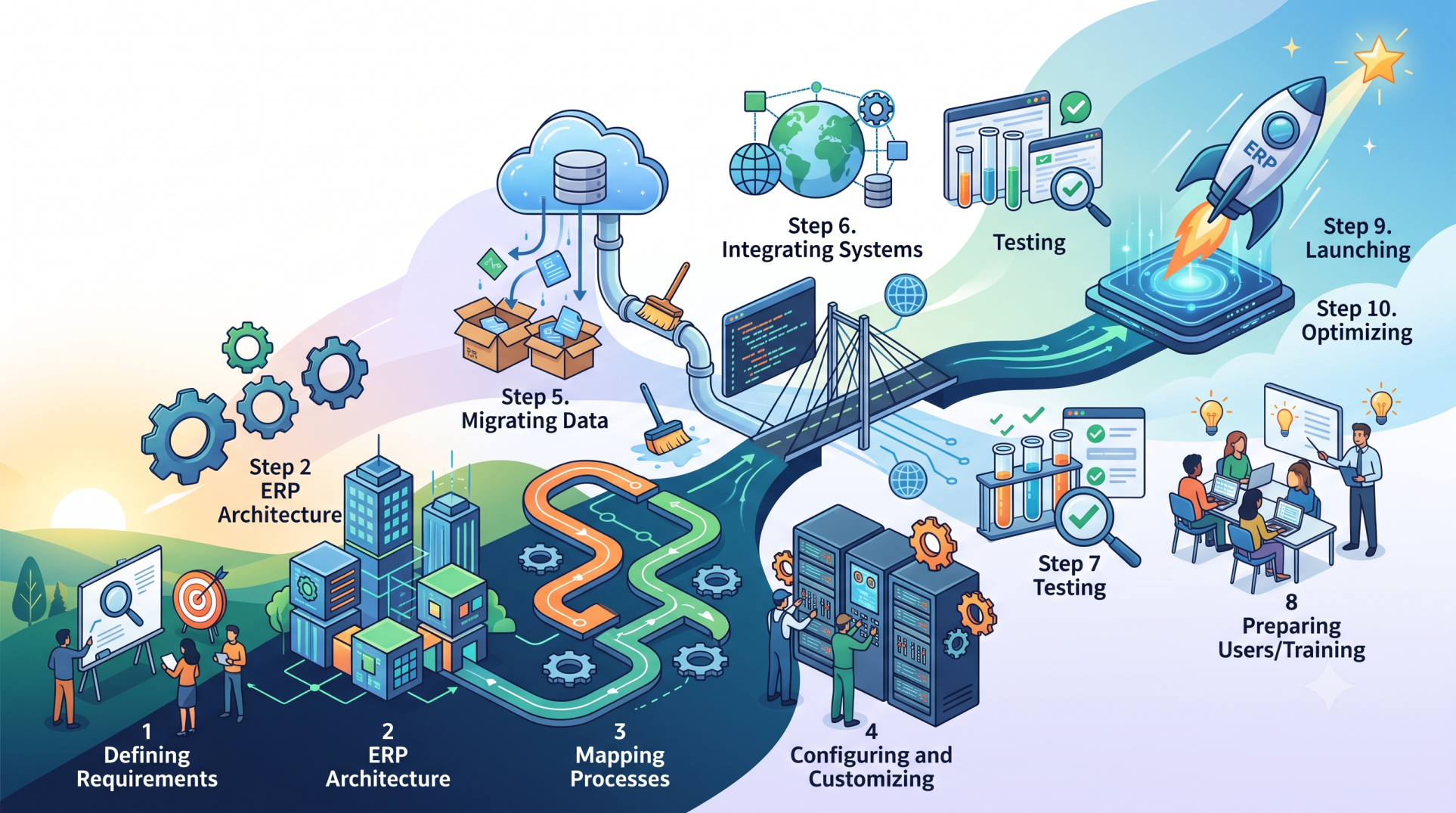
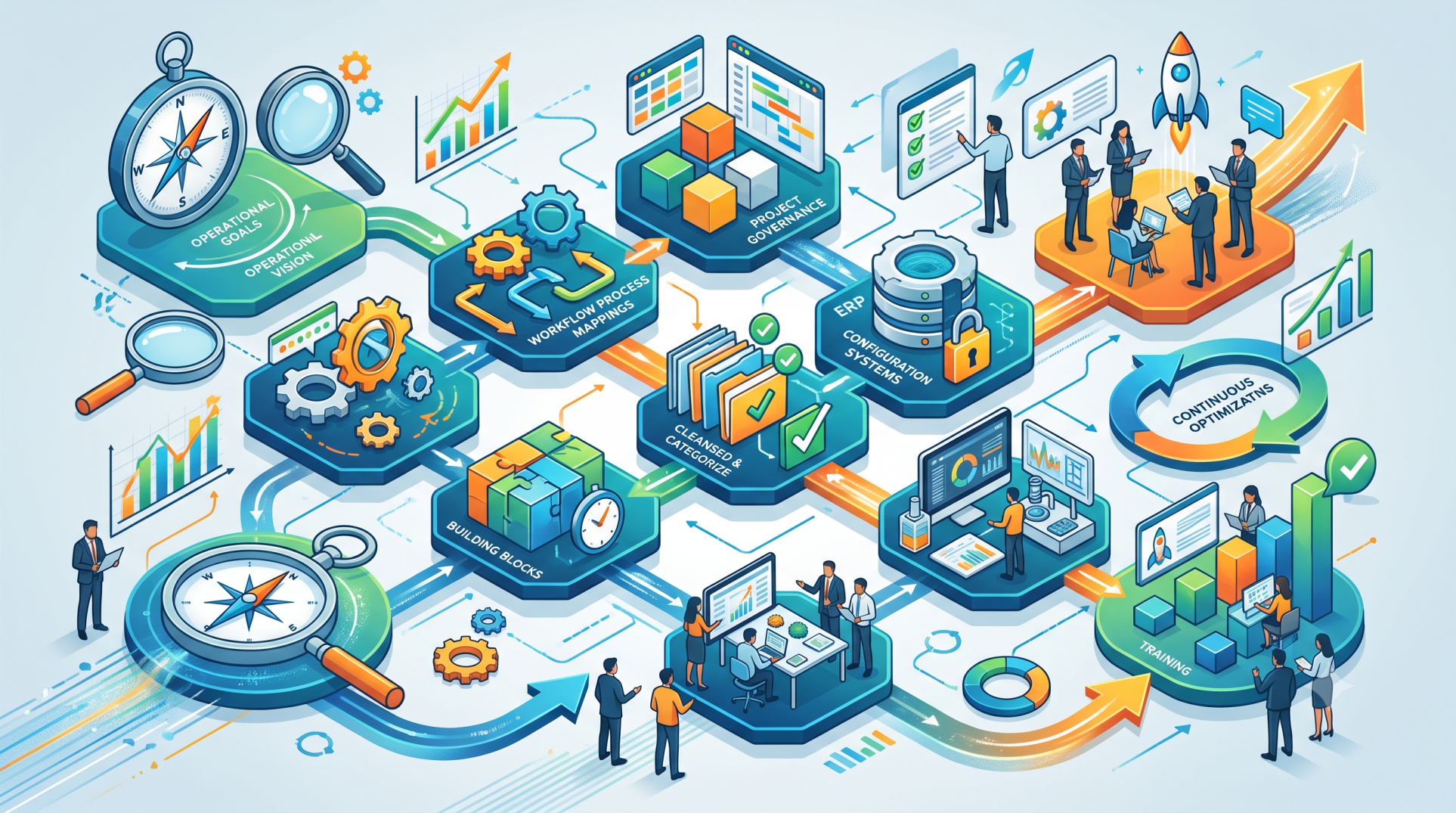
Step 8: Evaluating Implementation and Change Management 🛠️
• Established ERP platforms may provide mature implementation methodologies and enterprise support structures 🏢
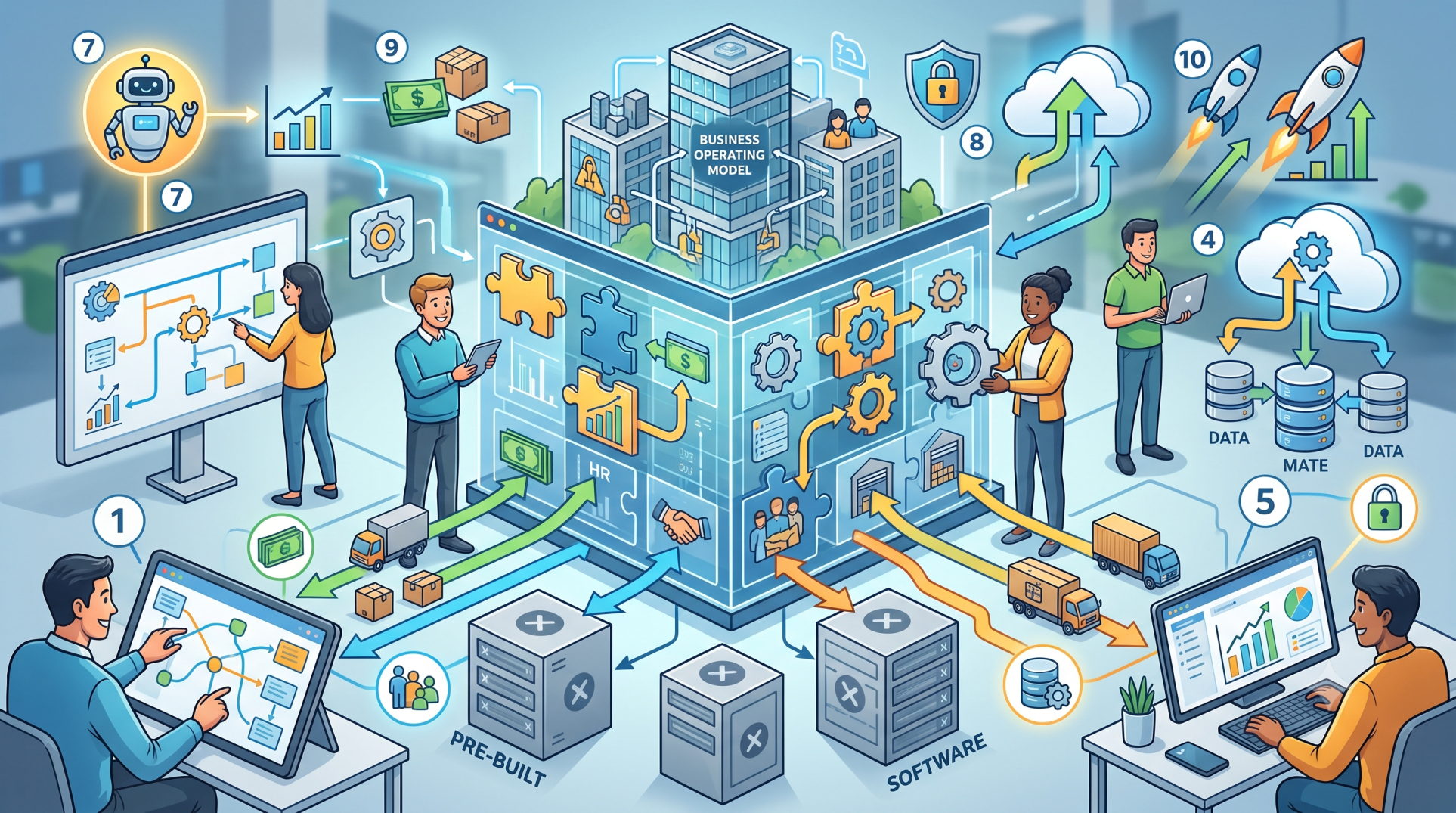
• AI-native platforms may require organizations to rethink existing processes and operating models 🔄
• Employee training becomes important when introducing AI-driven workflows 👥
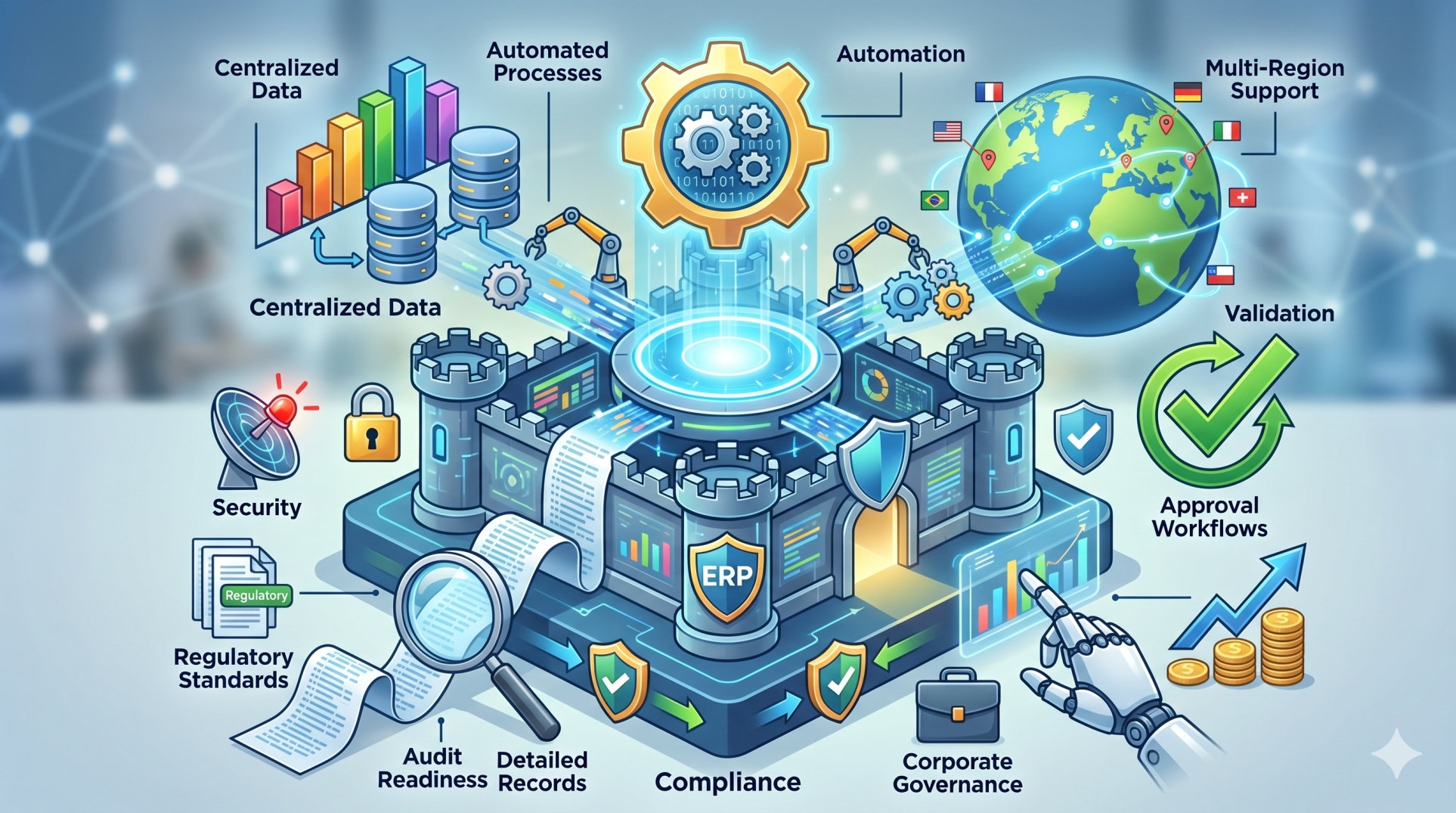
• Data quality and governance can directly affect AI performance 🛡️
• Successful adoption requires alignment between technology, people, and business processes 🤝
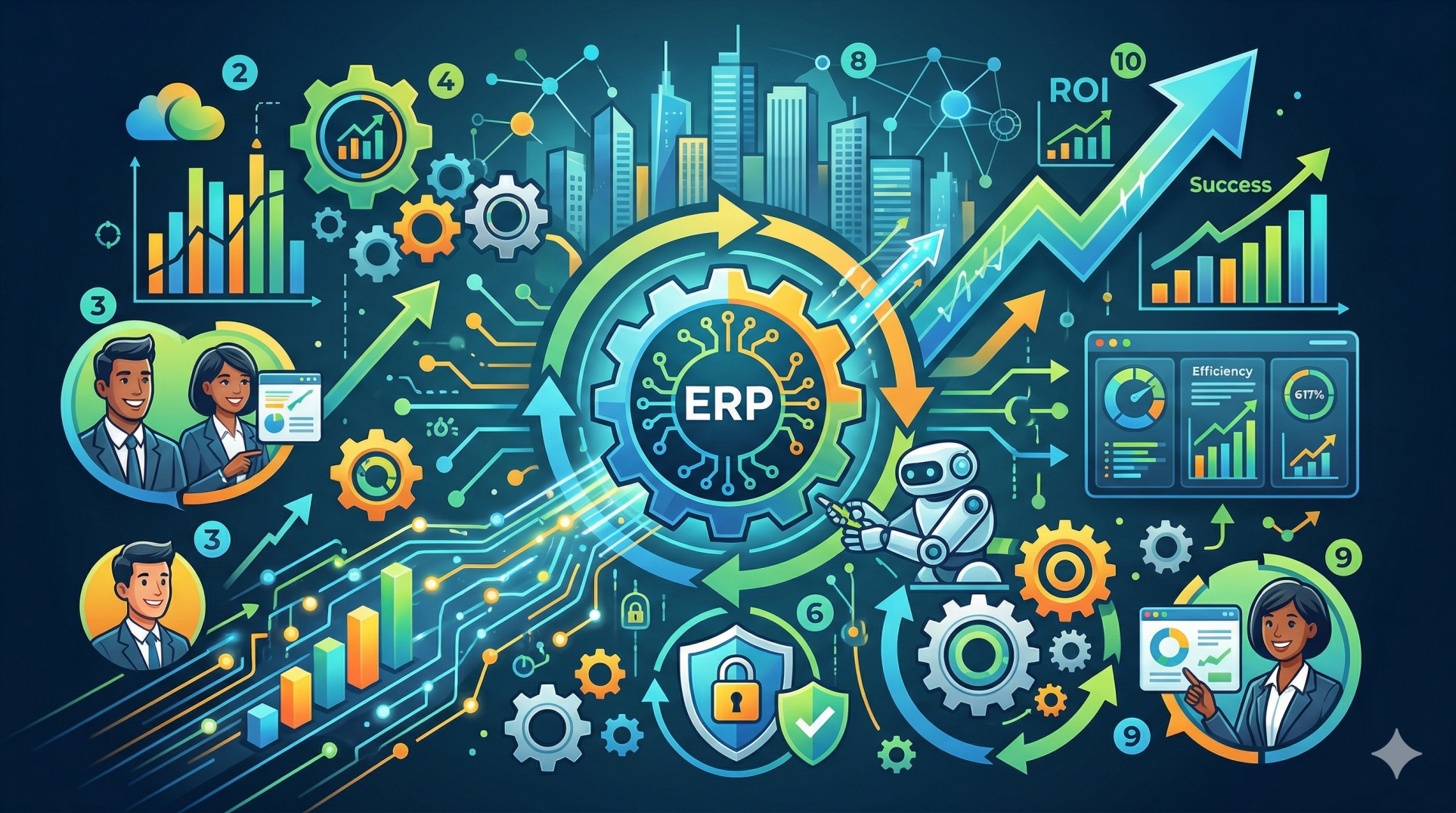
Step 9: Measuring Cost and Long-Term Value 💰
• Compare licensing, implementation, integration, and ongoing operational costs 📊
• Consider the potential savings from workflow automation and reduced manual effort ⚙️
• Evaluate whether AI capabilities can improve productivity and decision-making 📈
• Account for migration and change-management expenses when replacing existing systems 🔄
• Focus on total business value rather than software cost alone 🎯
Step 10: Choosing the Right Growth Strategy 🚀
• Workday may be a strong fit for organizations seeking a mature cloud platform with established enterprise capabilities 🏢
• AI-native ERP may be better suited to businesses prioritizing intelligent automation and AI-driven operations 🤖
• Hybrid approaches can also combine established enterprise platforms with specialized AI capabilities 🔗
• Growth-stage companies should prioritize flexibility, integration, and long-term scalability 📈
• The best ERP strategy is the one that aligns technology investment with future business objectives 🌟
Conclusion
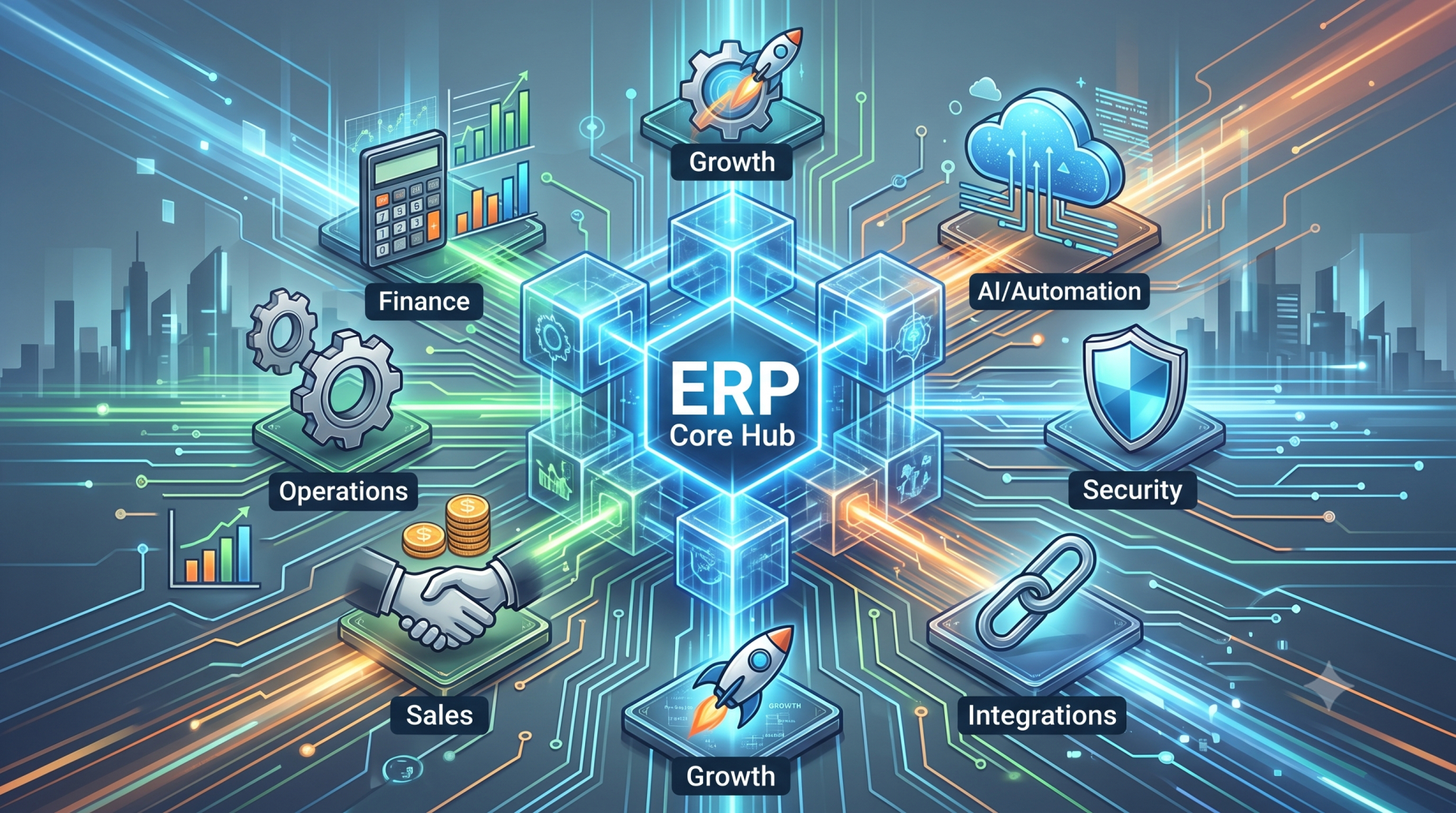
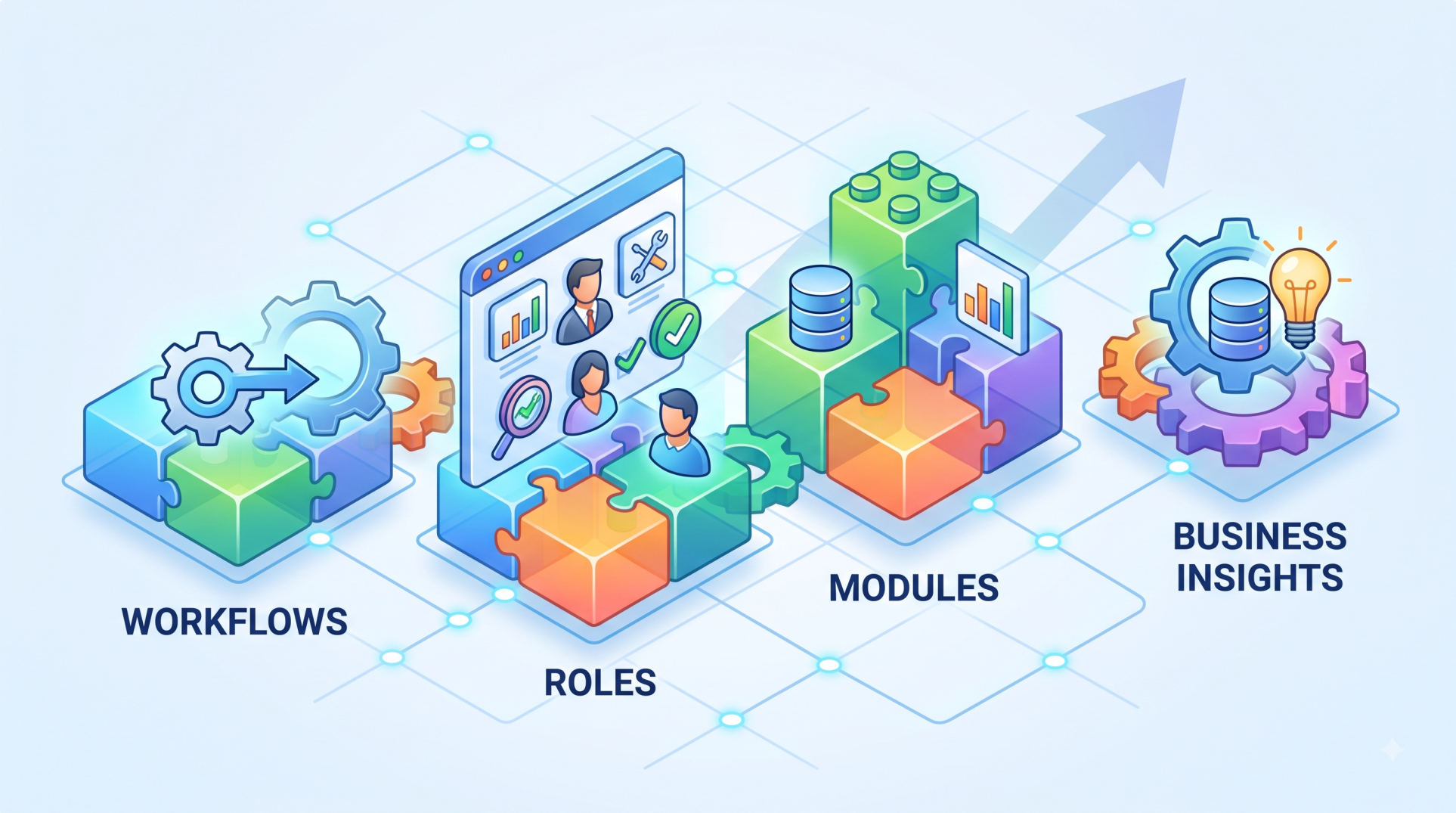
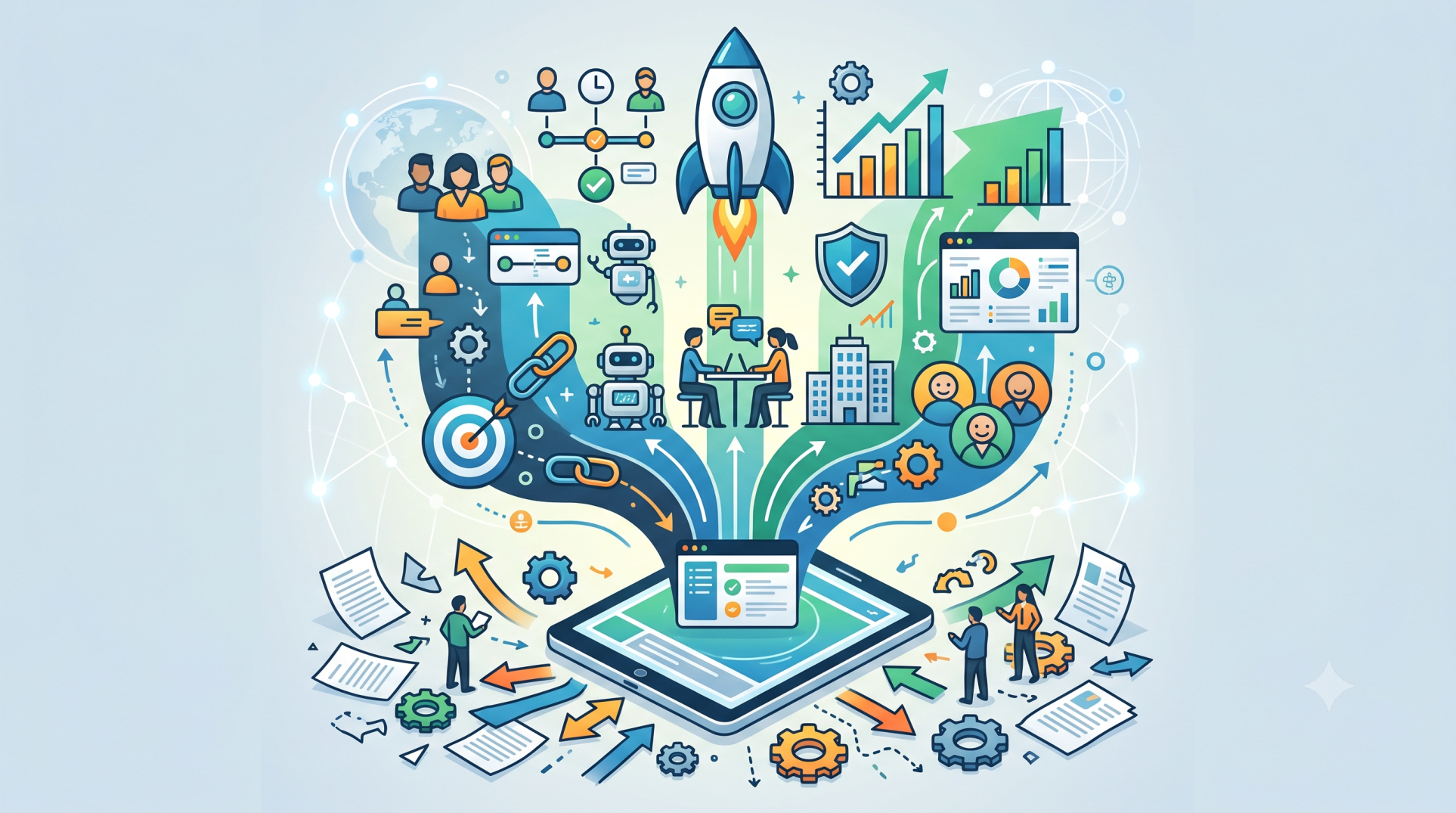
The choice between Workday and an AI-native ERP is ultimately a strategic decision rather than simply a software comparison. Workday offers a mature enterprise platform for organizations that value established processes, broad functionality, and structured cloud operations. AI-native ERP platforms take a different approach by embedding intelligence, automation, and adaptive decision-making directly into business workflows.
Organizations planning their next stage of growth should evaluate process complexity, AI maturity, integration needs, scalability, implementation requirements, and expected business value before making a decision. The right ERP platform should not only manage today’s operations but also provide a foundation for how the organization intends to work in the future.
See more blogs
You can all the articles below