Designing ERP Platforms Where AI Is Part of the Core Architecture
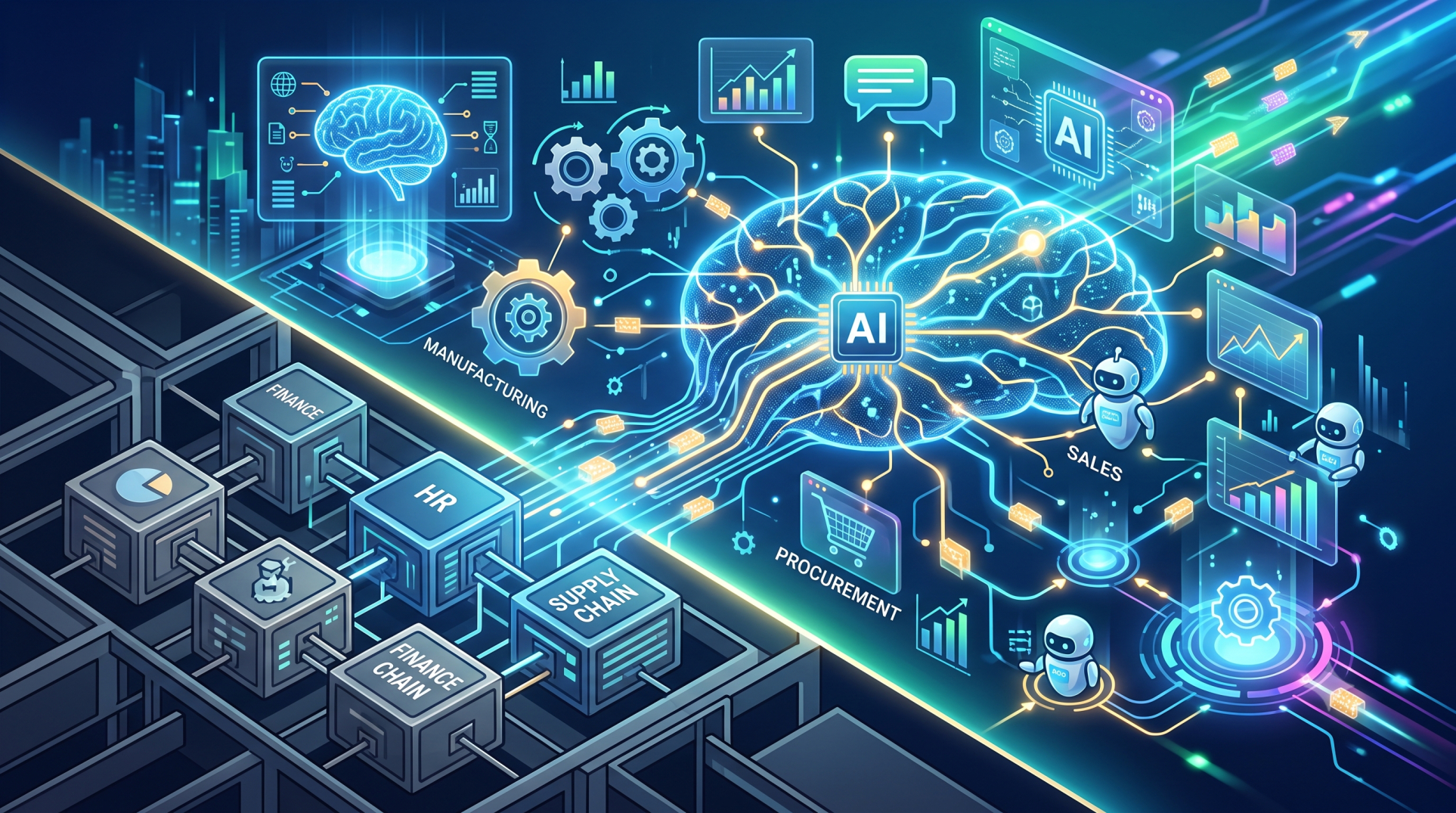
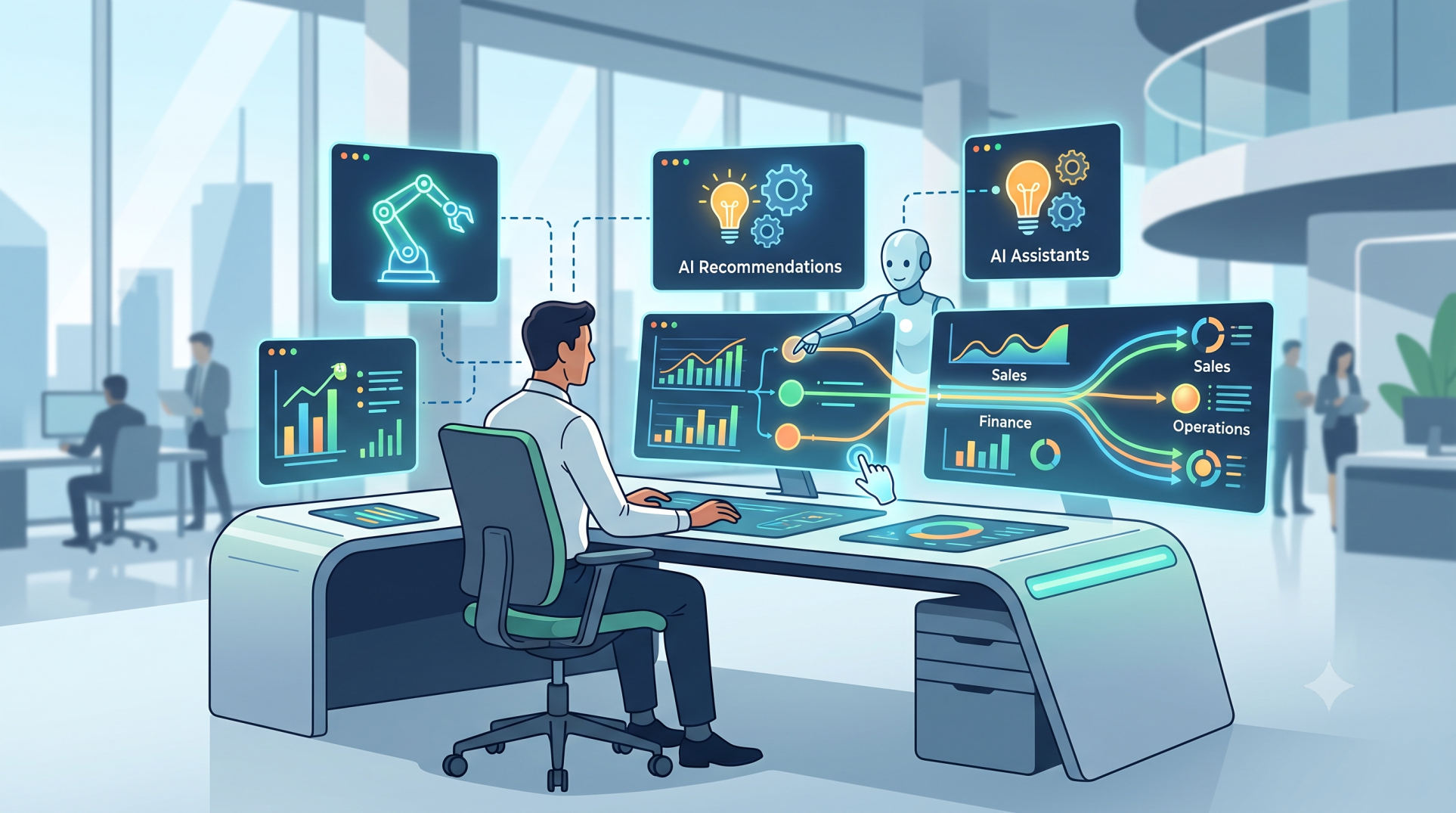
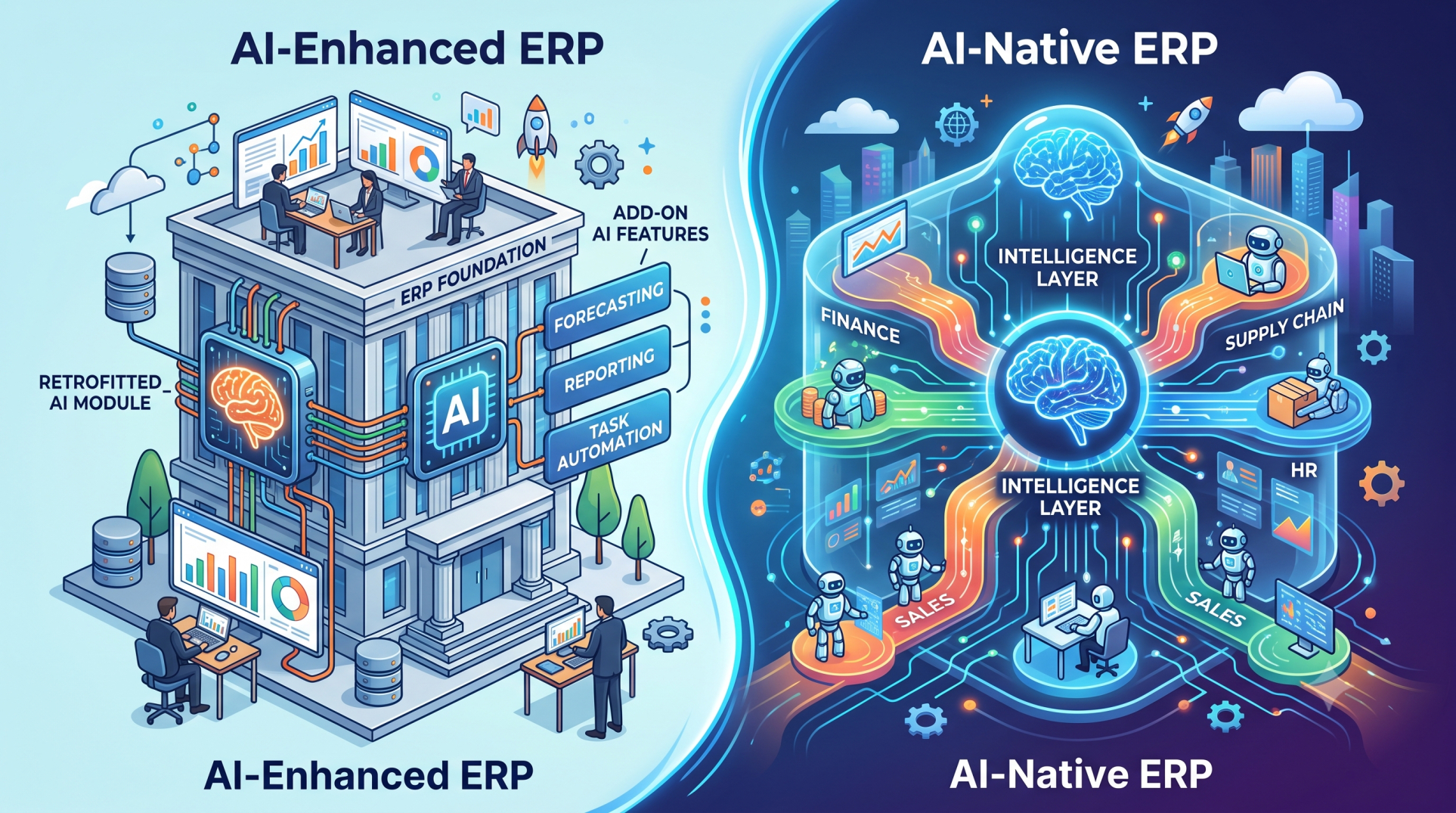
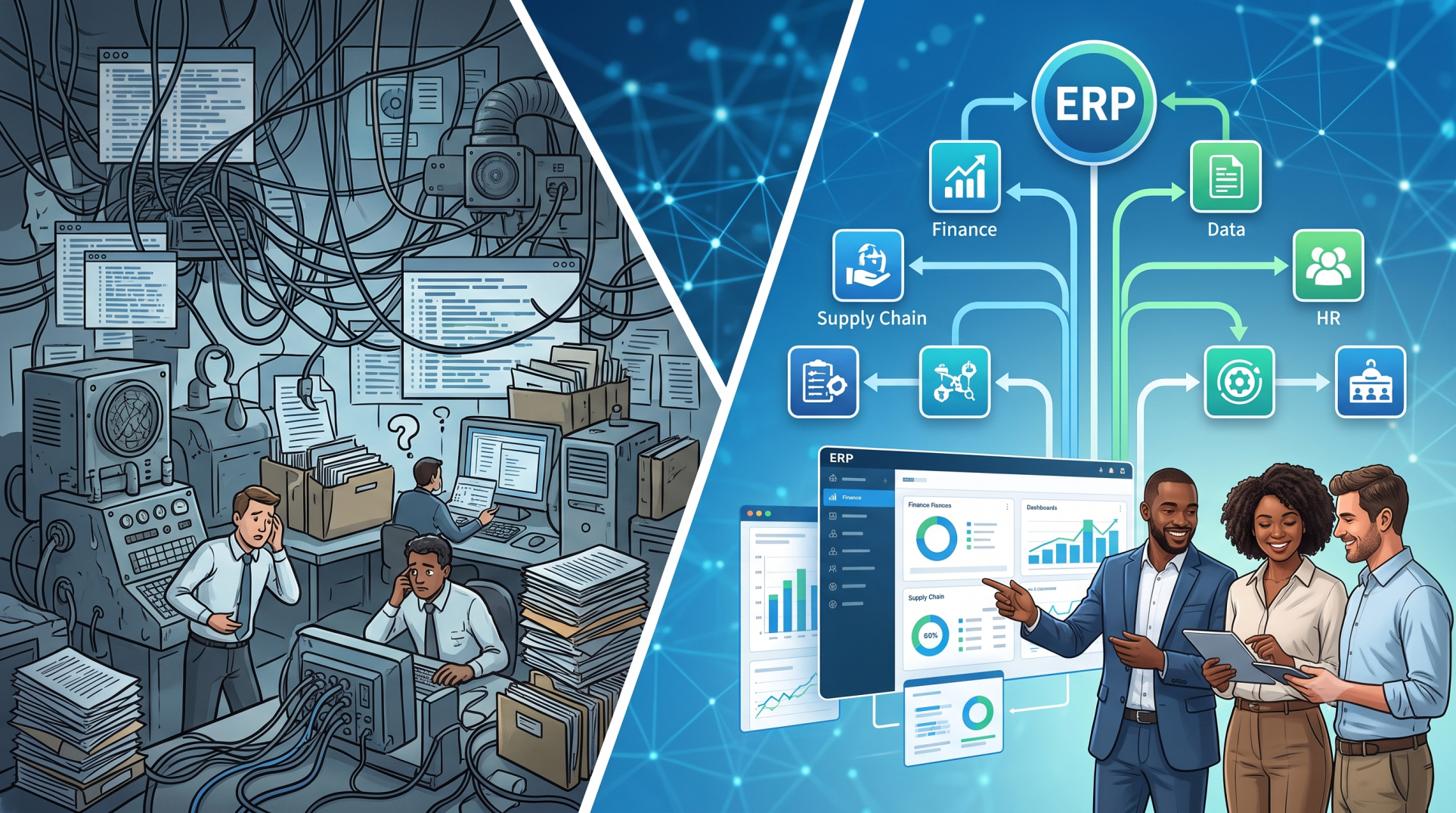
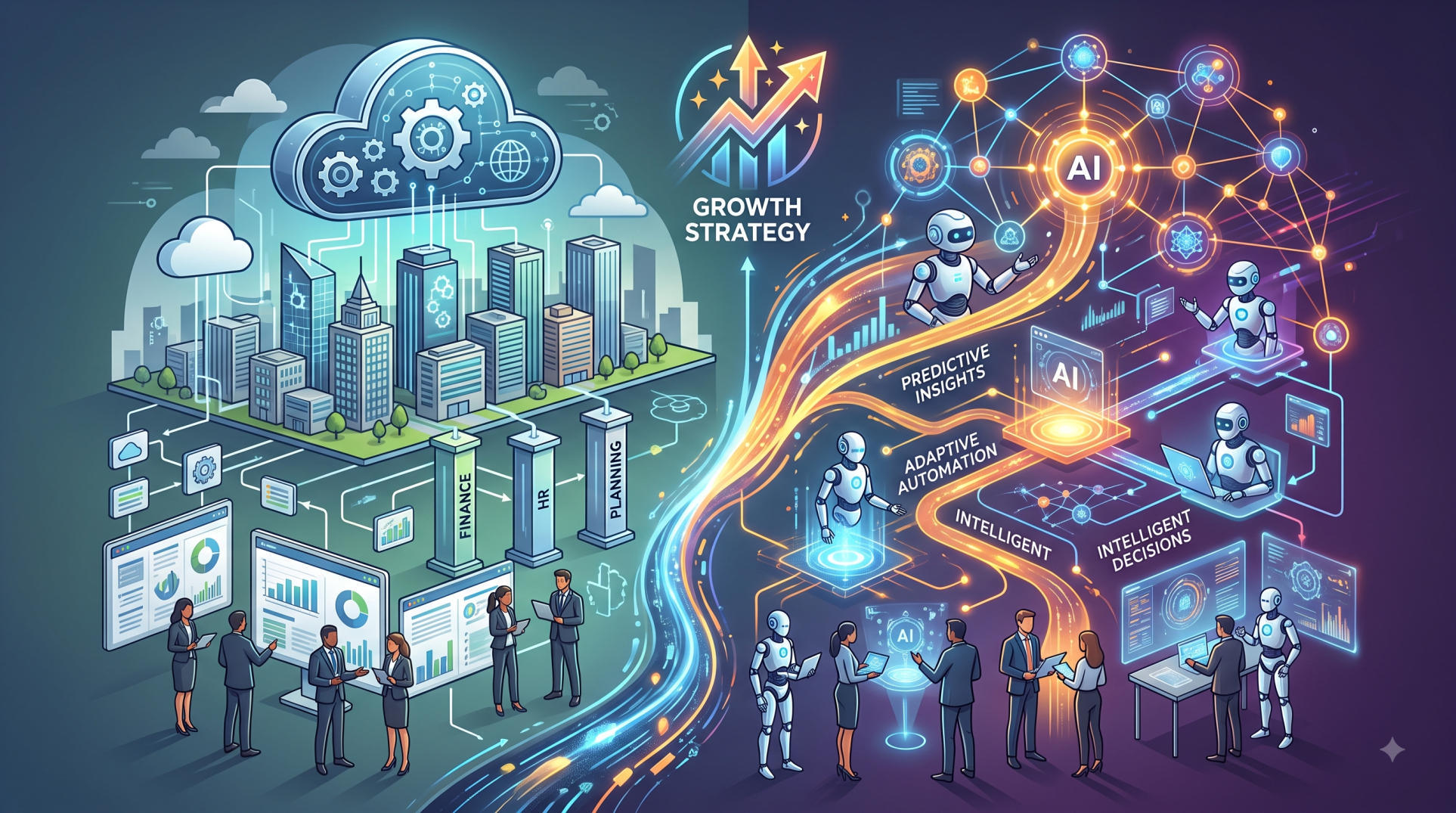
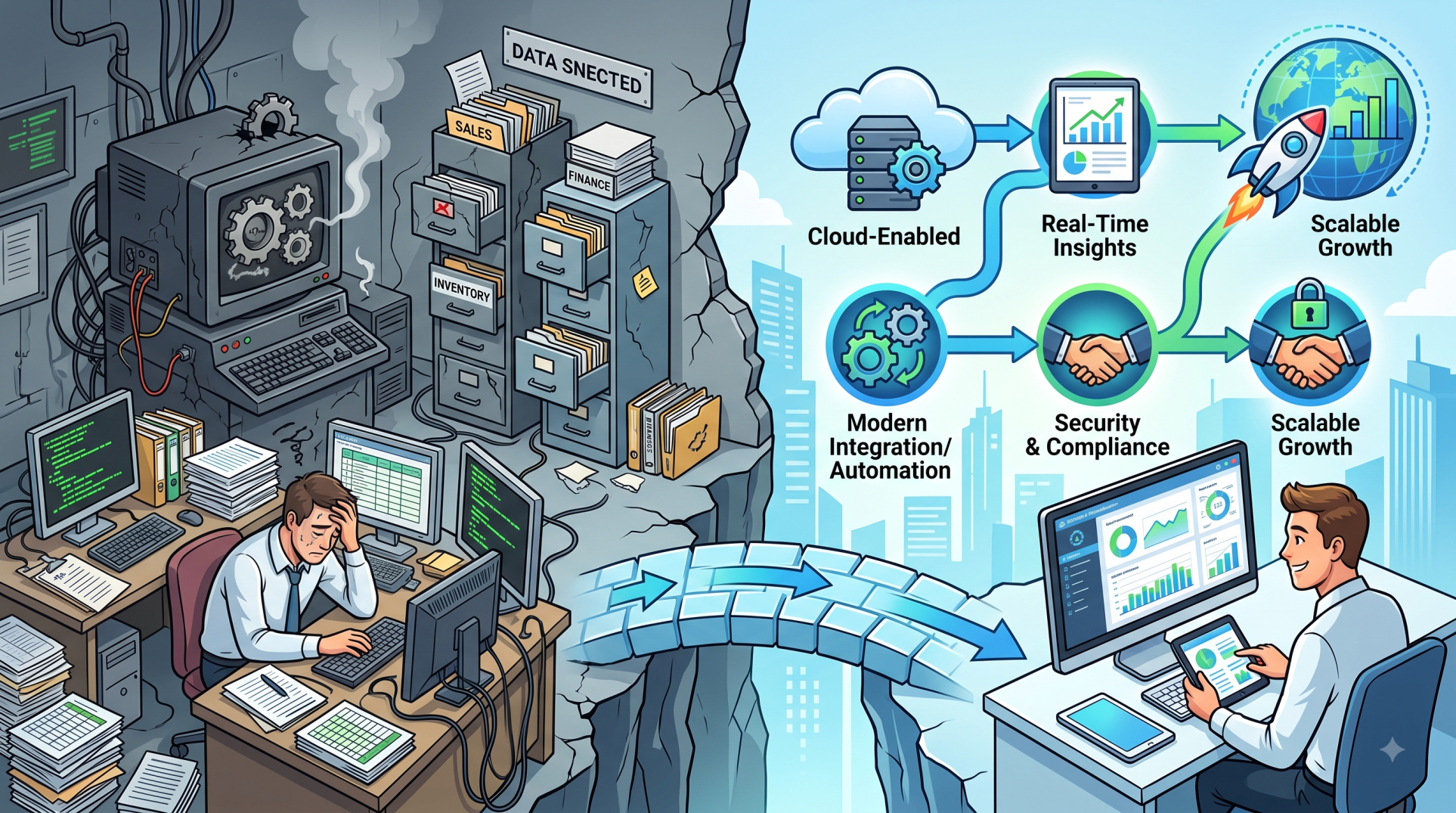
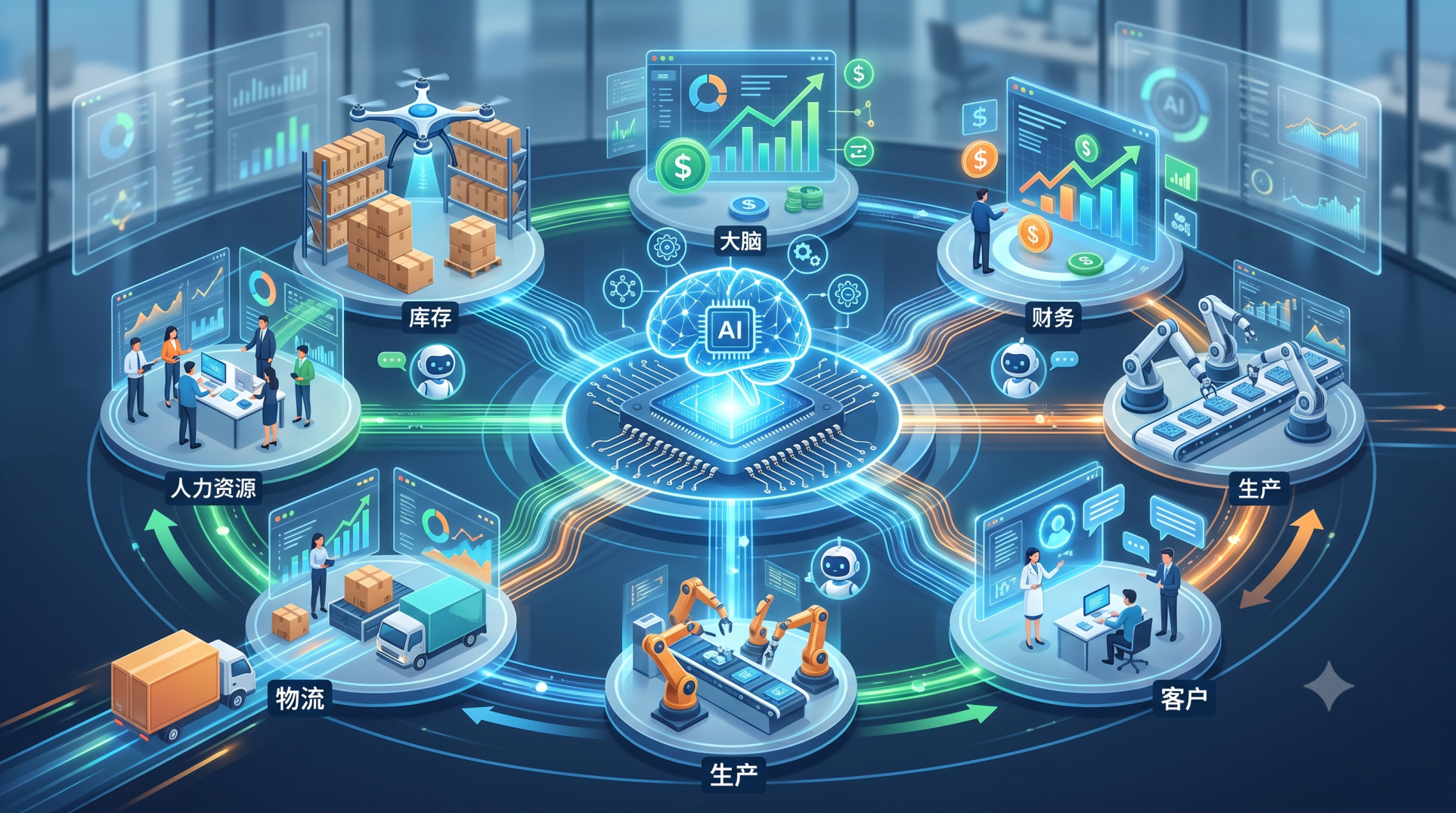
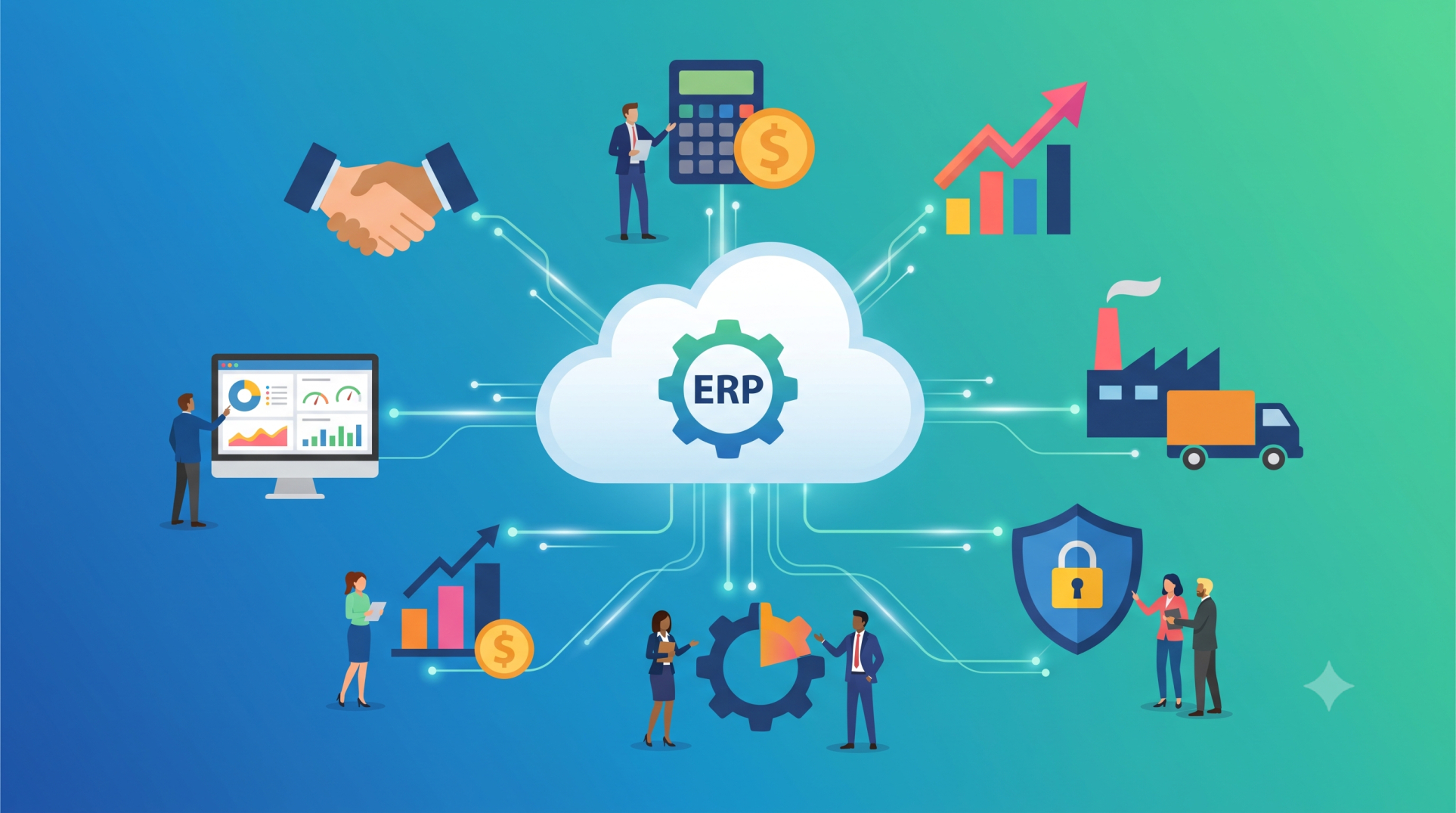
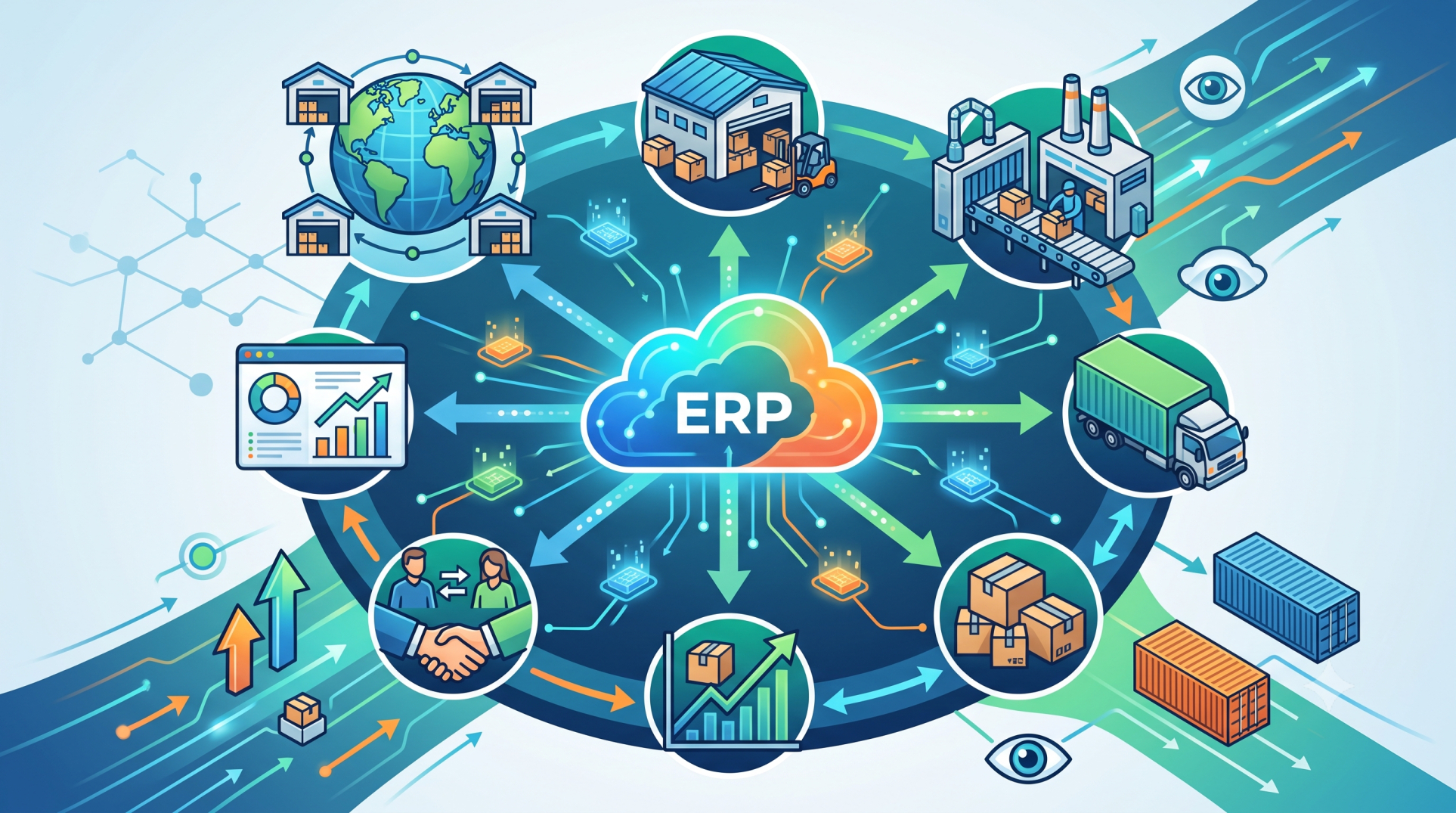
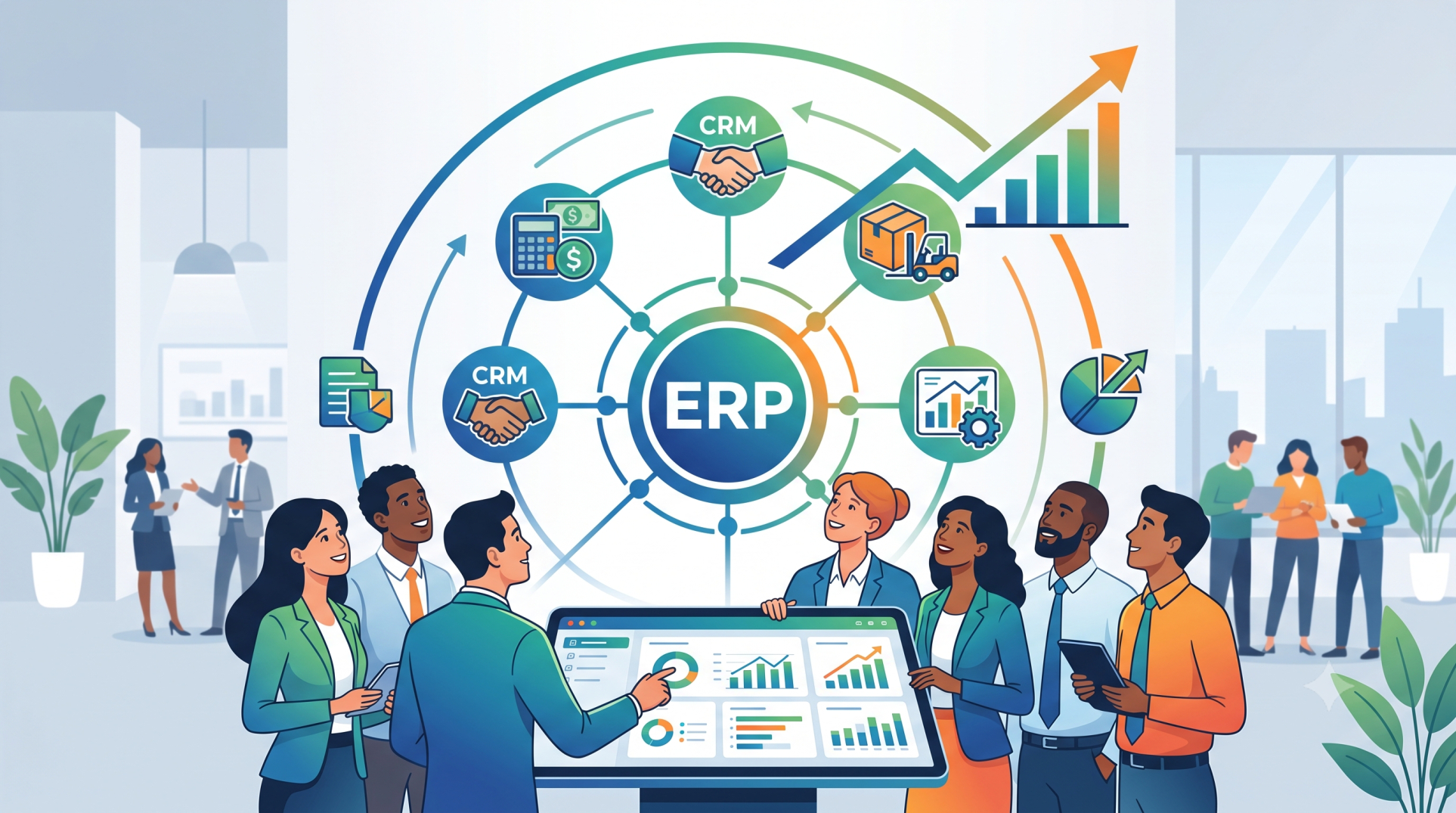
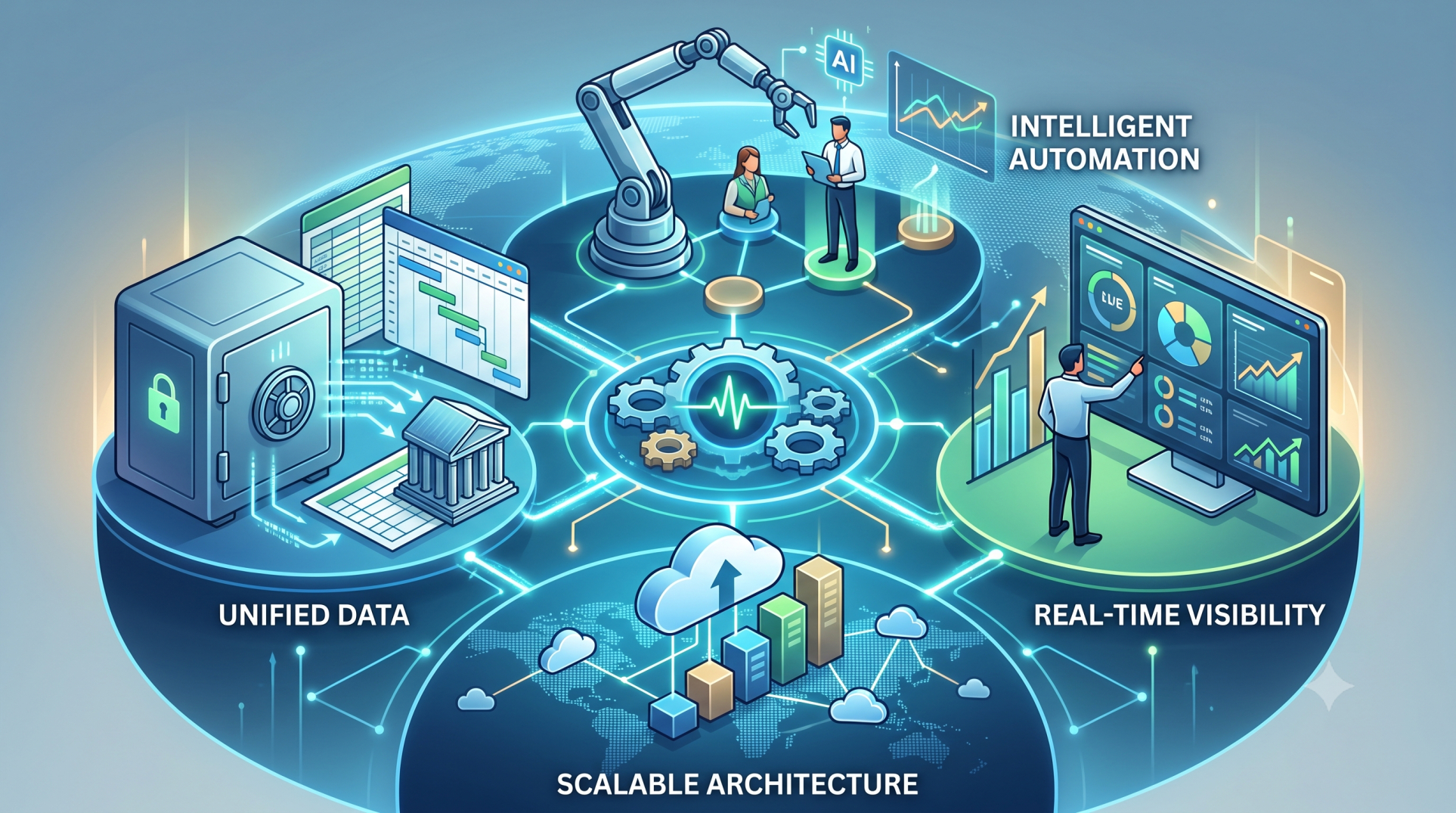
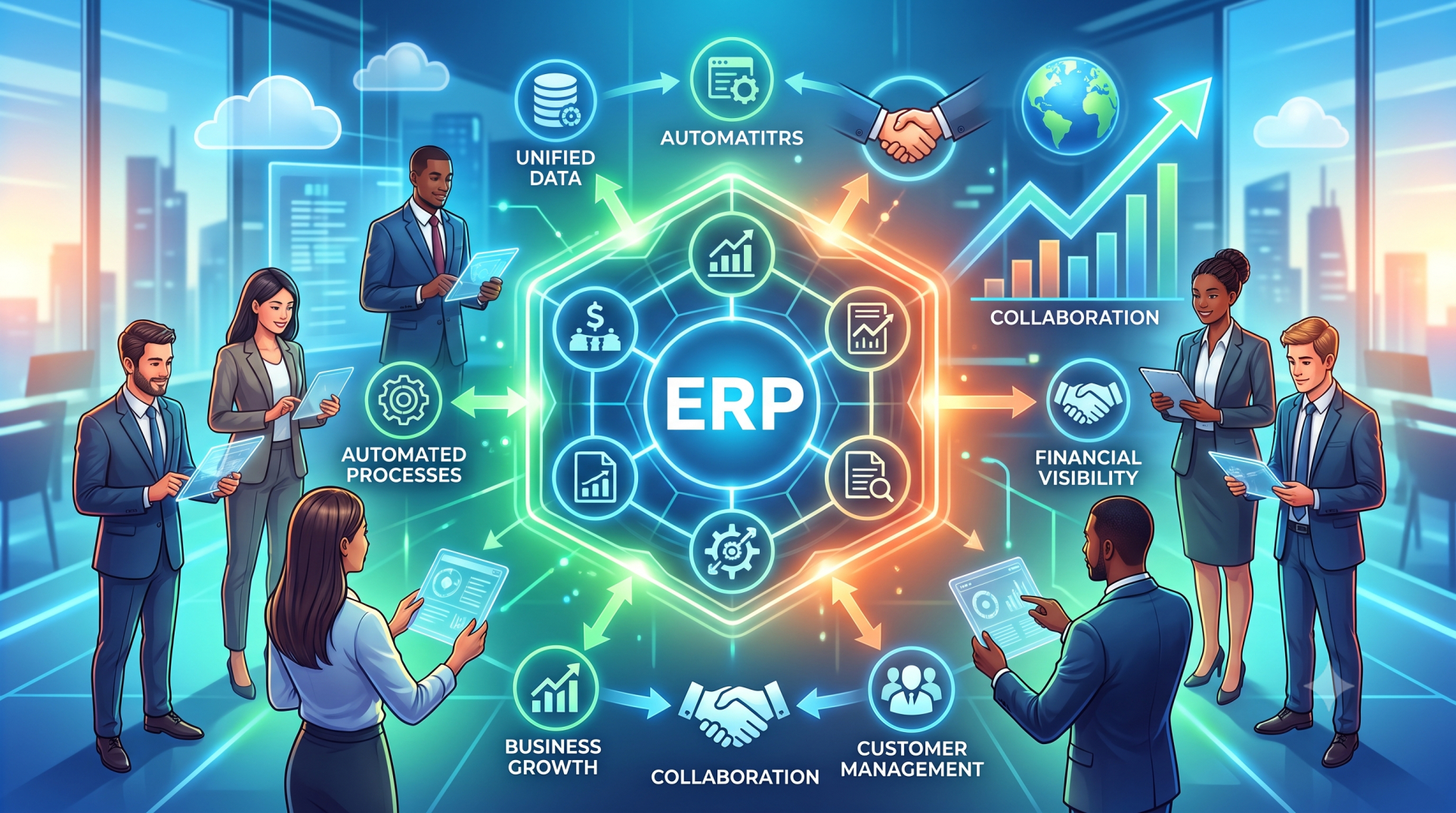
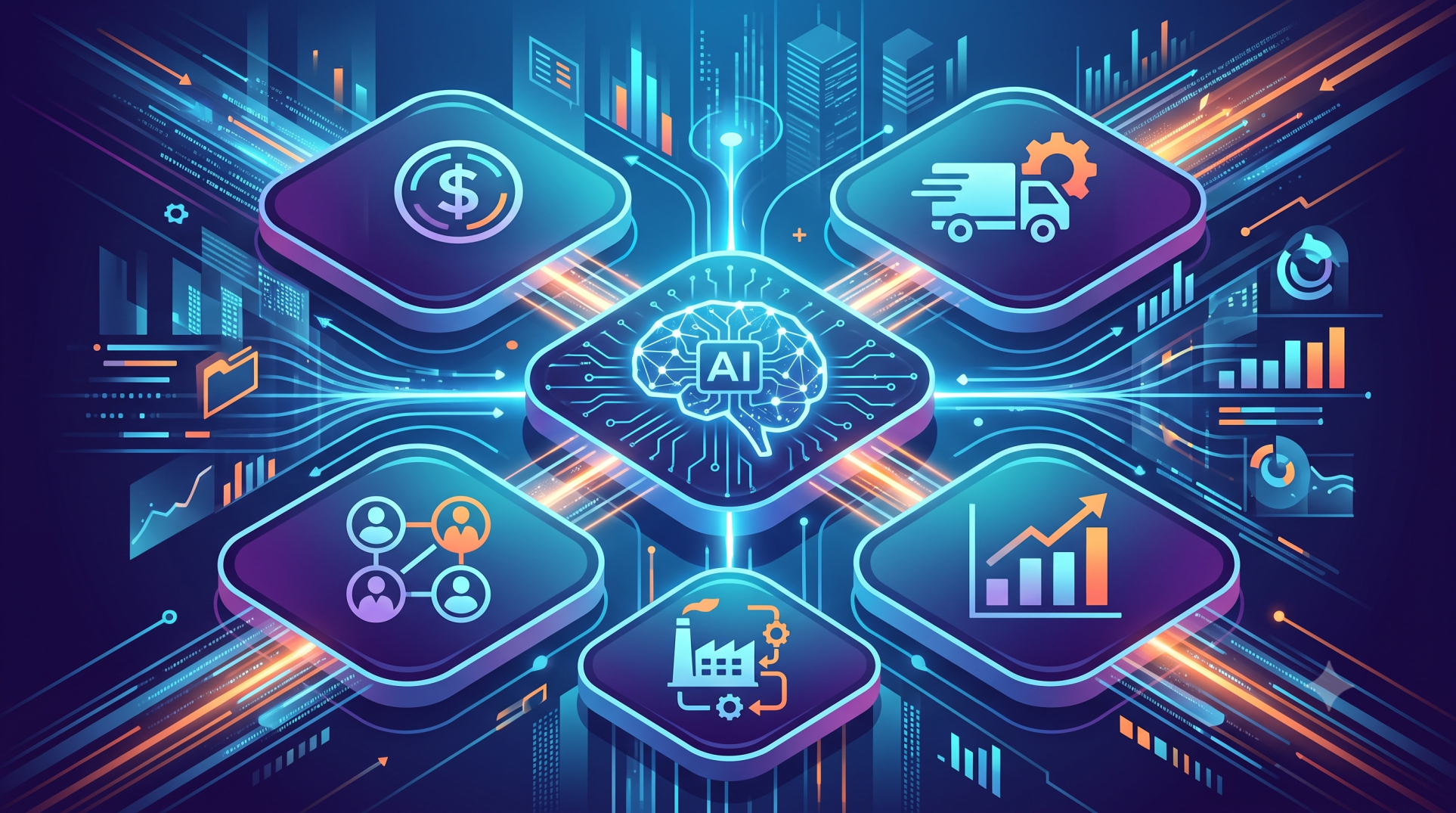
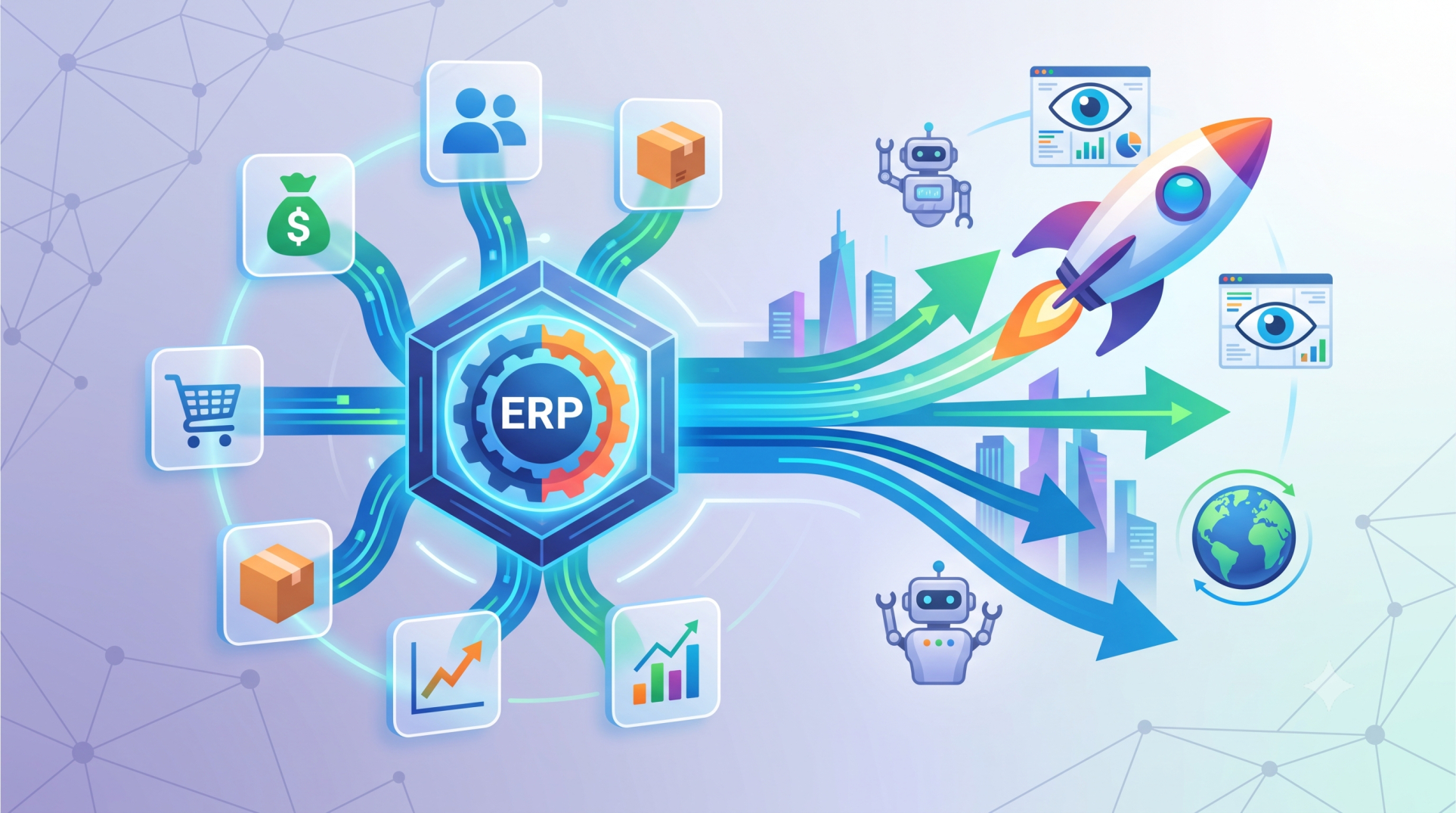
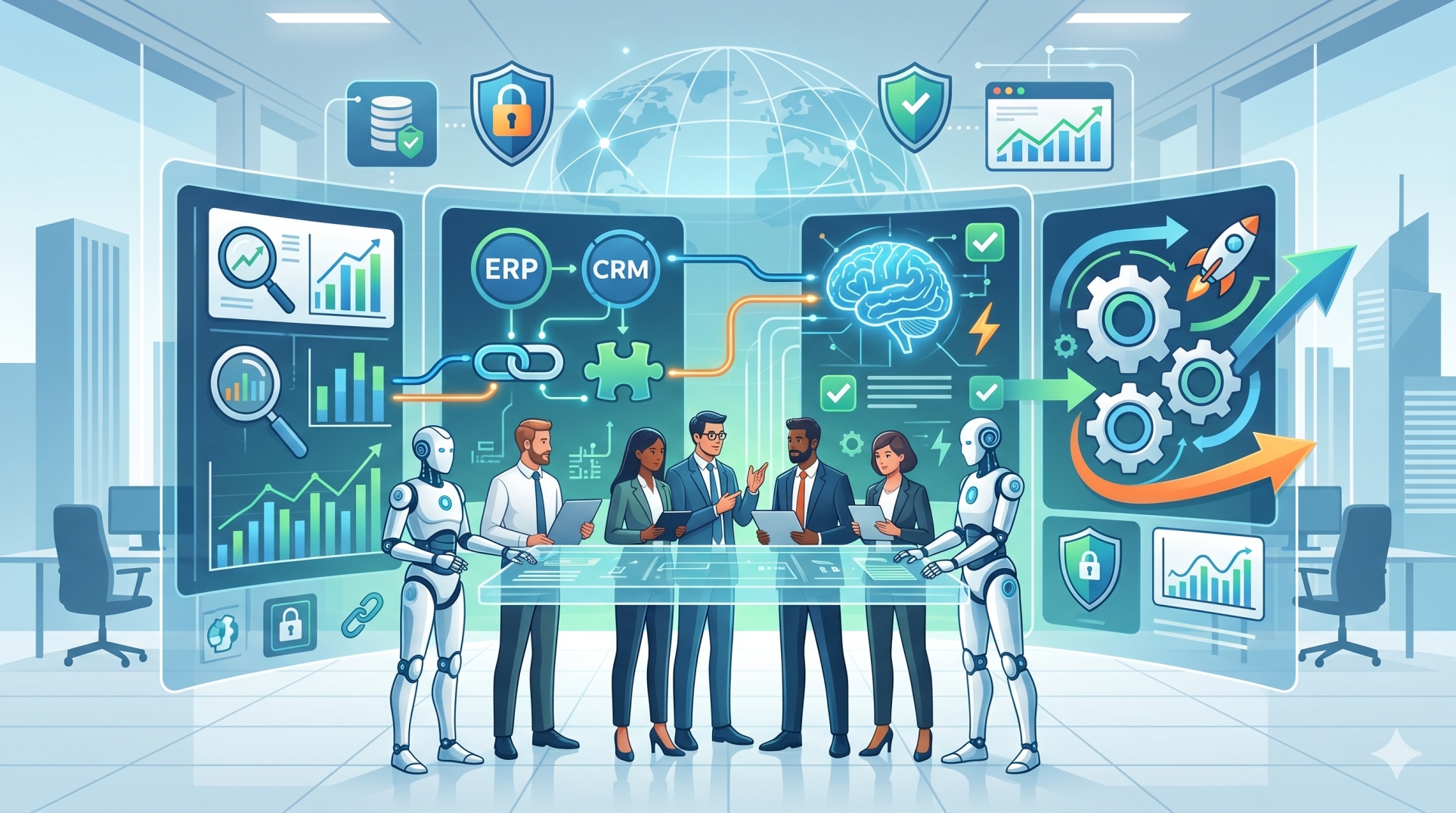
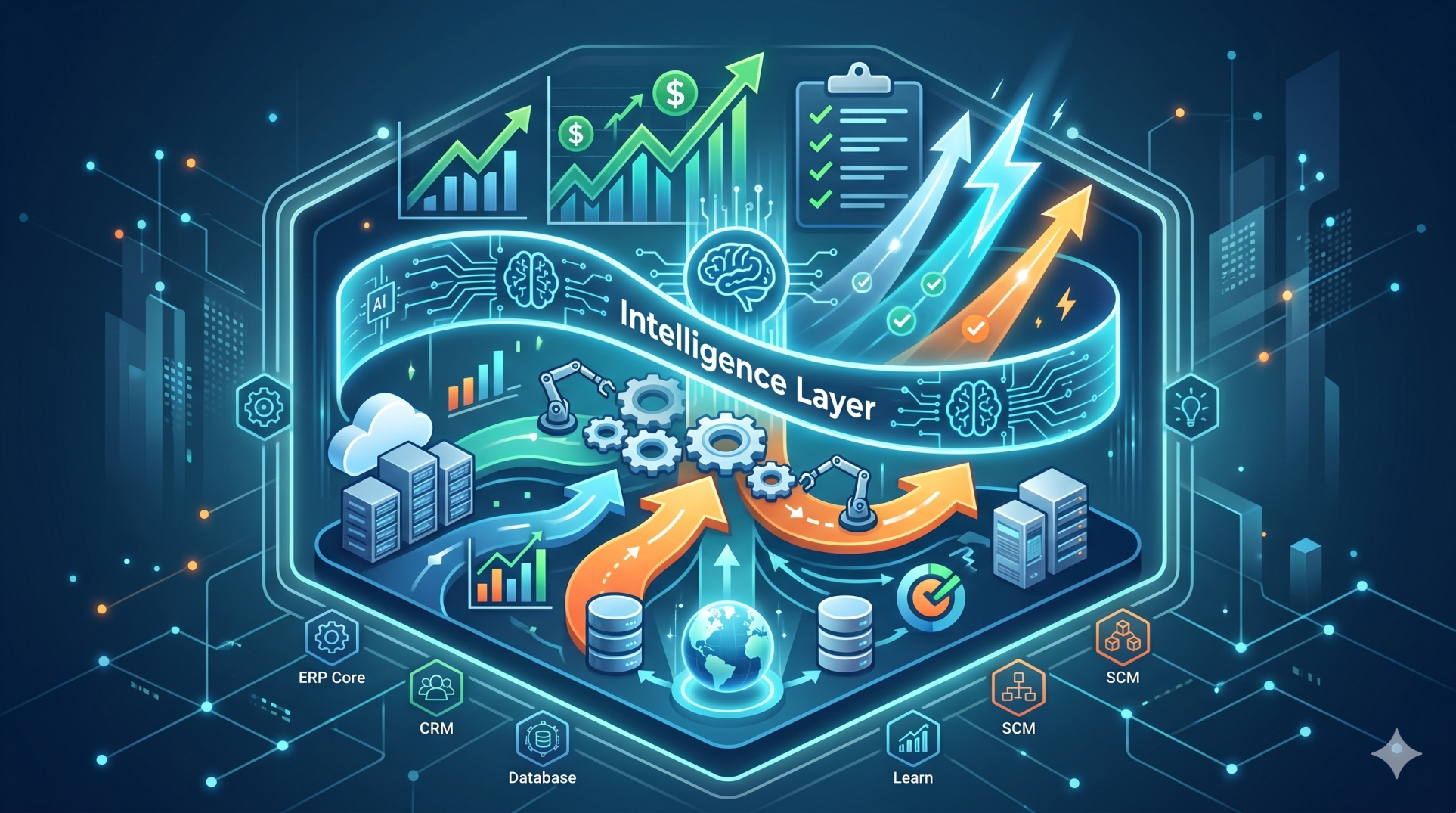
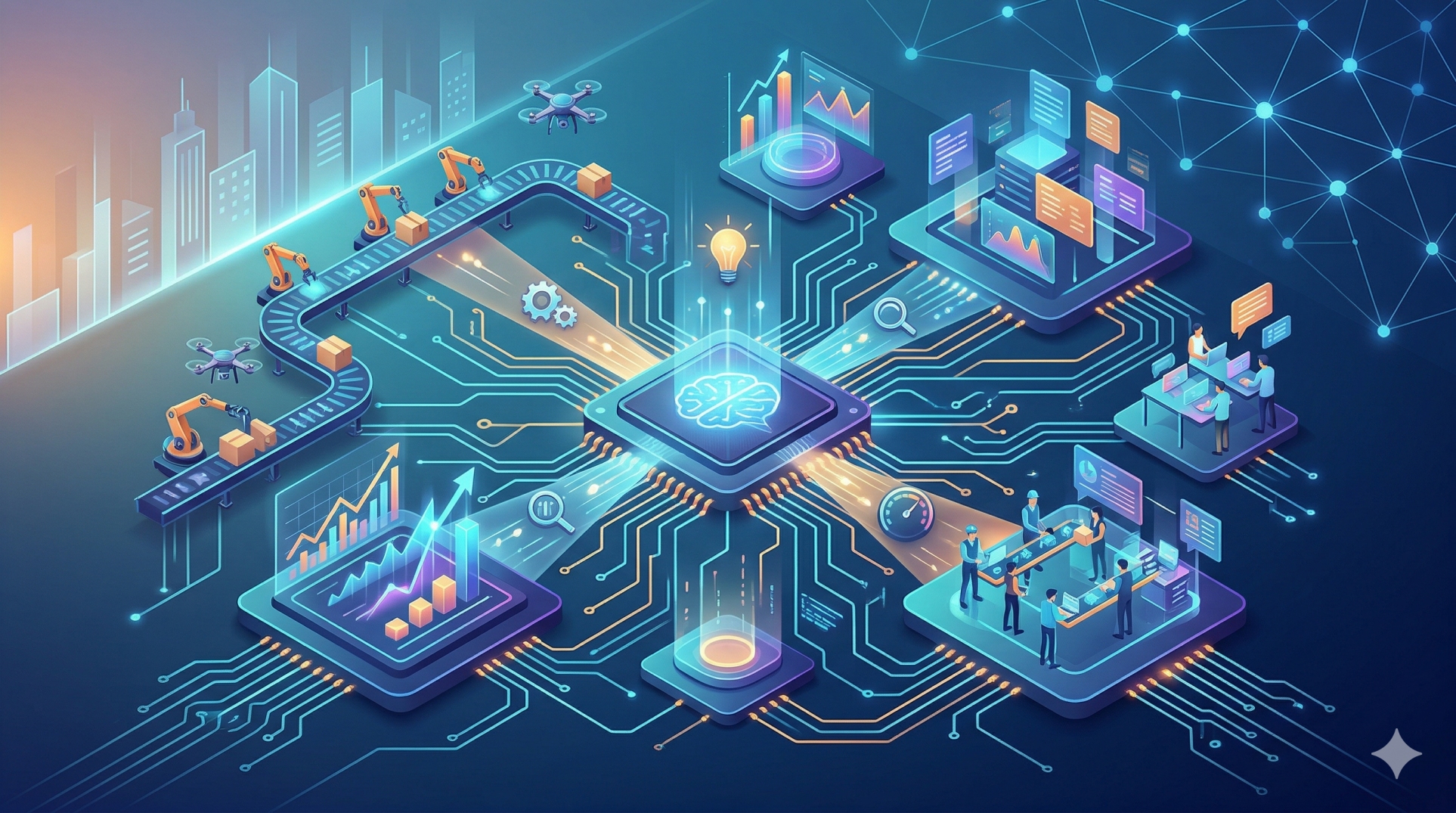
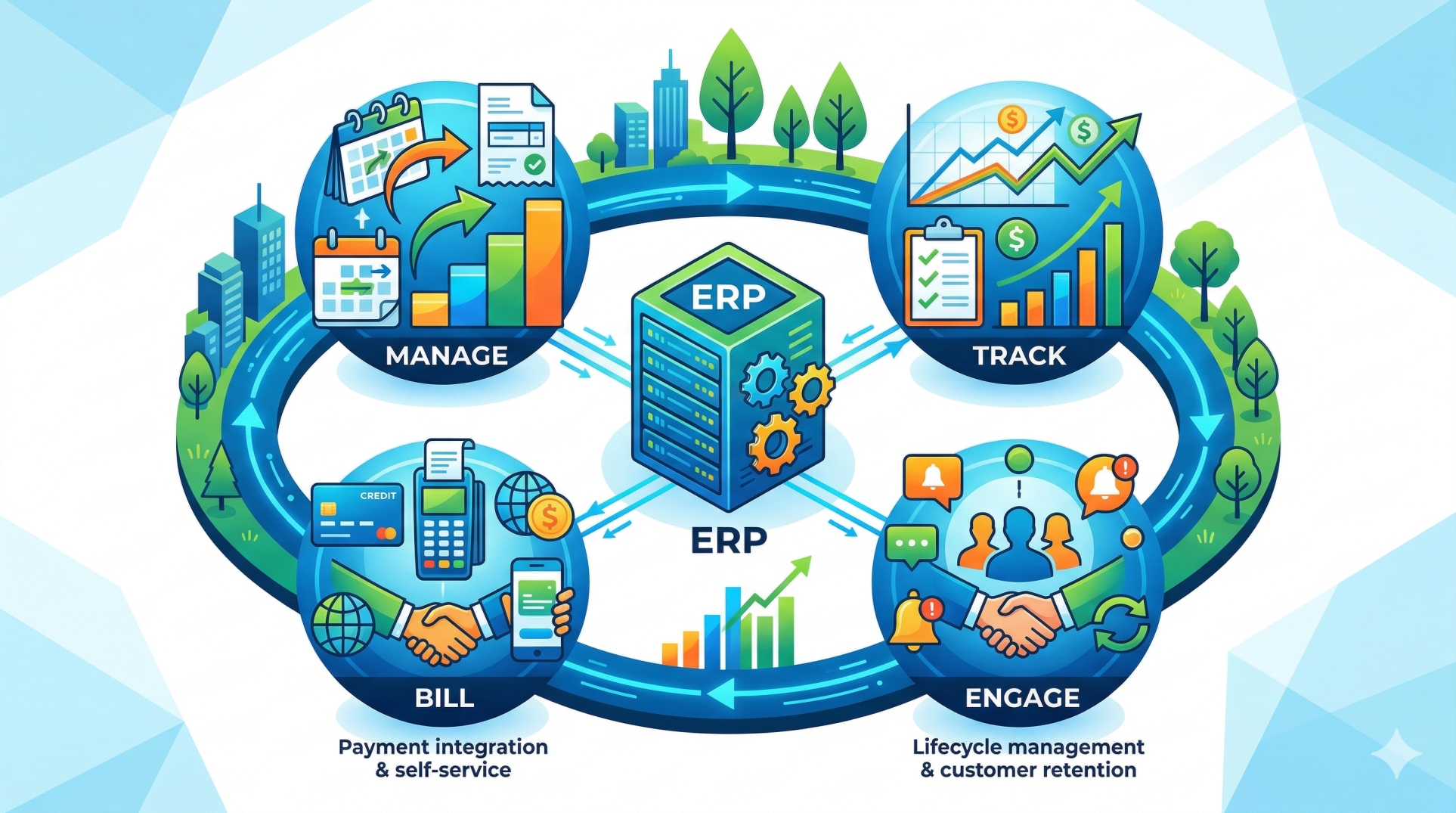
Enterprise Resource Planning (ERP) platforms are moving beyond traditional transaction processing toward intelligent systems that can interpret data, automate workflows, and support complex business decisions. Instead of adding AI as a separate feature, organizations can design ERP platforms with intelligence embedded directly into the core architecture. This approach creates a more responsive, adaptive, and connected enterprise environment where AI works alongside business processes rather than operating independently.
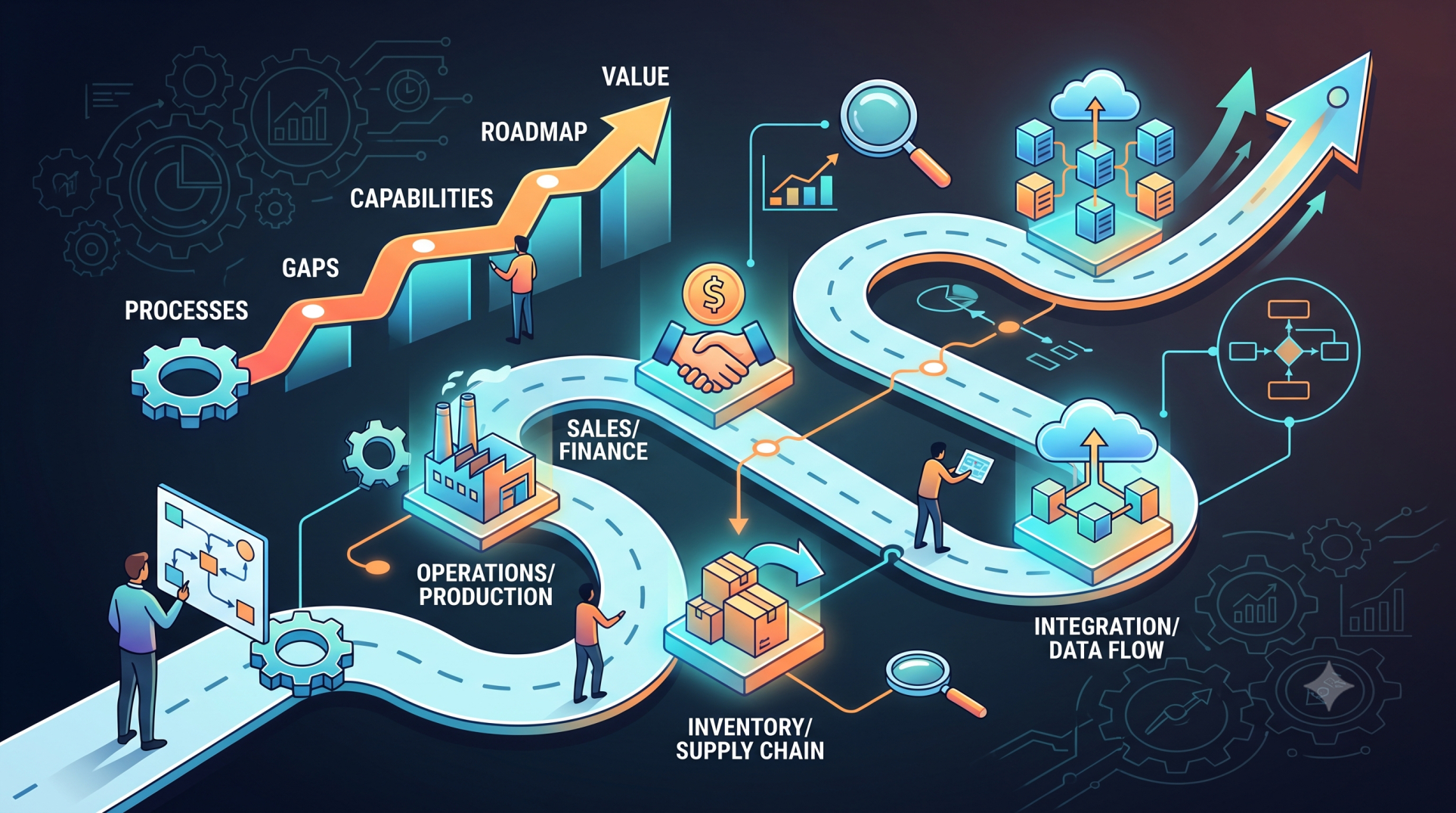
Step 1: Establishing an AI-Centric ERP Foundation 🧠
• Define AI as a core architectural capability rather than an optional add-on
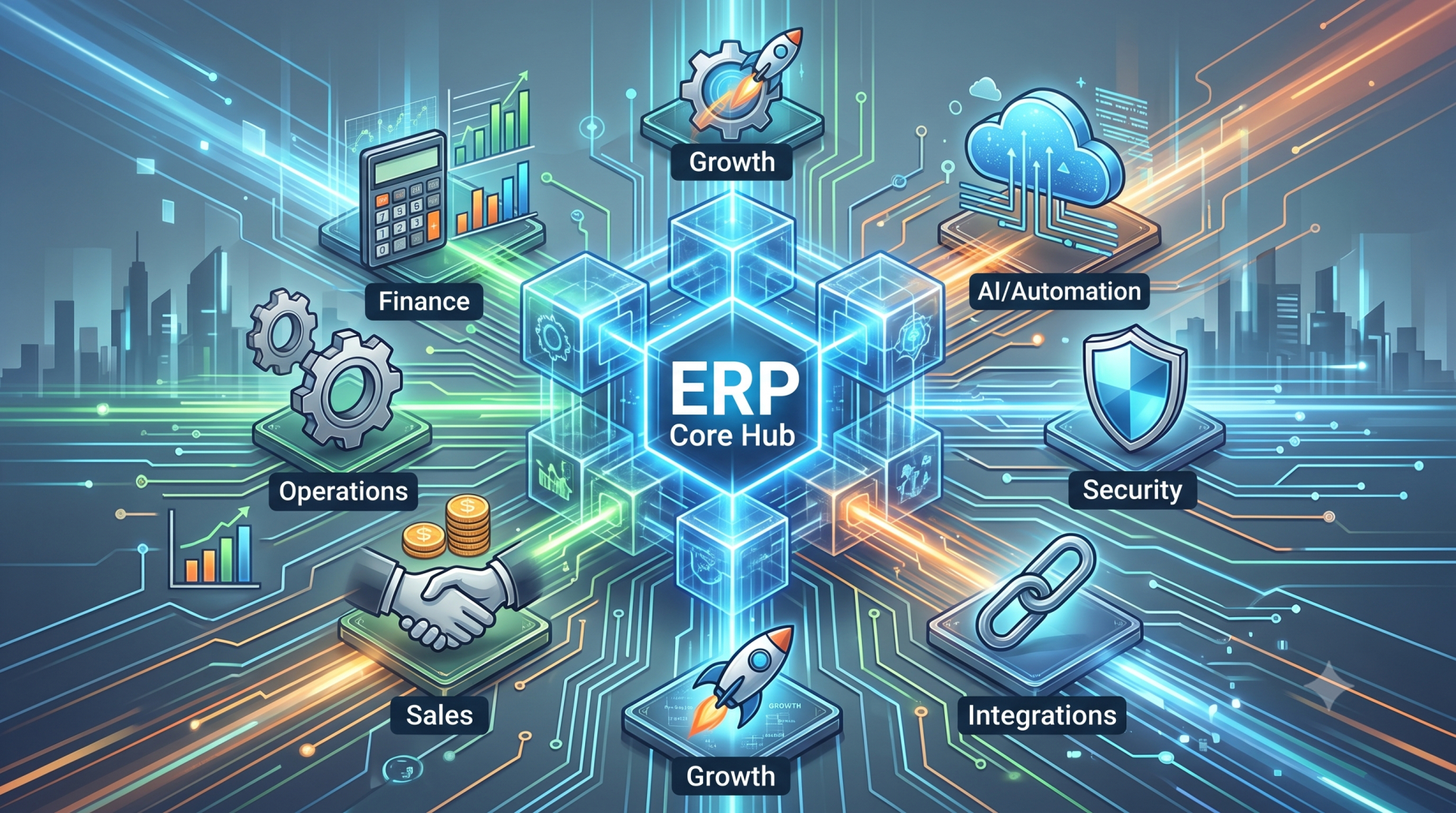
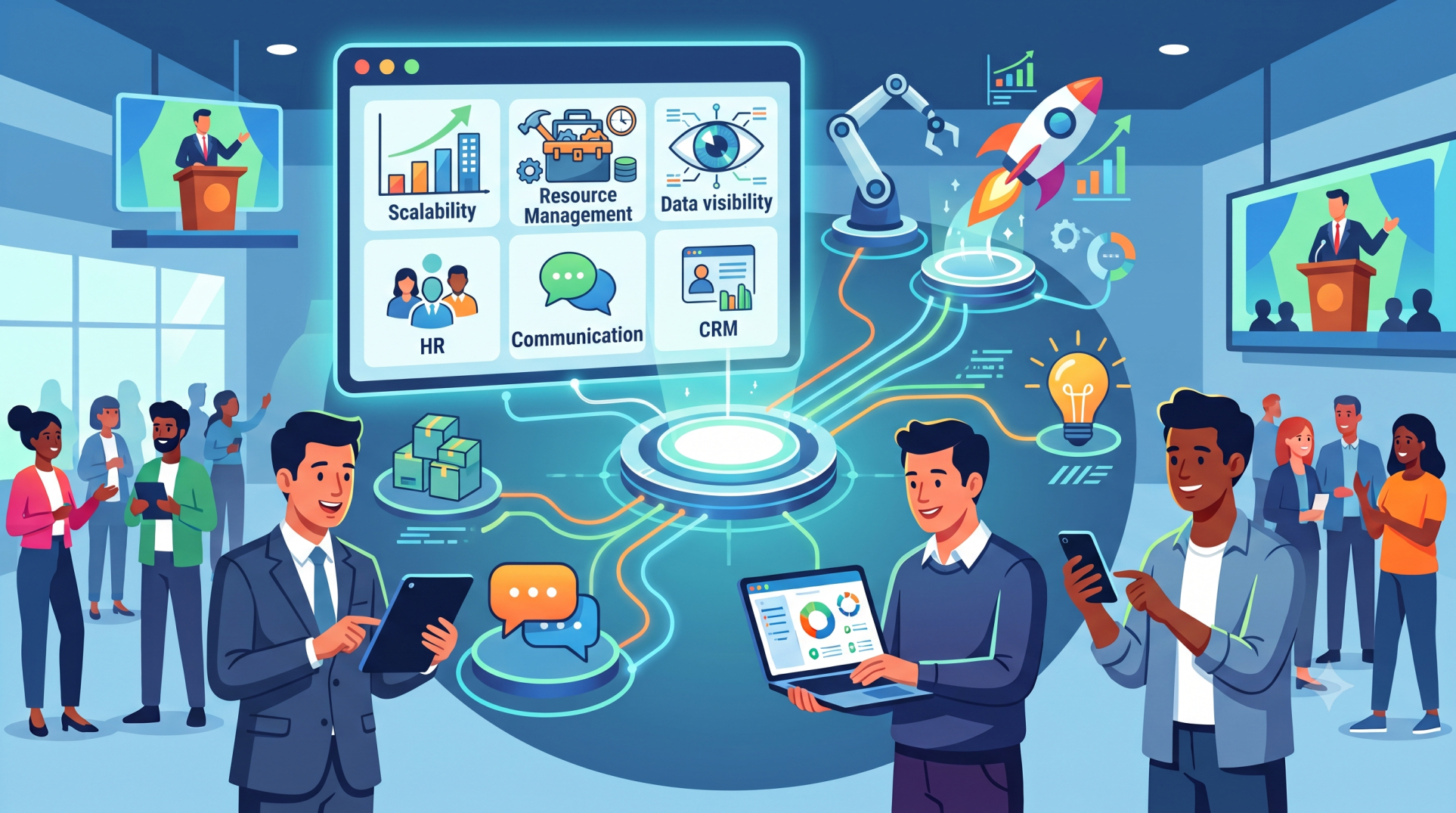
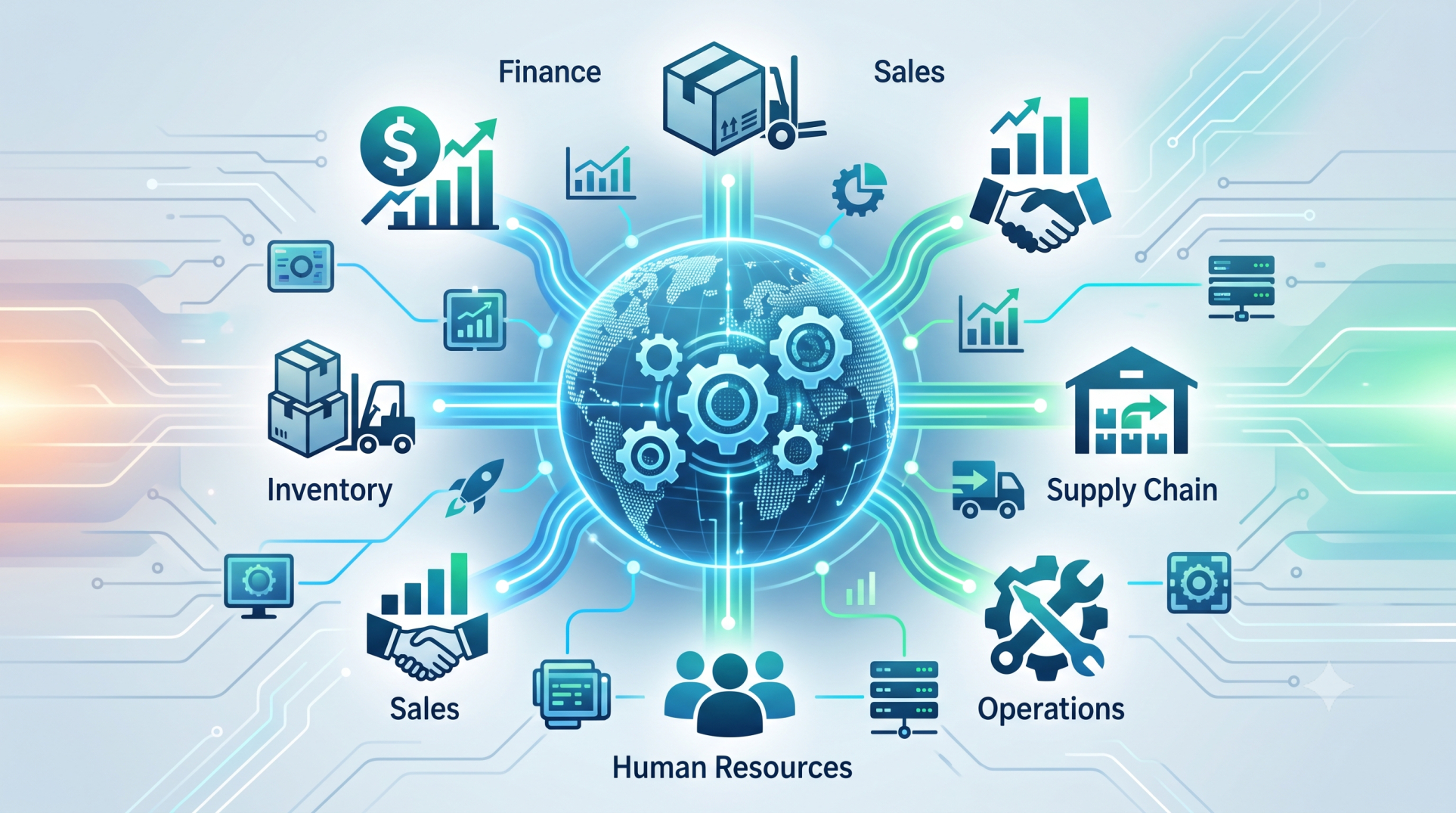
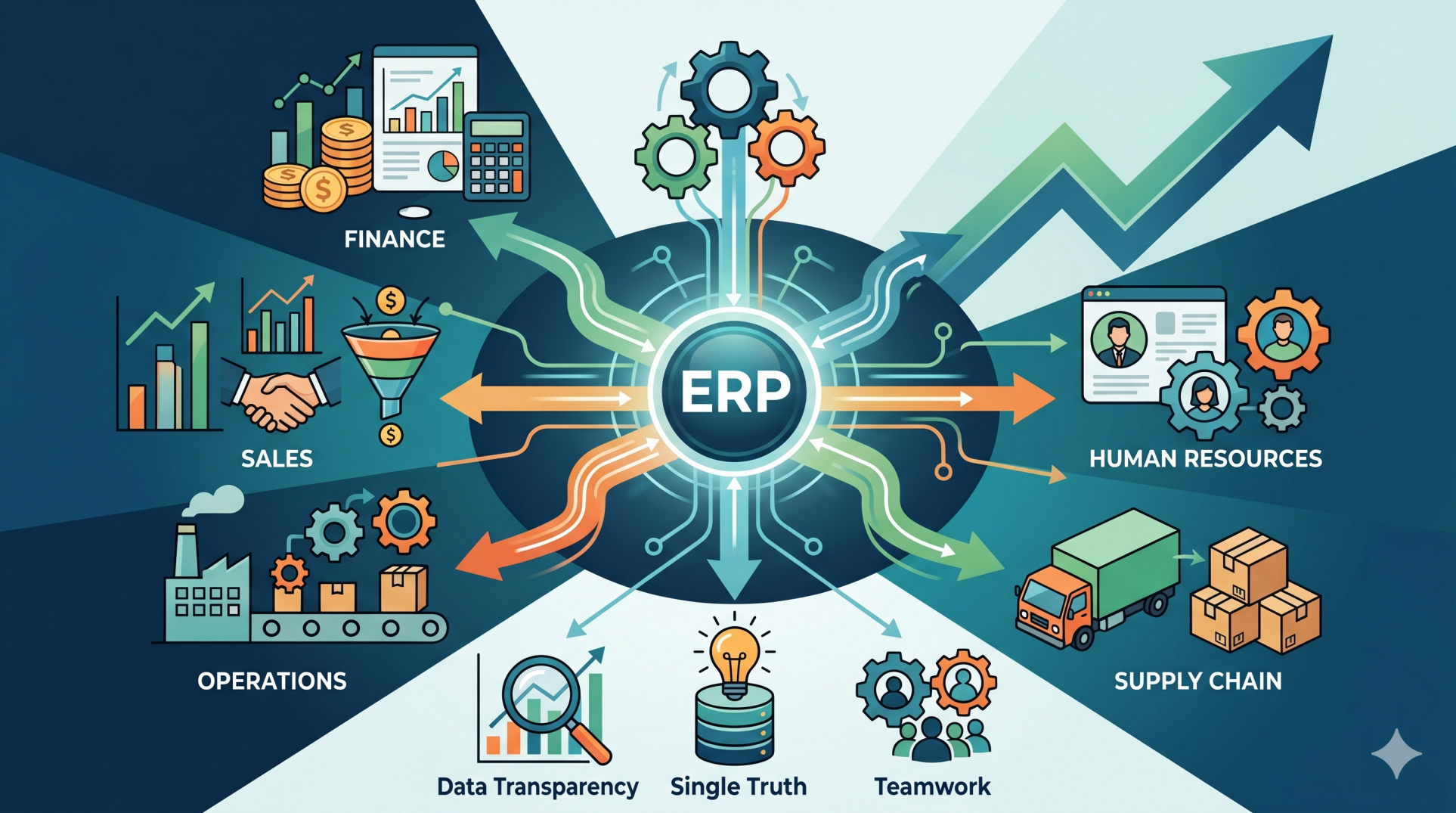
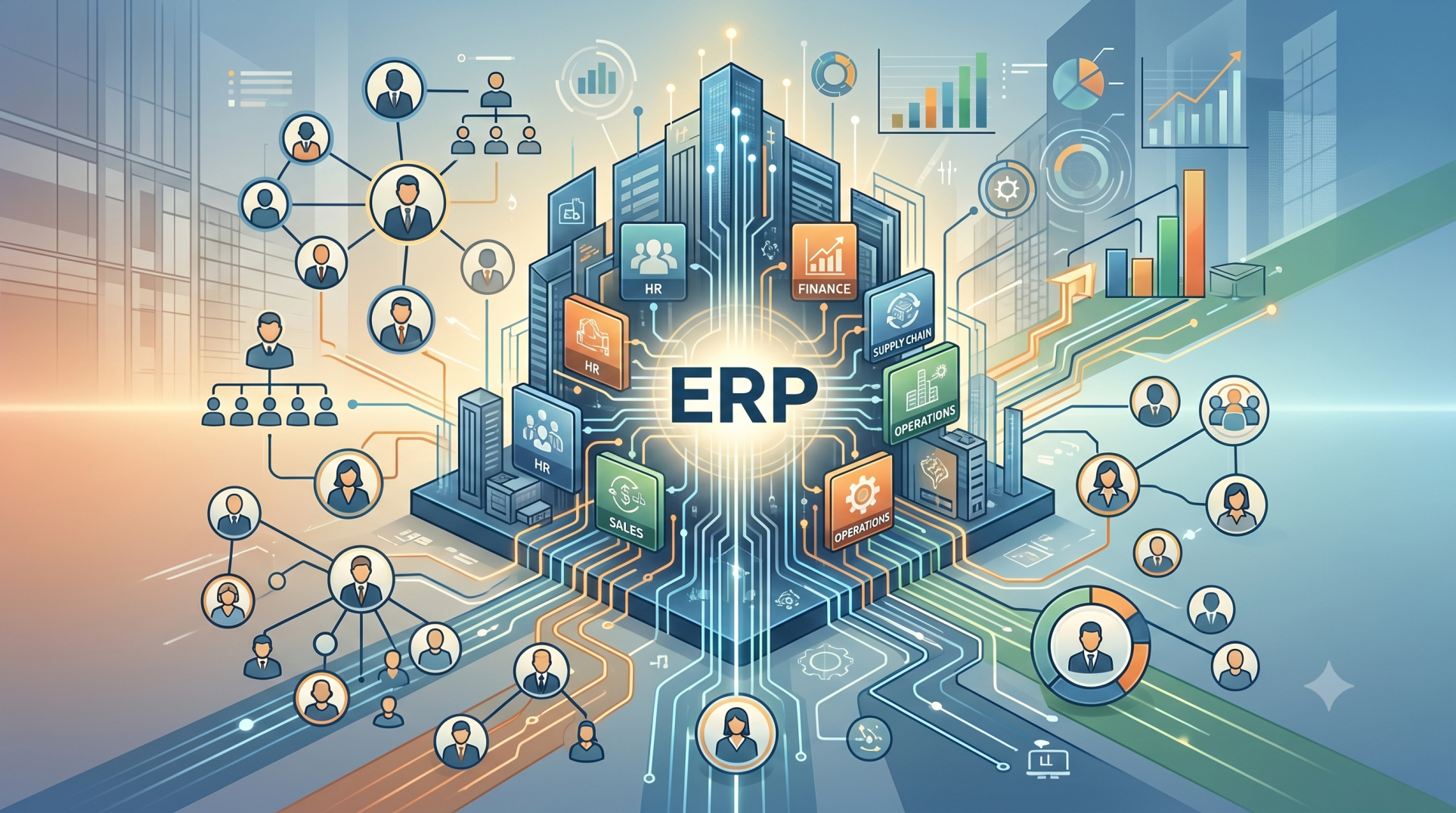
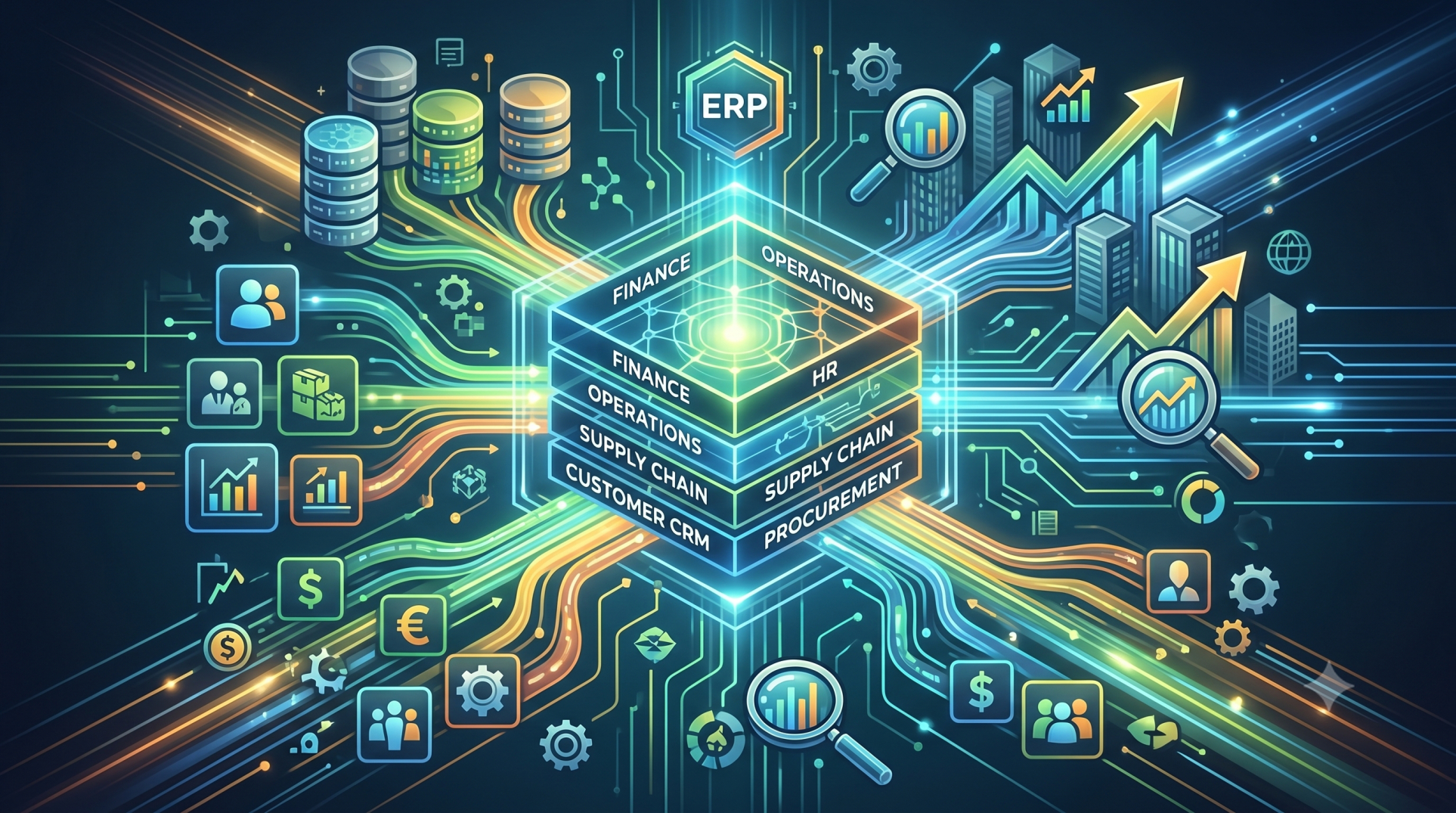
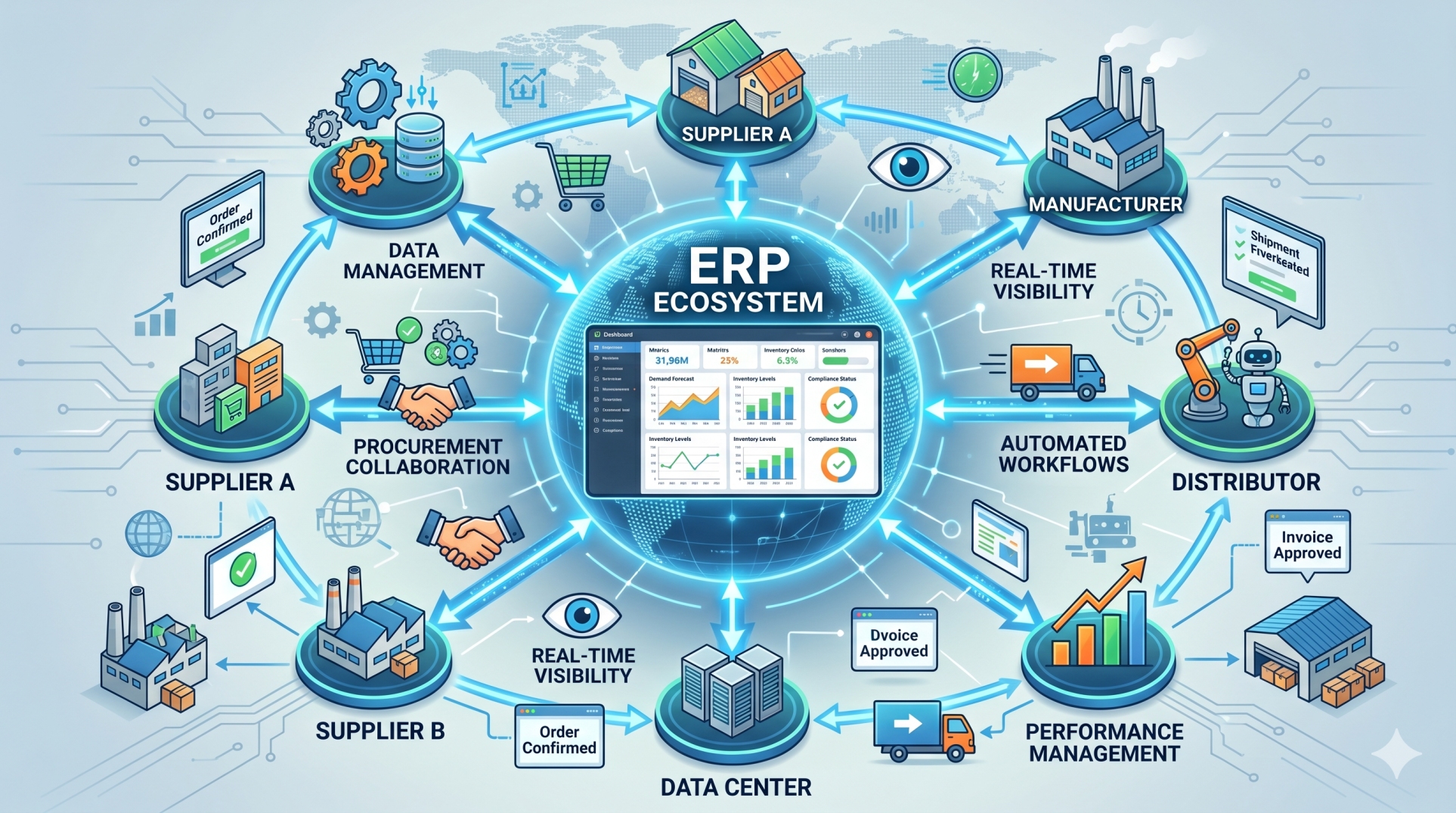
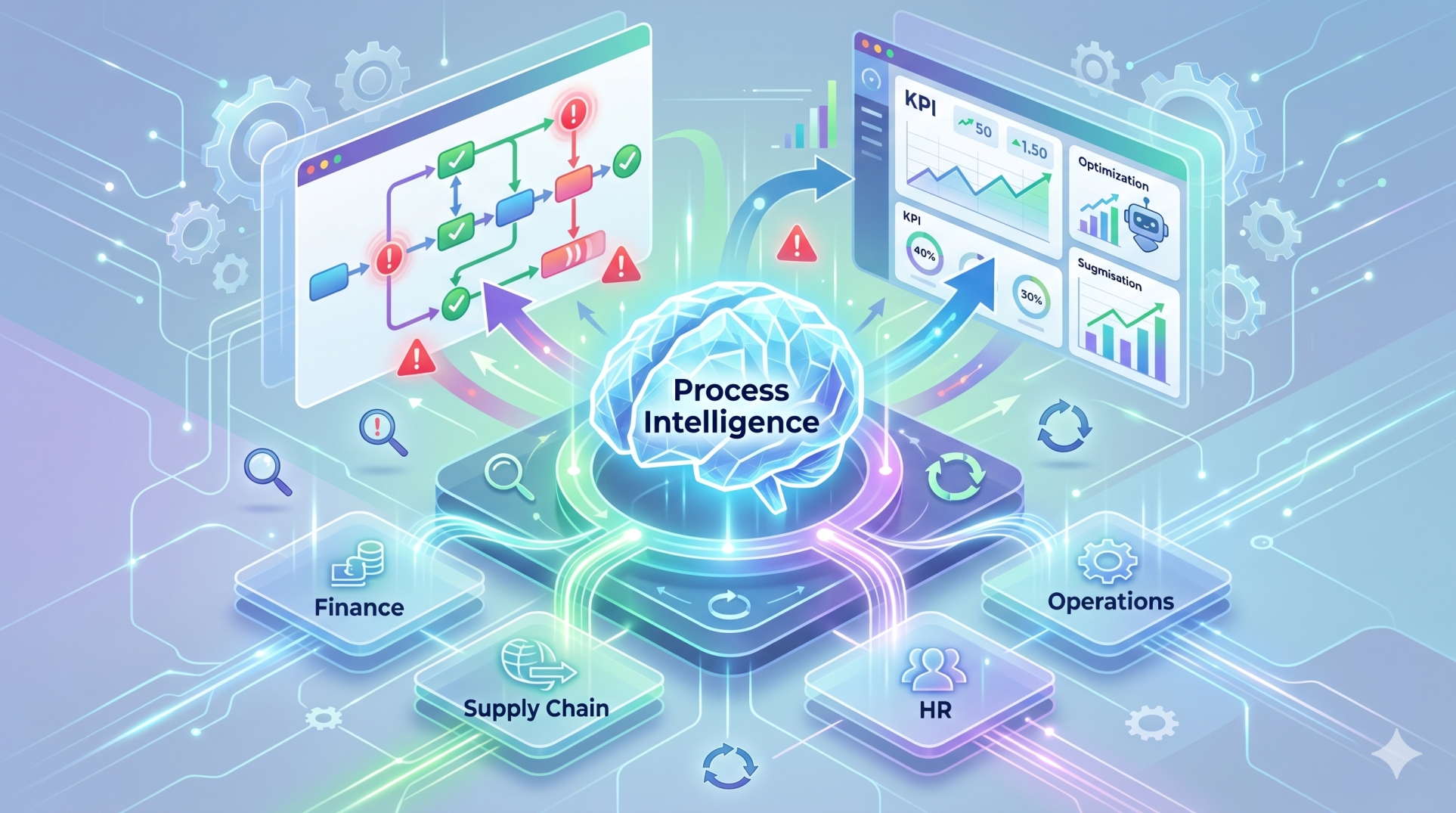
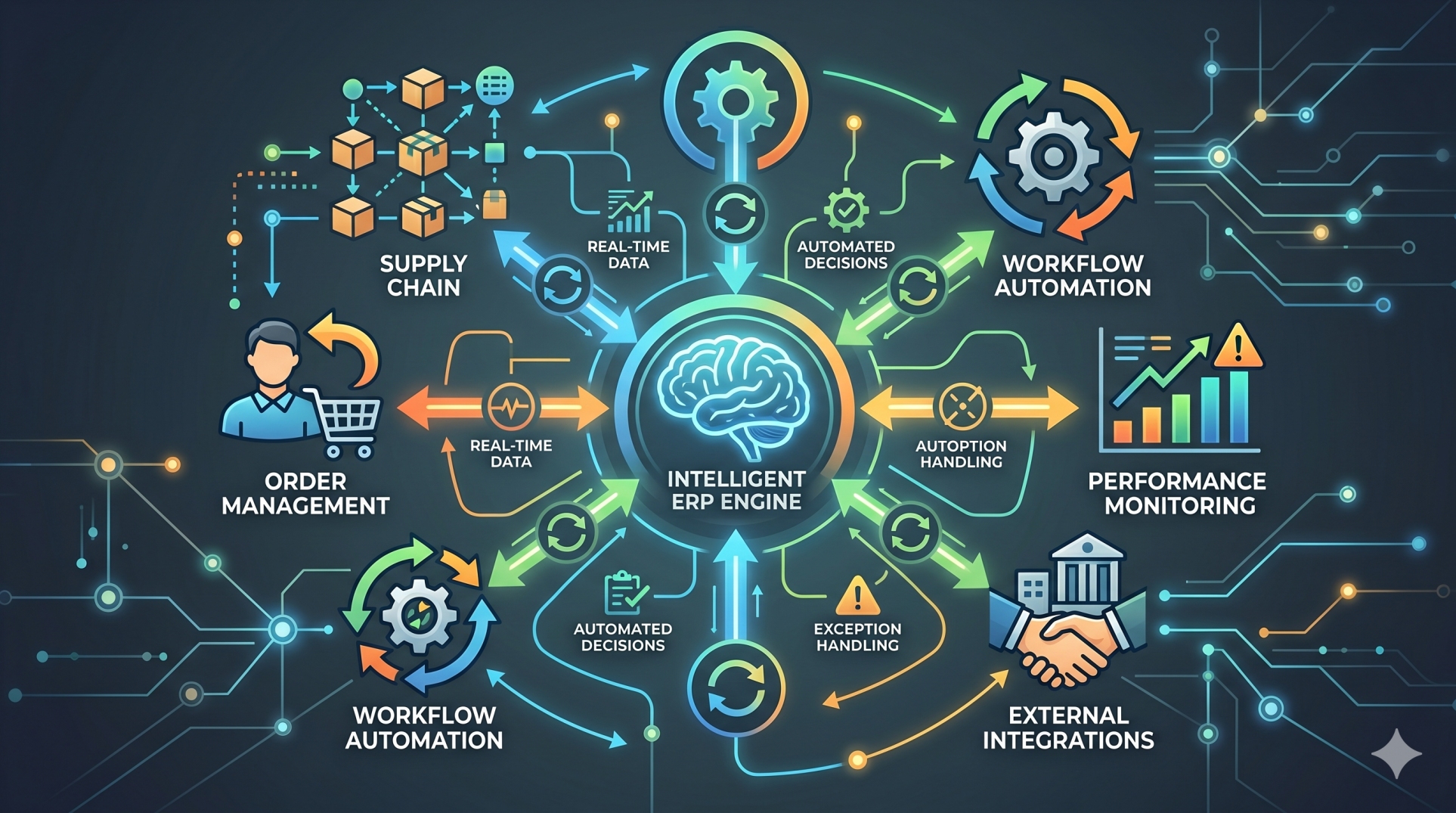
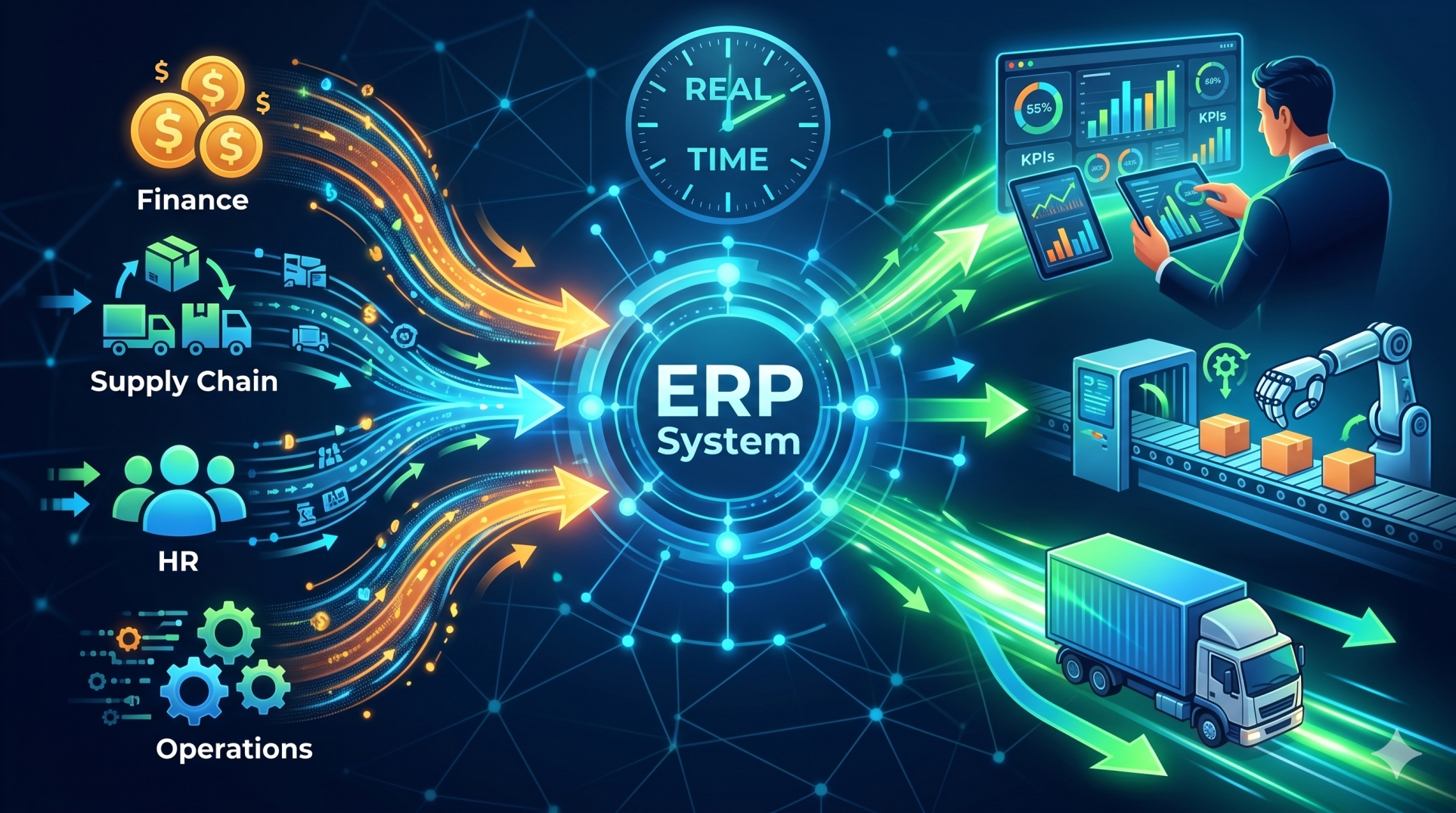
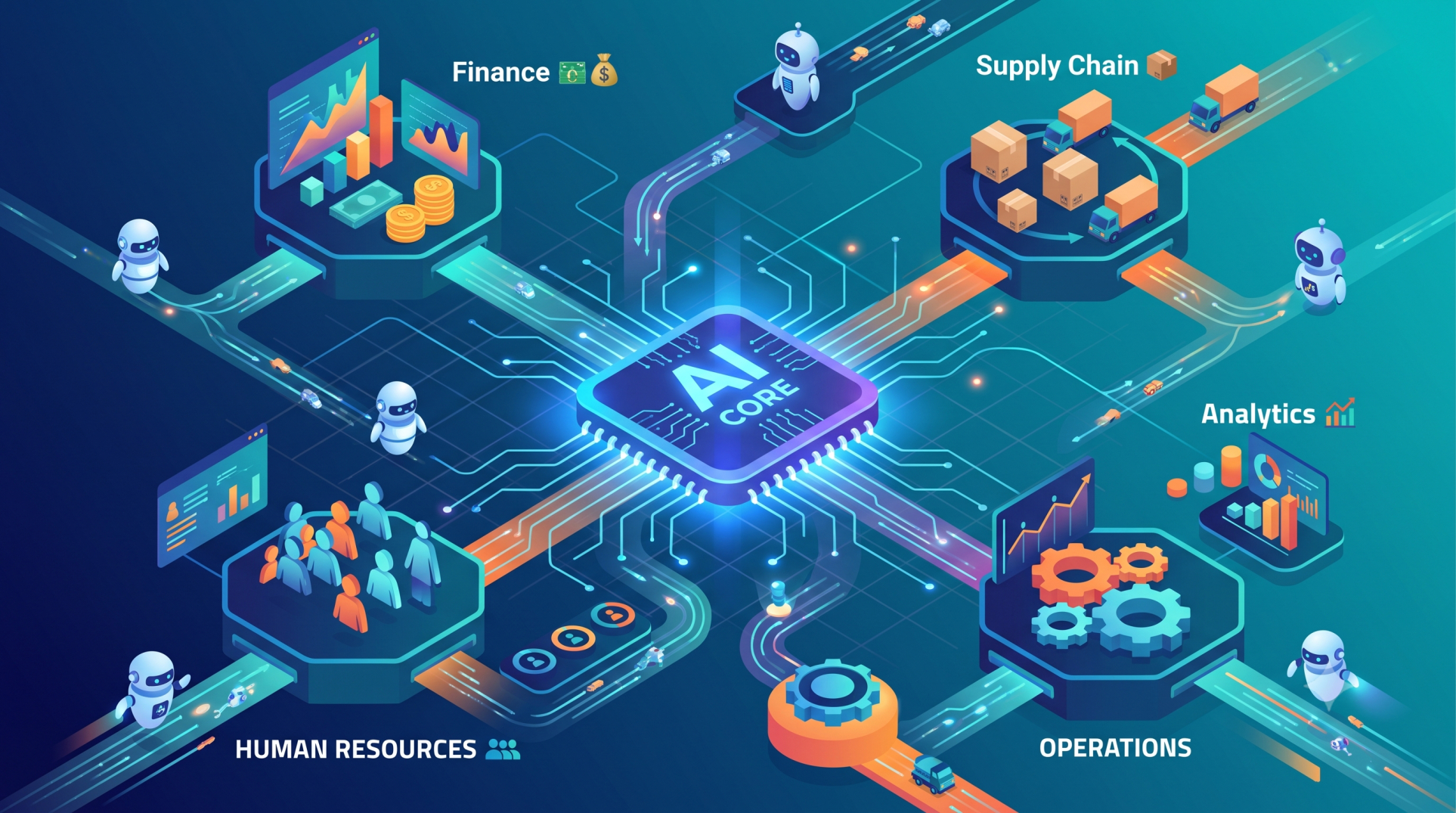
• Integrate intelligence across finance, HR, procurement, inventory, and operations 🏢
• Create shared AI services that can support multiple ERP functions 🔗
• Align AI capabilities with measurable business objectives 🎯
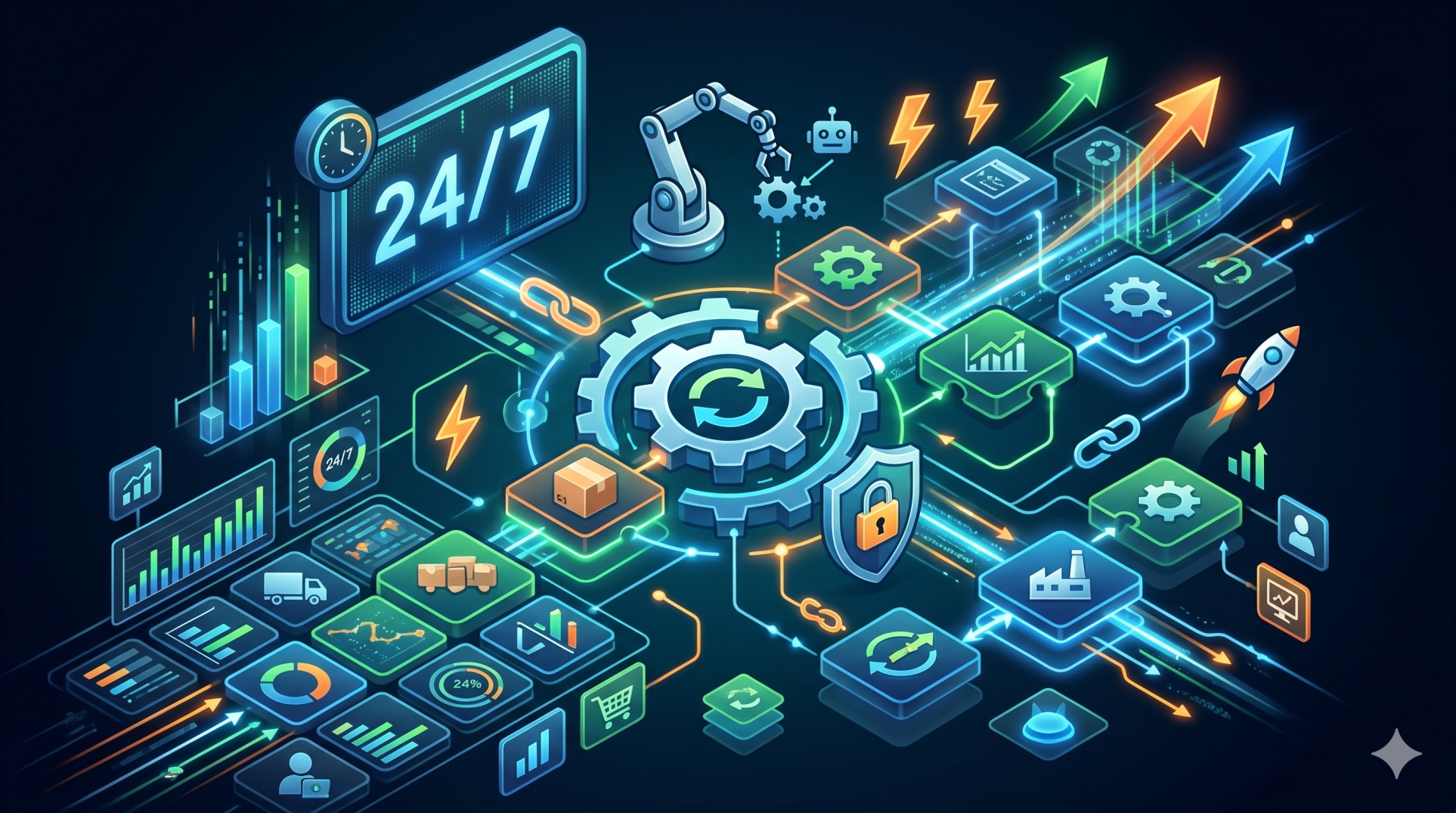
• Build the architecture to support continuous intelligence and automation 🚀
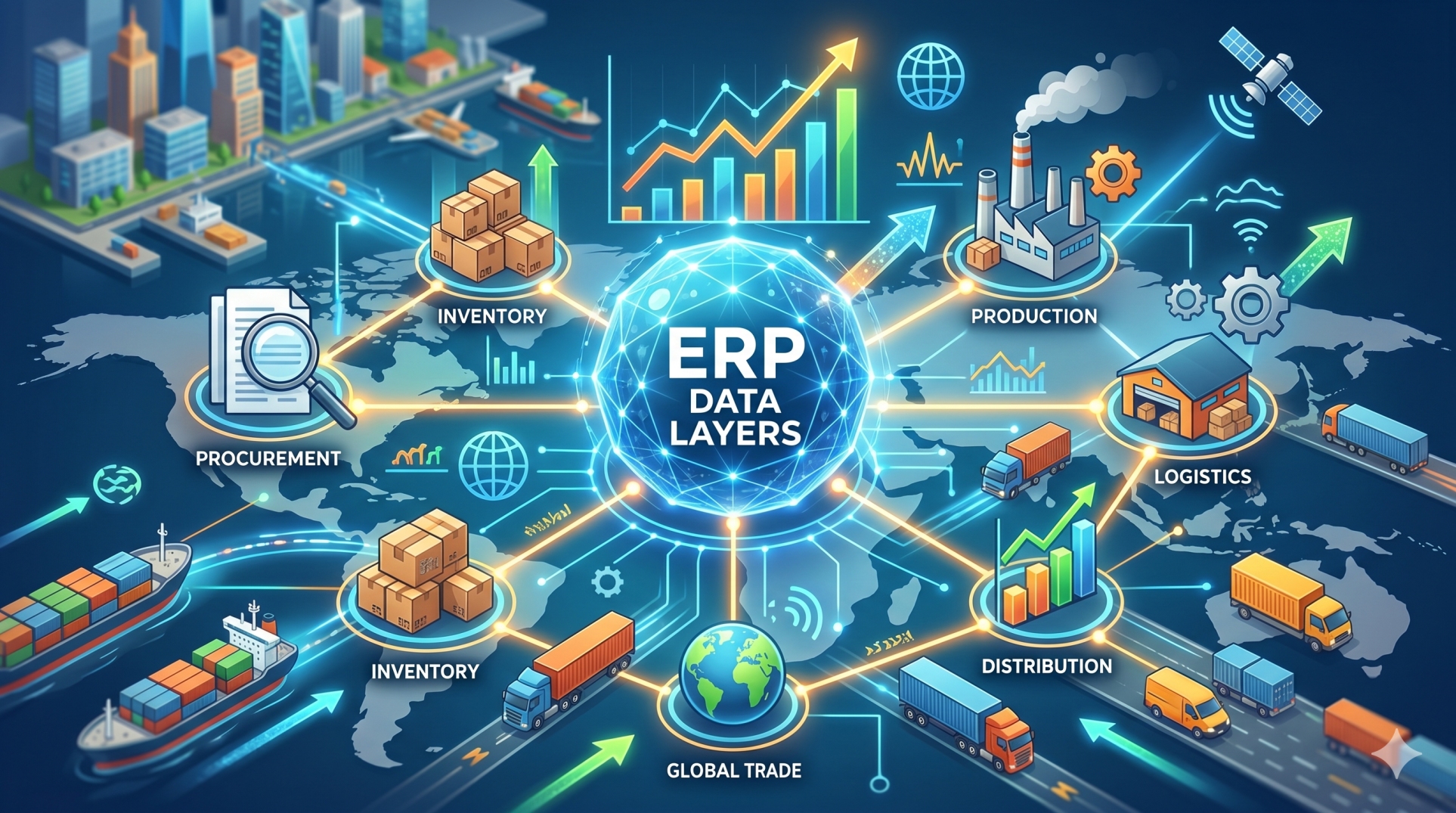
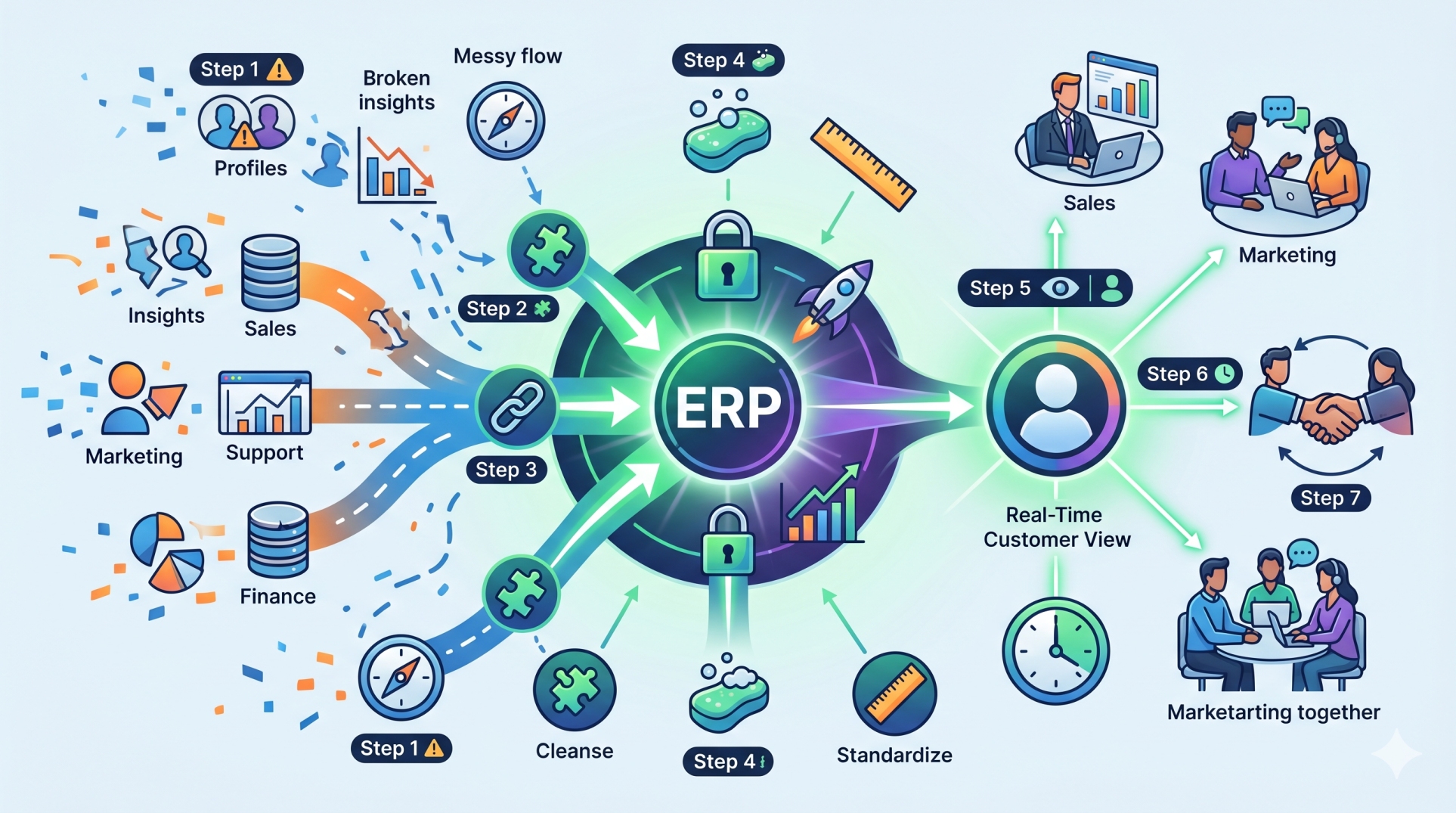
Step 2: Creating a Unified Enterprise Data Layer 📊
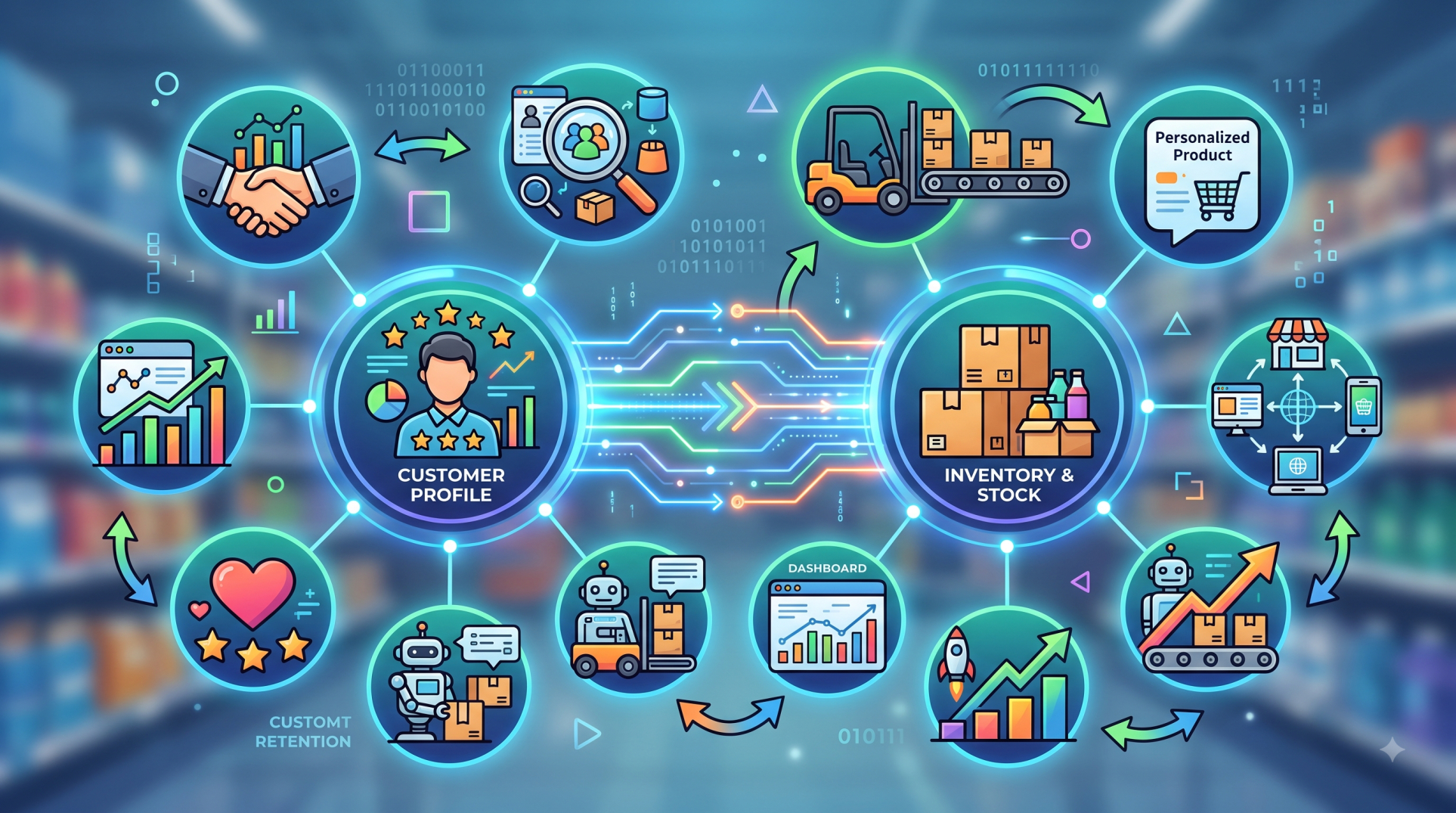
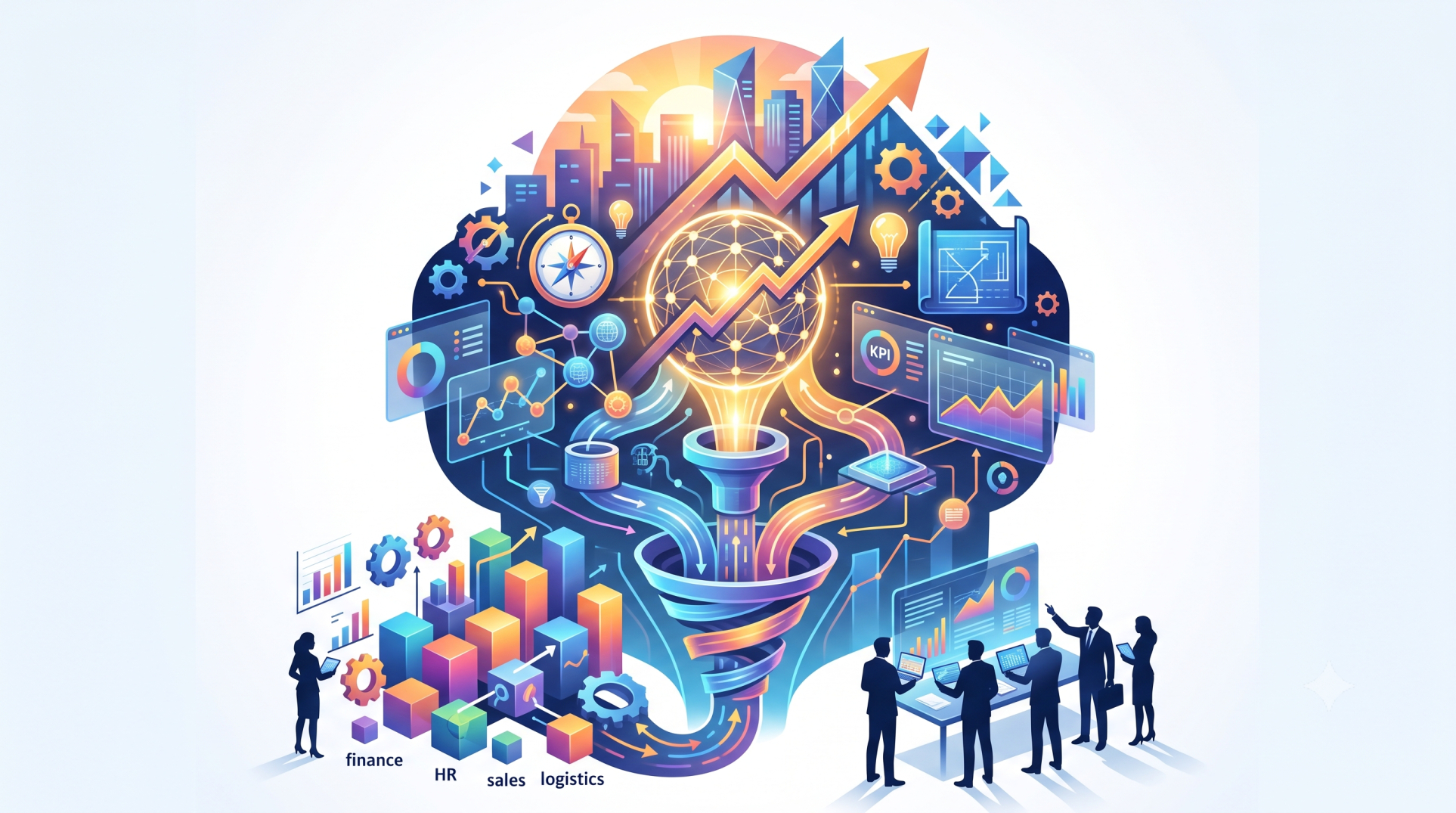
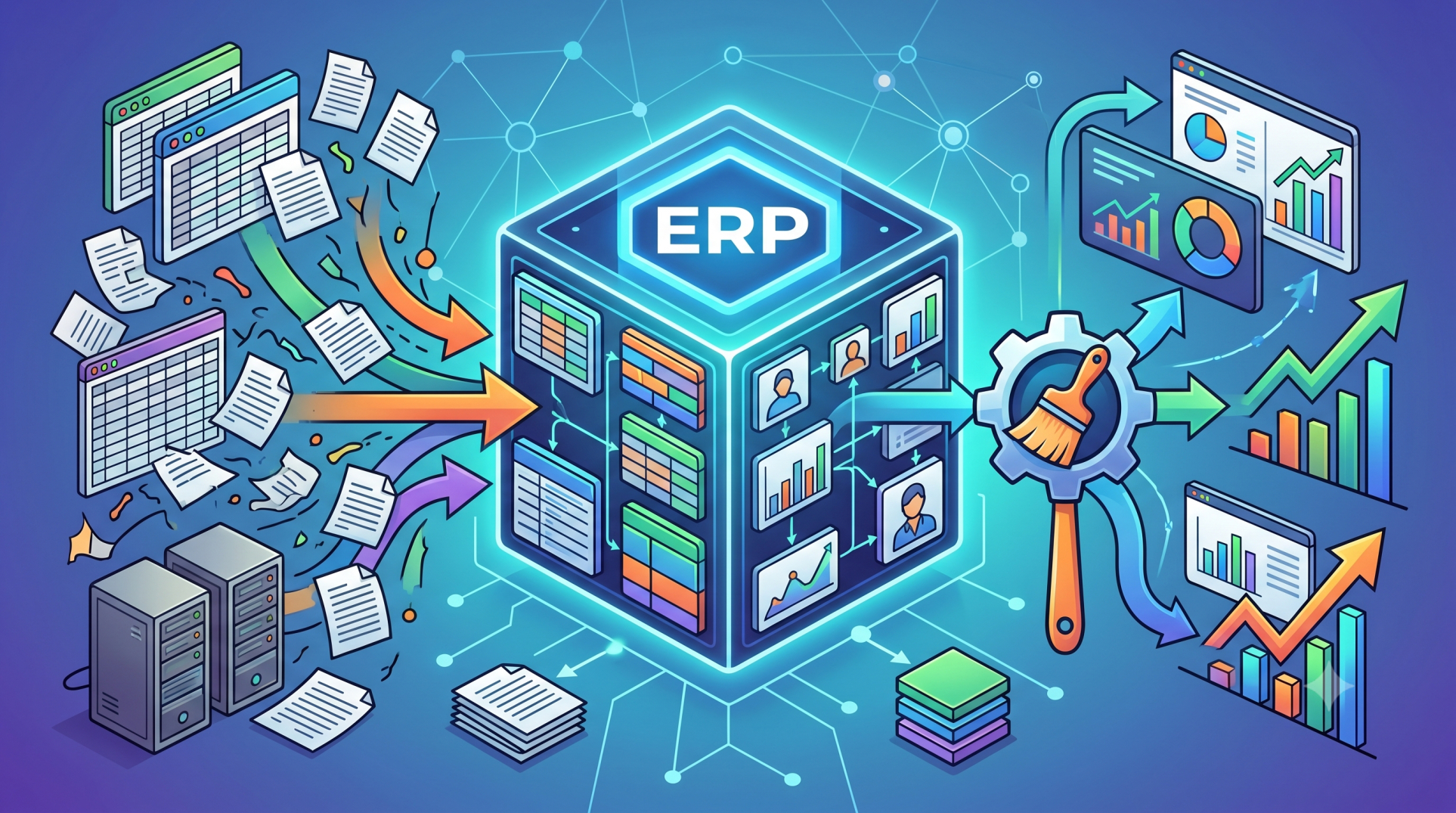
• Consolidate operational data from multiple business functions
• Establish consistent data models and governance standards 🗂️
• Connect structured and unstructured enterprise information
• Maintain reliable data pipelines for AI workloads 🔄
• Provide AI systems with timely and relevant business context 💡
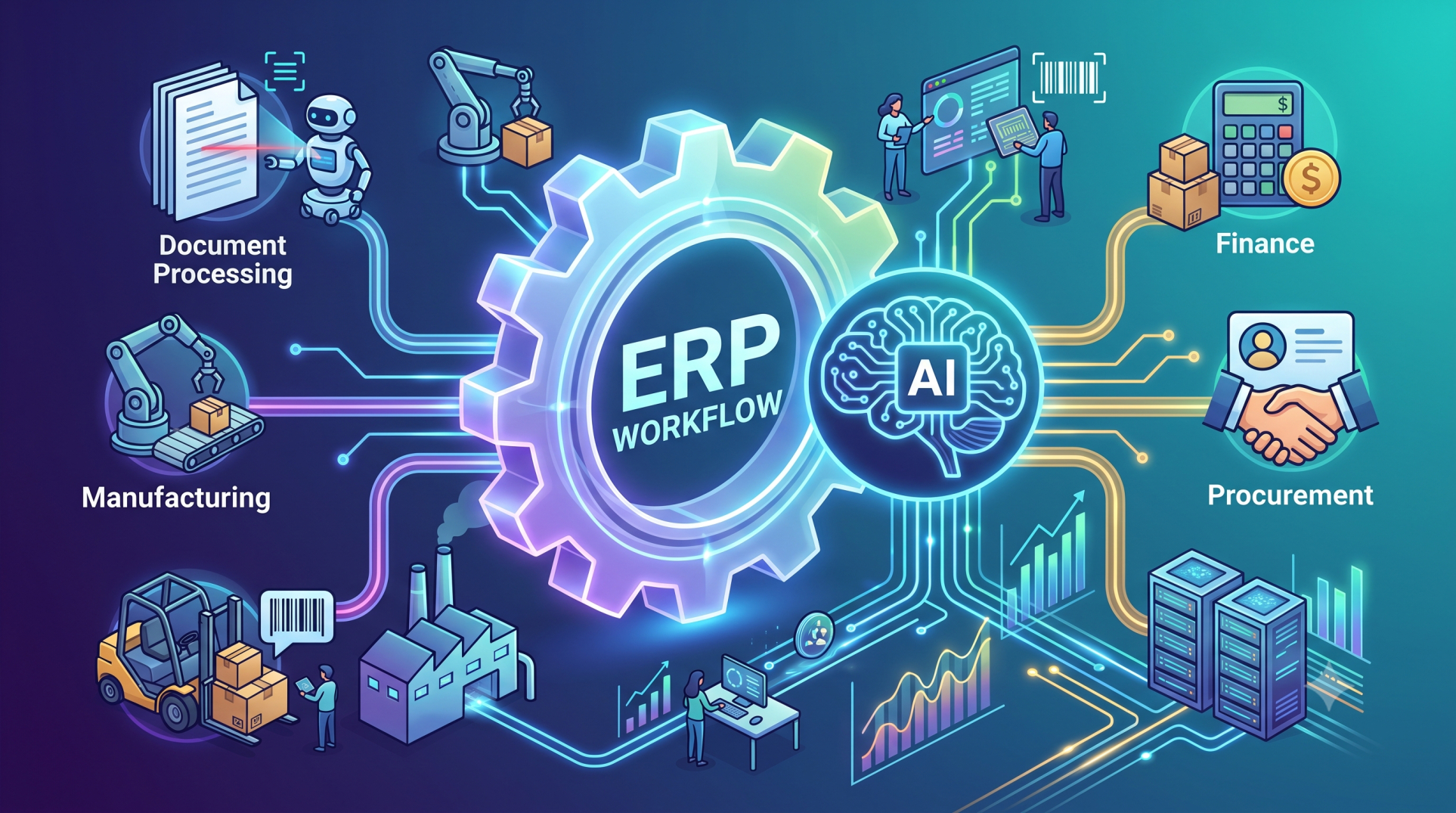
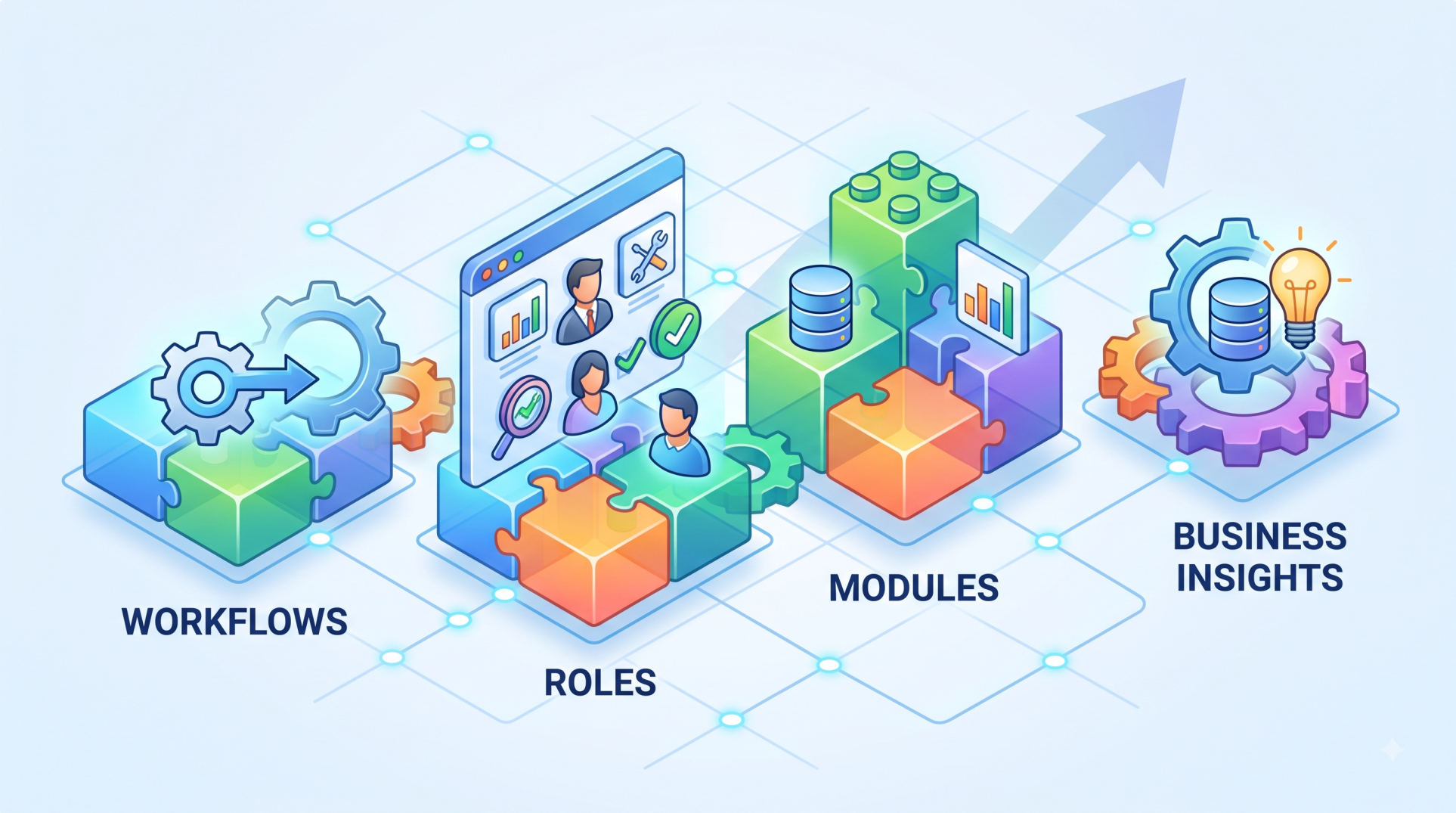
Step 3: Embedding AI into Business Workflows 🤖
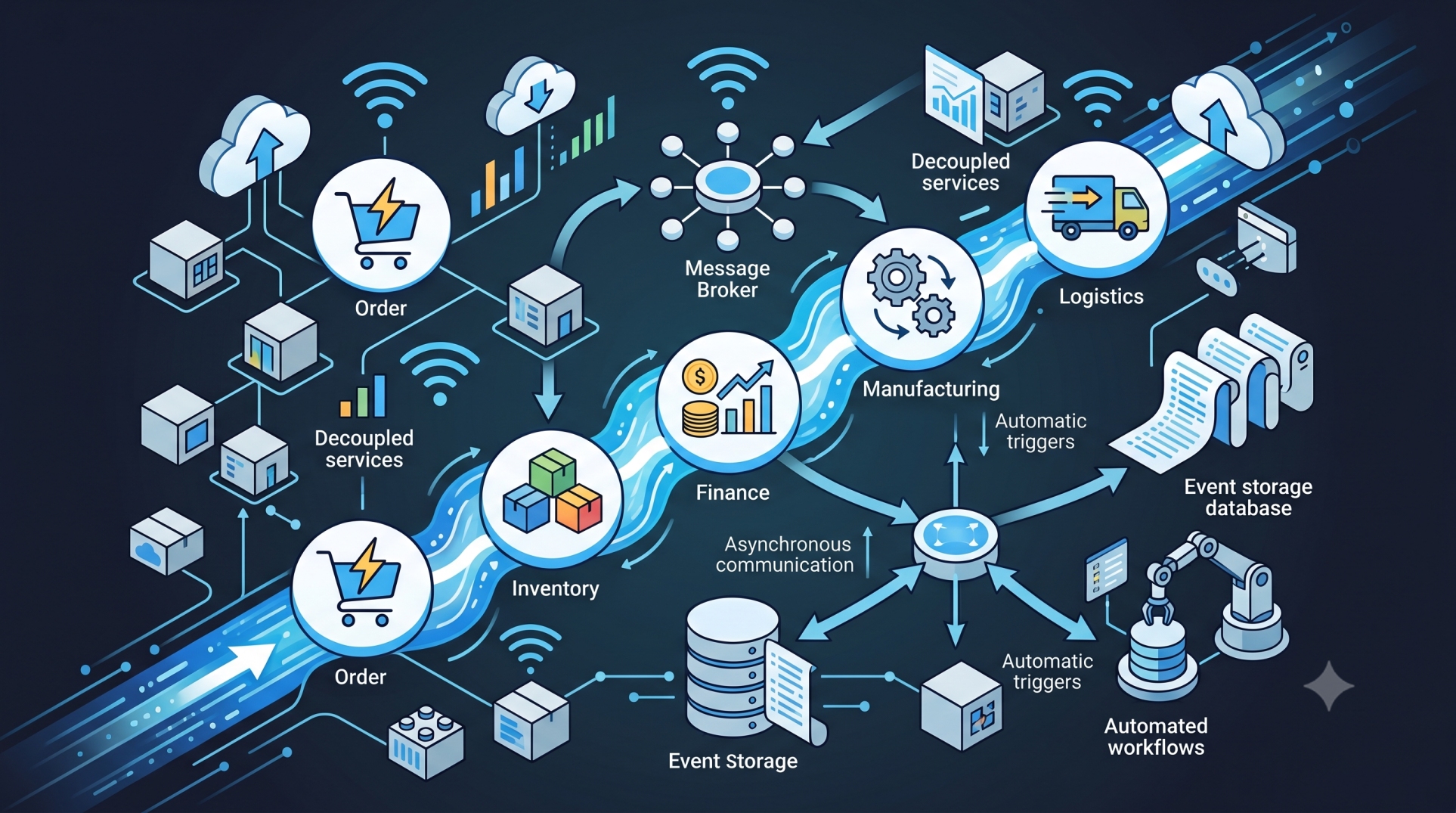
• Automate repetitive processes using intelligent workflow capabilities ⚙️
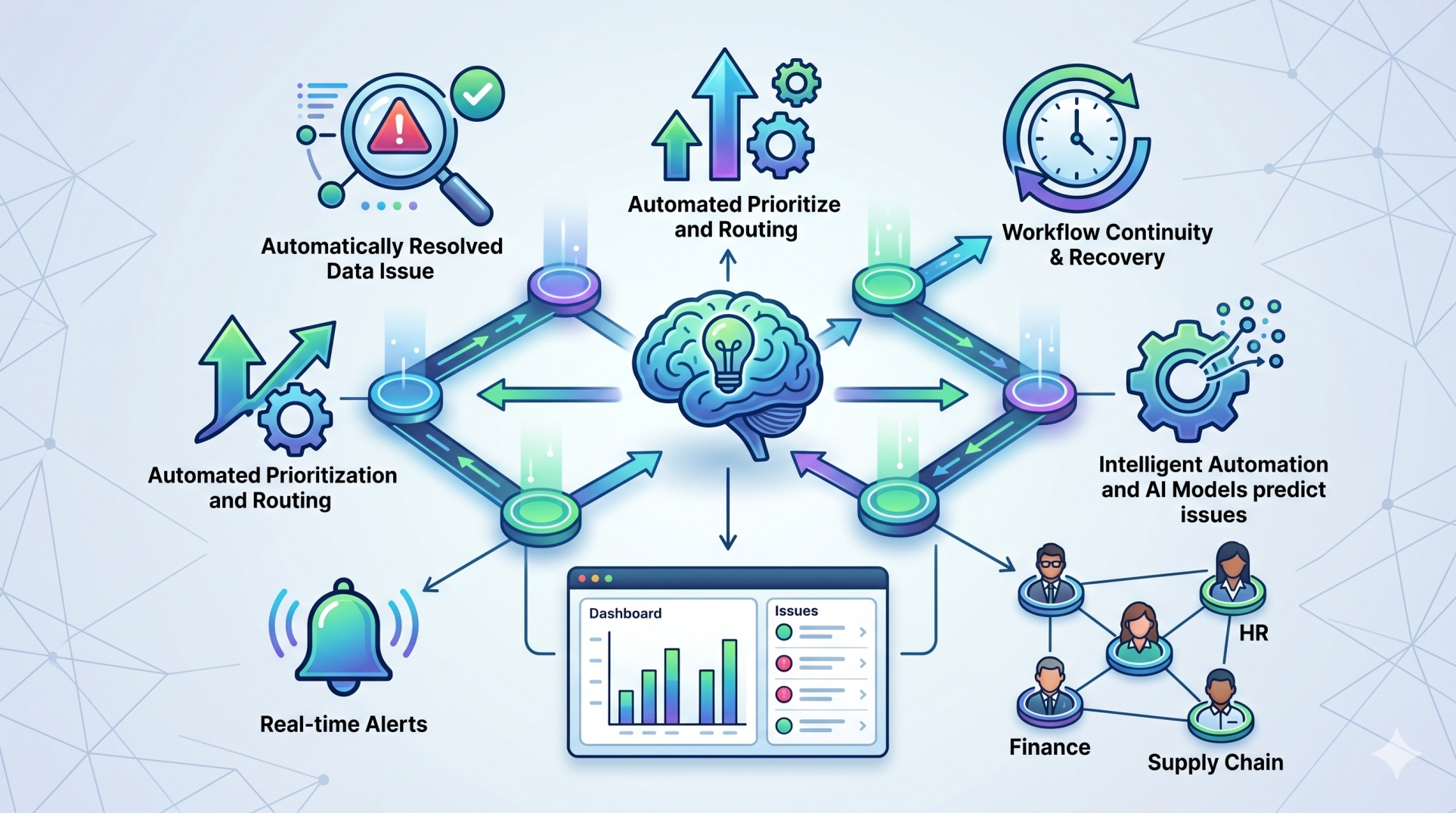
• Use AI to classify, summarize, and route business information
• Provide recommendations within existing ERP processes 📈
• Trigger intelligent actions based on changing operational conditions
• Keep human approval where decisions require oversight 👥
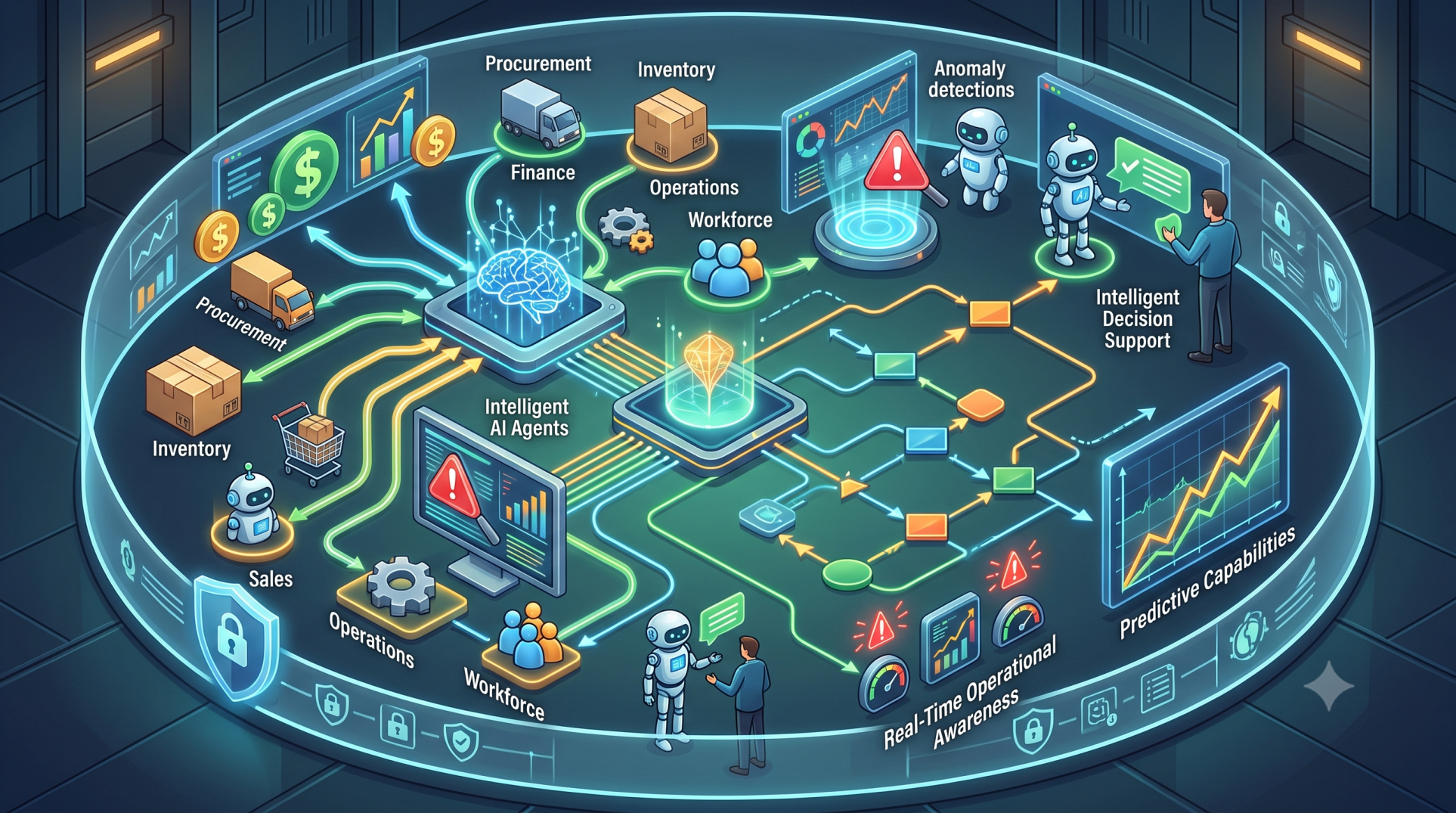
Step 4: Building Intelligent Decision Support 🧩
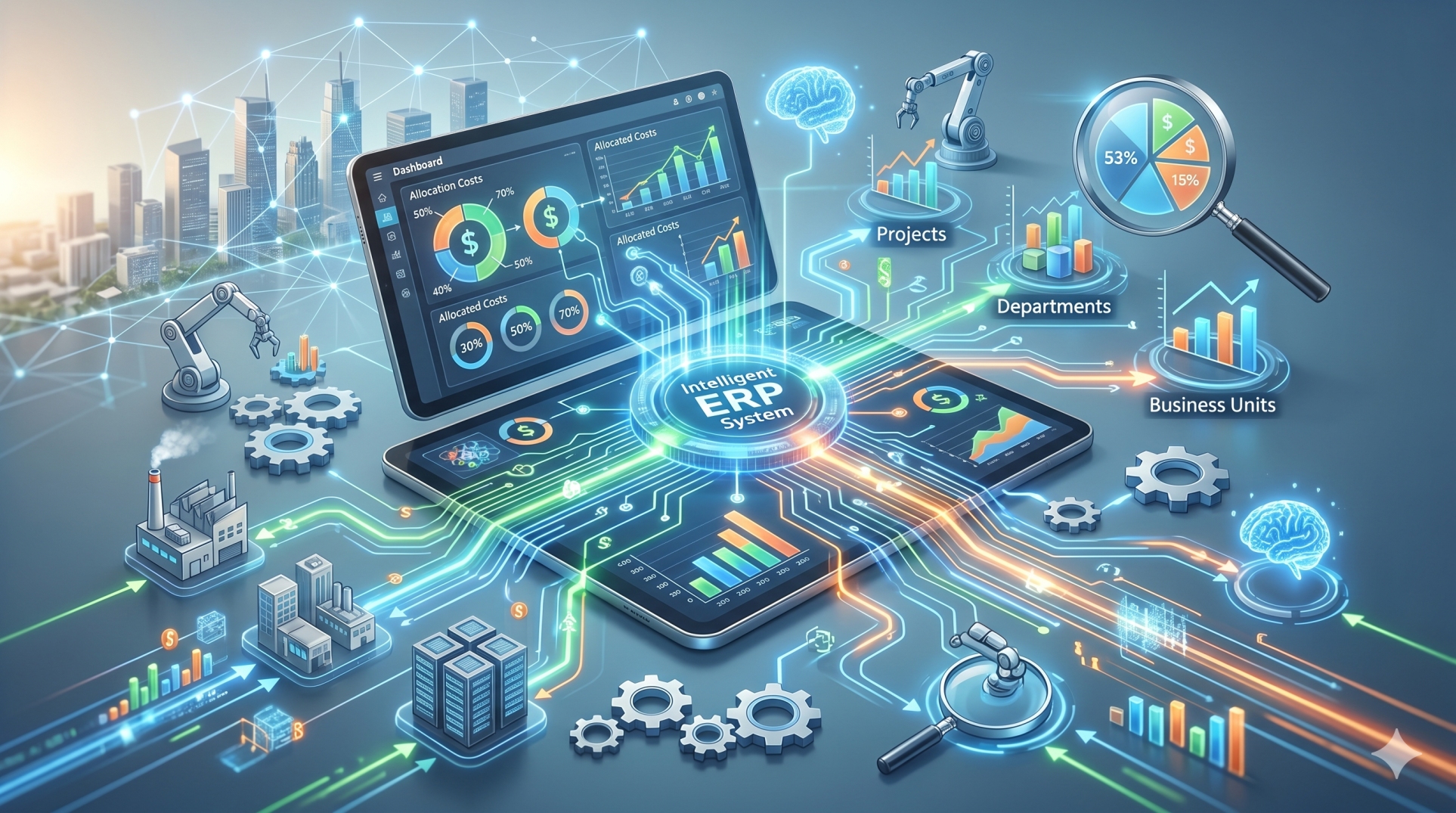
• Identify patterns across financial and operational data 🔍
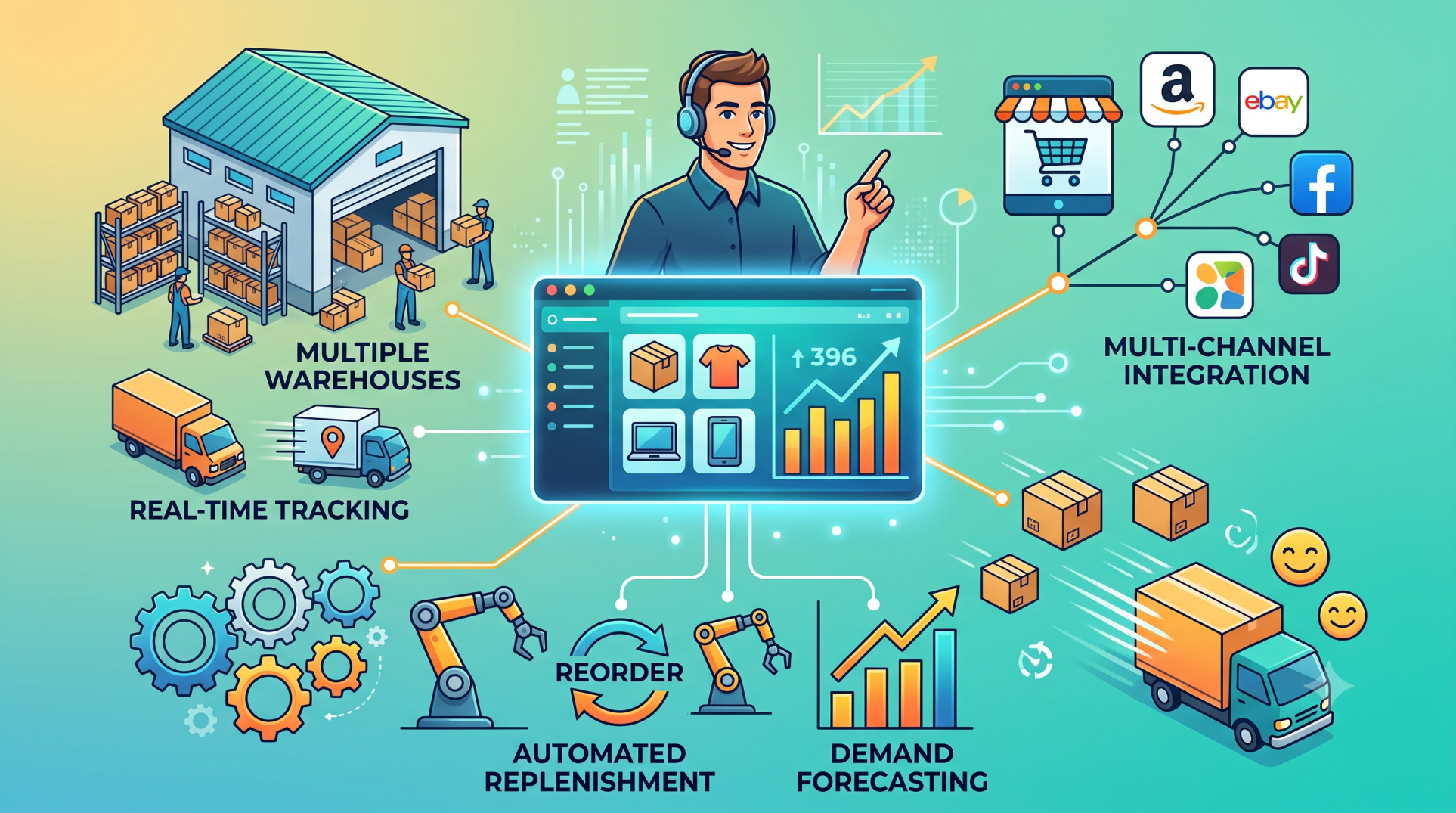
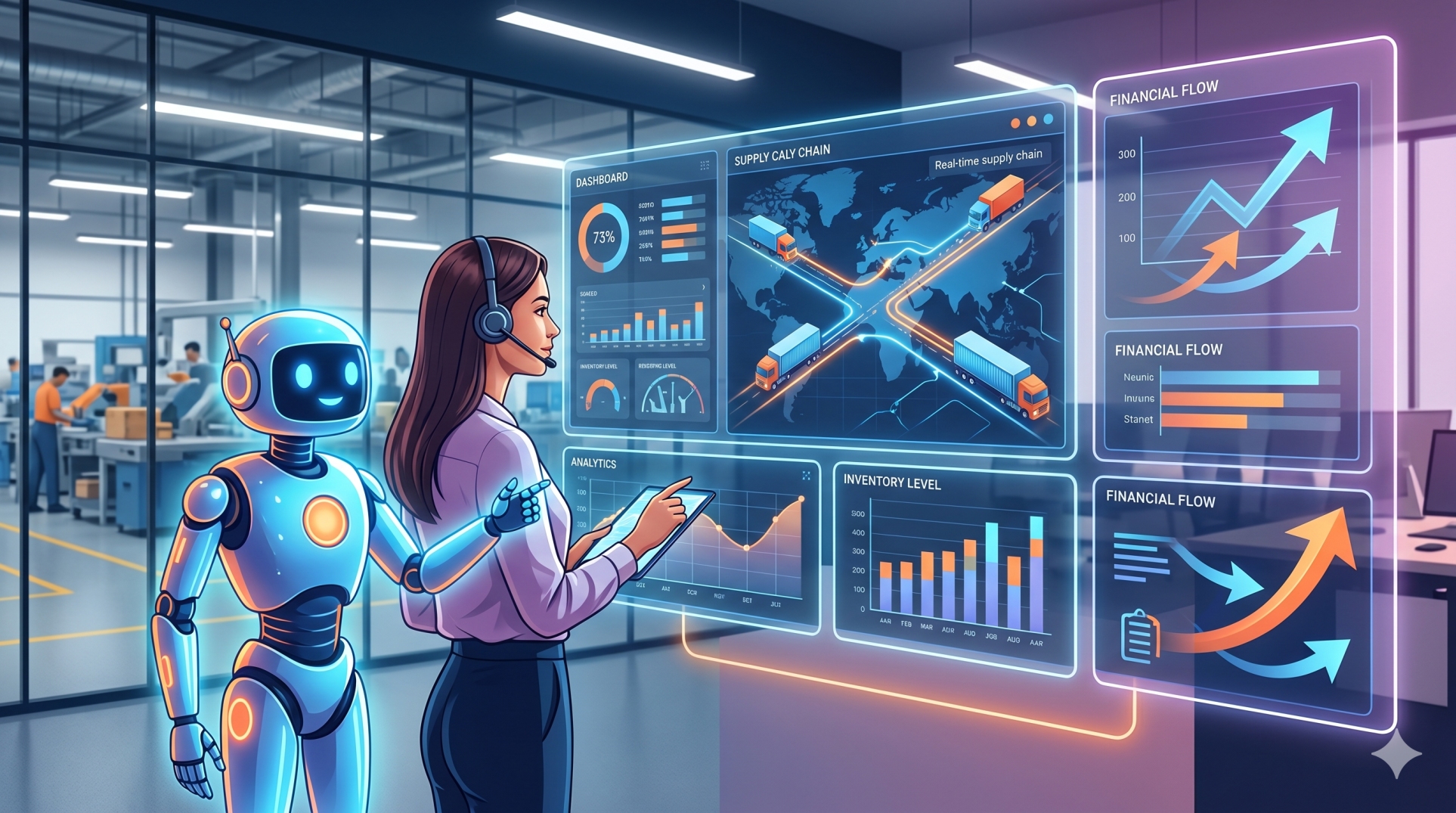
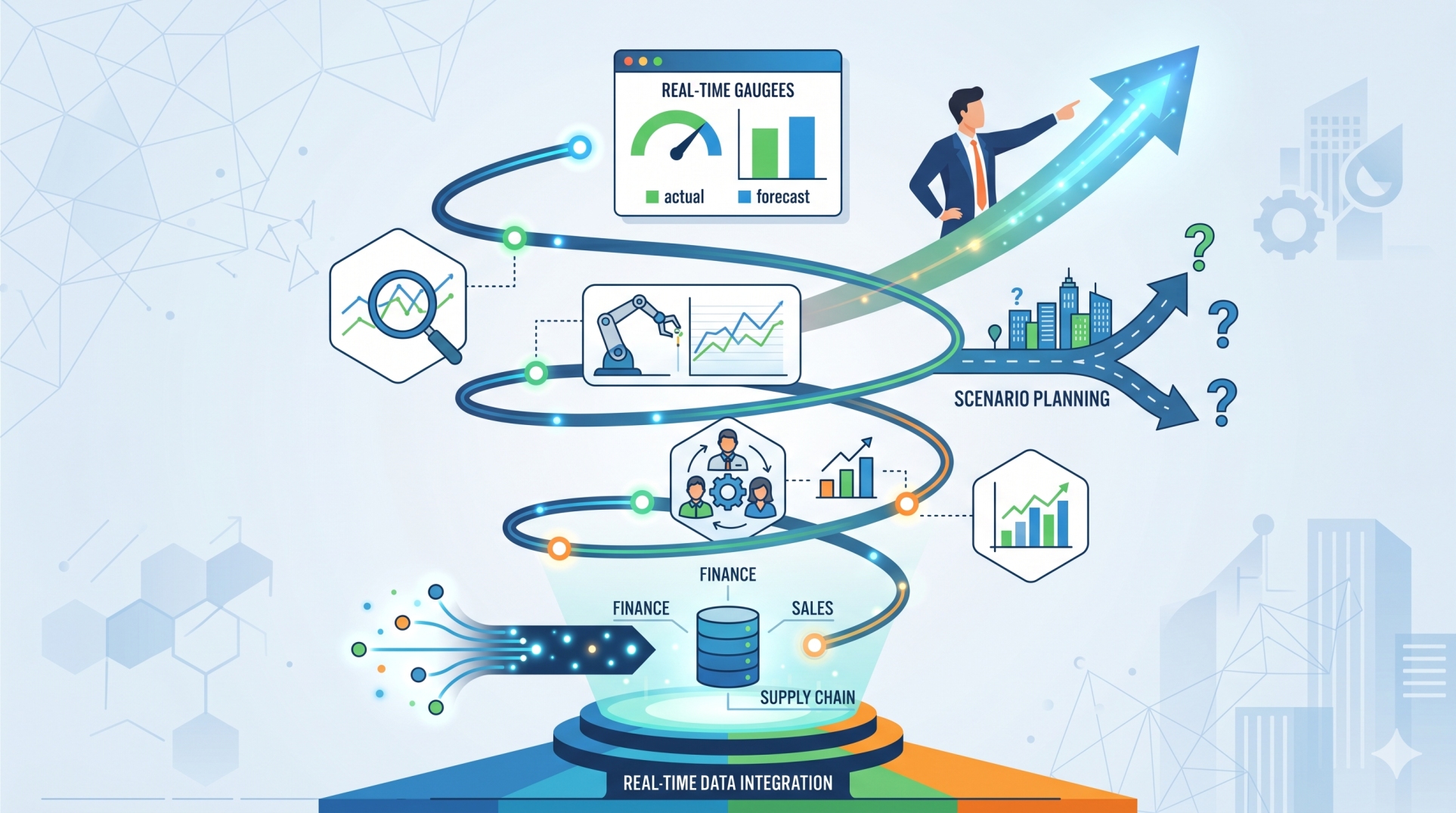
• Generate forecasts for demand, cash flow, inventory, and resource requirements 📊
• Highlight anomalies and potential operational risks ⚠️
• Provide contextual recommendations to managers and teams
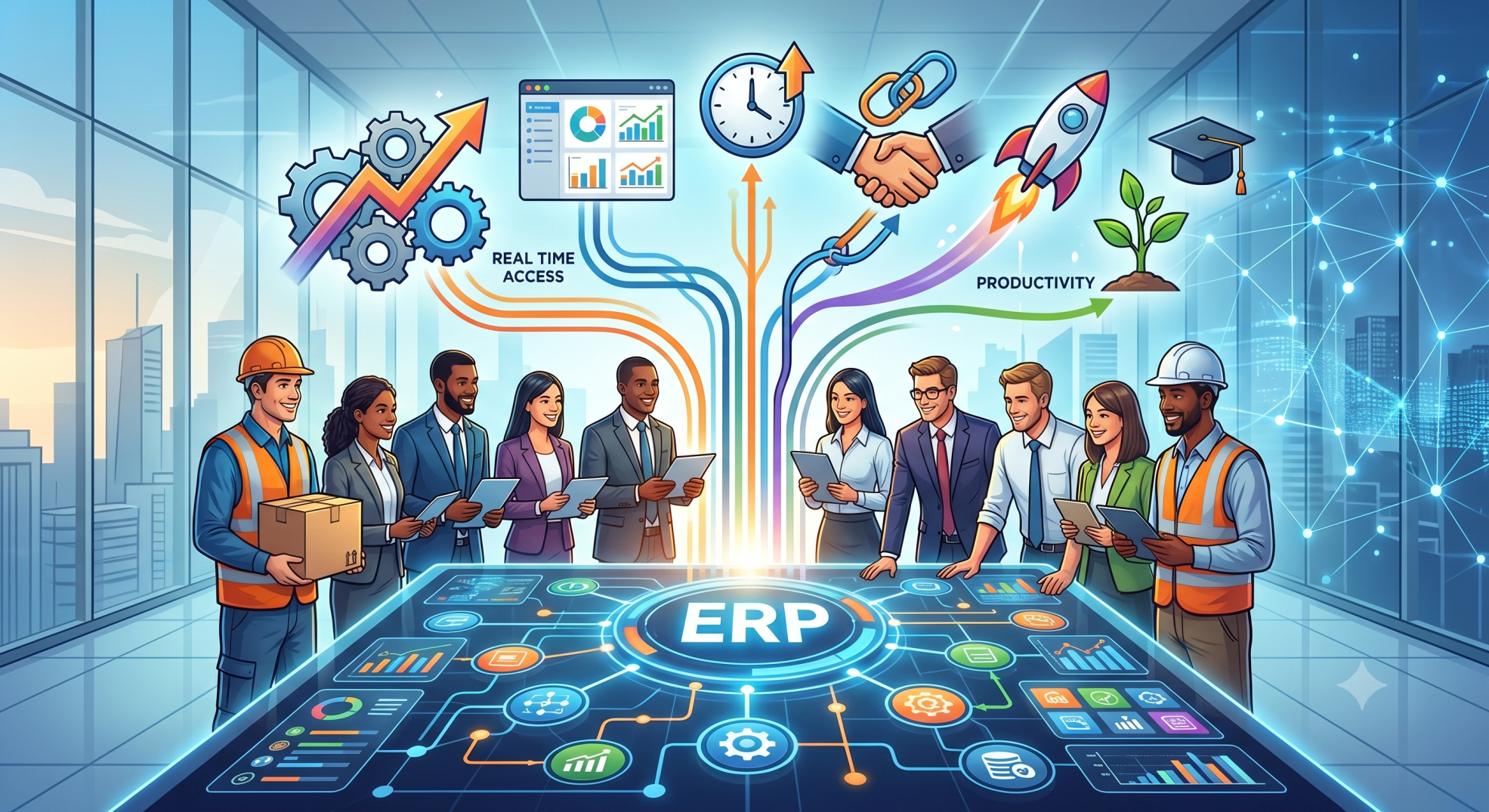
• Enable faster decisions using real-time business intelligence ⚡
Step 5: Connecting AI with Enterprise Knowledge 📚
• Allow AI systems to access approved internal documentation
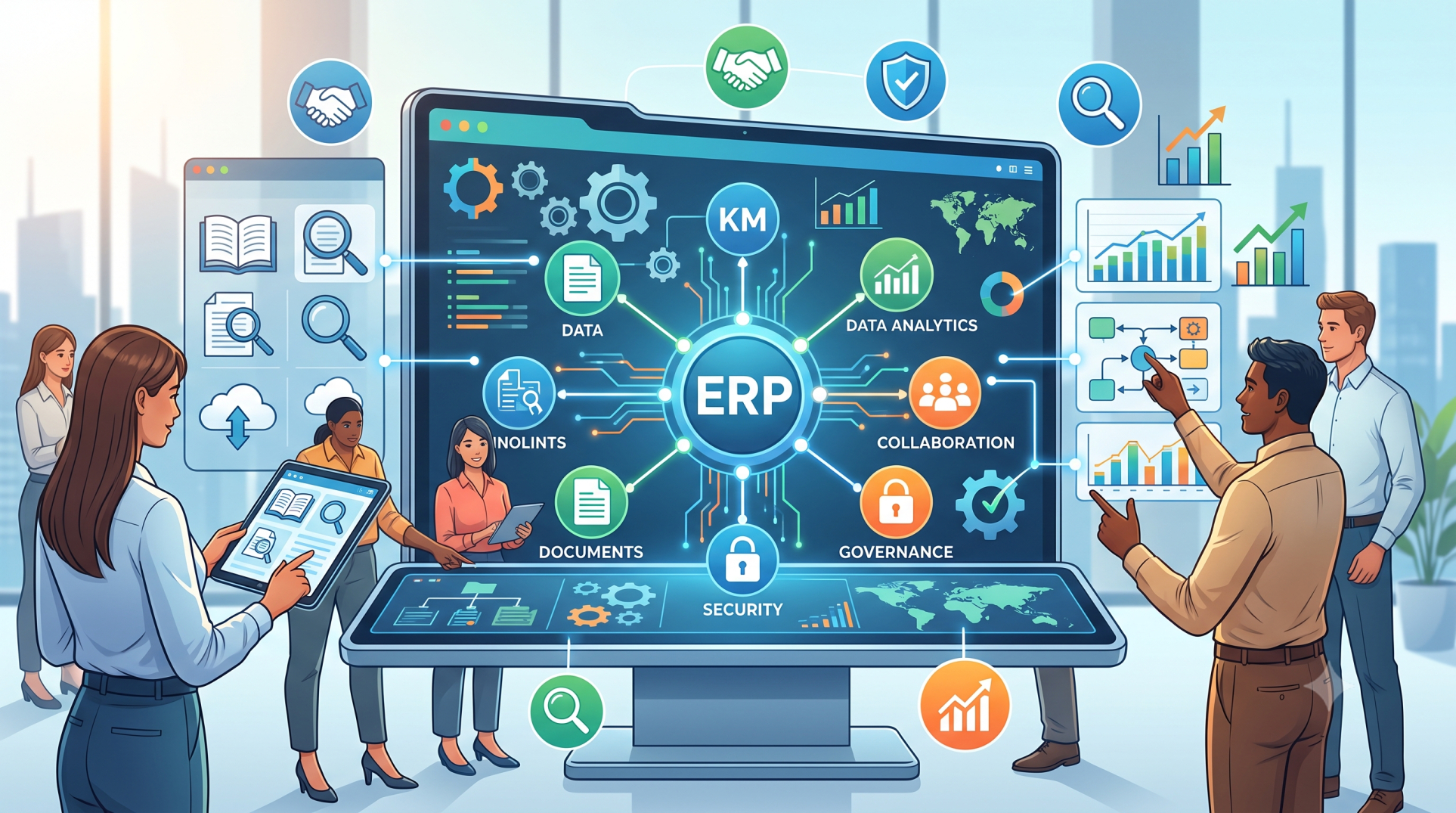
• Connect ERP data with policies, procedures, contracts, and business knowledge
• Use retrieval mechanisms to provide relevant organizational context 🔎
• Maintain source awareness for AI-generated insights
• Keep enterprise knowledge synchronized as information changes 🔄
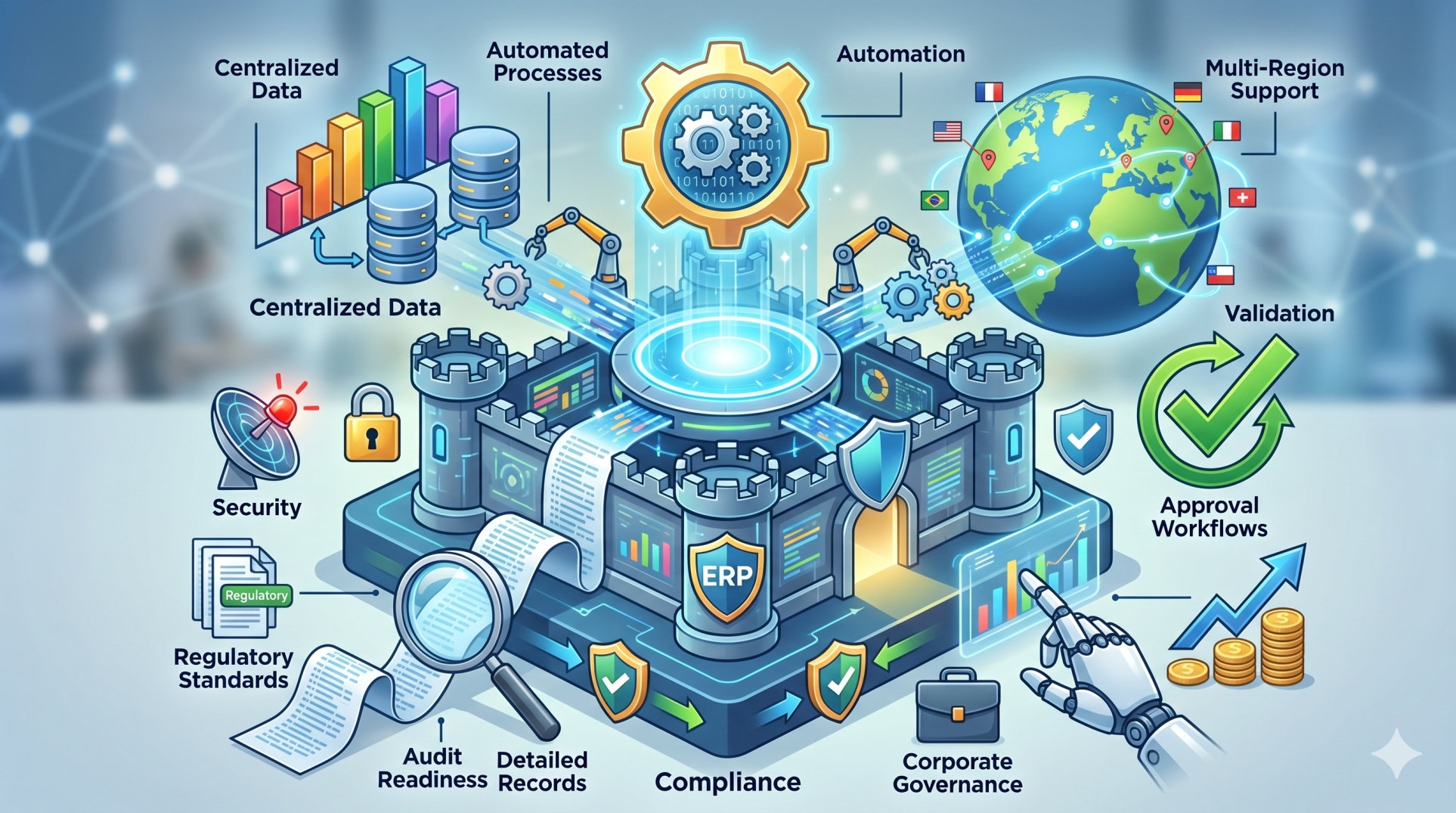
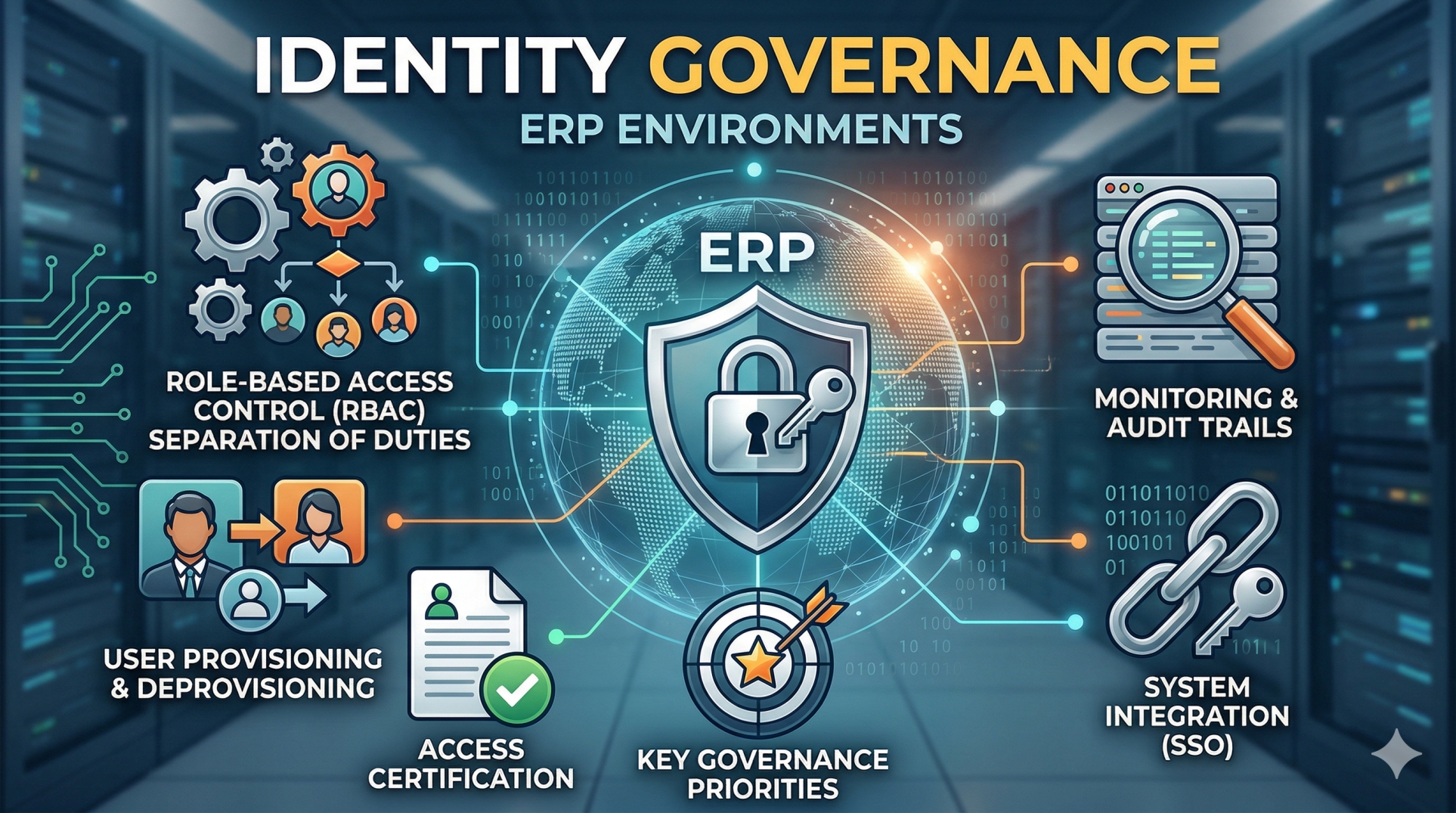
Step 6: Designing AI Governance and Security 🔐
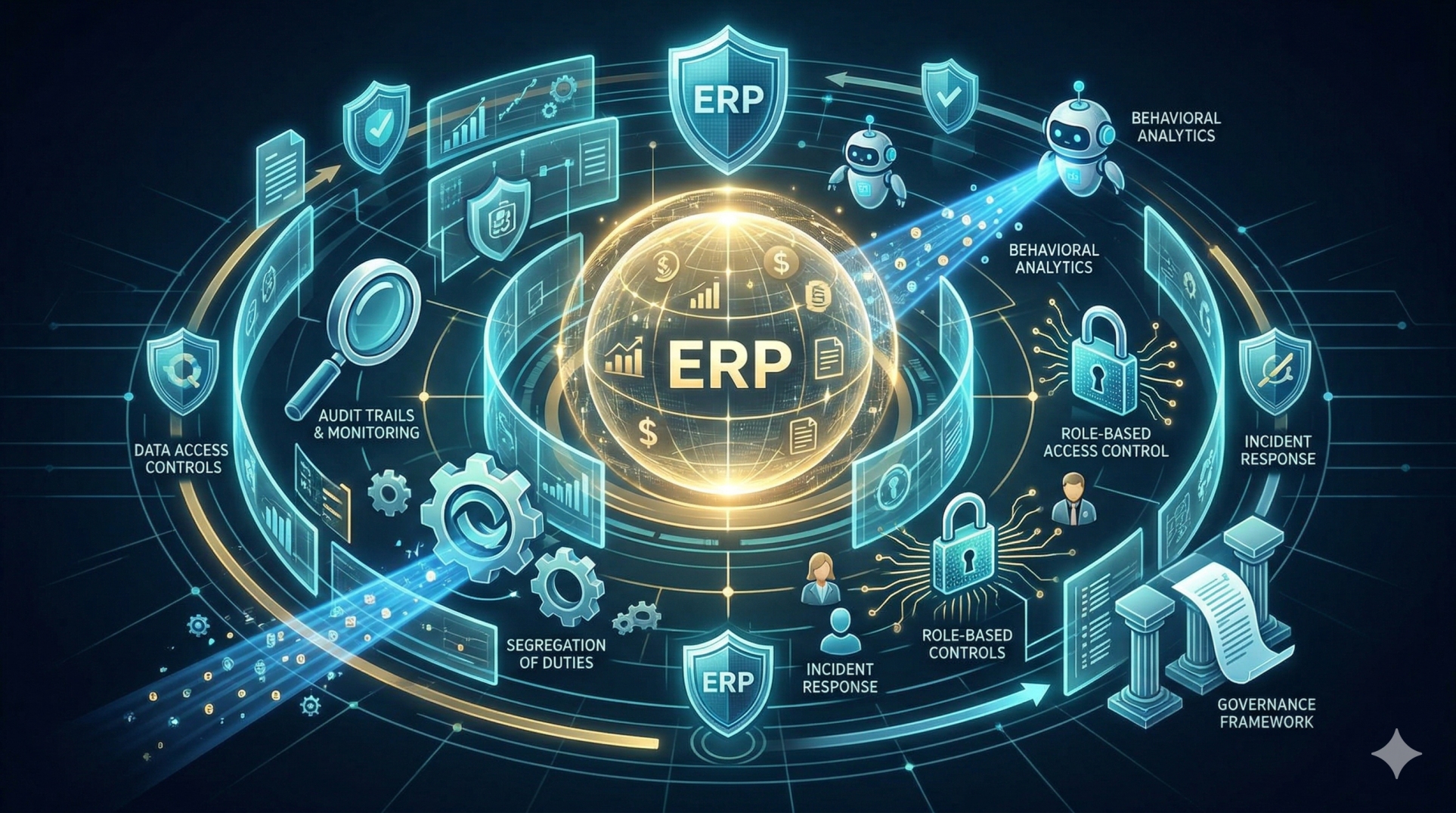
• Establish clear policies for how AI can access and use enterprise data
• Apply role-based permissions to AI-driven workflows 👥
• Protect confidential financial, employee, and customer information 🛡️
• Maintain audit trails for important AI-assisted actions 🧾
• Introduce human oversight for high-impact decisions ⚖️
Step 7: Managing AI Model Integration 🔗
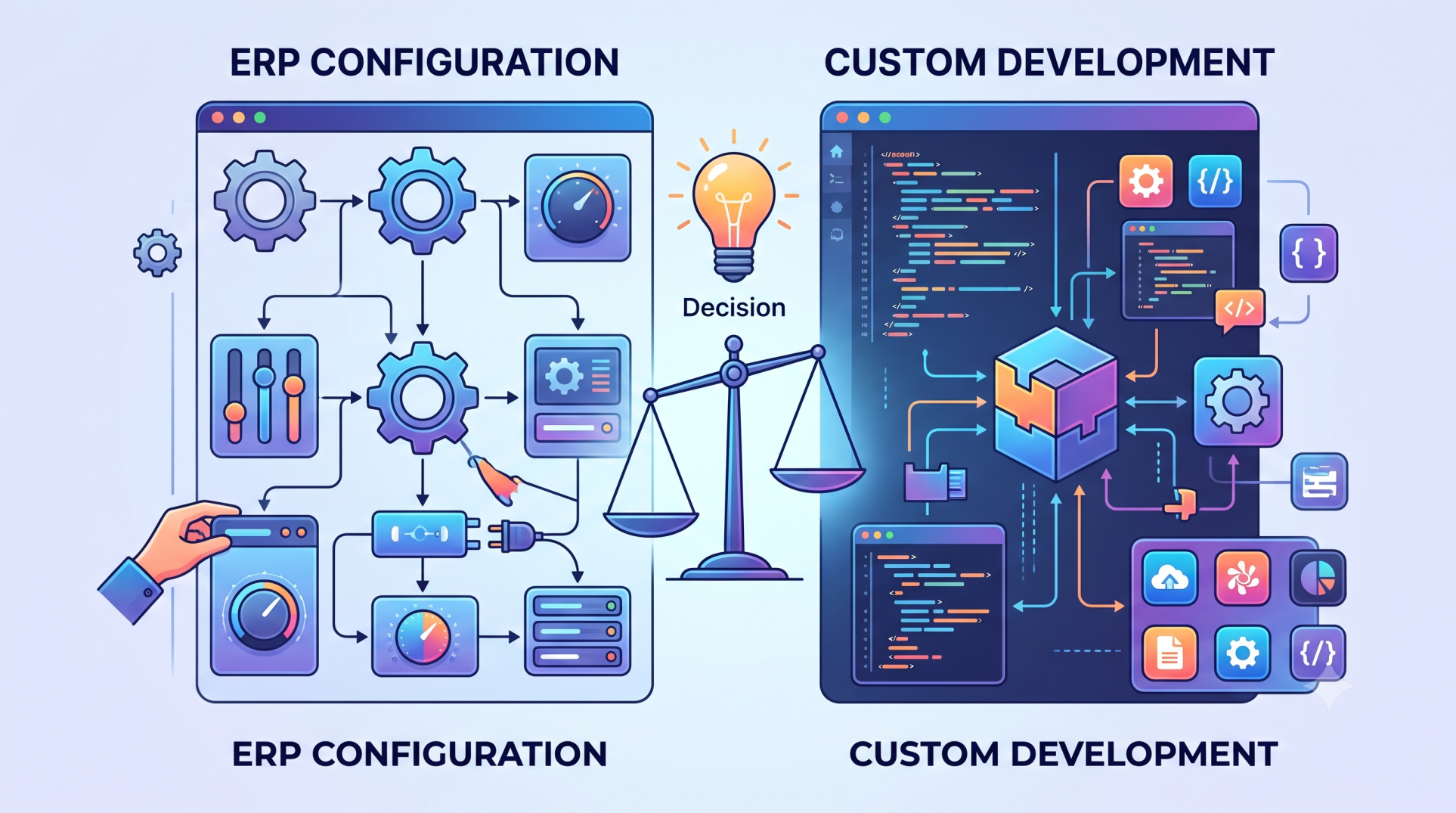
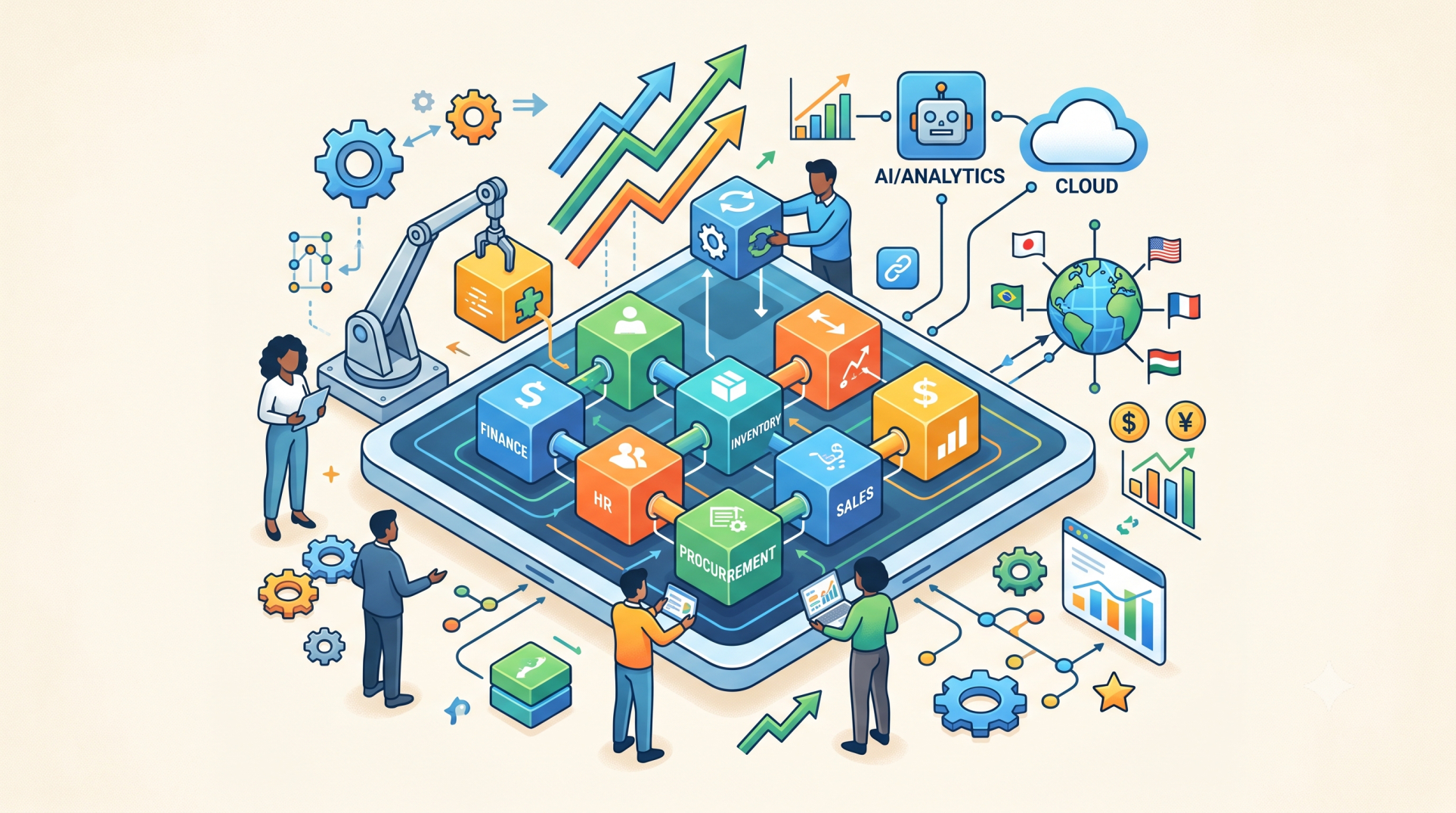
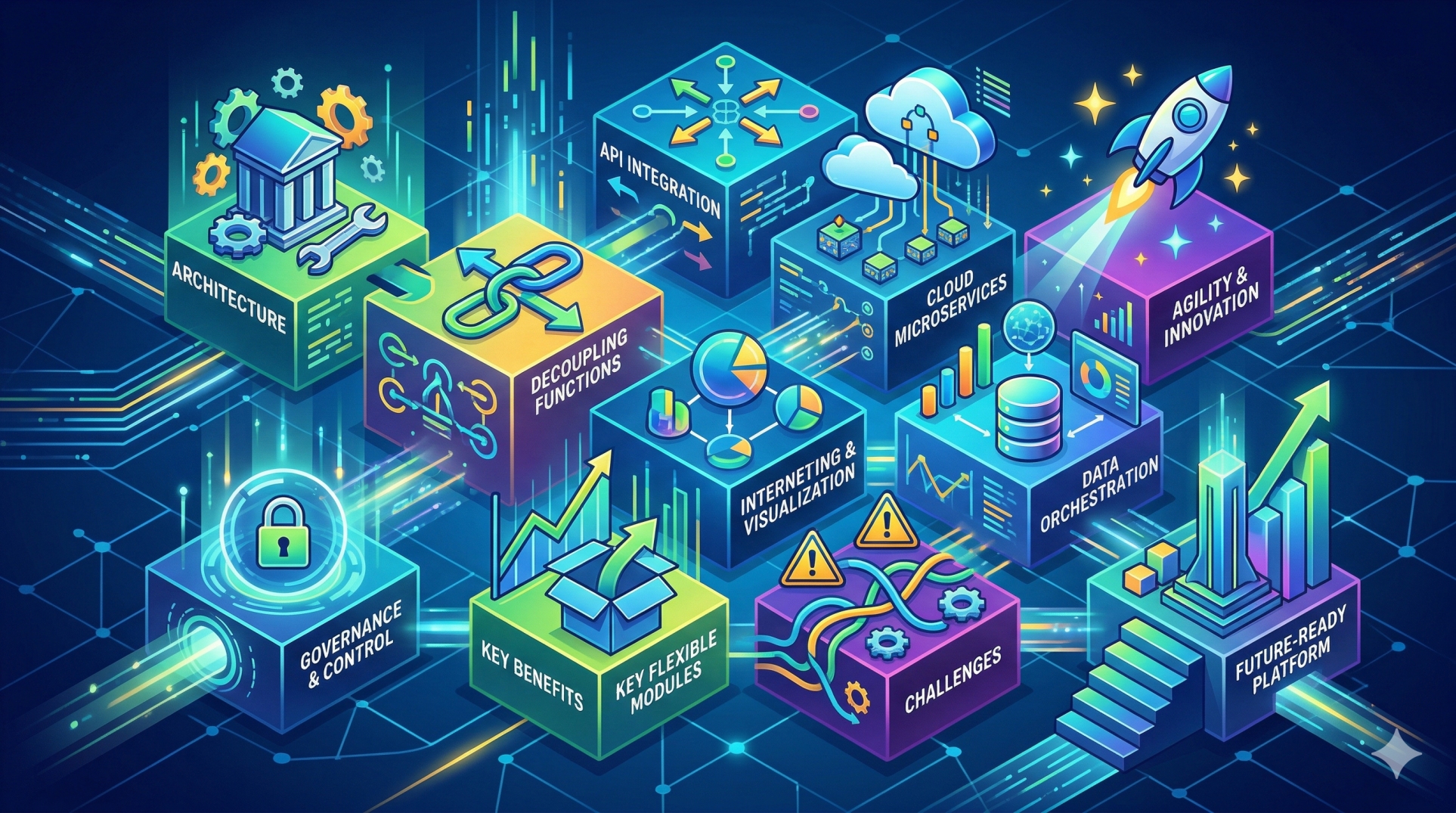
• Design modular interfaces for connecting different AI models
• Select models according to specific business requirements 🎯
• Separate model services from core transaction systems where appropriate
• Support model upgrades without redesigning the entire ERP platform
• Monitor model performance, reliability, and operational impact 📈
Step 8: Enabling Predictive and Proactive Operations 🔮
• Move from reacting to problems toward anticipating them
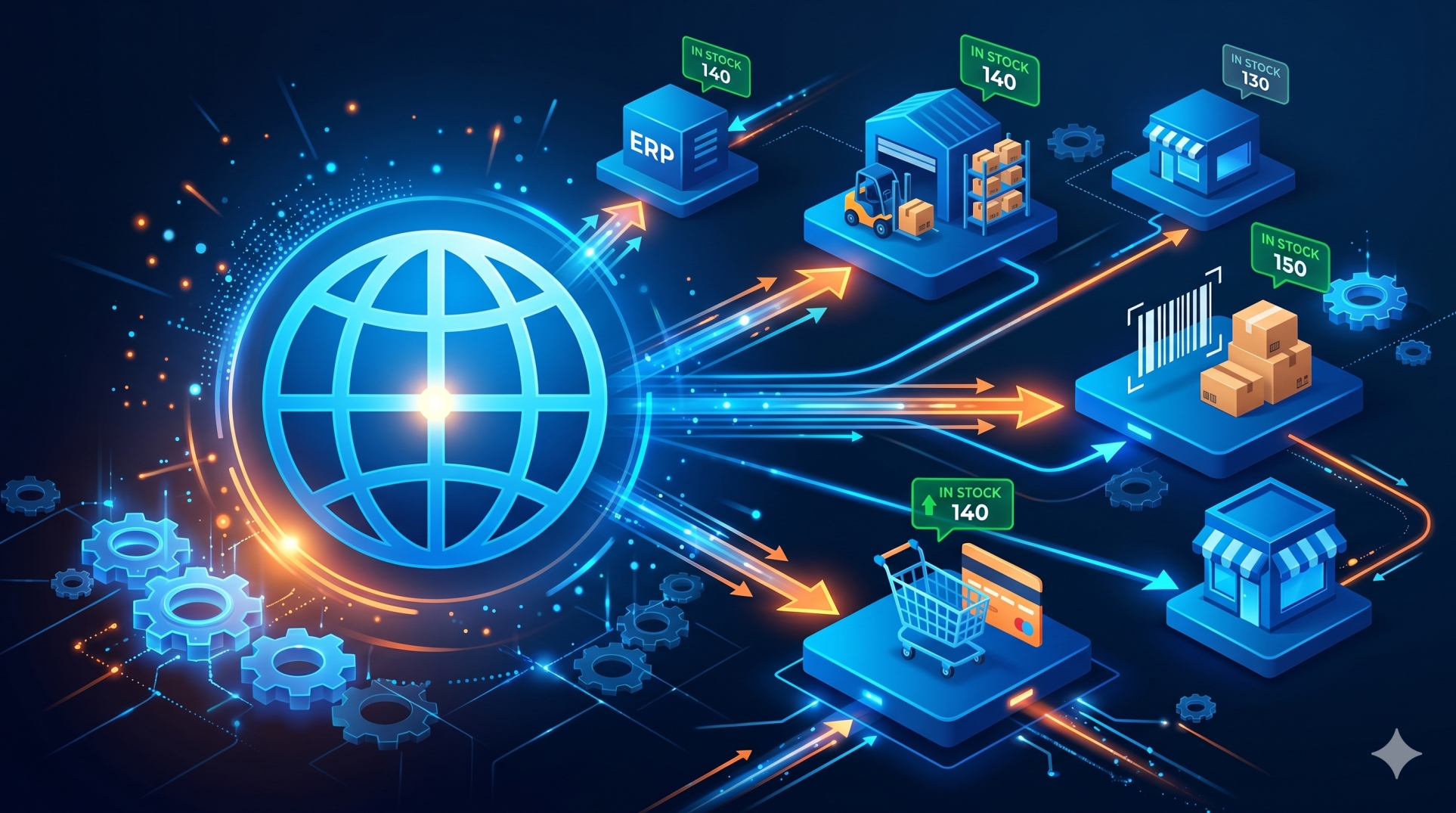
• Predict inventory shortages and supply chain disruptions 📦
• Identify unusual financial or operational activity 🚨
• Forecast resource requirements and changing demand
• Recommend actions before issues affect business performance ⚡
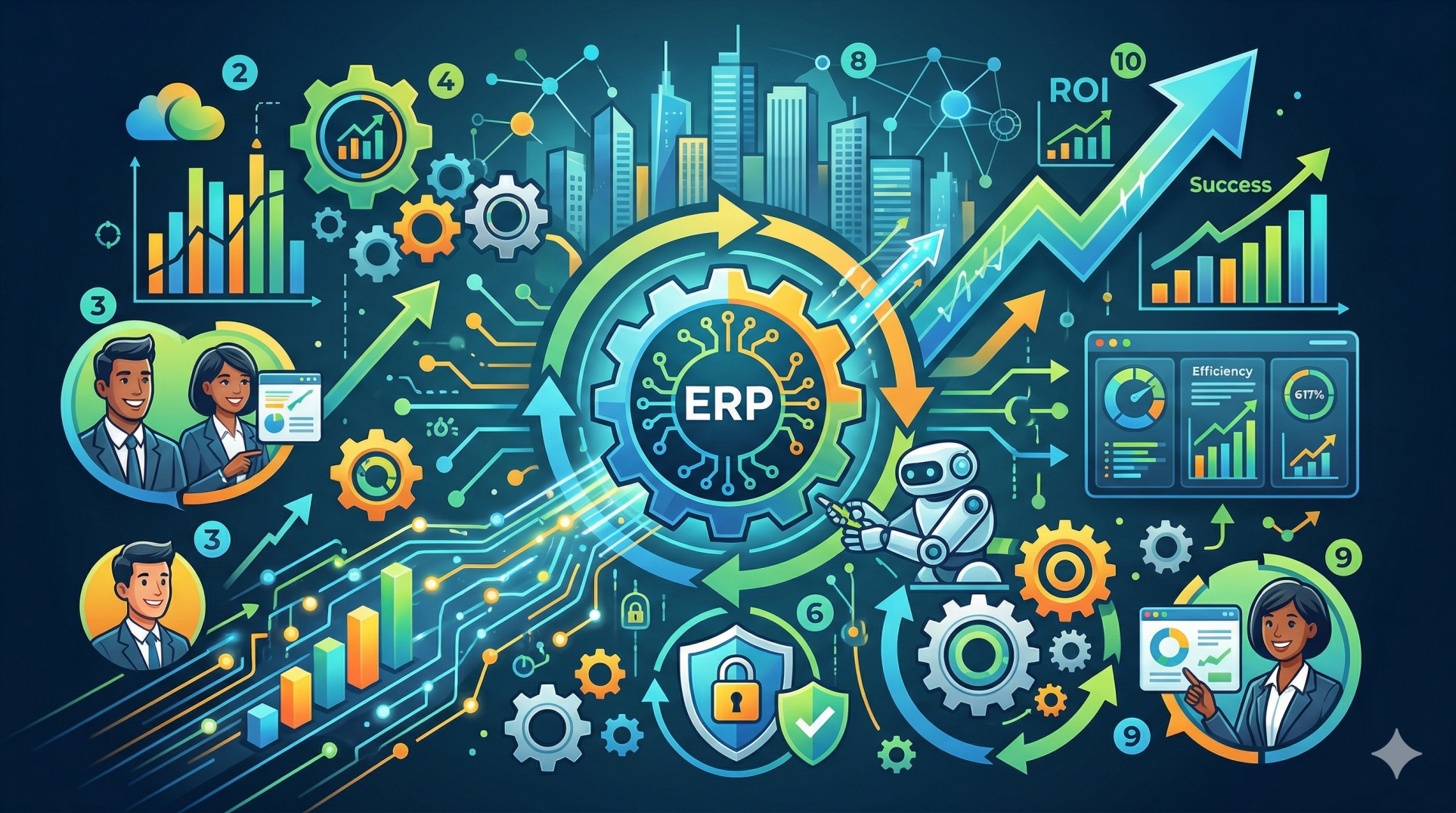
Step 9: Measuring AI-Driven ERP Performance 📊
• Track automation rates and workflow completion times
• Measure recommendation accuracy and business outcomes 🎯
• Monitor AI usage across departments
• Compare operational performance before and after AI adoption
• Continuously refine models, workflows, and data strategies 🔄
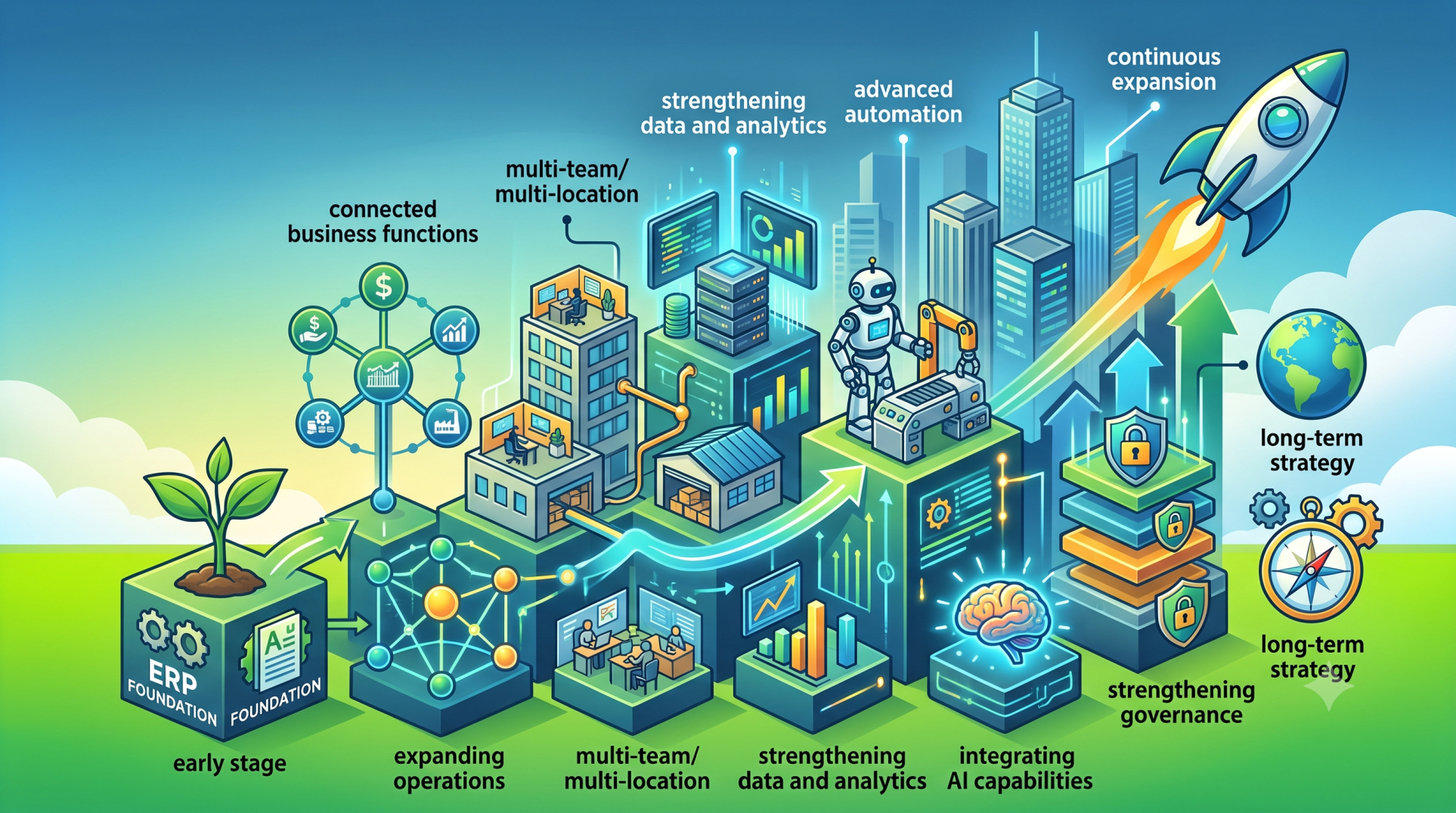
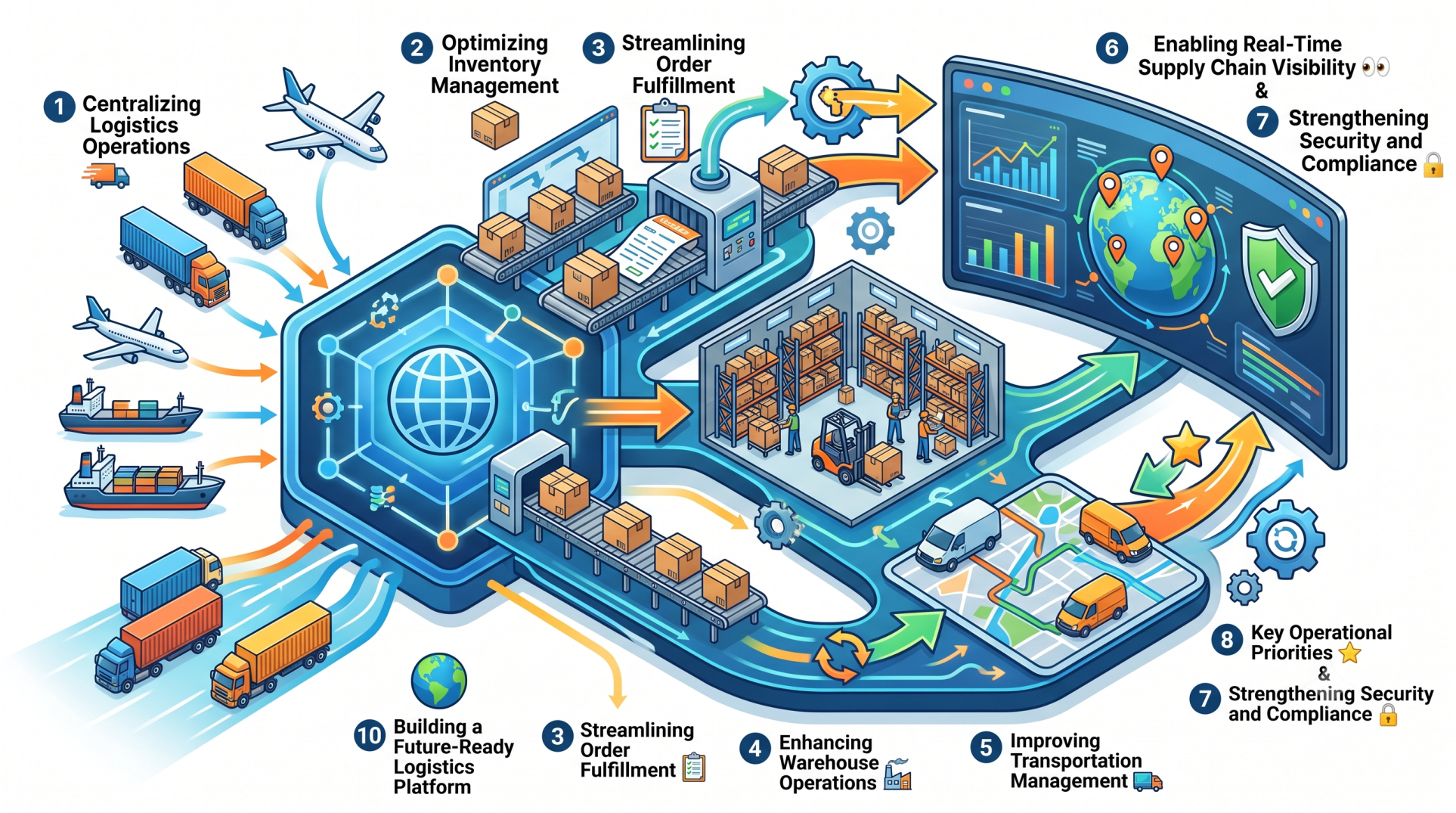
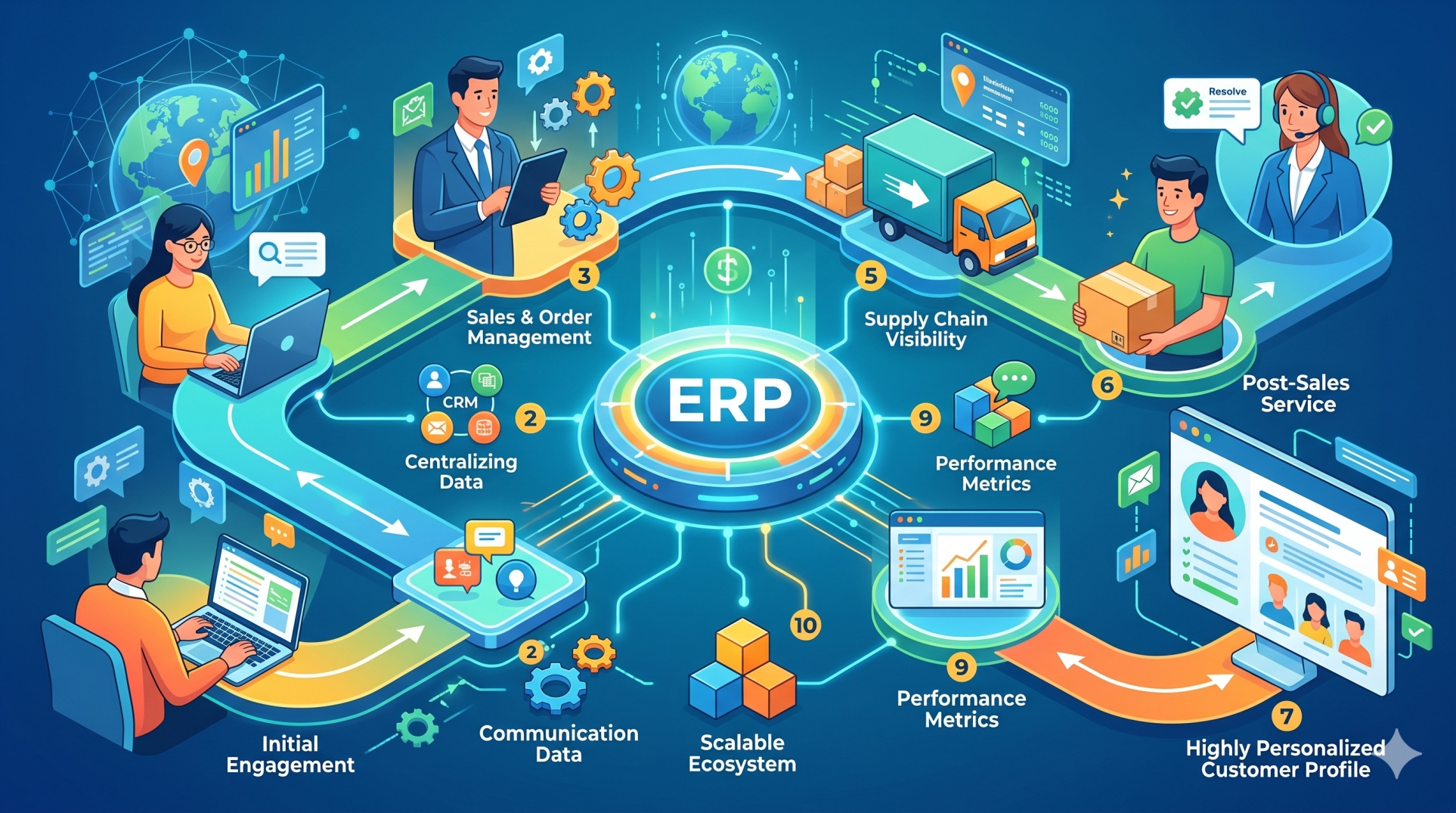
Step 10: Building a Scalable AI-Native ERP Architecture 🚀
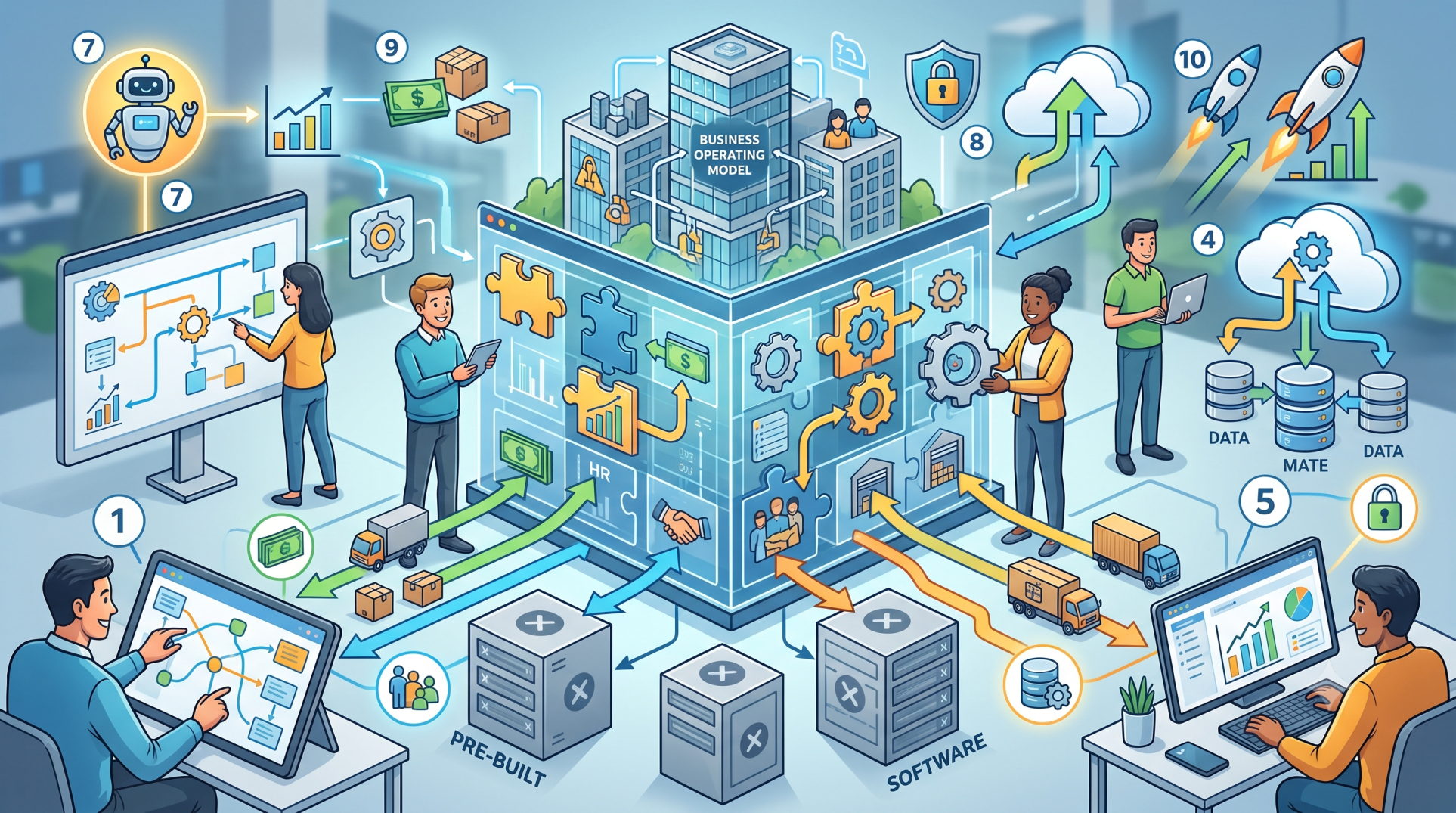
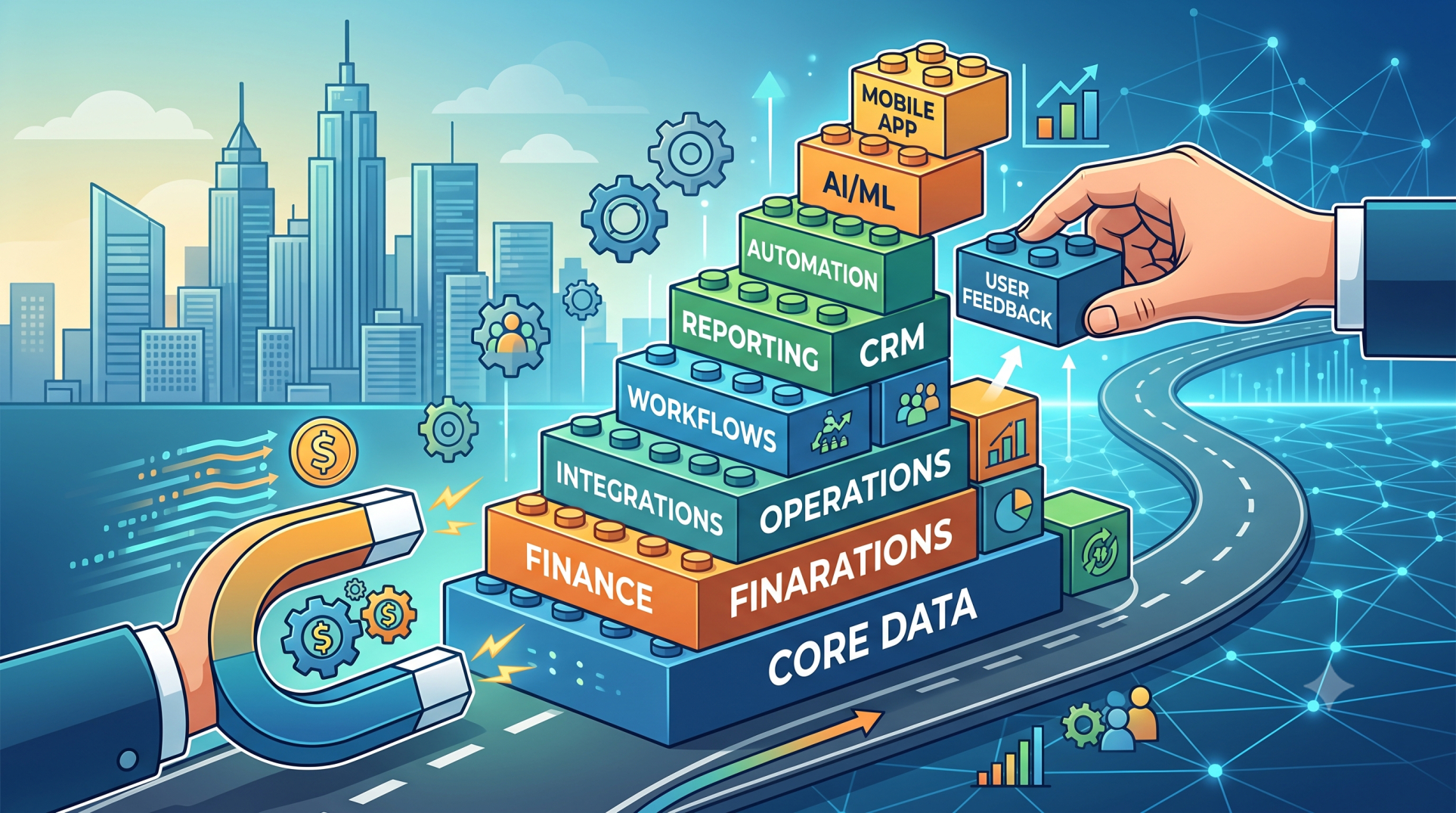
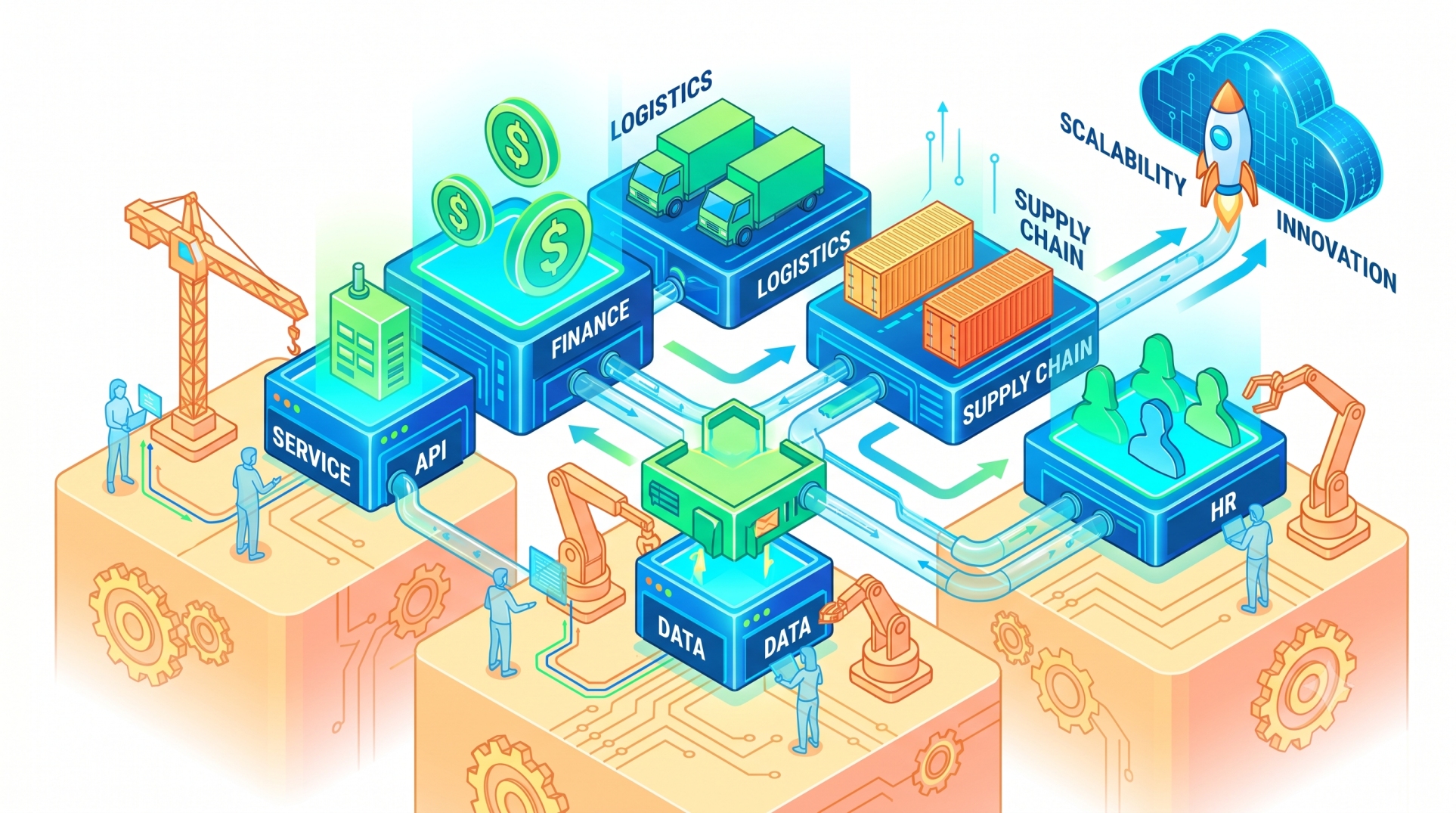
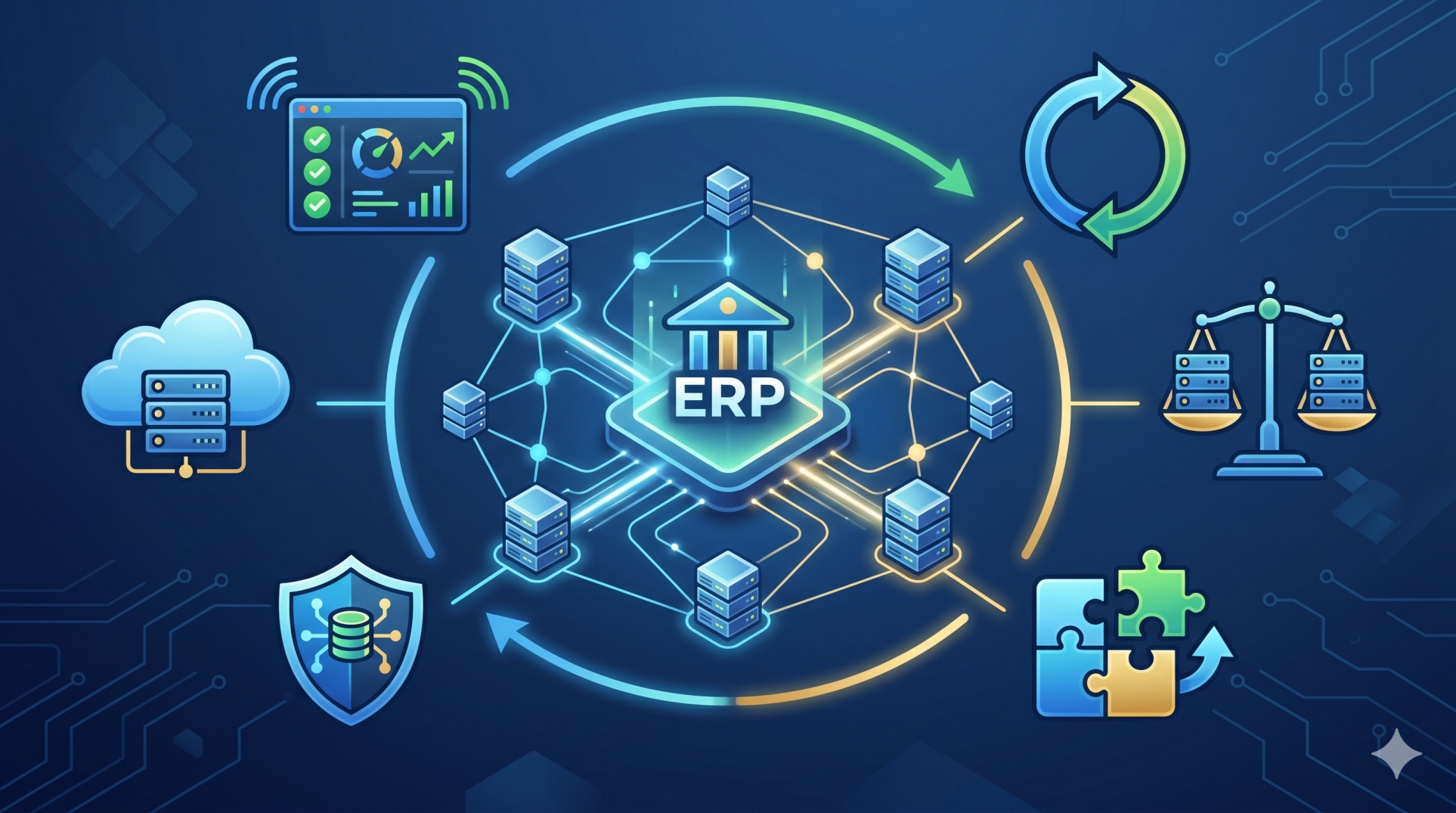
• Design modular infrastructure that can evolve with AI capabilities
• Support cloud, hybrid, and distributed enterprise environments ☁️
• Integrate new AI services without disrupting core operations
• Expand intelligence across additional departments and workflows
• Prepare the platform for emerging AI technologies and business requirements 🌐
Conclusion
Designing an ERP platform with AI at its architectural core requires more than adding intelligent features to existing software. It involves creating a connected foundation where enterprise data, workflows, knowledge, automation, and AI services work together. By embedding intelligence into core processes while maintaining strong governance and human oversight, organizations can build ERP platforms that are more predictive, adaptive, and efficient. This AI-native approach positions ERP systems to evolve alongside changing business requirements rather than simply recording what has already happened.
See more blogs
You can all the articles below