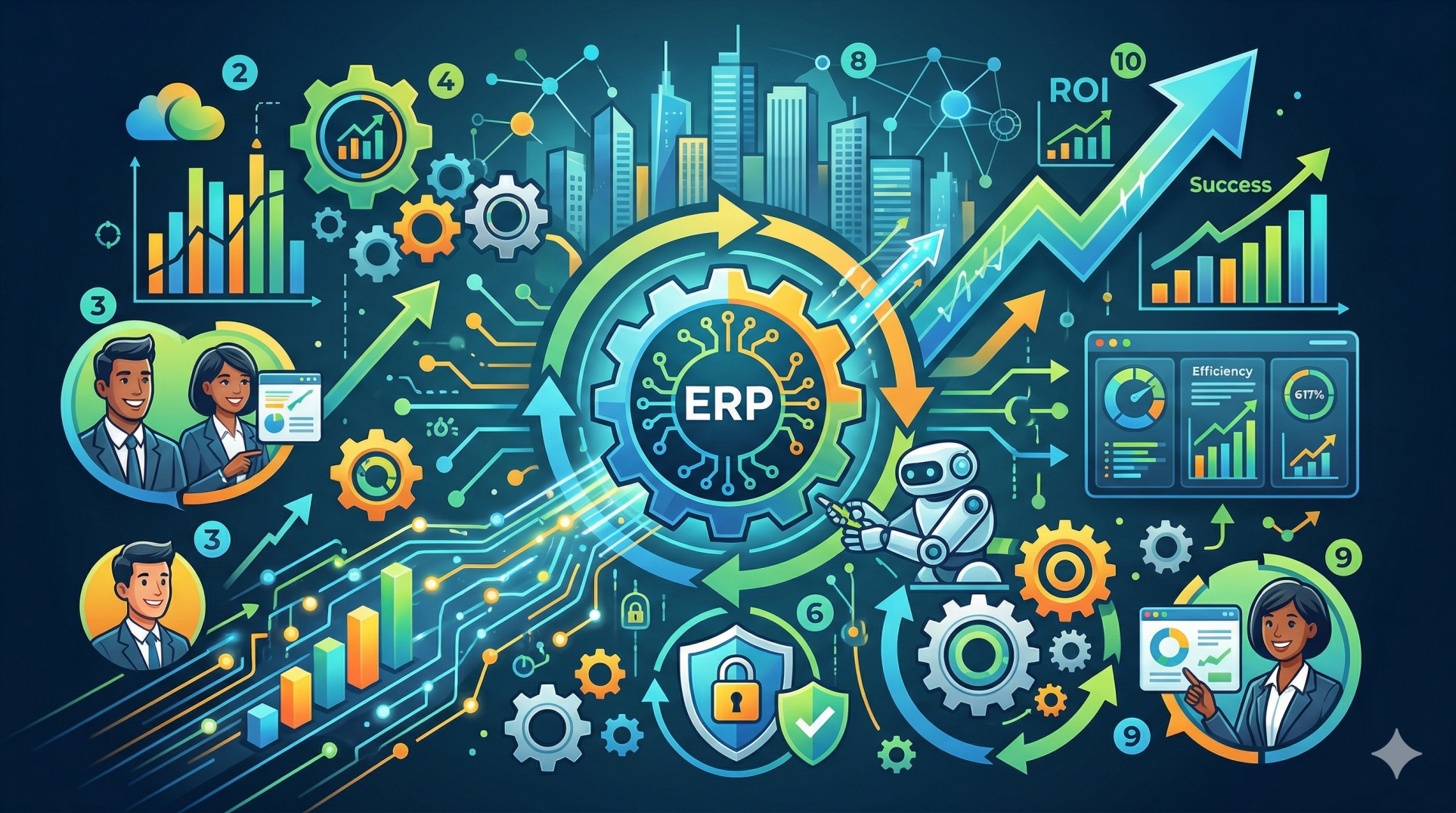
When Business Growth Signals the Need for a Custom ERP

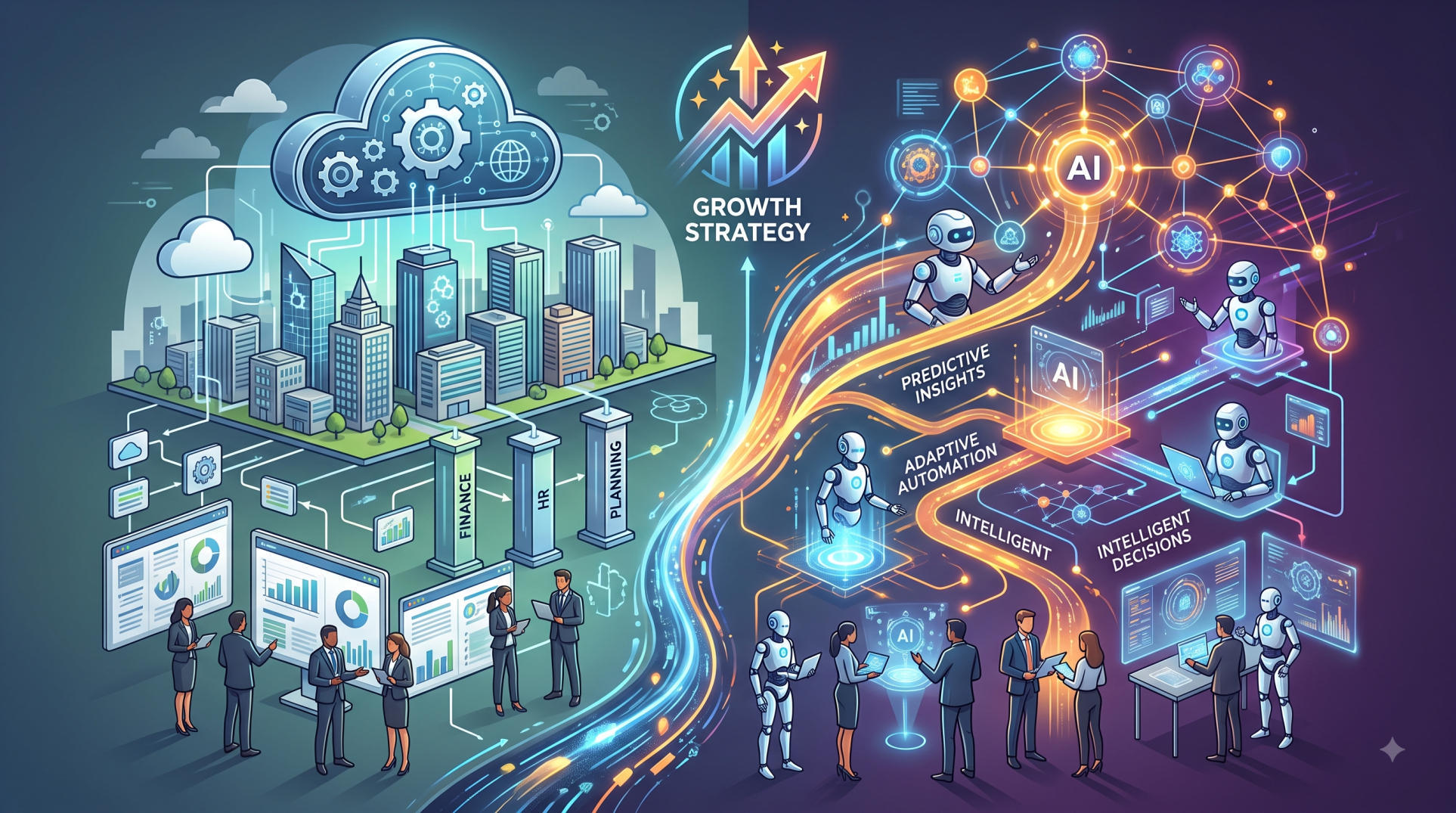
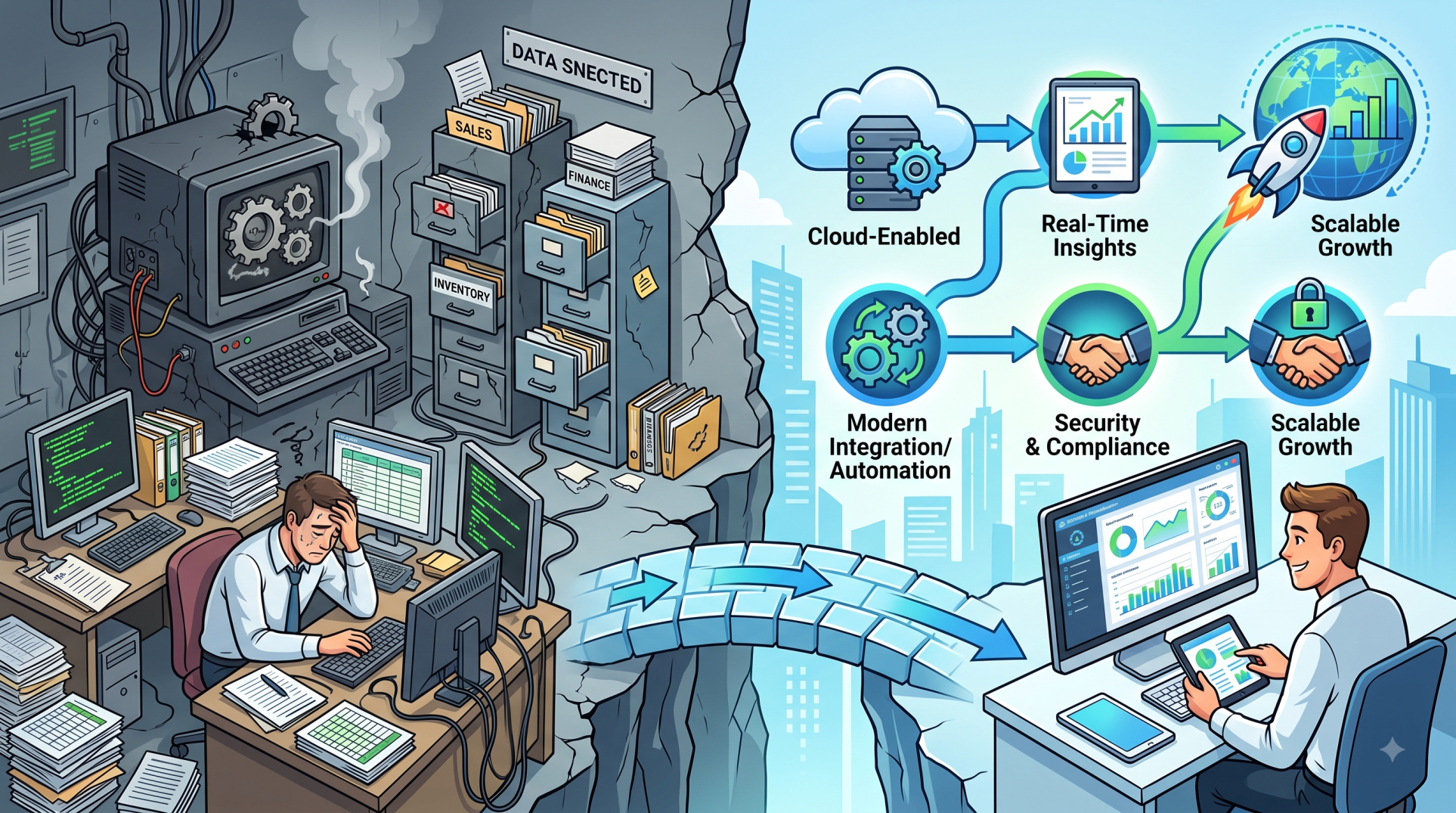
Business growth often brings greater operational complexity. As teams expand, transaction volumes increase, departments become more interconnected, and existing software may struggle to support evolving workflows. While standard ERP platforms can address many common business requirements, certain growth patterns may indicate that a more customized ERP approach is worth evaluating. The key is recognizing operational limitations before they become significant barriers to efficiency and scalability.
Step 1: Growing Beyond Existing Software Limitations 📈
• Existing systems may no longer support increasingly complex business processes. ⚙️
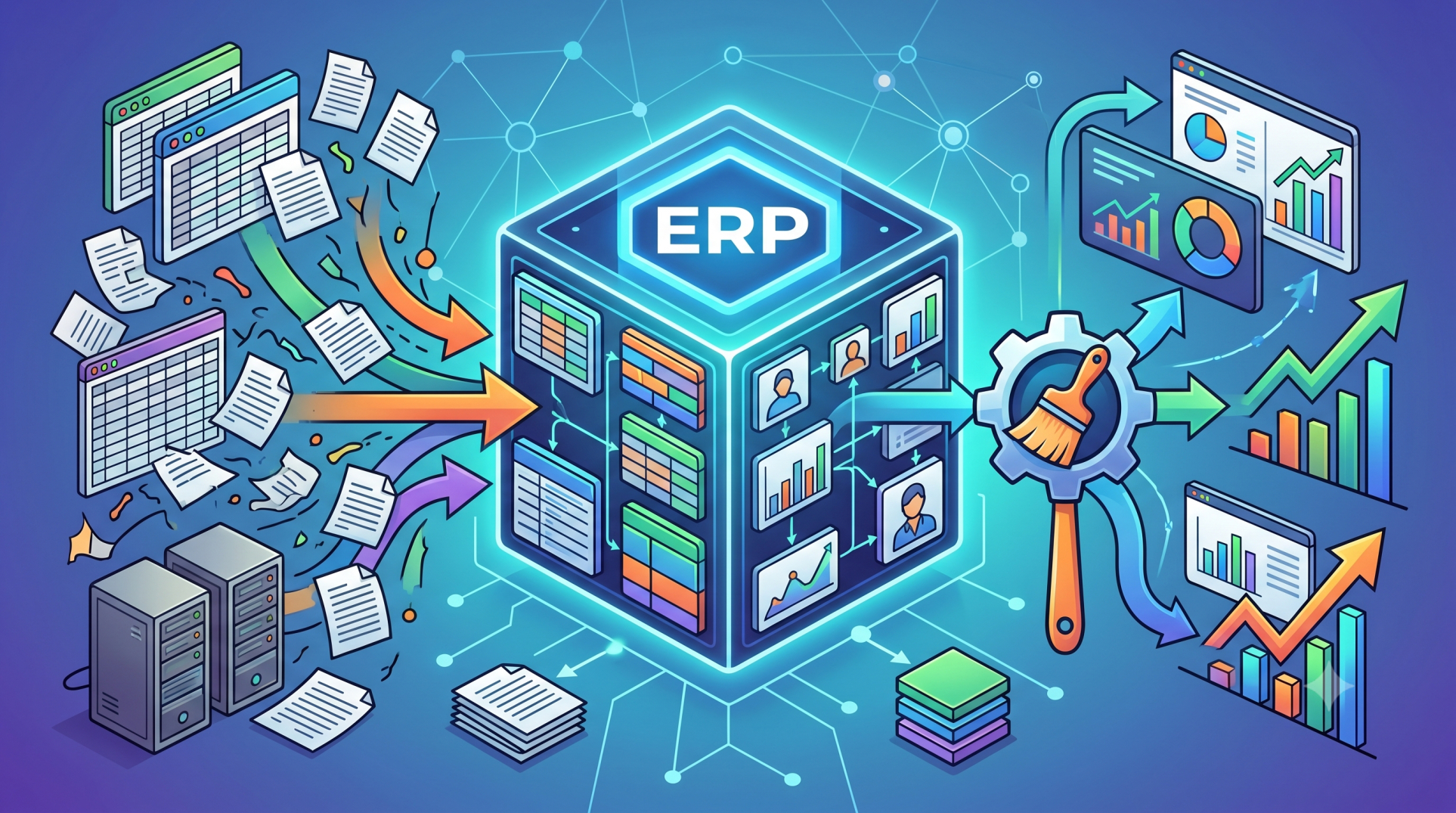
• Teams may rely on spreadsheets and manual workarounds to fill functionality gaps. 📊
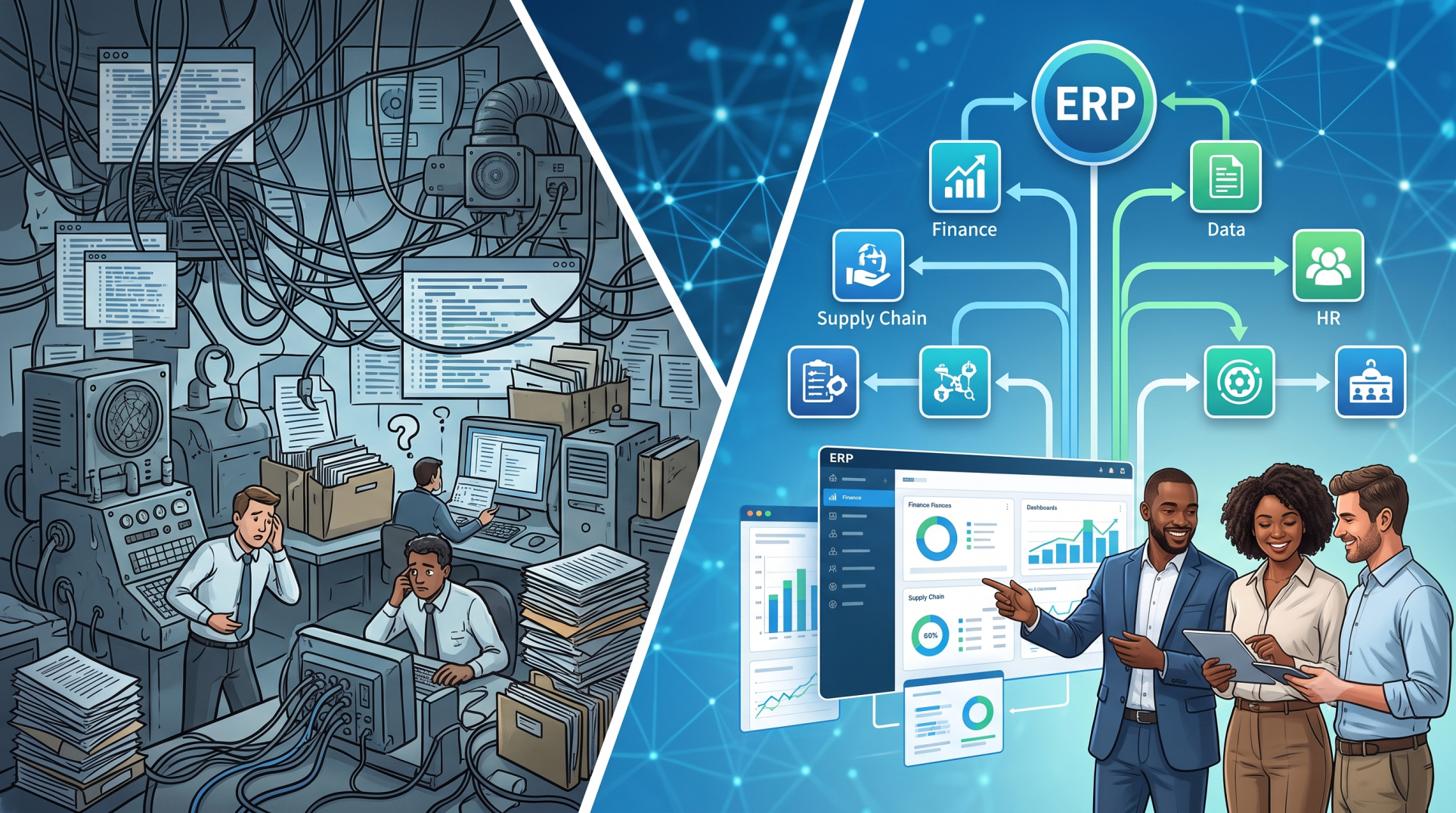
• Employees may use multiple disconnected applications to complete a single workflow. 🔗
• Repetitive manual processes can increase as transaction volumes grow. 🔄
• These patterns can indicate that the current technology environment requires reassessment. 🔎
Step 2: Managing Increasing Operational Complexity 🏢
• Business growth can introduce more departments, locations, products, suppliers, and customers. 🌐
• Standard workflows may become difficult to manage across increasingly diverse operations. 🧩
• Different teams may require specialized processes within a shared ERP environment. 👥
• Complex approval structures can make manual coordination slower. ⏱️
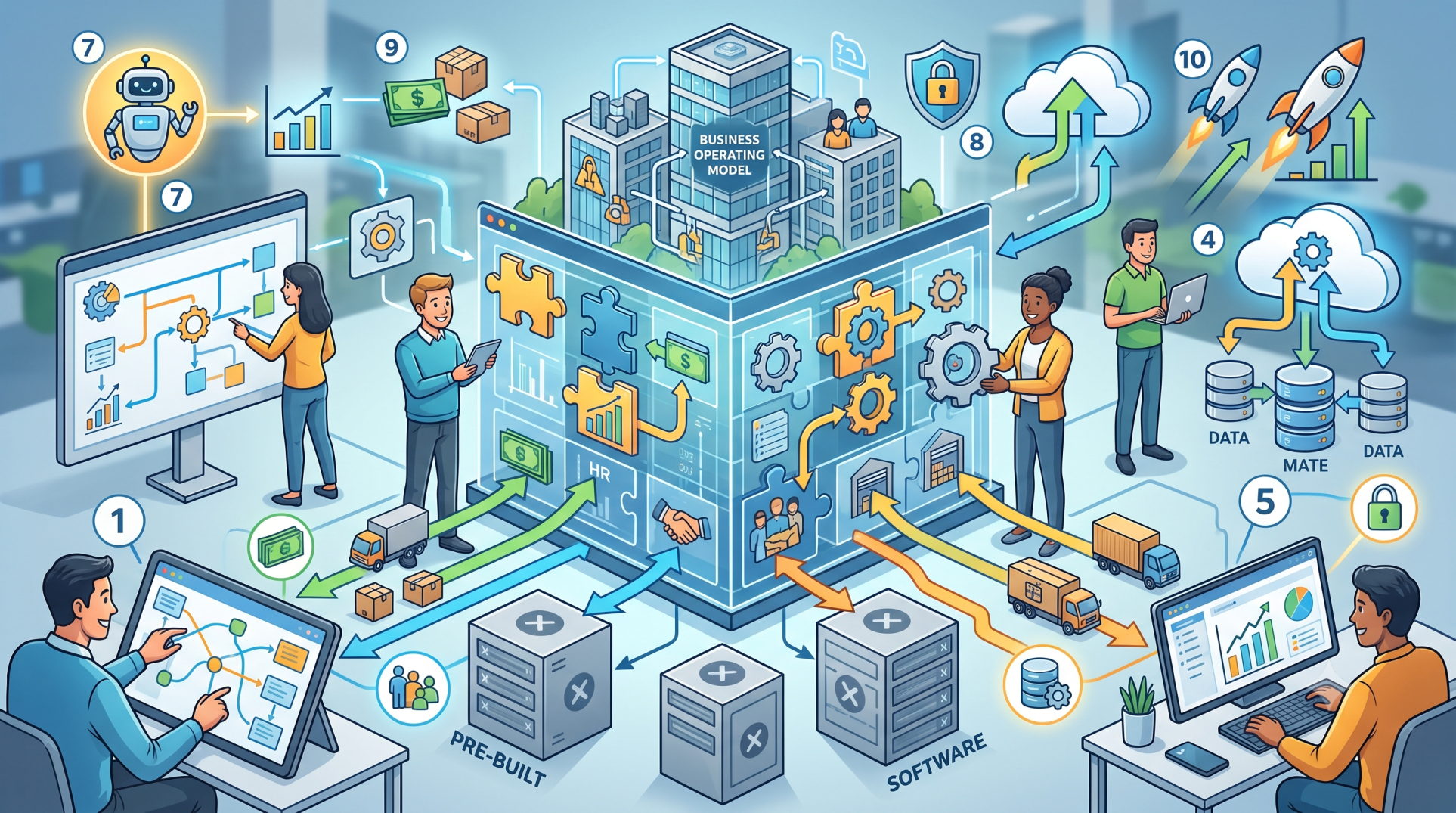
• A customizable ERP can be designed around the organization's actual operating model. ⚙️
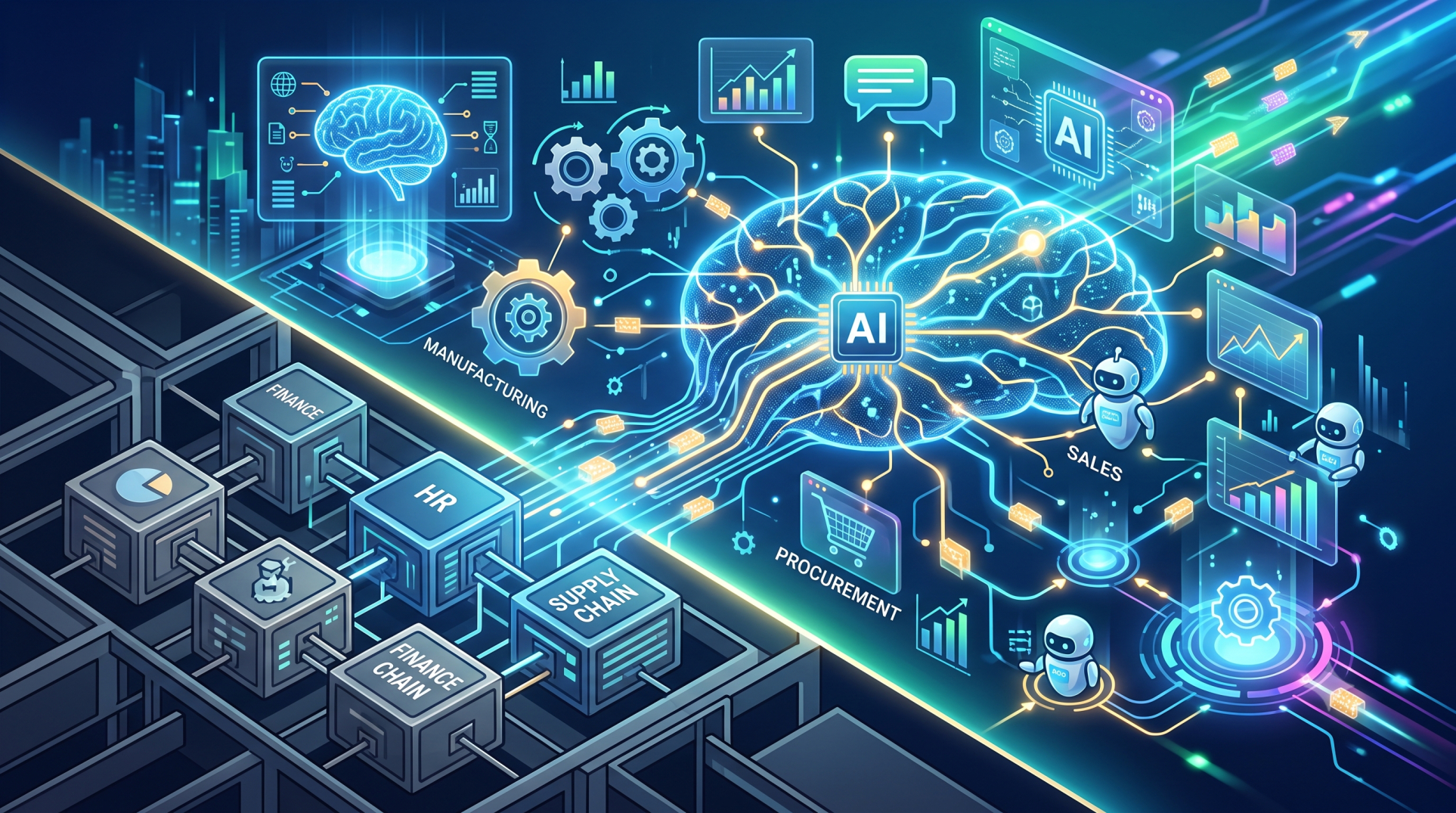
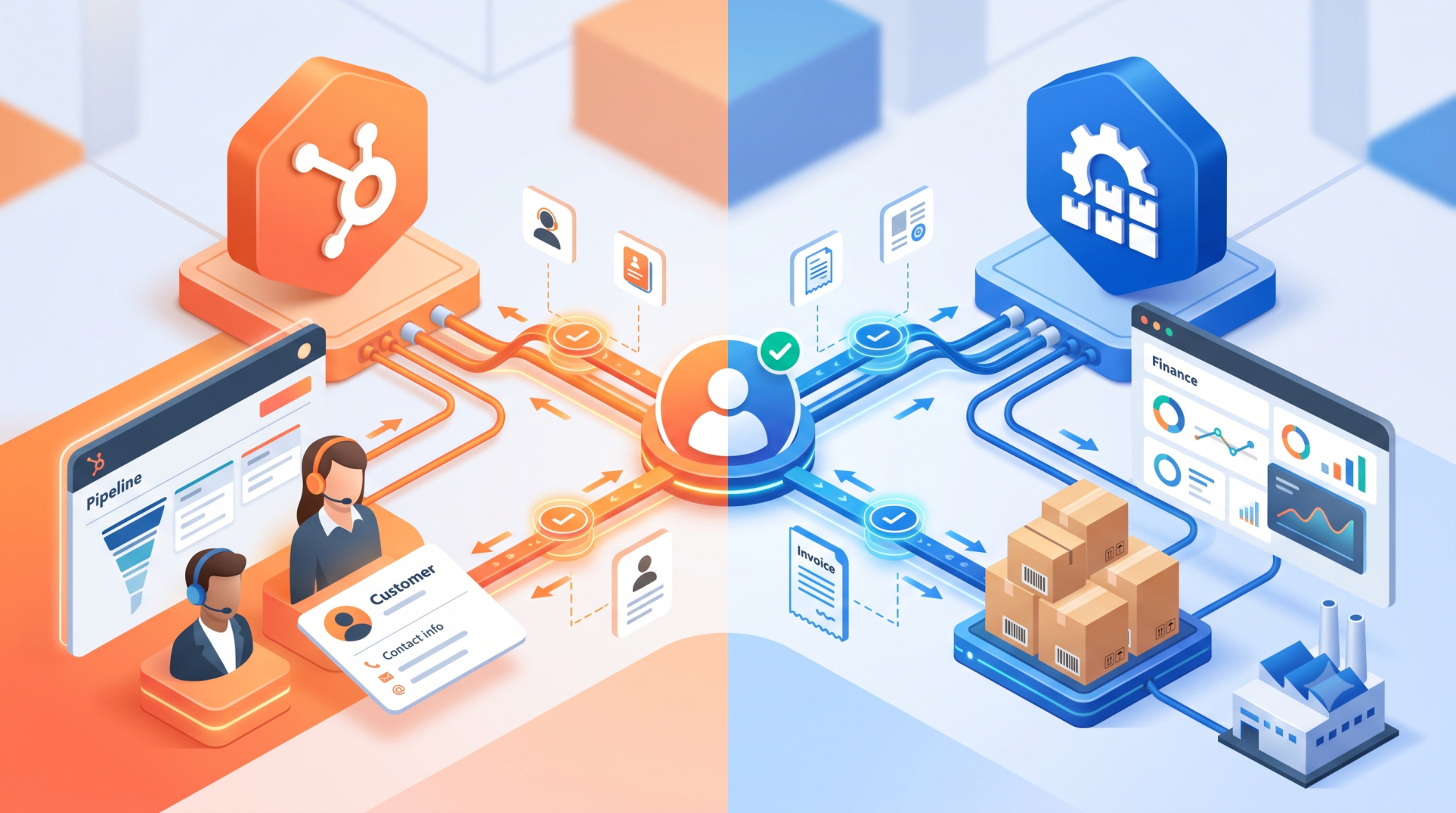
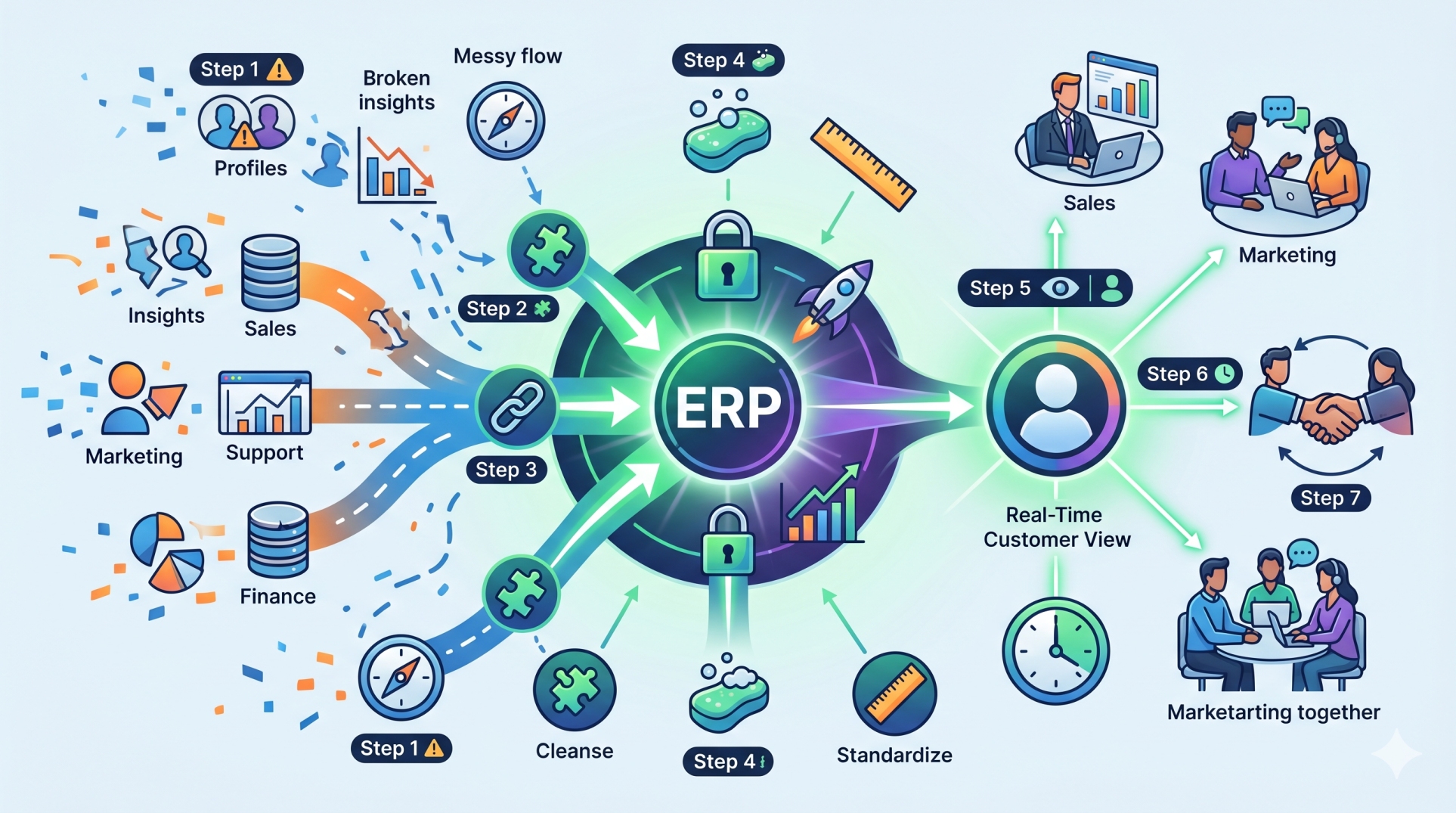
Step 3: Connecting Disconnected Business Systems 🔗
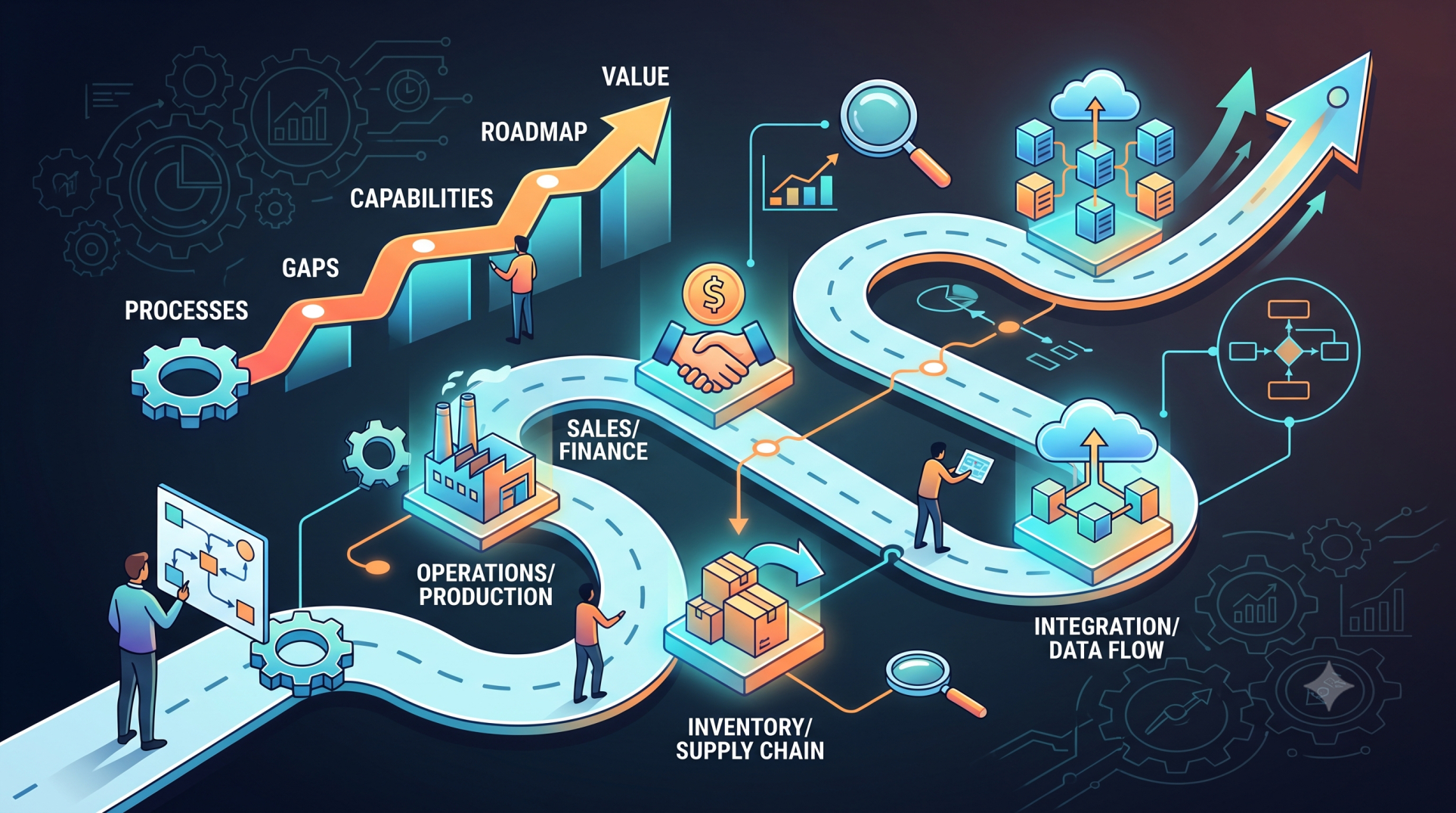
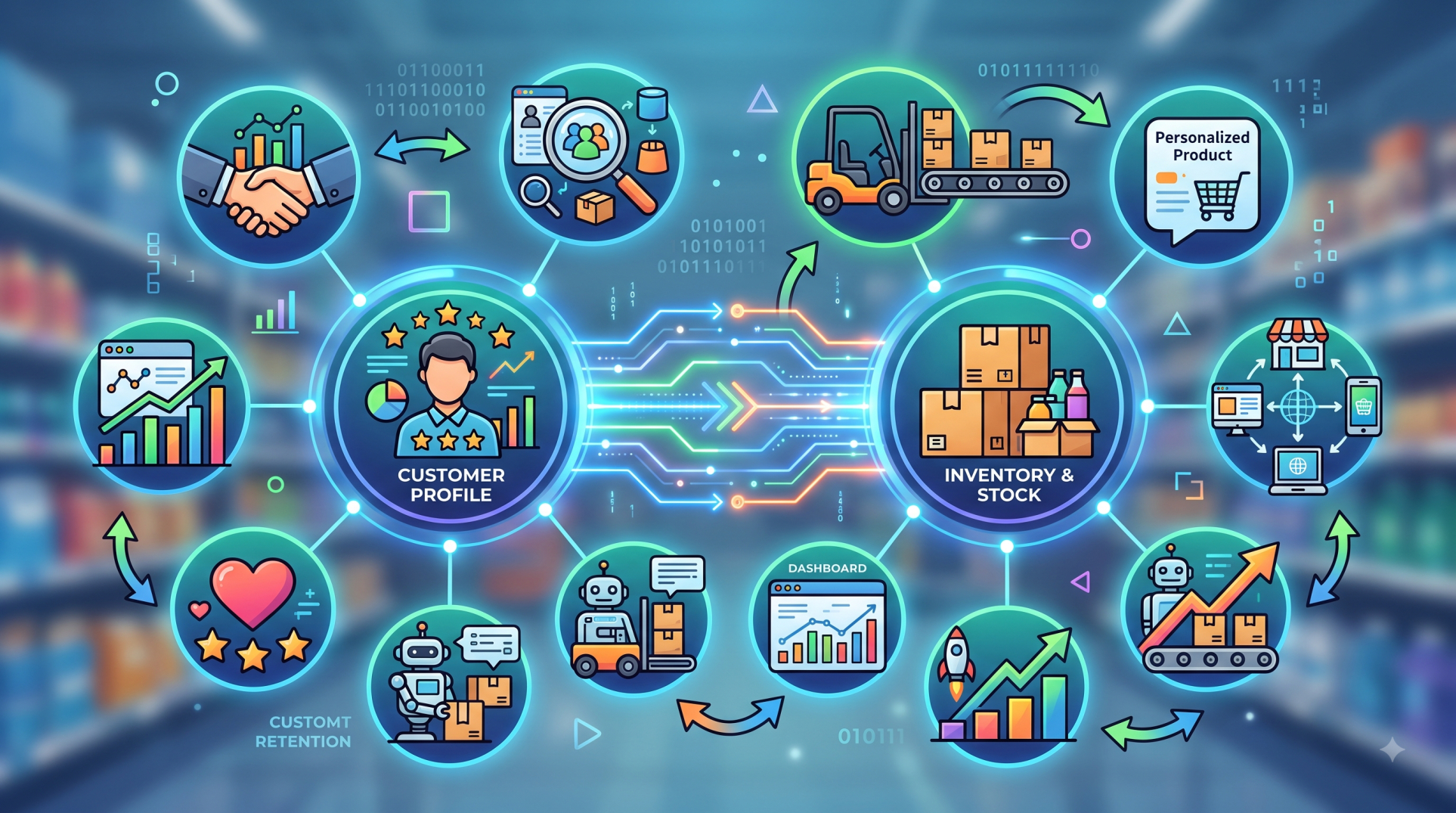
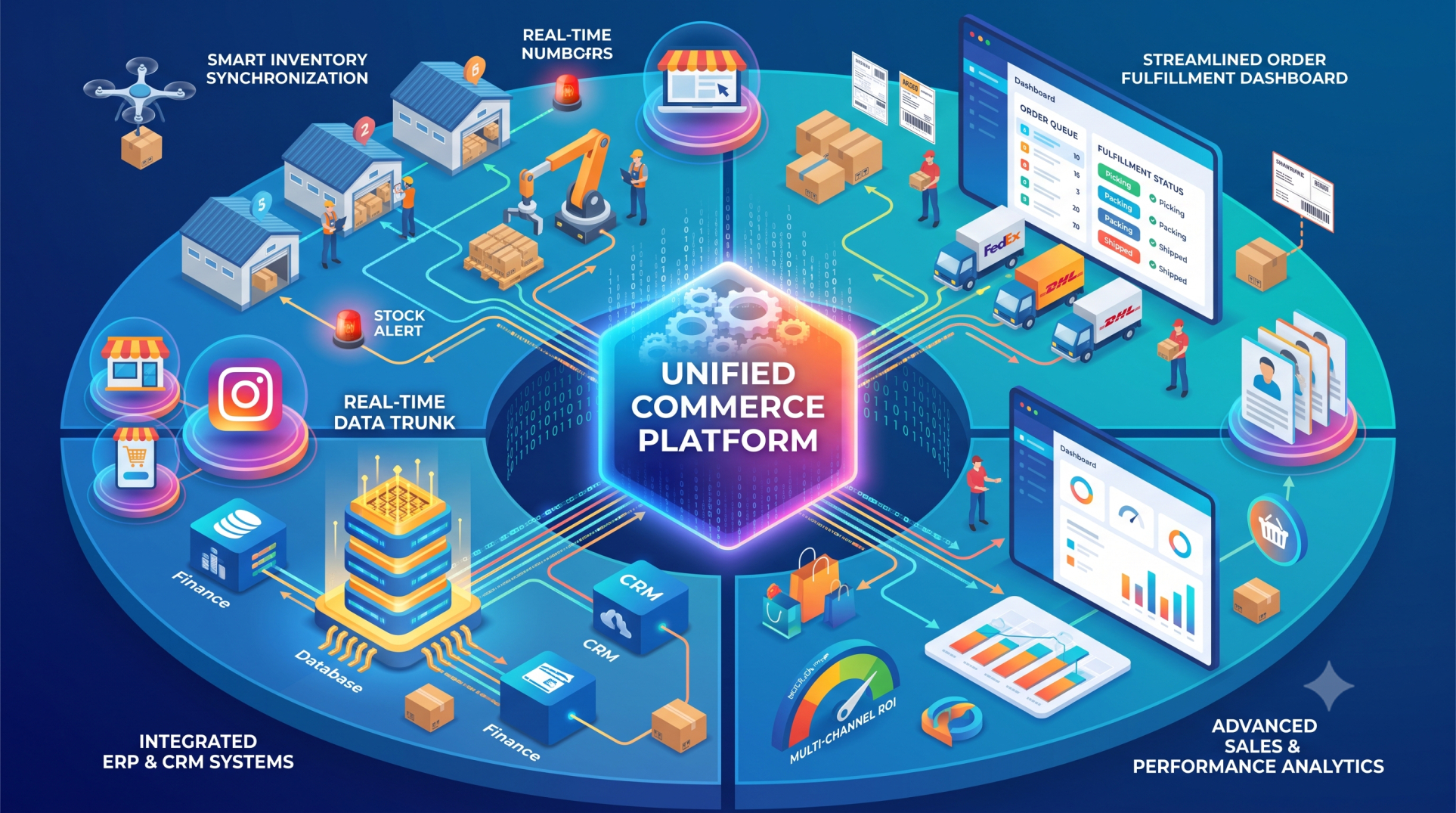
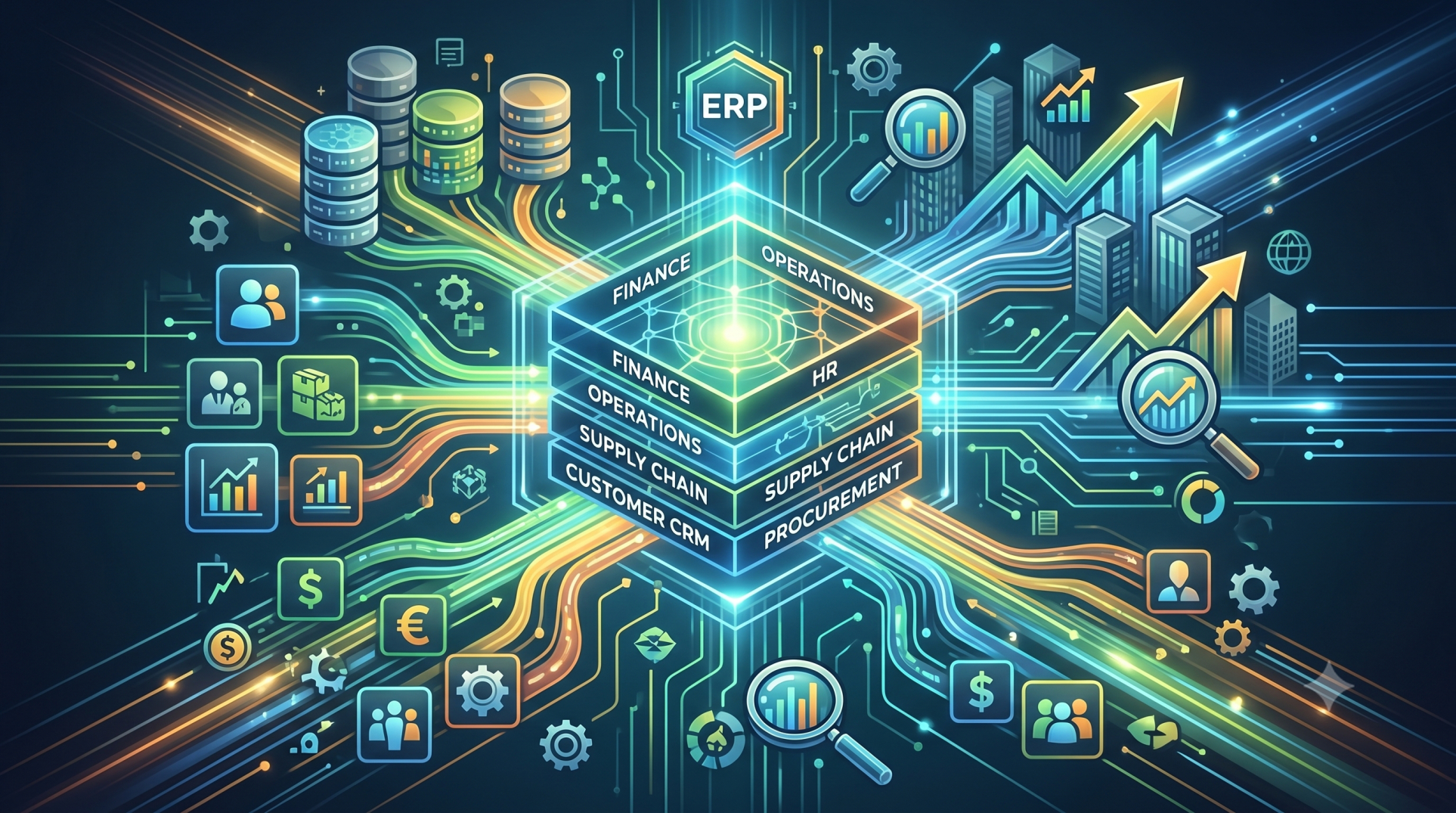
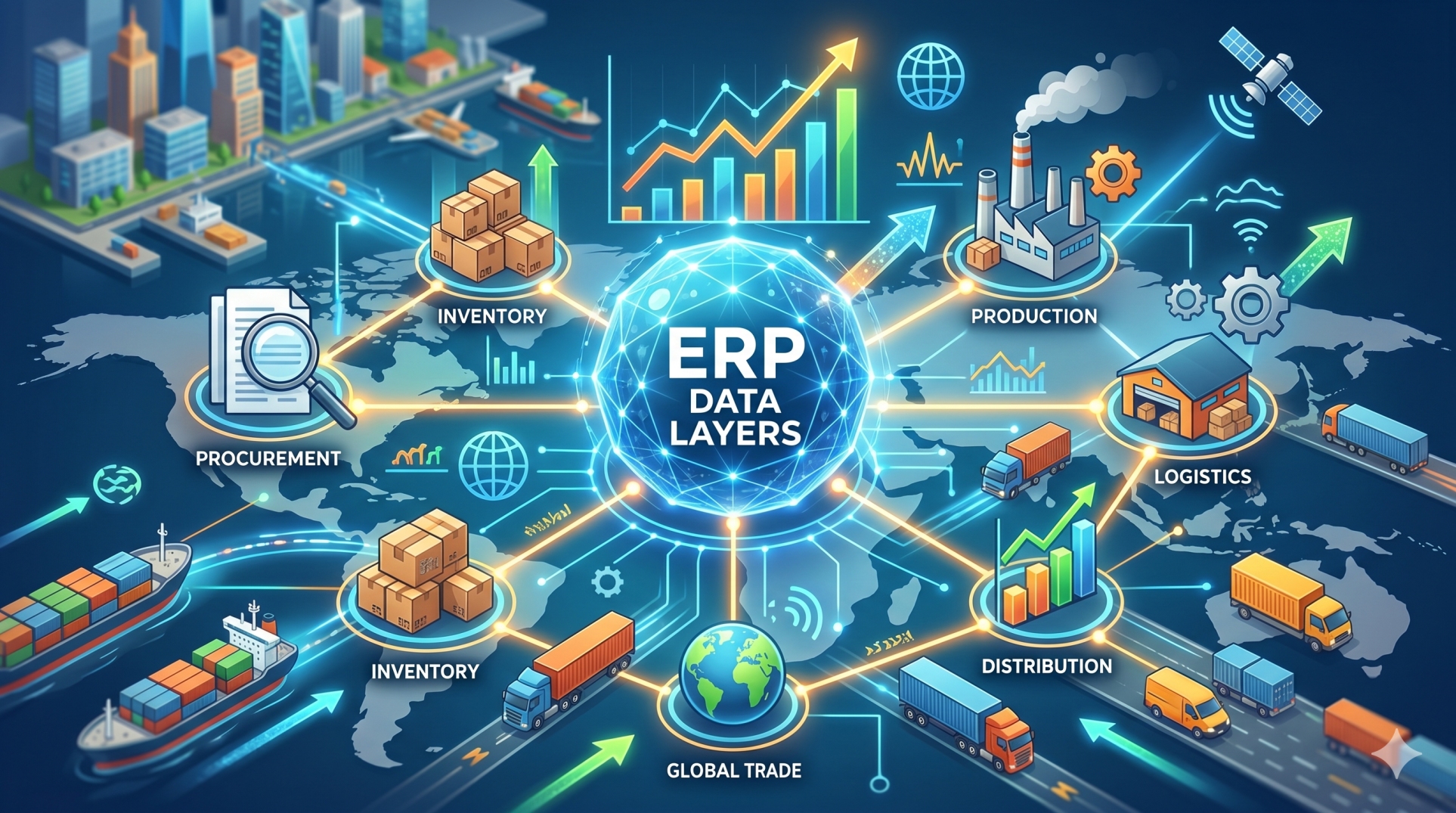
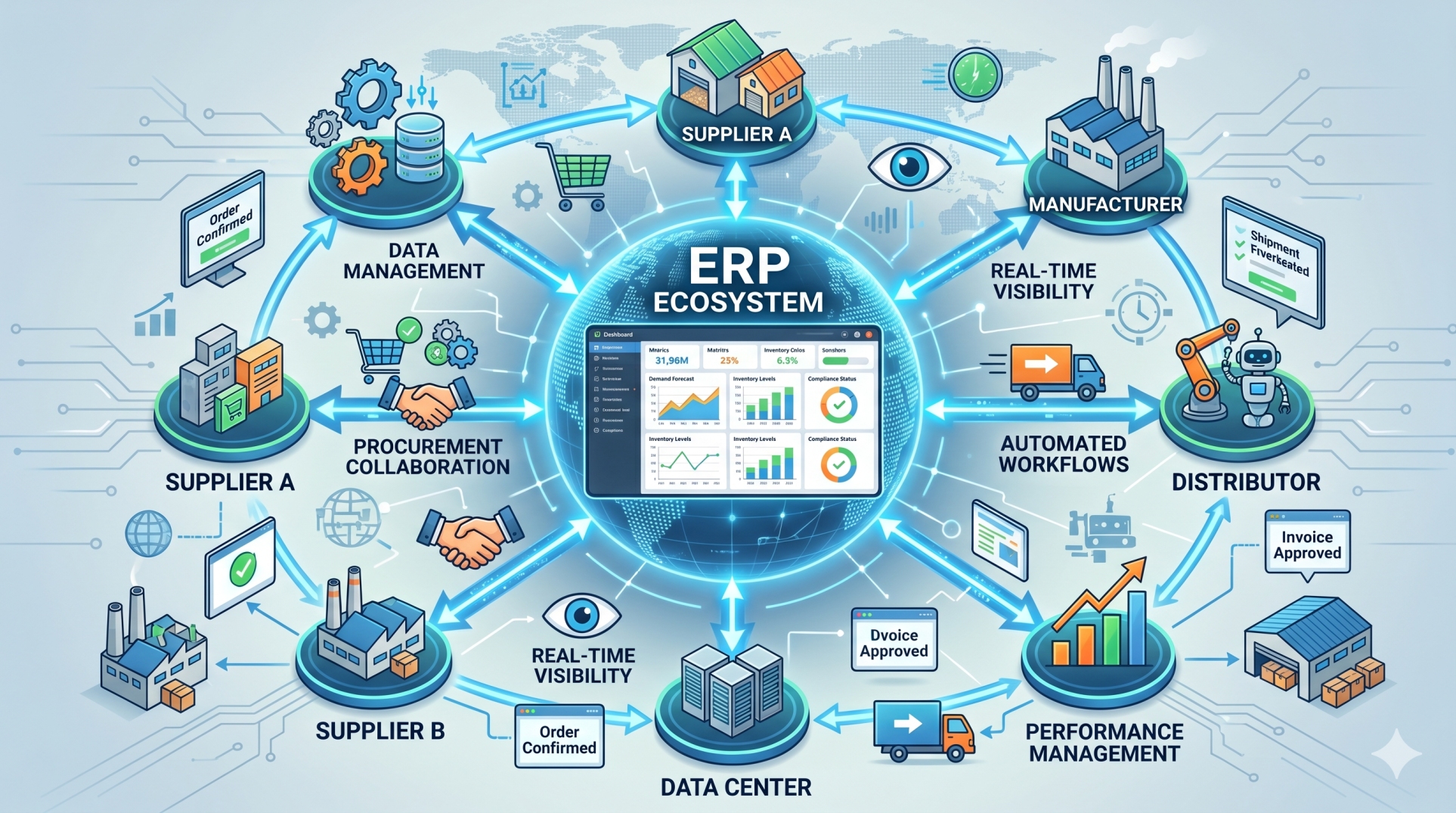
• Growing organizations often accumulate separate tools for finance, sales, inventory, procurement, and operations. 🗂️
• Data may need to be transferred manually between applications. 📋
• Duplicate records can create inconsistencies across departments. ⚠️
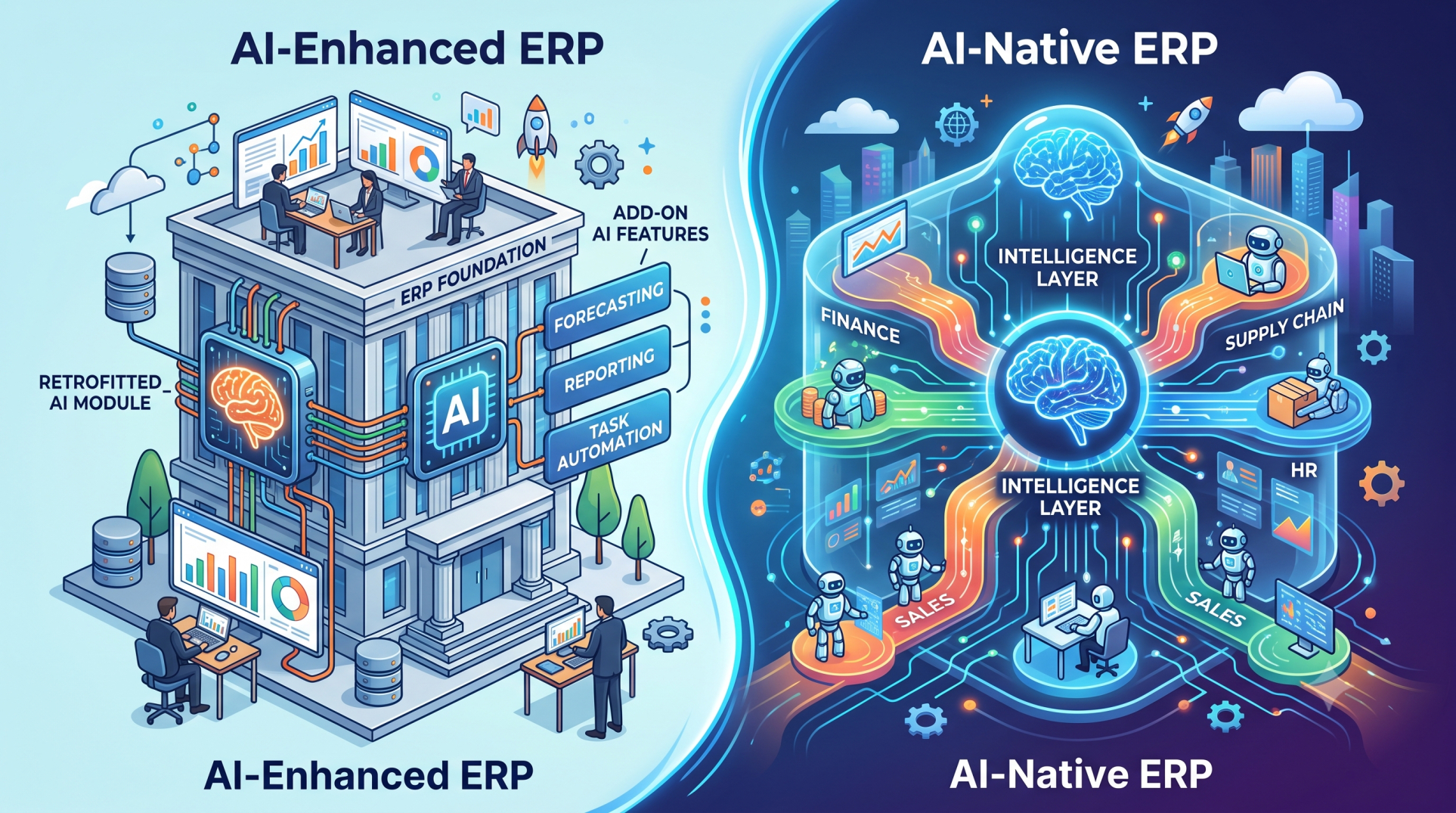
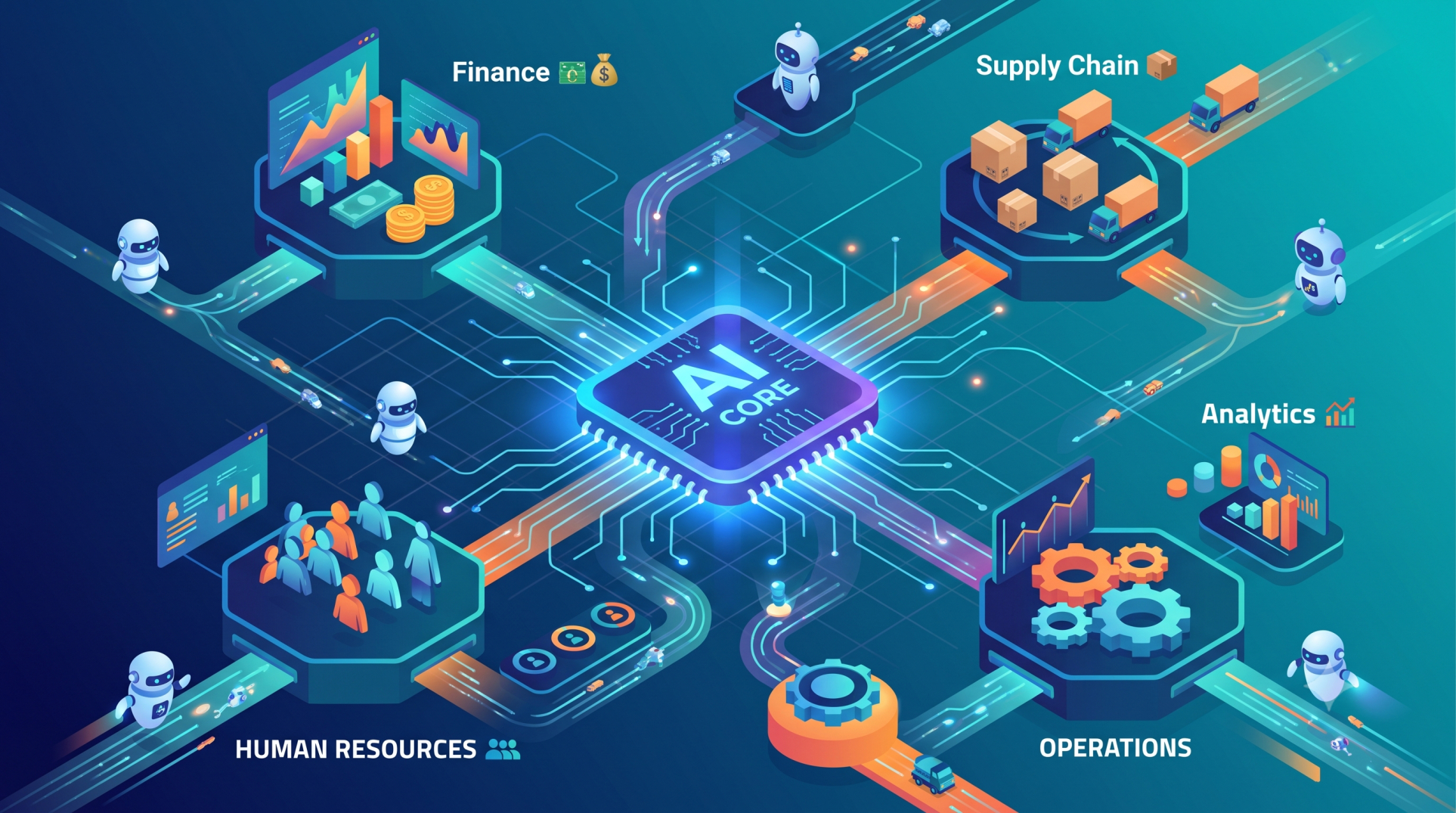
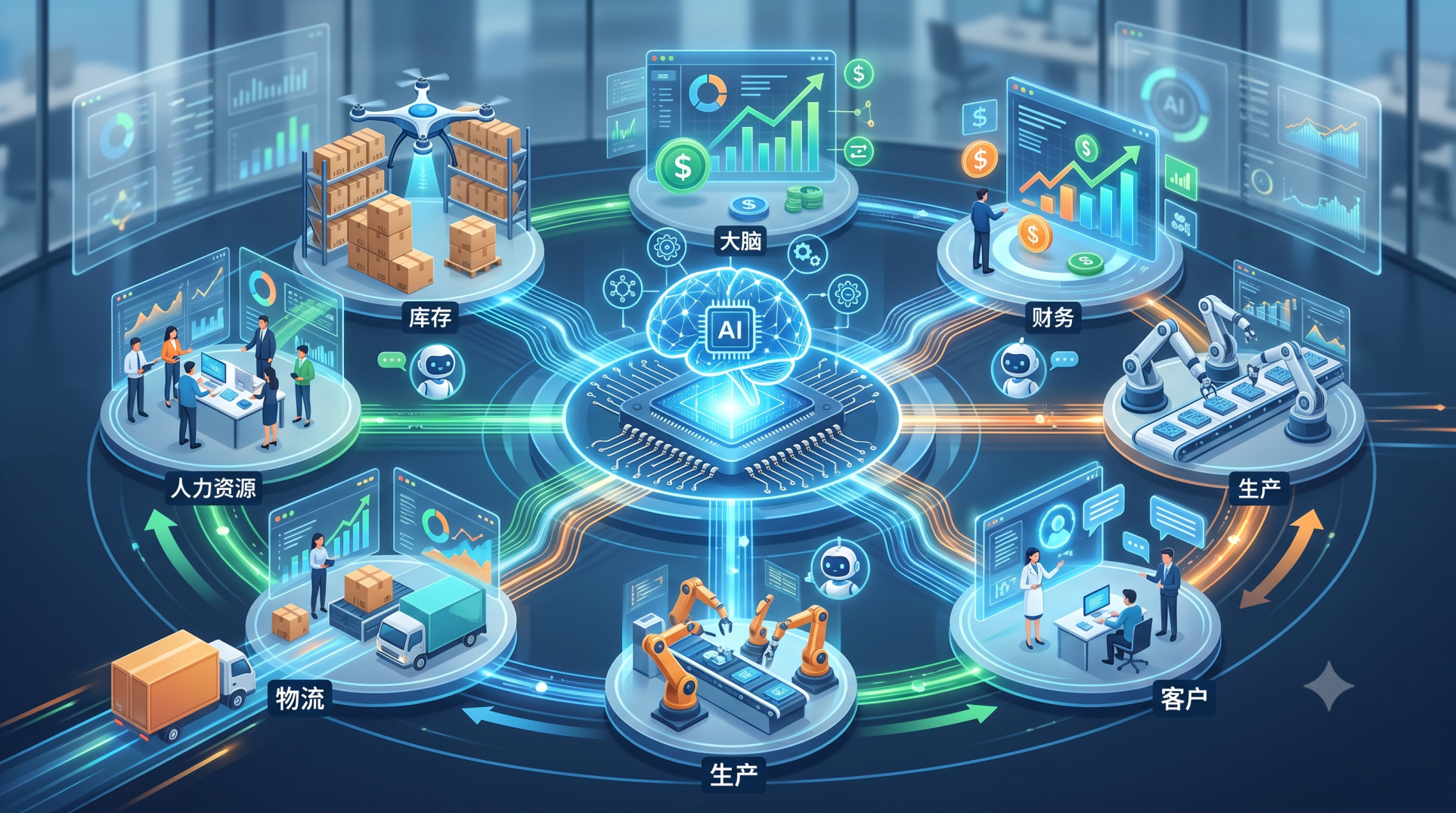
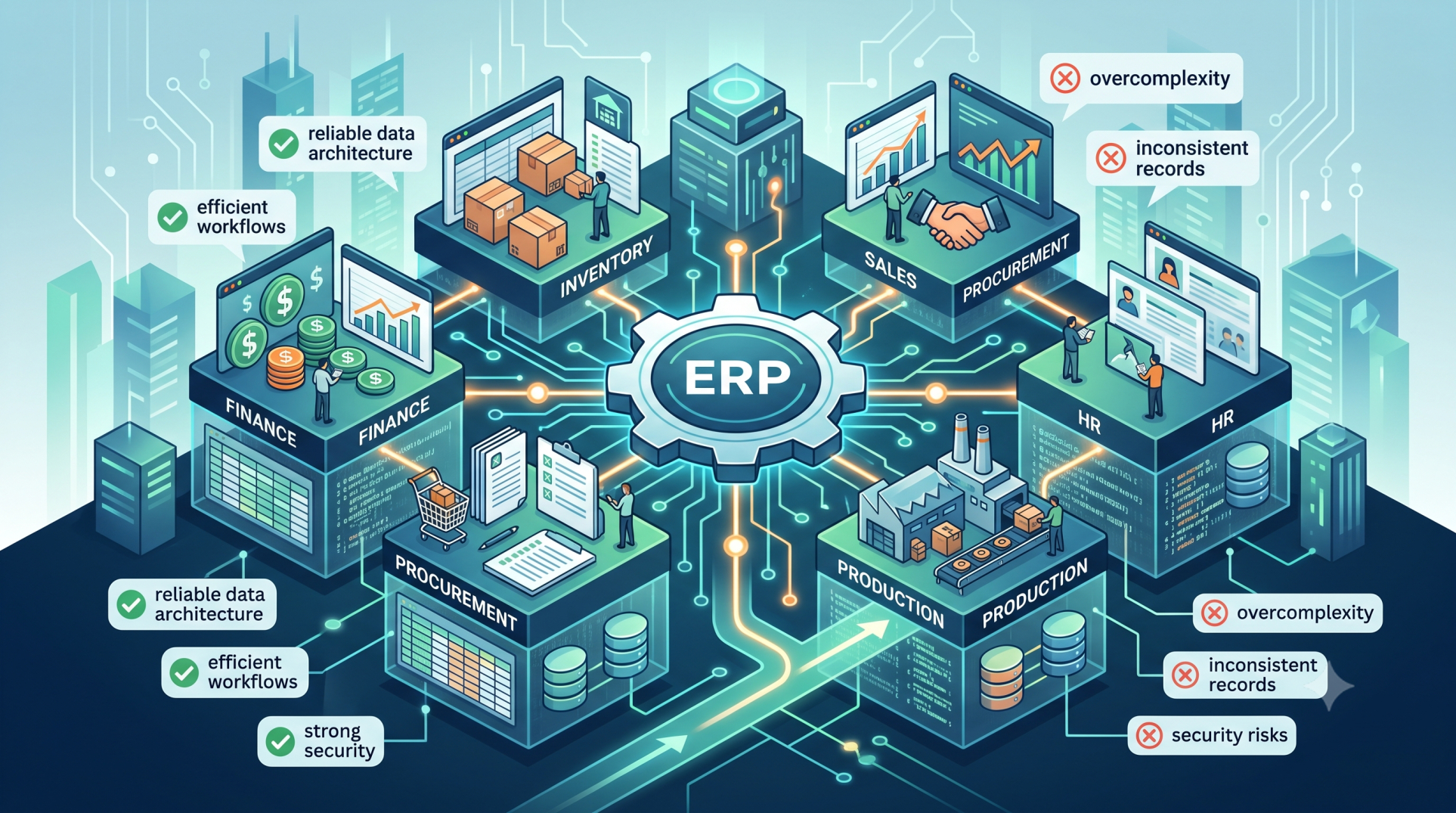
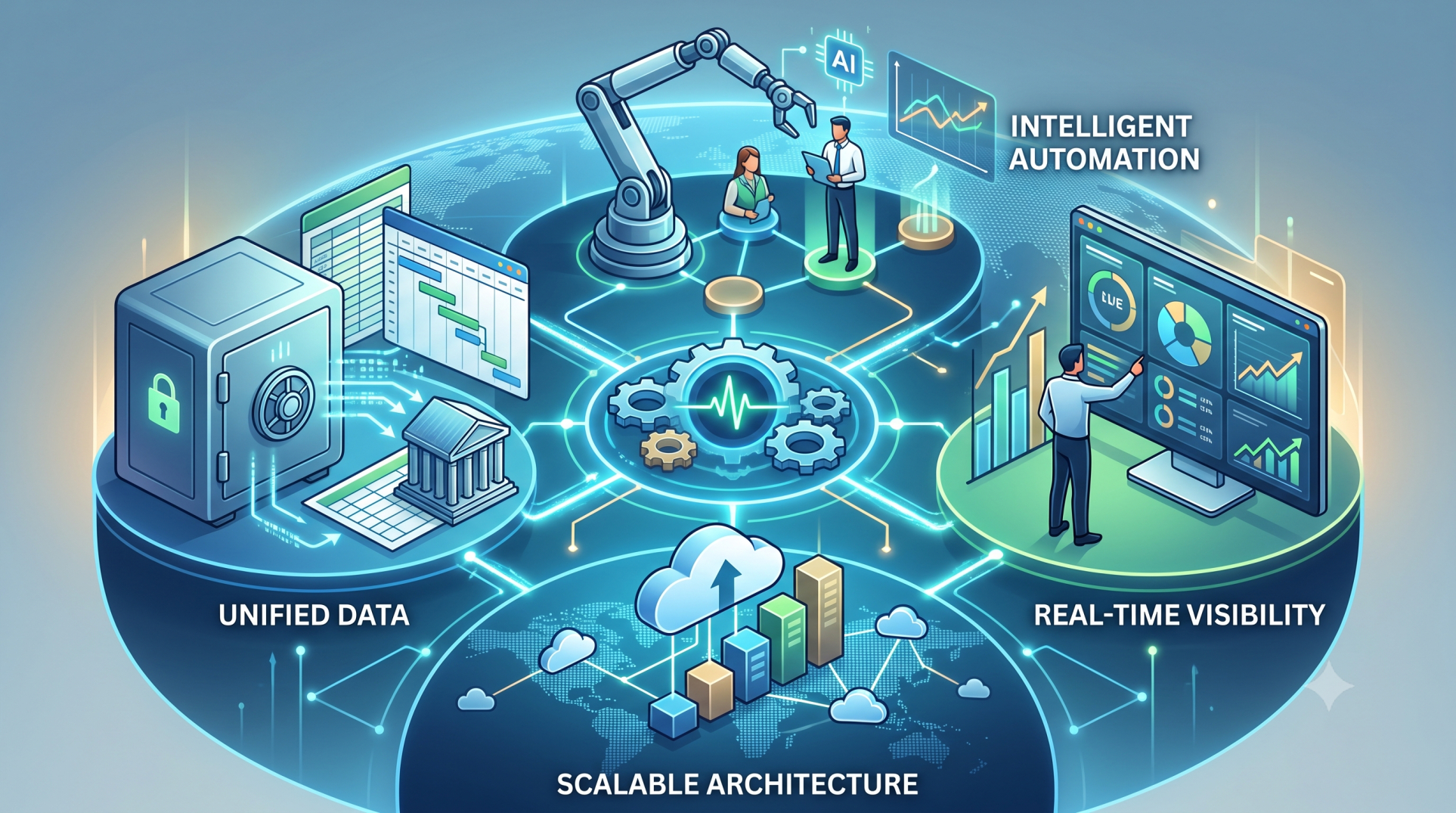
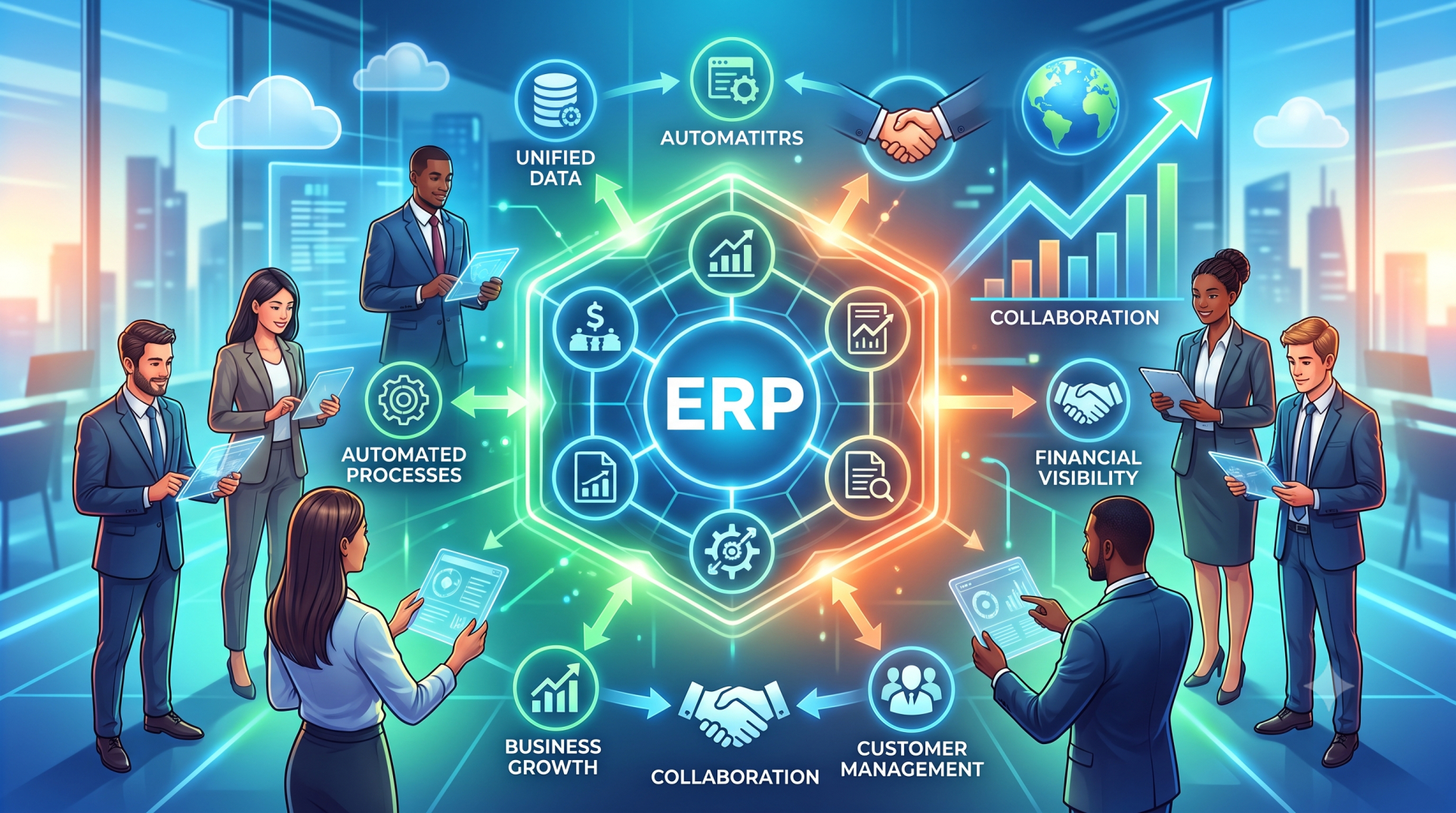
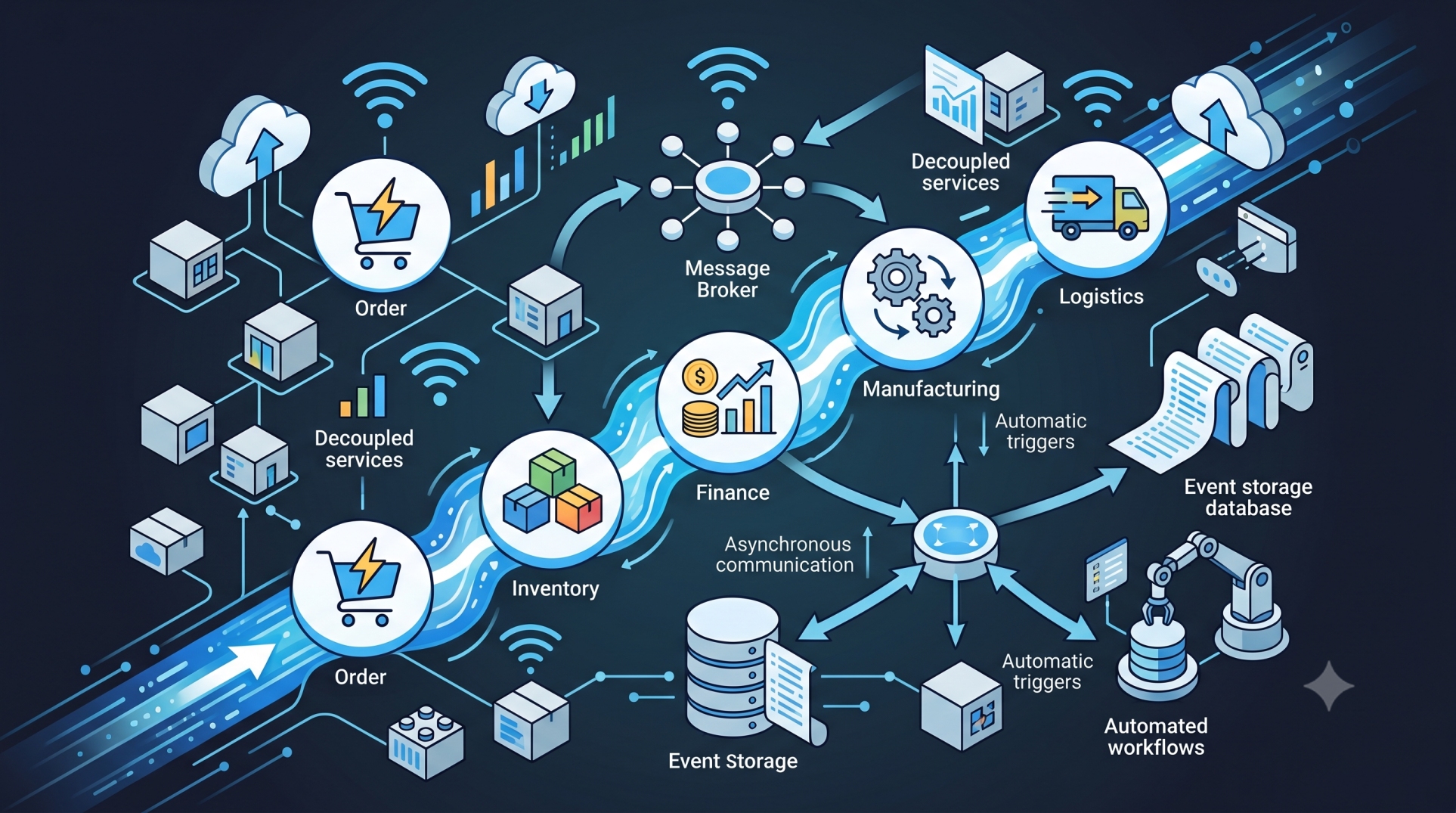
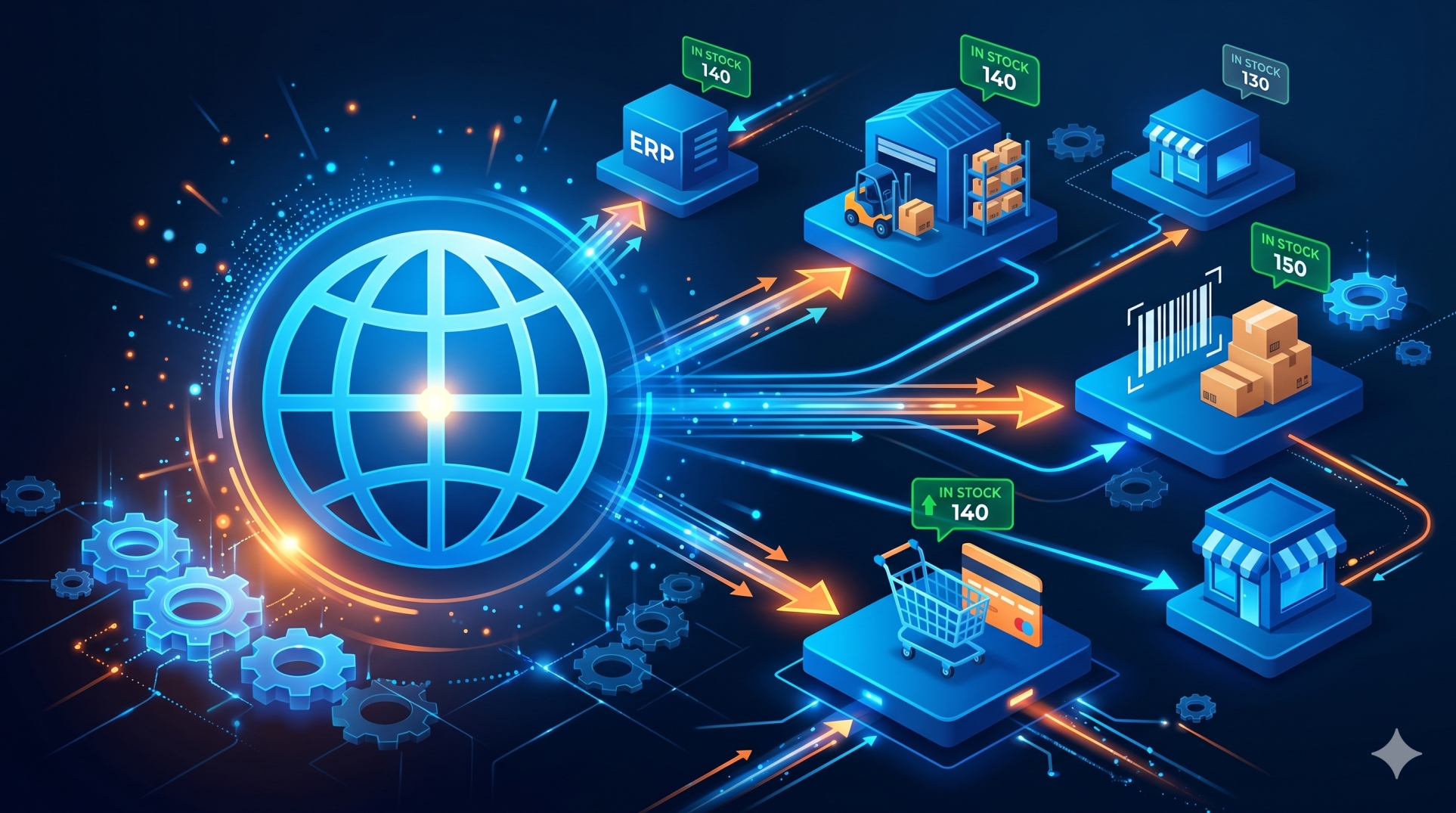
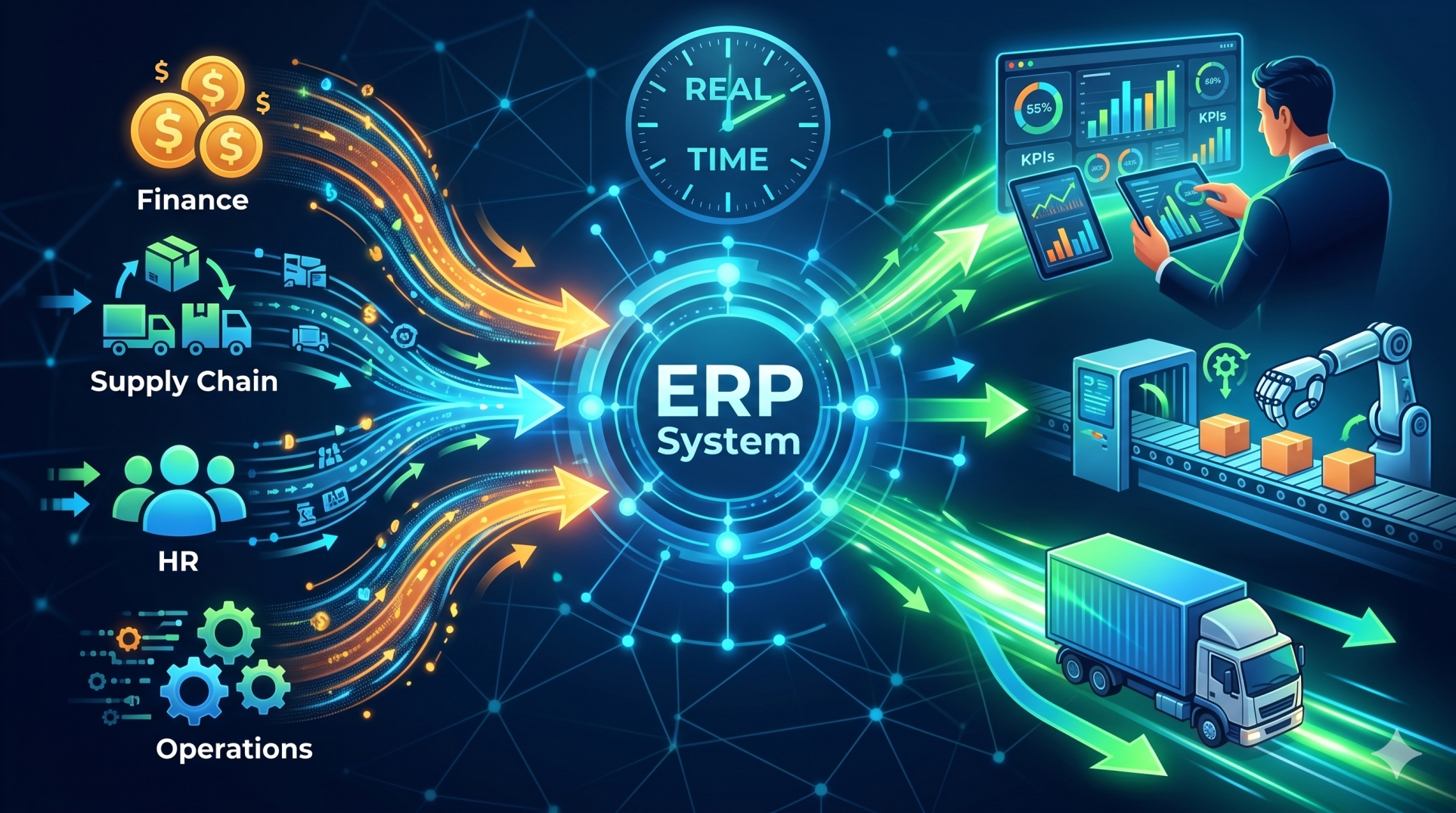
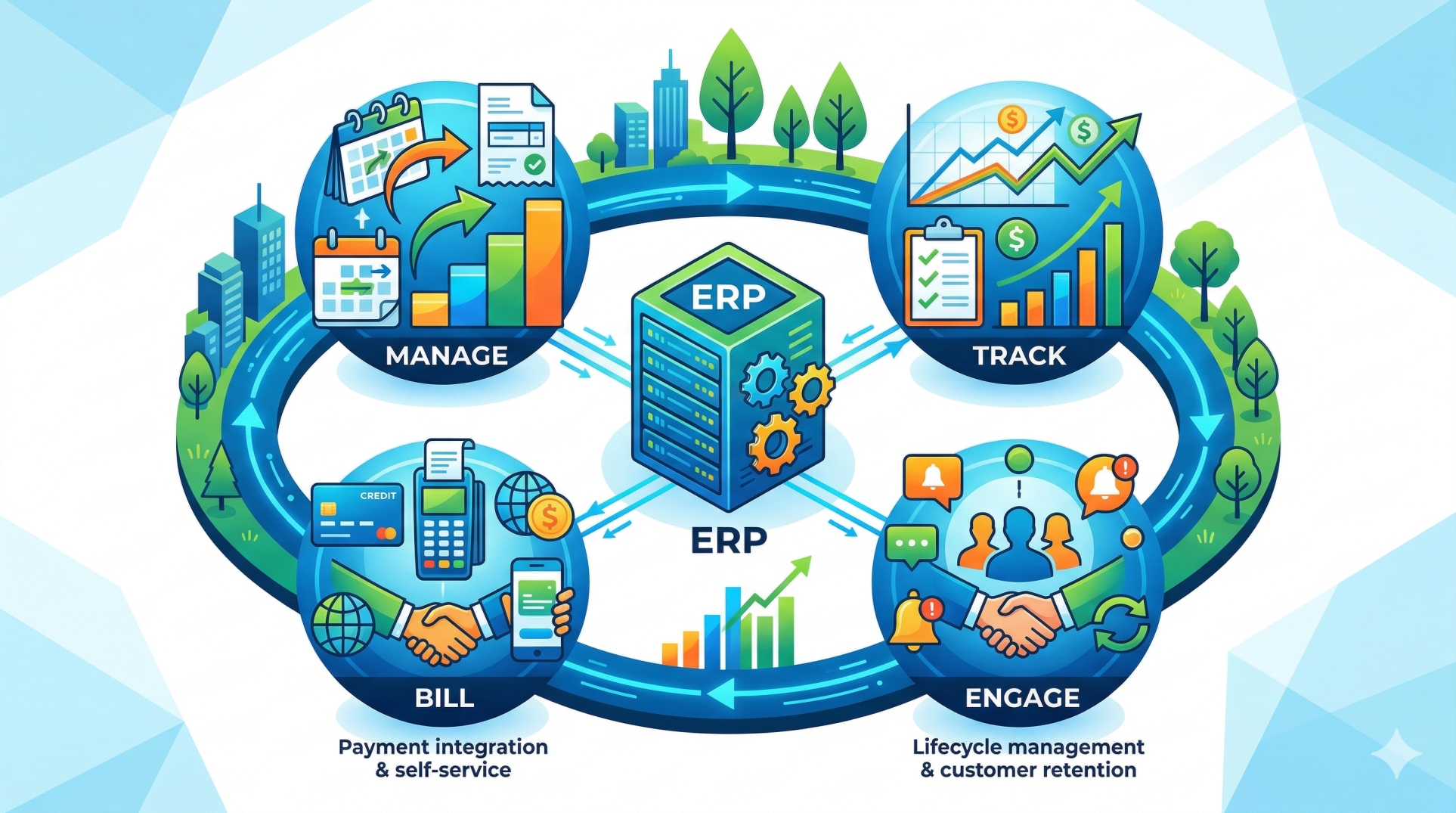
• Integrated ERP architecture can provide a connected foundation for business information. 🌐
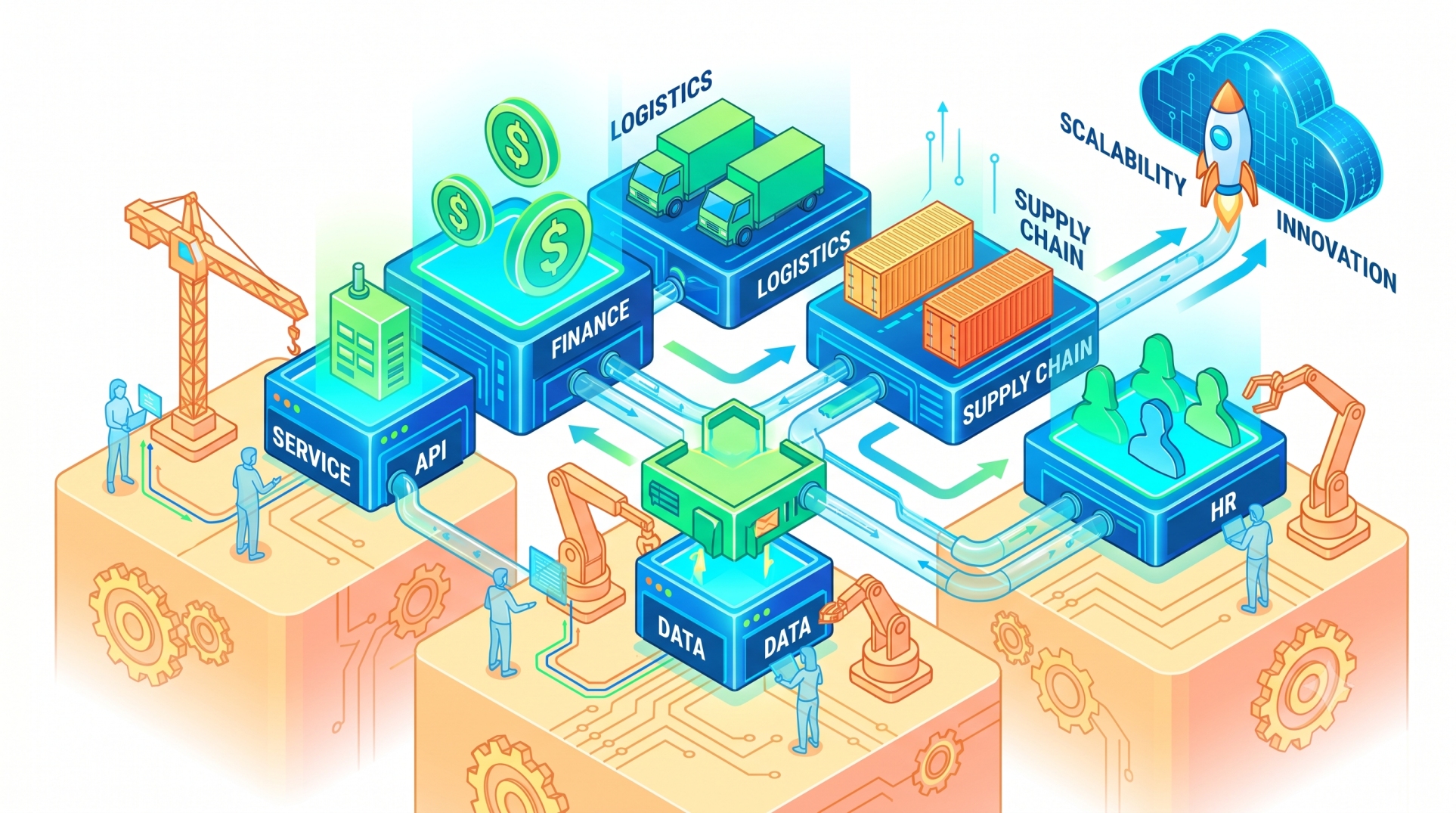
• APIs and integration services can connect specialized applications where full replacement is unnecessary. 🔌
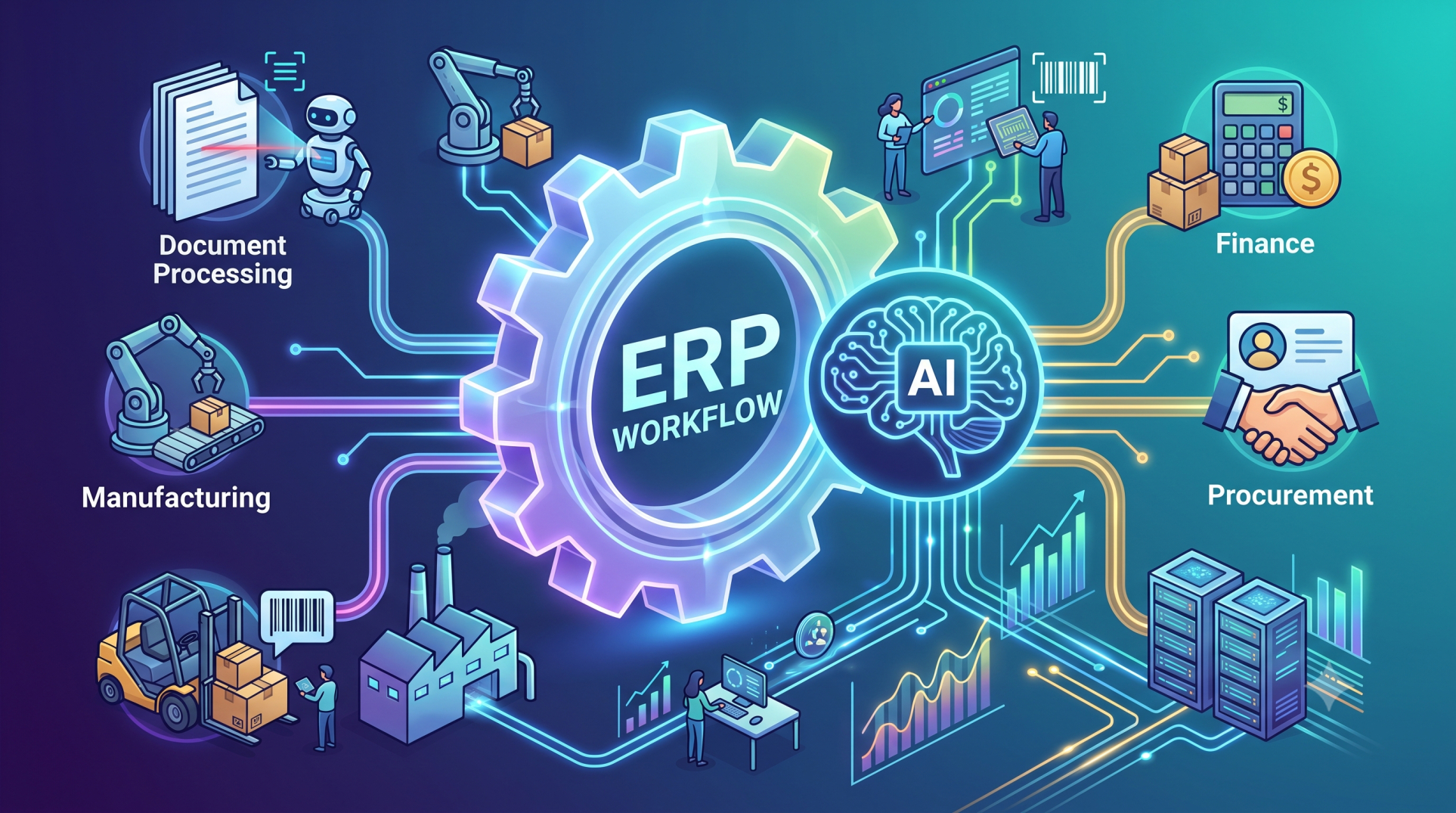
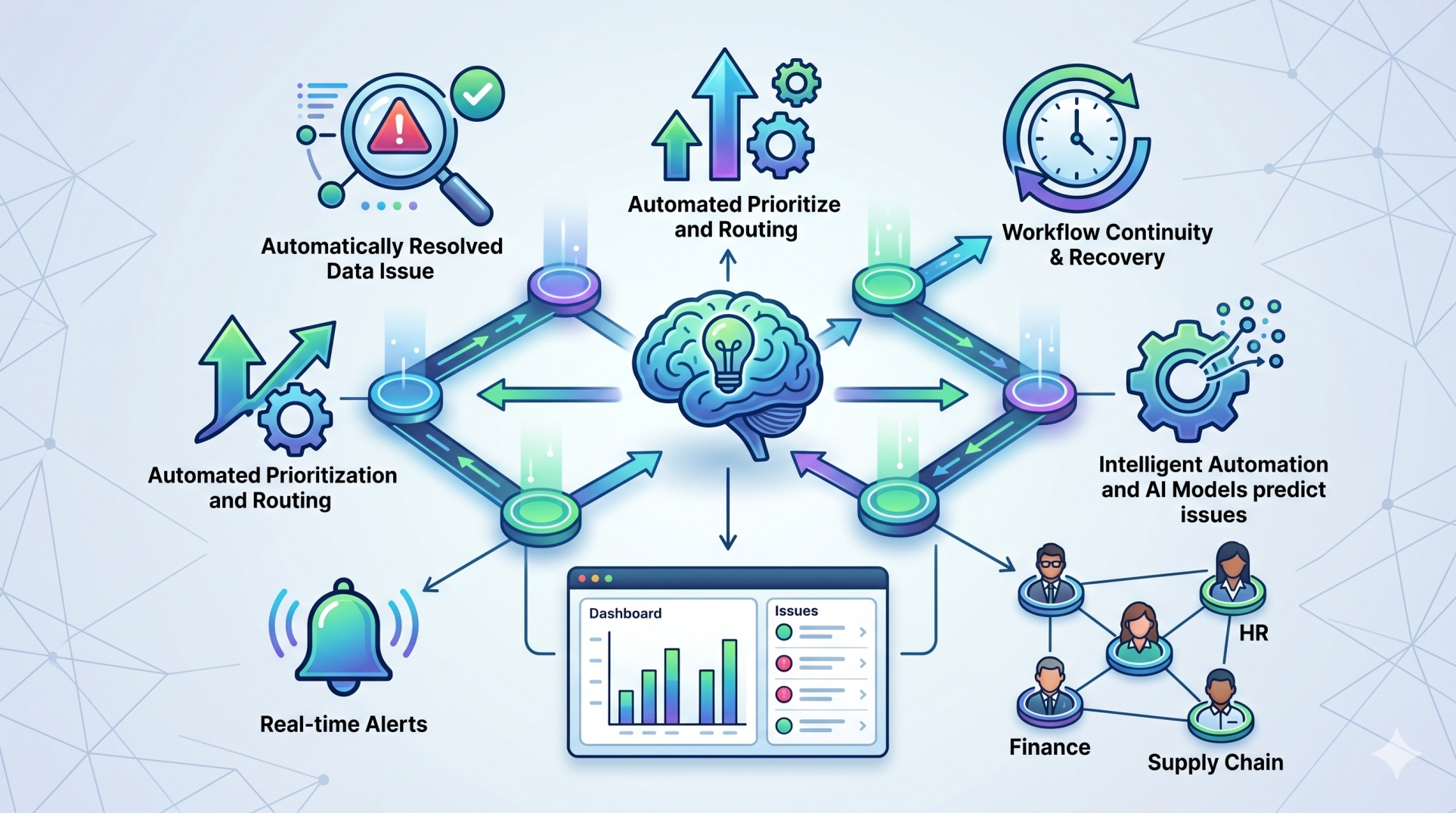
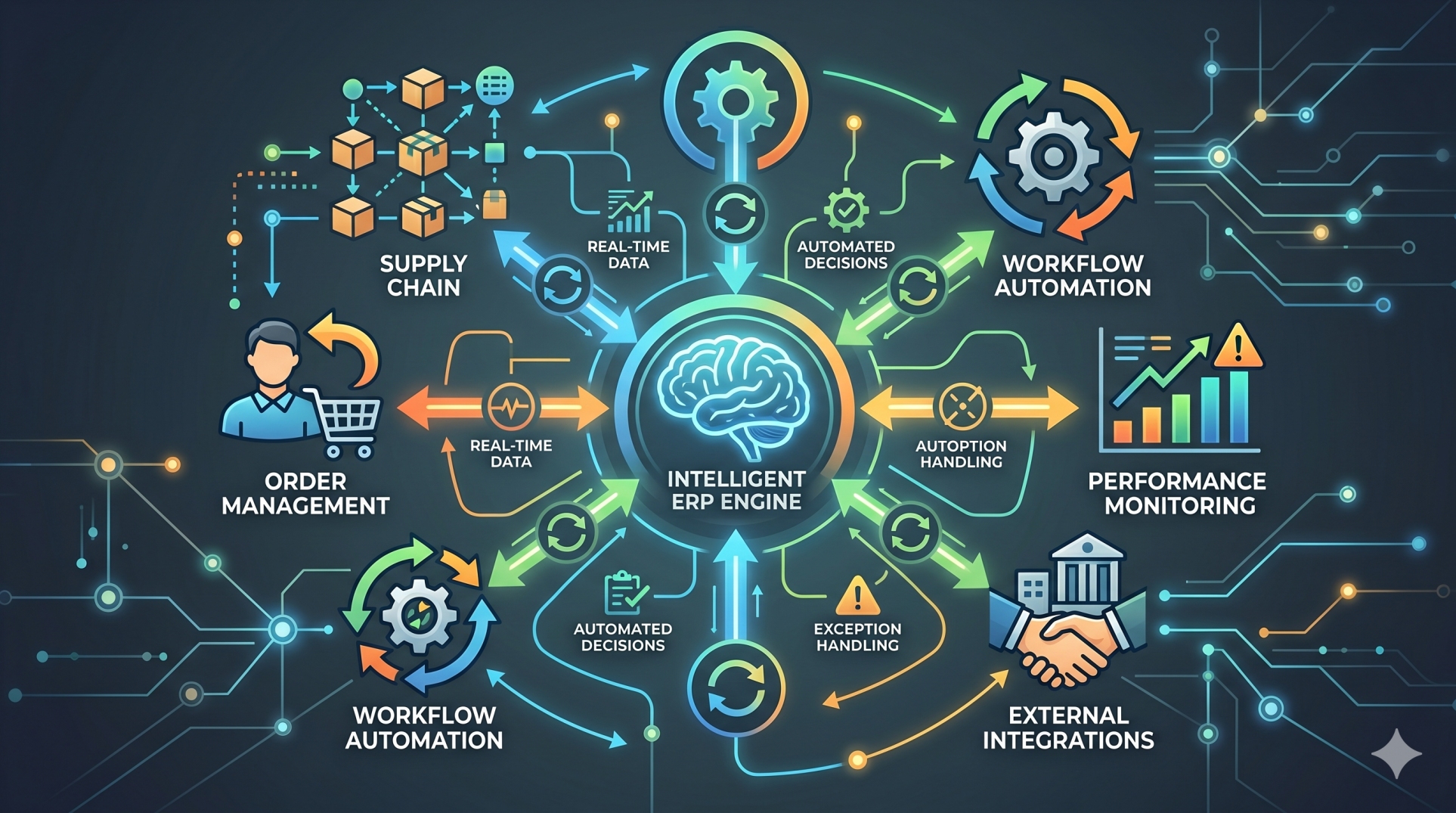
Step 4: Improving Workflow Automation 🤖
• Growing transaction volumes can make manual approvals and repetitive tasks increasingly inefficient. 🔄
• Custom workflows can automate processes according to specific business rules. ⚙️
• Automated notifications can reduce delays between departments. 🔔
• Approval workflows can be configured according to transaction type, value, department, or responsibility. 📋
• Automation can reduce administrative effort while maintaining appropriate human oversight. 👥
Step 5: Addressing Unique Business Processes 🧩
• Some organizations operate processes that are not well represented by generic ERP workflows. 🔎
• Industry-specific operations may require specialized calculations, approvals, or data structures. 📊
• Custom ERP capabilities can reflect unique operational requirements. ⚙️
• Business-specific workflows can be incorporated without forcing teams into unsuitable processes. 🔄
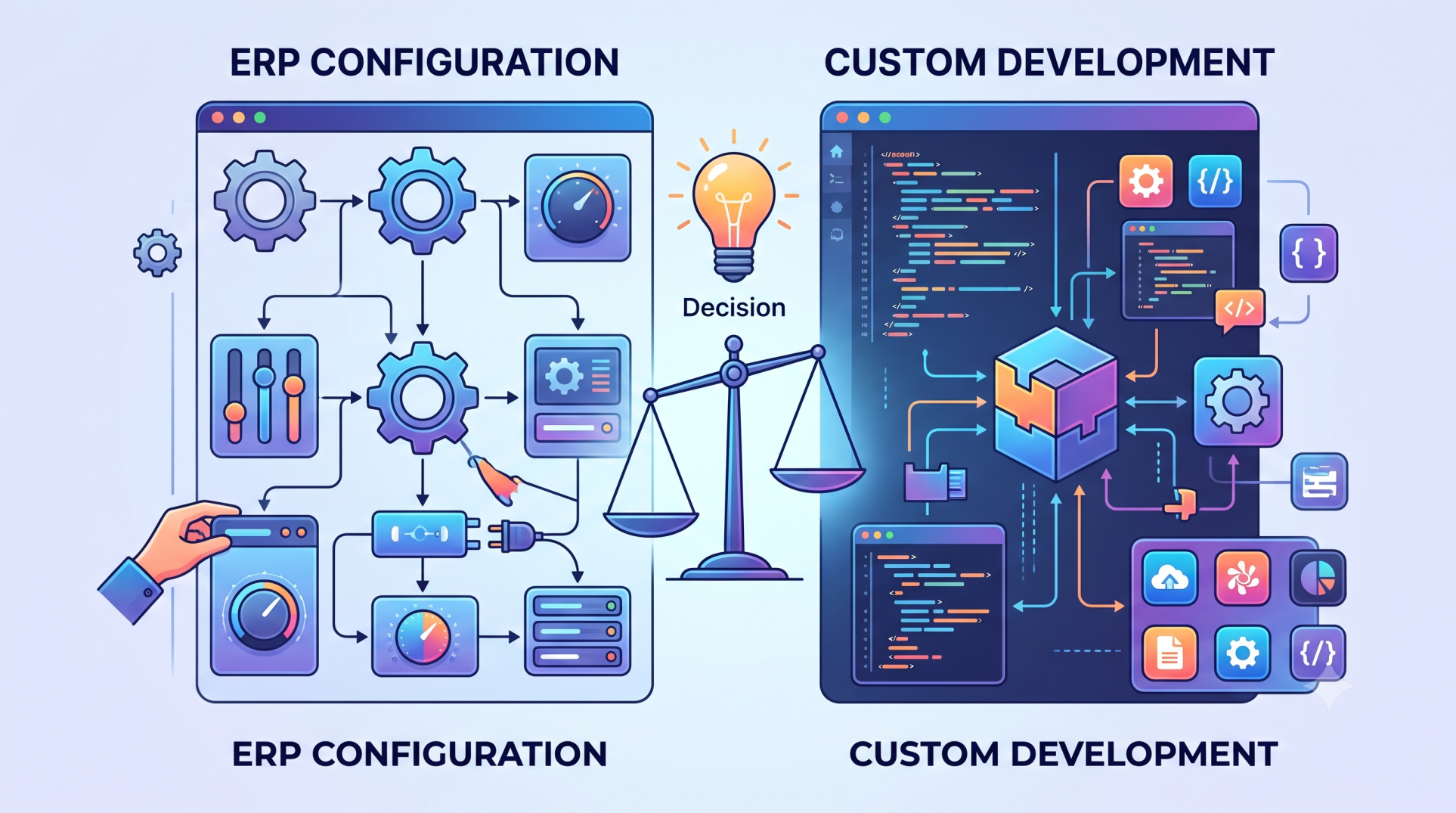
• Customization should focus on meaningful operational requirements rather than unnecessary feature expansion. 🎯
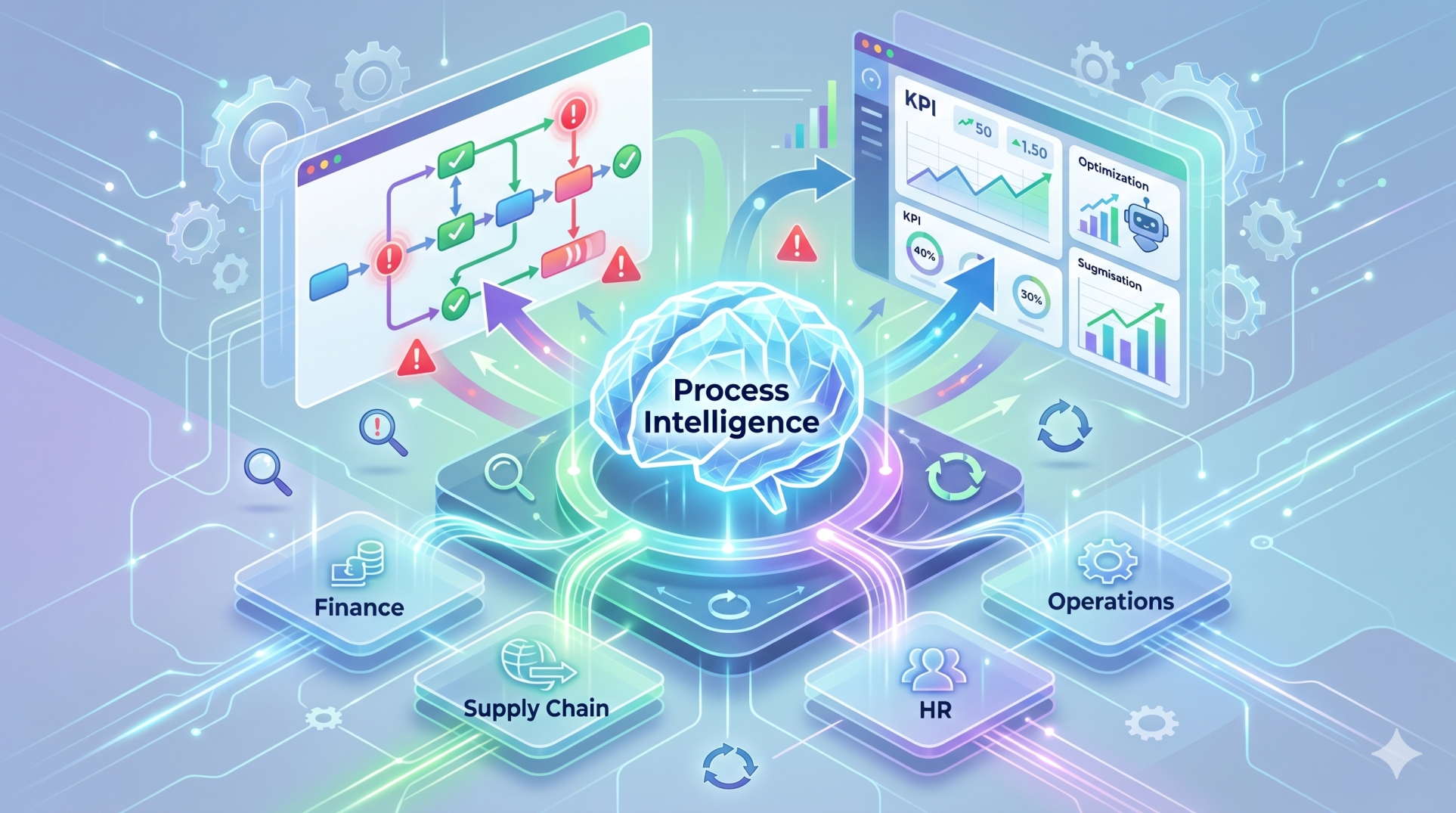
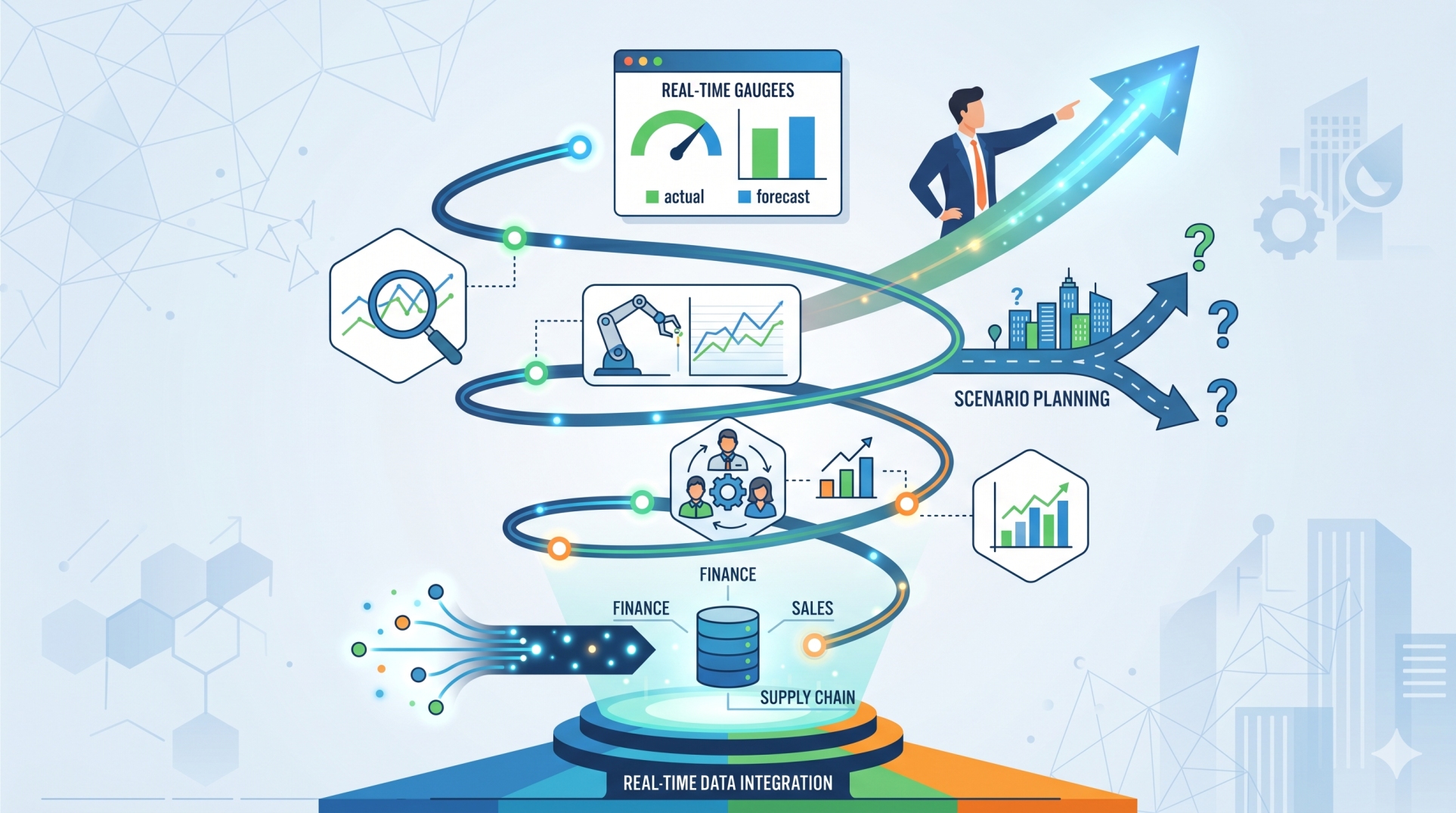
Step 6: Strengthening Data Visibility and Reporting 📊
• Business growth increases the need for timely and reliable operational information. 📈
• Leaders may require consolidated visibility across departments and locations. 👁️
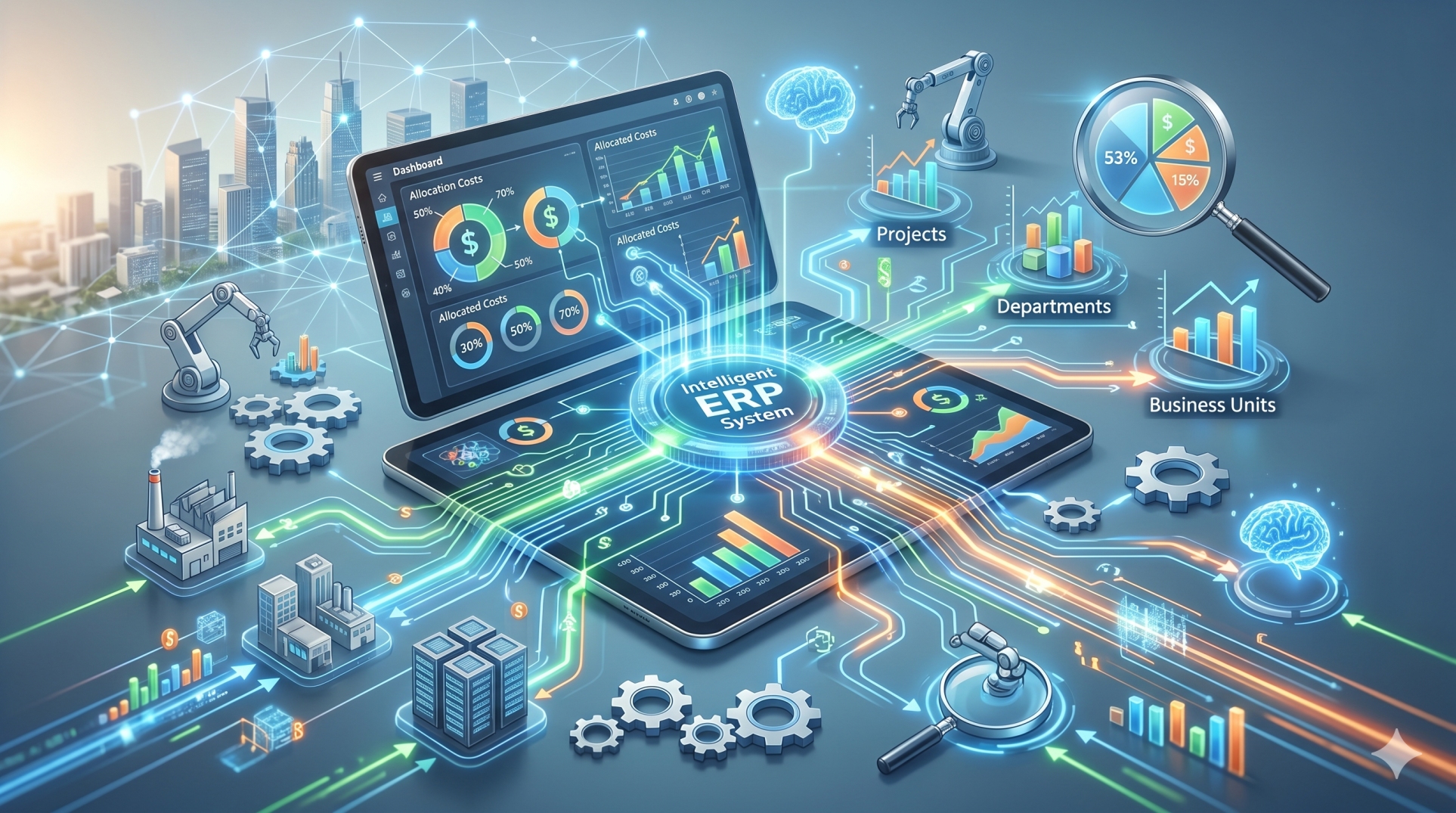
• Custom reporting can be designed around organization-specific performance indicators. 🎯
• Centralized data can reduce the need to manually combine information from multiple systems. 🗃️
• Better visibility can support planning, forecasting, and operational decision-making. 💡
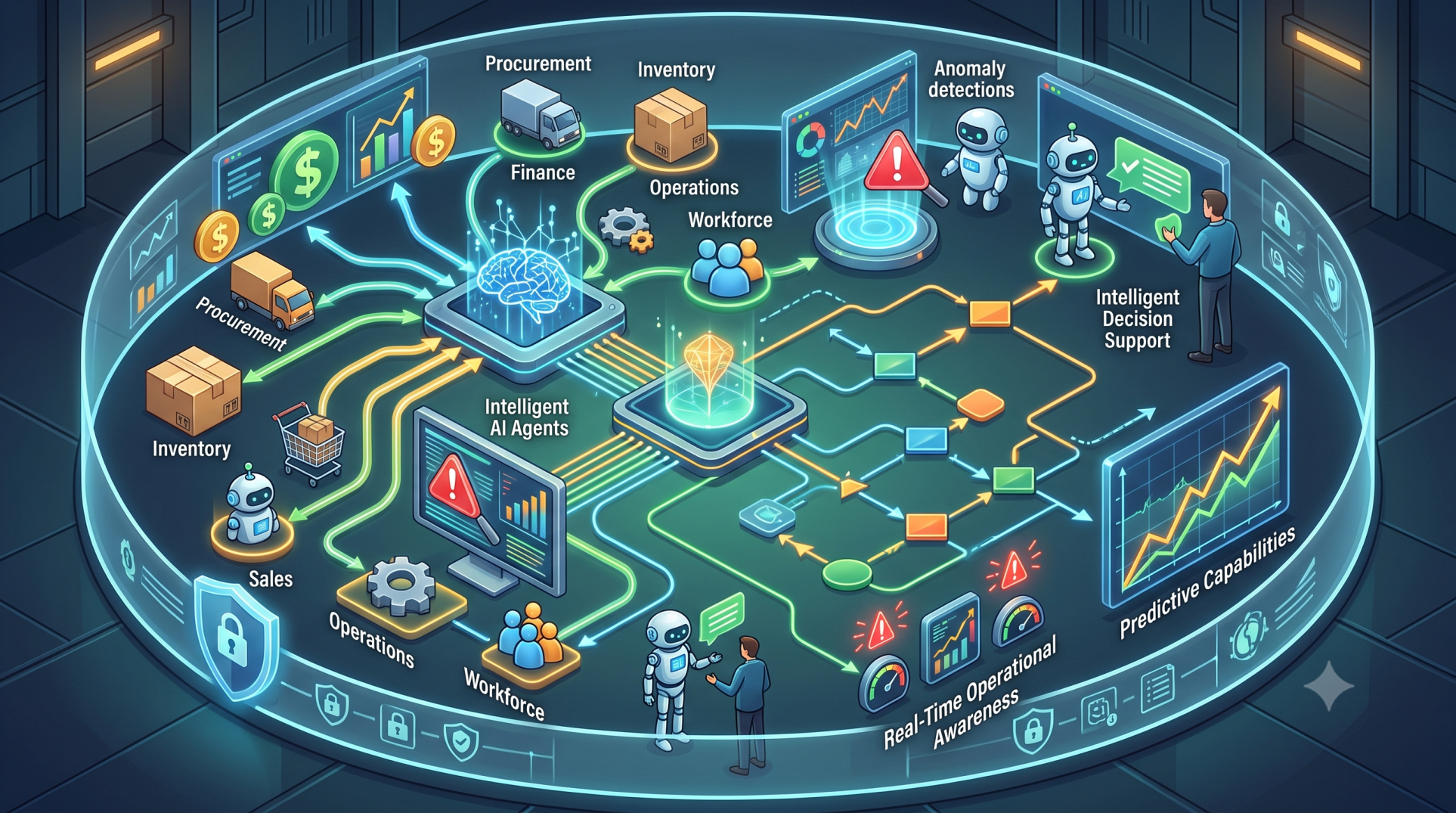
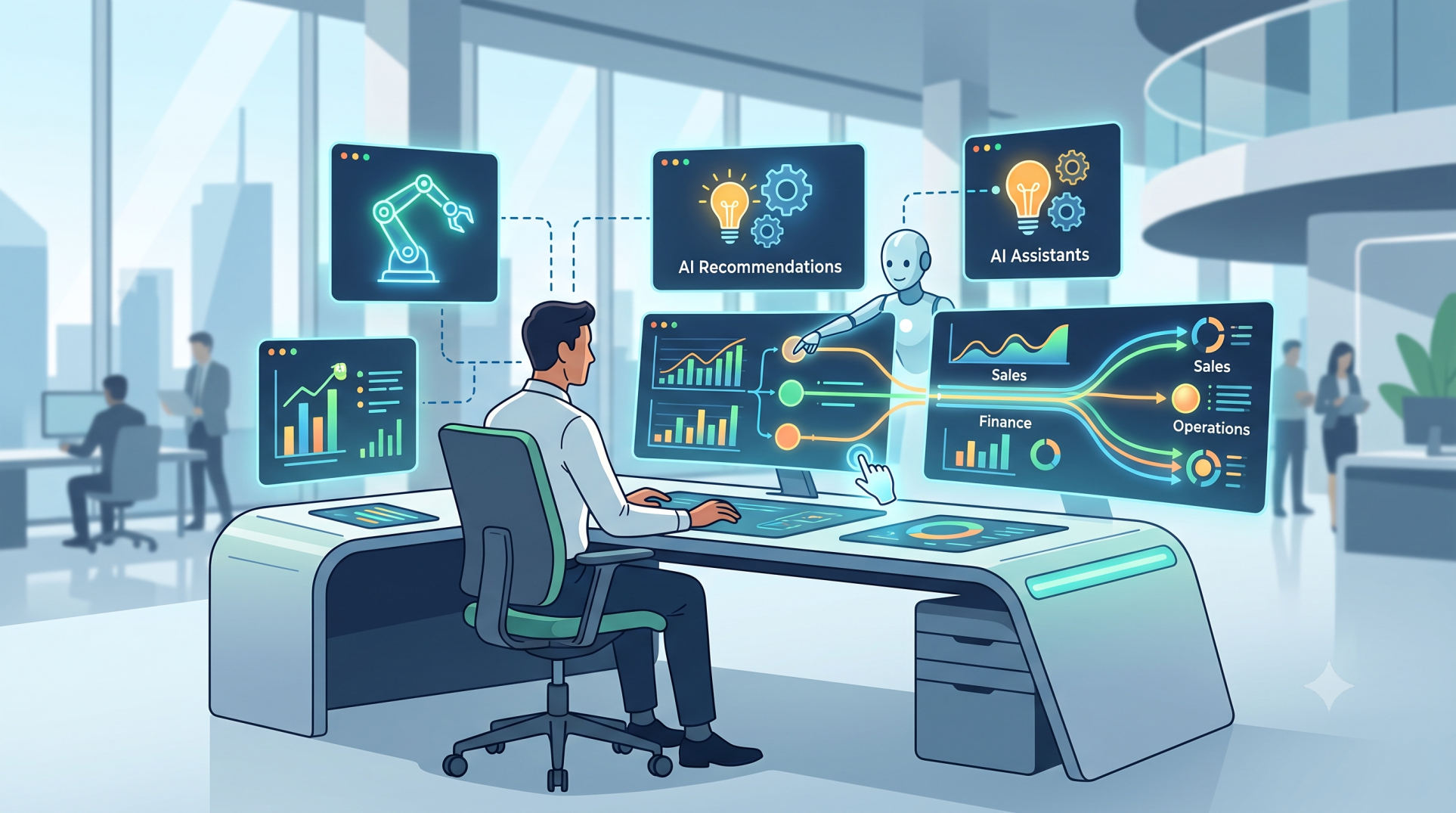
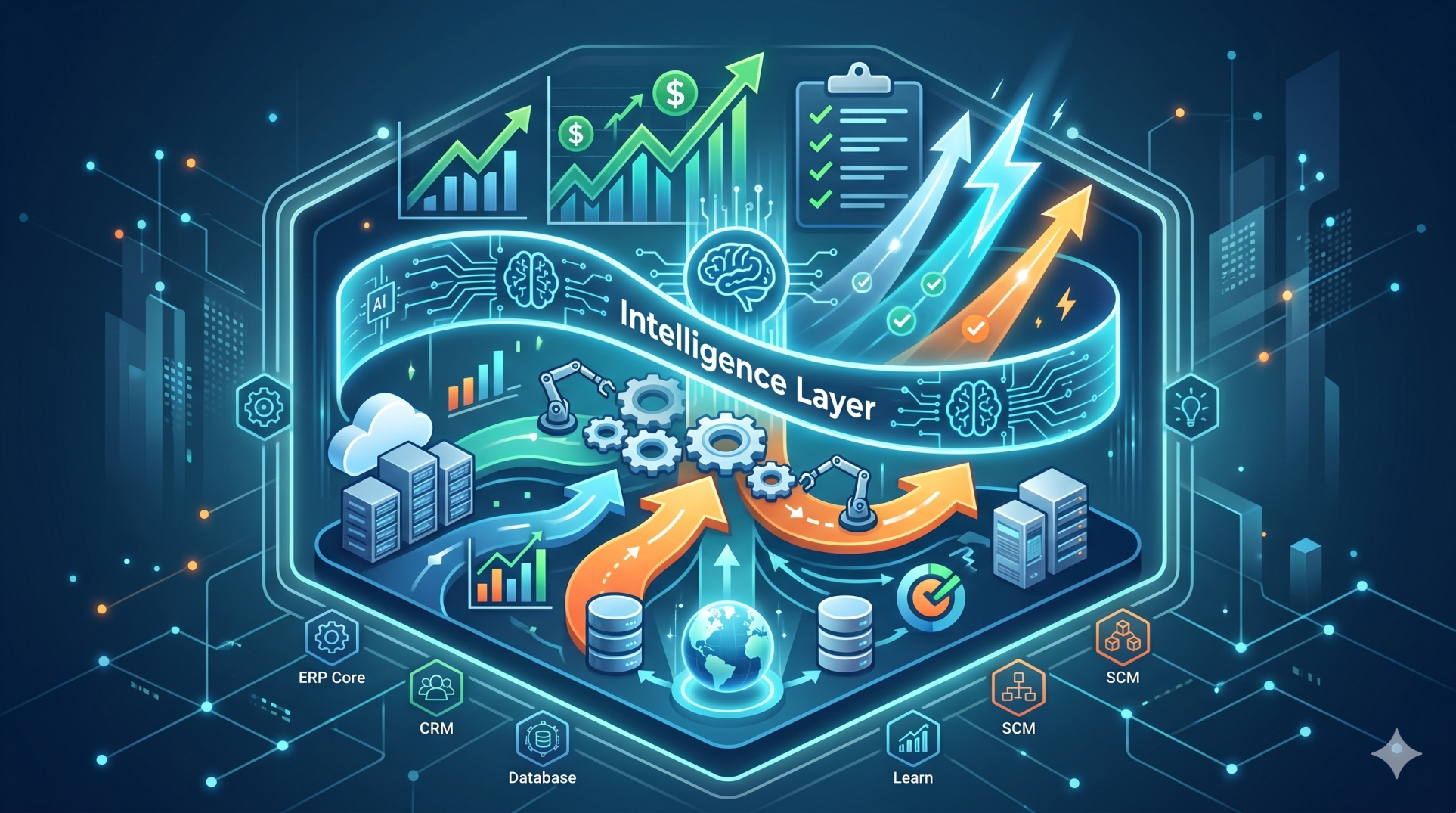
Step 7: Preparing for Advanced Automation and AI 🧠
• Growing organizations may want to introduce AI into forecasting, document processing, customer service, or operations. 🤖
• Reliable and accessible enterprise data provides an important foundation for AI capabilities. 🗃️
• Custom ERP architecture can expose business information through APIs and controlled services. 🔗
• AI assistants and automation can be integrated into defined business workflows. ⚙️
• Human review and governance should remain part of sensitive or high-impact processes. 🛡️
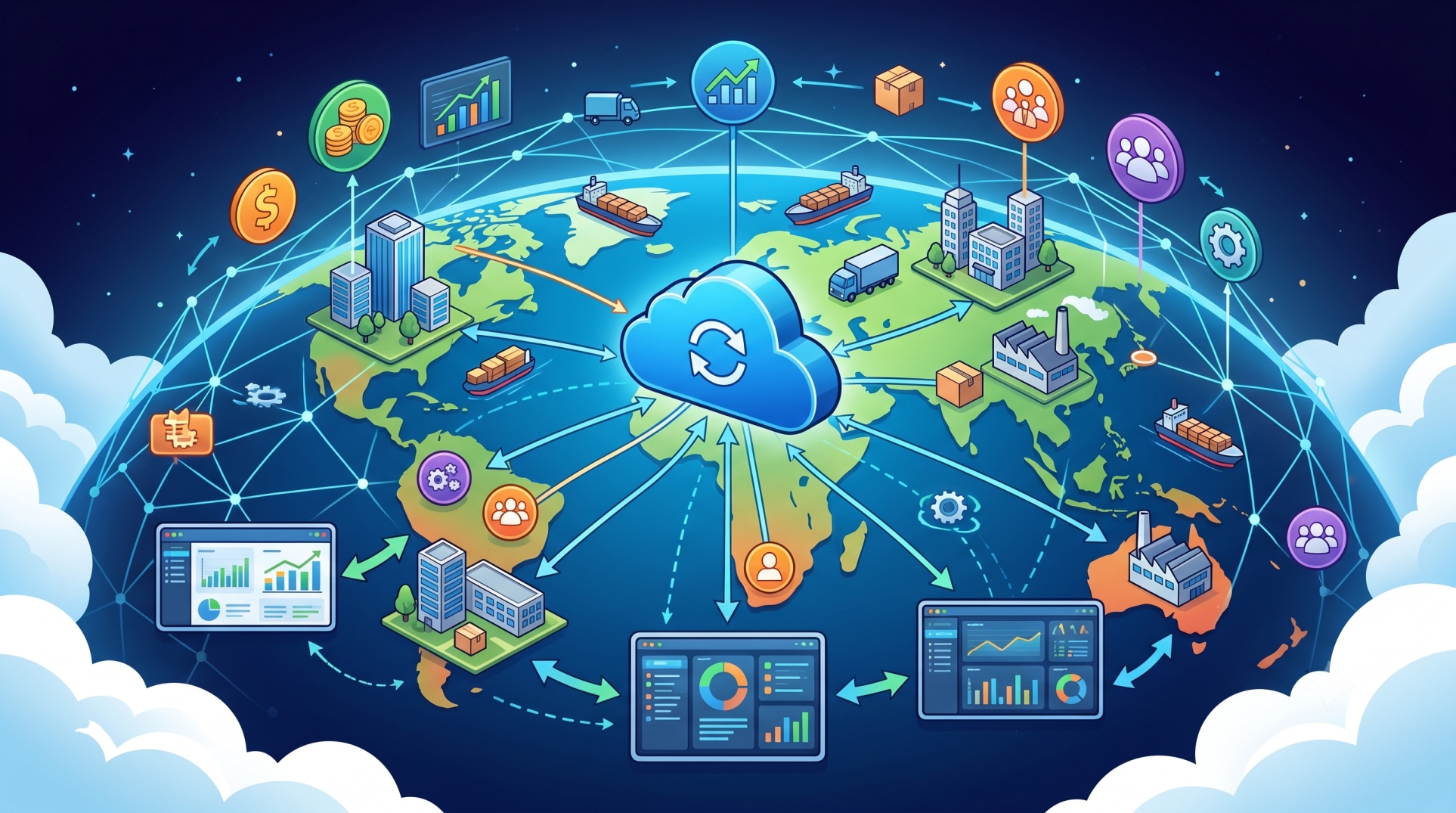
Step 8: Supporting Multi-Location and Multi-Entity Operations 🌐
• Expansion into additional locations can increase ERP requirements. 🏢
• Organizations may need centralized control alongside location-specific workflows. 🔄
• Multi-entity structures can require flexible financial and operational data models. 📊
• Centralized reporting can provide visibility across distributed operations. 👁️
• A scalable ERP architecture can support expansion without creating disconnected systems. 🚀
Step 9: Evaluating the Cost of Operational Workarounds 💰
• Manual processes can consume increasing amounts of employee time as a business grows. ⏱️
• Spreadsheet-based workarounds can introduce maintenance and data consistency challenges. 📊
• Repeated data entry can increase the possibility of operational errors. ⚠️
• Multiple disconnected systems can create additional integration and maintenance costs. 🔧
• Organizations should evaluate the total operational impact before deciding whether customization is justified. 🎯
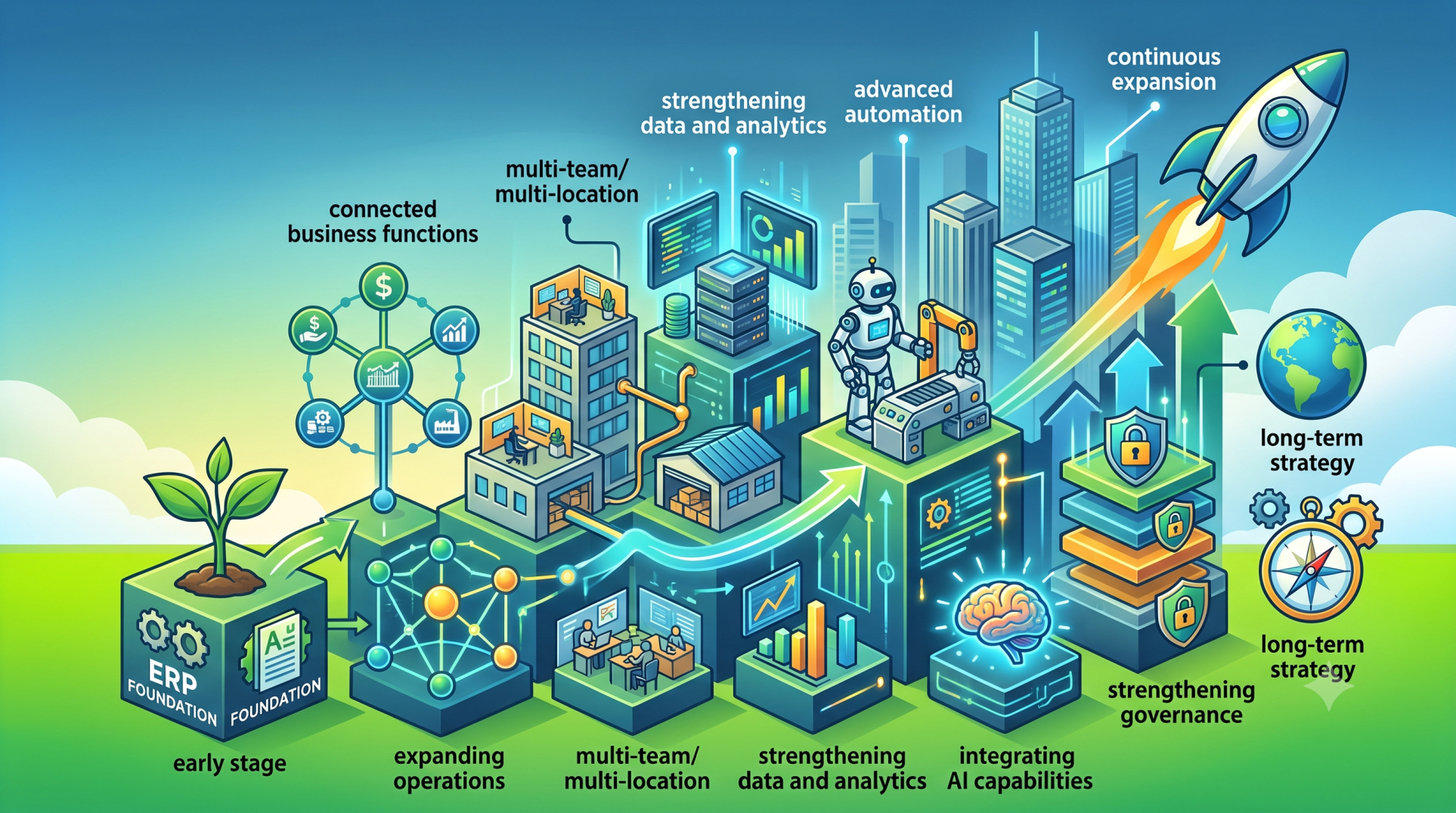
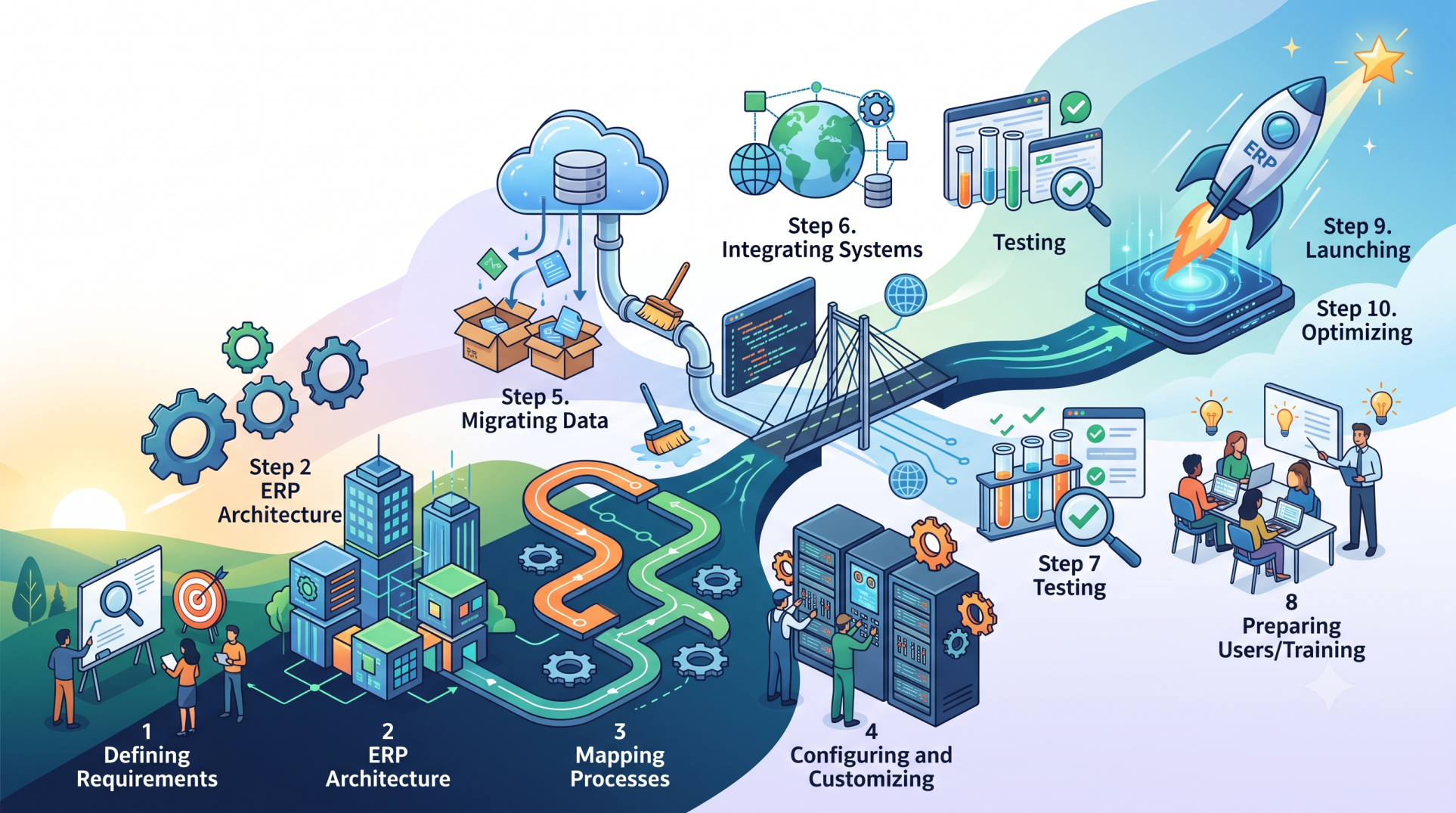
Step 10: Planning a Sustainable Custom ERP Strategy 🚀
• Define business requirements before selecting the technical architecture. 📋
• Prioritize capabilities that address measurable operational needs. 🎯
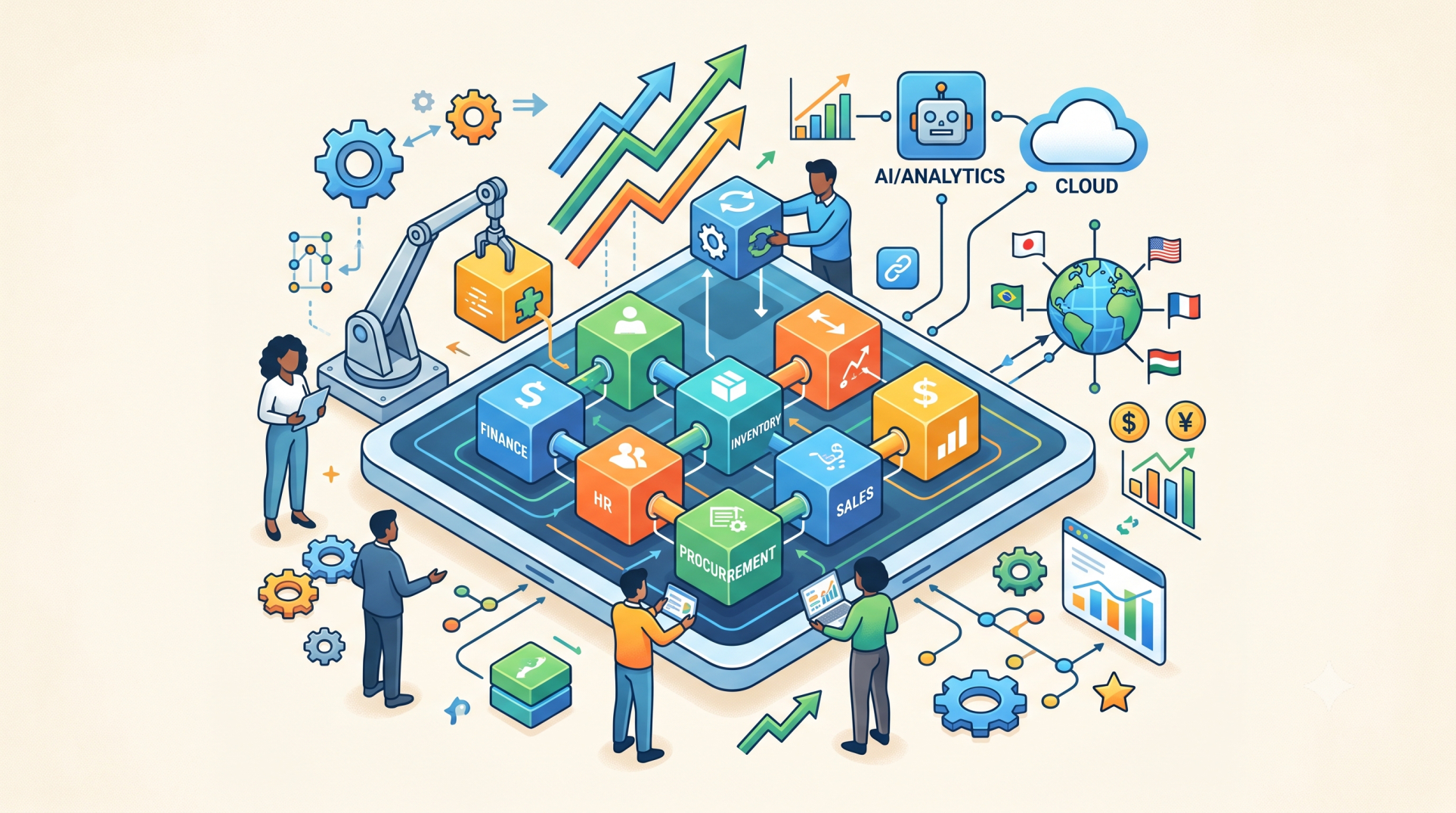
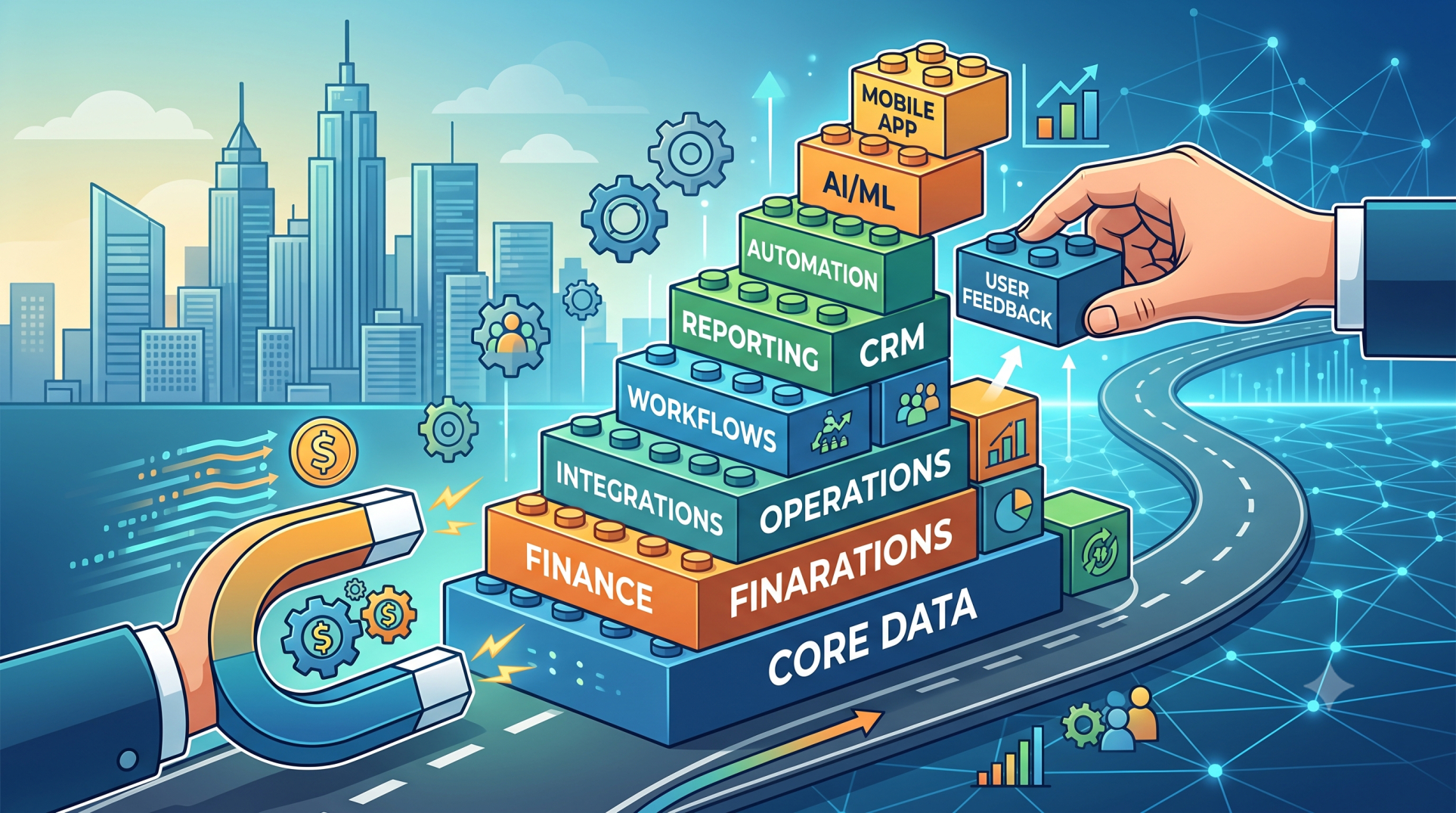
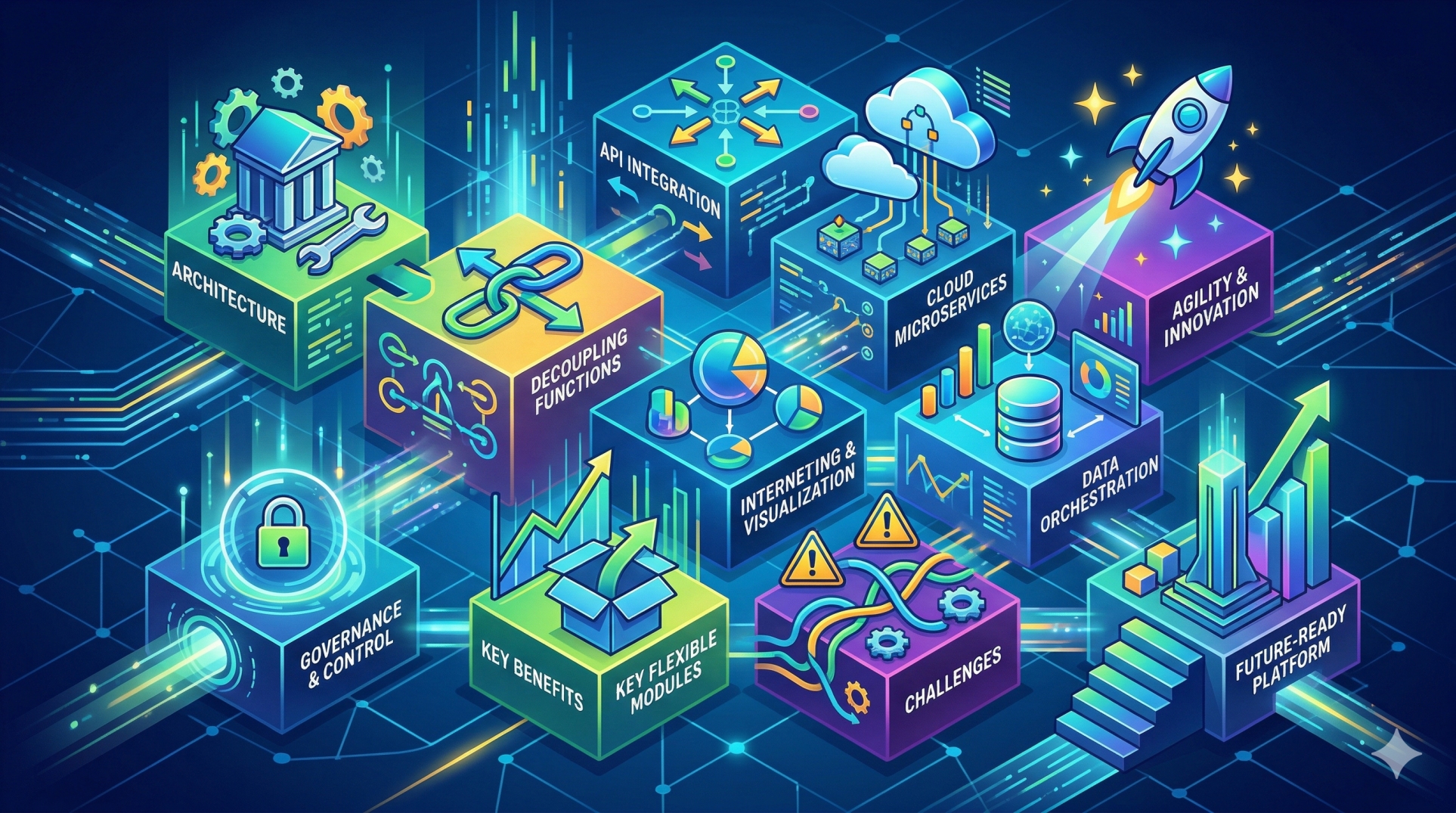
• Build modular components that can evolve as the organization expands. 🧩
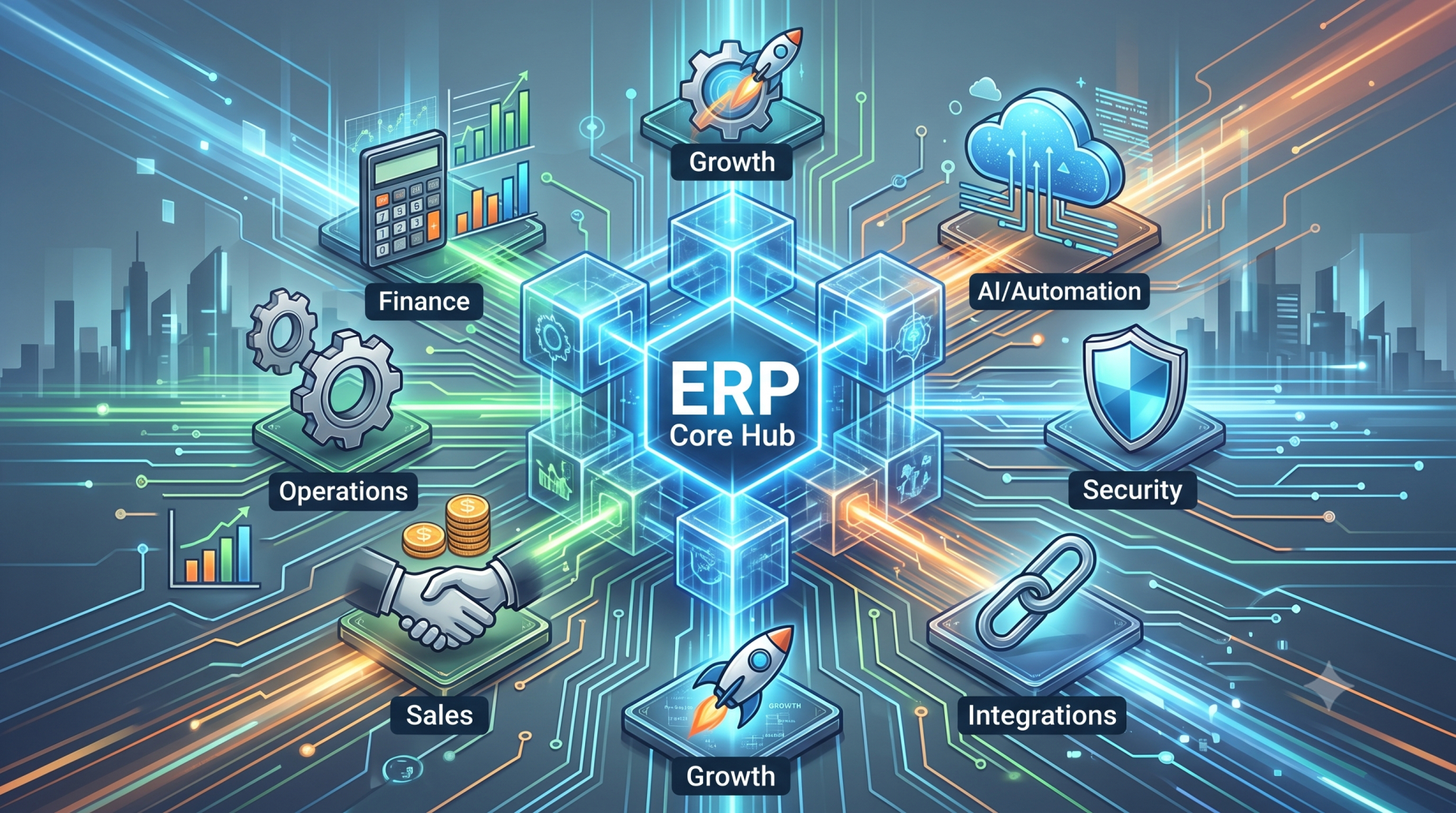
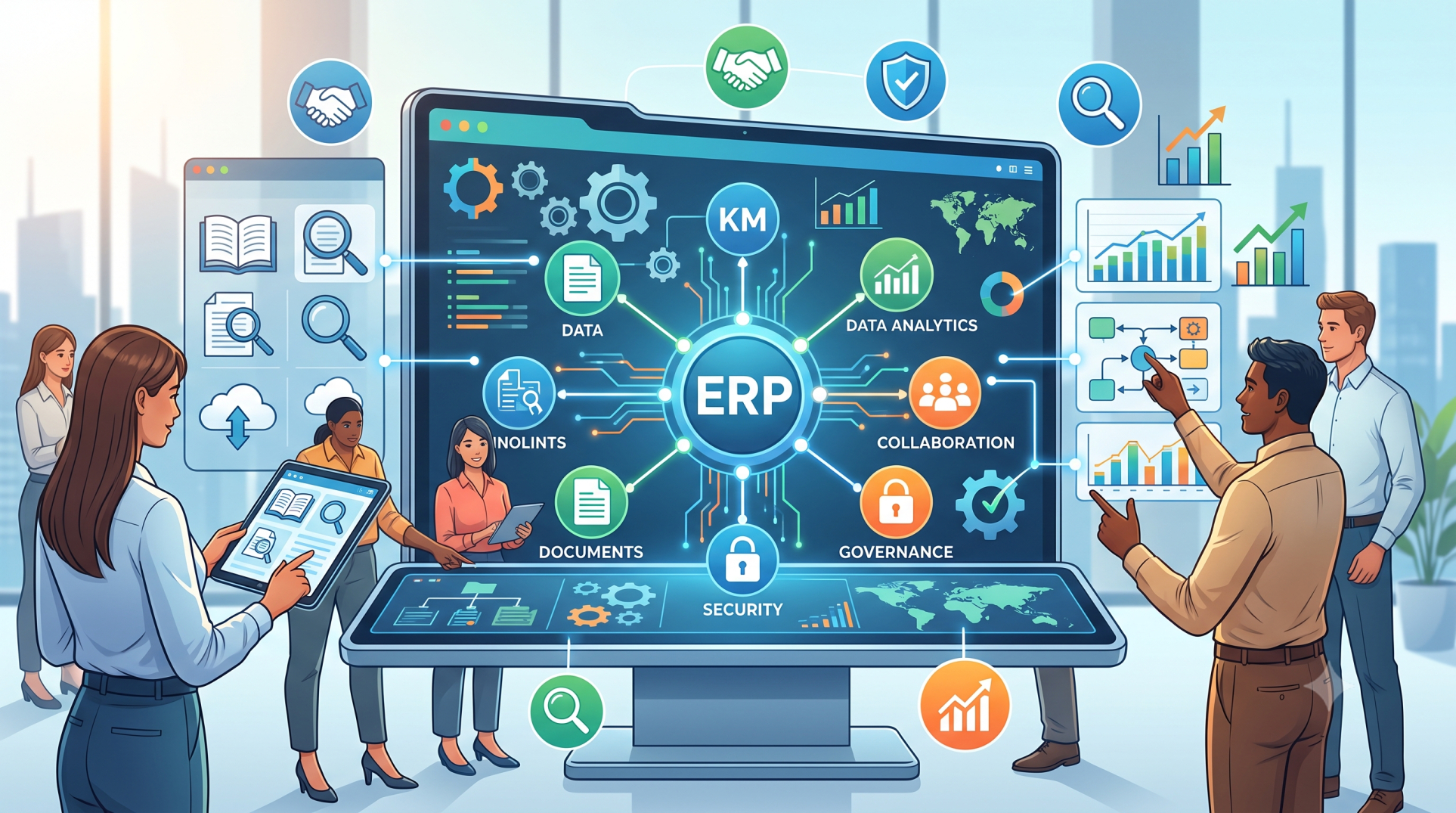
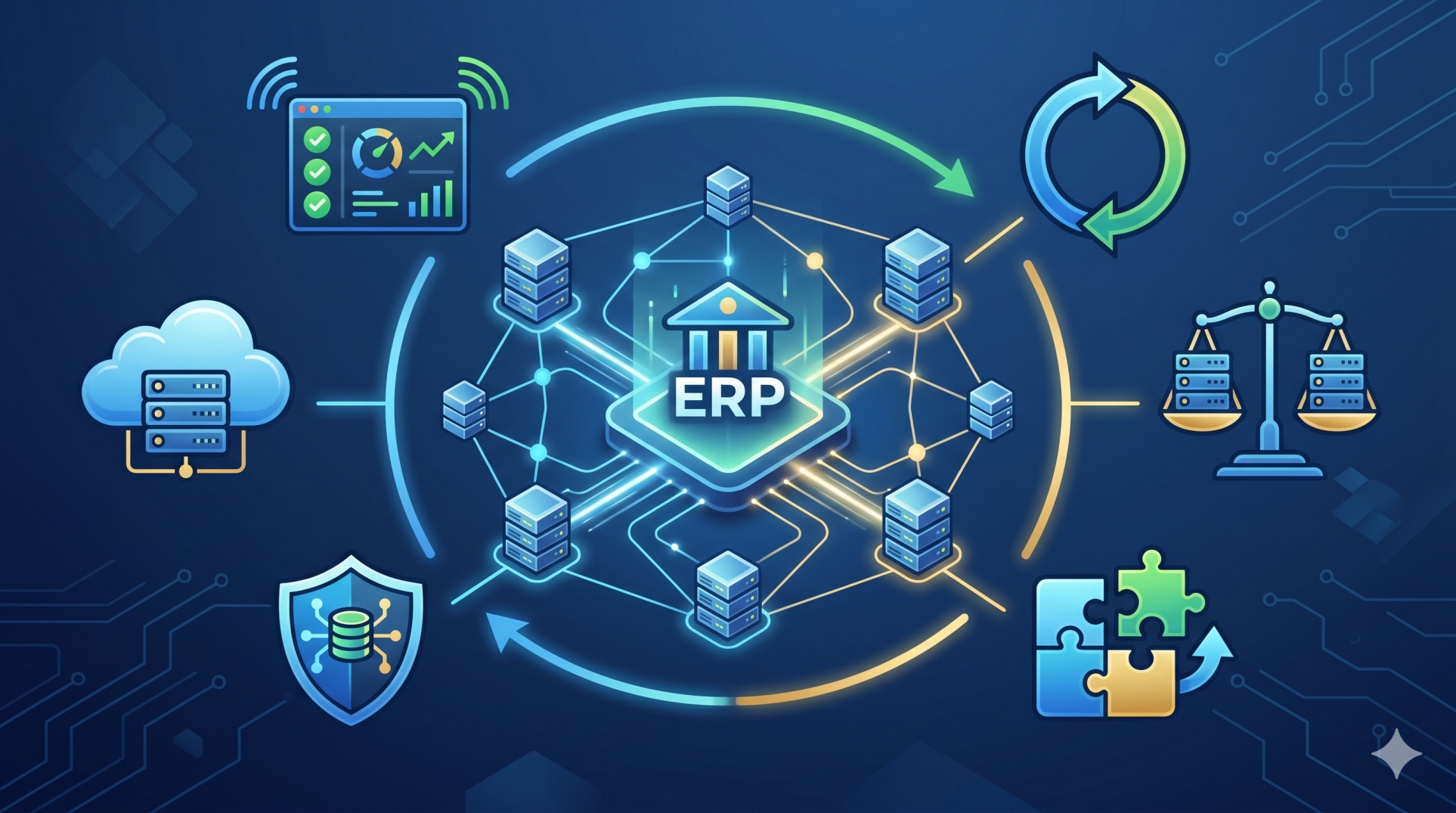
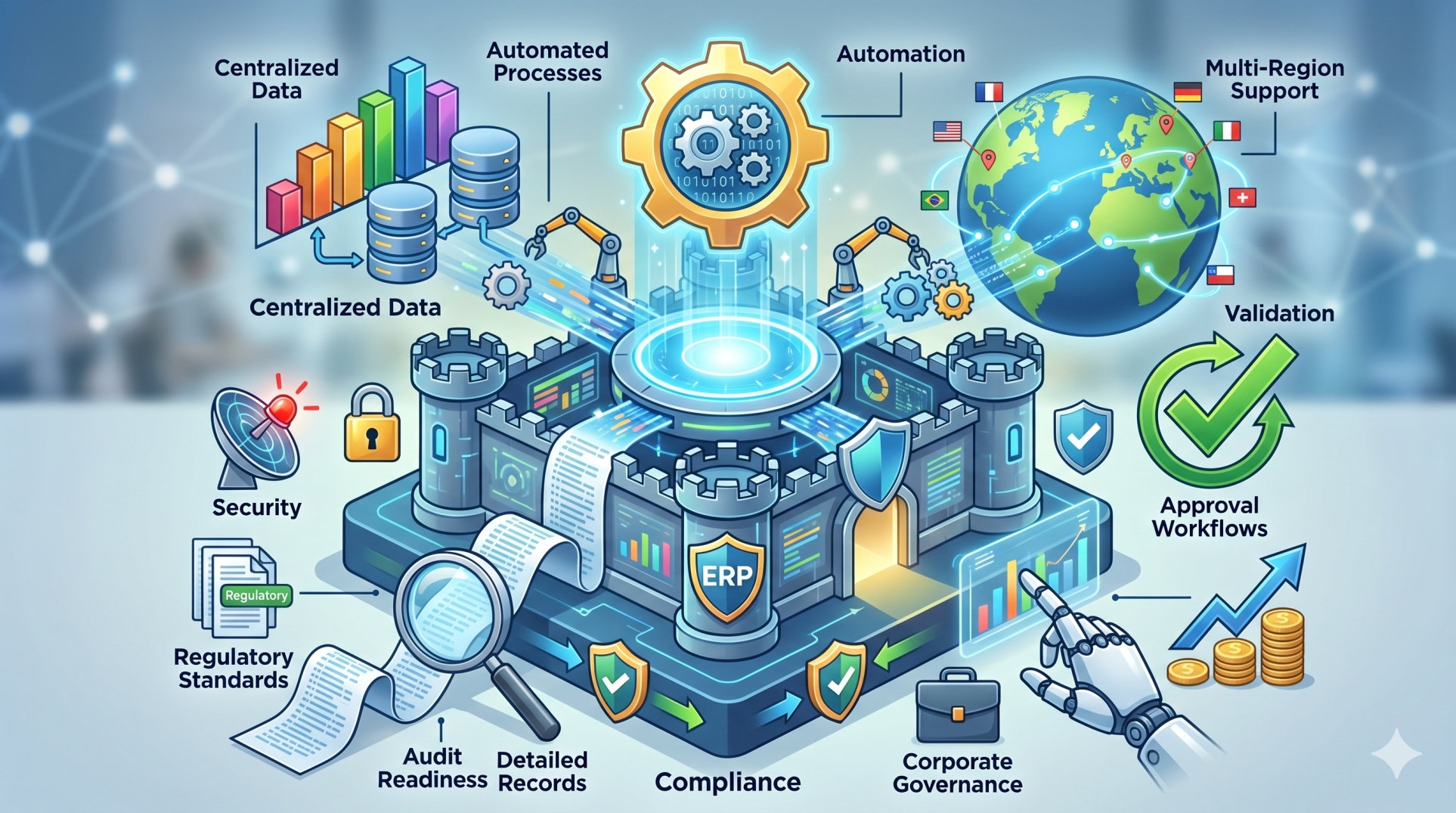
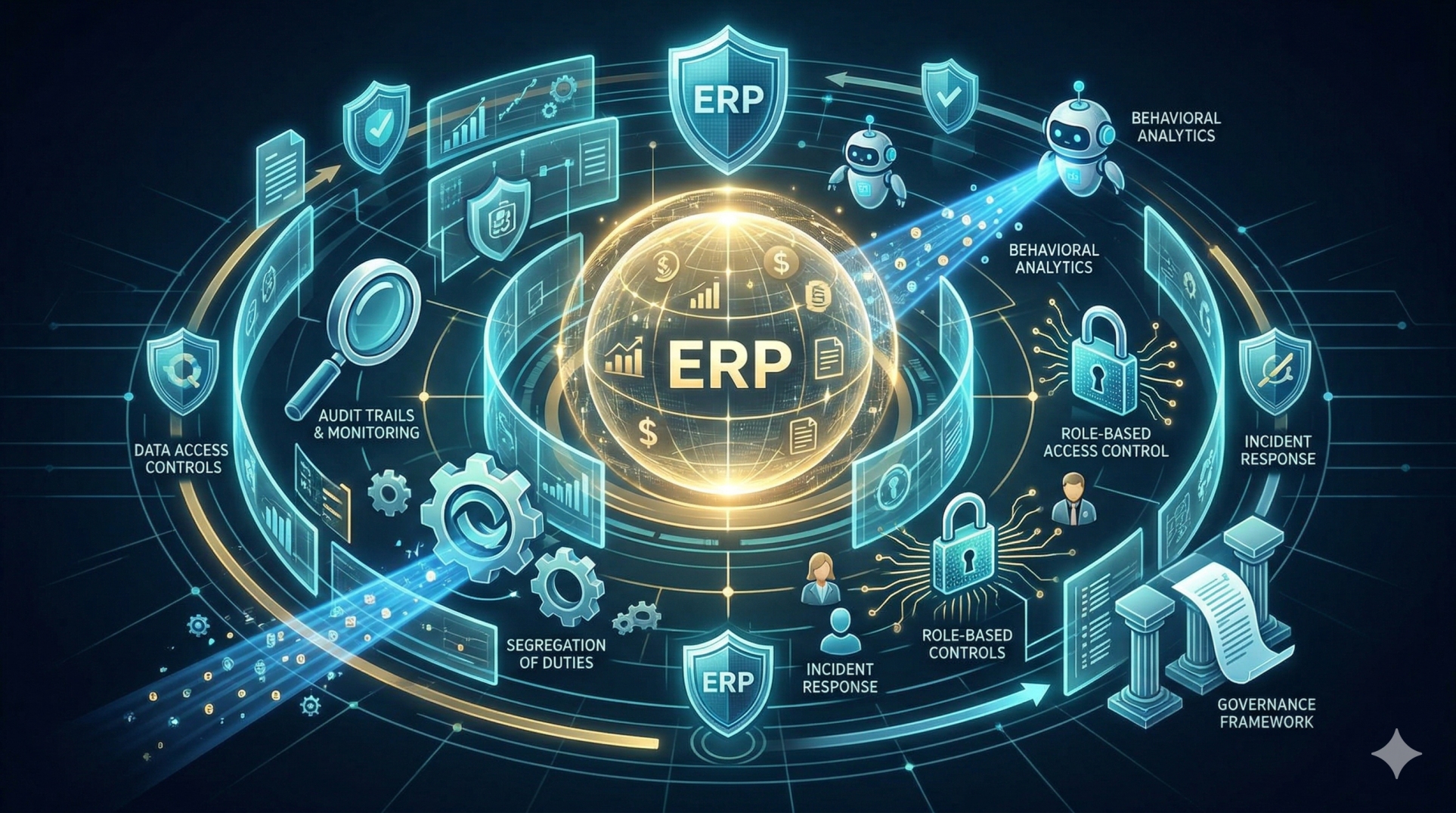
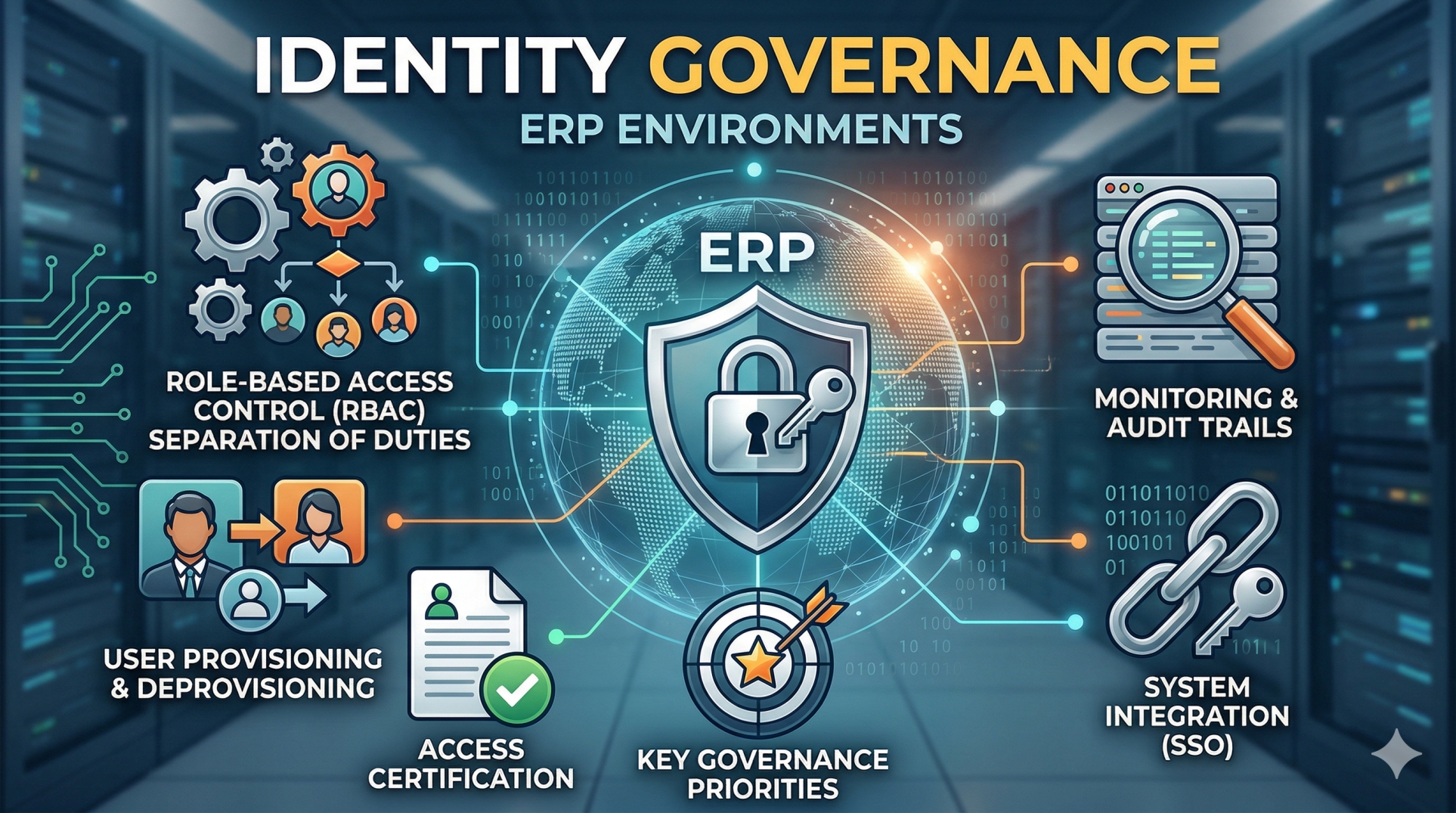
• Establish strong security, governance, integration, and data management practices. 🔐
• Plan for ongoing maintenance, upgrades, and future functionality from the beginning. 🔄
Conclusion
Business growth does not automatically mean that an organization needs a custom ERP. The stronger signal is a growing gap between how the business operates and what its existing technology can effectively support. Increasing manual work, disconnected systems, specialized workflows, limited reporting, and expanding operational complexity can all indicate that an ERP strategy needs to be reassessed. A custom ERP approach can provide greater flexibility when standard solutions cannot adequately support important business requirements. By focusing customization on genuine operational needs and building the platform with modularity, integration, security, and scalability in mind, organizations can create an ERP foundation that evolves alongside their growth.
See more blogs
You can all the articles below