How AI-Native ERP Systems Automate Daily Operations
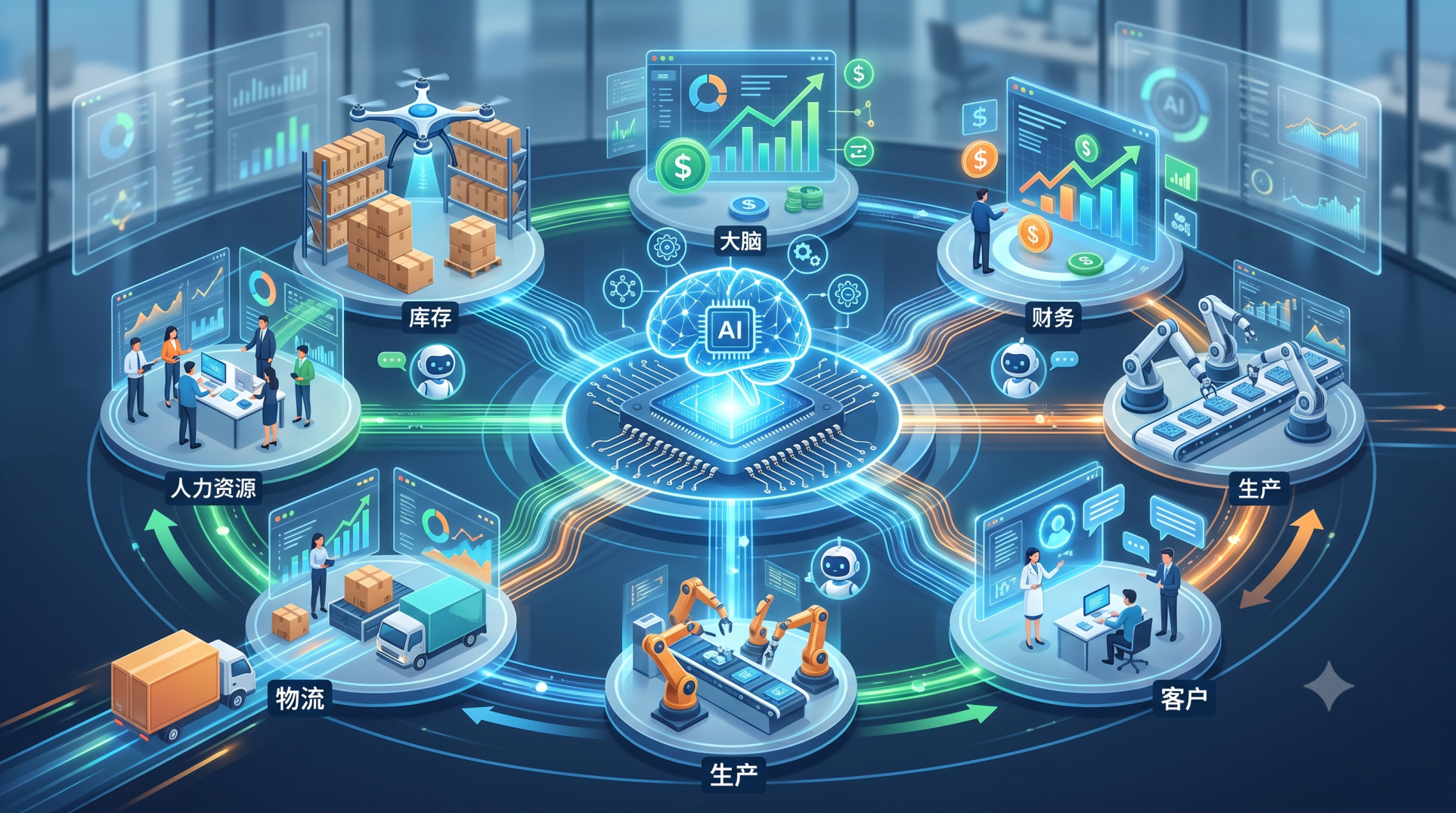
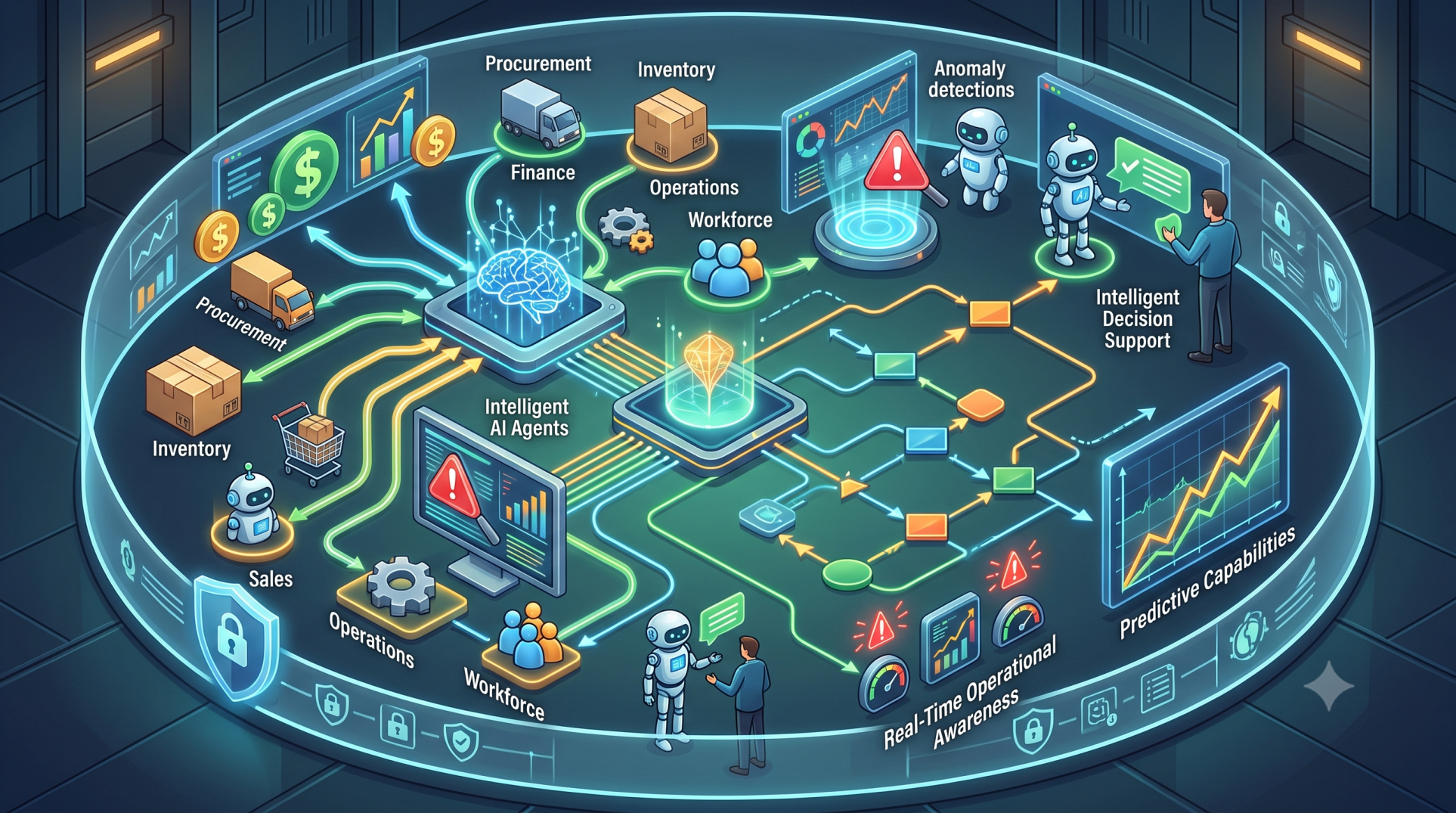
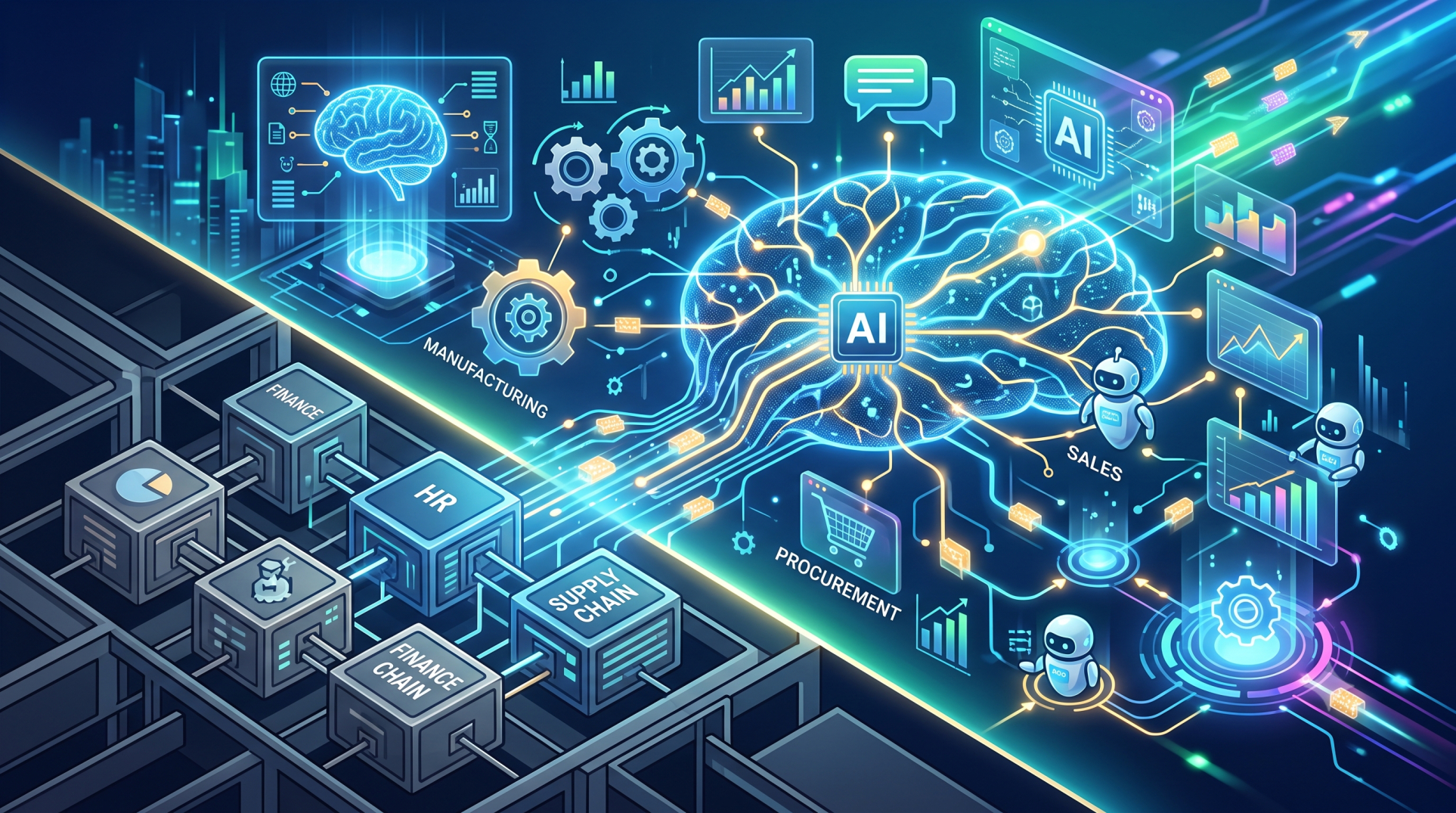
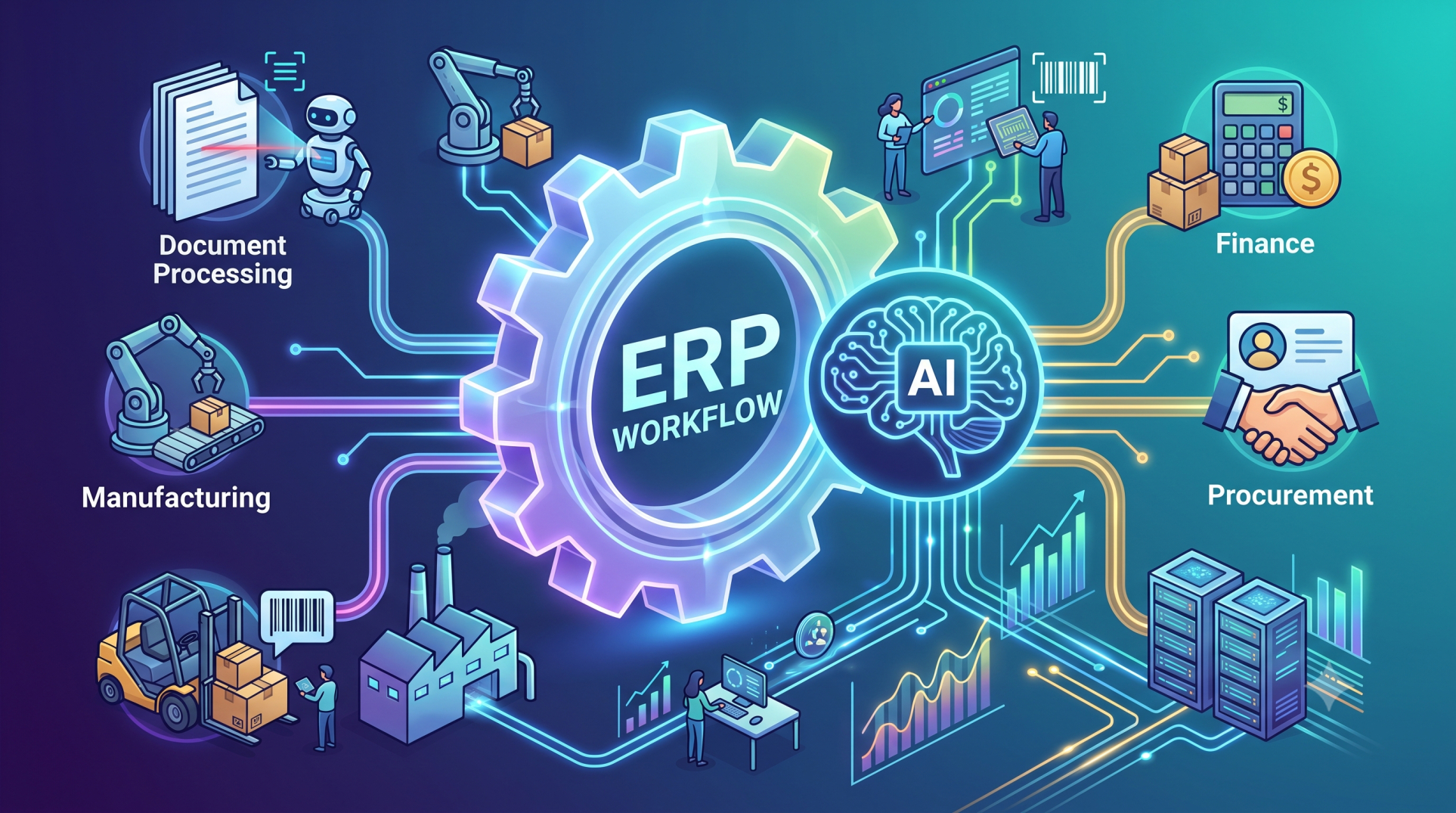
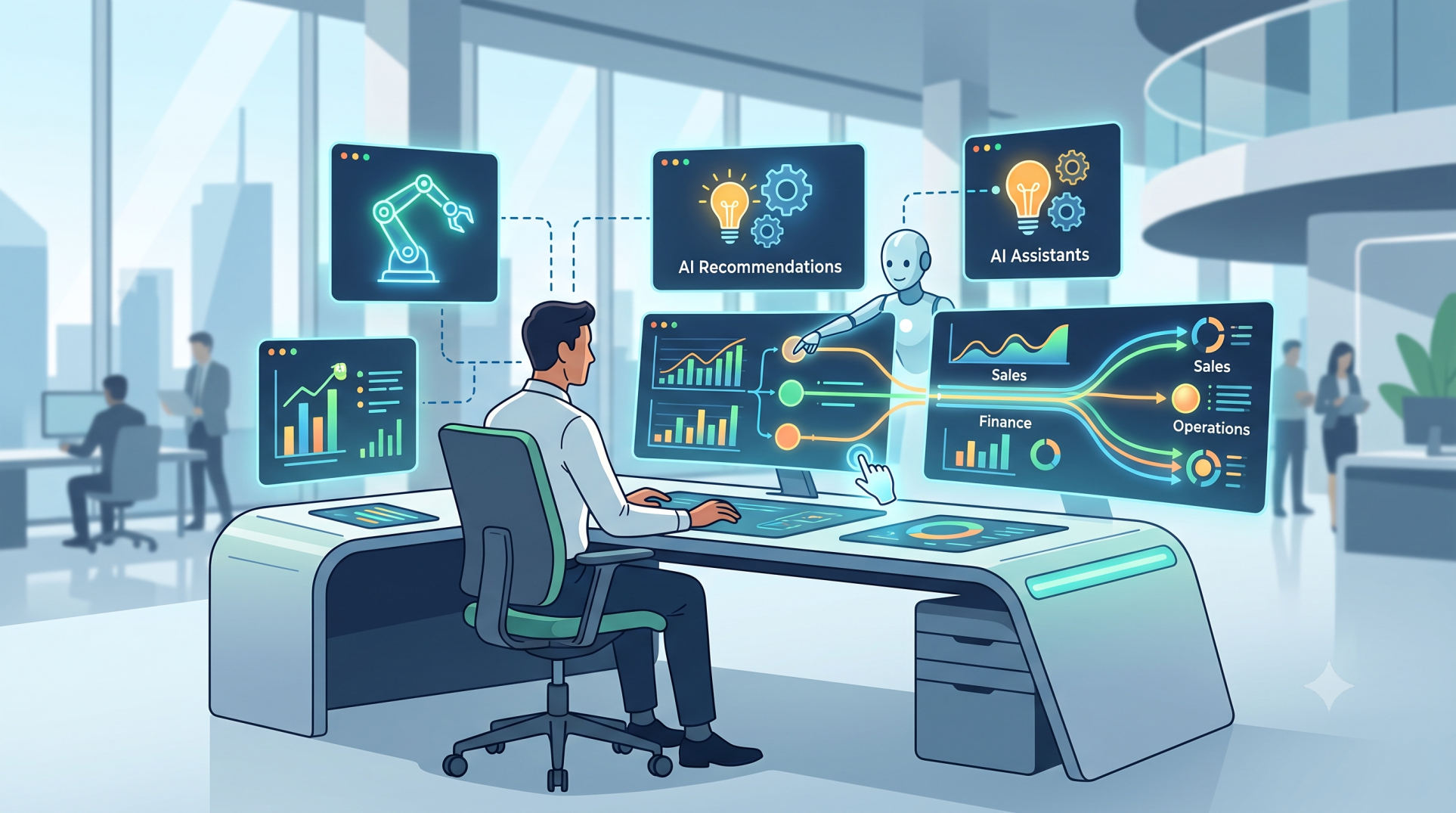
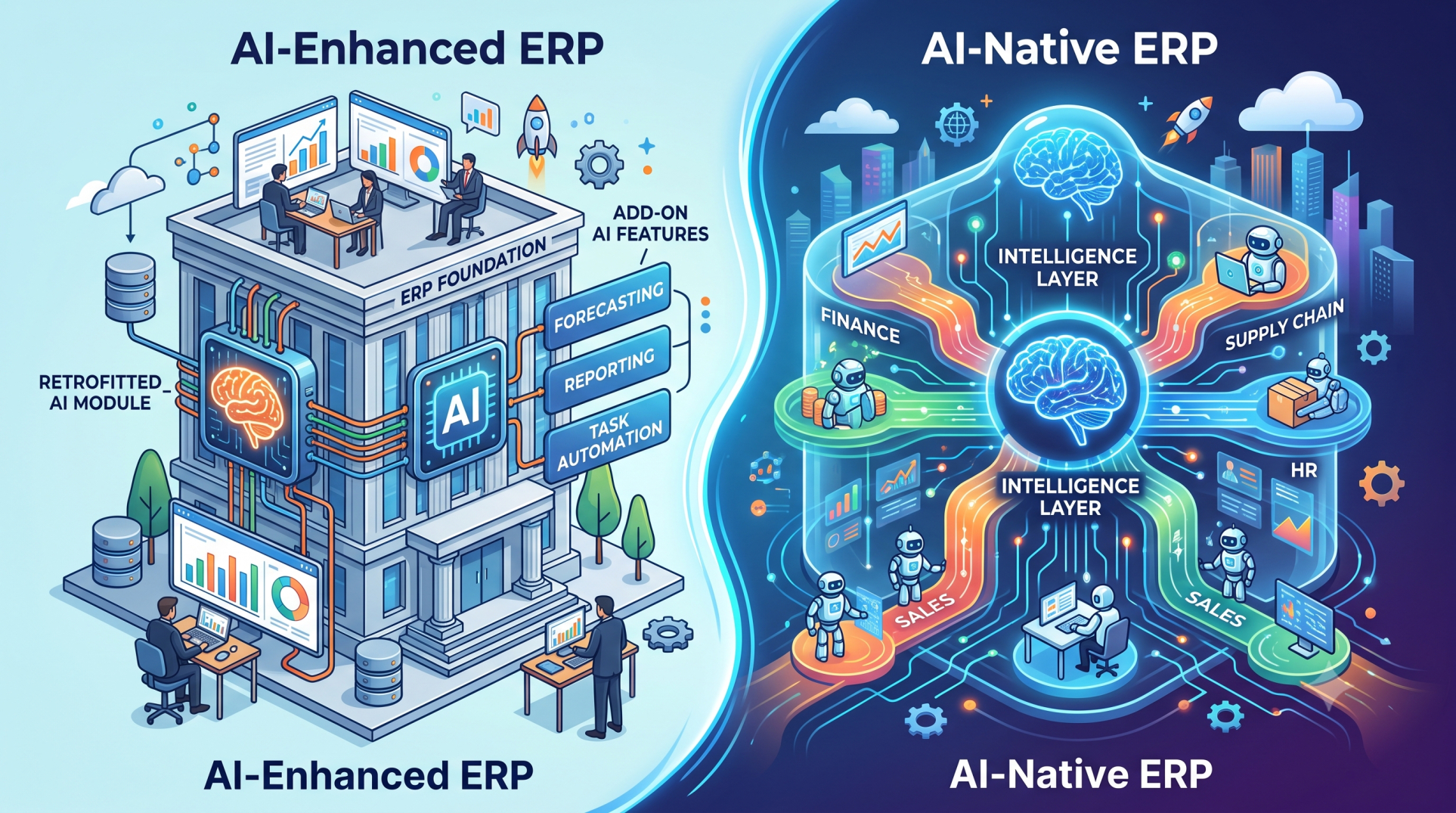
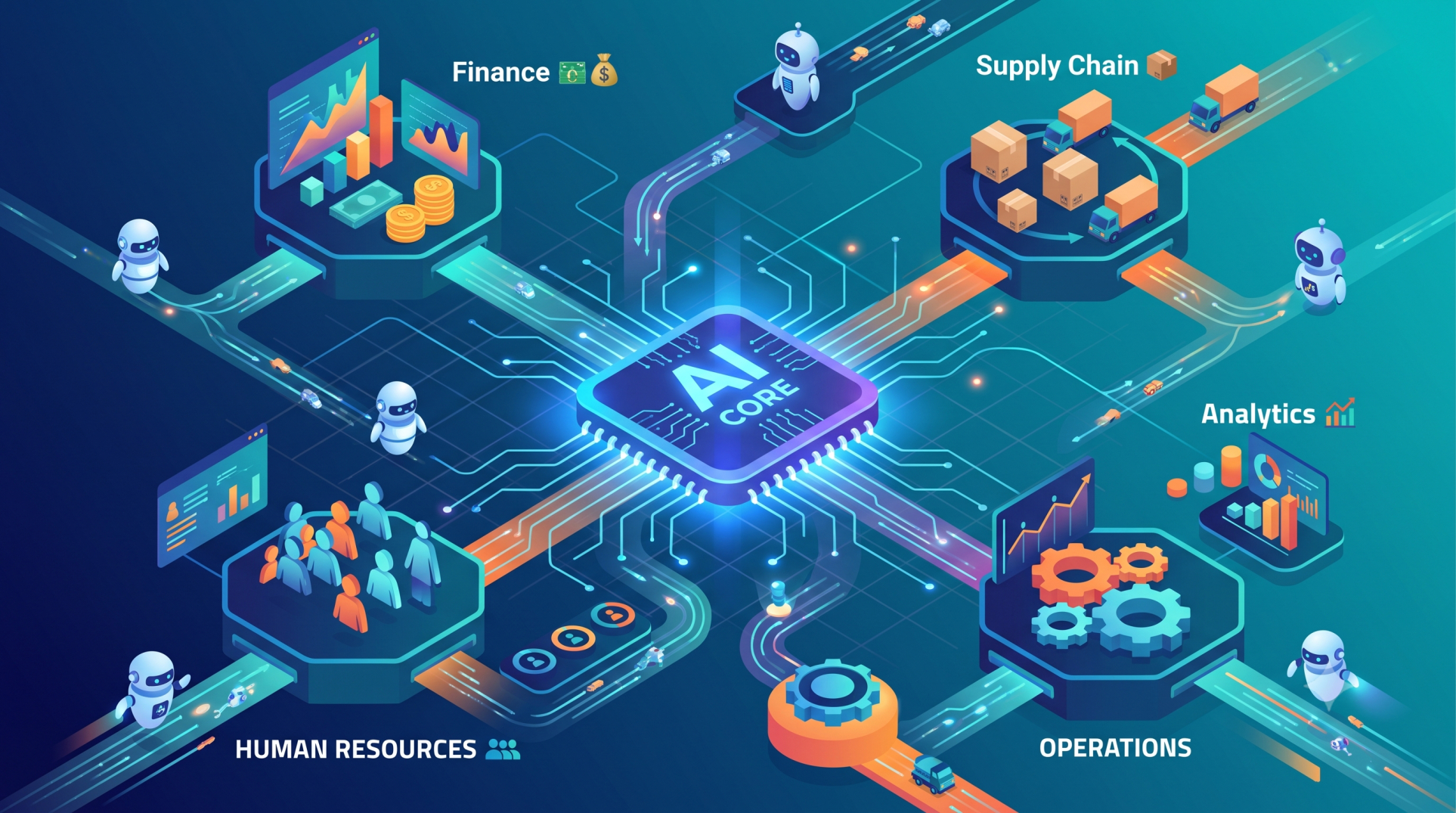
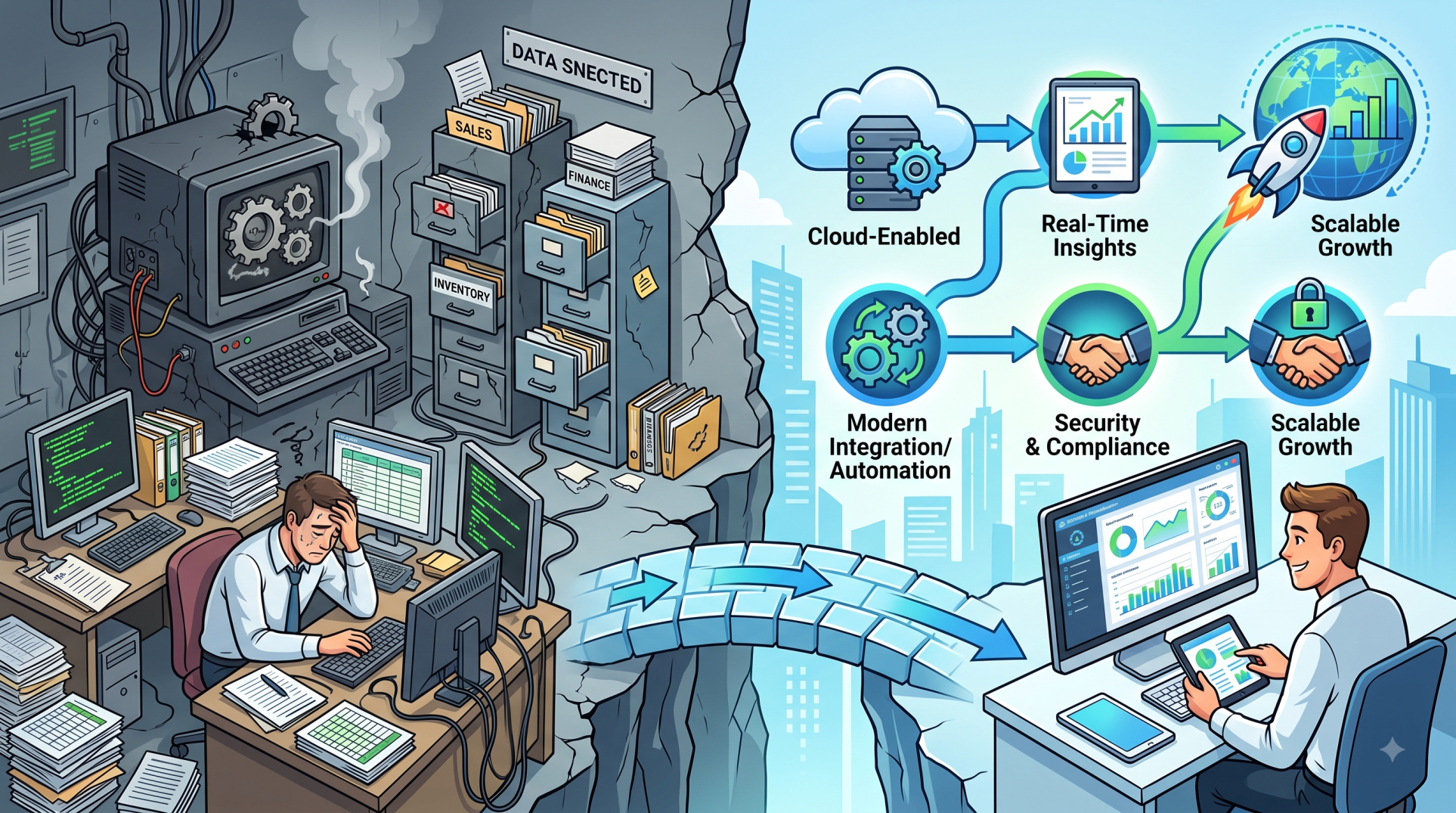
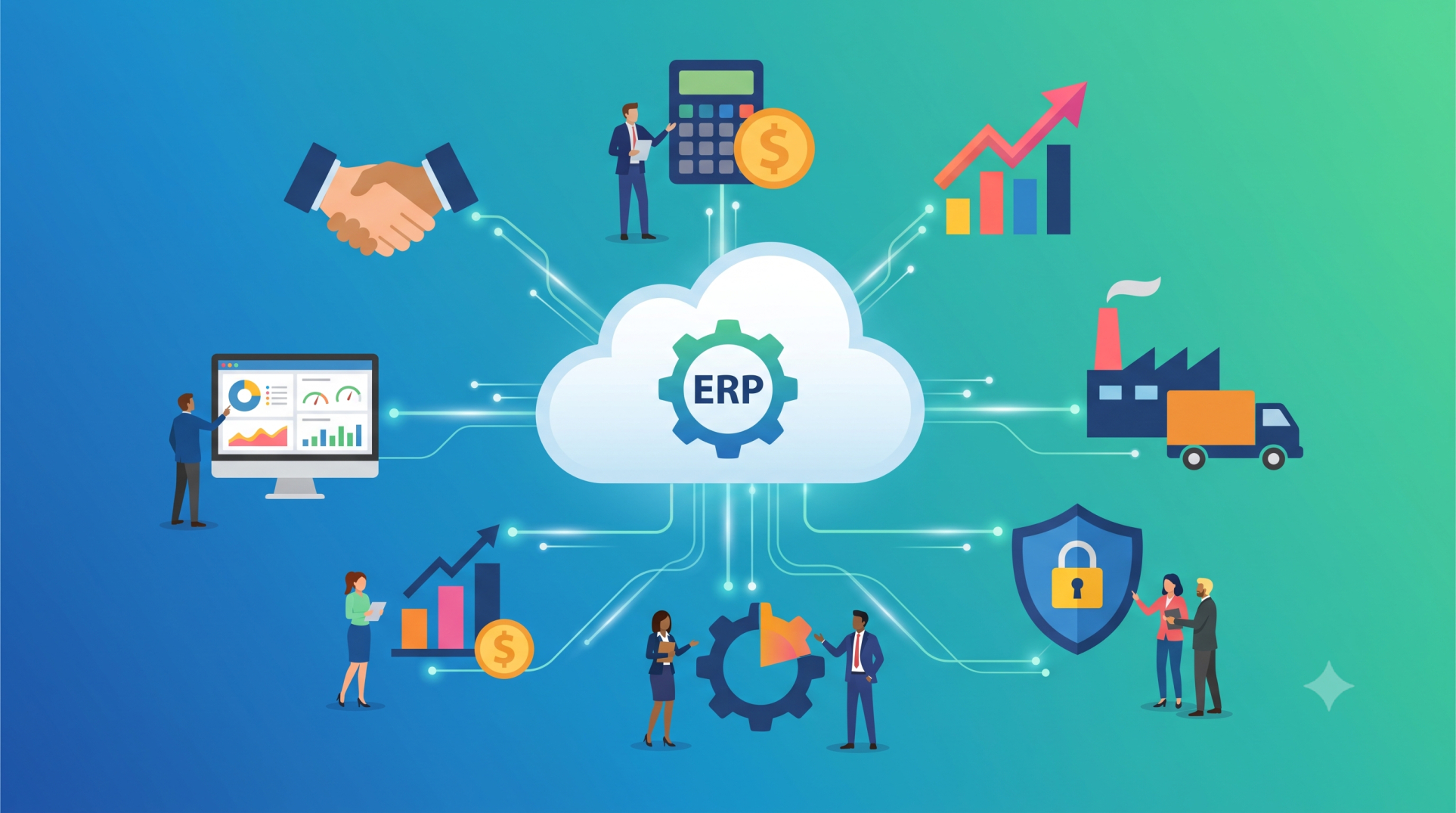
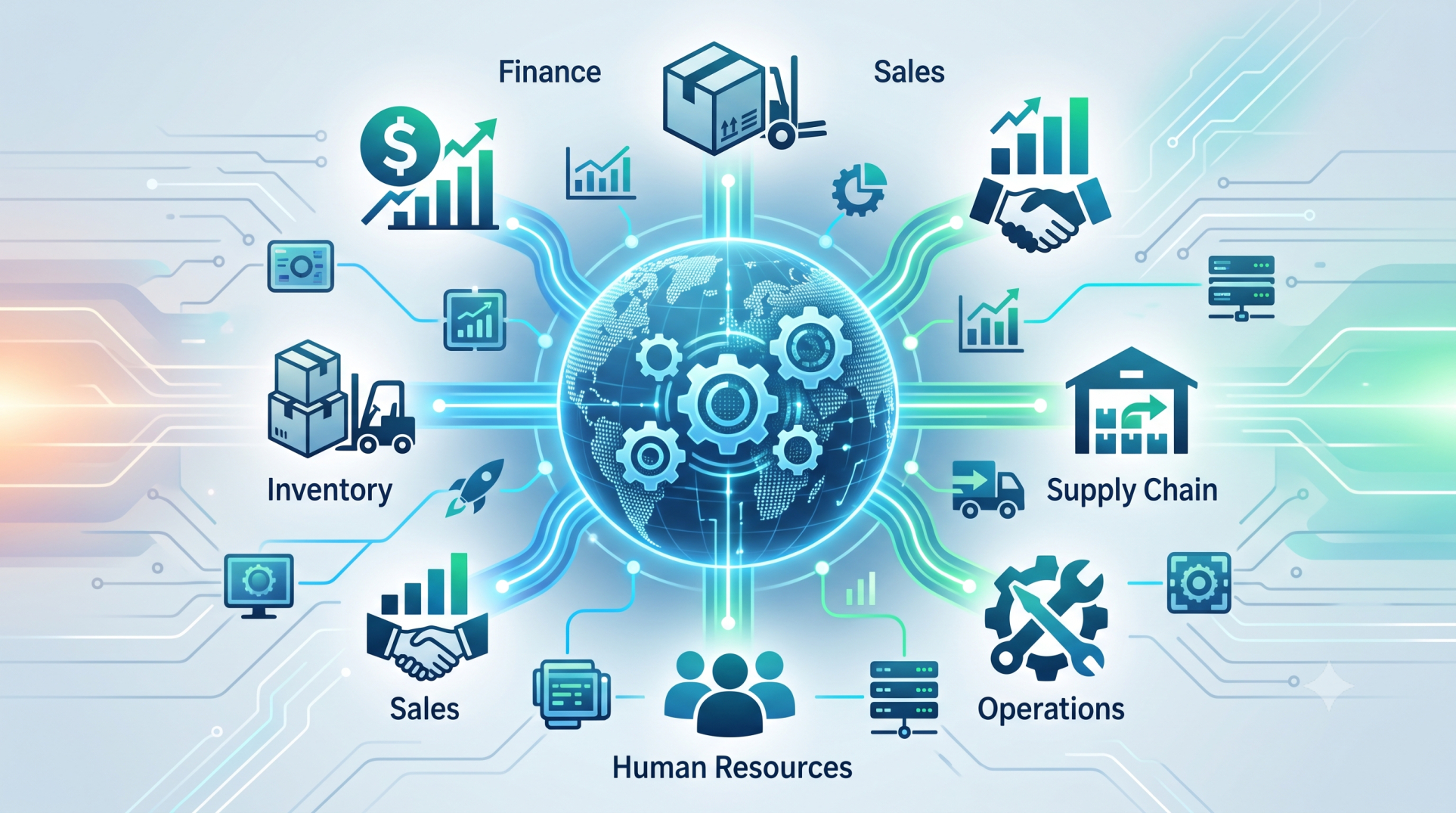
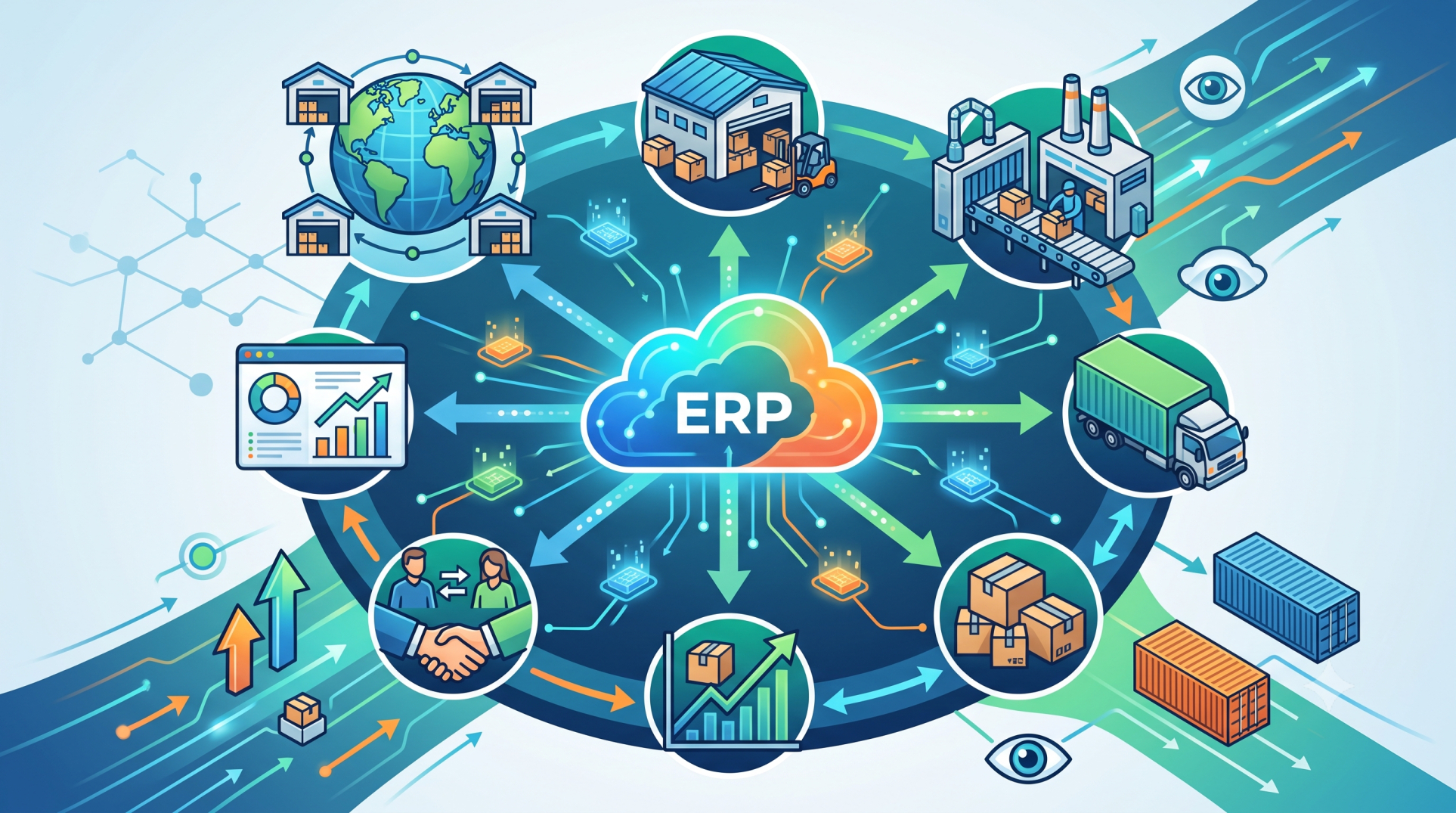
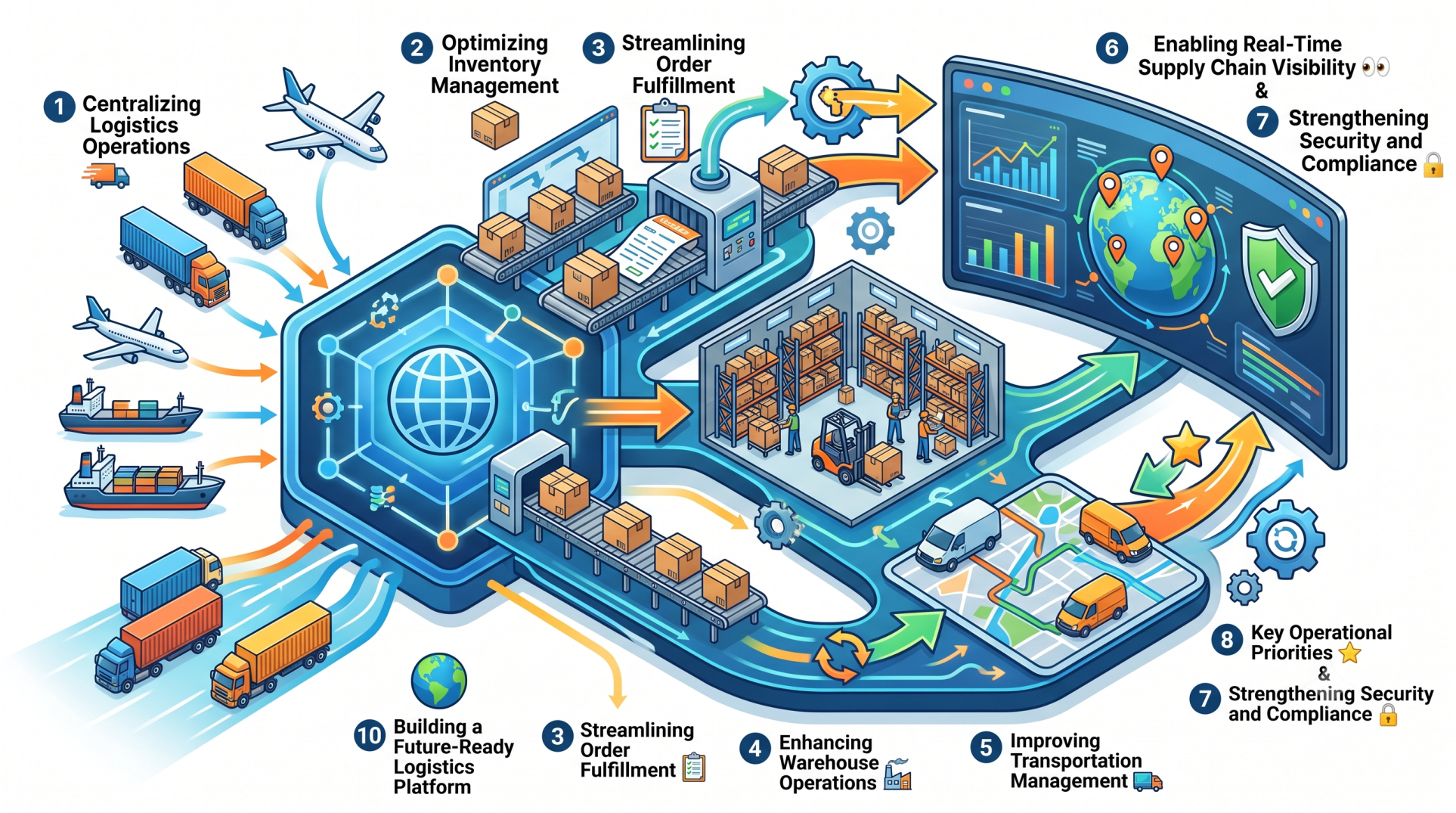
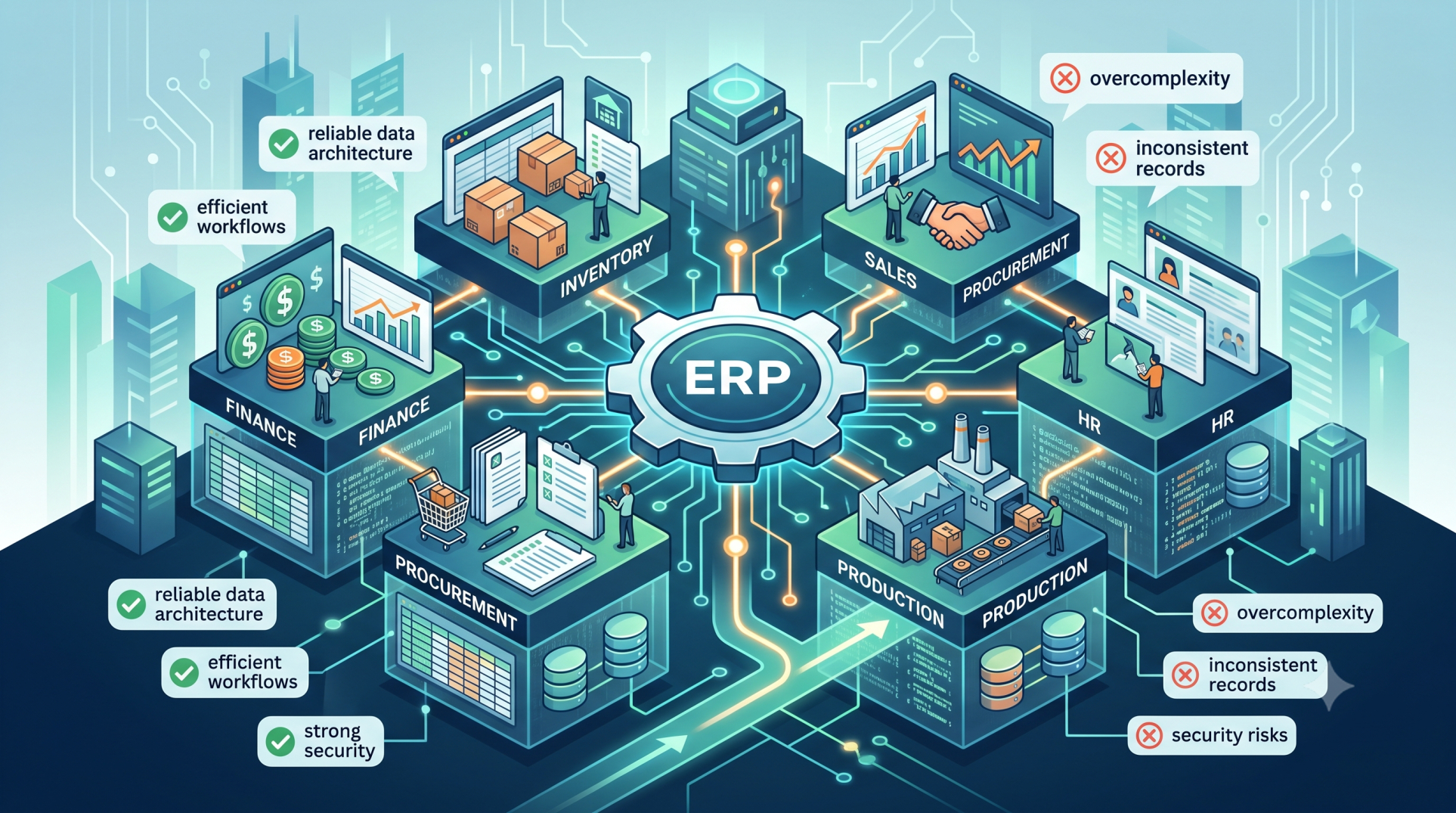
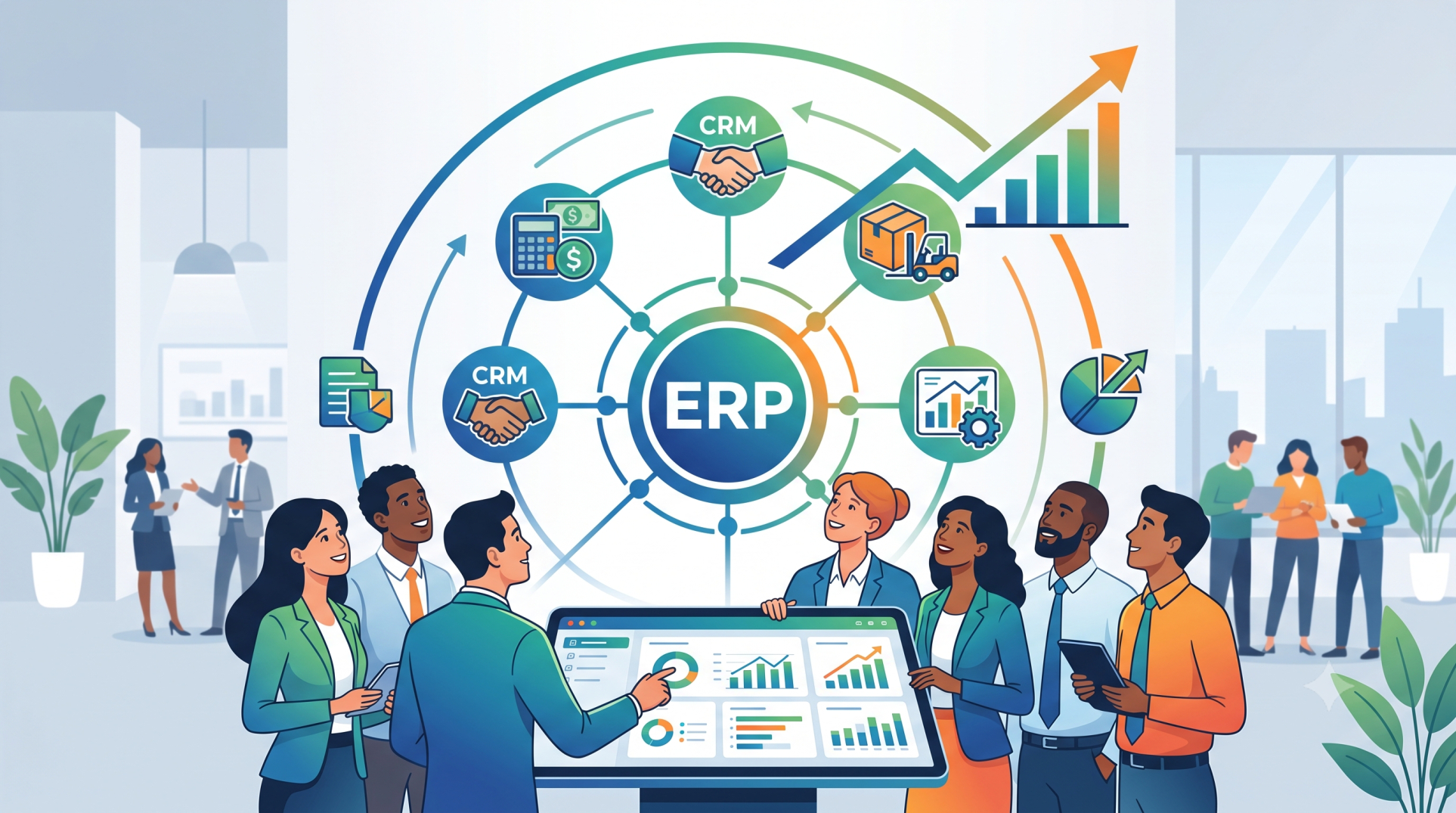
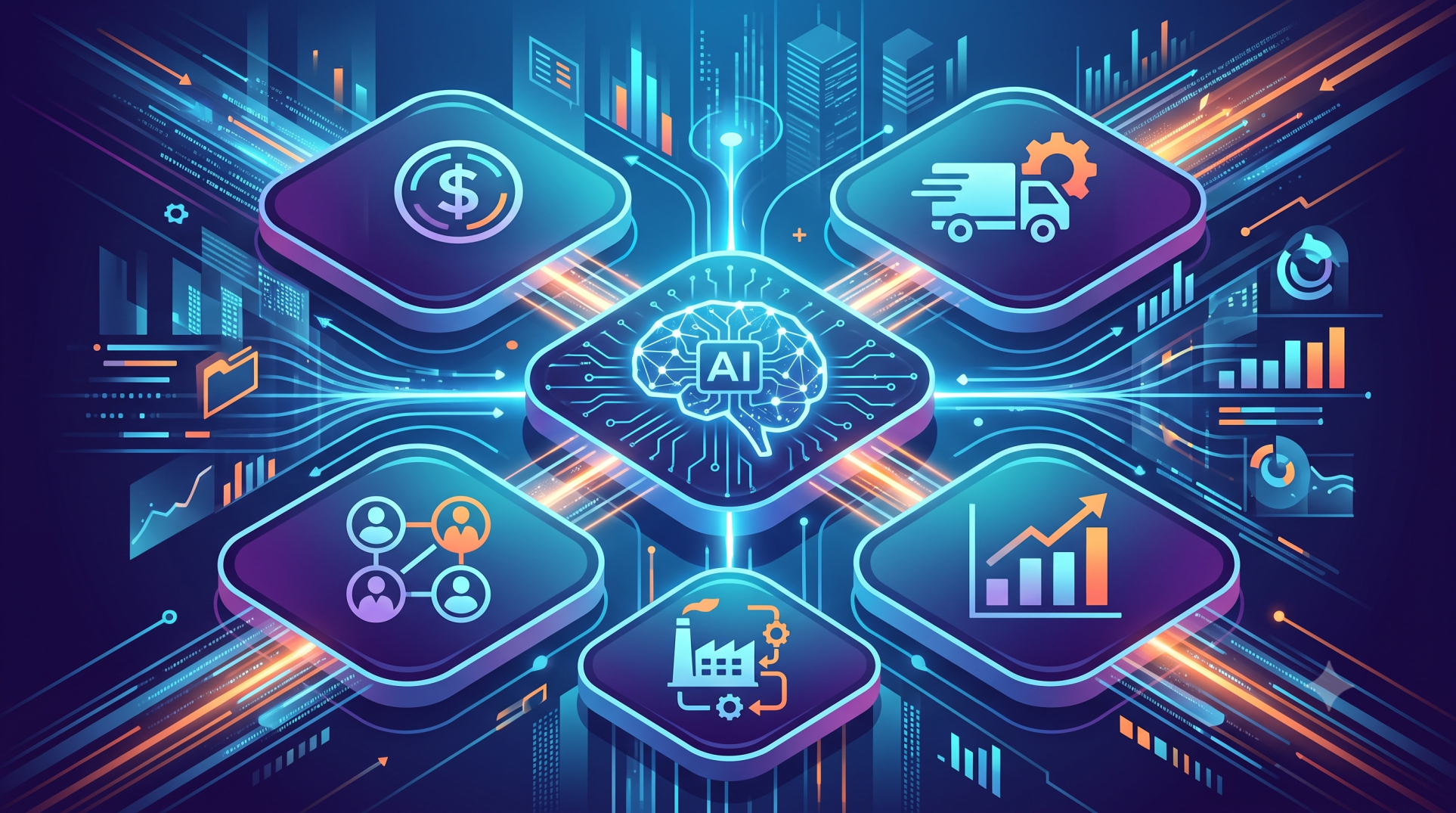
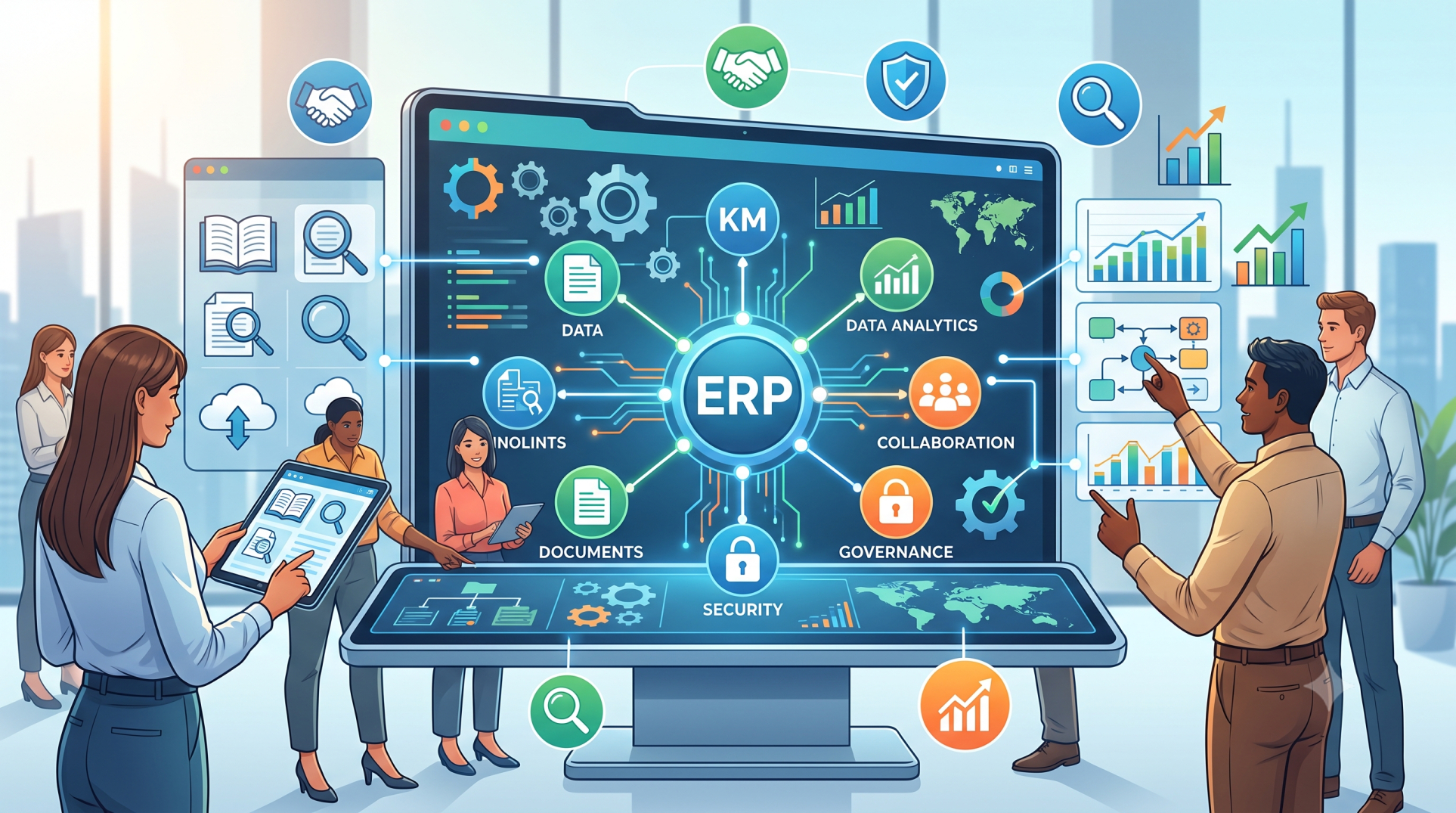
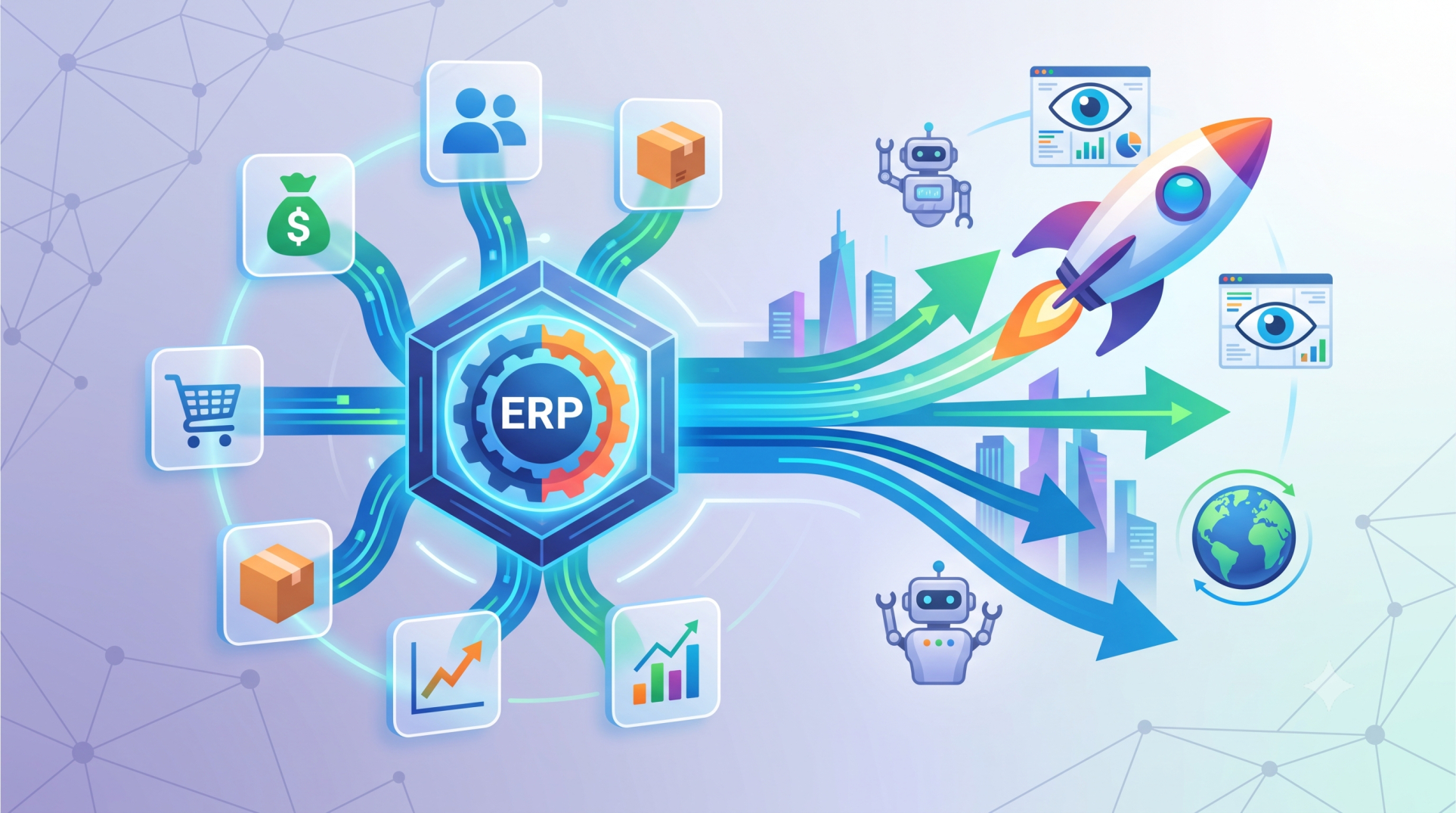
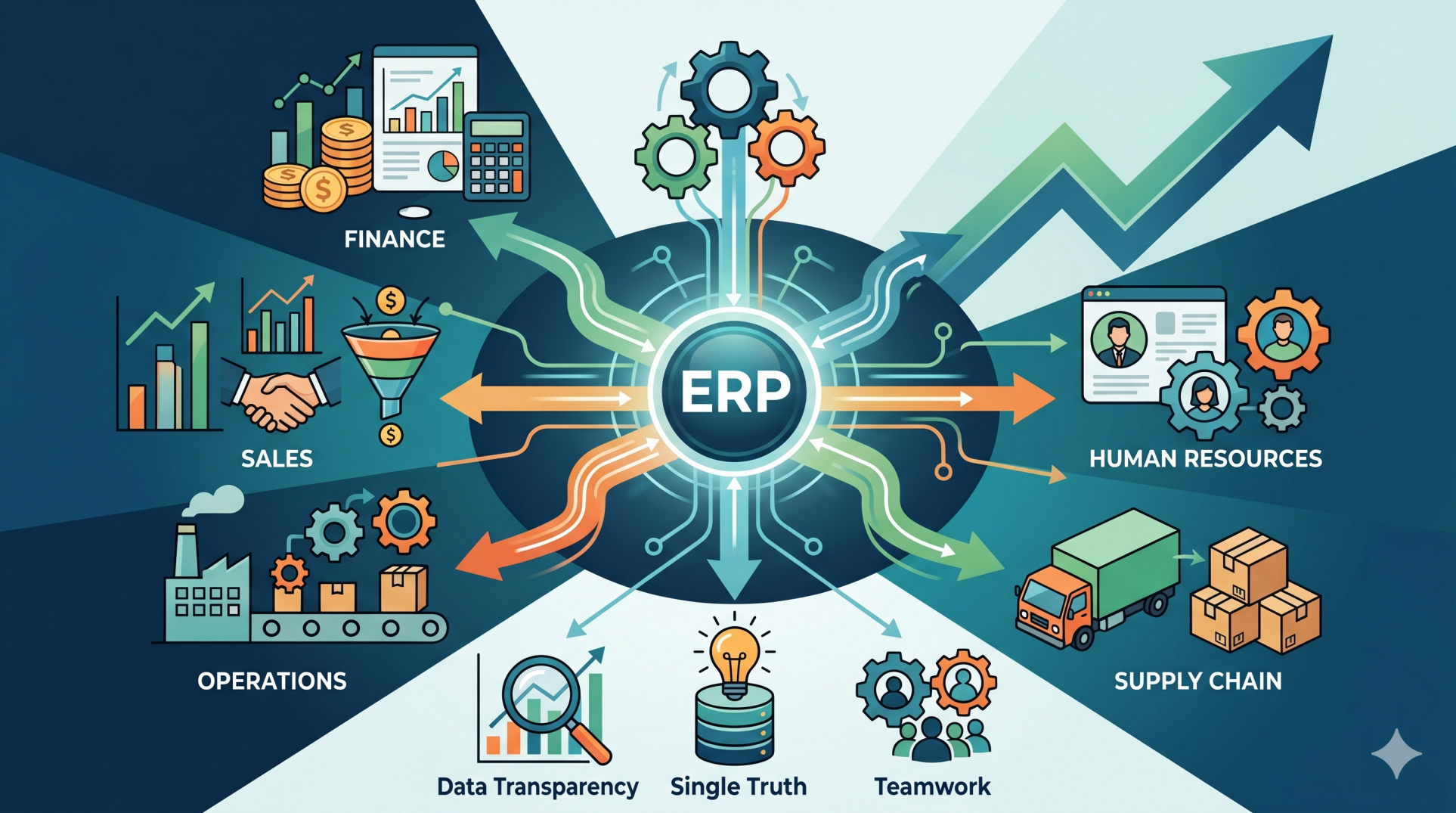
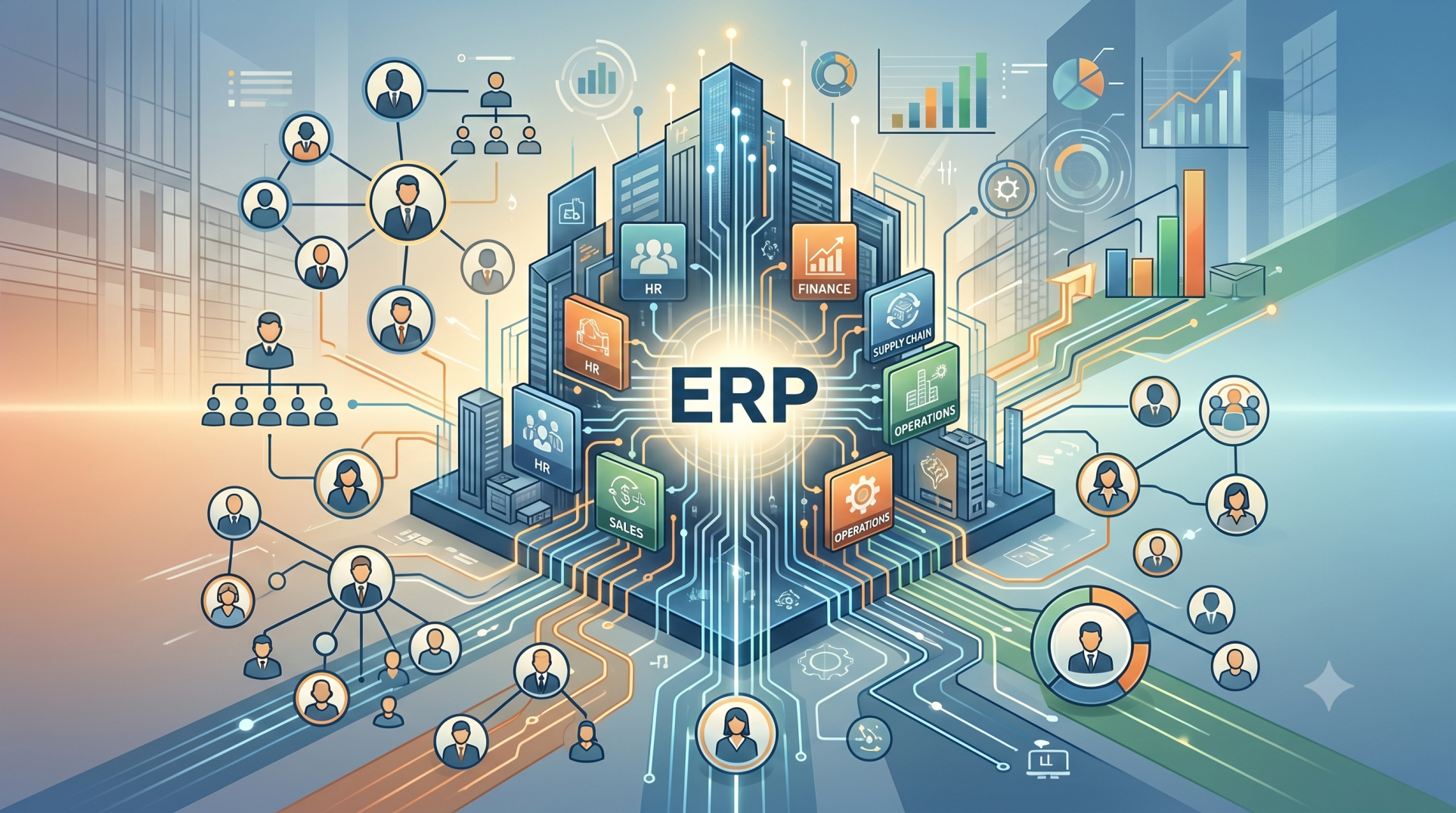
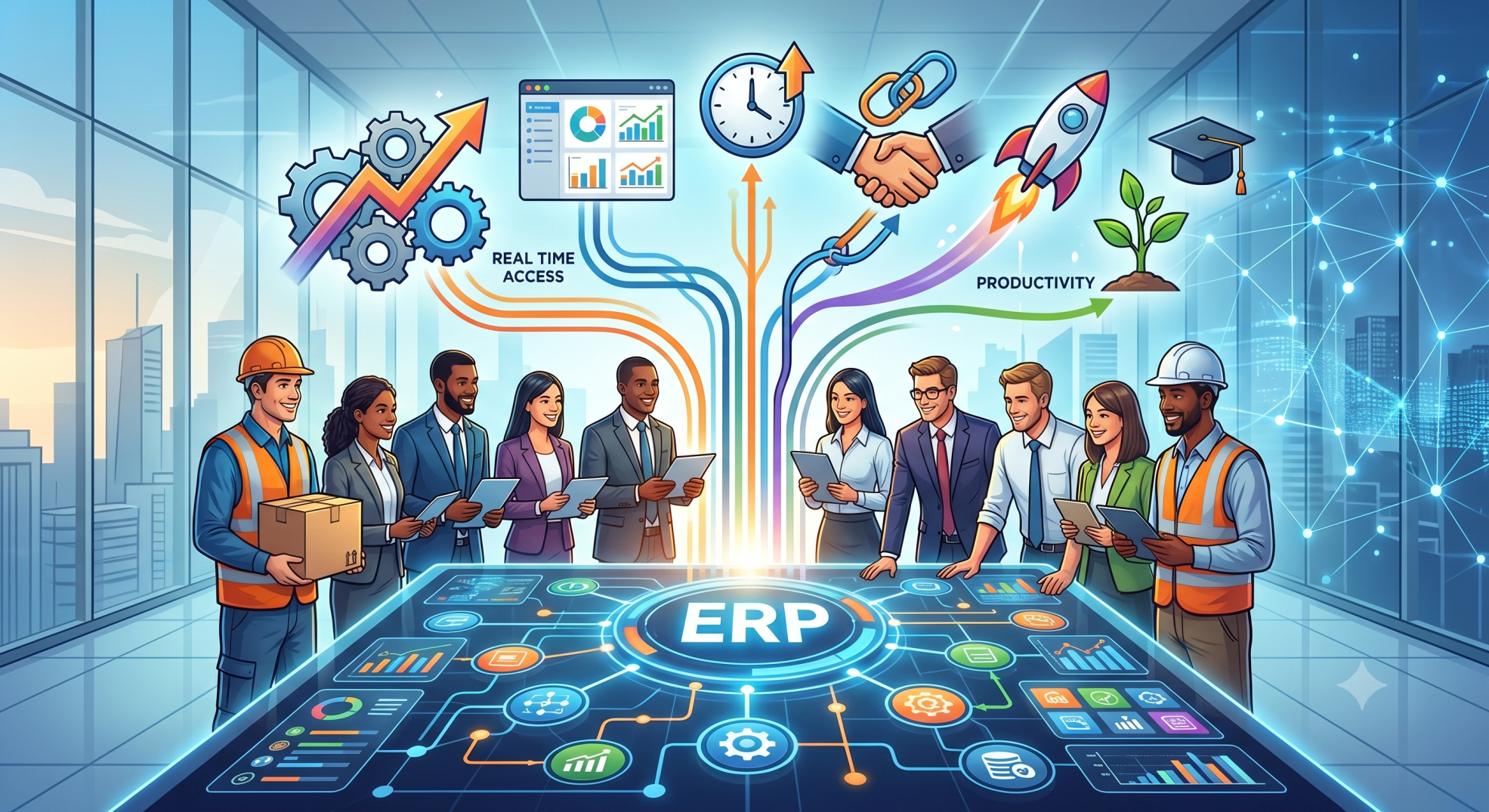
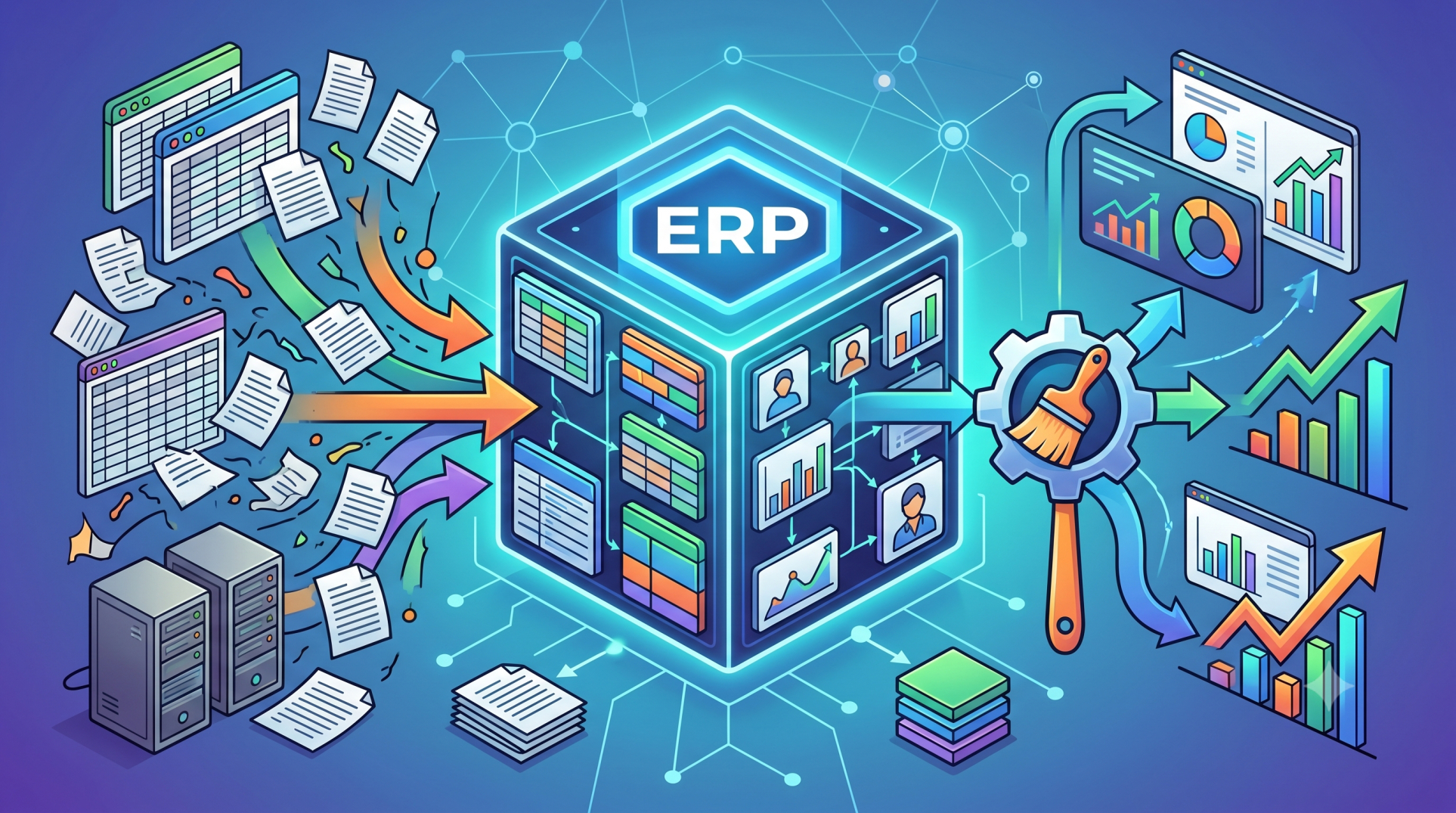
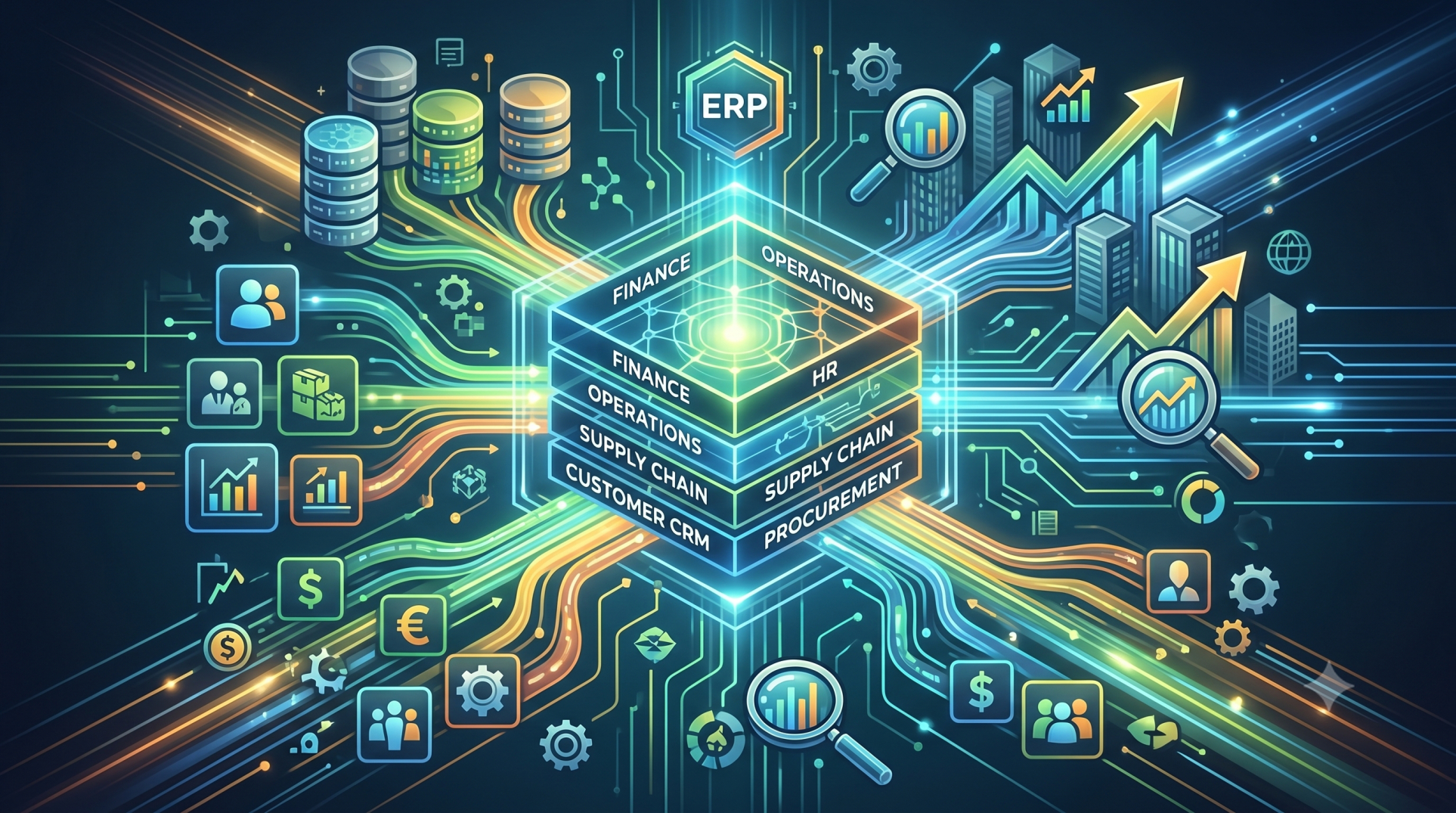
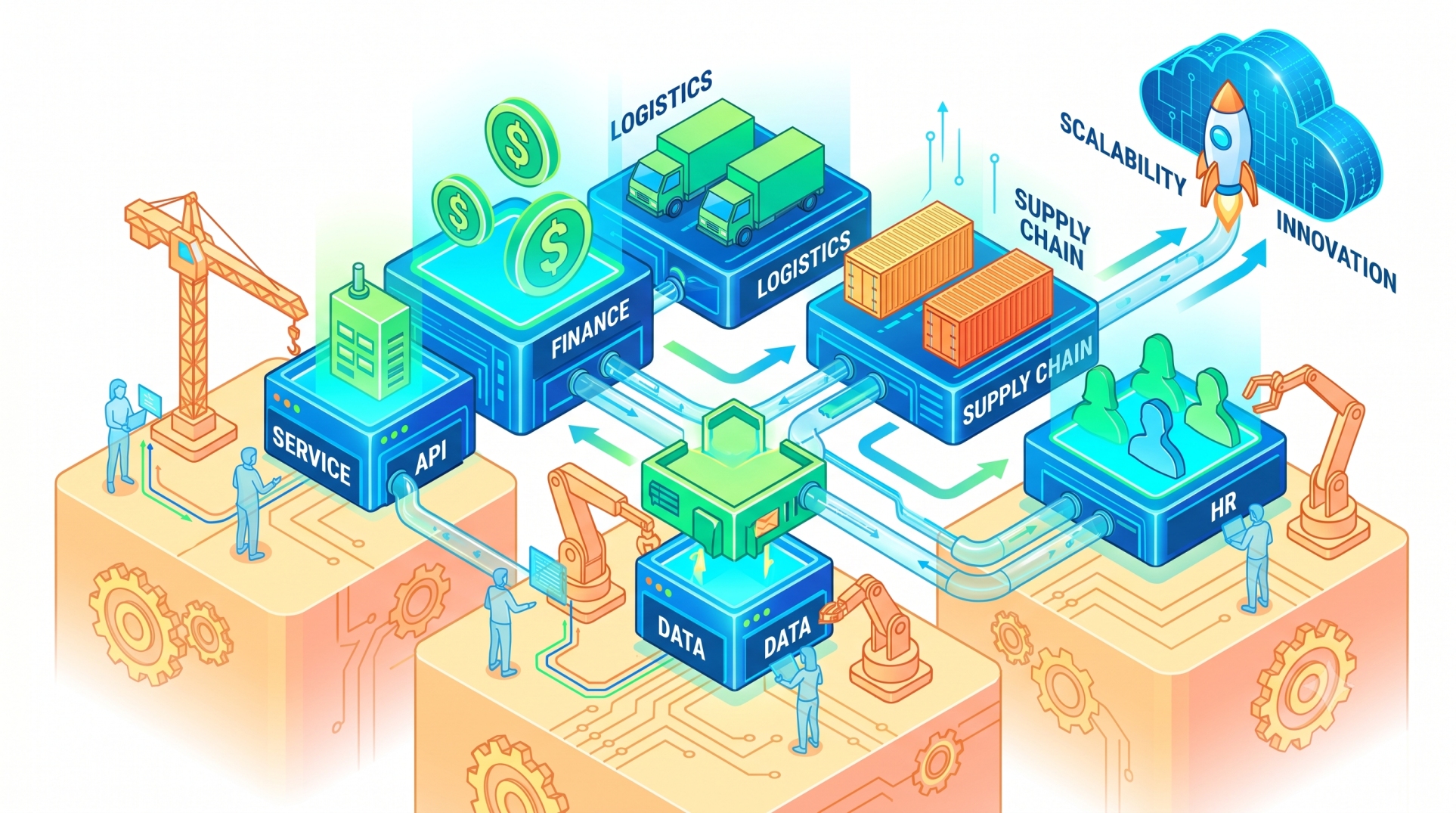
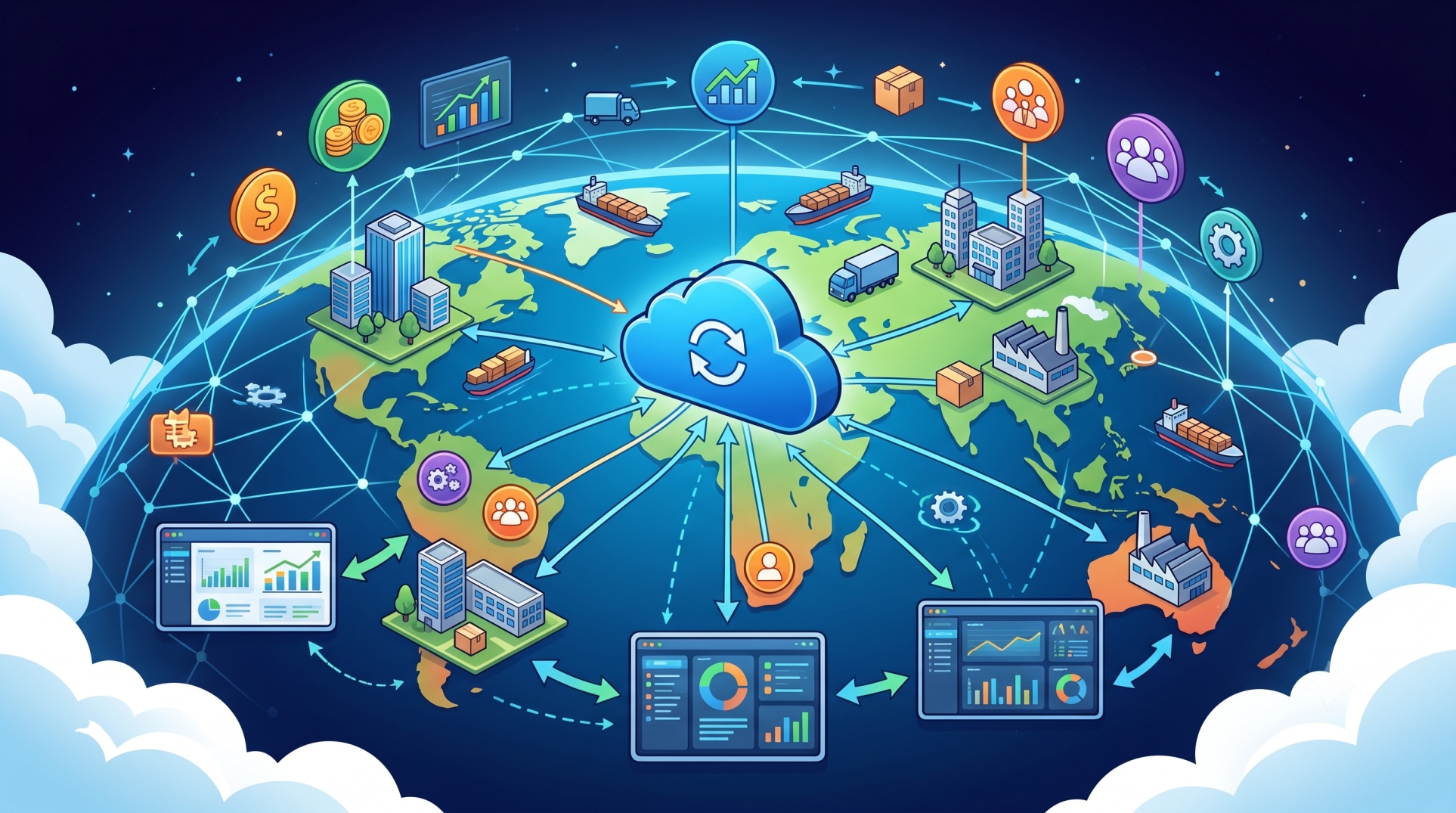
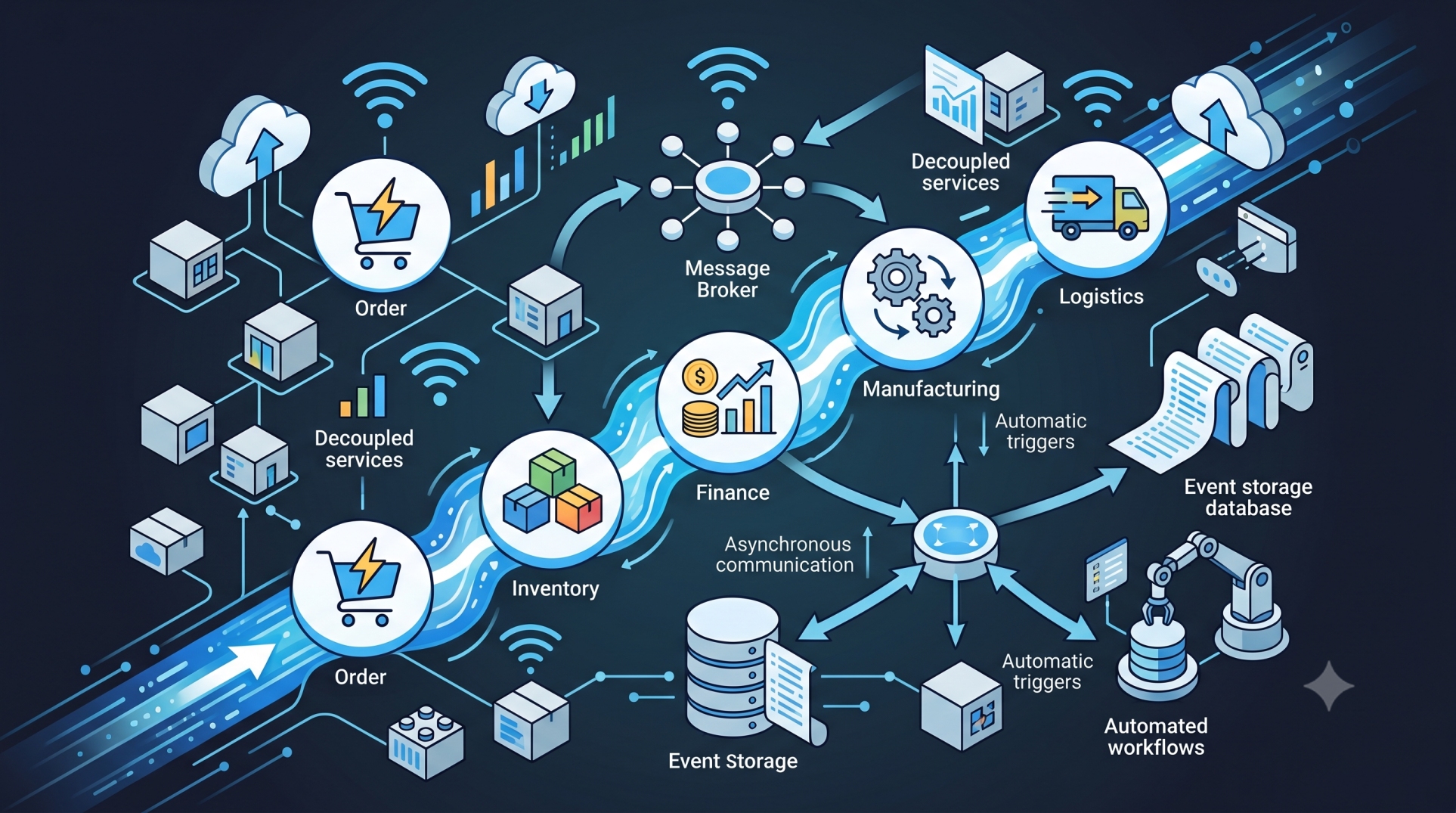
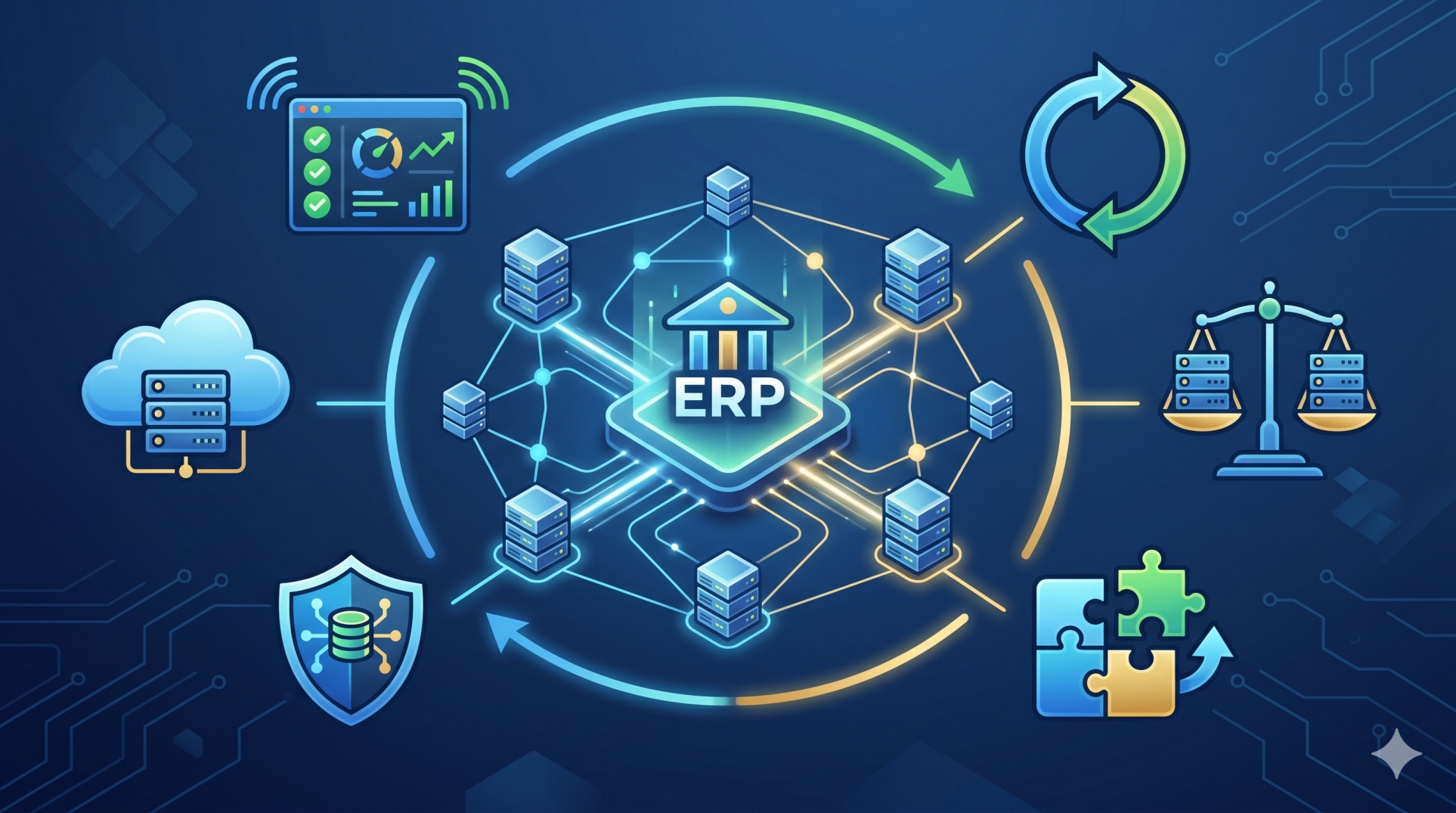
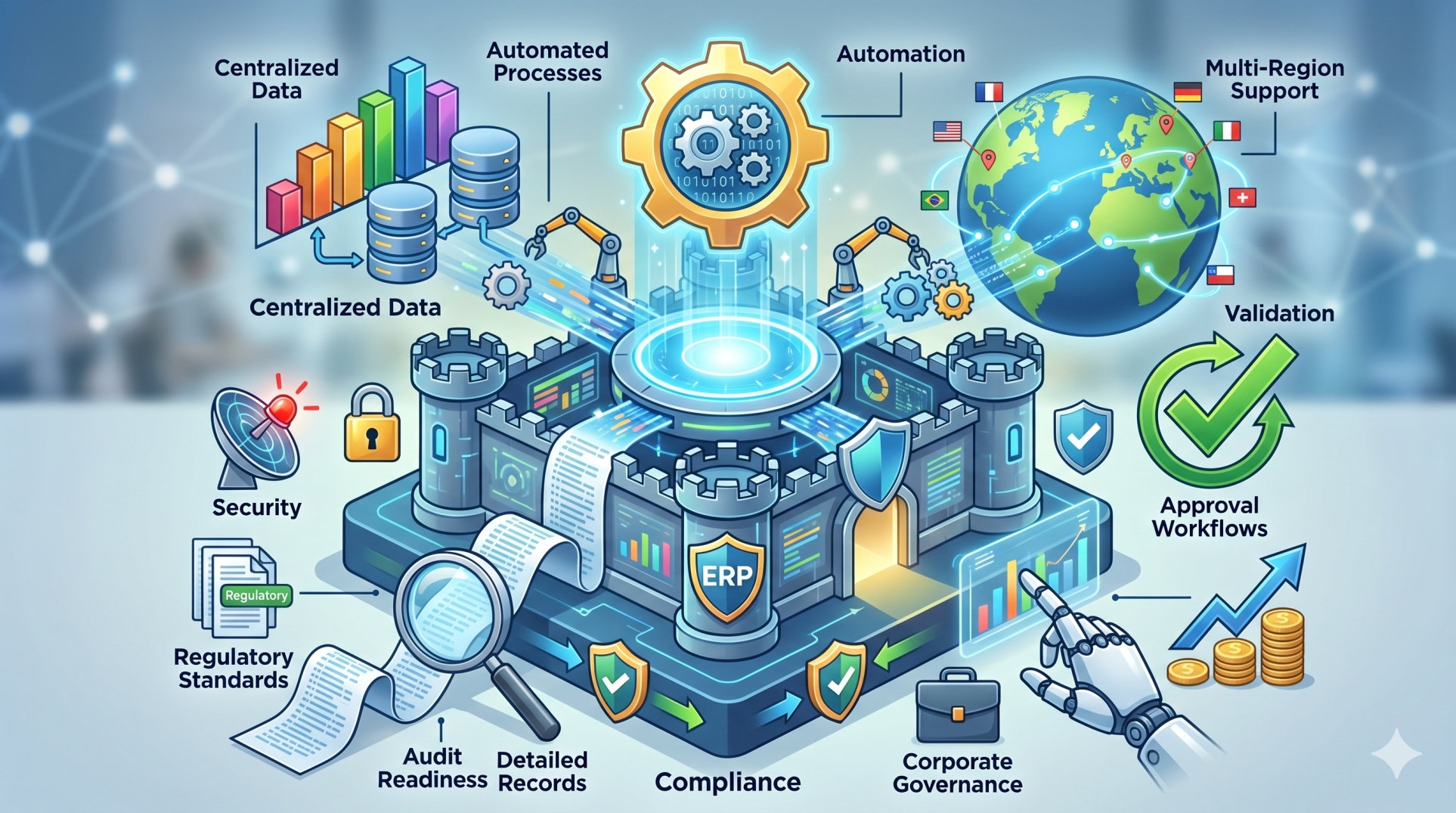
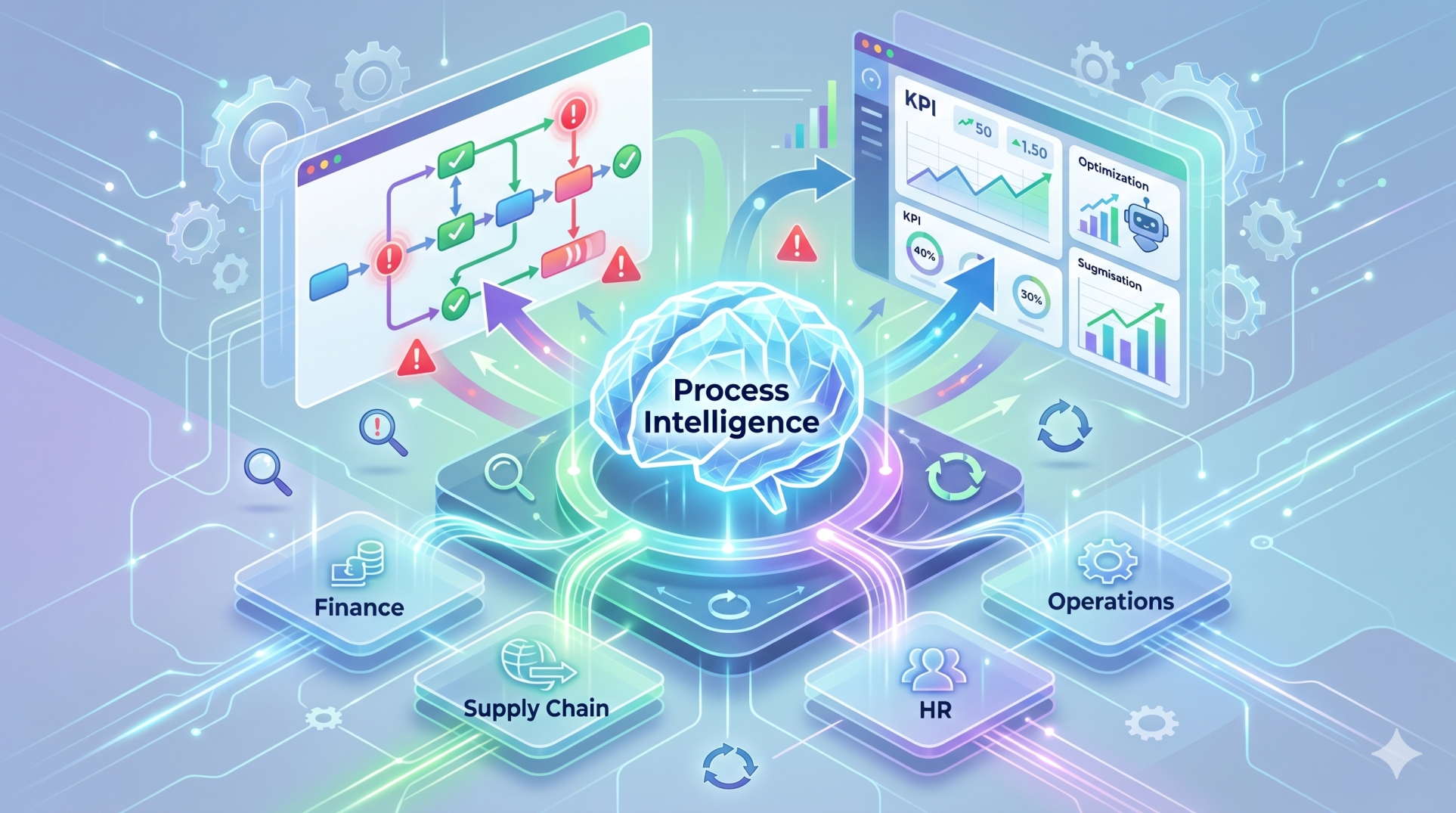
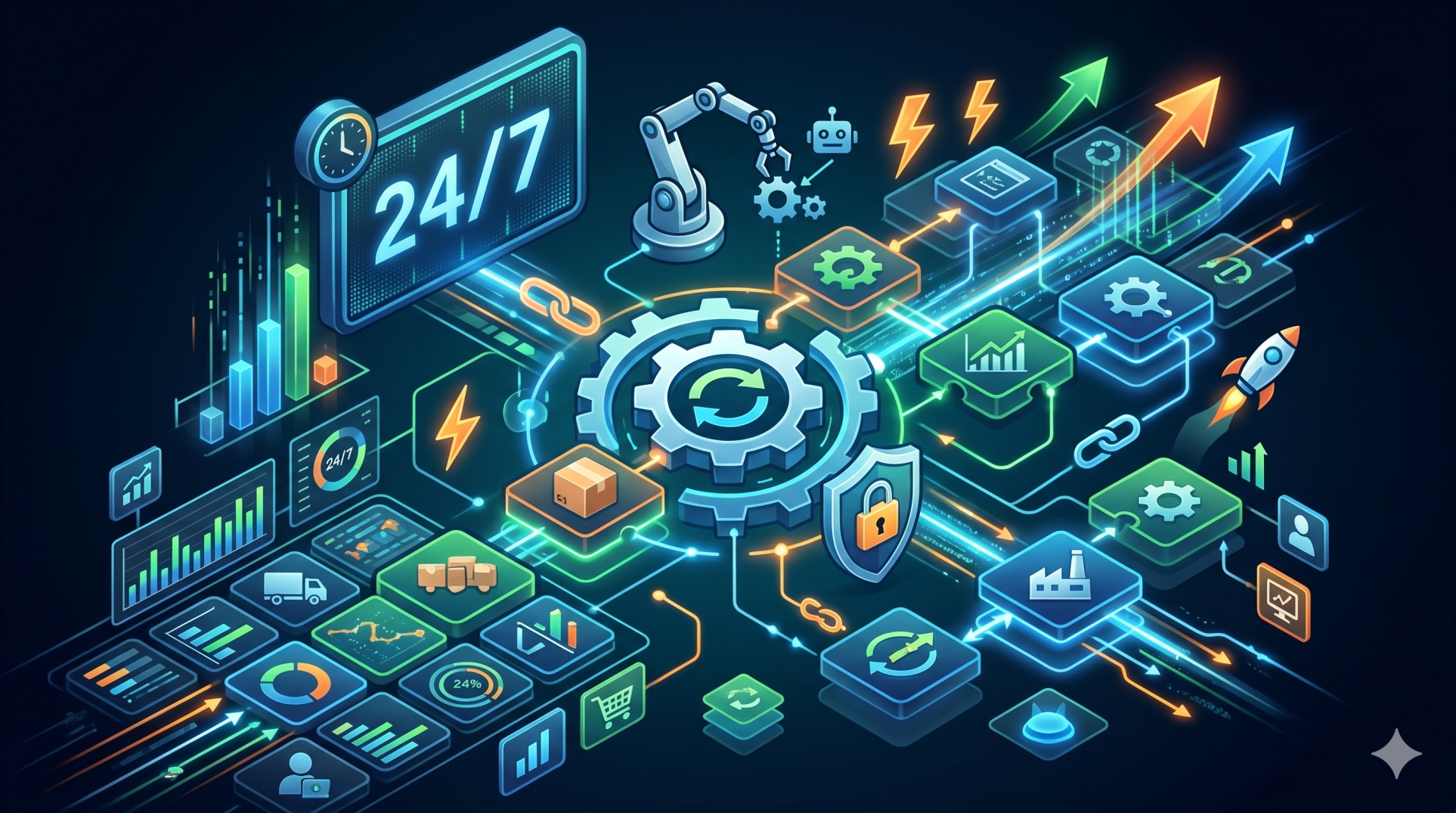
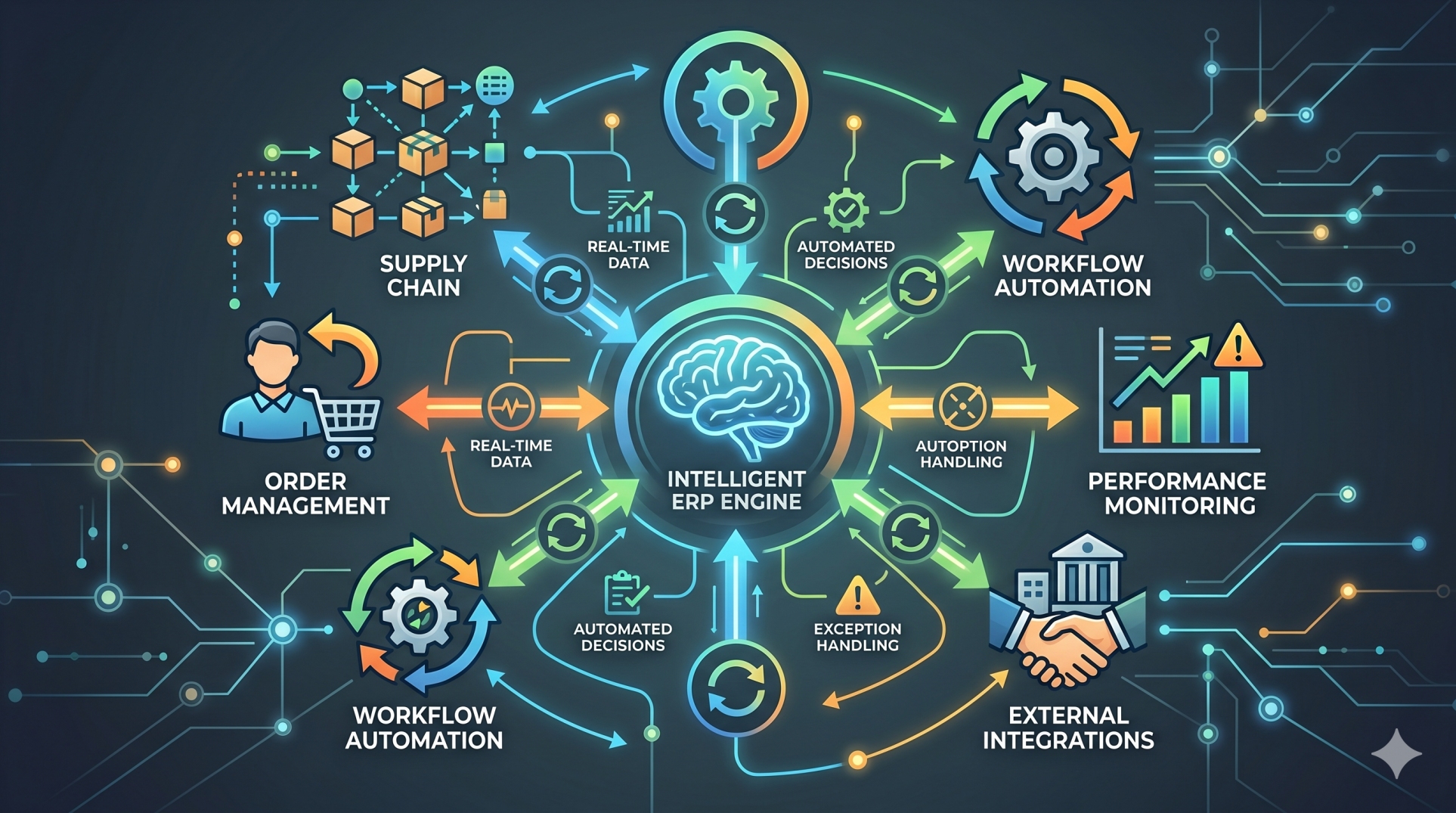
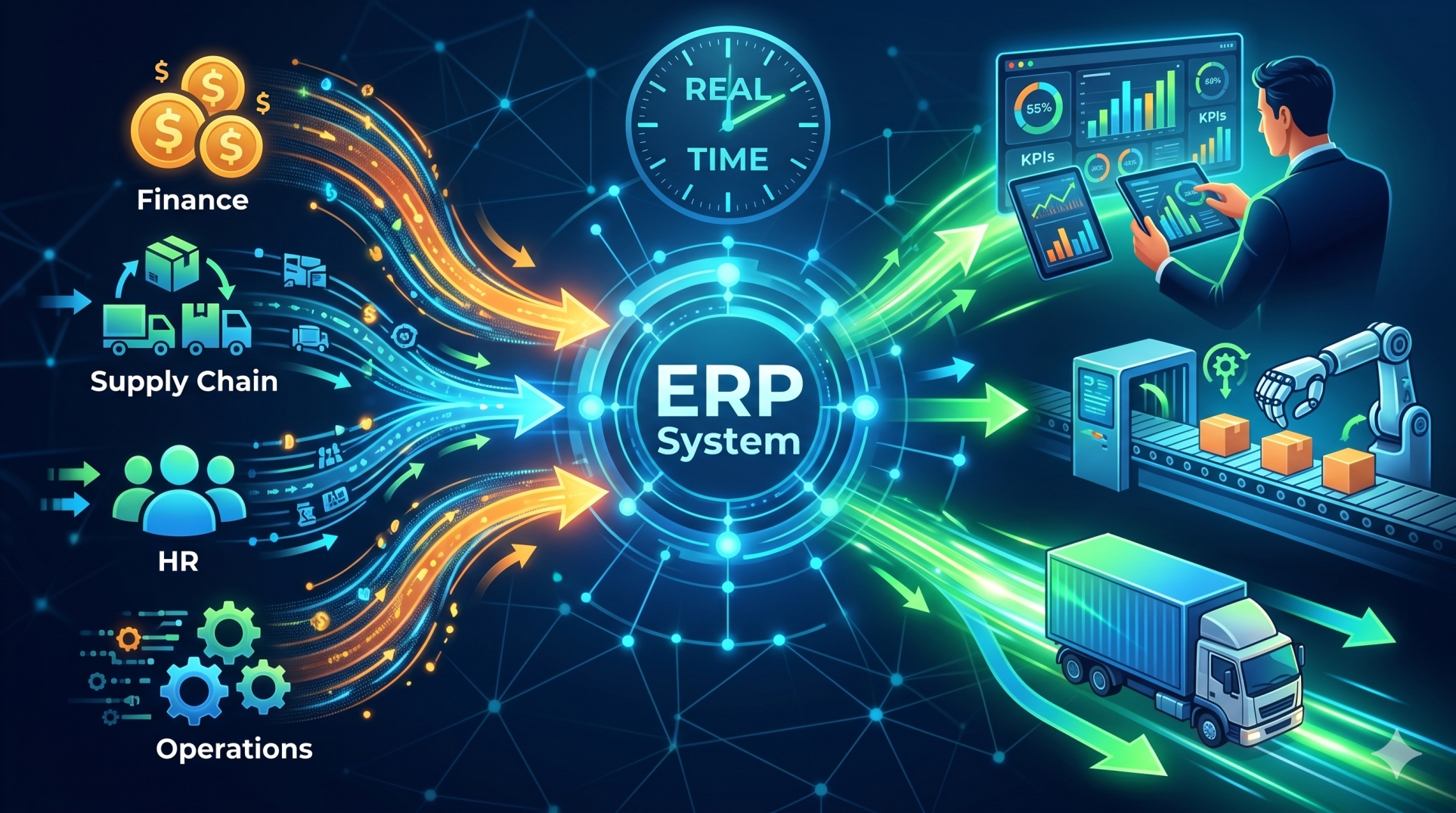
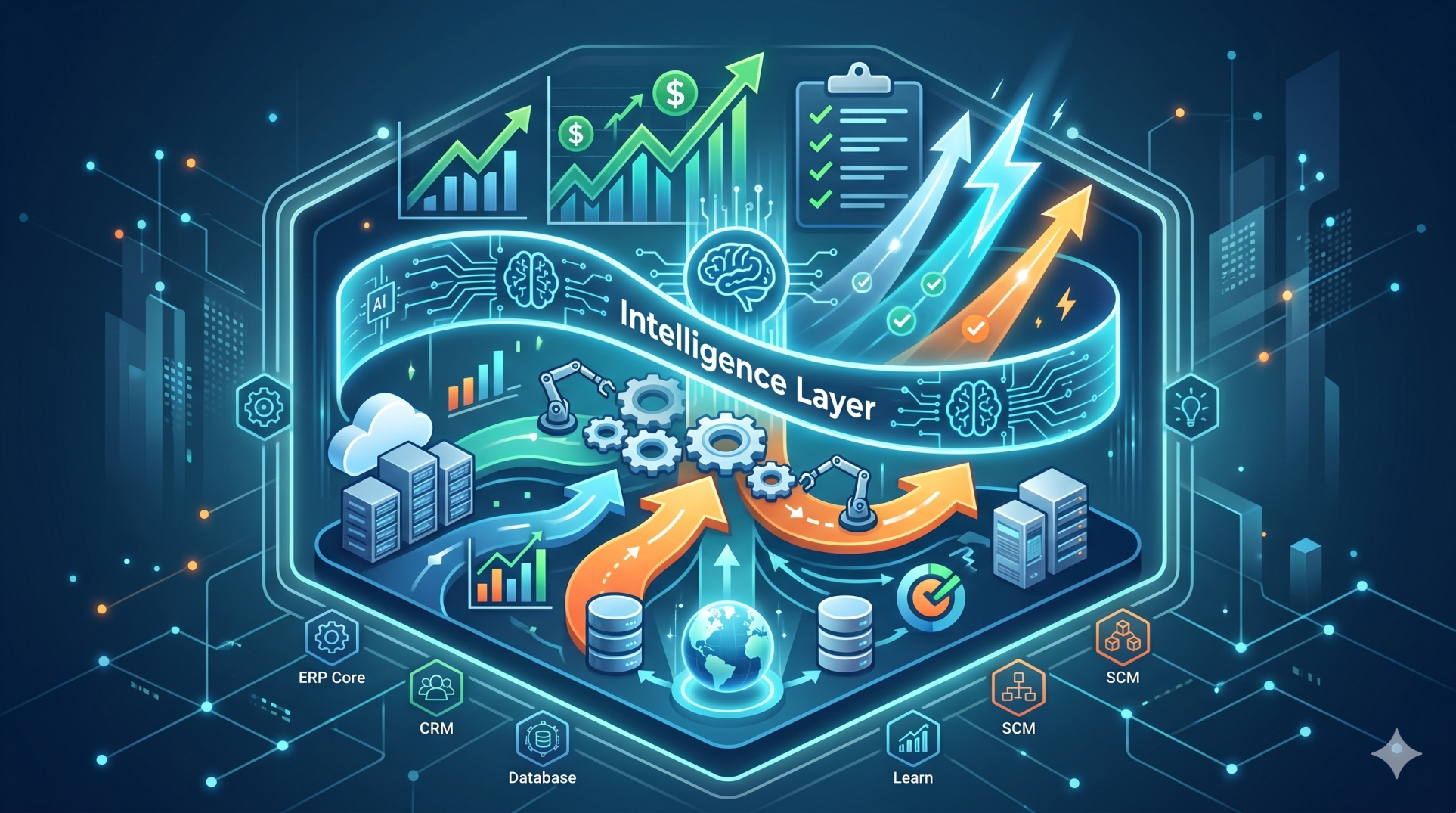
Traditional ERP platforms primarily organize business data and workflows, while AI-native ERP systems go further by embedding intelligence directly into everyday operations. Instead of simply recording transactions, AI-native ERP platforms can interpret information, identify patterns, recommend actions, and automate routine decisions. By combining ERP data with artificial intelligence, organizations can reduce manual effort, accelerate workflows, improve accuracy, and respond more effectively to changing business conditions.
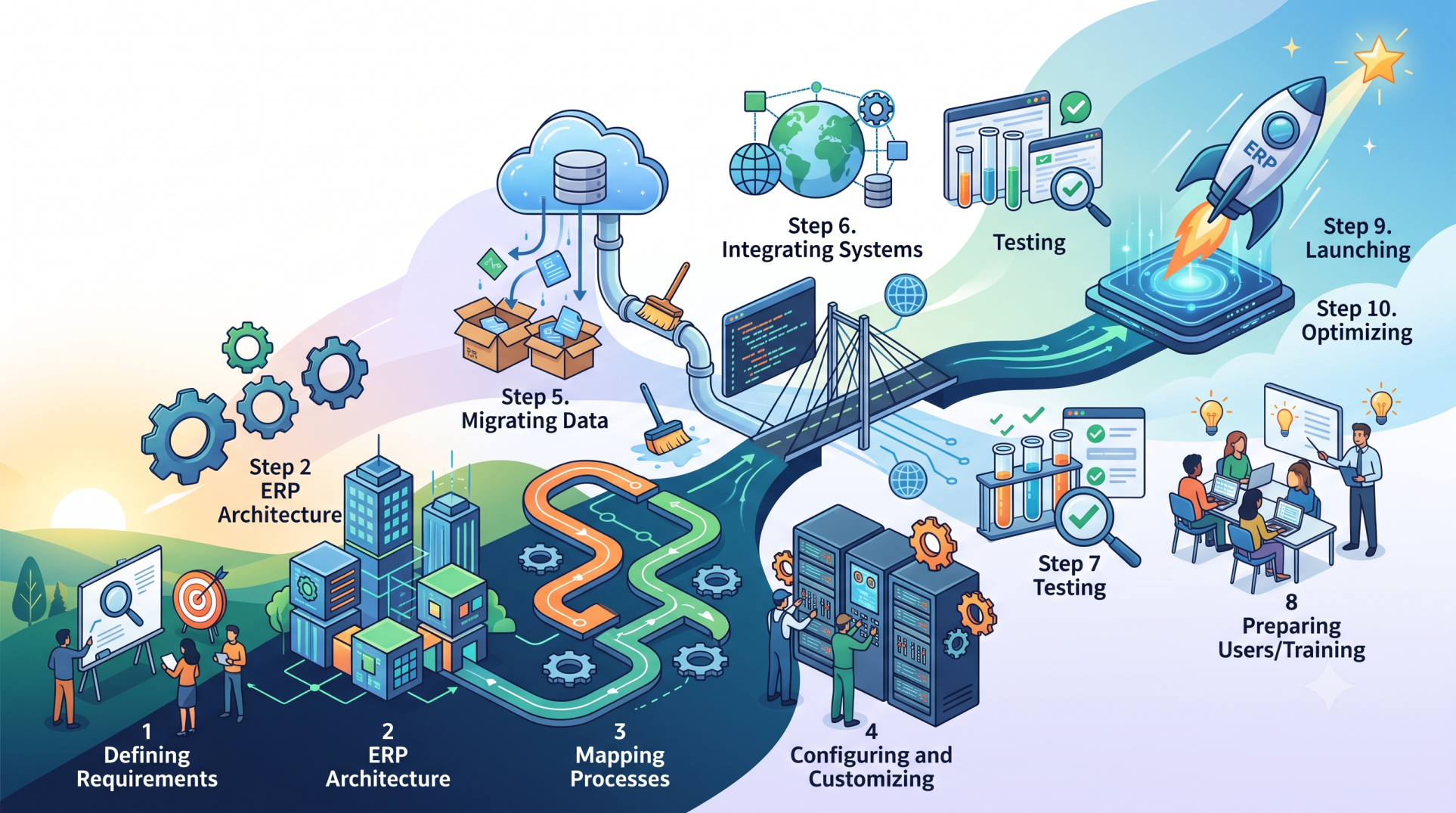
Step 1: Automating Routine Administrative Tasks ⚙️
• Automate repetitive data-entry activities 📝
• Process invoices, purchase orders, and expense records automatically 📄
• Reduce manual reconciliation across business systems 🔄
• Generate routine reports without extensive employee intervention 📊
• Free employees to focus on higher-value responsibilities 💼
Step 2: Intelligent Workflow Management 🧠
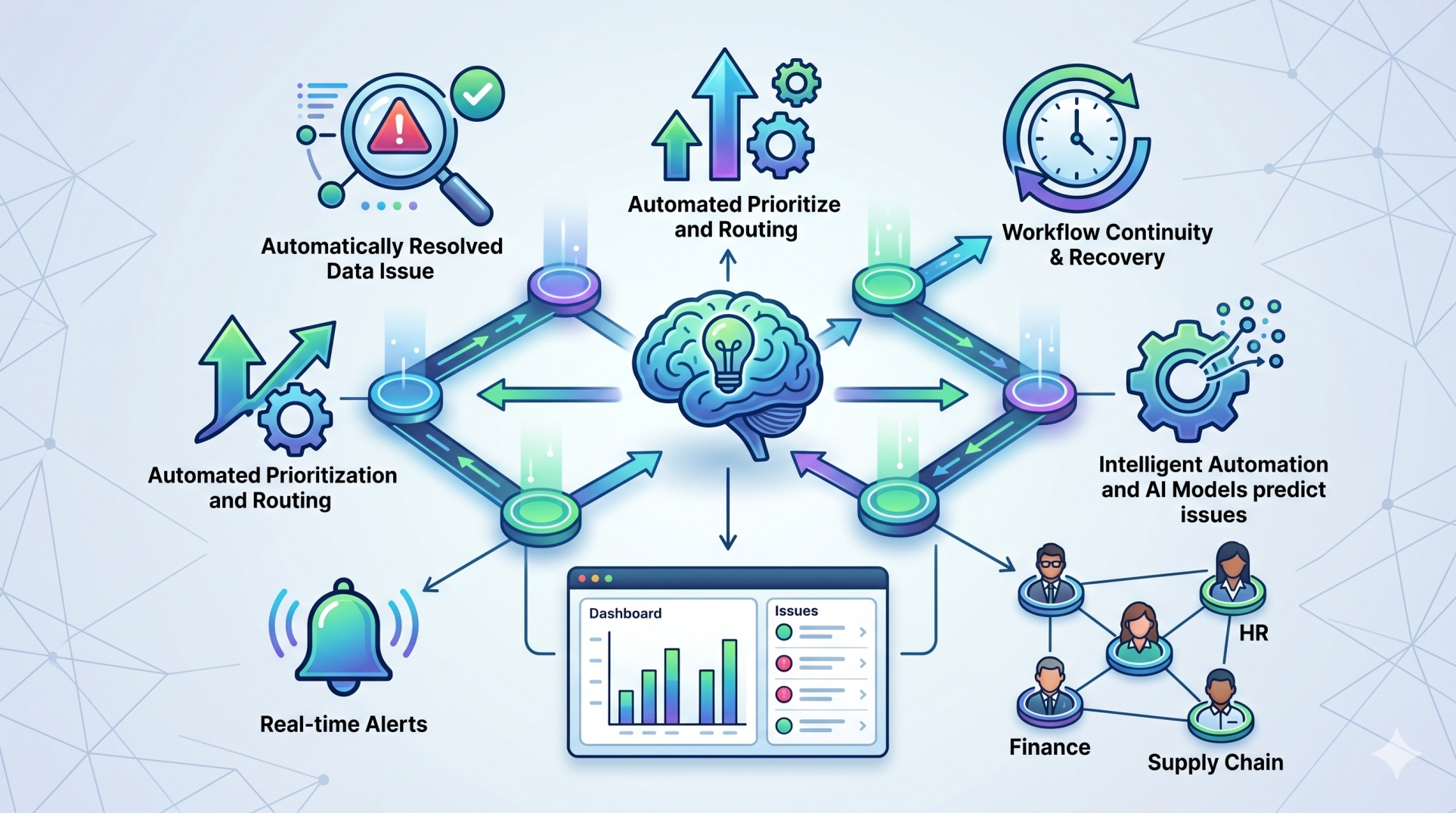
• Analyze incoming tasks and route them to the appropriate teams 📬
• Trigger workflows based on business rules and real-time conditions ⚡
• Automate approvals for routine transactions ✅
• Escalate exceptions that require human attention 🚨
• Continuously optimize workflow sequences based on operational patterns 🔄
Step 3: AI-Powered Financial Operations 💰
• Automate transaction categorization and reconciliation 🧾
• Detect unusual financial activity and potential errors 🔍
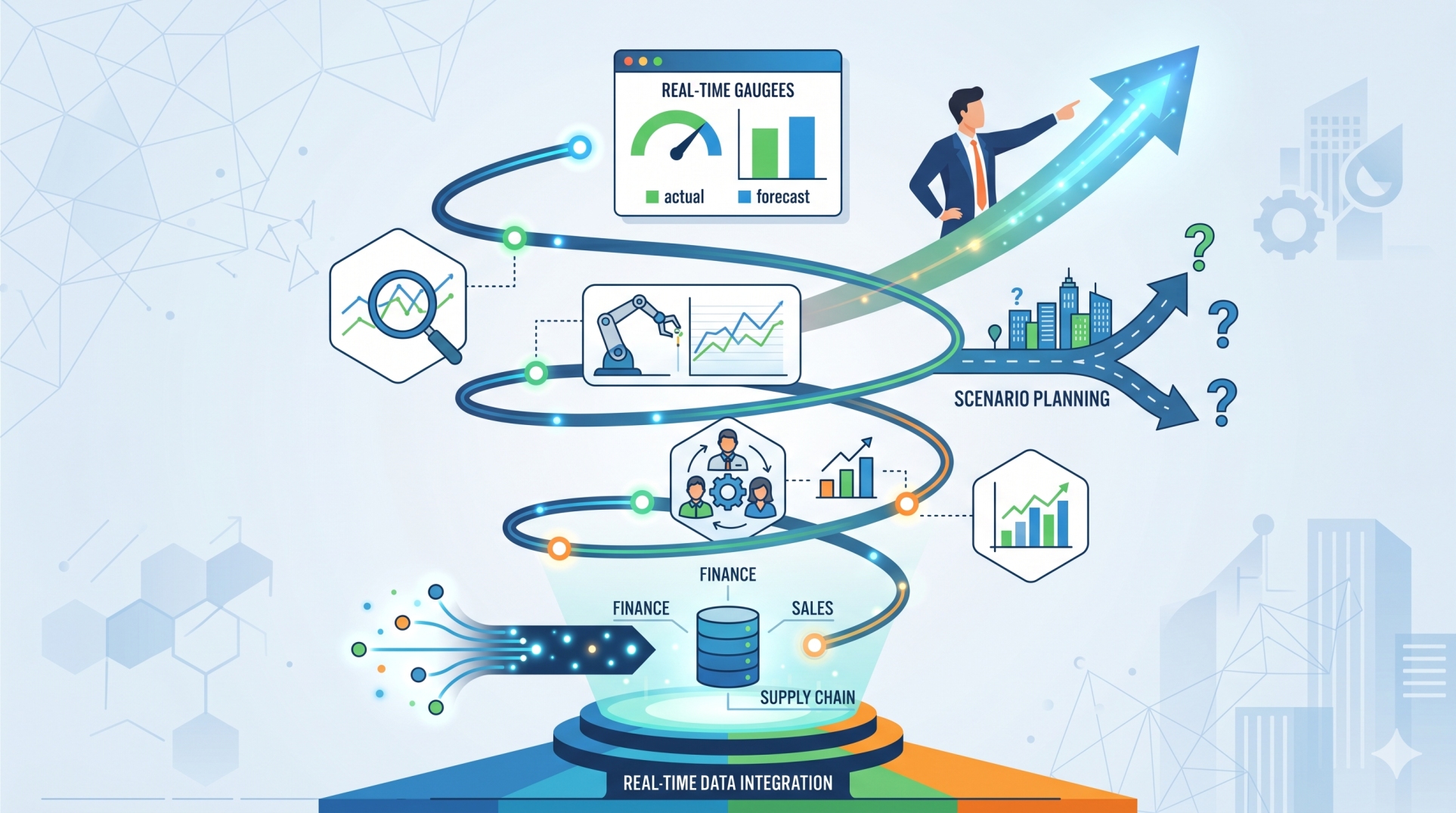
• Assist with cash-flow forecasting and financial planning 📈
• Generate financial summaries for management teams 📊
• Support faster and more informed financial decisions 💡
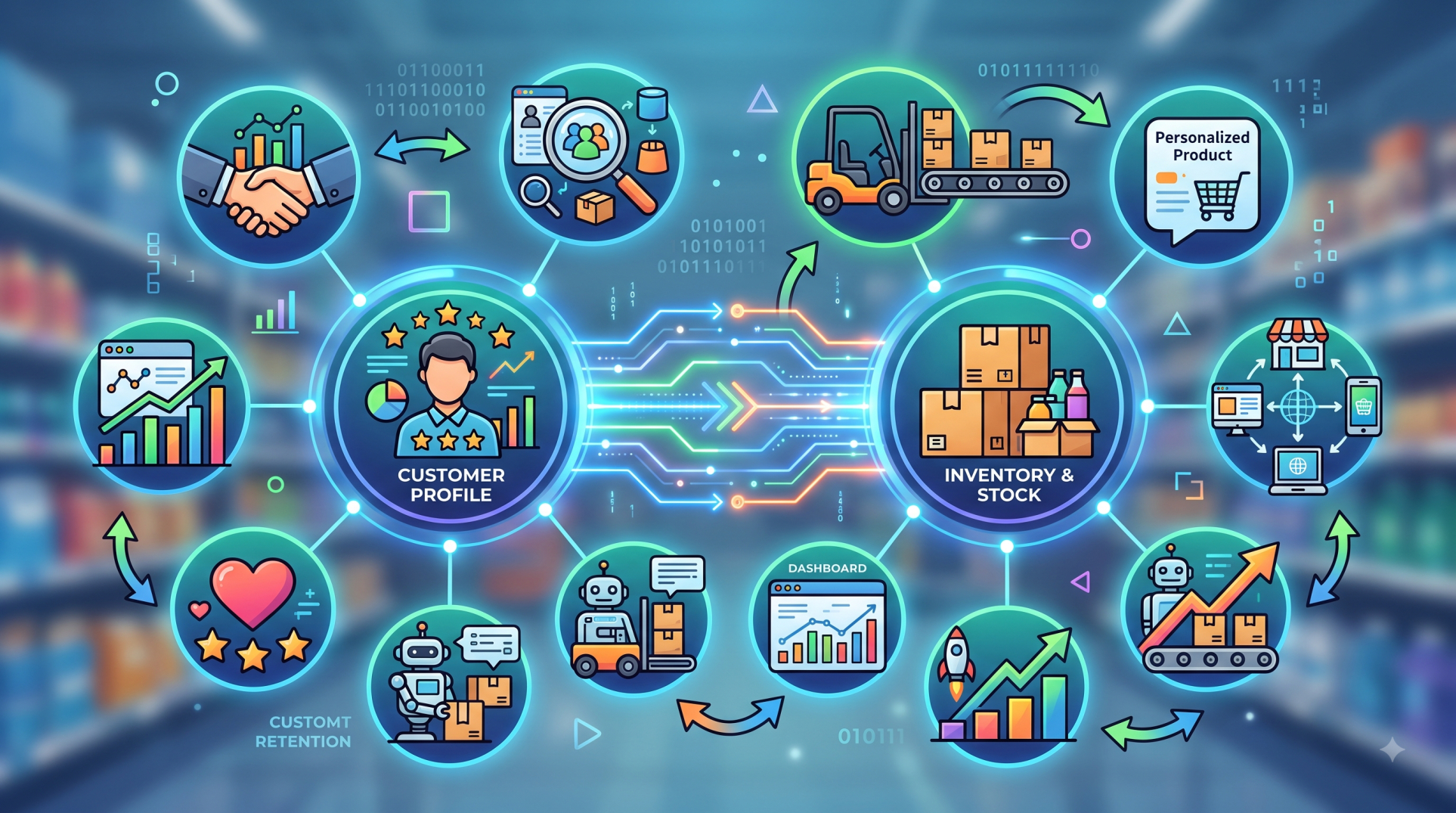
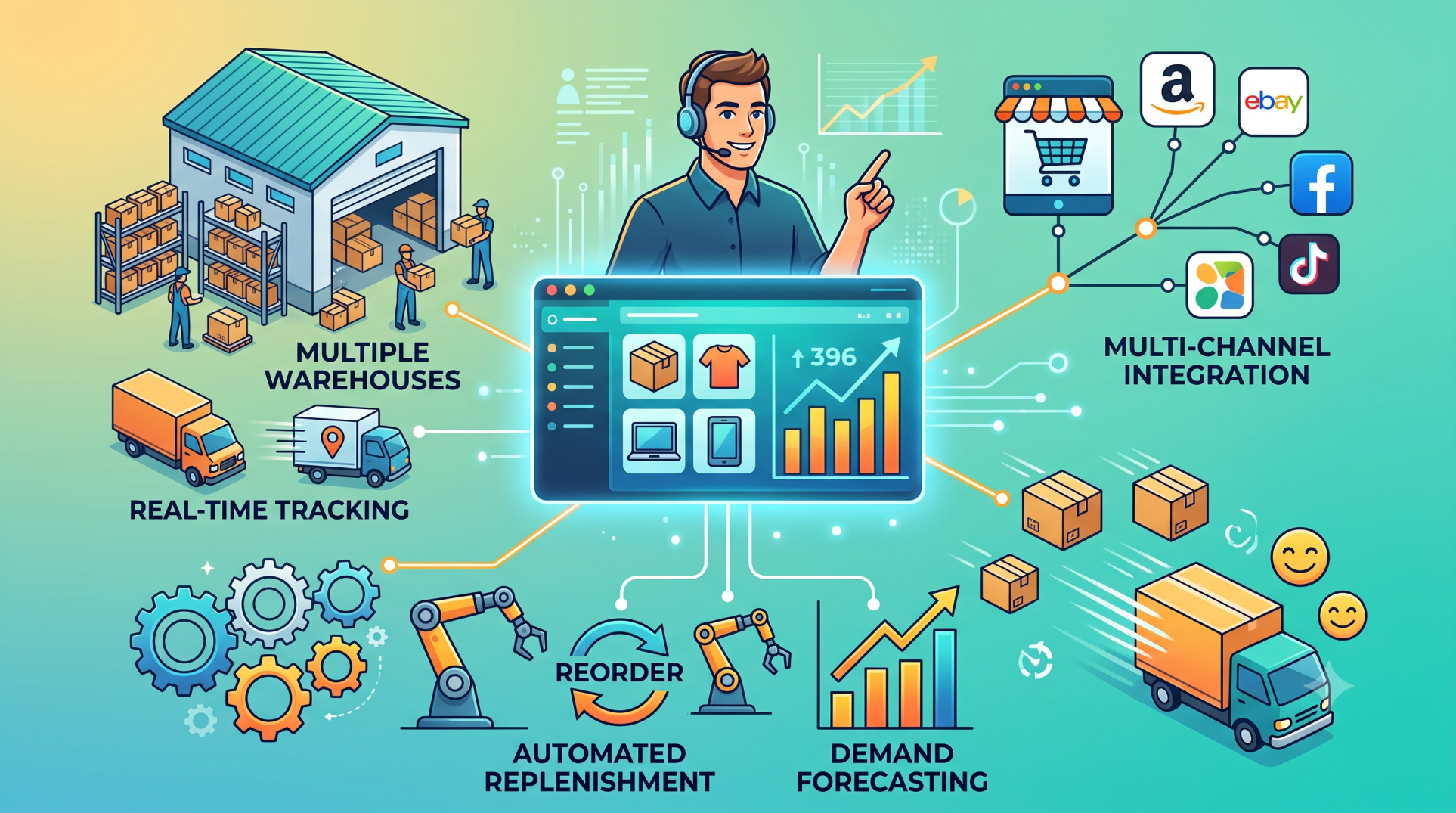
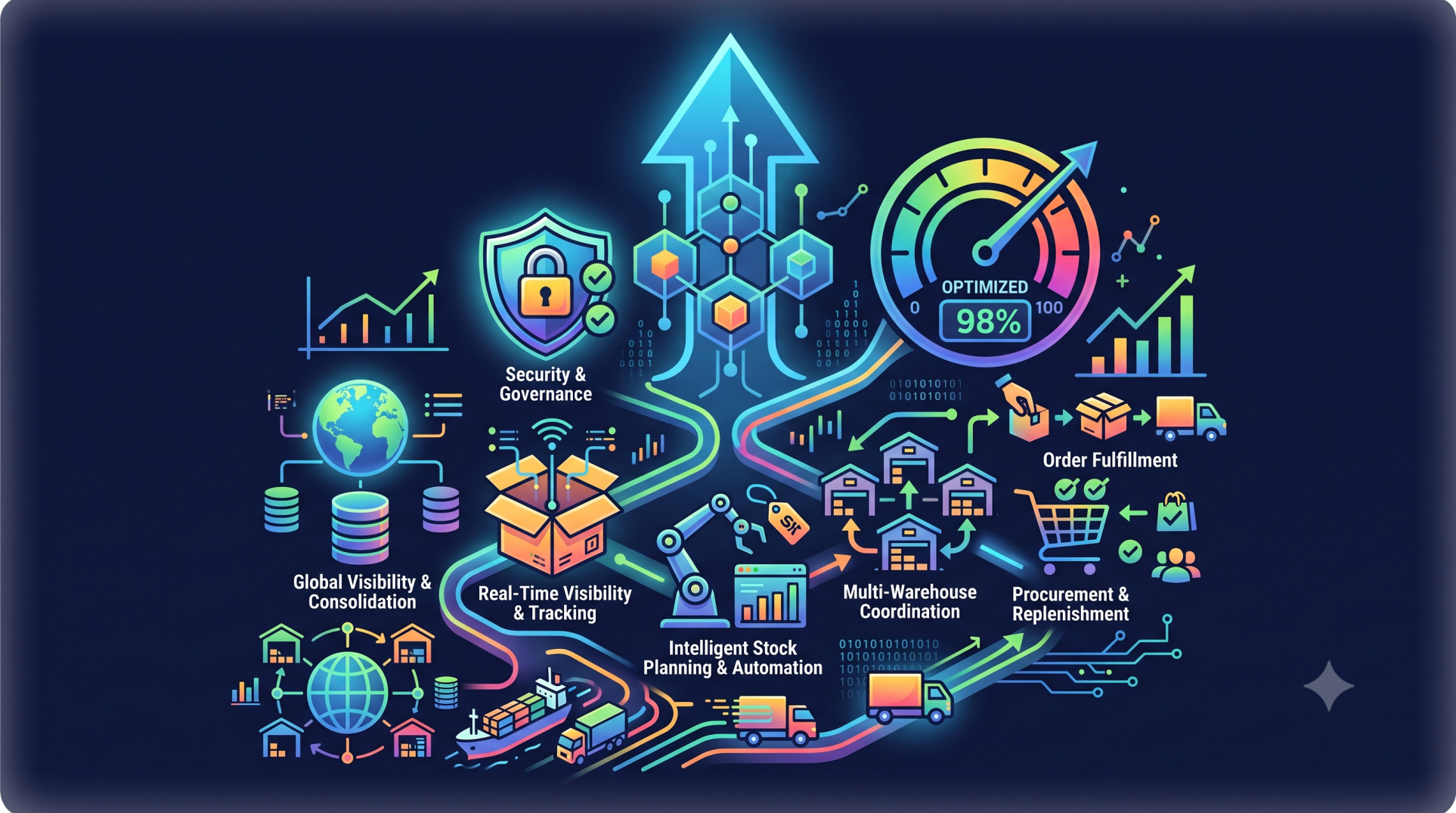
Step 4: Intelligent Inventory Management 📦
• Monitor inventory levels continuously 📊
• Identify products approaching reorder thresholds ⚠️
• Forecast demand using historical and operational data 📈
• Recommend replenishment quantities and timing 🛒
• Detect slow-moving or excess inventory 🔎
Step 5: Smarter Procurement Automation 🛍️
• Analyze purchasing patterns and supplier performance 🤝
• Identify suitable vendors based on business requirements 🔍
• Automate purchase request and approval workflows 📋
• Monitor supplier delivery performance 🚚
• Highlight potential procurement risks before they affect operations 🛡️
Step 6: AI-Driven Workforce Coordination 👥
• Automate employee scheduling and routine administrative processes 📅
• Match tasks with available teams and resources 🎯
• Analyze workload distribution across departments ⚖️
• Generate operational alerts when capacity constraints emerge 🚨
• Provide managers with actionable workforce insights 📊
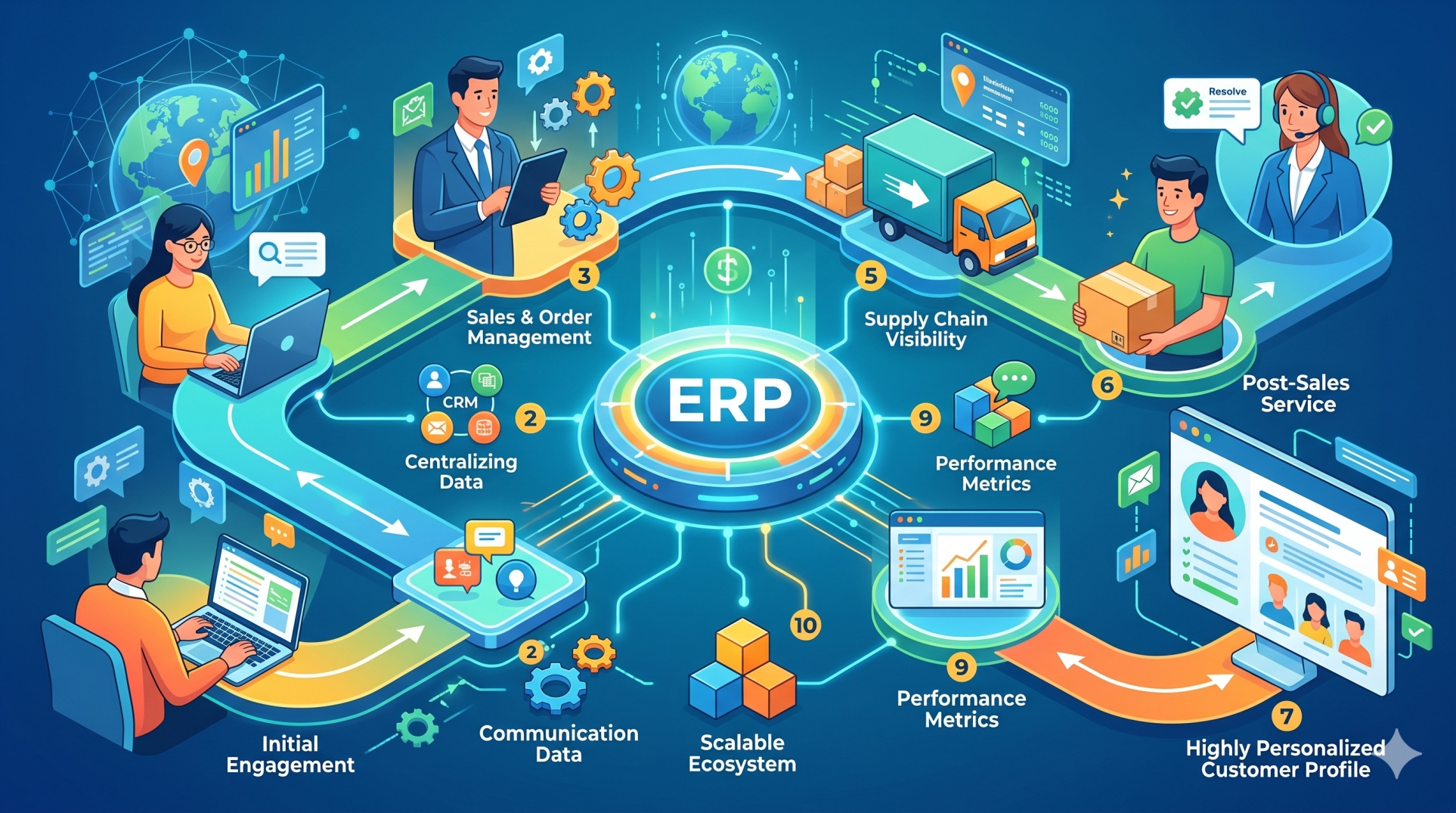
Step 7: Intelligent Customer and Sales Operations 🤝
• Automatically prioritize leads and customer requests 🎯
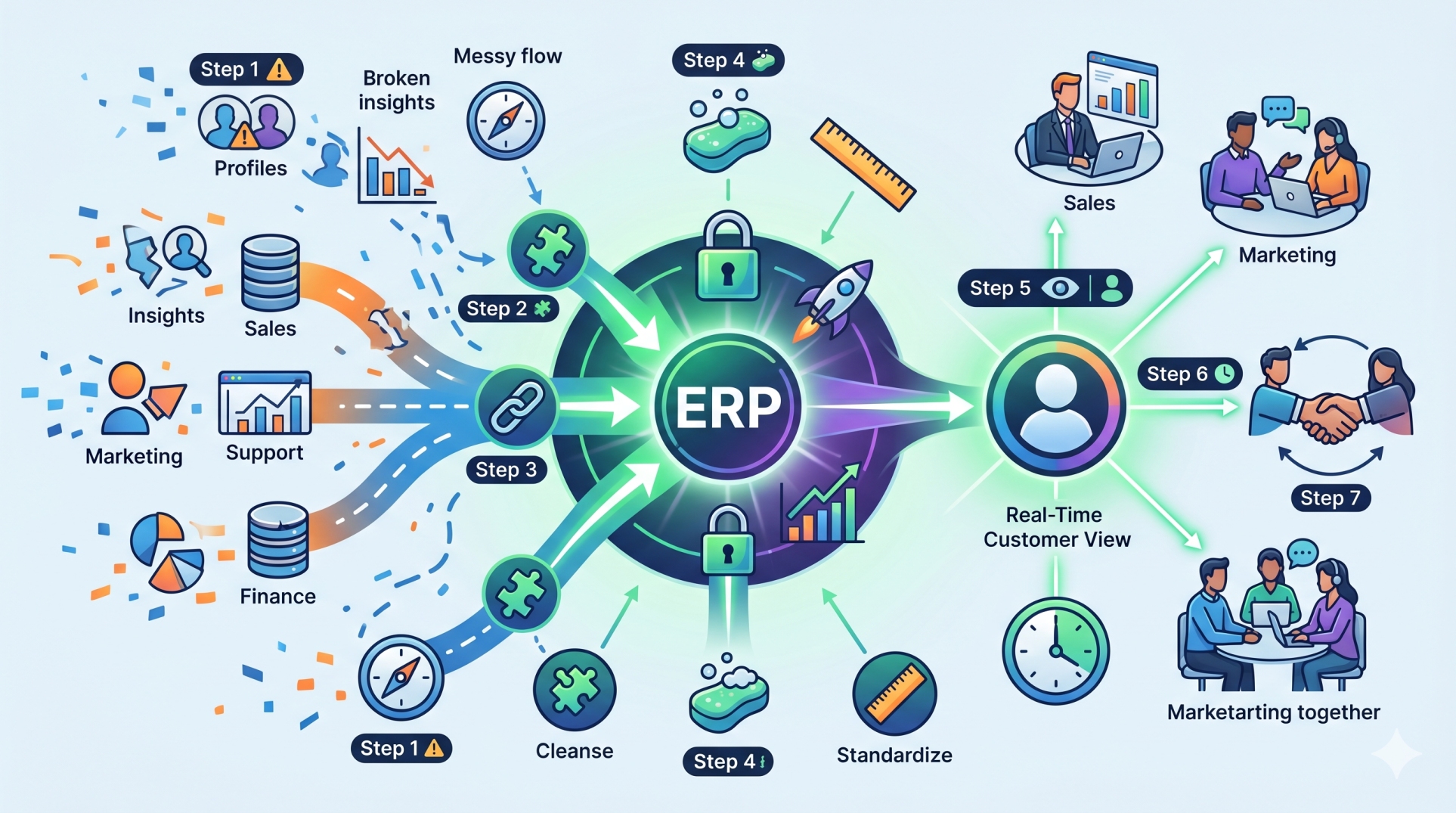
• Analyze customer interactions across connected systems 💬
• Generate personalized follow-ups and recommendations ✉️
• Automate order processing and status updates 📦
• Provide sales teams with real-time customer intelligence 🧠
Step 8: Predictive Operational Management 🔮
• Identify emerging operational problems before they become major disruptions ⚠️
• Forecast demand, resource requirements, and potential bottlenecks 📈
• Predict maintenance requirements for equipment and assets 🔧
• Detect unusual changes in business performance 🔍
• Help organizations move from reactive management to proactive operations 🚀
Step 9: AI-Assisted Decision Making 💡
• Convert complex ERP data into actionable insights 📊
• Allow managers to interact with business information using natural language 💬
• Summarize operational performance automatically 📝
• Compare current results with historical patterns 📈
• Recommend potential actions while keeping human oversight in the decision process 👤
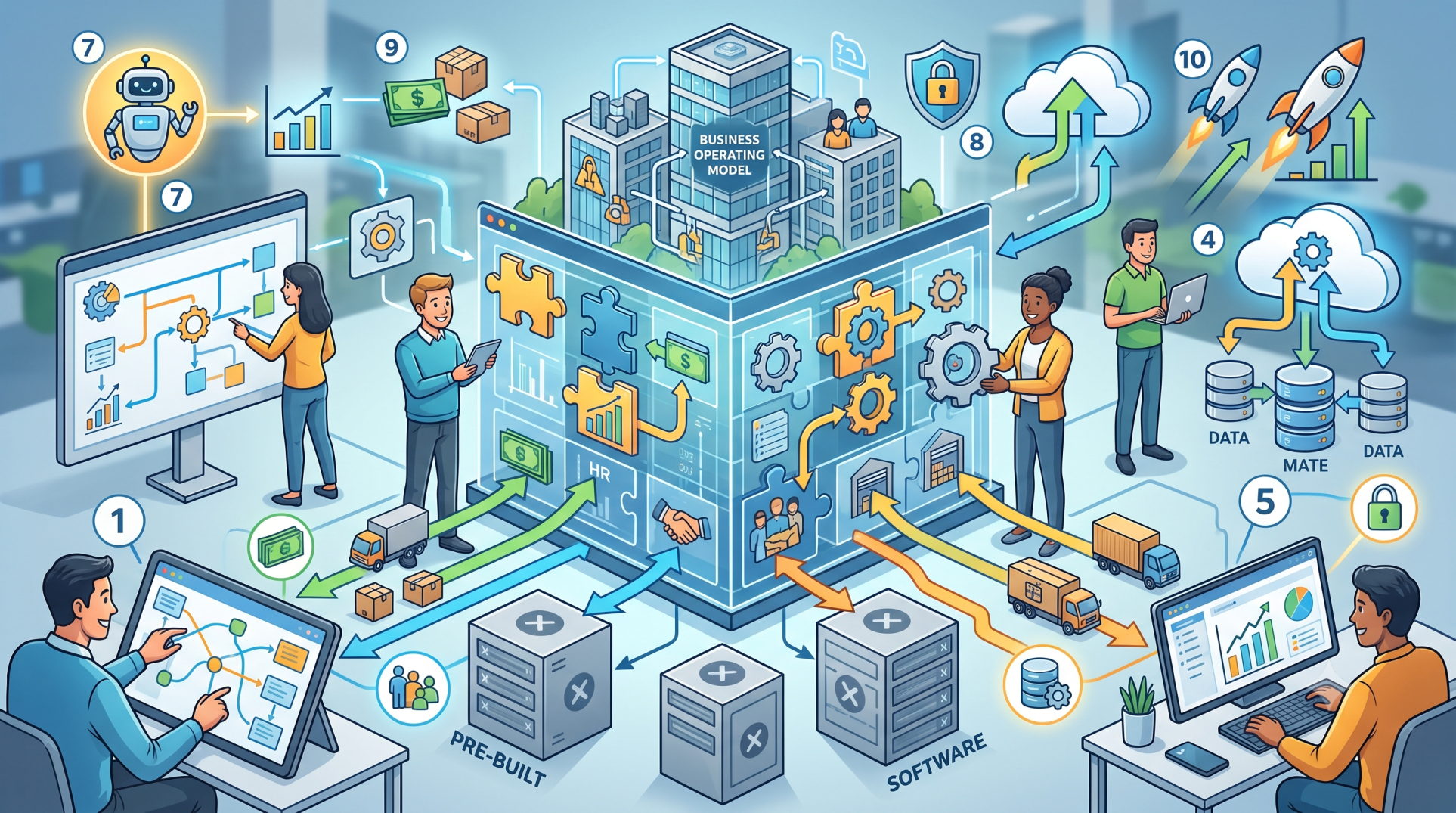
Step 10: Creating a Continuously Improving ERP Environment 🔄
• Learn from operational patterns and historical business data 🧠
• Continuously refine automation rules and recommendations ⚙️
• Adapt workflows as business requirements change 📈
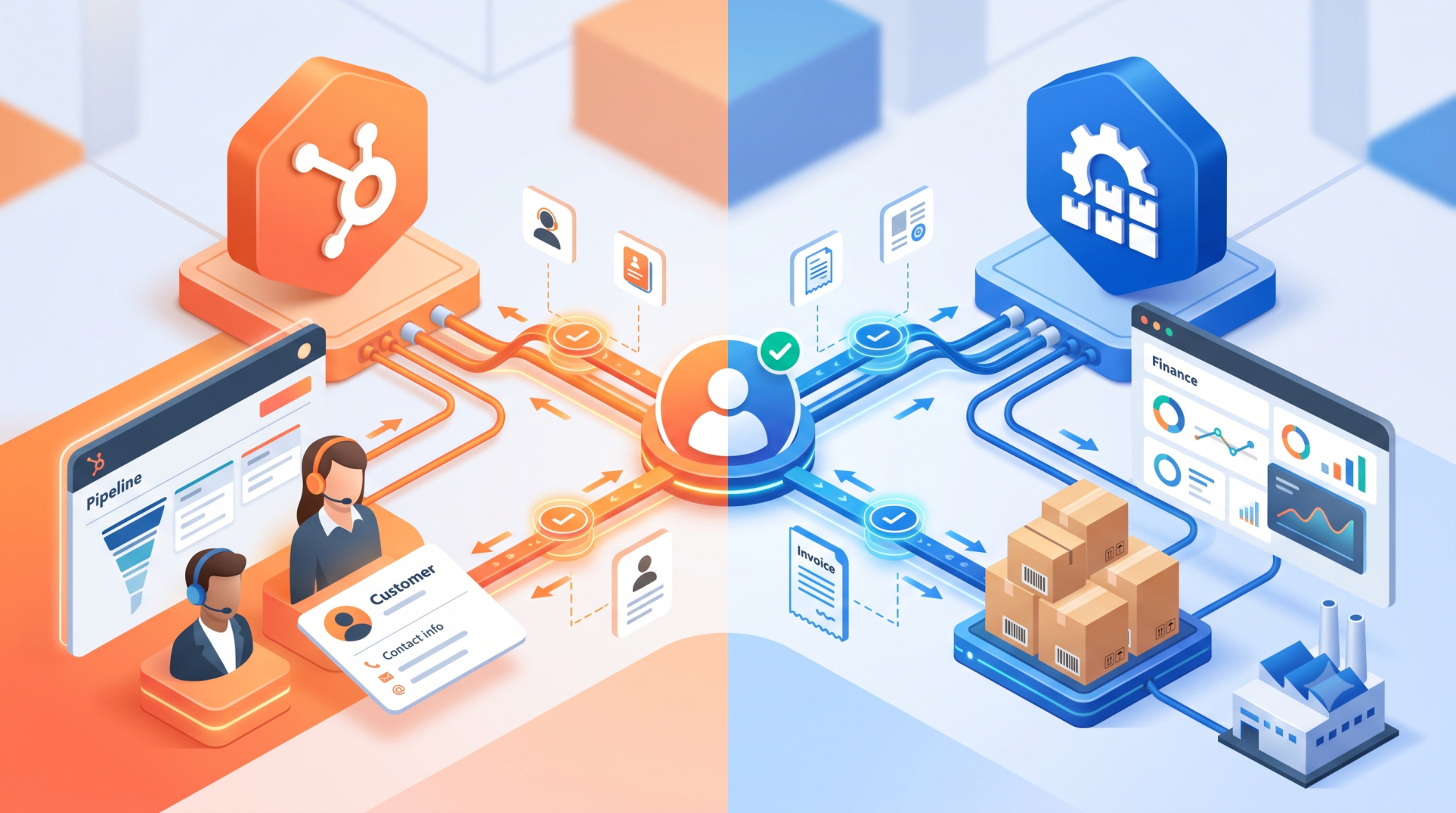
• Integrate AI agents with existing ERP modules and enterprise applications 🔗
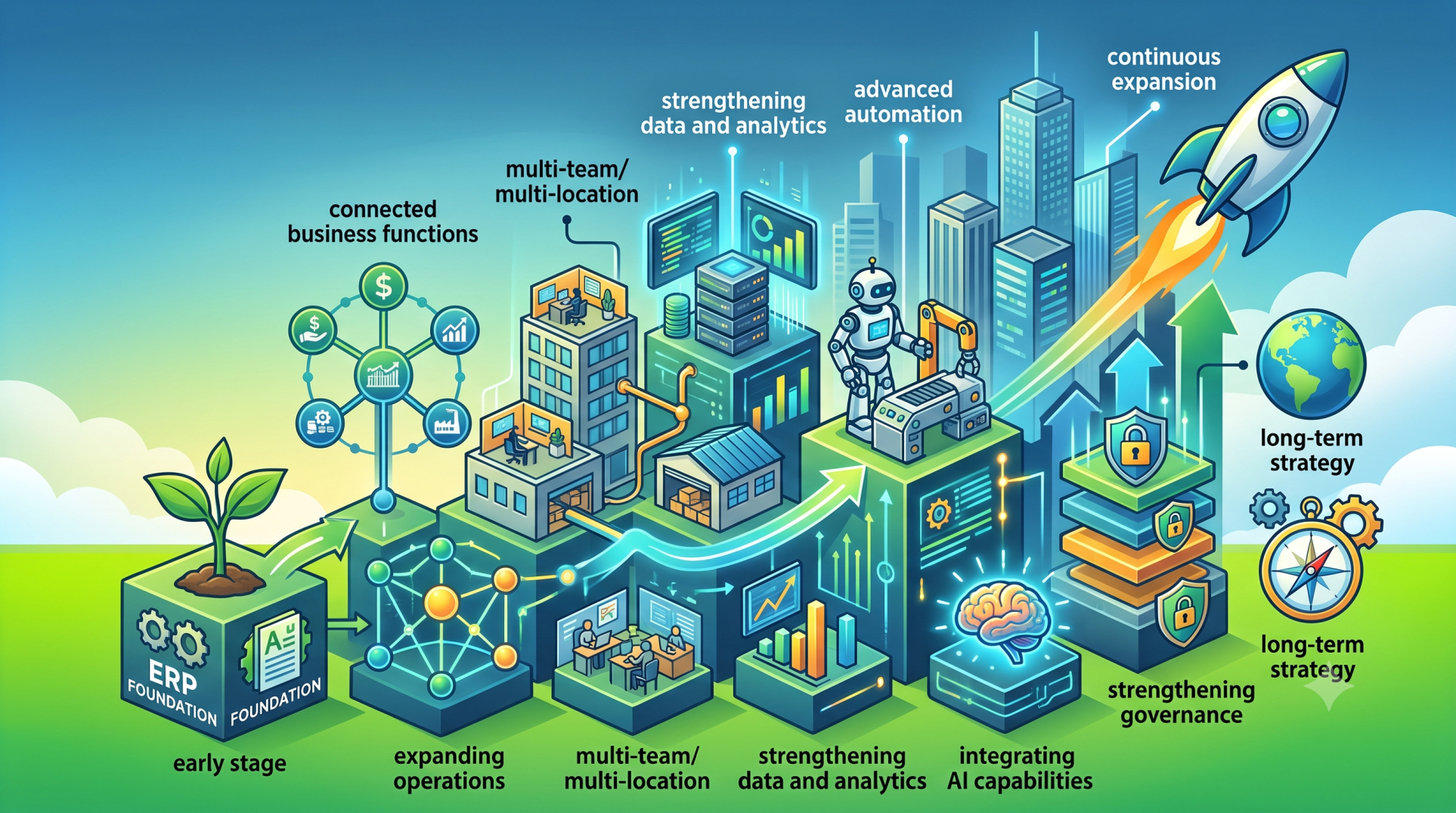
• Build a scalable foundation for increasingly autonomous business operations 🚀
Key Benefits of AI-Native ERP Systems 🌟
• Less Manual Work — Automates repetitive operational activities ⚙️
• Faster Processes — Accelerates approvals, transactions, and workflows ⚡
• Better Visibility — Provides real-time insights across departments 👀
• Improved Accuracy — Reduces errors caused by repetitive manual processes ✅
• Predictive Operations — Identifies potential issues before they escalate 🔮
• Smarter Decisions — Converts enterprise data into actionable recommendations 🧠
• Greater Scalability — Enables organizations to handle increasing operational complexity 🚀
Conclusion
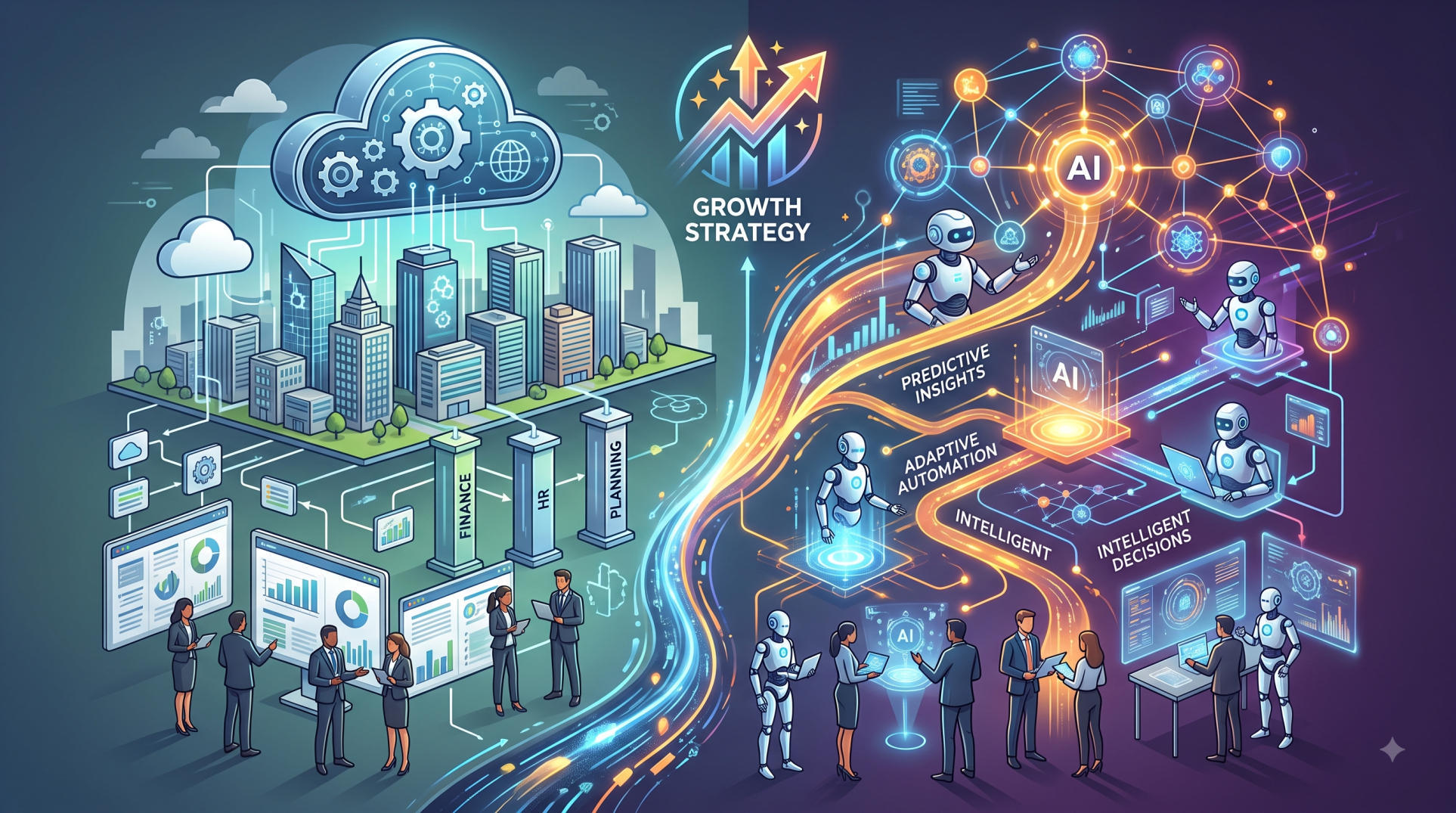
AI-native ERP systems are transforming enterprise operations by embedding intelligence directly into everyday business processes. Instead of functioning only as systems of record, modern ERP platforms can increasingly act as systems of coordination, prediction, and intelligent execution.
By automating routine work, connecting departments, identifying operational patterns, and supporting informed decisions, AI-native ERP systems help organizations become more responsive and efficient. The result is an enterprise environment where technology does more than manage information—it actively helps coordinate and optimize how the business operates.
See more blogs
You can all the articles below