Designing an ERP Platform Around Your Company’s Unique Operating Model
Designing an ERP Platform Around Your Company’s Unique Operating Model 🏢
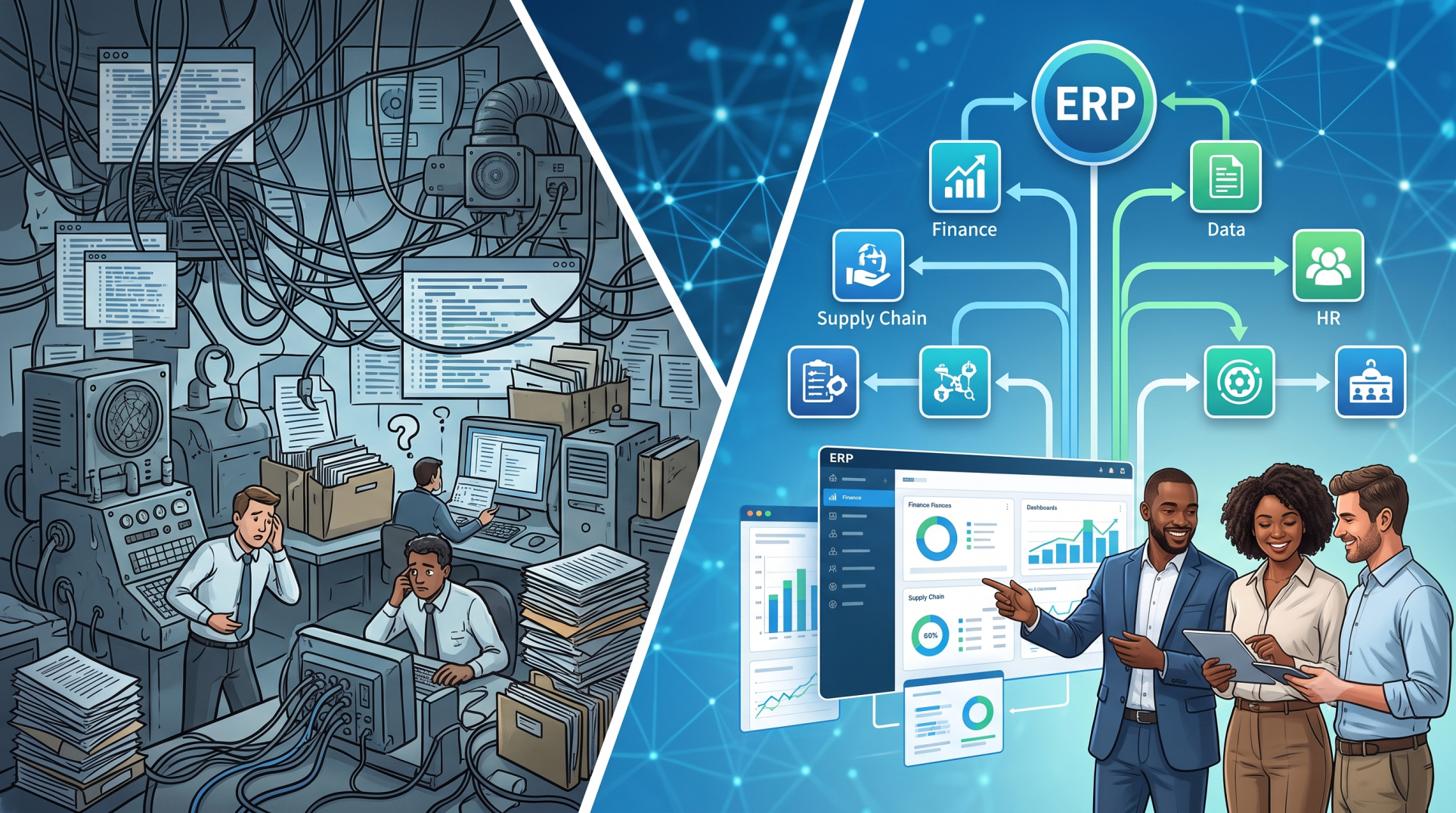
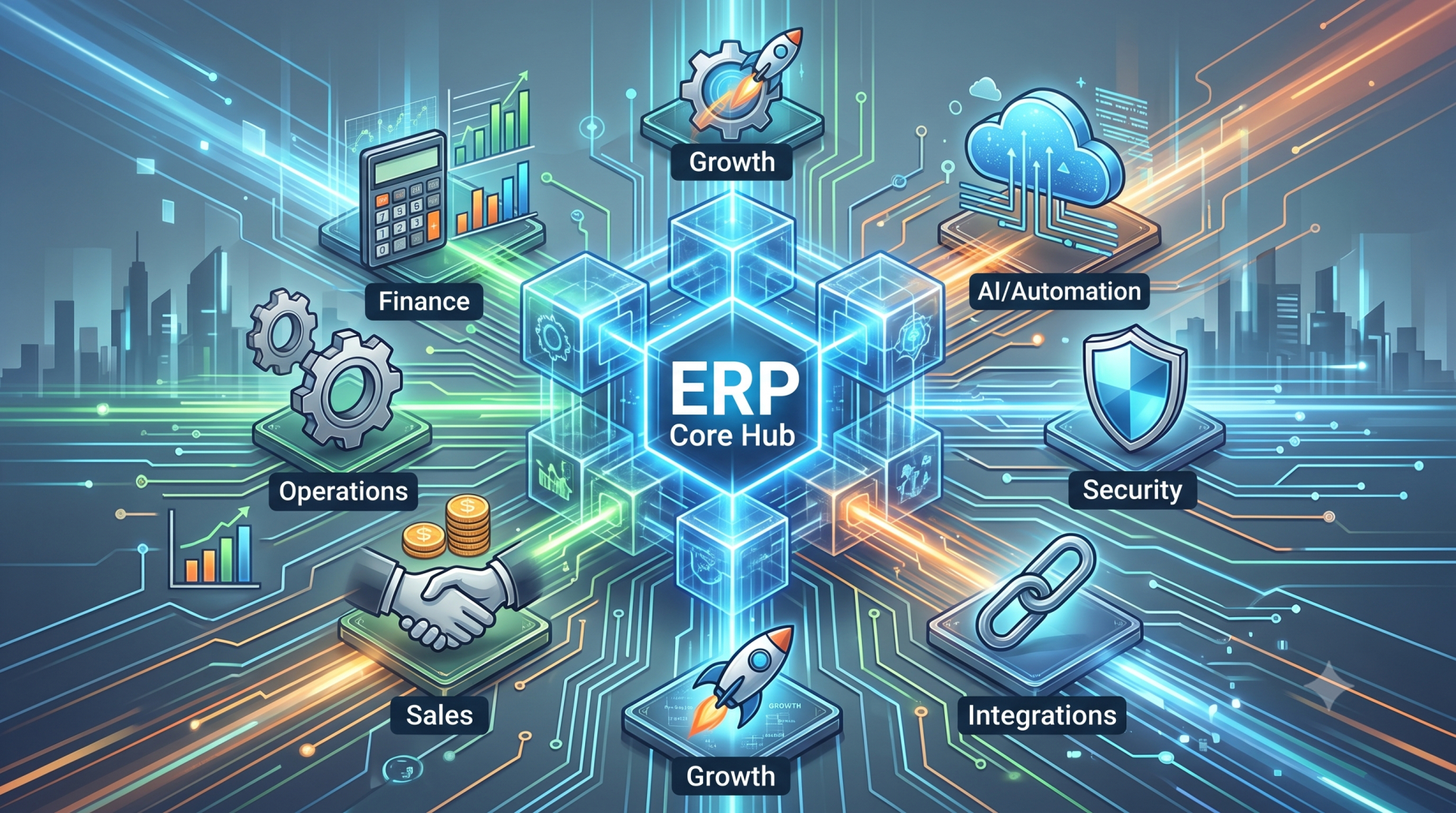
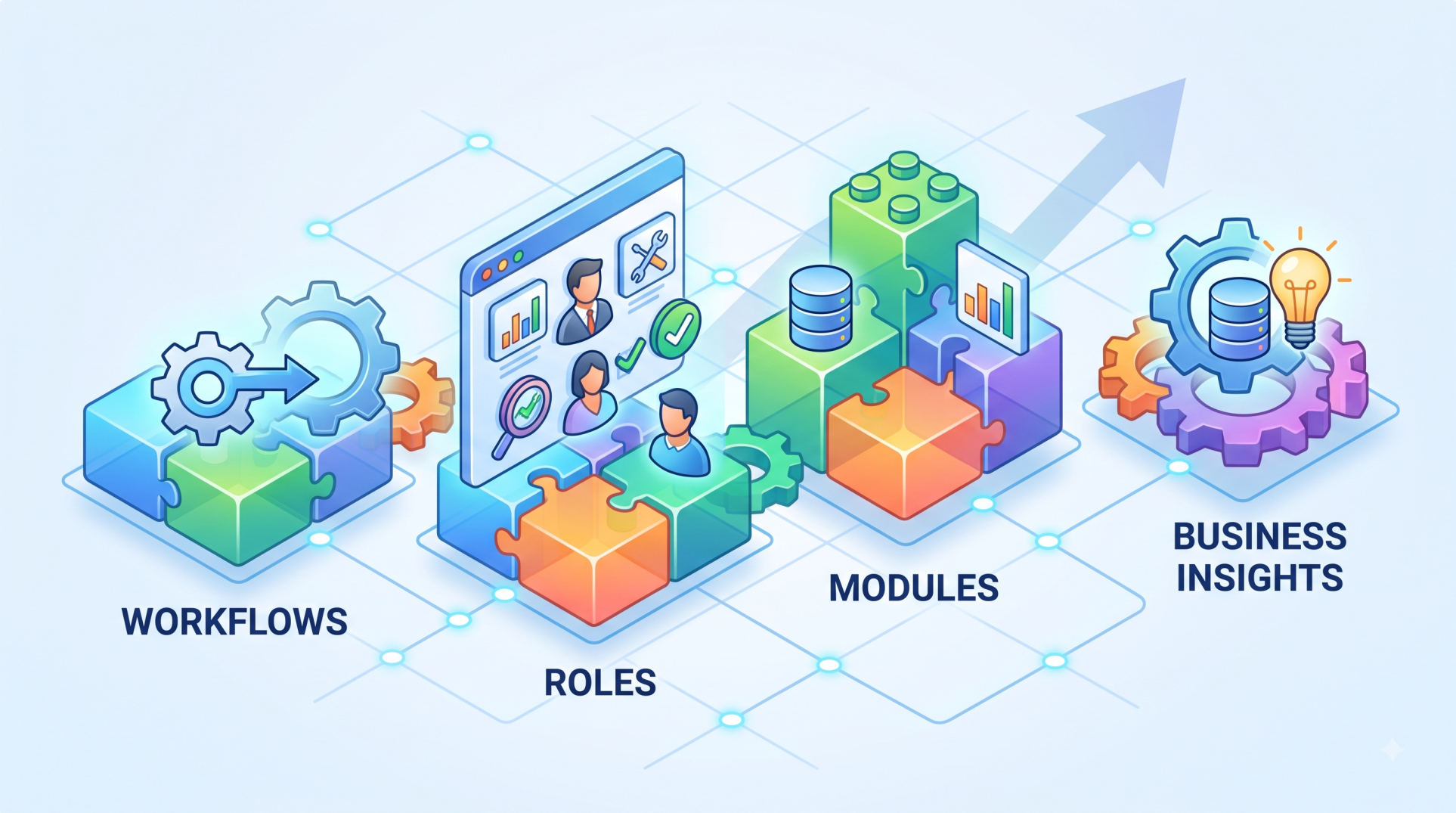
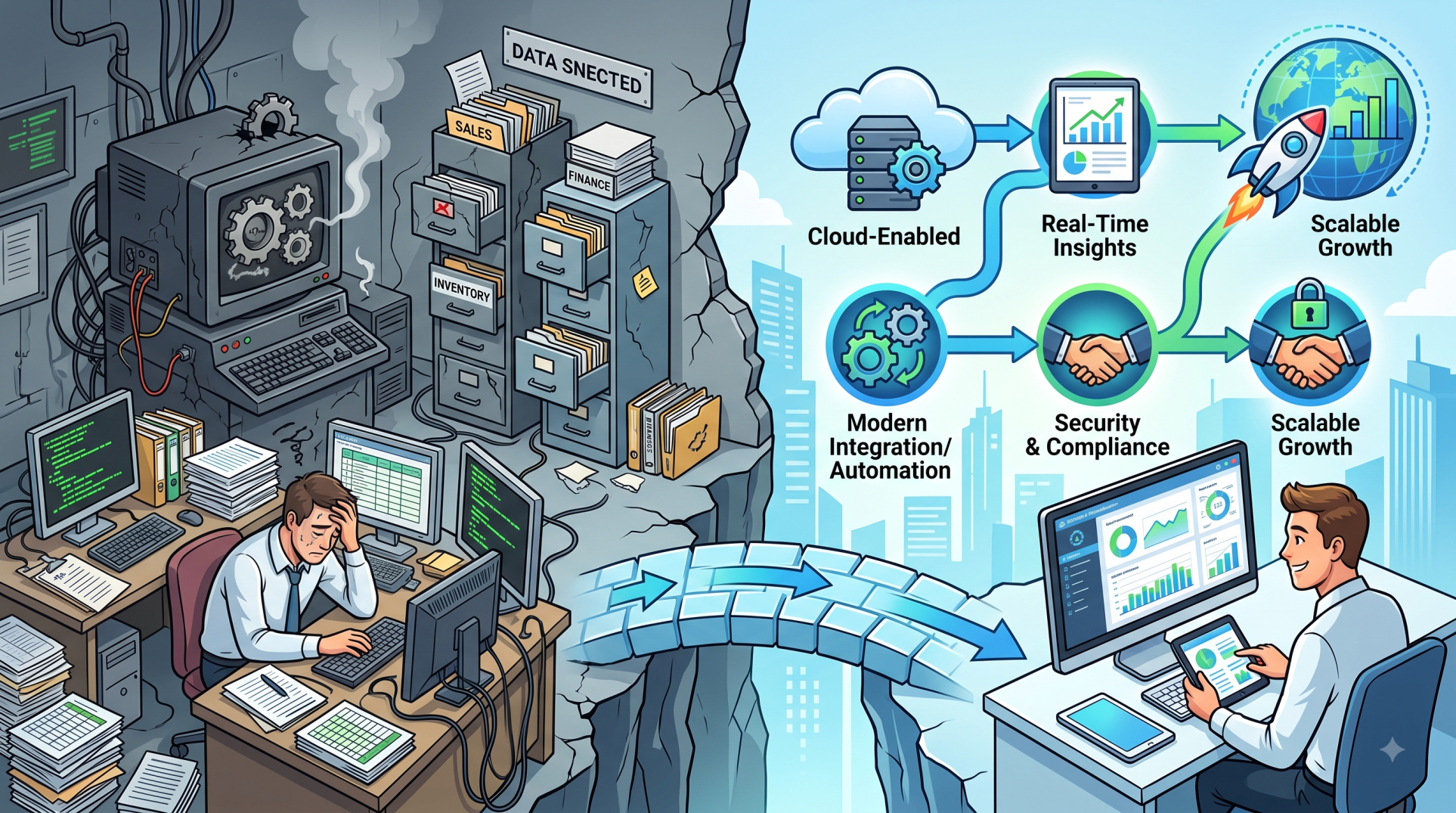
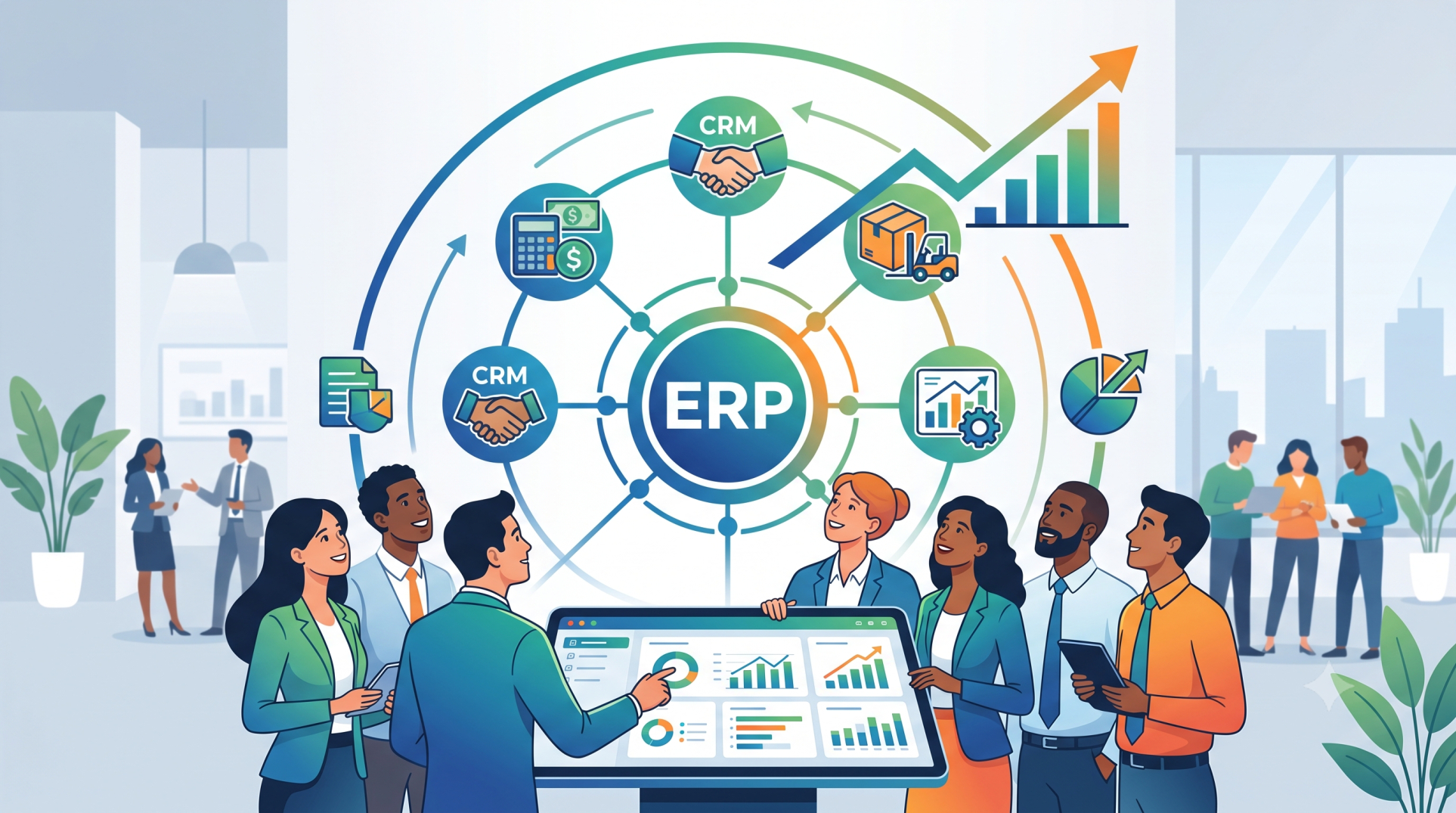
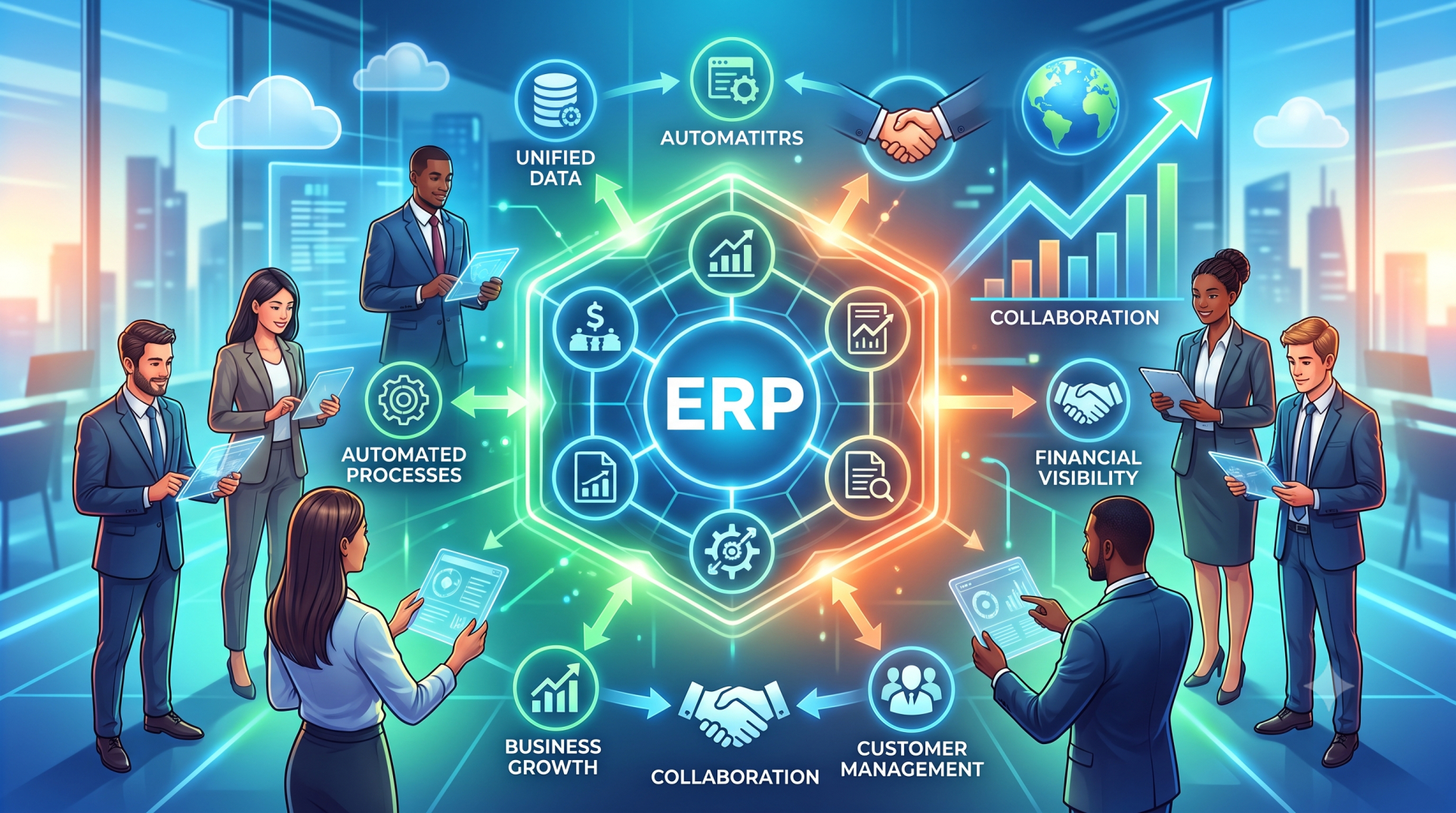
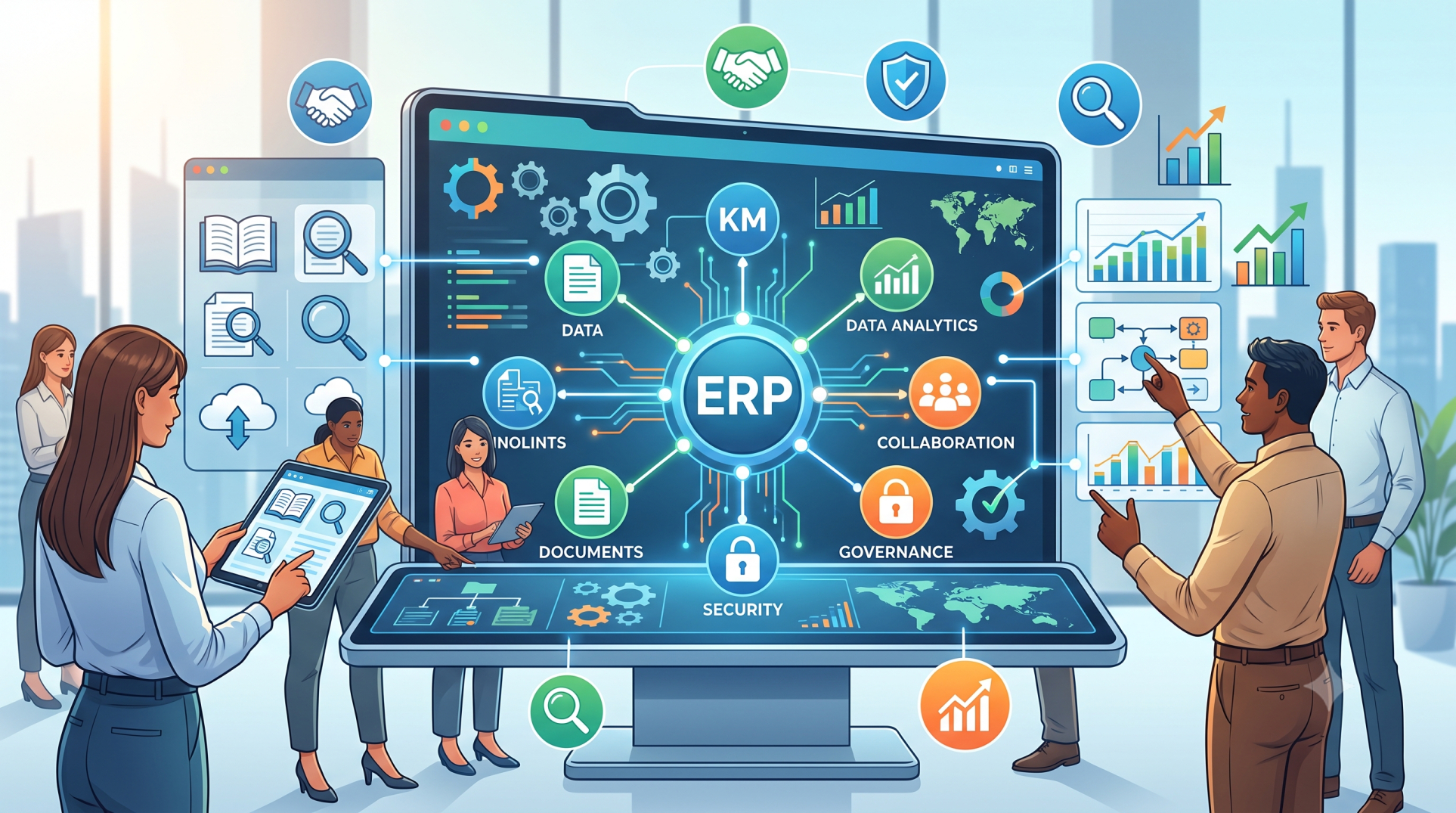
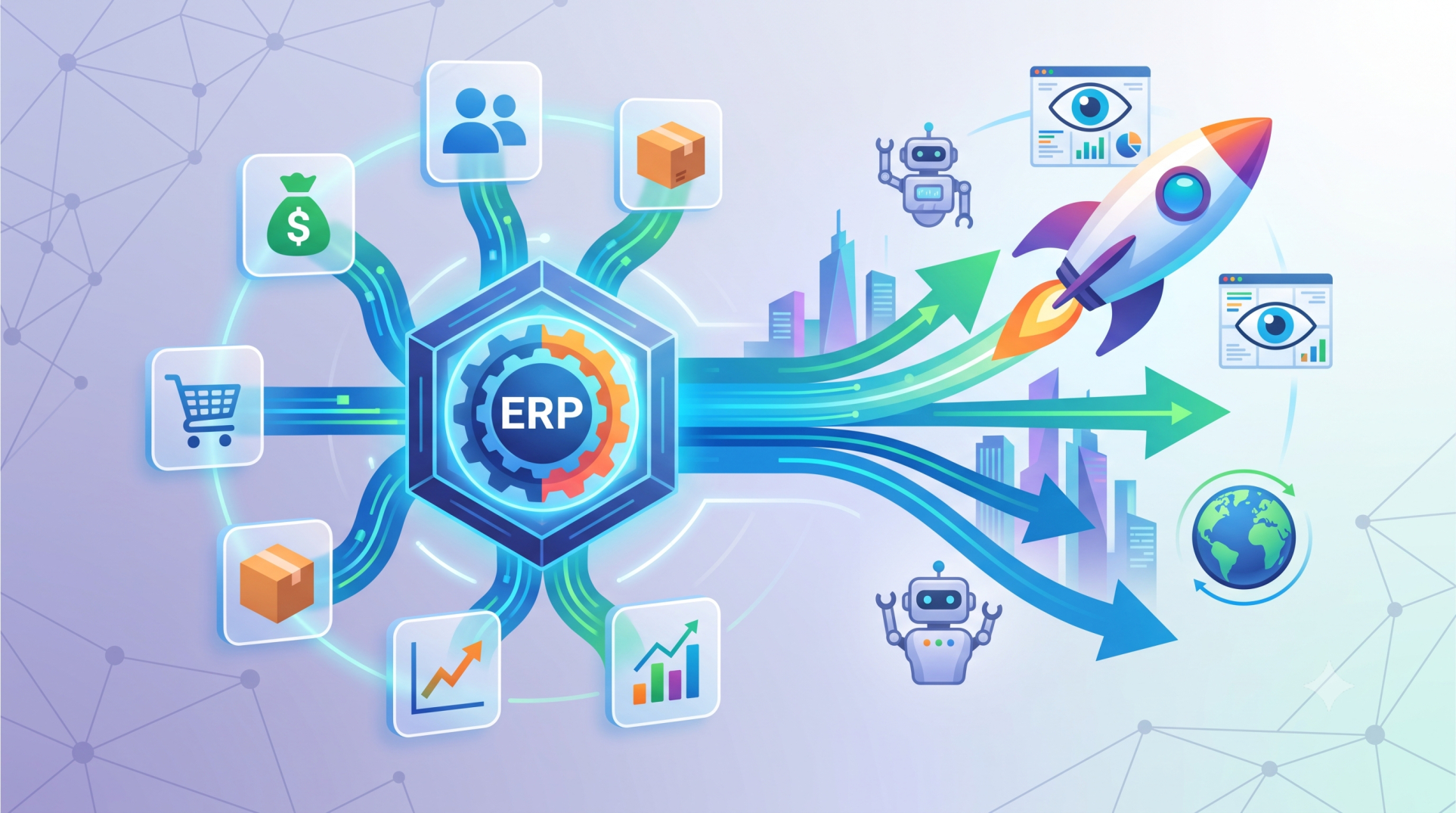
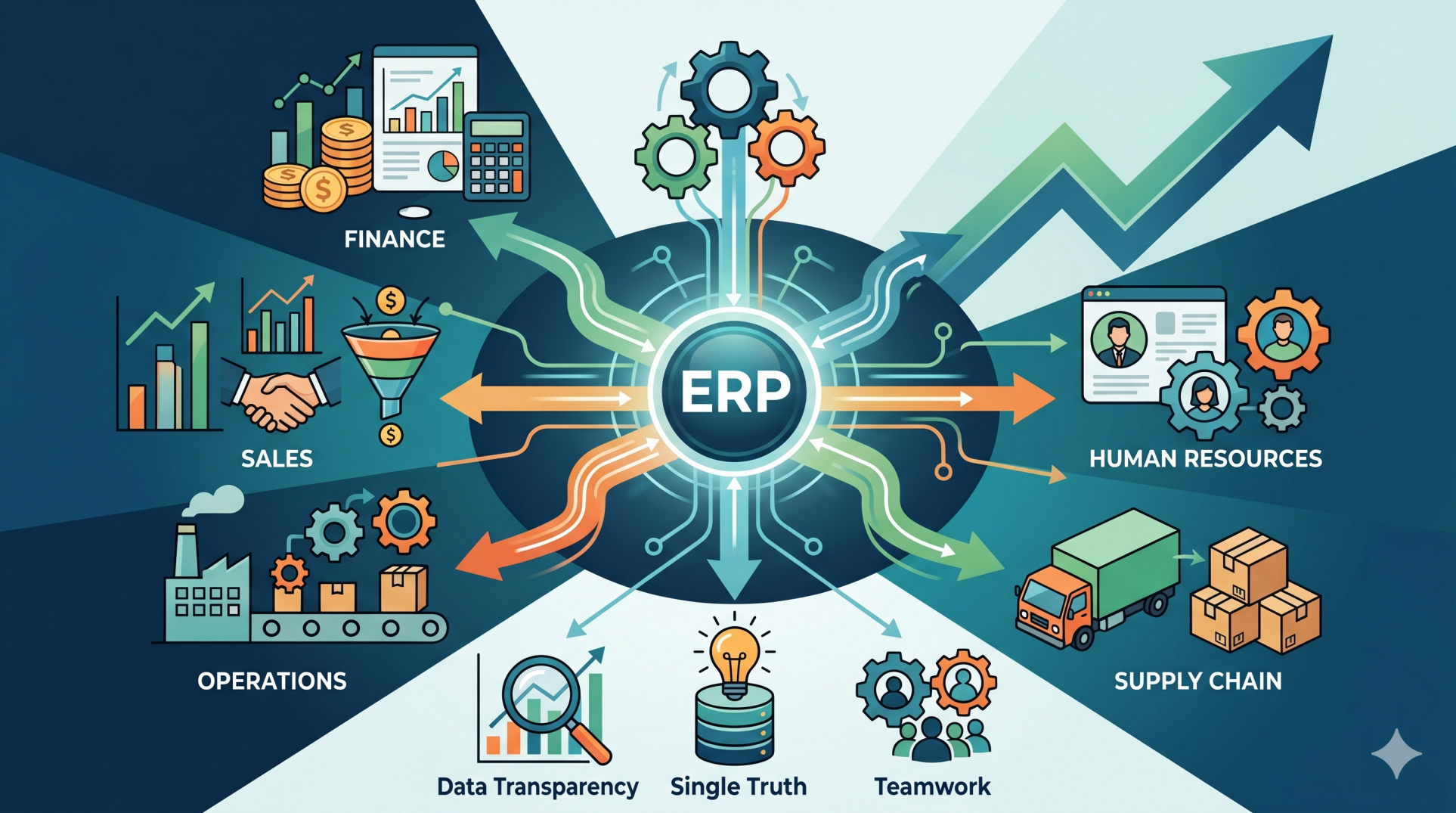
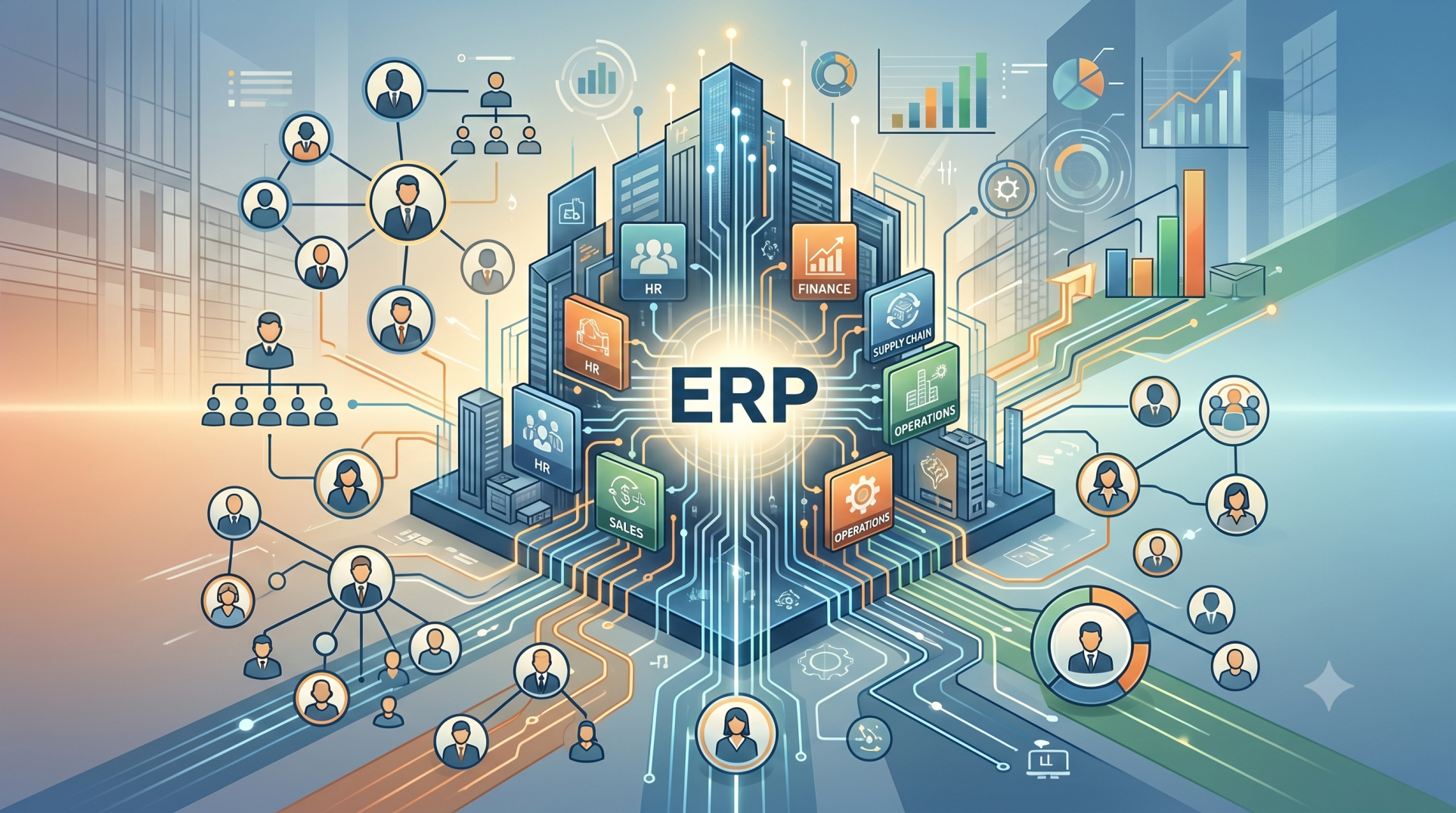
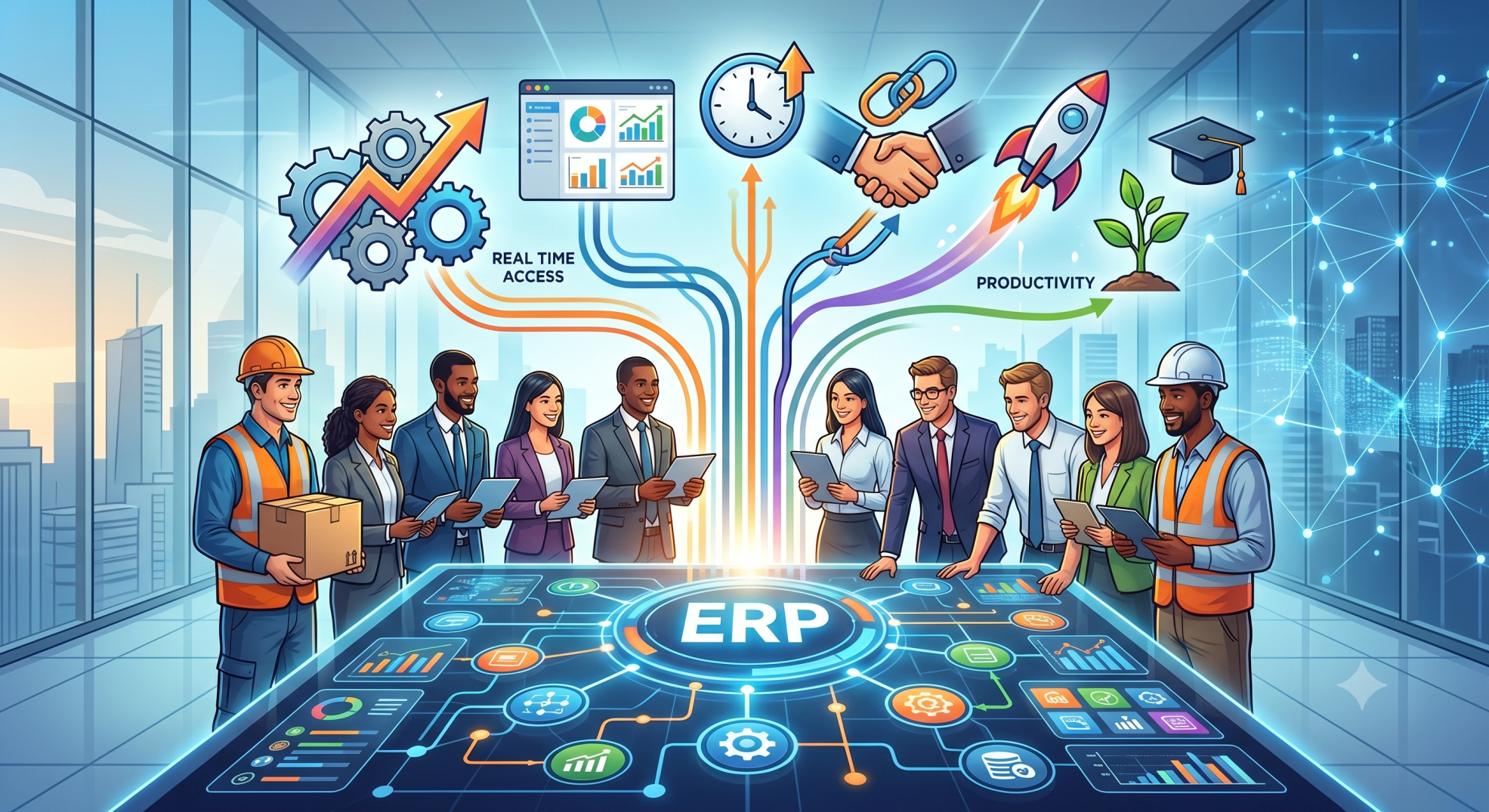
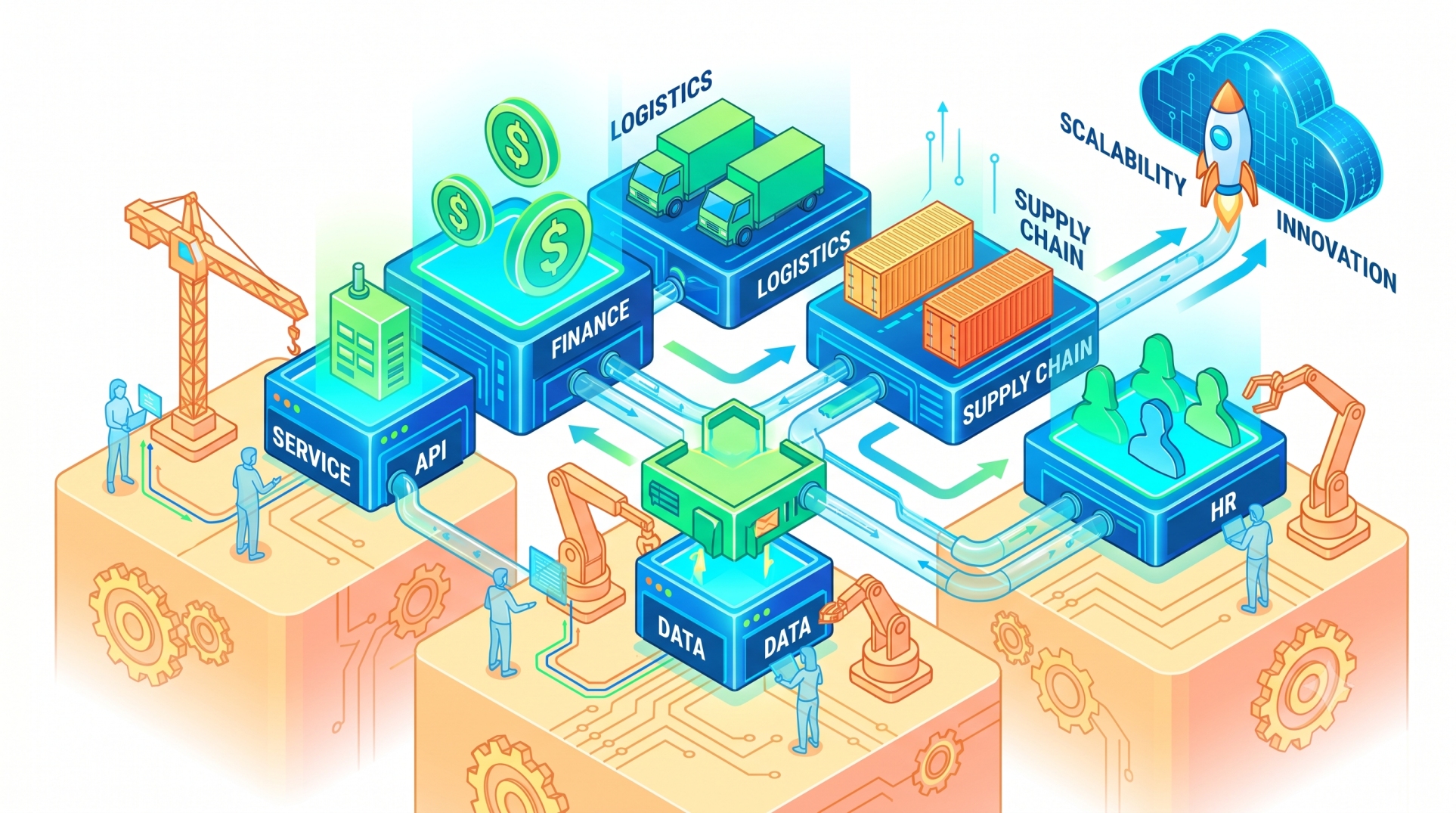
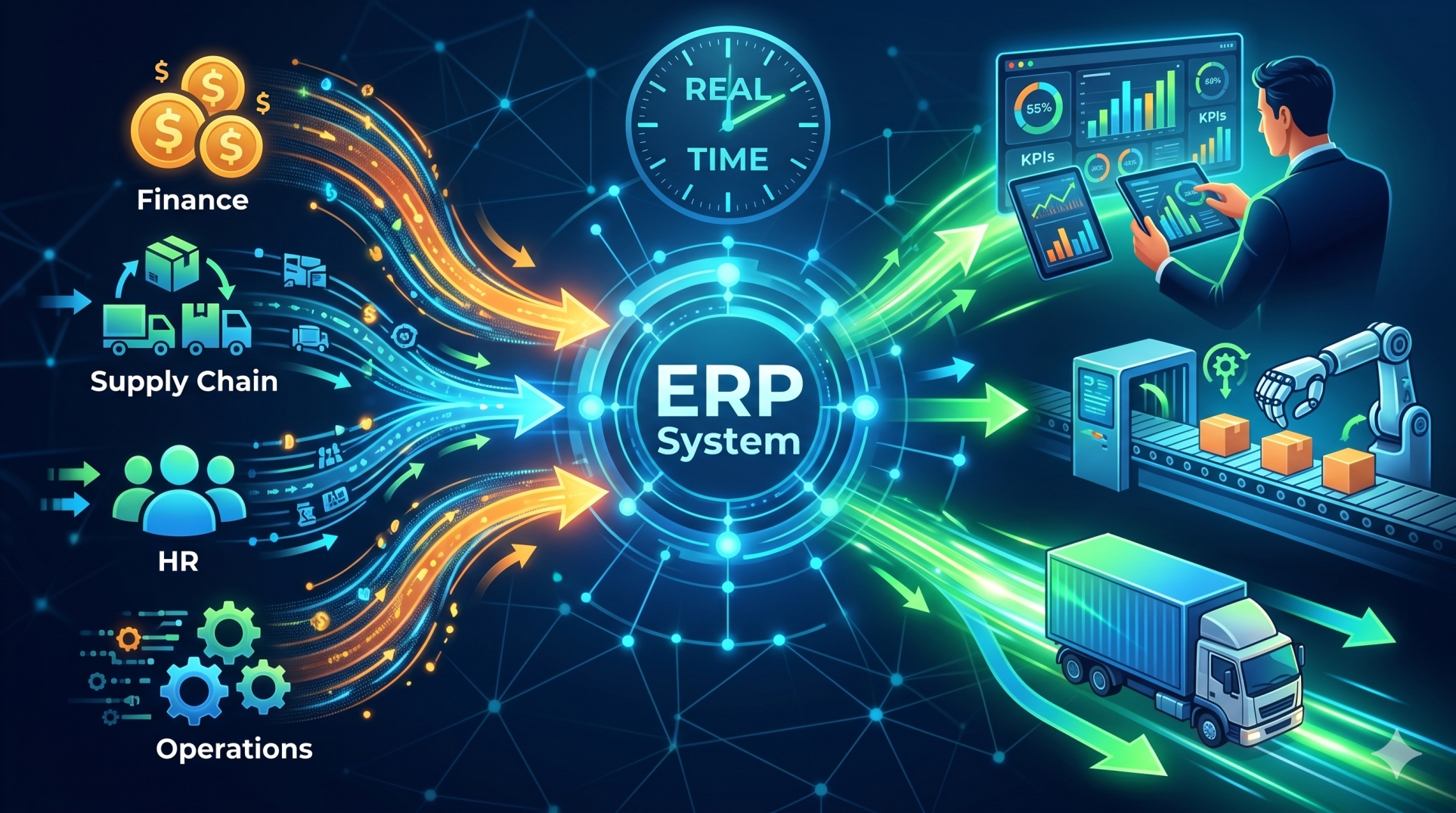
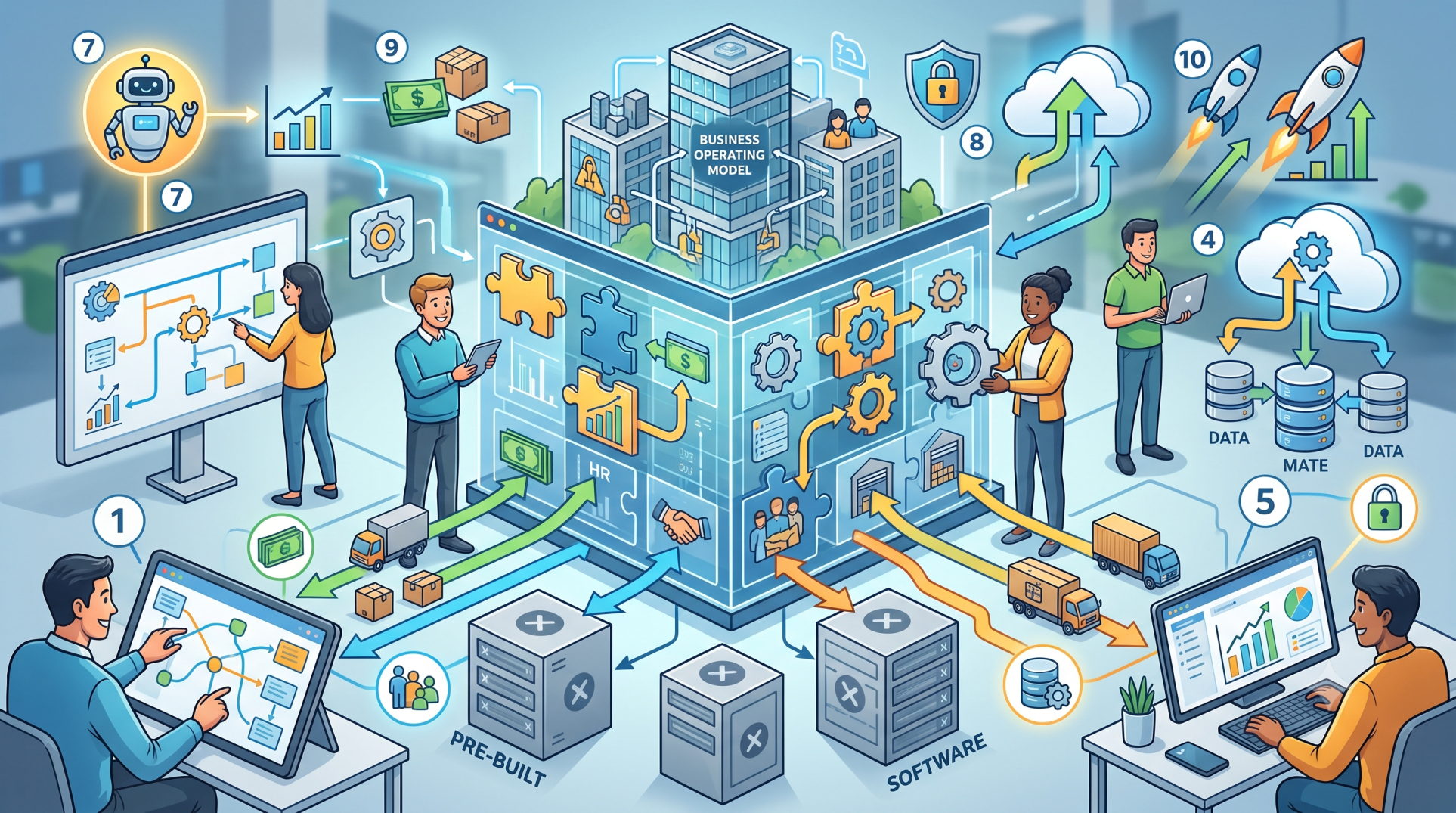
Every organization operates differently. Its workflows, approval structures, reporting requirements, customer processes, supply chains, and resource allocation methods are shaped by its specific business model. Instead of forcing operations into rigid software structures, a modern ERP platform should be designed around how the company actually works. A business-centered ERP approach creates a system that reflects organizational processes while providing the flexibility to adapt as requirements change. By aligning technology with the operating model, companies can improve efficiency, visibility, collaboration, and long-term scalability.
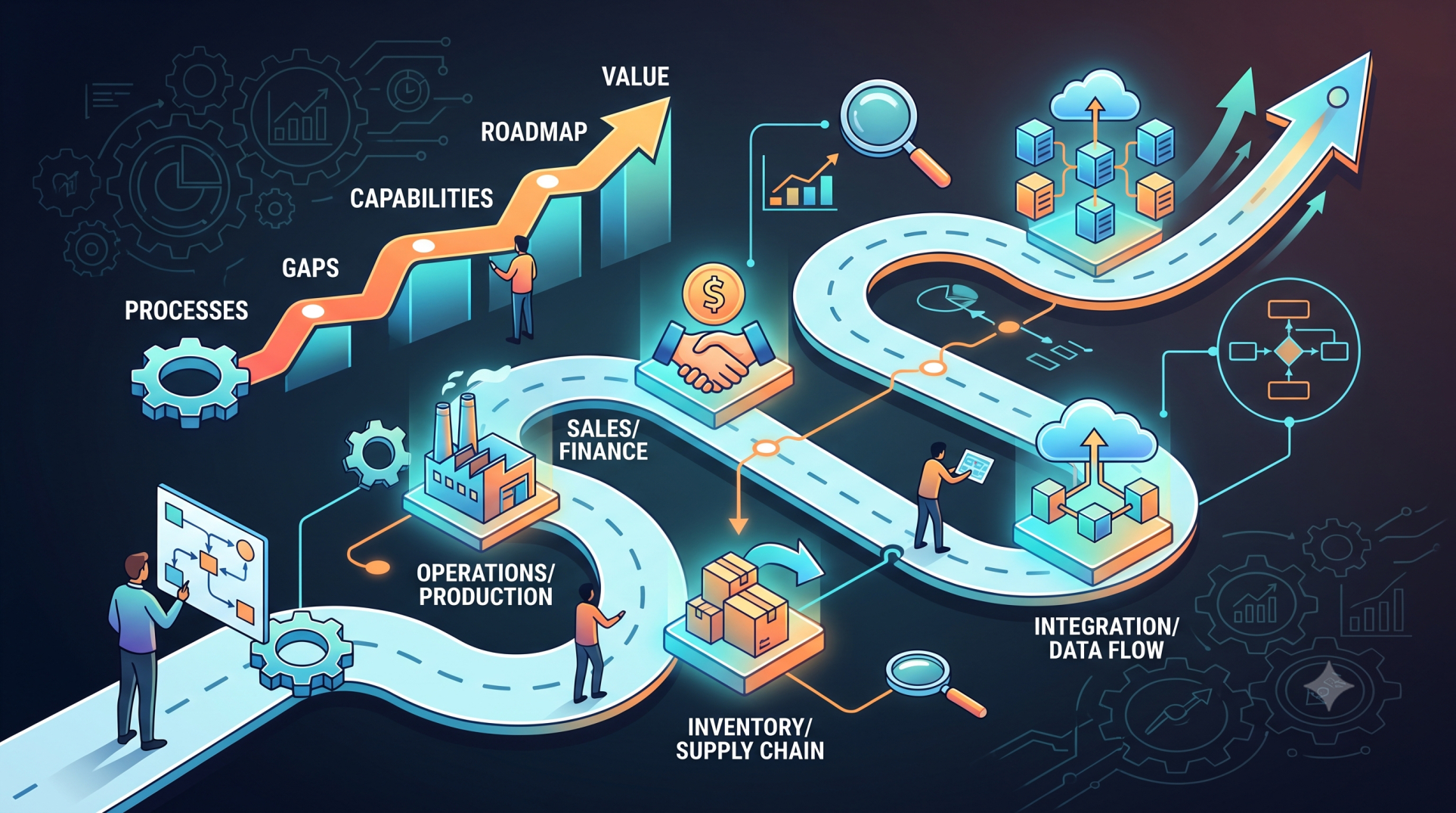
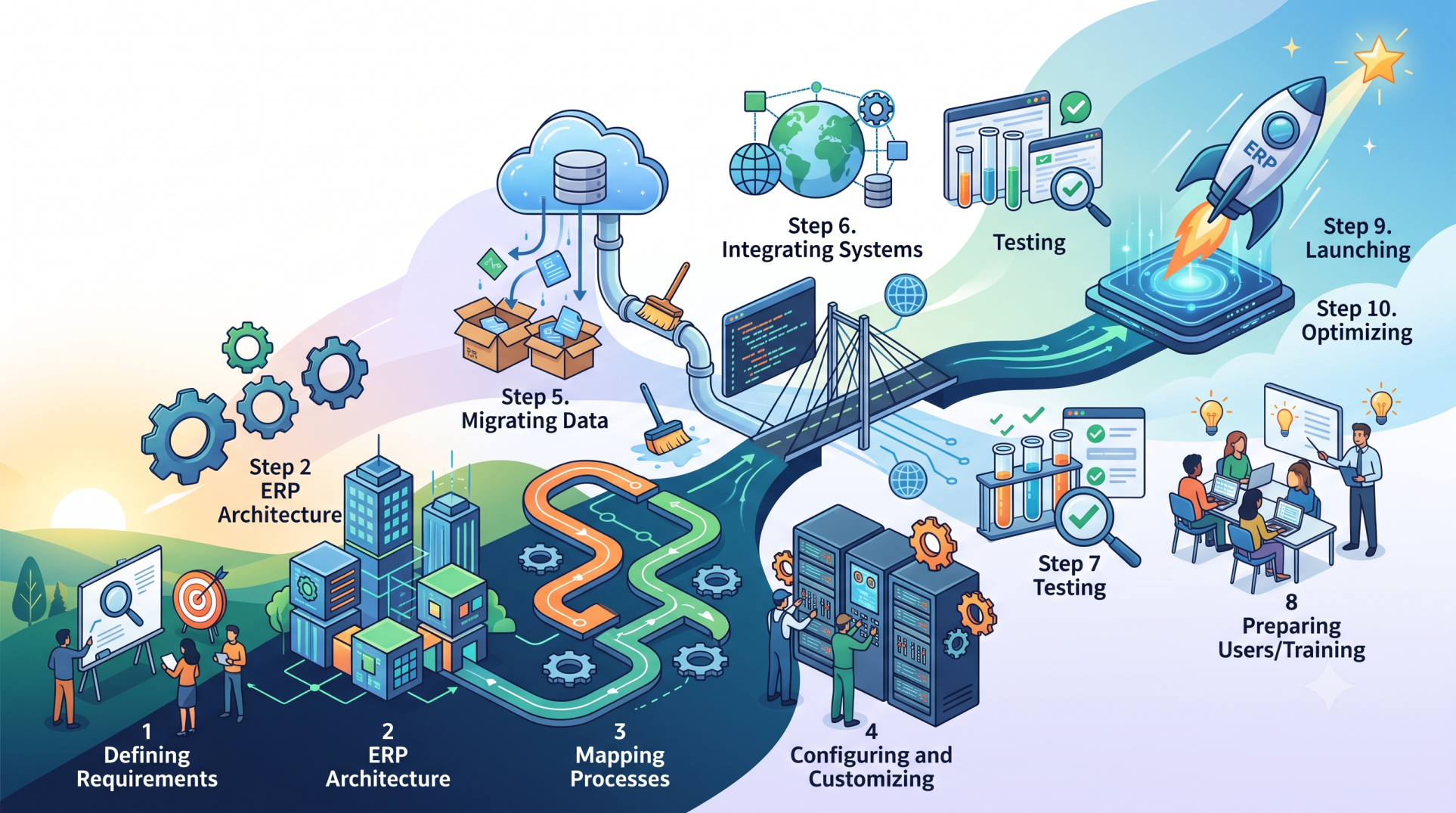
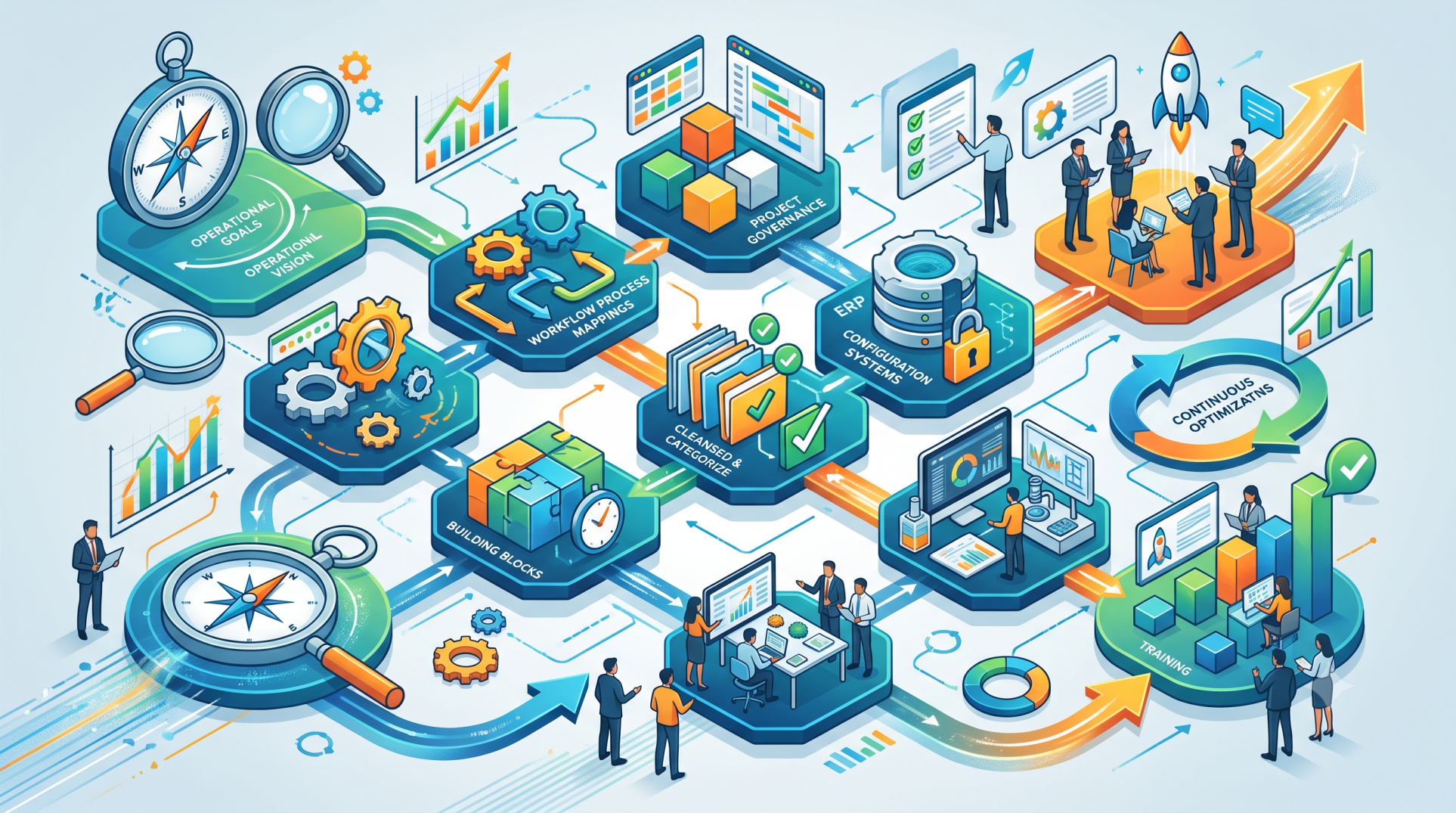
Step 1: Understand the Company’s Operating Model 🔍
• Map how different departments currently perform their activities
• Identify core business processes and operational dependencies
• Document workflows, approval structures, and decision points
• Understand how information moves between teams
• Identify areas where existing processes create delays or duplication
Step 2: Define ERP Requirements Around Business Priorities 🎯
• Translate business objectives into specific ERP capabilities
• Prioritize functions that have the greatest operational impact
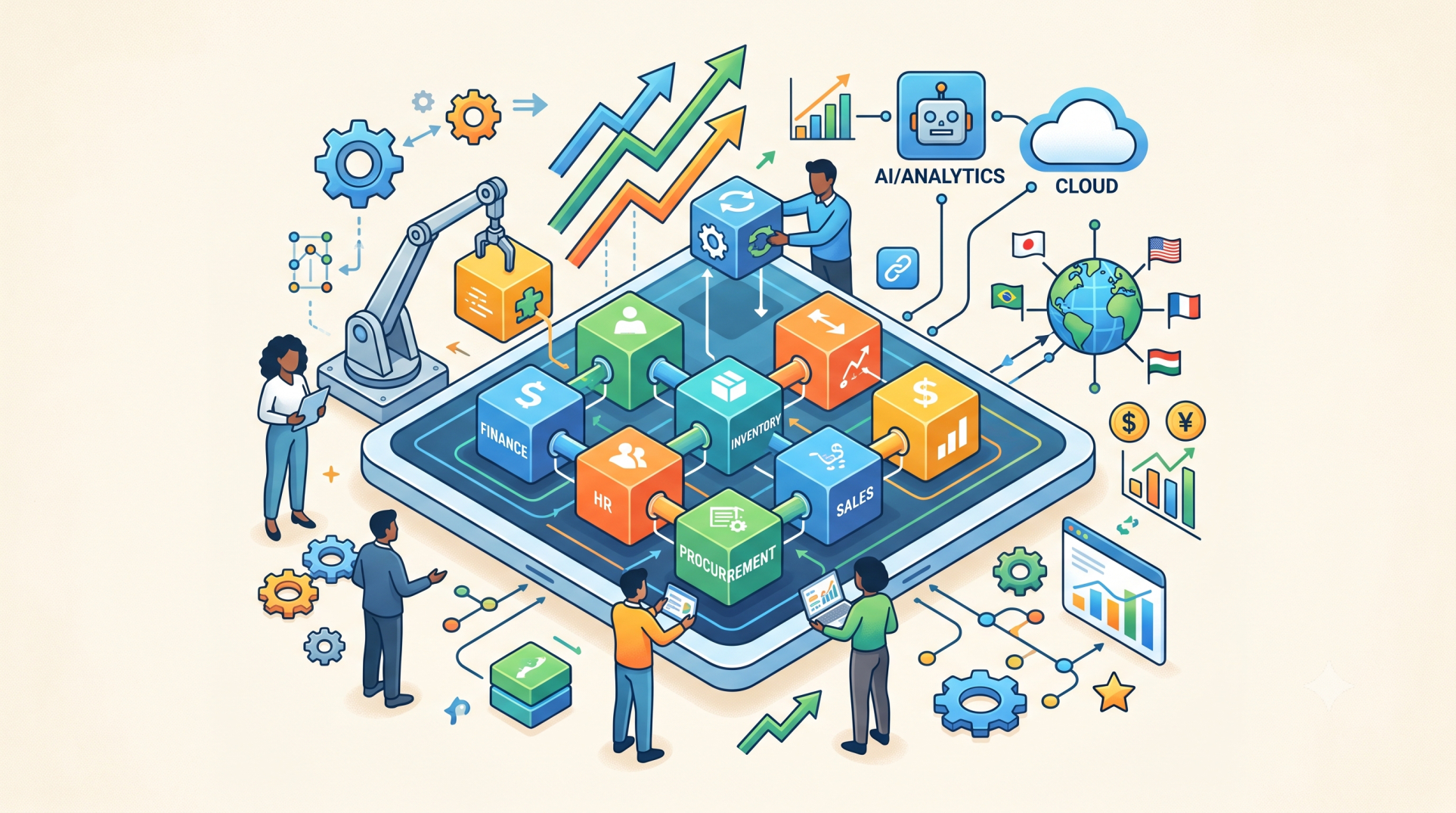
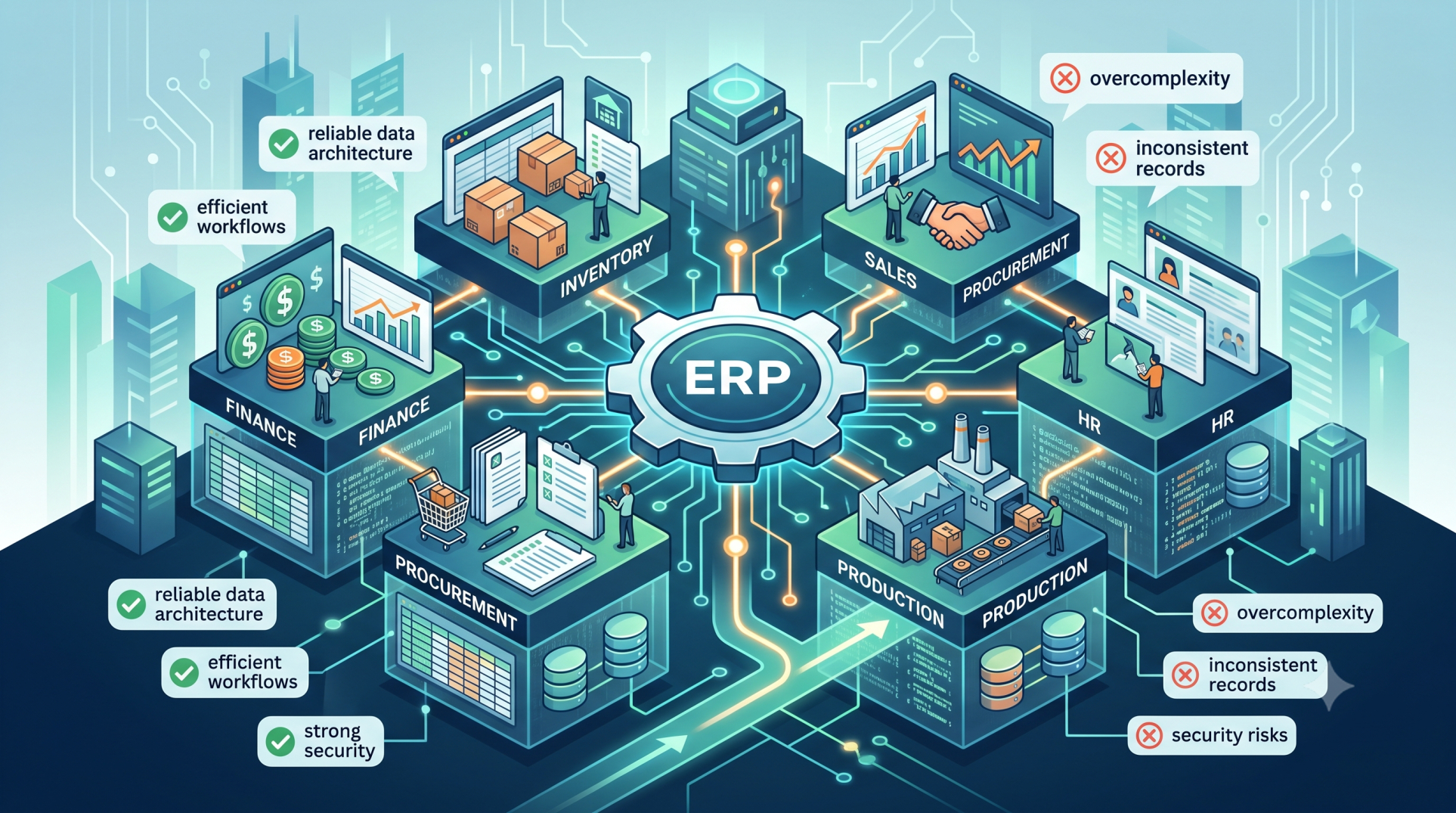
• Identify essential requirements across finance, HR, sales, procurement, inventory, and operations
• Separate critical capabilities from optional features
• Create a roadmap that aligns technology investment with business goals
Step 3: Build Flexible Business Workflows ⚙️
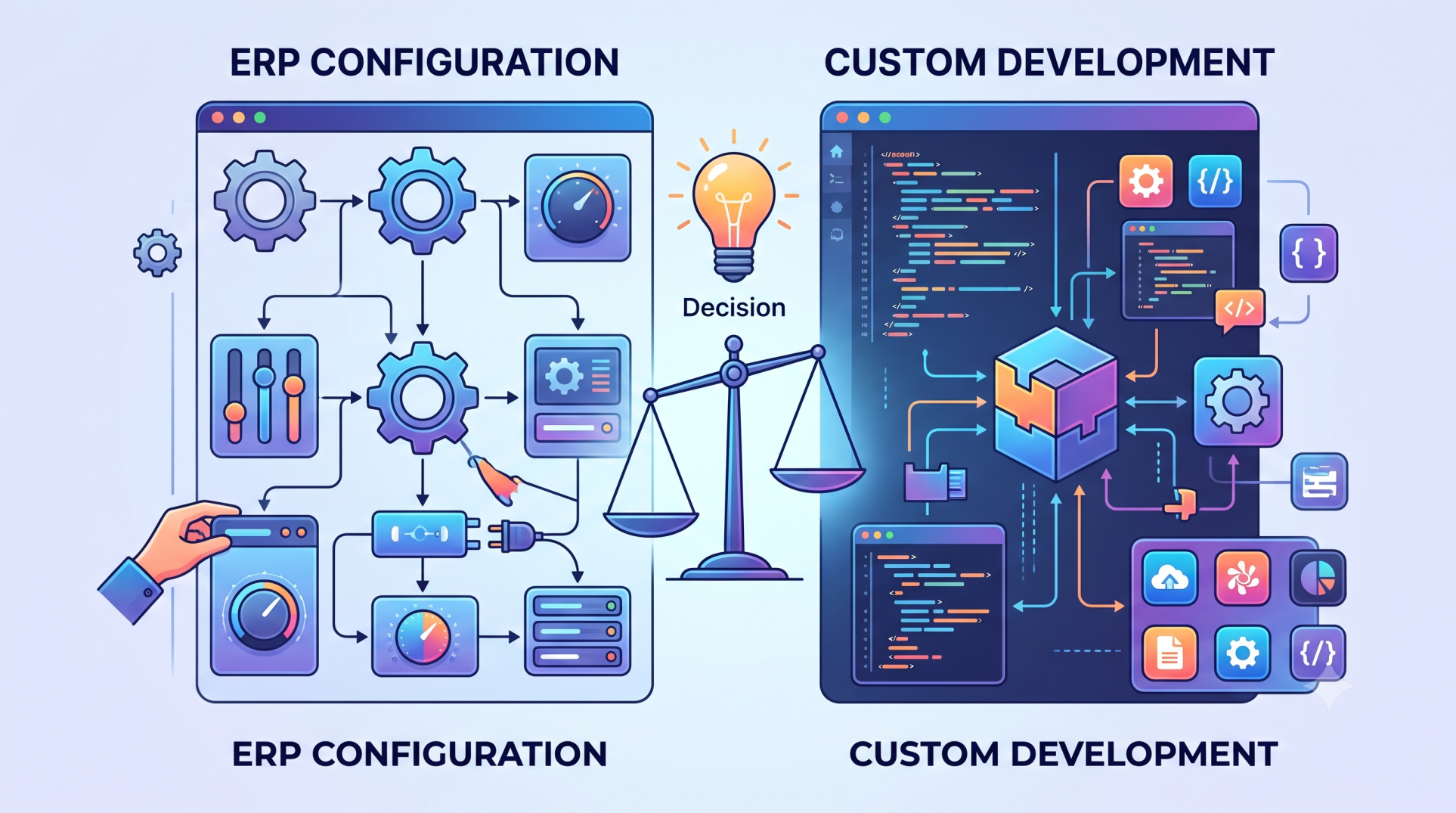
• Configure workflows according to actual organizational processes
• Automate repetitive tasks and approval sequences
• Support different workflows for different departments or business units
• Allow processes to evolve without extensive system redevelopment
• Reduce manual intervention while maintaining appropriate controls
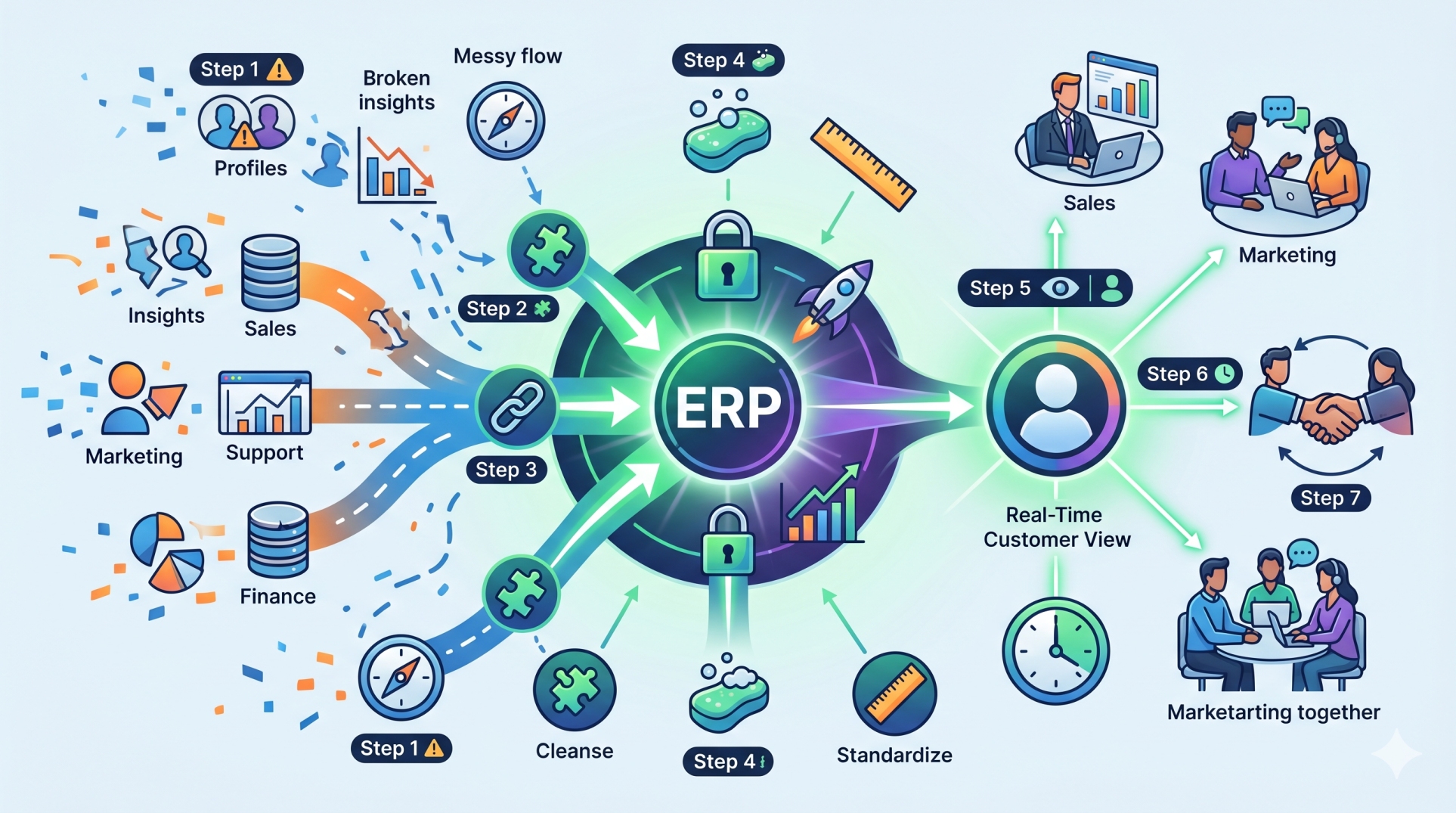
Step 4: Create a Unified Data Architecture 🗂️
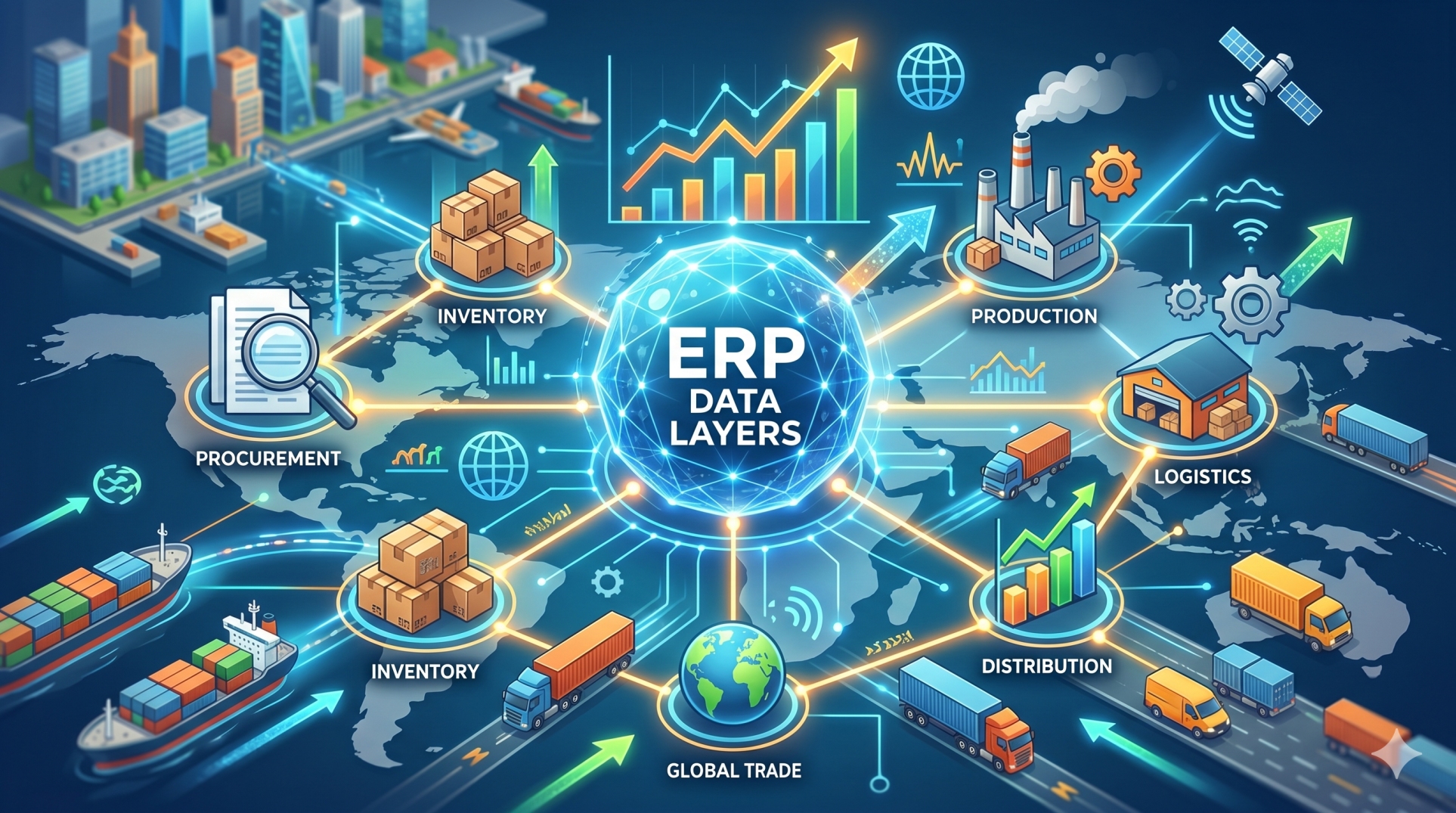
• Establish consistent data structures across business functions
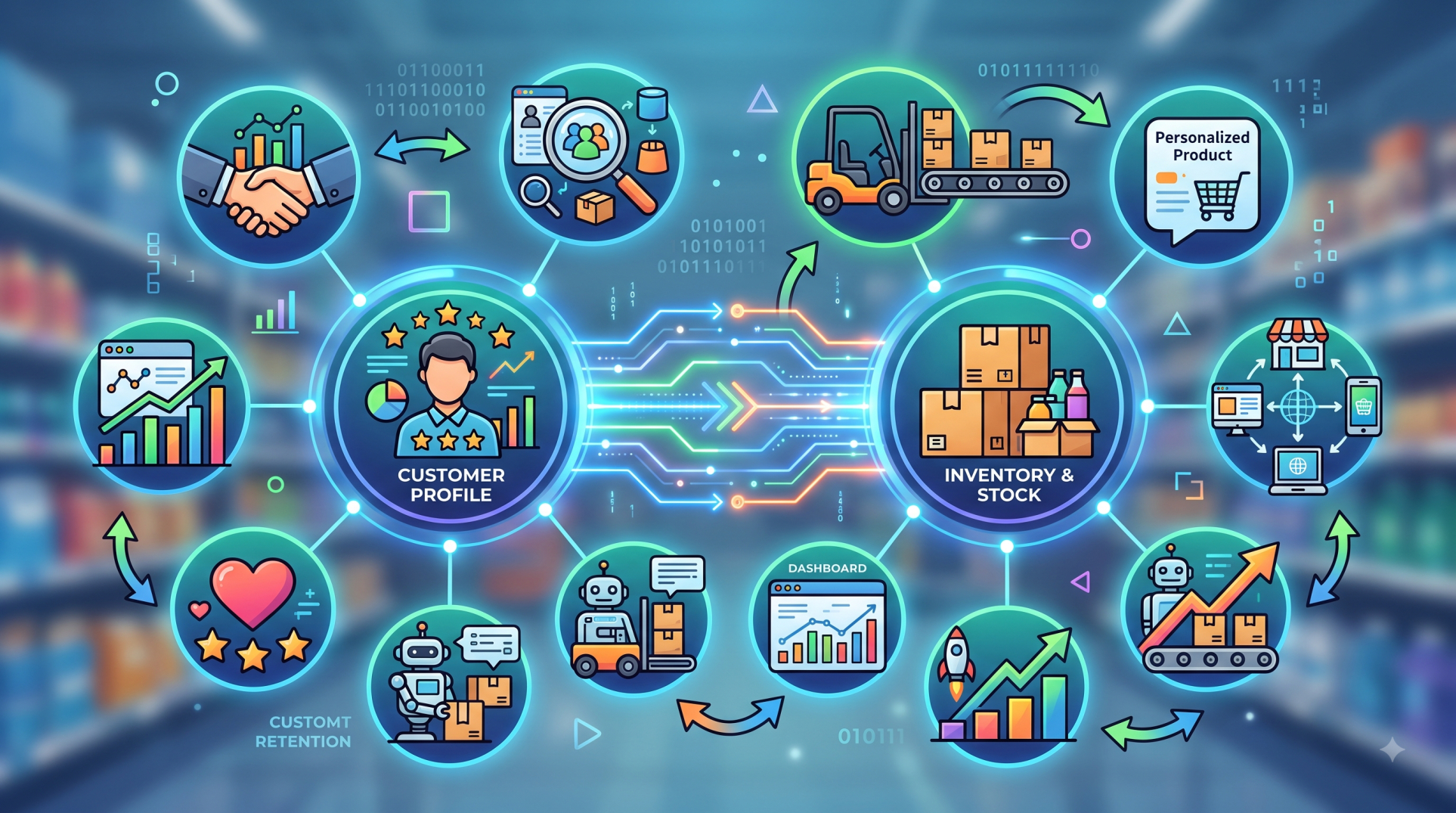
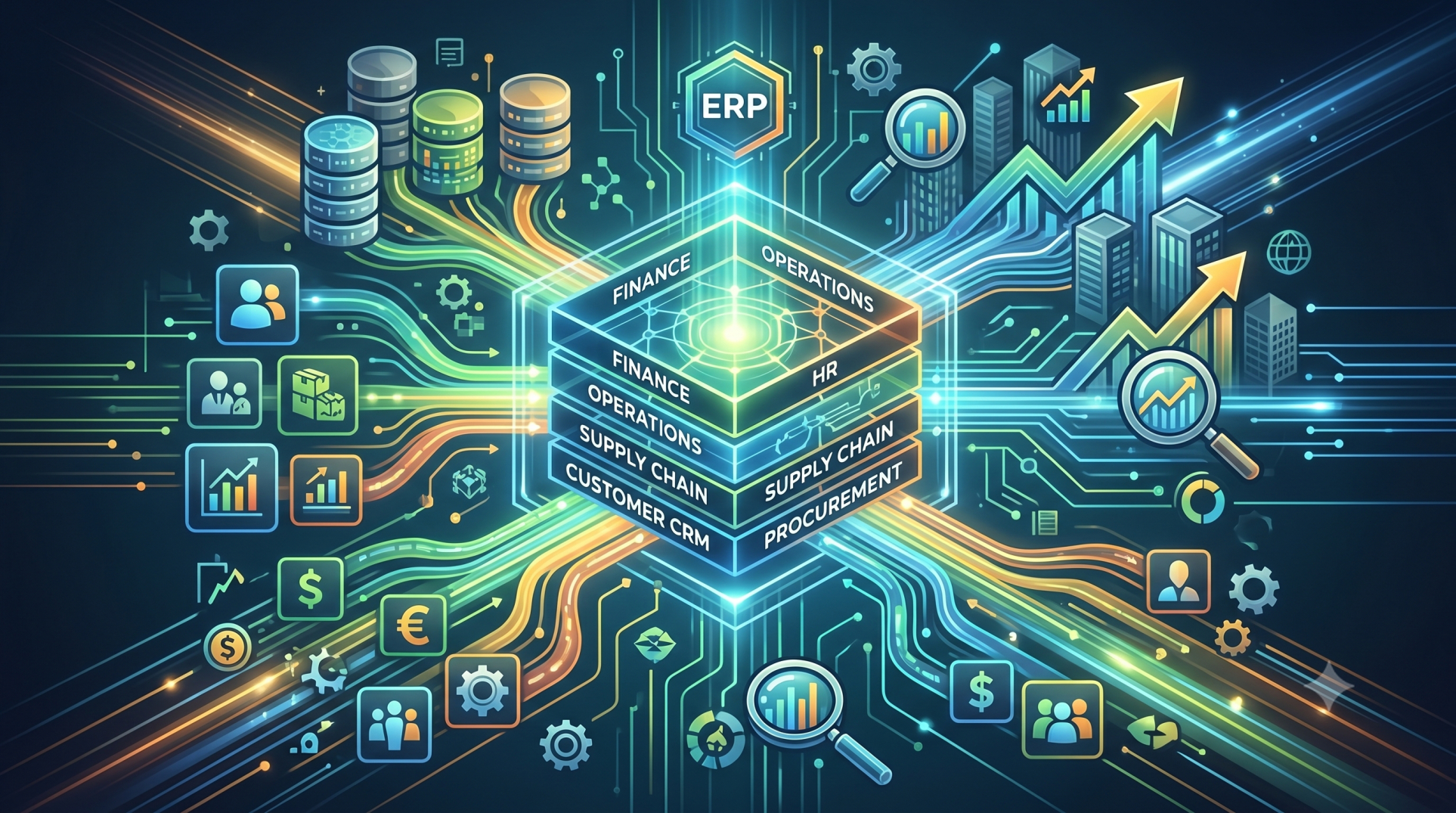
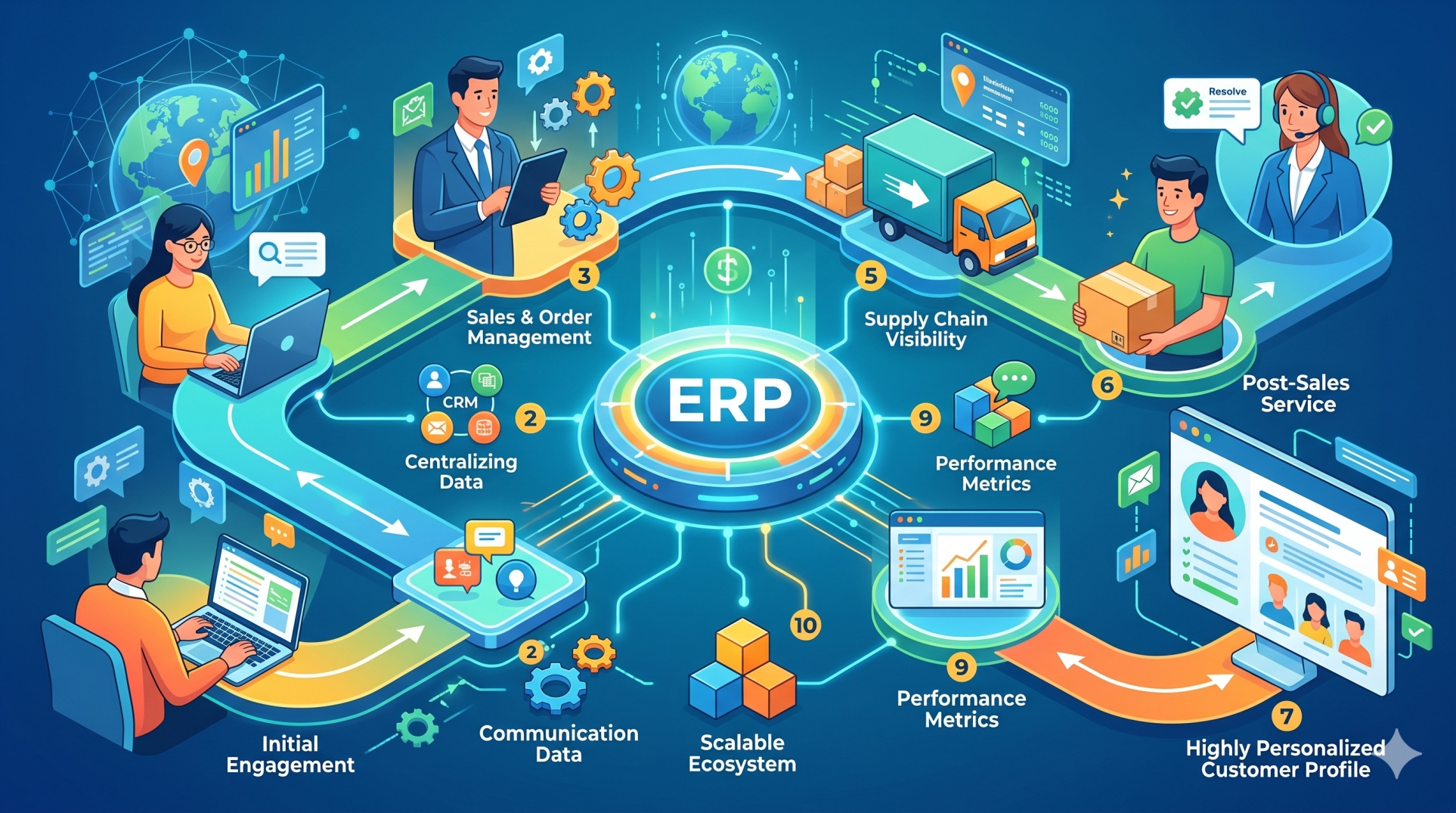
• Connect customer, supplier, employee, product, financial, and operational information
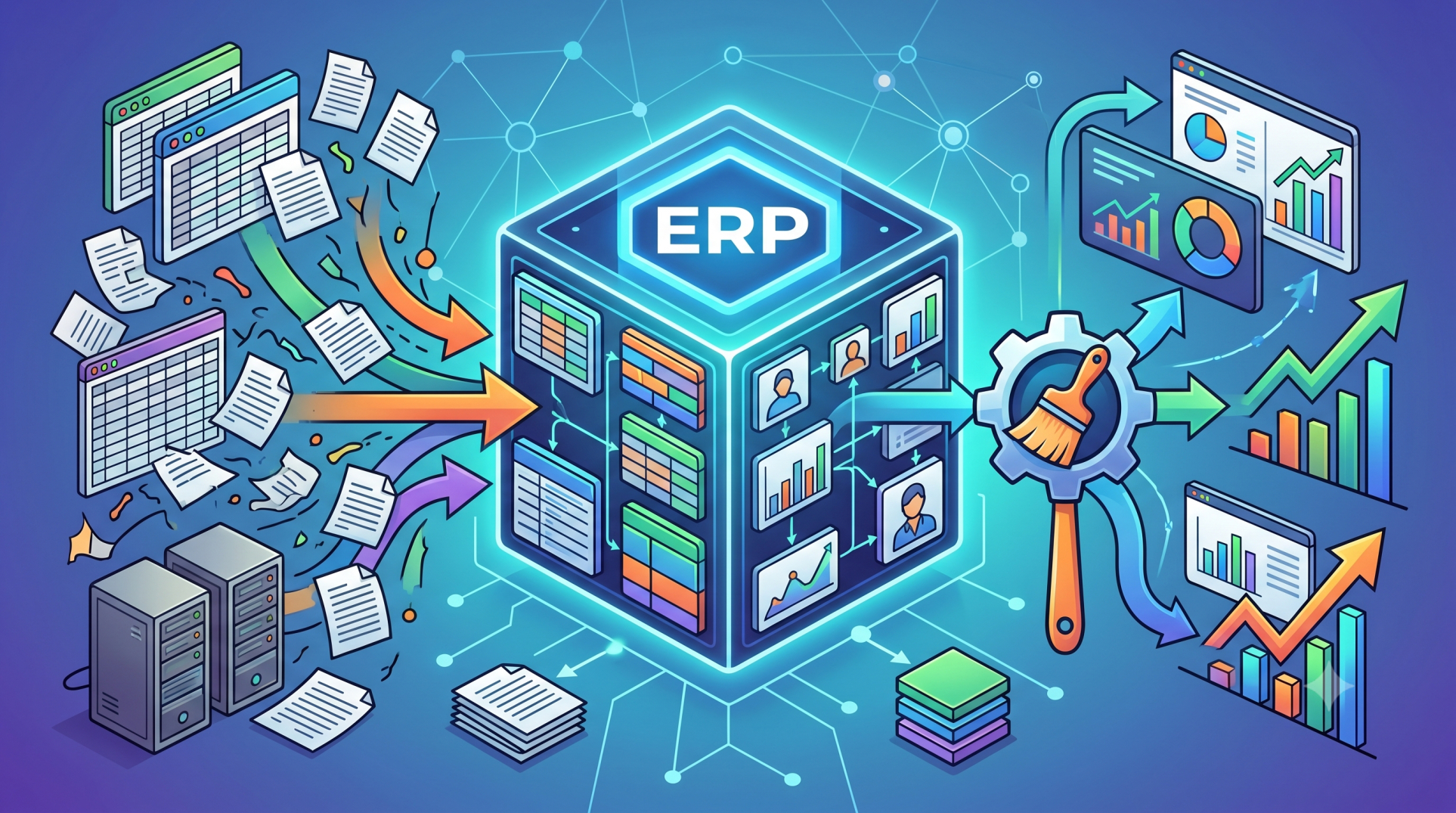
• Eliminate duplicate records and disconnected databases
• Maintain a reliable source of organizational information
• Improve data accessibility across authorized teams
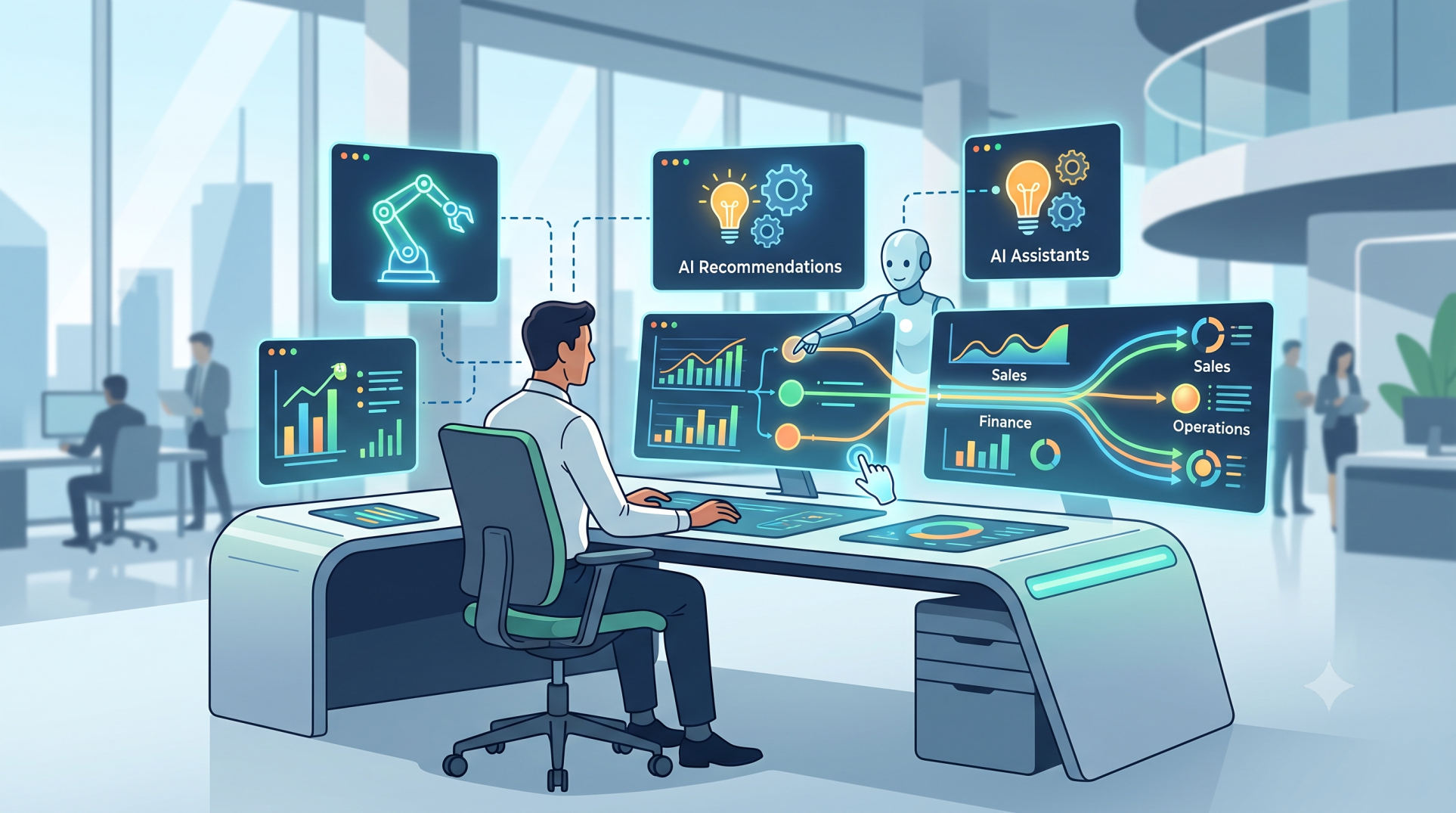
Step 5: Design Role-Based Experiences 👥
• Provide employees with interfaces relevant to their responsibilities
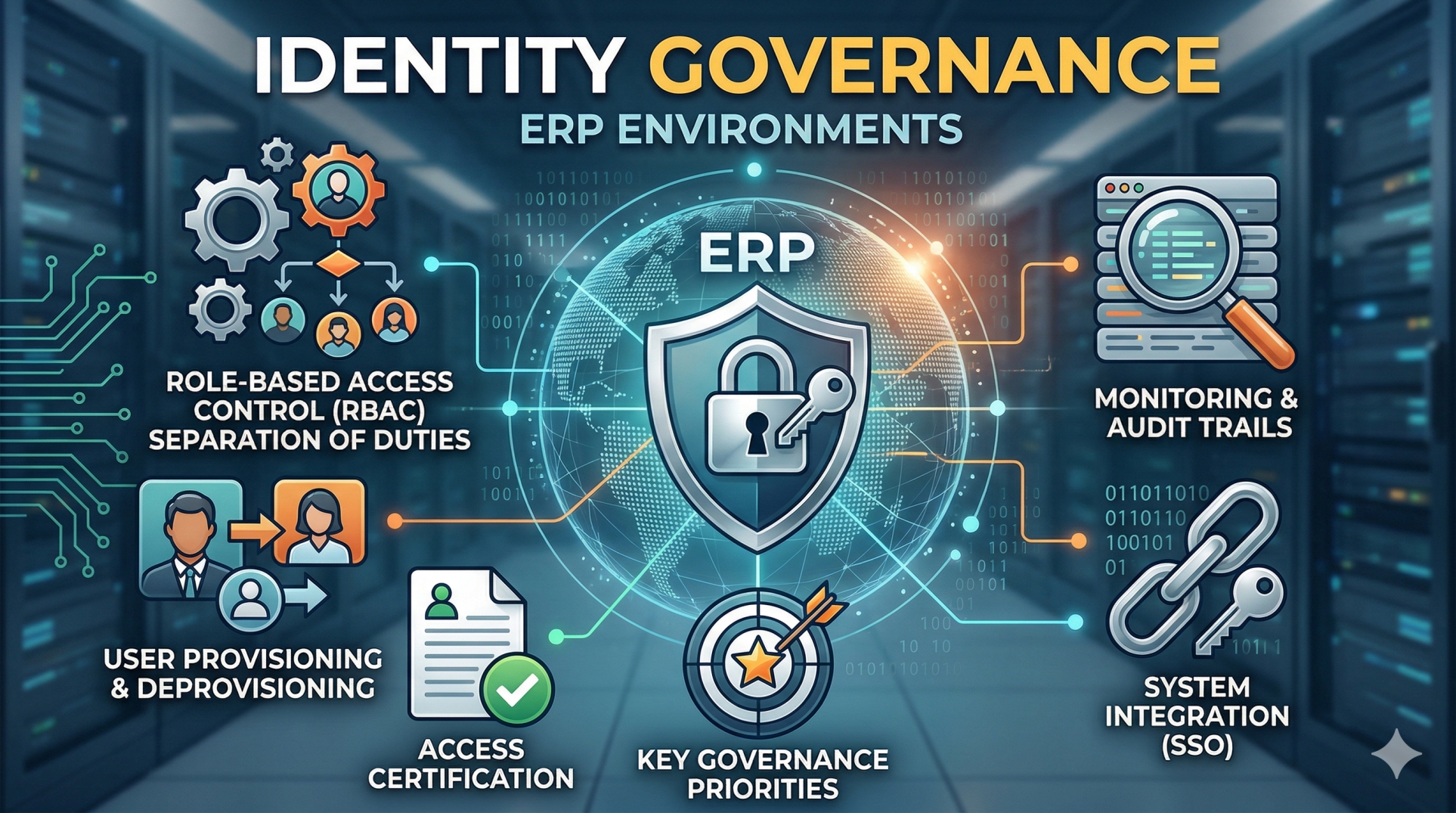
• Configure permissions according to organizational roles
• Give managers access to appropriate operational and performance information
• Simplify complex processes through task-specific dashboards
• Protect sensitive information through controlled access 🔐
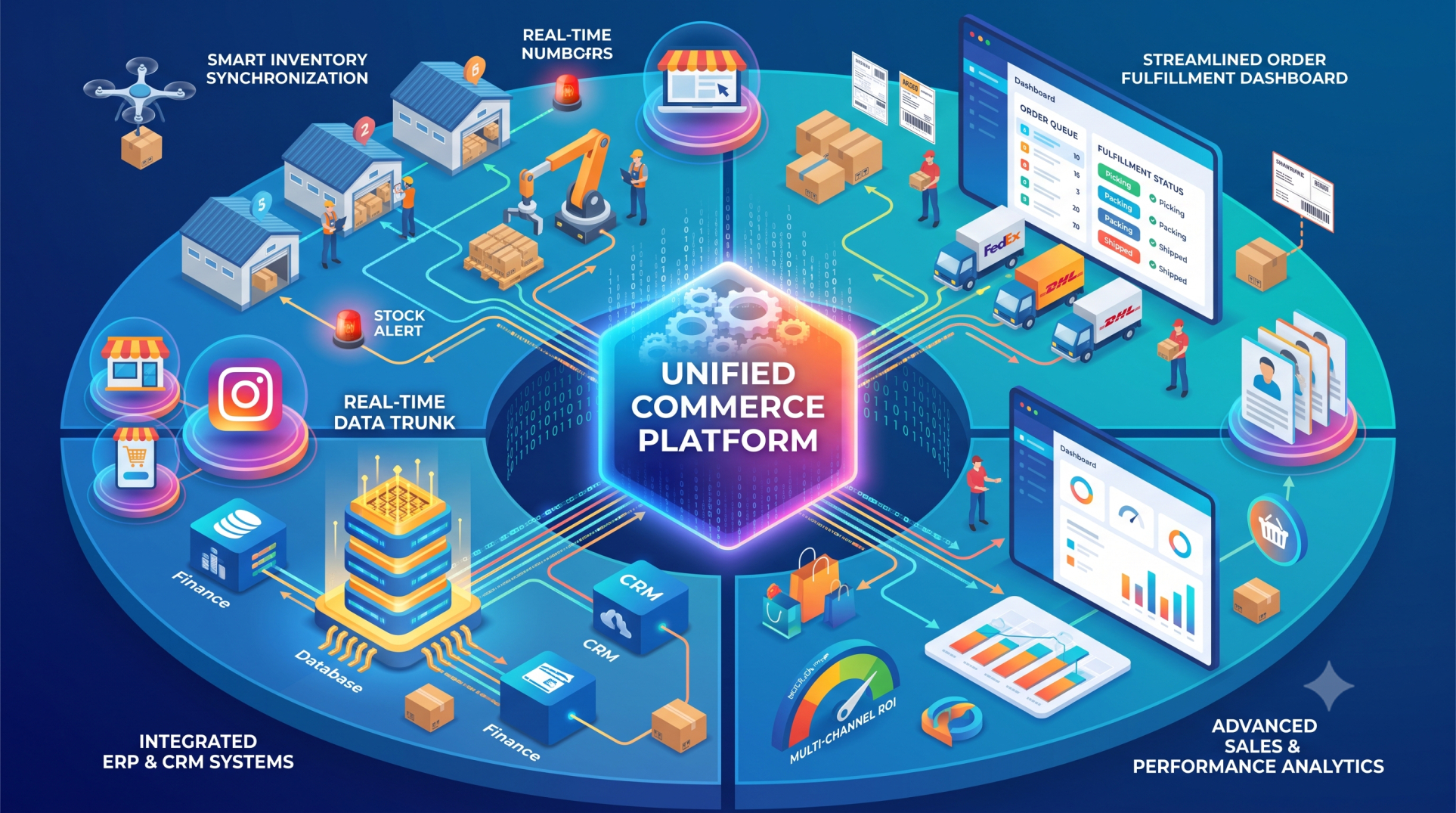
Step 6: Integrate Existing Business Systems 🔗
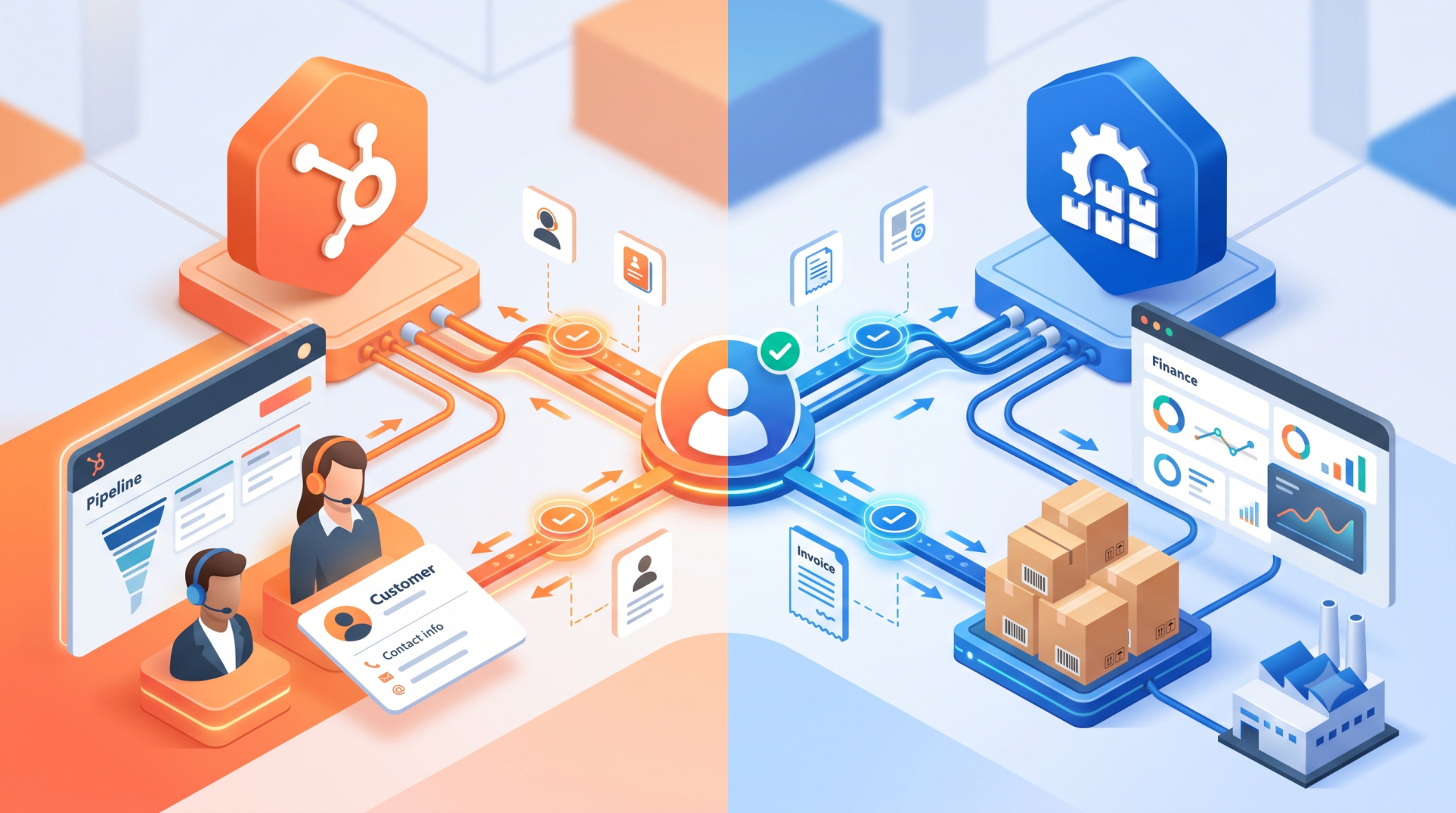
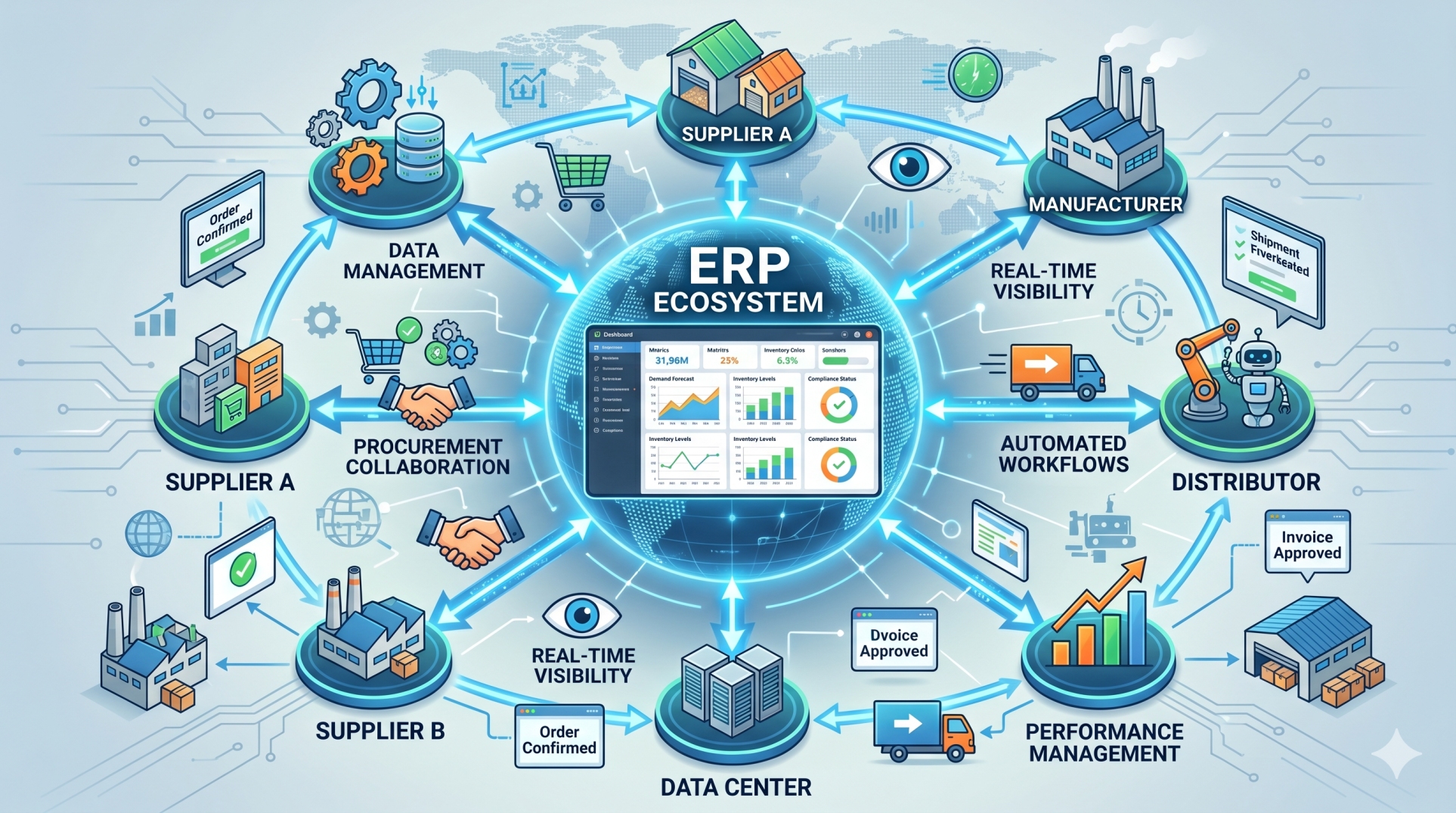
• Connect ERP capabilities with CRM, e-commerce, payroll, logistics, and other platforms
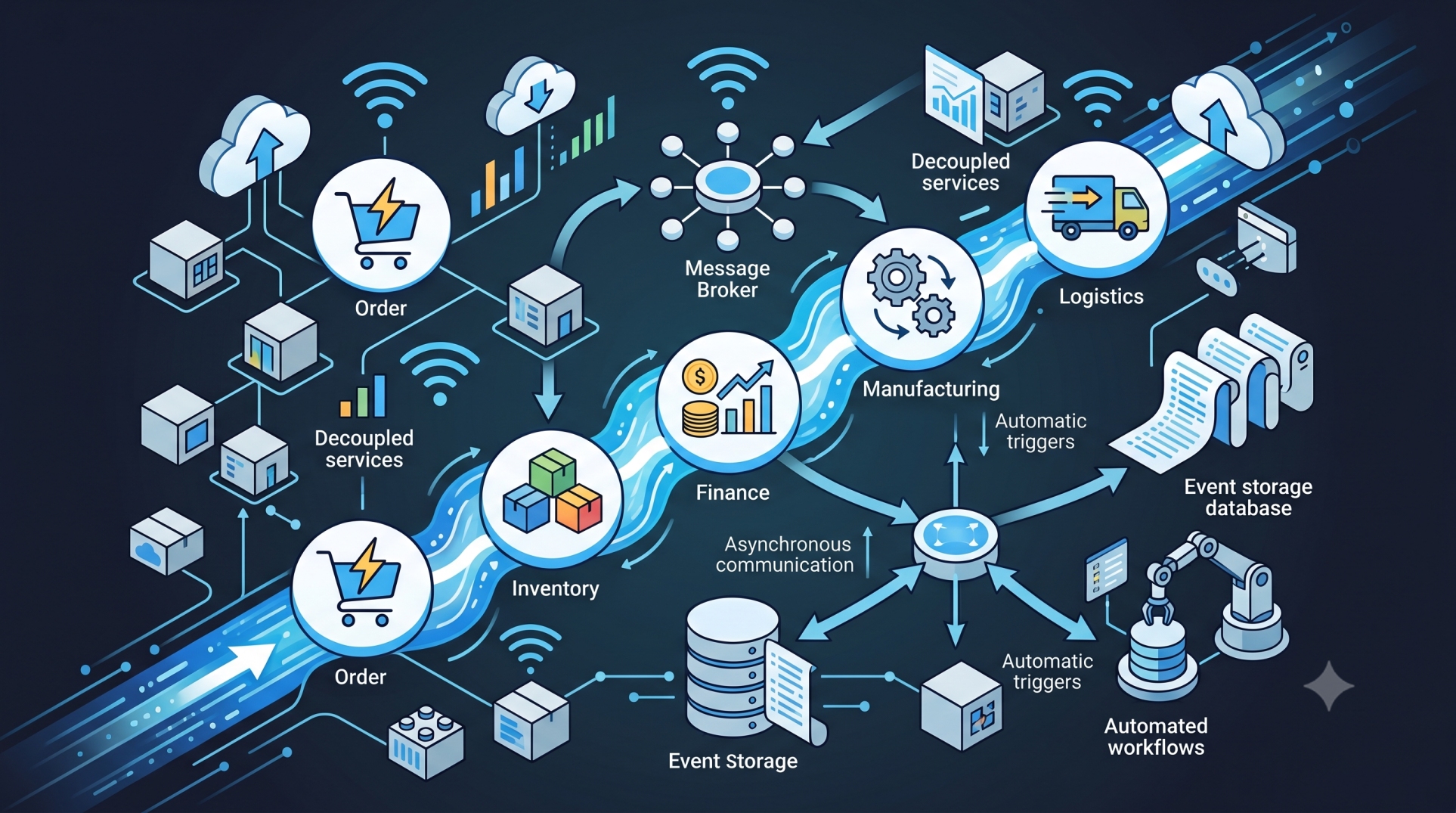
• Use APIs and integration layers to enable reliable data exchange
• Reduce duplicate data entry across applications
• Synchronize information between internal and external systems
• Create a connected technology ecosystem rather than another isolated application
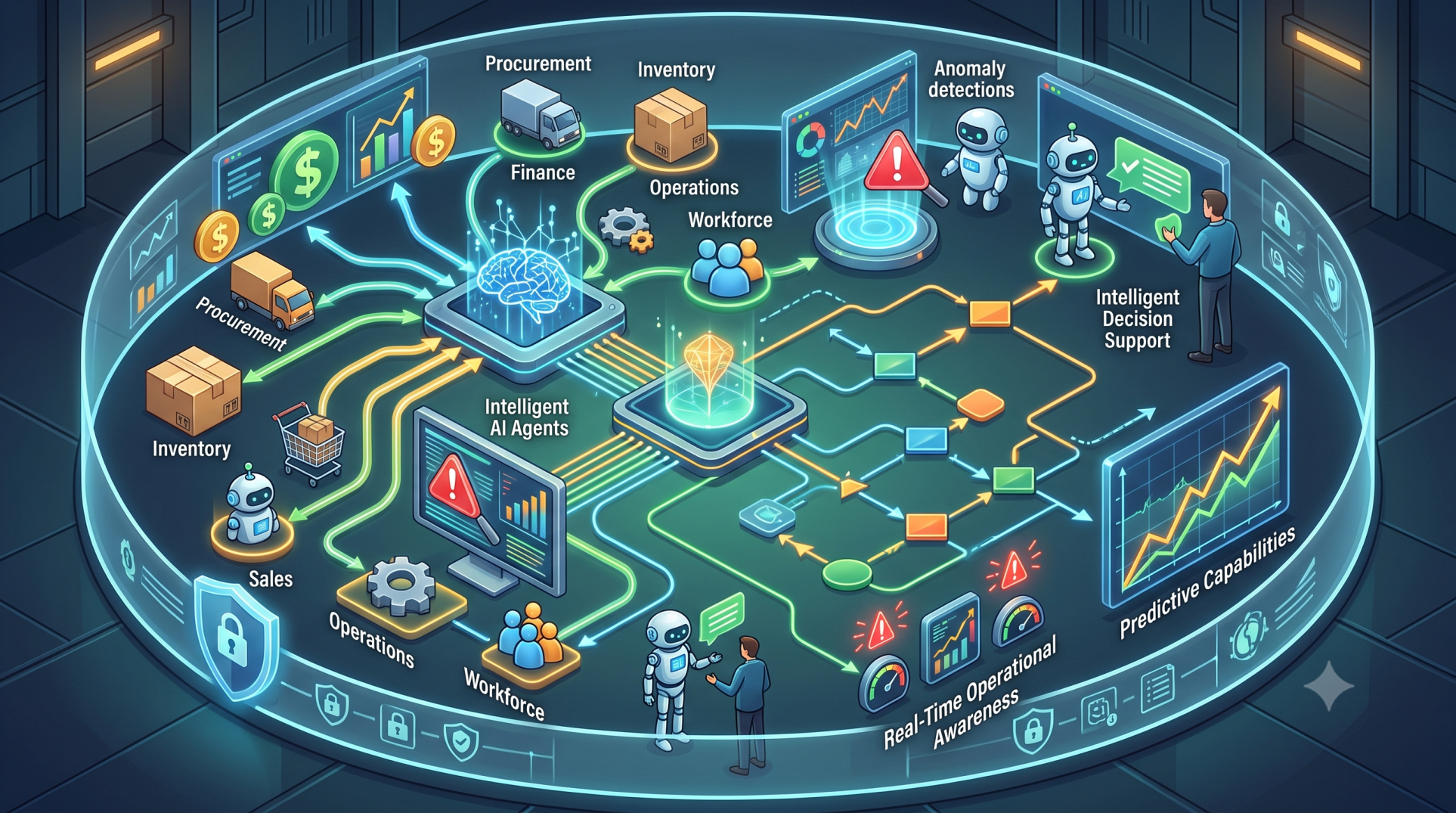
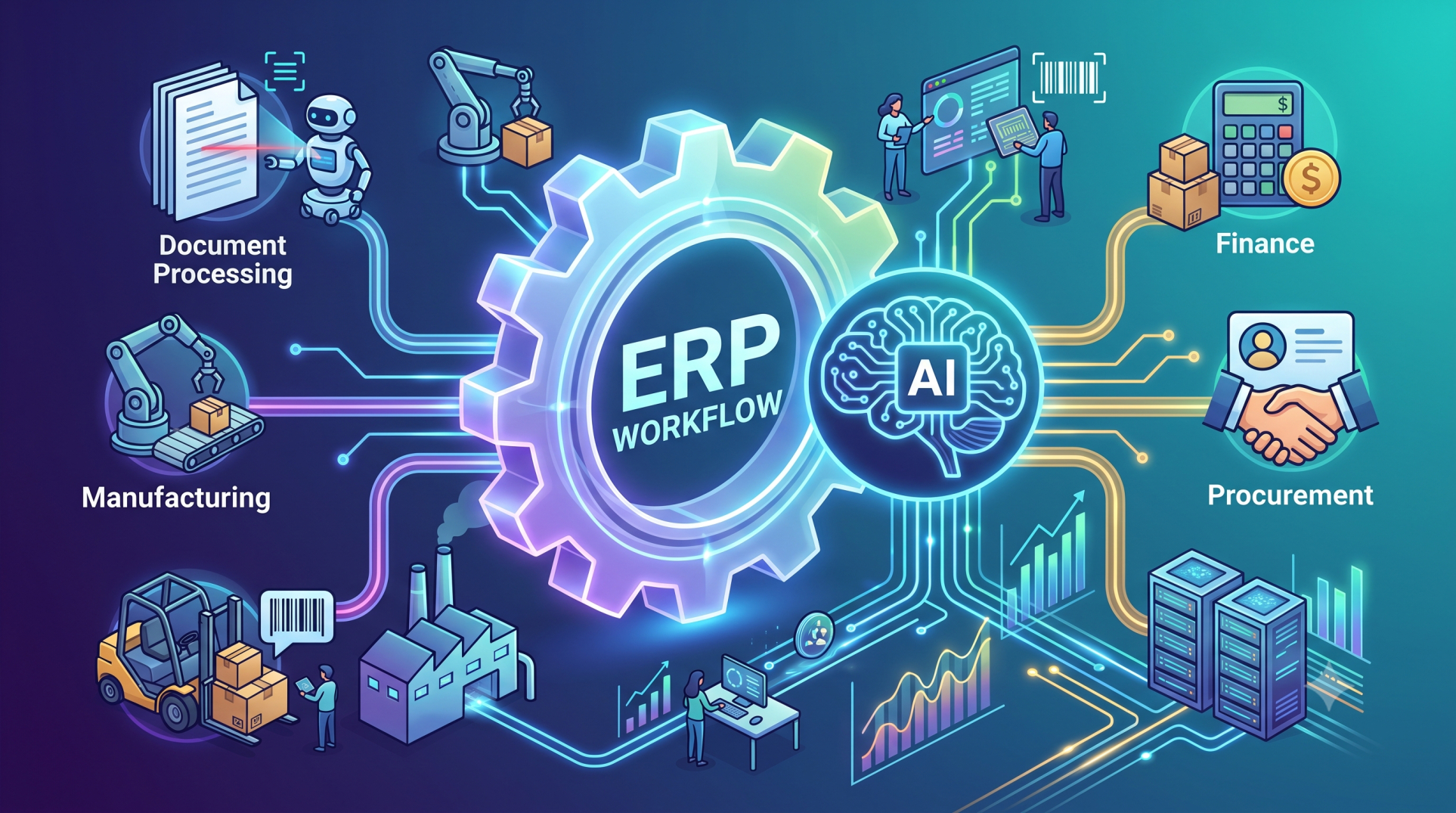
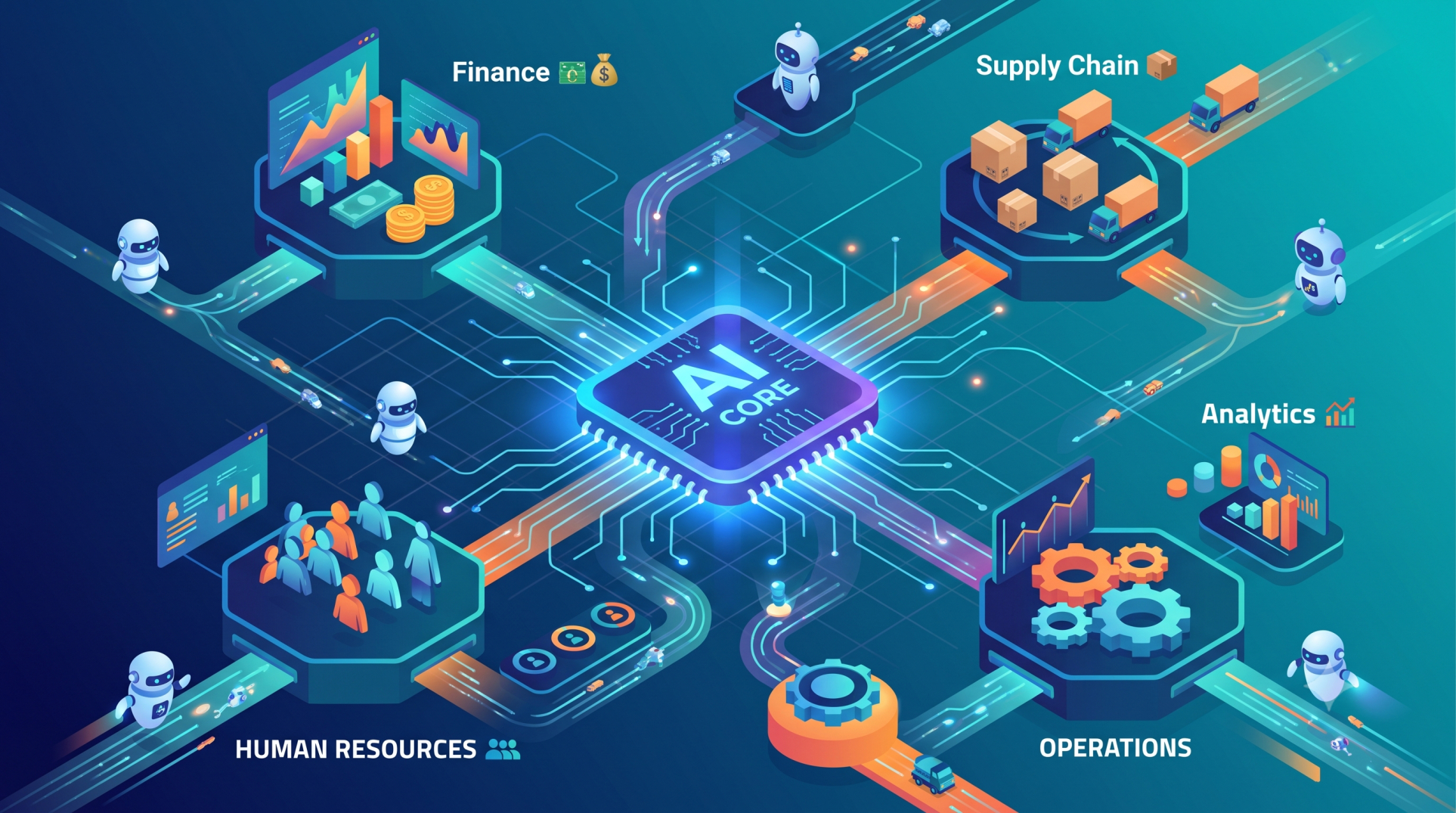
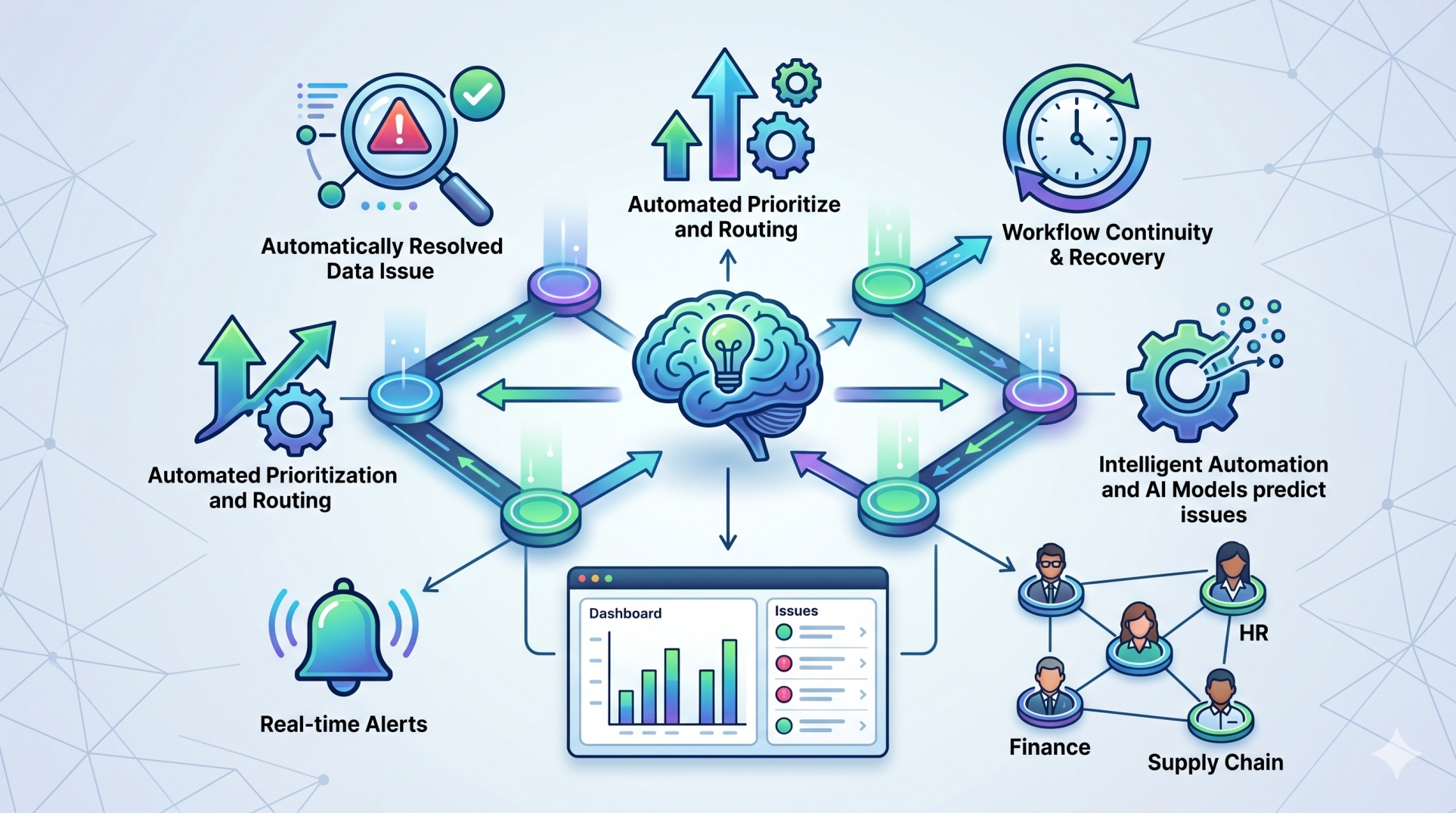
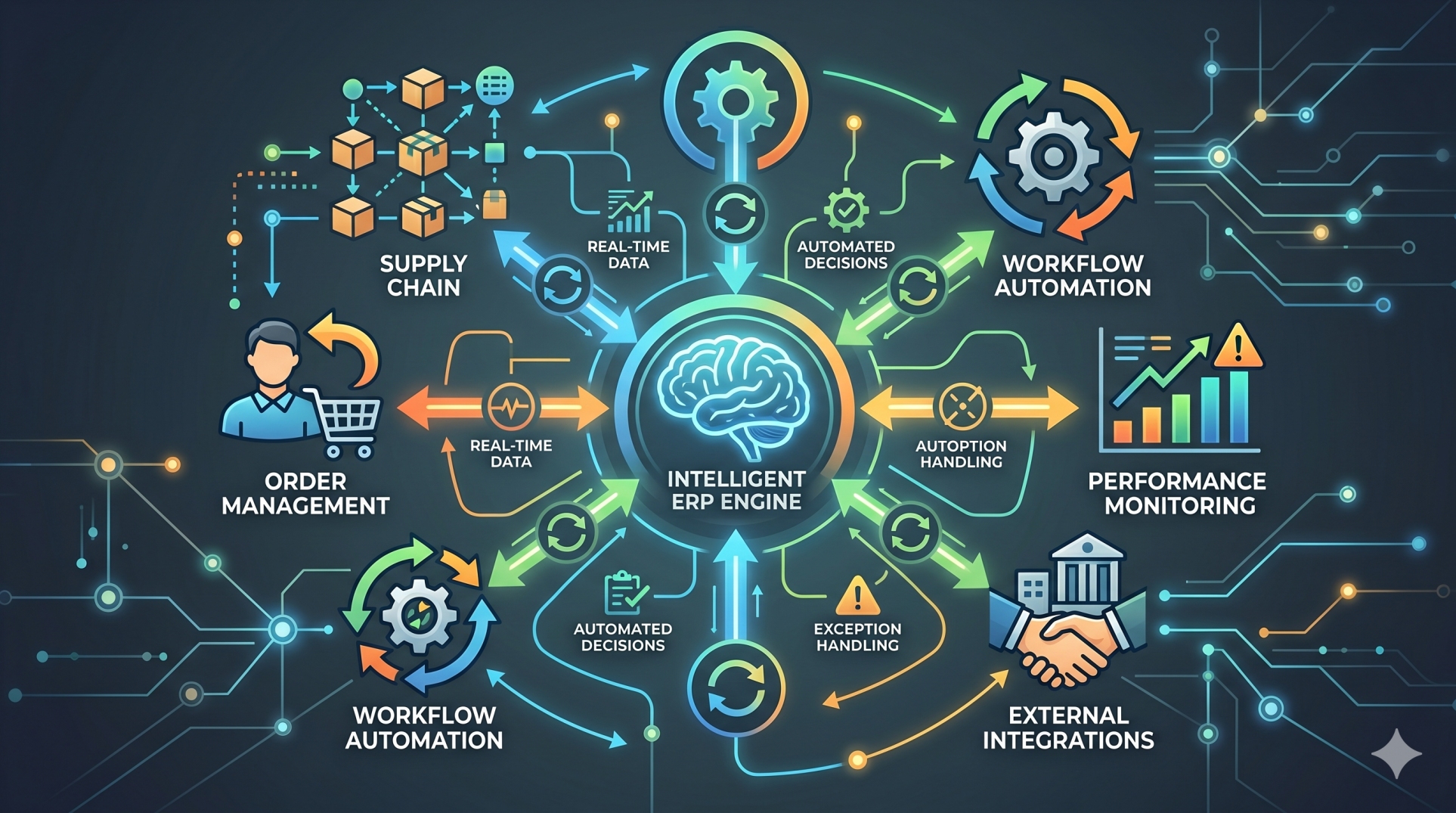
Step 7: Embed Automation and Intelligence 🤖
• Automate routine transactions and administrative activities
• Use business rules to route tasks and approvals
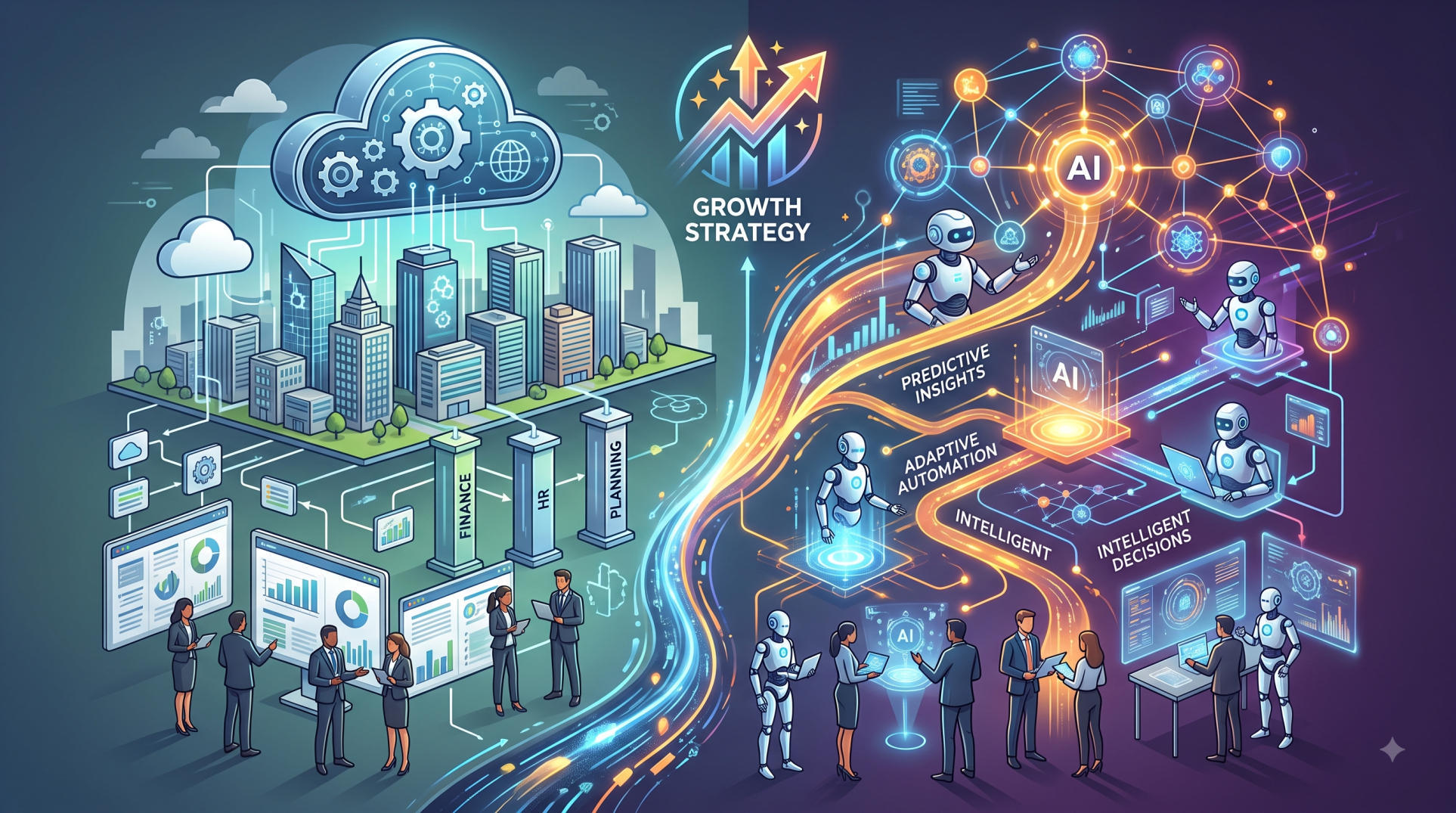
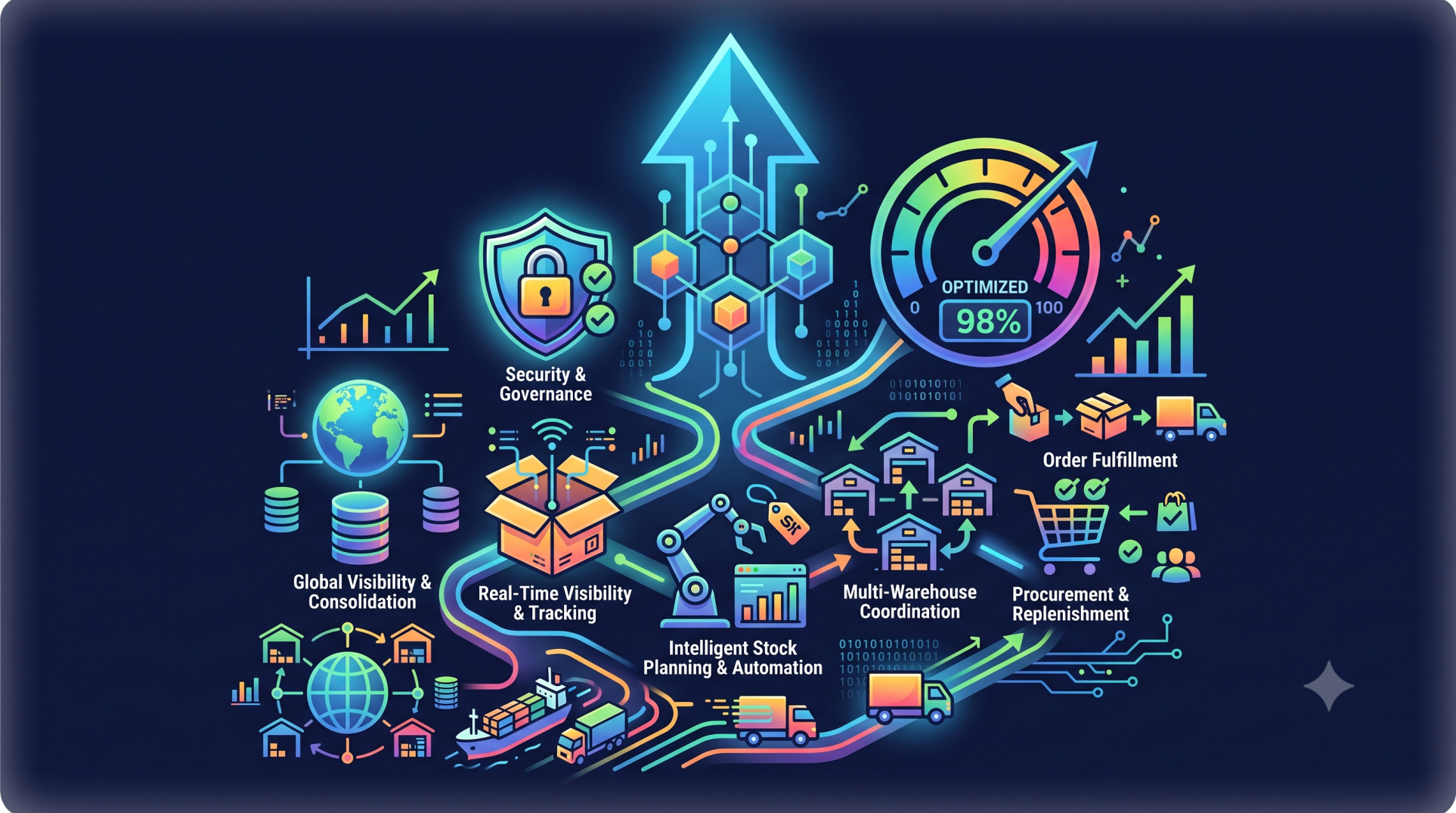
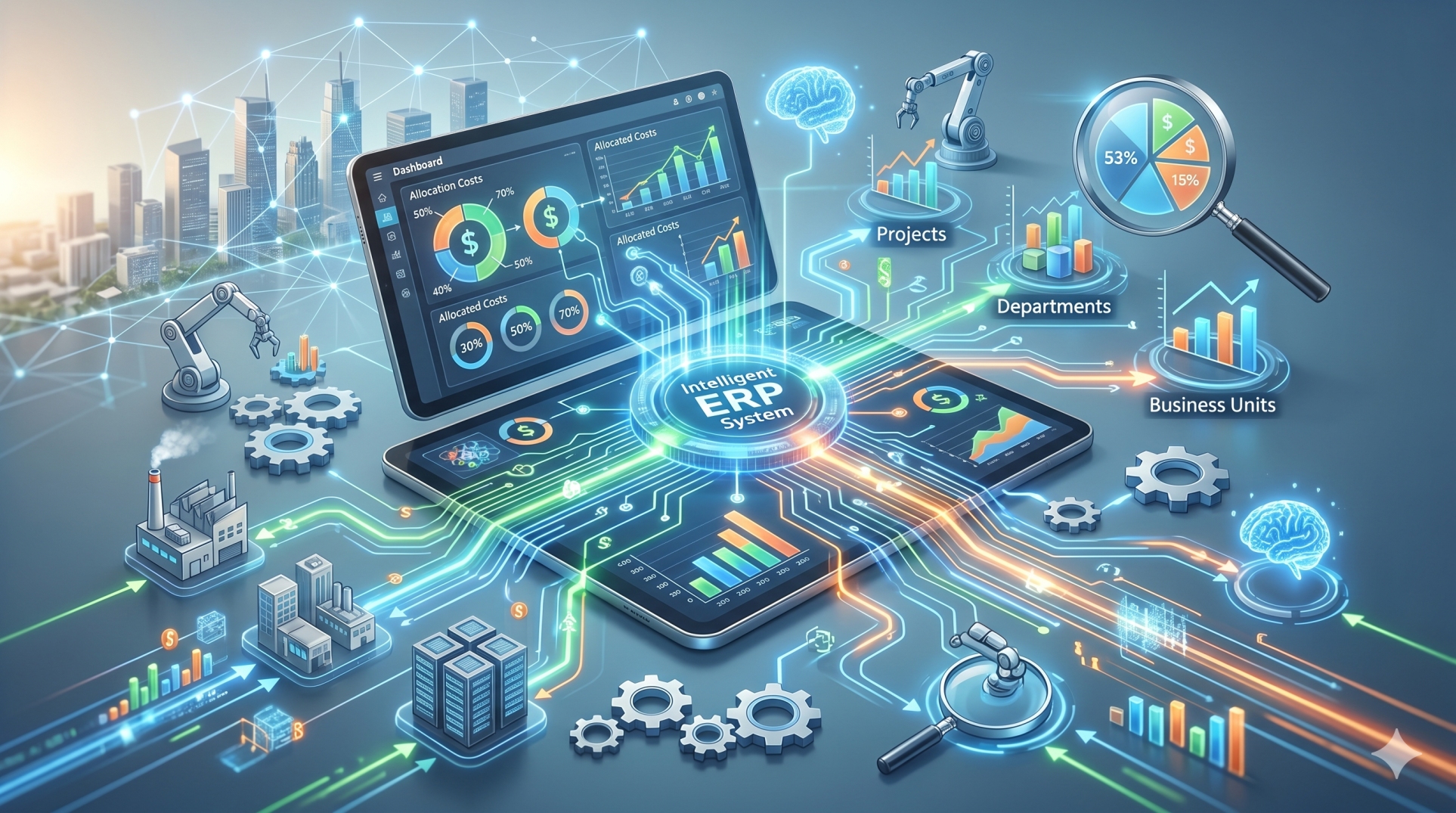
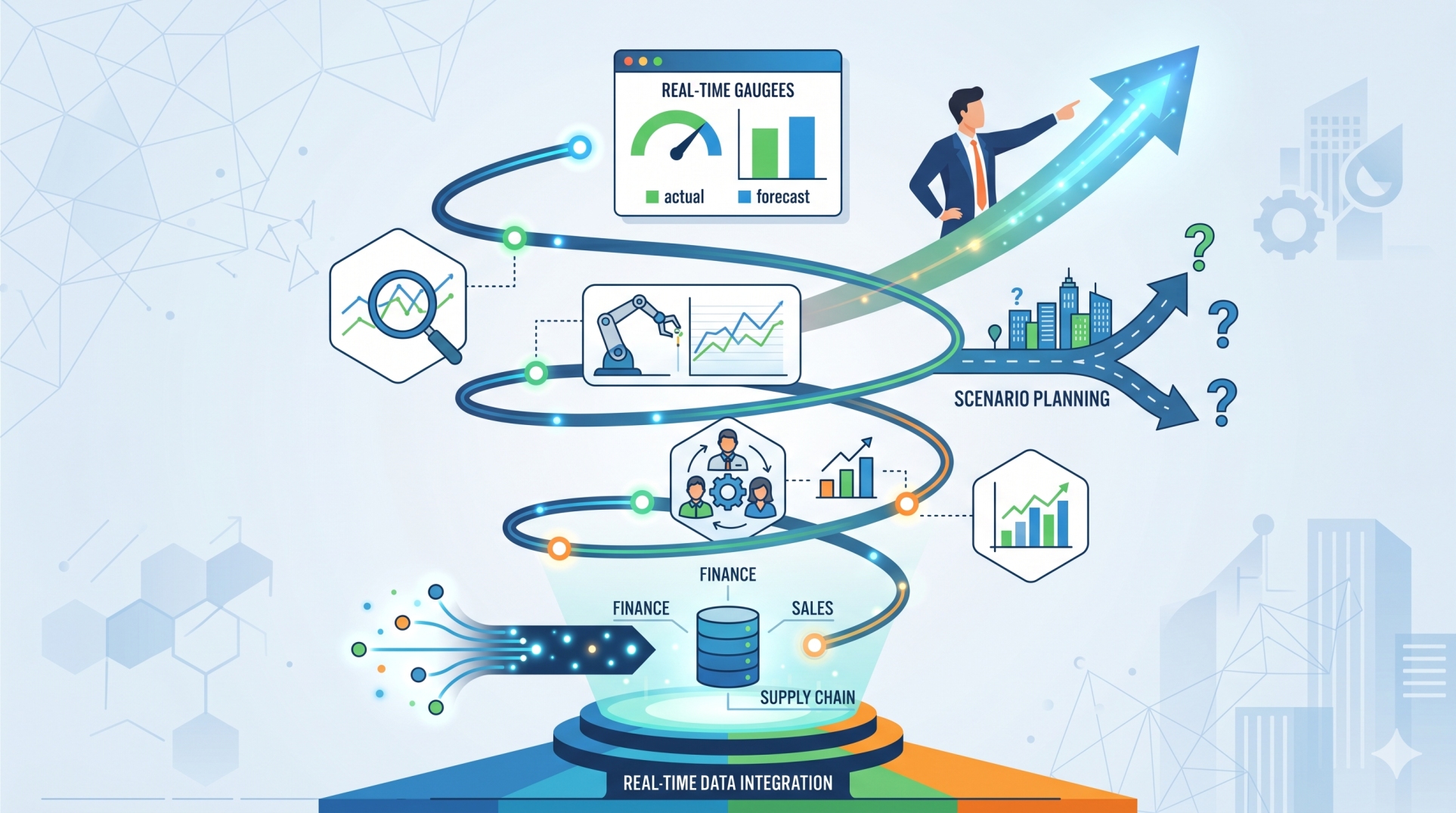
• Introduce analytics for operational monitoring and forecasting 📊
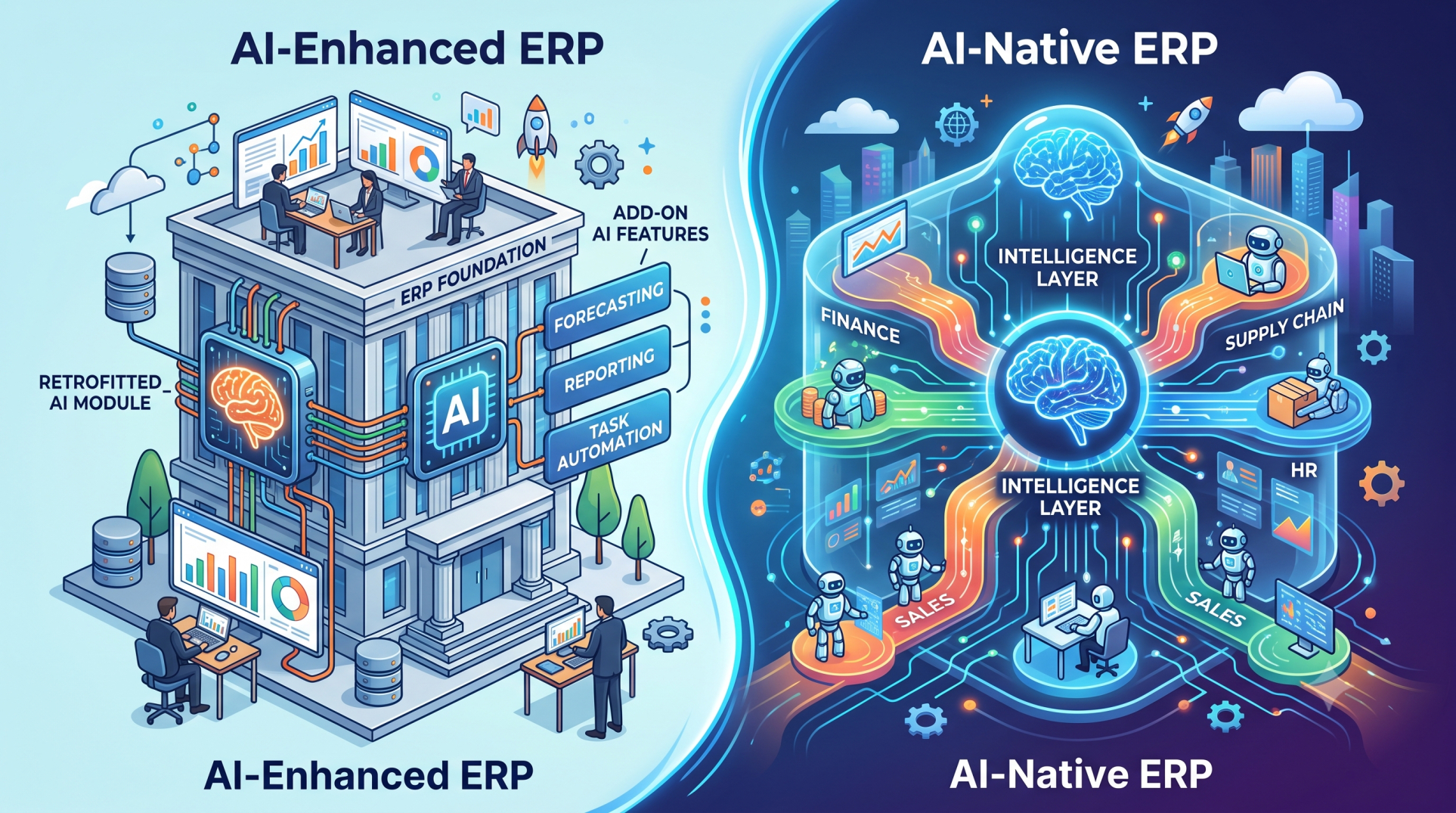
• Apply AI where it can improve decision-making and productivity
• Continuously identify opportunities for process optimization
Step 8: Establish Strong Governance and Controls 🛡️
• Define clear ownership for business data and processes
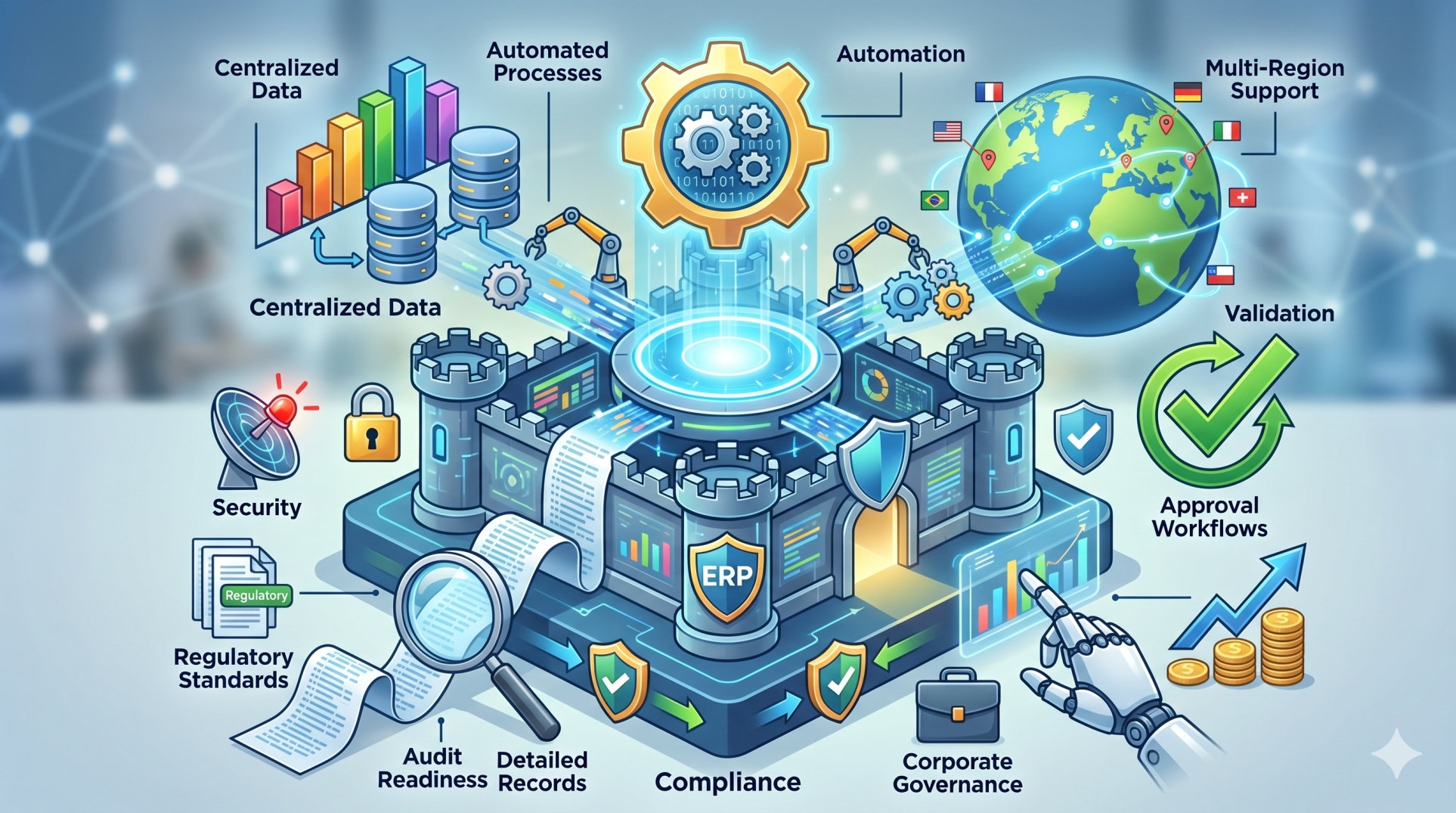
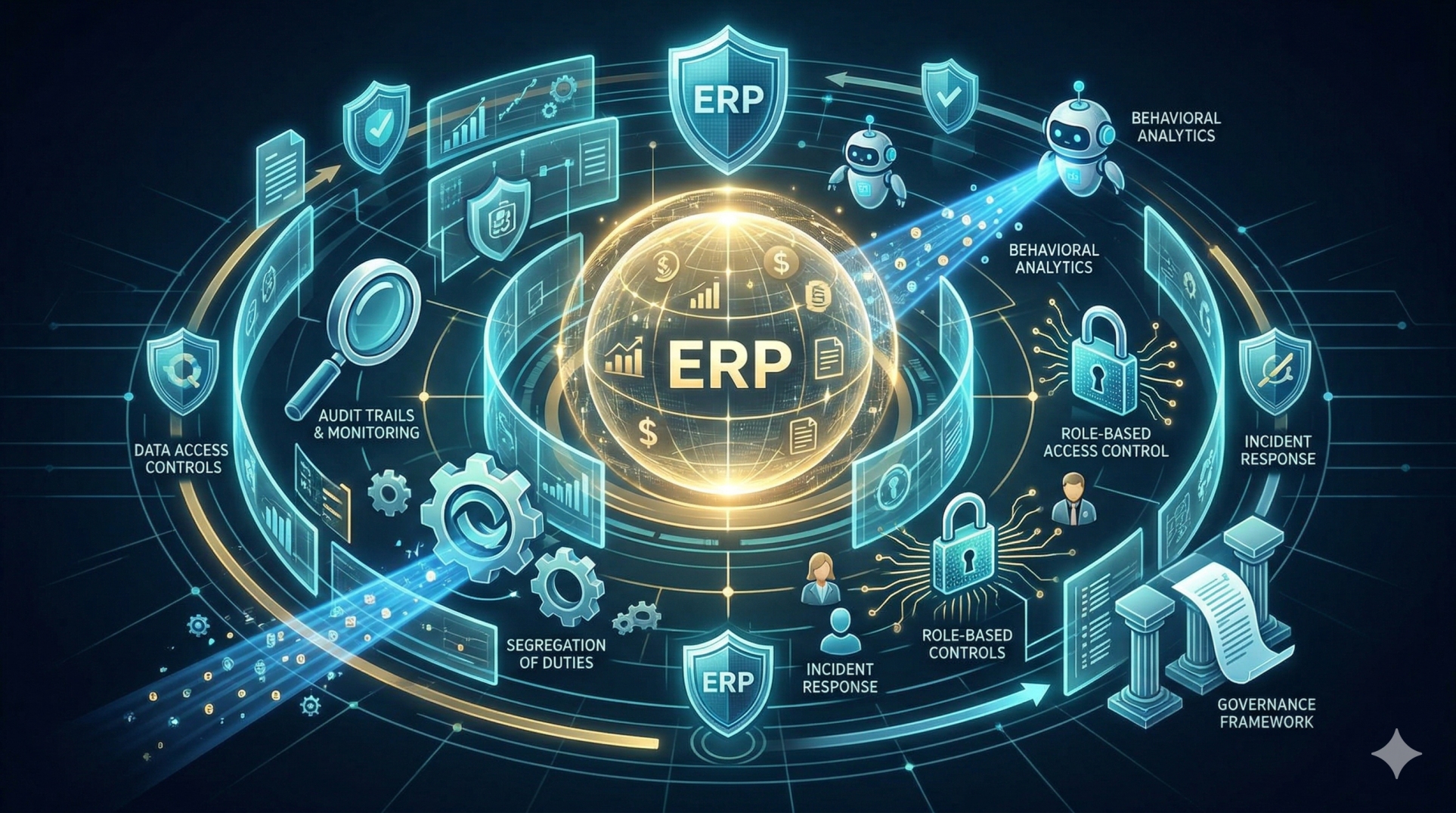
• Maintain audit trails for important transactions and decisions
• Implement approval controls for sensitive operations
• Monitor compliance requirements across business functions
• Establish governance policies that support responsible system usage
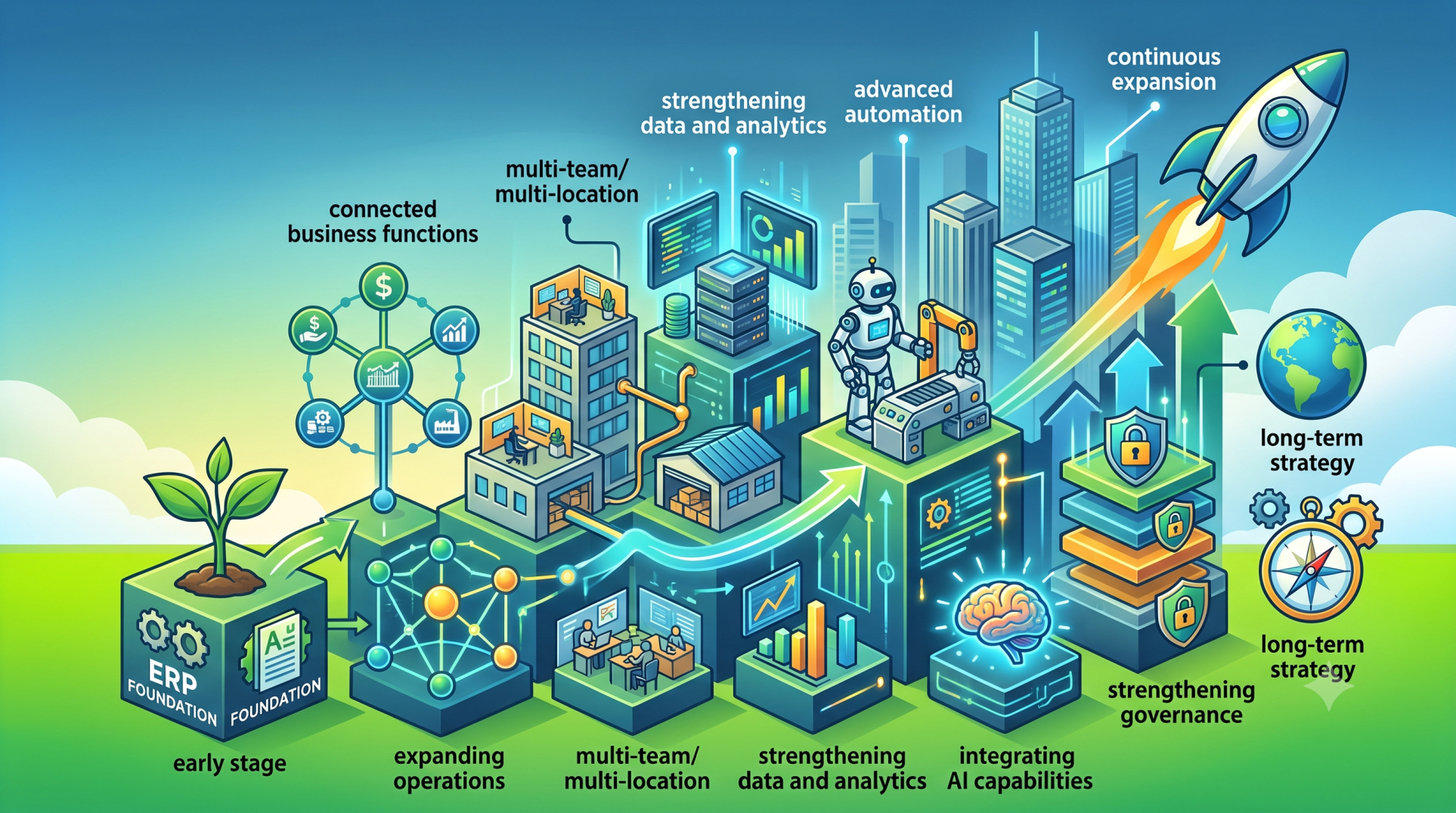
Step 9: Design for Scalability and Change 🚀
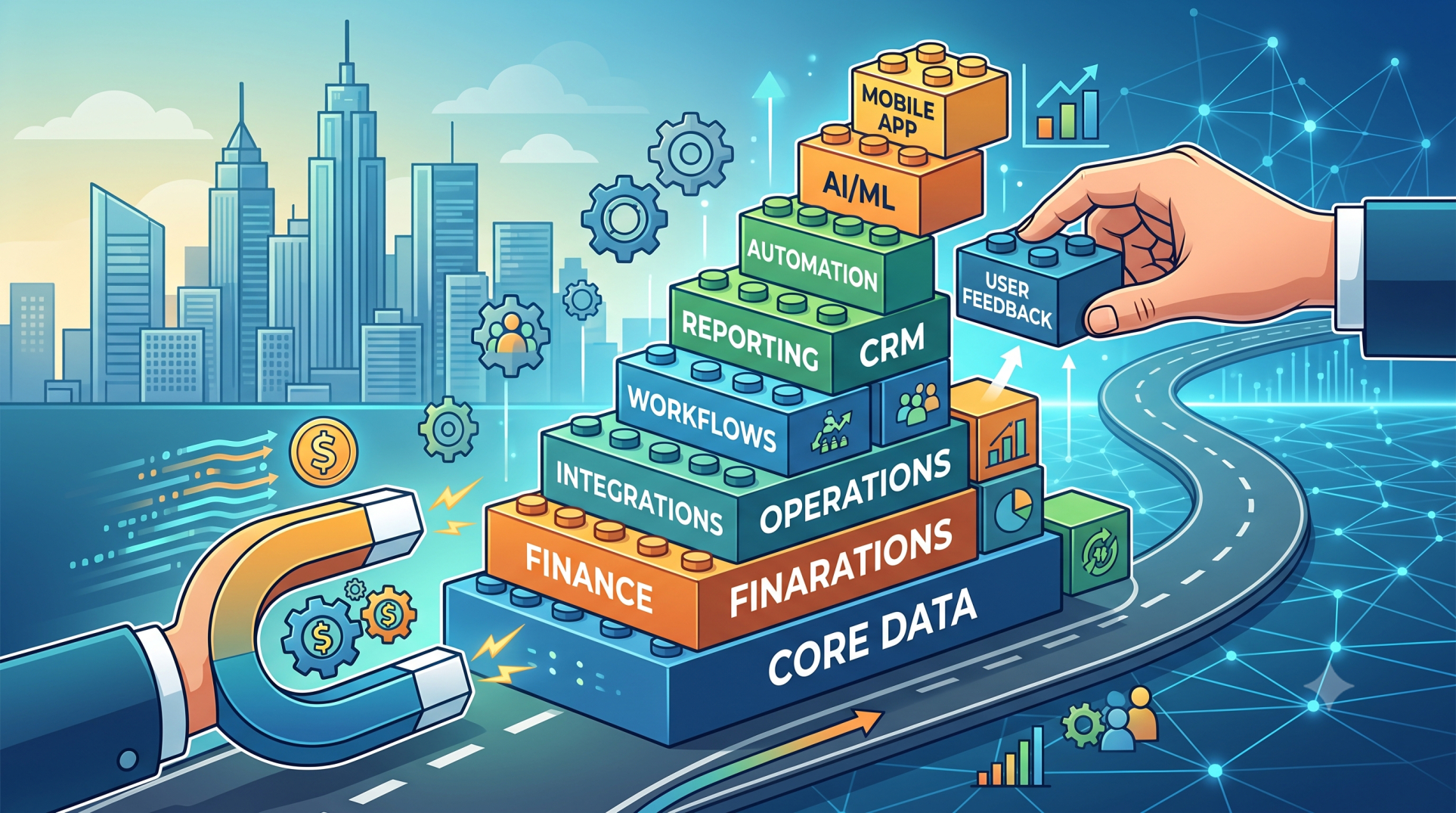
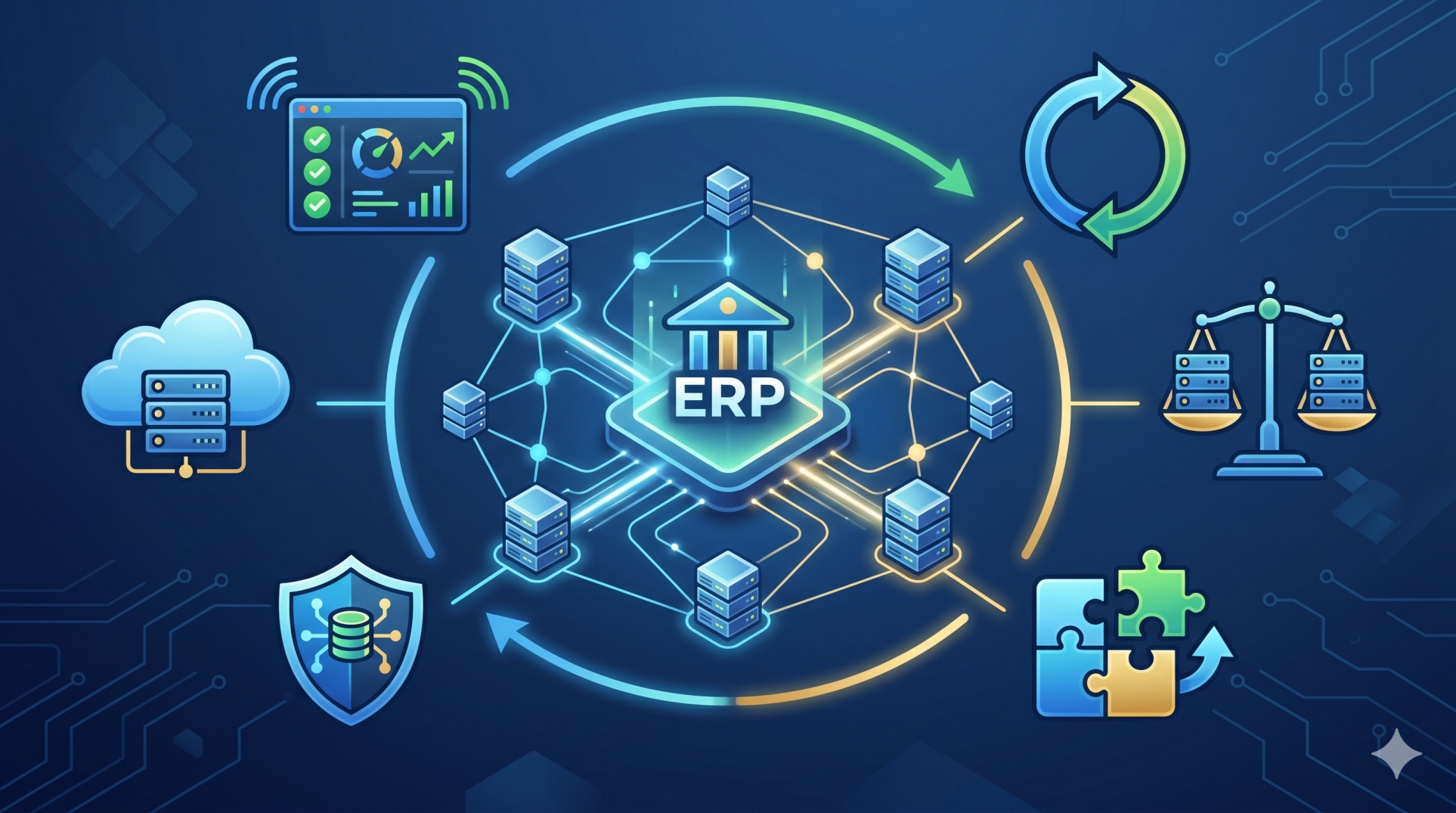
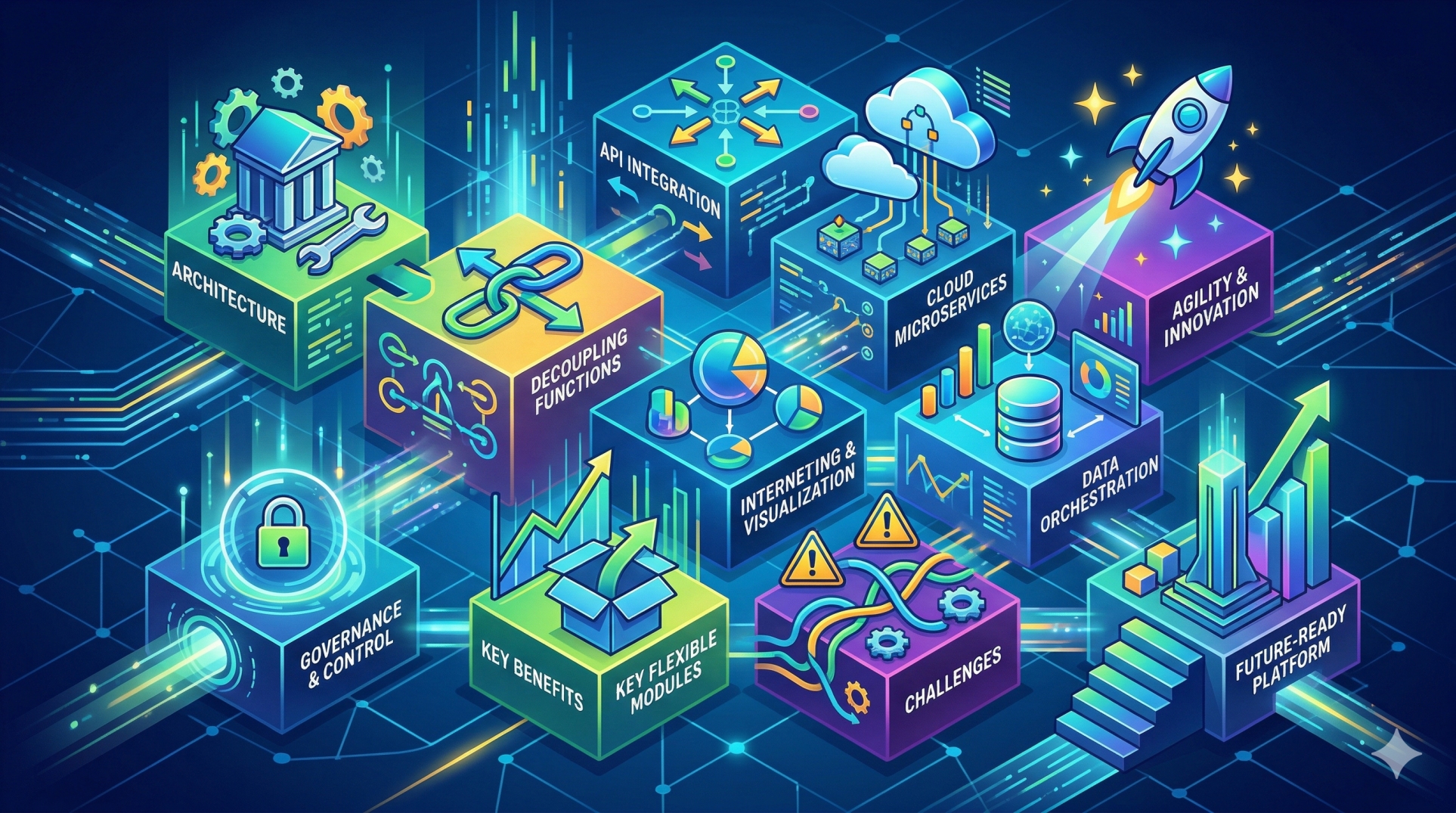
• Build a modular ERP architecture that can expand over time
• Support additional users, locations, products, and business units
• Make it easier to introduce new workflows and capabilities
• Avoid excessive customization that creates long-term maintenance challenges
• Prepare the platform for changing market and operational requirements
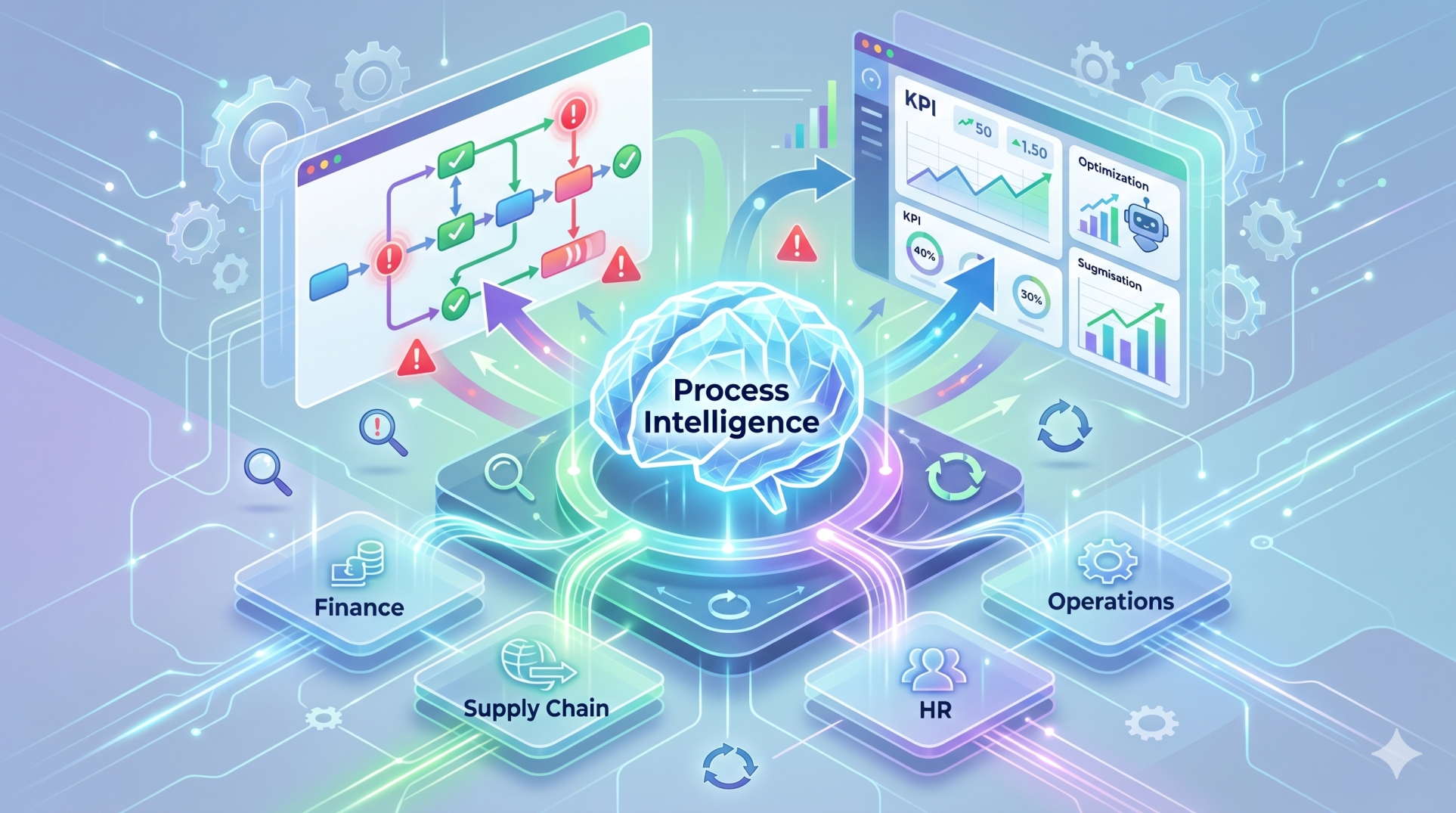
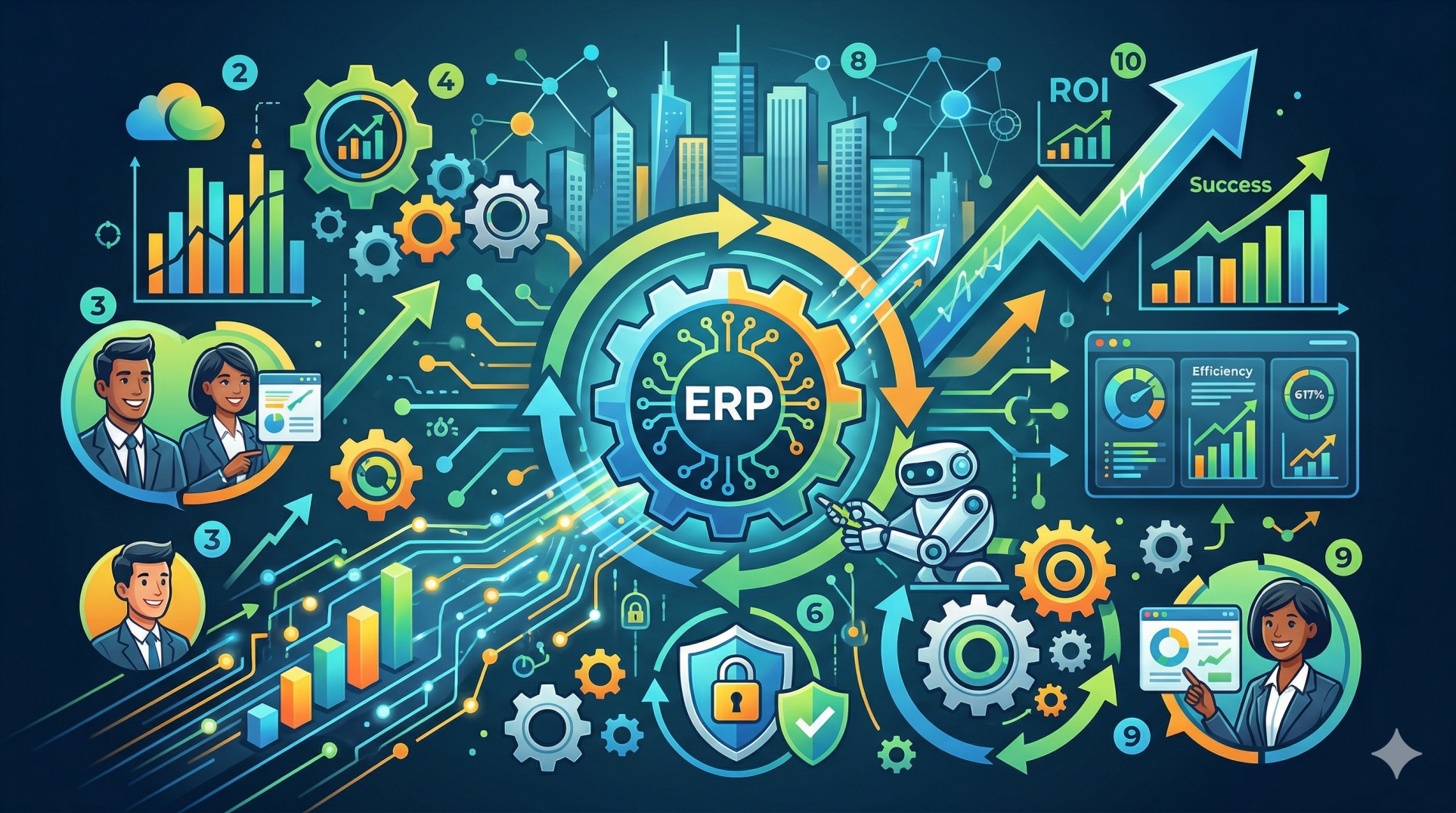
Step 10: Continuously Optimize the ERP Platform 📈
• Monitor system usage and business performance
• Collect feedback from employees and operational teams
• Identify process bottlenecks and inefficient workflows
• Refine configurations as business requirements evolve
• Treat the ERP platform as an ongoing business capability rather than a one-time technology deployment
Key Design Priorities ⭐
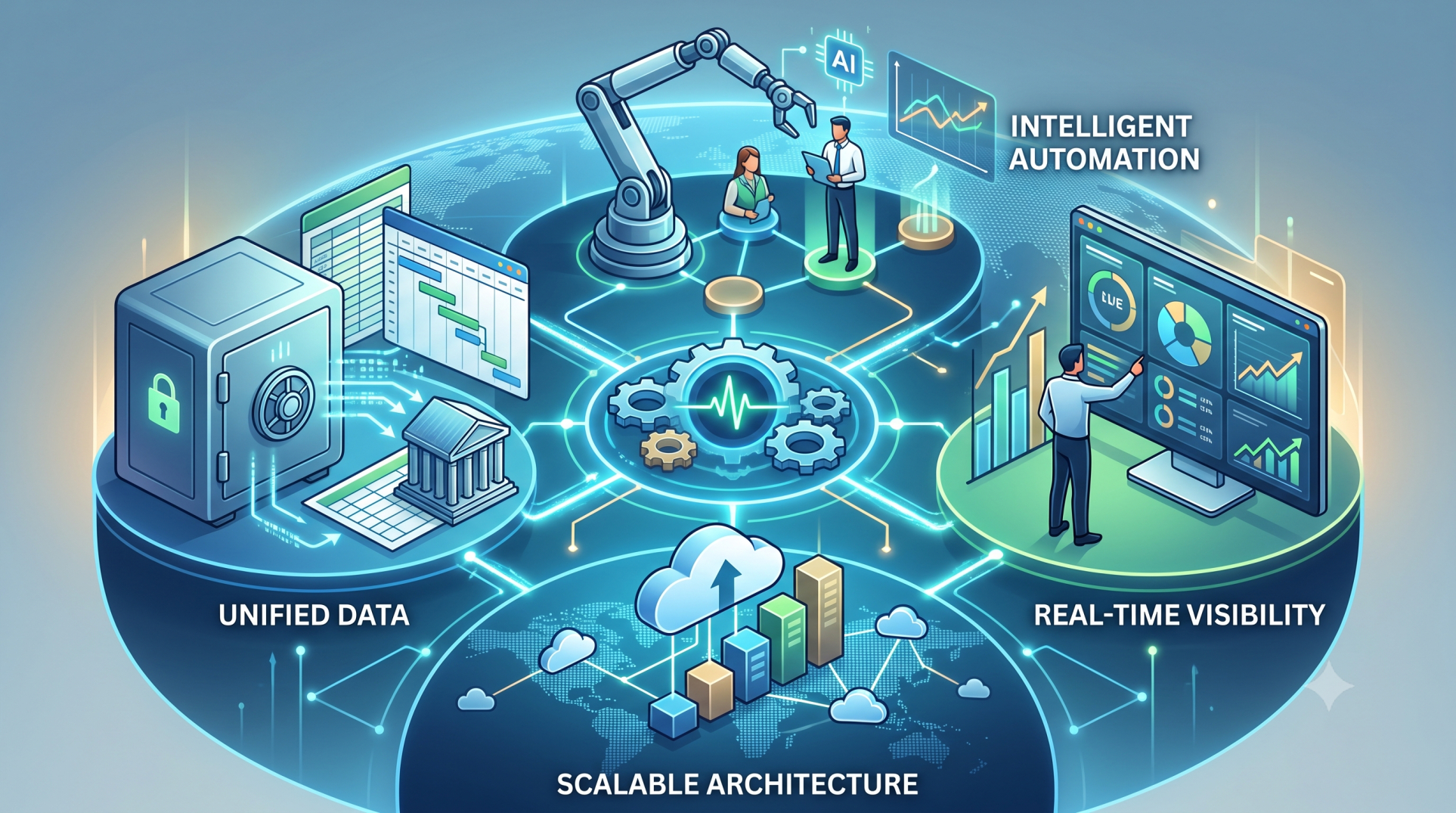
• Business-first architecture — Design around actual operating requirements
• Flexible workflows — Adapt processes without unnecessary complexity
• Unified data — Connect information across the organization
• Role-based access — Give users the right information and capabilities
• Intelligent automation — Reduce repetitive operational work
• Scalable infrastructure — Support long-term organizational growth
• Continuous improvement — Evolve the platform alongside the business
Conclusion
Designing an ERP platform around a company’s unique operating model creates a stronger connection between technology and business operations. Instead of forcing teams to adapt to rigid software structures, organizations can build workflows, data models, integrations, and user experiences that reflect how the business actually functions. A well-designed ERP platform becomes more than a system for recording transactions. It becomes a central operating layer that coordinates people, processes, data, and decisions across the enterprise. With a flexible architecture and continuous optimization, organizations can create an ERP environment that supports current requirements while remaining ready for future growth.
See more blogs
You can all the articles below